
Icon is committed to respecting and promoting internationally recognised human rights. We believe every individual has the right to live free from exploitation and to be treated with dignity, fairness and respect.”



Icon is committed to respecting and promoting internationally recognised human rights. We believe every individual has the right to live free from exploitation and to be treated with dignity, fairness and respect.”
As a world-leading integrated healthcare provider, Icon Group (Icon) operates with a deep sense of purpose and global responsibility. With a footprint spanning Australia, New Zealand, Asia, and the United Kingdom, we are committed to delivering care that is not only clinically exceptional but also ethically and sustainably grounded.
Our mission – to deliver the best care possible – is underpinned by our Environmental, Social and Governance (ESG) commitments. These guide how we care for:
PATIENTS – expanding access to cancer care, improving clinical competency, and supporting vulnerable communities
PEOPLE – fostering a diverse, inclusive and safe workplace that empowers our teams to deliver exceptional outcomes
PLANET – actively reducing our environmental impact and working towards a lower waste and carbon footprint.
These pillars are supported by strong governance, transparent reporting, and a culture of accountability – ensuring our actions reflect our values and drive meaningful progress.

Modern slavery is a serious and complex global issue, encompassing human trafficking, forced labour, servitude, and other slaverylike practices. It occurs when individuals are exploited through coercion, deception or abuse of power, stripping them of their freedom and dignity.
Icon is committed to respecting and promoting internationally recognised human rights. We believe every individual has the right to live free from exploitation and to be treated with dignity, fairness and respect.
We are proactive in identifying and addressing modern slavery risks across our operations and supply chains. This includes:
• Conducting due diligence to assess and mitigate risk
• Investigating concerns and taking appropriate action
• Collaborating with suppliers and partners to uphold ethical standards.
We expect all organisations we work with to share our commitment to human rights and ethical business practices. Through ongoing vigilance, transparency and collaboration, we aim to play our part in identifying and mitigating the risks of modern slavery and protecting the rights of all people connected to our business.
This is Icon’s fifth Modern Slavery Statement, prepared in accordance with the Australian Modern Slavery Act 2018 (Cth). It outlines the actions taken during the financial year ending 30 June 2025 to identify, assess and address modern slavery risks across our operations and supply chain. It also sets out our priorities for the year ahead.
Throughout the reporting period, Icon implemented a series of targeted actions to enhance our modern slavery risk management framework. Key deliverables included:
• Tier 2 supplier screening embedded in tendering: As part of our bi-annual pharmaceutical tender process, we mandated that Tier 1 suppliers conduct modern slavery risk screening of their Tier 2 suppliers. Outcomes were reviewed prior to issuing the second phase of the tender, where medicines and pricing was sought.
• Annual risk assessment workshop: Delivered a cross-functional workshop featuring sector-specific case studies and recent industry headlines to build internal capability in identifying and responding to supply chain risks. Participants included representatives from Legal, Procurement, ESG and an Executive Sponsor. Session feedback highlighted that supplier mapping is a priority action, and a working group has been established to progress this activity.
• Mock incident simulation: A staged modern slavery incident was conducted to test internal processes and policy effectiveness. Outcomes are currently being reviewed to inform future response protocols.
• Training review and refresh: Our ethical workplace training module was updated. The refreshed module reinforces ethical conduct and empowers employees to raise concerns safely. A mandatory completion date was set for all employees.
During FY25, Icon conducted a targeted risk assessment of high-risk suppliers. No instances of modern slavery were identified within our direct supply chain or via our whistleblower channels. While this outcome is encouraging, we are alert to the persistent risks across the healthcare sector - particularly in the procurement of:
• Medical devices and equipment
• Personal protective equipment
• Labour hire services.
These risks are often linked to manufacturing in high-risk regions with known prevalence of modern slavery. This reinforces a critical understanding - the products and services we procure carry inherent risk. We recognise the need for enhanced due diligence and a proactive stance in addressing these challenges.
Although no interventions were required this year, we drew valuable insights from sector case studies, including the effectiveness of supplier codes of conduct and relationship-based supplier engagement strategies (KPMG, 2021).
Informed by our learnings and risk profile, we identified priority actions to strengthen oversight and accountability:
1. Develop a Supplier Code of Conduct for all direct suppliers
2. Centralise supplier selection across jurisdictions to ensure consistent screening and monitoring
3. Map Tier 2 suppliers, by location, sector, industry to assess risk
4. Audit high risk suppliers for compliance with policy
5. Audit internal processes to confirm alignment with policies.
This statement is made on behalf of APOG Topco Pty Ltd (ACN 654 198 268) (Icon) and its Australian subsidiaries (below) that meet the reporting requirements pursuant to the Act:
• Integrated Clinical Oncology Network Pty Ltd (ACN 151 293 891)
• Slade Health Pty Ltd (ACN 151 218 978)
• Tabitha Pharmacy (Qld) Pty Ltd (ACN 131 698 658).
Icon Group (Icon) has a number of related entities involved in the provision of integrated cancer care. While not all of these entities meet the threshold for reporting entities for the purposes of the Modern Slavery Act, this statement is provided on behalf of relevant Australian entities within Icon, given Icon conducts procurement and manages human resources for these entities. Operating Australian entities voluntarily reporting under this statement are:
• Icon Institute of Innovation and Research Pty Ltd (ACN105 129 860)
• Ashford Cancer Centre Research Pty Ltd (ACN096 419 411)
• ROQ (Toowoomba) Pty Ltd (ACN 114 246 169)
• Epic Pharmacy Services Pty Ltd (113 099 013)
• ROQ (Gold Coast) Pty Ltd (ACN 149 624 117)
• APOG Topco Pty Ltd (ACN 654 198 268)
• APOG Holdco Pty Ltd (ACN 654 199 087)
• APOG Bidco Pty Ltd (ACN 654 164 208)
• C0001 Pty Ltd (ACN 618 935 069)
• Icon Holding Services Pty Ltd (ACN 159 761 841)
• EPIC Pharmacy Management Pty Ltd (074 849 693)
• Slade Dispensary Services Pty Ltd (ACN 606 897 929)
• Slade Pharmacy Management Pty Ltd (ACN 606 897 750).

Icon also has wholly owned subsidiaries or controls entities in the United Kingdom (UK), New Zealand, Mainland China, Singapore, Malaysia and Indonesia. Our UK entity is subject to supply chain reporting and operates in compliance with the UK modern slavery legislation.
For the avoidance of doubt, this report will focus only on our Australian entities listed on page 8.
Icon is a vertically integrated oncology business offering services in medical oncology, haematology, radiation oncology, research, compounding and hospital pharmacy.
Founded and headquartered in Queensland, Icon is diversified across three divisions and regions:
• Australia and New Zealand
• ASEAN and Asia – Singapore, Malaysia, Indonesia and Mainland China
• United Kingdom.
With more than 30 years of experience in private cancer and health care, Icon employs over 3,500 people across its global operational divisions and support functions. The workforce consists of direct employees, contractors and medical partners engaged either by contract, award or a collective industrial agreement.
Icon is privately owned by several consortium investors. Icon operates its business under several brands that span across cancer care, research, pharmacy and compounding divisions:
• Icon Cancer Centre (Australia)
Provides comprehensive cancer care including radiation oncology, medical oncology, and haematology services across more than 40 centres. Services are delivered in hospitals and outpatient clinics, including regional and outer-metro locations.
• Icon Cancer Centre (United Kingdom)
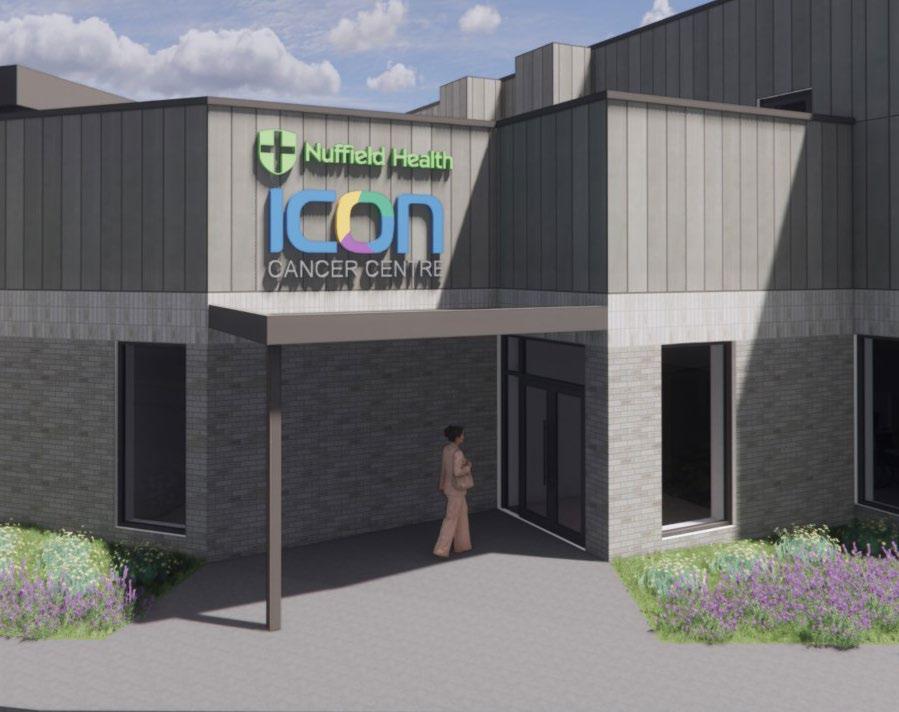
Delivers radiation oncology services via a strategic partnership with Nuffield Health, including the acquisition of Cancer Centre London (CCL) and expansion to new sites in Brighton, Derby, and Warwickshire.
• Icon Cancer Centre (Indonesia)
Operates within Bali International Hospital (BIH), offering the region’s first private radiation oncology services. Medical oncology services commenced mid-2025.
• Icon Cancer Centre and Icon Health Screening (Singapore)
Offers radiation oncology, medical oncology, and haematology services across seven clinics. Includes a flagship integrated centre at Mount Alvernia Hospital. Icon Health Screening Singapore provides comprehensive health screening services, often in collaboration with oncology services.
• Icon Cancer Centre Hong Kong
Note: Icon Group divested its Hong Kong operations in October 2024. These services are now operated by TW Pengu Holdings Limited, a portfolio company of Templewater.
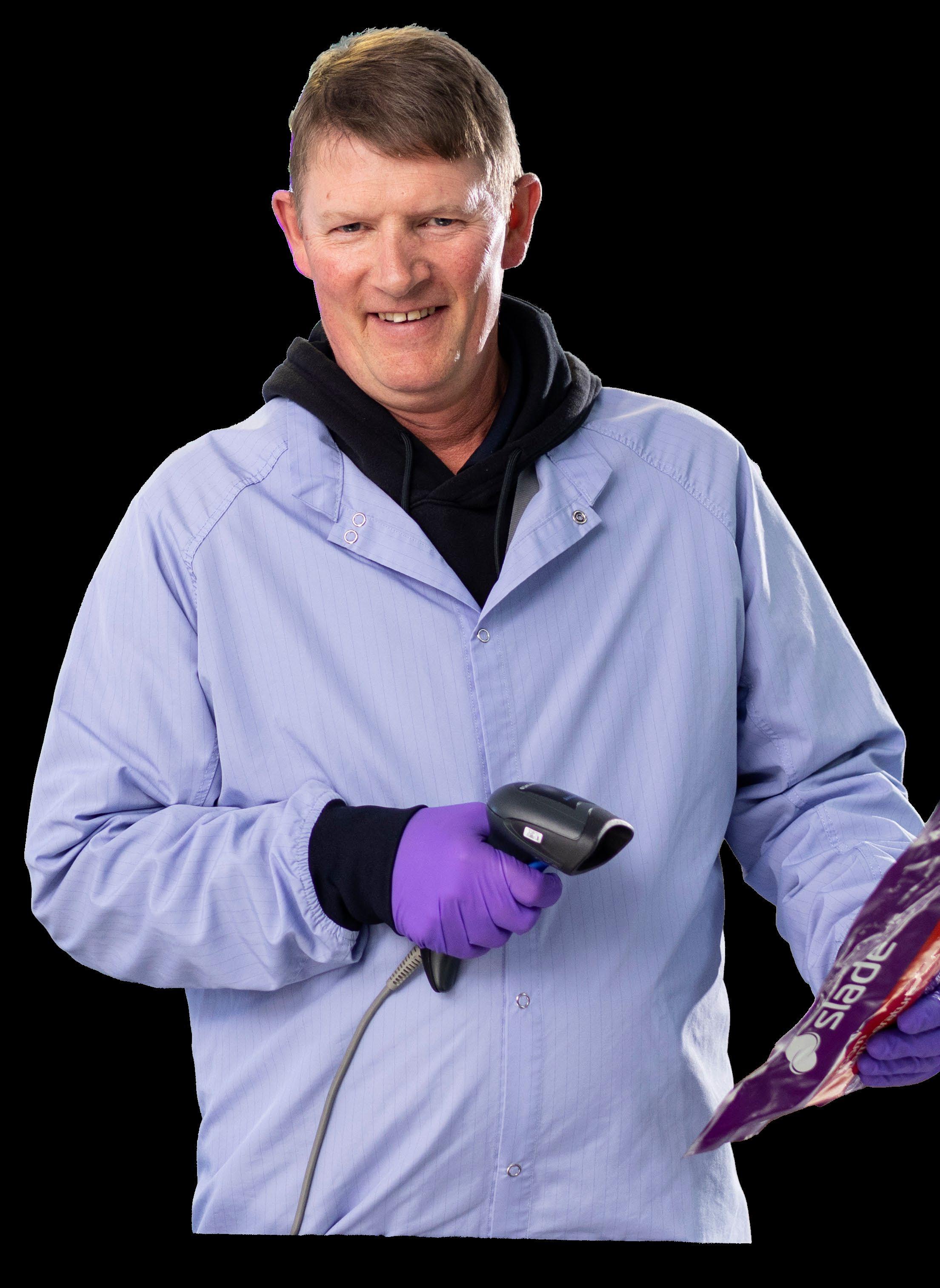
• Slade Health (Australia and New Zealand)
Delivers sterile chemotherapy compounding services via TGA-licensed facilities in Australia and a GMP-licensed facility in Auckland, New Zealand.
• Pharmaxo (United Kingdom)
Operates in the UK via strategic acquisition of Pharmaxo Group, including Bath ASU, Pharmaxo Healthcare, and Pharmaxo Scientific. Provides aseptic compounding and clinical homecare services.
• Pharmacy Services (Australia)
Icon Group provides services to support the operation of more than 70 pharmacies across Australia, delivered under the Slade Pharmacy and Epic Pharmacy brands. This includes the provision of HR, IT, finance and marketing services. Slade is the primary brand following national alignment in 2024. Services include hospital pharmacy, oncology dispensing, clinical trials support, and digital eHealth solutions.
• Research Icon operates Australia’s largest private cancer clinical trials program, with global expansion underway. Trials span Phase IIV, including investigator-initiated studies, registries, and dosimetry research.
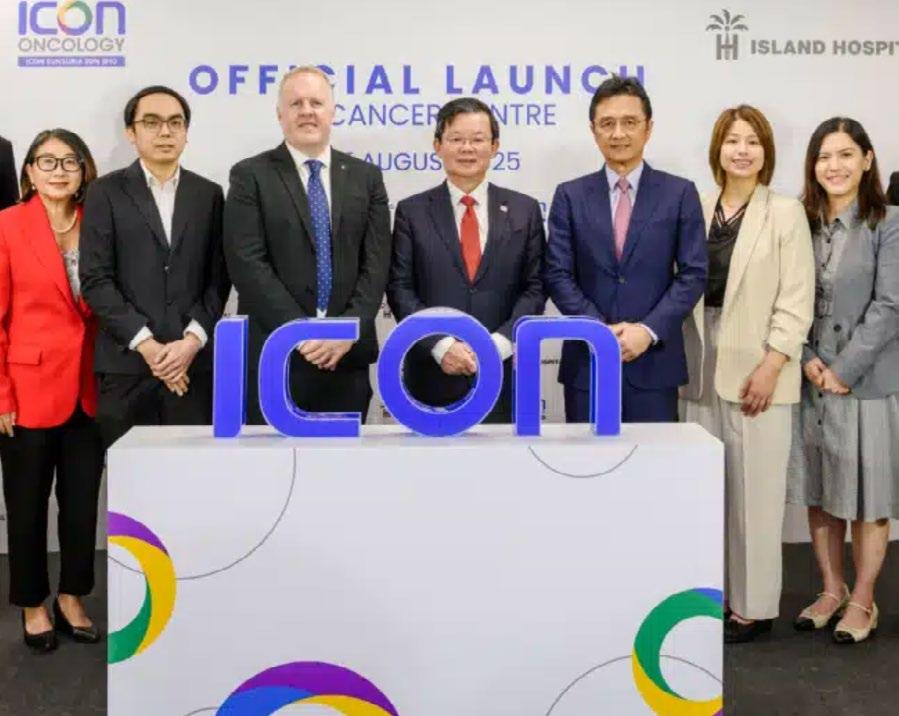
• Icon Oncology (Malaysia)
Operates via joint venture Icon Sunsuria Sdn Bhd, in partnership with Sunsuria Healthcare and Island Hospital. Offers radiation and medical oncology services.
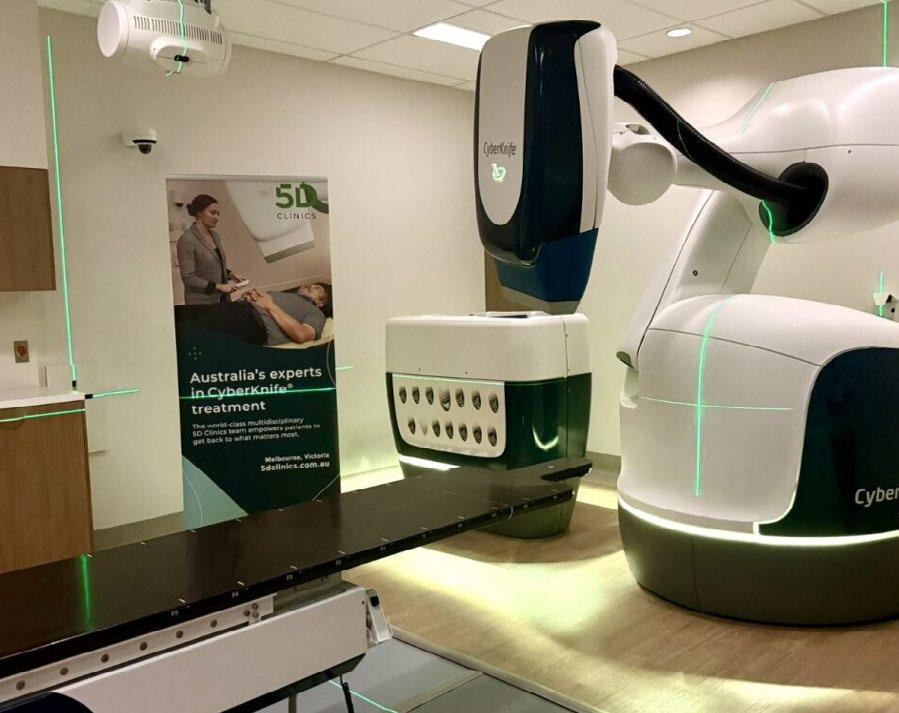
• 5D CyberKnife (Australia)
Joint venture between Icon Group and 5D Clinics. Delivers robotic radiosurgery using the CyberKnife® System.
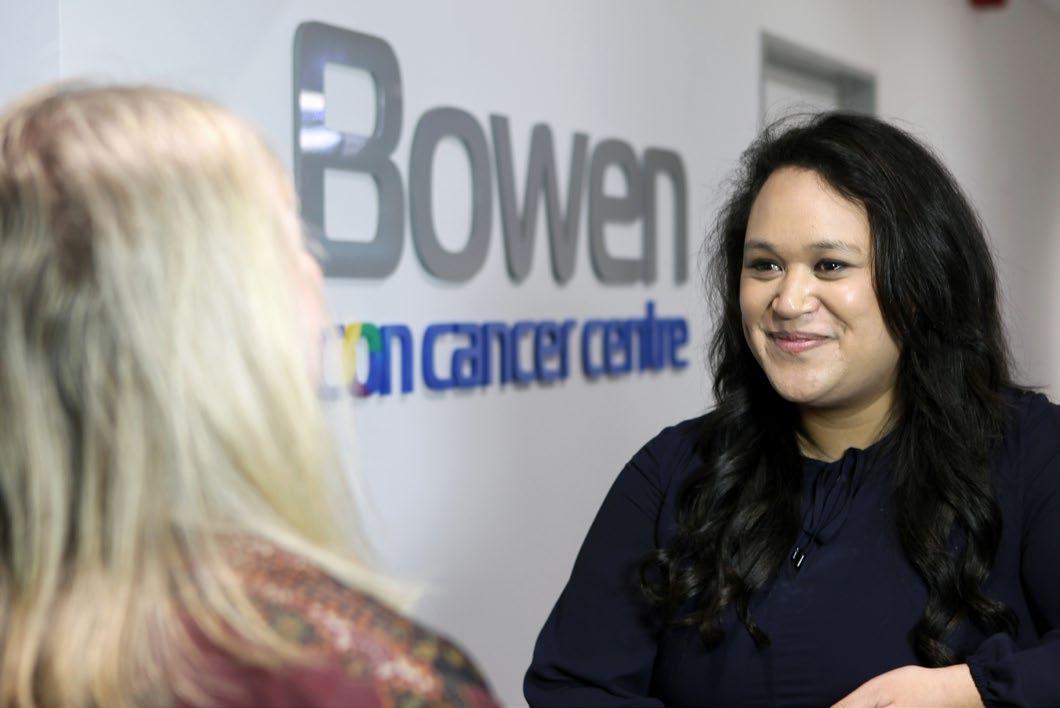
• Icon Cancer Centre (New Zealand)
Operates as Bowen Icon Cancer Centre in Wellington via joint venture with Evolution Healthcare. Offers integrated cancer care including medical oncology, haematology, and radiation oncology.


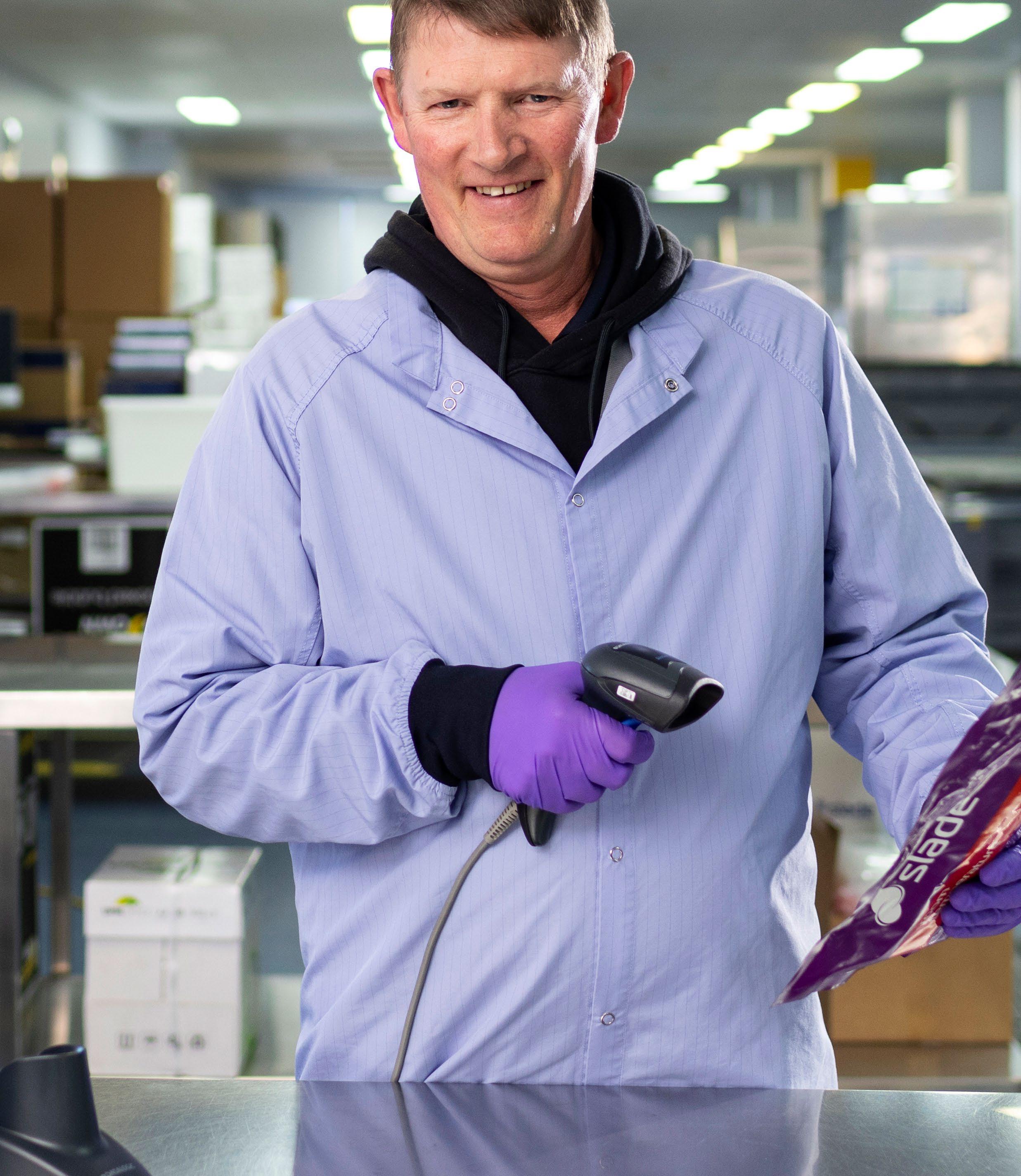

Icon’s supply chain includes the products and services used to deliver healthcare services and manufacture patient specific medications.

Pharmaceuticals account for over 88% of total supplier expenditure on goods and services at Icon.
Icon also outsources construction for new developments and ICT support services.
Icon maintains a clear understanding of our Tier 1 suppliers — those directly providing the products and services essential to our operations. We have identified key procurement categories where modern slavery risks are most prevalent, including medical consumables, equipment, and labour hire.
However, we acknowledge our visibility into the deeper tiers of our supply chain is limited. At present, we do not have a comprehensive, group-wide overview of the geographic origins of all products we procure, nor do we have full insight into our suppliers’ engagement practices with their own suppliers. This restricts our ability to assess systemic risks and identify potential exposure to modern slavery beyond Tier 1 and is an improvement area.
In response, we have prioritised a set of targeted actions for the year ahead to strengthen our oversight and due diligence across all tiers of our supply chain. These actions are designed to enhance transparency, improve supplier accountability, and support our broader commitment to ethical and responsible sourcing.
Icon is dedicated to strong governance and ethical business practices. Our framework of policies outlines the standards of behaviour expected from our employees, suppliers, and partners and align with internationally recognised principles, including the United Nations Guiding Principles on Business and Human Rights and the OECD Guidelines for Multinational Enterprises.
This alignment reflects our commitment transparency, accountability, and respect for human rights across all jurisdictions in which we operate.
Examples of these policies include:
• Icon Group Code of Conduct
• Treating People Fairly at Work Policy
• Ethical Business Conduct Policy
• Recruitment and Selection Policy
• Health and Safety Policy
• Gifts and Hospitality Policy
• Whistleblower and Protection Policy
• Volunteering at Icon Group Policy
• Icon’s Human Rights Policy
• Workplace Health & Safety Policy
• Modern Slavery Policy
• Delegation of Authority Policy.


One of the key advancements since our previous statement is the development of a Supplier Code of Conduct. This policy is designed to strengthen supplier governance, mitigate human rights risks, and support our broader ESG objectives — including efforts to reduce emissions across the supply chain. Once finalised, both the Supplier Code of Conduct and the Modern Slavery Screening Questionnaire will be formally integrated into our procurement processes, enhancing transparency and accountability in supplier engagement.


Icon acknowledges that modern slavery risks exist within our operations and supply chains. As the global workforce continues to grow, so too does the potential for exposure to modern slavery risk.
The greatest areas of risk are associated with:
• Supplier partnerships - involved in the provision of products for our pharmaceutical compounding facilities
• The supply of medical products - to our cancer centres including, but not limited to, personal protective equipment (e.g. masks, gloves, linen), consumables, and clinical or surgical equipment.
Many of these products are sourced from regions with a high prevalence of modern slavery. Limited visibility into the manufacturing processes in these regions presents a risk of exposure to poor working conditions, child labour, hazardous environments, and other labour rights violations.
As Icon’s employment footprint grows across Asia and the United Kingdom, we recognise that certain sectors — such as construction and offshore services (including provision of IT labour support) are classified as high risk for modern slavery. We are alert to potential human rights concerns, particularly those related to labour sourcing and recruitment practices. This includes the risk of deceptive hiring by third-party employment service providers.
Icon is committed to conducting its business in a manner consistent with international human rights. We believe all workers have the right to be treated with dignity and respect, and to live free from exploitation. We actively work to minimise human rights and modern slavery risks across our operations and supply chains. Where concerns arise, we investigate thoroughly and take appropriate action to ensure remediation.
Icon respects workers’ rights to freely enter and exit employment without coercion or penalty, subject to reasonable notice or contractual terms. We comply with local laws on working hours, wages, and entitlements, and are committed to ensuring fair pay, including a living wage where applicable.
We do not engage in deceptive or fraudulent recruitment practices and will never require workers to pay fees to secure employment.
Since our last statement, Icon has fostered a stronger, shared understanding of modern slavery risks across divisional teams. Through regular meetings and active engagement with stakeholders, we’ve built clearer visibility of the key challenges and opportunities to further mitigate risk.
To build on this progress, we plan to map additional layers of our supply chain beyond Tier 1 to improve transparency and better understand the reach and impact of our procurement practices. A centralised supplier selection process will support this effort by closing information gaps and strengthening our prevention and mitigation strategies across the organisation.
Icon has implemented human rights policies and procedures and is continually reinforcing and improving our approach to identifying, assessing and managing modern slavery-related risks across our operations and supply chain. This includes but is not limited to:
We aim to procure from business partners and suppliers aligned with our human rights commitments, good governance and the environment.
Screening: Icon screens all new high-risk suppliers and evaluates existing suppliers to identify potential instances of modern slavery and ensure appropriate oversight.
Centralised supplier selection process: A key action for the coming year. This process will require employees seeking to engage a new supplier for goods or services to undergo screening by Icon’s Procurement team prior to approval.
Contract clauses: While most Tier 1 high-risk contracts include modern slavery clauses, the implementation of a centralised supplier selection process will ensure consistent governance and clause inclusion across the supply chain.
Mapping suppliers’ suppliers: Icon has engaged Tier 1 pharmaceutical suppliers to conduct screening of their own suppliers. Mapping of subsequent tiers across all procurement categories is planned to improve visibility and risk assessment.
Policies: Icon is developing a Supplier Code of Conduct that outlines the company’s commitments, expectations, and minimum standards for ethical supplier behaviour. An annual review mechanism is in place for all policies to ensure ongoing relevance and effectiveness.
Partnerships: Icon is investigating potential partnerships within the healthcare and human rights sectors to access ongoing resources, insights, and support for modern slavery risk management.
Internal training - all staff: Training on ethical business practice and guidance on how employees can raise concerns safely and appropriately.
External training: Following the launch of the Supplier Code of Conduct, Icon will offer a modern slavery risk webinar to all Preferred Suppliers to support awareness and responsible sourcing practices.
Icon requires suppliers to notify Icon’s Procurement team or a relevant Icon representative as soon as reasonably practicable upon becoming aware of actual or suspected modern slavery in their operations or supply chain.
We continue to assess how our business model and strategic targets may contribute to modern slavery risks across operations and supply chains. We pay particular attention to high-risk sectors.
A full list of our actions to assess and address modern slavery risks, as well as the effectiveness of these actions is outlined from page 25.

Icon has a Board-approved ESG Strategy that provides focus and oversight on modern slavery risks, alongside other key sustainability priorities. These concerns are addressed through the ESG Strategy, which reflects Icon’s commitment to the principles of the UN Global Compact and supports several UN Sustainable Development Goals (SDGs).
Modern slavery reporting is embedded within Icon’s ESG Governance Framework and is formally reviewed by the Audit and Risk Committee. The annual Modern Slavery Statement is made publicly available and shared across the organisation, offering transparency and accountability.
Its publication provides an opportunity for team members, customers, investors, suppliers and the community to understand the actions taken each year to reduce modern slavery risks. It also serves to raise awareness and encourage engagement with potential human rights issues that may otherwise remain hidden within business operations. Reporting outcomes are provided to the Icon Board and senior leadership.




Icon is committed to addressing the risks of modern slavery using key performance
1. Group procurement and supply chain risk assessment
2. Group governance and systems
3. Group human rights responsibilities.
Group procurement and supply chain risk assessment
Identifying and addressing modern slavery risks
Procurement identifies impacts in supply chains and any actions required to address
In FY25, as tender, modern suppliers was prior to submission
Note: Tier 2 suppliers we do not have
Engage software vendor for next phase of supply chain review
Continued review of Modern slavery identification and reporting processes to align with ESG Governance Framework
Review of reporting platforms and mechanisms for employees and/or individuals to disclose potential modern slavery risk
In FY25 a new implemented visibility
Annual Risk Assessment Workshop
Group risk assessment across all divisions and operating countries annually. Reported to the board and Audit and Risk Committee
Modern slavery in monthly progress against (FY24) statement
Identified the blower reporting Communications the whistle-blower process and systems
Held annual sector insights, areas of potential recommendations
performance indicators aligned to three focus areas:
part of the bi-annual pharmaceutical modern slavery screening of tier 2 was required as a mandatory criterion submission of tender responses suppliers refer to our suppliers’ suppliers. Entities that have a direct contractual relationship with.
new contract management system was implemented to centralise contracts and improve
• Screening outcomes were reviewed before progressing with the successful tender applicants
• Modern Slavery clauses were embedded in the final contracts
• Suppliers demonstrated appropriate mechanisms for reporting concerns, delivering staff training and adhering to modern slavery clauses
• Next phase actions:
° Uploading supplier contacts into the system
° Establishing a mechanism to identify which suppliers have been screened, have modern slavery clauses, and which still need to be updated
slavery was a standing agenda item ESG meeting, where we monitored against the actions in our prior year statement
the need to improve visibility of whistlereporting via intranet and website. Communications were developed to promote whistle-blower email, explain whistleblowing and reinforce confidentiality and support
annual review meeting covering insights, case studies, identified key potential modern slavery risk, and recommendations for mitigation
• Ongoing discussions identified the need for a dedicated working group focused on modern slavery risk management. It will include cross-divisional representation to ensure a coordinated approach.
• Communications are scheduled for launch by the end of 2025
• The session resulted in a focused action plan to strengthen modern slavery risk management
Group governance and systems Risk assessment of supply chains and procurement operations with focus on Modern Slavery compliance
External publishing of modern slavery action within Icon Group’s annual Sustainability Report
ESG Governance Framework
Group human rights responsibilities Training
Onboarding new acquisitions or new business
Review of initial tier 2 supplier report from software vendor.
Policies and Procedures
Any modern slavery risk issues identified to be reported to the Board and Audit and Risk Committee, along with recommended action
Report on compliance with modern slavery within the Sustainability Report which will be published annually
Continued review and alignment of modern slavery working group composition and terms of reference to align with corporate governance and reporting requirements
Establish Leader training for supply chain operations and supplier arrangements. With a view to scalability across global operations
Procurement to develop and offer to suppliers training on our approach and policy and on the supplier minimum standards. With a view to scalability across global operations
A due diligence checklist will be developed to proactively identify any potential threats of human rights violations in any acquired business
Onboarding processes will include specific training on ethical business practices
Procurement to review policies and training materials for suppliers
Commitment to review policies with modern slavery impacts. Remain compliant and fit for purpose
Completed system and categories
Modern slavery Audit and Risk incident undertaken matrix meets
Modern slavery Group’s Annual
FY25 annual expand the mapping across Updated terms are being developed
Delivered training workshop. leaders managing response processes
Supplier engagement be offered launch of the
Checklist developed diligence process
Ethical Business onboarding. resulting in campaign
Annual review
Policies in place whistleblowing of supplier and will be
Completed full supplier listing from finance and identified vendors within high-risk and sectors
slavery risks reported quarterly to Risk committee. Mock modern slavery undertaken to ensure responsibility meets operational requirements
slavery compliance reported in Icon Annual Sustainability Report
annual review identified the need to the working group to support supplier across all jurisdictions and divisions. terms of reference and defined goals developed
training through the annual risk A mock scenario was conducted with managing high risk suppliers to test processes
engagement is underway. A webinar will to all Preferred Suppliers following the the Supplier Code of Conduct Policy
developed and is incorporated into due process for acquisitions
Business module is included in onboarding. The delivery method was reviewed, in a refreshed module and relaunch
review mechanism in place
place covering anti bribery, whistleblowing and human rights. Development code of conduct policy is in progress released by end of 2025
• This initial step provided visibility into vendor volume, geographic distribution, and categorisation
• It establishes a foundation for the working group to progress mapping of tier 2 and beyond suppliers
• Outcomes are currently being reviewed to inform future response protocols
• Compliance activities are embedded in our ESG Governance Framework
• An annual review mechanism is in place to ensure ongoing alignment and effectiveness of the working group
• Progress achieved
• Next steps include maintaining relevance through updated risk content and sharing modern slavery webinars and resources for ongoing leader engagement
• Supplier training and engagement will be integrated into the working group’s actions to ensure consistent understanding across jurisdictions and support our broader ESG goals
• The Modern Slavery Working Group will review the checklist’s effectiveness and assess outcomes following each tender or acquisition to ensure continuous improvement
• A refreshed training module has been rolled out during 2025, with mandatory completion date set
• Effectiveness will be measured through supplier participation, feedback and integration of modern slavery clauses and practices across jurisdictions
• Core governance elements with policies in place and new policy being developed reflects continued momentum
Icon is committed to dedicating time and resources to support the global effort to end modern slavery. As part of this metrics to measure and demonstrate progress year on year.
The following actions form the basis of the working plan for the Modern Slavery Working Group. Icon will monitor and
Group procurement and supply chain risk assessment
Identifying and assessing risk
Procurement will identify impacts in our supply chains any actions required to address
Governance and Systems
Annual Risk Workshop
Risk assessment of supply chains and procurement operations with focus on Modern Slavery compliance
External publishing of modern slavery action within Icon Group’s annual Sustainability Report
ESG Governance Framework
Annual compliance
>75% of existing supplier contracts updated to include modern slavery clause
2 high risk vendors audited annual for compliance, with report provided to the audit and risk committee
Engage software vendor to manage risk
Continued review of modern slavery identification and reporting processes to align with ESG Governance Framework
Any modern slavery risk issues identified to be reported to the Board and Audit and Risk Committee, along with recommended action
Review of reporting platforms and mechanisms for employees and/or individuals to disclose potential modern slavery risk
Group risk assessment across all divisions and operating countries annually. Reported to the board and Audit and Risk Committee
Review of initial tier 2 supplier from software vendor
Any modern slavery risk issues identified to be reported to the Board and Audit and Risk Committee, along with recommended action
Report on compliance with modern slavery within the Sustainability Report which will be published annually
Continued review and alignment of modern slavery working group composition and terms of reference to with corporate governance and reporting requirements
Remain compliant and fit for purpose
this commitment, a series of ongoing actions have been identified, including the introduction of new quantitative and report on the delivery of these objectives to ensure transparency, accountability, and continuous improvement. FY26 actions Timeframe
and
with
• Centralised supplier selection across all jurisdictions, to ensure consistent due diligence, enabling the following KPI’s:
° >80% of new high-risk suppliers screened via questionnaire
° >80% of new high risk supplier contracts include modern slavery clause
• Transition existing suppliers onto new contracts with modern slavery clause
• Conduct targeted audits of suppliers flagged as high-risk based on geography, industry, or procurement volume.
• Assess adherence to group policies and modern slavery legislation, report to the Audit and Risk Committee
• Ensure major supplier contracts are uploaded in contract management system with tracking of modern slavery clauses and completion of screening requirements
• Inaugural Modern Slavery Working Group meeting held with divisional representation, and Executive Sponsorship
reported with
• Conduct annual mock modern slavery scenario with leaders managing high risk suppliers to test internal processes
• Launch whistle-blower communications ensuring readers understand how to raise concerns and why
operating and
• Annual risk review mechanism in place covering insights, training, key areas of risk, and recommendations for mitigation
Long term >12 months
reported with
align requirements
Long term >12 months
Near term 6-12 months
Near term 6-12 months
Immediate 3-6 months
Near term 6-12 months
Immediate 3-6 months
Long term 6-12 months
• Map suppliersincluding countries where products are sourced Long term >12 months
• Ongoing modern slavery risk reporting and tracking of KPI’s to Audit and Risk Committee (AR&C) in line with risk management framework process and ESG Governance framework.
• Include Modern Slavery Update in Icon’s next annual Sustainability Report
• Track and report progress against action plan to assess effectiveness of working group and policies
• Integrate global level policy commitments into a consolidated modern slavery reporting approach for all jurisdictions
Ongoing
Long term 6-12 months
Ongoing
Near term 6-12 months
Group human rights and training
Training – Supply Chain Operations
Training - Employees
Training – high risk suppliers
Onboarding new acquisitions
Policies and Procedures
Audit
Establish training for supply chain operations and supplier arrangements leaders. With a view to scalability across global operations
>97% completion rate for Ethical workplace training as of onboarding processes
Procurement to develop and offer to suppliers training our approach and policy and on the supplier minimum standards. With a view to scalability across global operations
A due diligence checklist will be developed to proactively identify any potential threats of human rights violations any acquired business.
Supplier Code of Conduct
Internal audit function to ensure policies are effective
supplier
part
• Investigate partnership with sector organisations i.e civil society for ongoing training, support and shared resources
• Launch an updated Group-wide dashboard covering all mandatory training and implement targeted follow-up to ensure completion of the refreshed Ethical Business Training by the set deadline
Timeframe
Long term >12 months
Near term 6-12 months training on minimum
• A webinar to be offered to all Preferred Suppliers, particularly highrisk suppliers following the launch of the Supplier Code of Conduct Policy
Ongoing – annual review mechanism in place proactively violations in
• Modern slavery working group to review the checklist’s effectiveness and assess outcomes following each tender or acquisition to ensure continuous improvement
• Develop a Supplier Code of Conduct
• Integrate Supplier Code of Conduct into tendering, contracting and supplier engagement processes
• Completion of internal audit assessing alignment of group policies with modern slavery compliance by 30 June 2026
Ongoing – annual review mechanism in place
Immediate 3-6 months
Near term 6-12 months
Near term 6-12 months

Icon Group’s Audit and Risk Committee, and the Icon Board, have been consulted on the development of this Modern Slavery Statement and the progress of its initiatives. The objectives have been discussed and agreed in collaboration and broadly socialised across the organisation and extended leadership teams.
Feedback has been sought and integrated from multiple stakeholders. Expert guidance has been sought from internal and external industrial relations and legal specialists. The Icon Procurement team has been heavily involved in the development of the Modern Slavery Policy and this Statement. Discussion approval and endorsement from the Board has been achieved.
This Modern Slavery Statement meets the requirement for approval and was reviewed and approved by the Icon Group Board of Directors on 8 December 2025. The Icon Group Board is the governing body for Icon and its subsidiaries. Supporting documentation of this approval is attached to this statement by way of a confirming letter from the General Counsel & Company Secretary.
This statement is made in accordance with the Modern Slavery Act 2018 (Cth), it represents the Australian Reporting Entities on modern slavery for the financial year ended 30 June 2025.

Mark Middleton OAM Icon Group Chief Executive Officer

Paul McClintock AO Icon Group Board Chair
KPMG. (2021, Novmeber 15). Health services sector modern slavery guide. Retrieved from Insights ESG and sustainability: https://kpmg.com/au/en/insights/esg-and-sustainability/ health-services-modern-slavery-practical-guide.html