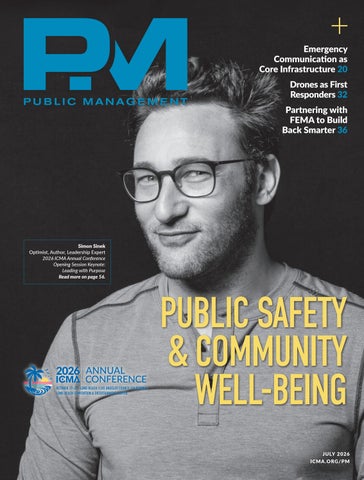
PM Magazine, July 2026: Public Safety and Community Well-being
$715
average cost recovered per billable run
How much can you recover?
Fire Recovery USA can help your municipality recover costs for fire and emergency service runs, including motor vehicle accidents, even when utilized by non-city residents. On average Fire Recovery USA recovers $715 dollars per billable run. Do some quick math, and see how much revenue is possible.
2,100+ clients in 43 states and growing
97 % collection rate for inspections CALCULATE YOUR COST RECOVERY
FEATURES
14
Protect and Serve the People We Lead
How trust, culture, and purpose help build stronger organizations and communities.
Simon Sinek, Kelly McAdoo, and Chris Hsiung
20
More Than a Voice on the Radio: Why Emergency Communications Is Core Infrastructure
What local government executives must understand about risk, resilience, and public trust inside the 911 center.
Stacy Hicks
24
Disaster Planning for Aging Communities: Lessons from Japan’s Noto Earthquake
When aging, depopulation, and disaster collide, traditional recovery plans may no longer be enough.
Fernando Ortiz-Moya, PhD, and Sarah Sieloff, AICP
30
A Practical Emergency Management Toolkit for Small Communities
Building capacity where it’s needed most.
Ashley Bernal, Jorge Chamorro, Molly Fitzpatrick, and Patrick Jones
32
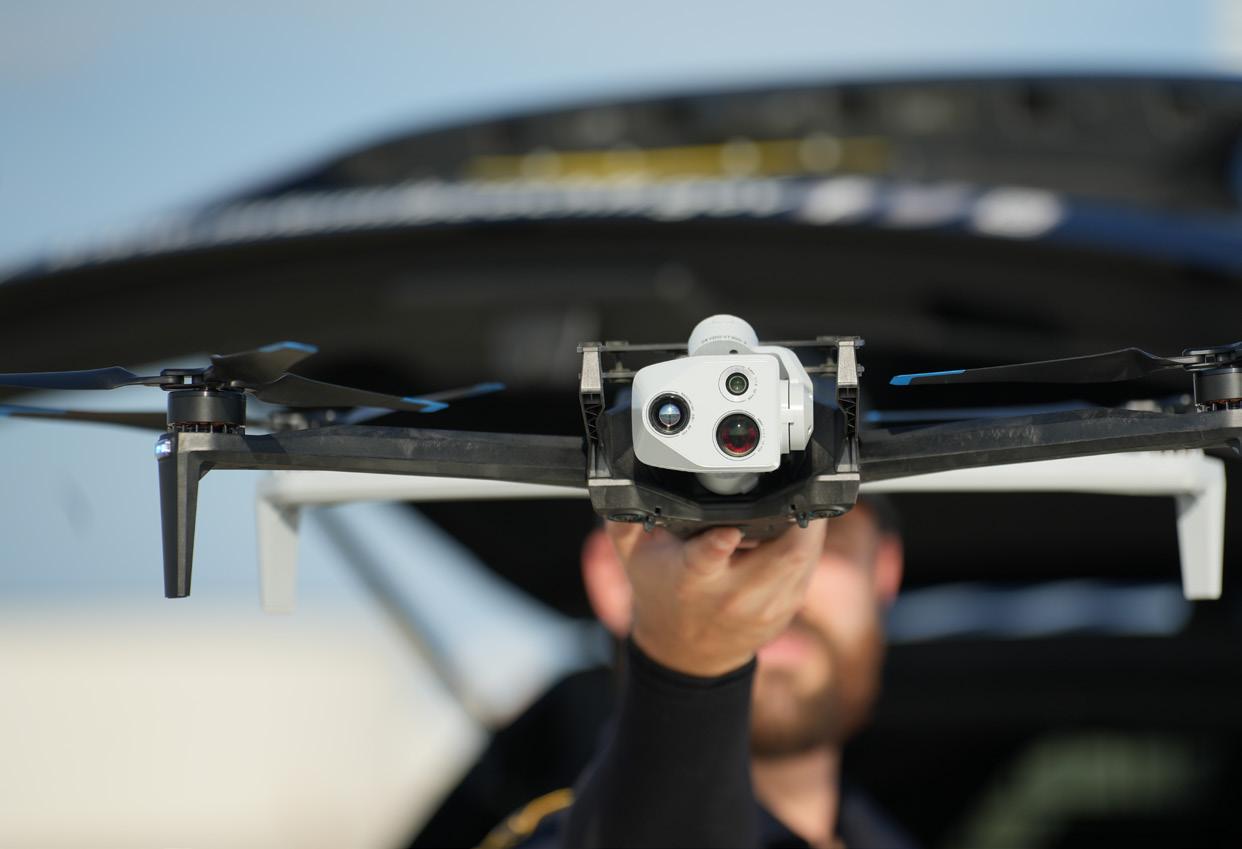
Drone As First Responder: Transparency Is Fundamental to Success
Real-time eyes in the sky can save lives, but the future of drones in public safety depends not just on speed and capability but on openness, accountability, and community trust.
Adam Bry
36
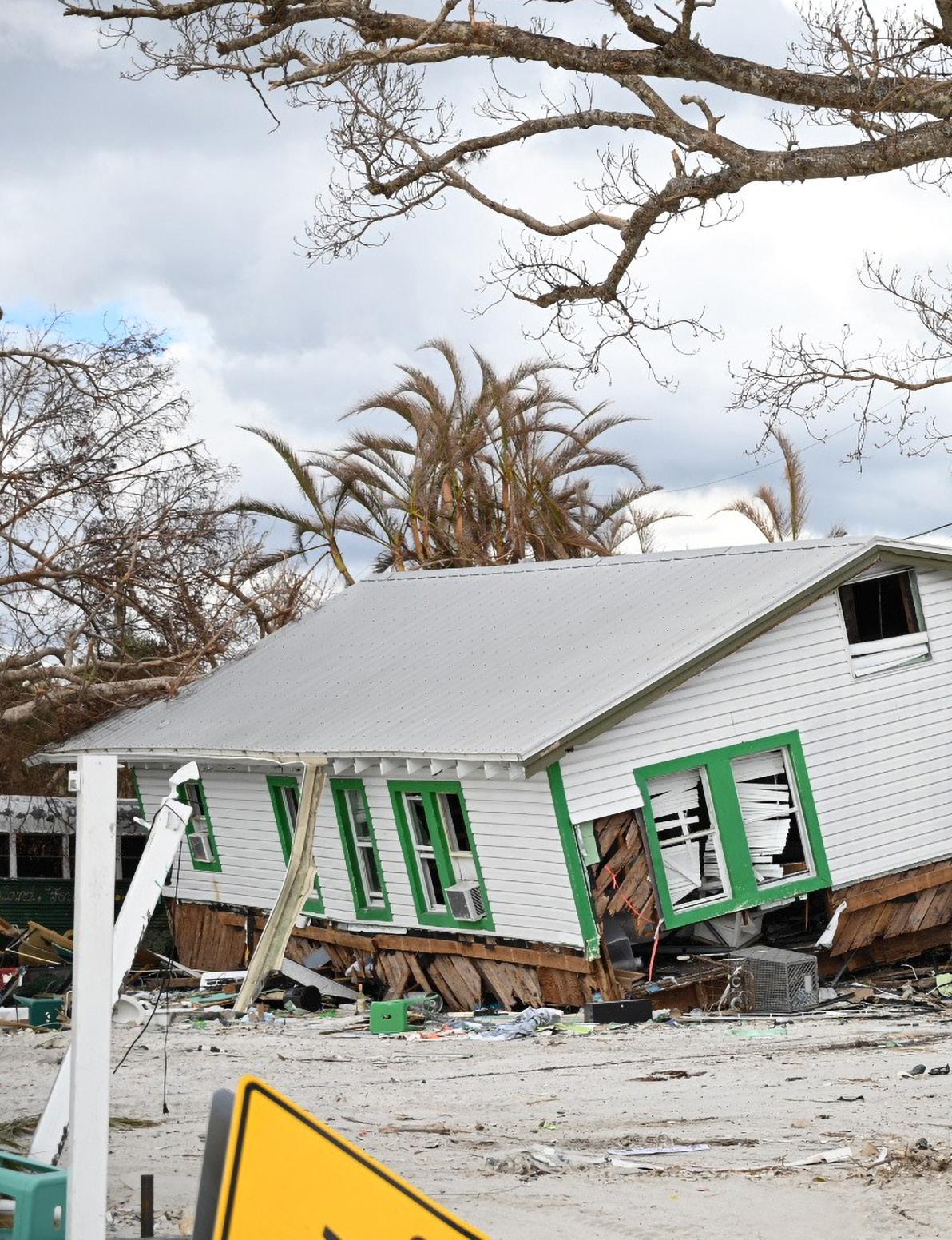
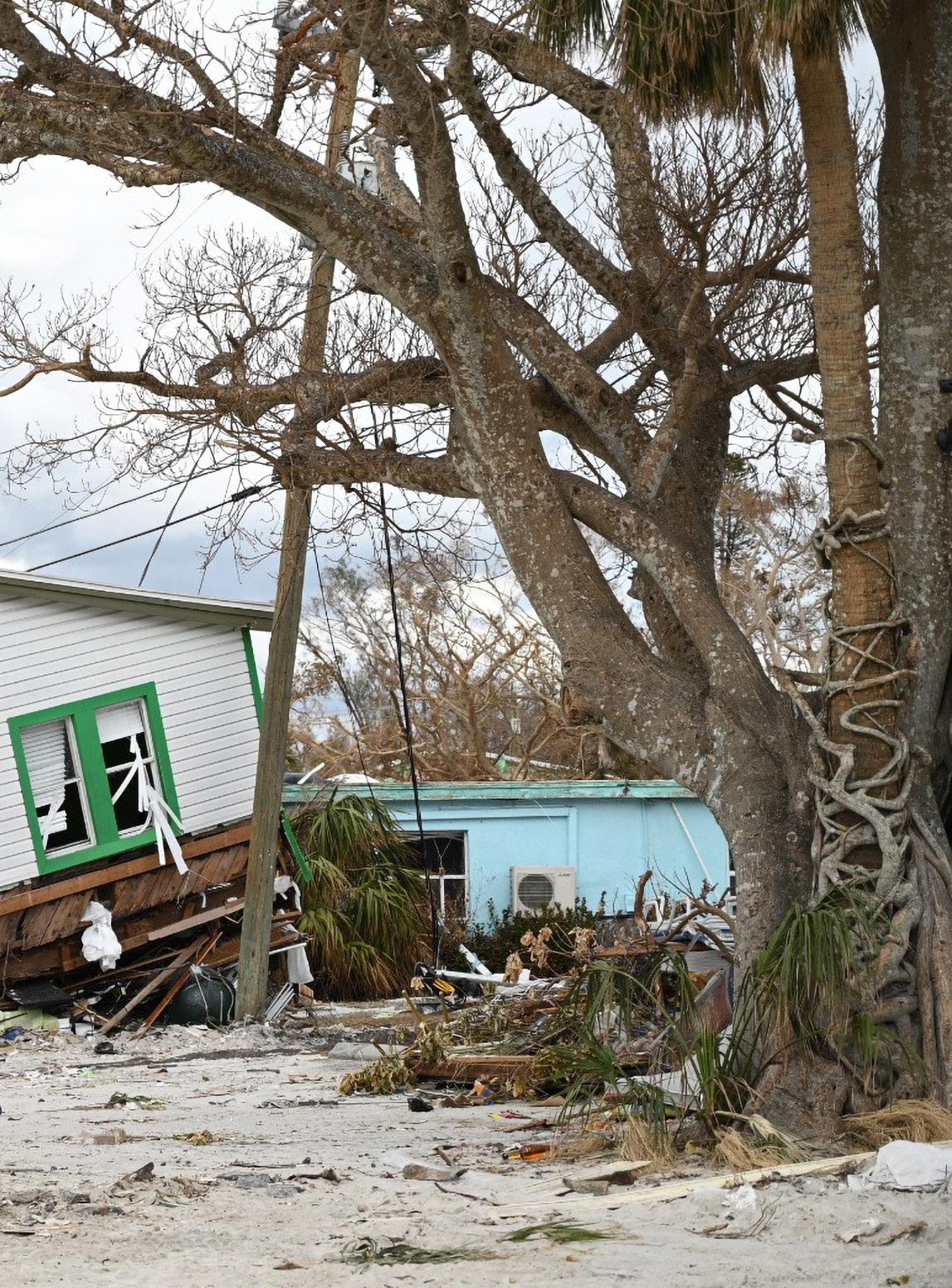
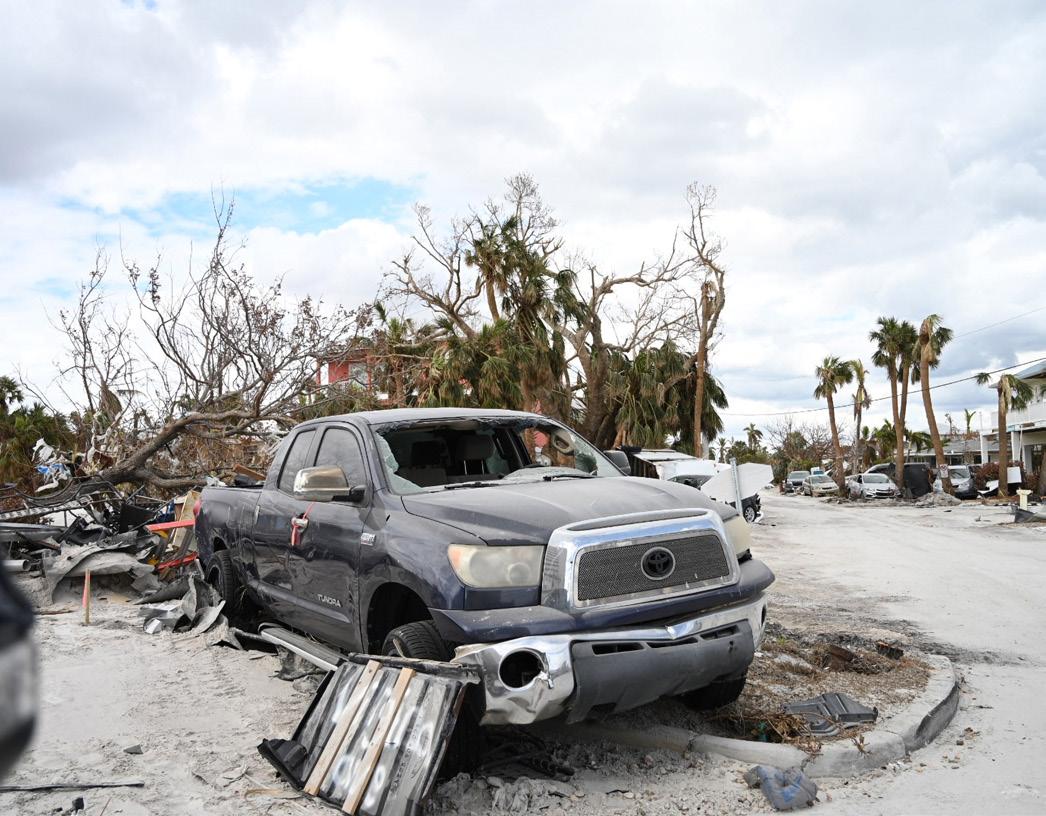
From Disaster Recovery to Flood Insurance Savings
How a hurricane-ravaged town partnered with FEMA to reduce risk, cut costs, and build back smarter.
Colonel (Ret.) Will Mckannay and Dr. Traci Kohler
2 Executive Director’s Corner
The Everyday Work of Resilience
4 Ethics Matter!
Ethics Across Organizations Focused on Public Safety and Community Well-being
8 Case Study
Beyond Mileage: How Rental Cuts Costs and Complexity
10 Women in Leadership
What the Refuse Crew Taught Me About Leadership
12 Insights
Effective Disagreement
40 Veterans
When “Nothing Bad Ever Happens Here” Isn’t Good Enough
42 Future of Professional Management Fund
Communicating Under Pressure, Maintaining Public Trust
44 Member Spotlight Democracy at the Doorstep
46 Assistants and Deputies
So You Landed Your Dream Job. Now What?
48 Local Gov 250 Democracy Is Built in the Daily Work of Local Government
64 Professional Services Directory DEPARTMENTS
The Everyday Work of Resilience
Emergency management is not just crisis response—it’s a core responsibility of local government leadership.
BY JULIA D. NOVAK, ICMA-CM
Our announcement that Simon Sinek will be the opening keynote at the ICMA Annual Conference in Long Beach later this year feels especially timely. Many of us know his work through his challenge to start with why. Now, through his organization, The Curve, he is applying that same leadership lens to public safety and local government. His article anchors the July issue’s focus on public safety and community well-being by reminding us that trust, culture, and purpose are not abstract ideals— they are the conditions that allow people to protect and serve their communities well.
JULIA D. NOVAK, ICMA-CM is executive director of ICMA.
Emergency management has always been central to local government leadership, but the work is becoming more complex, more visible, and more consequential. Disasters test infrastructure, finances, operations, communications, partnerships, culture, and public trust all at once. They also reveal where systems are strong, where they are fragile, and where local governments must adapt before the next disruption occurs.
This month’s issue of PM looks at emergency management through that broader leadership lens. The articles remind us that resilience is not only about response and recovery after an event. It’s about the
International City/County Management Association
icma.org
July 2026
ICMA has moved!
Our new address: 660 N Capitol St NW Suite 700, Washington, DC 20001
Public Management (PM) (USPS: 449-300) is published monthly by ICMA (the International City/County Management Association) at 660 North Capitol St NW, Suite 700, Washington, DC 20001. Periodicals postage paid at Washington, D.C., and at additional mailing offices. The opinions expressed in the magazine are those of the authors and do not necessarily reflect the views of ICMA.
COPYRIGHT 2026 by the International City/County Management Association. All rights reserved. Material may not be reproduced or translated without written permission.
REPRINTS: To order article reprints or request reprint permission, contact khansen@icma.org
SUBSCRIPTIONS: U.S. subscription rate, $60 per year; other countries subscription rate, $155 per year. Printed in the United States. Contact: 202/289-4262; subscriptions@icma.org.
POSTMASTER: Send address changes to Public Management, ICMA, 660 North Capitol St NW, Suite 700, Washington, DC 20001.
ARTICLE PROPOSALS: Visit icma.org/writeforus to see editorial guidelines for contributors.
For more information on local government leadership and management topics, visit icma.org.
everyday decisions local government executives make to understand risk, invest wisely, communicate clearly, protect essential systems, build trust, and create the conditions in which people can serve residents well when conditions are most difficult.
Emergency management is not a separate function reserved for a single department or a crisis moment. It’s a core leadership responsibility. It requires managers to bring together public safety, finance, infrastructure, planning, communications, human services, technology, and intergovernmental relationships. And it also requires attention to culture—the habits, incentives, expectations, and trust that determine whether people will speak honestly, act ethically, and work across boundaries when the pressure is greatest.
That’s where Simon Sinek’s contribution, written with Kelly McAdoo and Chris Hsiung, adds an important dimension to this issue. Their article challenges us to think about public safety not only as a set of services, but as a leadership and culture question. The idea that leaders “protect and serve the people we lead” is directly relevant to every manager responsible for emergency communications, policing, recovery, infrastructure,
Public Management (PM) icma.org/pm
ICMA
660 North Capitol St NW Suite 700 Washington, DC 20001
EDITORIAL: khansen@icma.org
ADVERTISING SALES: Natalie Matter Bellis The YGS Group natalie.matterbellis@ theygsgroup.com 717-580-8184
ICMA MEMBER SERVICES: 800.745.8780 | 202.962.3680 membership@icma.org
ICMA
Creating and Supporting Thriving Communities
ICMA’s vision is to be the leading association of local government professionals dedicated to creating and supporting thriving communities throughout the world. It does this by working with its more than 13,000 members to identify and speed the adoption of leading local government practices and improve the lives of residents. ICMA offers membership, professional development programs, research, publications, data and information, technical assistance, and training to thousands of city, town, and county chief administrative officers, their staffs, and other organizations throughout the world.
Public Management (PM) aims to inspire innovation, inform decision making, connect leading-edge thinking to everyday challenges, and serve ICMA members and local governments in creating and sustaining thriving communities throughout the world.
human services, and the many other systems residents count on before, during, and after a crisis.
Sinek reminds us that city and county managers are “leaders of leaders.” Managers do not personally answer every 911 call, deploy every drone, inspect every seawall, manage every shelter, or staff every small-town emergency operation. But they do shape the environment in which those decisions are made. They hire and support department heads, set expectations, reward behavior, create space for candor, and model whether hard truths are welcomed or avoided. In a crisis, those cultural choices matter as much as any plan on the shelf.
As you read this month’s issue, I encourage you to consider how each example might translate to your own context and how each offers questions worth asking: What risks are we underestimating? Which systems are most vulnerable? Where do we need stronger
PRESIDENT Michael Land*
City Manager Coppell, Texas
PRESIDENT-ELECT
Andy Pederson*
Village Manager Bayside, Wisconsin
PAST PRESIDENT
Tanya Ange*
County Administrator
Washington County, Oregon
VICE PRESIDENTS
International Region
Meighan Wark
County Administrative Officer
Huron County, Canada
Lungile Dlamini
Chief Executive Officer
Municipal Council of Manzini, Eswatini
Jānis Lange
Chief Executive Officer
Riga City Municipality, Latvia
Midwest Region
Jeffrey Weckbach*
Township Administrator Colerain Township, Ohio
Cynthia Steinhauser*
Deputy City Administrator Rochester, Minnesota
Cori Burbach*
Assistant City Manager Dubuque, Iowa
Mountain Plains Region
Pamela Davis
Assistant City Manager Boulder, Colorado
Sereniah Breland
City Manager Pflugerville, Texas
Penny Postoak Ferguson*
County Manager Johnson County, Kansas
Northeast Region
Steve Bartha* Town Manager Lexington, Massachusetts
Brandon Ford
Assistant Township Manager
Lower Merion Township, Pennsylvania
Kristy Rogers* Town Manager Milton, Delaware
partnerships? Are we creating the psychological safety people need to surface problems early? How are we explaining difficult choices to the public? And what can we do now, before the next emergency, to strengthen our community’s ability to adapt and recover?
Our members lead in communities of every size and circumstance, but the responsibility is shared: to prepare thoughtfully, act ethically, communicate honestly, build resilient systems, and cultivate cultures where people feel trusted, protected, and accountable to one another. I hope this issue provides practical ideas, useful examples, and renewed appreciation for the essential role professional local government managers play in helping communities face uncertainty with clarity, purpose, and trust.
Southeast Region
Eric Stuckey City Administrator Franklin, Tennessee
Chelsea Jackson
Deputy City Manager Douglasville, Georgia
Justin Smith
Assistant City Manager Pelham, Alabama
West Coast Region
Nat Rojanasathira*
Assistant City Manager Monterey, California
Elisa Cox*
City Manager
Rancho Cucamonga, California
Katie Koester*
City Manager Juneau, Alaska
* ICMA-CM
Senior
Kerry Hansen khansen@icma.org
Senior Editor Kathleen Karas kkaras@icma.org
Design & Production picantecreative.com
Ethics Across Organizations Focused on Public Safety and Community Well-being
A commitment at the heart of ethical local government leadership.
BY JESSICA COWLES
The theme of this month’s PM of public safety and community well-being has me thinking about the shared public service values of our respective membership organizations: International Association of Chiefs of Police,1 International Association of Fire Chiefs,2 and the American Public Health Association.3 Their ideals align and will resonate with any manager with oversight of these professionals!
Five similar pillars emerged from the research into these organizations’ codes of ethics:
1. Integrity and honesty. Public trust requires ethical conduct. This means we act truthfully, avoid conflicts of interest, and maintain the highest standards of personal and professional conduct.
2. Service to the public good. Our chosen career path is not only a job; it is a calling. We do not leverage our public position for personal gain and always make decisions in the best interest of the community.
3. Accountability to our employees, elected officials, and community for our actions and decisions. We pay particular attention to the duty of candor while navigating the need for confidentiality when it is required.
4. Equal respect for individuals and the entire community. We recognize how this can sometimes lead to tensions that require managing. We strive to uphold the principles of dignity, equity, and fairness.
5. Dedication to professional excellence in skill, training, and performance through continuous improvement.
From this comparison, I then assessed how ICMA might be different.
ICMA’s Additional Principles of Governance and Political Neutrality
By comparing the values outlined in their respective codes, ICMA’s is unique among its peer organizations by addressing issues of governance and political neutrality. This has been true from ICMA’s very beginning because our members generally have responsibility for an entire department or organization, or aspire to, requiring a larger
viewpoint. We can get mired in the details of managing, so it is helpful to have a big-picture vision of why this profession exists.
Tenet 1 demonstrates how elected officials in a representative democracy appoint a professional local government manager to deliver fair services. Tenets 5, 6, 7, and 10 define the roles and responsibilities for organizational employees and elected officials. Managers recognize the importance of maintaining political neutrality as well as the profession’s commitment to effectiveness, efficiency, and equitability without bias. Let’s consider this our elevator speech for why professional local government management matters!
Tenet 1. We believe professional management is essential to effective, efficient, equitable, and democratic local government.
Tenet 5. Submit policy proposals to elected officials; provide them with facts, and technical and professional advice about policy options; and collaborate with them in setting goals for the community and organization.
Tenet 6. Recognize that elected representatives are accountable to their community for the decisions they make; members are responsible for implementing those decisions.
Tenet 7. Refrain from all political activities which undermine public confidence in professional administrators. Refrain from participation in the election of the members of the employing legislative body.
Tenet 10. Oppose efforts to interfere with professional responsibilities by consistently executing official duties, policies, and processes with an unwavering commitment to unbiased public service.
Assessing the Strength of the Organization’s Public Safety and Community Well-being Operations
In every community, its leaders want a safe environment where everyone can thrive. But what does it mean to put our shared values (honesty and integrity, service to the public good, accountability, equal respect for individuals
JESSICA COWLES is director of ethics at ICMA (jcowles@icma.org).
and the entire community, as well as dedication to excellence) into practice? Consider these questions to get started on this journey:
• How does your organization honor its commitment to honesty and integrity? Does how something gets done matter and much as what gets done?
• Does the governing body decide what is in the public’s best interest? At times, do you find yourself at odds with the governing body’s decision or direction? Do you consider it safe to speak up?
• Does your organization provide the necessary tools to be effective and innovative? Come budget time, is one department always rewarded because it has a vocal community constituency? Does this lead to other departments feeling demoralized? If so, what do you do about it?
• To whom is the organization held to account? Does accountability have any resource consequences?
• Public safety and community well-being professionals are routinely in life-threatening situations. Consider how first responder mental health resources are prioritized within the organization. How can these efforts be strengthened?
• In your organization, is there tension between individual and community rights in certain departments? Is one department’s perspective consistently taken into account over others? Does this change depending on the issue?
ICMA and our peer organizations promote fair and competent operations with integrity through shared ethical principles. What sets ICMA members apart is our responsibility for an entire department or organization, requiring our code to define issues of governance and political neutrality.
Hopefully, the questions I’ve posed inspire discussion in your organization. Perhaps they bring about new thoughts or considerations. Write to me at jcowles@icma.org so we can have a confidential conversation about the issue you are facing. I look forward to hearing from you.
Only 50 Seats Available for the New Everyday Facilitation Series
July 29 – August 12 | Online Training Series
The Everyday Facilitation Series equips local government professionals with practical tools, ready-to-use language, and proven frameworks to lead more effective conversations.
Through three interactive online sessions, participants will learn how to design productive discussions, navigate group dynamics, and adapt when challenges arise. Featuring real-world local government examples, hands-on practice, and actionable resources, this cohort-based training helps leaders build confidence in facilitating meetings, workshops, and collaborative efforts that drive meaningful outcomes.
UPCOMING EVENTS
Supporting Better Retirement and Financial Decisions for Public and Private
Sector Employees
July 1 | Free Webinar
The Current State of Student Debt and Forgiveness
July 2 | Free Webinar
The Pulse of the 2026 Community: Leveraging Geolocation to Navigate
Shifting Resident Behaviors
July 9 | Free Webinar
SheLeadsGov Roundtable: Successful Mentorship in Local Government
July 15 | Roundtable Panel Discussion
Cultivate Success: Building an Effective ICMA Student Chapter
July 23 | Free Webinar
Everyday Facilitation Training Series
July 29 – August 12 | Online Training Series
For
Beyond Mileage: How Rental Cuts Costs and Complexity
A structured rental vehicle approach can reduce costs, improve oversight, and ease administrative burden for local governments.
BY MIKE GUADAGNOLI
MIKE GUADAGNOLI
is vice president of business rental sales – Global Operations at Enterprise Mobility.
Employee travel is a necessary part of municipal operations, yet many local governments manage it through methods that can create friction and cause administrative headaches. Mileage reimbursement, while common, is a solution that leaves money on the table and complicates expense tracking and compliance.
The Challenges of Traditional Reimbursement
Mileage reimbursement, often thought to be a hard cost with no alternatives, can miss opportunities to save money, raise duty of care concerns, and increase organizational risk. These programs require employees to use personal vehicles for municipal business—vehicles that may not be the right fit or meet safety and reliability standards. Manual approval processes add administrative
burden, creating delays in reimbursement and frustration for staff. Finance teams struggle to budget, forecast actual costs, verify compliance with travel policies, and maintain visibility into employee travel patterns.
A Better Solution: Rental Programs
A structured business rental program can address these challenges head-on. Consider the numbers: Organizations using rental vehicles as an alternative to mileage reimbursement can realize nearly 25% savings per mile*—a significant reduction that compounds across departments and throughout the year.
The benefits extend beyond dollars. In addition to the potential cost savings of rental, employees can also gain access to a diverse fleet of well-maintained vehicles suited
to their actual needs—sedans for routine travel, vans for group transportation, trucks for short-term or seasonal projects. With thousands of neighborhood locations nationwide, staff can conveniently source newer vehicles with the latest technology and safety features that provide a wide range of solutions.
For finance and administration, the advantages are equally compelling. Rental programs provide cost predictability through negotiated rates, making budgeting simpler and more accurate. Travel management tools improve spending pattern visibility, policy compliance, and decision-making.
A Trusted Partner for Flexible Solutions
With more than 5,000 rental locations nationwide, Enterprise and National Car Rental offer coverage in thousands of neighborhoods across the United States. In each of these communities, we purchase vehicles, generate tax dollars through sales and employment, and create meaningful jobs that generate income and benefits for employees and their families. We also foster a culture of community engagement and fund programs that support and empower the communities where we live and work.
An established partner brings customized solutions tailored to municipal needs—and the right partner listens to your challenges and builds accordingly.
Enterprise and National help local governments source specialized vehicles across regions, respond quickly to
evolving demand, and provide integrated mobility solutions through state-level agreements across nearly 90% of the United States.
Moving Toward a More Efficient Model
Ultimately, reevaluating traditional mileage reimbursement programs presents a clear opportunity. By transitioning to a structured rental approach, municipalities can reduce costs, enhance safety, improve oversight, and simplify administration.
The result is a streamlined, transparent system that benefits employees, protects your organization, and reduces costs. That’s a win for your budget, your people, and the communities you serve. Learn more about mobility solutions for state and local governments via the QR code.
* Estimate based on 2025 Enterprise reporting at home city locations by business rental customers in the USA. Claim assumes Enterprise business rental customers rented an ICE vehicle with a fuel efficiency of 31mpg and gas cost $3.10/gallon.
What the Refuse Crew Taught Me About Leadership
The
service delivery you imagine from behind a desk is rarely the whole picture. I recommend experiencing it firsthand.
BY LESLIE BEAUREGARD, ICMA-CM
The significance of being the first female city manager in Staunton, Virginia—the very birthplace of the council-manager form of government—is not lost on me. But I don’t often dwell on it, and I’ve never felt the need to “prove” myself simply because I am a woman.
What I do feel compelled to prove is that I can be an effective leader who cares deeply about the community I serve. And sometimes that means getting out of the office and into the work itself—learning how things actually function, seeing how services are experienced by residents, and hearing from our employees firsthand.
A lot can be learned from boots-on-the-ground experience. The service delivery you imagine from behind a desk is rarely the whole picture. Employees often have the best ideas for improvement. You just have to show up and listen.
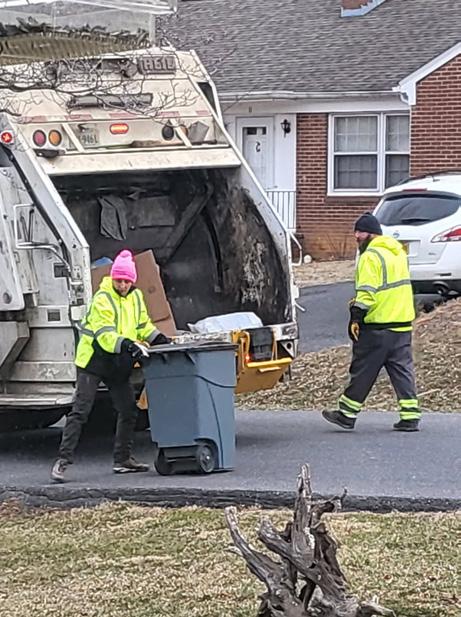
Last year when the city was preparing to roll out brand new trash cans and updated collection policies to our residents, I wanted to see firsthand what our refuse crews face every day. I arranged a date, pulled together my protective gear and my trusty pink public works beanie, and showed up at the public works yard at 6:00 a.m. on a cold, dark March morning.
LESLIE BEAUREGARD, ICMA-CM is city manager of Staunton, Virginia. is a deputy county administrator for Loudoun County, Virginia, and co-chair of the ICMA SheLeadsGov Committee.
Now, I don’t know if I’m the first woman to ride on a refuse truck, but I do know it’s not something the crews see on a regular basis. I had no idea what to expect. I told them simply I’m here to learn, I’m a hard worker, and please, no special treatment. Then I climbed into the truck with Roger and Marty, and we rolled out just as the sun began to peek through the morning clouds.
At the start of our route, Marty wasted no time. He instructed me to watch for passing cars when exiting the truck, then showed me how to pull the trash cans and empty them using the tippers. It became clear almost immediately that there would be no sitting in the truck observing. I was expected to pull my full weight. At the same time, Roger and Marty looked out for me, reminding me to watch for traffic, check on each other, and hold tight to the back of the truck while it moved. Several hours later, we finished the route and headed to the landfill where Marty let me operate the mechanism that empties the truck. What a rush!
It was, without question, one of the best days of my career in local government. Five hours of hard, focused work—no emails, no meetings, just the job—gave me something no briefing memo or report ever could: a ground-level understanding of how refuse collection actually works. I came back to the office a better planner and a more grounded leader.
What struck me most, though, was the pride these two men take in serving their city. They want Staunton to be beautiful. Their tenure with the city was impressive enough, but it was their positive spirit—their genuine care for the community they serve—that was truly infectious. I talked to Marty not that long ago at our recycling center. He asked when I was coming back out on his route. “As soon as possible,” I told him. “And I can’t wait!”
Join ICMA for this cross-disciplinary event anchored in the on-the-ground experiences of local leaders, featuring:
Keynote speaker Leigh-Ann Buchanan on Discovering Your Inner Innovator in Pursuit of Public Excellence
Civic Acrobatics: The Messy Reality of Economic Mobility plenary led by the City of Morgan Hill, CA
20+ breakout sessions showcasing insights and innovations from over 50 practitioners in community development, housing affordability, people-centered economies, and more
Mobile workshops to visit local sites and organizations working to increase economic mobility and opportunity in the Washington, D.C., area
Free on-site consultations with experts offering technical assistance and resources to support your work at home
A superior value for your professional development and travel budget, with registration only $75 and a discounted room block available through July 28 or until full
To view the complete program, visit emoconference.org/agenda
Effective Disagreement
The hidden discipline that protects leaders under pressure.
BY MATTHEW JOHNSON, ICMA-CM
The moments that test a leader’s resolve most rarely announce themselves. They do not arrive labeled as crises. They appear as routine questions, clarifications, or requests for additional information. On paper, nothing seems unusual.
I experienced a moment like that during a public meeting when a routine agenda item shifted unexpectedly. A line of questioning moved beyond the policy itself and into questions of the administration’s credibility and intent. The air in the room changed. Staff who had been confidently presenting moments earlier became visibly still. The governing body was no longer evaluating the item. They were watching the response.
In that moment, I realized the most important leadership task was not providing a faster or more detailed answer. It was preserving institutional stability. By slowing the exchange, reinforcing process, and responding with clarity rather than defensiveness, the temperature in the room gradually lowered. The facts had not changed, but something more important had been protected. The institution remained intact.
Most local government leaders recognize this moment when they encounter it, yet few have language to describe it, and even fewer have been trained to manage it. This is the discipline of effective disagreement.
When Disagreement Becomes Institutional Risk
MATTHEW JOHNSON, ICMA-CM serves as town manager for Jamestown, North Carolina. (linkedin.com/in/ effectivedisagreement)
Disagreement is not inherently harmful. In fact, healthy disagreement strengthens governance. It improves decisions, increases transparency, and builds public trust. The risk emerges when disagreement shifts from policy evaluation to institutional destabilization.
These moments often begin subtly. A question during a public meeting, an email copied broadly in the name of transparency, or a request framed as clarification but experienced as suspicion. On its surface, the exchange appears routine. Questions are part of governance, scrutiny is part of public service, and disagreement is part of democracy. But experienced leaders recognize when the nature of the exchange changes. Staff stop taking notes and begin watching, communication becomes
more cautious, and the conversation moves beyond the issue itself and toward questions of credibility, authority, and intent.
The underlying question becomes unspoken but powerful: Is the institution still in control of itself? When that question begins to surface, leadership responsibility shifts. The leader is no longer managing information; they are managing institutional stability.
Why Traditional Leadership Training Falls Short
Local government leaders are extensively trained in budgeting, planning, policy implementation, and operational management. These technical skills are essential. But disagreement under pressure is not primarily a technical challenge. It is a human one.
When individuals perceive a threat to their authority, credibility, or control, the brain’s threat detection system activates automatically—the “fight or flight” response. This response prepares the individual for protection rather than collaboration. Rational analysis narrows and defensive behaviors emerge.
These behaviors often appear procedural, such as repeated requests for information, public questioning, and escalating demands for clarification. But beneath these behaviors lies a deeper motivation: restoring certainty and control.
This is not dysfunction. It is human biology. The challenge arises when these individual threat responses begin to influence institutional behavior. Staff become hesitant, communication narrows, and decision-making slows. Leaders spend more time managing perceived risk
Disagreement is not inherently harmful. Healthy disagreement strengthens governance. It improves decisions, increases transparency, and builds public trust.
two objectives simultaneously. It ensures accuracy while reinforcing structure, and it demonstrates that the organization operates through process rather than reaction.
2. Protect Role Clarity. Institutional stability depends on clear understanding of governance roles. When these roles become blurred, instability follows. Effective leaders reinforce clarity without asserting personal authority.
An example response: “Our responsibility is to administer adopted policies and ensure their consistent implementation. We will continue to do so in alignment with governing body direction.” This protects institutional function while maintaining professional neutrality.
than advancing organizational priorities. Gradually, the institution shifts from mission-focused to self-protective. This shift rarely occurs through a single dramatic event. It most often occurs through accumulation. Small moments of instability that, left unaddressed, begin to reshape how the organization functions. Over time, institutional confidence erodes.
Leaders as Sources of Stability
In uncertain environments, people look to leadership behavior for cues. Staff watch how leaders respond to challenges, and governing bodies observe whether leadership reactions are grounded or defensive. These observations shape how others interpret the institutional environment. When leaders respond reactively, uncertainty spreads. When leaders respond with calm clarity, stability spreads. Leadership composure signals that the institution remains grounded. Leadership clarity signals that processes remain intact. Leadership restraint signals that decisions will be guided by structure rather than emotion. Effective leaders understand that their response to disagreement teaches others how the institution operates.
Three
Practical Tools Leaders Can Apply Immediately
Effective disagreement is not theoretical. It is practical. Leaders can strengthen institutional stability in real time using specific behaviors.
1. Reinforce Process Before Providing Answers. The instinctive response to disagreement is to immediately answer the question. But answering too quickly can unintentionally reinforce the perception that institutional direction is governed by pressure rather than process. Instead, effective leaders reinforce process first.
An example response: “We will review that question through our established process and provide a complete and accurate response.” This response accomplishes
3. Slow the Moment. Pressure creates urgency. Urgency invites reactive decisions. Reactive decisions often introduce additional instability. Effective leaders slow the moment. Leadership experts emphasize that in difficult conversations, a leader’s first response should be intentional rather than reactive. A strategic pause allows the leader to respond with intention rather than instinct. Simple language can create stabilizing space
An example response: “That is an important question. We will review it carefully and provide a thorough response.” This communicates respect while preserving institutional control.
The Compounding Effect of Leadership Response
Institutions are shaped over time by leadership behavior, particularly during moments of pressure. When leaders respond reactively, institutions become reactive. When leaders respond with clarity and consistency, institutions become resilient. Staff confidence strengthens, communication improves, and decision-making accelerates. Public trust grows because institutional behavior remains predictable and grounded.
Institutions rarely fail because of disagreement itself. They weaken when disagreement gradually erodes clarity, confidence, and trust. Effective disagreement prevents that erosion.
Leadership’s Quiet Responsibility
Much of leadership occurs in moments that appear unremarkable to outside observers. It occurs in how leaders respond to challenges, how they reinforce processes, and how they preserve clarity when others feel uncertainty. Effective disagreement is not about winning arguments. It is about protecting the institutional conditions that allow public service to function.
Leadership under pressure is not defined by the absence of disagreement. It is defined by the ability to ensure disagreement strengthens the institution rather than weakens it.
Protect and Serve the People We Lead
How trust, culture, and purpose help build stronger organizations and communities.
BY SIMON SINEK, KELLY MCADOO, AND CHRIS HSIUNG
When the market crashed in 2008, a manufacturing company called Barry-Wehmiller lost nearly a third of its orders almost overnight. The math was brutal. The company needed to save around $10 million to keep the doors open. Given the pressure, the board wanted to do what most boards do in a crisis: they recommended layoffs.
The CEO, Bob Chapman, refused. Instead, he asked everyone to share the pain. Every person, from the newest hire to Chapman himself, took four weeks of unpaid leave. As he put it when he announced the program, “It’s better that we should all suffer a little so that none of us have to suffer a lot.”
Something amazing happened after the furlough program was implemented. Morale went up. And then something unexpected happened: people who could afford to take more time off quietly picked up the furlough weeks of coworkers couldn’t afford the time off. This was never part of the program. This was something the people spontaneously did for each other.
This is not a story about furloughs or how to manage in a down economy. This is a story about what people do when they feel protected by their leaders. They protect each other and they protect the organization.
At The Curve, we have spent the last few years working to bring this philosophy back to a profession that, in too many cases, seems to have lost sight of it. That to “protect and serve” is more than a decal on a car door; it’s a mindset for leaders to guide them in leading their own people. It’s also a rallying cry for those who run America’s cities and counties.
The best leaders in policing learned the hard way that the profession is much more than “policing our communities.” It’s about culture and trust. The trust of those the police serve and the trust police have
for each other, their leaders, and the city/county managers with whom they work. Policing cultures can happen by design or by default. The ones that are designed and managed have higher rates of morale, fewer scandals, lower crime rates, higher retention rates, and better relationships with the community. Those police cultures that happen by default, however, tend to struggle with some or all of those same metrics. (And don’t let numbers of arrests be an indicator as to the strength of the culture— there is little to no correlation.)
There is a huge opportunity for city managers to play a bigger role in what the culture of their police force can look like by hiring a police chief who understands the fundamentals of good leadership and how to build a strong, human-focused, corporate culture.
The Curve Is Leading the Movement
In the weeks after George Floyd’s murder, Simon Sinek, New York Times bestselling author and leadership expert, gathered together a small group of police chiefs and sheriffs from across the country and the political spectrum to connect over Zoom. He had gotten to know a few of us over the years and wanted to offer a safe place to connect during a time when it felt like the whole country hated everyone with a badge. The first calls felt less like strategy sessions and more like therapy. These were people who loved the profession and were as angry as everyone else and heartbroken by what was happening to the profession they had devoted their lives to.
You are the leaders of leaders. And the first rule of effective leadership is that you’re not directly responsible for the results, you’re responsible for the people who are responsible for the results.
After about the third call, the conversation turned. The calls moved from therapy to what can we do about it. Simon asked simply, “What’s the problem with the profession?” What was the real cause of the abuses? It was tempting to say “racism” or “a few bad officers” and stop there. But the deeper the group dug, the more they kept landing on the same word. Culture. And if culture is set by leaders, then the near total absence of real leadership development in the profession wasn’t a side issue. It was the issue.
Most of that original group decided to work together to help fix the problem. And thus, The Curve was born: a nonprofit founded by working chiefs and sheriffs who were already ahead of the curve in their own agencies. The Curve exists to serve leaders and aspiring police leaders as they modernize their cultures and grow the next generation of leaders. The Curve is so named because it serves the early adopters, those who want to help fuel a movement and find the tipping point that can
change the whole profession for the better—for those who work in the profession and for those they serve.
The Purpose of Policing Is More Than What We Do
After George Floyd, there were some who called for the outright defunding of police. Instead of simply being defensive or angry, we decided to challenge ourselves. We did something few in the profession ever do—ask ourselves why we exist. What is the purpose of police?
Most officers will tell you they work in “law enforcement” or that their job is “to protect and serve.” But enforcing the law is only one aspect of the job, and “protect and serve” too often ends up as a slogan on the side of a car. We realized that most police themselves didn’t have a sense of their own purpose. A good purpose statement inspires. It also offers clear guidance about how to make a decision at 2:00 a.m. when there is no policy manual at hand. And it turns out, there is a very good
reason for police. Police exist to protect the vulnerable from harm. When someone is the victim of a crime, they are the vulnerable to be protected. And as soon as a police officer places a suspect in handcuffs, that suspect then becomes the vulnerable one. Even our own employees can be vulnerable and it’s up to leaders to protect them as well.
Purpose drives behavior. And if police only define themselves as “law enforcement,” for example, it will influence how police officers think of themselves and how they will act. The services our police and sheriff’s
departments provide go far beyond enforcing the law. Yes, arresting criminals is a core part of the job, but it’s not the only part. Tell a rookie their job is to “enforce the law,” and they go looking for laws to enforce. Tell them their job is to protect the vulnerable, and they become protectors. Same person. Same uniform. Different purpose. Different behavior. Different relationship to the job and to the community.
The People Who Lead the People Who Serve
Those in city/county management don’t run a police department day to day.
There’s no such thing as winning at public service. No final whistle, no trophy, no day the city is finished. You inherit an institution from those who came before, you serve, and you hand it to those who come next, hopefully stronger than you found it.
You run something bigger and harder. You’re responsible for police and fire, public works and parks, libraries and permits and budgets, and the hundred quiet services people only notice when they fail but touch their daily lives. You don’t lead any one of those functions yourself. What you do is set the conditions and create the environment to enable the people to lead.
You are the leaders of leaders. And the first rule of effective leadership is that you’re not directly responsible for the results, you’re responsible for the people who are responsible for the results.
We Can’t Order People to Trust
A team is more than a group of people who work together. A team is a group of people who trust each other. The problem is that trust takes effort to earn. We can require attendance. We can mandate a policy. We can demand performance. But we cannot order anyone to trust us. Trust is a feeling, and it shows up only when people feel safe enough to be open and honest. The job of a leader is to create that psychological safety. On teams that trust each other, people feel comfortable raising their hand to say,
“I made a mistake,” or “I don’t know how to do this,” or “I need help.” On the teams that don’t, people learn to hide all of that. They shade the truth. They fake competence. They bury the problem and hope it doesn’t surface on their watch. And when that happens, things will crack or break…eventually.
Trust can only be built and people will only report how things are really going when they feel safe to do so.
Before Alan Mulally took over as CEO of Ford Motor Company, the previous CEO would literally fire someone for delivering bad news about how the company was performing. So, guess what happened in all his status meetings? All green slides— everything was great! Except the company was losing money hand over first.
When Mulally took over, he held his first status meetings to get a sense of how things were going in the company he was now charged to lead. Every executive presented their work as fine. All green. He finally asked how that was possible when the company was bleeding money. Silence. Eventually one executive took the risk and marked a project red. He was sure it would cost him his job. Instead, the CEO praised the honesty and asked who could help. Week by week, the reds and yellows appeared, and only then could anyone see the truth clearly enough to fix it.
The lesson for a leader of leaders is simple and uncomfortable. If everything your people tell you is green, you don’t have a healthy organization. You have a frightened one. And a frightened organization
When leaders play the long game, they invest in what lets an organization endure. Trust. Cooperation. The will of their people. Those assets outlast any budget cycle and any administration.
can’t fix itself because no one will say out loud what’s actually broken.
Most dysfunction in public service works exactly this way. It doesn’t come from bad people. It comes from fear. Fear of being blamed. Fear of looking weak. Fear of saying the hard thing in a room full of people who outrank you. The fear that keeps a status report green is the same fear that can keep someone silent while a colleague crosses a line. Both are what happens when people don’t feel safe enough to speak or to act.
Removing that fear is not soft, and it’s not the same as lowering the bar. It means building what we call a circle of safety, an environment where people can be honest about mistakes and gaps and still know you have their back. The leader has to take the first risk. You go first. You admit your own misses. You thank people for hard truths instead
Every time you elevate someone like that, the whole organization reads the message. Trust is optional here. Results are all that count. And every time you develop and reward the people who lift others up, the organization reads that, too. Culture is nothing more complicated than what you value plus how you behave. Your people are always watching both.
The Good News: Leadership Is a Learnable Skill
of punishing them. Then, slowly, people step in.
You Get the Behavior
You Reward
There’s one more habit worth examining because it quietly shapes every organization: who and how you promote.
In most of government, we promote the high performers. The ones who hit the numbers, are technically proficient, and get the projects done. We rarely ask the other question: Do the people around this person trust them? Is there a correlation between being great at a task and being able to lead others? Even the most elite teams in the world have learned to ask it. They’ve found that the most dangerous person on a team isn’t the low performer. It’s the high performer nobody trusts, the one who’s talented and toxic, who delivers results today and erodes the people around them every day that they stay.
If trust and leadership were traits you were born with or without, this would be a sad story. Luckily, they aren’t. Leadership is a skill, like reading a budget or running an incident. It can be taught, practiced, and developed on purpose. That’s the whole premise of The Curve, and it holds up just as well in a public works yard as in a police briefing room.
This means that the culture of a city, town, or county is not fixed. It’s a choice made every day, in small moments, by you and the people you put in charge. And the biggest choice belongs to you. The words you use, the spaces you create for dialogue, and the people you choose to lead in your organization all matter each and every day.
This Is an Infinite Game
One last idea: There’s no such thing as winning at public service. No final whistle, no trophy, no day the city is finished. You inherit an institution from those who came before, you serve, and you hand it to those who come next, hopefully stronger than you found it.
We call that an infinite game, and it changes what
good leadership looks like. When leaders chase a finite win—this quarter’s numbers, this week’s headline—they tend to burn down trust to get it. When leaders play the long game, they invest in what lets an organization endure. Trust. Cooperation. The will of their people. Those assets outlast any budget cycle and any administration. How are you creating a legacy of public service, trust, and culture for those who follow you? What have you done to invest in the next generation of leaders in your organization and in the profession?
An Invitation to Go First
We built The Curve for the leaders who don’t wait for permission to do the right thing. The ones willing to look honestly at their own house
and lead the change before a crisis forces it on them. That work began in policing, but the principle belongs to all of public service. Culture by design, not default. Service over control.
Trust before performance, because performance almost always follows trust, and rarely the other way around.
Public trust in government won’t be won back with better press releases or one more
program. It’s rebuilt one honest conversation at a time, one leader at a time, by people who feel led, who feel safe, and who still remember why they signed up to serve.
leadership problems get solved by leaders who decide to reflect and grow. You lead the people who serve. Start there.
We imagine a world where people feel that justice and service and government itself are delivered with dignity and fairness. We don’t think that vision is naive. We think it’s a leadership problem. And KELLY MCADOO is city administrator for Santa Barbara, California.
Hear more from Simon Sinek in his opening session keynote, “Leading with Purpose,” at the 2026 ICMA Annual Conference. Learn more on page 56.
SIMON SINEK is the founder of The Curve.
CHRIS HSIUNG is executive director of The Curve and a retired police chief and undersheriff.
The Curve exists to help public sector leaders modernize culture and leadership, one leader, one agency, one community at a time. Learn more at thecurve.org.
More Than a Voice on the Radio
Why Emergency Communications Is
Core Infrastructure
What local government executives must understand about risk, resilience, and public trust inside the 911 center.
BY STACY HICKS
At 2:14 a.m., the lights were on in the 911 center in Granville County, North Carolina, but the system was not whole. A storm had triggered our backup power systems. The generator engaged. Consoles illuminated. From the outside, the facility appeared fully operational. Yet several critical integrations lagged during restoration.
Redundancy existed, but resilience required more than power. For local government executives, that distinction matters. Emergency communications is often categorized as a service department. In reality, it functions as infrastructure, workforce strategy, enterprise risk management, and public trust rolled into one. When it is treated as anything less, vulnerabilities remain invisible until stress exposes them.
Infrastructure Without Visibility
Every community maintains infrastructure it can see. Roads deteriorate. Water systems require replacement. Fleet vehicles follow scheduled lifecycles. Emergency communications is different. When it works, it is largely invisible. When it falters, the consequences unfold in real time.
Modern 911 centers operate through a layered ecosystem:
• Call handling platforms.
• Computer-aided dispatch systems.
• Geographic information systems.
• Radio console networks.
• Quality assurance and compliance tools.
• Cybersecurity safeguards.
• Redundant power and connectivity pathways.
Each system has a lifecycle. Each depends on vendor support. Each integrates with external agencies. Each creates a potential single point of failure if not planned deliberately.
When one layer lags, downstream agencies feel it immediately. A mapping delay affects dispatch accuracy. A radio console disruption slows coordination. A compliance lapse increases liability exposure. These failures rarely occur in isolation.
In many jurisdictions, capital planning for visible infrastructure includes structured forecasting and replacement cycles. Emergency communications, however, often remains reactive. Equipment is replaced when it becomes unreliable rather than when lifecycle indicators suggest vulnerability.
For many residents, calling 911 is their most direct interaction with local government during a moment of vulnerability. The voice that answers represents the competence of the entire system.
In our 911 center, aging consoles and dispatch workstations were approaching end-of-life status. Rather than waiting for degradation to force emergency procurement, we implemented a lifecyclebased replacement model. An internal strategic matrix now aligns capital forecasting with technology depreciation timelines. This approach stabilized operational reliability and reduced unplanned procurement under pressure.
When emergency communications is excluded
from long-term capital planning, the risk is not eliminated. It is deferred. Deferred risk accumulates quietly. Systems age beyond vendor support. Integrations become fragile. Replacement costs increase under urgency. Infrastructure that appears stable in routine conditions may reveal weakness only during peak demand.
For executives responsible for enterprise risk, emergency communications deserves the same disciplined planning applied to utilities, fleet, and information technology.
Fiscal Stewardship as Risk Management
The financial exposure within a 911 center is not always obvious. Compliance requirements, quality assurance standards, continuing education mandates, and software upgrades create recurring obligations. These costs are not optional. They are structural.
Yet because emergency communications budgets often appear relatively stable year to year, modernization may be delayed in favor of more visible needs. The danger is that delayed investment concentrates risk.
In evaluating our own compliance framework, we identified that outsourcing quality assurance review functions would cost approximately $30,000 annually. Rather than shifting that cost directly to local taxpayers, we leveraged Emergency Telephone System Fund eligibility and secured $30,000 in state funding to modernize our quality assurance systems. The result strengthened compliance
oversight while preserving fiscal stability.
Fiscal stewardship in emergency communications is not about spending less. It is about investing before vulnerability becomes visible. For managers and administrators, understanding the specialized funding ecosystem that supports 911 operations is essential. State funds, statutory fee structures, and eligibility requirements create opportunities for modernization when approached strategically. Ignoring those mechanisms often leads to avoidable local budget strain. Emergency communications funding is not simply an operational expense. It is a component of governance and accountability.
Workforce Stability as Organizational Resilience
Technology does not answer 911 calls. People do. Emergency telecommunicators operate in a high-consequence environment. They maintain certifications, manage complex call triage, coordinate multiple agencies, and absorb significant emotional strain. Recruitment pipelines are narrow. Training periods are lengthy. Full competency requires months of structured development.
Vacancy inside a 911 center is often treated as a staffing inconvenience. In reality, it is an operational liability. When vacancies persist, overtime increases. Fatigue follows, which increases error risk, which then increases liability and erodes public trust. The strain does not remain confined within the communications center. It affects first responders who depend on accurate dispatch information
We leveraged Emergency Telephone System Fund
eligibility and secured $30,000 in state funding to modernize our quality assurance systems.
and residents who expect timely coordination.
Stabilizing workforce capacity requires more than filling positions. It requires professionalization. In our center, we intentionally reframed the role of emergency telecommunicator as a critical public safety profession rather than clerical support. Training opportunities expanded. Advancement conversations shifted toward skill and certification development. Recognition increased. Wellness became a leadership priority rather than an afterthought. As a result, vacancy rates stabilized at the strongest full-time staffing levels in recent years.
Workforce investment inside emergency communications is not a morale initiative. It is operational resilience. For executives, this means evaluating workforce metrics beyond vacancy rate. Overtime trends, training pipeline duration, attrition during onboarding, and supervisory capacity all serve as indicators of systemic health.
If emergency communications staffing remains fragile, organizational resilience remains fragile.
The Connective Tissue of Public Safety Emergency communications is often the first node in crisis
response and the connective tissue between agencies. It influences response times, messaging consistency, and cross-agency coordination. It shapes how information flows during disasters. It often becomes the central hub through which public safety data, requests, and directives move.
For many residents, calling 911 is their most direct interaction with local government during a moment of vulnerability. The voice that answers represents the competence of the entire system.
Clarity, confidence, and coordination during that moment reinforce public trust. Instability or inconsistency undermines it. City/county managers who view the 911 center as a strategic asset rather than a transactional service strengthen not only operational performance but institutional legitimacy.
Executive Attention as Preventive Leadership
Strengthening emergency communications does not require dramatic restructuring. It requires intentional leadership. Executives can begin with several strategic actions:
• Conduct a dependency review of systems and integrations. Understand where single points of failure
exist and how redundancy is tested.
• Align capital planning with technology lifecycle timelines rather than failure events.
• Evaluate workforce stability indicators beyond headcount, including overtime reliance and training pipeline resilience.
• Review compliance structures to ensure statutory and quality assurance obligations are met proactively rather than reactively.
• Integrate emergency communications leadership into broader resilience, continuity of operations, and crisis planning discussions.
These actions are not technical adjustments. They are governance decisions. Emergency communications does not seek visibility. It seeks reliability, which is engineered through disciplined capital planning, workforce stability, fiscal strategy, and executive attention. It is built before crisis tests it.
The question for local government leaders is not whether the 911 center is functioning today. The question is whether it will be resilient under stress tomorrow. When a resident dials three numbers in their most vulnerable moment, they are not calling a department. They are calling their government. Government either answers with strength, or it answers with strain.
STACY HICKS, ENP, is director of emergency communications for Granville County, North Carolina.
Disaster Planning for Aging Communities Lessons from Japan’s Noto Earthquake
When aging, depopulation, and disaster collide, traditional recovery plans may no longer be enough.
BY FERNANDO ORTIZ-MOYA, PhD, AND SARAH SIELOFF, AICP
t 16:10 Japan Standard Time on New Year’s Day 2024, a magnitude 7.6 earthquake struck the Noto Peninsula in Japan. While Japan is prone to natural disasters, this time was different.
The four municipalities hardest hit—Suzu, Wajima, Noto Town, and Anamizu— are some of Japan’s most aged and depopulating: with roughly 50% of their residents aged 65 and older in 2020 (compared to the national average of about 30%), they have experienced youth
outmigration for decades. This demographic reality complicated both earthquake response and recovery because aging communities are harder to protect and harder to rebuild. Unfortunately, disaster risk reduction (DRR) and recovery plans rarely account for such conditions,
despite the reality that many municipalities around the world are growing older. Japan is one of the world’s most disaster-prone countries and is also a global leader in DRR. Even a relatively prepared place, however, can still suffer immense damage. For municipalities
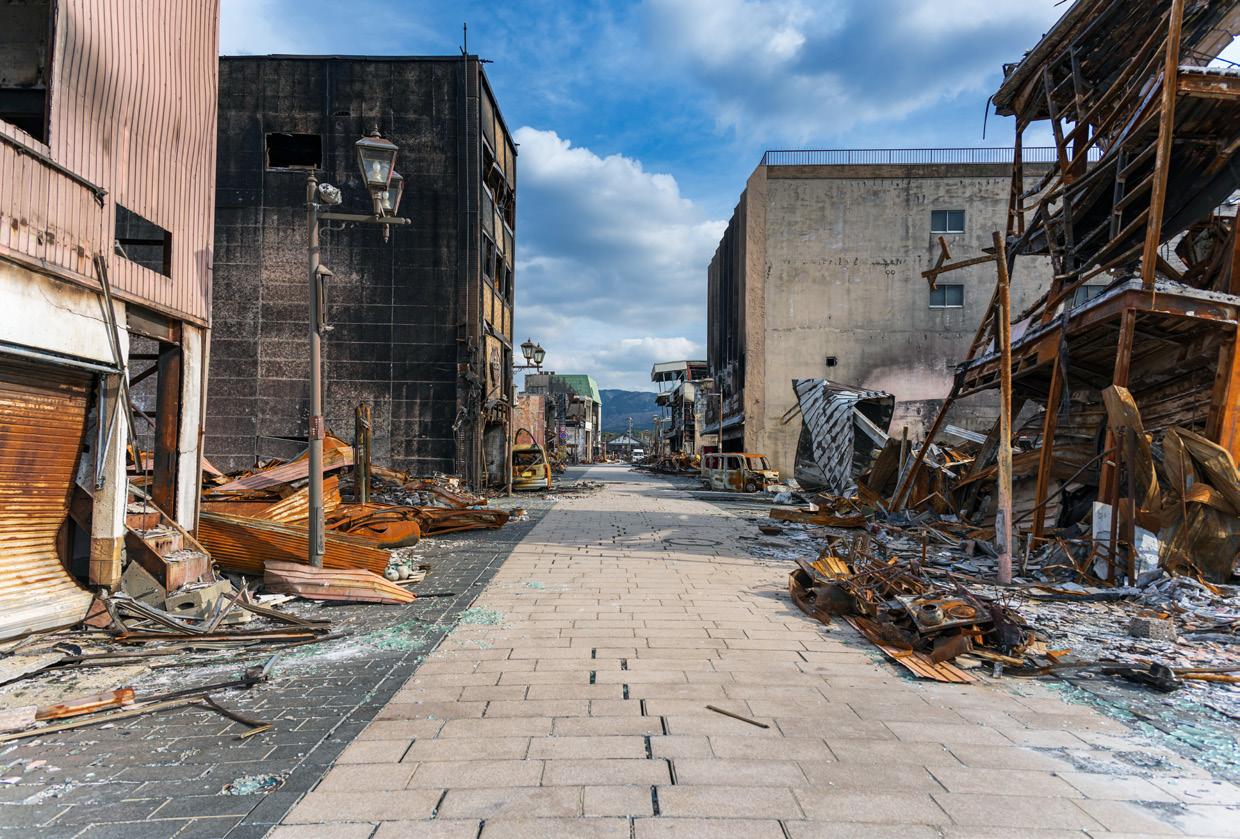
Severe destruction in Wajima, Japan, following the 2024 Noto Peninsula Earthquake. Photo credit: Hurohukidaikon. Unchanged. creativecommons.org/licenses/by/4.0/
with less experience, funding, or staff capacity, the road to preparedness can seem daunting. Every municipality, however, can improve its disaster resilience by asking now whether emergency plans reflect actual community needs.
In practical terms, DRR plans, which are now common in many cities, should reduce mortality, injuries, displacement, economic loss, and damage to critical infrastructure and services. Traditionally, DRR plans are organized around a four-phase management framework— mitigation (or prevention),
preparedness, response, and recovery—that dates back to the late 1970s, when it was developed by the U.S. National Governors Association. But the assumptions embedded in all four phases of the disaster management cycle were calibrated for growing, younger communities.
Mitigation and preparedness happen before disasters. Mitigation cannot stop an earthquake or a typhoon, but it should prevent hazards from becoming disasters through retrofitting, seawalls, and infrastructure upkeep. Preparedness covers emergency plans, training,
early warning systems, stockpiling, and drills. Both phases assume the financial capacity, volunteer base, community networks, and population density that aging and outmigration steadily erode.
Response and recovery happen during and after. Response, in the hours and days following the event, depends on a mobile population able to selfevacuate and reach shelters independently; for many older adults, neither is a given. Recovery, over months and years, assumes sufficient population return
and economic viability to justify reconstruction investment. But disasters that damage physical and social infrastructure can deepen an already entrenched decline, making reconstruction infeasible.
The Noto Peninsula earthquake shows the shortcomings of current DRR frameworks when demographic decline, aging, and natural hazards converge. This is not a cautionary tale from a distant corner of Japan; it is a preview of what awaits cities whose populations are older, smaller, and less mobile than their plans assume.
Devastation from the Noto Peninsula Earthquake
Aging Changes the Math of Disaster Risk
Regardless of kind or context, disasters disproportionately affect older adults. In the United States, 49% of Hurricane Katrina’s victims in Louisiana were 75 years or older, despite that age group making up only 6% of the state’s population in 2005. In Japan’s Iwate, Miyagi, and Fukushima prefectures, 56.1% of fatalities were among people aged 65 and older following the Great East Japan Earthquake and Tsunami of 2011, even though they represented 23% of the total affected population. In Germany, nearly 80% of casualties of the 2021 Ahr Valley floods were aged 60 and over. The data are clear: older adults are one of the most vulnerable groups in the event of a disaster, but DRR and recovery frameworks frequently do not reflect this vulnerability.
This demographic blind spot runs through the frameworks that national and local governments treat as benchmarks: the 2015 Sendai Framework for Disaster Risk Reduction 2015–2030, the joint Post-Disaster Needs Assessment guidance, and the 2020 Guide to Developing Disaster Recovery Frameworks. When older adults appear, they do so as a participation category rather than a structural risk factor.
The Sendai Framework is the clearest case. It says nothing about the difficulties older residents face when evacuating after an emergency alarm, their mobility constraints, or their needs in temporary shelters. When mentioned, older adults are valued for their “years of
knowledge, skills and wisdom, which are invaluable assets to reduce disaster risk.”1
Demography and aging are not integrated into hazard modelling, risk assessment, or recovery planning.
As long as demographic change remains invisible to these DRR frameworks, the gap between preparation and reality will only widen.
Even Japan Finds Its System Tested
Japan stands both as the country that has invested substantially in disaster preparedness and whose demographic trajectory makes the limits of that investment most visible. Prone to natural
disasters ranging from earthquakes and volcanic eruptions to floods, landslides, and typhoons, Japan has learned from experience how to prepare for, respond to, and recover from them.
Legislation on emergency response and preparedness in Japan has trailed large-scale disasters. The large number of catastrophic earthquakes and typhoons that hit the country in the 1940s and 1950s, and in particular, the 1959 Isewan Typhoon known as Vera, pushed the government to start reckoning with DRR. Vera remains one of the most devastating typhoons in Japanese history, killing around 5,000 people
and rendering 1.6 million virtually homeless.
The destruction wrought by Vera prompted the government of Japan to enact the Disaster Countermeasures Basic Act in 1961. This act became the foundation of Japan’s legislation on DRR, establishing a comprehensive and systematic framework with clear responsibilities for all levels of government, residents, and the private sector.
For local governments, the act mandates the production of a municipal area disaster management plan to organize emergency operations tailored to local hazards and conditions.
TOYAMA PREFECTURE
ISHIKAWA PREFECTURE
Local governments are also required to manage warning systems, run evacuation shelters, stockpile emergency goods, and maintain voluntary disaster prevention organizations among other duties.
The act also gives mayors statutory powers to issue evacuation orders, establish restricted areas, and requisition property for emergency uses. These requirements apply equally to all local governments—from large megacities like Tokyo to small, remote villages— regardless of human and financial capacity.
Following a similar reactive approach, the government of Japan amended the act based on lessons learned from new disasters. Disaster after disaster showed a similar pattern: older adults made up a disproportionate share of both direct and indirect deaths. This pattern became visible in the disaster death data before it appeared in legislation. It took the scale of the 2011 Great East Japan earthquake to force a reckoning.
The subsequent 2013 revisions required local governments to maintain a mandatory register of vulnerable residents. Later in 2021, following the 2019 Typhoon Hagibis and the July 2020 heavy rains, the act was amended to make individual evacuation plans for vulnerable residents a duty for local governments.2
The most recent revision, in 2025, followed the 2024 Noto Peninsula earthquake and introduced a fundamental shift from a place- to a peoplecentered approach by adding welfare services to disaster law.
Older adults are one of the most vulnerable groups in the event of a disaster, but disaster risk reduction and recovery frameworks frequently do not reflect this vulnerability.
serve the southern area: JR Nanao Line linking Kanazawa to Wakura Onsen and Noto Railway extending from Wakura Onsen to Anamizu. The rail lines reaching Wajima and Suzu were discontinued between 2001 and 2005, leaving Oku-Noto with only road access.
Suzu City experienced firsthand what the 2025 revision represents in legislation: the collision of a major disaster with a community whose demographic reality that Japan’s DRR frameworks were never built to accommodate.
Noto: Where Decline Met Disaster
The Noto Peninsula extends northward into the Sea of Japan in central Honshu. The peninsula is a narrow, mountainous finger of land, stretching 80km in length and 30km in width. Its northernmost tip, known as Oku-Noto—comprising the municipalities of Wajima, Suzu, Noto Town, and Anamizu—is one of Japan’s most extreme examples of aging and depopulation.
The economies of the four municipalities rest on agriculture, fisheries, and forestry, limiting employment opportunities for younger people. As a result, their populations peaked during
the 1950s and have more than halved since, driven by sustained outmigration. In 2020, around 50% of their populations were aged 65 or older, far above the national level of 29.3%. Successive mergers in the 1950s and 2000s brought physically disconnected towns and villages under single administrations, even as populations remained scattered across the peninsula.
Transport on the peninsula is limited. Options concentrate on the southern half and thin out moving north. Noto’s main road is Route 249, starting in Kanazawa—the closest major city—and looping around both shorelines to Suzu at the tip. The southern half of the peninsula is served by two expressways approaching from opposite sides of the mainland: the Noto Satoyama Kaidō running north from Kanazawa to Anamizu, and the Nōetsu Expressway from the east side ending close to Wajima. Two rail lines also
On the afternoon of January 1, 2024, the M7.6 earthquake struck. As of December 2025, the earthquake had caused 684 deaths in Ishikawa Prefecture.3 Among them, 228 (220 in Oku-Noto) were direct deaths, caused by the immediate physical impact of the earthquake, including collapsing buildings and post-earthquake fires. The remaining 456 (346 in OkuNoto) were disaster-related deaths: people who survived the initial event but later died from its physical and psychological burdens. Of the disaster-related casualties, 94% were aged 70 or older.4
The disaster cut through an infrastructure network that had been thinning for decades. Immediately after the earthquake, roads were blocked at multiple locations, including Route 249, the Noto Satoyama Kaidō, and the Nōetsu Expressway. Both the Noto Railway and the JR Nanao Line suspended operations, while port and airport infrastructure also suffered damage. In the hours after the earthquake, 24 districts with more than 3,000 residents were cut off entirely as all road and maritime access suitable for four-wheeled vehicles had been severed.
In Ishikawa Prefecture, 6,168 houses were destroyed outright and 18,729 partially. Water, sewage, and electricity systems all failed across the
prefecture, leaving thousands of households without basic services for weeks or months. What unfolded in Noto was not the failure of an unprepared region but the limit of a system conceived for a different demographic context. The same conditions that make these regions harder to protect make them harder to rebuild. Suzu shows what that means.
Reconstruction at the Demographic Edge
The epicenter of the earthquake was 6 km northnortheast of Suzu City. There, the damage was nearly total. Overall, 188 people lost their lives, 91 of them after the earthquake itself. More than two-thirds of homes were partially destroyed or worse, the highest of any affected municipality. All five of Suzu’s purification plants stopped at once. The city’s 4,585 piped-water households lost supply on day one, and restoration took nearly six months for most of the city; as of July 31, 2025, 18 months after the earthquake, 10 households remained without piped water. The earthquake exposed an infrastructure system already operating at the edge of viability, eroded by decades of disinvestment linked to population and economic decline. In September 2024, eight months after the earthquake, record rainfall flooded the same communities, washing out temporary housing and reopening road closures. In April 2024, the Ministry of Finance’s Fiscal System Council proposed a compact-town model for reconstruction in the affected municipalities. The main
argument was that the area was already depopulating and therefore, reconstruction should consider maintenance and management costs.5 Even though they noted the need to engage with local communities in carrying out this proposal, the idea was not well received in affected areas. Suzu’s mayor, Izumiya Masuhiro, opposed this proposal, noting the city’s heritage: the three towns and six villages that formed current Suzu in 1954 still retain a strong sense of identity with their unique character and festivals.6 The compact city idea—a topdown, urban-centric model based primarily on economic considerations—felt unnatural to Suzu and its communities because of their strong attachment to their land.
Instead, Suzu’s reconstruction plan proposes a point-based infrastructure system. The model replaces networked, centrally supplied services, which the earthquake exposed as fragile across long distances, with smaller standalone provision matched to where people actually live. Sewerage offers the clearest example: rather than rebuilding a centralized sewer network, the city is installing individual septic tanks across affected areas. Decentralized renewable energy projects follow the same logic, allowing households to keep power during grid outages. The pointbased model is genuine policy innovation: untested at scale and not without cost. But it recognizes the social reality of Suzu, valuing its communities and their histories above seemingly more economically efficient considerations.
Between July 2023 and December 2024, the number
of children from infancy to age 14 in Suzu fell by 17.1% against a 9.2% decline among those aged 65 and older. Older residents have remained at a higher rate than the young, despite the slow pace of reconstruction and prolonged stays in shelters. In July 2025, Peace Winds—a Japanese NGO working in postearthquake Suzu—noted the desire of many older residents to return to their homes, the places where they want to live until the end.7 This reality fits neither the top-down compact city nor the bottomup point-based infrastructure model: both assume a population stable enough to plan for. In an already super-aged and depopulating city, disasters exacerbate preexisting conditions and make coherent recovery design harder because the object of reconstruction is itself moving while the plan is being written.
Conclusion
Aging is not a vulnerablepopulation footnote in disaster risk reduction and recovery plans: it is a planning variable that changes every phase of disaster management. Suzu is not an outlier. As more communities age and shrink, other disasters will expose the same mismatch between plan and population.
City managers need to audit their plans against the demographic reality of their communities. Does the evacuation plan assume mobility the population no longer has? Does the volunteer base for preparedness still exist? Do shelters meet the needs of older adults? Does the recovery plan assume a population return that demographic projections no
longer support? Local governments need to ask these questions before a disaster asks them first. Hazards arrive in the community that exists now, not the one that existed when the plan was written.
2 Cabinet Office of Japan, White Paper on Disaster Management (various years), https://www.bousai.go.jp/ en/documentation/white_paper/; Hiroko Okuda and Jun Tomio, Disaster Preparedness for Aging Populations: Lessons from Japan, AHWIN Papers: Lessons for Aging-Related Policy No. 4 (February 2024). https://ahwin. org/wp-content/uploads/2024/02/ AHWIN-Paper-no4-0224.pdf
3 Data from Ishikawa Prefecture, available online at: https://www.pref. ishikawa.lg.jp/saigai/documents/ higaihou_218_1009_1400.pdf
4 “Disaster-Related Deaths: 10% Occurred Six Months or Later — Ishikawa Prefecture Publishes Breakdown of Noto Earthquake Fatalities,” Risk Taisaku.com, December 25, 2025 [in Japanese], https://www. risktaisaku.com/articles/-/108464
5 Based on the transcripts of the press conference of the Ministry of Finances’ Fiscal System Council of 9 April, 2024, available at: https:// www.mof.go.jp/about_mof/ councils/fiscal_system_council/ sub-of_fiscal_system/proceedings/ conference/20240409zaiseia.html
6 Based on a July 26, 2024 interview with Jiji Press (archived via the Internet Archive’s Wayback Machine). Available at: https://www.jiji.com/ jc/article?k=20240726NH24&g=jti (original URL).
7 Peace Winds Japan, “Noto Peninsula Earthquake: One and a Half Years On — Relief and Reconstruction Support Report,” ARROWS Journal, July 3, 2025 [in Japanese], https://arrows.peacewinds.org/journal/16308/
FERNANDO ORTIZ-MOYA, PhD, is an assistant professor at the Waseda Institute for Advanced Studies, Waseda University in Japan.
SARAH SIELOFF, AICP, is an urban planner at Haley & Aldrich in Bellingham, Washington.
A Practical Emergency Management Toolkit for Small Communities
Building capacity where it’s needed most.
BY ASHLEY BERNAL, JORGE CHAMORRO, MOLLY FITZPATRICK, AND PATRICK JONES
At 2:00 a.m., a winter storm knocks out power across a small community. Roads are impassable, emergency calls are increasing, and residents are looking to local officials for answers. There is no emergency management department— only a handful of leaders doing their best to coordinate a response while managing their regular responsibilities. This scenario is not unusual. Across the country, small municipalities are on the front lines of emergency response, often without dedicated staff,
formal plans, or easily accessible tools to guide decision-making in high-pressure moments.
Local governments are responsible for responding to a wide range of emergencies, including severe weather, infrastructure failures, cyber incidents, and public safety crises. In many communities, particularly smaller ones, these responsibilities are shared across departments and layered onto existing roles. While this
reflects operational realities, it can leave communities underprepared when emergencies occur.
Recognizing this challenge, our team developed “Emergency Management 101: A Toolkit for Small Communities,” as part of our Leadership ICMA program capstone project. The goal was to create a practical, accessible resource that helps small municipalities strengthen
their ability to prepare for, respond to, and recover from emergencies.
Bridging the Gap Between Guidance and Practice
Emergency management has become increasingly complex. Local officials must coordinate across agencies, communicate with the public, and navigate state and federal systems for assistance and reimbursement, all while maintaining essential services.
At the same time, many small communities operate
with limited staff capacity and competing priorities. A town administrator, IT director, or public works director may suddenly find themselves leading emergency response efforts without formal training or a clear operational framework.
Although federal systems like the National Incident Management System (NIMS) provide valuable structure, they can be difficult to translate into day-to-day operations for communities just beginning to formalize their planning efforts.
The result is a gap between available guidance and practical application. This toolkit was designed to help close that gap.
A Practical, Accessible Starting Point
The Emergency Management 101 Toolkit is intentionally designed as a starting point, not a technical manual or onesize-fits-all plan. It provides clear, actionable guidance that communities can adapt based on their size, capacity, and risks. The toolkit is organized around three core phases of emergency management: preparedness, response, and recovery.
Each section includes simplified guidance, templates, and links to trusted resources, helping local leaders take meaningful steps without becoming overwhelmed.
Preparedness: Building the Foundation
Preparedness is the cornerstone of effective emergency management. The toolkit encourages communities to
begin by assembling a crossfunctional planning team that includes public safety, public works, health officials, and administrative leadership. This approach ensures that planning reflects the full scope of municipal operations. It also introduces practical approaches to hazard identification and risk assessment, helping communities focus on the events they are most likely to face. Additional guidance includes:
• Developing or updating emergency operations plans.
• Establishing mutual aid agreements.
• Creating continuity of operations strategies.
• Defining roles and responsibilities in advance. By breaking preparedness into manageable steps, the toolkit helps communities build capacity over time rather than attempting to do everything at once.
Response: Creating Structure in Real Time
During an emergency, clarity and coordination are critical. The toolkit provides guidance on establishing incident command, activating emergency operations centers, and maintaining situational awareness. It also emphasizes prioritizing community lifelines such as public safety, utilities, and transportation systems. Communication is a central focus. Clear, timely messaging helps reduce confusion, builds public trust, and supports more effective response efforts.
The toolkit also highlights the importance of documentation. Accurate recordkeeping during an incident is essential for operational coordination and for accessing state and federal reimbursement programs.
Recovery: Planning Beyond the
Immediate
Crisis
Recovery is often the longest and most complex phase of emergency management. The toolkit encourages communities to begin planning for recovery early, including identifying leadership roles, setting priorities, and understanding available funding sources. Key considerations include:
• Coordinating short- and long-term recovery efforts.
• Navigating federal assistance programs.
• Supporting residents and businesses.
• Integrating mitigation strategies to reduce future risk. By approaching recovery strategically, communities can rebuild in ways that strengthen long-term resilience.
A Resource Designed to Evolve
Emergency management is constantly changing. New technologies, emerging threats, and evolving best practices will continue to shape how communities prepare for and respond to emergencies. For that reason, this toolkit is intended to be a living resource. It reflects current guidance and tools, but it is designed
to be updated, adapted, and expanded over time. Communities are encouraged to tailor the toolkit to their needs, incorporate lessons learned, and build upon the foundation it provides.
Why This Matters
Effective emergency management is fundamental to community well-being. It protects residents, preserves critical infrastructure, and supports faster, more equitable recovery. Small communities should not be at a disadvantage because of limited resources. With practical tools and clear guidance, they can build strong, resilient systems that support both daily operations and emergency response.
As local governments continue to face new and evolving challenges, the need for accessible, practical emergency management resources will only grow. Our hope is that this toolkit helps communities move from uncertainty to action— from asking “Where do we start?” to confidently saying, “We’re ready.”
ASHLEY BERNAL is assistant town manager for Belleair, Florida.
JORGE CHAMORRO is director of public services for Salt Lake City, Utah.
MOLLY FITZPATRICK is deputy town administrator for Westwood, Massachusetts.
PATRICK JONES is deputy city administrator and director of public safety for Perrysburg, Ohio.
Drone As First Responder Transparency Is Fundamental to Success
Real-time eyes in the sky can save lives, but the future of drones in public safety depends not just on speed and capability but on openness, accountability, and community trust.
BY ADAM BRY
This is a special time for drones in public safety. Every day—almost every minute now—we’re seeing incredible stories1 where Drone as First Responder (DFR) changes an outcome: finds a missing person, catches a suspect, or saves precious seconds for an injured person. We routinely hear things like “game changer” and “the most impactful technology I’ve seen” from the agencies and leaders we’re fortunate to work with.
And we are just getting started. There are roughly 250 million calls for service (911 calls) annually in the United States. Data from agencies deploying DFR today shows that some are already choosing to send DFR drones to more than one third of the calls within range of their
docks. Officers on-scene are increasingly relying on—and expecting—DFR support to show them exactly what they’re heading into while they’re en route. As the technology matures and adoption deepens, it’s easy to imagine a world where the default expectation for every 911 call—every emergency— is a drone showing up within seconds to provide real-time awareness and often changing outcomes for the better.2
It is an honor and a huge responsibility for us at Skydio to play a role in making DFR happen. I think this is likely the most important and impactful work that I’ll get to do in my career.
We started working with law enforcement in 2020 amongst intense skepticism nationally—and especially in Silicon Valley—about doing anything to work with or support police. We always had deep conviction in the positive impact of DFR, but perhaps
shaped by the early criticism we took for working with police, I thought that public and political will to adopt AI-driven autonomous drones flying over cities would be the biggest barrier to adoption. When you just explain the idea to someone, it honestly does sound a little nuts.
Concerns have certainly been raised—and there are reasonable concerns to raise— but by and large agencies, elected leaders, and residents are leaning in.
I attribute that to one fundamental concept: transparency.
The pioneering agencies adopting DFR are doing an incredible job of proactively explaining what they’re doing and why they’re doing it. To name just a few: see DFR communications from the police departments of Minnetonka,3 Colorado Springs,4 Los Angeles,5 and Las Vegas,6 as well as the Wichita police department’s
transparency dashboard7 and epic Well Done Wednesdays.8
And the nature of DFR—a flying camera—has the benefit of perfectly documenting everything the drone does. These videos have turned out to be one of the most powerful tools for getting community buy-in. When people see videos from DFR, they get it. In fact, it becomes almost impossible to deny the positive impact. DFR is not about the state spying on people in their backyard; it’s about seeing the most critical details at the most crucial moments, like determining whether someone is brandishing a firearm or a cell phone, to keep everyone safer.
To ensure the long-term positive impact of DFR, it’s worth studying the path taken by other technologies that have had a significant impact on law enforcement: automatic license plate readers (ALPR) and body worn cameras (BWC).
ALPR
Over the past few years, we’ve seen ALPR gain adoption in law enforcement. At its essence, ALPR is always-on—always
passively capturing and analyzing footage to identify and track the location of every car it sees. The ALPR vendor maintains a database summarizing everything the entire network of cameras has seen, which is then searchable after the fact.
There is no question this can be super valuable for solving crime, and I am generally a big believer in ALPR. But it is also the kind of always-on passive surveillance that can violate expectations of privacy. Having a private company maintain a database of vehicle locations, with a business incentive to maximize data sharing between its different government and commercial customers, rightfully places a lot of scrutiny on the vendor’s posture on security, privacy, and transparency.
We’re now seeing a swell of pushback against ALPR. Some of this is inevitable. There are people and organizations that will stand opposed to any police funding or police technology. But I think a lot of the ALPR pushback comes from questions about the vendor.
The current market leader in pole-based ALPR has a history of saying one thing publicly but doing another thing privately.9 Communities and their residents have an expectation of the data being treated one way when it’s actually treated another. Their posture on privacy and transparency leaves a lot to be desired: “If you’re not involved in a crime, you shouldn’t be concerned about privacy.”10
The root of trust for technology in public safety starts with the company
that makes it, and a lack of transparency and accountability creates problems for everyone involved. Most significantly, it detracts from the positive public safety impact ALPR can create. Partially as a result of the security, transparency, and accountability shortcomings of the current market leader, I expect that we’ll see increased competition in ALPR over the next few years. Competition is always good because it forces companies to elevate their game. In this case, I hope it not only elevates the products and technology, but also the posture on privacy and transparency.
Body Worn Cameras
BWC provide insight into the importance of transparency. When BWCs were first deployed, some agencies and officers were concerned that
footage would be used to unfairly judge their split-second actions during life-threatening engagements, while some residents were afraid they would be spied on with BWC footage. But as BWC programs proliferated across the county, the overwhelming outcome has been a major victory for transparency and accountability. It has become standard operating procedure for agencies to release BWC footage after major incidents. More often than not, it shows officers doing the right thing and is helpful for countering allegations of misconduct. In instances of police abuse, the footage gives the public the transparency they deserve, allowing appropriate action to be taken. For the good of law enforcement officers and the communities they serve, BWC
has become a near default expectation for officers in the United States.
Comparison with DFR
In contrast to ALPR, DFR is maximally precise and narrow in how it works. Rather than covering a city in cameras and collecting everything to be searched later, DFR flights come from deliberate decisions by accountable individuals to send a drone to precisely the time and place where information can change an outcome. By getting to the scene first and providing real-time information without officers’ having to expose themselves to risk, DFR keeps everyone safer. But in addition to changing outcomes, DFR has direct parallels to BWC in accountability and transparency because it documents actions and outcomes on the ground. One lens through which to view DFR is a “BWC in the sky,” though it often provides a more complete picture than would ever be possible from a ground view coming from a BWC. But even though DFR is less invasive than ALPR, it still creates sensitive data, and success will still depend on community trust and buy-in. We need to internalize some of the painful lessons from the pushback against ALPR.
The Future of DFR
My fundamental proposal to all of us involved in DFR—companies, agencies, politicians, officers, deputies, and analysts—is to operate with maximum transparency. Treat every second of every flight, every keyboard press, everything that happens with the data, as if it will be seen by the public at large. Whether or not it actually ends up being
DFR keeps everyone safer by getting to the scene first and providing real-time information without officers’ having to expose themselves to risk.
viewed or not, this is a public good we’re providing, and we should all expect to be held accountable publicly for our technology, our products, our flying, and our actions. We build, sell, and deploy our products with this responsibility at the forefront.
Our DFR software includes the ability for agencies to publish their own transparency portals for their communities to see the flying that they are doing. Every mission flown, including the time, date, flight path, and purpose, can be automatically published to a public-facing webpage. It is ultimately up to agencies if they want to use this feature, but we are committed to making it as easy as possible for them to take advantage of it if they want.
Our reliability dashboard shows real-world flight incident rates over time.11 Some companies try to hide or downplay incidents, but we believe that transparency on reliability is a critical step for our customers to make informed decisions for their programs, and it’s also part of how we hold ourselves accountable for continual improvement.
Transparency builds trust in how drones are used. Ensuring the data they collect is secure and admissible builds trust in the outcomes. I anticipate drone videos becoming just as common as BWC footage in courtrooms—for prosecutions, crash and crime scene reconstructions and other public safety incident reviews—so we built our system to meet CJIS 6.0 and other federal security requirements.12
Companies shouldn’t have the final word on where and how public safety technology is used. Ultimately, it’s up to communities and democratic processes. We are fortunate to work with incredible agencies and public safety leaders across the country who do incredible things with our products on behalf of their communities and are establishing a model of transparency and accountability for everyone to follow.
DFR is used on less than 1% of the 911 calls in the United States today. How much safer will we all be when that number is 10, 20, or 30%? Transparency is the bedrock principle that will enable us to get there.
Skydio is the largest U.S.-based drone manufacturer and the world leader in flying robots used by public safety agencies, critical infrastructure operators, and government partners. One of the fastestgrowing applications is Drone as First Responder (DFR), where drones are dispatched to 911 calls to provide real-time situational awareness before personnel arrive. As this technology scales, we believe it is critical to share perspectives on how it can be deployed responsibly—particularly around transparency, privacy, and community trust — to provide safer outcomes for all involved during critical emergencies.
From Disaster Recovery to Flood Insurance Savings
How a hurricane-ravaged town partnered with FEMA to reduce risk, cut costs, and build back smarter.
A home in Fort Myers Beach, Florida, ripped off its foundation during Hurricane Ian in September 2022.
When Hurricane Ian struck Fort Myers Beach in 2022, it left behind more than damaged buildings. As the town raced to rebuild, many temporary structures went up, permits were issued under difficult circumstances, and normal regulatory processes became harder to follow.
BY COLONEL (RET.) WILL MCKANNAY AND DR. TRACI KOHLER
Eventually, FEMA determined that the town was no longer fully complying with the National Flood Insurance Program (NFIP). As a result, Fort Myers Beach was placed on probation—a designation that added a $50 surcharge to every federal flood insurance policy in the community and threatened future flood insurance discounts.
Rather than viewing probation as a setback, town leaders treated it as a management challenge.
Step 1: Understand the Problem
The first task was understanding exactly
what FEMA expected. A community assistance visit (CAV) identified several issues, including incomplete documentation, inconsistent permit records, and floodplain management practices that needed improvement. The findings provided the town with a clear roadmap of what needed to change.
Perhaps the most important moment came during a discussion with FEMA officials. Town leaders asked a simple question: If the town has good policies, documents its work, enforces the rules, and makes every reasonable effort to gain compliance—but some
property owners still refuse to comply—will the town still be penalized?
FEMA’s answer changed the entire approach. The standard was that the town must act to the “maximum extent possible.” That meant success wasn’t measured by perfect compliance from every property owner. Instead, it depended on whether the town consistently demonstrated that it had done everything within its authority.
Step 2: Bring Everyone Together
Instead of allowing each department to work
independently, Fort Myers Beach created a crossdepartment compliance team. Twice each week, representatives from planning, permitting, floodplain management, code enforcement, and senior leadership met to review problem properties one by one.
Rather than asking, “What has my department done?” the meetings focused on, “What does this property still need, and who owns the next step?” This shared accountability eliminated gaps between departments and ensured every case kept moving forward.
Hurricane Ian devastation
Step 3: Start with Education
Before taking enforcement action, the town concentrated on helping residents understand what needed to happen. Staff contacted property owners whose temporary storage containers, rebuilding projects, or other improvements did not meet floodplain requirements. The goal was to explain the rules, provide deadlines, and help owners bring their properties into compliance voluntarily.
The Playbook
Many homeowners had rebuilt quickly after the hurricane and simply needed to complete afterthe-fact permitting or correct missing documentation. Education solved many problems before enforcement became necessary.
Step 4: Enforce Consistently
When voluntary compliance wasn’t enough, the town shifted to formal enforcement. Property
Phase 1: Triage and Assurance (0–60 days)
1. Create a cross-functional compliance task force.
2. Map community assistance visit findings.
3. Publish an NFIP/CRS FAQ document for residents and stakeholders.
Phase 2: Process Hardening (60–180 days)
1. Codify elevation certificate workflow (collection, QA, public access).
2. Establish SOPs for substantial damage/ improvement.
3. Ordinance updates for freeboard, enclosures, drainage protection.
Phase 3: Verification and Recertification (180–360 days)
1. Pre-verification audit with ISO.
2. Assemble verification evidence and technical documentation.
3. Address technical reviewer comments.
4. Prepare annual recertification documentation.
Phase 4: Sustain and Improve (Year 2–3)
1. Track CRS points and prerequisites.
2. Align capital projects to CRS elements.
3. Institute quarterly dashboards.
4. Plan for next CRS cycle.
owners received notices of violation and, when necessary, appeared before the special magistrate.
Because every case had been carefully documented and reviewed across departments, the town could consistently demonstrate that it had followed fair procedures and given owners opportunities to comply. Most remaining properties ultimately came into compliance.
Step 5: Build Better Systems
While addressing individual properties, the town also improved how it managed floodplain responsibilities overall. Staff updated standard operating procedures, improved permit tracking, strengthened damage assessment processes, centralized flood elevation records, invested in employee training, and improved communication with residents and design professionals.
Equally important, they documented every action. Throughout the process, the town worked closely with FEMA, ISO/Verisk, and the Florida Division of Emergency Management to verify that improvements met federal standards.
The Results
The effort paid off. In November 2025, FEMA removed the town from NFIP probation. One month later, Fort Myers Beach earned a Community Rating System (CRS) Class 5 designation. Beginning April 1, 2026, most property owners became eligible for a 25% discount on their federal flood insurance premiums.
More importantly, the town emerged with stronger internal
processes, better coordination among departments, and greater confidence that it could respond effectively to future disasters.
Lessons for Other Communities
Fort Myers Beach’s experience demonstrates that recovering from a disaster isn’t just about rebuilding structures. It’s also about rebuilding systems. For local governments facing similar challenges, several lessons stand out:
• Build one coordinated team rather than relying on separate departments.
• Work with regulators early and ask for clarity on expectations.
• Educate residents before moving to enforcement.
• Document every action and decision.
• Treat compliance as an ongoing management process rather than a one-time project. Those practical management decisions—not simply meeting FEMA requirements—enabled the town to restore public trust, reduce flood insurance costs, and strengthen its long-term resilience.
ADDITIONAL RESOURCES
1. NFIP Probation and Surcharge Guidance: fema.gov/about/glossary/surchargeinsurance
2. Community Rating System: Overview and Coordinator’s Manual: fema.gov/ floodplain-management/communityrating-system
COLONEL (RET.) WILL MCKANNAY is town manager of Fort Myers Beach, Florida.
DR. TRACI KOHLER is deputy town manager of Fort Myers Beach, Florida.
When “Nothing Bad Ever Happens Here” Isn’t Good Enough
How one fast-growing Colorado town is turning planning, practice, and after-action review into a stronger emergency management program
BY SHANE HALE, ICMA-CM
Located in northern Colorado and bordered by three larger municipalities, the town of Windsor (pop. 48,000) has maintained its smalltown charm despite being one of Colorado’s fastest growing communities. And we have the continued distinction of being one of the safest cities in Colorado. One challenge for Windsor is that the perception of the community, elected officials, and oftentimes staff is that “nothing bad ever happens here.” Why prepare for the worst when things appear to be going so well?
While it’s true that apart from an EF3 tornado that surprised the community in 2008—leaving devastation in its wake though thankfully no loss of life—Windsor has an enviable history of not needing to worry about the worst-case scenario. But as we all know, hope is not a strategy. Bad things can happen anywhere at any time, and
preparing for the worst is the only responsible thing to do. My time in the military taught me a valuable lesson: you plan, you practice the plan, you talk about what went wrong, you revise your plan, and then you repeat the process. And in local government, emergency management applies those same techniques.
A few of Windsor’s ongoing efforts in proper planning and process improvement really highlight the vision, talent, and leadership of our office of emergency management and police department. Our town is blessed to have Carlee Porch as our emergency management coordinator. Although she has been with the organization for less than two years, our program has matured by a decade under her leadership, and my confidence in our ability to properly plan and respond to any incident has grown tenfold.
SHANE HALE, ICMA-CM is town manager for Windsor, Colorado. He is a U.S. Navy veteran and a member of ICMA’s Veterans Advisory Committee.
Event Planning and After-Action Review
Windsor hosts 85 events annually in our wonderful parks system, with our largest annual event, the Windsor Harvest Festival, bringing 11,000 to our downtown on its busiest day. Like many growing communities, while our event frequency and size had grown over time, we were managing most of our events with limited oversight and planning. One of the first requests from our special event staff when we hired Carlee was to help develop a process to ensure a safe and secure event. Staff recognized that our events had outgrown our ability to successfully manage any real crisis.
In the Windsor pre-planning process, each department that will be involved in the actual event participates in drafting the plan, including emergency management, public works, police, parks and recreation, and the fire department. The event requirements change based on the expected size of the crowd; as an example, any event that includes at least 500 people requires an ambulance on site.
Every pre-planning event will establish command and control (who is in charge), how many people from each department need to work at the event (e.g., number of officers), road closures, mapping, and a public communication portion. All roles and responsibilities are laid out in this pre-planning document, so if anything goes wrong, the pre-planning document has already identified the appropriate steps to take.
The after-action review (AAR) typically occurs within a week after the event and helps the town identify opportunities for improvement and associated corrective actions. An improvement plan is developed as a part of this plan, and every corrective action listed is assigned to a responsible party with a deadline. These actions can include anything from providing better maps to the public to closing off a different street for traffic. Finally, the next planning cycle for the event starts with the AAR to ensure that we begin with our lessons learned from the previous year.
Virtual Emergency Operations Center
Most local governments likely have a protocol in place for standing up an emergency operations center (EOC). In Windsor, we also operate a virtual center with three stages of activation: virtual, partial, and full.
Under the virtual stage, we monitor an emergency or crisis situation via Microsoft Teams, allowing us to communicate from anywhere, share documents, and
My time in the military taught me a valuable lesson: you plan, you practice the plan, you talk about what went wrong, you revise your plan, and then you repeat the process.
set up calls from the platform. It was very helpful this previous winter when we experienced many high wind events in northern Colorado. It enabled our personnel to closely monitor power outages damage and to plan for coordinated response from remote locations.
Once we move into the second or third phase (partial or full activation), our key personnel and sister agencies will meet in person in the traditional EOC. However, we still utilize the virtual platform to share documents and invite stakeholders to participate, including local hospitals, state representatives, the Red Cross, and elected officials. We also use the platform to download and archive documents in preparation for FEMA financial reimbursement down the road.
Together, these capabilities reflect a growing organizational commitment to preparedness—one that recognizes emergency management is not defined by whether a community has experienced disaster recently, but by whether it’s ready when the next challenge comes.
Communicating Under Pressure, Maintaining Public Trust
Conflict de-escalation and crisis communication have become essential leadership skills in local government.
BY MICHAEL DAVID
A resident at the tax assessor’s counter is yelling loudly enough for the entire lobby to hear. Utility workers encounter an emotionally disturbed individual on a site visit. A misinformation-filled social media post about a water main break is spreading faster than official updates. All the while, staff members across the organization are absorbing public frustration and scrutiny about federal and state policy matters that are well outside their control.
For local government professionals, moments like these have become more common and more consequential. Employees are expected to respond with calm, clarity, and professionalism in situations shaped by anger, fear, misinformation, and public scrutiny. How they respond affects quality of service, staff safety, and public trust in the organization.
To help managers build these capabilities, the Civic Learning Lab at ICMA convened local government leaders in St. Paul, Minnesota, for two days of training focused on conflict de-escalation and crisis communication. Hosted in partnership with the Minnesota City/County Management Association and the League of Minnesota Cities, the program addressed two connected challenges: how public employees manage difficult one-on-one encounters and how organizations communicate during fast-moving public crises.
Managing Interpersonal Conflict in Public Service
The first day focused on de-escalation skills for frontline staff and supervisors. Participants explored how to recognize early signs of escalation, manage their own reactions under stress, use tone and body language
MICHAEL DAVID is director of the Civic Learning Lab at ICMA (mdavid@ icma.org).
intentionally, and redirect tense conversations toward safer and more productive outcomes. The emphasis was on practical strategies for managing interactions before they intensify further.
Front-desk staff, utility workers, planners, code enforcement officers, librarians, parks employees, and communications teams may all become the first point of contact for a resident in distress. Training helps employees slow the interaction, listen for underlying concerns, set appropriate boundaries, and recognize when it is necessary to disengage safely or seek additional support.
For managers, the training reinforced that deescalation is more than an interpersonal skill. It is part of an organization’s broader approach to safety, service quality, and workforce resilience. Employees who are prepared for high-tension encounters are better equipped to serve residents professionally, reduce the risk of further escalation, and avoid the burnout that can come from repeated exposure to conflict without adequate support.
Leading the Organization During Crisis
The second day extended this work from the individual interaction to the institutional level. A well-thoughtout crisis communications plan helps leaders guide the organization when public attention intensifies and decisions must be explained quickly. The strategic crisis communications training, provided by Julie Parker Communications, focused on how managers can lead through emergencies, controversies, and other rapidly evolving public events.
Participants examined how to establish message credibility, align internal and public-facing communication, and communicate early through the channels residents actually use. They were encouraged to think and act with the mindset of a newsroom: gather verified facts quickly, anticipate what information the public will need next, and ensure that the organization’s message is timely, consistent, and useful. In local government, that kind of communication can shape whether a crisis is met with confusion and mistrust or with confidence in the organization’s leadership.
Communication
Taken together, the two training courses reflect the reality that the ability to communicate effectively through conflict is no longer a specialized skill. It is a core leadership competency and an important part of the organization’s commitment to public trust and transparency. Whether the challenge is a difficult exchange at the counter or a community-wide emergency, local governments need employees and leaders who can respond with confidence, sound judgment, and credibility.
For participants, the practical focus of the training was especially valuable. “These were some of the most practical and relevant trainings I’ve attended in a long time,” said Rebecca Olson, assistant city manager for Roseville, Minnesota. “The sessions focused on real situations public employees are dealing with every day, like communicating during crises, handling difficult interactions, and building trust with residents. I have a lot of useful tools and ideas I am bringing back to our organization.”
Local governments today operate in an environment where public scrutiny is constant, emotions can escalate quickly, and institutional trust can be tested frequently. Technical expertise remains essential, but increasingly, effective governance also depends on whether employees and leaders can communicate clearly, calmly, and credibly when pressure is highest.
To explore ICMA learning opportunities, visit shop.learninglab.icma.org.
The ICMA Future of Professional Management Fund made this intensive training on strategic crisis communications accessible to local government managers facing increasingly complex and highstakes public challenges. By underwriting this session, the Fund is helping reduce barriers to participation and ensure practitioners build skills needed to communicate effectively during politically sensitive crises.
This investment directly strengthens professional management by equipping leaders with practical tools to protect public trust when it matters most. Support the future of the profession by contributing to the Fund today or join our 40th Anniversary campaign at icma.org/fund40.
Democracy at the Doorstep
A conversation with Local Gov 250 Champion Tanisha Briley
BY JESSI FINLEY
As ICMA celebrates the Local Gov 250 initiative, recognizing the essential role local government has played in strengthening democracy and serving communities over the past 250 years, leaders across the profession are reflecting on both the progress made and the work still ahead.
Among those leaders is Tanisha Briley, city manager of Gaithersburg, Maryland, and one of ICMA’s Local Gov 250 Champions. Throughout her career, Briley has championed people-centered leadership, mentorship, and professional excellence while helping communities navigate increasingly complex challenges.
In a recent ICMA Member Spotlight conversation, Briley shared her perspective on democracy, representation, leadership, and the future of local government.
Recognition Rooted in Service
When asked what being named a Local Gov 250 Champion means to her, Briley was quick to emphasize the broader significance of this recognition. “I’m grateful for the recognition, especially as I reflect on the incredible class of fellow public servants who were also chosen, and I carry it with humility,” she shared.
For Briley, the recognition also represents the importance of visibility and representation within the profession. “As a Black woman city manager—part of a demographic that’s somewhere around 2% of all city managers—my selection feels like a chance to show what’s possible and to reflect how far we’ve come in 250 years,” she explained. “It also underscores how much farther we can go as we strive toward a more perfect democracy for all.”
JESSI FINLEY is a marketing manager at ICMA (jfinley@icma.org).
Rather than viewing the designation as only a personal achievement, Briley sees it as an opportunity to elevate the work of local government professionals everywhere. “For me, being a Local Gov 250 Champion isn’t about a title; it’s about shining a light on the everyday, people-centered work of local government and inviting more voices, talent, and lived experience into the profession.”
Bringing Democracy to the Doorstep
One of the central themes of the Local Gov 250 initiative is the concept of democracy at the doorstep. “The phrase captures the heart of our work as local
government professionals. It’s a simple way to describe what we do, even as the work itself grows more complex every day.”
Briley expressed how residents experience democracy not only through elections, but also through their everyday interactions with local government—“through the accessibility, transparency, and responsiveness of local services—whether they’re talking with a city staff member, participating in a neighborhood meeting, or seeing a project move from idea to reality.” Those interactions, she noted, are where trust is built. “Everything we do in local government is seen and felt almost immediately by the communities we serve. Those everyday touchpoints are where trust is built and where people feel that their voices matter.”
Drawing Inspiration from Everyday Heroes
While many leaders point to historical figures as sources of inspiration, Briley’s motivators were found closer to home.
She credits her mother as one of her earliest influences. “My mom has overcome so much, and she would be the first to tell you about the public programs that helped her along the way. That was inspiring for me as a child and later as a young adult exploring career options. I wanted to be sure those programs were available and strengthened so that they would be around for generations to come.”
Mentors have also helped shape her approach to leadership. “People like my first local government boss, Craig Malin, taught me how to lead through extreme adversity while keeping your passion for serving people intact.” She also expressed gratitude for the leaders who have invested in her development. “The giants in our field I’m grateful to call mentors—like Sy Murray and Peggy Merriss and many others—continuously model the importance of lifting others, paving the way for those who will follow, and treating that as a lifelong commitment to the profession.”
Growing Through ICMA
For Briley, one of the most influential professional communities throughout her career has been ICMA. “ICMA has created an environment where I can continue to learn and grow. It’s a community of peers, mentors, and thought leaders who challenge and inspire me.” ICMA’s network, resources, and commitment to professional excellence have helped shape Briley’s leadership philosophy. She credited the ICMA environment for influencing how she leads, makes decisions, and invests in people today and for the future.
The Next 250 Years
As local government looks toward the future, Briley believes that fortifying trust and resilience must remain top priorities. “Our focus should stay on strengthening trust, building community resilience, and preparing for the opportunities and disruptions ahead.”
Among the challenges she sees facing the profession is what she describes as a growing skepticism toward expertise and public service. “A specific challenge I see today is the assault on expertise and a systematic devaluing of the contributions of public servants.” Briley believes local leaders must become stronger advocates for both professionalism and public trust. “That reality requires local leaders to defend professionalism, tell the story of our work more effectively and in ways that are relevant to how information is consumed today, and engage residents in ways that are transparent and inclusive.”
At the same time, she sees significant opportunities ahead. “We need to innovate around technology, equity, climate, and workforce shifts; balancing immediate needs with long-term vision so democracy continues to thrive at the local level.”
Investing in the Next Generation
A recurring theme throughout Briley’s career has been the importance of developing future leaders. “I approach this with intention; coaching, mentoring, and offering stretch opportunities so people can grow with confidence.”
She believes local government cannot assume talented individuals will automatically choose careers in public service. “We have to actively recruit, nurture, and retain talent, and build cultures that value curiosity, inclusion, and continuous learning.”
Ultimately, she hopes that up-and-coming leaders recognize the unique impact local government offers. “It’s a place where impact is visible and meaningful, and we should help emerging leaders see (and feel) that every day.”
A Profession Built on Trust and Service
Briley’s reflections underscore many of the themes at the heart of Local Gov 250: service, representation, trust, mentorship, and a commitment to strengthening democracy through local action.
Leaders like Briley remind us that local government remains democracy’s closest connection to the people it serves. Where trust is built, voices are heard, and meaningful change happens every day. In her words, local government is ultimately about “the everyday, people-centered work” that improves lives and strengthens communities, one doorstep at a time.
WANT TO HEAR MORE?
Watch the full ICMA Member Spotlight interview with Tanisha Briley on YouTube by scanning the QR code.
So You Landed Your Dream Job. Now What?
Going in with these things in mind will help set you up for success.
BY ALLISON SCHECK
It’s a new dawn, it’s a new day, and it’s your first day in your dream job. You are the number two in a new organization. You worked hard to get here. You survived multiple interview rounds, networked relentlessly, and spent weeks winding down responsibilities in your previous role. Now what?
Last summer, I was fortunate enough to land my dream job: deputy city manager in my own community. I have lived in Arvada for more than 20 years and care deeply about the city I now help serve. On the day my appointment was announced, I happened to be on an ICMA ACAO committee call. When I shared the news, ICMA Midwest regional director Matt Fulton quipped, “Congratulations… grocery shopping will never be the same again!”
Many assistants and deputies are promoted from within, but entering a new organization presents a unique challenge. We have to learn a new community, governing body, culture, and portfolio while quickly earning trust and demonstrating value.
How we show up and lead in all directions matters. Here are a few lessons from my first year.
Know Why You Were Selected
Before I started, I spent time with my city manager and co-deputy to understand why they hired me. Not just why I got the job, but why they believed I was the right person for this moment. At this level, organizations don’t hire you simply because you interviewed well. They hire you because they believe your experiences, perspective, and leadership style can help solve a problem or seize an opportunity.
In my case, they wanted a fresh perspective and someone willing to respectfully challenge assumptions. Knowing that helped me understand how I could contribute from day one. That means telling your boss what they need to hear, not what they want to hear. It means creating enough trust that disagreement can happen privately so alignment can happen publicly.
One lesson I’ve learned is that timing matters. Being right is not enough. Knowing when and how to raise an issue is often just as important as the issue itself. And know when simply to listen rather than fix. I’m still working on that one!
Use the Fresh Start
A new organization gives you something rare: a clean slate. While our strengths and weaknesses tend to follow us wherever we go, a new role allows us to be intentional
ALLISON SCHECK is deputy city manager for Arvada, Colorado.
about how we show up. Ask yourself: What habit or behavior from your last job are you choosing not to bring with you?
For me, it was the frustration I sometimes showed during difficult budget discussions. I was effective, but not always at my best, especially when I felt that colleagues weren’t grasping the fiscal reality.
A fresh start is a chance to break old patterns before they become part of your new reputation. Don’t waste it.
Learn Fast: Ask the Dumb Questions
As assistants and deputies, we are professional learners. My portfolio changed dramatically when I changed organizations. I moved from overseeing primarily internal services to leading operational departments such as public works, utilities, parks, and community development. The temptation is to project confidence by acting like you know more than you do. Don’t.
Nobody expects you to know everything in your first year. They do expect you to learn. The longer you wait to ask a question, the more people assume you already know the answer. And it’s through the act of being curious that you might hit on something that others have been wondering about but have never thought to challenge.
In my first few months, we were debriefing a particularly challenging council meeting where staff felt attacked and belittled. I asked, “Why do we allow
councilmembers to interrupt staff presentations?” And that was the moment we decided to do things differently. As my superhero Ted Lasso says, be curious.
Your Team: Earn Trust Before You Spend It
One of the biggest mistakes a new deputy can make is assuming that the title comes with trust. It doesn’t. Your team wants to know whether you understand their work, whether you’ll support them when things get tough, and whether you’re bringing solutions or simply creating more work.
In addition to visiting facilities, attending staff meetings and doing ride-alongs, listen carefully for the challenges your team is experiencing without voicing directly and see if there is something you can do to support them. In my case, I was able to help validate that a recent department reorganization was not yet complete because a critical position had too many direct reports and the job wasn’t manageable. Trust is built in small moments long before it is tested in big ones.
Final Thoughts
Your first year is about proving worthy of the trust that came with the opportunity. So ask the questions. Build the relationships. Learn the culture. Challenge when necessary. Support relentlessly. And remember: grocery shopping will never be the same again.
Since 1986, the Future of Professional Management Fund has been the frontline defense for the council-manager government. As we celebrate this milestone, our goal is to raise $151,000 this year to fuel the advocacy and education that build the future of our profession. Your support ensures professional management remains the gold standard.
Democracy Is Built in the Daily Work of Local Government
Reminding our residents that democracy is not only preserved in founding documents, but practiced every day through professional public service.
BY DR. JOE PENNINO
The 250th anniversary of the Declaration of Independence invites reflection on the founding ideals of the United States, but it should also invite a more practical question for those of us who serve in local government: where do residents actually experience democracy?
For many people, the answer is not abstract. It is the city council meeting where a resident speaks for three to five minutes about a neighborhood concern. It is the public budget hearing where competing priorities are debated in open session. It is the permit counter, the police response, the fire station, the park, the road project, the community event, the sanitation route, the election site, and the online dashboard that help people understand where public dollars are going. Democracy is experienced in the daily interaction between residents and the public institutions closest to them.
Local government rarely receives the symbolic attention given to national institutions, but it is where the promise of American democracy becomes tangible. Residents may disagree about federal policy, state politics, or national priorities, but they still expect clean parks, safe streets, emergency response, sound infrastructure, responsive communication, and honest stewardship of public funds. In that space, local government
professionals carry a responsibility that is both technical and deeply civic.
In Roswell, Georgia, that responsibility is evident in the work of building systems that are more transparent, responsive, and accountable to the public. Our community is a historic city with modern expectations. Residents care about preserving identity and heritage, but they also expect efficient services, clear communication, digital access, data-informed decisions, and a government
DR. JOE PENNINO is deputy city administrator of planning, performance, and innovation for Roswell, Georgia.
City Hall of Roswell, Georgia
that can keep pace with change. The work is not always simple, but it is precisely the kind of work that defines local democracy.
Performance Management: One of the clearest examples is performance management. For years, many local governments have collected data because it was required, available, or useful to staff. The next challenge is different. We need to organize information in ways that help elected officials, employees, and residents understand whether the government is delivering on its commitments. Data should not be used as decoration in a report. It should help answer basic democratic questions: What did we say we would do? Are we doing it? What is improving? What is not? What tradeoffs should the community understand?
This is why performance reporting matters. A welldesigned performance system does more than track metrics. It creates a shared language for accountability. It connects strategic priorities to departmental work. It helps staff see how their daily responsibilities support community outcomes. It gives elected officials a clearer basis for policy oversight. Most importantly, it gives residents a better view into how their government is performing.
Budget Transparency: The same principle applies to budget transparency. The annual budget is one of the most important democratic documents a local government produces. It reflects values, priorities, constraints, and choices. Yet to many residents, the budget can feel inaccessible, technical, or disconnected from daily life. Local government professionals have an obligation to make that information more understandable. That means explaining what it costs to sustain core services, what new investments are intended to accomplish, and what service impacts may result when resources do not match expectations.
This is not just a communication exercise. It is a trustbuilding exercise. Trust is strengthened when residents can see the connection between public dollars, public priorities, and public outcomes. Trust is weakened when decisions appear disconnected, overly technical, or hidden behind process language. The work of professional management is to make complexity understandable without oversimplifying reality.
Public Engagement: The way we engage our residents must also evolve. Traditional meetings remain essential because they create a formal and public record of decision-making. But engagement cannot be limited to those who have the time, confidence, transportation, or familiarity with the government process to attend a meeting. Modern local government must use multiple channels to reach residents where they are, while still protecting the integrity of official decision-making.
Professional local government management provides stability, competence, and continuity in a democratic system that is intentionally responsive to community priorities.
Websites, newsletters, social media, open data tools, public dashboards, surveys, and in-person conversations all play a role.
At the same time, the fundamentals still matter. Transparency requires more than publishing information. It requires clarity. Accountability requires more than adopting goals. It requires follow-through. Innovation requires more than new technology. It requires better processes, better governance, and a willingness to examine whether the way we work still serves the public well.
That is one of the most important lessons for the next era of local government. The future of democracy will not be secured by technology alone. Artificial intelligence, automation, dashboards, digital engagement platforms, and smart city tools can improve public service, but only if they are grounded in ethics, accessibility, professional judgment, and public purpose. Technology should make government more human, not less. It should help residents find information faster, help employees solve problems more effectively, and help leaders make better decisions. It should not replace the responsibility to listen, explain, deliberate, and serve.
Form of Government: The council-manager form of government is especially important in this environment. Professional local government management provides stability, competence, and continuity in a democratic system that is intentionally responsive to community priorities. Elected officials set policy direction and represent the will of the community. Professional staff translate that direction into operations, service delivery, implementation, and measurable results. When that relationship works well, democracy benefits. Policy is informed by professional analysis. Operations are guided by public values. Residents receive services that are both responsive and responsibly managed.
This relationship also requires humility from those of us in administrative leadership. We are stewards, not owners, of public institutions. We are responsible for
Local government is where democracy becomes practical. It is where ideals become services. It is where public service becomes personal.
systems that existed before us and will continue after us. Our task is to leave them stronger, more resilient, more transparent, and more capable than we found them. That requires technical competence, but it also requires character. It requires patience in the face of criticism, discipline in the face of competing priorities, and a commitment to public service even when the work is not visible.
In many ways, the most important work of local government is quiet work. It is the policy review that prevents confusion later. It is the procurement process that protects fairness. It is the emergency plan that is tested before the storm. It is the employee training that improves service quality. It is the dashboard that helps a resident understand a project. It is the agenda item prepared carefully so elected officials can make an informed decision. It is the phone call returned, the pothole repaired, the inspection completed, and the public record maintained.
These acts may not appear in history books, but they are the habits of self-government. They are how people learn whether institutions can be trusted. They are how communities experience competence, fairness, responsiveness, and respect.
As the United States marks 250 years, local governments should not treat the anniversary only as a commemoration of the past. It should also be a call to strengthen the practices that will carry democracy forward. That means investing in professional capacity. It means building transparent systems. It means communicating clearly. It means using data responsibly. It means engaging residents with sincerity. It means helping employees understand that their work is not merely operational, but civic.
The next 250 years of American democracy will be shaped in many places, including Congress, state capitals, courts, schools, civic organizations, and private institutions. But they will also be shaped in city halls, county administration buildings, public works yards, police departments, fire stations, parks offices, planning counters, finance departments, libraries, and community rooms across the country.
That is where democracy meets daily life. That is where public trust is either built or lost. And that is where local government professionals have the privilege and responsibility to serve.
The work is not always visible, but it matters. It matters because every agenda, every budget, every public meeting, every service request, every performance measure, and every resident interaction is part of a larger civic promise. Local government is where democracy becomes practical. It is where ideals become services. It is where public service becomes personal.
For those of us who have chosen this profession, the 250th anniversary is a reminder that our work is not simply to manage organizations. It is to help sustain the conditions that make self-government possible. That is a high calling, and it is one worth renewing.
In collaboration with other local government associations, ICMA is commemorating America’s 250th anniversary by celebrating the “democracy at the doorstep” facilitated by cities, counties, regional councils, and tribal governments. Learn more at localgov250.org Learn More about Local Gov 250
2026 ICMA ANNUAL CONFERENCE
The 2026 International City/County Management Association (ICMA) Annual Conference is headed to the Long Beach Convention & Entertainment Center in beautiful Long Beach - and it’s the perfect setting for an unforgettable experience. This vibrant coastal city captures the best of Southern California living, where relaxed beach vibes meet a dynamic urban pulse. Stroll along the vibrant downtown waterfront, featuring over 120 restaurants and bars within an eight block radius., or explore iconic sights like the historic Queen Mary or Southern California’s largest aquarium.
With miles of scenic shoreline, breezy bike paths, diverse neighborhoods, and a buzzing arts and dining scene, Long Beach offers plenty of options for attendees to explore. It’s the kind of place where you can dive into new experiences by day and unwind by the ocean at sunset.
Local government managers are at the heart of thriving communities, leading everything from infrastructure and public safety to long-term planning and innovation. The 2026 ICMA Annual Conference is your chance to connect, collaborate, and get inspired alongside peers from around the globe - all in a setting that’s as energizing as the ideas you’ll share.
What’s waiting for you in Long Beach.
Professional development opportunities for every career stage.
Diverse and dynamic keynote speakers will ignite ideas, shift perspectives, and inspire.
Networking opportunities with local government professionals and service providers from around the world.
Products and services from solution providers in the Exhibit Hall.
New tools and techniques presented by experts in the local government management profession.
A place where local government leaders and professionals from all backgrounds can stand together as a profession.
Registration Includes
150+ Education Sessions, Quick Bites, Lightning Talks, General Sessions, SkillBuilding Workshops, Discussions, and Innovation Theater Sessions
An Exhibit Hall featuring more than 200 companies, showcasing the latest and greatest in local government innovations, attendee engagement opportunities, and much more!
Peer-to-Peer Networking
Exhibit Hall Grand Opening Reception
Attendee Lunches and Refreshment Breaks (Mon/Tues)
Education Topics
The 2026 ICMA Annual Conference education sessions are organized into topics aligning with the 14 Practices for Effective Local Government Management and Leadership. Each practice is represented in at least one topic.
Topics include:
Empowering Future Civic Leaders
Explore effective programs and initiatives designed to engage youth and cultivate the next generation of local government leaders in various cultural and political contexts
Addresses Practices: 2) Community Engagement, 6) Strategic Leadership, 13) Human Resources Management and Workforce Management, and 14) Communication and Information Sharing
Enhancing Community Engagement and Public Trust
Uncover innovative methods to strengthen resident participation and build trust through new approaches to community engagement and transparent governance, considering varied democratic traditions and community structures internationally.
Addresses Practices: 2) Community Engagement, 3) Equity & Inclusion, 9) Community and Resident Services and 14) Communication and Information Sharing
Ethics and Governance in a Complex World
Strengthen governance and uphold ethical standards in an increasingly complex and globalized world.
Addresses Practices: 1) Personal and Professional Integrity, 6) Strategic Leadership, and 14) Communication and Information Sharing
Fiscal Innovation and Sustainable Economic Development
Explore the future of local finance and economic development with innovative strategies for growth and resilience, diverse economies, and governance systems globally.
Addresses Practices: 7) Strategic Planning, 8) Policy Facilitation and Implementation, 9) Community and Resident Service, 10) Service Delivery, and 12) Financial Management and Budgeting
Future of Work in the Public Sector
Prepare for the evolving workforce by exploring trends in hybrid work, talent recruitment and retention, and employee well-being.
Addresses Practices: 4) Staff Effectiveness, 6) Strategic Leadership, 8) Policy Facilitation and Implementation, and 13) Human Resources Management and Workforce Engagement
Mindfulness and Self-Transformation in Public Leadership
Discover practical approaches to enhancing leadership skills and maintaining well-being in public service roles, considering diverse cultural perspectives on leadership and work-life balance.
Addresses Practices: 5) Personal Resiliency and Development, and 6) Strategic Leadership
Modernizing Public Infrastructure Through Technology
Modernize public infrastructure by integrating cutting-edge technology and innovative approaches to asset management. Explore how technology integration can transform public infrastructure to meet future community needs across different resource settings and urban-rural contexts.
Addresses Practices: 7) Strategic Planning, 9) Community and Resident Service, 10) Service Delivery, 11) Technological Literacy, and 12) Financial Management and Budgeting
TOP 5 REASONS TO ATTEND
Meet and mingle with the people who “speak your language” and face the same day to day challenges that you face.
World-class Exhibit Hall with innovative products and service providers to make your job easier.
SCHEDULE OF EVENTS
SATURDAY, OCTOBER 17
7:00 am - 5:00 pm
7:00 am - 5:00 pm
8:00 am - 5:00 pm
10:00 am - 4:30 pm
10:00 am - 4:00 pm
10:00 am - 4:30 pm
11:00 am - 4:00 pm
12:00 pm - 12:45 pm
2:00 pm - 4:00 pm
7:00 pm - 9:30 pm
9:30 pm
Registration Open
All times are listed in Pacific Time and are subject to change. For schedule updates, please visit conference.icma.org
The LBC Attendee Lounge Open
ICMA Micro-Certification Sessions*
Head-shot Lounge Open
Mobile Workshops*
Collaboration Zone
Education Sessions
Lunch on Own
Sporting Events*
ICMA Opening Party: LBC After Dark (Ticketed Event)
Open Evening for Exhibitor/Sponsor/Affiliate Events
SUNDAY, OCTOBER 18
6:45 am - 5:30 pm
6:45 am - 5:30 pm
7:30 am - 11:30 am
8:00 am - 12:00 pm
8:00 am - 1:30 pm
8:00 am - 1:30 pm
9:00 am - 10:00 am
9:00 am - 12:30 pm
10:15 am - 12:45 pm
Registration Open
The LBC Attendee Lounge Open
Sporting Events*
ICMA Micro-Certification Sessions*
Head-shot Lounge Open
Collaboration Zone
Region Meetings
Mobile Workshops*
Education Sessions
SIMON SINEK
LEADING WITH PURPOSE:
Creating an Inspirational Culture in City and County Government
General Session Sponsor:
12:15 pm - 1:00 pm
12:30 pm - 1:30 pm
1:30 pm - 3:00 pm
3:00 pm -5:30 pm
3:30 pm - 4:45 pm
5:30 pm
*Additional fee applies 1:30 pm
First-Time Attendee Meet and Greet Lunch on Own
Opening General Session
Exhibit Hall Grand Opening Reception
Innovation Theater Sessions Located in Exhibit Hall
Opening Evening for Exhibitor/Sponsor/ Affiliate Events
MONDAY, OCTOBER 19
7:00 am - 9:30 am
7:15 am - 5:00 pm
7:15 am - 5:00 pm
7:45 am - 9:45 am
8:00 am - 10:00 am
8:30 am - 9:30 am
10:00 am - 11:15 pm
10:00 am
Sporting Events
Registration Open
The LBC Attendee Lounge Open Skill-Building Workshops
Collaboration Zone
Education Sessions & Discussions
General Session
JON MEACHAM
HOPE THROUGH HISTORY: How to Survive Turbulent Times
General Session Sponsor:
11:15 am - 4:30 pm
11:15 am - 4:30 pm
11:15 am - 4:30 pm
11:30 am - 1:00 pm
11:45 am - 4:45 pm
12:00 pm - 1:30 pm
12:00 pm - 4:15pm
12:45 pm - 5:00 pm
4:00 pm - 5:00 pm
4:20 pm
5:00 pm - 6:00 pm
5:15 pm
*Additional fee applies
Collaboration Zone
Exhibit Hall Open
Head-shot Lounge Open
Exhibit Hall Lunch
Mobile Workshops* SheLeads Gov Luncheon
Innovation Theater Sessions Located in Exhibit Hall
Innovation Theater Sessions Located in Exhibit Hall
Mobile Workshops*
Education Sessions, Discussions, Quick Bites, Lightning Talks, and Skill Building Workshops
Passport to Prizes
Live Drawing in the Exhibit Hall
Open Evening for Exhibitor/Sponsor/Affiliate Events
ICMA Networking Reception on the Queen Mary Ticketed Event
WEDNESDAY, OCTOBER 21
7:00 am - 10:00 am
8:00 am - 11:00 am
8:00 am - 11:00 am
8:00 am - 11:00 am
8:30 am - 10:45 am
8:30 am - 10:30 am
11:00 am - 12:15 pm
*Additional fee applies
Sporting Events
Collaboration Zone
Registration Open
The LBC Attendee Lounge Open
Education Sessions, Discussions, and Quick Bites
Skill-Building Workshops Closing General Session
ICMA exhibitors will be eagerly awaiting your arrival in Long Beach, ready to share the latest products and services that will help you solve organizational challenges, develop leadership skills, advance your career, and find inspiration to create a lasting impact in your community.
When planning your schedule, be sure to allow for time in the Exhibit Hall to experience the following:
EXHIBIT HALL
Meet with over 200 exhibiting companies!
Sunday Evening Exhibit Hall Grand Opening Reception
Lunch on Monday and Tuesday
Refreshment Breaks on Monday and Tuesday afternoon
Innovation Theater Presentations
Attendee Relaxation Lounge
Pawsitivity Park And More!
To view a current list of exhibitors, please visit conference.icma.org.
REGISTRATION
Please Note!
All attendees must first register for the conference before being able to book and reserve an ICMA Annual Conference hotel room. After registering, attendees will have access to securing a hotel room with discounted rates in the ICMA room block. Reservations are accepted on a first-come, first-served basis.
Please do NOT contact the hotels directly.
(by August 26) (beginning August 27)
Team registrations are available for groups of four or more attendees. Each participant will receive 15% off their applicable registration rate.
For more information, please visit:
conference.icma.org/registration
Hotel
CONFERENCE HOTELS
Reservations are accepted on a first-come, first-served basis. Please do NOT contact the hotels directly.
For a detailed listing and descriptions of all ICMA conference hotels and a map of the hotels, please visit:
You must first register for the 2026 ICMA Annual Conference before you secure a hotel reservation. conference.icma.org/hotel-and-travel
Best Western Plus at the Convention Center
**Courtyard by Marriott Long Beach Airport
Courtyard by Marriott Long Beach Downtown
Fairmont Breakers Long Beach
**Hampton Inn Long Beach Airport
*Hilton Long Beach
**Holiday Inn Long Beach Airport
Homewood Suites Long Beach Airport
*Hotel Maya
Hyatt Centric The Pike Long Beach
Hyatt Regency Long Beach
**Long Beach Marriott Airport
Marriott Long Beach Downtown
*Residence Inn Long Beach Downtown
**Residence Inn Long Beach Airport
**Staybridge Suites Long Beach Airport
*The Queen Mary
The Westin Long Beach
Room Rate
$232 King/$245 Double
$249 Single/Double
$245 Standard/$279 Premium $300 Single/Double
Single/ Double
$217 Single/Double
Single/Double
$269 Standard/ $344 Club
$239 Single/Double $245 Single/Double
*ICMA will provide complimentary shuttle service between these hotels and the Long Beach Convention & Entertainment Center (LBCEC)
**Complimentary Uber Vouchers for transportation to and from the LBCEC and the evening events on October 17 and 20 will be provided for guests
Sponsorship & Partnership Opportunities
Megan Sherman
Senior Manager, Conferences and Sponsorships
msherman@icma.org
Interested in Exhibiting?
Contact: ICMA@corcexpo.com
312-265-9648
General Conference Inquiries
conferenceteam@icma.org
BEACH
Help your staff build a stronger foundation for the challenges ahead.
Join us virtually, September 28–October 2, for GFOA’s Best Practices Forum to gain practical solutions, proven strategies, and valuable peer insights that they can put to work immediately.
gfoa.org/bpf
Boost Recruitment & Retention through Student Loan Benefits
Join Savi and ICMA on the first Thursday of every month for a webinar designed for local government employees and HR leaders. See how Savi streamlines Public Service Loan Forgiveness (PSLF) enrollment and helps employees navigate student debt with confidence while giving HR leaders a meaningful financial wellness benefit that strengthens recruitment, retention, and workforce stability. Enhance your benefits strategy and empower your employees’ financial future. Scan the QR code below to register.