Report of Activities · July 2022 – July 2026
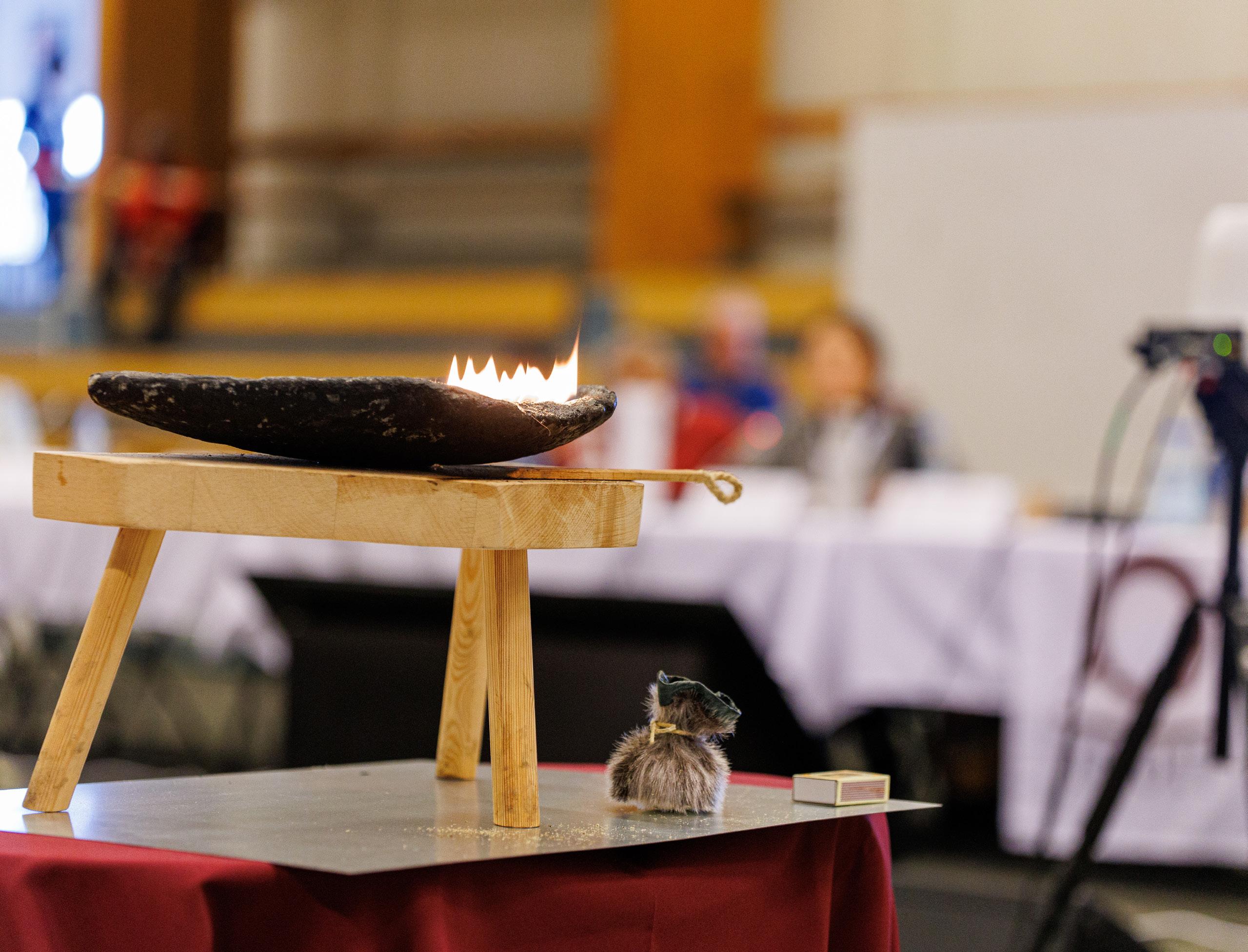
Photo credit: Carson Tagoona
Report of Activities · July 2022 – July 2026
The Inuit Circumpolar Council is a unique international Indigenous Peoples’ Organization. ICC is all of our organization – ICC belongs to every Inuk, and every Inuit community is part of ICC. Collectively, we form people-to-people ties across state borders, not as a political goal to ensure cross-border cooperation, but because Inuit ties across family, culture, language, and identity bind us together as one. As an Indigenous People of the high Arctic, we have lived and thrived across our homelands for time immemorial. For thousands of years, we have occupied Arctic lands, waters, ice, and sea-ice and we continue to be intrinsically tied to our lands and resources. We carry with us intergenerational knowledge unique to our People and to our Arctic homelands.
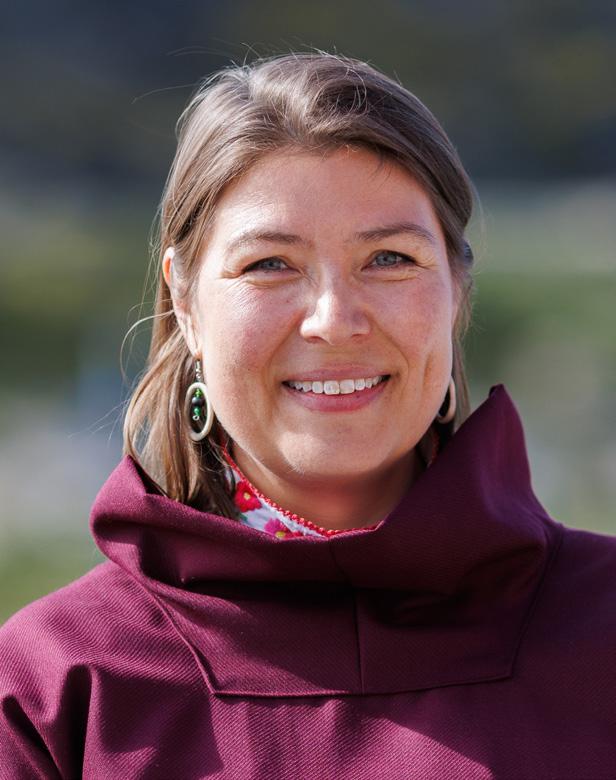
In this term, we have collectively and firmly stood unified as Inuit, and we have achieved what we set out to do at the 2022 ICC General Assembly in terms of advancing Inuit priorities and policies in the international arena. We have demonstrated the Strength and Peace that so beautifully was chosen as the theme of our term. I want to thank you all for standing firm and for your leadership.
In times of geopolitical uncertainty, ICC continues to demonstrate a human response to the pressures we are encountering. This is ICC at its best. We have been the human voice – the voice of the people - who see our region and our homeland not as a geopolitical asset or as an ice desert, or a mere theatre of great power rivalry, but as our homeland - an inseparable part of our collective identity and wellbeing, in each of our regions and communities, and across state borders. Let us not underestimate the significance of our organization for Arctic peace, stability and cooperation.
Throughout the term, we have been challenged in meeting in person, and increasingly so toward the end of our term. It is my hope that ICC leadership will continue to underscore ICC’s unique position – our ability to meet in-person is important to ensure we optimize our ability to learn of and from each other.
In the following report, ICC’s Executive Council lays out the most important activities and achievements of the 2022 to 2026 term. It is my hope that this report will give you satisfactory insights to the work ICC have undertaken on behalf of all Inuit in the past four years.
The July 2022 Inuit Circumpolar Council General Assembly, held as a hybrid meeting with the ICC Member Party delegates connecting remotely across Inuit Nunaat, adopted the ICC 2022 Ilulissat Declaration – Strength and Peace The Declaration highlighted the following seven priority themes:
Good Governance, Security and Inuit Nunaat, Health and Wellness, Language and Culture, Hunting and Food Security, Arctic Ocean and the Marine Environment, and Infrastructure Deficit
Among the Declaration’s 39 operational paragraphs, it included 11 paragraphs related to good governance and security in Inuit Nunaat, while 13 operational paragraphs were related to marine governance and hunting and food security. Much of ICC’s work throughout the term thus centered around engaging internationally to promote marine governance including Inuit at the table. Hunting and food security was another key priority and intertwined with the focus on marine governance and combatting unregulated fisheries in the Arctic Ocean, mitigating pollution of our traditional foods through international engagement, and upholding Inuit food sovereignty through maintaining Arctic ecosystems and selfdetermination in management and conservation efforts.
ICC’s 2022 Ilulissat Declaration recognized that Inuit communities are at the forefront of the rapid changes occurring within the Arctic, including diverse impacts to human rights, culture, health, and society. Among the many operational paragraphs, ten related to environment and climate change and directed ICC to continue to advocate at every level for global policy and approaches that cap global temperature rise to 1.5°C. ICC thus continued the decades-long Inuit advocacy for human rights-based approaches to addressing climate change, mitigation, adaptation, and the energy transition agendas.
For ICC’s work on health and wellness, the 2022 General Assembly committed to advancing and addressing the rights of Inuit children and youth, including the rights to education and to physical and mental health and wellbeing. The General Assembly asserted that everyone deserves to feel safe in their own communities, free from domestic violence, substance abuse, sexual abuse, and violent crimes. Furthermore, ICC’s Executive Council was directed to identify best practices for the healing, health, and wellness of our communities, and to raise awareness for and support efforts to overcome the systemic discrimination of Inuit where it is known to exist. The Circumpolar Inuit Health Steering Committee developed a detailed work plan, and numerous activities were conducted throughout the term to share practices and knowledge across Inuit Nunaat, including by convening the first Inuit Women’s Summit in ICC’s history.
Throughout the term, ICC has continued to follow the UN International Decade of Indigenous Languages. ICC nominated Inuit experts to the Decade’s Global Task Force and addressed and shared the work of Inuit on language revitalization, promotion and protection of dialects and the Inuit language throughout ICC’s UN work.
The 2022 General Assembly also directed ICC to center the infrastructure deficit across Inuit Nunaat. Among the themes of the declaration, infrastructure deficit proved to be the most difficult area to directly engage on across the jurisdictions and regions of Inuit Nunaat.
During the term, ICC convened several gatherings, meetings and a summit which will be reported upon in further detail in the latter part of the Activities Report. Activities include the 2023 Delegates Meeting in Ilulissat, Kalaallit Nunaat, as directed by the General Assembly through the second operative paragraph of the Declaration. On the basis of the priority
themes of the ICC 2022 Ilulissat Declaration, the ICC Executive Council decided to organize the Delegates Meeting around five workshops, (1) Internal ICC Governance Structure as a closed meeting, and (2) Marine Governance, (3) Hunting and Food Security, (4) Infrastructure Deficit, and (5) International Decade on Indigenous languages as workshops open to the public.
Following the Delegates Meeting, a 50th commemoration of the first Arctic Peoples’ Conference was held with fellow Arctic Indigenous Peoples and several Senior Arctic Officials of the Arctic States gathering with ICC in Ilulissat.
In February 2023, ICC Chukotka was responsible for organizing the annual Native Language Festival in Chukotka, held on the International Day of Mother Languages. In October 2023, the Titiraqtat Inuit Circumpolar Writers’ Festival was held in Iqaluit, Nunavut, bringing together established local, national, and international Inuit writers over three days to celebrate and showcase their writing.
In March 2024, ICC Canada held a Counselor’s Gathering in Ottawa with participation of practitioners from Kalaallit Nunaat and Canada. In March 2025, ICC Alaska convened an Indigenous Knowledge Focus Group meeting and in 2025. In 2026, ICC Canada held a virtual Health & Wellness Speakers’ Series.
From 2024 to 2026, ICC initiated an Inuit Youth Engagement Programme with twelve Inuit youth participating in the first iteration of teaching modules related to ICC’s international work, and joining ICC at various international meetings and negotiations.
Overall, ICC’s work throughout the 2022 to 2026 term include a long list of activities and direct international participation and engagement with Inuit across our homelands. In the remainer of this Activities Report, detailed information is presented for the approval of the ICC 2026 General Assembly.
The 2022 to 2026 term has fallen in an era where big shifts are occurring among states in their approach and adherence to international law, human rights and a rules-based world order. This change is also reflected among Arctic states, and ICC has witnessed these changes first-hand. In UN meetings, ICC has encountered how states that previously stood firm on human rights, including the rights of Indigenous Peoples, have backed down, and seen how it has increasingly become difficult to uphold and agree on multilateral agreements and implement the landmark achievements the world has built with the establishment of international and regional institutions. During this term, ICC has consistently addressed these changes with concern and called for states to champion human rights and the rights of Indigenous Peoples. ICC has also worked hard to ensure that regional cooperative bodies such as the Arctic Council remain active and continue to exist, with Inuit at the table.
As geopolitical changes have occurred in the world and in the relationships between the states in which Inuit live, the pressures on Inuit sovereignty and the right to self-determination has increased. ICC has thus advocated for the right to self-determination, for territorial integrity and for a rules-based order upholding international law. ICC’s focus has been to uphold Arctic cooperation, ensuring Inuit and other Arctic Indigenous Peoples continue to lead Arctic cooperation and development, communicating clearly the achievements and leadership of Arctic Indigenous Peoples throughout the past many decades.
In 2023, ICC organized a 50th commemoration of the first Arctic Peoples’ Conference jointly hosted by ICC and the Saami Council. The conference brought together some of the original participants who attended the 1973 conference in Copenhagen, as well as Arctic Indigenous leaders of organizations that have evolved and developed since then. The commemoration resulted in a joint statement and a publication celebrating 50 years of Arctic Indigenous Peoples’ Diplomacy. The conference participants reflected upon the contributions of Arctic Indigenous Peoples to various national and international governing bodies, delivered a unified voice on self-determination and intergenerational knowledge, and called for equitable partnerships building in international law.
Across ICC’s regions, activities reiterating Inuit leadership and Inuit self-determination and sovereignty took place. In 2025, ICC Alaska convened an Alaskan Inuit Leadership Summit and issued the Alaskan Inuit Arctic Strategy The strategy asserts a “bold and unified vision of the Arctic” that Alaskan Inuit want and calls for, among other things, “a future of the Arctic to be led by Inuit, one that respects our inherent rights, reflects our values and centers Inuit in all decisions that affect our people, communities, lands, waters, safety and sovereignty.” Inuit sovereignty and self-determination were the foundation of the discussions held at the Summit. Priority areas addressed in the Strategy include Inuit-Led Development and Conservation; Climate Change Impacts on Our Communities; Inuit-led Marine Governance; Inuit Food Security and Food Sovereignty and Inuit Community Wellbeing. The Inuit-led and -driven Summit and resulting Strategy were monumental and the work to advocate for the implementation of the directives in the Strategy will be carried into the next term and beyond.
In early 2025 and again in the beginning of 2026, ICC engaged with a unified voice in communications and responses to the US interest in Kalaallit Nunaat. In its first statement, ICC reiterated the need for peaceful and mutually respectful cooperation in the Arctic, reiterating that we are beyond the times of typical colonial attitudes of superiority. ICC Chair Sara Olsvig’s statement, that “there is no such thing as a better colonizer” was widely cited and throughout 2025 and 2026, the Chair participated in numerous panels, webinars and conferences repeating the statements made by ICC, calling for respectful cooperation.
“There is no such thing as a better colonizer”, ICC Chair Sara Olsvig, January 27, 2025.
In February 2026, ICC issued another unified statement calling on all Indigenous Peoples to stand firm and united on our rights. ICC reiterated, that the Arctic must remain a zone of peace, and that cooperation through diplomacy must be upheld.
“Inuit are witnessing a change in the world order firsthand. A change that requires all Arctic leaders to carefully consider the safety and wellbeing of the peoples of our region. It is about standing firm on human rights, on the rights of Indigenous Peoples, and on international cooperation based on international law. It is about standing firm on a world order meant to prevent—not repeat, wrongdoings, especially against Indigenous Peoples”, ICC Chair Sara Olsvig, February 2nd, 2026.
“We call for the maintenance of the Arctic as a zone of peace and cooperation”,
ICC Vice Chair from Chukotka Valentina Leonova, February 2nd, 2026.
“For us, the Arctic is not just a strategic asset. It is our homeland where we have survived and governed for generations. Inuit human rights and self-determination should not be compromised to address shifts in geopolitics.”
ICC Vice Chair from Alaska, Marie Greene, February 2nd, 2026.
“Our future, the future generations of Inuit, depend on Arctic cooperation, and on our region to remain peaceful. All Indigenous Peoples, including Inuit in Greenland have the right to self-determination and thus the right to determine their own future”.
ICC Vice Chair from Canada Herb Nakimayak, February 2nd, 2026.
“Our right of self-determination is not up for negotiation. We strongly welcome the support we have received from fellow Inuit, and many other Indigenous Peoples from all over the world”,
ICC Vice Chair from Greenland Hjalmar Dahl, February 2nd, 2026.
ICC engages actively in advocacy in numerous international spaces, including through the formal negotiations of international conventions and agreements and across various international conferences, high-level events and meetings with States and their Ministers, Ambassadors, Commissioners, and other high-level representatives, organizations, institutions, and foundations, and with other Indigenous Peoples’ Organizations. Many of these negotiations and meetings are highlighted throughout this report across the respective topics to illustrate the breadth of ICC’s advocacy on these issues. The meetings and events listed are only a small, though important, percentage of all meetings taken by the Chair and across the four offices. Throughout the term, the ICC Chair especially has attended and spoken at numerous confidential, closed door, Chatham House Rule roundtables and dialogues that are not reported here but have advanced ICC’s position on Arctic and international cooperation, with a focus on maintaining peace and cross-border cooperation in the Arctic.
Across Arctic-specific arenas, ICC frequently takes its messages to international conferences, including those which ICC attends annually. Below is a list of those Arctic-specific meetings that frequently convene across a range of issues that are relevant to Inuit.
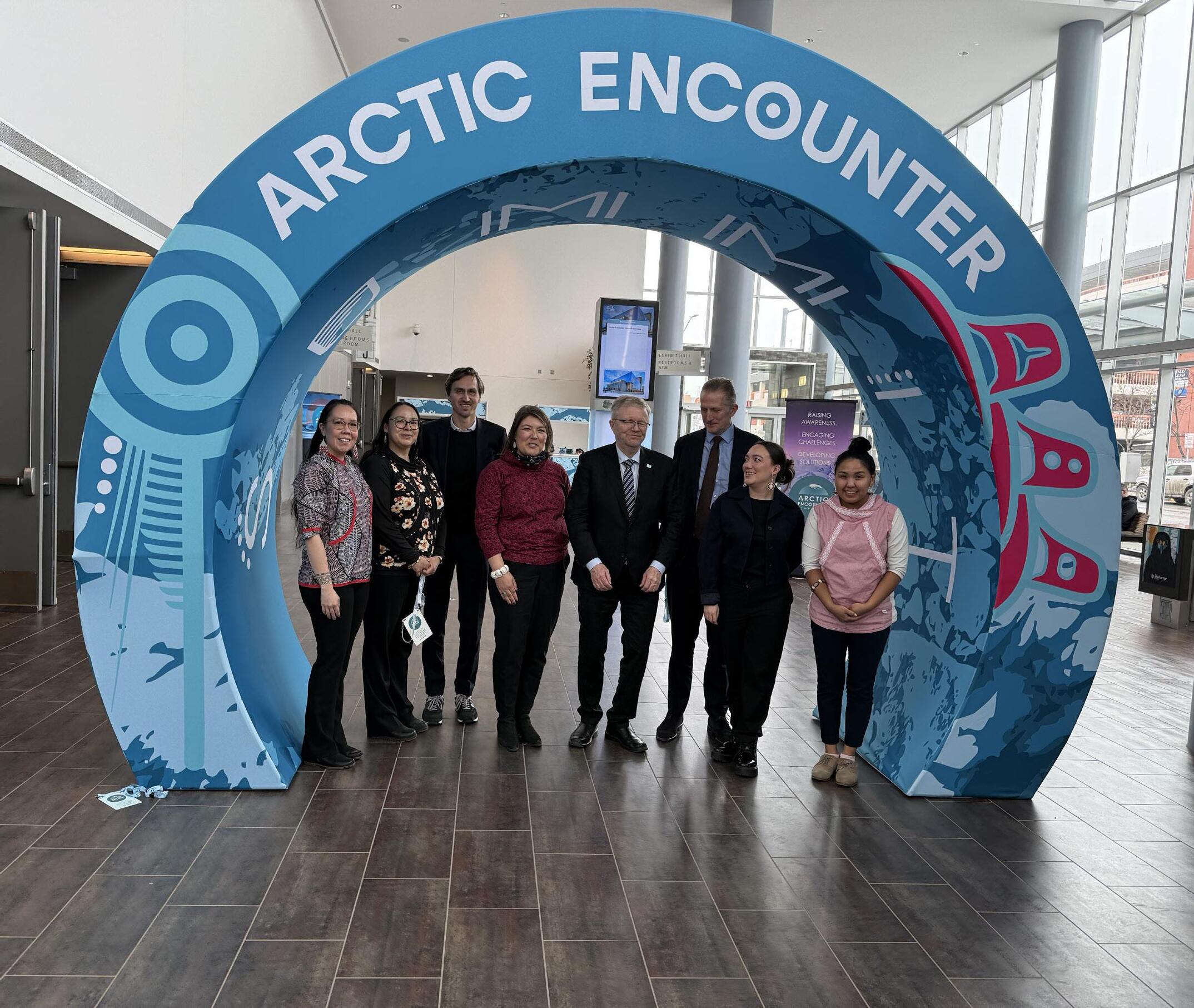
RELEVANT MEETINGS AND EVENTS ATTENDED
August 2022 Saami Conference Váhčir (Gällivare), Sweden
August 2022 Arctic Circle Greenland Forum Nuuk, Kalaallit Nunaat
September 2022 Arctic Parliamentarians’ Summit Nuuk, Kalaallit Nunaat
October 2022 Arctic Circle Assembly Reykjavik, Iceland
November 2022 Arctic Futures Symposium Brussels, Belgium
January-February 2023 Arctic Frontiers Romsa (Tromsø), Norway
February 2023 EU Arctic Forum and Indigenous Peoples’ Dialogue Nuuk, Kalaallit Nunaat
February 2023 Munich Security Conference Munich, Germany
March 2023 Arctic Encounter Anchorage, Alaska
September 2023 Normandy World Peace Forum Caen, France
October 2023 Arctic Circle Assembly Reykjavik, Iceland
November 2023 One Planet Polar Summit Paris, France
January 2024 Arctic Frontiers Romsa (Tromsø), Norway
February 2024 Polar Symposium Monaco
April 2024 Arctic Encounter Anchorage, Alaska
May 2024 EU Arctic Forum and Indigenous Peoples’ Dialogue Brussels, Belgium
May 2024 Future Greenland Nuuk, Kalaallit Nunaat
May 2024 Arctic Congress Bådåddjo (Bodø), Norway
December 2024 Arctic Futures Symposium Brusells, Belgium
January 2025 Arctic Parliamentarians Meeting Romsa (Tromsø), Norway
January 2025 Arctic Frontiers Romsa (Tromsø), Norway
June 2025 EU Arctic Forum, Indigenous Peoples’ Dialogue, and Arctic Youth Dialogue Gihttel (Kittilä), Finland
June 2025 Folkemøde 2025 Bornholm, Denmark
July 2025 Arctic Encounter Anchorage, Alaska
October 2025 Arctic Circle Assembly Reykjavik, Iceland
October 2025 Polar Law Symposium Nuuk, Greenland
December 2025 Arctic Futures Symposium Brussels, Belgium (virtual)
February 2026 Meeting of ICC Chair and H.E. Governor General of Canada Mary Simon Nuuk, Kalaallit Nunaat
February 2026 Opening of Canadian Consulate in Kalaallit Nunaat Nuuk, Kalaallit Nunaat
February 2026 Polar Symposium Monaco
March 2026 Arctic Circle Rome Forum – Polar Dialogue Rome, Italy
April 2026 Arctic Encounter Anchorage, Alaska
May 2026 Future Greenland Nuuk, Kalaallit Nunaat
May 2026 Governor General’s Canadian Leadership Conference Quebec City, Canada
June 2026 Arctic Security Summit Ottawa, Canada
June 2026 Saami Conference Ohcejohka (Utsjoki), Finland
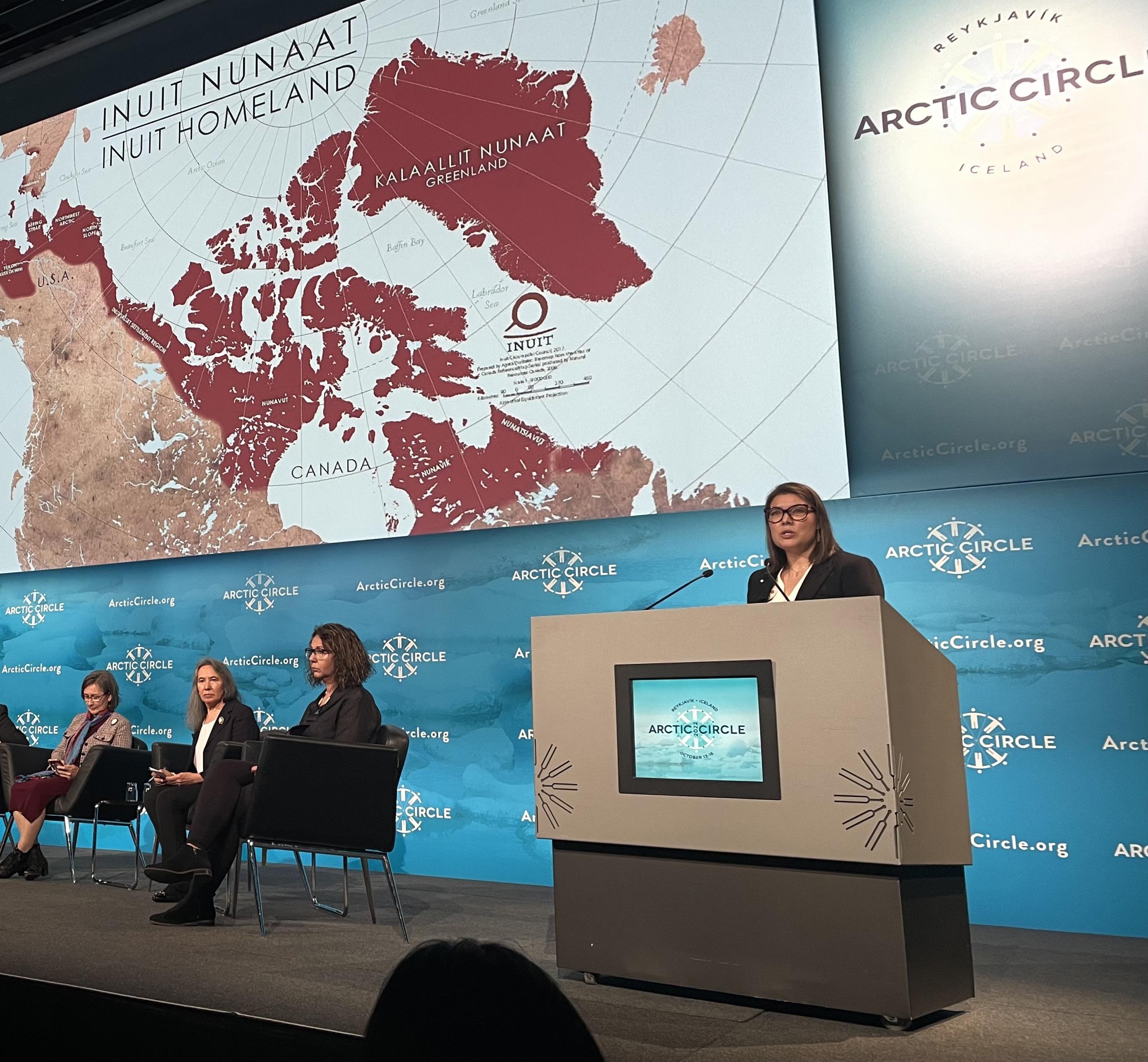
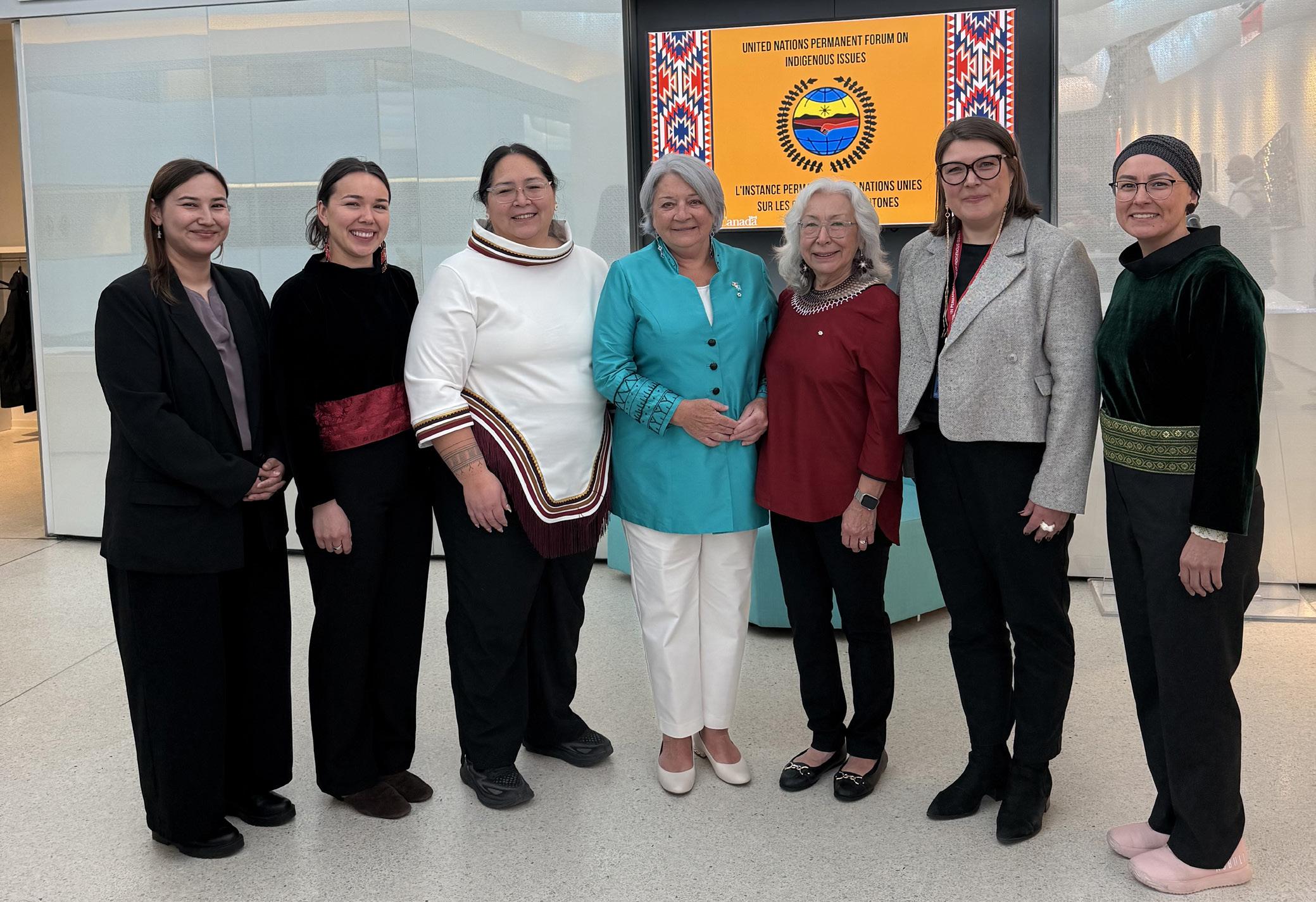
The United Nations (UN) has three key mechanisms specific to Indigenous Peoples. The UN Permanent Forum on Indigenous Issues (UNPFII) was established by the UN Economic and Social Council in year 2000. The forum serves as a primary high-level advisory body within the UN. In 2001, the UN appointed the first UN Special Rapporteur on the Rights of Indigenous Peoples as a Special Procedures mandate. In 2007, the UN adopted the Declaration on the Rights of Indigenous Peoples and subsequently established the UN Expert Mechanism on the Rights of Indigenous Peoples (EMRIP) as a subsidiary body to of the UN Human Rights Council.
As an Indigenous Peoples’ Organization working to advance the rights and voice of Inuit in the international arena, ICC has held accreditation to the UN since 1983. ICC has helped shape the three mechanisms throughout the years of their existence and has engaged actively in the sessions and activities of all three in the past term. ICC, together with the Sámi through the Arctic Sociocultural Region, supported former ICC Chair Dr. Dalee Sambo Dorough in her application to be an Expert Member of EMRIP in the term 2023-2026, and ICC is pleased that Dr. Dorough has been appointed as Expert Member from the Arctic for a second term. After successfully having nominated Aluki Kotierk as an Arctic member of the UN Permanent Forum on Indigenous Issues in 2022, ICC re-nominated Ms. Kotierk in 2025. ICC was pleased the Permanent Forum elected Ms. Kotierk as Chair of the Permanent Forum in 2025, and again in 2026.
In 2023, the UN Special Rapporteur on the Rights of Indigenous Peoples conducted country visits to Canada as well as to Kalaallit Nunaat and Denmark. ICC actively contributed to the consultations during the country visit to Kalaallit Nunaat and Denmark. The country visit to Kalaallit Nunaat and Denmark and the subsequent focus and work to further implement the rights of Indigenous Peoples living in Denmark as well as Kalaallit Nunaat has proven important in advancing the rights of Inuit. ICC has actively followed up on the recommendations of the UN Special Rapporteur and advocated for their implementation. Furthermore, ICC engaged in the 2023 and 2025 UN Human Rights Council Session to, among other things, respond to the reports of the Special Rapporteur on the two country visits.
Throughout the term 2022 to 2026, ICC has delivered interventions at all sessions of the EMRIP and UNPFII, except the 2023 session of EMRIP which coincided with ICC’s Delegates Meeting in Ilulissat. In interventions, ICC has brought forward the concerns, priorities and recommendations of Inuit, including issues reported to ICC by our member organizations. ICC has maintained an active focus on issues relevant to Inuit, among many other things the ongoing investigations of the 1960s-70s Danish-led IUD-programme in Kalaallit Nunaat, where Kalaallit women and girls down to the age of 12 were fitted with IUD’s, many without their consent, some without their knowledge. ICC contributed to the terms of reference and nominated experts to the Expert Group established by Government of Kalaallit Nunaat to investigate the human rights consequences of the IUD-programme, and submitted substantial input to the ongoing report of the UN Special Rapporteur on the Rights of Indigenous Peoples on Indigenous women to reproductive health, based on the report of the ICC Inuit Women’s Summit. Furthermore, ICC provided input through interventions and contributed through seminars to several EMRIP studies, including the study on Indigenous Peoples and the right to data, the study on the right to traditional economies, and the study on the implementation of the UNDRIP.
ICC has participated with broad delegations at the UNPFII sessions throughout the term. At all sessions, ICC delegates have spoken at numerous side events and delivered ICC’s formal interventions during the official meetings. ICC have utilized the Permanent Forum sessions to report on concerns and priorities across the UN system, often highlighting the right of Indigenous Peoples to fully and effectively participate across processes in UN agencies, including the UN Framework Convention on Climate Change and Convention on Biological Diversity. ICC has continued to highlight the importance of human rights monitoring and reporting mechanisms under the UN Human Rights Council and pushed for a yearly Permanent Forum dialogue on the implementation of the Committee on the Elimination of all forms of Discrimination Against Women (CEDAW) General Recommendation no. 39 on the rights of Indigenous women and girls.
In 2023 and 2026, ICC held side events on the rights of Indigenous women and girls. ICC partnered with the International Indigenous Women’s Forum FIMI in organizing the first side event focusing on the implementation of CEDAW General Recommendation no. 39. The second side event was co-sponsored by the Saami Council and organized to present the Inuit Women’s Summit Declaration to wider Indigenous leadership audience and engage in a global dialogue on advancing the rights of Indigenous women and girls. In 2024, ICC held a UNPFII side event on food sovereignty in the Arctic, cosponsored by the Inuksiutit project (Inuksiutit: Food Sovereignty in Nunavut - IFSNu), under the Canada-Inuit NunangatUnited Kingdom (CINUK) Arctic Research Programme. At the same session, Inuit and Sámi youth partnered through ICC and the Saami Council in holding a side event to promote the Arctic Peoples’ Conference statement.
In recent years, the UN has increasingly faced a liquidity crisis resulting in fewer activities of the three mechanisms, as well as decreased room and capacity for Indigenous Peoples to engage in them. Dubbed “UN80” as the initiative takes place around the 80th anniversary of the UN, the UN is undergoing an extensive reform. ICC has reiterated the necessity and importance of upholding the three distinct mechanisms, expressing concern about the effects of the liquidity crisis on the mechanisms, a concern reflected in the 2026 session report of the UNPFII.
In 2027, 20 years will have passed since the UN adopted the UN Declaration on the Rights of Indigenous Peoples. ICC has recommended that the UNPFII to mark the anniversary as a theme during the 26th session of the Forum in 2027. The UNDRIP 20th anniversary will be a fruitful moment to take stock of the implementation of the rights of Indigenous Peoples across the UN, and across the Arctic.
Throughout the term, ICC has also actively participated in the process of enhancing the participation of Indigenous Peoples in the UN. The goal is to establish a new category for Indigenous Peoples’ own representative institutions to represent our peoples in the UN. Indigenous Peoples have pointed to this new category to be in the form of a Permanent Observer Status. Representative institutions can be parliaments, government or other representative or elected bodies such as traditional councils, as laid out in the 2013 Alta Outcome Document, which ICC negotiated with Indigenous People from all seven socio-cultural regions prior to the World Conference on Indigenous Peoples (WCIP) in 2014. The WCIP was held as part of the UN General Assembly in 2014. The Alta Outcome Document was adopted as an annex to the outcome document (a UN resolution) at the WCIP 2014.
The status of the work on enhancing the participation of Indigenous Peoples in the UN is that four main themes are being discussed: 1) Venues of participation –Indigenous Peoples are demanding access to all UN venues, 2) Participation modalities, 3) Accreditation criteria – what are the criteria to be recognized as an Indigenous Peoples’ representative institution, and 4) Accreditation mechanism – who is to decide to give accreditation and how. ICB continuously debates and pushes for the advancement of this process, and in November 2022, the UN Office of the High Commissioner for Human Rights (OHCHR) convened an expert seminar, where ICC Chair Sara Olsvig participated as the expert from the Arctic, to further discuss the enhanced participation of Indigenous Peoples, firstly in the UN Human Rights Council’s work.
In 2024, the UN Human Rights Council convened two intersessional meetings discussing the four themes mentioned above. ICC participated actively in both meetings. The joint report of the two intersessional meetings was presented at the 2025 Expert Mechanism on the Rights of Indigenous Peoples (EMRIP) session in Geneva. ICC has welcomed the report and proposed together with the Sámi that the report forms a foundation for next steps to be taken under the Human Rights Council. The newest development includes, that the UN HRC at some meetings issues accreditation for “Indigenous Peoples”, and this is thus an achievement that can be used by existing Indigenous Peoples’ representative institutions.
In addition, numerous virtual, hybrid and in-person consultations have been conducted to advance and deliberate on the enhanced participation process, engaging UN members states in dialogue with Indigenous Peoples. The Arctic Sociocultural Region holds two seats in the Indigenous Coordinating Body (ICB), which is a body established in 2020 to represent all seven socio-cultural regions in the advocacy toward the UN and states in enhancing the participation of Indigenous Peoples.
(Month) (Year) (Name of Meeting) (City, Country)
November 2022 Reykjavik Global Forum – Women Political Leaders Reykjavik, Iceland
November 2022 UN OHCHR Expert Workshop on possible ways to enhance the participation of Indigenous Peoples in the work of the Human Rights Council
Geneva, Switzerland
February 2023 UN Special Rapporteur on the Rights of Indigenous Peoples Country Visit to Kalaallit Nunaat Nuuk, Kalaallit Nunaat
March 2023 67th Session of the Commission on the Status of Women (CSW67)
April 2023 UNPFII 22nd Session
New York, United States
New York, United States
May 2023 Womenomics DE&I Conference Copenhagen, Denmark
September 2023 UN Human Rights Council 53rd Meeting
Geneva, Switzerland
February 2024 Expert Meeting with UN Mechanisms for Indigenous Peoples on the matter of “local communities” Rome, Italy
April 2024 UNPFII 23rd Session
New York, United States
April 2024 Informal Consultation with Member States and Indigenous Peoples on the Enhanced Participation Process (LOCATION)
July 2024 UN EMRIP 17th Session
July 2024 First Intersessional Meeting of the Human Rights Council on concrete ways to enhance the participation of Indigenous Peoples in the work of the Council
October 2024 Second Intersessional Meeting of the Human Rights Council on concrete ways to enhance the participation of Indigenous Peoples in the work of the Council
April 2025 UNPFII 24th Session
Geneva, Switzerland
Geneva, Switzerland
Geneva, Switzerland
New York, United States
July 2025 UN EMRIP 18th Session Geneva, Switzerland
September 2025 UN Human Rights Council 60th Meeting Geneva, Switzerland
December 2025 EMRIP Expert Seminar on the rights of Indigenous Peoples in conflict and post-conflict situations Geneva, Switzerland
March 2026 UN 70th Commission on the Status of Women (CSW70) New York, United States
April 2026 UNPFII 25th Session
April 2026 Consultation on possible further measures necessary to enhance the participation of Indigenous Peoples
New York, United States
New York City, United States
April 2026 Global Summit on Indigenous Peacebuilding New York, United States
May 2026 ICB Meeting Virtual
July 2026 UN EMRIP 19th Session
Geneva, Switzerland
The Arctic Council was established in 1996, with all eight Arctic states joining as members, and initially three thenexisting Indigenous Peoples’ Organizations as Permanent Participants. ICC was among the co-founders of the Arctic Council and continues to engage actively on all levels of the Arctic Council’s work, including on the Ministerial and Senior Arctic Officials level and through the six Arctic Council Working Groups, five of which ICC actively contributed to in the 2022 to 2026 term.
ICC’s 2022 Ilulissat Declaration directed ICC’s Executive Council to ensure our direct participation in procedural and substantive aspects in the Arctic Council and to continue to evaluate and strategize ways to use the Arctic Council as a key arena to further the interests of Inuit and to strengthen the unique role of ICC as a Permanent Participant in the Arctic Council. Building on ICC’s decadeslong engagement in the Arctic Council, a Position Paper was developed and released in July 2024, “Safeguarding and Strengthening the Arctic Council.” The Position Paper include six themes with recommendations and action items focused on strengthening the participation and meaningful engagement of Indigenous Peoples through the Permanent Participants in the Arctic Council.
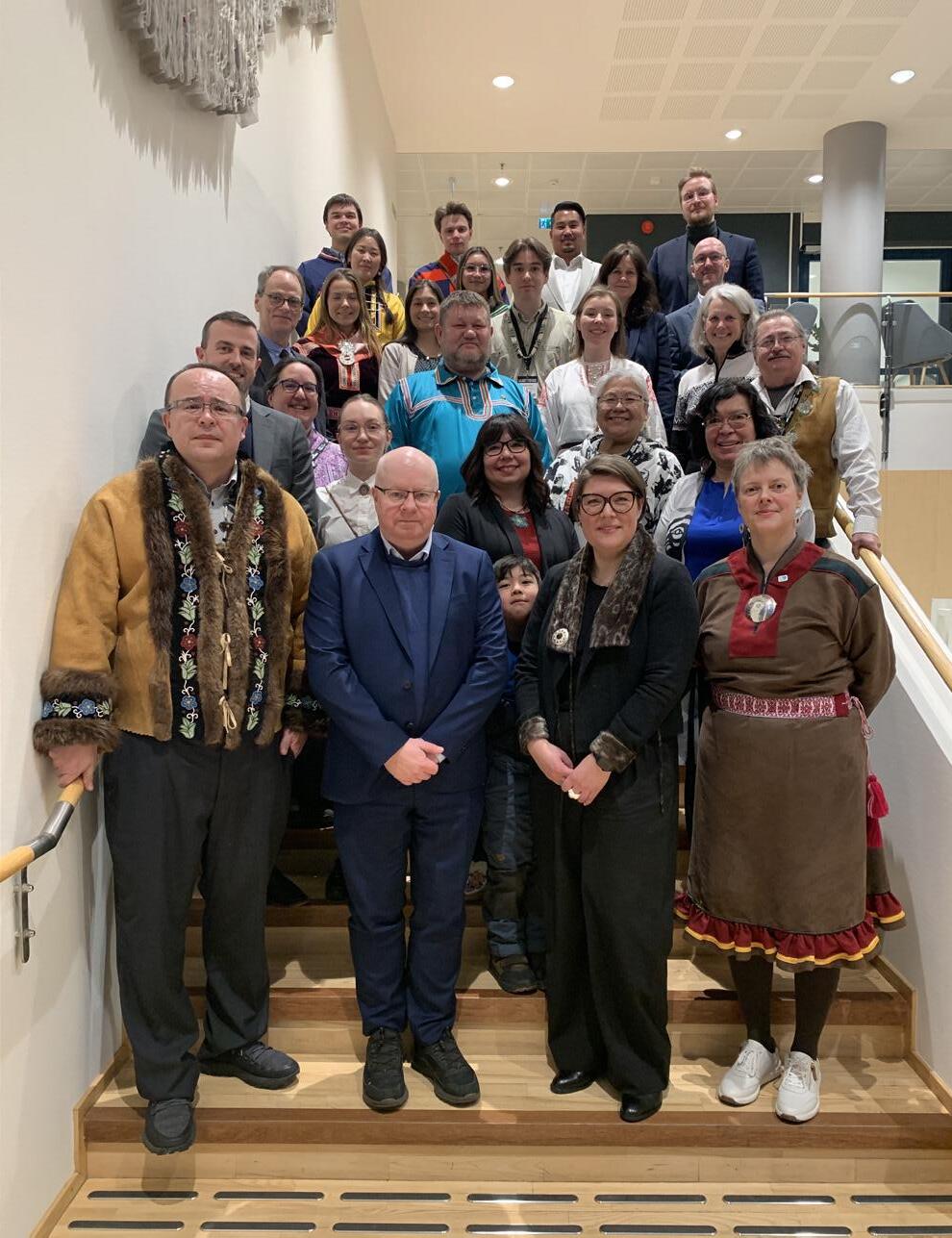
Notably, in February 2022, seven Arctic states paused their participation in the Arctic Council due to geopolitical tensions in the region. ICC expressed its concern about the situation and pursued a restart of the Arctic Council work. On March 7, 2022, ICC issued a statement reacting to the ‘pause,’ stating that “ICC is monitoring the situation closely and agrees with the SAOs that this temporary pause will allow time to consider ‘the necessary modalities that can allow us to continue the Council’s important work in view of the current circumstances.’”
Since the ICC General Assembly in 2022, ICC Chair Sara Olsvig has held the responsibility as Head of Delegation on the Arctic Council’s SAO and Ministerial levels. Focus was placed on ensuring the Arctic Council restarted its work, and thus ICC was deeply involved in the deliberations, both formally and informally with States and other Permanent Participants.
During the 2023-2025 Norwegian Chairship of the Arctic Council, ICC advocated for a differentiated approach to restarting the work of the Arctic Council, recognizing that states will continue to be reluctant to meet in person or engage in ways that would resemble business as usual. ICC therefore strongly welcomed the new format of meetings introduced by the Norwegian Chairship, where the SAO Chair instead meets in person with the six Permanent Participants. ICC actively engaged in all four SAO Chair-PP meetings held during the Norwegian Chairship and further welcomed the continuation of this meeting format during the 2025-2027 Kingdom of Denmark Chairship. Through continued participation and these dialogues, the Arctic Council was able to reach consensus at the 13th Arctic Council Meeting in 2023 and the 14th Arctic Council Meeting in 2025.
In May 2026, ICC engaged in yet another new format meeting, as the Kingdom of Denmark Chairship conducted the first of three strategic consultations with groups of state SAOs meeting with two Permanent Participants and two Working Group chairs and secretariats. At all meetings, ICC has reported on its work within the five Working Groups that ICC is actively involved in, and contributed to strategizing on the resumption of work and prioritization of projects and events.
ICC worked closely with the Government of Kalaallit Nunaat, to provide input to the 2025-2027 Kingdom of Denmark Chairship Programme as it transitioned from the Norwegian Chairship. Further, ICC engaged actively in the negotiations on the joint statement issued from the 2025 Arctic Council Meeting, among other things having successfully advocated strongly for language on the individual and collective rights of Indigenous Peoples to be included.
ICC has continued to advocate for the resumption of in-person Working Group meetings, emphasizing their importance for meaningful collaboration and the recent brain-drain within the Council. Messaging has consistently reinforced the need for ensuring the continuation of circumpolar knowledge production and data, and ensuring Indigenous Knowledge is fully integrated and respected at all levels.
Indigenous Knowledge and the co-production of knowledge directly support the Kingdom of Denmark’s Chairship Programme’s priority to “strengthen the engagement of Indigenous Peoples in the work of the Arctic Council.” ICC has initiated preparations for an Arctic Council-wide workshop on Indigenous Knowledge to be held in 2027. The workshop will be Permanent Participant-led and dedicated to addressing the inequities in access to funding, research opportunities, and decision-making that continue to constrain the full and effective participation and meaningful engagement of Indigenous Peoples. Advancing and mobilizing Indigenous Knowledge as an equitably recognized knowledge system, and co-production of knowledge approaches within Arctic Council projects, are essential to the success of the Arctic Council. This Arctic Council-wide workshop will gather Permanent Participants, state representatives, the Arctic Council Secretariat, Working Group Secretariats and other relevant Arctic Council actors and provide a timely platform for reflection, collaboration, and innovation – ensuring that Indigenous Knowledge continues to inform and strengthen the Arctic Council’s research, policy, and decision-making processes.
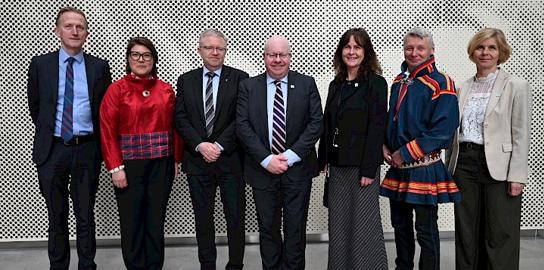
May 2023 13th Arctic Council Meeting (Virtual)
September 2023 The Future of Arctic Council Innovation Workshop Boston, United States
May 2024 Senior Arctic Officials Chair and Permanent Participants Meeting Bådåddjo (Bodø), Norway
September 2024 Norwegian Ambassador and Senior Arctic Officials Chair, SDWG Chair, and Arctic Council Secretariat visit to ICC Canada Ottawa, Canada
January 2025 Senior Arctic Officials Chair and Permanent Participants Meeting Romsa (Tromsø), Norway
January 2025 Arctic Youth Conference Romsa (Tromsø), Norway
April 2025 Kingdom of Denmark Chairship Program Presentation Nuuk, Kalaallit Nunaat
May 2025 14th Meeting of the Arctic Council Romsa (Tromsø), Norway (virtual)
June 2025 Senior Arctic Officials Chair and Permanent Participants Meeting Romsa (Tromsø), Norway
February 2026 Senior Arctic Officials Chair, Working Groups, and Permanent Participants Meeting Romsa (Tromsø), Norway
March 2026 Arctic Council Chairship Climate Day Aarhus, Denmark
May 2026 Arctic Council Chairship Ocean Connectivity Conference Tórshavn, Faroe Islands
May 2026 Senior Arctic Officials Chair Strategic Planning Consultation with Arctic States, Permanent Participants and Working Groups Nuuk, Kalaallit Nunaat
Arctic Council Working Groups:
Emergency Prevention, Preparedness and Response (EPPR)
At the Emergency Prevention, Preparedness and Response Working Group (EPPR), ICC initiated an Indigenous Knowledge Mobilization project with funding provided by Canada Coast Guard in 2022. ICC held an initial informal session in Ottawa in March 2023 before hosting an expanded, two-day session at the Arctic Emergency Management Conference in Bådåddjo (Bodø), Norway in March 2025. The report of the session was approved at EPPR-I plenary in 2026, with Indigenous Knowledge mobilization listed as an ongoing project within EPPR. ICC has focused on this theme within many EPPR projects and is working with fellow Permanent Participants on (1) EPPR Strategic planning initiatives, and (2) the ongoing work to develop Operational Guidelines for the Arctic Search and Rescue Agreement. With the Arctic Search and Rescue (SAR) Agreement silent on the role and impacts to Arctic Indigenous Peoples and their communities, ICC is working with fellow Permanent Participants to ensure Indigenous Knowledge, the implementation of UNDRIP, and supports for volunteer first responders, are reflected in this work. A final draft is expected in February 2027. ICC advocated on behalf of Inuit communities and the inclusion of Indigenous Knowledge at meetings of the Search and Rescue (SAR), Radiation (RAD), and Marine Environmental Response (MER) Expert Groups, along with all Heads of Delegation meetings.
March 2023
October 2024
March 2025
October 2025
EPPR Indigenous Knowledge Mobilization Workshop Ottawa, Canada
EPPR Plenary Session (Virtual)
Arctic Emergency Management Conference Bådåddjo (Bodø), Norway
EPPR Plenary Session (Virtual)
Conservation of Arctic Flora and Fauna (CAFF)
ICC’s responsibility for CAFF Head of Delegation transitioned from ICC Alaska to ICC Kalaallit Nunaat in 2023. In September 2024 CAFF resumed online meetings at both the working group and project level, and there have been biannual Management Board and Working Group Meetings since. The Kingdom of Denmark held the 2022-2025 CAFF Chairship and Iceland now holds the 2025-2027 CAFF Chairship. There are 15 ongoing projects or initiatives under CAFF, of which ICC is involved in 10 at the steering group or expert level, as well as engagement at the regional level with the CBMP Coastal, and co-leading a work package on co-production of knowledge under the joint AMAP/CAFF project detailed below.
ICC organized or co-organized the following CAFF activities during this term:
Circumpolar Biodiversity Monitoring Programme (CBMP) Coastal
• Regional gatherings of Indigenous Knowledge holders in North Slope, Northwest, and Southwest regions to tackle pressing issues such as climate change impacts, wildlife management, and food security. Participants pinpointed vessel traffic as a major concern potentially impacting traditional hunting practices and advocated for regulatory reforms, increased Indigenous representation in governance, and proactive conservation measures to safeguard coastal ecosystems.
• Indigenous Knowledge Focus Group held in Anchorage, Alaska, the outcomes of the focus group meeting bolster the Plan’s contributions to the broader CBMP framework, reinforcing its role as a model for co-produced biodiversity monitoring. See page 24 for more information.
• A workshop in Sanikiluaq, Nunavut as part of CBMP Canada implementation with Indigenous Knowledge holders, on how monitoring apps like SIKU help to document Indigenous Knowledge and how Indigenous Knowledge can be further included in circumpolar biodiversity assessments.
AMAP/CAFF Project on Climate Change Impacts on Arctic Ecosystems and Associated Feedbacks:
• A hybrid Indigenous Knowledge Holder workshop, including Knowledge holders nominated by each Permanent Participant, focused on discussions of climate change impacts on ecosystems, adaptation and resilience, and coproduction of knowledge.
• A joint workshop with Indigenous Knowledge holders and researchers facilitating exchange of knowledge around climate change impacts on ecosystems and best practices in the generation and co-production of knowledge.
From 2022-2026 ICC contributed to the following CAFF products:
• Marine Invasive Alien Species in Arctic Waters (CAFF/PAME Report)
• Other Effective Area-Based Conservation Measures (OECMs) in the Arctic Marine Environment (CAFF/PAME report)
° ICC authored a chapter on Indigenous Protected and Conserved Areas
• Actions for Arctic Biodiversity 2025-2035
° ICC contributed to the Executive Summary highlighting the role of Indigenous Knowledge in Arctic Council Work and including reference to UNDRIP.
• Connecting SIKU Indigenous biodiversity observations to CAFF Global Reporting
° Authored by CAFF Arctic Indigenous Canadian Youth Fellow Joshua Komangapik. ICC was an advisor on the fellowship and reviewer of the report.
November 2023 CBMP Coastal Canadian Arctic Indigenous Youth Fellow Launch Meeting Ottawa, Canada
February 2024 CBMP Coastal Alaska Southwest Region Indigenous Knowledge Holders’ Gathering Bethel, United States
March 2024 CBMP Coastal Alaska North Slope Region Indigenous Knowledge Holders’ Gathering Utqiaġvik, United States
April 2024 CBMP Coastal Alaska Northwest Region Indigenous Knowledge Holders’ Gathering (Virtual)
September 2024 Meeting of CAFF Chair, Executive Secretary, ICC Chair, ICC CAFF HoD Nuuk, Kalaallit Nunaat
September 2024 CAFF Biennial Board Meeting (Virtual)
November 2024 CAFF CBMP Terrestrial Nordic Scoping Workshop Copenhagen, Denmark
December 2024 Salmon People of the Arctic Project Meeting (Virtual)
January 2025 CBMP Terrestrial North American Scoping Workshop Ottawa, Canada
February 2025 CAFF Biennial Board Meeting (Virtual)
September 2025 CAFF Executive Management Board Meeting and Working Group Plenary (Virtual)
January 2026 C-Bird North Atlantic Thick Billed Murre Harvest Management Workshop Reykjavik, Iceland
February 2026 CAFF Executive Management Board Meeting and Working Group Plenary 2026-I (Virtual)
March 2026 AMAP/CAFF Project Indigenous Knowledge Holder Workshop and Joint Workshop with Researchers Aarhus, Denmark
April 2026 CBMP Canada Indigenous Knowledge Holder Workshop Sanikiluaq, Canada
PAME has five expert groups including Shipping, Resource Exploration & Development (REDDEG), Ecosystem Approach, Marine Protected Areas (MPA), and Marine Litter with several projects in each expert group. ICC has engaged, advocated, and provided input in all expert groups but have been strategic in projects we co-lead. One of the main projects ICC has been involved in since the inception of the project is the Meaningful Engagement in Marine Activities (MEMA) project. Two MEMA reports have been developed, and we are working on outreach activities with some pauses in work due to Arctic Council limitations on outreach in the beginning of this term. ICC was engaged in the planning of the Values and Valuation workshop of the Ecosystem Approach expert group which took place in October 2025. This workshop was expressed as a need to take place to ensure Inuit values were included in the Ecosystem Approach. ICC has encouraged States and the Shipping Expert Group create projects in line with the needs and priorities of Inuit communities. The Marine Litter Expert Group is the newest expert group in PAME and ICC has been involved in commenting on the Regional Action Plan and encouraged Coastal Cleanups project to include Inuit communities.
As part of the Marine Protected Areas Expert Group, ICC has contributed to the Framework for a Pan-Arctic Marine Conservation Network report, and the Other Effective Area-Based Conservation Measures report. In 2026 ICC joined the planning/coordinating group for the Workshop on Arctic Marine Conservation Networks, and on a joint EA and MPA scoping team to develop information briefs related to PAME priorities. Additionally, in 2026 ICC joined the expert group for the joint PAME/CAFF project on the Development of a Planning Tool for Area-Based Conservation of Arctic species and ecosystems: A case study for sea ice-dependent species.
RELEVANT MEETINGS AND EVENTS ATTENDED
December 2024
April 2025
PAME Workshop on Ecosystem Approach Implementation Copenhagen, Denmark
Ecosystem Approach Conference Romsa (Tromsø), Norway
Sustainable Development Working Group (SDWG)
Throughout the term, ICC continued to build on the success of the Local 2 Global (L2G) project that ended in 2021. ICC ran independent projects and brought these into the SDWG space to generate new ideas. For example, ICC hosted an International Inuit Counsellor’s Gathering in March 2024 to bring together best practices from counsellors across Inuit Nunaat, to share back findings of the report. ICC is co-developing a High-Level Dialogue Forum on Arctic Indigenous Peoples Health with the Saami Council and the Gwich’in Council International to facilitate exchange, develop recommendations, and support collaboration through the convening of an inclusive Indigenous-led circumpolar dialogue on Arctic Indigenous Peoples’ health.
ICC was endorsed as Vice-Chair of the SDWG for the period of 2025-2027, as nominated by Permanent Participants. ICC coordinated with other Permanent Participants and advanced discussions focused on shared priorities for Indigenous Peoples. The SDWG has two co-vice-chairs: one from the incoming Arctic Council Chair for the next term (Sweden) and one that is nominated by Permanent Participants.
ICC has participated actively in SDWG Head of Delegation meetings, SDWG Sub-Committees, and both the Arctic Human Health Expert Group (AHHEG) and the Social, Economic, and Cultural Expert Group (SECEG) Expert Groups of the SDWG. ICC consistently brings the Indigenous and human element to this working group of the Arctic Council.
RELEVANT MEETINGS AND EVENTS ATTENDED
October 2022
Digital Storytelling Workshop (Local 2 Global) Akureyri, Iceland
March 2024 Inuit Counsellors’ Gathering Ottawa, Canada
July 2024 Arctic Human Health Expert Group Virtual
Arctic Monitoring and Assessment Programme (AMAP)
ICC has been an active member of AMAP for many years and continues to participate in assessments and expert groups and continues to stress better Indigenous engagement and processes in AMAP. ICC contributed to the 2024 AMAP Arctic Climate Change Update on the chapter on Arctic Ocean Acidification. As part of the AMAP Assessment 2021: Human Health in the Arctic, ICC led a chapter on risk communication and published a peer-reviewed paper from this work as well, and as part of the Mercury in the Arctic assessment, ICC co-led the first ever chapter on Indigenous Peoples’ contribution to the study of mercury in the Arctic, also publishing a peer-reviewed article from this work. ICC has continued involvement in AMAP expert groups, such as on Persistent Organic Pollutants (POPs), where we also reviewed and contributed to paper publications.
We are currently trying to establish an Indigenous Plastics Group that would be associated with the AMAP Plastics Expert Group, and are participating in the Climate Change Expert Group (Social Impacts of Climate Change Assessment assessment), and the joint AMAP/CAFF Ecosystems work.
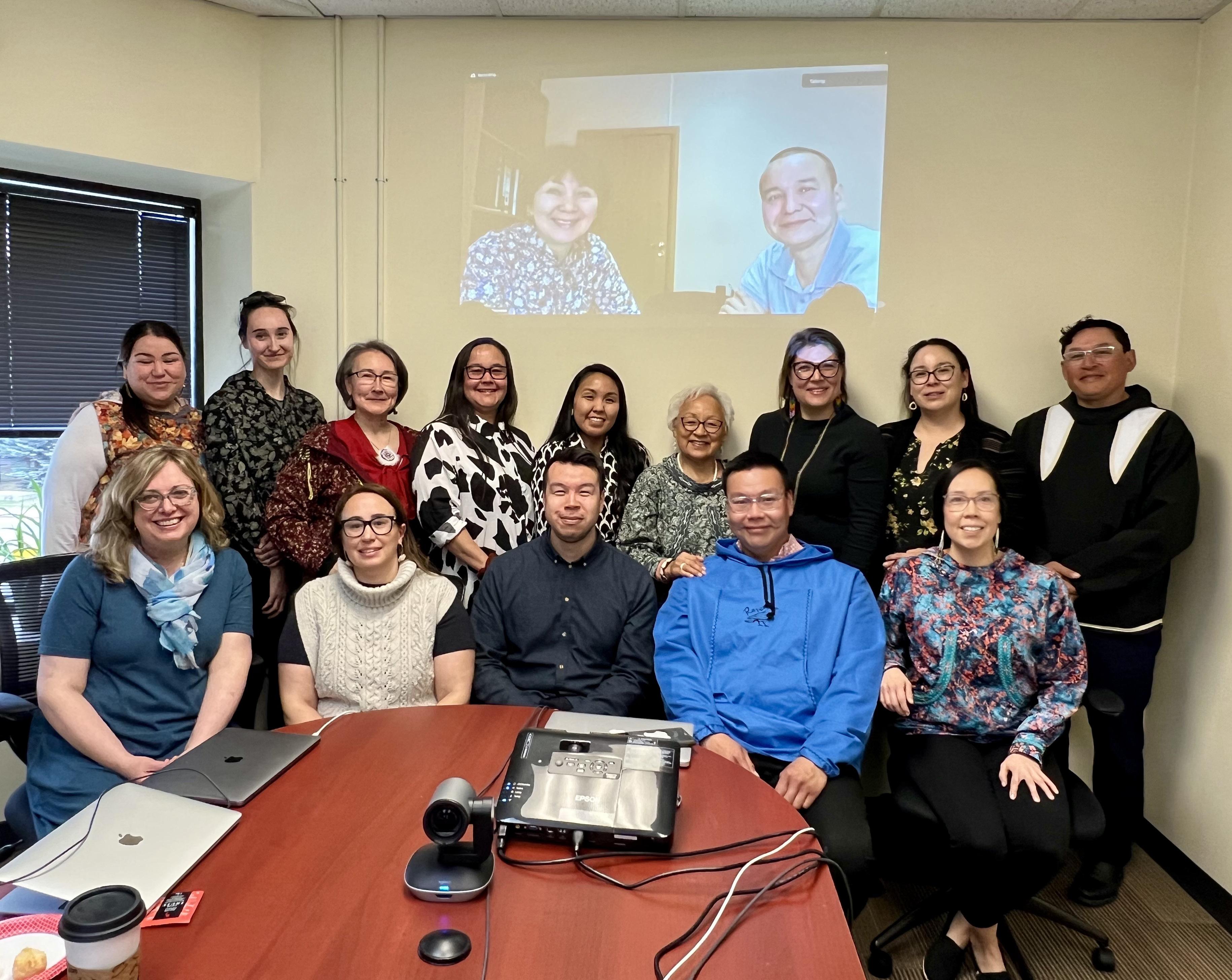
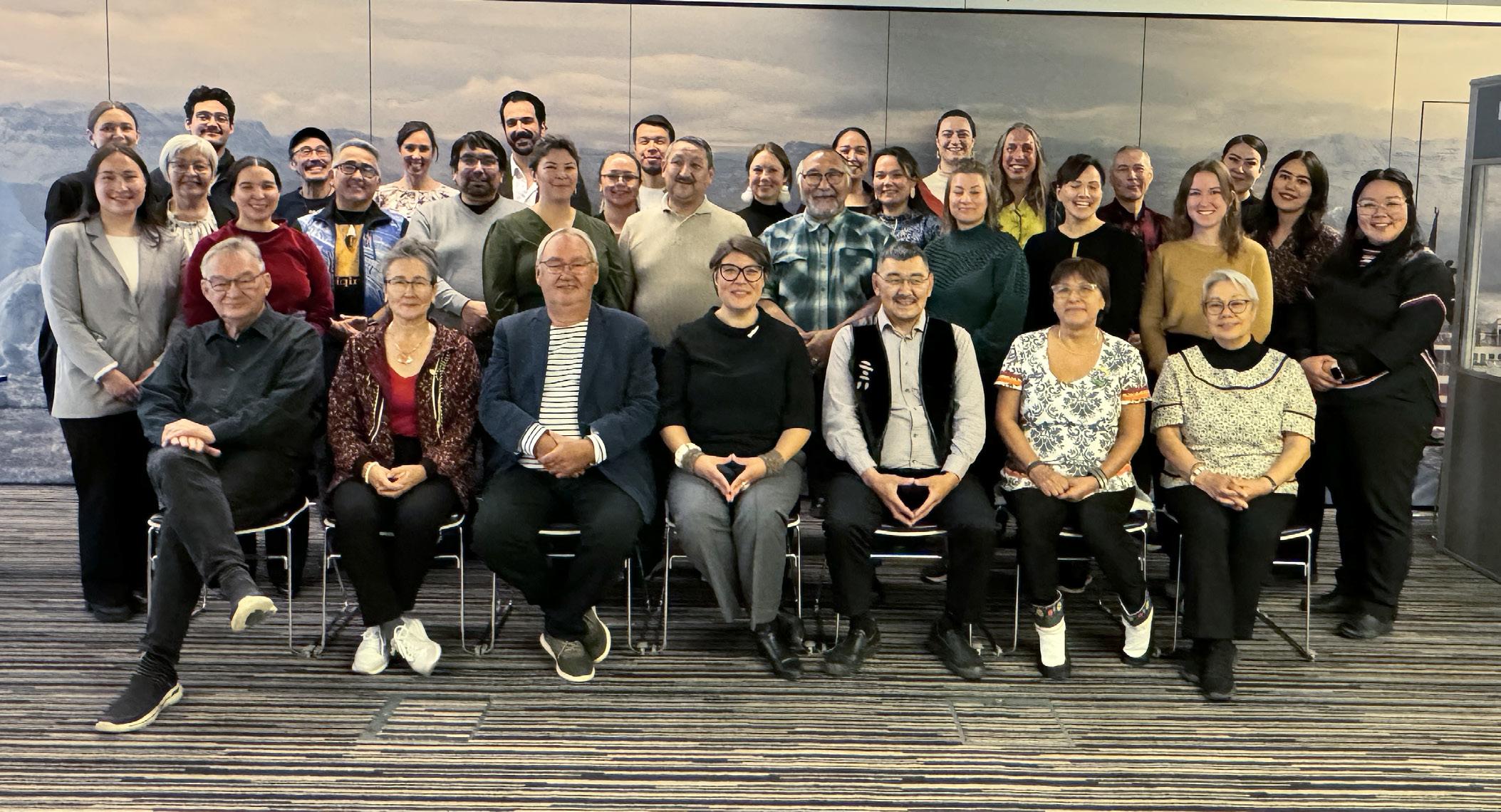
ICC’s marine governance portfolio continues to grow. Over the last four years, Inuit have been leading, advocating, and working to protect and preserve our shared waters and ice. As a primarily marine people, Inuit rely on the Arctic Ocean as a source of food, connecting with people, economic activities and as a pathway for shipping resources to our remote communities.
For a long time we have seen increasing shipping traffic and human activities affecting the marine environment and marine mammals. States and other organizations collect data, discuss and make decisions on activities such as deep seabed mining, continental shelves, and other industrial activities without Inuit at the table. Increasing activities in the area have also resulted in growing global interest from States and organizations in conservation models for the high seas of the Central Arctic Ocean. To date, the high seas have been governed by combinations of regional conventions and treaties such as OSPAR (the Oslo-Paris Convention for the Protection of the Marine Environment of the North-East Atlantic).
ICC has been increasingly engaging with OSPAR over this term as their attention has turned to the Arctic. Through participation in the Arctic Outcomes Working Group, ICC advocated for approaches to marine conservation which respect and uphold Inuit rights. At the OSPAR Commission and Ministerial Meeting in June 2025 Parties signed the Vigo Declaration, which includes a direction to identify priority sites for MPAs or other effective area-based conservation measures in the Arctic region of the North-East Atlantic, commits to respecting the rights of Indigenous Peoples in designating such areas, and recognizes OSPAR contracting Parties’ “strong commitment” to the UN Declaration on the Rights of Indigenous Peoples. ICC attended and delivered a statement at the OSPAR Commission and Ministerial Meeting in June 2025, and in May 2026 ICC Executive Council decided to seek Observer Status under the newly established Indigenous Peoples’ Organization category.
The newest global framework for the protection of the marine environment is the United Nations Agreement on Marine Biological Diversity of Areas Beyond National Jurisdiction (BBNJ), also known as the UN High Seas Treaty, a global agreement that entered into force in January 2026. This agreement provides a global framework for marine conservation of the high seas and is highly relevant for Inuit given our relationships to the sea, sea ice and species. The first Conference of the Parties will take place in January 2027.
October 2023 OSPAR Arctic Outcomes Working Group Meeting Copenhagen, Denmark
November 2023 Expert Meeting on Human Rights and Fisheries Copenhagen, Denmark
SeptemberOctober 2024 OSPAR Arctic Outcomes Working Group Meeting Nuuk, Kalaallit Nunaat
April 2025 Marine Resources Cooperation and Governance Shanghai, China
April 2025 OSPAR Coordination Group and Head of Delegations Meeting London, United Kingdom
April 2025 Our Oceans Conference Busan, South Korea
June 2025 UN Ocean Conference Nice, France
June 2025 OSPAR Commission and Ministerial Meeting Vigo, Spain
Since the release of the 2017 Pikialasorsuaq Commission Recommendations to (1) establish an Inuit-led management authority, (2) identify, in consultation with the communities around Pikialasorsuaq, a protected area with a larger management zone, and (3) allow for visa and passport free travel between the Canadian and Greenlandic regions of Pikialasorsuaq, substantive work has been undertaken by ICC to advance their implementation. Both the Commission and subsequent implementation work have involved community engagement to understand the requirements of implementation.
In October 2023 the Government of Canada and the Government of Kalaallit Nunaat signed a Letter of Intent committing to further collaboration to advancing Pikialasorsuaq work. The Letter of Intent was focused solely on recommendation 1: establish an Inuit-led management authority.
On September 11-12, 2024, ICC Chair’s office, ICC Kalaallit Nunaat and QIA, supported by ICC Canada convened a Meeting of the Parties (MoP) in Nuuk. The Meeting of the Parties was co-chaired by ICC Chair Sara Olsvig and QIA President Olayuk Akesuk and produced 21 new recommendations to further implement and qualify the Pikialasorsuaq Initiative.
A technical Committee has furthered work and language on the draft Terms of Reference (ToR) for the Joint Pikialasorsuaq Steering Committee, called for in the Letter of Intent, to be established between Kalaallit Nunaat and Canada. ICC Kalaallit Nunaat and the Qikiqtani Inuit Association (QIA), supported by ICC Canada, are working on draft Terms of Reference for the Joint Steering Committee (JSC) that will ensure Inuit participation. ICC Kalaallit Nunaat has secured funding from the Gordon and Betty Moore Foundation to host the JSC secretariat in the coming years, and ICC will continue engaging with the Governments of Canada and Kalaallit Nunaat to advance the unique Pikialasorsuaq Initiative.
In 2023, ICC was awarded the UN Develpment Programme (UNDP) Equator Prize for the Pikialasorsuaq Inititiative. The subsequent case study report was published by the UNDP. Additionally, from 2024-2025, ICC Kalaallit Nunaat received funds from WWF Denmark’s office in Kalaallit Nunaat and WWF Canada to explore Inuit Knowledge of Pikialasorsuaq on the Kalaallit Nunaat side. This project culminated in the publication of ICC Kalaallit Nunaat’s report – Oceans & Inuit Knowledge: Hunters’ and Fishers’ Knowledge on Environment, Livelihood, and Marine Management around Pikialasorsuaq, which includes 13 key messages. In May 2025, ICC and QIA co-authored an article on Pikialasorsuaq in Pathways, the Arctic Council magazine.
ICC Canada continues to work closely with the Qikiqtani Inuit Association (QIA) as implementation lead in Canada, coordinating with Canada’s Department of Fisheries and Oceans. QIA supports the management of Sarvarjuaq, the Inuktitut name for the Canadian side of PIkialasorsuaq, which was designated a Marine Protected Area (MPA) in March 2026.
MEETINGS AND EVENTS ATTENDED
September 2024
Pikialasorsuaq Meeting of the Parties
Granted provisional observer status at the IMO in 2021 and permanent consultative status in 2025, ICC is the first Indigenous Peoples’ Organization to have a seat at the IMO, a direct response to our People and communities urging ICC to seek this status. This historic decision IMO has taken, sends a strong message that maritime governance recognizes Indigenous rights and knowledge systems. Bringing the views and priorities of our People to the IMO, ICC has engaged in correspondence and in-person plenary and working groups on mitigation measures to reduce black carbon emissions, an emissions reduction strategy on greenhouse gas, and the reduction of underwater radiated noise. ICC has provided direct input to the IMO on these issues, working with the regional organizations, along with attending subcommittees on Pollution Prevention and Response, and Ship Design and Construction. With the approval of Canada’s proposal for an Arctic Emissions Control Area at IMO’s March 2024 Marine Environment Protection Committee meeting, the work to advance a Canadian cost mitigation workplan and framework is ongoing to ensure Inuit do not bear an unequal cost during this transition.
ICC will continue to advocate for our shared priorities through the inclusion and awareness and of Indigenous Knowledge at the IMO, along with the concrete implementation of the United Nations Declaration on the Rights of Indigenous Peoples to ensure ships that transit the Arctic and Inuit Nunaat do so safely and sustainably. ICC will develop a multi-year work plan to make impactful change at the IMO on matters of concern to Inuit.
October 2022 Polar Shipping Meeting Marine Safety Meeting London, UK
December 2022 Marine Environment Protection Committee Meeting London, UK
January 2023 Underwater Noise Meeting London, UK
April 2023 Sub-Committee on Pollution Prevention Response Meeting London, UK
September 2023 IMO Underwater Noise with linkages to GHG Reduction Workshop London, UK
February 2024 Sub-Committee on Pollution Prevention Response Meeting London, UK
March 2024 Marine Environment Protection Committee & Indigenous Peoples Side Event London, UK
September 2024 Marine Environment Protection Committee Meeting London, UK
January 2025 Polar Maritime Seminar London, UK
January 2025 Sub-Committee on Ship Design and Construction Meeting London, UK
February 2025 Sub-Committee Pollution Prevention Response Meeting London, UK
April 2025 Marine Environment Protection Committee Meeting London, UK
July 2025 IMO Council London, UK
December 2025 IMO Assembly London, UK
April 2026 Marine Environment Protect Committee Meeting London, UK
May 2026 Maritime Safety Committee Meeting London, UK
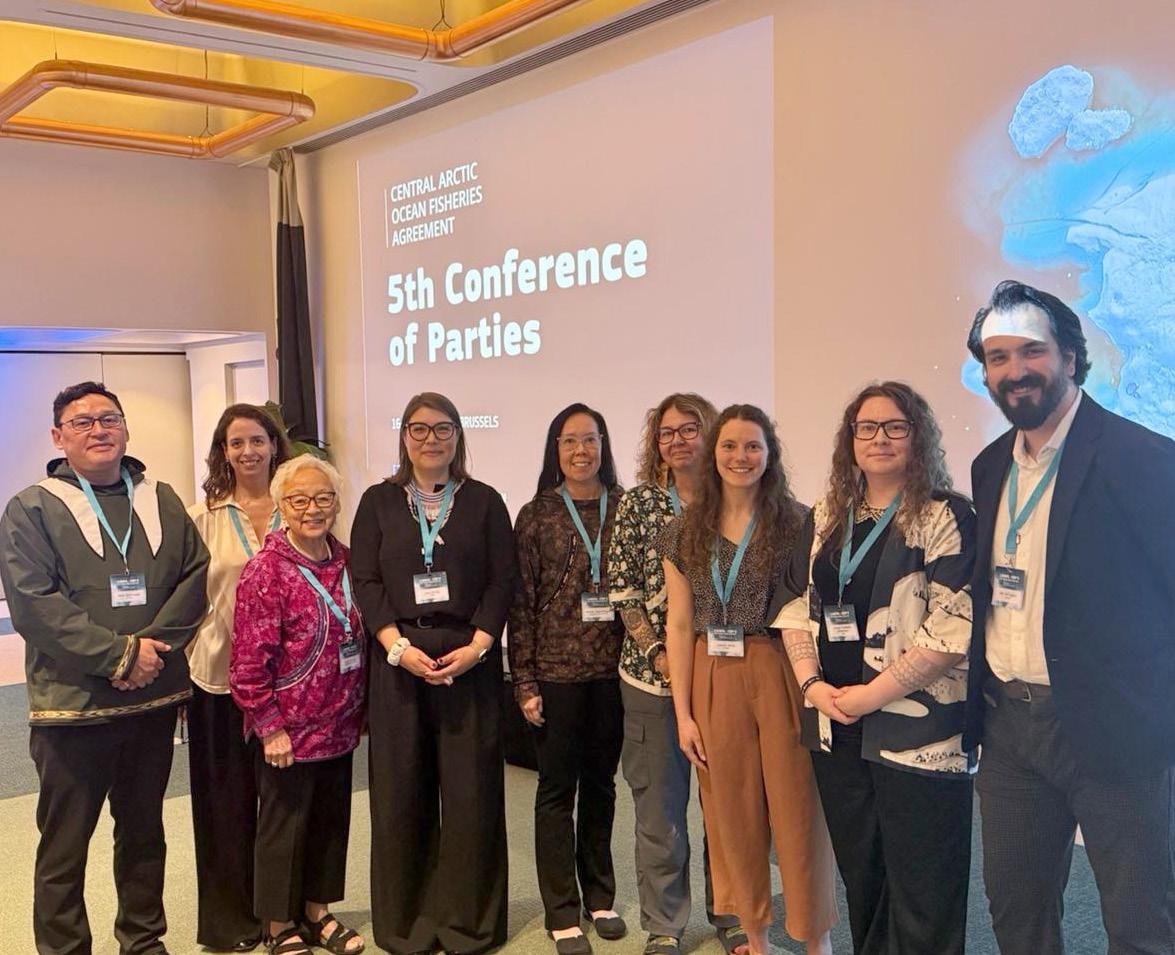
ICC has been at the negotiation table at the Agreement to Prevent Unregulated High Seas Fisheries in the Central Arctic Ocean (CAOFA) through the respective national delegations since the beginning. As the first legally binding international agreement that explicitly includes Arctic Indigenous Peoples and Indigenous Knowledge, ICC advocates for its inclusion and working together with science to effectively manage the Central Arctic Ocean (CAO) through the precautionary approach to prevent the start of unregulated fishing in the high seas portion.
Since 2022, ICC offices have worked closely together and with our respective regions to ensure Indigenous Knowledge advocacy is informed by the priorities and input of Knowledge Holders and Inuit communities. ICC has been present for every Conference of the Parties (COP)
and Scientific Coordinating Group (SCG) meeting and its four working groups since COP1 in 2022, where ICC highlighted what Indigenous Knowledge is, how Inuit can work closely together with science in our regions, and how our Knowledge
informs a deep, ecosystem-based understanding of the CAO. Indigenous Knowledge is included in every key and guiding document within the CAOFA process. Ongoing work seeks to ensure that sea ice protections under the agreement recognize its central importance to Inuit, and that data governance, security and sovereignty robustly ensure access, ownership and control of data belonging to Indigenous Knowledge Holders.
RELEVANT MEETINGS AND EVENTS ATTENDED
November 2022 1st Conference of the Parties Incheon, South Korea
March 2023 1st Scientific Coordinating Group Meeting Utqiaġvik, United States
June 2023 2nd Conference of the Parties Incheon, South Korea
April 2024 2nd Scientific Coordinating Group Meeting Boston, United States
June 2024 3rd Conference of the Parties Incheon, South Korea
March 2025 3rd Scientific Coordinating Group Meeting Hafnarfjordur, Iceland
June 2025 4th Conference of the Parties Romsa (Tromsø), Norway
February 2026 Exploratory Fishing Working Group Meeting Tokyo, Japan
March 2026 4th Scientific Coordinating Group Meeting Hangzhou, China
June 2026 CAOFA Symposium Brussels, Belgium
June 2026 5th Conference of the Parties Brussels, Belgium
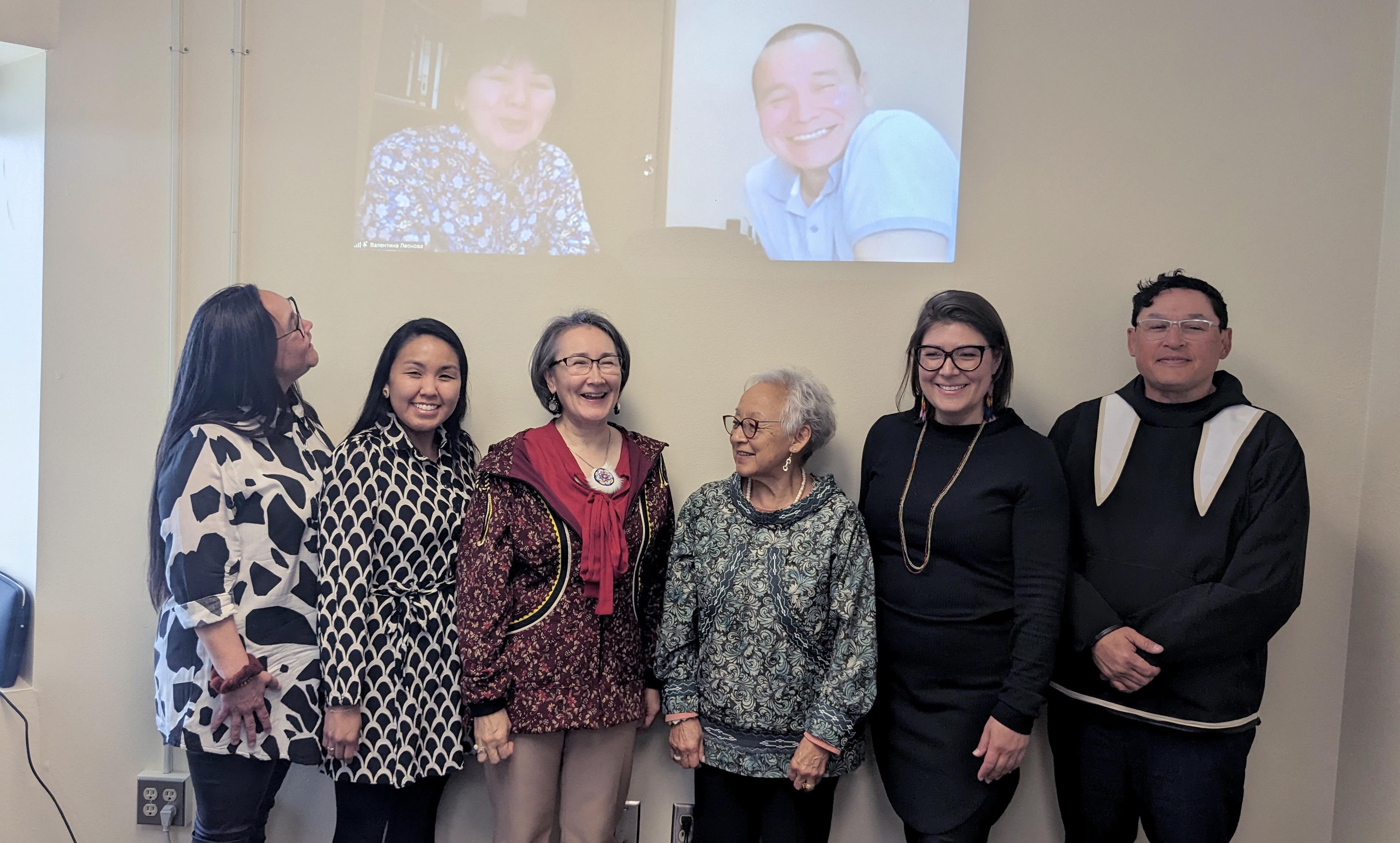
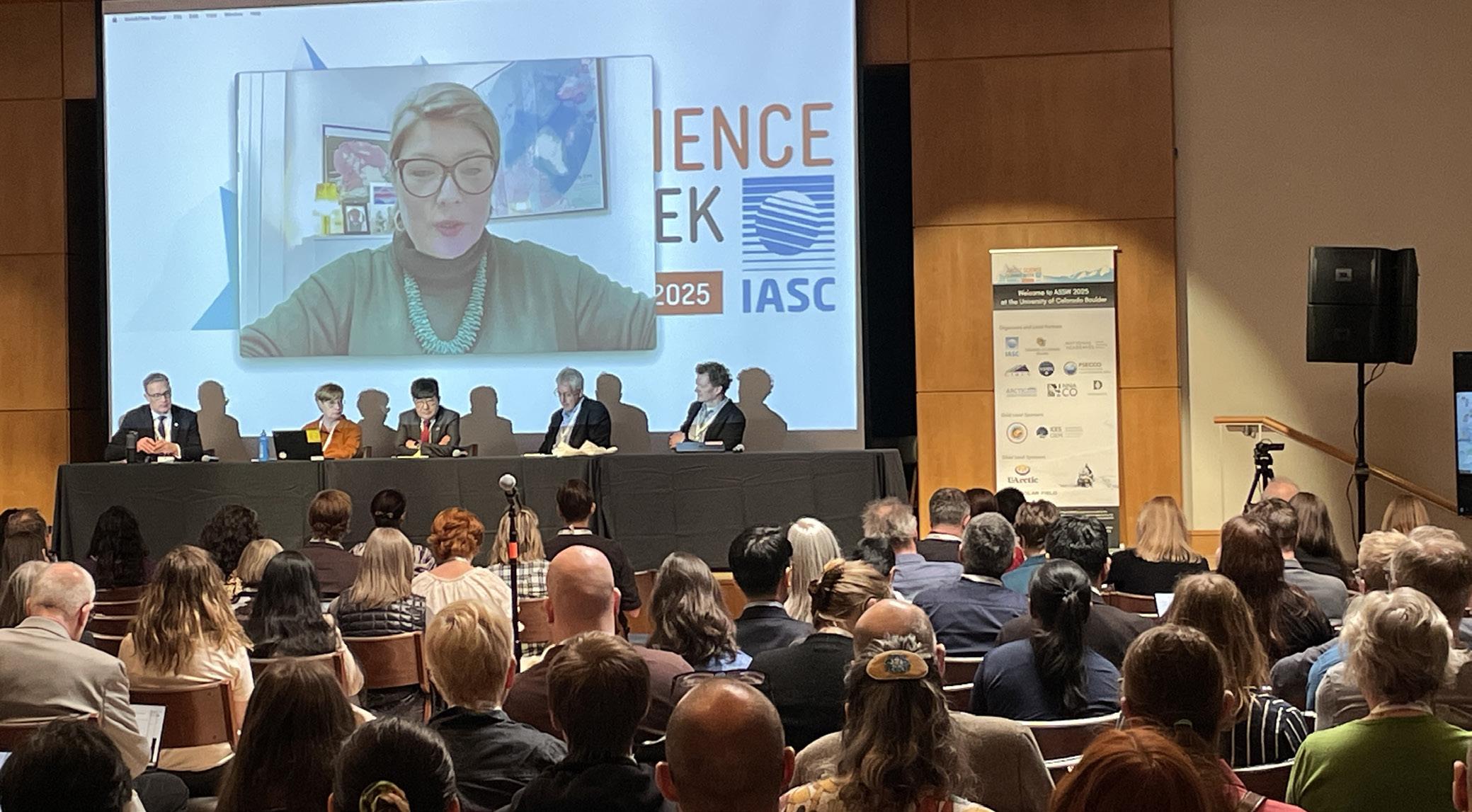
The 2022 ICC Ilulissat Declaration directed ICC to implement the Circumpolar Inuit Protocols for Ethical and Equitable Engagement (the EEE Protocols) at the international level to force a paradigm shift within research institutions. Furthermore, Article 10 of the 2022 ICC Ilulissat Declaration directs ICC to “call on researchers, policymakers, governments, as well as relevant institutions to respect and support the right of Inuit to self-determination in all aspects of research conducted in Inuit Nunaat, to engage Inuit and our communities equitably and ethically and work with us to bring forward the best available information to make sound decisions that respond to conditions facing Inuit.”
Since October 2024, Chair Sara Olsvig has been the ICC representative on the Planning Group for the Fifth International Polar Year (IPY) 2032-33 and in the International Conference on Arctic Research Planning (ICARP IV) International Steering Committee. ICC contributed to the annual review of the concept note for IPY in December 2024, providing feedback to ensure that Indigenous Peoples’ rights are clearly articulated and intervening to remove language about the “third pole.” In May 2025, the ICC Executive Council took decisions to delegate staff to the ICARP IV Research Priority Teams, as well as to a range of other research related processes and institutions. Throughout 2025, ICC contributed to the work of the ICARP, and ICC’s policies and contributions, including the EEE Protocols, are well reflected in the ICARP IV report, published in 2026.
In the fall of 2025, the IPY Executive Committee issued an open call for bids to host and sponsor an International Coordination Office. In response, ICC Kalaallit Nunaat together with the International Centre for Reindeer Husbandry (ICR) submitted a proposal. If the Indigenous Peoples’ IPY-5 Coordination Office proposal is accepted and established as part of the overall secretariat, ICC KN will synergize the work with other ICC offices.
ICC is also a member of the Arctic Science Funders’ Forum (ASFF), as it aims to include the six IPOs that are Permanent Participants at the Arctic Council.
In 2026 ICC Canada completed an Indigenous Knowledge research project conducted in partnership with the North Slope Borough Department of Wildlife Management and Indigenous Knowledge holders in Utqiaġvik, Alaska titled “Indigenous Knowledge habitat models of bearded seals (ugruk; Erignathus barbatus) in coastal Alaskan waters”, conducted from 2024-2026, and funded by the Pew Charitable Trust Lenfest Ocean Program. The project team developed seasonal habitat models for bearded seals, in partnership with Iñupiat hunters, that directly include Indigenous Knowledge of seal habitat use and behavior as the main data source. This project was developed to provide increased understanding of bearded seal habitat use and behavior in order to address the gaps in the “best available” information that is used to assess and manage bearded seal populations in Alaska. This work was endorsed and shared with the Ice Seal Committee, the co-management board in Alaska for ice-associated seals. For ICC this project highlights examples of what Indigenous Knowledge embodies and what opportunities exist to use it to inform global measures of biodiversity to international audiences.
In 2025 and 2026 ICC successfully participated in several grant proposals with international collaborators and has received three research grants. A Nordforsk grant was received by ICC Canada to continue ICC engagement in the Intergovernmental Panel on Climate Change (IPCC), exploration of methods to include Indigenous Knowledge in climate change sea ice modeling scenarios and potential changes in species habitat use. This project began in 2025 and will end in 2030. ICC Canada and ICC KN also received EU Horizon funding to support ICC’s work on international research governance, data sovereignty, Indigenous Knowledge documentation and inclusion of climate change projections, research activities related to the development of Inuit management approaches for Pikialasorsuaq, and ICC participation in ICARP, IPY, and Arctic Council, including through funding a full-time staff position at ICC KN which will support initiatives proposed for IPY. This is a four-year program that will begin in fall 2026.
In February 2025, ICC Alaska convened a three-day Indigenous Knowledge Focus Group bringing together Indigenous Knowledge holders from Alaska and ICC staff from Alaska, Canada, and Greenland. Building on the EEE Protocols, the focus group provided a space to reflect on progress and opportunities for meaningful engagement of Inuit in Arctic research and decision-making and set a clear direction to further advance Indigenous Knowledge in ICC’s work and beyond. Knowledge holders also engaged in critical discussions on related issues, including Indigenous data sovereignty and data management under the theme “Advancing Indigenous Knowledge from Theory to Practice,” and emphasized that research needs to be done in partnership with Inuit. Knowledge holders stressed the need for ICC to establish a strong presence at major international science conferences and symposiums to educate the research community, the need for Inuit to organize and host our own Indigenous Knowledge Symposium, and reaffirmed our commitment to collectively work toward implementing true co-production of knowledge processes. The Indigenous Knowledge Focus Group concluded with a report advancing key outcomes and practical recommendations on the issues of Indigenous Knowledge, the Central Arctic Ocean Fisheries Agreement, and Coastal Biodiversity Monitoring.
ICC has additionally engaged in the International Arctic Science Committee (IASC), through a position on their Standing Committee on Indigenous Involvement since 2025, which enables ICC to also engage in the planning committees for the annual Arctic Science Summit Weeks and the biannual Arctic Observing Summits. Staff from the Canada and Kalaallit Nunaat offices additionally co-chaired the Arctic Observing Summit’s 2024 Local-to-Global Working Group and its 2026 Indigenous-Led Observing Working Group. ICC also continues to participate in Sustaining Arctic Observing Network (SAON) activities, including updating the Online Atlas on Community-based monitoring (www.arcticcbm.org), and as a steering group member of the SAON-ROADS Shared Arctic Variables Sea Ice Expert Panel. These activities greatly
strengthen ICC’s influence on how research is done and planned for in the Arctic, and greater recognition on ethical and equitable involvement of Indigenous Peoples in Arctic research also in the EU.
ICC Canada is co-leading the Clean Arctic Shipping Initiative (CASI) with Memorial University. This is a multi-million dollar program with leadership also coming from the Inuit Treaty Organizations in Canada, with all activities having Inuit leadership and guidance to advance Inuit self-determination in research. CASI addresses and responds to the increase in Arctic shipping and the impacts on our lands, waters, and communities through a range of research projects and policy work. The 3 research themes are (1) sustainable shipping operations and coastal/community infrastructure, (2) responsible ship design, and (3) governance of Arctic shipping. CASI runs until 2030 and will engage with the other ICC regions work as the initiative evolves.
RELEVANT MEETINGS AND EVENTS ATTENDED
December 2022 ArcticNet Annual Scientific Meeting Toronto, Canada
November 2023 Greenland Science Week Nuuk, Kalaallit Nunaat
December 2023 ArcticNet Annual Scientific Meeting Iqaluit, Canada
March 2024 Arctic Science Summit Week (ASSW) and Arctic Observing Summit Edinburgh, Scotland
June 2024 ArcticPASSION General Assembly Aanaar (Inari), Finland
December 2024 ArcticNet Annual Scientific Meeting Ottawa, Canada
February 2025 ICC Alaska Indigenous Knowledge Focus Group Anchorage, Alaska
March 2025 ASSW and 4th International Conference on Arctic Research Planning Boulder, United States
April 2025 UArctic Collaborative Resource Management in the Arctic Workshop Nuuk, Kalaallit Nunaat
November 2025 Greenland Science Week Nuuk, Kalaallit Nunaat
November 2025 QIMMIT Workshop Nuuk, Kalaallit Nunaat
November 2025 SAON Sea Ice Expert Panel Meeting Nuuk, Kalaallit Nunaat
December 2025 ArcticNet Annual Scientific Meeting Calgary, Canada
December 2025 Second EU Science Diplomacy Conference Copenhagen, Denmark
March 2026 ASSW and Arctic Observing Summit Aarhus, Denmark
May 2026 UArctic Congress Tórshavn, Faroe Islands
Throughout 2022–2026, ICC worked across borders to bring the Inuit voice to climate change discussions at the United Nations Framework Convention on Climate Change (UNFCCC) and at the Intergovernmental Panel on Climate Change (IPCC).
At the UNFCCC, as an official Observer, ICC has actively participated in the Subsidiary Body (SB) meetings, Conference of the Parties (COPs), Local Communities and Indigenous Peoples Platform (LCIPP) meetings and mandated events, official UN side events, and side events at pavilions to bring forward Inuit experiences and priorities with climate change.
ICC delegations have successfully participated in all COPs during the 2022-2026 term. Through the International Indigenous Peoples’ Forum on Climate Change (IIPFCC), ICC continues to contribute to unified positions and interventions on key issues such as the Just Transition Work Programme, climate finance, and the Global Stocktake. ICC supported the organization of the Indigenous Summit on Just Transition where the global Indigenous Principles and Protocols for Just Transition were developed, to support Indigenous Organizations’ negotiations on green economy transition and other climate change mitigation measures. ICC Chair Sara Olsvig was also invited to contribute to the UN Secretary General’s Panel on Critical Energy Transition Minerals. The Panel’s report highlights the importance of a human rights based approach to mineral development connected to an energy transition. Both of these documents have been valuable tools for ICC and the IIPFCC’s advocacy. Negotiations and decisions at UNFCCC have become increasingly challenging, with Parties failing to address key issues related to the transition away from fossil fuels, including mining of critical minerals and language on fossil fuel phase out. An area of success included a stand-alone operative paragraph approved at COP30 in the Just Transition Work Program text emphasizing the rights of Indigenous Peoples, including the right of selfdetermination, the first operative paragraph at the UNFCCC to directly recognize this.
ICC collaborated with Saami Council to organize the 2023 Arctic Regional Gathering, a mandated event under the LCIPP that was co-designed and delivered with Norway, the Norwegian Chairship of the Arctic Council, and the UNFCCC LCIPP Secretariat. The gathering was organized as a joint UNFCCC and Arctic Council meeting as a strategy to create the opportunity for Permanent Participants to meet at a time when no in-person Arctic Council meetings were taking place. ICC’s delegation included political leaders, staff, and Indigenous Knowledge holders. The presence of a Kalaallisut interpreter at this gathering, funded by the LCIPP Secretariat, represents one of few UN meetings that ICC has been able to provide this level of equity and access to our Indigenous Knowledge holders and highlighted the role and importance of Indigenous languages in the United Nations broadly. The Arctic Region nominated Dr. Victoria Qutuuq Buschman as the Arctic Region Representative to the Facilitative Working Group of the LCIPP in 2025 for a three year term.
Several significant climate change communication products were also produced during this period. ICC produced a position paper for each UNFCCC COP (COP27, COP28, COP29, COP30), providing clear recommendations that asserted Inuit positions to the climate negotiations, including for international climate leaders, the science community, private industry and others. In 2023 ICC officially launched our new climate change video, Silavut Asijjiliqtuq — The Weather is Changing, during Indigenous Climate Leadership Day at COP28. In 2024-2025, ICC Canada created an Inuit Climate Advocacy toolkit, a multi-media, accessible, entry-level introduction to the UNFCCC and Inuit climate advocacy. This toolkit has and will serve as a resource for future ICC delegates, especially youth. The video modules were based on interviews conducted with Inuit and other Indigenous delegates at COP29, staff from Inuit organizations, and Canadian government officials.
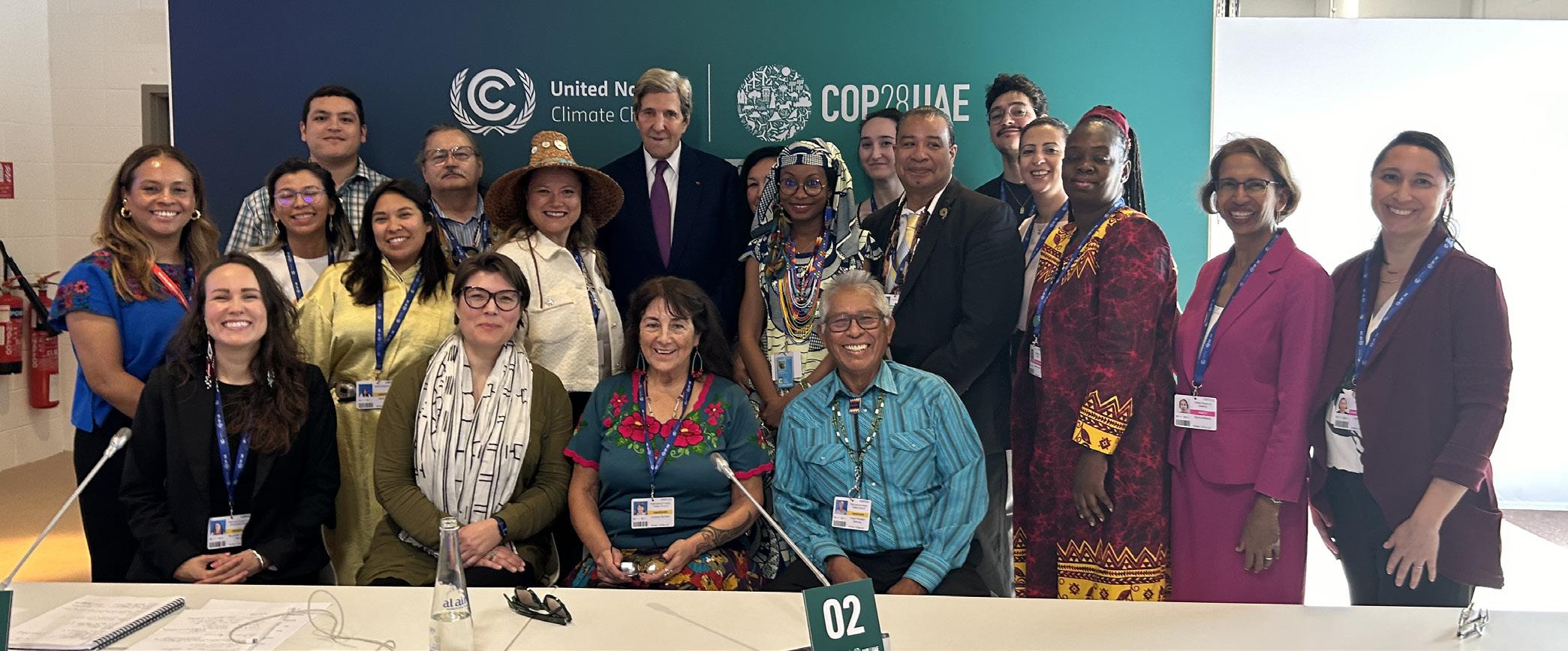
ICC Canada received $1.6 million CAD to partner with international Indigenous organizations in the global south with a view to supporting nature-based solutions and knowledge sharing to increase and support Indigenous advocacy in climate change spaces. ICC Canada has partnered with an Indigenous-led organization in Tonga, Take the Lead, to deliver on-the-land exchanges and climate leadership training for youth participants in 2026. This program provides an excellent opportunity for continued capacity building for Inuit youth and increased opportunities to participate in international climate change meetings, with a view to youth participants creating content and a side event for UNFCCC COP31 in fall 2026. This program will also continue to build on ICC’s Climate Advocacy toolkit, developing new video content and materials.
ICC also received funding from Saami Council to develop a contribution to Saami Council’s Indigenous Assessment of Climate Interventions as part of the UArctic Arctic Climate Interventions project. Due to capacity restraints and the high level of interest from outside parties in climate interventions and geoengineering in Kalaallit Nunaat, ICC convened a workshop with Greenlandic institutions focused on climate interventions in Kalaallit Nunaat. The workshop produced a series of recommendations which highlighted the importance of a human rights-based approach to the regulation of climate interventions, including the central role of the right to self-determination. As this field of research and experimentation grows, and the interest in projects affecting the ice and waters of Inuit Nunaat, ICC may choose to develop a formal and organization-wide position.
At the IPCC, ICC has used its Observer status to advocate for the equitable inclusion of Indigenous Knowledge in the IPCC assessments of climate change based on ICC’s EEE protocols, and for the IPCC to use appropriate language and framing of content concerning Indigenous Knowledge, Indigenous Peoples, Inuit, and the Arctic. ICC has successfully advocated for several of the calls to action articulated in ICC’s IPCC position paper, approved in October 2024. These included calling for the nomination and selection of Indigenous authors in the IPCC Assessment Reports. ICC successfully nominated two Inuit academics to serve as lead authors for the 7th Assessment Report (AR7), including across chapters on “Framing, methods and knowledge sources,” “North America,” and “Polar Regions.”
The position paper also calls for the striking of an Indigenous Peoples’ Taskforce or Advisory Body. ICC nominated one ICC advisor to the IPCC Scientific Steering Committee, which supported the organization of two workshops (Workshop on Engaging Diverse Knowledge Systems and Workshop on Methods of Assessment) which can be seen as a response
to this. Furthermore, the workshop on Engaging Diverse Knowledge Systems is a direct result of ICC’s advocacy for an improved approach to including Indigenous Knowledge. Two ICC advisors participated in the Workshop on Engaging Diverse Knowledge Systems and Workshop on Methods of Assessment. We saw many successes over the past four years with our work in IPCC, although challenges during IPCC negotiations resulted in the polar region cross-chapter paper failing to achieve full chapter status, and increased concerns that the inclusion of language on carbon dioxide removal technologies, solar radiation management, and geoengineering will create pathways for the validation of technologies that detract from the intended goals of the Paris Agreement to limit warming to under 2 degrees, with the aim of limiting to 1.5 degrees.
November 2022 UNFCCC FWG8 and COP27 Sharm El-Sheikh, Egypt
March 2023 IPCC-58 Interlaken, Switzerland
June 2023 UNFCCC FWG9 and SB58 Bonn, Germany
October 2023 UNFCCC LCIPP Arctic Regional Gathering Girkonjárga (Kirkenes), Norway
December 2023 UNFCCC FWG10 and COP28 Dubai, UAE
January 2024 IPCC 7th Assessment Cycle Meeting Istanbul, Türkiye
May 2024 First Meeting of the UN Secretary General’s Panel on Critical Energy Transition Minerals (Virtual)
June 2024 Meeting of ICC Chair with Greenlandic and Danish Ministers for climate and UNFCCC Executive Secretary Nuuk, Kalaallit Nunaat
June 2024 UNFCCC FWG11 and SB60 Bonn, Germany
July 2024 IPCC-61 Sofia, Bulgaria
July 2024 Second Meeting of the UN Secretary General’s Panel on Critical Energy Transition Minerals Copenhagen, Denmark
August 2024 Third Meeting of the UN Secretary General’s Panel on Critical Energy Transition Minerals Nairobi, Kenya
October 2024 Indigenous Summit on Just Transition Geneva, Switzerland
November 2024 UNFCCC FWG12 and COP29 Baku, Azerbaijan
February 2025 IPCC-62 Hangzou, Chine
March 2025 ICC Climate Interventions Workshop Nuuk, Kalaallit Nunaat
April 2025 Harvard Kennedy School Governance of Arctic Climate Interventions Workshop Cambridge, United States
June 2025 UNFCCC FWG13 and SB62 Bonn, Germany
November 2025 UNFCCC FWG14 and COP30 Belém, Brazil
December 2025 IPCC AR7 LAM1 Paris, France (virtual)
January 2026 Inuit Climate Action Partnership Meeting Nuku’alofa, Tonga
February 2026 IPCC Workshops on Engaging Diverse Knowledge Systems and Methods of Assessments Reading, UK
May 2026 IPCC AR7 WGII LAM2 Nassau, Bahamas
Jun. 2026 UNFCCC FWG15 and SB64 Bonn, Germany
The Kunming-Montreal Global Biodiversity Framework (GBF) was adopted at the Convention on Biological Diversity (CBD) COP15 in Montreal in 2022, including the plan to protect 30% of lands and seas by 2030. ICC contributed to the final text of the KMGBF and represents Inuit at the CBD through a variety of forums including at the Conference of the Parties (COP), the Subsidiary Body on the Scientific, Technical, and Technological Advice (SBSTTA), the Subsidiary Body on Implementation (SBI), and the newly formed Subsidiary Body on Article 8(j) - Traditional Knowledge, Innovations and Practices, and through participation in the International Indigenous Forum on Biodiversity (IIFB).
The decision on the permanent Subsidiary Body on Article 8(j) and the associated new programme of work at CBD COP16 were huge successes after many years of advocacy by Indigenous Peoples’ Organizations, including ICC. ICC attended the inaugural meeting of the Subsidiary Body on Article 8(j) in 2025. As this was the first official SB8j meeting, the focus of the process was to address initial tasks proposed under the new Programme of Work and to follow up on discussions related to concerns regarding the conflation of Indigenous Peoples and local communities. The issue of conflation still remains unresolved, and ICC will continue to advocate for this to be resolved through the SB8(j) processes and future meetings. ICC continues to advocate for the full inclusion and recognition of Indigenous Knowledge in the CBD processes, including through the successful nomination of staff to the Informal Advisory Group for Ecologically or Biologically Significant Marine Areas with a mandate from 2025-2027 and participation in events such as the expert workshop on scientific and technical work conducted under the CBD relevant to Marine Biodiversity in areas beyond National Jurisdiction (BBNJ).
At the Convention on International Trade in Endangered Species of Wild Fauna and Flora (CITES) ICC focuses on ensuring that Indigenous Peoples have a voice in decision–making processes. In May 2024, the EU issued a review of its seal ban regulations that were passed in 1983 as well as its most recent and most comprehensive ban on imports of products from all seal species in 2009, which was implemented in 2015. ICC responded with a written submissions to the EU discussing the impacts of the ban for Inuit. Despite the provision of an Indigenous Exemption in the seal ban regulations, the most impacted communities from the 2009/2015 EU seal ban are Inuit communities in Canada and Kalaallit Nunaat. ICC also expressed that the “Indigenous Exemption” has shown to be too onerous, ineffective, and has not mitigated the negative impacts of the ban on Inuit trade in seal products in the EU. ICC hopes to have continued discussions with the EU to lift restrictions against Inuit.
ICC continues to advocate for Inuit and Indigenous Knowledge to be included in International Union for Conservation of Nature (IUCN) forums such as in the Species Survival Commission (SSC) and the Red List. ICC is an active voting member within the IUCN under the Indigenous Peoples’ Organization (IPO) membership category. Through our role at IUCN ICC contributed to the Guidelines for Disease, Pathogen, and Toxin Surveillance in Wildlife, published 2024. The guidelines are a joint initiative by the IUCN Wildlife Health program and the World Organization for Animal Heath. This report provides guidance on the surveillance of wildlife for diseases, pathogens and toxic agents, and procedures for the implementation of comprehensive surveillance programs. ICC attended the quadrennial IUCN World Congress, in Abu Dhabi, United Arab Emirates in October 2025. Leading up to the Congress, ICC undertook a detailed analysis of all 100+ resolutions up for vote and tracked the voting trends of other organizations to examine other organizational alignment with Inuit priorities. Since the Congress, ICC is part of a working group developing a paper on the renunciation of the 15th-century Doctrine of Discovery at the IUCN, work related to systemic change at the IUCN.
RELEVANT MEETINGS AND EVENTS ATTENDED
November 2022 CITES COP19
December 2022
Panama City, Panama
CBD COP15 Montreal, Canada
February 2023 5th International Marine Protected Areas Congress Vancouver, Canada
October 2023
November 2023
CBD SBSTTA-25; resumed COP15 Nairobi, Kenya
CBD Article 8(j) Preliminary Meetings Geneva, Switzerland
November 2023 CITES 77th Standing Committee Geneva, Switzerland
August 2024 Trua World Summit on Traditional Knowledge Related to Biodiversity Bogotá, Colombia
October 2024
October 2025
CBD COP16 Cali, Colombia (virtual)
CBD 1st Subsidiary Body on Article 8(j)
Panama City, Panama
October 2025 IUCN World Conservation Congress Abu Dhabi, UAE
December 2025
CBD Secretariat Expert Group Workshop Bergen, Norway
December 2025 UN Environment Assembly 7 Nairobi, Kenya (virtual)
January 2026 Polar Bear Range States Biennial Meeting of the Parties (Virtual); (hosted by the Government of Kalaallit Nunaat)
Stockholm Convention on Persistent Organic Pollutants
ICC and partners successfully lobbied the Canadian government to nominate a group of POPs (belonging to PFAS, the ‘forever chemicals’) to the Stockholm Convention. Canada subsequently nominated LC-PFCAs for addition to the Stockholm Convention, and ICC actively participated in the review process to ensure Inuit positions and Arctic data are included, with great success. LC-PFCAs were added to the Stockholm Convention Annex A for elimination at the COP in 2025.
RELEVANT MEETINGS AND EVENTS ATTENDED
(Month) (Year) (Name of Meeting) (City, Country)
June 2022
Stockholm POPs COP10 Geneva, Switzerland
September 2022 18th Stockholm POPs Review Committee Rome, Italy
May 2023
Stockholm POPs COP11 Geneva, Switzerland
October 2023 19th Stockholm POPs Review Committee Rome, Italy
September 2024 20th Stockholm POPs Review Committee Rome, Italy
April 2025
Stockholm POPs COP12 Geneva, Switzerland
Throughout the term ICC has been very engaged in the effectiveness evaluation process of the Minamata Convention and is a member of the Open-ended Science Group (OESG). ICC contributed to a paper on monitoring, led a sub-group on marine mammals for the OESG report, and worked with representatives from the Inuvialuit Settlement Region (ISR) and scientists to include a case study on beluga monitoring in the ISR, which is co-led and co-produced with Inuit. ICC is also engaged as an observer in the Effectiveness Evaluation Group, participated in meetings and provided input into the report.
Furthermore, ICC actively participated in the Conference of Parties in 2023 and 2025, contributed to online side events, co-organized well-attended side events (Knowledge Labs) during the COPs together with Indigenous partners from the Amazon during each COP, participated in other Knowledge Labs, and intervened in plenary several times. ICC also worked with other Indigenous participants to form the International Indigenous Peoples Forum on Mercury to advance Indigenous participation in the Minamata Convention. During the last COP, the member States adopted a decision that references the rights of Indigenous Peoples as set out by UNDRIP, urges parties to provide financial support for participation, calls on the Convention secretariat to seek advice from Indigenous Peoples, and formally establishes the International Indigenous Peoples’ Forum on Mercury.
RELEVANT MEETINGS AND EVENTS ATTENDED
March 2023 Open-Ended Science Group of Minamata Convention Meeting Geneva, Switzerland
October 2023 Minimata Convention COP-5 Geneva, Switzerland
November 2025 Minimata Convention COP-6 Geneva, Switzerland
February 2026 Effectiveness Evaluation Group of the Minamata Convention Meeting
Negotiations on a Global Treaty on Plastic Pollution
Geneva, Switzerland
ICC has been very engaged in the Intergovernmental Negotiation Committee (INC) process to establish a binding global treaty on plastics pollution, has attended all meetings, works with member states, other Indigenous Peoples and NGOs, and has attended many ‘intersessional’ teleconferences. The process has been controversial and stalled many times. The final session (INC-5), which was supposed to conclude in 2024, is still open, and had three installments so far. A new Chair was elected during the last installment (INC-5.3), taking place in February 2026 in Geneva, Switzerland. The next installment (INC-5.4) will likely take place in 2027.
RELEVANT MEETINGS AND EVENTS ATTENDED
November 2022 INC-1
May 2023 INC-2
November 2023 INC-3
April 2024 INC-4
November 2024 INC- 5.1
August 2025 INC- 5.2
February 2026 INC 5.3
Punta Del Este, Uruguay
Paris, France
Nairobi, Kenya
Ottawa, Canada
Busan, South Korea
Geneva, Switzerland
Geneva, Switzerland
The Circumpolar Inuit Wildlife Committee (CIWC) was established by the delegates of the 2017 ICC Wildlife Management Summit and confirmed in the 2018 ICC Declaration to advocate on wildlife issues, policies, and perspectives of Inuit that relate to rights, needs, approaches, culture, and the importance Inuit food systems, food security, and food sovereignty. It was also tasked to build a network of contacts with interconnected international processes and forums to support the work of the CIWC.
Due to staff turnover within ICC, and issues related to COVID the CIWC did not meet from 2020-2022. In 2023, it was re-initiated and the main activities were focused on confirming membership and re-establishing communications with the members.
Since 2024 ICC Canada and ICC Alaska have served as staff leads on the CIWC file. The CIWC met virtually twice in 2024. During these meeting the Draft Terms of Reference and the Various Bilateral and Multilateral Agreements, Declarations, Mechanisms, and Processes Relevant to Inuit in the Circumpolar Arctic Context were reviewed, with the Draft Terms of Reference very close to being finalized.
In 2025 and through April of 2026, no meetings were held. This was due to a combination of changes in membership, the timing of regional processes to confirm new members, members’ limited availability to meet due to full-time professional commitments, and lack of interpretation funding. A meeting is planned for June 2026.
A new member has been appointed to the CIWC from ICC Alaska, with Nicole Wojciechowski appointed after Taqulik Hepa retired in 2025. We are incredibly thankful for Taqulik’s leadership and contributions to the CIWC, including her participation in the ICC Wildlife Management Summit, and her service in both the Interim CIWC, and CIWC. We welcome Nicole into this role; she previously represented ICC Alaska at the ICC Wildlife Management Summit. A new member will also be joining for Greenland after the General Assembly, with Pele Blytmann replacing Nikkulaat Jeremiassen. We look forward to welcoming Pele Blytmann into the CIWC and are grateful for the time and service of Nikkulaat Jeremiassen.
Circumpolar Inuit Health Steering Committee Report
Between 2022 and 2026, the Circumpolar Inuit Health Steering Committee (CIHSC) demonstrated sustained leadership in advancing Inuit health and wellbeing across Inuit Nunaat through strategic planning, international engagement, and crossregional collaboration. Key milestones included the development of the ICC Strategic Health Plan in 2023, participation in major forums such as the 18th International Congress on Circumpolar Health (2024), and contributions to global discussions through initiatives like the High-Level Dialogue on Arctic Indigenous Peoples’ Health and the Nordic Network on Gendered Violence in Sami and Inuit Communities. The committee also played an active role in knowledge-sharing events, including the Alaska Suicide Prevention Conference (2024), where Inuit-led approaches to mental wellness and youth resilience were highlighted, and the Inuit Women’s Summit (2025), which strengthened advocacy and collaboration on gender and health issues. Staff support for the CIHSC was provided by ICC Canada.
A central theme across CIHSC activities is the prioritization of Inuit-led, culturally grounded health approaches, with strong emphasis on mental health, gender equity, and community-led solutions. The committee consistently worked to elevate Inuit knowledge systems, promote unity, and influence policy through advocacy and partnerships. Efforts to address complex issues like suicide prevention, gendered violence, and systemic inequities in healthcare reflect a holistic and collaborative approach to improving health outcomes, while reinforcing Inuit self-determination in health governance.
Areas for improvement remain, including gaps in representation presenting challenges in ensuring equitable participation. While the development of a Strategic Health Plan marked important progress, implementation has been constrained by limited and inconsistent funding, as well as the structural nature of the CIHSC itself. Committee members engage on a voluntary or affiliated basis, which can limit sustained capacity to advance projects.
In addition, members are frequently engaged by external organizations and networks, and there is currently no consistent mechanism to report back. As the Chairship transitions to Canada and new members are appointed, establishing clearer reporting processes, strengthening coordination, and improving infrastructure for collaboration will be critical to sustaining momentum and maximizing the committee’s long-term impact.
(Month) (Year) (Name of Meeting) (City, Country)
September 2022 Nunamed Conference Nuuk, Kalaallit Nunaat
September 2022 Circumpolar Inuit Health Steering Committee Meeting Nuuk, Kalaallit Nunaat
February 2023 WHO Consultation on Indigenous Peoples and Health (Virtual)
July 2023 Expert Meeting for the WHO Climate Change and Indigenous Peoples’ Health and Wellbeing Systematic Umbrella Review (Virtual)
February 2024 One Health Conference Iqaluit, Canada
May 2024 Alaska Suicide Prevention Conference Anchorage, United States
November 2024 18th International Congress on Circumpolar Health Halifax, Canada
November 2024 Circumpolar Inuit Health Steering Committee Meeting Halifax, Canada
September 2025 3rd Hearing of the WHO Pan-European Commission on Climate and Health (Virtual)
ICC Canada hosted a six-part virtual speaker series. The project aimed to highlight effective programs and services that contribute to the health and wellbeing of Inuit families; facilitate knowledge sharing among Inuit practitioners and communities; support the development of a comprehensive, culturally grounded continuum of services; and guide policymakers and service providers in building coordinated, equitable systems of care that reflect Inuit values and realities. ICC hired an Inuk host from Greenland as the moderator for each episode, and each week hosted a speaker from Canada, Alaska, and Greenland. Interpretation services were available so that this speaker series was accessible in Inuktut, English, and Kalaallisut.
Many of ICC’s events held by the ICC branches and teams throughout the term 2022 to 2026 are reported upon in the above. In the following section, major ICC-wide events as well as the Inuit Youth Engagement Programme will be reported upon.
In 2024, ICC developed teaching materials and designed an online platform for use during the Inuit Youth Engagement Programme. ICC issued an open call for youth aged 21 to 35 to apply for the programme. 179 youth from Kalaallit Nunaat, Canada and Alaska, applied for the program which had the capacity to accommodate ten youth from the three branches to participate in person, plus two youth from Chukotka to participate online.
The origins of the Inuit Youth Engagement Programme (IYEP) lie in the last two ICC Declarations. The 2018 Utqiaġvik Declaration mandated ICC to “Support Inuit Youth organizations and encourage Inuit youth to share and participate fully in all ICC activities.” In response, ICC launched the Emerging Leaders Initiative, which successfully convened youth and ICC mentors on a number of important topics, including in the ICC’s work in the Arctic Council. The 2022 ICC Ilulissat Declaration committed ICC to continue strengthening youth engagement by ensuring there is a connection between ICC leadership and young people who want to take part in ICC’s work. Not least, ICC committed to implementing the Emerging Leaders’ recommendations and other initiatives to ensure unity, solidarity, and cohesion on the issues that shape our work, and resist attempts to use youth for political purposes.
The Inuit Youth Engagement Programme built on the Emerging Leader’s recommendations, which included developing toolkits and providing education materials with information about ICC and for young people to learn more about ICC and its activities. The recommendations also included intentionally engaging Inuit youth-in-transition or who have completed post-secondary education and support the advancement of their career through training and development.
The 2024-2026 Inuit Youth Engagement Program followed the model of the Emerging Leaders Initiative while expanding on the materials, curriculum, and in-person practice that will serve as the backbone of the ICC’s international training for youth. The participants, three from Alaska, three from Canada, four from Kalaallit Nunaat and two from Chukotka, were young Inuit professionals (aged 21-35), who were already engaged in national leadership and professional positions. ICC conducted a program of four teaching modules introducing the participants to the international processes ICC as an Indigenous Peoples’ Organization engages in. Then participants chose which international process they wanted to follow and attend for the rest of the programme – there was much interest in the UNFCCC and CBD COPs, other UN meetings, the Arctic Council, and the EU Arctic Forum and Indigenous Peoples’ Dialogue.
Among the twelve Inuit Youth Engagement Programme participants, two participated online in various Arctic Council related meetings throughout 2025, two joined ICC’s delegation at the UN Permanent Forum on Indigenous Issues sessions in 2025 and 2026, two joined the 2025 session of the UN Expert Mechanism on the Rights of Indigenous
Peoples, one took part in the 2025 Intergovernmental Negotiations Committee on a legally binding treaty on plastics pollution, one participated in a meeting related to the Central Arctic Ocean Fisheries Agreement, one participated in the first ever SB8j-1 meeting under the Convention on Biological Diversity, one participated in the 2025 SB62 meetings under the UN Framework Convention on Climate Change, one joined ICC’s delegation at the Arctic Council SAO-C/PP meeting in February 2026, and one attended an ICC-run workshop under the Arctic Council Emergency Prevention, Preparedness and Response (EPPR) Working Group.
The Inuit Youth Engagement Programme teaching modules and online platform were developed during the preparations of the programme and are designed to be evaluated and reused. ICC can therefore choose to initiate a second iteration of the programme.
The 2022 Emerging Leaders recommendations also included a call for ICC to organize an Inuit Youth Summit. ICC Chair’s Office has successfully fundraised for an Inuit Youth Summit to be held in the beginning of the term 2026 to 2030. ICC Chair’s Office recommends that the twelve Inuit Youth Engagement Programme participants take part in the Inuit Youth Summit.
March 2025 IYEP In Person Meeting Nuuk, Kalaallit Nunaat
March 2025 EPPR Arctic Emergency Management Conference Bådåddjo (Bodø), Norway
May 2025 14th Arctic Council Meeting virtual
April-May 2025 24th Session of the UNPFII New York City, New York
June 2025 UNFCCC SB62 Bonn, Germany
June 2025 CAOFA COP 4 Romsa (Tromsø), Norway
July 2025 EMRIP Geneva, Switzerland
August 2025 Intergovernmental Negotiations Committee Meeting on Plastics 5.2 Geneva, Switzerland
October 2025 CBD SB8j 1 Panama City, Panama
February 2026 Arctic Council SAO Chair/PP/WG Meeting Romsa (Tromsø), Norway
April 2026 25th Session of the UNPFII New York City, New York
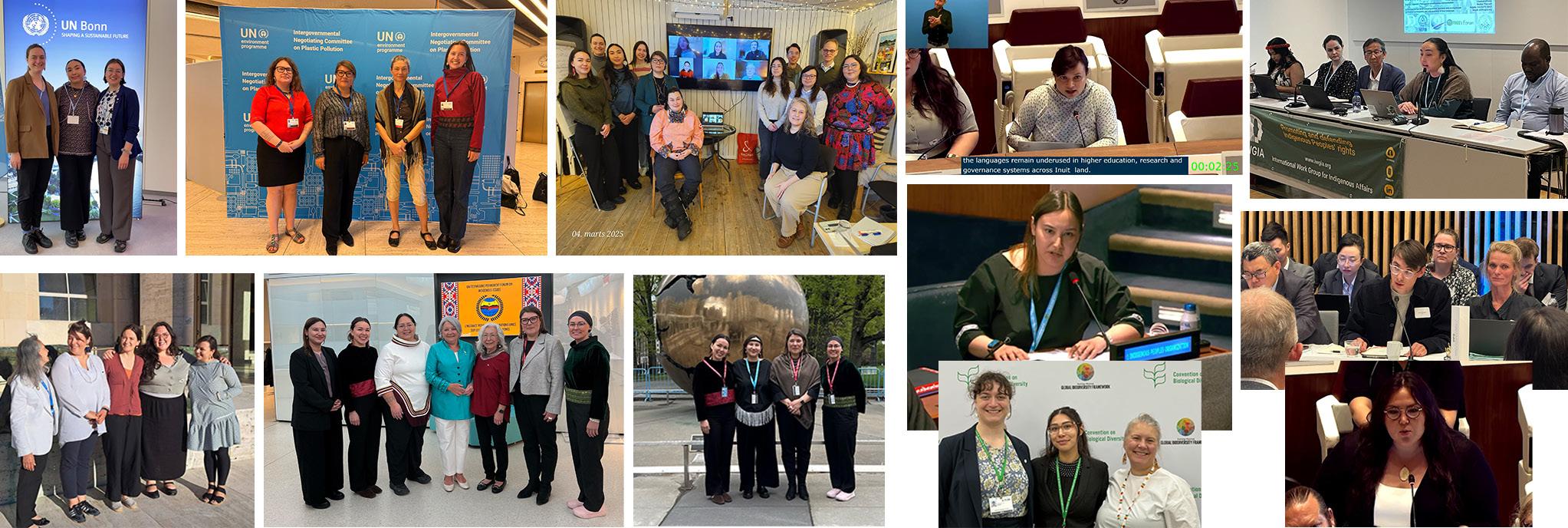
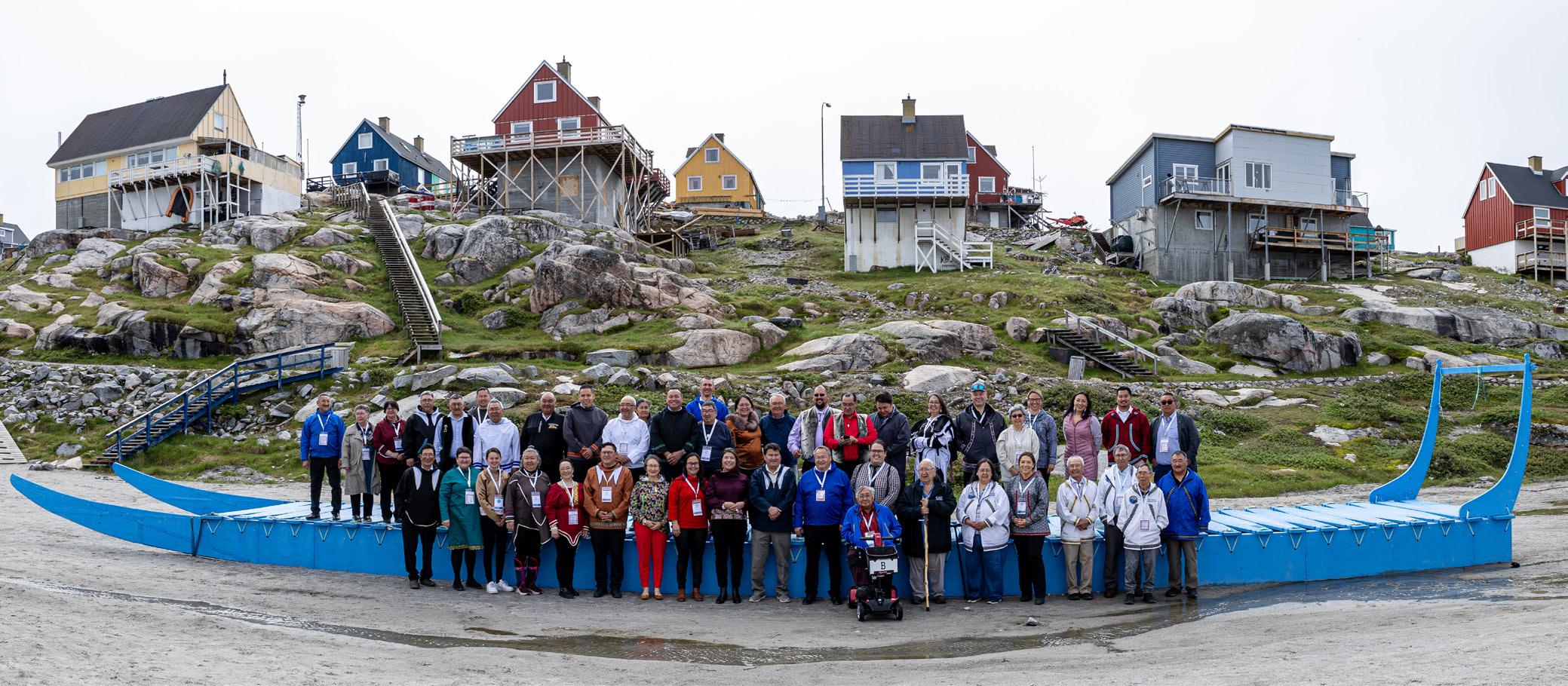
The Inuit Circumpolar Council’s 2022 Hybrid General Assembly was held without a physical gathering of the delegates from across Inuit Nunaat. All 66 delegates attended online. At the General Assembly, delegates unanimously adopted a 2022 ICC General Assembly Declaration, later renamed the 2022 ICC Ilulissat Declaration.
The 2022 ICC Declaration mandated ICC to hold an in-person Delegates Meeting in Ilulissat, Kalaallit Nunaat, in July 2023 to “reflect on the progress of the work of ICC, take note of recent developments, further develop ICC work plans, including an Ilulissat Declaration, as well as celebrate our unity and culture.” The 2022 Declaration also states ICC’s priority areas for the term 2022 to 2026 as: Good Governance, Security and Inuit Nunaat, Health and Wellness, Language and Culture, Hunting and Food Security, Arctic Ocean and the Marine Environment, and Infrastructure Deficit.
Given the mandate and priority areas, the ICC Executive Council decided that the following five priorities would be discussed during the Delegates Meeting; Marine Governance, ICC Governance Structure, International Decade of Indigenous Languages, Hunting and Food Security and the Infrastructure Deficit.
The Delegates Meeting was planned to be held over three days where thematic workshops were facilitated and delegates discussed priority areas and provided direction on implementing the 2022 ICC Declaration. Each workshop included (a) a presentation on the status of ICC’s work on the topic, (b) a discussion on ways to implement the 2022 Declaration, and (c) a discussion on how to carry the work forward into the next chairship and beyond. Flight delays due to weather cut the Delegates Meeting a day short, and the workshop on Infrastructure Deficit was cancelled.
As is customary to an ICC General Assembly, the room was set up to accommodate a circle of tables where each region’s delegations could convene and face one another. For the first time since 1992, ICC Chukotka members were unable to join in person and attended the meeting virtually. Empty seats with their name plaque were set up in solidarity.
A detailed Delegates Meeting report was produced reflecting the dialogues and discussions. The Delegates attending the meeting reaffirmed support for the ICC 2022 Declaration and commitment to fulfill its mandate. It was renamed according to the tradition to the 2022 Inuit Circumpolar Council Ilulissat Declaration (2022 ICC Ilulissat Declaration).
All regions underscored the importance of supporting subsequent ICC chairships through financial support, capacity building, in-kind contributions, and public advocacy and key messages including that: Inuit must be collectively engaged in governance across scales; collective representation and active engagement in international fora continue to be important ways to advocate for our rights and share our voices; ICC should engage in international fora that are aligned with our mandate; attending global events that impact us is important and we must have Inuit representation – our absence diminishes our significance; consistent funding from States is crucial to ensure sustained Inuit engagement in platforms like the United Nations, Arctic Council and other intergovernmental fora.
ICC delegates also reaffirmed ICC’s role in international dialogues and negotiations is paramount, given the shared concerns among Inuit and stated that ICC should continue to advocate for equitable and ethical use of Indigenous Knowledge in international fora and processes. Delegates reiterated that many engagement processes remain insufficient and there are limited opportunities to provide feedback and advocate for our people and way of life.
Key messages on cross-border collaboration included that in-person ICC meetings remain a significant way for Inuit to share with each other and develop our shared understandings and positions, and that suicide and intergenerational trauma remain important concerns that are exacerbated by the issues discussed within the workshops.
The Delegates Meeting provided an important opportunity for Delegates to come together in person to discuss the implementation of the mandate in the ICC 2022 Declaration. The opportunity for Inuit to meet each other, build connections, and carry work forward has long been an important part of our in-person gatherings.
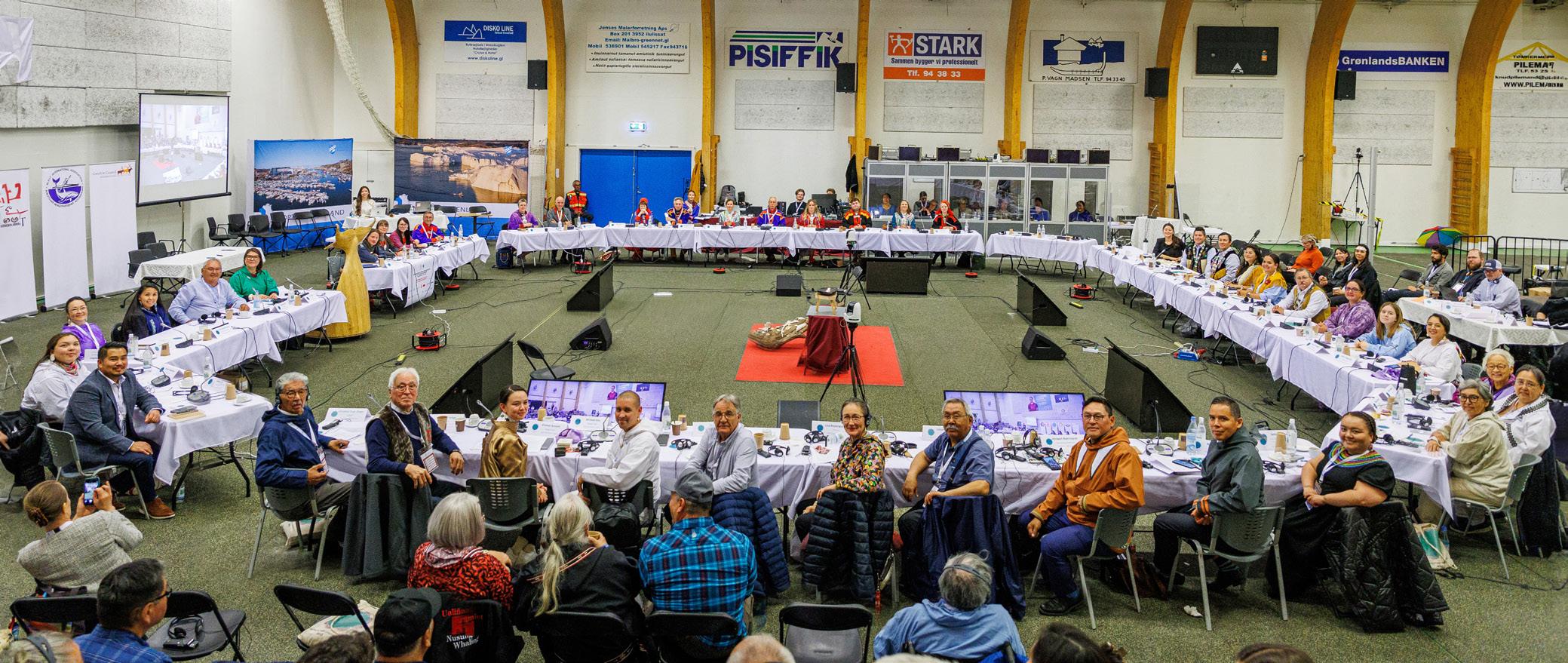
On November 22nd to 25th, 1973, 40 delegates representing 21 organizations of Indigenous Peoples from Arctic Canada, Greenland, Finland, Norway, and Sweden gathered in Copenhagen for the first Arctic Peoples’ Conference. The groundbreaking and successful conference “demonstrated mutual understanding and concern for the urgent problems facing all the peoples represented.”
Since 1973, Arctic Indigenous Peoples have further developed their own organizations and representative institutions, and contributed extensively to the development of international institutions, including the Arctic Council and the UN mechanisms for Indigenous Peoples. Over the past fifty years, the rights of Indigenous Peoples have been affirmed in, inter alia, the ILO Convention 169 as well as the UN Declaration of the Rights of Indigenous Peoples. Through diplomacy, Arctic Indigenous Peoples have continuously participated and strongly affected the international development of Indigenous Peoples’ political recognition.
In 2023, ICC together with the Saami Council co-hosted the 50th commemoration of the first Arctic Peoples’ Conference. At the 2023 Arctic Peoples’ Conference, Indigenous Peoples from five of the six Permanent Participants to the Arctic Council participated and took stock of the development over the past fifty years. A conference statement was issued from the gathering, celebrating the achievements of Inuit and other Arctic Indigenous Peoples, and addressing the rights to wellbeing, rights to lands, waters and natural resources, Arctic Indigenous Peoples’ connection to the marine environment, the impacts of climate change and colonialism. Of the 40 delegates, 15 were youth. The youth delegates organized a session during the Arctic Peoples’ Conference and contributed substantively to the joint statement.
Following the 2023 Arctic Peoples’ Conference, ICC, Saami Council and the International Work Group for Indigenous Affairs (IWGIA), the organization that had supported the first Arctic Peoples’ Conference in 1973, co-edited an open access publication titled Empowering Arctic Indigenous Peoples: Celebrating 50 years of Indigenous Diplomacy
The first-ever Inuit Women’s Summit, held in Sisimiut from October 27-29, 2025, was a landmark event convened by the Inuit Circumpolar Council (ICC). This historic gathering brought together 42 delegates from Inuit Nunaat – Alaska, Inuit Nunangat in Canada, and Kalaallit Nunaat. They were joined by ten observers from partner organizations and the local community, as well as four delegates from Chukotka who participated in a dedicated virtual session, creating a truly circumpolar dialogue.
Conceived as a Chair’s Initiative, the Summit was shaped by several mandates in the ICC’s 2022 Ilulissat Declaration, including its direction that steps be taken to address gender-based violence, to ensure actions consistent with the UN Convention on the Rights of the Child and for continued attention and action to ensure policies prioritize addressing the Missing and Murdered Indigenous Persons crisis and other ongoing impacts of colonialism. The ICC 2022 Ilulissat Declaration highlights the need to identify best practices for the health and wellness of Inuit communities and to raise awareness about and support efforts to overcome the systemic discrimination towards Inuit where it is known to exist. Thus, the Summit brought together delegates that consisted of leaders and advocates from across Inuit Nunaat and beyond to transform this mandate into a unified agenda for action.
The primary goals of the Summit were designed to foster collaboration and produce tangible outcomes. These objectives were to achieve:
• Deepened knowledge of the similarities and differences in challenges, priorities, and initiatives for Inuit women across Inuit Nunaat.
• Increased networking and collaboration amongst advocates, practitioners, and leaders.
• Concrete recommendations for governments and decision-making bodies across Inuit Nunaat and the Arctic.
• Messages and recommendations for advocacy in the international arena, targeting multilateral organizations such as the United Nations and the Arctic Council.
Based on these objectives, the delegates, over the course of the Summit, developed an Inuit Women’s Summit Declaration to serve as an advocacy tool to promote the messages beyond the Summit. As an accompanying document, the Inuit Women’s Summit report further documents the key discussions, shared insights, and actionable recommendations that emerged from this gathering. It is intended to be a vital resource for advocates, governments, decision-makers, and representative institutions, providing a clear record of the priorities and solutions identified by Inuit women themselves and charting a course for meaningful change.
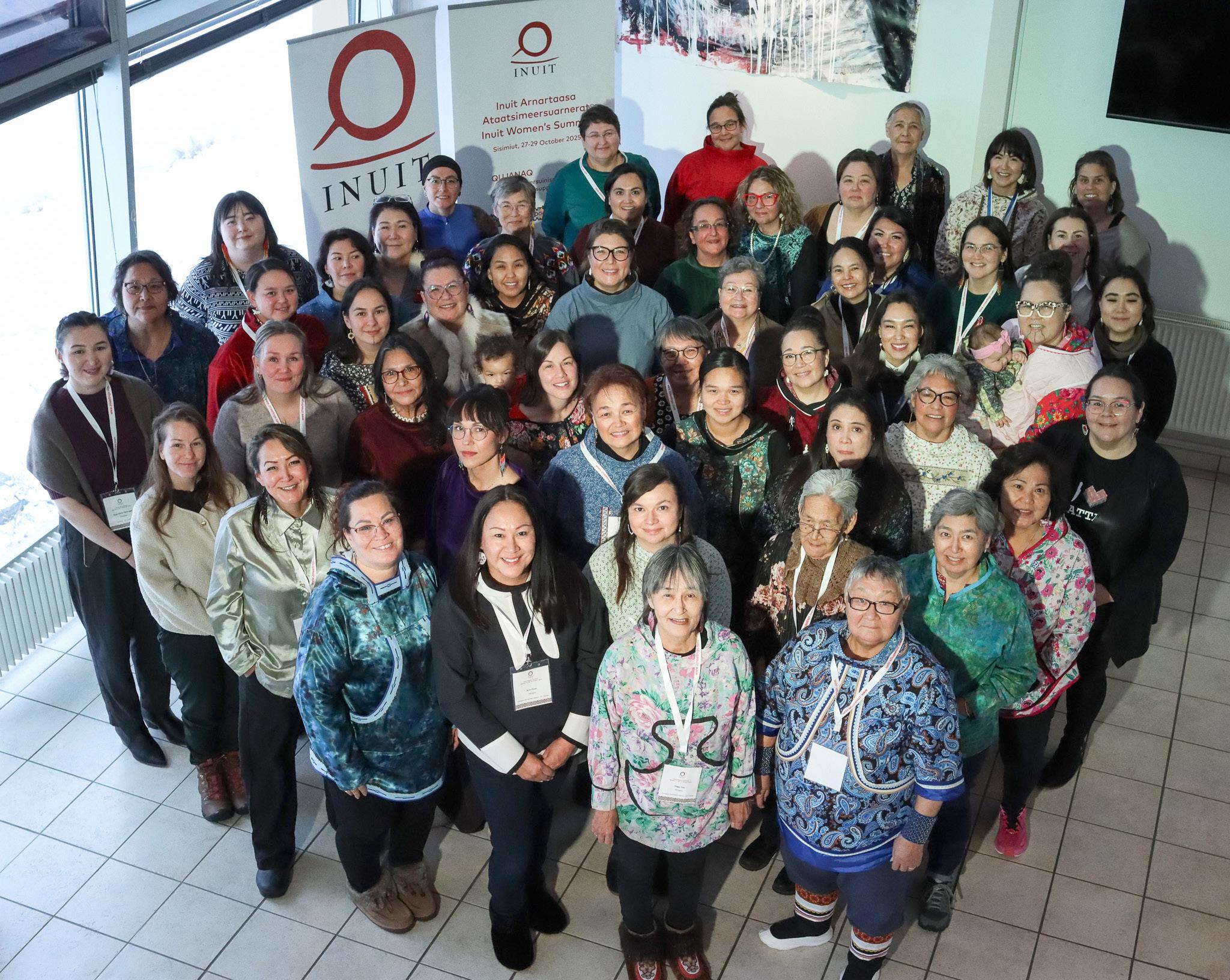
The Inuit Circumpolar Council 2022 General Assembly adopted the following provision in the ICC 2022 Ilulissat Declaration:
“Direct the ICC Executive Council to appoint a working group to evaluate ICC’s governance structure and develop recommendations to be tabled for endorsement during the 2026 GA addressing the integration of democratic principles, improving collaboration, transparency between regions and inclusiveness of ICC’s work as well as the effectiveness of its advocacy and responsiveness to Inuit priorities.”
ICC’s Executive Council and Chair’s Office have consistently worked throughout the term to implement the provision. In the last year of the term a Working Group worked to deliver recommendations to possible changes to ICC’s Charter and Bylaws. These recommendations will be presented separately, while this report will lay out which activities and changes to procedures have been implemented in response to the directive by the General Assembly. The ICC 2022 General Assembly directed ICC Executive Council to “continue to improve internal and external communications through effective, ongoing collaboration and continue the Circumpolar Waves podcast ” and “to improve upon the first ICC strategic planning workshop held in 2018, to assess the current opportunities at the international level, identify gaps in our areas of influence, and strategically develop a united, cooperative plan.”
Furthermore, the 2022 ICC Ilulissat Declaration also directed the ICC Executive Council to “[celebrate] the successes of the Emerging Leaders Initiative, embracing its recommendations for improving youth engagement and capacity-building, as well as, continuing to ensure that the leadership “pipeline” is intact, with clear avenues for our young people to engage in our work effectively and directly must remain a priority,” and to “Commit to implementing the Emerging Leaders’ recommendations and other initiatives to ensure unity, solidarity, and cohesion on the issues that shape our work, and resist attempts to use youth for political purposes.”
The term 2022 to 2026 has been characterized by less ability for the Executive Council to meet in person. ICC Chukotka has chosen not to pursue traveling to attend ICC Executive Council Meetings and as several of the ICC branches were challenged on funding and capacity, some meetings have been conducted with hybrid participation, some attending in person, some online. In the following the initiatives and processes of the ICC Chair as well as the ICC Executive Council will be reported upon for information to the ICC 2026 General Assembly delegates.
The ICC 2022 Ilulissat Declaration directed the ICC Executive Council to evaluate ICC’s governance structure and develop recommendations to changing the governance structure introducing more democratic principles, improving communications, transparency and inclusiveness across regions. The Executive Council has not come up with proposed changes to the ICC Charter and Bylaws that change the decision-making structures internally in ICC. Rather, the Executive Council has integrated and applied processes in their day-to-day work that increases participation across ICC branches throughout the term.
To ensure consistency with the mandate given by the ICC 2022 General Assembly, the ICC Executive Council has consistently referred to and consulted with the ICC 2022 Ilulissat Declaration in all policy development, all work to draw up position papers and prepare meetings and events.
Aiming for as solid a participation from all branches as possible, Executive Council Calls have been organized by the Chair’s Office in between the two yearly ordinary Executive Council Meetings. Executive Council Calls have often been limited to certain agenda items, and preparations for international meetings including discussions on positions and policies.
In developing position papers for certain files and negotiations, the Executive Council has aimed to ensure clarity on ICC’s positions and policies, clear communication within ICC and Inuit Nunaat, as well as externally with media and partners.
In 2022, ICC Canada received funding to establish an Archives, to provide access to ICC’s important history of work on behalf of Inuit. Better access to our records helps support our ongoing work across all areas. There remains much work to do to get our 50 years of records organized and accessible, but full catalogue descriptions and many digitized documents, photographs, videos and audio recordings are available on the Archives web portal (https://iccc-archives.andornot.net/).
The ICC 2022 General Assembly reaffirmed “Inuit Circumpolar Council (ICC) exists as the unified voice for Inuit at the international level.” As the united voice of all Inuit, ICC finds strength in being the international organization that unites Inuit across Inuit Nunaat, and this is fundamental in how ICC wants to communicate about our work. Furthermore, the ICC 2022 General Assembly directed ICC, “to continue to improve internal and external communications through effective, ongoing collaboration.” ICC is committed to strengthening both its internal and external communication processes to promote transparency and share information about our work.
The ICC Executive Council therefore conducted a process to produce two new communications documents, establishing standard communications procedures across ICC offices.
The ICC Communications Protocols establishes guidelines for external and internal communications, providing tools and clear processes and steps in the production of press releases and communication with media. The protocols also touch upon communications for major events and social media.
The ICC Brand and Identity Guidelines provide a new tool for the use of the ICC logo, primary and secondary colors, graphics and typographies. It describes ICC’s voice as friendly, familiar, respectful and knowledgeable. Furthermore, the Executive Council produced a renewed ‘about us’ text to be used consistently in ICC press releases, and new ‘history of ICC’ text as well as a summary of ICC’s goals to be used consistently on ICC social media and elsewhere.
The two new communications documents serve as good tools for all ICC leaders and offices and provide a more unified and coordinated communication from ICC across regions. Both communications tools are to be found on the ICC website for internal and external use.
As the 2022 to 2026 term comes to an end, we look back on four years in which Inuit have encountered many obstacles that could have stifled our unity and willingness to work together across Inuit Nunaat. We have seen how great power rivalry is once again on the rise, and just like when the Inuit Circumpolar Council was established almost fifty years ago in 1977, the ability and willingness to travel across the state borders that divide Inuit communities have been under pressure. Yet ICC and Inuit have demonstrated perseverance. We have continued to insist on maintaining our unity as Inuit, continued to nourish our connections and work, and upheld the promise made when ICC was established.
Therefore, it is fitting to highlight among our achievements in the 2022 to 2026 term the ability to uphold the key and central feature of ICC: that we as Inuit continue to be united. We have developed policies and position papers together, we have prepared and strategized together, and we have done the footwork of ensuring consensus with a full Executive Council representing Inuit in all four member regions. By doing so, we have been able to exercise our right to participate and take part in decision-making on the global stage as one people, as Inuit.
As described in this Activities Report, the outgoing Executive Council has served all Inuit to influence, push, and form many regional and international processes in the past four years. In concluding this report, those that should be given special attention include the following:
ICC called on continued cooperation in the Arctic Council, with all eight Arctic States and six Permanent Participants at the table. ICC contributed substantively to the difficult maneuverings across unstable waters, insisting on peace, stability and cooperation to be central to Arctic cooperation, and insisting on the Arctic Council to continue to be the preeminent body for cooperation in our region.
ICC convened a historic and commemorative Arctic Peoples’ Conference, marking the 50th anniversary of the first conference that laid the foundation for Arctic cooperation among Indigenous Peoples, as well as the foundation for the Arctic Council.
ICC achieved Permanent Consultative Status in the International Maritime Organization (IMO), marking a historic first as an Indigenous Peoples’ Organization deliberately choosing a strategically important venue to influence global governance of shipping in our region.
ICC advanced Inuit Knowledge, achieving the recognition and utilization of Indigenous Knowledge in various processes, sparking systemic change in national, regional and international fora and institutions.
ICC promoted the specific attention to, and protection of, the rights of Inuit women and girls by organizing the first ICC Inuit Women’s Summit, addressing difficult themes such as lateral violence and colonial legacies, and underpinning future reparations by delivering recommendations through the Inuit Women’s Summit Declaration.
Not least, ICC brought the voice of Inuit to international media and conferences, and responded to the massive attention to our region, our lands, territories and resources. We stood firm on the right of Inuit to self-determination wherever they live. In doing so we collectively rejected being divided by state interests, or to be placed as passive spectators to the developments in and around our homeland.
ICC continues to be a proactive international Inuit organization – a tool of all Inuit to achieve the international influence underpinning all Inuit rights.