The Legacy of Giving: Ian King Los Angeles Explores
What a Philanthropist Really Does
Many people think a philanthropist is simply someone who donates money While financial support is important, true philanthropy goes much further. A philanthropist looks for ways to improve lives, strengthen communities, and create opportunities that continue long into the future Through strategic charitable giving, lasting solutions often replace short-term fixes because the focus is on creating meaningful and sustainable change. Ian King Los Angeles believes that the most effective philanthropists inspire others to become part of the solution instead of working alone
A philanthropist identifies challenges within a community and looks for practical ways to address them. These challenges may involve education, healthcare, housing, environmental protection, food security, or youth development Rather than responding only when problems become severe, many philanthropists invest in projects that prevent future difficulties and improve long-term outcomes.
For example, instead of making a single donation to a school, a philanthropist might help establish scholarship programs, provide classroom technology, support teacher training, or fund after-school activities These investments continue benefiting students long after the original contribution has been made
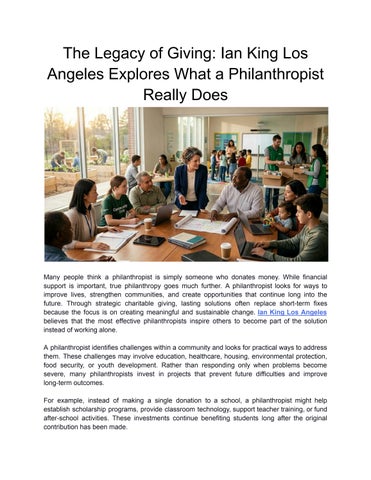
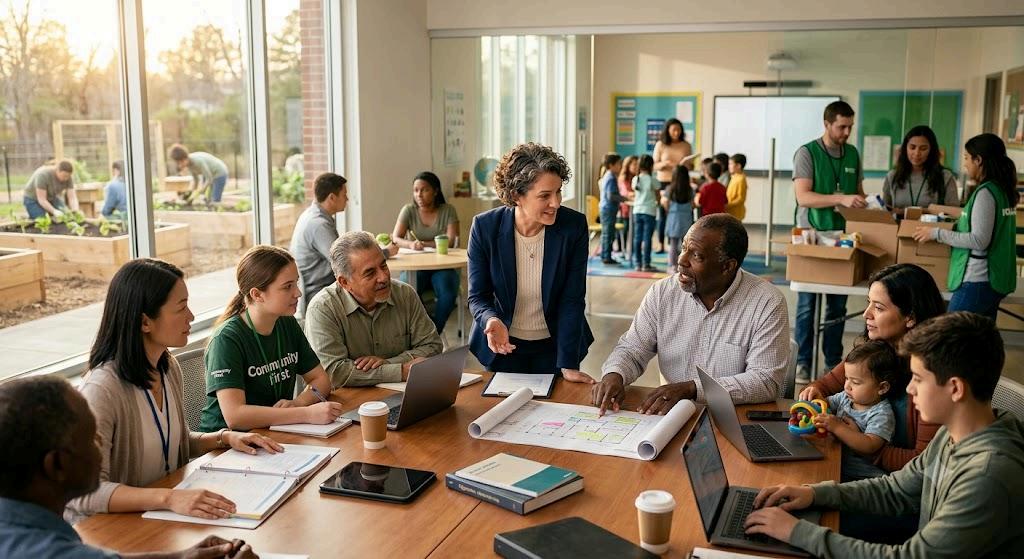
Philanthropists also bring people together They often connect nonprofit organizations, businesses, local leaders, and volunteers who share similar goals. These partnerships allow communities to combine knowledge, resources, and experience to solve problems more effectively than any one organization could accomplish on its own.
Another important role of a philanthropist is encouraging innovation Many social programs begin as small ideas that need funding and guidance before they can grow. By supporting creative solutions, philanthropists help organizations test new approaches that may improve lives on a much larger scale This type of support encourages progress while reducing barriers that often prevent good ideas from moving forward.
Beyond financial contributions, many philanthropists volunteer their time, mentor young leaders, and advocate for important causes. They understand that personal involvement often creates stronger results than donations alone Sharing knowledge, building relationships, and offering encouragement can be just as valuable as providing funding.
Communities also benefit because philanthropy inspires generosity in others When people witness positive results from charitable efforts, they often become motivated to volunteer, donate, or support local initiatives themselves This creates a cycle of giving that strengthens neighborhoods and expands opportunities for future generations
Today, philanthropy continues evolving as individuals and organizations focus more on measurable impact Instead of asking how much money was donated, many now ask how many lives were improved and whether meaningful change will continue over time. This approach encourages thoughtful planning and responsible investment in community development
Long-term social impact defines the work of today's philanthropists far better than the size of a donation alone Their greatest achievement is creating opportunities that allow individuals, families, and entire communities to thrive for years to come. Whether supporting education, healthcare, environmental projects, or local nonprofits, philanthropy continues to demonstrate that lasting change begins when generosity is paired with vision, collaboration, and genuine commitment.