Latin
America Seed Market Outlook 2026–2035: Hybrid Innovation, Sustainable Agriculture, and Rising Food Demand Driving 5.30% CAGR Growth
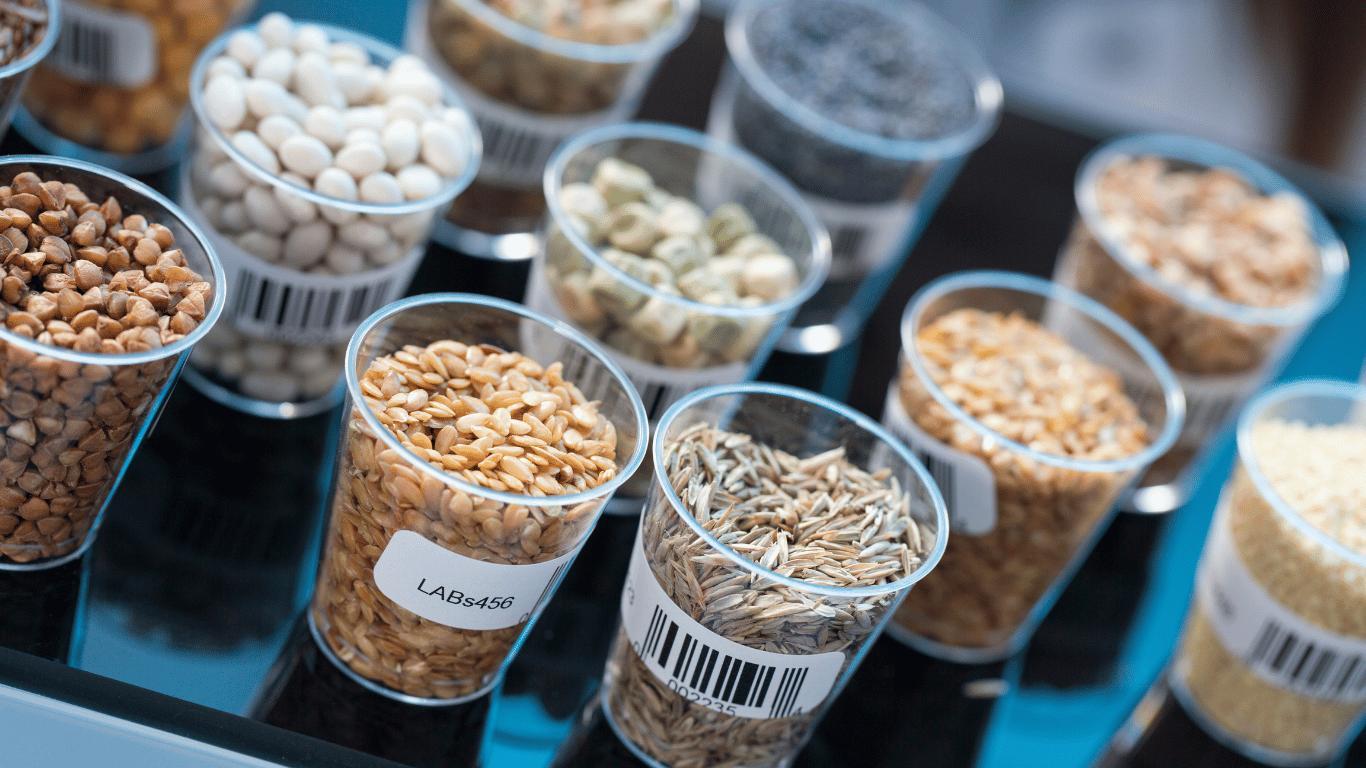
The Latin America seed market was valued at USD 6.74 Billion in 2025, reflecting the region’s strong agricultural foundation and expanding commercial farming sector. With growing investments in biotechnology, hybrid crop development, and sustainable farming practices, the market is projected to grow at a compound annual growth rate (CAGR) of 5.30% between 2026 and 2035, reaching approximately USD 11.30 Billion by 2035. Rising global food demand, export-oriented crop production, and advancements in genetically improved seeds are key contributors to the steady expansion of the Latin America seed market.
Latin America plays a critical role in global agricultural supply chains, particularly in soybeans, corn, sugarcane, coffee, fruits, and vegetables. As agricultural productivity becomes increasingly reliant on high-quality seeds, the demand for certified, hybrid, and genetically modified (GM) seeds continues to rise across the region.
Latin America Seed Market Overview
The Latin America seed market represents a dynamic and technology-driven segment of the agricultural industry. Countries such as Brazil, Argentina, Mexico, and Chile serve as major agricultural producers and exporters, supporting strong demand for improved seed varieties.
The transition from traditional seed-saving practices to certified commercial seeds is accelerating, especially among large-scale farmers seeking higher yields, pest resistance, and climate resilience. Additionally, government initiatives promoting food security and sustainable agriculture further reinforce market growth.
Between 2026 and 2035, increasing mechanization, adoption of precision farming techniques, and expanding export markets are expected to strengthen the region’s seed industry.
Key Market Drivers
1. Expanding Agricultural Production
Latin America is one of the world’s leading agricultural exporters. Brazil and Argentina dominate global soybean and corn exports, while Mexico and Central American countries contribute significantly to fruit and vegetable production. High-performance seeds are essential to maintain competitiveness in international markets.
2. Growing Demand for Hybrid and Genetically Modified Seeds
Hybrid seeds offer higher yields, uniform crop quality, and improved resistance to pests and diseases. Genetically modified seeds are widely adopted in Brazil and Argentina, particularly for soybean, corn, and cotton crops. Biotechnology innovation continues to play a central role in market expansion.
3. Climate Change and Environmental Adaptation
Erratic weather patterns, droughts, and soil degradation are driving demand for climate-resilient seed varieties. Companies are investing in research and development to create droughttolerant, heat-resistant, and pest-resistant seed strains.
4. Rising Food and Feed Demand
Increasing population and growing livestock industries are boosting demand for feed crops such as corn and soybeans. This trend directly supports growth in the Latin America seed market.
5. Technological Advancements in Seed Treatment
Seed coating technologies, biological seed treatments, and precision agriculture integration enhance crop performance and reduce input costs, making advanced seeds more attractive to farmers.
Market Segmentation
By Seed Type
• Conventional Seeds
• Hybrid Seeds
• Genetically Modified (GM) Seeds
Hybrid and GM seeds account for a significant share due to superior yield performance and adaptability.
By Crop Type
• Cereals and Grains (Corn, Wheat, Rice)
• Oilseeds (Soybeans, Sunflower)
• Fruits and Vegetables
• Pulses
• Others
Cereals and oilseeds dominate the market, especially soybeans and corn, which are key export commodities.
By Treatment
• Treated Seeds
• Untreated Seeds
Treated seeds are gaining traction as farmers seek enhanced disease resistance and improved germination rates.
Country-Level Insights
Brazil
Brazil is the largest contributor to the Latin America seed market. The country’s extensive soybean and corn cultivation drives strong demand for genetically modified and hybrid seeds. Advanced agribusiness infrastructure and research institutions support continuous innovation.
Argentina
Argentina’s strong export-driven agriculture supports significant seed adoption, particularly in biotech crops. Regulatory frameworks have encouraged GM seed commercialization.
Mexico
Mexico’s agricultural diversification, including fruits and vegetables for export to North America, fuels demand for high-quality horticultural seeds.
Chile and Others
Chile plays a crucial role in seed production and export due to favorable climatic conditions. Smaller economies in Central and South America are gradually adopting certified seeds to enhance productivity.
Competitive Landscape
The Latin America seed market includes multinational corporations and regional players. Key competitive strategies include:
• Investment in research and development
• Strategic partnerships with local distributors
• Expansion of biotechnology capabilities
• Launch of climate-resilient seed varieties
• Strengthening supply chain networks
Large global companies often dominate biotech segments, while regional firms compete through localized crop expertise and pricing strategies.
Challenges Facing the Market
Despite strong growth prospects, the market faces certain challenges:
• Regulatory restrictions on genetically modified seeds in some countries
• Intellectual property disputes and seed piracy
• Climate variability and extreme weather conditions
• Fluctuating commodity prices
• High research and development costs
Addressing these challenges requires supportive policies, farmer education, and technological innovation.
Future Outlook
The Latin America seed market is poised for steady expansion driven by technological innovation, export demand, and sustainability initiatives. Hybrid and genetically improved seeds will continue to dominate large-scale farming operations, while organic and specialty seeds gain traction in niche markets.
By 2035, the market is expected to reach USD 11.30 Billion, reflecting strong integration of biotechnology, digital agriculture, and climate-resilient solutions.
Frequently Asked Questions (FAQs)
1. What was the size of the Latin America seed market in 2025?
The market was valued at USD 6.74 Billion in 2025.
2. What is the projected growth rate?
The market is expected to grow at a CAGR of 5.30% between 2026 and 2035.
3. What will be the market value by 2035?
The market is projected to reach approximately USD 11.30 Billion by 2035.
4. Which countries lead the market?
Brazil and Argentina are the largest contributors, followed by Mexico and Chile.
5. What types of seeds dominate the market?
Hybrid and genetically modified seeds hold a significant share due to higher yield potential and resilience.
6. What are the main growth drivers?
Key drivers include rising food demand, export-oriented agriculture, biotechnology advancements, and climate adaptation strategies.
7. What challenges does the market face?
Regulatory issues, climate risks, seed piracy, and fluctuating commodity prices are major challenges.
8. Are organic seeds gaining popularity?
Yes, increasing consumer preference for organic products is supporting growth in organiccertified seeds.