The fibrous plant jute has an important history in Bangladesh. The once thriving industry has seen closure and difficulties in recent years. But the high demand for plastic alternatives has rekindled interest in the natural fiber that plastic helped
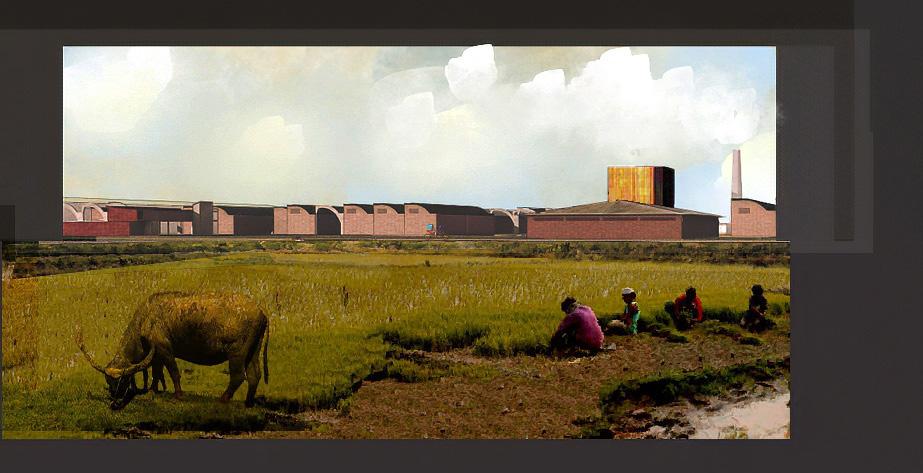
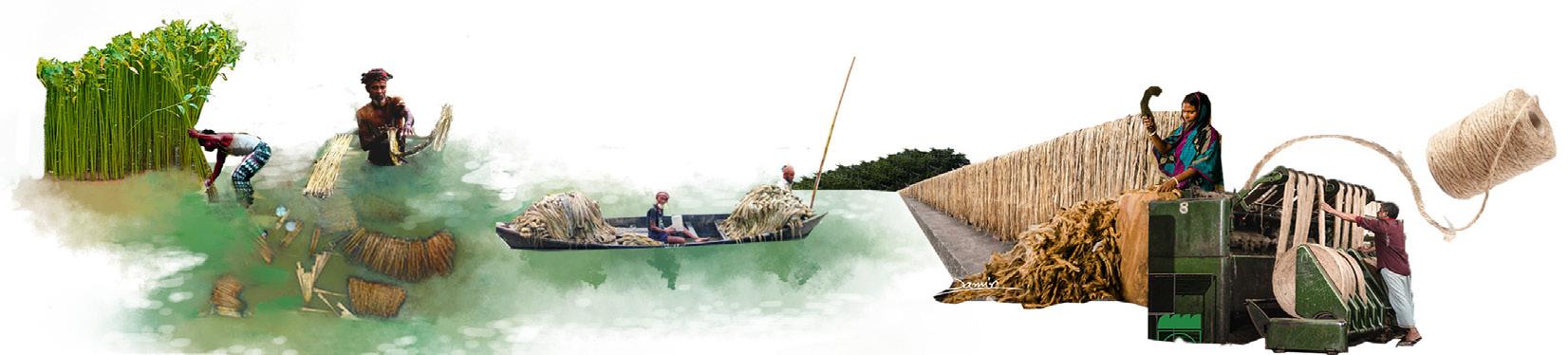
This project uses architecture and design to revitalize an abandoned jute mill to establish a place of living-working space that can help the surrounding communities. Inspired by the communal traditions around rice cultivation, the project reinterperates the arduous process of jute milling as a communal activity to create spaces that can inspire community and traditions around the production of jute products.
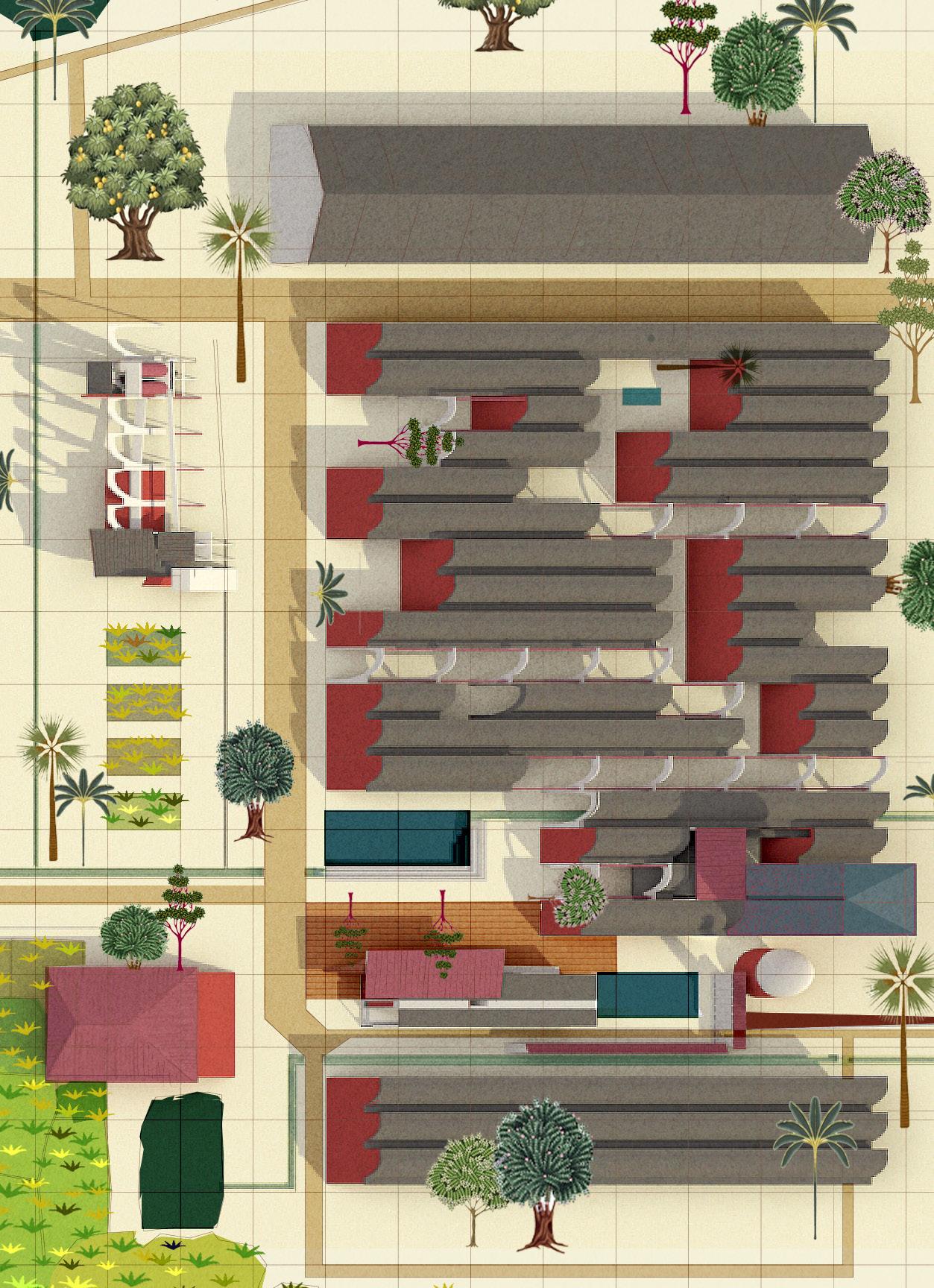
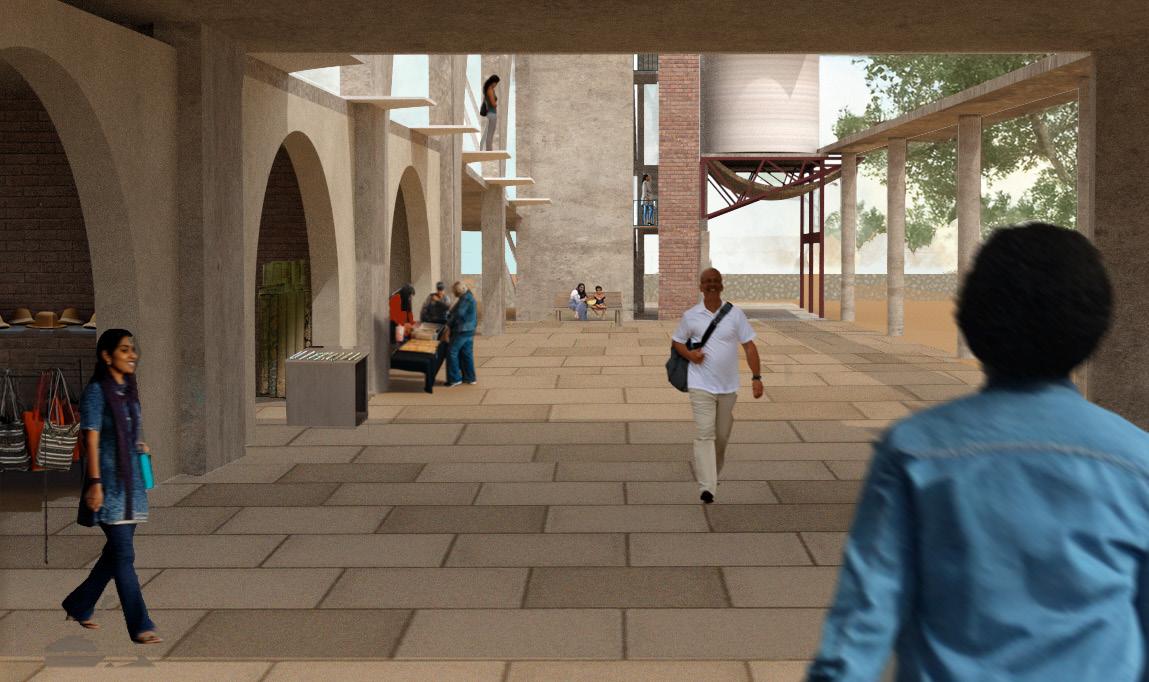
The existing expansive and repetitive colonial-era factory invokes ideas of mass production. My proposal breaks these structure strategically with alleys and courtyards to allow spaces that reflect a more human scale enviroment.
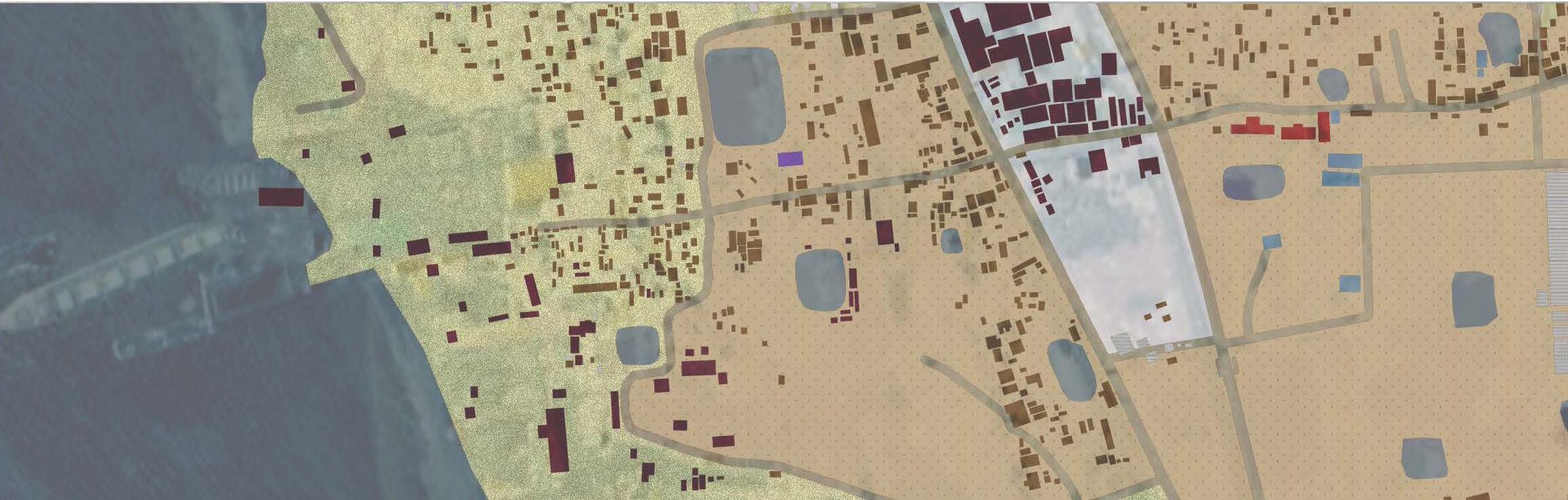
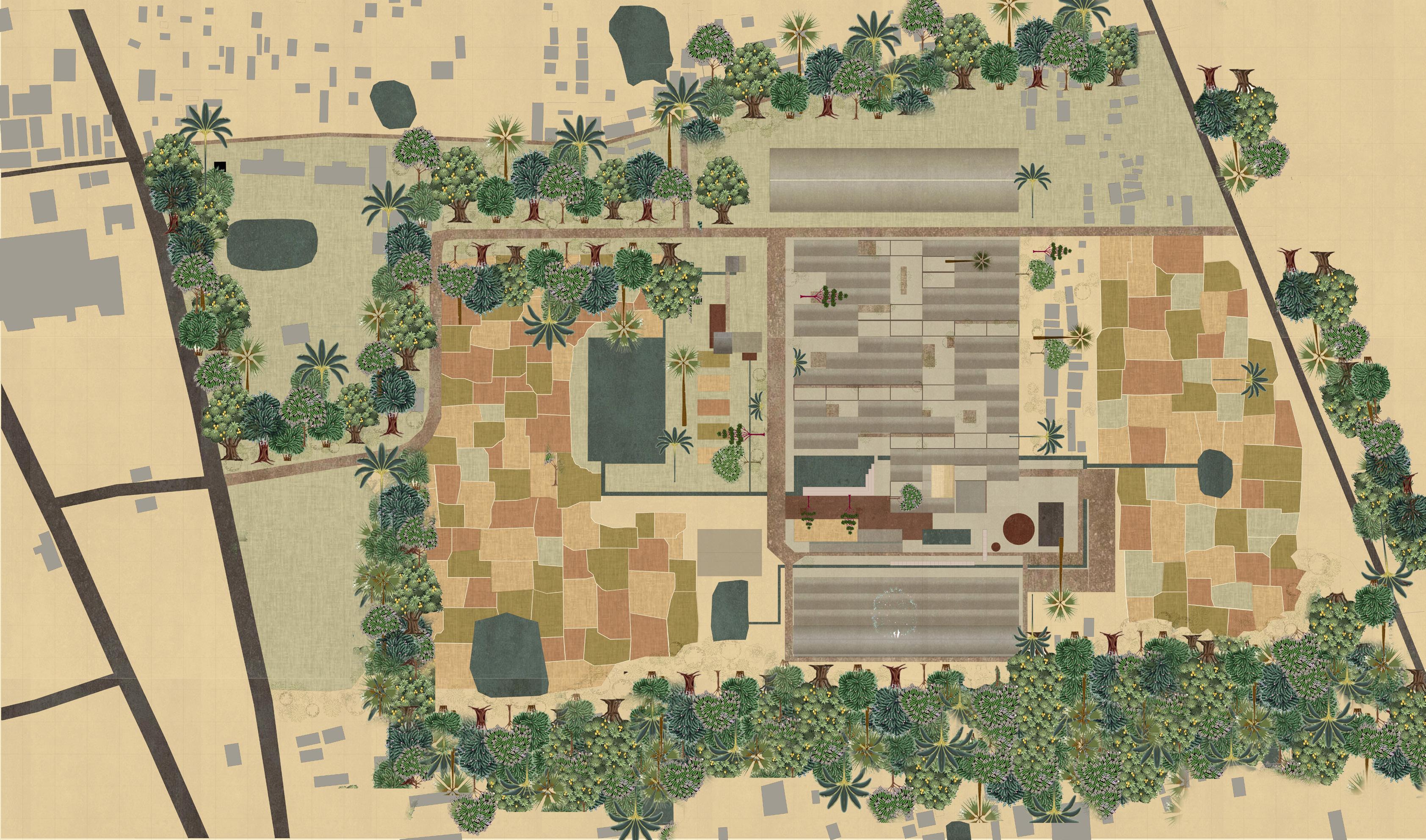
i. Communal workspace
ii. Renovated A factory
iii. Visitor center
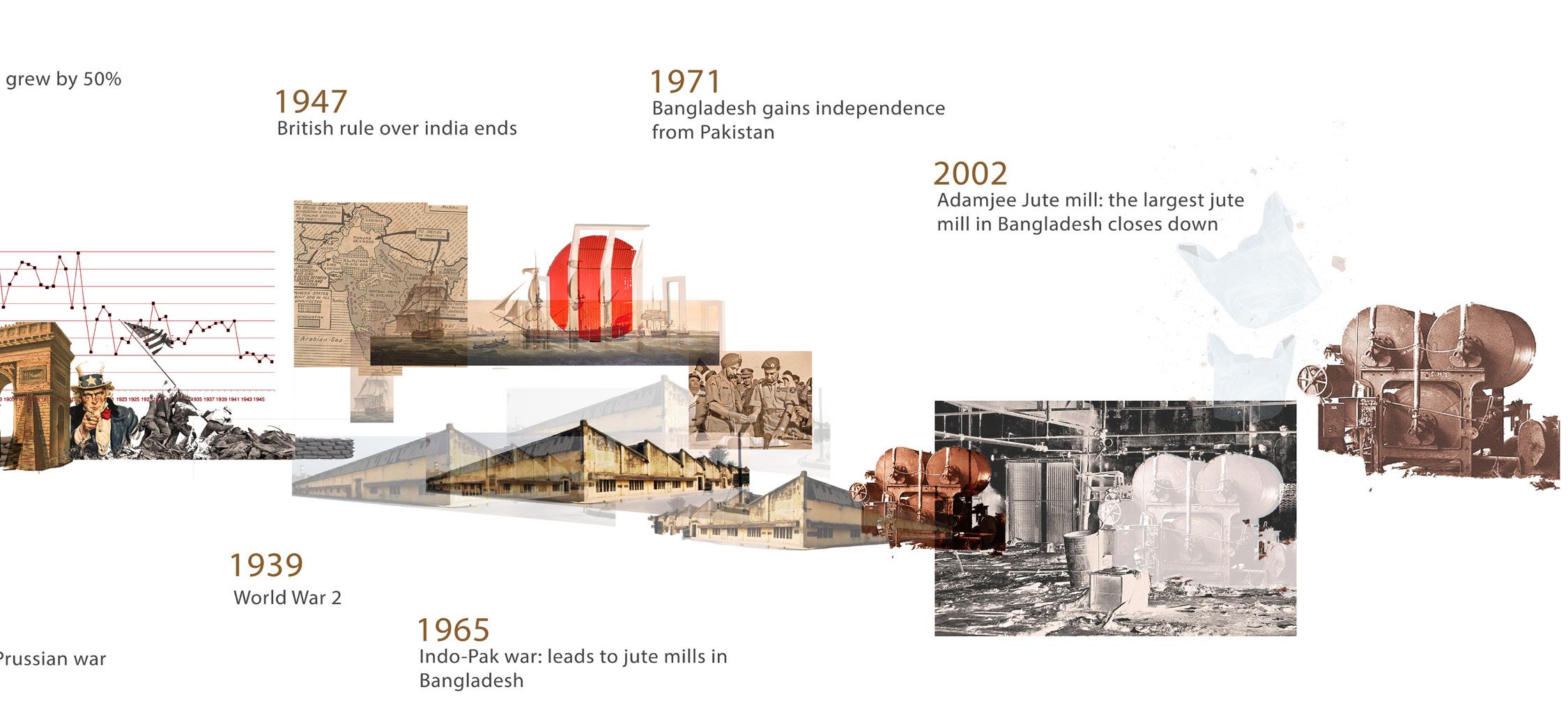
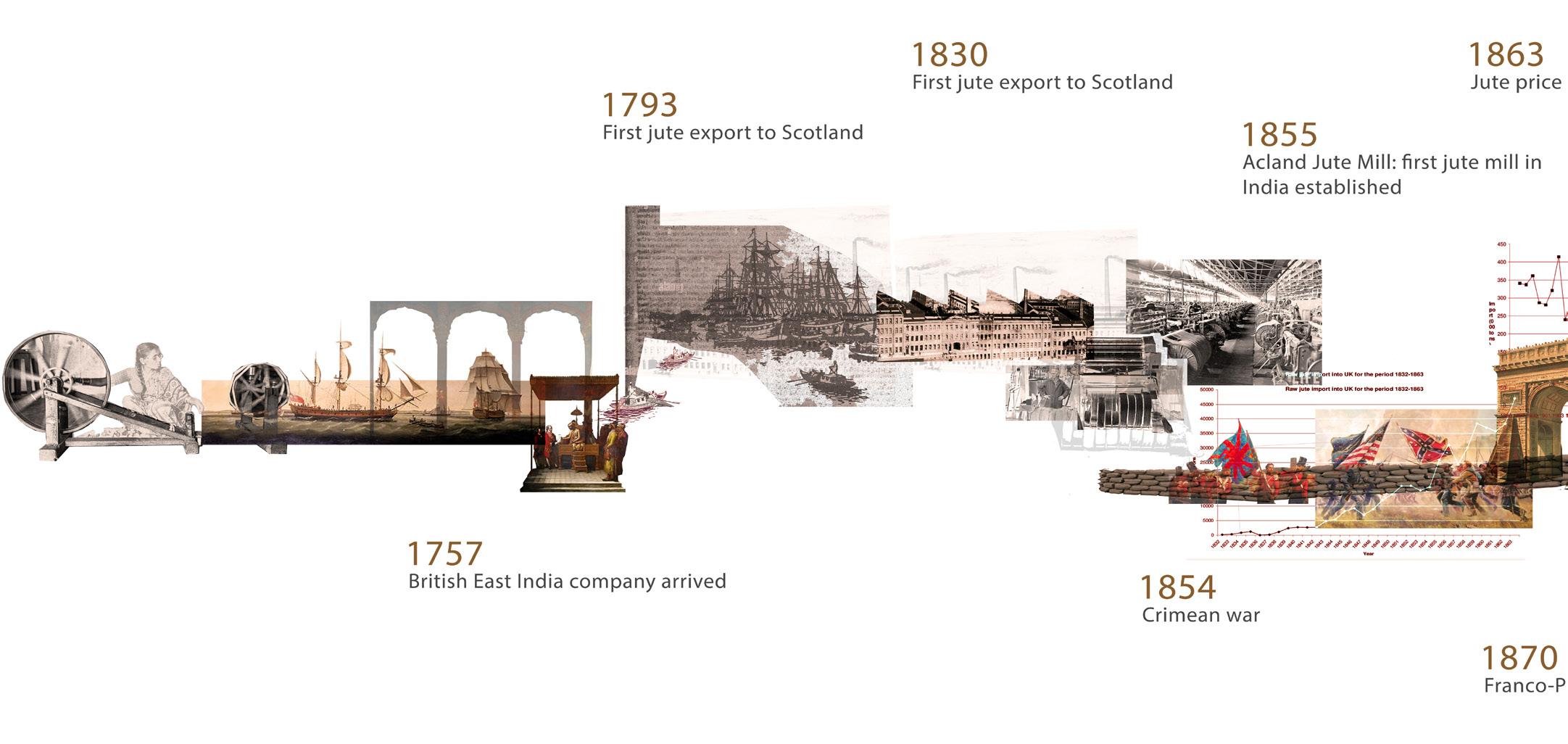
Timeline: significace of Jute in Bangladesh
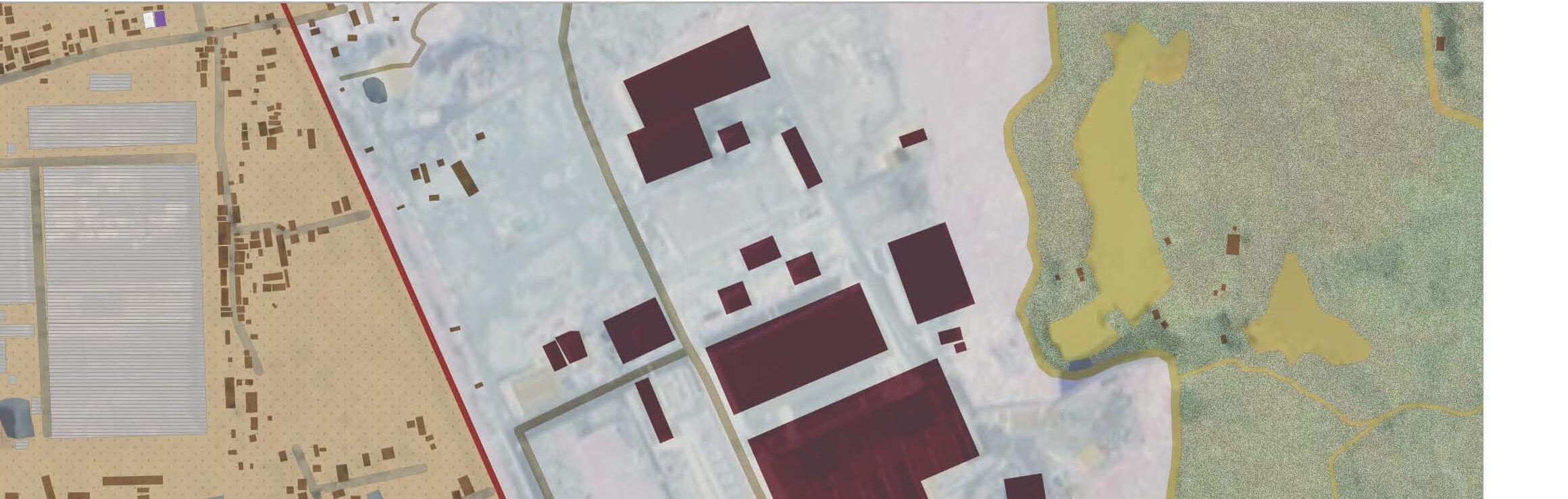

The existing expansive and repetitive colonial-era factory invokes ideas of mass production. My proposal breaks these structure strategically with alleys and courtyards to allow spaces that reflect a more human scale enviroment. The construction consists of 2 key parts.
The first is a visitor center that can help educate the population about the important history of jute and its potential in the future.
The second is the renovation of the factory and the construction of the central communal workspace.
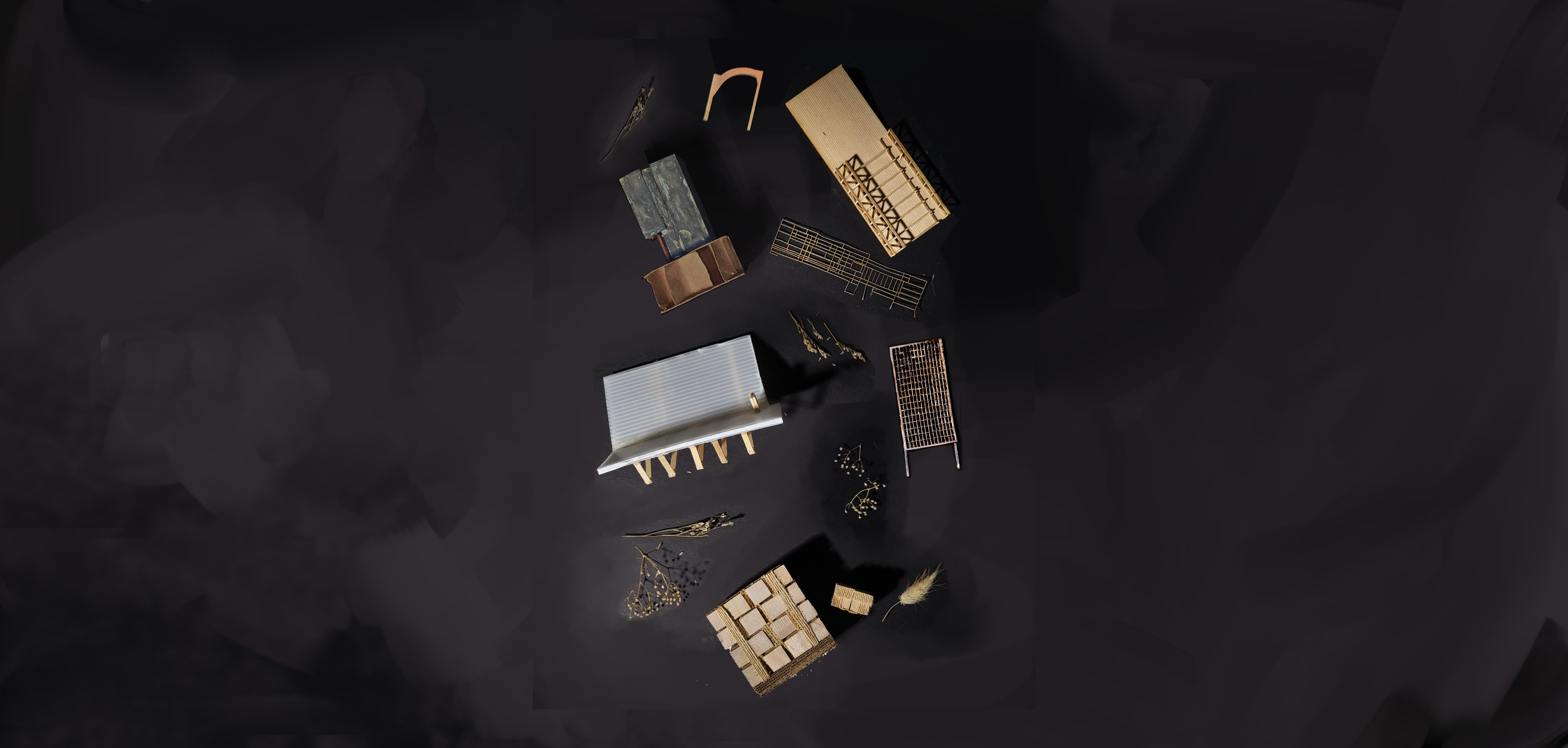
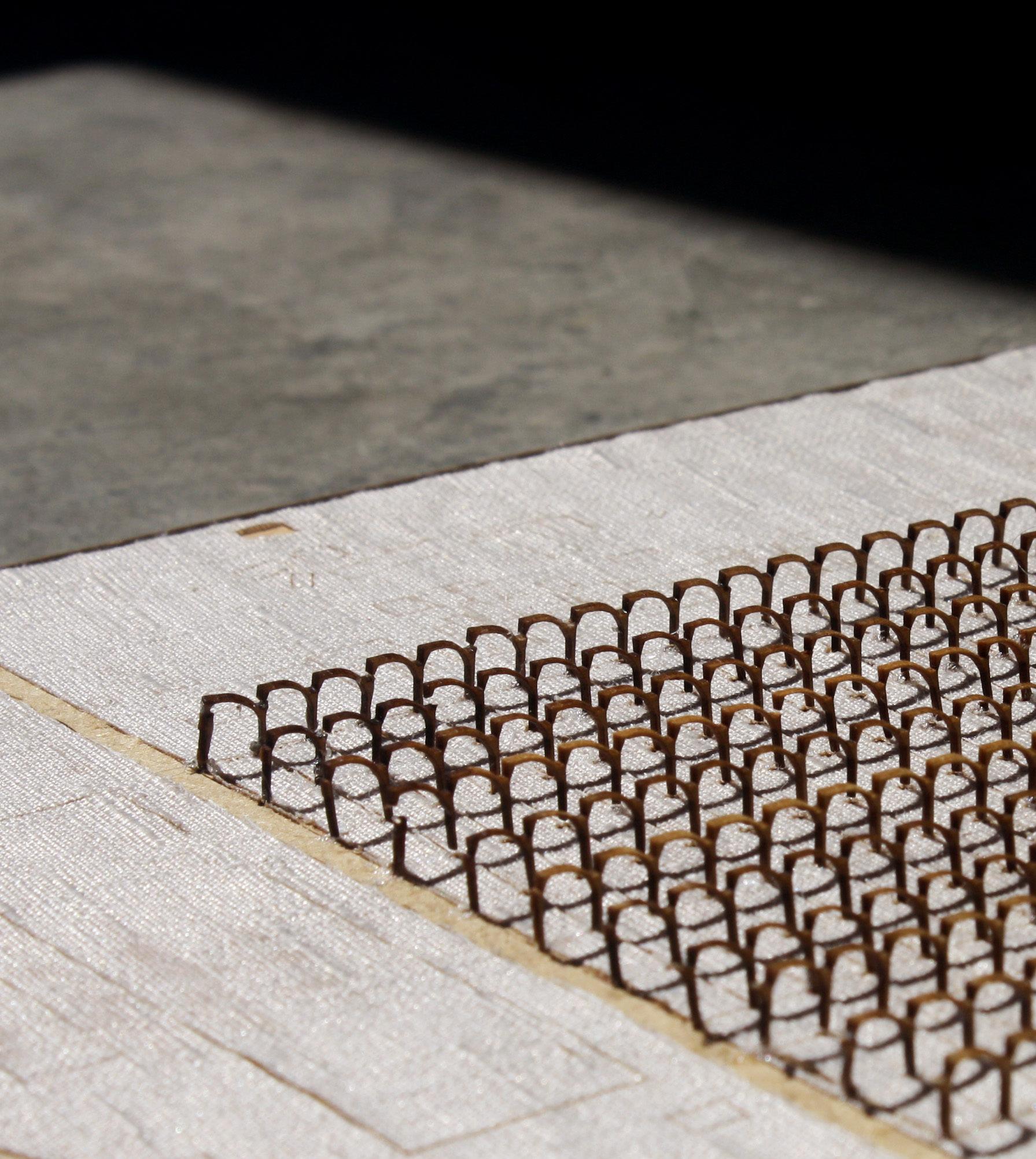
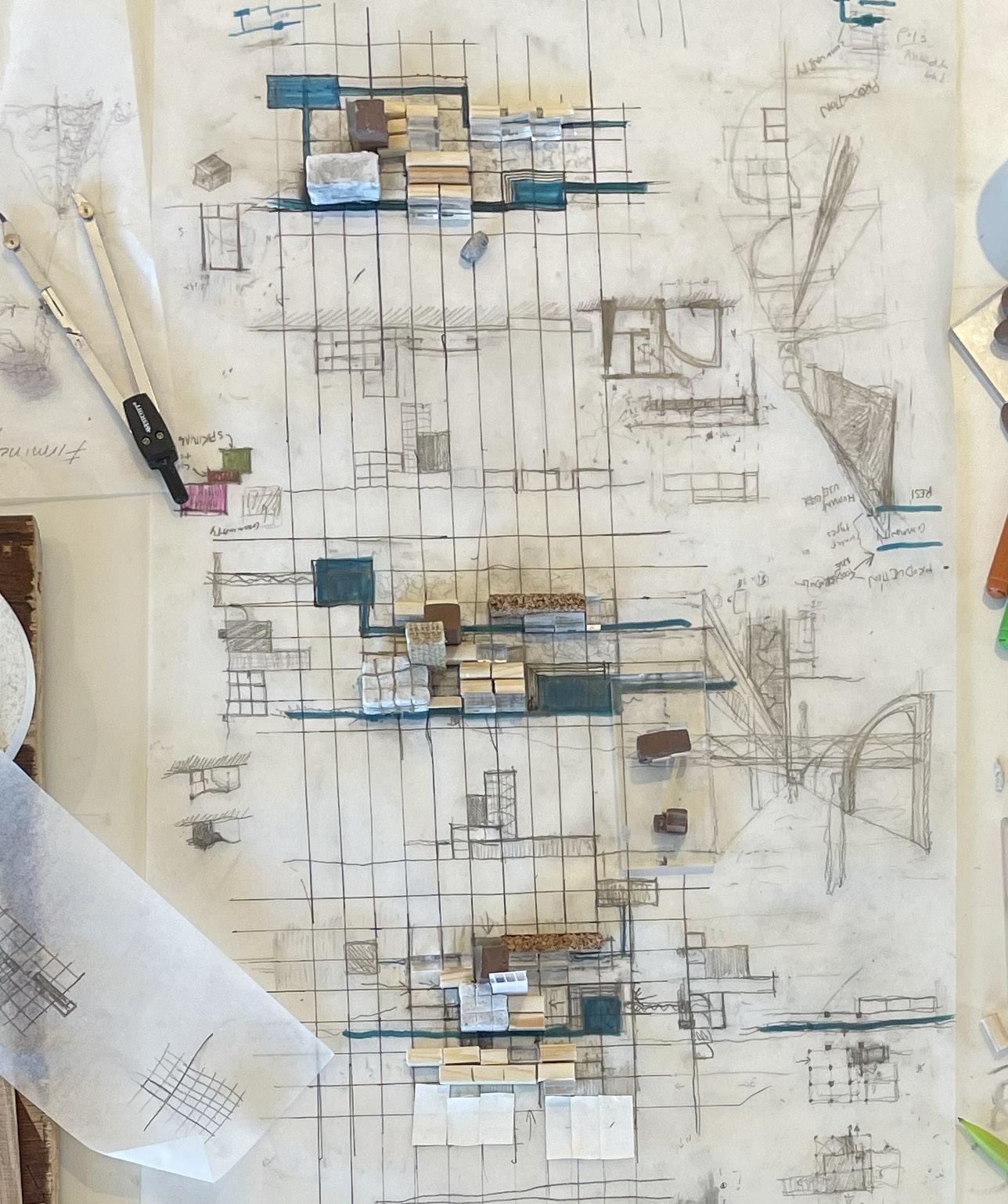
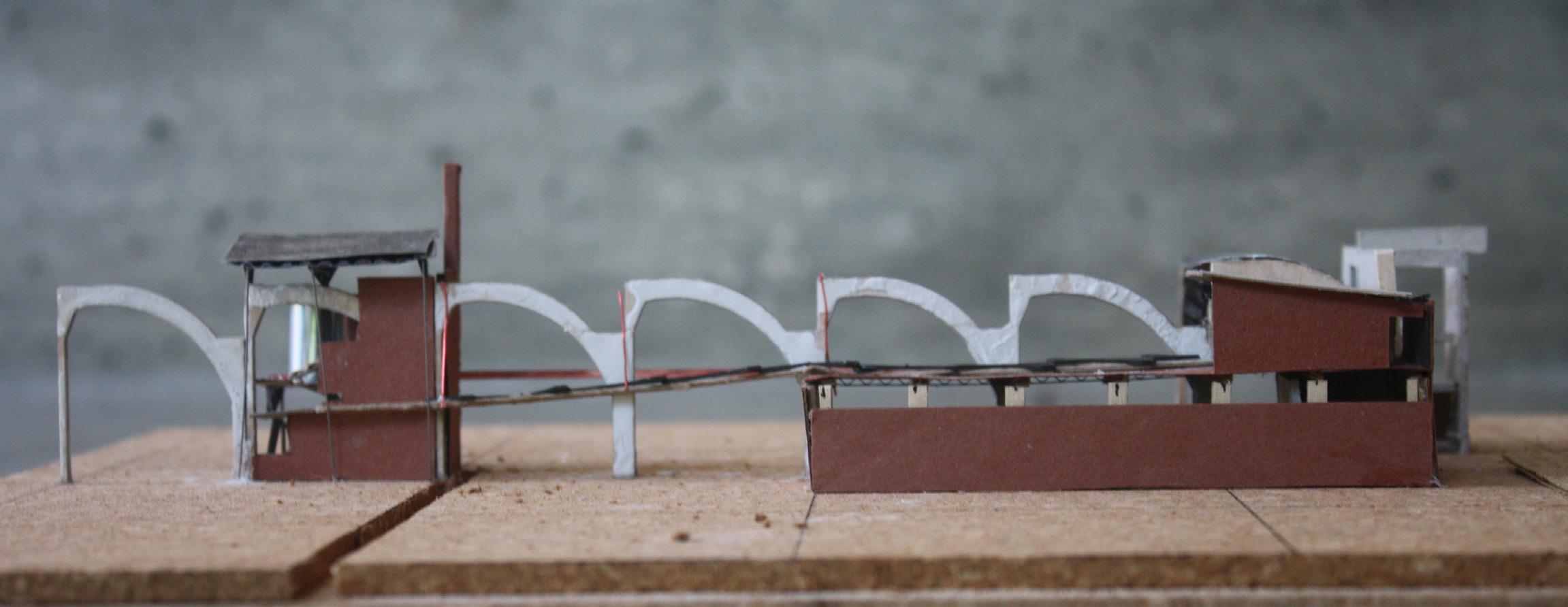
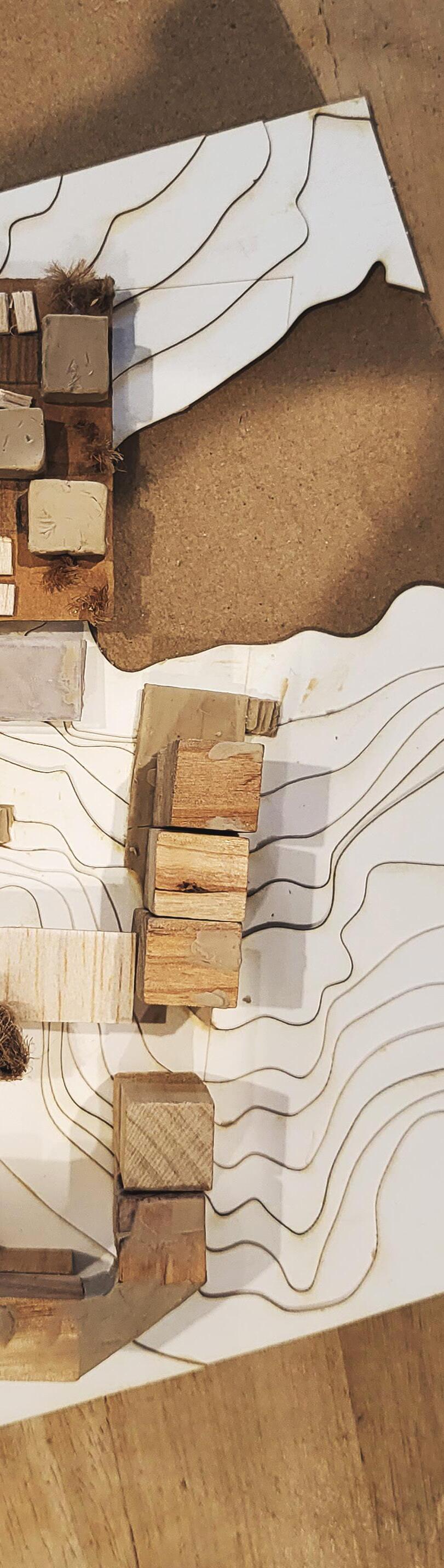
The modular, repetitive structure of the existing factory served as a framework for exploring ideas of subtraction and reinterpretation of its repetitive units. This exploration acknowledged and embraced the factory’s ruin as part of the renovation of the work community.
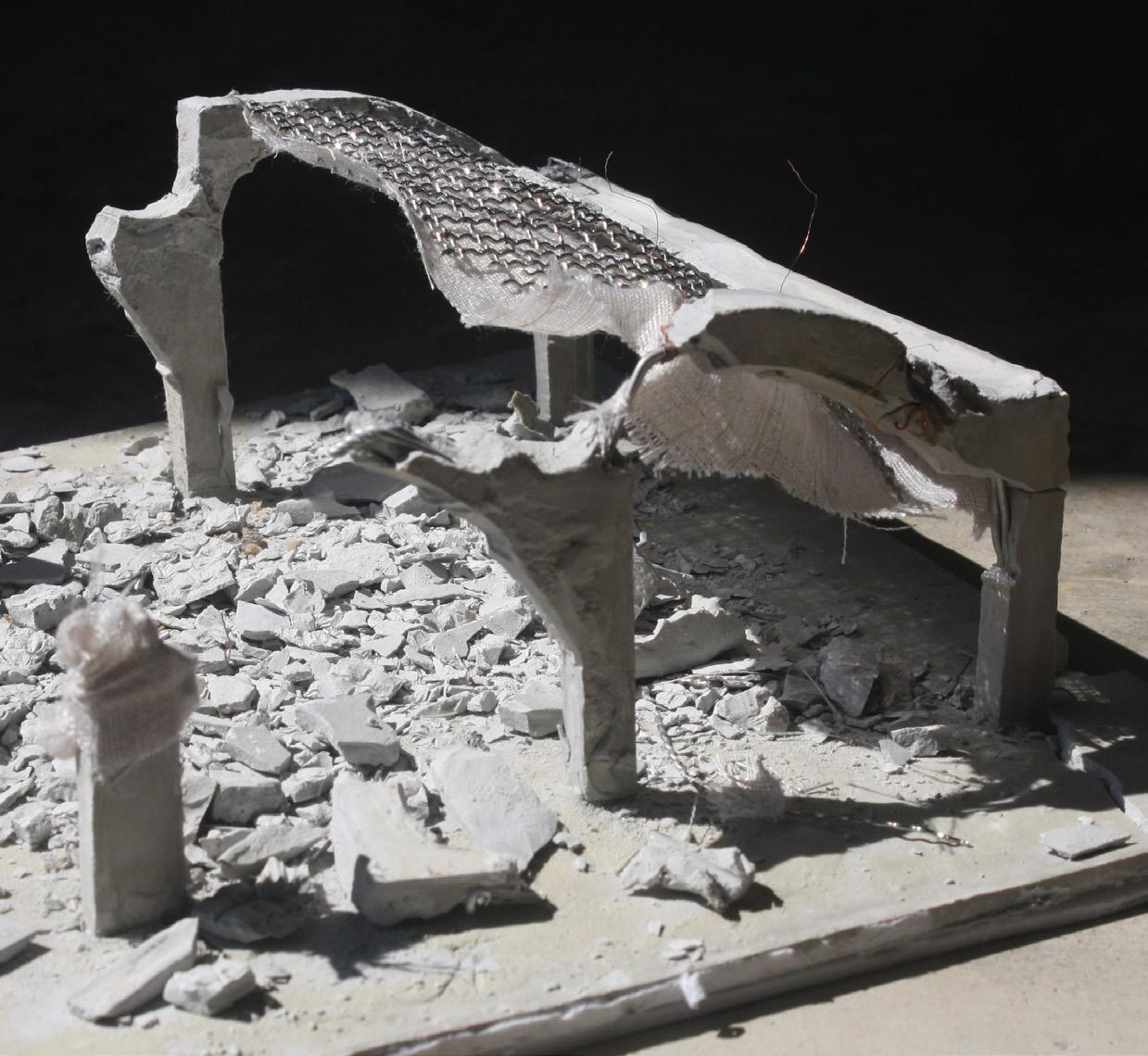
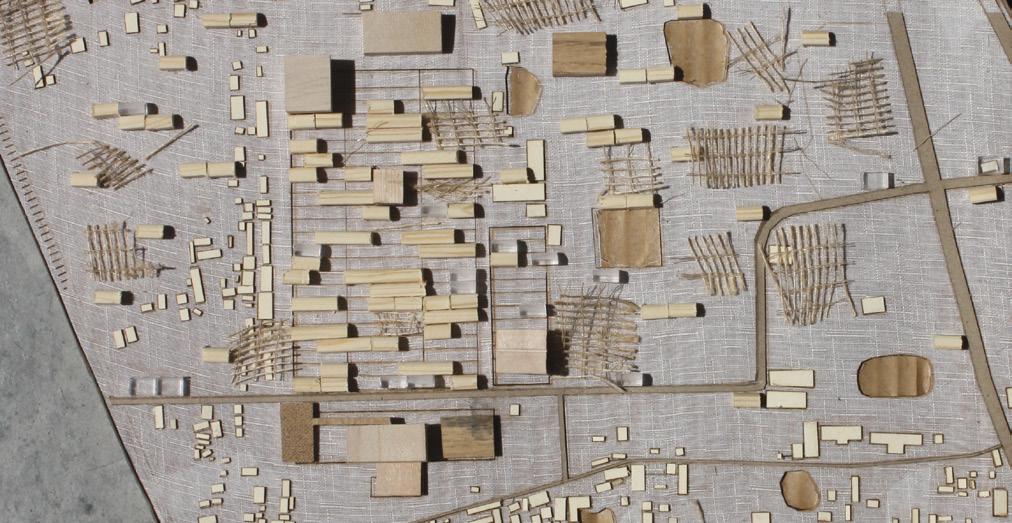
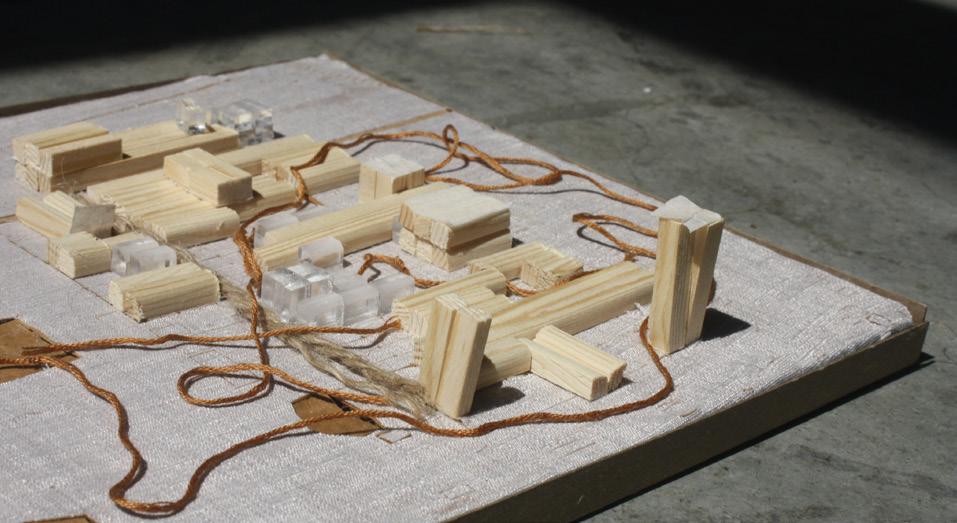
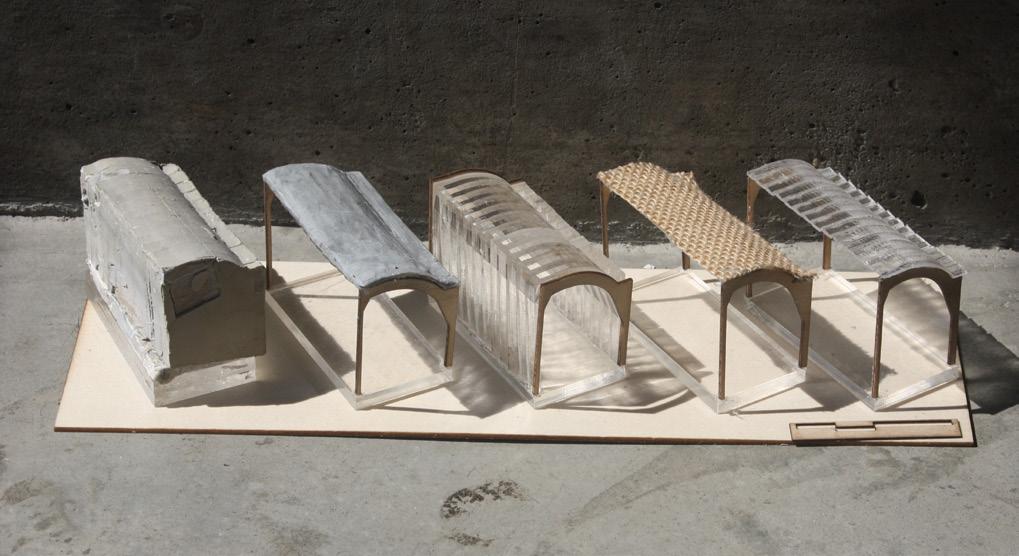
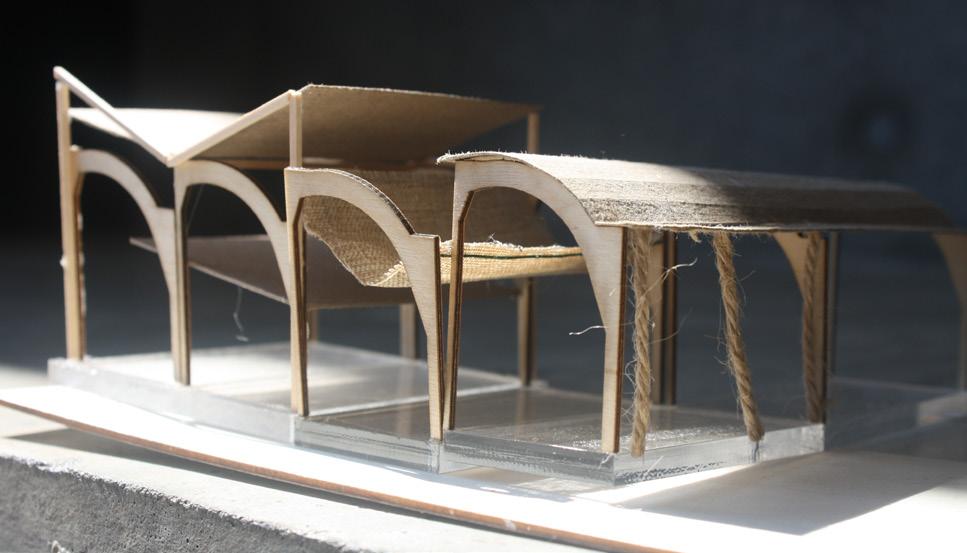
Existing structure model
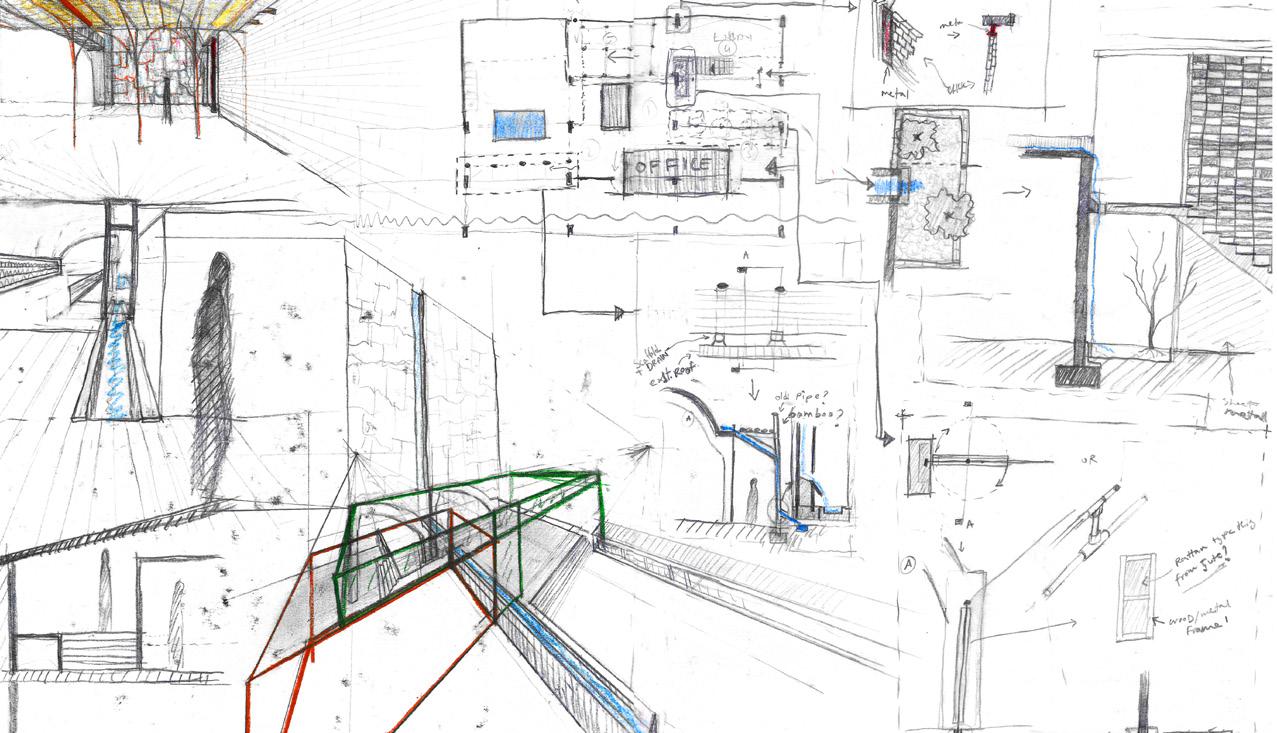
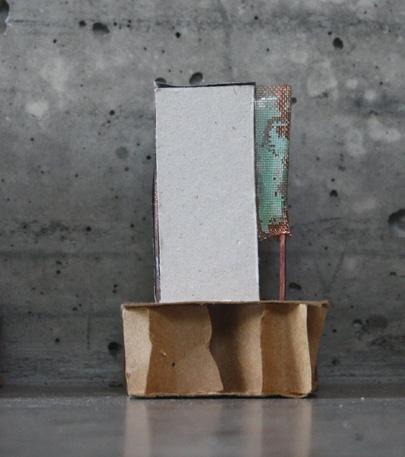
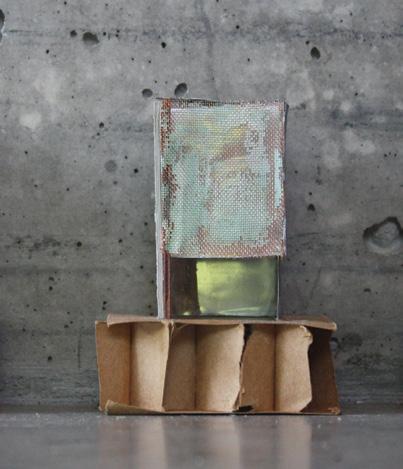
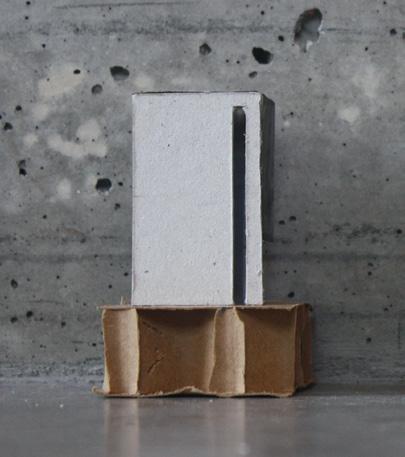
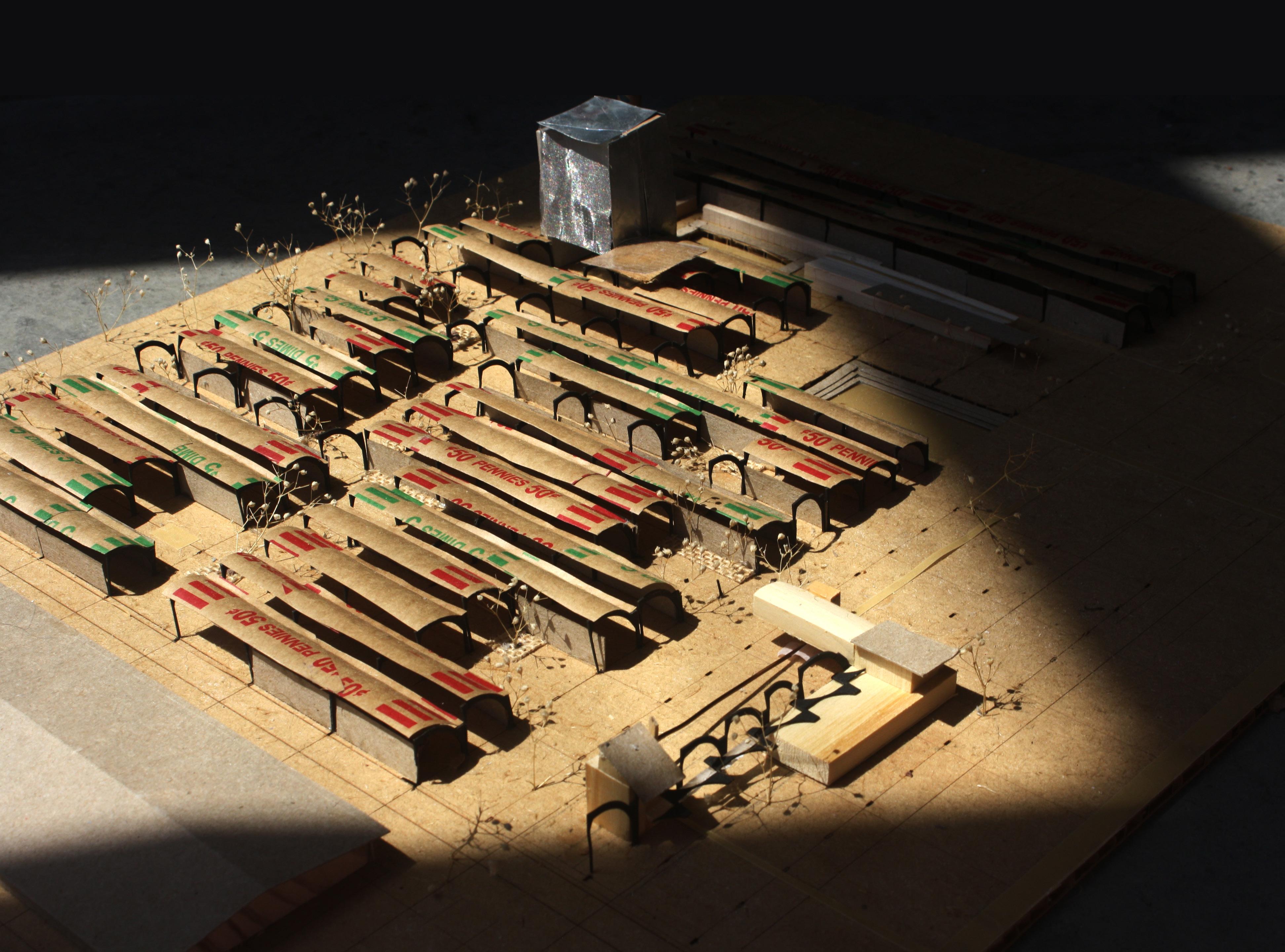
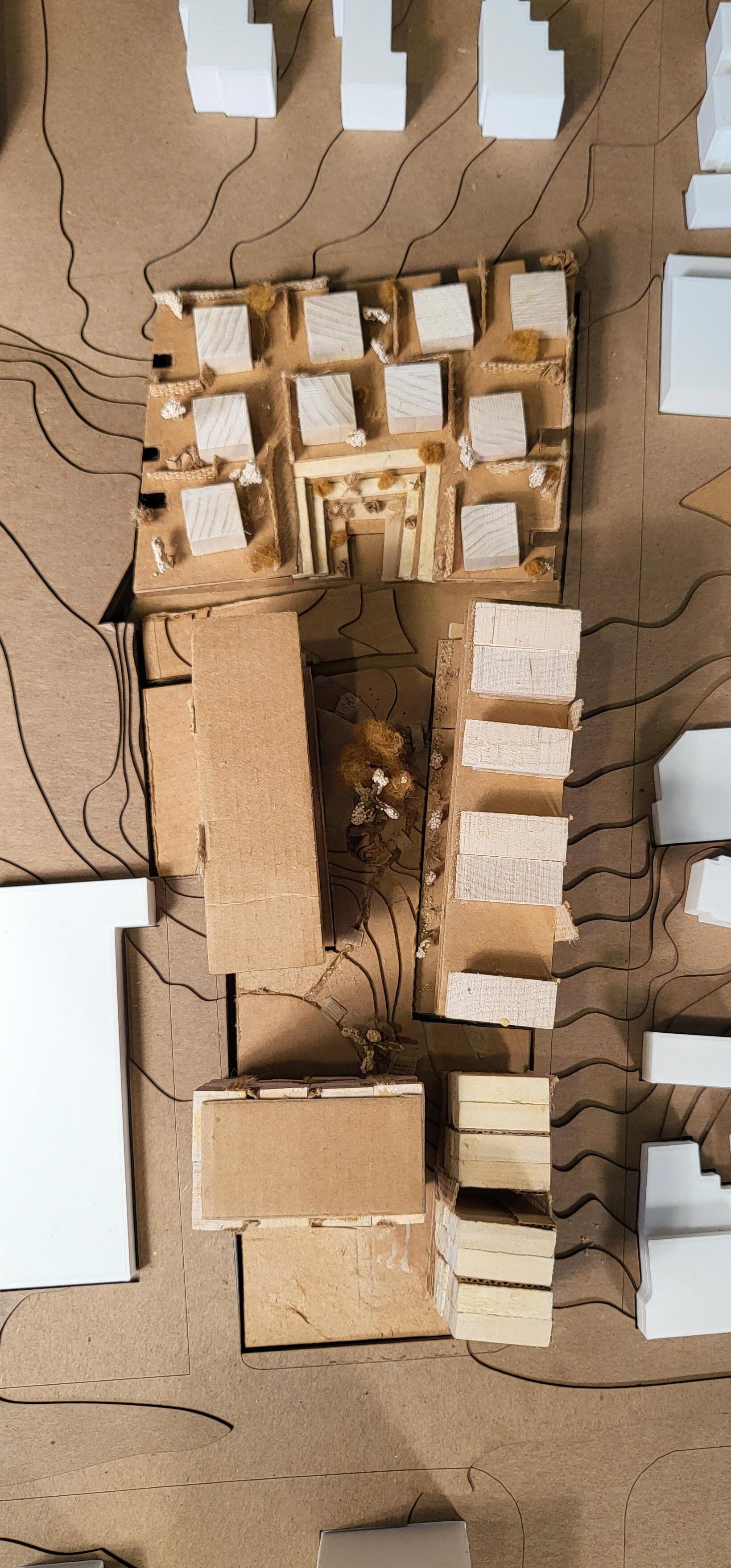
Processing raw jute and producing goods from it is a highly labor intensive task. The communal workspace is made with this process in mind. It is built around a large pool for jute retting and processing. Indoor and shaded work areas, office spaces, childcare and a library surround the courtyard.
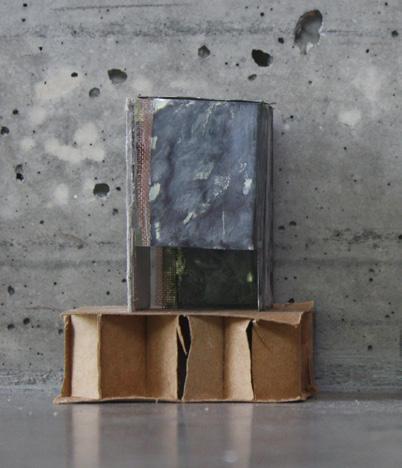
The monumental building that marks the center of the couryard is the Mosque. Cladded with reclaimed ship metal marks the site, emphasizes the importance of the space. It also provides a space for child care, education and communal gathering.
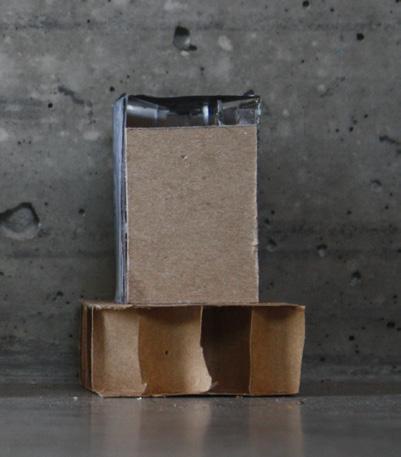
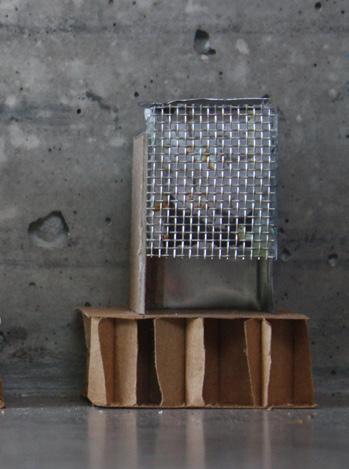

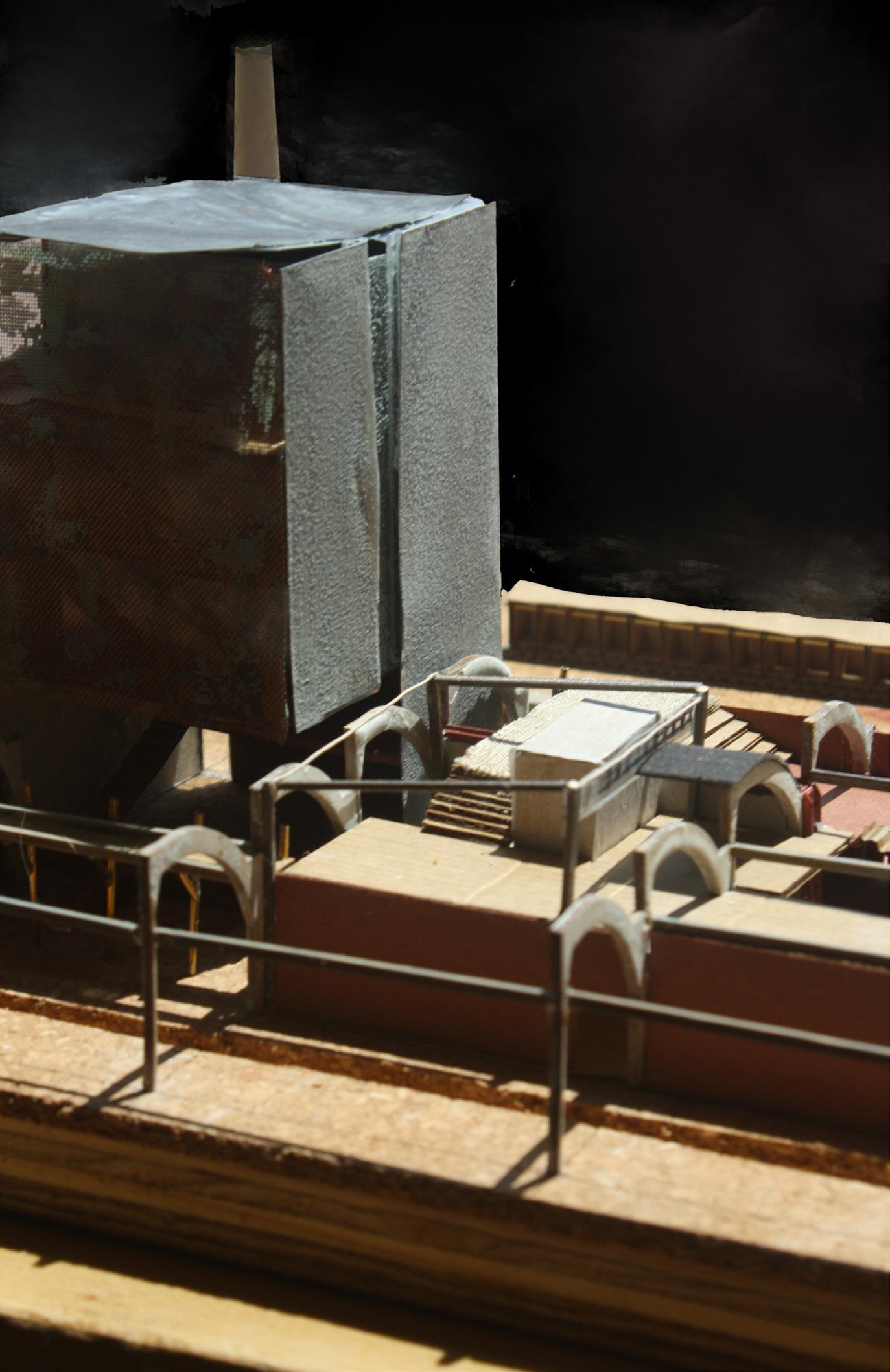
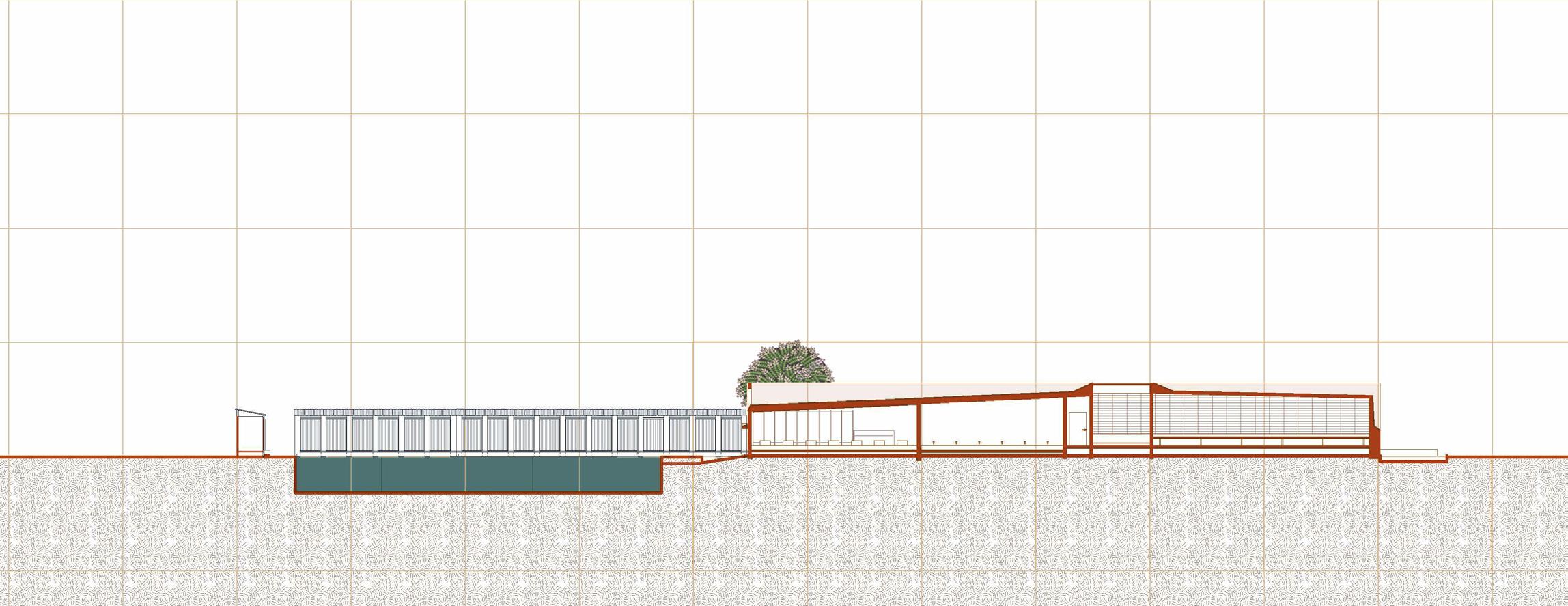


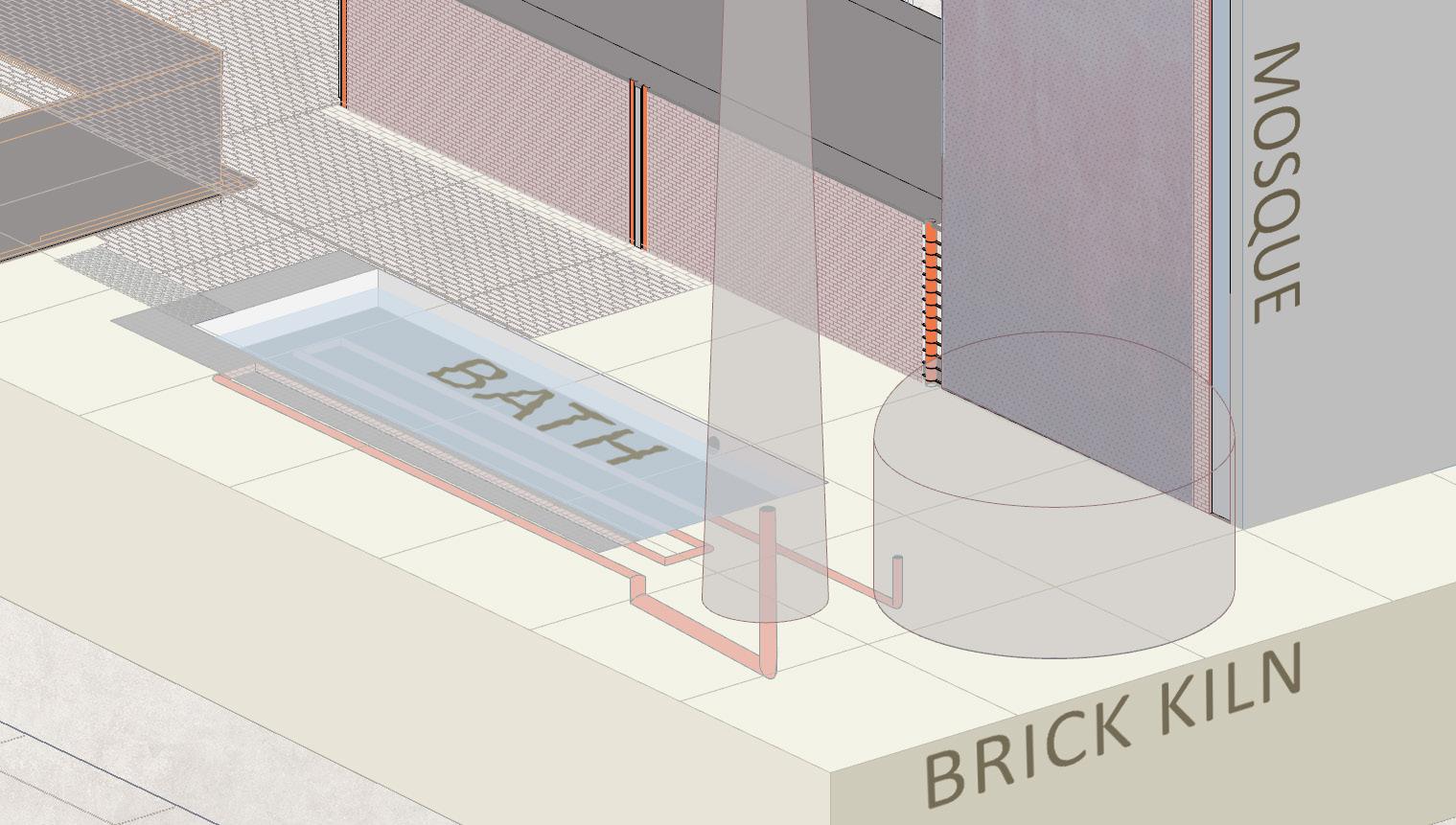
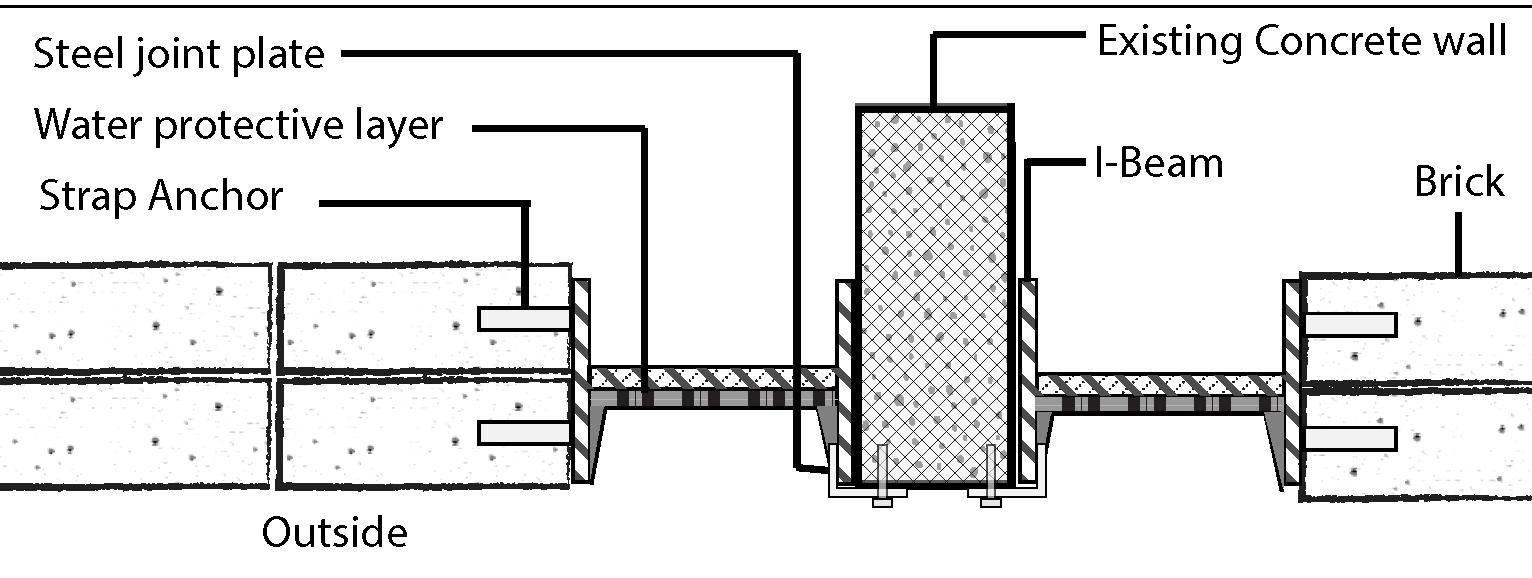

Nestled in the corner of the courtyard, the kiln provides residents and the wider community with material for future growth, while also heating the communal bath and its surrounding changing spaces.
Together with the mosque, these shared spaces transform the courtyard from a place of production to a communal ground where work, gathering, and living come together.
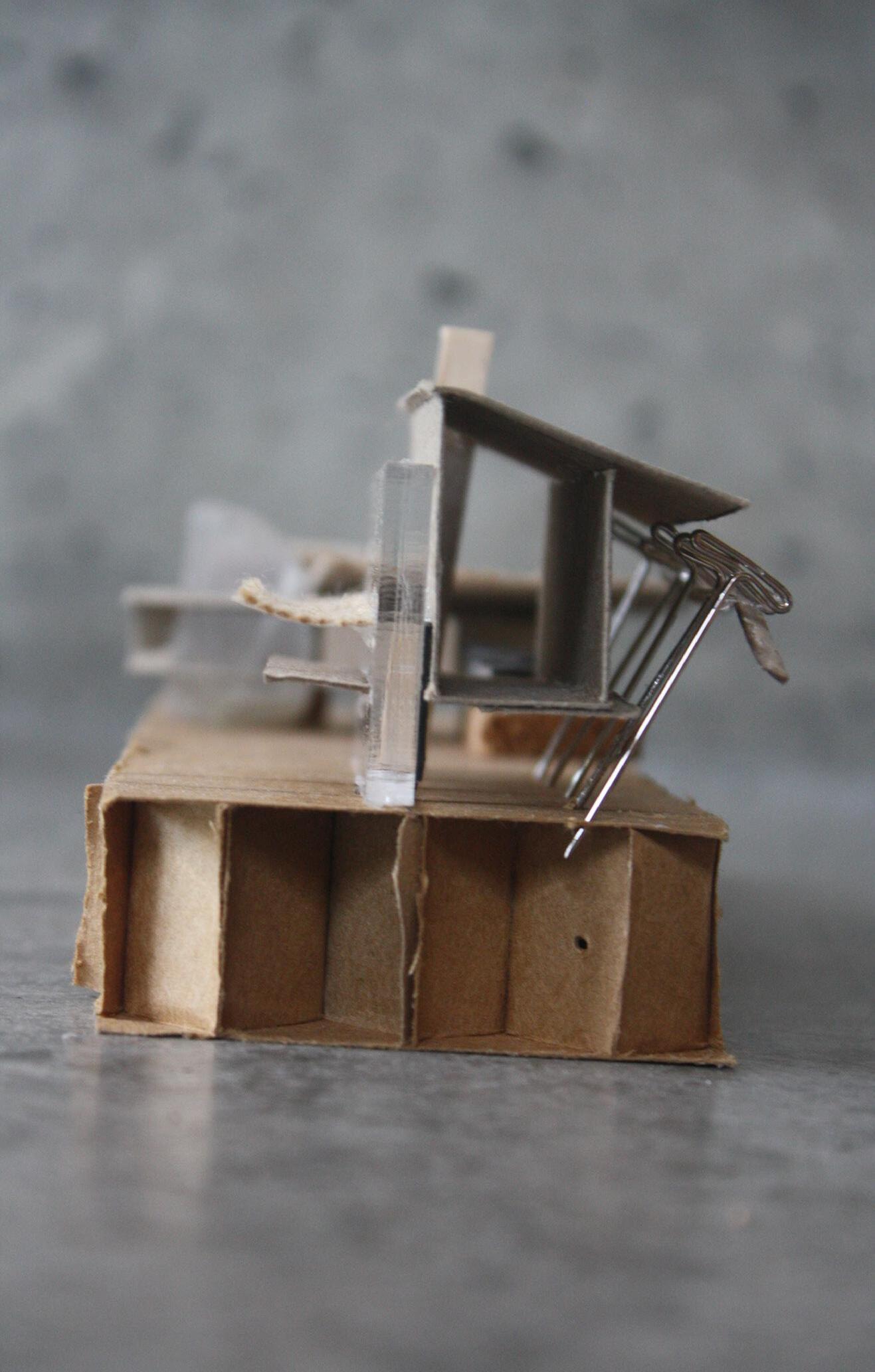
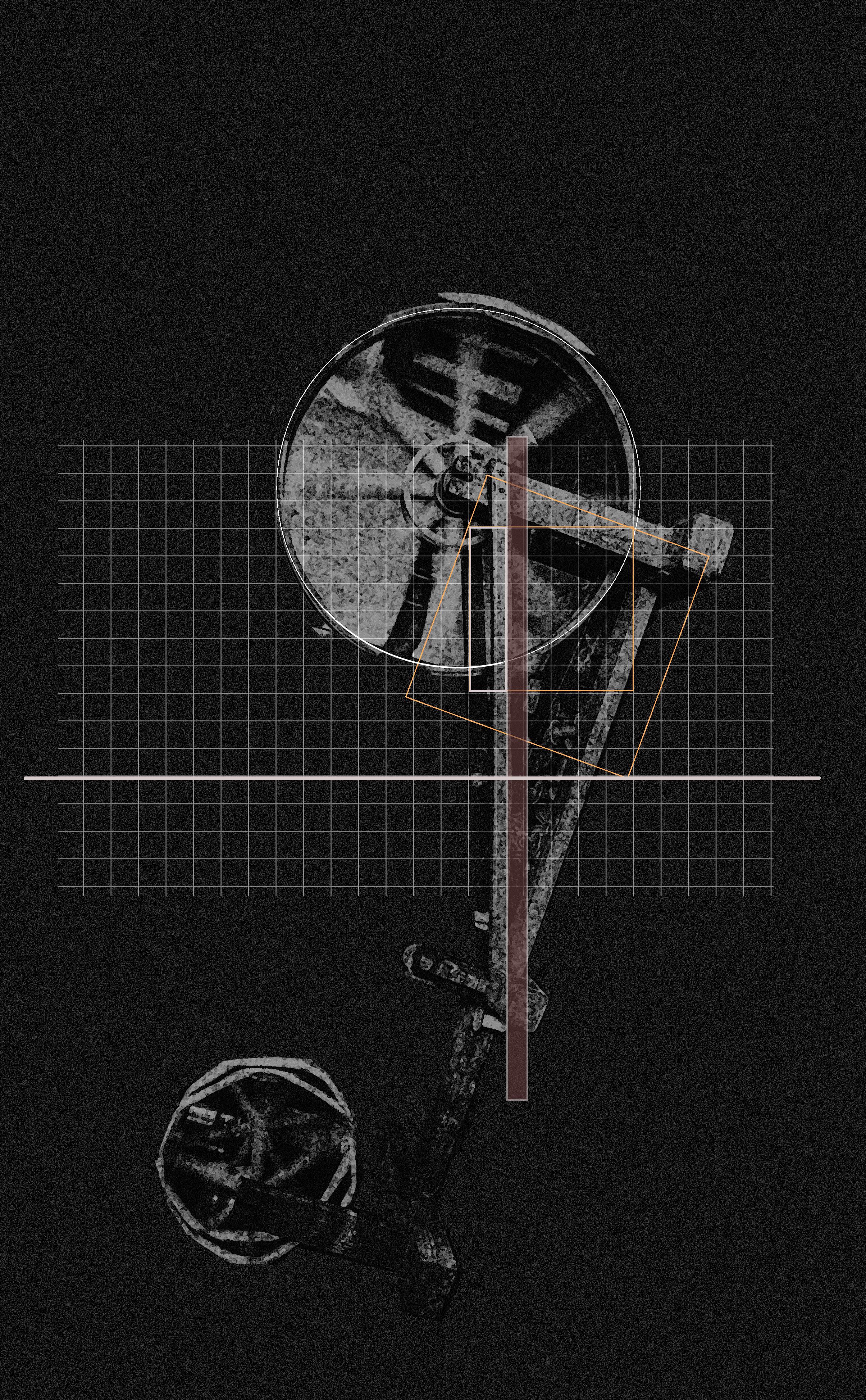
In Bangladesh, jute carries a perception of poverty. Its golden fibers overlooked and its potential left largely unexplored. The visitor center aims to challenge that narrative, bringing attention to jute’s rich history, its many applications, and the untapped possibilities that still lie ahead.
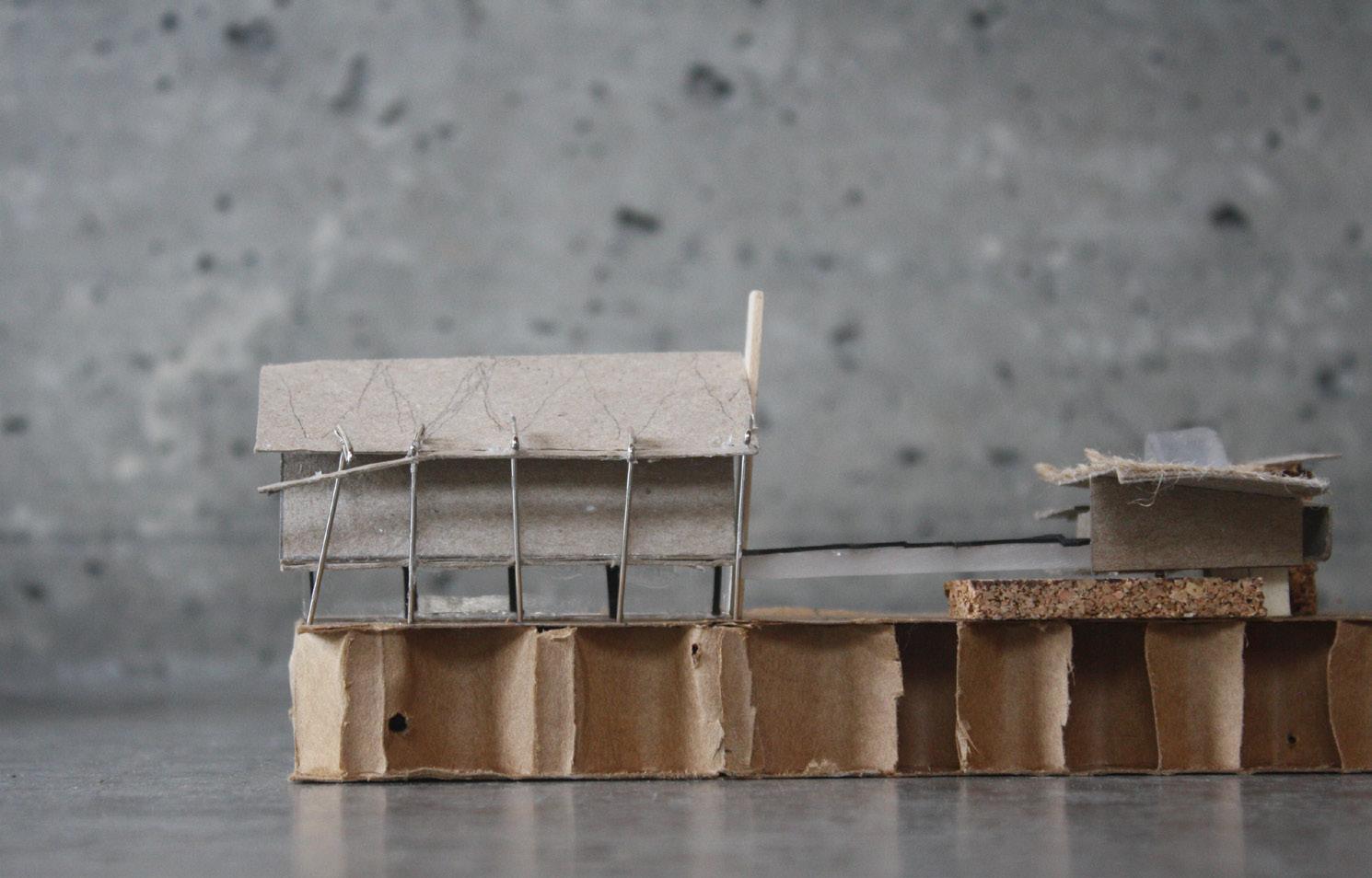
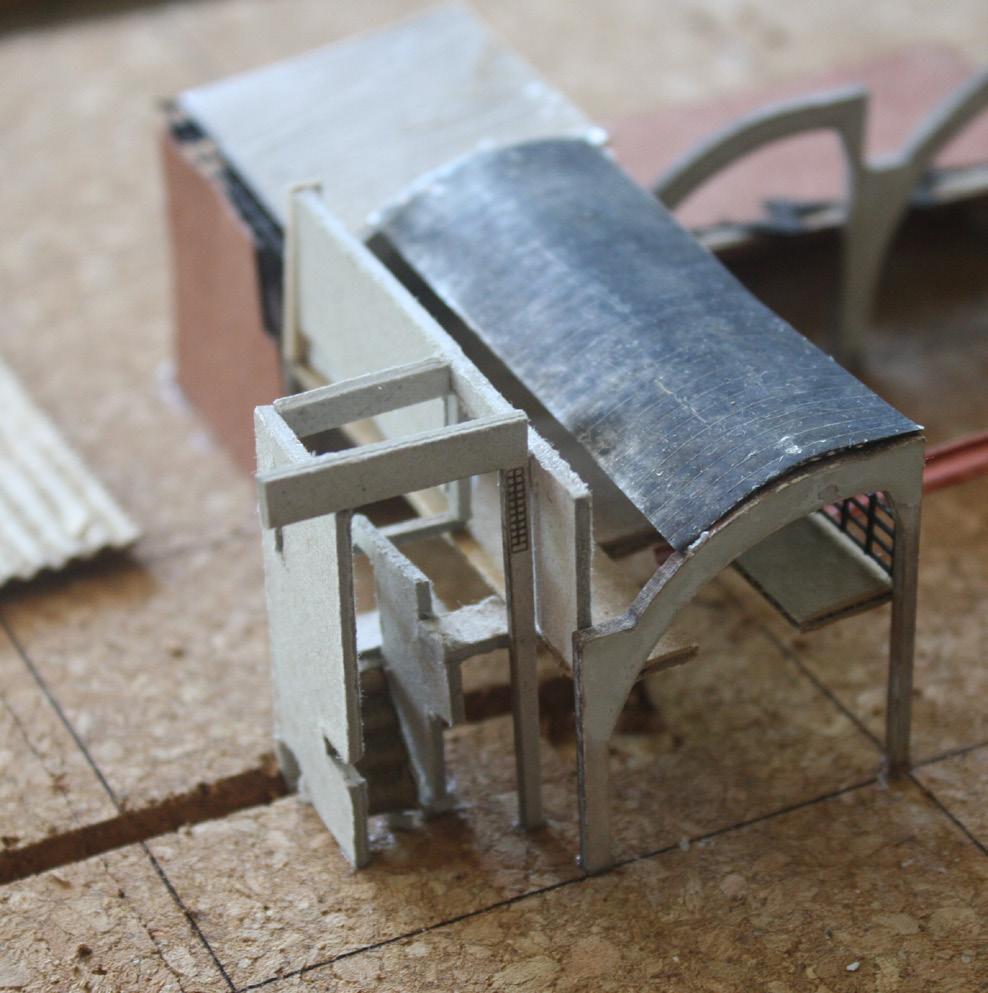
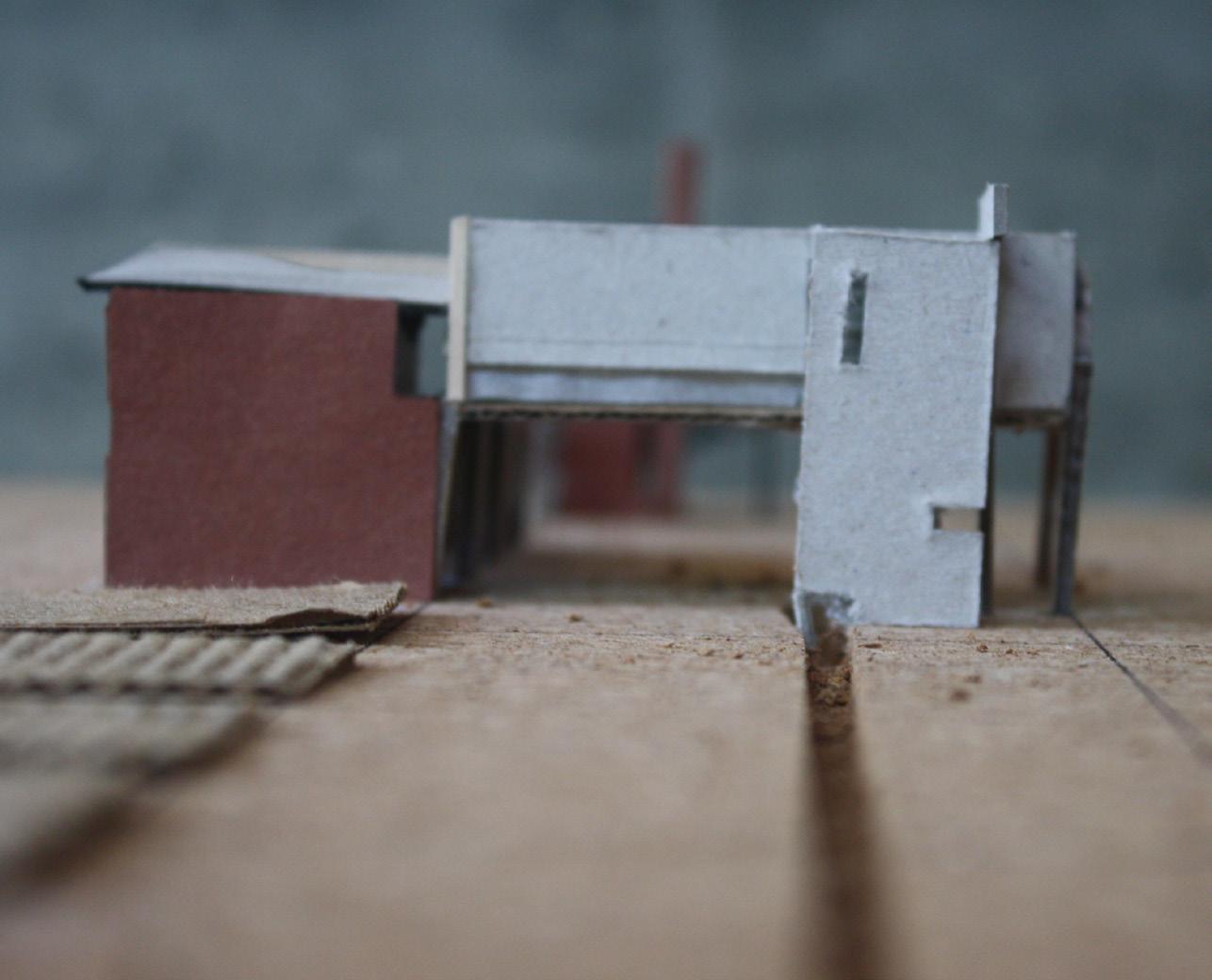
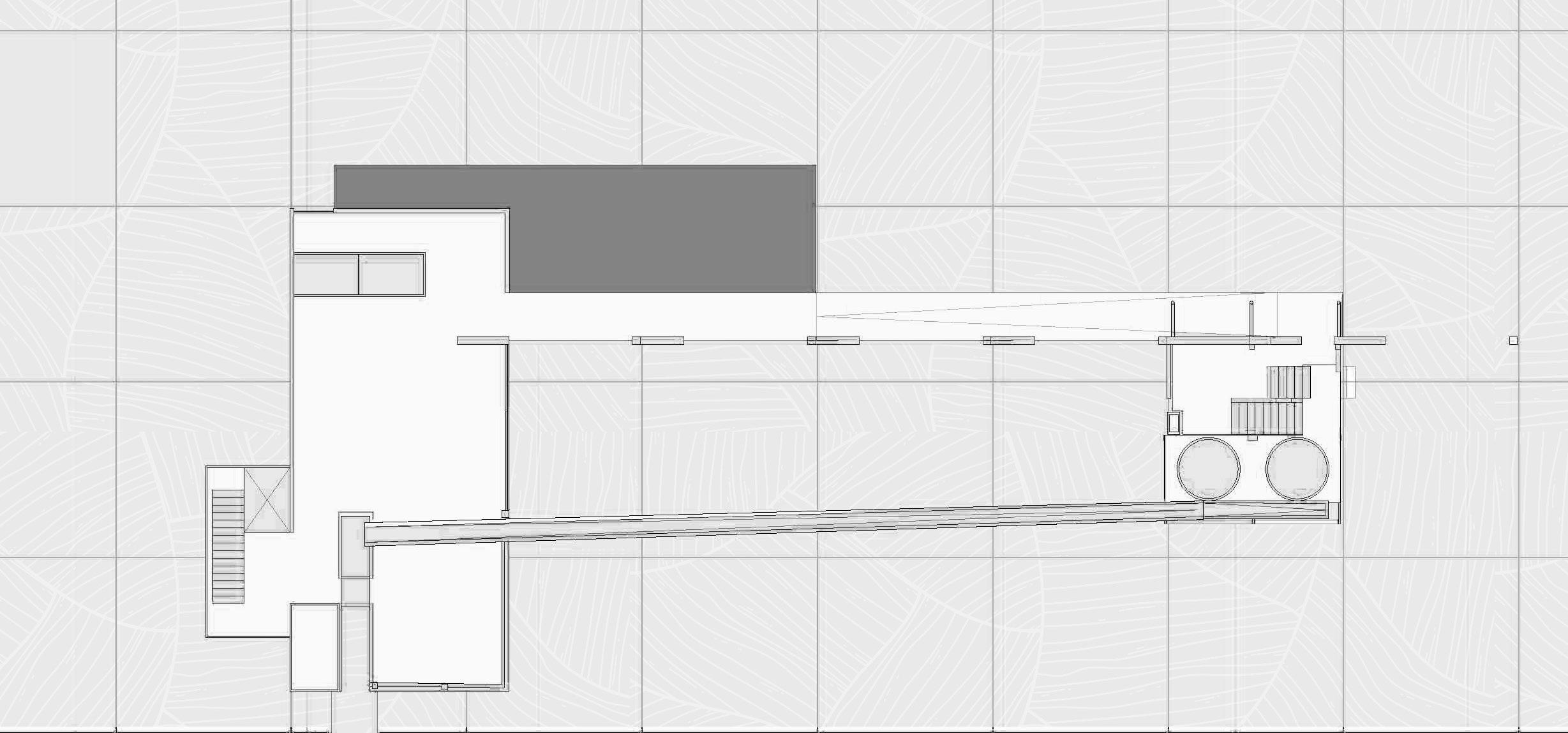
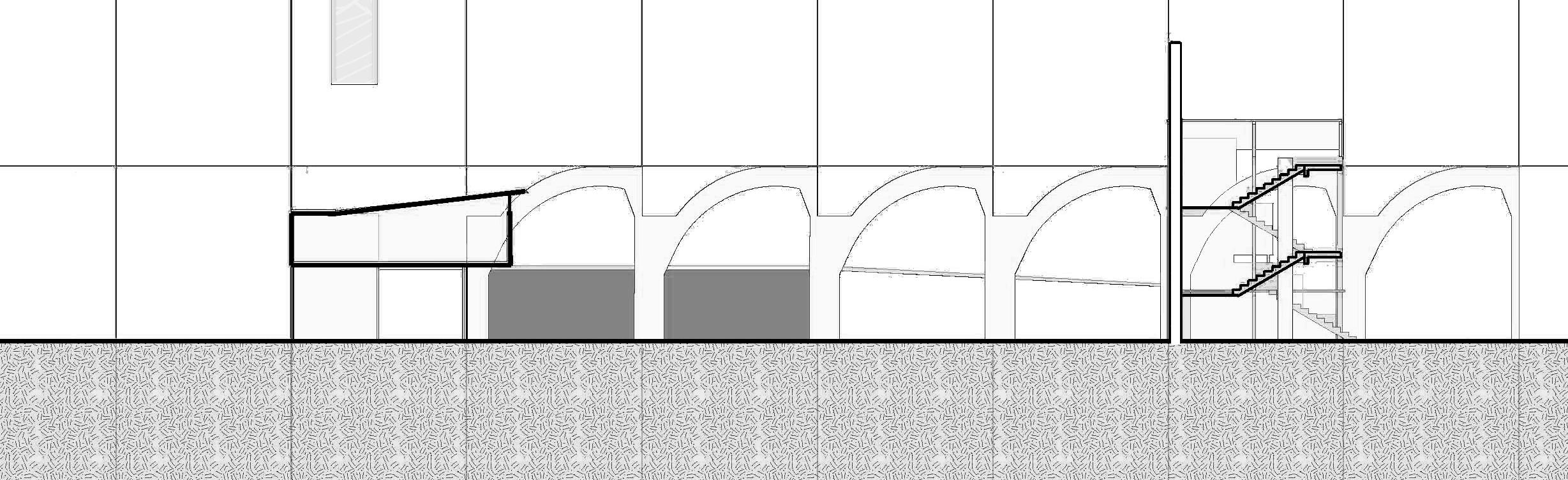
The visitor center’s form is rooted in the elements of the Hafiz jute community. A point of arrival welcomes visitors with references to both the jute process and the former mill’s structure, setting the tone for what lies ahead. As they cross the bridge, the factory’s modular unit unfolds around them, drawing attention to the material upon which the entire site is built

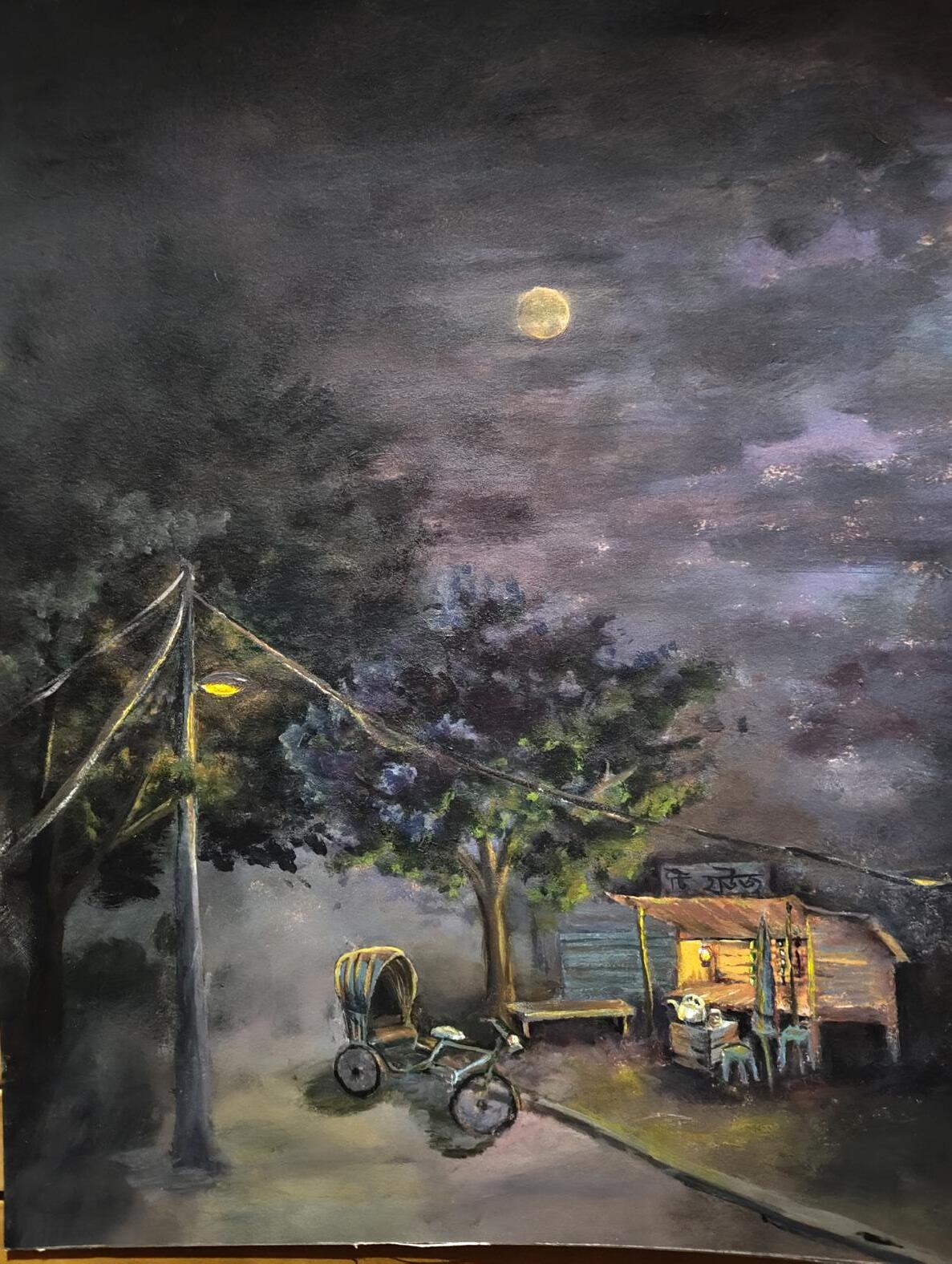
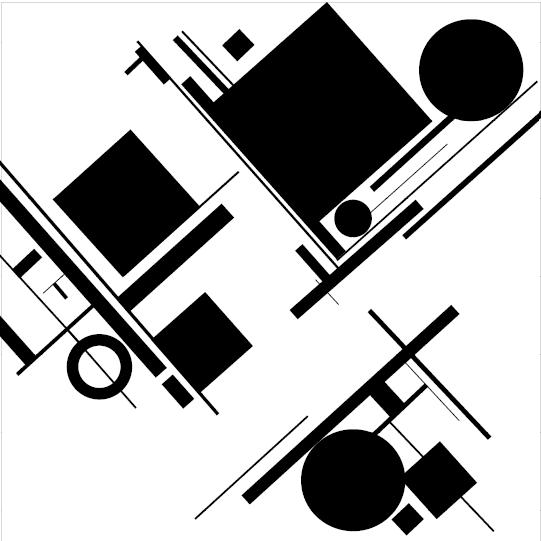

*DDS: Compositions
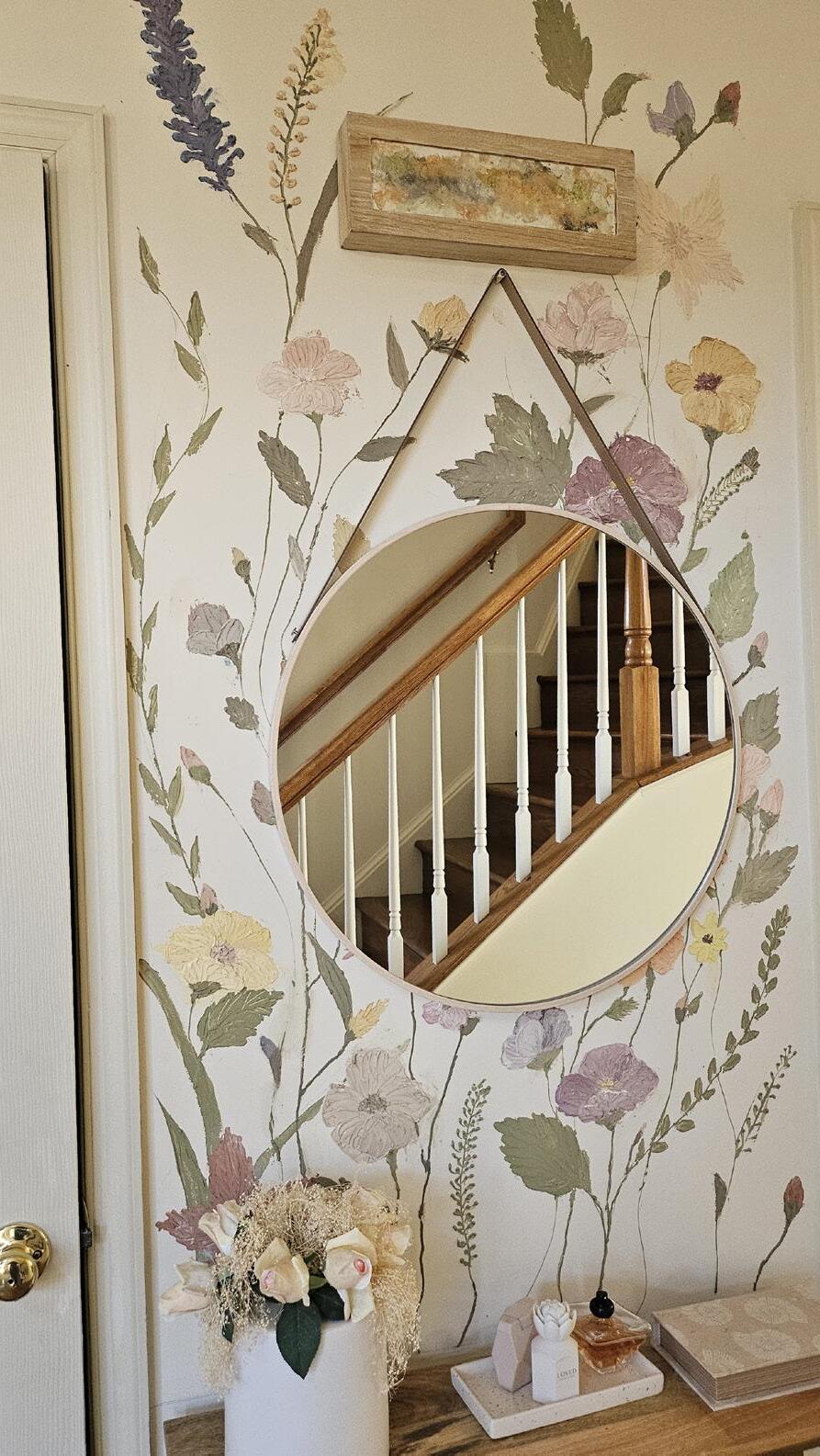
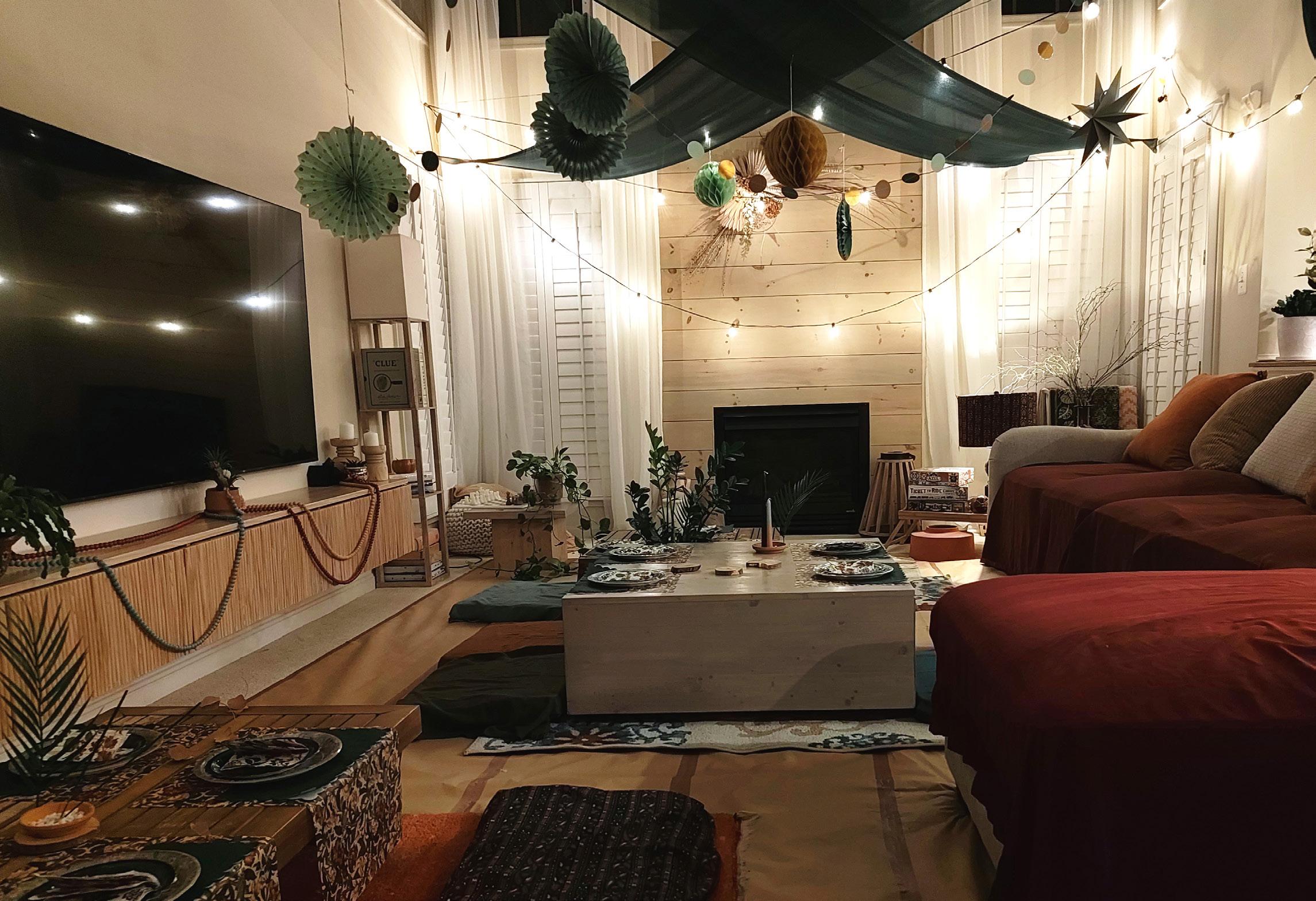
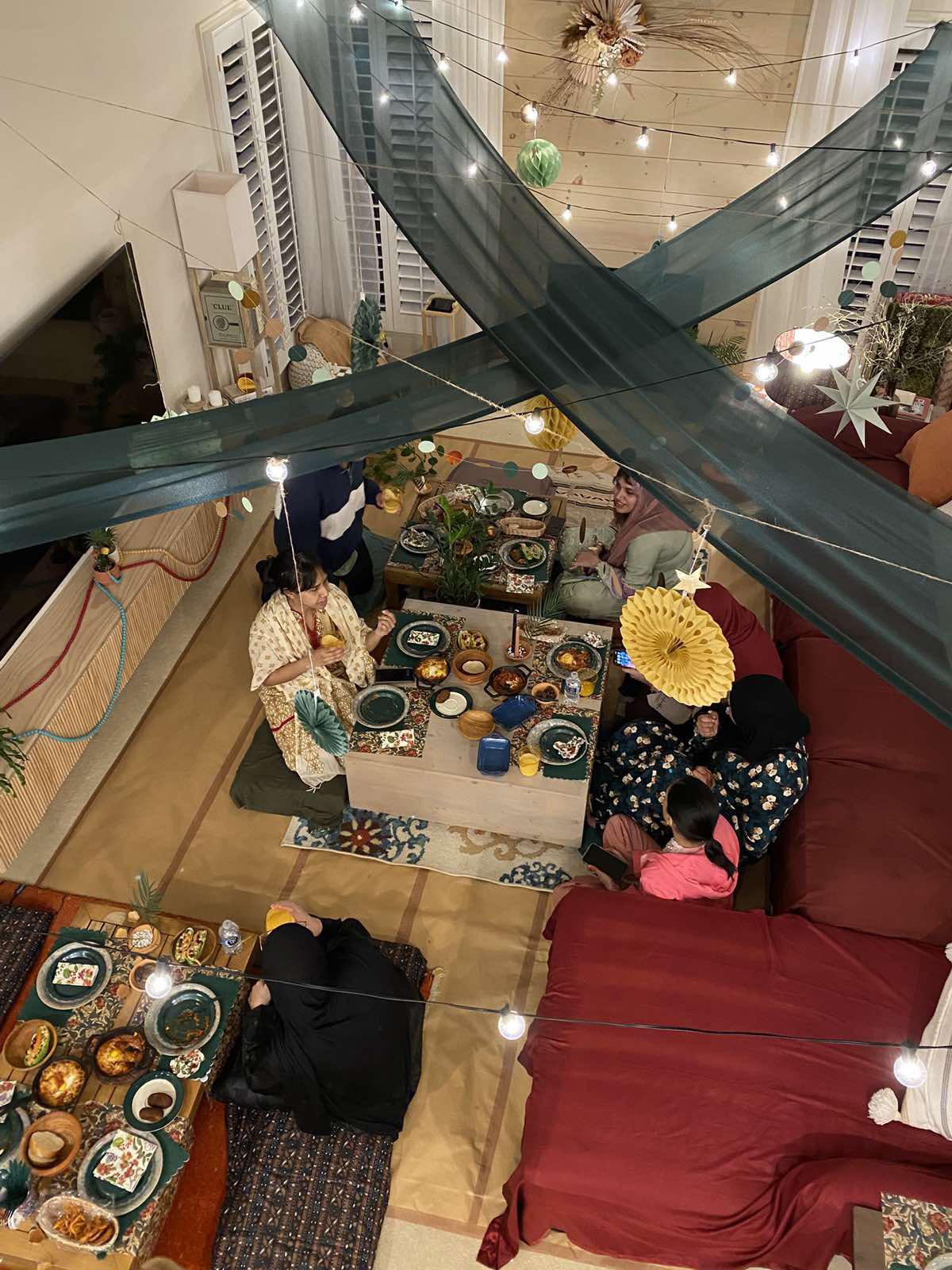
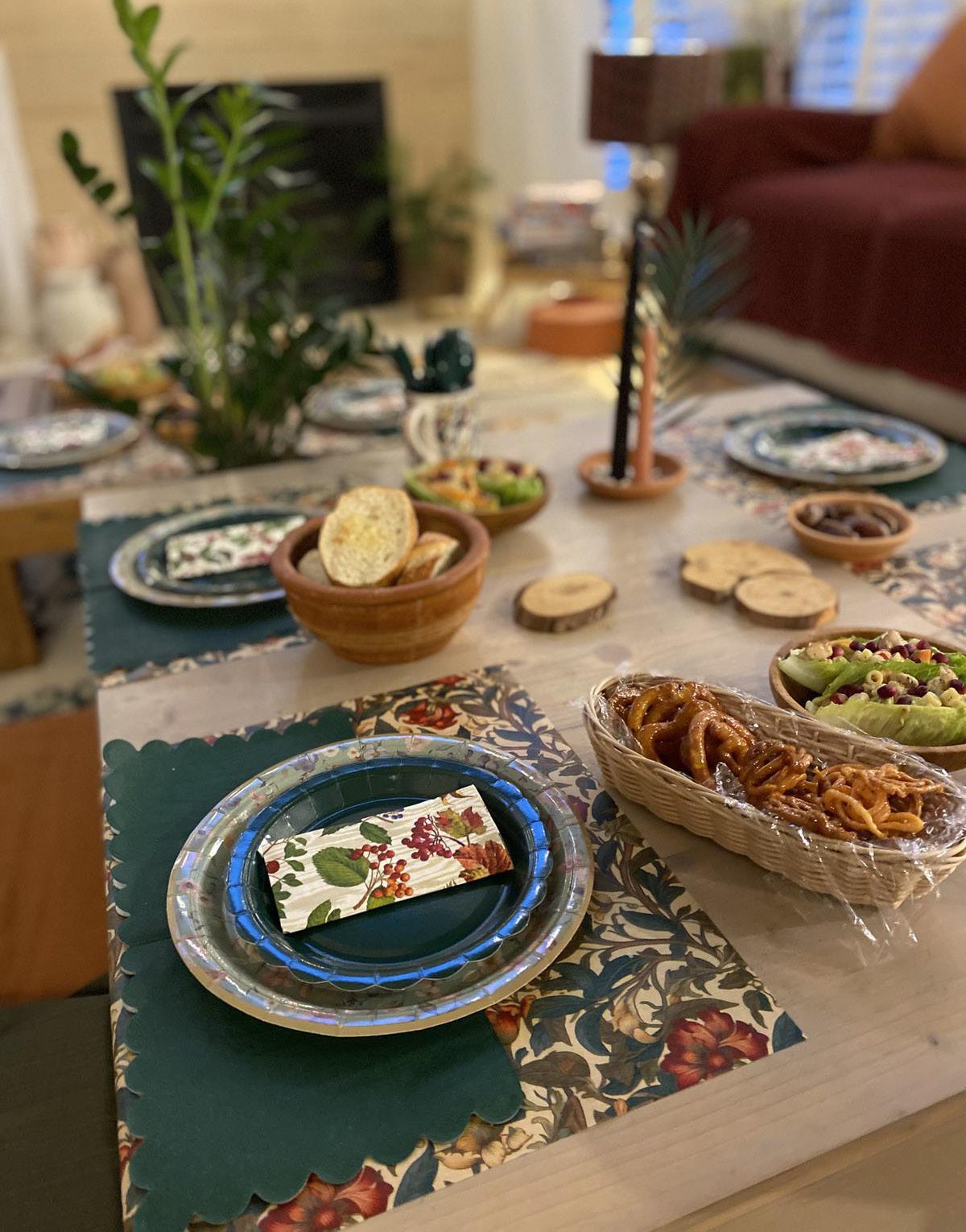
This coffee table set was designed for a spacious room, requiring it to have multiple sections to fit the space. Inspired by the various functions a coffee table serves, the design was divided into three parts: the game table, the book table, and the central table. The game and book tables are smaller, making them easy to move, while the central table is more stationary. The main purpose of a coffee table is to anchor the room.
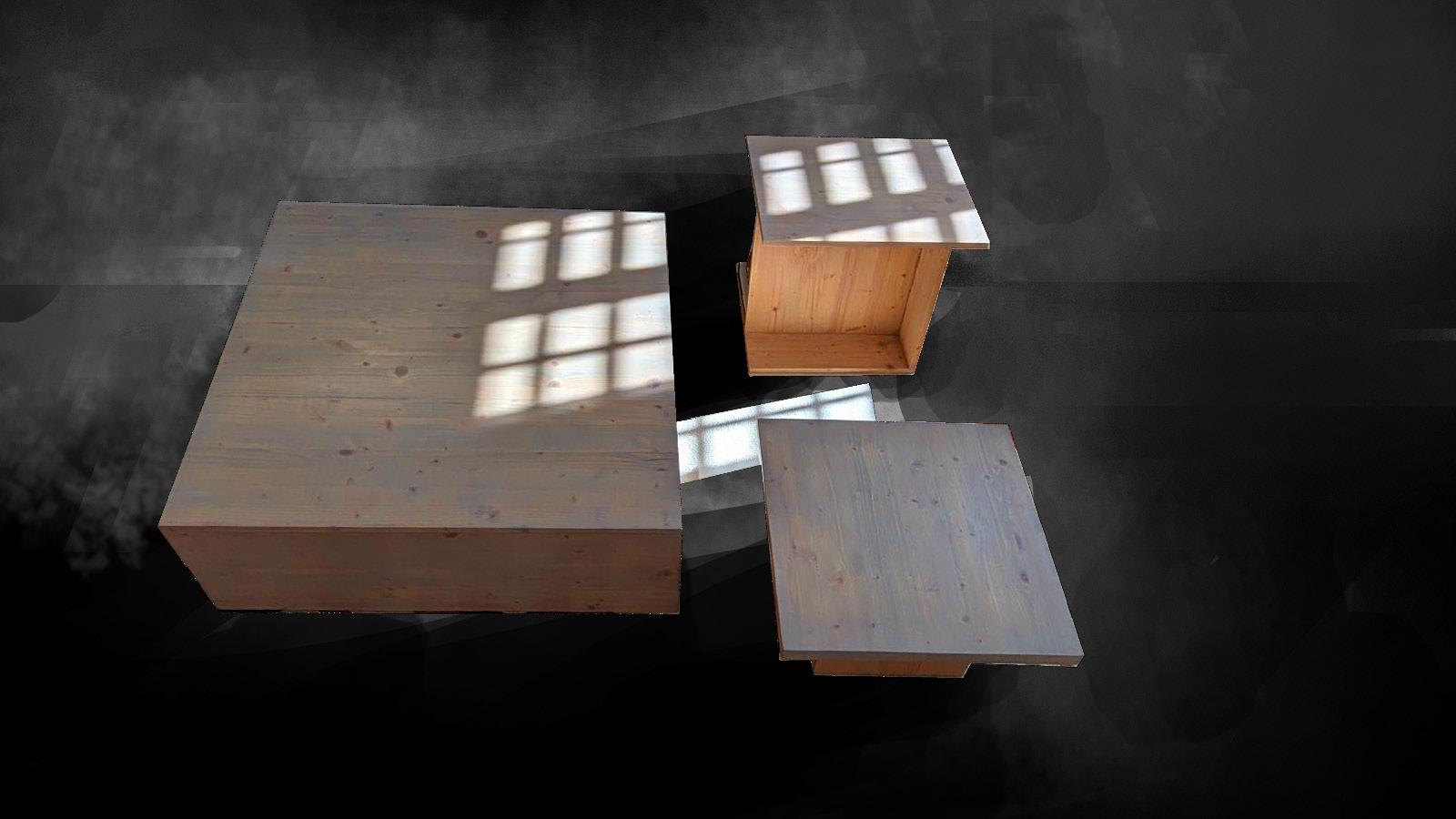
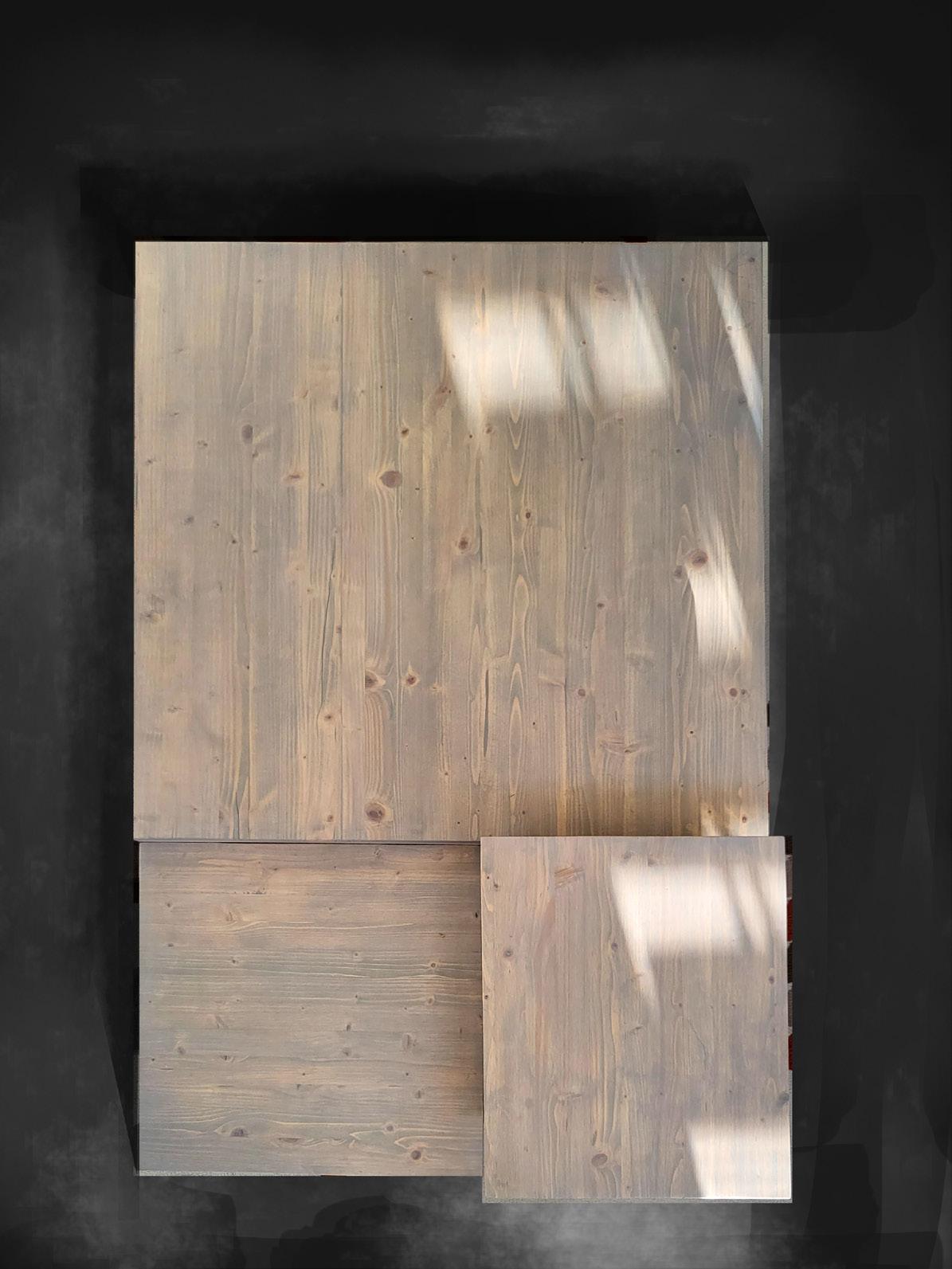
seperated
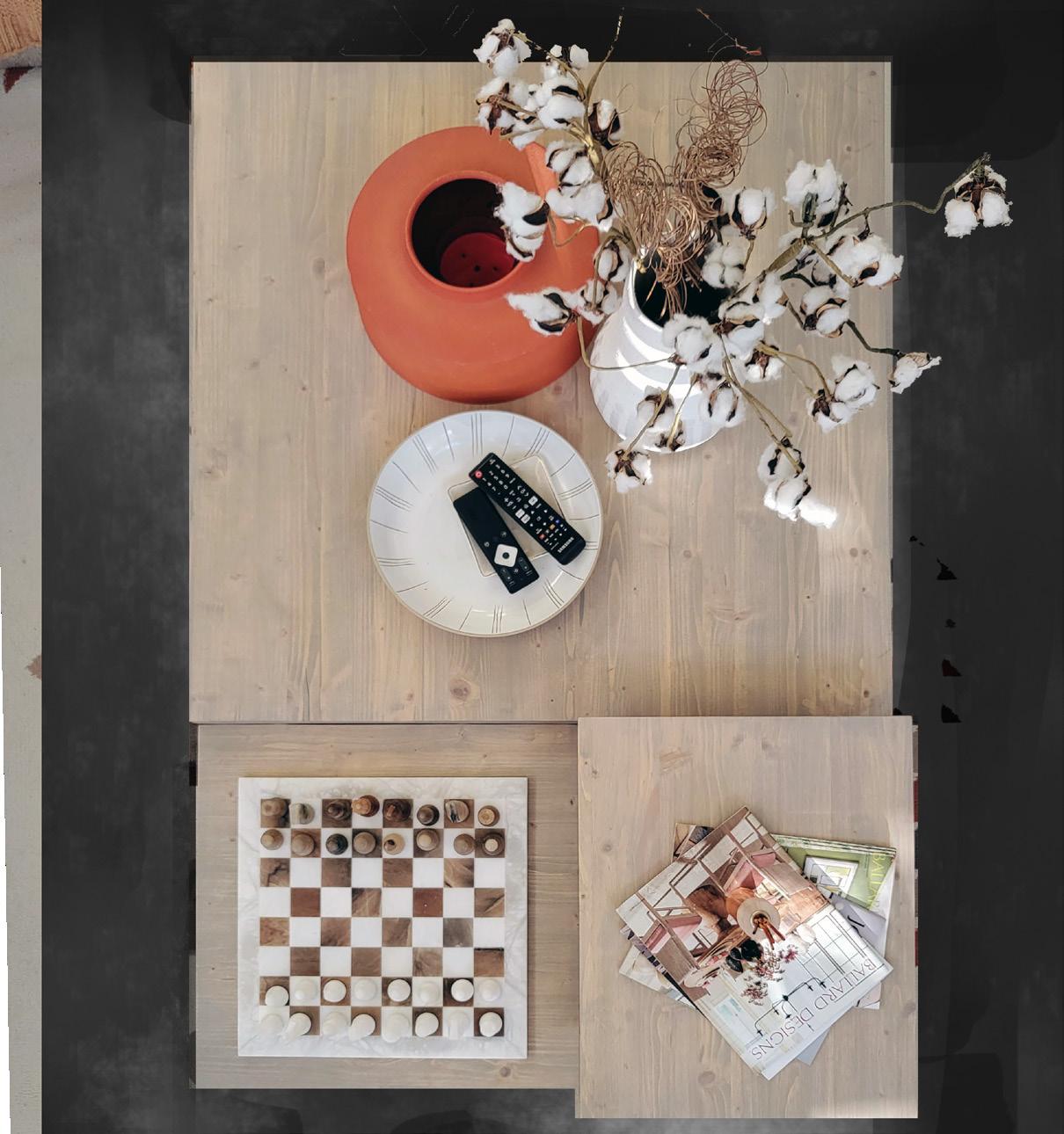
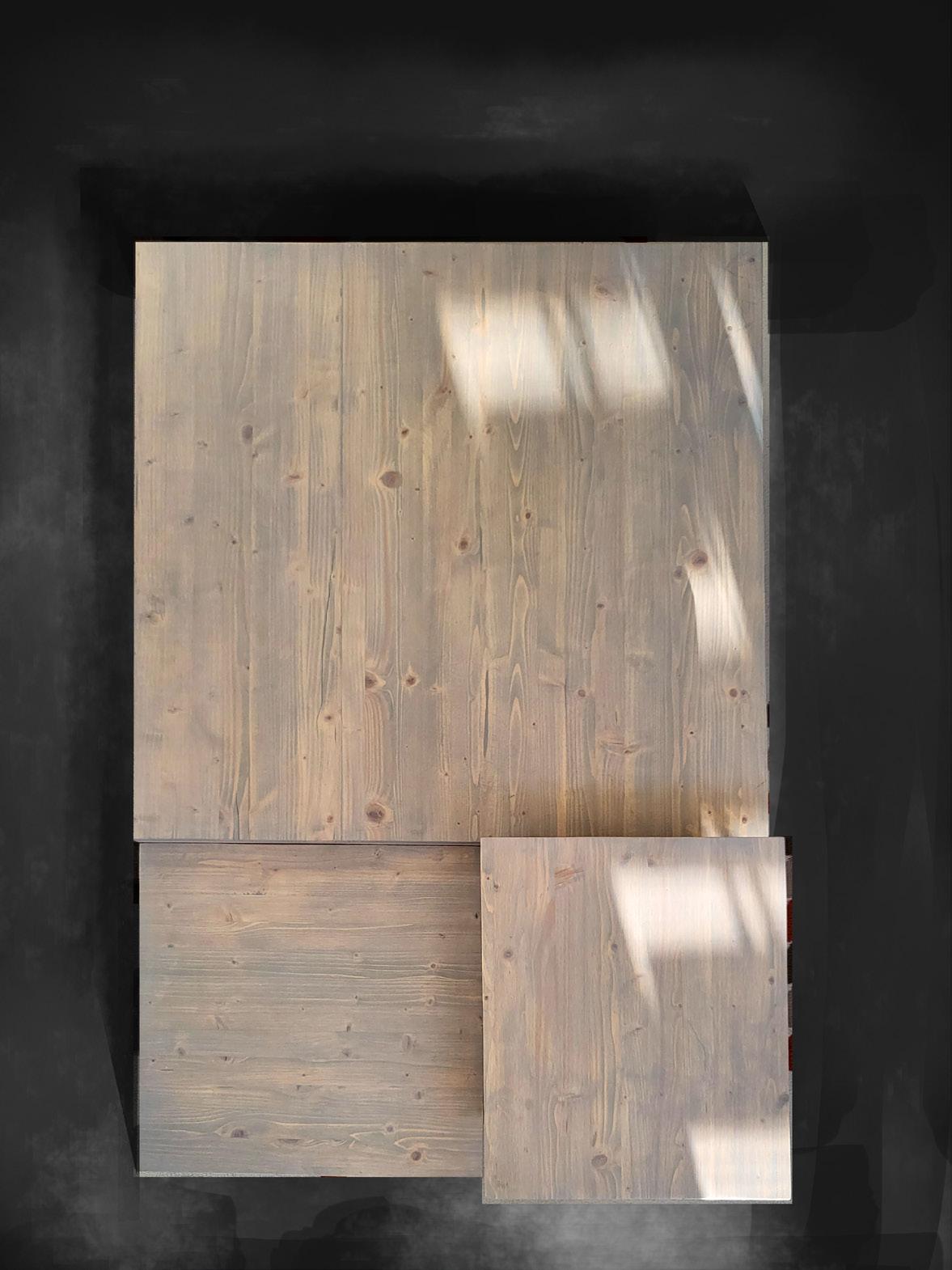
Basket-table transformation
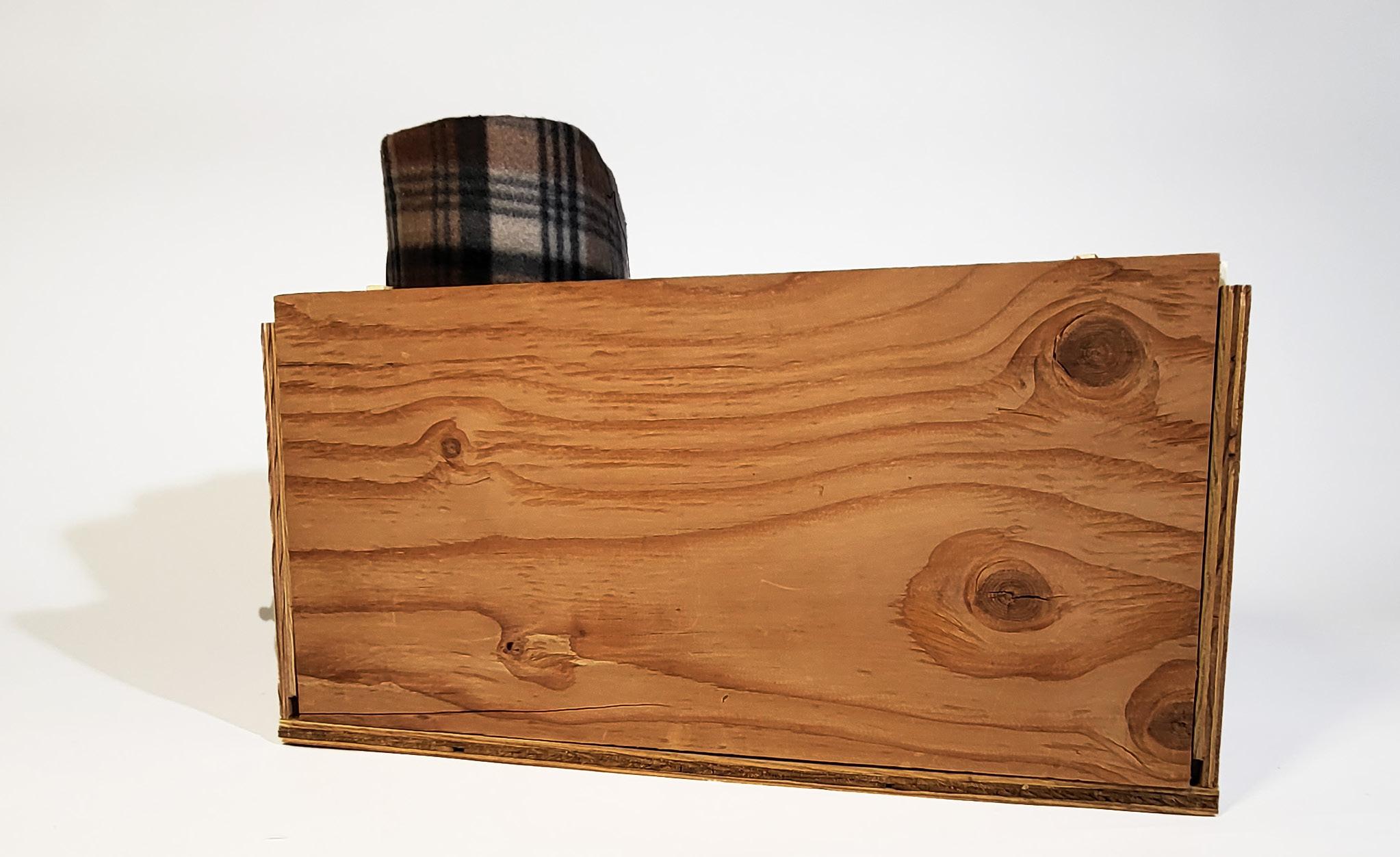
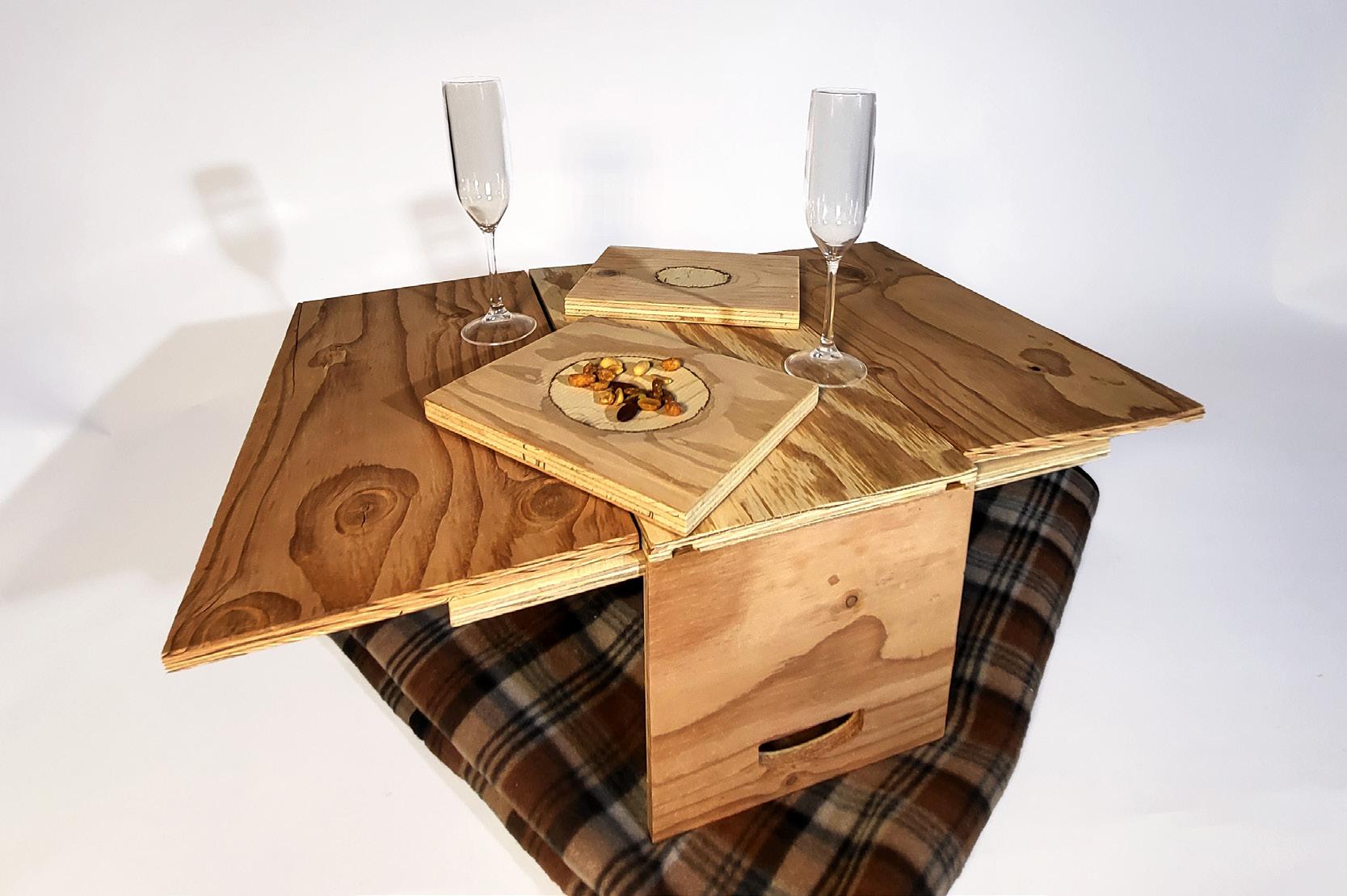
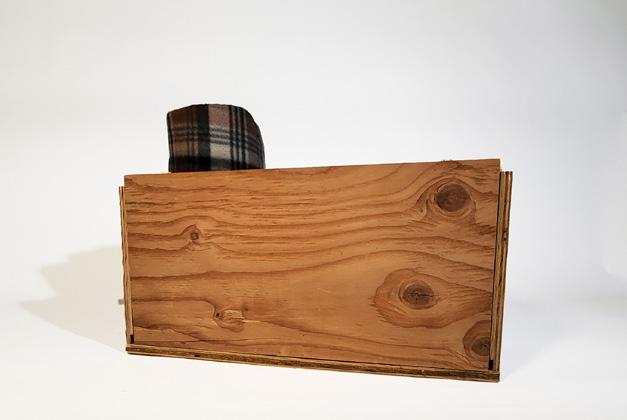
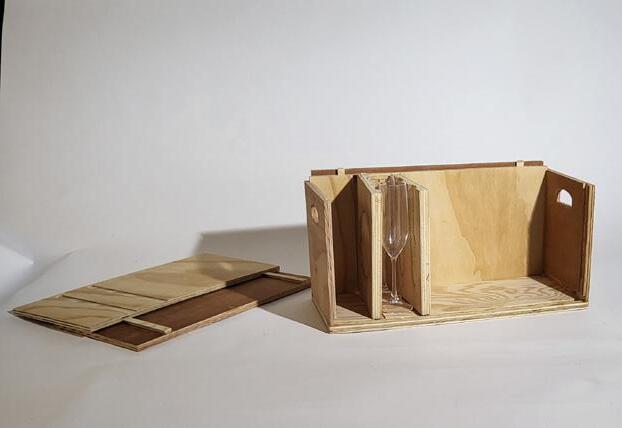
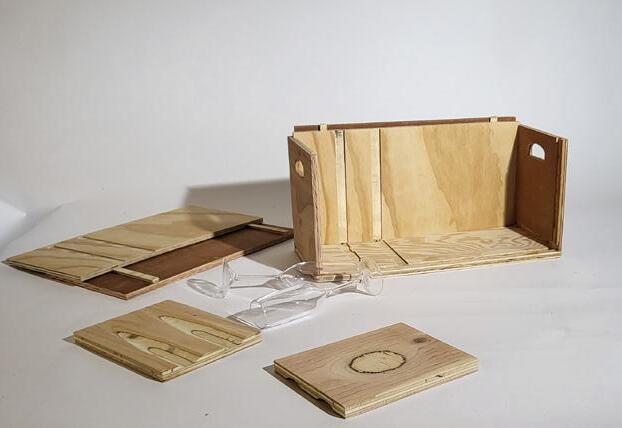
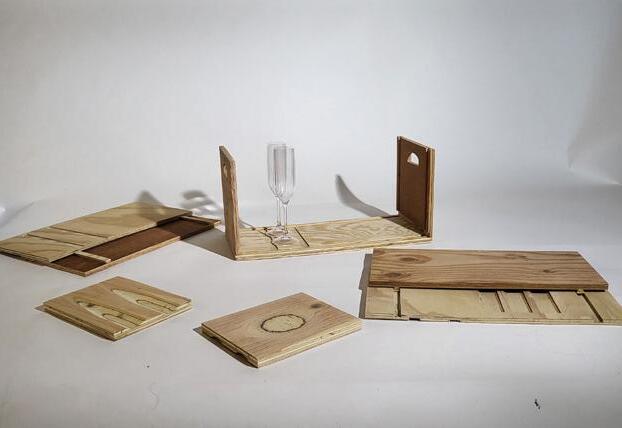
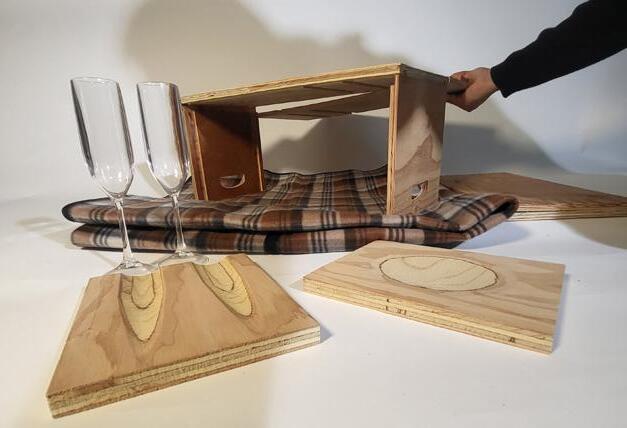
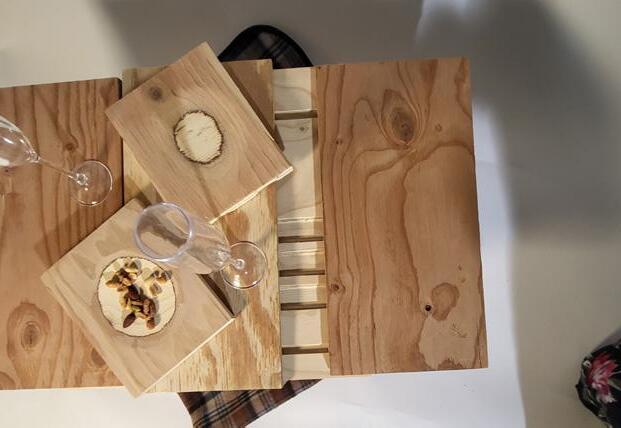
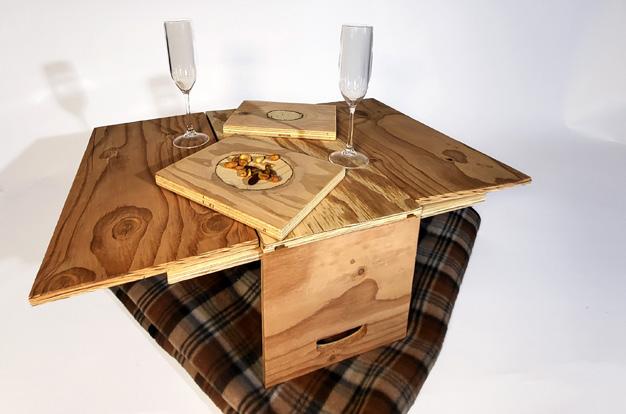
The project brief given was an open ended design project using the Fabrication lab tools that could be flatpacked. I wanted to create something where the packing itself held utilily.
The picnic in a Basket is exactly what it claims. It is a picnic basket that can be broken down into flat pieces that are rearrange to be used as a picnic table. Every part serves a dual purpose. The base becomes the table structure. The dividing components inside the bucket have carved out spaces to be used as plate. The walls of the basket have an inner layer that holds utensils. It also doubles as the joint to extend the table width when transformed.
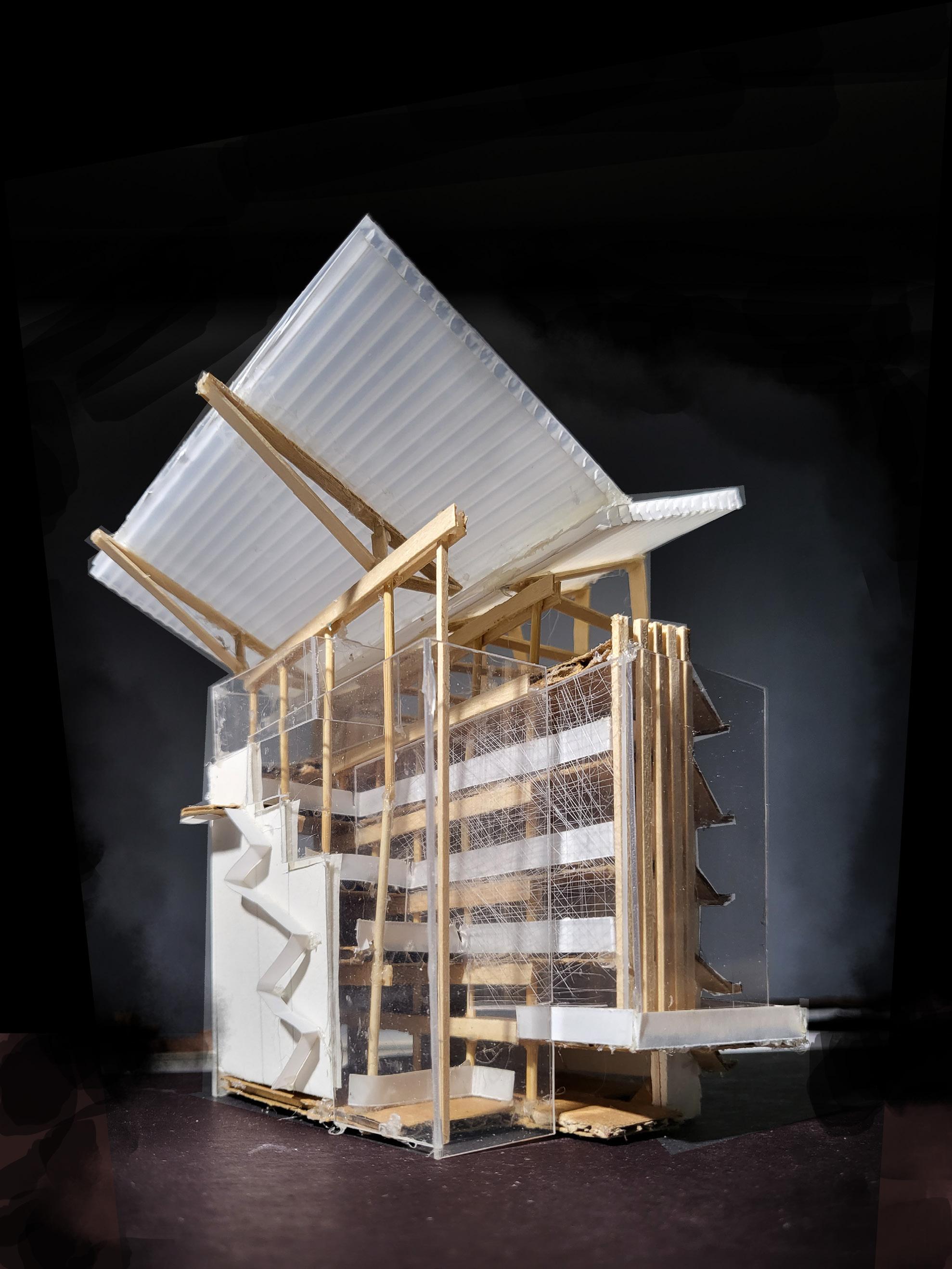
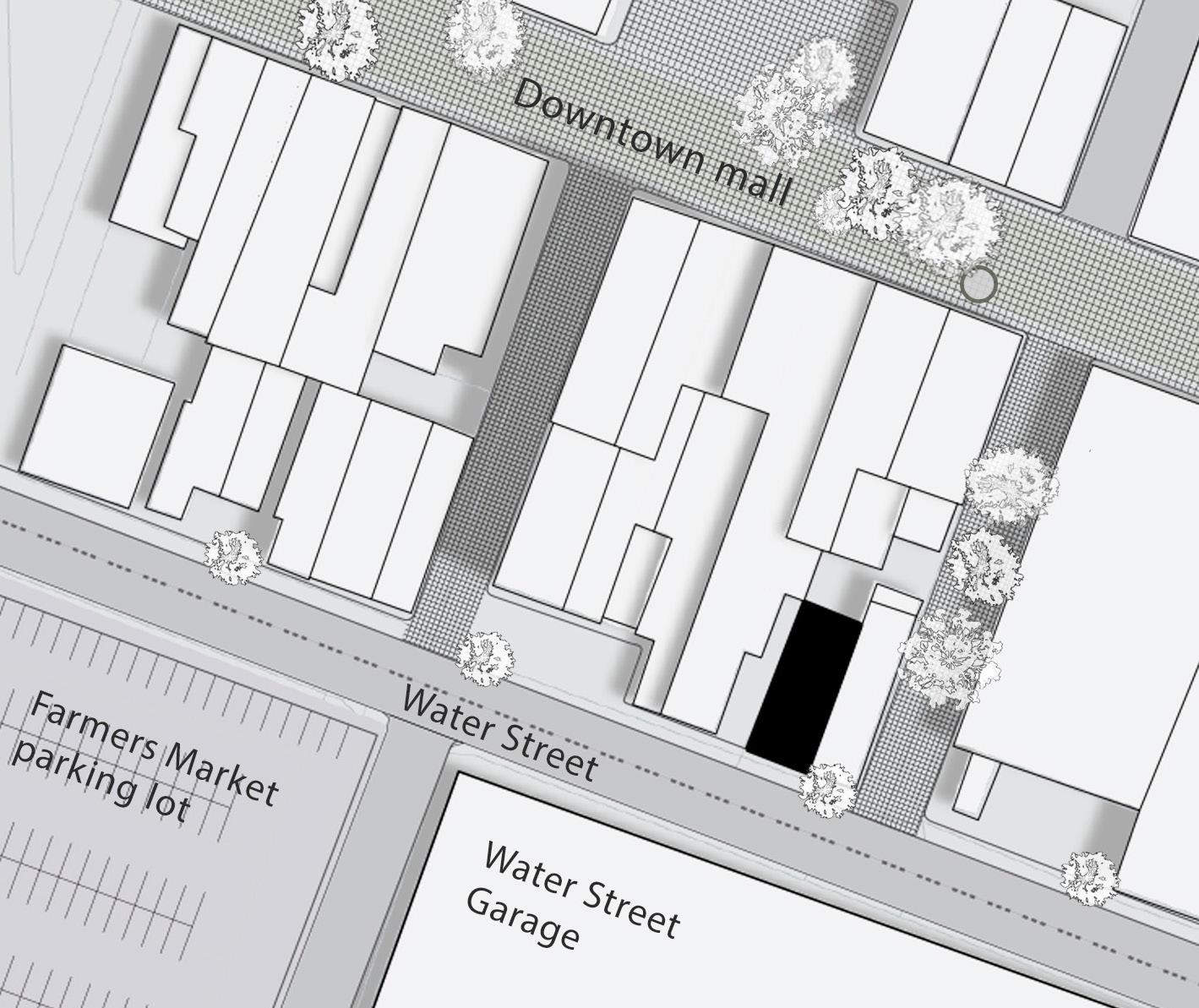
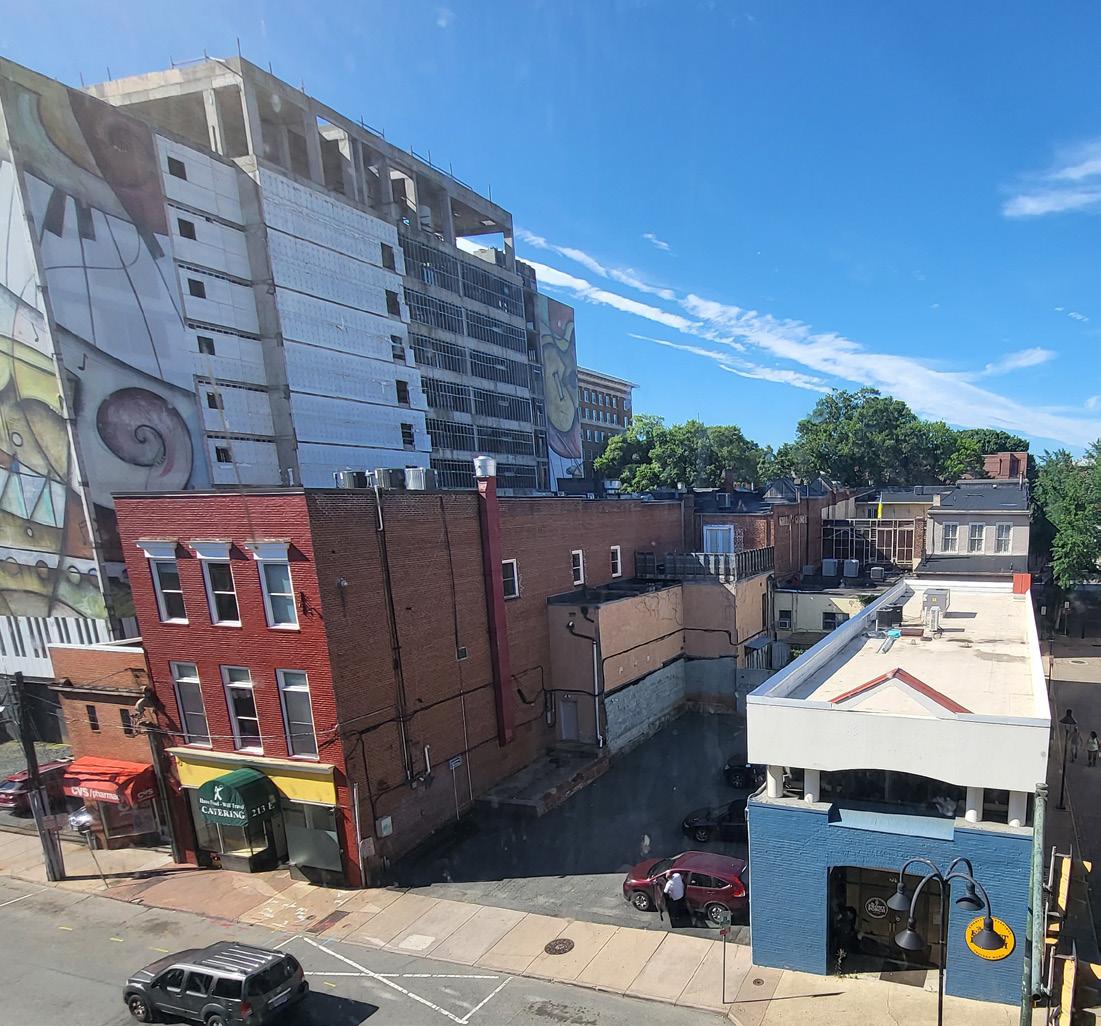
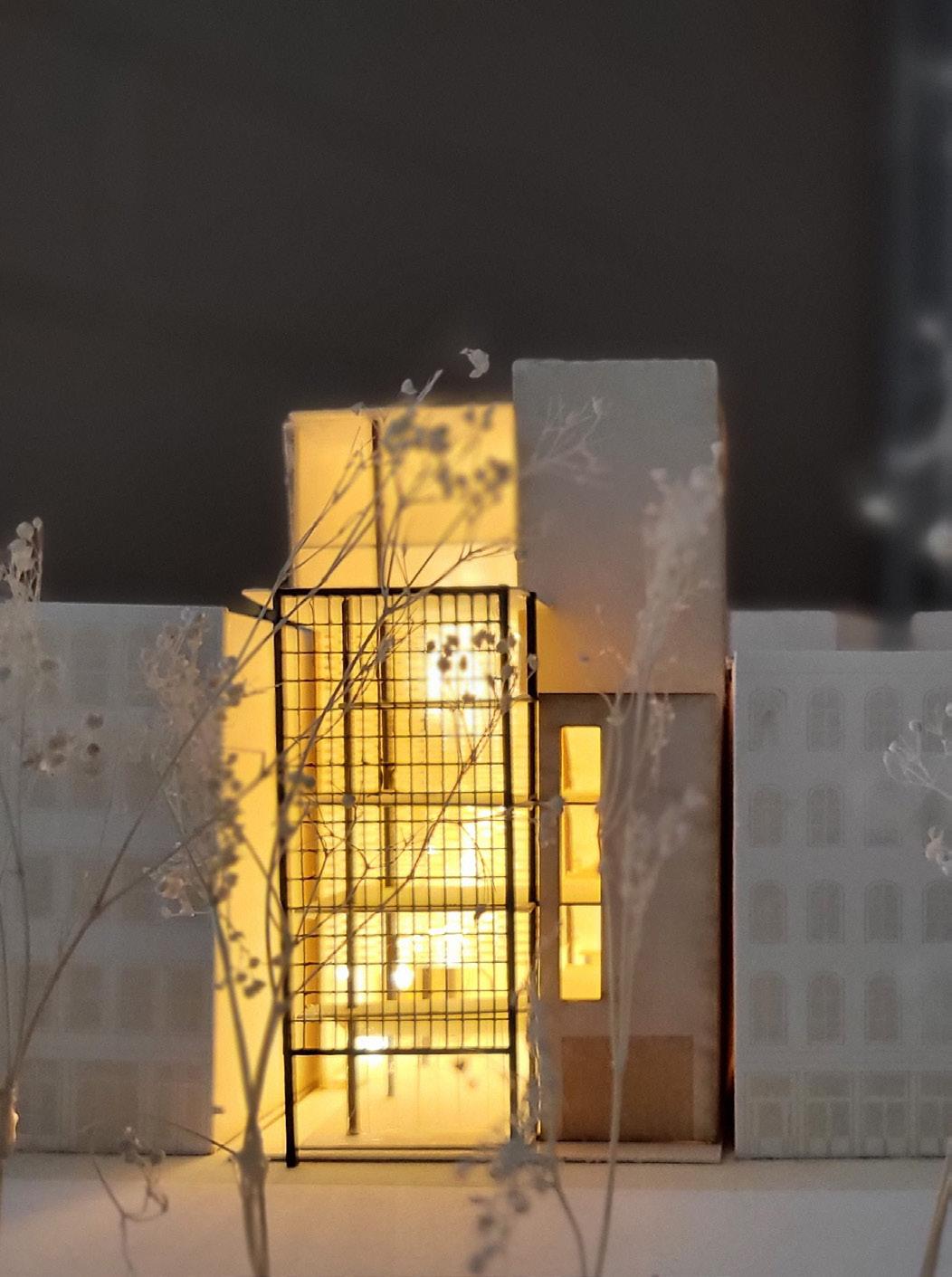
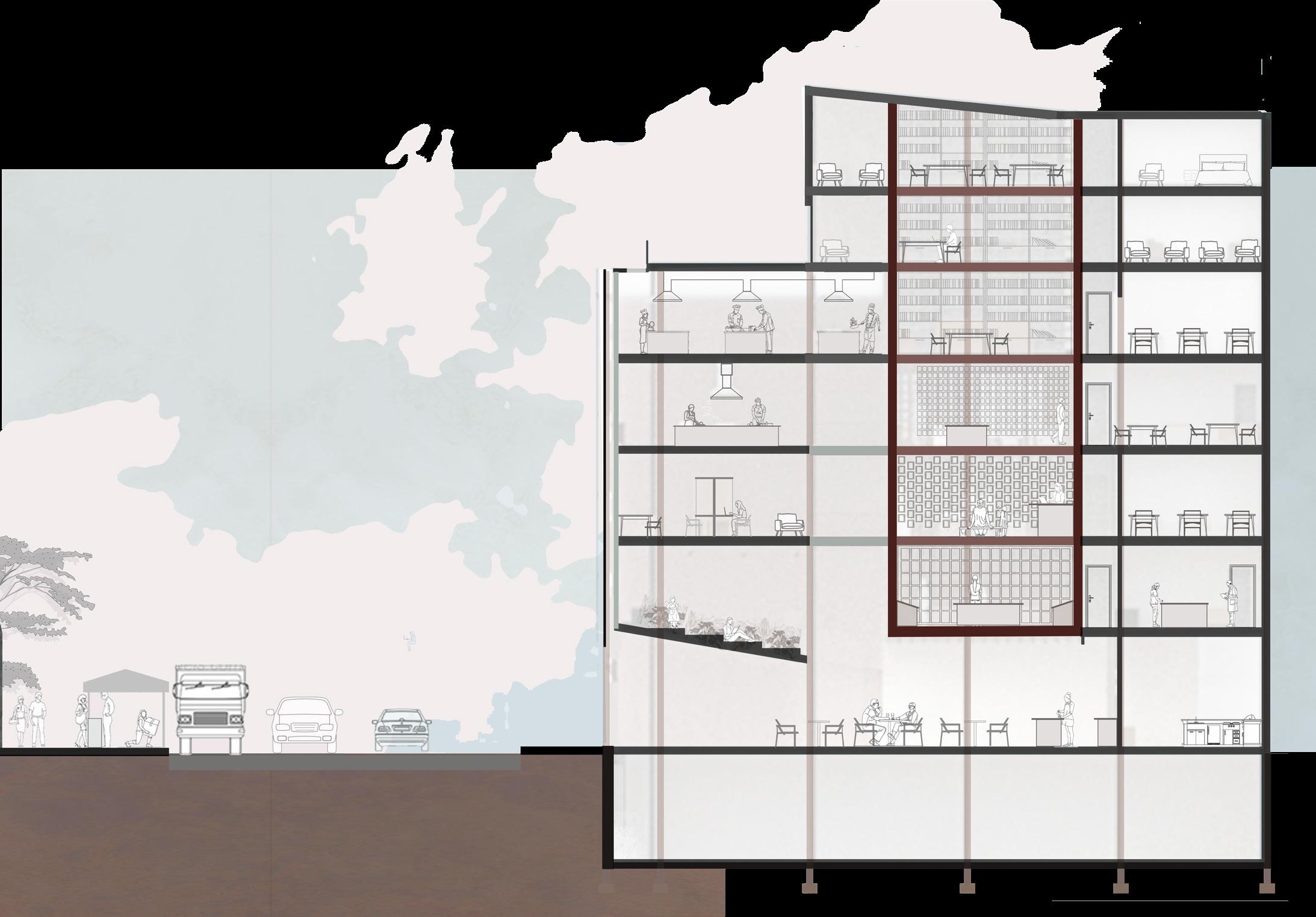
The culinary institue aims to create a space for culinary experts to share their culinary knowledge and art with the people of the community it serves. The Institue located in the bustling downtown of Charlottesville acts as both an educational institution as well as communal gathering space.
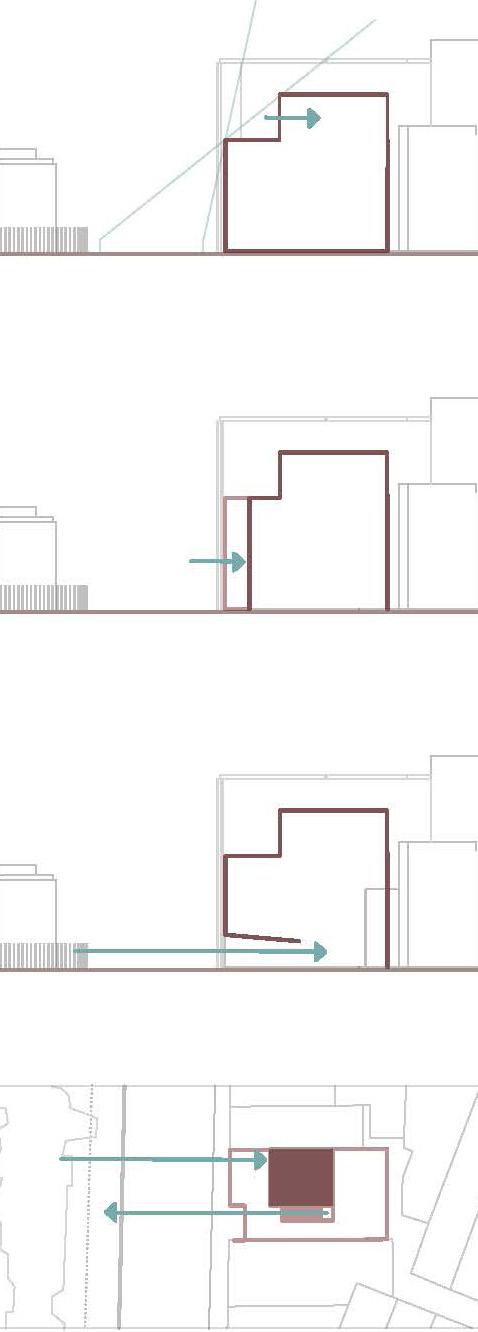
The ground floor abstains from walls or physical boundaries and becomes part of the street. This establishes a public resting space that is scarse on the busy street south of the famous downtown mall. It also establishes an essential extention to the weekly farmersmarket across the street.
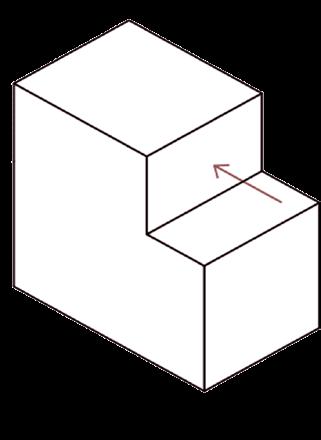
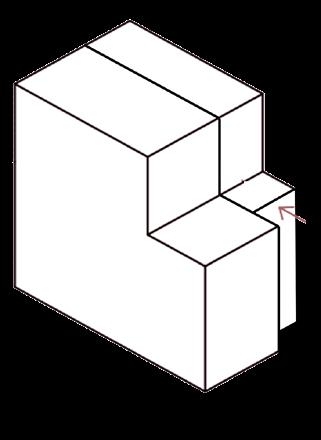
The receding floorplates create an atrium at the front of the building that allows for the aromas and noises of the institute to DANCE throughuot the building.
The top floor of the institution holds a large feasting table that allows visitors to enjoy a communal meal together. As they feast the roof allows a 360 view that shows them the Blue ridge to the west and Montechello to the east. To the north is a great view of the downtown mall. And finally looking down they get to see, hear and smell the journey of the wonderful feast they will enjoy together.
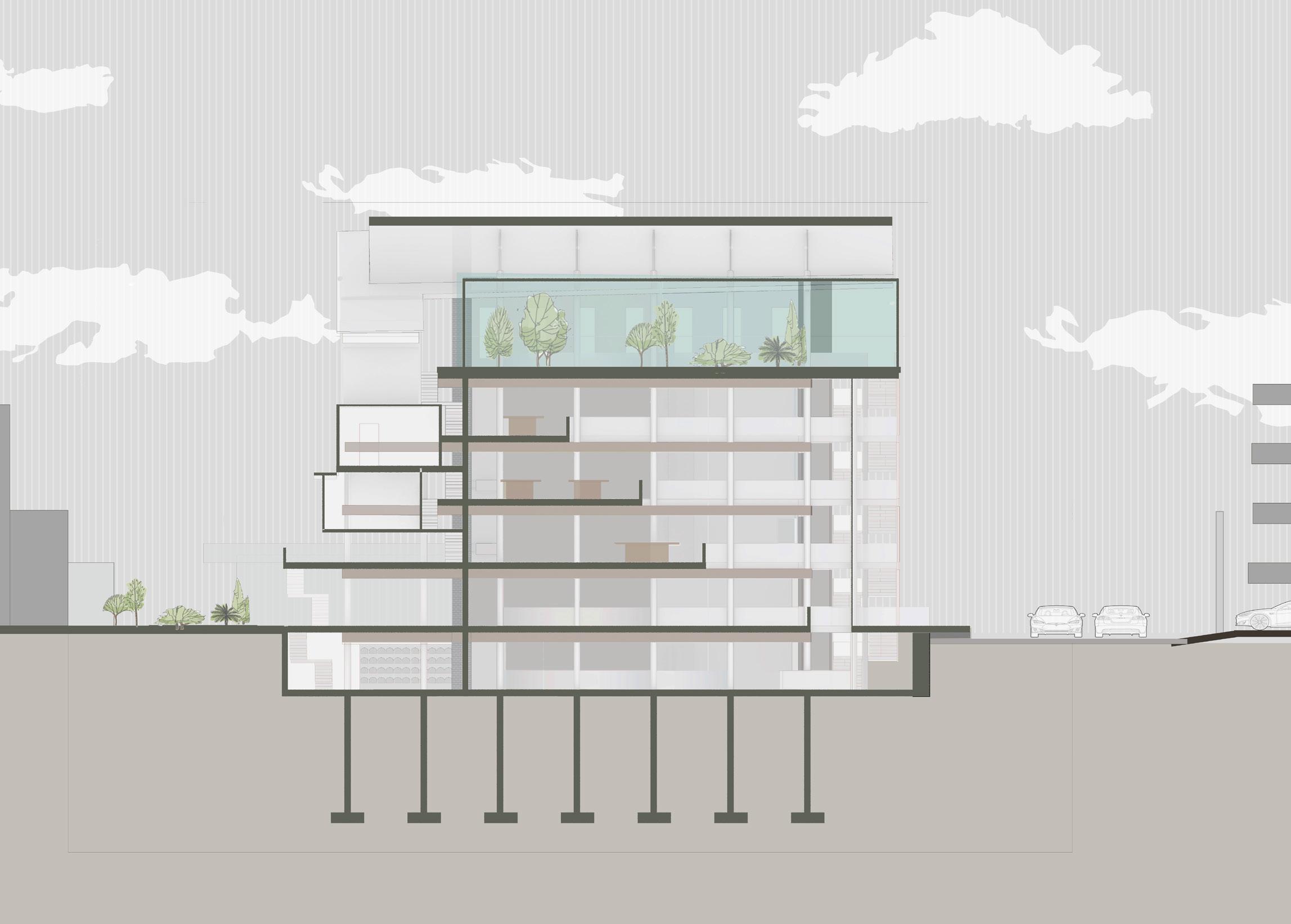
Longitudinal section: receading floorplates and atrium Water Street

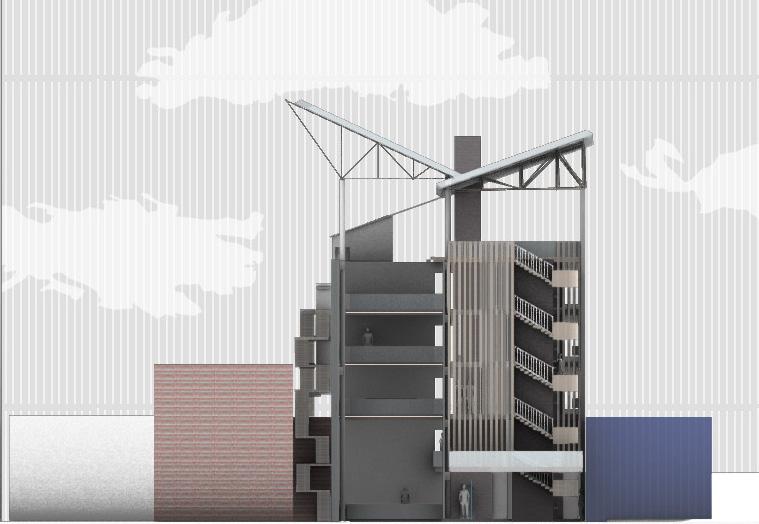
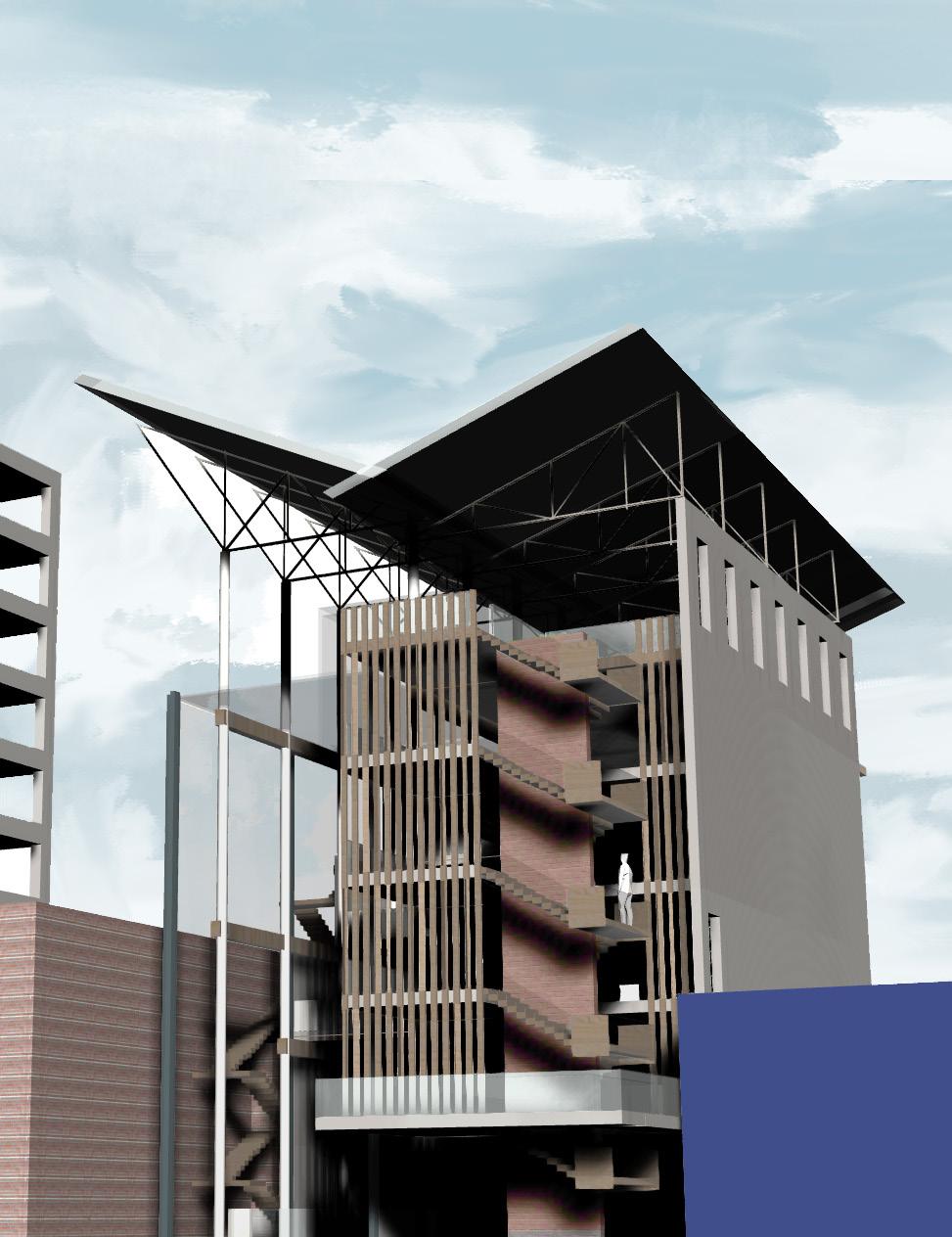
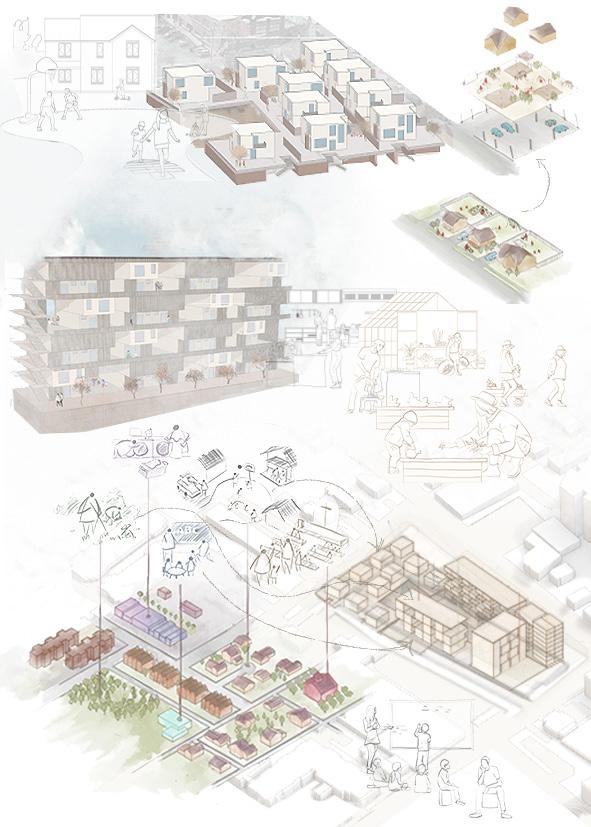
Process work collage
Situated at the treshold between an old suburbian neighborhood and the growning commercial West main street, this project attmpts to create a space that helps connect the two ends of the site.
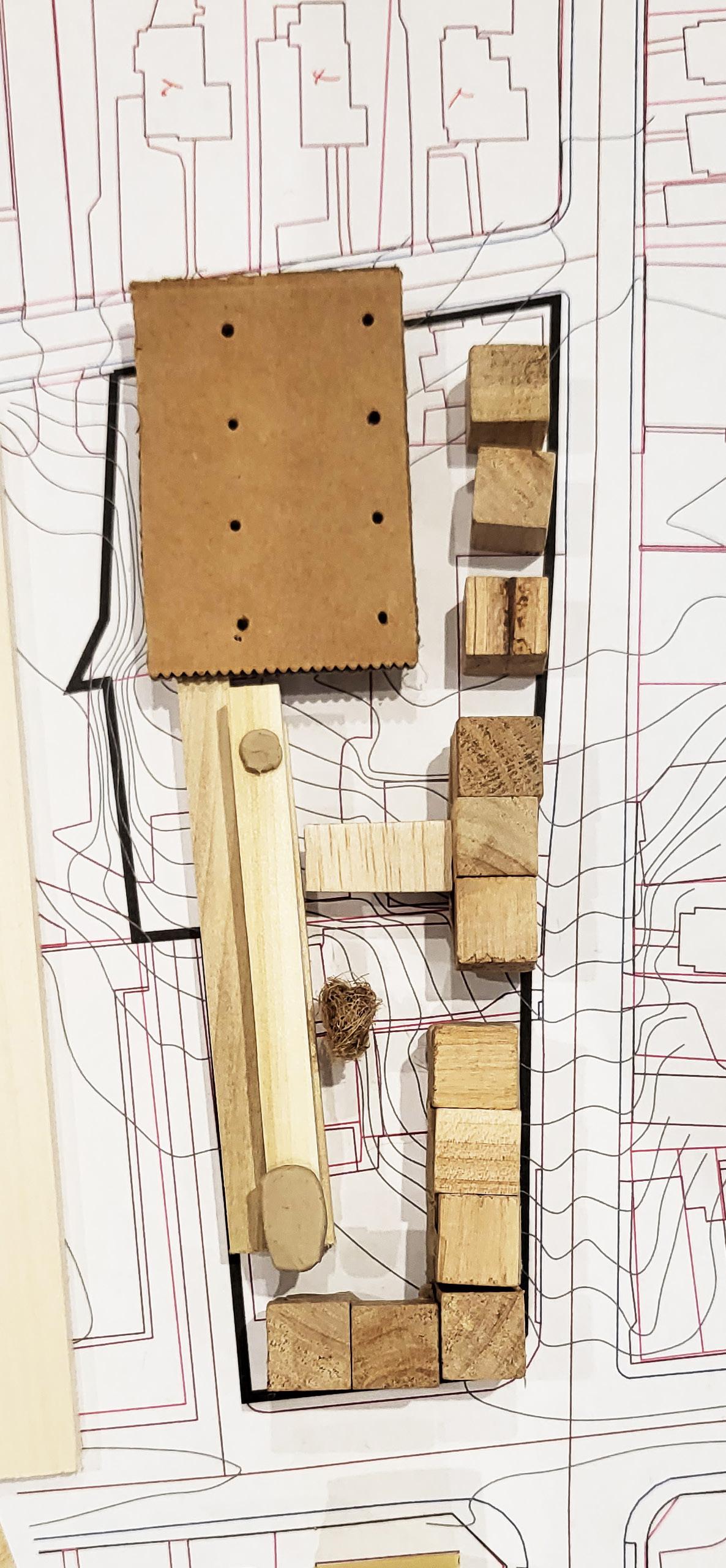
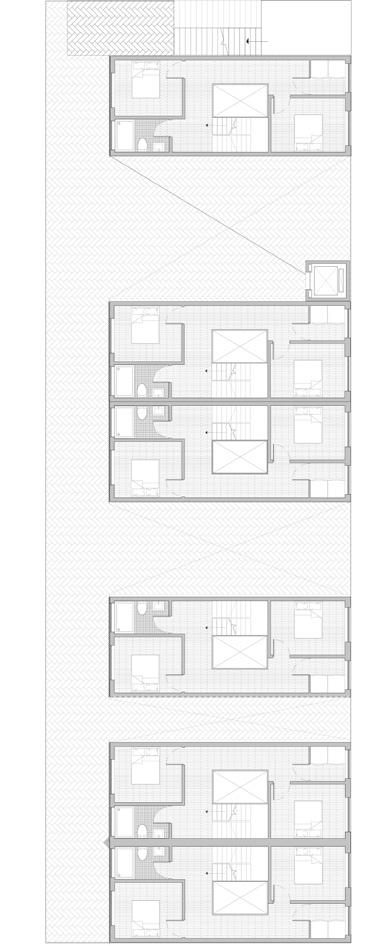
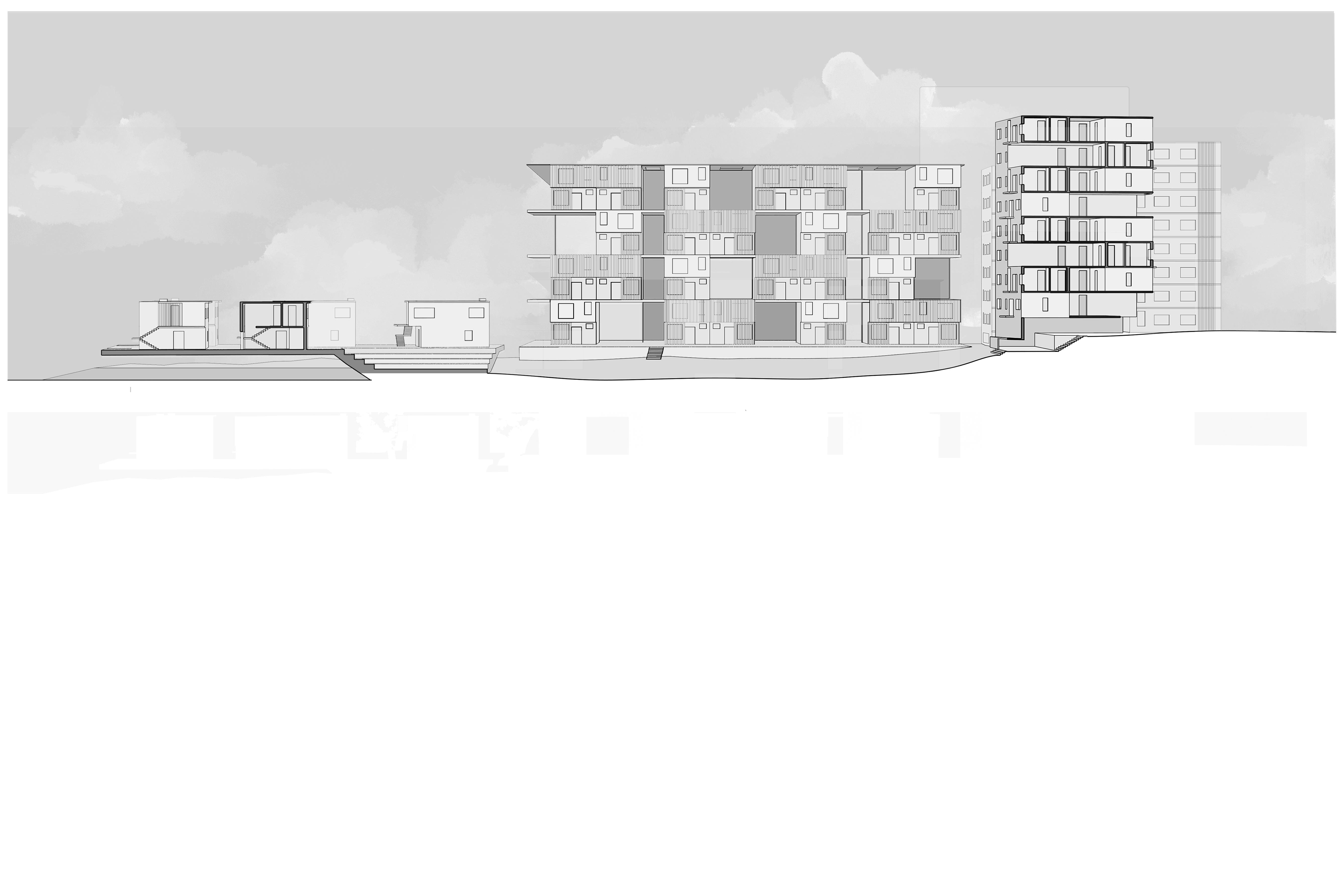
Form is the first of two ways the project navigates this transition. Beginning at the southern end, apartment buildings reflect the character of West Main Street before stepping down to duplex apartments and finally single family units at the northern edge. The buildings take on a gradient of density and physical form that reflects the two opposing conditions bridged by the site.
The second way this project connects its site is through program. The housing project brings in different ammenities like laundry, daycare, garden, library etc that aren’t available in close proximit. These Initiate interactions and foster connections between both residents and neighbors.
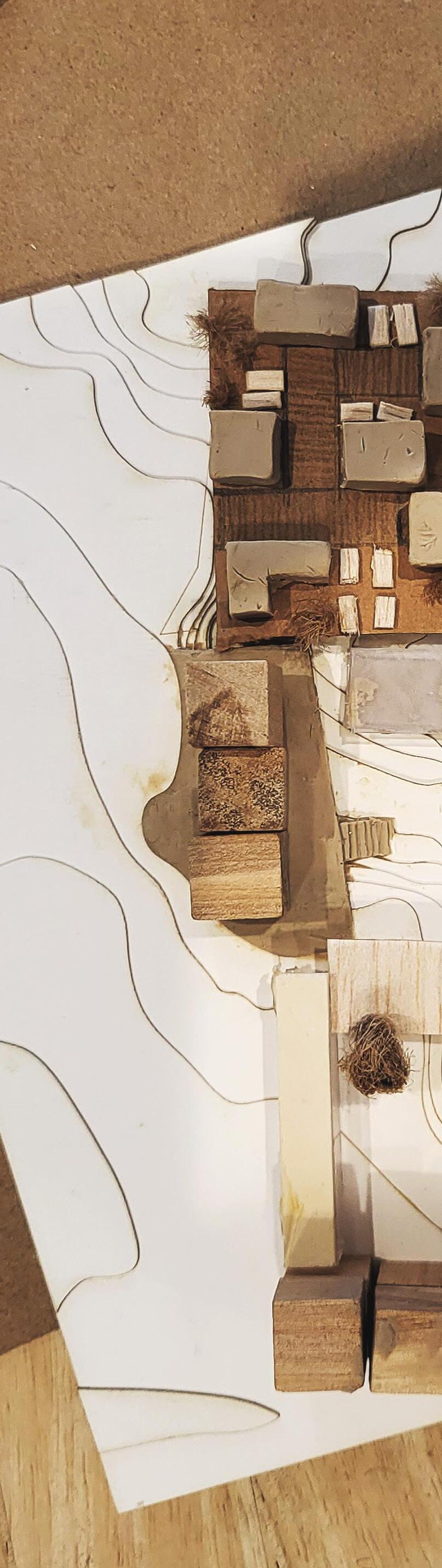
The proposed site is quite steep. Site visits reveled a lot of rainwater circulation though the site. The proposal keeps the overall topography of the site untouched. A garden for residents is built around two large oak trees that exist at the center of the site. the rainwater that once flowed throughout the site is now maintianed throuhgh creeks that weaves thoghout the central couryard.
Site analysis: Utilities Site
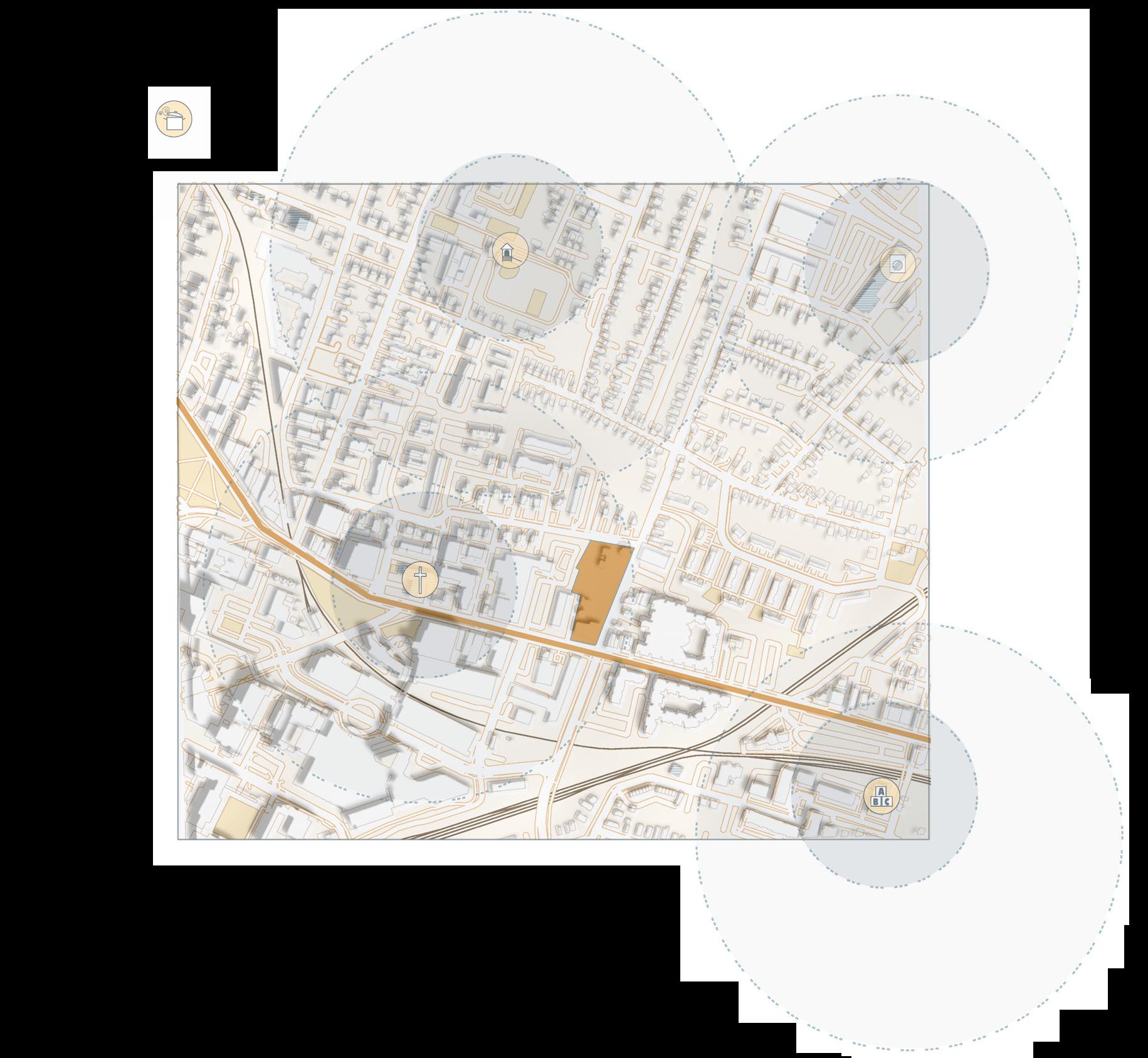
Exsiting condition
Formal diagram
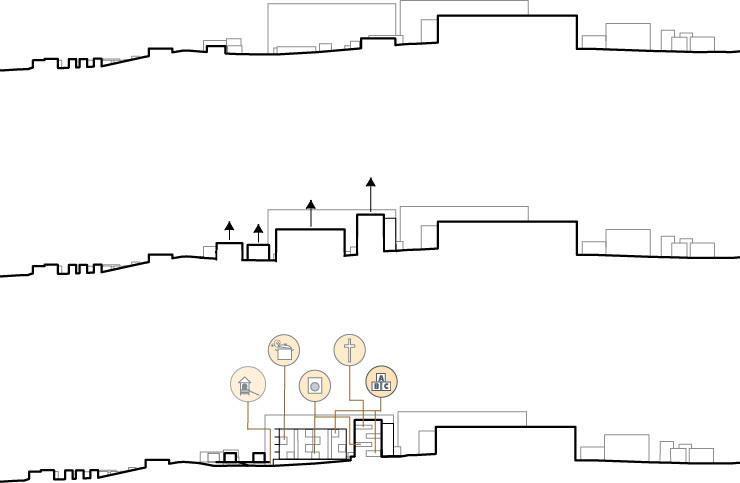
Program diagram

SINGLE APARTMENT
360-450
# of units: The project demographic. living. The at the northern interconnected architecture is equipped residents
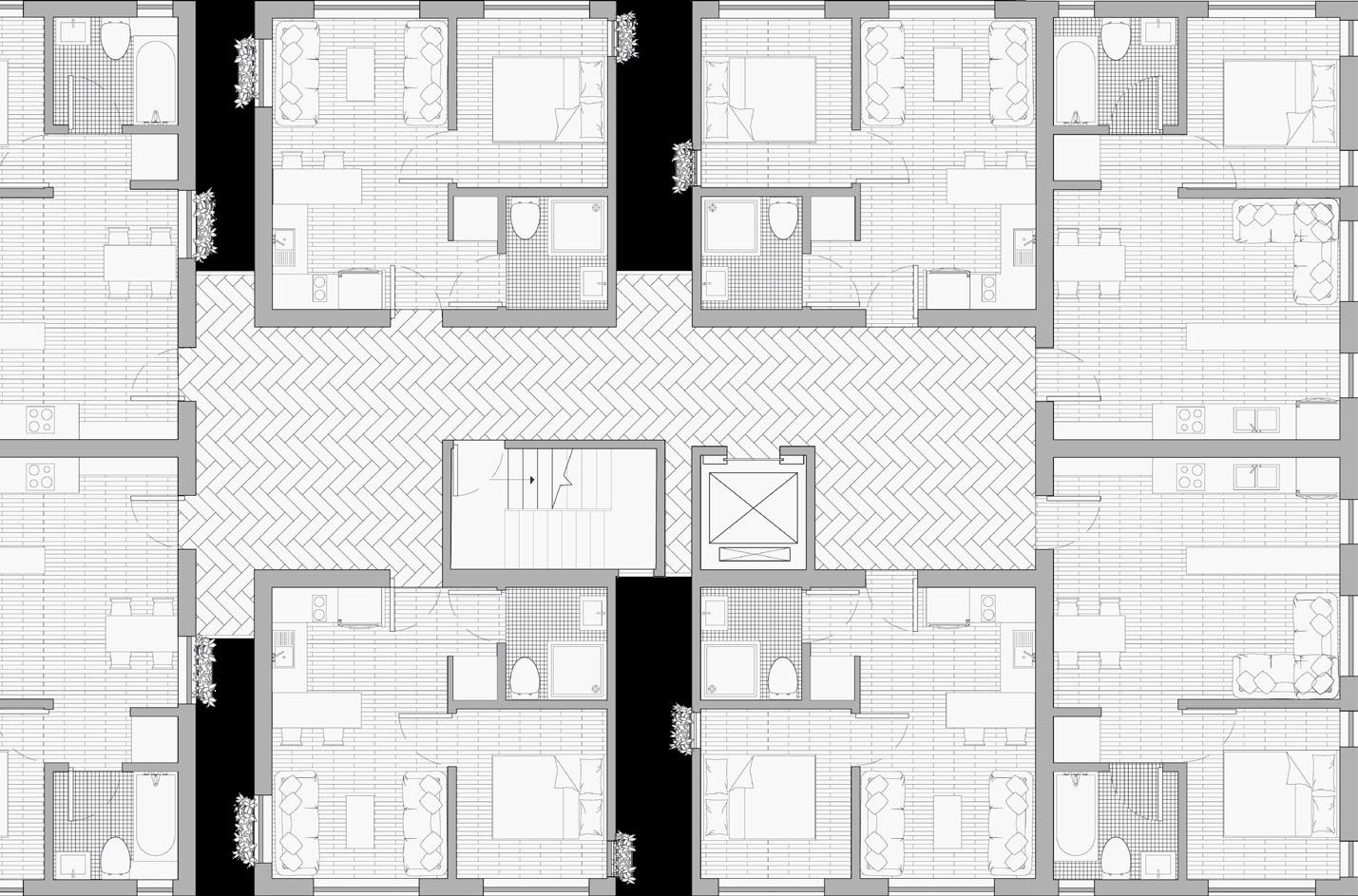
APARTMENT UNITS
360-450 sqft units: 50
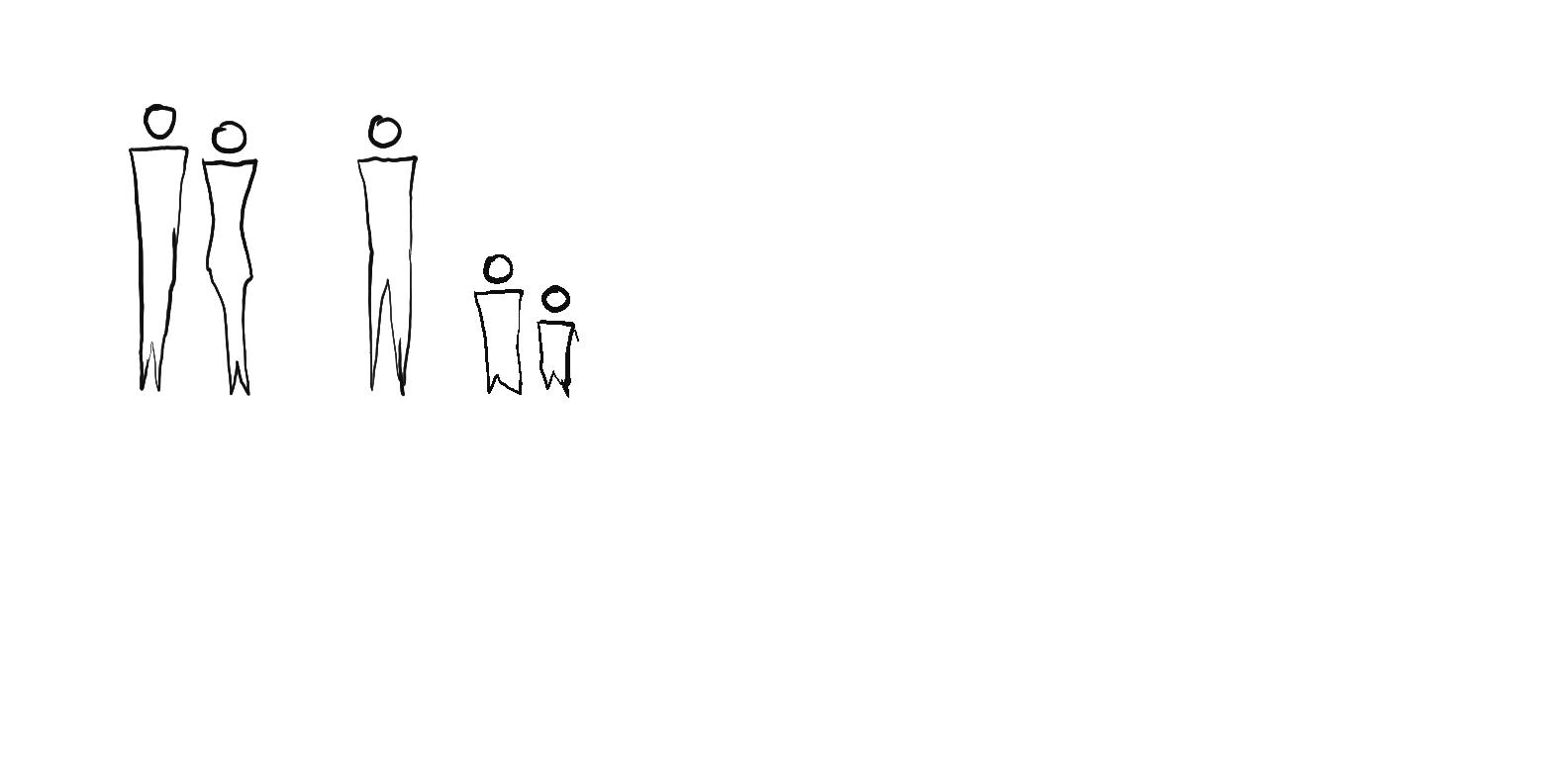
project consists of 4 distinct building types, each catering to a specific demographic. The initial two structures are designed for higher-density The third and central building allows small family living. Finally, northern end, the fourth building features single family houses interconnected by a parking deck. By aligning similar demographics, the architecture fosters a place of connection to neighbors. Each apartment equipped with essential amenities. This encourages interaction among residents across neighboring buildings within the project.
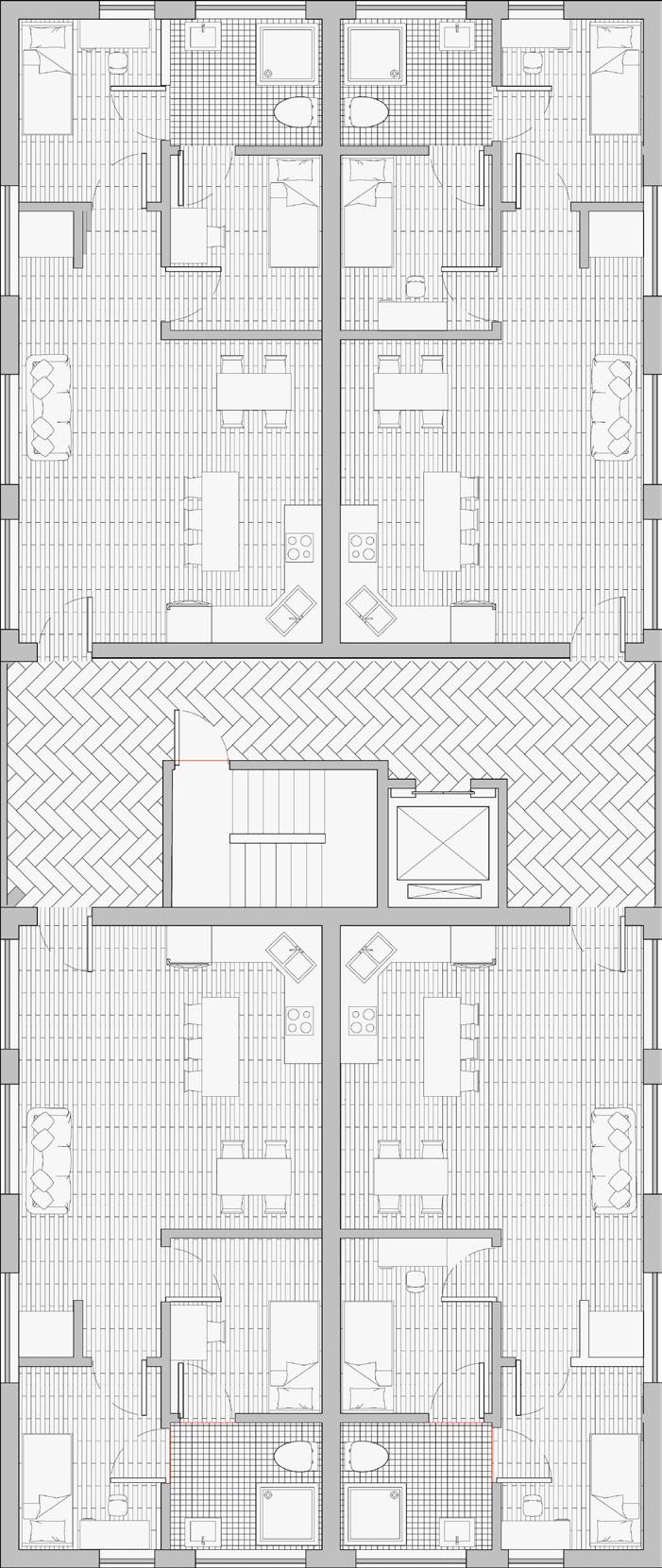
648 sqft
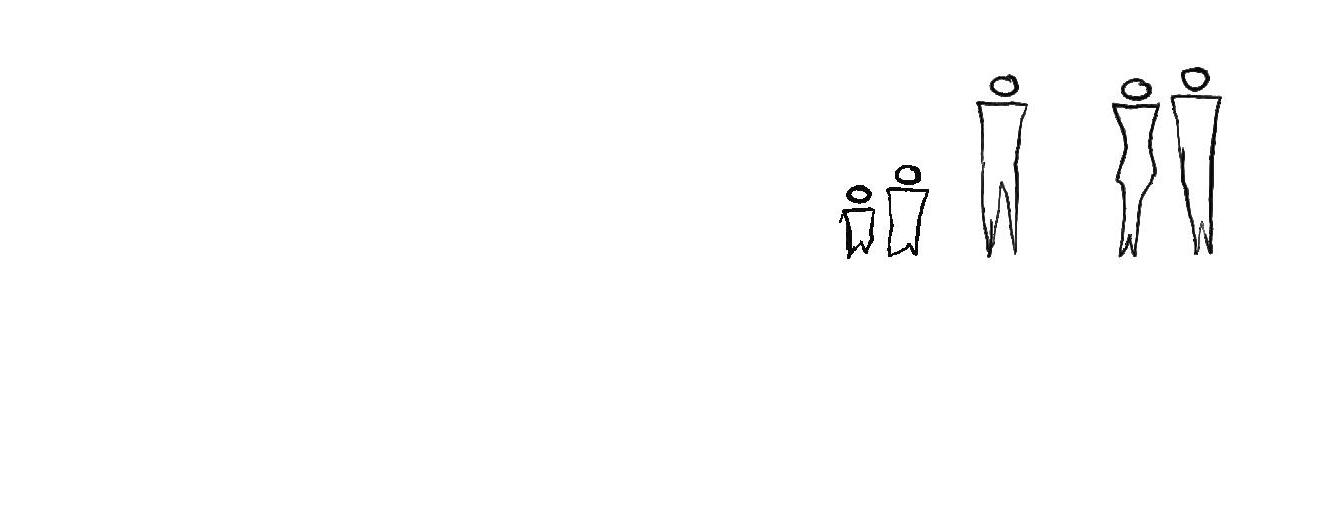
# of units: 20
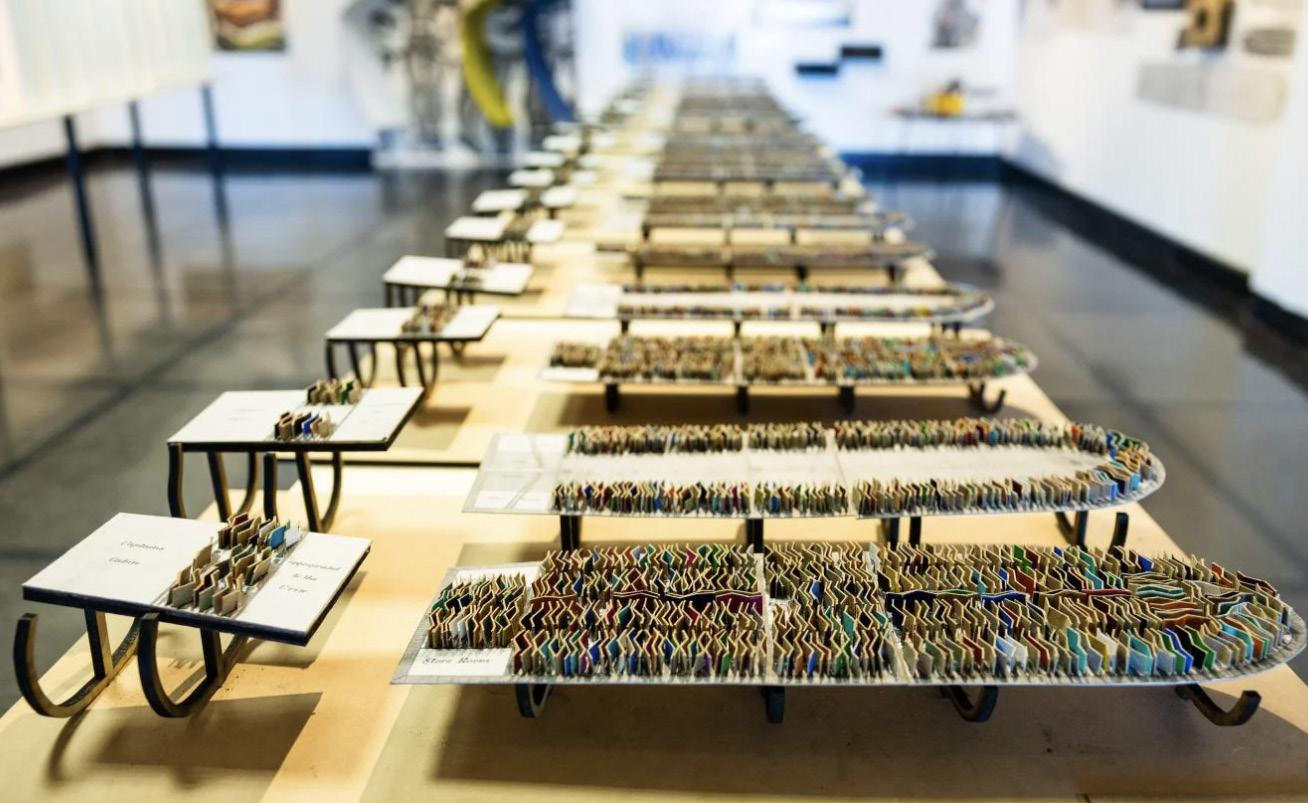
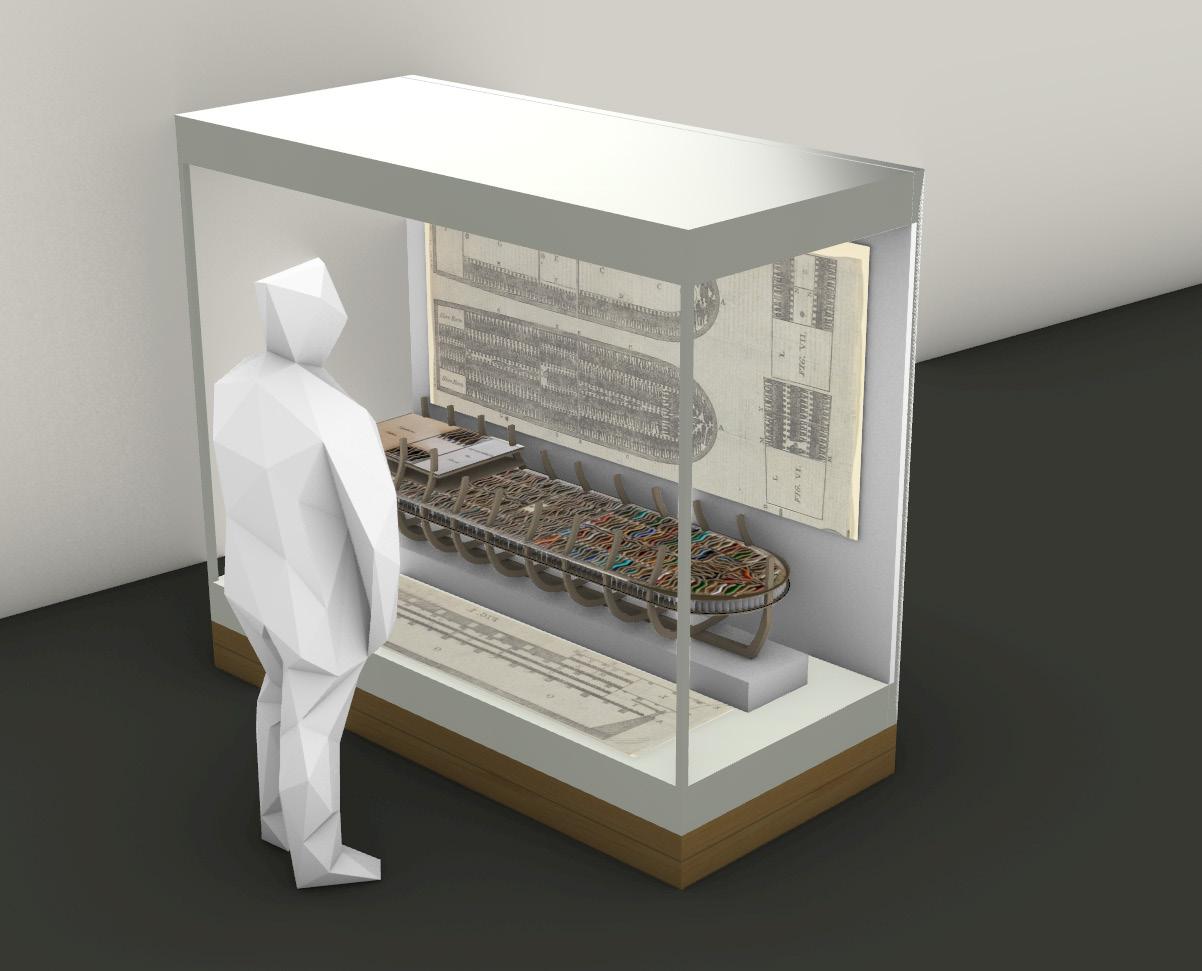
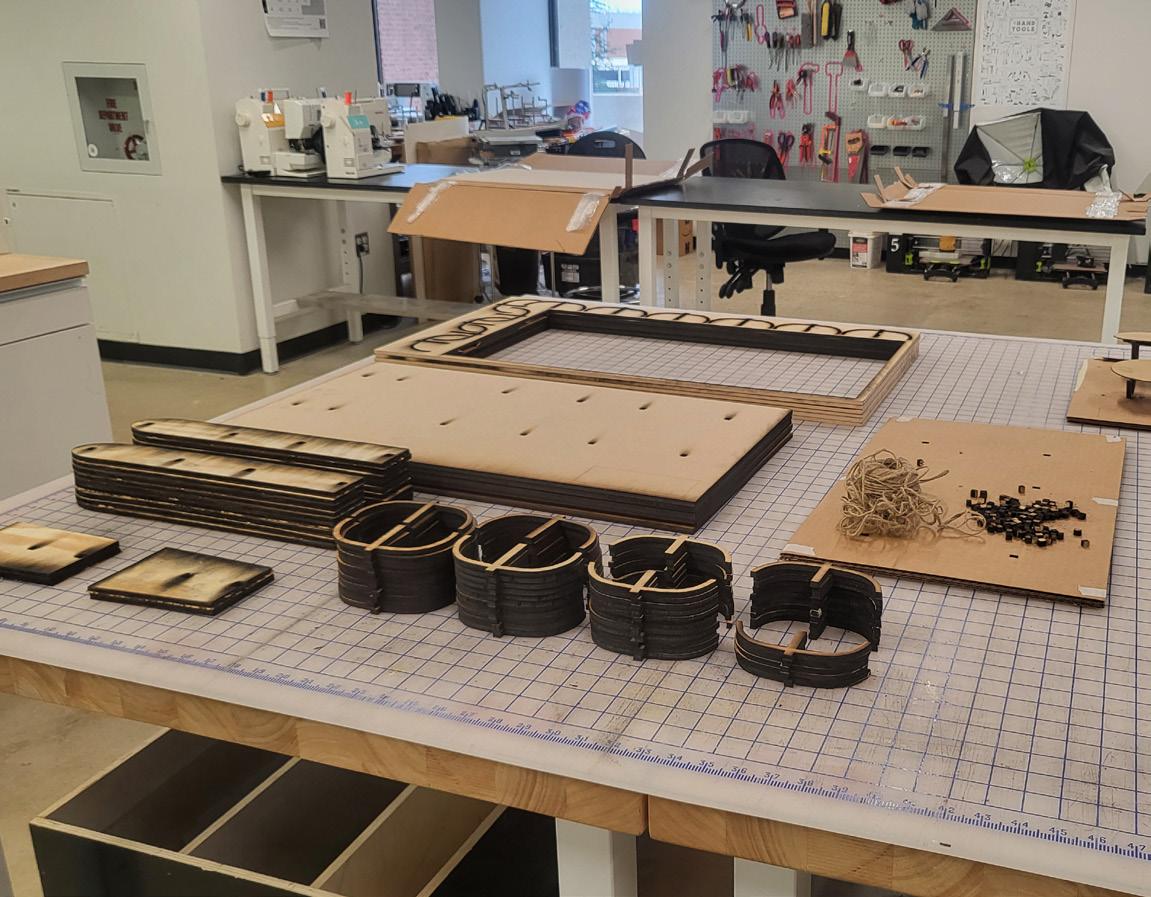
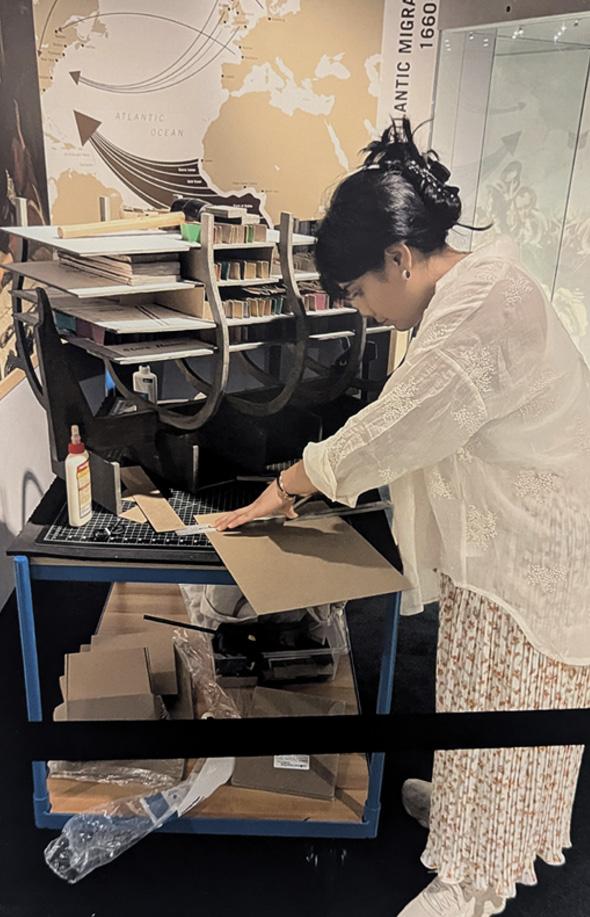
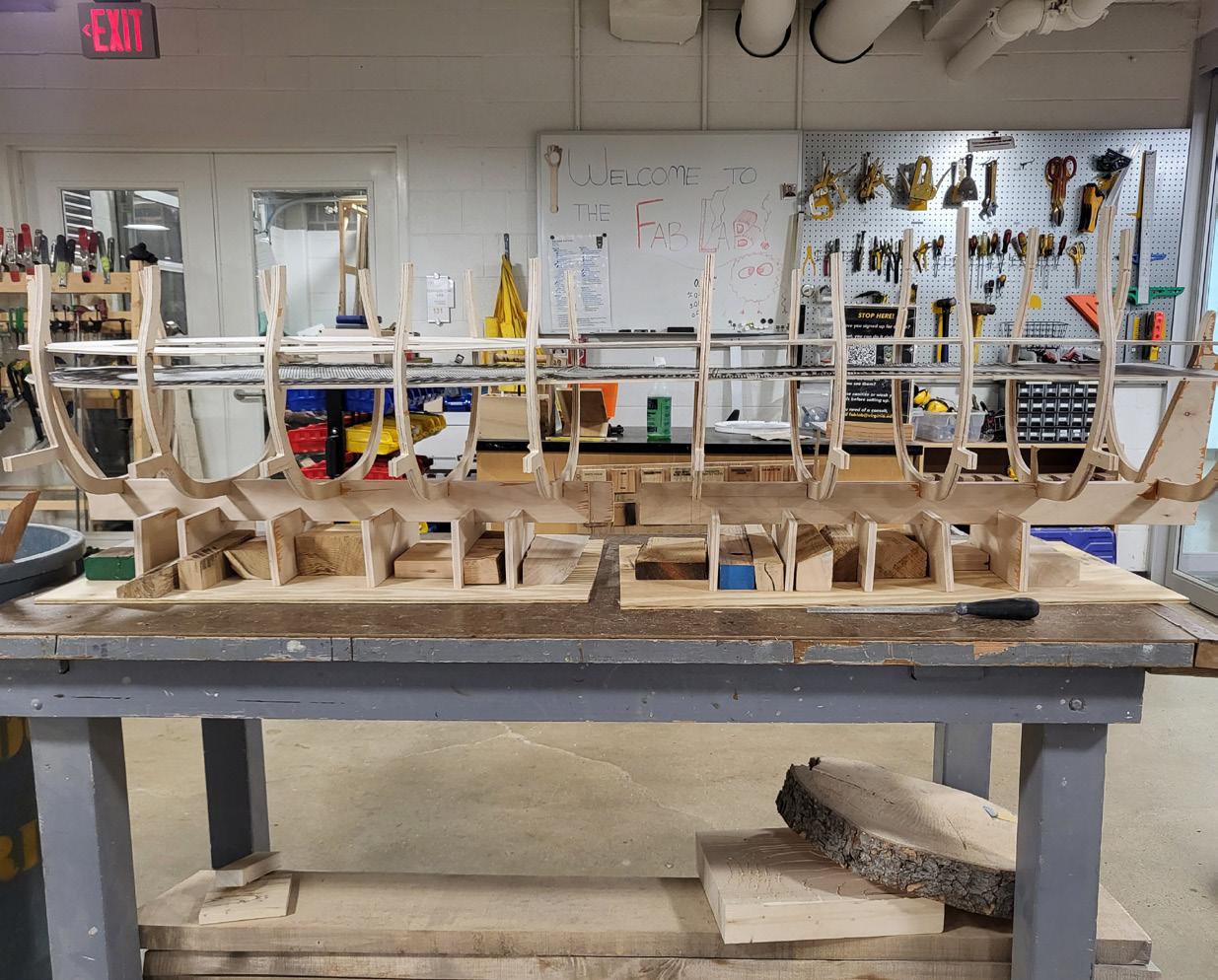
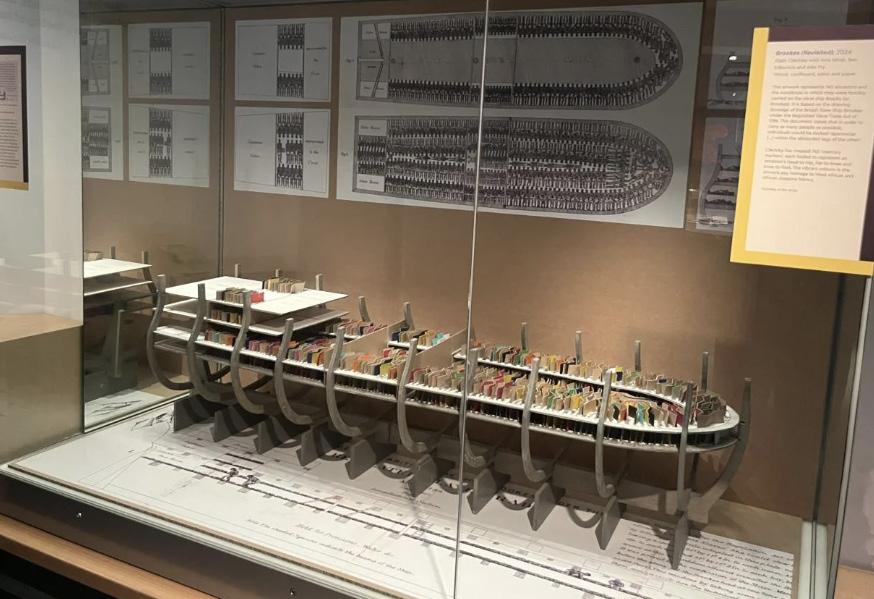
Brookes (Revisited) was previously presented at the University of New Mexico and will travel to Toronto Metropolitan University in spring 2025. A permanent installation of Brookes (Revisited) is on view at the Royal Museums Greenwich’s National Maritime Museum as part of the Atlantic Worlds exhibition. I helped design and build models for both exhibitions.
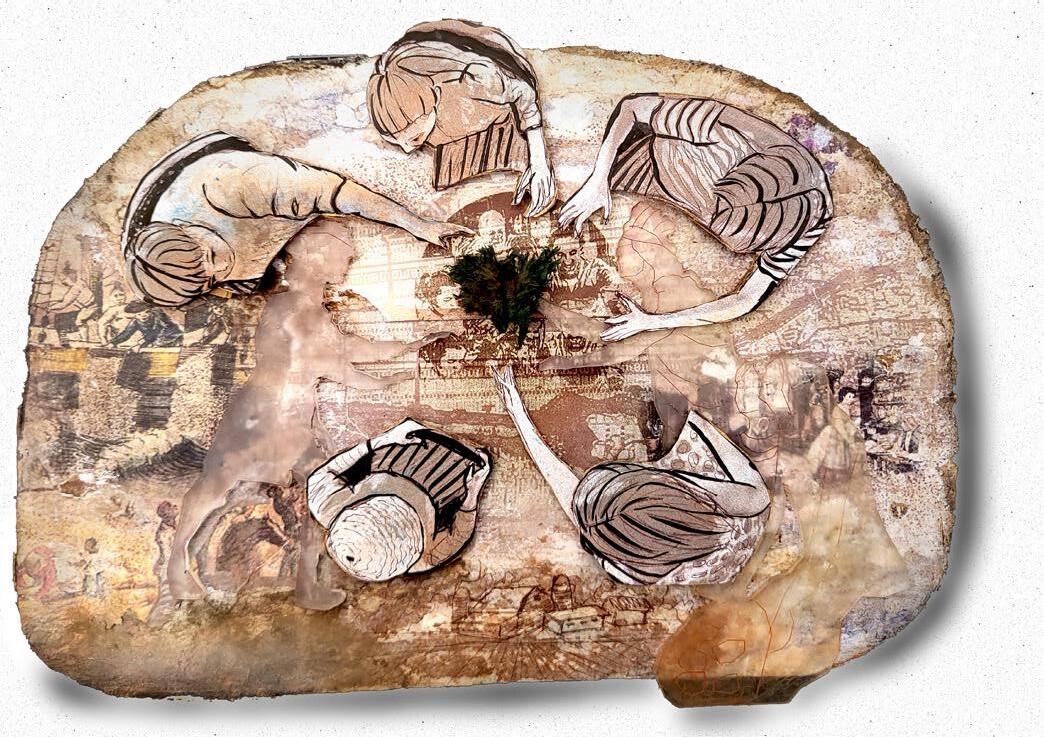
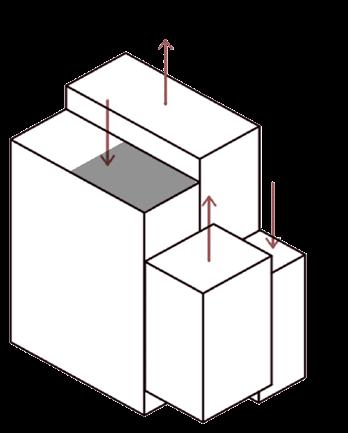
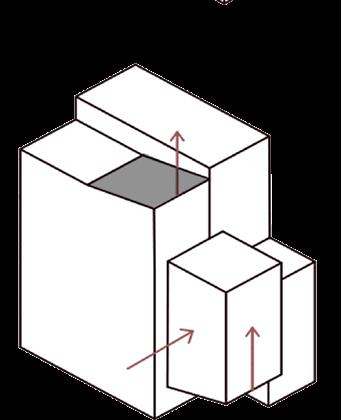
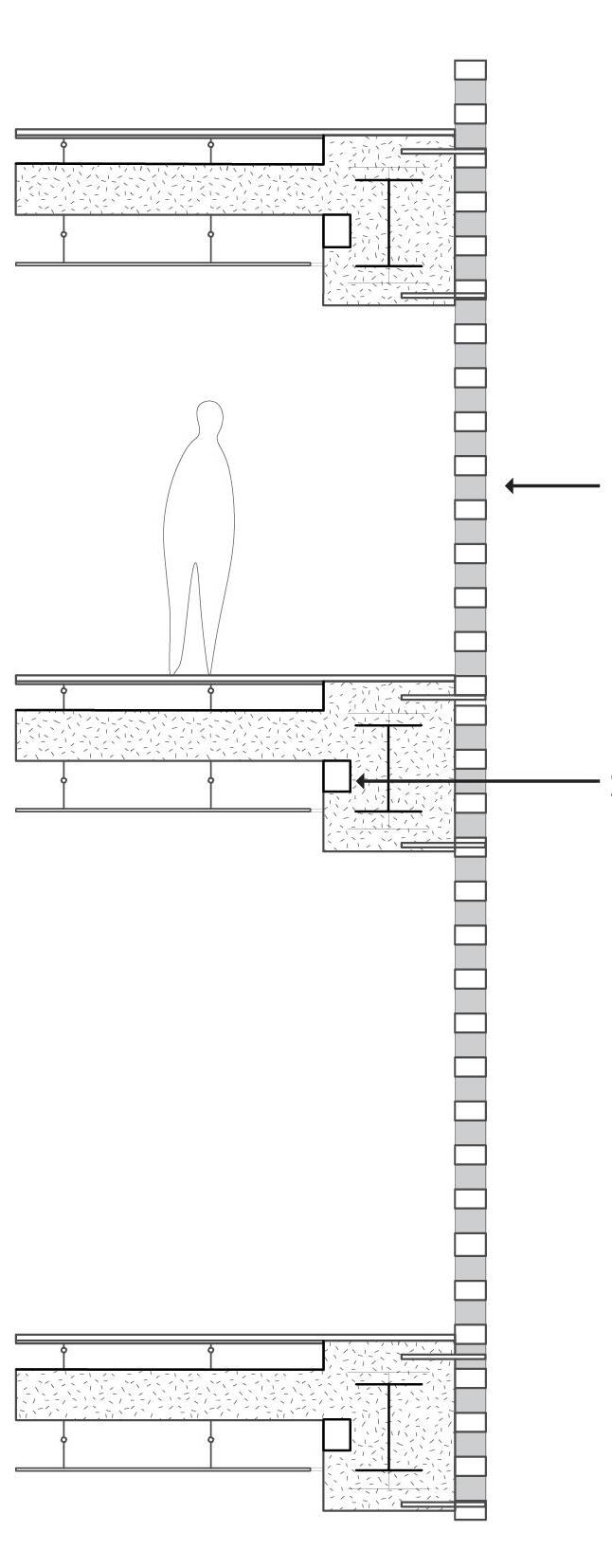
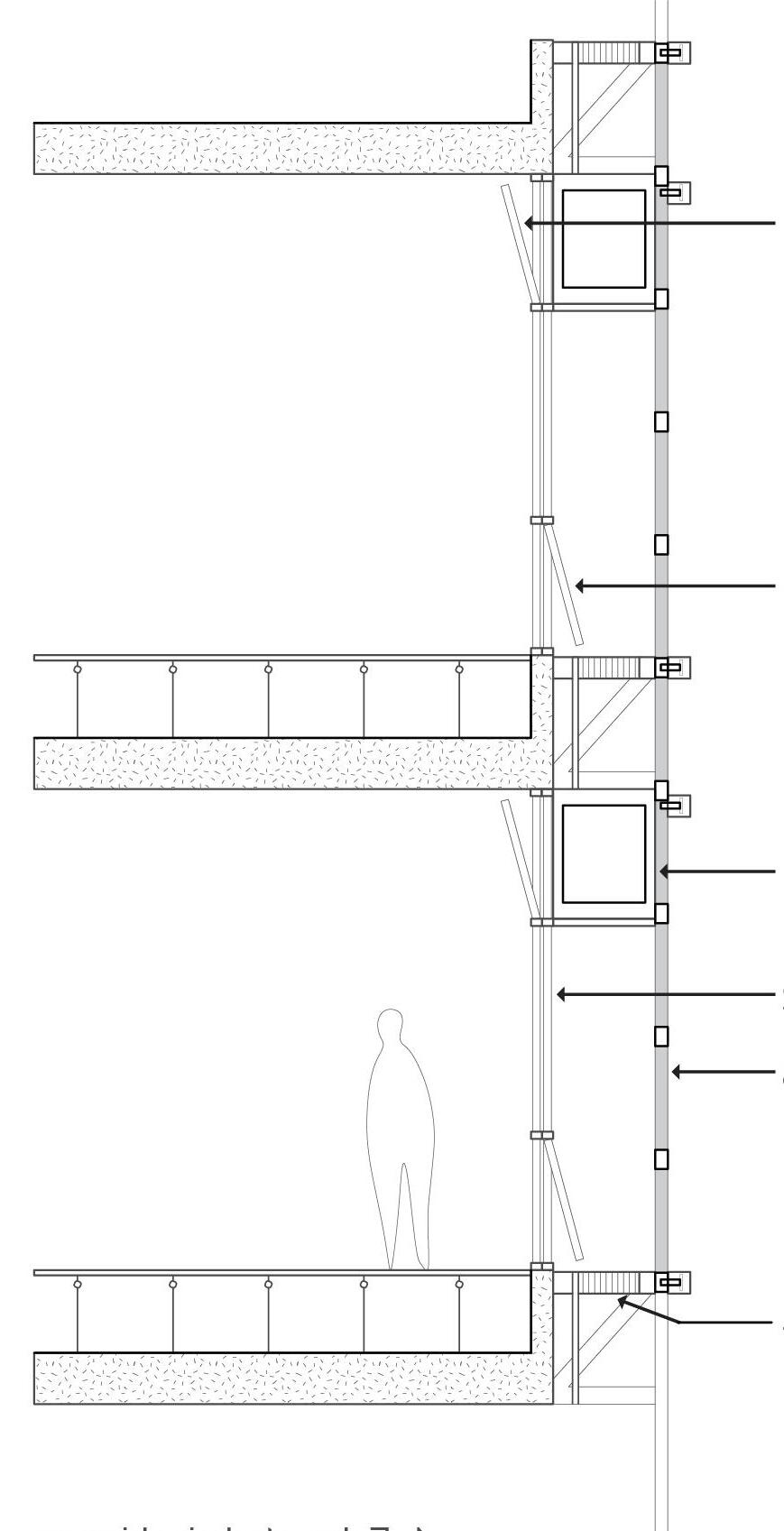
Food serves as a gateway to exploring history, culture, and heritage. Nowhere is this connection more pronounced than in New York City, the food capital of the world. The city’s vibrant immigration history and commercial prosperity have given rise to intricate and interconnected cultures and subcultures. The food Archive aims to help preserve this culinary history and help create new stories as the city evolves.
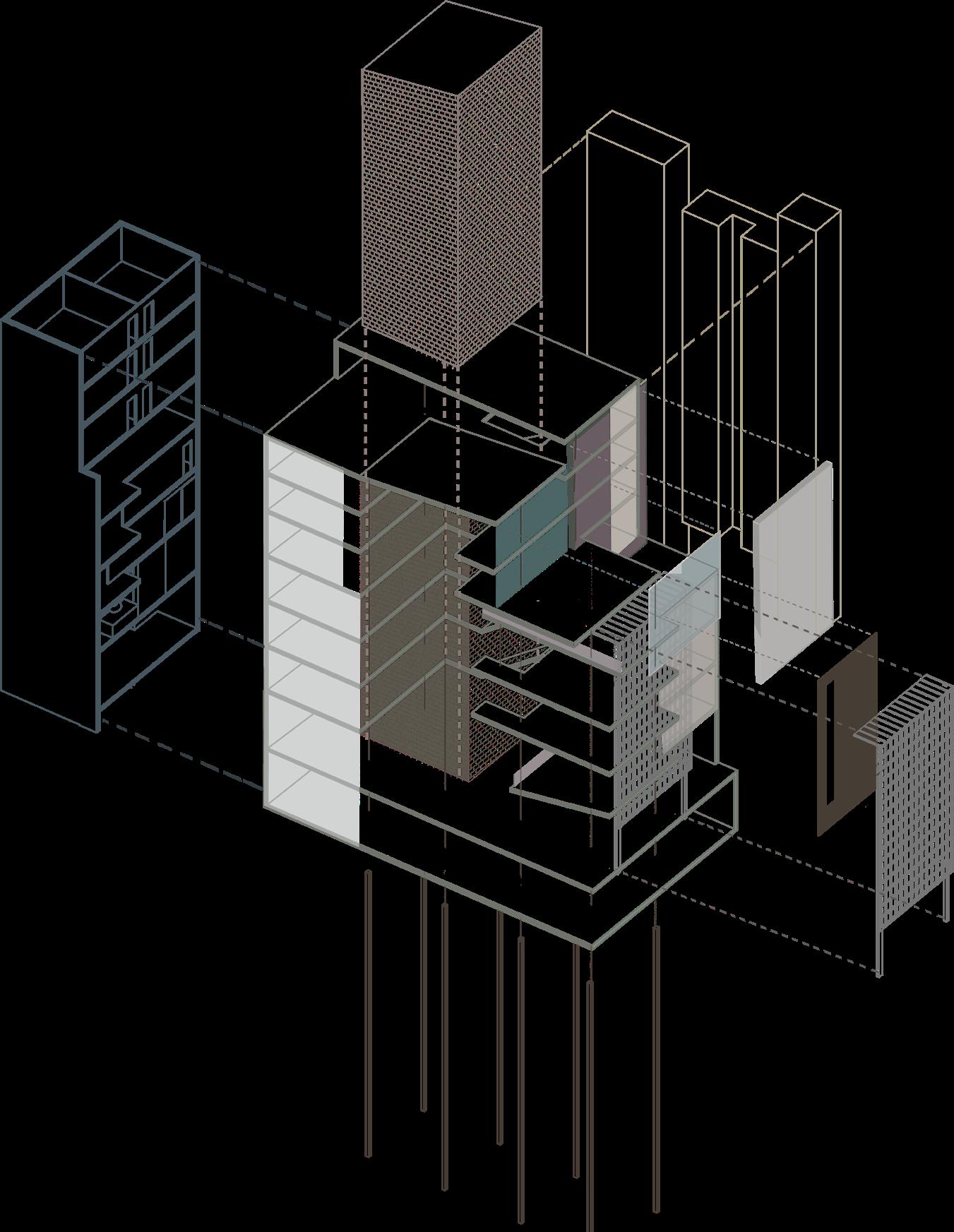
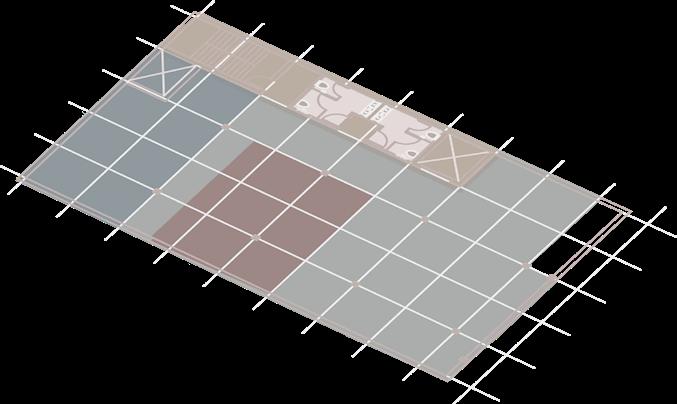
Food holds an important role in all aspects to life. So in order to preserve it, the archive goes beyond simply preserving historical artifacts. The food archive serves as a repository of stories, recipes, and memories shared by the community. The program incorporates public classrooms, test kitchens and recording rooms to allow for these narratives to endure and thrive.
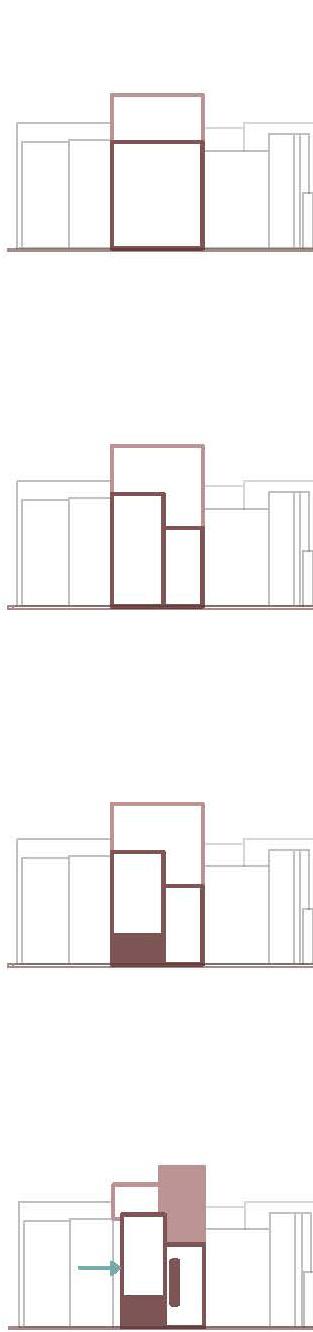
The archive’s ground floor can be opened up to the street, inviting in the community who’s story it holds. It can also act as an extension to the weekend farmers market across the street. Providing a welcoming enviroment for visitors to encourage them to share their stories on which the archive is built upon is the at the core of this archives design.
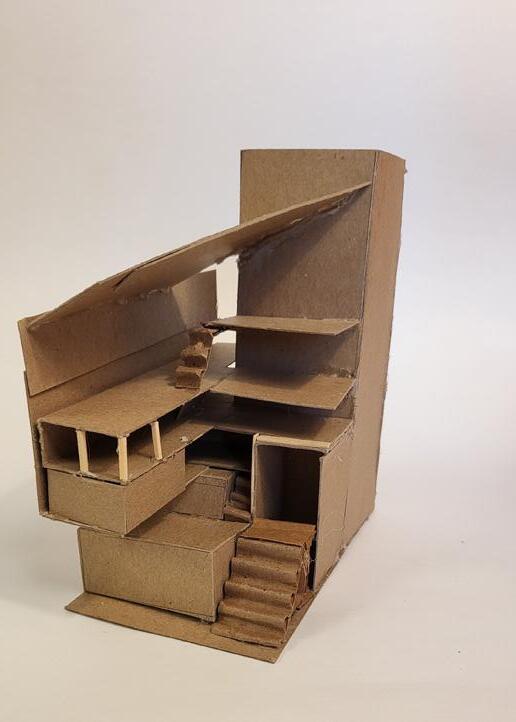
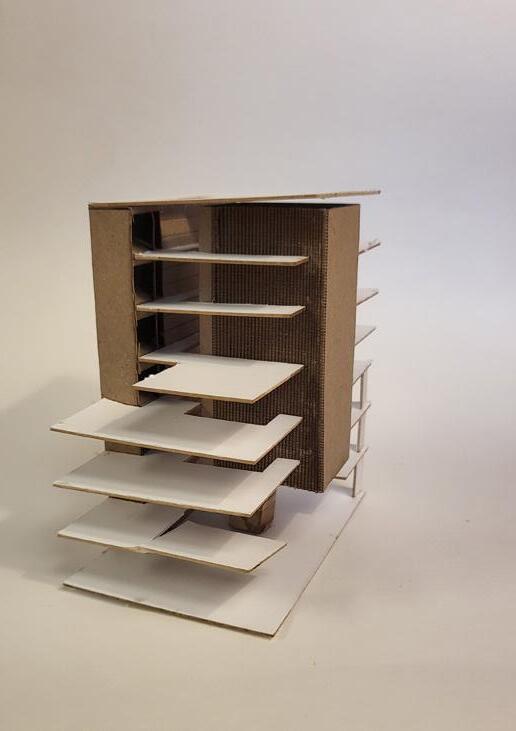
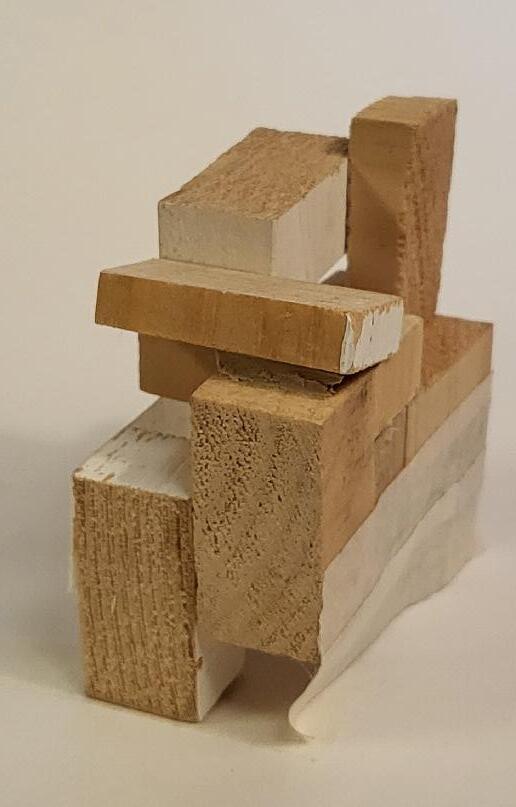
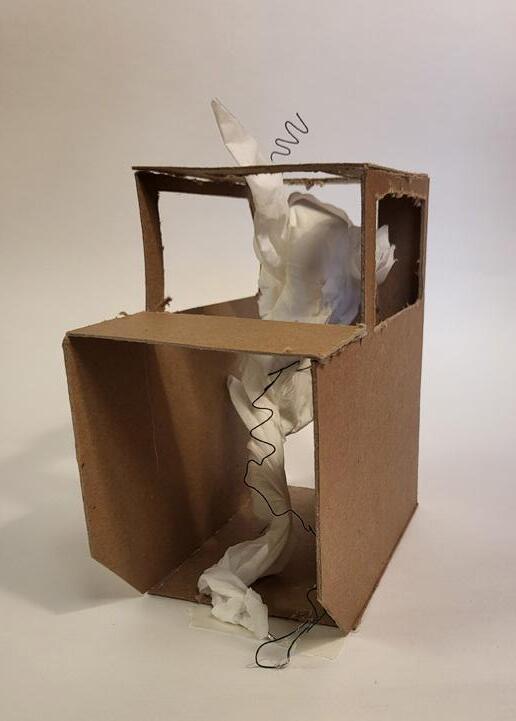
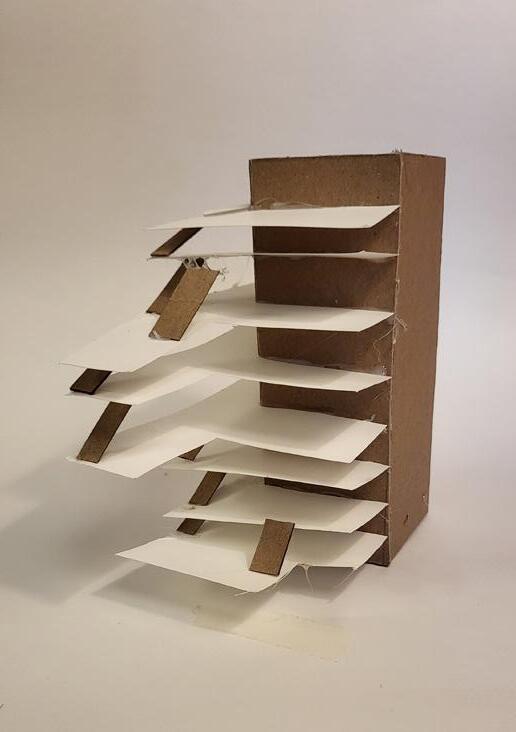
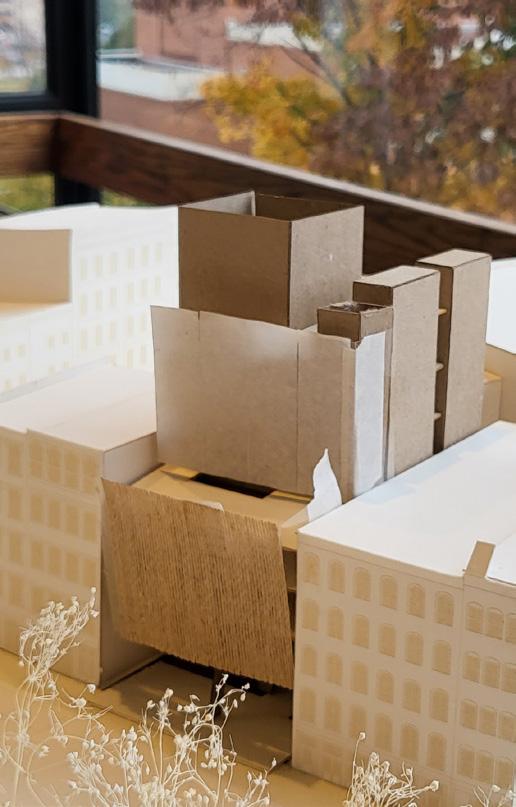
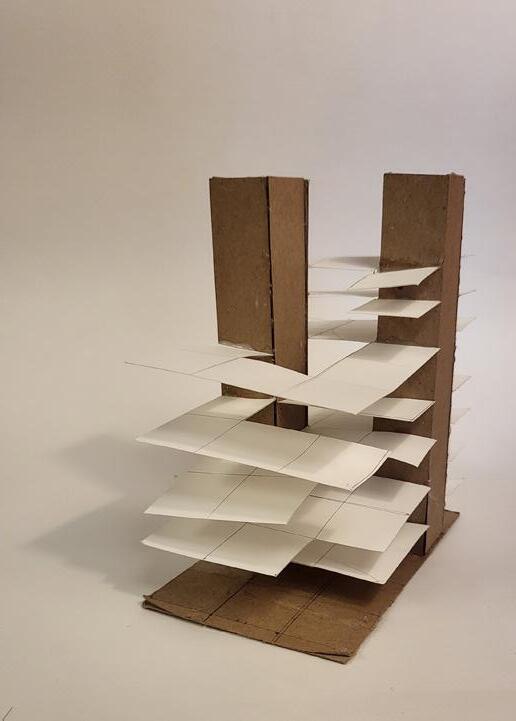
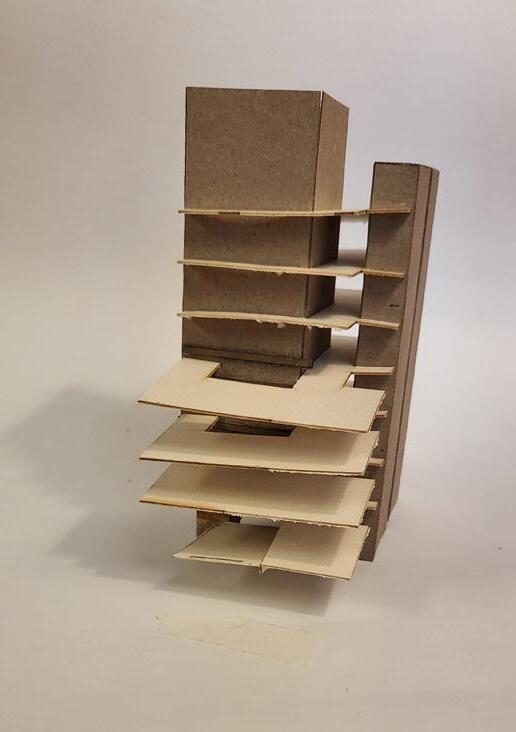
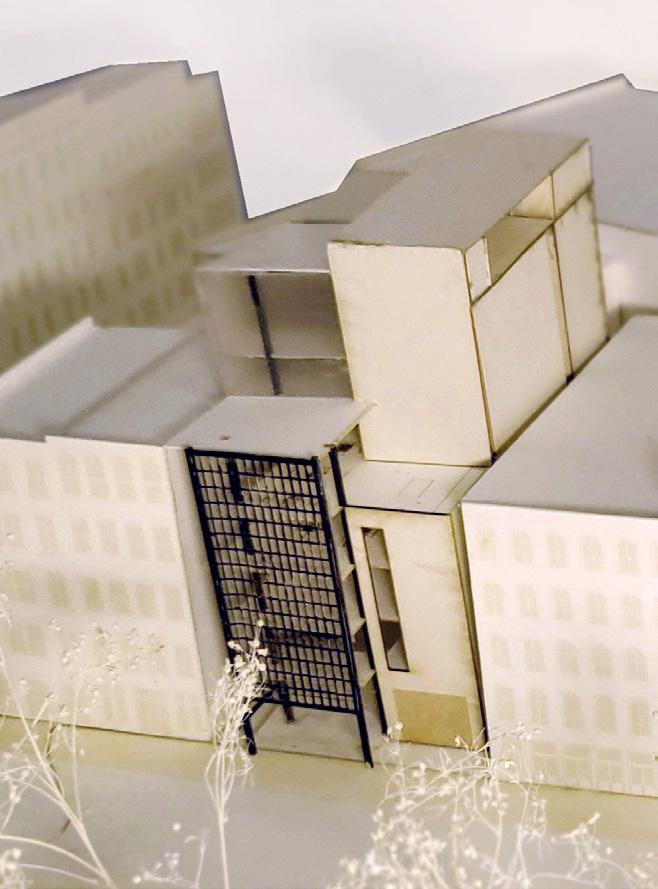
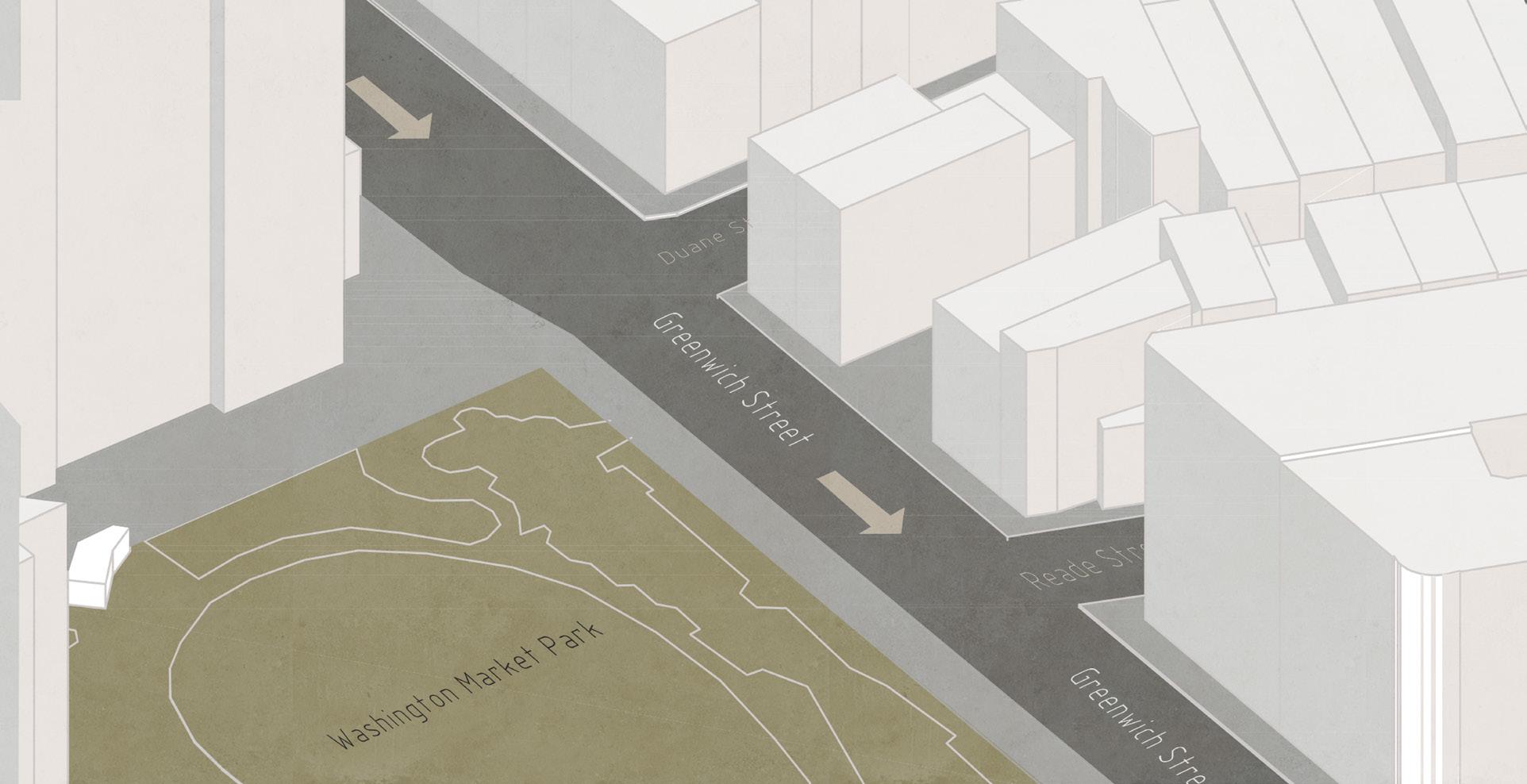
The site for this project is located on a residential block on Greenwich Street. In its formal language, the project is respectful of its neighboring buildings and keeps the scale of the neighborhood in mind.
Office and classrooms
Archival core
Bathroom and circulation
Public spaces
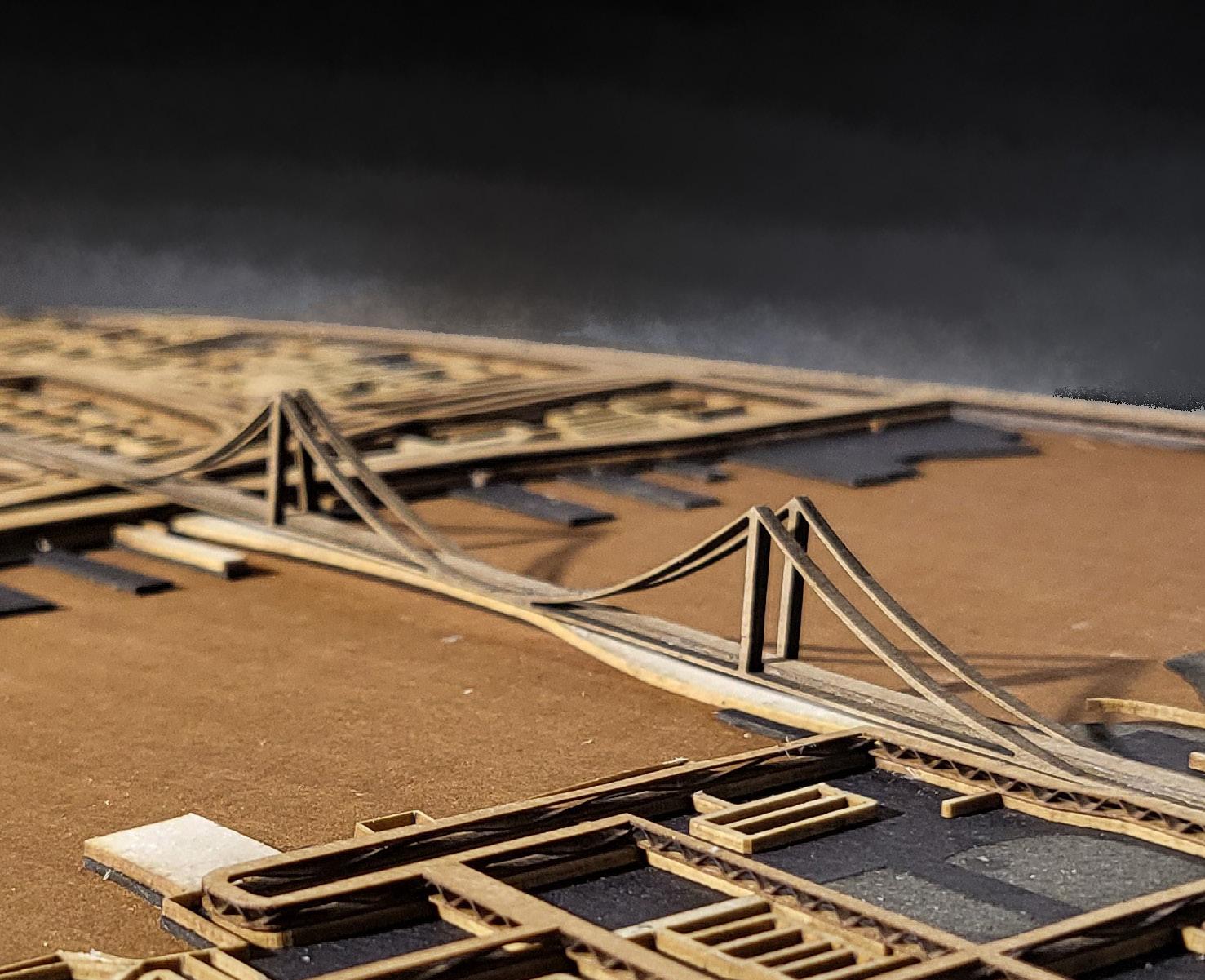
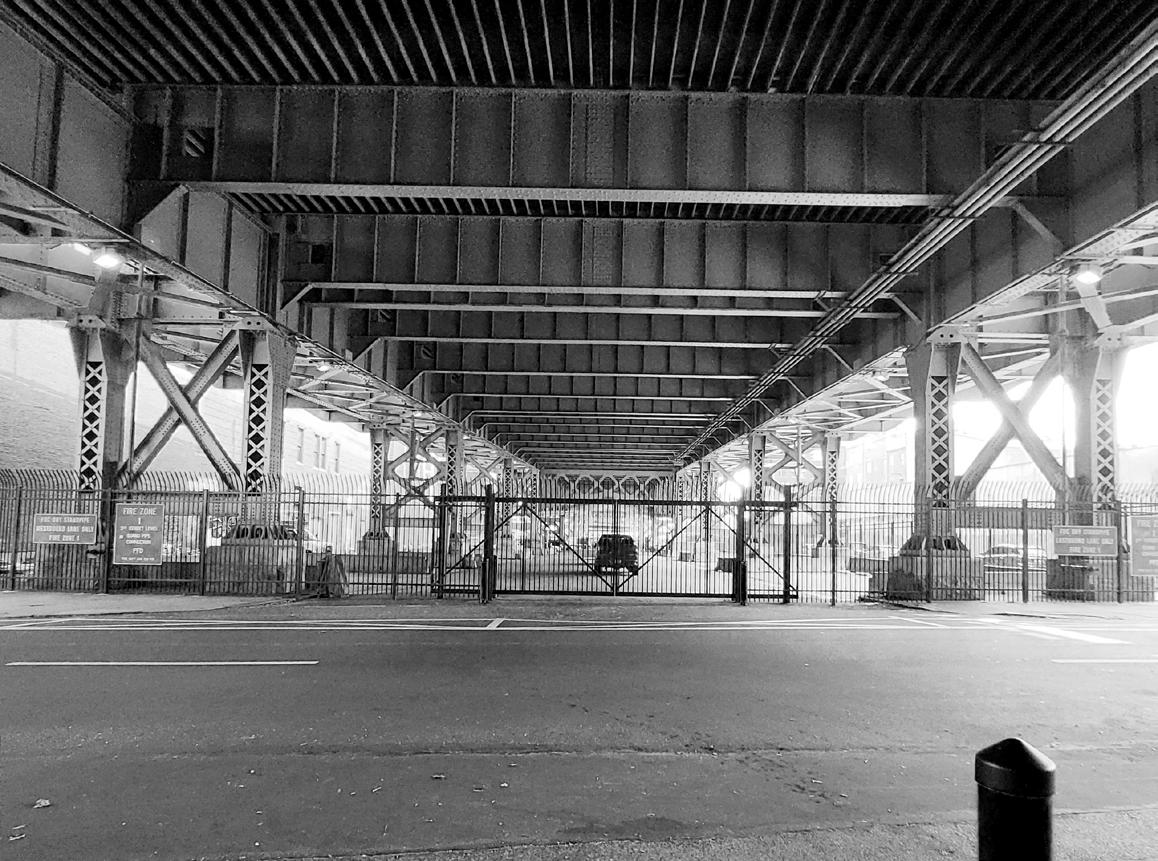
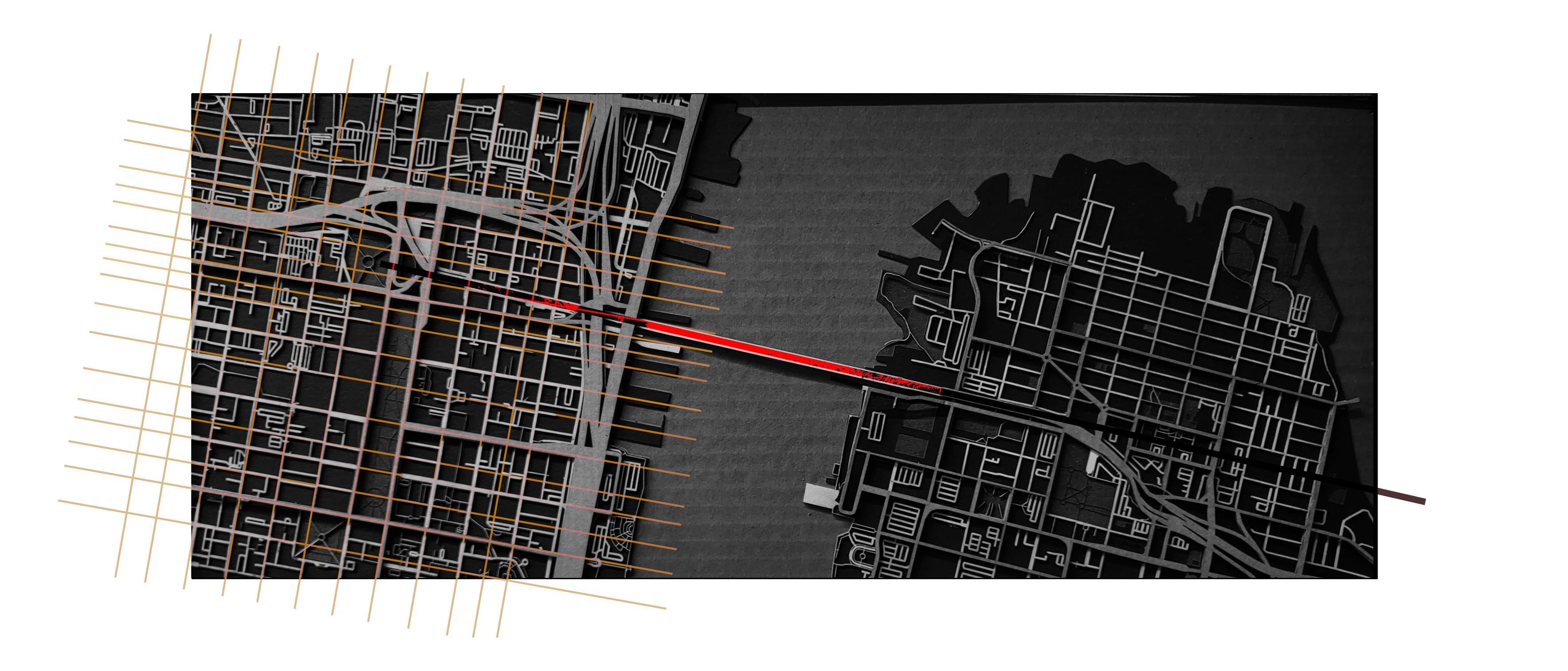
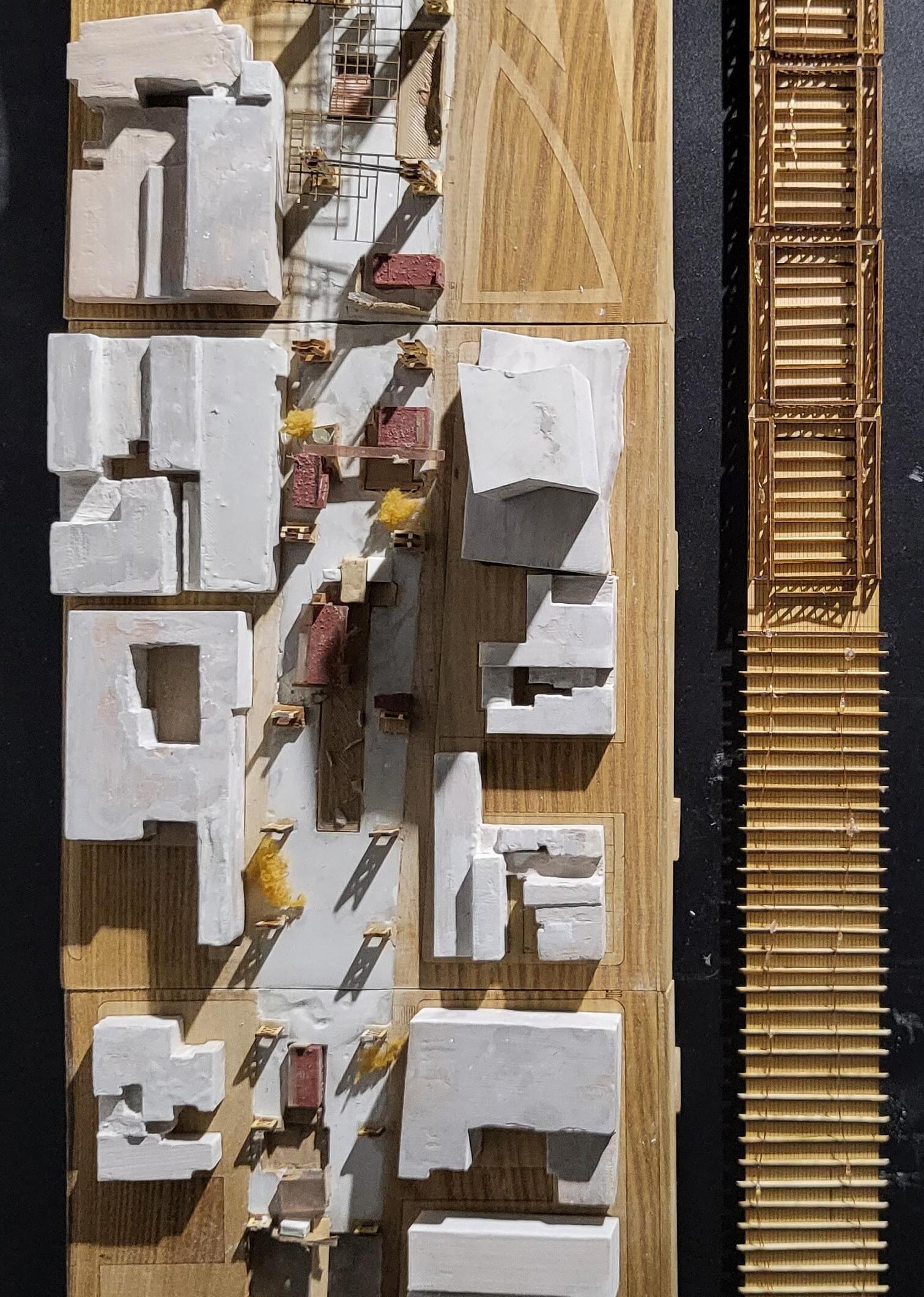
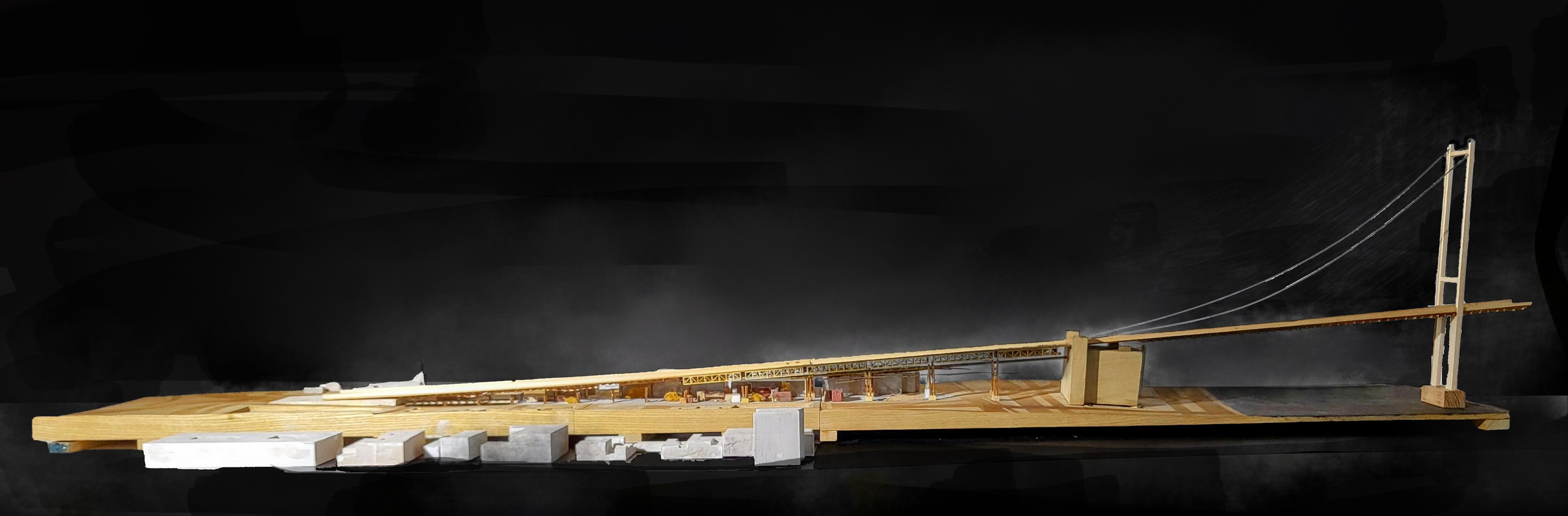
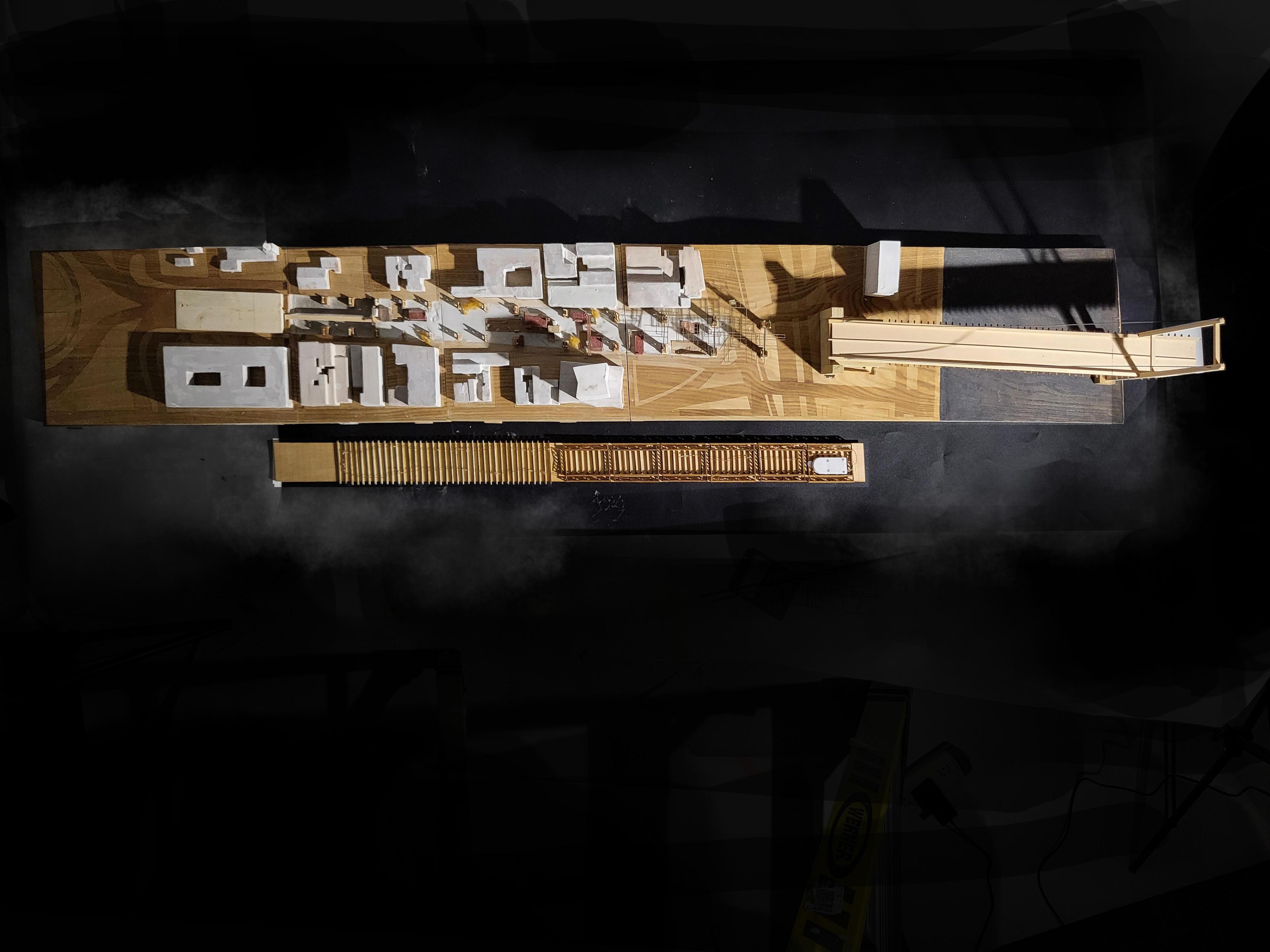
The Benjamin Franklin Bridge connected Philadelphia and New Jersey. But in doing so, the off- grid bridge split up Old Town Philadelphia with a large concrete parking lot. WMy project attempts to correct this fissure.
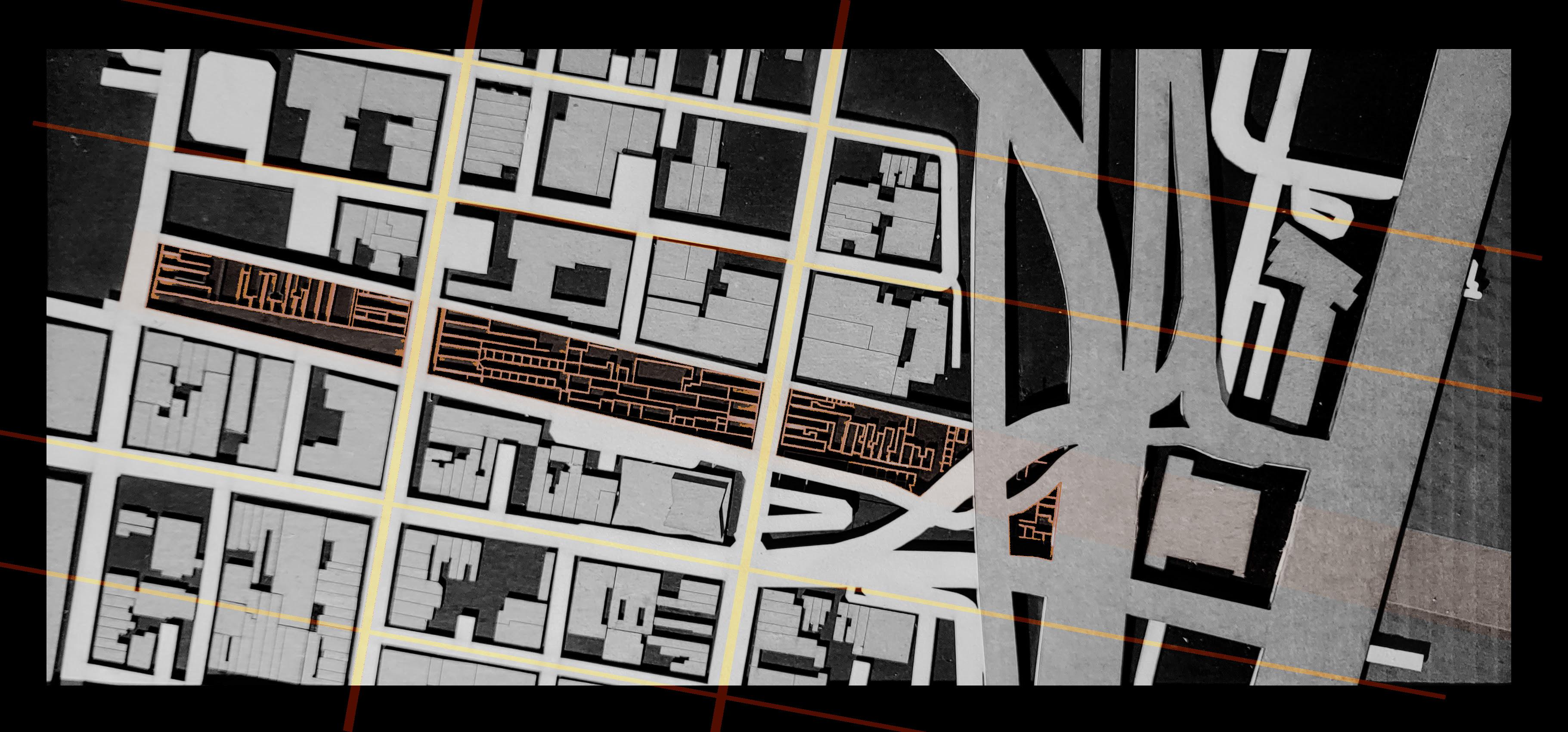
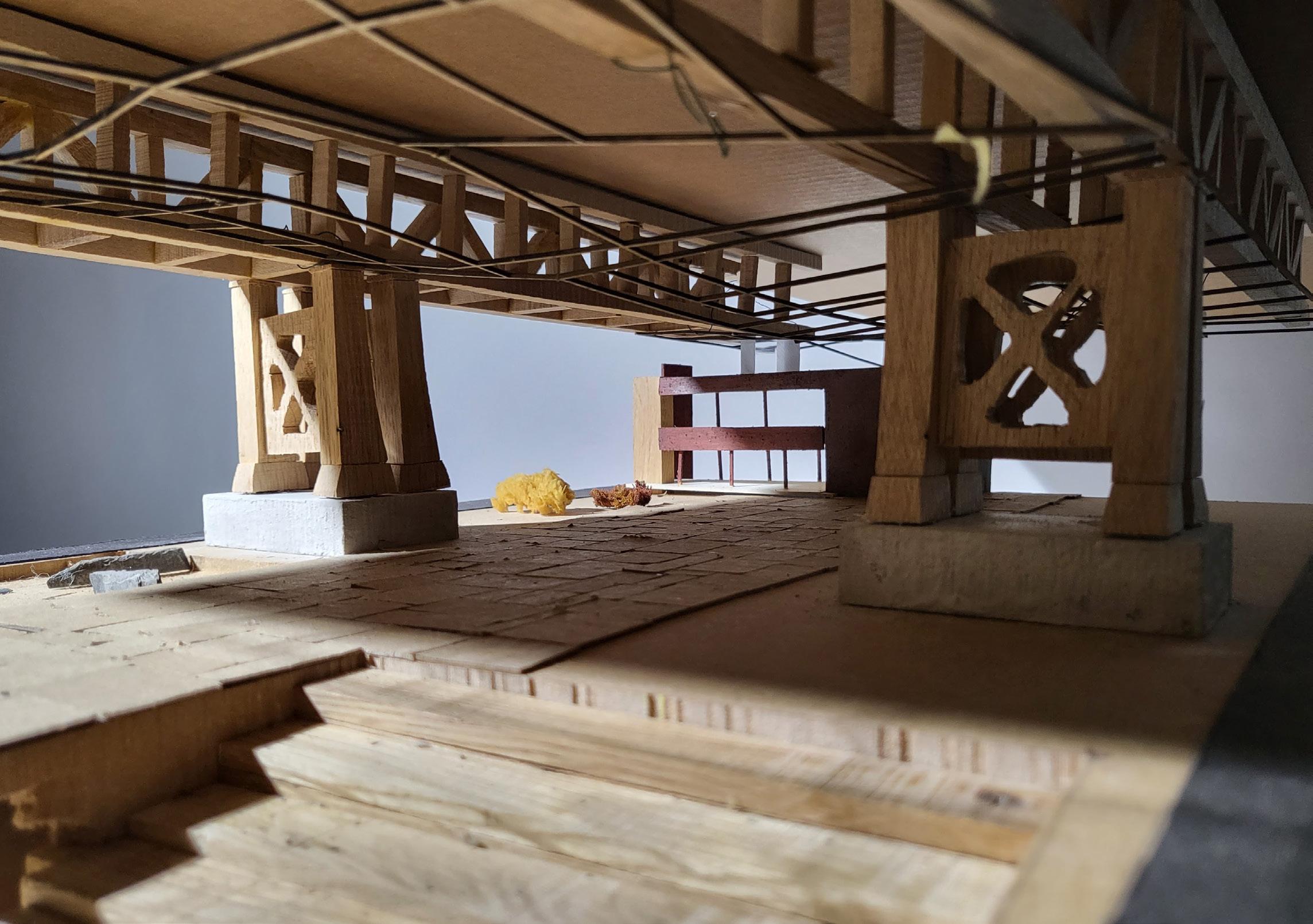
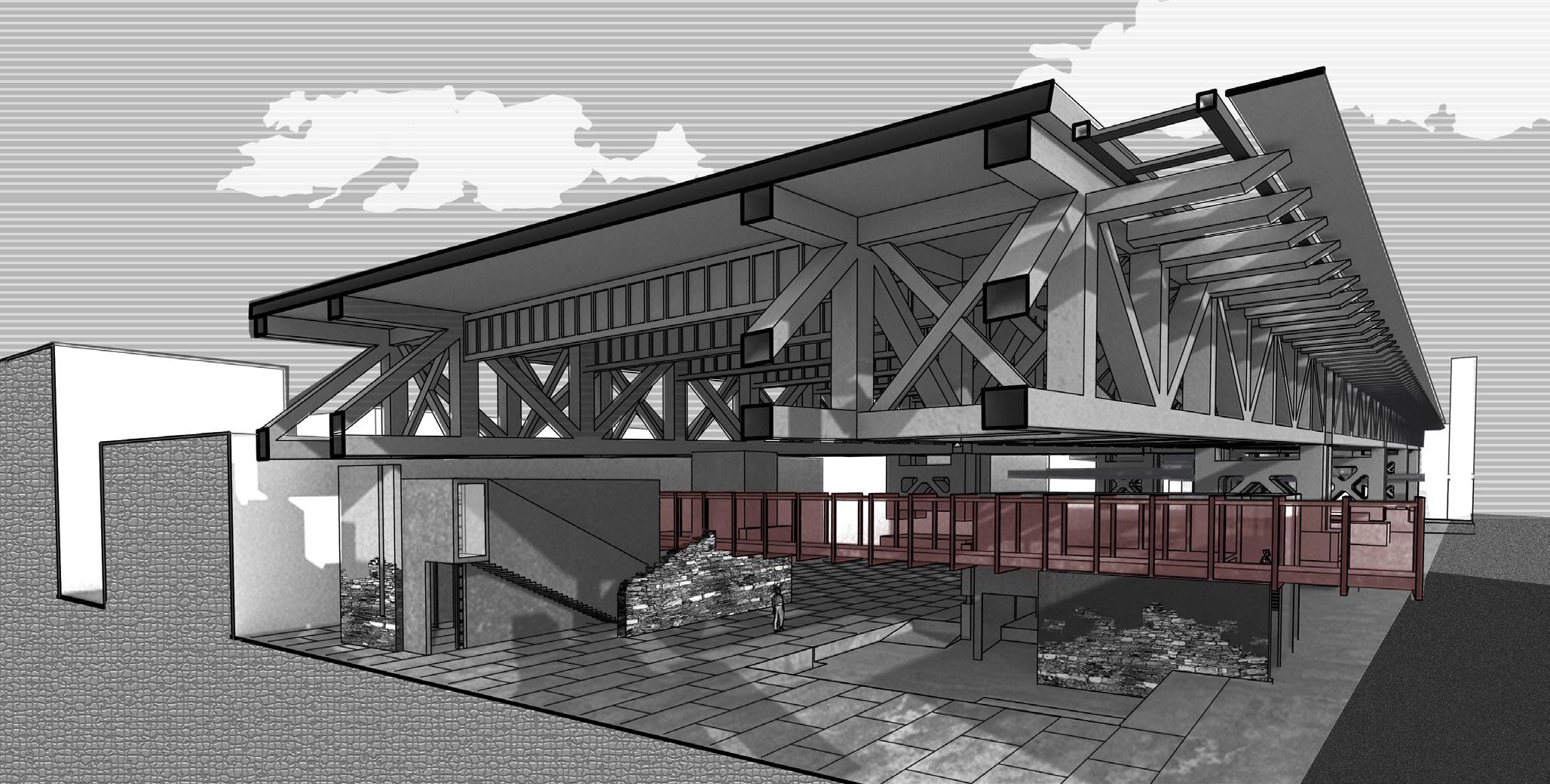
In its attempt to reconnect old town Philadelphia, the project takes inspiration from old archeological sites. The footprint of the historic neighborhood is used as an outline for the project. Material from the excavation site is used to build walls that once existed around the site. These walls help frame the new stuctures that are built on the site. The in-between spaces of old and new create spaces of reflection that highlight the history of the city.
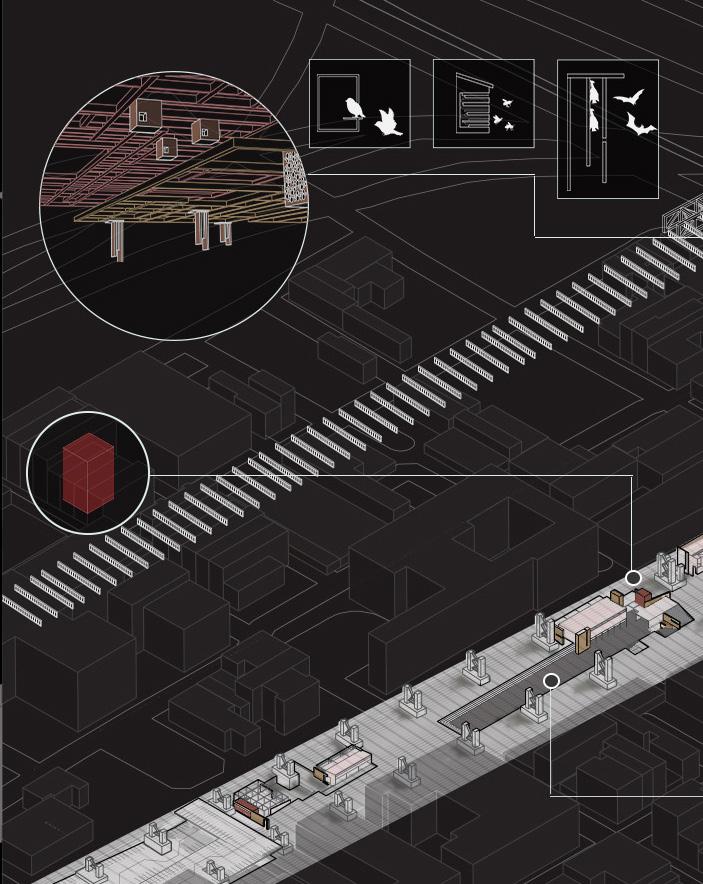
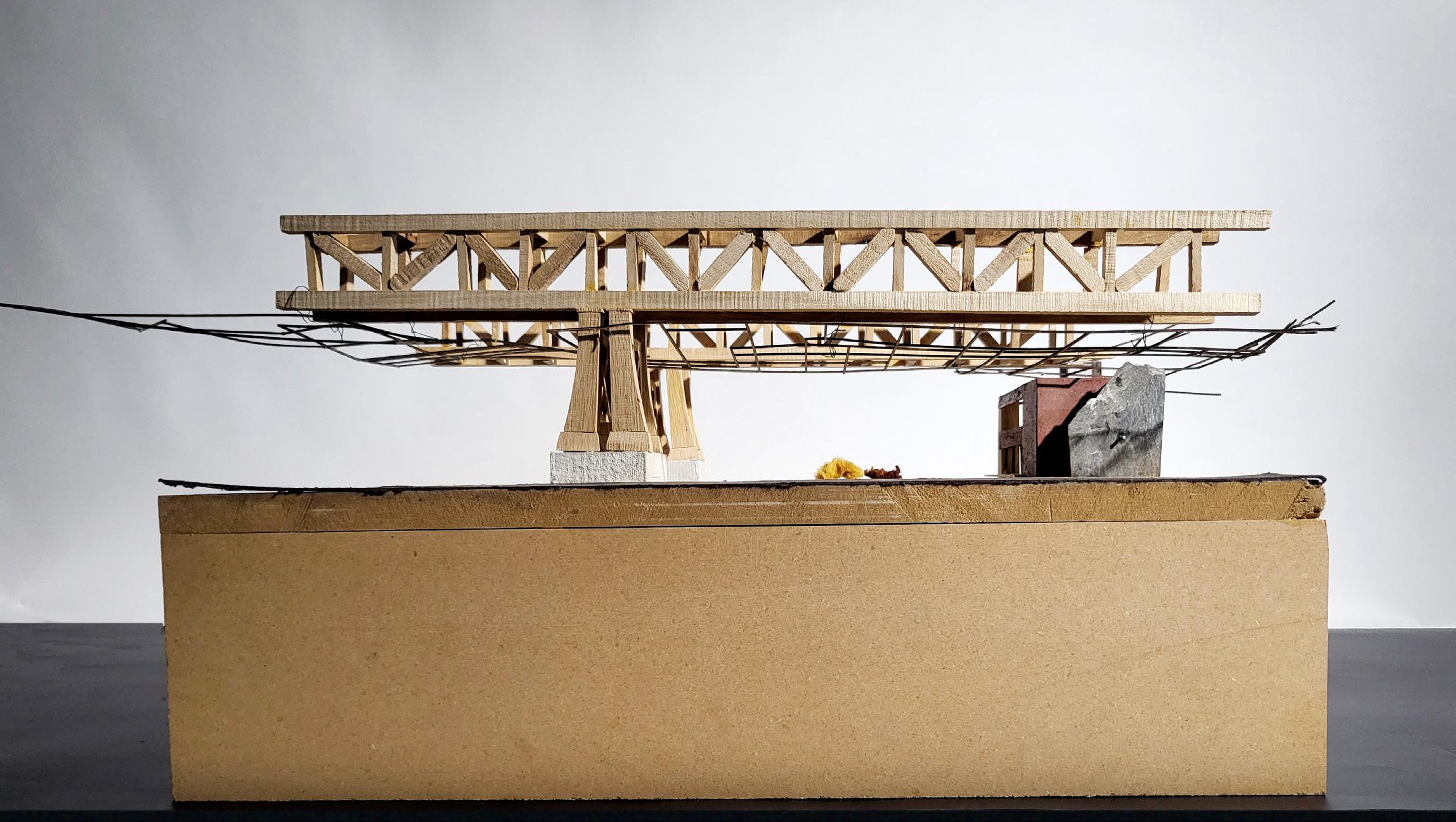
where the bridge significantly rises, a secondary level of scaffolding is introduced. This scaffolding is an abstration of the old neighborhood and its intersecting line. It is equipped with biophillic interventions that allow for bat, birds and bee habitaion. It also acts as a structural base for future expansion to the project.
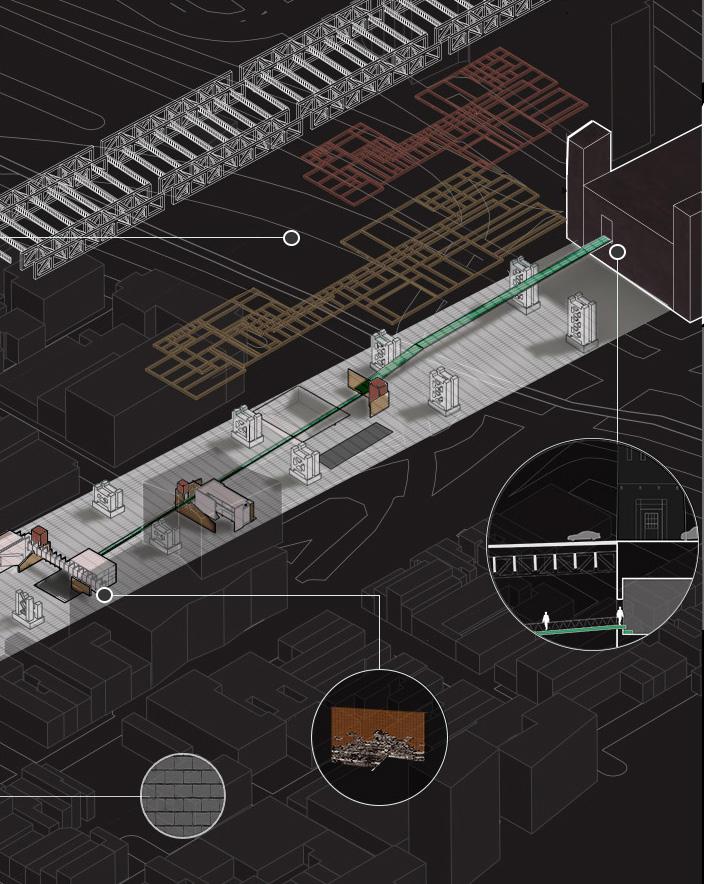
Sectionally, the project consists of three layers: ground, building, and sky. The ground layer represents the past, with the excavated and extruded old walls. The building layer, framed by these historic markers, embodies the present city, offering communal spaces like woodshops, theaters, and kitchens for learning and sharing. The sky layer, the scaffolding, symbolizes the future, holding the potential for growth
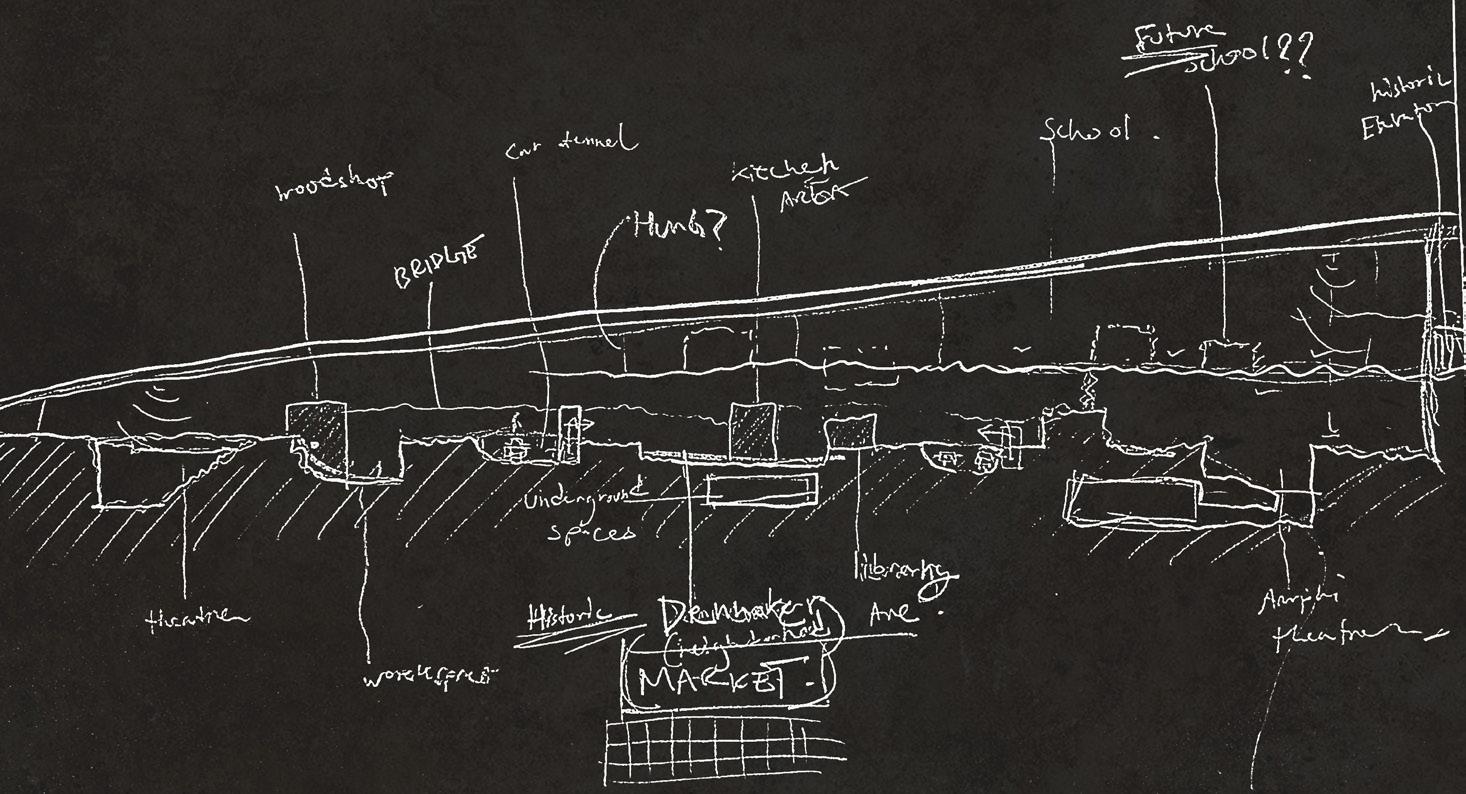
Concept sketch: Connection bewteen ground and sky, old and new
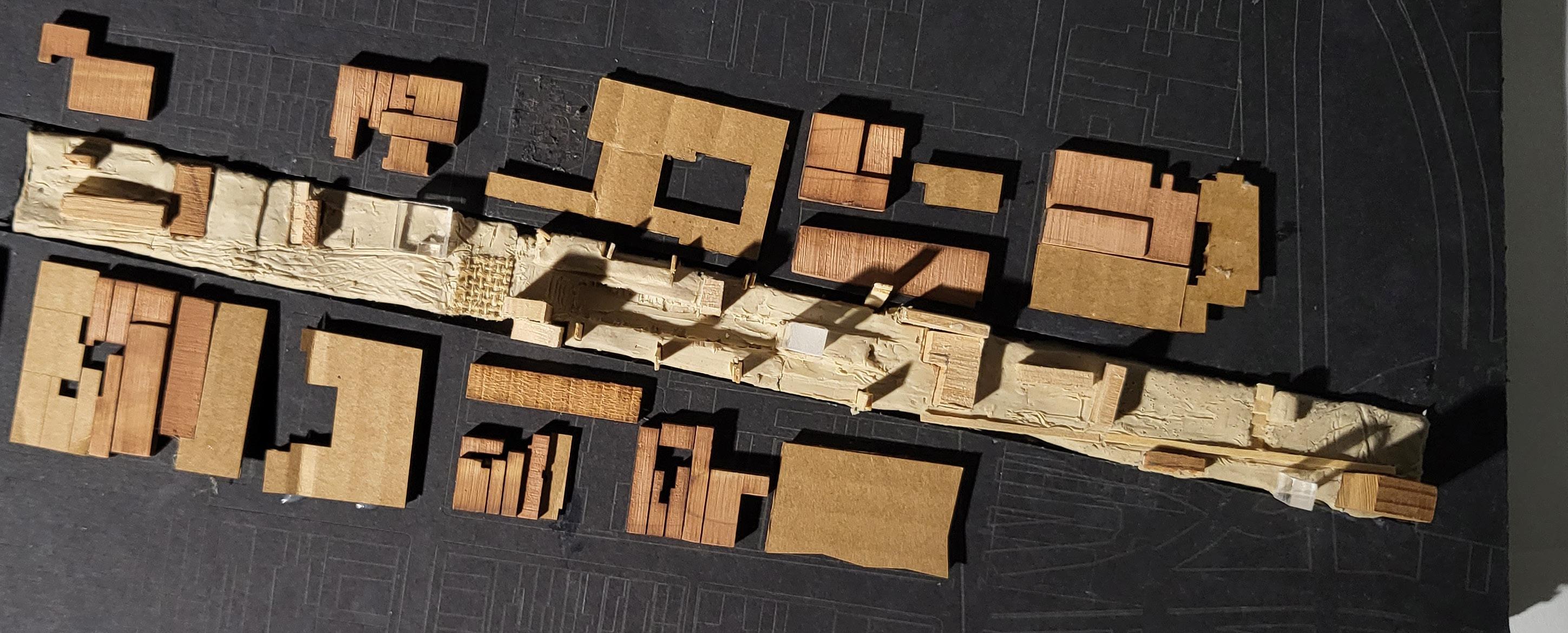
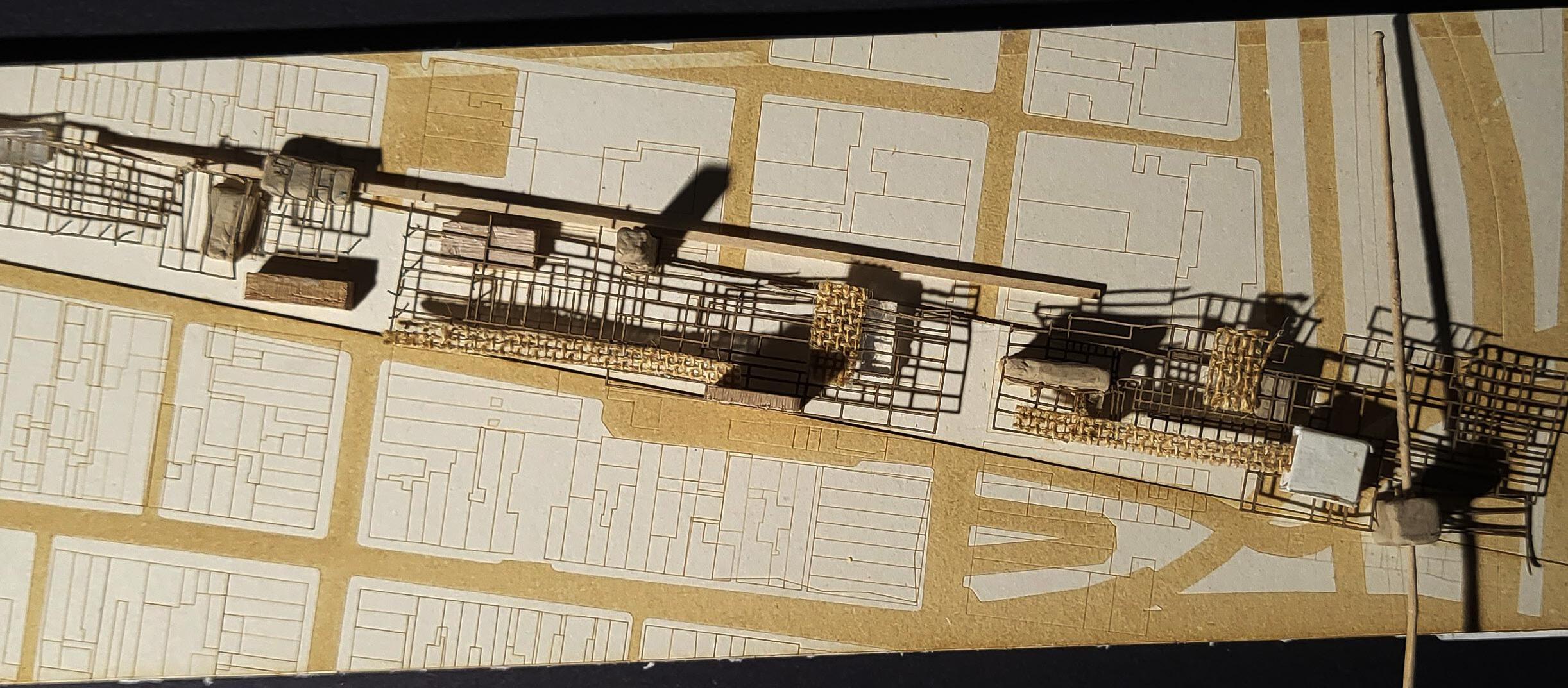
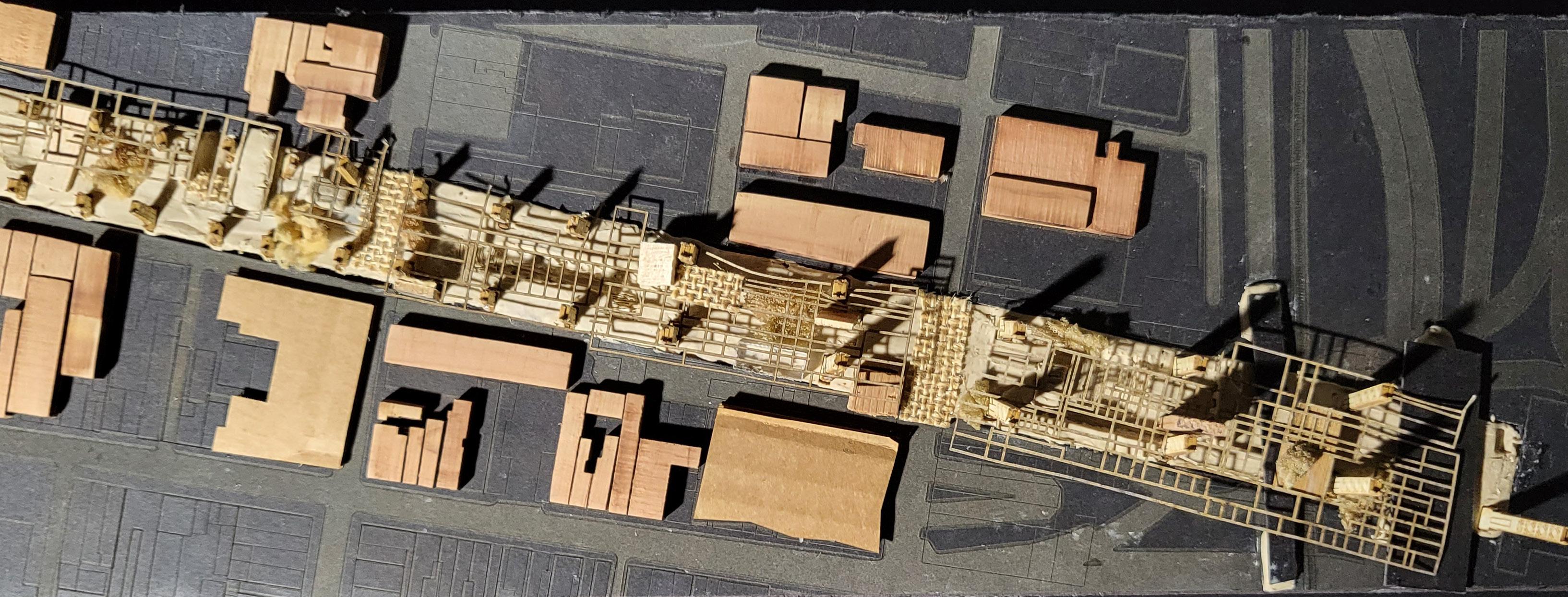
There are depressed sections site to define zones for different
sections throughout the different activities
Leftover materials from the site are used to rebuild the “old walls”, which frame the new structures and create transitional spaces between the old and the new.
Hidden within the bridge are secret spaces, including unused train stations, areas meant for stores and other spaces that were never utilized. The project connects and activates these unused spaces. One of these interventions is a long bridge linking the rest of the project to the bridge’s main structure, which houses a historic mosaic museum.
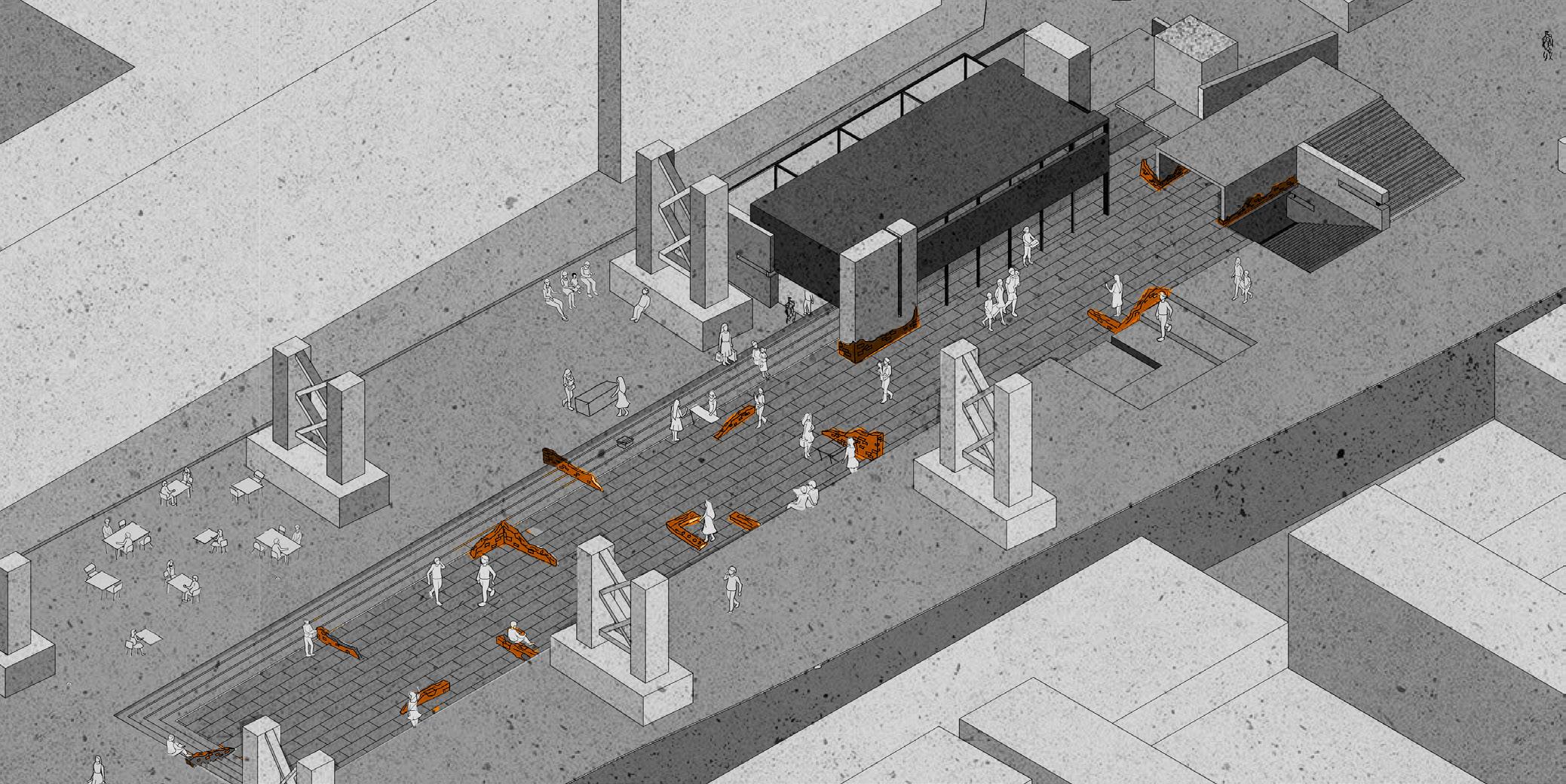
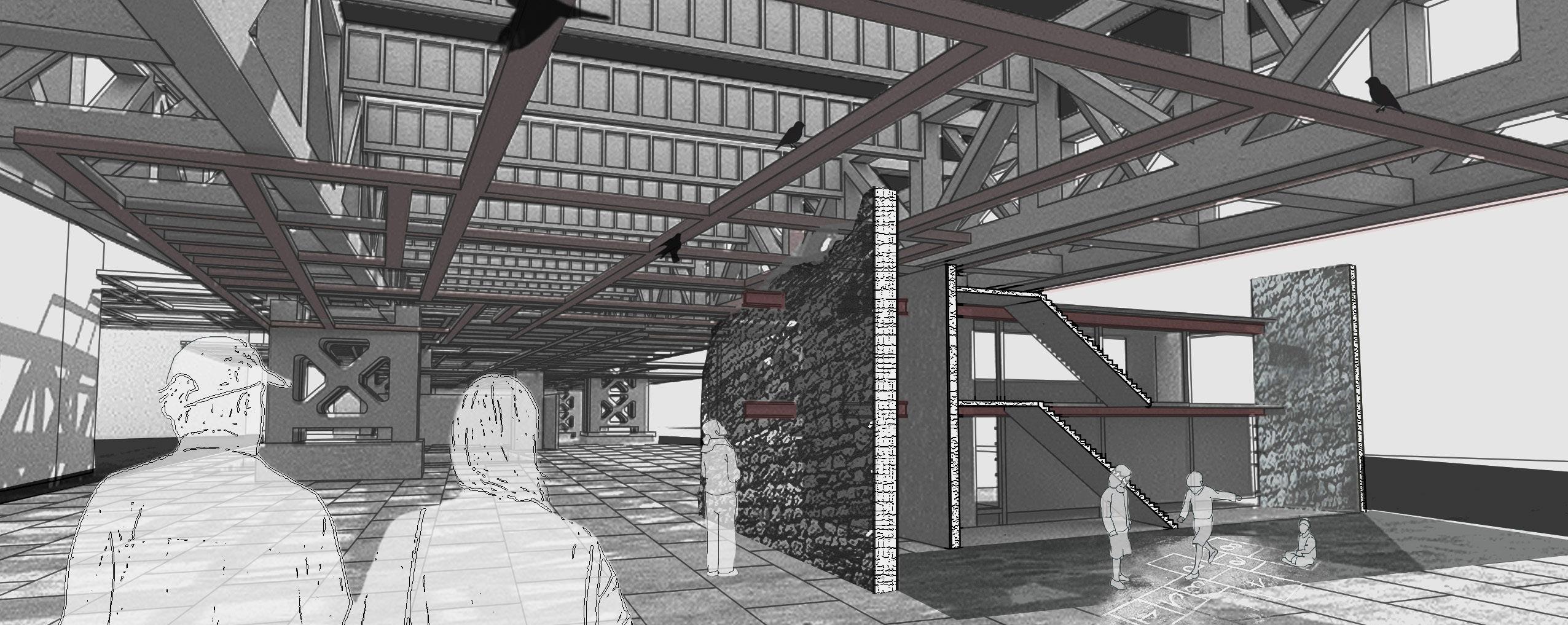
Section B: Old-new wall juncture section perspective
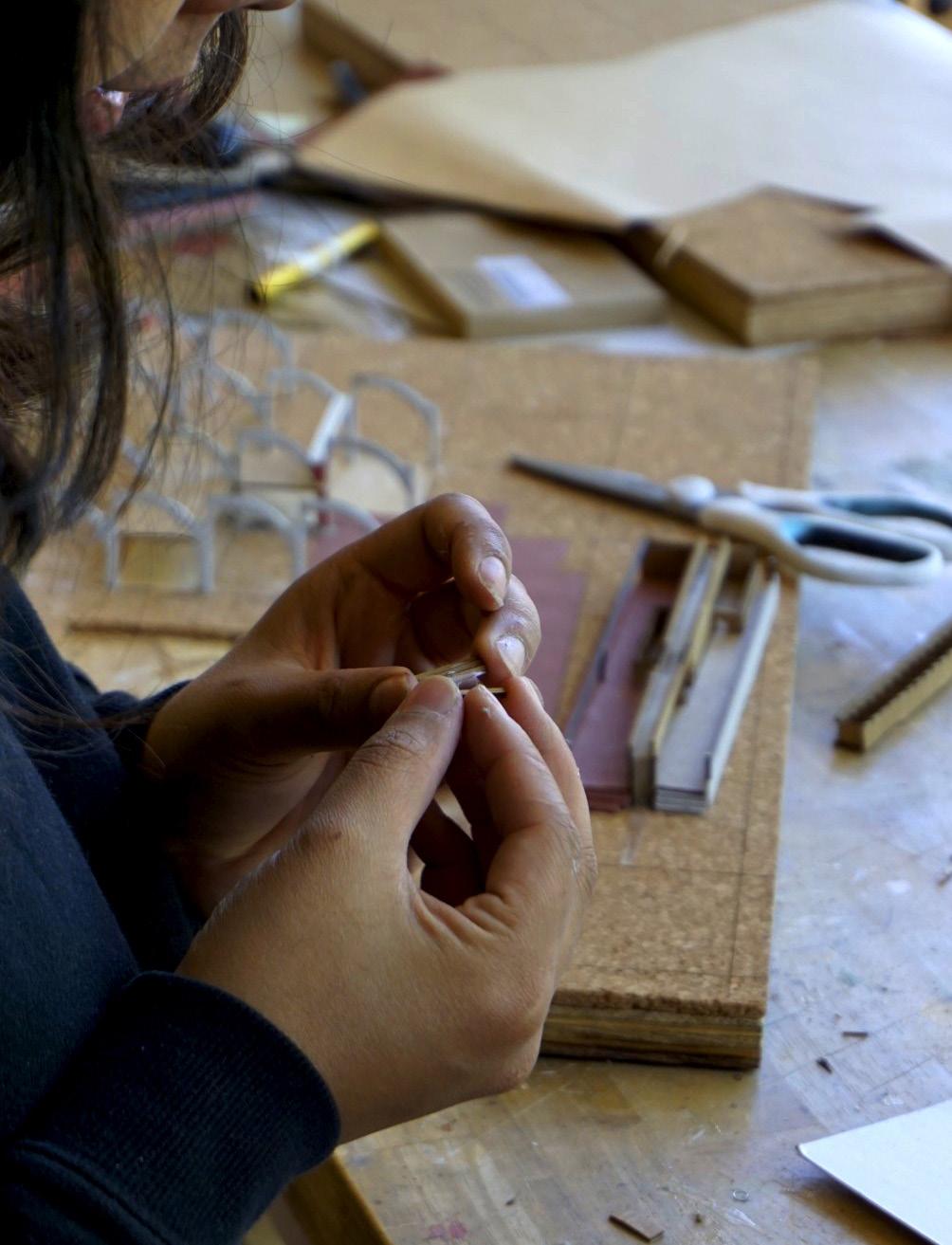
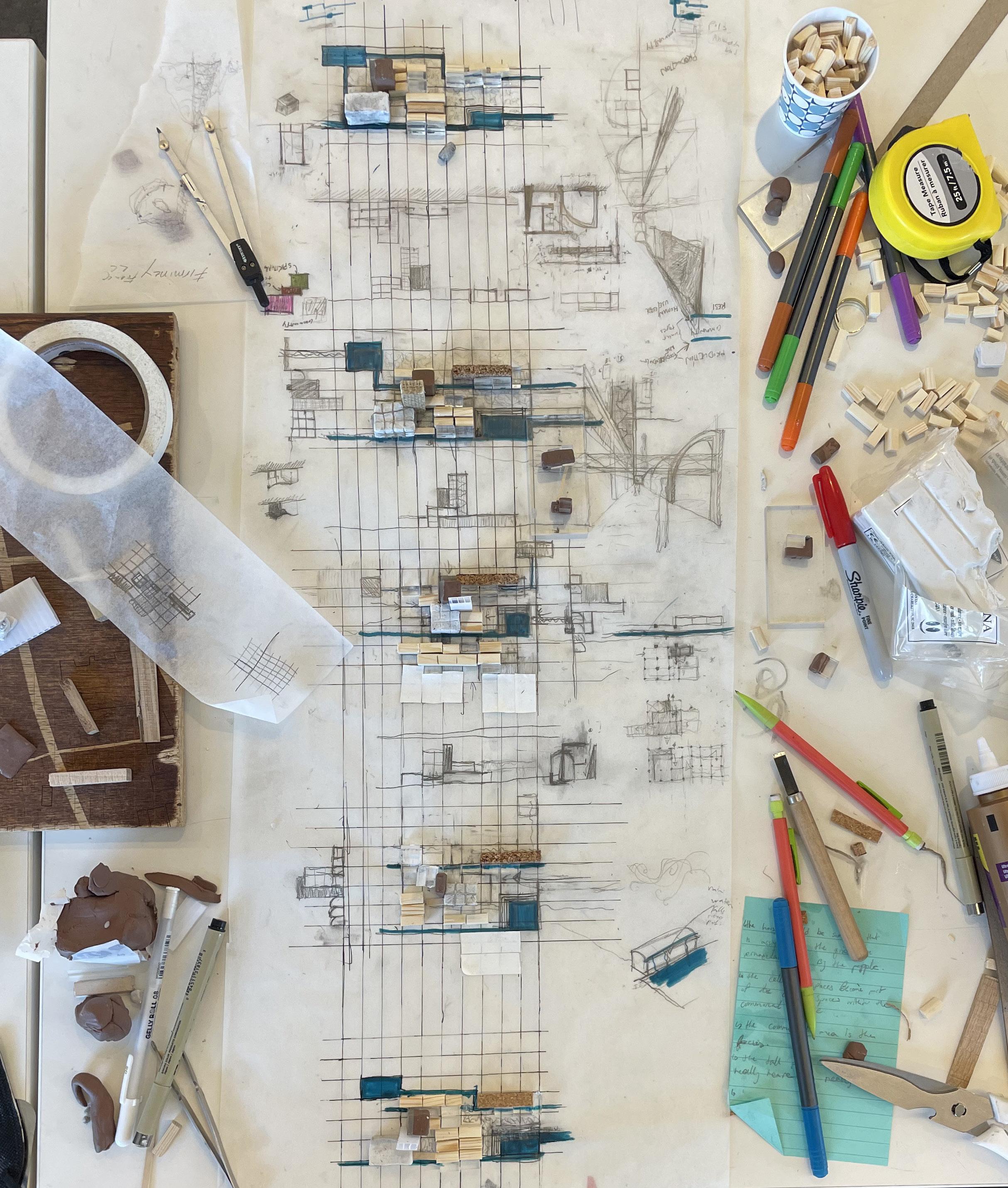
I take great pleasure in the process of designing, utilizing both drawing and modeling to bring ideas to life. This approach helps refine my vision and imbue each project with quality and thoughtfulness from inception to completion.