







1. Introduction
2. Defunding Education and the Arts & Humanities
3. The Impact of AI on the Environment, Culture, and Education
4. Ethical Use of AI in Academia: Insight from The Forum
5. Conclusion
6. Networking & Cultural Programme
1. Introduction
2. Defunding Education and the Arts & Humanities
3. The Impact of AI on the Environment, Culture, and Education
4. Ethical Use of AI in Academia: Insight from The Forum
5. Conclusion
6. Networking & Cultural Programme
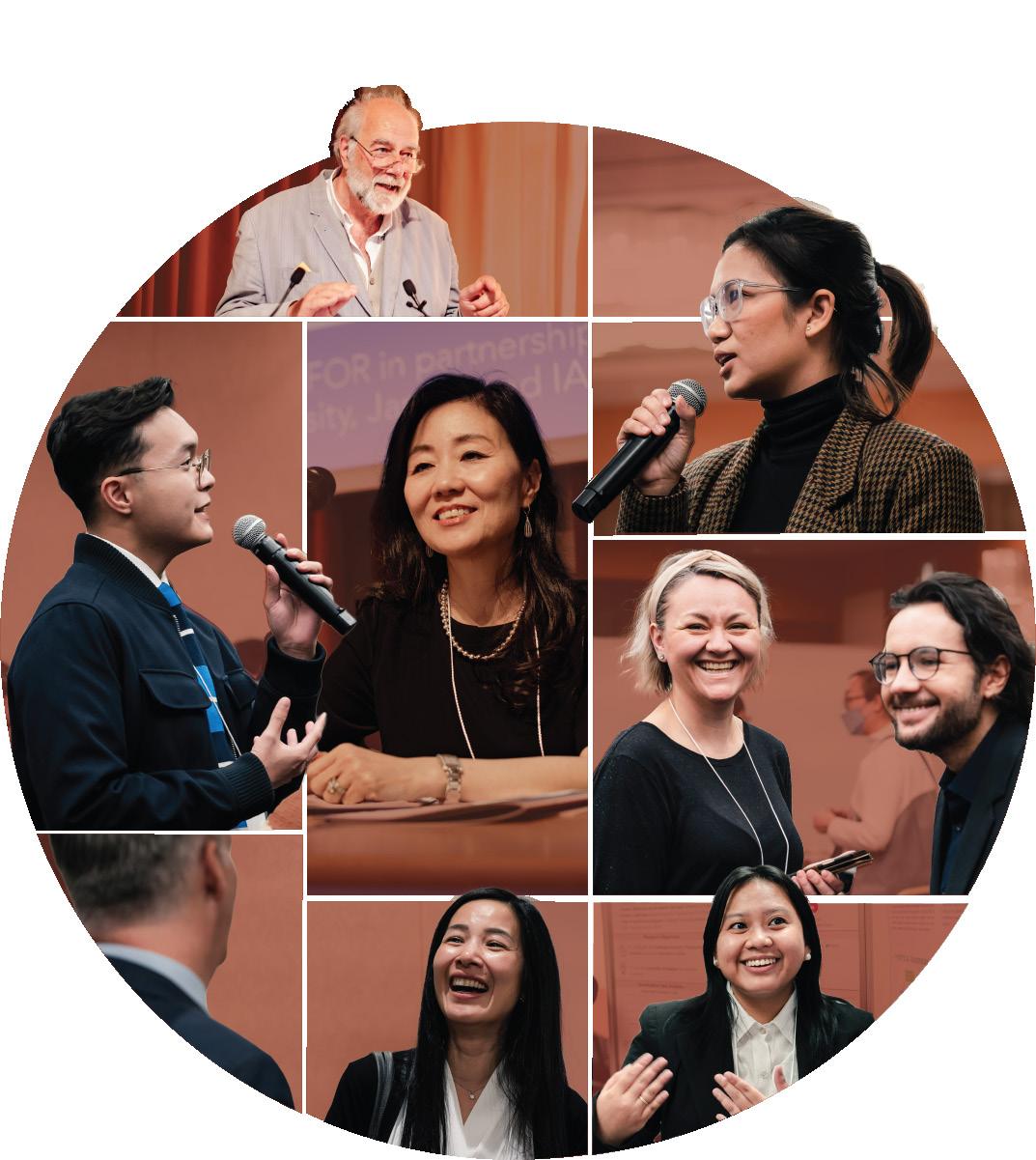
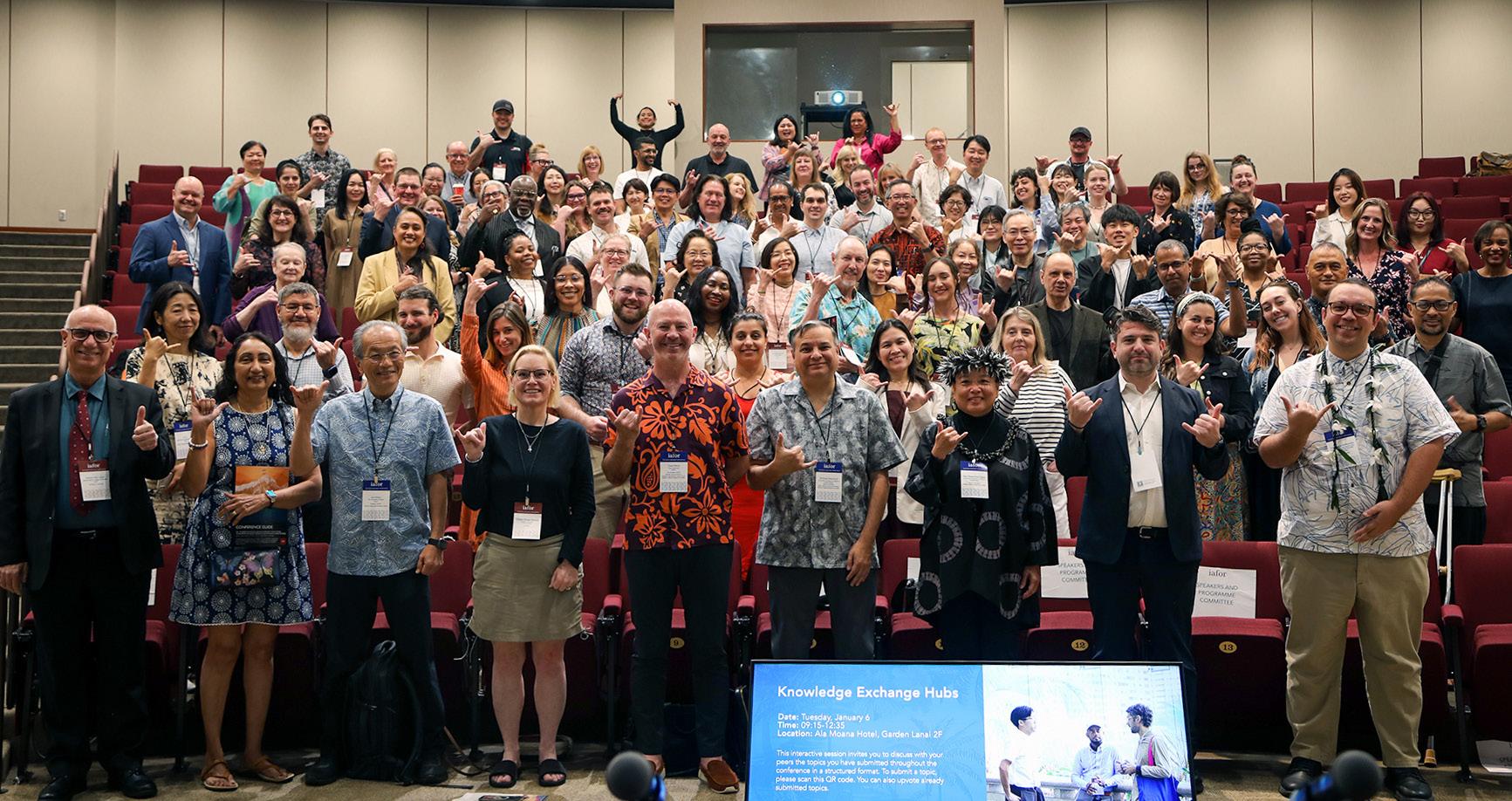
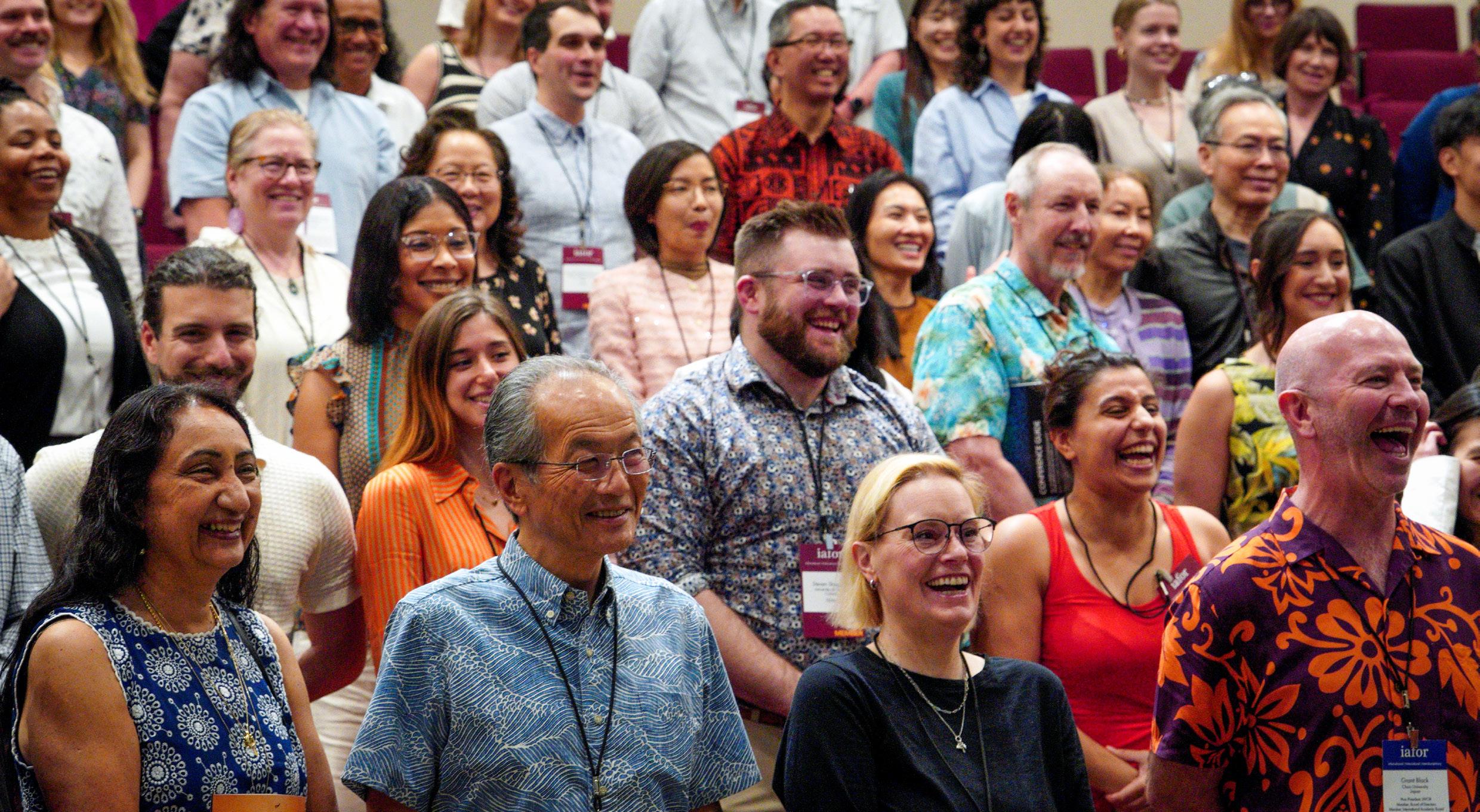
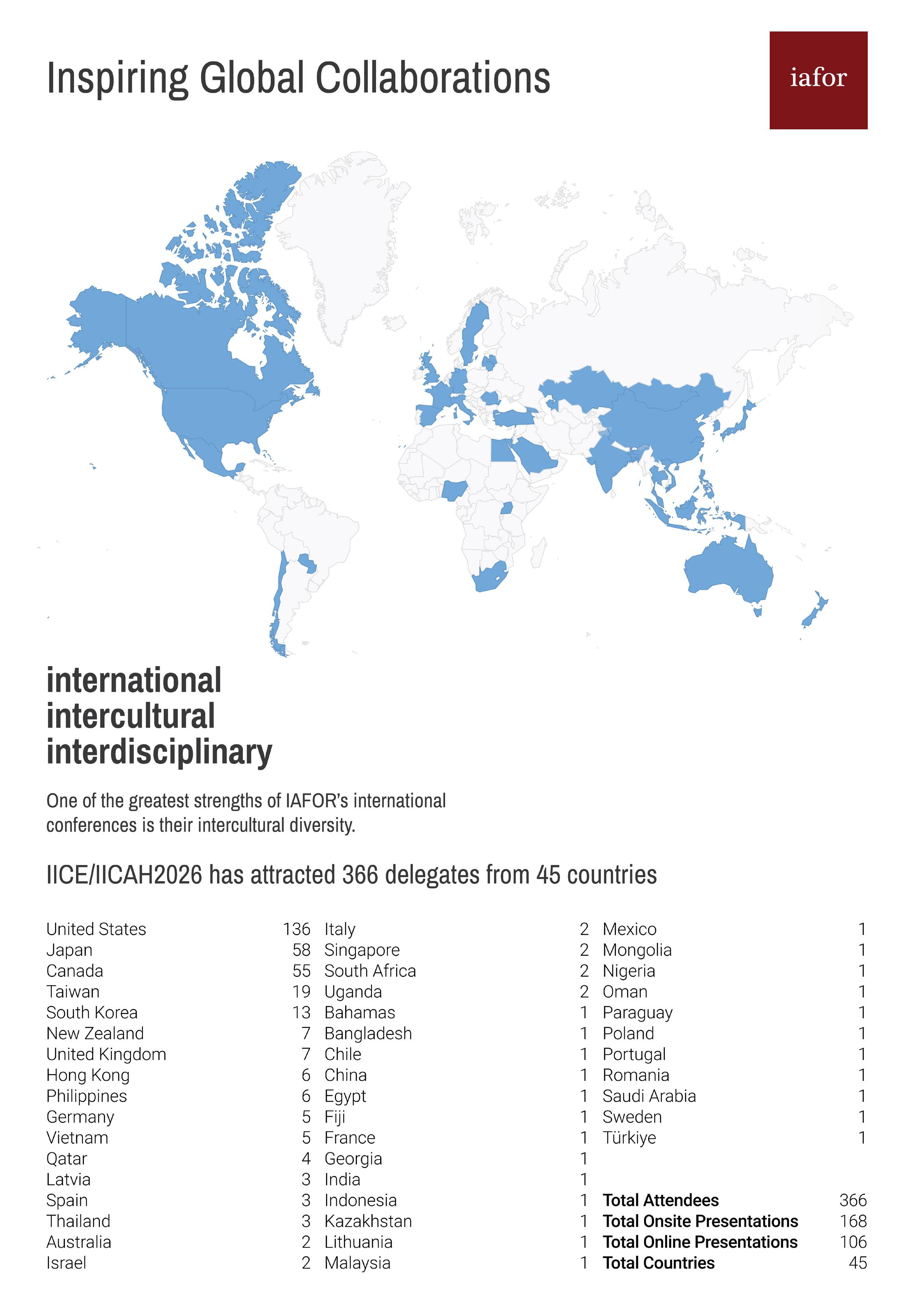
At the start of the year, from January 3-7, 2026, IAFOR held The 11th IAFOR International Conference on Education in Hawaii (IICE2026) and The 6th IAFOR International Conference on Arts & Humanities in Hawaii (IICAH2026) at the Hawai’i Convention Center and the Ala Moana Hotel in Honolulu, Hawaii. 366 delegates represented 46 countries and 272 institutions and organisations in this interdisciplinary conference that saw timely discussions around the environmental, social, and cultural impacts of AI on Indigenous communities, the defunding of education, and the relevance of the arts and humanities despite their defunding.
In times that are increasingly uncertain, hostile, and contentious, and in which national governments focus on productivity, efficiency, technology and security, they sometimes forget the considerations of humanity and human intelligence, and of the wider common good. The central message derived from academic discussions at the conference clearly underlined the critical importance of education, as well as the arts and humanities, as a positive force in framing and understanding the many contentious issues we collectively face in the pursuit of a sustainable world.
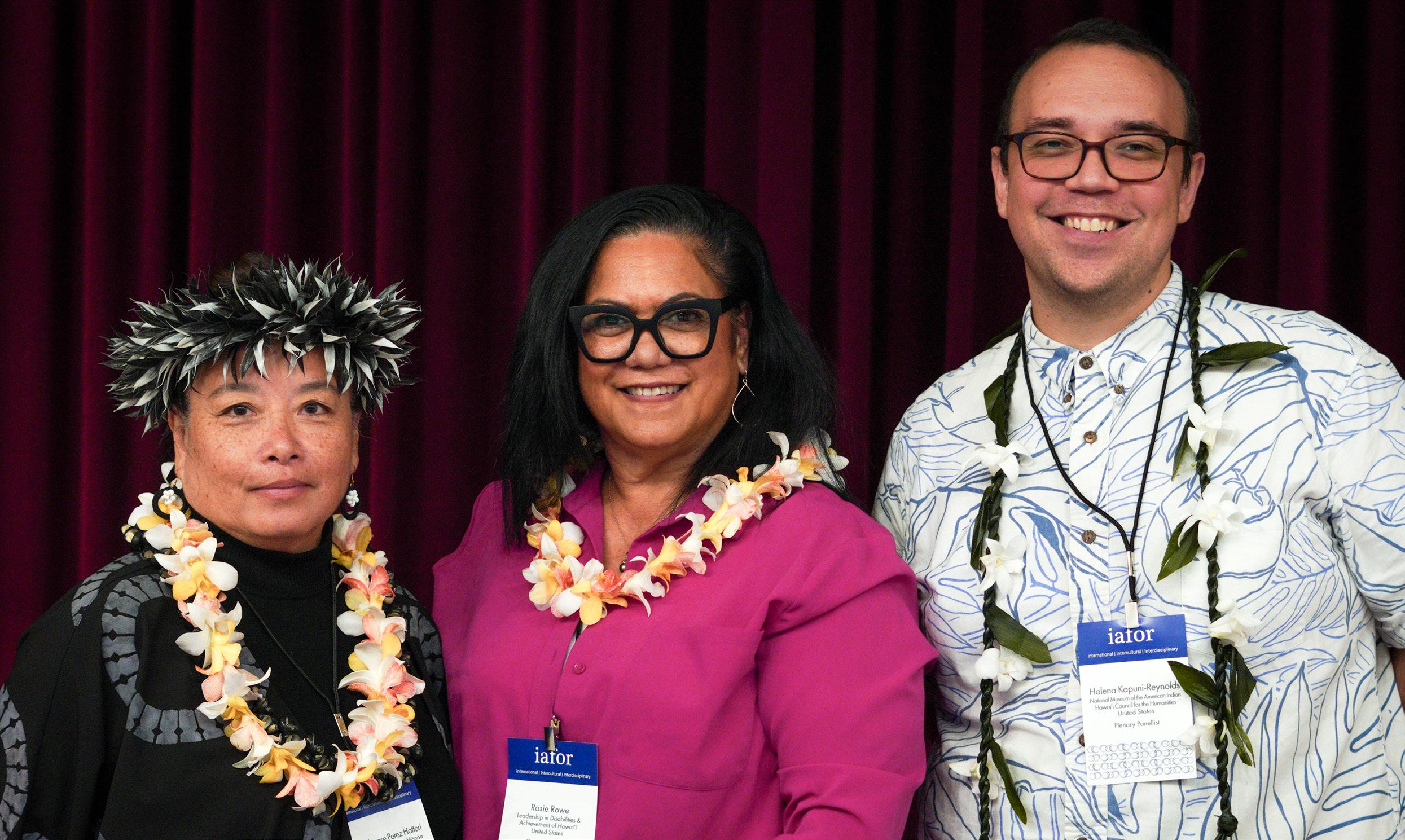
The panel ‘Defunding Education: Challenges and Implications’, moderated by Dr Mary Therese Perez Hattori of The University of Hawai‘i at Mānoa, United States with Rosie Rowe of Leadership in Disabilities & Achievement of Hawai‘i, United States and Dr Halena Kapuni-Reynolds of the National Museum of the American Indian & Hawai’i Council for the Humanities, United States as panellists, examined the far-reaching consequences of recent US federal policy changes, including the targeted shutdown of the Department of Education and the termination of Diversity, Equity, and Inclusion (DEI) funding. The panellists highlighted how these shifts have destabilised community-based programmes across Hawaii and the Pacific Islands, exacerbating inequalities, halting critical services, and placing organisations in survival mode. They further emphasised the fragility of federally dependent systems and the urgent need for alternative, community-driven approaches to sustain education and public-serving initiatives (Section 2).
The panel ‘Education, Culture, and the Environment in an AI-Driven Era’, moderated by Professor Michael Menchaca of The University of Hawai‘i at Mānoa, United States with Professor Jun Arima of The University of Tokyo, Japan, Professor Peter J. Mataira of Hawaii Pacific University, United States, and Dr LJ Rayphand of Caroline College and Pastoral Institute, Federated States of Micronesia as panellists, examined the complex impacts of AI across environmental, cultural, and educational contexts. While acknowledging AI’s potential benefits for sustainability and innovation, the panellists highlighted its environmental costs, its reliance on Western epistemologies, and its capacity to reproduce bias and contribute to new forms of digital colonisation, particularly
affecting Indigenous communities and knowledge systems. The discussion ultimately raised critical questions about data sovereignty, cultural integrity, and the ethical governance of AI in shaping the future of education and knowledge production (Section 3).
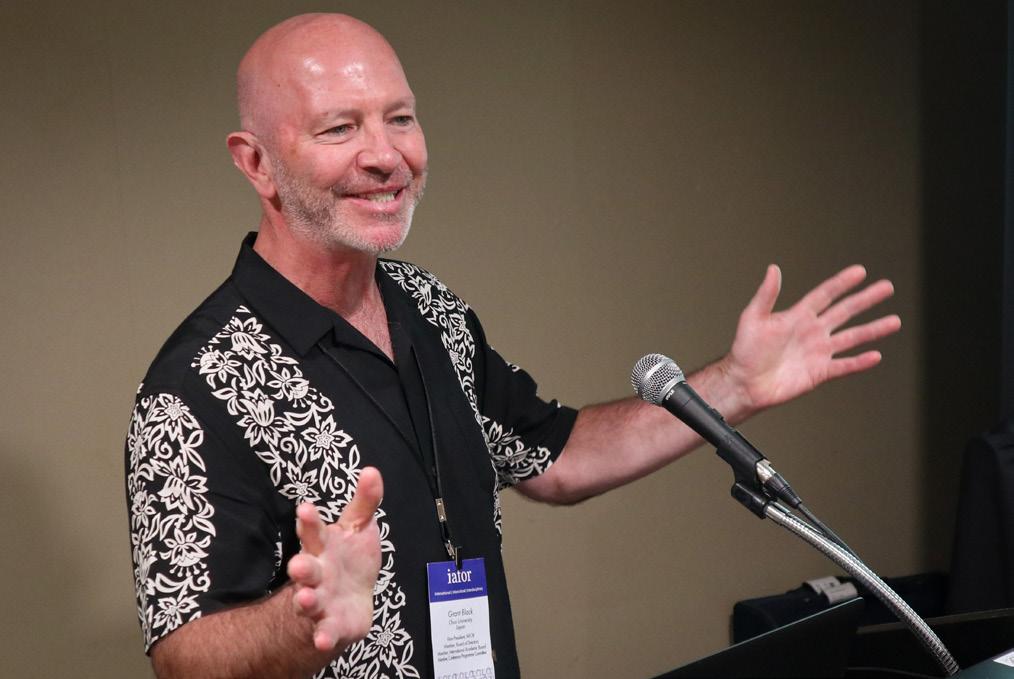
The Forum session ‘AI in Academia: Ethics, Challenges, and Solutions’, moderated by Dr Melina Neophytou of IAFOR with Professor Michael Menchaca of The University of Hawai‘i at Mānoa, United States and Professor Grant Black of Chuo University, Japan as respondents, examined the growing integration of AI in academic practice and its implications for research and learning. While participants acknowledged AI’s practical benefits, such as supporting writing, research processes, and accessibility, they raised significant concerns about its impact on critical thinking, authorship, and students’ ability to both understand and defend their AI-assisted work. The discussion ultimately reaffirmed the central role of the arts and humanities in cultivating ethical awareness, intellectual independence, and meaningful engagement with knowledge in an AI-driven academic landscape (Section 4).
Footnote: This executive summary was generated with the assistance of AI based on the full manuscript and has been reviewed, revised, and approved by the editors.
Written by Dr Melina Neophytou, IAFOR, Japan
Shifting geopolitical realities, security threats, economic agendas, and the rapid development of Artificial Intelligence (AI) are causing profound social and cultural changes to local and global education, communities, and human values. Institutional focus and funding have always been primarily directed towards science, technology, and AI, rather than the Arts and Humanities, as it is easier to justify spending on disciplines that produce more tangible outcomes. While this financially preferential treatment has been taking place in various countries around the world for some time now, drastic political developments in the United States have made this turn in values more apparent. These developments include the restructuring of the US Department of Education, the defunding of Diversity, Equity, and Inclusion (DEI) programmes under Trump 2.0, and the termination of grant commitments that especially benefitted marginalised communities. Marginalised groups and communities rely heavily on DEI programmes, as they ensure that differences in ideas, race, gender, and cultures are seen and translated into a more just and innovative society, within lived communities, the workplace, and government. Debates over diversity, equity, and inclusion have become tied to broader political and social conflicts about values, identity, and power. Ultimately, they define what kind of society we want to build and who has the right and opportunity to build it. With the termination of funding towards such initiatives, the nation once championing democratic education, equal opportunity, and diversity, is saying that these priorities are no longer central to its national agenda.
These developments reflect an underlying logic about what forms of knowledge are considered valuable, useful, and worthy of investment in today’s world, as well as power dynamics pertaining to who is allowed to create and reproduce
this knowledge. In Hawaii and the Pacific Islands, for example, these shifts are felt acutely, as federal funding cuts and the dismantling of DEI programmes threaten community-based organisations that support Indigenous and marginalised populations. At the same time, Western-centric AI systems risk misrepresenting or excluding Indigenous knowledge systems, effectively determining the fate of these populations. In this context, both the withdrawal of institutional support and the unregulated adoption of AI contribute to what Professor Mataira called ‘a new way of recolonisation that strips Indigenous communities of their rights to selfdetermination’.
At a time when such dynamics are unfolding, questions of ethics, responsibility, and understanding become increasingly necessary. These values are best cultivated through engagement with the arts and humanities. Disciplines concerned with critical thinking, storytelling, narratives of belonging, intercultural understanding, and ethical reasoning play a central role in the peaceful development and coexistence of contemporary societies. Paradoxically, it is precisely these disciplines that are being defunded and sidelined: at this very moment, when human values are most at risk of being overshadowed by political and economic agendas, the fields best equipped to sustain those values are increasingly marginalised.
The plenary programme at this year’s IAFOR International Conference on Education in Hawaii (IICE2026) and The IAFOR International Conference on Arts & Humanities in Hawaii (IICAH2026) looked at the defunding of education and its direct impact on community-based organisations in Hawaii and the Pacific Islands; the rapid expansion of AI within education, its environmental costs, its reliance on Western epistemological frameworks, and its potential to reproduce cultural bias, misrepresent Indigenous knowledge, and contribute to new forms of digital colonisation; and AI in academic research, raising concerns around critical thinking, writing, and what it means to produce and understand knowledge in an AI-driven world.

Written by Professor Grant Black, Chuo University, Japan, and Briar Pelletier, IAFOR, Japan
In January 2025, the United States’ presidential inauguration brought with it the dismantling or severe restructuring of the US Department of Education, the termination of federal grants, and executive orders eliminating Diversity, Equity, and Inclusion (DEI) programmes across federal agencies, grantees, and beyond. The United States government’s message was clear: education, and especially the Arts & Humanities, are deemed less worthy and of lower priority to other areas such as defence. The impact of these new orders and policies have already had profound effects on people, communities and institutions: many academics have been left without jobs, community programmes attached to higher education institutions have run out of funding and risk their members’ wellbeing, and research is halted. Students find themselves in hostile campus environments, and international students are increasingly choosing an academic career outside of the United States.

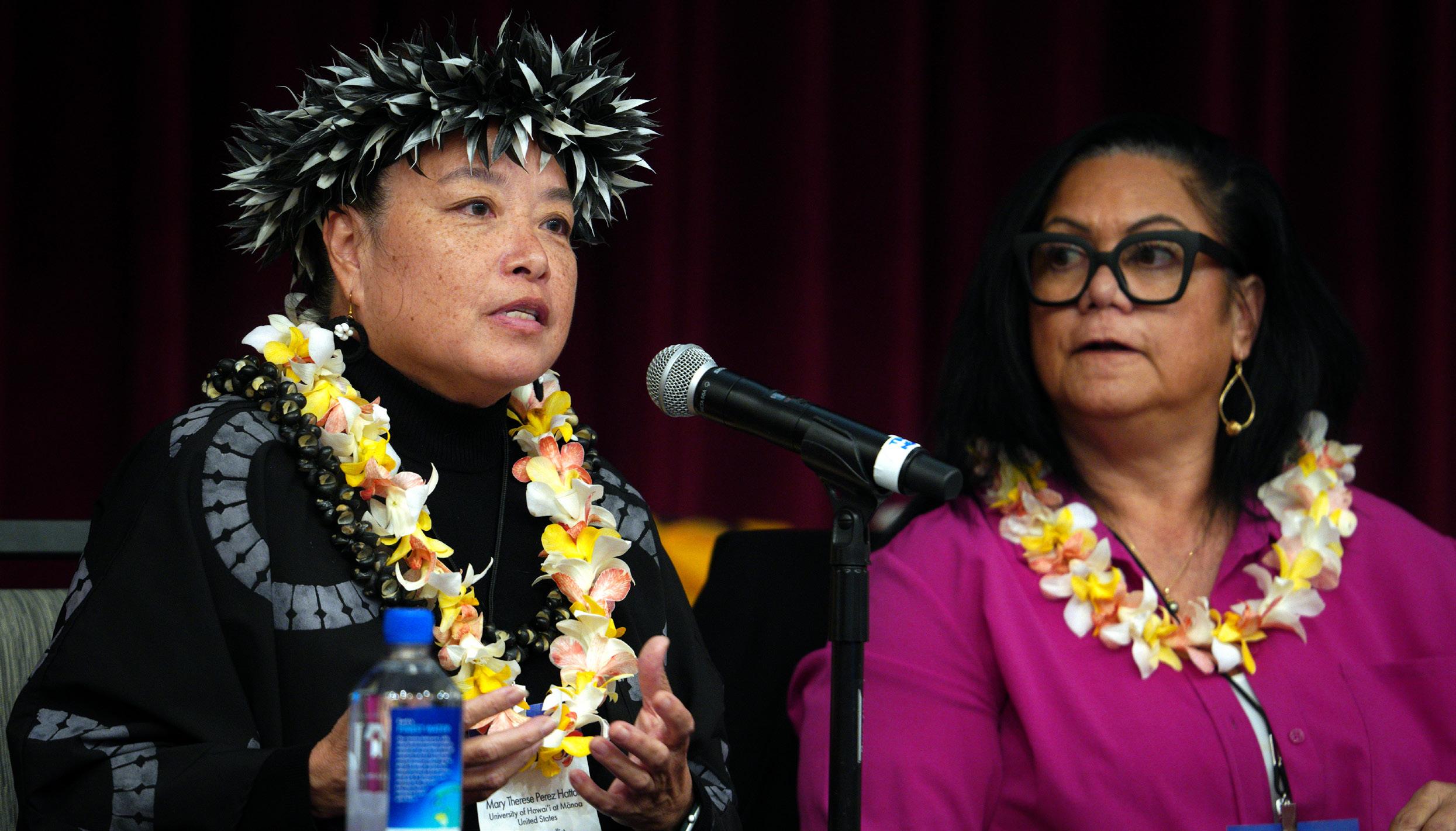
A timely panel titled ‘Defunding Education: Challenges and Implications’, moderated by Dr Mary Therese Perez Hattori of The University of Hawai’i at Mānoa, United States, and joined by Rosie Rowe of the Leadership in Disabilities & Achievement of Hawai’i, United States and Dr Halena Kapuni-Reynolds of the National Museum of the American Indian & Hawai’i Council for the Humanities, United States, discussed the current state of institutional defunding of education and humanities-centric programmes in the United States. The US government’s shifting funding from education to defence has had a garroting effect on community-serving organisations like theirs, which rely heavily on federal government backing to serve
underserved populations across Hawaii and the Pacific Islands. They now face a serious dilemma: where can community organisations turn to for support when their own support is cut off?
‘I’m sure our American delegates are very familiar with this story’, opened Dr Hattori, ‘but for our international colleagues, the January 2025 inauguration… was just the beginning of some major shifts in federal policy impacting education’. She outlined the titles of a number of executive orders, which display a shift of governmental attitude towards education, including ‘Ending Radical and Wasteful Government DEI Programs and Preferencing’, ‘Defending Women from Gender Ideology Extremism’, and ‘Ending Illegal Discrimination and Restoring Merit-Based Opportunity’. She also highlighted that foreign policy shifted to a similar, insular focus, pointing out the government’s halting of visas for foreign workers and students. As the panel focused on Hawaii and the Pacific Islands specifically, this attitudinal shift, along with the subsequent dismantling of the United States Department of Education, the withholding of billions of dollars worth of federal funding, and the termination of grant commitments, pose a serious threat to the wellbeing of communities in the Pacific, whose Indigenous and minority populations have benefitted greatly from DEI policies in the past.
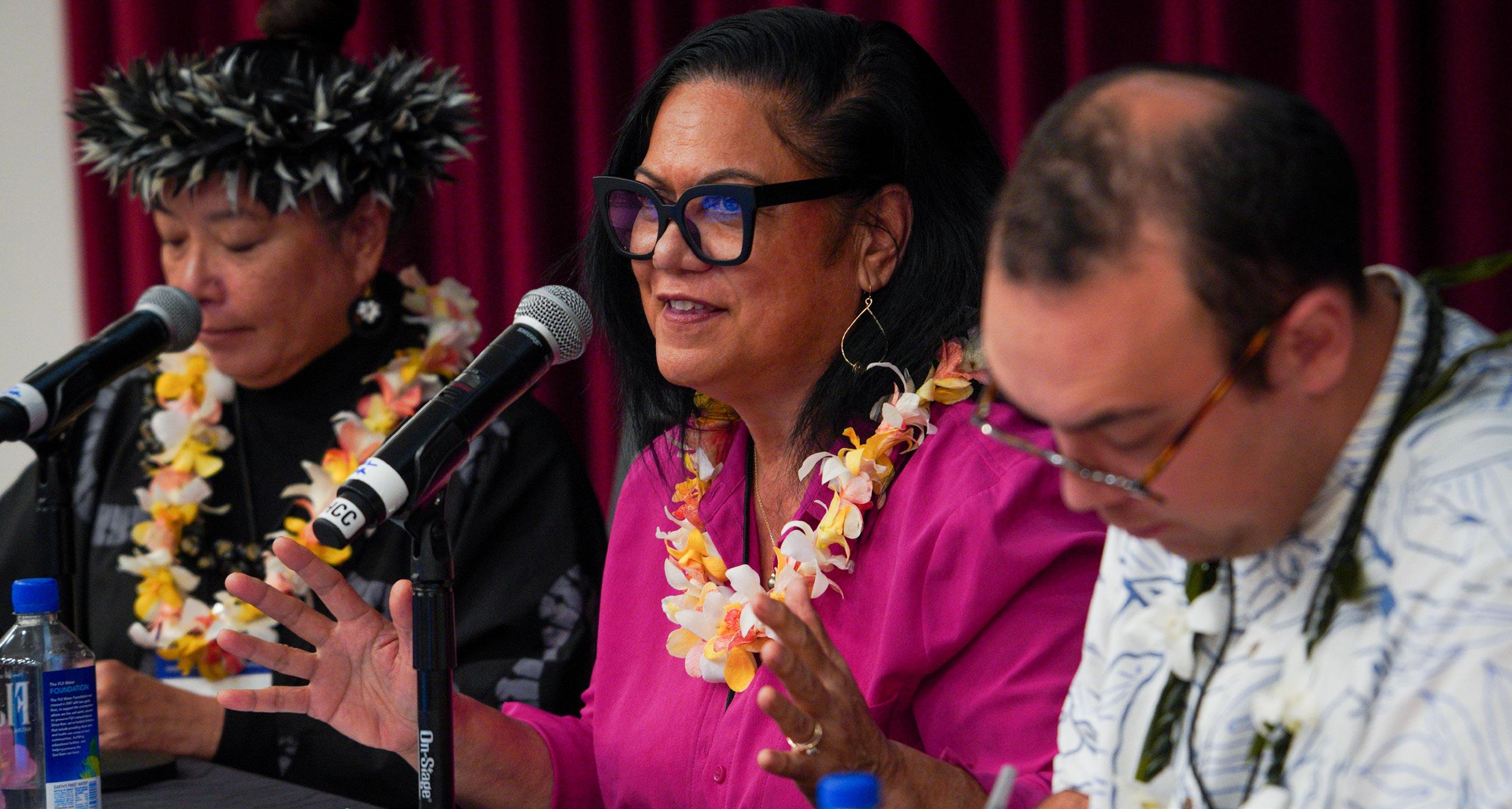
For grassroots programmes like the Leadership in Disabilities & Achievement of Hawai‘i, uncertainty around longevity has long persisted. ‘As a parent training and information centre under the US Department of Education, we are always challenged by whether or not we’re going to continue to have funding’, said Ms Rowe, noting that the current level of funding uncertainty is unprecedented. Serving over 80,000 children identified for special education in Hawaii, plus families across American Samoa, the Federated States of Micronesia, Palau, and other Pacific jurisdictions, the centre operates with a small number of staff and existing shortages worsened by post-COVID workforce challenges and geographic isolation. Funding secured through 2026 remains uncertain, and beyond that, despite multi-year grants, the potential dismantling of the Office of Special Education Programs (OSEP) threatens
to shift oversight to agencies lacking expertise. The recent loss of 287,000 USD in early-screening funds for children ages 0–8 has already delayed critical early intervention, raising long-term costs and amplifying inequities in rural Native Hawaiian and Pacific Islander communities where the centre often serves as the sole provider of parent training, screening, coordination, and systems navigation. While the centre works to inform, train, and serve the public in accordance with the federal Individuals with Disabilities Education Act (IDEA), Ms Rowe cautioned that recent executive orders have placed IDEA and the programme’s long-term projects in a precarious position. ‘Even though IDEA is giving us the entitlement to families authorised by Congress, it doesn’t mean the money comes along with it, and that’s the problem we’re having’, she explained. This uncertainty highlights the fragility of education programmes that rely on federal mandates without guaranteed, sustained financial support.
Federal funding cuts in education not only risk dismantling programmes which are pillars within communities, but also disperse responsibility into the community at large, leaving community non-profits to pick up the pieces. Ms Rowe pointed out that the closure of Hawaii’s State Institution for the Mentally Retarded in 1999 left many adults with disabilities, many of whom entered the institution as infants, without support, placing strain on local organisations tasked with their care. ‘The broader implication is that place-based inequities caused by the dismantling of community programmes are amplified when flexible community-anchored supports are constrained’, she concluded.
Dr Kapuni-Reynolds voiced similar concerns from one rung above the funding ladder, while reflecting on his experience chairing the Hawai’i Council for the Humanities, where the federal funding cuts in 2025 significantly reshaped the organisation. As the state affiliate of the US National Endowment for the Humanities (NEH), which has awarded over 6 billion USD in grants nationwide, the Council has relied heavily on federal support. Recent NEH initiatives included the 1.3 million USD Pacific Islands Cultural Initiative in 2023 and 1.2 million USD in funding to the Council in 2024, supporting public humanities programmes, preservation projects, and crisis relief, including aid following the 2023 Maui wildfires and Typhoon Mawar.
NEH-funded projects have historically bridged grassroots communities and scholars through collaborative, community-based programming. However, as Dr Hattori noted, such initiatives require humanities experts, often faculty, to participate. With the suspension of grants, ‘our work to engage and to ensure that academics are working with communities… is something we are not doing at the moment’, Dr Kapuni-Reynolds explained. Ms Rowe added that in the short term, this kind of situation often leads organisations away from education initiatives in order to focus on those better-suited towards other funding bodies’ priorities.’The loss of funding to programmes like this means academics are more isolated’, added Dr Hattori.
Sustainability remains a major concern for these organisations. During the panel’s Q&A session, Dr Kapuni-Reynolds questioned if the NEH could cease operations entirely in the future, and reiterated his organisation is now focused on survival, leaving them with little capacity to give in terms of resources to their community.
Both Dr Kapuni-Reynolds and Ms Rowe shared another hidden effect of the current, adverse situation: the personal toll of crisis leadership. Having to let go of staff with whom they have formed close relationships, or telling their communities that they cannot care for them anymore despite witnessing their suffering, has been extremely
difficult for the two leaders. They stressed listening-driven, communicative leadership to guide collective decisions, with both expressing appreciation for the professional growth and sharper local insight forged through the challenges. Dr Kapuni-Reynolds reflected that ‘although it was a year of grief, confusion, and chaos, it was also a year of care, empathy, and compassion’, as private funders and community members alike stepped in to help stabilise operations. ‘As an organisation, we need to have conversations that work toward solutions’. Dr Hattori followed this up by asking Dr Kapuni-Reynolds how organisations like IAFOR and its members can help, to which he said, ‘ultimately, wherever you do your research, it’s always important to try to better understand the local ecosystem or local organisations that may support your work’. Ms Rowe further added that there are opportunities to collaborate and share funding and resources through networking. Connections made on the ground through grassroots community work can help combat the disappearance of topdown funding loss.
In an interview with IAFOR, Dr Kapuni-Reynolds highlighted that the ongoing work of the community is key to withstanding times of uncertainty. While the current state of funding in the United States and the programmes arrested by it remain precarious, ‘the solution is ongoing’, he said. ‘In the long term, what does sustainable funding look like? We are trying to think of it less as a reactive situation… and taking a step back to think about how this might be an opportunity to push our organisation towards the grassroots network that we’ve been cultivating over the years, to really become something that is truly serving the public’. He also stressed the importance of conversational spaces in this work, for communities to tackle difficult issues that are pressing to them.
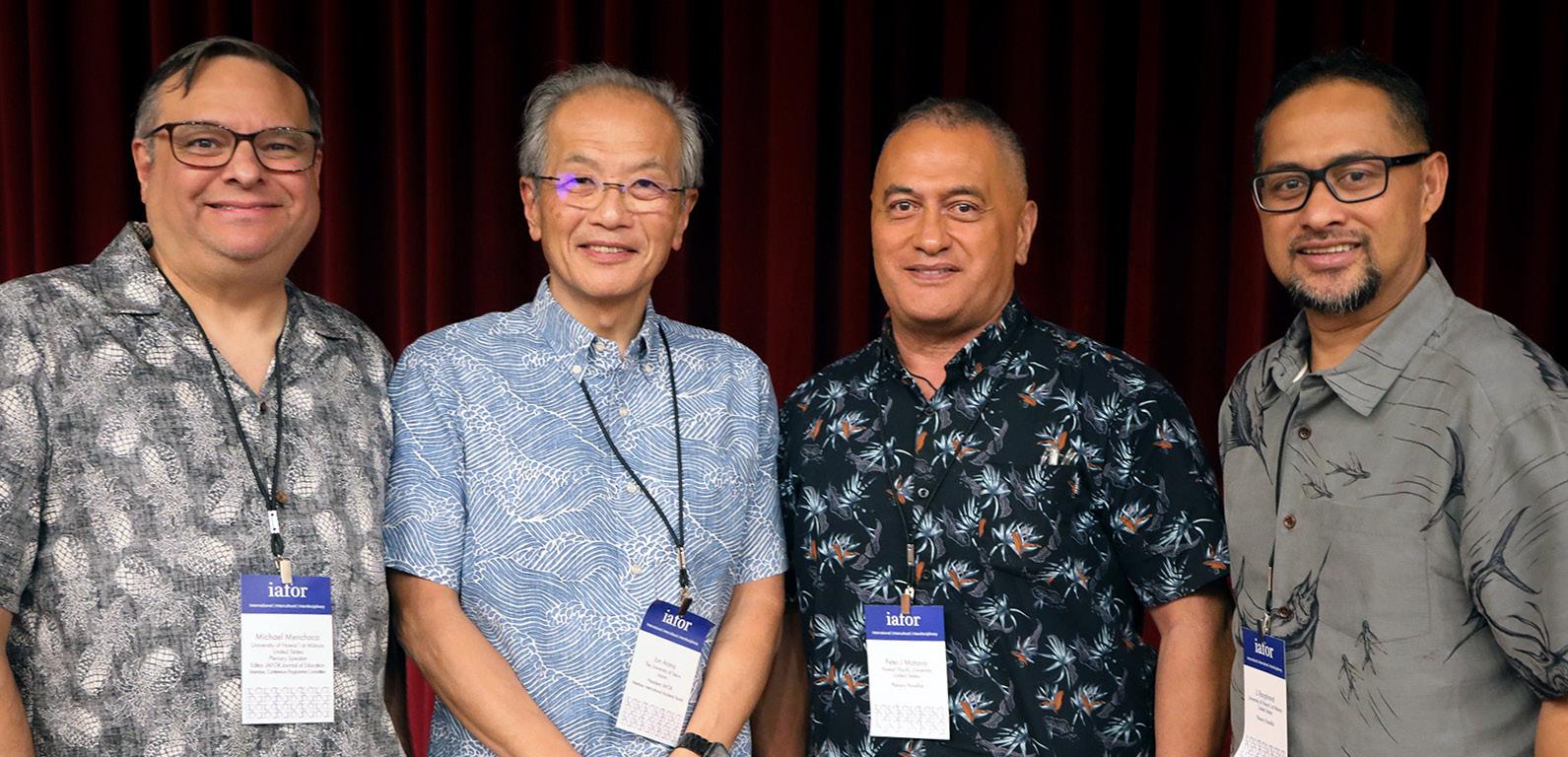
Written by Professor Michael Menchaca, The University of Hawai‘i at Mānoa, United States
While the arts and humanities are severely underfunded, some areas within education have experienced growth and have been permitted to operate unregulated. Artificial Intelligence (AI) in particular has witnessed exponential growth and interest at universities and beyond, both within research and application. However, this growth does not come without risks, endangering not only academic integrity and the future of employment, but what it means to be human and what constitutes human intelligence. Indigenous people and knowledge and also the environment are further casualties of the exponential, unregulated growth and support of AI initiatives.
A panel discussion titled ‘Education, Culture, and the Environment in an AI-Driven Era’, moderated by Professor Michael Menchaca from the Department of Learning Design and Technology at The University of Hawai‘i at Mānoa, and comprising IAFOR President, Professor Jun Arima from The University of Tokyo, Japan; Professor Peter J. Mataira from Hawaii Pacific University, United States, and Dr LJ Rayphand, Dean of Outreach Education at Caroline College and Pastoral Institute in Chuuk State, Federated States of Micronesia, centred around contemporary effects of AI in the areas of education, culture, and the environment.
In his opening remarks, Professor Menchaca provided context for defining AI, explaining that AI is often presented as a tool for advancing knowledge and providing innovative solutions to complex problems. He defined AI simply as a tool capable of analysing vast amounts of information to identify patterns and ‘predict’ what might come next, whether a word, an image, a behaviour, an outcome, or even a trend. He provided the following example sentence for the audience to complete and predict like an AI system: ‘Even though we were behind in the game, our team
still believed that we could ___’. Interestingly, the audience provided the same top three words predicted by AI to fill in the blank: win, succeed, and prevail. Professor Menchaca further described how an AI system, over time, might learn that humans had a preference for the word ‘win’ and predict that word statistically more often than others. He stated that AI continues to evolve and improve; however, such progress ‘comes with a price’, including immense environmental and challenging cultural impacts.
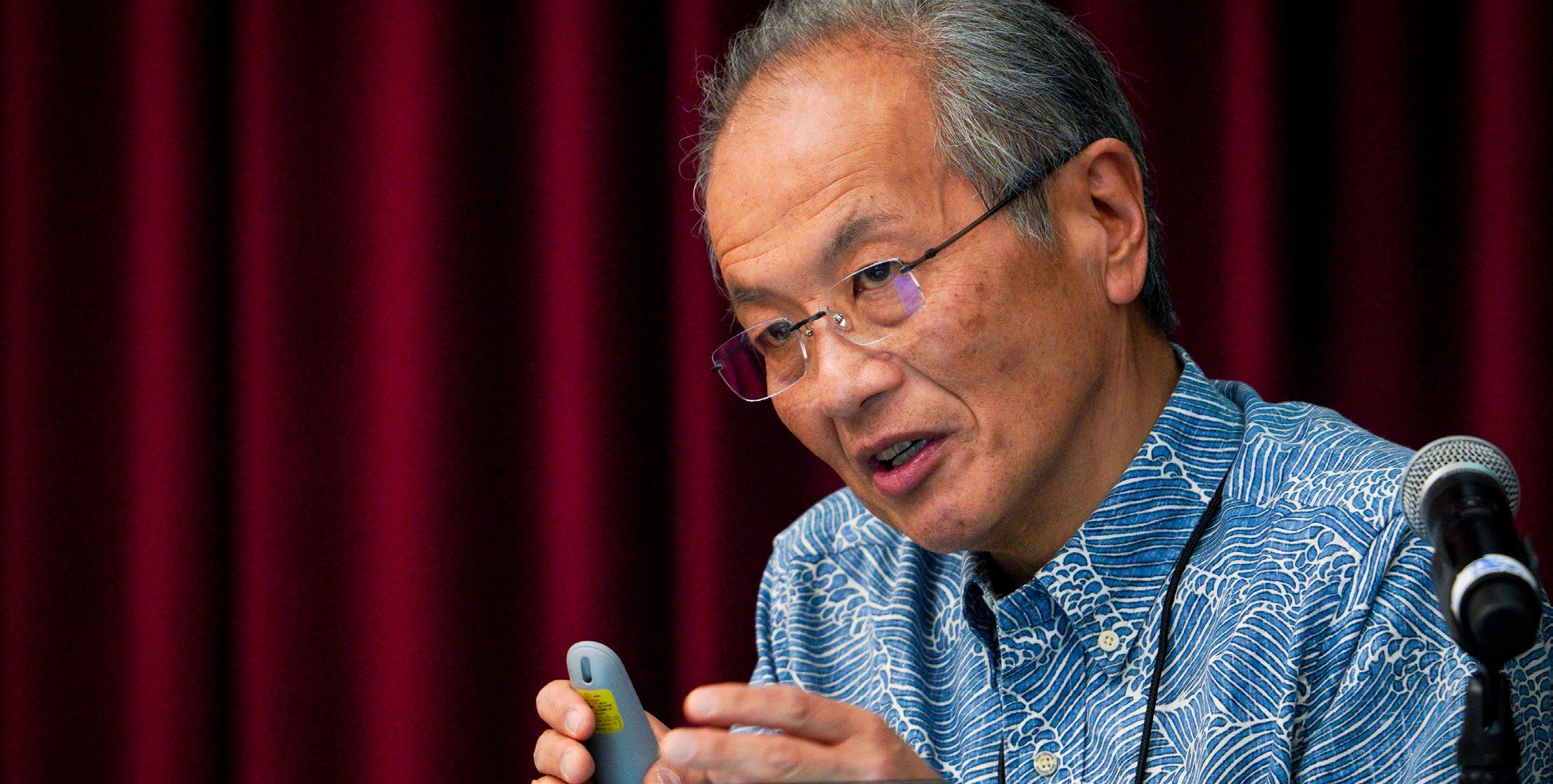
Regarding the environment, Professor Arima explained that AI can have both positive and negative effects on international climate issues and sustainability. On the positive side, he stated that AI can be used for predicting future electricity demand or load forecasting and matching supply to demand through grid balancing to maximise the use of renewable energy sources or renewable penetration to increase overall energy savings. AI can also be used for consistent, efficient production and predictive maintenance in the industry sector, as well as traffic optimisation in the transport sector. AI can also be a powerful tool for climate management, including early warnings for extreme weather, monitoring deforestation, and recognising biodiversity loss.
Despite the positive effect AI can have on reducing environmental degradation, what is commonly called ‘Green AI’ among industry experts, Professor Arima also talked about the paradox that is the increased electricity and water demands to adequately run and cool data centres due to the expansion of AI in all sectors, which requires the use of energy-consuming servers often powered by fossil-heavy grids, increasing CO2 emissions. According to Professor Arima, this paradox sees AI increasing demands on the environment while simultaneously providing potential solutions to those very demands. This raises a very important philosophical question around why we use AI: is it a solution to our problems, or are we experiencing a meansends inversion, in which we create more problems for the sake of technological expansion? Professor Arima concluded that efficiency improvements lower costs and actually encourage and lead to higher consumption and digital divides where the concentration of AI capacity exists in only a few corporations or countries. According to him, AI’s impact is neither inherently good nor bad, and outcomes depend on how society, government, and industry steer its deployment.
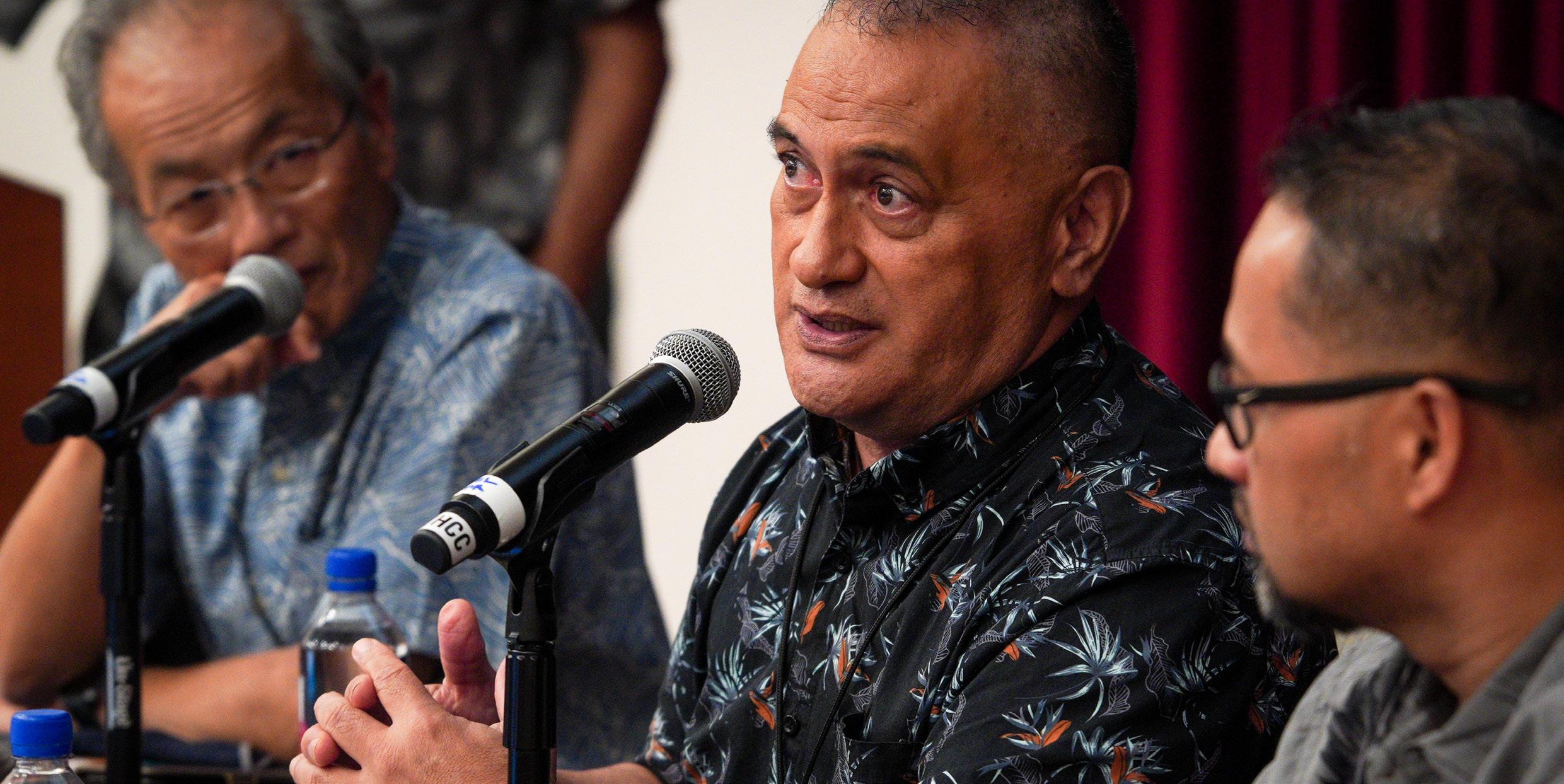
Cultural bias and social injustice embedded within AI are additional risks to native and Indigenous communities in particular. Professor Mataira questioned whether algorithms can truly understand relationships and indigenous ways of knowing and being. Specifically, he doubted whether any AI system, especially those designed within a Western framework, could ethically apply such concepts as kinship, responsibility, or spiritual connection to land. He shared his own experience using AI tools that persistently imposed an alien worldview, perpetuating historical fantasies and misrepresenting indigenous identities. He further explained that indigenous approaches are relational, holistic, and place-based, while AI is built on prediction, quantification, and decontextualised aggregated data. Key issues addressed included acknowledging cultural integrity, epistemological tension, technological limitation, and the risk of assimilation.
Regenerative trauma, algorithmic bias, and systemic harm to indigenous communities are also possible adverse outcomes of AI designed predominantly within Western frameworks. Professor Mataira compared AI to a guest in communities that may be welcome or unwelcome, invited or uninvited. AI systems trained on biased data risk automating and perpetuating cultural biases. He expressed a particular concern that AI tools used in educational settings could provide new methods for surveillance, disproportionate interventions based on cultural bias, and disruption of Indigenous families and cultural practices through a lack of cultural nuance in AI systems. Recolonisation, recurrence of historic trauma, systemic bias, and harm disguised as progress are some of the potentially indirect consequences.
Because the Western worldview tends to be unaware or ignore intercultural nuances outside of its own framework, it is important to ask ourselves whether the uncritical adoption of AI, controlled by non-Indigenous entities, is appropriate for speaking for Indigenous rights. ’Does embracing externally developed AI for “child wellbeing” risk a new form of digital colonisation of our children’s futures, minds, and relationships?’ Professor Mataira asked. What if, instead, Indigenous communities were to lead the design, governance, and ethical considerations for technology used with our children, ‘ensuring it strengthens rather than supplants our ways of knowing, doing, connecting, and being?’, he further questioned.
According to Professor Mataira, AI acts as a new way of recolonisation that strips Indigenous communities of their rights to self-determination. There are power dynamics at play that act through the acquisition and reproduction of data. Professor Mataira explained why training AI on data and controlling the narrative is crucial to understanding these power dynamics: data acts as the new land. According to him, ‘harvesting of data about our children, families, and communities… mirrors historical patterns of resource extraction and land dispossession’. He described AI systems as potentially similar to previous colonising efforts on native lands, leading to land acquisition, redistribution, and the extraction of resources. He wondered what true data sovereignty for Indigenous nations might look like and how to protect future generations.
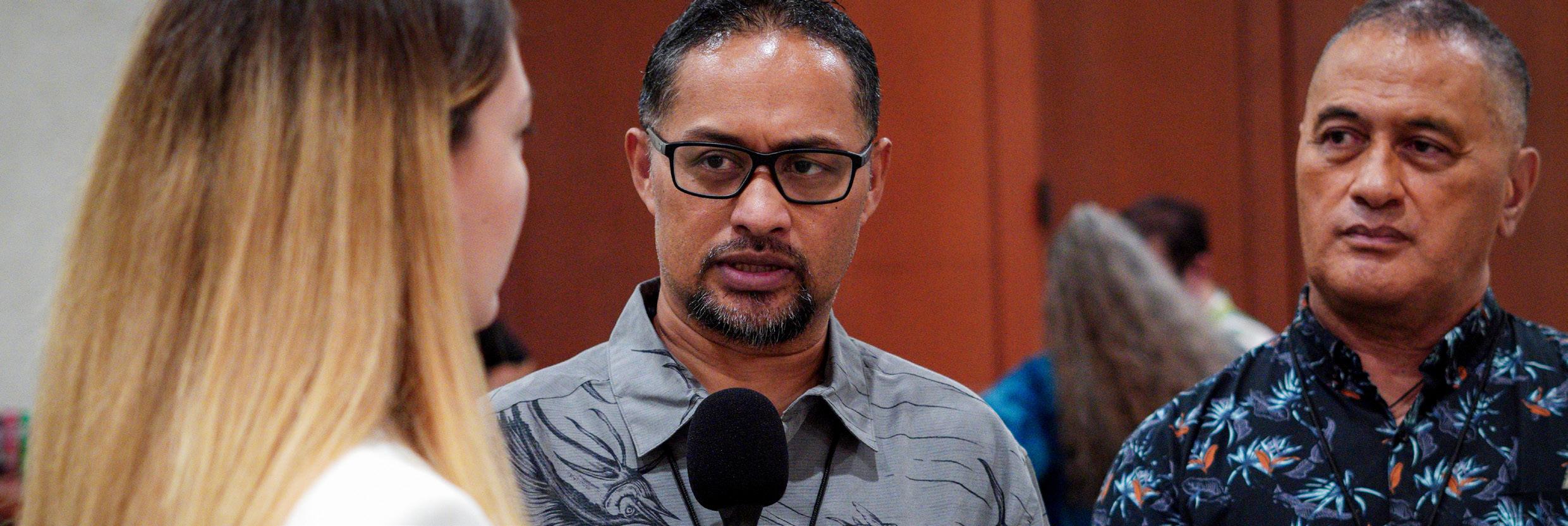
In the same line of argument, Dr Rayphand also discussed the impact of AI on Micronesian culture and its oral traditions. In particular, he noted that Micronesia is historically less explored than other island regions, a concept described as ‘a hole in the doughnut’. Micronesians document, preserve, and pass down information through songs, chants, myths, and stories, with storytelling being a fundamental educational tool. He expressed concern that as technological systems such as AI increasingly evolve to replace the historical understanding and voice of indigenous peoples, stories and the knowledge they provide will not only be lost but replaced by knowledge with concerns about ‘validity, authenticity, and authority’. Dr Rayphand presented objects AI included as representations of Chuuk culture that were not actually native as an example of what happens when AI is not indexed appropriately.
Dr Rayphand stressed using AI to share authentic stories with Micronesians, looking to their own communities to decide the purpose and role of AI, most especially contributing their own data rather than simply retrieving information. In particular, he suggested that curriculum, syllabi, and policies need to be updated to address the ethical use of AI for Indigenous purposes. Dr Rayphand concluded that if Indigenous communities do not engage with and introduce AI into their schools and use it with their own voice, ‘somebody will do it for us’.
This discussion is important at a time when AI and other types of algorithms make us question the concept of knowledge, and its production and reproduction, including questions that we have seen repeatedly at recent IAFOR conferences, including: What place does non-written, oral, and tacit knowledge hold in today’s educational system? Especially in a world that has become more audiovisual than text-based, and in which students learn new knowledge through non-traditional educational tools, such as TikTok or YouTube, how is Indigenous, non-written knowledge represented and taught?
Written by Dr Melina Neophytou, IAFOR, Japan
Education and the arts and humanities have long been underfunded globally. Especially recently, government investment is largely directed towards the hard sciences and AI, with the erroneous intimation that the arts and humanities are increasingly irrelevant and useless in the modern world, with the United States leading this trend.
The Forum session at the IICE/IICAH2026 Conference titled ‘AI in Academia: Ethics, Challenges, and Solutions’ proved that societies and individuals are now in need of the arts and humanities’ teachings more than ever. Participants at The Forum session concluded that while AI is increasingly embedded in academic practice, it raises fundamental concerns about critical thinking, authorship, and ethical responsibility, areas traditionally grounded in the arts and humanities. Far from rendering these disciplines obsolete, the discussion revealed their essential role in helping students and educators navigate, question, and meaningfully engage with AI.
The Forum was moderated by IAFOR’s Dr Melina Neophytou, and with Professor Michael Menchaca from The University of Hawaii at Manoa, United States, and IAFOR’s Vice President, Professor Grant Black of Chuo University, Japan, acting as respondents.
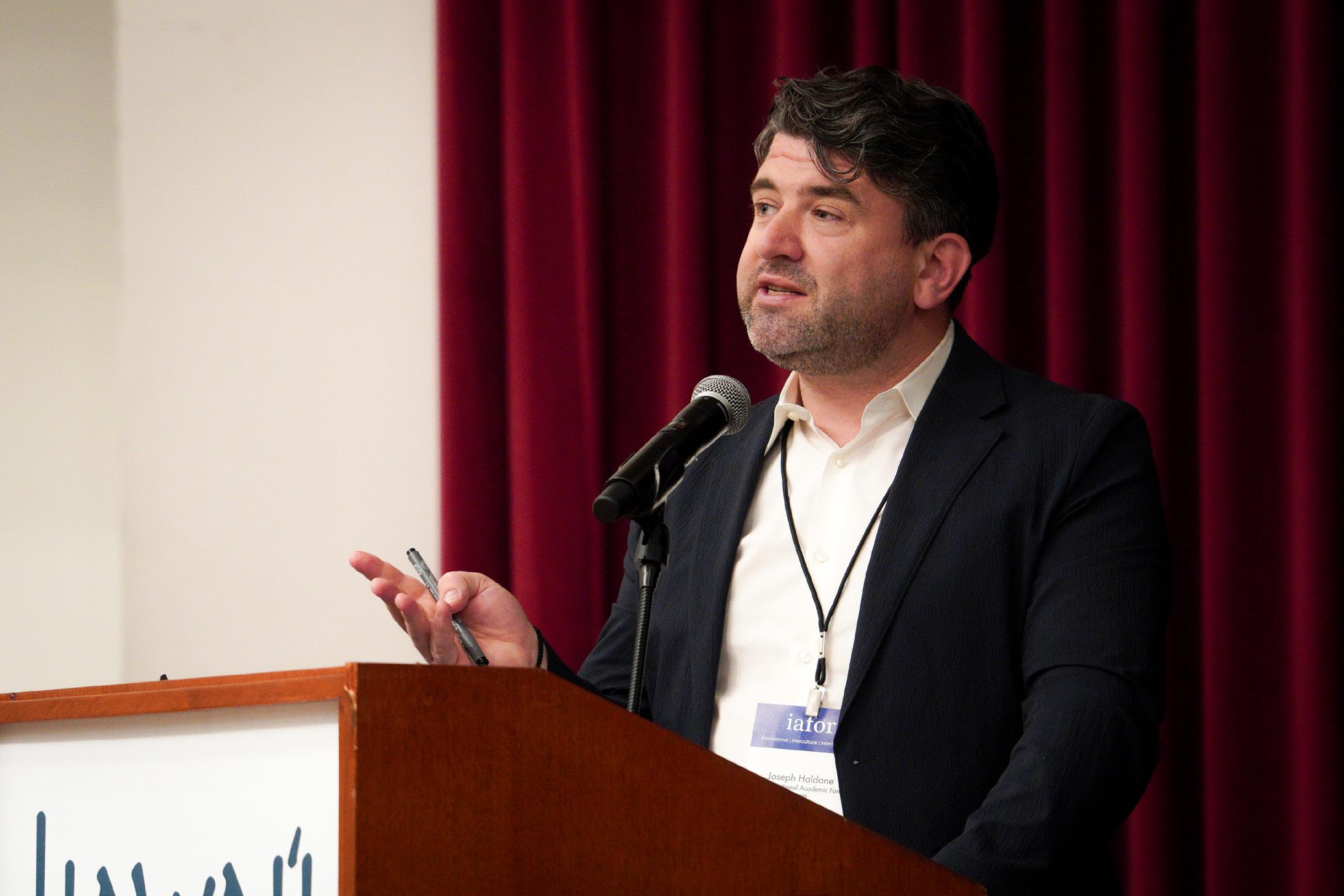
In his opening remarks, Professor Menchaca explained that AI offers significant potential in the research process, noting that it can ‘critique what it is that you already have written’, including methodology, results, and findings, which are areas he identified as common challenges for students completing dissertations. He emphasised, however, that its effectiveness depends on input quality, risking a ‘garbage in, garbage out’ outcome. He cautioned that ‘it’s a black box: AI doesn’t explain to them how it came to those understandings. And so then they write up their findings, but they don’t understand themselves what it is that the AI decided for them. So they can’t defend it and they can’t explain it, and it’s clear when you read the narrative’.
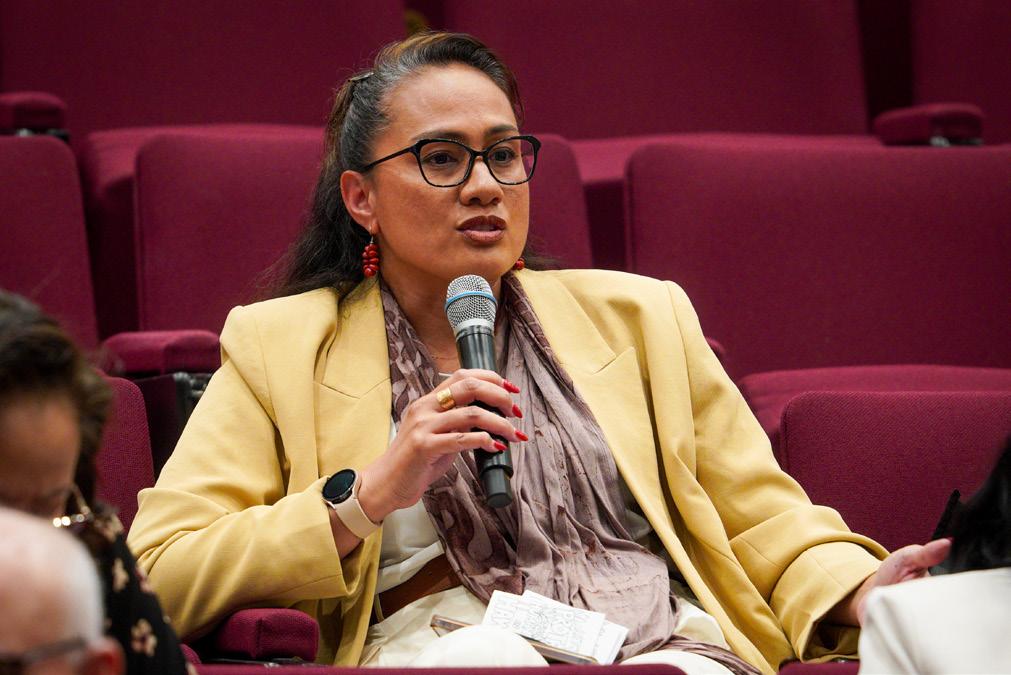
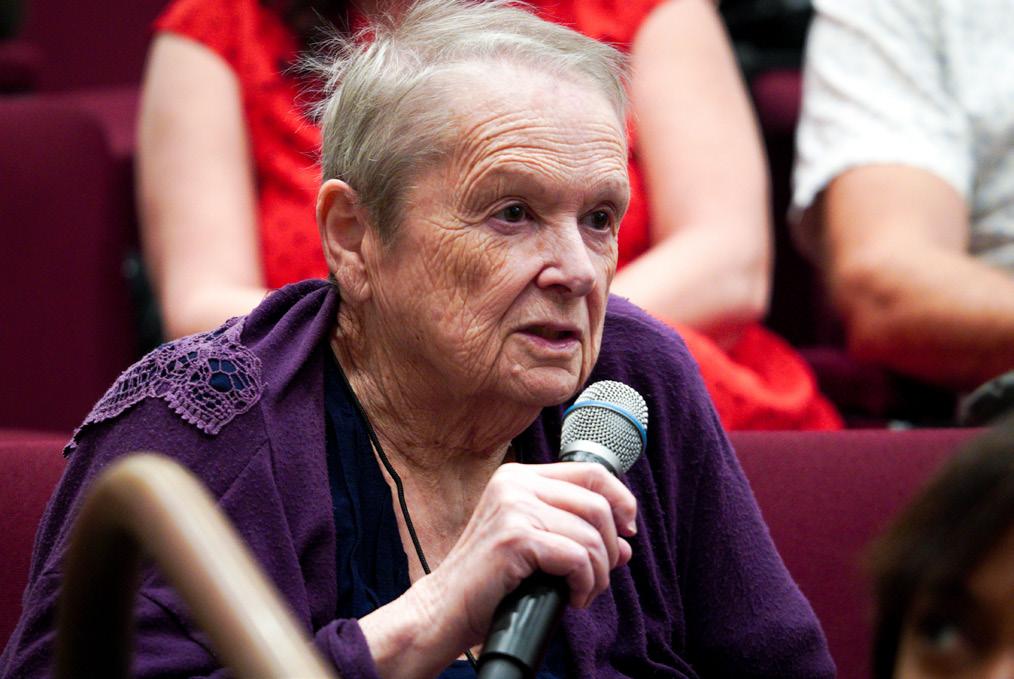
Responding to the first question on which area of academic research AI is currently most helpful for, participants reinforced the view that AI does contribute to more effective teaching and learning processes. In particular, help with references, inspiration and brainstorming, logical thinking, translation, intercultural communication, and research collaboration were among the positive aspects identified by the participants.

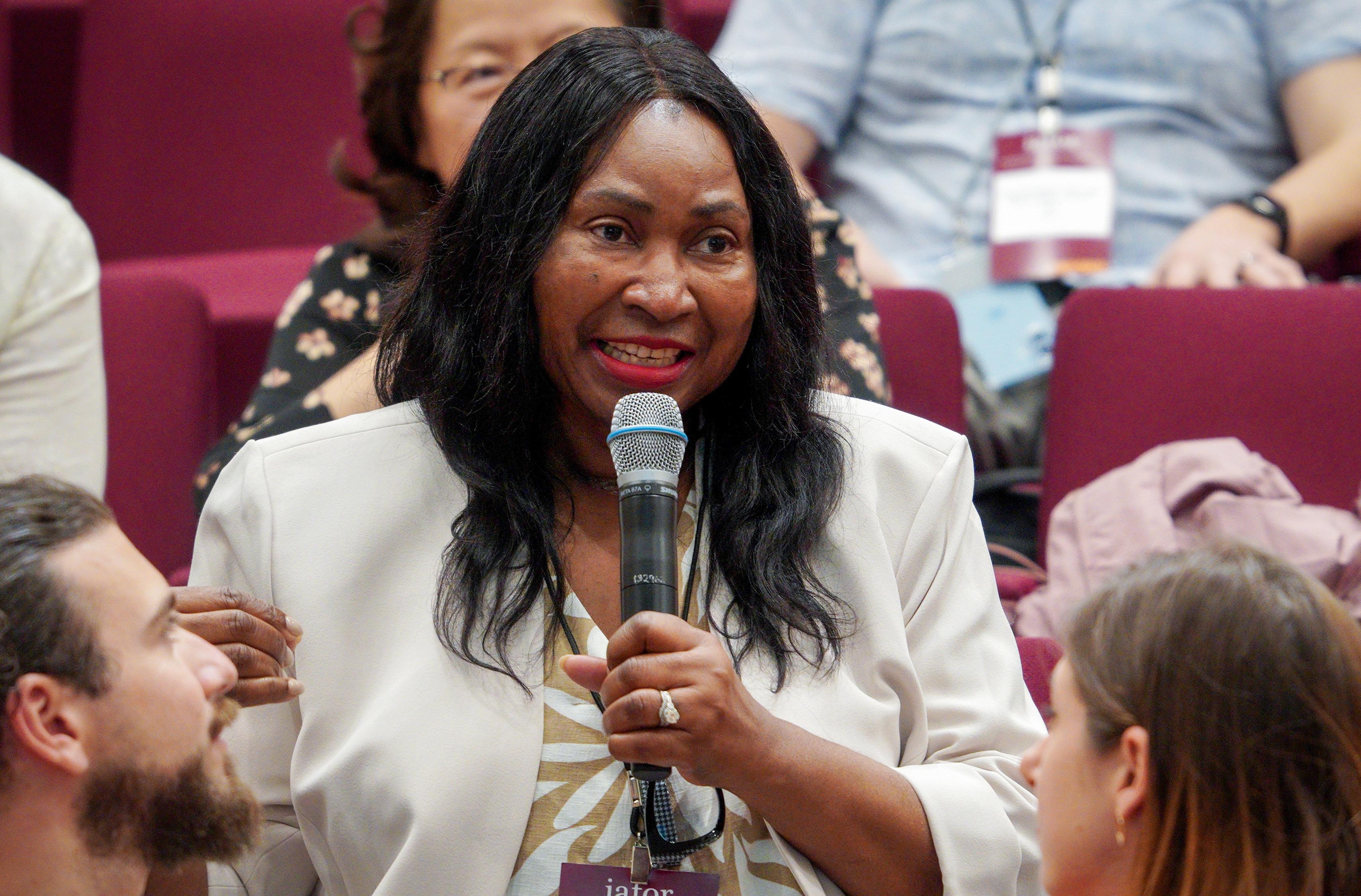
I teach my students to use AI for their references. Because a lot of them went to school in different places, some of them learned the Chicago way of formatting, while others learned different ways. So when they came to my university, and I said, here we use APA formatting, they struggled with it…I said, let me make it easy for you: AI can do this for you.
- A delegate from the United States
I think AI is helpful for breaking through writer’s block when you’re just stuck. My students sometimes feel really stuck. So if they have a topical assignment, I can say “just try asking a few questions”, and I think it gives them stimulation for new ideas.
- A delegate from the United States
I think one of the ways you can use AI is to show students the fallibility of it, to almost try to get it to say something wrong. I was teaching once, and it told me twelve divided by two was negative one. So that was a choice. And I just showed my students that.
- A delegate from the United States
I wrote down “understanding foreign languages” and “language translation”. I trained my own ChatGPT for my students. I put inside all my working papers, my research papers, theses that I have supervised, and I created my own virtual buddy that my students can use completely. To be honest, it’s a good way to bring them into international research, because for Germans, it’s sometimes a little bit difficult. They want to speak German and do not want to read English. And so, I have my virtual buddy, and it helps my students and me to bring us into research and publish together.
- A delegate from Germany
My students are Arabs in Israel, but we learn together with Jewish people in Hebrew and Arabic. I ask my students to use AI to help them write, speak, and practice in Hebrew, because our language is Arabic, and they are very weak in Hebrew. AI is helpful for them.
- A delegate from Israel
On the other hand, if AI were to be removed from assisting in research, the majority of participants stated that students would struggle the most with writing, especially in formal academic language. The question sparked a debate among participants:
I think the students will struggle with how to write a formal paper in the formal voice. Right now, most students have an idea, they write it, they put it into ChatGPT and ask it to polish the paper, so they can come up with a more polished text. I think that’s the most probable struggle they will have.
- A delegate from China working in the United States
I just have a quick response or question to that. I totally agree that language is the problem for students. You want ChatGPT to convert their language to formal language, but then you’re saying that they don’t know how to write formally, so they still won’t know how to write formally. Then they don’t learn how to write at all. ChatGPT helps them with a job or task, but where are they learning how to write formal academic language? Unless we don’t think that’s important anymore.
- A delegate from the United States
The difference for those who learned English is that they knew how to write formal English because they were taught the English language. But those who speak English as their native language write in slang. Those of us who went to school in the past didn’t know anything about AI. We learned to write formal English. Especially after COVID-19, many students are struggling with writing. We have to have writing classes for freshmen coming to the university. Without AI, it’s going to be very difficult for a lot of young students.
- A delegate from the United States
My students are community college art students. They’re terrified of writing. They don’t even know how to get started. And so I sit down and do a process with them to help them learn how to use this tool to get over that fear of writing and to learn from the tool how to write well. I think what’s important for us to remember is that they also need to learn how to get over the mediocrity of what AI is giving them. So we need to help them learn that this is the baseline, and they need to do better to succeed.
- A delegate from the United States
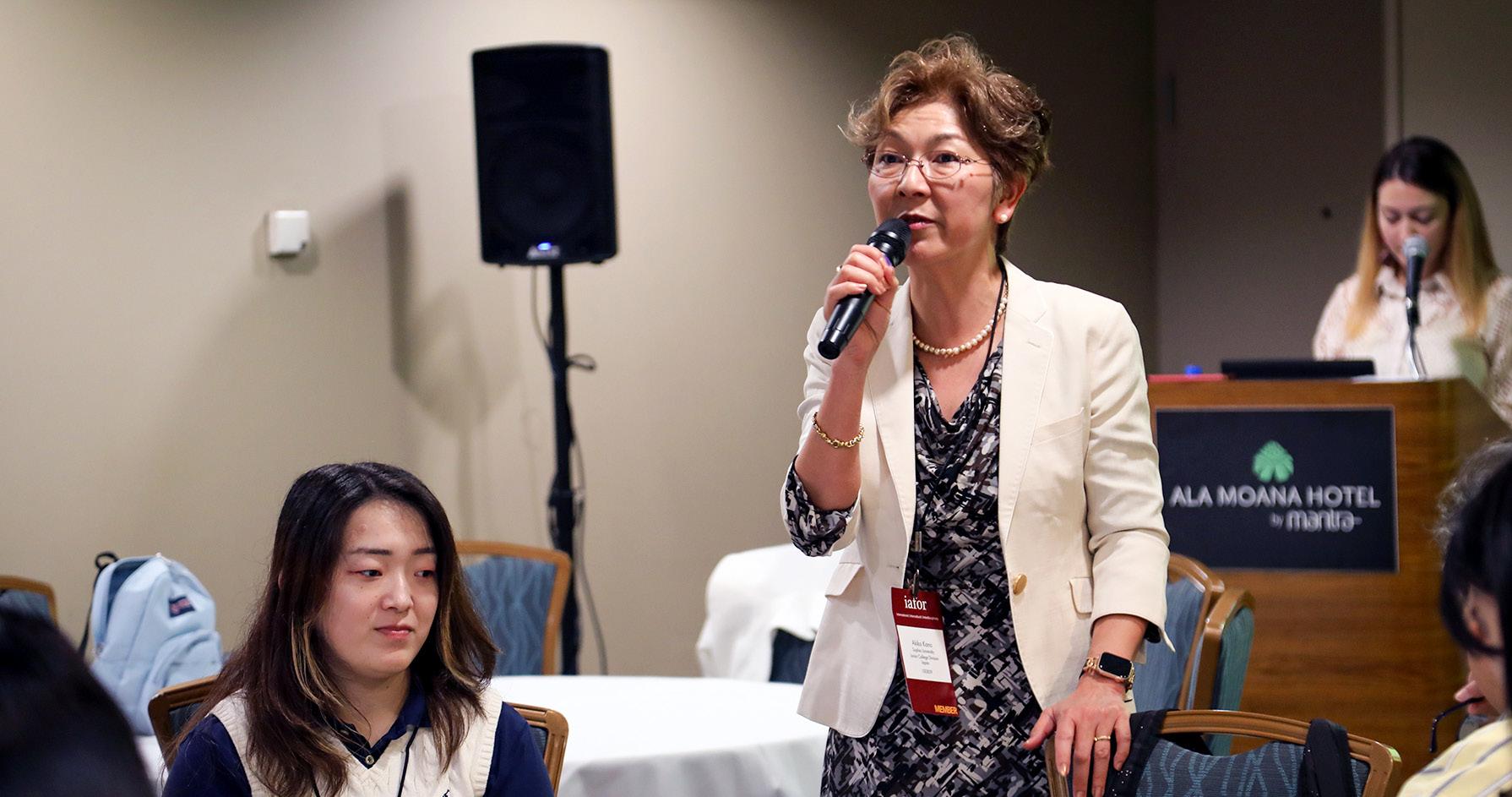
Professor Menchaca responded to this discussion with the following:
For those of us who are a little bit older, how did we learn how to write? Probably most of us learned how to write from reading. Reading is what taught us to write, not school. And the more you read, the better your writing. So imagine yourself as a younger person and put yourself in their frame of reference and understand that what they read is not what we read. That is how they are learning to write. It’s very short, it’s very contractual, it’s the simplification of things. And maybe sometimes the AI systems aren’t necessarily assisting in that regard.
- Professor Michael Menchaca, University of Hawai‘i at Mānoa, United States
The consequent question of what participants value most in research finally contained proof that values and concepts taught in Arts & Humanities classrooms are still the most valued aspects throughout the research process. Curiosity, discovery, inquisitiveness, critical thinking, and ethics were all mentioned as essential elements of the learning journey.
I wrote the word “discovery”. I think a lot of creative writers, poets, and my students forget that you can do research in these creative fields. It’s not just about your feelings; doing research is not about getting facts, it’s about curiosity. Research means I don’t know what I’ll find. So I want them to do research to discover something they didn’t know, bump into things and play… That process can be tricky with AI because it gives them these pat answers back. When you look to AI for generating ideas, the ideas are mediocre. But it’s hard for them to do this with AI, without the experience of doing this kind of playful discovery and research, because they don’t know about the process. All they care about is “I want to get the product”, “I’ve got to get this research done”, “I need to get this done fast”. And what I want them to do is slow down and make a lot of mistakes in their research, like it’s a good thing to pursue.
- A delegate from the United States
You just triggered something in me, that research is actually our space to really spend more time and actually dwell on things. It’s such an opposite in this world where everything is fast, fast, fast, and it has to be efficient, and we’ve got to get there as quickly as possible. A lot of students are trapped in this mentality and in this academic world. We can go into being just efficient and having our 150 publications a year, or we can go into dwelling on things, taking time, understanding, building connections, building that productivity for the community, and being an asset and serving the people that we value. I feel like that’s a big part of research.
- A delegate from Germany working in the United States
The essence of education is to be able to help students have a successful outcome in life by becoming originators of knowledge. To help students become critical thinkers and originators of knowledge, you have to help them understand the importance of being able to develop a perspective on critical issues in the field. When you observe critical issues, what are you going to do about them? That’s why I believe that research on its own is not valid until it is able to fill a gap and become useful to improve the practice of what we do to develop children.
- A delegate from the United States
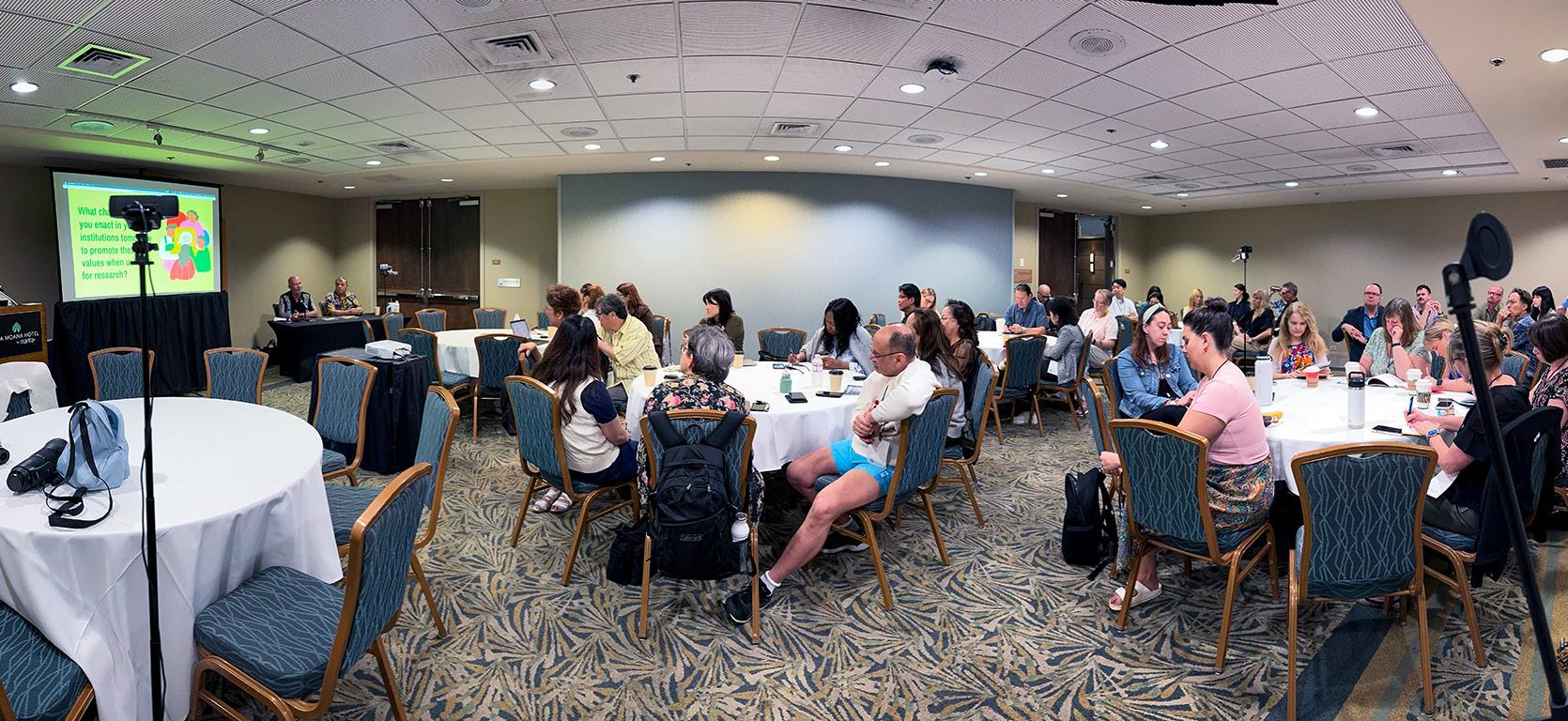
Asked about what changes they would enact in their institutions tomorrow to promote these values, participants mentioned faculty training, assessment policies, and ethics classes as possible next steps.
I think the most immediate change would be making sure that there is really high-quality and depth of training for faculty in using AI and how to connect it to their specific disciplines, because it is going to be different for everyone. I think that if faculty have deep training, they’re going to be able to better respond to student use and help to make sure that students are using AI in authentic ways.
- A delegate from the United States
We really need to be aware that we can’t go on without AI. Maybe students can use AI much more efficiently and wisely than we do. So when it comes to evaluation, it’s really a tough issue. I myself am a learner of English, and I struggle and use AI when I write papers. So we’re in the same stage as our students are. How to evaluate and assess their work, keeping in mind that they use AI better than we do, is a huge challenge.
- A delegate from Japan

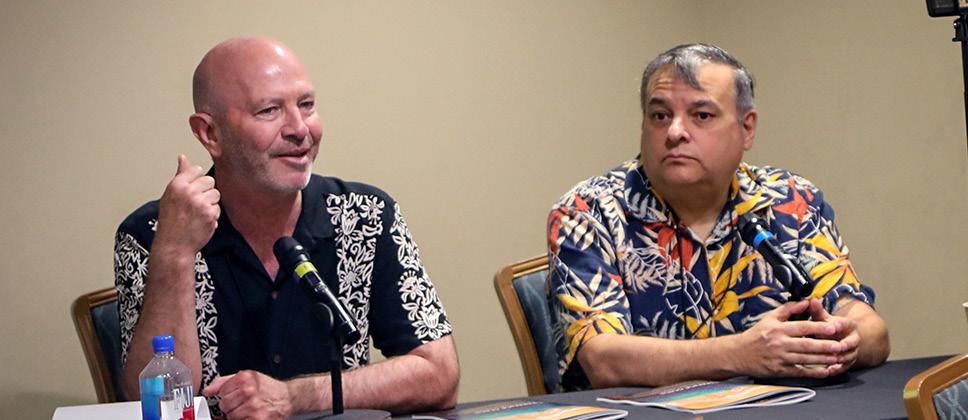
Deep training is a thing, but I think what’s really missing is an ethics class. I can’t predict what students will do with AI. I can’t get ahead of the students. But I can maybe give them a foundation of ethics, whether it’s with AI or with anything else in life, about what’s right and wrong. I give them these tools, which are part of critical thinking or asking questions. Without that dimension, AI is just a thing that I’m gonna have to battle all the time. We need to start having conversations about how to use AI ethically, and not just to manipulate things. In making poems or a story, when is it okay to use it? You say “idea generating” - well, what does that mean? What kind of ideas are you going to get back? And ethically, how are you going to evaluate a 40% AI-generated text, based on your own poems? We’re older, we’ve dealt with ethical questions far longer than students have, period. And that’s what we have to teach them.
- A delegate from Japan
To the last comment, Professor Black responded that:
This really is a question of the philosophy of mind: What are thoughts and what is consciousness? What is our engagement with AI in that relationship? What is the truth of something that is trying to be communicated, and what is our truth in trying to express that? And how do we place ourselves in our relationship with AI? I want to connect this to something said at our London conference by Professor Mo Zandi: he said that AI is going to replace the people who don’t know how to use AI. A lot of what we’ve been talking about here is thinking about how to use AI correctly, not just ethically but also in your relationship with it and in relation to the truth.
- Professor Grant Black, Chuo University, Japan
It is undeniable that the rapid integration of AI into academia does not diminish the relevance of the arts and humanities, but instead intensifies their importance. As participants repeatedly emphasised issues of critical thinking, ethics, language learning and writing, and the nature of knowledge itself, the discussion revealed that these disciplines remain central to how we use AI and how we stand as humans in relation to it. In this context, the arts and humanities are not peripheral, but essential to ensuring that technological advancement is accompanied by thoughtful, responsible, and meaningful human engagement and the development of human intelligence.
Written by Dr Melina Neophytou, IAFOR, Japan
How we understand ourselves in relation to others, to technology, and to knowledge itself is increasingly mediated by those who hold the power to produce, filter, and transmit ideas. Education is regarded as the primary source of idea-generation and transmission, but finds itself at risk when artificial intelligence threatens to take over this intrinsically human generation and dissemination of ideas. As national governments withdraw financial support for educational institutions to redistribute resources to defence and national security spending, the arts and humanities remain resilient and resourceful in the face of deprioritisation at the governmentlevel through the banding together of community organisations and grassroots connections, persisting the civic nature at the heart of education as a public-serving system.
While the plenary sessions at the IICE/IICAH2026 conference in Honolulu, Hawaii, laid out the disturbing context in which education, the arts and humanities, and humanity at large find themselves today and tapped into important questions that require our immediate attention, the responses seemed to be more reactionary than proactive. Despite the frustration and angst around how to keep the arts and humanities alive, or how to bring back a diverse perspective in knowledge creation and reproduction, there is value in articulating these challenges clearly, and reflecting on reactionary measures to start conversations about sustainability and how we can shape the future of AI in education. Non-traditional and unbiased spaces, such as those created at IAFOR conferences, offer the necessary platforms for these opinions to be heard. The human element is essential in the age of AI, and its future must remain centred on a human-centric agenda. This sentiment will be explored further in our April conference plenary programme in Washington, DC.

Written by Professor Michael Menchaca, The University of Hawai‘i at Mānoa, United States
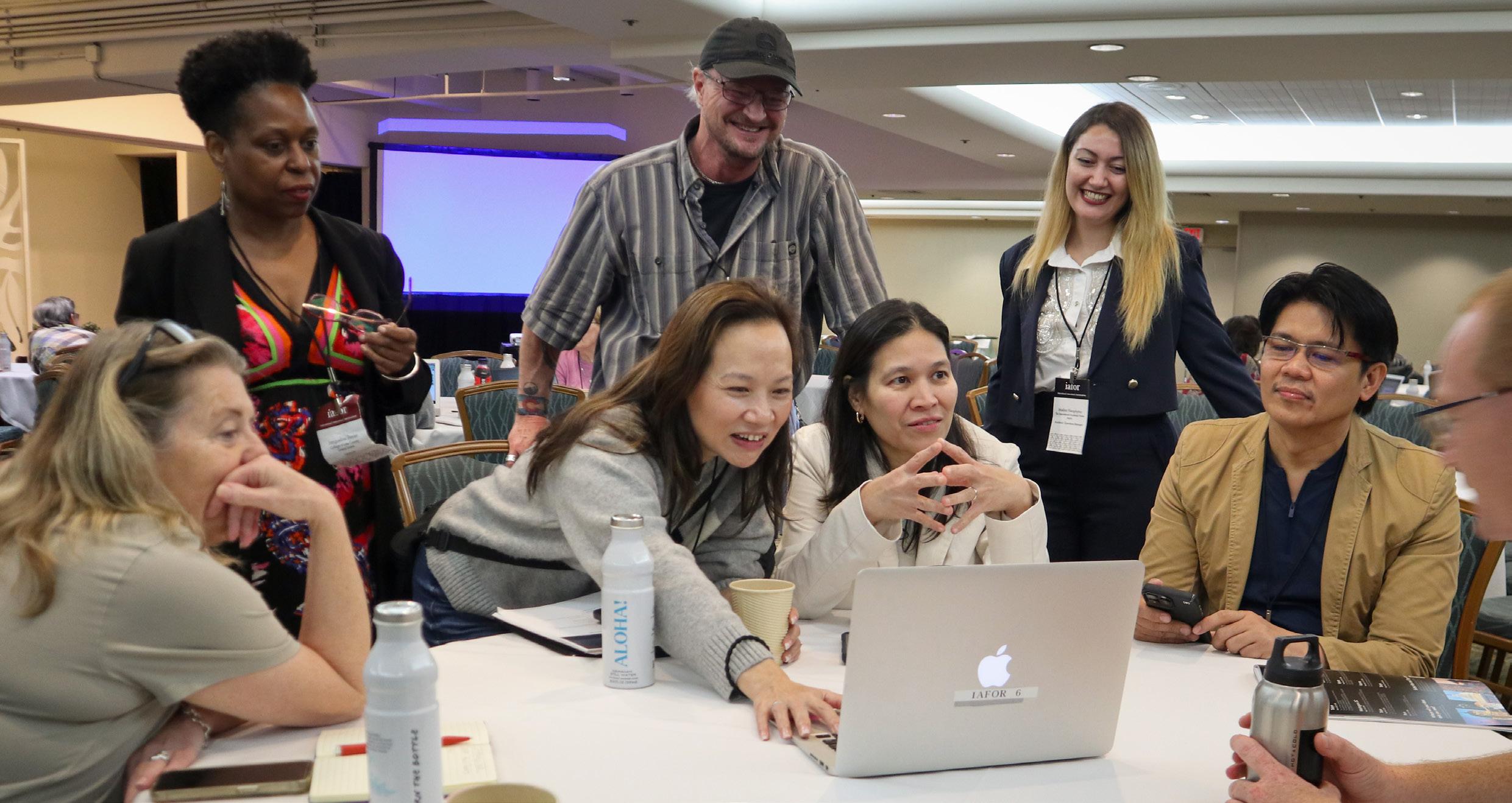
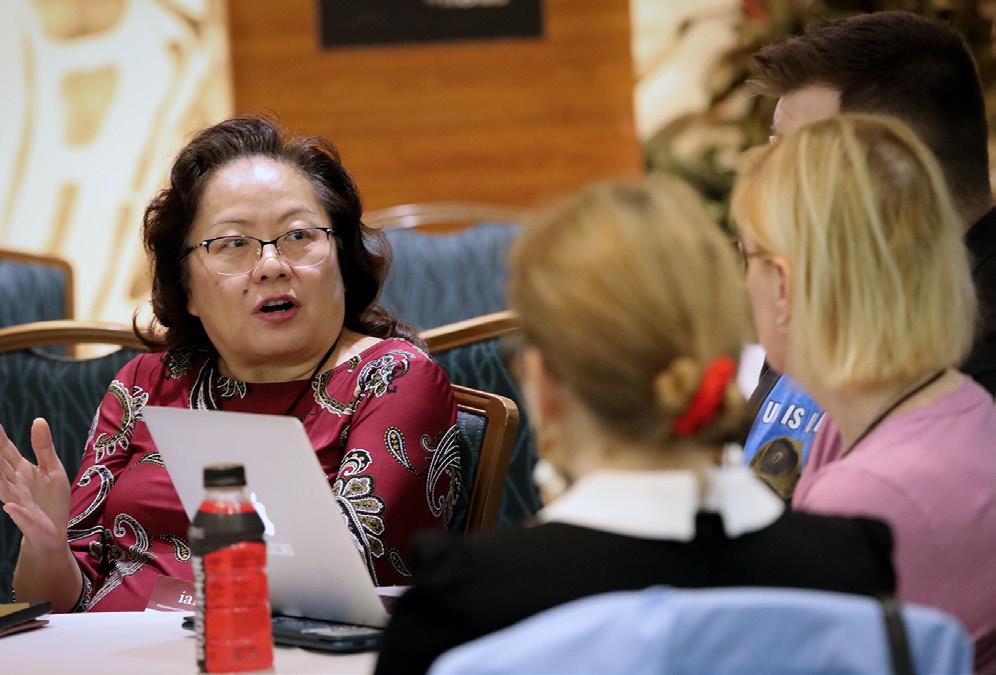
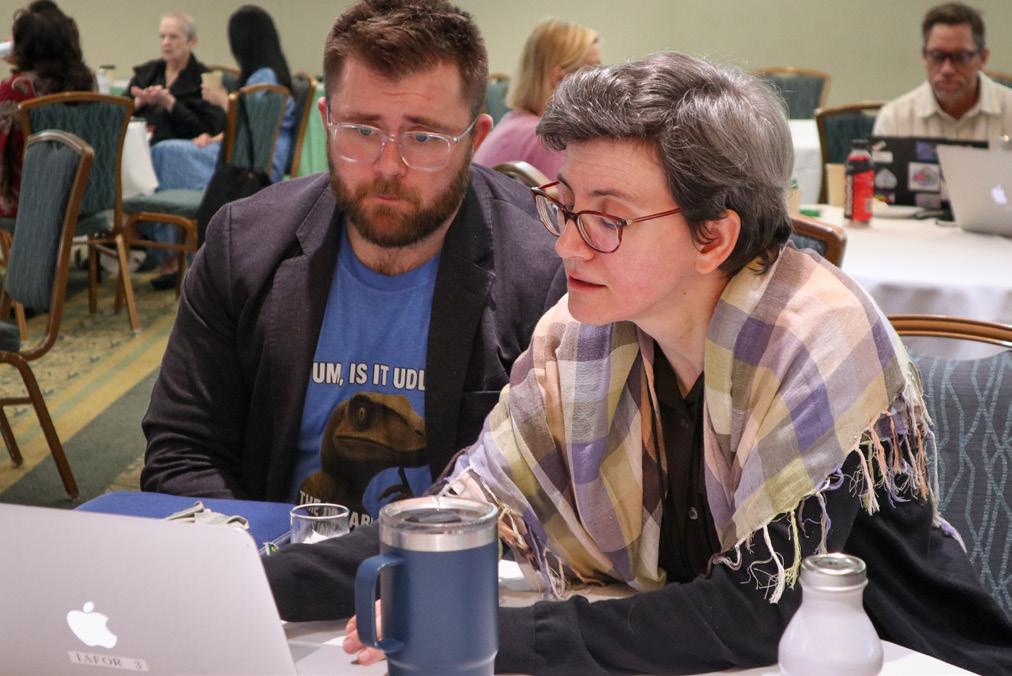
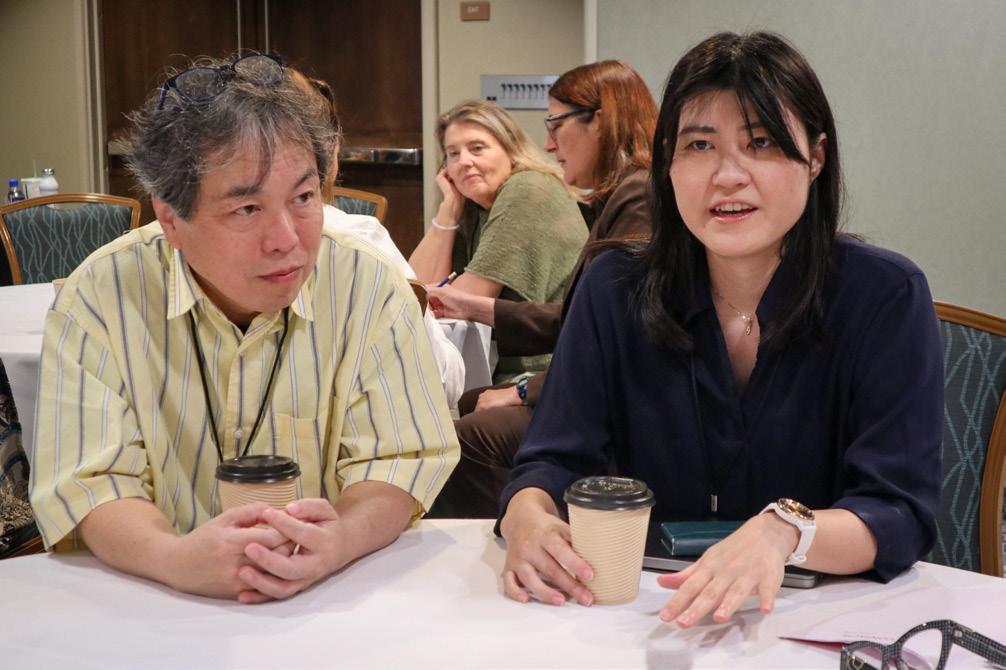
On the final day of the in-person portion of the 2026 Hawaii conference, IAFOR introduced the Knowledge Exchange Hubs, a novel approach to discussion and networking. This half-day interactive session was provided to shift the typical conference focus from passive learning to active engagement, and to provide a summative conclusion to the conference. It also acted as a platform through which participants could voice their own thoughts, fears, and curiosity for the future, by discussing topics they themselves identified as pertinent. The inaugural session provided a space for delegates to connect, collaborate, and actually create content to drive discussion and share knowledge. Delegates formed five distinct topic groups, and the topics covered were derived directly from delegates during the conference by collectively sharing ideas through an open poll and then upvoting the most popular. Several topics were generated, with the most popular centring around various challenges with artificial intelligence, including policy, student usage, and faculty control.
During the session, delegates engaged in rotating group discussions clustered around the chosen topics. This allowed ideas to evolve organically into emerging interdisciplinary research collaborations. Most notably, the session also provided delegates an opportunity to examine new AI-based tech tools such as NotebookLM When the original groups reformed following engaging conversations, they were then able to use the tool to turn their ideas into presentations. These presentations, described below, incorporated slides, graphics, audio, video, and even poetry into recorded exhibitions for peer sharing. Ultimately, the session was more than just networking, but was instead an invitation to contribute to and co-create academic discussions in a space where voice matters and ideas can influence ongoing conversations within IAFOR and beyond.
The following three presentations were created during the Knowledge Exchange Hubs:
• A video that discussed the intense debate about the place of AI in academia. For example, should educators focus on concerns about cheating, or completely rethink what it means to be skilled in a contemporary university? The rise of powerful, easily accessible AI tools has brought education to a major crossroads. Two main approaches discussed in the video included: (1) the punitive approach with schools treating AI as a threat, investing in AI detection software, establishing strict AI rules, and even rethinking assignments and (2) the training approach where AI is considered a valuable tool and schools focus on teaching ethics and process. The video ultimately suggested that the best solutions are likely in a ‘messy grey area’ between the above two extremes, emphasising that no single rule will work for everyone because ‘context is everything’. This led to the video posing a deeper question about the ultimate purpose of a university education: Is it to prepare students for a job market where knowing how to use AI is non-negotiable, or is it to develop core critical thinking skills that some worry AI might weaken? Overall, the rise of AI was portrayed as a ‘philosophical shakeup’ and a catalyst for a conversation that is long overdue. The video stated that ‘as AI redefines what work and knowledge look like, society must redefine learning’.
• A video that discussed the growing presence of AI in education and the challenges it presents. Key points included: (1) Policy Gaps: Most schools lack clear AI policies, leaving instructors to create their own ‘rules of the road’ for students; (2) AI Frameworks: One popular approach could be the red, yellow, and green light framework where a green light means AI use is acceptable for specific tasks, a yellow light means use with caution, and a red light means AI use is strictly prohibited; (3) Rethinking Assessment: Since AI can already write complete essays, the traditional assignment and its assessment should be questioned; and (4) Core Purpose of Education: Despite the new technology, the fundamental purpose of education remains unchanged, teaching students how to think and solve problems. Ultimately, the core question tendered was how to use AI to ‘build better thinkers’.
• A PDF titled American Academia at a Crossroads. This document examined the confluence of political pressure, institutional inertia, and a talent crisis currently facing American academia. American higher education, traditionally built on a strategy of attracting and retaining global talent, is experiencing a ‘vicious cycle’ where diminishing stature invites further attack. The document posited that external political pressure, including restrictive legislation and terminology manipulation, has created a ‘chilling effect’ where academic freedom is curtailed by state-level mandates, internal policy changes, and language restrictions. The document also pointed out a ‘talent exodus’ or brain drain, where an evolving restrictive atmosphere leads to a reversal of talent flow, with PhD students and faculty leaving the U.S. in particular for other countries. The document argued that a path forward would be to start at the grassroots level, particularly within academic departments. This would require active leadership, intentional allyship for faculty and students, proactive hiring and retention strategies for international faculty, and fostering a shared clarity of core values.
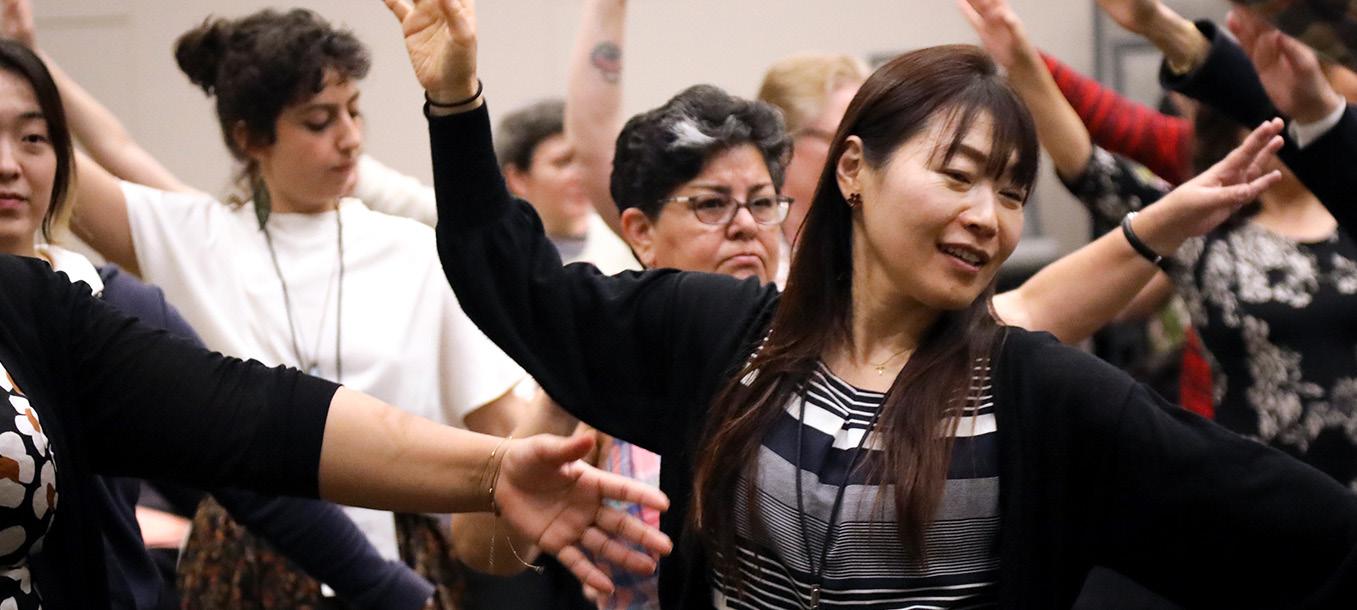
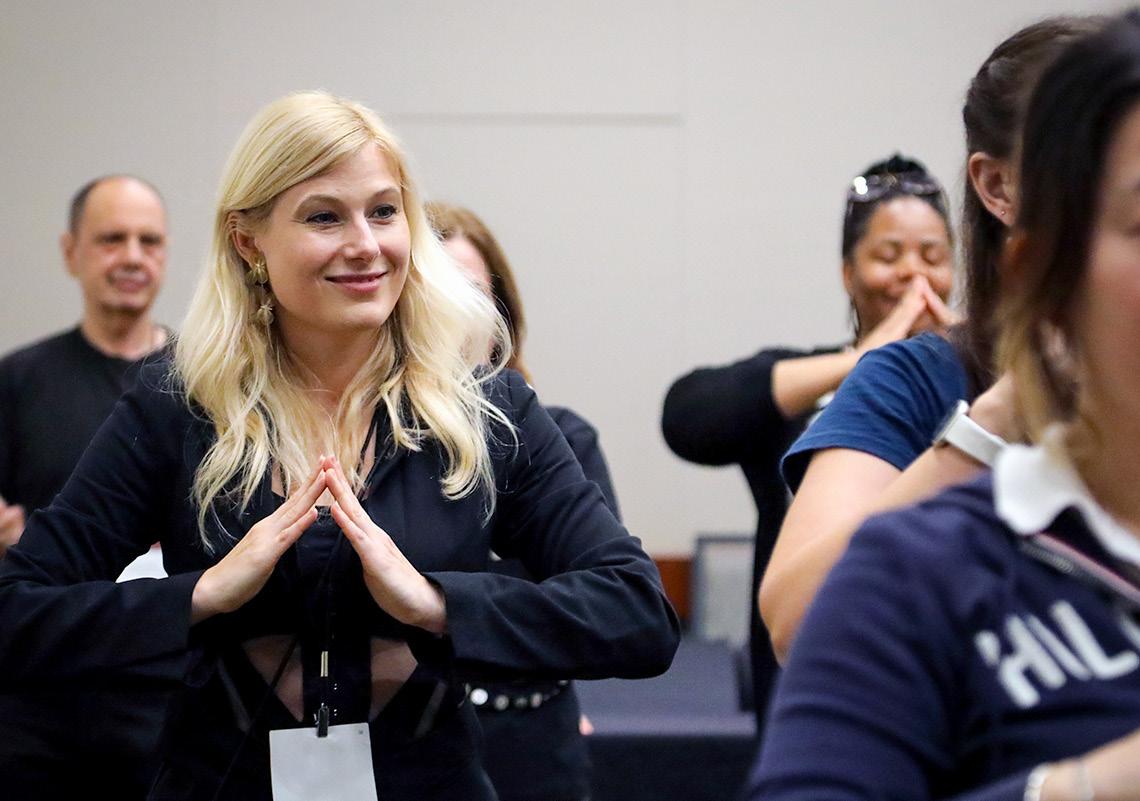
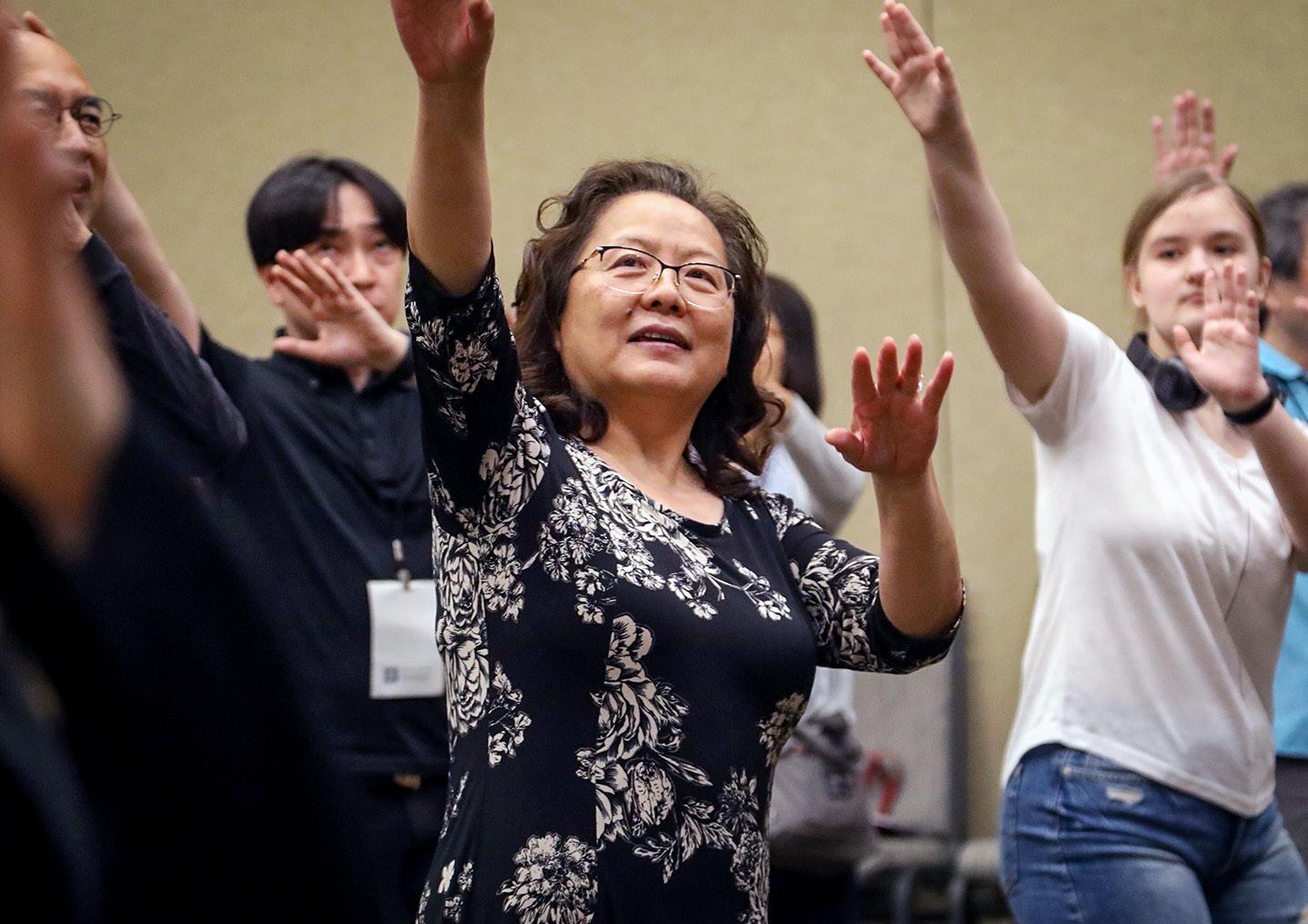
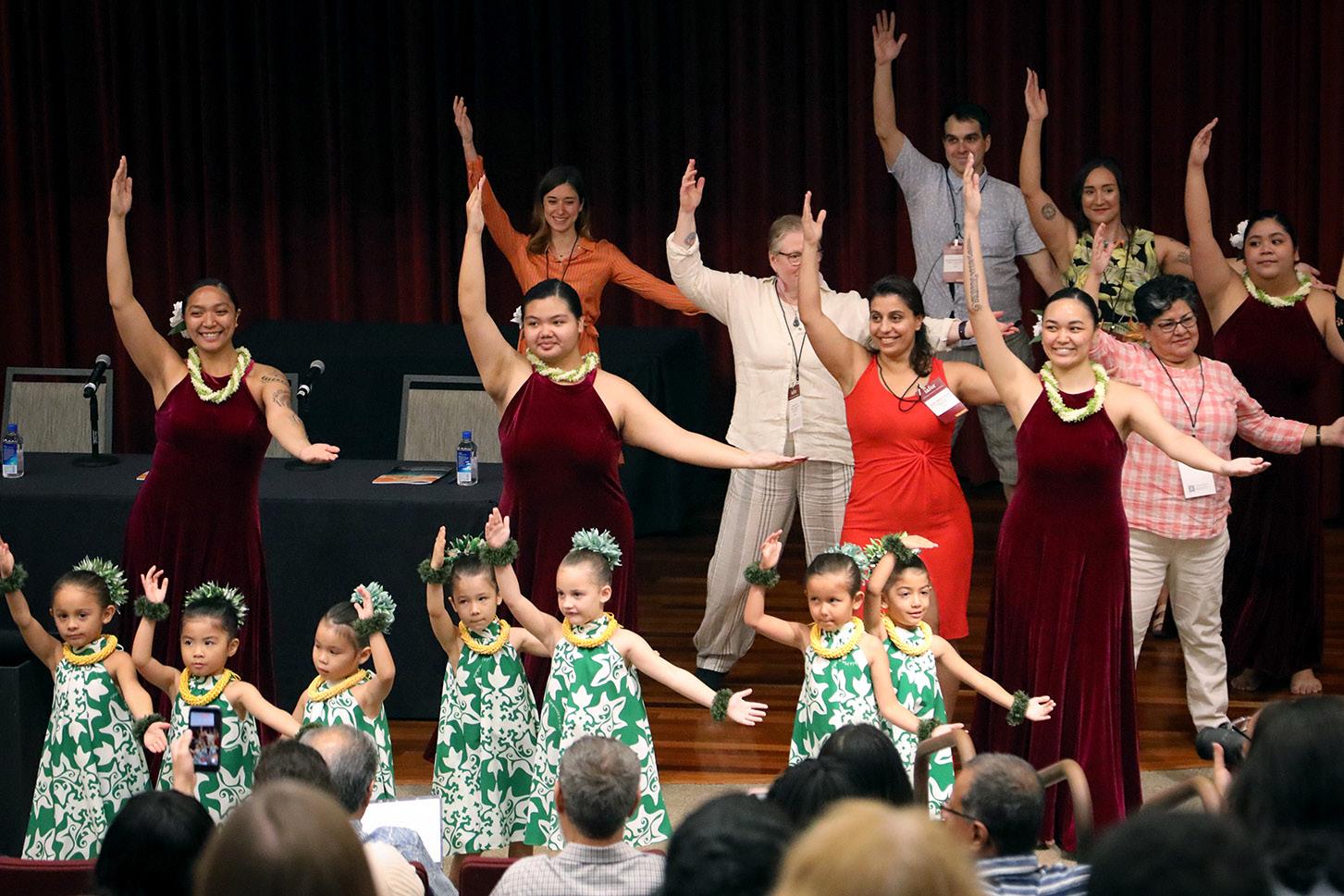
Robyn Kuraoka, a renowned hula instructor, joined us on Sunday, January 4, in leading the ‘“E Hele Mai a Hula”: A Hawaiian Music and Dance Workshop’, now a staple in our Hawaii conference programme. The workshop featured a troupe of dancers and musicians led by Ms Kuraoka, who introduced delegates to the movements and music of the Hula, a native dance of Hawaii. The workshop allowed delegates to unwind and connect through this Hawaiian tradition at the end of the plenaries, learning basic chords and melodies on the ukulele, and working through steps of the Hula dance. Ms Kuraoka and her troupe also kicked off the conference with a hula performance on Saturday, January 3, setting the stage for the programme.
Ms Kuraoka is the daughter of ‘Auntie’ Carolee Nishi, a world-renowned hula instructor and a Living Treasure of Hawaii, who after leading the hula dance workshop at IICE/IICAH for several years has passed the baton to her daughter. Designated a Living Treasure of Hawaii in 2020, Auntie Nishi has been dancing and teaching for over fifty years, performing on stages across Hawaii and the world throughout her career, including Disneyland, United States, and the 1970 Osaka World’s Fair, Japan. Ms Kuraoka’s warm instruction stems from her family’s many years welcoming and guiding students of all ages and backgrounds to learn the hula, and the workshop remains a beloved fixture in IAFOR’s Hawaii programme.

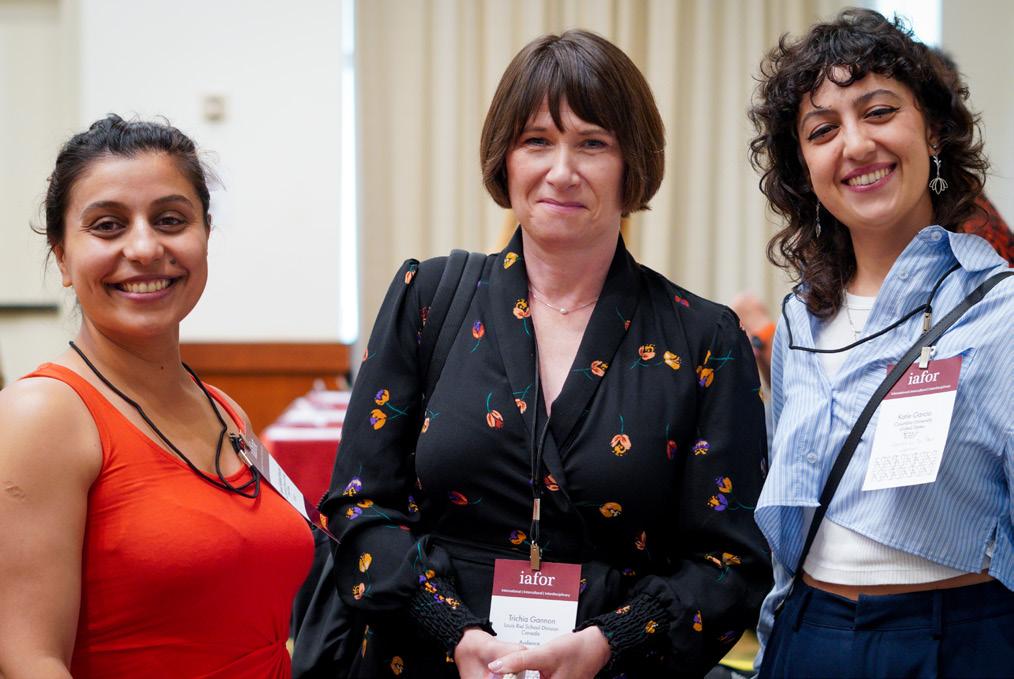
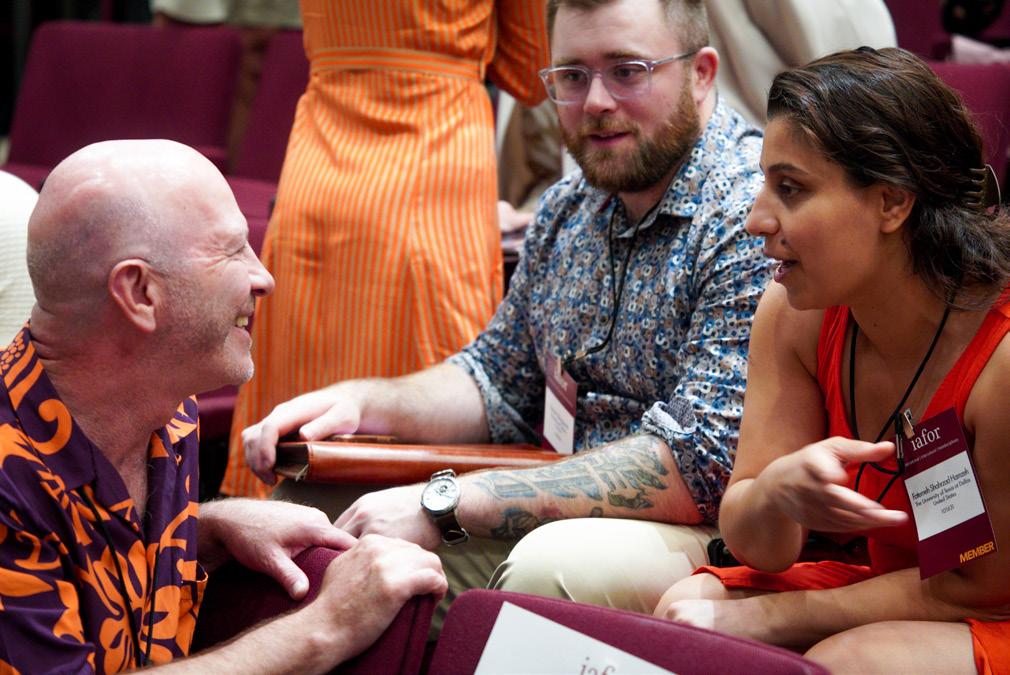
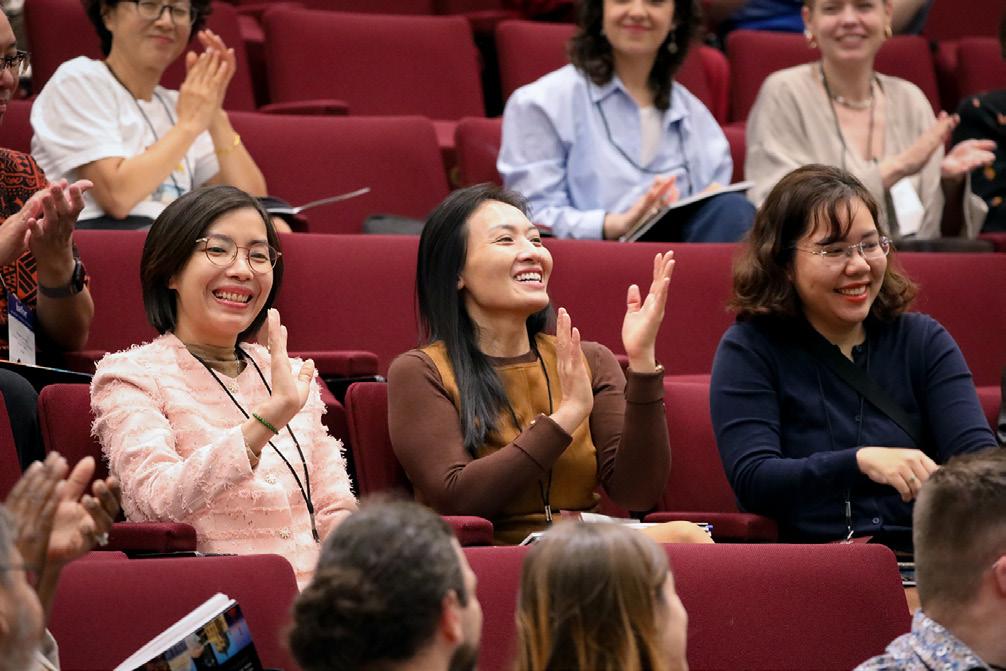
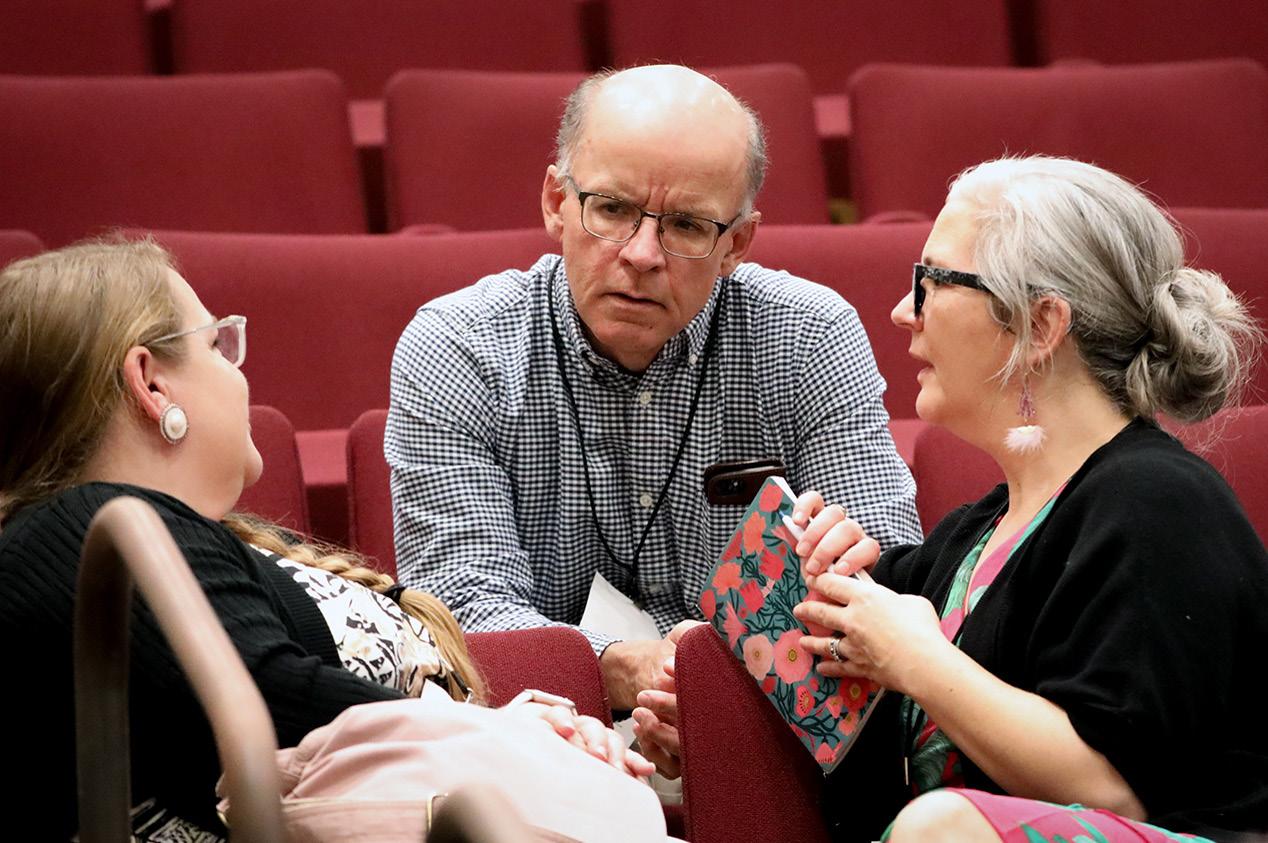
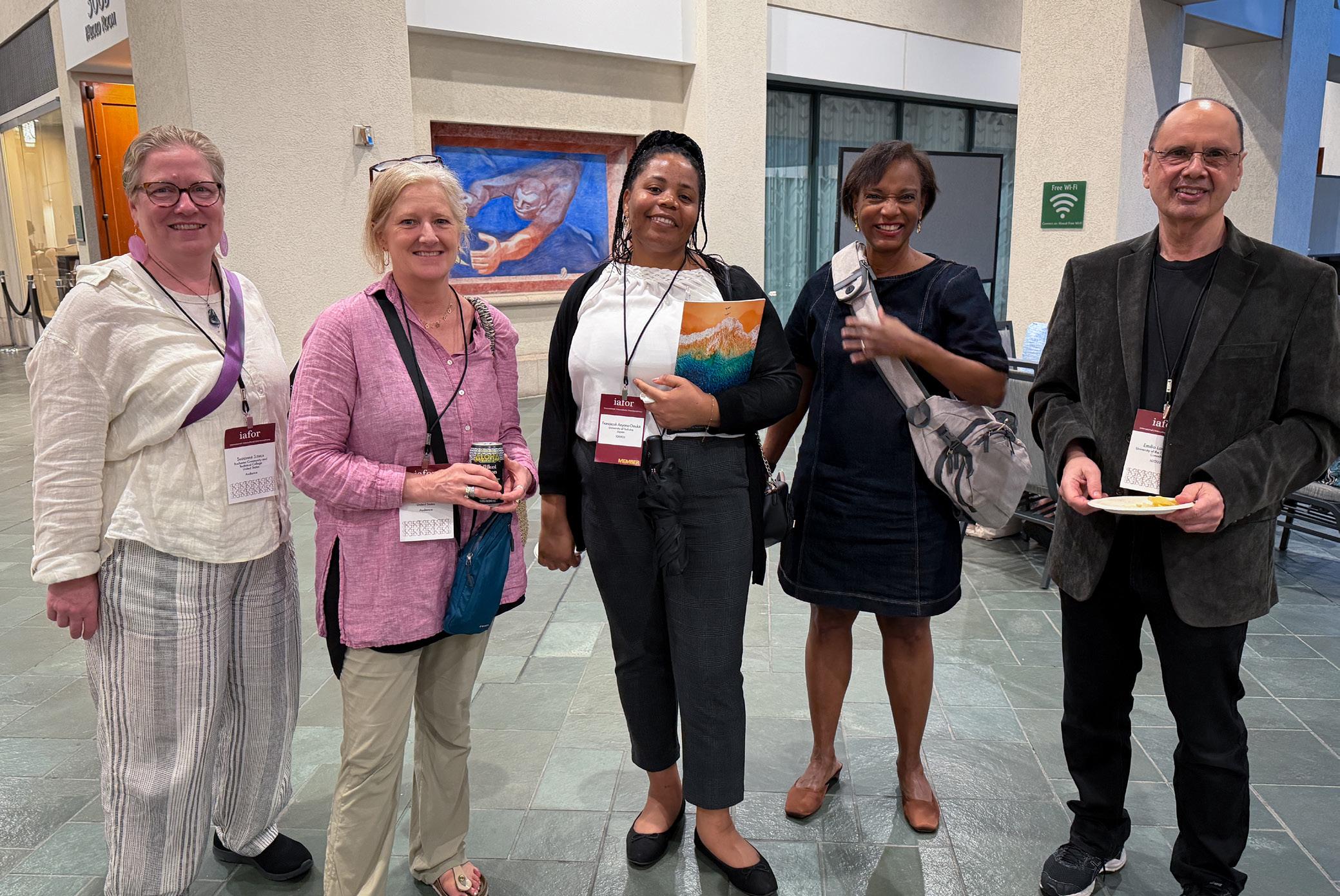
The Welcome Reception, a free event open for all registered delegates to attend, capped off the first plenary day in the Children’s Courtyard within the Hawai’i Convention Center. The Welcome Reception is designed to allot time for delegates to relax and form connections during the busy conference plenary schedule, before the parallel sessions. Delegates at all levels of their careers can connect over conversations highlighting the day’s keynote presentations, where they are from, and what brought them to IAFOR. Facilitating spaces where delegates can form longlasting connections within the IAFOR network and is a key aspect to our conference planning.
IICE/IICAH2026 returned to Roy’s Waikiki for the Conference Dinner on the evening of Saturday, January 3, a venue that remains a favourite in the Hawaii programme. Located inside Waikiki Beach Walk, an open-air luxury shopping complex which sits beside Waikiki Bay, Roy’s Waikiki and its namesake, Japanese-American celebrity chef Roy Yamaguchi, were instrumental in the Hawaii Regional Cuisine movement in the early 1990s, of which Yamaguchi was one of the founding members. The movement marked a culinary renaissance in Honolulu’s dining scene, emphasising sustainability, regional flavours, and cultural diversity through the sourcing of local ingredients and use of global techniques, including inspiration from Japanese, Filipino, Portuguese, and, of course, Hawaiian culinary traditions. Each iteration of the Conference Dinner offers an exclusive chance for conference attendees to explore and experience the unique cultures and locations in which IAFOR conferences are held, and Roy’s Waikiki granted delegates the opportunity to experience this culinary movement’s aloha ‘āina, or ‘love of the land’, firsthand.
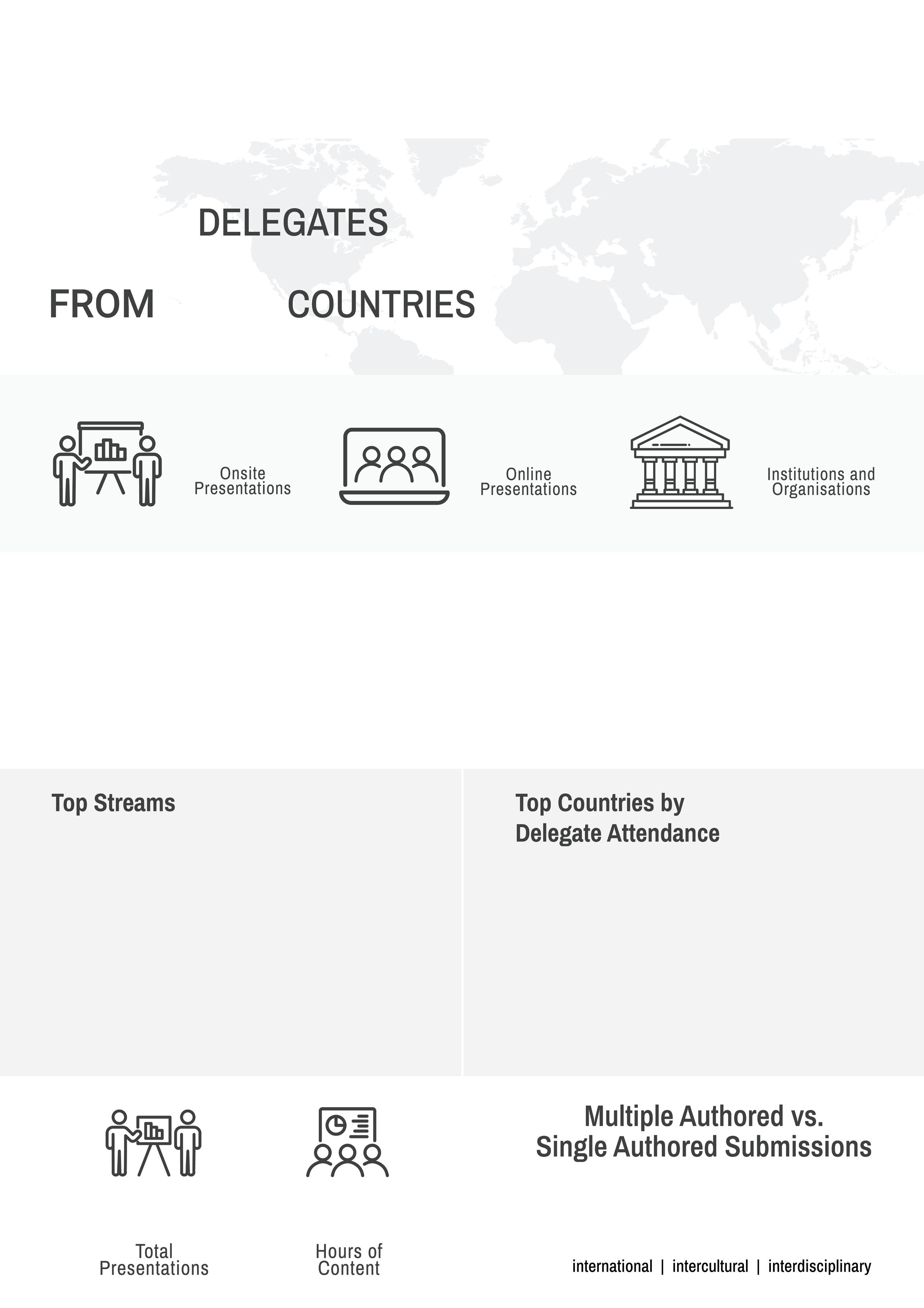
Date of C r eati on: Januar y 2 3 , 2 0 2 6
62% Un i v ersi ty F a cu l ty 17% Doctora l Stu den t 7 5% Pu bl i c Sector/Pra cti ti on er 4% Postgra du a te Stu den t 3 5% Oth er 2% In depen den t Sch ol a r 2% Pri v a te Sector 2% Postdoctora l
1 Hu ma n i ti es - Tea ch i n g a n d L ea rn i n g (30)
3 0 2 5 1 9 1 9 1 5 1
2 Hi gh er Edu ca ti on (25)
3 Desi gn , Impl emen ta ti on & A ssessmen t of In n ov a ti v e Tech n ol ogi es i n Edu ca ti on (19)
4 Tea ch i n g Ex peri en ces, Peda gogy, Pra cti ce & Pra x i s (19)
5 F orei gn L a n gu a ges Edu ca ti on & A ppl i ed
L i n gu i sti cs (i n cl u di n g ESL /TESL /TEF L ) (15) S i ng l e-A uthored v s . M ul ti p l e-A uthored S ub m i s s i ons
Date o f Cr eatio n: Feb r uar y 1 7 , 2 0 2 6
Yo ur feed b ack p lays a vit al ro le in shap ing t he fut ure o f IAFO R co nferences. Guid ed b y t he Jap anese p rincip le o f 'k aiz en ' a co m m it m ent t o co nt inuo us, increm ent al im p ro vem ent w e st rive t o enhance t he d eleg at e ex p erience The d at a p resent ed in t his rep o rt w as co llect ed fro m 5 5 resp o nd ent s o ut o f 3 6 6 d eleg at es w it hin 3 0 d ays o f t he co nclusio n o f t he event

P re -C onfe re nce C ommuni ca t i on & S uppor t Ra t i ng

Ov e rall Pre -C onfe re nce S upport Re gistration Proce ss S ubmission & Re v ie w S y ste m

C onfe re nce S a t i sfa ct i on of delega tes a re sa tisif ed or con ten t w ith th e ev en t
C onfe re nce Expe ri e nce Ra t i ng
Ov e rall C onfe re nce Expe rie nce 79% 61% 83%
Hospitality & A mbie nce
*Per c entage bas ed on 139 m ar ked options fr om 55 r es pons es

D e l e g a t e s' M ot i va t i on for A t t e ndi ng A ca de mi c Q ua l i t y Ra t i ng Re comme nda t i on Re t urne e s of delega tes w ou ld recom m en d th e I AF O R ev en t to a f rien d or a collea gu e of delega tes h a v e a tten ded a n I AF O R con f eren ce bef ore
“The c o nf e re nc e w as e xc e lle nt, and I w o uld like to e xpre ss my sinc e re appre c iatio n f o r the high- q uality o rganizatio n and the pro f e ssio nal atmo sphe re thro ugho ut the e v e nt. ”
Ov e rall Ne tw orking Expe rie nce
We lcome Re ce ption


The post-conference survey sent to IICE/IICAH2026 attendees included the questions below
Before the conference (Q1-Q5): Evaluating submission, registration, and communication processes
Q1 Please rate your experience with the submission and review system.
Q2 Please rate the quality of the information provided on the website.
Q3 Please rate the quality of the information provided in the emails you received.
Q4 Please rate the registration process.
Q5 How would you rate the overall pre-conference support you received?
Academic Quality (Q6-Q8): Assessing plenary sessions, parallel presentations, and content relevance
Q6 Please rate the quality of the plenary sessions and featured presentations.
Q7 Please rate the quality of the conference parallel presentations.
Q8 Please rate the overall content of the conference (academic quality, relevance, diversity).
Conference Experience (Q9-Q13): Measuring hospitality, networking opportunities, and overall satisfaction
Q9 Please rate the conference hospitality and ambience.
Q10 Please rate the opportunities to connect with fellow participants during the conference.
Q11 Please rate your overall networking experience at the conference.
Q12 Please rate your overall conference experience.
Q13 Considering your complete experience at our conference, how likely would you be to recommend us to a friend or a colleague?
We have received 55 responses out of 366 delegates. Below is an overview of the results.
Overall Score by Attendee Types
Data as of February 17, 2026, 10:00 JST
Delegates attending IICE/IICAH2026 found the overall pre-conference support helpful. They received useful information from IAFOR prior to joining the conference, rating the information provided on the website at 4.31 out of 5. The submission system was found to be easy to use by about 87 percent of the respondents. Furthermore, our email communication was timely and clear, achieving an overall score of 88.00 percent. The registration system was seamless and effortless, with over 87 percent of the respondents rating it at 4.53 out of 5.
The conference performed well in terms of academic content delivery, with an overall score of 82.91 percent. The plenary sessions and featured presentations were found to be acceptable, though they could be more dynamic, resulting in 78.91 percent overall satisfaction. Regarding delegates’ presentations, 98.18 percent of respondents found the parallel sessions to be well-prepared and informative.
IAFOR serves as a platform for international, intercultural, and interdisciplinary collaborations. 94.55 percent of respondents found that connecting with fellow participants during the conference provided good networking opportunities. Delegates attending onsite found the networking experience to be a valuable opportunity to build connections, reporting over 80.00 percent satisfaction. The conference’s hospitality and ambience were described as pleasant and inviting, receiving a 4.04 out of 5 rating.
In conclusion, our respondents rated the overall conference experience at 4.16 out of 5, representing an 83.27 percent satisfaction rate. Overall, delegates were satisfied with the event, and 81.82 percent indicated they might recommend IAFOR conferences to their peers. We look forward to welcoming you to our upcoming conferences. Please visit www.iafor.com/conferences for more details.
Individual Responses
Sorted by Total Score
5
5
5
5
5



Egypt
Higher Technological Institute
Nigeria
Building Blocks For Peace Foundation
South Africa
North-West University
University of South Africa
Uganda
Kyambogo University
Bangladesh
Uttara University
China
Donghua University
Hong Kong
Hong Kong Baptist University
Hong Kong Metropolitan University
The Chinese University of Hong Kong
The Hong Kong Polytechnic University
India
Loyola College, Chennai
Indonesia
Universitas Gadjah Mada
Israel
Kaye Academic College of Education
Kinneret Academic College
Japan
Akita International University
Bunkyo University
Chuo University
Future University Hakodate
Higashi Nippon International University
Hiroshima Shudo University
Hiroshima University
Hokusei Gakuen University
Hosei University
Japan Advanced Institute of Science and Technology
Kanagawa University
Kindai University
Kobe University
Kogakuin University
Kyoto University
Kyushu University
Meiji Gakuin University
Musashino University
Nagasaki Junshin Catholic University
Nanzan University
Okayama University of Science
Osaka University of Economics
Osaka University of Health and Sport
Sciences
Ritsumeikan Asia Pacific University
Sapporo Gakuin University
Seikei University
Shukutoku University
Sophia University
The University of Tokyo
Tokyo Denki University
Tokyo Polytechnic University
Toyo University
University of Tsukuba
University of Yamanashi
Waseda University
Malaysia
University of Malaya
Mongolia
Mongolian National University of Education
Oman
Sultan Qaboos University
Philippines
De La Salle–College of Saint Benilde
Dr. Emilio B. Espinosa Sr. Memorial State College of Agriculture and Technology
Miriam College
Mindanao State University - Iligan Institute of Technology
National University
Polytechnic University of the Philippines
Qatar
Hamad Bin Khalifa University
University of Doha for Science and Technology
Weill Cornell Medicine -– Qatar
Saudi Arabia
University of Tabuk
Singapore
National University of Singapore
University of the Arts Singapore
South Korea
Chonnam National University
Chungnam National University
Cyber Hankuk University of Foreign Studies
Daegu National University of Education
Hallym University
Hankuk University of Foreign Studies
Korean Educational Development Institute
Pusan National University
Sungkyunkwan University
Yonsei University
Taiwan
MacKay Medical University
National Cheng Kung University
National Chengchi University
National Kaohsiung University of Science and Technology
National Sun Yat-sen University
National Taiwan University of Arts
National Taiwan University of Sport
National Tsing Hua University
National University of Tainan
National Yang Ming Chiao Tung University
Thailand
Bangkok University
Chiang Mai University
Thammasat University
Vietnam
Hanoi University
Ho Chi Minh City University of Education
Vietnam National University, Hanoi
France University of Bordeaux
Germany
FOM University of Applied Sciences
TH Köln – University of Applied Sciences
University of Bamberg
University of the Bundeswehr Munich
Italy
Politecnico di Milano
University of Turin
Latvia
Riga Technical University
Lithuania
Vilnius Gediminas Technical University
Poland
University of Warsaw
Portugal
Catholic University of Portugal
Romania
Alexandru Ioan Cuza University of Iași
Spain
Autonomous University of Barcelona
Autonomous University of Madrid
National University of Distance Education
Sweden
Lund University
Turkey
Ankara Music and Fine Arts University
United Kingdom
Northumbria University
University College London
University of Nottingham
Bahamas
University of The Bahamas
Canada
Brock University
College of New Caledonia
Douglas College
Mount Royal University
Ontario Tech University
Red Deer Polytechnic
Simon Fraser University
Université du Québec à Trois-Rivières
University of Alberta
University of British Columbia
University of Calgary
University of Manitoba
University of Northern British Columbia
University of the Fraser Valley
University of Toronto
University of Windsor
Western University
York University
Yorkville University
Mexico
Autonomous University of Nuevo León
United States
Adelphi University
Aims Community College
Appalachian State University
Arizona State University
Augusta University
Auburn University
Baylor University
Binghamton University
Black Hills State University
Brigham Young University
California State University, East Bay
California State University, Fresno
California State University, Fullerton
California State University, Sacramento
Chapman University
Clark Atlanta University
Coastal Carolina University
College of Lake County
Columbia University
Defense Language Institute Foreign Language Center
De Anza College
Eastern Virginia Medical School
Elon University
Fielding Graduate University
George Mason University
Georgia State University
Grand Canyon University
Green River College
Hunter College, City University of New York
Kishwaukee College
La Sierra University
Louisiana State University
Louisiana State University Shreveport
Loyola University New Orleans
Miami Dade College
Michigan State University
Midwestern State University
Minnesota State University, Mankato
Mission College
Missouri University of Science and Technology
Montgomery College
Morningside University
New York University
Northeastern University
North Carolina Central University
North Carolina State University
Northern Illinois University
Ohio University
Pepperdine University
Phoenix College
Purdue University
Rider University
Rochester Community and Technical
College
Rowan University
Rutgers University
Sam Houston State University
San José State University
Shenandoah University
Southern Methodist University
Southern Utah University
Southwestern Oklahoma State University
Southwestern University
Stephens College
Sweet Briar College
Texas A&M University
Texas A&M University–San Antonio
Texas Woman’s University
The University of Alabama
The University of Southern Mississippi
The University of Texas at Austin
The University of Texas at Dallas
The University of Texas at El Paso
The University of Texas at San Antonio
Tufts University
University of Alaska Anchorage
University of California, Santa Cruz
University of Colorado Boulder
University of Colorado Denver
University of Connecticut
University of Florida
University of Georgia
University of Hawai’i at Mānoa
University of Houston
University of Kansas
University of Michigan
University of Nebraska
University of Nebraska at Omaha
University of North Carolina at Charlotte
University of North Georgia
University of Notre Dame
University of Oklahoma
University of Pittsburgh
University of Portland
University of Tsukuba
University of Utah
University of Wisconsin–Madison
Utah Valley University
Virginia Military Institute
Walden University
Waseda University
Western Michigan University
Western Washington University
William & Mary
Yeshiva University
Australia
Consultsing Pty Ltd
Queensland University of Technology
Fiji
The Pacific Centre for Peacebuilding
New Zealand
Open Polytechnic of New Zealand
University of Auckland
University of Canterbury