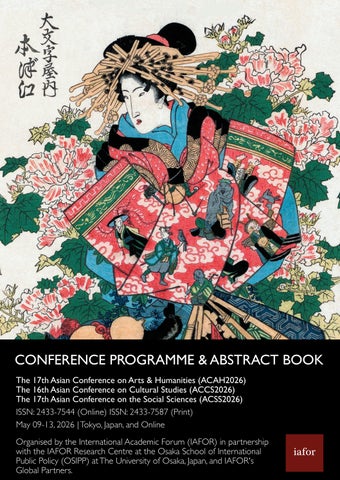
The 17th Asian Conference on Ar ts & Humanities (AC AH2026)
The 16th Asian Conference on Cultural Studies (ACCS2026)
The 17th Asian Conference on the Social Sciences (ACSS2026)
ISSN: 2433-7544 (Online) ISSN: 2433-7587 (Pr int)
May 09-13, 2026 | Tokyo, Japan, and Online
International Academic Board
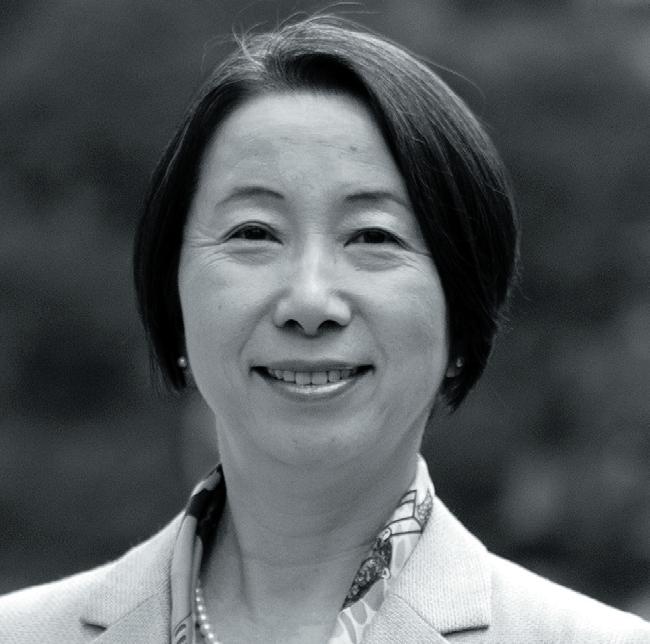
Professor Anne Boddington, IAFOR, Japan (IAB Chair)
Dr Joseph Haldane, IAFOR & The University of Osaka, Japan
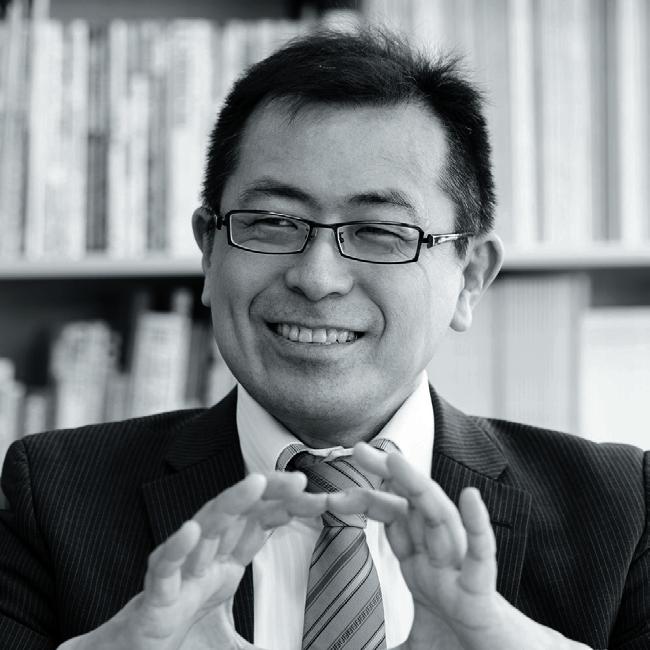
Professor Jun Arima, IAFOR & The University of Tokyo, Japan
Professor Virgil Hawkins, IAFOR Research Centre & The University of Osaka, Japan
Mr Lowell Sheppard, IAFOR & Never Too Late Academy, Japan
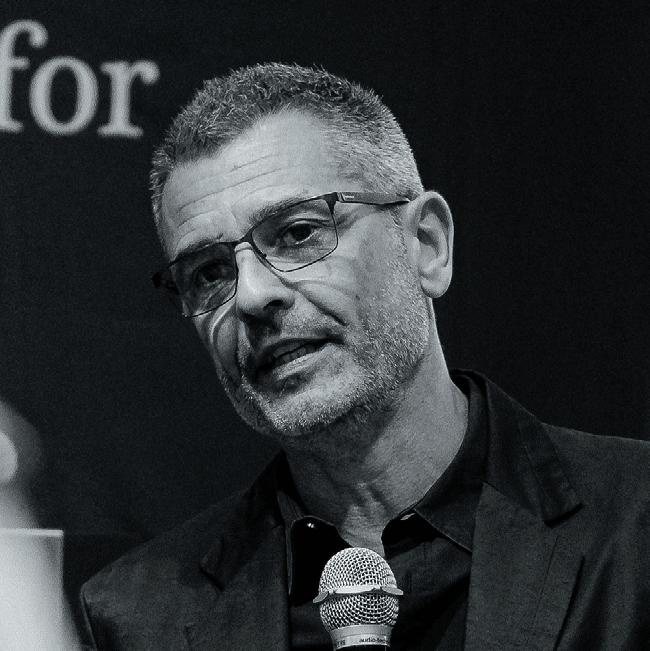
Professor Umberto Ansaldo, VinUniversity, Vietnam
Dr Susana Barreto, University of Porto, Portugal
Professor Grant Black, Chuo University, Japan
Dr Evangelia Chrysikou, Bartlett School of Sustainable Construction, University College London, United Kingdom
Professor Donald E. Hall, Binghamton University, United States
Professor Brendan Howe, Ewha Womans University, South Korea & The Asian Political and International Studies Association (APISA)
Dr James W. McNally, University of Michigan, United States & NACDA Program on Aging
ACAH2026 Conference Programme Committee
Professor Grant Black, Chuo University, Japan
Dr Joseph Haldane, IAFOR & The University of Osaka, Japan
Professor Donald E. Hall, Binghamton University, United States
Professor Bradley J. Hamm, Medill School of Journalism, Northwestern University, United States
Professor Fan Li, LePing Social Entrepreneur Foundation, China & Stanford Social Innovation Review (SSIR)
Dr James W. McNally, University of Michigan, United States & NACDA Program on Aging
Professor Sela V. Panapasa, University of Michigan, United States
ACCS2026 Conference Programme Committee
Professor Umberto Ansaldo, VinUniversity, Vietnam
Professor Yasue Arimitsu, Doshisha University, Japan
Dr Sue Ballyn, University of Barcelona, Spain
Keiko Bang, Bang Singapore Pte Ltd., Singapore
Dr Thomas G. Endres, University of Northern Colorado, United States
Professor Gerard Goggin, Nanyang Technological University, Singapore
Dr Joseph Haldane, IAFOR & The University of Osaka, Japan
Professor Donald E. Hall, Binghamton University, United States
Professor Baden Offord, Centre for Human Rights Education, Curtin University, Australia & Cultural Studies Association of Australasia
Professor Lorna Piatti-Farnell, Auckland University of Technology, New Zealand
Professor Seiko Yasumoto, University of Sydney, Australia
ACSS2026 Conference Programme Committee
Professor Grant Black, Chuo University, Japan
Dr Thomas G. Endres, University of Northern Colorado, United States
Dr Joseph Haldane, IAFOR & The University of Osaka, Japan
Professor Donald E. Hall, Binghamton University, United States
Professor Bradley J. Hamm, Medill School of Journalism, Northwestern University, United States
Professor Fan Li, LePing Social Entrepreneur Foundation, China & Stanford Social Innovation Review (SSIR)
Dr James W. McNally, University of Michigan, United States & NACDA Program on Aging
Professor Sela V. Panapasa, University of Michigan, United States
Professor Chi-Shing Tse, Chinese University of Hong Kong, Hong Kong
Letter of Welcome
Dear Friends and Colleagues,
It gives me immense pleasure to welcome you to the great city of Tokyo! Welcome to The Asian Conferences on the Arts & Humanities (ACAH2026), the Social Sciences (ACSS2026), and Cultural Studies (ACCS2026).
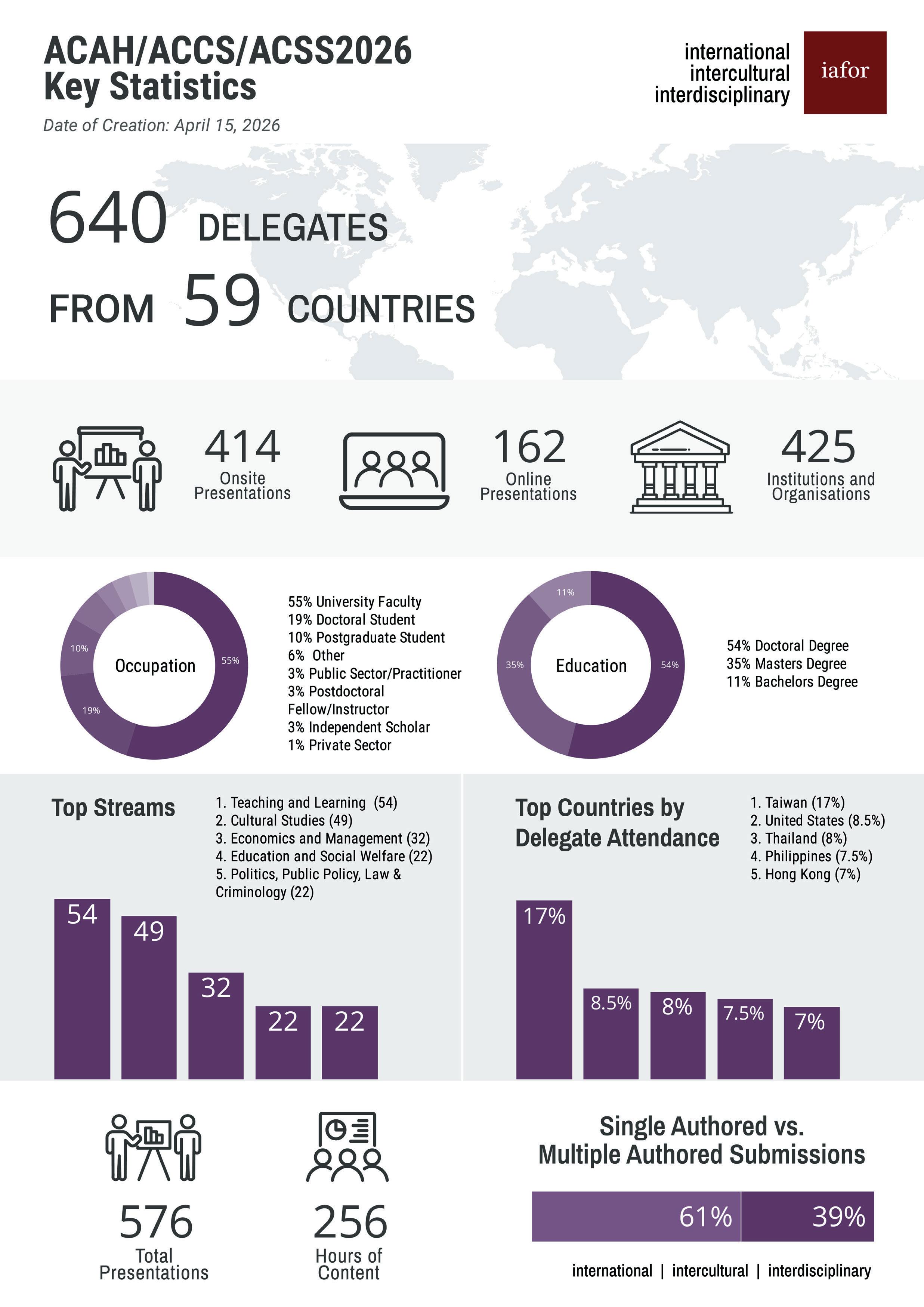
In a true celebration of the international, the intercultural, and the interdisciplinary, we expect some 650 delegates from nearly 60 countries to attend this annual event, with ACAH and ACSS now in their 17th year and ACCS in its 16th year. The international dimension of our work reflects the importance of global engagement and cooperation. The intercultural dimension recognises that meaningful dialogue requires understanding across different cultural and social contexts. The interdisciplinary dimension acknowledges that complex problems require collaboration across academic fields and methodologies.
In their essence, the arts are about different forms of human creation, cultural works, and their appreciation; the humanities interpret meaning, values, and histories of the human experience; the social sciences use empirical methods to analyse human behaviour and societies, and cultural studies analyse questions of power and identity. Through their various approaches and methodologies, and whether exploring art, culture, behaviour, or societal structures, the scholars we bring together at this conference focus on humanity, and in doing so seek to understand what it means to be human.
These disciplines are therefore crucial in helping us understand the world around us, and particularly in these hugely uncertain times, of runaway technological developments and great conflict. As different technologies develop at great speed, accelerated by artificial intelligence (AI), and in anticipation of an approaching era of artificial general and super intelligence (AGI/ASI), the many disciplines and interdisciplines that we represent in this conference will become more necessary in the navigation of the myriad problems we collectively face in the pursuit of a sustainable world.
We have so much to learn from each other, and I encourage your active participation throughout the conference, in this truly exceptional comparative, contrastive, and collaborative environment
I look forward to meeting you all.
Dr Joseph Haldane Chairman & CEO, The International Academic Forum (IAFOR)
Professor, European Center for Peace and Development (ECPD), United Nations University for Peace
Guest Professor, Osaka School of International Public Policy, The University of Osaka, Japan
Visiting Professor, Doshisha University, Japan
Visiting Professor, The University of Belgrade, Serbia
Member, Expert Network, World Economic Forum
Become an IAFOR Member
IAFOR provides an enriching personal and professional environment for academics and scholars of all ages and backgrounds to exchange and contribute to interdisciplinary and intercultural dialogue that informs and is informed by their own cultural and disciplinary background and experiences. We are able to do this thanks to our extraordinary network of individuals and institutions around the world who support our work and help shape our events globally. We particularly emphasise the nurturing and support for emerging academics from an array of different backgrounds, and aim to provide opportunities for them to seek advice, support and guidance, as well as offering mid-career and more established academics opportunities to forge working relationships beyond their traditional disciplinary ambitions.
In our current world where division and strife are often reinforced and played out in national and local contexts, and political posturing frequently seeks to ostracise and demonise, IAFOR is committed to working across cultural and national borders, and to work to bring people together through dialogue. We believe that mature human interaction and academic and cultural exchange are essential to offering positive versions of the future, where cooperation happens between individuals and institutions who share a commitment to listen, to reach out and bridge divides, and to contribute to good global citizenship, and to making the world a better place.
By becoming a member of IAFOR, you will become part of an extraordinary network and a stakeholder in shaping the IAFOR mission and facilitating international exchange, encouraging intercultural awareness, and promoting interdisciplinary discussion in the hope and expectation of generating and sharing new knowledge. Join us now in this growing global organisation, and help make a difference today.
To learn more about IAFOR membership, please visit:
iafor.org/membership
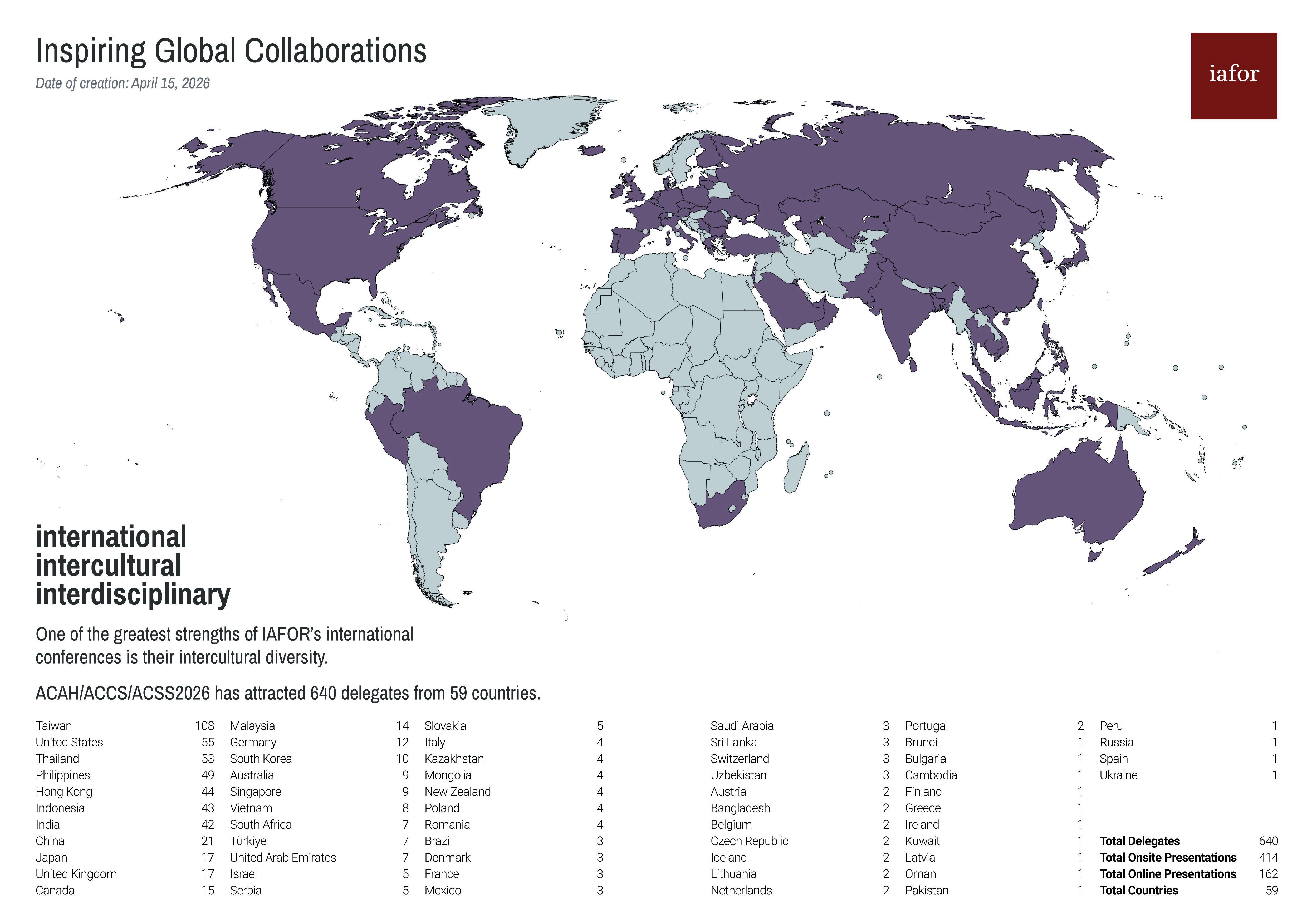
Created with MapChart
Conference Venue: Saturday, May 9 to Tuesday, May 12
Tokyo International Forum
Address: Marunouchi 3-5-1, Chiyoda Ku, Tokyo
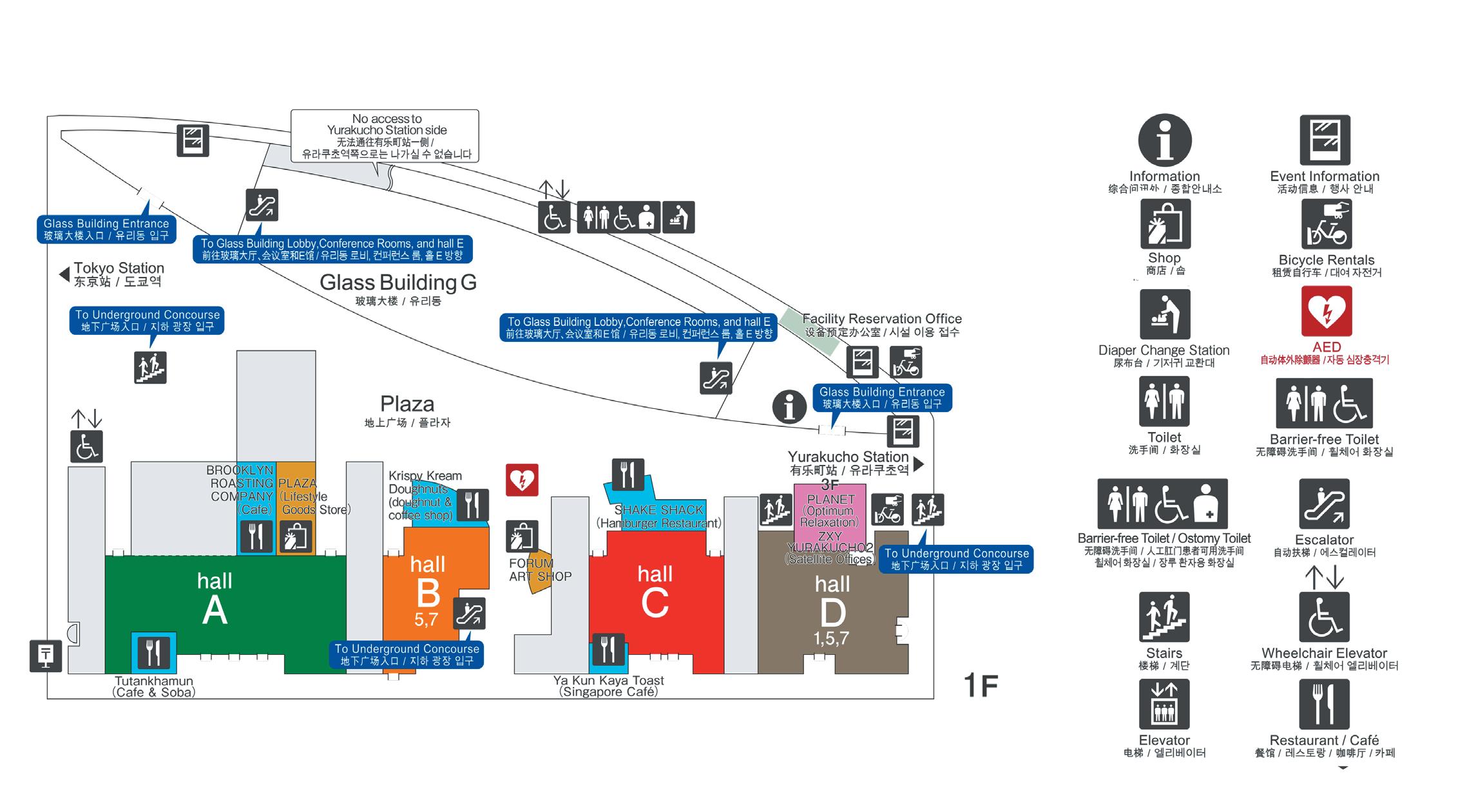
Floor Plan (1F)
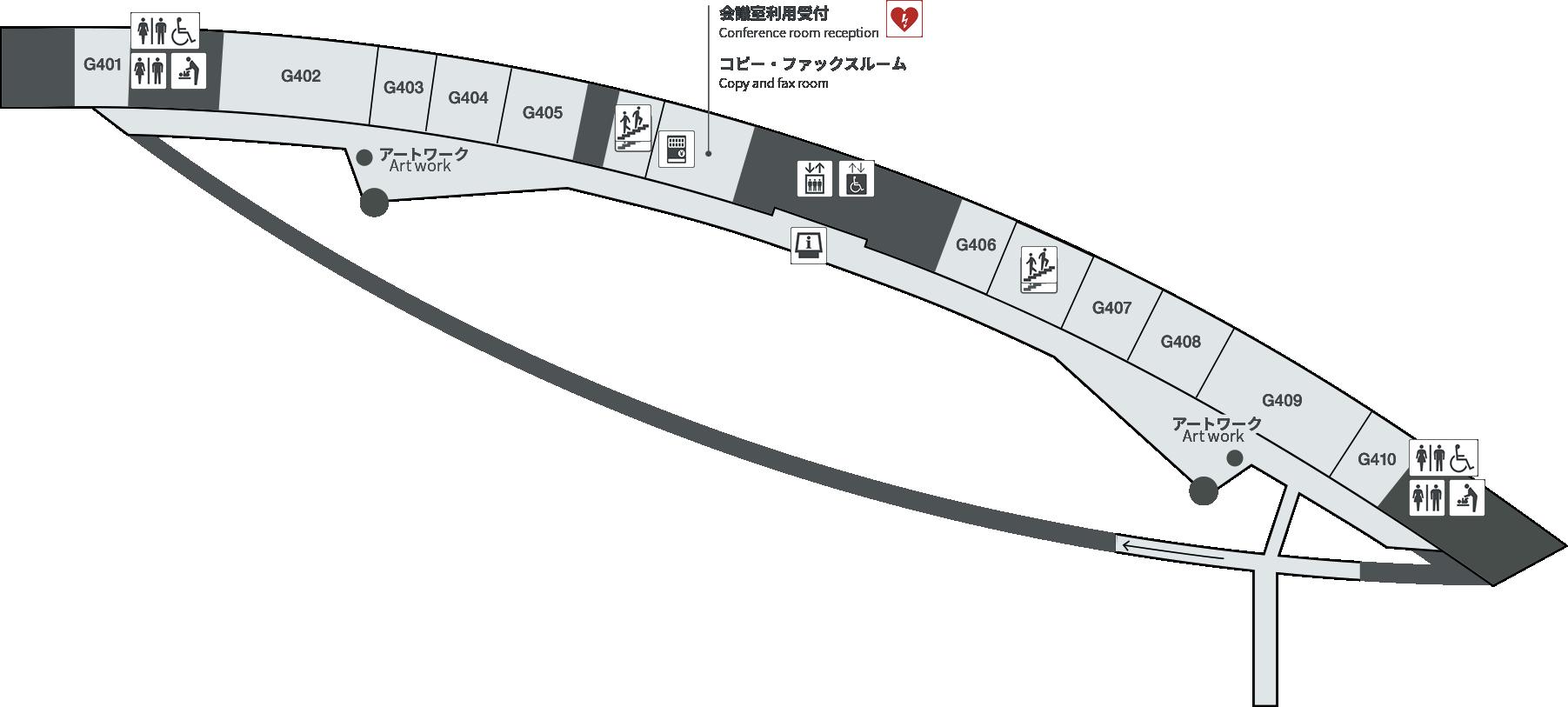
Glass Building (4F)
Conference Venue: Saturday, May 9 to Tuesday, May 12
Tokyo International Forum
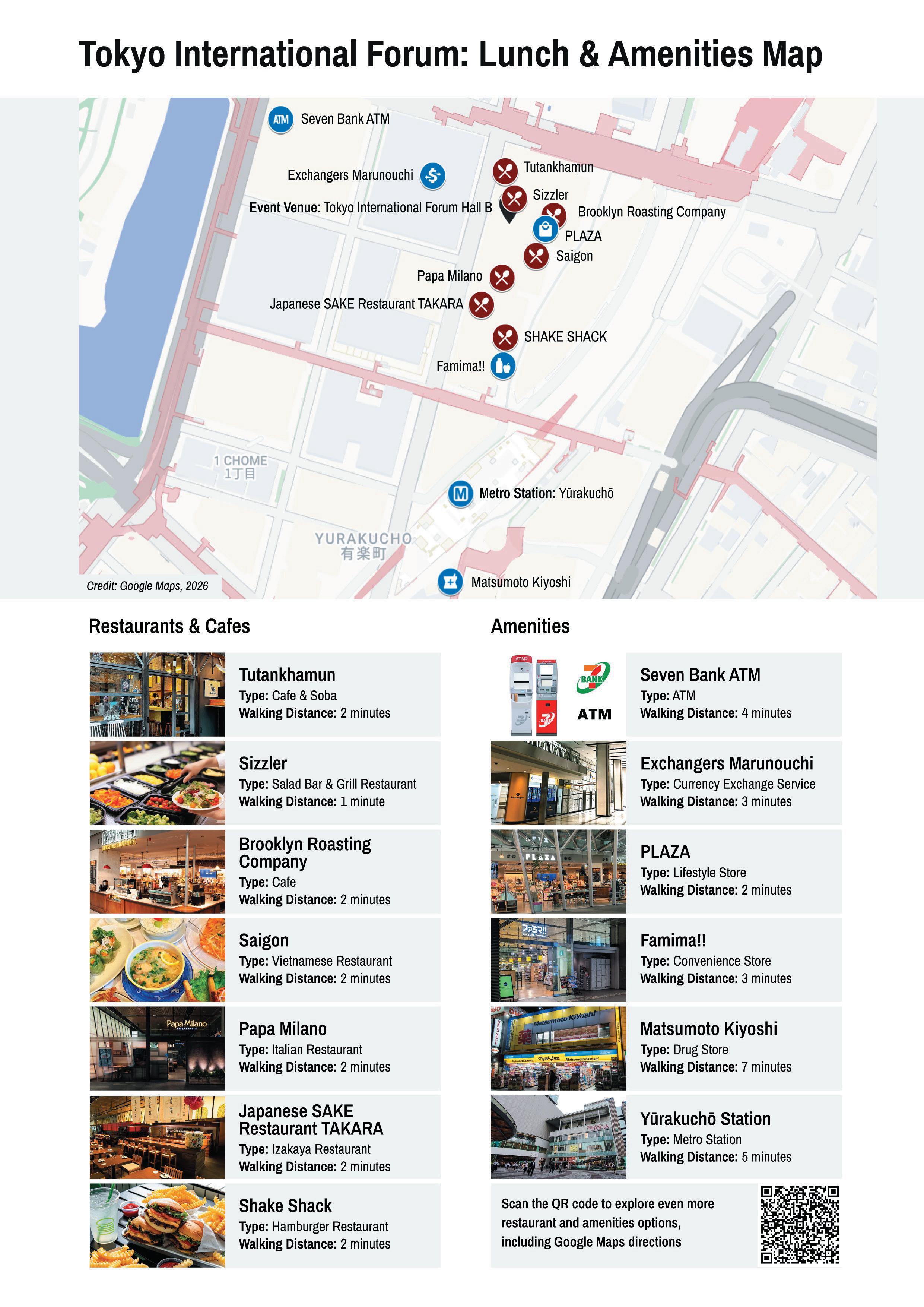
Suggested Lunch Options and Local Amenities
Please note that lunch is not provided. This map offers suggestions on where you can eat around the Tokyo International Forum, as well as the locations of local amenities.
May 9 | All times are Japan Standard Time (UTC+9)
Saturday at a Glance
Conference Venue: Tokyo International Forum, Tokyo
09:30 Conference Check-in & Coffee | Hall B5 Foyer
10:00-10:35 Welcome Address & Recognition of IAFOR Scholarship Winners | Hall B5 & Online
Joseph Haldane, IAFOR, Japan
10:40-11:05 Keynote Presentation | Hall B5 & Online
Design Unbound: Expanding the Frontiers of Design
Miles Pennington, The University of Tokyo, Japan
11:05-11:20 Q&A
11:25-11:50 Keynote Presentation | Hall B5 & Online
Community-Led Frailty Prevention in Japan: Empowering Older Adults for Healthy and Active Ageing with Well-being
Katsuya Iijima, The University of Tokyo, Japan
11:50-12:05 Q&A
12:10-12:30 Karate Demonstration | Hall B5
The Waseda University Karate Club
This performance will showcase a series of katas – detailed patterns of movements or ‘drills’ – and also a choreographed fight sequence exhibiting the katas in action. This is a free event open to all registered delegates
12:30-12:35 Conference Photograph | Hall B5
12:35-13:35 Extended Break
May 9 | All times are Japan Standard Time (UTC+9)
Saturday at a Glance
Conference Venue: Tokyo International Forum, Tokyo
13:35-14:35 Featured Roundtable Session | Hall B5 & Online
The Role of the Arts and Humanities in Troubling Times
Dexter Da Silva, Keisen University, Japan (Respondent)
Melina Neophytou, IAFOR, Japan (Moderator)
The Forum is a plenary session designed as a platform for international, intercultural, interdisciplinary – and inclusive – discussions, joining experts and practitioners alike in an open dialogue format. Come share your thoughts and experiences as global educators and researchers.
09:45-10:30 Conference Orientation for First-Time Presenters | Room 409 (4F)
Apipol Sae-Tung, IAFOR, Japan
Briar Pelletier, IAFOR, Japan
This session provides an overview of what to expect at the conference, including guidance on preparing your presentation, publishing opportunities, and ways to engage with IAFOR. Pre-registration is required. Space is limited.
Room G402: ACSS | Geopolitics & Technology: Europe in US-China Competition (Panel)
Room G403: ACCS | Asian Feminist and Queer Worlds (Panel)
Room G404: ACSS | Ethics-Driven Approaches to Development and AI (Workshop)
Room G405: ACAH | Tools for Creating Beautiful Built Environments (Workshop)
Room G407: ACAH | Arts - Media Arts Practices
Room G408: ACCS | Gender Studies / Feminist Theory
Room G409: ACCS/ACAH | Cultural Studies: AI and Technology
Room G410: ACSS | Social and Education Psychology
12:25-13:25 Extended Break
12:30-13:15 Haiku Workshop | Room 409 (4F)
What is Haiku?
Emiko Miyashita, Haiku International Association, Japan
Kyoko Uchimura, Haiku International Association, Japan
In this workshop, renowned haiku instructors will explain some of the basic differences between traditional Japanese and foreign language approaches to the art form. They will also discuss how to evaluate haiku for its technical mastery and its emotional impact. Pre-registration is required. Space is limited.
May 10 | All times are Japan Standard Time (UTC+9)
Sunday at a Glance
Conference Venue: Tokyo International Forum, Tokyo
13:25-15:05 Onsite Parallel Session 2
Room G401: ACSS | Economics and Management
Room G402: ACSS | International Relations and Politics
Room G403: ACAH | Sexuality, Gender, Families
Room G404: ACSS | Psychology in Teaching and Learning
Room G405: ACAH | Arts - Aesthetics, Design and Agenda
Room G407: ACAH | Arts - Media Arts Practices
Room G408: ACCS | Gender in Cultural and Literary Studies
Room G409: ACSS/ACCS | Cultural Studies: Cultural Heritage
Room G410: ACSS | Cognitive and Behavioural Sciences
Room G403: ACSS | Interdisciplinary Perspectives on Gender
Room G404: ACSS | Teaching and Learning
Room G405: ACCS/ACAH | Arts - Theory and Practices
Room G407: ACAH | Arts - Media Arts Practices
Room G408: ACCS | Women's Studies
Room G409: ACCS | Cultural Studies: Cultural Adaptation
Room G410: ACSS | Cognitive and Behavioural Sciences
17:30-18:00 Flash Presentations | Room 402 (4F)
Maximise your visibility with the opportunity to network and showcase your research highlights. Simultaneously, you will gain a comprehensive overview of other presenters, helping you identify potential collaborators and must-see sessions. This session is open to all delegates, including those who have already presented. Pre-registration is required. Space is limited.
May 11 | All times are Japan Standard Time (UTC+9)
Monday at a Glance
Conference Venue: Tokyo International Forum, Tokyo
May 13 | All times are Japan Standard Time (UTC+9) Wednesday
at a Glance
Conference Venue: Online via Zoom
09:25-09:30 Message from IAFOR
09:30-10:30 Online Forum | Live-Stream Room 1
The Role of the Arts and Humanities in Troubling Times Apipol Sae-Tung, IAFOR, Japan (Online Moderator)
The Forum is a plenary session designed as a platform for international, intercultural, interdisciplinary – and inclusive – discussions, joining experts and practitioners alike in an open dialogue format. Come share your thoughts and experiences as global educators and researchers.
10:30-10:40 Break
10:40-12:20 Online Parallel Session 1
Live-Stream Room 1: ACSS | International Relations and Politics
Live-Stream Room 2: ACCS | Education for Global, Diverse Communities (Workshop)
Live-Stream Room 3: ACAH/ACCS | Linguistics, Language and Cultural Studies
Live-Stream Room 4: ACSS/ACAH | Demography and Population Studies
Live-Stream Room 6: ACSS | Economics and Management
12:20-12:30 Break
12:30-14:10 Online Parallel Session 2
Live-Stream Room 1: ACAH/ACSS | Politics, Media and the Arts
Live-Stream Room 2: ACCS/ACAH/ACSS | Gender in Literature and Media Studies
Live-Stream Room 3: ACSS/ACAH | Anthropology, Religion and Spirituality
Live-Stream Room 4: ACSS/ACAH | Demography and Population Studies
Live-Stream Room 5: ACAH/ACCS | Media Studies
Live-Stream Room 6: ACSS/ACAH | Economics and Management
May 13 | All times are Japan Standard Time (UTC+9)
Wednesday at a Glance
Conference Venue: Online via Zoom
14:10-14:20 Break
14:20-16:00 Online Parallel Session 3
Live-Stream Room 1: ACSS | Politics and Sociology
Live-Stream Room 2: ACAH/ACCS | Perspectives in Gender and Sexuality
Live-Stream Room 3: ACAH/ACCS | Philosophy, Language and Cultural Studies
Live-Stream Room 4: ACSS | Social Welfare
Live-Stream Room 5: ACAH/ACCS | AI in Society and Culture
Live-Stream Room 6: ACSS/ACCS/ACAH | Digital Technology and Quality of Life
16:00-16:10 Break
16:10-17:50 Online Parallel Session 4
Live-Stream Room 1: ACCS | Media Studies
Live-Stream Room 2: ACAH/ACSS | Teaching and Learning
Live-Stream Room 3: ACSS/ACCS | Anthropology, Cultural Studies and Humanities
Live-Stream Room 4: ACSS | Sociology
Live-Stream Room 5: ACAH/ACSS | Arts - Theory and Practices
17:50-17:55 Message from IAFOR
IAFOR’s Conference Themes for 2025-2029
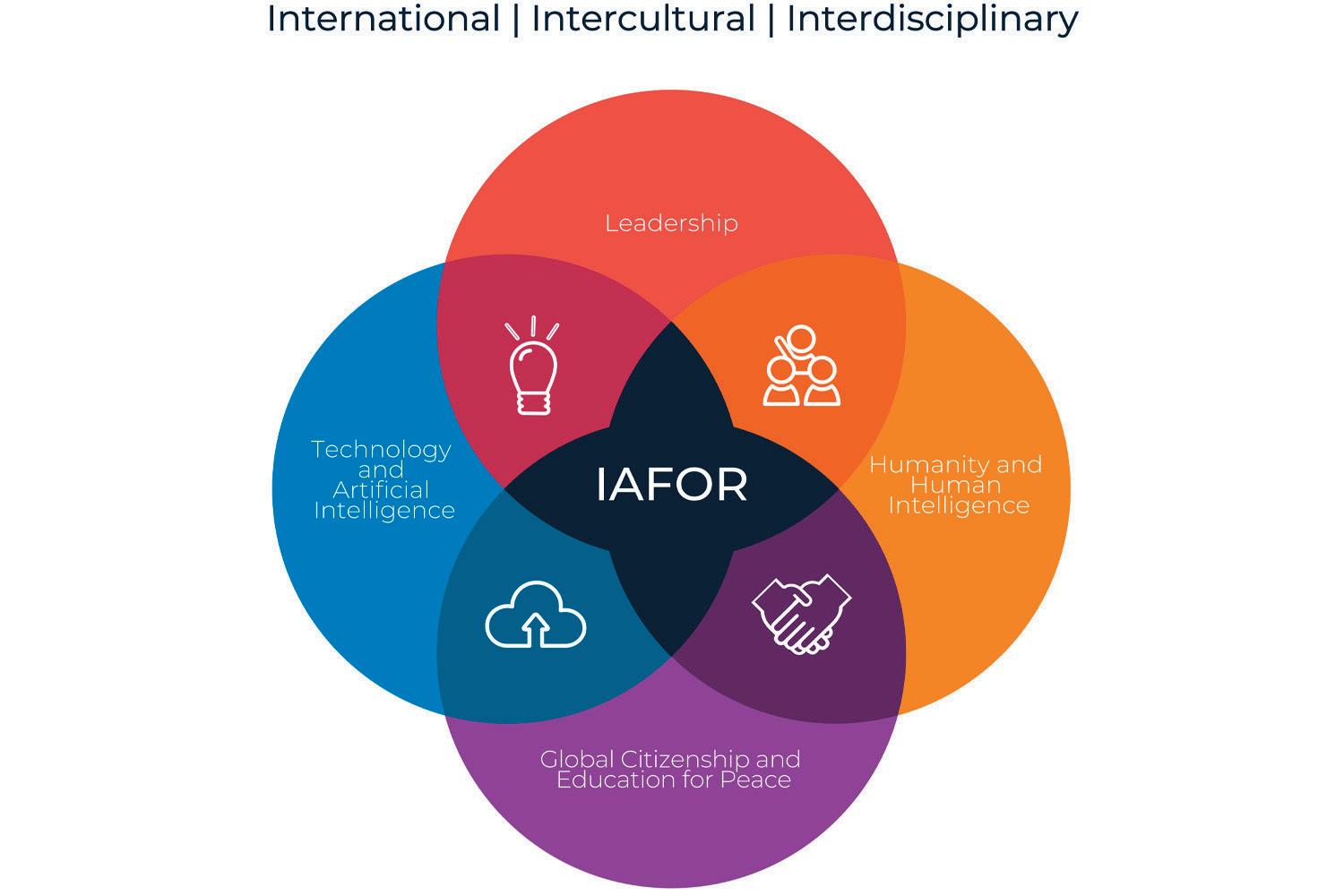
IAFOR’s conference programme provides an essential comparative and contrastive space for people to engage in multidisciplinary research across borders of nation, culture, discipline, and professions. We encourage mixed approaches and methodologies, combining theory and practice between and across the disciplines, and we look to harness the collective intelligence of our International Academic Forum in addressing some of the most pressing issues of our time. Through the implementation of new formats in our conference programme over the last year, including Intelligence Briefings, Keynote Interviews, and The Forum, we gathered insights into what has been discussed at the theoretical and policy levels, identify the challenges, and the outlook for best practices in tackling global contemporary issues, which we have identified as the themes for 2025-2029. Our four themes can be seen as standalone themes, but they are also very much in conversation with each other. Themes may be seen as corollaries, complementary, or in opposition/juxtaposition with each other. The themes can be considered as widely as possible and are designed, in keeping with our mission, to encourage ideas across the disciplines.
1. Technology and Artificial Intelligence
Our first theme examines the rapid pace of technological advancements, aided most particularly by those driven by artificial intelligence and its enormous and growing impact in all fields.
2. Humanity and Human Intelligence
Our second theme asks us which principles, values, and attributes we wish to encourage, protect, and nurture and how we accomplish this. Technological advancements constantly ask us to reconsider and reimagine what it means to be human, including questions regarding communication, creativity, inclusivity, ethics, and care.
3. Global Citizenship and Education for Peace
This theme prompts us to consider our existence and coexistence with each other, within our communities and places of belonging, and with peoples of different countries, cultures, and backgrounds, as well as with our environment and our planet. It includes engagement with enormous issues facing us beyond borders, such as peace and human security, climate change, etc.
4. Leadership
The final theme recognises the continuing importance of leadership as a skill, particularly in light of difficult times, where recognising and encouraging best practices in leadership at all levels of society is critical. Encouraging leadership at the government level, in businesses, and within institutions of all sizes represents the engine of change.
Conference Themes in Theory, Policy, and Practice
Many theories are born and initially tested in the academy, informing discussions in the public sphere that influence policy. IAFOR represents a unique combination of engagement emerging from the collaborative efforts of senior policymakers, administrators, and individuals working on the ground or in the field. IAFOR has made this rare combination of equitable theoretical and practical exchanges the standard for our organisation and represents a valuable model for how science should be done.
We will develop conference and institutional programmes and publications around these themes as well as capacity building sessions for our conference programme over the next five years. It is our aim with the implementation of these themes, alongside the implementation and continuing refinement of new formats, to best harness the unique arena IAFOR and its network have built in regards to pressing issues of today and the future.
General Information
This QR code, also located on the back of your name badge, contains the information you need to attend the conference, including:
- Full Conference Schedule
- The ‘Find a Presentation’ Feature
- Conference Survey
- Suggested Lunch Options
- Online and Virtual Presentations
- Presentation and Session Chair Guidelines, and more.
Please scan this QR code or visit https://linktr.ee/iaforacah_accs_acss
Check-in & Information Desk
You will be able to pick up your name badge at the Conference Check-in & Information Desk at the times listed below. If you have any questions or concerns, IAFOR staff and volunteers will happily assist you in any way they can.
Please note that check-in is required at the registration desk each day of the conference.
Saturday, May 9 | 09:30-16:00 – Tokyo International Forum, Hall B5 Foyer
Sunday, May 10 | 09:30-16:00 – Tokyo International Forum, Glass Building, 4F Foyer
Monday, May 11 | 09:15-18:00 – Tokyo International Forum, Glass Building, 4F Foyer
Tuesday, May 12 | 09:15-14:00 – Tokyo International Forum, Glass Building, 4F Foyer
Wednesday, May 13 | No in-person check-in
Name Badges
Wearing your badge is required for entrance to the sessions. You must wear your badge at all times.
Refreshment Breaks
Complimentary coffee, tea, water, and light snacks will be available during the scheduled coffee breaks. Please note that lunch is not provided.
Connecting to WiFi
There is free Wi-Fi internet connection at the conference venue in the common areas. However, this can be unreliable, so we would strongly suggest that you do not rely on a live connection for your presentation.
Tokyo International Forum Network Name: tif-free-wifi
Password not required.
General Information
Conference Schedule
The full conference schedule (including abstracts) and conference programme are available on the conference website, accessible through the QR code located on the previous page as well as the back of your nametag.
A full list of pre-recorded virtual video presentations and virtual poster presentations will be on the conference website during and after the conference. We encourage you to scan the QR code to watch these presentations and provide feedback through the video comments.
Conference Catch-up
All Keynote Presentations and live-streamed sessions will be recorded and uploaded to the Conference Catch-up page (video-on-demand) via Vimeo. The catch-up page will be publicly available after the conference until Saturday, June 13, 2026
Certification
Corresponding authors will be able to download Certificates of Presentation for all presenters, as well as Session Chair certification and reviewer certification for Senior Reviewers, by logging in to the submission page. Certificates will be available from Monday, May 25, 2026
Certificates of Participation for non-presenters, as well as reviewer certification for Review Committee members, will be sent out by email in a PDF format within two weeks of the Conference's conclusion.
Photo/Recording Waiver
Human interaction through networking, and dissemination of this knowledge, is at the core of what IAFOR does as an academic research organisation, conference organiser and publisher. As part of the archiving of the conference event, IAFOR takes photos in and around the conference venue, and uses the photos to document the event. This also includes the filming of certain sessions. We consider this documentation important and it provides evidence of our activities to members, partners and stakeholders all over the world, as well as to current and potential attendees like you. Some of these photos will therefore appear online and in print, including on social media. The above are the legitimate interests of the organisation that we assert under the European Union law on General Data Protection Regulation (GDPR). Under this legislation, you have an absolute right to opt out of any photo. We are committed to protecting and respecting your privacy.
Read our full privacy policy – iafor.org/about/privacy-policy
IAFOR Publications
Conference Proceedings
IAFOR Conference Proceedings are Open Access research repositories that act as permanent records of the research generated by IAFOR conferences. The Conference Proceedings are published online in the IAFOR Research Archive (papers.iafor.org). All accepted authors who present at the conference may have their full paper published in the online Conference Proceedings. For further details of how to submit your paper, please visit the Conference website.
Please note that:
1) Papers published in the Conference Proceedings cannot be considered for publication in IAFOR journals.
2) IAFOR's Conference Proceedings are not peer-reviewed and are not "Scopus-indexed".
Full text submission is due by Friday, June 19, 2026, through the online system. The proceedings will be published on Friday, July 24, 2026
Conference Reports and Intelligence Briefings (ISSN: 2759-4939)
IAFOR produces conference reports that provide concise and coherent overviews of the ideas, conversations, and areas of research presented at our conferences. These include key themes and takeaways, referencing programme(s), speakers and attendees, which are curated and archived for both those who attended the event, as well as those who did not. Readers can stay abreast of many of the developments and insights provided by the conference, and the collective intelligence of its participants. Links to video recordings of the presentations and interviews references are included where possible, encouraging readers to engage further with the conference material and presentations. Each report contains photos of the event, as well as key statistics pertaining to general attendance and demographics.
Read and download the Conference Reports and Intelligence Briefings, and access Conference Photo Galleries from the past conferences from the QR code on the back of your name badge. You will receive a notification email when the Conference Photos and the Conference Report and Intelligence Briefing of this conference are available.
THINK Magazine: The Academic Platform
THINK is an online magazine presenting the latest in interdisciplinary research and ideas from some of the world’s foremost academics and thought leaders. As a publishing platform, THINK makes selected research presented at IAFOR’s international, intercultural, interdisciplinary conferences freely available to a global academic audience. Content on THINK spans everything from the arts to psychology, politics to film, law to education and history to technology, presenting research, ideas and perspectives from every corner of the globe. The format is varied, encompassing full research papers, long-form journalism, opinion pieces, creative writing, interviews, podcasts, video, photography and more. To learn more about THINK, please visit think.iafor.org or access the webpage from the QR code on the back of your name badge.
IAFOR Journals
IAFOR's Open Access Journals
IAFOR publishes several editorially independent, Open Access journals across a variety of disciplines. They conform to the highest academic standards of international peer review, and are published in accordance with IAFOR’s commitment to make all of our published materials available online.
How are papers submitted?
Submissions should be original, previously unpublished papers which are not under consideration for publication in any other journal. All articles are submitted through the submission portal on the journal website and must conform to the journal submission guidelines.
How does IAFOR ensure academic integrity?
Once appointed by IAFOR’s Publications Committee, the Journal Editor is free to appoint his or her own editorial team and advisory members, who help to rework and revise papers as appropriate, according to internationally accepted standards. All papers published in the journal have been subjected to the rigorous and accepted processes of academic peer review. Neither editors nor members of the editorial team are remunerated for their work.
Where are the journals indexed?
IAFOR Journals are indexed in Scopus, Web of Science, DOAJ, ERIC, MIAR, TROVE, CiteFactor and EBSCO, SHERPA/ROMEO and Google Scholar. DOIs are assigned to each published issue and article via Crossref. Please note that indexing varies from journal to journal.
What’s the reach?
Each of our journal issues is viewed thousands of times a month and the articles are frequently cited by researchers worldwide, largely due to our dedicated marketing efforts. Each issue is promoted across our social media platforms and to our tailored email marketing lists. On average, each journal publishes biannually.
What’s the cost?
IAFOR Journals are Open Access publications, available online completely free of charge and without delay or embargo. Authors are not required to pay charges of any sort towards the publication of IAFOR Journals and neither editors nor members of the editorial boards are remunerated for their work.
How are IAFOR Journals related to IAFOR Conferences and Conference Proceedings?
IAFOR Journals reflect the interdisciplinary and international nature of our conferences and are organised thematically. A presenter can choose to publish either in Conference Proceedings or submit their manuscript to the corresponding IAFOR Journal for review.
Current IAFOR Journal titles include
IAFOR Journal of Cultural Studies (Scopus Indexed)
IAFOR Journal of Education (Scopus & Web of Science Indexed)
IAFOR Journal of Literature & Librarianship (Scopus Indexed)
If you would like more information about any of IAFOR’s publications, please visit iafor.org/publications
Networking: Connecting with Other Delegates
IAFOR conferences are designed to offer countless networking opportunities to make and consolidate personal and professional connections, reconnect with colleagues, and meet new friends in a spirit of convivial collegiality. Whether in the plenaries, parallel sessions, workshops, information sessions, or cultural events, we encourage your active and open participation throughout the conference, remembering the importance of the spaces in-between; over a cup of coffee or a glass of wine, or the continuation of conversations and relationships outside the conference. We encourage you to network at the conference during the Welcome Reception, Haiku Workshop, and Flash Presentations, as well as during the Networking Coffee Breaks and Extended Breaks
In addition, on Wednesday, May 13, you are invited to join the Online Presentation Sessions and the Online Forum discussion to explore even more presentations and opportunities to make connections for future collaborations. While conferences serve as a platform to present your work and make connections, please be mindful of the other delegates’ privacy and their consent to provide personal information.
Networking Spaces
The conference venues feature several comfortable spaces, such as the Hall foyer, the Glass Building Foyer, and the coffee service area, which serve as perfect locations for networking during the conference. These spaces provide an excellent opportunity to meet new people, connect with familiar faces, exchange ideas, and explore possible collaborations. We encourage you to make use of these spaces to connect with fellow attendees for a quick coffee or a longer chat to broaden your network and enhance your conference experience.
Missed the opportunity to make connections?
You can connect with other delegates by using our ‘Find a Presentation’ feature. This feature can be accessed by scanning the QR code provided on the back of your name badge, and is also available on the conference website. You can search by presentation title, submission number, the presenter’s name, or their affiliation. From there, you can look up the presenter’s bio and connect with them through their preferred contact channel.
In addition to the ‘Find a Presentation’ online feature, presentation schedules are also displayed in front of presentation rooms.
Networking Events
Welcome Reception | Tokyo International Forum
Join fellow delegates for a drink or two at the conference Welcome Reception, held concurrently with the Conference Poster Session. This event provides a great opportunity for delegates to network and get to know each other.
Time & Date: Saturday, May 9, 2026 | 15:45-16:45
Location: Tokyo International Forum, Hall B5 Foyer
Ticket Price: Free to attend
Admission is included in the conference registration fee and is only open to registered conference delegates and audience members
Conference Dinner | Shunju Tameikesanno
Join us for the Conference Dinner overlooking Tokyo’s cosmopolitan midtown at Shunju Tameikesanno, celebrated for classic flavours paired with modern culinary techniques.
Time & Date: Saturday, May 9, 2026 | 19:00-21:00
Location: Sanno Park Tower 27F, Nagatacho 2-1-1, Chiyoda Ku, Tokyo
Ticket Price: 15,000 JPY
This is an optional ticketed event. Only delegates with pre-purchased tickets are able to attend the Conference Dinner.
Cultural Event | Haiku Workshop
Join professional haiku practitioners in this onsite workshop to learn more about and practise the art form, and connect with other delegates through workshopping and showcasing your own haiku.
Time & Date: Sunday, May 10, 2026 | 12:30-13:15
Location: Tokyo International Forum, Glass Building, Room 409 (4F)
Ticket Price: Free to attend
Pre-registration is required to participate in this event. Please note that space is limited, and allocated on a first-come, first-served basis.
Networking Event | Flash Presentations
Network and showcase your research highlights while gaining a comprehensive overview of other presenters, helping you identify potential collaborators and must-see sessions during the conference.
Time & Date: Sunday, May 10, 2026 | 17:30-18:00
Location: Tokyo International Forum, Glass Building, Room 402 (4F)
Ticket Price: Free to attend
Pre-registration is required to participate in this event. Please note that space is limited, and allocated on a first-come, first-served basis.
Academic Grant & Scholarship Recipients
IAFOR's grants and scholarships programme provides financial support to PhD students and early career academics, with the aim of helping them pursue research excellence and achieve their academic goals through interdisciplinary study and interaction. Our warmest congratulations go to the following scholarship recipients who have been selected to receive grants and scholarships to present their research at the conference.
ACAH2026 Scholarship Recipients
No scholarship was awarded.
ACCS2026 Scholarship Recipients
John Paul Diciembre (Oral Presentation)
104174 | Tactile Exhibitions as Decolonial Curatorial Practice
Mr John Paul Diciembre is a Philippine-based independent curator, educator, and co-founder of NEST and is pursuing an MA in Art Studies (Curatorial Studies) at the University of the Philippines Diliman.
Kethan Preethi B (Virtual Presentation)
102539 | Restructuring Oppari: A Portrayal of the Tamil Lament in Cinema
Ms Kethan Preethi B is a research scholar at BITS Pilani, Rajasthan, India.
Jeremiah Thoronka (Oral Presentation)
101980 | Sensory - Ethnographic Social Innovation: A Tripartite Framework for Clean - Cooking Transitions
Mr Jeremiah Thoronka is an award-winning innovator and PhD candidate in Social Innovation and Sustainability, researching energy transitions and the diffusion of innovation.
ACSS2026 Scholarship Recipients
Brendon Ren Jie Ban (Oral Presentation)
104805 | Fragments of Self: Perceived Identity Threat Among Malaysian LGBTQ+
Mr Brendon Ren Jia Ban is a Master of Counseling student based in the Department of Educational Psychology & Counseling at Universiti Malaya, Malaysia.
Worachet Khieochan (Oral Presentation)
103643 | Cyborg Embodiment: Cultural Integration of Hemodialysis Technology Among Southern Thai Patients
Mr Worachet Khieochan is a PhD candidate in Medical and Public Health Social Sciences at the Faculty of Social Sciences and Humanities, Mahidol University, Thailand.
Hannin Pradita Nur Soulthoni (Virtual Presentation)
104540 | Bridging the Last-Mile Gap in Digital Transformation of Subsidized Fertilizer Distribution in Southeast Sulawesi, Indonesia
Ms Hannin Pradita Nur Soulthoni is a lecturer at Halu Oleo University, Indonesia, specialising in social welfare and empowerment, particularly regarding people living with HIV/AIDS (PLWHA).
Vanessa Sonta (Poster Presentation)
104568 | Voices of Precarity? A Critical Discourse Analysis of Myanmar Migrant Worker Narratives in South Korea’s Southeastern Port-Industrial Region
Ms Vanessa Sonta is a PhD Candidate in International Area Studies at Pusan National University, South Korea.
Yu Sun (Virtual Presentation)
104319 | Navigating the Performativity Trap: Institutional Agency and the Paradox of Reform in a Chinese Vocational College
Ms Yu Sun is currently a PhD student in the Department of Applied Social Sciences at The Hong Kong Polytechnic University, Hong Kong.
Speakers, Keynote & Featured Presentations
All times are Japan Standard Time (UTC+9)
Abstracts appear as originally submitted by the author. Any spelling, grammatical, or typographical errors are those of the author.
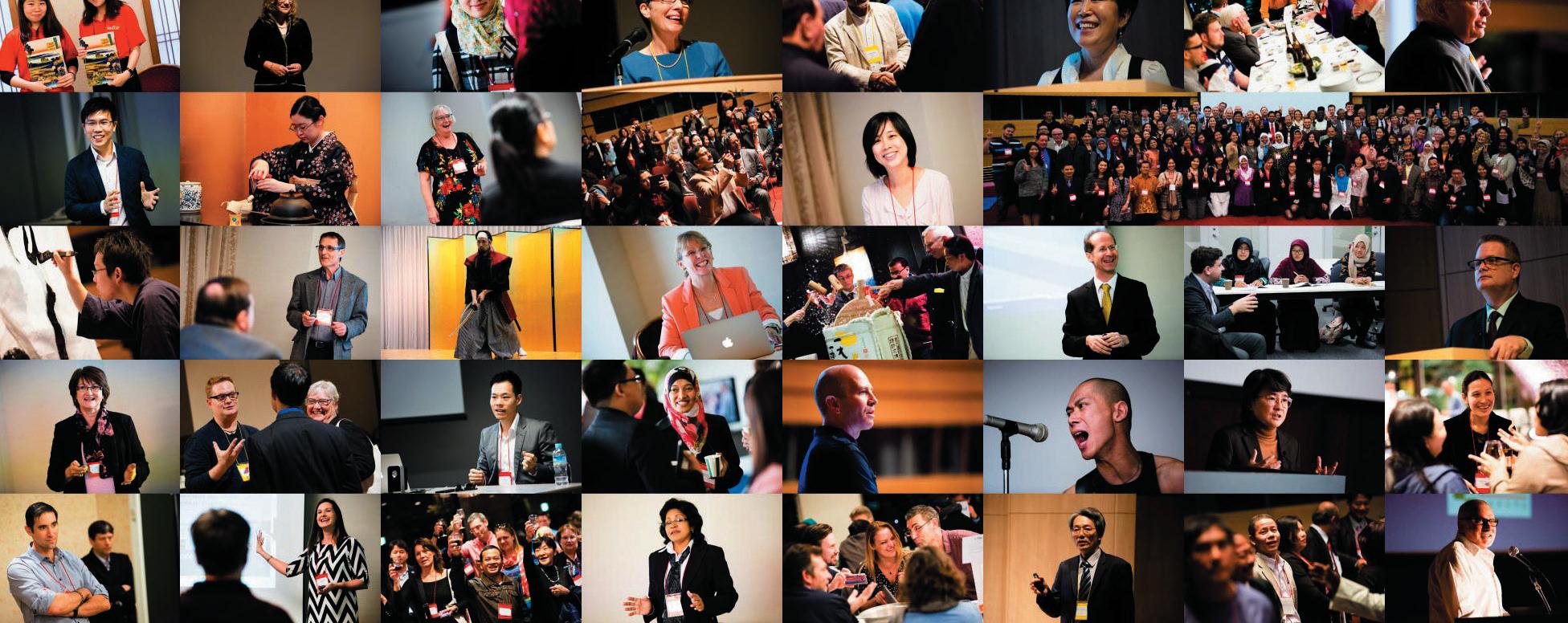
IAFOR events are among the most d iverse on Earth
Bridging divides of nation, culture, and discipline; informing and shaping ideas, research, practice, and policy in a comparative and contrastive space, IAFOR encourages the sharing and nurturing of diverse ideas.
Over the past year, more than 5,000 delegates from more than 120 countries have participated in an IAFOR event.
Inspiring global collaborations, this diversity of peoples, nations, voices, cultures, and ideas is at the heart of what we do.
It is our greatest strength. Join us.
Plenary Speaker: Joseph Haldane
Welcome Address & Recognition of IAFOR Scholarship Winners
Saturday, May 9, 2026 | 10:00-10:35 | Hall B5, Tokyo International Forum & Online
Joseph Haldane
Joseph Haldane is the Founder, Chairman, and CEO of IAFOR. He is responsible for devising strategy, setting policies, forging institutional partnerships, implementing projects, and overseeing the organisation’s global business and academic operations.
Dr Haldane has a PhD from the University of London in 19th century French Studies (ULIP/RHUL), and has research interests in world history, politics, and education, as well as governance and decision-making.
In 2022, Dr Haldane was named Professor in the United Nations Peace University's European Center for Peace and Development (ECPD). From 2019 he has been also a Visiting Professor at Doshisha University, where he teaches Ethics and Governance in the Global MBA, and a Member of the World Economic Forum’s Expert Network for Global Governance since 2017.
Since 2015, he has been a Guest Professor at The Osaka School of International Public Policy (OSIPP) at The University of Osaka, having taught on the postgraduate Global Governance Course, and has been Co-Director of the OSIPP-IAFOR Research Centre, an interdisciplinary research centre situated within the university, since 2017. He is also a Member of the International Advisory Council of the Department of Educational Foundations at the University of Hawai'i Mānoa, United States.
From 2020 to 2025, Dr Haldane was an Honorary Professor of University College London (UCL), through the Bartlett School of Sustainable Construction. Earlier in his career, he held full-time faculty positions at the Université Paris-Est Créteil, Sciences Po Paris, and Nagoya University of Commerce and Business, as well as visiting positions at the French Press Institute in the Université ParisPanthéon-Assas and the Schools of Journalism of Sciences Po Paris and Moscow State University.
Professor Haldane has given invited lectures and presentations at universities and conferences globally, including at the United Nations headquarters in New York, and advised universities, NGOs, and governments on issues relating to international education policy, public-private partnerships, and multi-stakeholder forums. He was the project lead on the 2019 Kansai Resilience Forum, held by the Japanese Government through the Prime Minister’s Office, and oversaw the 2021 Ministry of Foreign Affairs commissioned study on Infectious Diseases on Cruise Ships.
From 2012 to 2014, Dr Haldane was Treasurer of the Chubu chapter of the American Chamber of Commerce Japan, and since 2015 has been a Trustee of HOPE International Development Agency Japan. He was elected Fellow of the Royal Asiatic Society in 2012 and the Royal Society of Arts in 2015. He lives in Japan and holds a black belt in Judo.
Design Unbound: Expanding the Frontiers of Design
Saturday, May 9, 2026 | 10:40-11:05 | Hall B5, Tokyo International Forum & Online
What is design today? Once primarily concerned with shaping products, design has steadily expanded its scope from objects to services, from services to systems, and increasingly into the realms of policy, society, and complex global challenges. As the world itself has become more interconnected and uncertain, design has evolved from a form-giving discipline into a way of thinking and acting: a means of navigating complexity, creating value, and turning intent into impact.
This keynote begins by exploring this evolution of design by tracing how its scope and role have expanded over time, using this as a foundation to reflect on a personal journey in design education and practice. From early experiences in industrial and product design, through interdisciplinary programmes such as Innovation Design Engineering, to leading initiatives that bring design into dialogue with science, technology, and society, a recurring question emerges: if design itself has moved beyond traditional boundaries, what should design education become?
The talk then introduces the development of the new UTokyo College of Design, initiated by President Fujii’s recognition that universities must rethink their role in a rapidly changing world. Rather than positioning design as a discipline among others, the College is conceived as a bridge between fields, between ideas and action, and between the university and society, enabling students to engage meaningfully with complex, real-world challenges.
Within this context, the concept of paradisciplinarity is briefly introduced as a way of understanding how disciplines can be both respected and transcended not as fixed structures, but as resources to be drawn upon in addressing complex problems. Rather than presenting a fixed model, this keynote reflects on an ongoing process: expanding the boundaries of design, and exploring how education itself might be redesigned to support new forms of thinking, learning, and societal transformation.
Miles Pennington
Miles Pennington is Professor of Design-Led Innovation at the University of Tokyo, Japan. He is the prospective Dean of the UTokyo College of Design, a new interdisciplinary programme focused on addressing complex societal challenges through design due to open in September 2027. He is also Director of the DLX Design Lab, an international and multidisciplinary lab that collaborates with researchers across the university to create value through design. Professor Pennington’s projects have included work on low-cost ocean monitoring, bio-intelligent systems, innovative healthcare devices, and explorations into metamaterials and coral conservation. Prior to joining The University of Tokyo in 2017, he led the Innovation Design Engineering (IDE) programme at the Royal College of Art, United Kingdom, a joint Master’s programme with Imperial College London, United Kingdom. He is an alumnus of IDE, graduating in 1992, and was also the founder and Head of the university’s Global Innovation Design (GID) programme. In addition to his core roles, he was a Director of Takram, London, an innovation consultancy with its headquarters in Tokyo, until 2017. He is currently Co-Director of the DLX Design Academy and has served as Specially Appointed Advisor to the President on Design Vision since April 2023.
Keynote Presentation: Katsuya Iijima
Community-Led Frailty Prevention in Japan: Empowering Older Adults for Healthy and Active Ageing with Well-being
Saturday, May 9, 2026 | 11:25-11:50 | Hall B5, Tokyo International Forum & Online
Japan has entered the era of a super-aged society, known as an era of 100-year life, both on an unprecedented scale and at extraordinary speed. In addition, there is a large gap between average life expectancy and healthy life expectancy, with a difference of only 10 years. We must promote healthy ageing, but in order to achieve healthy ageing with well-being and a suitable way of life for each individual living in each community, what is needed now?
When thinking about societal innovations to promote healthy ageing, we have to increase opportunities for connections and exchanges with people across all generations, not just conventional healthcare measures. In Japan, frailty prevention activities have been modeled based on peer support led by senior residents, and are currently actively promoting these activities nationwide. This residentled peer support activity aims to create a new system of self-help and mutual assistance and also provides senior residents with their well-being through ikigai, one’s purpose in life, and a sense of fulfillment or accomplishment through contributing to the community. In addition, it is an urgent task to create a place for activities such as lifelong education and multi-generational exchange, and finally build a comprehensively integrated community care system that allows people to live with peace of mind when they eventually need long-term care. In order to rebuild a fulfilling local community, we not only have to promote interprofessional working, but also interdisciplinary gerontological collaboration with multi-stakeholders, such as municipal governments, industries, professional medical and care staff, academic researchers, and citizens. To progress innovation to promote both frailty prevention and community-based integrated care systems for older people, we are now conducting multi-faceted challenges as a community redesign toward a healthy ageing society.
Katsuya Iijima
Professor Katsuya Iijima is a medical doctor in Geriatric Medicine and Professor within the Institute for Future Initiatives at The University of Tokyo, Japan. As a Gerontology researcher, he is currently the Principal Investigator of many projects in regard to prevention of sarcopenia-related frailty. He participated in the Third Meeting of the Asia-Pacific Parliamentarian Forum on Global Health, chaired by the Japan Parliamentarian League for the World Health Organization (WHO) in Tokyo, in August 2017. He contributed to developing the ‘Tokyo Declaration’ via his presentation regarding Japan’s experiences in addressing a ‘super-ageing society’ through multisectoral strategies. His current specialties and interests include prevention of sarcopenia-related frailty with well-being and the Japanese concept of ikigai, population approach and cultivation of older resident supporters in local communities, integrated community-based care systems, integrated implementation of health services and care prevention for older adults in new policies of the Ministry of Health, Labour and Welfare, and Geron-Technology, or medical-engineering collaboration. He is an intellectual private-sector board member of the National Assembly of Dynamic Engagement of All Citizens and a professional board member of the Ministry of Health, Labour and Welfare.
Featured Roundtable Session: Diana Khor, Yuko Takahashi, Umberto Ansaldo (Moderator)
Senior Academic Leadership
Saturday, May 9, 2026 | 13:35-14:35 | Hall B5, Tokyo International Forum & Online
This roundtable and interactive session will explore the career paths of academic leaders and provide tips on the skills needed to succeed in leadership positions. Speaking from national and professional contexts, the session leaders will describe their individual paths to leadership roles and the tradeoffs that often accompany a career in higher education leadership and administration. Following the brief presentations, audience members will be asked to provide their own thoughts and observations on successful and unsuccessful leadership styles, as well as engage in an active discussion of the potential for academic leaders to make positive changes within their institutions and professional organisations.
Diana Khor
Professor Diana Khor is the President of Hosei University in Tokyo, Japan, a position she has held since March 2025. She previously served in several senior leadership roles at the university, including Executive Trustee and Vice President, Director of the Global Education Center, and Dean of the Faculty of Global and Interdisciplinary Studies. She received her Bachelor of Social Science in 1983 and her Master of Philosophy degrees in 1985 from the University of Hong Kong, Hong Kong. She also earned her MA in Sociology in 1987, and her PhD in Sociology in 1994 from Stanford University, United States.
Professor Khor joined Hosei University in 1999 as an Assistant Professor in the Faculty of General Education. In 2003, she was appointed Associate Professor in the Faculty of Law and was promoted to Professor in 2005. Since 2008, she has served as Professor in the Faculty of Global and Interdisciplinary Studies.
Professor Khor’s academic background is in Sociology, with a focus on gender and sexuality, particularly in East Asia. As Vice President and now President, she has been committed to advancing global education, strengthening international engagement in higher education, and promoting diversity, equity, and inclusion across the university.
Yuko Takahashi
Professor Yuko Takahashi was named the eleventh president of Tsuda University, Japan, in 2016. She holds a BA from the same institution, an MA in International Affairs from the University of Tsukuba, Japan, and an MA in History and a PhD in Education from The University of Kansas, United States. Her major research areas are American studies, American social history, and gender history.
Professor Takahashi has held numerous academic leadership roles, including president of the Japan University Accreditation Association (2023–present), president of the International Federation for Research in Women's History (2020–2025), and president of the Japanese Association for American Studies (2018–2020). She also served as a commission member of the Japan-U.S. Educational Commission (2018–2022), is a council member of the Science Council of Japan, and a trustee of the American Studies Foundation. A two-time Fulbright scholar, she conducted research at Stanford University in 2003 and Wellesley College in 2013. Her publications include Tsuda Umeko no Shakaishi (Umeko Tsuda: A Social History, 2002) and Tsuda Umeko – Joshi Kyoiku wo Hiraku (Umeko Tsuda: Pioneering Women’s Education, 2022).
Umberto Ansaldo (Moderator)
Dr Umberto Ansaldo is Professor of Linguistics and Dean of the College of Arts and Sciences at VinUniversity, Vietnam. As a linguist, he specialises in research on languages of Asia from a comparative and historical perspective. His publications advance an evolutionary framework of language contact that highlights the role of multilingualism and variation in language change. He previously worked in language documentation and researched endangered contact languages of the Indian Ocean.
As an educator, Professor Ansaldo has long promoted a studentcentred, innovative, and interdisciplinary pedagogical philosophy. In his current role as Dean, he represents a governance style that emphasises meritocracy and transparency and fosters a culture of empathy and belonging. Away from work, Professor Ansaldo enjoys wining and dining and the practice of martial arts. He has lived and worked in many different countries prior to Vietnam, including Amsterdam, Singapore, Hong Kong, and Australia.
Professor Ansaldo serves on IAFOR’s International Academic Board.
The Forum: The Role of the Arts and Humanities in Troubling Times
Dexter Da Silva (Respondent), Melina Neophytou (Moderator)
Saturday, May 9, 2026 | 14:40-15:40 | Hall B5, Tokyo International Forum
Apipol Sae-Tung (Online Moderator)
Wednesday, May 13, 2026 | 09:30-10:30 | Online via Zoom
Education, and the arts and humanities in particular, act as a positive force in framing and understanding the many contentious issues we collectively face in the pursuit of a sustainable world. In times that are increasingly uncertain, hostile, and contentious, and in which national governments focus on productivity, efficiency, technology, and security, considerations of humanity, human intelligence, and the wider common good are often ignored.
Have the arts and humanities made a sufficient case for their value to governments and the wider society today? In a world that focuses on progress and obsession with machines without considering the consequences, how do the arts and humanities remind us what it means to be human?
This Forum session invites participants to rethink the role of the arts and humanities in troubling times, and to explore how education can help cultivate stronger narratives of belonging.
Dexter Da Silva (Respondent)
Professor Dexter Da Silva is Professor Emeritus at Keisen University in Tokyo, Japan, where he has been teaching for 35 years. He is an Educational Psychologist who has taught at junior high school, language schools, and universities in Sydney, Australia, and at various educational institutions in Japan. He was educated at the University of Sydney, Australia (BA, Dip. Ed., MA), and the University of Western Sydney, Australia (PhD). He has presented and co-presented at conferences throughout Asia, Australia, Europe, and the United States, and published or co-published a number of books, articles, and book chapters on education-related topics. He is a past president of the Asian Psychological Association and currently a Vice-President of IAFOR. As an Educational Psychologist, he is very interested in how Artificial Intelligence will continue to be incorporated into and impact research and theory on the nature, types, and uniqueness of Human Intelligence(s).
Melina Neophytou (Moderator)
Dr Melina Neophytou is the Academic Operations Manager at IAFOR, where she works closely with academics, keynote speakers, and IAFOR partners to shape academic discussions within The Forum, bring conference programmes together, refine scholarship programmes, and build an interdisciplinary and international community. She is leading various projects within IAFOR, notably The Forum discussions and the authoring of Conference Reports and Intelligence Briefings, and she oversees the Global Fellows Programme.
Born in Germany and raised in Cyprus, Dr Neophytou received her PhD in International Development from Nagoya University, Japan, in 2023, specialising in political sociology, the welfare state, and contentious politics. She received an MA in International Development from Nagoya University, with a focus on Governance & Law, and a BA in European Studies from the University of Cyprus, Cyprus.
Dr Neophytou’s research interests currently focus on how Artificial Intelligence (AI) is changing the relationship between state and society. Her current work examines technologies such as facial recognition (FRT) and biometric surveillance, and how these tools impact freedom of expression, protest, and social policy.
Apipol Sae-Tung (Online Moderator)
Apipol Sae-Tung is an Academic Coordinator at IAFOR, where he contributes to the development and execution of academicrelated content and activities. He works closely with the Forum’s partner institutions and coordinates IAFOR’s Global Fellowship Programme. His recent activities include mediating conference reports for the Forum’s international conference programme and facilitating the IAFOR Undergraduate Research Symposium (IURS).
Mr Sae-Tung began his career as a Program Coordinator for the Faculty of Political Science at Chulalongkorn University, Thailand. He was awarded the Japanese Government’s MEXT Research Scholarship and is currently pursuing a PhD at the Graduate School of International Development, Nagoya University, Japan. His research focuses on government and policy analysis, particularly on authoritarian regimes. Mr Sae-Tung holds an MA in International Relations and Diplomacy from Thammasat University, Thailand, where he studied foreign policy analysis and Thailand-China relations. He also holds a BA in History from the same institution.
Haiku Workshop: Emiko Miyashita, Kyoko Uchimura
What is Haiku?
Sunday, May 10, 2026 | 12:30-13:15 | Glass Building, Room 409 (4F), Tokyo International Forum
Haiku is a style of poetry that enlightens and opens readers and writers to new perspectives, renowned for both its simplicity and complexity. As an art form, it has rapidly evolved from structured Japanese short-verse to an international phenomena that has hybridised via the infusion of many languages and literary techniques. Haiku has been adopted by many well-known poets, including Santoka Taneda, Matsuo Basho, Shiki Masaoka, Jack Kerouac, Marlene Mountain, and more.
In this workshop, renowned haiku instructors Emiko Miyashita and Kyoko Uchimura will explain some of the basic differences between traditional Japanese and foreign-language approaches to the art form. They will also discuss how to evaluate haiku for its technical mastery and its emotional impact.
Emiko Miyashita
Ms Emiko Miyashita is a prominent and widely published haiku poet, as well as an award-winning translator who has given invited lectures and workshops around the world. She serves as a councillor for the Haiku International Association, as well as secretary of the Haiku Poets Association International Department in Tokyo. She is a dojin (leading member) of the Ten’i (Providence) haiku group, led by Dr Akito Arima, and also a dojin of the Shin (Morning Sun), haiku group led by Dr Akira Omine. From January 2008 until March 2010, she judged and wrote an English-language haiku column with Michael Dylan Welch every first Sunday in the Asahi weekly newspaper.
Kyoko Uchimura
Ms Kyoko Uchimura is a haiku poet born in Tokyo. She earned a BA in Art History from International Christian University, Japan, and studied at the University of Sussex, United Kingdom, from 1988 to 1989 as an exchange student. She worked for Christie’s art auction house from 1990 to 2014, contributing her expertise there for over twenty years.
Ms Uchimura began writing haiku in 2002, receiving the New Talent Award of the haiku group ‘Ten’I’, led by Dr Akito Arima, in 2008. She recently won first prize in the group’s essay contest in 2023. In 2013, she published her first haiku collection, titled ‘Venus’. She is currently a member of the Association of Haiku Poets in Japan.
Since 2014, Ms Uchimura has worked in an editorial role for Ten’I and the Haiku International Association since 2018, where she serves as a councilor and is responsible for editing the association’s quarterly haiku magazine, ‘HI’. She often writes short reviews for other haiku magazines. She has supported the administrative office of the Haiku UNESCO Promotion Council since 2018.
Saturday, May 9 Poster Session
All times are Japan Standard Time (UTC+9)
Abstracts appear as originally submitted by the author. Any spelling, grammatical, or typographical errors are those of the author.
15:45-16:45 | Hall
ACAH2026 | Saturday Poster Session
Arts - Literary Arts Practices
106240 | Visual Memory and Islamic Aesthetics in Marjane Satrapi’s Persepolis
Sevinch Daukaeva, Kimyo International University, Uzbekistan
This paper explores Persepolis by Marjane Satrapi as a modern visual narrative that reactivates the aesthetic logic of Persian miniature within contemporary Islamic literary imagination. Rather than approaching Persepolis solely as a graphic memoir or a political narrative, the paper argues that Satrapi’s work can be read as part of a longer visual-literary tradition rooted in Islamic aesthetics, particularly in the visual principles of Persian miniature painting. Persian miniature is characterised by flat spatial organisation, symbolic imagery, nonlinear temporality, and the absence of realistic perspective. These features privilege meaning, memory, and contemplation over mimetic realism. This paper suggests that similar principles operate in Persepolis, where simplified black-and-white imagery, an episodic structure, and visually “static” scenes construct a narrative of cultural memory rather than linear historical progression. Through close reading and visual analysis of selected episodes from Persepolis, the paper examines how visual minimalism functions as an aesthetic strategy that transforms personal experience into collective memory. The analysis focuses on the interaction between image and text, the use of repetition and symbolic figures, and the representation of time as fragmented and cyclical. These narrative techniques resonate with the visual logic of Persian miniature, in which multiple temporal moments coexist within a single compositional space.
By situating Persepolis within the broader framework of Islamic visual aesthetics and intermedial studies, the paper challenges the conventional separation between classical Islamic art and contemporary graphic narratives. It argues that Satrapi’s work represents not a rupture with tradition, but a reconfiguration of inherited visual forms adapted to modern contexts of diaspora and memory.
Arts - Media Arts Practices: Television, Multimedia, Digital, Online and Other New Media
107322 | Eye-Tracking Analysis of Website Design Preferences: Simplicity, Recall, and Cognitive Load
Md Jawadur Rahman, OTH Amberg Weiden, Germany
Zaima Zarnaz Tuktuk, OTH Amberg Weiden, Germany
Md Akram Hossain, OTH Amberg Weiden, Germany
Swarup Nakrani, OTH Amberg Weiden, Germany
Gabriele M. Murry, OTH Amberg Weiden, Germany
This study explores how visual design simplicity affects user attention, preference, and memory in web interfaces, addressing a critical gap in evidence-based user experience (UX) design. In the current digital landscape, increasingly complex and visually rich interfaces often compromise usability by overloading users cognitively. Therefore, this research aims to examine whether simpler design approaches can enhance user engagement and information retention. The objectives of the study are threefold: first, to identify user preferences among different website design styles; second, to evaluate the impact of visual complexity on users’ ability to recall information; and third, to investigate how cognitive load influences perceived usability. To achieve these goals, a mixed-method research design was employed. Sixty participants were exposed to four distinct website designs while their eye movements were recorded using Tobii VT3 Mini and iMotions software. Participants then selected their preferred design and completed delayed recall interviews after ten minutes to assess memory retention. The findings reveal that minimalist white-black designs were most preferred (42%) and resulted in significantly higher recall accuracy (68%) compared to more complex designs. Qualitative feedback highlighted themes such as clarity, ease of navigation, and professionalism, suggesting that simpler designs reduce cognitive load and enhance user experience. The originality of this study lies in its integration of eye-tracking technology with qualitative recall analysis, offering a neuro-informed perspective on UX design. Academically, it contributes to human-computer interaction research, while practically, it provides actionable insights for designing more effective and user-friendly digital interfaces.
107776 | The Implications of AI-Powered Creativity Tools on the Creative Process: The Gigil Advertising Agency Case Carmi Joice Maniago, Holy Angel University, Philippines
This study explored the implications of Artificial Intelligence (AI)-powered creativity tools on the creative process within advertising, focusing on the case of Gigil, a globally awarded Philippine advertising agency known for its disruptive and unconventional campaigns. It also discussed the opportunities, challenges, and ethical considerations that arise as technology becomes more embedded in the creative field. Employing a qualitative case study design, five key professionals from Gigil were interviewed through semi-structured, oneon-one interviews. Thematic analysis was applied to determine how AI-powered creativity tools influence the creative process within the agency. The findings revealed that AI acts as a collaborative tool that enhances efficiency, supports idea generation, and expands creative possibilities. However, participants noted potential drawbacks such as dependence on AI outputs, risks of reduced originality, and ethical concerns in authorship and content ownership. Results indicated that while AI contributes to productivity and innovation, human creativity remains indispensable for emotional depth, cultural relevance, and storytelling. Drawing from these insights, a Position Paper was proposed to the Ad Standards Council (ASC), emphasizing ethical guidelines for integrating AI in advertising. It concludes that when used as an augmentative rather than a substitutive tool, AI strengthens the creative process and promotes balanced collaboration between human ingenuity and technology. It is recommended that industry players use the position paper as a framework for policy and selfregulation. Future researchers may assess the effectiveness of these guidelines once implemented, evaluating whether such measures enhance accountability, uphold creative integrity, and sustain public trust across creative sectors.
ACAH2026 | Saturday Poster Session
Arts - Other Arts
104314 | Material Perception and Authenticity in Heritage Restoration: A Comparative Study of Viewers and Owners
Jiang Wu-Chao, Cheng Shiu University, Taiwan
Contemporary conservation practices increasingly emphasize the balance between preserving visual coherence and maintaining material authenticity. The growing use of substitute materials, such as resins and composites, offers practical advantages but also raises questions about how authenticity and value are perceived by different audiences. This conceptual study explores how restoration materials influence subjective evaluations of heritage authenticity, comparing responses between two roles: public viewers and hypothetical owners. The research employs a within-subjects questionnaire design with approximately 30 participants. Respondents will assess a series of imagebased restoration cases that contrast original-material reconstructions with resin-based alternatives. Each participant will complete evaluations twice—first as a viewer and again as an owner—providing comparative insights into how perception shifts between roles. Four evaluative dimensions will be examined: authenticity perception, visual acceptance, perceived material value, and emotional resonance. The anticipated findings aim to clarify how stakeholder identity shapes authenticity judgments and to identify perceptual gaps that emerge from material substitution. By emphasizing the communicative aspect of conservation, this project seeks to improve understanding between restorers, clients, and audiences. The poster will present the conceptual framework and survey methodology prior to empirical analysis, contributing to ongoing debates on authenticity, stakeholder engagement, and material ethics in heritage conservation.
106980 | Application of a New Flattening Device for Wooden Backing Board: A Case Study of Yang San-Lang’s Oil Painting on Wood Yi-Lin Yang, Cheng Shiu University, Taiwan Wan-Ting Yang, Cheng Shiu University, Taiwan
This research focuses on a seascape oil painting by Yang San-lang (1907-1995), a pioneering and prominent artist in Taiwan. The artwork was executed on canvas and mounted onto a 3mm plywood board. Due to excessively high humidity in its storage environment, the wooden support underwent deformation, resulting in an outward curvature. As Yang San-lang was one of the core figures in the field of Taiwanese contemporary art, preserving his work is of vital importance. Failure to address the current deterioration would significantly compromise the long-term stability of the painting. Rather than applying traditional flattening methods that might damage the paint layer, this study utilizes a new flattening device designed for wooden supports. By evenly attaching traction points to the back of the board, the curved wooden base will gradually be stretched and adjusted. Once the wooden board is restored to a flat state, the traction points will be removed. Finally, a tailor-made lattice secondary frame will be placed between the painting and the outer frame to maintain its structural stability and flatness. This conservation method requires no removal of the original wooden support, and the adhesive leaves no residue on the artwork. As a highly appropriate and gentle approach, it fully embodies the core values of “reversibility” and “minimal intervention” within conservation ethics, ensuring the proper preservation of Taiwan’s significant cultural heritage.
107514 | Balancing Structural Bonding and Surface Aesthetics: A Case Study on the Platinum Print Porcelain Nude 2017(10)
Lora (Ya-Yun) Hsiao, Conservation and Research Center of Cheng Shiu University, Taiwan
Shih-Chiang Cheng, Conservation and Research Center of Cheng Shiu University, Taiwan
I-Cheng Li, Conservation and Research Center of Cheng Shiu University, Taiwan
In the Porcelain Nude series, Japanese artist Yasumichi Morita elevates human curves into a pure, porcelain-like texture through the platinotype process. Because the image particles are embedded deep within acid-free cotton fibers, the works possess a profound matte quality and a rich, warm tonal range with velvet-like shadow expressions. This article explores the restoration of Porcelain Nude Platinum 2017(10), which sustained mechanical tears and scratches on the recto. The treatment involved mending, structural consolidation, and inpainting of the damaged areas, aiming to restore both the structural integrity of the paper substrate and the print’s unique surface characteristics. Nevertheless, the artist’s aesthetic pursuit defines the technical challenges in conservation. The primary challenge of this case lies in the damage’s location at the image core—a monochromatic dark area where any flaw is visually prominent. Since adhesives can easily alter the distinct physical surface properties of platinum prints, it was necessary to balance structural bonding with precise adhesive control. Therefore, two technical adaptations were implemented to mitigate these constraints. First, the interlacing fibers were microscopically realigned and flattened using sandbags to restore the substrate’s planar integrity. Next, isinglass—selected for its small molecular size and high permeability—was applied in two stages. This ‘adhesive-to-adhesive’ approach ensures structural stability for the substrate while minimizing aesthetic interference. This case serves as a valuable reference for the future conservation of platinum prints. Through this meticulous restoration, we hope to preserve the artist’s eternal pursuit of aesthetic perfection.
107651 | Combined Conservation of Plywood Painting with Material Loss by Taiwanese Indigenous Artist Wen-Hsi Tu
Si-Wei Lai, Cheng Shiu University, Taiwan
Hsiao-Ju Huang, Cheng Shiu University, Taiwan
I-Cheng Li, Cheng Shiu University, Taiwan
Plywood is a commonly used painting support among Taiwanese artists due to its affordability, light weight, and accessibility. This study uses “Woman” by Taiwanese indigenous artist Wen-Hsi Tu as a case study to explore conservation approaches and substitute inpainting strategies for localized material loss in plywood-based painted works. The painting experienced structural deterioration and localized losses, particularly at the lower right corner, caused by long-term exposure to suboptimal storage conditions and material aging, affecting overall structural stability and visual integrity. The conservation approach emphasizes minimal intervention and respect for the original work. Structural stabilization of the support was prioritized, and irreversible interventions on the original painted surface were minimized. Small-scale localized losses were carefully filled to restore structural and color continuity, while larger areas were treated using digitally reproduced motifs. In a digital environment, motifs were adjusted in size, position, and color to match the original work before printing on paper and adhering to a new wooden panel. The panel was integrated with a newly constructed frame to align with the missing area, serving as a substitute inpainting strategy that reduces excessive speculation and direct intervention on the original work. The study process included material and deterioration analysis, surface cleaning, support repair, preparation and placement of digitally reproduced inpainting, and assessment of treatment effectiveness. Results demonstrate that this combined approach maintains visual integrity while respecting the author’s original intent, reversibility, and conservation ethics.
ACAH2026 | Saturday Poster Session
Arts - Social, Political and Community Agendas in the Arts
105629 | Reversible Conservation of an Indigenous Wood-Carved Chair in Taiwan: Preserving Function, Craft, and Heritage
Wan-yun Yang, Cheng Shiu University, Taiwan
Wood carving holds deep cultural significance among Taiwanese Indigenous communities, embodying craftsmanship, cultural memory, and Indigenous knowledge rooted in everyday life. Many carved objects were functional rather than purely aesthetic, making them vulnerable to biological deterioration, especially termite infestation, since these utilitarian chairs were typically stored in open spaces due to their everyday use. This paper presents a conservation case study of a termite-damaged wooden chair by a renowned Indigenous wood carving master. While the exterior carving remained intact, X-ray examination revealed extensive internal damage within the legs, critically compromising structural stability and safety. Guided by the chair’s potential for future exhibition and educational use, a differentiated conservation strategy was adopted. Non-structural areas were stabilized with conservation adhesives, while structurally critical legs were treated through a reversible intervention. Deteriorated internal wood was carefully removed, preserving the original carved outer shell.
A detachable internal support, fabricated from solid wood with traditional mortise-and-tenon joints, was inserted without permanent adhesion. This approach restores structural functionality and allows disassembly for inspection, exhibition, and educational purposes. By making termite damage visible, biological deterioration becomes an interpretive resource. It highlights material authenticity and Indigenous craftsmanship, showing how structural stabilization and heritage interpretation can reinforce each other.
Arts - Teaching and Learning the Arts
105638 | The Effects of Group Art Education Therapy on Social Skills of Elementary School Students with Autism Spectrum Disorder
Pei-Ying Hu, National Taiwan University of Arts, Taiwan
Social skills difficulties are a central concern for elementary school students with autism spectrum disorder (ASD), often constraining opportunities for meaningful peer connection and participation within inclusive educational settings. In response to the need for interventions that are both structured and expressive, this study explores the use of Group Art Education Therapy–based instruction as a pedagogical and relational approach to supporting social skills development in children with ASD. Grounded in principles of Group Art Education Therapy, the instructional program emphasizes art-making as a relational process, guided interpersonal interaction, and reflective sharing to facilitate social engagement within a naturalistic classroom environment. This study employs a qualitative collective case study design involving multiple elementary school students with ASD participating in a resource room–based social skills program. The intervention consists of twelve weekly sessions, each lasting forty minutes. Data sources include classroom observations, video recordings, students’ artworks, session reflection logs, and teacher field notes. The analysis attends to changes in students’ social behaviors across the instructional process, with particular attention to nonverbal communication, social initiation, social reciprocity, and social cognition, as manifested within group art-making and relational interactions. By foregrounding process-oriented, arts-based, and relational interaction, this study seeks to illuminate how Group Art Education Therapy–informed instruction may foster social engagement among elementary students with ASD, while offering practice-oriented insights for Group Art Education Therapy–informed special education contexts.
105684 | A Study on the Impact of Integrating Drama Strategies into Social and Emotional Learning Programs on Parenting Stress: A Case Study of Six Mothers with Preschool-Aged Children
Wan Yi
Lin, National Taiwan University of Arts, Taiwan
In modern society, mothers often experience heightened parenting stress and anxiety due to managing multiple roles. Addressing this pressure requires strengthening internal personal resources. This study aims to design a Social Emotional Learning (SEL) program for mothers with preschool-aged children, integrating drama strategies to enhance emotional awareness, concretize abstract emotions, and foster group support. Using a qualitative approach, the study examines changes in mothers’ emotional awareness, expression, and stress regulation following participation in the program. A case study design was employed, involving six mothers from dualincome families. The program is grounded in stress interaction theory, focusing on adjustments in primary and secondary appraisal processes, and incorporates the five core SEL competencies: self-awareness, self-management, social awareness, relationship skills, and responsible decision-making. Data were collected through three semi-structured interviews (pre-, post-, and two-month follow-up), researcher and observer field notes, and participants’ reflective journals to enable data triangulation. Data analysis followed interpretative phenomenological analysis (IPA) across three interpretive cycles. The findings are expected to demonstrate enhanced SEL competencies, a shift in stress appraisal from threat to challenge, and strengthened secondary appraisal abilities. This study aims to contribute a practical intervention model for parent education and to examine the effectiveness of drama-integrated SEL programs in supporting mothers’ regulation of parenting stress.
ACAH2026 | Saturday Poster Session
105712 | Integrating Social and Emotional Learning (SEL) into Visual Arts: An Action Research with Middle-Grade Elementary Students
Zeng Zhi
Lin, National Taiwan University of Arts, Taiwan
In recent years, school education has increasingly emphasized students’ emotional well-being and social development. However, many elementary school students continue to experience difficulties in emotional regulation, frustration tolerance, and peer interaction, which negatively affect their learning engagement and classroom participation. Social and Emotional Learning (SEL) has been internationally recognized as an effective framework for addressing these challenges. In Taiwan, however, SEL is often implemented in fragmented ways and is rarely systematically integrated into subject-based curricula. Art, as a medium for emotional expression, provides a safe and flexible creative context in which students can explore, understand, and express their inner experiences, thereby enhancing emotional awareness and reflection (Elias et al., 1997). This study aims to examine the curriculum design, instructional implementation, and educational impact of integrating Social and Emotional Learning into visual arts education for middle-grade elementary students. Grounded in the CASEL framework, this study adopts a qualitative action research approach. The participants were middle-grade elementary students from an elementary school in Taichung City, Taiwan, who participated in a ten-week visual arts curriculum consisting of thirteen instructional sessions. Data were collected through literature review, classroom observations, teacher reflective journals, student artworks, student interviews, and feedback from a collaborating teacher. These data were triangulated and analyzed to examine teaching processes and student learning experiences. Based on the research findings, this study proposes pedagogical implications and practical suggestions to support teachers in the future design and implementation of SEL-integrated visual arts curricula.
105788 | Exploring College Students’ Social Emotional Competence Through Expressive Arts Workshops: An Action Research Study
Yu Chien Chou, National Taiwan University of Arts, Taiwan
This research aims to explore the Social Emotional Competence of university students aged 18-22 coping with experiences of “separation” and feelings of “regret” through an Expressive Arts Workshop. Adopting an action research design, this study was conducted at the National Taiwan University of Arts. Six participants were selected through purposive sampling, specifically targeting individuals with explicit experiences of “regret” or “separation.” To facilitate physical and theatrical artistic activities, the workshops were held in a drama rehearsal space featuring black vinyl and wooden flooring. The research data were collected through eight workshop sessions (totaling 24 hours), participant feedback, analysis of artworks, and pre- and post-activity semi-structured interviews. The study is based on ritual theory, which includes three stages: separation, liminality, and aggregation. This structure provides students with a symbolic framework about Chaos and Rebirth for emotional transformation. This research combined with the multimodal characteristics of expressive arts and the three stages of the ritual theory lets participants explore self-awareness and self-management in Social Emotional Competence. Through improvisational drama, painting, and mixed media, participants are guided to externalize their emotions, facilitating emotional release and meaning reconstruction. Ultimately, through the process of artistic creation, this study helps university students in transforming negative emotions and enhancing their Social Emotional Competence to navigate their future lives with positivity.
105939 | Action Research on Integrating a Constructivist Teaching Approach into Children’s Ink Painting Creation Courses Cun-Yu Xue, National Taiwan University of Arts, Taiwan
Through classroom observation and self-reflection, the researcher identified several challenges in elementary ink painting instruction: students’ unfamiliarity with ink media and their tendency to develop resistance, and the fact that lessons often remain confined to teacher demonstration and imitation. In response, the researcher sought to reconstruct fifth graders’ understanding and learning of ink painting creation through constructivist-oriented teaching, with the aim of improving instruction and curriculum design, paying closer attention to students’ learning processes and outcomes, and thereby establishing the motivation for this study. This study adopts a qualitative educational action research approach to examine an upper-elementary ink painting curriculum integrated with constructivist-oriented teaching, focusing on (1) curriculum design and planning, (2) the challenges teachers encounter in instruction and the corresponding coping strategies, and (3) students’ learning processes and outcomes. The curriculum integrates constructivist-oriented teaching into the elementary visual arts program and is organized into four units: introduction to the medium, thematic features, interdisciplinary integration, and self-directed creation. A total of 20 lessons were implemented with a regular fifth-grade class. Data were triangulated and analyzed using observation records, interviews, learning portfolios, learning products, and the teacher’s reflective journal. Through this series of lessons, the study aims to guide students toward deeper inquiry, self-constructed knowledge, and a stronger sense of identity with and appreciation for the value of ink media.
Arts - Visual Arts Practices
104016 | Reimagining Junks in Taiwanese Art: Transcultural Translation and Virtual Interpretation of Kuo Hseuh-Hu’s Paintings
Chao Jung Chen, National Chung Hsing University, Taiwan
This paper examines the transcultural translation of art in the junk paintings of Taiwanese artist Kuo Hsueh-Hu (1908~2012) under Japanese colonial influence, as well as the virtual reality interpretation of his paintings with modern technology. This paper explores how transcultural influences and elements intertwine in junk painting and how junk ships in the Asian maritime era are reviving and reconnecting viewers with virtual reality today. Drawing on Erwin Panofsky’s iconology and Homi K. Bhabha’s concepts of cultural hybridity and the third space, this paper interprets Hsueh-Hu Kuo’s paintings through the lens of transcultural translation, cultural diversity, and modern adaptations of virtual reality. Kuo once studied with the Japanese artist Gobara Koto, became the first Taiwanese artist to depict junk painting with gouache, and was awarded the The Sunrise Prize (あさひしょう, Asahi-shō) at the 9th Taiwan Art Exhibition in 1935 during the Japanese colonial period. As a renowned Taiwanese virtual artist, Hsin-Chien Huang reinvented junks using virtual technology in “Three States of Kuo Hsueh-Hu’s Home Gazing” in 2020. This research investigates how junk is reinterpreted through transcultural translation and influences in Kuo’s paintings, as well as its modern interpretation through virtual reality.
ACAH2026 | Saturday Poster Session
106850 | Materiality, Climate, and Conservation: A Case Study of Chung Swee Pin’s Sugarcane Board Painting in Singapore
Chunchen Lee, Conservation and Research Center, Taiwan
This poster presents a practice-based conservation case study of a large-scale oil painting by Chung Swee Pin, a pioneer of Singaporean modern art. The work was executed on sugarcane fiberboard, a low-cost industrial support widely used in mid-twentieth-century Southeast Asia. After prolonged storage in a semi-exposed school corridor, the painting developed severe deterioration under tropical conditions, including fiber disintegration, mold growth, metal corrosion, paint delamination, and biological damage. Through material characterization and conservation assessment, this study documents the physical behavior of sugarcane board and analyzes how high humidity, heat, and ultraviolet exposure accelerated material instability. The poster outlines the treatment workflow, including dry surface cleaning, consolidation using animal glue, stabilization of corroded fasteners, structural reinforcement, and chromatic reintegration, aiming to recover legibility while respecting the artist’s intent. Beyond technical intervention, the project frames conservation as cultural repair and highlights the ethical responsibilities of heritage stewardship in tropical climates. Preventive conservation recommendations are proposed for modern and contemporary artworks produced with unstable industrial supports.
Aesthetics and Design
104693 | A New Aesthetic Subject: the Reconstruction of Public Aesthetic Structures by AI Within Contemporary Design Systems
Yang Xiaonan, Daegu University, South Korea
Xiangyuan Liu, Daegu University, South Korea
This paper investigates the aesthetic restructuring driven by artificial intelligence within contemporary design systems, proposing AI as a newly emerging aesthetic subject. Drawing on an interdisciplinary framework that integrates technology theory, cultural studies, and philosophical inquiry, the study examines how generative AI reshapes both aesthetic perception and design production. Through case studies and a comprehensive literature review, the research identifies four key dimensions in which AI transforms aesthetic experience— the perceptual, affective, interactive, and meaning/symbolic layers—revealing their impact on the aesthetic structure of the general public. Using Stable Diffusion as a representative example, the paper analyzes how generative models achieve exponential growth in creative productivity through topological recombination of style databases and autonomous algorithmic evolution, ultimately fostering a new paradigm of “technological aesthetics.” However, the uniqueness of human artistic creation persists across three essential dimensions: emotional expressivity, existential experience, and stylistic innovation. Accordingly, the study argues for the reconfiguration of the technology–art–humanity triadic relationship as a critical pathway toward a transition from “natural states” to “aesthetic transcendence.” This conceptual reorientation offers a theoretical foundation for envisioning future modes of coexistence, collaboration, and co-evolution between artificial intelligence and human artistic practice.
Globalisation
104646 | Addressing the Malaysian Doctor Brain Drain Phenomenon: Analysis of Singapore Recruitment Issues and Proposed Solutions Nur Yaqin Zaheen Mohd Razali, Universitas Airlangga, Indonesia
The exodus of Malaysian doctors has risen owing to Singapore’s appealing compensation and secure job prospects. This study analyses the primary reasons influencing medical professionals’ relocation, such as salary differentials, excessive workloads, and contractual employment arrangements. The research employs a qualitative methodology, utilising comprehensive interviews with practicing Malaysian doctors to obtain direct perspectives. The study underscores fundamental inadequacies in Malaysia’s healthcare system, despite significant investment in medical education, by comparing Malaysia’s experiences with solutions employed by other countries confronting analogous brain drain concerns. The results indicate that mitigating the migration involves more than mere wage modifications. Thus, the study advocates an extensive legislative framework that improves job conditions, fosters postgraduate possibilities, and utilises “brain circulation” via telemedicine and professional collaboration. The recommendations provide implementable solutions for sustained talent retention, professional advancement, and healthcare innovation, with insights relevant to other nations facing skilled medical labour migration.
History/Historiography
105962 | Construction of Hsinchu Shrine in the Japanese Colonial Period: Focusing on the Matsushima Family Chang-Wei Li, National Taiwan University of Arts, Taiwan
Chia-Yi Chang, National Taiwan University of Arts, Taiwan
This study investigates the technical context and transnational construction process of Hsinchu Shrine during the Japanese colonial period through a semi-structured interview with Yoshitomo Matsushima, director of the Japan Architectural Craft Design Office. The research focuses on the Matsushima family, “Miya-daiku” (shrine carpenters) from Dazaifu, Fukuoka. It confirms that the master carpenters recorded on the Hsinchu Shrine munafuda—Matsushima Shigeru, Matsushima Sadayoshi, and Matsushima Yoshimitsu— were brothers. Originating from a barrel-making background, the family transitioned to shrine carpentry and established long-term collaborations with the Ashizu Workshop of Fukuoka and architect Sunami Takashi. During the approximately two-and-a-half-year construction period of Hsinchu Shrine, the male members of the family relocated to Taiwan as a group, managing both onsite technical execution and daily life necessities. By synthesizing oral history and archival documents, this research reconstructs the life histories of these craftsmen and illustrates the dynamic processes of technical organizations, labor mobility, and the flow of construction materials between Taiwan and Japan.
ACAH2026 | Saturday Poster Session
Media, Film Studies, Theatre, Communication
103473 | Communication of Local Development Policy by Mayor of Hua-hin Municipality Wittayatorn Tokeaw, Sukhothai Thammathirat Open University, Thailand
This study aimed to examines the communication of local development policies by the Mayor of Hua Hin Municipality, focusing on: 1) policy content, and 2) the characteristics of word and phrase usage. Using a qualitative approach, the study analyzed the Mayor’s policy declaration documents from an award-winning administration recognized for good governance, employing purposive sampling and deductive content analysis. Findings indicate that the main content structure begins with the vision, “A City of Happiness and a Model Learning City of the Nation,” which serves as a guiding framework for communication. This vision is divided into eight sub-themes: infrastructure, economy and tourism, natural resources and environment, holistic well-being, education, religion and culture, politics and administration, community and social welfare, and smart city development. These are linked by a central phrase, “for the benefit and happiness of the citizens.” The communication strategy uses memorable language, emphasizes imagery and emotion, links the city’s identity to local context, and encourages citizen participation through invitational phrases and value-laden expressions such as sustainability, quality of life, and fairness. Calls to Action (CTA) are integral, stimulating participation, fostering civic awareness, and promoting policy compliance, such as joining the Green City program or volunteering. Word and phrase usage reflects five dimensions: creating a vision and city image, building trust and leadership, clarifying policy content, motivating participation, and fostering collaboration with citizens and stakeholders. These strategies enhance the effectiveness of policy communication, integrate participatory principles and city branding, strengthen public support, and drive sustainable urban development in Hua Hin.
Other Humanities
106599 | A Cross-Platform Comparative Analysis of Arab Life Narratives Using Generative AI in English and Arabic Shahd Nigim, New York University, United Arab Emirates
This study examines the intersection of AI and Arab life narratives, investigating how chatbot-driven generative systems reinvent and distort established storytelling traditions. Because AI models are trained on hidden and opaque datasets, they raise critical concerns about Western bias, censorship, and misrepresentation. Arab storytelling is shaped by lived experience, collective history, and relational ways of knowing, positioning perspective, reality, and intention as central to its narrative logic. Drawing on the work of Sabrey in decolonial Arab philosophy and Crawford in critical AI studies, this study examines how generative AI models represent Arab culture and narrative forms, suggesting the extent of imbalance, filtering, and Western-centric assumptions in LLMs. Using a hybrid close–distant reading approach, the study compares AI-generated stories to each other and to a similar narrative shared by an Arab storyteller, examining shifts in cultural framing, accuracy, and content. Adopting a comparative, practice-based methodology, the study began with a custom version of ChatGPT 5.2 Pro in English, drawing on a controlled set of academic texts about the region, and was instructed to generate life narratives in Arabic and English about Arabs using only this material. Through iterative tests, it became evident that the model drew on external knowledge. The same prompt was subsequently tested across other platforms (GPT Pro 5.2, GPT-5 Mini, DeepSeek, Jais 30B, Gemini, and Thaura.ai) to examine variations in narrative output.
Religion, Spirituality
106267 | Beyond Spirituality: How Malaysian Houses of Worship Drive Social Welfare and Disaster Response in Diverse Communities Mohd Farid Mohd Sharif, Universiti Sains Malaysia, Malaysia
Social welfare constitutes a central concern within both religious traditions and contemporary sociological inquiry, as its absence undermines social cohesion and human dignity. Within Islamic studies and the sociology of religion, religion is increasingly understood not only as a system of belief but also as an institutional force shaping social organisation and welfare provision. This study examines the role of religion in advancing social welfare through cooperative practices among Islamic and non-Islamic houses of worship in Labuan, Malaysia, a socio-religiously plural society comprising approximately 60% Muslims and 40% non-Muslims. Employing a qualitative methodology, the study utilises descriptive textual analysis, historical sources, and semi-structured interviews with representatives from mosques, churches, temples, and shrines, alongside relevant local authorities. Focusing on Islam, Christianity, Buddhism, and Sikhism, the analysis explores doctrinal foundations of social welfare, such as zakah, charity, compassion, and communal responsibility and examines how these principles have been institutionalised within religious spaces. The findings indicate that across traditions, places of worship function as embedded social institutions through which moral obligations are translated into organised welfare practices. Over time, these institutions have expanded beyond ritual functions to operate as community-based centres for social support, education, and humanitarian assistance. Moreover, interfaith cooperation among houses of worship enhances welfare sustainability by reinforcing inclusive social networks, mitigating resource constraints, and strengthening social cohesion. The study highlights the significance of religious institutions as critical actors in socially embedded welfare systems within plural societies.
ACAH2026 | Saturday Poster Session
Teaching and Learning
101493 | NELO: A Framework for Implementing Coding and Robotics in Childhood Education
Kayla Willemse, University of Pretoria, South Africa
Ronel Callaghan, University of Pretoria, South Africa
Coding and robotics are increasingly recognised as essential competencies in the 21st century, promoting computational thinking, creativity and problem-solving skills from early childhood. In South Africa, coding and robotics has been introduced as a mandatory subject in the Foundation Phase from 2024. However, successful integration into these early learning environments requires more than curricular inclusion, it also demands responsive support for educators navigating complex contextual realities. This study presents the needs-external factors-learning process-outcomes (NELO) model, a conceptual framework developed to guide the implementation of coding and robotics in early childhood education. The model was co-constructed through a participatory action research process involving ten Grade R educators and one external participant over a nine-month period in the Tshwane South district. Data was generated using semi-structured interviews, observations, focus groups, photovoice and a systematising expert interview. The model comprises four interrelated components: educators’ needs, external factors, the learning process, and anticipated positive outcomes. Findings indicate that educators require targeted training, adaptable resources and collaborative platforms to implement coding and robotics effectively. The NELO-model incorporates play-based and developmentally appropriate pedagogies while foregrounding the importance of localised and context-sensitive strategies. By bridging theoretical knowledge with practical classroom realities, the model offers a sustainable and scalable approach to the integration of coding and robotics in diverse early childhood education settings. Implications are discussed for educator development, curriculum design and future research on digital literacy in early learning.
104241 | Generative AI in STEM Projects to Develop Analytical Thinking and Problem-Solving Thaweesin Amnuaiphanwilai, Naresuan University, Thailand Wanchalearm Junsong, Naresuan University, Thailand
This research investigated the integration of Generative AI (GenAI) in STEM project-based learning for 22 9th-grade students. The study aimed to develop usage guidelines, measure effects on analytical thinking and problem-solving, and create an instructional model. Findings revealed that all students (100%) used GenAI for project development, reporting high satisfaction (4.67 average) due to its ease of use. GenAI assisted in all project stages—from problem analysis to presentation—by aiding information retrieval, design, coding, and complex problem-solving. A key limitation identified by students was the need to verify GenAI’s information for accuracy. The study confirmed GenAI’s positive impact: students’ post-instruction analytical thinking and problem-solving skills were significantly higher than pre-instruction (at the .05 statistical level). Furthermore, a five-stage instructional model (problem identification, planning, execution, artifact creation, presentation) using GenAI as a supporting tool was developed. Experts evaluated this model, which targets analytical skills and teamwork, as highly appropriate (4.36 average).
105691 | Process Drama’s Dual Helix: Young Children’s Social-Emotional Learning and Expressive Language Development Hui Man Chen, National Taiwan University of Arts, Taiwan
This action research investigates how Cecily O’Neill’s process drama fosters a dual-helix trajectory of social-emotional learning (SEL) and expressive language among 27 Taiwanese kindergarteners aged 5-6 in a mixed-age class. Grounded in Vygotsky’s sociocultural theory, Bruner’s narrative mode, and the CASEL SEL framework, the study conceptualizes SEL and language as complementary strands spiraling around process drama as the pedagogical core. A 12-week continuous curriculum transformed selected picturebooks into emotionally rich fictional worlds. Teacher-in-Role and Mantle of the Expert strategies positioned children as “emotion detectives” and “friendship consultants,” prompting negotiation of conflicts, decision-making, and in-role reflection.Multi-method data included pre/post-SEL ratings (CASEL competencies), audio-transcribed interactions for MLU, TTR, and emotion word density, double-blind observations (κ>0.80), and parent logs of at-home SEL language transfer.Preliminary findings project significant gains in SEL—particularly self-awareness, relationship skills, and responsible decision-making—paralleled by utterance length, lexical diversity, and emotionally nuanced vocabulary growth. Qualitative corpus analysis reveals heightened questioning, negotiating, and perspective-taking, evidencing mutual scaffolding between SEL and language in dramatic contexts.The study proposes a “Process Drama Dual-Helix Model” that analytically and visually maps SEL-language co-development over time, offering early childhood educators a replicable arts-integrated framework for Asian contexts prioritizing SEL alongside language goals.
ACCS2026 | Saturday Poster Session
Architecture and Urban Studies/Design
104503 | Thai-Australian Identities in Architecture: Case Studies of Australian and Thai Embassies
Thailand and Australia have a long-standing relationship. Both countries have engaged in diverse cultural exchanges over the years, including the construction of architecture that combines and transfers the identities of each nation, like embassies. This paper examines cultural exchange and identity exchange through the architecture of both countries as cultural bridges. These embassies act as bridges between the two countries, showcasing Thai architecture in Australia and Australian design influences in Thailand. This paper also traces and compares the design and concept of the cultural interpretation of both countries in these buildings. These buildings not only serve a political and diplomatic purpose but also play a significant cultural role by conveying concepts about national identity by using a design that represents their culture and national styles. These buildings are applied and hybridised with local architecture to interpret the exchange and relationship. This study analyses the design resources of both embassies of Thailand and Australia, including their design concept, material construction and cultural elements, to explore how they disseminate identity and interpret the local culture and architecture and maintain their identities. The research was focused and based on data in archival documents, observation, and visual analysis. The findings reveal that the architectural designs of both countries incorporate elements of cultural exchange, sharing ideas and expressions of identity while respecting each nation’s unique context. Additionally, this study highlights the importance of transnationalism in fostering connections between cultures and enhancing international relations, ultimately contributing to the expression of individual identities across different continents.
Cultural Studies
104559 | Walking the Lines: Integrating Landscape Research and Poetic Inquiry for Heritage Interpretation in Taiwan
Su-Li Lin, I-Shou University, Taiwan
Chih-Hao Tsai, Cheng Shiu University, Taiwan
Chih-Fang Chiu, National Kaohsiung University of Hospitality and Tourism, Taiwan
This study addresses the pervasive issue of conventional heritage management, which frequently reduces cultural sites to static historical information, thereby neglecting the essential emotional and embodied dimensions of place. Grounded in Landscape Research theory, our study analyzes the “Poet’s Path” project in Jiadong, a traditional Hakka settlement in southern Taiwan. We employ the Poetic Inquiry framework, which methodologically treats the dynamic practices of guided walking and poetic recitation as intertwined tools for uncovering deep landscape narratives. The comprehensive training program, provided to local guides, transforms their interpretive role into one of embodied research practice. Guides are trained to recite Hakka poetry, utilizing the expressive work of a local poet, thereby linking the intangible cultural resonance to the tangible structure of the “Huo-Fang” communal architecture. This dynamic approach challenges static interpretation by successfully imbuing the traditional Hakka buildings with new vitality and contemporary meaning. The project’s integration of language, literature, and physical movement achieves deep mapping, effectively overlaying crucial historical and emotional layers onto the physical landscape. The resulting felt knowledge fosters a profound, enduring sense of place among participants and tourists, ultimately realizing critical goals in rural place-making, cultural revitalization, and intergenerational language inheritance.
107990 | Transportation Technology and Women’s Fashion in 1920s Japan
Kyoko Yamashita, University of Tsukuba, Japan
It is a familiar story that women’s clothing in Japan changed over time, influenced by the changes in aesthetics, by social upheavals, and by designers and the fashion industry. Against this backdrop, my paper argues that it was transportation technology, such as buses and elevators, that changed the way working women dressed. The purpose of this paper is to show how the uniforms of working women were like in 1920s. The 1920s saw the birth of new careers for women: bus girls and elevator girls. In the wake of the Great Kanto Earthquake, buses became the main form of ground transportation. They wore uniforms that included collared shirts, jackets, and skirts. They wore hats on their heads and purses at their waists, which became an icon of highly paid bus girls. Elevator girls in department stores wore uniforms that included not only black pumps but also pleated skirts and sweaters, which allowed easy movement as they had to operate the handle. Photographs from the period show that they did not wear jackets, unlike bus girls. Still, their relatively casual uniforms were regarded as modern. Based on archival materials such as drawings, photographs, and songs, this paper examines the complex relationship between transportation technology and women’s fashion and shows how uniforms for working women informed the way modern women’s fashion was created in 1920s Japan. In 1920s, women and children began to wear western clothes. This paper shows working women’s uniforms also helped the change for women to wear western clothes.
Education/Pedagogy
105672 | Developing a Multicultural Story Corner to Foster Cultural Awareness in Early Childhood Education Chou Pei Yu, MacKay Junior College of Medicine, Nurse and Management, Taiwan
This study investigates the design and implementation of multicultural story corners in a private preschool in New Taipei City, Taiwan. Grounded in the Ministry of Education’s cultural curriculum framework, the study aims to explore how story corners foster children’s engagement with cultural narratives and support cultural awareness. Using a qualitative case study design, the researcher collaborated with three preschool educators to create story corners aligned with classroom learning centers. Data were collected through observations, interviews, teaching artifacts, and reflective notes. Findings reveal that story corners enabled children to express cultural ideas through storytelling, role play, and material manipulation, while also enriching teachers’ curriculum design with local cultural themes. The study highlights the potential of multicultural story corners as a practical pedagogical tool for integrating cultural content into early childhood settings.
ACSS2026 | Saturday Poster Session
Cognitive and Behavioral Sciences
102839 | Cracking the Character Code: Semantic Radicals with Mnemonics as Keys to Chinese Character Learning for Non-ChineseSpeaking Young Learners
Nga-Chong Lee, The Chinese University of Hong Kong, Hong Kong
Chi-Shing Tse, The Chinese University of Hong Kong, Hong Kong
How do non-Chinese-speaking (NCS) young learners acquire Chinese characters effectively? This study investigated the effectiveness of three instructional approaches, radical-with-dual-coding mnemonics, copying, and phonological, on Chinese character acquisition and memory retention among NCS young learners in Hong Kong. The copying approach emphasized stroke sequence, directionality, and character structure through motor practice, riding primarily on the form element. The phonological approach focused on sound-form correspondence, utilizing phonetic cues for character recognition and recall. The radical-with-dual-coding approach employed semantic radicals with visual pictographs and English verbal mnemonics to facilitate meaning-form associations. A counterbalanced design was implemented with 104 participants comprising 49 preschoolers (K2-3, aged 5-6) and 55 primary students (P1-2, aged 7-8), who learned 21 unfamiliar Chinese characters across the three methods. Results from immediate comprehension testing revealed that the radical-withdual-coding approach significantly enhanced both direct learning of explicitly taught characters and transfer learning to novel characters containing taught radicals. This advantage persisted in delayed testing conducted after average 9.5 days, with the radical-with-dualcoding approach outperforming both copying and phonological methods in memory retention. These findings demonstrate the efficacy of radical-based instruction incorporating dual-coding strategies for developing durable and transferable Chinese literacy knowledge among NCS learners, with important implications for early Chinese language pedagogy.
108264 | AI-generated Voice Characteristics Modulate Handwriting Initiation and Accuracy in a Cantonese Dictation-to-writing Task
Xi Huang, The Chinese University of Hong Kong, Hong Kong
Xi Cheng, The Chinese University of Hong Kong, Hong Kong Chi-Shing Tse, The Chinese University of Hong Kong, Hong Kong
Spoken language properties can influence downstream motor planning during writing, but how paralinguistic voice characteristics shape handwriting initiation and accuracy remains underexplored. In our Chinese dictation-to-writing experiment, native Cantonese-speaking participants (N=124) heard 835 two-character Chinese words produced by one of the five AI-generated Cantonese voices and wrote the words on a digitizing pad. The voices varied in speaker’s gender and pitch, with the assignment of a voice to each of the 835 words being counterbalanced across participants. Trials were randomized across voices; item and participant effects were controlled using linear mixedeffects modeling. Dependent measures were firststroke reaction time from word offset (FSRT) and writing accuracy. Predictor variables include voice’s gender and pitch, controlling for participant’s gender and word’s duration. Results showed that words with higher pitch predicted lower writing accuracy. Male voice predicted lower writing accuracy yet faster FSRT than female voice, indicating that participants’ response criterion was more lenient to words spoken by male speaker than by female speaker. The Gender x Pitch interaction showed that male voice triggered slower FSRT for words with higher pitch than those with lower pitch, but this did not occur for female voice. These suggest that voice gender and acoustic features might influence the perceptual processing, impact motor output, and in turn, writing performance in the dictation-to-writing task. AI-generated voice characteristics moderate writing reaction time and accuracy, revealing the need for further research to refine synthetic audio design.
Economics and Management
101083 | The European Green Deal’s ‘Fit for 55’ Package: A Catalyst for Labor Migration? Veronika Mitkova, Comenius University in Bratislava, Slovakia
The study utilizes a dynamic computable general equilibrium (CGE) model, GTAP-E, to analyze the global economic and sectoral implications of the European Green Deal’s “Fit for 55” package. The simulation models a 55% reduction in emissions quotas in European countries, serving as a high-fidelity proxy for the policy’s shock. Our findings reveal that the policy is a powerful decarbonization tool, leading to the dramatic contraction of fossil fuel-intensive sectors and a notable expansion in electricity value-added, signaling a successful energy transition. Counter to some concerns, the analysis indicates a net positive macroeconomic outcome for the implementing regions, driven by resource reallocation and an improved economic structure. Positive spillover effects, mediated through trade diversion and shifts in global energy prices, benefit other regions. The study also highlights critical policy challenges, such as potential carbon leakage and the social costs of industrial restructuring. Furthermore, the analysis reveals that the policy creates significant changes in regional labor endowments, suggesting a potential for new global labor migration patterns, underscoring the necessity of complementary measures like the Carbon Border Adjustment Mechanism (CBAM) for the policy’s long-term success.
103518 | Leading with Legacy: Culturally Attuned Leadership Models in Brunei’s Public Sector Pg Siti Rozaidah Pg Hj Idris, Universiti Brunei Darussalam, Brunei
This study investigates culturally grounded leadership practices within Brunei Darussalam’s public sector through an interpretivist qualitative approach. Empirical data were collected from in-depth interviews and document analysis with a total of 33 government officers, representing a mix of middle- and senior-level positions ranging from director to ministerial level. By examining recruitment and development initiatives, the research illuminates how leadership frameworks rooted in cultural integrity are operationalized in practice. A multidisciplinary lens—integrating faith-based ethics, maqasid shariah, and Bruneian heritage—guides the analysis, highlighting the interplay between tradition and governance. Findings reveal the significance of ceremonial traditions, intergenerational mentorship, and narrative identity in shaping leadership ethos, offering a culturally embedded perspective that challenges universalistic leadership theories. The study demonstrates that culturally attuned leadership enhances recruitment equity, strengthens intercultural dialogue, and fosters policy resilience in Southeast Asia’s evolving administrative landscape. This rare empirical case contributes to scholarship on cross-cultural leadership, Islamic management, and public administration by foregrounding Brunei’s distinctive legacy-driven governance model.
15:45-16:45 | Hall B5 Foyer
ACSS2026 | Saturday Poster Session
104123 | Transportation Flow and COVID-19 Transmission in Taiwan
Ya-Ming Liu, National Cheng Kung University, Taiwan
Wu-Yung Tseng, Taiwan Research Institute, Taiwan
Because Taiwan experienced a large-scale outbreak of Taiwan’s COVID-19 pandemic later than in most of the world, this study takes advantage of the unique circumstance to examine the relationship between human mobility and viral transmission without a stringent lockdown by using daily township-level data from March 1, 2022, to March 21, 2023, includes new confirmed cases, highway passenger car volume, and railway ridership, while controlling for socioeconomic and atmospheric variables. We first employ spatial autocorrelation analysis to identify the geographic patterns in case distribution and then construct a dynamic Spatial Durbin panel model to disentangle the direct, indirect, and total effects of traffic flows on transmission. The analysis also compares results from two spatial weights matrices: a binary contiguity matrix (based on geographic boundaries) and an income-weighted matrix (reflecting economic intensity). Empirical findings show that railway passenger volume had a significant positive total effect on viral spread, mainly driven by indirect, cross-regional infection risks. In contrast, the direct effect of passenger car traffic was negative in the geographic model but became significantly positive when accounting for economic linkages, suggesting that in economically integrated areas, local gathering facilitated by personal vehicles may have unintentionally fueled local transmission. In conclusion, the spread of the COVID-19 epidemic is determined not only by human mobility but also by transportation modes, population clustering, and the nature of regional connections, suggesting that transportation-related pandemic control policies may need to be context-specific and tailored to local conditions to effectively balance public health with economic activity.
105909 | Ready-to-Use or Empty Shell? The Impact of Generative AI on
Probationary Performance Evaluation Criteria for Newcomers
The widespread adoption of Generative AI disrupts the traditional function of the probation period as a mechanism for verifying basic skills. While newcomers can utilize AI to demonstrate high performance rapidly, this often masks foundational skill deficiencies, creating an “empty shell” risk. Consequently, managers face an attribution dilemma, struggling to distinguish between genuine employee competence and “tool-driven dividends.” Adopting a qualitative approach, this study conducted in-depth interviews with eight managers overseeing fresh graduates. The findings reveal that managers experience “Competency Verification Failure” anxiety. In response, they adopt “defensive evaluation strategies”—such as offline testing—shifting the assessment focus from “output quality” to “reasoning logic.” The study suggests that Human Resources must redesign probation assessments to evaluate how work is done rather than merely what is produced, effectively distinguishing between tool dependency and core cognitive competencies within the competency model.
107354 | Age-Adjusted Poverty Line: Thailand Case Study
This study proposes an Age-Adjusted Poverty Line (AAPL) for Thailand to address limitations of the official poverty line, which is implicitly calibrated to the consumption patterns of working-age adults and may underestimate poverty among children and the elderly. Although Thailand’s poverty line is constructed using the Cost of Basic Needs (CBN) approach at the household level, it is reported on a per capita basis and does not explicitly account for age-specific differences in minimum living costs, particularly those related to education for children and health care for older persons. Methodologically, the study adopts a top-up approach to the official poverty line, ensuring consistency with Thailand’s existing poverty measurement framework. The official poverty line is treated as the baseline threshold, with prime-age adults (25–59 years) designated as the reference group with a weight of w = 1.00. Age-specific adjustment factors and top-up components are then applied to reflect differential needs across life-cycle stages, including children, youth, and the elderly. These adjustments are derived from household expenditure patterns observed in the Thai Household Socio-Economic Survey, while maintaining spatial price consistency across regions. Poverty incidence is recalculated using the proposed AAPL and compared with estimates based on the official poverty line. The results indicate that age-neutral poverty thresholds substantially understate poverty among children and older persons, while poverty rates among prime-age adults remain largely unchanged. These findings suggest that conventional poverty lines may obscure structural vulnerabilities at critical stages of human capital formation and population ageing.
107627 | Demographic Structural Change and Its Impact on Thailand’s Aggregate Human Capital: Evidence from a Human Capital Valuation Method Toward a Super-Aged Society
Human capital is a central determinant of long-run economic performance and social development. Thailand has experienced a rapid demographic transition, entering an aged society in 2005 and subsequently reaching a complete aged society. Looking ahead, Thailand is projected to become a super-aged society by 2033, raising concerns about the sustainability of the labor force and the country’s aggregate human capital. This study examines how changes in Thailand’s population age structure affect aggregate human capital embodied in the labor force. Using a human capital valuation method, we estimate the monetary value of labor-force human capital by occupational fields, distinguishing between occupations associated with social sciences and those associated with science-related domains. By comparing historical and contemporary demographic structures, the analysis evaluates how population ageing, together with declining fertility, alters the size and composition of the working-age population and, in turn, the nation’s total human capital value. The results show that demographic ageing significantly influences Thailand’s aggregate human capital across both occupational domains. In the early phase of population ageing, total human capital value remains broadly stable and may increase, reflecting continued labor force participation among older workers and the entry of younger cohorts into employment. However, after roughly a decade, aggregate human capital exhibits a declining trajectory as working-age cohorts shrink and dependency pressures intensify. This study proposes policy measures and institutional mechanisms to sustain human resource development and inclusive growth in the long term.
ACSS2026 | Saturday Poster Session
Education and Social Welfare
107655 | Enrollment Trend Analysis and Strategy Implications for International Higher Education: Evidence from a Thai International College Punyawee Phuengwattanapanich, Mahidol University, Thailand
Student enrollment trends are critical indicators for policy formulation and strategic decision-making in higher education, particularly within international colleges facing demographic shifts, market volatility, and growing competition. This study examines enrollment patterns across academic majors at an international college in Thailand during the 2020–2024 academic years to identify structural trajectories and explore their strategic implications for institutional management. Using secondary enrollment data, descriptive statistics (mean and standard deviation) and linear regression trend analysis were employed to investigate longitudinal changes in student numbers across programs. Findings reveal substantial variation among majors, which can be grouped into three categories: (1) core programs with consistently high and relatively stable enrollment, (2) emerging programs showing steady growth despite smaller initial cohorts, and (3) declining programs experiencing persistent decreases despite historically large student populations. These results suggest that assessing program sustainability based solely on enrollment size at a single point in time is insufficient. Longitudinal trend analysis provides a more robust foundation for strategic evaluation, especially when considered alongside curriculum alignment with labor market demands, program positioning, instructional adaptability, leadership maturity, and external competitive pressures. From a strategic perspective, the study underscores the importance of multi-year enrollment data as an evidence-based tool for institutional planning, resource allocation, and sustainable program development. By demonstrating how systematic longitudinal analysis can inform leadership and quality enhancement frameworks, this research contributes to higher education management scholarship and offers practical insights for international academic institutions.
107731 | Evaluating Rural Community Mobilization in Canada Using the CFIR Framework
Nadine Bartlett, University of Manitoba, Canada
Kelly Gorkoff, University of Winnipeg, Canada
Community mobilization is defined as a process whereby members of a community come together to address social issues like education, health and safety, crime prevention and community development. Community mobilization is inherently complex because it involves multilevel interventions that encompass a broad range of participant groups. Given these complexities, it is difficult to assess the range of factors that influence intervention implementation, effectiveness, and outcomes. This poster will present the findings of a qualitative case study that involved 7 semi-structured interviews with key participants in a rural Canadian community mobilization initiative that sought to address issues of community safety in a community with a high and rising crime rate. Participants’ interview transcripts were analyzed using the Consolidated Framework for Implementation Research (CFIR). The CFIR is a meta-theoretical framework comprised of the standardized factors that influence implementation effectiveness. The 5 domains of the CFIR and specific constructs within these domains were applied as a coding framework and illustrative quotes from participants’ interviews were identified to determine the facilitators and barriers to the implementation of community mobilization. Finding indicate that overall, the Inner Setting and Individual Characteristics domains of the CFIR including the structure of the community, strong communication, a culture of collaboration, and committed local leadership were strong facilitators, while several constructs within the Outer Setting including limited resources and limited formal legislative support for community mobilization created barriers to implementation effectiveness and the long term sustainability of this grassroots initiative.
107971 | The Impact of School Transition Difficulties on Children’s Behavioral Development in New Zealand
Jonghyun Jun, University of Auckland, New Zealand
Kane Meissel, University of Auckland, New Zealand
Maria Cooper, University of Auckland, New Zealand
Transitioning to formal schooling is an important milestone for children. However, some children experience difficulties during this transition. This study draws on maternal reports to identify clusters of closely related school transition difficulties among children and examines their duration and associations with children’s behavioral outcomes. Ethnicity, language proficiency, and area-level socioeconomic status are included as covariates. Data from 4,501 children and their families, drawn from a longitudinal birth cohort study in New Zealand, were analyzed using hierarchical clustering to group transition difficulties based on their interrelatedness. Significant differences emerged across groups in the duration of difficulties, and between children who experienced no difficulties and those who did, in terms of behavioral outcomes, ethnicity, language proficiency, and socioeconomic context. Findings highlight the importance of transition support practices and early interventions in easing school entry, and underscore the need to strengthen connections between home, early childhood education, and school to better support children facing greater challenges during this formative period.
Immigration, Refugees, Race, Nation
104568 | Voices of Precarity? A Critical Discourse Analysis of Myanmar Migrant Worker Narratives in South Korea’s Southeastern PortIndustrial Region
Vanessa Sonta, Pusan National University, South Korea
Kum Za Lian, Pusan National University, South Korea
This study investigates how foreign nationals of special ability from Myanmar construct and negotiate experiences of precarity and precariousness through narratives of in/security and in/justice in regard to their living conditions in South Korea. Six semistructured interviews with male Myanmar working migrants are analyzed, adapting Fairclough’s Critical Discourse Analysis framework to examine how structural and social conditions shape their linguistic repertoire and rhetoric of precarity. The analytical lens is formed by Judith Butler's conceptualization of precarity and precariousness and Sara Ahmed’s cultural-political analysis of emotion and affective economies. The findings reveal that participants describe in/security and in/justice as context-dependent and relational, shaped by intersectional factors including visa and legal constraints, health care access, work discipline, pay inequality, and supportive networks. Linguistic markers such as modality, metaphors, pronoun shifts, as well as re/definitions of in/justice, expose how un/certainty is normalized, agency remains constrained, and value is conditionalized through performance. The narratives demonstrate that, whilst formal institutions and labor regimes often reinforce precarity, informal networks, religious communities, and self-reliance strategies serve as partial buffers. Accordingly, these accounts not only highlight structural constraints and notions of precarity within South Korea’s labor and migration regimes, but also actively re/produce the very notions of in/justice, belonging, and in/security they reciprocate. The aim of this study is thus to highlight how language both reflects and materializes structuralized precariousness by linking individual affective experiences of migrant workers to broader structural and institutional dynamics in South Korea.
ACSS2026 | Saturday Poster Session
Interdisciplinary Perspectives on Gender
104792 | Negotiating Gender and Embodiment: Mpreg as a Queer Narrative Seen Through Feminist Lens
Glory Emanuelle, Universitas Gadjah Mada, Indonesia
Florentinus Bryan Yusian Okta Putra, Universitas Diponegoro, Indonesia
Evelyn Sekar Rossary, Universitas Gadjah Mada, Indonesia
Mbulan Liyu Andadari, Universitas Gadjah Mada, Indonesia
Mpreg (male pregnancy) is a narrative trope where pregnancy occurs in male-bodied characters, commonly within fictional and fan-produced texts in BL (Boy’s Love) fandoms. This study discusses Mpreg as a discursive site where assumptions about gender, embodiment, and reproduction are negotiated, with queerness understood analytically as a mode of narrative disruption that unsettles normative associations between pregnancy, femininity, and cisgender female bodies. This study aims to examine how Mpreg narratives function discursively in online cultural spaces, particularly in how they reframe pregnancy and masculinity, without presuming that Mpreg represents feminist resistance or queer affirmation. Focusing on user-generated content circulated on platforms such as X, this research employs Critical Discourse Analysis (CDA) grounded in feminist theory to examine how meanings of pregnancy, embodiment, and masculinity are contested. Iris Marion Young’s (1984) concept of pregnant embodiment is used as an analytical reference to foreground women’s lived experiences of pregnancy, while maintaining a clear distinction between these experiences and fictional Mpreg narratives. Young’s framework enables an examination of how pregnancy is discursively reimagined when detached from cisgender female bodies. Our preliminary findings suggest that Mpreg operates as a queer narrative device that destabilizes normative reproductive logics, yet does not consistently function as feminist critique. While some narratives challenge toxic masculinity and patriarchal expectations, others reproduce hierarchical gender relations through themes of control, sacrifice, and the instrumentalisation of pregnant bodies. These findings indicate that Mpreg’s sociocultural significance lies in its discursive ambiguity rather than in a fixed oppositional stance.
Journalism and Communications
103939 | Effective Communication with Thai Silver Tourists During Crises: A Perpective from a Professional Tour Leader Kitirom Kasemsri, Sukhothai Thammathirat Open University, Thailand Kamolrat Intaratat, Sukhothai Thammathirat Open University, Thailand Karn Boonsiri, Sukhothai Thammathirat Open University, Thailand
Effective communication with Thai silver tourists during critical situations, such as sickness, death, natural disasters, or other lifethreatening emergencies, is an essential skill for professional tour leaders. As such, it will minimize panic, ensure safety, create a common understanding, and support crisis management. Older travelers may need more time to process and understand the crisis. This paper examines communication tactics, proper approaches, appropriate verbal and nonverbal communications, challenges, as well as written communications through popular digital platforms to deliver clear, timely, and cultural sensitivity information to Thai silver tourists. A professional tour leader must prioritize calmness and prevent panic. This paper emphasizes the tour leader’s roles in acquiring correct information and understanding of the crisis, create a structure of protocols, and transfer necessary information to Thai silver tourists to obtain full cooperation on their safety measures. The paper also explores the effect of miscommunication or over information that may lead to confusion and non-cooperation from Thai silver tourists. In summary, successful crisis management through effective communication from a tour leader can safeguard tourists’ well-being, minimize losses of lives or properties, and enhance overall tourism experience through increased trust and well-being.
103950 | Building Supporter Networks in Local Elections in Thailand Kritsada Phanbamrung, Sukhothai Thammathirat Open University, Thailand Wittayatorn Tokeaw, Sukhothai Thammathirat Open University, Thailand Karn Boonsiri, Sukhothai Thammathirat Open University, Thailand
Building supporter networks in Thai local elections is a strategic mechanism through which candidates broaden political bases, mobilize participation, and improve electoral viability. This study empirically examines the concepts, necessity, principles, strategies, and success factors of supporter-network construction in Thailand today. The inquiry is framed by social capital theory (bonding/bridging ties), political mobilization, and local patronage/clientelism, which shaped the interview guide and the interpretation of findings. Methodologically, the research employs a qualitative design integrating a focused literature review with in-depth, semi-structured interviews. The review mapped key constructs (actors, resources, ties, and communication flows) and informed an initial codebook. Key informants with direct campaign experience were purposively recruited, including campaign coordinators, community leaders, grassroots communicators, and local business elites. Interviews explored recruitment, role allocation, message diffusion, resource mobilization, and mechanisms for maintaining trust. Transcripts were analyzed using reflexive thematic analysis (Braun & Clarke) to generate themes and compare them iteratively with the theoretical framework. Findings indicate that network building is shaped by Thailand’s localized power ecology: strong kinship ties, influential business elites, community leadership, communicators, and interest groups enable rapid circulation of campaign information and coordinated voter turnout. Effective networks rely on trust building, continuous two-way communication, clear role division, and responsiveness to local concerns. Strategies include leveraging respected intermediaries, integrating digital media with on-the-ground activities, forming community-based campaign teams, and reinforcing political branding and identity. The study offers practical guidelines for designing sustainable local campaigns and highlights kinship-centered networking as a distinctive feature for comparative electoral communication research.
ACSS2026 | Saturday Poster Session
103997 | The Communication Strategy of the Khon La Khrueng Plus Policy on Social Media of the Thai Government
Venus Khengnukhro, Sukhothai Thammathirat Open University., Thailand
Supaporn Sridee, Sukhothai Thammathirat Open University, Thailand
Hareuthai Panyavuttrakul, Sukhothai Thammathirat Open University, Thailand
This Article presents a conceptual The Khon La Khrueng Plus program, an extension of Thailand’s original Khon La Khrueng scheme, is a government economic stimulus measure designed to mitigate the impact of the pandemic. The program structure involves the government co-paying 50% of the cost of goods and services, with citizens paying the remaining 50% through the government’s official Pao Tang mobile application, with a daily spending limit of 200 THB per person. This study aims to investigate the form and strategy of the Thai government’s policy communication for the Khon La Khrueng Plus program on social media. Drawing upon the concept of Strategic Communication and Framing Theory, the government primarily presented the policy’s benefits in tangible aspects, such as a measure to reduce citizens’ cost of living, a short-term economic stimulus, and an effort to elevate the country towards a digital society. The communication style used emphasized credibility and ease of use to build citizen confidence in maximizing their participation in the program, exemplifying a blend of digital governance and public engagement in the country. It is recommended that the government implements a more robust mechanism to verify actual transactions to prevent potential corruption, both in this policy and in future public initiatives.
Politics, Public Policy, Law & Criminology
107597 | From Street-Level to Screen-Level Bureaucracy: The Transformation of Discretion in Surabaya’s Digital Public Services
Erna Setijaningrum, Universitas Airlangga, Indonesia
Agie Nugroho Soegiono, Universitas Airlangga, Indonesia
Nurul Jamila Hariani, Universitas Airlangga, Indonesia
This study investigates the shift from street-level to screen-level bureaucracy, where human judgement can be minimized by digital interfaces and algorithmic systems in five top-performing digital governments in Indonesia. Data were collected through focus group discussions with street-level bureaucrats, direct observations at public service offices, online questionnaires to 543 bureaucrats, and sentiment analysis of over 3.000 reviews on public service applications, which then analysed thematically. The results show that digitalization cannot completely eliminate discretion but rather relocates it. Digital systems provide standardization, yet human intervention remains crucial to bridge the divide between centralized data and local realities. Discretionary power acts as a corrective tool, emerging through community deliberations and informal practices to ensure services continue during technical disruptions. In sectors like healthcare, “ethical discretion”, where bureaucrats consciously override algorithmic rules to prioritize human safety and urgent needs, places human safety above rigid algorithmic rules, though the study also acknowledges contexts where unregulated discretion risks inconsistency and accountability deficits. Bureaucrats use discretion as a risk-mitigation strategy by moving digital disputes to in-person discussions for clearer communication. The study also finds that even in highly automated environments, human agency is vital for fair and accountable public services, as discretion becomes embedded within data and algorithms rather than disappearing. These findings carry direct implications for digital governance reform in Indonesia and comparable developing economics,suggesting that effective automation policy must institutionalise, rather than eliminate, human judgment at the interface of algorithmic systems and citizen needs.
Psychology & Social Psychology
101311 | Identifying the Critical Dimensions of Service Quality in Patients’ Satisfaction with Healthcare Service Chia-Chang Chuang, National Cheng Kung University, Taiwan Mengkuan Lai, National Cheng Kung University, Taiwan
Healthcare is by nature a credence product that its quality is difficult to judge even after using it. Previous research adopts SERVQUAL model in healthcare service mainly report the means of each item and analyzes its applicability to the healthcare service and the relationship of each of the five SERVQUAL dimensions with satisfaction without identifying their relative importance. This study aims to investigate the critical dimensions of service quality that impact satisfaction with healthcare service by adopting SERVQUAL model. Among the five dimensions of SERVQUAL, assurance captures service aspect of service providers’ knowledge and their ability to inspire trust and confidence which directly influence patients’ confidence in the results of treatment. The uncomfortable physical and psychological conditions could lead patients to value the empathy dimension of SERVQUAL. The responsiveness dimension is valued because if represents the willingness to help patients and provide prompt service. Tangibles (physical facilities, etc.) and reliability (ability to perform the promised service dependably and accurately) are necessary and must have. Thus, we hypothesize that assurance, empathy, and responsiveness are more important in influencing satisfaction with healthcare service. Items measuring SERVQUAL and satisfaction with healthcare were adapted from previous research. 348 usable questionnaires were collected from patients. The results of stepwise regression analyses show that assurance is the first predictor to enter the regression model, following by empathy and responsiveness. The results of this provide valuable insights for enhancing healthcare service. Future research can examine whether degree of illness affect patients’ perspectives on the services dimensions.
ACSS2026 | Saturday Poster Session
104762 | Seeing Change Through Others’ Eyes: Meta-Beliefs and Willingness to Participate in a Restorative Program in Prison
Dana Weimann Saks, Yezreel Valley College, Israel
Inbal Peleg Koriat, Yezreel Valley College, Israel
The present study examines whether incarcerated individuals’ meta-malleability, the belief that others perceive them as capable of change, predicts support for restorative justice (RJ), and which emotional mechanisms moderate this influence. Moving beyond prior work on self-perceptions, we foreground a social-reflective lens that considers how perceived societal views shape offenders’ emotions and restorative orientation. A survey was administered to 173 male inmates in four prisons. Participants completed measures of metamalleability, support for RJ, and three candidate mediators: shame, guilt, and responsibility-taking. Correlational analyses indicated that higher meta-malleability was associated with stronger support for RJ and with greater guilt and responsibility. Mediation analyses showed that guilt and, most robustly, responsibility-taking, significantly mediated the meta-malleability-RJ association. While positively correlated with RJ support, shame was not a significant mediator. These findings identify perceived societal attitudes as a key correlate of inmates’ emotional readiness for restorative processes. When offenders believe others see them as capable of change, they are more likely to accept responsibility and support RJ. Conceptually, the results suggest that effective rehabilitation may require not only intrapersonal change but also shifts in the “social mirror” through which offenders interpret and assess their capacity for change. Practically, prisonbased RJ preparation that highlights constructive community signals and fosters responsibility-taking may enhance engagement with RJ.
Social Work
104493 | Senior Leadership Process Maturity in an International College in Thailand Using an Integrated EdPEx–ADLI Longitudinal Diagnostic Framework
Kawin Mongkolprapa, Mahidol University, Thailand
This study examines the strengths and areas for improvement in senior leadership processes at Mahidol University International College (MUIC), Thailand, based on the Education Criteria for Performance Excellence (EdPEx). The EdPEx framework comprises seven categories: (1) Leadership, (2) Strategy, (3) Customers, (4) Measurement, Analysis, and Knowledge Management, (5) Workforce, (6) Operations, and (7) Results, alongside the ADLI model, which includes Approach, Deployment, Learning, and Integration. The study employed an analytical research approach using secondary data from MUIC’s self-assessment reports and EdPEx feedback reports spanning 2019–2024. Findings indicate that MUIC identified opportunities for improvement in three processes: Communication, Creating an Environment for Success, and Creating a Focus on Action. Through the application of the ADLI model, these areas of improvement were successfully developed into strengths across Approach, Deployment, Learning, and Integration. In contrast, the Establishing Mission, Vision, and Values process and the Promoting Legal and Ethical Behavior process were consistently recognized as strengths in Approach, Deployment, and Integration from 2021 to 2024.
Sustainability
105951 | Confirmatory Factor Analysis of a KAP-based Sustainable Marine Conservation Questionnaire Among Taiwanese Higher Education Students
Kun-Hung Cheng, National Chung Hsing University, Taiwan
The knowledge, attitude, and practice (KAP) model has been widely applied in medical, public health, and sustainability research, yet most studies on higher education students have examined sustainability from a general SDGs perspective, potentially obscuring domain specific understanding. This study validated a focused KAP instrument for SDG 14 Life Below Water and sustainable marine conservation, comprising three core constructs: Knowledge, Attitude, and Practice. Items were adapted from Cheng et al. (2025), and a large-scale survey was administered to 448 Taiwanese university students using convenience sampling with proportional regional representation. The sample comprised 207 males (46.2%) and 241 females (53.8%), with 281 students (62.7%) from humanities and social sciences domain and 167 students (37.3%) from science and engineering domain. Confirmatory factor analysis using AMOS indicated satisfactory model fit across all indices. Reliability analyses showed strong internal consistency, with Cronbach’s alpha values ranging from 0.885 to 0.950 and composite reliability (CR) values from 0.881 to 0.951. Convergent validity was supported by average variance extracted values above 0.50 for the Knowledge and Practice constructs. Although the Attitude construct yielded a slightly lower AVE of 0.469, all standardized factor loadings were significant and ranged from 0.530 to 0.792, indicating acceptable construct validity. Overall, the results confirm that the KAP-based Sustainable Marine Conservation Questionnaire is a reliable and valid instrument for assessing university students’ knowledge, attitudes, and practices toward marine sustainability and can support future educational evaluation and intervention research.
ACSS2026 | Saturday Poster Session
Teaching and Learning
104488 | Trials of Becoming a Doctor: Male Students’ Learning Strategies and Gender/Class Experiences
Hsing-Chen Yang, Kaohsiung Medical University, Taiwan
In Taiwan, physicians have long enjoyed high social prestige and socioeconomic status. Shaped by historical contexts and traditional gender norms, medical education has functioned as a male-dominated domain. Admission is highly competitive, with many students entering the field to fulfill familial expectations, particularly within medical dynasties. Drawing on the hidden curriculum and gender perspectives, this qualitative study explores how male medical students “become” doctors. The study employed semi-structured indepth interviews with 22 male medical students (Years 2–6) at a single university. Using thematic analysis, the research examines their learning strategies, peer culture, and the negotiation of professional, gender, and class values. The findings reveal that the medical training pathway serves as a “testing ground” where curriculum demands construct a hierarchical student culture. Contrary to common assumptions, male students do not exclusively enjoy gendered advantages; they also encounter discrimination and pressures within specific contexts. Through the hidden curriculum, students internalize gendered and classed values associated with the “good physician” to refine their professional identities. These experiences—often rooted in institutional norms and masculine expectations—dictate learning strategies and resource access. Ultimately, these findings offer critical insights into the institutional culture of medical elite production, providing a foundation for reform to address structural inequalities.
107896 | Bridging Science and Practice: Student Integration in the Cologne Responding Lab
The Cologne Responding Lab serves as a collaborative platform where science and emergency services converge to advance disaster management practices through applied research and active student involvement. By engaging students in practical activities such as large-scale exercises, real emergency deployments, and hands-on projects, the Lab creates a unique learning environment that bridges theoretical knowledge with real-world challenges. This approach not only enriches academic research but also facilitates the rapid translation of findings into effective operational concepts and tools. Within this framework, students are empowered to develop innovative solutions, including hardware prototypes and training programs focused on fire safety and local disaster response. A notable example is the design and construction of a digital version of a tabletop exercise, which fosters interactive and immersive emergency training exercises. This tool enhances collaboration and decision-making skills among participants, exemplifying how practical student projects directly contribute to emergency preparedness. Participation in authentic emergency scenarios and development projects provides essential experience, fostering a deeper understanding of societal needs and enhancing the relevance of academic work. Moreover, the Interdisciplinary Research Group (IRG) promotes an open exchange of knowledge with the broader community, making research data and results accessible to practitioners and stakeholders. The active inclusion of students in the Cologne Responding Lab exemplifies a shift towards experiential learning and real-world labs in higher education, benefiting both society and students by cultivating innovation, collaboration, and responsiveness in emergency management. Ultimately, the Lab contributes to building resilient communities through knowledge transfer, education, and practical engagement.
Sunday, May 10
Parallel Sessions
All times are Japan Standard Time (UTC+9)
Abstracts appear as originally submitted by the author. Any spelling, grammatical, or typographical errors are those of the author.
10:45-12:25
Sunday Onsite Parallel Session 1
ACSS2026 | Economics and Management
Session Chair: Itthirit Wongchai
10:45-11:10
108232 | Governance and Path Dependence in Access to Safely Managed Drinking Water
Ni Made Deva Ariani, Gadjah Mada University, Indonesia
Heni Wahyuni, Gadjah Mada University, Indonesia
Access to safely managed drinking water is a key target of the Sustainable Development Goals, yet progress toward this goal remains highly uneven across countries. While governance is widely recognized as an important driver of improvements in drinking water services, its role in achieving safely managed drinking water, which requires sustained service quality, continuity, and on-premises access, remains insufficiently understood. This study examines the relationship between public sector governance and access to safely managed drinking water using an unbalanced panel of 64 countries over the period 2000–2023, drawing on data from the WHO–UNICEF Joint Monitoring Programme and the Worldwide Governance Indicators. Panel data methods are used to distinguish short-term within-country changes from long-run crosscountry differences, while accounting for dynamic persistence. The results indicate that short-term improvements in regulatory quality and government effectiveness are not significantly associated with contemporaneous changes in access to safely managed drinking water. In contrast, countries with higher long-run average levels of governance exhibit substantially higher access. Dynamic estimates further reveal strong persistence in water service outcomes, suggesting pronounced path dependence. These findings imply that governance influences safely managed drinking water primarily through long-term institutional accumulation rather than rapid policy reforms.
11:10-11:35
108294 | Environmental Corporate Social Responsibility and the Licensing of Environmental Technologies
Jiunn-Rong Chiou, National Central University, Taiwan
Tsung-Hsiu Tsai, National University of Kaohsiung, Taiwan
In the context of the growing adoption of environmental corporate social responsibility (ECSR) by firms, this study examines the conditions under which pollution abatement technology licensing occurs between firms with heterogeneous abatement efficiencies and the resulting implications for social welfare. We develop a Cournot duopoly model in which environmentally responsible firms pursue a joint objective of profit maximization and environmental damage minimization. When a firm with superior pollution abatement technology licenses its technology to a technologically inferior rival through a fixed-fee contract, several noteworthy results emerge. First, a higher level of ECSR undertaken by the technologically inferior firm may improve overall environmental quality; however, an increase in ECSR by the technologically superior firm may paradoxically worsen environmental outcomes. Second, improvements in pollution abatement technology by the technologically inferior firm do not necessarily lead to enhance environmental quality. Third, pollution abatement technology licensing does not unambiguously improve environmental quality. Fourth, when the technologically superior firm has a sufficiently high level of ECSR, licensing necessarily occurs and social welfare increases. In contrast, when the technologically inferior firm has greater environmental concerns, licensing may fail to occur; even when licensing does take place, it may reduce social welfare. Contrary to the conventional view, this study demonstrates that higher ECSR by the technologically superior firm may worsen environmental outcomes, and that neither abatement improvements nor licensing are unambiguously welfare-enhancing. These findings highlight the importance of technology heterogeneity and strategic interaction in assessing the environmental and welfare implications of ECSR-driven pollution abatement technology licensing.
11:35-12:00
108299 | Firm Resilience in a Multi-crisis Environment: Mechanisms of Governance Adaptation Valdone Darskuviene, ISM University of Management and Economics, Lithuania Siuzana Ščerbina - Dalibagienė, ISM University of Management and Economics, Lithuania
Multi-crisis environment, driven by global pandemics and subsequent energy, financial, political crisis have formed multi-crisis environment with multiple challenges to business firms. Firms have faced business resilience from individual, organization, financial firm-level perspectives. In spite of growing interest and several influential scholarly works on the issues, the links between firm resilience (Linnenluecke, 2017, Conz et al., 2020), and corporate governance mechanisms, incl. board expertise, composition, role (Adams et al., 2018; Carline et al., 2009, Masulis, 2020, etc.) remains under-explored, specifically in case of several simultaneous crises. The aim is to examine how does the multi-crisis environment shape the firm governance driving firm resilience. Study employs qualitative research methodology, with inductive approach. Based on designed semi-structured interviews, the study examines how the perception of crisis, decisions targeting firm resilience and governance change over multi-crises period. The triangulation of primary and secondary data is employed. Semi-structured interviews were performed in 2024 - 2025 to gain insights into the perspectives of CEOs and board members from companies in a small open economy - Lithuania – on governance challenges during the crisis environment. A relatively small but elite group of 30 respondents represented company CEOs, board members and head of boards. The companies differed by industry, size, ownership. Findings of the study suggest that firm resilience is driven by mechanisms of governance adaptation (incl. change in board structure, representation, role, oversight, CEO leadership, risk management practices) under the multi-crisis environment.
10:45-12:25
Sunday Onsite Parallel Session 1
ACSS2026 | Economics and Management
Session Chair: Itthirit Wongchai
12:00-12:25
108491 | Corporate Global Citizenship Through Sustainable Working Capital Management: Evidence from Thai Listed Companies
Itthirit Wongchai, Bangkok University, Thailand
Wittawat Kadthan, Bangkok University, Thailand
Suwit Nirotnun, Bangkok University, Thailand
Pamonratt Pholtha, Department of Agriculture, Thailand
Ornwipa Makming, Sukhothai Thammathirat Open University, Thailand
Phattarapong Malawal, Sukhothai Thammathirat Open University, Thailand
In an increasingly interconnected world facing urgent environmental challenges, corporations serve as pivotal actors in cultivating a culture of peace through sustainable practices. This study examines how working capital management (WCM) in Thai listed companies can advance corporate global citizenship by integrating environmental sustainability with financial decision-making. Analyzing data from 2020 to 2024, we investigate how WCM strategies - measured through inventory turnover, receivables collection period, payment period, and cash conversion cycle - influence resource utilization, environmental performance, and contribution to global sustainability goals. Our findings reveal that aggressive WCM strategies, while enhancing financial performance, may increase environmental resource risks and undermine corporate responsibility to global stakeholders. Conversely, conservative strategies that prioritize resource conservation align with principles of global citizenship and contribute to building trust across borders. This research demonstrates that corporations can serve as agents of peace by balancing profitability with environmental stewardship, thereby contributing to the United Nations Sustainable Development Goals and fostering international cooperation through responsible business practices. The study contributes to understanding how financial management can be reimagined as a tool for promoting global peace, environmental justice, and sustainable development in emerging economies.
10:45-12:25 |
Sunday Onsite Parallel Session 1
ACSS2026 | Geopolitics & Technology: Europe in US-China Competition (Panel)
Session Chair: Hsiao Hong-Cheng
10:45-12:00
104247 | Geopolitics & Technology: Europe in US-China Competition
Ivan Zaccagnini, ETH Zurich, Switzerland
Yasuhiro Izumikawa, Aoyama Gakuin University, Japan
Escalating Sino-American great power competition has fundamentally reshaped global geopolitics, thrusting Europe into a strategic crossfire. No longer merely an economic partner, the European continent is now a central battleground where political influence, supply chain resilience, and technological dominance are contested. This panel brings together scholars from leading European universities to analyze the intertwined dynamics of this competition, focusing specifically on how it plays out across critical technology sectors. The discussion will explore the tension between maintaining strategic autonomy, pursuing economic and political interests, and the need for renewed transatlantic alignment, dissecting the EU’s complex role as both a player and a battleground. The panel will transition from broader IR expertise on EU-China-US relations to case studies probing EU’s role in international negotiations and the geopolitical leverage of technology, such as sectoral typologies underpinning Chinese economic statecraft. The discussion will pivot to the security and commercial implications of critical sectors such as telecommunications (5G), electric vehicles (EVs), batteries, rare earths, and semiconductors. The goal is to foster a stimulating exchange, bringing a European perspective on a global issue directly to Asia, that not only maps the current geopolitical terrain but also assesses the agency and policy options available to European governments and institutions with implications relevant for other countries and regional alliances in Asia to navigate external influences from great powers. This panel will feature a balanced mix of expertise, ensuring diversity in terms of gender, nationality, and by actively including junior and Ph.D. scholars alongside senior academics.
10:45-12:25 |
Sunday Onsite Parallel Session 1
ACCS2026 | Asian Feminist and Queer Worlds (Panel)
Session Chair: Jia Tan
10:45-12:00
107981 | Asian Feminist and Queer Worlds: Ecology, Emotion, and Transnational Mobility
Jia Tan, Chinese University of Hong Kong, Hong Kong
Francisca Yuenki Lai, National Tsing Hua University, Taiwan
Lucetta Kam, Hong Kong Baptist University, Hong Kong
Arnika Fuhrmann, Cornell University and University of Hong Kong, United States
Emotion is a crucial analytical terrain for understanding the everyday experiences, struggles, and aspirations of gendered and queer subjects in Asia. This panel “Asian Feminist and Queer Worlds: Emotion, Ecology, and Transnational Mobility”, brings together four papers that examine how affect, embodiment, and social relations intersect with ecology, intimacy, migration, and urban transformation. F.L.’s paper “Learning to Move in Mid-Life: The emotional geography of Hong Kong immigrant women negotiating the automobility regime in the United Kingdom” explores how mid life Hong Kong immigrant women navigate the emotional and practical challenges of adapting to a car centric mobility regime. L.K.’s paper “Navigating Queer Self and Intimacy in Transnational Migration: Experiences of Queer Women Migrants from Hong Kong” examines how queer women migrants articulate identity and negotiate intimacy as they form new diasporic queer worlds across borders. A.F.’s paper “Girls’ Love in the City: Flat Girls’ Lesbian Desire in Lower-Income Bangkok” investigates how lesbian desire is embedded within the architectural and social environments depicted in Jirassaya Wongsutin’s 2025 film Flat Girls. J.T.’s paper “Intersecting Feminism and Environmentalism in Hong Kong: Green Dystocia and the Alternative Eco feminism of Man Si Wai” offers a feminist re reading of Green Dystocia, highlighting how Man Si Wai’s emotional and political critiques propose an alternative eco feminist framework. Together, the panel illuminates how feminist and queer perspectives can deepen understandings of ecology, migration, intimacy, and everyday life in Asia, while foregrounding emotion as a vital site of analysis.
10:45-12:25 |
Sunday Onsite Parallel Session 1
ACSS2026 | Ethics-Driven Approaches to Development and AI (Workshop)
Session Chair: Benjamin Huffman
10:45-11:35
107152 | Worthwhile Design: Ethics-Driven Approaches to Development and AI
Benjamin Huffman, University of Maryland, United States
Through my decades of experience working in, and for, governments and intergovernmental organizations like the United Nations and the World Bank, I have come to realize that development interventions often fall short of their intended goals; producing unintended social, economic, or ethical issues described, and supported, in the literature as maldevelopment.
To overcome this, my research lab at the University of Maryland is developing a toolkit that employs ethical reasoning in the design and decision-making processes. We do this through our Development Ethics Toolkit that is guided by key values such as well-being, inequality, human rights, and environmental sustainability as identified by Jay Drydyk in the Routledge Handbook of Development Ethics. In this interactive workshop participants become actors in a development project based on a real-world example of maldevelopment. Using a guided discussion, this case invites participants to examine ethical challenges related to power, participation, equity, accountability, and long-term impact. The workshop then introduces participants to the toolkit, highlighting project management tools, case studies, and an AI enabled Development Ethics Canvas, as well as an AI dashboard that provides an ethical assessment of over 100 of the most popular AI applications for education and sustainable development.
Instead of treating ethics as an afterthought, or the “department of no” as our research in collaboration with the National Science Foundation has uncovered, this workshop demonstrates how ethical reasoning can function as a practical design tool. Participants will leave with concrete approaches, and resources, for integrating development ethics into research, policy, and practice.
10:45-12:25 | Room G405 (4F)
Sunday Onsite Parallel Session 1
ACAH2026 | Tools for Creating Beautiful Built Environments (Workshop)
Session Chair: Mark Gillem
10:45-11:35
104662 | Beauty Is or Is Not in the Eye of the Beholder: Tools for Creating Beautiful Built Environments
Mark Gillem, University of Oregon, United States
Ample scholarship exists on the topics of aesthetics, beauty, and design as individual fields of study. But how can designers of the built environment – artists, architects, landscape architects, engineers, and planners - access the collective wisdom of human intelligence to integrate aesthetics, beauty, and design if beauty is in the eye of every beholder? If this were the case, then a veritable cacophony of places would bombard the senses and the built environment would be a jarring sight. While this may be the unfortunate reality in many places and with many design strategies, what strategies exist that are in the eyes of many beholders as a collective rather than as individuals? In this interactive workshop, participants will create design strategies for more sustainable and resilient built environments using visualization techniques and pattern-building exercises that can be paradoxically specific to a place and a culture and broad enough to be useful across many cultural contexts. Categories of strategies investigated in this workshop will include the design of streets, buildings, and landscapes. Working in small teams, participants will judge an assortment of environmental images then develop design strategies or patterns based on their interactive assessment of those images. They will also categorize the opportunities and limitations of this visual approach to pattern building, explore how these techniques have been used in design practice, and discuss ways in which this model can be more effectively used to influence the design of built environments.
10:45-12:25 | Room G407 (4F)
Sunday Onsite Parallel Session 1
ACAH2026 | Arts - Media Arts Practices
Session Chair: Tolga Hepdincler
10:45-11:10
104645 | Playing for Peace: South Korea’s Esports as a Digital Soft Power Instrument for Promoting Global Citizenship
Nur Izzah Anisah Ismail, University Malaya, Malaysia
With the globalization of digital entertainment, esports have emerged both as a competitive industry and as a key cultural arena in which ideas, identities, and values circulate across borders. This paper attempts to understand South Korea’s esports ecosystem as a form of digital soft power that promotes global citizenship, cross-cultural communication, and youth engagement. By using qualitative discourse analysis of South Korean esports-related policy documents and institutional materials, the paper examines how Korean esports titles, leagues, and streaming cultures are framed and mobilized to shape the perceptions and practices of international audiences. The paper argues that esports serve as a participatory media platforms that enable everyday forms of intercultural dialogue, community-building, and the formation of shared global identities. It further highlights how digital play contributes to broader discursive agendas surrounding peace, cultural understanding, and transnational belonging. At the same time, this paper situates esports within contemporary debates on media-based soft power, demonstrating how digital youth cultures can complement traditional cultural diplomacy by promoting more inclusive, bottom-up forms of global citizenship.
11:10-11:35
105663 | Enter the Velvet Room: Ritual Practice and Occult Aesthetics in Japanese Video Games
Andrej Kapcar, Masaryk University in Brno, Czech Republic
Magical practice has long been shaped by its visual and narrative representations, from religious iconography to fantasy cinema. With the rise of Japanese video games as a global cultural force, these imaginaries have found a new and highly interactive form. This paper asks how Japanese video games mediate occult aesthetics and how players translate these aesthetics into ritual practice. I focus on titles such as Persona, Shin Megami Tensei, and The World Ends With You, which draw on diverse esoteric sources, including Western occult traditions, Japanese folklore, tarot, or Jungian archetypes, and explore how these symbolic worlds are reinterpreted by contemporary practitioners. Grounded in frameworks from media anthropology and the study of digital religions, I employ a mixed methodology that combines narrative analysis of selected games with digital anthropology and practitioner interviews. The ethnographic component is based primarily on online discussion boards and communities (such as Reddit and Discord, ~80% of the data), supplemented by live interviews with practitioners (~20%). This dual approach highlights how players not only consume occult imagery but also ritualize and integrate it into lived practice. By situating these practices within theories of mythopoesis and lived religion, I argue that Japanese video games function as mythopoetic toolkits: they do not merely reproduce occult aesthetics but actively shape how magic is imagined, enacted, and personalized in the digital age.
11:35-12:00
102236 | Assessing the Effectiveness of GMA’s AI Sportscasters Maia and Marco
Michelle Tubilan, Cebu Normal University, Philippines
Joseph Elvir Tubilan, Cebu Normal University, Philippines
The broadcast industry is experiencing significant transformations driven by rapid advancements in Artificial Intelligence (AI). AI is reshaping how content is created, distributed, and consumed by analyzing vast datasets, identifying patterns, and generating actionable insights. In broadcasting, content creation remains central, and AI technologies are streamlining production processes, boosting creativity, and enhancing viewer engagement. By personalizing content delivery based on audience preferences (Buiani), AI sportscasting marks a major innovation in Philippine media. This study assesses the effectiveness of the GMA AI Sports Series on YouTube, which features AI-generated sportscasters Maia and Marco during NCAA Season 99. It focuses on three areas: guidelines for broadcasting in terms of accuracy, reliability, and engagement; levels of viewer satisfaction; and recommended courses of action. The study draws upon Katz and Blumler’s Uses and Gratification Theory, Daft and Lengel’s Media Richness Theory, and Goffman’s Framing Theory, using a mixed-method design that integrates qualitative and quantitative approaches through survey questionnaires. Findings indicate that 50% of media professionals recognize the accuracy of GMA’s AI sportscasters, 50% affirm their reliability, and 80% find them engaging as pioneering AI presenters. However, viewer satisfaction results reveal that only 20% of respondents are satisfied, 20% dissatisfied, 50% very dissatisfied, and 10% neutral toward the AI sportscasting series. Based on these results, the study recommends enhancing emotional expressiveness in AI delivery, strengthening human-AI collaboration, and implementing educational and training initiatives for AI-driven broadcasting.
12:00-12:25
108137 | Rethinking Human Intelligence Through Contemporary Videogame Aesthetics
Tolga Hepdincler, Bahcesehir University, Türkiye
As technological systems increasingly define intelligence through models or systems based on control, efficiency, and optimization grounded in machine learning, we find ourselves questioning what human intelligence is and how it should be protected. The digital video games that this paper approaches and focuses on as cultural technologies traditionally seem to reinforce the kind of reason defined by technological systems through their goal-oriented mechanics and hero centered narratives, strengthening paradigms of mastery, struggle, and domination. In this paper, drawing on Hélène Cixous’s concept of écriture féminine (women’s writing) and feminist game studies, through the analysis of GRIS (Nomada Studio, 2018), What Remains of Edith Finch (Giant Sparrow, 2017), and Venba (Visai Games, 2023), alternative principles to today’s technological paradigm such as vulnerability, subjective existence, uncertainty, and involuntary memory are discussed. Unlike the conventional, these games, rather than privileging skill or technique, encourage a form of intelligence based on embodied experience and the practice of healing, and invite the player toward an inclusive and communication-based intelligence regarding their surroundings and the other. In this context, as cultural outputs, these games go beyond merely offering an alternative to the domination created or that could be created by algorithmic reason. They position emotional awareness, vulnerability, relational contact, and bodily/spiritual healing not as weaknesses, but as central qualities of human intelligence. The qualities that the games expressed here present together contribute to what it means to be human within contemporary technological culture.
10:45-12:25 | Room G408 (4F)
Sunday Onsite Parallel Session 1
ACCS2026 | Gender Studies / Feminist Theory
Session Chair: Jianing Zhang
10:45-11:10
107996 | From Craft and Care to Collective Voice: Women’s Symbolic and Political Capital in Du Anyam’s Gendered Rural Development in Indonesia
Maria Fatima Ola Lewoblolon, Bandung Institute of Technology, Indonesia
Women’s empowerment in rural development is often assessed through economic outcomes, while the cultural processes through which women gain recognition, voice, and decision-making power remain underexplored. This paper examines Dua Anyam, a women-led social enterprise in Wulublolong Village, Indonesia, as a case of gendered rural development where craft and care function as sites to produce a collective voice. Grounded in Pierre Bourdieu’s theory of capital, the study conceptualises empowerment not as a predefined outcome, but as a relational process involving the accumulation and conversion of symbolic and political capital. The analysis draws on qualitative data from in-depth interviews with women artisans, the founder of Du Anyam, local facilitators, and village government, supported by observation and document analysis. Findings show that participation in craft-based production extends beyond income generation. Women report increased capacity to support their children’s higher education, alongside growing symbolic recognition through public speaking, digital literacy, and their roles as trainers for artisans in other regions. These experiences strengthen women’s confidence and social legitimacy, enabling greater participation in village-level decision-making, indicating an expansion of political capital. The paper also highlights how Dua Anyam addresses sustainability challenges through alternative materials, environmentally monitored dyeing practices, and skill regeneration. These strategies reposition craft and care as culturally embedded practices through which women collectively negotiate development, sustainability, and authority. By foregrounding symbolic and political capital, this paper contributes to debates on culture-led development, gender, and sustainability, demonstrating how social innovation can transform everyday cultural practices into platforms for collective voice in rural contexts.
11:10-11:35
104023 | Voicing the Region, Silencing the Margins: The Feminist Paradox of Sarala Devi (1904-1986)
Soumyaa Nayak, University of Hyderabad, India
This paper seeks to re-examine the feminist consciousness in the works of Sarala Devi, a pioneering yet often overlooked voice in early twentieth-century Odia literature. Her works punctuate the idea that the freedom and independence of expression in regional literatures can offer a more nuanced understanding of Indian feminism than the mainstream canon allows. Writing from within a deeply stratified social structure, Devi was acutely aware of the transformative power of the pen, yet her silence on the intersections of caste, class, religion, and ethnicity reflects the historical and cultural limitations of her context. While her works reveal her deep engagement with the notion of women’s holistic liberation, Devi’s positionality also underscores the privileges that enabled her to speak from within the structures she sought to critique. Her feminism—both assertive and restrained—becomes a site where empowerment and limitation coexist. This study argues that her focus on regional and political dimensions of women’s freedom, rather than on systemic inequalities, offers critical insight into how early feminist discourse evolved within linguistic and cultural margins. By engaging closely with her works such as Biswa Biplabini (1930), Narira Dabi (1934) and Utkala Nari Samasya (1934), this paper aims to situate Sarala Devi within a continuum of feminism “in the making”—a dynamic, evolving praxis rather than a fixed ideology. In re-reading Devi, the study not only recovers a name erased from the broader map of Indian feminist literature due to linguistic regionalism but also illuminates the silences and tensions that shaped them.
11:35-12:00
105361 | The Stigmatization of Chinese Feminism on Weibo: Perceptions, Experiences, and Reactions of Users Jingxuan Shi, Ritsumeikan University, Japan
The digital age has created new opportunities for advancing and disseminating feminism, especially in China, where offline feminist activities face heavy censorship. Chinese feminists have turned to Weibo as a primary space for expression, where many women contribute critical perspectives on gender equality. Despite policy rhetoric promoting gender equality, entrenched sexism and gender role stereotypes in a male-dominated society continue to marginalize women’s and feminists’ voices, generating widespread stigmatization of feminism. This stigmatization shapes how Weibo users perceive and experience discussions on gender equality. Thus, this study seeks to understand Weibo users’ feelings and experiences within this stigmatized environment, along with their reactions, with particular attention to impacts on self-identified feminists. Existing research on Chinese digital feminist stigma largely relies on textual analysis and focuses on posts containing specific keywords, overlooking users’ broader perceptions and personal experiences. This study employs mixed methods: quantitative data were collected through online surveys of Weibo users, and qualitative insights were obtained through semistructured interviews with self-identified feminists. The survey findings indicate that under the influence of feminist stigma, Weibo users tend to view gender equality discussions as irrational and easy to create gender conflict, with negative experiences being predominant. Most mitigate harassment by ignoring or blocking hostile interactions, in contrast to self-identified feminists, who persist in expressing their views, often with anger. This study contributes to understanding how the stigmatization of feminism affects individual users’ perceptions and experiences on social media, while highlighting the need for further research.
12:00-12:25
106901 | Black Box Narratology: Negotiating Rape Culture via “Mini Composition” (xiaozuowen) in Chinese #MeToo Movement
Jianing Zhang, Hong Kong Baptist University, Hong Kong
In 2023, several prominent cultural figures in mainland China were accused of sexual assault, marking a new wave of the Chinese #MeToo movement. Since its emergence in 2018 following the global diffusion of the U.S.-originated campaign, the movement in China has developed through a series of contested moments. As in other contexts, Chinese #MeToo activism has largely unfolded online, most notably through first-person social media narratives by victims/survivors recounting experiences of sexual violence. In Chinese public discourse, such texts are often labelled “mini compositions” (xiaozuowen), a term frequently used in a derogatory manner to question their evidentiary value and emotional narrative style. At the same time, feminist activists have actively reclaimed the term, emphasising the political significance of these narratives’ literary and affective dimensions. Drawing on discourse analysis of representative “mini compositions” from the 2023 wave, this paper examines how narrative practices are mobilised to contest rape culture and articulate alternative understandings of sexual violence and its enabling cultural conditions. This wave is distinctive in its focus on the cultural sector, as all alleged perpetrators were influential figures within China’s creative industries. By exposing sexual violence behind a celebrated cultural façade, these narratives challenge the moral authority of the cultural field and highlight the systemic normalisation of sexual misconduct. The paper further conceptualizes “mini composition” as an emergent genre within the Chinese #MeToo movement, examining its forms, functions, and limitations, and situating it within contemporary feminist cultural politics in China.
10:45-12:25 | Room G409 (4F)
Sunday Onsite Parallel Session 1
ACCS/ACAH2026 | Cultural Studies: AI and Technology
Session Chair: Chih-Yung Aaron Chiu
10:45-11:10
106465 | Everyday Techno-nationalism: The Embedded National Pride of Using Chinese AI Chatbots
Renyi He, The Chinese University of Hong Kong, Hong Kong
This article develops the concept of everyday techno-nationalism to explain how national pride is generated through daily engagements with Chinese AI chatbots rather than through state mobilization or hostile cyber-nationalist campaigns. Using the January 2025 “DeepSeek moment” as an entry point, it shows how the public celebration of a domestic large language model became a widely shared experience of China’s technological capability under US-led semiconductor constraints. The study analyses 110 highly liked Zhihu responses across 11 questions and supplements them with 16 follow-up interviews, using textual analysis to identify recurring themes and rhetorical strategies. Three discourses structure everyday techno-nationalism: Chinese AI as a smarter lifestyle, experiencing national revival in everyday use of AI, and technology speaking for itself. It claims that technology goes beyond a symbol of national development, and becomes the medium through which citizens experience it and reaffirm it.
11:10-11:35
107680 | Cultivating Interview Skills: The Role of AI Learning Platforms as a Learning Assistant – A Case Study
Ka-wai Leung, The Eductaion University of Hong Kong, Hong Kong
Tsz Wun Choy, The Eductaion University of Hong Kong, Hong Kong
Tin Lok Tang, The Education University of Hong Kong, Hong Kong
Artificial Intelligence (AI) has recently attracted significant attention in the field of education. However, limited research has specifically examined the role of AI in developing interview questioning skills within the context of oral history. This study seeks to address this gap by investigating the impact of an AI-powered chatbot on students’ acquisition of interview techniques for conducting oral history interviews with elderly individuals, aiming to enhance understanding of unique cultural narratives. A one-shot case study with a preexperimental design was employed, involving 67 participants enrolled through a general course offering. Preliminary findings suggest that students found the AI interview platform beneficial for learning formal interview strategies—such as dot-connecting (structuring thematic narratives through sequenced questions) and funnel-shaped interviewing (progressing from general to more specific inquiries). However, participants perceived the AI tool as less relevant for informal interviews. Moreover, the effectiveness of the AI chatbot in teaching neutral register use was questioned by some participants. Despite this, the study contributes to the growing body of literature by offering new insights into the potential of AI-generated chatbots as learning tools for register development and skill acquisition in interview training. Further research is recommended to explore the broader applications and implications of AI in learning contexts focused on interview skill development.
11:35-12:00
103621 | The Analysis of the Influence of Artificial Intelligence on Artistic Practice as Seen Through the Ars Electronica Center’s Thematic Exhibition
Chih-Yung Chiu, Tsing Hua University Taiwan, Taiwan
Faced with the powerful wave of development of Artificial Intelligence (AI) in contemporary social structures and cultural practices, the art world urgently needs to view AI as a critical medium, not only for creation but also for reflecting on the nature and social implications of the technology. The permanent exhibition “Understanding AI” at the Ars Electronica Center in Linz was born precisely against this backdrop, aiming to provide the public with a comprehensive informational basis to help us explore and understand this complex and transformative field, and placing the essential technical aspects and specific application cases of AI within a broader social, ecological, political, and ethical context for critical examination and creative expansion. This paper focuses on examining the permanent exhibition “Understanding AI” as its primary research text to explore the impact of artificial intelligence technology on contemporary art creation, ethics, and modes of perception. By analyzing the core discourses and specific artworks within the exhibition, this research categorizes the impact of AI on artistic practice into three main aspects: first, the redefinition of artistic authorship and creativity; second, the ethical critique of data bias and digital surveillance; and third, the technological reconstruction of perception and the body. The study discovered that contemporary artists no longer view AI as a mere tool but utilize it as a critical medium. Through all the artworks, they reveal the technical limitations, social biases, and hidden costs of AI, thereby deepening human self-reflection and the essence of art in the digital age.
12:00-12:25
107572 | From Stone to Pixel Art Through Heritage Reconstructed the Regeneration of Han Narrative Art in the Contemporary Digital Classroom
Keung Hung, The Education University of Hong Kong, Hong Kong
This research investigates the transformative potential of integrating digital technology with cultural heritage to foster a new mode of creative expression among the younger generation. Initiated by Professor HUNG Keung and his team, the project explores the “animatic thinking” embedded in Han Dynasty (202 BC – 220 CE) relief art, specifically the spatiotemporal logic used to depict running and jumping animals. Rather than viewing heritage education as a passive transmission of history, this study positions it as an active, creative dialogue. Through a specialized experimental platform, students were challenged to use modern digital tools to “decode” and “re-animate” the frozen motion of ancient stones. The research results demonstrate that when digital natives engage with the logical wisdom of the past—deconstructing ancient aesthetics through contemporary tech—they do not merely learn history; they generate new artistic value. The resulting student works serve as evidence that technology can bridge the temporal gap, allowing the “dormant” vitality of Han art to be inherited, reimagined, and communicated dynamically in the contemporary era.
10:45-12:25 | Room G410 (4F)
Sunday Onsite Parallel Session 1
ACSS2026 | Social and Education Psychology
Session Chair: Ming Chen
10:45-11:10
103761 | Impact of Stress Mindset Training on Coping Styles of Adolescents in Academic Setting
Geddam Subha Sree, GITAM University (Gandhi Institute of Technology and Management), India
Jeyavel Sundaramoorthy, Central University of Karnataka, India
This study investigated the impact of stress mindset training on coping styles among adolescents within an academic setting. The primary objective was to evaluate whether a structured stress mindset intervention could cultivate a stress-is-enhancing orientation and promote adaptive coping strategies. A quasi-experimental design was employed along with using multi-stage sampling procedure, 100 eleventh-grade students (mean age = 16.49 years; 52 females, 48 males) were recruited. They were assigned to an experimental group (n = 46) and a control group (n = 54). Participants completed the Stress Mindset Measure and the Ways of Coping Questionnaire at both pretest and post-test stages. The experimental group received a structured stress mindset training, while the control group did not receive any training. The data was analysed using paired-sample t-test and independent-sample t-test to determine intra-and inter-group differences. The post-training findings indicated a significant improvement in stress-enhancing mindset and adaptive coping styles (accepting responsibility, positive reappraisal), alongside a reduction in maladaptive coping styles (confrontive, distancing, escapeavoidance). A notable inter-group differences were found in post-test measures. Overall, the stress mindset training effectively reframed the adolescents’ perceptions towards stress, with regard to academic context and improved adaptive coping mechanism. It highlighted the potential of stress mindset training in enhancing student well-being at educational context.
11:10-11:35
103913 | Effects of Self-directed and Learning Goal Training Modules on Self-directed Learning Behavior of Thai University Students
Krisana
Chotratanakamol, Thammasat University, Thailand
This experimental study examined the effects of self-directed learning (SDL) training and learning goal (LG) training on university students’ self-directed learning behavior, both immediately after the intervention and at a three-month follow-up. The study also aimed to identify psychological and situational factors influencing SDL behavior and to explore the combined effects of treatment, psychological traits, situational factors, and situational–psychological interactions on SDL outcomes. Participants comprised 200 undergraduate students in their third and fourth years from arts/social sciences and science disciplines at universities in Bangkok and other provinces. A pretest–posttest–follow-up experimental design was employed, involving four groups: (1) SDL + LG training (6 hours), (2) SDL training + other training (3 + 3 hours), (3) LG training + other training (3 + 3 hours), and (4) a control group receiving unrelated training (6 hours). Standardized instruments were administered to assess SDL behavior, psychological traits, and situational factors, all demonstrating acceptable internal consistency (α = 0.75–0.89). Data were analyzed using descriptive statistics, analysis of covariance (ANCOVA), and multivariate analysis of covariance (MANCOVA). Results indicated that students who received both SDL and LG training showed significantly higher levels of SDL behavior compared to the control group (p < .05), with these effects maintained at the three-month follow-up. Psychological traits such as self-efficacy, achievement motivation, and goal setting positively predicted SDL behavior, while supportive learning environments and peer interactions reinforced the durability of learning outcomes. The findings suggest that integrating SDL and LG training effectively enhances students’ adaptive and lifelong learning competencies, thereby contributing.
11:35-12:00
103915 | From Normative Ethics to Human Intelligence: A Five-Phase Model for Transforming Research Career Systems in Europe
Danijela Ciric Lalic, University of Novi Sad, Serbia Miroslav Vujičić, University of Novi Sad, Serbia
Uglješa Stankov, University of Novi Sad, Serbia
Ivana Bilić, University of Split, Croatia Sanja Tišma, Institute for Development and International Relations, Croatia
Across the European Research Area (ERA), research careers are increasingly shaped by the convergence of ethics, governance, and human-centred institutional transformation. Building on findings from the Horizon Europe project SMART Researchers, this paper introduces a five-phase model for research career system development that operationalises excellence through sequential transformation layers: Normative, Structural, Human, Digital, and Societal. Normative - defining how excellence is governed through ethical and policy coherence; Structural - building where excellence happens through transparent and responsive HR systems; Human - empowering who delivers excellence by developing competencies, integrity, and leadership; Digital - enabling how excellence is evidenced, measured, and trusted via open and data-driven mechanisms; Societal - reaffirming why excellence matters through public engagement and shared value creation. Empirical insights are drawn from multi-country audits and surveys conducted under the SMART Researchers framework, integrating the European Charter for Researchers (2023), Council Recommendation on the European Framework for Research Careers (2023), and HRS4R principles. Preliminary analysis reveals significant disparities in ethical maturity and leadership capacity across institutions, but also a clear trajectory from compliance-based to reflexive, learning-driven excellence. By articulating the interdependence between normative alignment, human capability, and digital trust, the paper advances a new model of ethical intelligence in research leadership — positioning values not as static ideals, but as dynamic enablers of institutional and societal transformation.
12:00-12:25
106660 | Early Indicators of Achievement: Analyzing Foundational Course Performance to Predict Student Success in Business Education
Ming Chen, California State University Long Beach, United States
Jasmine Yur-Austin, California State University Long Beach, United States
This study develops predictive models to estimate the likelihood of timely graduation among undergraduate students in the College of Business at a public university in California. Using an institutional dataset that integrates student demographic characteristics with detailed academic records, we focus on performance in key foundational courses as early indicators of academic progression. Multiple predictive modeling approaches are employed to estimate the probability that a student will graduate within a specified time window. In addition to prediction, we demonstrate how these models can be used to evaluate the effectiveness of student support initiatives by predicting the outcomes under different scenarios. The proposed framework enables administrators to identify students at risk of delayed graduation and to assess the impact of targeted interventions. By providing data-driven insights into student success and resource utilization, this approach supports more effective allocation of academic support resources and informed decision-making in higher education institutions.
13:25-15:05 | Room G401 (4F)
Sunday Onsite Parallel Session 2
ACSS2026 | Economics and Management
Session Chair: Mohita Maggon
13:25-13:50
106985 | When Trust Matters More Than Service: Reframing Brand Image Benefits in a BPJS-Dominant Private Hospital
Annisa Camalia Anjani, Sepuluh Nopember Institute of Technology, Indonesia
Bambang Iskandriawan, Sepuluh Nopember Institute of Technology, Indonesia
Strategic brand management differentiates brand image benefits into functional, experiential, and symbolic dimensions, yet how these benefits are prioritized within universal healthcare coverage (UHC) remain underexplored. This qualitative study examines a private hospital in Jember, Indonesia, that served an unusually high proportion of BPJS patients. Private hospitals are required to allocate a minimum services of 40% to BPJS beneficiaries under Indonesia’s national health insurance system. However, 80% of this hospital’s patients were covered by BPJS over the past five years, doubling the mandated minimum threshold. Such high proportion may constrain positioning. The study asks why and which dimension of brand benefit is strategically prioritized by institutional actors operating under high UHC dependence. Data were collected through in-depth interviews with six internal stakeholders including CEO, department heads, and media members responsible for strategic communication, and analyzed using thematic analysis. The focus on internal actors reflects their institutional knowledge and role in shaping brand positioning based on accumulated patient feedback. Participants described functional benefits (effective treatment, procedural clarity), experiential benefits (comfort, simplicity), and symbolic benefits (trust, security, religious alignment). While functional and experiential benefits largely treated as expected standards under UHC, symbolic benefits emerged more influential in shaping institutional identity and public legitimacy. The study suggests when private hospitals exceed BPJS participation requirements, symbolic meaning becomes central to maintaining credibility. The novelty of this research lies in conceptualizing symbolic brand benefits as strategic form of institutional decisionmaking that sustains private healthcare organizations operating under UHC system in Indonesia to comparable Asian contexts.
13:50-14:15
105908 | The Impact of Product Information Quality on Online Purchase Intention: The Case of Generation Z in Kinmen
Wei Hsiang Su, National Quemoy University, Taiwan
Kai Hsiang Chang, National Quemoy University, Taiwan
Chih Yun Hao, National Quemoy University, Taiwan
With the ubiquity of the mobile internet, Generation Z has emerged as a dominant consumer segment in the e-commerce market. However, the inability to physically examine products necessitates a heavy reliance on vendor-provided product information for decision-making. This reliance is particularly pronounced for consumers in offshore regions like Kinmen, where extended delivery times and elevated return costs may result in distinct sensitivities regarding information quality compared to main island consumers. This study investigates how various dimensions of product information quality influence the online purchase intention of Gen Z consumers in Kinmen. Adopting a qualitative approach, data were collected through semi-structured in-depth interviews with Gen Z consumers in Kinmen possessing online shopping experience. The research focuses on the dimensions of product information quality to analyze the psychological mechanisms and decision-making considerations underlying the information interpretation process during online purchases.
14:15-14:40
103387 | The Inspiration of I Ching Philosophy for the Entrepreneurial Process in the Biomedical and Biotechnology Industry Chiaying Liao, Weixin Shengjiao College, Taiwan
This study centers on Taiwan’s medical biotechnology industry and explores the roles of ethical, humanistic, and spiritual values in medical entrepreneurship. Drawing on the researcher’s lived experience of entering medical biotechnology entrepreneurship following her father’s illness and passing, the study adopts I Ching thought as its theoretical lens to reflect on the entrepreneurial process within the medical biotechnology sector. In contrast to conventional entrepreneurship theories, this research argues that entrepreneurial decisionmaking and corporate sustainability in the medical biotechnology industry are deeply influenced by spiritual motivation and ethical values. By interpreting the I Ching principles of change, balance, and responsibility, this study analyzes how medical biotechnology entrepreneurs dynamically reconcile economic efficiency with humanistic care, thereby addressing a theoretical gap in people-centered management practices within the contemporary medical biotechnology industry. Methodologically, this research integrates literature analysis and narrative inquiry to construct a medical biotechnology entrepreneurship framework oriented toward innovation, ethics, and sustainability. The findings demonstrate that I Ching thought provides a meaningful interpretive approach for understanding ethical decision-making and long-term strategic management in the medical biotechnology industry, supplementing the insufficient attention given to humanistic and spiritual dimensions in existing entrepreneurship and management research. Accordingly, this study offers medical biotechnology entrepreneurs a new ethical entrepreneurial perspective that balances business innovation with moral responsibility, with the aim of fostering a more sustainable and ethically grounded development of the medical biotechnology industry.
14:40-15:05
106115 | Effect of AI vs Human-generated Well-being Recommendation on Behavioral Intention: Moderating Effect of Trust in AI Mohita Maggon, Management Development Institute, India
Previous research has shown that consumers often prefer AI recommendations when making purchasing decisions (Paul et al, 2025). While much is known about AI versus human suggestions in hedonic and utilitarian contexts, there’s limited research on seeking wellbeing advice. The study makes a pioneering attempt to fill the gap in research on the role of AI in well-being recommendations. The present study conducts online experiments to compare consumer preferences for AI-generated versus human-generated recommendations on well-being. Using media richness theory, it examines how these sources influence behavioural intentions both directly and indirectly. A 2 × 2 ANOVA tests the moderating role of trust in AI. The study proposes three hypotheses to test the conceptual framework. The first hypothesis tests the direct effect, the second hypothesis tests the moderating effect, and the third hypothesis uses the PROCESS Macro to test the mediating effect. Across two experiments, we find that the source of the well-being advice and trust in AI influence the intention to follow recommendations, with perceived competence mediating this effect. Results show that AI is perceived as more competent than humans by those with high trust, resulting in a greater likelihood of following AI advice. These insights provide valuable implications for marketers in developing effective communication strategies and campaigns that foster greater engagement and intention to follow recommendations.
13:25-15:05 | Room G402 (4F)
Sunday Onsite Parallel Session 2
ACSS2026 | International Relations and Politics
Session Chair: Maorong Jiang
13:25-13:50
104566 | Performing Democratic Consensus: Storytelling, Strain, and Sovereignty in Taiwan’s Indo-Pacific Positioning Yuan-Ming Chiao, Wenzao Ursuline University of Languages, Taiwan
In recent years, strategic narratives have become central to how small and middle powers assert agency in contested international orders. For Taiwan, positioned at the geopolitical crossroads of the Indo-Pacific, narrative legitimacy and leadership ethos have grown increasingly vital as global fault lines sharpen around U.S.-China rivalry and regional democratic resilience. This paper examines the public rhetoric of Lai Ching-te, the current president of Taiwan, during a period of domestic political division and intensifying international scrutiny. It applies a multi-level analytical framework that combines macro-level strategic narrative theory with micro-level rhetorical and discourse analysis. Through this approach, the study considers how political figures legitimize their leadership and reposition national identity by drawing upon autobiographical, citizen-centered, collective, and adversarial narratives. In particular, it explores how such narratives operate within broader processes of alliance-building, threat construction, and regional identity formation amid geopolitical fluidity. Rather than advancing a definitive argument, the paper offers an interpretive framework for analyzing how presidential speech can serve both as a reflection of political pressures and as a tool for shaping perceptions of nationhood, sovereignty, and democratic legitimacy. By situating Lai’s communicative style within evolving narrative structures, the study aims to contribute to broader conversations about discourse, leadership, and strategic meaning-making in East Asia’s shifting diplomatic environment.
13:50-14:15
104421 | Educating for Peace: the Influence of Study Abroad on Asia-Pacific Leadership, 1975–2025 Kevin Tangonan, University of Maryland Global Campus - Hawaii, United States
This paper investigates how study abroad experiences have influenced the leadership orientations and peace-related policy choices of Asia-Pacific political leaders over the past fifty years. Although international education is often associated with fostering global citizenship among students, its long-term impact on future political elites remains underexplored. Focusing on figures such as Junichiro Koizumi, Park Geun-hye, Ma Ying-jeou, Susilo Bambang Yudhoyono, Lee Hsien Loong, Thaksin Shinawatra, among others, the study assesses whether foreign education correlates with stronger commitments to diplomacy, multilateralism, and cooperative foreign policy behavior. Drawing on democratic peace theory, neoliberal institutionalism, and political psychology, the analysis proposes that exposure to democratic norms, transnational networks, and intercultural environments fosters cosmopolitan identity formation and greater willingness to pursue peaceful conflict resolution. The research employs comparative case studies and process tracing, supported by content analysis of speeches, policy documents, and biographical accounts. Key indicators include participation in international organizations, expansion of trade agreements, restraint from interstate conflict, and support for peacekeeping or diplomatic initiatives. Preliminary findings indicate that leaders with substantial international education are more likely to emphasize negotiation, multilateral engagement, and rule-based cooperation than those educated exclusively in domestic contexts. By linking foreign study to peace-oriented governance, the paper highlights an overlooked dimension of global citizenship education: its potential to shape the values and decisions of national leaders, with implications for regional stability and the broader study of political behavior.
14:15-14:40
102072 | Shared and Divergent Value Structures in Southeast Asia: Evidence from the World Values Survey
John Erwin Bañez, University of the Philippines, Philippines
This study examines the latent value dimensions underlying moral, political, and social attitudes in Southeast Asia using data from the World Values Survey. Exploratory factor analysis (EFA) was conducted separately for Southeast Asia as a whole and for individual countries (Philippines, Myanmar, Malaysia, Thailand, Vietnam, and Indonesia) to identify consistent and divergent patterns in value orientations. Despite variation in specific item loadings across contexts, three relatively robust factors emerged: (1) Moral Liberalism/ Conservative Boundaries, capturing attitudes toward sexuality, family, and life-related issues (e.g., homosexuality, divorce, abortion, euthanasia); (2) Democratic Egalitarianism, encompassing beliefs in elections, civil rights, gender equality, and state responsibility for redistribution; and (3) Corruption Tolerance/Integrity, reflecting permissiveness toward dishonest practices such as bribery, cheating on taxes, and misusing benefits. In some countries, additional dimensions surfaced, such as Science–Democracy Optimism or Subjective Wellbeing and Life Control. The regional (SEA) results broadly align with the core factors but smooth over country-specific distinctions, underscoring the importance of examining both aggregate and national-level structures. Overall, the findings reveal both a shared regional moral-political architecture and culturally specific emphases, offering insights into how Southeast Asian societies negotiate issues of morality, governance, corruption, and the role of science and democracy in everyday life.
14:40-15:05
101189 | Russia-DPRK Convergence in the Trump Era: Rethinking Pyongyang’s Survival and Deterrence Strategy Maorong Jiang, Creighton University, United States
This presentation analyzes the deepening relationship between Russia and North Korea, with particular attention to how the 2024 “Comprehensive Strategic Partnership Treaty” reshapes Pyongyang’s calculations of regime survival, deterrence, and diplomatic maneuvering. The treaty institutionalizes wartime interdependence: North Korea supplies munitions to sustain Russia’s war in Ukraine, while Moscow provides energy, food, technology transfers, and diplomatic protection. This arrangement reduces Pyongyang’s vulnerability to sanctions and strengthens its bargaining power in an increasingly polarized international order. In the era of the Trump Administration, U.S. foreign policy has been marked by a highly transactional approach and skepticism toward traditional alliances. This has created uncertainty in Northeast Asia, encouraging Moscow and Pyongyang to test new alignments. Although China remains an important backdrop, the Russia–DPRK axis demonstrates that North Korea can now diversify its survival strategies beyond reliance on Beijing alone. The paper argues that Russia’s support empowers Pyongyang to pursue a more confident deterrence posture, validated by lessons drawn from Russia’s military practices in Ukraine. At the same time, the diplomatic shield provided by Moscow allows North Korea to escalate provocations—missile launches, cyber operations, and nuclear signaling—while anticipating reduced costs from international backlash. Ultimately, the Russia–DPRK relationship represents more than tactical cooperation: it is a recalibration of Pyongyang’s long-standing survival playbook. By embedding itself in Russia’s wartime economy, North Korea strengthens its resilience and complicates U.S.–ROK–Japan strategies, underscoring the need for rethinking deterrence and diplomacy in Northeast Asia.
13:25-15:05 | Room G403 (4F)
Sunday Onsite Parallel Session 2
ACAH2026 | Sexuality, Gender, Families
Session Chair: Revenendo Vargas
13:25-13:50
101191 | From Feudal Remnant to Modern Security: The Persistence of Bride Price in China
Karen Shi, Duke University, United States
This paper examines the persistence and transformation of the practice of bride price (caili) in rural Shandong. Originating in early dynasties as ritualized gift exchange and later evolving into monetized transactions by the Ming and Qing, bride price has long embodied both cultural symbolism and the commodification of marriage. While the 1950 Marriage Law sought to abolish the practice as a remnant of “feudalism,” the endurance of bride price reveals the limits of legal reform in reshaping deeply embedded traditions. Drawing on oral testimonies collected in Shandong, this paper shows that bride price remains central to marital negotiations across generations. Older villagers encourage its continuation, while many young women regard it as an essential test of sincerity and a safeguard of economic security within marriage. Far from being backward or obsolete, bride price has been reinterpreted as a rational adaptation to contemporary anxieties over unequal protection in divorce, gender inequality, and domestic abuse. Despite officially prohibiting the practice, the state has largely turned a blind eye, reflecting an uneasy balance between ideological intrusion into family life and the preservation of personal autonomy. The persistence of bride price thus illuminates how historical practices have been reinterpreted in ways that both resist and accommodate state power, revealing the complexity of marriage in China as a site of negotiation between law, economy, and lived experience.
13:50-14:15
107652 | Rising Above the Waters: Narrative Inquiry into the Rewriting of Family Legacies by Filipino Adults Triumphant over Intergenerational Poverty
Rodjan Sibal, Miriam College, Philippines
Gail Galang, Miriam College, Philippines
This study examines how Filipino adults have disrupted intergenerational poverty through their lived experiences using a qualitative narrative inquiry approach. Ten adults, aged 36–50, were purposively selected from urban and rural communities across the Philippines, representing diverse socioeconomic backgrounds from subsistence households to middle-class families. Participants were selected specifically for having achieved upward mobility despite intergenerational economic hardship. In-depth, semi-structured interviews explored how participants interpreted and navigated poverty across time, relationships, and places, shifting focus from economic metrics to relational and experiential dimensions. Anchored in Clandinin and Connelly’s three-dimensional narrative inquiry framework, findings are organized into four resonant threads, resilience, altruism, faith and formation, and tenacity, revealing recurring patterns across participants’ life stories. One participant, for example, described working multiple informal jobs to support siblings’ education while simultaneously caring for younger relatives, demonstrating resilience and altruism intertwined with faith and formation. Bowen Family Systems Theory was applied analytically to examine how family emotional processes, differentiation of self, and relational dynamics shaped their capacity for upward mobility. The findings highlight the relational and meaning-making aspects of poverty disruption and underscore the importance of culturally grounded, family-sensitive approaches. This study contributes to literature on poverty, family studies, and mental health by offering contextually rich insights relevant to counseling, education, and community-based interventions. By centering participants’ narratives, it illustrates how intergenerational legacies can be rewritten through perseverance, relational support, and intentional, informed life choices.
14:15-14:40
104674 | The Evolution of “Political Motherhood” as a Global Strategy for Conflict Cessation: a Longitudinal Study of Israeli Women’s Peace Activism Rakefet Erlich Ron, Beit Berl Collage, Israel
This study examines the evolution and impact of “political motherhood” as a strategic form of civil society action aimed at conflict cessation, positioning the Israeli experience within a crucial global context of women mobilizing for peace. The research conducts a comparative analysis of two pivotal periods of conflict: the 2000 withdrawal from Lebanon, driven in part by the movement “Four Mothers”, and the 2023–2025 Israel-Gaza conflict, represented by the “Moms on the Frontline”. By analyzing these movements, we illuminate how local actors in a highly militarized society leverage maternal identities for political ends a strategy observed in women’s anti-war movements worldwide. Drawing on media analysis, organizational documents, and interviews with leaders, we investigate how the Israeli groups framed their demands, navigated political polarization, and ultimately influenced public discourse and policy regarding conflict management and peace. The longitudinal comparison over a 25-year span tracks the shifts in the strategic utilization of the “political mother” persona, from its efficacy in compelling a major military withdrawal to its current adaptation in a highly polarized environment. The findings contribute to international scholarship on conflict resolution, political science, and gender studies, particularly concerning the Global Citizenship and Education for Peace theme and the wider Women, Peace, and Security (WPS) agenda (e.g., UNSCR 1325). The research offers valuable insight into the enduring, yet changing, power of maternal narratives in national debates about security and the challenges faced by women-led peace efforts in high-conflict zones globally.
14:40-15:05
103875 | Male and Female He Created Them: A Theological Argument for Sexual Binary in Dialogue with the SOGIE Bill
Revenendo Vargas, University of Santo Tomas, Philippines
This paper utilizes a systematic theological analysis to examine the ontological tension between the biblical sexual binary (Genesis 1:27) and the legislative framework of the SOGIE Equality Bill. Adopting a hermeneutical approach grounded in biblical anthropology, the study investigates the Imago Dei as the primary category for defining human sexed existence. The methodology involves a comparative doctrinal review, juxtaposing the metaphysical assumptions of the SOGIE Bill—specifically its classification of intersex as a natural variation—against the traditional theological understanding of the created order. To address the complexities of intersex conditions, the research employs a normative-teleological framework, distinguishing between essential theological norms and non-normative biological variations. By critically evaluating the linguistic and philosophical shifts within the Bill’s definitions of gender identity and expression, the paper identifies key areas of divergence between secular legislative intent and theological orthodoxy. This study concludes that a binary understanding of sex remains a vital theological anchor, providing a structured, methodologically grounded critique that contributes to the broader dialogue on public policy and human dignity.
13:25-15:05
Sunday Onsite Parallel Session 2
ACSS2026 | Psychology in Teaching and Learning
Session Chair: David Chan
13:25-13:50
108042 | Validation of the Academic Emotion Process Model
Yun-Ting Huang, National Cheng Kung University, Taiwan
In recent years, future time perspective has received increasing attention in educational research for its role in shaping students’ motivation and learning processes. From the perspective of the control-value theory of academic emotions, students’ academic emotions are primarily shaped by their control and value appraisals. Within this framework, future time perspective can be conceptualized as a distal motivational belief that influences students’ cognitive appraisals, which in turn give rise to academic emotions such as hope. The present study aimed to construct an academic emotion process model and examine the relationships among students’ future time perspective, cognitive appraisals, and hope. Data were collected from 173 students (98 males) and analyzed using structural equation modeling. The results indicated that future time perspective positively predicted self-efficacy and task value. Furthermore, students’ self-efficacy and task value positively predicted their hope. These findings demonstrate that fostering future time perspective strengthens students’ cognitive appraisals and enhances positive academic emotions, providing valuable insights for both educational research and practice.
13:50-14:15
105296 | Harsh Parenting and Its Impact on Children’s Emotion Regulation: Do Indonesian Coastal Parents Differ in Their Use of Corporal Punishment?
Nur Islamiah, IPB University, Indonesia
Dhia Nur Sabrina, IPB University, Indonesia
Dwi Hastuti, IPB University, Indonesia
Cut Nurul Kemala, Radboud University, The Netherlands
Corporal punishment (CP) remains a widely used disciplinary strategy in many cultural contexts, including Indonesia, despite substantial evidence of its detrimental developmental consequences. Research has often focused more heavily on maternal use of CP, leaving paternal contributions understudied, particularly in socioeconomically vulnerable communities. This preliminary study examines whether maternal and paternal CP differentially relate to children’s cognitive emotion regulation (ER) strategies within a coastal Jakarta community. Data were collected from 99 parent–child triads, with reports obtained from school-aged children and both mothers and fathers. Findings indicate that CP from both mothers and fathers is associated with maladaptive cognitive ER strategies, yet with distinct patterns: paternal CP showed a stronger association with children’s rumination, whereas maternal CP was more closely linked to otherblame. Socio-demographic factors also played a role. As expected, older children experienced higher levels of CP, whereas higher paternal and family income were unexpectedly associated with greater CP use. The study highlights the importance of acknowledging maternal and paternal differences when designing culturally sensitive parenting interventions and underscores the need to challenge the normalization of CP within family and community contexts. Implications for future research are also discussed, including the need for longitudinal and multi-informant approaches to better examine the pathways between CP and ER, as well as investigations into how cultural norms shape parental disciplinary strategies and children’s ER across diverse Indonesian settings.
14:15-14:40
106957 | Advancing Socio-Emotional Competencies Through Targeted Intervention: Experimental Validation of the DeCo-S.E. Program in Early Childhood Populations
Badau Adela, Transilvania University of Brasov, Romania
Trifan Irina-Mihaela, ”G.E. Palade” University of Medicine, Pharmacy, Sciences and Technology of Targu Mures, Romania
Introduction: The development of socio-emotional competencies in children aged 5-6 years represents a critical research area within developmental psychology and early childhood education. This study evaluated the effectiveness of the innovative DeCo-S.E. program (Development of SocioEmotional Competencies), which integrates evidence-based socio-emotional education strategies, intervention techniques for maladaptive behaviors, and interpersonal problem-solving methodologies, addressing a significant gap in structured early intervention programs for preschool populations. Methods: 146 children (mean age X±SD=5.87±2.87 years), 18 educators, and participants’ parents, distributed into two groups: the experimental group (EG, n=74, coordinated by 10 educators), which completed the structured 16-week program, and the control group (CG, n=72, supervised by 8 educators), which engaged in standard curricular activities. Emotional competencies were assessed pre- and post-intervention using the Emotional Competence Screening questionnaire (SCE-E version for educators and SCE-P for parents), administered via the Cognitrom PEDa platform. Results: Comparative analysis revealed statistically significant differences between EG and CG across all assessed dimensions: Understanding Emotions (t=5.568, p<0.01), Expressing Emotions (t=5.614, p<0.01), and Emotional Self-Regulation (t=6.900, p<0.01), with EG demonstrating superior improvements. Conclusions: The DeCo-S.E. program demonstrates empirical effectiveness in developing socio-emotional competencies in preschoolers. The significant improvements in self-confidence, communication, emotional awareness, problem-solving abilities, and social adaptability validate the theoretical framework linking structured socio-emotional learning to positive developmental outcomes. These findings advance educational psychology by providing a replicable, evidence-based model for integrating socio-emotional skill development into early childhood curricula, with implications for policy-making and pedagogical practice in preparing socially competent future generations.
Previous research studies argued that task conflict, work-family conflict, and psychological detachment are causally related. However, unclear measurements, the preponderance of correlational analyses in cross-sectional designs, and the use of short time-lag lengths in daily associations in diary studies have not empirically established causal direction. Our current research addresses these research gaps in the literature by directly measuring the constructs of both types of task conflict (intense and mild), work-family conflict, and psychological detachment, and using a mixed methods approach comprising longitudinal and experiment study designs to test and triangulate evidence for the causal directions, mediating relationships, and feedback loop of negative spirals linking these constructs. In a series of three studies using full-time employees, we tested the causal relationships linking task conflict, work-family conflict, and psychological detachment. Cross-lagged panel model analyses from Study 1 (N = 903) and findings from the experiments in Study 2 (N = 298) and Study 3 (N = 198) jointly showed that (1) mild task conflict and intense task conflict are distinct constructs, and it is intense task conflict, but not mild task conflict, that is associated (and bidirectionally) with work-family conflict; (2) work-family conflict has a negative effect on psychological detachment; and (3) the negative effect of intense task conflict on psychological detachment is mediated by work-family conflict. Study limitations and future research directions are discussed in terms of adopting construct-oriented and theory-driven approaches to clarify the purported causal processes underlying the psychological mechanisms that link task conflict, work-family conflict, and psychological detachment.
13:25-15:05 | Room G405 (4F)
Sunday Onsite Parallel Session 2
ACAH2026 | Arts - Aesthetics, Design and Agenda
Session Chair: Dao Rina
13:25-13:50
100690 | Beast to Beauty to Burden: An Ecocritical Approach to Exhibiting Elephant Ivory, Rhinoceros Horn, and Tortoiseshell in Museums
Dany Chan, The Walters Art Museum, United States
For centuries, elephant ivories, rhinoceros horns, and tortoiseshells have been desired by the wealthy around the world as raw materials to create luxury objects. When the costs to the wildlife populations of elephants, rhinoceros, and marine turtles proved too high, all three materials were banned for art use in the 20th century. Meanwhile, society’s evolving relationships to the environment have put into question the continued existence of historical artworks and commodity objects made of these animal materials in museum collections worldwide. In the Fall of 2026, the Walters Art Museum (Baltimore, Maryland) will pioneer an exhibition that examines these artistic practices through a three-pronged ecocritical approach: by scrutinizing their historical appeal, wildlife impact, and contemporary responses. For each of the three materials, remarkable examples of artworks and objects will be featured to discuss the historical and cultural context of their appeal. The resulting adverse impact to the wildlife populations of elephants, rhinoceros, and marine turtles will be graphically presented to visitors. The exhibition commences with polyvocal responses to these practices, including those from contemporary artists, conservation scientists, and animal activists, that testify to society’s changing relationships to animals. The exhibition serves as a proof of concept that historical art and objects made from animal materials deserve to remain in museum collections because they have the capacity to engage with an evolving public. Its ecocritical framework also serves as a working model for other museums to approach their respective collections of ivories, horns, and shells.
13:50-14:15
108099 | From Collection to Public: Exhibiting Japanese Color Woodblock Prints and Their Contemporary Resonance
Thomas Tabery, Bavarian State Library, Munich, Germany
In Munich, from March to July 2025, nearly 70,000 visitors to the exhibition “Colors of Japan – Woodblock Prints from the Collection of the Bavarian State Library” embarked on a visually rich journey through three centuries of Japanese printmaking. With this exhibition, the library showcased its collection of Japanese color woodblock prints for the first time and received an overwhelmingly positive response. The collection offers a representative cross-section of woodblock prints known as ukiyo-e (‘pictures of the floating world’), and includes outstanding examples of this form of art, most notably an excellent print of Hokusai’s Great Wave. Some stylistic elements of ukiyo-e continue to resonate in contemporary Japanese popular culture, particularly in manga and anime, which were therefore also briefly addressed within the exhibition. By combining original works with large-scale reproductions and innovative museum-educational formats the exhibition addressed both specialist and general audiences and generated strong resonance across a broad public. The lecture aims, first, to offer a retrospective analysis of the exhibition and, second, to examine the factors underlying its success on the basis of several thousand questionnaires. This success seems to be attributable, among other things, to the dynamic interplay between reception and artistic tradition between Europe and Japan, a thematic thread throughout the exhibition that appears to have opened new perspectives for interpretation. The exhibition’s underlying hypothesis likewise seems confirmed: Japanese color woodblock prints continue to exert a sustained global fascination through their distinctive aesthetics, unique visual language, and extraordinary use of color.
14:15-14:40
102843 | Water as a Landscape Element in Historic Garden: The Comparison of Mughal Garden and Japanese Garden Onumpai Samkhuntod, Kasetsart University, Thailand
Water has long been an important landscape element in garden design. Many historic gardens contain a variety of water features that provide different characters and atmospheres. This article seeks to explore water as a landscape element in two major historic gardens, i.e. Mughal garden and Japanese garden, through document study along with on-site observation. All the fieldwork sites are considered pleasure gardens owned by the royal family and built at the same period of time. It is found out that in Mughal gardens, i.e. Shalimar Bagh and Achabal, Kashmir, settled in the mountainous terrain with slight slopes, the water character is the movement. The water body is rather small and built in geometric forms. It creates a sense of pleasure and joyfulness. Whereas in Japanese gardens, i.e. Katsura Imperial Villa and Sento Imperial Palace, Kyoto, settled in the flat terrain, the water character is static. The water body is quite large and built in organic forms. It creates a sense of peacefulness and tranquillity. Through the comparison of Mughal gardens and Japanese gardens, water can be employed in creating pleasure gardens in various ways due to its context. This observation of water in historic gardens can help to better understand the application and effectiveness of water in landscape design.
14:40-15:05
105230 | A Study on the Aesthetics of the Human-Faced Rock Paintings in Southern Mongolia
Narantsatsral Delgerkhuu, Mongolian University of Science and Technology, Mongolia
Dao Rina, Mongolian University of Science and Technology, Mongolia
The South Gobi region of Mongolia is home to numerous ancient anthropomorphic rock paintings, forming an important part of the Circum-Pacific anthropomorphic rock art system. These paintings are densely distributed and feature unique themes. They are primarily located in areas such as Khaghlingol and Chaganderisul. The art forms utilize grinding and chiseling techniques, employing exaggerated facial features, symbolic headdresses, and mysterious expressions to blend nature worship, totemism, and shamanistic consciousness, presenting an aesthetic characteristic that interweaves figuration and abstraction. These anthropomorphic rock paintings reflect both the ancient nomadic people’s awe of the supernatural and their self-awareness. Compared to the anthropomorphic rock paintings in the Yinshan and Helan Mountains of northern China, the anthropomorphic rock paintings in the South Gobi exhibit both regional differences and similar characteristics in their compositional style. Overall, the South Gobi anthropomorphic rock paintings are not only a material representation of the spiritual world of the nomadic peoples of the grasslands but also a key link in the circum-Pacific anthropomorphic rock painting system, providing important empirical evidence for exploring early religious art exchanges in northern Eurasia. Based on field investigation and image analysis, this paper explores the stylistic features, expressive techniques, and cultural connotations of the South Gobi anthropomorphic rock paintings from an artistic and aesthetic perspective.
13:25-15:05 | Room G407 (4F)
Sunday Onsite Parallel Session 2
ACAH2026 | Arts - Media Arts Practices
Session Chair: Srirupa Chatterjee
13:25-13:50
105715 | Metaphors in Impolite Portrayal of Women Online: The Case of Indonesia’s Cyber-sexism
Dhanisa Kamila Huda, Korea University, South Korea
This paper investigates how metaphor functions as a strategy of impoliteness in the online sexist portrayal of women in Indonesian social media. Drawing on Conceptual Metaphor Theory (Lakoff & Johnson, 1980) and theories of impoliteness, the study analyses metaphorical language used to convey offense, dehumanisation, and gendered power relations in computer-mediated communication. The dataset comprises 48 metaphorical excerpts collected from Instagram and X (Twitter), selected through two of the most followed Indonesian feminist-curated accounts and keyword-based searches targeting gendered discourse. Employing a qualitative approach, metaphors were identified and analysed through a two-phase procedure of metaphor hypothesizing and metaphor analysis. The analysis reveals four dominant conceptual metaphors used to target women online: WOMAN IS ANIMAL, WOMAN IS COMMODITY, WOMAN IS (SEXUAL) OBJECT, and WOMAN IS DOWN AND MAN IS UP. In addition, a smaller number of instances instantiate the metaphor WOMAN IS IMPURE, which further contributes to moral degradation and exclusion. The findings demonstrate that metaphor enables speakers to perform highly aggressive face-threatening acts while exploiting indirectness, cultural associations, and evaluative entailments. These metaphorical constructions both reflect and reinforce patriarchal norms and gender hierarchies in Indonesian society. It is prominent that metaphors being used specifically to cause offence have not been receiving much attention, especially in the realm of cyber-sexism. By foregrounding metaphor as a central mechanism of cyber-sexism, this study contributes to research on metaphor, impoliteness, and online gender-based abuse and highlights the need for further investigation into figurative strategies of offense in digital discourse.
13:50-14:15
108224 | Social Media and Youth Audience Participation Motivation in Performance Events: A Case Study of a Central Taiwan Performance Venue Yu-Jing Hsiao, Feng Chia University, Taiwan Yueh-Tuan Li, Feng Chia University, Taiwan
Social media has become a primary channel for arts and cultural venues to engage audiences, reshaping how young people—often described as digital natives—participate in cultural life. Compared with traditional event-centered promotion, social media emphasizes sustained interaction, distinctive content styles, and emotional connection, encouraging young audiences to move from passive information reception to active participation and feedback. However, much of the arts and cultural marketing literature still treats social media as a single explanatory factor, providing limited empirical evidence on how specific content characteristics correspond to different participation motivations. Using an arts and cultural venue in central Taiwan as a case study, this research examines how social media content characteristics relate to Generation Z audiences’ participation motivations. Drawing on prior studies of arts audiences and social media, participation motivations are conceptualized into four types: exploration and learning, social belonging, cultural identity, and emotional regulation. Social media content characteristics are operationalized across four dimensions: informativeness, entertainment, interactivity, and emotional appeal. Data are collected via a questionnaire survey, and structural equation modeling (SEM) is employed to test the hypothesized relationships between content characteristics and each motivational type. As young audiences are long-term key participants in arts and cultural activities, this study clarifies how social media content design may shape youth participation motivations, addresses an empirical gap in research on youth cultural participation in Taiwan’s arts sector, and offers practical implications for venues’ content planning and engagement strategies.
14:15-14:40
106350 | Online Queer Media Resistances: Queer Resistance Strategies in the Boys’ Love Series ‘Gaya Sa Pelikula’ (2020) Alec Tash Berame, De La Salle-College of Saint Benilde, Philippines
The freedom that comes with the internet empowers the creation and exhibition of queer content, given how traditional media forms such as television are relatively more conservative. Even with the liberty afforded by the internet, other cultural factors play a role in the creation of queer media. As such, the central inquiry of this paper focuses on how online queer media, through the hit Filipino Boys’ Love (BL) web series Gaya sa Pelikula (2020), resist the hegemonic representations of heteronormative ideologies relative to queerness. Perspectives provided by Dhaenens (2014) about queer resistance strategies on the small screen and Cohen’s (1997) theorizations about heteronormativity in parallel to the radical potential of queer politics guided the study in conducting a textual / film analysis of the purposefully selected series. As a result, a preliminary local typology of queer resistance strategies was constructed. The surfaced typology reconceptualize the ideas of its foundational theories based on how the related concepts surfaced during the analysis of the eight episodes. Two main strategies were identified: understanding heteronormativity and re-imagining heteronormativity, and it was found that these strategies were manifested through four additional sub-strategies each. These uncovered strategies are hoped to initiate and inspire further research in the emerging field of queer resistance in various media, both in local and international contexts as they prove to be relevant insights to not only queer resistance research in the Philippines but also the study of the intersections of cultural hegemony, gender, and popular culture in media.
14:40-15:05
106342 | Leadership, Body Image, and Postmillennial Indian Cinema
Srirupa Chatterjee, Indian Institute of Technology Hyderabad, India
As in most parts of glamorized and consumerist societies of the world, so in India, body shaming and colorist biases are an unfortunate and recurrent reality. This reality is truer for girls and women than for most other gendered identities. Given the predominance of Eurocentric beauty standards, women’s ideal bodies need to be tall, slim, athletic yet curvaceous, light skinned, young, and able bodied with lustrous hair. If this hegemonic ideal caters to industries such as fashion, fitness, and medical aesthetics, it leaves millions of women anxious and insecure owing to their natural body types. Women struggling with body image issues experience self-doubt and choose to stay away from leadership roles because of their non-normative bodies. Under these social conditions, a number of cultural artefacts including postmillennial Indian cinema have attempted to question the oppression of an ideal female body image. Especially mentionable are some of the postmillennial mainstream Hindi films that have portrayed women struggling with body shaming and overcoming it to take up strong professional or familial roles, thereby emerging as leaders. Notable names in this context are Dum Laga Ke Haisha (2015) and Bala (2019) in which the actor Bhumi Pednekar plays an overweight and a dark-skinned woman, respectively. I examine both films with the help of fat feminism and anti-colorist discourses to highlight how women with non-normative body identities experience much social ostracism and yet negotiate their ways into successful careers to exhibit micro-leadership.
13:25-15:05
Sunday Onsite Parallel Session 2
ACCS2026 | Gender in Cultural and Literary Studies
Session Chair: Fida Sanjakdar
13:50-14:15
104525 | Breaking Stereotypes Through Fashion and Literary Canon Chi Sum Garfield Lau, Hong Kong Metropolitan University, Hong Kong
While the choice of clothing in the modern contexts is perceived as a form of self-expression, fashion also reinforces gender stereotypes via conventional associations of colors or styles with socially conditioned attributes. Written by the Nobel Prize-winning British writer Doris Lessing (1919 - 2013), the short story “Our Friend Judith” (1963) is often read as a feminist discourse. It was published in the postwar generation when the general public started to become aware of the relationships between gender and societal limitations. With the aid of this story’s depiction of the unmarried protagonist Judith, her different choices of clothes, and people’s dissimilar perceptions towards her, my presentation aims to dissect the alignment of women’s roles with fashion and dress, and how the idea evolves when the cultural context has changed. My presentation will be divided into three parts. It begins with how fashion plays the role as signifiers to commodify individuals and affect gendered ideology. Then, how Judith as a liberated independent woman struggles between maintaining her individuality and being indulged in people’s praises through her autonomy over clothes and styles would be analyzed. Finally, through revisiting this story written more than half a century ago, it is the ultimate goal of this presentation to reflect upon fashion trends in relation to societal progress and sovereignty over our bodies. Examples of contemporary campaigns would be used to showcase and evaluate the progress.
14:15-14:40
104327 | Exploring Cultural Variations in Sexual Scripts During Emerging Adulthood
Fida Sanjakdar, Monash University, Australia
Emerging adulthood (18 to 29 years old), represents a pivotal life stage characterised by identity exploration, self-definition, and the negotiation of beliefs and values. This developmental period provides an ideal context for examining how ‘sexual scripts’ (socio-cultural constructed guidelines that shape sexual meanings, desires, and behaviours) are learned, internalised, and reinterpreted across diverse cultural settings. Building on sexual script theory, this paper presents a study which situates emerging adults within a social framework that views sexuality as a socio-cultural scripted process. The study aims to develop a taxonomy of sexual scripts guiding emerging adults in Australia, focusing on five major cultural groups. Although Australia prides itself on being a multicultural nation, with over 270 ancestries and more than 300 languages spoken, little is known about the varied sexual scripts shaping young adults’ sexual attitudes and behaviours across cultures. Using qualitative methods, the study employs focus group interviews and cognitive mapping to explore how participants conceptualise sexual norms and expectations. Cognitive mapping visually represents relationships between key ideas, revealing shared and divergent patterns within and across cultural groups. This methodological approach revealed how cultural context influences the negotiation of sexual meaning during emerging adulthood, highlighting both convergent divergent perspectives. The findings enhance understanding of current dominant sexual scripts among young Australians and their cultural variations. Importantly, the study’s outcomes can inform the development of equitable, culturally responsive sexual health education and resources that reflect Australia’s multicultural reality.
14:40-15:05
104728 | Intimacy Beyond Patriarchy: Eunuch Lovers and Digital Masculinity in Chinese Online Romance Geng Song, University of Hong Kong, Hong Kong
Eunuch fiction—a subgenre that centers on unconventional romances between eunuchs and imperial consorts, palace women, or princesses—has gained notable popularity in Chinese digital media in recent years. This article situates the trend within broader debates about the revival and flattening of history online and asks why young women are drawn to castrated male protagonists. Methodologically, the study combines multi-sited digital ethnography with focus-group discussions and semi-structured interviews with readers and fans across online literature platforms and fan communities. Drawing on close readings of popular titles and comment threads, the analysis traces how audiences interpret, circulate, and contest the eunuch lover. Findings show that readers prize eunuch protagonists for enabling intimacy without phallocentric threat, centering trust, care, and negotiated consent. Participants describe a “safe masculinity” that disarms patriarchal dominance while retaining competence and loyalty. The imperial setting functions as an ahistorical sandbox that licenses transgressive pairings and female ambition, allowing critique of contemporary gender expectations—marriage markets, workplace sexism, surveillance—by proxy. At the same time, fans acknowledge ambivalences: classed court hierarchies persist, and agency often hinges on service to the heroine. By foregrounding reader talk and affective practices, the article demonstrates how eunuch fiction reconfigures masculinity in digital China, extending soft/queer paradigms beyond idol culture to castrated male figures. It argues that these popular romances index broader transformations in intimacy, risk, and autonomy under platformized culture.
13:25-15:05 | Room G409 (4F)
Sunday Onsite Parallel Session 2
ACSS/ACCS2026 | Cultural Studies: Cultural Heritage
Session Chair: Jesvin Puay-Hwa Yeo
13:25-13:50
107697 | Developing a Model to Improve Income and Social Opportunities Through Craft-Based Activities and Creative Tourism in Raman District, Yala Province
This study aims 1). Develop a model to improve income and social opportunities through craft activities that suits local context and the capacity of poor households and 2). Develop digital promotional media for craft tourism routes in Raman District, Yala Province. This study utilizes a qualitative methodology in combination with Participatory Action Research (PAR) to examine community activities and potential. The research was conducted through a participatory process involving local stakeholders. Research tools included participant observation, focus group discussions, and tourism route surveys. Data were analyzed using content analysis, and data reliability was verified through triangulation. The finding revealed that the model for enhancing income and social opportunities through craft and creative tourism consists of three main components. The model consists of three components: 1. core elements integrating human capital, natural resources, local wisdom, and digital technology. 2. a driving mechanism led by community enterprises with poor households as producers supported by experiential marketing and mentorship and 3. an operational process with four steps: Preparation, Production, Promotion, and Participation as well as digital media development for craft tourism promotion. Furthermore, digital promotion linking craft activities with local life and resources in four sub-districts created meaningful tourism experiences, strengthened community pride, and increased economic opportunities and income for poor households. In summary, the developed model matches the local context and has the potential to enhance the grassroots economy through crafts and creative tourism. However, future implementation should consider differences in local contexts and continuous participation from network partners.
13:50-14:15
106384 | The Legend of the Bird: Reviving Cultural Heritage Through the Yala Province Festival, Thailand
Chuencheewan Boontan, Yala Community College, Thailand
The purpose of this research is to study the history and significance of the bird procession tradition in Yala province, including the transmission of related legends and cultural stories, as well as to revive the old tradition of the bird procession to create a cultural festival in Yala. A mixed-methods research design was used, combining both qualitative and quantitative research. For the qualitative research, data collection tools included focus group discussions and development actions. For the quantitative research, questionnaires were used to collect data from 328 samples, including young people, local artists, community scholars, and cultural entrepreneurs. This study focuses on analyzing the economic value created by managing cultural capital and evaluating the economic and social outcomes of the cultural market. Qualitative data were analyzed using descriptive analysis, focusing on the perspectives of the community members (lay views), which led to conclusions and suggestions for further development. Quantitative data were processed using descriptive statistics to calculate the mean, standard deviation, and percentage, with results presented in tables and descriptive narration. The findings of this research will help highlight the importance and potential of developing the bird procession tradition as part of a creative festival and tourism attraction, benefiting the economy and society of Yala province. The aim is to revive cultural heritage and foster local pride.
14:15-14:40
104396 | Camel Folklore (Socio-cultural Lens)
Ibtisam Alwahaibi, Sultan Qaboos University, Oman
Victoria Dauletova, Sultan Qaboos University, Oman
Ayat Almatani, Sultan Qaboos University, Oman
In Oman, United Arab Emirates, Qatar and Saudi Arabis consider camel racing as a source of income, pride, and high cultural status ( AlWahaibi, et al, 2024) . Therefore, Camel training is considered a highly prestigious occupation for Bedouin tribes such as the gulf area and they are well paid (Al-Wahaibi, at al, 2023., Khalaf, 1999). Camel Folklore that is associated with camel racing training is the focus of this research, particularly (hambal) poetry, in preserving and transmitting socio-cultural values among the Bedouin communities of Oman. Through ethnographic interviews with 10 camel owners and (hambal) performers (ages 40–80) in the Sharqiyah region ( southern part of Oman) .The duration of Each conversation lasted for 40 to 60 minutes. They were transcribed and then translated from English to Arabic. Themes were identified after examining the text. and content analysis of (hambal) poems, we explore how these oral traditions reinforce cultural identity, social cohesion, and economic practices in contemporary Omani society. A preliminary content analysis of the emerging themes from the poems shows that they fall into three categories: the first category describes the physical characteristics of the racing camel, the second category is about life experience, wisdom and cultural values, for example the importance of friendship, honesty, generosity. The third category is about the old days, how much simplicity there was, people’s demands and expectations were fewer and how much better this was as people were more content and treated each other better.
13:25-15:05 | Room G409 (4F)
Sunday Onsite Parallel Session 2
ACSS/ACCS2026 | Cultural Studies: Cultural Heritage
Session Chair: Jesvin Puay-Hwa Yeo
14:40-15:05
101610 | A Comparative Analysis of Socioeconomic, Environmental, and Governmental Factors in the Pottery Industries of Ipoh and Singapore
This paper examines the sustainability of traditional pottery industries in Ipoh, Malaysia, and Singapore, focusing on the socioeconomic, environmental, and governmental challenges that shape their future. Pottery has long served as a cultural expression and artisanal heritage, yet both regions face significant pressures from urbanisation, mass production, and shifting consumer preferences. Younger generations increasingly regard pottery as outdated or economically unviable, while rising production costs, undervaluation of labour, and limited market access further constrain viability. Environmental challenges compound these issues: Ipoh potters face dwindling clay supplies due to the decline of tin mining, while Singaporean artisans rely heavily on costly imported materials. Climate variability and restrictions on traditional wood-fired kilns further disrupt production and continuity. This study adopts an ethnographic research design, combining semi-structured interviews with 35 participants, including potters, kiln owners, educators, and studio operators, with participant observation across workshops and studios. Fieldwork involved direct engagement in pottery-making processes and prolonged site visits, allowing the researchers to capture lived experiences, embodied knowledge, and operational contexts. Thematic analysis of these ethnographic data identified six interrelated domains shaping sustainability: institutional support and policy gaps, intergenerational transmission, cultural identity, economic viability, education and skill transfer, and environmental constraints. Findings suggest that the long-term sustainability of pottery requires integrated strategies that bridge cultural preservation and economic relevance. Recommendations include equitable grant systems, accreditation for master artisans, integration into education and tourism, infrastructural investment, and youth-focused initiatives. These measures can reposition pottery as both a living heritage and a viable creative industry.
13:25-15:05 | Room G410 (4F)
Sunday Onsite Parallel Session 2
ACSS2026 | Cognitive and Behavioural Sciences
Session Chair: Alex Yue Feng Zhu
13:25-13:50
105206 | How Financial Influencers Affect Young Generation in Indonesia
Franky Kangharnando, National Quemoy University, Taiwan
Edward Edward, National Quemoy University, Taiwan
Felicia M. Novianne, National Quemoy University, Taiwan
Yu Fang Yen, National Quemoy University, Taiwan
In recent years, retail participation in Indonesia’s capital market has grown at an unprecedented rate, mainly driven by Generation Z investors. This digital-native group mainly sources information from social media, leading to the rise of ‘financial influencers’ (finfluencers) as a key source of financial advice. The advice given by finfluencers on social media might represent a new way to improve young adults’ financial literacy and support their investment decisions. This trend poses significant challenges especially regarding the potential for decision biases caused by finfluencers rather than fundamental analysis. However, research on the impact of finfluencers is limited, as they are relatively new to social media. Therefore, this study aims to explore the gap between financial influencers and investing intention. This study constructs elements mentioned in Stimulus-Organism-Response Theory by Mehrabian and Russell (1974) as the foundation of this study. A quantitative approach was conducted focusing on the Gen Z population in Indonesia. Multiple Regression Analysis was used to analyze the 221 samples in this study. The study found that all factors in finfluencers’ social media activities have a positive and significant impact on investors towards finfluencers’ attractiveness, expertise, and trustworthiness. Elements in source credibility like expertise and trustworthiness also have a positive and significant impact towards investing intention, while attractiveness of finfluencers do not have a significant impact towards investing intention. These findings offer valuable insight for finfluencers to understand the factors that influence investing intention.
13:50-14:15
103167 | Solo but Solid: A Predictive Correlational Analysis of Self-efficacy, Work-life Balance, and Job Satisfaction Among Filipino Freelancers
Jims Harter Casibua, New Era University, Philippines
Jhaezel Mae Beroy, New Era University, Philippines
Bill Chislev Jeff Cabrera, New Era University, Philippines
The increasing prevalence of freelance work in the Philippines calls for a deeper understanding of the factors that shape job satisfaction among independent workers who often navigate flexible yet unstable work arrangements. Despite the growing number of Filipino freelancers, limited research has explored how self-efficacy and work-life balance influence their job satisfaction. This quantitative study addressed that gap by examining the correlation and predictive relationship among these variables among 124 Filipino freelancers from Metro Manila, Philippines who render services either online or face-to-face. Data collected were analyzed using the IBM Statistical Package for the Social Sciences (SPSS). Results revealed that self-efficacy has a significant moderate positive relationship with job satisfaction. Conversely, it showed weak positive relationships between WLB and job satisfaction, and between self-efficacy and WLB. The predictive analysis showed that the combined influence of self-efficacy and work-life balance significantly affected job satisfaction, with self-efficacy emerging as the stronger and more significant predictor among Filipino freelancers. The overall findings suggest that freelancers who maintain a strong belief in their abilities and effectively manage their personal and professional lives achieve a greater degree of job satisfaction. This underscores the critical need for freelancers to cultivate self-belief to enhance their work engagement and prevent burnout.
14:15-14:40
106112 | Transformational Leadership and Career Sustainability: The Mediating Role of Thriving Tawanini Liu, National Quemoy University, Taiwan
Hsing Kuo Wang, National Quemoy University, Taiwan
Edward Edward, National Quemoy University, Taiwan
Franky Kangharnando, National Quemoy University, Taiwan
While Western management literature extensively links Transformational Leadership to employee outcomes, the mechanisms by which these dynamics operate in high-context, Confucian cultures remain underexplored. This study investigates the relationship between Transformational Leadership and Career Sustainability among Taiwanese professionals, positing “Thriving at Work” as the primary psychological mediator. Drawing on Self-Determination Theory, this research integrates the indigenous concepts of Guanxi (relational connection) and Mianzi (face) to contextualize how Western leadership constructs are decoded locally. We argue that in Taiwan’s socially dense professional environment, Transformational Leadership is effective not merely because it inspires, but because it satisfies the culturally specific need for “in-group” status (Relatedness) and social safety (Competence). Using a quantitative survey design from the various industries, the study tests a model where leadership behaviors fuel the vitality and learning components of Thriving, which in turn fosters sustainable career resources. Findings suggest that Thriving acts as a crucial “cultural bridge,” translating leader support into long-term Career Sustainability. The study contributes to the literature by demonstrating that Career Sustainability in Taiwan is fundamentally relational, relying on the accumulation of social capital within the Guanxi network.
13:25-15:05 | Room G410 (4F)
Sunday Onsite Parallel Session 2
ACSS2026 | Cognitive and Behavioural Sciences
Session Chair: Alex Yue Feng Zhu
14:40-15:05
106313 | Secure Savings Horizons: Machine Learning Models for Privacy-First Retirement Inadequacy Detection Among Hong Kong Workers Alex Yue Feng Zhu, The Education University of Hong Kong, Hong Kong
In an era of escalating retirement crises, conventional methods for assessing savings adequacy remain plagued by exorbitant costs, invasive privacy demands, reliance on sensitive financial details, and a glaring disregard for personal lifestyle choices. This study presents a transformative, scalable, and privacy-preserving solution: a supervised machine learning framework that accurately predicts individualized retirement readiness among middle-aged Hong Kong workers (aged 35–55; N = 278, oversampled to 402). Leveraging validated ground-truth labels from an interactive Personalized Pension Projection tool and low-cost psychological and sociodemographic predictors—carefully selected through the established Capacity-Willingness-Opportunity framework—we evaluated six models. The Random Forest algorithm emerged as the standout performer, achieving 86.6% accuracy, 90.4% precision in identifying inadequate savings, and 91.0% recall for adequate savings—surpassing Light Gradient Boosting Machine, SVM, and other competitors. Ablation studies repeatedly underscored retirement goal clarity as the most influential predictor. These results equip policymakers with a precise, affordable, and personalized screening tool to detect retirement shortfalls early, while spotlighting retirement goal clarity as a critical focus for impactful future interventions.
15:35-17:15
Sunday Onsite Parallel Session 3
ACSS2026 | Economics and Management
Session Chair: Chia Ying Chan
15:35-16:00
104766 | Accessible Childcare and Women’s Empowerment: A Case Study of Women Informal Workers in Bangalore
Ahanna Herbert, CHRIST (Deemed to be University), India
Roopa Patavardhan, CHRIST (Deemed to be University), India
Access to childcare is an unresolved issue that impacts women worldwide; it is a great concern, especially among women working in the informal sector. Lack of affordable and accessible childcare has posed a significant challenge for women, as it can hinder their participation in the workforce. Women from higher-income households can afford private childcare or caregivers. In contrast, women working in the informal sector carry the burden of earning an income and often find it difficult to manage various household duties, including childcare. This case study explores the lived reality of the women in the informal economy in Bangalore and how limited access to childcare restricts their ability to pursue their jobs, leading to increased economic insecurities. The data was collected using in-depth interviews from the women casual workers and Anganwadis (public childcare centres in India) in Bangalore Urban. The SDG 5 focuses on achieving gender equality and empowering women. One of the core priorities of SDG 5 is to reduce the disproportionate burden of unpaid care work that women carry. Under the broad theme of Global Citizenship and Education for Peace, it emphasises the strengthening of childcare and helps women in the informal economy. Affordable and Accessible childcare services can enable women in the informal economy to fully participate in the workforce. This goal also contributes to improving health, overall economic and social well-being. This study also suggests that providing reliable and affordable childcare services can empower women to escape the cycle of poverty and attain economic independence.
16:00-16:25
108489 | Sustainable Leadership: Comparative Study of Managers’ Competencies in Emerging Economies
Sustainable leadership has witnessed a remarkable increase in academic publications and growing interest among practitioners for the last 20 years worldwide. Despite the substantial increment in research, emerging economies, particularly in comparative studies, remain an underexamined field. This work investigates the impact of individual, company, and sector variables on sustainable leadership competencies of 1,700 managers in three emerging economies: Türkiye, Hungary, and Kazakhstan. The 2-step approach to Structural Equation Modelling and Python software, version 3.11.5 were applied to analyze the results of international managerial assessment. The findings revealed a partial effect of normative and strategic competencies on leaders’ gender, age, work experience, and sector, and a lack of significance of these independent variables on interpersonal and anticipatory competencies. Managers in the education and research sector demonstrated the most advanced normative competence in comparison with leaders from manufacturing, information technologies, services, and trade industries. The study did not identify substantial differences between women and men in sustainable leadership competencies, except for stakeholder management, better implemented by women. The country considerably moderates the examined relationships within strategic, normative, interpersonal, and systems-thinking competences. The present research contributes to Wiek et al.’s framework of Sustainable Leadership by expanding its geographical application and providing new insights about gender, age, experience, and field variations in emerging economies. Executives and human resource managers can favorably utilise the obtained results to tailor their sustainability strategies and HR policies. The research stands for understanding sustainable leadership as a system of diverse and nonhomogeneous competencies that substantially vary among managers.
16:25-16:50
107397 | Higher Learning, Higher Standards: CEO Educational Background and Corporate ESG Performance
Chia-Ying Chan, National Taipei University, Taiwan
Kochia Yu, National Taipei University, Taiwan
Quang-Thai Truong, National Taipei University, Taiwan
Takeshi Nishikawa, University of North Texas, United States
This study investigates the relationship between CEO educational backgrounds and corporate social responsibility (ESG) performance, examining both the bright and dark sides of ESG activities. Using a comprehensive dataset of S&P 500 firms from 1994 to 2020, we find that firms led by CEOs with higher educational attainment and elite university backgrounds demonstrate superior ESG performance. Moreover, these firms exhibit lower ESG rating disagreement, reduced ESG market sentiment volatility, and fewer instances of greenwashing behavior. The effects are particularly pronounced in environmental and governance dimensions. Our findings suggest that CEO educational background serves as an important determinant of corporate ESG practices and provides insights into the role of executive characteristics in shaping corporate sustainability initiatives.
15:35-17:15
Sunday Onsite Parallel Session 3
ACAH2026 | Globalisation
Session Chair: Atinut Inthajak
15:35-16:00
107664 | From Student Mobility to Human Capital Pathways: Reframing Asia-U.S. Educational Collaboration in an Era of Workforce Transformation
Junko Ishikawa, International Network Association, United States
International education has long been framed primarily as academic mobility, emphasizing degree attainment, credit transfer, and crosscultural exposure. However, rapid technological change, demographic shifts, global labor shortages, and advances in artificial intelligence are fundamentally reshaping the relationship between education, work, and mobility. In this context, traditional models of international exchange risk are becoming disconnected from the evolving realities faced by students, institutions, and societies. This paper argues that international education must evolve from mobility-centered exchange toward integrated education-to-workforce pathways that intentionally connect academic learning, language development, cultural navigation, and employability outcomes. Drawing on applied experience in Asia–U.S. educational collaboration, the study examines how community colleges, vocational institutions, government agencies, and nongovernmental organizations can work collaboratively to design cross-border human capital pathways that address both workforce needs and social equity considerations. Particular attention is given to human-centered competencies—communication, adaptability, critical thinking, and intercultural collaboration—which are increasingly essential in an AI-influenced global economy. The paper also explores ethical dimensions of workforce mobility, including equitable access, credential recognition, regulatory complexity, and the risk of labor exploitation. By reframing international education as a bridge between education and employment rather than an isolated academic experience, this paper highlights how Asia-U.S. collaboration can contribute to sustainable human capital development, economic resilience, and shared global prosperity. Ultimately, the future of international exchange may be measured less by the number of students crossing borders and more by the quality of pathways created between learning, work, and dignity in an increasingly interconnected world.
16:00-16:25
106605 | Government Leadership in Higher Education Governance: Policy Instruments Linking Social Responsibility and Fundraising Across Chinese Societies
Yi Hua Lin, National Taipei University of Education, Taiwan
In diverse Chinese societies, donation practices have traditionally been understood as personal, religious, or charitable acts rather than collective responsibilities supporting public institutions such as higher education. Consequently, philanthropy has rarely been institutionally linked to universities’ social responsibilities. This study addresses a central governance question: how do governments, through leadership and policy instruments, transform individualized donation cultures into collective actions supporting higher education’s public responsibilities? Adopting a government leadership perspective, this study conceptualizes social responsibility as an outcome of institutional design rather than voluntary moral commitment. Methodologically, it employs comparative document and policy analysis, examining laws, policy directives, and official documents related to higher education fundraising in Taiwan, Singapore, Hong Kong, and Mainland China to identify how governance arrangements institutionalize social responsibility. The findings reveal contrasting leadership pathways in how social responsibility is defined through higher education fundraising. In Singapore and Hong Kong, government leadership reframes donations as participation in universities’ public missions rather than individual generosity, using policy instruments to attach collective purposes to private giving and reshape university–society relations. In Mainland China, social responsibility is constructed through administrative leadership and foundation-based governance, embedding donations within statearticulated social agendas under centralized coordination. By contrast, Taiwan illustrates the limits of partial decentralization, where fundraising responsibilities are assigned to universities without a clear governance framework defining donations as a public obligation, constraining the institutionalization of social responsibility. This study demonstrates that government leadership plays a key role in shaping how social responsibility operates within higher education fundraising under similar cultural conditions.
16:25-16:50
108148 | From Local Learners to Global Actors: Bridging the Learning Gap in Higher Education
Atinut Inthajak, Western Washington University, United States
In an increasingly globalized and interconnected world, English serves as the primary vehicle for global citizenship, enabling individuals to participate in transnational discourse, advocate for social justice, and navigate the global knowledge economy. However, in some Southeast Asian countries like Thailand, a persistent proficiency gap threatens to marginalize a generation of learners from these global opportunities. This work examines the systemic pedagogical barriers within the Thai education system that might hinder the development of the communicative and rhetorical skills essential for global engagement. Despite national mandates positioning English as a core subject, Thailand’s 2024 EF EPI ranking (106th out of 116) underscores a “Very Low” proficiency level that restricts students’ agency as international actors. This study identifies a critical disconnect while the rhetoric of globalization calls for critical thinking and expressive autonomy, the local curriculum remains anchored in rote grammar instruction and sentence-level error correction. By reducing writing to a static product rather than a cognitive process, the current framework stifles the development of the voice necessary for cross-cultural dialogue. Using a case study from a university in Northern Thailand, the research analyzes how the lack of authentic communicative environments and a reliance on L1-heavy instruction prevents students from transitioning from local learners to global citizens. The paper concludes by proposing a shift toward process-oriented, communicative pedagogy through narrative writing. Such a transformation is framed not merely as an academic necessity, but as a sociopolitical imperative to ensure college graduates can contribute meaningfully to the global community.
15:35-17:15
Sunday Onsite Parallel Session 3
ACAH2026 | Globalisation
Session Chair: Atinut Inthajak
16:50-17:15
104236 | The Lineage Transmission of the Chin Woo Athletic Association: Transnational Martial Arts Dissemination from Malaysia to Switzerland
Hsienwei Kuo, National Tainan Institute of Nursing, Taiwan
Chinfang Kuo, Aletheia University, Taiwan
This study draws upon reports from newspapers, special publications, official reports, and association bulletins, supplemented by interviews, to trace the historical development of the Ipoh Chinese Chin Woo Athletic Association and examine the transnational dissemination of martial arts activities by Chow Kok Ying from Malaysia to Switzerland. It further explores the mechanisms and factors involved in cross-cultural exchange throughout this process, offering a valuable case study. Findings reveal that in 1971, driven by a global vision, Chow Kok Ying traveled to Switzerland to introduce and promote Chinese martial arts. He founded the Swiss Chin Woo Kung Fu Athletic Association, where his teaching encompassed not only technical training but also emphasized the cultural and philosophical foundations of martial arts. Through martial arts, Chow facilitated cross-cultural exchange, spreading the spirit and values of Chinese martial arts on an international scale. To attract more students and encourage participation in the Chin Woo Athletic Association, he combined traditional martial arts instruction with Western elements and organized cultural events such as dragon and lion dances. These efforts successfully transcended cultural boundaries, promoting the spirit of Chin Woo and its martial arts culture. Overall, the success of the Chin Woo Athletic Association lies in its commitment to preserving the essence of traditional martial arts while embracing innovation. This dual approach enables learners from diverse cultural backgrounds to find resonance within the Association and engage with the authentic spirit of martial arts.
107382 | “Sekolahlah Tinggi-Tinggi” Muslim Women’s Collective as a Decolonial Feminist Archive: Muslim Women’s Agency and Higher Education Across Four Continents
Yuyun Sri Wahyuni, Yogyakarta State University, Indonesia
Lailatul Fitriyah, Claremont School of Theology California/University of Toronto, Canada, United States
The debates surrounding Muslim women’s feminist agency have been central among feminist and postcolonial scholars who perceive the trajectory of Western feminist liberal subjects and Muslim women’s non-secular religious subjectivities as contradictory. Engaging with such a scholarship, this paper reads the Sekolahlah Tinggi-Tinggi: Perjalanan Perempuan Mengejar Cita di Empat Benua (Aim High for Education: Women’s Ethnography in Pursuit of Dreams Across Four Continents. 2025. Jakarta: Gramedia), as a feminist archive that records Indonesian Muslim women’s agency across decolonial and transnational contexts. Feminist archive echoes feminist decolonial framework that underlines archive as a non-static epistemic resistance, living, and relational feminist knowledge production. Drawing on theories of the coloniality of power and gender, Transnational and Islamic feminist thought central to Decolonial Transnational Islamic Feminism (DTIF) theorizing, this paper argues that Muslim women’s pursuit of higher education cannot be reduced to neoliberal aspiration or secular emancipation. Instead, it emerges as an ethical, relational, and faith-informed form of agency enacted within—and against— colonial, racialized, and gendered structures of power. By framing higher education as a site of re-existence rather than assimilation, this paper contributes to debates on decolonizing education, feminist archiving, and Muslim women’s agency beyond liberal feminist paradigms. It concludes that Sekolahlah Tinggi-Tinggi exemplifies how community-based, faith-rooted feminist archives can not only preserve marginalized histories but actively transform the epistemic foundations of the modern university.
16:00-16:25
103632 | Development or Displacement: Realities of Women from Delhi’s First In-Situ Resettlement Site
Pranita Indulkar, University of Delhi, India
Urbanization and beautification have become the cornerstone of development in current globalized world. Land being a scarce resource, the government and stakeholders acquire land from the marginalized section of our society under the umbrella terminology, ‘purpose of development’. Michael Cernea (2000) rightly argues that forced eviction and displacement deprives people of homes, land, education, employment, community resources and aggravates marginalization (Cernea, 2000). The issues multifold for women owing to their subjugated societal position and the societal pattern. This study is foregrounded on Caroline Moser’s Gender Analysis Framework, critically examining the reproduced gender equalities and exacerbated access to basic resources caused due to developmental projects (Moser, 1993). This study is based on the empirical experiences and narratives shared by the women respondents in the first in-situ resettlement site in Delhi. Utilizing purposive sampling, the women were identified through specific inclusion and exclusion criteria. The technique used for data collection was interview and focused group discussion, and the tools were semi-structured interview schedule and focused group discussion guide. The data analysis showcased the current state of the women living in the transit camps, highlighting the bitter realities of massive projects under the guise of beautification and upgradation, however, leading to increased vulnerabilities & insecurities for women.
16:25-16:50
104828 | Searching for a New Life in Dhaka: Women, Migration, and Changes in Social Institutions Fouzia Mannan, East West University, Bangladesh
Dhaka, the capital of Bangladesh, is the second largest city in the world, with a population of 36.6 million. The shift to a new liberal economic order, driven by push-and-pull factors, ushered in new challenges and consequences for the poor. Thus, migration from rural to urban areas is due to the impacts of climate change and the pursuit of new livelihood opportunities. (UN’s World Urbanization Prospects 2025 report). As a result, feminists argue, climate-related hazards and migration have significantly impacted poor and marginalized women, who rely heavily on natural resources for their livelihoods. Again, gender dynamics of migration are not only concerned with economic opportunities but are also deeply intertwined with social institutions such as kinship, family, and marriage. This study will shed new light on gender relations and migration, focusing on changes in social institutions like kinship, marriage, and family, where girls and women are the most vulnerable groups. This study used qualitative methods of data collection (FGDs, case studies based on in-depth interviews, and participant observation), and purposive sampling of 20 women who have moved to Dhaka city in the last three years and are mostly working as house help. This study shows that both physical and emotional vulnerabilities significantly impact women linked with migration. Feminists debated whether income reflects women’s development or perpetuates gendered divisions of labor and inequality through social institutions – the study’s theoretical framework.
16:50-17:15
107969 | Women in Bulgarian Society: Participation and Quality of Life
Albena Nakova, Institute of Philosophy and Sociology at the Bulgarian Academy of Sciences, Bulgaria
Valentina Milenkova, Institute of Philosophy and Sociology, Bulgaria
Emilia Chengelova, Institute of Philosophy and Sociology, Bulgaria
Karamfil Manolov, Institute of Philosophy and Sociology, Bulgaria
The issue of women’s participation in various social structures and activities is of key importance for the maturity of society. The history of women’s inclusion at the social level reveals significant differences across national cultures and historical periods. This paper presents the views of different communities and groups regarding women’s activity and quality of life. The analysis is based on a survey conducted in 2023 on the topic “Women’s Participation in Social Activities and Relations”, involving 428 respondents aged 18 and over. The study traces women’s inclusion in the labor market and business, their integration into education and culture, their professional mobility and career advancement. The analysis highlights the visibility of various actions, such as policies and practices implemented at different levels, aimed at increasing women’s participation in various social spheres as well as at improving their quality of life. The opinions shared by respondents emphasize the view that higher education is important for women and their development. At the same time, it is noted that various stereotypes and prejudices toward women and their activities in politics, business, and science continue to persist. The aim of the paper is to demonstrate that while gender characteristics undoubtedly have their place and significance, personal skills, qualities, and individual traits are equally important. The paper has been developed in the framework of the project “Quality of life and well-being in the context of professional communities and their activity”
15:35-17:15 | Room G404 (4F)
Sunday Onsite Parallel Session 3
ACSS2026 | Teaching and Learning
Session Chair: Ompe Aimé Mudimu
15:35-16:00
104814 | Tertiary Education as a Compensatory Pathway to Digital Capital Among Youth with Rural Backgrounds in Urban China
Yue Yu, Hong Kong Baptist University, Hong Kong
In this information era, youth are often labelled “digital natives” due to early immersion in digital media. Bourdieu’s concept of capital is extended to the digital realm for explaining these differences among youth. This qualitative study utilizes semi-structured interviews to explores how tertiary education impact the digital capital between youth with and without tertiary education from rural areas in Guangzhou, China. Findings indicate that: (1) the curricular and task demands in tertiary education promote computer-based Internet use, creating the digital access inequality with youth not attending tertiary education, and consequently limiting their digital capabilities; (2) institutionalized and systematic digital training in tertiary education enhances digital competence, facilitating the conversion of digital capital into offline benefits; (3) youth without tertiary education lack confidence in digital competence, and prioritize entertainment-oriented use, therefore struggle to accumulate and convert digital capital. Given the absence and backwardness of digital training in primary and secondary education in rural China, this study demonstrates the institutionalized digital training in tertiary education as a crucial compensatory pathway for disadvantaged youth to accumulate digital capital. In addition, this study enriches the understanding of digital capital and reveals how inequalities in the educational system impact youth digital capital. Policy implications include strengthening digital education in rural primary and secondary schools, and delivering accredited digital training for youth without tertiary education. Addressing these gaps can reduce both digital and social inequalities, and promote more equitable educational and employment opportunities for vulnerable youth in China.
16:00-16:25
107967 | Future Time Perspective and Cognitive Beliefs in Learning Yun-Ting Huang, National Cheng Kung University, Taiwan
Student engagement during learning activities is a central and extensively examined construct in education. Student learning engagement comprises behavioral, cognitive, and emotional dimensions, capturing students’ active engagement and investment in academic learning experiences. One motivational factor receiving increasing attention in relation to student engagement is future time perspective (FTP). In recent years, FTP has gradually attracted increasing attention in educational research for its role in influencing students’ motivation and learning outcomes. Building on expectancy–value theory, students’ expectancies of success (operationalized via self-efficacy) and the subjective task value they assign to academic tasks (task value) are key cognitive beliefs influencing learning engagement. The purpose of this study was to examine the relationships among students’ FTP, cognitive beliefs, and learning engagement, and to construct an FTP model. Data were collected from 203 students (117 males) and analyzed using structural equation modeling (SEM). Results indicated that FTP positively predicted both self-efficacy and task value. Furthermore, students’ self-efficacy and task value positively predicted their learning engagement. These findings highlight that fostering students’ FTP can enhance their cognitive beliefs and active participation in learning, and suggest that educators can strengthen students’ FTP to further improve cognitive beliefs and promote learning engagement. The results of this study also provide valuable implications for both educational research and practice.
16:25-16:50
101195 | From Media and Information Literacy to AI Literacy: Advancing Critical Competencies in Education
William Ko-Wai Tang, Hong Kong Metropolitan University, Hong Kong
The rise of artificial intelligence (AI) in educational settings calls for broadening and redefining traditional literacy frameworks. This paper examines the shift from focusing on media and information literacy, which involves finding, evaluating, and critically using various types of information, to the emerging need for AI literacy, which requires understanding, analyzing, and responsibly interacting with intelligent systems. To explore the link between media and information literacy and AI literacy, a quantitative survey was conducted with 80 undergraduate students. The survey assessed students’ media and information literacy (MIL) skills and their capacity to evaluate and respond to AI-generated recommendations in educational contexts. Statistical analyses examined the predictive relationship between MIL and AI literacy. Results indicate that strong media and information literacy skills lead to higher levels of AI literacy. Students proficient in questioning and assessing information are also more likely to make thoughtful, critical judgments about AI-generated decisions in education. These findings demonstrate that enhancing media and information literacy directly supports the development of AI literacy. The study recommends curriculum and professional development strategies that integrate media, information, and AI literacy, empowering educators and learners to address the ethical, social, and pedagogical challenges presented by AI. By connecting media and information literacy with AI literacy, this research provides an evidence-based framework to prepare educational communities for the complexities of AI-enhanced learning.
16:50-17:15
107641 | Implementation of Command and Control Simulations in the Rescue Engineering Degree Program
Lennart Landsberg, TH Köln (Technische Hochschule Köln), Germany
Command and Control (C2) staff work is a critical element of the response phase within the resilience cycle, particularly in the management of emergency and disaster situations. C2 staff is responsible for analyzing dynamic and often incomplete information, coordinating available resources, and making case-specific decisions aimed at stabilizing the situation and initiating the recovery phase. In time-critical and highly complex scenarios, effective response is only possible when C2 systems function reliably and are operated by sufficiently trained and experienced personnel. Recognizing this need, the Institute for Rescue Engineering (IRG) has integrated a practiceoriented C2 staff training module into its Rescue Engineering study program. This module is designed to prepare students for real-world emergency management tasks by exposing them to realistic scenarios that reflect operational challenges faced by professional command staff. The training emphasizes interdisciplinary collaboration, structured decision-making, communication under stress, and the application of theoretical knowledge in simulated crisis environments. Students were surveyed over several years using questionnaires about this special type of training in the field of emergency management. The evaluation of this educational approach indicates that students perceive the C2 staff training as highly relevant to their future professional roles. Participants particularly value the realistic simulation environment and the opportunity to apply theoretical concepts in practice-driven scenarios. The participants share that simulation-based C2 education enhances situational awareness, decision-making competence, and operational readiness. Consequently, integrating realistic staff work simulations into emergency management curricula can contribute substantially to strengthening resilience and improving emergency response capabilities.
15:35-17:15 | Room G405 (4F)
Sunday Onsite Parallel Session 3
ACCS/ACAH2026 | Arts - Theory and Practices
Session Chair: Chu-Chun Huang
15:35-16:00
98572 | Hadrah Group Leader Strategy in Disseminating the Selawat Concert Model in Indonesia Through Digital Media
Miranti Rohmanda, University of Indonesia, Indonesia
Maria Regina Widhiasti, University of Indonesia, Indonesia
This article examines the strategies of hadrah group leaders in spreading the salawat concert model in Indonesia through digital media, focusing on three central figures: Habib Syech bin Abdul Qodir Assegaf (Ahbaabul Musthofa), Habib Ali Zainal Abidin Assegaf (Az-Zahir), and KH. Hafidzul Hakim Noer (Syubbanul Muslimin). All three utilize social media as a primary instrument in building their image, disseminating content, and expanding the reach of their salawat-based da’wah. The first strategy is self-presentation through Instagram, where the leaders project a religious and charismatic image as idol figures. This is done through uploading close-up photos in a distinctive style, reinforcing the impression of charisma and symbolic distance from followers. Second, they establish stage stardom through live YouTube concerts, positioning themselves as the main actors in religious performances with professional stagecraft. This style attracts a mass audience and creates a digital fandom. Third, routine assemblies at Islamic boarding schools (pesantren) are part of a consistent dissemination strategy, also broadcast online. This regular presence strengthens their position as stable and publicly accessible centers of religious authority. This article demonstrates that selawat concerts are not only a form of preserving tradition but also a space for the production of contemporary Islamic culture, empowered by the logic of social media. By combining traditional values, celebrity performances, and digital technology, hadrah group leaders have become strategic actors in Indonesia’s modern religious ecosystem.
16:00-16:25
104651 | Sounding Mountains, Screening Waters: Music, Nature, and Eco-Technological Nationalism in the Hangzhou 2023 Asian Games Lei Ping, Universität Heidelberg, Germany
A single dancer in turquoise. A minimalist pulse beneath delicate plucks of guzheng and pipa. A digital ink-wash Qiantang River unfolding across LED floor screens. The Hangzhou 2023 Asian Games opening ceremony’s intimate, ambient aesthetic departs from the mass formations and orchestral grandeur of previous Chinese mega-ceremonies. While earlier ceremonies emphasised technological advancement and cultural symbolism, Hangzhou adds a new dimension of explicit environmental consciousness branded as “green games”. How do traditional musical aesthetics uniquely enable this eco-technological messaging? This paper reveals how Hangzhou 2023 strategically employs a centuries-old practice of sonic engagement with nature, rooted in Taoist philosophy. Traditional instruments like qin, xiao, and di carry embedded associations with literati virtue cultivation and human-cosmos harmony; music-making conducted within natural surroundings is often crucial to the completion of the event, what Killick (2006) terms ‘holicipation’. By pairing these historically intimate sounds with AR landscapes, LED projections, and digital processing, China constructs “eco-tech nationalism”: simultaneously showcasing ancient ecological wisdom and contemporary technological leadership. However, a threefold paradox emerges. Can self-cultivating musicmaking maintain philosophical integrity when digitally processed, amplified and politicised? When technology generates the “nature” with which processed instruments harmonise, what happens to authenticity in the human-nature relationship? Does technological mediation make these traditional aesthetics globally accessible or strip away cultural specificity? Situated within ecomusicology frameworks, this study explores how traditional musical aesthetics are strategically repurposed through technological mediation to construct eco-technological nationalism, addressing critical questions about authenticity, cultural expression, and music’s role in showcasing soft power at mega-events.
16:25-16:50
108133 | Navigating Cities Through Play: a Study of Geo AR Induced Urban Flânerie During the Pikmin Bloom Tour in Kaohsiung Yu Jou Lin, National Yunlin University of Science & Technology, Taiwan
Nai Yuan Pai, National Yunlin University of Science & Technology, Taiwan
This study examines how geolocation-based augmented reality (Geo AR) games influence participants’ urban flânerie and place perception. Using the “Pikmin Bloom Tour 2025: Kaohsiung” as a case study, the research analyzes a non-linear walking event that guided players through 12 “Special Spots” in the historic Yancheng District. Adopting a mixed methods research design, the study has completed its first phase of field observations and semi-structured interviews. Preliminary qualitative results indicate that the Geo AR missions successfully guided participants into unfamiliar urban alleys, facilitating “digital flânerie”. Unlike competitive games, the leisure-based and exploration-focused mechanics of Pikmin Bloom allowed participants to focus on local cultural landscapes and street details, fostering humanistic cognition of the area. The ongoing second phase utilizes a quantitative survey to verify the relationships between flow experience and place attachment. The research anticipates that integrating Geo AR with tourism strengthens the emotional bond between players and physical urban spaces. Ultimately, this study demonstrates how geolocation-based technology extends human perception and intelligence by transforming digital interactions into a deeper understanding of cultural landscapes, thereby enhancing participants’ evaluation of local culture and revisit intentions.
16:50-17:15
104673 | Augmented Reality as Cultural Translation: A Human-Centred Mobile Heritage Guide for Shamei Old Street in Kinmen
Chu-Chun Huang, National Quemoy University, Taiwan Ju-Han Chang, National Quemoy University, Taiwan
Historic streetscapes are increasingly popular as “visual spectacles” on social media, attracting young visitors who engage in superficial “check-in” style tourism while overlooking deeper layers of history and culture. This study adopts a human-centred design (HCD) approach to reframe digital engagement with heritage streets by developing an augmented reality (AR) mobile guide for Shamei Old Street in Kinmen, Taiwan. The project first combined expert interviews and on-site investigations to identify nine test sites across three categories: food, Instagrammable spots, and historic buildings. A cloud-based AR platform was then built, using mobile image recognition to trigger contextaware multimedia content such as short instructional clips, gamified tile-hunting tasks, and 3D animations that reconstruct vanished commercial scenes. A usability study with 13 student participants involved in situ AR exploration, followed by SUS and QUIS questionnaires and individual interviews. Results indicate high learnability and positive evaluations of multimodal interaction and immersive storytelling, while also revealing needs for richer cultural narratives, more consistent interface design, and integrated navigation support. Overall, the findings demonstrate the potential of AI-driven AR as a cultural translation medium that bridges visual spectacle and historical meaning, transforming static facades into dynamic narrative interfaces and enhancing visitors’ motivation, engagement, and satisfaction. Future work will further refine the Shamei AR guide and empirically examine the relationships between users’ perceived hedonic value, situational interest, and continuance usage intention, as well as the moderating role of their technology novelty-seeking tendency.
15:35-17:15 |
Sunday Onsite Parallel Session 3
ACAH2026 | Arts - Media Arts Practices
Session Chair: Gabriel Remy-Handfield
15:35-16:00
104510 | User Experience of Virtual Reality in Lieyu Bunker Tours: Case Studies of General’s Fort and Shaxi Fort Tunnel Han-Yu Yu, National Taipei University of Education, Taiwan
Kuan-Hsuan Chen, National Taipei University of Education, Taiwan
Chun-Di Chen, National Taipei University of Education, Taiwan
This study focuses on Lieyu Island in the Kinmen region—historically a military buffer zone between Taiwan and China—which has developed tourism emphasizing natural scenery, cultural heritage, and wartime landscape since the end of military administration in 1992. Considering local characteristics and bunker accessibility, two coastal defense sites—the General’s Fort in the northeast and the Shaxi Fort Tunnel in the southwest—were selected for the construction of an image-based virtual-reality (VR) tour platform aimed at increasing young visitors’ interest in Lieyu and enhancing their willingness to travel there. The VR platform provides panoramic immersive scenes and detailed site information. In Stage One, panoramic images were captured across bunker interiors, accompanied by documentation of architectural layouts, weaponry, and historical narratives. Stage Two involved platform development, enabling users to navigate via thumbnail previews and interactive markers that display explanatory information. In Stage Three, 45 participants aged 19–28 conducted usability testing using SUS, QUIS, and focus-group interviews. In Stage Four, results showed an SUS score of 84.6 (Grade B), indicating high usability and user confidence, though with limited intention for repeated use; QUIS results confirmed smooth functionality but revealed that the presentation style of site information lacked appeal. Interview feedback suggested that adding simple interactive games and 2D scenic visual elements would increase engagement and repeat usage. Integrated findings inform design recommendations for enhancing VR-driven tourism motivation among younger demographic groups visiting Lieyu.
16:00-16:25
108132 | Drone Visual Culture in the Neganthropocene: Pollination Economics, Global Supply Chains, and Reshaping Technological Narratives
Jiujian Zeng, Loughborough University, United Kingdom
Carina Brand, Loughborough University, United Kingdom
John Atkin, Loughborough University, United Kingdom
This paper explores negentropy in the Neganthropocene through drone visual culture, employing a critical philosophy of technology to analyze how visual interventions reshape technological narratives via global supply chains. Adopting an agency critique stance, it develops an interdisciplinary visual analysis model that extends Bernard Stiegler’s “Economy of Pollination” metaphor—drones as postmedium tools with profound political, economic, and cultural symbolism, spanning military applications and public landscapes, alongside the emergence and ruptures of contributive economies. The study focuses on the construction of drone visual culture (including global output practices: military conflicts, component proliferation, international exhibitions, and disaster relief), examining how these practices sustain critiques of technological production logic and ethics. It employs visual ethnography, integrating a three-tier visual technology analysis framework (visual analysis, discourse analysis, comparative analysis). Data is drawn from mainstream media, international news, and global digital platforms to capture worldwide visual circulations. Through this analysis, the paper reveals how drone-related global technological narratives are constructed and circulated, challenging hegemonic paradigms. It uncovers the process of building a “precise modernity” counter-narrative: the dialectical shift from cost-driven exploitation to innovation leadership, along with dual applications of deterrence and performative art. Highlighting structural gaps in global technological governance, the research contributes methodological tools for diverse technological agency studies and critical insights into globalization’s entropic reversals.
16:25-16:50
103606 | Discorrelated Images, Weirdness, and Abject Cringe in Li Yi-Fan’s Digital Art Gabriel Remy-Handfield, Hong Kong Baptist University, Hong Kong
Li Yi-Fan (李亦凡) (1989–), a multi-award-winning artist is fascinated by the creative process of digital image-making and the complex interplay between humans and technology. Drawing on influences from science fiction and video games, Li employs machinima, motion capture, and virtual reality to construct unconventional, experimental narratives. His 2021 film, howdoyouturnthison, leverages these tools to probe—often in intuitive, unsettling ways—the limits and potential of the digital image. howdoyouturnthison deploys absurdist puppetry through digital animation to evoke both uncanny, weird, and cringe-inducing effects. Li’s digital avatar contort strangely within a deserted virtual apartment, meandering through illogical narratives and disquieting digital reflections that unsettle the viewer’s expectations of digital embodiment. This visual and narrative strangeness actively invokes the “weird” in Mark Fisher’s sense, cultivating an ontological ambiguity and estrangement, while simultaneously evoking what Shane Denson terms as “abject cringe”—an affective response marked by fascination and visceral discomfort, typical of contemporary encounters with AI and algorithmic media. Li’s investigation into awkwardness and weirdness in digital culture is further exemplified in his work Rewiring, which examines the underground phenomenon of “tea-bagging” in video games—a performative, often provocative gesture that blurs the lines between humor, aggression, and cringe. This paper draws on Fisher’s theorization of the weird, Denson’s concepts of discorrelated-images and abject cringe, and Deleuze’s consideration on sense and non-sense to better understand the artist aesthetic. Together, these frameworks illuminate how Li Yi-Fan’s work destabilizes boundaries of identity and technological agency in post-cinematic media art.
15:35-17:15 | Room G407 (4F)
Sunday Onsite Parallel Session 3
ACAH2026 | Arts - Media Arts Practices
Session Chair: Gabriel Remy-Handfield
16:50-17:15
107427 | Embodied Cycles: Procedural Reincarnation and Existential Narrative in Immersive VR Wen-Hui Bai, University of Taipei, Taiwan
Tsun-Hung Tsai, National Tsing Hua University, Taiwan
How do the circumstances of birth shape the outcomes of effort, and can such existential inequalities be felt rather than merely understood? This practice-based research presents an immersive VR experience that transforms philosophical reflection on life into embodied interaction. Using Meta Quest 3 hand-tracking technology, users navigate a boundless oceanic abyss through swimming gestures—ascending requires continuous physical exertion, while ceasing movement results in gravitational descent. This core mechanic functions as procedural metaphor: upward movement embodies perseverance, whereas sinking represents surrender.
The ten-minute experience maps onto a human lifespan, with dynamic audiovisual feedback reflecting users’ choices—luminous environments reward sustained effort, while desaturated darkness accompanies decline. Central to the work is a reincarnation system: one’s ending determines the next cycle’s starting conditions. A triumphant conclusion initiates an “easier” life with reduced gravitational resistance, while a descending end triggers a “harder” existence demanding greater effort for equivalent progress—rendering systemic inequality tangible through differentiated physics. This work positions VR not merely as a visual medium but as a space where meaning emerges through bodily engagement and algorithmic consequence. By embedding existential metaphors within interaction mechanics, environmental narrative, and cyclical structure, the project explores how procedural systems can articulate philosophical propositions through felt experience, inviting users to discover personal meaning through their own embodied choices.
15:35-17:15 | Room G408 (4F)
Sunday Onsite Parallel Session 3
ACCS2026 | Women’s Studies
Session Chair: Jordan Oneal
Manlapaz
15:35-16:00
107349 | ADHD as Situated Knowledge: Chinese Women, Gendered Discipline, and Everyday Negotiation Chen Chen, Chiang Mai University, Thailand
In contemporary China, Attention Deficit Hyperactivity Disorder (ADHD) has become increasingly visible among adult women, particularly on digital platforms. Rather than viewing ADHD as a fixed biomedical diagnosis originating in Western psychiatry, this paper argues that ADHD functions as a form of situated knowledge that some Chinese women strategically mobilize to negotiate gendered discipline in everyday life. Drawing on feminist theories of situated knowledge and everyday practices, the paper situates women’s ADHD narratives within a longer cultural history of regulating female difference. Prior to psychiatric diagnosis, women who were emotionally intense, distracted, or resistant were morally evaluated through Confucian ideals of self-discipline, obedience, or domestic responsibility. These normative expectations did not disappear with the introduction of psychiatric discourse but were reorganized within China’s hybrid medical landscape, where Western psychiatry coexists with Traditional Chinese Medicine. Medicalized knowledge thus reframes gendered responsibilities, particularly those related to motherhood, productivity, and care labor, as matters of self-management. Based on discourse analysis of women’s narratives on Chinese digital platforms, primarily the Xiaohongshu app, this study shows how some Chinese women appropriate ADHD as a culturally legible language to reframe self-blame, negotiate marital and familial hierarchies, and articulate pressures shaped by meritocratic and gendered expectations. These practices operate as fragile tactical negotiations embedded in everyday life and platform logics. By grounding ADHD in Chinese cultural histories, medical pluralism, and digital ecologies, this paper demonstrates how global psychiatric labels are culturally localized and tactically repurposed through gendered everyday practices.
16:00-16:25
106169 | Determinants of Women’s Entrepreneurial Success: Evidence from Indonesian Small and Medium-sized Enterprises
Felicia Maria Novianne, National Quemoy University, Taiwan
Faris Fadhlullah, National Quemoy University, Taiwan
Tawanini Nikie Liu, National Quemoy University, Taiwan
Yu Fang Yen, National Quemoy University, Taiwan
Small and Medium Enterprises (SMEs are a vital pillar of Indonesia’s economic development, with women entrepreneurs contributing significantly despite facing persistent structural, cultural, and gender-based barriers, particularly in balancing business and domestic responsibilities within the Food and Beverage (F&B) sector. However, existing studies on women’s entrepreneurship in Indonesia largely focus on general SME contexts or emphasize challenges, while qualitative research that integrates internal and external determinants of entrepreneurial success in the F&B sector remains limited. Addressing this gap, this study aims to explore the motivations, challenges, and success factors of Indonesian women entrepreneurs, providing valuable insights for academic research, entrepreneurial practice, and policy development. Guided by Maslow’s Hierarchy of Needs to explain internal motivational drivers and Social Capital Theory to interpret external support systems, this study adopts a qualitative research design. Data were collected through semi-structured interviews with purposively selected Indonesian women entrepreneurs operating F&B SMEs with a minimum of two years of business experience. The findings indicate that women’s entrepreneurial success is driven by multifaceted motivations, including economic necessity and selffulfillment, while key challenges stem from gender norms, work–family conflict, and market competition. Internal strengths such as resilience and self-efficacy, combined with external support from family and social networks, play a crucial role in overcoming these challenges. This study contributes by integrating internal and external perspectives on women’s entrepreneurial success and by informing gender-supportive SME empowerment initiatives in emerging economies.
16:25-16:50
105570 | She Threw More Than a Ball: Chang Chien Chin-Ling and the Cultural Politics of Taiwanese Women’s Softball, 1970s-1990s Chinfang Kuo, Aletheia University, Taiwan Hsienwei Kuo, the National Tainan Institute of Nursing, Taiwan
Focusing on star pitcher Chang Chien Chin-Ling, this study examines how the development of Taiwanese women’s softball from the 1970s to the 1990s was influenced by the interconnected forces of body politics, national narratives, and gendered labor. Using state archives, newspapers, and records of her athletic career, this research shows that Chang Chien Chin-Ling—inducted into the WBSC Hall of Fame in 2019—represents both the process of institutionalizing women’s softball in Taiwan and the projections of national pride and gender expectations placed on female athletes. Media stories highlighted bodily myths such as her “40-inning complete game”, as well as themes of “endurance”, “grit”, and the “friendship champion”, to build her heroic image and make her body a symbol of the nation. The findings also reveal structural challenges faced by women softball players, including limited educational options, unequal power dynamics with coaches, and the pressures of work and family responsibilities after retiring. While this study suggests that the female athletic body acts as both a competitive tool and a site of cultural conflict, it also emphasizes the rise of women’s self-awareness. Chang Chien ChinLing’s athletic journey reflects the multiple tensions created by the Cold War era, gender norms, and the modernization of sport in Taiwan. Re-examining her media portrayals and career provides a new perspective for understanding Taiwanese women’s softball and highlights the long-overlooked role of women in the nation’s sports history.
15:35-17:15 | Room G408 (4F)
Sunday Onsite Parallel Session 3
ACCS2026 | Women’s Studies
Session Chair: Jordan Oneal Manlapaz
16:50-17:15
106969 | Exploring the Lived Experiences of Selected Nuns in a Monastery
Erika Angel Cagape, National University, Philippines
Micky Dionela, National University, Philippines
Ashley Nicole Lumantao, National University, Philippines
Allyhia Nicole Sophia Orbeta, National University, Philippines
Guilian Mach Silhay, National University, Philippines
Jordan Oneal Manlapaz, National University, Philippines
This phenomenological study explored the lived experiences of ten selected cloistered nuns in a monastery in Bocaue, Bulacan. The research used in-depth semi structured interviews and Braun and Clarke’s thematic analysis to understand how these women perceive, navigate, and make meaning of their monastic life. The study was grounded in the Dark Night of the Soul Theory and Cognitive-Emotional Adaptation Theory, which provided a contextual framework for the psychological, emotional, and spiritual transformations that occurred within the cloister. Five key themes emerged: “Pathways to the Call, The Cloistered Life, Spiritual Transformation, Challenges Faced by Nuns, and Meaning Through Contemplation.” Findings revealed that early spiritual inclinations, structured communal life, and contemplative practices contribute to inner resilience and spiritual maturity. Despite emotional challenges such as solitude, interpersonal tensions, and moments of doubt, the nuns found profound meaning through faith, prayer, and community. The results challenge the common notion that deep religiosity negates psychological struggles and highlight the need for integrated mental health and spiritual support within monastic contexts. This study contributes to a deeper understanding of vocation and mental well-being in religious life, providing a foundation for future psychological and pastoral interventions.
15:35-17:15 | Room G409 (4F)
Sunday Onsite Parallel Session 3
ACCS2026 | Cultural Studies: Cultural Adaptation
Session Chair: Ruihua Lin
15:35-16:00
107029 | Egalitarianism Meets Confucianism: Masculinity Negotiation and Cross-Cultural Adaptation of Swedish Male Spouses in Taiwan
Ya Yu Liu, National Quemoy University, Taiwan
Ng Ka Fai, National Quemoy University, Taiwan
Tawanini Nikie Liu, National Quemoy University, Taiwan
Rachel Cathleen Wijaya Oey, National Quemoy University, Taiwan
This study investigates the cross-cultural adaptation process of Swedish males, grown up with Nordic egalitarianism, who has relocated to their Taiwanese spouse in Taiwan, a society emphasizing Confucian ethics and relationship orientation. While existing scholarship on marriage migration in Asia predominately focuses on Southeast Asian female marriage migrants, this research focus on Swedish males, who despite their privileged gender status, navigate significant structural conflicts within Taiwanese kinship and social structures. Adopting Interpretative Phenomenological Analysis (IPA), interviews were conducted with five Swedish spouses residing in Taiwan through a thorough bottom-up analysis following Yardley’s criteria for validity to ensure research rigor. By integrating phenomenology with C. Wright Mills’ “sociological imagination” as a dual theoretical lens, the results reveal how participants experience structural tensions in the division of domestic labor, filial piety, and parenting. Furthermore, it explores how they reconstruct family roles, negotiate masculinity, and develop unique acculturation strategies regarding cultural conflicts. This research offers empirical insights into family sociology, exploring how Nordic values resonate with Taiwanese family concepts, and contributes to the broader discourse on Global Citizenship and intercultural intelligence.
16:00-16:25
104716 | The Space Between: Authenticity, Belonging, and Recognition of Mixed Indigenous Taiwanese Gemma Verna Dallas, National Chengchi University, Taiwan
This paper examines how mixed Indigenous Taiwanese individuals (defined as those who are part Indigenous and part Han Taiwanese) negotiate Indigeneity within overlapping structures of community norms, state recognition regimes, and lived experiences of mixed ancestry. Building on Barth’s theories of boundary-making, constructivist approaches to ethnicity, and contemporary critiques of authenticity and recognition, I argue that Indigeneity in Taiwan is not a fixed cultural inheritance but an ongoing process shaped through social interaction, institutional classification, and personal meaning-making. Drawing on preliminary interviews with mixed Indigenous adults from different tribal backgrounds, the research explores four guiding questions: How do mixed Indigenous Taiwanese people identify themselves and their Indigeneity? How do Indigenous communities identify mixed Indigenous Taiwanese people and their Indigeneity? How do mixed Indigenous Taiwanese people build belonging in Taiwan? And how do mixed Indigenous Taiwanese interact with their identity? By situating mixed Indigenous Taiwanese experiences within wider debates on Indigeneity, settler-state politics, and the social construction of identity, this paper contributes to rethinking how Indigenous belonging is defined and negotiated in Taiwan, as well contribute to the broder understanding of mixed identities are situate in contemporary times. Ultimately, it argues that for mixed Indigenous individuals, Indigeneity emerges not from cultural essence but through everyday practices of boundary negotiation, relational belonging, and assertions of identity in the face of institutional and social ambiguity.
16:25-16:50
100539 | Living Between Traditions and Margins: Intercultural Identity Negotiation Among Chinese-Indonesians in Multicultural Singkawang Liauw Niyu, Universitas Pelita Harapan, Indonesia
Rose Tarigan, Universitas Pelita Harapan, Indonesia
Rambu Naha, Universitas Pelita Harapan, Indonesia
This study explores the intercultural identity negotiation of Chinese-Indonesians in Singkawang, a city widely recognized for its multicultural coexistence yet historically marked by marginalization and forced assimilation. Through a phenomenological approach, the research examines how individuals of Chinese descent navigate between preserving inherited traditions and engaging in intercultural dialogue with Dayak and Malay communities. The study investigates the layered experiences of ethnic identity formation in a dynamic post-reform Indonesian context. Findings reveal that cultural festivals such as Cap Go Meh and Tatung not only function as vehicles for heritage preservation but also serve as symbolic spaces where hybrid identities are formed and contested. Chinese-Indonesians in Singkawang adopt adaptive communication strategies to maintain cultural distinctiveness while fostering inclusion and social harmony in everyday interethnic relations. Their lived experiences illustrate how tradition, memory, and marginality converge to shape complex, negotiated identities that are both resilient and fluid. The study contributes to cross-cultural communication scholarship by highlighting how marginalized ethnic communities actively reclaim cultural space through symbolic interaction and everyday intercultural practices. It further offers insights into pluralism-from-below, presenting Singkawang as a model of localized intercultural resilience that challenges the top-down narratives of assimilation. These findings have broader implications for policymakers, educators, and intercultural practitioners working toward inclusive cultural citizenship in diverse societies.
16:50-17:15
106788 | The Power of Extended Contact: The Attitudes of National Quemoy University Students Towards China
Ruihua Lin, National Quemoy University, Taiwan
With the current tense cross-strait relations, Taiwanese people generally have a more negative perception of China, except in Kinmen. Interestingly, more than 90% of the students at National Quemoy University (NQU) are from Taiwan. After they spent a few years in Kinmen, their attitude towards China became similar to that of the locals. This paper explores the factors that influence the attitudes of NQU students towards China, with NQU students as the research object. This study conducted a questionnaire survey and in-depth interviews among NQU students to determine their attitudes towards China. The study collected 895 valid questionnaires (approximately one-third of enrolled students) and conducted 34 in-depth interviews using snowball sampling. The findings indicate that extended contact constitutes a critical explanatory factor. Based on statistical modeling, the study demonstrates that extended contact exerts a significant influence on NQU students’ attitudes toward China, both in terms of their overall contemporary perceptions of China and the attitudinal changes observed following their relocation to Kinmen. Furthermore, the results suggest that the effect of extended contact on students’ attitudes operates through three primary mechanisms: anxiety reduction, reduction of ignorance, and inclusion of the other in the self. Consistent with the quantitative findings, the qualitative analysis further reveals that extended contact shapes NQU students’ attitudes toward China through three interrelated processes: “reducing negative impressions of China”, “increasing positive perceptions / reconstructing the imagination of China”, and “aspiring to establish cross-border friendships.”
15:35-17:15 | Room
Sunday Onsite Parallel Session 3
ACSS2026 | Cognitive and Behavioural Sciences
Session Chair: Abdeljalil Métioui
15:35-16:00
108302 | Influencing of Professional Scientists Towards Community Science
John Bryan Salamanca, University of the Philippines Diliman, Philippines
Cesar Allan Vera, University of the Philippines Diliman, Philippines
Harianne Gasmen, University of the Philippines Diliman, Philippines
Czarina Molly Savares, University of the Philippines Diliman, Philippines
Rodrigo Narod Eco, University of the Philippines Diliman, Philippines
Kathleen Baez, University of the Philippines Diliman, Philippines
While the values and benefits of community science are recognized, its practice remains in the margins amongst “professional” scientists. Instead, citizen science becomes a token initiative. While community members’ scientific capacity and experience may be enhanced, the agenda of community empowerment using science as a liberative practice is often left wanting. This study deconstructs the ongoing journey of Community Science Hub (ComSciHub) under the University of the Philippines College of Social Work and Community Development as advocates for a change in practice amongst its colleagues of marine scientists in its joint project on ocean observation in Pagbilao Bay and Puerto Galera in the Philippines. As advocates, ComSciHub’s role is primarily supporting and enabling community science by affirming that the community will lead the process. Key elements are community power, space, integration, and change of practice. Initial interventions include facilitating community integration of marine scientists, interdisciplinary co- designing, and creation of space for power analysis and advocacy. These are intended to lead to participatory and collaborative practice Co-Discovery, Co-Designing, Co- Research, and Co-Learning. Evidence of change using participatory Outcome Harvesting will be gathered amongst community and professional scientists. This ongoing study shows that influencing professional scientists’ practices towards facilitating community science is a bottom-up process from the community rather than a top-down project proponents. Initially amongst professional scientists, observed changes include appreciation of plural knowledge system, interdisciplinary co-designed learning and research activities with community consultations, facilitation and mediation role amongst opposing community stakeholders, and popularization of reflection sessions, manuals, and reports.
16:00-16:25
106063 | Transforming Industrial Interventions into Academic Case Studies to Enhance Student Engagement and Improve Industryacademia Collaboration
Ruhul Amin Noel, Technical University of Applied Sciences Amberg-Weiden, Germany
Gabriele M. Murry, Technical University of Applied Sciences Amberg-Weiden, Germany
The educational landscape has shifted significantly from Education 1.0 to Education 5.0, specifically towards a student-focused approach during the Industrial Revolution continuum, emphasizing the importance of skills beyond academics (Demir et al., 2019; Saddik, 2024). Integrative learning promotes cognitive growth by connecting different disciplines, reflecting critically, and applying knowledge in realworld situations. The rise of industrialization and digitization demands new knowledge, skills, and abilities, including both cognitive and non-cognitive competencies (Behrman et al., 2012; Cheng et al., 2024). Participating in industry-student activities can improve skills that develop industrial capabilities applicable in real-world scenarios (Jackson et al., 2021). This study examines the co-creative process of transforming industrial intervention stories into academic case studies developed by students. Using a mixed-methods approach, this research analyzes six intervention narratives from small and medium-sized companies in Germany to identify core themes and strategies, while also evaluating the educational and cognitive impacts on students. A quantitative analysis of pre- and post-survey feedback from 36 participants focuses on decision-making, understanding industry interventions, synthesis, reflection, and critical thinking to measure students’ development. Semi-structured expert interviews with industry professionals are conducted to validate the case studies and provide additional feedback and input to the students. The findings highlight the potential of utilizing a co-creation concept as a valuable pedagogical tool for students and academics to promote experiential learning and support cognitive development in business and educational psychology.
16:25-16:50
107400 | Reciprocity and Ritual: A Qualitative Case Study of Teacher-Led Student Volunteering in Taiwanese Higher Education Ying Wang, National Taiwan University of Science and Technology, Taiwan
Community engagement programs in Taiwan’s higher education sector often risk reproducing charity logics, manifested as high student turnover, short-lived field partnerships, and the unilateral determination of service content. This qualitative case study examines a longstanding, teacher-led student volunteer program focused on culturally responsive teaching, now operating as a University Social Responsibility (USR) initiative at a leading science and technology university in Taiwan. Drawing on participant observation and interviews, we apply a Schein-informed analysis to examine how a culture of reciprocity is cultivated through everyday practice.
Findings show that this mindset is sustained through: (1) Co-creation of knowledge, fostered by sustained field immersion and enacted through localized curricula that incorporate place-based revitalization, repositioning community partners as knowledge holders rather than passive recipients. (2) The validation of student participants’ self-interest, serving as a catalyst for long-term commitment, supported by step-by-step roles that build practical skills; autonomy-driven tasks that foster a strong sense of personal accomplishment; and playful program design that makes the service experience inherently fun, further supported by recreational local excursions. (3) Ritualization of engagement, enacted through structural designs ranging from Mock Teaching, theme songs, and Circle Debriefs to micro-habits like orderly shoe placement. These practices build stress resilience, scaffold emotional development, foster psychological safety, and cultivate collective agency, forming a framework in which strict boundaries coexist with a high tolerance for trial and error and playful, creative experiences. Through these findings, this study offers actionable design principles and replicable strategies for leaders and active practitioners in community engagement or service-learning.
15:35-17:15
Sunday Onsite Parallel Session 3
ACSS2026 | Cognitive and Behavioural Sciences
Session Chair: Abdeljalil Métioui
16:50-17:15
105725 | Uncovering Pre-service Teachers’ Conceptions of the Nature of Science: The Influence of Social, Political, and Economic Factors Abdeljalil Métioui, Université du Québec à Montréal, Canada
This qualitative research aims to identify student teachers’ conceptions of scientists and the factors that shape the development of science and technology. These factors include economy, society, war, religion, glory, wealth, and fraud. To investigate these conceptions, a multiple-choice questionnaire was given to 180 student teachers. In this questionnaire, participants were asked to agree, disagree, or indicate uncertainty regarding statements about these factors, and to explain their answers. The statements were divided into six themes: 1) image of the scientist, 2) development of science and technology during war, 3) political and economic influences on science, 4) image projected by scientists, 5) objectives of science (truth, reality, nature), and 6) impact of science and technology on the environment and people. Through analysis, the research revealed several conceptions arising from misunderstandings of the relationships among science, technology, and society. For instance, several participants shared views such as: 1. A scientist must exclude any recourse to his religious convictions in the development of his thinking, 2. A scientist is motivated by the search for truth, and 3. The development of science poses threats to the environment, such as global warming. These conceptions among teachers in training are particularly relevant for developing teaching strategies in educational science programs, where teachers will compare them with views of contemporary historians and epistemologists.
Monday, May 11
Parallel Sessions
All times are Japan Standard Time (UTC+9)
Abstracts appear as originally submitted by the author. Any spelling, grammatical, or typographical errors are those of the author.
09:30-11:10 | Room G401 (4F)
Monday Onsite Parallel Session 1
ACSS2026 | Education and Social Welfare
Session Chair: Reza Gholami
09:30-09:55
108438 | Translating Nordic Educational Equity into the Global South: Institutional Adaptation in Indonesia’s Sekolah Rakyat Bahrul Alam, Ministry of Social Affairs Republic of Indonesia, Indonesia
Agus Danugroho, Universitas Airlangga, Indonesia
Tuhfatul Mubarokah Assalamah, Universitas Airlangga, Indonesia
Muhammad Alhada Fuadilah Habib, Universitas Airlangga, Indonesia
This study analyzes how Indonesia translates Nordic educational equity into the Sekolah Rakyat program and examines the institutional conditions that shape this process. The study compares Nordic universalist welfare regimes with Indonesia’s hybrid developmental-welfare configuration to clarify the structural rationale for cross-regional comparison. The research draws on policy mobility theory and welfare regime analysis to explain how institutional infrastructures condition policy transfer. The study employs qualitative comparative policy analysis. The research analyzes policy documents, ministerial regulations, fiscal reports, and program design frameworks from Finland, Sweden, and Indonesia. The empirical focus examines Indonesia’s Sekolah Rakyat, a state-funded boarding school initiative that targets students from poor and marginalized households through centralized recruitment, standardized service provision, and full public financing. The findings indicate that Indonesia adopts a Nordic equity discourse, encompassing universalism, inclusion, and strong state responsibility. However, Indonesia operates within limited fiscal capacity, fragmented bureaucratic coordination, and lower institutional trust. These structural constraints restrict the transfer of teacher autonomy and trust-based accountability that characterize Nordic governance. Policymakers therefore implement hierarchical supervision and targeted intervention rather than decentralized trust-based models. The study concludes that educational equity depends on embedded welfare-state institutions rather than isolated pedagogical instruments. The article proposes a context-sensitive adaptation framework that conceptualizes policy transfer as selective institutional translation. This study contributes to comparative education policy by specifying the structural limits of Northern model diffusion in middle-income welfare contexts.
09:55-10:20
104288 | The Journey of Digital Transformation: Needs and Challenges Among Hong Kong Kindergarten Educators
Pinky Ho-Ching Liu, Hong Kong Metropolitan University, Hong Kong
William Ko-Wai Tang, Hong Kong Metropolitan University, Hong Kong
Paul Yau-Ho Wong, Hong Kong Metropolitan University, Hong Kong
This study examines the needs and challenges encountered by kindergarten teachers in Hong Kong during the digital transformation in early childhood education. Employing a descriptive quantitative methodology, data were gathered through a self-administered questionnaire, resulting in a total of 50 completed responses from kindergarten teachers. The study utilized a mixed-methods framework, which integrated closed-ended inquiries appropriate for quantitative evaluation alongside open-ended queries that permitted thematic exploration of teachers’ personal experiences. This comprehensive approach revealed critical insights into the technological challenges, resource limitations, and cognitive barriers that teachers encounter. Findings suggest that while there is an acknowledgment of the importance of digital resources in enhancing instructional effectiveness, teachers largely contend with insufficient resources, limited time, and a lack of adequate technical training. Furthermore, participants expressed substantial demands for ongoing professional assistance and specialized training initiatives. Recommendations for enhancing institutional resource distribution and support systems emerged as crucial for addressing teachers’ issues. This study provides essential knowledge to guide policy developments and professional training aimed at transforming the landscape of kindergarten education in Hong Kong.
10:20-10:45
103159 | Strategic Agility as an Approach to Developing the Performance of Public School Principals in Riyadh City: A Proposed Model Sulaiman Alshathri, Imam Muhammad Ibn Saud Islamic University, Saudi Arabia
The current research aimed to identify the role of strategic agility as an approach to improving the performance of public school principals in Riyadh. It also focused on analyzing the dimensions of strategic agility in terms of strategic objectives, strategic sensitivity, core capabilities, shared responsibility, and their availability in the school work environment. The research also sought to identify the most significant obstacles facing the implementation of strategic agility and propose development mechanisms to enhance its effectiveness, in line with the requirements of Saudi Vision 2030. The research used a descriptive-analytical approach, and a questionnaire was used as a data collection tool from a sample of (200) principals. The results revealed variations in the level of practice of the dimensions of strategic agility. Some schools demonstrated awareness of the importance of developing strategic objectives, while others demonstrated weaknesses in the practices of strategic sensitivity, shared responsibility, and the use of electronic management. The results also revealed planning, organizational, and administrative obstacles that limit the effectiveness of school principals in implementing strategic agility. In light of this, the research recommends developing planning mechanisms, updating organizational structures, activating monitoring and evaluation systems, and promoting a culture of empowerment and cooperation among school staff.
10:45-11:10
105717 | Reimagining Diversity in Education: Belongingness, Transnationality, and the Ethics of Difference in the Classroom
Reza Gholami, University of Birmingham, United Kingdom
This paper draws upon empirical research from a two-year research project to explore issues of belongingness and diversity in six primary schools in Birmingham, UK. Adopting a Multi-Stakeholder Participatory Research (MSPR) methodology, whereby stakeholders work collaboratively to promote a process of ‘co-learning and capacity building among partners’ (Israel et al. 2008: 52), and employing dramabased pedagogic techniques, the project worked with Year 3 and 4 pupils and their teachers to explore questions of belonging, identity and difference in engaged and agentive ways, while co-developing and evaluating a dedicated educational model. Using insights gleaned from this empirical work, the paper works towards a re-imagining of the concept of diversity in schools, with important implications intercultural education. Whereas “diversity” is too-often performative, tokenistic (Gholami and Costantini 2025) and focused only on somatic, cultural and linguistic differences, this paper explores the ways in which pupils’ diversity is constituted ontologically and spatio-temporally, linked, for example, to their (trans)national experiences and identities. This diversity must be accounted for educationally through curricular and pedagogic practice. The paper frames these questions through the concept of “diasporic education” (Gholami 2023) as well as the idea of a “nomadic ontology” (Braidotti 2014). This research is funded by the Paul Hamlyn Foundation
09:30-11:10
Monday Onsite Parallel Session 1
ACSS2026 | Health and Wellbeing in Urban and Rural Locations (Workshop)
Session Chair: Vincent La Placa
09:30-10:20
98191 | Concepts and Frameworks of Health and Wellbeing in Urban and Rural Locations: A Social Science Perspective Vincent La Placa, University of Greenwich, United Kingdom Charlotte Jeavons, University of Greenwich, United Kingdom
Concepts of health and wellbeing are significant within the study of urban and rural locations, since various social determinants, such as health risk behaviours, and health care access, as well as socio-economic and environmental determinants, affect differences in mortality and health outcomes among urban and rural residents. For example, global research suggests that living in a rural area is associated with lower levels of health and wellbeing, compared with an urban location. The significant increase in global urbanisation has also drawn attention to its effects on health and wellbeing, through a multi-faceted approach. For instance, debates around health and wellbeing now transcend traditional biomedical concepts and are broadening to include social science orientated approaches. This workshop will engage participants to explore concepts and frameworks of health and wellbeing in urban, rural, and peri-urban areas, from a social science perspective. It will proceed to afford opportunities for participants to explore how concepts and tools from the social sciences can be used to guide, develop, and form approaches to health and wellbeing, to understand differences, similarities, and interconnections across the “Rural-Urban Continuum”; and address innovative ways of reducing socio-economic and health inequalities from a social science perspective, for instance. It will also enable participants to approach health and wellbeing across rural and urban locations through a comparative skills set, which is increasingly important given current urbanisation across low to middle income countries.
09:30-11:10 | Room G403 (4F)
Monday Onsite Parallel Session 1
ACSS2026 | Politics and Public Policy
Session Chair: Han Jiang
09:30-09:55
103949 | Designing Vision and Local Development Policies for the Mayoral Election Campaign of the “Surat Progressive Team” in Surat Thani Municipality
Kritsada Phanbamrung, Sukhothai Thammathirat Open University, Thailand
Wittayatorn Tokeaw, Sukhothai Thammathirat Open University, Thailand
Karn Boonsiri, Sukhothai Thammathirat Open University, Thailand
This research aimed to study the design of the vision and local development policies for the mayoral election campaign in Surat Thani Municipality by the “Surat Progressive Team.” The study focuses on three aspects: (1) the conceptual foundation of designing, (2) the strategies used to design, and (3) the use of words and phrases in communicating. This qualitative research employed content analysis of campaign-related policy documents from the Surat Progressive Team, the electoral winner in 2025, Data collection along with indepth interviews with key informants directly involved in the vision and policies design process. Data were analyzed through interpretive conclusion. The research findings reveal that: (1) The conceptual foundation emphasizes a “people-centered” approach that links local governance with the Sustainable Development Goals. The policies aim to enhance economic growth, social equity, environmental balance, and citizens’ well-being, while reflecting the city’s capacity and local identity. (2) The strategies focus on addressing local problems precisely by connecting existing challenges with realistic and innovative development solutions. Evidence-based information and citizen participation serve as the foundation for designing “three missions and nine core policies,” enabling practical implementation and tangible outcomes. (3) The communication of the vision and policies uses positive and empowering language to build hope, collective motivation, and a clear picture of future transformation, through messages such as “Surat Thani Must Be Better” and “A City That Leaves No One Behind.” Additionally, identity-driven slogans such as “Gastronomic City, Attractive Destination” reinforced public acceptance and confidence in the winning candidate and the proposed policies.
09:55-10:20
106932 | Who Lacks Time and Who Lacks Money? Lessons from the Ex Post Evaluation of OPCC in Croatia
Ivana Keser, Institute for Development and International Relations, Croatia
Sanja Tišma, Institute for Development and International Relations, Croatia
Jakša Puljiz, Institute for Development and International Relations, Croatia
Sanja Maleković, Institute for Development and International Relations, Croatia
The implementation of the Operational Programme Competitiveness and Cohesion 2014–2020 (OPCC) in Croatia took place under exceptional conditions shaped by the COVID-19 pandemic and two major earthquakes. In response, the programme was amended in its final phase through the introduction of two additional Priority Axes: PA 11, aimed at strengthening enterprise resilience and competitiveness, and PA 12, focused on earthquake damage recovery. This paper builds on the ex post evaluation of these Priority Axes and conceptualises evaluation as an integral component of policy learning and programme improvement within cohesion policy. The analysis combines an ex post impact evaluation of PA 11 and an ex post process evaluation of PA 12, applying a theory-of-change framework and a mixed-methods research design. The methodology integrates document analysis and administrative data with beneficiary surveys, semi-structured interviews, focus groups and site visits. Systematic triangulation of qualitative and quantitative evidence was used to enhance the robustness of findings in a context characterised by limited time lag between implementation and evaluation and significant external shocks. The findings reveal pronounced asymmetries in resource allocation and implementation constraints. In PA 12, effectiveness was primarily limited by complex administrative and public procurement procedures embedded in the institutional and regulatory framework. In contrast, PA 11 was constrained by insufficient financial allocations relative to demonstrated demand, despite strong and measurable positive effects on business performance. The paper demonstrates how ex post evaluations can inform future programme design, improve resource allocation decisions, and enhance the responsiveness of cohesion policy to crisis conditions.
10:20-10:45
104508 | Populist Attitudes in Japan: Results from an Original Survey
Peter Balint Szabo, Nagoya University, Japan
In this paper, I aim to present the results of an online survey project conducted in March 2025, focusing on Japanese citizens’ political attitudes. The questionnaire sought to measure respondents’ attitudes regarding key populist tenets such as anti-elitism, anti-pluralism, other drivers of populist support such as financial insecurity, as well as affinity towards specific policies supported by populist parties in Japan. The survey design was based on the battery developed by Akkerman et al. (2014), augmenting it with additional survey items on issues such as immigration. Hieda et al. (2021) suggested a limited applicability of the populist attitude framework in the Japanese case. However, recent developments such as the rise of Sanseito radically changed the Japanese political landscape, providing relevance for revisiting the issue. Based on the survey results, the prevalence of populist attitudes among the Japanese population can be better understood. Using the information on policy preferences, latent support for current populist parties can be better gauged, as well as trends in Japanese populism compared to other country cases. Policies deemed radical by the political mainstream, such as constitutional amendment, might be significantly more popular than previously thought. The survey utilized manipulation checks to filter out unreliable respondents. In the end, approximately 3,000 valid responses were obtained, lending the sample a high degree of representativeness. The rise of populism poses a great challenge to democracy globally. Studying populist attitudes is a key research area in tackling it.
09:30-11:10
Monday Onsite Parallel Session 1
ACSS2026 | Politics and Public Policy
Session Chair: Han Jiang
10:45-11:10
104784 | Mental Health in All Policies (MHiAP) as a Public Policy Approach: A Comparative Analysis of China and the UK Han Jiang, University College London, United Kingdom Julius Mugwagwa, University College London, United Kingdom
In the context of Sustainable Development Goal 3 (SDG3), mental health is recognised as an integral and essential component of overall health. Particularly after the COVID-19 pandemic, nations have developed a deeper understanding of how global challenges influence mental health, continuously seeking new strategies to alleviate and address mental health issues. ‘Mental Health in All Policies’ (MHiAP) is a relatively new policy approach aimed at systematically integrating mental health and promoting health equity. However, limited research exists on the feasibility and practical implementation realities of MHiAP in national contexts. To fill the gap, this paper explores three key questions:1) Is MHiAP an innovative and effective policy approach to improve mental health? 2) How does the MHiAP approach diffuse domestically and internationally? 3) How do the different countries adjust and use the MHiAP approach? To answer these questions, the paper uses China and the United Kingdom as comparative cases, representing different development levels of countries. The methods used in this paper mainly include literature review, policy text analysis, and semi-structured interviews, using both secondary and primary data to explore the MHiAP’s understanding and use in both countries. The paper also integrated Diffusion of Innovation (DOI) Theory and Normalisation Process Theory (NPT), offering theoretical insights and practical recommendations for policymakers. By conducting this research, the author aims to not only extend the existing innovation theory scope but also to help develop a more inclusive and sustainable mental health ecosystem.
09:30-11:10
Monday Onsite Parallel Session 1
ACCS2026 | Media Studies
Session Chair: Wapangsungla Longkumer
09:30-09:55
104598 | Collective Fictions, Fragmented Realities: The Anthology Film and the Indian Social Imaginary Aparaajith Sharmaa, Symbiosis Institute of Media and Communication, Symbiosis International (Deemed University), Pune, India
Anthology-films, a sub-genre comprising several short-films bound by a unifying theme, represent a distinctive form of Indian cinematicstorytelling. Although the format has historical-precedents like Satyajit Ray’s Teen Kanya (1961), its upsurge on Over-The-Top (OTT) platforms: exemplified by anthologies such as Lust Stories (2018) and Paava Kadhaigal (2020): marks a substantial contemporary revival. This new-wave posits the anthology as a crucial site for narrative-&-directorial exploration, yet a systematic-study of its distinctions as a coherent sub-genre remains absent. This research studied this gap. The principal aim was to undertake a brief study of contemporary Indian anthology films as a sub-genre through the theoretical-lens of Genre Theory. The inquiry (through qualitative-methodology) was guided by three core objectives. First, to document the storylines, thematic-concerns, and other crucial formal details from a sampled set of films. Second, to apply Genre Theory to these constituent films, meticulously chronicling their adherences to and subversions of customary genre conventions across tropes, motifs, and narrative structures. The final objective was to compose these findings to devise a definitive, summarized record of contemporary Indian anthology films. This exploration identified the sub-genre’s internal-linkages, commonalities, differences, and its most distinctive-features. The study garnered vital insights into the quintessential elements of this storytelling. These elements are thematic-diversity, genre-hybridity, directorial-multiplicity, and structural-ingenuity. The research quantified the multifaceted-utilization of the anthology-format and undertook a nuanced-examination of its intricacies. Ultimately, patterns, range, and uniqueness emerged among the chosen films, providing a foundational compilation for understanding this evolving and significant cinematic form.
09:55-10:20
104591 | Urban-Centric Narratives in Emerging Naga Digital Media Platforms: Whose Stories Get Told?
Wapangsungla Longkumer, Nagaland University, India
Media gatekeeping and the construction of newsworthiness are inherently subjective processes that often privilege urban events over rural concerns, reinforcing urbannormative biases in news production. Such patterns of coverage not only shape public perception but also influence the historical record, as archives built on urban-centric reporting risk obscuring or omitting rural experiences. In the context of the rapidly blooming digital media landscape in India, new opportunities have emerged for expanding the visibility of rural issues and strengthening civic engagement. This study examines how three major regional digital news platforms in Nagaland, India- Hornbill TV, Global Window, and NLTV report on developments across the state. Employing content analysis, the research systematically reviews and thematically categorizes news videos from each platform’s YouTube channel, focusing on key development indicators including infrastructure, education, healthcare, livelihood, agriculture, governance, policy, and the distribution of urban versus rural coverage. The findings reveal a marked imbalance, with media outlets prioritizing urban-centric regional, national, and international stories over those originating from rural areas. The study highlights the strengths and limitations of digital media in fostering inclusive journalism and underscores the need for improved representation of rural issues to support equitable information access and more responsive policymaking.
09:30-11:10 | Room G405 (4F)
Monday Onsite Parallel Session 1
ACAH2026 | Literature/Literary Studies
Session Chair: Afra Alshiban
09:30-09:55
106915 | From Cocoa Beans to Hot Chocolate: Slow Violence and Material Geopolitics in Tara Sullivan’s The Bitter Side of Sweet Chia-Chen Kuo, Tamkang University, Taiwan
From Tara Sullivan’s The Bitter Side of Sweet, this paper argues that cocoa beans and the value-added chocolate industry reflect nuanced geopolitics and slow violence. The first part discusses the location where the story takes place—the Ivory Coast, which has long dominated cocoa bean production. Due to the asymmetrical structure of the industry, cocoa producers occupy the poorest rung of the supply chain. Since cocoa husks must be removed manually, children are required to work for their families, and Sullivan’s novel emphasizes the severe child abuse occurring on cocoa farms, where trafficked children (Amadou and Seydou) are trapped in debt bondage and forced to perform hazardous labor. According to Rob Nixon, they are child laborers who are subjected to “slow violence,” in which long-term, cumulative, and sectoral harm is inflicted through the largely invisible structures of the global cocoa industry. The second part of the paper examines textual politics and the importance of education. Sullivan’s novel materializes the pain and suffering of child laborers on cocoa farms and makes slow violence legible and visible, encouraging readers to sympathize with them. Furthermore, through Amadou and Seydou’s route of escape, readers can understand how the cocoa supply chain is multilayered, multinational, and widely distributed. Finally, Amadou and Seydou work on a fair-trade cocoa farm and begin to receive schooling. This ending corresponds to what the ILO and the UN have advocated: stabilizing children’s lives and providing access to education are presented as viable solutions to the child labor issue.
09:55-10:20
106003 | Foxes in Women’s Bodies: Human and Animal Intelligence in the Konjaku Monogatari Shū Nyla Schaberg, University of Colorado at Boulder, United States
Konjaku monogatari shū, compiled during the late Heian period (794-1185), is a collection of Buddhist didactic tales that offers insight into Japanese literary studies. Among the myriad of yōkai—Japanese spirits and supernatural entities—that appear within the anthology, kitsune, or foxes, are one of the most compelling and iconic creatures, challenging collective norms of gender, language, and religion. Kitsune appear in their original forms as foxes, but are closely associated with women, whom they literally embody through either shapeshifting or female spirit-medium possession. This intermixing of human and animal intelligence reveals the convoluted borderlands of human consciousness and citizenship. Although not mentioned overtly within Konjaku monogatari, the motivations of kitsune fall into two categories: sapping human men of their yang energies, and basic needs of sustenance, which undermine the human social collective’s safety. In analyzing three tales from the Konjaku anthology, I decode sexuality, religion, and gender through the specific representations of foxes in association with women and the responses they elicit in men. Within the didactic Buddhist framework and the larger philosophical societal foundation that guides these tales, women are seen as untrustworthy and unethical, whereas men are crowned as heroic agents who have the rational awareness to overcome women’s temptations. Ultimately, fox-related tales in Konjaku reveal the historically rooted concept of kitsune being utilized—at the end of one of the most the culturally significant and defining eras of Japanese history—as a motif to resubordinate women as beings of dangerous immorality.
10:20-10:45
102588 | Coal Mining in Contemporary Graphic Novels
Peter Thompson, University of New Brunswick, Canada
Graphic novelists have long been interested in coal mining. Graphic novels exploit coal’s status as a fetish object; the long-standing relationship between coal mining and military efforts; apocalyptic representations of coal’s role in pollution and climate change; and the familiar image of masculine breadwinners dragging resources out of the ground. Coal mining often demands a sense of sacrifice both from the workers who put their bodies at risk and from communities who endure pollution, unsafe working conditions, and the boom-andbust cycles of resource development. In the context of Appalachia, graphic novelists such as Robert Gipe and Daniel Boyd explore the exploitative actions of coal companies through radically different narrative strategies, with Gipe employing images sparsely in his books as interjections or quiet secrets between his main character and the audience, and with Boyd using familiar tropes from comic books to drive home the conflict between coal towns and resource barons. In Atlantic Canada, Kate Beaton uses the graphic novel form to explore the history of coal mining in Cape Breton and to explore the relationship between the Nova Scotian coalfield and the Alberta oil sands. In all cases, coal mining provides a rich set of images and themes for graphic novelists.
10:45-11:10
103193 | Moral Contagion: Syphilis, Surveillance, and the Diseased Body in Neoclassical Literature and Art Afra Alshiban, Al Imam University, Saudi Arabia
This study examines the representation of venereal disease, particularly syphilis, as a moral, medical, and aesthetic construct in Neoclassical literature and art. It situates depictions of infection within the broader intellectual climate of the Enlightenment, a period that sought rational order yet remained preoccupied with corruption, excess, and decay. The analysis reveals that representations of disease across poetry, fiction, and visual art constituted a shared cultural language that intertwined the vocabularies of medicine, morality, and art. Through close readings of works by Jonathan Swift, John Wilmot (Earl of Rochester), John Gay, Tobias Smollett, and James Boswell, alongside visual narratives by William Hogarth and James Gillray, the study demonstrates how the infected body became a site where moral allegory and medical realism converged. Integrating perspectives from the history of medicine, art history, and literary theory, the paper engages with thinkers such as Michel Foucault, Julia Kristeva, and Susan Sontag to argue that the discourse of venereal disease operated simultaneously as a clinical observation and a mechanism of moral surveillance. It filled a critical gap in scholarship by bridging textual and visual depictions of disease and by reconnecting literary metaphor with medical practice. The study concludes that in the Neoclassical imagination, syphilis was more than a pathological condition: it was a cultural instrument through which eighteenth-century Britain diagnosed itself, exposing the contradictions between reason and desire, virtue and vice, knowledge and decay.
09:30-11:10 | Room G407 (4F)
Monday Onsite Parallel Session 1
ACAH/ACSS2026 | Technology and Communication in Education
Session Chair: Dariusz Tworzydło
09:30-09:55
102943 | Developing an Adaptive GenAI-based “AI Coach” for Higher Education Students for Interdisciplinary Usage
Alex Lap-kwan Lam, The Education University of Hong Kong, Hong Kong
Generative AI (GenAI) offers transformative potential for higher education by supporting personalised learning and engagement (Song et al., 2025; Wei et al., 2025). However, concerns about over-reliance, superficial engagement, and ethical risks to academic integrity remain prominent (An et al., 2025; Jensen et al., 2024). In this presentation, we share findings from implementing an adaptive, “AI Coach” within two university courses, guided by a pedagogical framework developed in response to UNESCO (2023) and the Hong Kong Digital Policy Office (DPC, 2025). The “AI Coach” aims to foster self-regulated learning (SRL), emotional well-being—by enhancing enjoyment and reducing boredom—and ethical AI use, aligned with principles from Control-Value Theory (CVT) and UNESCO’s guidelines. More than 60 university students participated in the usage of the “AI Coach”. Early data collected through surveys, group interviews, and analysis of AI interaction artifacts indicate promising trends: students are increasingly adopting SRL strategies, demonstrating greater engagement, and showing heightened awareness of ethical AI practices. This presentation will discuss these preliminary outcomes, reflect on the challenges and opportunities of deploying adaptive GenAI tools in higher education, and outline next steps for broader implementation. Our findings contribute valuable insights into designing responsible, effective AI-enhanced learning environments that support student autonomy, well-being, and ethical engagement.
09:55-10:20
108143 | The Role of Students as Content Providers in the Digital World Leo Chan, University of Houston-Clear Lake, United States
Digital content is increasingly present everywhere in this rapidly changing society. By its nature, everyone can be a content provider. As an educator, the researcher believes that students need to understand their role as content providers to create content in a positive way. At the institution that the researcher teaches, students in the Communication program are required to be enrolled in Visual Communication, where students expand their skills in graphic design and content creation. This study uses qualitative data gained through interviews with 105 undergraduate students to explore their perspectives related to assignments, such as creating an image essay about kindness, curriculum design, and their learning experiences. To measure the respondents’ opinions about the assignments, curriculum design, and their learning experiences, an individual score on attitudinal questions was measured on a five-point Likert scale between “1” and “5”. Responses were coded that a “5” indicated a high level of the attitudinal measure, while a “1” reflected a low level. Collected data were entered into the Statistical Package for the Social Sciences to generate descriptive statistics to examine the results. The goal of this study is to provide insights into how teaching this course and its curriculum help students use their design skills in a positive way for themselves and their peers. Based on the results, students express that the assignments and curriculum inspire them to use their skills to create content that has positive effects on society, such as spreading kindness, and the work they create enriches their learning experiences.
10:20-10:45
108079 | A Methodological and Platform-focused Exploration of Qsort-Owl as an Open-access Research Infrastructure for Studying Operant Subjectivity in the Digital Age
Ming Shinn Lee, National Dong Hwa University, Taiwan
Q methodology is epistemologically grounded in the operant nature of Q sorting, where subjectivity is enacted through the act of sorting rather than merely represented by its final configuration. However, the digitization of Q methodology has introduced a significant methodological limitation. Most existing software systems capture only the final sorting outcome, while the dynamic decision-making process—commonly referred to as paradata—remains unrecorded. As a result, researchers analyze the “product” of subjectivity, while the behavioral text of its “production” is rendered invisible. To address this gap, I developed Qsort-Owl, a web-based, open-access Q methodology platform designed to systematically capture and analyze the decision processes underlying Q sorting. Grounded in Stephenson’s concept of operant subjectivity and Brown’s notion of behavioral text, Qsort-Owl operationalizes Q sorting as a four-stage decision process. The platform records hesitation events, cognitive conflicts, and movement trajectories as paralinguistic indicators that reflect how participants negotiate meaning during sorting. A central innovation of Qsort-Owl is the Inverse Integration Analysis Workflow, which I designed to bridge process data and post-sort statistical analysis. Researchers can upload external analytical outputs, such as KADE-derived factor loadings, which the system then cross-maps with individual-level decision behaviors. This integration produces a Decision Insights Report that aggregates behavioral patterns at the factor level, as well as an Interview Candidate Selection Matrix that combines factor membership with behavioral complexity to support theoretically informed qualitative follow-up. An illustrative demonstration using feasibility-testing data shows how process-level indicators reveal analytic patterns that remain undetected in outcome-based analyses alone.
10:45-11:10
104682 | The Role of Artificial Intelligence in Sentiment Analysis and Detecting Reputational Crises
Dariusz Tworzydło, University of Warsaw, Poland
The development of AI-based tools is opening up new opportunities for monitoring and managing reputation, especially in the early identification and forecasting of reputational crises. The aim of the presentation and article is to assess how frequently and in what ways communication professionals (public relations) use AI tools. A secondary goal is to analyze the role of AI in detecting signals that may indicate potential threats to reputation. The presentation will feature findings from two quantitative studies (conducted as author, coauthor and member of a research team). The first explores how communication professionals use AI tools — both in terms of the types of tools they adopt and how often they use them. It will also highlight shifts occurring among communication specialists in their approach to AI technologies, along with concerns about the future of the profession. The second study focuses on the potential of selected machine learning–based solutions in detecting anomalies and generating early warning signals. The presentation will also cover different types of reputational crises, including those triggered by disinformation. Based on the collected data, the article will offer an assessment of AI’s potential not only for identifying threats, but also as a support tool in crisis management processes. The conclusions emphasize both the expanding capabilities and current limitations of these technologies, suggesting directions for further research and practical implementation in the field of communication and reputation management.
09:30-11:10 | Room G408 (4F)
Monday Onsite Parallel Session 1
ACAH2026 | History/Historiography
Session Chair: Federico Vélez
09:55-10:20
104449 | The Shadow of War on Hide: South Korea’s Leather Control Ordinance in Comparative Perspective, 1948-57 Jongryong Park, The Academy of Korean Studies, South Korea
This paper investigates the historical implications of South Korea’s Leather Control Ordinance of 1948 by reconstructing its life cycle from enactment to repeal and by situating it within both domestic and international comparative contexts. Initially promulgated by the U.S. military government, the ordinance remained in force through the Korean War and was formally abolished only in 1957. Although leather occupied minor quantitative proportions within Korea’s modern economy, this paper demonstrates that it functioned as a representative commodity through which transformations in Korean society since the nineteenth century can be observed. The study develops along three lines. First, the 1948 ordinance revived, in a moderated form, the leather‐control policy introduced by Japan during the Sino–Japanese War for military procurement. Second, artificial restrictions imposed after liberation—on production, circulation, and interregional movement—generated conflicts and distortions among farmers, leather processors, and state actors. Third, leather controls differed from contemporary South Korea’s rationing schemes oriented toward civilian material welfare, exhibiting instead a clear military procurement logic comparable to Western wartime control regimes. Taken together, these findings reveal the extent to which the South Korean economy of the late 1940s and 1950s was deeply intertwined with political and military imperatives.
10:20-10:45
104500 | Inter-Korean Diplomacy During the Sino-US Détente (1969–1973): Revisiting a Buffer State Diplomacy Sangpil Jin, University of Copenhagen, Denmark
In this presentation, I shed light on an underexamined subject: South Korea’s convoluted diplomatic exchanges with North Korea amidst the changing geopolitical scene created by the period of Sino-US détente between 1969 and 1973. Existing research on inter-Korean diplomacy is primarily found within South Korea, as most Western scholars discount any impact of inter-Korean diplomacy during this period. Not surprisingly, South Korea’s efforts to navigate the changing geopolitical environment via high-level talks with North Korea have received inadequate attention from academia. This presentation retraces some of the lesser-known developments on the diplomatic front in the Asia Pacific region from the late 1960s to the early 1970s, thereby highlighting the often overlooked agency of a buffer state diplomacy.
10:45-11:10
106530 | Justice, Reconciliation, and Accountability: Comparing Post-Conflict Paths in Colombia and Syria
Federico Vélez, American University of Kuwait, Kuwait
Since the 1990s, various mechanisms of Transitional Justice have enabled countries emerging from violent conflicts or prolonged periods of authoritarian rule to strike a balance between demands for justice and accountability and the need to rebuild fragile social fabrics. In Colombia, the peace agreement between the government and the FARC rebels, signed in 2017, stipulated the creation of a Special Tribunal for Peace. The Tribunal has given agency to thousands of victims of the conflict, allowing them to articulate their cases to the nation and to confront their victimizers face-to-face, who in turn have received verdicts involving innovative forms of social reparation. After the end of a more than a decade-long civil war in 2024, Syrians are now confronted with the daunting challenge of bringing justice to the families of more than half a million victims, while building bridges between communities in a post-conflict setting marked by political asymmetries, ethnic and confessional divisions, and external involvement. Like in Colombia, transitional justice mechanisms could allow Syria to solidify peace while delivering justice. Using a comparative historical analysis, this paper examines the legal and practical challenges encountered in the Colombian experience and compares them to those in Syria. In particular, it examines prevailing historical narratives of victory at the conclusion of both conflicts and the party’s commitment to the United Nations-mandated pillars of Transitional Justice: universal truth-seeking, justice, reparations, and guarantees of non-recurrence.
09:30-11:10 | Room G409 (4F)
Monday Onsite Parallel Session 1
ACSS/ACCS/ACAH2026 | Psychology and Social Psychology
Session Chair: Barbara Dobretsberger
09:30-09:55
104805 | Fragments of Self: Perceived Identity Threat Among Malaysian LGBTQ+
Brendon Ren Jie Ban, Universiti Malaya, Malaysia
Joo Hou Ng, IMU University, Malaysia
This study aimed to examine the relationship between ethnic identity, internalised sexual stigma, perceived belonging and perceived identity threat among Malaysian LGBTQ+. Malaysian LGBTQ+ have always been an indispensable part of the larger Malaysian society. Being discriminated against and marginalised by a heterosexist society (i.e., Malaysia), LGBTQ+ individuals may more or less experience some sense of identity threat when first realising their sexual minority identity and distinct sexual orientation. As a result, LGBTQ+ individuals may in turn internalise social homophobia and form a negative self-view, creating barriers to self-acceptance. Due to internalised homophobia, LGBTQ+ individuals might devalue their identity, resulting in them facing challenges on sexual identity development and hardship in acknowledging their own identities. When a choice of identification is required, others rejected to make a choice because it would mean denying a vital part of their identity. 210 Malaysian participants (self-identify as LGBTQ+; aged between 18 and 55 years old) were recruited to complete a correlational online survey consisting of several questionnaires. The current study found statistically significant correlation analyses between those Malaysian LGBTQ+ who come out versus closeted. A forced entry multiple linear regression was conducted to analyse the collected data. Supporting the hypotheses, ethnic identity, internalised sexual stigma were significantly associated with perceived belonging and perceived identity threat among Malaysian LGBTQ+. The strongest predictor of perceived identity threat is internalised sexual stigma. Implications and limitations of the findings were discussed.
09:55-10:20
104586 | Fan Culture and Consumerism: Private Event of Thailand Boys Love
Thailand’s Boys’ Love (BL) genre has become an influential part of queer popular culture. It has developed beyond its original function as a form of representation and has grown into a commercial industry. This industry extends beyond media content and includes various offline activities, especially fan events. A key example is private events organized through systems such as “top spender” and “lucky fan”. In these formats, fans accumulate purchasing power or lottery system to gain access to this exclusive BL actors events. In which fans with entry to the events have opportunities for more intimate interaction. This research aims to explore fan culture and consumer behavior within the context of Thai BL private events. The study adopts a critical ethnographic approach, using participant observation and in-depth interviews to collect data. Fan and fandom studies are used as the primary theoretical foundation, along with neo-capitalism theory to analyze the commercialization of fan practices. The findings show that consumerism significantly influences fan culture. Neo-capitalism contributes to the creation of pseudo-individuality, in which fans form identities based on their consumption. Fans spend money to become top spenders or lucky fans in order to establish a distinctive fan identity and gain acceptance within the broader fan community. The research also identifies a further concern: when event participation is based on lotteries or purchased chances, it may resemble gambling and carry potential risks of addictive behavior.
10:20-10:45
104830 | Factors Influencing the Purchase Intention of Influencer Online Group Buy
Mengkuan Lai, National Cheng Kung University, Taiwan
Zhi-Yun Lai, National Cheng Kung University, Taiwan
An increasing number of brands are leveraging influencers to stimulate purchase intentions by engaging them as Online Group Buy (OGB) initiators. This trend reflects the perceived win–win benefits of the OGB model. For consumers, OGB offers favourable prices and a sense of value, while for marketers, its short decision window encourages impulsive purchases. Influencers also have strong incentives to promote products more persistently than through a single advertorial post due to commission-based rewards. Moreover, their credibility and close ties with followers help brands reach and convert broader audiences. Despite its growing popularity, however, some OGB collaborations fail because online transactions often trigger consumer anxiety due to perceived risks. Therefore, this study examines key factors influencing consumers’ purchase intentions in influencer-led OGB contexts. Parasocial interaction, brand familiarity, and perceived value were investigated as primary determinants shaping consumers’ trust in OGB initiatives and, subsequently, their purchase intentions. A structured questionnaire was designed to measure the research variables, and 390 valid responses were collected online. The results indicate that parasocial interaction positively affects trust in OGB projects, which in turn enhances purchase intention. Perceived value emerges as the most influential factor driving trust, followed by parasocial interaction. However, brand familiarity shows no significant effect on trust. For marketers, the findings highlight the importance of ensuring strong perceived value—primarily through reliable product quality—and collaborating with credible influencers who can cultivate positive parasocial interactions, ultimately strengthening consumers’ trust and boosting purchase intentions within OGB campaigns.
10:45-11:10
103257 | “Cancel Culture” as a Global Phenomenon and Challenge for the Humanities
Barbara Dobretsberger, University of Music and Performing Arts Mozarteum Salzburg, Austria
Academic and artistic freedom are regarded worldwide as hallmarks of societies that mostly consider themselves democratic, or at least “enlightened” and cosmopolitan. Scholars and artists tend to see themselves as free-thinking and free-acting global citizens; however, how should we assess reality in light of the increase in “canceling” and “ghosting”, both in the humanities and in the arts? The latest cultural studies and sociological literature are used in my research to shed light on the multifaceted nature of terms such as “cancel culture” and “political incorrectness”, and this is followed by my analysis of categorized case studies of “canceling” based on recent instances in North America, Central Europe, and Japan, taking into account both political and social contexts. For example, the opera Madama Butterfly by Giacomo Puccini was heavily criticized in the US because it was suspected of “cultural appropriation” due to its Japanese plot. In Japan, however, the opera is a crowd-puller and is promoted as particularly suitable for schoolchildren. Similar examples of contradictions and obstacles to freedom of expression can be found in the humanities. This study provides findings on the role of the scientific community, which can be seen as both part of the solution and the problem. As a result, this article draws a rational conclusion that should be understood neither as dystopian nor dogmatic, but rather as offering possible solutions to avoid polarization and one-sided narratives, thereby strengthening academic and democratic values.
09:30-11:10
Monday Onsite Parallel Session 1
ACCS2026 | Cultural Studies: Education
Session Chair: Yan Zhang
09:30-09:55
106952 | Intercultural Competence Development Among Thai and International Undergraduate Students Through Short-term Mobility to Japan: A Retrospective Mixed-method Study
Worada Apirat, Mahidol University International College, Thailand
This study examines how undergraduate students develop intercultural competence (IC) through a short-term outbound mobility program to Japan. The participants include both Thai and international students enrolled in the college’s international program, forming a culturally diverse cohort for understanding cross-cultural learning outcomes. The study aims to (1) measure perceived IC gains using a retrospective self-assessment, (2) identify factors linked to IC development, and (3) explore learning experiences that contribute to intercultural growth. A mixed-method approach was adopted. Quantitative data were gathered using standardized IC indicators related to intercultural sensitivity, global awareness, and communication self-efficacy. Participants rated their before-participation (retrospective) and after-participation levels within a single instrument. Qualitative insights were obtained through open-ended responses and brief interviews. Quantitative analysis includes paired-samples t-tests and regression models, while qualitative data were interpreted using thematic analysis. Preliminary expectations indicate noticeable improvements in IC, particularly in openness, awareness of cultural differences, and confidence in intercultural interactions. Academic engagements, interactions with host institutions, and unplanned crosscultural moments are expected to be key contributors. The findings aim to offer empirical evidence on the value of short-term mobility for multicultural student groups and inform the design of future outbound programs in higher education.
09:55-10:20
104506 | Cultural Reflection in Montessori Preschool Classrooms
Kiyomi Umezawa, University of Hawaii at Manoa, United States
In this presentation, the author illustrates how cultural representation supports peace education in a Montessori preschool classroom in Japan. The Montessori approach, developed by Dr. Maria Montessori in Italy in the 1930s, focuses on four core domains for preschoolaged children—Practical Life, Sensorial, Mathematics, and Language. Underlying these domains, however, is a foundational emphasis on peace education, known as Cosmic Education, which seeks to help children understand their connection to others and the world. In this study, the researcher visited a Montessori classroom in which the teacher believes that Cosmic Education must begin with children recognizing and understanding their own culture. According to the teacher, appreciating diverse cultures first requires attempting to understand them, and the initial step in this process is learning to view one’s own culture objectively. This is not a simple task, as culture is much like the water we swim in—so familiar that we often overlook it or take it for granted. Grounded in this belief, the teacher integrates a wide range of cultural materials into the learning environment and provides many opportunities for children to explore, discuss, question, and build understanding around cultural practices. Although this study focuses on a Montessori classroom, the philosophical foundation guiding the teacher’s work can be applied to educational settings of many types, particularly those seeking to cultivate peace, cultural awareness, and mutual respect among young learners.
10:20-10:45
103313 | Integrating Modern Short Plays to Enhance Communication Skills and Cultural Awareness in Undergraduate College Students Sara Hascal, Brandeis University, United States
Integrating Modern Short Plays to Enhance Communication Skills and Cultural Awareness in Undergrad. College Students This study examines the use of modern short plays as a dynamic tool to improve communication skills and cultural awareness among undergraduate language learners. Short plays provide an engaging platform to integrate drama-based activities within language instruction, aligning with the communicative approach, which emphasizes active participation and meaningful interaction. By involving students in the performance and analysis of plays, teachers can cultivate both linguistic creativity and intercultural competence. The research employed a mixed-methods approach, examining the impact of modern short plays on undergraduate students’ communicative competence and cultural knowledge over two semesters. Quantitative assessments, conducted pre- and post-intervention, evaluated improvements in fluency, pronunciation, and the use of idiomatic expressions. Qualitative data were gathered through participant observations, role-play activities, and interviews, focusing on students’ interactions with cultural themes presented in the plays. The intervention incorporated curated short plays into the language curriculum. Activities such as character analysis, improvisation, roleplaying, and cultural discussions encouraged students to actively engage with the target language while deepening their understanding of cultural nuances. Results revealed significant enhancements in language proficiency, along with a greater awareness of the cultures associated with the language. This study highlights the value of integrating authentic literary texts, such as modern short plays, into undergraduate language teaching. These plays provide a culturally immersive context that supports both linguistic development and intercultural awareness. Furthermore, the collaborative and interactive nature of drama activities fosters a supportive classroom environment.
09:30-11:10 | Room G410 (4F)
Monday Onsite Parallel Session 1
ACCS2026 | Cultural Studies: Education
Session Chair: Yan Zhang
10:45-11:10
105722 | Pokes Across Oceans: Integrating Community Service into a Summer Study Abroad Program Yan Zhang, University of Wyoming, United States
Short-term study abroad programs are widely used in international education, yet they often struggle to produce deep and lasting global learning outcomes. This study examines a community-based experiential learning framework embedded in the University of Wyoming’s summer study abroad program in Malaysia to analyze how intentional instructional design supports intercultural learning and global competence in a short-term context. The program was structured around four integrated components: community partnership codesign, hands-on experiential activities, guided reflection, and integrative meaning-making. Learning activities emphasized reciprocity, collaboration, and creative engagement rather than service as charity. Using a qualitative case study approach, data were collected from student reflective journals, faculty field notes, and feedback from local educators and community partners. The data were examined to identify recurring patterns of learning across multiple perspectives. Findings indicate that cultural and linguistic challenges served as productive learning conditions; collaborative, creative service-learning activities fostered intercultural empathy, communication, and mutual learning; and sustained institutional partnerships strengthened learning outcomes beyond the program’s duration. Taken together, these findings suggest that embedding an intentional experiential learning framework within study abroad can transform short-term mobility into integrative international education, offering a transferable pedagogical model for educators seeking to align global learning outcomes with meaningful community engagement in diverse international contexts.
11:25-13:05 | Room G401 (4F)
Monday Onsite Parallel Session 2
ACSS2026 | Education and Social Welfare
Session Chair: Defina Defina
11:25-11:50
107559 | Promoting Children’s Educational Rights and Social Welfare in Migrant Communities: A Human Rights-Based Assessment of the Sanggar Bimbingan Malaysia Program
Nurul Intan Permanasari, Pertamina Internasional Eksplorasi dan Produksi, Indonesia
Indra Yudhistira, Pertamina Intenasional Eksplorasi dan Produksi, Indonesia
This study aims to analyze the fulfillment of the educational rights and social welfare of Indonesian migrant children in Malaysia through the Sanggar Bimbingan or Community Learning Center Program in Malaysia using a Human Rights-Based Approach (HRBA). Specifically, this study evaluates the impact of the quality of the STEMphoria subprogram implementation on participant satisfaction as a direct outcome of the program, as well as mapping the achievements, impacts, and challenges of program implementation based on the alignment between targets and realization. The research uses a mixed-method approach with a convergent parallel design. Quantitative analysis was conducted through a Community Satisfaction Index (CSI) survey of 38 respondents, and analyzed using simple linear regression. Meanwhile, qualitative analysis was conducted on Pertamina International EP’s 2025 CSR Monitoring and Evaluation (Monev) documents using NVivo software. The results of the quantitative analysis show that the quality of the STEMphoria subprogram implementation has a positive and significant effect on participant satisfaction, with an explanatory contribution of 63.0%. Qualitative findings show that the program has exceeded its targets, both in terms of the number of recipient workshops and the number of beneficiary students, and has had a tangible impact in the form of improved learning facilities and support for teaching staff. However, the study also identified structural challenges, such as student educational backwardness and limited supporting facilities.
11:50-12:15
103611 | The Silent Cost of Separation: How Parental Divorce Shapes Children’s Education and Economic Mobility in Indonesia Khumairah Khumairah, Universitas Gadjah Mada and Universitas Islam Bandung, Indonesia
Eny Sulistyaningrum, Universitas Gadjah Mada, Indonesia
Family dissolution can have far-reaching implications for human capital formation and intergenerational mobility. This study provides an empirical analysis of how parental divorce influences children’s educational attainment and long-term income outcomes in Indonesia, where marital stability is both a cultural value and an informal economic safety net. Using nationally representative longitudinal data from the Indonesia Family Life Survey (IFLS-4 and IFLS-5), the paper employs an instrumental variable (IV) approach to address potential endogeneity between parental divorce and children’s outcomes. Specifically, parental age at marriage is utilized as an instrument, based on the theoretical premise that earlier marriage increases the likelihood of divorce but is exogenous to the child’s later educational and labor market achievements. The results show children of divorced parents complete approximately 6.7 fewer years of education and earn on average IDR 782,000 less in monthly income compared to peers from intact families, controlling for comparable socioeconomic factors. These findings underscore the economic cost of family instability and highlight how early-life disruptions can hinder upward mobility through reduced human capital accumulation. The study concludes by emphasizing the need for policy interventions that integrate education, welfare, and social resilience to safeguard children’s long-term development in the face of rising divorce trends.
12:15-12:40
108257 | Case Study of the Impacts of Health Policy Implementation on Intersectional Identities in the Embedded Landscape of Cyber/ Spaces and Places
Michaela Ganzevles, Lincoln University, New Zealand
The world has increasingly been accessible through and lived in online spaces. The dispersion of traditional familial units and parenting support “villages”, incentivises new parents to seek guidance and perform parenting in cyber/spaces (O’Connor, 2005). These shifts in how information is accessed profoundly shape parenting experiences and disrupt the international policy instructions for how maternal care professionals should guide parents’ infant feeding decision-making. Current policies reflect a Foucauldian (2003) Clinic model, whose relevance is diminished or reinforced by helpful and harmful cyber/spaces. The unregulated exchange of information within cyber/spaces influences interpretations of personal parenting journeys, infant feeding decision-making, gender-informed expectations of parenting identities, and workloads. These experiences are shaped by and are shaping gendered expectations, feelings of selfdetermination, and how meaning is derived. A source of tension exists for parents between the Foucaudian Clinic mindset governing how maternal care professionals are permitted to interact with their patients and the cyber/spaces’ ability to subvert the traditional expectations the policy upholds. As the policy frameworks become increasingly at odds with how parents live, this case study examines the impacts of the policy and antagonism on intersectional identities and how these conflicting spaces can be drawn back towards mutual harmony and social benefit.
11:25-13:05 | Room G401 (4F)
Monday Onsite Parallel Session 2
ACSS2026 | Education and Social Welfare
Session Chair: Defina Defina
12:40-13:05
104821 | Family Resilience Among Husbands in Long-Distance Marriages: The Role of Family Interaction and Coping Strategies
Defina Defina, IPB University, Indonesia
Mochammad Fikri Noor Hidayat, IPB University, Indonesia
Diah Krisnatuti, IPB University, Indonesia
Risda Rizkillah, IPB Univeristy, Indonesia
Salsa Bela Frisilia Agustin, IPB University, Indonesia
Sosteness Jerome Nakamo, Institute of Rural Development Planning, Tanzania
Family resilience within long distance marriages requires strong relational processes and effective coping strategies to manage the unique stressors arising from physical separation. This study examines the influence of family interaction, psychological coping strategies, and economic coping strategies on family resilience among 60 husbands who had lived apart from their spouses for at least six months and had children. Respondents were selected through purposive sampling, consisting of 30 husbands working away from home and 30 husbands remaining at home. Overall, most respondents were categorized as moderate in family interaction, coping strategies, and family resilience. Independent t-tests revealed significant differences between groups, with husbands working away reporting higher levels of spousal communication, coping abilities, and family belief systems. Correlation analyses showed that psychological coping strategies were positively associated with husbands’ length of education. Economic coping strategies demonstrated positive associations with husbands’ education, wives’ education, and husbands’ occupation, while showing a negative association with wives’ employment status. Coping strategies exhibited positive correlations with family resilience. Regression analysis indicated that family resilience was significantly influenced by family interaction and family income, whereas psychological and economic coping strategies did not show significant direct effects. These findings suggest that although coping strategies contribute to resilience, they may operate indirectly through family processes rather than exerting a direct influence. Given that family interaction emerged as the strongest and most significant predictor, efforts to strengthen resilience among long-distance marriage couples should prioritize enhancing the quality of communication, emotional connection, and shared decision-making within the family system.
11:25-13:05
Monday Onsite Parallel Session 2
ACSS2026 | Urban Studies
Session
Chair: Laura Minskere
11:25-11:50
108255 | When Policy Recognizes—and when It Erases: Formal Leadership, Sociocultural Relations, and Urban Development in Globalizing Asian Cities
Across globalizing Asian cities shaped by neoliberal urbanism, large-scale urban megaprojects have become central instruments of policy, investment, and city branding. Framed as inclusive and publicly oriented, these developments often represent broader governance priorities, yet their social outcomes diverge. This paper examines when urban policy recognizes sociocultural relations—and when it erases them—through comparative case studies of two large-scale inner-city private developments: One Bangkok in Bangkok and Azabudai Hills in Tokyo. Treating these megaprojects as embodiments of policy direction, the study investigates how formal leadership and governance choices shape the inclusion or exclusion of everyday social life. Situated at the intersection of urban sociology and design anthropology, the paper conceptualizes sociocultural relations as constitutive of urban public life rather than peripheral community participation. Drawing on policy documents, development narratives, qualitative spatial analysis, and ethnographically informed observations, the analysis integrates Watsuji Tetsurō’s concept of aidagara, Yoshinori Hiroi’s life-centered systems, Japanese machizukuri thought, alongside Lefebvre’s social production of space and Bourdieu’s habitus. The findings reveal divergent governance logics. In One Bangkok, sociocultural relations linked to pre-existing communities are rendered invisible through growth-oriented development narratives, producing spatial inclusion without genuine belonging. In contrast, Azabudai Hills institutionalizes sociocultural awareness within large-scale development, supporting public spaces that sustain everyday relational life. This study contributes to interdisciplinary debates in urban studies, sociology, and public policy by demonstrating that urban erasure is not an inevitable outcome of globalization but a consequence of governance choices.
11:50-12:15
106252 | Understanding Stakeholder Participation Motivators in Urban Planning
Laura Minskere, University of Latvia, Latvia
Inclusive stakeholder participation is a central principle of contemporary urban planning, smart governance, and deliberative democracy across both Asian and European cities. Despite growing interest in participatory and smart city models, empirical evidence explaining why different stakeholder groups engage in urban development processes remains limited. This study addresses an important gap in urban governance research by empirically examining the motivators that drive stakeholder participation in urban development. Adopting a comparative perspective, the study analyses stakeholder participation motivators using a European urban case as an analytical reference applicable to broader international contexts. Drawing on behavioural and participation theories, the research develops and empirically tests an Urban Participation Motivator Model comprising four core motivators: social pressure, emotional triggers, rational motivation, and rewards for participation. Quantitative survey data were collected from 620 respondents representing residents, municipal employees, municipal politicians, and real estate developers in Riga, Latvia. The results reveal statistically significant differences in the perceived importance of participation motivators across stakeholder groups. Residents are more strongly influenced by emotional and social drivers, whereas institutional and market actors prioritise rational considerations and participation-related rewards. By highlighting stakeholder-specific motivators, the study offers transferable insights for urban planners and policymakers in European, Asian, and other global cities. It contributes to comparative urban studies by strengthening the empirical foundations of deliberative democracy and informing the design of context-sensitive, inclusive, and sustainable urban participation frameworks.
11:25-13:05
| Room G403 (4F)
Monday Onsite Parallel Session 2
ACSS2026 | Politics and Public Policy Session Chair: Feng-Shuo Chang
11:25-11:50
104794 | Missing Data, Risks Left Visible: What Gaps in Beneficial Ownership Transparency Reveal About Financial Crime
Irene Tello Arista, Central European University, Austria
Beneficial ownership (BO) registers have been introduced in over 100 countries to curb corruption and financial crime, yet the quality and completeness of these datasets vary across jurisdictions. This paper argues that missing, incomplete, or inaccessible BO information is not simply a data limitation but a meaningful governance signal. By examining five countries: Denmark, Estonia, Slovakia, Ukraine, and the UK, the study investigates how patterns of data absence can reveal institutional weaknesses, non-compliance, and patterns of financial secrecy, money laundering and corruption schemes. The analysis combines three components: (1) a comparative assessment of BO legal frameworks and enforcement mechanisms; (2) an empirical analysis of missing data patterns within national registers; and (3) qualitative interviews with regulators, financial intelligence units, and private-sector verification actors. Together, these methods show how legal design, administrative capacity, and political incentives shape the quality and reliability of transparency reforms. The findings show that structural deficiencies, including inconsistent verification, weak sanctions, and fragmented oversight, produce identifiable “signatures of risk” in BO datasets. External pressures such as FATF recommendations, EU directives and civil-society advocacy influence the data quality, but substantial gaps persist, enabling illicit networks to hide ownership structures. By conceptualizing missing BO data as an object of analysis rather than a methodological obstacle, the paper advances a novel approach to studying financial crime risks. The results offer actionable insights for policymakers and international organizations seeking to strengthen transparency infrastructures and evaluate the effectiveness of anti-corruption reforms.
11:50-12:15
104790 | The Rise and Collapse of State Capitalism in Indonesia
M Dian Hikmawan, The University of Sydney, Australia
The journey of economic establishment in Indonesia during the post-colonial era has been influenced by the complex interplay of democracy, autocracy, and developmentalism. Indonesia’s experience with state capitalism has witnessed several cycles of regime rises and collapses, including guided democracy, the New Order, and the reform era. This research aims to provide a historical analysis of the rise and fall of state capitalism across these regimes, highlighting the emergence of a new form of state capitalism following the collapse of the reform era over the past two decades. The research employs a qualitative method grounded in a critical phenomenological approach. Preliminary findings suggest that the new era of state capitalism in Indonesia is bolstered by the rise of populist figures who have shifted focus from pro-poor policies to broader economic development. This shift facilitates the emergence of a new politicobureaucratic and politico-business landscape, centred around numerous megaprojects. Additionally, this research seeks to illustrate the contradictions of this new era, such as the increase in social class inequality and the recentralisation of power accumulation, which align with the state’s primitive accumulation mode.
12:15-12:40
105914 | Educating Future Lawyers for Global Citizenship: Gender, Cultural Expertise, and Justice Across Difference in Europe Eleni Meletiadou, London Metropolitan University, United Kingdom
As legal systems increasingly operate within culturally diverse and transnational contexts, legal education plays a crucial role in preparing future lawyers for global citizenship and justice-oriented practice. This paper explores how female law students in Turkey, Portugal, and the United Kingdom understand and engage with cultural expertise, specialised knowledge used to interpret cultural, linguistic, and social difference in legal decision-making, and how gendered educational environments shape their confidence, agency, and ethical responsibility. Drawing on survey data and reflective interviews with 182 law students, the study examines students’ perceptions of the legitimacy of cultural expertise, their preparedness to mobilise such knowledge, and their experiences navigating hierarchical and evaluative legal settings. Findings indicate that while students widely recognise cultural expertise as essential for fair and peaceful resolution of culturally complex cases, women often experience heightened self-doubt and professional risk when requesting or relying on expert input, particularly in adversarial contexts. Across national settings, students identify clear pedagogical guidance, accredited intercultural frameworks, and experiential learning opportunities—such as scenario-based simulations and exposure to expert testimony—as critical for developing confidence and ethical judgement. These educational practices support future lawyers in recognising cultural difference not as a procedural obstacle but as a core dimension of justice, inclusion, and social cohesion. By foregrounding student perspectives, this paper contributes to debates on Global Citizenship and Education for Peace, demonstrating how gender-responsive legal education can strengthen intercultural competence and support more equitable, humane, and socially responsive legal systems across Europe.
12:40-13:05
107327 | Judging the Invisible: System Access in Chinese Trojan Malware Cases Feng-Shuo Chang, Guangdong University of Petrochemical Technology, China Jingying Liang, Guangdong University of Petrochemical Technology, China
This study examines how courts differentiate offender roles in Trojan malware–related cybercrime through an analysis of 165 Chinese criminal judgments issued between 2012 and 2024. Rather than treating Trojan malware offenses as a uniform category, judicial offense descriptions are coded at the offense level and organized into role-based structures. At the case level, two core structural dimensions are identified: conduct involving system access and conduct involving escalation-related activities. Combining these dimensions yields four analytically distinct role types: Tech-only, Access-only, Escalation-only, and Access-and-Escalation. To assess whether these role distinctions correspond to differentiated judicial outcomes, sentence length, illegal gain (log-transformed), and offender count are compared across the four role types using non-parametric methods. Kruskal–Wallis tests indicate significant overall differences across roles for all three outcomes (sentence length: p < .001; illegal gain: p < .01; offender count: p < .01). Using Access-only cases as the baseline for post hoc pairwise comparisons, Mann–Whitney U tests with Holm correction show that Access-and-Escalation cases are associated with longer sentences, higher illegal gains, and larger offender groups (p < .05). By contrast, Escalation-only cases do not exhibit stable differences from the baseline across outcomes, while Tech-only cases receive longer sentences without corresponding increases in criminal scale or economic gain. Empirical cumulative distribution function (ECDF) analyses further indicate that these differences are concentrated in the upper tails of the outcome distributions rather than reflecting uniform shifts across cases. Substantively, the results suggest that judicial assessments of Trojan malware crime severity are structured neither by technical access alone nor by escalation in isolation, but by their intersection. A role-based perspective centered on system access and escalation may help clarify how courts reason about responsibility and severity in technologically complex cybercrime.
11:25-13:05 | Room G404 (4F)
Monday Onsite Parallel Session 2
ACSS/ACAH2026 | Media Studies and Visual Arts
Session Chair: Elena Carolina Li
11:25-11:50
103912 | The Cultural Geometry of Attention: Spatial-Temporal Signatures of Analytic and Holistic Vision Across Cultures and Machines
Tayebeh Ourtani, Queen Mary university of London, United Kingdom
Valdas Noreika, Queen Mary University, United Kingdom
Janelle Jones, Queen Mary University of Loo, United Kingdom
Isabelle Mareschal, Queen Mary University of London, United Kingdom
Yuri Miyamoto, Hitotsubashi University, Japan
Pablo Sebastián Fossa Arcila, Universidad del Desarrollo, Chile
Human perception is not a passive recording of reality but an active, culturally shaped act of meaning-making. This study examined how people from the United Kingdom, Chile, and Japan sketch to separate foreground from background, revealing cultural signatures in spatial and temporal attention. Ninety landscape images (thirty per country) were presented in a digital drawing task in which participants (N = 99) delineated focal and contextual regions. Using brush-stroke coordinates and reaction-time data, three spatial indices—Intersectionover-Union (precision), Entropy (dispersion), and the Angular Consensus Index (agreement)—were integrated with temporal measures to capture both where and when attention unfolds. Chilean participants showed the highest precision and fastest drawing tempo, reflecting an integrative-analytic focus; Japanese participants displayed broader dispersion and slower tempo, consistent with holistic, contextsensitive attention; and British participants exhibited balanced, analytic–contextual patterns. A human–machine comparison revealed that object-centred computer-vision models aligned most closely with the Chilean group, while Japanese participants’ context-driven segmentation diverged from computational norms. These findings introduce the Cultural Spatial–Temporal Attention (CSTA) framework, linking perceptual organisation and decision-making tempo across societies and systems. By demonstrating that both human and artificial vision bear the imprint of cultural and architectural bias, this research contributes a validated cross-cultural image set and analytic tool for advancing visual-cognitive science, art-based assessment, and ethical AI design.
11:50-12:15
106234 | Sinographic Play: Semantics, Aesthetics, and Pedagogy in Character-Based Games
Yue-Jin Ho, The Education University of Hong Kong, Hong Kong
This study examines Chinese character-based games, where characters replace all or most visual elements. Players develop both semantic and non-semantic cognition of the text, engaging with characters as both meaningful signs and visual forms. Their decisionmaking is influenced not only by strategic goals of winning but also by the aesthetic presentation of the characters, such as their stroke structures and compositions. Some games use radicals for enemies to evoke themes, others leverage meanings for puzzles. These mechanics entertain while educating, promoting interactive language learning, radical mastery, and cultural insight through play. The paper explores game mechanics’ practical role alongside textual aesthetics, showing how Chinese characters’ logographic and visual traits enable multifaceted player comprehension. It provides innovative insights for game design across digital media, humanities, and pedagogy. The work described in this paper was substantially supported by a grant from the Start-up Research Grant of The Education University of Hong Kong.
12:15-12:40
106047 | Visual Design of Emotion Cards: Content Validation of Emotion Colors and Facial Expressions
Elena Carolina Li, University of Taipei, Taiwan
Hsiao-Yu Lin, University of Taipei, Taiwan
Tzu-Yu Chen, University of Taipei, Taiwan
The visual elements—such as text, color, and imagery—on emotion cards used by helping professionals significantly influence client projection and expression during sessions, thereby impacting the efficacy and outcomes of the counseling process. This study developed two distinct prototypes designed for counseling purposes: “Color Cards,” which convey emotion solely through color, and “Facial Expression Cards,” which feature facial graphics. Both sets contain an identical number of cards and share the same emotion vocabulary. To evaluate whether the visual designs align with users’ cognitive perception of emotions, a content validation was conducted focusing on emotion vocabulary, color application, and facial expression design. A total of 91 and 92 participants, respectively, evaluated the two sets. The validation process involved participants interacting with physical cards and providing feedback on their perceptions and design suggestions through one-on-one questionnaires and interviews. The results indicate the following: (1) The initial set included 62 emotion terms; based on participant feedback, 7 new terms were added and 3 were removed, resulting in a final total of 66 terms. (2) The color application and facial expression designs generally aligned with user cognition. Ultimately, only 11 cards required specific design adjustments: 5 from the Color Cards and 6 from the Facial Expression Cards. Furthermore, the “Facial Expression Cards” demonstrated a higher overall acceptance rate by users. This study establishes two sets of emotion cards suitable for the counseling field. Helping professionals may reference these findings and utilize the developed cards to assess the emotional states of their clients.
12:40-13:05
108063 | Computational Bias in Media Discourse: NLP’s Limitations in Analysing Trans Athlete Representation
Yen
Nee Wong, University of Leeds, United Kingdom
Natural Language Processing is increasingly adopted within media studies for large scale analysis of discourse and representational patterns. While techniques such as sentiment analysis and topic modelling can reveal how social issues are framed across time and platforms, their application to marginalised subjects such as transgender representation, risk reinforcing existing discursive biases. This study analyses a corpus of 10,629 English language legacy media articles from the UK and US (2014–2025), using RoBERTa based sentiment analysis and BERTopic topic modelling to examine how trans athletes are represented within mainstream sports reporting. The findings demonstrate significant tensions between computational outputs and established theories of media discourse. For example, RoBERTa frequently misclassifies exclusionary or anti trans positions as “positive” due to the model’s reliance on surface level affective cues, such as descriptions of bans on trans athletes as “fair”, “balanced”, or “protecting women’s sport”, revealing a mismatch between emotional valence and ideological stance. Similarly, topic modelling systems tend to marginalise or treat community-centred narratives as statistical outliers, reinforcing patterns of erasure long noted in critical media scholarship. Together, these limitations highlight how NLP can inadvertently reproduce rather than illuminate dominant ideological frames. The paper argues for two interventions: (1) the retraining and fine tuning of NLP models using inclusive, community-informed datasets derived from activist and independent media sources such as Trans Media Watch and Pink News, and (2) the integration of qualitative, multimodal, and discourse-analytic methods to ensure computational insights remain anchored in media studies’ long-standing commitments to interrogating power, representation and inequality.
11:25-13:05
Monday Onsite Parallel Session 2
ACAH2026 | Philosophy and Literature Studies
Session Chair: Jerry Chia-Je Weng
11:25-11:50
108117 | Glances and Hierarchies: Intertextuality and Canon Formation in the Persianate Literary Field
Kristof Szitar, Université de Lausanne, Switzerland
This paper proposes a three-dimensional model of canon formation in the medieval Persianate world through a case study of the poet laureate ʿUnṣurī at the court of Maḥmūd and Masʿūd of Ghazna. Focusing on talmīḥ (allusive reference), it argues that intertextual practice functioned as a strategic and creative technology of literary authority within a poetic field. Drawing on premodern Perso-Arabic poetics, especially Shams-i Qays’s theorization of talmīḥ as semantic condensation apprehended through “glance” (naẓar, lammaḥa), the study reconstructs an emic theory (Greek: theōria, ‘vision’) of intertextuality grounded in visual epistemology Building on Bourdieu’s concept of the literary field and Sela-Sheffy’s work on canonization, the paper distinguishes three modes of allusion: filiative (genealogical alignment), affiliative (selective comparison), and antagonistic (competitive reconfiguration). These modes map onto two broader canon-making dynamics: consolidation and prefiguration. By analyzing how contemporaries and successors positioned themselves vis-à-vis ʿUnṣurī, the paper demonstrates how micro-level poetic acts generated meso-level hierarchies and contributed to macro-level canon stabilization. Comparative gestures to Sanskrit kavipraśaṃsā further suggest the model’s wider methodological applicability beyond the Persianate sphere.
11:50-12:15
104654 | Thich Nhat Hanh’s Concept of Practice: Its Origins, Meaning, and Function in Engaged Buddhism and Buddhist-Christian Dialogue Norimasa Fujimoto, Vietnam Japan University, Vietnam
This presentation examines why practice occupies a central place in Thich Nhat Hanh’s religious vision and how it shapes his dialogue with Christianity. Rooted in the context of the Vietnam War, his understanding of practice emerged from his concrete actions for peace and his firsthand experience of social suffering. This insight was later articulated under the name “Engaged Buddhism”, especially in Vietnam: Lotus in a Sea of Fire (1967). For Thich Nhat Hanh, authentic Buddhism requires active engagement in society rather than withdrawal into monastic isolation, a view that runs parallel to the Christian idea of active witness in the world. He emphasized practice over doctrine, arguing that the living Buddha and the living Christ, as a holy spirit, become present when their teachings are embodied in daily life. His references to Christian thinkers such as Dietrich Bonhoeffer and Karl Barth illuminate the broader background of his Engaged Buddhism, showing how he drew on Christian discussions of socially responsible faith. This presentation clarifies how TNH appropriated these ideas and how they contributed to his own concept of practice. Furthermore, it examines whether TNH’s emphasis on practice developed in parallel with, or prior to, wider currents in interreligious cooperation and dialogue that also focused on lived commitment rather than doctrine. Drawing mainly on Vietnam: Lotus in a Sea of Fire (1967), Fragrant Palm Leaves (2020), and Living Buddha, Living Christ (2007), the presentation shows how his concept of practice reveals the distinctive features of his Buddhist vision and functions as a framework for social peace and for Buddhist–Christian dialogue.
12:15-12:40
108118 | William Blake and the Limits of Religion
Jerry Chia-Je Weng, National Taiwan University, Taiwan
In this talk I want to discuss the interconnectedness of science and religion in English poetry and thought – the vital ways in which these two modes of understanding the world intersected, conjoined, and eventually departed from each other. I will attempt to sketch out a narrative from the late seventeenth century to the early nineteenth century, using two pivotal figures at the beginning and end of this period to make my case. At one end is Isaac Newton (1642-1727), founder of classical mechanics and representative of the scientific Enlightenment; at the other end is William Blake (1757-1827), poet and painter, who strongly criticized and rejected the Enlightenment view of science. Both men were religious, though not entirely orthodox: Newton published esoteric writings interpreting the Book of Revelation, while images of the Fall and Apocalypse are everywhere in Blake. Blake radically criticized Newton in his poetry and paintings, commenting on his inadequate views on natural religion. We will see how Newton brings into being a worldview uniting science and religion, whereas for Blake that worldview is fraught with difficulties and impossibilities. Finally, I want to contextualize this change of attitude within the process of secularization that has been dominant in western culture for the past two hundred years.
11:25-13:05 | Room G407 (4F)
Monday Onsite Parallel Session 2
ACAH/ACSS2026 | Teaching and Learning
Session Chair: Chi-sanupong Intharakasem
11:25-11:50
108146 | Developing Q-Methodology Statements for Adult Tea-Picking Learning Experiences in Instructional Contexts
Yi-Jung Tsai, National Dong Hwa University, Taiwan
Ming-Shinn Lee, National Dong Hwa University, Taiwan
Tea picking as an instructional activity intertwines physical workload, rhythmic perception, and situational interaction. Adult learners often differ in their criteria for what “counts as learning,” and a single scale may not adequately capture this plurality of meanings. Following the concourse-building procedure in Q methodology, this study constructs a concourse of adult tea-picking learning experiences in instructional contexts and develops Q statements. Data were compiled from course documents, learning worksheets, field observation notes, and semi-structured interviews. Extracted materials were synthesized into a concourse and then refined into statements according to semantic clarity, single-proposition wording, comparability, and sortability; facet-based sampling was used to ensure content coverage, resulting in 48 Q statements. Content validity and contextual fit were strengthened through review by five cross-disciplinary experts, including a practitioner tea farmer, who evaluated statement appropriateness, coverage, and semantic consistency. The study yields a representative concourse and a 48-item Q-statement set that provides an operational foundation for subsequent Q-sorting and factor interpretation, while also offering a transferable vocabulary for course design and learning assessment in tea-picking instruction.
11:50-12:15
105698 | Keep It Short and Simple: Learners’ Perceptions of a Structured Communication Scaffold in EMI Business Education
Yung-huei Chen, National Chung Cheng University, Taiwan
English-Medium Instruction is a persistent trend in higher education across Asia. Students are expected to use English to learn content, undertake projects, and apply knowledge in authentic contexts. For business school students in particular, these demands are amplified. They are required to engage in high-stakes communicative tasks to pitch ideas or propose strategic plans. Although learners enter such programs with varying degrees of exposure to English rhetorical structures, a standardized organizational model may be introduced to assist their productive language abilities. Therefore, this study introduced a reproducible framework, the KISS Rule, to emphasize conciseness, simplicity, and sequencing in communication. To examine the effectiveness of the KISS Rule in public speaking situations within business school settings, a total of 73 graduate students from Taiwan participated in an 18-week intervention. All participants were enrolled in an EMI course and completed a post-instruction survey measuring perceived learning gains across multiple speaking domains. Descriptive statistics revealed high ratings for improvements in oral performance. The findings indicated that learners perceived the KISS Rule as facilitating improvements in structural logic, idea organization, and speech clarity. This framework appears to function as an accessible scaffold for students with diverse proficiency levels to achieve performance-critical speaking tasks in the business communication landscape. However, this research was conducted within a single business school and examined short-term outcomes, which may limit its generalizability. Further investigations are recommended to validate the adaptability of the proposed model.
12:15-12:40
106993 | Implementing an Evidence-Based Writing Approach to Enhance Academic Writing Skills: A Case Study of Undergraduates at Srinakharinwirot University
The purpose of this study was to investigate the effectiveness of applying an Evidence-Based Writing (EBW) approach in developing academic writing competence among undergraduate students. The participants consisted of 26 undergraduates enrolled in the course Communicative Writing for Teachers during the second semester of the 2024 academic year at Srinakharinwirot University. The research employed a quasi-experimental design with a one-group pretest-posttest model. The EBW approach was implemented through instructional activities that emphasized information retrieval, critical reasoning, and the use of credible evidence to support written arguments. Data were collected using pre- and post-writing tests, classroom observation, and reflective journals. The results revealed a statistically significant improvement in students’ academic writing performance after the intervention, particularly in text organization, coherence, and the effective use of supporting evidence. Moreover, the students expressed positive perceptions toward the EBW approach, indicating that it enhanced their analytical thinking, academic confidence, and awareness of evidence-based argumentation. The findings suggest that the Evidence-Based Writing approach can serve as a pedagogically effective model for improving academic writing skills in higher education contexts.
11:25-13:05 | Room G408 (4F)
Monday Onsite Parallel Session 2
ACAH2026 | History/Historiography
Session Chair: Reijiro Aoyama
11:25-11:50
103479 | Imagining Agriculture in Nanyo and the Formation of the Greater East Asia Co-Prosperity Sphere: the Writings of Itō Chōji (伊藤兆 司),1938–1944
Xiaomei Wu, Duke University, United States
Research on colonial knowledge in the Japanese South Seas Mandate often highlights the tension between the Mandate’s welfare obligations and the economic exploitation by Japanese monopolies. Scholarship on broader Nanyō explores how the discipline of Colonial Policy Studies at Imperial Universities provided epistemic legitimacy for policies of Southern Expansion and a Greater East Asia Co-Prosperity Sphere by applying race science to colonial subjects, despite many of its exponents being deemed liberal. This essay explores some of the contradictions of Colonial Studies through the economic vision of an individual academic, Itō Chōji 伊藤兆司—an agricultural economist specializing in Southeast Asia at Kyūshū Imperial University—and his 1938 book, Theory of Agricultural Resources in the Nanyō. Situating Itō’s writings within the nascent discourses of Southern Expansion and transition to the Co-Prosperity Sphere, the paper shows how his economic reasoning and “anthropological” examinations of Nanyō’s native peoples produced a colonial and capitalist imaginary of agriculture, paving the way for Japan’s 1942 invasion of Outer Nanyō (Southeast Asian countries outside Japan’s colonial control). Ito framed the native populations and Western powers in Outer Nanyō as obstacles to Japan’s resource development in Nanyō. Consequently, he proposed a plan for Japanese small farmer migration as an alternative to corporate investments to expand Japan’s resources amid intense international competition. This paper demonstrates how Itō’s academically legitimized capitalist agricultural imaginary provided a materialist framework that prioritized Japanese economic control and racial hierarchy, thus adding a distinct, profit-driven ideological layer to Pan-Asian discourses that foregrounded an anti-Western rhetoric of ethnic harmony.
11:50-12:15
104661 | Transnational Literary Exchange in 1920s Shanghai: Nakagawa Yoichi and the Overlooked Sino-Japanese Cultural Dialogue Man Chi Lo, Hong Kong Metropolitan University, Hong Kong
In the 1920s, numerous Japanese writers traveled to Shanghai, engaging in dynamic exchanges with Chinese writers and contributing to what became known as the “Shanghai fever”. This period marked a significant moment of cultural interaction in modern China, where Japanese modernity and cosmopolitanism intersected. Despite its historical importance, this vibrant exchange has remained largely overlooked in scholarly discourse. Nakagawa Yoichi (1897-1994), a prominent Japanese Neo-Sensationalist writer, represents a key figure in this cultural dialogue, yet his connections have received minimal attention. In 1926, Nakagawa visited Shanghai, where he established meaningful relationships with several Chinese writers and cultural figures. This article examines Nakagawa’s trip to Shanghai, highlighting his interactions with the Chinese literary community and their broader implications. Furthermore, it explores the translation and introduction of Nakagawa’s works by Chinese writers, shedding light on the transnational literary exchange that shaped the intellectual landscape of the era.
12:15-12:40
108122 | Hong Kong in Guangzhou Literary Magazines in the 1980s Man Fung Kwong, Hong Kong Metropolitan University, Hong Kong
Since the launch of the “13th Five-Year Plan” in 2016, the construction of the “Guangdong-Hong Kong-Macao Greater Bay Area” has become one of the most important development priorities, and in recent years, the concept of the “Literary Greater Bay Area” has emerged. Currently, the literary community is focusing on compiling and introducing works by writers from the “Greater Bay Area” in recent years as a collective body. This study, however, seeks to approach the topic from a more academically valuable perspective, arguing that the origins of the “Literary Greater Bay Area” can already be traced back to the 1980s. By examining records in literary magazines from that period, this research explores the literary exchange activities between editors and writers from Guangdong and Hong Kong, investigating the circulation of texts, the editorial selection criteria, and Guangzhou writers’ perceptions of Hong Kong. It highlights Hong Kong’s intermediary role in the “Literary Greater Bay Area.” This paper takes the “Guangzhou Conference” organized by Flower City magazine in 1979 and the “Hong Kong Visit” column in Zuopin magazine in 1981 as the case studies. Through these examples, it aims to supplement previous discussions that generally labeled Hong Kong as a “cultural desert” or focused on the “Southern Literati,” instead emphasizing Hong Kong’s influence on Guangzhou’s literary development.
12:40-13:05
104454 | The Interactional Dynamics of Writing-mediated Sinitic Brush-talk in Sinographic East Asia Until the 1900s
Reijiro Aoyama, The Chinese University of Hong Kong, Hong Kong
Driven by religious fervor, intellectuals in Renaissance and Enlightenment Europe were eager to restore the primitive, universal language that was thought to prevail before Babel. Jesuit missionary reports of people from (present day) China, Japan, Vietnam, and South Korea speaking mutually unintelligible languages yet engaging in interactive and face-to-face intellectual exchange in writing fascinated these intellectuals. The non-alphabetic Chinese script was widely construed as an ideal ideographic code or cipher not unlike Arabic numerals, mathematical symbols, and musical notation. Here, ideologies embodied by the script were such that it conveyed meanings by eye, through non-alphabetic ‘real characters’ and semantic imprecision, and which could overcome or avoid confusion frequently arising in European aural communication. That misguided belief unleashed the ‘ideographic myth’ concerning the semiotic affordance of written Chinese since the seventeenth century. That myth was laid to rest relatively recently in the twentieth century through evidence-based scholarly debate, buttressed by robust psycholinguistic research insights whereby to express any and all ideas in any natural language, morphographic Chinese included, writing must necessarily be mediated by speech. Even though the once popular but misguided belief in ideography was finally debunked, the interactional dynamics of how literati of Sinitic from different parts of Sinographic East Asia could comprehend and make meaning using the Sinitic script remains unaccounted for. This paper illustrates how Sinitic-based ‘silent conversation’ was made possible by phonetic inter-subjectivity, in that individual brush-talkers were able to improvise and make sense of sinograms via their respective vernacular reading pronunciations.
11:25-13:05 | Room G409 (4F)
Monday Onsite Parallel Session 2
ACSS2026 | Psychology and Social Psychology
Session Chair: Angielyn Petere
11:25-11:50
104430 | Examining How Help-Seeking Behavior Relates to Life Satisfaction: A Gender-Comparative Study of Japanese University Students
Aneesah Nishaat, Higashi Nippon International University, Japan
Help-seeking behavior is a crucial adaptive mechanism for university students facing academic and personal challenges. It is possible that help-seeking behavior plays an important role in enhancing life satisfaction among university students. Therefore, this study examined the relationship between help-seeking orientation and life satisfaction among Japanese university students, with particular attention to potential gender differences in these associations. A total of 225 Japanese university students aged 17 to 23 (94 males, 131 females) participated in this correlational study. Participants completed the Satisfaction With Life Scale (Diener et al., 1985) and the Help-Seeking Behavior Scale (Tamura & Ishikuma, 2001), which assesses two factors: “Low Resistance toward Help” and “Desire and Attitude toward Help.” For the total sample, life satisfaction showed significant positive correlations with both total help-seeking behavior and the “Desire and Attitude toward Help” factor. Gender-stratified analyses revealed notable differences in these relationships. Among male students, both “Desire and Attitude toward Help” and total help-seeking orientation showed significant positive correlations with life satisfaction. However, no significant correlations were found among female participants. This study indicates gender differences in the relationship between help-seeking behavior and life satisfaction. Significant correlations were found among male students but not among female students. One possible explanation is that female students may already possess stronger interpersonal and social support skills (Nagai et al., 2022), reducing the direct impact of help-seeking orientation on their life satisfaction. Future research should investigate the mechanisms underlying these gender differences.
11:50-12:15
108081 | Parent-Based Intervention to Improve the Mental Health of Urban Chinese Children from Low-Income Families: A Delphi Method and Feasibility Study
Lu Yu, Hong Kong Polytechnic University, Hong Kong
Yaoxiang Ren, The Hong Kong Polytechnic University, Hong Kong
Xixi Li, East China Normal University, China
Daniel T. L. Shek, The Hong Kong Polytechnic University, Hong Kong
Children in low-income urban families face elevated risks for mental health difficulties, yet culturally relevant, evidence-based parenting interventions for this population in China are scarce. This study developed and piloted a parent-based intervention using a multi-phased mixed-methods design. First, a three-round Delphi survey with 30 experts was adopted to select and refine key components which were identified through a preliminary systematic review. A consensus threshold of 70% agreement was predefined. Eight key components were selected with a final agreement rate of 96.30% and strong between-round ranking consistency (r = 0.85). Second, a single-arm pilot study with nine families (children aged 7–9) evaluated the feasibility and preliminary outcomes of a manualized intervention resulting from the first-phase Delphi method. This 8-week intervention comprised eight 90-minute group sessions, each structured around one of the components selected by expert consensus. Quantitative measures (e.g., program evaluation form, Child Adjustment and Parent Efficacy Scale, Multidimensional Assessment of Parenting Scale) and qualitative data from interviews were collected pre-, post-, and three months post-intervention. The intervention was highly rated for satisfaction, usefulness, acceptability, and feasibility. Preliminary improvements were observed in children’s behavioral problems, positive parenting, parental efficacy, and parent-child relationships, at both postintervention and three-month follow-up. Qualitative findings supported and enriched these results. The findings indicate the intervention is feasible and beneficial for children’s mental health in urban low-income families, supporting the rationale for a larger-scale efficacy trial.
12:15-12:40
108487 | Cognitive Reappraisal Training and Cyberbullying: Enhancing Emotion Regulation and Well-Being in College Students Angel Nga Man Leung, The Education University of Hong Kong, China
Cyberbullying is a serious problem. Maladaptive emotion regulation among cyber-victims may also increase later perpetration. Prior research suggests that cognitive reappraisal can reduce negative emotional impact and improve adjustment, but few studies have applied reappraisal-based training to coping with cyberbullying in higher education. To address this gap, a brief four-session training for college students that taught two reappraisal strategies: reinterpretation (reframing the incident to alter its meaning) and distancing (adopting a detached, third-person perspective to reduce emotional intensity) was designed. It is proposed that this training would improve students’ psychological well-being, emotion-regulation resources, and reduce their cyberbullying tendency. A total of 83 college students (18–24 years; M_age= 22.43) completed pre- and post-programme surveys. Measures included psychological well-being, emotion regulation (frequency, knowledge and confidence in regulating emotions), and cyberbullying perpetration. Participants attended the four sessions and completed the same measures again at T2. At T2, participants reported higher hope (t(82) = 2.43, p < .05, d = 0.27) and resilience (t(79) = 2.35, p < .05, d = 0.26), greater emotion-regulation knowledge (t(82) = 11.14, p < .001, d = 1.22) and confidence (t(82) = 5.78, p < .001, d = 0.63), and more frequent use of cognitive reappraisal (t(82) = 6.60, p < .001, d = 0.73). They also reported fewer cyberbullying perpetration (t(82) = -2.38, p < .05, d = -0.26). No significant differences emerged between the two training approaches. Overall, a brief, class-based reappraisal programme may strengthen college students’ well-being and emotion-regulation resources while reducing cyberbullying perpetration.
11:25-13:05 | Room G409 (4F)
Monday
Onsite Parallel Session 2
ACSS2026 | Psychology and Social Psychology
Session Chair: Angielyn Petere
12:40-13:05
102296 | The Mediating Roles of Neuroticism and Extraversion in the Relationship Between Thwarted Belongingness and Suicidal Ideation Among College Students
Angielyn Petere, New Era University, Philippines
Bill Chislev Jeff Cabrera, New Era University, Philippines
Suicide has long been recognized as a significant public health concern across countries worldwide. Although it has been extensively studied over the years, the World Health Organization (WHO, 2025) disclosed that the availability and quality of data on suicide and selfharm are poor. The present study examined the mediating roles of extraversion and neuroticism in the relationship between thwarted belongingness and suicidal ideation among university students. A total of 354 respondents from various colleges and universities in Metro Manila, Philippines, completed standardized questionnaires. Using mediation analysis via PROCESS Model 4 (Hayes, 2022), findings revealed that both personality traits served as partial mediators between thwarted belongingness and suicidal ideation. As expected, neuroticism heightened vulnerability to suicidal ideation, consistent with its established role as a risk factor. Surprisingly, extraversion, which is typically considered a protective trait, was also found to have a positive association with suicidal ideation. These unexpected finding provides insight into why some individuals who appear happy, sociable, and energetic when surrounded by others may still harbor hidden suicidal thoughts and, in some cases, take their own lives.
11:25-13:05 | Room G410 (4F)
Monday Onsite Parallel Session 2
ACCS2026 | Cultural Studies: Urban and Community Session Chair: Eszter Salgó
11:25-11:50
104720 | Do-It-Together: Media-Making and Community-Building
Jessica Hatrick, University of Nottingham Ningbo China, China
Fidelia Lam, Ontario College of Art and Design, Canada
With the rise of global developments in generative AI and computing technologies, alongside the accelerated immersion and reliance on globally interconnected media, technology, and information infrastructures and ecosystems, we have seen a “return to analog” (Francombe, 2025). This project looks at analog media-making as a site of resistance to technofeudalism through two stages: firstly, using ‘Do-It-Together’ (DIT) as an anchoring term, we conduct a systematic literature review (Aytac, Scheinfeld, & Tran, 2025) to develop an initial understanding of how DIT has been engaged and defined in scholarly texts and databases, particularly in relation to the “Do-ItYourself” (DIY) movement (Cramer, 2022). Then, we connect with Hong Kong third-places (archives, community spaces, and small publishing houses) to look at how alternative media-making sites engage the idea of ‘do-it-together.’ This paper has two key objectives: firstly to understand how the term “Do-It-Together” has been conceptualized and engaged across disciplinary and geographical sites, and secondly to engage grounded normativity approaches that foreground place-based solidarities (Ackerly et al., 2021; Coulthard & Simpson, 2016) to understanding how the global returned interest in analog and material modalities of shared media-making and creative practice (Galarreta, 2025; Shetty, 2025; Lamberink, 2024) are emerging in Hong Kong. Broadly this project looks to understand some of the ways artists, activists, and community organizers are using shared media-making, archiving, circulatory practices, and creative community building to develop collective imaginaries and media practices beyond the confines of the enshittified walled garden model of digital platforms and governance (Doctorow, 2025).
11:50-12:15
106824 | Enhancing the Creativity of Living Space Design by the Reflection of 3D Software Learning Experiences
Jo Wen Peng, Tatung University, Taiwan
Li-Chieh Chen, Tatung University, Taiwan
This study explores how integrating reflective learning experiences into 3D software instruction can enhance creativity in residential space design. Although 3D software has become a fundamental skill in interior design education, technical proficiency alone does not necessarily lead to creative design outcomes. Therefore, this study examines the relationship between students’ reflection on their 3D software learning processes and their creative performance in residential space design. The study was conducted in interior design–related courses in which students developed 3D models based on residential design themes. Data were collected through midterm design projects, reflective learning worksheets, and design performance evaluations. The analysis focused on how students connected software learning experiences with design decision-making and everyday life contexts to examine the role of reflection in design creativity. The results indicate that students with higher creative performance moved beyond basic software operation and engaged in deeper reflective thinking during the design process. These students actively searched for design precedents or imagined usage scenarios to infer users’ lifestyles, established clear design styles, considered psychological responses evoked by spatial arrangements, and explored material and color combinations to shape an overall spatial image. The findings suggest that design creativity arises from the integration of reflective learning, lived experience, and design thinking rather than technical skills alone. Accordingly, incorporating reflection-oriented learning strategies into 3D software instruction may effectively support the development of meaningful and creative spatial design outcomes.
12:15-12:40
104730 | Architecture and Nationalism: The House of Hungarian Music in Budapest
Eszter Salgó, John Cabot University, Italy
With its enchanting architecture, technical solutions, special installations and its magical synergy and balance with nature, the House of Hungarian Music (designed by the renown Japanese architect Sou Fujimoto and inaugurated in January 2022) has provoked a vibrant academic and public debate. The purpose of this paper is to analyze the Japanese-Hungarian kinship narrative in the Orbán government’s nationalist discourse, the “Eastern Opening” in Hungarian foreign policy and the roots and manifestations of contemporary Japanophilia. Relying in particular on political anthropology and visual culture studies, the author will use an interdisciplinary and interpretive approach in order to capture the veiled messages of what has been portrayed as the “palace of musical miracles” in the “Parnassus of Hungarian culture” (the recently renovated Civic Park in Budapest). She will argue that the House of Hungarian Music and other monumental and expensive projects like the Hungarian pavilion at the Osaka Expo and the (plan of the new) National Gallery are manifestations of the government’s intention to resurrect Turanism and of its promise to facilitate the spiritual renewal of Hungary (and Europe).
12:40-13:05
104735 | City of Mirrors: Fandom and the Reinvention of Hong Kong’s Urban Landscape Tracy Lee, Hong Kong Chu Hai College, China
Formed in 2018 on the television show King Maker, the Hong Kong boy band Mirror rapidly ascended as the “New Kings of Cantopop”. While their popularity is often framed as a political phenomenon, this study redirects attention to the under-examined spatial and everyday practices of their fandom, particularly during and after the COVID-19 pandemic. To understand the significance of the Mirror phenomenon, this paper interrogates how the lived experiences of fans engage simultaneously with Theodor Adorno’s critique of the culture industry and Stuart Hall’s theory of multiple decoding positions. Drawing on ethnographic observation, focus group discussions with participants of varying ages and attitudes toward Mirror (2024–2025), and analysis of fan and media discourse (2021–2025), the research traces the embodied dimensions of this fandom. These range from digital communities formed under lockdown to advertisement-saturated urban spaces and carnivalesque fan gatherings. In these environments, fans consciously negotiate between corporate manipulation and communal agency, generating distinctive local expressions in the process. Employing this multi-method approach, we argue that Mirror fandom constitutes a dialectical synthesis of Adorno’s culture industry critique and Hall’s encoding/decoding model. Operating firmly within a commercial system, fans nonetheless actively produce meaningful communities and reinvent Hong Kong’s everyday landscape through practices that are both reflective and generative.
13:20-15:00 | Room G401 (4F)
Monday Onsite Parallel Session 3
ACSS2026 | Education and Social Welfare
Session Chair: Piyaphan Changwatchai
13:20-13:45
105636 | Multidimensional Analysis of the Functionality of Teachers’ Unions
Serpil Karakiraz, Eşrefzade Vocational and Technical High School, Türkiye Süleyman Davut Göker, Çanakkale 18 Mart University, Türkiye
This study examines the functional effectiveness of teachers’ unions through a multidimensional analytical framework. The primary purpose of teachers’ unions is to improve the economic, social, and professional conditions of their members. Accordingly, the study evaluates the extent to which teachers’ unions achieve this goal by employing qualitative and quantitative research approaches. In the first phase, document analysis was conducted to examine the demands and gains of teachers’ unions arising from six collective bargaining agreements within the Turkish public education system. The analysis focused on union demands, employer acceptance rates, and the social and economic factors influencing the bargaining process. The findings indicate that the timing of collective bargaining, the political orientation of the bargaining union, and internal and external interventions and periods of social instability- are key determinants shaping union demands and outcomes. In the second phase, historical comparative research methods were used to explore the relationship between union functionality and factors such as teacher salaries, professional development opportunities, and the social status of the teaching profession in China, Singapore, and Germany. These countries were selected due to their high rankings in at least one of the areas of social status, income, or performance according to the Global Teacher Status Index. Comparisons reveal that union functionality is closely associated with the level of democratic governance and the extent to which governments and societies prioritise investment in human capital. Contrary to conventional belief, union membership size was not found to be a determining factor.
13:45-14:10
108432 | Discrimination, Self-Efficacy, and Job Satisfaction: A
Mediational Model Among International Women Faculty
Anya Lu, Sam Houston State University, United States Shuangyue Zhang, Sam Houston State University, United States
Foreign-born faculty constitute nearly one-quarter of U.S. postsecondary instructors, yet international women faculty often face intersecting challenges related to discrimination, cultural marginalization, and identity disruption. Drawing on social identity and social cognitive theories, this study tested a mediational model examining how perceived discrimination and self-efficacy relate to job satisfaction, identity loss, and loneliness through perceived rejection. A sample of 220 foreign-born female faculty members from 28 Texas universities completed validated measures of discrimination, rejection, self-efficacy, job satisfaction, identity loss, and loneliness. Mediation analyses revealed that perceived rejection fully mediated the relationship between discrimination and all three outcomes. Specifically, higher perceived discrimination predicted greater rejection, which in turn predicted lower job satisfaction and higher levels of loneliness and identity loss. In contrast, self-efficacy was negatively associated with rejection and demonstrated both indirect and strong direct effects on well-being outcomes. Rejection partially mediated the association between self-efficacy and job satisfaction, loneliness, and identity loss, indicating that self-efficacy functions both as a protective buffer against exclusion and as an independent resilience resource. These findings identify rejection as a key emotional mechanism linking discrimination to diminished professional and psychological well-being. The results underscore the importance of institutional efforts to reduce exclusionary climates while simultaneously strengthening faculty self-efficacy through mentoring, leadership development, and inclusive professional support structures.
14:10-14:35
107402 | From Curriculum Praxis to Epistemic Repositioning: Operationalizing Asia as Method in Counselor Education Nanang Gunawan, Universitas Negeri Yogyakarta, Indonesia
Yuyun Sriwahyuni, Universitas Negeri Yogyakarta, Indonesia
Darcy Hagg Granello, Ohio State University, United States
Muhammad Asyraf Bin Che Amat, Universiti Putra Malaysia, Malaysia
A large portion of professional counseling education in East and Southeast Asia has adopted conceptualizations, competency frameworks, and certification logics that are drawn from the West. These paradigms have made professionalization and international recognition easier, but they have also led to limited interaction with local cultural epistemologies, curriculum overlap across educational levels, and epistemic reliance. To tackle these issues, the study examines how the GLOBE framework—a deimperializing, glocal curriculum architecture—was developed as a result of the Outcome-Based Education (OBE) reform in an Indonesian counselor education program that offers undergraduate, graduate, master’s, and doctoral degrees. Utilizing a multi-stakeholder methodology for curriculum evaluation and iterative epistemic validation across national, regional, and global spheres, GLOBE was created to tackle the indistinct differentiation of outcomes, unclear professional identities, and unexamined dependence on Western knowledge paradigms. Grounded in Asia as a methodological generative epistemic approach, GLOBE encompasses five interconnected principles: cultural grounding, localizing global ethics, open dialogical pedagogy, balanced epistemic reflexivity, and engaged collaborative research praxis. This paper aims to provide GLOBE with a praxis-derived framework for operationalizing Asia as a method within professional education, rather than presenting a uniform paradigm. By reconceptualizing curriculum development as a locus of epistemic agency, GLOBE shifts counselor education in Indonesia from mere curriculum acceptance to epistemic contribution, offering a transferable framework for deimperializing professional education throughout Asian contexts.
14:35-15:00
104917 | Education, Government Effectiveness, and Gender Equality
Education plays a crucial role in advancing gender equality, shaping opportunities, rights, and overall well-being for women and girls worldwide. Yet, its impact differs across levels of government effectiveness and regional contexts. This study examined how education influences gender equality in two groups—developing and developed countries—using secondary data from 2006 to 2021, covering 30 developing and 29 developed nations. The findings indicate that education fosters greater gender equality in both groups, though the positive effect is stronger in developed countries. Moreover, higher government effectiveness enhances gender equality only within developed countries. These results underline the need for governments to expand educational access for women and girls and to strengthen administrative effectiveness.
13:20-15:00 | Room G402 (4F)
Monday Onsite Parallel Session 3
ACSS2026 | Technology in Urban Studies
Session Chair: Wann-Ming Wey
13:20-13:45
104519 | Innovative Technological Redesign of Selected Physics Laboratory Instruments: The Case of Mongolia
Altangoo Ochirbat, Mongolian National University of Education, Mongolia
In Mongolia, the education sector is recognized as a core part of the national innovation system, and universities play a central role as major knowledge-producing institutions. Under the Law on Innovation, higher education institutions carry two key responsibilities: contributing to national innovation through the creation of new knowledge, technologies, and solutions, and improving educational quality by integrating innovative practices into teaching and institutional processes. To address the second responsibility, our team has collaborated with Japanese researchers for more than twenty years to redesign traditional physics laboratory instruments—such as oscilloscopes, ammeters, and voltmeters—into learner-centered, accessible, and low-cost devices. This work has progressed through long-term research, repeated prototyping, and iterative refinement informed by classroom trials. As a result, the digital, user-friendly tools have expanded opportunities for meaningful experimentation in physics education. Using over 30 redesigned laboratory activities intended to ensure full student participation, we trained more than 120 physics teachers across Mongolia, supporting them in applying the new instruments and methodologies effectively. The redesigned tools, together with the “monotsukuri” approach, were piloted in around 60 general education schools. Pre- and post-intervention studies in over 20 upper-secondary physics classes revealed clear improvements. Students using these accessible digital devices showed higher engagement, increased motivation, deeper understanding of physical phenomena, and stronger skills in collecting, analyzing, and interpreting measurement data. Overall, the findings demonstrate the significant potential of integrating innovative technologies into science education to enhance learning outcomes nationwide.
13:45-14:10
101989 | Wearables in Monitoring the Health Effects of Climate Change-Induced Weather Extremes During Travel: A Data Lake Approach
Ugljesa Stankov, University of Novi Sad, Serbia
Miroslav D. Vujičić, University of Novi Sad, Serbia Biljana Basarin, University of Novi Sad, Serbia Danijela Ćirić Lalić, University of Novi Sad, Serbia Milica Solarević, University of Novi Sad, Serbia
Climate change is intensifying the frequency and severity of weather extremes, posing growing risks to travelers’ health and safety. While the tourism sector has acknowledged these challenges, systematic monitoring of health effects during travel remains limited. Wearable technologies, ranging from smartwatches and wristbands to specialized environmental sensors, offer a promising pathway to bridge this gap. Current research shows that most studies focus on heat exposure, with limited attention to other hazards, and are largely concentrated in high-income and urban settings, neglecting vulnerable populations and low-income regions. This conceptual paper explores the role of off-the-shelf wearables in detecting and monitoring travelers’ physiological responses to climate change-induced weather extremes, including heart rate, sleep patterns, and skin temperature. The authors propose a Data Lake approach that integrates heterogeneous, real-time data streams from these wearables with environmental and geospatial datasets from climate information systems. Data Lake is a foundational technology that can be used to build a human-centred system for participatory access to information, enabling early warnings, personalized guidance, and collaborative decision-making. Such integration strengthens community resilience by allowing stakeholders, including travelers, tourism operators, and local authorities, to share, contextualize, and act on data in transparent and socially meaningful ways. By connecting tourism studies, climate science, and wearable technology, this approach highlights two main contributions: (1) a conceptual framework for embedding wearable-based health monitoring into sustainable and socially inclusive tourism practice, and (2) a roadmap for applying Data Lake approach to support human-centred and context-sensitive responses to extreme weather during travel.
Terry van Gevelt, Singapore Management University, Singapore
Traditional climate impact models often underestimate the severity of future extremes due to a reliance on short historical records and inherent model uncertainties. To address this, we operationalize a “downward counterfactual search” to expose latent urban vulnerabilities, extending analysis from the physical “hazard space” into the socio-economic “consequence space”. Using Singapore as a demonstrative case, we perturb a historical 1978 flood event to generate three scenarios: a historical baseline, an operational extreme (1-in-100-year design limit), and a future extreme derived from Singapore’s Third National Climate Change Study (V3). We simulate how these events cascade through interdependent infrastructure, specifically modelling road inundation, Emergency Medical Service (EMS) accessibility, and productivity losses. Results indicate that while current infrastructure is resilient to historical and operational extremes, the V3 future scenario triggers systemic failure. Inundation increases nine-fold over historical benchmarks, causing widespread gridlock that pushes nearly the entire city beyond critical 11-minute EMS response thresholds. Furthermore, by incorporating coinciding institutional failures—such as historical Mass Rapid Transit (MRT) tunnel flooding—we estimate productivity losses could exceed 915,000 hours. This study demonstrates that traditional models often fail to capture non-linear thresholds where urban systems collapse. By simulating “close calls” and cascading consequences, this framework provides a rigorous stress test for resilience planning against unprecedented climate futures.
13:20-15:00 | Room G402 (4F)
Monday Onsite Parallel Session 3
ACSS2026 | Technology in Urban Studies
Session Chair: Wann-Ming Wey
14:35-15:00
106334 | Integrating Flood Resilience into Transit-Oriented Development: An ANP–Based Evaluation of Planning and Design Strategies in an East Asian City
Wann-Ming Wey, National Taipei University, Taiwan
Transit-oriented development (TOD) has long been promoted as a sustainable urban planning strategy to address rapid urbanization, mobility efficiency, and carbon reduction. However, conventional TOD frameworks often insufficiently account for the growing impacts of climate change, particularly the increasing frequency and intensity of extreme rainfall and urban flooding. As cities face the dual challenges of greenhouse gas mitigation and climate adaptation, there is an urgent need to reframe TOD through the lens of flood resilience. This study proposes an integrated planning and design framework that systematically combines transit-oriented development with flood resilience (FR), explicitly addressing the interdependencies between mobility systems, land use patterns, and flood risk management. Key TOD and FR factors were first identified through an extensive literature review. Expert knowledge was then incorporated using a double-triangle fuzzy Delphi method to establish a comprehensive TOD–FR evaluation structure. Subsequently, the Analytic Network Process (ANP) was employed to prioritize planning and design criteria under multiple development and flood-risk scenarios. An empirical case study was conducted in a typhoon-prone East Asian city where TOD principles have been partially adopted in routine flood management practices. By integrating local flood-risk typologies into the ANP-based evaluation, the study derives context-sensitive mitigation and adaptation strategies for climate-resilient urban development. The findings demonstrate how TOD can be strategically reconfigured to enhance urban flood resilience without compromising accessibility or transit efficiency. This research offers actionable insights for urban planners and public agencies and contributes to advancing socially responsive and climate-adaptive urban planning practices in rapidly urbanizing regions.
13:20-15:00 | Room G403 (4F)
Monday Onsite Parallel Session 3
ACAH/ACSS2026 | Politics and Public Policy
Session Chair: Ian Drumm
13:20-13:45
105844 | Reimagining Democratic Authority in Africa’s AI Age: Technology, Participation, and Political Power
Lilian Mbuthi, Stanford University, United States
As artificial intelligence systems increasingly mediate public services, political communication, and policy decision-making across Africa, they are reshaping how democratic authority is produced, exercised, and contested. This paper examines how AI-enabled technologies are reconfiguring relationships between states, citizens, and political institutions, with a particular focus on participation, legitimacy, and power. Drawing on comparative qualitative analysis across six African countries and over 120 policy documents, interviews, and participatory forums conducted between 2022 and 2025, the study analyses AI deployment in digital governance, social protection, and civic engagement platforms. Findings show that while AI systems have expanded administrative reach and efficiency, reducing service delivery delays by up to 30 percent in selected cases, they have also introduced new asymmetries in transparency, accountability, and citizen influence. Participatory mechanisms linked to digital governance initiatives increased reported civic engagement by approximately 25 percent among youth and urban populations, yet meaningful decision-making authority often remained centralized within state or private technical actors. The paper argues that democratic authority in Africa’s AI age is increasingly hybrid, produced through the interaction of technological infrastructures, political institutions, and participatory practices. It concludes by outlining design principles for participatory and accountable AI governance that strengthen democratic legitimacy rather than undermine it, contributing to broader debates on technology, political power, and democratic futures in the Global South.
13:45-14:10
107326 | Digitalization of Local Government Unit System Towards a More Responsive Service Delivery Policy of Mabalacat City
Eddie de Castro, Philippine Christian University, Philippines
Renalyn Estiller, De la Salle University, Philippines
Joseph Estiller, De la Salle University, Philippines
Jennilyn Jimenez, Interactive Training Guild, Inc, Philippines
This study was determined to assess the extent of digitalization in service delivery of Mabalacat City by examining LGU preparedness, LGU effectiveness, training of LGU employees, and citizen satisfaction. It further sought to determine whether these perceived levels significantly differ from previous studies, examine variations in employee preparedness and effectiveness based on training level, and analyze the predictive influence of LGU preparedness and effectiveness on citizen satisfaction. Furthermore, the study aimed to formulate evidence-based policy recommendations to strengthen the digitalization of local government services, promoting more responsive planning and development of public service delivery in Mabalacat City. Data gathering through a survey was carried out from December 5, 2025, until January 5, 2026. The respondents were LGU employees working under the city planning and development office of the local government unit of Mabalacat City, and Citizens who are residents engaged with the locational clearance process through manual or digital channels. The data gathered were tested using a one-sample t-test, regression analysis, and an ANOVA to determine possible significance among performance indicators. The results of this study suggested that data and system preparedness, under the variable of LGU preparedness, LGU Effectiveness, LGU Employee training, and Citizen satisfaction, were the significant variables that influenced the digitalization of the local government unit system towards a more responsive service delivery policy of Mabalacat City.
14:10-14:35
108270 | The Interplay Between Media Dynamics and Political Engagement
Abdul Aziz Azizam, Universiti Teknologi Mara, Malaysia
Social media has become a central arena for political communication, yet debate persists over whether these platforms genuinely strengthen democratic participation or simply encourage superficial engagement. Much of the existing research relies on cross-sectional data and treats social media as a homogeneous space, offering limited insight into how different platforms shape political behavior over time. This gap is particularly evident in emerging democratic contexts such as Malaysia. This study employs a two-wave longitudinal field experiment to examine how traditional media and selected social media platforms WhatsApp, Facebook, YouTube, and TikTok affect institutional and extra-institutional political engagement. Participants are randomly assigned to use one designated platform as their primary source of political information for three to four weeks. By measuring political engagement before and after exposure, the study captures temporal change and allows for stronger causal inference. Grounded in Uses and Gratifications Theory, the research further investigates how platform-specific mechanisms, particularly convenience and user choice, influence perceived content value and subsequent political engagement. The findings aim to provide a more nuanced understanding of how communication technologies shape democratic participation in digitally mediated environments.
14:35-15:00
108237 | Orchestrating Large Language Models to Construct Interpretable Opinion Spaces for the Analysis and Emulation of Political Discourse
Ian Drumm, The University of Salford, United Kingdom
Ser-Huang Poon, University of Manchester, United Kingdom
This paper presents a transparent and reproducible pipeline for modelling online political discourse through clustered opinion spaces derived from real Reddit post–comment pairs. Addressing the challenge of mapping increasingly fragmented online ideologies, we use large-scale orchestration of LLMs for ordinal feature scoring and k-medoids clustering with Gower distance to construct interpretable archetypes that capture ideological, moral, and stylistic variation in public debate. These clusters act as filters within retrieval-augmented generation (RAG), enabling synthetic comments grounded in authentic discourse rather than arbitrary persona assumptions. Evaluation using semantic similarity, linguistic naturalness, and a human line-up test demonstrates that generated comments are often indistinguishable from real ones while maintaining cluster-consistent rhetorical characteristics. Case studies on tariff debates and stockmarket discussion illustrate the method’s flexibility in identifying specific discursive tropes within polarised communities. The pipeline offers a scalable approach for studying online discourse, providing interpretable synthetic data and a controlled framework for examining how discursive styles contribute to digital polarisation.
13:20-15:00 | Room G404 (4F)
Monday Onsite Parallel Session 3
ACAH/ACSS2026 | Media and Film Studies
Session Chair: Farzana Akhter
13:20-13:45
106173 | Sipat-Lapat: Interpreting HIV Metanarratives and Representations in Filipino Independent Films as Critical Cultural Movement George Vincent Gamayo, Polytechnic University of the Philippines, Philippines
The Philippines continues to record the highest rate of HIV (human immunodeficiency virus) increase within the Asia-Pacific region, highlighting a concerning demographic shift toward younger populations. As the epidemic accelerates, existing literature suggests media depictions often exacerbate stigma rather than fostering public understanding. However, HIV representation within local independent and festival cinema remains a significant scholarly gap. This study addresses this void by examining HIV-themed independent films (n=4) released in 2019 that remain freely available for online viewing —Taym Pers, Pers Taym; Gulis; Ang Gasgas na Plaka ni Lolo Bert; and Doon sa Isang Sulok—to unearth how they reconstruct cultural narratives of the epidemic. This interrogation led to the development of a novel analytical framework, Sipat-Lapat (Scrutinize and Juxtapose). This strategy evaluates films by examining their materiality, intended and underlying messaging, socio-cultural contexts, and emergent ideas, all while centering Filipino values. The researcher’s initial interpretations were juxtaposed with online sentiments from Reddit and X among people living with HIV (PLHIV) and HIV advocates, treating these responses as cultural texts through which dominant and competing ideological discourses were examined. The analysis revealed that the select films proactively countered conventional HIV depictions by diversifying PLHIV characters, highlighting rural stories, metaphorizing HIV to align with the interests and experiences of the young and old, depicting non-judgmental and supportive communities, and providing practical information on sexual health. The findings suggest that there are three critical representations in destigmatizing cultural meanings surrounding HIV: makatao (humane), makabuluhan (useful information), and mapagpalaya (liberating).
13:45-14:10
104349 | The Concept of Islamic Film by Naim Ahmad: A Detailed Analysis Through the Concept of Taklif by Affandi Hassan Mohd Adi Amzar Bin Muhammad Nawawi, Islamic Science University of Malaysia, Malaysia
The concept of taklīf, which forms the foundation of Mohd Affandi Hassan’s Persuratan Baru framework, was articulated early on in Pendidikan Estetika daripada Pendekatan Tauhid (1992). Taklīf refers to the principle of human responsibility to obey the commands of Allah SWT and, within the Persuratan Baru paradigm, it establishes the moral trust and ethical discipline that must be upheld by writers and creative practitioners. This responsibility includes producing works grounded in sound Islamic creed (akidah), compliant with Islamic law (syariah), and oriented towards the cultivation of virtuous character (akhlak), in line with the objectives of Islamic literature. This conceptual orientation intersects meaningfully with the discourse on Islamic cinema advanced by Naim Ahmad in Filem Islam: Satu Pembicaraan (2011). His definition of Islamic film demonstrates a strong alignment with the principle of taklīf, particularly in emphasising the responsibility of filmmakers to utilise film as a medium for disseminating knowledge, fostering moral awareness, and promoting divine values. Accordingly, this conceptual paper adopts a qualitative approach through content analysis, with Filem Islam: Satu Pembicaraan serving as the primary data source, analysed using descriptive and critical methods. The analysis indicates that Naim Ahmad’s approach is consistent with Mohd Affandi Hassan’s intellectual framework and reflects a strong commitment to intellectual accountability and the educative function of creative works. Overall, the study affirms taklīf as a relevant and applicable framework for understanding and developing contemporary Islamic creative practices, including film.
14:10-14:35
107576 | Representation of Leadership in Small Communities in Contemporary Films
Eleni Varmazi, Bahçeşehir University, Türkiye
The proposed paper examines representations of leadership within small communities in contemporary films. Across Three Billboards Outside Ebbing, Missouri (USA), Just Mercy (USA), Erin Brockovich (USA), Article 15 (India), I, Daniel Blake (UK), and También la lluvia (Even the Rain, Spain/Bolivia) as well as others, leadership is consistently depicted as a moral practice emerging from within small communities rather than from formal authority. In these narratives, leadership emerges less from formal authority and more from moral courage, often arising in response to systemic failure within tightly knit social environments. The films depict towns, villages, and localized institutions where proximity intensifies both accountability and the perpetuation of injustice. Official leaders—police, bureaucrats, corporate executives, and legal authorities—frequently prioritize order, procedure, or reputation over human dignity, creating space for ordinary individuals to assume ethical leadership. Through acts of confrontation, advocacy, and persistence, these characters challenge complacency and demand justice for marginalized or vulnerable community members. By analyzing these films collectively, this paper argues that cinematic depictions of leadership in small communities highlight the ethical stakes of responsibility, the limits of institutional power, and the transformative potential of individual action in the face of a larger systemic oppression.
14:35-15:00
104681 | Denied Through Death: Representation of Transgenders in Bangladeshi Movies
Farzana Akhter, East West University, Bangladesh
Bangladeshi cinema made history when, in 2012 it produced its first movie centered on the most neglected and marginalized community of society— the transgender people. While transgender visibility in Bangladeshi cinema has been limited and often negative, Noman Robin’s 2012 “Common Gender” and Mohammad Hannan’s “Shikhondi Kotha” released in 2013, break away from the stereotypical representations of this community and present transgender individuals in a way that has never been shown before on screen. Both movies emphasize how transgender individuals are often dehumanized and seen as objects of fear and contempt. However, although the movies advocate for the acceptance of trans people, the death of the protagonists at the end of both the movies raises important questions about such endings. Examining the representations of transgender protagonists in these two movies and their on-screen deaths, this paper argues that despite the sympathetic portrayal of their deaths and the attempt to highlight the subjugation and ostracization of the trans community, both films, unfortunately, reinforce the very heteronormative and binary gender norms they aim to challenge. Drawing on the key debates in transgender theory, this paper contends that such representation undermines the films’ progressive intention by perpetuating the denial of their call for acceptance and inclusion and forecloses the possibility of social justice by suggesting that transgender existence is tolerable only in death.
13:20-15:00 | Room G405 (4F)
Monday Onsite Parallel Session 3
ACAH2026 | Language/Linguistics
Session Chair: Allen Ho
13:20-13:45
101440 | Eight Arms, Many Challenges: Reading Comprehension Challenges with the PIRLS Amazing Octopus Story
Joyce West, University of Pretoria, South Africa
Karen Roux, University of Pretoria, South Africa
Despite significant educational investments worldwide, various countries, specifically South Africa, continue to face a severe literacy crisis, with 81% of Grade 4 learners unable to read for meaning. This quantitative study investigates learner- and text-related factors influencing reading comprehension performance on the PIRLS informational passage, “The Amazing Octopus”. We compare reading outcomes across languages, socioeconomic status, gender, and geographic location (coastal vs. inland provinces), and explore the readability level of the passages. We hypothesise that background knowledge (e.g., marine life) mediates comprehension, favouring coastal learners. Independent-samples t-tests were used to analyse group differences, and readability formulas were applied to assess the syntactic and semantic complexity of the passage. Findings reveal significant performance disparities across language of instruction, socioeconomic status and gender. Coastal learners scored significantly higher than inland peers, supporting the hypothesis that geographically mediated background knowledge enhances comprehension. The readability analysis indicates that the passage presents high linguistic complexity, potentially exceeding the proficiency of many learners, which may contribute to poor reading comprehension outcomes. This study also highlights how learners’ background knowledge, coupled with text complexity, can influence reading assessment outcomes. The study also highlights the complex, nuanced relationship between various factors that can affect reading comprehension performance and raises concerns about the fairness and validity of large-scale assessments in multilingual, socioeconomically diverse contexts. It underscores the need for culturally and contextually responsive test design and instructional strategies that bridge knowledge gaps to support equitable reading development in heterogeneous educational systems.
13:45-14:10
104169 | Comparing EFL Teachers’ Beliefs on L1 Use Across Experience Levels
Elina Tovmasyan, Kimyo
International University in Tashkent, Uzbekistan
Teacher beliefs are the cornerstone of the teaching profession. Borg defines beliefs as “a proposition which may be consciously or unconsciously held, is evaluative in that it is accepted as true by the individual, and is therefore imbued with emotive commitment; further, it serves as a guide to thought and behaviour” (Borg, 2001 p 186). This study, conducted at a private university in Tashkent, Uzbekistan, is a comparative analysis of less and more experienced teachers (less than 10 years vs more than 10 years of experience), to determine whether their views on L1 (Uzbek) use differ. The research participants are 60 university teachers. Data were collected using an online questionnaire focusing on reasons for L1 use, advantages of L1 use, and strategies to discourage L1 use. Mixed-method research was implemented. The analysis revealed significant differences between the two groups of teachers. While more experienced teachers were cautious of L1 use due to 5concerns about overdependence and limited target language practice, the other group had more positive views, seeing L1 as a scaffold. These beliefs could relate to the teachers’ own language learning experience. While younger teachers provided positive remarks on their teachers’ use of L1 (strategic use), more experienced teachers had negative associations with L1 usemainly the Grammar translation method, which hindered their language production. These findings highlight how professional experience shapes beliefs about L1 use and can inform teacher training and help set the guidelines for L1 use in English classes, both at the university and in Uzbekistan.
14:10-14:35
106015 | English Across the Curriculum Between Language and Subject Teachers in Humanities in Hong Kong: An Administrator Cum Frontline Supporter’s Experience
Allen Ho, The Chinese University of Hong Kong, Hong Kong
With a growing emphasis on empowering students’ disciplinary literacy, which is a crucial skill in university education, English Across the Curriculum (EAC) has become more prevalent in many parts of the world in recent decades. Through EAC collaborations between language teachers and content teachers, students will have more concrete training and ideas about disciplinary conventions, especially in academic writing, as well as genre features, facilitating their study in the major programme. Actually, EAC work is not only beneficial to highly technical disciplines such as science and engineering, but also comprehensive ones like humanities and social science due to the involvement of a great variety of text types, ranging from conventional evidence-based essays to critical reviews, book reports and reflective journals. In this presentation, various EAC collaborations in a Hong Kong university between English teachers and subject teachers in the humanities from the Anthropology, Cultural and Religious Studies, as well as Japanese Studies Departments will be introduced. Besides providing background information of the university-wide EAC project and the nature of the target collaborations, the presenter, serving as both the project administrator and one of the frontline supporters, will also share the tips of successful implementation of the project, the challenges involved as well as the feedback from students regarding the quality of the EAC interventions. It is hoped that the experiences and insights shared will be useful to parties who are interested in or are already engaged in EAC work.
13:20-15:00
Monday Onsite Parallel Session 3
ACAH2026 | Teaching and Learning
Session Chair: Shalinawati Ramli
13:20-13:45
106500 | Teaching Speaking Under Constraints: Tutor Reflections from Distance Education at Universitas Terbuka Indonesia
Siti Hadianti, Universitas Terbuka, Indonesia
As an open university, Universitas Terbuka (UT) serves a diverse student population population largely composed of learners in geographically remote areas. Within the English Education Department, speaking courses are delivered through online and webinar tutorials, where tutors function as the primary facilitators of oral interaction. Although digital platforms and AI tools can help the learning process, meaningful interaction in speaking remains a challenge. This study explores how tutors experience the technological and pedagogical constraints of teaching speaking in this context. The data consist of 1,009 weekly reflective reports submitted by tutors during two academic semesters. The researcher adopts a qualitative approach and treats these reports as pedagogical texts that can give information related to tutor teaching experience within digital learning environments. Despite working in this kind of environments, tutor face challenges largely arising from student conditions such as inconsistent attendance, limited access to stable internet, and low confidence in using spoken English. In response, tutors adjust teaching strategies and manage emotional support to sustain learner engagement. Under these conditions, tutors often interpret successful speaking instruction not solely in learners’ fluency, but in their confidence and willingness to speak. This study shows that speaking instruction still relies on tutor’s, highlighting their role in managing interaction and learner support, and questioning the effectiveness of automation in developing speaking skills.
13:45-14:10
107805 | Evaluating Educational Mobile Apps for Accessibility Features in Kazakhstan
Gulmira Urazbekova, KIMEP University, Kazakhstan
Madina Kuvatova, KIMEP University, Kazakhstan
Education has shifted in the past years to various modes, and one of the most popular ways to get access to a learning content is a mobile application. However, mobile applications, being an affordable solution for the educational content, should meet accessibility criteria: for instance, in Kazakhstan, there are 719, 000 people with disabilities as of October 2023 according to Ministry of Labor and Social Protection of the population of the Republic of Kazakhstan. In this study 15 apps designed in Kazakhstan and available in Google Play and App Store were selected. To analyze the accessibility, features from the current version of Guidance on Applying WCAG 2.2 to Mobile Applications (WCAG2Mobile) such as audio description, captions, sensory characteristics, color and contrast and others were used. For each app, an accessibility criterion from WCAG2Mobile was coded as a Bernoulli variable (1 = implemented, 0 = not implemented). The accessibility score for each app was calculated as the mean of these binary indicators. Findings suggest that not many applications used in Kazakhstan are accessibility-friendly and the app designers should take that into consideration and make adjustments accordingly.
14:10-14:35
107570 | Development of an Integrated Dyslexia Screening Management System to Enhance Early Identification in Preschool Children
Shalinawati Ramli, Universiti Sains Islam Malaysia, Malaysia
Sharifah Najwa Syed Mohamad, Universiti Sains Islam Malaysia, Malaysia
Shahlan Surat, National University of Malaysia, Malaysia
Abdul Rahman Mohamad Gobil, Universiti Teknologi MARA, Malaysia
Dyslexia is a common learning difficulty among preschool children, with early indicators often emerging before formal literacy instruction. Early screening is therefore essential to support timely intervention; however, many preschool settings continue to rely on manual, paperbased screening practices that are time-consuming, inconsistent, and susceptible to human error. To address these limitations, this study aimed to design and develop a centralised digital Dyslexia Screening Test Management System to enhance the efficiency, accuracy, and standardisation of early dyslexia screening. The proposed system was developed using a system development–based research approach grounded in selected subtests of the Dyslexia Screening Test–Junior (DST-J). It was implemented as a centralised web-based platform incorporating role-based access control, structured data entry, automated scoring, centralised database management, and report generation functionalities. The system enables assessors and administrators to register students, conduct screening assessments, retrieve data in real time, and generate structured screening reports through a unified interface. System usability and functionality were first evaluated through a pilot study involving three preschool teachers and fifteen preschool children, followed by system refinement. The refined system was subsequently implemented in a main study involving three preschool teachers and thirty preschool children from different preschools. Findings indicate that the system functioned as intended, with automated scoring producing consistent results and user feedback suggesting improved screening efficiency, reduced administrative burden, and increased confidence in result interpretation. In conclusion, the developed system provides a practical and reliable digital solution to support early identification of dyslexia risk in preschool settings and offers a foundation.
13:20-15:00
| Room G408 (4F)
Monday Onsite Parallel Session 3
ACCS2026 | Indigenous Studies
Session Chair: Lucy Sebli
13:20-13:45
105569 | Graphic Narratives and the Politics of Precarity: Indigenous Worldviews in the Age of Extractivism
Ardhra P, National Institute of Technology Calicut, India
Preeti Navaneeth, National Institute of Technology Calicut, India
This paper examines how contemporary graphic narratives function as a decolonial archive for conveying the lived experiences of resource extractivism, focusing on Joe Sacco’s Paying the Land (2020) and Pablo Fajardo & Sophie Tardy-Joubert’s Crude: A Memoir (2021). Combining close visual analysis with decolonial reading practices informed by Cultural Materialism, Indigenous Studies, and Material Ecocriticism, the study explores how these works operate as counter-archives that embody stories of dispossession, ecological disruption, and community fracture. Through attention to panels, testimonial sequences, depictions of land as pedagogy, and the visual encoding of ritual, objects, dress, and food, the analysis demonstrates how graphic narrative translates Indigenous ecological intelligence into multimodal forms - texts and images, that resist colonial epistemic erasure. Drawing on frameworks of Petrocultures and the concept of Structure of Feeling, the study highlights how the graphic medium captures the atmospheric, infrastructural, and affective reach of oil economies as well as the emergent emotional registers produced by extractive modernity. It further argues that extractivism manifests as disruptive kinship, fracturing relational networks and impairing cultural memory. Through modes of graphic witnessing, these works bridge space and temporality, creating a discourse that confronts indigeneity by binding the community, regardless of their intersectionality. Ultimately, the paper contends that graphic novel mediates as an intermedial counter-narrative within visual narratology, positioning it as a multimodal approach capable of articulating ecological, cultural, and grassroot justice.
13:45-14:10
101980 | Sensory-Ethnographic Social Innovation: A Tripartite Framework for CleanCooking Transitions
Jeremiah Thoronka, Thammasat University, Thailand
Transitions to clean cooking have been insufficiently supported by empirical and conceptual tools in the energy-poverty literature, especially those based on sensory-ethnographic methods. This research fills the existing gap by employing inductive thematic analysis of ten focus-group discussions, twenty in-depth interviews, and one hundred sensory-ethnographic cooking observations involving women primary cooks in the urban and peri-urban areas of Kigali, supplemented by detailed field notes and vignettes. A Delphi panel comprising five sector experts validated emerging constructs and integrated equity indicators. Our research identifies three interconnected dimensions of social innovation: (1) Social Mechanisms, where sensory-anchored co-production groups achieved a 35 percent increase in sustained stove usage over six months through iterative aroma and ergonomic feedback; (2) Ethical Imperatives, in which sliding-scale microcredit linked to verified usage decreased default rates from 23 percent to 7 percent and increased first-time adoption by 20 percent among the lowest-income quintile; and (3) Systemi This framework integrates three components: Sensory, Ethnographic, and Social Innovation, providing quantitative benchmarks and culturally relevant, ethically sound strategies for the expansion of clean-cooking interventions.
14:10-14:35
105122 | Leading for Change: Indigenous Australian Voices Transforming Universities and Global Leadership
Matilda Harry, Western Sydney University, Australia
Michelle Trudgett, Western Sydney University, Australia
Susan Page, Western Sydney University, Australia
Rhonda Povey, Western Sydney University, Australia
This presentation will share new findings from the Australian Research Council–funded Yarruwala project, which investigates the complex ecosystems of Indigenous higher education leadership in Australia, as well as in New Zealand, Canada, and the United States. The project responds to the pressing need for a deeper, more nuanced understanding of the attributes, responsibilities, and challenges experienced by senior Indigenous leaders as they operate at the intersection of institutional governance, cultural advocacy, and community engagement, often while navigating entrenched structural and systemic barriers. Drawing on in-depth accounts from 23 senior Indigenous leaders, including Pro Vice-Chancellors and Deputy Vice-Chancellors, across Australian higher education, this presentation will examine how leadership cultures and gaps in national policy shape both opportunities and constraints. We will present findings on the evolving nature of Indigenous leadership roles within universities, explore strategies for strengthening leadership capacity and career trajectories, and consider pathways for advancing Indigenous autonomy and self-determination within Australian higher education institutions. Furthermore, this presentation argues for sector-wide reforms, including coherent national policy frameworks, standardised remuneration and role clarity, and institutional metrics that recognise Indigenous leadership as central to equity, excellence, and reconciliation. This work is highly relevant to the conference themes of ‘Leadership’ and ‘Global Citizenship and Education for Peace’, and contributes to international higher education discourse by demonstrating how universities can move beyond performative inclusion toward genuine selfdetermination and shared leadership. Such transformation will empower First Nations leaders to shape institutional directions that foster social justice, belonging, and intercultural understanding within complex academic ecosystems.
14:35-15:00
108011 | Indigenous Leadership Practices at the Intersection of Gender and Adat: A Study of Iban Women in Sarawak, Malaysia
Lucy Sebli, Universiti Malaysia Sarawak, Malaysia
Caroline Eve Gembar, Universiti Malaysia Sarawak, Malaysia
Muhammad Amsyar Iman Mohd Ramlan, Universiti Malaysia Sarawak, Malaysia
This study examines how gender and culture intersect to shape leadership practices among Iban women in Sarawak, Malaysia. Grounded in transformational, servant, and feminist leadership theories, the research investigates how Iban women leaders navigate gender norms, cultural expectations, and community governance responsibilities. Using a qualitative design involving focus group discussions (FGDs) with 24 Iban women leaders in Sibu, Julau, and Selangau, the findings reveal that Iban women practice a hybrid leadership model that blends relational, collaborative, and service-oriented principles with transformational traits such as empowerment, vision, and community upliftment. Their leadership reflects Iban cultural values such as consensus decision-making, communal labour, and respect for adat (customary law), while simultaneously challenging gendered assumptions about authority. This study contributes to the discourse on indigenous and feminist leadership by revealing how leadership styles are locally constructed through cultural logics and lived experiences. It highlights the importance of culturally grounded leadership development for rural governance and gender inclusivity in Sarawak.
13:20-15:00 | Room G409 (4F)
Monday Onsite Parallel Session 3
ACCS2026 | Psychology and Sociology
Session Chair: Grant Thomson Zimba
13:20-13:45
106157 | Succession Planning in Indonesian Small and Medium-Sized Family Enterprises: Empirical Evidence
Edward Nagaseta, National Quemoy Univeristy, Taiwan
Felicia Maria Novianne, National Quemoy Univeristy, Taiwan
Pin Chen Chuang, Xiamen University, China
Hsing Kuo Wang, National Quemoy Univeristy, Taiwan
Family businesses, often small or medium-sized, form the backbone of Indonesia’s economy. They create jobs, drive growth, and help keep communities stable. Yet, keeping these businesses alive after the founder steps down is a major hurdle, with many failing to make it to the next generation. This research dives into how these Indonesian family-owned SMEs plan for that handover, seeking to pinpoint what makes a leadership transition work and a business last. Rather than relying on surveys, this study takes a closer look through detailed case studies of specific businesses. Data are collected through semi-structured interviews and direct observations allowing for a comprehensive understanding of decision-making processes within family businesses. Guided by Socioemotional Wealth (SEW) Theory, the study highlights how succession decisions are shaped by the desire to preserve non-economic values, including family control, identity, emotional attachment, and dynastic continuity. Consequently, family firms tend to view succession not merely as an efficiencydriven decision, but as a means of safeguarding the family legacy. The results show that in Indonesia, succession planning tends to be unofficial and revolves around the founder, deeply influenced by tradition, family pressure, and personal bonds. Using this work adds to our understanding of family businesses by grounding theory in the real-world context of Indonesian SMEs. It shows how culture, family ties, and long-term planning are tightly woven together. The results offer practical insights for founders, successors, and policymakers seeking to design more structured and sustainable succession strategies that enhance the longevity of family enterprises.
13:45-14:10
103551 | Comparing Sentiment Labels and Star Ratings in Amazon Beauty Product Reviews: A Multi-Model Sentiment Analysis Approach
Using VADER, BERT, LSTM
Reyhane Farshbaf Sabahi, Islamic Azad University, Iran
This study aims to explore the consistency between customers’ written sentiments and their numerical star ratings in Amazon reviews of beauty and personal care products. We employ three sentiment analysis models—VADER (lexicon-based), BERT (transformer-based), and LSTM (recurrent neural network)—to classify each customer review as positive, neutral, or negative. To assess the alignment between sentiment labels and star ratings, we define consistency as follows: positive sentiment corresponds to 4 or 5-star ratings, neutral sentiment to 3-star ratings, and negative sentiment to 1 or 2-star ratings. After labeling all reviews using each model, we compare the generated sentiment labels with the actual ratings provided by users. The evaluation includes visual analysis through pie charts to illustrate the distribution of predicted sentiments for each model. In addition, we compute classification metrics—precision, recall, F1score, and support—to assess the performance of each sentiment analysis method. Confusion matrices are also provided to highlight the agreement or disagreement between predicted sentiments and star ratings. The results offer insights into how accurately sentiment analysis models capture user intent and emotion as reflected in their written feedback, and how this correlates with their explicit numerical evaluations. This research contributes to the understanding of model behavior in real-world opinion mining contexts.
14:10-14:35
106434 | Comparing Customer Satisfaction Between AI Chatbots and Human Live Agents in E-Commerce: The Roles of Perceived Warmth, Perceived Competence, Trust
Rachel Cathleen Wijaya Oey, National Quemoy University, Taiwan
Li Hui Chang, National Quemoy University, Taiwan
Yu Fang Yen, National Quemoy University, Taiwan
Darryl Valencio Wijaya Oey, National Quemoy University, Taiwan
The rapid development of e-commerce has encouraged companies to implement AI Chatbots as a customer service facility to improve efficiency and speed. Human live agents are considered superior in building emotional relationships and handling complex problems. This explains that psychological factors perceived by customers under the type of service agent also influence customer satisfaction. This research aims to compare customer satisfaction between AI chatbot services and human live agent services in an e-commerce context. It further examines how customers’ psychological perceptions—perceived warmth, perceived competence, and trust—affect customer satisfaction under each service condition. Based on the Stereotype Content Model (SCM), customer perceptions of service agents based on perceived warmth, perceived competence, and trust can influence customer satisfaction. The research gap found is the lack of research comparing the two types of service agents in a single integrated conceptual model. This research uses a quantitative approach with a comparative and within-subject design. The population is e-commerce users in Indonesia who have used AI Chatbot and human live agent services. Respondent data was collected through an online questionnaire survey and analyzed using SPSS. The results of this research found that the increase in customer satisfaction by AI Chatbot and human live agents occurred due to different psychological factors. Perceived competence was stronger under the AI Chatbot service, while perceived warmth and trust were stronger under human live agents. This indicates that both types of services are complementary in e-commerce.
13:20-15:00 | Room G409 (4F)
Monday Onsite Parallel Session 3
ACCS2026 | Psychology and Sociology
Session Chair: Grant Thomson Zimba
14:35-15:00
106567 | The New Determinants of Choice: the Moderating Role of Value Orientation in the CSR/ESG–Fit–Intentions Link for University Students Studying in Taiwan
Grant Thomson Zimba, National Quemoy University, Taiwan
Cheng-Shih Lin, National Quemoy University, Taiwan
Rehema Mayamiko Zimba, National Quemoy University, Taiwan
The global competition for Generation Z graduate talent has shifted, with ethical and environmental credentials now serving as decisive employer selection criteria. This study examines how perceived organizational CSR/ESG credentials shape the application intentions of Gen Z university students in Taiwan. We propose and test a moderated mediation model grounded in Signaling Theory (Connelly et al., 2011) and Schwartz’s Values Theory (1992). Anticipated Person-Organization (P-O) fit is identified as the mediating mechanism that links ethical employer signals to application decisions, while personal value orientation operationalized along the self-transcendence and self-enhancement dimensions of Schwartz’s circumplex serves as a first-stage moderator. Using purposive sampling, we conducted an online, cross-sectional survey of 460 Taiwanese university students (458 valid responses), following a pilot study (N = 41) that confirmed instrument reliability (α = .948). Moderated mediation analysis using Hayes’ PROCESS Macro (Model 7) with 5,000 bootstrap samples yielded three key findings: perceived CSR/ESG credentials strongly and positively predicted anticipated P-O Fit (β = .487, p < .001); anticipated P-O Fit partially mediated the CSR–application intention relationship (indirect effect = .104, 95% BootCI [.038, .190]); and, in contrast to previous Western-centric theories, self-enhancement orientation (rather than self-transcendence) significantly and positively moderated the CSR→P-O Fit pathway (β = .125, p = .039). These findings advance ethical employer branding theory, challenge assumptions about value-based signal processing among Gen Z talent, and provide evidence-based guidance for organizations aiming to attract purpose-driven and achievement-oriented graduates in Taiwan and similar East Asian markets.
13:20-15:00 | Room G410 (4F)
Monday Onsite Parallel Session 3
ACCS/ACSS2026 | Sociology and Media Studies
Session Chair: Tin Yuet Ting
13:20-13:45
108004 | Engagement as Driver for Content: Analysing the Role of Parasocial Relations in Shaping Nigerian Social Media Influencers’ Content Strategies
Mistura Salaudeen, Hong Kong Shue Yan University, Hong Kong
Numerous studies have examined the powerful impact of social media on users and consumers of user-generated content. While much of this scholarship focus on the influence of social media influencers on their audiences and how social media users respond to digital contents, there exists limited empirical understanding, especially within the context of the Nigerian social media space, on the reverse dynamic, that is, how audiences and social media followers shape the production of contents produced by influencers. This study addresses this gap by analysing the role of followers’ engagement such as comment and interactive behaviours in shaping the content strategies of Nigerian Instagram and YouTube influencers. Anchored on the social impact theory and the concept of parasocial relations, this study highlights how the emotionally significant bonds between social media influencers and their followers amplify the perceived strength, immediacy, and power of audience influence. Early preliminary findings from a content analysis and thematic analysis of selected videos posted by selected Nigerian Instagram and YouTube Influencers demonstrate how parasocial dynamics transform followers from passive consumers into active co-creators of social media contents, reshaping the landscape of digital content production.
13:45-14:10
107632 | Naming the Unnamed Labor: The Cultural and Institutional Conditions of Idol Performers as Laboring Subjects Chairin An, Sookmyung Women’s University, South Korea
For decades, East Asian idol performers have operated under highly regulated conditions, yet their activities were rarely framed as labor. Instead, narratives of passion and exceptional success excluded them from conventional labor rights discussions. This paper examines the cultural and institutional conditions that have recently enabled idol performers to be recognized as laboring subjects in South Korea and Japan. Shifting focus from whether idols qualify as workers to how they are named and recognized, this study argues that emerging labor-centered discourse reflects a reconfiguration of creative labor rather than a transformation of working conditions. Through a comparative analysis, the paper traces how the language of labor circulates through legal disputes, policy debates, and collective organizing. In South Korea, labor law reform and unionization challenge “independent contractor” classifications. In Japan, recent court rulings recognize idols as workers, unsettling the traditional jimushō system without dismantling its structural foundations. The paper concludes that idol labor occupies an ambiguous position: performers are increasingly described as workers but remain excluded from comprehensive protections. This ambiguity exposes the limitations of existing labor frameworks when applied to affective, image-based creative work. Ultimately, this study contributes to cultural studies debates on precarity and the contested boundaries of work in the creative industries.
14:10-14:35
104553 | Precarity and Family in the Platform Creative Economy: Youth Content Creators in Hong Kong
Tin-Yuet Ting, Hong Kong Polytechnic University, Hong Kong
Ying Wang, Xi’an Eurasia University, China
Digitization has fostered the platform creative economy built on user-generated content and digital streaming. Growing numbers of techsavvy youth pursue digital selfentrepreneurship despite volatile income, opaque algorithmic governance, and uncertain career pathways. While extant research documents vulnerabilities such as selfexploitation, commodification, and work–life strain, less is known about how platforminduced precarity is reproduced, negotiated, and tacitly managed within families, especially in non-Western socio-cultural settings. Drawing on in-depth interviews with young professional content creators in Hong Kong’s neoliberalConfucian milieu, this study examines how doing family and digital self-entrepreneurship intertwine. It is argued that precarity is relational, that is, it is coproduced through intergenerational expectations, recognition politics, and everyday negotiations around care, finance, and time. Everyday family struggles and relational encounters both sustain and intensify risk—through moral evaluation, material support and constraints, and demands for respectability—shaping career trajectories, creative decisions, and wellbeing. Centering on a relational form of precarity thus moves beyond individualist portrayals of platform creative workers and narrow accounts of algorithmic subjugation and control, illuminating the family-cultural imperative and familial consequences of youth digital careers in East Asia. The paper thereby extends sociological accounts of the platform creative economy by theorizing how digital aspirations and labor are calibrated within family micropolitics as well as markets and algorithms.
14:35-15:00
108072 | Tracing Digital Footprints of Fast Fashion: A Pre-Experimental Study on TikTok Videos Using DAGMAR Model
Megawati Simanjuntak, IPB University, Indonesia
Bintang Restu Rejeki, IPB University, Indonesia
Mohamad Fazli Sabri, Universiti Putra Malaysia, Malaysia
Siti Yuliandi Ahmad, International Islamic University Malaysia, Malaysia
Janani Janani4, Department of Professional Accounting and Finance, Kristu Jayanti (Deemed to be University, India
Farhah Azizah Salsabila, PT Nestlé Indonesia, Indonesia
The development of the fashion industry in Indonesia is influenced by the emergence of fast fashion and social media platforms, such as TikTok. This study analyzed the influence of educational fast fashion videos on TikTok on the stages of the DAGMAR model (awareness, comprehension, conviction, and action) among adolescents. A pre-experimental design involved 183 respondents aged 18–24 years who used TikTok and were interested in fashion trends. The results show that educational videos about fast fashion on TikTok significantly influence all components of the DAGMAR model, namely awareness, comprehension, conviction, and action. The better the quality of the video presented, the higher the levels of awareness, understanding, belief, and motivation to act among the audience. All hypotheses were accepted and found to be significant, with a Customer Response Index (CRI) value of 31 percent, indicating the interconnection between the stages in the model.
Hannelie Du Preez, University of Pretoria, South Africa
Celeste Combrinck, University of Pretoria, South Africa
The Sensory Classroom Teacher Questionnaire (SCTQ) is a psycho-educational tool designed to help early childhood teachers create sensory-informed learning environments that support the needs of learners, particularly those with sensory integration/processing challenges. Unlike tools that offer isolated strategies, the SCTQ takes a holistic approach to sensory ergonomics, guiding teachers in optimizing early childhood classroom environments to promote behavioral regulation, cognitive development, socio-emotional well-being, and physical comfort. The SCTQ was developed and refined through an exploratory mixed-methods study in South Africa, involving quantitative validation and thematic analysis of qualitative data from 23 focus groups with 88 early childhood teachers across diverse Quintile 1–5 schools. Cross-disciplinary specialists evaluated the SCTQ for content validity, while Rasch analysis and Bayesian confirmatory factor analysis confirmed its internal reliability and construct validity. Revisions to the SCTQ included refining item wording and response categories to improve clarity and practical use, resulting in a three-point scale that better reflected teachers’ observations. Grounded in the sensory integration literature and developed through collaboration with a cross-disciplinary team of experts, the SCTQ is contextually, culturally, and socio-economically relevant, offering a practical tool to promote diversity, equity, accessibility, and inclusion in sensory classroom design. The SCTQ empowers early childhood teachers to support learners’ sensory needs and their own professional well-being, fostering more inclusive and sustainable educational environments.
15:55-16:20
101261 | Bringing Structural Determinants of Health into Focus: A Novel Health Equity Curriculum Utilizing Didactics, Workshops, and Home Visits
Alejandro Diaz, Alameda Health System, United States
Nicholas Nelson, Alameda Health System Highland Hospital, United States
Well evidenced principles of structural determinants of health (SDOH), systemic racism, and health equity are increasingly under siege in the current political climate present in the United States and many countries across the globe. Structural determinants of health (SDOH) contribute greatly to the health disparities observed in underserved and historically underrepresented communities. The approach to teaching these principles to the next generation of young professionals, be it in medicine, law, policy, education, etc, will need to be creative, engaging, and dynamic. Training programs should include curricula to both teach the fundamental theory underpinning SDOH and also the skills needed to work toward eliminating health disparities. Our teaching hospital successfully trains hundreds of students and medical doctors per year from a wide range of backgrounds and lived experiences to provide excellent culturally competent care to a very vulnerable patient population. Our innovative approach to teaching the concepts of SDOH includes didactics, workshops, as well as the novel application of home visits which provides an experiential component to learning that we’ve found to be extraordinarily effective. We believe that the fundamentals of our process can be coopted by teaching institutions across the disciplinary spectrum. The aim of our presentation is to describe the theoretical basis of our program, provide a description of our curriculum, details regarding our didactic sessions and methods we employ when conducting home visits, as well as to provide survey data we have obtained both from trainees and patients who have received home visits.
16:20-16:45
108245 | Between Commitment and Capacity: Higher Education Staff Attitudes and Practices Toward Students with Disabilities in Indonesia
Nur Azizah, Universitas Negeri Yogyakarta, Indonesia
Pujaningsih Pujaningsih, Universitas Negeri Yogyakarta, Indonesia
Eleni Dimitrelleou, University of Exeter, United Kingdom
Lauren Stentiford, University of Exeter, Indonesia
George Koutsouris, University of Exeter, United Kingdom
Zhizeng Yu, University of Exeter, united_kingdom
In the last several years, inclusion has become a common rhetorical commitment within universities in Indonesia and beyond. Nevertheless, disability-related practices within higher education continue to be shaped by inconsistent interpretations and uneven institutional arrangements. Drawing on survey data from academic staff, this paper investigates how disability is perceived, structured, and enacted in everyday academic contexts. Rather than concentrating on the presence or absence of support services, the analysis foregrounds staff attitudes, teaching approaches, and the institutional assumptions that inform pedagogical responses to disability, with particular attention to the Indonesian higher education context. A total of 322 respondents participated in the study. Descriptive and comparative analyses were conducted using median scores and non-parametric tests. Overall, staff demonstrated strong positive attitudes toward students with disabilities, including high levels of respect, empathy, and professional responsibility. However, findings from the Indonesian context reveal a notable tension between positive attitudes and practical readiness. While Indonesian staff strongly endorsed inclusive values, they were more likely to perceive teaching students with disabilities as time-consuming and were less inclined to engage in active institutional advocacy compared to their counterparts in England. These findings suggest that in Indonesia, disability inclusion in higher education is primarily framed as a moral and professional commitment rather than as an institutionally supported pedagogical practice. The study highlights the need for systemic policy development, targeted professional learning, and stronger institutional accountability to translate positive attitudes into sustainable inclusive practices.
15:30-17:10 | Room G401 (4F)
Monday Onsite Parallel Session 4
ACSS2026 | Education and Social Welfare
Session Chair: Josephine Pui-Hing Wong
16:45-17:10
101597 | Building Capacity in Mental Health Care of University Students in China: Insights from the Linking Hearts Implementation Study Josephine Pui-Hing Wong, Toronto Metropolitan University, Canada
Kenneth Po-Lun Fung, University of Toronto, Canada
The Linking Hearts Project, launched in 2018, was an interdisciplinary implementation research partnership between Canada and China. Our team aimed to study the cultural adaptation and implementation of the Acceptance and Commitment to Empowerment (ACE) intervention, an evidence-based intervention developed and evaluated with Asian and racialized immigrants in Canada. The Canadian team partnered with researchers at six universities in Jinan, Shandong, China. Despite disruptions of the COVID-19 pandemic, we completed the study in December 2024. Using a capacity building for collective empowerment approach, we trained 24 mental health professionals to become ACE Core Champions in Jinan. These Champions were supported to implement the ACE intervention with two cohorts of on-campus service providers (OSPs) and university students. In Cohort One, 136 OSPs completed ACE, and 57 (40%) joined the Champions and co-facilitated Cohort Two, whereby 230 OSPs and 337 students successfully completed the ACE intervention. We applied the RE-AIM (Reach, Effectiveness, Adoption, Implementation, and Maintenance) Framework to evaluate the implementation of ACE in Jinan. This presentation reports on key study results: (1) barriers and facilitators of help-seeking among students; (2) contexts matter in cultural adaptation of the ACE intervention; (3) ACE enhanced personal and group empowerment as demonstrated by post-intervention action of OSPs; (4) ACE was effective in sustained stress reduction; and (5) shared leadership in global health research. Our study results show that global health research partnerships, built on shared leadership, epistemic justice and global health equity, can contribute to knowledge exchange that strengthens student mental health locally and globally.
15:30-17:10 | Room G402 (4F)
Monday Onsite Parallel Session 4
ACCS2026 | Architecture in Urban Studies
Session Chair: Jonghoon Park
15:30-15:55
103390 | Exploring the Contextual Relationship Between Real Estate Development and Geomantic Feng Shui Studies in Taichung, Taiwan
Zong-Hao Liang, Weixin Shengjiao College, Taiwan
The Taichung Basin in Taiwan is encircled by mountain ranges, rivers, and the Dadu Plateau, forming a natural barrier. During the Qing Dynasty, the establishment of counties and walled cities, followed by successive waves of Han Chinese migration and land cultivation, led to the co-construction of settlement cores and social order. In the Japanese colonial period, the implementation of urban renewal plans introduced grid-patterned streets and river improvements, reshaping the city’s appearance. After World War II, industrialization and land readjustment accelerated, resulting in population concentration and growth, which in turn stimulated the gradual expansion of the real estate market—most notably in the past decade. Previous research has predominantly examined real estate development from an economic perspective, while relatively few studies have explored it through the lens of geomantic feng shui. Therefore, this study integrates historical documentation with GIS analysis to reconstruct the urban evolution of Taichung across three historical periods—the Qing era, the Japanese colonial period, and the postwar era. It seeks to determine whether the geomantic flows of qi and the veins of the land (地脈) correspond to the axes of urban and real estate development. By establishing the interrelated factors between industrial economy and real estate development, and by applying observational methods to construct a cross-model aligning with geomantic feng shui theory, this research aims not only to fill a current academic gap but also to provide contemporary scholars and practitioners with a new humanistic perspective on urban development.
15:55-16:20
104727 | Listening to Ancestors: Southern African Sonic and Spiritual Approaches to Relational Architecture
Mahoati Arthur Lehloenya, University of Johannesburg, South Africa
Eurocentric paradigms, worldviews, and values are dominant epistemologies that drive architectural activities, shaping the fabric of society from the perspectives of both the Global North and, more significantly, the Global South. Focusing on the Southern African context, these values seem to create mono-narratives that not only influence the legitimisation of these ontologies but also the impact on contemporary adaptations of life. It is recognised that in the Global South, Indigenous peoples carry narratives that add value to the distinct cultures and communities from which they originate. However, the Eurocentric values conflict with indigenous practices. At the same time, contemporary Indigenous people remain invisible in public narratives (Weaver, 2022) and have minimal influence on architectural discourse and debates. Incorporating marginalised identities and their material cultures into the architectural canon would benefit not only their self-determination and affirmation of their invaluable contributions but also the advancement of knowledge (Harriss et al., 2022). Bungoma practices, a Southern African divinity healing practice rooted in spiritual, ancestral, and sensorial knowledge, offer an alternative epistemological and methodological framework. This paper proposes sensory and spiritually charged methodological strategies and tools that emerge from Bungoma’s philosophical practices and ancestralities. Two contextual sites are discussed in distinct settings in urban and rural landscapes of South Africa through a sonic reading and the ways such diverse spaces are influenced by soundscapes. The paper makes the claim that such an inquiry reveals alternative ways of practicing architecture centred on relationality, community(Ubuntu) ethics, place, and embodied practices.
16:20-16:45
105700 | An Archinographic Study on the Sustainability of Traditional Rural Filipino Dwellings Through System of Space in Home Yards
Antonio Jr Gutierrez, De La Salle University, Philippines
Barren Paul Del Rosario, De La Salle University, Philippines
Earl Kesternich Distor, De La Salle University, Philippines
Asuncion Bilono, De La Salle University, Philippines
Mikaela Ilano, National University, Philippines
This study examines the sustainability of traditional rural Filipino dwellings by focusing on the system of space of home yards. Vernacular homes such as the bahay- kubo are celebrated for their adaptability, environmental efficiency, and cultural value. Beyond the built structure, the home yard, known as bakuran, natad, arubayan, or mula, is vital for sustainability, serving functions like food production, social interaction, and ecological resilience. These spaces act as extensions of the home, fostering self-sufficiency and reinforcing practices that have sustained rural life for generations. Using an Archinographic approach, an ethnographic method in architectural research, this study explores how home yards contribute to ecological balance, energy efficiency, and climate adaptability. Through immersive observation, findings reveal that home yards are multifunctional, supporting subsistence, livelihood, and social cohesion while enhancing well-being. Their integration into daily life reflects a harmonious relationship between habitation and nature. The research emphasizes the need to preserve and adapt indigenous principles in modern housing development. Understanding the role of home yards in traditional dwellings can guide architects, planners, and policymakers in creating resilient, culturally rooted communities that address contemporary challenges while sustaining heritage.
16:45-17:10
104796 | Empirical Analysis on Turn-over of Housing Tenure and Housing Type: Case of South Korea
Jonghoon Park, Hanbat National University, South Korea
This study investigates the determinants of household residential stability in South Korea by examining transitions in housing tenure and housing type at the household level. While prior studies have largely focused on static housing outcomes, limited attention has been paid to dynamic residential transitions that critically shape housing vulnerability. To address this gap, this research analyzes how economic characteristics influence residential mobility and stability among vulnerable groups, including young adults, elderly households, and lowincome households. Using nationally representative household survey data from 2014 to 2023, this study employs a multinomial logistic regression model to examine transitions across housing tenure (owner-occupied, jeonse, monthly rent) and housing types. Key economic variables include household income, employment status, asset ownership, housing cost burden, and income volatility, alongside demographic and housing characteristics. Preliminary findings indicate that income instability and high housing cost burdens significantly increase the likelihood of downward transitions in both tenure and housing type, particularly among young and low-income households. In contrast, asset ownership and stable employment are associated with residential persistence or upward transitions, while elderly households exhibit distinct patterns characterized by limited mobility but heightened vulnerability to tenure instability. These findings underscore the importance of considering dynamic housing transitions rather than static housing status in evaluating residential stability. The results are expected to provide empirical evidence to support targeted housing policies aimed at enhancing residential stability for vulnerable populations, and full results will be presented at the conference.
15:30-17:10 | Room G403 (4F)
Monday Onsite Parallel Session 4
ACAH/ACSS2026 | Anthropology, Archaeology, Cultural Studies and Humanities
Session Chair: Sentijungla Sentijungla
15:30-15:55
103427 | Exploring the Implications of Zuo Qi (the Seven-Seven Funeral Observances) in Taiwanese Society Through the Perspectives of “Delivering the Deceased” and “Eliminating Self-Attachment”
Cheng-Lu Shih, Weixin Shengjiao College, Taiwan
In Taiwanese society, the traditional ritual of Zuo Qi (the Seven-seven funeral observances) originates from the integration of Confucian, Buddhist, and Daoist thought. It not only embodies the pluralistic nature of religious and cultural practices but also manifests a dual concern for both the “deliverance of the deceased” (du wang) and the “elimination of self-attachment” (po wo zhi). The concept of “deliverance of the deceased” emphasizes the act of transcendental offering to guide and settle the souls of the departed, while “elimination of self-attachment” focuses on leading both the living and the dead to release their attachments, thereby achieving emotional adjustment and spiritual reconciliation. Amid Taiwan’s current challenges of declining birth rates and shifting family structures, the persistence of this tradition reveals the society’s profound cultural heritage and enduring concern for life and death. This study centers on the ritual text Zude Liufang Yuanman Fayi (“The Complete Ritual of Ancestral Virtue and Fulfillment”) and incorporates ethnographic fieldwork to explore how the Zuo Qi funeral observances constructs a religious-philosophical interpretive framework that simultaneously enables “the deceased to attain deliverance” and “the living to find peace of mind.” The findings aim to provide insights into the deep psychological meanings carried by the traditional Zuo Qi funeral observances within contemporary Taiwanese society.
15:55-16:20
104485 | Why Do We Drink Tea? – Hermeneutical Interpretations of the Tea Ceremony in the Context of Religious Rituals
Eiji Suhara, Arizona State University, United States
The fifteenth grand master of the Urasenke school, Sen no Genshitsu, once declared that tea is a religious act, regardless of how others may perceive it. At first, such a statement may appear extreme: how can an activity as ordinary as preparing or drinking tea be regarded as a religious practice? Scholarly analyses of the tea ceremony have addressed this question from various perspectives. D. T. Suzuki’s phenomenological approach emphasized metaphysical arguments through intuitive insight but has often been criticized for its dogmatic tendencies and lack of empirical validation. More recently, anthropological work—such as that conducted by Jennifer Anderson—has sought to analyze the tea ceremony through observable social functions and cultural practices, offering suggestions more empirically grounded but sometimes overlooks the subtle experiences practitioners undergo. This study aims to integrate above and related discussions by presenting a hermeneutical interpretation of the tea ceremony grounded in textual analysis, ritual studies, and performance theory. Rather than viewing the tea ceremony solely as an expression of ineffable Zen experience or as a socially constructed procedure, I propose that the practice functions as a ritualistic activity designed to evoke specific embodied and pragmatic effects for its participants. Through highly prescribed forms, symbolic minimalism, ritualized egalitarianism, and heightened awareness, the tea ceremony cultivates modes of perception and comportment deeply informed by Zen Buddhist philosophy.
16:20-16:45
104785 | Navigating Identity Among a Non-signing deaf Clan in Meghalaya, India
Sentijungla Sentijungla, Nagaland University, India
The current study is an ethnographic exploration of the narratives of identity among a deaf clan called Nongsteng in Meghalaya, India, through the lens of deaf and hearing clan members. deaf individuals from this clan predominantly display post-lingual hereditary hearing loss and lack an established sign language, tacitly subscribing to a bicultural identity. Pairing Goffman’s Theory of Identity with Tajfel’s Social Identity Theory, an intensive fieldwork was conducted for twenty months to understand “the presentation of self” and the criteria of inclusion or exclusion within and outside deaf cliques. In line with this, data were obtained from sixty-four deaf (n=64) and forty-four hearing (n=44) Nongsteng members by executing interviews through a semi-structured schedule coupled with case studies. The findings revealed a contrasting view against the largely conceived Western binary classification of d/Deaf identities and posit that social identity among the Nongsteng was mediated by historical and cultural dynamics, challenging normative identity constructs. The findings further disavow the rigid medical or social-cultural affiliation for d/Deaf communities, reinstating that deaf identity is multifaceted, allowing fluidity of identity expression and bridging the rhetorical cultural divide between hearing and d/Deaf worlds.
104340 | Algorithmic Negotiation and Ethnic Identity: Malaysian Youth’s Engagement with AI-Mediated Platforms
Nurul Akqmie Badrul Hisham, National University of Malaysia, Malaysia
Shamsul Amri Baharuddin, The National University of Malaysia, Malaysia
This qualitative research, grounded in Ethnic Studies, explores how diverse Malaysian youth (undergraduate to PhD students from various ethnic, religious, and socio-cultural backgrounds) engage with AI-mediated content and platforms. The study examines how digital fluency affects their media consumption, identity expression, and online intercultural communication practices. The analysis establishes a critical framework examining three key areas, (1) The intersection of digital fluency with issues of cultural identity and belonging. (2) How young users actively negotiate algorithm-driven environments that frequently reflect and reinforce social biases. (3) The function of social media-contained algorithms as a powerful socio-cultural agent influencing intercultural dynamics, rather than merely a technological tool. A recurring and central finding is the youth’s strategic use of bargaining and negotiation to navigate online spaces, highlighting active engagement and critical literacy over passive consumption. Aligned with the theme of AI in Educational Practices, this research offers a critical disciplinary perspective by linking AI and digital learning to Ethnic Studies. It provides vital insights into how AI shapes the everyday digital practices of diverse youth and furnishes a crucial framework for understanding intercultural communication in algorithmmediated contexts.
15:55-16:20
102054 | TikToCulture Industry: A Study on the Experience, Usage, Characteristics, and Dimensions of TikTok in the Philippines Using Culture Industry Theory
Jhed Eduard Guinto, De La Salle University, Philippines
The study revisited and analyzed the theory of the Culture Industry using TikTok as its digital/virtual space of manifestation. The study focused on the evolution of the theory and its role in media development. It examined the aspects of the theory that remain significant and relevant in analyzing and understanding modern experiences and realities and its limitations in the digital era, especially in an era with artificial intelligence (AI) technology. Through TikTok, the three dimensions of the Culture Industry theory were understood. The study analyzes the intricate aspects, technical capabilities, and limitations of the platform and its effect on the Filipino users. The study contextualized TikTok and the Culture Industry through surveys and interviews using the Filipino lens from users and content creators alike. TikTok was analyzed based on the theory’s political, economic, and psychological dimensions and its capacity to perpetuate power seamlessly, dissolve autonomy and individuality, and create false needs essential to the culture industry. The study also presented additional perspectives and theories to strengthen culture industry as a theory in modern digital times. Overall, the study exposed the importance of the culture industry as a lens to explain Filipino experiences in contemporary digital and virtual spaces and its capacity to strengthen social order and power in society.
16:20-16:45
108502 | Preadolescents’ Social Networking Sites and Mental Health: A Systematic Literature Review
Nur Haffiza Rahaman, National Defence University of Malaysia, Malaysia
Noor Azmi Mohd Zainol, National Defence University of Malaysia, Malaysia
Social media activities have become prevalent among preadolescents, which influences various mental health dimensions, including body image, anxiety, and social relationships. The current systematic literature review seeks to examine the impact of social media on preadolescents’ mental well-being to address potential risks and benefits. The results were synthesised based on the PRISMA guidelines from 43 studies selected through ScienceDirect and Scopus databases, which encompassed articles published from 2020 to 2024. Primary issues pinpointed in this study encapsulated the influences of social media demeanours, such as cyberbullying, gender variations in psychological well-being, peer comparison, and the moderating effect of parental control. The quantitative analysis highlighted that excessive usage was significantly correlated to elevated depression and anxiety, whereas certain activities, including moderated peer interaction, could facilitate higher resilience and social support. Hence, nuanced interventions are imperative while the current study recommended future longitudinal and cross-cultural approaches to analyse the causal relationships to further refine existing mental health guidelines. Developing effective policies and educational instruments is also crucial to ensuring preadolescents’ healthy social media engagement and mental well-being.
16:45-17:10
106018 | A Synthesis Framework for a Sustainable Future: Influencer Attributes, Communication Pathways, Psychological Transfomation Processes, and Multi-stakeholder Outcomes
Angelina Nhat Hanh Le, University of Economics Ho Chi Minh City, Vietnam Khanh Linh Nguyen, University of Economics Ho Chi Minh City, Vietnam
Influencers have emerged as important agents in transforming societies toward a more sustainable future. However, existing research remains fragmented, offering limited insight into how sustainable influencers, particularly their social media communication strategies, generate multi-stakeholder outcomes through interconnected psychological transformation processes. Addressing this gap, this study conducts a systematic literature review of 459 journal articles retrieved from the Web of Science and Scopus database, the Theory–Context–Method (TCM) framework, the Input–Process–Outcome (IPO) model, and the SHIFT theoretical framework are employed to produce a comprehensive framework explain the shift toward a more sustainable future. The TCM analysis maps the theoretical foundations of the field by identifying dominant theories (e.g., parasocial relationship, flow, construal level), commonly used methodologies (e.g., experiment, survey, sentiment analysis), and dominant research contexts (e.g., the United States, China). The IPO synthesis highlights critical influencer attributes (e.g., credibility, perceived fit, typologies) and communication strategy-related factors (e.g., message topics, appeals, framing) that drive a wide range of sustainable behavioral outcomes across consumers, brands, influencers, and society. Notably, five psychological transformation processes including social influence, habit formation, individual self, feelings and cognition, and tangibility, influencers are identified as the underlying mechanisms through which influencers can exert sustainable impacts. This integrative, transformation process-oriented framework offers valuable insights for both scholars and practitioners seeking to leverage influencers to promote a more sustainable future.
15:30-17:10
Monday Onsite Parallel Session 4
ACAH2026 | Language/Linguistics
Session
Chair: Jette Hansen Edwards
15:55-16:20
104686 | Lexicography as a Democratizing Tool for Knowledge Through Inclusive Translation and Language Learning Frameworks Deepak Solanki, Jawaharlal Nehru University, India
The “dialogue between civilizations” remains an unfulfilled promise of globalization, largely because knowledge resources are often restricted to elite academic circles. Substantive ideas remain dormant due to lack of translation expertise. This paper argues that to make this dialogue a reality for the masses, lexicography must be reimagined in a way that it is not merely as a scholarly recording of words, but as a democratizing tool that ensures inclusive access to knowledge. In this study the etymological and reference based methodology found in Indian Lexicographic Tradition, specifically in Śabdakalpadruma, a monolingual Sanskrit dictionary, will be employed to propose a new framework for language pedagogy and translation. As Sanskrit tradition emphasizes on dhātu (root) and the cultural genesis of words, this descriptive style of lexicography is argued to be more effective than prescriptive ‘one word for one word’ dictionary. This inclusive framework, combined with modern pedagogical tools, can shift the paradigm from passive translation to active cultural decoding. This paper will try to demonstrate how simplifying and adapting these classical lexicographical strategies for language learning can empower learners to decode not just foreign words, but the worldview infused within. As we human encode our knowledge into language, we enrich it with our cultural imprint. If understood, this imprint will show us the true human potential of the knowledge created; if not, then it will be an obstacle to even understand its face value. This paper tries to mitigate this and make knowledge accessible for all.
16:20-16:45
108110 | Quantifying Cantonese Influence: A Quantitative Study of Lexical Convergence in Yue Dialects
Yik-Po Lai, Hong Kong Metropolitan University, Hong Kong
This project addresses a critical gap in Chinese dialectology by providing a comprehensive, quantitative analysis of lexical convergence among Yue dialects. While scholarly consensus acknowledges Cantonese as the dominant prestige variety influencing other Yue dialects, existing evidence relies primarily on scattered discussions and isolated case studies. On the other hand, current macro-level quantitative studies fail to distinguish between contact-induced borrowing and inherited similarities from common proto-Yue ancestry. To resolve this, the research employs an innovative methodology focusing on recent lexical innovations in Cantonese—items prevalent in contemporary usage but absent from historical texts and Standard Chinese. Utilizing data from 79 Yue dialect sites collected through the Chinese Language Resource Protection Project, the study tracks the prevalence of representative lexical items across Yue subgroups. The analysis reveals distributional patterns in which some innovations achieve near-universal saturation, providing strong quantitative evidence of extensive contact-induced convergence. These findings not only quantify the reach of Cantonese influence but also offer a crucial insight for historical linguistics: the widespread distribution of a lexical item across dialect variants does not necessarily imply shared ancestry, illustrating how intense language contact can simulate patterns typically attributed to a common proto-language.
16:45-17:10
106310 | Family Multilingualism and Language Policy Among Ethnic Minorities in Hong Kong
Jette Hansen Edwards, The Chinese University of Hong Kong, Hong Kong
Research shows that Nepali ethnic minorities are one of the most marginalized and disadvantaged ethnic minorities in Hong Kong (Tsung & Gao, 2012). The official ‘biliterate’ (Chinese and English) and ‘trilingual’ (Cantonese, Mandarin and English) language policy of the city is one of the major factors affecting the sociocultural, educational, economic and professional engagement of Nepali ethnic minorities in the public sphere. This policy has created an unequal linguistic environment contributing to growing language shift and loss of ethnic minority languages. This study uses ‘thirdspace’ (Soja, 1996) and ‘embedded mixed method’ (Creswell & Clark, 2007) to investigate and problematize the role of the family in language management of Nepali ethnic minorities in Hong Kong. Survey data from 200 Nepali ethnic minority families in Hong Kong have been collected. Both descriptive and inferential analyses have been conducted on the survey data using SPSS. In addition, a subset of 12 families from the survey participants have been selected for in-depth data collection: This encompasses families from each of 4 major Indigenous/tribal groups: Limbu, Rai, Gurung, and Magar. Participant observation, ininterviews, including oral history, and field notes are the major data collection methods for the twelve families. To date, 36 interviews have been carried out. Findings indicate that families have diverse family language policies emerging from the past and present linguistic, cultural, and socioeconomic experiences of the Nepali family members across generations. The talk offers critical insights into understanding the role of the family for multilingualism among ethnic minorities in Hong Kong.
15:30-17:10 | Room G407 (4F)
Monday Onsite Parallel Session 4
ACAH2026 | Teaching and Learning
Session Chair: Yueh-Chun Huang
15:30-15:55
107063 | Anticipating Change in Primary Education: A Qualitative Typology of Foresight-Oriented Leadership Among Taiwanese School Principals
Rujer Wang, National Taichung University of Education, Taiwan
In contemporary primary education, school principals are increasingly required to lead under conditions of uncertainty shaped by demographic change, technological advancement, and evolving societal expectations. This study explores how foresight-oriented leadership is understood and enacted by primary school principals in Taiwan, with particular attention to how leaders anticipate future challenges and translate foresight into strategic and organizational action. Adopting a qualitative research design, semi-structured interviews were conducted with four purposefully selected principals from diverse school contexts. Data were analyzed through thematic coding and cross-case comparison to identify patterns of foresight-oriented leadership. The findings identify four distinct but non-hierarchical leadership patterns: Framers, who emphasize long-term visioning and strategic direction; Adapters, who demonstrate flexibility and responsiveness to emerging challenges; Testers, who actively experiment with innovative practices; and Reactors, who cautiously integrate change while maintaining institutional stability and traditions. Rather than relying on a single leadership approach, effective foresight-oriented leadership appears to emerge through a context-sensitive combination of these patterns. The study concludes that foresight-oriented leadership should be understood as a developmental and situated capacity rather than a fixed trait. Based on these insights, several practical suggestions are offered. Leadership preparation and professional development programs should explicitly incorporate foresight-related competencies, including future scanning, strategic imagination, and adaptive decision-making. In addition, policy frameworks should provide principals with sufficient flexibility to support innovation while ensuring accountability. Finally, professional learning networks may facilitate collective sense-making and the sharing of foresight practices among school leaders.
15:55-16:20
107684 | Who Is a Teacher?
Fatma James, Manukau Institute of Technology, New Zealand
Primary school teachers in Aotearoa New Zealand are increasingly taking on relational responsibilities that involve supporting students’ emotional and mental wellbeing. The role of the teacher now stretches beyond facilitating academic achievement to encompass wider pastoral and wellbeing support. This study examines how teachers conceptualise their professional identity as their work expands to include supporting children who experience significant emotional and mental health needs. International and national evidence shows that teachers are working within a rapidly shifting landscape. Recent studies indicate that nearly half of primary teachers identify mental health and wellbeing as priority areas for professional learning, showing a growing expectation on teachers to respond to students’ social and emotional needs alongside curriculum demands. Workload and wellbeing data further highlight that teachers associate long hours, stress, and emotional labour with such complex expectations, especially those connected to student wellbeing. Limited attention has been given to how teachers make sense of these expanded demands. This research seeks to examine how primary school teachers in Aotearoa New Zealand understand themselves as professionals when responding to young learners’ emotional and mental health needs. This study explores teachers’ meaning making processes and the ways they articulate, negotiate, and position their evolving professional identity. By centring teachers’ own interpretations, the researcher offers insight into what it means to be a teacher in contemporary schools. Central to this inquiry are questions about how teachers define their role, navigate tensions, and construct professional identities within an educational environment characterised by increasing emotional responsibilities.
16:20-16:45
107661 | Enhancing Secondary School Students’ Career Engagement in High-Productivity Industries Through a Behavioural Insights–Based Intervention
Shahlan Surat, Universiti Kebangsaan Malaysia, Malaysia
Muhammad Syawal Amran, National University of Malaysia (UKM), Malaysia
Faridah Mydin Kutty, National University of Malaysia (UKM), Malaysia
Developing students’ career aspirations and decision-making capacities has become increasingly critical in the context of rapidly evolving high-productivity industries. In Malaysia, secondary school students often demonstrate limited awareness, fragmented information, and low engagement with career pathways linked to high-value economic sectors, resulting in indecision and misalignment between education and labour market needs. This study presents the design and implementation of a Behavioural Insights–based career intervention aimed at enhancing student engagement and informed career decision-making in high-productivity industries. The intervention was conducted with secondary school students through a structured programme incorporating career exposure, self-reflection activities, guided group discussions, and decision-making exercises. Drawing on principles of behavioural insights, the programme was designed to address cognitive biases, limited information processing, and motivational barriers that influence career choices. Data were collected using pre- and post-intervention measures focusing on students’ career awareness, engagement levels, and clarity of career intentions. Findings indicate a positive shift in students’ understanding of high-productivity industries, increased engagement in career exploration activities, and improved confidence in making career-related decisions. Participants demonstrated greater alignment between selfidentified strengths and potential career pathways, suggesting the effectiveness of structured behavioural interventions in supporting adolescent career development. This study contributes to educational psychology and career guidance literature by highlighting the role of behavioural insights in designing scalable, school-based career interventions. The findings offer practical implications for educators, counsellors, and policymakers seeking to strengthen career readiness and human capital development through early, evidence-informed engagement strategies.
15:30-17:10 | Room
Monday Onsite Parallel Session 4
ACAH2026 | Teaching and Learning
Session Chair: Yueh-Chun Huang
16:45-17:10
107306 | Reforming School Leadership Selection in South Korea: Policy Rationales, Implementation Dynamics, and Leadership Implications of the Open Recruitment System
Yueh-Chun Huang, National Chiayi University, Taiwan
School principals play a critical role in shaping school quality, instructional improvement, and organizational effectiveness. In response to the limitations of seniority-based promotion systems, South Korea introduced the Open Recruitment System for Principals (ORSP) in 2007 as part of broader educational governance and democratization reforms. This study examines the policy rationale, implementation processes, and perceived effects of the ORSP, with particular attention to its implications for school leadership and educational reform. Using a qualitative research design, the study draws on in-depth interviews with nine Korean education professionals, including university professors and principals appointed through both open recruitment and traditional pathways. The interview data were analyzed thematically to capture diverse perspectives on the purposes, strengths, and challenges of the ORSP. The findings indicate that the system was widely intended to promote leadership innovation, school-level autonomy, and responsiveness to local needs by diversifying recruitment channels. Interviewees generally acknowledged that principals appointed through open recruitment tend to demonstrate stronger reform orientation, stakeholder engagement, and strategic planning capacity. However, the study also identifies persistent challenges, including inconsistent implementation across regions, concerns regarding fairness and transparency, political influence in selection processes, and uneven impacts on teacher professionalism and student outcomes. While some participants advocated for the coexistence of open recruitment and traditional systems to enhance contextual flexibility, others questioned the system’s effectiveness and sustainability. The study concludes that the ORSP holds significant potential to modernize principal selection in South Korea, but its success depends on clearer evaluation criteria, improved governance mechanisms, and stronger leadership preparation and support structures. These findings offer valuable insights for policymakers and scholars interested in comparative school leadership reform.
15:30-17:10 | Room G408 (4F)
Monday Onsite Parallel Session 4
ACCS2026 | History and Philosophy
Session Chair: Min-Chia Young
15:30-15:55
104174 | Tactile Exhibitions as Decolonial Curatorial Practice
John Paul Diciembre, NEST, Philippines
This paper explores tactile exhibitions as a decolonial curatorial approach that reconsiders the politics of seeing and knowing in exhibitionmaking. Drawing from my curatorial project Damá (2025), a research-based exhibition that examined how tactility affects curators, artists, and audiences, the study reflects on how touch may serve as an alternative epistemology in curatorial practice. For curators, tactility heightens spatial awareness and intention in arranging; for artists, it transforms their works into interactive and participatory encounters; and for audiences, the act of touching—initially met with hesitation—deepens engagement beyond the visual, creating a dual experience of seeing and knowing. This embodied dynamic circles back to the exhibition’s premise: to touch is to know. Anchored on Walter Mignolo’s (2011) concept of epistemic disobedience and David Howes’ (2019) discourse on sensory studies, this paper argues that tactile exhibitions challenge the colonial legacy of ocularcentrism in art institutions. The study is delimited to contemporary art practices, as historical or archival objects often impose conservation restrictions that preclude physical interaction. Through contemporary tactile practices, the paper highlights how embodied engagement can open up new possibilities for curatorial ethics, audience participation, and collective learning—toward more grounded and inclusive modes of exhibition-making within the Global South.
15:55-16:20
104358 | Language Between Mind and Society: Chomsky-Habermas as a Social and Political Critique
Vincent Ray Daut, Ateneo de Manila University, Philippines
This research examines the contrasting philosophical theories of Noam Chomsky and Jurgen Habermas on language and its role in human understanding. Chomsky’s theory of universal grammar highlights the biological foundations of language as an innate cognitive faculty, while Habermas’s theory of communicative action situates language within its social function as a medium for intersubjective understanding. By exploring the philosophical and sociopolitical implications of these two frameworks, this research highlights the tension between internal linguistic representation and socially mediated communication. This aims to reveal how both perspectives, though different, can complement each other in deepening our understanding of language as both a cognitive structure and a social phenomenon, and as a socio-political critique, exposing how the use and misuse of language can directly shape our democracy. Both Chomsky and Habermas reveal that the distortion of language through ideology and manipulation not only undermines truth and moral responsibility, but also threatens that very integrity of public discourse and democracy.
16:20-16:45 No Presentation
16:45-17:10
104339 | The Chinese God of War: The Transformation of Chiyu’s Image Min-Chia Young, Shu-Te University, Taiwan
Chiyu is a legendary warrior in Chinese mythology, known and venerated as the God of War during the Qin and Han period (221 B.C.-220 A.D.). Even the First Emperor of Qin and Emperor Gaozu of Han offered sacrifices to him before engaging in wars. When Yellow Emperor decapitated this ferocious clan leader in the Battle of Zhuolu, the world fell into chaos. People began to invoke Chiyu’s image to repel social upheavals and noxious influences. However, Chiyu’s image gradually transformed from a shamanistic snake-like beast to a dynastic lion-like warrior, thereby legitimizing his nobility and political adaptation. Employing diachronic textual exegesis of primary sources, such as Shanhaijing and Shiji, alongside linguistic analysis of epithets and iconographic study of Han dynasty bronzes and reliefs, this article demonstrates that Chiyu’s image transformation closely reflects evolving Chinese cultural contexts and folk beliefs aimed at promoting social welfare.
15:30-17:10
| Room G409 (4F)
Monday Onsite Parallel Session 4
ACCS2026 | Linguistics, Language and Cultural Studies
Session Chair: Patrizia Palumbo
15:30-15:55
103204 | A Sociolinguistic Inquiry of Misspelling and Mispronouncing People’s Names and Surnames Sebolelo Mokapela, University of Western Cape, South Africa
Names are a fundamental part of identity, yet they are frequently misspelled and / or mispronounced in personal, educational and professional contexts. This paper examines the sociolinguistic, psychological and cultural dimensions of name misspelling and mispronunciation, with a particular focus on the African and particularly South African contexts where linguistic diversity intersects with colonial legacies. The paper argues that this phenomenon is not merely accidental but is often symptomatic of deep-rooted issues relating to power, identity and recognition. Using the Ubuntu philosophy, theory of mind (ToM), linguistic intimacy and Indigenous Knowledge Systems (IKS), the paper explores strategies for fostering name respect and pronunciation equity in multilingual and multicultural societies. An autoethnographic reflection is included to foreground the lived experiences of name distortion and its personal impact.
15:55-16:20
105889 | Translation of Cantonese Opera into English: Digital Repository for Pedagogical Perspectives
Kelly Kar Yue Chan, Hong Kong Metropolitan University, Hong Kong
This paper presents a digitization driven approach to preserving and disseminating Cantonese opera by translating its libretti and making them accessible on a bilingual online platform. Despite Cantonese opera’s recognition by UNESCO as intangible cultural heritage, its libretti remain hardly accessible by wider audiences because they blend classical Chinese (wenyanwen 文言文) and colloquial Cantonese, and most scholarship is available only in Chinese—which has created an issue yet to solve. The project aims to build an online repository of Cantonese opera libretti paired with relatively modern English translations, to enrich these texts with explanatory notes on culturallyembedded elements, and to propose a bilingual platform that invites interaction from students, academics, practitioners, and general audiences. Focusing on scripts rather than full multisensory performance, the method involves digitizing libretti, producing English paraphrases that prioritize comprehension while retaining key cultural and poetic features, and adding hyperlinked annotations that guide readers between original text, context and subtext. Preliminary findings from use in university courses suggest that this digital corpus levels the linguistic barrier down to Cantonese opera, increases students’ proficiency with archaic language, and deepens their understanding of cultural nuances. Users report greater inclination to engage with full performances after working through the digitized, annotated libretti. The findings will be shared on a bilingual online platform that will be open to comments from stakeholders. This demonstrates how digital humanities methods can transform translation into a participatory space of dialogue, enhancing cultural knowledge and making Cantonese opera more comprehensible and globally visible.
16:20-16:45
107539 | What Are the Values and Language Behind Panda Naming Practices?
Jackie
Fung King Lee, The Education University of Hong Kong, Hong Kong
Names are more than mere identifiers. They embody the linguistic characteristics, cultural values and societal norms of a community as well as the wishes of those who assign them. In Chinese culture, naming practices often emphasise cultural heritage, familial ties and Confucian values. In the context of global conservation efforts for endangered and vulnerable species, hundreds of pandas live in enclosures across China and worldwide for research and breeding programmes. Each of these national treasures is given a name, an act that humanises the precious animals and underscores their significance to humans. This study examined the naming practices of pandas living in China, those loaned to overseas zoos and their cubs, aiming to determine whether their naming conventions align with Chinese traditions and to explore the linguistic features, cultural values and symbolism. The study analysed over 200 pandas’ names, including nicknames, using both quantitative and qualitative methods to identify recurring themes and cultural connotations. The findings reveal that panda names often incorporate local language and characters, and are frequently linked to symbolism, and sometimes to festivals and important events. Panda names also reflect familial traits, gender stereotypes, and a blending of Chinese and host country cultural features. Additionally, the prevalent use of reduplication in panda names, such as 開開心心 (Kai Kai and Xin Xin), not only conveys affection but also highlights distinctive features of the Chinese language. The study further notes that company sponsorship plays a significant role in shaping panda naming practices in China.
16:45-17:10
104724 | From Jungle Fantasy to Royal Strategy: Italian Imagination and Siamese Statecraft Patrizia Palumbo, Columbia University, United States
From Jungle Fantasy to Royal Strategy: Italian Imagination and Siamese Statecraft
This paper examines the distinctive relationship between Siam and Italy from the late nineteenth century to the early twentieth, a period marked by intense colonial pressure in Southeast Asia. While Siam pursued a sophisticated strategy of political and cultural modernization to resist British and French imperial domination, Italy—lacking colonial ambitions in the region—emerged as a privileged European partner in this process. The central research question addressed is how Italian cultural production and technical expertise contributed to the construction of Siamese modern statehood and royal identity. The paper argues that the Siamese monarchy deliberately mobilized Italian architects, engineers, artists, and musicians as instruments of soft power, using European aesthetics and institutions to reinforce sovereignty and legitimize the Chakri dynasty on the global stage. This argument is developed through a comparative analysis of Italian textual representations of Siam, including Emilio Salgari’s The City of the Leper King—a work of colonial fantasy by an author who never visited Asia—and archival and published writings by Italians who resided in Siam and worked directly in royal service, such as diplomatic correspondence, memoirs, architectural plans, and cultural reports. Employing close reading and historical discourse analysis, the paper shows how imaginative colonial narratives and practical modernization projects produced sharply divergent yet complementary visions of Siam. While popular Italian literature reproduced exoticized fantasies of the “Orient,” Italian professionals in Siam participated in a carefully orchestrated program of modernization aimed at resisting European domination of the Siamese kingdom.
15:30-17:10 | Room G410 (4F)
Monday Onsite Parallel Session 4
ACCS2026 | Cultural Studies: Arts and Performance
Session Chair: Olga Cuxart Oriol
15:30-15:55
105945 | Performing Arts as Soft Power: Thai Classical Dance in Short-Term International Education
Worada Apirat, Mahidol University, Thailand
Phanita Pooteang-on, Mahidol University, Thailand
Short-term international programs often compress learning into academically focused schedules, limiting opportunities for embodied cultural engagement. This challenge raises broader questions within cultural studies about how participants encounter and interpret cultural expression in mobility-based education. To address this gap, the present study explores how accessible forms of Thai traditional dance—simple rhythmic movements, foundational gestures, and introductory regional styles such as Fon and long-drum dance—offer culturally meaningful practices that foreground embodiment, participation, and relational interaction.
This study investigates how introductory Thai dance activities support cultural learning and contribute to Thailand’s soft power presence. Using a mixed-methods design, data are collected from 100 international students in a short-term program at a Thai university between February and April. Quantitative data, gathered through Likert-scale questionnaires, assess enjoyment, engagement, and cultural interest, while qualitative insights derive from voluntary open-ended reflections from 25–30 participants. Dance sessions, facilitated by the Thai Dance Institute, are integrated across thematic modules to extend cultural experience beyond classroom-based learning. Quantitative responses are analyzed using descriptive statistics, and qualitative reflections undergo inductive thematic analysis following established coding procedures to identify emerging interpretive patterns.
Findings highlight three outcomes: (1) enhanced appreciation of Thai cultural traditions through embodied interaction; (2) increased comfort and group connection fostered by low-pressure participation; and (3) emerging intercultural openness as students reflected on cultural nuances embedded in movement practices. Overall, the study suggests that accessible Thai traditional dance activities can enrich short-term international programs by deepening cultural understanding and reinforcing Thailand’s soft power visibility.
15:55-16:20
107201 | Reintroducing Taiwanese Literature in Museums: Museum Atmospherics for Enhancing Visitor Learning and Engagement
Ting-Yu Kuo, National Cheng Kung University, Taiwan Ming Turner, National Cheng Kung University, Taiwan
Taiwanese literature embodies rich historical, linguistic, and social memory, yet its marginalization in education and public culture has limited public understanding and engagement. Literary museums therefore serve as vital platforms; the third-phase permanent exhibition of the National Museum of Taiwan Literature (2020–2030) attracts 330,000–690,000 visitors annually, demonstrating its potential for cultural promotion. However, research on audience perception remains limited. Given that atmospherics shape perception and meaning by guiding experience, this study uses the exhibition as a case study to examine the strengths and limitations of its atmospheric design and to propose recommendations for the fourth-phase permanent exhibition to enhance public interest and understanding. Data include curator interviews, alongside structured observation and semi-structured interviews with 30 “literary youth” target audiences aged 18–44, a culturally interested non-academic group, analyzed through thematic analysis to explore how four atmospheric cues—spatial design, learning experience, lighting, and staff interaction—shape experience. Results show that in spatial design, bright colors and background sound help deformalize literature, yet repeated blue and yellow tones blur narrative shifts; greater variation in materials, colors, and sound across periods is needed. In learning experience, personality-revealing objects enhance interest. Personally designed games should be streamlined and visually enhanced to prevent being overlooked; while games with unpredictable outcomes are already popular. Although short texts suit fragmented reading, excessive content causes fatigue; QR codes can reduce overload. Lighting builds emotional tension but is often unnoticed; varying tone and intensity can strengthen narrative-emotional connections. As visitors prefer self-guided exploration, staff should shift toward experiential facilitation.
16:20-16:45
107649 | Magnifying Craftsmanship: RTI-Based Digital Content Creation of a Miniature Ancient Silla Gold Leaf
Jihyun Min, Technology Research Institute for Culture & Heritage, South Korea
Gyeongyeol Kim, Gyeongju National Research Institute of Cultural Heritage, South Korea
This presentation examines the digital visualization and content creation process applied to a miniature ancient Silla gold leaf excavated from the Donggung Palace and Wolji Pond archaeological complex in Gyeongju. Measuring approximately 3.6 × 1.17 cm, the artifact was recovered in two separate fragments and subsequently stabilized through conservation treatment prior to digital documentation. Composed of high-purity gold and characterized by extremely fine engraved decoration, the gold leaf presents significant challenges for conventional documentation. Its small scale and highly reflective metallic surface preclude reliable acquisition through standard 3D scanning or photogrammetric methods. To address these limitations, Reflectance Transformation Imaging (RTI) was employed to document and visualize the artifact’s surface morphology. RTI enabled the recording of micro-scale engraved details that cannot be captured as geometric data using conventional three-dimensional techniques. Normal maps derived from the RTI dataset were subsequently extracted and repurposed as transferable surface-detail data. This allowed the engraved surface to be rendered within a real-time digital environment. By integrating RTI-derived normal information into a physically based rendering workflow, the surface relief, reflectivity, and lighting response of the gold leaf were visually simulated and applied to digital content production. Tracing the workflow from excavation and conservation to real-time rendering, this presentation demonstrates how RTI-based visualization can support conservation-oriented documentation while also enabling the creation of exhibition-ready digital assets from otherwise non-scannable archaeological materials.
15:30-17:10 | Room G410 (4F)
Monday Onsite Parallel Session 4
ACCS2026 | Cultural Studies: Arts and Performance
Session Chair: Olga Cuxart Oriol
16:45-17:10
108059 | Knowing Through Matter: Material Practice and Cultural Epistemology
Olga Cuxart Oriol, Independent Scholar, Spain
By examining how material practice generates forms of knowledge that emerge prior to, alongside, and beyond discursive representation, this paper challenges cultural frameworks in which knowledge is primarily understood as symbolic, linguistic, and transferable. Drawing from artistic research and process-based inquiry, it proposes material practice as a cultural site where knowledge is not merely acquired or applied, but actively produced through situated engagement. In this context, matter is not approached as passive substrate but as a co-constitutive agent within epistemic formation. Knowing arises through irreversible interactions between bodily action, perception, and material response, rather than through symbolic instruction or explanation. Unlike practices structured by codified procedures, engagement with matter resists full formalization: contingency and situational judgment play a constitutive role in the emergence of understanding. Rather than deriving from mastery or control, knowing develops through constraint shaped by limits of resistance, gravity, scale, and temporal irreversibility. Knowledge here is enacted through reciprocal negotiation that cannot be anticipated or externalized in advance. In this process, the practitioner does not remain an external knower but is reconfigured through the very conditions that generate understanding. This positions material practice as a domain where epistemic outcomes emerge through action, challenging dominant models of knowledge validation. The presentation will develop this argument through selected examples from sculptural and pictorial processes, examining how processual decision-making and perceptual feedback operate as epistemic drivers. By foregrounding experience as a site of knowledge, the paper contributes a material-based perspective to cultural discussions on how it is produced and experienced.
17:25-19:05 | Room G401 (4F)
Monday Onsite Parallel Session 5
ACAH2026 | Arts - Social, Political and Community Agendas in the Arts
Session Chair: Jose Santos Ardivilla
17:25-17:50
104692 | The Phenomenology of Waste: An Analysis of Sudharak Olwe’s “Including the Excluded” and “In Search of Dignity and Justice”
Abhirami S, University of Calicut, India
Moncy Mathew, University of Calicut, India
In the socio-cultural landscape of India, the notions of waste, class and caste are deeply entangled and intersectional. The supposed occupational hierarchy ascribed by the Indian caste system always associated impurity with Dalits, and they were mostly forced into jobs dealing with discards. This paper attempts to decrypt the complex social systems which shape the semiotics of waste in the Indian scenario, through the critical examination of Sudharak Olwe’s photo stories “Including the Excluded” and “In Search of Dignity and Justice”. These texts, which feature labourers dealing with waste, expose how waste is subjectively experienced as a lived, everyday reality by those outside the caste and class ladder. Using Olwe’s work, the paper critically examines the social systems and semiotics of waste in India, analysing how his ‘photo stories’ illuminate both the phenomenology of discards and the mechanisms by which these laborers are rendered invisible. The paper further explores how the visual aesthetics, including colour schemes, reinforce this lived reality of marginalization. Drawing upon the analytical framework offered by the emerging field of discard studies, this paper additionally attempts to study how waste functions as a tool that perpetuates social exclusion in India, by externalising the labourers dealing with discards as ‘wasted humans’.
17:50-18:15
104272 | Utilizing the Story Drama Approach to Enhance Awareness of Workplace Sexual Harassment in Physical Therapy Education
Shin-Yi Lee, Feng Chia University, Taiwan
Yu-hsiu Chu, China Medical University, Taiwan
Drama in Education (DiE) integrates dramatic elements into teaching through immediate creation and interactive methods, utilizing drama to guide students in thinking and discussing specific issues. Story Drama Approaches, in particular, are based on teacher-designed lesson plans that draw upon real-world incidents as materials to further guide students in perspective-taking and fostering empathy, while also learning problem-solving skills. The physical therapy (PT) profession is a clinical care field requiring extensive interaction with patients. In Taiwan, students must complete one year of clinical internship to be eligible to take the physical therapist professional licensure examination. During these clinical internships, beyond professional knowledge, students must learn how to effectively interact with patients, become aware of their own verbal and non-verbal behaviors, avoid becoming perpetrators of sexual harassment, and protect themselves from potential harms in the workplace as well. This study integrates the Story Drama Approaches with physical therapy practical courses. Its main objectives are to enhance students’ awareness of sexual harassment in the workplace and to explore a crossdisciplinary application model of Drama in Education, while demonstrating an innovative approach to medical education. This paper will begin by introducing the process of conducting the course, how to design the lesson plans, and last but not the least, how Story Drama Approaches help students develop their awareness towards gender issues in the workplace, and empathy for their patients and peers.
18:15-18:40
105639 | Cartoon vs. Cardboard: Visual Sound and Political Silence in Duterte’s Image Politics
Jose Santos Ardivilla, University of the Philippines Diliman, Philippines
Renan Ortiz’s exhibition Dokumenterte: Documenting Duterte in Images 2016–2022 assembles political cartoons that chronicle the incendiary rhetoric and social ruptures of the Rodrigo Duterte presidency (2016–2022). Duterte’s rule was marked by populist speech acts that normalized violence, with human rights organizations citing up to 30,000 extrajudicial killings linked to the state’s drug war. In 2024, Duterte’s referral to the International Criminal Court at The Hague reframed his public presence within juridical silence, even as his supporters mobilized cardboard effigies of the former president in protest. This paper examines how images produce sound as a mode of political discourse. Political cartoons rely on caricature, exaggeration, and speech bubbles to render Duterte’s rhetoric audibly legible, preserving his voice as excess, threat, and spectacle. By contrast, cardboard cutouts present a mute, dignified, and sentimentalized Duterte—an image stripped of speech yet mobilized to stand in for collective grievance. Through a comparative analysis of cartoons and effigies, this paper argues that visual forms mediate political voice differently under conditions of accountability and repression. While cartoons amplify contentious speech, cardboard images translate silence into bodily presence. Together, these image practices reveal how political discourse persists, mutates, and is contested through visual means in the aftermath of state violence in the Philippines.
17:25-19:05
| Room G402 (4F)
Monday Onsite Parallel Session 5
ACSS2026 | Computational Sciences
Session Chair: Atsushi Iwai
17:25-17:50
108384 | Beyond Semantics: Interpretive Misalignment Between LLM and Expert Reasoning in a Traditional Chinese Gender Bias Corpus Chia-Lee Yang, National Center for High-Performance Computing, Taiwan
Poning An, Yonsei University Linguistic and Informatic, South Korea
Hung-Hsun Chen, Fu Jen Catholic University, Taiwan
Yi Hao Hsiao, National Center for High-Performance Computing, Taiwan
As large language models (LLMs) are increasingly deployed in bias-sensitive contexts, concerns have emerged regarding whether training data distributions may reproduce or amplify existing social value biases. Many recent bias evaluation frameworks rely on modelgenerated judgments to improve scalability and efficiency, thereby reducing direct expert involvement. This shift raises concerns about whether model-based evaluation can adequately capture implicit, culturally embedded, and context-dependent forms of bias. Thus, this research constructs a Traditional Chinese gender bias corpus derived from contemporary social media discourse reflecting real-world gender debates. After extensive data cleaning and curation, we developed a LLM corpus containing 150 evaluation items. Each item is paired with model-generated justification and expert-provided justification. Semantic distance is computed using transformer-based sentence embeddings to measure reasoning divergence. A topic modeling framework is applied across all justifications to identify latent thematic structures and compare reasoning patterns. Results reveal systematic interpretive divergence. Model justifications predominantly emphasize abstract principles such as equality, neutrality, and anti-discrimination. In contrast, expert reasoning foregrounds relational roles, contextual interpretation, and culturally embedded value hierarchies. Topic transition analysis shows consistent shifts from principle-based framing in model outputs to context-dependent relational reasoning in expert assessments. The findings indicate that misalignment extends beyond lexical differences to structural disparities in interpretive framing. The study underscores the importance of reasoning-level evaluation in low-resource cultural contexts, where bias judgments often require integrating layered social meanings rather than identifying a single correct answer.
17:50-18:15
107654 | “I Still Speak, Just Not There”: Youth, Risk, and Visibility Reconfiguration on Social Media
Marc Pinol Rovira, American University of Phnom Penh, Cambodia
Social media platforms have become spaces of youth voice, participation, and connection. Research on expressive citizenship highlights how young people use networked media to articulate personal experiences and engage with public issues outside formal political arenas. Yet scholarship on context collapse and online visibility also shows that these platforms expose users to overlapping audiences, amplifying uncertainty, reputational vulnerability, and social sanction. Online participation thus unfolds alongside exposure to harassment, judgment, and relational harm. This raises a critical question: how is participation sustained when visibility itself becomes risky? This paper introduces “visibility reconfiguration” to examine how youth redistribute expressive practices across public, semi-public, and private online spaces under heightened risk. The diagnostic case of Cambodia is used, a rapidly digitising society where social media and messaging platforms have become infrastructural to everyday life and where relational and reputational risks are embedded in social interaction. Rather than asking whether young people are disengaging from online expression, the paper shifts attention to where expression is redirected when public posting is perceived as risky, and whether changes in public visibility reflect withdrawal, strategic relocation, or other forms of reorganisation. The study combines an online survey of youth aged 18-24 with in-depth interviews centred on posting decisions and experiences of vulnerability. By foregrounding visibility reconfiguration, the paper challenges the assumption that reduced public posting signals silence, showing instead how participation persists through less visible, but no less meaningful, communicative practices.
18:15-18:40
108337 | AI-driven Multimodal Cyberbullying Detection for Safer Social Media: Emerging Trends and a Unified Framework Chun-fai Chu, The Hang Seng University of Hong Kong, Hong Kong Chun-ho Tong, The Hang Seng University of Hong Kong, Hong Kong Po-kin Chan, The Hang Seng University of Hong Kong, Hong Kong
Social media has become an indispensable part of daily life for many youngsters. The widespread presence of hate speech, image and videos on these platforms has led to interest in developing automated cyberbullying detection systems. Traditional text-based detection approaches fail to capture multimodal nature of online interactions, where harmful content may be expressed through a combination of text, images, memes, audio, and video. Recent studies have integrated information from multimodal data to improve the detection performance. This work provides an overview of eight recent AI-driven approaches, covering homogeneous and heterogenous graph neural networks along with their variants. The models are designed to handle various tasks, including aggressive message detection, message type classification, bullying session detection, and victim-perpetrator target detection. The application domains of different graph models are compared and summarized. In addition, a unified framework for developing an effective multimodal detection system is presented. Overall, this work aims to help readers identify suitable models for addressing different aspects of cyberbullying leverage multimodal data.
18:40-19:05
107700 | Social Choice and Measurement of Anonymity
Atsushi Iwai, Gunma University, Japan
This study presented a new perspective on social choice by employing anonymity measures. While anonymity is generally regarded as a positive condition for ensuring the quality of social choice outcomes, it is primarily equated with the concept of the secret ballot. Today, however, anonymity has begun to be viewed as a continuous concept — a matter of degree rather than a binary attribute — particularly in computer science. On the other hand, in social choice theory, anonymity has been deeply discussed using precisely defined logics. This formal definition, however, focuses on equality among individuals, leaving privacy concerns outside its scope. This study focused on anonymity as privacy in social choice and explored the social impact of this contemporary viewpoint regarding the levels of anonymity. From this new perspective, it seems to be appropriate to regard the maintenance of anonymity levels as a fundamental human right. This shift in perspective could have a profound impact on conventional social goals, including the Sustainable Development Goals (SDGs), which do not explicitly address the topic of individual privacy.
17:25-19:05 | Room G403 (4F)
Monday Onsite Parallel Session 5
ACSS2026 | Immigration, Refugees, Race, Nation
Session Chair: Wen-Pin Lin
17:25-17:50
104459 | Between Law, Identity and Intimacy: Mixed Marriages in the Gulf and East Asia
Clio Chaveneau, Sorbonne University Abu Dhabi, United Arab Emirates
Cross-national intermarriages, understood as unions between partners of different nationalities or citizenship statuses, provide a valuable lens for examining how states regulate belonging, identity and demographic boundaries. In non-Western contexts where national identity is strongly articulated by the state and tied to socially recognised native populations, such marriages occupy a complex space shaped by social expectations, legal oversight and evolving cultural norms. This study analyses mixed marriages in the United Arab Emirates (UAE) through a qualitative comparative case-study approach. It draws on legal and policy analysis, secondary literature and qualitative interviews, to investigate how regulations governing marriage and nationality transmission influence the lives of mixed-nationality couples and their children. Although the UAE hosts a highly globalised population, marriage remains a domain where distinctions between citizens and foreign residents are closely maintained. These boundaries affect marital approval processes, legal recognition and children’s potential access to nationality. To contextualise these dynamics, the paper incorporates comparative examples from Japan and selected East Asian states with descent-based citizenship regimes and strong ethnocultural narratives of national identity. These cases reveal parallel patterns such as limited nationality pathways for children of mixed unions, ambivalence toward cultural mixing and state efforts to preserve demographic cohesion. Through this comparative perspective, the paper argues that mixed marriages illuminate how intimate life becomes a key arena where states negotiate citizenship, identity and social boundaries. The study contributes to scholarship on family, migration and citizenship by highlighting under-examined Gulf and Asian experiences of cross-national unions.
17:50-18:15
104058 | The Unfairly “Fair” Untouchables: Understanding Racism Among the Dalit Communities
Sandeep Chopra, University of Delhi, India
This paper examines racism within Dalit communities in India by theorizing caste-based oppression as a racialized system rather than a purely intra-religious hierarchy. Drawing on Critical Race Theory (CRT), subaltern studies, and anti-caste epistemology, the study argues that anti-Dalit discrimination operates through racial logics shaped by colonial anthropology, phenotypic stereotyping, and historical eugenic discourses. British colonial racial classifications that positioned Dalits as “Dravidian” or “negroid” outsiders contributed to the biologicalization of caste, reinforcing endogamy and untouchability as racial markers analogous to segregationist regimes elsewhere. Empirically, the study is based on qualitative research conducted in Uttar Pradesh and Maharashtra, employing purposive sampling to engage Dalit participants across gender, class, and sub-caste locations. Data were collected through in-depth interviews and focus group discussions, allowing participants to articulate lived experiences of intra-Dalit discrimination, colorism, and microaggressions. The findings reveal how lighter-skinned or relatively privileged Dalit sub-groups reproduce internal hierarchies, while movements asserting Dalit indigeneity simultaneously resist Aryan invasion narratives yet at times internalize anti-Black tropes against marginalized sub-castes such as Madiga and Valmiki communities. An intersectional analysis demonstrates how caste, race, gender, and region co-constitute structures of domination, with Dalit women subjected to intensified racialized and gendered violence. While Ambedkarite anti-caste politics has been pivotal to resistance, its limitations in confronting intra-Dalit racisms are critically examined. Integrating Critical Race Theory with anti-caste praxis, the study advances decolonial, practice-oriented social work frameworks, advocating policy and community-level interventions to dismantle internalized racism and cultivate Dalit–Black solidarities.
18:15-18:40
104311 | “Child First, Foreigner Second”?: Managing the Membership Dilemma of “Unregistered Migrant Children” in South Korea
Yuri Keum, Ben-Gurion University of the Negev, Israel
This paper inquires how the Korean citizenship regime approaches the deportability and regularization of “undocumented” children –commonly referred to as “unregistered migrant children (midulok iju-adong)” in Korea. Through critical discourse analysis, it examines relevant documentation from civic organizations and policy documents of state agencies. In so doing, it anticipates an enhanced understanding of the precarious membership stance of “undocumented” children, a vulnerable population group prevalent in contemporary democratic societies beyond classic immigration regimes (e.g., America, Canada, and Australia). To that end, this paper has three components. First, it outlines the necessary contextual backdrops: the fundamental ethnocentrism of Korean citizenship, the key characteristics of Korea’s migration regime, and demographic expansion of migrants with their children born and raised in Korea. Second, it demonstrates that, despite deportability, these children are de facto exempted from deportation by “internal regulations” of the Ministry of Justice for being “child first, foreigner second.” Third, it provides an in-depth analysis of the conditions for the regularization of the children (an ad hoc regularization first enacted in 2021, amended in 2022, intended to expire in 2025, and recently extended to 2028). The paper subsequently discusses how the Korean citizenship regime addresses and manages the membership dilemma of the subject children without compromising its ethnocentric cornerstone while retaining its liberal democratic ethos. Following, it concludes with citizenship implications for “undocumented” children derived from the Korean case.
18:40-19:05
104788 | Selective Nationalism in Cambodia: Divergent Policies Toward Ethnic Chinese and Ethnic Vietnamese Wen-Pin Lin, Wenzao Usurline University of Languages, Taiwan
During the process of state-building, nationalism is often employed by the core ethnic group as a tool to unite various ethnic communities within the state’s borders. However, this nationalism can have negative consequences for non-core ethnic groups, as they are often subjected to policies driven by the nationalist agenda of the dominant ethnic group. These policies generally take the form of assimilation, accommodation, or exclusion, depending on the nature of the relationship between the core and non-core groups, as well as regime’s political and economic considerations. Cambodia’s treatment of its ethnic Chinese and ethnic Vietnamese populations over time offers a case study of how these dynamics play out. This study examines Cambodia’s ethnic policies from 1953 to 2023, focusing on key periods: the Sihanouk and Lon Nol regimes (1953-1975), the Khmer Rouge era (1975-1979), and the Hun Sen era (1980-2023). The policies of these regimes are analyzed through a triangular framework that encompasses nationalism, economic ideology, and national security considerations. While the policies of successive Cambodian regimes toward these two non-core ethnic groups have evolved, a clear divergence emerges after 2000. We can conclude that the stable relationship between Cambodia and China has significantly bolstered the social standing of the ethnic Chinese, while the similarly close ties between Cambodia and Vietnam have not been sufficient to counteract the historical marginalization of the ethnic Vietnamese. This contrast highlights the complex interplay of nationalism, geopolitics, and ethnic policy in shaping the status of minority communities in Cambodia.
17:25-19:05 | Room G404 (4F)
Monday Onsite Parallel Session 5
ACAH2026 | Media, Film Studies, Theatre, Communication
Session Chair: Paul Newland
17:25-17:50
106933 | ‘No Reason to Stay in the Real World Any Longer’. Technology and Spirituality in 1990-2000 Anime Series Giovanni Stigliano Messuti, University of Zurich, Switzerland
In 1995, the sarin gas attack by Aum Shinrikyō provoked a short circuit in Japanese society. All ‘new new religions’ (shin shinshūkyō) became associated with sectary violence thus disappearing from the public discourse, while trust in media and government plummeted, as both proved incapable of countering an arguably avoidable national tragedy. Against this background, I argue that anime series ‘Serial Experiments Lain’ (1998, Triangle Staff), ‘Boogiepop Phantom’ (2000, Madhouse), and ‘Paranoia Agent’ (2004, Madhouse) helped young adults of the Lost Decades (ushinawareta sūjūnen) process collective trauma and fulfill their longing for transcendence outside discredited religious frameworks. They accomplished this by present-time narratives where hypertechnology (‘Lain’), contact with superhuman beings (‘Boogiepop Phantom’) or paranormal entities (‘Paranoia Agent’) invite an existentialist redefinition of the ‘self’ and its relationship with society. Interestingly, they also share a quasi-stand-alone episodic structure, where each instalment is conceived as a self-sufficient ‘experience’ (taiken) addressing a different human type, thus replicating the intimacy of spiritual experiences. Finally, they all foresee some sort of apocalypse (i.e., the Wire reset in ‘Lain’, the pillar of light in ‘Boogiepop Phantom’, the Maromi ooze in ‘Paranoia Agent’) that, in its etymological sense, positively reveals the possibility of a palingenesis. By analyzing specific episodes and cinematic elements within them, I will explore how these series contributed to move away from the post-Aum stigma on spirituality. Addressing the issues felt as most pressing to its target demographics, I will also examine how they contributed to establishing a new standard for later SF anime.
17:50-18:15
108293 | God of Acting: Negotiating Scandal and Artistry in the Trajectory of Lee Byung-hun Andrew Lee, University of Pittsburgh, United States
A star is never one person. They are a composite of conflicting meanings held together by ideology. In the case of Lee Byung-hun, a veteran of Korean cinema and K-drama with a thirty-five-year career, he is a composite of different meanings and persona depending on the reading of his on- and off-screen images. To the Western audience, Lee is the enigmatic Front Man of Squid Game (2021-2025) or the desperate capitalist anti-hero of Park Chan-wook’s No Other Choice (2025). He serves as a vessel of high-competence, blank-slate Asian masculinity. To the Korean domestic audience, he remains the “God of Acting” (yeongi eui shin) whose technical performance always meets with rave reviews. At the same time, these acting skills help recover his standing following the 2014 blackmail scandal which almost ruined the career he built. Using star studies methodology, this presentation explores Lee’s post-scandal rehabilitative strategy. Challenging industrial expectations where scandal degrades the star image, Lee defies this by betting on his “God of Acting” persona. By choosing roles that foreground his acting chops, he attempts to divorce the art from the artist. I trace Lee’s post-scandal trajectory from the critically acclaimed Inside Men (2015) to his recent Golden Globe-nominated role in No Other Choice. In the age of Hallyu dominance, the star as a structured polysemy no longer just manages societal contradictions but overwrites the star’s private reality to sustain global commodity value.
18:15-18:40
102358 | K-Pop Demon Hunters as Global Remix Phenomenon: Narrative, Fandom, and Creative Networks in Transnational Popular Culture Lorna Piatti-Farnell, SAE Creative Media Institute Auckland, New Zealand
Since its streaming release on Netflix in June 2025, K-Pop Demon Hunters has been gathering fans around the world, and making a significant impact in the international popular culture scene. This animated feature blends presents a highly stylized and fictionalized version of K-pop stardom through the lens of demon-fighting girl group members. Fan responses to the film have been particularly of note, as its broader cultural and media universe also provides a rich narrative space that fans have been actively co-creating and expand upon. With example ranging from fanfiction to fan art, roleplay, re-imaginings, and digital remix culture, fans have engaged in world-building practices that extend beyond the official content of the film, contributing to decentralized creative outputs. These participatory practices not only reinforce fan identity and community but also challenge traditional producer-consumer boundaries. Platforms such as Instagram, Twitter, TikTok, and Facebook have served as nodes of collaboration and performance, where fans collectively write alternate storylines, design characters, and craft multimedia content. This paper will explore how such hybrid fan practices constitute a participatory “creative network,” characterized by collaborative authorship, genre blending, transmedia storytelling, and cultural hybridity. These networks not only generate new forms of storytelling but also reflect broader shifts in how audiences negotiate identity, power, and creativity in digital spaces. Ultimately, as K-pop also continues to cement its place on the global cultural stage, the K-Pop Demon Hunters fandom serves as a compelling case study for understanding participatory cultures in the era of transnational pop media.
18:40-19:05
107073 | AI and Architecture as Event in Post-2000 Science Fiction Cinema Paul Newland, Liverpool Jonn Moores University, United Kingdom
This paper explores the relationship between artificial intelligence and architecture in post-2000 science fiction cinema, focusing on films such as I, Robot, Her, Ex Machina, Blade Runner 2049, Mission: Impossible – Dead Reckoning Part One, Mission: Impossible – The Final Reckoning, and The Avengers and films in the franchise. I argue that in these films architecture does not merely house AI but actively evokes, shapes, and dramatizes its spatial presence and characterisation. As a theoretical framework, I draw on Bernard Tschumi’s conception of architecture as a discourse of “events”, in which space and bodies are dynamically engaged, continuously transforming one another through performance. Building on Tschumi’s concept, I show how architecture and AI converge in recent science fiction cinema through the performative interplay of actor and edifice. AI is not only embedded within architectural environments; it emerges through architectural events that produce meaning. In I, Robot, for example, the corporate headquarters in futuristic Chicago functions as an active participant in the film’s staging of AI authority, control, and rebellion. Stark Tower in New York in The Avengers films operates as an architectural extension of AI itself, materializing its presence within the urban skyline. Across these films, architectural spaces generate a range of complex dramatic environments that articulate the shifting and often unstable relationship between AI and human subjects. By foregrounding architecture as an active agent in the recent cinematic construction of artificial intelligence, this paper repositions architectural design as central to contemporary screen imaginaries of AI.
17:25-19:05 | Room G405 (4F)
Monday Onsite Parallel Session 5
ACCS2026 | Cultural Studies: Language and Discourse
Session Chair: Amresh Sinha
17:25-17:50
107540 | Beyond Laughter: Absurdist Humor and the Rethinking of Comedy in Contemporary Chinese Cinema
Frank Yue Xing, Hong Kong Baptist University, Hong Kong
In contemporary studies of Chinese cinema, “funny” or “laughter” often function as the implicit criteria for “identifying” comedy cinemas, which remains undertheorized and insufficiently examined. Nevertheless, existing discussions fail to adequately address films that incorporate certain comic features, such as humorous lines and “clown-like” characters (King, 2002, pp. 40–41), yet remain excluded from scholarly discussions of comedy cinema. Art College 1994 (2023) is the film that positioned within this classification ambiguity. As an animated movie, it incorporates verbal and Chinese accent-based humorous gags. However, these comic factors do not aim to produce affective pleasure nor lead to the “release of stress”. Instead, humor serves a negative, absurdist narrative, operating through the protagonists’ self-sarcasm that emerges from the gap between ideal aspirations and reality within a specific historical context. Therefore, the function of humor provides an appropriate case for further consideration of the narrow definition of comedy films in Chinese academia. This study uses Art College 1994 as a case study to relocate the function of humorous elements in films excluded from mainstream comedy conventions, shifting the focus from laughter and pleasure to humor as a mode of self-mockery and critical engagement with social reality. Rather than denying pleasure as a recognizable feature of comedy, the study aims to broaden the conceptual boundaries of the term “comedy” in contemporary Chinese cinema studies.
17:50-18:15
104706 | Re-framing the Filipino “Pamantayan” (Value System): A Stylistic Analysis of Award-Winning Filipino Short Stories
Richard Oandasan, University of Santo Tomas, Philippines
This study advances a more positive understanding and appreciation of culture by exploring how the Filipino value system (“pamantayan”) manifest itself from an interpretive stylistic analysis of five award-winning Filipino short stories. Utilizing a three-step approach, the study first employed a linguistic feature analysis (formalist stylistics) of dialogues and narrations, followed by a textual-conceptual analysis (critical stylistics), and finally a value-system analysis using Jocano’s (1992) framework. The findings showed that diverse linguistic features such as synonyms, antonyms, collocations, symbolism, parallelism, repetition, and foregrounding are prevalent across the texts. Consequently, they play a pivotal role in expressing characters’ worldviews and attitudes toward key themes, including alienation, patriotism, and nostalgia. Through critical stylistics, the study further revealed how worldview, power relations, and ideologies are subtly enacted through language choices and narrative structures. A key insight concerns the Filipino protagonists’ struggles with alienation while dealing with foreign cultural orientations, norms, and traditions. Their experiences, gleaned from dialogues and narration, demonstrate how the texts encode and construct Filipino values situating them within broader socio-cultural contexts. These insights, culled from stylistic analysis, contribute to a more nuanced understanding of the interplay between language and culture. They also underscore the value of stylistic inquiry in illuminating cultural meanings embedded in literary texts. Theoretically, it offers a methodical framework and a critical approach to cultural studies through applied linguistics. Pedagogically, this study provides language teachers a novel perspective on integrating stylistics into instruction, enabling learners to deepen their understanding of the interconnections among language, culture, and literature.
18:15-18:40
104565 | Cinematic Catastrophes: Disaster Aesthetics in Philippine Films
Leomar Requejo, Polytechnic University of the Philippines, Philippines
This study investigates how selected Filipino films construct distinct “disaster aesthetics” that articulate the nation’s encounters with calamity, trauma, and collective recovery. Positioned within a country repeatedly marked by typhoons, earthquakes, conflict, and socioenvironmental crises, Philippine cinema has developed visual and narrative strategies that differ from mainstream global disaster-film conventions. Through close textual and aesthetic analysis of films such as Taklub, Anak Dalita, Bisperas, Oro, and hybrid documentary-fiction works, this study examines how filmmakers mobilize imagery of ruin, fragmented storytelling, and immersive soundscapes to capture the affective weight of disaster. These aesthetic choices not only dramatize catastrophe but also foreground the emotional and moral complexities of survival. The analysis further explores how these films reflect, critique, or reimagine Filipino cultural notions of katatagan, bayanihan, ginahawa, and the concept of vulnerability. By interrogating the tension between spectacle and ethical representation, the study assesses how filmmakers negotiate the demand for dramatic visual impact while maintaining respect for real communities who live through such crises. Philippine disaster aesthetics, as this research argues, do not merely replicate global tropes; instead, they localize and transform them through hybrid forms—such as docu-fiction, slow cinema, horror-inflected realism, and surrealist symbolism—that mirror the country’s social and cultural landscapes. Ultimately, this study positions Philippine disaster films as critical cultural texts that document lived experiences while offering alternative imaginaries of community, agency, and recovery. In doing so, it highlights how disaster aesthetics in Philippine cinema contribute to broader conversations on ethics, representation, and the politics of vulnerability.
18:40-19:05
106051 | The Splendor of the Insignificant: Hitchcock, Rancière, and Deleuze
Amresh Sinha, School of Visual Arts, United States
This paper examines the often-overlooked elements within Alfred Hitchcock’s films, focusing on objects and sights that tend to be ignored or bypassed by audiences. Typically, viewers direct their attention toward the spectacle of the plot, or muthos in the Aristotelian sense, privileging narrative over the sensory aspects, known as opsis. This results in a neglect of the “sensible effects” of the spectacle, which play a vital role in cinematic experience. In this context, the image is subordinated to the ideas it represents, rather than appreciated for its own sensory reality. Two significant philosophical issues—one from Deleuze and one from Rancière—are explored in relation to Hitchcock’s films. Through various examples, the paper illustrates the status of “marked” and “unmarked” images as presented in Deleuze’s Cinema Books. By extracting these images from their narrative status, the analysis, following Rancière, postulates that the cinematographic apparatus is fundamentally a device for recording, rather than a medium for reproducing objects or representing stories. Hitchcock’s images embody the “intimate presence of things”, or “things-in-themselves”, resisting assimilation into the coherent plot structures of his films. By projecting these images—pure-image icons reminiscent of the plastic arts—which have been absorbed into the narrative, the paper seeks to restore what Rancière calls “the splendor of the insignificant.” In doing so, it aims to highlight the aesthetic and philosophical significance of these overlooked cinematic elements.
17:25-19:05 | Room G407 (4F)
Monday Onsite Parallel Session 5
ACSS2026 | Teaching and Learning
Session Chair: Dana Badau
17:50-18:15
105866 | Integrating Local Values into Digital Peace Education Through a Pancasila-Based Learning Prototype for Global Citizenship
Nisa Wulandari, Universitas Terbuka, Indonesia
Siti Awaliyah, Universitas Negeri Malang, Indonesia
Mutia Kamalia Mukhtar, Universitas Terbuka, Indonesia
Siti Utami Dewi Ningrum, Universitas Terbuka, Indonesia
Erna Risnawati, Universitas Terbuka, Indonesia
Renda Yuriananta, Universitas Negeri Malang, indonesia
This study presents the development and preliminary evaluation of a digital learning application, GO-PANCASILA, designed to support peace education and global citizenship through the integration of local values. In plural and digitally mediated societies, peace education requires pedagogical approaches that are culturally grounded and technologically responsive. Drawing on Pancasila as Indonesia’s foundational philosophy, this research examines how values of tolerance, diversity, and mutual respect can be embedded into digital learning environments for elementary education. The study employed a R&D approach using the 4D model combined with a System Development Life Cycle framework. The product was developed as an Android-based prototype integrating instructional videos, interactive e-books, visual storytelling, and formative quizzes. A needs analysis was conducted across three elementary schools in Indonesia to identify students’ learning preferences and challenges in understanding Pancasila values. The prototype was validated by experts in civic education, instructional design, and educational technology. User trials and a limited effectiveness test were conducted with fifth-grade students using a pretest–posttest design involving experimental and control groups. The findings indicate that the application is pedagogically feasible and well received, with more than 90 percent of students reporting positive learning experiences. Experimental groups demonstrated moderate improvement in cognitive understanding of diversity-related concepts compared to the control group. Changes in attitudinal measures were limited, reflecting the short duration of intervention and the complexity of value internalization. The study highlights the potential of human-centered educational technology in supporting peace education and contributes to discussions on integrating local philosophies into global citizenship education.
18:15-18:40
106997 | Undergraduate Students’ Attitudes Toward the Use of Generative AI as Peer Instruction in an Abstract Algebra Course
Lee Sassanapitax, Chulalongkorn University, Thailand
This study investigated undergraduate students’ attitudes toward the integration of Generative Artificial Intelligence (Generative AI) as a Peer Instruction (PI) tool in an Abstract Algebra course at a university in Thailand. Guided by the TPACK framework and the Technology Acceptance Model (TAM), the study employed a quantitative survey design. The participants were two groups of students—teacher education and science students—totaling 69 individuals enrolled in the course during the first semester of the 2025 academic year. Over a three-week intervention, Generative AI served as a “peer-like learning assistant,” providing conceptual explanations, worked examples, and step-by-step reasoning to support engagement with abstract mathematical concepts. Data were collected via a validated questionnaire measuring demographics and attitudes across four dimensions: cognitive, affective, behavioral, and perceptions of AI’s peer-instruction role. The results showed that students held a high overall level of positive attitudes toward using Generative AI as a Peer Instructor (M = 4.03, SD = 0.51, on a 5-point scale). All four dimensions—role perception, cognitive understanding, behavioral engagement, and affective motivation—showed consistently high mean scores. The overall attitude level was significantly higher than the benchmark for a high level (3.55; t(65) = 7.74, p < .001). These findings suggest that Generative AI effectively supported conceptual understanding, enhanced motivation, and fostered peer-like interaction in line with Peer Instruction principles. The study highlights the potential of integrating Generative AI to strengthen active learning in mathematically demanding courses.
18:40-19:05
106918 | AI-Enhanced Blended Methods Versus Traditional Approaches: A Comparative Analysis of Motor Effectiveness in High School Physical Education
Badau Dana, Transilvania University of Brasov, Romania
Badau Adela, Transilvania University of Brasov, Romania
Introduction: Educational digitalization and recent transformations have created a need for methodological innovation in physical education, particularly to optimize students’ active engagement time. This study investigates the impact of integrating artificial intelligence (AI) as a virtual teacher in blended physical education (PE) lessons on motor density (MD), compared to traditional teaching methods.
Method: Twelve lessons were evaluated (2 times per week, 50 minutes each), involving 62 students (age 15.2 ± 0.5 years). Participants were randomized into a control group (CG, n=30) using traditional methods and an experimental group (EG, n=32) using blended methods combining virtual teacher intervention with in-person teacher instruction. MD formula: MD = active time (AT) / lesson duration (LD), using Polar H10 monitors for temporal parameters. Statistical analysis: inferential (α = 0.05), ANOVA and effect size calculation (Cohen’s d).
Results: Blended lessons generated an average increase in active time of 4.30 minutes compared to traditional lessons. MD in blended lessons reached 70.12% versus 57.78% in traditional lessons, revealing a statistically significant difference (p < 0.001) with a large effect size (d = 0.738), representing a 12.34% efficiency advantage.
Conclusions: The integration of AI-based virtual teachers into PE methodology demonstrates a significant positive impact on students’ active engagement. The results suggest the potential of AI technologies to democratize access to personalized instruction for adolescents. This technological integration can contribute to reconfiguring the professional identity of teaching staff and adapting educational systems to the demands of contemporary digital society.
17:25-19:05 | Room G408 (4F)
Monday Onsite Parallel Session 5
ACSS/ACAH2026 | History and Cultural Studies
Session Chair: Jorge Janeiro
17:25-17:50
106376 | The Way of Ber-Amas Kites: Local Information Management for the Restoration, Conservation, and Continuation
This study aims to explore and retrieve information on “kites” based on the multicultural capital of the region. This is achieved by establishing a community network mechanism, the Burong Nibong Kite Network, to preserve and promote local cultural heritage. The study also focuses on developing a cultural festival that fosters sustainable economic value. Preserving and transmitting cultural and artistic heritage and traditional ways of life contribute to soft power development. This research employs qualitative methods, collecting data through interviews with key informants, including local youth, folk artists, cultural experts, cultural entrepreneurs, and government agencies. The study area encompasses eight districts in Yala Province: Krong Pinang, Kabang, Than To, Bannang Sata, Mueang Yala, Yaha, Raman, and Betong. The findings reveal that: 1) Restoration involves compiling information from cultural experts and kite artisans to study the historical background of the Ber-Amas kite. 2) Conservation includes the creation of a Ber-Amas Kite Database to document and centralize cultural resources from the three southern border provinces. 3) Continuation is promoted through various activities, such as the International Kite Festival, the “Ber-Amas Sayassane” creative dance performance inspired by kite movements, and exhibitions showcasing the cultural significance of Ber-Amas kites, ultimately leading to the enhancement of cultural products in the southern border region.
17:50-18:15
108265 | From Embodied Perception to Spatial Construction: Design and Practice of Open Source Spatial Education Curriculum at Taichung Green Museumbrary
Weiting Lin, SiSi. Learn by Space, Taiwan
Hsinju Hsieh, SiSi. Learn by Space, Taiwan
Yichen Lee, SiSi. Learn by Space, Taiwan
Facing the challenges of a long-standing deficit in spatial literacy education in Taiwan and the uneven distribution of urban-rural resources, this study aims to employ the “Open Educational Resources (OER)” strategy, using the “Taichung Green Museumbrary”—which is designed by Pritzker Prize laureates SANAA—as the core text. The objective is to translate the museum’s spatial design concepts into a curriculum comprising walk-throughs and creative making, enabling elementary students to engage in diverse learning methods. Utilizing Design-Based Research (DBR), this project develops a low-barrier, adaptable open-source spatial curriculum system to overcome geographical limitations through resource sharing. In terms of curriculum design logic, this study deeply connects with SANAA’s ideas on the social nature of architecture and inclusive concepts. Through the arrangement of eight architectural volumes, openings, and connecting passages, the Taichung Green Museumbrary creates a highly fluid space, creating a venue for social exchange and encounters. The curriculum implements a hybrid learning model combining “on-site spatial walk-throughs” and “modular spatial creation.” Guided spatial walk-throughs translate the abstract architectural vocabularies of “fluidity,” “transparency,” and “encounter” of the Green Museumbrary into students’ embodied experiences and sensory awareness. Subsequently, modular teaching materials serve as scaffolding, supporting students in integrating fragmented sensory memories into logical, functional spatial models. This process fosters cognition of architectural sociality and inclusive design, as well as problem-solving design thinking. Ultimately, this study attempts to establish a replicable pathway for art museum education practice, responding to the contemporary need for spatial literacy in art education and providing diverse imaginations for art learning.
18:15-18:40
104813 | Examining the Effects on Ivory Confiscation After the 2018 Chinese Ivory Ban
Egan Green, Radford University, United States
Thomas W. Pierce, Radford University, United States
Ivory has long been prized in Asia for its use in carvings and jewelry (Panjabi, 2014). It is seen as a symbol of prestige in some Asian cultures. China has long been a central part of the Asian trade in ivory, but recognizing the environmental consequences of ivory trafficking, the country banned the import of ivory as well as its domestic traffic in 2018. Using data on trafficking in wildlife parts from the C4DS seizure database, this research examines the impact of the law. It compares ivory seizures in China for the five years prior to the implementation of the law, and the five years following the law’s implementation. The research examines seizures of ivory made from imports by air, land, mail, and sea. The data were analyzed with a test of between subjects effects. The data indicate that the law had a substantial effect in reducing the number of ivory seizures, as well as the weight of ivory seizures in the country.
18:40-19:05
102602 | The State Archives Reform in Portugal and the Societal Approach
Jorge Janeiro, Universidade de Évora, Portugal
The ongoing reform of the Central State Administration archives in Portugal is part of the neo-Weberian trends in administrative reform, aligning with the New Public Service. The pursuit of efficiency gains and the improvement of public service provision to citizens and businesses thus includes a strong inclusive dimension, aligned with the appreciation of the memory of minorities, vulnerable groups, or regional and local realities and with values such as equality and non-discrimination, democracy, pluralism, and transparency. The societal approach is an irreversible path in archive policies in Portugal, which are being constructed gradually, participatively, and collaboratively. The new generation of public archive policies expands the responsibility of the State and private entities in the protection and promotion of archival heritage. The dynamization of the National Archive Network plays an essential role in identifying and rescuing physical, oral, and digital memories of individuals, families, companies, collectives, and communities. The aim is to safeguard memories through community archives that allow future generations to know the past in its entirety and not just from the perspective of dominant groups.
17:25-19:05 | Room G409 (4F)
Monday Onsite Parallel Session 5
ACSS2026 | Politics and Social Psychology Session Chair: Yudi Perbawaningsih
17:25-17:50
102604 | Interrogating White Culture: A Consensual Qualitative Research Study of Antiracist Activists in America
Tina Rosa Lee, TL Psychological Services, United States
This study employs Consensual Qualitative Research (CQR) to examine the experiences, motivations, and praxis of grassroots activists in Showing Up for Racial Justice (SURJ), a national U.S.-based organization that organizes predominantly White communities in support of racial justice. In-depth interviews with 14 SURJ activists, conducted in the aftermath of the 2020 Black Lives Matter demonstrations, yielded eight core domains reflecting key emotional, relational, and ideological processes. Guided by Critical Whiteness Studies, White Supremacy Culture, and spatial justice theory, the analysis illustrates how participants enacted spatial justice praxis by creating counterspaces that challenged dominant White cultural norms and fostered development of their antiracist consciousness. Participants described confronting shame, guilt, and emotional discomfort; navigating the racialized “backstage” and “frontstage” of White spaces; cultivating community within and beyond SURJ; grappling with intersectionality and accountability to BIPOC leadership; and resisting performative and neoliberal models of allyship. These findings contribute to deeper psychological understanding of White culture, identity development, moral motivation, and affective labor in antiracist work. Results offer insight into how SURJ activists negotiate their roles within multiracial movements and carry implications for antiracist organizing, training, and future research on identity formation and sociopolitical change.
17:50-18:15
106301 | From Adversity Profiles to Delinquency Profiles: Mapping Pathways to Youth Justice Involvement
Ayana April-Sanders, Rutgers School of Public Health, United States
Keisha April, Rutgers School of Criminal Justice, United States
Criminal legal system involvement is a consequential and disproportionately experienced life-course turning point that can shape youths’ educational, health, and economic trajectories well into adulthood. Prior research links adverse childhood experiences (ACEs) and early life adversity (ELA) to delinquency and later justice involvement, yet cumulative approaches often obscure heterogeneity in how adversities cluster within families. Using longitudinal data from the Future of Families and Child Wellbeing Study (N = 4,898), this study adopts a person-centered approach to identify distinct profiles of early family adversity (ages 3–5), childhood delinquency (age 9), and developmental pathways linking adversity to adolescent justice system involvement (age 15). Latent class analyses reveal six substantively meaningful ELA profiles and three delinquency profiles, including a small but high-risk poly-delinquency group. Planned class-to-class and regression analyses examine how specific configurations of adversity—such as maltreatment, family instability, and parental incarceration—shape pathways into delinquency and subsequent legal system contact, with attention to heterogeneity by sex and race/ethnicity. By moving beyond cumulative risk frameworks, this research clarifies which clusters of early family conditions are most strongly associated with delinquency trajectories that precede legal system involvement, offering policy-relevant insights for preventionoriented, equity-focused interventions aimed at reducing harm and promoting more just developmental outcomes.
18:15-18:40
104791 | Peripheral Slaveries and Global Abolition: Locating the Naga Hills in Indian Ocean Histories Obendangla Longkumer, People’s College, India
Histories of slavery in the Indian Ocean world have largely centered on plantation economies, coastal societies and formally codified systems of bondage, often marginalizing frontier regions where enslavement operated outside these regimes through different social and political logics. This paper intervenes in this historiography by examining slavery in the Naga Hills (present-day Nagaland, India) during the nineteenth and early twentieth centuries as a critical frontier site for rethinking slavery and abolition in a global perspective. Employing a socio-historical approach, the study draws on colonial administrative correspondence, missionary writings, and ethnographic accounts, and vernacular resources to reconstruct local practices of captivity, labour extraction and dependency. By comparing the stated goals of abolitionist policy with its uneven implementation on the imperial frontier, the paper demonstrates how abolition produced contradictions and how practices labelled as ‘custom’ or ‘domestic dependency’ persisted under new moral and administrative frameworks, while colonial authorities selectively intervened in the systems of bondage. The frontier context of the Naga Hills thus makes visible the tensions between global abolitionist ideals and local social realities, showing how slavery’s legacies were fragmented, negotiated and reshaped rather than resolved. It is through this analytical Juxtaposition between policy, discourse and lived practice that the paper repositions the Naga Hills as a critical site for understanding the complexities of slavery’s global afterlives in the Indian Ocean world.
18:40-19:05
108282 | From Elders to Youth: How Indonesian Catholics Talk Politics at Home
Yudi
Perbawaningsih, Atma Jaya Yogyakarta University, Indonesia
The Indonesian youth tend to be in high level of political knowledge, but it has become insufficiently qualified because they are only driven by political narratives found on social media. On the other hand, low digital literacy makes them vulnerable to false political narratives. Young people need to improve their political engagement. Family is considered as the most effective and crucial context to educate politics from an early age. This article explains the role of parents in increasing children’s political engagement through intergenerational family educational communication. The subjects of this study are six (6) Catholic families domiciled in Yogyakarta and Central Java. The research method is phenomenology, which emphasized on the importance of lived experience. Data was gathered by focus group discussion. The research shows that in general, families are not intimate enough to communicate about politics. Politics is not a topic of choice in their daily conversations. Only at certain moments, such as elections, is there communication about politics. At that time, fathers had an important and dominant role in respecting the political decisions made by mothers and children. The father is a reference person. Families that are open to political discussion are found in families that have been active in organization and leadership in various contexts, and from generation to the next generation.
17:25-19:05 | Room G410
(4F)
Monday Onsite Parallel Session 5
ACSS2026 | Anthropology and Humanities
Session Chair: Pui Kwan Man
17:25-17:50
106383 | Unwrapping Migration Decisions: The Case of Non-Retiree, Non-Expatriate Japanese Migrants in Thailand
Pornphan Wajjwalku, Waseda University, Japan
As of 2024, Thailand is home to over 70,000 Japanese people (MOFA, 2024). Long-term residents, including both dispatched expatriates and voluntary migrants, make up the majority of this population. Despite their diversity, existing scholarship has largely focused on retirees or long-stay tourists, making the existing knowledge of Japanese communities in Thailand predominantly drawn from narratives of later-life migrants. Addressing this gap, this research explores relatively young Japanese people who voluntarily chose to migrate to Thailand and became locally hired staff or established their own enterprises, with a particularly focus on factors influencing their migrating decisions and experiences upon migration. Drawing from narratives of 11 non-retiree Japanese migrants in Bangkok, this research finds that while their migration trajectories might be perceived as downward or disadvantageous, these migrants hold certain forms of capital that, only through migration, grant them certain privileges over the course of migration, making their positions in the host community more favorable than they might otherwise appear. These capitals are not limited to economic aspects but also encompass social, cultural, and symbolic forms, such as ‘surface-level’ ties with Japanese and Thai communities, limited Thai language skills, and being ‘Japanese’. Nevertheless, most migrants remain largely unaware of their privileged status, and instead form their own versions of reality in Thailand based on their lived experiences. These realities, in turn, inform their understanding of Thai society and contribute to the construction of social imaginaries that ultimately shape not only their decision to move, but particularly the decision to stay.
17:50-18:15
104767 | Leadership and Identity Work of Transnational Returnee Entrepreneurs: A Typology of Migration-Informed Strategies in Emerging Markets
Paige Huyen Trang Nguyen, Vietnam National University, Vietnam
This thesis investigates the leadership dynamics and identity formation of Vietnamese transnational returnee entrepreneurs as they establish new ventures in their home country. Grounded in the literature on identity work, transnational migration, and entrepreneurial leadership, the study examines how the capital acquired abroad—human, social, and cultural—shapes the returnees’ leadership orientations and enables them to navigate organizational and institutional hurdles. Despite the critical role returnees play as agents of change, limited attention has been paid to understanding the specific leadership styles they adopt and how these styles are integrated into their emergent entrepreneurial identities. Through a qualitative approach involving semi-structured interviews with 31 Vietnamese returnee entrepreneurs, we employ thematic analysis to develop a typology of leadership and identity strategies. Findings identify three distinct groups: Transnational Opportunity-Seeking Innovators (adopting Pragmatic/Transactional Leadership), Community-Embedded Returnee Entrepreneurs (adopting Collective/Collaborative Leadership), and Mission-Driven Visionaries (adopting Transformative/ Visionary Leadership). These typologies highlight the heterogeneity among returnees, demonstrating that their pre-return experiences and intrinsic motivations condition their post-return leadership choices. The research offers a motivation-based leadership framework that illustrates how the depth of their identity work, ranging from purely pragmatic adjustment to deeply transformative missionary engagement, directly dictates the type of leadership employed. This study contributes to the literature by connecting migration-related identity processes to specific leadership outcomes, offering critical insights for policymakers seeking to harness the distinct leadership potential of different returnee segments for national development.
18:15-18:40
103170 | The Interaction Among the Factors Affecting to the Social Movement: Case of Thailand’s Movement for Marriage Equality
Since the Marriage Equality Act has been officially legalized on the 23rd of January of 2025, Thailand has celebrated as the third country in Asia and so far, the first country in Southeast Asia that has the legalization of same-sex marriage. However, throughout the evolution of the movement for marriage equality in Thailand, it is no bed of roses. This research paper aims to study the interaction of some factors which lead to the dynamics and directions of this movement. The factors consist of resource mobilization, political opportunities, and framing. This qualitative research employed in-depth interviews and documents and media analysis, utilizing three major social movement theories; Resource Mobilization Theory; Political Opportunity Structure Theory; and Framing Theory to comprehensively understand the movement’s dynamics and mechanisms. The study shows continuous and complex mutual reinforcement among those three factors. Effective resource mobilization creates new political opportunities, appropriate political opportunities facilitate influential framing development, also recognized framing enhances resource mobilization capacity. Some critical turning points demonstrate the synergistic effects leading to the movement’s accomplishment. Besides, the research has discovered some key findings which are expanding the resource concepts to encompass digital and cultural resources, developing cross-institutional networks and cross-Thai characteristic context, and multi-dimensional framing approaches engaging multiple belief systems. In conclusion, this study fills knowledge gaps in analyzing social movements through systematic theoretical frameworks and expectedly contributes to developing social movement theory for the Asian context, providing valuable recommendations for academics, social movements, and policymakers.
18:40-19:05
104463 | Integration Through Entrepreneurship: An Exploratory Qualitative Study of Pakistani Entrepreneurs in Hong Kong
Pui Kwan Man, Hong Kong Shue Yan University, Hong Kong
This paper explores how entrepreneurship can serve as a pathway to integration for ethnic minorities, focusing on the lived experiences of Pakistani entrepreneurs in Hong Kong. Migration often compels individuals to find sustainable means of livelihood, and for many Pakistani migrants, establishing a business becomes both a necessity and an opportunity. Based on 30 in-depth qualitative interviews with Pakistani entrepreneurs, this study examines how entrepreneurial activities influence various dimensions of integration within the host society. The findings reveal that entrepreneurship facilitates more than just economic survival. Participants demonstrated a notable degree of economic integration, successfully sustaining their livelihoods through small businesses. More strikingly, many also achieved social integration, expressing positive interactions with locals and visitors, building cross-cultural relationships, and engaging in community life. In addition, several entrepreneurs actively sought cultural integration, using their businesses as platforms to share Pakistani culture through volunteering, cultural events, and intercultural activities. These entrepreneurial experiences fostered a strong sense of belonging, with many participants identifying Hong Kong as their long-term home. The study challenges deficit-based narratives that often depict ethnic minorities as isolated or marginalised, and instead highlights the agency, resilience, and contributions of Pakistani entrepreneurs in shaping a more inclusive society. The paper concludes by discussing policy implications to better support ethnic minority entrepreneurship, with an emphasis on the role of inclusive policies in facilitating both economic participation and broader social integration.
Tuesday, May 12
Parallel Sessions
All times are Japan Standard Time (UTC+9)
Abstracts appear as originally submitted by the author. Any spelling, grammatical, or typographical errors are those of the author.
09:30-11:10 | Room G401 (4F)
Tuesday Onsite Parallel Session 1
ACSS2026 | Sustainability and Social Psychology
Session Chair: Miroslav Vujicic
09:30-09:55
106502 | Indigenous Knowledge-Based Countermovements: Indigenous Resistance to Geothermal Expansion in Manggarai, Flores, Indonesia
Defri Bayu Zolefudin Afif, Universitas Gadjah Mada, Indonesia
This paper examines indigenous resistance to state-led geothermal development on Flores Island, Indonesia, focusing on the communities of Poco Leok and Wae Sano in Manggarai. Since the government designated Flores a “Geothermal Island” to accelerate renewable energy expansion, geothermal concessions have been introduced into ancestral territories, generating conflict between national energy policy and local community values. While geothermal projects are publicly framed as sustainable and equitable, affected indigenous groups perceive them as threats to land, cosmology, and social cohesion. Drawing on a qualitative case study, the analysis investigates how indigenous knowledge systems inform political agency and collective action. Concepts of land, wellbeing, and livelihood embedded in Manggarai cosmology—expressed through principles such as Lampek Lima and Riang tana tiwa lami tana taki—serve not only as cultural identity markers but also as grounds for strategic mobilisation. Community responses have taken diverse forms, including ritual protest, village-level organising, legal claims, engagement with civil society actors, and advocacy beyond local districts. Findings show that resistance is not simply opposition to development but a demand for alternative visions of sustainability grounded in communal decision-making and cultural principles. The paper argues that indigenous communities play an active role in shaping the meaning and direction of energy transition, and that effective public policy must recognise plural knowledge systems and the rights of local communities to define development outcomes.
09:55-10:20
107703 | Navigating Coastal Risk Through Community Science Strategy: Centering on Community’s Local Knowledge Systems
Czarina Molly Savares, University of the Philippines-Diliman, Philippines
Cesar Allan Vera, University of the Philippines-Diliman, Philippines
Rodrigo Narod Eco, University of the Philippines-Diliman, Philippines
Devralin Lagos, University of the Philippines-Diliman, Philippines
Harianne Gasmen, University of the Philippines-Diliman, Philippines
Katherine Baez, University of the Philippines-Diliman, Philippines
As climate risks intensify in Pagbilao, Quezn Philippines, it disrupts the communities’ socio-environmental systems and economy. Coastal communities are experiencing increasing pollution, deteriorating water quality and declining fish catch. They are compelled to adapt to new ways of living, forcing them to abandon fishing. With this, our group of community organizers, scientists, and activists has collaborated with fisherfolk organizations to advocate and take action on coastal risks. This study is a participatory action research, we conducted community immersion, narrative conversations, community mapping, collective reflection, and sustained engagement. We facilitated community science as a critical strategy in leveraging locally grounded practices in identifying threats, planning against identified threats and future threats, implementing plans, recovering from threats and restoring their ecosystem. It elucidates how communities are informed by their local knowledge and experiences to respond to coastal risks. This enabled the community’s capacities, and strengthened local knowledge systems that fostered community empowerment and collective action. Finally, this offers a discussion on community science in advocating communities to not be merely adaptive to change, but to claim their governance in addressing the systemic structures and policies that exacerbate environmental impacts. In challenging the power imbalance in governance they evolved toward rethinking and reshaping their climate change responses to influence decision-making processes in their localities through a community-led and participatory scientific ocean investigation. They gained confidence to actively engage in mobilization and coastal management. Long-term resilience is built and grounded through sustained collective efforts of participation and capacity building.
10:20-10:45
104786 | Sunken Under Stranger Tides: The Protection of Underwater Cultural Heritage in International (Maritime) Law Lavinia-Roxana Ghenț, Independent Scholar, Denmark
Despite the existence of an established international legal framework, the protection of underwater cultural heritage has proved to be subject of various challenges over time. In virtue of its peculiarities, the protection of underwater cultural heritage would be inextricably linked to the different maritime zones where it is found. Therefore, its protection remains conditioned by the “tides” of territorial claims and jurisdictional disputes. This article aims to assess how The UNESCO 2001 Convention on the Protection of Underwater Cultural Heritage interacts with The 1982 United Nations Convention on the Law of the Sea (UNCLOS) in addressing jurisdictional and enforcement challenges across different maritime zones (internal waters, territorial sea, exclusive economic zone, continental shelf, and the Area). By employing qualitative data, through legal dogmatics methods, the article provides a doctrinal analysis of the treaties, with a scrutiny on their intersection and interdisciplinary particularities, pertaining to the protection of underwater cultural heritage. Such approach is completed by case study exploration of enforcing mechanism and jurisdictional challenges, aiming to assess how states practically respond to their obligations imposed by the international law and their approach to bilateral or multilateral cooperation. The main contribution of this research consists in bridging together current legal and practical challenges in the protection of underwater cultural heritage, while exploring possible updated solutions and mechanism of efficient protection for the future.
09:30-11:10 |
Tuesday Onsite Parallel Session 1
ACSS2026 | Sustainability and Social Psychology
Session Chair: Miroslav Vujicic
10:45-11:10
101988 | Understanding Climate Anxiety Through a Human-Centered Approach: Early Evidence of Psychological, and Practical Impacts
Miroslav D. Vujičić, University of Novi Sad, Serbia
Biljana Basarin, University of Novi Sad, Serbia
Danijela Ćirić Lalić, University of Novi Sad, Serbia
Bojana Dinić, University of Novi Sad, Serbia
Marijana Topo, University of Novi Sad, Serbia
Uglješa Stankov, University of Novi Sad, Serbia
Climate change has increasingly become a lived reality with implications that extend beyond environmental systems into emotional, psychological, and social domains. This study presents preliminary exploratory results from an ongoing international survey aimed at understanding perceptions of climate change and its impacts on personal well-being, community life, and everyday practices. The survey instrument integrates multiple theoretical frameworks: the Generalized Anxiety Disorder scale (GAD-7) to capture general anxiety, the Climate Change Anxiety Scale (CCAS) to assess climate-specific distress, the New Ecological Paradigm (NEP) to examine environmental worldviews, and established measures of pro-environmental behavior, mindfulness, and nature connectedness to explore resilience and adaptive strategies. Preliminary findings reveal diverse and sometimes contrasting attitudes toward human–environment interactions. While a majority acknowledge the risks of human interference in nature, uncertainty persists about the extent to which human ingenuity and technology can mitigate long-term consequences. Participants demonstrated strong recognition of anthropogenic climate drivers such as deforestation and greenhouse gas emissions, but misconceptions still remain. Experiences of local climate change emerged as a central theme, with many respondents reporting seasonal shifts, extreme weather, and disruptions to daily routines and community life. Emotional responses ranged from anxiety, stress, and restlessness to heightened awareness and pro-environmental motivation. These insights underscore the importance of positioning climate anxiety within broader frameworks of psychological well-being, environmental values, and lived experiences. By foregrounding these dimensions, this study contributes to a more human-centered understanding of climate change and highlights the role of emotional and behavioral responses in shaping adaptation strategies.
09:30-11:10 | Room G402 (4F)
Tuesday Onsite Parallel Session 1
ACSS/ACAH2026 | Journalism and Communications Session Chair: Ricky Rosales
09:30-09:55
108244 | Decoding Meaningful Connectivity Framework: Leveraging Thailand’s Universal Service Obligation (USO) Policy for Enhancing Fixed Broadband Adoption in Rural Communities
Supitrada Heranakaraoran, The Office of National Broadcasting and Telecommunications Commission, Thailand
Despite substantial public investment in Thailand’s Universal Service Obligation (USO) policy, a persistent gap remains between broadband availability and actual household adoption in rural areas. While physical networks have expanded, household-level subscriptions and regular usage continue to lag, indicating that “access” alone does not guarantee “inclusion”. This study investigates how Thailand can reorient its USO policy from a traditional coverage centric approach toward a “Meaningful Connectivity” framework. The research adopts a policy-oriented mixed-methods approach. It combines a systematic review of meaningful connectivity frameworks with an analysis of Thai national regulator data. This establishes a conceptual link between fixed broadband adoption and four key dimensions: quality of service, affordability, reliability, and regularity of use. The findings reveal that expanding coverage alone is insufficient to bridge the digital divide. Rural adoption is heavily constrained by affordability barriers, and a lack of alignment between technology deployment and user needs. Evidence indicates that rural households are significantly more likely to adopt fixed broadband when service quality meets specific performance thresholds regarding speed, stability, and latency. Without reliable performance, infrastructure remains underutilized and cannot support socio-economic activities such as online learning, telemedicine, or digital financial services. In conclusion, Thailand’s USO framework must transition toward an adoption-oriented model that integrates quality of service, affordability, and usability into core objectives and funding mechanisms. Digital literacy initiatives and locally relevant applications are essential to transform access into sustained demand. The study will bridge the “missing link” between universal access and meaningful connectivity, ensuring that development is truly inclusive.
09:55-10:20
104779 | Understanding News Avoidance: Defining and Systematizing the Concept Agnieszka Wojtukiewicz, University of Warsaw, Poland
In an era of digital abundance, understanding how people engage with information has become a central concern in journalism and communication studies. One major consequence of information overload is news avoidance, yet the concept remains vague and inconsistently defined. This study compares existing definitions to identify shared elements, differences, and the ways scholars conceptualize “news avoidance” and “news avoider.” As news consumption becomes increasingly selective and audience autonomy grows, leadership in media organizations requires a clearer grasp of why people disengage and how to respond strategically. This analysis is guided by three research questions: How is news avoidance defined? What similarities and differences emerge among these definitions? What theoretical and practical implications can be identified? The study employs a systematic literature review based on the PRISMA protocol. A Web of Science search (October 2025) for the term “news avoidance” initially identified 499 publications; after applying exclusion criteria, 43 articles (2019–2025) were included in the final analysis. The review shows that news avoidance is increasingly conceptualized as a multifaceted, contextdependent practice rather than a uniform deficit. Clearer distinctions now separate stable, trait-like avoidance from fluctuating, state-based behaviors, and scholars apply more consistent terminology, enabling more precise operationalizations aligned with diverse research aims. Drawing on media management and leadership theory, the study highlights the importance of understanding motivational, emotional, and ideological drivers of news avoidance. Such insights help journalistic organizations design audience-centered strategies, ranging from personalized storytelling to more ethical, solutions-oriented journalism that strengthen engagement in an evolving media landscape.
10:20-10:45
101318 | On-Air Ethics: Examining Professional Conduct in AM Radio Broadcasting Michelle Tubilan, Cebu Normal University, Philippines
In an era where media plays a vital role in shaping public opinion, the ethical responsibility of radio broadcasters is more critical than ever. AM radio, while considered traditional, remains highly influential in the Philippines, especially in local communities. However, recurring ethical violations such as unverified reporting, sensationalism, and personal commentaries highlight the gap between ethical standards and broadcasting practice. These concerns emphasize the need to examine the professional conduct of AM radio announcers and assess their compliance with established codes of ethics. This study investigates the best practices and ethical violations committed by announcers in selected Kapisanan ng mga Brodkasters ng Pilipinas (KBP)-accredited AM radio stations in Cebu City, with a focus on adherence to the KBP Broadcast and the Code Media Code of Ethics. It specifically examines announcers’ personal profiles, including educational background, years of experience, participation in training, and results in the KBP Announcer’s Accreditation Examination. Furthermore, the study identifies commonly observed best practices, violations, and proposes actionable recommendations. A qualitative research approach was employed, utilizing survey questionnaires and content analysis. The study aligns with Sustainable Development Goal 16 (Peace, Justice, and Strong Institutions) by promoting ethical media practices and institutional accountability. Findings reveal that while most announcers apply ethical standards and demonstrate strong communication skills and preparedness, some lapses persist. The study recommends forming a task force to monitor KBP compliance and holding quarterly conventions among media stakeholders to strengthen ethical awareness and professional development in radio broadcasting.
10:45-11:10
100667 | Counter-Hegemonic Communities: Examining Citizen Journalism in the Philippines
Ricky Rosales, Polytechnic University of the Philippines, Philippines
The article offers new insights on citizen journalism by introducing the concept of counter-hegemonic communities, drawing from my conversations using the indigenous Filipino methodology of pagpapakuwento (sharing of stories) with three long-time citizen journalists in the Philippines, and an autoethnographic account of the traditional broadcast news production process. Studies about citizen journalism center on the power of citizen journalists and their use of modern communication technology in news reporting. Guided by Antonio Gramsci’s concepts of hegemony and counter-hegemony, the article argues that the counter-hegemonic potential of citizen reporting cannot be solely located within the agency of ordinary individuals or to the accessible modern communication technology in the digital age, but equally important, on the community stories that citizen volunteers bring to the public sphere as demonstrated by the compelling narratives of the citizen journalists I talked to. I extend Gramsci’s concept of counter-hegemony by presenting community values as counter-hegemonic in their own ways. I describe a situation where community stories stubbornly insist their visibility in both the old and new media through citizen journalism that challenges both traditional broadcast media practice and State power. The article calls for a contextualized understanding of social media engagements, particularly in the Global South, where the utilization of modern media platforms is not the same for all countries.
09:30-11:10 | Room G403 (4F)
Tuesday Onsite Parallel Session 1
ACCS2026 | Sociology: Area Studies
Session Chair: Paul O’Connor
09:30-09:55
106053 | Temporal Discipline and Cognitive Wellbeing: Early-Morning Study Practices in Indian Cultural Traditions
Reena Sonigrah, Jindal Global University, India
Contemporary youth learning environments are increasingly characterized by nocturnal study routines, prolonged screen exposure, and sedentary lifestyles, raising concerns about attentional fragmentation and cognitive strain. While discussions on cognitive wellbeing often emphasize individual strategies or technological solutions, comparatively less attention has been given to the cultural organization of time as a formative influence on human intelligence. This paper offers a conceptual and interpretive analysis of early-morning study practices in Indian cultural traditions, examining how temporal discipline has historically functioned as a mechanism for cultivating attention, cognitive clarity, and inner steadiness. Drawing on Indian educational and philosophical sources, early-morning study is presented not as a prescriptive habit but as a culturally protected period associated with heightened alertness, embodied regulation, and an ethical orientation toward effort. From a behavioral perspective, such practices can be understood as informal systems of attentional training and self-regulation, contributing to cognitive wellbeing, defined as sustained focus, reduced cognitive overload, and a subjective sense of ease during effortful engagement. While the discussion centers on Indian contexts, the paper briefly acknowledges resonant practices across other Asian traditions, suggesting a shared cultural logic that treats time, body, and attention as interrelated resources for human development. By reframing early-morning study as a cultural technology of human intelligence rather than a lifestyle recommendation, the paper contributes to broader conversations on humanity and human intelligence in an era of technological acceleration and offers insights for reimagining humane and sustainable approaches to cognitive wellbeing without universalizing or idealizing any single tradition.
09:55-10:20
104748 | Faith and Ethnicity: The Formation of Contemporary Kachin Identity in Diasporic Christian Communities
Ja Seng Hkawn,
National Chengchi University, Taiwan
This paper examines how Christianity became a central component of Kachin ethnic identity in Myanmar, tracing its development from the arrival of American Baptist missionaries in the late nineteenth century to the post-2021 coup period. It argues that Christian faith did not merely transform spiritual life but also reshaped language, education, political consciousness, and collective identity. In the early period (late nineteenth century–1962), missionaries introduced literacy and schooling, and the translation of the Bible into Jinghpaw fostered a shared ethnic consciousness among diverse Kachin subgroups. During the military regime (1962–1994), the rise of Burmanization and the promotion of Buddhism as the national religion pushed Christianity into a more explicitly political role, strengthening its function as a boundary of resistance and a cultural refuge. The ceasefire era (1994–2011) brought relative stability but also internal tensions, as Christian institutions—particularly the Kachin Baptist Convention—came under criticism for their political silence amid growing inequality and social challenges. Since 2011, renewed conflict and the 2021 coup have intensified debates over the political responsibilities of churches, especially among diaspora youth. Drawing on historical analysis, literature, and interviews conducted by the author, the paper argues that Christianity among the Kachin is not only a religion but a dynamic political and cultural force that has continually evolved in response to changing state pressures and generational perspectives.
10:20-10:45
104422 | Plant Knowledge Transmission and the Resilience of Karen Poetics in Northern Thailand
Putthida Kijdumnern, Chiang Mai University, Thailand
This article reveals the complex cultural meanings of Karen poetics (hta), which encode diverse plant names, seasonal knowledge, and ecological ethics among Karen communities in Northern Thailand. The study focuses on the processes of plant knowledge transmission through poetics and related stories that circulate within households, ritual spaces, and community gatherings. Ethnographic fieldwork and local plant surveys were employed to document poetics and narratives that include local plants and their uses. The findings indicate a wide range of plant-related narratives that connect human communities with their ecological systems, demonstrating the deep-rooted relationship between the Karen and their surrounding forest environments as expressed through the singing of hta. This also reflects the long-term adaptation of Karen communities to mountainous environments. The collective memory embedded in these poetics supports the resilient strategies of Karen communities and serves as a method for negotiating with government officers by demonstrating sustainable ways of living with nature, highlighting their capacity to manage and coexist with forest landscapes.
10:45-11:10
106600 | Cultural Memory as Knowledge: The ‘Connective Structure’ and Its Transformations
Paul O’Connor, United Arab Emirates University, United Arab Emirates
Cultural memory is a type of knowledge; in many societies it has formed the basis of the most important and prestigious forms of knowledge. Yet, the sociology of knowledge has not centrally addressed the topic of cultural memory. The aims of this paper are threefold. First, to identify the specific characteristics of cultural memory considered as a form of knowledge. Second, to consider how these characteristics have been impacted by the mediatisation of memory. Third, to assess the changing structural relations of cultural memory to other forms of knowledge, against the background of the changing role of cultural memory in society. The paper takes as its starting point the work of Jan Assmann (2011), who writes that every culture has a connective structure which binds it together on both a social and temporal level. On this basis it develops an account of cultural memory as ‘connective knowledge’, which is inherently meaningful, in contrast to instrumental or procedural forms of knowledge. Both the formal characteristics and social role of this ‘connective knowledge’, however, are being transformed by the intensifying technological and institutional mediation of memory. In late modern societies, memory as a coherent body of representations which is the property of more-or-less bounded social groups has increasingly devolved into a globalised store of representations curated and diffused through the media, advertising, tourism and entertainment industries. In the process, the relation between memory and social structure becomes increasingly fluid and the cultural authority of ‘connective knowledge’ is reduced.
09:30-11:10 | Room G404 (4F)
Tuesday Onsite Parallel Session 1
ACAH/ACCS2026 | Health and Care
Session Chair: Pujaningsih Pujaningsih
09:30-09:55
106786 | Moral Agency, Epistemic Justice, and the Institutional Limits of Centralized Healthcare Systems: A Humanistic Inquiry into Viral Hepatitis in Vietnam
Diem Dao, Southern Methodist University, United States
In Vietnam, viral hepatitis and liver cancer affect millions of people, yet the crisis is not only medical but also humanistic, raising questions about how healthcare systems enable or obstruct access to knowledge, whose forms of knowledge are institutionally recognized, and how authority over care decisions is unevenly distributed. This paper examines viral hepatitis as a moral and social condition shaped by institutional authority, hierarchies of knowledge, and lived experience. Grounded in the humanistic concepts of moral agency and epistemic justice, it analyzes how a centralized healthcare system reaches institutional limits when authority structures restrict people’s capacities to know, decide, and act responsibly in relation to their own health. The inquiry is informed by qualitative engagement with community health education initiatives, frontline healthcare provider training, and digital decision-support practices in Vietnam, which together reveal a recurring pattern: community members possess experiential knowledge but lack decision-making power, while healthcare providers hold clinical expertise yet remain constrained by top-down mandates. From a humanistic perspective, education and participatory knowledge exchange are interpreted not as technical interventions, but as ethical practices that redistribute authority, restore voice, and enable responsibility. By reframing disease elimination as a question of moral agency and epistemic justice, this study demonstrates the distinctive contribution of humanities scholarship to debates on health and governance, showing how institutional arrangements shape the human capacity to act.
09:55-10:20
108243 | Nurse Managers’ Perspectives on a Value-Based Healthcare Training Program: A Q Methodology Study
Wan-Hsiang Wang, Hualien Tzu Chi Hospital, Buddhist Tzu Chi Medical Foundation, Taiwan
Ming Shinn Lee, National Dong Hwa University, Taiwan
Value-Based Healthcare (VBHC) has emerged as a key global healthcare reform strategy, emphasizing patient-centered care and systematic value evaluation. Nurse managers play a vital role in clinical decision-making, team coordination, and quality monitoring, making their insights essential for effective VBHC implementation. Grounded in Porter and Lee’s (2013) Value Agenda framework, this study developed 36 Q statements validated by five experts (S-CVI/Ave = 0.975) and employed Q methodology to examine nurse managers’ subjective viewpoints. Nine participants completed the Q-sorting process. Principal component analysis with Varimax rotation identified two distinct factors, explaining 59% of the total variance. The first factor, “Pragmatic Clinical Integration Orientation,” emphasizes bottomup implementation through interprofessional collaboration and clinical workflow integration. The second factor, “Data-Driven Value Integration Orientation,” focuses on system-level information integration and the structured use of patient outcome data. While both perspectives value patient outcomes and teamwork, they diverge in their preferred implementation pathways, representing complementary clinical and system governance approaches. These findings suggest that VBHC training for nurse managers should integrate competencies in clinical coordination and data literacy to facilitate the transition toward value-oriented healthcare systems.
10:20-10:45
108518 | Bioethics Issues in the Field of Transplantology
Kamol Saydazimov, Tashkent State Medical University, Uzbekistan
Bobur Kuyliyev, Tashkent State Medical University, Uzbekistan
Kidney transplantation remains the most effective treatment for end-stage chronic kidney disease, significantly improving patient survival, quality of life, and reducing long-term healthcare costs compared to maintenance hemodialysis. However, transplantology raises complex bioethical challenges that extend beyond clinical practice into legal, moral, and social domains. This study aims to analyze the main bioethical issues associated with kidney transplantation. One of the central dilemmas concerns the fair allocation of scarce medical resources, particularly ensuring equal access to expensive transplant procedures. Ethical tensions also arise between the principles of beneficence (“do good”) and nonmaleficence (“do no harm”), especially in living donation and clinical experimentation. The commercialization of transplantology and the prohibition of organ trade are critical issues, as donation is fundamentally based on voluntariness and altruism rather than financial exchange. Another pressing concern involves the regulation of posthumous donation, where different legal systems adopt either presumed consent or presumed refusal models. These approaches reflect varying societal attitudes toward autonomy and state authority. Emerging technologies, including xenotransplantation and 3D bioprinting of organs, introduce new ethical dimensions related to human identity, bodily integrity, and potential dehumanization, as highlighted by contemporary philosophical discourse. Addressing these bioethical challenges is essential to ensure that kidney transplantation remains safe, equitable, and socially responsible while adapting to rapid scientific and technological advancements.
10:45-11:10
108034 | Visible Yet Marginal: Institutionalising Disability in Indonesian Higher Education
Pujaningsih Pujaningsih, Universitas Negeri Yogyakarta, Indonesia
Nur Azizah, Universitas Negeri Yogyakarta, Indonesia
Lauren Stentiford, University of Exeter, United Kingdom
George Koutsouris, University of Exeter, United Kingdom
Eleni Dimitrellou, University of Exeter, United Kingdom
Zizheng Yu, University of Exeter, United Kingdom
Despite increasing commitments to inclusive education, disability often occupies an uncertain position within higher education institutions, where it is acknowledged rhetorically but weakly embedded in academic governance and everyday practice. This paper examines how disability is framed, organised, and enacted across Indonesian universities, focusing on the institutional logics that shape inclusion rather than on the effectiveness of specific services. Drawing on qualitative interview data from eight universities representing diverse institutional types and regional contexts, the study employs a cross-case thematic analysis informed by critical disability perspectives. The findings show that disability becomes institutionally visible mainly through specific mechanisms such as administrative procedures, assessment processes, performance indicators, or informal interpersonal networks. Responsibility for inclusion is widely dispersed and frequently shifted to students, lecturers, or non-authoritative units, positioning inclusion as an individual or moral obligation rather than a shared institutional responsibility. Inclusion is often enacted through compliance-oriented practices or short-term initiatives, with limited attention to pedagogical transformation. Notably, institutions with strong expertise in special or inclusive education display a paradox in which disciplinary knowledge does not translate into coherent university-wide systems. The paper argues that meaningful inclusion requires repositioning disability as a core institutional concern embedded in academic policy, governance, and teaching practices.
09:30-11:10 | Room G405 (4F)
Tuesday Onsite Parallel Session 1
ACAH2026 | Media and Literature Studies
Session Chair: Kevin Piamonte
09:30-09:55
104549 | The Activist Girl Shaped by Western Colonialism: Gloriosa in Scholastique Mukasonga’s Notre-Dame du Nil Yuto Nakagawa, Kanazawa University, Japan
Notre-Dame du Nil (2021), written by Scholastique Mukasonga (1956-), is set in Rwanda in the 1970s. It describes a boarding school modeled after the one where Mukasonga herself went. The students are composed of two ethnic groups, Hutu and Tutsi, but there are divisions among them, which are rooted in Western colonialism. This presentation focuses on an antagonist, Gloriosa, a Hutu student whose father is a great Hutu-supremacist politician. Gloriosa is like the “boss” in the school, looking down on the Tutsi students. Gloriosa’s character is shaped by her father’s ideology. Her father’s generation experienced the period when Western colonialists favored the Tutsi over the Hutu. The Hutu later achieved a rise in status, which they consider as a result of emancipation from this hierarchy. The West came to favor the Hutu over the Tutsi: the school atmosphere reflects this new hierarchy. Gloriosa destroys the Virgin Mary statue because of its “Tutsi-like” features. Gloriosa also fabricates accusations against the Tutsi, which triggers chaos in the school. She considers these actions as an activist defending Hutu supremacy like her father. This chaos appears the prelude to the genocide in 1994, when the Hutu committed mass violence against the Tutsi. Rather than viewing the genocide through simplistic moral binaries, this presentation investigates how Western colonialism bring the Hutu and the Tutsi into long-standing conflicts, as well as producing radicalized “activists” like Gloriosa who lays the groundwork for the 1994 genocide.
09:55-10:20
106095 | Spiritualized Technology of Repair: Niyamas, Dharna and Global Citizenship in Black Women’s Fiction
BreAnna Rice, University at Buffalo, United States
Black women have long since operationalized the use of fiction as activist pedagogy. Through an analysis of Toni Cade Bambara’s, the Salt Eaters and Alice Walker’s Meridian, I show how both authors employ ritual, collective memory, and embodied practices drawn from Yoga philosophy as spiritual technologies for healing historical and ongoing trauma. Through two of the eight limbs of Yoga; Niyamas (ethical self-observances) and dharna (focused attention), these texts model forms of global citizenship rooted in empathy, ethical responsibility and collective care rather than nationalism. In the Salt Eaters, Chapter Three stages healing as a communal ritual that collapses temporal boundaries of memory and cultural healing practices. The heart of the chapter brings together diasporic voices engaged in collective political work symbolized by the polyvocal organizing scene that marks a shift away from Velma, the protagonists, interior healing. Rather, this scene reveals a world she has exhausted herself trying to sustain. While chaotic, the community thrives on difference, rejecting hierarchical leadership in favor of vocal overlap and shared focus, appearing on the page as a literary enactment of dharna. In contrast, Meridian emphasizes survival through radical empathy and disciplined withdraw. The protagonist, Meridian addresses harm within her community by practicing forgiveness as reparative act that recognizes shared humanity without absolving accountability. Across each text, love emerges as a womanist praxis rather than feeling. Together, these novels imagine education for peace as an embodied ethical practice requiring focused attention grounded in ritual, love, and commitment to collective healing.
10:20-10:45
107804 | A Minor Way of Life: Ecofeminist Reading of the Documentary, Honeyland (2019) Funda Kaya, Bahcesehir University, Türkiye
Tamara Kotevska and Ljubomir Stefanov’s internationally appraised documentary Honeyland’s (2019) story revolves around a female beehunter, who lives in a remote mountain village of Macedonia. Following the film’s leading character, the documentary reveals the seemingly minor dynamics of her routine, approach to labor, and way of being. Hatidze and her isolated serene life with her bedridden mother is threatened by the Sams family as they start sharing the same resources of the earth with their profoundly different approaches. Honeyland subtly juxtaposes the ecofeminist embodiment of Hatidze with uncaring practices of Sams family that prioritize unlimited exploitation and profitmaking. The epitome of Hatidze’s engagement with the world is based on not taking more than one needs, sharing the products with earth back with extreme care, harmony and dialogue. The character approaches to world in an indiscernible, respectful and minimalistic way. However, the Sams family’s practices rely on normalized “collateral damage” that dismisses biodiversity. The father figure is characterized by an ideology of unlimited resource exploitation, habitual mansplaining, and a paternalistic stance toward nature, animals, children, and women. It is suggested that through the film’s distant yet critical observational style, Hatidze and her self-contained minimalist position unveils normalizing practices and discourses constructed by anthropocentricism that locate humanity over all other species. This presentation centralizes on Hatidze’s ecofeminist ethics and her embodied engagement with nature, while highlighting how the documentary itself applies slow and minimalistic narrative devices of filmmaking to reflect her balanced and minor, yet willful way of life.
10:45-11:10
100699 | From Region to Resonance: the Language, Labor, and Legacy of Ilonggo Cinema as Cultural Counter-Narrative Kevin Piamonte, University of the Philippines Visayas, Philippines
This paper examines how regional filmmaking in Western Visayas, Philippines -- particularly through Ilonggo cinema -- functions as a cultural counter-narrative to the Manila-centric Philippine film industry. Framed through postcolonial theory, vernacular cinema studies, and autoethnography, this study argues that regional cinema is not peripheral but central to reimagining national identity and authorship in Philippine media. Drawing on my experience as a filmmaker and creative producer with ERK Film Production, I explore how language, location, and lived experience shape the political and aesthetic dimensions of our films. Using key works such as Lugta ke Tamama (2018), SOLO (2021), and Bulawan nga Usa (2023), the paper analyzes how regional cinema asserts voice through the use of native languages (Hiligaynon, Kinaray-a), decentralized production practices, and community-centered storytelling. The discussion engages theoretical frameworks from Gayatri Spivak, Homi Bhabha, and Nick Deocampo to highlight how regional filmmakers negotiate visibility, reclaim authorship, and resist cultural homogenization. Moreover, the paper investigates how grassroots film festivals -- such as the Bantayan Film Festival in Guimbal -embody cinema as communal ritual and platform for civic engagement. Ultimately, this paper contends that regional cinema is both a form of artistic labor and an epistemological intervention. By foregrounding the “language of the region,” it not only amplifies local stories but contributes to global conversations on cultural sovereignty, identity, and creative resistance. Regional cinema, far from being a localized endeavor, emerges as a powerful site where the personal becomes political -- and where the regional becomes universal.
09:30-11:10 | Room G407 (4F)
Tuesday Onsite Parallel Session 1
ACAH/ACCS/ACSS2026 | Cyberspace and Technology
Session Chair: David Smith
09:30-09:55
105953 | A Discussion Between Deepseek and Western Generative AI Programs on the Topic of the Future of U.S. and Chinese Universities
Dennis Lam, Independent Scholar, Australia
Many Humanities and Social Science (HSS) scholars regard Generative AI (GAI) with suspicion – especially around research. This distrust relates to data privacy, transparency, and reliability of the generated data. GAI does offer the potential for predictive analytics within research that is not a common practice within the HSS domain. However, reliance on a single GAI program entails dependence on its algorithm and training datasets. This exploratory paper tests the predictive analytic functions of Deepseek, ChatGPT, Claude ai, and Gemini; where the topic for experimentation relates to the future of universities in USA and China. The findings suggest some commonality between Deepseek with the other GAI programs; there was some variability in its predictive output amongst the individual GAI programs. In this context, the use of multiple GAI programs provides a holistic picture for predictive analytics. Implications from this paper notes predictive analytics, from these GAI programs, could revolutionise HSS research and pedagogy.
09:55-10:20
108066 | Now or Never: Art as Resistance in the Splatoon Series
Adrienne Stallings, Texas Christian University, United States
When discussing the ramifications of Artificial Intelligence technologies, people often point to its environmental impact or its contribution to the deterioration of critical thinking skills. Lesser discussed is its effects on disadvantaged populations—and even more scarily considered: its augmentation of colonial inequities. From data centers erected in areas populated by minorities to the subaltern workers piloting allegedly autonomous AI-devices (i.e., Waymo’s self-driving cars), it becomes clear that such “innovations” have a hidden human price. With this in mind, I want to use postcolonial theory to interrogate the rhetoric responsible for upholding the power behind AI’s sociopolitical supremacy and argue for physical art as resistance against it. I study and establish this through an analysis of Nintendo’s third-person shooter series: Splatoon—particularly the second (2017) and third (2022) installments. Both games depict two apartheid states: one with the Octarians who, after losing a war with the Inklings, were forced to live in poverty with an AI barring refugees from seeking asylum; the second comes in the form of Salmon Run, wherein the player robs the Salmons of their resources to turn a profit. However, attention to dialogue encourages the player to critically approach “the physical wearing out of a population” they’re perpetuating by revealing “the deterioration… that is very nearly a defining condition of [both populations’] experience and historical existence” (Berlant)—as well as the way in which AI and corporate greed are the driving force behind it, culminating in the presentation of art as the correction for both.
10:20-10:45
105117 | From Space to Institutional Space: Japan-ASEAN Institutional Corridors and Regional Order Bing Pang, Waseda University, Japan
For a long time, research in international relations has tended to treat “space” as a self-evident backdrop: regions are conceived as geographic containers, and proximity is measured by physical distance. This article advocates a shift from “space” to “institutional space”, understanding institutions as a relational field co-produced by treaty networks, regulatory linkages, and governance discourses. In this institutional space, states occupy different positions depending on their degree of institutional similarity and connectivity, gradually forming a set of “institutional corridors” characterized by compatible rules, similar policy templates, and convergent normative expectations. To provide illustrative empirical evidence for the theoretical claims above, this study conducts a comparative analysis based on official institutional texts and economic cooperation data released by Japan and ASEAN member states (2008—2024), within an institutional-space structure organized along three dimensions: treaty–mechanism linkages, regulatory–policy template alignment, and governance discourse. Building on this, the article theorizes a “corridor effect”: once such corridors are produced, subsequent cooperation, commitments, and normative innovations tend to flow along these low-friction pathways rather than diffusing evenly across the region. This article conceptualizes “institutional space” as a new lens for examining the evolution of East Asian regional order and cooperation mechanisms and offers a theoretical point of departure for subsequent empirical research.
10:45-11:10
103123 | The Legacy of the Voyager Space Exploration Missions: 50 Years On David Smith, University of Saskatchewan, Canada
The year 2027 will mark the 50th anniversary of the launch of Voyagers 1 & 2 by NASA and the Jet Propulsion Laboratory (JPL), which explored the outer planets of our solar system—Jupiter, Saturn, Uranus and Neptune—and 48 of their moons from 1979 to 1989 and continue to send information back to Earth today as they travel across interstellar space. Few studies about Voyager have been written by historians but it is an ideal subject for historical inquiry given that the project featured so many unique “firsts” and has powerfully influenced space exploration, science, technology and culture. Research for this qualitative historical study is based on: my interviews in 2020 with space scholar David W. Swift, author of Voyager Tales (1997); resources held at the JPL Archives; an analysis of 30 transcribed interviews of JPL personnel who were on the Voyager team; and the space files from the LBJ and Jimmy Carter presidential libraries. My analysis of the these records, including the oral accounts of scientists and engineers, reveal that: the Voyager mission’s amazing diversity of discoveries finally shook scientists and the public out of their “Earth-bound” views of the universe; the unprecedented autonomy of the two robots’ onboard computers offer insights into challenges with AI that we face today; and that, after five decades, the Voyagers remain as salient examples of how robotic space exploration carries key advantages over crewed missions in terms of the breadth of acquisition of scientific knowledge, cost, safety, and ethics.
09:30-11:10 | Room G408 (4F)
Tuesday Onsite Parallel Session 1
ACCS2026 | Cultural Studies: Politics
Session Chair: Wai-Chung Ho
09:30-09:55
103567 | Ritualizing Silence: Kamisan as Remembrance and Resistance Against Authoritarianism
Aubrey Kandelila Fanani, National Yang Ming Chiao Tung University, Taiwan
On May 21, 1998, Indonesia’s second president, Suharto, stepped down after 32 years in power. This date marked the beginning of a new era in Indonesia, following three decades of authoritarian rule. However, less than three decades later, the specter of authoritarianism has reemerged. The newly elected president, Prabowo Subianto, who took office in 2024, employs methods reminiscent of those used by Suharto during the New Order period. As the Indonesian government seeks to construct an infrastructure of forgetting—reframing historical narratives and downplaying the violence of the New Order regime—the Kamisan protest stands as a powerful act of remembrance. Kamisan is a weekly silent demonstration held every Thursday in front of the Presidential Palace in Jakarta, Indonesia. Protesters, dressed in black and holding black umbrellas, gather for a quiet act of resistance. Started on January 18, 2007, by the mother of a student who was a victim of the 1998 riots and other families of victims of human rights violations, the protest has since expanded to include broader demands for justice and accountability. Each Thursday, participants raise awareness of both ongoing and past human rights violations. This paper revisits Kamisan to understand it not only as a protest but also as a ritual of remembrance and resistance against the legacy of New Order violence. Furthermore, this protest, initiated by grieving women, stands in stark contrast to the government’s display of militarized power, which embodies a traditionally masculine form of authority rooted in violence and domination.
09:55-10:20
107594 | Negotiating Hiroshima’s Cultural Memory: Comparative Analysis of Japanese Animation and French Cinema
Wan Li Pai, National Cheng Kung University, Taiwan
Previous scholarship has examined how Japanese animated films depict war and collective memory, highlighting animation’s role in mediating trauma and shaping cultural identity. Building on this, the present study investigates Hiroshima’s cultural memory through a comparative analysis of Japanese animation and French cinema, focusing on Grave of the Fireflies (1988), In This Corner of the World (2016), and Hiroshima mon amour (1959). This research adopts an interdisciplinary framework, combining cultural memory theory, media studies, and film analysis to explore how different media and national perspectives construct collective memory and convey historical trauma. Documentary portrayals such as Atomic People (2015) and La face cachée d’Hiroshima (2017) provide contextual insights into how factual media contribute to public understandings of Hiroshima’s legacy. Methodologically, it employs textual and visual analysis of key scenes, narrative structures, and symbolic elements, highlighting how animation and cinema emphasize emotional, historical, and social dimensions of memory differently. Findings indicate that Japanese animation foregrounds everyday life, social roles, and postwar modernization, while Hiroshima mon amour emphasizes transnational memory, interweaving personal and collective trauma and negotiating identity across cultures. Comparing these works illuminates how Hiroshima’s memory is interpreted and transmitted across national contexts and media forms, demonstrating the significance of popular culture in mediating historical consciousness, societal values, and cultural identity. This study contributes to understanding how interdisciplinary approaches reveal the negotiation of tradition, modernity, and trauma across media and cultures, offering new insights into global memory studies and transnational circulation of cultural memory.
10:20-10:45
104050 | Constructing Common Sense: Chinese Nationalist Discourse in the Xi Jinping Era
Xinyuan Ren, The University of Hong Kong, Hong Kong
Scholarship on Chinese nationalism after the early 2010s by and large focused on popular nationalism and its influence on Chinese foreign policymaking. More recent studies reoriented the research focus towards official nationalism, examining the Chinese Communist Party’s (CCP) efforts to inculcate nationalism and its public reception. However, little attention has been paid to discursive shifts in nationalist discourse in shaping the relationship between the Party and the Chinese nation. This paper uses qualitative text analysis (QTA), grounded in Antonio Gramsci’s theory of hegemony, to address two research questions: What is the content of official nationalist discourse from 2012 to 2023? And how and why has it evolved? It argues that the CCP strategically constructs a particular common sense linking the party leadership to Chinese national rejuvenation, framing itself as the sole agent of this national fulfilment. More importantly, the Party places heightened emphasis on the CCP’s – and Xi Jinping’s – centrality through historical interpretation and Sinicization of Marxism, reinforcing the legitimacy of the CCP governance.
10:45-11:10
107535 | Music Education, Cultural Governance, and Identity Formation in Post Handover Hong Kong
Wai-Chung Ho, Hong Kong Baptist University, China
This paper examines how culture and identity are constructed through school music education in Hong Kong as the city enters the period leading up to the 30th anniversary of its return to the People’s Republic of China in 2027. It explores how national, local, and global identities are articulated and negotiated within officially sanctioned music education materials in the post-handover period. Employing qualitative discourse analysis, the study examines official education policy documents, curriculum guidelines, and government approved music textbooks used in Hong Kong schools. The analysis is guided by two research questions: (1) how national, local, and global cultures are represented in music textbooks through repertoire selection and related interpretive narratives; and (2) how these representations correspond to identity discourses articulated in official curriculum policies. Conceptualizing music education as a form of cultural governance, the findings show that policy documents and curriculum guidelines explicitly emphasize Chinese identity and national belonging. In contrast, music textbooks primarily incorporate Chinese traditional music as cultural and musical heritage within a plural curriculum that remains largely shaped by Western classical music alongside selected global repertoires. Apart from institutionalized practices such as the singing of the national anthem, explicit expressions of nationalism or patriotism are limited in textbook content. This differentiated pattern demonstrates how cultural governance operates through the translation of policy discourse into curricular materials, positioning school music education as an institutional site where national identity is selectively mediated rather than uniformly imposed through classroom-level curricular content.
09:30-11:10 | Room G409 (4F)
Tuesday Onsite Parallel Session 1
ACAH2026 | Arts - Visual Arts Practices
Session Chair: Velina Hasu Houston
09:30-09:55
107197 | Translating Mother–Daughter Relationships in Chinese Patriarchal Contexts Through Video Installation
Zixin Yan, University of Leeds, United Kingdom
This practice-based research investigates the complexities of mother–daughter relationships within the context of Chinese patriarchal family structures, with particular attention to the intergenerational transmission of trauma and gendered power dynamics. The project engages with video installation as a site for translating interview-based material, derived from recorded mother–daughter conversations, into moving-image form. The research approaches the interview as a relational and affective event, shaped by hesitation, silence, repetition, and moments of misalignment. A central methodological component is the workbook, which functions as a mediating structure that slows down the interview material and supports iterative processes of listening, reflection, and visual translation. Drawing on feminist film theory, psychoanalytic perspectives, and cultural-historical contexts, the project develops non-linear narrative, reenactment, and montage as practices for holding contradiction and emotional complexity in place. The video installation takes shape as an evolving, multi-channel assemblage, reflecting ongoing negotiations between memory, narration, and interpretation. By foregrounding process, translation, and methodological reflexivity, this research contributes to feminist discussions on maternal relationships and intergenerational trauma, and positions experimental video installation as a form of critical and practice-based knowledge production.
09:55-10:20
107313 | Public Body: Mapping Fluid Bodily Identities Through Performative Practice
Andrea Tusimova, Tokyo University of the Arts, Japan
This doctoral research examines the concept of the public body as a dynamic and relational space in which individual lived experience intersects with social norms, power structures, and collective expectations. Situated within practice-based artistic research, the project integrates performative experimentation, auto-ethnographic approaches, and theoretical perspectives from performance studies and phenomenology. It proposes a typology of public bodies understood as fluid and situational forms of bodily identity that emerge through everyday, often borderline social encounters shaped by visibility, conformity, vulnerability, and control. Rather than conceiving the body as a stable or unified entity, the research approaches it as fragmented, adaptive, and continuously negotiated through social interaction.The practical dimension of the project focuses on the creation of constructed performative situations that actively involve participants and disrupt habitual patterns of behavior and perception. These situations function as experimental settings for examining the limits, agency, and transformative potential of the public body, positioning the body simultaneously as the subject and the method of research. The term “public body” refers both to the author’s own body and to other bodies that actively co-create and negotiate the social and cultural environments in which they appear. Drawing on selected performative works by the author and related practitioners, the research employs interactive and participatory strategies, including short practical tasks, through which the presentation itself becomes an experiment in activating the audience and modeling the immediate social environment. In this way, performance is articulated as a humanistic tool for reflection, engagement, and change within contemporary public life.
10:20-10:45
106432 | Curate My Life
Yuran Lin, University of Wales Trinity Saint David, United Kingdom
This practice-based autoethnographic thesis investigates how identity and cultural integration are lived and negotiated within the UK Cantonese diaspora. Moving beyond treating identity as static, it positions artistic practice as the primary method for generating and sharing knowledge. As a Cantonese woman from Guangzhou living in the UK, I use autoethnography as my core methodology. Here, artistic practice including exhibitions, performances, workshops, photography, and video, is the research process itself. It transforms lived experience and emotional memory into sites of ethnographic inquiry. The project is structured around a series of interventions titled Curate My Life | 揾揾自己. These events create spaces where identity is performed and co-produced with participants, generating “living archives.” Knowledge emerges through hospitality, participation, and direct encounter, not detached observation. The research follows a geographic trajectory from London to Guangzhou and back. Work in London established initial inquiries, while the Guangzhou exhibition provided a comparative foundation. The final London iteration synthesizes these, focusing on diasporic everyday life. Using practicebased methods like shared meals, singing, and ritualized performance, it captures the sensory and emotional dimensions of belonging. Conceptually organized around Love, Life, Death, and the Unknown, the thesis demonstrates how art can function as rigorous ethnographic research. It proposes a “practice-based autoethnography” model where exhibitions act as structures for gathering and analyzing data. Ultimately, it argues that identity is not simply possessed, but actively produced through creative practice.
10:45-11:10
100978 | The Aging of World War II-era Japanese Female Immigrants in the United States Via the Performing Arts Velina Hasu Houston, University of Southern California, United States
The aging of Japanese women who emigrated to the U.S. after World War II is explored via their personal journeys and family experiences. Using interviews, images, and excerpts from a play, Calligraphy, the project provides views of globalism harnessing the transformative power of the dramatic arts as chronicler. Calligraphy confronts growing older, sibling and mother-daughter relations, and race relations. When aging strikes the mothers of two cousins, one in Tokyo and one in Los Angeles, the cousins engineer a reunion unaware of the hostility that has divided their family. At odds is disquieting history involving interracial marriage, emigration, and disownment. Set in 2000 and 2001, the play explores physical and cognitive impairment, and the outcomes of growing old in a foreign country. It mines vital themes – immigration, female culture; Japanese, American, and Black cultures; cultural distortion, technology’s impact, on human life aging, and the politics of memory. The presentation seeks to encourage audiences to heighten their consciousness and consider humanity beyond media headlines or presumption. Methods used in writing the play included first-person interviews and site visits in Atami, Japan, and the U.S. with Japanese female immigrants. The structure of the event will include excerpts from the play, visuals of individuals, and production photographs. The women’s global citizenship and its bearing upon humanity is illuminated.
09:30-11:10 | Room G410 (4F)
Tuesday Onsite Parallel Session 1
ACSS/ACAH2026
|
Anthropology and Humanities
Session Chair: Ian Walmsley
09:30-09:55
103643 | Cyborg Embodiment: Cultural Integration of Hemodialysis Technology Among Southern Thai Patients
When Southern Thai hemodialysis patients complete their treatment sessions, they perform traditional “wai” gestures toward dialysis machines—not toward medical staff. This practice exemplifies how patients transform medical technology into culturally meaningful relationships, challenging conventional narratives of technological alienation. Through ten months of ethnographic fieldwork in Phatthalung Province, we documented experiences of eleven hemodialysis patients, eight healthcare providers, and eight family caregivers. Using narrative interviews and participant observation, we analyzed how patients negotiate biomedical requirements within regional cultural frameworks, employing cyborg anthropology as our theoretical lens. Three embedding strategies emerged. First, patients exercise linguistic sovereignty by using “Lang Tai” (kidney cleansing) rather than biomedical terminology, reinterpreting intervention through indigenous purification concepts. Second, they extend traditional “katanyu” ethics—obligations to recognize and reciprocate kindness—from human benefactors to lifesustaining machines, performing reverent gestures acknowledging technological agency. Third, they develop embodied technological literacy through “vascular consciousness” and “deflating balloon” metaphors, describing somatic transformation in culturally resonant terms. These practices contrast sharply with technological ambivalence documented across Western, Taiwanese, and African-American populations. Southern Thai patients exhibit positive technological subjectivity—not passive compliance, but active cultural agency maintaining both biomedical effectiveness and regional autonomy. Our findings demonstrate how collectivist value systems in Southeast Asian contexts enable distinctive technology adoption modes, with implications for culturally-responsive healthcare approaches across Asia-Pacific regions.
09:55-10:20
104584 | Bodies in Transition: Postpartum Practices, Care Work and Parenting Discourses in Hong Kong
Georgine Leung, University College London, United Kingdom
Sitting the month or Zuoyuezi (ZYZ) refers to the Chinese cultural practice of postpartum care. Rooted in Chinese medical and dietary thought, ZYZ shapes how women experience recovery and infant care, but it also marks a critical life stage of transition into motherhood This paper uses ZYZ as a lens to explore the intersections, and negotiations, of cultural tradition, embodied health practices and care work in families as women navigate this transformative period. Drawing on ethnographic fieldwork in Hong Kong, including participant observation in postpartum nanny training and interviews with mothers, caregivers and health professions, this paper examines how postpartum knowledge is constructed and care organised within Hong Kong’s unique sociocultural context. Food and bodily practices during ZYZ are not only health interventions but also expressions of cultural identity and mechanisms of social reproduction, where caregiving labour is distributed across generations, global borders and social classes. The local discourses around breastfeeding and the prevalent culture of pumping reveal how maternal bodies are governed by global health norms that valorise exclusive breastfeeding, yet neoliberal parenting ideals frame feeding as a site of control and moral responsibility. By foregrounding postpartum as a transitional life stage, this work showcases how health and feeding practices, care work and the reproduction of family life are interlinked and shaped by broader social and cultural forces. Reflexive attention to the researcher’s positionality highlights how narratives are co-produced during the research encounter. This interdisciplinary study contributes to cultural studies, medical anthropology, sociology and women’s studies.
10:20-10:45
103580 | Intersecting Narratives of Resistance: A Comparative Study of Solidarity and Resilience Among Imprisoned Bahai Women
Raha Sabet Sarvestany, Abo Akademi, Finland
This study explores the intersection of oppression and resilience among Iranian women activists through a qualitative, narrative-based approach that incorporates autobiographical elements. Grounded in feminist theory, intersectionality, and resilience studies within authoritarian contexts, the research offers a nuanced analysis of women’s agency under systemic repression. Drawing on the lived experiences of five activists who endured imprisonment, the study examines how these women construct meaning and sustain resistance through shared narratives and mutual support. This methodological framework aligns with Sandra Harding’s (1991) argument that situated knowledge is essential for addressing structural inequities, emphasizing the epistemic value of marginalized perspectives. By critically engaging with dominant discourses that often reduce Iranian women’s struggles to veiling, victimhood, or Western-centric paradigms of emancipation, the research seeks to decolonize and diversify understandings of activism. Highlighting collaborative and community-based strategies, the study demonstrates the transformative potential of locally grounded, intersectional practices in reconfiguring oppressive social and political structures.
10:45-11:10
104697 | To Disclose or Not to Disclose: Findings from a Qualitative Study of the Disclosure Concerns and Strategies
Ian Walmsley, University of the West of England, United Kingdom
Disclosing a stigmatised identity remains a significant difficulty for people in recovery from drug addiction. This paper examines how people in recovery anticipate and navigate stigma concerns as they move through personal, social, and employment settings in a society where drug addiction is associated with suspicion and fears of dangerousness. Drawing on qualitative interviews with twenty-five individuals in recovery in the United Kingdom and on modified labelling theory, this paper shows how stigma concerns and disclosure are ongoing, relational processes rather than a single event. The findings show that stigma concerns persisted throughout the recovery journey, emerging key during life transitions, such as starting new jobs and forming new relationships. Stigma vulnerabilities, such as criminal records, visible scars, or shared narratives, affected these transitions. The participants reported a variety of coping strategies identified by modified labelling theory (withdrawal from social contact, keeping the identity secret, and preventive telling, whereby individuals disclose to control the narrative), but they adapted them to new contexts. Withdrawal, often viewed negatively, served a positive role when immersed in recovery networks by supporting the development of a recovery identity. In employment, participants engaged in ‘compelled preventative telling’, disclosing their histories only to control narratives shaped by criminal record checks and to frame them through stories of redemption and recovery. In personal relationships, ‘delayed preventative telling’ allowed participants to build trust and authenticity before disclosing their stigmatised drug histories. Understanding disclosure as an ongoing negotiation offers new insights into the persistence of stigma in recovery.
11:25-13:05 | Room G401 (4F)
Tuesday Onsite Parallel Session 2
ACSS2026 | Sustainability
Session Chair: Sanita Quilatan
11:25-11:50
104919 | Environmental Vulnerability Assessment and Adaptive Strategies for Shallow Mountain Areas: A Case Study of Western Taiwan Bo Han Chen, National Taipei University, Taiwan
In the face of intensifying global climate extremes and rapid urbanization, “shallow mountain areas” act as critical yet fragile buffers. This study assesses environmental vulnerability and adaptive strategies in the Daxi and Sanxia Districts, two townships located in the middle reaches of the Tamsui River basin in Western Taiwan. Adopting a rigorous mixed-methods approach comprising field investigations, community observations, and semi-structured interviews with core community organizers, the research analyzes the dual pressures of environmental degradation and demographic shifts. Findings reveal that unchecked over-development has significantly compromised ecological integrity and disaster resistance. Simultaneously, urbanization-induced out-migration has resulted in an aging population, exacerbating social vulnerability. Crucially, the study identifies a distinct mode of adaptation that challenges standard governance models. Unlike urban centers that depend on modern cross-sector cooperation, these communities rely heavily on cohesive community organizational networks. The analysis demonstrates that despite limited external resources, these strong community bonds are deeply integrated with local operations, effectively converting bonding social capital into resilience. Although mainstream economic discourse often undervalues such models due to their insular nature, this research argues that these indigenous social structures are essential for local sustainability. Consequently, the study concludes that adaptive governance in shallow mountain regions must pivot from imposing urban-centric policies to explicitly leveraging these existing community networks for effective disaster mitigation.
11:50-12:15
105679 | Developing an Eco-Heutagogical Framework for Reframing Community Environmental Education and Watershed Resilience in Southeast Asia
Cyril John Nagal, University of the Philippines Los Baños, Philippines Rico Ancog, University of the Philippines Los Baños, Philippines
Watersheds are foundational socio-ecological systems that underpin water security, agricultural livelihoods, and the provision of critical ecosystem services. However, across Southeast Asia, watershed systems are experiencing sustained degradation driven by intensifying anthropogenic pressures and persistent gaps in community-level stewardship. While environmental education is frequently advanced as a key response, prevailing initiatives in watershed contexts tend to be short-term, information-oriented, and weakly embedded in local socioecological realities, limiting their capacity to support durable behavioral and collective change. This paper presents the development of an eco-heutagogical framework for community environmental education, explicitly situated within a watershed approach, to address these limitations. The framework is informed by a systematic literature review on community environmental education and watershed resilience in Asia, complemented by on-field immersion and observation, key informant interviews, and focus group discussions conducted in selected watershed and environmental education sites in the Philippines, Malaysia, Vietnam, Singapore, and Indonesia. These crosscountry qualitative engagements generated comparative insights into existing educational practices, community learning processes, and contextual constraints shaping stewardship outcomes. Grounded in Social–Ecological Systems thinking and Integrated Water Resources Management principles, the proposed framework emphasizes self-determined learning, experiential and reflexive engagement, and the integration of scientific and local ecological knowledge. The paper contributes a context-responsive and theoretically grounded educational framework that repositions community environmental education as a central mechanism for adaptive, community-owned watershed stewardship, with broader implications for sustainability practice across Southeast Asia.
12:15-12:40
108336 | Eco-Theological Ethics in Waste Management: A Comparative Study of Japan and the Philippines’ RA 9003 Sanita Quilatan, University of Santo Tomas, Philippines
While waste management is often treated as a technical challenge, this study argues that sustainable environmental governance is fundamentally rooted in humanity’s ethical and theological frameworks. This research conducts a comparative qualitative analysis of the waste management systems in Japan and the Philippines, focusing on the Ecological Solid Waste Management Act (RA 9003). By utilizing an eco-theological lens, the paper investigates how concepts such as stewardship, integral ecology, and the Japanese virtue of Mottainai (waste-awareness) serve as forms of “human intelligence” that drive or hinder policy success. Through a systematic review of legislative and theological literature, the study examines the gap between legislative intent and social implementation. Findings suggest that while the Philippines possesses a robust “green” legal framework in RA 9003, its effectiveness is often limited by a lack of localized ethical grounding and functional integrity. Conversely, Japan’s success in maintaining a “Sound Material-Cycle Society”—despite the ethical tensions of waste-to-energy incineration—demonstrates how ingrained cultural values drive effective waste management, although the reliance on incineration and land reclamation presents new ecological challenges. This research contributes to the sustainability discourse by asserting that long-term environmental health is dependent on an eco-theological shift in human values. It concludes by proposing an ethical roadmap that integrates statutory provisions with spiritual and communal stewardship to achieve true ecological conversion.
11:25-13:05
| Room G402 (4F)
Tuesday
Onsite Parallel Session 2
ACCS/ACSS/ACAH2026 | Teaching and Learning
Session Chair: Laura de Almeida
11:25-11:50
107420 | Language Learning Under Conditions of Reduced Agency: Imposter Syndrome, Affective Vulnerability, and Cultural Dislocation
Chienhou Lin, National Chengchi University, Taiwan
Tsai-Yi Hsu, National Chengchi University, Taiwan
In contemporary contexts of migration and displacement, language learning is increasingly experienced as a condition of survival rather than a voluntary pursuit. For newcomer learners, acquiring an additional language is inseparable from experiences of cultural dislocation and identity disruption. While second language acquisition (SLA) research has long acknowledged the role of affective factors, comparatively little attention has been paid to how forced language learning reshapes learners’ sense of legitimacy and belonging. Adopting a conceptual approach, this paper examines imposter syndrome as an underexplored affective barrier in contexts of forced language learning. Drawing on interdisciplinary literature from SLA, acculturation, and cultural psychology, it argues that self-doubt and perceived illegitimacy are intensified when language learning is an imposed requirement rather than a chosen endeavor. To situate this within broader social contexts, the paper engages with World Values Survey (WVS) evidence to illustrate how structural conditions—such as diminished autonomy and reduced subjective well-being—exacerbate imposter experiences. Rather than a statistical report, these data serve as contextual anchors for a culturally grounded interpretation of affective strain. The paper contributes to cultural studies by reframing language learning as a site of affective negotiation and identity work. It highlights how language operates as a symbolic boundary of belonging, where learners are required to continuously perform competence under conditions of uncertainty and power asymmetry. By foregrounding imposter syndrome as a culturally situated affective response, this study proposes a critical re-examination of how language education practices may either reproduce or alleviate affective exclusion in multicultural societies.
11:50-12:15
103623 | Evaluating Progress Tests in EFL Contexts: A Case Study of Non-English Majors at the Diplomatic Academy of Vietnam Phuong Do, Diplomatic Academy of Vietnam, Vietnam Hong Thuy Nguyen, Diplomatic Academy of Vietnam, Vietnam
Testing is an essential part of language teaching and learning as it helps learners, teachers and the administrators to measure the effectiveness of pedagogical methods. However, alongside the positive impacts, testing may also bring some negative consequences. Against this backdrop, designing an appropriate test which meets the requirements of testing validity and reliability while ensuring highquality content and structure remains a challenging task for teachers and test designers. For these reasons, this paper is going to present an overview of test validities, reliabilities and provide an evaluation of the Reading Test taking place at Diplomatic Academy of Vietnam (DAV) for the first-year non-English major students from non-native English speaking countries including Laos and Mongolia. The study aims to assess the quality of the test based on analyzing students’ responses at item level. It also discusses the strengths and weaknesses in the test content, structure and layout. The statistical data including item difficulty, item discrimination and test reliability coefficients are calculated to demonstrate the results of the study. The results are expected to be a useful data for teachers, learners and test designers to improve the quality of language teaching, learning and assessment.
12:15-12:40
106586 | Understanding the Awareness of the Research Literacy of Indian ESL School Teachers: A Study Ravi Kumar Perumalla, Mahindra University, India
This research article explores the understanding of the research literacy of Indian ESL school teachers, which is crucial in enhancing their instructional practices and promoting effective learning outcomes. Research literacy refers to the ability to critically evaluate and apply research findings to inform teaching practices (Thue, F. 2023). In India, English is the medium of instruction in many schools, ESL teachers play a vital role in shaping students’ language proficiency. However, there is a scarcity of research on the research literacy of Indian ESL teachers. The study investigates the research literacy of Indian ESL school teachers, with a specific focus on classroom-based research. A mixed-methods approach is employed. The findings of the study reveal that Indian ESL teachers are not research literate, with a few teachers demonstrating a good understanding of research principles and methods, while the majority of them require further training and support. The study emphasises the importance of promoting a culture of research among ESL teachers, enabling them to design and implement classroom-based research that informs their teaching practices. By exploring the research literacy of Indian ESL teachers, this study offers insights on teacher research literacy and provides insights into the professional development needs of ESL teachers in India.
12:40-13:05
104920 | Using Video Games to Enhance Language Learning
Laura de Almeida, Universidade Estadual de Santa Cruz, Brazil
This study follows a qualitative, descriptive design aimed at exploring how video games contribute to English language learning among young learners in Brazil. The research question guiding the study is: What are the pedagogical benefits of using video games in English language teaching? The study involved five children aged 10–12, all beginner to intermediate English as a Foreign Language (EFL) learners with prior exposure to video games but limited fluency. Conducted over four weeks in an informal after-school setting, participants played selected narrative-based video games—Minecraft: Story Mode, Ori and the Blind Forest, and Among Us—for 30–45 minutes, twice a week. Data was collected through observation, semi-structured interviews, and vocabulary checklists. Findings revealed clear evidence of language development, particularly in vocabulary acquisition. Learners retained frequently repeated words and phrases related to game contexts and used them during interviews. Participants showed increased motivation and engagement, with higher willingness to take risks, make mistakes, and self-correct—key traits in language acquisition. In multiplayer settings, learners communicated in English using basic sentences and commands, demonstrating improved confidence and spontaneity. Interview responses also indicated a more positive attitude toward English, viewing it as a practical tool rather than just an academic subject. This study supports the use of video games as effective tools for enhancing vocabulary, motivation, and learner autonomy in EFL contexts. The findings align with theories of contextualized and interactive learning, notably those of Gee (2003) and Reinders & Wattana (2015).
11:25-13:05 | Room
Tuesday Onsite Parallel Session 2
ACSS2026 | Sociology: Family
Session Chair: Risda Rizkillah
11:25-11:50
104371 | Couples Living on Opposite Sides of the World: Asian Narratives on Post-Romantic Relationships Online in Reddit Communities
Kelvin Armando Monge Lopez, Autonomous Metropolitan University - Xochimilco Unit, Mexico
This presentation introduces qualitative insights from ongoing research on post-romantic online relationships. Intimacy and co-presence are mediated almost entirely through digital platforms, while reconfiguring the absence of physical touch. Within post-romantic culture, technological developments play a central role in partner selection and the organization of intimate bonds. The present study focuses on the representations and practices of intimacy and co-presence dependent on digital media among Asian individuals, across diverse sexual and romantic orientations. Data were gathered through digital ethnography in Reddit communities focused on digitally mediated relationships. The corpus comprised 80 publications by self-identified Asian users or concerning Asian partners. Posts were reviewed, coded, and interpreted through the lens of the sociology of love and gender studies, with attention to emergent themes. This methodological approach proved effective given the niche characteristics of the group under study. It enabled an understanding of how digital media functions both as a medium for relationship formation and as an apparatus for meaning making around emotional bonds. Users engaged in online post-romantic relationships were predominantly located in the Philippines, India, Japan, Singapore, among other countries. Findings show that Asian individuals pursue online relationships to build intimacy with partners inaccessible locally due to their cultural background or sexual orientation. From their narratives, four central themes emerged: struggles with homophobia, inquiries into transnational mobility, the negotiation of linguistic differences, and hesitancy surrounding erotic practices. Asians’ online relationships reflect media’s role in shaping global forms of togetherness and intimacy, alongside the uncertainties of contemporary romantic culture.
11:50-12:15
103937 | Understanding Father–Child Relationship Quality During Father’s Incarceration: An Exploratory Study in the Netherlands
Anna Cornelia Johanna Verhagen-Braspennincx, Open University, Netherlands
Each year, thousands of Dutch children experience their father’s incarceration, often accompanied by emotional strain, stigma, and disrupted contact. Although research shows that maintaining the father–child relationship (FCR) can protect both parent and child, targeted interventions are still lacking in the Dutch context. To address this gap, a holistic framework based on Bronfenbrenner’s PPCT model was developed to examine how paternal incarceration affects the FCR quality. A longitudinal mixed-methods design was employed, including a scoping review, a unique secondary analysis using data from the Dutch Custodial Services and the Central Bureau of Statistics, face-to-face questionnaires at two time points (n=164) and interviews with incarcerated fathers in five prisons (n=69), and online questionnaires completed by children (n=33) and their mothers (n=31) at two time points. Quantitative data are currently analyzed using multivariate regression techniques. Qualitative data are thematically analyzed in ATLAS.ti, guided by sensitizing concepts derived from the theoretical framework. Preliminary findings indicate that at least six predictors – stigma, relational context, paternal awareness, fear of the child’s future, co-parenting dynamics, and expected post-release reunification – significantly influence perceived relationship quality. Further analysis may reveal additional influencing factors presented for the first time at this conference. This research contributes to the development of evidence-based interventions aimed at strengthening father-child relationships during and after paternal incarceration. The findings are relevant to scholars and practitioners in criminology, social work, and family studies. They align closely with ACSS themes on social welfare, identity, and public policy.
12:15-12:40
106323 | When Relationship Quality Breaks Down, Parenting Strain Rises: A Mediation Model Predicting Child Maltreatment Risk
Erna Risnawati, Open University Indonesia, Indonesia
Nisa Arafiyah Tri Wulandari, Indonesia Open University, Indonesia
Siti Sa’diah, Queen’s University Belfast, United Kingdom
This study examines the relationship between marital relationship quality, parenting stress, and child maltreatment risk in Indonesian families, and tests parenting stress as a mediating pathway. A quantitative survey was conducted with 275 married parents of children aged 1–17 years. Measures included the ENRICH Marital Satisfaction Scale, an Indonesian-adapted Parental Stress Scale, and the Parent–Child Conflict Tactics Scales. Data were collected online and offline with informed consent, confidentiality safeguards, and ethics approval. Analyses comprised descriptive statistics, bivariate correlations, and path analysis. Results indicate that marital satisfaction is significantly and negatively associated with parenting stress (β = −0.621), while parenting stress is significantly and positively associated with child maltreatment risk (β = 0.408). The direct effect of marital satisfaction on child maltreatment risk is not significant (β = −0.127), whereas the total effect is significant, with a significant indirect effect through parenting stress (β = −0.248), supporting a full mediation pattern. Descriptively, the most frequently reported non-violent discipline practice is punishing a child for wrongdoing, and the dominant form of psychological aggression is threatening to hit. Novelty and contribution: the study (1) empirically tests a theoretically grounded mediation mechanism in an under-researched Southeast Asian context; (2) integrates validated measures to map the “couple relationship → parenting stress → maltreatment risk” pathway across a broad child age range (1–17 years); and (3) translates findings into an applied prevention framework that supports integrated interventions combining couple strengthening, parenting stress regulation, and technology-enabled referral pathways for child protection services.
11:25-13:05 | Room G403 (4F)
Tuesday Onsite Parallel Session 2
ACSS2026 | Sociology: Family
Session Chair: Risda Rizkillah
12:40-13:05
104825 | Predictors of Young Adults’ Marital Intentions: Evidence from Indonesian University Students
Risda Rizkillah, IPB University, Indonesia
Qanita Indriani Setiono, IPB University, Indonesia
Defina Defina, IPB University, Indonesia
Rika Rahmawati, Sultan Idris Education University, Malaysia
Young adults’ intentions to marry are shaped by personal beliefs and the social context in which they live. This study examines the influence of marital perception and perceived social support on the drive to marry among college students in Bogor, Indonesia. A quantitative approach was employed using a Likert-scale questionnaire administered through non-probability purposive sampling involving 219 unmarried students aged 19–24 years. Data were analyzed using descriptive statistics, correlation tests, and Partial Least Squares–Structural Equation Modeling (PLS-SEM). The results indicate that several demographic characteristics are associated with students’ marital intentions. Relationship status, parents’ current age, and mothers’ educational attainment show a significant positive correlation with the drive to marry, whereas birth order particularly being a first-born is negatively associated with marital intention. Further analysis reveals that both positive marital perception and strong social support significantly predict a higher drive to marry. These findings highlight the role of family background and social environment in shaping young adults’ decisions regarding marriage, suggesting implications for students, parents, educational institutions, and policymakers to foster healthier perspectives and support systems surrounding marital preparation.
11:25-13:05 | Room G404 (4F)
Tuesday Onsite Parallel Session 2
ACCS2026 | Psychology and Care
Session Chair: Kholil Kholil
11:25-11:50
104080 | Feeling by Proxy: Algorithmic Empathy and the Automation of Care
Lakshita Malhotra, The Color of Grey Cells, India
This research paper examines how the language of therapy, traditionally born of introspective exchange, has been reshaped by algorithmic systems and influencer cultures into a grammar of emotional performance. Drawing on Freud’s idea of repetition, Lacan’s discourse of the university, and Sara Ahmed’s affective economies, I trace how phrases from AI chatbots, Instagram reels, and self-help feeds seep into the everyday speech of Indian and diasporic patients. Words like “boundaries”, “self-care”, and “trigger” now signal psychological fluency, but often at the cost of real psychic work. In clinical sessions, these readymade phrases can momentarily soothe anxiety, even as they neutralize ambivalence. Digital infrastructures begin to hold emotion on our behalf, performing care and empathy in the absence of an actual person. Over time, they train people to recognize themselves through mechanical affirmations instead of the difficult labour of reflection. Methodologically, this paper moves between psychoanalytic case material and the study of digital traces to think about how therapy-speak travels as a transnational language of belonging across India and its diaspora. By positioning the therapeutic lexicon within the logics of platform capitalism, I suggest that affect today operates both as currency and as governance. Reading psychoanalysis as cultural critique, I ask what forms of desire, self-disclosure, and vulnerability remain possible when emotional life begins to speak in the voice of the algorithm.
11:50-12:15
104705 | How Does Care Rely on Data Today? Understanding Digital Health Identity in Rural Maternal Healthcare
Deepanshi Gandheel, University of Delhi, India
Worldwide, healthcare systems increasingly rely on digital tools to strengthen service delivery through improved data, quicker decisions, and broader access. India’s Ayushman Bharat Digital Mission (ABDM) reflects this shift by introducing the ABHA ID, a national digital health identity designed to store and link medical records across facilities. While conceptually positioned as a pathway to more efficient care, the introduction of digital identity unfolds unevenly in rural maternal-health settings shaped by mistrust, documentation instability, and limited digital literacy. Drawing from my doctoral research, this study examines how early encounters of rural women and frontline health workers, with ABHA, directs their navigation of digital health identity in maternal care. Fieldwork was conducted in villages of Bulandshahr district, involving semi-structured interviews with fifty pregnant Jatav women, alongside key informant interviews with three Accredited Social Health Activists (ASHAs), two Community Health Officers, and one regional manager. Data were collected through purposive sampling. Findings indicate that women’s engagement with ABHA is marked by uncertainty about its purpose, mistrust with state documentation, and exclusion resulting from Aadhaar-linked mismatches. Despite receiving digital training, ASHAs describe difficulty navigating the ABHA portal or resolving authentication errors - disrupting their ability to deliver care. Interpreted through James Scott’s concept of legibility and Foucault’s work on biopower, the study attempts to examine how digital health identity exposes the tension between systems that rely on accurate, stable data and the fluid, relational realities of rural maternal care, where access is negotiated through trust, documents, and human mediation rather than technology alone.
12:15-12:40
106865 | Emotions and Intimacy in Compensated Dating: A Typology from Hong Kong’s Male Clients’ Perspectives
Cassini Sai Kwan Chu, The Hong Kong Metropolitan University, Hong Kong
Compensated dating, which originates from the Japanese phenomenon enjo kōsai, typically refers to instances where adolescent girls engage in dates with men in exchange for financial or social benefits. These dates often involve varying degrees of physical and emotional intimacies, ranging from hand-holding and kissing to fondling and sexual intercourse. Drawing from 33 in-depth interviews, participant observation, and cyber-ethnography, this study provides a qualitative analysis of the experiences of an under-researched group—-male clients. The study identifies a typology of compensated dating relational scripts based on their narratives. Although compensated dating is fundamentally a commercial transaction, many clients seek to develop genuine relational intimacy with compensated dating girls. Adopting sexual script theory, this research identifies four types of compensated dating experiences, only one of which can be characterized as strictly commercial sex trade devoid of emotional engagement. The study concludes that while compensated dating involves monetary exchange, it is less bounded than traditional forms of commercial sex; it is dynamic and encompasses varying levels of authentic intimacy.
12:40-13:05
103171 | Reducing the Dangers of Cigarette in Indonesia: A Review from Communication Perspective
Kholil Kholil, Universitas Sahid, Indonesia
Hifni Alifahmi, Sahid University, Indonesia
Ilham Akbar, KABAR, Indonesia
Communication is key in efforts to build awareness among smokers to reduce the dangers of cigarette. The risks posed by smoking are very serious, some of the diseases caused include: bronchitis, lung cancer, oral cancer, pancreatic cancer, asthma, stroke, hypertension, and reproductive problems. Currently, Indonesia ranks fifth in terms of the number of smokers, with around 70 million. There have been several policies and efforts of goverment to reduce the dangers of smoking, but the results have been unsatisfactory, the number of smokers continuing to increase every year. This study aims to find the right strategy to reduce the dangers of smoking according to the background of smokers Method To meet the purposes of this study, data was collected through interviews and focus group discussions, involving experts from academia, public health activists, researchers, policy makers and active and non-active smokers. Data analysis using qualitative analysis with the support of MAXQDA software. Results The results of study showed that effective communication, government commitment, and public education are the keys to reduce cigarette. Policies to ban and limit advertisements need to be implemented, and the airtime of cigarette advertisements on TV should be shifted to a later time, so that school-age children are not exposed to advertisements. To support effective communication, segmented message delivery according to their background and the use of social media is needed because almost all smokers use this social media.
11:25-13:05 | Room G405 (4F)
Tuesday Onsite Parallel Session 2
ACAH2026 | Literature and Film Studies
Session Chair: Hsiang-Chun Chu
11:25-11:50
103175 | Scene-anchored Analysis of Affective “Stickiness” in Nordic Political-Thriller Television with Large Language Models
Aida Gholami, University of Leiden, Netherlands
This paper examines whether large language models (LLMs) reproduce “affective stickiness” (Ahmed, 2014), the tendency of emotions such as fear, pity, or suspicion to adhere to racialized and gendered bodies, when generating narratives about Muslim women. While existing audits of AI bias often use isolated prompts, this study situates testing within the narrative contexts of the Nordic political thrillers Caliphate (Sweden, 2020) and Bullets (Finland, 2018). I ask how emotions attach to bodily cues, speech acts, and objects surrounding Muslim-identified female characters, and whether these attachments shift when identity markers are changed or removed. Two complementary experiments combine narrative prompting, attribution analysis, and sentence-embedding comparison (SBERT). In the first, identical scenes featuring different character identities are extended by ChatGPT, LLaMA, and Mistral to reveal how identity influences emotional tone. In the second, models describe what stands out about characters in existing scenes, allowing comparison between explicit attributions and generative behavior, supported by cosine similarity across affective embeddings. Preliminary findings indicate that LLMs consistently associate fear and suspicion with Muslim-identified characters, especially through carriers such as hijab or bag, while similar objects linked to Nordic women remain neutral. These results suggest that affective bias persists even under content-safety constraints. By adapting affect theory for computational analysis, this study offers a new, scene-based framework for reading how AI systems reproduce or reconfigure emotional patterns embedded in cultural media. It connects narrative humanities and model auditing, showing how stereotypes endure not only in words but in affective attachments that shape AI storytelling.
11:50-12:15
107642 | AI Literature and Engagement
Daniel Raffini, Sapienza Università di Roma, Italy
The paper analyzes the emerging practice of AI Literature – i.e., literary texts written using AI in the creative process – as an ethically engaged form of writing that critically reworks technological imaginaries. Data-driven AI systems incorporate and reproduce social conflicts linked to cultural, ethnic, and gender hierarchies embedded in language and in the training corpora. Within this context, contemporary writers who incorporate AI systems into their creative process intervene in these dynamics by engaging with language models through conscious and situated practices of interaction. Creative practice becomes a site of critical negotiation where the biases and assumptions embedded in AI models can be exposed, distorted, and problematized. Methodologically, the paper adopts a qualitative approach based on close reading and critical discourse analysis of selected works that explicitly integrate generative AI within literary production. The analysis focuses on three case studies – A Black Story May Contain Sensitive Content by Lillian-Yvonne Bertram, MissCommunication by Johanna Walsh, and Wash Day by Arwa Michelle Mboya – which are examined as examples of authorial practices that engage with AI systems to interrogate issues of ethnicity, gender, and cultural representation. The study situates these works within a broader theoretical framework that draws on cultural studies, transculturality, and decolonial and gender studies. By examining how authors interact with AI systems as part of the creative process, the paper argues that AI Literature can function as a form of counternarration that reveals and destabilizes the ideological structures embedded in technology.
12:15-12:40
104664 | Author, Audience and Theatre: Metadrama and Ben Jonson’s Bartholomew Fair Hsiang-Chun Chu, National Changhua University of Education, Taiwan
This paper aims at investigating how Ben Jonson ruminates on his dramatic art, contemporary theatrical practices, and audience responses in Bartholomew Fair, focusing on the seemingly peripheral Induction and the Puppet Show. Jonson often infuses self-reflexive comments and metadramatic reflections on theatre through paratexts (such as prologues or inductions). Jonson incorporates a prologuelike speech in the Induction delivered by the Book-holder. On behalf of the Author, the Book-holder clearly sets up several key play-going agreements between the audience and the author. The play concludes with a puppet show that calls attention to the play-going experiences, offering Jonson’s reflection on the theater, audience’s taste and knowledge (or ignorance), and Puritan attacks. The puppet show offers a forum for different parties (author, gallant, actor, and puritan) to engage in debates and resolves their disputations. It later turns into a mock trial presided by Justice Adam Overdo on numerous “enormities” at the Fair. Though constantly being disrupted, the inset play draws the main plot to a climatic harmony, indicating Jonson’s changing and less cynical attitudes to unsophisticated audience, hostile critics and hypocritical puritans to whom he used to be opposed. Instead of receiving punishments, humiliations or derisions for knavish or foolish characters, all are invited to have a celebratory feast at Justice Overdo’s home. In Bartholomew Fair, Jonson endeavors to mediate and bridge the differences and gaps between the play and the play-goers, the fiction and the reality, his authorship and his critics.
11:25-13:05 | Room G407 (4F)
Tuesday Onsite Parallel Session 2
ACSS/ACCS2026 | Science, Environment and the Humanities
Session
Chair: Brian R. Sinclair
11:25-11:50
107174 | The Cashew Turnaround: A Story of Livelihoods, Agency, and Sustainable Development in Talasari Priyanshi Jain, Vrutti, India
In the tribal region of Talasari in Maharashtra, cashew trees have stood for generations. Yet, for most families, the nuts brought little income; raw cashews were often bartered for everyday goods, and the labour of growing them rarely translated into financial security. This paper tells the story of how a simple shift—processing cashews within the community instead of selling them raw—reshaped local livelihoods and created new pathways for empowerment. A community-run cashew processing unit, strengthened with better tools and training, became the turning point. In just 18 months, the unit processed nearly 30 tonnes of cashews, amounting to about ₹65 lakhs in market value. But the real impact lies in the people behind these numbers. Around 20 tribal women now work at the unit, earning ₹6,000–₹8,000 a month—often their first independent income. Their roles in peeling, grading, and packaging cashews have not only contributed to household stability but also shifted how women see their place in local economies. For farmers, having a nearby centre means they no longer depend on traders or accept low prices for raw produce. Improved processing and packaging also opened doors to better markets, giving farmers a fairer share of the value created from their own land. Meanwhile, the planting of over 16,800 new cashew saplings suggests a growing confidence in the crop’s future. Through this grounded story of Talasari, the paper reflects on how small, community-led value-addition efforts can spark economic resilience, strengthen gender roles, and inspire sustainable rural development—offering insights relevant across Asia.
11:50-12:15
104782 | Growing Beyond Borders: A Sustainable Export Pathway for India’s Organic Food Exporting Firms
Sweta Milan, Banaras Hindu University, India
Amit Gautam, Banaras Hindu University, India
The study examines the impact of export antecedents, including export capabilities, export commitment, and export strategy, on the competitiveness of firms exporting organic food products. Drawing on the Resource-Based View and the Uppsala Model, the study examines the moderating role of export stimuli, categorised as proactive and reactive. Growing sustainable consumption highlights the need to explore the factors shaping organic firms’ export success, strengthening export competitiveness. A structured questionnaire was administered to organic exporters registered under the National Programme for Organic Production (NPOP), Agricultural and Processed Food Export Development Authority (APEDA) across India. The analysis incorporates both measurement model assessment for establishing reliability and validity, and structural model assessment for testing relationships among constructs. Structural Equation Modelling (SEM) was employed to test the hypothesised relationships and evaluate the robustness of the extended framework. The finding highlighted that export antecedents significantly enhance export competitiveness. Export stimuli moderate the relationship between antecedents and competitiveness, with proactive stimuli strengthening strategic capability, and reactive stimuli increasing commitment, resulting in improved export competitiveness of organic firms. The results affirm that the framework offers stronger predictive validity for understanding India’s organic sector, providing theoretical enrichment and strategic insights for policymakers, export councils, and organic food firms to accelerate India’s transition towards globally competitive and sustainable export growth.
12:15-12:40
107361 | Ritual Foodways and Ecological Spirituality: Culinary Ethics, Hydrological Cosmology, and Sustainability in Javanese Mountain Communities
Achmad Anwar Abidin, Universitas Terbuka, Indonesia
This research explores local wisdom and ritual traditions of the community in the Mount Arjuno area, East Java, Indonesia, with a special focus on culinary dimensions and diets as a manifestation of the harmonization of humans, nature, and spirituality. Using an ethnographic approach, data was collected through participant observation, in-depth interviews with key informants, and analysis of ritual documentation. This study examines four main rituals: Kirim Dungo once a week, Bekti Danyang done once a month, Ruwatan Sumber once a year, and Earth Alms once every two years. The findings suggest that the food in these rituals serves not only as biological nutrition, but also as a spiritual medium, marker of collective identity, symbolic language, and expression of ecological ethics. The use of sacred sego, plantains, cumin flowers, three types of fish (sea, brackish, fresh), and tumpeng reflect a deep understanding of the unity of the hydrological system and the agrarian cycle. The “makeshift principle” in kirim dungo shows egalitarian ethics, while feasting strengthens social solidarity through the practice of sharing food. Islamic syncretism and local Javanese traditions are seen in the use of the concept of “alms” which is expanded to include reciprocity with nature. In the context of the challenges of food security, environmental degradation, and erosion of social cohesion, the traditional culinary wisdom of the Javanese mountainous people offers an alternative model that is holistic, sustainable, and communal.
12:40-13:05
104668 | Design Innovation in Turbulent Times: Agility, Technology and Lived Experience as Catalysts for Quality of Life
Brian R. Sinclair, University of Calgary, Canada
Contemporary cities confront unforeseen and perplexing challenges that erode health, happiness and wellbeing. From unsafe streets and toxic buildings to unaffordability and homelessness, our communities struggle to design, develop then occupy their environments in ways that lift not lower quality of life. The built environment is a fundamental determinant of public health. The manner in which we craft our spaces and places impacts, for good and for bad, our perception, emotion and identity. These environments can destabilize feelings or buttress belonging, depending on how they resonate with needs, expectations and aspirations. Historically the shaping of the city was in the hands of environmental design professionals, such as architects and planners. However, today there is growing awareness around an urgency to increase voices at the table and heighten agency beyond the status quo. To this end, the present paper explores a number of dimensions of design that are emerging as innovative, potent and impactful as citizens change, requirements pivot, and environments morph. Namely, the need for greater agility and mutability; the potential for technology to support users; and the centrality of lived experience as a driver of good design. These three factors are considered together as powerful facets of modern society that collectively promise to render design more sensitive, environments more supportive, and quality of life more evident. Through an unprecedented fiveyear intersectoral study into “Quality in Canada’s Built Environment”, pressing issues of design innovation are explored, with a premise that improving quality of design raises quality of life for all.
11:25-13:05 | Room G408 (4F)
Tuesday Onsite Parallel Session 2
ACCS/ACSS2026 | Cultural Studies: Politics
Session Chair: Dani Muhtada
11:25-11:50
105854 | Dehumanization as Governance: Humanitarian Discourse, Bureaucratic Media, and the Cultural Politics of Silence in Eastern Congo Stanislas Lukusa Mufula, National Yaming Chao Tung University, Taiwan
Mass violence in eastern Democratic Republic of Congo is commonly approached through its visible manifestations—armed conflict, displacement, and humanitarian crisis. I argue that violence is also sustained through a less visible but equally powerful register: bureaucratic and humanitarian language. Drawing on Cultural Studies approaches to representation, mediation, and hegemony, I examine how institutional discourse transforms atrocity into administrative normalcy. The analysis is based on interpretive discourse analysis of publicly available United Nations materials—including Security Council briefings, Group of Experts reports, MONUSCO documents, and the 2010 UN Mapping Report—alongside reports produced by international NGOs between 1996 and 2025. Rather than conducting original fieldwork or interviews, I read these materials as cultural artefacts that shape how violence is known, managed, and judged. The repeated circulation of concepts such as stabilisation, neutralisation, incidents, and complex emergencies highlights how institutional language redistributes responsibility, pushing agency out of sight and transforming violence into an object of administration rather than political confrontation. Conceptually, I develop dehumanisation as governance to show that language and media do not merely conceal violence but actively organise it. Through the related concept of administrative distancing, I analyse how bureaucratic practices—from reports and dashboards to metrics and algorithmic moderation—thin out responsibility and normalise silence, producing what I call a political economy of silence. By placing Congo in dialogue with Asian and Inter-Asia Cultural Studies debates, the paper adopts a comparative perspective to trace how regimes of mediated silence recur across global conflict zones. It concludes by advancing recognition as reparation, framing visibility as a cultural and political obligation rather than a matter of humanitarian sentiment.
11:50-12:15
104094 | Erased by Law: Kinship, Care, and Bureaucratic Exclusion at the End of Life in South Korea
Seok Joo Youn, Washington University in St. Louis, United States
This article examines how institutional frameworks in South Korea erase non-legal caregiving relationships within hospice and palliative care environments. Drawing on seven months of ethnographic fieldwork in a hospice ward, the study delineates how patients are categorized as “unclaimed” despite the presence of long-term companions, friends, or cohabitants who provide intimate end-of-life care. It further explores how these exclusions extend beyond dying itself, shaping post-mortem decision-making and the institutional recognition of grief. Legal frameworks rooted in the hojeok (family registry) continue to dictate who is authorized to grieve, make postmortem decisions, or be acknowledged as kin. Through two case studies, the article demonstrates how bureaucratic classifications function as moral technologies that erase relational labor and constrain affective ties. Engaging feminist care ethics and anthropological theories of relatedness, the article contends that unclaimed death is not the absence of kinship, but the result of its legal misrecognition. By elucidating the everyday mechanisms of exclusion, the study advocates for a reevaluation of recognition, care, and kinship at the end of life.
12:15-12:40
107207 | Social Norms and Constitutional Responsibility: Peacebuilding in Thailand’s Deep South Kayanee Chor Boonpunth, Prince of Songkla University, Thailand
Niwadee Saheem, Prince of Songkla University, Thailand
This research investigates citizens’ compliance with the constitutional duty to respect the rights and freedoms of others in Thailand’s southern border provinces (Pattani, Yala, and Narathiwat). This region faces unique challenges, including long-standing conflict, cultural diversity, and high poverty rates, which make legal and social order particularly complex. The study aims to measure the level of compliance among residents, compare differences based on individual characteristics, and analyze factors that influence their behavior. These factors include behavioral nudges, social acceptance, social sanctions, religious norms, and law enforcement. In this multicultural context, the study specifically explores how these independent factors impact how people fulfill their constitutional duty of respect and non-infringement regarding the rights and liberties of others. The methodology involved a survey of 400 eligible voters in the three provinces, selected through stratified random sampling. This study identifies how social and religious influences shape civic behavior. The results provide practical guidance for government agencies to design policies that foster peace, address inequality, and support harmonious coexistence in the Deep South.
12:40-13:05
106041 | The Paradox of Identity Legislation: Comparing Sharia Law in Aceh and Gospel-Inspired Regulation in West Papua, Indonesia Dani Muhtada, Universitas Negeri Semarang, Indonesia
Mohd Izzat Amsyar, Universiti Kebangsaan Malaysia, Malaysia
The granting of special autonomy in Indonesia has enabled regions to adopt legislation rooted in religious values to accommodate majority identities. This study provides a comparative analysis of two contrasting cases: the implementation of Sharia Law in Aceh (Islamic majority) and the Gospel-Inspired Local Regulation in Manokwari, West Papua (Christian majority). Using a qualitative, descriptive-analytical approach, this research examines how these religion-based policies impact the civil rights, public service access, and social cohesion of minority groups. The findings reveal a paradoxical pattern in the implementation of these regulations. In Aceh, the impact on minorities is primarily behavioral and implementation-based, driven by the “identity prominence” of bureaucrats. Conversely, in Manokwari, the impact is structural and symbolic, creating a sense of marginalization despite the regulation’s lack of substantive legal enforcement. However, the study finds that the potential for discrimination is significantly mitigated not by state law, but by powerful social mechanisms: Aceh’s tradition of tolerance (Peumulia jamee) and Manokwari’s Satu Tungku Tiga Batu philosophy. The article argues that the practical protection of minority rights relies on the interplay of political pragmatism, legal pluralism, and local wisdom rather than formal legal substance. It proposes three policy principles (shifting from symbolic to substantive legislation, institutionalizing the principle of proportionality, and harnessing local wisdom) to ensure that regional autonomy strengthens national integration without compromising pluralism.
11:25-13:05
Tuesday Onsite Parallel Session 2
ACAH2026 | Arts - Arts Theory and Criticism
Session Chair: Jonathan Gander
11:25-11:50
98232 | Feminist Art in Portugal Since the Revolution (1974) Until the End of the 20th Century: Politics, Feminism and Art Movements Isabel Nogueira, University of Lisboa, Portugal
The transformation of the condition of women was one of the greatest achievements of the 20th century. From a limited and superficial social function, women conquered the world of work, then the world of thought and art. In Portugal in the 1970s, in addition to the conquest of democracy with the Revolution of 1974, an unprecedented and remarkable achievement in the art world by women took place, particularly engaged with the Revolution and with the neo-avant-garde movement. The 1980s circled around the phenomenon of postmodernity, a concept originally diffused by French philosopher J.-F. Lyotard. In Portugal, the public debate on postmodernism would be launched with the exhibition “Depois do Modernismo” (“After Modernism”, 1983). The 1990s were marked by an artistically cosmopolitan stance, increasingly engaged with the major artistic centers, in the context of the so-called globalization. This presentation purports to bring recognition and theoretical, conceptual and political complexity to the feminist art in contemporary Portuguese art history (1974-2000); to understand the nature, extent and development of the participation of Portuguese women artists in the international neo-avant-garde art movement of the 1970s, in the post-modern movement of the 1980s and in the globalization of the 1990s; and also to understand their connection with the 2nd wave of feminist movements of the 1970s, a period of great activity and debate about the existence of a gendered art, as well as the 3rd wave of feminism, which had its origins in the mid-1980s, and focuses on a more post-structuralist interpretation of gender.
11:50-12:15
102779 | Albert Robida and the Risks of the Future: Inventing a Visual Culture of Anticipation
Valérie Stiénon, Sorbonne Paris Nord University, France
This paper examines Albert Robida’s invention of a visual culture of anticipation in the press, the art of illustration, and literature in the late nineteenth and early twentieth centuries. It contextualises Robida’s work within the realms of print and imagery. Beyond his trilogy – Le Vingtième Siècle, La Guerre au Vingtième Siècle, and La Vie électrique – Robida embeds futurity within a graphic, editorial and panoramic media practice that reimagines the future of modernity. As an illustrator, writer, and satirical journal editor, he developed a unique style of chronicling the news though words and images. His works covered everything from world’s fairs to the advent of the Parisian subway, while also promoting heritage and rural diversity. Known as the “Jules Verne of the pencil”, Robida creates crowded ensemble scenes integrating humans into infrastructures. His caricatural line satirises triumphalist novelty and flimsy spectacle. His imagination, by turns playful and grave, maps social anxieties across domains such as women’s emancipation, urban mobility and new transport, advertising proliferation, overpopulation, processed foods, bacteriological war, modelling an original social foresight. Drawing on media history, urban studies, literary criticism, art history and the history of technology, this paper aims to situate Robida within a francophone culture of anticipation that predates science-fiction. It then traces his visual language to later creators, notably Hayao Miyazaki, whose animation art adapts related aerial, mechanical, and ecological imaginaries, and to steampunk aesthetics that borrow his machines and airborne worlds. The argument establishes Robida’s cross-disciplinary legacy in creating modern visual futures.
12:15-12:40
104684 | The Practice of Artistic Legitimation: The Case of Outsider Art Jonathan Gander, University of the Arts Singapore, Singapore
This paper uses the phenomenon of Outsider Art (Cardinal 1973; Rhodes 2020) to investigate how artworks and artists are qualified for entry into the art market. The art market is a network of practices that seek to solve the coordination problem of an atypical market where the value of an artwork and the status and identity of an artist are both highly uncertain (Beech, 2016). Outsider Art, work made by artists who have developed their practice without formal training and in social, economic or mental health circumstances that place them ‘outside’ the established contexts of an emerging artist, offers the researcher an opportunity to reveal the highly institutionalised character of the contemporary art market and investigate the often taken for granted practices through which art and the artist are constructed (Chen 2015; Yin 2014). Informed by literature on artist identity formation (Bain 2005; Lee, Fraser and Fillis 2018; Martin 2007), and the approaches of gallerists (Botti 2000; Gautier 2020; Moureau and Sagot-Duvauroux 2012), 16 in-depth interviews were conducted with curators, gallery owners and managers, outsider artists and one collector. Data was analysed using conceptual themes from the literature on materially and spatially constructed judgement devices (Karpick, 2010; Callon, 2021) in order to capture how a network of materials, people, spaces and language is enrolled into the performance of the primary art market. The idiosyncrasies of outsider art and artists are then applied to the identified set of practices in order to highlight the “tremendous collective energy” (Schultheis 2015:414) required to transform a painted canvas into a work of art, a creative person into an artist.
11:25-13:05
Tuesday Onsite Parallel Session 2
ACSS2026 | Economics and Management
Session Chair: Voraprapa Nakavachara
11:25-11:50
105211 | AI-Empowered Government Workforce: Perceptions, Barriers, and Opportunities in Thailand
Puripat Charnkit, Sukhothai Thammathirat Open University, Thailand
Thanathnuth Chatpakkarattana, Sukhothai Thammathirat Open University, Thailand
Artificial intelligence (AI) is a key driver of digital transformation in the public sector. In Thailand, national initiatives led by the Electronic Transactions Development Agency (ETDA) promote the use of AI and Generative AI (GenAI) in government services while emphasising responsible and well-governed adoption. This study investigates how Thai government managers and operational officers are beginning to use GenAI, what roles they expect it to play in their work, and what obstacles and concerns they perceive in relation to responsible AI use. A descriptive survey design was employed. Two online questionnaires were administered to participants in GenAI training programmes for public servants. The sample comprised 52 early-career managers and 35 operational officers (N = 87). Closed items captured GenAI tool usage and expected roles, while open-ended items explored perceived benefits, barriers, and ethical concerns. Data were analysed using descriptive statistics and qualitative content analysis. Most respondents reported using ChatGPT and other GenAI tools for administrative and document tasks, information retrieval and synthesis, drafting official letters and reports, preparing research outputs, and creating presentation materials. Managers primarily expected GenAI to support administration and planning, whereas officers emphasised reducing repetitive work and supporting research and communication. Major concerns included data reliability, ethical and citation issues, Thai-language limitations, subscription costs, and uneven AI literacy and infrastructure within organisations. Thai government personnel are already forming an “AI-augmented workforce”, but successful and responsible GenAI adoption requires clearer organisational policies, targeted capacity-building programmes, and investments in trustworthy tools and infrastructure aligned with emerging AI governance frameworks.
11:50-12:15
107763 | Beyond the Stress-Strain Paradigm: How Job Demands and AI Perceptions Positively Shape Engagement in Singapore’s Wealth Management Sector
Jieqiong Cao, Singapore University of Social Sciences, Singapore Derek Tay, Kamet Capital Partners Pte Ltd, Singapore
The wealth management sector is an important pillar of Singapore’s financial services industry and is characterized by high performance expectations, strong client orientation, and increasing technological transformation. Traditional Job Demands–Resources (JD-R) research typically links job demands with negative work outcomes. This study, however, challenges this assumption within the context of wealth management professionals. Drawing on the JD-R framework, we propose and test an integrative moderated mediation model examining how job demands and job resources influence work engagement through job-based psychological ownership (JBPO), while incorporating AI perceptions as contextual moderators. Specifically, we examine AI anxiety and AI augmentation to understand how employees’ interpretations of AI reshape work experiences. By collecting data from 201 employees in Singapore’s wealth management sector using a two-wave dataset, our findings contradict conventional JD-R assumptions and show that both job demands and job resources positively predict work engagement through JBPO. Even under conditions of high AI anxiety or AI augmentation perceptions, the indirect effects remain mostly positive. The findings suggest that wealth management professionals may interpret demanding work conditions as opportunities for competence and ownership rather than as stressors. In addition, the findings also provide actionable insights for financial organizations to leverage both AI and challenging job designs to bolster employee well-being and productivity.
12:15-12:40
107484 | AI and Worker Well-Being: Differential Impacts Across Generational Cohorts and Genders Voraprapa Nakavachara, Chulalongkorn University, Thailand
This paper investigates the relationship between AI use and worker well-being outcomes—mental health, job enjoyment, and physical health and safety—using microdata from the OECD AI Surveys across seven countries. The results reveal that AI users are significantly more likely to report improvements across all three outcomes, with effects ranging from 8.9% to 21.3%. However, these benefits vary by generation and gender. Generation Y (1981–1996) shows the strongest gains across all dimensions, while Generation X (1965–1980) reports moderate improvements in mental health and job enjoyment. In contrast, Generation Z (1997–2012) benefits only in job enjoyment. As digital natives already familiar with technology, Gen Z workers may not receive additional gains in mental or physical health from AI, though they still experience increased enjoyment from using it. Baby Boomers (born before 1965) experience limited benefits, as they may not find these tools as engaging or useful. Women report stronger mental health gains, whereas men report greater improvements in physical health. These findings suggest that AI’s workplace impact is uneven and shaped by demographic factors, career stage, and the nature of workers’ roles.
13:20-15:00 | Room G401 (4F)
Tuesday Onsite Parallel Session 3
ACSS2026 | Sustainability
Session Chair: Olga Cuxart Oriol
13:45-14:10
108535 | Cultural Product Development and Cultural Capital Utilization for Tourism Enhancement in Betong District, Yala Province
The purpose this research to study creating value and added value for products and services based on cultural and local wisdom, and empowering entrepreneurs and workers in the tourism industry to promote soft power marketing through storytelling and creative communication in Betong District, Yala Province. The research employs a mixed-method approach, combining qualitative and quantitative research.Qualitative research utilizes data collection tools such as focus groups and development actions, while quantitative research uses questionnaires to collect data from a sample of 399 young people, local artists, local wisdom keepers, and cultural entrepreneurs. This research focuses on analyzing the added economic value from managing cultural capital and evaluating the economic and social outcomes of the cultural market. Qualitative data were analyzed using descriptive analysis, focusing on the perspectives of the community members (lay views), which led to conclusions and suggestions for further development. Quantitative data were processed using descriptive statistics to calculate the mean, standard deviation, and percentage, with results presented in tables and descriptive narration.The finfing of research highlights the importance and potential for entrepreneurial development in the supply chain, particularly in processing, services, and influence marketing. Leveraging local wisdom can drive sustainable economic growth and sustainably preserve Betong’s cultural tourism industry.
14:10-14:35
106975 | Strengthening Grassroots Batik Production Through Participatory Value Chain Management in Southern Thailand
The batik industry in Southern Thailand faces ongoing challenges related to sustainability, market access, and the long-term viability of traditional craft-based livelihoods. Addressing these challenges requires governance approaches that move beyond conventional top-down interventions. This study explores the role of collaborative value chain management in strengthening the competitiveness and economic resilience of grassroots batik producers, while simultaneously converting cultural heritage into measurable economic value. The research is based on an academic service initiative led by Yala Rajabhat University and applies a combination of Participatory Action Research and quantitative household-level analysis involving 26 households of batik artisans, community enterprises, and women’s groups. Project activities were designed to engage actors across the entire value chain and included collective raw material management, digital market development, creative product and packaging innovation, supply network strengthening, and integration with community-based cultural tourism. The results indicate clear economic gains: production costs decreased by approximately 3 percent, while total monthly household income increased from 509,750 THB to 521,400 THB, representing a 3.65 percent rise. In addition, the initiative supported the development of new product prototypes, facilitated the creation of 20 fashion designs selected from 95 national teams, and expanded market access through the digital platform www.popsotik.com. Overall, the findings highlight the potential of community-driven value chain governance as a practical and adaptable model for inclusive and culturally grounded economic development in vulnerable regions.
14:35-15:00
108050 | Persistence of Form: Operational Memory and Material Continuity
Olga Cuxart Oriol, Independent Scholar, Spain
Across artistic history, certain forms continue to reappear despite shifts in symbolic systems, belief structures, and cultural contexts. This raises a persistent question: why do certain forms endure across time even when their original meanings lose centrality? This paper addresses this question by examining the persistence of form as an effect of material continuity, grounded in artistic research. Drawing from sculptural and pictorial practice, the study proposes the concept of operational memory of form to describe how certain structures endure through repetition, bodily engagement, and material negotiation. Here, form is understood as sustained by operative conditions rather than by symbolic transmission alone. Descriptive attributes — such as weight, balance, gesture, and resistance — function as material affordances that generate formal stability across time, enabling continuity beyond narrative or mythic frameworks. At the same time, material continuity does not operate in isolation. Forms also persist through perceptual experience, generating experiential coherence that precedes language, tradition, or belief. Through the combined action of material processes and perception, forms shape spatial experience and produce a sense of presence and awe, contributing to states of well-being that are felt before being interpreted. Within this framework, the mythic is understood as a pre-discursive structure of recognition embedded in material practice and lived experience. Through selected transcultural examples, the presentation reframes persistence of form as a process-driven phenomenon, offering a material–aesthetic account of how artistic structures survive, transform, and remain operative across temporal and cultural contexts.
13:20-15:00 | Room G402 (4F)
Tuesday Onsite Parallel Session 3
ACSS2026 | Teaching and Learning
Session Chair: Nur Najla Zainal Anuar
13:45-14:10
103528 | Humanizing Global Learning: Cultural Empathy and Connection in Cross-Cultural Writing Exchanges
Alexandra Vasile, University of Arkansas, United States
In a world that is increasingly characterized by globalization, communication and cultural complexity, education has an important role in nurturing empathetic or global minded young people. The present study examines the uses of cross-border, digital writing exchanges to humanize the learning experience of university students and to promote intercultural understanding of students’ shared humanity. The project connected future teachers from the United States and Japan through a series of collaborative assignment exchanges and peer feedback. This research is grounded in intercultural communication and social-emotional learning theories. It investigates how students developed compassion, inquiry, and self-awareness through sustained dialogue across borders and cultures. Qualitative data that emerged from student reflections and surveys highlights changes in perspective, an increase in empathy and an improvement in intercultural sensitivity. The findings indicate a common experience among participants of deeper understanding of shared experiences among group members, and meaningfully diminished stereotypical thinking. The presentation argues that trans-national educational partnerships developed through technology are a robust form of developing empathy in future educators. By positioning writing as not only an act of communication, but an act developed as a bridge of understanding, this project demonstrates that a significant increase in understanding of (and empathy for) other cultures can take place as a result of authentic global experiences. Finally, implications are discussed for educators and policy makers interested in embedding empathetic, globally-minded learning in teacher education.
14:10-14:35
107900 | Collaborative vs Individual GenAI Use in EFL Prewriting: Impacts on Interaction Patterns, Outline Quality, and Task Motivation
Kai Guo, The Chinese University of Hong Kong, Hong Kong
Jun Wang, Shanghai University of International Business and Economics, China
The integration of generative artificial intelligence (GenAI) into English as a foreign language (EFL) writing has primarily focused on revision stages, with limited attention to prewriting. This study introduces GenAI-assisted collaborative prewriting (GACP)—a novel approach combining GenAI support with peer collaboration—and compares it to GenAI-assisted individual prewriting (GAIP). Focusing on the prewriting stage, the research examines differences in (1) human-GenAI interactive behaviors, (2) outline quality, and (3) task motivation among university EFL learners. Employing a within-subjects counterbalanced design, 69 second-year Business English students completed outline tasks for routine claim letters under both conditions using Wenxin Yiyan. Data comprised chat histories between students and GenAI, writing outlines, and post-task questionnaires. Thematic analysis of prompts showed brainstorming dominated both modes, yet collaborative mode produced fewer total prompts, zero instances of ghostwriting, fewer revision requests, and proportionally higher focus on specifying details. Paired-samples t-tests revealed significantly stronger content quality in collaborative outlines, with non-significant gains in organization and language. Among task motivation dimensions, only result assessment was significantly higher in GACP; enjoyment, effort, relevance, and overall motivation showed no significant differences. Findings indicate that GACP fosters more efficient and purposeful GenAI engagement, richer content development through peer–GenAI synergy, reduced over-reliance, and greater outcome satisfaction. The approach offers a balanced pedagogical framework for integrating GenAI into EFL prewriting while preserving critical collaboration and learner agency.
14:35-15:00
104544 | Learning to Write, Writing to Learn: Dialogic Pedagogy in an English as a Second Language Classroom
Nur Najla Zainal Anuar, Rabdan Academy, United Arab Emirates
This study explores the learning experiences of Emirati undergraduate students enrolled in an academic writing course at a university in the United Arab Emirates. While students demonstrate strong motivation, many face persistent challenges when expressing complex ideas in written English. Their struggles are not only linguistic. They reflect broader cultural expectations surrounding authority, the use of voice and the ways in which knowledge is communicated in academic settings. The research draws on classroom observations, reflective journals and instructor field notes collected over two academic semesters. The findings indicate that traditional approaches to writing instruction, particularly those that emphasise product over process, do not meet the need of students who are still developing both their confidence and rhetorical awareness in a foreign language. Many students rely heavily on memorised structures or attempt direct translation from Arabic, which often leads to weak argumentation and limited engagement with evidence. A shift toward a process-oriented pedagogy centred on dialogue, scaffolded feedback and guided practice generated noticeable improvements. Students became more willing to take intellectual risks, to revise their ideas and to consider the purpose and audience of their writing. This study argues that academic writing should be understood as a social and developmental process rather than a purely technical skill. Culturally responsive teaching practices are essential for supporting learners to negotiate between local linguistic traditions and global academic standards, offering practical implications for writing pedagogy where English is learned as a second or foreign language.
13:20-15:00 | Room G403 (4F)
Tuesday Onsite Parallel Session 3
ACSS2026 | Sociology
Session Chair: Erica Thomson
13:20-13:45
105834 | The VIBE Framework: An Observational Foundation of Collective Emotion, Vedanā, and Conditionality in Thai Social Spaces
Sakda Loetpipatwanich, VIBE Lab, Thailand
This paper proposes the VIBE (Vedanā Intensity–Behavior–Environment) Framework, an observational sociological model examining collective emotion and cultural dynamics through the integration of Buddhist phenomenology and spatial sociology. Drawing on the concept of vedanā (feeling tone) within Paṭiccasamuppāda (dependent origination), the framework conceptualizes emotional experience not as an isolated psychological state but as a condition-dependent process arising through relational and environmental factors, consistent with the principle of idappaccayatā (specific conditionality). The VIBE Framework conceptualizes collective emotion as a dynamic interaction across three analytical levels: the individual, the group, and the spatial environment. Methodologically, the framework departs from self-reported or attitudinal measures by emphasizing systematic, non-participatory observation of behavioral expressions, spatial configurations, social rituals, and observable emotional intensities in everyday settings. Feeling tones—pleasure, displeasure, and equanimity—are operationalized through behavioral and spatial indicators rather than subjective interpretation. Empirically, the paper draws on preliminary observational insights from Thai social contexts, including temples, workplaces, commercial venues, and public gathering spaces. These settings reveal distinct emotional patterns shaped by spatial design, social norms, and collective practices. Observations suggest that environments characterized by heightened emotional intensity often correspond with reduced cognitive openness, while spaces cultivating moderated vedanā tend to support reflective awareness and social stability. By framing collective emotion as observable, spatially mediated, and condition-dependent, this paper establishes a methodological foundation for analyzing culture beyond normative or psychological models. The VIBE Framework is presented as a foundational tool for subsequent studies addressing emotional distribution (VIBE Grid) and amplification mechanisms (VIBE Amplification) at larger social scales.
13:45-14:10
101000 | Estimating the Prevalence of Childfree People in Developing Countries
Zachary Neal, Michigan State University, United States
Jennifer Watling Neal, Michigan State University, United States
Childfree people – people who do not have children and do not want to have children in the future – represent and large and growing percentage of the population in wealthy countries. However, less is known about childfree people in developing countries. To facilitate this research, we developed software to identify childfree people in data from the Demographic and Health Surveys. Using this software, we estimated the prevalence of childfree people in 51 developing countries. Among single women ages 15 – 29, we found substantial cross-national and within-region variation in childfree prevalence, ranging from 0.3% in Liberia to 15.6% in Papua New Guinea. We also estimated the association between being childfree and country-level indicators of human development, gender equality, and political freedom. Results suggest that the prevalence of childfree people in a country is associated with the country’s level of human development, and to a lesser extent their gender equality and political freedom. These results suggest that some developing countries have large populations of childfree people, and thus that being childfree is not a choice restricted to those living in the West or in wealthy countries. As developing countries evolve in terms of their human development, gender equality, and political freedom, it will be important to continue studying their childfree populations, both to understand demographic transitions in this part of the world, and to support its members’ reproductive health and other needs.
14:10-14:35
105811 | The Relationship of Altruism, Flow State, and Stress Among Disaster Response Volunteers
Nomar Silang, National University Manila, Philippines
Aihmee Anne Claire Chavez, National University Manila, Philippines
Jonas Robbie Isorena, National University Manila, Philippines
Jayden Jerrod Nombrado, National University Manila, Philippines
Rajil John Tiamzon, National University Manila, Philippines
Kristine Ly Merete, National University Manila, Philippines
The increasing intensity of climate change has disproportionately affected vulnerable countries, making Disaster Response Volunteers (DRVs) vital in supporting disaster management efforts. This study examined the relationship of altruism, flow state, and stress among DRVs using a quantitative, predictive correlational design. A total of 161 participants, 82 males (51%) and 79 females (49%) aged 22 to 55 years, with volunteer experience responding to typhoons, floods, landslides, earthquakes, and fires in the Philippines, were surveyed using the Flow Short Scale (FSS), Perceived Stress Scale (PSS-10), and Self-Report Altruism Scale (SRAS). Results reported that DRVs demonstrated a high level of altruism (M = 3.598, SD = 0.649); moderately highly level of stress (M = 3.252, SD = .0578) and flow (M = 5.167, SD = .954). The results also showed that altruism was a significant predictor of flow state (b = 0.72, SE = 0.12, p < .001), indicating that individuals who report higher altruistic tendencies are more likely to experience flow. Altruism also significantly predicted perceived stress (b = 0.23, SE = 0.09, p = .011), indicating that more altruistic individuals may experience stress. The findings highlight the importance of altruism on the flow state and stress among DRVs. Recommendations include encouraging DRVs to report feelings of stress to prevent burnout and to monitor their mental health through stress management programs and promoting meaningful engagement in volunteer work.
13:20-15:00 | Room G403 (4F)
Tuesday Onsite Parallel Session 3
ACSS2026 | Sociology
Session Chair: Erica Thomson
14:35-15:00
105875 | The Story of a Generation: Life Paths, Social Structure and Personal Agency
Paul Anisef, York University, Canada
Erica Thompson, McMaster University, Canada
This paper reports findings from a 47-year longitudinal study of Ontario high school students, the “Class of ’73,” first surveyed in Grade 12 in 1973 and followed into their early to mid-sixties in 2019–21. Drawing on analyses in The Story of a Generation: Life Course Pathways of the Class of ’73 (University of Toronto Press) and guided by a life course framework, the study examines how social structure and personal agency intersect as this late baby boom cohort moves through education, work, family life, and retirement amid far-reaching social and economic change. Seven waves of data collection combine large-scale surveys and in-depth qualitative interviews, with sustained efforts to trace the original sample across more than four decades.
The presentation focuses on Phase 7, addressing social, economic, and educational conditions that shape transitions from school to work; educational attainment and intergenerational mobility, including rising educational levels among participants’ children; working lives and later life employment in the context of deindustrialization, technological change, and public sector restructuring; family formation, parenting, intergenerational support, and caregiving; and retirement pathways, health, subjective well being, and regret. Findings show enduring yet mutable effects of class, gender, and region; substantial upward mobility, especially among children of immigrants; and strong continuity in the centrality of family relationships for life satisfaction. The paper concludes by comparing the Class of ’73 with international longitudinal studies of baby boomers and by drawing implications for life-course and aging research in rapidly changing societies, including those in Asia.
13:20-15:00 | Room G404 (4F)
Tuesday Onsite Parallel Session 3
ACSS2026 | Perspectives
on Ageing
and Care
Session Chair: Yu-Fang Yen
13:20-13:45
106909 | Technological Innovation and Social Work Practice: Addressing the Challenges of Smart Elderly Care in Hong Kong
Yuze Bi, Hong Kong Baptist University, Hong Kong
As the global aging problem intensifies, elderly care services in Hong Kong have gradually become a focus of social attention. In 2023, the proportion of elderly people aged 65 and above in Hong Kong reached 21%, which is expected to increase to 36% by 2046. This study explores the innovative development of smart technology in elderly care services in Hong Kong and the main challenges it faces. Through a literature review, the impact of smart monitoring systems, smart home devices and health monitoring tools on social workers and elderly users was analyzed. The study found that social workers face challenges such as technology acceptance, privacy security, training support and uncertainty in funding sources when using smart technologies. In addition, the study pointed out that the role of social workers has changed in the process of combining with technology, and they need to adapt to new ways of working to provide more personalized services. Finally, based on the new public management theory, this study puts forward a series of suggestions for improving the innovation and development of elderly care services in Hong Kong. The research focuses on the main challenges faced by using smart technology in elderly services and whether the social worker’s role has changed.In the future, the application of technology in Hong Kong’s elderly services is gradually developing and will become an indispensable part of elderly services.
13:45-14:10
108342 | The Platformization of Digital Health Information and Older Adults’ Credibility Judgement: an Everyday Information Practices Study in Hong Kong
Saofen Ding, Hong Kong Baptist University, China
Wan Ping Lee, Hong Kong Baptist University, China
The platformization of health information has fundamentally reshaped how knowledge is accessed and validated, presenting older adults with unique challenges in navigating credibility. Existing research often conceptualises credibility as a static psychological judgment or as an intention to adopt, overlooking its dynamic construction in everyday use. Adopting an Everyday Information Practices lens, this study investigates how credibility is negotiated across multi-platform environments through in-depth interviews with older adults and experts in social services and IT in Hong Kong. The findings reveal that older adults primarily access health information through incidental exposure on social media and messaging apps. Faced with uncertainty, they do not seek absolute truth; instead, they establish credibility through low-commitment experimentation and experiential consistency checks. Furthermore, the study identifies an infrastructural mismatch. While official digital health platforms possess institutional authority, their design logic, emphasising high accountability and precision, conflicts with older adults’ everyday practice logic, leading to practical exclusion. This article reconceptualises credibility as a situated, everyday practice, illuminating older adults’ situated agency and calling for a move beyond the deficit perspective of ageing toward practice-centred technology design.
14:10-14:35
105981 | Productive Aging Through Lifelong Learning: The Roles of Role Transition and Social Participation in Kinmen County, Taiwan Yu-Fang Yen, National Quemoy University, Taiwan
Hsing Kuo Wang, National Quemoy University, Taiwan
Ka Fai Ng, National Quemoy University, Macau
In super-aged societies, retirement is often framed as dependency and psychological adjustment, with research emphasizing wellbeing or identity reconstruction. This framing may obscure the “silver dividend”—accumulated human and social capital and its potential for community value creation. Using a productive aging lens and drawing on role theory and social capital, this study examines how senior education supports a shift from economic productivity to social productivity in an outlying island context. Drawing on semi-structured interviews in Kinmen County, Taiwan, this study compares older adults with and without experience in senior learning programs. An abductive thematic analysis was employed to elucidate the mechanisms linking learning to sustained contribution and to examine the constraints that condition engagement. Findings suggest a three-stage mechanism: Capability Activation refreshes skills and confidence; Social Capital Building expands resources through bonding, bridging, and linking ties; and Role Legitimation and Transition consolidates contributor identities as individuals assume responsibilities and are recognized as organizers, leaders, or trusted resource persons. Bonding ties offered peer encouragement and identity support, bridging ties connected learners to community organizations, and linking ties formalized access to institutional service systems and stable roles. Together, these processes are associated with routine volunteering, leadership responsibilities, and knowledge spillovers through mentoring and sharing practical know-how. Compared with non-participants, who often described episodic helping in informal networks, participants more frequently reported formalized roles and sustained civic engagement. Caregiving responsibilities and schedule lock-in constrained contribution across both groups. The study clarifies how senior education converts learning into social productivity, informing program design and community partnership strategies in aging island settings and community-based aging policy development locally.
14:35-15:00
104765 | Aging in Place: The Demographic Landscape of Thailand in 2024
Teera Sindecharak, Thammasat University, Thailand
Panrat Nimtaloung, Thammasat University, Thailand
Ekasit Noonpakdee, Thammasat University, Thailand
Thailand has unequivocally transitioned into a super-aged society, with the elderly population comprising 20.83 percent of the total population as of the preceding year. Under prevailing conditions characterized by persistently low fertility rates and stable mortality patterns, the nation has experienced a natural population decline since 2021, wherein annual births have consistently fallen short of deaths for four consecutive years. This demographic trajectory signifies a sustained population contraction over this four-year period. Contemporary Thai society is confronting a profound demographic transformation, manifested through the accelerated growth of its aging population. This demographic shift presents both formidable challenges and unprecedented opportunities in managing the quality of life for this expanding cohort. One concept that has garnered considerable scholarly and policy attention is “aging in place”—a paradigm that emphasizes enabling older adults to maintain continuous residence in their own homes and communities, thereby obviating the necessity for relocation to medical facilities or residential care institutions. This gerontological approach prioritizes the preservation of autonomy, enhancement of quality of life, and provision of psychological security for older adults through the maintenance of familiar and secure environmental contexts. This article presents a comprehensive examination of the current aging-inplace landscape among Thailand’s elderly population, drawing upon data from the most recent Thai Elderly Situation Report. The analysis encompasses several critical dimensions warranting scholarly consideration, including: place, service systems, and management system. Detailed findings are elaborated within the subsequent discussion.
13:20-15:00 | Room G405 (4F)
Tuesday Onsite Parallel Session 3
ACAH2026
| Literature and Film Studies
Session Chair: John Griffith
13:20-13:45
104853 | Bruha: The Mental-monstrous-feminine in Filipino Horror Films, 1990-2019
Errianne Rojo, Lyceum of the Philippines University - Cavite, Philippines
Women are represented as monstrous figure in Filipino horror films through their biological made-up and reproductive function, but in the recent years, women’s mental health problems are used to depict their monstrosity. This study discusses the “Mental-MonstrousFeminine” to explain how mental illness is used as a source of monstrosity among female characters in select Filipino horror films from 1990 to 2019. It uses textual analysis of the films’ creative, narrative, technical and social aspects, giving consideration to essential film elements related to the filmmaker’s perspective and biases. This paper discusses the manifestation of gender disparities and societal injustice by analyzing the representation of mentally ill women in the said genre that may have caused the birth of Mental-MonstrousFeminine. This character has not been explored before, and this is the first time the Mental-Monstrous-Feminine gets a name which people are used to calling as “psycho,”a derogatory term given the struggles of people with mental health concerns. This study concludes that Mental-Monstrous-Feminine continues to exist as long as male directors tell the story, and that Filipino horror films use undiagnosed mental illness as a source of monstrosity because it is convenient to attribute fear to the unknown. Filipino women must start directing horror films to draw a new path for women in this genre. This research is a good take-off point for further study on the connection between mental illness and fear, and female representation as the horrific and on a theoretical level, as the abject.
13:45-14:10
108120 | The Butcher Boy Wants to Be Fragmented: A Systematic Framework for Trauma Literacy in the Digital Age Yen Ching Yang, National Changhua University of Education, Taiwan
This research proposes a systematic framework for analyzing fragmented literary narratives as a critical pedagogical tool to address the urgent need for humanistic care in the digital era. Using Patrick McCabe’s The Butcher Boy as a primary case study, the study employs Lacanian psychoanalysis and Bracha Ettinger’s concept of “wit(h)nessing” to structurally deconstruct the abstract experiences of psychic trauma. The methodology treats literary texts not merely as “outdated classics” but as complex, high-entropy data sets of human consciousness that require a specific “Trauma Literacy” to decode. By mapping the protagonist’s narrative breakdown against contemporary global upheavals and collective displacement, the paper demonstrates how literature provides a structured environment for students to process non-linear information—a competency essential for navigating the fragmented reality of digital interactions. The findings suggest that a systematic approach to literary studies can transform abstract empathy into a functional ethical competency, fostering “response-ability” in a world increasingly dominated by algorithmically driven, dehumanized communication. This study concludes that the “slowness” of literary engagement is a necessary intervention to counteract the compassion fatigue prevalent in the digital saturation of our time.
14:10-14:35
106201 | Rewriting Grimm: Japanese Cultural Intertextuality and Horror in Netflix’s The Grimm Variations Adaptation of Cinderella Kyung Lee Gagum, Midwestern State University Texas, United States
This paper examines the transcultural adaptation of the Brothers Grimm’s Cinderella in the Cinderella-focused episode of the Japanese anime anthology The Grimm Variations (Netflix, 2024). Employing a comparative transcultural framework informed by theories of intertextuality, cultural translation, and affect, the study investigates how Grimm folklore is transformed as it is relocated from nineteenthcentury German Märchen traditions into a Japanese setting situated around the turn of the twentieth century, a period marked by cultural transition. The episode situates its characters within a world where traditional kimono coexists with emerging Western-style clothing, visually foregrounding Japan’s negotiation between inherited customs and imported modernity. Particular attention is given to the reconfiguration of the Cinderella figure into Kiyoko, whose characterization is shaped by grief, vengeance, and psychological fragmentation. The introduction of a Japanese doll traditionally given to girls’ functions as a culturally specific symbol of memory, attachment, and emotional containment, embedding Japanese practices of girlhood within the imaginative space of a German fairy tale. This transformation disrupts the moral clarity, narrative closure, and didactic function typically associated with the Grimm version, replacing them with ambiguity and emotional unease. While the episode retains recognizable motifs such as familial conflict, punishment, and metamorphosis, these elements are reframed through Japanese Gothic sensibilities that emphasize repression and enduring trauma. Ultimately, the series illustrates how horror aesthetics can serve as a site of transcultural dialogue between Germany and Japan, revealing the enduring adaptability and global resonance of Grimm’s fairy-tale imagination.
14:35-15:00
104666 | The Re-Education of a Boston Man: The Virtues of Charlie Chan in Earl Derr Biggers’ The House Without a Key John Griffith, National Taipei University of Technology, Taiwan
A popular figure in mystery movies from the 1930s to the 1960s, Charlie Chan has more recently been the target of cultural critics unhappy with “white-washing” hiring practices in Hollywood and with the stereotypical portrayal of Chinese and other Asians in popular culture generally. However, the books are often funny and full of smart observations about culture, in particular clashing cultures. This paper explores how, in The House Without a Key (1925), the liminal, otherworldly, space of Hawaii transforms John Quincy Winterslip, a Harvard-educated Boston financier, such that he becomes, at the end of the book, “human at last”. But how and why does the Hawaiian space and the Chinese character of Chan humanize him? I argue that the novel is a meditation on education, more specifically reeducation, of the kind that Matthew Arnold and Walter Pater, in their defense of literary and cultural study, championed in the late nineteenth century. Within the framework of Arnoldian and Paterian concepts (of the ideal self and of how to live an authentic life), this paper examines the tension in the novel between economic rationalism (which dominates Winterslip’s life in Boston) and aestheticism (which frightens him in Hawaii). I demonstrate how the curious structure and playful linguistic style of Biggers’ novel frames the relation between financial security and personal freedom, reason and emotion, data collection and storytelling; and encourages us to see (as Chan does) aesthetic experience and education as an extension of, rather than a threat to, practicality, empiricism and rationalism.
13:20-15:00 | Room G407
(4F)
Tuesday Onsite Parallel Session 3
ACAH2026 | Science, Environment and the Humanities
Session Chair: Brian Robert Sinclair
13:20-13:45
104401 | Aesthetics of More-than-human Climate Observation in Critical Zone Research
Daniel Irrgang, Leuphana University of Lüneburg, Germany
The paper discusses a “thought exhibition” developed by Bruno Latour, in collaboration with various co-curators, for the ZKM Centre for Art and Media, Karlsruhe, Germany: “Critical Zones: Observatories for Earthly Politics” (2020–2022). The critical zone marks the “thin biofilm” (Latour) of Earth, from the tree canopies and molecular traces in the lower atmosphere to the biogeochemical processes in the soil demarcated by the bedrock. This zone is “critical” for life to exist and is itself generated and maintained by biotic processes. Based on the author’s first-hand knowledge of the exhibition planning and collaboration with Latour, the paper discusses the conceptual basis of the project. Its claim is that the critical zone presents an alternative to the monolithic Nature-Culture dualism and its separations by offering a notion of environment characterized by fragile, reactive interdependencies of lifeforms. Among other aspects of the exhibition, the paper focuses on the large-scale installation ‘CZO Space’ (2020–22) by Alexandra Arènes and Soheil Hajmirbaba which demonstrates how interdisciplinary groups of scientists collaborate in Critical Zone Observatories (CZOs) – and how knowledge about environmental anthropogenic impacts is assembled in an expanded ‘phenomenotechnical’ (Gaston Bachelard) way through human and non-human collaborations. Here, assemblages of technological, human, and plants (i.e., tree canopies as detectors and molecular filtering agents for pollutants) compose a scientific “sensitive infrastructure” (Arènes) to monitor the anthropogenic effects on the critical zone.
13:45-14:10
108089 | User Experience Research in Co-design Workshops with Older Adults
Ching-Wen Huang, National Cheng Kung University, Taiwan
Chung-Ching Huang, National Cheng Kung University, Taiwan
Chia-Han Yang, National Cheng Kung University, Taiwan
As societies worldwide rapidly enter an era of population aging, the design field has increasingly reflected on how to respond to the diverse and growing needs of older adults through more inclusive and age-friendly design approaches. However, existing research often positions older adults merely as information providers or passive participants, rarely granting them substantive roles in decision-making and co-design processes. As a result, design outcomes frequently fail to adequately reflect their lived experiences and real needs. In contrast, older adults’ accumulated life experiences and practical wisdom can be transformed into profound and concrete design insights. This study therefore aims to explore how heterogeneity among older adults is manifested through diverse participation experiences, role transformations, and empowerment trajectories in co-design contexts. Through a literature-based analysis, this research identifies multiple roles that older adults may assume in co-design, including narrative contributors, community leaders, design inspirers, atypical users, creative interpreters, critical dialogue partners, and validators. These roles reveal how older adults shape design knowledge and influence decision-making in different yet complementary ways. Building on this mapping, the study seeks to synthesize these roles into a set of operational and inclusive co-creation strategies, and to propose guidelines and tools for age-friendly design workshops. These outputs aim to support more empathetic and equitable interaction systems research and practice by enhancing older adults’ capacity to articulate their experiences and knowledge within co-design processes.
14:10-14:35
106119 | Harnessing Solar Energy to Empower Adult Learners in Rural Communities: A Sustainable Model for Educational Inclusion in Developing Countries
Tshililo Ruddy Farisani, Central University of Technology, South Africa
Education is widely recognised as a cornerstone for tackling the social, economic, and technological challenges faced by developing countries, as highlighted in Goal 4 of the United Nations Sustainable Development Goals (SDGs). At the same time, many of these nations—particularly those with abundant sunlight—are exploring innovative ways to harness solar energy to meet their energy needs. However, the connection between solar energy and adult education, particularly for young and middle-aged parents in rural areas, remains underexplored. This study investigates the impact of solar-powered infrastructure on educational participation and academic performance among middle-aged rural parents in the Jozini Municipality, South Africa, who are returning to school while managing parenting duties. Using a qualitative, inductive, and interpretative research approach, data were gathered through 9 purposive group interviews (via social network analysis) and 11 semi-structured individual interviews employing snowball sampling. NVivo 12 was utilised for thematic data analysis. Results indicate that solar-powered, air-conditioned learning shelters—constructed from recycled materials— allow educational activities to continue during the high midday heat. These shelters not only enhance comfort but also significantly increase attendance and academic success. The study concludes with a proposed scalable model for integrating solar energy into adult education infrastructure, applicable to other developing regions facing similar climatic and socio-economic challenges.
14:35-15:00
104667 | Beyond the Towers – into the Trenches: An Innovative Community-Academy Research Collaboration Model
Brian R. Sinclair, University of Calgary, Canada
Tessa Penich, Vibrant Communities Calgary, Canada
Modern cities and contemporary societies confront a myriad of escalating challenges that prove increasingly difficult to address using traditional approaches. From homelessness and poverty to isolation and loneliness, communities struggle to develop places for connection and spaces for support. In many instances order erodes, crime heightens, and fear builds. The built environment plays key roles within equations for quality of life – proving a major determinant of public health. The present research, precedent-setting in substance, scope + scale, considers quality in the environment from a novel perspective. As opposed to conventional ‘in-vitro’ studies, which typically unfold conceptually and operationally within the confines of the university, the present work sees academic researchers collaborating ‘in-situ’ with community, industry and government. As opposed to academics consulting with such sectors, a more innovative model equally positions all players as co-researchers & co-creators. Definitions of quality design are shaped together. Education within society is a shared responsibility. Policy reform is pursued cooperatively. Preconceptions are challenged. The status quo is questioned. Comfort is downplayed. Risk is invited. The five-year investigation into “Quality in Canada’s Built Environment’ assumes an inter-sectoral transdisciplinary posturing that abandons usual design metrics in order to discover emerging dimensions of the city that profoundly influence quality of life. Fundamental in the change of view is exploring, understanding then including lived experience as a central tenet of design thinking. The authors/researchers, one from academia and one from community, investigate how shifts in orientation can usher in new ways of thinking, seeing and being.
13:20-15:00 | Room G408 (4F)
Tuesday Onsite Parallel Session 3
ACCS2026 | Cultural Studies: Heritage
Session Chair: Gavin Tse
13:20-13:45
106831 | Cultural Heritage Governance in Vietnam Under the Post-colonial Context: A Case Study of Hue Sheng Chao Ko, National Chi Nan University, Taiwan
This study explores how Vietnam reconstructs national identity through cultural governance within a post-colonial framework. As the former capital of the Nguyen Dynasty, Hue embodies complex identities as an imperial seat, a colonial site, and a UNESCO World Heritage city. Current governance, however, tends to prioritize imperial heritage for national symbolism, often marginalizing local community practices and folk assets. Adopting a case study approach, this research utilizes historical analysis, qualitative content analysis, and textual interpretation to examine the evolution of governance across four historical periods. By analyzing official documents and UNESCO reports alongside in-depth interviews, the study critiques the distribution of discourse power among stakeholders. Findings reveal a clear “heritage hierarchy” in Hue: the state prioritizes the restoration of imperial rituals (e.g., Nam Giao Sacrifice) to bolster national imagery and global tourism. Conversely, folk beliefs (e.g., Bà Tơ Festival) and colonial architecture face “administrativization” or inconsistent preservation. The study concludes that heritage governance must transcend the “imperial vs. local” binary. It recommends a resilient governance model that integrates local knowledge and community participation, bridging the gap between “national memory” and “daily life” to ensure the sustainable development of cultural heritage.
13:45-14:10
103143 | Decolonizing Heritage from Below: Grassroots Re-emergences and Everyday Heritage Practice in Medan’s Kesawan District Joshua Gebert, Nanyang Technological University, Singapore
This paper explores how decolonization materializes ‘’from below’’ through grassroots heritage practices in Medan, Indonesia. Drawing on ethnographic research in the historic district of Kesawan, it examines how young heritage enthusiasts, artists, and community groups reclaim colonial spaces and narratives through creative and performative engagements. These localized interventions, from street murals and heritage walks to social-media activism, constitute what I term decolonial re-emergences: acts that unsettle authorized heritage discourse and reopen suppressed histories, especially those of ethnic Chinese communities marginalized during the New Order period. Framed within broader debates on decolonial aesthetics (Mignolo & Vásquez 2013) and heritage-from-below (HFB) (Robertson 2012), the paper argues that such everyday cultural practices embody a radical reimagining of heritage as a means of reclaiming and re-narrating place, history, and belonging. By situating these practices within the politics of memory, affect, and urban transformation, it highlights how decolonization in Southeast Asia unfolds not through institutional reform but through the creative agency of ordinary citizens. In doing so, the paper contributes to cultural-studies discussions on art, community, and postcolonial urban life, revealing how local engagements with the built environment can generate new forms of belonging and plural memory in the city.
14:10-14:35
106914 | Pikukuh as a Strategy of the Baduy Community in Maintaining Identity Amid Modernization: A Socio-cultural, Political, and Educational Review
Sidik Puryanto, Universitas Terbuka, Indonesia
This study examines the role of pikukuh (customary law) as a strategy of cultural resistance employed by the Baduy community in responding to modernization. The Baduy people of Lebak Regency, Banten, are one of Indonesia’s indigenous communities that have consistently preserved their cultural identity through the value system of pikukuh. Using a qualitative approach with a case study method, this research analyzes the socio-cultural, political, and educational dimensions of pikukuh practices. Data were collected through a literature review of international and national journals, as well as an analysis of policy documents. The findings indicate that pikukuh functions as a mechanism of social control that regulates the relationship between humans, nature, and the Creator, while simultaneously serving as a form of cultural resistance to the hegemony of modernization. In the socio-cultural dimension, pikukuh shapes a collective identity grounded in ecological wisdom. Politically, pikukuh serves as the foundation of customary autonomy that negotiates with the formal governance system. In the educational context, the transmission of pikukuh knowledge occurs through informal, family-based, and tradition-oriented learning. This study contributes to an understanding of indigenous community strategies for sustaining their existence in the era of globalization, as well as the relevance of local values for sustainable development.
14:35-15:00
107983 | From Localisation to Commensurability: An Inquiry into the Evolving Ramen-Scape in Contemporary Hong Kong Gavin Tse, Hong Kong Metropolitan University, Hong Kong
This paper offers a preliminary yet critical investigation into the transformations shaping Hong Kong’s contemporary ramen-scape—the cultural and commercial landscape of ramen (Japanese noodles) consumption in Hong Kong, examining how the meanings of this Japanese national dish have been reconfigured in the local understanding and consumption of ramen in Hong Kong. For decades, localisation—or domestication—has been the dominant framework for explaining the popularity of Japanese cuisine in Hong Kong. Yet, with the increasing affordability of travel to Japan and the proliferation of information about ramen culture, local Hong Kong people’s perceptions and preferences for ramen have drastically changed. These developments, situated within broader transnational flows of culinary culture between Japan and Hong Kong, render localisation obsolete as a framework for understanding ramen’s current popularity. Although authenticity has often been positioned as the counterpoint to localisation, ramen’s roots in Chinese noodle traditions and its continual carnivorous absorption of other culinary practices make authenticity a problematic lens. Instead, this paper proposes the idea of commensurability as a viable concept to explain the popularity of ramen in Hong Kong—the idea that Hong Kong consumers seek ramen experiences that are comparable to those encountered in Japan. Through a close analysis of two local ramen businesses of different scales—Ajisen Ramen and Michi no Ramen—this paper demonstrates how commensurability, rather than localisation, has become the key to understanding ramen’s contemporary popularity in Hong Kong’s culinary landscape.
13:20-15:00 | Room G409 (4F)
Tuesday Onsite Parallel Session 3
ACAH2026
|
Arts - Teaching and Learning the Arts
Session Chair: Gregory McCann
13:20-13:45
104184 | From Marks to Meaning: a Mixed-Methods Study on Visual Journals in Technique-Driven Art Courses Raymond Charles Nigel Ador Dionisio, Lyceum of the Philippines University, Philippines
This study examines the effectiveness of visual journaling as a tool for evaluating and monitoring student development in the Basic Drawing Techniques course, a hands-on subject within the BFA in Visual Communication program that emphasizes demonstration and technique acquisition over traditional lectures. Using a mixed-methods research design, the study integrates qualitative and quantitative approaches to assess how visual journals support skill progression, critical thinking, and self-reflection. Qualitative data were gathered through weekly journal entries, instructor observations, and rubric-based assessments, while quantitative data were collected via a Likertscale questionnaire designed to evaluate the perceived validity and usefulness of the journaling approach. Elements of action research were incorporated, enabling the instructor to implement, observe, and refine the strategy within classroom practice. Thematic analysis of written reflections and visual analysis of artworks were conducted to identify patterns in learning, with triangulation across data sources ensuring reliability. Purposive sampling was employed by selecting all 30 students enrolled in the sole section of BFA 101, as they represent the entire population engaged in the visual journaling activity under investigation. The findings aim to inform pedagogical strategies for studio-based art education, highlighting visual journaling as a meaningful method for assessment and cognitive development in technique-driven courses.
13:45-14:10
103963 | The Effectiveness of Student Involvement in Organizational Public Relations Activities in Enhancing Corporate Image: A Case Study of Mahidol University International College
Ketvaree Phatanakaew, Mahidol University International College, Thailand
This study aims to examine the effectiveness of student participation in organizational public relations activities in enhancing the institutional image of Mahidol University International College (MUIC). A mixed-methods approach was employed, combining quantitative data from surveys distributed to students involved in PR activities and external audiences, and qualitative data from in-depth interviews with staff members of the Corporate Communication Unit and student representatives. The findings revealed that student participation in PR initiatives—such as serving as brand ambassadors, assisting in promotional events, and creating online content—significantly contributes to strengthening MUIC’s credibility, friendliness, and positive image among the public. Moreover, participation in such activities enhances students’ communication skills and institutional pride. The study’s outcomes provide valuable insights for improving student engagement strategies in organizational public relations to achieve greater communication effectiveness and institutional reputation.
14:10-14:35
105565 | From Oral Tradition to Digital Narrative: Activating the Intangible Heritage of Taishi Cuisine Through AI-Generated Oral History
Ting Xu, Hong Kong University of Science and Technology (Guangzhou), China
Xian Xu, Lingnan University, Hong Kong
Taishi Cuisine, an emblematic tradition of Cantonese gastronomy founded by the late Qing scholar-official Jiang Kongyin, confronts the threat of gradual disappearance. Its core techniques—such as the gelation process for the Five-Snake Soup and the formulation of Taishi Tofu—primarily rely on oral transmission, while existing historical records are largely textual, lacking the dynamic contextualization and technical visualization necessary for effective preservation and understanding. This study proposes a low-threshold, practice-oriented digital scheme to activate this intangible culinary heritage, leveraging a synergy of documentary filmmaking and Artificial Intelligence Generated Content (AIGC). Centered on constructing a digital oral history for Jiang Kongyin, the methodology involves: first, gathering multi-source historical materials, including biographies, recipes, and archival photographs of the Taishi Mansion kitchen; second, employing AIGC tools to create historically accurate virtual content, such as a first-person narration in Jiang’s voice and AI-generated visual reconstructions of 1930s Cantonese domestic kitchens, strictly guided by historical sources to avoid fabrication; finally, integrating these virtual elements with authentic historical materials through film montage to form a cohesive narrative that interweaves human stories with technical demonstration. This research focuses on demonstrating the feasibility of this scheme rather than producing a final film. It confirms that interdisciplinary researchers, even with limited technical resources, can effectively employ an “AI + filmmaking narrative” approach to bridge the gap between static textual records and dynamic digital visualization for intangible cultural heritage. The study offers a replicable, low-cost pathway for digitally preserving oral-based traditions, highlighting the potential of narrative reconstruction in heritage revitalization.
14:35-15:00
106176 | Rekindling a Love of Reading Through Experiential Learning: Teaching Nature Writing and Using First-person Accounts of Biological and Conservation Expeditions
Gregory McCann, Chang Gung University, Taiwan
Interest in reading and writing at the tertiary and high education levels appears to have fallen off a proverbial cliff. Decades of teaching in the humanities in higher education in the United States and Taiwan, and that of the shared experience of colleagues, in addition to published material reinforces this unfortunate trend. Force-feeding undergraduate students critical theory likely strained many students’ already limited appetite for literary texts, thus accelerating the demise of the Arts. Add to this the advent of Chat GPT and AI technologies that can read, summarize, and write entire essays—many to a high standard—and the perfect storm is brewing for the implosion of the Humanities. A solution to the reading crisis is “experiential learning” through nature writing. Firsthand accounts of adventure in and observations of nature not only arouse attention, but can reinvigorate and restore a love of reading, and curiosity about the natural world. Curiosity—essential to learning—can be aided by social media and new technologies such as AI, but they cannot replace thrilling stories about tiger encounters in Indonesia, or the epic tale of the near-extinction of sea otters. Nature writing operationalizes experiential learning by transforming observation and reflection into structured academic discourse. Contemporary syllabi structured around canonical literary texts and critical theory should be altered for experiential learning through nature writing.
13:20-15:00 | Room G410 (4F)
Tuesday Onsite Parallel Session 3
ACSS2026 | Economics and Management Session Chair: Hung Duc Pham
13:20-13:45
106166 | The Influence of Employer Branding on Organizational Attractiveness: The Mediating Roles of Organizational Image and Trust Among Taiwanese Students
Rehema Zimba, National Quemoy University, Taiwan
Fanny Anggelia, National Quemoy University, Taiwan
Yen Yufang, National Quemoy University, Taiwan
Grant Zimba, National Quemoy University, Taiwan
Priscilla Syelby Julieta, National Quemoy University, Taiwan
As competition for high-quality talent intensifies, understanding why prospective applicants are attracted to certain employers has become a critical strategic concern for organizations. This study examines the influence of employer branding on organizational attractiveness, with a particular focus on the mediating roles of organizational image and organizational trust. Drawing on Signaling Theory, the research investigates how employer branding signals influence business administration students’ perceptions of a firm’s values, credibility, and reliability in the pre-employment stage. An internet convenience sampling method was employed in the study: 250 questionnaires were distributed, and 239 valid responses were received and used for further analysis. Data were collected from university students in Taiwan and analyzed using SPSS. The findings reveal that employer branding has a significant positive effect on organizational attractiveness, both directly and indirectly. While a favorable organizational image generates initial interest, organizational trust plays a pivotal mediating role by transforming branding signals into genuine organizational attractiveness. These results underscore the importance of relational and trust-based mechanisms in employer branding strategies, extending prior research by highlighting how employer branding functions beyond image formation to foster trust among potential applicants during the pre-hire phase.
13:45-14:10
103992 | Development of Smart Communication Platform for Sustainable Investment Promotion by Thailand Board of Investment Vannipa Pipupchaiyasit, Sukhothai Thammathirat Open University, Thailand
This research aimed to investigate and analyze the utilization and development of an intelligent communication platform for investment promotion under Thailand’s Board of Investment (BOI). The study focused on three core aspects: (1) users’ knowledge, attitudes, and skills in using the platform; (2) the process of platform acceptance based on the Technology Acceptance Model (TAM); and (3) strategic recommendations for enhancing and sustaining the platform’s effectiveness. A mixed methods approach was employed. The qualitative phase involved in-depth interviews with 44 participants from four key stakeholder groups: platform developers, platform users, communication officers, and academic/technical experts. In parallel, a quantitative survey was conducted using stratified sampling. An online questionnaire was distributed to users who had received services or information from the BOI communication platform, yielding 150 responses. Findings indicated significant gaps in user access, comprehension, and trust in the system. Recommendations emphasized the need for user-centric design, interactive communication tools, and the integration of smart technologies such as chatbots, real-time notifications, and tracking dashboards. The study proposes “Vannipa’s Model” as a practical framework for developing intelligent public-sector communication platforms that promote transparency, engagement, and long-term service sustainability.
14:10-14:35
107765 | Empowering or Exhausting? A Dual-Path Conceptual Framework of Virtual Collaboration Platform Use in Multinational Enterprises
Jieqiong Cao, Singapore University of Social Sciences, Singapore
Jiaqiang Deng, Singapore University of Social Sciences, Singapore
As remote work becomes a global norm, virtual collaboration platforms have emerged as indispensable tools for the daily operations of multinational enterprises (MNEs). These platforms enhance organizational communication effectively. Emerging studies have also focused on the impact of these platforms on employees. However, most existing studies take a linear view of their impacts. Drawing on the Job Demands–Resources (JD-R) model, this paper develops an integrative conceptual framework to elucidate the “double-edged sword” effect of using virtual collaboration platforms. We propose a dual-path model in which virtual platform use influences employee outcomes via two contradictory psychological mechanisms: the empowerment path (via psychological safety) and the exhaustion path (via cognitive role overload). Furthermore, we integrate leadership styles (transformational vs. transactional) and individual boundary management styles as important moderators that shape the impact of virtual platforms. By synthesizing these factors, this study offers a series of theoretical propositions that explain how the interplay between technology and context shapes team cohesion and digital work fatigue. The framework provides a theoretical foundation for future research and offers feasible actions for MNEs to optimize digital workplace strategies and bolster workforce resilience in the digital era.
14:35-15:00
105873 | Trust in AI, Employee-AI Collaboration, and Career Sustainability: The Contingency Role of Protean Career Orientation Hung Duc Pham, Dong Nai University (DNU), Vietnam Ngoc Tuong Huynh, University of Economics Ho Chi Minh City, Vietnam
The rapid advancement of artificial intelligent (AI) has profoundly transformed contemporary workplace environments, giving rise to a a dual reality: while some employees experience anxiety related to job displacement, skill obsolescence and career instability, others effectively utilize AI to improve productivity and capture career opportunities. In this context, career sustainability – a critical concept reflecting employees’ capacity to maintain work ability and continuously develop their careers amid volatile and uncertain contexts –has attracted increasing attention from both scholars and practitioners. Grounded in the Person-Environment (P-E) Fit theory, this study investigates how career sustainability, particularly its four dimensions (i.e., resourcefulness, flexibility, renewability, and integrative balance), is influenced by their AI-related attitudes and behaviors, namely Trust-in-AI and employee-AI collaboration. Besides, the contingency role of protean career orientation is also explored. Using data collected from 302 employees working in AI-embedded organizations, Partial Least Squares Structural Equation Modeling (PLS-SEM) was employed to test the proposed hypotheses. The results reveal that trust-in-AI significantly fosters employees’ collaborative behaviors with AI. Such collaboration enables employees to leverage AI as a valuable resource, enhance flexibility, continuously renew skills and maintain work-life integration, thereby contributing to career sustainability. Moreover, protean career orientation is found to amplify the impact of trust-in-AI on employee-AI collaboration. These findings provide valuable implications by emphasizing the importance of seeing AI as an opportunity rather than a threat. Actively aligning employees’ competencies, values, and tasks with AI can encourage constructive engagement, facilitate favorable collaborative behaviors, and ultimately support sustainable career development in the long-run.
Wednesday, May 13
Online Parallel Sessions
All times are Japan Standard Time (UTC+9)
Abstracts appear as originally submitted by the author. Any spelling, grammatical, or typographical errors are those of the author.
10:40-12:20
| Live-Stream Room 1
Wednesday Online Parallel Session 1
ACSS2026 | International Relations
and Politics
Session Chair: Mengting Lyu
10:40-11:05
105573 | Is It Time for a Virtual Global South Perspective?
Maria Nefeli Giannia, Eberhard Karls University of Tübingen, Germany
The present study reassesses the limits of the Global South’s definition to account for contemporary global realities. In this regard, the research is situated primarily within a relational and postcolonial tradition, while also drawing on critical political economy. The article argues that, despite the historical significance of the Global North/Global South division, its re-examination has become imperative from a social science perspective in order to render visible various forms of unequal power relations and the marginalisation of social groups and populations that spatially belong to already ‘privileged’ frameworks. In this context, the paper introduces the term Virtual Global South (VGS) as a conceptual extension of the Global South, aiming to broaden its analytical reach beyond strict geopolitical boundaries. The term VGS is employed to denote a mode of existence defined by its operative effects rather than by formal or official recognition. The article proposes a historical genealogy of the Global North/Global South distinction, followed by a brief overview of existing critiques of this dichotomy, in dialogue with the author’s critical position. Finally, it explores how the current classification criteria of the Global South can be revised to accommodate the concept of the VGS. Mediterranean Europe is examined as an illustrative case, insofar as during and after the 2008 economic crisis, there appeared narratives and representations that echoed structures and vocabulary of (neo)colonial character. The analysis moves beyond the level of the nation-state as the sole analytical unit, allowing for the examination of specific subnational regions.
11:05-11:30
106930 | Small States and Hedging Strategy: The Case for a Conceptual and Methodological Reset
Anthony Toh Han Yang, Nanyang Technological University, Singapore
Small states’ hedging have been extensively discussed in the past decade. There are three dominant themes on small states’ hedging strategy in the contemporary literature. They are 1) hedging as a mixed policy approach, 2) risk-based versus threat-based hedging and 3) hedging as a type of alignment-based strategy. The objective of this article is two-fold. First, it seeks to demonstrate the limitations of each of three themes on smaller states’ hedging. Second, it draws on the literature on inter-state cooperation to develop an alternative framework for small states’ hedging strategy. In this framework, hedging is conceptualized as a type of “inter-state cooperation strategy” that smaller states adopt to offset vulnerabilities generated by prior and pre-existing actions as well as positions as opposed to a bundle of multiple measures. There are three variants of hedging strategy which smaller states can adopt – 1) division, 2) diversification and 3) diversion. I argue that one, two or all three modes of hedging is more likely to occur when the weaker state perceives the other state as possessing both cooperative opportunities and significant conflictive tendencies. Utilizing a military capability based approach, I identify the Philippines as a small state in Southeast Asia. I then demonstrate the plausibility of my arguments through an in-depth case study on the Philippines’s response to the U.S in the context of China’s rise. This article advances the hedging literature by advancing a conceptually parsimonious way to empirically diagnose hedging behaviors among weaker states.
11:30-11:55
103634 | The Impact of LDP’s Factionalisation on Japan’s Foreign Policy: The Case Study of the 1980-82 LDP Decision-Making Fragmentation
Yan Shot, ADASTRA, Ukraine
In contemporary IR realist theory, neorealism has been prevalent among scholars to explain the state’s decision-making in foreign politics. In the last 20 years, this trend directed the research on the undertaking of Japan’s foreign policy, especially in the case of Japan’s relations with China and the U.S. However, the sole focus on structural factors lacks explanation for the predominantly abstinent nature of Japan’s foreign policy in the face of threats from external powers. Other realist approaches, such as the neoclassical realism theory, particularly the impact of elite fragmentation on foreign affairs decision-making, were mostly omitted in analysing Japan’s decision-making in foreign affairs. Here, I show the results of the 1980-82 period scrutiny on the Japanese foreign policy formation, characterised by one of the most severe factionalisation of the then-ruling LDP party in Japanese political history. Using the case study, I show that the period of 1980-82 was marked by a weak Japanese foreign policy leadership caused by the LDP split between several powerful factions related to unique institutional forms developed in the LDP. Applying the theory of neoclassical realism and observing the available internal party reports, diplomatic bluebooks and Cabinet records, my results demonstrate the negative impact of elite fragmentation on dealing with external challenges, such as Reagan’s changed policy stance towards Japan. The results have implications for understanding the institutional power of factions on Japanese decision-making and enrichment of the neoclassical theory of IR from the perspective of the influence of domestic political institutions.
11:55-12:20
106515 | ASEAN-Led Regionalism in an Era of Deglobalization: A Game-Theoretical Analysis Mengting Lyu, Nanyang Technological University, Singapore
In recent years, the global order shaped by post–World War II trade liberalization and multilateralism has increasingly given way to deglobalization, marked by protectionism, geopolitical tensions, and fragmentation of global governance. This transformation has renewed scholarly interest in regionalism as both a political and economic response to global uncertainty, yet existing studies often examine regional projects in isolation from broader power dynamics. Adopting an interdisciplinary approach that bridges international political economy, regional studies, and strategic interaction theory, this paper develops a game-theoretical framework to analyze how regionalism evolves amid deglobalization. The framework models strategic power interactions among external great powers, regional great powers, and small-to-medium states, focusing on bargaining processes, integration incentives, and shifting cooperation patterns. Empirical analysis of the Regional Comprehensive Economic Partnership illustrates how ASEAN sustains and shapes regional initiatives despite intensifying great power competition. The findings suggest that deglobalization does not diminish regionalism but transforms it into a more constrained and negotiated form of cooperation, while enhancing the agenda-setting and normative influence of small-tomedium states. The study contributes to interdisciplinary debates on globalization and internationalization by highlighting ASEAN’s adaptive role in a fragmented global landscape.
10:40-12:20
Wednesday
Online Parallel Session 1
ACCS2026 | Education for Global, Diverse Communities (Workshop)
Session Chair: Doris Wang
10:40-11:30
108054 | Education for Global, Diverse Communities: Building Belonging Through Learning and Dialogue
Judy White, University of Regina, Canada
Doris Wang, Saskatoon Open Door Society, Canada
Mehdi Ebrahimpour, Saskatoon Open Door Society, Canada
Across educational, professional, and community settings, many practitioners are asked to address issues of diversity and racism but lack accessible, relational tools to support meaningful dialogue across differences. Conversations about race, identity, and belonging are often avoided or reduced to abstract concepts, limiting opportunities for reflection, learning, and connection. This workshop responds to this challenge by introducing THREADS: Cultural Conversations, an international storytelling and dialogue initiative developed by the Saskatoon Open Door Society in Canada.
THREADS: Cultural Conversations uses lived experience and facilitate conversation as tools for diversity and anti-racism education. Drawing on stories shared across cultural, national, and social contexts, the initiative demonstrates how structured dialogue can help participants engage with complex issues such as racism, power, and difference while fostering empathy and intercultural understanding. Situating THREADS within cultural studies and intercultural education, the workshop empathizes storytelling as a relational pedagogical practice that supports learning through listening, reflection, and shared meaning-making.
The workshop will combine a short presentation with guided group discussion. Participants will view selected video excerpts from THREADS, receive practical facilitation handouts, and engage in small-group dialogue focused on applying the model within their own educational, organizational, or community contexts.
Learning objectives include: 1. Identify key principles of storytelling and dialogue in diversity and anti-racism education. 2. Apply at least one THREADS-inspired facilitation strategy in their professional context.
Target audience for this workshop include educators, academic in cultural studies, professionals in immigration and settlement services, managers of multicultural workplaces, and diversity and inclusion practices.
10:40-12:20
| Live-Stream Room 3
Wednesday Online Parallel Session 1
ACAH/ACCS2026 | Linguistics, Language and Cultural Studies
Session Chair: Natalie Perez
10:40-11:05
104616 | Practices of Bridging the Gap Between East-West Cultures: Singing, Songwriting and Lyric Translation from Chinese into English
Gene Hsu, Verse and Voice, United Kingdom
When it comes to poetry and songs, there is not much research or practice in singable poetry or lyric translation from Chinese into English. This research attempted to achieve “singability” in poetic and lyric translation. The methodology is based on practices of song translation and singing performances. This research took both spectra of songwriting and music analysis into consideration. To illustrate, song translation and music theories by Xiang, Benward and Saker, Wu, and Bell. The research used categories and suggestions given by Low and Franzon to analyse how target songs achieved “singability”. The study cases are two of Teresa Teng’s timeless classics, one of which is an ancient Chinese poem, Shih Su’s “Prelude to Water Melody” and the other one is “The Moon Represents My Heart”. When rendering them into English songs, song structure, melody, song writing, cultural and linguistic gaps, rhythm and poeticity were taken into consideration. The author proposed new terms, “understandability” and “listenability”, that should be considered when lyrics are translated for a singing or performable purpose to help Western audiences better understand poems and songs as well as the context and background. This research attempted to explore that performing songs in a language other than its original language in singing performance can help connect people and cultures and facilitate mutual understanding. Hope this research would help bridge the gap between theory and practice of rendering Chinese poems and songs into English to connect East-West people and cultures in a feasible and musical way.
11:05-11:30
107318 | Cultural-Historical Perspectives on Cross-Cultural Consciousness in China’s New Elementary English Standards
Cheng Hsu, Jiangsu Normal University, China
Xuan Zhang, Jiangsu Normal University, China
Yanjun Jiang, Jiangsu Normal University, China
The 2022 English Curriculum Standards for Compulsory Education in China denote an important shift toward developing “intercultural awareness” as a core competency. However, the pragmatic implementation of “cross-cultural consciousness” in elementary English education remains fraught with pedagogical and structural tensions. Drawing upon Vygotsky’s Cultural-historical Theory, this paper assesses the current framework’s ability to move beyond a binary of “source culture” versus “target culture.” From a Vygotskian perspective, language is a psychological tool that mediates higher mental functions through social interaction. This study argues that the 2022 Standards risk reducing cultural learning to the acquisition of static knowledge rather than a dynamic process of social mediation. While the Standards emphasize “cultural confidence” through integrating Chinese traditional elements, they unintentionally create a “cultural vacuum” in the Zone of Proximal Development (ZPD). In this space, the child’s lived experience (the “everyday concept”) and the curriculum’s rigid cultural categories (the “scientific concept”) often fail to achieve a dialectical synthesis. Three primary problems are analyzed: Instrumentalization of Culture, Imbalance in International Representation, and Mediation Deficit. The paper concludes that for cross-cultural consciousness to take root, the curriculum must move from a content-based approach to a process-oriented mediation model, treating cultural differences as tools for intellectual development rather than fixed boundaries.
11:30-11:55
104752 | Higher Education for Social Transformation: Exploring Community Engagement Approaches
Gomathi Jatin, Tata Institute of Social Sciences, India
Sybil Thomas, University of Mumbai, India
UNESCO’S education for sustainable development and global citizenship education frameworks call for transformative action through experiential, participatory learning that nurtures civic agency to make a meaningful impact in communities, both locally and globally (UNESCO, 2019; Shabalala, 2025). In a diverse country like India, the National Education Policy 2020 and University Grants Commission guidelines, emphasize community engagement and social responsibility aiming to foster these values through teaching, research and service in Higher Education institutions across India. This study examines how these policy frameworks translate into meaningful student learning. This case study explores how one multidisciplinary institution has integrated Community Engagement Projects (CEPs) into its curriculum for fostering social responsibility and meaningful civic participation among students. The study seeks to understand the mechanisms through which CEPs are planned, supervised, assessed, and reviewed; the approach of CEP in broadening opportunities of social responsibility, environmental sustainability, nation building and peace; the strengths and gaps in implementing CEPs, particularly relating to institutional capacity, faculty mentoring and training, assessment mechanisms, partnerships with communities; and identify models of fieldwork or community activities that are most effective and worth adopting as institutional best practices. The study employs a mixed-methods research design, combining both quantitative and qualitative approaches, that include surveys, project report analysis, semi-structured interviews, and focus group discussions with key stakeholders, namely, students, mentors, faculty coordinators, community partners, and the institutional head. The study will conclude with recommendations for strengthening CEP implementation through structured faculty development, clearer guidelines, and partnerships built on reciprocity and long-term engagement.
11:55-12:20
107995 | Teaching Through the CARE² Model: Exploring How an Instructional Design Framework Can Shape International Learners’ Experiences
Karen K. Fujii, Niels Brock Copenhagen Business College, Denmark
Natalie Perez, University of Hawai’i at Mānoa, United States
This study explores the experiences provided by 943 first-year international business learners from Nepal, Bangladesh, and India enrolled in three courses at a private institution in Denmark, examining how instructional design influences engagement, learning, and meaningmaking. Using a basic interpretive qualitative research design, data were collected through a qualitative survey with open-ended questions and systematic classroom observations, capturing learners’ reflections and real-time behaviors. The researchers approached the data from an etic perspective, while striving to honor participants’ voices, focusing on both successes and challenges in international learning experiences. Data analysis employed a deductive thematic approach, guided by the Fujii & Perez CARE² framework, which emphasizes Culture, Collaboration, Agency, Agility, Relevance, Repetition, Engagement, and Evaluation. Findings indicate that learners in the CARE²informed intervention group experienced culturally supportive environments, meaningful collaboration, opportunities for agency, relevant and repeated content, and high engagement reinforced by ongoing evaluation. Deductive analysis revealed the elements most salient to learners, demonstrating the critical value of learner-centered, culturally responsive instructional design in diverse educational contexts.
10:40-12:20
| Live-Stream Room 4
Wednesday Online Parallel Session 1
ACSS/ACAH2026 |
Demography and Population Studies
Session Chair: Juan Antonio Le Clercq
10:40-11:05
106889 | AI and Computer Vision for Park Studies in Abu Dhabi: Understanding Urban Parks Through Large-Scale Image Analysis
Amina Menaa, Sorbonne University Abu Dhabi, United Arab Emirates
Lama Tarsissi, Sorbonne University Abu Dhabi, United Arab Emirates
Xavier Fresquet, Sorbonne Université, France
We present an interdisciplinary study that applies computer vision to analyze urban parks in Abu Dhabi. Leveraging a dataset of approximately 12,000 user-generated images sourced from Google Maps, we built a pipeline to clean, process, and interpret visual information from green spaces, encompassing metadata filtering, geolocation curation, duplicate removal, and semantic outlier detection. Using YOLOv8 object detection, spatial density maps, temporal trend analyses, and behavioral heatmaps, we examine how parks are used and perceived by the public. Our findings reveal distinct spatiotemporal rhythms of park use, including strong evening peaks reflecting climate adaptation and weekend surges tied to family-oriented activity. Frequently detected objects such as trees, flowers, and fountains capture the ecological character of these spaces, with natural elements consistently dominating visual prominence and serving as proxies for the social and restorative functions parks fulfill. Spatial density maps further identify certain parks as primary centers of activity. We also reflect on the challenges of applying pretrained AI models to heterogeneous, user-generated data, including sampling bias and model transferability. This work contributes to broader Nature-Based Solutions (NBS) efforts and supports evidence-based urban green space planning in rapidly urbanizing contexts.
11:05-11:30
108331 | The Shape of a City: Reimagination, Solidarity, and Plurality in New York’s Political Order
Elizabeth Chen, The College of Staten Island, United States
Jeremy Patrick Ahearn, Global Communities, United States
Today’s Americans live in politically and socially constructed citadels, impenetrable to the categorically-defined other. As such, it is more crucial than ever that case studies that defy this paradigm are anthropologically studied for application elsewhere. In this paper, through an examination of the 2025 mayoral campaign of Zohran Mamdani in New York, we reconsider the nature of polarisation and the role of ethnographic processes in political mobilisation. Rather than treating polarisation as a stable condition of opposed camps, we conceptualise it as a dynamic process through which divisions are continuously produced, charged, and potentially reoriented. Mamdani’s political campaign is analysed as a situated attempt, wherein ethnographic methods are applied to campaigning strategies, to ameliorate polarisation by refusing both moralised binaries and imposed alignments, instead assembling heterogeneous constituencies around shared material demands and ethical commitments. In this, we invoke Shah’s work on ethnography as a form of revolutionary praxis, creating a pluriversal campaign that does not seek to erase difference, manufacture consensus, or subordinate multiple worlds—of labor, migration, religion, and care—to a singular political horizon, but to instead them hold together. Following Graeber, we argue that such practices constitute forms of political knowledge that expand what is imaginable and doable in polarized contexts. The paper asks what anthropology can learn from these experiments, and how, as scholars and citizens, we might contribute to imagining and enacting political realities that are less antagonistic yet attentive to real differences, opening space for generative possibilities amid a world marked by deepening division.
11:30-11:55
103600 | Climate Risk Exposure and Vulnerability at the Metropolitan Level: Measuring Institutional Capacities in Mexico
Juan Antonio Le Clercq, Universidad de las América Puebla, Mexico
Celeste Cedillo, Universidad de las Américas Puebla, Mexico
Climate change involves increasingly complex problems for Latin American countries. Exposure to risks, social vulnerability, and catastrophic impacts interacts with preexisting socio-environmental conditions defined by vulnerability, weak institutional capacities, and deep structural injustices. From a multilevel standpoint, the design of effective policies to address growing risks and hazards must be framed considering contexts where subnational governments lack key resources and institutional capacities to protect the population, prevent further environmental degradation and avoid risk cascades. We compare vulnerability levels in 92 metropolitan areas in México using a quantitative approach and a specific set of indicators organized in six analytical dimensions: Risk Exposure, Vital Goods Security, Environmental Degradation, Social Vulnerability, Losses and Damages and Institutional Capacity. We discuss two main findings: metropolitan-level capacities to reduce risk exposure to climate change are very low on average and there exist significant and critical differences of capacity levels in the different metropolitan areas. We argue that it is essential to analyze climate and environmental policy design by focusing on the specific challenges for subnational and local decision-making processes from a multilevel approach, rather than focusing solely on the national policies and capacities design. The study results have two further goals: first to foster comparative studies on climate change impacts in countries with large metropolitan areas, such as Brazil, Colombia, France, Japan or the United States; second, to link the findings to the development of technological and artificial intelligence applications for implementing risk analysis for the improvement of public decision making and protecting vulnerable population in real time.
11:55-12:20
108029 | Household Structure Transitions and the Real Estate Market in Japan
Ti-Ching Peng, National Taipei University, Taiwan
Population remains central to economic development, shaping labor supply and consumption. Yet demographic transition changes not only population size but also household formation. In many countries, population has begun to decline while household counts continue to rise. Shifts in household numbers often have more direct implications for real estate demand than changes in total population. In particular, the rise of single-person households implies a shift in housing demand from multi-person groups to individual occupants. This may increase demand for small housing units and affect transaction prices in that segment. Their socio-economic characteristics can shape residential location choices, generating spatial variation in prices within the small-unit market.
This study employs spatial models to examine how population size and the number of households relate to local housing prices in Japan. If household totals are found to be more predictive of housing prices than total population, housing policy should place greater emphasis on monitoring household formation and composition, especially amid the rapid growth of single-person households that may generate more pronounced shifts in demand for small units.
10:40-12:20
| Live-Stream Room 5
Wednesday Online Parallel Session 1
ACAH/ACCS2026 | Literature/Literary Studies
Session Chair: Yi-chin Shih
10:40-11:05
108119 | Fragile Lineages: Precarious Identities and Vulnerable Futurity in Salman Rushdie’s the Golden House Roshina Regie, Amrita Vishwa Vidyapeetham, India
Salman Rushdie’s The Golden House (2017) explores the rise and fall of the wealthy immigrant family—the Goldens—in New York, narrated retrospectively by their neighbour and confidant, Rene, whose selective remembering exposes how self-mythologized performances unravel precarious identities, thereby leading to vulnerable futures. The cinematic narration by Rene renders the Golden family’s lineage a performative construct rather than a stable core. This article examines the fluidity of narrative memory in the work, The Golden House, arguing that the novel constructs identity as narratively produced, precarious, and vulnerable. Memory in the novel operates as fluid narrative mediation, continually reshaping personal and familial identities. Drawing on Paul Ricoeur’s theory of narrative identity and Maurice Halbwachs’ concept of socially framed memory, the study reconceptualizes memory not as archival preservation but as an active, selective, and mediated act of storytelling. This instability of storytelling constructed through strategic remembering and structured forgetting generates unstable and fragile identities that open onto vulnerable futures in which lineage, belonging, and authority remain exposed. By situating identity within the shifting terrain of narrative memory, The Golden House reimagines futurity as structurally open, ethically uncertain, and irreducibly unstable.
11:05-11:30
108128 | Mundanity, Description, and Scale in Kiran Desai’s The Inheritance of Loss Sanchita Sahoo, West Virginia University, United States
The rise of the modern novel marked a shift away from description in favor of narrative elements such as the plot. The paradigm shift, while crucial, undermined the critical role description plays in construction of the novel. Kiran Desai’s The Inheritance of Loss (2006)-- an often popular text for postcolonial discourse, has enjoyed underwhelming attention in terms of narratological practices. Hence, this paper examines the relationship between the mundane descriptions and scale to illuminate the novel’s exploration of the local class divide and global diasporic aspirations. It uses the descriptive practices that provide narrative space to the character of the Cook, and his son Biju, an undocumented migrant in New York– to regulate and exhibit the scale of their physical and social boundaries. The analysis applies Dora Zhang’s theory of description’s unassuming political power of foregrounding literary fragments over the text as a whole. The paper also employs close reading strategies (like Erich Auerbach’s) to relationally connect the microscale (descriptions of everyday life) and the macroscale (socio-postcolonial framework). This paper, using these narratological frameworks, argues that mundane descriptions in The Inheritance of Loss, help negotiate the novel’s social and spatial scale by moving between the local and the global. It also ambitiously purports that the narratives of the marginalised can be illuminated through marginalised narratological elements like description.
11:30-11:55
104590 | Literary Witness to Hidden Labour: Amy Dorrit and the Legacy of Young Caring Roles Akiko Takei, Chukyo University, Japan
This presentation examines the parallels between Amy Dorrit in Charles Dickens’s Little Dorrit (1855–1857) and contemporary young carers, illuminating how a Victorian literary figure can deepen our understanding of current caregiving experiences of children and adolescents. Amy’s quiet endurance, economic precarity, emotional labor, and premature assumption of adult responsibilities resonate strikingly with the realities faced by young carers today, who support parents or siblings in contexts shaped by disability, illness, or poverty. By placing Dickens’s characters in dialogue with contemporary sociological and psychological studies on young caregivers, this project highlights the novel’s enduring relevance in exposing systemic failures that compel young people to assume disproportionate responsibilities. The aim is to uncover the historical continuity of caregiving roles assigned to the young, and demonstrate how Victorian fiction can serve as a critical framework for analyzing social issues that persist in modern welfare states. This comparison underscores the necessity for interdisciplinary approaches to literature, drawing on social policy, childhood studies, and care ethics to enrich literary interpretation and broaden its societal implications. Methodologically, this study combines a close textual analysis with comparative thematic mapping, drawn from recent empirical research on young caregivers. The focus is on recurring motifs—self-effacement, resilience, moralized responsibility, and restricted life opportunities—and the narrative strategies employed by Dickens to evoke sympathy and critique institutional neglect. By integrating literary and contemporary evidence, this presentation argues that Little Dorrit provides a powerful cultural lens through which to reconsider the visibility and support of young carers today.
11:55-12:20
106467 | The Great Migration and the Seamstress: Disillusionment and Identity Reconstruction in Lynn Nottage’s Intimate Apparel Yi-chin Shih, National Changhua University of Education, Taiwan
Two-time Pulitzer Prize-winning playwright Lynn Nottage (1964–) is renowned for her realist depictions of the African American working class. This paper examines her portrayal of the first generation of the Great Migration, which is the movement of African Americans from the rural South to the urban North at the dawn of the 20th century, to explore their survival and self-actualization in New York City. Set in 1905 Manhattan, Nottage’s Intimate Apparel (2003) chronicles the trials of Esther, a seamstress who had a grueling journey from North Carolina to seek a new life. Through a detailed close reading, this paper explores Esther’s transformation within the urban landscape and argues that she ultimately emerges as an emotionally and economically independent woman who recognizes her own self-worth. The first section of the paper analyzes Esther’s urban experience as a migrant of the Great Migration, which centers on her profession as a seamstress. The second section investigates her disillusionment with marriage, specifically through a comparative analysis with her husband, George; this contrast reveals two different modes of the Black urban experience. Finally, the paper examines Esther’s decision to remain in the city following the collapse of her marriage, representing a profound reconciliation with both the metropolis and her own identity. By focusing on Esther’s interactions with Manhattan, this paper illuminates the struggles of working-class Black women in the early 20th century.
10:40-12:20
| Live-Stream Room 6
Wednesday Online Parallel Session 1
ACSS2026 | Economics and Management
Session Chair: Yuanxin Li
10:40-11:05
105868 | A Comparative Analysis of SME Recovery Strategies in ASIA Countries After & During COVID-19: A Systematic Literature Review
Muhammad Luqman Aminuddin, Universiti Malaya, Malaysia
Adam Fanshuri Abdullah, Universiti Malaya, Malaysia
Roza Hazli Zakaria, Universiti Malaya, Malaysia
The COVID-19 pandemic caused unprecedented economic disruption worldwide, with small and medium-sized enterprises (SMEs) among the most severely affected. In Asian countries, SMEs faced liquidity shortages, reduced demand, and operational challenges during the crisis, affecting employment and economic stability. The purpose of this study is to conduct a comparative analysis of the recovery of SMEs in Asian countries during and after the COVID-19 pandemic, with a focus on government aid and corporate adjustments by companies across selected Asian countries, for instance, Indonesia, Thailand, Malaysia, and Pakistan, in addressing the economic downturn experienced by Small and Medium-Sized Enterprises (SMEs). For this purpose, a Systematic Literature Review was conducted using the two most relevant scientific databases, Web of Science and Scopus, with Google Scholar as a supporting database. The obtained sample was further selected following the PRISMA guidelines, with a definition with consideration of the research’s aim. The findings revealed that government support, such as subsidies, alongside corporate adaptations such as digitalisation, operational flexibility, and dynamic capabilities, played a crucial role in enabling SMEs to survive and recover. Furthermore, disparities in recovery outcomes were observed between countries with varying policy capacity and economic structures. The empirical evidence further suggests that several Asian economies have demonstrated notable success in revitalising the SME sector and facilitating economic recovery. As a result, this study suggests that further research is needed to assess the long-term impact of government aid and dynamic capabilities on SME performance in Asian countries.
11:05-11:30
108030 | Integrating Corporate Social Responsibility Learning Programs into Organizational Operations for Personnel in the Real Estate Business Sector
Varee Keawbou, Prince of Songkla University, Thailand Kanda Janyam, Prince of Songkla University, Thailand Wanchai Dhammasaccakarn, Walailak University, Thailand
Sustainable development of real estate business organizations in the current context continues to face challenges related to environmental and social impacts. Therefore, corporate social responsibility (CSR) has become a crucial mechanism, particularly in developing personnel capacity to systematically integrate CSR concepts into organizational operations. This approach represents a transition from activity-based social responsibility to responsibility embedded within organizational work processes. The objective of this article was to synthesize concepts and theories related to the integration of corporate social responsibility learning programs into organizational operations for personnel in the real estate business sector. This study employed a documentary research approach by reviewing literature from research studies, academic articles, and relevant documents concerning corporate social responsibility, human resource development, and the real estate business sector. The data were analyzed using content analysis and conceptual categorization to synthesize the characteristics and forms of CSR learning programs at the organizational level.The findings indicated that CSR learning programs for personnel in the real estate business sector can be classified into five types: (1) CSR learning programs integrated into work processes, (2) competency-based CSR learning programs for personnel, (3) experiential and case-based CSR learning programs, (4) stakeholder participatory CSR learning programs, and (5) CSR learning programs aimed at organizational behavioral change. The synthesis suggested that CSR learning programs should be designed in an integrated manner by systematically linking CSR concepts with organizational operational processes in order to promote personnel competency development, organizational behavioral change, and sustainable business operations.
11:30-11:55
105948 | The Effects of Experiential Marketing on Repurchase Intention in an Island-Based Duty-Free Retail Setting
Ya Ting Chang, National Quemoy University, Taiwan
Zi Ying Chen, National Quemoy University, Taiwan
With the gradual recovery of the tourism industry, duty-free shops have become an important consumption space within destinationbased retail environments. Beyond price advantages and promotional strategies, limited empirical research has examined whether experiential marketing can effectively enhance consumers’ repurchase intention in island-based duty-free retail contexts. This study investigates the effects of experiential marketing on repurchase intention by focusing on a duty-free retail setting in Kinmen, Taiwan. Based on the experiential marketing framework, experiential marketing is conceptualized into five dimensions: sense, feel, think, act, and relate. A questionnaire survey was conducted in October 2025 among consumers who had previously shopped at the duty-free store, yielding 101 valid responses. The data were analyzed using descriptive statistics, reliability analysis, and regression analysis. The results indicate that overall experiential marketing has a significant and positive effect on repurchase intention. Further analysis reveals that emotional experience, cognitive experience, and relational experience significantly influence repurchase intention, with relational experience showing the strongest effect, while sensory and action experiences are not significant. These findings suggest that consumers in island-based duty-free shopping contexts place greater emphasis on psychological and social dimensions of experience rather than on environmental stimuli or behavioral participation. This study provides empirical insights into consumer behavior in tourismrelated retail settings and offers practical implications for enhancing customer loyalty through experience-oriented strategies.
11:55-12:20
106193 | How AI Adoption Shapes ESG Performance in Manufacturing: the Mediating Role of Digital Transformation
Yuanxin Li, Nanjing University of Science and Technology, China
As environmental, social, and governance (ESG) performance is now a central indicator of corporate sustainability and long-run competitiveness, this paper examines whether firms’ adoption of artificial intelligence (AI) improves ESG performance and whether digital transformation (DT) mediates this relationship. Using text-based measures for Chinese A-share listed firms over 2007–2023, we document three findings. First, AI adoption is positively associated with ESG, with markedly stronger effects in manufacturing. Second, instrumental-variables (2SLS) estimates and a range of robustness checks using alternative measures and specifications support the baseline results. Third, DT is a key organisational channel: it partially mediates the AI–ESG relationship in manufacturing and largely accounts for it outside manufacturing, with stronger mediation for environmental and social pillars than for governance. Overall, the evidence suggests that AI delivers more measurable sustainability gains when complemented by DT
12:30-14:10
| Live-Stream Room 1
Wednesday Online Parallel Session 2
ACAH/ACSS2026 | Politics, Media and the Arts
Session Chair: Haozhen Xu
12:30-12:55
107811 | Japan as Cultural Proxy: Andrzej Wajda’s Nastazja (1994) and the Transcultural Geopolitics of Post-Communist Poland Maciej Krauze, University of Lodz, Poland
Film Nastazja (1994) by Andrzej Wajda marks the culmination of the director’s long-standing fascination with Japan (Laskowska 2000), a perspective that gains additional relevance in the year marking the centenary of Wajda’s birth. Produced during Poland’s post-communist transition, this adaptation of the final part of Fyodor Dostoevsky’s The Idiot, staged in the aesthetic of kabuki theatre with a Japanese cast, functions as a cultural practice through which Japan is inscribed into a narrative of Poland’s repositioning within the global order after 1989. The paper analyses Nastazja as a work in which kabuki aesthetics operate not merely as an artistic form (Kawatake 2006), but as a tool for reorganizing perceptions of East Asia in Polish cultural discourse of the 1990s. In the filmed version of the Japanese stage production, both Prince Myshkin and Nastasya Filippovna are portrayed by the eminent onnagata Bandō Tamasaburō V. This casting choice, together with the transposition of kabuki conventions into cinematic language, exemplifies an asymmetric cultural transfer, in which Japanese performative tradition is subordinated to Polish cultural and ideological frameworks. The analysis situates the film within Polish–Japanese relations of the 1990s, including cultural exchange and image-making strategies (Miliszewski 2009; Rutkowska-Pałasz 2019), and within transcultural tendencies in Polish (Nowak 2017; Stelmach 2023) and Japanese cinema (Wada-Marciano 2012; Yoshimoto 2019). It also reconstructs the Polish reception of Nastazja in film journals (Kino, Film) and opinion-forming press (Tygodnik Powszechny), showing how Japan functioned in the Polish imaginary as a symbol of exoticism, inclusivity, and progress.
12:55-13:20
104505 | National Identity and Multiculturalism in Fashion: Case Study: IA – the Traditional Romanian Blouse Ioana Ciocoiu, University of Bucharest, Romania
This paper examines the philosophy of perception and the construction of national identity through traditional clothing, focusing on the Romanian traditional blouse, the “ia” as a case study. This study employs a multidisciplinary approach that integrates visual and iconographic analysis of artistic representations, cultural anthropology, contemporary media analysis of cultural appropriation debates and discourse analysis of political and cultural texts. The current research traces the ia’s evolving symbolic functions across distinct phases: a mystical relationship between man and nature - in embroidered patterns; a medium of social cohesion - facilitating community bonds through shared aesthetic practices; a political instrument, deployed in visual arts to forge and disseminate national identity; object of visual exoticism - exemplified by Henri Matisse’s creative interpretations; its adoption by international high fashion, prompting interventions by cultural heritage organizations and NGOs on cultural appropriation. Material objects can easily become vehicles for identity negotiation in contemporary culture. Consequently, through an extended examination, this paper interrogates whether the current revival of traditional clothing represents a visual articulation of identity-in-diversity discourse or a form of cultural resistance against homogenizing globalization.
13:20-13:45
98625 | Between Division and Peace: South Korea’s Peace Education Before Discourse on Global Citizenship Seri Yoon, Waseda University, Japan
In 2000, South Korea formally introduced global citizenship and peace education into its national curriculum following the first interKorean summit. While this marked a significant policy shift, the foundational values behind global citizenship had already been developing in Korean education through earlier civic and moral education reforms. By employing Michel Foucault’s theory of discourse, this study investigates how peace and civic values were constructed in Korean public education prior to 2000. Using qualitative methods, the research analyzes curriculum documents, social studies and moral education textbooks, and teacher-led civic education programs between 1987 and 2000. These materials are examined through a discourse-analytic lens to trace how values such as nonviolence, reconciliation, civic participation, and democratic responsibility gradually became embedded in the language and practice of education. The study aims to explore how these values were institutionally embedded in Korean education long before the term global citizenship entered formal policy discourse. South Korea represents a rare case of a country that internalized global citizenship values while still in an unresolved state of national division. Unlike most post-conflict societies, Korea’s experience offers a unique context for understanding how civic and peace-oriented education can develop under ongoing geopolitical tension. By uncovering these historical roots, this study highlights how Korea’s peace education model, grounded in its own experiences of conflict and democratization, can contribute to global discussions on sustainable and context-driven approaches to citizenship education.
13:45-14:10
105191 | Politics of Collective Amnesia: Tachiarai Peace Memorial Museum Haozhen Xu, Columbia University, United States
Memory politics is a powerful tool in international relations for states to dismiss their responsibilities for violating international norms and highlight their victimhood and a newly constructed image without justified consequences. Instead of undergoing an intensive process of reconciliation and reparation like its World War II ally, Germany, Japan took an entirely different approach to remembering its imperialist past. The Tachiarai Peace Memorial Museum, a small cultural institution located on the former grounds of the Tachiarai Imperial Airbase in Kyushu, Japan, serves as a case study of how local museums construct narratives about the war using historical sites and evidence. This essay argues that the Memorial Museum fosters collective amnesia by selectively emphasizing Japan’s victimhood while omitting its imperialist actions during World War II, by engaging with scholarship surrounding victimhood nationalism and collective amnesia as political strategies. This approach complicates Japan’s ability to reconcile with its past, shapes contemporary identity and international relations, and reinforces a narrative of victimhood nationalism.
12:30-14:10 |
Wednesday Online Parallel Session 2
ACCS/ACAH/ACSS2026
| Gender in Literature and Media Studies
Session Chair: Carolyn Fitzgerald
12:30-12:55
104475 | A Sociological Investigation of the Representation of Masculinities in Japanese Anime Nilanjana Banerjee, Pondicherry University, India
Japanese Anime, as audio-visual adaptations of Manga comics, has achieved global cultural dominance, influencing diverse audiences worldwide. The Global anime streaming platform, Crunchyroll, has recognised India being the second largest market for Anime after the US, with strong fandoms among youth (aged 16+) across urban and rural demographics. As Anime exports Japanese narratives internationally, understanding how it shapes and reflects societal conceptions of gender becomes increasingly important. This article aims to examine the representation of Masculinities in Japanese Anime, focusing on the differences observed in the portrayal of men and Masculinities within the genres of Shonen and Shoujo. Additionally, the study explores the reflection of female masculinity as portrayed in anime, to assess how these narratives reinforce or subvert traditional gender norms within Japanese cultural contexts and their transnational implications. Employing a qualitative multimodal content analysis approach, the study scrutinizes visual, narrative, and dialogic elements in four exemplary titles (Shonen anime: Jujutsu Kaisen (2018) written and illustrated by Gege Akutami, and My Hero Academia (2014) written and illustrated by Kohei Horikoshi; and Shoujo Anime: Kamisama Hajimemashita (2008) written and illustrated by Julietta Suzuki, and Our Dining Table (2023) written and illustrated by Mita Ori). The research is rigorously grounded in gender and masculinity theories, providing a comprehensive analysis of the multifaceted aspects of gender identity and its depiction in Japanese anime. By illuminating anime’s role in negotiating Japanese gender ideologies amid globalization, this research enriches cultural studies discourse on media, identity, and transnational feminism, offering insights for cross-cultural gender education.
12:55-13:20
104652 | The Urban Life Experience of African American Women: A Case Study in Lynn Nottage’s Fabulation Yi-Chin Shih, National Changhua University of Education, Taiwan
Winning several awards, Lynn Nottage (1964~) has solidified her status in the history of American theatre and drama, especially as the only female playwright, so far, to win the Pulitzer Prize for Drama twice. This paper aims to analyze her Obie Award-winning play, Fabulation, or the Re-Education of Undine (2004) with a focus on the urban life experiences of African American women. While urban life has been a prevalent theme in literature since the advent of modernization and urbanization, there has been a lack of literary studies specifically addressing the urban experiences of African American women. Nottage’s Fabulation chronicles Undine’s downfall, transitioning from career success to bankruptcy in New York City. Through a close textual analysis of the play, this paper first explains how Undine defines her success in relation to her achievements in the city, and then examines how her career failure reshapes her urban life experience. Finally, the paper concludes that Undine’s conflicted feelings toward New York City stem from the interlocking oppressions of race, gender, and class that shape the lives of African American women. As suggested by the title, Undine’s initial act of fabulation, creating a new identity, facilitates her success in the city; however, her fabrications eventually unravel in the face of urban reality.
13:20-13:45
104207 | The Body in Transition: Depictions of the Body in Chinese Avant-Garde Art from the 1980s and 1990s
Carolyn FitzGerald, Auburn University, United States
Analyzing avant-garde art from the first two decades of the post-Mao era by artists such as Wang Jianwei, Wang Jinsong, Feng Mengbo, Gu Dexin, Ai Weiwei, and Lin Xinhua, this paper focuses on changing depictions of the body. Whereas in socialist realist works from the Mao era, muscular and powerful looking human figures were used to symbolize the strength and courage of the revolutionary masses, in post-Mao art, fragmented, disembodied, and disfigured images of the human form dominated the art scene. Often, faceless or ghostlike portrayals point to themes of dehumanization and alienation. In other works, dismembered body parts are objectified and analyzed by artists in a scientific manner as part of an attempt to make sense out of and come to terms with contemporary life. Also, reduplicated and mass-produced body parts are frequently depicted and reflect commodification in contemporary society. In spite of differences between artists, and although their creations may appear plastic, unreal, and dismembered, they nonetheless share a common desire to more realistically reflect society during the post-Mao years. Whether by recreating the synthetic, digital nature of society or emphasizing a return to and an awareness of the body, they all attempt to escape the hollow platitudes of propaganda work.
12:30-14:10
| Live-Stream Room 3
Wednesday Online Parallel Session 2
ACSS/ACAH2026
| Anthropology, Religion and Spirituality
Session Chair: Maila Blanza
12:30-12:55
107580 | Strengthening Islamic Ethics of Faith Commitment Among Muslim Children and Youth: A Conceptual Synthesis in Contemporary Society
Chaiyawut Matsaman, Prince of Songkla University, Thailand
Punya Tepsing, Prince of Songkla University, Thailand
Kasetchai Laeheem, Prince of Songkla University, Thailand
Muslim children and youth face growing challenges in maintaining faith commitment and practicing Islamic ethics due to social transformations and digital media’s influence on learning and religious practices. Strengthening Islamic ethics has become essential for families and educational institutions in shaping values and identity appropriate to contemporary contexts. This documentary research synthesized knowledge on strengthening Islamic ethical faith commitment among Muslim youth under contemporary challenges. Using an integrative literature review, the study systematically collected and analyzed relevant national and international research. The findings indicated that faith commitment emerges from a systemic ethical and social formation process through three interrelated dimensions. First, Islamic ethical principles linking faith with everyday practice. Second, social transmission mechanisms, particularly family roles in providing moral exemplars and religious communication. Third, educational systems integrating Islamic ethics into curricula and learning cultures. In contemporary society, these dimensions enable faith to extend beyond isolated religious activities, allowing continuous cultivation in everyday life. This article proposed a conceptual framework explaining faith commitment as a dynamic socio-ethical process, offering theoretical foundations for future research, program development, and systematic approaches to strengthening Islamic ethics and faith commitment among Muslim youth aligned with contemporary contexts.
12:55-13:20
102803 | Dialogues on Dharma: Perspectives in Shanti Parva and Bhagavad Gita
Anusha Hegde, JSS University, India
The question of dharma, especially in the context of social duty and self-mastery, has been the central philosophical concern in the sacred texts of Mahabharata and Bhagavad Gita. Individual action amidst tumultuous realities result in several contemplative phases of leadership, particularly affecting the characters in the Mahabharata. The Gita as a divine text carrying the message of the Supreme Divinity is an important prelude to the Shanti Parva, where the chaotic aftermath of the battle has left Yudhisthira at crossroads of renunciation and the life of an Emperor. Through this research paper, it is sought to unearth the fundamental lessons on dealing with the moral and existential crisis faced by a leader who has been involved in as big a scale of fatal and moral correction as the war of Kurukshetra was. This thematic study of selected verses, sections, and chapters of the Shanti Parva in Mahabharata and Bhagavad Gita, is an exploration of the philosophical conundrums, existential complexities that surround a human being who has reached crossroads of choices and decisions. Four central themes are analyzed here: self-restraint in a leader, desireless action (nishkama karma), leadership as seva, and liberation for the worldly. The paper attempts to build the dharmic perspective of a leader in Shanti Parva and the Bhagavad Gita, with specific focus on epistemes on operational ethics, rationale of delegating social roles in the defined spectrum of a leader in a society. Dharma is an important precedent to ensure a leader is effective through self-mastery.
13:20-13:45
104700 | Acedia in the Digital Age: A Thomistic Inquiry into Moral Passivity and Overreliance on Artificial Intelligence
Maila Blanza, University of Santo Tomas, Philippines
The rapid advancement and the pervasiveness of Artificial Intelligence (AI) present opportunities and challenges. The promise of ease from AI contributes to an overreliance on AI, which could lead to spiritual apathy and a kind of detachment that exacerbates the vice of acedia. This could gradually weaken one’s capacity to think critically, diminish focus on spiritual well-being, and foster moral passivity, which undermines the dignity and purpose of the human person. As AI systems and digital technologies bring unparalleled connectivity, they also systematically fragment attention. The constant flux of information and digital distraction normalizes aimless activity and pervasive meaninglessness. These modern manifestations mirror the essence of the ancient vice of acedia. Acedia is traditionally described by St. Thomas Aquinas as “a sadness at, or flight from, the divine good, especially as it is within us,” which “weighs upon the mind so that one wants to do nothing” (ST II-II, q.35, a.1). St. Thomas argues that it is a kind of sorrow or an escape from life ultimate purpose, a turning away from the divine good. This study explores the profound meaning of the ancient vice of acedia and how it can manifest in various ways in the age of AI. It further examines the challenges posed by acedia, and finally, it proposes ways to overcome the difficulties of acedia in the digital age.
13:45-14:10
103517 | Exploring the Influence of Local Folk Beliefs in Taiwan on Urban and Rural Sustainability
Li-Yueh Chen, Weixin Shengjiao College, Taiwan
Taiwan is a frontier settlement society. Since the Ming and Qing dynasties, early migrants continuously crossed the sea from mainland China to Taiwan. Through processes of clustering, settlements gradually formed and evolved into socio-economic structures with distinctive local characteristics and diverse cultural expressions. These settlers also brought deities from their places of origin and constructed temples within settlements for worship, which gradually became important spaces in local life encompassing religious, social, and economic significance. In recent years, issues of urban–rural sustainable development have received increasing attention, particularly in rural and peripheral areas. This study takes Shuntian Temple in Tuku Township, Yunlin County, as its research case. Founded during the Shunzhi reign of the Qing Dynasty (1644–1661), Shuntian Temple is dedicated to Mazu and is designated as a countylevel historic site as well as a center of local religious life. This research integrates narrative inquiry and fieldwork methods. Through analyses of local historical narratives, in-depth interviews, and observational methods, the study delineates the social influence of Tuku Shuntian Temple. Taking the temple as its core, the research further examines its connections with the Tuku Township Office, businesses along Tuku Old Street, and local place-making enterprises, thereby constructing an urban–rural sustainable development strategy centered on local folk belief. In doing so, the study aims to create a sustainable ecosystem that fosters new vitality in Tuku Township. The findings aim to contribute new perspectives to stakeholders concerned with sustainable urban-rural development.
12:30-14:10
Wednesday Online Parallel Session 2
ACSS/ACAH2026 | Demography and Population Studies
Session Chair: Roberto Masami Prabowo
12:30-12:55
108521 | Inclusivity and Inequality: Foreign Residents, Environment, and Public Health in Fukuoka City
Denny Riezki Pratama, Kyushu University, Japan
Yangguang Xiao, Kyushu University, Japan
Kojiro Sho, The University of Tokyo, Japan
Hiroki Fujita, Kyushu University, Japan
Dongyi Xu, Kyushu University, Japan
Foreign residents in Japan continue to face sociocultural barriers that expose them to discriminatory practices and limit equitable access to public health services. However, limited research has examined how such inequalities are spatially produced and negotiated through everyday interactions with the urban environment. This study employed a mixed-methods design comprising a questionnaire survey, logistic regression analysis, and Geographic Information System (GIS)-based spatial analysis, and fieldwork conducted in the Hakata and Higashi wards in Fukuoka, Japan. Results indicate that knowing the nearest clinic (aOR=8.45), health insurance coverage (aOR=5.24), and awareness of support organizations (aOR=3.12) significantly increased foreign residents’ confidence in healthcare access (p<0.05). Spatial visualization reveals “support blind zones,” where health and support resources exist physically but remain socially invisible or unusable due to informational and institutional barriers. The qualitative findings further demonstrated that the built environment enables institutions and community-based organizations to provide inclusive support, while foreign residents actively engage in placemaking practices that foster social inclusion and relational resilience. This study proposes a socio-spatial framework for understanding foreign residents’ health accessibility and highlights the role of public spaces as inclusion-oriented health infrastructures, calling for urban policies that enhance the visibility, usability, and governance of public spaces, thereby promoting spatial justice and inclusivity in foreignresident-dense neighborhoods.
12:55-13:20
107164 | Adapting Personal Development and Growth: Opportunities and Challenges of COVID-19 Psychosocial and Educational Developmental Influences and Conceptual Frameworks
Law Tsun Hin, The University of Hong Kong, Hong Kong
This research paper focused on the reconfiguration of adolescent developmental contexts in Hong Kong, like reshaping psychosocial processes, peer relations, and educational experiences. Being a responsible pre-social worker, paper utilized a broad human development concepts, aligned with analyzing adolescents’ ages to study COVID-19 learning impacts. It applied various theoretical frameworks, including Erikson’s psychosocial stages (identity vs. role confusion), Piaget’s formal operational development, Maslow’s hierarchy (like belongingness and self-esteem), Vygotsky’s sociocultural perspective, Bandura’s social learning theory, and Bronfenbrenner’s ecological systems (which incorporates a neo-ecological lens on digital microsystems). Research applied mixed research methods (including interview and survey) to achieve the requirements of validated instruments and triangulation. Apart from reviewing articles, journals, and literature (n=63), it also incorporated an online survey inviting secondary student participants (n=46) and a semistructured interview with a senior registered social worker. Although some research findings demonstrated lower extracurricular participation, collaboration, and social competence, and increasing chances of anxiety and social withdrawal postmask-mandate. Yet, it is essential to discuss educators’, social workers’, and students’ digital capabilities, literacy and sustained adoption of hybrid learning. Additionally, it causes uneven scaffolding, attention fragmentation, and strengthening digital divides for underprivileged families. Research proposes multilevel social work implications, including reconstructing peer networks and experiential learning, providing social skills and emotion regulation groups, and promoting digital literacy and detox programs, etc. Finally, the paper provided implications for educators and social workers to consider the inclusiveness of different families’ digital infrastructure, diverse learners, and students’ social and emotional learning.
13:20-13:45
104780 | Everyday Racism and Discrimination in Public Space Among Chinese International Students and Second- and Third-generation Chinese in Milan and Brussels Masako Nemoto, University of Milano-Bicocca, Italy
Despite growing discussions on racism and discrimination in Europe, the everyday experiences of Chinese immigrants remain overlooked, particularly in relation to safety in public space and the role of race and ethnicity. This research examines how Chinese immigrants in Milan and Brussels, Chinese international students and second- and third-generation Chinese students, encounter, interpret, and respond to racism and discrimination in public space. The study draws on three key analytical lenses: Philomena Essed’s (1991) Everyday Racism, Kimberlé Crenshaw’s (1989, 1991) Intersectionality, and Henri Lefebvre’s (1991) The Production of Space. Together, these frameworks show how racism and discrimination are (re)produced in everyday life and how migratory background shapes these experiences. A comparative analysis is employed in each city. Findings from Milan highlight contrasts shaped by migratory background. Chinese international students often described racism linked to language barriers and cultural differences, such as mocking imitations of Chinese words they could not fully understand or stigmatizing remarks from professors. Also, for many, studying abroad made abstract concepts of racism and discrimination tangible through encounters like being greeted with “Ni Hao” by strangers. By contrast, second- and thirdgeneration Chinese students, despite fluency in Italian and citizenship, reported persistent questioning of belonging and teasing about physical appearance and pronunciation during childhood. They interpreted such experiences as reminders of racialized boundaries of “Italianness” and tended to normalize them. The Brussels case is anticipated to reveal similar contrasts. Ultimately, the study aims to raise awareness of racism and discrimination against Chinese immigrants in public space in Europe.
12:30-14:10 | Live-Stream Room 4
Wednesday Online Parallel Session 2
ACSS/ACAH2026 | Demography and Population Studies
Session Chair: Roberto Masami Prabowo
13:45-14:10
107663 | Escaping Through the Algorithm: Digital Desire, Disillusionment, and Post-Migration Asymmetry in Japan’s Internship Program Roberto Masami Prabowo, BINUS University, Indonesia
This study investigates the influence of social media platforms, including TikTok, Instagram, and Facebook, on the migration ambitions of Indonesian youth seeking internships and employment in Japan. Algorithmically selected information often idealizes Japanese labor culture, creating an aesthetically pleasing “Japan Dream” that portrays migration as a means of escaping from domestic economic stagnation and cultural discontent. Among Indonesian teens, this imagery aligns with the digitally mediated phrase “kabur saja dulu” (“just run away”), an emotive expression of frustration with local systems and a need for change in many contexts. This research utilizes digital content analysis and comprehensive interviews with Indonesian returnees to examine the disparity between idealized platform narratives, actual labor conditions, and post-migration results. Although numerous returns express discontent due to cultural isolation, overwhelming workloads, and restricted reintegration, others articulate the attainment of economic, cultural, and social capital, encompassing financial literacy, discipline, and adaptive abilities. These resources facilitate the development of hybrid labor identities and novel economic behaviors upon repatriation. This paper, situated at the convergence of digital humanities and migration studies, contends that algorithmic narratives not only encourage mobility but also actively influence post-migration identities and employment pathways. Emotional digital discourses like #KaburSajaDulu serve both as catalysts for aspiration and as devices that conceal structural inequalities in the transnational labor movement between Indonesia and Japan.
12:30-14:10
| Live-Stream Room 5
Wednesday Online Parallel Session 2
ACAH/ACCS2026 | Media Studies
Session Chair: Jiwon Ahn
12:30-12:55
101256 | Naming Places, Narrating Selves: A Study of Locative Thai Film Titles and the Meaning of Spatial Identity in Contemporary Thai Films Supamonta Supanan, Bangkok University, Thailand
Spaces or places used for film titling may be a goal of travel for travelers who seek a new experience. In a Thai film called “Tha Rae: The Exorcist” (2025), Tha Rae refers to a village in Sakon Nakhon Province. This place is well-known as the largest community of Christians in the northeastern part of Thailand, which connects to the story in the film that presents the dimensions of beliefs and culture. This study mainly focuses on spaces in Thai films. Therefore, only Thai films by Thai film creators were selected, with the names of places or spaces in both Thai and English titles. Seven Thai films were selected for analysis, namely Tha Rae: The Exorcist (2025), Halabala (2025), Bangkok Dark Tales (2019), Siam Square (2017), Samchok (2009), The Love of Siam (2007) and OK Baytong (2003). The objectives are to analyze their titles, stories, and the meaning of spatial identity presented through these films. The theory “The Production of Space” by Henri Lefebvre was used for explanation. This research explores how spaces signify symbolic meanings in contemporary Thai films. The study reveals that names and stories of locative Thai films bring new perspectives to recognize spaces in social, historical, and cultural dimensions. It is regarded as the construction of meanings and spatial identity in terms of reproduction and the creation of new meanings. Storytelling through films with locative stories can create an attractive experience in the perception of spaces, and can lead to some changes in the society.
12:55-13:20
103603 | Spectrality and Object Agency in Chungking Express
Zoran Poposki, The Education University of Hong Kong, Hong Kong
This paper offers a new interpretation of Hong Kong director Wong Kar Wai’s film Chungking Express, arguing that the human characters function as ghosts or specters and that the agency of non-human objects is essential for understanding the film. The analysis applies an interdisciplinary theoretical framework, including Spectrality Studies, Actor-Network Theory (ANT), and Object-Oriented Ontology (OOO), and addresses the methodological tensions and compatibilities among these approaches. The study conducts textual analysis of key sequences, dialogue, visual strategies, and spatiotemporal structures to demonstrate how Chungking Express challenges conventional notions of existence, identity, and agency by blurring the boundaries between animate and inanimate entities. Interpreting the film’s protagonists as spectral figures and attributing agency to non-human objects, Chungking Express offers a perspective on urban alienation that departs from established cinematic conventions. This interpretation contributes to the understanding of Wong’s cinematic methods and advances theoretical discussions of spectrality and posthumanism in contemporary cinema.
13:20-13:45
108014 | Co-produced Asia, Away from Hollywood
Jiwon Ahn, Keene State College, United States
International co-productions of filmic texts have been almost a norm rather than an anomaly in film history. Hollywood itself has established itself by attracting filmmaking talents in the world from the first part of the 20th century onward, including émigré directors from the Germanic Europe, who brought in influences of expressionism and created the language of film noir. In Asia, co-productions, crossing national borders in terms of financing, personnel and creative inputs, have been a survival strategy for many decades. As Stephanie DeBoer has delineated, Asia has been “co-produced” through filmmaking endeavors of many different combinations. This paper focuses on most recent two examples of international co-production, Broker (Koreeda, 2022) and Perfect Days (Wenders, 2023). While recognizing that extra-textural factors in the production have affected the making of these films significantly, the paper focuses on the film asking what unusual textual qualities have developed due to the fact that they are results of international co-production. What senses of national identities are reproduced or challenged? Bypassing Hollywood or the west, films co-produced within Asia articulate new cultural identities. This paper asks these questions in relation to previous examples such as Café Lumiere (2003) and Like Someone in Love (2012) as well.
12:30-14:10
| Live-Stream Room 6
Wednesday Online Parallel Session 2
ACSS/ACAH2026 | Economics and Management
Session Chair: Suk Chong Tong
12:30-12:55
104150 | Enhancing Organizational Efficiency Through Blended Learning: A Case Study of the Development Lending Sector Instructional Manual Training
Erik Jason Roque Estrada, Development Bank of the Philippines, Philippines
This paper explores the learning initiative made by the Development Lending Support Department-Administrative Unit via crafting and development of a six-chapter instructional manual and cascading it as speakers via a webinar to 55 technical and administrative assistants based in the Lending Groups in Makati City and Provincial Offices. The changes in the organizational structure in the Development Bank of the Philippines’s Development Lending Sector (DLS) led to some irregularities in the administrative processes such as bypassing approving authorities, erroneous grammatical usage in official communications, late endorsements of requests, slow turnaround time, and unfamiliarity with existing organizational policies. The program was evaluated by using Kirkpatrick’s Evaluation Model: Learning and Reaction. The speakers received ratings ranging from 3.98 to 4.21. This has an equivalent adjectival rating of “Very Good.” On the other hand, as the program is graded, part of the requirements is the conducting of pre- and post-training tests, composed of multiple-choice and true-or-false questions. Based on the results (n=55), the participants obtained an average score of 24 (or 58.50%) out of 41 items for the pre-training test and 32 (or 78%) out of 41 items in the post-training test. The increase in scores evidently showed that there was learning gained, at 47%.
12:55-13:20
106622 | From Tacit Expertise to Scalable Learning: A Mentorship-Based Architecture for Knowledge Transfer in Entrepreneurial Ecosystems
João Vitor Chaves Silva, G4 Educação, Brazil
Pamela de Bortoli Machado, G4Educação, Brazil
Clayton Rafael Ribeiro Junior, G4 Educação, Brazil
In entrepreneurial ecosystems, organizational growth and job creation depend not only on access to capital or strategy, but on how effectively experienced practitioners transmit their know-how to others. Many professional education initiatives rely on entrepreneurs as mentors, yet face persistent difficulties in extracting tacit expertise and translating lived experience into knowledge that can be consistently applied and improved. This paper examines a mentorship-based learning architecture designed to address this challenge and its broader socio-economic implications. Using a qualitative case study approach, the study analyzes a Brazilian entrepreneurial education context in which experienced entrepreneurs teach other entrepreneurs enrolled as learners. Central to the analysis is the Knowledge Extraction and Transformation for Adaptive Learning (KETAL) framework, a structured approach used by the organization to convert mentors’ practical experience into transferable learning artifacts. Knowledge extraction is operationalized through staged diagnosis of needs and the use of CIMO-based artifacts that document context, interventions, underlying mechanisms, outcomes, and limits of transferability. Continuous improvement is sustained through microteaching and systematic classroom observation, which function as feedback mechanisms for mentors rather than for learners. These practices enable mentors to rehearse teaching, reflect on instructional decisions, and refine how practice-based knowledge is conveyed. The analysis suggests that combining systematic knowledge extraction with continuous mentor development represents a social innovation in professional learning. By strengthening how expertise is transferred into practice, this approach supports organizational growth and contributes indirectly to job creation beyond formal educational settings.
13:20-13:45
104669 | The Crafting of Tradition as Creative Labor: The Practice and Philosophy of Guitar Repair
Kris Ho, Beijing Normal-Hong Kong Baptist University, China
Victor Jose Rodriguez, Chengdu Normal University, China
In this research, we focus on the practice of contemporary guitarist-repairer and designer Yinglin Zhang, a contemporary guitar repair specialist and designer whose work exemplifies the evolving intersections of tradition and technology in contemporary luthiery. Our discussion situates repair not merely as a technical intervention but as a form of emotional and material restoration, shaped by Yinglin’s guiding principle of “restore as original” while maximizing performance and sentimental value. Situating Zhang’s work within Tim Ingold’s concept of “materials histories” and Glenn Adamson’s articulation of “thinking through craft”, the discussion conceptualizes guitar repair as a practice generated through an embodied engagement with matter, tools, and technological systems. Our research demonstrates how contemporary luthiery inhabits a mediating space where human agency and non-human materials engage each other and where materials actively shape design decisions and outcomes, thus integrating contemporary technology alongside inherited artisanal techniques. Thus we conceptualize the craft of restoration in general, and Yinglin Zhang in particular, as one of mediation—bridging innovation and tradition through attentive observation, technical precision, and ethical responsibility. His insights offer valuable perspectives for scholars examining contemporary craftsmanship, creative labor, and the material culture of musical instruments. Zhang’s work offers a critical case to reconsider repair as a site of theoretical insight into the crafting of tradition as creative labour.
13:45-14:10
104660 | Co-creation of Brand Value in Digital Marketing Communications: A Study of Virtual Communities of Luxury Fashion Brands
Suk Chong Tong, Hong Kong Shue Yan University, Hong Kong
Tung Keith Tsui, Hong Kong Shue Yan University, Hong Kong
For decades in the digital era, the prevalent usage of digital technology has brought significant effects to marketing communications. Specifically, with the growing significance of consumers’ communities in the digital context, consumers are taking an active role in the cocreation of brand value. Discord is one of the widely used virtual communities in which users discuss their meanings associated with brands involving gamification. This study explores how Discord users co-create value with those international luxury brands which offered advergames and in-game advertising. By conducting a content analysis on the Discord posts about three international luxury brands between 2021 and 2023, this paper presents the preliminary results on how brand value is co-created in virtual communities. Based on a synthesis of theories in advertising, marketing, and communication studies, this study provides theoretical and practical implications to researchers and practitioners for rethinking the relationship among co-creation of brand value, branding, and gamification in Web 3.0.
14:20-16:00
| Live-Stream Room 1
Wednesday Online Parallel Session 3
ACSS2026 | Politics and Sociology
Session Chair: Anand Raja
14:20-14:45
108221 | Culinary Encounters Before Diplomacy: Ottoman-Japanese Relations in a Pre-Institutional Framework
Esra Ansel Derinbay, Independent Scholar, Türkiye
Gözde Kurt Yılmaz, Beykent University, Türkiye
This paper examines late nineteenth-century Ottoman–Japanese encounters through the lens of culinary diplomacy, arguing that meaningful diplomatic interaction emerged prior to the formal establishment of relations in 1924. Moving beyond state-centric narratives, the study conceptualizes these exchanges as forms of pre-institutional diplomacy unfolding within a para-diplomatic space/sites where representation, negotiation, and symbolic communication occurred outside formal treaties and embassies. Drawing on archival materials and contemporary accounts, the paper highlights episodes such as banquets offered to Japanese officers in the Ottoman Empire, the performance of Japanese tea ceremonies before the Ottoman court, and the circulation of food commodities between the two polities. These encounters were not merely cultural curiosities; they constituted embodied practices of recognition, hierarchy, hospitality, and mutual curiosity. Merchants, intermediaries, and courtly actors operated simultaneously as economic agents and de facto diplomatic figures, mediating between two imperial contexts. By situating culinary practices within broader debates on informal and everyday diplomacy, this study challenges the assumption that diplomacy begins with formal agreements. Instead, it demonstrates that food, ritual, and hospitality functioned as affective and performative infrastructures of international engagement. The Ottoman–Japanese case thus offers a historically grounded example of how diplomatic relations can crystallize through cultural practice before institutionalization, contributing to both the historiography of late Ottoman foreign relations and emerging scholarship on gastrodiplomacy.
14:45-15:10
103613 | Rural Municipalities’ Tactics for Intergovernmental Lobbying to Secure Human Resources: A Comparative Study on South Korea and Japan
Akio Nawakura, National Federation of Depopulated Municipalities in Japan, Japan
This study asks how rural municipalities lobby their central governments to secure local human resources focusing on the cases in Japan and South Korea. Rural municipalities in both South Korea and Japan commonly face the problem of labor shortage in their local industry in the age of aging and population decrease. To secure their local human resources, the municipal governments in the two countries have lobbied their central governments to launch new policy frameworks to encourage urban-to-rural migration. In responding to the lobbying by the rural municipalities, the central governments in South Korea and Japan have launched supporting system to encourage their urban dwellers to migrate to rural areas. Local governments’ lobbying on the central one, so-called intergovernmental lobby, has been researched in huge number of previous studies. However, most of them have focused on local governments’ lobbying for financing by central ones. To recruit local human resources, different policy approach can be employed. As a result of the author’s analysis based on literature review and interview on local officers in the two countries, it was revealed that the municipal governments in rural Japan lobby the central government by forming policy coalition with their local partners such as the chamber of commerce and agricultural cooperatives. On the other hand, the municipal governments in rural Korea supplement their policy capacity with academic institutions such as universities and think tanks. This result indicates that local governments can employ and mobilize different instruments for different policy goals in the context of intergovernmental lobbying.
15:10-15:35
108268 | Symbolic Inequality: The Electoral Ploy of Hindu Nationalists Anand Raja, Prof. Rajendra Singh (Rajju Bhaiya) University, India
Hindu nationalist forces in India have leveraged a combination of financial resources, institutional authority, and ideological messaging to dominate media spaces, thereby engineering a condition of symbolic inequality. Drawing on a qualitative analysis of three newspapers in local Hindi language during the 2024 General Elections, this paper identifies three constitutive dimensions of this phenomenon. First, symbolic excess denotes the overrepresentation of one political force at the expense of others. During the election period, Hindu nationalist actors and narratives enjoyed disproportionate visibility, crowding out alternative political presences. Second, symbolic absence refers to the systematic invisibilization of opposition actors. This was particularly pronounced in paid political advertising and campaign coverage, where non-ruling parties were markedly underrepresented. Third, symbolic negation operates through the discursive delegitimisation of political adversaries. Opposition parties were frequently framed as “anti-national”—a label wielded instrumentally by Hindu nationalist figures to foreclose dissent and moralise electoral competition. The paper argues that the contemporary political struggle over Hindu nationalism is, in significant part, a symbolic one. The symbolic order shaped by Hindu nationalist discourse has acquired such hegemonic force that its dominance is increasingly perceived as natural, even inevitable. No comparably potent countersymbolism has emerged to challenge this asymmetry. The endurance of Hindu nationalist hegemony, therefore, lies not merely in electoral majorities but in the durable alignment of political power with symbolic inequality—an alignment that resists easy displacement.
14:20-16:00
| Live-Stream Room 2
Wednesday Online Parallel Session 3
ACAH/ACCS2026 | Perspectives in Gender and Sexuality
Session Chair: Natalie Quinn Walker
14:20-14:45
104691 | Making Kamala Das: Queer Erasure and Cinematic Sanitisation in the Malayalam Biopic Aami Maneesha K P, Central University of Tamil Nadu, India
Dialogues around women’s sexuality have historically unsettled dominant social norms and provoked discomfort within the social consciousness. This discomfort intensified when a woman openly writes about the body and her desires. The agency produced through such a female gaze is inherently non-normative. Kamala Das, one of India’s most provocative modernist bilingual writers, embodies this disruption. Her autobiography My Story foregrounds a fluid female gaze, same-sex intimacies, and forms of identification that exceeded heteropatriarchal expectations, leading to a troubled reception in Kerala’s cultural space. Drawing on Rosemary George’s reading of My Story as a queer text operating “at a tangent to the normative,” this paper interprets Das’s autobiography as a site where “queer multiplicities” interrupt the linear logics expected of a woman in Kerala. Following Sara Ahmed, I argue that when a subject’s will refuses societal expectations, she becomes a “female troublemaker,” aligned with the socially unintelligible “feminist killjoy.” This paper examines what happens when such a non-conforming figure is adapted for mainstream cinema. Through a comparative analysis of My Story and the Malayalam biopic Aami (2019), I demonstrate how the film erases queer complexities and reconfigures Das into a recognizable heteronormative framework. Building on Grace Lavery, I describe this narrative strategy as “heterosexual closure,” through which queer ambiguity is domesticated through heteronormativity to render Das culturally acceptable to a mainstream audience. By foregrounding this dynamic, the paper situates Aami within broader patterns of queer erasure in mainstream media, revealing how cinema straightens nonnormative queer regimes for social comfort and legitimacy.
14:45-15:10
105183 | Feminist Aesthetics in Transnational Pop Music Performance: a Comparative Visual and Semiotic Analysis of Lady Gaga, Coco Lee, and G.E.M.
Yishuai Wang, Independent Scholar, Australia
This paper investigates feminist aesthetics in transnational pop music through a comparative visual and semiotic analysis of Lady Gaga, Coco Lee, and G.E.M. Grounded in feminist theory and visual semiotics, the study examines how these artists construct and communicate gendered identities through performance, costuming, and visual symbolism across distinct cultural contexts. Lady Gaga’s work centres on gender performativity and the politics of bodily representation, combining theatrical excess with deliberate selfpresentation. Coco Lee’s stage aesthetics merge Western and Chinese popular conventions to convey female confidence and artistic agency within a transnational framework. At the same time, G.E.M. articulates contemporary empowerment through creative authorship and digital selfrepresentation. A qualitative analysis of selected music videos, live performances, and promotional imagery identifies differentiated yet intersecting strategies for negotiating femininity, sexuality, and selfrepresentation. By situating these performers within interconnected global and Sinophone cultural circuits, the paper provides a focused analysis of how visual aesthetics and performative practices reflect evolving modes of feminist expression in twentyfirstcentury popular music.
15:10-15:35
106973 | Soft Participation, Gamifying Dance for Audiences
Jonathan Homsey, University of Melbourne, Australia
Soft Participation, a gamified approach to dance for audiences, examines how dance influences the wellbeing of Culturally and Linguistically Diverse (CaLD) and LGBT+ communities. This research focuses on a 2022 dance piece, I Am Carisma, and, from a phenomenological perspective influenced by Philipa Rothfield’s philosophy of the Corporeal Uncanny. Studying phenomenology in dance introduces the concept of Soft Participation, which empowers choreography by fostering a specific flow state that Holds Time (Homsey 2024), creating a dynamic interaction between audience and performer that honours cultural intimacy. Soft Participation encourages a dance rooted in agency and the gamification of improvised choreography. When incorporated into performances, it provides a welcoming space for audiences and is defined by DeFrantz, Manning, and Rothfield through phenomenology. The choreography draws on MerleauPonty’s idea of the flesh, Rothfield’s concept of the Corporeal Uncanny, and the Japanese design principle of (ma) signifies negative space and intervals, forming active gaps where audience perception shifts into engagement. This transforms watching into co-creation by establishing spatial and temporal conditions. Phenomenology and allow performers and viewers to openly experience their subjectivity.
Video documentation:
I Am Carisma (excerpt): https://vimeo.com/821498776/e5c1eb978f
I Am Carisma (review): https://www.artshub.com.au/news/reviews/dance-review-i-am-carisma-2598028/ 15:35-16:00
102214 | Male Domestic Abuse Victims in the US and England and Wales
Natalie Quinn Walker, Birmingham City University, United Kingdom
Domestic abuse is often viewed as a gendered issue with heterosexual women as victims, leading to the neglect of male and LGBTQ+ victims. This chapter examines the experiences of men in England and Wales (E&W) and the United States (US), highlighting the cultural and legal barriers they face. Gender norms contribute to toxic masculinity, stigmatising male victims and preventing them from seeking support. While the Domestic Abuse Act 2021 in E&W and the Violence Against Women Act in the US have expanded protections, they have been criticised for lacking tailored support for male victims. This chapter also explores the unique challenges faced by men in samesex relationships, who may encounter additional stigma and barriers to assistance. To address these issues, there is a need for more gender-inclusive policies and campaigns that empower male victims to report abuse. A shift in societal attitudes and legal frameworks is needed to support all victims of domestic abuse. Although both E&W and the US have taken valuable steps to address violence in society, victims still face challenges; thus, there is a need for further investment and development to ensure all victims, regardless of their gender or sexuality, are offered practical support. Therefore this will argue that to improve the experiences and treatment of male domestic abuse victims in England and Wales/E&W and the US, a more inclusive gender-informed approach is needed, ensuring male victims are provided access to appropriate support services and societal stereotypes which discourage men from being challenged.
14:20-16:00
| Live-Stream Room 3
Wednesday Online Parallel Session 3
ACAH/ACCS2026 | Philosophy, Language and Cultural Studies
Session Chair: Ganchimeg Ayurzana
14:20-14:45
100841 | Bullying as a Misinterpretation of Confucian “Li”: Comparative Analysis in China, Japan, and Korea
Jiayao Gao, University of Sydney, Australia
This paper philosophically interrogates school bullying in China, Japan, and Korea as ethical misinterpretations of Confucian “Li” (rites), a core concept fostering harmonious consciousness through benevolence and reciprocity, yet warped into aggressive rationales amid historical/geographical contexts. Drawing on Analects and Mengzi for “Li”’s intent—cultivating ethical self-awareness—and films like Better Days, A Silent Voice, and The Glory, it uncovers intertwined distortions: China’s moral absolutism intersecting hierarchy (25% rates, per UNESCO 2021), Japan’s collectivist suppression of individual consciousness (15-20%), and Korea’s hierarchical dominance eroding empathetic ethics (18-25%). These reflect a failure of conscious ethical application, linking adult instrumental power (e.g., workplace conformity) to youth’s reactive, unconscious harms. Post-pandemic, digital amplification (15-25% cyber surge) heightens this ethical unconsciousness, with platforms enabling unreflective shaming/exclusion. Proposing HCI interventions—AI sentiment analysis for “Li”prompted ethical alerts on WeChat/LINE, and VR simulations evoking conscious benevolence—the study reclaims “Li” as a pathway to ethical consciousness, potentially reducing rates 10-20% via tools that foster reflective empathy (Kohlberg/Noddings). This bridges East Asian philosophical ethics with global consciousness, advocating HCI-enhanced moral education for humane, self-aware societies in hybrid digital realms.
14:45-15:10
105967 | The Efficacy of Situational Instruction in Classical Chinese Poetry Teaching for Lower Elementary Students
Yanjun Jiang, Jiangsu Normal University, China Cheng Hsu, Jiangsu Normal University, China
This study investigates the application and pedagogical efficacy of situational instruction in teaching ancient Chinese classical poetry in lower elementary education. Grounded in “Li Jilin’s situational Instruction” framework and Piaget’s theory of cognitive development, the research examines the instructional outcomes of three classical poems—Wang Tianmen Mountain, Quatrain, and Huichong’s Painting of Spring River Evening Scene—delivered to second-grade students in Xuzhou. Recognizing that learners in the concrete operational stage rely heavily on figurative cognition, this study employed multisensory situational methods to bridge the gap between abstract poetic imagery and student comprehension. Data collected through classroom observation and visual-representation assessments (student illustrations) indicate a significant increase in learner engagement and participatory motivation compared to traditional methods. Results demonstrate that most students successfully internalized poetic content, accurately depicting complex imagery and spatial relationships within their drawings. While a minority of students exhibited challenges in image retention and relational logic, the findings suggest that situational teaching effectively facilitates the concretization of abstract linguistic symbols. This approach offers a developmentally appropriate alternative to traditional “paper-and-pencil” assessments, fostering a more vivid and profound comprehension of ancient poetry in early childhood education.
15:10-15:35
107350 | A Study of Metaphors Related to “Water” in Mongolian Traditional Folk Long Songs (Urtiin Duu) Ganchimeg Ayurzana, Mongolian National University of Education, Mongolia Battugs Oyunbileg, Mongolian University of Culture and Arts, Mongolia
Mongolian long song (urtiin duu) is an integral part of Mongolians’ most respected rituals and traditions, including state ceremonies, festivals, and wedding celebrations. It originated from the nomadic way of life of the Mongolian people and has been transmitted as a cultural heritage up to the present day. In recognition of its exceptional cultural value, UNESCO proclaimed the Mongolian long song in 2005 as a “Masterpiece of the Oral and Intangible Heritage of Humanity” and subsequently inscribed it in 2008 on the Representative List of the Intangible Cultural Heritage of Humanity. The purpose of this study is to identify metaphors and figurative expressions related to “Water” in the lyrics of Mongolian long songs, and to analyze their poetic imagery, reflections of cultural cognition, and the interrelationship between nature, humans, and life within the framework of cognitive linguistics and conceptual metaphor theory. From more than 2,000 Mongolian long songs, we selected 231 songs containing water-related expressions and conducted an analysis to identify metaphors, examining them in terms of meaning, structure, and classification. The findings reveal that “Water” appears not merely as a natural phenomenon, but as a complex conceptual construct symbolizing the source of life, human existence, purity and sacredness, the homeland and its mountains and waters, as well as certain moral values. This demonstrates how the traditional worldview and cultural cognition of nomadic Mongolians in their relationship with nature are reflected through the artistic imagery of long songs.
15:35-16:00
107259 | Narratives of Pashtunistan and Ghaffar Khan in the Kabul Times, Pakistan Observer, and the Guardian (1960-1962)
Yuri Alan Maciel Tesch, Federal University of Juiz de Fora, Brazil
This article aims to analyse, drawing on discourse analysis techniques, subaltern studies, and the theoretical foundations of ethnonationalism (Smith, 1986) and ethnoparticularism (Sayed, 2015), the competing narratives disseminated by newspapers regarding Pashtunistan and its leader, Ghaffar Khan. As a consequence of the policy of Pashtunisation promoted by Afghan President Daoud through a pro-Pashtunistan rhetoric, Afghanistan invaded Pakistan. Local and international newspapers offered divergent interpretations of these events: the Kabul Times adopted a stance supportive of the Afghan campaign; the Pakistan Observer portrayed it as a threat to Pakistan’s territorial integrity, while The Guardian revealed deep traces of a British colonial mindset, articulated through a rhetoric permeated by stereotypes. Pashtunistan is located to the south and east of Afghanistan and in the northwest of Pakistan and was claimed territorially by the Servants of God, led by Abdul Ghaffar Khan, one of the principal opponents of the British Raj through the practice of non-violence. He allied himself with the Indian National Congress and won the elections of 1937 and 1945 before terminating this alliance as a result of a controversial plebiscite in the region, which provided for the incorporation of his homeland into either Pakistan or India, but not for its independence.
14:20-16:00
| Live-Stream Room 4
Wednesday Online Parallel Session 3
ACSS2026 | Social Welfare
Session Chair: Ivan Qarlsen Ledesma
14:20-14:45
107421 | A Literature Synthesis of Multi-Level Determinants Influencing Volunteer Retention
Pravit Yampong, Prince of Songkla University, Thailand
Crumas Chawraingern, Prince of Songkla University, Thailand
Volunteer retention is critical for the sustainability of global health systems, especially within community-based volunteerism. The purpose of this study was to synthesize existing literature to categorize multi-level determinants influencing retention—encompassing individual, organizational, and social factors. A systematic synthesis was conducted on 100 research articles published between 2006 and 2023, accessed from Google Scholar and the Thai Journals Online (ThaiJO) database. Data were collected using a research characteristic form, and analyzed through content analysis. Findings indicate that retention is governed by an interlocking triad of determinants. Individually, while intrinsic motivation is a universal foundation, the international scholarship identifies role value and skill enhancement as primary predictors, whereas the Thai context remains anchored in self-esteem and social recognition. Self-efficacy also emerges as a critical global driver for engagement. Organizationally, robust supervisory support and mentorship are paramount in mitigating burnout. A significant nuance exists regarding incentives: while many developing regions prioritize financial compensation, Thai evidence suggests that relational dynamics and work environment quality exert more influence than monetary rewards alone. This aligns with social-level findings, where community validation and collective support act as potent predictors of persistence. Notably, health organizations must recognize that relying solely on volunteerism without standardized welfare provisions and resource allocation risks long-term workforce instability and widening healthcare inequities. Successful retention necessitates an integrated approach harmonizing individual self-worth, institutional integrity, and social integration.
14:45-15:10
108033 | Characteristics of Individuals with Financial Well-being for Well-being
Kwanchai Kerdchuay, Prince of Songkla University, Thailand
Jaruwan Thongnueakhan, Prince of Songkla University, Thailand
Ruttayachanee Sitthichai, Prince of Songkla University, Thailand
Financial wealth and security are fundamental aspirations of all humanity. However, these goals must be based on reality and sound ethical principles. Dutch psychologist Ruut Veenhoven defined “happiness” as an individual’s satisfaction with the overall state of their life. Therefore, the definition of financial happiness is not limited to possessing vast wealth, but rather to satisfaction with a balanced financial status that aligns with a fulfilling lifestyle. This research employed a documentary research methodology, reviewing relevant literature and academic articles to analyze the significance of financial well-being using content analysis. The findings revealed that achieving sustainable financial well-being comprises four main components 1) financial literacy 2) financial skills 3) financial attitudes and 4) financial behavior. These factors are crucial variables directly impacting self-confidence and quality of life in all circumstances. The research concludes that individuals can achieve financial happiness regardless of income level if they have systematic and comprehensive financial planning. The researchers suggest that future studies should include experimental research to concretely evaluate outcomes using four indicators, as well as the development of a best practices guideline focused on improving quality of life and sustainable human resource development.
15:10-15:35
104457 | Social Protection System and the Institutionalisation of Children with Disabilities in Turkmenistan Maya Islamova, Global Center for Advanced Studies, Woolf University, Ireland
This dissertation undertakes a critical examination of the social protection gaps affecting children with disabilities in formal care settings in Turkmenistan, with particular emphasis on the structural, cultural, and social determinants that contribute to their institutionalisation. In spite of ongoing reforms, Turkmenistan continues to encounter significant obstacles in delivering inclusive, community-based social services and implementing effective poverty alleviation measures. Consequently, there remains a persistent reliance on residential care for vulnerable children. Utilizing national data, policy analysis, and comparative case studies, this research analyses the multifaceted barriers—structural, cultural, and institutional—that impede the development and realisation of comprehensive social protection frameworks. The study interrogates the impact of stigma, the adequacy of support services, and the limitations inherent in current disability benefits on the well-being and social integration of children with disabilities. Adopting a mixed-methods approach, the research seeks to illuminate the principal social protection deficits from the perspectives of children with disabilities and their caregivers. Ultimately, it aims to formulate evidence-based strategies and policy recommendations to advance deinstitutionalisation, reinforce familybased care alternatives, and address the underlying economic and social factors perpetuating the rising rates of institutionalisation of children with disabilities in Turkmenistan.
14:20-16:00 | Live-Stream Room 4
Wednesday Online Parallel Session 3
ACSS2026 | Social Welfare
Session Chair: Ivan Qarlsen Ledesma
15:35-16:00
106898 | Testing the Narrative: Localization and Humanitarian Practice in the Rohingya IDP Response During COVID-19 and Myanmar’s Military Coup
Ivan Qarlsen Ledesma, University of the Philippines, Philippines
The localization agenda has become a central feature of contemporary humanitarian reform, frequently presented as a means of enhancing equity and local ownership in crisis response. These aspirations were sharply tested during the Rohingya response amid the COVID-19 pandemic and the Myanmar military coup of 2021, when restrictions, funding constraints, and political closures significantly disrupted operations. This paper examines how humanitarian assistance for Rohingya internally displaced persons (IDPs) in Rakhine State, Myanmar was reconfigured during the pandemic and the military coup through increased reliance on local civil society organizations (CSOs) The study draws on qualitative research informed by the author’s Myanmar mission from 2019 to 2023, as well as conversations with humanitarian practitioners and CSO leaders in Myanmar. The paper explores, that while partnerships with local actors enabled the continuation of essential services, the findings indicate that strategic decision-making, funding control, and institutional authority largely remained concentrated among international actors, albeit with a few notable success stories. Meanwhile, the majority of CSOs assumed heightened operational/political, and ethical risks. The paper argues that, in this context, localization functioned less as a transformative redistribution of power and more as an adaptive strategy that allowed international humanitarian systems to endure. By situating the Rohingya IDP response within broader interdisciplinary debates on forced displacement and humanitarian governance, the paper contributes to social science discussions on humanitarian reform. It also highlights instances of more equitable partnerships in the Rohingya response, identifying some political and ethical recommendations constructive for localization to move beyond rhetorical commitment.
14:20-16:00 |
Wednesday Online Parallel Session 3
ACAH/ACCS2026 | AI in Society and Culture
Session Chair: Chizuru Saeki
14:20-14:45
108338 | Intimacy as Cultural Practice in the Age of AI: Romantic Chatbots and Normative Reconfiguration Among Chinese Young Adults
Keting Zhang, University of Nottingham Ningbo China, China
While scholarship on Artificial Intelligence (AI)romantic chatbots has largely examined psychological outcomes such as loneliness alleviation,emotional attachment, less attention has been paid to how these systems reshape culturally constructed expectations of intimacy. Drawing on anthropological perspectives that conceptualize intimacy as a socially organized relational norm rather than a universal affective state, this study theorizes AI romantic chatbots as mediating technologies that recalibrate expectations surrounding emotional responsiveness, affirmation, reciprocity, and relational friction. Focusing on Chinese young adults aged 20–30,this research adopts a mixed-method. A large-scale survey (N = 850) compares active chatbot users with light or non-users, measuring engagement intensity and multidimensional intimacy expectations while controlling for attachment style, loneliness, relationship status, and demographic factors. Confirmatory factor analysis validates an Intimacy Expectations Index, and multivariate regression models assess associations between chatbot engagement and normative shifts. To interpret heterogeneous or unexpected patterns, follow-up semistructured interviews (n = 12) with high-engagement users explore perceived transformations in relational standards and mechanisms of normalization. Findings indicate that frequent engagement is associated with heightened expectations of continuous emotional responsiveness and reduced tolerance for interpersonal ambiguity in human relationships. By integrating cultural theory with systematic measurement, this study reframes AI romantic chatbots as infrastructures of affective mediation that participate in the transformation of contemporary intimacy norms among young adults.
14:45-15:10
108339 | Where Is Humanness in Cross-cultural Communication in the Age of AI?: A Focus on Translation in Digital Culture
Seryun Lee,
The University of Sydney, Australia
This study examines how humanness is manifested in cross-cultural communication in the age of AI, illustrating creative and affective forms of communication in digital culture. Today’s cross-cultural communication is often characterised by the emergence and convergence of digital technologies and the diversification of cultural practices, which traverse human and non-human bodies, actual and virtual spaces, and the mainstream and the niche. Against this backdrop, human-machine interaction and collaboration in translation have become significant socio-cultural practices within a globally networked environment. Recent advancements in AI – such as generative AI, writing and editing assistants, and machine translation – have dramatically changed how we communicate across languages and cultures. While these developments offer promising opportunities, they also bring challenges that may threaten the richness of human communication, leading to more superficial and homogenised forms of expression. In this context, this study explores where humanness resides and how it contributes to cross-cultural communication. To this end, it draws on a case study of subtitling and machine translation through an analysis of content and audience responses from YouTube and X. The analysis traces forms of human intelligence that cannot be readily replicated by AI or machine translation systems that primarily transfer semantic meaning in cross-cultural communication. In particular, among the many components that constitute humanness in communication, this study focuses on how creativity and authenticity are achieved and perceived through the conceptualisation of ‘non-representational translation’ and ‘authenticity of effort’. Ultimately, this study offers a nuanced understanding of translation within today’s complex digital media.
15:10-15:35
104573 | Apocryphal Assumptions About Artistry and Artificial Intelligence: A Case Analysis of Anderson v. Stability AI Ltd. Lin Allen, University of Northern Colorado, United States Shea-Tinn Yeh, University of Northern Colorado, United States
This study explores the nature and function of human artistry versus artificial intelligence via an analysis of court documents in Andersen v. Stability AI Ltd., 3:23-cv-00201. Filed in the Northern District of California on January 13, 2023, this class-action lawsuit was brought by visual artists including Sarah Andersen, Kelly McKernan, and Karla Ortiz against Stability AI Ltd., Runway AI, Midjourney, and DeviantArt. Plaintiffs allege their copyrighted artworks were scraped from the internet without permission and used to train AI models to create arts.
Our goal is to decipher the hidden, tacit, apocryphal assumptions about art and artificial intelligence through the framework of the Johari Window of four quadrants (Open, Blind, Hidden, Unknown). By comparing and contrasting the quadrants revealed within Plaintiff versus Respondent discourse, we will answer two research questions:
RQ1: What are the apocryphal arguments that shape our understanding of human-derived artistry versus artificially-derived artistry?
RQ2: How does identification of these apocryphal elements illuminate the nature, function and potential of human-derived AND artificiallyderived creativity?
Our contribution will assist advocates on both sides of the issue to understand, and hence better respond to, counterclaims.
15:35-16:00
104561 | Artificial Intelligence (AI) and Cultural Mind
Chizuru Saeki, Ritsumeikan University, Japan
This paper analyzes the impact of Artificial intelligence on our cultural mind. I intentionally use the term ‘cultural mind’ instead of ‘culture’, recognizing that AI is increasingly shaping our decision-making across law and politics. As most of us cannot spend a single day without a smartphone or the internet, the impact of AI is spreading rapidly, like an infectious disease in a sense. Many scholars, such as Richard Susskind, argue that AI threatens the future existence of certain occupations, including lawyer. Nevertheless, what I am concerned about in this paper is not the claim that AI’s superior intelligence might take over humans’ jobs, but rather AI’s cultural influence, depriving us of our ability to apply justice and distinguish fact from fabrication. Specifically, the presentation will analyze several cases on how AI disrupt the field of justice, such as law and politics. It examines, for instance, the linkage between Charlie Kirk’s Assassination and the use of AI. It argues that the spread of AI prompts each YouTuber to set up their conspiracy theory channels, helping them find excuses and providing some tips for the defendant’s lawyers. It also examines other legal cases, such as Handa v Mallick (2024), in which a solicitor submitted lists of non-existent legal cases to the court, generated by AI without verification, and ended his career. Then, the paper will conclude with an evaluation of the fundamental question: in what kind of legal and political culture would we be supposed to live with a random AI invasion?
14:20-16:00 | Live-Stream Room 6
Wednesday Online Parallel Session 3
ACSS/ACCS/ACAH2026 | Digital Technology and Quality of Life
Session Chair: Vandana Chaudhry
14:20-14:45
108231 | From Digital Traces to Healthy City Streets: Emotion-Behavior-Environment Links via City Jogging in Beijing
Yuanchen Zhao, Tsinghua University, China
Xiaoqing Cheng, Tsinghua University, China
Urban streets are expected to support everyday health in high-density cities, yet evidence on what makes them jogging-friendly is limited. City jogging blends exercise, socializing, and urban exploration, and smartphones and wearable devices capture fine-grained traces of runner–street interactions. Using Beijing as a case, this study links emotion, jogging behavior, and street environments to inform planning. We analyze 66,983 Keep jogging trajectories from the past five years within Beijing’s Fifth Ring Road, a high-density inner-city area, and 968 public online narratives. A contribution-based semantic network analysis, combined with affective cues, identifies four runner profiles: routine fitness, urban exploration, social running, and performance training. Trajectory clustering summarizes route forms. We relate street-level jogging intensity to walkability, transit and park access, development intensity and streetscape greenery visibility. Randomforest regression with Shapley explanations assesses factor importance and potential nonlinear relationships. Findings are as follows: First, emotion-related jogging shows distinct spatial preferences. Restorative runs concentrate in parks and neighborhood loops, exploration-oriented runs gravitate to historic districts and landmark corridors, and training runs favor continuous corridors such as ring roads. Second, higher commercial and social node density aligns with better street runnability, while very high development intensity and isolated segments with high greenery visibility tend to coincide with lower jogging intensity. Building on these patterns, we outline a portfolio approach to street renewal—neighborhood health loops, cultural exploration corridors, and training-efficient corridors—supported by service nodes, safer crossings, and improved visual permeability to sustain everyday health behavior and street-level vitality.
14:45-15:10
100702 | Bridging East and West: EMDR Applications for Substance Use Disorders in Asian Communities
Jina Uyeda, Centered Hawaii, LLC, United States
Substance Use Disorders (SUDs) are rising across many Asian communities, yet stigma, cultural barriers, and limited access to traumainformed care often inhibit recovery. This oral presentation explores the culturally attuned use of Eye Movement Desensitization and Reprocessing (EMDR) therapy for SUD treatment, particularly among Korean and broader Asian populations. Drawing on clinical experience and grounded in neuroscience and attachment theory, this presentation highlights how EMDR can target trauma-related roots of addiction, such as shame, family dynamics, and unprocessed grief. Cultural values like silence around mental health, hierarchical family systems, and achievement pressure can create unique challenges—and opportunities—for intervention. Attendees will learn how EMDR can be adapted with cultural humility to improve engagement, retention, and outcomes in Asian populations. Specific emphasis will be placed on future directions for research, training gaps, and the need for grant-funded studies focused on culturally responsive modalities. This session is ideal for clinicians, researchers, and educators seeking to expand culturally grounded, evidence-based approaches for working with substance use and trauma in underserved populations.
15:10-15:35
104245 | Smart-Justice in Asia: AI for Risk Assessment and Rehabilitation – Comparative Evidence and U.S. Best-Practice Guardrails Arifa Zahra, Amity University Dubai, United Arab Emirates
This research examines the role of artificial intelligence (AI) in transforming offender rehabilitation across Asian jurisdictions, focusing on India, Japan, China, and the United Arab Emirates (UAE), while drawing on best-practice insights from the United States. It analyses how AI-driven tools are reshaping correctional decision-making, from risk assessment and behavioural analysis to post-release supervision, and evaluates the ethical, legal, and operational frameworks that govern their deployment. In India, AI applications are concentrated in investigative analytics, judicial automation, and predictive policing, with limited adoption for individualized rehabilitation programmes. Japan demonstrates structured use of predictive platforms, such as Crime Nabi, which improve situational crime prevention but have yet to facilitate offender reintegration. China exemplifies extensive AI integration, including algorithm-assisted sentencing and virtual prison monitoring, highlighting both technological advancement and the challenges of fairness, privacy, and human rights protection. The UAE provides an emerging model through AI-enabled behavioural monitoring in correctional facilities, aimed at preventing violence and supporting psychological well-being, signaling a cautious shift toward rehabilitation-oriented AI. Drawing on U.S. best practices in algorithmic risk assessment, the study advances the legal hypothesis that: AI can lawfully and effectively support offender rehabilitation only when its deployment adheres to principles of transparency, accountability, proportionality, and human dignity, ensuring that technological efficiency does not undermine rehabilitative justice. It proposes a comparative, Asia-specific framework for the responsible implementation of AI in rehabilitation, aligning technological innovation with the principles of restorative justice and human rights compliance.
15:35-16:00
108439 | Calculating Disability: Biopolitics of Digital Welfare Systems in India
Vandana Chaudhry, the City University of New York, United States
Globally, governments have rapidly accelerated digitalization of their welfare systems, promising better connectivity, outreach, and regulation through the adoption of big data, AI and algorithmic regimes. However, these promises have produced paradoxical effects, conflating connection with control and surveillance. Located at the intersection of Social Work, Disability Studies, Anthropology, and Science and Technology Studies, my ethnographic project examines the digitalization of disability welfare systems within the context of neoliberal austerity and digital governance in India. Drawing on recent work on big data and algorithms, I ask what effects these interconnected technologies have in creating new digital regimes, disabled subjectivities, and citizen-state relations. I examine how the promise of connectivity and efficiency through digital governance generates contradictory experiences of differential inclusion, surveillance, and digital precarity for disabled people and marginalized communities. In doing so, my research highlights the need to integrate a digital justice perspective in social work education, advocating for the voices and rights of marginalized communities within emerging digital landscapes. Whilst harnessing the potential of digitalization, social workers must simultaneously safeguard minoritized groups from algorithmic harms and biases, datafication and financialization. By extension, my research prompts us to design curricula that proactively engages with the prospects and challenges of digitalization that are rapidly upending social welfare policy and programs. Navigating these paradoxes would require us to create interprofessional collaborations, wherein social workers can spearhead initiatives for justice based technological solutions by collaborating with communities and tech professionals alike.
16:10-17:50
| Live-Stream Room 1
Wednesday Online Parallel Session 4
ACCS2026 | Media Studies
Session Chair: Wenlu Huang
16:10-16:35
107316 | Small Talk, Big Tensions: Narrative Ethics and Liberal Family Values in a Taiwanese Documentary Qiang Yi, National Chengchi University, China
This paper explores the narrative construction of liberal family values and their ethical tensions through a cultural analysis of the Taiwanese documentary Small Talk. Situated within Taiwan’s post-authoritarian transformation and the growing visibility of non-normative family forms, the study examines how liberal ideals of autonomy and openness are articulated—and unsettled—within contemporary Sinophone family narratives. Rather than treating the film primarily as an identity-based documentary, this paper approaches Small Talk as a cultural narrative that stages an unresolved ethical encounter between liberal individualism and enduring familial obligations. Focusing on everyday conversations between the filmmaker and her mother, the analysis highlights how narrative meaning emerges through conversational forms such as questioning, silence, hesitation, and refusal. These interactional practices function as narrative strategies that expose asymmetries of agency, memory, and vulnerability within family life. Drawing on narrative ethics and cultural studies, the paper argues that while the documentary critiques patriarchal authority and affirms non-traditional family forms, it simultaneously reveals a persistent longing for ethical security traditionally associated with the family, particularly in relation to aging, care, and intergenerational responsibility. Liberal family values are thus shown not as a linear progress narrative, but as a cultural formation marked by ethical ambivalence. By foregrounding narrative impasse, this study contributes to cultural studies discussions on family, gender, and the cultural limits of liberal individualism in Asian and Sinophone contexts.
16:35-17:00
104741 | Coded Desires: Platform Governance, Censorship, and Queer Cultural Production in Sinophone East Asia
Desmond O’Doherty, York University, Canada
The paper examines how tongzhi (queer) communities in Hong Kong, Taiwan, and Mainland China use digital media as arenas of both opportunity and regulation. Drawing on interviews with LGBT individuals and cultural creators, and analysis of online fan cultures, social media content, and platform policy documents, I examine how algorithmic governance, content moderation, and commercial imperatives shape contemporary Sinophone queer cultural production. In Mainland China, queer content is constrained by overlapping censorship regimes, “clean internet” campaigns, and risk-averse corporate strategies, prompting everyday acts of subterfuge: creative punctuation, homophones, visual memes, and constant platform-switching to circulate narratives, fan works, and political commentary. In Hong Kong and Taiwan, where state restrictions are lighter, market and algorithmic pressures still privilege palatable, marketable LGBTQ representation while marginalizing others. Bringing cultural studies into conversation with queer theory and critical platform studies, I argue that digital media in Sinophone East Asia cannot be neatly classified as either liberatory or repressive; it constitutes a shifting terrain of uneven visibility and ongoing tension. I develop “coded visibility” to describe how users exploit consumer-friendly images of queer life while smuggling in more radical critiques through in-jokes, fan rituals, and ephemeral content. Situating these practices within broader formations of censorship, neoliberalism, and postcolonial politics, the paper highlights the specificity of Sinophone queer media ecologies and contributes to wider debates on platform power, surveillance capitalism, and the commodification of queer aesthetics.
17:00-17:25
107202 | Cinematic Sociability in Colonial Taiwan: A Study of Daily Movie-Going Life (1895-1945)
Wenlu Huang, Guangzhou University, China
Congyan Huang, Guangzhou University, China
This study explores the cultural and social landscape of colonial Taiwan by examining cinematic sociability—the collective and ritualistic nature of movie-going—as a pivotal medium that reshaped everyday existence under Japanese rule (1895–1945). Moving beyond institutional film history, this research investigates how the act of “watching films together” functioned as a transformative social practice for the colonized. The research draws upon extensive primary sources, including archives from the Taiwan Daily New Paper and the private diaries of local intellectuals such as Huang Wang-cheng and Wu Xin-rong. By analyzing these “ego-documents,” the study reconstructs the socio-technical environment and the affective experiences of early 20th-century Taiwanese audiences. Utilizing Marshall McLuhan’s Media Tetrad, the paper analyzes how cinema amplified the sensory desire for modernity and social gathering, obsolesced traditional folk performances, retrieved local community identities, and reversed into a tool for imperial mobilization. The findings reveal that cinematic sociability provided a unique “narrative space” where authority was co-constructed by anchors (interpreters/narrators), participants, and the platform’s affordances. Within these spaces, the Taiwanese people negotiated their identity, practiced modern subjectivity, and navigated the complexities of colonial governance through the shared ritual of cinema. This research contributes to the micro-history of media consumption and illustrates the internalization of colonial modernity in East Asia.
16:10-17:50
| Live-Stream Room 2
Wednesday Online Parallel Session 4
ACAH/ACSS2026 | Teaching and Learning
Session Chair: Rajbala Singh
16:10-16:35
105878 | Using 3D Educational Games to Improve Autonomy and Motivation in Primary 3 English Lessons: Gamification and Self-Regulated Learning Strategies
Law Tsun Hin, The University of Hong Kong, Hong Kong
During the post-COVID-19 period, creative educational practices have provided research interest in primary English education, especially in the use of creative pedagogies. Primary English provides an attractive context for educators to design learning products and prototypes that strengthen students’ language proficiency, learning autonomy, capabilities, competence, and motivation. This pedagogy integrates educational games into lesson planning and classroom practice to strengthen learners’ intrinsic motivation. This research study developed three-dimensional (3D) educational games using the Unity platform to create an immersive, simulated virtual learning environment. The user-generated content aligns with the Hong Kong Primary English curriculum, especially the Primary 3 module “Food and Fast Food.” The research study included user and functional tests and an educational intervention to support evaluation. Primary school students (n = 24) from a community center in Tai Po, Hong Kong, were invited to play the games and offer experiential feedback. Additionally, different stakeholder participants (n = 46) offer pre-service educators and social workers with various backgrounds and professional expertise related to primary education. Research findings indicate a positive relationship between the use of 3D educational games and students’ motivation to learn English. Students showcased higher learning motivation when engaging with game-based learning materials. Game elements include connecting, synthesizing, and transforming educational knowledge, reflecting an innovative pedagogical approach. Overall, this practice-based research is anticipated to share pedagogical innovations with the scholarly community, educators, and other stakeholders.
16:35-17:00
104655 | Integrating Virtual Production and MetaHuman Creator into University Curriculum
Lana Dujmović, University of Novi Sad, Serbia
Ana Perišić, University of Novi Sad, Serbia
This paper presents an overview of a specialised segment of the course Engineering Animation and Other Media, we teach at the Faculty of Technical Sciences. Our focus is on integrating multimedia techniques through the Unreal Engine workflow and the MetaHuman Character Creator. The primary aim of this study is to evaluate student proficiency in digital cinematography using these tools. In the curriculum, Unreal Engine serves as a central platform for developing skills in virtual cinematography and mixed-media production. Students are tasked with recreating reference-based compositions, which are assessed based on specific technical criteria: focal length accuracy, framing, depth of field, lighting consistency, and character posing. By replicating still-image references in a game-engine environment, they learn to apply visual communication principles to virtual marketing and cinematography. Learning about synthetic human applications in marketing and creative industries prepares our students for future trends in digitalisation and virtual production. We provide an interactive and creative educational environment by combining classical principles with digital tools. The final results are validated through a structured assessment methodology; the resulting industry-level projects are presented alongside a student progress comparison chart included in this paper.
17:00-17:25
103990 | Professional Development and Pedagogical Change: Why the Desired Transformation Often Falls Short? Manisha Pundir, VidyaGyan School, India
Despite sustained training requirements and a shared intention among stakeholders to promote meaningful learning and 21st-century skills, the transformation of classroom practice often remains limited. This study investigates this gap through surveys and structured dialogues with 15 teachers and 20 students, complemented by peer observations of 10 volunteer teachers trained in innovative methodologies such as reverse teaching, gamification, and socio-emotional learning (SEL)–integrated instruction in a middle school serving a rural population in North India. Findings indicate that classroom change is constrained by prevailing sociocultural attitudes and continued reliance on traditional transmission-based teaching as the dominant and socially accepted model, and insufficient teacher preparation in areas including pre-work, resource design, reflective praxis, and plenary facilitation. Limited stakeholder motivation further restricts the adoption of new practices. The study underscores the need for a phased and context-sensitive approach to pedagogical reform and for restructuring assessment systems—particularly within Asian contexts. It also highlights the need for deliberate stakeholder engagement through structured demonstrations that model the systematic development of 21st-century learning skills, offering insights relevant to policy design, teacher development programmes, and rural schooling contexts. Strengthening these systemic and cultural supports is essential for advancing active learning and achieving sustainable, scalable classroom transformation.
17:25-17:50
103618 | The Interplay of Mindfulness, Phubbing, and Academic Procrastination Among University Students
Rajbala Singh, The LNM Institute of Information Technology, India
Pragati Gururani, The LNM Institute of Information technology, India
Academic procrastination and excessive smartphone usage, known as phubbing, are prevalent issues among university students, often driven by stress and negative emotions. The Reperceiving model of mindfulness suggests that individuals with high mindfulness can objectively observe their consciousness, maintain a transient attitude, and tolerate unpleasant internal states, thereby reducing avoidance behaviours like academic procrastination. On the contrary, the compensatory internet use theory suggests that students may resort to phubbing to cope with academic stress and emotional discomfort. Guided by these two theoretical frameworks, the present study investigates the relationship between mindfulness, phubbing and academic procrastination. Further, it explores whether phubbing mediates the link between mindfulness and academic procrastination among university students. Using a survey design and convenience sampling, data were collected from 263 undergraduate students who completed standardized measures of mindfulness, phubbing, and academic procrastination. Structural equation modelling (SEM; AMOS 27) and the Hayes PROCESS Macro were employed to test the hypothesised relationships. Results indicated that mindfulness negatively predicted both academic procrastination (β = -0.2354, p < .001) and phubbing (β = -0.3266, p < .001). In addition, phubbing significantly mediated the link between mindfulness and academic procrastination (β = -0.101, p < 0.000). These findings suggest that mindfulness helps control academic procrastination by lowering phubbing behavior and fostering greater engagement in academic tasks. The study highlights the potential of mindfulness-based interventions in educational settings to enhance focus, regulate technology use, and improve students’ academic performance and overall well-being. Additionally, the study discusses its limitations and provides recommendations for future
16:10-17:50
| Live-Stream Room 3
Wednesday Online Parallel Session 4
ACSS/ACCS2026 | Anthropology, Cultural Studies and Humanities
Session Chair: Swatilekha Sen
16:10-16:35
100809 | Dressing for Misfortune: Clothing, Catastrophe, and the Materialization of Suffering in Ming Narrative Culture
Menghe Tian, Donghua University, China
Yimeng Shi, Donghua University, China
This paper examines how clothing in Ming-dynasty fiction functions as a visual and material register of social downfall and personal catastrophe. While existing scholarship often highlights garments as markers of status or virtue, I argue that attire also operates as a medium for expressing social pain, emotional rupture, and moral punishment. Drawing on vernacular novels such as Xingshi Yinyuan Zhuan, Sanyan, Erpai, and Water Margin, this study explores how clothing encodes misfortune—through rags, mourning robes, unkempt appearance, or enforced nudity—and makes visible a character’s descent into disgrace, suffering, or social abjection. Three narrative patterns emerge. First, clothing marks transitions into states of suffering, such as in stories of exile, humiliation, or bodily punishment. Second, certain garments signify the emotional states of characters—sorrow, shame, or loss—by disrupting conventional dress codes. Third, “re-dressing” often signals narrative resolution or restoration, as renewed attire symbolizes redemption or social reintegration. I frame this analysis within theories of material culture and the history of emotions, arguing that clothing in these narratives visualizes affective experience and mediates between individual bodies and collective moral expectations. By focusing on the semiotics of clothing in scenes of misfortune, this study contributes to a deeper understanding of how Ming fiction materializes suffering and imagines the ethical consequences of social disorder.
16:35-17:00
104441 | PAGPÁNAW: the Solon House Deaths, Wakes, and Culture of Grief
Kathleen Solon-Villaneza, Global Educators Network, Inc., Thailand
A journey through three generations, Pagpánaw answers the question: How does a family hold space for grief and construct meaning around death? Anchored in the theories of death, place, and cultural memory, the paper examines death through the lens and spaces of the Solon House—a family and structure in the village of Mabolo in Cebu City, Philippines. Lived experiences and memories of family members, including the researcher’s accounts, substantiate the study with the aid of phenomenology and autoethnography. Through thematic codification, the interviews and chat transcripts reveal the family’s cultural beliefs, death rituals, and observance of grief. For example, arranging the funeral in the house, mind the sumpa (counterspell) to cut or avoid successive deaths—the coffin placement of the recently deceased family member must not be in the same spot as the earlier held funeral. One of the offshoots of the katingaláhan (supernatural) paper, the study also examines the connection between ghost sightings or the manifestations of katingaláhan entities and the family’s concepts of grief and death. Apart from serving as the fourth and final vital article for the family’s second book project, the paper informs other area studies and disciplines including Asian studies, hauntology, vernacular language heritage, philosophy, and thanatology.
17:00-17:25
104707 | Emotion, Identity and Tradition: Community Narratives of Intangible Cultural Heritage of Jagadhatri Puja Festival in India
Swatilekha Sen, VIT-AP University, India
Susmita Sengupta, Ravindra Mahavidyalaya, India
Mitali Ghosh, Sambhu Nath College, India
The Jagadhatri Puja festival represents a rich and enduring form of intangible cultural heritage yet remains largely understudied within broad research domain cultural heritage studies. With origins traced back to 300 years ago under the zamindari (landlord) system, the festival has gradually transformed from an elite section of society to a community-organized public festival. The city, Chandernagore, reflects an evolving tradition of illumination, moving from hand-held lanterns to contemporary lighting technologies. The festival portrays its ritual expressions and upholds its unique cultural identity through several distinctive cultural elements. The term Jagadhatri, literally “Bearer of the World”, symbolizes divine power, where community members collectively perform roles imbued with deep cultural significance. Considering this context, the main objective of this research is to examine how emotions, memory, and cultural pride are transmitted across generations and embedded within cultural practices of the festival thus bridging the academic gap of this research domain. The study employed mixed research methods by adopting a ‘Big Q’ reflexive approach of thematic analysis complemented by sentiment analysis. The findings reveal that community emotions play a crucial role in shaping cultural identity and sustaining heritage continuity. It also demonstrates how Jagadhatri Puja in Chandernagore functions as a living cultural system amid rapid urban change. The research contributes to broader domain on intangible cultural heritage, urban cultural identity, and the emotional geographies of festival traditions in contemporary India.
17:25-17:50
108114 | Public Health, Scientific Authority, and the Production of Knowledge in Manchukuo (1930s-1945) Le Wang, Otemon Gakuin University, Japan
This study examines the institutionalization and social implementation of public health and epidemic prevention knowledge in Manchukuo between the 1930s and 1945. It aims to clarify how such knowledge was produced, systematized, and legitimized within specific institutional frameworks, and how it was subsequently disseminated and embedded in society. Focusing on materials related to the Continental Academy (Dalu Academy of Sciences), the military medical system, and their affiliated academic journals and professional publications, the research investigates the processes through which medical and hygienic knowledge was transformed into authoritative discourse. Previous scholarship has primarily analyzed Manchukuo’s public health policies and medical institutions as components of colonial governance. However, less attention has been paid to the institutional mechanisms through which medical knowledge itself was generated, structured, and circulated, or to the ways in which such knowledge functioned as a tool of governance, mobilization, and population management. By moving beyond conventional approaches in medical or policy history, this study reconceptualizes public health knowledge as part of the broader epistemic and media infrastructures that sustained imperial rule. In doing so, it contributes to a deeper understanding of the relationship between knowledge production, institutional power, and colonial modernity in East Asia.
16:10-17:50 |
Room 4
Wednesday Online Parallel Session 4
ACSS2026 | Sociology
Session Chair: Celeste Cedillo
16:10-16:35
107480 | Is Our Fate Sealed or Are We Doomed? A Philosophical Inquiry into Determinism
Syed Wasim Parvez, Independent Scholar, India
Aneesah Nishaat, Higashi Nippon International University, Japan
This paper challenges the ontological status of probability in scientific explanation, arguing that probabilistic frameworks represent epistemological limitations rather than fundamental features of physical reality. We examine whether apparent randomness in natural phenomena reflects inherent indeterminacy or incomplete knowledge of deterministic causal mechanisms. Through analysis of paradigmatic cases—from classical mechanics (coin tosses) to complex systems (traffic accidents, neural processes)—we demonstrate how deterministic physical parameters fully specify outcomes that probabilistic models can only approximate. We argue that the predictive success of probability theory derives from computational tractability rather than ontological randomness. The coin toss illustrates this: while probability theory assigns P=0.5 to each outcome, the actual result follows deterministically from initial conditions (applied force, angular momentum, air resistance, surface properties). We extend this framework to biological and cognitive phenomena, proposing that consciousness and decision-making emerge from deterministic physicochemical processes. Neural activity, governed by electrochemical reactions and molecular interactions, follows causal chains that are deterministic in principle though computationally intractable in practice. The analysis addresses potential objections from quantum mechanics, distinguishing between quantum-level indeterminacy and macroscopic determinism. We argue that even granting quantum randomness, biological and social phenomena operate at scales where deterministic structures dominate, making probabilistic frameworks useful approximations rather than ontological necessities. This reconceptualization has implications for foundational questions in philosophy of science, moral philosophy, and cognitive science, particularly regarding agency, responsibility, and causation. We propose that viewing probability as measuring ignorance rather than chance offers a parsimonious explanatory framework for natural phenomena while preserving practical utility.
16:35-17:00
104520 | Household Recycling and Conscious Consumption in the United Arab Emirates: Exploring Cultural Differences of Meaning and Practice
Christine Hecht, Sorbonne University Abu Dhabi, United Arab Emirates
The United Arab Emirates is home to around 11 million people, approximately 90% of whom are considered foreign workers. National policy agenda has incorporated recycling in several domains - including circular economy, waste management, and environment - yet the infrastructure, system, and practice are not yet well established. One critical step for recycling behavior to thrive is making it culturally relevant and tailored to the specific context of the Gulf region. Drawing on ongoing doctoral research, this investigation positions household recycling as an end stage act of consumption, specifically Willis & Schor’s (2012) concept of conscious consumption, and uses a sociological approach to uncover how it is experienced, practiced, and holds meaning. Importantly, the lens of conscious consumption frames recycling in such a way that its significance may emerge from either pro-environmental or pro-social origins. The study employs a mixed-methods approach, synthesizing a nationwide quantitative survey and personal interviews to examine these aspects among consumer class adults from the nation’s most prevalent diaspora groups: Emirati nationals, non-Emirati Arabs, South Asians, Southeast Asians, and Westerners. The results contribute to a growing canon of discard studies through its insights from the uniquely multicultural Gulf region and its attachment to conscious consumption behavior.
17:00-17:25
104069 | Epidemiological Rift, Zoonotic Accelerationism and Contagion Capitalism: Pandemics in the Global Age Sean Creaven, University of the West of England, United Kingdom
This presentation draws on Metabolic Rift Theory (MRT) to establish pandemics (such as COVID-19) as an integral aspect of global ecological crisis. Metabolic rift is a concept developed by eco-sociologist John Bellamy Foster to describe the undermining of lifesustaining ecologies by global capitalism. Metabolic rift accounts for how productivism and supporting consumer cultures in the service of capital accumulation disrupts life-affirming natural cycles, undermining the interdependence of social and natural processes, detaching human society from ecological sustainability. The argument informing my research is that metabolic rift manifests also as epidemiological rift. This denotes the negative consequences of metabolic rift on human health worldwide, in the sense that epidemics are also generated by ecological harms stemming from intensifying corporate exploitation of nature in the service of accumulation logics. Capitalist internationalization facilitates zoonotic accelerationism (i.e. increased rates of emergence of zoonotic diseases) owing to undermining of ecosystems from increasing capitalist extraction. The globalised economy of neoliberal capitalism – including large-scale industrialized farming, just-in-time production, instantaneous global supply chains, colonization of wildlands, hyper-urbanization, and consumption-driven lifestyles – accelerates disease emergence and transmission, manifesting epidemiological rift, rendering our contemporary corporate-economic order as a contagion capitalism. In the absence of a challenge to the logics of capitalist accumulation and productivism, this paper concludes, future pandemics will increase in frequency, manifest greater public health risks, and be harder to contain. Tackling zoonotic accelerationism and epidemiological rift thus depends on global policy responses that are not simply technocratic as they are presently under neoliberal modes of governance.
16:10-17:50
Wednesday Online Parallel Session 4
ACSS2026 | Sociology
Session Chair: Celeste Cedillo
17:25-17:50
103432 | Environmental Justice in Mexico and the Subnational Impunity Measurement in Mexico
Celeste Cedillo, Universidad de las América Puebla, Mexico
Juan Antonio Le Clercq, Universidad de las Américas Puebla, Mexico
The Environmental Impunity Index Mexico (IGI AMB-MEX) is a quantitative analytical tool that measures levels of environmental impunity at the subnational level in Mexico. Using a conceptual approach that understands impunity by identifying levels of environmental crime, compliance with environmental policy objectives, and the existence of instruments to address intergenerational challenges, the analysis evaluates the performance of Mexico’s 32 states from the starting point of four dimensions: environmental crime, institutional capacities, intergenerational strategies, and environmental degradation. The study’s structure operationalizes the concept of environmental justice identifying levels of institutional capacity to protect the environment and mechanisms to protect the environmental rights of the most vulnerable populations at the subnational level. This paper presents the main results of the Mexico Impunity Index 2025 (IGIAMB-MEX 2025) and highlights some of the main problems that explain high levels of environmental impunity, such as extremely limited institutional capacities to implement environmental and climate policies and increasing trends of environmental crime. We highlight main challenges involved in generating consistent, reliable, and up-to-date statistical information for evidence-based policy making s and discuss these issues focusing on the potential for developing technological and artificial intelligence applications to link statistical analysis with the design and implementation of more effective, measurable, verifiable, and reportable environmental policies.
16:10-17:50 | Live-Stream Room 5
Wednesday Online Parallel Session 4
ACAH/ACSS2026 | Arts - Theory and Practices
Session Chair: Xiaohui Guo
16:10-16:35
108346 | Intersections Between Art, Culture and Spirituality
Erzan bin Adam, LASALLE College of the Arts, Singapore
This presentation shares a practice-led research project developed during an artist residency in Kampong Gelam, Singapore. The work grew out of time spent walking, observing, listening, and sketching within the neighbourhood. It asks how art can respond to place not only as a heritage site or tourist destination, but as a living community shaped by memory, faith, and everyday struggle. At its core, the project seeks to remind viewers of the Muslim heritage embedded in Kampong Gelam. It pays homage to the Malay Muslim printing and publishing houses that once shaped the growth of Islamic literature in the region, and recalls the area’s role as a centre of intellectual exchange in Southeast Asia. Through the format of a risalah, or message, presented as a small hand-distributed pamphlet of drawings and reflections, the work reconnects with this culture of circulation and shared knowledge. In line with the spirit of the Friday sermon, the act of distribution becomes a quiet gesture of solidarity and care. Conversations with marginalised individuals inform the visual and written content, grounding the project in lived experience. Guided by foundational teachings from the Quran and Hadith, the work reflects on sincerity, ethical conduct, and the cleansing of the heart. Ultimately, it asks how artistic practice might help us become a community that sees one another more clearly and cares more deeply.
16:35-17:00
108409 | Cross-National Transfer and Community Participation in Regional Art Festivals: Echigo-Tsumari and Art at Fuliang
Huimin Teng, Waseda University, Japan
This paper examines community participation in regional art festivals through the lens of cross-national transfer, focusing on the Echigo-Tsumari Art Triennale in Japan and Art at Fuliang in China. Regional art festivals have spread across Asia as cultural-led rural revitalisation initiatives, yet the organization and maintenance of community participation can vary substantially across social and institutional contexts. Drawing on preliminary field observations and qualitative materials, the paper explores how implementation processes shape participation in practice. In Echigo-Tsumari, participation has developed through layered networks over time. Volunteer teams such as Kohebi often mediate between organizers and local communities, and some residents form their own groups to support artworks and receive visitors. In Art at Fuliang, residents are more frequently mobilised through locally embedded arrangements closer to a top-down framework. They contribute as guides and event supporters, and can become important bridges between external cultural actors and everyday village life. The paper highlights how relationships built among organizers, officials, residents, and intermediary actors influence not only who participates and how, but also how festival practices are adjusted over time. By focusing on participation as an evolving process within model transfer, this study contributes to discussions of social sustainability and cultural policy in East Asia. 17:00-17:25
106315 | From Miniature to Modern: Continuity of Visual Narratives and Symbolism in Indian Art Sangita Das, Alliance University, India
The paper analyses how the use of visual narrative and symbolism within Indian Art has developed from Miniature Paintings to contemporary works, specifically looking at Modernism (in particular, within the context of Western Modernity) and Indian Art, as previously understood in art history, has largely been classified as having been a break caused by Western Modernity. However, this research questions the dominant discourse of professional experts regarding Indian Modern Art by suggesting that the visual narrative structures and symbolic forms found within Miniature Paintings, principally the Mughal, Rajput and Pahari Schools, have been incorporated, transformed and absorbed into modern Indian Art, to varying degrees. This study is primarily based on secondary material such as scholarly books on the Miniature Painting tradition, exhibition catalogues, and critical essays regarding the development of Artists working in the Indian Modernist tradition, specifically, through a visual narrative, semiotic, and post-colonial theory approach. A comparative visual analysis of various narrative strategies is used in the interpretation and context of Indian Modern Art, and their evolution through the artworks of such prominent figures as Abanindranath Tagore, Nandalal Bose, Jamini Roy, K.G. Subramanyan, and Ramkinkar Baij. The results support the findings of this paper, which conclude that through a dialogue of continuity and transformation, Indian Modern Art is not a complete split from traditional visual language and creation. By emphasizing narrative continuity in Indian visual art, this study re-evaluates Indian modernism. It offers a culturally grounded alternative to Eurocentric models of historical progression.
17:25-17:50
108091 | Rooted Consciousness of Rural Realist Painters in the Qilu School of Chinese Painting: A Grounded Theory Analysis
Xiaohui Guo, Handan University, China
Zhennan Lyu, Henan Institute of Technology, China
As a significant mode of expression within contemporary art in Shandong Province, China, rural realist painting has attracted increasing attention from both the art world and academic scholarship due to its vivid depiction of ordinary people’s lives and its engagement with contemporary social realities. Employing grounded theory, this study conducts an in-depth analysis of the characteristics of “root consciousness” manifested in the artistic practices of rural realist painters from the Qilu School of Painting. The findings indicate that the accumulation of regional cultural traditions, cultural anxiety arising from processes of modernization, and deeply rooted rural experiences collectively function as key driving forces underlying artistic production. Furthermore, these factors promote localized innovations in visual language and generate broader spiritual resonance within society, thereby offering a comprehensive articulation of the “root consciousness” of rural realist painters associated with the Qilu School. On this basis, the study constructs a theoretical model of “root consciousness” specific to rural realist painters of the Qilu School in China, contributing a conceptual framework for future research on rural realist painting.
Abstracts appear as originally submitted by the author. Any spelling, grammatical, or typographical errors are those of the author.
acah.iafor.org/programme
ACAH2026 Virtual Poster Presentations
Teaching and Learning
106990 | Graphic Design in Architectural Education: A Pedagogical Model and SWOT Analysis
Marie Bajnarová, Brno University of Technology, Czech Republic
Higher education in Architecture and Urbanism traditionally combines technical, creative, and cultural competencies, with design studios, drawing, and construction-focused project work as the dominant methods. The rapid development of digital technologies and visual tools, however, opens new opportunities for effective concept communication and project presentation. The course Presentation Techniques integrates graphic design into architectural education to develop students’ digital and visual literacy, critical thinking, and the ability to translate complex information into visual forms. The theoretical framework is based on visual and critical thinking, which supports the interpretation and presentation of architectural ideas. Visual thinking enables students to understand spatial and material aspects, while critical thinking develops their ability to reflect on design choices and justify decisions in relation to aesthetic, cultural, and practical considerations. The methodology involved a SWOT analysis to evaluate the teaching model, combining modules on bitmap graphics, vector graphics, and multi-page document creation. The analysis assessed internal factors and external influences to inform recommendations for pedagogy. Results indicate that the model fosters visual literacy, creativity, student autonomy, and professional preparedness. Key challenges include the time-intensive nature of the course, varying digital skills among students, and high demands on educators. Recommendations include strengthening individual support, integrating reflection and critical evaluation, balancing digital and traditional methods, and extending the course to a full academic year. This approach demonstrates that combining graphic design with digital tools not only enhances technical competencies but also develops visual thinking, aesthetic sensibility, and the ability to communicate architectural concepts effectively.
accs.iafor.org/programme
ACCS2026 Virtual Poster Presentations
Cultural Studies
103788 | Why Was She Not Rescued? Patriarchal Order and Clan-Based Complicity in the Chained Woman Incident in Modern China Lei Wang, Hof University of Applied Sciences, Germany
This article attempts to examine the incident of chained woman that took place in Dongji Village, China, in 2022 through the lens of traditional culture and concepts. The chained woman’s living place was not locked and villagers were generally aware of it, but why was she not rescued? Why did the local Douyin blogger who found her use her story as social media fodder rather than seeing it as a crime of gender violence? From the perspective of traditional Confucianism and clan culture, this paper reveals the connection between gender violence against women in contemporary rural China and the traditional culture of local clans. It argues that, in some grassroots villages in China today, the existence of clans is not only a collective identity system that maintains the patriarchal social order, but also a social network that implicitly supports gender oppression. This network reinforces mutual support and patronage among men of the same surname, creates an exclusive structure in the distribution of power and benefits, and shapes the local villagers’ consciousness and conception of women, placing them in a position of instrumentality and dependence.
104736 | Examining the Agency of Chinese Audiences Through the Consumption of Xiangsheng(Crosstalk): A Case Study of Deyunshe Ting-Yu Chen, Nanhua University, Taiwan
This study examines the agency of Chinese audience through their consumption of xiangsheng (crosstalk), focusing on the case of Deyunshe, the most popular group performing crosstalk in China. In Taiwan, Chinese audiences are often imagined as politically oppressed, lacking freedom of expression, and constrained by ideological control. However, observations of xiangsheng consumers reveal a very different picture: these audiences actively resist authority, orthodox narratives, and ideological imposition. By seeking out non-mainstream performances and forming affective bonds with performers, they participate in a dynamic cultural field that has shaped the extraordinary success of Deyunshe. This research traces the rise of Deyunshe, situating its development within China’s political, social, and historical transformations. It analyzes the performance style and examines commentary from scholars and social critics, along with the practices of Deyunshe’s devoted fans, known as “Deyun girls”. Through these sources, the study explores how performers and audiences together have created a new mode of performance and a novel industrial structure for modern crosstalk over the past two decades. Drawing on the spectacles/performance paradigm (SPP), the study shows that crosstalk consumption in China is embedded in everyday life and marked by creativity, reflexivity, and identity formation. Fans engage in textual poaching, re-editing and sharing fanmade videos, and interact with performers to co-create meanings. Each performance becomes a carnivalesque space of participation and shared ecstasy. Overall, the study maps the cultural consumption and social practices surrounding Deyunshe, highlighting how participation, production, and re-creation express the agency of contemporary Chinese audiences.
ACSS2026 Virtual Poster Presentations
Cognitive and Behavioral Sciences
104772 | Cognitive Archiving: Integrating Biological, Digital, and Relational Systems in a Theory of Self Continuity
H. Holly Espedido, University of Alberta, Canada
Cognitive Archiving is a proposed theoretical framework for understanding the continuity of selfhood across emotional, biological, and informational domains. The model identifies three interdependent systems of identity preservation: (1) Biological encoding, in which affective experience and epigenetic processes inscribe emotion as molecular memory; (2) Digital encoding, where technological infrastructures store behavioral and informational traces of the self; and (3) Relational encoding, in which social cognition and emotional reciprocity allow others to mirror, remember, and co-archive aspects of one’s identity. Together, these systems form a distributed and dynamic “living archive” of consciousness that reframes memory as an active, adaptive architecture of existence. Building on Frank Jackson’s theory of qualia: the subjective experiential qualities of perception, and on recent developments in Integrated Information Theory and affective neuroscience, this framework bridges philosophical and cognitive perspectives on how subjective experience may be represented or reconstructed. Unlike notions of “digital immortality,” Cognitive Archiving emphasizes authentic continuity rather than replication, situating consciousness within affective, social, and informational ecologies. Ethical and methodological challenges include the difficulty of quantifying subjective experience and the implications of preserving identity within technological or biological systems while protecting autonomy and authenticity. Cognitive Archiving seeks to open new dialogue between cognitive science, psychology, and archival theory by redefining memory as a site of both preservation and transformation across measurable systems, including social cognition, molecular processes, and digital behavioral data.
Sociology
102374 | Policy in Progress: Tracing Six Decades of Disability Discourse in Singapore’s Parliament (1965-2024)
Julia Wong, Singapore Institute of Technology, Singapore
Persons with disabilities (PWDs) are among the world’s most marginalised groups due to systemic barriers such as stigma, discrimination and inaccessible environments. The 2007 United Nations Convention on the Rights of Persons with Disabilities, ratified by Singapore in 2013, aims to protect the rights and dignity of PWDs. This study examines how PWDs have been represented in Singapore’s policy discourse through an analysis of parliamentary speeches spanning six decades (1965–2024) after Singapore became independent in 1965. All speeches that addressed issues related to PWDs and their caregivers were thematically analysed. Five key policy themes emerged: (1) employment, (2) education, (3) accessibility, (4) healthcare and (5) assistive technology. While PWDs were mentioned as early as the first decade from 1965, active advocacy only began between 1995 and 2004, a period marked by Singapore’s economic success. During this time, education and accessibility were key concerns, although the progress of special education lagged behind mainstream education. Employment was the most frequently discussed theme overall, with most of the discourse occurring in the most recent decade (2015–2024), following Singapore’s ratification of the Convention. Notably, employment policies shifted from a charitybased model to one focused on systemic skills integration. Assistive technology also gained prominence during this period. Healthcare discussions centred on financial support and the promotion of preventive practices. These findings reflect a gradual progression in the state’s treatment of disability issues. Ongoing efforts are needed to address structural inequalities and ensure more inclusive and equitable policy development for PWDs.
Teaching and Learning
104831 | AI as a Catalyst for Learner-Centred English Education in Rural Japan: Early Classroom Observations Eurong, Aaron Lim, University of St Andrews, United Kingdom
In rural Japanese high schools, English education is often characterised by teacher-centred, grammar-translation approaches, reflecting hierarchical classroom cultures and limited exposure to alternative pedagogical methods. At the same time, the integration of artificial intelligence (AI) tools, such as DeepL and Copilot, presents new possibilities for student autonomy and engagement, particularly in rural contexts where access to global content is otherwise constrained. This exploratory poster outlines the initial conceptualisation of a study, pending school approval, investigating how limited and curated AI exposure might serve as a catalyst for shifting English pedagogy toward more humanist, learner-centred approaches. Preliminary observations and literature suggest that AI could enable students to access global perspectives independently, experiment with diverse learning strategies, and engage in self-directed language practice, fostering their emerging sense of global citizenship. Alongside these opportunities, reliance on AI may influence social interaction, peer collaboration, and the teacher-student dynamic, reflecting tensions between innovation and cultural norms. Ethical considerations, including voluntary participation, parental consent, and anonymisation, will be followed once approval is granted. By highlighting both potential opportunities and challenges, and situating the research within the distinctive constraints of rural Japanese schools, this work seeks to stimulate discussion on how AI could support pedagogical reform while balancing learner autonomy, human interaction, and cultural context. The poster aims to engage educators and researchers in dialogue about integrating AI into English language classrooms in ways that respect both educational tradition and global engagement.
acss.iafor.org/programme
ACSS2026 Virtual Poster Presentations
Urban Studies
104789 | Community Empowerment in East Asian Urban Regeneration: A Systematic Review of Governance Mechanisms
Shuhan
Zhao, Waseda University, Japan
Community empowerment has emerged as a critical element in urban regeneration, yet its interpretations and institutional manifestations differ significantly across East Asia. This study undertakes a systematic review of empowerment mechanisms in Japan, China, and South Korea to elucidate how varying governance structures influence the extent and limitations of community involvement in redevelopment processes. Utilizing peer-reviewed studies, government documents, and comparative policy analyses published between 2000 and 2025, this review explores three dimensions of empowerment: institutional arrangements, participatory practices, and socio-spatial outcomes. The findings indicate that Japan’s “machizukuri” system provides relatively stable avenues for neighborhood-level decision-making, whereas community participation in China is expanding but remains entrenched within state-led governance frameworks. South Korea presents a more hybrid model, where community autonomy is promoted through social innovation programs and locally driven initiatives. Nonetheless, throughout the region, empowerment is consistently hindered by uneven participation capacity, fragmented institutional mandates, and the predominance of administrative actors in the final decision-making. The comparative framework connecting legal and administrative arrangements to the actual scope of community influence in regeneration processes, while underscoring the need for more empirical research on how these mechanisms function across different project stages. This review lays the groundwork for future empirical research on how empowerment can be translated into more equitable and sustainable forms of urban governance in East Asian cities.
Abstracts appear as originally submitted by the author. Any spelling, grammatical, or typographical errors are those of the author.
acah.iafor.org/programme
ACAH2026 Pre-Recorded Virtual Presentations
Arts - Arts Theory and Criticism
105864 | A Study on the Expression of Bergsonian Duration in Do Ho Suh’s Home Heesol Hwang, Binghamton University, United States
This paper newly analyzes Korean artist Do Ho Suh’s “home” installations from the perspective of Henri Bergsonian duration. For Bergson, memory is not something fixed at a single moment in the past, but rather an endless change and flowing qualitative progress. The duration of memory is a continuous and organic movement in which the past and the present interpenetrate and change at every moment. This Bergsonian time-based philosophy is visualized in the home of Suh. Through the Seoul Home series, Suh shows the process of meaning change how the home of the past is changed within the present, based on duration. The Rubbing/Loving project manifests the ways in which the past time reconstitutes in the present. For Suh, memory is an evolving past, organically being combined with the present. The home of Suh is not a fixed memory, but a visualization of duration that is constantly changing and reconstituted in accordance with the flux of time. This paper focuses on the resonance between the home of Suh with Bergsonian time, throwing new light on the temporal aspect in the space of Suh through Bergsonian philosophy. In doing so, this paper suggests that the work of Suh can be examined also through temporality as well as spatial and cultural thought.
Arts - Media Arts Practices: Television, Multimedia, Digital, Online and Other New Media
104056 | Developing a Conceptual Framework of Threadvertising Branding: The Case of Peg O’ My Heart (2025)
Ka Yan Chung, The Hong Kong Polytechnic University, Hong Kong
This study develops a conceptual framework of Threadvertising Branding, a new form of storytelling-based brand communication that integrates narrative immersion, platform affordances, and audience engagement on Threads, Meta’s emerging text-based social platform. Using the 2025 Hong Kong film Peg O’ My Heart (贖夢) as a case study, the research examines how the production team constructed a film character persona, Choi San Keung, to connect cinematic narrative with real-time social interaction. The campaign began when a post by a supposed netizen appeared on Threads, showing a candid photo of Choi San Keung sleeping on the MTR. Whether this post was an organic encounter, or a coordinated marketing act remained deliberately ambiguous, heightening public curiosity. Shortly after, Choi San Keung, through his Threads account, uploaded a series of late-night voice recordings and posts that blurred the boundary between fiction and reality. Over the next two weeks, this diegetic storytelling approach built emotional connection and intrigue before the official trailer was released. Subsequent events, including a face-to-face nightmare-sharing session, further encouraged audience participation and deepened the sense of co-presence with the character. Through this integrated strategy, the advertising campaign demonstrated how Threadvertising can function as pre-launch promotion, participatory narrative, and community-building mechanism. The film’s eventual box office success underscores the cultural and commercial potential of such hybrid branding practices. This paper synthesizes insights from transmedia storytelling, participatory culture, and digital branding theories to propose a conceptual framework of Threadvertising Branding.
104656 | Navigating Timbre: Locomotion as Epistemic Practice in Immersive Acoustic Environments Huoston Rodrigues Batista, RMIT Vietnam, Vietnam
Contemporary audio visualization technologies predominantly reduce sound to amplitude-based representations, obscuring the multidimensional complexity of timbre. This paper examines “Inside Sound,” a room-scale virtual reality installation that transforms spectral audio analysis into navigable three-dimensional space, proposing that physical locomotion through acoustic data constitutes a distinct mode of sonic knowledge. Drawing on Gibson’s ecological approach to perception and theories of embodied cognition, this work argues that walking through constellations of spectral features—Spectral Centroid, Flux, and Spread—reconfigures the epistemological relationship between listener and sound object. Rather than passive audition, participants engage in what we term “navigational listening,” where the body becomes an instrument of timbral analysis. This paper investigates how the transposition of typically invisible acoustic properties into spatial affordances challenges conventional distinctions between listening and looking, creating what we characterize as an “inverted synesthesia.” The analysis reveals implications for sound studies, immersive experience design, and accessibility, arguing that spatial navigation offers cognitive access to sonic dimensions otherwise restricted to computational or expert musical listening.
104678 | Media Trials in Indian Digital News Media: A Critical Analysis of Legal-Ethical Boundaries and Judicial Independence
Gantav Gupta, Narsee Monjee Institute of Management Studies, India
This paper investigates media trials in India, particularly their escalation within digital news platforms. While media trials have historically created tension between press freedom under Article 19(1)(a) and fair trial rights under Article 21 of the Indian Constitution, the emergence of 24-hour news cycles and social media amplification has intensified this conflict. Existing scholarship focuses primarily on broadcast media trials, creating a significant gap in understanding how the digital news ecosystem, which is replete with speed, sensationalism, and algorithmic distribution and intensifies prejudicial pre-trial publicity. The study intends to compare and analyse high-profile cases across traditional and digital media eras, combined with jurisprudential examination of rulings of the Indian Supreme Court and digital news content analysis, and identify mechanisms through which modern media constructs guilt narratives before judicial adjudication. The study identifies key characteristics of media trials i.e., rapid news cycles that bypass established legal procedures, public participation that reinforces collective judgment, and insufficient regulatory oversight of digital news platforms. The paper argues that India’s existing legal frameworks inadequately address the unique challenges of digital media trials. Digital news platforms, driven by metrics-based engagement models, systematically prioritize sensationalism over judicial fairness, eroding public confidence in institutional justice. This research contributes to media law scholarship by proposing a typology of media trial practices in the age of digital news and evaluating regulatory approaches that preserve press freedom while protecting fair trial guarantees.
acah.iafor.org/programme
ACAH2026 Pre-Recorded Virtual Presentations
108100 | Digital Sarawak Mandala Art Therapy as a Scalable Culturally Grounded Mental Health Intervention for Young Adults: Evidence from Sarawak, Malaysia
Ross Azura Zahit, Universiti Malaysia Sarawak, Malaysia
Anastasia Darlene William, Universiti Malaysia Sarawak, Malaysia
Sheilla Lim Omar Lim, Universiti Malaysia Sarawak, Malaysia
Kartini Abd Ghani, Universiti Malaysia Sarawak, Malaysia
This study examined the effectiveness of a culturally adapted mandala art-based intervention delivered in digital and physical formats in enhancing psychological well-being and calmness among young adults in Sarawak, Malaysia. A quantitative quasi-experimental design was employed with 48 participants equally allocated to a digital intervention group (n = 24) and a physical intervention group (n = 24), with equal gender representation in each group. The intervention incorporated traditional Sarawakian motifs into a structured mandala coloring activity. Psychological well-being was assessed using the Patient Health Questionnaire-9 (PHQ-9), while calmness was measured using the Generalized Anxiety Disorder-7 (GAD-7). Data were analyzed using the Wilcoxon Signed-Rank Test and the Mann–Whitney U Test. Results indicated statistically significant pre- to post-intervention improvements in psychological well-being (z = −3.879, p < .001) and calmness (z = −2.901, p = .004) within the digital intervention group. No statistically significant differences were observed between the digital and physical groups; however, both modalities demonstrated improvements over time. These findings suggest that culturally grounded mandala-based art interventions may facilitate emotional regulation and psychological well-being among young adults. The digital delivery format offers enhanced accessibility and cultural and contextual relevance, highlighting its potential as a scalable and functionally adapted and culturally responsive digital mental health intervention.
Arts - Social, Political and Community Agendas in the Arts
104426 | Gaza Verse to Rehumanize the Dehumanized: Poetics of Palestinian Resistance in the Gaza Verse
Parami
Ranasinghe, The Open University of Sri Lanka, Sri Lanka
This paper explores the poetic representations of Palestinian resistance against the recent genocide in the state of Palestine. Gaza Verse which is the primary source of this study is a 2024 publication of the Gaza Poets Society founded by the poet and journalist Mohammed Moussa in 2018. The present study focuses on the voices of Palestinian poets and poets of different nationalities from all around the globe who contribute to an ongoing cause for the freedom of Palestinians by rehumanizing the dehumanized Palestinian bodies and narratives through poetry. While acknowledging the impossibility of fully grasping, decoding or understanding the lived realities and the unconscious of Palestinian struggle, the study highlights the crucial necessity of initiating a global discussion on their lived experiences as it eventually poses a challenge to the dominant discourses and misrepresented narratives on Palestinian identity, belonging and resistance. While incorporating Achille Mbembe’s theories on sovereignty, necropower and necropolitics, where sovereign entities practice power over the life and death of certain groups of people as the theoretical framework, this study explores the ‘superhumanization’ of the Israeli entity led by Benjamin Netanyahu verses the infra-humanization and dehumanization of Palestinians as represented in the Gaza Verse.
104694 | Cloth as Political Language: How Textile Arts Became Instruments of Ideology, Identity, and State Power
Manikya Sai Tejaswini Vallabhajosyula, University of North Texas, United States Lasya Aji Silpa, Appalachian state university, United States Trippeer Barbara, University of North Texas, United States
This paper extends an earlier investigation into the shift from divine iconography to human representation in historic textile traditions. Building on that transformation, this study examines how textiles subsequently evolved into deliberate instruments of political agenda, ideological persuasion, and collective identity formation. Appropriated by state powers, reform movements, national leaders, and anti-colonial resistance, cloth became a symbolic battlefield where visual codes enacted social authority and contested it. Using case studies drawn from the Indian subcontinent, East Asia, and West Africa, this paper analyses textiles not merely as aesthetic objects but as political texts. Gandhi’s khadi campaigns mobilised hand-spun cotton as a manifesto of self-rule, rejecting British mills in favour of indigenous sovereignty. In contrast, colonial military uniforms, court brocades, and heraldic banners used textile surfaces to legitimise imperial presence, visually inscribing hierarchy onto cloth. African kente patterns signalled lineage and chieftain power, while post-war Chinese textile propaganda transformed fabric into carriers of mass ideological messaging. Through visual analysis, archival history, and theories of semiotics and material culture, this paper argues that textiles functioned as ideological scripts: affirming authority, resisting domination, and shaping social imagination. Once a devotional field for gods, cloth became the medium through which political bodies declared legitimacy, mobilised sentiment, and articulated communal belonging. Reading textiles as political artefacts reveals how fabric remains a living tool of influence today, where motifs, colours, and materials continue to encode nationalism, identity, and power.
acah.iafor.org/programme
ACAH2026 Pre-Recorded Virtual Presentations
Arts - Teaching and Learning the Arts
104690 | A Case Study on the Sustainability of Traditional Turkish Handicrafts and Cultural Heritage
Songül Aral, İnönü Üniversitesi Malatya-Türkiye, Türkiye
The thematic scope of this study is to integrate a sample traditional handicraft element into intangible cultural heritage elements in a sustainable way. This study includes woven miniature prototype headdresses produced using two simple technical elements from Türkiye’s portable cultural heritage, integrating plain/chain weave, and contemporary brooch experiments created by adapting these headdresses. This study integrates “mlendi headdresses”, a portable intangible cultural heritage element used in traditional Turkish women’s clothing, and lapel pins inspired by them, with traditional weaving techniques. This study is significant because it examines technical handicraft knowledge in the context of knowledge dissemination and the sustainability of intangible cultural heritage. The international recognition and promotion of regional cultural heritage elements, in other words, the dissemination of knowledge and the sustainability of traditional basic technical knowledge, are also important. Prototyping is important in design studies. In handicraft production, prototypes are a sustainable method of expression as the first application. Handicraft production generally supports sustainable living in terms of its application tools and equipment. It encompasses technical works that integrate waste from daily life and nature using sustainable materials. Traditional Turkish women’s metal headdresses are custom-made using production techniques rarely seen today that are close to the original. The text presents examples of contemporary adaptations of brooch headdresses, techniques implemented using a combination of textiles and waste materials, as prototypes. These applications will be of interest to students and professionals in the interdisciplinary fine arts.
Aesthetics and Design
104122 | Reinterpretation the Visual Language of the Pirot Kilim in First Picture Books for Babies: Tradition, Perception and Visual Development
Jefimija Stoicic, University of Nis, Serbia
Anastasija Kocic, University of Belgrade, Serbia
The paper explores the possibilities of adapting the motifs from the Pirot kilim in the design of the first picture books intended for babies. The Pirot kilim is one of the most representative symbol of Serbian tradition and art; its ornamentation has often been used and reinterpreted in various forms of visual art and design. As a system of simple, often repetitive visual codes, the Pirot kilim with its clear structured geometric ornamentation, carries a strong message, but also enables the further development of new visual motifs. As early childhood visual development is focused on repetitive forms, shapes and high-contrast images, the paper proposes an approach grounded in cultural visual heritage in early childhood illustration. The research was conducted through design-based practice. First, the motifs from the Pirot kilim were analyzed, classified according to complexity in shapes, colors, and cultural recognition, and then recreated to meet the visual needs of the youngest, creating the first picture books of this type. The work aims to point out that tradition can be one of the first factors in the visual development of a child, i.e. in the creation of his visual literacy, and to enable the child to have his first experiences in understanding the relationship of sizes, colors, contrasts, compositions, etc. be in accordance with his cultural identity.
History/Historiography
108112 | Material Culture and Marginality: The Loss of Mataram Characteristics in Ancient Gravestones at Tanggeran Village, Central Java (19th-20th Centuries)
Muthia Zahri, Universitas Indonesia, Indonesia
Isman Pratama Nasution, Universitas Indonesia, Indonesia
Adhi Agus Oktaviana, Pusat Riset Arkeometri, Indonesia
Islamic Mataram was a preeminent kingdom in Java since the 16th century. However, by the 19th century, the colonial policies of Daendels and the aftermath of the Java War triggered profound political instability. Dutch intervention through Instituut voor de Javaansche taal reframed Javanese culture into an elitist construct, systematically decoupling Islamic influence from Javanese tradition. This created a cultural segregation that stripped marginal communities of their access to the symbolic meanings of Javanese Islam heritage. This study utilizes Edward Shils (1975) theoretical framework of “The Center and The Periphery.” Theoretically, the potency of symbolic values diminishes as the geographical distance from the center of power increases. Employing the seven-stage methodology by Sharer and Ashmore (2003) comprising formulation, implementation, data collection, data processing, analysis, interpretation, and publication. The research focuses on gravestones in Tanggeran Village, Central Java, which is geopolitically as a marginal region, and compared to the central palace standard. Field findings reveal that 19th-century gravestones in Tanggeran Village still retained distinct Mataram characteristics. However, by the 20th century, this style faded, transitioning into significantly simpler forms. This phenomenon demonstrates a deterioration of cultural values within material culture, influenced by geographical distance, the weakening of the Palace’s political control, and historical silencing by colonialism. Consequently, the local community has lost its collective memory regarding its cultural origins.
acah.iafor.org/programme
ACAH2026 Pre-Recorded Virtual Presentations
108115 | Nazi War Criminals in the United States: America’s Evolution in Policy and Ethics
Ann
Marie Dell, Dallas Holocaust and Human Rights Museum, United States
Beginning in the mid 1970s, the United States committed itself to the search for, and prosecution of, Nazi war criminals living within its borders. No other country in the world expended comparable time, effort, or resources to identify, denaturalize, and deport Nazi offenders from its shores. This policy however, was a radical departure from past policies of complicity and indifference. This presentation examines America’s complicated past, and its evolution in ethics regarding the presence of Nazi war criminals in the United States. My thorough historical research of American immigration policies, antisemitism, and Cold War attitudes reveals the multi-faceted factors that contributed to previous policies. I will examine U.S. failures and successes, and spotlight Congressional whistleblowers and eight Department of Justice crusaders, whom I personally interviewed at length, to shed light on their noble and tireless efforts to expose and expel these malefactors, and develop an entirely novel system to do so in the process. Additionally, I will address the inherent value of seeking justice for victims and survivors despite the passage of time, as well as the continued relevance of teaching Holocaust history in our current society, given that survivor numbers are declining precipitously along with Holocaust awareness, while at the same time, Holocaust denial is increasing.
Language, Linguistics
103363 | Comments as Part of the Dissemination of Disinformation Discourse Simona Fraštíková, University of Ss. Cyril and Methodius in Trnava, Slovakia
The virality of conspiracy content depends not only on the activity and communicative skill of the author but also on the responsiveness of the audience. Recipients may react to conspiracy narratives critically, yet also with a strong belief in their truthfulness and a need to further share their stance. This paper focuses on the position of the recipient and their attitude towards shared conspiracy content, particularly in the realm of comments under posts, examining their nature, linguistic form, and communicative functions. The analysis is grounded in speech act theory and the concept of „Handlungsräume“ (frameworks of linguistic action), which makes it possible to identify the types of linguistic action realized in comments. This approach also encompasses the functional dimension of language, since each comment can be viewed as an expression of attitude, an act of appeal, or a means of conveying information. The overlap of these dimensions suggests that the recipient is not merely a passive participant but an active co-creator of discourse, contributing to its further dissemination. The empirical analysis draws on a corpus of comments responding to conspiracy-related content in German and Slovak. Its aim is to identify the types of linguistic action into which these comments can be classified and to explore the linguistic strategies employed in their formation—ranging from neutral to expressive means across various language levels. The findings may contribute to a deeper understanding of the role of recipients in the spread of conspiracy content and shed light on the motives underlying this process.
105723 | An Appraisal Analysis of Facebook Comments on Corruption in Flood Control Projects in the Philippines
Daneca
Mary Joy Alegria, Ateneo de Davao University, Philippines
This study employed Martin and White’s (2005) Appraisal Theory, focusing on the Attitude subsystem of Affect, Appreciation, and Judgement to examine the evaluative online comments of Filipinos towards the anomalous flood control projects. The data for the study consist of 150 public Facebook comments, which were selected using purposive sampling and subjected to qualitative descriptive analysis. Each comment was manually coded, tabulated according to frequency distribution, and contextualized for in-depth analysis. The results showed that Negative Judgments dominated the comments, particularly the Negative Judgment of Propriety, followed by Negative Judgments of Capacity, Veracity, and Tenacity. The analysis of online comments revealed that citizens are greatly outraged by the failure of the allegedly involved officials, agencies, and private contractors to meet the ethical and legal expectations of good and honest governance. A comparatively smaller number of comments showed Negative Affect and Appreciation, which displayed the citizens’ emotional distress and dissatisfaction with the flood control initiatives. The study also showed nuances, as some of the captured comments expressed positive Judgment and sarcasm in Appreciation, demonstrating the complexity of the opinions of the citizens. Taken together, the findings underscore how citizens predominantly utilized evaluative language online as a form of public pushback against corruption and how social media served as an accountability channel for Filipinos.
105915 | Counterfactual Imaginations, Symbolism, and Poetic Language as Part of Populist and Manipulative Rhetoric
Jan Demcisak, University of Ss. Cyril and Methodius in Trnava, Slovakia
Our research is part of a broader project focusing on manipulative representations in times of crisis and the analysis of linguistic strategies used to spread alternative truths in the public sphere. Culture and poetic language are among the less explored topics in political and opinion-forming rhetoric disseminated via the internet and social media. Based on a collected language corpus from online magazines and social networks of some populist parties and objectively identified alternative media in the German-speaking countries (e.g. Holand-Letz 2020, Müller et. al. 2023), we will attempt a linguistic and cultural analysis of the key images, symbols, and overall poetic language used to convey alternative or manipulative narratives. We process the analyzed corpus using corpus analysis methods and techniques and the Sketch Engine tool (identification of keywords and collocations), which we combine with a critical discourse analysis approach (e.g., Fairclough / Wodak). The aim is to highlight the typical elements of the language and rhetoric in question and thus help to better understand its functioning and ability to persuasively influence recipients. Such disclosure of typical linguistic and argumentative structures and their overlap with the aesthetic level can contribute to sensitizing the perception of given phenomena and to the better development of critical thinking in civil society.
acah.iafor.org/programme
ACAH2026 Pre-Recorded Virtual Presentations
108108 | Towards a Language Planning Framework for Nation-building of Semi-colonies
Jonelle Nieto, University of the Philippines Los Baños, Philippines
This paper builds upon Sue Wright’s idea of national language from her book Language Policy and Language Planning: From Nationalism to Globalisation (2004). She identified three important roles of the national language: (1) its utilitarian role that should facilitate effective communication in politics and economics, (2) symbolic role of promoting belongingness to the nation, and (3) as a marker that can be used as an argument for self-determination. While the first two roles have been realized by language scholars and advocates in the country, the third one remains to be further explored. This paper proposes the necessary foundation for building a language planning framework for semi-colonies like the Philippines in their bid for national sovereignty: updated language situation report and an analysis of its economic and education policies. While language policies are shaped by a country’s economic and political policies, the researcher theorizes that the former may not always be a result of the latter. Languages, when programmed to aid in national soverignty, can build generations of citizens that do not see them as just tools for communication, but also of nation-building. The language planning framework envisioned in this paper positions Philippine languages as tools for political and economic independence. In a semi-colonial and neoliberal policy-ridden multilingual country, the motivation for advancing a better position for Philippine languages should go beyond nationalism to a deeper understanding of its connection to society – through the study of its political economy, while maintaining regional solidarity with neighboring countries.
Literature/Literary Studies
105992 | On Posthuman Community in Choyeop Kim’s Science Fiction
Lixing Li, University of Jia Xing, China
Conventional science fiction often construct the posthuman as a technologically enhanced ‘superman,’ perpetuating an anthropocentric and progressive logic of conquering nature. In contrast, South Korean author Kim Cho-yeop, drawing on critical posthuman theory, challenges this mainstream techno-progressive narrative by deconstructing the myths of techno-utopia and the ‘superman.’ Focusing on her short story collection ‘If We Cannot Move at the Speed of Light’, this paper argues that Kim portrays a posthuman community that is decentralized, trans-species, and pluralistic. This community manifests in diverse forms, ranging from the coexistence of humans and ‘techno-objects’ and their reconciliation with ‘digital ghosts,’ to a sublime connection with the ultimate ‘Other.’ This paper contends that Kim’s vision of community is not founded on technological perfection, but rather on ‘vulnerability’ as the fundamental bond of affective connection. Ultimately, Kim’s writing represents a profound engagement with critical posthuman theory. In the context of the digital age and ecological crisis, it offers a highly imaginative ethical and affective framework for reconceptualizing the coexistence of humans and non-human others.
107809 | Fragmented Selves: Identity, Alienation, and Collective Consciousness in Murakami’s Short Fiction Loren Landucci, Tsukidate Junior High School, Japan
Human intelligence allows us to interpret social patterns, internalize norms, and construct a coherent sense of self within collective environments. Through pattern recognition and adaptation, individuals become socially legible, recognizable as “a man,” or “Japanese,” or “a professional.” Yet the same reflective consciousness that enables assimilation also permits critique. When normative structures are interrogated, identity reveals itself as contingent and unstable, exposing tensions between social cohesion and individual subjectivity. This paper argues that Haruki Murakami’s The Elephant Vanishes and TV People reflect the fragility of socially constructed identity in modern Japan. Through comparative close reading, the analysis demonstrates how Murakami’s nameless protagonists experience the erosion of selfhood within hierarchies that prioritize conformity over articulation. Drawing on deconstruction (Derrida; Levinas) and scholarship on Japanese collectivist culture (Stretcher), the paper positions Murakami’s fiction as a literary critique of collective consciousness and its effects on individual agency. In The Elephant Vanishes, an inexplicable disappearance destabilizes the protagonist’s ordered worldview, revealing the illusion of communal coherence. In TV People, a salaryman’s gradual invisibility renders alienation as literal, dramatizing the dissolution of embodied presence within domestic and corporate spaces. Through surrealism and magical realism, Murakami exposes identity not as essential or unified but as precariously maintained within systems that obscure individuality. By reframing Murakami’s short fiction as an inquiry into the cognitive and social construction of identity, this paper contributes to ongoing debates in literary studies concerning modern subjectivity, collective belonging, and the unstable boundary between consciousness and social order.
Media, Film Studies, Theatre, Communication
108509 | Between the Algorithm and the Eye: Cognitive Negotiations of Artists, Technicians, and Audiences in AI-Mediated Cinema
Krishnakumar VE, Lingaya University, United States
Kamal Upadhyay, Lingayas Vidyapeeth, India
When Adrien Brody won the 2025 Academy Award for The Brutalist, audiences had already accepted his Hungarian dialogue as an authentic performance. The subsequent revelation that Respeecher’s voice conversion technology refined his pronunciation created a cognitive rupture — not in the performance itself, but in how creators and viewers understood authorship. This paper examines the dual cognitive negotiation that AI introduces into cinematic practice: first, the artist’s and technician’s experience of creative agency when generative tools intervene between intention and output; second, the audience’s emotional engagement when disclosure reframes a performance previously received as wholly human. Drawing on craft epistemology, phenomenological accounts of artistic labor, and Mori’s (1970) uncanny valley as reinterpreted through humanities scholarship on technological mediation, the study analyzes case studies from Hollywood and Indian cinema — where the Bachchan personality rights cases (2022–2025) reveal how “star value” encodes cognitive expectations about authentic presence. The paper argues that AI does not merely alter what audiences see but restructures how artists know their own work and how viewers construct meaning from performance. Findings contribute to humanities pedagogy by offering frameworks for teaching critical evaluation of creative authorship in an era of increasingly imperceptible human-machine collaboration.
acah.iafor.org/programme
ACAH2026 Pre-Recorded Virtual Presentations
Other Humanities
104541 | Reflecting on My Ethnic Identity Through an Analysis of the Lives of Women from Kharan Anum Sanaullah, Indus Valley School of Art and Architecture, Pakistan
The study focuses on two critical issues: first, the right to self-representation of women in traditional Kharani society and Pakistani culture; and second, how women negotiate their roles both within their households and in the broader community. Drawing on the works of critical theorists such as Stuart Hall and Gayatri Chakravorty Spivak, I have framed my research within postcolonial and feminist theories. Secondary research encompasses existing research on Balochistan, as well as insights from Western scholars who have studied the region and its politics. The practice was supported by primary sources, such as family photo archives, interviews with family members, household objects, living spaces, and my interactions with a group of over ten women, mostly married with children, aged 20 to 60, from Kharan. Through this research, I had the opportunity to glimpse into their lives, which, in turn, enabled me to celebrate their resilience despite constant marginalization, as they continue to individually and collectively choose to make their existence meaningful.
108284 | Art Conservation as Dialogue: East-West Approaches in the Treatment of a Shibayama Lacquered Screen
Joanna
Kaźmierska, Warsaw University, Poland
This paper presents a conservation case study that became a site of methodological dialogue between Japanese and European conservation ethics and practice. The object at the centre of the project is a Japanese lacquered Shibayama screen from the collection of the National Museum in Poznań (Poland), created in Japan using traditional techniques yet originally designed for a Western client and shaped by European aesthetic expectations. From its inception, the object embodies cultural hybridity, making it a particularly compelling subject for cross-cultural conservation reflection. The conservation process confronted a set of seemingly conflicting expectations. In order to respect the object’s material and cultural integrity, the treatment prioritised traditional Japanese materials and techniques and a minimal-intervention approach. At the same time, the curatorial requirements of the museum emphasised the need to restore the work’s aesthetic legibility so that viewers could imagine its possible original appearance. Additionally, the museum conservator stressed the importance of maintaining future access to the technological layers of the object for research purposes. The final conservation strategy became a negotiated solution integrating both Eastern and Western approaches. The treatment included reinforcement using urushi-gatame, stabilisation of loose lacquer layers, and the reconstruction of the missing relief. To preserve research accessibility and reversibility, the reconstructed elements were mounted using neodymium magnets, allowing easy disassembly and continued study of the layered structure. This case study reflects on how conservation practice can become a space of dialogue, where decisions emerge through balancing material authenticity, aesthetic readability, and future research needs.
Philosophy, Ethics, Consciousness
108295 | Questioning Sensory Imagination
Verena Gottschling, York University, Canada
Sometimes we imagine fictional worlds or live in them. A fascinating video game, book or movie, or a VR setting might have that effect. Temporarily, this can even be an immersive experience, in which we – for a while – forget that we are a fictional world. Beyond media use, the underlying concepts or imagination and fictional worlds have been a metaphor for and suggested core characteristic for several aspects of human cognition. These include what social cognition is about, what creativity is, how we understand others, what is going on delusional subjects, what characterizes games or any sort (from playing soccer to chess to children’s ‘hide and seek’), and what underlies the perception of all art forms. (Goldman 2006, Nguyen 2020, Ratcliffe 2004, Walton 1994) Thereby, my topic is sensory imagination, not propositional imagination or sensory imagery. At stake is conscious experience while being in these settings, not our ability for abstract hypothetical thinking or possible worlds. I present a new argument for eliminativism regarding sensory imagination. It has been argued before that imagination is a heterogenous or vague concept, a bundle concept or that there are better ones. (Kind 2023, Currie/ Ravenscroft 2002, Nanay 2023) I argue, the situation is worse: since it is not a natural kind, it is an utterly useless concept for scientific purposes, even if one uses the broadest understanding of what is required for a concept to have explanatory purpose. (Boyd 1999)
108703 | Two Kinds of Fear in Communication: Transformative Intercultural Communication for Creative Democracy
Jiwon Kim, Monmouth University, United States
Democracy is creative. Dewey argued that democracy must be continuously renewed by each generation to avoid stagnation. The task can be accomplished only by inventive effort and creative activity, and communication is at the core of creative democracy (Dewey, 1939). However, is free communication with no fear possible, in the new realities of social media, schools, landscape, and broader society that have created social forces that challenge core assumptions about democracy? These challenges get bigger and deeper, between different generations, race, genders, political orientations and ideologies, especially in the AI era, while proving that we have not made much progress in democracy and need to create and recreate it. In this study, I take up such warnings by arguing that transformative intercultural communication can be inventive effort for creative democracy. By focusing on Dewey’s notion of communication, this study examines two kinds of fear that block communication: uncertainty (vulnerability, ambivalence) and power associated with language. Then, I explore how those fears can be changed through transformative intercultural communication, particularly by highlighting aesthetic, poetic, and attentive listening, social imagination, and multi-directional communication that exist in relationship to the experiences of those who participate in communication. I suggest that Dewey’s analysis of intercultural communication as leading to a fusion of horizons can help us move beyond the impasse of multiculturalism and democratic education, in persistently and newly segregated contexts within our society and across the globe, and learn and grow as community.
acah.iafor.org/programme
ACAH2026 Pre-Recorded Virtual Presentations
Religion, Spirituality
107547 | Integrating UN’s SDG 8 and Laudato Si: Towards a Holistic Just Transition Louell Baldoza, University of Santo Tomas, Philippines
The current pace of environmental changes, technological advancement, and economic discrimination necessitates an operative, effective and holistic implementation of Just Transition. This study delves into the existing gap in moral grounding among current policies and thus proposes a holistic Just Transition framework that synergizes UN’s SDG 8 on decent work and economic growth, and Pope Francis’ Laudato Si’ where integral ecology links human dignity, labor vocation, and ecological stewardship. This study posits that Just Transition requires unbiased shift from fossil fuels to sustainable alternatives that genuinely protect workers, communities and creation while coupling policy efficiency with moral complexity. This study finds that while SDG 8 underscore technical economic metrics, its implementation risks the perpetuation of social exclusion and ecological harm. As Laudato Si’s ecological conversion reframes labor as relational participation in God’s creation, it thus enhances SDG 8’s labor rights and social protection with solidarity, common good, and care for the poor. This research cultivates the necessary synergy between SDG 8 targets and integral ecology ethics. through an interdisciplinary textual analysis of the theological hermeneutics of Laudato Si’, alongside the review of UN and ILO policy documents. This study therefore recommends practical policy framework, ethical criteria, and a multi-actor paradigm for national and community implementation to harmonize economic feasibility, social equity, and moral integrity. This study is significant in advancing interdisciplinary discourses among international policy, Catholic social teachings, and ecological ethics, providing policymakers values-based tools that foster labor well-being, and informing faith-based curricula on sustainable transitions grounded in human dignity.
Science, Environment and the Humanities
105106 | Cosmic Ethics for the Anthropocene: Ecological Humanism in Carl Sagan’s Selected Works
Nelvy Gracia Majaw, North Eastern Hill University, India
This paper investigates how Carl Sagan’s selected works articulate ecological and humanist ethics, addressing underexplored ethical dimensions of his work. Drawing on Sarton’s concept of humanism and integrating Latour’s actor-network theory with Braidotti’s posthumanist perspectives, the study explores how Sagan’s philosophy operates as a mediating space between humanist and posthumanist frameworks to cultivate ecological awareness. In dialogue with the environmental ethics of Aldo Leopold and the deep ecology of Arne Næss, the paper adopts a qualitative textual and theoretical analysis of selected works by Sagan. It argues that Sagan’s cosmic perspective functions as an ethical model that promotes humility, planetary accountability, and acknowledges ecological interdependence. The findings demonstrate that Sagan’s writings offer a distinctive framework for ecological responsibility by decentering the human while maintaining ethical commitment to Earth’s inhabitants. This study contributes to environmental humanities by proposing a cosmological mode of ethics that reorients debates on human responsibility, environmental ethics, and planetary stewardship.
108483 | Mission of the Laity in the Philippines: Ecological Care After 500 Years of Christianity
Chito Sawit, University of Santo Tomas, Philippines
Marking the milestone of “500 Years of Christianity in the Philippines,” this study presents a multidisciplinary missiological analysis of the Catholic laity’s role in environmental stewardship. Utilizing the Reality, Reflection, and Response (RRR) framework, the research investigates the intersection of religious identity and ecological ethics through a survey of 35,874 lay respondents. The Reality phase reveals a significant tension in engagement: while respondents demonstrate a robust commitment to individual “best practices” (4.6 weighted mean), readiness dips regarding systemic issues like dam construction and mining (4.0 weighted mean). Furthermore, a structural paradox emerges: 95.9% of the laity seek guidance from Church teachings, yet 59.3% resist clerical involvement in political spheres. In the Reflection phase, these findings are framed within the Laudato Si’ theme of Integral Ecology. The data shows the laity already mirrors this theological link, strongly agreeing (4.6 weighted mean) that climate action is an essential component of upholding the sacredness of human life and dignity. Finally, the Response phase proposes the missionary paradigm of “Vigilant Presence.” This paradigm serves as an action-oriented call to bridge the gap between individualized piety and systemic advocacy. By evolving five centuries of tradition into a vigilant, collective presence, the Filipino laity can move beyond localized habits toward a transformative, multidisciplinary response to global sustainability challenges.
Sexuality, Gender, Families
107575 | Women’s Political Orientation: A Reflection on Regency Head Election in Indonesia
Nurhamdah Zain, State Islamic Institute Parepare (Institut Agama Islam Negeri Parepare), Indonesia
Nabilahumaida Munis, Gajah Mada University, Indonesia, Indonesia
Emilia Mustary, State Islamic Institute Parepare, Indonesia, Indonesia
Women’s involvement in politic is less than 30%, indicate low political participation of women in Southeast Asia, and Indonesia is no exception. Legislation in Indonesia has accommodated a quota of 30% of women in parliament, but in reality could not achieve this figure. This study investigates women’s political orientation—cognitive, affective, and evaluative—and its role in shaping political participation during the 2015 regency head election in North Luwu, Indonesia, a region that elected a female regent. Employing a qualitative descriptive approach, data were gathered through surveys and in-depth interviews with members, sympathizers, and leaders of Muslimat Nahdlatul Ulama (NU), a faith-based women’s organization, alongside official electoral data. The findings demonstrate that women developed positive political orientations across all dimensions, which translated into active electoral engagement. Crucially, routine political education embedded within religious and organizational forums functioned as a gendered space for political socialization, enhancing women’s political awareness, emotional attachment, and evaluative capacity toward political actors. This study contributes to gender and political participation scholarship by highlighting how faith-based women’s organizations operate as alternative sites of political empowerment, challenging assumptions that religious spaces constrain women’s political agency. The findings underscore the importance of context-sensitive political education in advancing meaningful women’s participation in local democratic processes.
acah.iafor.org/programme
ACAH2026 Pre-Recorded Virtual Presentations
Teaching and Learning
101220 | A Study on the Effects of Game-Based Learning in Learning and Reviewing English Grammar and Student Satisfaction
Sutheerawan Suwannatrai, Suranaree University of Technology, Thailand
Suricha Thanwisai, Suranaree University of Technology, Thailand
This research aimed to: 1) analyze the effects of game-based learning in learning and reviewing English grammar, 2) compare academic achievement between male and female students after using games for review, and 3) study satisfaction of Grade 11 students in course EN 32102 Integrated English. The research employed a one-group pretest-posttest experimental design with 63 students from 3 classrooms. Data collection included pre- and post-tests, and a satisfaction questionnaire. Data analysis used dependent sample t-tests for pre-post comparisons, independent sample t-tests for gender comparisons, and descriptive statistics for satisfaction analysis. Results revealed that game-based learning significantly improved students’ post-test scores compared to pre-test scores at the .05 level (t(62) = 8.512, p = .000). Male students scored significantly lower than female students in certain lessons at the .05 level. Students demonstrated high satisfaction with this approach (M = 3.93, SD = 0.68). This research demonstrates that game-based learning for English grammar effectively increases academic achievement, creates enjoyment, and reduces boredom in grammar learning.
103217 | Effectiveness of Problem Based Learning Approach in Civil Engineering Education at Punjab Polytechnics
Jagroop
Singh, Mehr Chand Polytechnic College, India
Now-a-days Polytechnic Scholars need to possess self monitoring and life long learning skills. They need to be creative, critical thinkers, problem solvers and analytical in their approach. In the present scenario teachers at various Polytechnics in Punjab are still practising the age old traditional and conventional method of giving lectures in classrooms where students acquire and absorb information as provided to them. Students can no longer survive by memorising text books, they now need to explore every possibility and experience genuine tasks that converts them to the real world problems in which they can develop, master and demonstrate applicable skills. Engineering Education at the Polytechnics need to move from an Instructive method to Constructive approach. PBL (Problem Based Learning) is one such approach where co-operative sharing and team work among small groups of learners in solving ill structured problems play an important role in the learning method. This approach of teaching combines problems, challenges, creativity and fun into learning. This paper provides a detailed description, experimentation and comparative study of both these systems of learning in civil engineering education at a polytechnic of Punjab consisting of rural students and discusses at length the need, objectives, research methodology, future scope and effectiveness of PBL in improving the learning and creative skills among polytechnic students with a special focus on below average group.
104746 | Preparing Pre-Service Teachers for AI-Mediated Curriculum Design: The Case of Translating Theory into Practice
Liat Biberman-Shalev, Levinsky-Wingate Acdemic College, Israel
Aligned with the OECD Teaching Compass (2025), which emphasizes preparing teachers as agents of curriculum change, this qualitative study examines how 15 Israeli pre-service teachers (PSTs) utilized ChatGPT to apply constructivist theory in a curriculum design project that formed part of a core college-based course titled “Issues in Curriculum Design”. Adopting a qualitative method, we analyzed the PSTs-Chatbot interactions, as well as their final curriculum designs. The findings reveal three main ways in which PSTs leveraged the chatbot to translate theory into practice: (a) simplifying theory, (b) applying theory, and (c) visualizing theory. The study illustrates the iterative process of refining prompts using the professional curricular language introduced in the course, combined with engagement in creative and critical thinking, which supported their ability to make theoretical concepts actionable. When interacting with ChatGPT throughout their project, PSTs considered multiple factors related to teacher agency, including ideation, inspiration, creativity, reliability, and the tool’s limited capacity for personalization. These considerations reflect a balanced stance toward generative AI, recognizing its pedagogical potential while remaining attentive to its risks and limitations. The study concludes that teacher educators should explicitly address how generative AI can support theoretical understanding, curricular decision-making, and professional judgment, while also ensuring that PSTs understand the distinction between acting as “AI-generated curriculum deliverers” and as “curriculum makers”. Teacher educators should guide PSTs to evaluate and adapt AI-generated curriculum to their own students’ unique needs and learning contexts.
accs.iafor.org/programme
ACCS2026 Pre-Recorded Virtual Presentations
Cultural Studies
103355 | The Intercultural Critical Incident in Pixar’s “Coco”
Angeliki Ypsilanti, Ionian University, Greece
This paper examines Pixar’s Coco (2017) to explore how cultural discourse can shape narrative causality in global animated films. To this end, rather than treating the “inciting incident” as a simple narrative trigger (Field, 2005), this study reframes it as an “intercultural critical incident” (Byram, 1997; Tripp, 1993), a moment where cultural worlds meet and clash, generating the moral and communicative tensions that propel the story forward. In Coco, this intercultural encounter takes the form of an intergenerational rupture with Miguel’s defiance of his family’s ban on music revealing deeper conflicts between ancestral memory, familial duty, and individual aspiration. Drawing on Carbaugh’s (2007) Cultural Discourse Analysis (CuDA), the study relies on screenplay analysis to uncover and describe recurrent linguistic motifs. These motifs frame Coco’s narrative structure as family-driven, emphasizing relational and intergenerational ethics over conventional action- or character-driven paradigms. More specifically, screenplay analysis reveals that Miguel’s conflict with his grandmother is more than a plot device; it acts as a communicative event that exposes tensions rooted in intergenerational memory, relational ethics, and self-expression. The film transforms narrative conflict into a process of cultural negotiation, in which reconciliation becomes possible through dialogue, song and shared remembrance. By reconceptualizing the inciting incident as both a narrative and cultural event, Coco reveals how intercultural discourse operates as the generative core of storytelling itself, signaling Disney’s commitment to narratives that imagine global ethics, familial interconnectedness, and the moral possibilities of cultural encounter.
103525 | Analyzing Spiritual Semiosis Through Intertextual Ritual: A Barthesian–Kristevan Study of Exhuma’s Final Sequence
Devanka Diaz Ayu Pitaloka, Indonesian Institute of The Arts Surakarta, Indonesia
Budi Setiyono, Indonesian Institute of The Arts Surakarta, Indonesia
Asian horror films are often interpreted through the lens of genre or audience psychology, while the cosmological and spiritual dimensions remain underexplored in academic discourse. This study aims to analyze the final sequence of Exhuma (2024) using Roland Barthes’s semiotic theory and Julia Kristeva’s concept of intertextuality. The research focuses on the body, blood, and wood as visual signs that embody layered cosmological and spiritual meanings while resonating with cultural texts and other Asian horror films. The study employs Barthesian semiotic analysis and Kristevan intertextual reading within a qualitative framework. The findings reveal that the demon’s body functions as an archive of transgenerational trauma, blood represents the ambivalence between death and purification, and the bloodstained wood serves as a dual symbol of destruction and healing. Intertextual analysis highlights Exhuma’s distinct position in Asian cinema by framing horror not as an external threat but as part of a family’s spiritual heritage. This study introduces a crosscultural approach that bridges East Asian cosmology and Southeast Asian spirituality, offering a new perspective on Asian horror as a mythological and intertextual text that records trauma while enabling symbolic healing through cultural representation and ritual memory.
106529 | UNESCO Cultural Heritage Policies and Decision-Making Mechanisms: The Romanian Case Madalina Iacob, West University of Timișoara, Romania
UNESCO cultural heritage policies constitute a central framework through which cultural value is internationally recognized, institutionalized, and transformed into national patrimony. Beyond symbolic acknowledgment, UNESCO inscription reshapes governance practices, redistributes authority among cultural actors, and redefines the relationship between civil society and the state. This paper examines how cultural objects become integrated into national heritage regimes through UNESCO nomination processes, focusing on Romania as a case study. The analysis addresses a key question in cultural studies and heritage governance: to what extent does an object become “national heritage” when its initial nomination is driven by non-state actors but ultimately validated through state-led bureaucratic and international mechanisms? Methodologically, the paper employs qualitative document analysis of national heritage legislation, UNESCO nomination guidelines, and selected Romanian nomination dossiers, complemented by an institutional analysis of the actors involved in the decision-making process. The paper argues that UNESCO inscription operates as a mechanism of cultural reclassification, through which locally or privately valorized objects are rearticulated as components of state-endorsed national heritage. In the Romanian context, this process reveals a hybrid model of cultural governance, where civil society initiatives play a decisive role in agenda-setting, while state institutions retain symbolic and legal authority over heritage designation. By highlighting this negotiated transformation of cultural value, the paper contributes to broader debates on heritage, power, and legitimacy, and offers insights into the dynamics of cultural governance in post-socialist European contexts.
106573 | From Infrastructure to Experience: Cultural Dimensions of Daily Commuting in Asian Urban Life
Godeliva Anggonosari Indah Puspita Tanggu,
Universitas Paramadina, Indonesia
In many Asian cities, daily commuting occupies a significant portion of everyday life. Living close to the city center has increasingly become a privilege, while most urban residents reside in suburban areas and travel long distances each day for work, education, and other activities. As a result, urban life is often experienced not through destinations, but through extended moments of movement—walking, waiting, transferring, and navigating the city. This paper examines daily commuting as an experiential and cultural dimension of urban life, rather than as a purely functional or infrastructural process. The study employs a descriptive qualitative approach, drawing on reflective observation and thematic interpretation of everyday commuting experiences to explore how urban mobility is lived and perceived in daily routines. Rather than presenting a comparative analysis of specific cities or conducting geographical data collection, the paper adopts a conceptual scope that reflects shared commuting conditions across Asian contexts shaped by varying levels of system integration. In more integrated environments, commuting becomes embedded in everyday routines, enabling movement with trust and predictability, while fragmented systems require continuous negotiation and individual adaptation, shaping distinct experiential outcomes. The paper highlights the role of multi-sensory engagement in commuting spaces, including visual, auditory, and bodily experiences that influence perception. Within these routines, curiosity sustains engagement with the surrounding environment, while playfulness offers moments of emotional relief. Together, these elements frame commuting as an emotional transition and position commuting corridors as meaningful urban spaces where lived experience and everyday well-being intersect.
accs.iafor.org/programme
ACCS2026 Pre-Recorded Virtual Presentations
107638 | The Loofah Soup Phenomenon: Globalization, Media, and Changing Family Norms in China
Meijing Chen, Beijing Normal-Hong Kong Baptist University, China
Jinrui Zhang, Beijing Normal-Hong Kong Baptist University, China
A short video titled Loofah Soup, created by blogger @Lei Zi, has garnered 67,000 comments and nearly 1.3 million likes on Douyin (Chinese TikTok), triggering widespread resonance and imitation among Chinese families. Using this video as a case study, this research applies Fei Xiaotong’s Differential Mode of Association, integrating perspectives from globalization and cross-cultural psychology to explore the core characteristics of intergenerational communication in contemporary Chinese families, the roots of intergenerational differences, and the formation of new family concepts. The study focuses on the first generation of parents raised after China’s reform and opening-up and their Generation Z children, adopting a case study and textual analysis approach. Findings indicate that contemporary Chinese families still retain four core characteristics derived from the differential mode of association. However, the video’s popularity has publicly exposed intergenerational conflicts, breaking the traditional norm that “family ugliness should not be publicized.” Notably, globalization drives changes in family concepts, which represent cultural adjustments rather than a wholesale rejection of tradition. The study employs mediatization and cross-cultural psychology theories to explain how such videos facilitate modern transformation. This research innovatively combines Fei Xiaotong’s classical sociological theory with the new media cultural phenomenon of short videos, transcending the textual limitations of traditional family studies by reflecting real family dynamics through public feedback. It provides a new theoretical perspective for interpreting intergenerational conflicts in contemporary Chinese families and offers practical insights for building modern family communication models based on equality and respect, thereby enriching interdisciplinary research in digital culture and family sociology.
108212 | Playful Remembrance? Digital Gaming and the Historical Commemoration of the Sino-Japanese War in China’s Game Verse
Gargi Chaturvedi, Tsinghua University, China
Abhinav Kumar, Beijing Foreign Studies University, China
Digital gaming is constantly redefining what it means to “remember”. By turning the act of recalling the past into an interactive, embodied experience, digital gaming not only reinforces the visual experience of remembering but also engages the visitor through interactive mechanisms that resonates with contemporary young audiences. However, recent studies have revealed tensions between the educative functions of digital gaming, as well as their potential as ideological vectors. In the Chinese context, digital games have become a distinctive vessel for preserving and transmitting memories of the Sino-Japanese War, shaping how younger generations engage with this traumatic chapter of modern national history. Once overshadowed by Japanese game productions, Chinese-made games gradually turned towards reclaiming narrative power over historical narratives by centering domestic perspectives on wartime history. This cultural shift paved the way for deliberate, memory-centered game design, marking a decisive break from purely recreational gaming, weaving historical remembrance, patriotic reverence, and lived wartime experiences into interactive gameplay. In recent years, a new generation of game creators has embraced refined storytelling techniques and immersive technical design to portray the spirit, sacrifices, and enduring legacy of the Sino-Japanese War, with the aim of deepening the emotional and historical weight of digital historical commemoration. This paper presents a text-centered analysis of representative Chinese Sino-Japanese War-themed games, tracing their gradual evolution in historical storytelling, thematic depth, and memory politics from 1996 to the present, exploring how interactive mechanics shape player empathy, historical understanding, and emotional connection with the traumatic past.
Education/Pedagogy
103225 | Bridging the Skills Gap: Job-Seeking Anxiety and Career Readiness Among College Students in the Age of Artificial Intelligence Hsiang-I Chen, Ming Chuan University, Taiwan Li-Jiuan Tsay, Ming Chuan University, Taiwan
The rapid advancement of artificial intelligence (AI) has profoundly reshaped the global employment landscape. It generated new opportunities while simultaneously intensifying concerns regarding job preparedness among college graduates. Although higher education remains a gateway to professional success, a growing number of recent graduates demonstrate frustration and anxiety over the skills gap between what they learned in school and what employers now require. The primary purpose of this study was to examine the factors contributing to job-seeking anxiety among college students in the context of the AI era. Quantitative data were collected from 297 senior students representing three academic divisions: Social Science, Engineering, and Fine Arts, through a structured questionnaire. The analysis revealed that self-doubt regarding personal competence ranked as the most significant factor influencing anxiety across all three groups. Particularly, nearly half of the participants from the Social Science division identified insecurity about their own abilities as their greatest source of concern. These findings underscore the necessity for higher education institutions to critically evaluate and realign their curricula with the realities of technological transformation. Incorporating interdisciplinary, practice-oriented, and AIrelevant skill development into university programs may help alleviate students’ career-related anxiety and enhance their readiness for an increasingly dynamic labor market. It is hoped that this study offers meaningful implications for educators and career counselors in supporting students to build greater confidence, adaptability, and competence for the evolving workforce.
accs.iafor.org/programme
ACCS2026 Pre-Recorded Virtual Presentations
History
98563 | Correlates of Longevity in Rural Eastern Europe in the 18-20th Centuries
Eugen Zaretsky, Marburg University, Germany
Eastern-European peasants in the 18th-19th centuries rarely lived beyond the age of 50 years. However, some families and individuals did demonstrate considerable longevity. The current study focused on the influencing factors on the peasants’ length of life. Following previous research, it was hypothesized that longevity was associated with a lower fertility and living in a marriage (being neither widow(er) nor unmarried). Statistical information on 1,986 Polish, Belorussian, Russian, and Ukrainian individuals was collected on the basis of church books and census data. Influencing factors on the length of life were scrutinized by means of univariate and multivariate statistical methods. A higher length of life was associated with moving from rural to urban areas, a lower number of children and siblings, a higher length of life of parents and the spouse, being neither twin nor orphan, a higher age of marriage and birth of the first child, survival until the foundation of the Soviet Union (on the territory of the former Russian Empire).
To sum up, peasants who lived longer stem from families with a low fertility and also gave birth only to 1-2 children. They were supported by both parents at younger age and by their spouses at older age. They profited from a better healthcare system either by moving to urban areas or due to their survival until the introduction of large-scale vaccination programs in the 1920s-1930s in the Soviet Union. Living in a marriage into old age showed the highest predictive power for the longevity of both sexes.
106618 | Ethnonymic Cartography of General Santos City’s Barangays: A Mixed-Methods Study of Naming, Migration, and Cultural Heritage
Hannee Badilles, Mindanao State University, Philippines
Ludivena Lagrio, Mindanao State University, Philippines
Kenneth Jhon Estaño, Mindanao State University, Philippines
Ivy Masque, Mindanao State University, Philippines
Raiza Moriel Rivera, Mindanao State University, Philippines
Raniel Cuñado, Mindanao State University, Philippines
This study investigates the origins, distribution, and cultural significance of ethnonyms embedded within the official naming conventions of the 26 barangays (districts/villages) of General Santos City (GSC), Philippines. GSC, a designated “highly urbanized city” and major economic hub in SOCCSKSARGEN, is characterized by a complex history of indigenous settlement (predominantly Blaan and Maguindanao) and successive waves of migration, particularly from the Visayas and Luzon. This research employs a mixed-methods approach, integrating historical-documentary analysis with qualitative field interviews. The primary objective is to map and interpret the ethnonymic distribution, seeking to understand how barangay names reflect or conceal the historical presence and dominance of specific ethnic and linguistic groups. The framework draws upon Onomastics (the study of names) and Cultural Landscape Theory, treating barangay names as linguistic artifacts that shape and reflect the city’s cultural geography. Methodology includes analyzing government records for official naming declarations and conducting semi-structured interviews with long-time residents, local historians, and community leaders to uncover the folk etymologies and contested narratives behind the names. Findings revealed patterns of naming that correlate with phases of settlement, internal migration routes, and the political/social dynamics between indigenous communities and settler populations. This study contributes to a deeper understanding of GSC’s multicultural heritage, offering a crucial perspective on how identity is inscribed onto the public administrative landscape.
Linguistics, Language and Cultural Studies
100446 | Sociodemographic Conditions of the German Language Acquisition in Germany: Asian vs Non-Asian Immigrant Children
Eugen Zaretsky, Marburg University, Germany
Christiane Hey, Marburg University, Germany
The pace of the language acquisition depends not only on children’s cognitive skills and medical issues but also, among other things, on numerous sociodemographic conditions such as immigrant background. For instance, children of Turkish origin lag behind in the German language acquisition in Germany because they acquire German under comparatively unfavourable sociodemographic conditions in terms of quality and quantity of the German language input. In the current study, German language skills of Asian children (predominantly from Japan, Thailand, Iran, and India) were compared to those of non-Asian immigrant children under consideration of sociodemographic conditions. A sample of 984 four-year-old bi-/multilingual children (112 Asians, 872 non-Asians) was tested with the language screening “Kindersprachscreening” (KiSS.2): speech comprehension, vocabulary, pronunciation, grammar, and phonological short-term memory. Sociodemographic conditions of the German language acquisition were assessed by the KiSS.2 questionnaires for parents and kindergarten teachers and compared for Asian and non-Asian children. Asian children showed comparatively weak German language skills because, among other things, German was spoken less often in their families than in the families of other immigrants. However, there were also indirect positive factors such as a higher educational level of fathers of Asian children. Asian children lag behind in the German language acquisition in comparison with other immigrant children. However, German statistics on the academic success shows that Asian children are overrepresented in the prestigious grammar schools and universities. This shows that Asian children catch up with their peers in the German language skills, probably in primary schools.
accs.iafor.org/programme
ACCS2026 Pre-Recorded Virtual Presentations
103530 | Cultural-Loaded Terms from the Perspective of Corpus-Based Analysis: The English Translation of “Treatise on Febrile Disease Caused by Cold”
Yulin ZHuang, The University of Hong Kong, Hong Kong
Traditional Chinese Medicine (TCM) is a medical system with a history of 23 centuries, aiming to prevent or treat diseases by maintaining the balance of Yin and Yang. This study is based on Zhang Zhongjing’s “Treatise on Febrile Disease Caused by Cold”, and explores the translation norms of cultural-loaded terms (CLT) in traditional Chinese medical classics from the perspective of data analysis, aiming to promote the dissemination of traditional Chinese medical culture. The objective of this study is to analyze how different English translations handle the profound cultural and philosophical concepts of TCM. To achieve this, qualitative research methods and quantitative research methods were adopted in this study. First of all, with a dedicated bilingual corpus, including the source text and two influential but different English translations (such as the translations by Nigel Wiseman and Luo Xiwen). Secondly, it is analyzed that each translation term is systematically encoded to determine its main strategy, including foreignization and domestication. In addition, the quantitative analysis results are interpreted through qualitative analysis to explore the philosophical and pragmatic motivations behind the translation strategies. Finally, a structured questionnaire survey was conducted among target readers with different levels of knowledge in traditional Chinese medicine to evaluate the acceptability of different translation strategies. By combining corpus-based analysis with reader feedback data, this study aims to map out the mainstream norms for the translation of TCM classics, providing valuable insights for translation training, standardization of TCM terms, and the global dissemination of traditional Chinese culture.
103678 | The Trans-Babelism Paradox: When AI Translates Meaning but Not Culture
Hoang-Nam Tran, Tokushima University, Japan
This presentation introduces The Trans-Babelism Paradox: a conceptual framework that examines how AI transcends linguistic barriers yet fails to convey cultural depth. For decades, English has functioned as the global lingua franca, centralizing access to knowledge and power. AI-driven translation now promises to dissolve this monopoly, creating a post-lingua-franca world where all languages can coexist through technological mediation. However, beneath this equality lies a paradox: while AI enables lexical comprehension across languages, it often erases the cultural, emotional, and contextual nuances that give language its human texture. Drawing on sociolinguistics, cognitive semiotics, and AI ethics, this paper proposes a two-layer model of translation: (a) the lexical-syntactic layer effectively handled by AI; and (b) the cultural-cognitive layer that remains irreducibly human. The study argues that true communication in the AI era will depend not on achieving universal intelligibility but on preserving cultural particularity within automated translation systems. The Trans-Babelism Paradox challenges the optimism surrounding AI multilingualism by asking: if machines can translate every word but misunderstand every world, have we truly transcended Babel or merely rebuilt it in code?
Literary Studies/All Genres/Theory
104331 | “Created from Exploding Spit”: More-Than-Human Transpacific Relationalities in Kathy Jetñil-Kijiner’s “Monster” Reese Aschheim Yau, New York University, United States
The Marshall Islands have been haunted by the violent legacy of U.S. nuclear testing during WWII, which rendered the Bikini Atoll, among other islands, uninhabitable to this day. My essay examines how Marshallese writer-activist Kathy Jetñil-Kijiner reimagines the atrocities of WWII nuclearism, in addition to the imbricated structures of militarism, colonialism, and anthropogenic climate change, through her videopoem “Monster”, performed in Hiroshima, Japan, to forge intimate kinships with the disavowed, the disabled, and the disfigured. Routed through ancestral knowledges and cultural legends, “Monster” attends to the Marshallese feminized trauma of miscarriages and stillbirths as a result of nuclear radiation that is deeply felt across generations. I argue that Jetñil-Kijiner’s decolonial feminist of color poetics mobilize a monstrous and abject aesthetic as a resistive form of witnessing, mourning, and healing that registers more-than-human entanglements to navigate the conditions of racialized and gendered injury, environmental destruction, and nuclear refugeehood. Through a transnational video performance in a space that holds both violent imperial and parallel nuclear histories, Jetñil-Kijiner weaves together relationalities of care that traverse across oceanic, terrestrial, bodily, material, environmental, spatiotemporal, cultural, and linguistic borders. In doing so, Jetñil-Kijiner offers an alternative figuration of staking claims to state-sanctioned violence that applies pressure on the global regime of human rights and autonomous liberal human subject as organizing institutions and categories for enacting solidarities within and without the Pacific.
Media Studies
96469 | From Ethnographic Film to Cinema: The Availability and Accessibility of Indigenous Films in Taiwan Yuan Hsun Chuang, China University of Technology, Taiwan
Historically marginalized and stereotyped, Taiwan’s Indigenous communities have increasingly asserted their identity through ethnic media platforms such as Taiwan Indigenous Television (TITV) and the Taiwan International Ethnographic Film Festival (TIEFF). This study explores the evolving landscape of Indigenous cinema in Taiwan, emphasizing the crucial concepts of availability and accessibility. Employing the theoretical framework of “Fourth Cinema”, articulated by Māori filmmaker Barry Barclay, this research examines whether Taiwan’s Indigenous films align with Barclay’s vision—a cinema fully controlled by Indigenous creators, expressing authentic cultural identities, and fostering mutual understanding both within Indigenous communities and broader audiences. To illustrate the transformation of Taiwanese Indigenous cinema from ethnographic documentaries to critically acclaimed feature films, this paper analyzes works by prominent Indigenous filmmakers such as Pilin Yapu, Mayaw Biho, and Laha Mebow. Despite substantial advancements in media technology enhancing film availability and accessibility, Indigenous filmmakers still encounter significant challenges regarding authentic representation and narrative autonomy within mainstream media. Drawing insights from focus group discussions involving both Indigenous and non-Indigenous participants, the study emphasizes the critical roles of sincere intent, comprehensive community engagement, and culturally sensitive storytelling practices. The findings highlight the necessity of Indigenous control throughout media production, distribution, and exhibition processes, aligning closely with the core principles of Barclay’s “Fourth Cinema.” Ultimately, this research concludes that while Taiwanese Indigenous cinema has made remarkable progress toward authentic representation, sustained efforts and continuous dialogue remain essential to ensure these narratives are genuinely portrayed and broadly appreciated.
accs.iafor.org/programme
ACCS2026 Pre-Recorded Virtual Presentations
102539 | Restructuring Oppari: A Portrayal of the Tamil Lament in Cinema
Kethan Preethi B, Birla Institute of Technology and Science, India
Devika, Birla Institute of Technology and Science, India
Oppari is a traditional Tamil oral lament form, performed historically by women during funerals as a ceremonial expression of grief. Largely existing within marginalised communities, especially among lower caste groups, Oppari is faced with the challenge of extinction due to various reasons such as urban migration and the lack of institutional recognition. In contemporary times, this lament tradition has been taken up by professional male Oppari singers and has come into visibility to a larger audience via its portrayals in Tamil cinema. This paper aims to explore how the cinematic portrayals resonate, reshape and recontextualise their cultural meanings. The study aims to look at the visual context, the performance dynamics, the narrative and the commercialisation of the lament through an integrated theoretical framework, combining Pierre Bourdieu’s cultural capital and Douglas Kellner’s media culture, coupled with content analysis. Select Tamil film songs, including ‘Pandarathi Puranam’ from the film Karnan (2021), ‘Makka Kalangudhapa’ from Dharmadurai (2016) and ‘Enjoy Enjaami’(2021), an independent Tamil album song from a band named Maajaa Band, were closely examined. Findings reveal a considerable gendered shift in performance, showcasing the evolution of traditional laments for sustenance. This transition has reformed both the function and content of the lament songs. Far from serving as vessels of personal catharsis, these lament songs embody the wider realities in which they are situated.
Musicology
104745 | A Comparative Analysis of Thai and Indian Musical Notation Systems for Music Pedagogical Applications
Pasuk Waeosri, University of Delhi, India
Although formalized notation systems initially developed in the Western world, the classical traditions of the East, particularly those of India and Thailand, maintain distinctive notational practices. While it is the fact that both Indian and Thai classical music have historically been transmitted orally from master or guru to disciple through rote learning (Terry E. Miller), the limitations of human memory make such transmission vulnerable; once a musical idea is forgotten, its recovery becomes exceedingly difficult, if not impossible. Recognizing this challenge, leading musicologists and virtuosos in each tradition sought to create notation systems to document, preserve, and transmit their musical knowledge. Despite the forms of Indian Classical music are mostly extemporaneous, pedagogical needs led to the development of influential notation systems, most notably those formulated by Pt. Vishnu Narayan Bhatkhande and Pt. Vishnu Digambar Paluskar (Swatantra Sharma). In the same vein, Thai Classical music, Luang Pradit Pairoh, a renowned Thai maestro, invented 9 Thai numeral musical notations which later evolved into a system using Thai script symbols to indicate melodies in Thai compositions (Boonsube Boonkerd & Surasak Petkontong). This study aims to apply and compare these two musical notation systems in order to demonstrate both the similarities and distinctiveness found in the two musical cultures. This comparative approach will also be used to elucidate musical structures for learners in each tradition. This research employs comparative analysis as its core methodology, supplemented by applied musicological approaches.
ACSS2026 Pre-Recorded Virtual Presentations
Anthropology, Archaeology, Cultural Studies and Humanities
101194 | From Pattern to Presence: Symbiotic Aesthetics of Tang Dynasty Textile Motifs Across Visual Culture and Contemporary Media
Yimeng Shi, Donghua University, China
Menghe Tian, Donghua University, China
Arkadiusz Marcinkowski, SWPS University, Poland
This study re-examines the Tang Dynasty “paired-deer roundel motif” as both a historical artifact and a dynamic cultural symbol in contemporary contexts. While often treated as decorative, the motif embodies intercultural exchange, economic prosperity, and spiritual meaning. The research asks how such patterns, when reinterpreted through visual culture and digital media, function as living cultural mediums that connect tradition and innovation. Methodologically, the study adopts an interpretive and cultural-historical approach, combining visual analysis of textile artifacts with comparative readings across contemporary media representations. Case studies of cross-media adaptations illustrate how the motif acquires renewed relevance in digital heritage projects and design practices. Findings suggest that historical motifs are not static ornaments but active agents of cultural memory, enabling intercultural dialogue and aesthetic continuity across time. The study advances the concept of “symbiotic aesthetics,” where material heritage and digital imagination, past creativity and present technology, coexist in productive dialogue. Beyond theoretical implications, this research contributes to broader discussions of heritage preservation by demonstrating how reinterpreted motifs can foster a human-centered cultural future. It highlights the potential of visual traditions to inspire contemporary design while sustaining ethical and intellectual reflection. In doing so, the paper offers an interdisciplinary framework that situates textile patterns within both humanities scholarship and creative practice, underscoring their enduring capacity to bridge historical depth with contemporary innovation.
Economics and Management
106108 | The Effects of Customer Experience on Satisfaction and Continuance Intention Toward LINE Gifts
Tzu-Ting Huang, National Quemoy University, Taiwan
With the widespread adoption of mobile communication technologies and the Internet, Taiwan’s social environment and consumption patterns are undergoing rapid changes. Instant messaging applications are no longer merely tools for interpersonal communication, but have gradually developed into multifunctional platforms integrating social interaction and commercial services. LINE, with its high usage rate and diverse service integration, has become an indispensable super app in the daily lives of Taiwanese users. In particular, LINE Gift combines social interaction with online gifting mechanisms, forming a service model characterized by both emotional exchange and consumption behavior, making customer experience a key factor influencing user satisfaction and continuance intention. This study focuses on LINE Gift users and examines the effects of customer experience on satisfaction and continuance intention, while further analyzing the roles of different experience dimensions in overall service evaluation. The study employed a questionnaire survey using convenience sampling via the Internet, and a total of 300 valid responses were collected. Structural equation modeling was used for empirical analysis to verify the causal relationships among the research variables. The results indicate that customer experience has a significant positive effect on customer satisfaction, which in turn positively influences users’ continuance intention. Additionally, customer experience also directly positively affects continuance intention, suggesting that a good user experience can enhance users’ overall evaluation of LINE Gift and their willingness to continue using the service. The findings not only validate the importance of customer experience in the social commerce context, but also highlight the mediating role of satisfaction.
Education and Social Welfare
104319 | Navigating the Performativity Trap: Institutional Agency and the Paradox of Reform in a Chinese Vocational College Yu Sun, The Hong Kong Polytechnic University, Hong Kong
Vocational education in China occupies a paradoxical position: officially promoted as a driver for industrial upgrading, yet deeply stigmatized as a second-tier educational track. Existing scholarship has largely focused on how macro-structural forces reproduce social inequalities or, more recently, on individual student-level resistance. However, there is limited understanding of how vocational schools themselves, as complex organizations, exercise agency. To address this meso-level gap, this study employs a multi-layered institutional agency framework. Based on an 8-month ethnography in a Chengdu vocational college, the research investigates how institutional agency is distributed and negotiated across school leadership, departmental governance, and teacher groups. Analysis reveals that institutional agency is enacted contradictorily. On one hand, school leaders collaborate with non-formal actors to initiate transformative, humanistic practices aimed at student empowerment. However, these initiatives are systematically undermined by the persistent reproductive logics of departmental governance. We find the critical mechanism is not ideological resistance, but the organizational force of performativity. This constrains teacher autonomy, compelling them to prioritize measurable structural demands of the labor market and performance metrics over the ambitious humanistic reforms. The study thus argues that this schooling process generates isolated spaces of hope that remain institutionally decoupled from the mechanisms of social reproduction dominating daily practice. By unpacking this processual and multi-layered agency, this research moves beyond structural determinism and offers critical, practical insights for policymakers and practitioners seeking to foster genuine and inclusive innovation in China’s vocational education system.
ASSS2026 Pre-Recorded Virtual Presentations
104342 | Understanding the Lived Experiences of Cyberbullying Involvement: A Qualitative Inquiry
Bukyung Kim, Hanyang University, South Korea
As internet use has become deeply embedded in adolescents’ daily lives, cyberbullying has emerged as a major form of youth violence. Cyberbullying operates as a type of school violence in which group dynamics play a critical role; depending on how bystanding peers respond, cyberbullying can either escalate and spread or be interrupted (Cho, 2013; Willard, 2007). Accordingly, this study conceptualizes cyberbullying as an extension of school violence occurring among peers who know each other and aims to explore adolescents’ participation roles and coping strategies in cyberbullying situations.Participants were adolescents from grades 4 to 9 attending schools in cities S and H who had prior experiences with cyberbullying. In-depth interviews examined their experiences of cyberbullying, its connection to offline bullying, and their coping responses and rationales in cyberbullying situations. Interview transcripts were fully transcribed and analyzed using a multi-case study approach.The findings identified two major types of cyberbullying (“real-time cyberbullying” and “delayed-exposure cyberbullying”) and two corresponding patterns in adolescents’ perceptions, reasons for bystanding, and perceptions of the severity of both cyberbullying and offline bullying. Adolescents’ interpretations and coping strategies differed depending on the type of cyberbullying they experienced. This study highlights that the characteristics of online environments shape the forms and impacts of cyberbullying, resulting in divergent perceptions and bystanding motives across types. Despite these differences, adolescents showed limited awareness of how cyberbullying differs from offline bullying. The results suggest the need for systematic policies and educational interventions to help adolescents accurately understand the distinctive features and seriousness of cyberbullying.
107586 | Experiences and Transformative Role of Education Among Persons Deprived of Liberty
Johnnel Cagod, Iligan Medical Center College, Philippines Federico Jr Gonzaga, Iligan Medical Center College, Philippines
This study investigated the experiences and transformational effects of education on Persons Deprived of Liberty at the Bureau of Jail and Management and Penology in Iligan City. The study utilized an exploratory research technique to investigate the impact of education on inmates’ self-perceptions, objectives, and rehabilitation, along with the role of jail guards in facilitating learning inside the correctional setting. We got our data by doing semi-structured interviews with three PDLs and two correctional officers. The researchers then used Braun and Clarke’s (2006) thematic analysis approach to look at the data. The results showed that education is a strong force for personal change, helping PDLs regain their self-esteem, hope, and a new sense of purpose in life. Learning changed their morals and gave them power, which helped them get ready to rejoin society successfully. Also, jail officers were particularly significant as instructors and encouragers, making the learning space safe and inviting. The study finds that education in prisons is more than just learning; it is a process of rehabilitation and change that helps people grow and change society.
Environmental and Health Sciences
104432 | Climate Change, Health, and Vulnerability: Evidence from Odisha’s Particularly Vulnerable Tribal Groups
Srutee Badu, KIIT University, India
Shreya Chatterjee, KIIT University, India
Mrinalini Banerjee, National Law University Odisha, India
Climate Change is no more a myth, but a reality. Existing literature suggests a detrimental effect on human health. Tribal communities maintain a majority of the world’s ecology, but due to their already vulnerable situation, are facing the direct impact of the same on their health without any contribution. Despite special governmental status, Particularly Vulnerable Tribal Groups (PVTGs) face health related illness without receiving adequate attention, highlighting the urgency. This study focuses on four geographical zones of Odisha - eastern ghats, coastal plains, central tableland and northern plateau, and examines the experiences of selected PVTGs, namely Chuktia Bhunjia, Saora, Kutia Khond and Juang respectively. The authors have adopted an empirical methodology, collecting qualitative data using a grounded theory approach. The data was collected via semi structured open ended questionnaire using tools like focused group discussions and interviews. Approximately forty PVTGs (ten from each zone), including men and women across different age groups, were selected using purposive sampling and this data was analysed using Atlas.ti software. The study explores health issues like communicable and vector-borne diseases, along with heat-related illnesses. Findings indicate that temperature changes, erratic rainfall, and extreme weather are causing water and food scarcity, worsening health outcomes. Dependence on traditional healers persists, but declining forest resources limit these practices. FGDs revealed gendered vulnerabilities: women faced greater strain from longer water and food collection, while men in manual labour reported increased heat-related illness. Participants also reported rising incidences of diseases like dengue, malaria, and diarrhoea, compounded by poor healthcare access.
Ethnicity, Difference, Identity
104121 | Indigenous Peoples and the Evolution of Federalism: Understanding and Improving Self-Government Agreements for Indigenous Communities in Canada
Nathaniel Edwards, Yamaguchi National University, Japan
The political theoretical framework of federalism is employed to compare and contrast emerging indigenous self-government structures and to identify similar patterns and differences in the continuing evolution of the self-governments of three culturally distinct indigenous peoples in three major regions of Canada. The federal government has granted various forms of self-government to dozens of indigenous groups across the country, and self-government negotiations are continuing with more than fifty other indigenous groups. In this researchbased study, links are made to important policy making at the local, provincial, and federal levels of Canadian government in significantly different regions. Levels of decentralization and regional cooperation, intergovernmental relations, power sharing arrangements, and the institutional characteristics of different self-governments are examined, compared, and contrasted to identify patterns. Predictions are also made concerning the future of self-government in indigenous communities in Canada based on current data and emerging patterns and trends. This study contributes to the understanding of self-determination negotiations by framing and explaining them clearly in the context of federalism, and such an enhanced understanding can increase the prospects of successful, peaceful outcomes for indigenous communities and for local, provincial, and federal governments.
ASSS2026 Pre-Recorded Virtual Presentations
Interdisciplinary Perspectives on Gender
105114 | Between Caregiving and Commerce: Single Mothers’ Entrepreneurship in Crisis-Era Myanmar
Thazin Win, International Executive School, France
Zina Kyriakou, International Executive School, France
Despite extensive research on women’s entrepreneurship in Western contexts, the entrepreneurial experiences of single mothers in crisis-affected Southeast Asian nations remain critically underexplored. This study contributes to addressing this gap by examining how single mothers in Myanmar navigate entrepreneurship amid political upheaval, economic collapse, and pervasive social stigma following the 2021 military coup. Through semi-structured interviews with eight single mother entrepreneurs, analyzed using interpretative phenomenological analysis, three interrelated themes emerged. First, participants experienced a transformation from necessity to agency, evolving from crisis-driven survival strategies toward unexpected empowerment as they developed business competence and entrepreneurial identities that transcended mere survival. Second, stigma operated paradoxically as both barrier and bond; while marginalization excluded participants from mainstream business networks and necessitated strategic identity management, it simultaneously fostered solidarity and reciprocal support systems among women who shared similar struggles. Third, participants redefined entrepreneurial success through maternal frameworks, measuring achievement by their capacity to feed children, afford education, and maintain dignity rather than conventional profit metrics. These findings challenge deficit-based narratives dominating Western-centric entrepreneurship discourse by revealing how marginalized women construct alternative economies grounded in maternal ethics and mutual aid. The study demonstrates that entrepreneurship in crisis contexts functions simultaneously as survival imperative and site of resistance. Findings carry significant implications for policymakers and development practitioners, emphasizing the necessity of context-sensitive approaches that recognize women-centered solidarity economies rather than imposing Western business paradigms that overlook caregiving realities and gendered constraints within diverse cultural contexts.
107253 | Illegal Economies, Insecurity, and School Violence in Peru: A Gender-Based Analysis
Mariana Eguren, Institute of Peruvian Studies, Peru
Juan Leon, Group for the Analysis of Development, Peru
Carolina De Belaunde, Institute of Peruvian Studies, Peru
The impacts of illegal economies on social dynamics are reflected in the erosion of social cohesion, declining trust in institutions, rising insecurity, and heightened levels of violence. Although illegal economies have expanded significantly in Peru over recent decades, there is still limited empirical knowledge about how these dynamics shape patterns of school violence. This paper presents findings from a study that examines school violence in contexts marked by increasing crime and insecurity, with a specific focus on gender-based violence. Using a mixed-methods approach, we analyzed a set of indicators related to family violence, school violence, gender stereotypes, and tolerance of violence across three Peruvian regions. In addition, we conducted qualitative fieldwork in nine schools, exploring the lived experiences of violence as reported by school principals, teachers, and students. The findings reveal multiple ways in which gender shapes the configuration of school violence, ranging from the normalization of teenage pregnancy and school dropout in certain contexts to the appropriation of physical violence by female students. The study also shows how the intensification of violence associated with illegal economies stretches institutional response capacities to their limits, aggravating longstanding challenges such as resource constraints, weak intersectoral coordination, and bottlenecks in policy implementation. We argue that school violence in contemporary Peru cannot be understood as an isolated, school-bound phenomenon driven solely by interpersonal dynamics among students. Rather, violent practices within schools constitute localized expressions of broader structural processes that permeate the country’s social fabric.
International Relations & Human Rights
104787 | Echoes of Silence: Intergenerational Memory and Resistance in Sri Lanka’s JVP-Era Disappearances
Indeewari Kanchana Galagama, University of Kelaniya, Sri Lanka
The paper will analyse the intergenerational influence of forced disappearances and uprisings of the Janatha Vimukthi Peramuna (JVP) of 1971 and 1987-1989 in relation to the context of the enforced disappearances in the two cases and how this has shaped the memory of the events. While the civil war (1983–2009) has generated extensive scholarship, the state violence that characterised the JVP-era, particularly in Sinhala-majority communities in the Southern Province, has received far less attention, revealing deeper patterns of selective memorialisation in Sri Lanka’s history. Drawing on forensic citizenship, political repression theory, and post-memory studies, this research investigates how second- and third-generation descendants (aged 20–50) understand inherited trauma and challenge historical erasure through everyday memory activism. The study uses trauma-informed, participatory methods—including photo elicitation, photovoice, collaborative art-making, and participant-led storytelling—alongside archival research and testimonies from organisations such as the Centre for Policy Alternatives and the Office on Missing Persons. The case studies in Hambantota, Tangalle, and Colombo indicate that families turn personal loss into a political resistance expressed in subtle but enduring ways. They disrupt official histories of colonialism, via cultural activities, ritual practices, and organising communities to establish new histories of memory. The findings also demonstrate how ambiguous loss—grief without closure—shapes political identities, reinforces mistrust, and influences contemporary civic engagement. Overall, this study contributes to peace and conflict scholarship by illustrating how intergenerational memory practices foster resilience and encourage accountability where formal justice processes remain weak. It further offers culturally grounded insights relevant to Sri Lanka’s political transitions and advances methodological approaches for researching intergenerational trauma in postcolonial contexts.
acss.iafor.org/programme
ASSS2026 Pre-Recorded Virtual Presentations
Linguistics
102070 | Associations Between Pitch (F0) and Language Competence of Four-year-old German Children
Eugen Zaretsky, Marburg University, Germany
Benjamin P. Lange, IU International University of Applied Sciences, Germany
Christiane Hey, Marburg University Hospital, Germany
Characteristics of children’s voice such as pitch may indirectly reflect some sociodemographic or medical characteristics of children or their families. To our knowledge, no studies exist on a possible link between pitch and language competence. We analysed this link for German four-year-old children. A sample of 496 kindergarten children was tested with the validated language screening “Kindersprachscreening” (KiSS.2): speech comprehension, vocabulary, articulation, grammar, and phonological short-term memory (repetition of non-words and sentences). The latter subtest was utilized for the measurement of children’s pitch (F0). The mean pitch was correlated with KiSS.2 results and sociodemographic characteristics of children and their families that were documented in KiSS.2 questionnaires for parents and kindergarten teachers. Higher pitch was associated with parents’ lower educational level (low but significant correlations). No associations between pitch and KiSS.2 results were found but kindergarten teachers described children with a higher pitch as having more limited German language competence. Successive bilinguals had a somewhat higher pitch than simultaneous bilinguals and were much more often classified in KiSS.2 as needing medical assistance in acquiring German (24.5% vs. 10.7%). No direct associations were found between children’s pitch and German language skills according to KiSS.2. However, children with a higher pitch were more often successive than simultaneous bilinguals and, thus, more often migrants. The sociodemographic status of their families was lower and respective children needed more often medical assistance in acquiring German. Lower body weight of children with a lower sociodemographic status is a well-known finding and probably results in their higher pitch.
102179 | Simultaneous vs Successive Bilinguals: German Language Competence and Sociodemographic Characteristics of Four-year-old Children
Eugen Zaretsky, Marburg University, Germany
Christiane Hey, Marburg University Hospital, Germany
Introduction
Previous studies have shown that simultaneous bilinguals achieve better language competence in both languages than successive bilinguals. In the current study, sociodemographic conditions of the German language acquisition were compared for four-year-old simultaneous and successive bilinguals.
Methods: All simultaneous (n = 452) and successive bilingual children (n = 885) were tested with the validated German language test “Kindersprachscreening” (KiSS.2): speech comprehension, vocabulary, articulation, grammar, and phonological short-term memory. Successive bilinguals were defined as those acquiring the second language from the second year of life or later. Sociodemographic conditions of the German language acquisition were compared on the basis of KiSS.2 questionnaires for parents and kindergarten teachers.
Results: Simultaneous bilinguals showed better German language skills in KiSS.2 than successive bilinguals. Also, they attended more often nursery schools, associations and study groups, and began earlier to attend kindergartens. They played more often with Germanspeaking children and had less often opportunity to speak their non-German first languages in kindergartens. They spoke German more often at home. Their parents had a higher educational level and began earlier to acquire/learn German.
Discussion: Simultaneous bilinguals spoke better German than successive bilinguals not only because they began earlier to acquire it but also because their conditions of the German language acquisition were more favourable in terms of the quality and quantity of the language input. Simultaneous bilinguals also showed a higher sociability and contacted German-speaking children more often than successive bilinguals. The latter, on the contrary, tended to interact with children speaking other languages than German.
102786 | Visual and Textual Stereotypes of Aging in Taiwanese Silver Tourism Marketing Communication
Chin-Hui Chen, National Pingtung University of Science and Technology, Taiwan
Jie-Yu Rong, National Pingtung University of Science and Technology, Taiwan
Ruei-Jong Ouyaang, National Pingtung University of Science and Technology, Taiwan
Since 2024, Taiwanese travel agencies have increasingly promoted travel packages tailored for older tourists, with websites featuring abundant visual and textual marketing messages aimed at this growing segment of the silver economy. While such campaigns highlight the economic importance of older consumers, existing literature cautions that social ageism may be subtly embedded in silver marketing, reinforcing narrow and stereotypical views of aging. This study investigated how such stereotypes are reproduced in Taiwanese silver tourism websites and examined how older adults themselves (aged 50 and above) perceive the messages. Using survey data, the analysis found that participants expressed low appreciation for textual content that foregrounded age or suggested physical decline as a defining feature of older adulthood. Similarly, visual portrayals of older people in animated form or aligned with images of severe impairment were evaluated negatively. By contrast, depictions of coupledom and active companionship were viewed as more respectful and appropriate. These findings suggest that older consumers in Taiwan prefer marketing communication that avoids overt age salience and resists deficit-oriented portrayals. Instead, they favor representations that reflect vitality, social connection, and autonomy. The study contributes to ongoing discussions of ageism in marketing communication by demonstrating how promotional messages may either reinforce or challenge stereotypes of later life. It also offers practical implications for the development of more inclusive, appealing, and socially responsible marketing strategies in the expanding silver tourism sector.
ASSS2026 Pre-Recorded Virtual Presentations
Politics, Public Policy, Law & Criminology
107324 | Criminal Adjudication and Global Citizenship: A Case Study of Taiwan’s Lay Judge System (2023–2026)
Li Chuan Lee, Southern Taiwan University of Science and Technology, Taiwan
Since January 2023, Taiwan’s Lay Judge System has served as a critical site for deliberative democracy. This study employs a mixedmethods socio-legal approach, analyzing all 123 criminal judgments retrieved via the keyword “lay judge proceedings” from January 2023 to January 2026. The research framework investigates the tension between legal “formal rationality” and lay “experiential cognition” Findings indicate that while the system increases transparency, participants frequently succumb to “penal populism”. This is driven by media-induced “risk society” narratives that prioritize exclusionary sanctions over rehabilitative ideals. To bridge this gap, the study argues that Global Citizenship in criminal justice must include epistemic responsibility—the capacity of citizens to critically evaluate evidence independent of sensationalized social narratives. To insulate participants from such narratives, the study proposes integrating Peace Education principles into pre-trial instructions, specifically focusing on cognitive bias awareness and emotional regulation to mitigate moral indignation. By establishing these institutional safeguards, the judiciary can transform lay participation into a platform for inclusive global citizenship. Ultimately, this research demonstrates how normative procedural frameworks can reconcile democratic participation with the core judicial values of social harmony and sentencing proportionality.
Psychology & Social Psychology
104502 | From Filters to Feelings: the Impact of Digital Beauty Filters on Body Dissatisfaction, Hyperreal Self-Identity, and Well-Being Across Generations
Devi Purnamasari, Dian Nuswantoro University, Indonesia
Puri Kusuma Dwi Putri, Dian Nuswantoro University, Indonesia
Zahrotul Umami, Dian Nuswantoro University, Indonesia
Aprilia Maharani, Dian Nuswantoro University, Indonesia
The use of digital beauty filters on social media has transformed how individuals construct and present their identities in digital environments. Beyond enhancing visual appearance, beauty filters may influence self-perception, body image, and overall psychological well-being. This study aims to examine the effects of digital beauty filter usage, body dissatisfaction, hyperreal identity, and life satisfaction across two generational cohorts: Generation Z and Generation Y. This study adopts a quantitative research design using a survey method involving 200 respondents, comprising 100 participants from Generation Z and 100 from Generation Y. The data were analysed using the Partial Least Squares Structural Equation Modelling (PLS-SEM) approach with SmartPLS to assess the relationships among the proposed variables.The findings reveal distinct generational differences in the structural relationships within the model. For Generation Z, neither beauty filter usage nor hyperreal identity demonstrates a significant effect on life satisfaction. In contrast, among Generation Y, body dissatisfaction is found to have a significant negative effect on life satisfaction. These results suggest that generational experiences with digital media shape how individuals interpret self-identity and evaluate their life satisfaction in different ways.The findings can be interpreted through the lens of Cognitive Dissonance Theory, which posits that discrepancies between one’s authentic self and digitally altered self-representations may generate psychological tension affecting self-evaluation. This study underscores the importance of digital literacy and critical awareness of idealized beauty representations on social media in promoting users’ psychological well-being.
104770 | The Impact of Traditional Masculinity Norms and Psychological Inflexibility on Alexithymia in Young Men
Ritika Negi, Panjab University, India
Seema Vinayak, Panjab University, India
Difficulties describing and expressing emotions(alexithymia) impacts interpersonal relationships and our overall well-being. Societal expectations surrounding masculinity shape how men understand and express emotions. Further psychological flexibility influences these experiences. This study explored the relationship between traditional masculinity and psychological flexibility with alexithymia in male college students. A total of 90 participants were assessed using standardised scales of all three constructs. Correlational analyses demonstrated significant positive correlations between certain elements of masculinity ideology and psychological inflexibility with levels of alexithymia. Also, regression analysis revealed that both variables were significant predictors of alexithymia. The results emphasise the potential impact of rigid gender beliefs and inflexible cognitive-emotional patterns on emotional health in men. Addressing these rigid gender beliefs and promoting psychological flexibility may reduce alexithymia, improving men’s emotional regulation and openness to seeking psychological help.
acss.iafor.org/programme
ASSS2026 Pre-Recorded Virtual Presentations
Sustainability
104540 | Bridging the Last-Mile Gap in Digital Transformation of Subsidized Fertilizer Distribution in Southeast Sulawesi, Indonesia
Hannin Pradita Nur Soulthoni, Halu Oleo University, Indonesia
Eka Suaib, Halu Oleo University, Indonesia
Aryuni Salpiana Jabar, Halu Oleo University, Indonesia
In developing economies, inefficiencies in agricultural subsidy distribution persist as a significant barrier to food security and farmer welfare. This qualitative study presents a grounded investigation of digital transformation at the grassroots level, examining how the TaniFlow information system enhances subsidized fertilizer distribution among farmer groups in rural Indonesia. Conducted in Puusangi Village, Konawe Regency, Southeast Sulawesi, the study engages a longstanding paradox: despite Indonesia’s five-decade fertilizer subsidy program, manual distribution mechanisms continue to produce data inaccuracies, delivery delays, leakage vulnerabilities, and farmer-level disputes, factors that collectively undermine agricultural productivity and rural livelihoods. Drawing on in-depth interviews with farmer group leaders, members, agricultural extension workers, and government officials, complemented by field observations and document analysis, the study identifies substantial improvements following TaniFlow’s implementation. Distribution timeframes, previously spanning several weeks, are significantly reduced to a matter of days; data accuracy improves markedly; and transparency increases through real-time monitoring features. Stakeholders also reported a notable reduction in misappropriation risks. Importantly, participating farmers consistently described observable productivity gains in rice and maize cultivation attributable to more timely and accurate fertilizer access. The findings extend the Technology Acceptance Model and Innovation Diffusion Theory into under-examined agricultural contexts by demonstrating how user-centric interface design can mitigate low digital literacy constraints among aging smallholders. To our knowledge, this represents the first systematic documentation of digital information system integration at the farmer group level in Eastern Indonesia. The study also highlights critical enabling conditions, including government infrastructure support, peerlearning dynamics, and offline functionality that responds to connectivity.
105871 | Determinants of Consumers’ Behavioral Intention and Actual Behavior in Using Non-Disposable Beverage Cups
Yahsin
Weng, National Quemoy University, Taiwan
Despite the continuous promotion of government policies and the growing public awareness of environmental protection, the actual use rate of non-disposable beverage cups remains relatively low, indicating a gap between pro-environmental intentions and actual behavior. This study aims to examine the key determinants influencing consumers’ behavioral intention and actual behavior toward using non-disposable beverage cups in take-away beverage consumption contexts.Five antecedent factors are incorporated into the research framework: environmental attitude, perceived convenience, perceived economic incentives, social influence, and lifestyle. Behavioral intention is specified as a mediating variable to further explain actual usage behavior. A quantitative survey method is employed, targeting Taiwanese consumers who have purchased take-away beverages within the past month. Approximately 300 valid responses are collected for empirical analysis. The findings indicate that different situational factors significantly influence consumers’ behavioral intentions, and behavioral intention has a positive effect on actual usage behavior. By clarifying the decision-making process underlying sustainable behavior in everyday consumption contexts, this study contributes to a deeper understanding of the intention–behavior gap. The results also provide practical implications for policymakers and beverage retailers seeking to promote the adoption of non-disposable beverage cups through more effective policy design and marketing strategies.
108281 | Cultural Preservation as a Pathway for Rural Development: The Case of Jatiwangi Art Factory Easter Debora, Institut Teknologi Bandung, Indonesia
The decline in demand for clay roof tiles due to technological change, alongside increasing industrial investment from outside the region, has led many local tile industries in Majalengka, West Java, Indonesia, to cease operations, resulting in the loss of livelihoods and the erosion of social and cultural capital. In this context, Jatiwangi Art Factory (JaF), a grassroots community organization, has contributed to sustainable rural revitalization through clay-based cultural preservation and social innovation. This study adopts a qualitative approach, using key informant interviews and literature analysis to explore the role of cultural practices in social, economic, cultural, and environmental transformation at the local level. The findings indicate that JaF functions not only as an art community but also as a local development actor that facilitates knowledge transfer, strengthens social cohesion, and enhances environmental awareness through community discussion forums, community capacity building, collaboration with government, and community-based ecological initiatives. These practices contribute to regional identity formation (Terracotta City), collective ecological initiatives (Hutan Tanaraya), the emergence of women-led community collectives such as Mother Bank, and cross-sectoral collaboration in education. This study contributes to the rural development literature by demonstrating that cultural preservation can serve as an alternative pathway for community-based sustainable rural development in regions undergoing socio-economic transformation, and by highlighting the role of grassroots community organizations as intermediary actors in rural transformation processes.
ASSS2026 Pre-Recorded Virtual Presentations
Teaching and Learning
76092 | From Administration to Inspiration: A Qualitative Exploration of Research Leadership Among Academic Chairpersons of Higher Education Institutions
Aldino Gonzales, De La Salle-College of Saint Benilde, Philippines
Research is a vital part of any higher education institution. It expands knowledge in various disciplines, guarantees quality education, and attains national and international recognition among others. Research-driven tertiary education institutions are always sought-after because of their innovative approaches to different fields of study in particular and in education in general. Middle managers in higher education institutions play an important role in ensuring the production of quality research outputs among their faculty and peers. A kind of academic management that views administration by way of inspiration. This paper is a qualitative exploration of the lived experiences of Chairpersons of Higher Education Institutions in fostering research in their kind of leadership. Seven program chairpersons were interviewed online regarding their role in creating a research climate among their faculty members. This study shows that more than just an administrative and policy-driven approach in research leadership, an inspirational one is found more effective and impactful. Collaboration, Conversation, and Co-responsibility are the three important components of research leadership that generate inspiration among faculty members resulting in the generation of quality research outputs and recognition.
101546 | The Experiences of Special Educators in the Czech Republic with Artificial Intelligence as a Tool in Teaching
This research focused on the experiences of special educators in the Czech Republic with the use of artificial intelligence (AI) as a tool in teaching. The goal was to determine how special educators perceive and utilize AI when working with students with special educational needs, and to assess their attitudes towards the integration of this modern technology into educational practice. The research was conducted through a questionnaire survey that took place in three phases. The first phase involved mapping the current state of AI use in the practice of special educators, the second phase consisted of creating an interactive curriculum with materials utilizing artificial intelligence aimed at facilitating and enriching the education of students with special educational needs. The third phase included a final questionnaire aimed at identifying changes in the attitudes of special educators after being familiarized with new teaching materials and tools, as well as their willingness to further incorporate AI into practice. The results indicate a growing interest among educators in the possibilities that AI offers, but also reveal certain concerns and obstacles related to implementation. The conclusions suggest that proper support and education for educators is crucial for the effective integration of AI into special education, with the goal of improving educational experiences and outcomes for students with special educational needs.
103335 | From Cognitive Routine to Strategic Autonomy: Re-examining Language Learning Strategies in AI-Enhanced EFL Contexts Min-hsun Su, Ming Chuan University, Taiwan Pey-chewn Duo, Ming Chuan University, Taiwan
The emergence of Large Language Models (LLMs), such as ChatGPT, has transformed English as a Foreign Language (EFL) instruction by promoting adaptive and autonomous learning (Chapelle, 2024; Van Horn, 2024). This study investigates EFL college students’ Language Learning Strategies (LLS) in AI-supported contexts and examines how these differ from traditional strategy use. Adopting a mixed-methods design that combined questionnaire surveys and semi-structured interviews, the research was guided by the Strategy Inventory for Language Learning (SILL) and the Strategic Self-Regulation (S2R) model (Oxford, 1990, 2016; Dillon, 2024). Findings reveal a marked shift toward higher-order strategic engagement. Students reported increased use of metacognitive, compensation, and affective strategies, with compensation strategies being most prominent due to AI’s capacity for real-time feedback and adaptive scaffolding. Metacognitive strategies were reinforced through AI-assisted planning and monitoring, while affective strategies benefited from AI’s non-judgmental feedback, reducing anxiety and enhancing motivation. In contrast, social strategies remained less frequently applied, reflecting the limitations of AI in replicating authentic interpersonal interaction. These results indicate that AI integration propels EFL learning toward greater strategic autonomy and self-regulation. The study underscores the pedagogical need for prompt literacy training to empower learners to leverage AI effectively for sustained strategic development and self-efficacy.
105572 | Seeing the Whole Learner: Creating Equitable, Compassionate Assessments in EFL Through Leveled Grading Sheila Tabor, Hankuk University of Foreign Studies, South Korea
In many EFL contexts, traditional assessments assign equal weight to all questions regardless of their cognitive or linguistic demand. This often reinforces biases, discourages learners, and obscures evidence of meaningful growth. This presentation introduces a leveled grading model- incorporating concepts from Bloom’s Taxonomy and CEFR performance descriptors- that supports fairer, more responsive assessment practices designed with real learners in mind. By aligning 1, 2, 3, and 4-point tasks with increasing levels of cognitive complexity and linguistic proficiency, leveled grading offers multiple opportunities for students to demonstrate understanding. This structure helps create classroom environments where a wider range of learner strengths is recognized and valued. The model connects naturally to global citizenship education, which emphasizes equity, dignity, and respect for diverse perspectives. Transparent, leveled assessments also reduce anxiety, promote psychological safety, and help students experience success in ways that build confidence. The approach advances the conference theme of Humanity and Human Intelligence by highlighting the teacher’s role in shaping assessment practices that recognize how students actually learn – through reflection, connection, and deep understanding rather than rote memorization. In doing so, teachers act as ethical leaders who demonstrate fairness, empathy, and inclusive decision-making in their evaluative choices. Participants will leave with a practical framework for implementing leveled grading using Bloom-CEFR alignment, along with concrete examples from reading, writing, and speaking assessments. The session gives educators the tools needed to lead assessment reform that blends academic rigor with compassion, helping learners see themselves as capable and valued contributors.
ASSS2026 Pre-Recorded Virtual Presentations
106230 | REACT: A Contextual Approach in Teaching and Learning Technical Writing
Krizia Garingalao, Visayas State University, Philippines
The study aimed to improve students’ writing performance through REACT-based instructional materials, utilizing the ADDIE model which includes validation prior implementation phase. The contextual analysis of 32 students showed an even distribution between the proficient and less proficient threshold. In addition, the top preferred learning styles were visual, auditory, and kinesthetic. The initial contextualized IMs were divided to four modules following the REACT stages. The IMs were validated by pool of experts in ELT; hence, was initially revised prior implementation. Onsite administration of the materials for over an academic semester yielded positive results. From then 32 respondents in the first stage, one student withdrew due to valid personal reasons. 31 students’ writing scores ranged from Adequate to Exceeds Expectations in most lessons. The post-test scores also revealed an increase of proficient student-writers while only few remained developing. Despite the significant improvements in writing proficiency from the post-test and pre-test results, background knowledge and prior experience of some documents, reduced exposure due to time constraints, and technological barriers were noted as challenges by the students, and teacher-researcher. Grounded on the theory of Contextualization and Situated Learning, it can be concluded that localized resources and contextualized writing tasks effectively improved writing levels. In addition, students’ and teacher’s feedback and suggestions were highly considered in the crafting of an enhanced REACT-based teaching and learning guide for Technical Writing.
106282 | Interactive Sound Wave: Visualizing Audio and Emotion Through Real-Time Sound–Gesture Interaction in Technology-Enhanced Learning
Naphatsanan Suwannawong, King Mongkut’s University of Technology Thonburi, Thailand
Yanee Posuk, King Mongkut’s University of Technology Thonburi, Thailand
This study developed Interactive Sound Wave, a technology-enhanced learning artifact that visualizes audio and emotion through realtime sound–gesture interaction. The study had 3 objectives: (1) to develop an interactive learning artifact that transforms learners’ sound input and hand gestures into real-time particle visualizations, (2) to evaluate the quality of the artifact, and (3) to assess user satisfaction with the artifact among 30 participants. A research-and-development approach was implemented in 3 phases. Phase 1 focused on designing and building the system to capture audio features (e.g., rhythm and spectrum) and hand-gesture signals from a camera, then mapping these inputs to particle motion and visual effects to provide immediate audiovisual feedback. Phase 2 evaluated media quality through expert review using a 5-point Likert-scale form covering course suitability, interaction consistency, clarity of control, visual quality, and classroom feasibility. Phase 3 conducted a try-out session with users followed by a 5-point satisfaction questionnaire. Results indicated that overall media quality was good. Experts rated interaction consistency as very good, while clarity of user experience and control was rated good; other criteria were rated good. Overall user satisfaction was very high, with engagement and interaction rated the highest, followed by the clarity of linking sound–gesture–visuals to support concept understanding. The study demonstrated that realtime, responsive audiovisual interaction can promote learner engagement and help make abstract audio concepts more observable and discussable, providing a practical classroom-ready artifact and an evaluation framework for technology-enhanced learning in multimedia and creative media education.
Technology and Applied Sciences
104571 | Strategic Ambiguity in Virtual Reality Public Speaking: Multimodal Assessment of Emotional and Communicative Outcomes
Dixuan Cui, Sam Houston State University, United States
Anya Lu, Sam Houston State University, United States
In public speaking research, virtual reality (VR) is increasingly used to reduce public speaking anxiety and to provide a platform for practicing public speaking skills. However, specific aspects of the VR context, such as the presence of observers and differing levels of self-presentation ambiguity, may meaningfully shape speakers’ emotional, cognitive, and behavioral responses. Therefore, we developed an immersive VR public-speaking simulation where participants (n=31) delivered self-introduction speeches to virtual audiences. Using a 2×2 within-subjects design (observers present vs. absent × clear vs. ambiguous self-presentation), we examined effects on subjective ratings of vulnerability, perceived competence, anxiety, and enjoyment. In addition to self-reported measures, we collected recorded speech samples. We analyzed acoustic features (pitch, loudness, alpha ratio, spectral slope, spectral flux) using openSMILE with eGeMAPs configuration to obtain objective indicators of emotional arousal and communicative stance. The observer effect was significant across all four variables: participants felt more vulnerable and under pressure with the observer present, and more enjoyment and competence without an observer in the room. Ambiguity did not significantly affect vulnerability or pressure, but less ambiguity in self-presentation did make participants feel more competent and have more fun. Furthermore, ambiguity affected loudness, spectral slope, and spectral flux, indicating that participants experienced greater happiness and arousal with greater vocal effort when delivering clearer self-presentation. The observer effect is a crucial research design consideration in VR and communication studies because unreported observer presence can significantly influence participants’ anxiety, disclosure, and performance outcomes.
ASSS2026 Pre-Recorded Virtual Presentations
Urban Studies
104771 | Toward a Multisensory Theory of Urban Aesthetics: Reframing Beauty as an Embodied and Relational Experience
Hossein Noroozi, University of Milano-Bicocca, Italy
Urban aesthetic research continues to face several conceptual limitations, including its strong visual bias, limited cross-cultural perspectives, underdeveloped explanations of how environmental features shape emotional experience, and insufficient attention to socio-demographic differences in aesthetic judgment. Addressing these gaps, this paper proposes a multisensory theoretical framework that repositions urban beauty as an embodied, relational, and culturally mediated phenomenon. The framework is organized around three core dimensions: (1) environmental inputs, encompassing nature-based, built, symbolic, and ambient elements; (2) multisensory engagement, emphasizing the combined role of visual, auditory, and olfactory stimuli; and (3) interpretive processes, through which individuals transform sensory encounters into meanings such as beauty, coherence, familiarity, and belonging. These interpretive processes are influenced by cultural background, spatial context, and personal experience, demonstrating how aesthetic evaluations emerge at the intersection of subjective perception and shared social narratives. Although theoretical in focus, the paper draws on a broader mixed-method empirical project conducted by the researcher, comparing Oulu (Finland) and Belo Horizonte (Brazil). This larger study incorporates a survey of residents, commuters, tourists, and city-users, alongside focus-group interviews with planners, designers, architects, and activists. Insights from this project, combined with a systematic review of the literature and identified research gaps, inform the proposed theoretical model and illuminate how cultural, climatic, and morphological contexts shape aesthetic perception. The paper contributes to Urban Studies by advancing a multisensory, culturally responsive approach to understanding how beauty supports place-making and enriches the experiential and emotional qualities of urban life.
108259 | Built-Environment Barriers to Fall-Detection Sensors in Urban Smart Eldercare: Evidence from Hefei, China
Yuanchen Zhao, Tsinghua University, China
Mi Xu, Chongqing University, China
Xiaoqing Cheng, Tsinghua University, China
China’s urban community-based eldercare is often delivered through government-backed, project-driven safety-net programs. Devices can be procured and installed quickly, yet many are installed but unused or abandoned after brief trials. Existing research often attributes this to device performance or older adults’ acceptance, but rarely treats policy implementation, community response reach, and residential spatial conditions as a coupled system. Taking Hefei—an early smart-eldercare pilot city whose institutional arrangements resemble typical non-megacity contexts—as a case, this study explains why fall-detection sensors fail to persist in community home care. We combine multi-stakeholder semi-structured interviews and field observations with grounded theory coding and a human–technology–environment analysis. We map high-risk daily activity routes and key home nodes against sensor placement and effective coverage, and trace the pathway from policy execution and device allocation to frontline handling and longer-term maintenance. Results show abandonment is driven by three linked misalignments: project-style rollouts that separate installation from operations and leave maintenance responsibilities and resources unclear; placements that do not align with everyday movement patterns, creating blind spots or false alarms that undermine trust; and upstream control of data and decisions that reduces community visibility and weakens local response within feasible service radii. We propose a spatial–governance framework for scaling urban smart eldercare that defines minimum necessary coverage along risk routes, specifies community response and maintenance nodes, and embeds operations, accountability, and data-use rules into project design so smart eldercare shifts from deploying devices to sustaining care capacity. It offers transferable lessons for similar Chinese cities.
Reviewers
IAFOR depends on the assistance of a large number of international academics and practitioners who contribute in a variety of ways to our shared mission of promoting international exchange, facilitating intercultural awareness, encouraging interdisciplinary discussion, and generating and sharing new knowledge. Our academic events would not be what they are without a commitment to ensuring that international norms of peer review are observed for our presentation abstracts. With thousands of abstracts submitted each year for presentation at our conferences, IAFOR relies on academics around the world to ensure a fair and timely peer review process in keeping with established international norms of double-blind peer review.
We are grateful for the time, effort, and expertise donated by all our contributors.
ACAH2026 Review Committee
Dr Songül Aral, İnönü Üniversitesi, Türkiye
Dr Lalnunhlui C, Icfai University, India
Dr Bianca Yin-ki Cheung, Lingnan University, Hong Kong
Professor Barbara Dobretsberger, University of Music and Performing Arts Mozarteum Salzburg, Austria
Dr Kris Ho, Beijing Normal-Hong Kong Baptist University, China
Professor Mae-hyang Hwang, Gyeongin National University of Education, South Korea
Dr Andrej Kapcar, Masaryk University in Brno, Czech Republic
Dr Man Fung Kwong, Hong Kong Metropolitan University, Hong Kong
Dr Man Chi Lo, Hong Kong Metropolitan University, Hong Kong
Dr Josit Mariya, Indian Institute of Information Technology, Kottayam, India
Dr Zlatina Nikolova, Burgas State University "Prof. Dr. Assen Zlatarov", Bulgaria
Dr Gaman Palem, Presidency University, Bengaluru, Karnataka, India
Dr Elymar Pascual, Department of Education, Philippines
Dr Adrien Pouille, Duke Kunshan University, China
Dr Nilda San Miguel, Department of Education, Lumban District, Laguna, Philippines
Dr Patama Satawedin, Bangkok University, Thailand
Dr Fafa Sene, Tokyo University of Foreign Studies, Japan
Dr Orrapavadee Serewiwattana, Bangkok University, Thailand
Dr Radovan Škultéty, Chaoyang University of Technology, Taiwan
Dr Yulia Tregubova, British University Vietnam, Vietnam
Professor Tsunhung Tsai, Tsing Hua University, Taiwan
Dr Jualim Vela, University of the Philippines Los Baños, Philippines
Professor Ana Teresa Vicente, CIEBA, Faculty of Fine Arts, University of Lisbon, Portugal
Dr Ouled Hacini Youcef, University of Tamanghasset Algeria, Algeria
ACAH2026 Senior Reviewers
Dr Samah Abduljawad, Yanbu Industrial Colleges &Institutes, Saudi Arabia
Dr Lester Kyle Paes, Cebu Normal University, Philippines
Dr Ulysses Yu, St. Stephen's High School and Philippine Normal University, Philippines
Professor Arpita Chatterjee, Banaras Hindu University, India
Dr Shalinawati Ramli, Universiti Sains Islam Malaysia, Malaysia
Dr Sophia Shazz, University of Sargodha, Pakistan
Dr Jose Santos Ardivilla, University of the Philippines Diliman, Philippines
Professor Prof.dr Marigona Bekteshi Ferati, University of Pristina and UBT College, Kosovo
Dr Liat Biberman-shalev, Levinsky-Wingate Academic College, Israel
Dr Chu-chun Huang, National Quemoy University, Taiwan
Dr Atinut Inthajak, Western Washington University, United States
Dr Chang-wei Li, National Taiwan University of Arts, Taiwan
Dr Chito Sawit, University of Santo Tomas, Manila, Philippines
Dr Ian Walmsley, University of the West of England, United Kingdom
Dr Joyce West, University of Pretoria, South Africa
Dr Arifa Zahra, Amity University Dubai, United Arab Emirates
Dr Takeo Suzuki, The University of Tennessee at Chattanooga, United States
Dr Yi Jung Tsai, National Dong Hwa University, Taiwan
Dr Arleen Ladublan, West Visayas State University-Lambunao Campus, Philippines
Professor Afra Alshiban, Al Imam University, Saudi Arabia
Dr Nereshnee Govender, Durban University of Technology, South Africa
Dr Junko Ishikawa, International Network Association, United States
ACAH2026 Reviewers
Professor Barbara Dobretsberger, University of Music and Performing Arts Mozarteum Salzburg, Austria
Dr Zhennan Lyu, Henan Institute of Technology, China
Dr Smita Singh, Nalanda University, India
Dr Srirupa Chatterjee, Indian Institute of Technology Hyderabad, India
Professor Hsiang-chun Chu, National Changhua University of Education, Taiwan
Dr Rakefet Erlich Ron, Beit Berl College, Israel
Dr Ravi Kumar Perumalla, Mahindra University, India
Dr Raha Sabet Sarvestany, Turku University, Finland
Dr Wittayatorn Tokeaw, Sukhothai Thammathirat Open University, Thailand
Dr Ghulam Rabani, Indian Institute of Technology Roorkee, India
Professor Farzana Akhter, East West University, Bangladesh
Professor Lin Allen, University of Northern Colorado, United States
Dr Maila Blanza, University of Santo Tomas, Philippines
Dr Sopawan Boonnimitra, Chulalongkorn University, Thailand
Dr Alice Yin Wa Chan, City University of Hong Kong, Hong Kong
Dr Eugenia Charoni, Flagler College, United States
Dr Ann Marie Dell, Dallas Holocaust and Human Rights Museum, United States
Dr Norimasa Fujimoto, Vietnam Japan University, Vietnam
Dr Kyung Lee Gagum, Midwestern State University Texas, United States
Professor Verena Gottschling, York University, Toronto, Canada
Professor John Griffith, National Taipei University of Technology, Taiwan
Professor Jette Hansen Edwards, The Chinese University of Hong Kong, Hong Kong
Dr Daniel Irrgang, Leuphana University of Lüneburg, Germany
Dr Shahrzad Izadpanah, King's University College at Western University, Canada
Dr Funda Kaya, Bahcesehir University, Türkiye
Dr Mario Kropf, University of Graz, Austria
Professor Chia-chen Kuo, Tamkang University, Taiwan
Dr Alex Lap-kwan Lam, The Education University of Hong Kong, Hong Kong
Professor Juan Antonio Le Clercq, Universidad de las América Puebla (UDLAP), Mexico
Dr Shin-yi Lee, Feng Chia University, Taiwan
Dr Elena Carolina Li, University of Taipei, Taiwan
Dr Lixing Li, University of JiaXing, China
Professor Yi Hua Lin, National Taipei University of Education, Taiwan
Dr Thankgod Amukele Mahel, Adventist University of the Philippines, Philippines
Dr Gregory Mccann, Chang Gung University, Taiwan
Dr Cheryl McCarthy, Flagler College, United States
Dr Mohd Farid Mohd Sharif, Universiti Sains Malaysia, Malaysia
Dr Thanyawee Pratoomsuwan, Mahidol University International College, Thailand
Dr Daniel Raffini, Sapienza Università di Roma, Italy
Dr Gabriel Remy-handfield, Hong Kong Baptist University, Hong Kong
Dr David Smith, University of Saskatchewan, Canada
Dr Valérie Stiénon, Sorbonne Paris Nord University, France
Dr Suk Chong Tong, Hong Kong Shue Yan University, Hong Kong
Professor Dariusz Tworzydło, University of Warsaw, Poland
Dr Eleni Varmazi, Bahçeşehir University, Türkiye
Dr Susan Vicente Villarente, University of Southeastern Philippines, Philippines
Professor Federico Vélez, American University of Kuwait, Kuwait
Dr Kayla Willemse, University of Pretoria, South Africa
Dr Chiashing Wu, Institute for Global Affairs and Research (iGAR), United States
Dr Zhuxuan Yan, Shanghai International Studies University, China
Professor Nainu Yang, National Kaohsiung Normal University, Taiwan
Dr Ahzam Jamal, University of Lucknow, India
Professor Matsolo Mokhampanyane, Central University of Technology, South Africa
ACCS2026 Review Committee
Professor Ferruh Mutlu Binark, Hacettepe University, Türkiye
Dr Lydia Budod, Mountain Province State University, Philippines
Professor Teresa Chen, California State University-Long Beach, United States
Dr Chin-hui Chen, National Pingtung University of Science and Technology, Taiwan
Dr Gregory Paul Glasgow, Kanda University of International Studies, Japan
Dr Cecilia Ikeguchi, Gakushuin University ISS, Japan
Dr Leizel Parreno, West Visayas State University, Philippines
Dr Onumpai Samkhuntod, Kasetsart University, Thailand
Professor Geng Song, University of Hong Kong, Hong Kong
ACCS2026 Senior Reviewers
Professor Archana Sharma, Banaras Hindu University, India
Dr Chairin An, Sookmyung Women's University, South Korea
Dr Fatma Fattoumi, The University of Carthage, Tunisia
Dr Wenlu Huang, Guangzhou University, China
Dr Wapangsungla Longkumer, Nagaland University, India
Dr R.a. Dita Saraswati, Universitas Kristen Maranatha, Indonesia
Dr Mira Sartika, Chakra Cultural Foundation, Indonesia
Dr Heba Ahmed Aboukhousa, Mohamed Bin Zayed University for Humanities, United Arab Emirates
Dr Antonio Jr Gutierrez, De La Salle University-Dasmarinas, Philippines
Dr Richard Oandasan, University of Santo Tomas, Philippines
Dr Eugen Zaretsky, Marburg University, Germany
ACCS2026 Reviewers
Dr Ranjithkumar Arumugam, Vel Tech Rangarajan Dr.Sagunthala R&D Institute of Science and Technology, India
Dr Karen Fujii, Niels Brock Copenhagen Business College, Denmark
Dr Jihyun Min, Technology Research Institute for Culture & Heritage, South Korea
Dr Yen Nee Wong, University of Leeds, United Kingdom
Dr Achmad Anwar Abidin, Universitas Terbuka, Indonesia
Dr Idayat Balogun, University of Ilorin, Nigeria
Dr Kar Yue Chan, Hong Kong Metropolitan University, Hong Kong
Professor Hsiang-i Chen, Ming Chuan University, Taiwan
Dr Ting-yu (Anne) Chen, Nanhua University, Taiwan
Dr Cassini Sai Kwan Chu, The Hong Kong Metropolitan University, Hong Kong
Dr Matilda Harry, Western Sydney University, Australia
Dr Jessica Hatrick, University of Nottingham, Ningbo China, China
Dr Renyi He, The Chinese University of Hong Kong, Hong Kong
Professor Wai-chung Ho, Hong Kong Baptist University, Hong Kong
Dr Jonathan Homsey, University of Melbourne, Australia
Dr Putthida Kijdumnern, Chiang Mai University, Thailand
Dr Jackie Fung King Lee, The Education University of Hong Kong, Hong Kong
Dr Ka-wai Leung, The Education University of Hong Kong, Hong Kong
Dr Ruihua Lin, National Quemoy University (Kinmen), Taiwan
Dr Eleni Meletiadou, London Metropolitan University, United Kingdom
Dr Azadeh Nazari, Iranian Anti Tobacco Association, Iran
Dr Paul O'Connor, United Arab Emirates University, United Arab Emirates
Professor Zoran Poposki, The Education University of Hong Kong, Hong Kong
Dr Sidik Puryanto, Universitas Terbuka, Indonesia
Dr Xinyuan Ren, The University of Hong Kong, Hong Kong
Dr Chizuru Saeki, Ritsumeikan University, Japan
Dr Mistura Salaudeen, Hong Kong Shue Yan University, Hong Kong
Professor Fida Sanjakdar, Monash University, Australia
Dr Lucy Sebli, Universiti Malaysia Sarawak, Malaysia
Dr Sithembiso Sithembiso, Vaal University of Technology, South Africa
Dr Kathleen Solon-villaneza, Global Educators Network, Inc., Thailand
Professor Akiko Takei, Chukyo University, Japan
Dr Sujit Kumar Tiwari, Banaras Hindu University, Varanasi, India
Dr Chih-hao Tsai, Cheng Shiu University, Taiwan
Dr Gavin Tse, Hong Kong Metropolitan University, Hong Kong
Dr Kiyomi Umezawa, University of Hawaii at Manoa, United States
Dr Masami Usui, Doshisha University, Japan
Dr Jina Uyeda, Independent Scholar, United States
Dr Lei Wang, Hof University of Applied Sciences, Germany
Dr Angeliki Ypsilanti, Ionian University, Greece
Dr Seryun Lee, University of Sydney, Australia
Dr Flavia Pessoa Serafim, Guangdong University of Foreign Studies, China
Dr Jesvin Puay-hwa Yeo, Nanyang Technological University, Singapore
ACSS2026 Review Committee
Dr Suhaily Abdullah, Politeknik Jeli Kelantan, Malaysia
Dr Stevens Austinoss, Somewheres, Northern Mariana Islands
Dr Nurul Akqmie Badrul Hisham, National University of Malaysia, Malaysia
Professor Ronen A. Cohen, Ariel University, Israel
Dr Sean Creaven, University of the West of England (UWE), United Kingdom
Dr Tshililo Ruddy Farisani, Central University of Technology (CUT), South Africa
Dr Masanori Kaneko, Setsunan University, Japan
Dr Malektaj Khosravi, Islamic Azad University, Iran
Dr Vincent La Placa, University of Greenwich, London, United Kingdom
Dr Nursuria Mahrif, Mara University of Technology Sarawak, Malaysia
Dr Nonhlanhla Masinga, University of South Africa, South Africa
Dr Akio Nawakura, National Federation of Depopulated Municipalities in Japan, Japan
Dr Parichat Pragobmas, Phuket Rajabhat University, Thailand
Dr Benjamin Seleke, Walter Sisulu University, South Africa
Dr Rajbala Singh, The LNM Institute of Information Technology, Jaipur, India
Professor Chi-shing Tse, The Chinese University of Hong Kong, Hong Kong
Dr Sing Yun Wong, Universiti Malaysia Sabah, Malaysia
Dr Julia Wong, Singapore Institute of Technology, Singapore
ACSS2026 Senior Reviewers
Dr Zina Kyriakou, International Executive School, France
Dr Naphatsanan Suwannawong, King Mongkut’s University of Technology Thonburi, Thailand
Dr Delfia Tanjung Sari, Universitas Andalas, Indonesia
Professor James W.y. Wang, National Chi Nan University, Taiwan
Dr Jieqiong Cao, Singapore University of Social Sciences, Singapore
Dr Jhed Eduard Guinto, Everest International Academy - Manila & De La Salle University - Manila, Philippines
Dr Mengting Lyu, Nanyang Technological University, Singapore
Dr Obendangla Obendangla, People’s College, India
Dr Hung Duc Pham, Dong Nai University (DNU), Vietnam
Dr Romi Aswandi Sinaga, National Tsing Hua University, Taiwan
Dr Itthirit Wongchai, Bangkok University, Thailand
Dr Ayana April-Sanders, Rutgers School of Public Health, United States
Dr Moushumi Banerjee, M S Ramaiah University, India
Dr Piyaphan Changwatchai, Kasetsart University, Thailand
Dr Sumedha Chauhan, O.P. Jindal Global University, India
Dr Alejandro Diaz, Alameda Health System, United States
Dr Serpil Karakİraz, Eşrefzade Vocational and Technical High School, Türkiye
Professor Angelina Nhat Hanh Le, University of Economics Ho Chi Minh City, Vietnam
Dr Yuanxin Li, Nanjing University of Science and Technology, China
Dr Abigael Miranda, Cavite State University - Naic, Philippines
Dr Victoria Paraggua, Philippine Merchant Marine Academy, Philippines
Dr Sentijungla Sentijungla, Nagaland University, India
Professor Megawati Simanjuntak, IPB University, Indonesia
Dr Kevin Tangonan, University of Maryland Global Campus - Hawaii, United States
Dr Alexandra Vasile, University of Arkansas, United States
Dr Pg Siti Rozaidah Pg Hj Idris, Universiti Brunei Darussalam, Brunei
Dr Laura De Almeida, Universidade Estadual de Santa Cruz (UESC), Brazil
Professor Kholil Kholil, Sahid University of Jakarta Indonesia, Indonesia
Dr Abdeljalil Métioui, Université du Québec à Montréal, Canada
Dr Hossein Noroozi, University of Milano-Bicocca, Italy
Dr Saranya Pathanasin, Prince of Songkla University, Thailand
Dr Natalya Steane, Coventry University, United Kingdom
Dr Eugen Zaretsky, Marburg University, Germany
ACSS2026 Reviewers
Professor Wen-Pin Lin, Wenzao Usurline University of Languages, Taiwan
Dr Dana Weimann Saks, Yezreel Valley College, Israel
Dr Defina Defina, IPB University, Indonesia
Dr Eleni Meletiadou, London Metropolitan University, United Kingdom
Professor Analiza Taberdo, Philippine Merchant Marine Academy, Philippines
Professor Wann-ming Wey, National Taipei University, Taiwan
Professor Hsing-chen Yang, Kaohsiung Medical University, Taiwan
Dr Alex Yue Feng Zhu, The Education University of Hong Kong, Hong Kong
Professor, Institute of Philosophy and Sociology at the Bulgarian Academy of Sciences, Bulgaria
Professor Badau Adela, Transilvania University of Brasov, Romania
Dr Mahmood Almaawali, Sultan Qaboos University, Oman
Dr Paul Anisef, York University, Canada
Dr Viqi Ardaniah, Universitas Airlangga, Indonesia
Dr Fritz Cabangal, St. Catherine Parochial School/PIUS XII College Iloilo, Philippines
Professor Celeste Cedillo, Universidad de las América Puebla (UDLAP), Mexico
Professor David Chan, Singapore Management University, Singapore
Professor Chia-Ying Chan, National Taipei University, Taiwan
Dr Feng-Shuo Chang, Guangdong University of Petrochemical Technology, China
Dr Yuan-Ming Chiao, Wenzao Ursuline University of Languages, Taiwan
Dr Sandeep Chopra, University of Delhi, India
Dr Carlin Chu, The Hang Seng University of Hong Kong, Hong Kong
Dr Chia-chang Chuang, Kaohsiung Show Chwan Memorial Hospital, Taiwan
Professor Ronen A. Cohen, Ariel University, Israel
Professor Dixuan Cui, Sam Houston State University, United States
Professor Valdone Darskuviene, ISM University of Management and Economics, Lithuania
Dr Eddie de Castro, Interactive Training Guild, Inc, Philippines
Professor Kumudinei Dissanayake, University of Colombo, Sri Lanka
Dr Nathaniel Edwards, Yamaguchi National University, Japan
Dr Krizia Garingalao, Visayas State University, Philippines
Dr Egan Green, Radford University, United States
Dr Nanang Gunawan, Universitas Negeri Yogyakarta, Indonesia
Dr Pranita Indulkar, University of Delhi, India
Dr Sujata Kar, Indian Institution of Technology Roorkee, India
Dr Yuri Keum, Ben-Gurion University of the Negev, Israel
Professor Mengkuan Lai, National Cheng Kung University, Taiwan
Dr Tina Lee, Seoul National University, South Korea
Dr Li Chuan Lee, Southern Taiwan University of Science and Technology, Taiwan
Dr Anastassiya Lipovka, Almaty Management University, Kazakhstan
Dr Pui Kwan Man, Hong Kong Shue Yan University, Hong Kong
Professor Fouzia Mannan, East West University, Bangladesh
Dr Veronika Mitkova, Comenius University in Bratislava, Slovakia
Dr Voraprapa Nakavachara, Chulalongkorn University, Thailand
Dr Zachary Neal, Michigan State University, United States
Dr Sunday Israel Oyebamiji, University Institute of Lisbon, Portugal
Dr Roberto Masami Prabowo, BINUS University, Indonesia
Dr Nur Haffiza Rahaman, National Defence University of Malaysia, Malaysia
Dr Anand Raja, Prof. Rajendra Singh (Rajju Bhaiya) University, India
Dr Ricky Rosales, Polytechnic University of the Philippines, Philippines
Dr Pnina Shuker, Shalem Academic College, Israel
Professor Teera Sindecharak, Thammasat University, Thailand
Dr Rita Gill Singh, Hong Kong Baptist University, Hong Kong
Dr Ugljesa Stankov, University of Novi Sad, Serbia
Dr Lokweetpun Suprawan, Mahidol University International College, Thailand
Professor Tin-yuet Ting, Hong Kong Polytechnic University, Hong Kong
Professor Ying Wang, National Taiwan University of Science and Technology, Taiwan
Dr Nur Najla Zainal Anuar, Rabdan Academy, United Arab Emirates
Dr Lowelyn Colmo, West Visayas State University-Lambunao Campus, Philippines
Dr Michaela Ganzevles, Lincoln University, New Zealand
Professor Altangoo Ochirbat, Mongolian National University of Education, Mongolia
Professor Jonghoon Park, Hanbat National University, South Korea
Dr Geddam Subha Sree, GITAM University (Gandhi Institute of Technology and Management), India
Dr Nduduzo Zondi, University of KwaZulu Natal, South Africa
Visit the IAFOR Research Archive, where you can search and access the repository of research generated by IAFOR.
You can search by keyword(s), subject area(s), or specific conference proceeding(s) to access abstracts and full papers from past IAFOR conference proceedings, browse and read them online, or download them to your device.