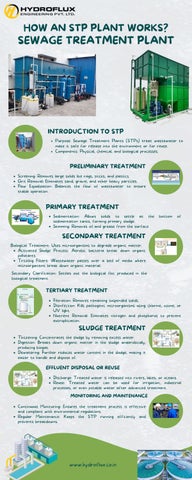

HOW AN STP PLANT WORKS?
SEWAGE TREATMENT PLANT
INTRODUCTION TO STP
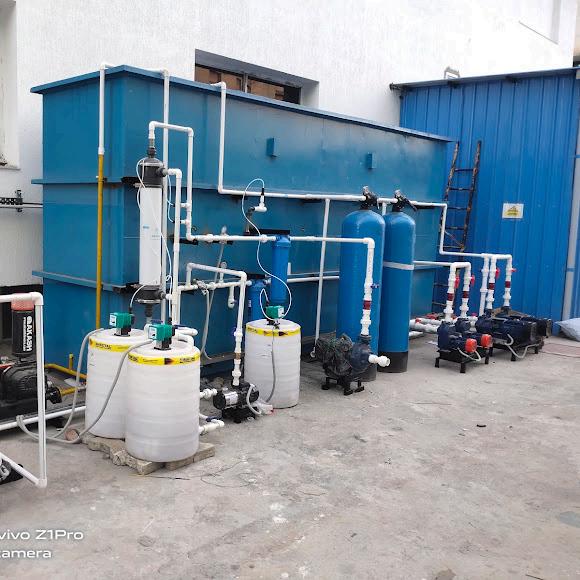
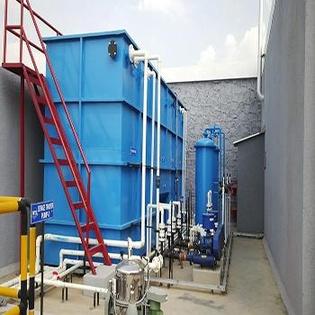
Purpose: Sewage Treatment Plants (STPs) treat wastewater to make it safe for release into the environment or for reuse
Components: Physical, chemical, and biological processes
PRELIMINARY TREATMENT
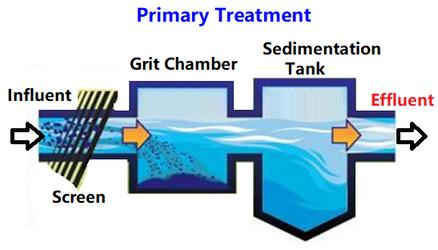
Screening: Removes large solids like rags, sticks, and plastics
Grit Removal: Eliminates sand, gravel, and other heavy particles
Flow Equalization: Balances the flow of wastewater to ensure stable operation
PRIMARY TREATMENT
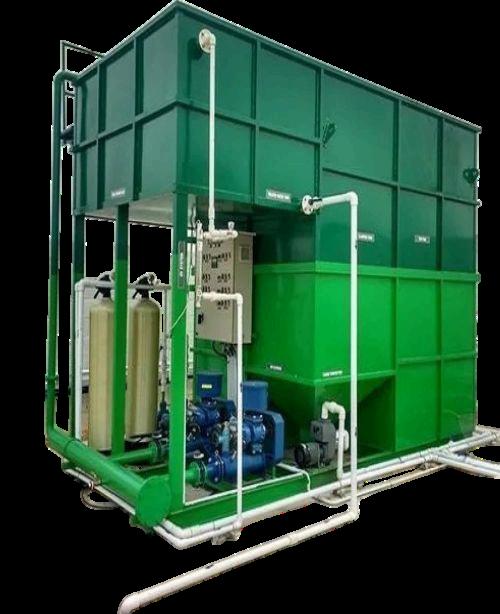
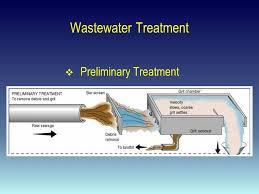
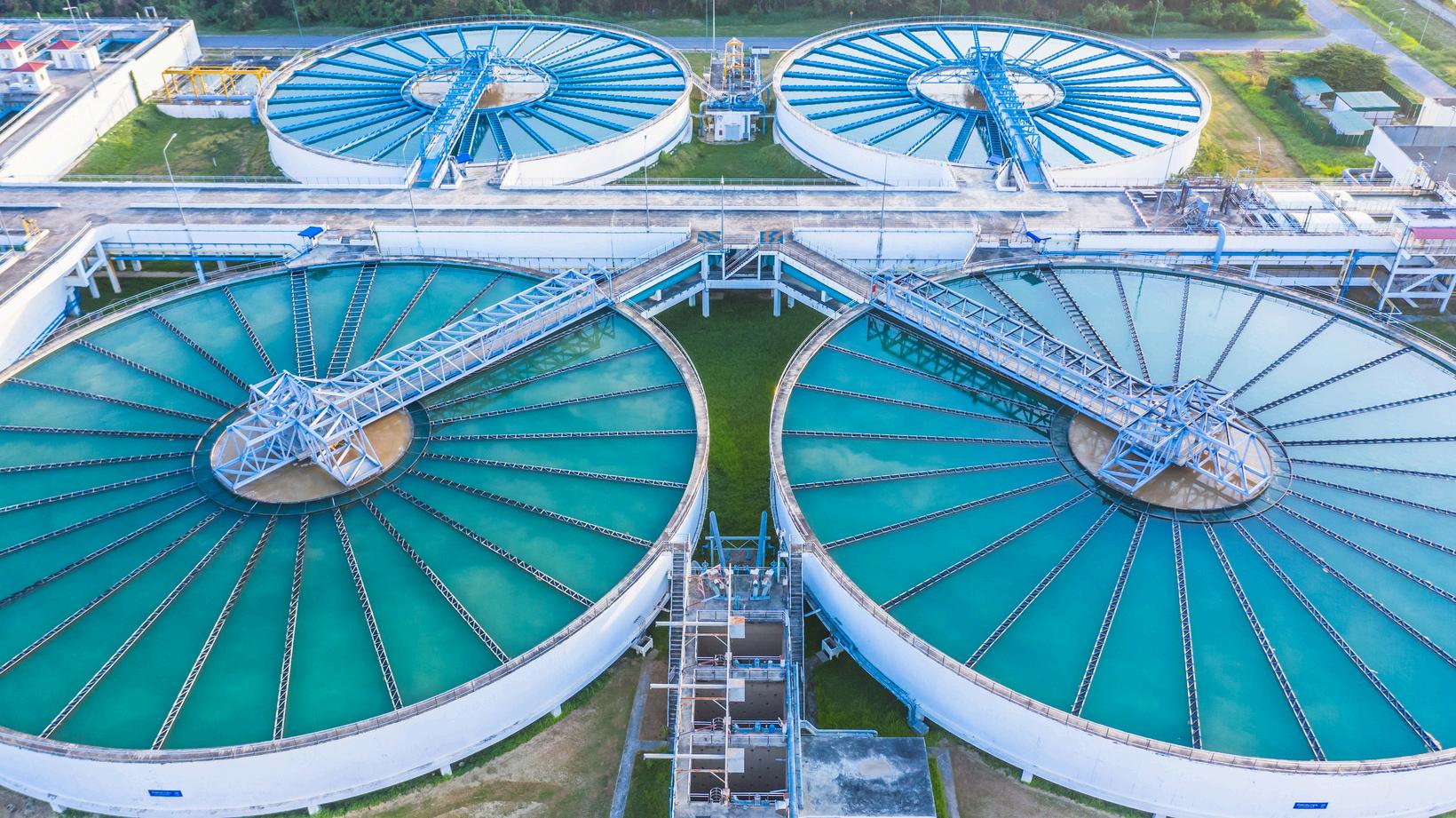
Sedimentation: Allows solids to settle at the bottom of sedimentation tanks, forming primary sludge
Skimming: Removes oil and grease from the surface
SECONDARY TREATMENT
Biological Treatment: Uses microorganisms to degrade organic matter
Activated Sludge Process: Aerobic bacteria break down organic pollutants
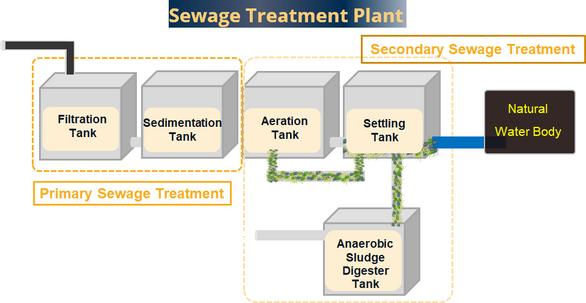
Trickling Filters: Wastewater passes over a bed of media where microorganisms break down organic material
Secondary Clarification: Settles out the biological floc produced in the biological treatment
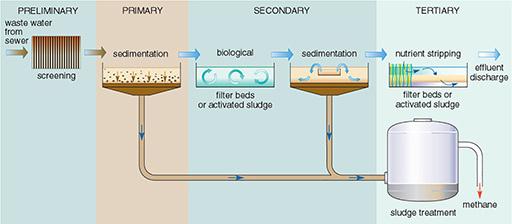
TERTIARY TREATMENT
Filtration: Removes remaining suspended solids
Disinfection: Kills pathogenic microorganisms using chlorine, ozone, or UV light
Nutrient Removal: Eliminates nitrogen and phosphorus to prevent eutrophication
SLUDGE TREATMENT
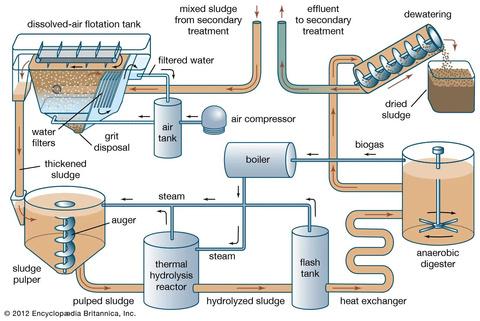
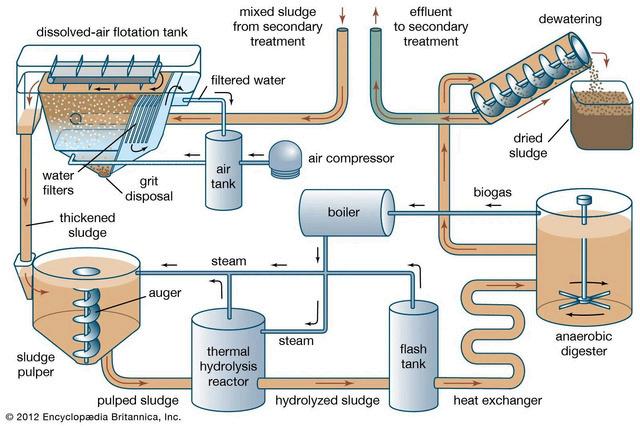
Thickening: Concentrates the sludge by removing excess water
Digestion: Breaks down organic matter in the sludge anaerobically, producing biogas
Dewatering: Further reduces water content in the sludge, making it easier to handle and dispose of

EFFLUENT DISPOSAL OR REUSE
Discharge: Treated water is released into rivers, lakes, or oceans
Reuse: Treated water can be used for irrigation, industrial processes, or even potable water after advanced treatment
MONITORING AND MAINTENANCE
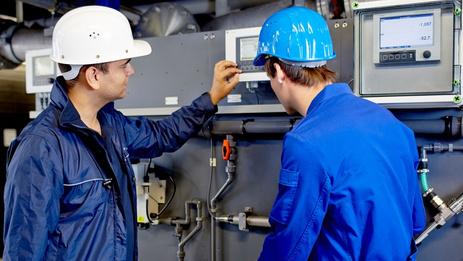
Continuous Monitoring: Ensures the treatment process is effective and compliant with environmental regulations
Regular Maintenance: Keeps the STP running efficiently and prevents breakdowns
www hydroflux co in