




















Dear Members and Friends of Hyde Park Community United Methodist Church,
We are delighted to serve as co-chairs for our Capital Campaign, A Faithful History, A Hopeful Future. During the summer of 2025, the Building Committee and church staff members worked collaboratively to identify 14 priority projects across our Hyde Park and Over-the-Rhine Campuses. At our Church Conference this past November, their recommendation was overwhelmingly approved, officially kicking off our Capital Campaign work. These projects can be grouped under one or more key values:
• Mission
• Preservation
• Accessibility
• Energy-Efficiency
As you read this Capital Campaign Journey Guide, we hope you’ll learn a little bit more about how these projects align with our church’s vision and three-year strategic plan, and more importantly, how these projects create opportunities for us to further God’s Kin-dom here in Cincinnati and across our community.
There is also a section that invites you into prayerful discernment about the role you might play in this Campaign. Each and every gift makes a difference. Our collective impact allows us to be co-creators with God in facilitating lasting change in the lives of our fellow church members, community members, and friends we haven’t yet met. As you prayerfully consider your commitment, we invite you to think about a pledge that can be fulfilled over a three-year period, from May 2026 through May 2029. Many of us find that spreading our gift over time allows us
to participate more generously in the shared work God is calling us to do.
As a part of your discernment process, we encourage you to pick up a Campaign Devotional Guide (available in the Welcome Center between services and online beginning on Sunday, March 15) This resource includes devotionals with reflection questions from members of our Capital Campaign Committee and our staff. These multi-generational perspectives shed light on the many ways that our church members intend to participate in this campaign, and will hopefully encourage you to participate, too.
We are so grateful to play a small role in securing the future of the Hyde Park and Over-the-Rhine Campuses of our beloved Hyde Park Community United Methodist Church. Won’t you consider joining us?
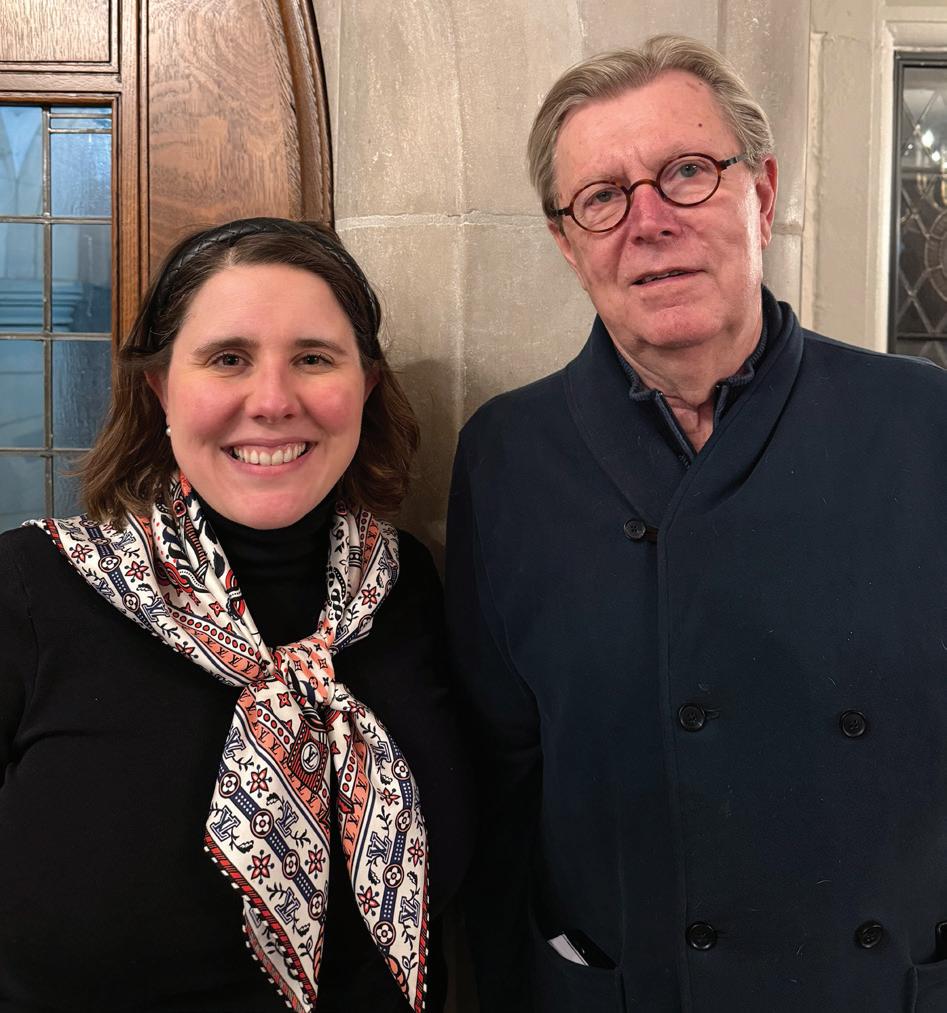
Faithfully hopeful, Victoria Kuhlman & Al Painter
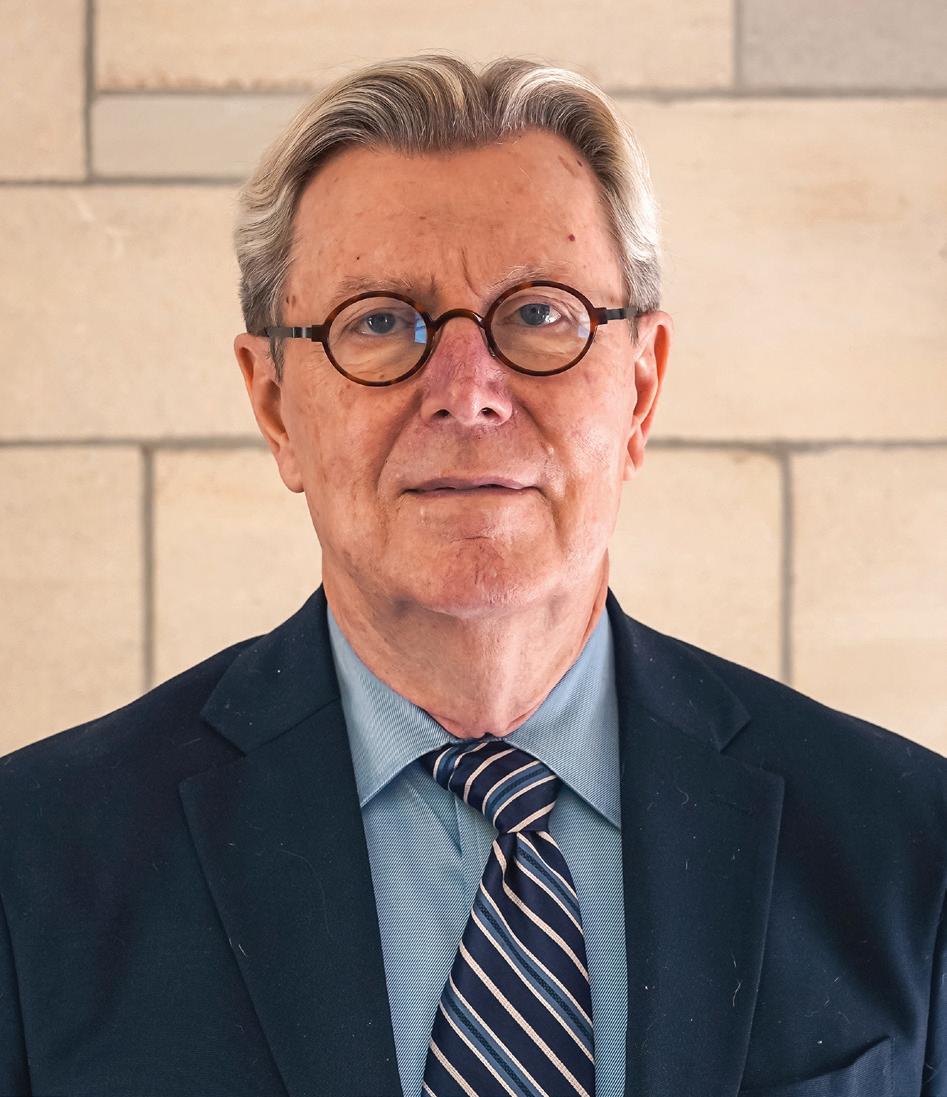
Al Painter is a lifelong Methodist and member of HPCUMC for 43 years during which he has served as Sunday School teacher, liturgist, previous Capital Campaign Committee member, and both member and Chair of the Servant Leader Board and Chair. He is a clinical psychologist and has been a faculty member in the Wright State University Boonshoft School of Medicine for 47 years serving in numerous educational roles including Associate Dean for Faculty Affairs. He resides in Hyde Park.
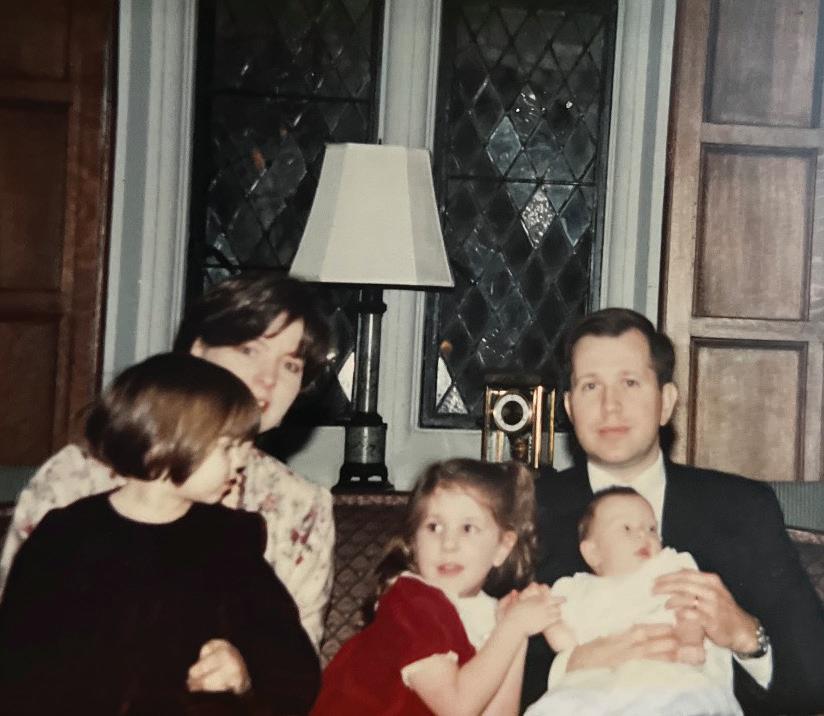
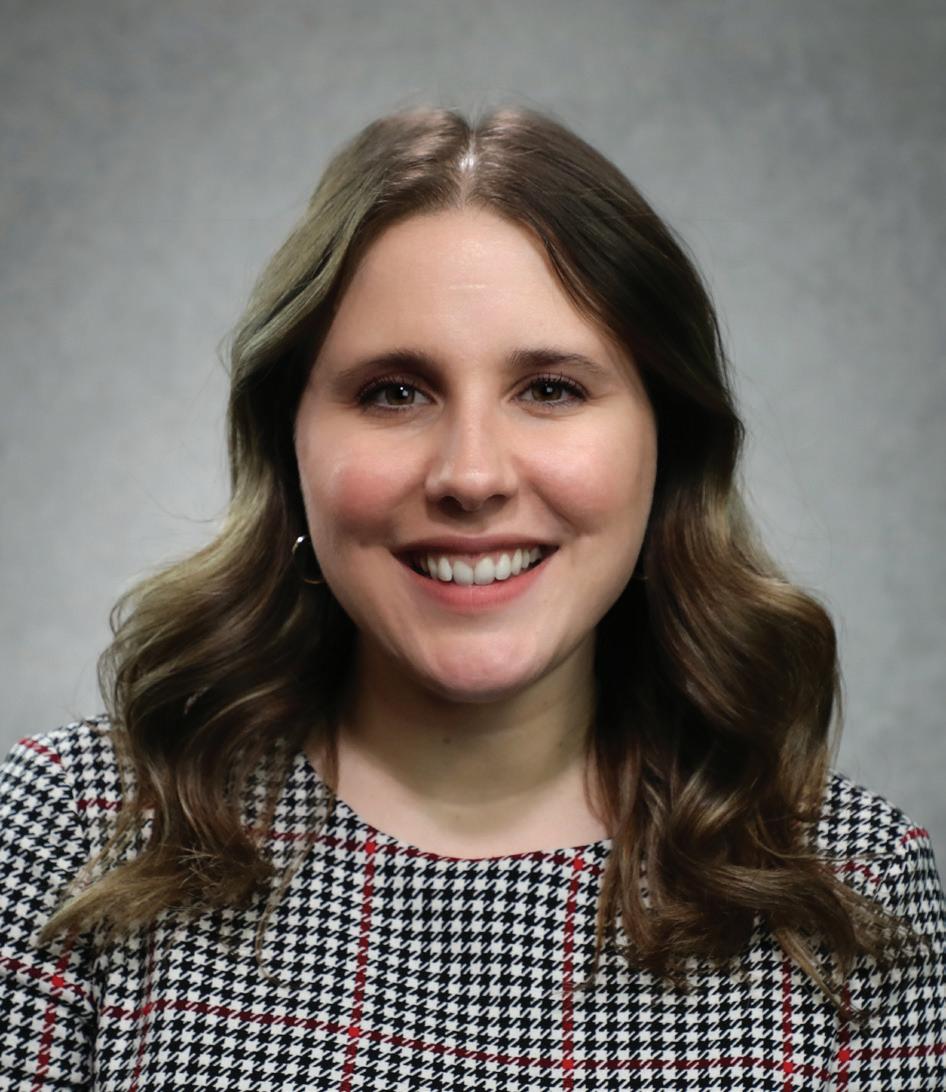
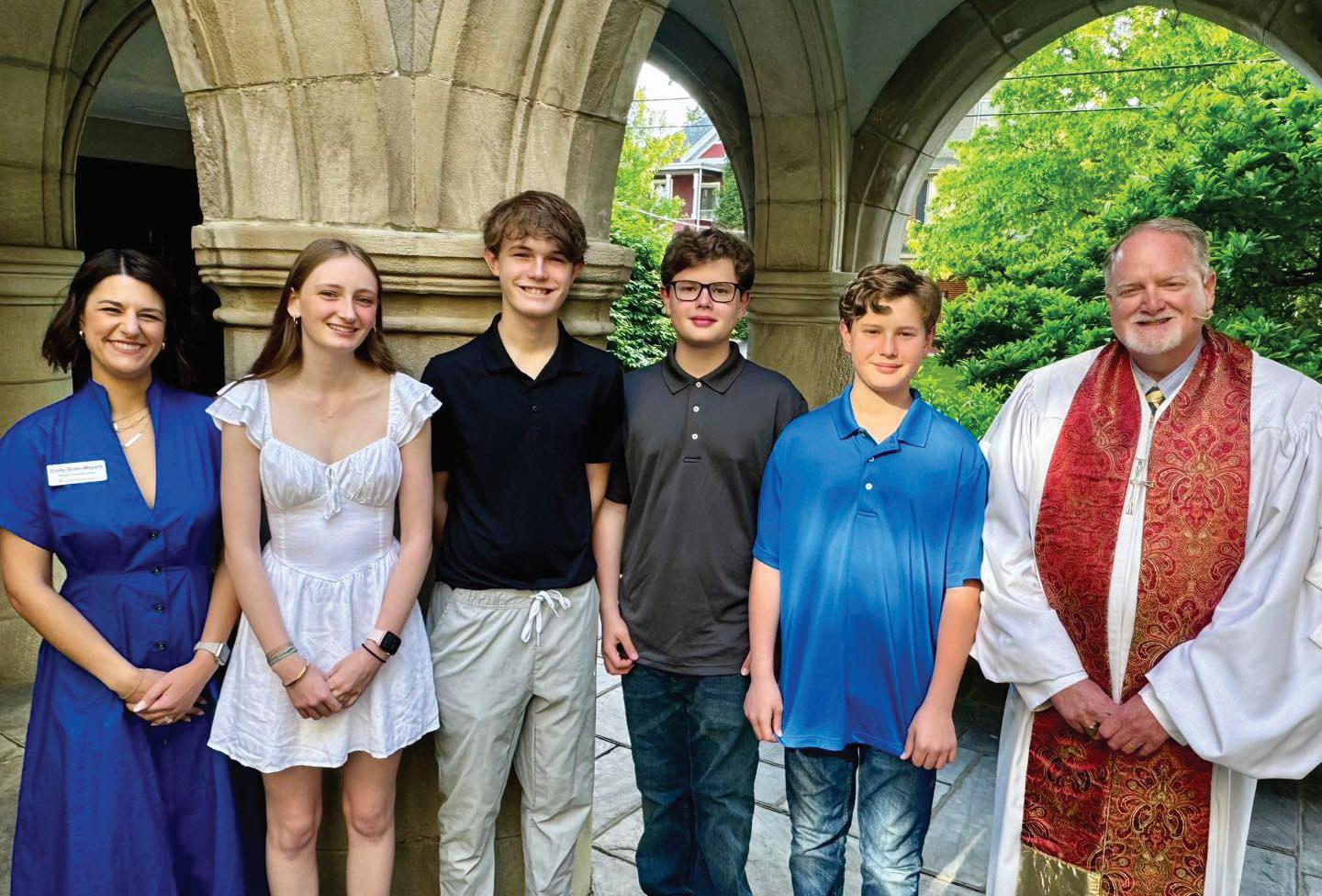
Victoria Kuhlman is a baptized and confirmed member of HPCUMC and has been actively involved across a variety of volunteer roles within Children & Family Ministries for the past decade. You’ll usually see her attending the 9:30 a.m. service sitting towards the back with her extended family. Victoria is Senior Director of Alumni Engagement at the UC Foundation and Alumni Association, overseeing a team responsible for hundreds of alumni events each year. She resides in Mt. Lookout.
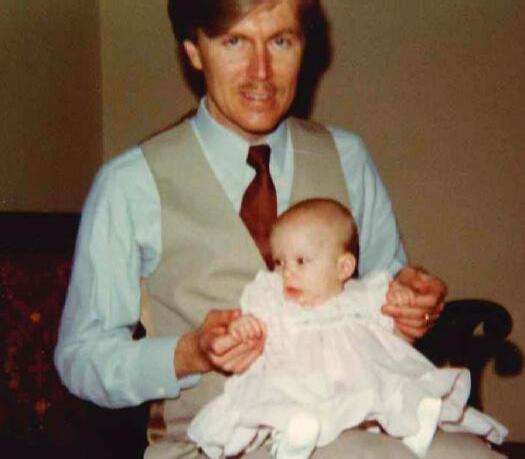
Al Painter and daughter, Katie, Easter 1981.
Our Capital Campaign Prayer Team (Chris McHenry, Teddy Meyers, and Mary Wheeler) developed these prayers for all of us to pray during this season. We ask that you find a time each day to pray the Reflection Prayer or Breath Prayer as you discern how God is calling you to participate.
Gracious and loving God, all that we are and all that we have are gifts from You. We give You thanks for these gifts. And so, too, we give You thanks for the faithful history of Hyde Park Community United Methodist Church which has been a place of welcome, grace, service, and connection for the past 100 years. As we look toward our hopeful future, may the
Holy Spirit lead us to be wise stewards of all that You have entrusted to us. May we have humility to place our desires in perspective and courage to carry forward Your mission. Open our eyes to see the needs of others so that we might respond with care and compassion. And may we be witnesses to Your love, building spaces and ministries that reflect Your kindom. Guide us, Lord, so that our future may shine as brightly as our past. Through the name of Jesus Christ we pray. Amen.
Gracious and loving God, help us to be wise, humble, courageous, and compassionate.
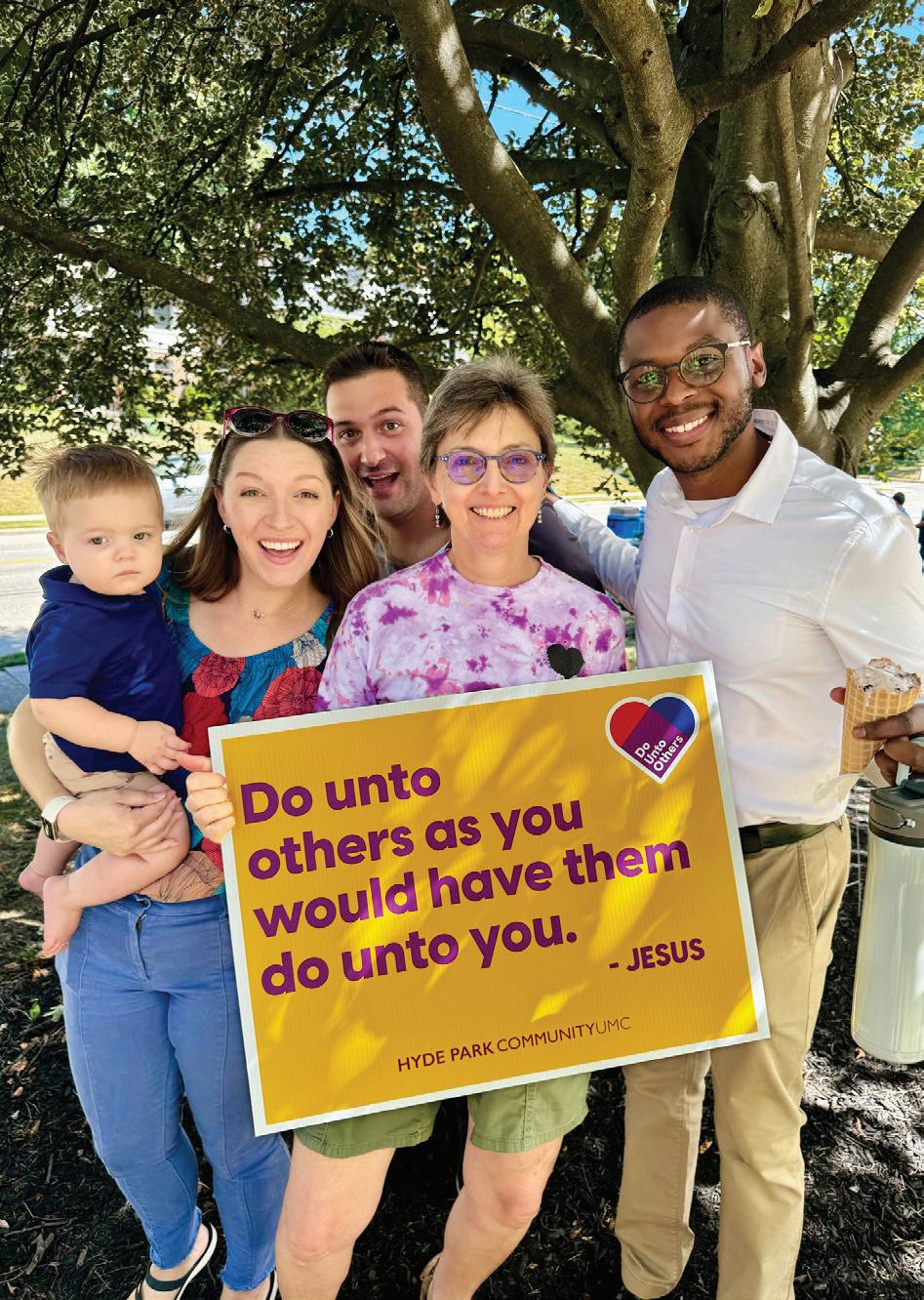
These devotions come from the hearts of our own Hyde Park Community UMC family, members who are new to HPCUMC, those who have worshipped here for decades or since childhood, and our pastors and staff. Each writer is part of the leadership of our Capital Campaign, A Faithful History, A Hopeful Future. Each contributor shares a personal story and heartfelt hope for how this Campaign will shape our church and our community in the years ahead.
Together, their voices reflect the breadth of our congregation reminding us that God’s work among us is carried forward through many lives and generations.
We invite you to read one devotion each day as we move toward Commitment Sunday on April 19, holding in prayer a simple question: “God, what do you want to do through me?”
May these reflections help you listen for God’s invitation and discern how you are called to be a co-creator of the hopeful future God is building through Hyde Park Community UMC.
Beginning March 15, you can pick up a copy of this devotional in our Welcome Center.
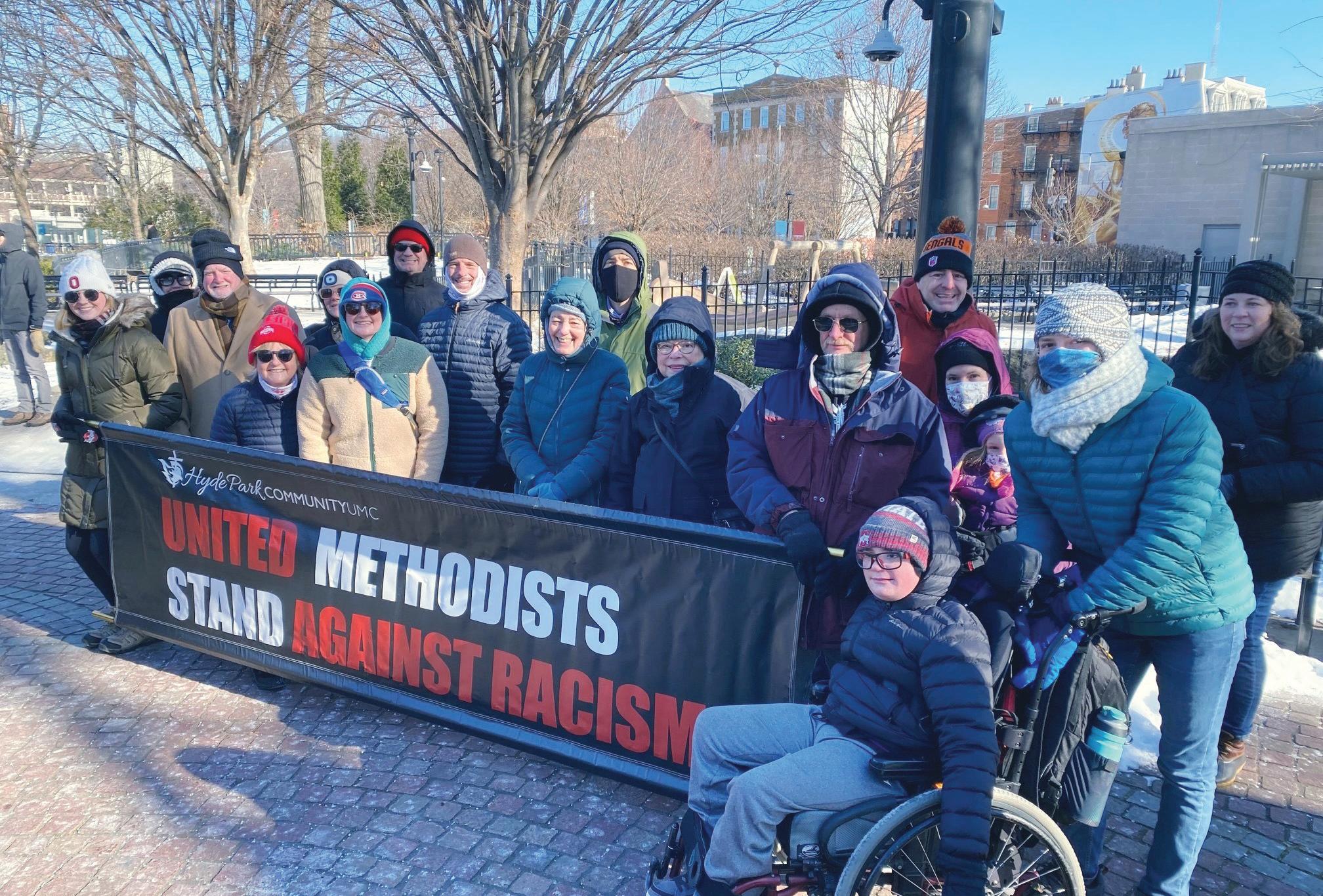
Our 5-week A Faithful History, A Hopeful Future sermon series begins on March 15. This series invites all of us to consider how our values and mission impact our generosity. We hope you are able to join us.
March 15: “Our What… Grounded in Gratitude”
March 22: “Our Why… The Impact of Ministry”
March 29: “Our How… Revealed in Prayer”
April 5: Easter Sunday
April 12: “Our Who… A Generous Congregation”
April 19: “Our Calling… Shaping Our Future”
Additional Dates to Know
April 19: Commitment Sunday
May 10: Announcement Sunday
May 17, 24: First Fruits Sunday
A
The title A Faithful History, A Hopeful Future reflects more than a building campaign, it names a legacy of welcome and a commitment to live that welcome more fully in our time.
In 1927, when the Hyde Park Campus building was dedicated, the congregation proclaimed an invitation that opened the doors of the church wide, to those who mourn, those who are weary, those who seek friendship and shelter, those who pray and those who are still searching. That declaration was a bold expression of the gospel: that God’s grace is expansive and that the church exists for all.
Nearly a century later, HPCUMC reaffirmed this conviction through its 2019 Inclusivity Statement, committing to the full participation and sacred worth of all people and to cultivating a community marked by respect, affirmation, and grace across difference.
This commitment is not static. It is something we continue to practice, especially as we seek reconciliation through Christ, honor difference as a gift, and build community across lines of disagreement with humility and love.
Additionally in 2023, HPCUMC entered a season of intentional discernment to form a Strategic Plan to guide our commitments, choices, and projects for the next three years. Recognizing that faithfulness requires both reflection and action, the congregation engaged in a comprehensive strategic planning process to listen for where God was calling us next, across both our Hyde Park and Overthe-Rhine Campuses.
This discernment was grounded in prayer, conversation, data, and deep listening to the congregation, our neighbors, and our community partners. What emerged was not
simply a list of priorities, but a renewed clarity about who we are, what we are called to embody, and how we steward the resources entrusted to us.
Through this process, the church clarified a shared mission: We strive to embody the hope and love of Jesus for all through service, worship, and companionship.
This mission is lived out through three guiding values that shape how we show up in the world,
Curious – We invite and celebrate questions. We bravely embrace the mystery of God and remain open to how that transforms us and our relationships.
Courageous – Our faith makes us bold, compelling us to do hard things. We honor our word, relentlessly advocate for justice, and remain thoughtful and compassionate, even in the face of adversity.
Connected – True belonging begins with an experience of God’s grace. We extend God’s generous welcome to all, upholding integrity, practicing authenticity, and celebrating diversity across generations and cultures.
And we do this through a bold and measurable three-year goal that turned into our vision statement:
As co-creators in God’s unfolding story, we commit to practices that build a beloved, diverse, intergenerational community that includes 250 new people investing in the life of the church and community, with half under the age of 45, by 2027.
This Capital Campaign stands at the intersection of all of these commitments.
A Faithful History honors generations who built, preserved, and stewarded spaces where welcome could be practiced not as an idea, but as lived ministry. Their faithfulness made it possible for the church to respond to the needs of their time in both Hyde Park and Over-the-Rhine with courage, curiosity, and compassion.
A Hopeful Future looks ahead with intention. Guided by our Strategic Plan, Mission Statement, and Values, we are investing in spaces at both Campuses that embody inclusion today. Spaces that are accessible, dignified, sustainable, and clearly communicative of who we are. These investments support our three-year goal of building a beloved, diverse, intergenerational community and prepare us to welcome new generations into the life of the church.
As we approach 2027, the centennial of the Hyde Park Campus building, this Campaign invites us to do what every generation has been called to do: receive the gift of the past with gratitude, and steward it courageously for those who will come next.
A Faithful History, A Hopeful Future captures our commitment to honor a legacy of open doors while shaping a future where that welcome is experienced by all at both of our Campuses.
A Faithful History
The story of Hyde Park Community United Methodist Church begins, like so many Methodist stories, with people gathering where they could (first in homes, then in a simple wooden church) responding to God’s call to form a faith community rooted in worship, service, and connection.
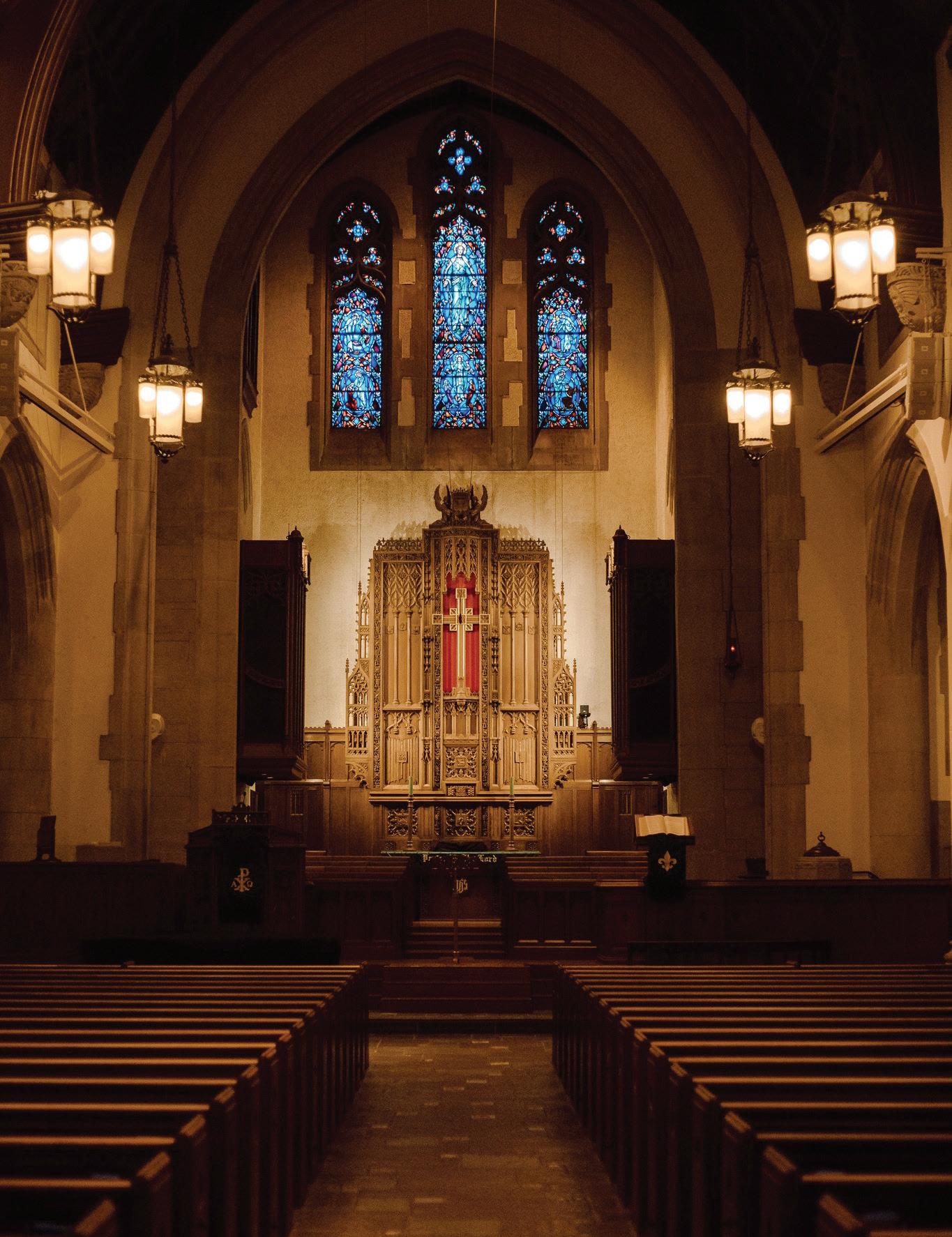
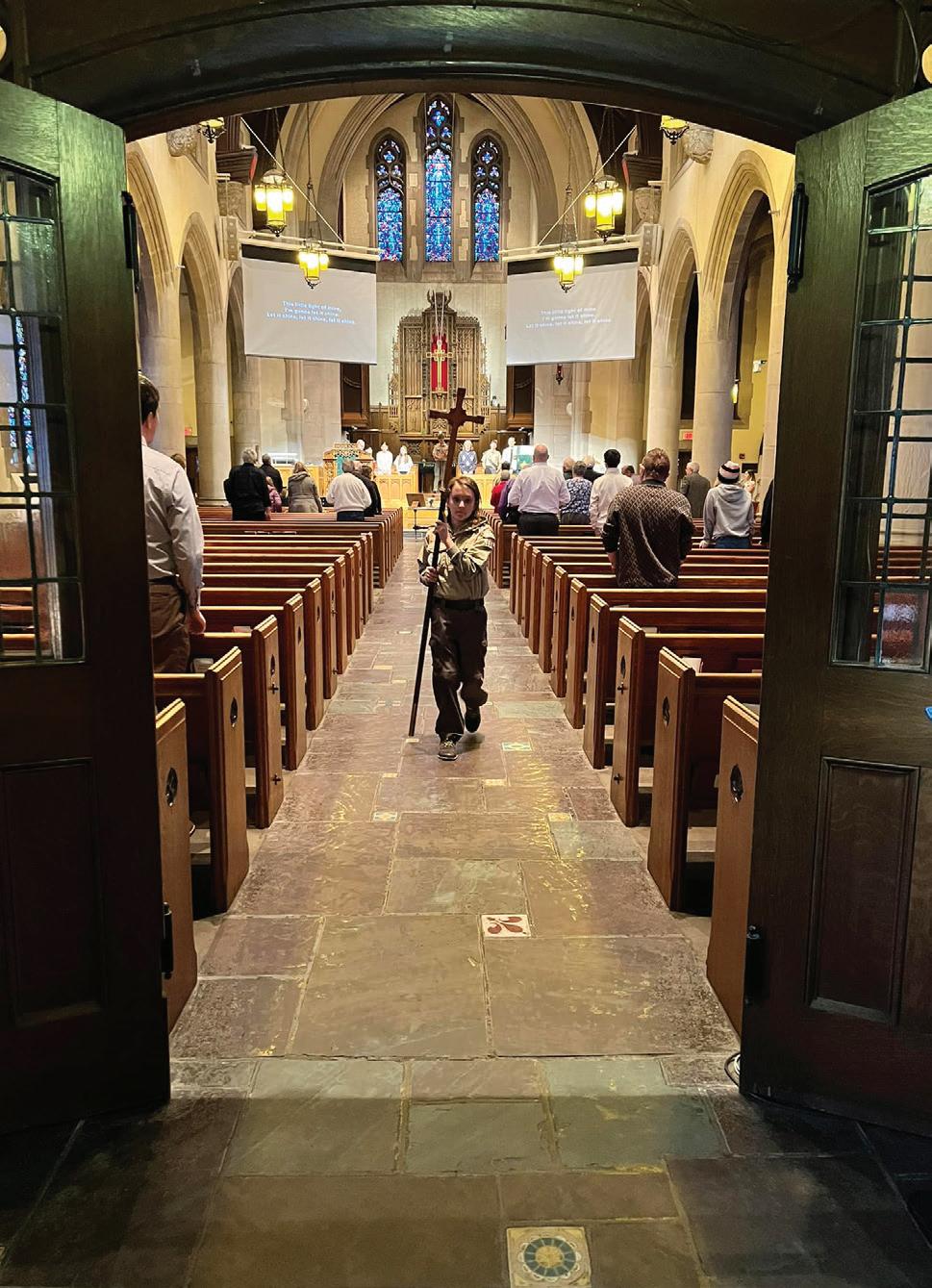
In 1927, that vision took lasting architectural form with the construction of the current building at 1345 Grace Avenue. Designed in the Collegiate Gothic style, the building was dedicated not simply as a sanctuary, but as a community church, a place intentionally created to serve both the spiritual and communal life of Hyde Park.
From the beginning, the purpose of the Hyde Park Campus was expansive and outwardfacing. Early leaders envisioned a church where doors would be open wide to neighbors seeking worship, friendship, rest, learning, comfort, and hope. That posture of welcome has remained constant across generations.
As the congregation grew and needs evolved, the Hyde Park Campus adapted. In 1966, an Education Wing was added, expanding space for children, youth, and adult formation. In 2009, the building was listed on the National Register of Historic Places, affirming both its architectural significance and its enduring role in the life of the community.
Across nearly a century in this building, and more than a century of ministry, the Hyde Park Campus has remained what it was intended to be: a place where faith is formed, relationships are nurtured, and the love of God is made visible.
Every generation of Hyde Park Community UMC has been entrusted with the same responsibility: to steward the Hyde Park Campus not as a monument to the past, but as a living space for God’s work in the present and future. That trust has required courage, responding to cultural change, growing and shrinking seasons, evolving ministry needs, and new opportunities for mission.
That courage has sometimes taken the form of profound sacrifice. During the Great Depression, when uncertainty and hardship touched nearly every household, faithful church members made a remarkable choice: they took out second mortgages on their homes to help save the church.
Because of their faithfulness, the Hyde Park Campus stands today. Their generosity ensured that the next generation inherited not only a building, but a vibrant ministry rooted in worship, service, and hope. This is the legacy we receive, people who believed the church’s future was worth personal risk, because they trusted that God was not finished yet.
Today, Hyde Park Community UMC finds itself in another pivotal moment, one that calls for both preservation and imagination.
As one of two campuses of HPCUMC, the Hyde Park Campus continues to be:
• A primary gathering place for worship and sacramental life.
• A center for intergenerational formation and discipleship.
• A hub for mission, outreach, and community partnership.
• A place of welcome, care, and companionship.
At the same time, thoughtful investment is needed to ensure the Hyde Park Campus remains accessible, safe, functional, and inspiring for generations to come.
The vision for the Hyde Park Campus is not about change for change’s sake. It is about aligning sacred space with sacred purpose, so the building continues to serve the mission God has entrusted to this congregation.
1879–1926
A Church Takes Root
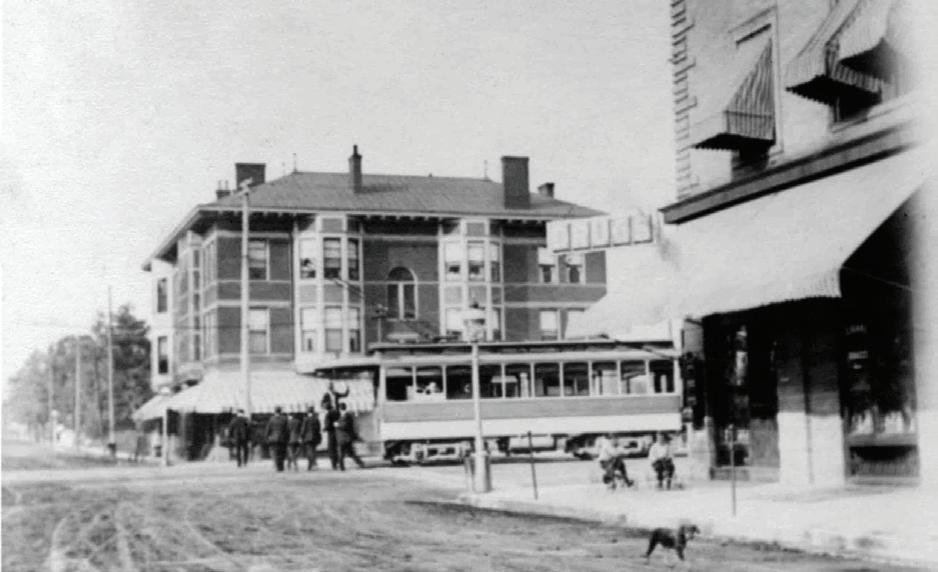
1879
A small group of Methodists begin gathering in nearby Mt. Lookout, meeting in homes and shared spaces, committed to worship, service, and building Christian community.
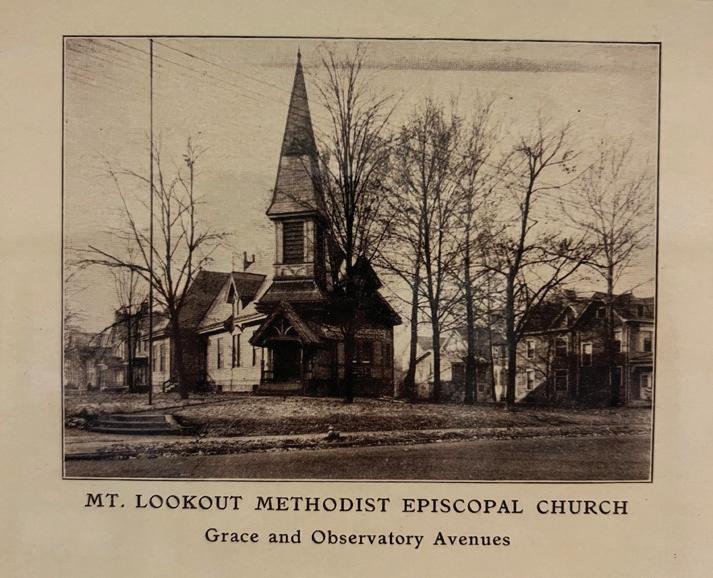
1880
A modest wooden church is built near the present-day Hyde Park Campus, signaling a growing Methodist presence and a commitment to rootedness in the neighborhood.
1966
Expanding to Serve a Growing Community
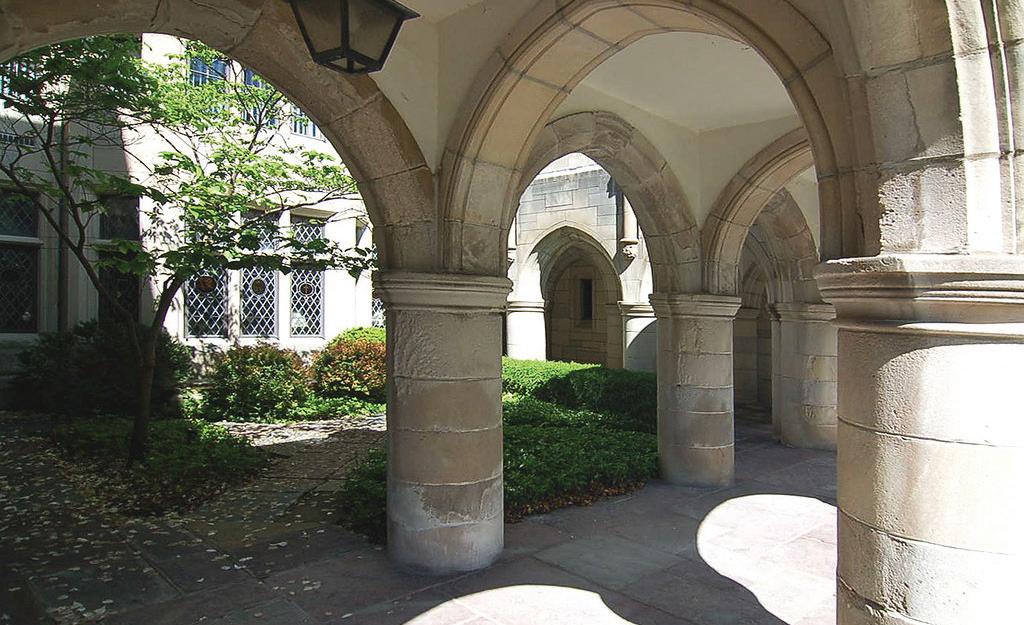
May 15, 1966
An educational wing is dedicated, expanding space for children, youth, and adult formation, reflecting the congregation’s commitment to faith formation across generations.
2009
A Sacred Landmark
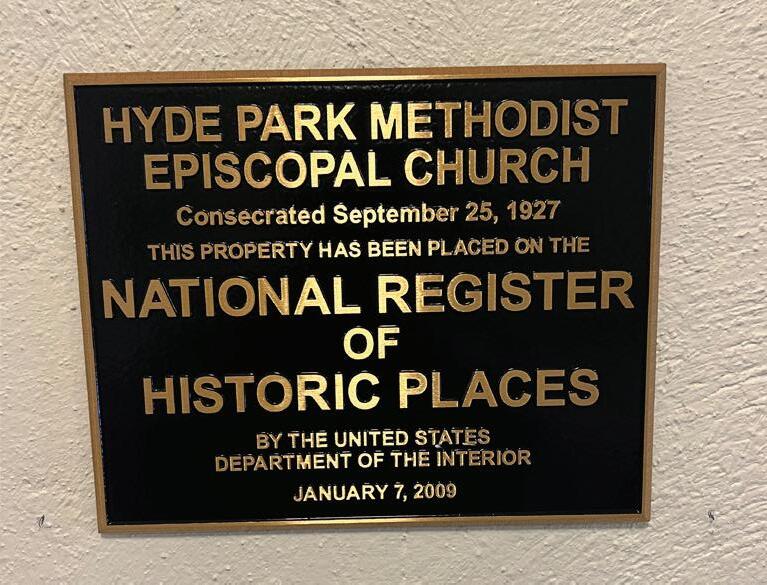
2009
The Hyde Park Campus is listed on the National Register of Historic Places, affirming its architectural significance and its enduring role in the life of the community.
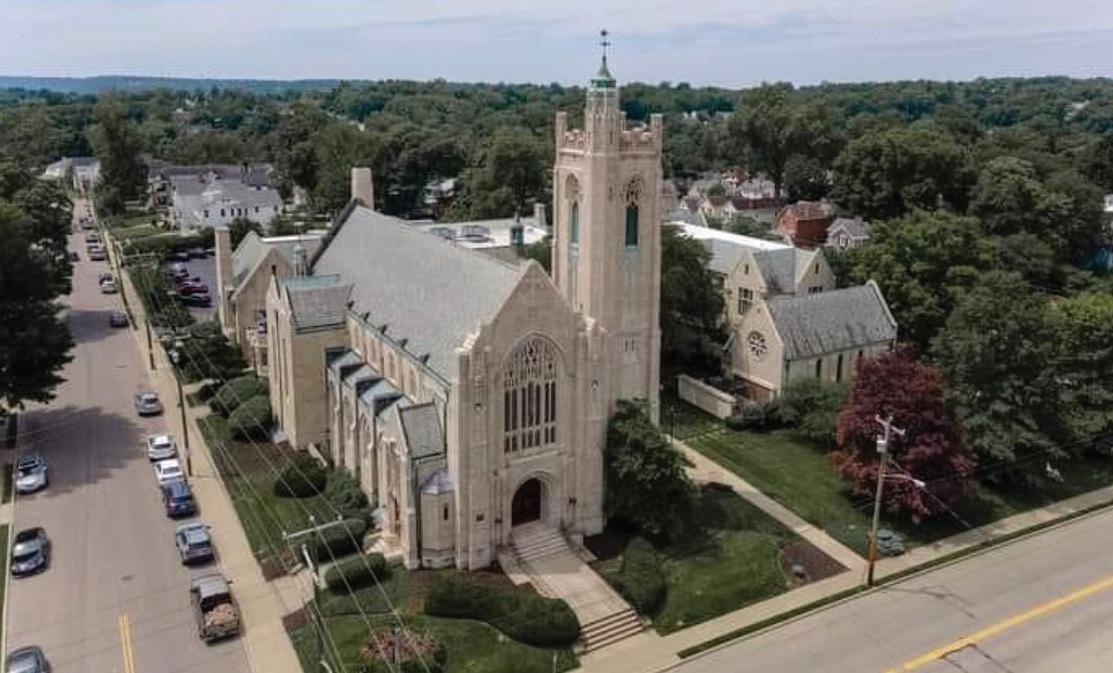
Early 1900s
As Hyde Park grows, so does the congregation, deepening its identity as a community church shaped by welcome, formation, and service.
1927
Built for Community on Grace Avenue
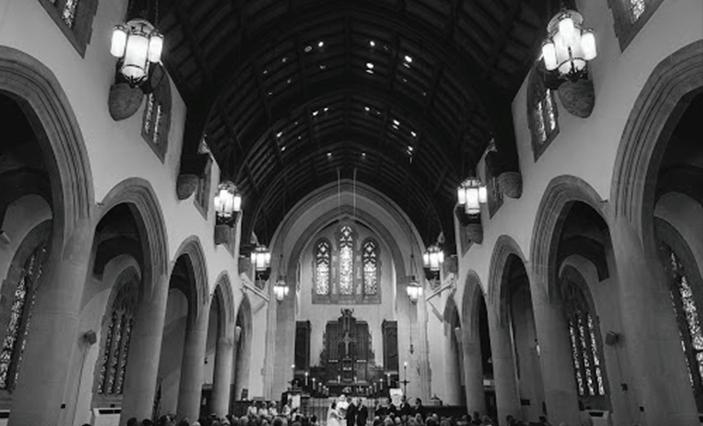
Sept. 25, 1927
The current building at 1345 Grace Avenue is completed and dedicated. Designed in the Collegiate Gothic style, it is envisioned not only as a sanctuary, but as a place for gathering, learning, care, and shared life. From the beginning, leaders describe the church as a place where doors are open wide to those seeking worship, friendship, rest, comfort, and hope.
2010s–Present
Faithful Stewardship in a Changing World
2010s–Present
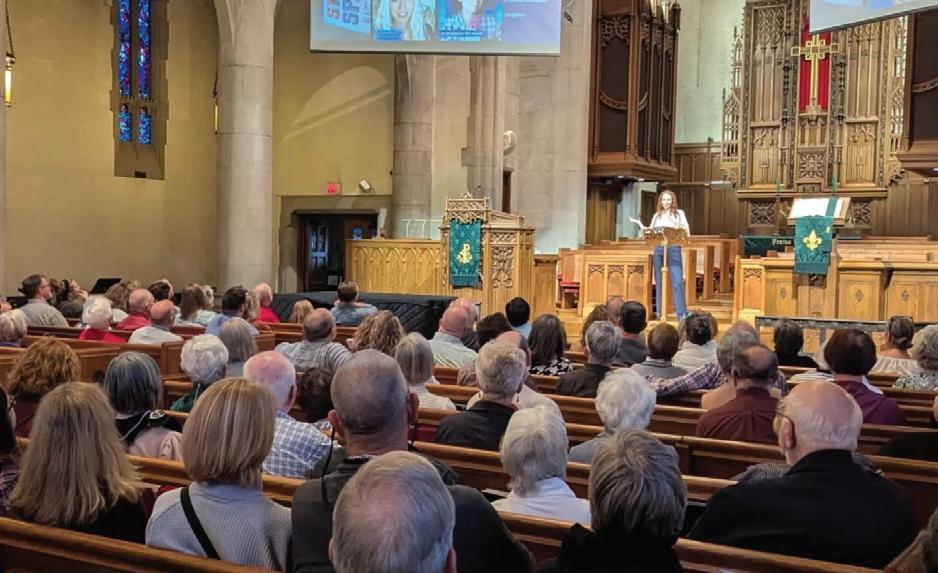
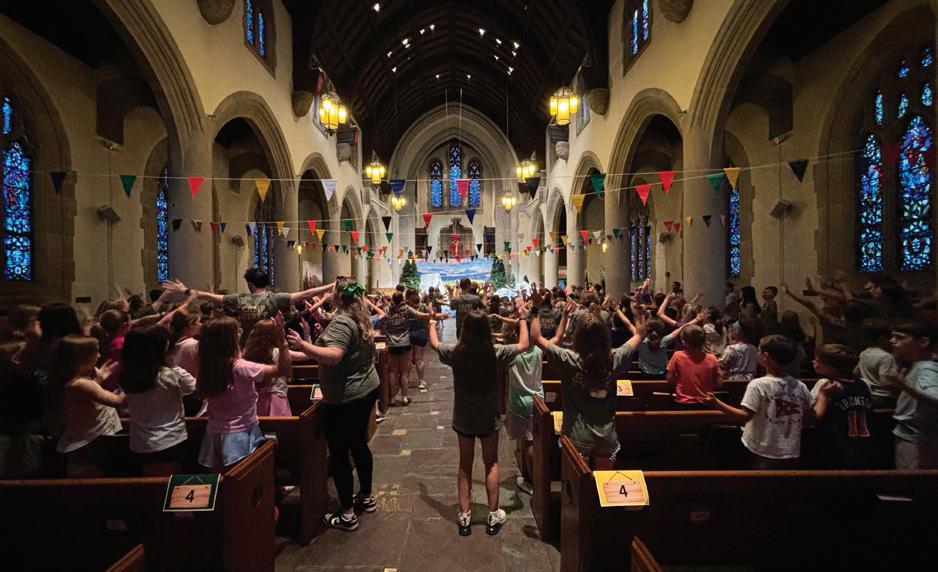
Through cultural shifts, changing demographics, and evolving ministry needs, the Hyde Park Campus remains the heart of congregational life, anchoring worship, formation, mission, and community connection.
Each generation continues to steward the Campus not as a museum, but as a living space for God’s work.
For nearly two centuries, Methodists have been present in Over-the-Rhine, showing up, adapting, and serving as the neighborhood itself has changed again and again.
The congregation once known as Nast Trinity United Methodist Church traces its roots to 1835, when William Nast began ministry among German immigrants in Cincinnati. In 1880, the congregation completed the building at 1310 Race Street, designed by renowned architect Samuel Hannaford. It became the first German Methodist Church in the world and a spiritual home for generations seeking faith, familiarity, and belonging in a new land.
Over time, the ministries housed within these walls evolved, responding faithfully to immigration, industrialization, racial tension, economic shifts, and urban renewal. Through soup kitchens and worship services, community meals and outreach, sanctuary and service, the church at 1310 Race Street consistently reflected a core truth:
God’s people are called to remain present, especially when change is hard.
In 2012, this sacred space entered a new chapter when Hyde Park Community United Methodist Church was entrusted with the stewardship of the building and the vacant building adjacent to it, 1314 Race Street. This was not a transfer of properties alone, but a transfer of responsibilities, to honor the past while listening closely for where God was leading next.
Since that time, HPCUMC has prayerfully held the question that every generation must ask
anew: How do we remain faithful in this place, for this time?
In 2023–2024, that question became especially urgent. As previous ministry expressions concluded and the Over-theRhine neighborhood continued to change (particularly with new development around TQL Stadium), HPCUMC committed to a careful, transparent, and Spirit-led discernment process.
Rather than rushing toward a single solution, the church paused to listen: to God, to the congregation, to neighbors, and to community partners. Out of that 7-month discernment process emerged clarity, not just about what could happen at the Over-the-Rhine Campus, but what should happen if we are to be faithful stewards of this legacy.
As part of this discernment, the church reflected more deeply on the full scope of the Over-the-Rhine Campus recognizing that it includes two historic buildings, not just one.
The church building at 1310 Race Street remains the visible heart of the Over-theRhine Campus. A sacred and communal space where relationships are formed, trust is built, and people gather across differences. Adjacent to it is the historic Italianate building at 1314 Race Street, which many are unaware has also been part of the church’s stewardship since 2012.
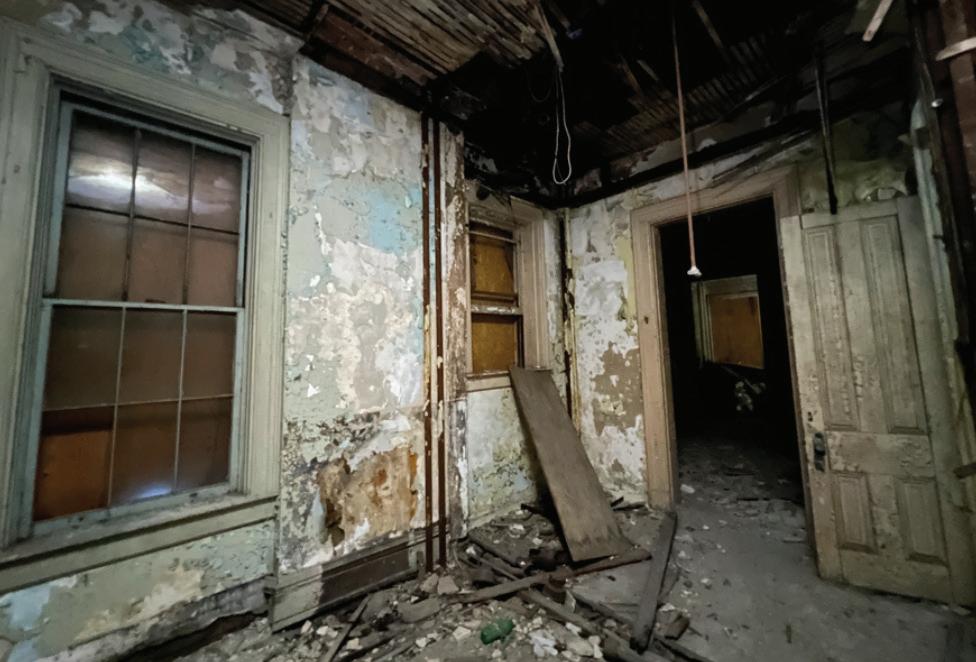
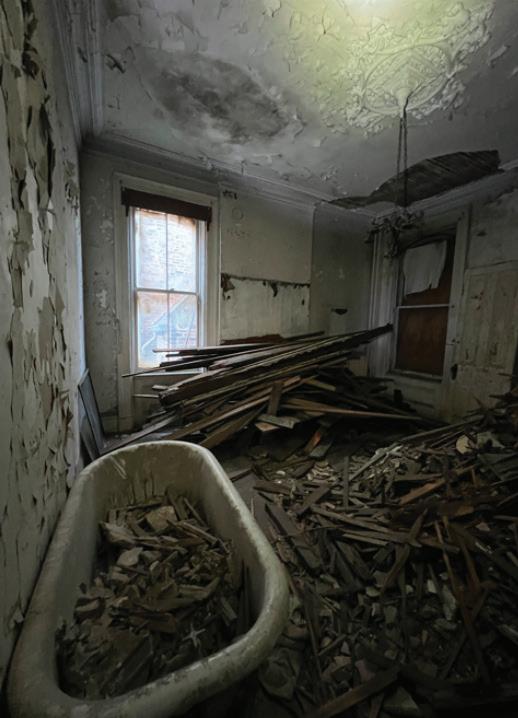
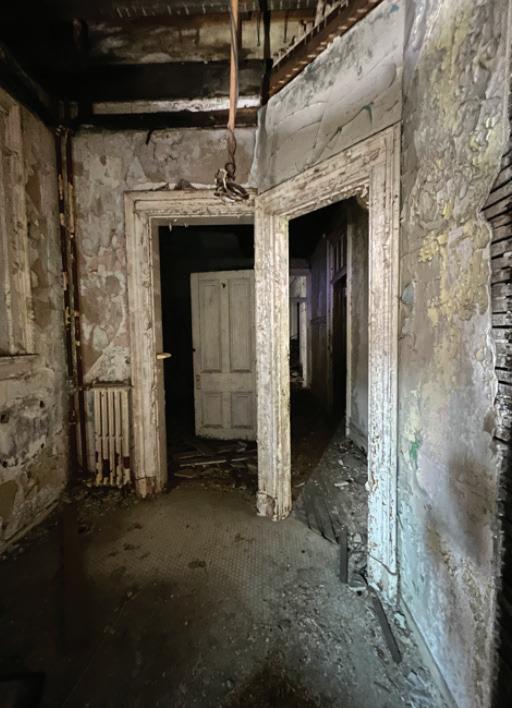
For decades, 1314 Race Street has stood unused and without active utilities. While the interior requires comprehensive renovation, the structure itself remains sound, a solid foundation waiting to be reimagined. Located on a prominent block near Washington Park, its long-term vacancy has been a growing concern for the City of Cincinnati, which has
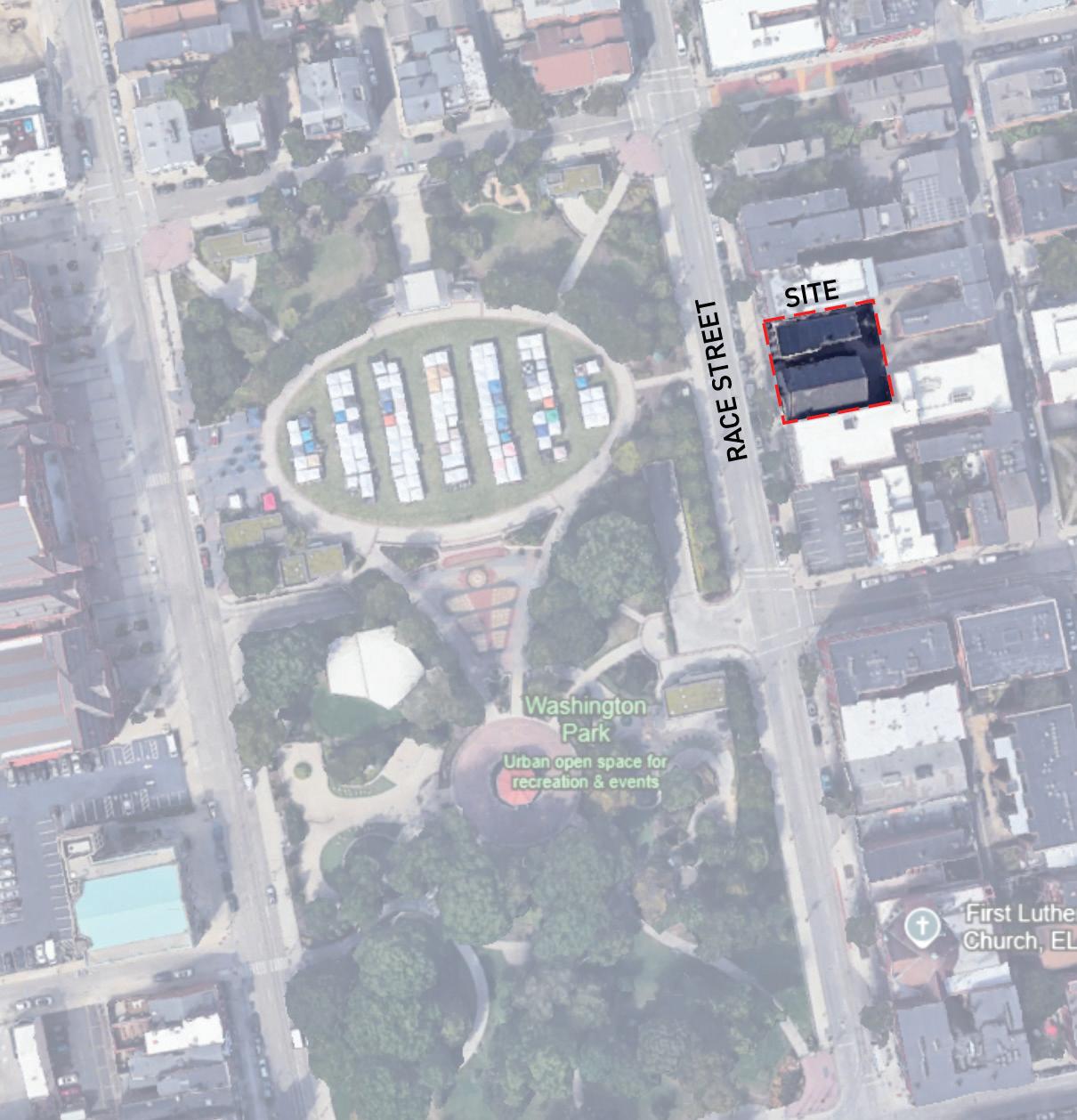
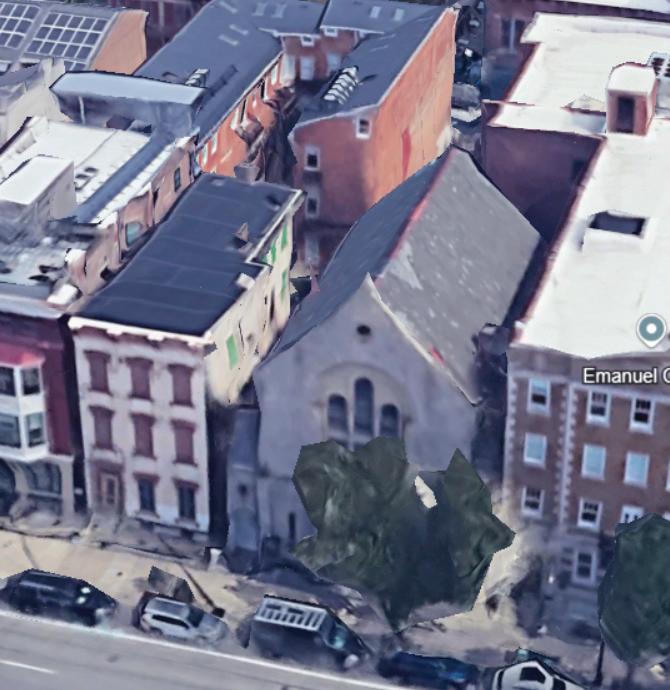
encouraged the church to pursue a vision that contributes positively to the life of the neighborhood.
Through listening to neighbors, community partners, and city leaders, three articulated needs emerged:
• Access to affordable laundry services in an area identified as a laundry desert.
• Affordable, dignified housing.
• A welcoming, accessible space for building community and fostering connection.
Together, these needs shaped a holistic vision for the Over-the-Rhine Campus. The 1314 Race Street building will be renovated to address the first two needs (housing a community laundromat and emergency shelter) while the church building at 1310 Race Street will continue to serve as a communitycentered hub for gathering, creativity, formation, and relationship.
With a structurally sound historic asset, clearly articulated community needs, and a mission rooted in dignity, care, and inclusion, Hyde Park Community United Methodist Church believes this is the faithful moment to invest in
At the heart of Wesleyan theology is the conviction that God’s grace is active, relational, and always at work, meeting people where they are and drawing them toward wholeness. Grace is not abstract; it is lived, shared, and embodied in daily life.
• Prevenient Grace – God at work before we arrive.
• Justifying Grace – God meeting us with love and forgiveness.
• Sanctifying Grace – God shaping us toward growth and wholeness.
both buildings, allowing them to work together in service of a shared calling.
This vision honors the past while responding to the present, ensuring that the Over-theRhine Campus remains a place where faith is lived, community is formed, and God’s grace is made tangible in the heart of the city.
Rooted in Faith. Oriented Toward Community.
Today, we hold a bold and hopeful vision for our Over-the-Rhine Campus. One that honors the faithful legacy of Nast Trinity UMC while living fully into the needs and opportunities of the present.
Grace on Race Street (1310 Race Street): A Living Community Hub
As Hyde Park Community United Methodist Church discerned how God was calling us to serve in Over-the-Rhine, we reflected not only on what we hoped to do, but who we were called to be as a community of faith.
From that discernment came the name Grace on Race Street. Our Hyde Park Campus sits on Grace Avenue, and our Over-the-Rhine Campus stands on Race Street. We hope that this name serves as a meaningful reminder that we are one church, two streets, and a shared calling.
Yet the name reflects more than geography. It expresses our shared identity and our hope that this space will embody God’s grace that has long shaped our community.
Today, the historic church building at 1310 Race Street is being reimagined as a vibrant, community-centered hub, a place where faith is practiced through presence, hospitality, and relationship. Guided by our values of curiosity, courage, and connection, Grace on Race Street is becoming a place where neighbors gather, creativity flourishes, and community takes root.
This vision is already taking shape through:
• Shared community meals that emphasize belonging over charity.
• Accessible markets that support local artists and small businesses.
• Classes and workshops that nurture spiritual growth, financial wellness, and holistic formation.
• Open, flexible spaces where neighbors can gather, learn, and belong without precondition.
Our hope is that every person who encounters Grace on Race Street experiences a tangible expression of God’s grace through welcome, shared experiences, and opportunities to connect with others.
Grace on Race Street is becoming what it has always been at its best: a place where faith meets real life, and where community is formed through trust, proximity, and shared experience.
Adjacent to the church building, the vision for 1314 Race Street extends this commitment through ministries designed to meet essential needs with dignity and sustainability.
Plans include:
• A community, affordable laundromat addressing a documented laundry desert in Over-the-Rhine.
• Eight family suites for emergency shelter, developed in partnership with Found House IHN (previously Interfaith Hospitality Network).
Together, these ministries reflect a holistic approach to care, one that recognizes stable housing, clean clothes, and supportive relationships as foundational to human dignity and long-term stability.
Taken together, the Over-the-Rhine Campus embodies a deep conviction: that faithful ministry is both relational and practical, rooted in compassion and designed for sustainability.
Through gathering and service, presence and provision, Grace on Race Street and 1314 Race Street work in tandem. Offering a tangible expression of God’s grace in the heart of the city and a hopeful vision for what the church can be when it listens closely and acts faithfully.
The vision for Grace on Race Street and 1314 Race Street represents more than renovation or expansion. It is a faithful response to discernment and an act of stewardship shaped by our mission, values, and strategic plan. Our mission requires more than preserving historic buildings; it calls us to activate them as places where relationship, belonging, and shared purpose can take root. Our values guide us in listening deeply to our congregation, neighbors, and partners in Over-the-Rhine. What we heard was a call to remain present, respond honestly to real needs, and create spaces that invite people into the community rather than simply offering worship services.
The Over-the-Rhine Campus is essential to advancing our church’s strategic goals. Grace on Race Street creates accessible, relational
entry points for engagement, especially for people who may not otherwise cross the threshold of a “traditional” church. Through gathering, service, formation, and practical care, the Over-the-Rhine Campus invites new people into meaningful connection with the church and with one another.
:
• Honoring nearly 190 years of Methodist presence in Over-the-Rhine through faithful stewardship.
• Leveraging historic assets to create welcoming, accessible spaces for engagement and belonging.
• Investing in ministries that are relational, responsive, and designed for sustainability.
• Leading with courage into a future shaped by hope, inclusion, and shared purpose.
This moment invites us to act with intention. We must align our spaces with our calling so that the church remains a place where new relationships are formed, faith is lived out, and God’s grace continues to be embodied for this time and for those yet to come.
1835–2011
God’s Faithfulness Through the Generations
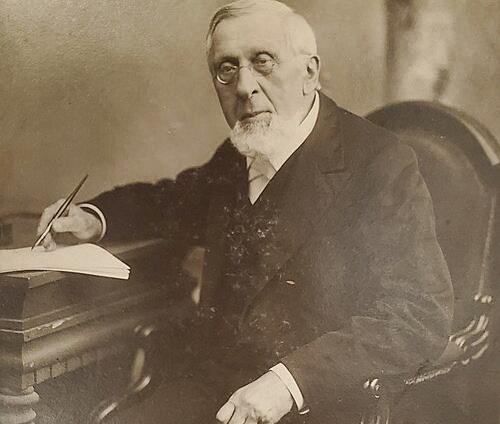
1835
Methodist ministry begins in Over-the-Rhine as William Nast serves German immigrants, offering faith, familiarity, and hope in a new land.
A Resourced Preserved in Faith
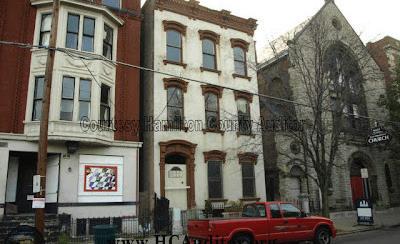
When the abandoned residential building at 1314 Race Street, built in 1876, became available, Nast Trinity United Methodist Church took ownership in faith, trusting it would one day serve the neighborhood. Today, that foresight is realized as the building becomes home to a community laundromat and emergency shelter, meeting real needs with compassion and dignity.
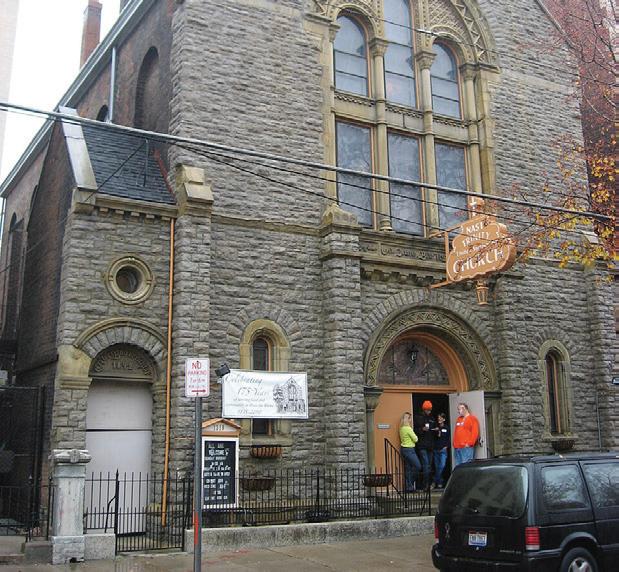
The church building at 1310 Race Street is completed, designed by Samuel Hannaford. It becomes the first German Methodist church in the world.
2012
A Sacred Trust
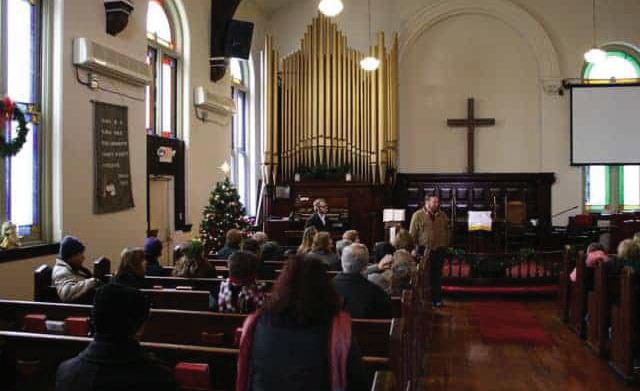
Hyde Park Community United Methodist Church is entrusted with the stewardship of 1310 Race Street. This moment marks not an ending, but a continuation of God’s work in a new season, guided by prayer, humility, and responsibility to both history and neighbor. Faithfulness is not about preserving the past unchanged, but stewarding it wisely for the future.
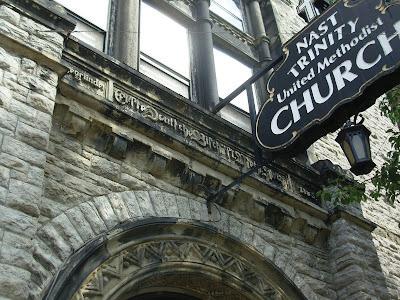
The congregation (known as Nast Trinity United Methodist Church) serves generations through worship, community meals, outreach, and presence as the neighborhood changes around it.
2012–2023
Multiple New Church Starts
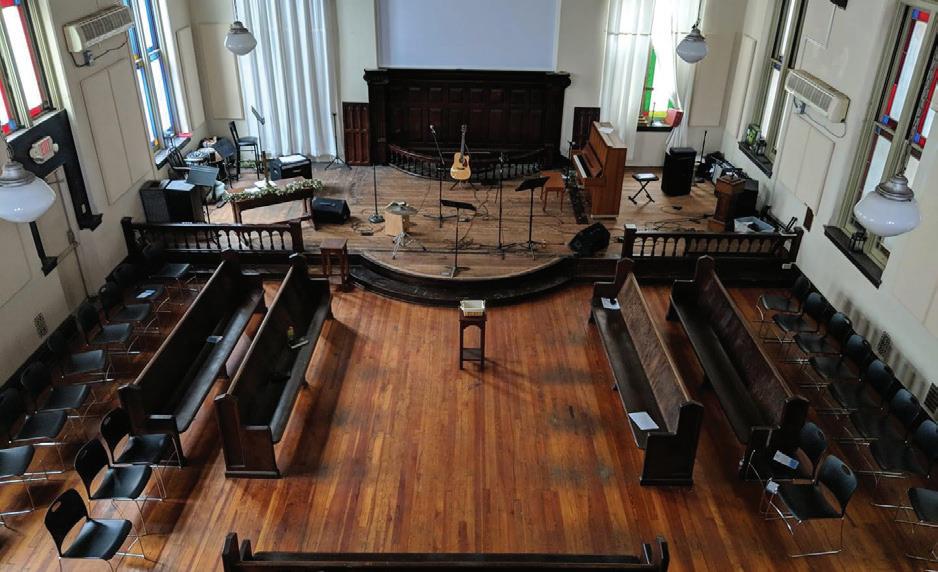
2012–2023
HPCUMC holds the OTR Campus with care, supporting various pastors as they start new worship services and ministries to the OTR neighborhood.
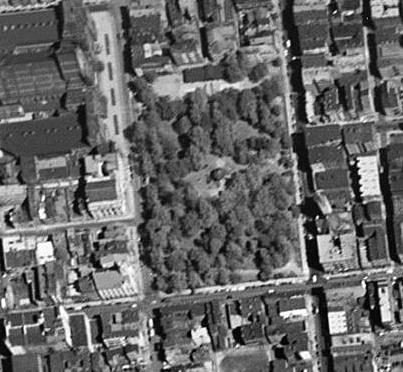
Immigration, industrialization, population shifts, racial tension, economic decline, and renewal shape Over-the-Rhine. Through it all, the church remains a place of refuge, nourishment, and faith.
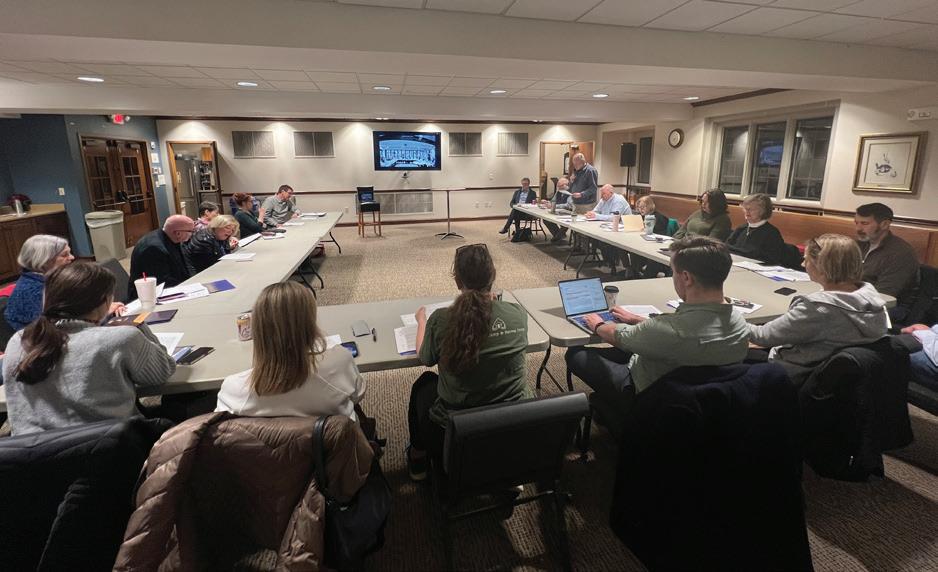
2024
A season of intentional discernment begins. Congregational listening, prayer, open houses, financial transparency, and community engagement shape a shared vision.
2024–2025
Vision Takes Shape
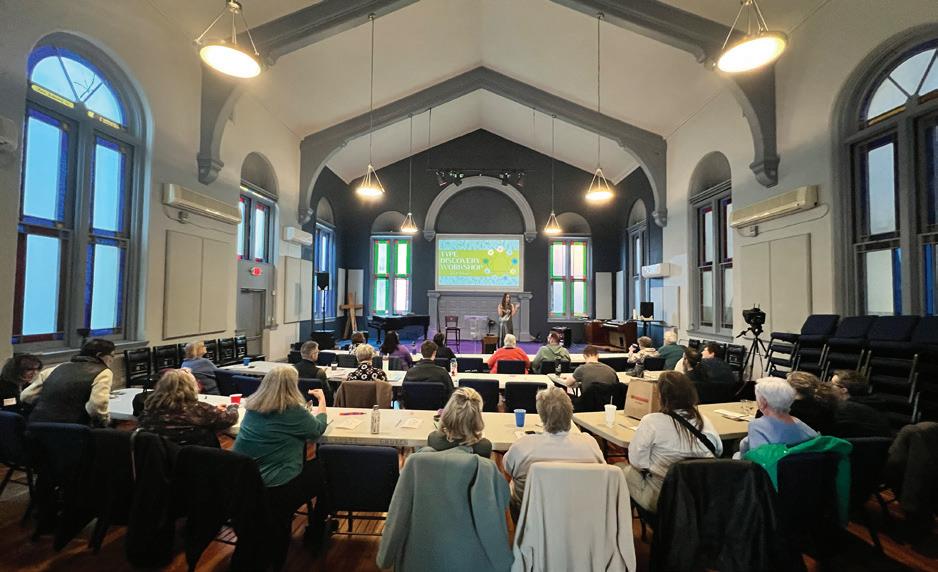
Reimagined as a community hub, a place of gathering, creativity, formation, and connection. Already happening:
• Community meals around shared tables.
• Grace on Race Street Market supporting local artists.
• Classes and workshops for spiritual and practical formation.
• Open, welcoming space rooted in dignity and belonging.
A bold next step in meeting urgent community needs:
• Community, affordable laundromat addressing a laundry desert.
• 8 family suites for emergency shelter.
• Partnership with Found House Interfaith Housing Network.
This vision is not about programs alone. It is about presence, proximity, and possibility.
• Honoring 190 years of Methodist faithfulness.
• Activating historic assets for contemporary mission.
• Investing in dignity, stability, and community.
• Ensuring Grace on Race Street remains a place where faith shows up, again and again.
Found House began in 1991 as Interfaith Hospitality Network of Greater Cincinnati, when eight congregations opened their doors weekly to provide overnight shelter and meals for families experiencing homelessness. What started as a small network quickly grew into a large interfaith collaboration partnering with Protestant, Catholic, Jewish, Muslim, Unitarian, and other faith traditions, continuing its founding vision of hospitality rooted in community. Hyde Park Community UMC has been involved since 1991, and since this time, hundreds of volunteers from HPCUMC have supported our hosting weeks making it the most engaged community partner the church has.
Over time, Found House expanded beyond emergency shelter to include wraparound services such as intensive case management, both permanent and temporary supportive housing programs, child and family enrichment, and pet support helping families not only find shelter, but secure long-term stability. Each year, Found House serves hundreds of families (most of them children) making it one of Cincinnati’s most impactful community responses to families experiencing homelessness.
Behind every statistic is a family trying to stay together while searching for stability. In Hamilton County, where only two family shelters serve the entire region, Found House has become a lifeline for hundreds of families each year:
• 380 families (1,255 people, including 780 children) served in 2023 across shelter and housing programs.
• 291 households were served in 2024, including 615 children.
• For decades, Found House has maintained a year-over-year average of 95% of families exiting to stable housing.
Over the last decade, Found House has tripled the number of families served annually, responding to the growing housing crisis in Greater Cincinnati.
While the congregation-hosted model for shelter worked successfully for more than thirty years, changing circumstances of homeless families and our faith communities led Found House to re-think and re-imagine their emergency shelter program. Families were challenged by the rotating model: spending one week in Hyde Park, the next in Lebanon, then another across town – packing up belongings, changing routines, and adjusting to new spaces again and again. For children trying to stay in school, parents trying to hold jobs, and families carrying trauma, that constant movement adds to instability at the very moment they most need steadiness.
At the same time, since the pandemic, the shelter network has been strained. Many faith communities have downsized. Volunteer capacity has shrunk. Congregations are caring for aging buildings, fewer staff, and changing schedules. As a result, shelter capacity has been reduced from hosting 8 or more families a night to 4-6 families – just as demand for family shelter in Cincinnati has surged. In 2025, 326 families in Hamilton Country were identified as sleeping outdoors or in vehicles. That same year more than half of families who called for shelter were turned away due to lack of capacity. These realities do not reflect a lack of compassion; they reflect the changing landscape of congregational life and the growing complexity of family homelessness.
Because of this, Found House is transitioning to a permanent site model, where families can stay in one place while receiving consistent care and wraparound services (case management, employment support, child and family enrichment, mental-health care, and rapid rehousing assistance). A permanent site allows families to stabilize more quickly and move into long-term housing with dignity.
Hyde Park Community UMC, one church in two locations (Hyde Park and Over-the-Rhine) was simultaneously discerning what is next for our OTR Campus. When neighbors and partners in OTR identified affordable housing as a top need in Over-the-Rhine, and Found House sought a sustainable shelter solution, the alignment became clear. Emergency shelter is often a critical first step toward affordable housing, and Found House has a 35-year track record of successfully helping families move from crisis to stability.
Our OTR Campus will host Found House’s permanent shelter site through the renovation of the residential building next door to the church at 1314 Race St. The site will include 8 family suites, serving up to 75 households per year by leveraging proven services to move families into permanent housing as quickly as possible.
This partnership does not create a new program. It provides a permanent home for a proven model – restoring and stabilizing family shelter capacity in Hamilton County. Through this partnership, HPCUMC continues a ministry begun more than three decades ago that has engaged hundreds of volunteers from our church that is now shaped for today’s realities – helping families stay together and find a path toward stable, permanent housing.
“Hyde Park Community United Methodist Church is doing a powerful thing in cementing the legacy of their decades of support for families experiencing housing loss in partnership with Found House IHN. Not only will families continue to be served, but the central ingredient that has made this partnership unlike anything else in the city will continue. That is, people of faith having an opportunity to put their beliefs into action through service, through building community, through walking alongside those who struggle. The OTR Campus will not only nourish this powerful opportunity for its own congregants but will be a beacon for interfaith communities that want to join in and continue the journey.”
–
Stacey Burge, President and CEO of Found House
Our Capital Campaign is not about expanding for expansion’s sake. It is about aligning our buildings with our mission, ensuring that the spaces entrusted to us are capable of supporting the ministry God is calling us to live into now and in the years ahead.
The projects identified through the feasibility study and approved by the Church Conference are concrete expressions of our strategic commitments:
• Preserving historic assets so they remain usable and sustainable.
• Removing barriers to accessibility and participation.
• Investing in mission-centered initiatives that meet real community needs.
• Creating environments that welcome new generations into the life of the church.
Our Capital Campaign is a rare opportunity to strengthen the long-term vitality and mission of our one church with two campuses: Hyde Park and Over-the-Rhine. Guided by the 2024 Feasibility Study, the Building Committee identified high-impact priorities to ensure that every significant gift creates lasting, measurable change.
Rooted in our mission to embody the hope and love of Jesus for all through service, worship, and companionship, this campaign balances faithful stewardship of historic buildings with forward-looking investments in mission, accessibility, and sustainability. Critical infrastructure upgrades protect irreplaceable assets and reduce future costs, while missiondriven projects, such as emergency shelter and a community laundromat, address urgent community needs. Accessibility improvements ensure that every space is welcoming and usable for people of all ages and abilities.
Together, these investments preserve our history, expand life-changing ministry, and strengthen our one church with two Campuses for generations to come.
These 14 priorities reflect the collective opportunity we have to invest in our Hyde Park and Over-the-Rhine Campuses to co-create a hopeful future. Through mission, accessibility, energy efficiency, and preservation, your participation in our Capital Campaign will make a lasting impact on the future of our greater Cincinnati community.
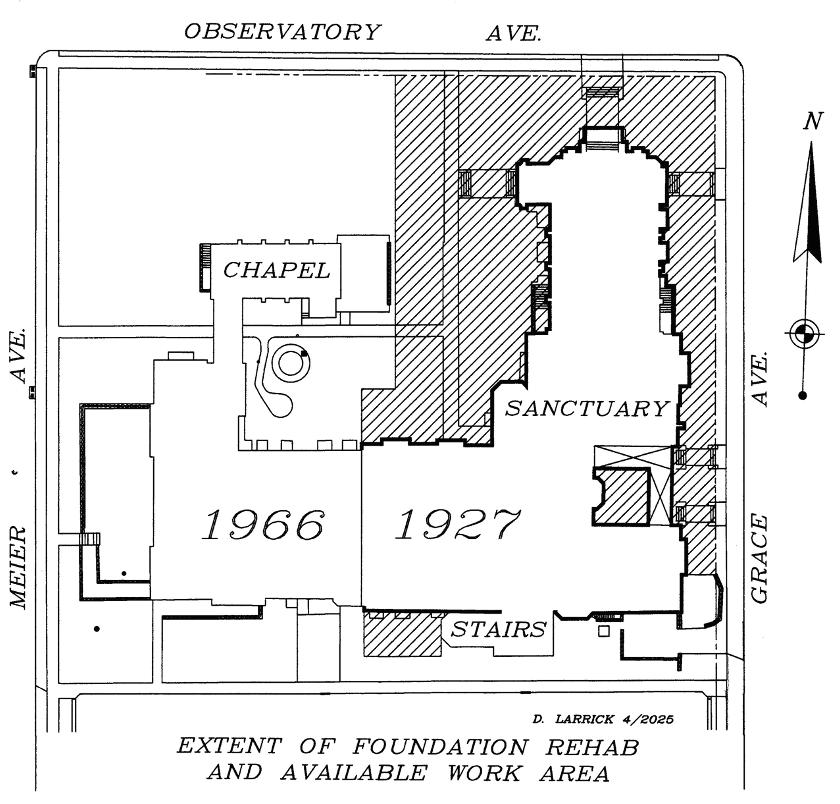
The Church Conference on November 10, 2025 approved 14 projects totaling approximately $10.1 million, representing a carefully balanced investment in preservation, mission, accessibility, and energy efficiency. These priorities include critical infrastructure work such as foundation waterproofing, boiler and HVAC piping replacement, window upgrades, and historic
stone restoration; accessibility improvements through new ramps and elevators; and missioncentered initiatives including emergency shelter and a community laundromat. Together, these projects are designed to protect existing assets, reduce long-term operating costs, expand community impact, and ensure that the church’s buildings fully support its mission for generations to come.
We plan to excavate the entire perimeter of the 1927 building and pipe rainwater around the outside of the structure, waterproof the full basement foundation walls using modern methods, and install footer drainage around the entire perimeter. This work will also include removing and replacing all concrete, such as sidewalks, stairwells, and window wells, as well as landscaping, so the foundation can be properly accessed and drained.
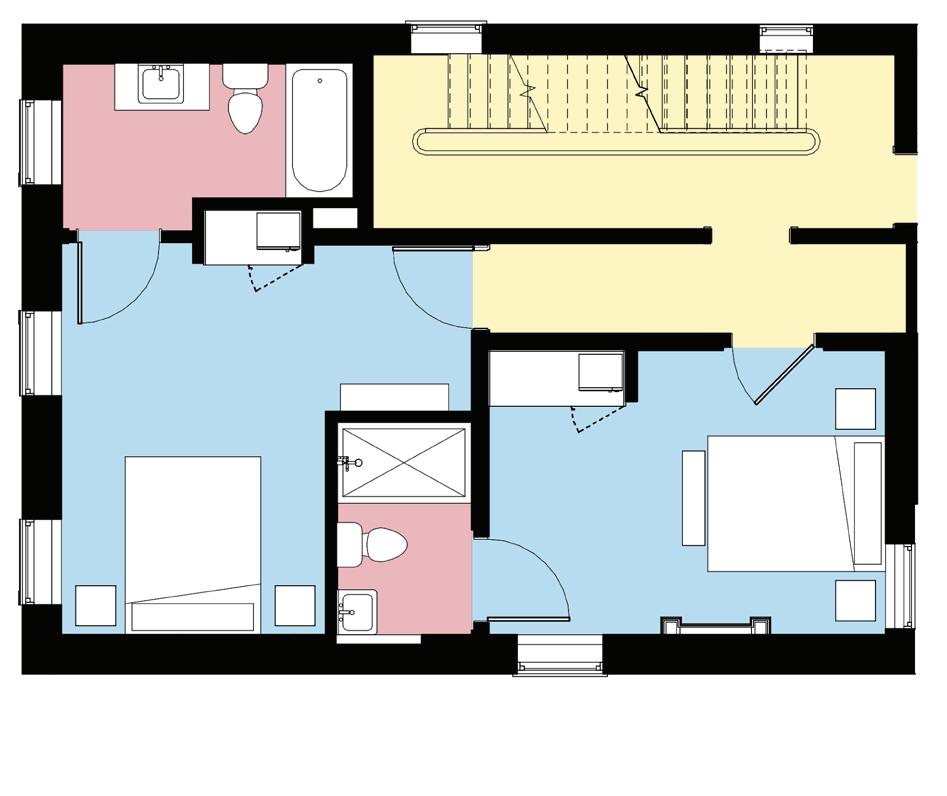
The current 1314 building will be remodeled to create eight family suites on the second and third floors, while the first floor will be prepared for a community laundromat (priority 4). The emergency shelter will be operated by Found House, continuing and honoring our 35-year partnership. Found House will assume responsibility for all annual operating costs associated with the family suites.
“Hyde Park Community United Methodist Church is doing a powerful thing in cementing the legacy of their decades of support for families experiencing housing loss in partnership with Found House IHN. Not only will families continue to be served, but the central ingredient that has made this partnership unlike anything else in the city will continue. That is, people of faith having an opportunity to put their beliefs into action through service, through building community, through walking alongside those who struggle. The OTR Campus will not only nourish this powerful opportunity for its own congregants but will be a beacon for interfaith communities that want to join in and continue the journey.”
– Stacey Burge, President and CEO of Found House
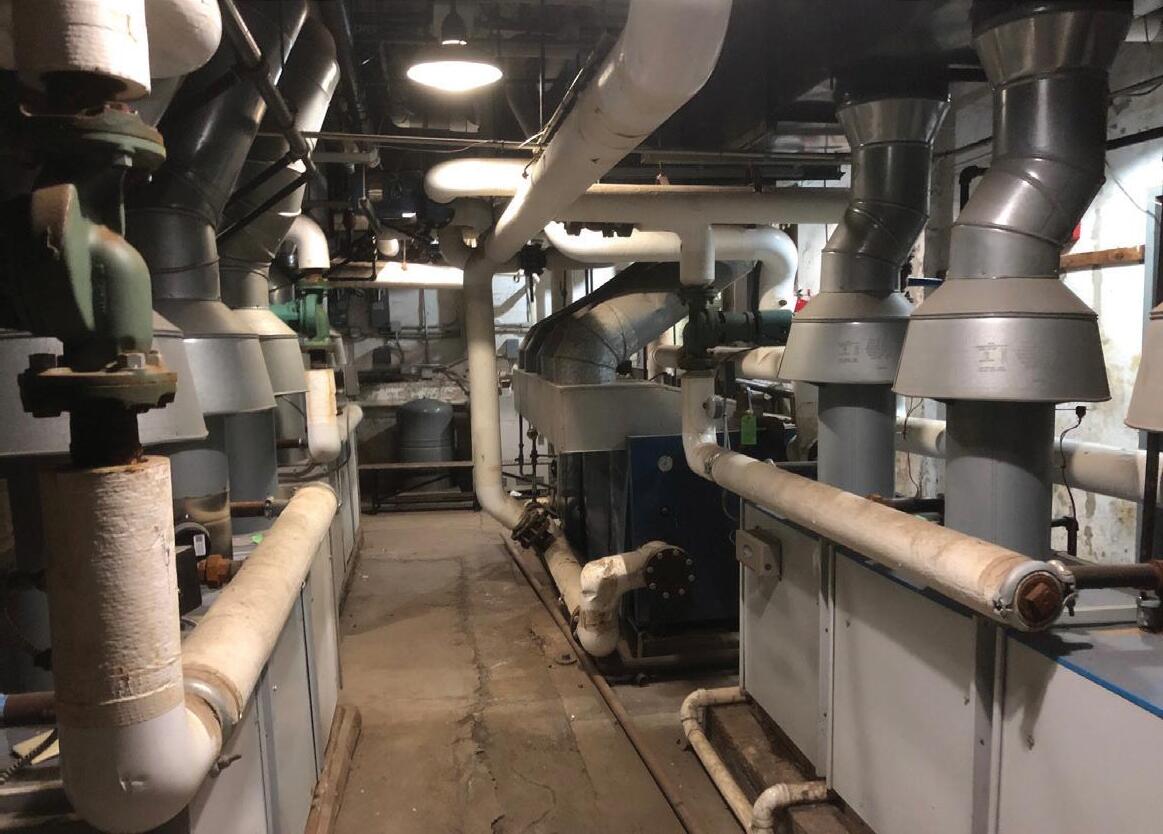
Our current boilers operate at less than 70% efficiency and will be replaced with five high-efficiency boilers operating at 98%, which will significantly improve efficiency and reliability.
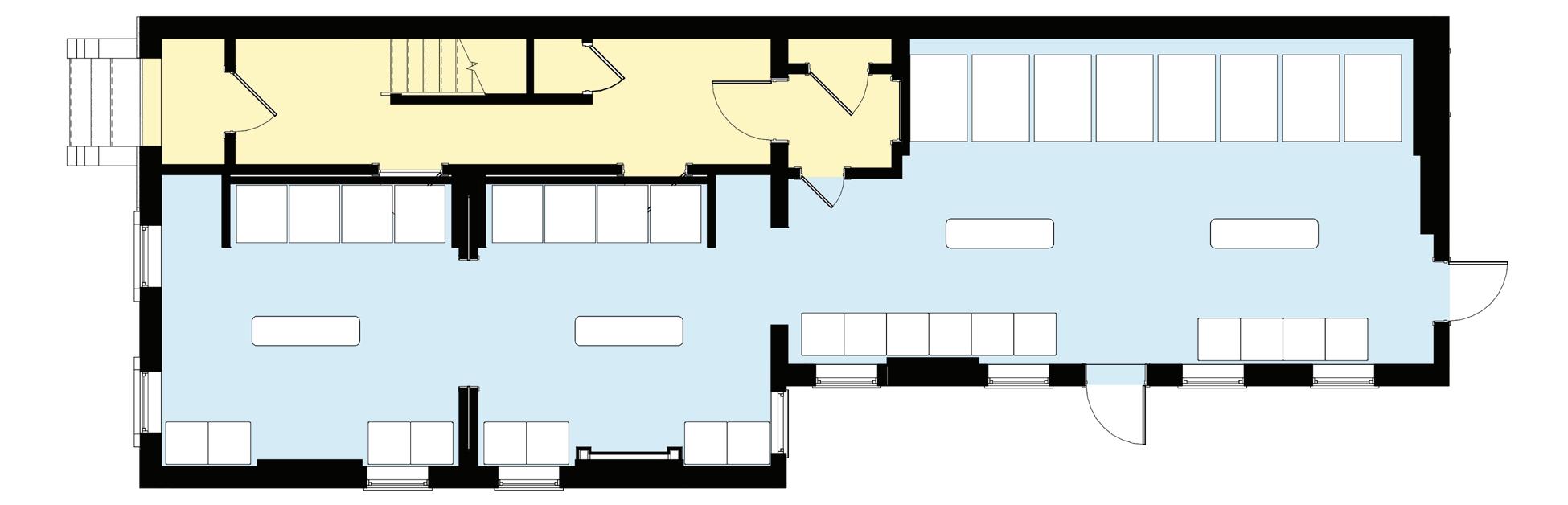
We will build a laundromat to meet an articulated community need and eliminate a local laundry desert. This plan includes purchasing sixteen washers and sixteen dryers, along with renovating the space to meet all plumbing, electrical, and structural requirements. The design also looks toward long-term sustainability. Following the successful launch and demonstrated financial
stability of the community laundromat, a future phase will introduce a wash-and-fold service utilizing additional washers and dryers located in the basement. Revenue generated through this service will support long-term operating sustainability and help subsidize laundry costs, increasing access for community members with the greatest need.
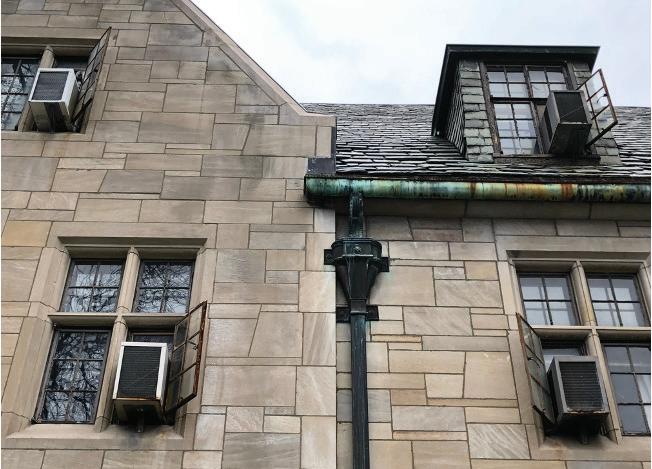
Replace South Windows at Hyde Park Campus
The South Wall will have the greatest impact on energy savings. To achieve this, we plan to install 123 high-efficiency double-pane windows and replace the first 13 window air-conditioning units with energy-saving mini-split systems.
Replace West Windows at Hyde Park Campus
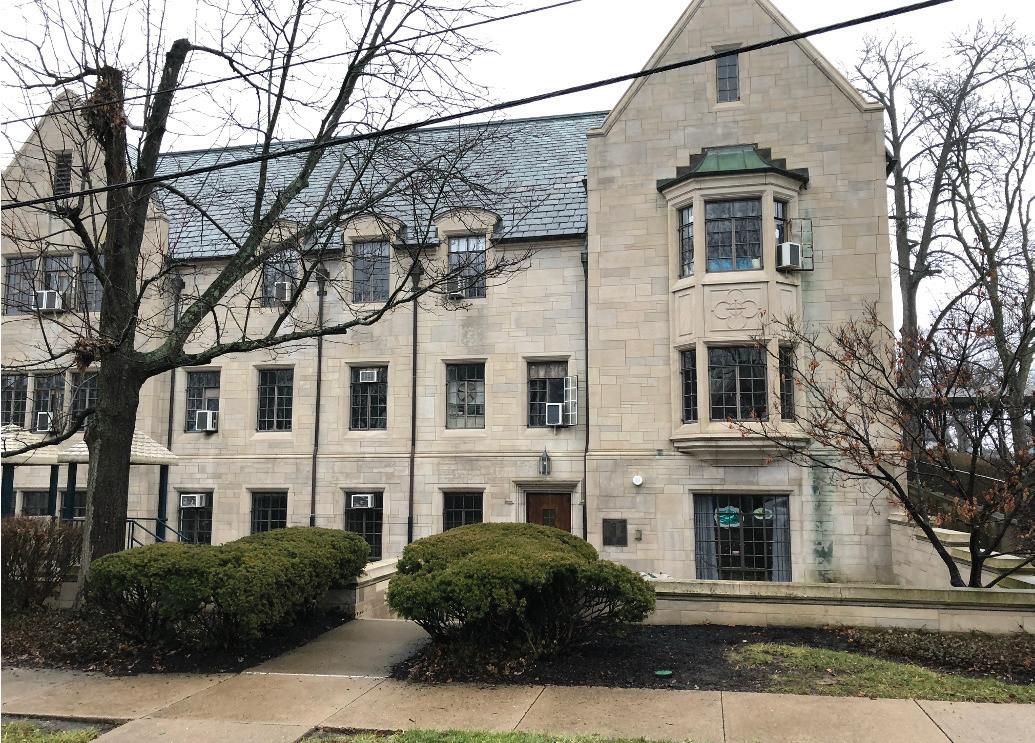
Replacing the west windows will have the second greatest impact on the building’s energy use. To support this effort, we plan to replace 33 windows and install 12 high-efficiency mini-split systems.
Priority 7
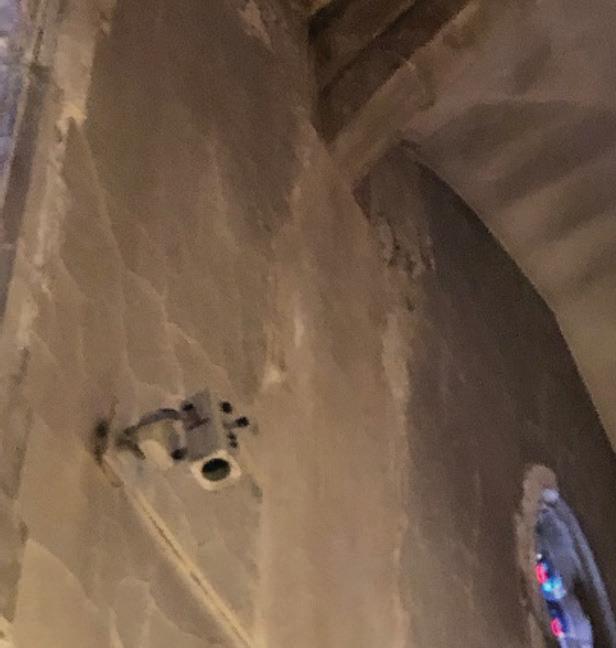
Paint and Plaster the Sanctuary at Hyde Park Campus
Previous roof leaks have damaged the plaster in the transepts, allowing water to seep through and create unsightly patterns on the walls. To address this, we plan to clean and repair the plaster walls in the Sanctuary and repaint the space.
Priority 8
Construct an Accessibility Ramp at Hyde Park Campus
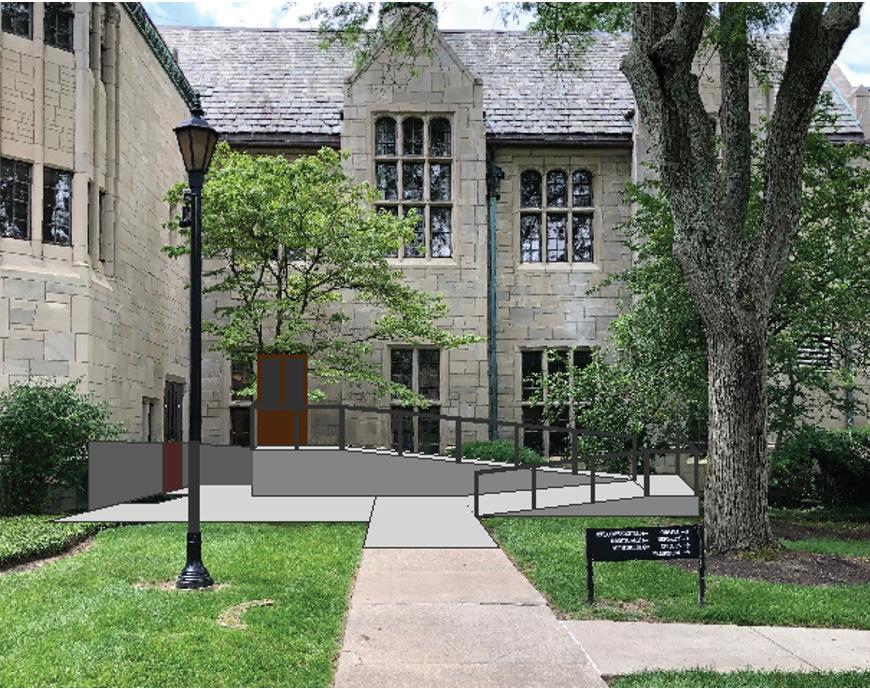
After the completion of the Big Dig (Priority 1), we have an opportunity to reimagine the yard space to significantly improve accessibility. We plan to construct an ADA-compliant accessibility ramp from Observatory Avenue, providing safe and inclusive access to the Welcome Center, Columbarium, Sanctuary, Social Hall, Parlor, and Library, ensuring that all members of our community can enter and move through the building with dignity and ease.
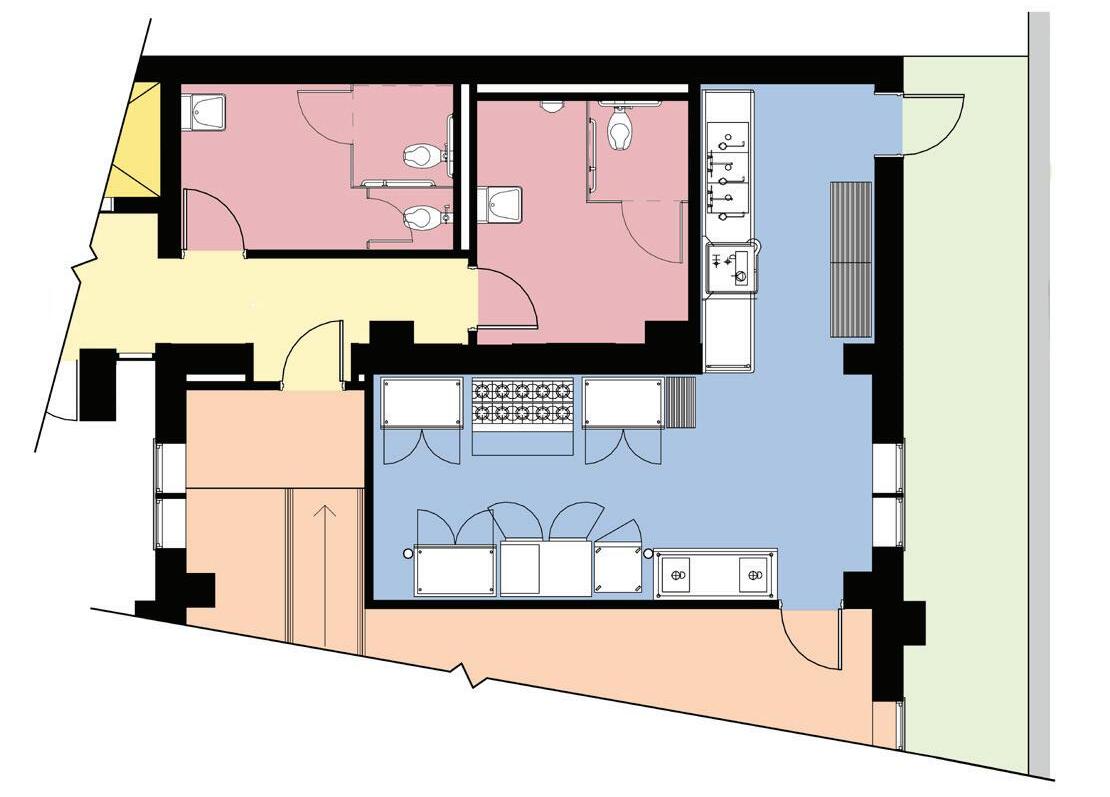
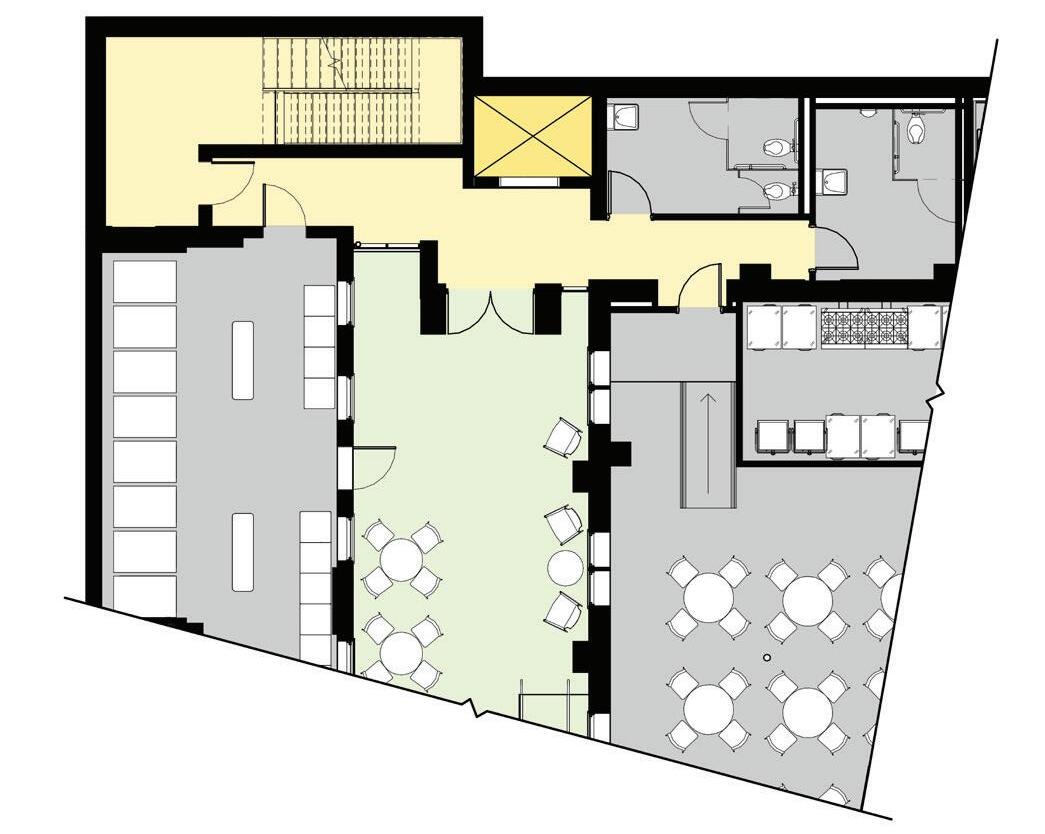
Relocating the kitchen and restrooms will increase usable space, reduce noise in shared areas, and allow for the creation of larger, more accessible bathrooms. We plan to move the kitchen and restrooms to the back of the building, improving functionality while better supporting accessibility and comfort for all users. Moving these facilities to the back of the building will free up gathering space and allow for the creation of larger, fully accessible restrooms, improving circulation and ensuring these essential spaces reflect our commitment to welcome for all.
Connecting the two buildings (1310 Race Street and 1314 Race Street) with a four-floor elevator will significantly improve accessibility to the laundromat, wash-and-fold service in the basement, two floors of emergency shelter, and the existing church building. We plan to construct an elevator at the back of the property to create a seamless, accessible connection between the two buildings and ensure safe, dignified access for all users.
Replace HVAC Piping at Hyde Park Campus
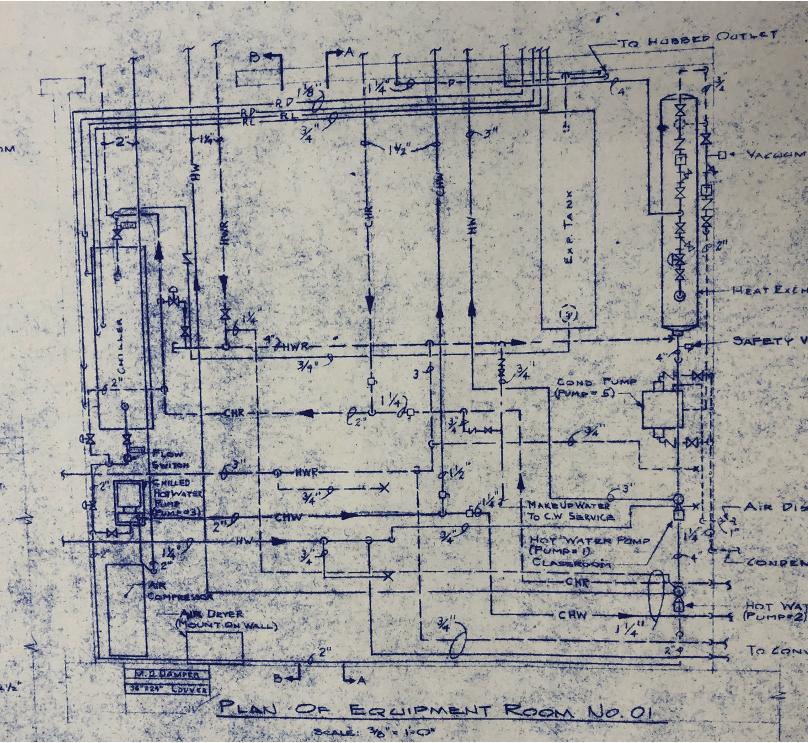
Leaking and aging pipes in the 1966 building have already forced the closure of several Preschool classrooms, and many of the remaining pipes are severely corroded due to age. The Sanctuary and Refectory were successfully re-piped in 2019 as Phase 1 of this project. We plan to replace the remaining piping throughout the 1966 building to prevent further damage, restore closed spaces, and ensure the long-term safety and reliability of the facility.
Replace North and East Windows at Hyde Park Campus
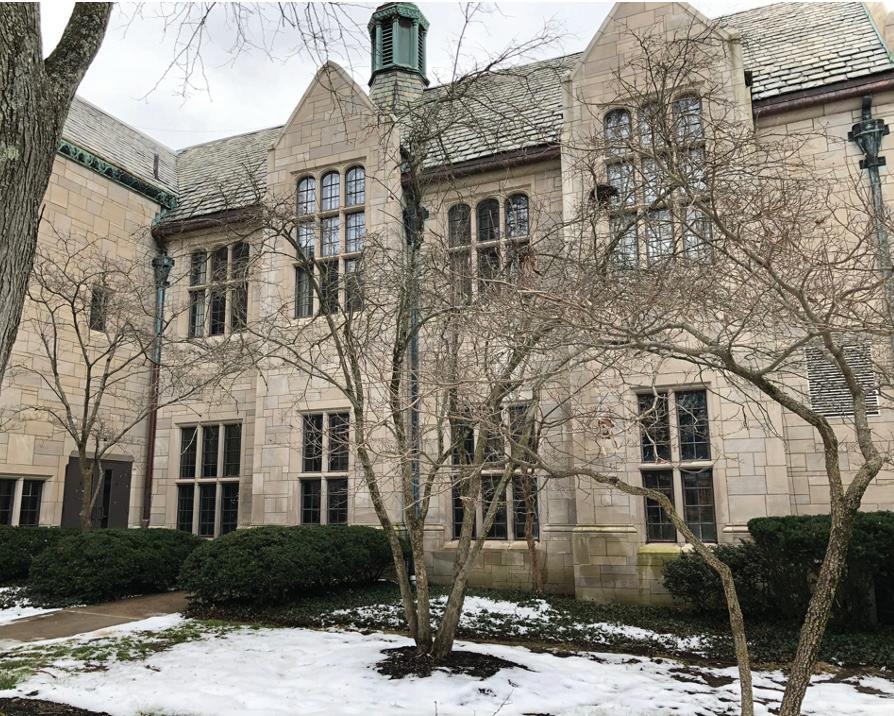
The North and East walls have the least impact on overall building energy use but still present important opportunities for efficiency and comfort improvements. We plan to replace 119 windows on the North wall and 62 windows on the East wall, along with upgrading five mini-split units, to improve building performance, occupant comfort, and long-term energy efficiency.
To preserve this architecturally significant building designed by Samuel Hannaford, ongoing stone maintenance is essential. We plan to clean and repair the exterior stonework to protect the structure, prevent further deterioration, and maintain the historic character of the building for future generations.
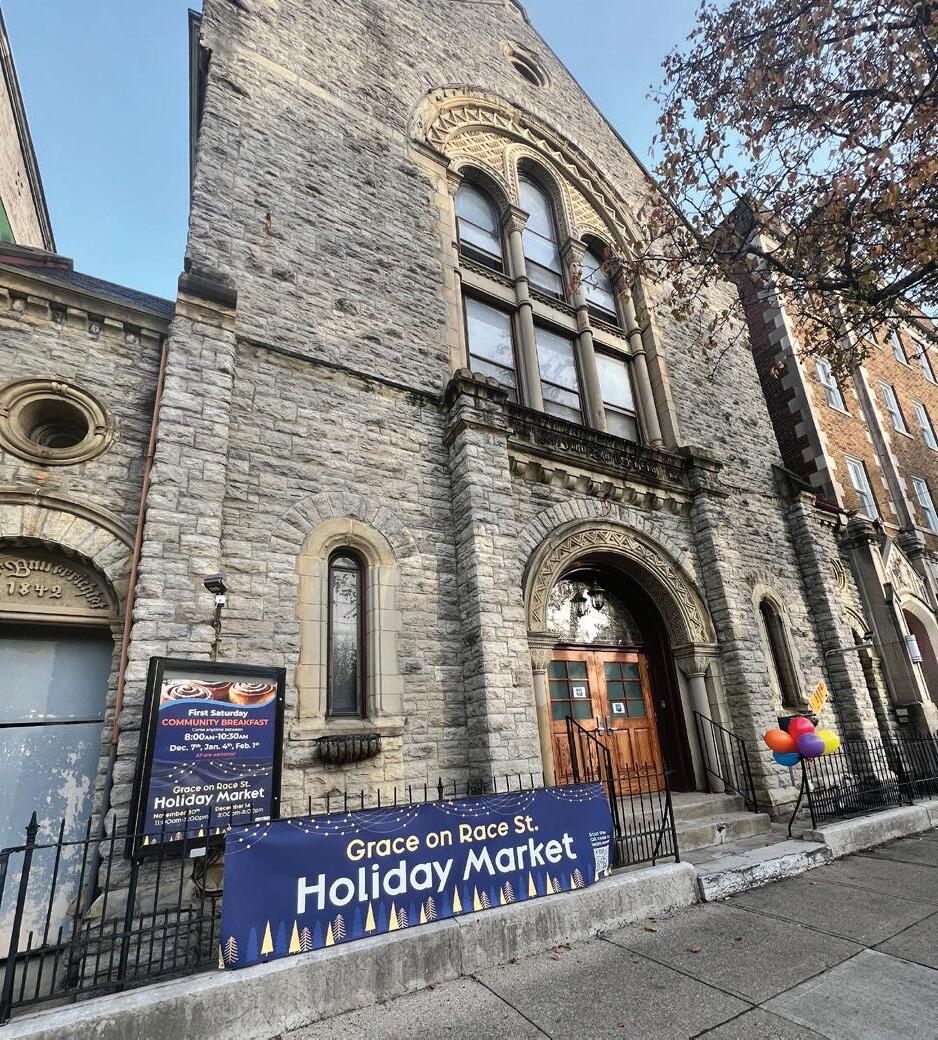
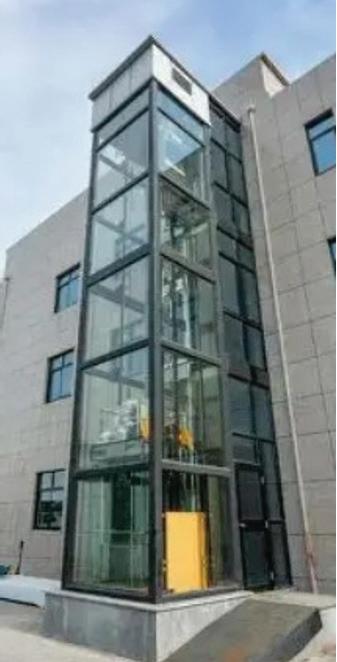
This project will increase accessibility to restrooms, classrooms, and the Chapel while also enhancing security for the Preschool, Nursery, and Sunday School areas. We plan to construct a three-level outdoor elevator tower near the Chapel entrance, providing safe, controlled, and inclusive access while supporting a more secure environment for children and families.
Q: When was the last Capital Campaign?
A: We have had two recent campaigns:
• 2000, for the stair tower (by parking lot): Goal $3 million, Received $3.65 million.
• 2005–2009, for Monastery purchase, Erie renovations, Hyde Park Gym, Little Theater and Property acquisition: Goal $4.5 million, Received $3.1 million.
• Honorable Mention: In 2018-2019, the church was in the initial stages of a capital campaign with the major projects being fixing the foundation and creating an atrium and indoor playground. Due to the Special Session General Conference in February 2019, the church made the decision to not move forward with this capital campaign.
Q: How was the project list developed?
A: Over several years, a list of 49 potential projects across the church was compiled. The Building Committee reviewed this list, then organized and prioritized the items.
Q: If there were so many projects, why were only 14 selected?
A: The focus was on large, immediate-need projects that align with four key priorities: Preservation, Mission, Accessibility, and Energy Efficiency. These priorities are consistent with the Feasibility Study conducted in fall 2024 (Attachment 1- pg. 4: Feasibility Study).
Q: How long has the Property Team been scoping out these specific projects?
A: Some of the projects have taken four years to flesh out, while other projects have been compiled over a longer period of time. The team has worked with engineers, architects,
and contractors. Professional Project Manager, Paul Bolster, has also assisted, providing cost estimates through his industry expertise and connections.
Q: Where did the vision for the laundromat and emergency shelter originate?
A: In 2024, the church went into a 9-month discernment process to determine these concepts. The concepts emerged from community surveys in the Over-the-Rhine (OTR) neighborhood, a survey from HPCUMC congregation, along with conversations with residents and local social service agencies. At its conclusion, the Servant Leadership Board approved Hyde Park to keep both properties at OTR and develop a plan for the community laundromat, emergency shelter, and community hub.
Current Over-the-Rhine (OTR) Ministries and Activities
Questions
Q: What ministry and community activities are currently happening or planned at OTR?
A:
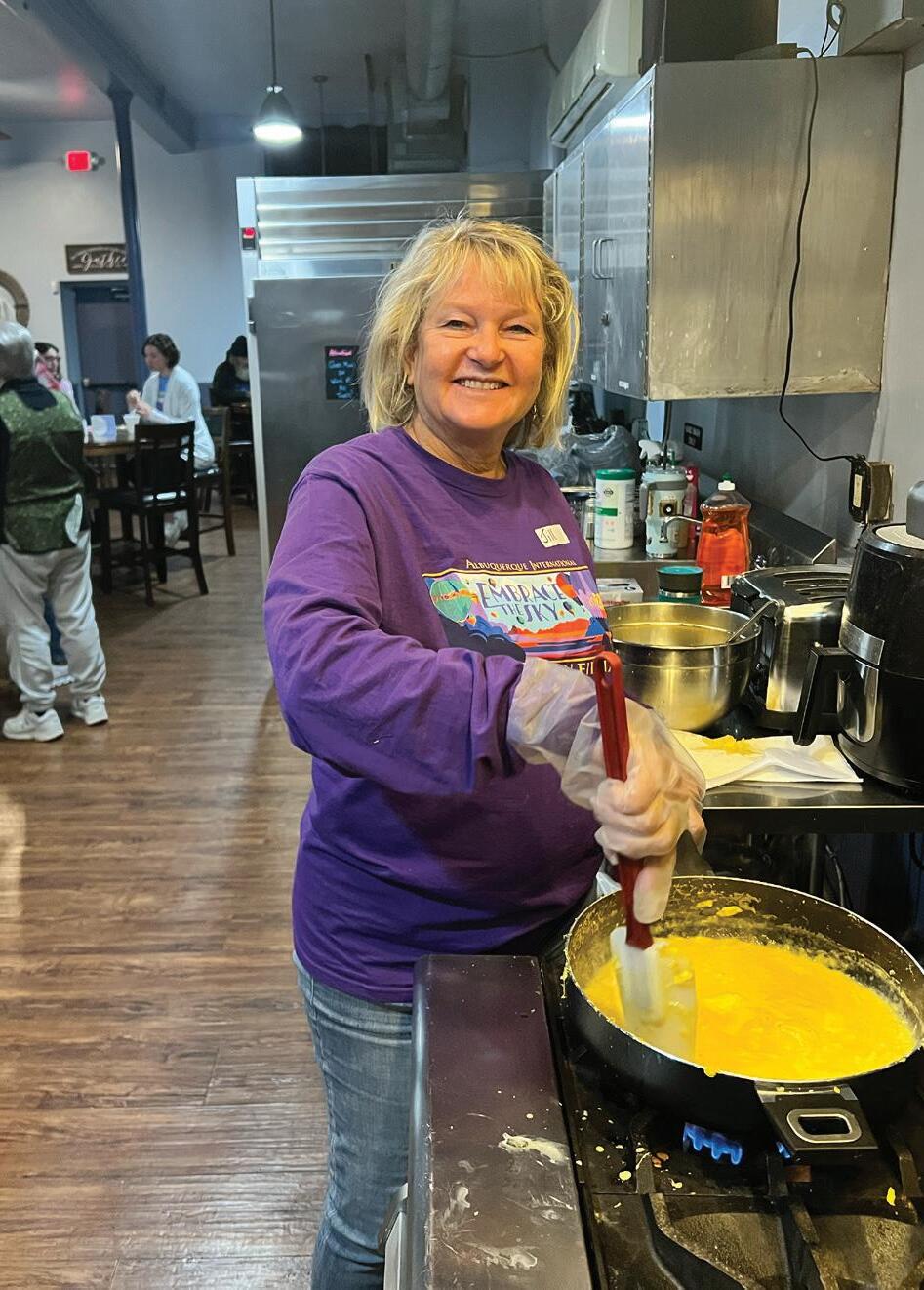
• Monthly Saturday Community Breakfasts.
• Weekly Yoga (November-March) in partnership with Project Yoga and oneday wellness retreats led by a church member.
• Educational classes and workshops (e.g., The Grace of Les Misérables, financial planning, and Enneagram).
• Community gatherings, immersion experiences, and board meetings from outside groups.
• College and university alternative spring/
fall break programs in partnership with The Cincinnati Homeless Coalition.
• Grace on Race Street Markets.
Questions
Q: What happens if we do not raise the full $10 million?
A: We will proceed based on the total funds raised. The project plan is scalable, if we raise $5 million, we will complete $5 million worth of projects, based on priority order established by the Building Committee.
Q: What if we raise more than $10 million?
A: The Property Team will develop a process to prioritize additional projects based on need and alignment with our mission.
Q: Why is the Hyde Park Community UMC Endowment included on this list?
A: Feedback from the Feasibility Study completed by Horizons Stewardship indicated that the Congregation expected some sort of involvement from the Endowment as part of any Capital Campaign. It was also included as part of Recommendation 4 from Horizons Stewardship.
Q: When was the Endowment established?
A: The Endowment was founded in 1977 with an initial gift of $33,848.
Q: When were the Endowment operating guidelines most recently updated?
A: In October 2014, the church approved our current organizational structure, key operating guidelines, and Investment Policy Statements. These are used by the Endowment Committee
and our financial partner Bank of America/ Merrill Lynch in our stewardship of the Endowment.
Q: What is the current market value of the Endowment?
A: As of December 31, 2025, approximately $42.3 million.
Q: What is the Endowment used for?
A: There are four major endowment funds and one general fund:
• Building Endowment (established in 1977). Used for building projects and maintenance at our Grace & Race Street properties.
• Ministry Endowment (established in 1991). Used primarily for Ministry and Outreach activities such as the Music Ministry and our local & global partnerships as examples.
• Kilgour Endowment (established in 1977). Provides support for the upkeep of our Kilgour Parlor Room.
• Marts Scholarship Endowment (established in 2010). Provides college scholarship support for the youth of HPCUMC.
• Dixon General Fund (established in 2003). Used to support other ministry activities not covered by the other funds.
Q: What is the annual endowment draw?
A: The annual draw is a withdrawal from the Endowment used to partially fund the annual operating budget and is based on a 20-quarter rolling average market value of the Endowment that balances market highs and lows. It fluctuates each year but averages now around $1.7 million annually, covering roughly 49% of the church’s annual operating budget. Pledged and unpledged giving (totaling approximately $1.7 million in 2025 Operating Budget) provides the remainder.
Q: What happens if we increase the draw percentage?
A: Raising the draw percentage (either temporarily or permanently) would reduce funds available for future years. To maintain our current operations, the church would need to either reduce budgets or the Congregation would need to increase their annual giving. The ratio is approximately $50,000 less in funds for the annual operating budget for every $1 million permanently removed from the endowment funds.
Q: When will construction start at Hyde Park Campus?
A: Construction will start as early as the summer of 2026.
Q: When will construction start at the OTR Campus?
A: We plan to begin construction no later than January 2027. Given the advantage of applying for and potentially obtaining Historical Tax Credits at the local and federal level, we are working with MSA to apply for these tax credits in 2026.
Our Three-Year Campaign & The Endowment’s Impact on Our Faithful History and Hopeful Future
This campaign is designed with flexibility in mind. The timeline for our campaign spans three years, from May 2026 through May 2029. We will begin with Gratitude Sunday on March 15, have Commitment Sunday April 19, and will receive our First Fruits Offerings on May 17 and 24. Based on campaign analytics and the average amounts typically raised, we anticipate being able to begin addressing our top priorities and move forward with construction as soon as possible.
Since this is a three-year journey, you are invited to prayerfully consider how you might participate in a way that is meaningful and sustainable for your household. You may choose to make a one-time gift or fulfill your commitment over the full three-year period.
Simply indicate your intended giving plan on your pledge card. Your response will help us budget responsibly and ensure that our highest-priority projects continue to move forward.
Our prayer is that this flexible approach will inspire generosity, encourage broad participation, and reflect faithful stewardship as we honor our past and prepare for a hopeful future.
Hyde Park Community UMC is richly blessed by an endowment that represents both our heritage and our future. At the Church Conference held on November 10, 2025, passed a resolution with a 96% approval, authorizing the endowment to contribute to our capital campaign. The resolution states that once our congregation secures at least $4 million in pledges, the endowment will contribute $2 million toward the total campaign goal.
Including the endowment in this Capital Campaign is not incidental and reflects the voice and desire of the congregation. During the 2024 Feasibility Study conducted by Horizons Stewardship, multiple members clearly expressed their expectation that the endowment would play a meaningful role in any major campaign effort. Horizons Stewardship formally recommended endowment involvement as part of its guidance in shaping the Capital Campaign plan we are now following.
We owe deep gratitude to those whose generosity and vision made this resource possible by donating expressly to our Hyde Park Community United Methodist Church Endowment. Among them are: Carl and Alice Bimel; Charles and Ruth Dietz; Helen Ehlers; Emily E. and Robert J. Flick; Robert Hill; Annette Hornikel; Catherine and Thomas Huenefeld; Shirley Marts; Irene Myers; Jim and Anne Nethercott; Ruth Roeder; Phillip Storrs, and many others.
Our endowment was established in 1977. Nearly five decades later, it has grown into a significant resource for ministry, with a current market value of approximately $42.3 million.
Through careful governance and disciplined stewardship from the Endowment Committee, our endowment is structured to ensure accountability, long-term growth, and faithful management of the gifts entrusted to it.
The visionary support of these faithful stewards, along with countless others who have gone before us, has created a lasting legacy. Their generosity strengthens our ability to serve today and equips us to meet the needs of future generations with hope and confidence.
Not equal gifts, but shared commitment.
God, what do You want to do through me?
Each of you must give as you have made up your mind, not reluctantly or under compulsion, for God loves a cheerful giver.
2 Corinthians 9:7, NRSV
Equal giving is never the goal at our church, but rather to come together as a church community – each committed to achieve our vision. There is a role in this capital funding campaign for every member of the church and
each contribution enables our success. You will not be pressured or told what you should give, but rather encouraged to pray to discern God’s will for your giving.
What Are Gifts Other Than Cash?
Gifts other than cash include stocks, bonds, annuities, property, and other assets.
What Assets Could I Give?
Appreciated assets held more than one year, such as publicly traded stocks, mutual funds, bonds, real estate, collectables, and other readily marketable property often provide tax advantages.
Personal property such as automobiles, jewelry, and other items may also be given. There may be no capital gains tax benefits to these gifts, but the financial and spiritual benefits can be tremendous.
Why Contribute Gifts Other Than Cash?
The tax code is very generous toward this form of giving. Giving the asset directly to the church allows the church to sell the asset, thereby eliminating potential capital gains taxes to the donor. This also results in a larger gift to the church.
How Does the Tax Benefit Work?
Itemized Deduction: The donor is allowed to include 100% of the market value of many of these assets as charitable contributions for tax purposes, if held more than one year. Because of its tax-exempt status, the church will receive the full market value, less transaction costs, at the time of sale without paying capital gains taxes.
What if I Sell First, then Give the Cash?
You may be subject to capital gains taxes thereby reducing the after-tax proceeds from the sale.
Market value
$20,000.00
$20,000.00
Cost basis –$10,000.00 –$10,000.00
Gain
Tax (25%)*
Church receives
$10,000.00 $10,000.00
$2,500.00 $0.00
$17,500.00 $20,000.00
* Federal and state estimate
Do
such as Stocks, Bonds, and Mutual
to the Church?
• Contact Monica Gardner at mgardner@ hpcumc.org or 513-979-8196. We will provide you with the transfer instructions.
• Contact your broker and request the transfer. You will be provided with stock powers or transfer papers to complete the transfer.
Hyde Park Community United Methodist Church has the ability to transfer assets at no cost to you.
When you have completed the transfer, please notify Monica Gardner at mgardner@hpcumc. org or 513-979-8196.
Smaller gifts add up! By giving smaller amounts at higher frequencies (weekly, semi-monthly, or monthly) large gifts can be reached in smaller steps. Using electronic funds transfers can be beneficial when making these gifts.
Freeing up funds that are currently going to other areas of spending allows a person to increase giving to God’s work. Diverting funds from entertainment, dining out, dues, subscriptions, gifts, allowances, or transportation offers lifestyle adjustments that impact one’s giving.
Postponing major expenditures such as automobiles, home projects, or trips provides substantial giving opportunities.
Interest income, payments from rental properties, or income from other assets provide a source for increased giving.
Sale of major assets, such as a house, car, land, or business provides available income for giving.
Contributing raises and bonuses are also creative methods that can be used to increase giving.
Looking ahead to the next three years, you may discover that debt obligations will be fulfilled. This frees up revenue for additional giving.
Some people have marketable hobbies or skills that enable them to give from those new profits.
Reviewing all charitable donations in light of their impact on the Kin-dom of God affords a potential resource for significant giving.
Savings for special projects, retirement, or a “rainy day” may offer a resource for increased giving. We often realize that a portion of our savings may safely be given to the work of God’s Kin-dom through our church.
Business owners may be able to provide giftsin-kind that may result in a stronger gift to the church and tax benefits to the donor.
For those aged 70½ and older, it is possible to make tax-favorable charitable gifts from most types of IRA accounts. A total of up to $111,000 per year can be transferred directly from IRAs to qualified charities, such as our church, free from federal income tax. There also may also be state income tax savings. For those 73 and older or those who have begun taking their Required Minimum Distribution (RMD), donations given in this way count toward their RMD for the year of the gift. To take advantage of this benefit, it is important to make the donation directly from the IRA to the church. For those with check writing privileges on their accounts, this may be the most efficient way to make qualified charitable distributions from IRAs. Contact your tax advisor for more information.
One Church. Two Campuses. A Shared Calling.
The Hyde Park Campus and the Over-the-Rhine Campus are not separate stories, they are chapters in the same narrative. Though expressed in two distinct neighborhoods, our ministry flows from the same heart, the same faith, and the same commitment to embody God’s grace in the world.
One campus stands on Grace Avenue. The other on Race Street.
Together, they embody a shared Wesleyan conviction: that God’s grace is active, embodied, and meant to be lived out in community.
The investments made through A Faithful History, A Hopeful Future ensure that both campuses, distinct in context, united in purpose, can thrive together.

Hyde Park Campus | 1345 Grace Ave, Cincinnati, OH 45208
OTR Campus | 1310, 1314 Race Street, Cincinnati, OH 45202