Handwoven-Sarees-The-Art-Heritage-and-Craftsmanship-of-a-Timeless-Tradition

Page 1


Handwoven Sarees: The Art, Heritage, and Craftsmanship of

a Timeless Tradition

Discover the enchanting world of handwoven sarees, where ancient traditions meet contemporary elegance. Each thread tells a story of dedication, artistry, and cultural pride woven by skilled artisans across generations.

Introduction: What Are Handwoven Sarees?

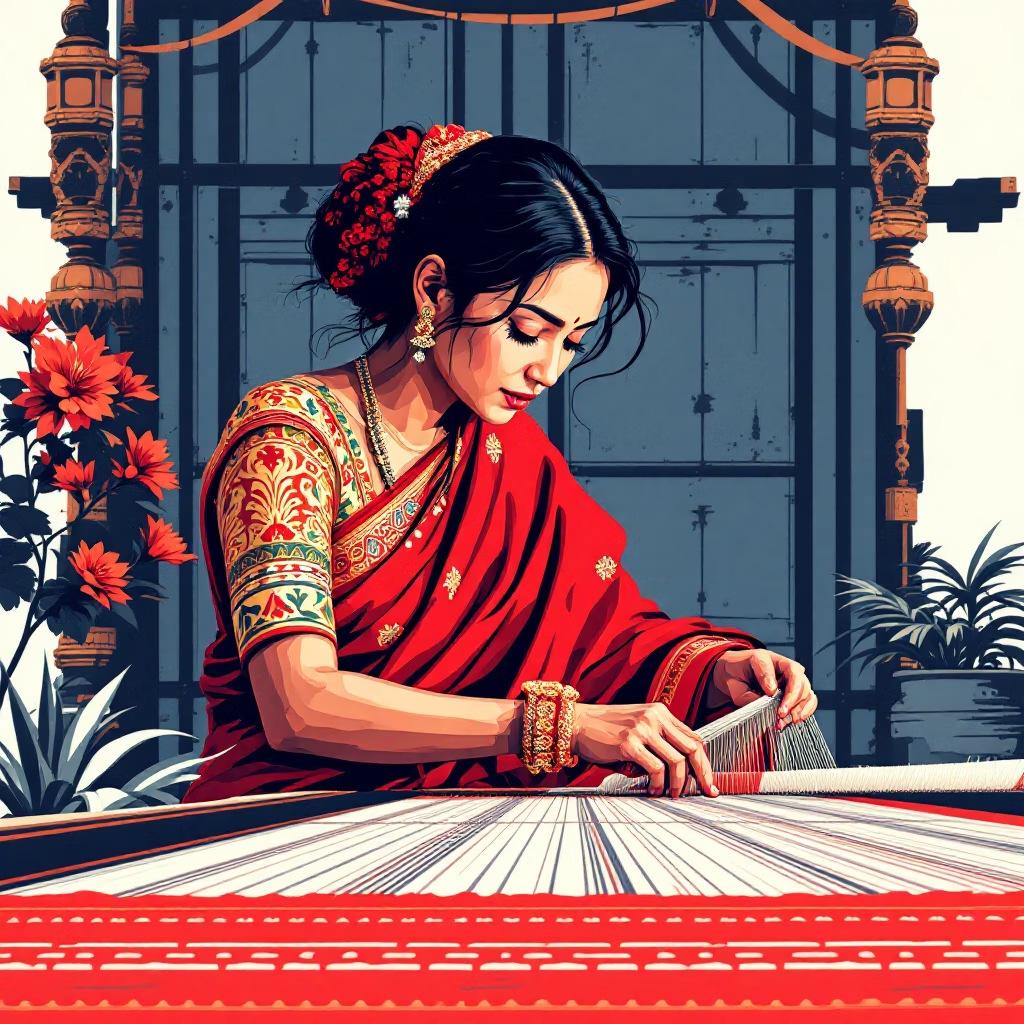
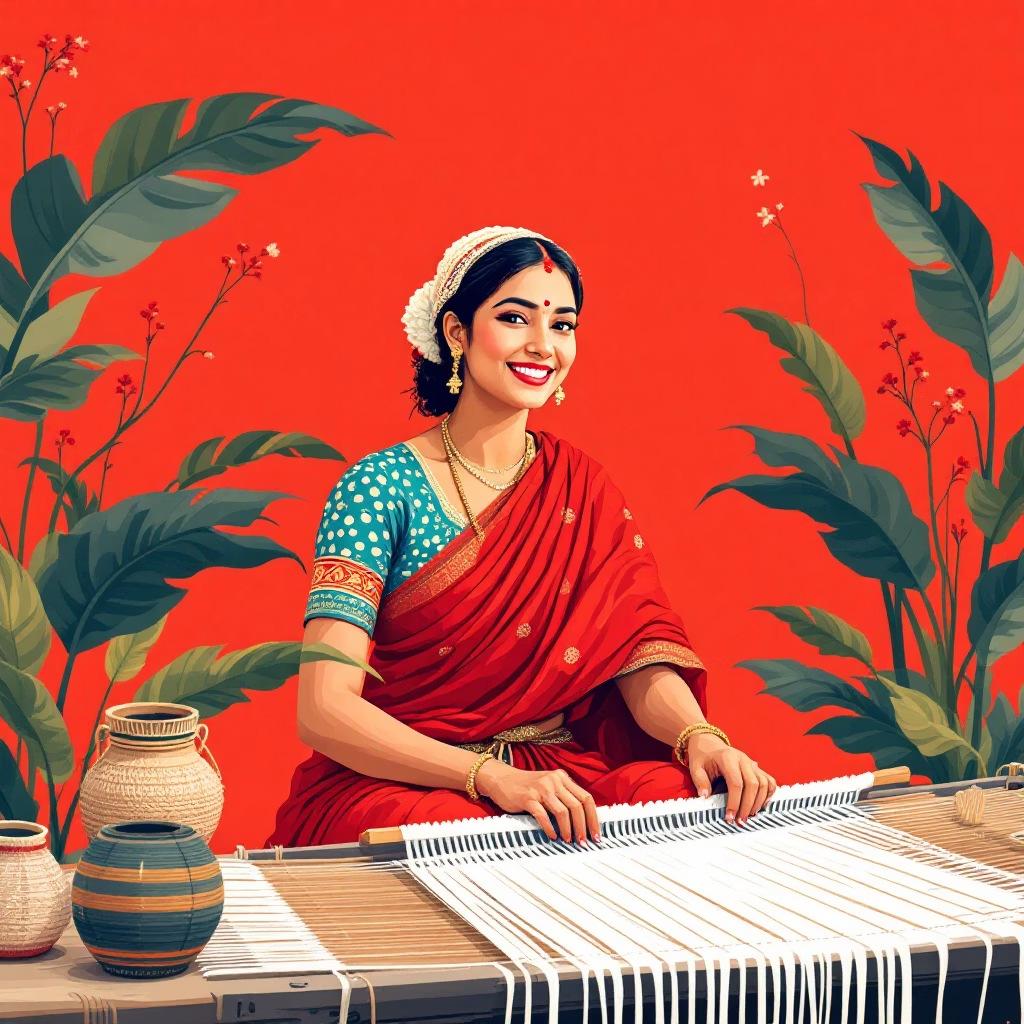
Handwoven sarees represent the pinnacle of textile artistry, crafted entirely by skilled artisans who weave fabric by hand on traditional looms. Each saree emerges as a unique piece of wearable art, reflecting the weaver's creativity, technical mastery, and deep connection to cultural heritage.

What distinguishes handwoven sarees from their machinemade counterparts is the unmistakable human touch. Unlike powerloom sarees with their mechanical precision, handwoven varieties feature intricate, one-of-a-kind designs and textures that no machine can replicate. The subtle irregularities, the variations in tension, and the thoughtful placement of motifs all speak to the artisan's hand and heart.

Every handwoven saree carries within its fibers the story of its maker4their skill honed over years, their artistic vision, and their commitment to preserving an ancient craft in our modern world.

The Weaving Process: Handloom vs. Powerloom

Handloom Artistry

Woven manually on hand-operated looms, requiring intense labor, patience, and years of mastered skill. Each piece takes days or weeks to complete.

Powerloom Production

Machine-made sarees are faster to produce with uniform, flawless patterns. Efficiency comes at the cost of artisanal uniqueness and character.

The Hallmarks of Authentic Craftsmanship

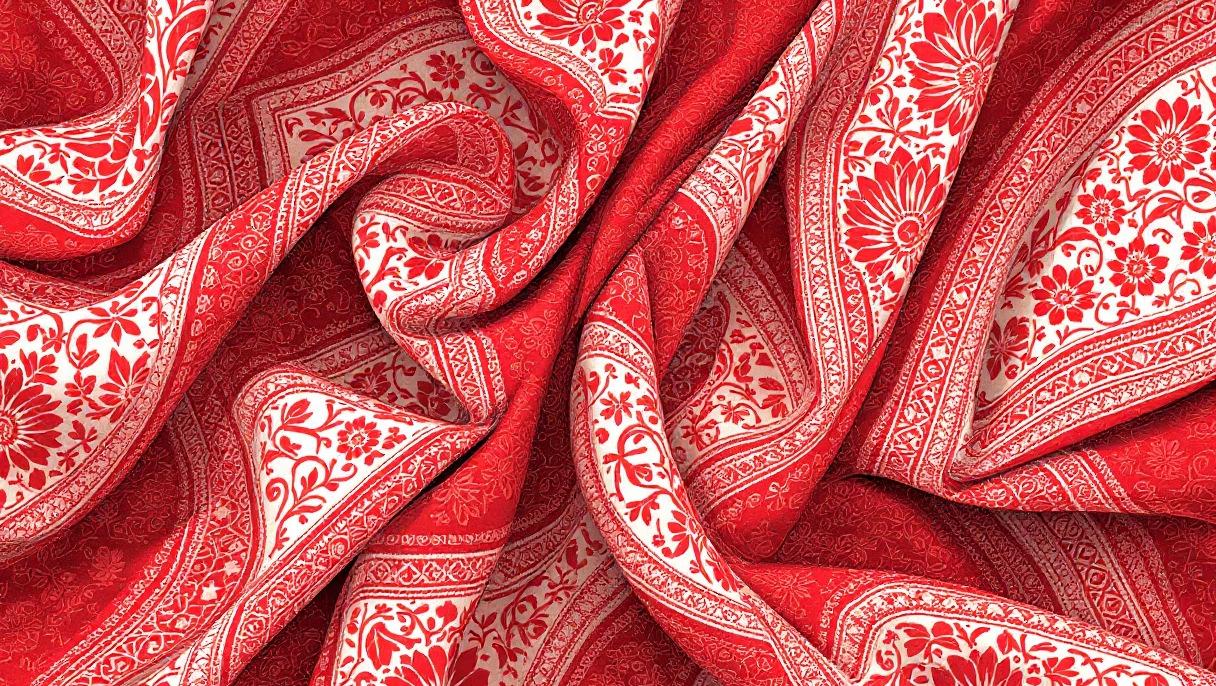
Handwoven sarees reveal their authenticity through distinctive characteristics that tell the story of their creation. Look for pin marks near borders where the fabric was secured during weaving, subtle variations in texture that add depth and character, and extra threads carefully left for creating decorative tassels.

The tactile experience of a handwoven saree is unmistakable4softer to the touch, with a satisfying weight that speaks to quality. They drape with natural elegance, conforming beautifully to the body's contours, and demonstrate superior crease recovery that keeps them looking fresh throughout wear.

Anatomy of a Saree: Understanding Its Components

The saree is traditionally a single, unstitched piece of fabric, typically measuring 5 to 9 yards in length. Understanding its components deepens appreciation for the artistry involved and enhances your ability to style this versatile garment with confidence.

Pallu

The decorative end draped gracefully over the shoulder, often the most richly embellished section featuring intricate motifs and borders.

Pleats

Folded sections meticulously tucked into the petticoat, creating structure and allowing graceful movement with every step.

Borders

Embellished edges running along the length and breadth, framing the saree and enhancing its visual appeal with contrasting or complementary designs.

Petticoat

The essential foundation garment4a simple skirt worn underneath to secure the saree and provide structure for pleating and draping.

Mastering these components transforms the way you wear and appreciate sarees, revealing the thoughtful design behind every fold and drape.

Cultural Significance and Heritage

Preserving Artisanal Communities

Investing in handwoven sarees provides crucial economic support to weaving families and helps sustain a craft facing extinction in our industrial age. Your purchase becomes an act of cultural preservation.

Handwoven sarees transcend their role as mere garments4 they are living repositories of centuries-old traditions, carefully passed down through generations of artisan families. Each regional weaving style carries the cultural identity and artistic legacy of its community, from the gossamer silks of Kanchipuram to the luminous weaves of Banarasi.

Sustainable Fashion Choice

The slow, manual weaving process operates with a nearzero carbon footprint, using minimal electricity and producing no industrial waste. Each saree represents ecoconscious fashion at its finest.

Wearable Heritage

When you drape a handwoven saree, you wrap yourself in history, art, and tradition. You become a guardian of cultural heritage, ensuring these timeless techniques survive for future generations.

"A handwoven saree is not just fabric4it is poetry in thread, culture in motion, and tradition you can touch. It carries within its folds the dreams of artisans and the soul of a nation."

Turn static files into dynamic content formats.

Create a flipbook