Bower Hill Reserve Rye Whisky Marketing, Style, and History
MADRID, AMONG SMOKE
Through the Streets of Chihuahua
SOFÍA RUIZ
Master Habanosommelier
New Releases, Favorites, and Classics
SOTL GLOBAL MOVEMENT
Nadera Exitosa
A Mother, Remembered in Smoke
Hype, Scarcity, and Frustration… The Vortex of the 2025 Top Cigar Lists
ALFONSO
Bower Hill Reserve Rye Whisky Marketing, Style, and History MICHEL I. TEXIER
Zubrowka Bison Grass
Aphrodisiac Vodka
ROMERO
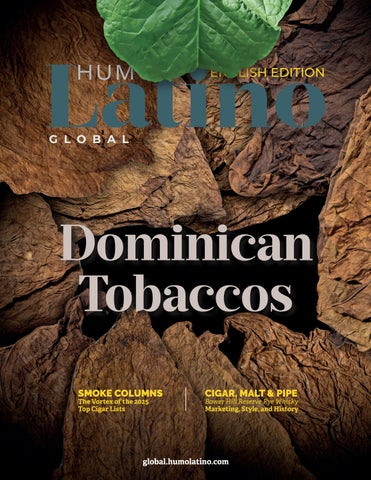
Dominican Tobaccos
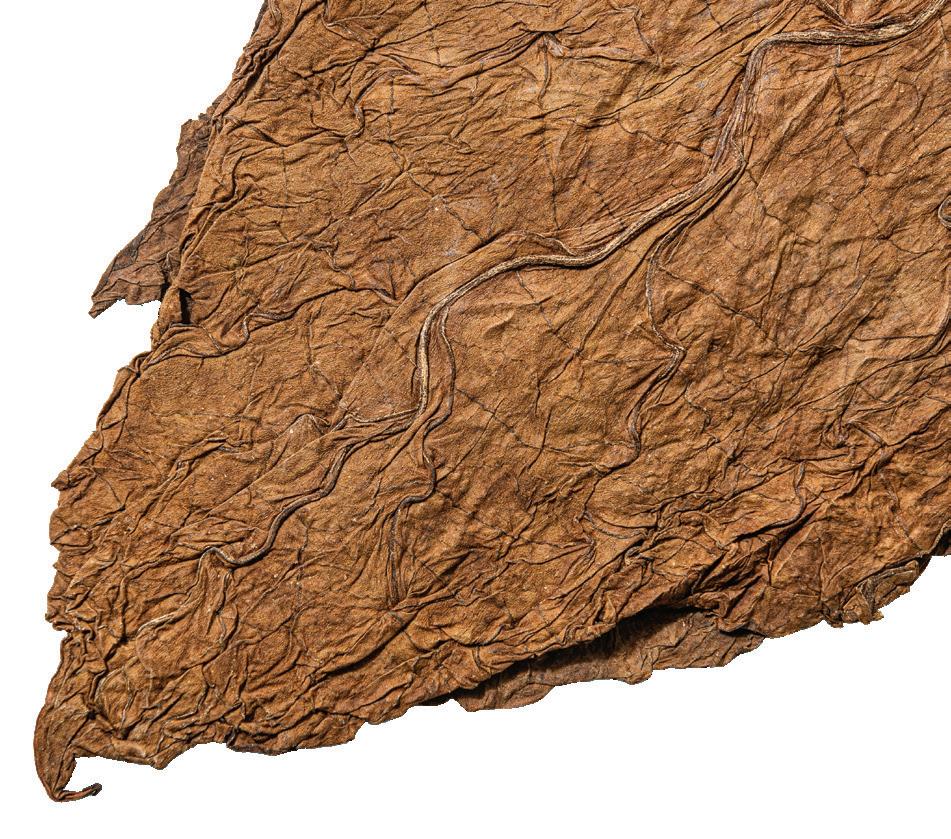
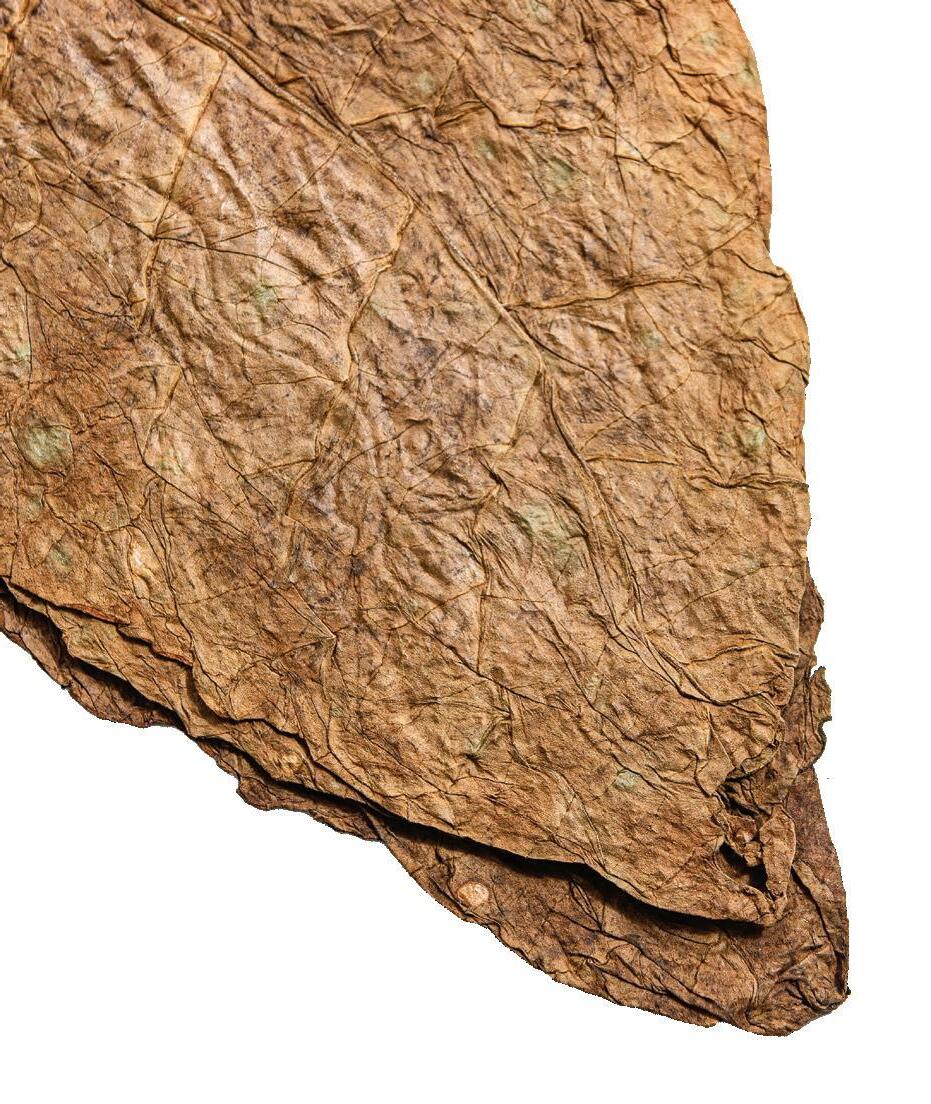
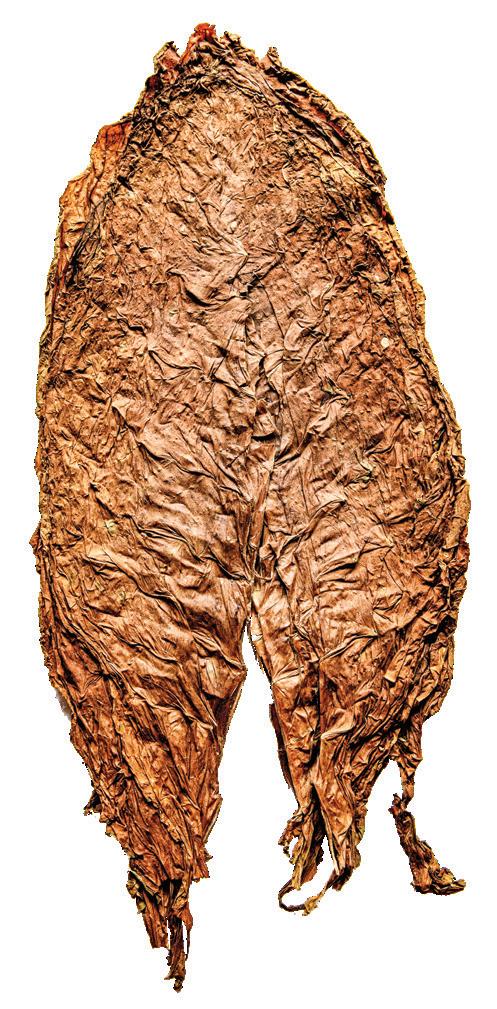
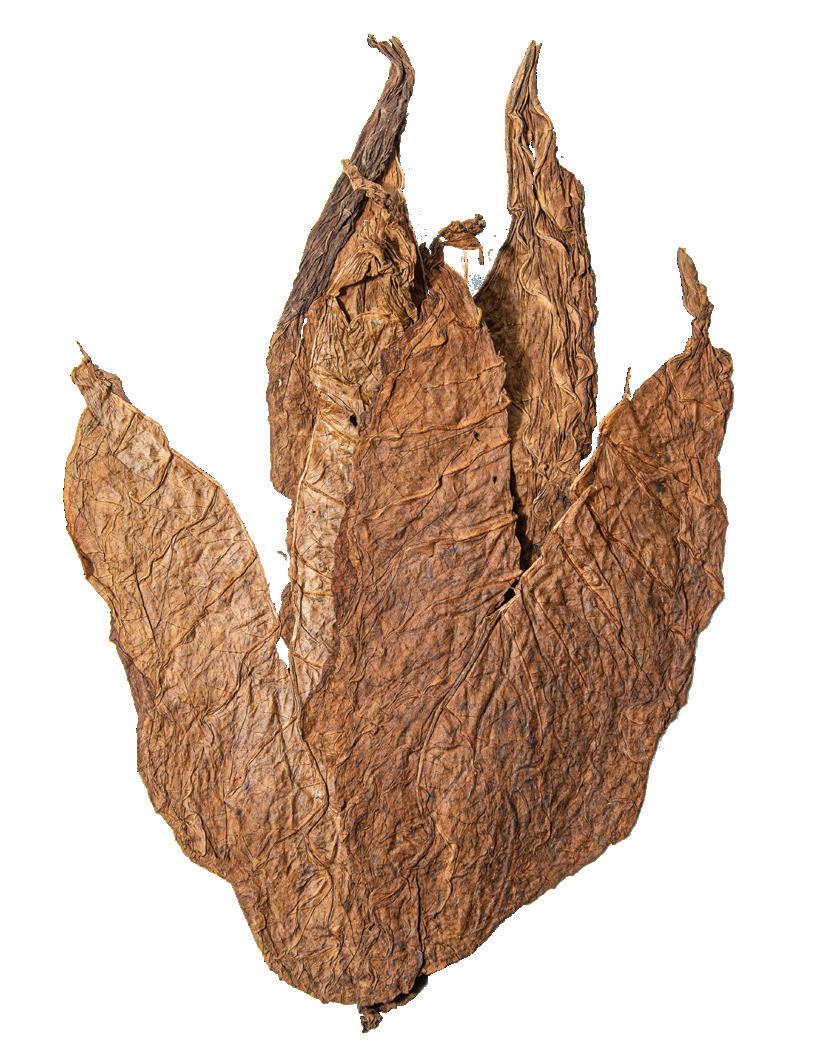
Known among the Taíno people as Quisqueya –meaning Mother of All Lands– the present-day Dominican Republic was the first place in Colonial America where the Spanish cultivated tobacco, in 1531. However, recognition of its excellence did not arrive until the 18th century, when the Royal Factory of Seville considered it superior even to the finest Havana leaf.(1)
ALBERTO ARIZMENDI
César Salinas Chávez
Director
Alberto Arizmendi
Editorial Director
GH L
Dominican Republic
Julio César Fuentes
Commercial Director
Honduras
Patricia Pineda
Rolando Soto
Roberto Pérez Santiago
Art Director
Raúl Melo
Publisher
Enrique Quijano
Style Correction
Moisés Licea
Web Master
Yoshua Segovia
Community Manager
COLLABORATORS
Argentina
Gastón Banegas
Canada
Nicolás Valenzuela Voss
Chile
Francisco Reusser
Christopher Sáez
Michel Iván Texier Verdugo
Colombia
Federico Londoño Mesa
Eduardo Márquez
Cuba
José Camilo López Valls
YEAR 2, ISSUE 21, ENERO 2026
Humo Latino Magazine reserves the right to reject unsolicited articles that contravene its thematic profile, as well as those that do not conform to its style standards.
The articles received will be approved in the first instance by members of the Editorial Board. We reserve the right to make changes or introduce modifications to the manuscripts, for the sake
of better reading comprehension, without this implying changing their content.
The authors are responsible for the content published under their signature. Humo Latino Magazine does not assume any responsibility for possible conflicts arising from the authorship of the works and publication of the graphic material that accompanies them.
@humolatinoglobal info@humolatino.com
Editorial
Quisqueya: Tobacco and Motherland
Tobacco is not merely the Dominican Republic’s primary agricultural product; it is the common thread of its history, having financed revolutions and both of the country’s independence movements. Today, at the start of 2026, we celebrate that this fruit of the earth has transcended economics to be recognized as the nation’s Cultural Heritage.
The Dominican identity was forged in the small plots of the Cibao region, where tobacco cultivation allowed for the birth of a society of free men, masters of their own destiny. Today, the tobacco-growing vocation of “The Mother of all Lands,” Quisqueya, does not falter. Through Intabaco, the country leads the global industry by utilizing geospatial technology (GIS) to monitor each of the 29 tobacco zones across 15 provinces. This technical precision ensures that iconic varieties such as Criollo 98, Piloto Cubano, Corojo, and HBA maintain the status of excellence that the world demands.
For Dominicans, being the world leader in exports is a point of pride, but being the cradle of a global tobacco culture is their true strength. In every puff of a cigar crafted with Dominican tobacco, the seal of a land that has
known how to transform smoke into art and tradition into an unbreakable legacy for the world is imprinted.
In this regard, to begin the year, we present an article on the main Dominican tobaccos, with the purpose of providing brief information on some of its varieties. This is not intended to be a scientific report or a monograph, as public and private institutions –such as the aforementioned Intabaco and the Grupo León Jiménez, respectively–have published important and comprehensive works on the subject. We have drawn from these resources and complemented them with testimonies from industry players and key figures gathered during our visits to the country.
Furthermore, we take advantage of this first issue of 2026 to also recognize the owners and managers of cigar lounges, tobacco shops, restaurants, factories, and other establishments that make the current boom of premium tobacco possible. And, of course, to our collaborators and team, who allow us to start a new year with you, sharing figures, data, and experiences around this passionate world, from Latin America to the Global market.
Madrid, Among Smokes
Through the Streets of Chihuahua
Sofía Ruiz
Master Habanosommelier
Among the mountains, the desert, and the nobility of those who inhabit my state, we begin the first column of this 2026. A Northerner at heart, Chihuahua undoubtedly represents the noblest meaning of the word “origin.” Just as the start of a year leads us to reconnect, this journey marks the union between my roots and the love for my family –much like Cuban tobacco represents the origin and the love of an entire country for its national emblem: the Habanos.
Founded on July 6, 1824, Chihuahua is the largest of the 32 states that make up the Mexican territory. Spanning over 247,000 square kilometers, it is divided into 62 municipalities; its territory is so vast that it would cover half of Spain, or entire countries like Romania, and even more than two if we combine, for example, the territories of Austria and Ireland.
Bordering the United States –primarily Texas– life is always lived with “el otro lado” (the other side) in mind, as residents of border regions call our neighboring country. Living and growing up here creates a mixed culture that intertwines customs from both sides.
I still remember my Christmases, running around on December 25th because Santa Claus arrived with gifts and the turkey was ready for the recalentado (leftovers), while on January 6th, Three Kings Day, most of us children would receive coal, as that tradition and celebration are more prevalent in central and southern Mexico.
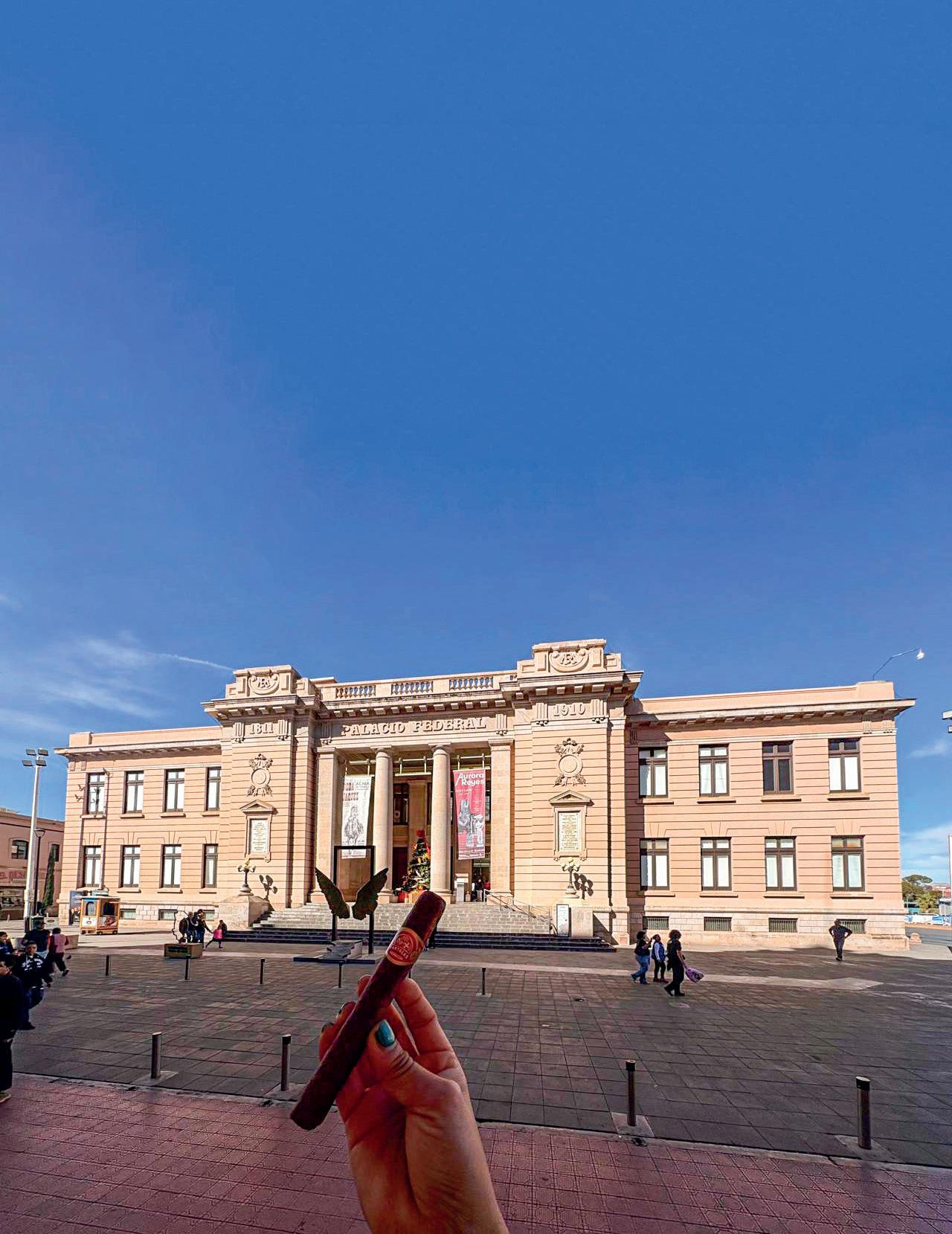
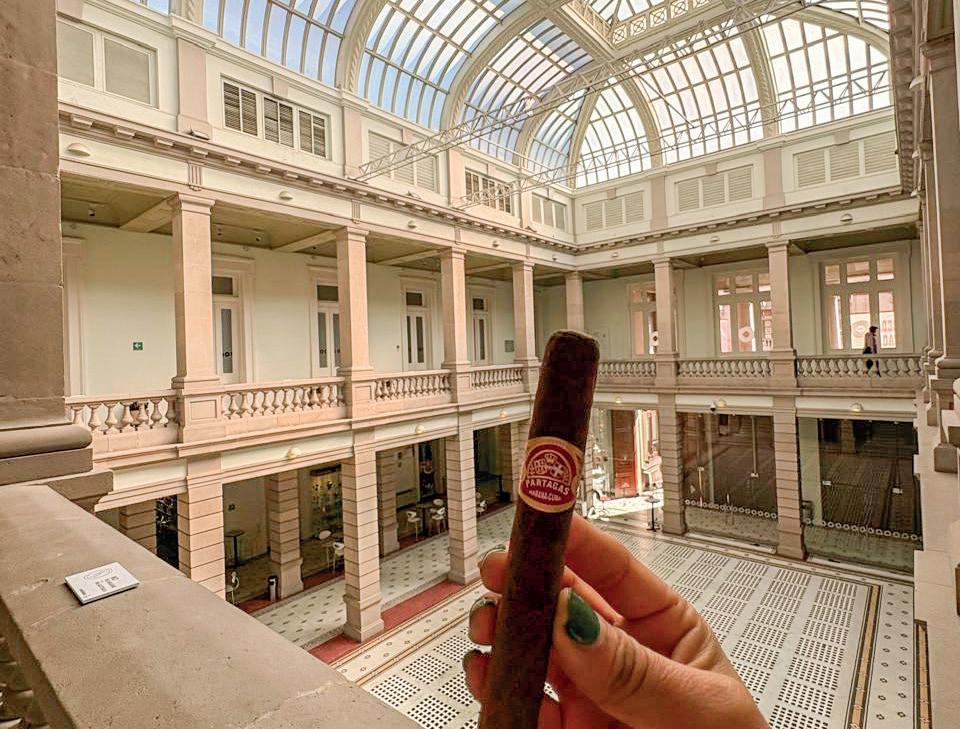
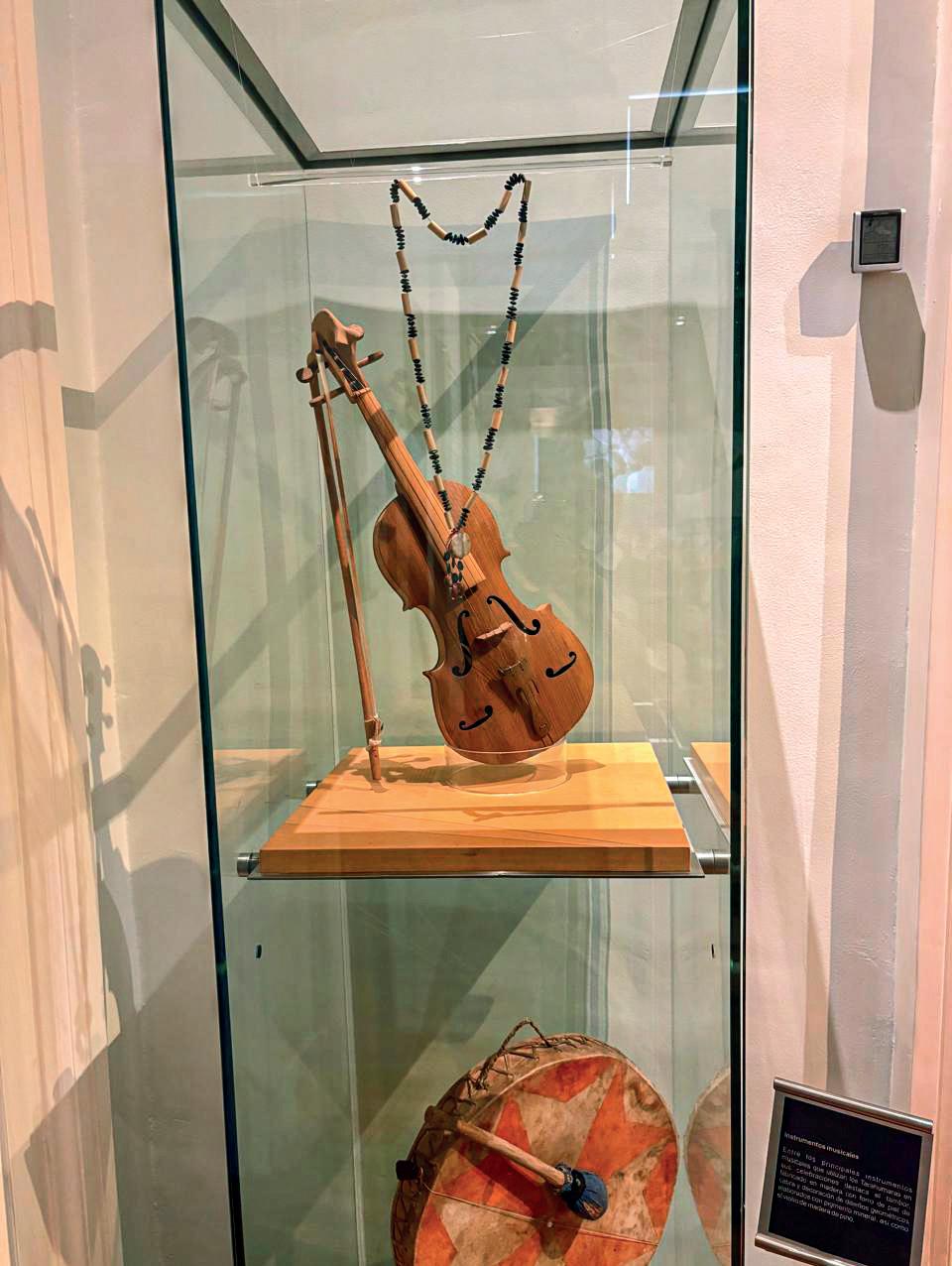
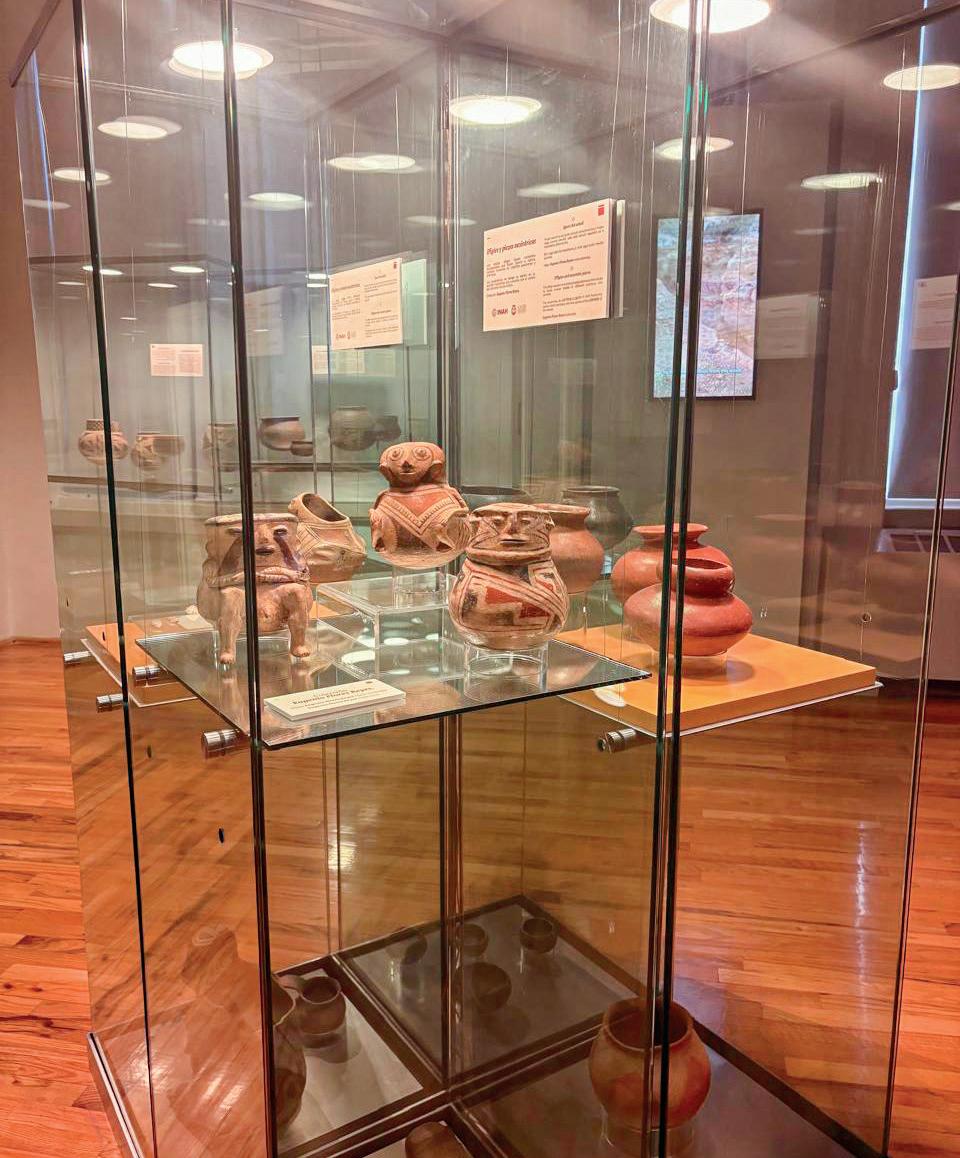
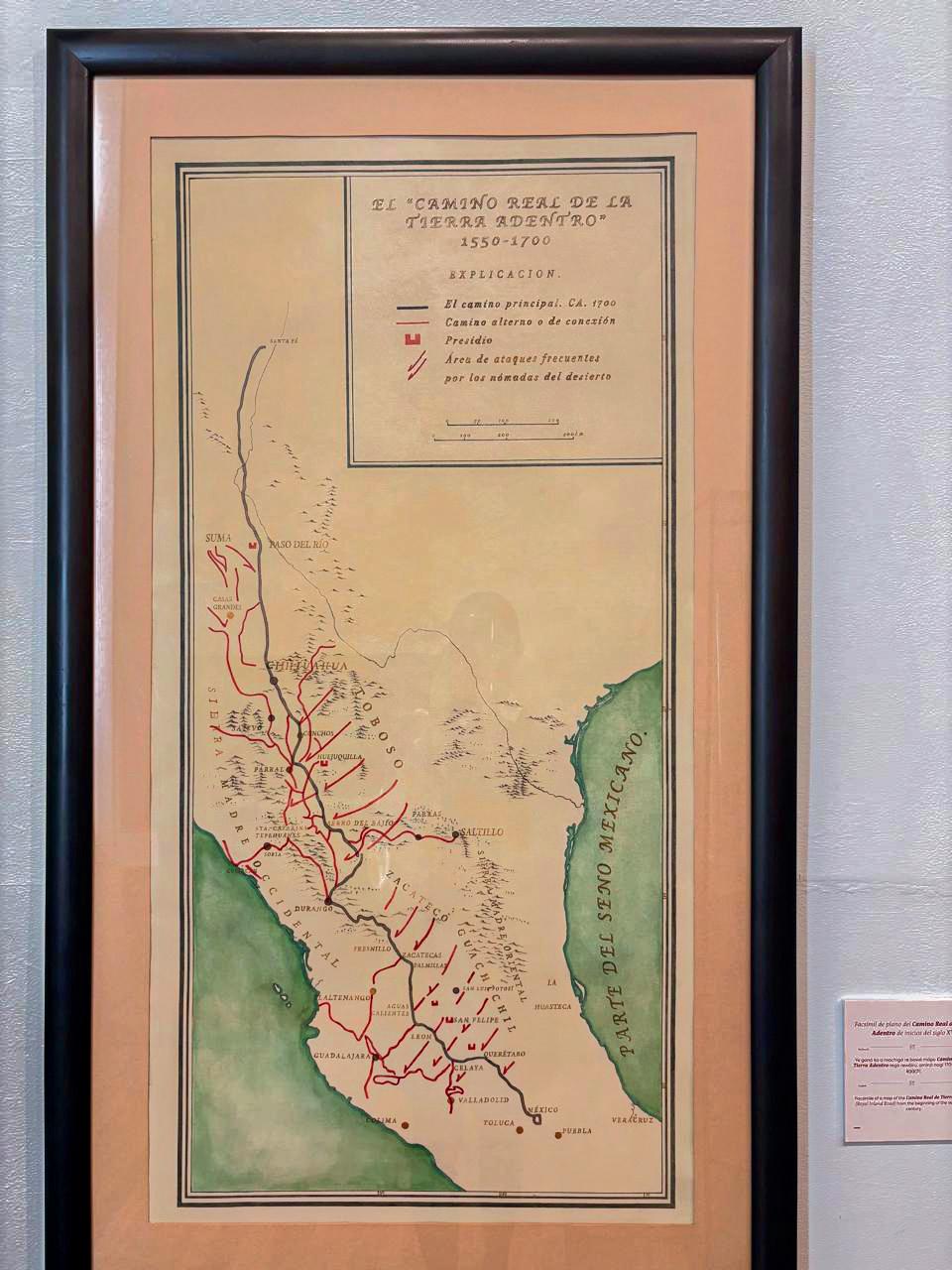
We light the first Habano of 2026 at Casa Chihuahua, a museum located in the heart of the capital city’s historic center (of the same name), dedicated to preserving and promoting the history of this great territory. Within the walls and ceilings of a European-style building that originated as a school during the colonial era, I began a tour that led me to value my Chihuahuan roots and identity even more.
I have always said that the people of Northern Mexico are like its climate: extreme, very similar to the city of Madrid, with intense summer heat and cold winters with snowfall. We are warm and welcoming, but we also anger easily and “explode” like a Chihuahua dog –a breed which, by the way, originated precisely in our Sierra Tarahumara.
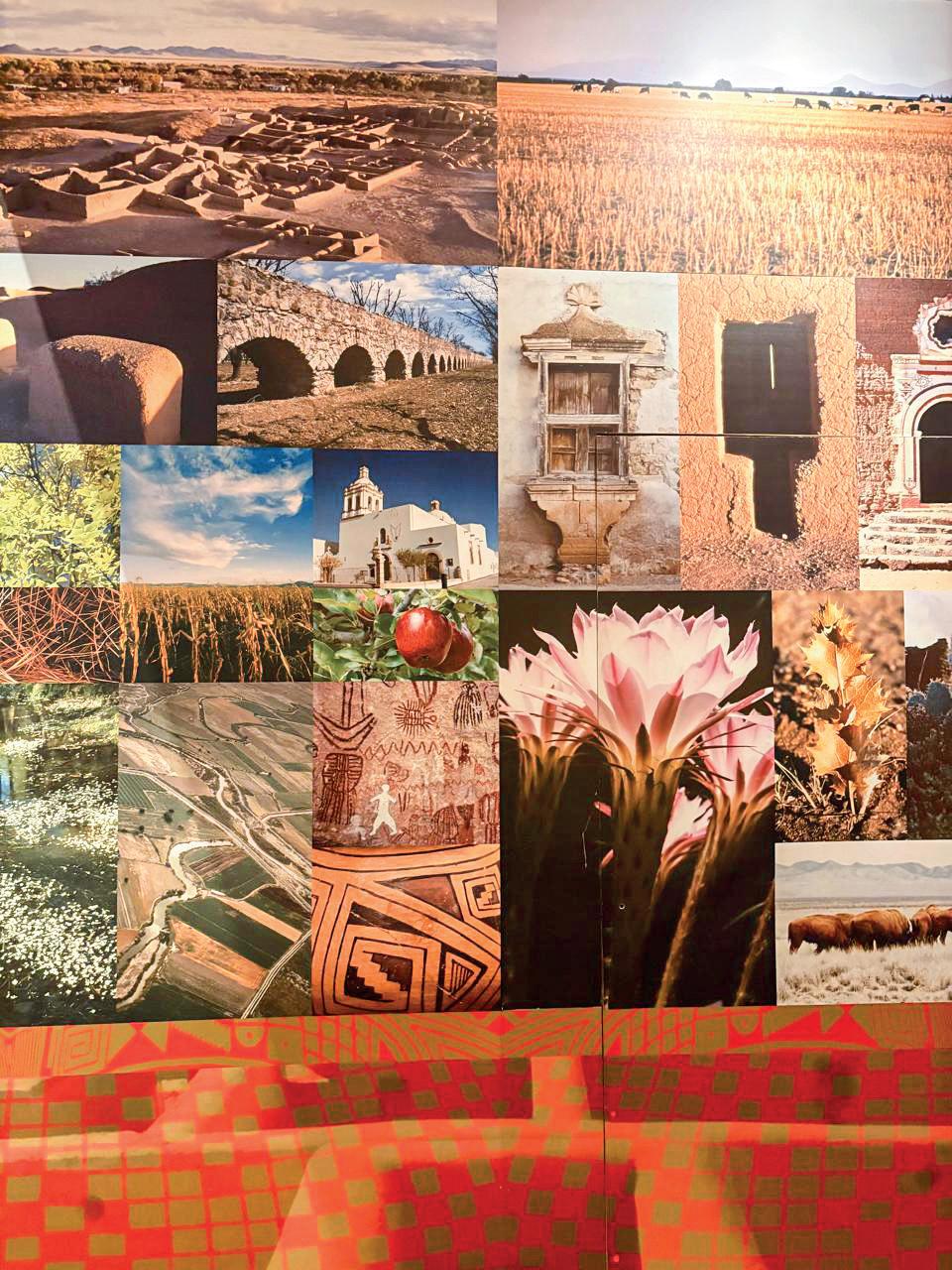
On some of the museum walls, videos are projected showing the state’s different climates and zones. The emblematic desert lies between the Sierra Madre Occidental and Sierra Madre Oriental and is the largest in North America, extending into New Mexico, Arizona, and Texas.
The desert is harsh. However, it is not a place devoid of life; it is inhabited mainly by birds, reptiles, and rodents. The most famous tourist area is the Samalayuca Dunes, where sports like sandboarding are practiced, with competitions drawing many locals and tourists, especially during Holy Week.
Water scarcity is a constant factor, particularly for livestock ranching, one of the state’s main economic activities. The average annual rainfall is only 200 millimeters.
The videos showcase sandy and mountainous areas such as the Santa Elena Canyon, the Pegüis Canyon, and the Naica Mine.
The state’s origins lead us back to the great Sierra Tarahumara. Pre-Hispanic cultures in Mexico were divided into two regions: Mesoamerica (home to the most prominent civilizations, like the Mayans and Aztecs) and Aridoamerica, where despite extreme weather and infertile soils, some of the territory’s first civilizations developed.
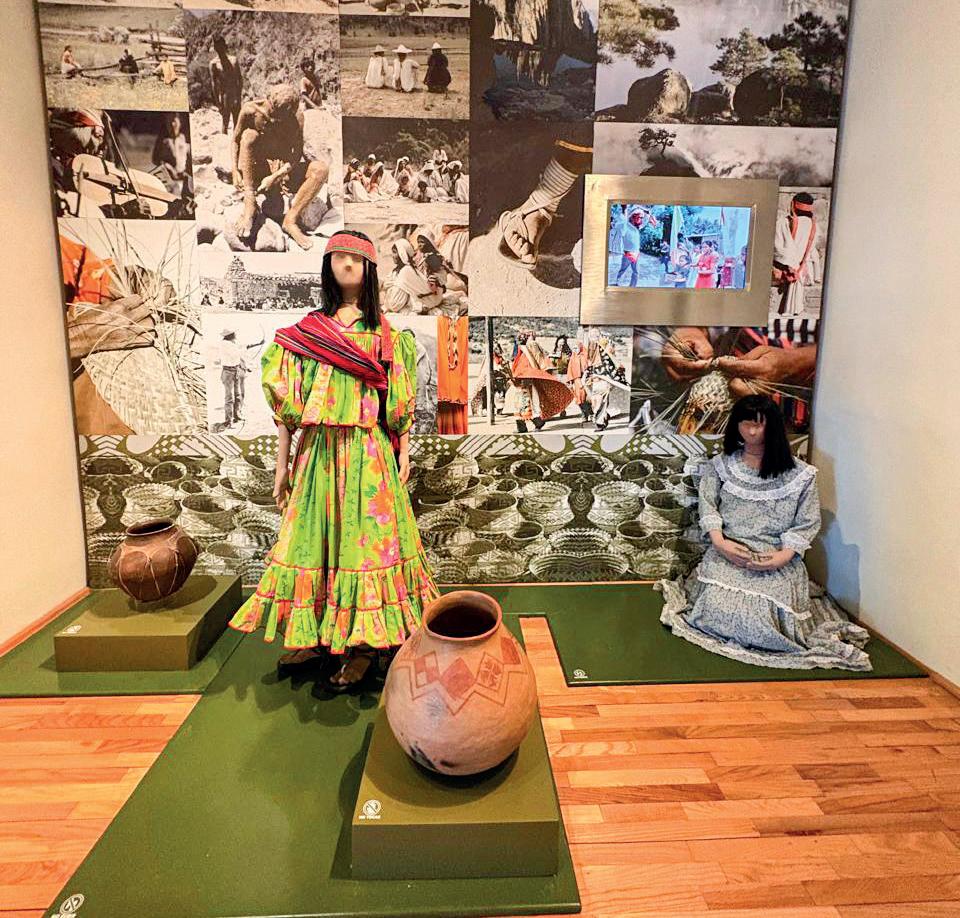
In Chihuahua, there are four indigenous peoples: the Ódami (Northern Tepehuan), O’ob (Pima), Ralámuli or Rarámuri (Tarahumara), and Warihó (Guarijío). Distributed across the Sierra Tarahumara –which covers 64,000 square kilometers in the western part of the state– each has its own language, territory, and customary laws.
The Tarahumara ethnic group is the most representative. Dressed in their beautiful and colorful attire, they also reflect my family heritage. My great-grandfather, a native of Batopilas –a small town nestled between two canyons– belonged to this people, whose name in Spanish means pies ligeros (light feet).
Their people are famous for running great distances, and some have excelled in international marathons. An example is the great María Lorena Ramírez, who runs in huaraches (traditional sandals) and has won competitions like the Gran Ultra Trail Cerro Rojo; in 2025, she became the first indigenous woman to receive the National Sports Award. In fact, Netflix produced a documentary about her story.
Yet they do not run only for a prize. Between the cliffs and endless trails of this mountainous zone, they do it to survive and perpetuate their culture and traditions.
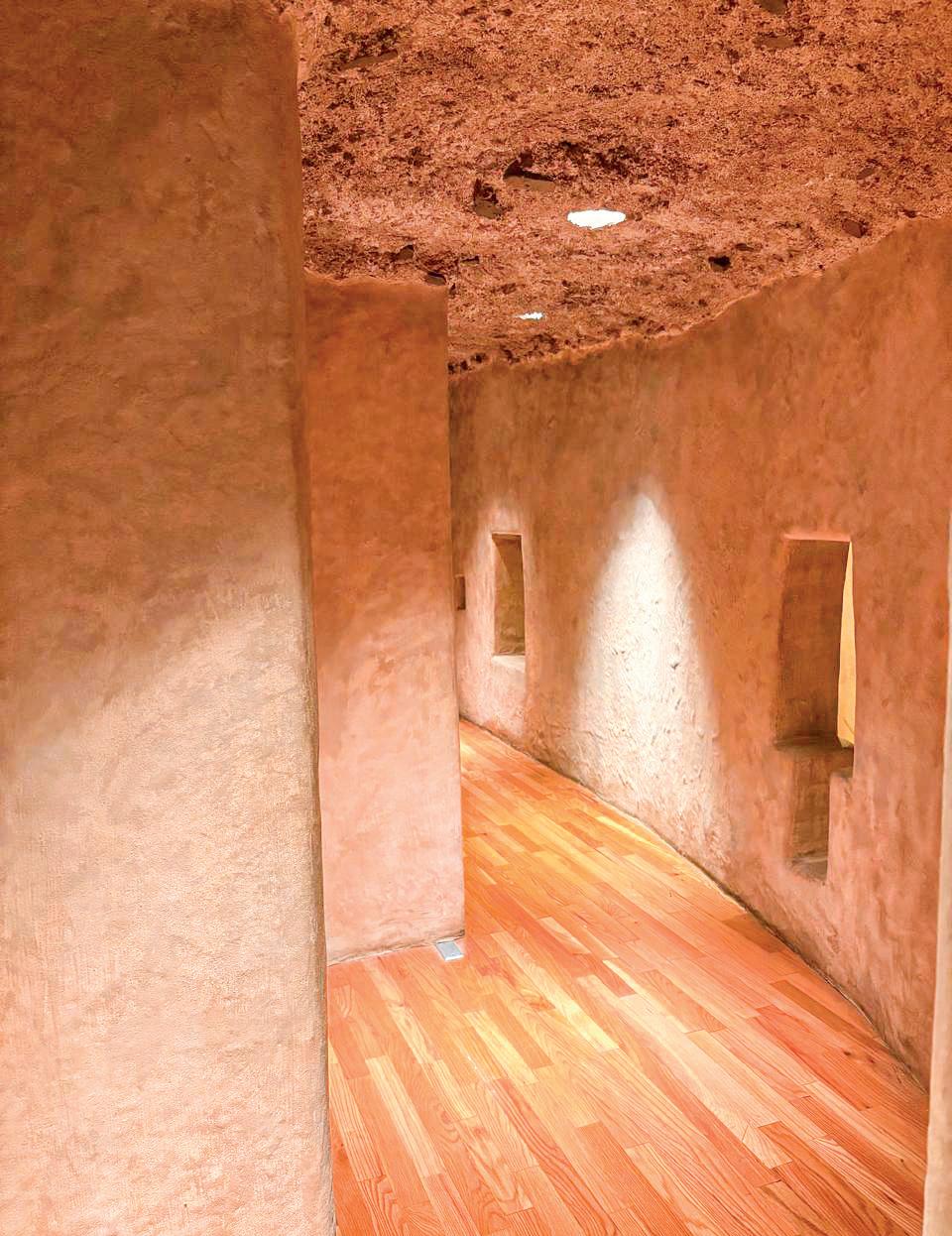
Ancient civilizations managed to survive thanks to the type of constructions they developed and the occupation of caves. One of the best-known archaeological zones is Las 40 Casas (The 40 Houses), a magnificent site of the Paquimé culture (1205–1260 AD) in the Casas Grandes region. There is no certainty regarding the exact period it was inhabited, but some remains suggest human presence from more than 12,000 years ago. One can still see the dwellings inside the caves: very small houses that protected them from the extreme cold.
After touring these rooms, I thought about our evolution as a society, for better and for worse. On one hand, we have achieved a connected world thanks to technology, but we are also a more selfish society, selfcentered in this technological jungle called the Internet.
In ancient times, teamwork was necessary for survival. What if, for this year, we aimed to evoke this principle in some way? Perhaps each of us can contribute a grain of sand and end the year with a different perspective and a sense of empathy (a word that is very difficult to turn into reality today).
If you visit Chihuahua, do not miss the chance to travel through the Sierra Tarahumara, to marvel at the Copper
Canyon Park (Barrancas del Cobre), discover the Basaseachi Waterfall –the tallest in Mexico– and stroll along Lake Arareco. These sites show the soul and spirit of the mountains.
The next space in the museum brought me to an encounter with the Old Continent. Europeans arrived in 1530, and the first Spaniard to have contact with this region was Álvar Núñez Cabeza de Vaca, who described the mineral wealth he observed in his chronicles. From then on, the state acquired an identity based on that industry.
I had some notion of the importance of mining for the city, but I was unaware that some towns developed entirely because of it. Cities like Santa Bárbara, San Francisco del Oro, and the most famous, Hidalgo del Parral, which owes its fame to the La Prieta Mine, named for its massive silver production that earned it international renown.
But another figure put Hidalgo del Parral on the historical map: José Doroteo Arango Arámbula, better known as Pancho Villa –who was killed during an ambush in this city. An emblematic leader of the Mexican Revolution, he was a brave man who, to the sound of gunfire, led the north of the country in the social movement that overthrew the dictator Porfirio Díaz.
This is why I say that the people of Northern Mexico are strong, resilient, and of intense character.
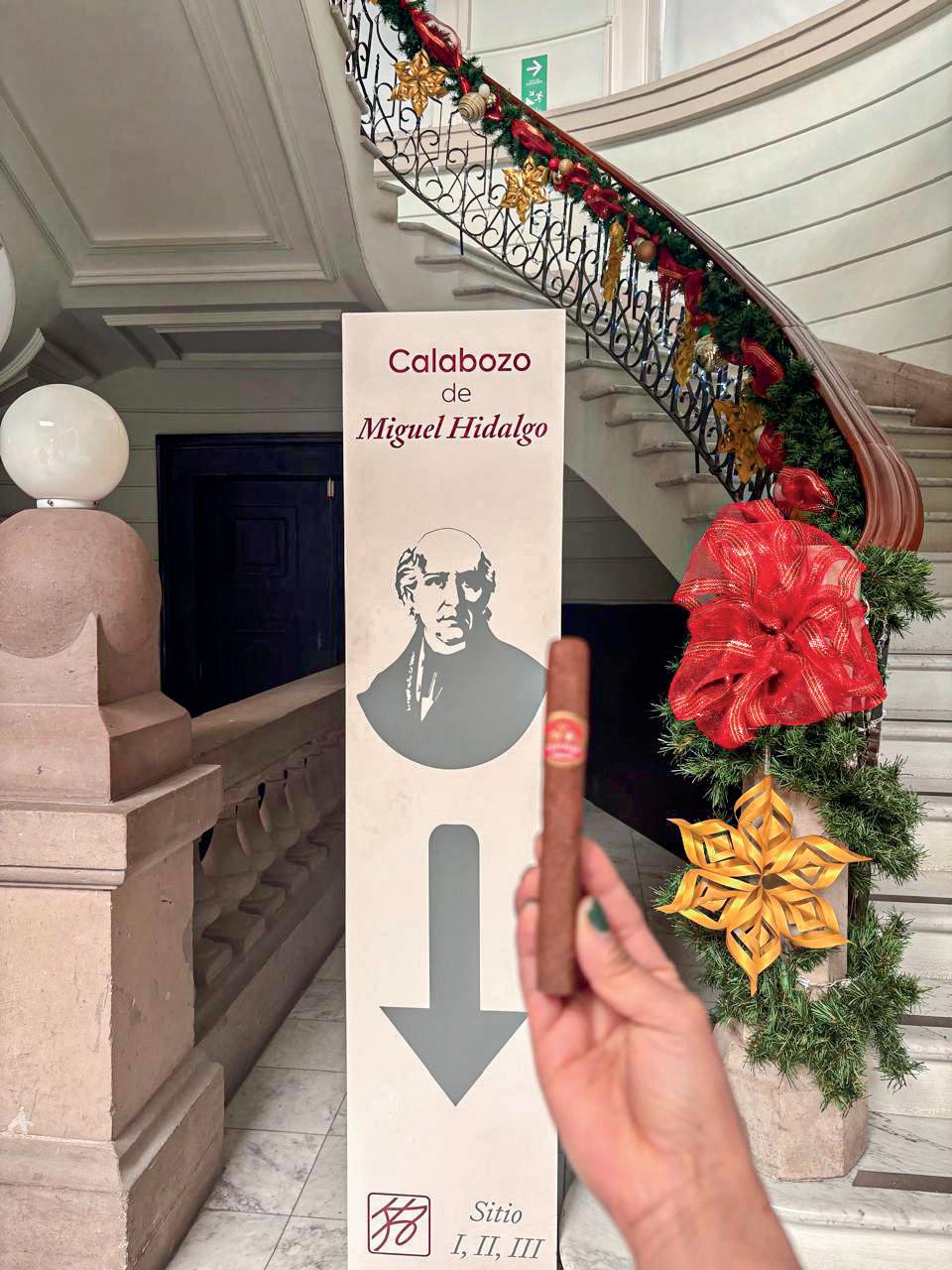
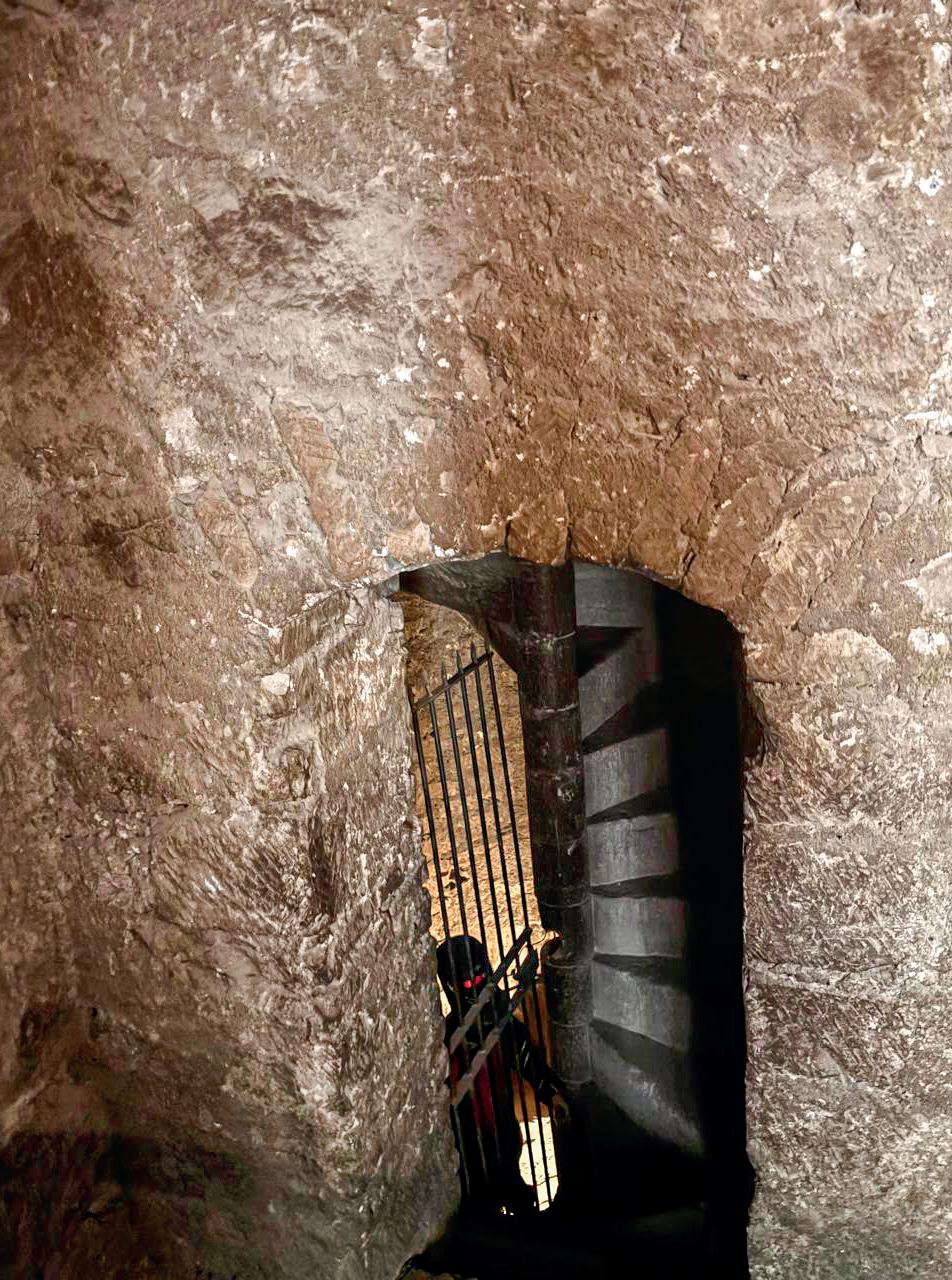
After finishing the first floor, I headed to the basement to explore the heart of Casa Chihuahua. Speaking of representative figures, through a dark path between stone walls lies a small room where Don Miguel Hidalgo y Costilla, the Father of Mexican Independence, was imprisoned shortly before his execution by royalist troops on July 30, 1811.
Some of the hero’s belongings and documents are kept here, along with two bronze reproductions of the verses he wrote with a piece of coal on a wall the night before his death, thanking his jailers for their kindness. Also present are a crucifix, the cot, the table, and the candelabra used by the priest.
Chihuahua is not as internationally wellknown as Cancun, Guadalajara, or Mexico City, but it has been the cradle and refuge of great men who forged the country’s history. Because of this, the people of the north carry a light in their souls and eyes that shines in moments of resilience.
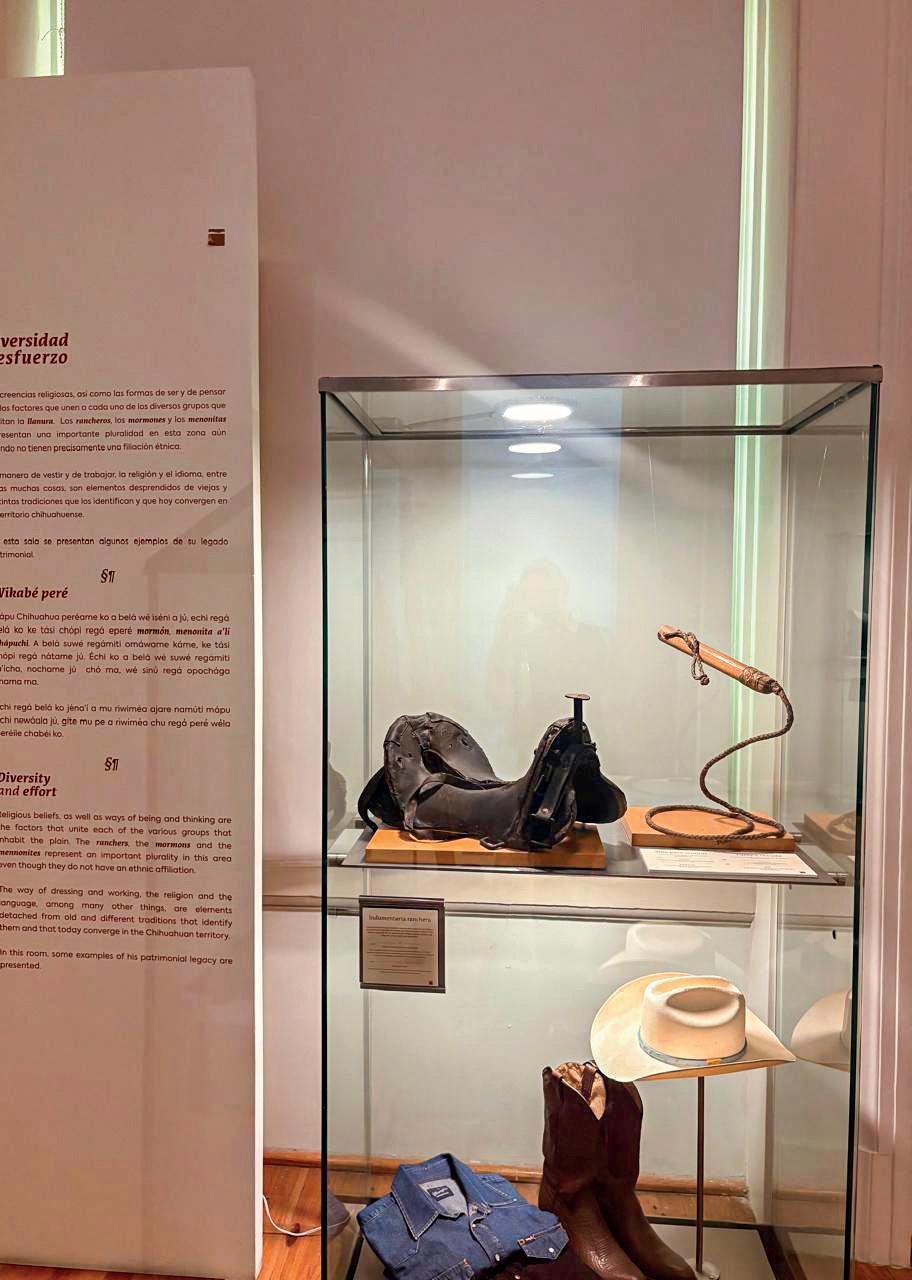
Local culture is reflected in clothing, customs, and lifestyle. Livestock ranching, the engine of the economy, brings with it the Northern “cowboy style” tradition. I still remember coming home and seeing my father in the afternoon with his boots, or my grandfather with his hat when going to Mass on Sundays.
Ranching in this territory dates back to the 16th century, when Christopher Columbus introduced the first horses, cattle, and goats to America. Starting in 1519, livestock expansion began, and during the 17th and 18th centuries, Jesuit missions consolidated this activity, which keeps Chihuahua as the national leader in cattle exports.
The cattle production base consists of a herd of over one million head, with 19 municipalities providing 78 percent of production. This has been favored by the export market and geographic proximity to the United States, which has oriented producers toward breeding high-geneticquality livestock.
There is a pinnacle festival for ranching in the state and its cowboy culture: Expogan, which brings Chihuahuan society together for cattle exhibitions, rodeos, games, and concerts. Naturally, everyone wears cowboy or western attire, which originated precisely on the Chihuahua-Texas border.
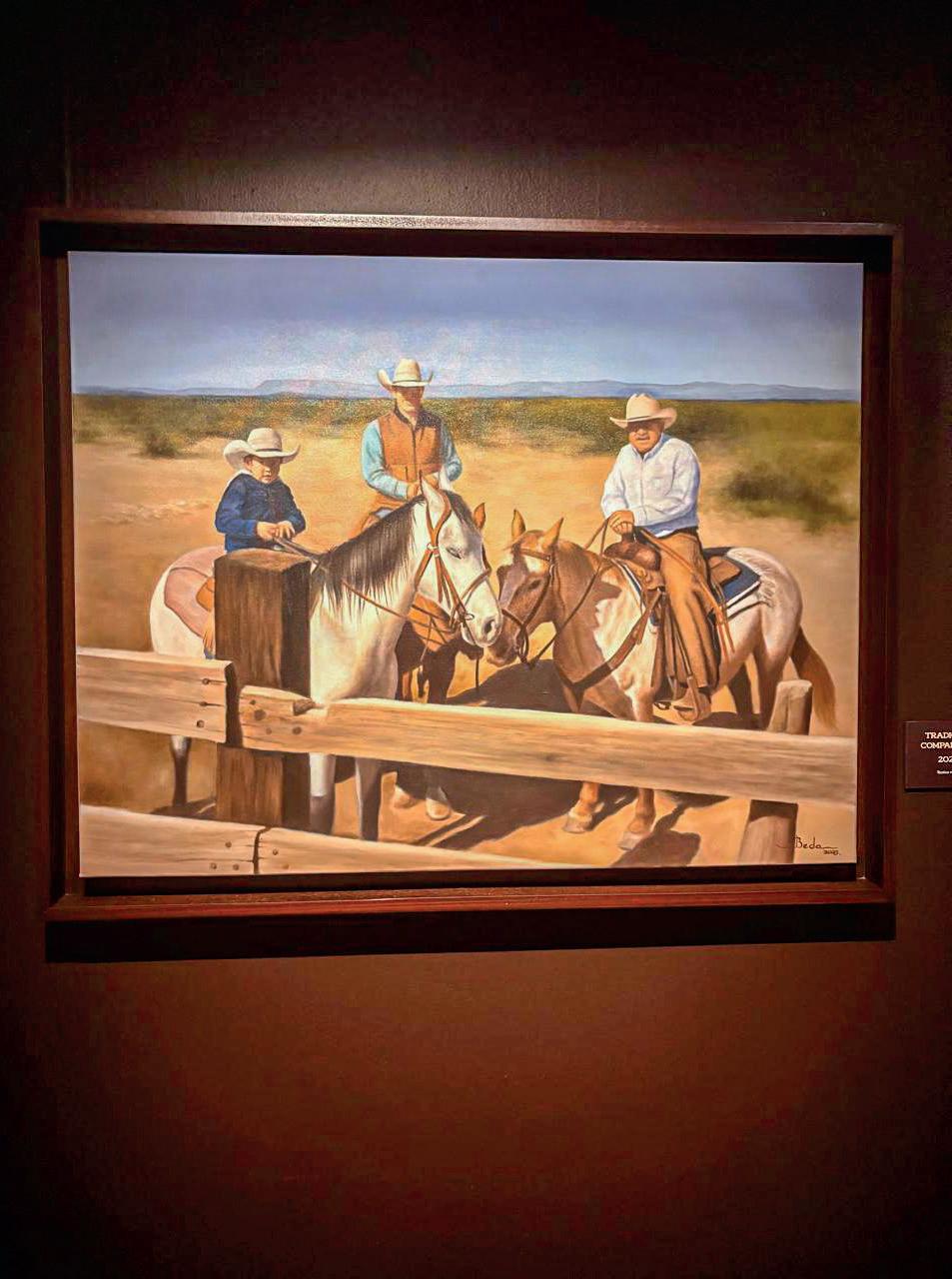
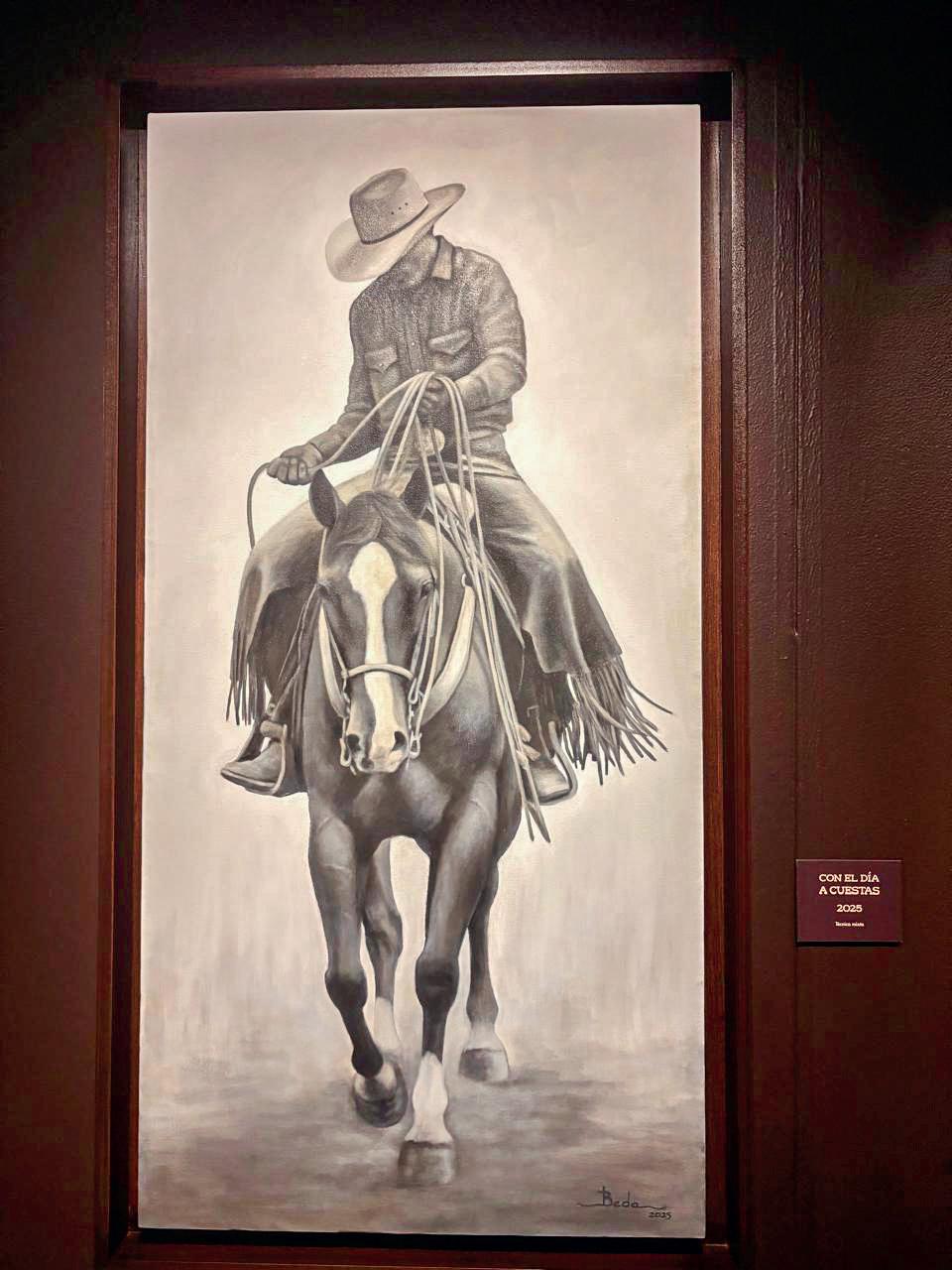
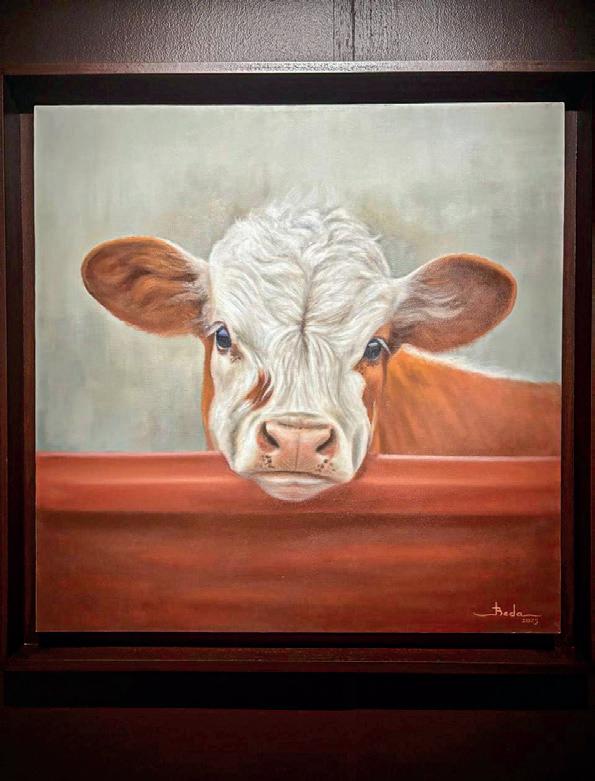
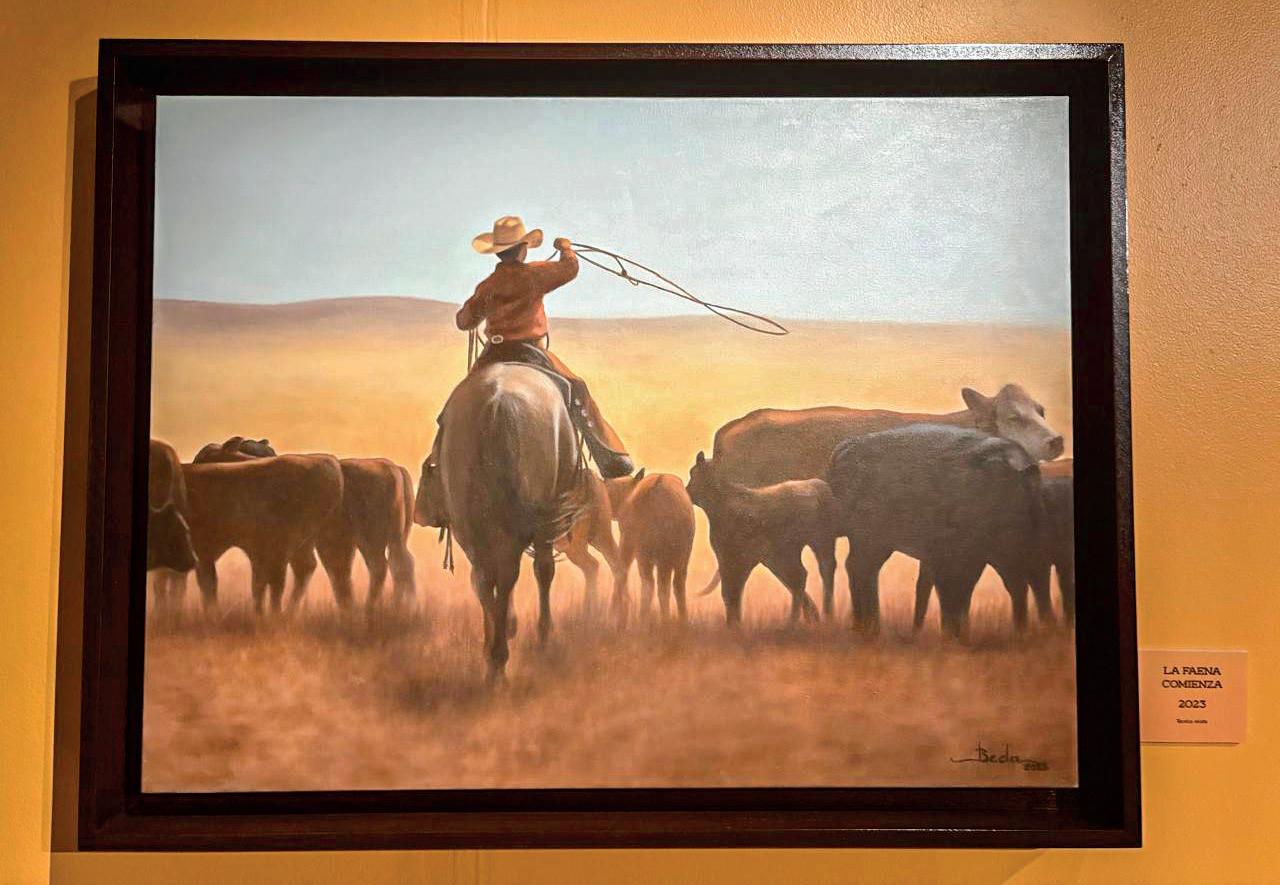
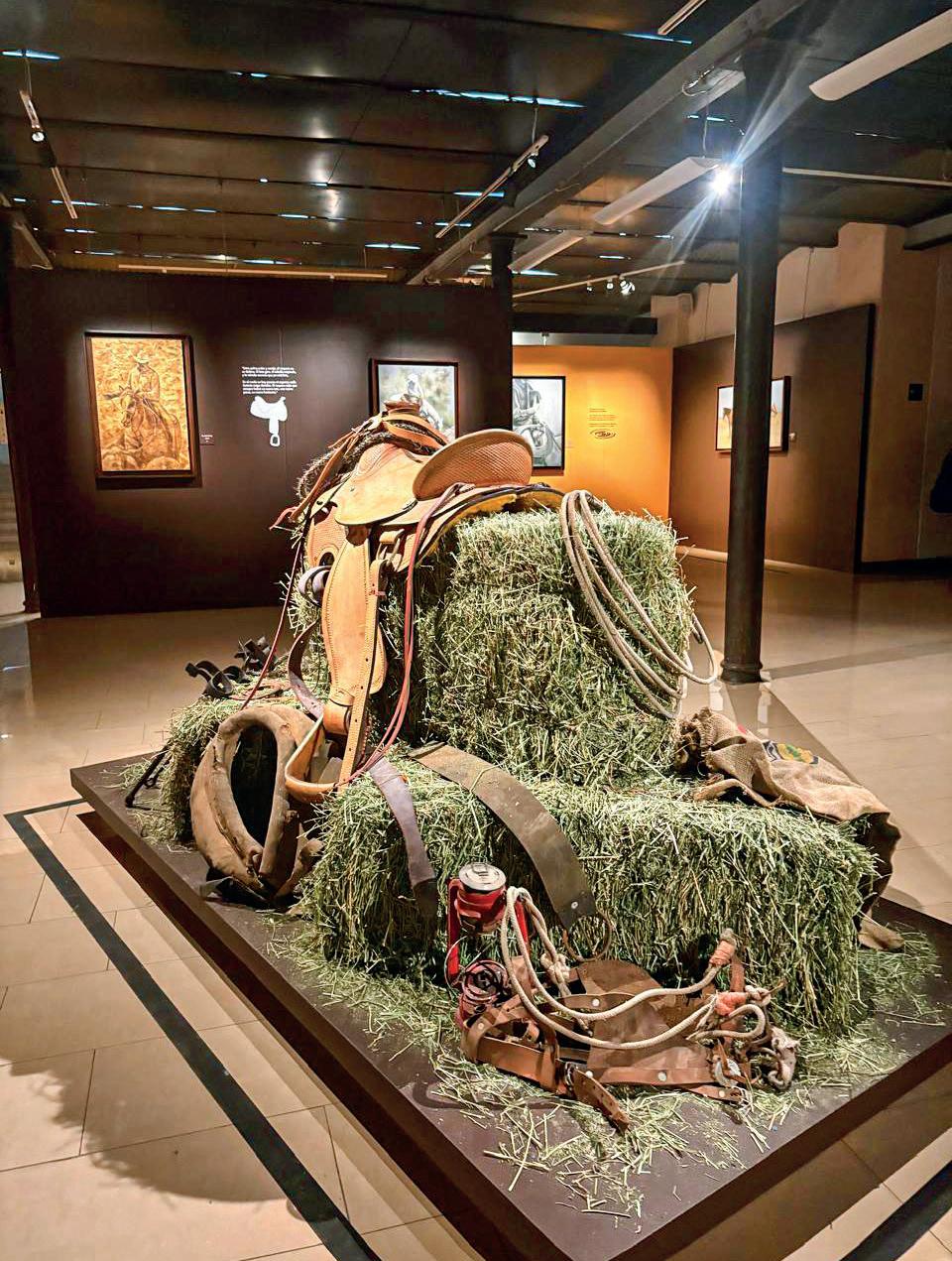
One room in Casa Chihuahua displays the painting collection Alma de Tierra y Tradición (Soul of Land and Tradition) by Beda Jáquez, who captures rural life and ranching, as well as the identity of the cowboys –figures who become symbols of nobility and perseverance, described in the following lines:
“Between dust, sweat, and courage, the cowboy does not stop. The lasso spins, the horse responds, and the gaze announces he is ready. In the ring, there are no pauses or waiting: every moment demands a decision. The cowboy knows there will always be a new challenge, a new catch, a new horizon.”
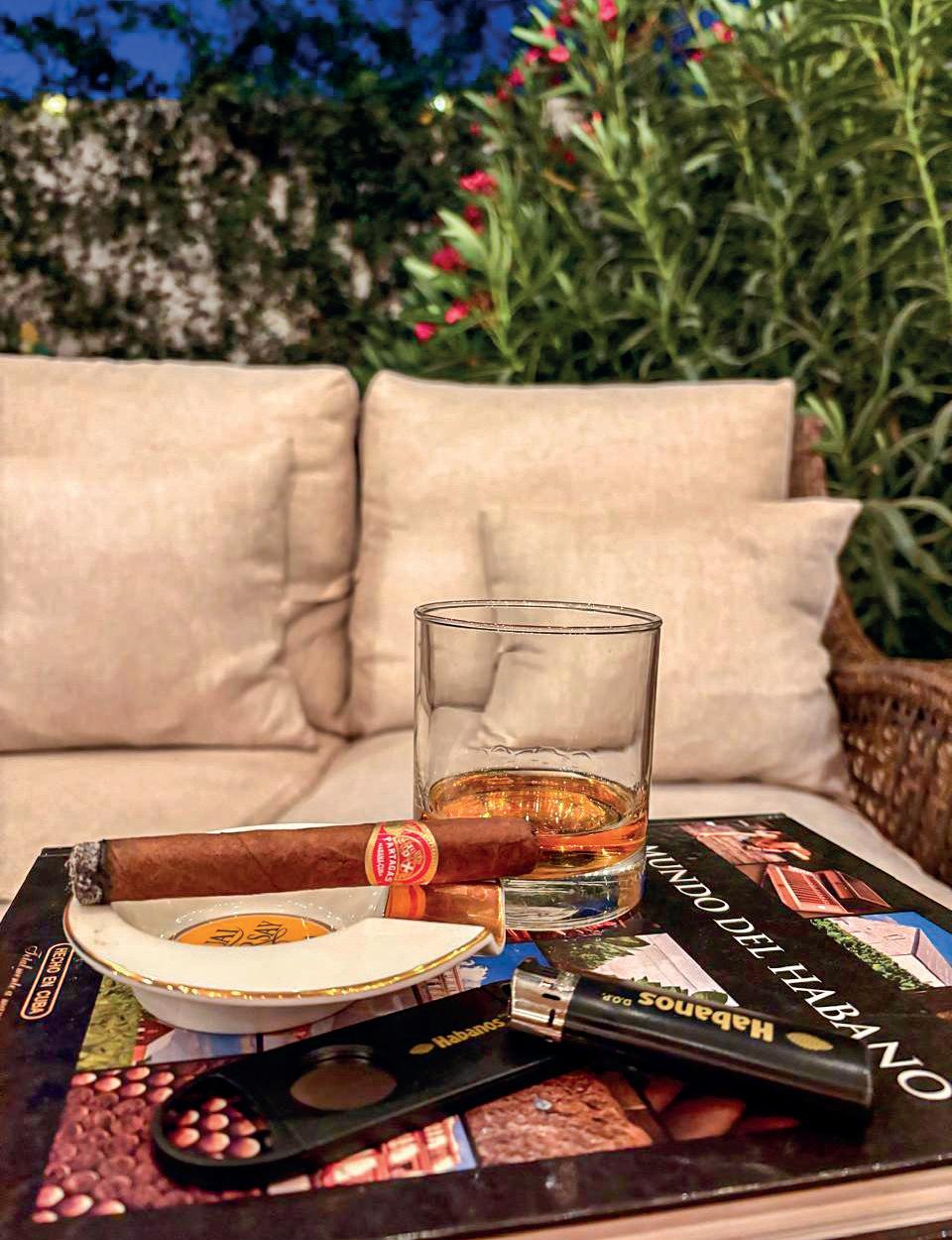
Filled with emotions and memories, I left this great manor and closed this journey through my origins at home, surrounded by family –the engine of my life. Night caught up with me, and I chose to accompany it with smoke that reflected that same intensity. What better than the strong blend of Partagás? With every puff of a Mille Fleurs, I enjoyed the woody and spicy flavors of a Habano that presents itself frankly on the palate and announces the arrival –especially toward the final third– of the true heat of Cuban flavor.
Its character and strength remind me of the gaze of the Chihuahuans, my roots... And as the song goes: “How I love the eyes of that dark-haired girl / Just looking at them, my soul rejoices / See you there, through the streets of Chihuahua...”
THE HUMIDOR*
New arrivals, favorites, and classics.
(*) In alphabetical order.
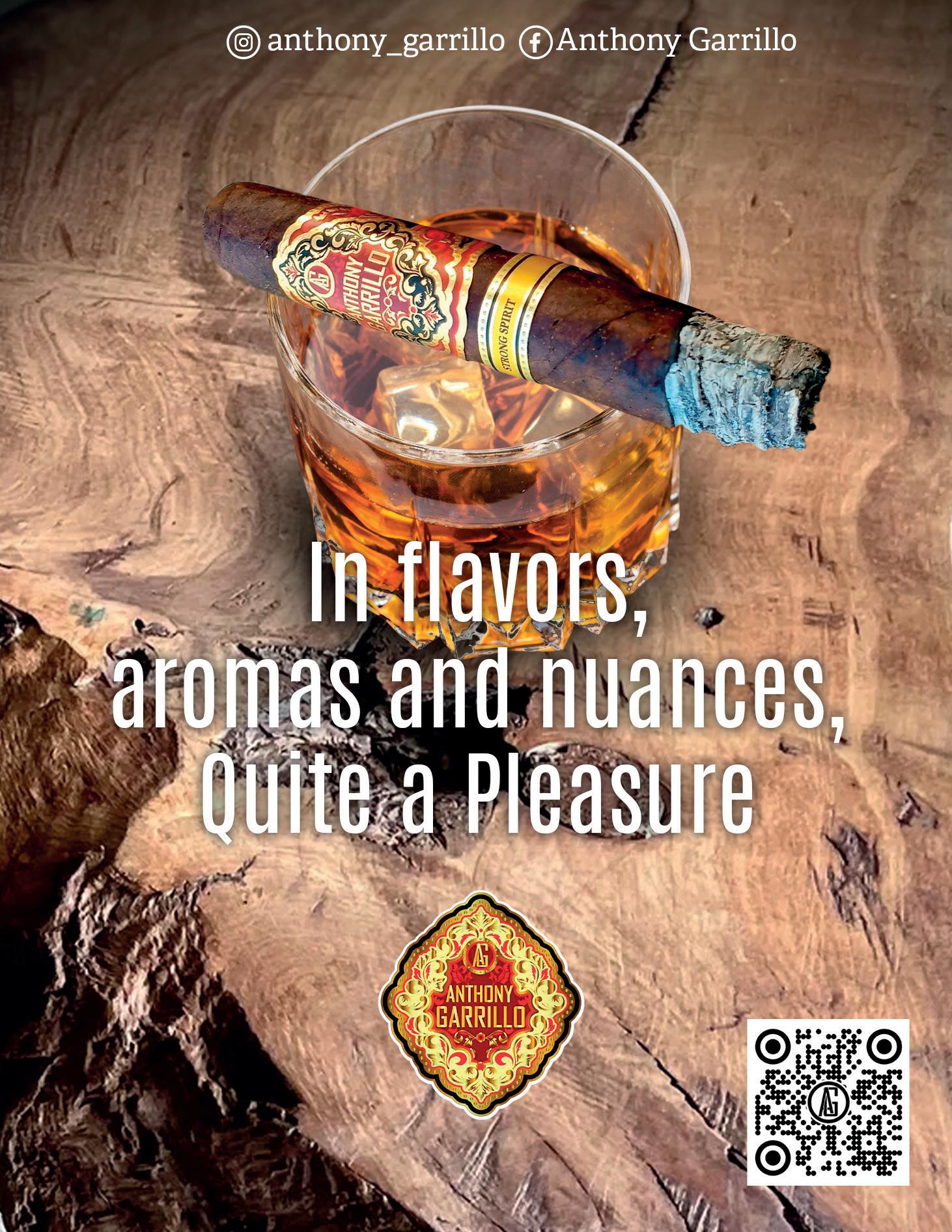
Anthony Garrillo, Connecticut
Wrapper: Connecticut.
Binder: Sumatra.
Filler: Criollo 98, Piloto Cubano and Nicaragua.
Size: 6 X 54.
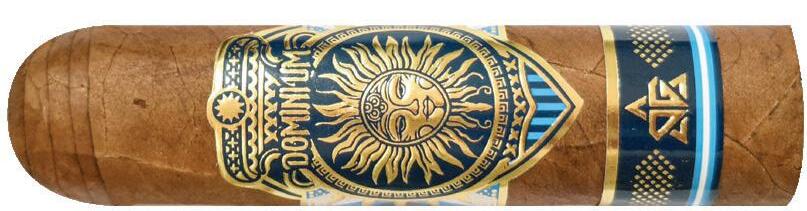
Dominium, Petit Robusto Gordo
Wrapper: Habana Ecuador.
Binder: Indonesia.
Filler: Nicaragua.
Size: Petit Robusto Gordo, 4 X 60.
El Aprendiz, Don Luis
Wrapper: Sumatra México.
Binder: Negro San Andrés.
Filler: Negro San Andrés.
Size: Don Luis, 8 X 60.
Guillén & Co. Premium Cigars, El Legado
Wrapper: Corojo Honduras.
Binder: Jalapa Nicaragua.
Filler: Honduras and Nicaragua.
Size: Toro, 6 X 52.
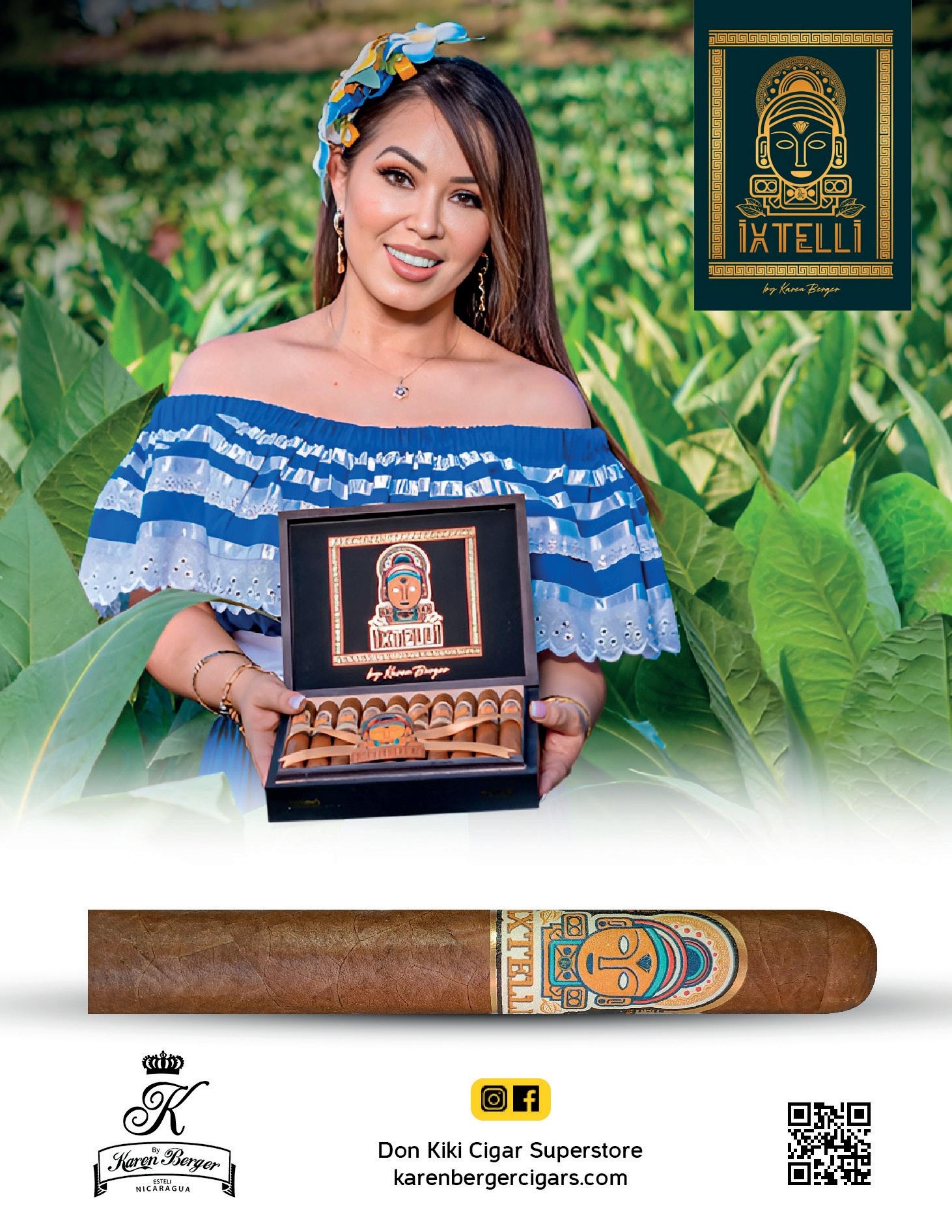
Karen Berger Cigars, Ixtelli
Wrapper: Habano Criollo Jalapa.
Binder: Habano Jalapa.
Filler: Estelí.
Size: 6 X 52.
Las Lagunas, Connecticut
Wrapper: Connecticut.
Binder: HVA.
Filler: Carbonell, Criollo 98 and Habano 92
Size: Toro, 6 X 52.
Marvanny Cigars, Peñón
Wrapper: Corojo.
Binder: HVA.
Filler: Dominicana.
Size: Toro, 6 X 54.
Narcos Cigars, Toro
Wrapper: Negro San Andrés.
Binder: Sumatra Indonesia.
Filler: Criollo 98, Nicaragua, Pensilvania and San Vicente.
Size: 6 X 52.
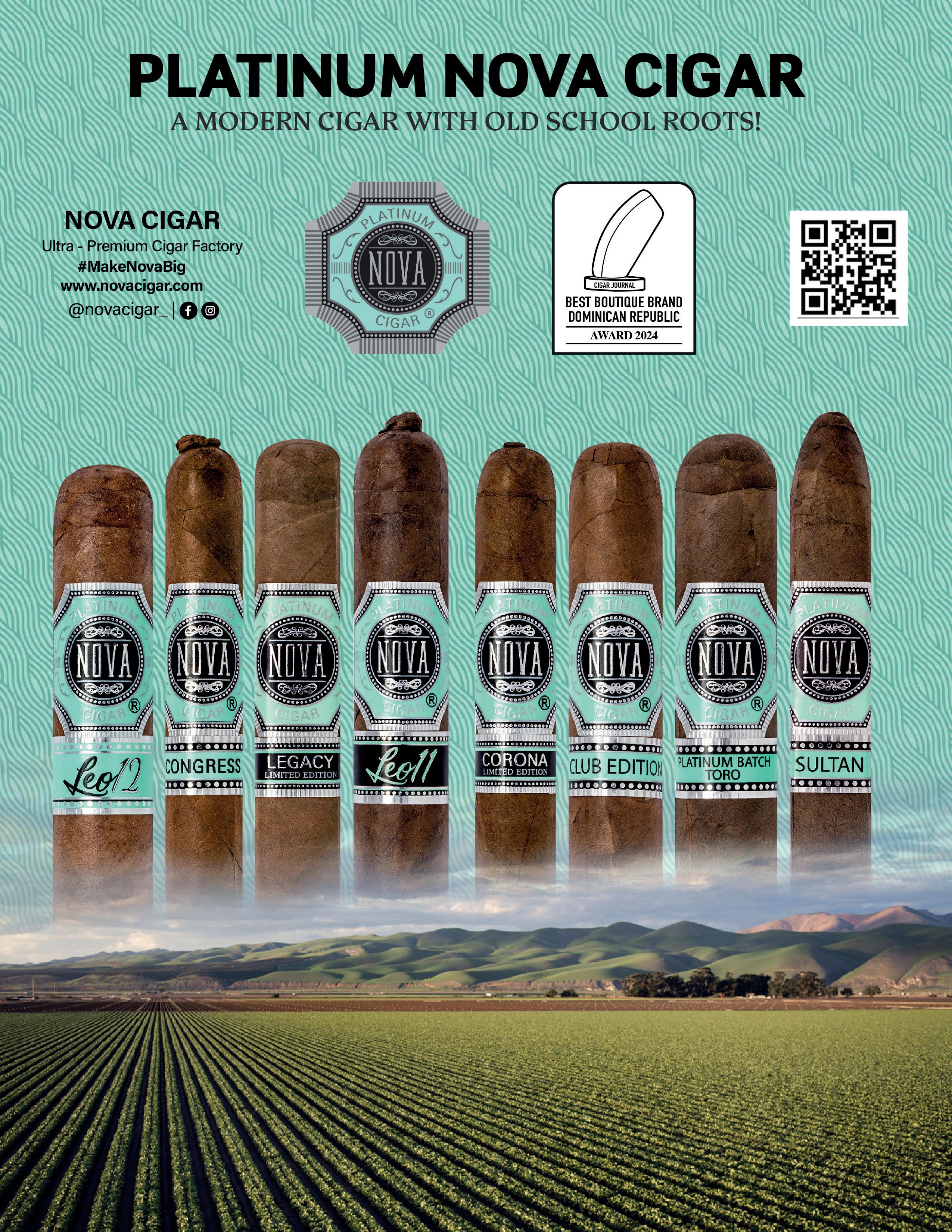
Nova Cigar, Trappist
Wrapper: Habano 2000 Oscuro.
Binder: Broadleaf.
Filler: Dominicana.
Size: Figurado, 7.25 X 54.
Tabacalera Ceniza, El Tallo
Wrapper: Negro San Andrés.
Binder: Sumatra Indonesia.
Filler: Criollo 98, Nicaragua, Pensilvania and San Vicente.
Size: 6 X 52.
Tinta Negra, Jim.Rod
Wrapper: San Andrés.
Binder: Sumatra Indonesia.
Filler: Criollo 98, Nicaragua, Pensilvania and San Vicente.
Size: 6 X 52.
Turnbull Cigars, Cofaidh Braiche
Wrapper: Negro San Andrés México.
Binder: Negro San Andrés México.
Filler: Coffee-infused Negro San Andrés and Scottish Malt Tobacco
Size: Toro, 6 X 54.
Dominican
Known among the Taíno people as Quisqueya –meaning Mother of All Lands– the present-day Dominican Republic was the first place in Colonial America where the Spanish cultivated tobacco, in 1531. However, recognition of its excellence did not arrive until the 18th century, when the Royal Factory of Seville considered it superior even to the finest Havana leaf.(1)
Tobaccos
Following various periods of boom and prosperity, interspersed with decline and hardship, the long road toward the industry’s stabilization and development has finally transformed the Leaves of the Great Land into more than just a national product; they are a source of pride and a symbol of a nation.
Alberto Arizmendi
Tobacco in the Dominican Republic is an ancestral asset originating from South America, specifically the Andean and Amazonian regions. Developed over time, it evolved into its own unique varieties –a heritage that, when combined with introduced strains, allowed for the development of a thriving industry that maintains a leading position in the global tobacco and cigar trade.
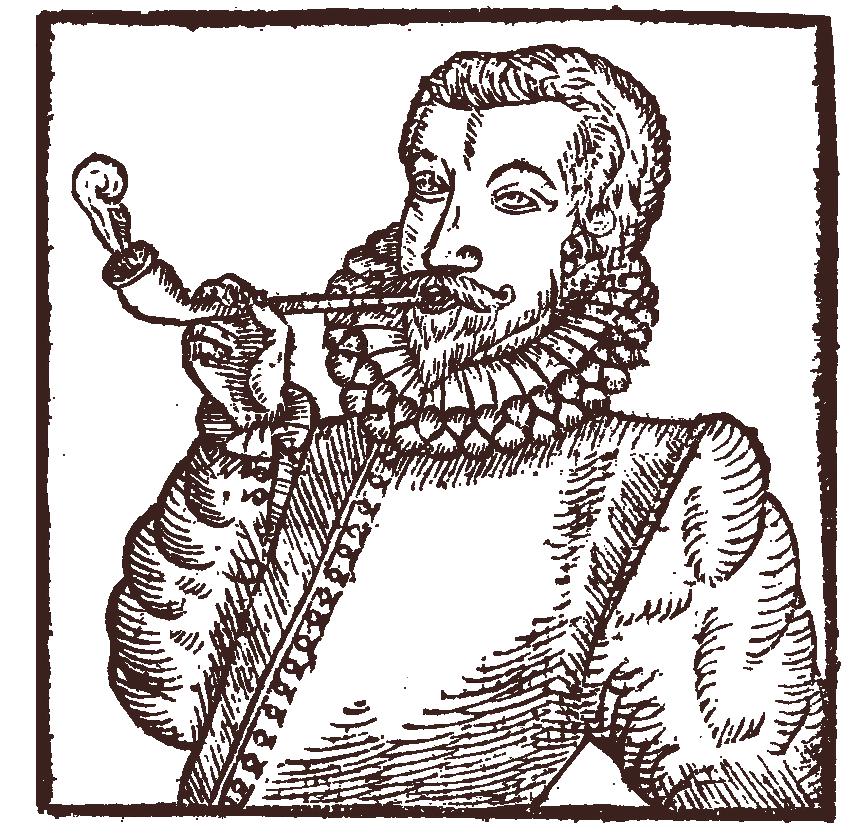
It was here that the first Western smoker emerged: the Spaniard Rodrigo de Jerez. A companion of Christopher Columbus, historians record that on October 25, 1492, imitating the indigenous people, he inhaled the smoke from rolls of leaves ignited at the far end.(2) The plant, cultivated until then for ritual purposes, was taken to Spain and became an inexhaustible source of wealth throughout the colonial era.
The introduction of tobacco to the French court is attributed to Jean Nicot, the French ambassador in Lisbon, which fueled its popularity in Europe. However, it was not until 1753 that the Swedish naturalist Carolus Linnaeus named the genus of the plant’s cultivars Nicotiana in his honor; the same happened with its active ingredient, nicotine, first isolated from the leaves in 1828.(3)
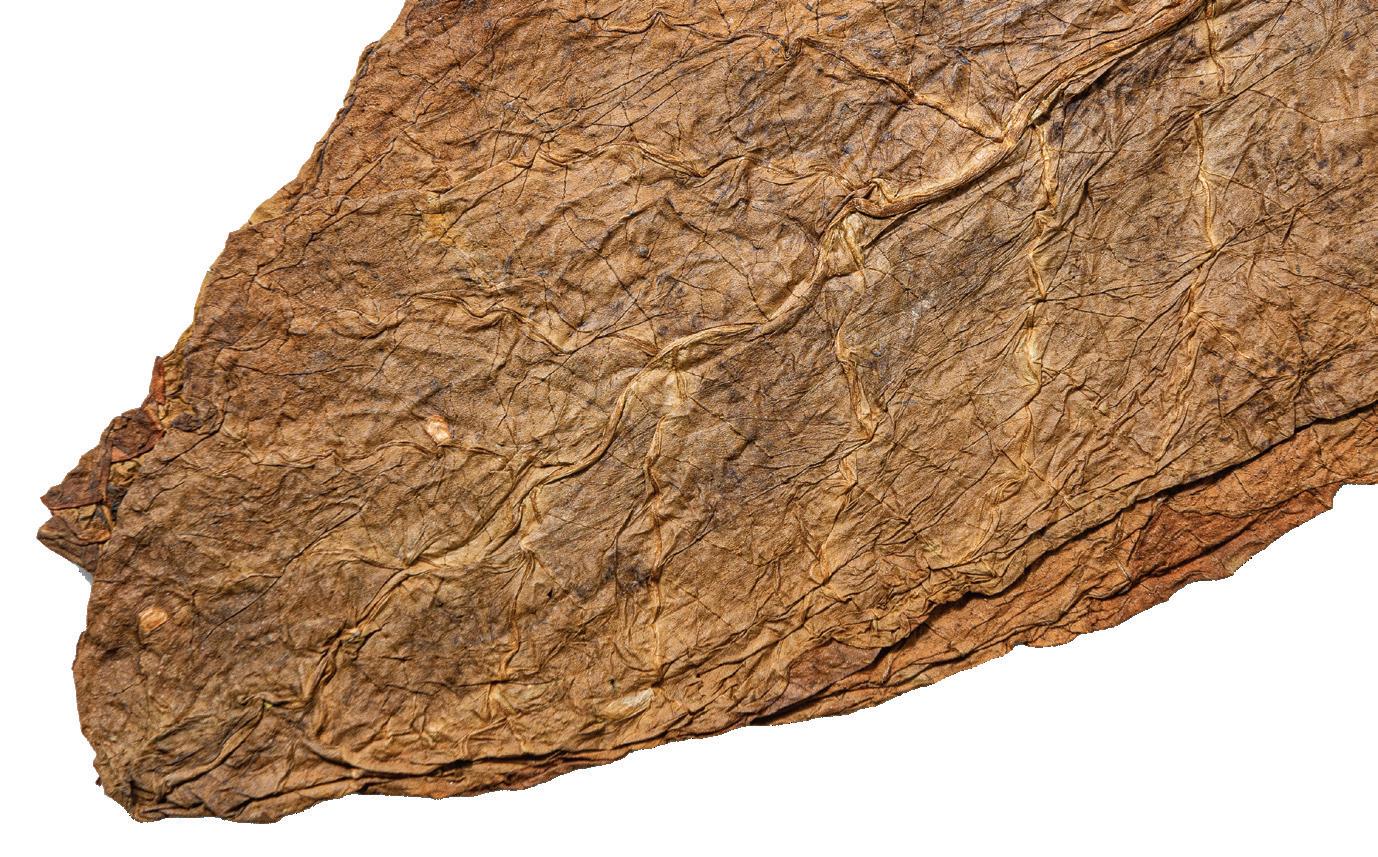
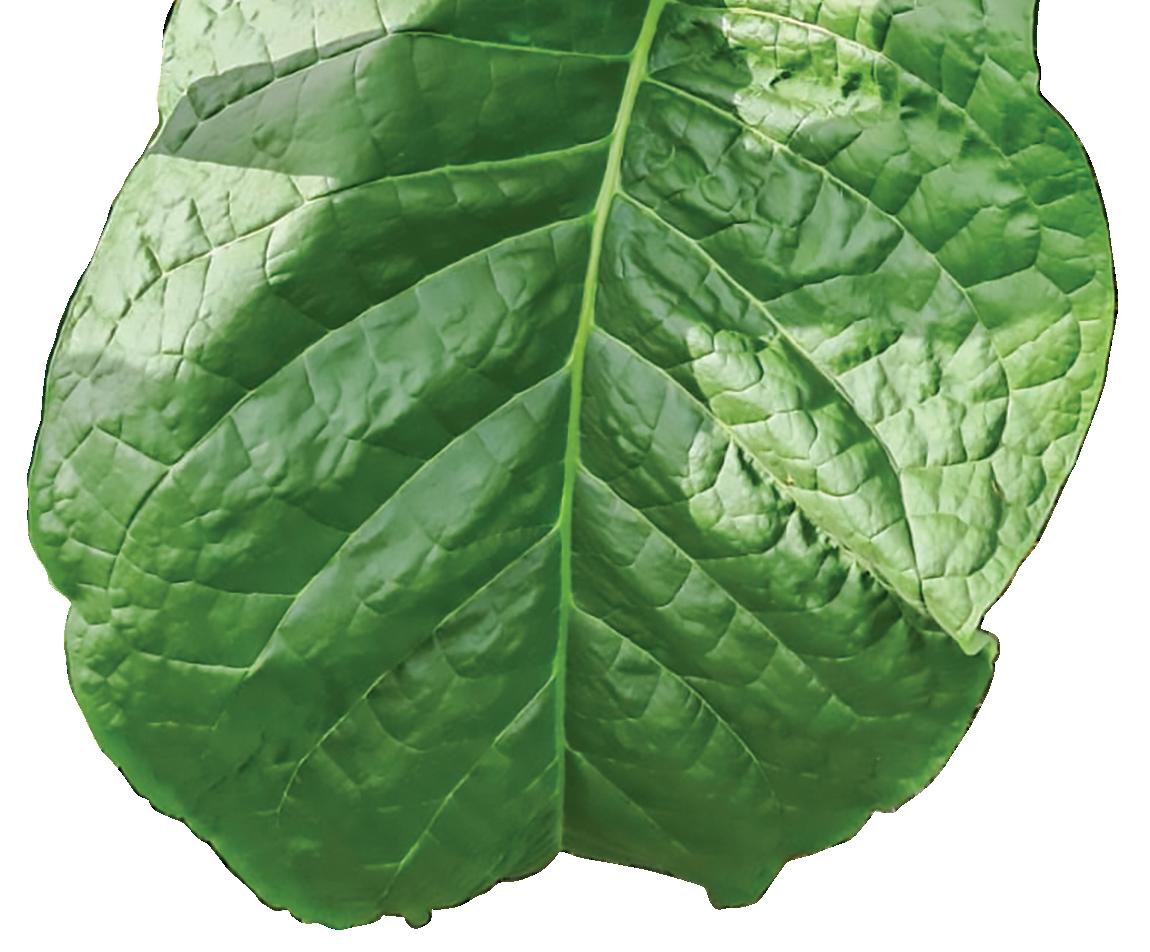
It is enough to mention that this genus encompasses three subgenera, and nearly all currently cultivated varieties correspond to the species Nicotiana tabacum L.(4) From these, four basic groups emerge: havanensis (Criollo, in the Antilles); brasilensis (Olor tobacco); virginica (mainly Virginia and Kentucky); and purpurea (Sumatra, Philippines, and Java), each with distinct characteristics in leaf size, shape, and color, as well as their organoleptic qualities (aromas and flavors).(5)
Although international regulations exist today to identify each variety, tobacco remains one of the most confusing cultivated plants to classify. This is influenced by variations in cultivation methods, as well as environmental factors (water, temperature, humidity, precipitation, solar radiation, etc.) and edaphic factors (soil chemical composition).(6)
Among the countless ancient classifications –which differentiated tobacco regionally (e.g., American vs. Oriental varieties) or by commercial grade (from extra and first to colas and fragments)(7)– at the beginning of the 20th century in the Dominican Republic, the plant was referred to in gendered terms: tabaco macho (male) and tabaco hembra (female) or mexicano, as well as Virginia and Brazil types.(8)
In fact, since the varieties and types found in the country result from mixtures, hybridizations, and crossings, the tobacco tradition adopted a simple classification for trade: Tabaco de Olor, used for wrappers, binders, or fillers in cigar making; and Tabaco Criollo (or black tobacco), for the manufacture of
cigarettes and cigars. It should be clarified that in this context, Criollo is not a synonym for low quality.
According to the Tobacco Institute (Intabaco, in Spanish), the country currently produces five types of tobacco across 21 varieties:
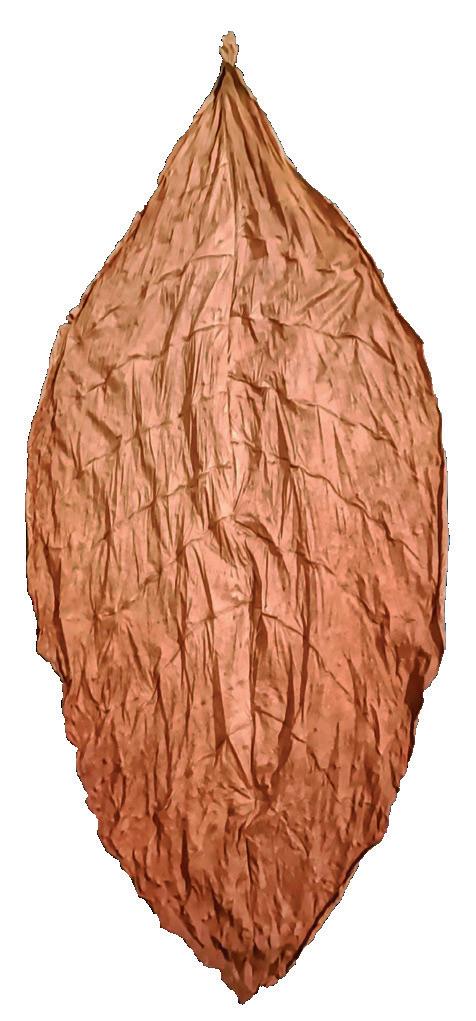
Olor Dominicano
Varieties: Quin Díaz, Chago Díaz, Papayo, Amarillo Parado, Olor San Víctor, Tumba Rancho, and Carbonell.
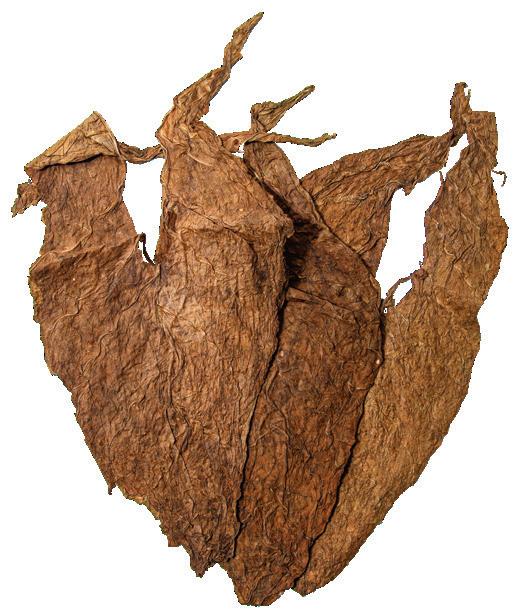
Havanensis
Varieties: Piloto, San Vicente, and Intabaco T-13.
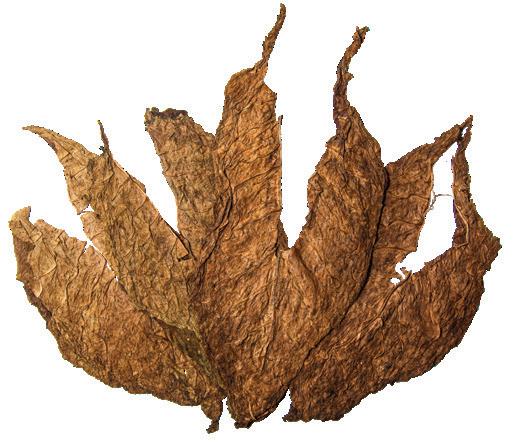
Introduced Havanensis
Varieties: Criollo 98, Corojo, HVA, and Negrito San Andrés.
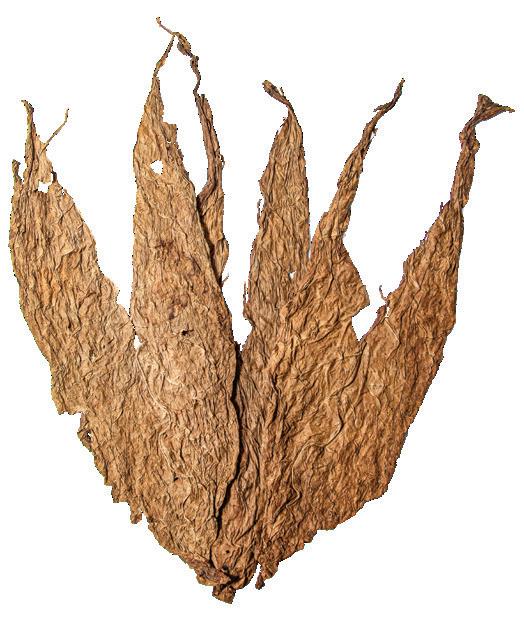
Local Criollo Tobaccos
Varieties: Pitrinche, Rabito, and Punta de Lanza.
Introduced or Wrapper Tobaccos
Varieties: Connecticut, Broadleaf, San Andrés, and Cameroon.
Engr. Tirso Ramírez.
Quin Díaz
Among the original Dominican varieties used in cigars, Quin Díaz resulted from a selection made by farmer José Joaquín Quin Díaz in Jacagua. For a long time, it reigned as the Queen of Olor Tobacco. (9) Agronomist Tirso Renán Ramírez Muñoz, head of the Research Department at Intabaco, highlights that it is a local source of resistance to the Black Shank disease (Phytophthora parasitaria) and has been used in U.S. breeding systems since 1955 as a source of resistance.(10)
Chago Díaz
Around 1948, farmer Santiago Chago Díaz planted the Quin Díaz variety (discovered by a relative) in a small plot near Villa González. Three plants grew inexplicably larger than the rest, with wider and more beautiful leaves. Along with his brothers, he gave them extraordinary care, eventually cultivating seven tareas from their seeds. After winning an award at a fair in Santiago, dozens of growers adopted the variety, which spread and was perfected to become one of the most recognized and sought-after in the world. (11) Due to its leaf width, it is widely used as a binder and for special wrappers, as well as for filler.
Carbonell.
Amarillo Parado
Perfected by Don Luis Carballo Romero, this is the most representative variety of Dominican Criollo tobacco. It is used mostly for dark tobacco cigarettes but also as a binder in cigars; its neutral flavor allows it to adapt to any blend. As filler, it is excellent, as it does not overpower the flavor of other well-known tobaccos.
Carbonell
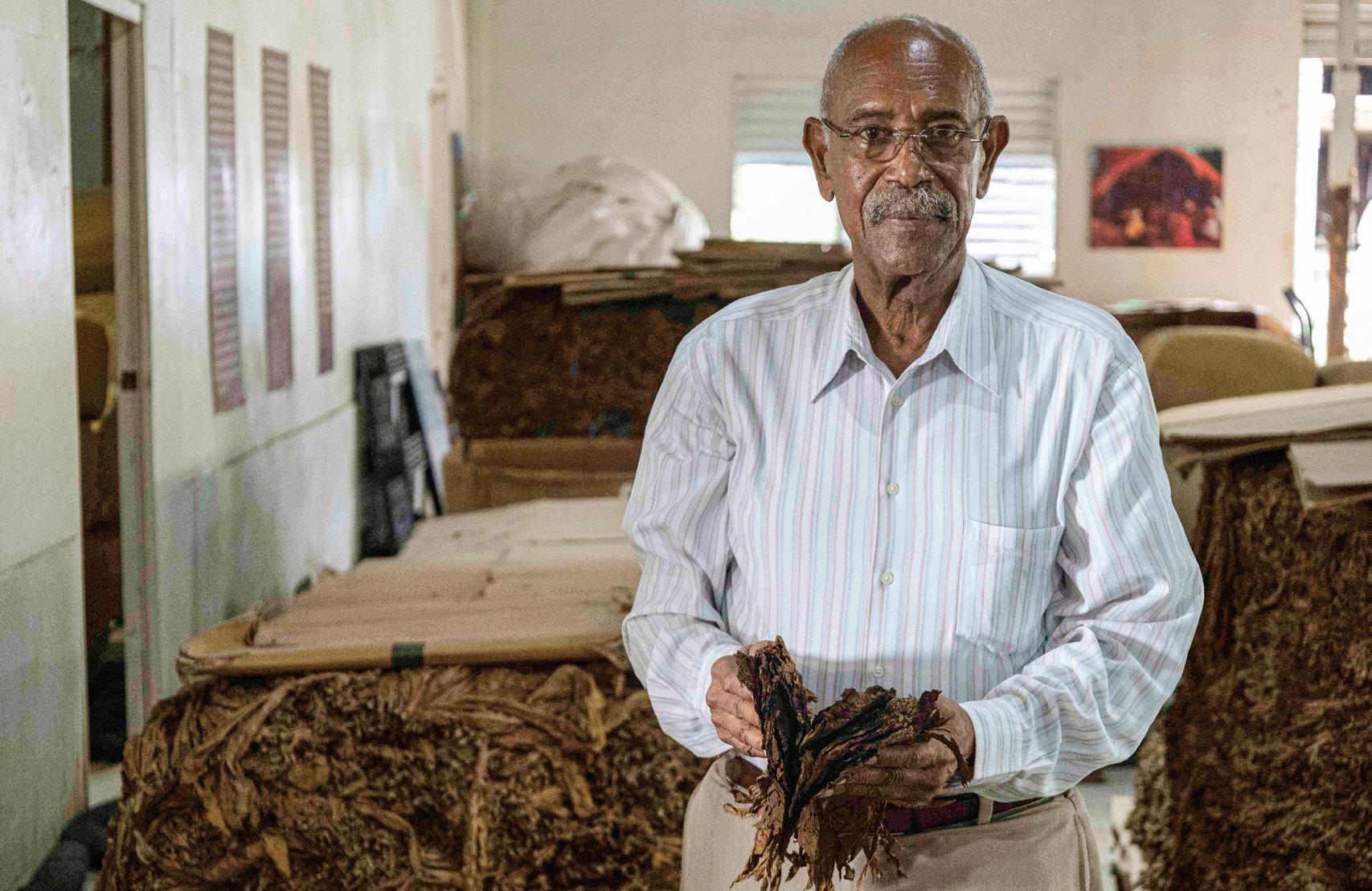
Cigar producer Pablo Carbonell SaintHilaire states that his grandfather, Jorge Carbonell Cañegas, cultivated Olor tobacco in Palmar de Abajo, Villa González, where the variety now known as Carbonell originated. It was lost due to commercial interests, but his father, Jorge Carbonell Farina, who knew it as a young man, spent years searching for the plant until he finally rediscovered and rescued it in the late 1970s and early 1980s. Agronomist Andrés Jiménez explains that it is a variety “created by natural selection” and, like Cuban tobacco, is suitable for wrapper, binder, and filler. In other words, a Dominican puro could be manufactured entirely from this leaf.
Piloto
Don José Leonardo Leo Reyes Vargas notes that this variety emerged in 1961 on a farm adjacent to the current facilities of the Compañía de Tabacos Flor de los Reyes in Navarrete. At that time, his father allowed Mr. Carlos Toraño and Intabaco staff to plant Cuban Criollo seeds there for testing. He recalls that they surrounded the farm with white cloth and built curing barns in the Cuban style. It was named Piloto Cubano because it was part of a “pilot plan,” the success of which allowed Dominican tobacco to be exported to Tampa, Florida, to make cigars for those who left the island after the Revolution.
San Vicente
Similarly, Don Leo Reyes mentions that the Cubans brought another seed they possessed at the time: Corojo Original. However, since few Dominicans had the culture of seed selection at that time, it eventually cross-bred with Olor tobaccos, resulting in a drought-resistant plant. “It tasted delicious, so it was named San Vicente, of which there eventually were more than six or seven different varieties.”
San Vicente.
Piloto Cubano.
Intabaco T-13
After ten years (or generations) of research, the Intabaco team managed to obtain plants with the tolerance and organoleptic conditions of Olor Dominicano and the flavor of Havanensis, resulting in Intabaco T-13. The lead engineer, Tirso Renán Ramírez, says it was named T-13 because its development concluded in 2013, and it happened to be in row 13 of the cross-breeding trials. It was patented in 2020 and recognized by the International Union for the Protection of New Varieties of Plants (UPOV). Its smoke offers nuanced layers, a quality noted by tasters. It is intended for use as wrapper, binder, and filler, providing more opportunities for blending.
Local Criollos
Tirso Renán Ramírez also speaks of local varieties like Pitrinche, which possesses great strength but has a very narrow leaf. Although it has few veins and could be used for small cigar wrappers, it is primarily used in blends for those who enjoy strong flavors. The name is local; Pitrinchito means thin. Other traditional tobaccos, such as Rabito and Punta de Lanza, have ancestral origins in the Andean and Amazonian zones.
Wrapper Tobacco
Based on the system developed in the U.S. starting in 1900, wrapper cultivation in the Dominican Republic began in 1964 with the San Vicente and Piloto Cubano varieties –an experiment credited to Iturbides Zaldívar and the Cuban José Emilio Rodríguez. However, the product, while high quality, proved very costly.(12) Commercial production was successfully re-established in Bonao in 1976 through an agreement between Intabaco and the U.S.-based Culbro Corporation. Today, light wrappers (Claro) are obtained from Connecticut type tobacco, while darker ones come from Sumatra and Cameroon strains.(13)
Over time, various companies have established wrapper crops. An example is the Compañía de Tabacos Flor de los Reyes, which currently produces varieties such as Corojo Original, Habana 92, HVA, Corojo 2006, Habana 2000, Corojo 99, Corojo 20-20, and San Andrés.
Andrés.
Corojo Original. San
HVA.
Capa Corojo 99.
Additionally, notable work is being done in the San Juan de la Maguana region in the southwest. In this valley –with over 25,000 hectares– the government seeks to replicate the success of traditional tobacco zones.
According to Luis Manuel Bonilla Bonilla, Executive Director of the San Juan Plan, the experimental stage covered five varieties to identify those best suited for the area. The agroclimatic and soil conditions are ideal for producing wrapper and binder tobacco, which offer the highest profitability. These leaves possess notes and qualities distinct from those of El Cibao, making them unique to the country in terms of quality and productivity.
These data and testimonies aim to briefly record the origins of some of the primary tobacco varieties produced in the country. The goal for the 2024-2025 harvest is set at 330,000 quintals –raw material that serves as the base for more than 181 million premium cigars. Last year, the sector exceeded 1.34 billion dollars in value.
1. GUTIÉRREZ ESCUDERO, Antonio. (2001). Tabaco y desarrollo económico en Santo Domingo (siglo XVIII). Anuario de Estudios Americanos, 58(2), at: https://doi. org/10.3989/aeamer.2001.v58.i2.221
2. CASAS, fray Bartolomé de las. Historia de las Indias. Fondo de Cultura Económica. México, 2017.
3. Britannica, History & Society, at: https://www.britannica. com/biography/Jean-Nicot
5. COMÍN, Francisco y ACEÑA, Pablo Martín. El negocio del tabaco en la historia. Programa de Historia Económica, Universidad de Alcalá y Fundación Empresa Pública. Madrid, España, 1998.
6. CHEZ CHECO, José y MU-KIEN, Adriana Sang. El Tabaco: historia general en República Dominicana, Botánica, Usos y Comercio. Volumen 1, Sociedad Taína/1900. Grupo León Jimenes, Colección Centenario. Santo Domingo, 2008.
7. GUARIDO OLMEDO, Victoriano. Orígenes, expansión, producción y mercado del tabaco en España. Cuadernos geográficos de la Universidad de Granada, Núm. 13, 1983.
8. CHEZ CHECO, José y MU-KIEN, Adriana Sang. Op. Cit.
9. Idem.
10. SILVER, Gustave and HEGGESTED, Howard E. Comparative Black Shank Resistance of Beinhart 1000 (Quin Diaz), N.C. 5346, and Rg in F1 Generation Involving Various Tobacco Types. Tobacco Science, 144.
11. CHEZ CHECO, José y MU-KIEN, Adriana Sang. Op. Cit.
12. Idem.
13. Ibidem.
→ACKNOWLEDGMENTS
Ing. Iván Hernández Guzmán, Executive Director of Intabaco.
Ing. Jesús Lora Báez.
Ing. José Leonardo Reyes Vargas.
Técn. José Manuel Rivas, Intabaco Social Media Manager.
Lic. Yowel Rodríguez.
Ing. Isidro Tavares, Agricultural Director of Intabaco.
Photography: - Projection CSD.
Since 2017, the Sisters of the Leaf Global Movement has been reshaping the cigar world, paving the way for a new era of empowerment and recognition for women. Founded by the visionary leadership of Dr. Anastasia Psomiadi, this movement has redefined the cigar world, making it a space that acknowledges and highlights women’s contributions.
Central to its mission is the empowerment of women, achieved through education, promotion platforms, mentorship, selfexploration, and fostering personal growth. The Sisters of the Leaf Global Movement represents a transformative shift, breaking barriers and opening doors to new opportunities for personal development and network building for both women and men.
Supported by its esteemed Advisory Board and Chief Business Development Officer, Lefty Karropoulos, the SOTL Global Movement inspires individuals, as well as local, national, and global associations, to develop similar initiatives and drive impactful change in the cigar industry and beyond.
Key Initiatives and Impact
· Education Through SGM Maestro School of Certified Cigar Sommeliers:
Education is central to SGM’s mission, represented by the Certified Cigar Sommelier Tobacconist (CCST) program. In partnership with Tobacconist University, this comprehensive certification provides participants with in-depth knowledge of cigars, equipping them with valuable skills, enhancing their expertise, and opening doors to new opportunities in the cigar industry. It empowers both women and men to excel and thrive professionally while deepening their appreciation of cigar culture.
· The SGM Maestro School of CCST Alumni:
The mission of the SGM Maestro School of CCST Alumni is to build a vibrant community of graduates, providing a platform for networking, knowledgesharing, and professional growth. Through its collaboration with Humo Latino, SGM will showcase interviews with Alumni members, available in both Spanish and English. These stories highlight their journeys, achievements, and passion, serving as an inspiration for aspiring sommeliers and contributing to the global appreciation of cigar culture.
· SGM - Women-Friendly Cigar Destinations:
SGM is transforming cigar lounges, shops, resorts, bars, restaurants, clubs, and more with its Women-Friendly Certification, setting a new standard for respectful and welcoming environments. The vision is to build a global network of SGM Cigar Destinations that uphold
these values and elevate the quality of cigar culture. Certified venues must meet specific criteria, such as offering cigars from women-owned brands, training staff, hosting educational events, and collaborating with local organizations.
· Global Dialogues and SOTL Roundtables:
For the first time in cigar history, within the principles of social responsibility and business ethics, the SOTL Global Movement initiated a groundbreaking international dialogue to present women’s stories, their perspectives on the stereotypes they have faced, potentials, achievements, and aspirations. Since 2019, the movement has organized 11 “Changemakers” Roundtables, conducted in-person, virtually, and in hybrid formats, creating a significant social impact and fostering meaningful influence in the cigar world and beyond.
· Rum Festivals Collaboration:
Through a partnership with The Rum Lab, SGM provides free platforms and booths for cigar brands and lounges, bridging the gap between cigar and rum audiences at Rum Festivals across the USA. This collaboration, initiated in 2023, engages enthusiasts through VIP pairings and exclusive events, further strengthening the connection between the rum and cigar communities.
· Supporting Local, National, and Global Initiatives: SGM has mentored women and supported various initiatives, uplifting voices, empowering communities, and offering ideas, models, and access to networks. It fosters personal growth, helps set new goals, and helps initiatives and projects to succeed.
Dr. Anastasia Psomiadi: The Visionary Behind SGM
Dr. Psomiadi, as a social innovator, academic, and entrepreneur, has redefined the cigar world by integrating social psychology and sustainability methodologies into the movement’s framework. Her vision extends beyond cigars, emphasizing connectedness, the social health of cigar enjoyment, and the broader impact of every initiative that reflects respect, self-growth, and social development.
Nadera Exitosa
A Mother, Remembered in Smoke
Dr. Anastasia Psomiadi
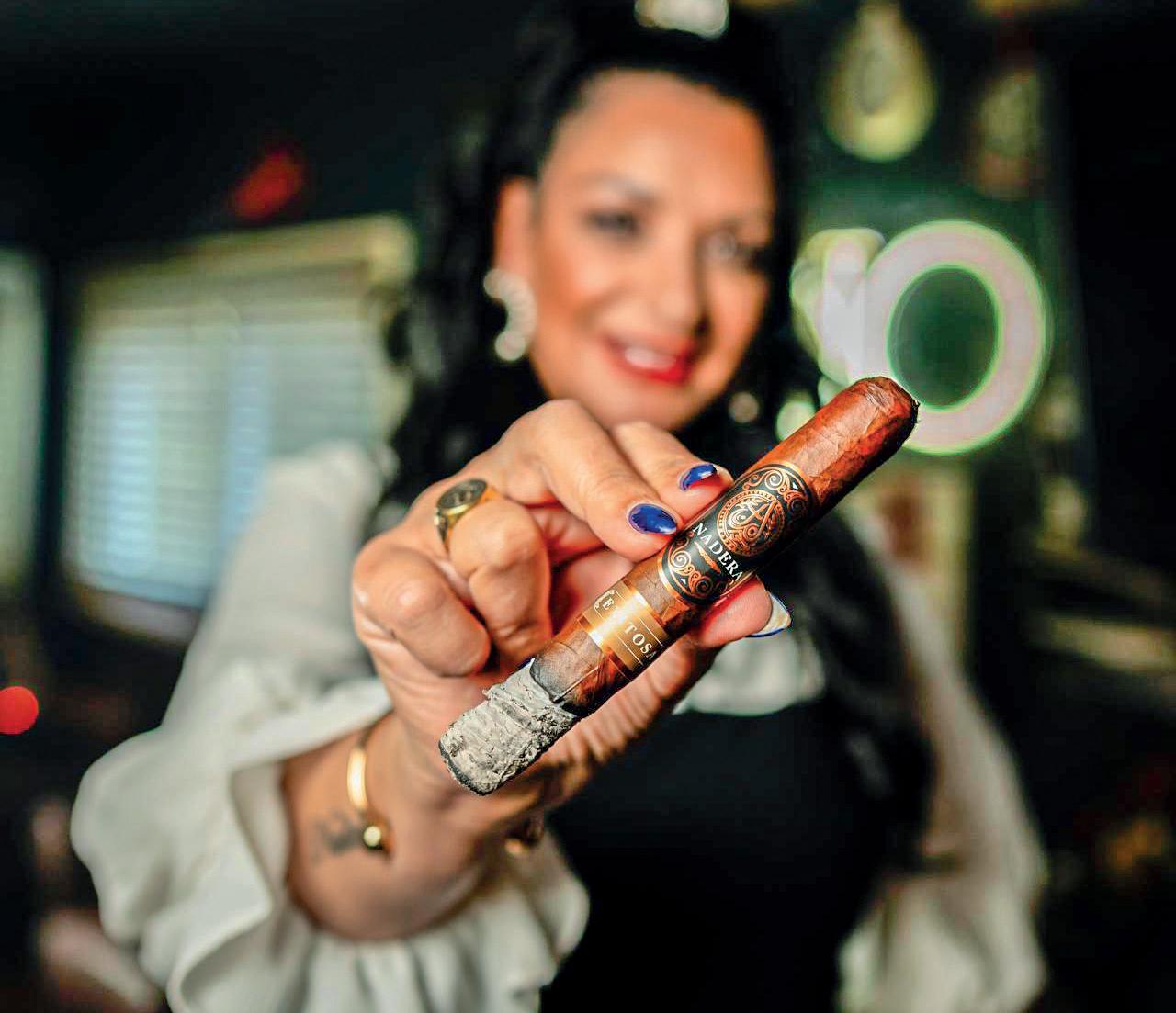
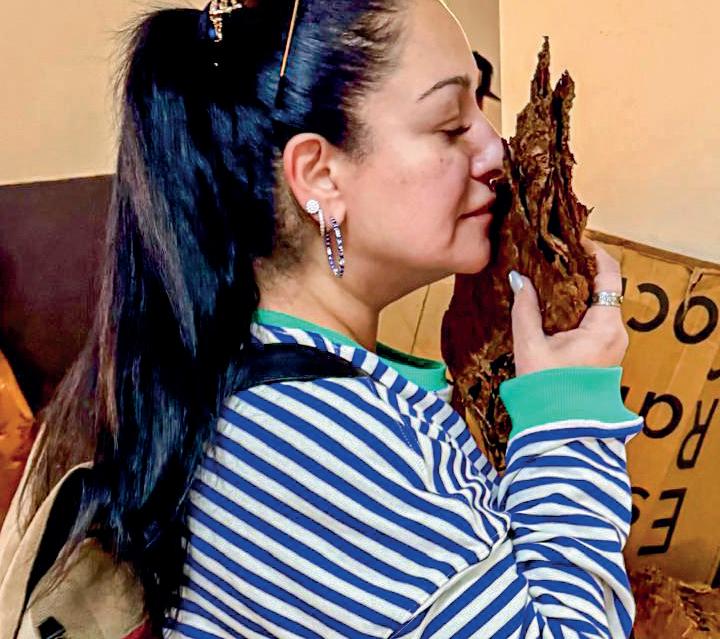
It began as a memory. In January 2025, in Estelí, Nicaragua, Patricia Khalaf started blending a cigar she had carried inside her long before she ever stepped into a factory. Nadera Exitosa is not a commercial statement; it is a personal one –a tribute to her mother, Nadera (Nadia), and the life that shaped everything Patricia became today.
THE WOMAN BEHIND THE NAME
Nadera was not a symbol; she was real. She became the first female school bus driver in Lebanon in the 1980s –not because it was fashionable, but because survival required courage. She raised three children alone after losing her husband when she was just 36. She lived through war, instability, and pressure without ever surrendering her dignity.
She was strong without being loud, protective without being rigid, loving without being weak. “My mother was my definition of success,” Patricia says. “Not because life was easy –but because she endured it with grace.” That is what Exitosa (Successful) means in this context.
Nadera (Nadia) and her daughter Patricia.
THE BLEND: BALANCE AND PURPOSE
Patricia did not want a cigar about her mother. She wanted a cigar that behaved like her. In Estelí, at the Luciano Cigars factory, Patricia worked closely with master blender Luciano Meirelles. Dozens of blends were tested; most were rejected. The right cigar had to feel composed, balanced, and confident –never aggressive, never hollow.
THE FINAL BLEND:
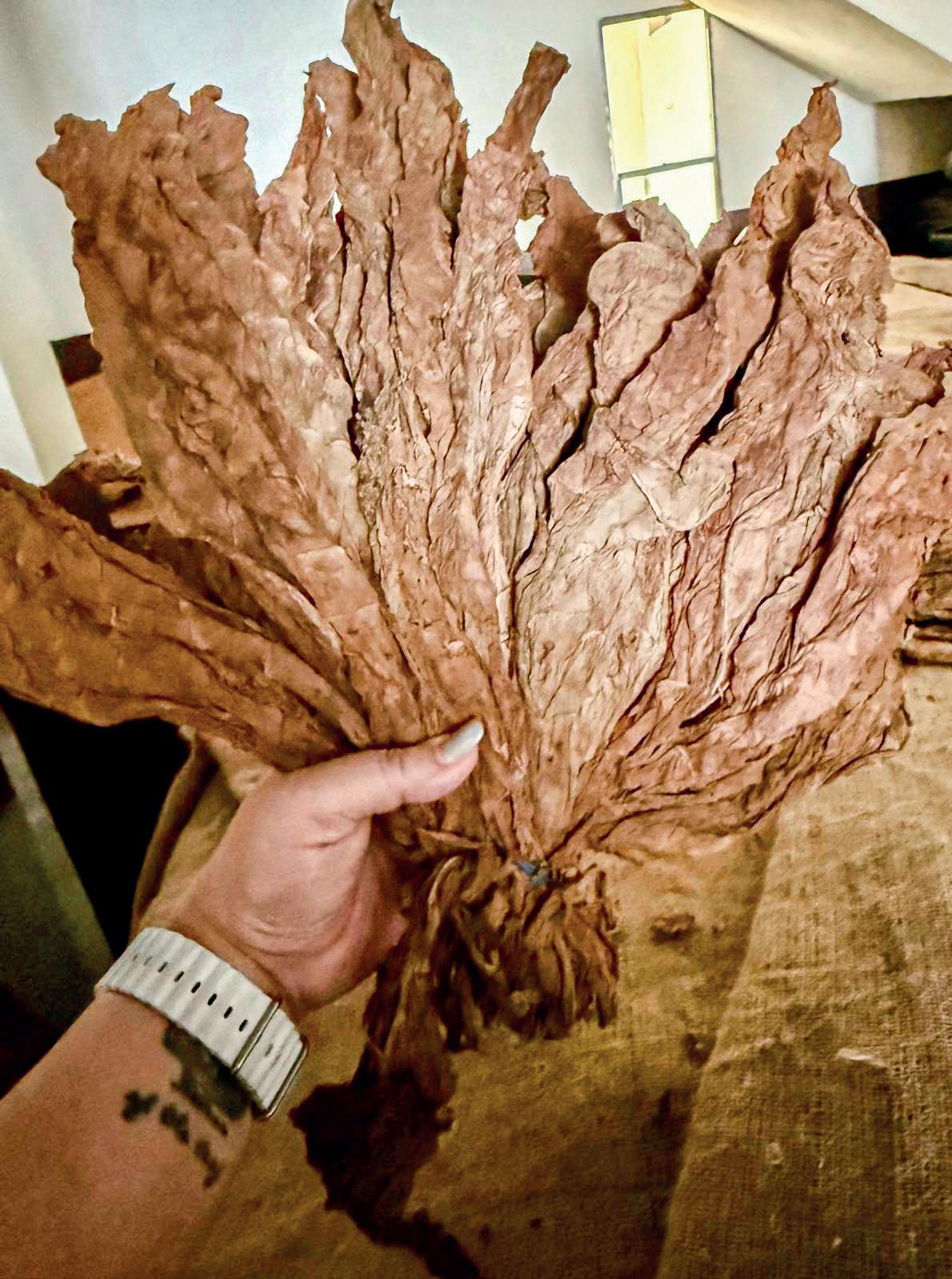
Wrapper: Habano HVA.
Binder: San Andrés. Filler: Nicaragua. Size: Toro (6×52), medium-bodied.
Elegant, steady, quietly powerful. Just like her.
The cigar did not begin as a brand idea.
LEADERSHIP, WITNESSED
I have known Patricia Khalaf since 2019, and I have witnessed her transformation from the inside –not as an observer, but as someone who has seen the discipline, the doubts, the growth, and the consistency it takes to truly belong in this industry. Patricia did not arrive here by accident or image. She built herself with patience, integrity, and respect for the culture. I am genuinely proud of her –not only for what she has achieved, but for how she has achieved it.
For women who want to enter the cigar industry and are searching for real guidance, I would sincerely recommend Patricia as a mentor you can trust. She leads without ego, supports women-owned cigar brands, and consistently stands behind cigars created by humans with values and stories.
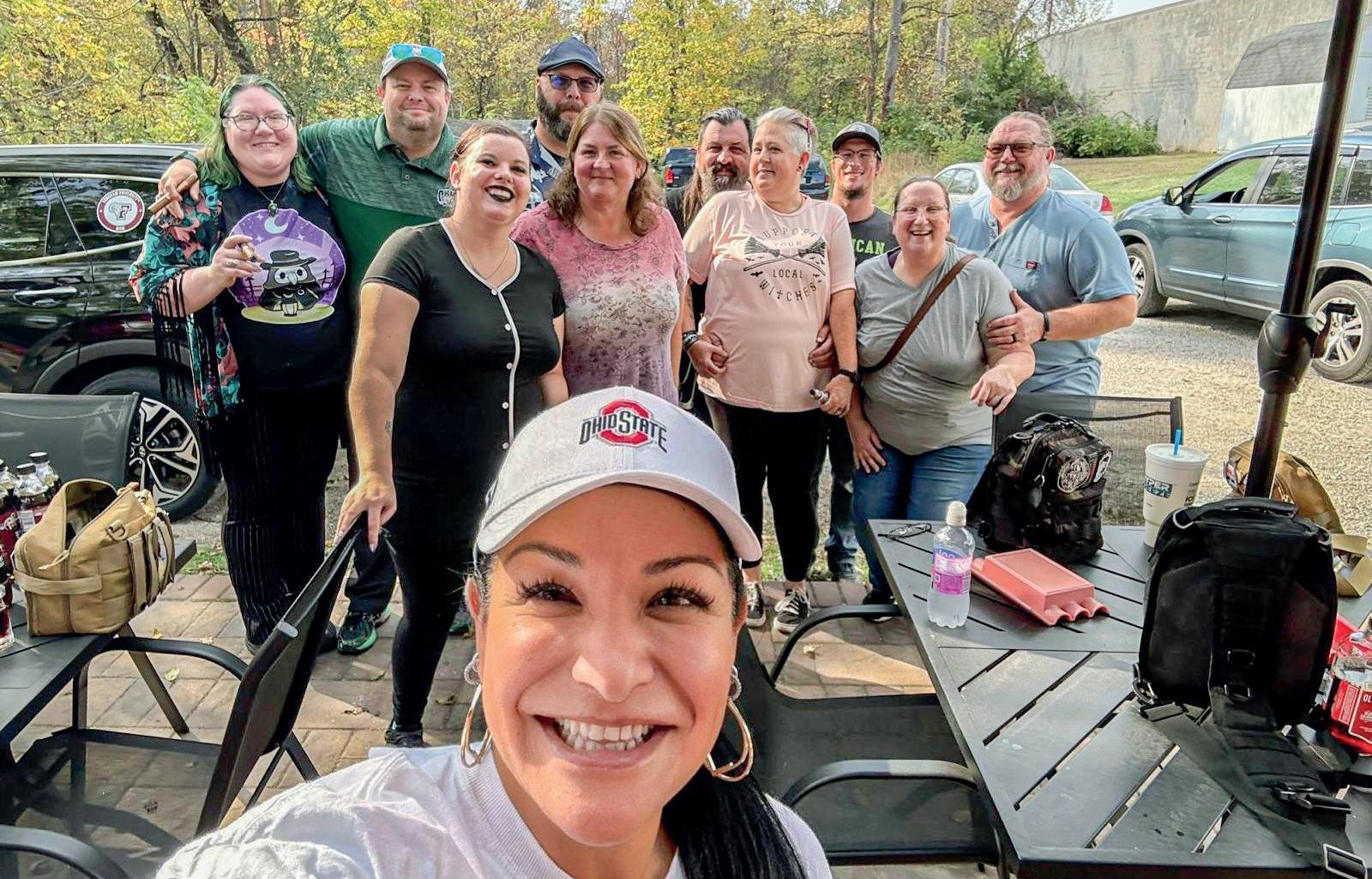
As an Advisory Board Member of the SOTL Global Movement, and as the owner of the first cigar lounge in Ohio to be certified under our standards as a Women-Friendly Cigar Destination –a certification we celebrated through a meaningful and beautiful ceremony– Patricia represents what responsible, values-driven leadership looks like in practice. She does not just open doors; she shows you how to walk through them with dignity.
WHERE THE STORY CONTINUES
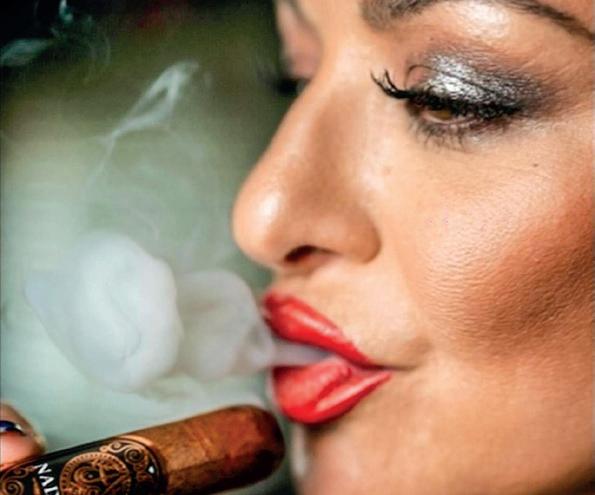
From the first draw, Nadera Exitosa does not rush you. There is spice, but it is controlled. Earth and cocoa notes follow, not demanding immediate attention. Cedar, espresso, and dark chocolate build gradually –a solid and intentional construction. The finish is creamy, calm, and resolved. This is not a cigar that tries to impress. It knows who it is. That confidence is the key.
THE LAUNCH: A MARKER, NOT JUST A CELEBRATION
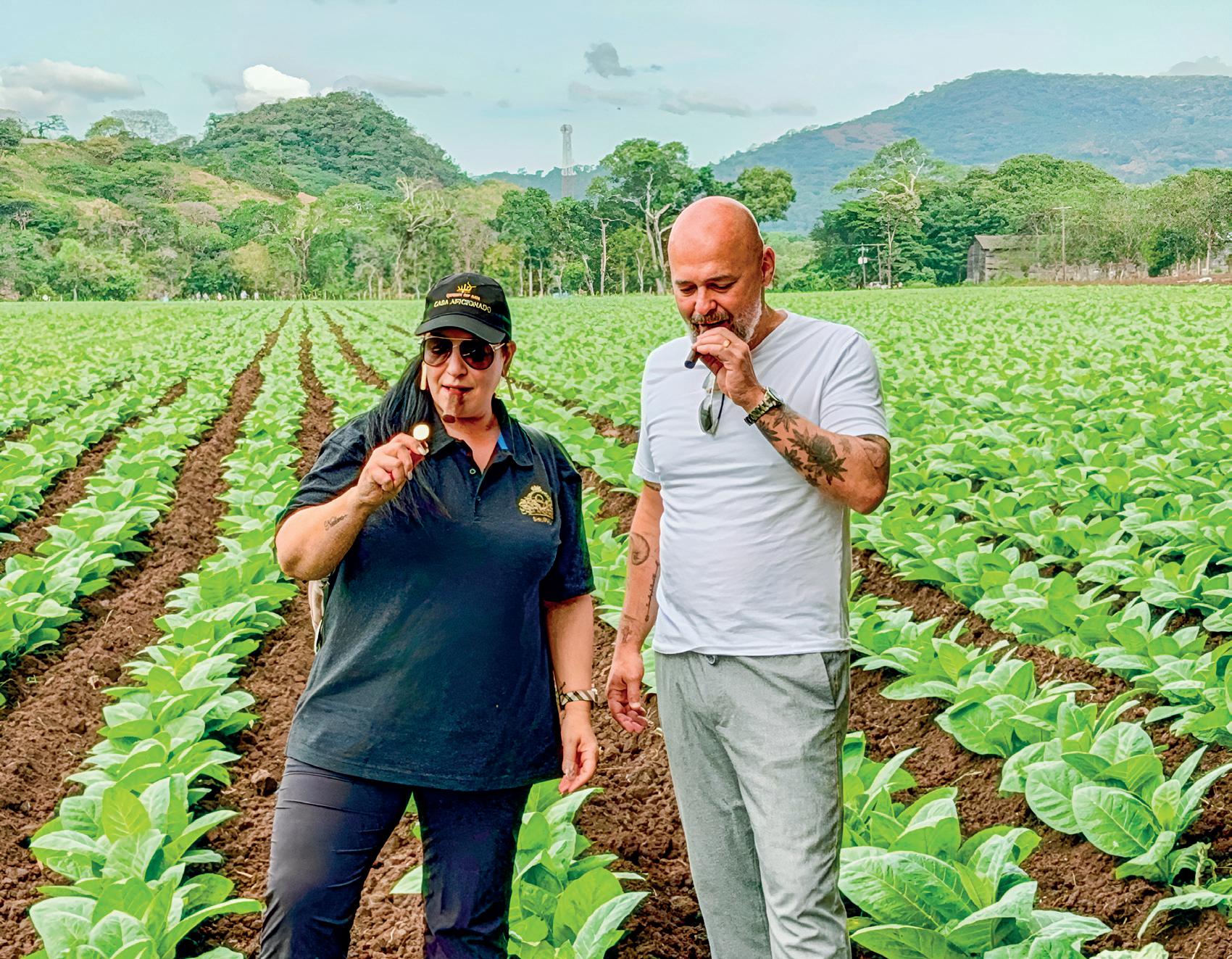
Nadera Exitosa was officially released on October 18, 2025, at Casa Aficionado – Luciano Cigar Lounge. The date was deliberate: exactly five years to the day after Nadera passed away.
Patricia did not frame the evening as a conventional launch. There were no theatrics. It was a gathering –people, stories, smoke, and presence. “It wasn’t about loss,” she says. “It was about continuation.”
ONLY THE FIRST CHAPTER
Nadera Exitosa is the first of three cigars in the Nadera line. Each will represent a different dimension of Nadera as a woman –not as a marketing concept, but as a lived experience. “This line is not about me,” Patricia explains. “It’s about who raised me.”
Nadera Exitosa is not meant to be overexplained. It is meant to be lit. It stands as proof that cigars can carry memory, discipline, and love without becoming sentimental. It proves that legacy doesn’t have to be loud to last.
“When I smoke it,” Patricia says, “I don’t think of absence. I think of presence.” And that is what this cigar does best.
This cigar exists because a woman existed first.
Hype, Scarcity, and Frustration
The Vortex of the 2025 Top Cigar Lists
Cándido Alfonso(*)
Every December, the premium tobacco industry enters a cycle that is no longer surprising, but is certainly exhausting: the mass publication of “Top Cigars of the Year” lists. For the smoker, they appear to be guides; for many retailers, they are triggers for frustration; and for those of us who operate lounges and shops with direct access to virtually every brand and portfolio, they are a clear X-ray of how hype has displaced discernment.
From behind the humidor, the phenomenon looks different. I have smoked those cigars before they were trends, during their peak, and after they disappeared from the market. The cigar rarely changes. What changes is the narrative, amplified by rankings that do not always consider –or do not want to consider– the reality of production and distribution.
Here is the uncomfortable truth: many lists include cigars whose availability is limited on purpose. Controlled productions, selective allocations, and releases directed only to certain markets or a small group of retailers. The result is predictable: an artificial hype is created that the consumer cannot satisfy and the retailer cannot resolve.
The smoker walks into the lounge looking for “Number X” of the year. They don’t want an experience; they want validation. When they can’t find it, they are not just disappointed; they are frustrated. They assume the product “doesn’t exist,” that the retailer “couldn’t get it,” or that someone else has privileged access. The conversation stops being about flavor and starts being about exclusion.
For the retailer, the blow is twofold. On one hand, we are expected to respond to a demand that was created without considering the supply chain. On the other, customer trust is eroded when the product is simply not available, nor will it be. Not because we don’t want to sell it, but because it was never allocated to us.
This dynamic is not accidental. Controlled scarcity sells narrative, not necessarily experience. It elevates the perception of luxury but sacrifices accessibility, and when combined with high-profile rankings, the result is an inflated expectation that no humidor can sustain.
I have seen excellent cigars go unnoticed because they didn’t make a list, just as I have seen extraordinary cigars generate more frustration than pleasure due to the impossibility of acquiring them. This imbalance does not benefit the smoker or the retailer; it only benefits the myth.
The lists are not the problem. The problem is when they are published without context, transparency, or responsibility toward the ecosystem they support. When it is not made clear that “Top” does not mean “available,” nor does it mean “the best for everyone” or “repeatable.”
From my position, the call is clear: less engineered hype and more real education. Fewer rankings that create anxiety and more conversations that build discernment, because the true value of a premium cigar is not in its exclusivity, but in how memorable it is when it is actually smoked.
Because a cigar that cannot be obtained may generate desire, but a cigar that can be enjoyed generates loyalty.
(*) Founding Partner of Entre Humos: Lounges, Online, Retail, Puerto Rico.
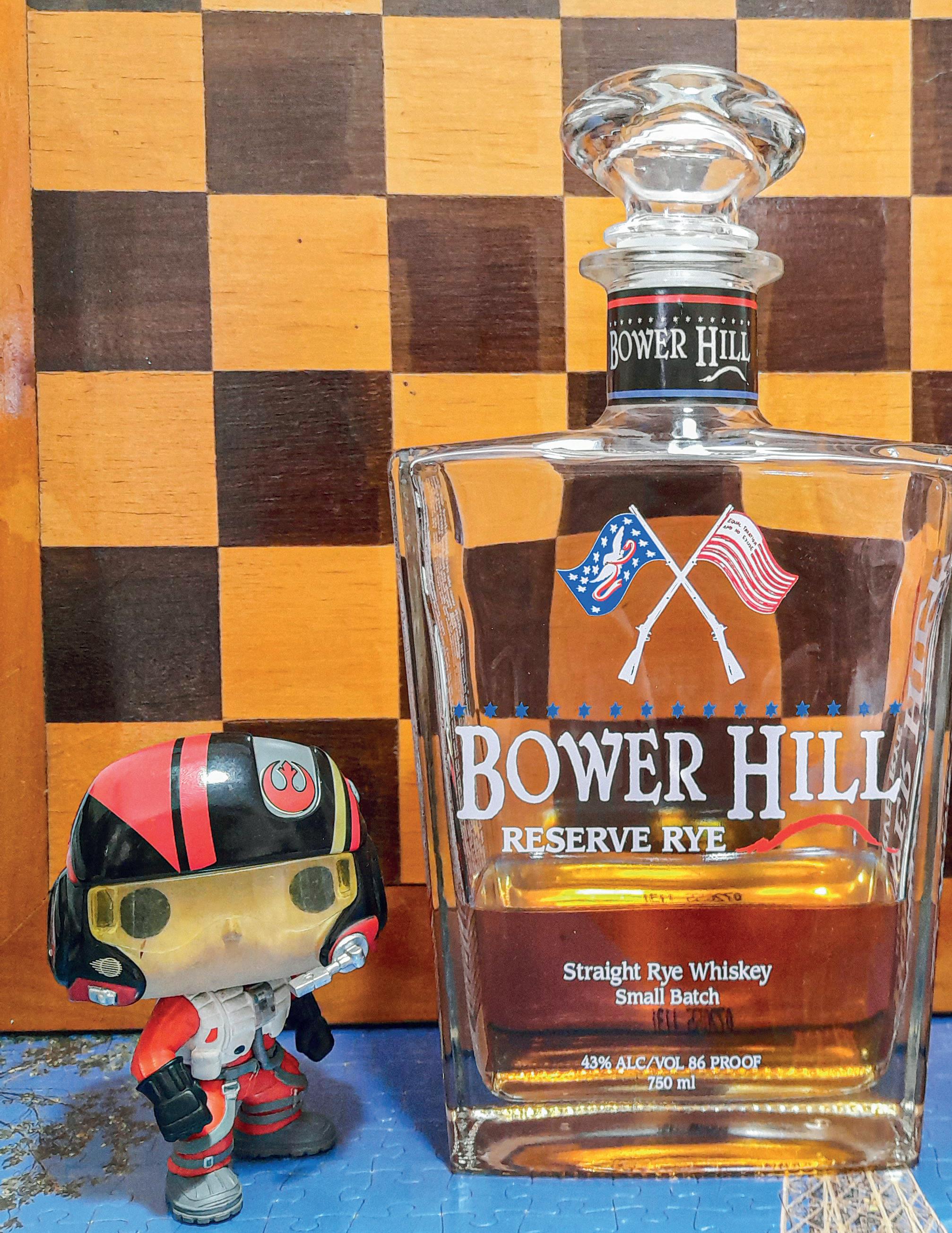
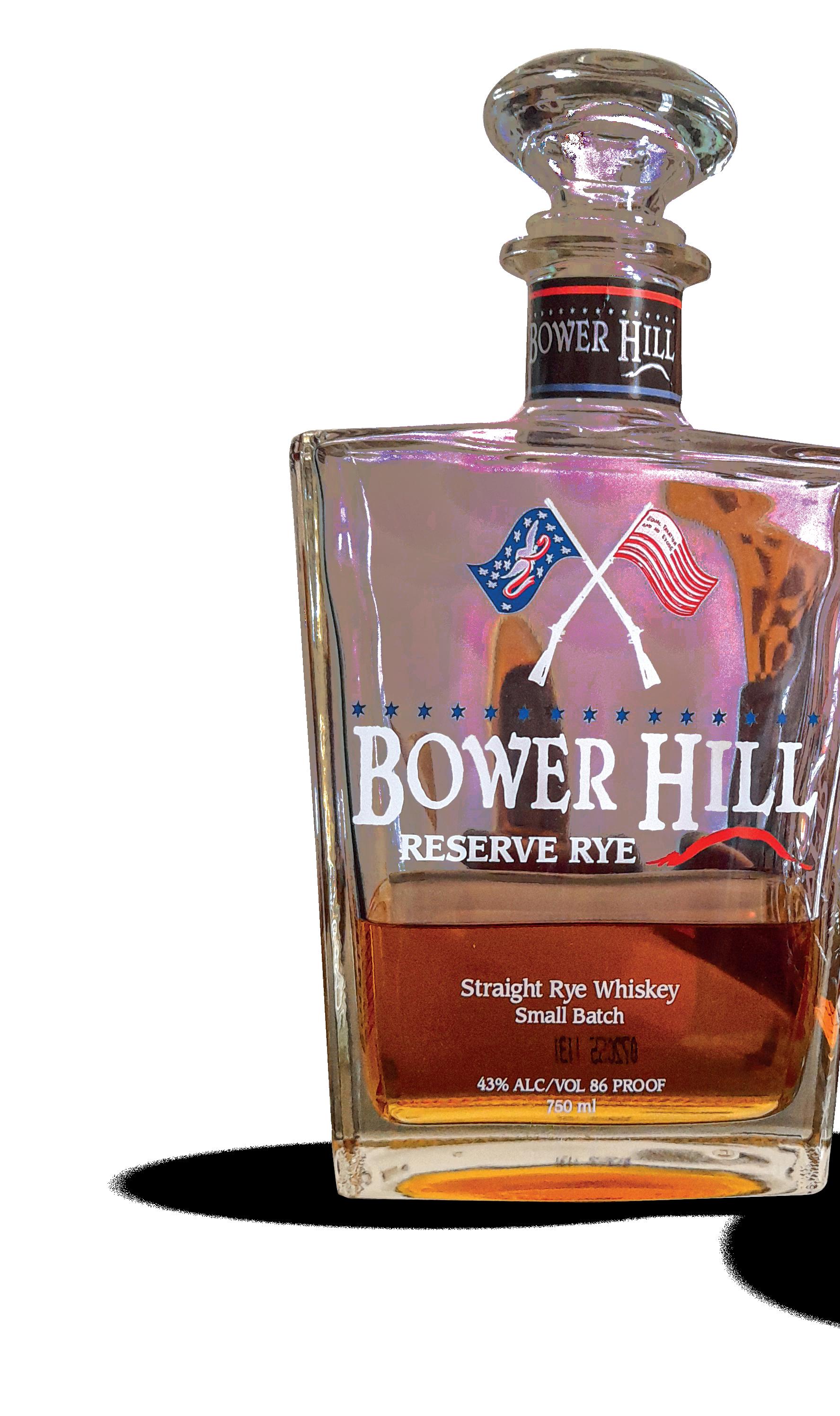
Bower Hill Reserve Rye Whisky
Marketing, Style, and History
CLASSIFICATION: Kentucky Straight Rye Whisky.
COMPANY: Bower Hill Distillery (Cask selection, bottling, and marketing).
DISTILLERY: Undisclosed (Distilled in Louisville, Kentucky).
ABV: 43% (86 Proof).
AGE: NAS (No Age Statement).
MASHBILL: Undisclosed.
COLOR: Bright gold, intense caramel.
Michel I. Texier
Among whisky aficionados, it is likely not common knowledge that the Battle of Bower Hill holds the dubious honor of being the only engagement of the “Whiskey Rebellion” that resulted in bloodshed.
As a result of the economic cost of the Revolutionary War, the nascent American government accumulated significant debt. Consequently, in 1791, George Washington’s administration established the first tax on spirits to contribute to the war debt repayment. Whisky was the primary target, leading many distillers to resist. In response to the government’s attempts to enforce payment, outbreaks of violence occurred in southwestern Pennsylvania. This culminated in a group of rebels attacking the residence of the federal marshal in charge of tax collection. The resulting shootout left an undetermined number of rebels and federal officials dead. This prompted the government to intervene more forcefully against armed resistance, ending the rebellion shortly thereafter without further bloodshed.
NOSE: Not very spicy, with a predominance of citrus notes, especially orange. Clear hints of honeydew melon and pineapple also appear; its fruity profile makes it one of the most well-crafted Ryes in its category currently on the market.
PALATE: The first thing perceived is the Rye, which might seem obvious. Being lightly spiced, it starts quite smooth and flat on the palate; then, notes of caramel and green wood appear –another common characteristic in Ryes. It also presents notes of pine and tobacco, which immediately places it among those labels we should consider when smoking.
FINISH: A smooth and prolonged finish with a very clean palate. It is strong and light at the same time, mainly on the tongue; the caramel sweetness disappears, and herbaceous notes along with hints of tobacco eventually predominate.
COMMENTS: Stories like that of the “Whiskey Rebellion” make, in my opinion, the experience of enjoying these types of labels much more interesting. Furthermore, brands like Bower Hill are a great example of products that do not have defined facilities or their own history as a distillery. Instead, it follows a business model widely used in the whisky industry (especially in America) where investment groups acquire whisky from an undisclosed source –stating only that it is distilled and aged in Louisville– to be later selected and bottled, in this case, in Silverton, Ohio.
Therefore, what truly lies behind a product like this is a marketing plan, an attractive bottle, and fortunately in this case, a great product to enjoy.
Acknowledgments: To my friend Julio César Simao, for obtaining the bottle for me some time ago that allowed me to write this review.
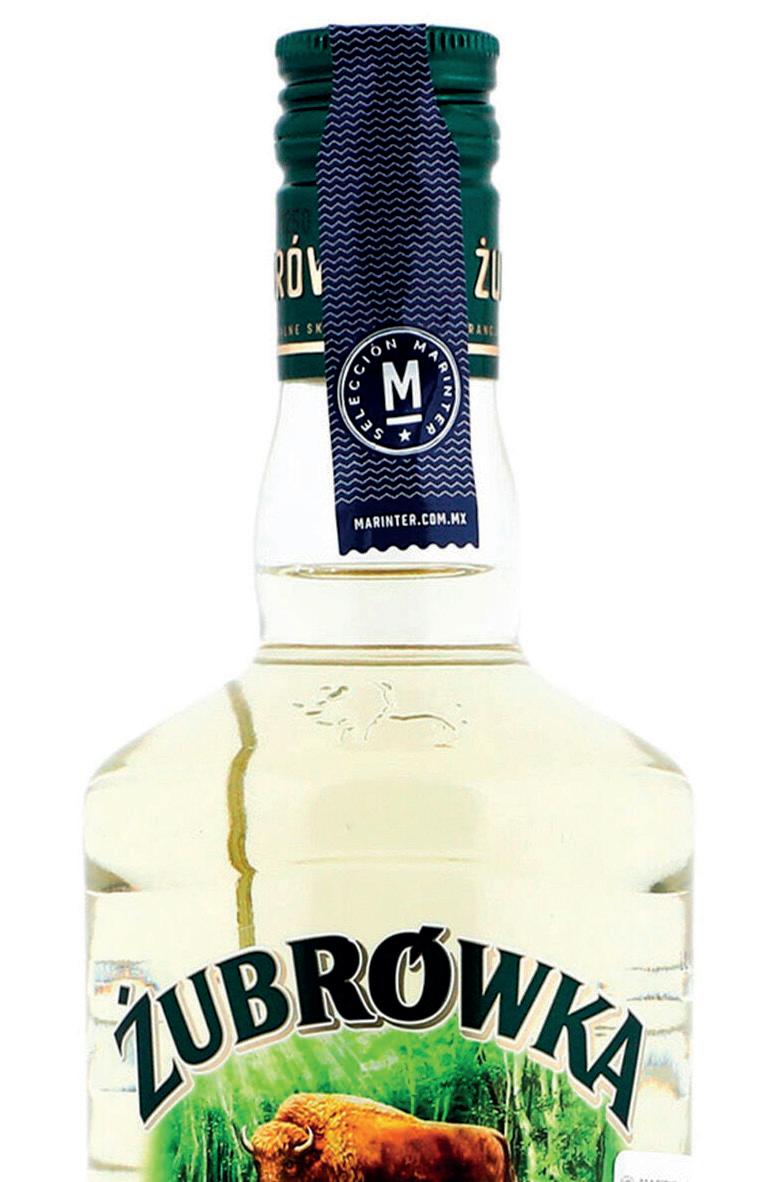
Zubrowka Bison Grass
An Aphrodisiac Vodka
Turówka foresta (Bison Grass) was considered an aphrodisiac, as it was credited as the source of strength and energy for the European bison.
Romero S. @gorosacigar
It all began in the 15th century, in the Bialowieza primeval forest (northeastern Poland). There, a fresh green grass grows wild, and according to the nobles of the era, its consumption by the region’s bison was the source of their legendary strength and energy.
Gonzalo
Consequently, in an effort to obtain these same benefits and aphrodisiac properties, they began placing a blade or strand of this grass into the alcohol they consumed.
Bison grass is distinguished by being a plant between 40 and 60 cm tall, with an aroma of fresh hay and coumarin –a substance that leaves a white powder on the leaves, visible to the naked eye. The notes contributed by this plant allow for the creation of a unique vodka.
Today, bison grass is sourced from the Bialowieza forest, considered one of the last remaining primeval forests that covered Europe thousands of years ago. As it is a protected forest ecosystem, a special permit is required to harvest the grass –a process carried out 100 percent by hand from June to October each year.
Once harvested, the plant is dried with heat in wooden rooms (the specific wood type is undisclosed). Subsequently, it undergoes two maceration processes –one aqueous and one alcoholic. Under strictly controlled conditions, the proper essence is obtained to proceed with curing and filtering before being blended with the vodka.
Time, tradition, and respect have been the principles that make Zubrowka special.
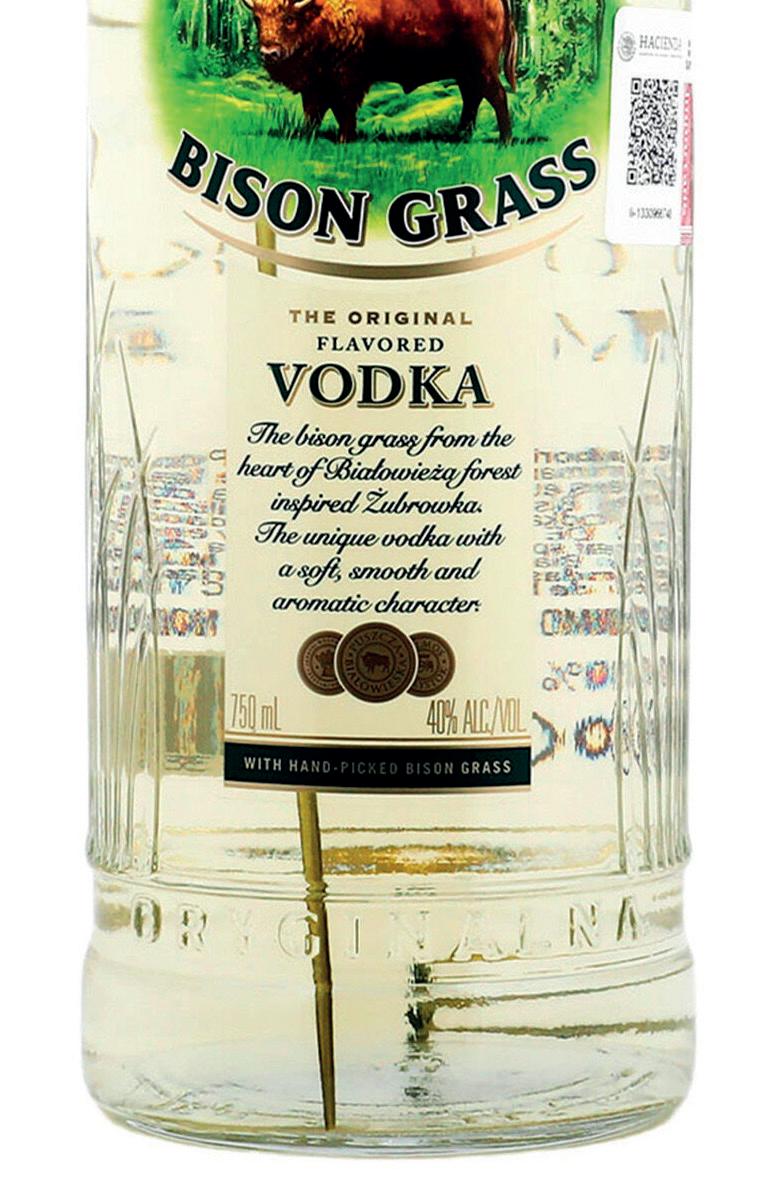
With 40 percent alcohol by volume (ABV) and no declared age, we find a light green liquid to the eye. On the nose, there are floral notes, vanilla, and lavender. On the palate, herbal notes, vanilla, and spices (clove) emerge, with a flavor that transports you to the virgin forest.
By choosing to drink Zubrowka, you will have a unique sensory experience that begins by looking at the bottle and finding a blade of bison grass inside.
The recommendation is to drink it very cold, neat, or with a slice of green apple, always following the tradition of sharing… Enjoy!
Do not forget to share your comments, and I will see you in the next edition. I will not say goodbye without first reminding you that “gratitude is an expression that increases happiness and attracts success.”