
S
u
s
a n d c l i m a t e r e s i l i e n c e , I n d i g e n o u s k n o w l e d g e s y s t e m s ,
e c o l o g y a n d l a n d s t e w a r d s h i p , a n d a r t s a n d c u l t u r e
W o r k i s c a r r i e d o u t t h r o u g h c o m m u n i t y l e a d e r s h i p a n d
e x i s t i n g l o c a l s t r u c t u r e s a c r o s s t h e G l o b a l S o u t h i n
r e m o t e a n d l o w - i n f r a s t r u c t u r e e n v i r o n m e n t s , w h e r e
a c c e s s t o e s s e n t i a l r e s o u r c e s a n d s e r v i c e s i s l i m i t e d
I n 2 0 2 5 , H u m a n c u l t u r e m a i n t a i n e d a n d e x p a n d e d
h u m a n i t a r i a n a i d a n d c l i m a t e r e s i l i e n c e i n i t i a t i v e s ,
i n c l u d i n g w o m e n - l e d p r o g r a m s , r e m o t e e d u c a t i o n ,
e s s e n t i a l r e s o u r c e d i s t r i b u t i o n , a n d h e a l t h a c c e s s ,
a l o n g s i d e c o n t i n u e d s u p p o r t f o r l o c a l p r o d u c t i o n a n d
c o m m u n i t y - b a s e d e c o n o m i c a c t i v i t y . W o r k a l s o
c o n t i n u e d a c r o s s I n d i g e n o u s s y s t e m s , e c o l o g i c a l
p r a c t i c e s , a n d c u l t u r a l i n i t i a t i v e s t h r o u g h f i e l d - b a s e d a c t i v i t i e s , k n o w l e d g e d o c u m e n t a t i o n , a n d i n s t i t u t i o n a l e n g a g e m e n t .
H u m a n c u l t u r e c r e a t e d a n d l a u n c h e d t h e I n d i g e n o u s
S y s t e m s p l a t f o r m , a p u b l i c b o d y o f w o r k d o c u m e n t i n g
I n d i g e n o u s k n o w l e d g e a n d p r a c t i c e s a
•
•
•
O u t r e a c h & E n g a g e m e n t
• G u e s t T r a v e l & C u l t u r a l E x c h a n g e
•
R e p o r t i n g
•
• P a r t n e r s , S u p p o r t e r s & E x e c u t i v e D i r e c t o r N o t e humanculture

P R O G R E S S R E P O R T Y E A R E N D 2 0 2 5 H U M U R E
M A A S A I W I D O W S C O L L E C T I V E n
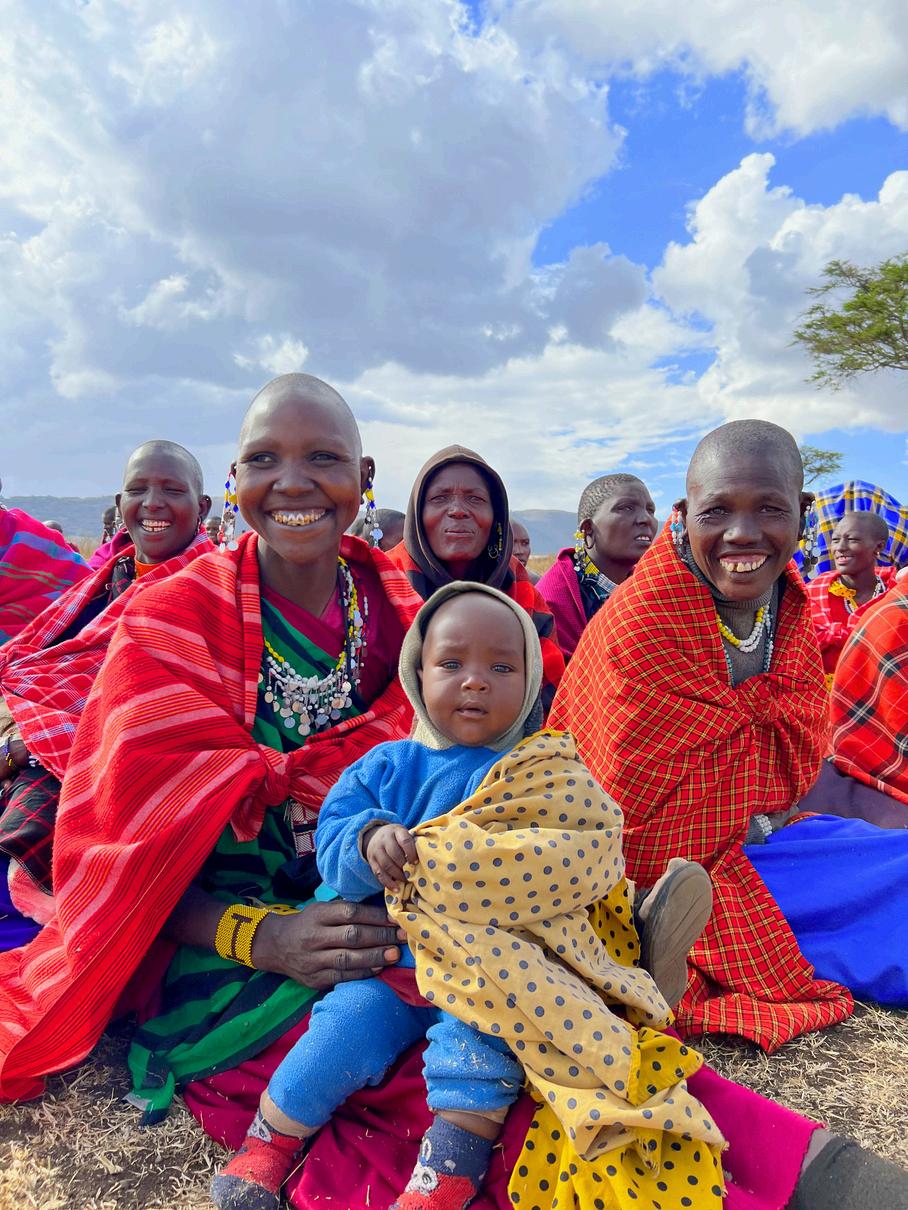
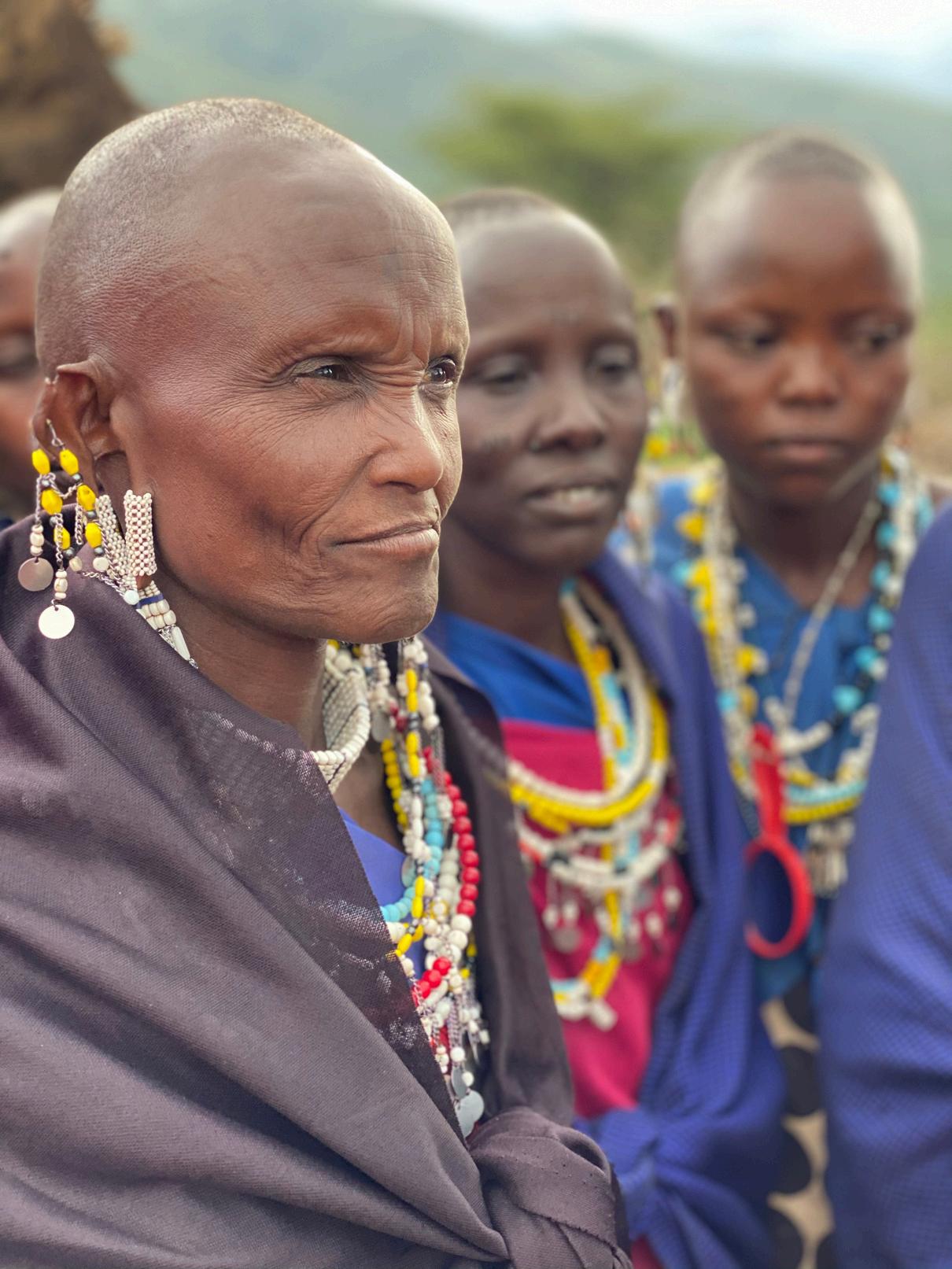
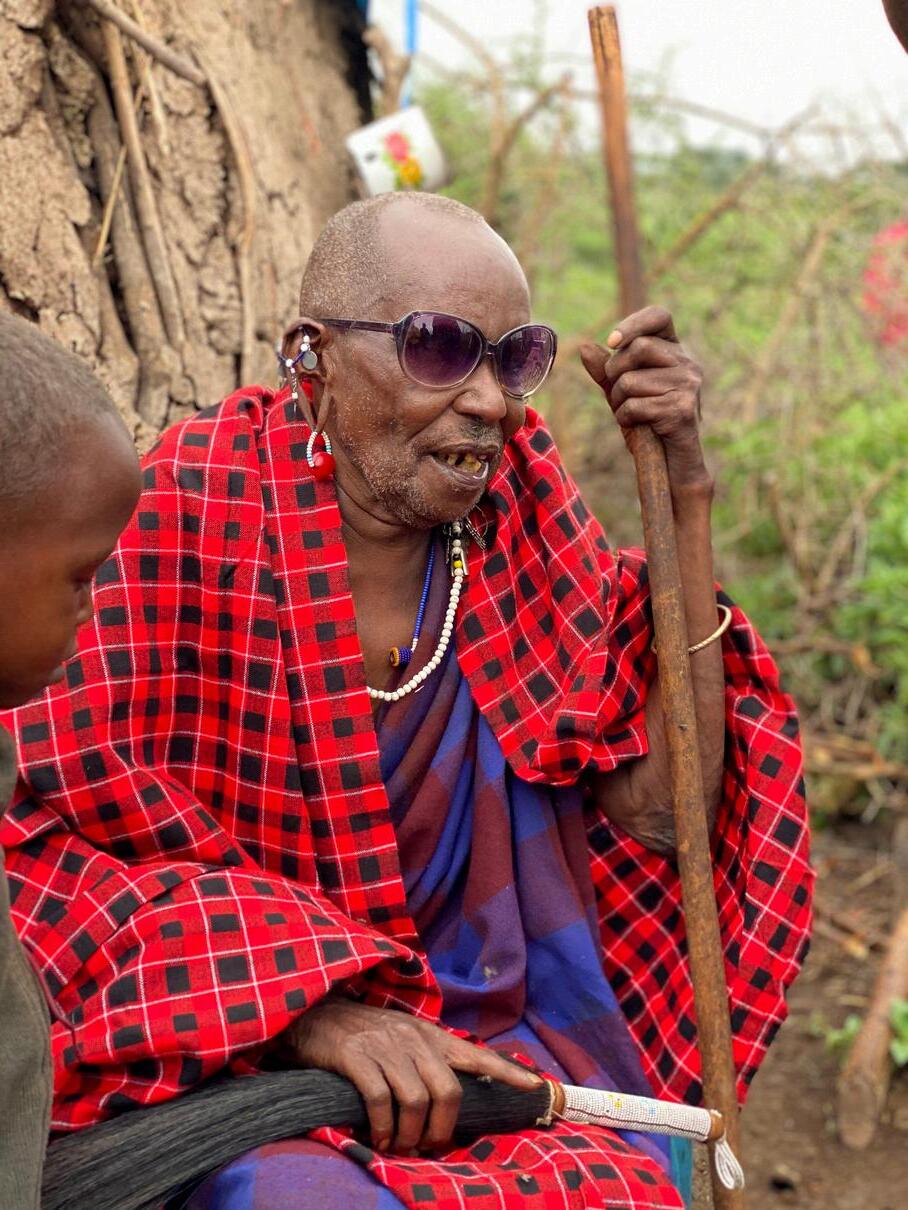
Humanculture has operated continuously in the Maasai communities of Ngorongoro, Tanzania since 2018. This program focuses on widowed Maasai women who are heads of household and sole providers for their families, building the conditions for sustained economic independence through local community-led governance. In 2025, the program directly included 32 widowed women, directly supporting over 512 people, with approximately total 1,800 women beneficiaries.
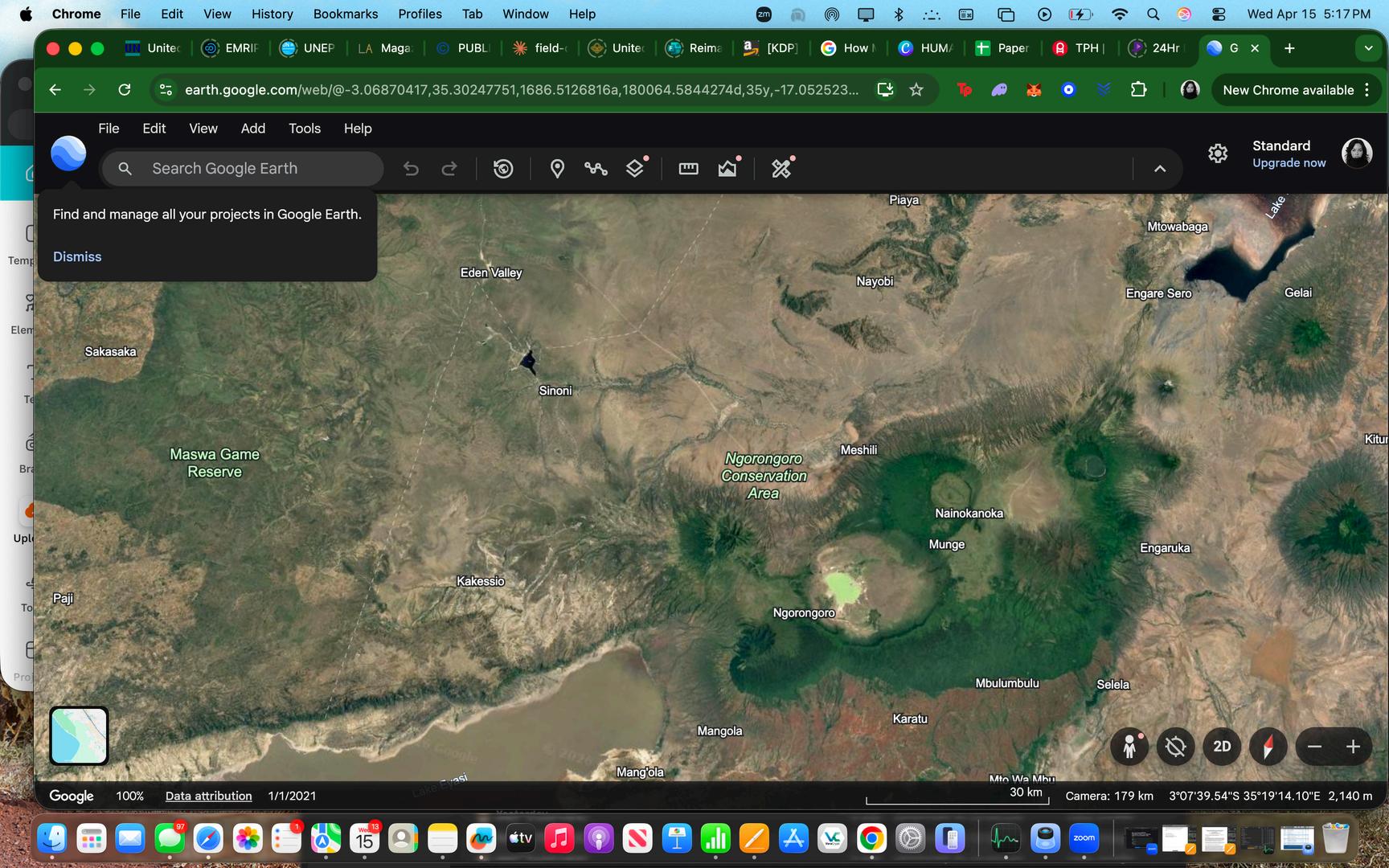
Misigiyo Ward is within the Ngorongoro Conservation Area and is one of the most geographically isolated regions in East Africa The communities served span a 285 km² area without road access or infrastructure Movement is by foot only The ward is home to approximately 10,000 Maasai people across three sub-villages: Kaitakiteng, Misigiyo, and Loongojoo Approximately 400 of these residents are widowed women serving as sole providers for their families and children
Here, prolonged drought puts livestock at risk while land use restrictions prohibit cultivation Geographic isolation restricts access to markets, health services, water, and education Without literacy and numeracy, women struggle to participate in economic activity Without access to menstrual health supplies, their mobility as sole providers is further constrained
This Women-Led program operates across three interconnected tiers, each addressing a distinct layer of the community
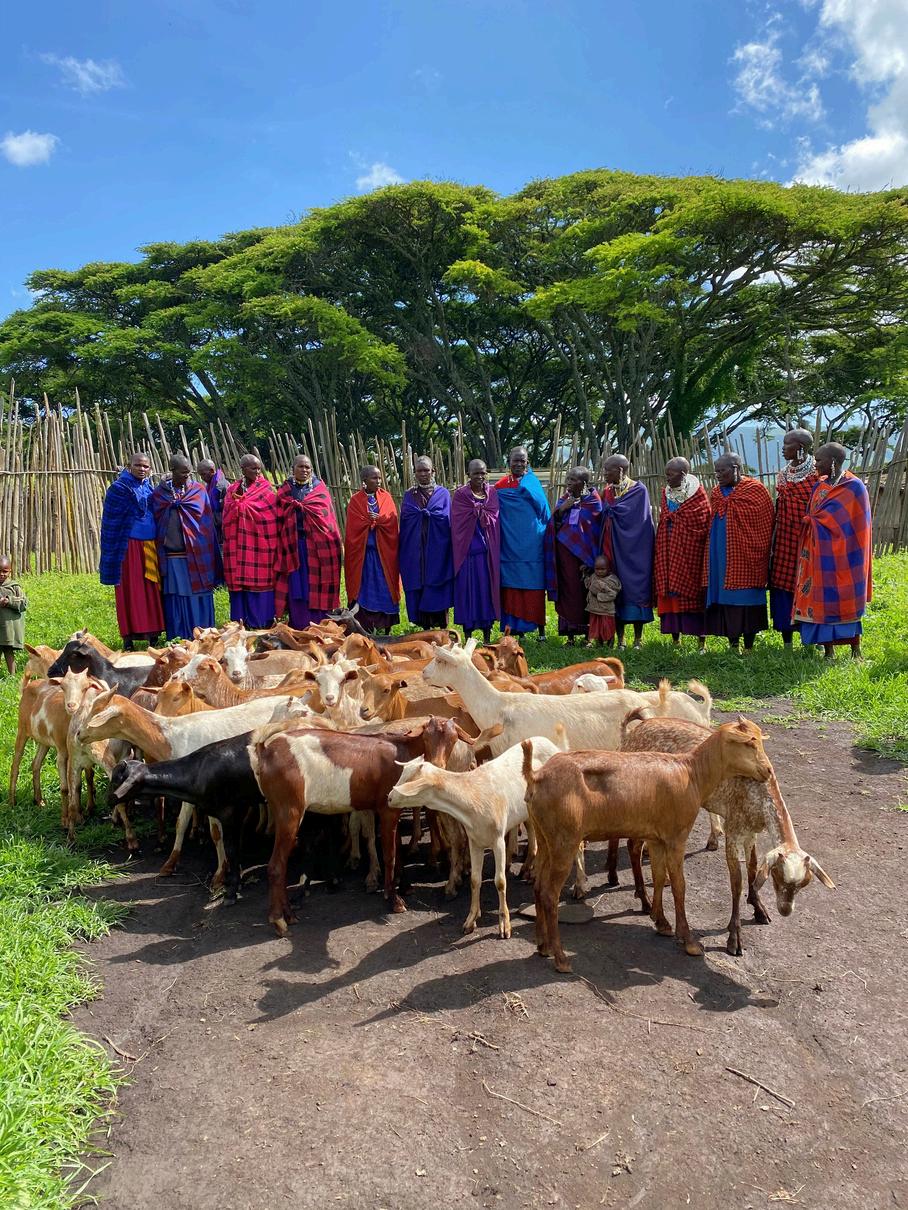
32 widowed women are active participants in the full program, receiving livestock assets, participating in beehive production, and rotating through the Elelarai Women’s Market.
Approximately 400 widowed women in Misigiyo Ward are connected to the program through collective representation. The Widows Women’s Collective ensures that the core participants represent the broader widowed population. Expansion is planned to bring additional women into full participation
Thousands of women across the community access health supplies and education through program components delivered through Humanculture’s 10 remote schools These components serve the broader community regardless of direct program participation
Widowed Maasai women lead a holistic program spanning agriculture, education, health, and environment Through livestock, women build their own herds to strengthen food security and economic independence Education is delivered through Humanculture’s 10 schools providing language and business training to support long-term stability Health programming provides sustainable menstrual care products, hygiene supplies, and health education, supporting women’s health and autonomy. Environmental work includes beehives that invest in land stewardship and ecological knowledge while gener
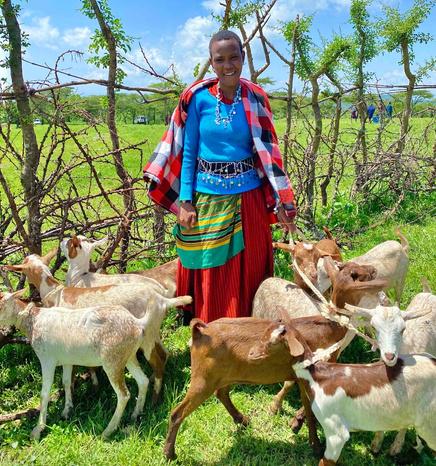
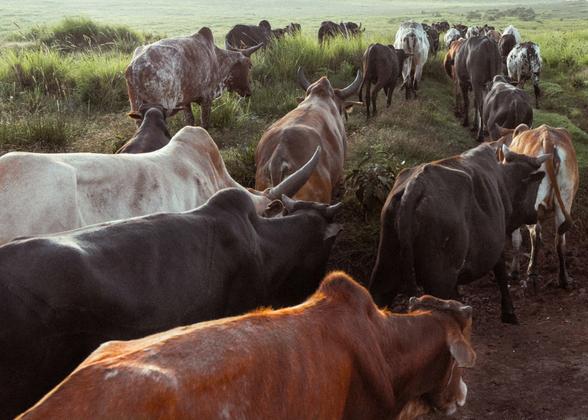
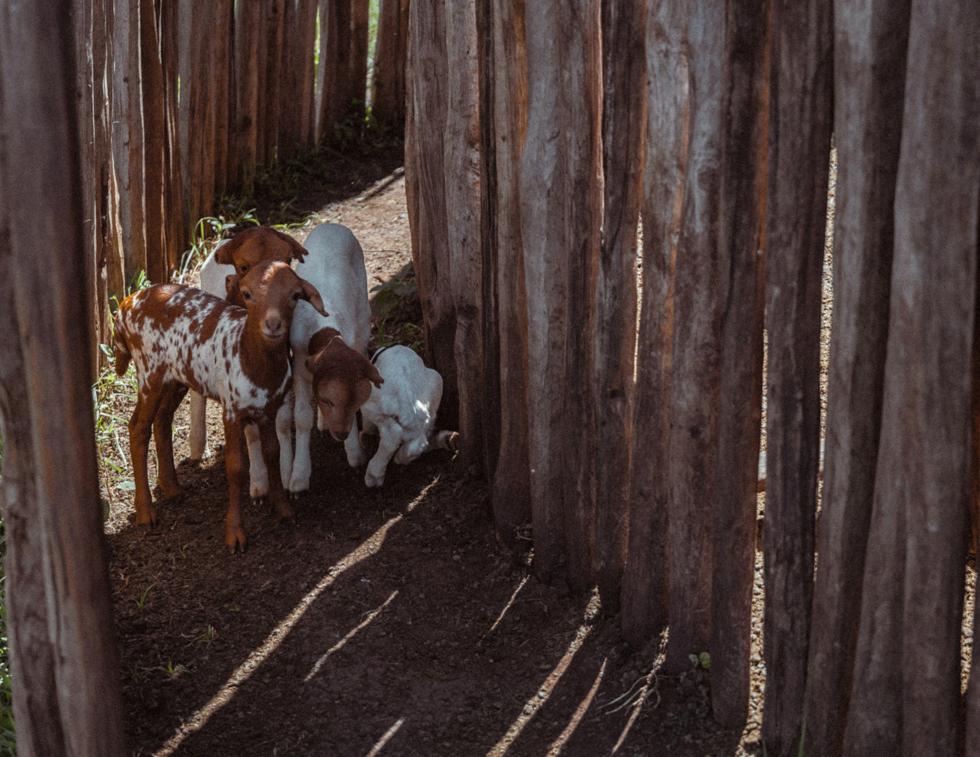
Livestock remains the foundation of household provision. In 2025, widowed women in the collective each maintained their herds, originally provided with five goats and one cow each, with herd sizes continuing to grow annually through births. By the end of 2025, the program supported more than 400 animals across 32 participating women heads of household. A severe drought in late 2025 led to the loss of some animals due to lack of grazing, however all women retained most of their livestock, preserving their primary source of food and income. Livestock continues to provide milk and support household stability under regulatory conditions that forbid cultivation.
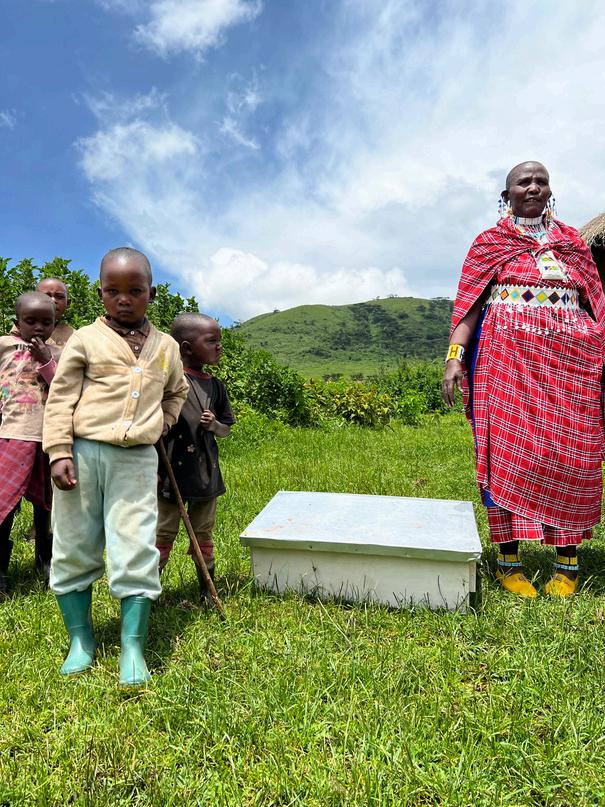
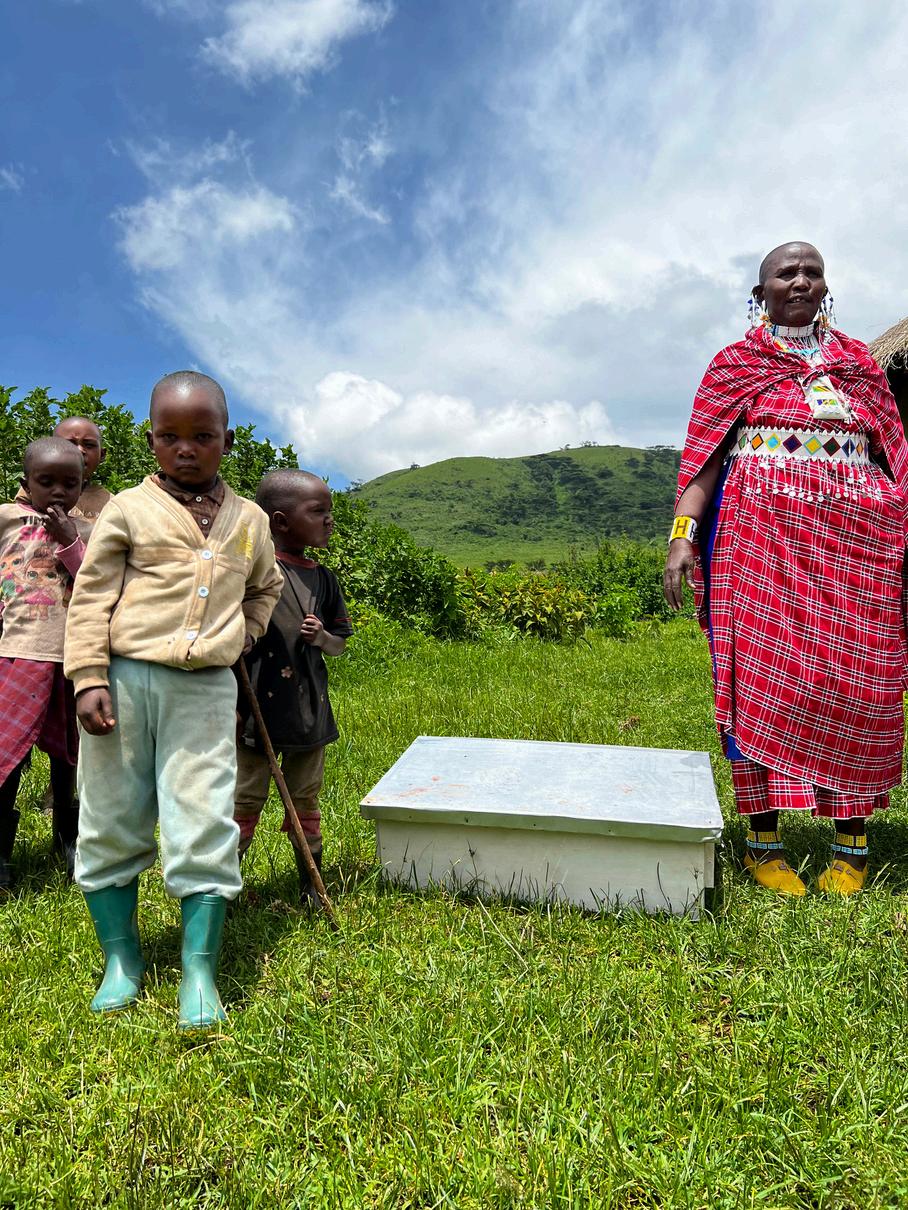
In 2025, 16 additional beehives were distributed with support from Whole Foods, private donors, and partner NGOs, doubling the program’s beekeeping capacity. Beekeeping provides a culturally significant food source, supports ceremonies and seasonal practices, and strengthens ecological stewardship through the creation of native bee habitat and pollination of local flora Honey production also creates an additional, sustainable source of income for participating women
Education
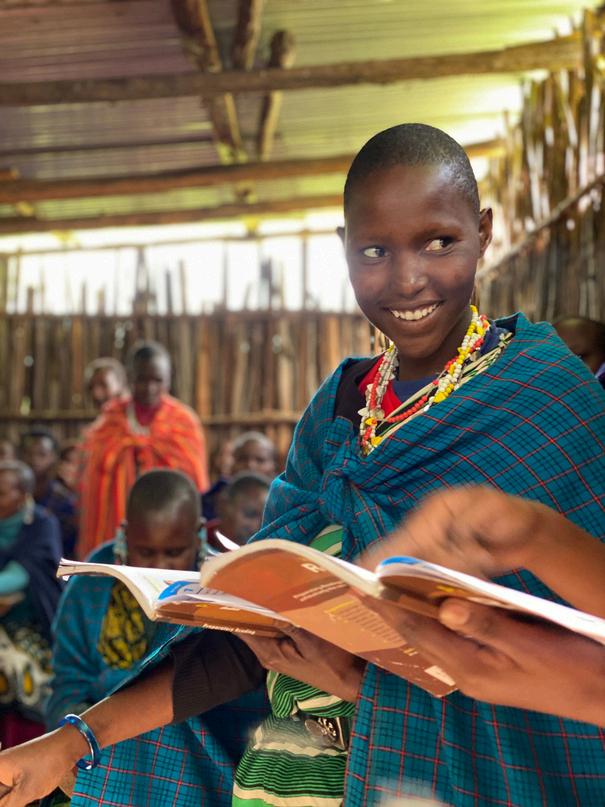
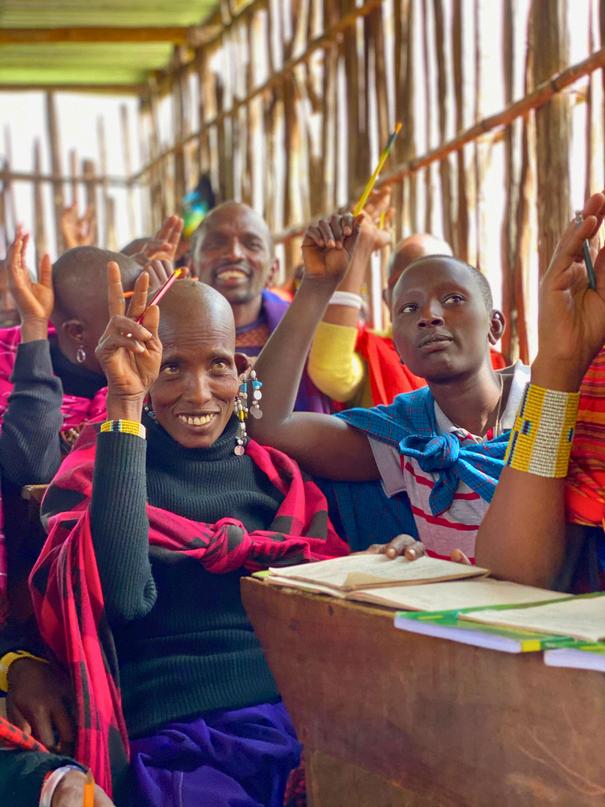
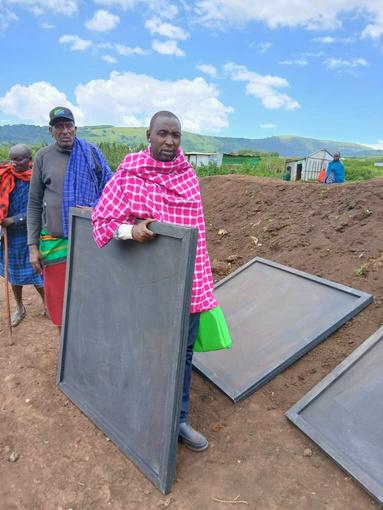
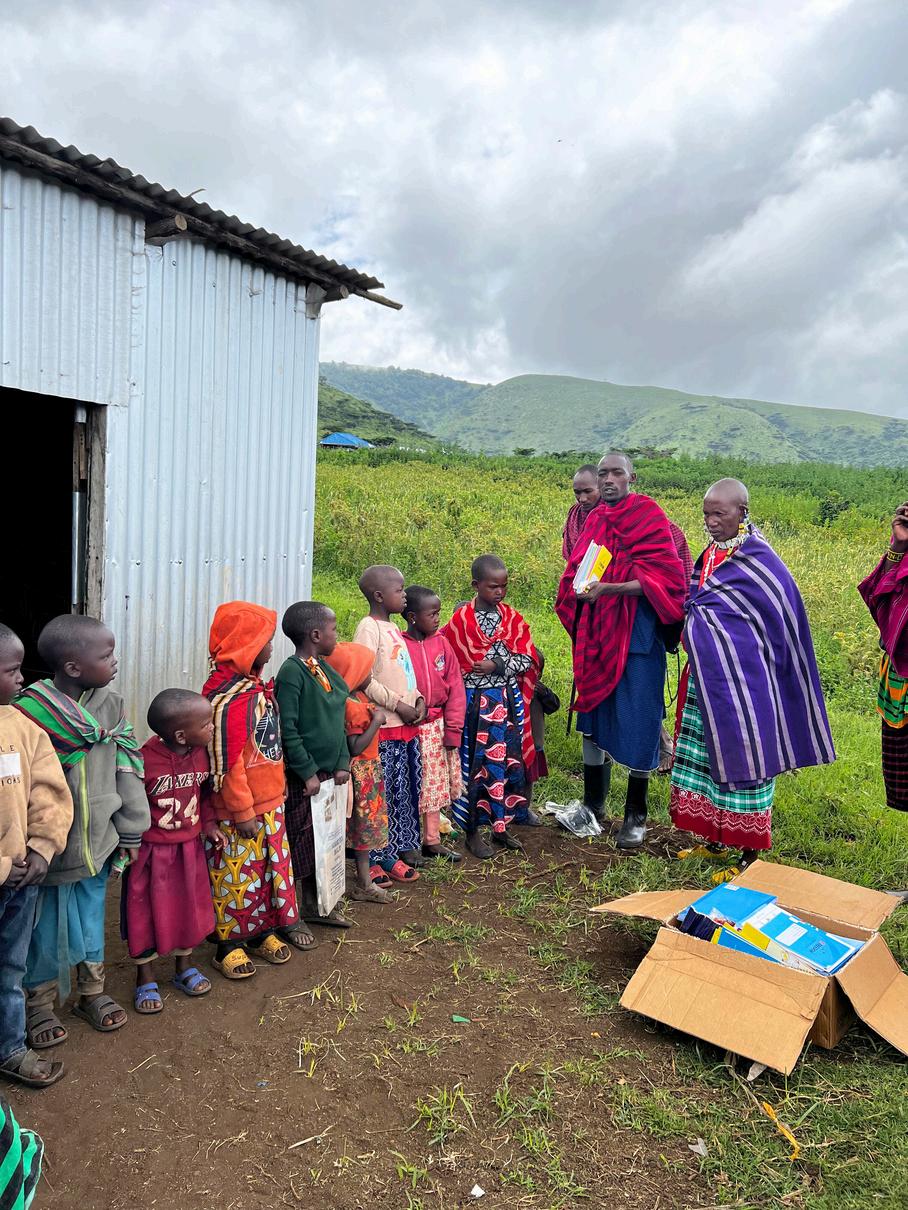
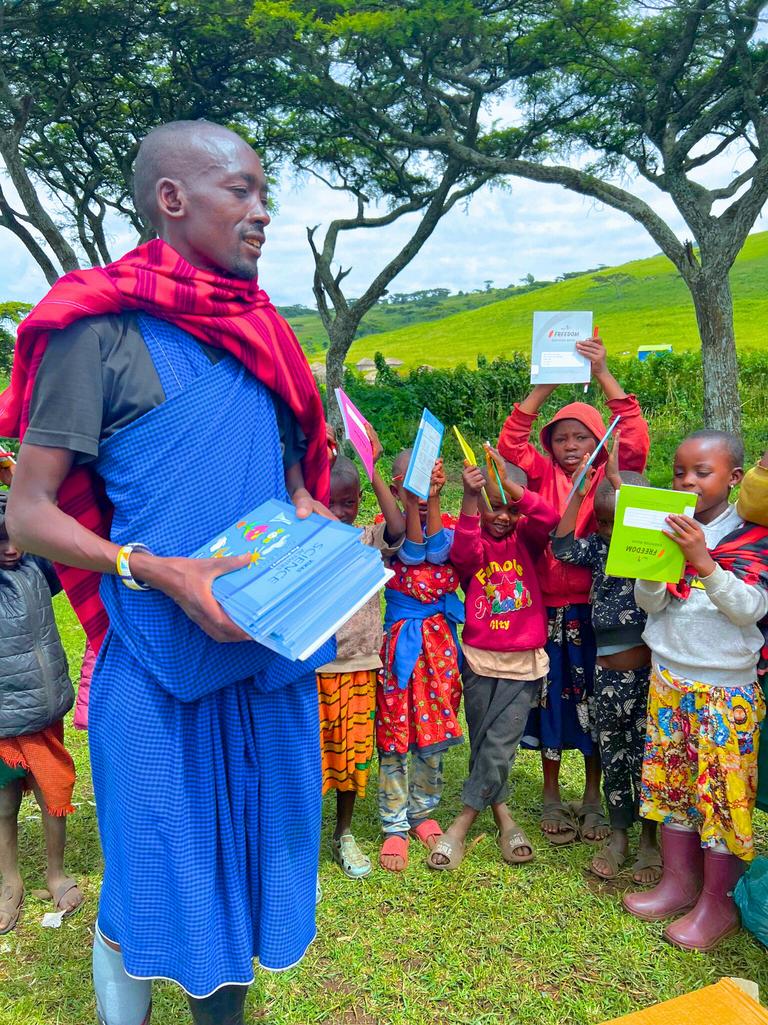
Humanculture continued to operate 10 schools serving widowed women across the region Between 800 and 1,000 women accessed education in 2025, where no prior access existed Programs focus on literacy, numeracy, business skills, and language training in Swahili and English School supplies, books, blackboards and electronic tablets were distributed and local women were supported as teachers to sustain program delivery
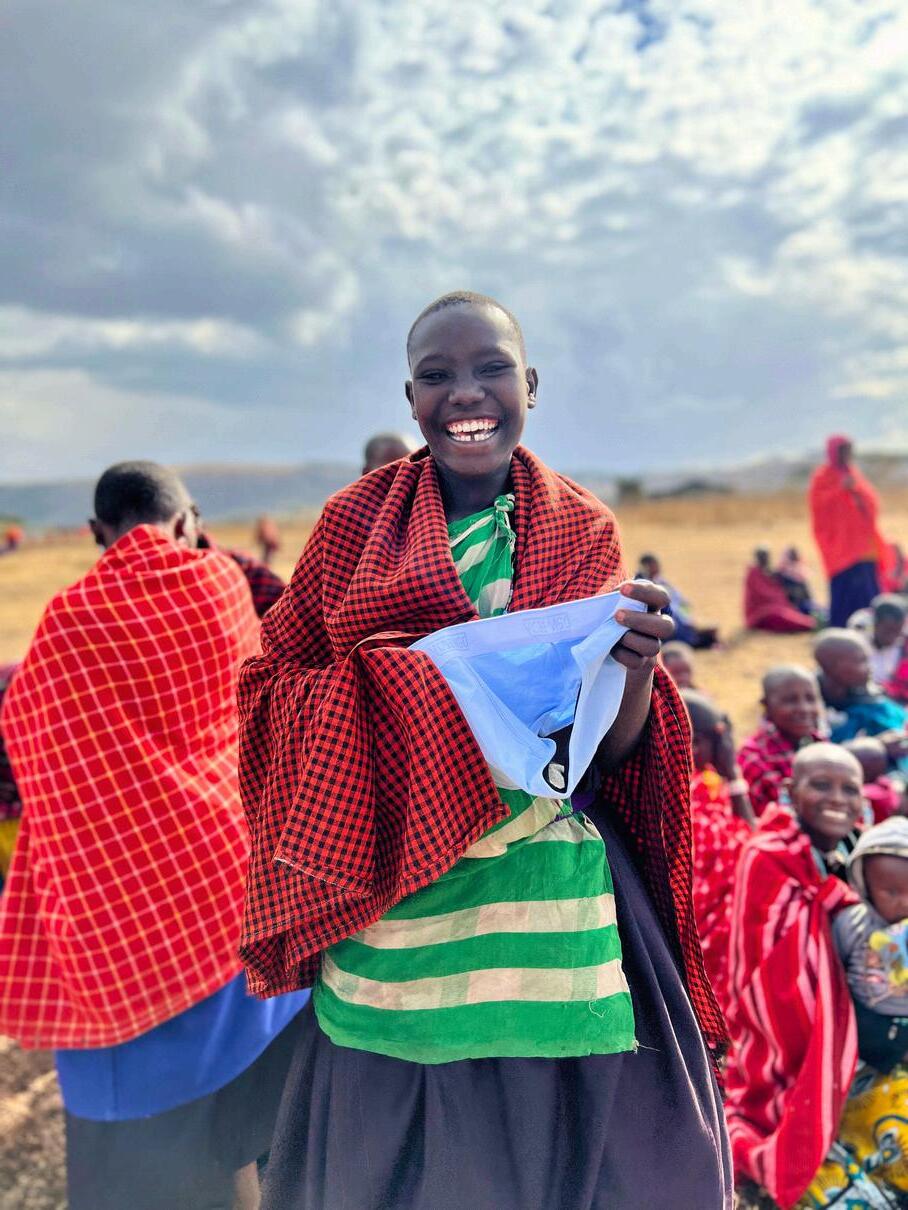
In 2025, SAALT donated 500 menstrual cups to Humanculture, continuing a program that has provided sustainable menstrual care supplies to thousands of women since 2019. Health support also included the continued use of water storage tanks and distribution of hygiene resources, supporting women’s health, autonomy and daily functioning.
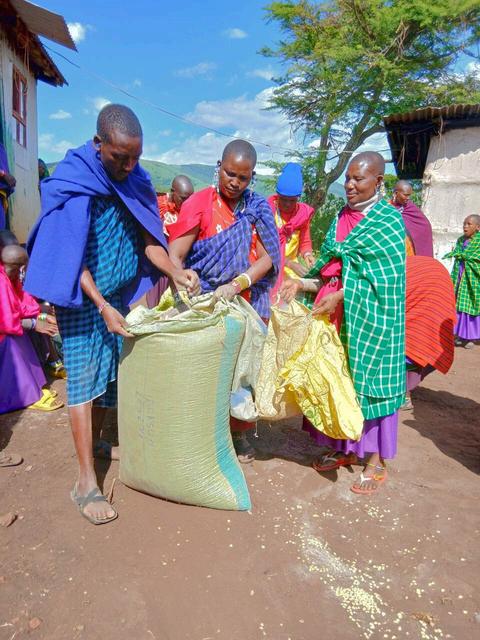
During the drought period, Humanculture delivered 6,615 pounds of food to the most vulnerable members of the community. Three diesel-powered corn grinding machines were purchased and installed, enabling women to process grain locally for both household use and sale, increasing efficiency and value. The 18 previously delivered water storage tanks remained operational and maintained throughout 2025.
In 2025, combined efforts supported the construction, stocking, and opening of the region’s first community store This women-led market builds on livestock, education, and resource access to create a centralized, community-based system for essential trade and sustainable incomes
In 2025, women across all three villages of Misigiyo Ward came together to establish the region’s first women-led community store. Women leaders from each village manage their own stall within the store, creating a shared space that represents the full collective while maintaining village-level ownership and responsibility.
ed ng ed ry,
In 2025, Humanculture also purchased and installed three diesel-powered corn grinding machines, enabling local grain processing for both household consumption and sale. This expanded the value of existing agricultural inputs and strengthened income-generating capacity across the collective. M a a s a i W I D O W S C O L L E C T I V E
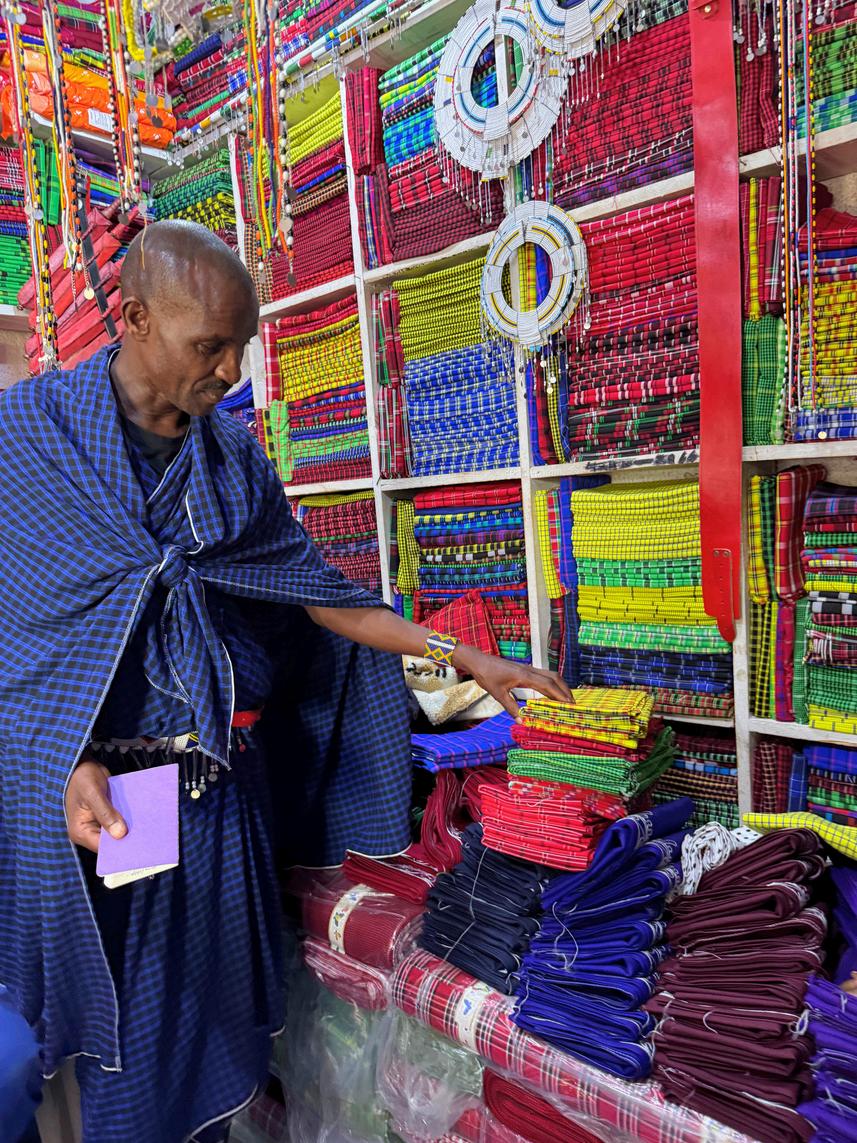
To support the opening of the store, Humanculture funded and delivered initial inventory across all three stalls, including food staples, household and cooking supplies, clothing materials, and jewelry inputs Each stall operates independently with non-competing goods, allowing women from each village to manage and grow their own sales.
S U P P O R T
Women receive literacy, numeracy, and business training through Humanculture’s schools, building the skills needed to manage income, track sales, and operate the community store.
I N V E N T O R Y
Purchase and deliver inventory (1) household & cooking needs, (2) clothing & jewelry materials, (3) corn, a main food staple the three non competing stalls
C O R N M I L L S
Purchase and deliver three corn grinding mills for increasing margins by enabling whole corn to be processed locally
The Elerai store offers a range of essential and locally produced goods, including milk, corn, honey, fabric, soap, household supplies, and jewelry. These products reflect the integration of livestock, pollinators, and women-led production into a functioning local market, supporting both daily household needs and sustained economic activity within the community.
Established in 2025, for the first time, this remote community now has locally produced goods and essential household supplies are sold and
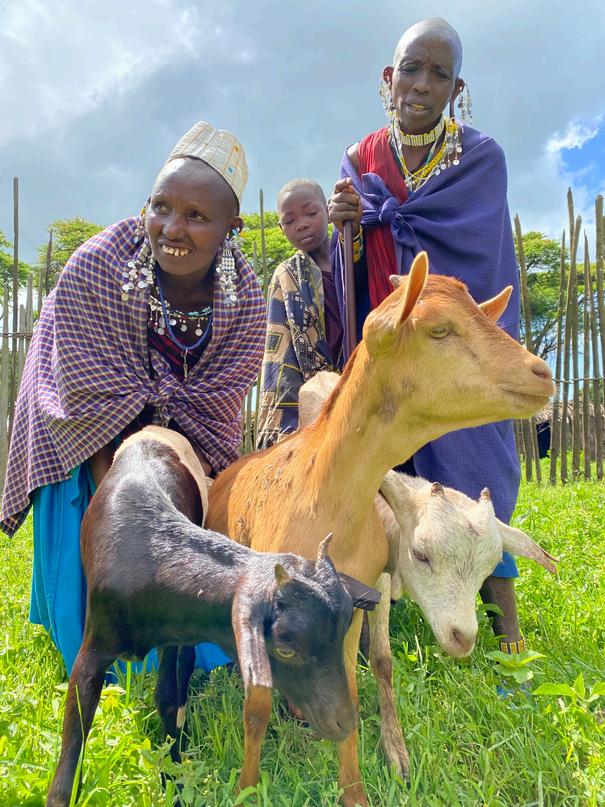
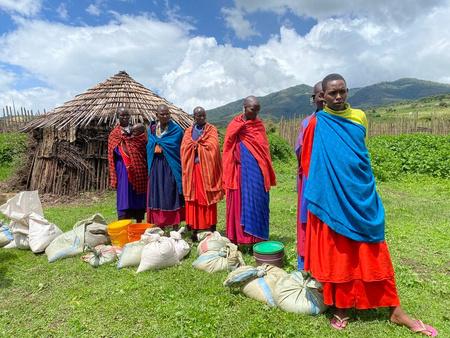
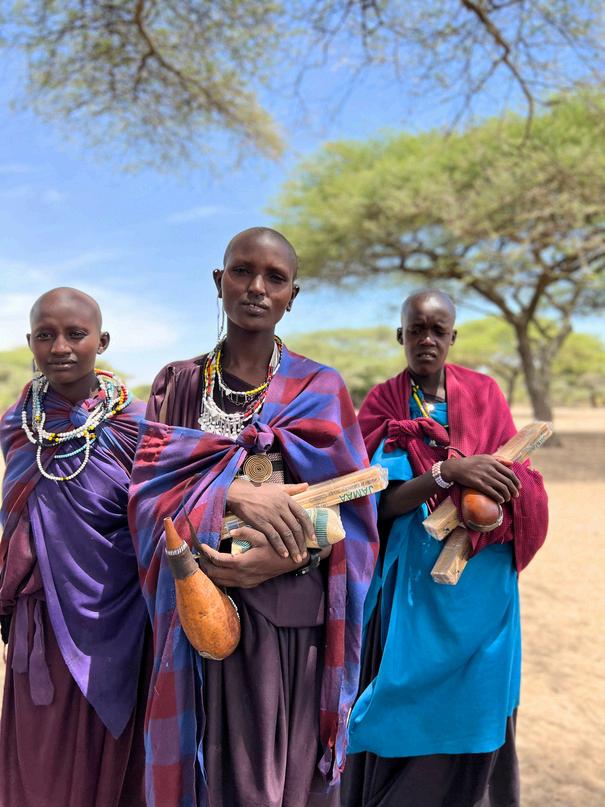
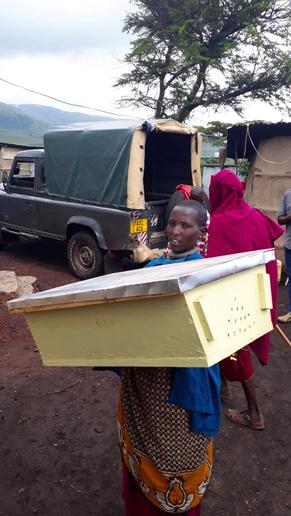
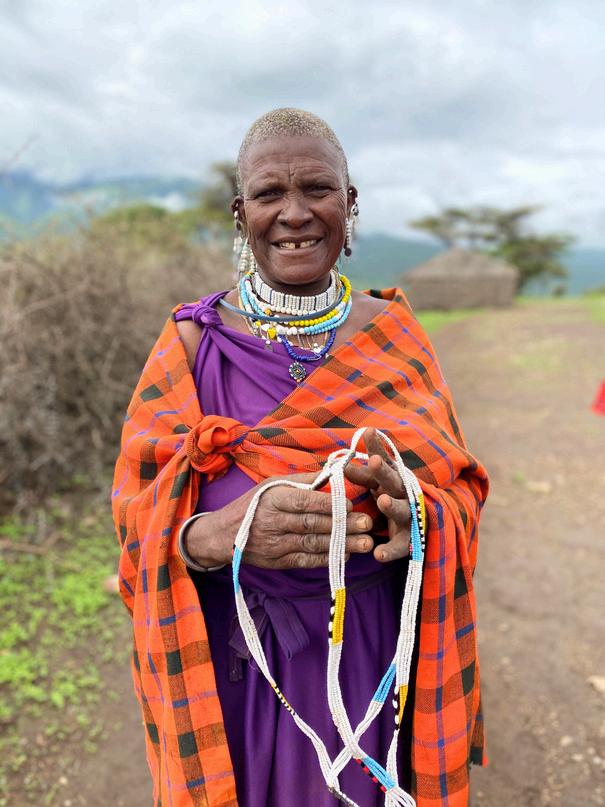
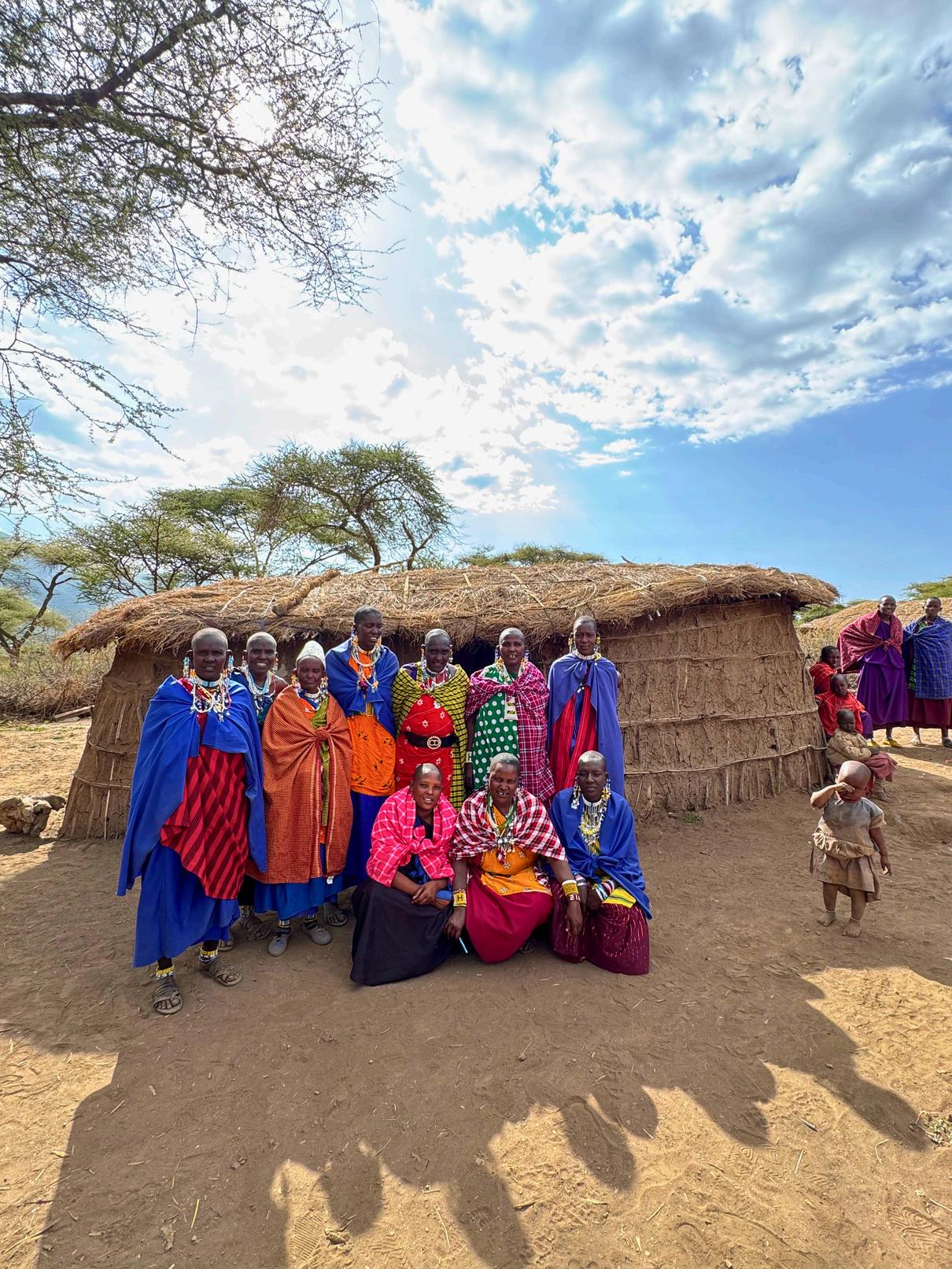
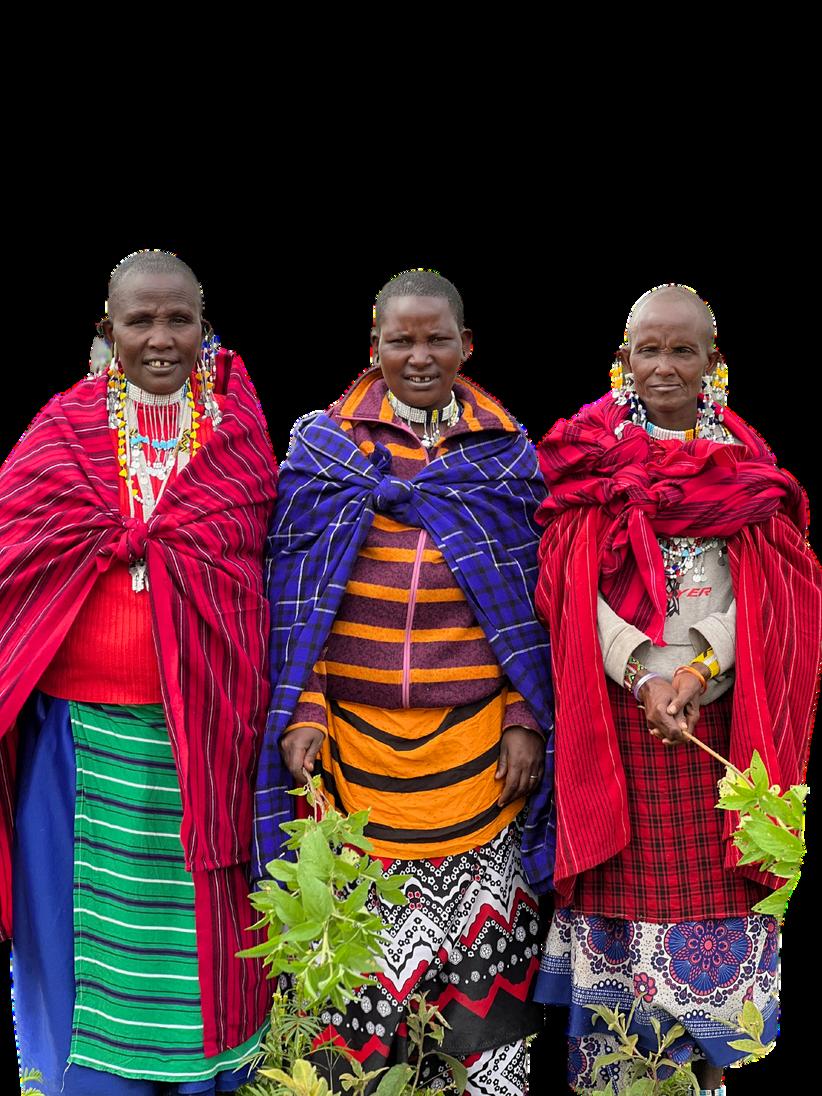
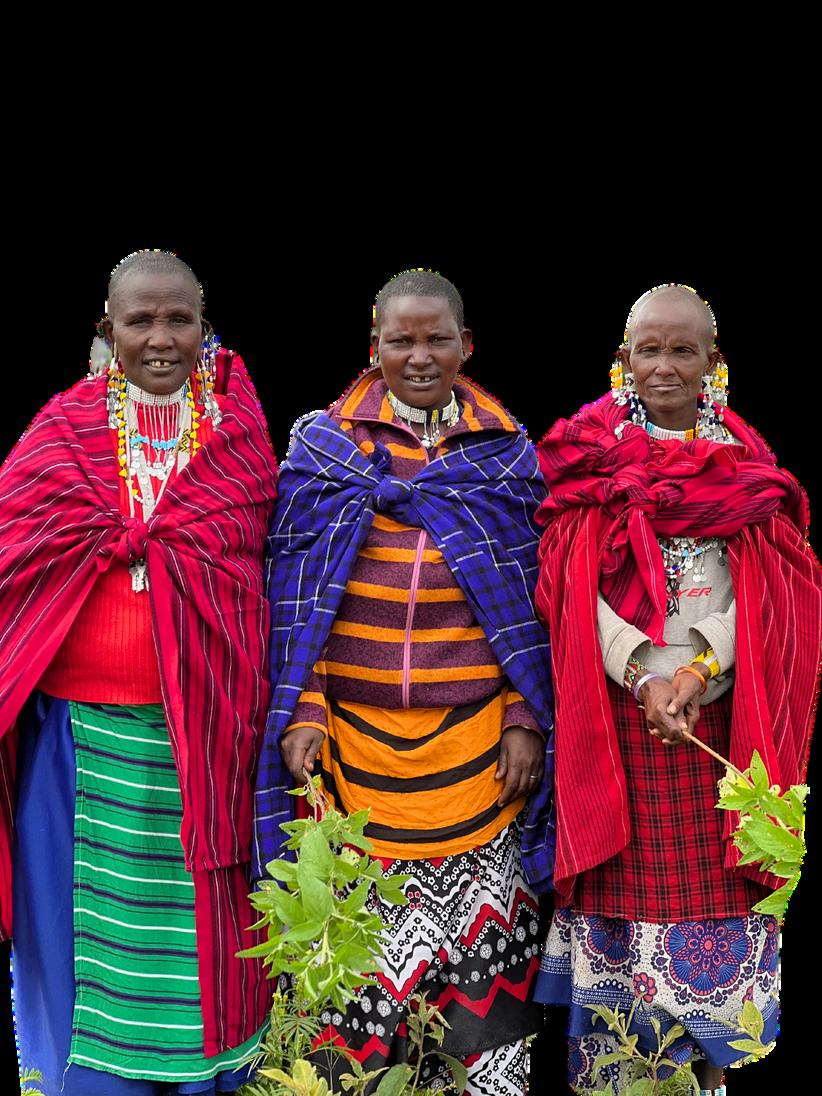
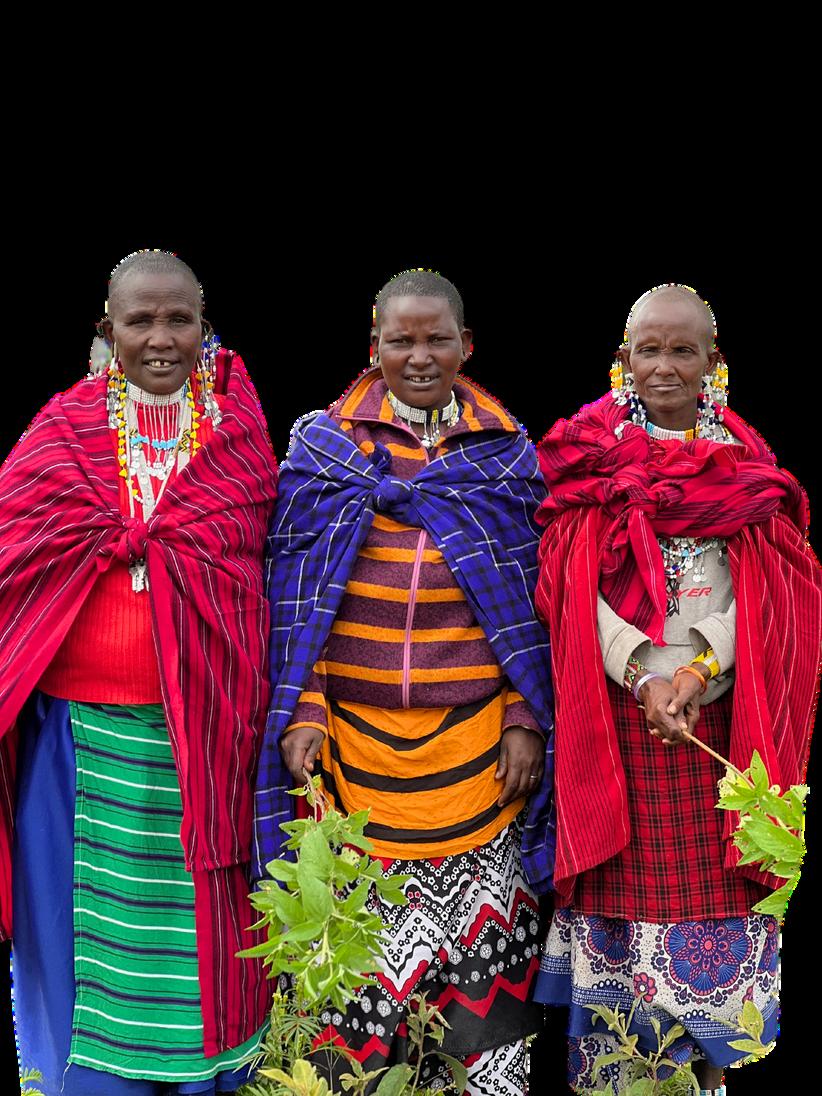
The Maasai Widows Collective is fully community-led, with all leadership drawn directly from within the communities it serves Women leaders from each village guide implementation, decision-making, and daily operations, grounded in Indigenous knowledge, local governance, and shared responsibility
Matasia Nengoyo Misigiyo Women’s Business Leader
Anna Daniel Organizational Project Manager
Paulo Mollel
Noltente Oltulo Elerai Store Collective Chair Chief Officer Communications
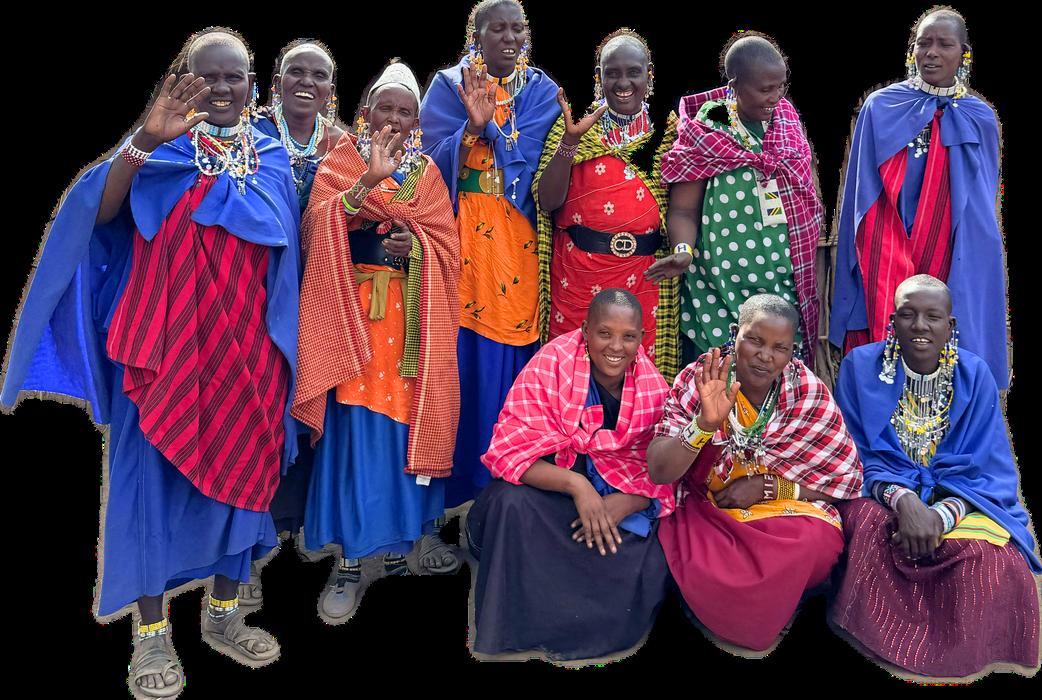
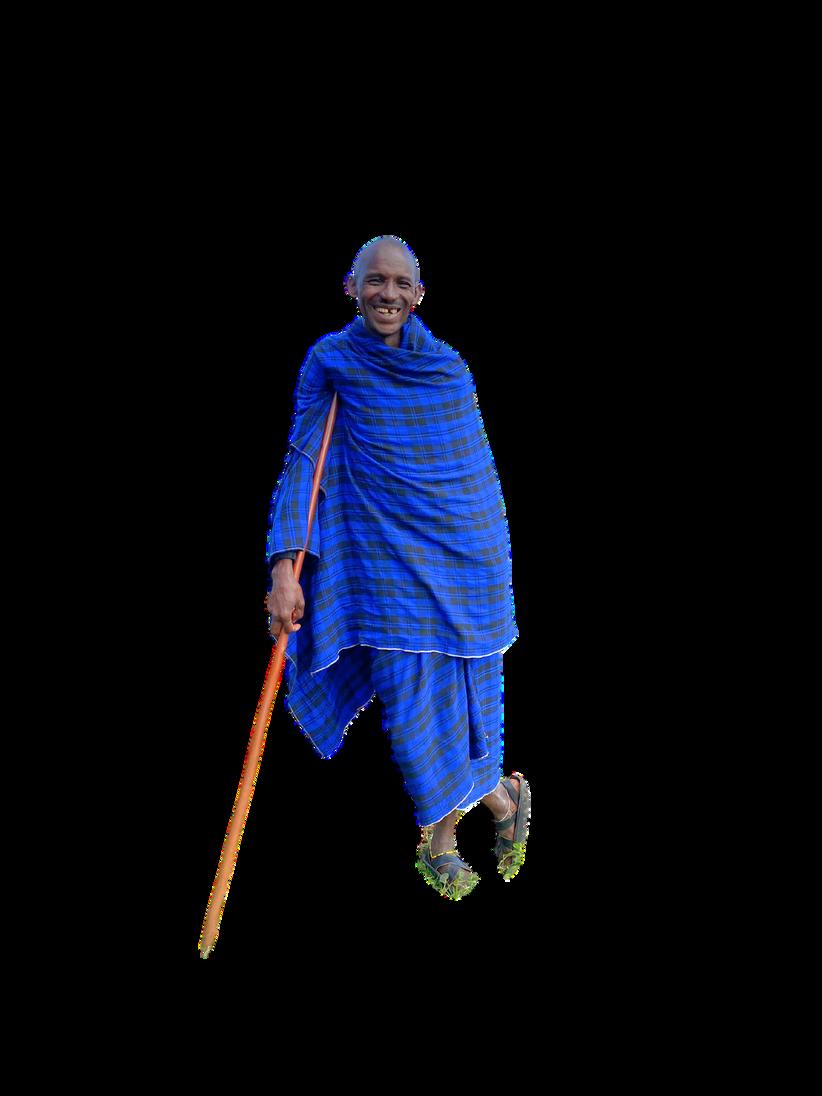
ELERAI WOMEN (left to right)
NASERIAN LEBOI
NORKIDEMI ROIMEN
NOLTENTE OLTULO
NOLTUBULA NANGARIS
KUTUKINYI LEYIAN
MATASIA NENGOYO
NOMBORR PARUT
NEMBURIS LESALIMU
ANNA DANIEL
NEMBURIS MARKO
M
Since 2018, Humanculture has operated continuously in the Maasai communities of Ngorongoro, Tanzania, supporting widowed Maasai women who are heads of household and sole providers for their families. In 2025, the program directly included 32 widowed women, supporting more than 512 household members, while reaching approximately 1,800 women across the community.
In 2025, program activities across livestock, pollinators, education, health, and household support continued to strengthen how women feed, support, and sustain their families under conditions of prolonged drought, geographic isolation, and land-use restrictions that prohibit cultivation.
Livestock herds across participating households exceeded 400 animals, providing the primary source of food and income Beekeeping expanded through the distribution of additional hives, creating both ecological and economic value Ten schools continued to provide literacy, numeracy, business training, and language education to 800–1,000 women, where no prior access existed Health programming continued through the distribution of sustainable menstrual care products and hygiene resources, alongside maintained water storage infrastructure
During drought conditions, 6,615 pounds of corn and beans were delivered to the most vulnerable households Three diesel-powered corn grinding machines were installed, enabling local grain processing for both household use and sale, increasing efficiency and value
In 2025, these combined efforts enabled the construction, stocking, and opening of the first local community store in Misigiyo Ward. The store now serves as a central point for selling and purchasing locally produced goods and essential supplies, strengthening local trade and expanding income-generating opportunities.
M A A S A I R E M O T E
S C H O O L S
P R O G R E S S R E P O R T Y E A R E N D 2 0 2 5
H U M U R E n g o r o n g o r o A r u s h a , T a n z a n i a
H U M A N C U L T U R E s c h o o l s
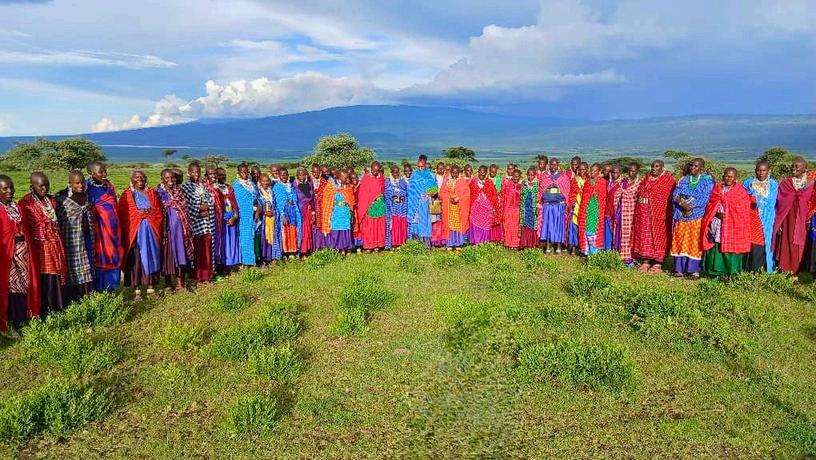
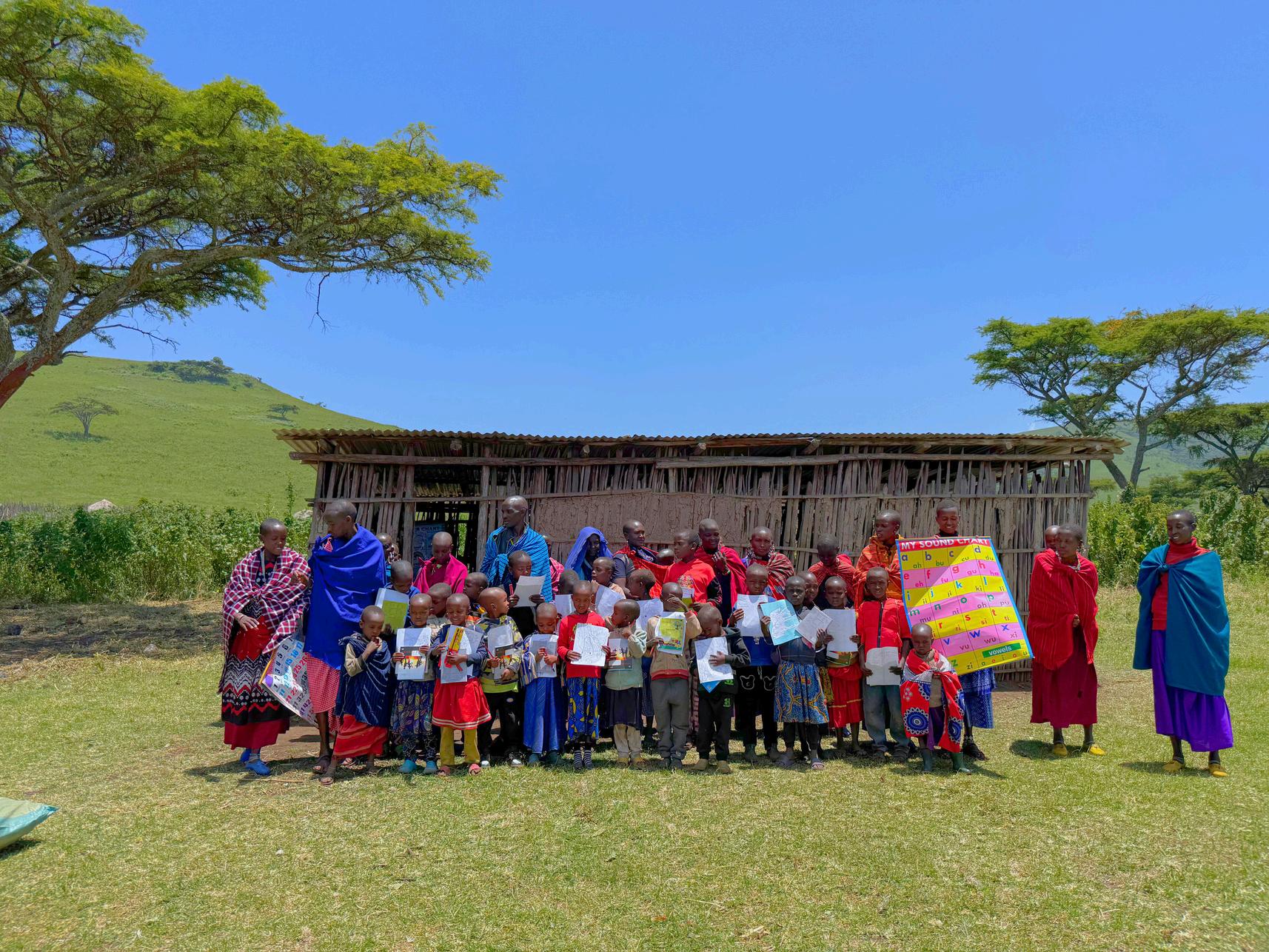
Humanculture’s remote schools initiative operates 10 community-built schools across Maasai villages serving approximately 10,000 people in areas with no road access and no prior history of f l d ti B ilt d t d b H anculture beginning in 2021, these schools now usly had no exposure to literacy, numeracy, or
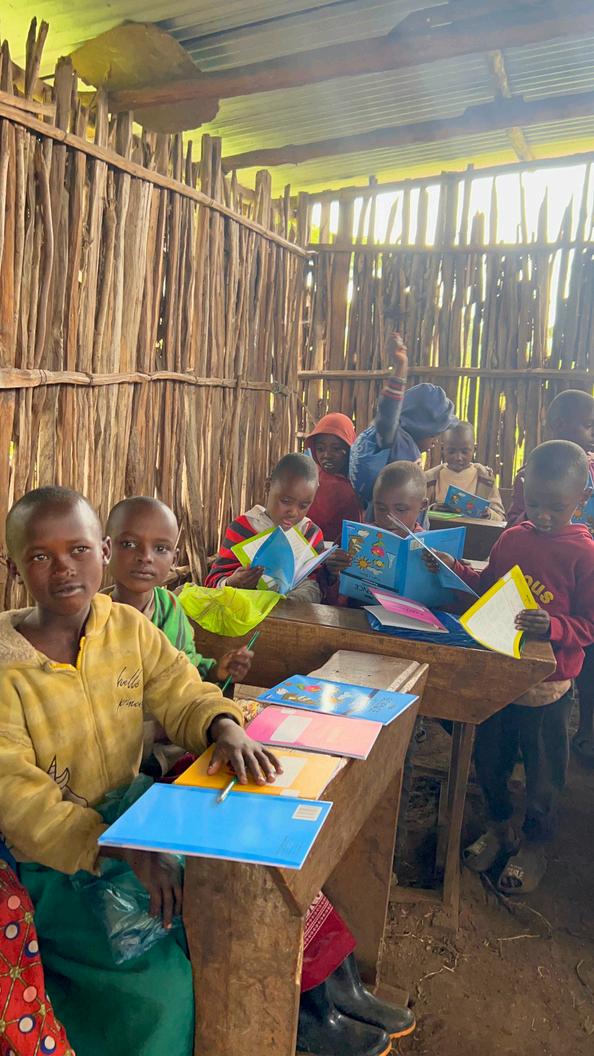
row up speaking Maa, while primary education is nguage barrier from the very start. In 2025, ols and delivered the materials needed to sustain halk, and classroom supplies, while continuing to plied its own bilingual books based on the oral earn through material rooted in Maasai culture nglish
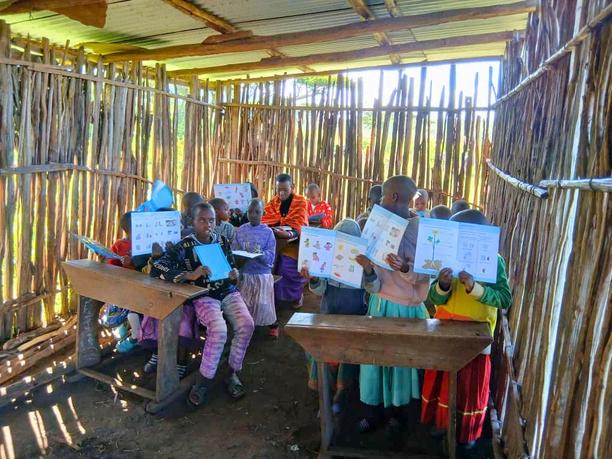
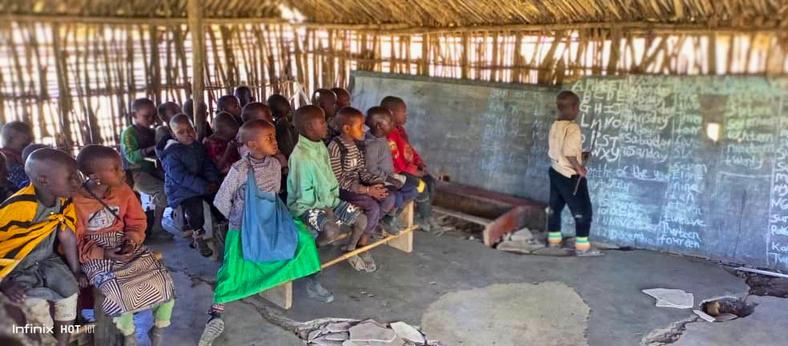
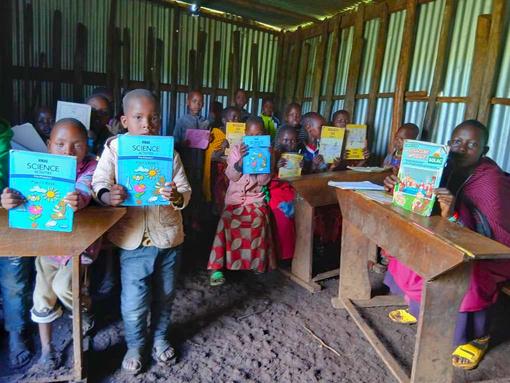
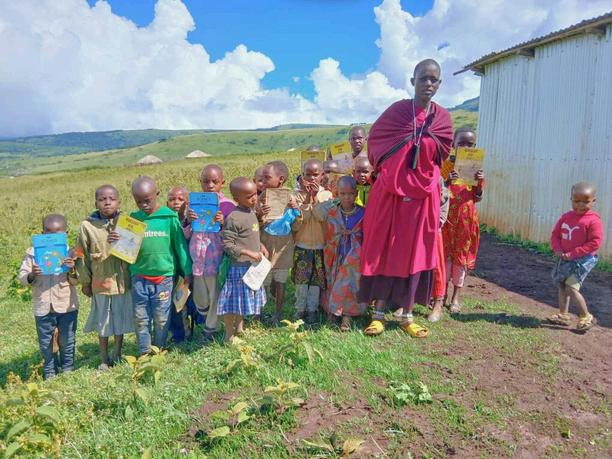
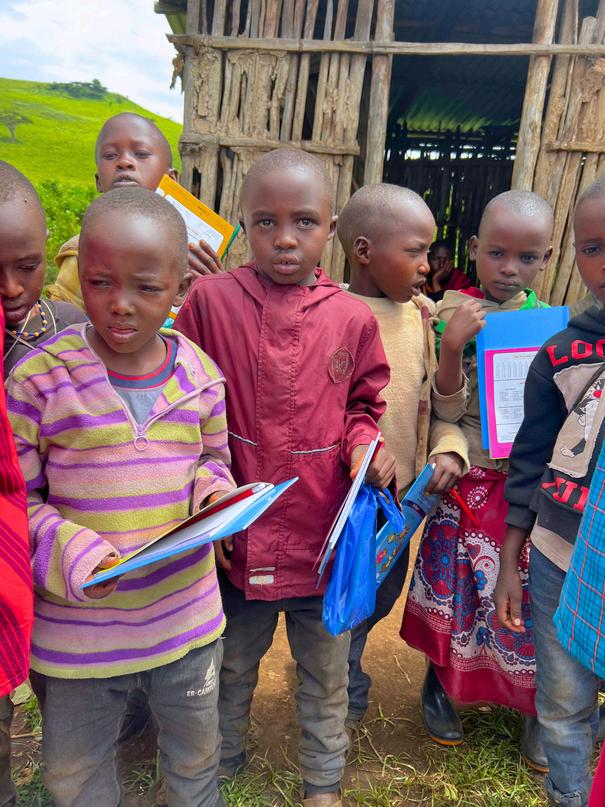
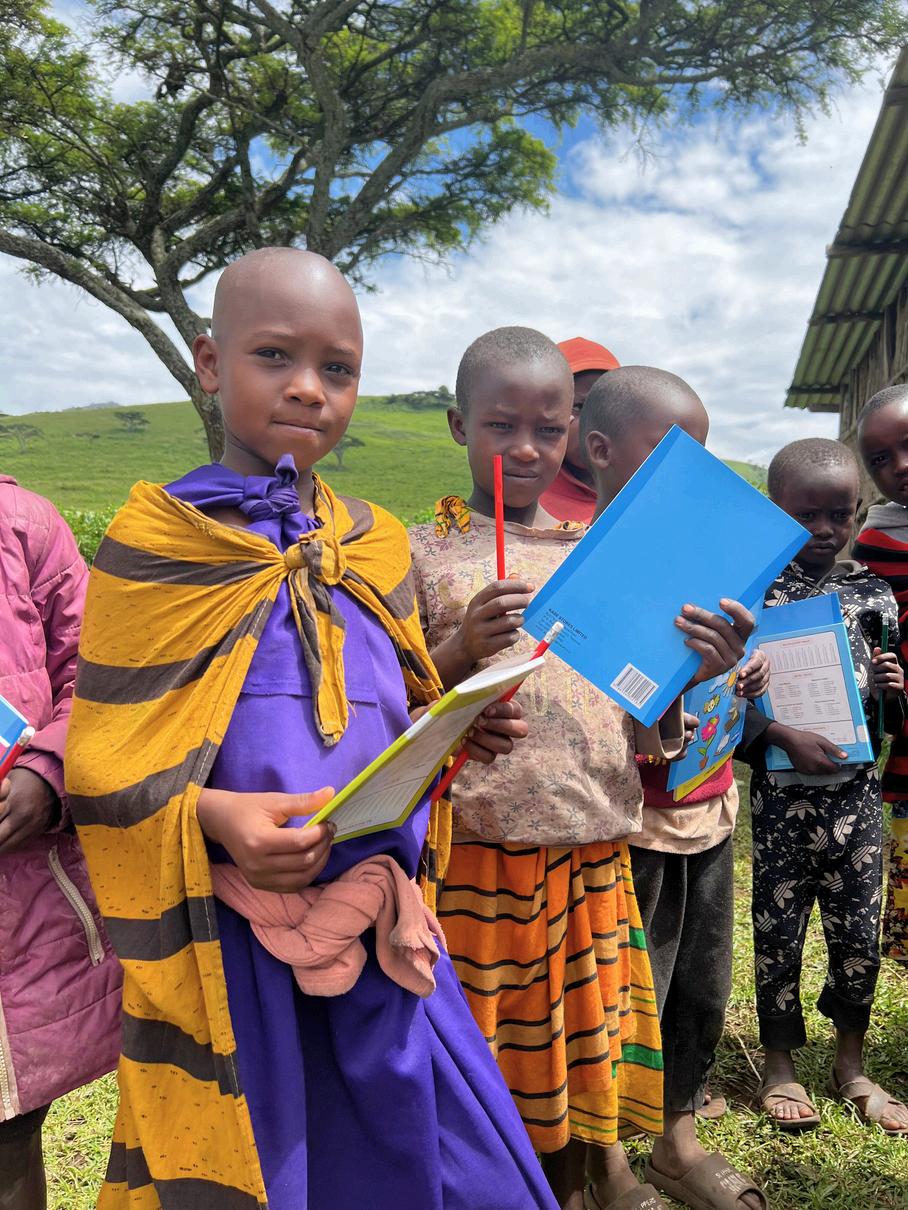
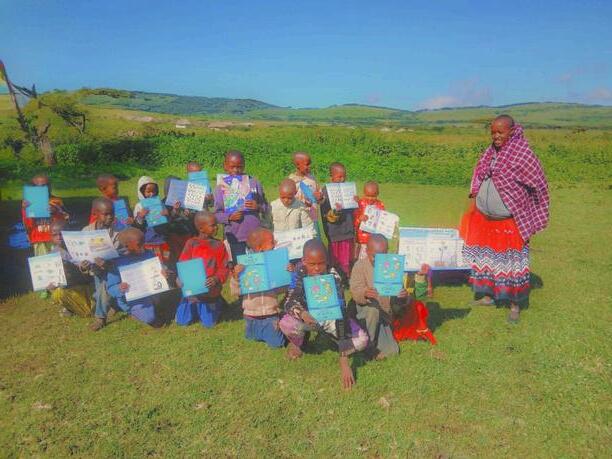
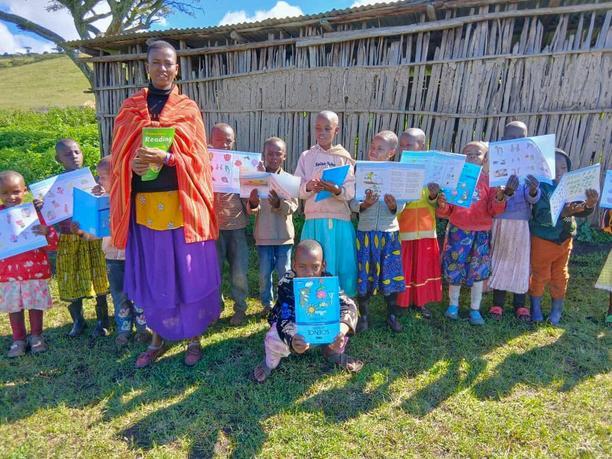
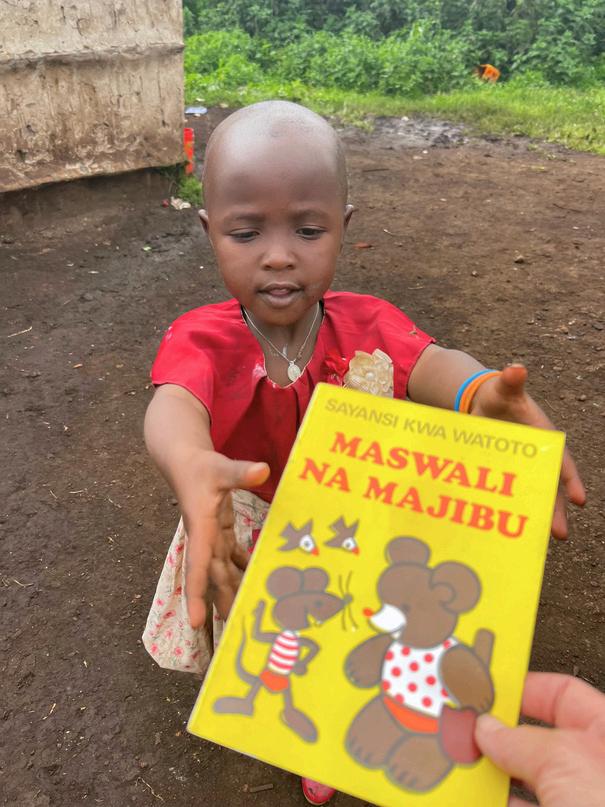
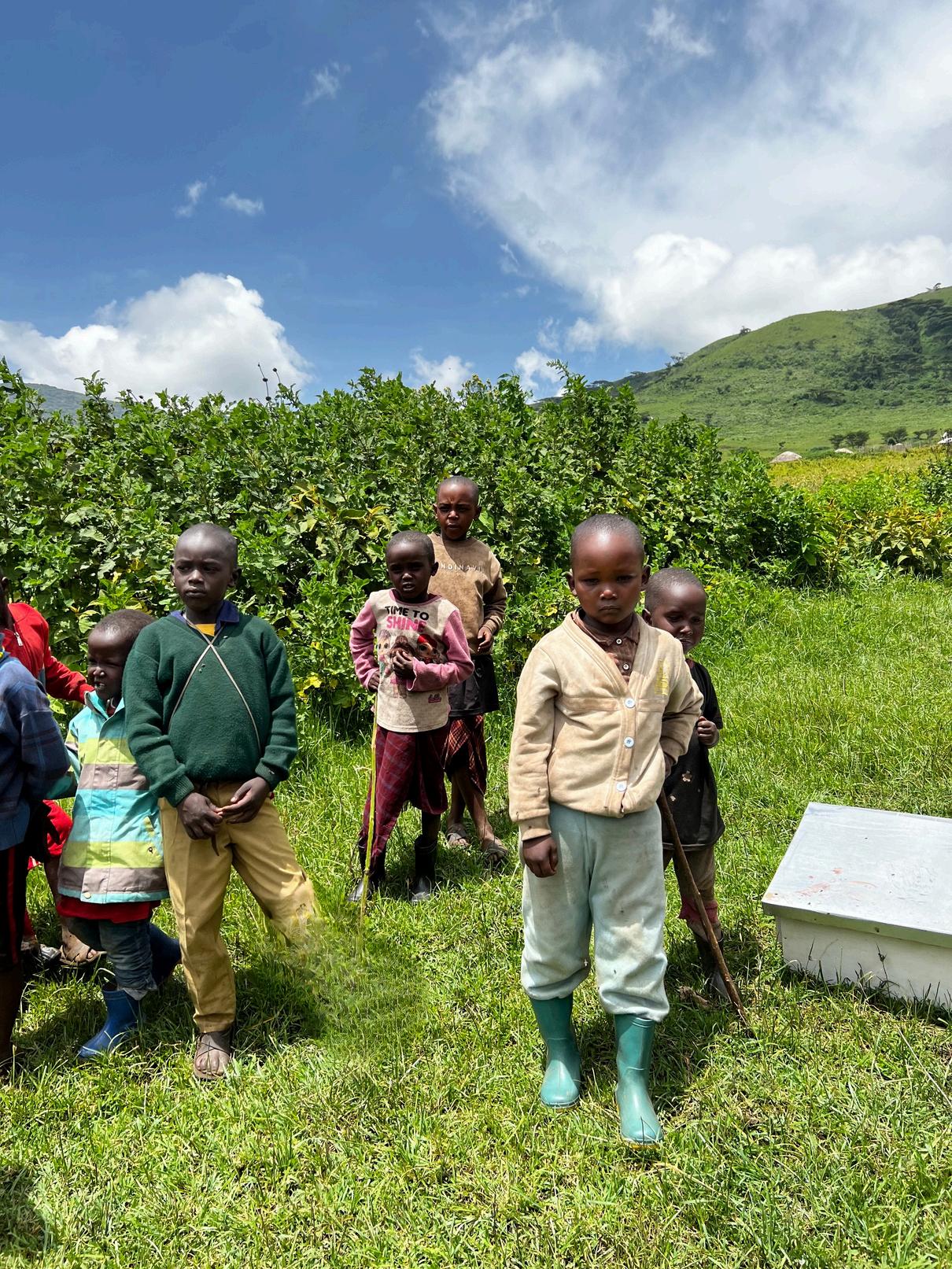
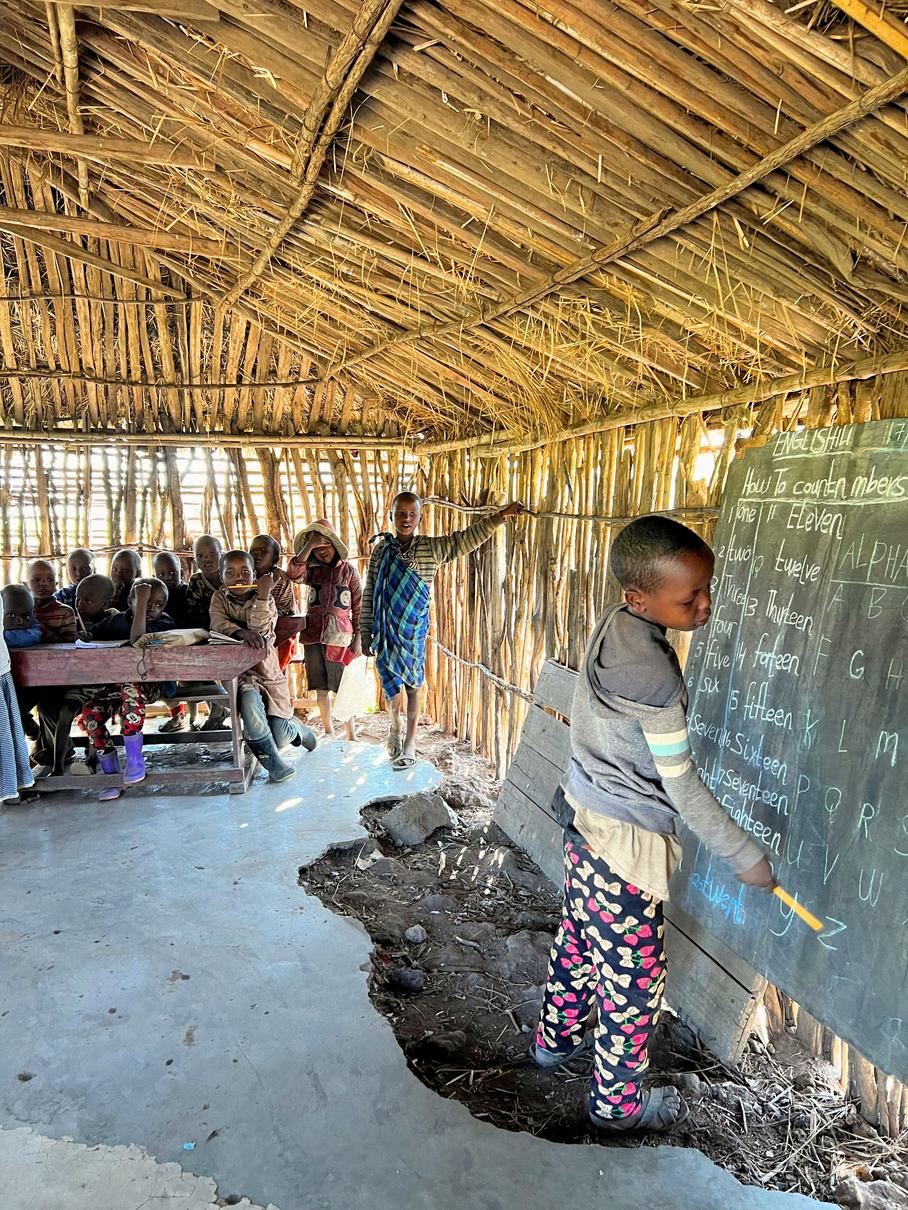
The 10 schools are strategically placed across Maasai villages and sub-villages within a 285 km² (~110 square miles) area, in locations without road access or infrastructure and accessible only by foot Humanculture’s schools are the first access to education these communities have had in their history Each school serves approximately 100 children and an additional 60–80 women, reaching an estimated 1,600–1,800 people directly across the region
Kaitakiteng Village: Ololii
Oloronyo
Lolwaa
Kaitakiteng
Siyangoi
Loongojoo Village:
Ngutot
Alamrata
Alawandwet
Endarakwayi
Loongojoo
Misigiyo Village: Tindiya
Misigiyo
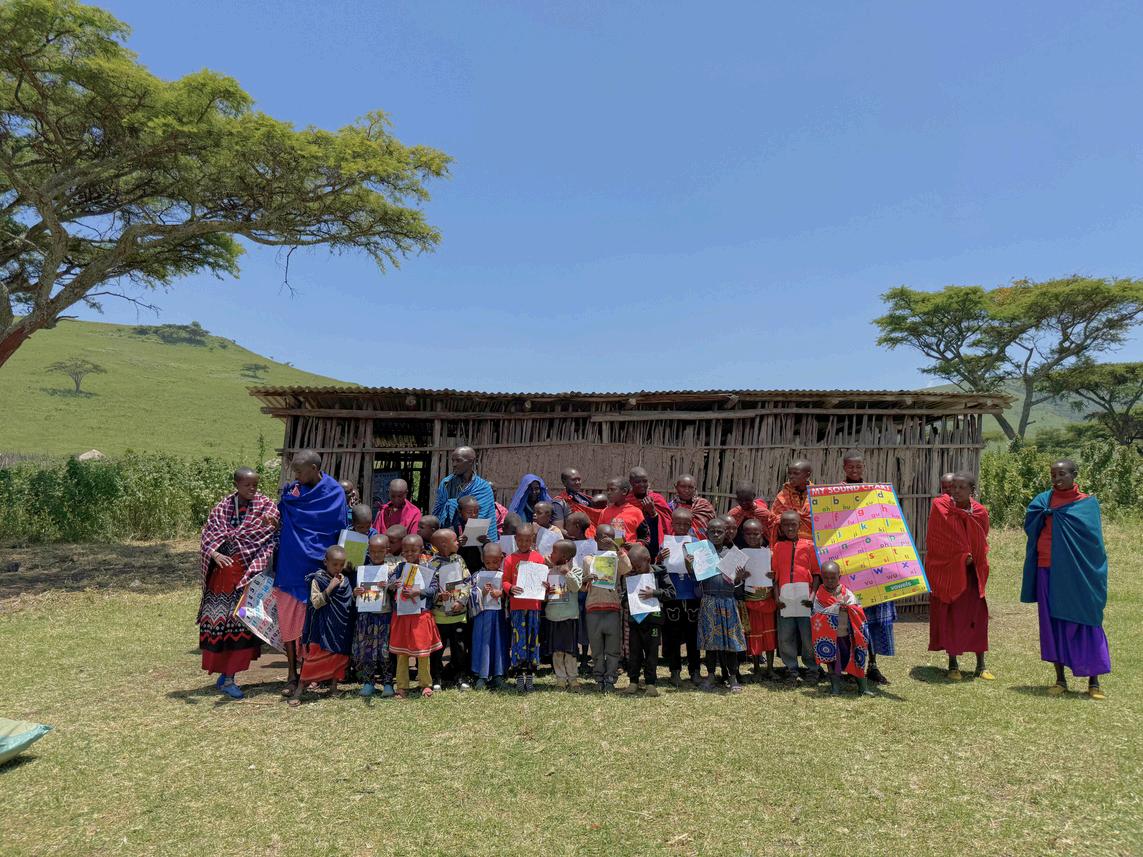
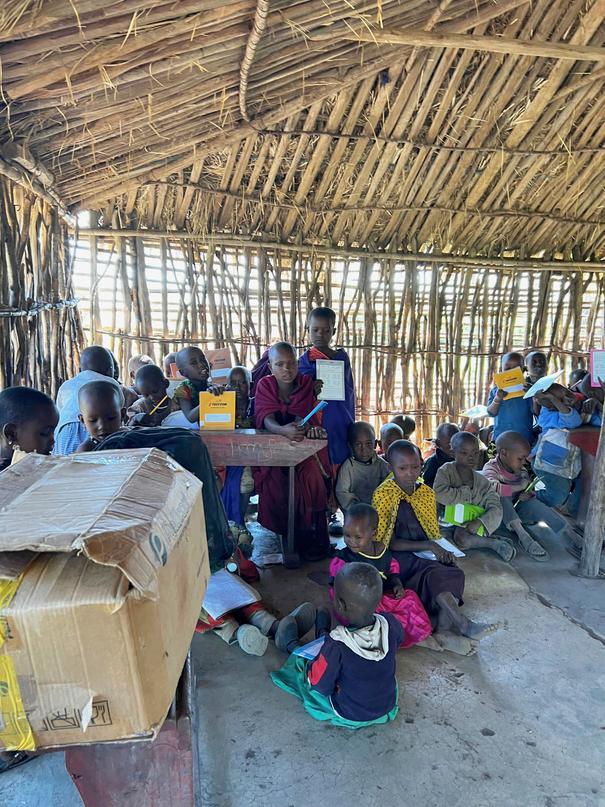
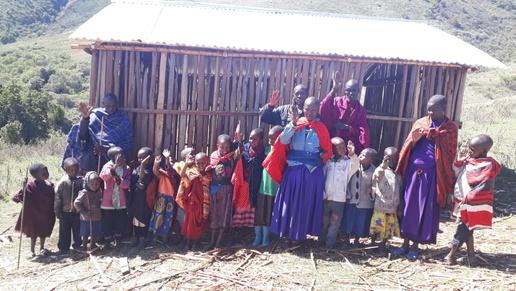
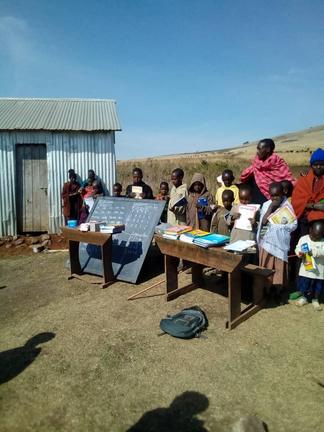
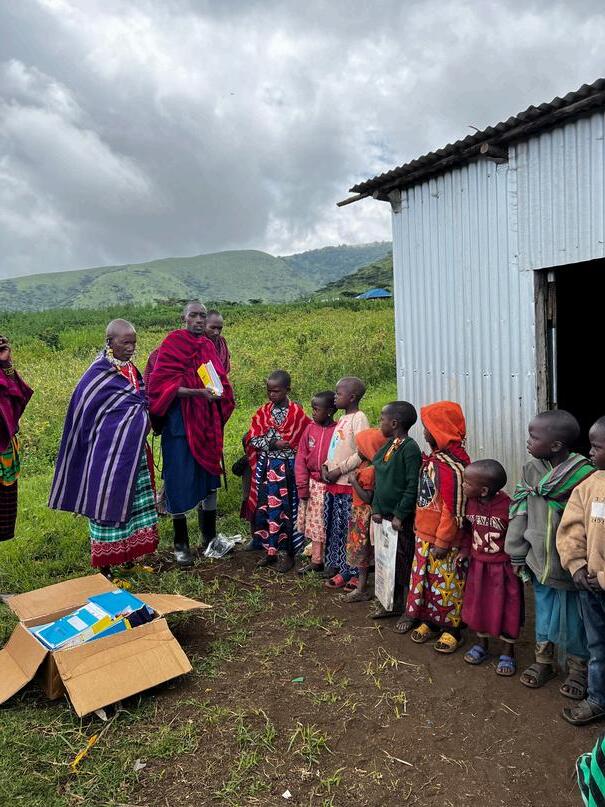
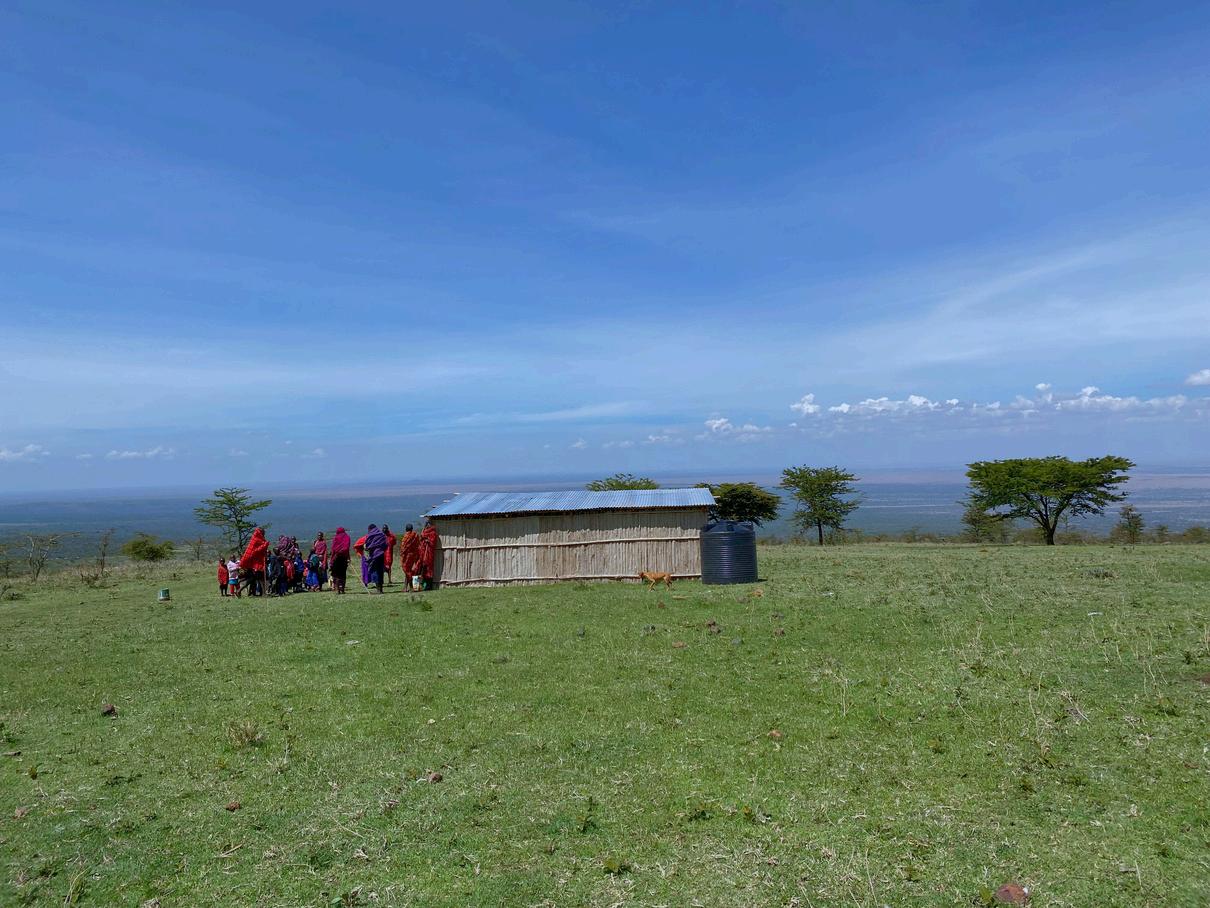
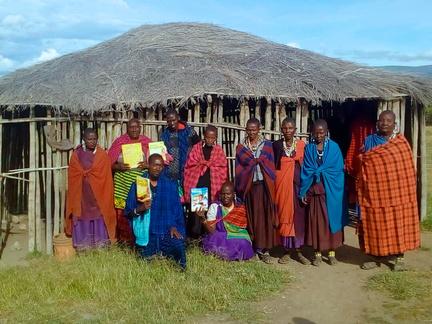
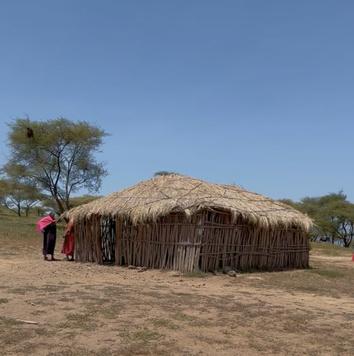
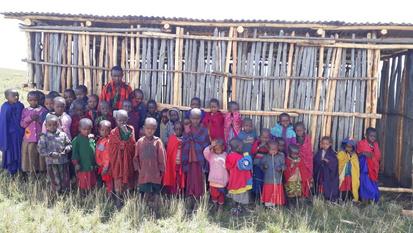

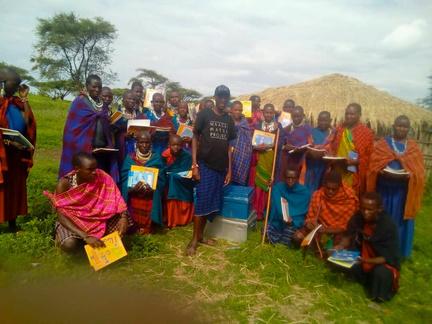
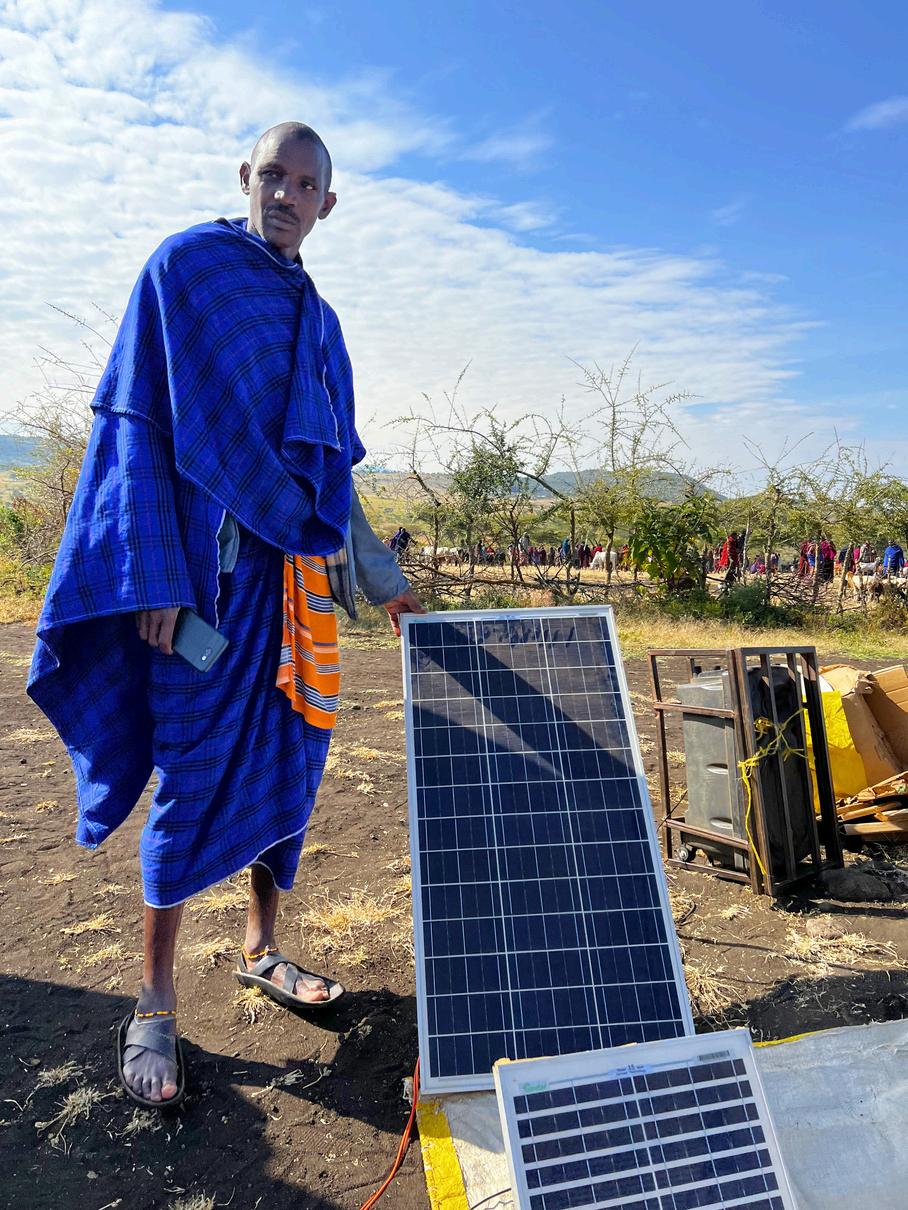
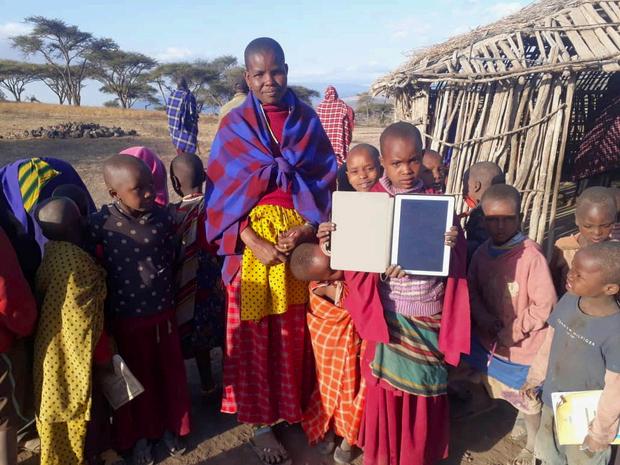
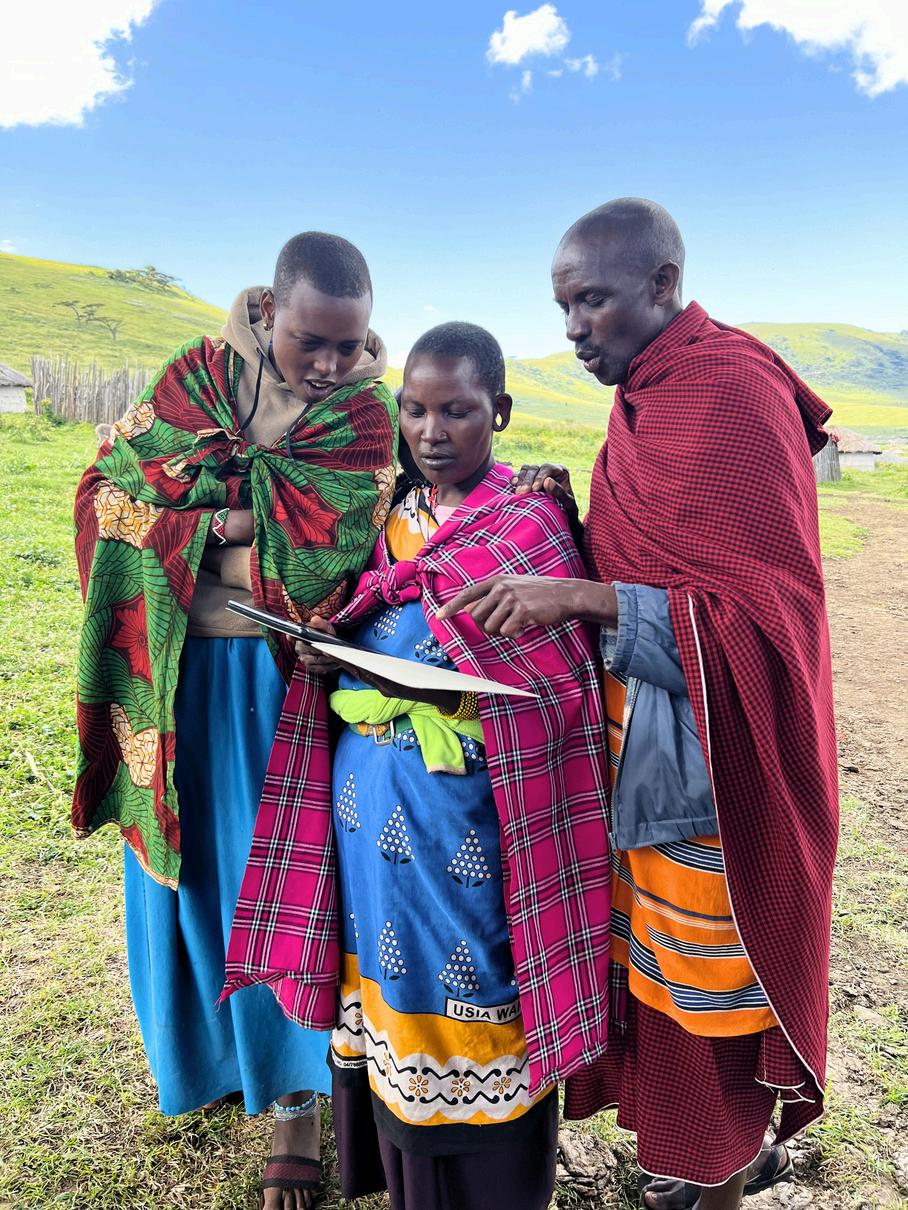
Books, tablets, and solar-powered learning tools help make education possible in these remote school sites, where no school infrastructure or electricity previously existed. The tablets are loaded with customized, interactive language-learning materials that reflect Maasai culture, alongside b k d l th t t rly literacy, numeracy, and language learning.
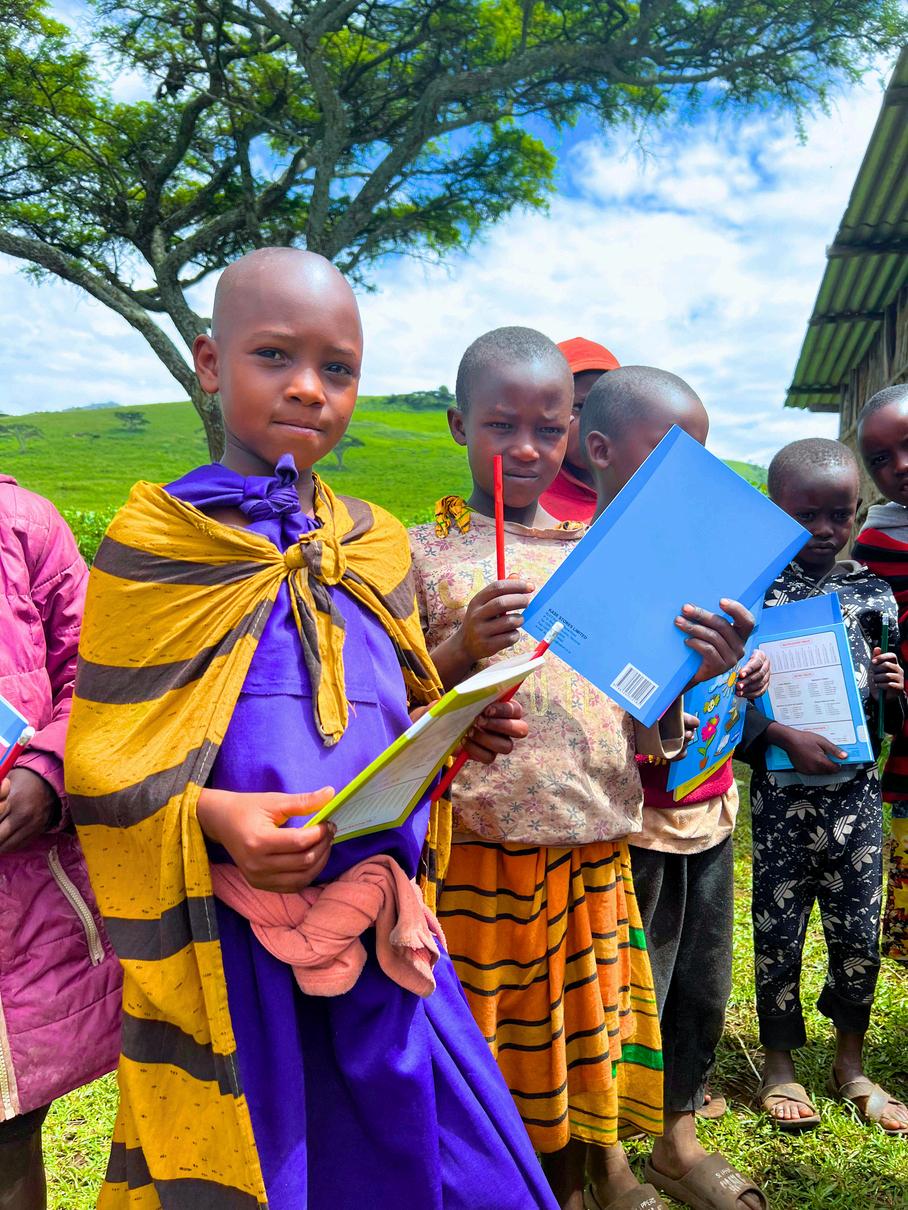
PENCILS, PENS, ERASERS, SHARPENERS, CHALK, CRAYONS
BLACKBOARDS, ELECTRONIC TABLETS AND SOLAR PANELS
GEOGRAPHY MAPS, LAMINATED LEARNING POSTERS ON VARIOUS TOPICS
BLANK LINED PAPER WORKBOOKS, TEACHER NOTEBOOKS FOR RECORDS
STANDARD WORKBOOKS FOR SCIENCE, MATH, ENGLISH & SWAHILI
READING BOOKS ON VARIOUS TOPICS (BUILDING LIBRARIES)
METAL TRUNKS TO KEEP SUPPLIES AND BOOKS SAFE AND DRY
FIRST AID KITS AND ESSENTIAL MEDICATIONS
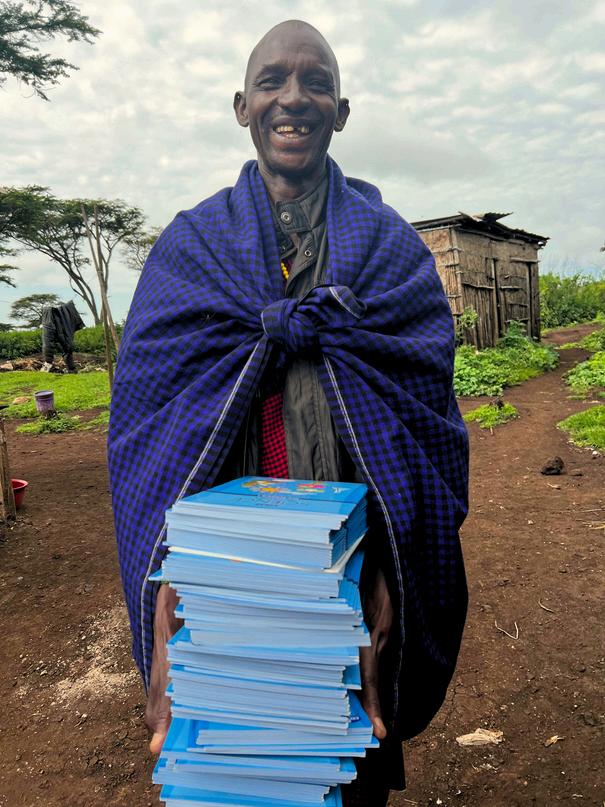
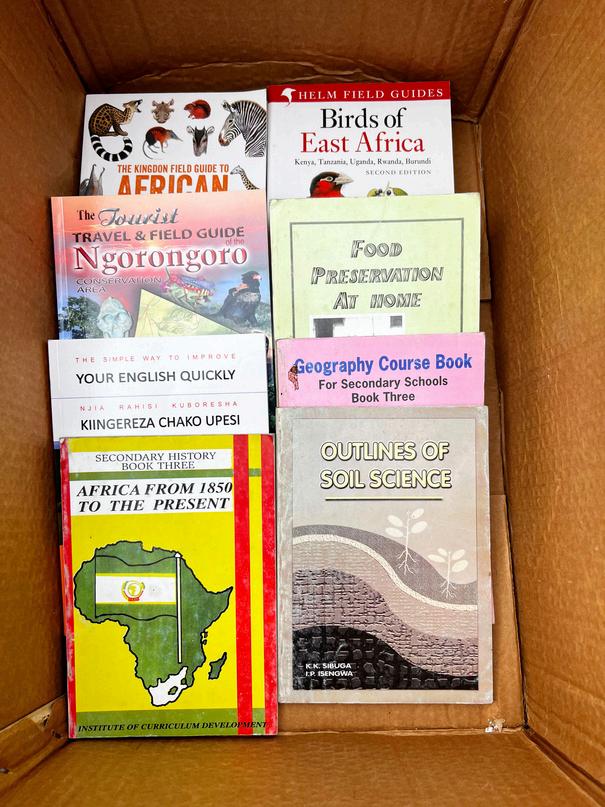
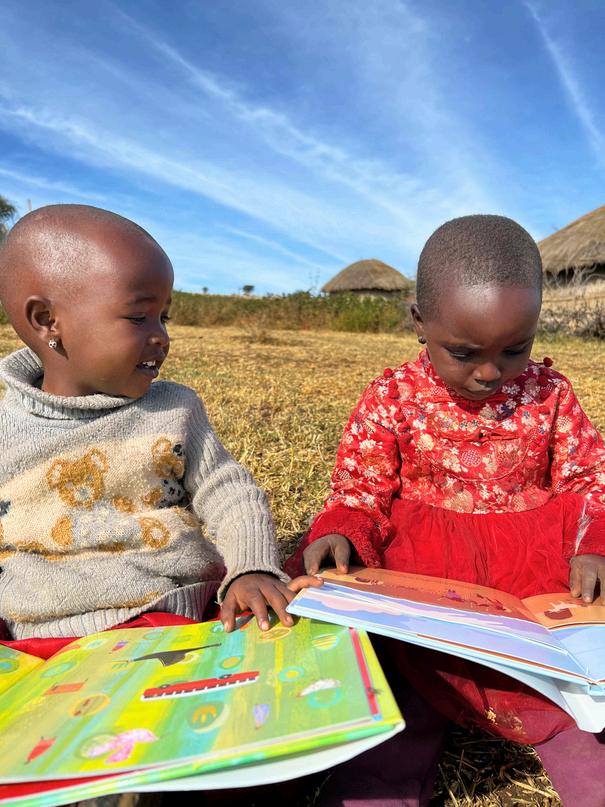
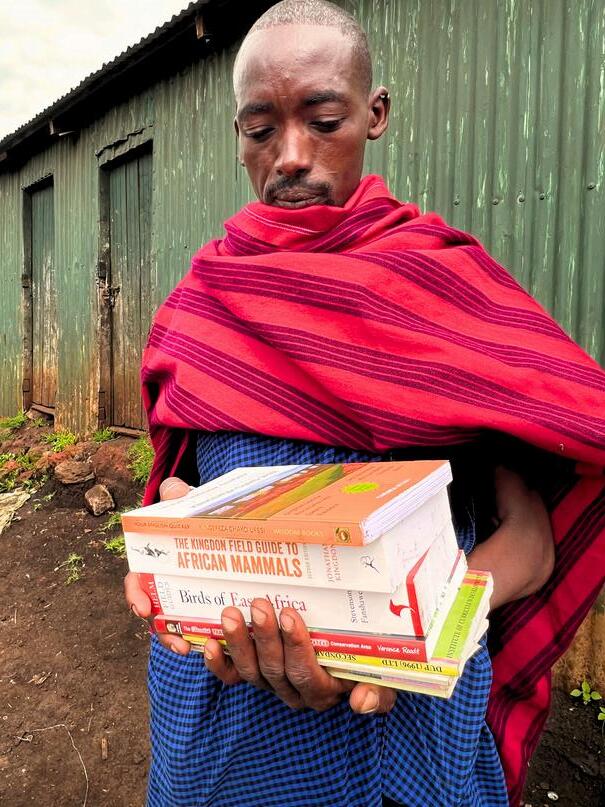
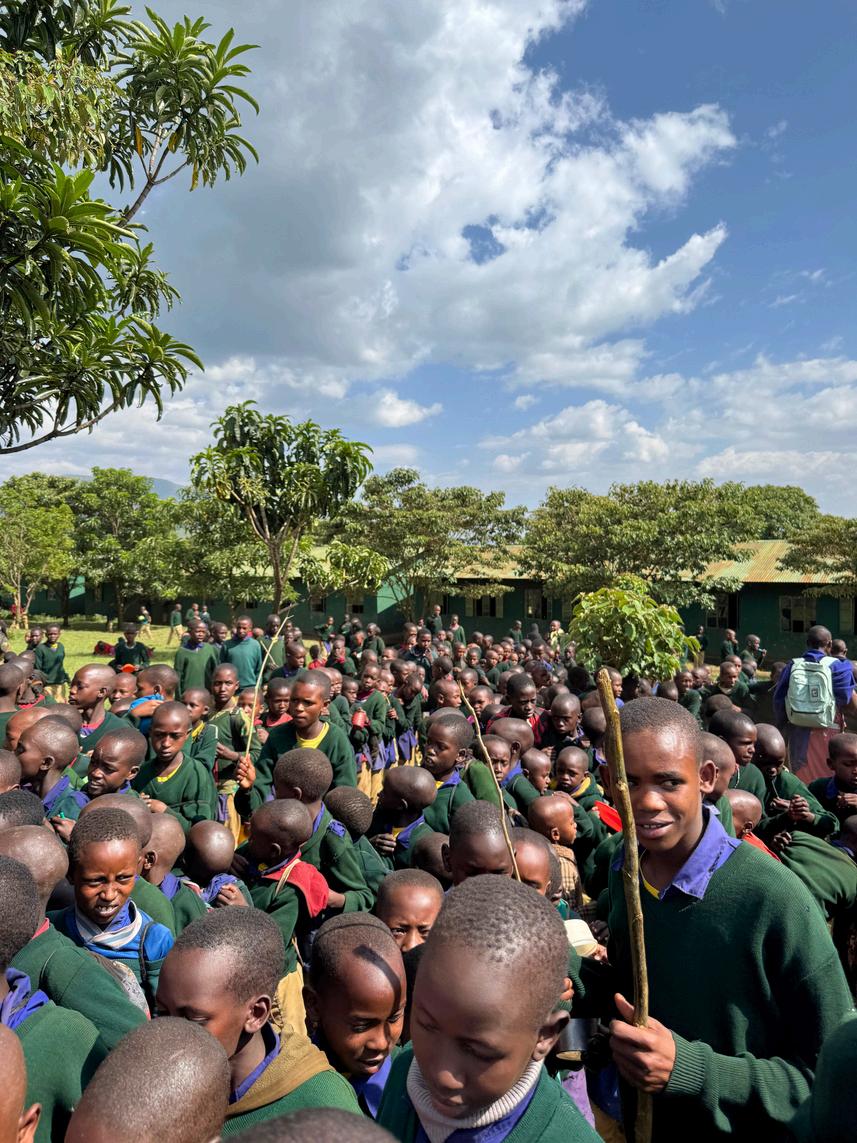
A single government primary school serves the wider region, where instruction is delivered in Swahili and English and students often travel long distances by foot to attend For many children across this 285 km² area, distance makes regular attendance difficult or not possible without leaving their families.
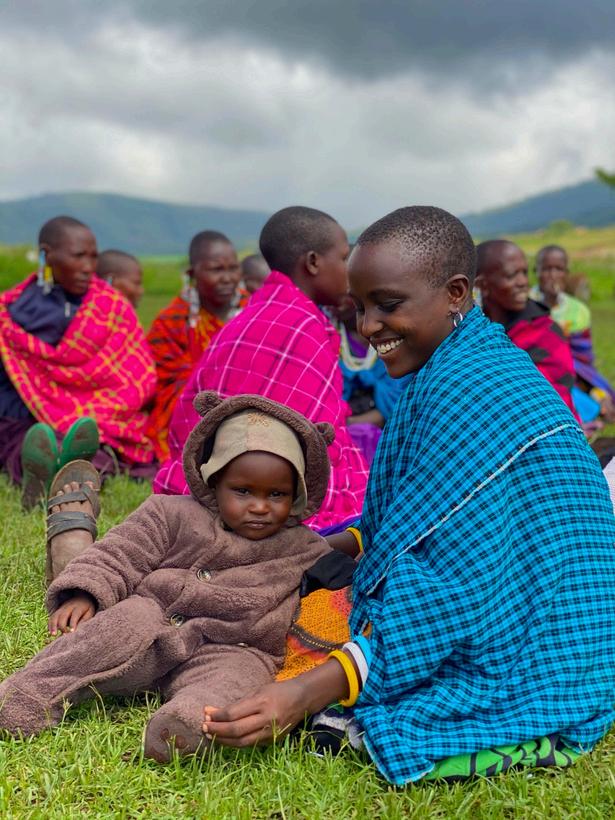
Humanculture’s remote schools provide early learning and ongoing support that prepares children before they enter the formal system and reinforces their learning once they return home. This includes foundational literacy, numeracy, and language exposure, as well as school meal provision at the primary school, where Humanculture provides daily lunches, helping strengthen attendance and academic outcomes. Women participating in Humanculture’s remote schools also build their own literacy and language skills, enabling them to better support their children’s education at home.
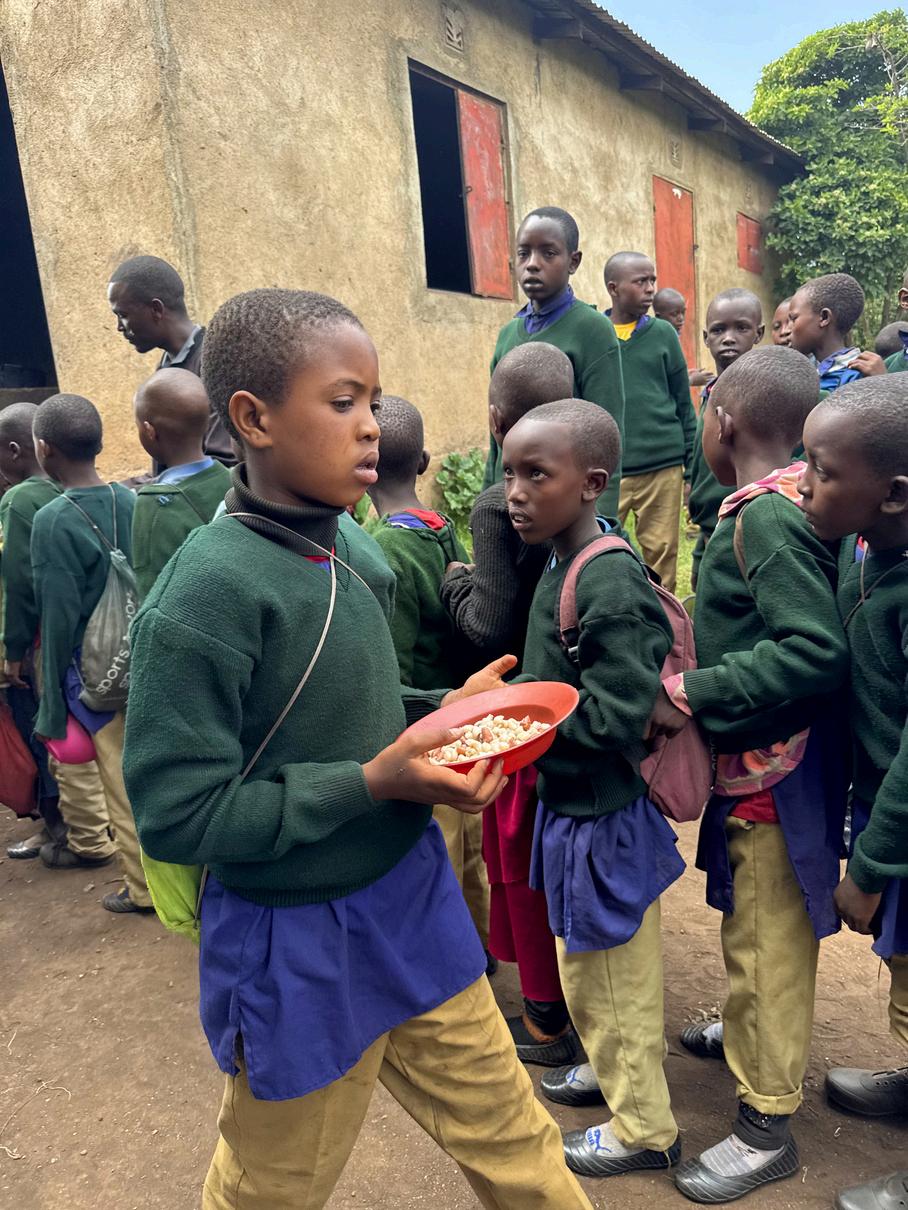
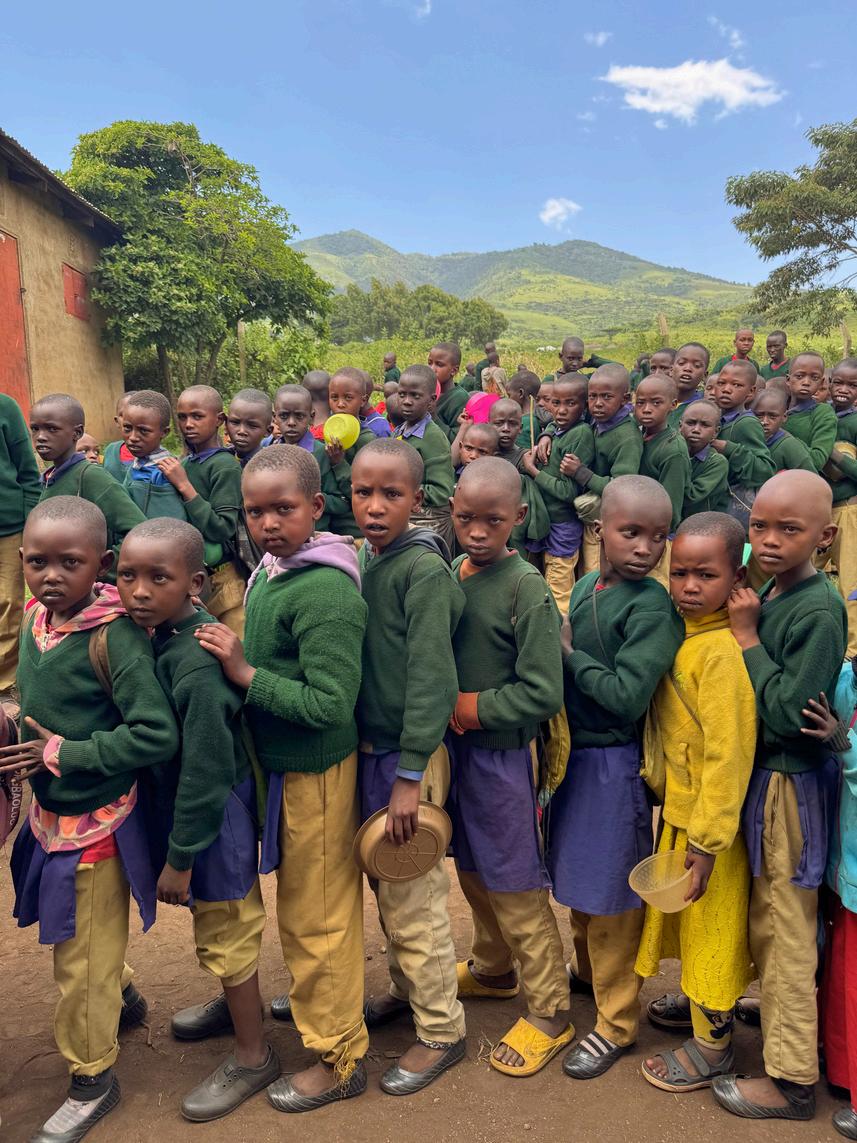
H U M A N C U L T U R E s c h o o l s
Humanculture continues to operate 10 schools across remote Maasai communities in Tanzania, directly impacting approximately 1,800 people and providing the first access to education these areas have had in their history. Since 2021, Humanculture has built and sustained these schools across a 285 km² region without road access or infrastructure, maintaining continuous, daily learning in communities reached only by foot
In 2025, Humanculture expanded learning in the schools through tablets loaded with customized, interactive language content reflecting Maasai culture, alongside books and school libraries including stories written and published from the community’s own oral traditions This ensures that children are learning through materials rooted in their own language and lived experience, while also building early exposure to Swahili and English required for formal education The same schools also serve approximately 600–800 women in the afternoons, supporting literacy, writing, English language skills, and business record-keeping that strengthen both livelihoods and children’s learning at home.
A single government primary school serves this wider region, where instruction is delivered in Swahili and English and children often travel long distances by foot to attend. Humanculture’s remote schools prepare children before they enter that system and support them once they return home, while school meal provision at the primary school supports attendance and academic outcomes. As one teacher in Ngorongoro shared, “For the first time, our children have books. For the first time, they have a place to learn. They are learning to read, and the future of this community has changed forever.”
A m a z i g h W o m e n L i v e l i h o o d s
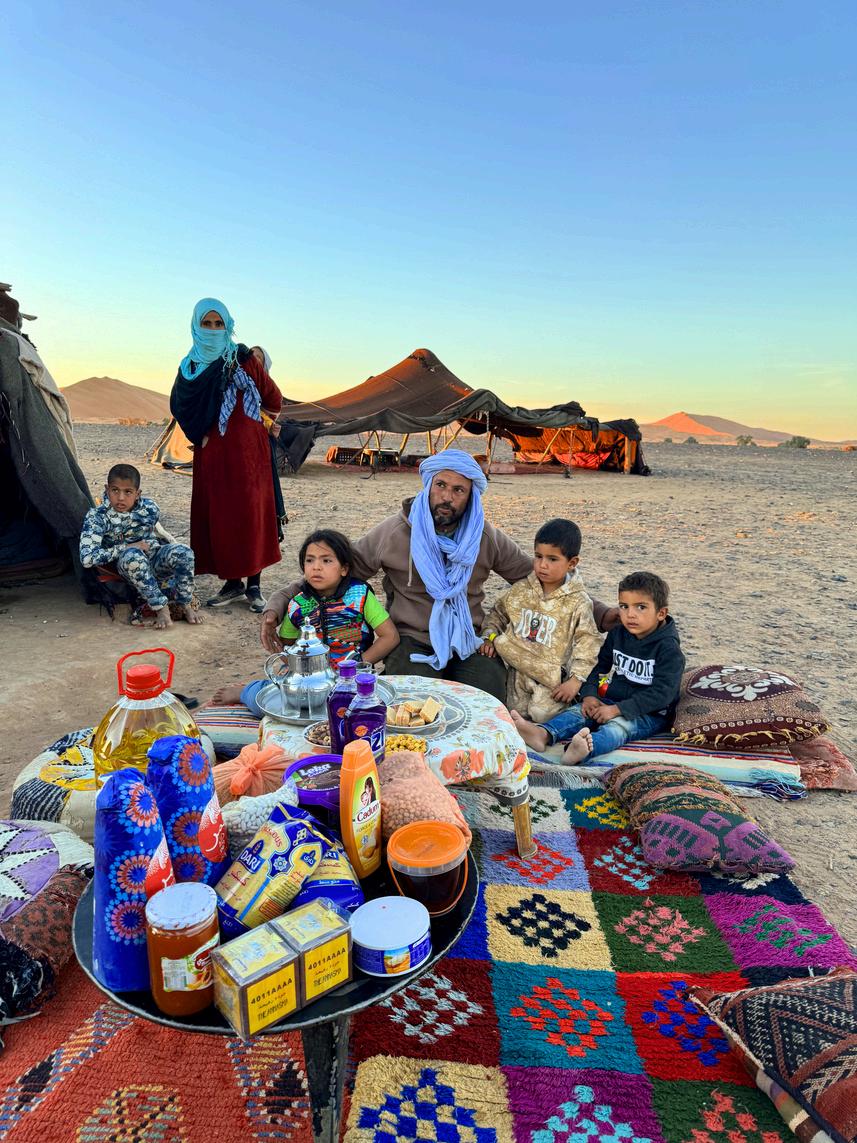
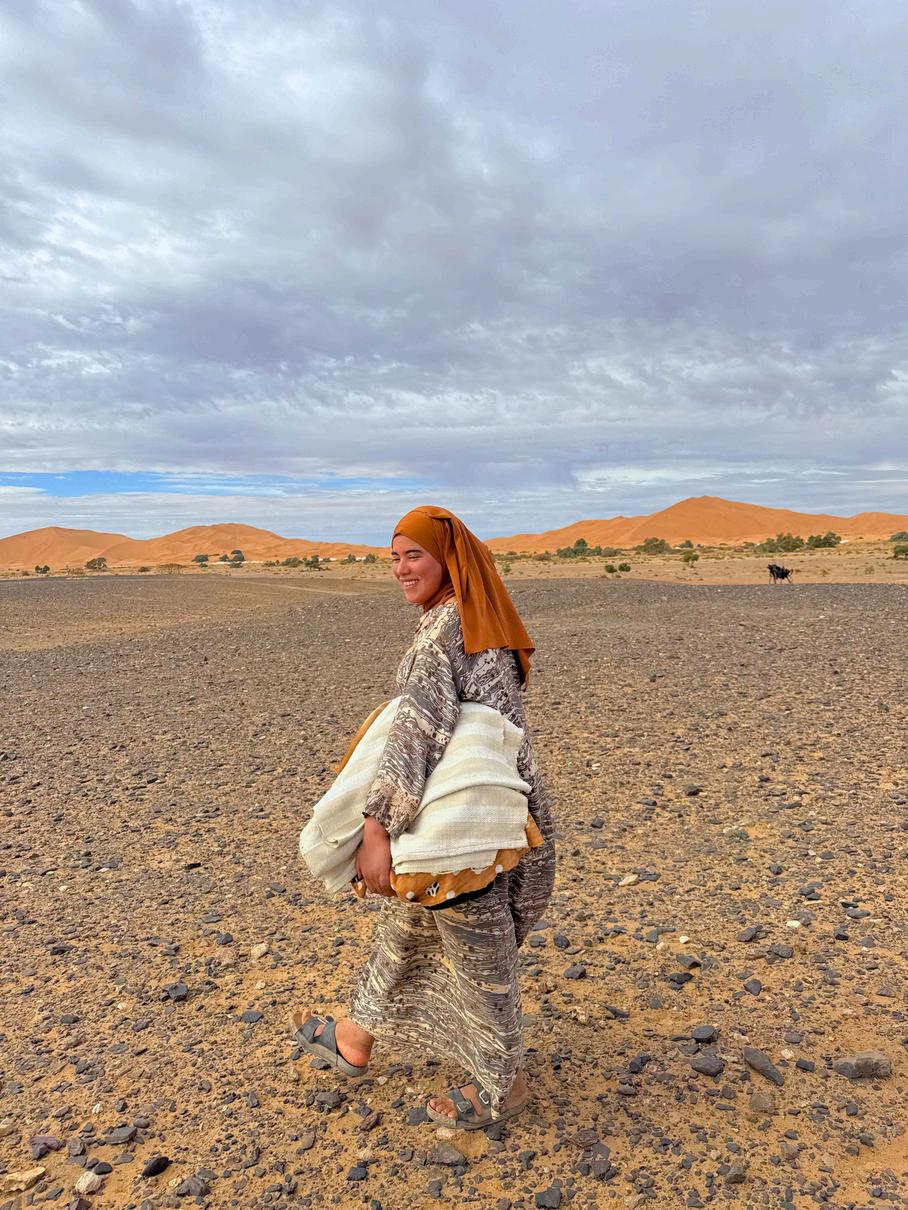
Humanculture has operated in Amazigh communities in the Merzouga region of southeastern Morocco since 2022, supporting nomadic pastoral households living under prolonged drought conditions. Between 2018 and 2025, the region experienced a seven-year drought that depleted groundwater, reduced forage availability, and made traditional nomadic mobility increasingly difficult to sustain. As a result, nomadic households have concentrated near reliable water access points while maintaining housing systems and social organization. This concentration does not represent a transition to sedentary life, but a temporary adaptation to environmental conditions that continue to limit mobility despite the formal end of the drought in early 2026
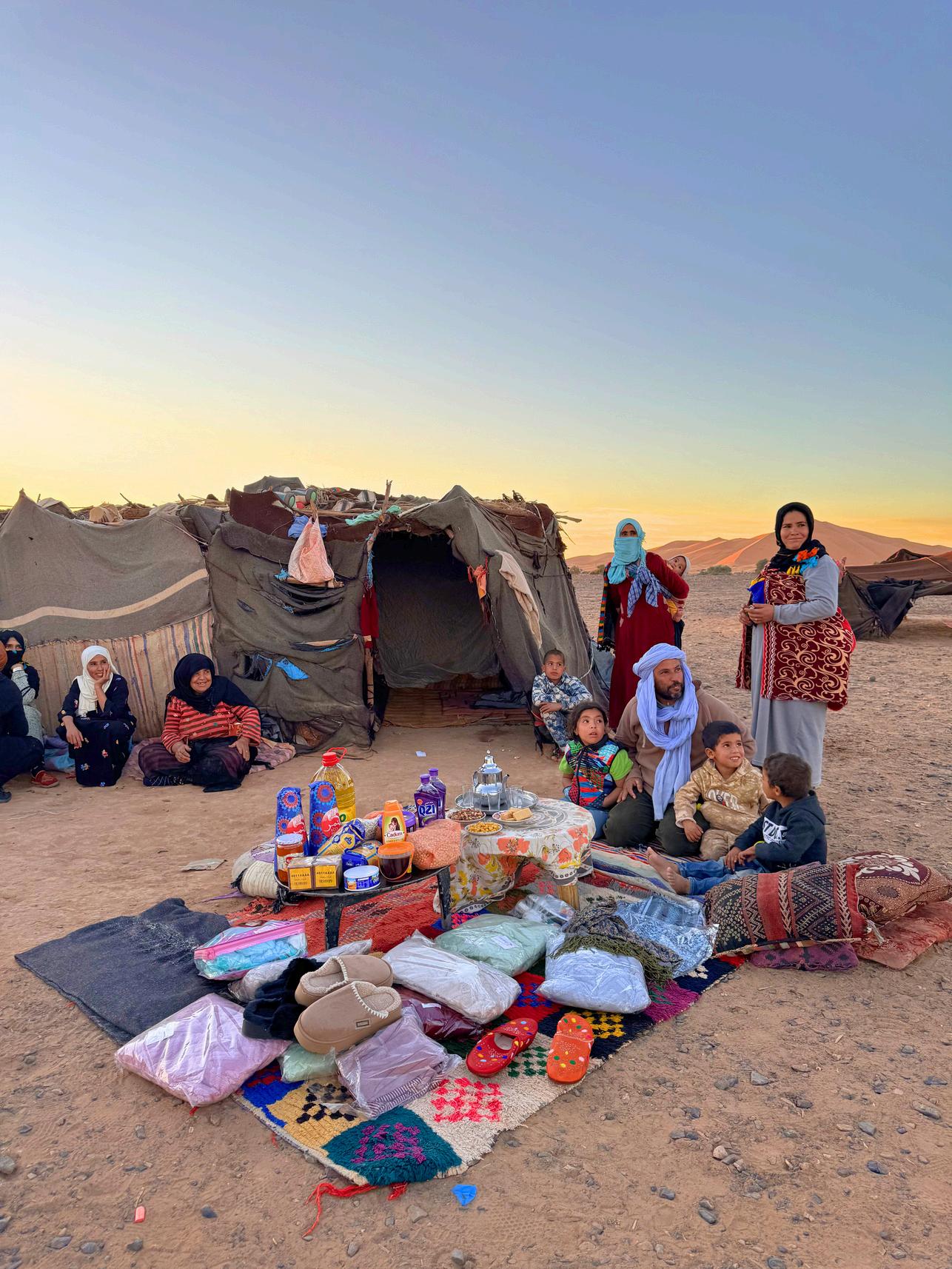
The program is led by a women’s council who guide participation, decision-making, and daily coordination Work extends across a broader community of approximately 400 people, with direct program support currently on six households Activities are carried out across a set of coordinated livelihood and access functions that sustain daily life under desert conditions
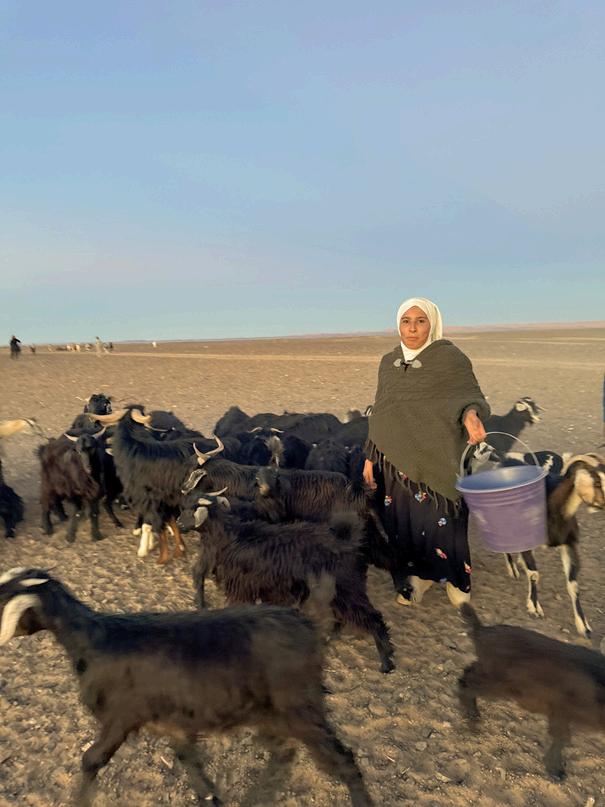
Livestock remains central, with women maintaining a herd of 86 goats, including six goats added in 2025 These local breeds provide milk for household use and hair used in the production of traditional woven tents
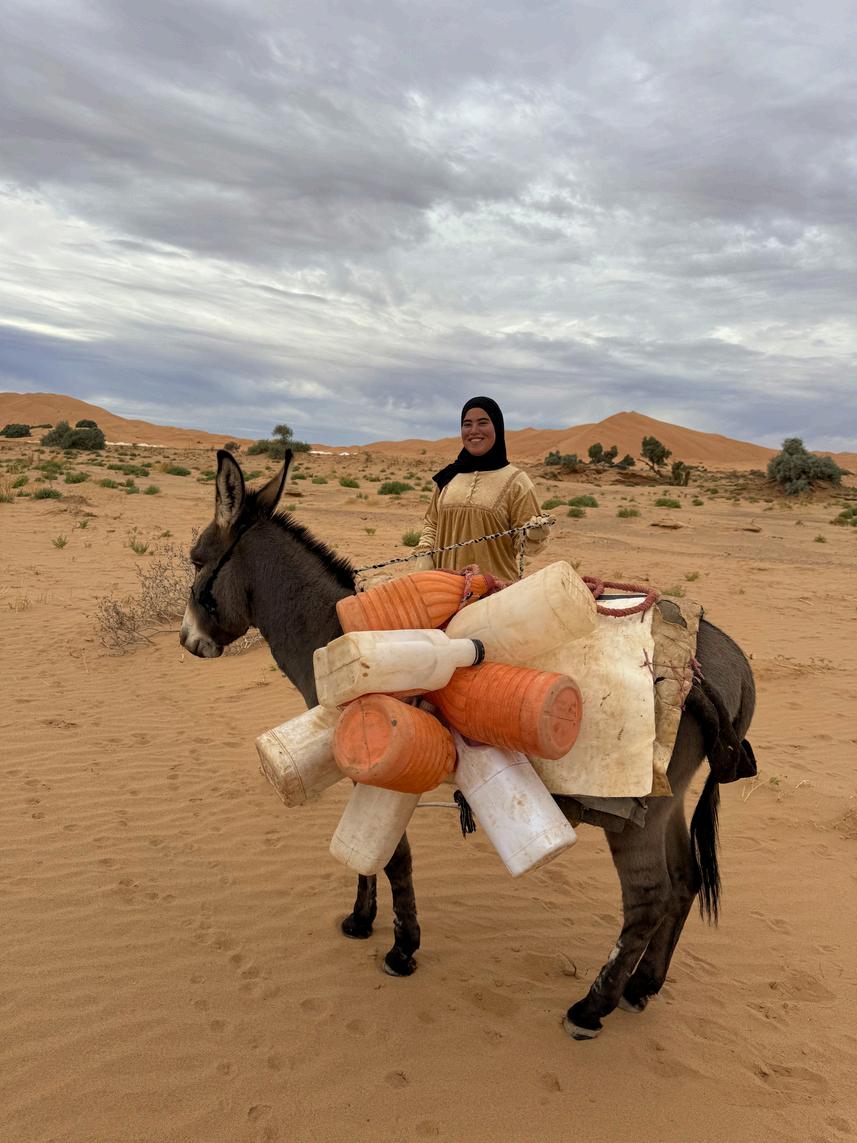
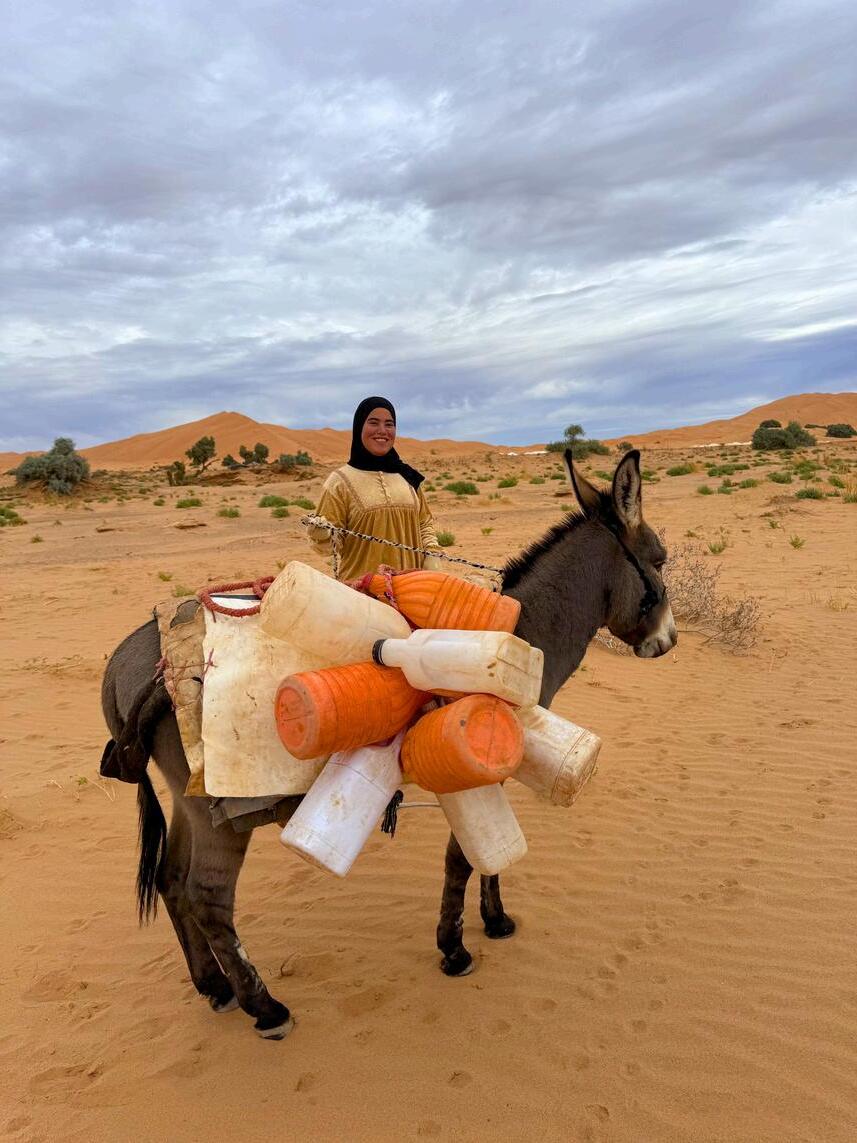
Women lead daily water collection, traveling by foot or donkey to access municipal water sources located near desert camps, transporting water back to encampments for both household use and livestock. This practice reflects a continuation of traditional water-point systems, now centered on available infrastructure rather than natural sources.
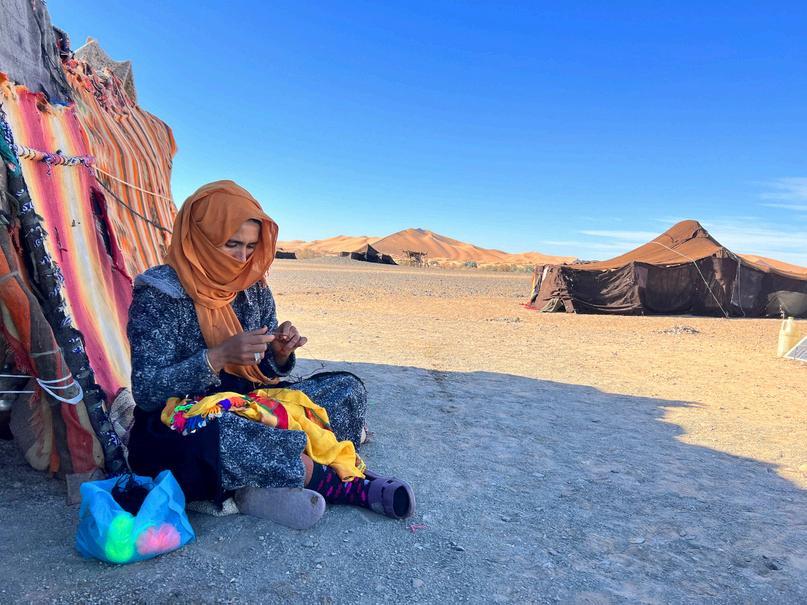
Alongside livestock and water access, women continue textile production, including weaving and the making of structural tent materials, while maintaining knowledge systems that govern material use, seasonal timing, and production processes Access to essential resources, including food, water, and menstrual care, is supported as part of ongoing program activity
In 2025, Humanculture continued its support across all program components, maintaining livestock, resource access, and women-led coordination through the final year of the extended drought period.
Amazigh women lead a holistic program spanning livelihoods, resource access, health, and knowledge continuity under prolonged drought conditions Goats provide food for households and animal hair used in traditional tent-making Women also produce carpets and other goods using provided yarn and materials Water storage supports daily household and livestock needs Food access is maintained during periods of constraint Household essentials are provided as needed. Menstrual care supports women’s health and participation in daily life. Traditional practices, including tent-making and bread preparation, continue through women’s knowledge support continuity across generations.
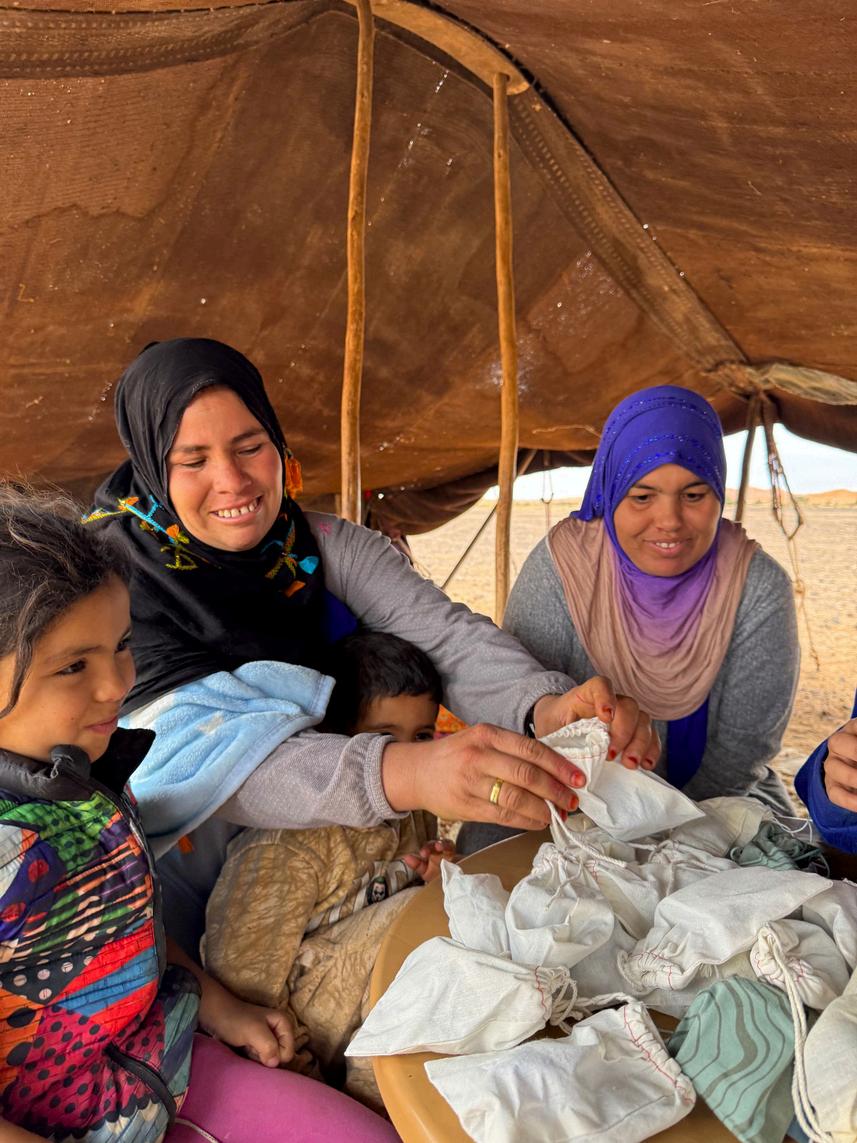
Livestock | Agriculture
Livestock remains a central component of household continuity Goats are maintained as the most viable livestock under drought conditions due to their lower water requirements and resilience in arid environments In 2025, six goats were added to the herd through program support, bringing the total to 86 animals across participating households Women manage feeding, care, and the harvesting of goat hair for traditional tent weaving
Weaving | Livelihoods
Livelihoods are supported through the provision of materials for textile work, including yarn used by women to produce carpets and other goods. These items contribute to household income and economic activity, providing a source of financial support under constrained conditions.
Traditional weaving practices related to tent-making operate as a separate knowledge system. Women maintain and transmit the full process of fiber harvesting, preparation, spinning, and weaving using animal hair to produce structural materials for desert tents. Humanculture supports the continuation of this knowledge through documentation of weaving techniques, material processes, and tent construction methods, ensuring these practices are recorded and preserved for future generations.
Water and Essentials
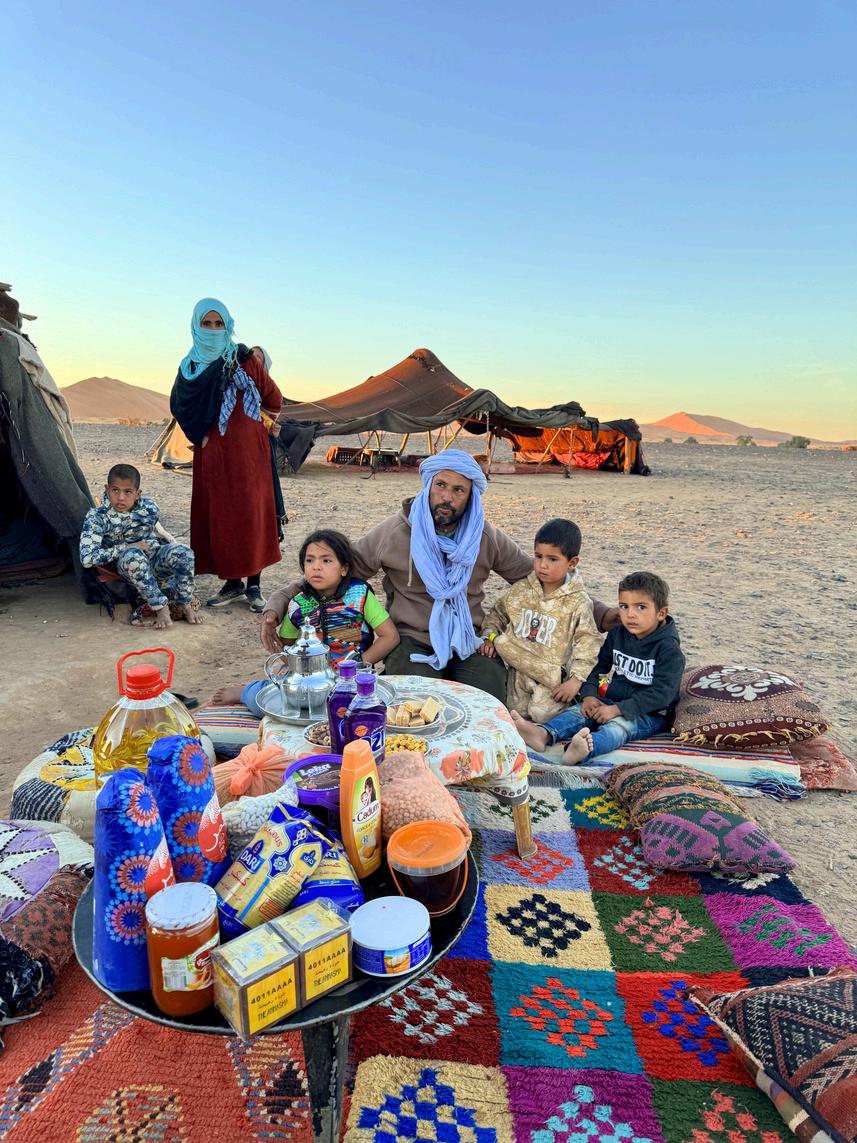
Water access structures daily activity. Women travel regularly to municipal tap points near desert camps, collecting and transporting water for both household use and livestock Program support includes the provision of water storage supplies, enabling households to store and manage water once collected Food access and essential resources are supported under conditions of reduced environmental availability Households receive food and basic items during periods of constraint, including soap and essential supplies, supporting continuity of daily life in drought conditions
Menstrual Care
Menstrual care is directly supported through the distribution of menstrual health products, including 500 menstrual cups donated by Saalt, ensuring women have access to essential materials that support mobility, participation, and health
iKnowledge
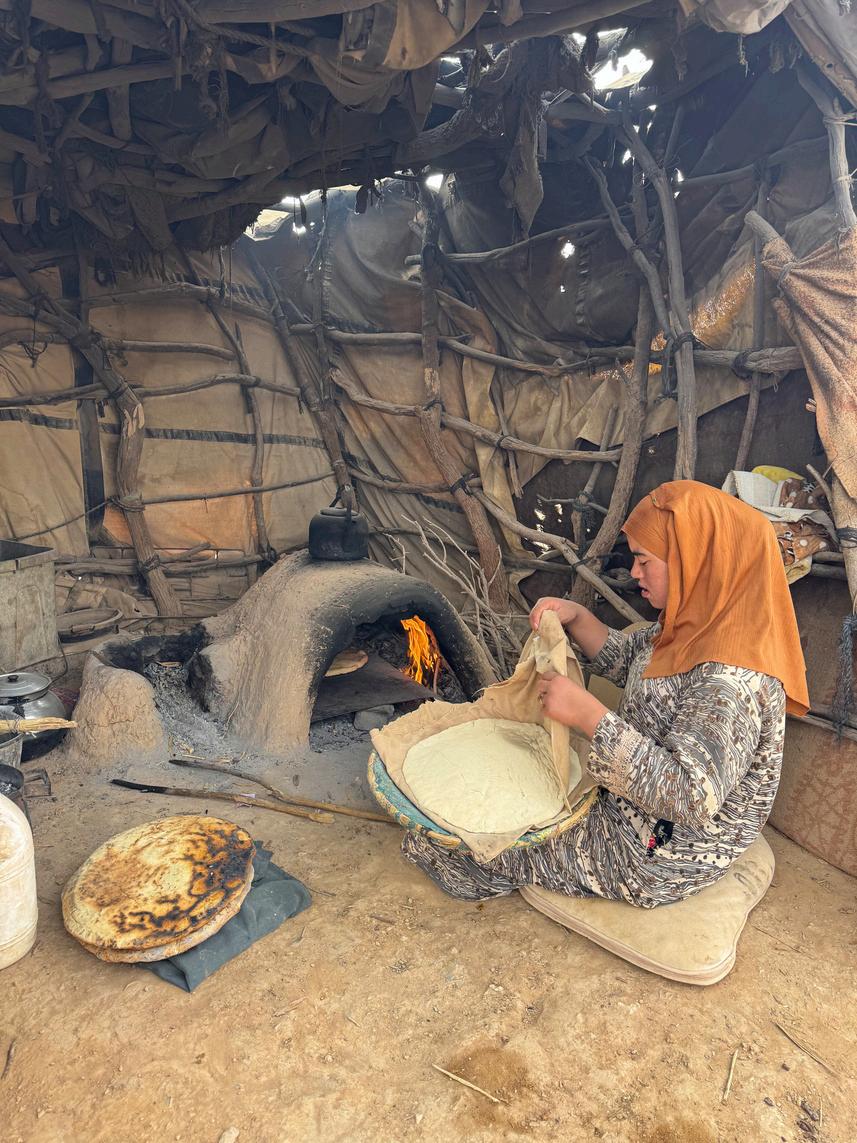
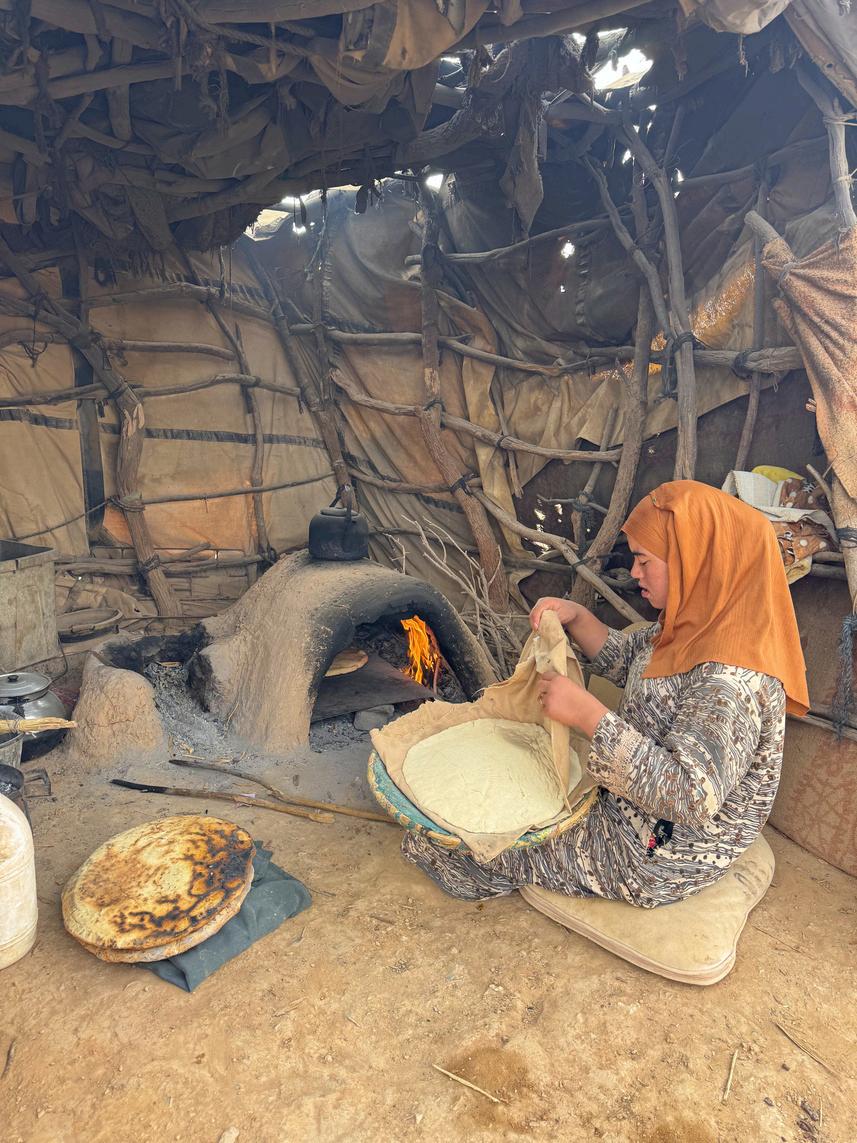
Knowledge transmission occurs through daily participation and is further supported through documentation efforts. In addition to weaving practices, Humanculture documents traditional food preparation methods, including bread baked in clay ovens and directly in sand, preserving knowledge carried through practice within the community.
In 2025, all program components remained active, with continued livestock support, material provision for livelihoods, resource delivery, and documentation of knowledge systems sustained under conditions where ecological recovery has not yet restored traditional mobility patterns.
Amazigh women lead and organize this program through a council of six community leaders drawn directly from nomadic pastoral households in the Merzouga region. These women oversee coordination across livestock management, water access, resource distribution, and daily household needs under prolonged drought conditions. As primary household resource managers, they guide how activities are carried out and allocation of resources across families. Their leadership is grounded in lived pastoral experience and intergenerational knowledge, maintaining the continuity of existing Indigenous systems.
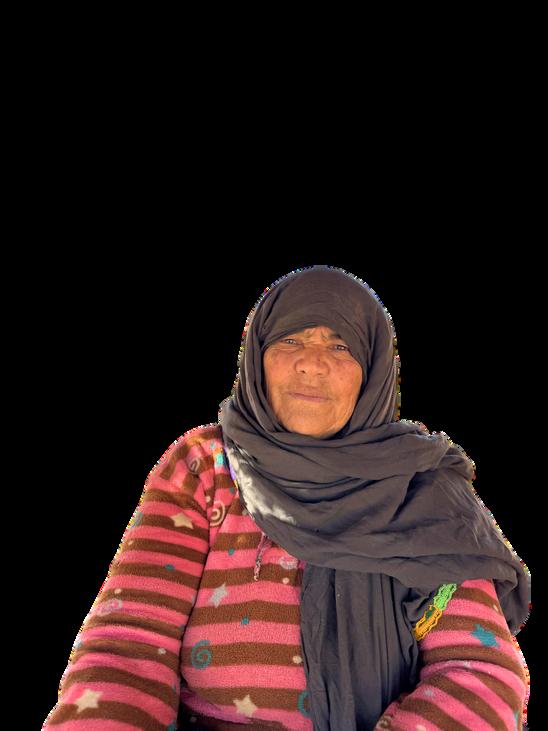
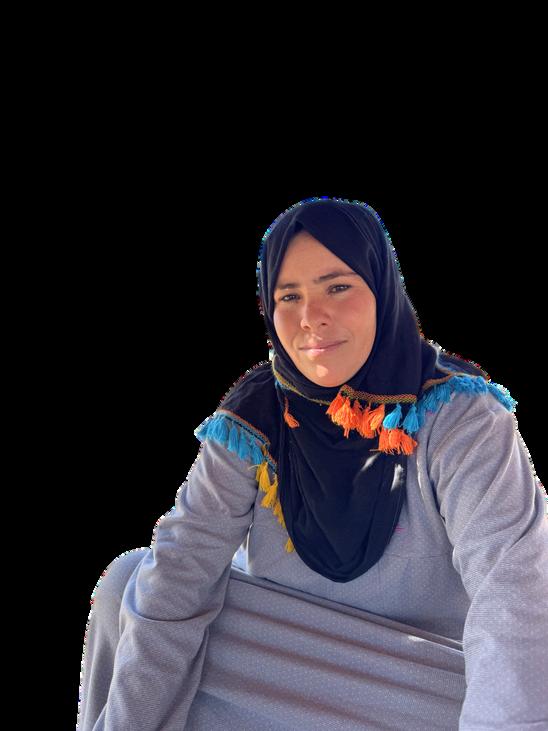
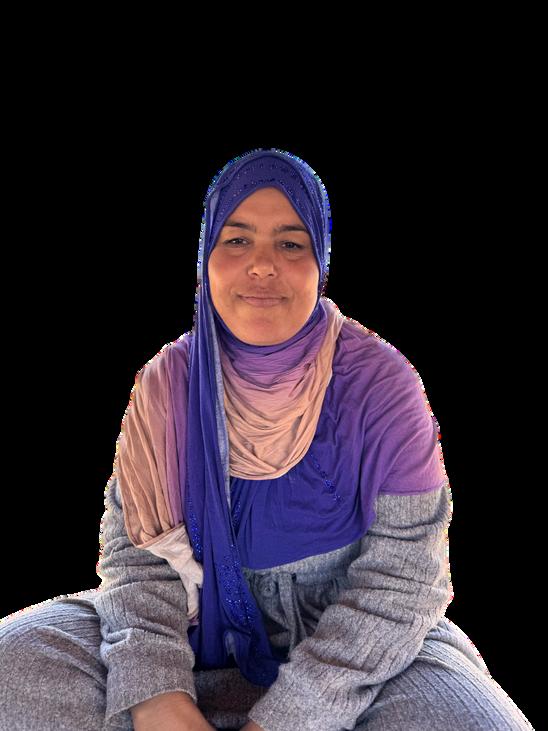
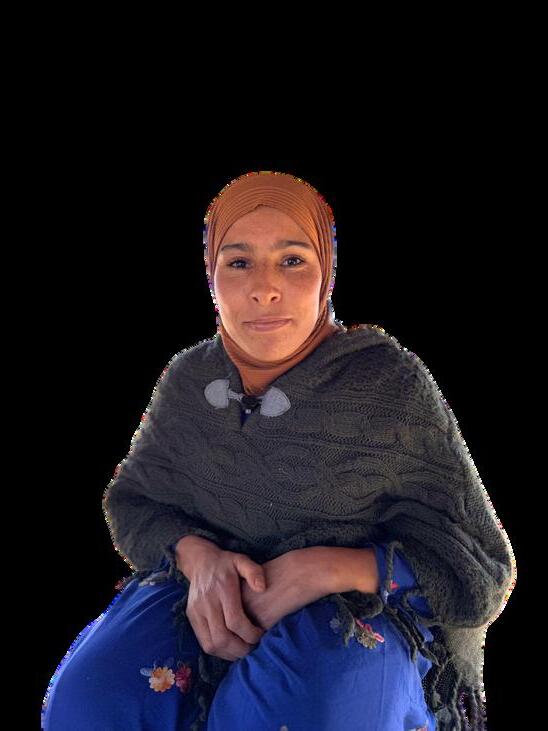
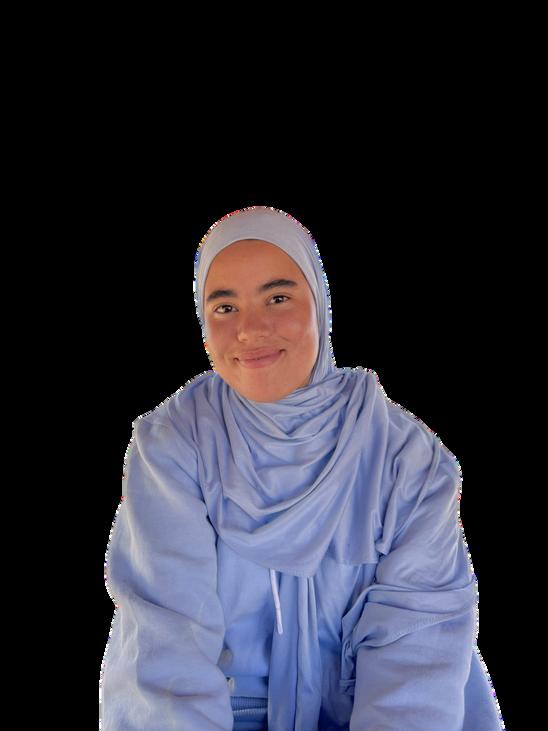
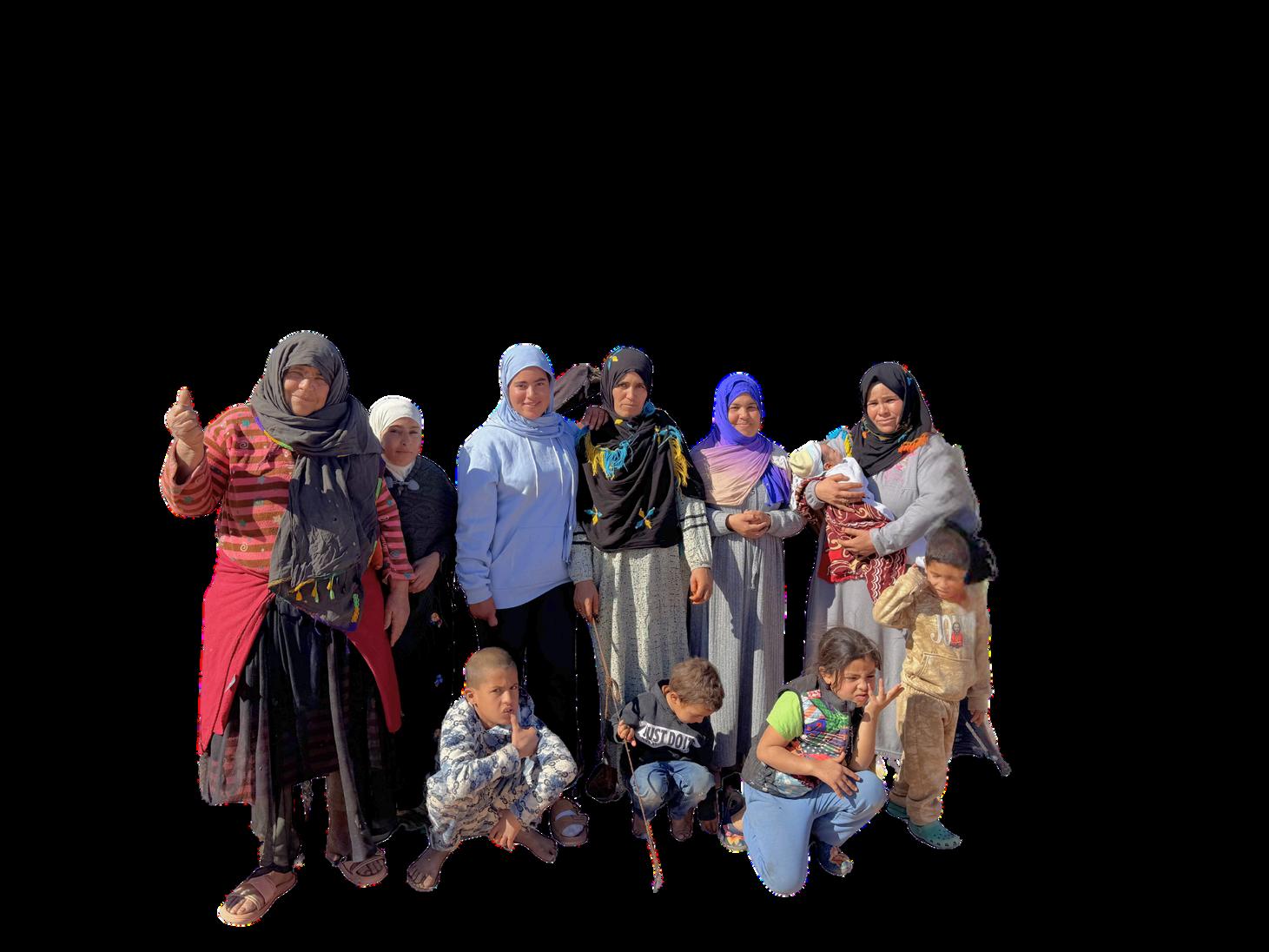
Since 2022, Humanculture has operated in Amazigh pastoral communities in the Merzouga region of southeastern Morocco, supporting nomadic households whose mobility has been constrained by a seven-year drought that continued through 2025. The program is led by a women’s council of six community leaders and operates across a broader community of approximately 400 people, with direct support focused on six households .
In 2025, program activities across livestock, livelihoods, water access, health, and knowledge continuity supported how women sustain their households under conditions of prolonged drought, reduced groundwater availability, and limited forage. Households remain concentrated near reliable water access points while maintaining nomadic structures and pastoral identity
Livestock systems continued to stabilize through the maintenance of 86 goats across participating households, including six goats added in 2025 Livestock provides milk for household use and fiber used in tent weaving for shelter
Livelihood activities were supported through the provision of materials for textile production, enabling women to produce carpets and other goods for income Water access remained structured around daily collection from municipal tap points, with water storage provided to support household and livestock needs
Health programming continued g contributions from Saalt, alongsi g periods of constraint.
intergenerational transmission. In
preservation and continuity within A m a z i g h W o m e n L i v e l i h o o d s 2 0 2 5 P R O G R A M S U M M A R Y H U M A N C U L
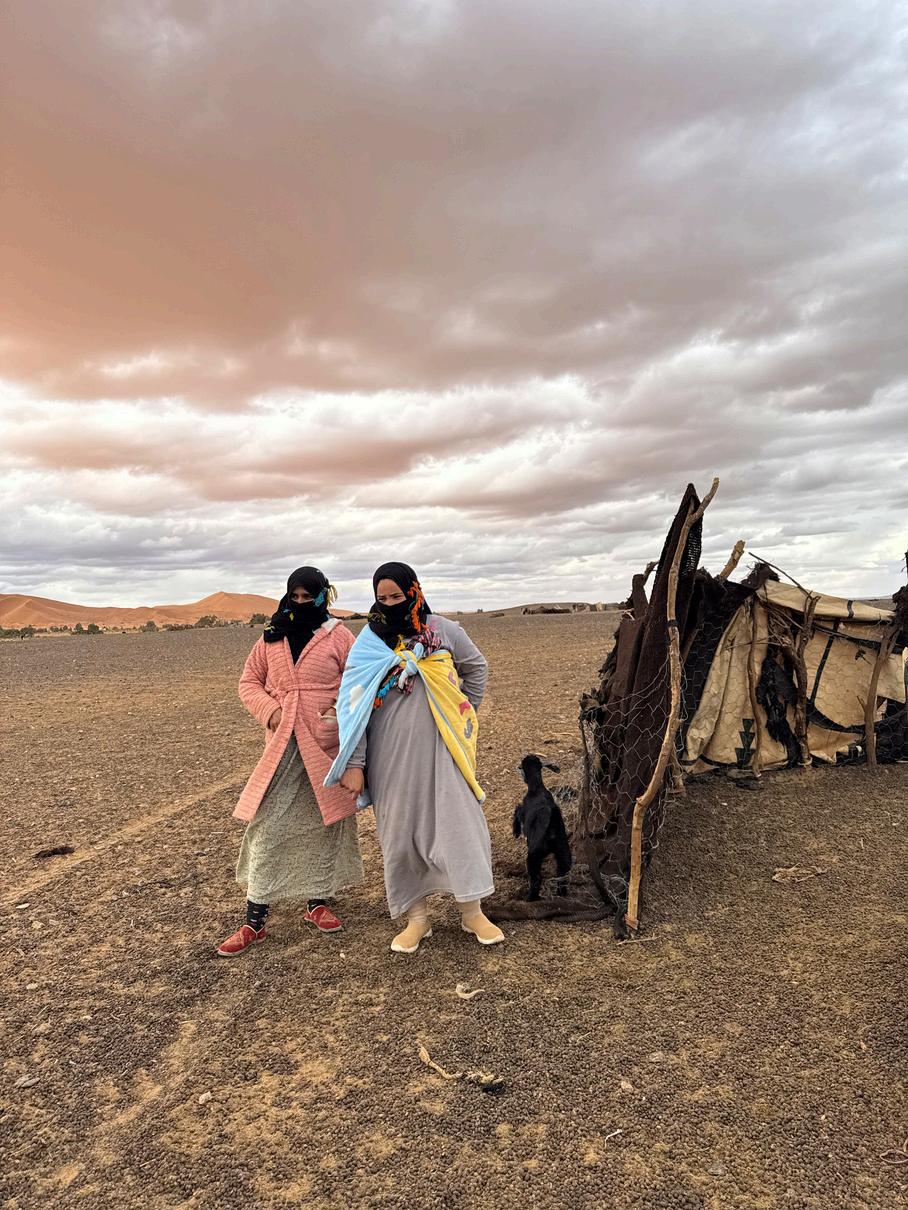
Traditional knowledge practices, s such as bread baked in clay o
M A L A G A S Y H E A L T H &
C O M M U N I T Y S U P P O R T P R O G R E S S R E P O R T Y E A R E N D 2 0 2 5
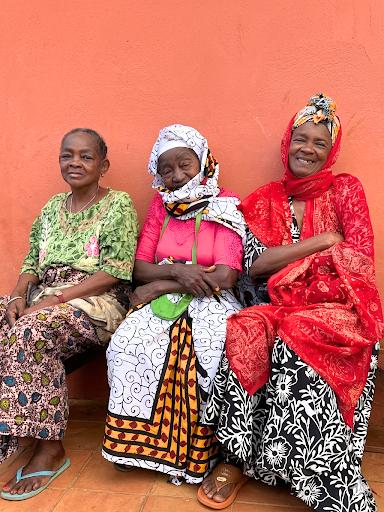
M a l a g a s y W o m e n ’ s H e a l t h
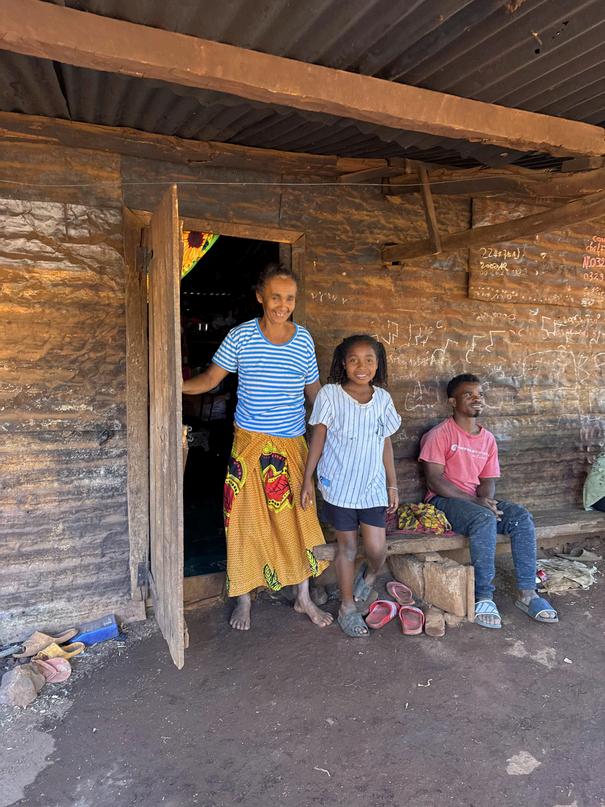
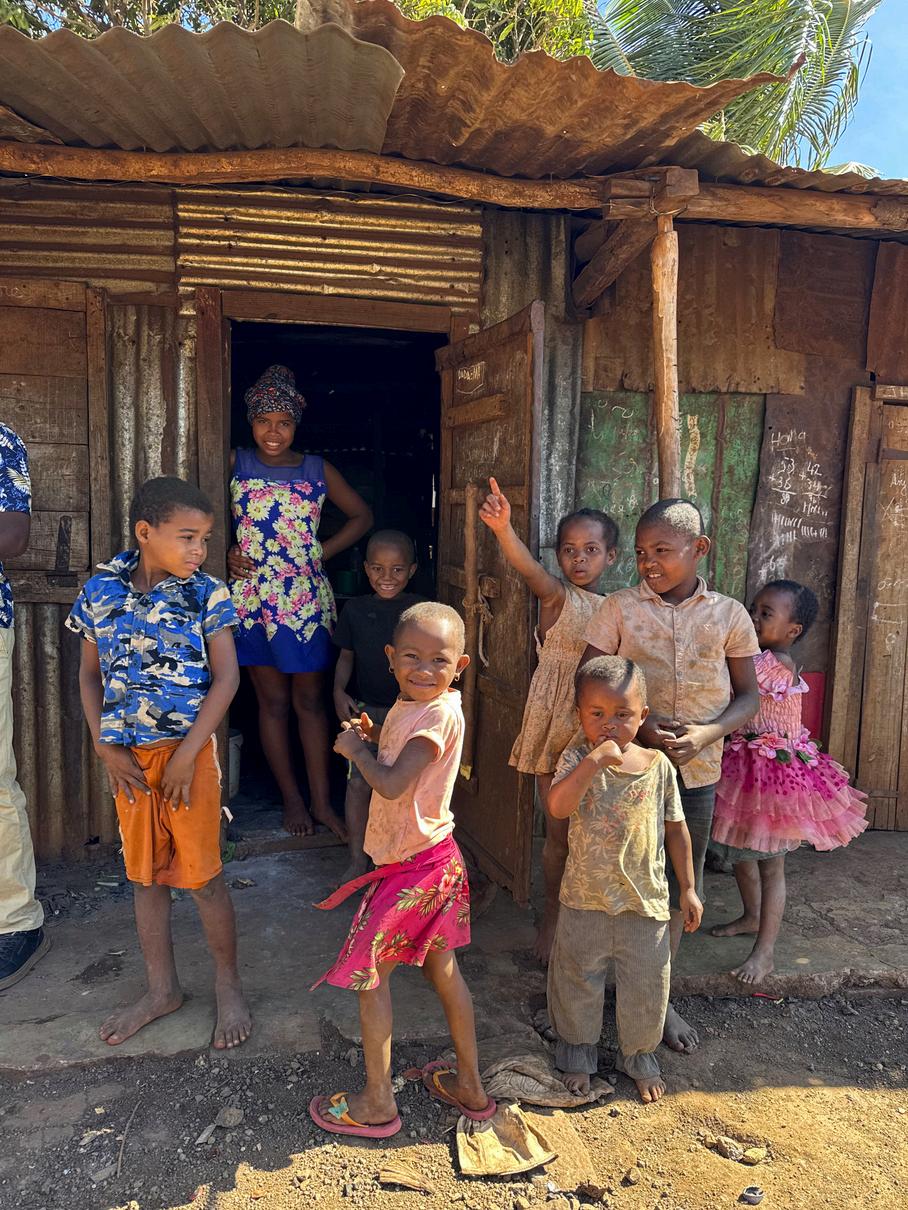
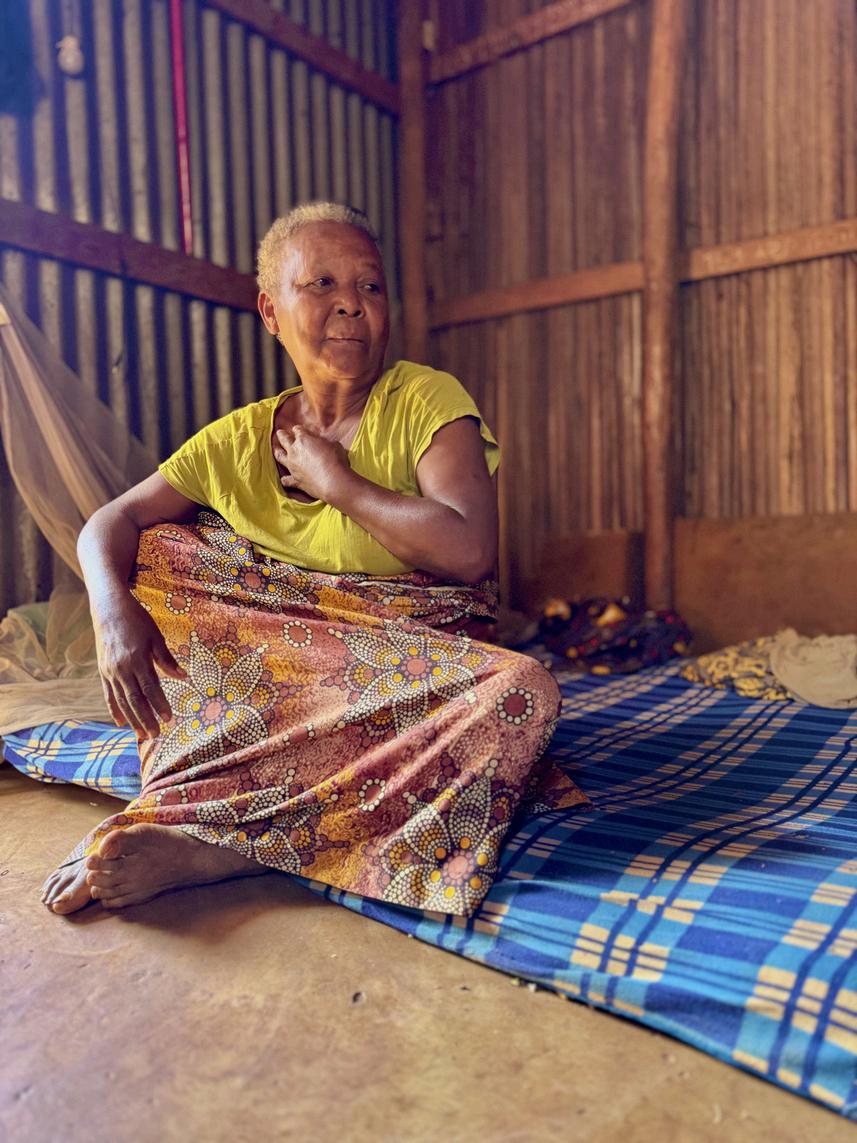
In 2025, Humanculture initiated a new program in northern Madagascar, focused on women’s health access, household support, and the documentation of Indigenous knowledge systems Work was carried out in the Diego Suarez region across both community and institutional environments, reaching women and families under conditions of limited healthcare access, constrained hygiene infrastructure, and economic instability
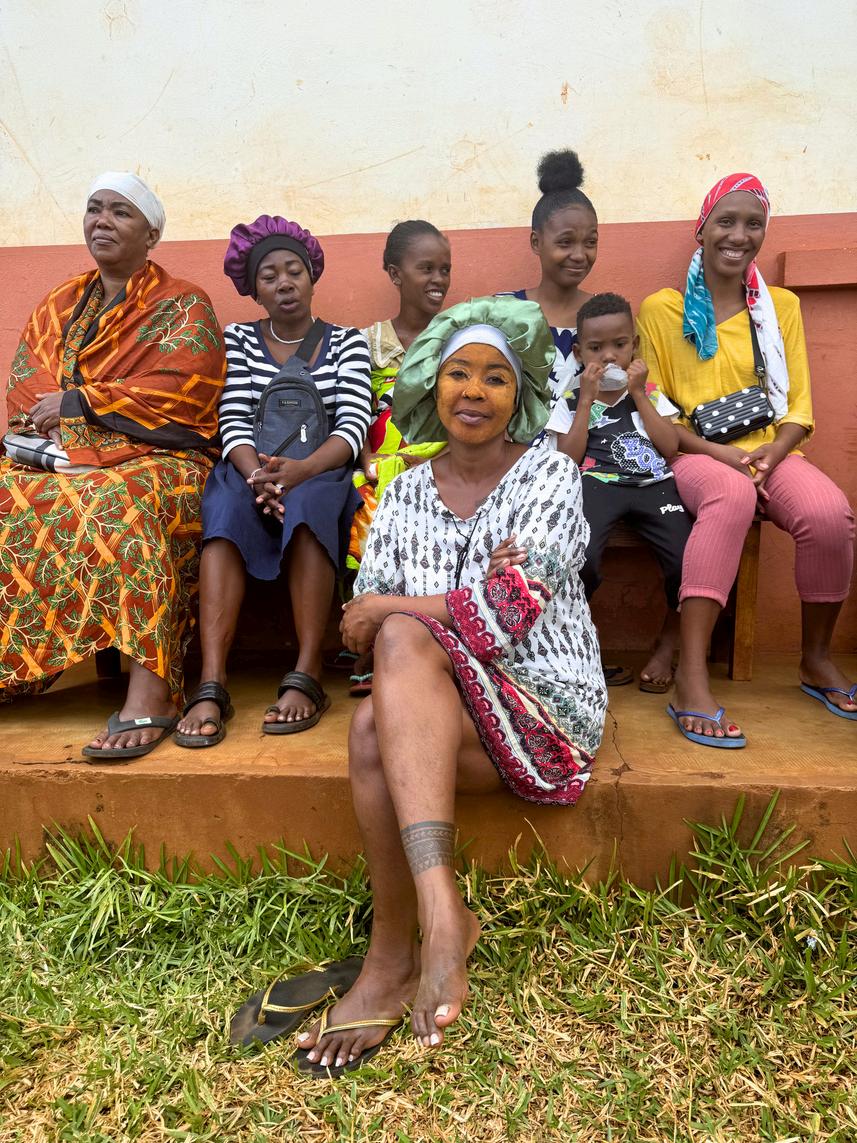
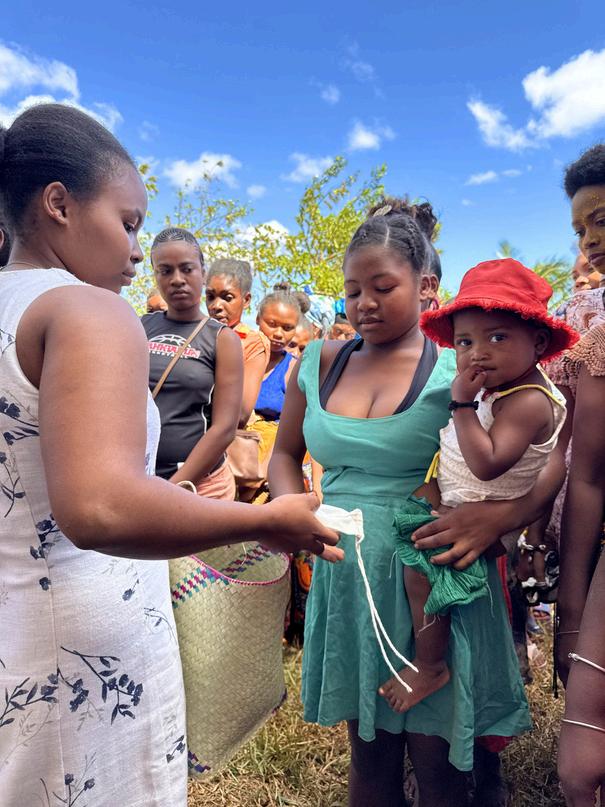
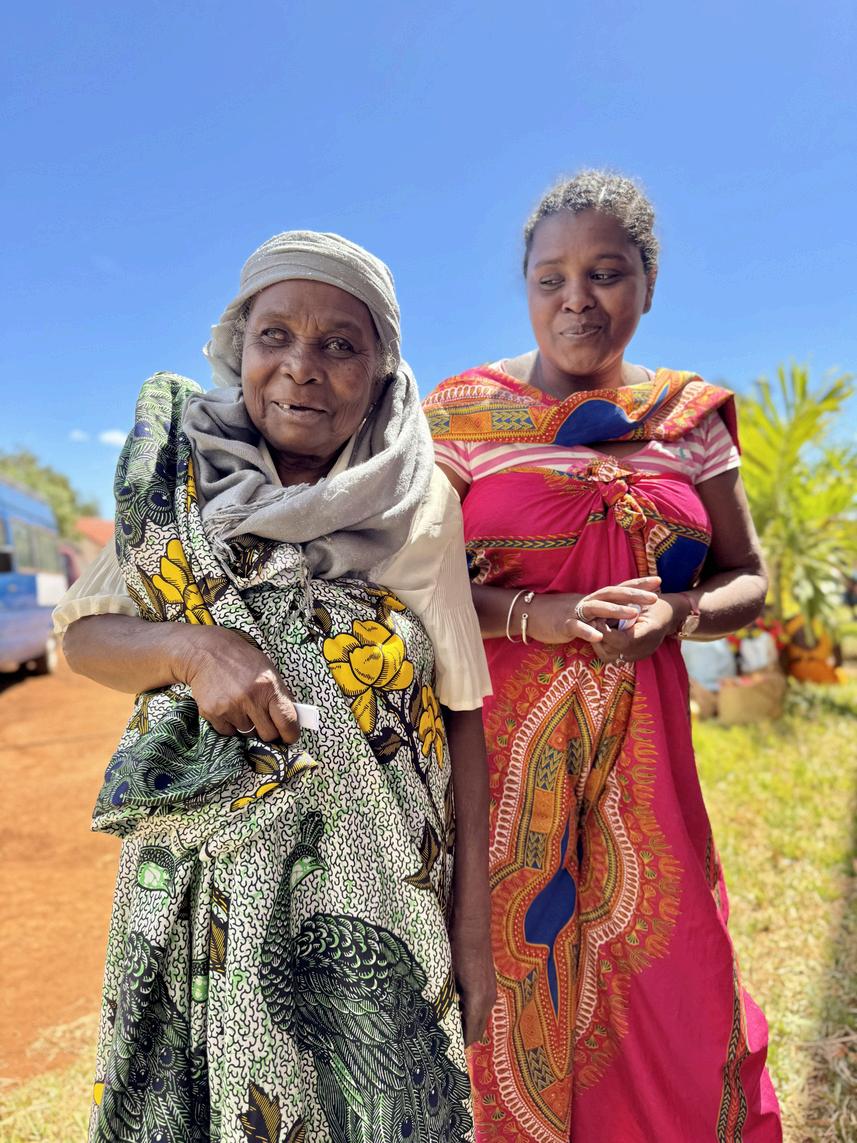
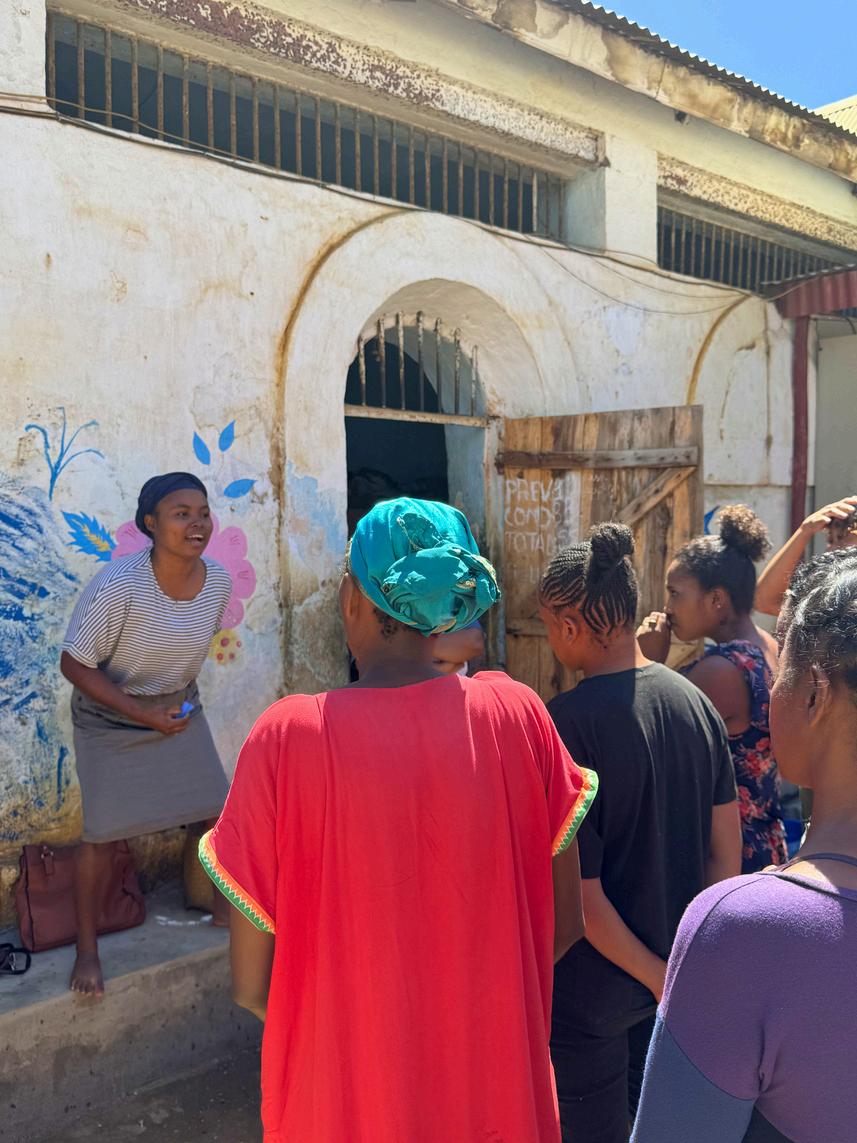
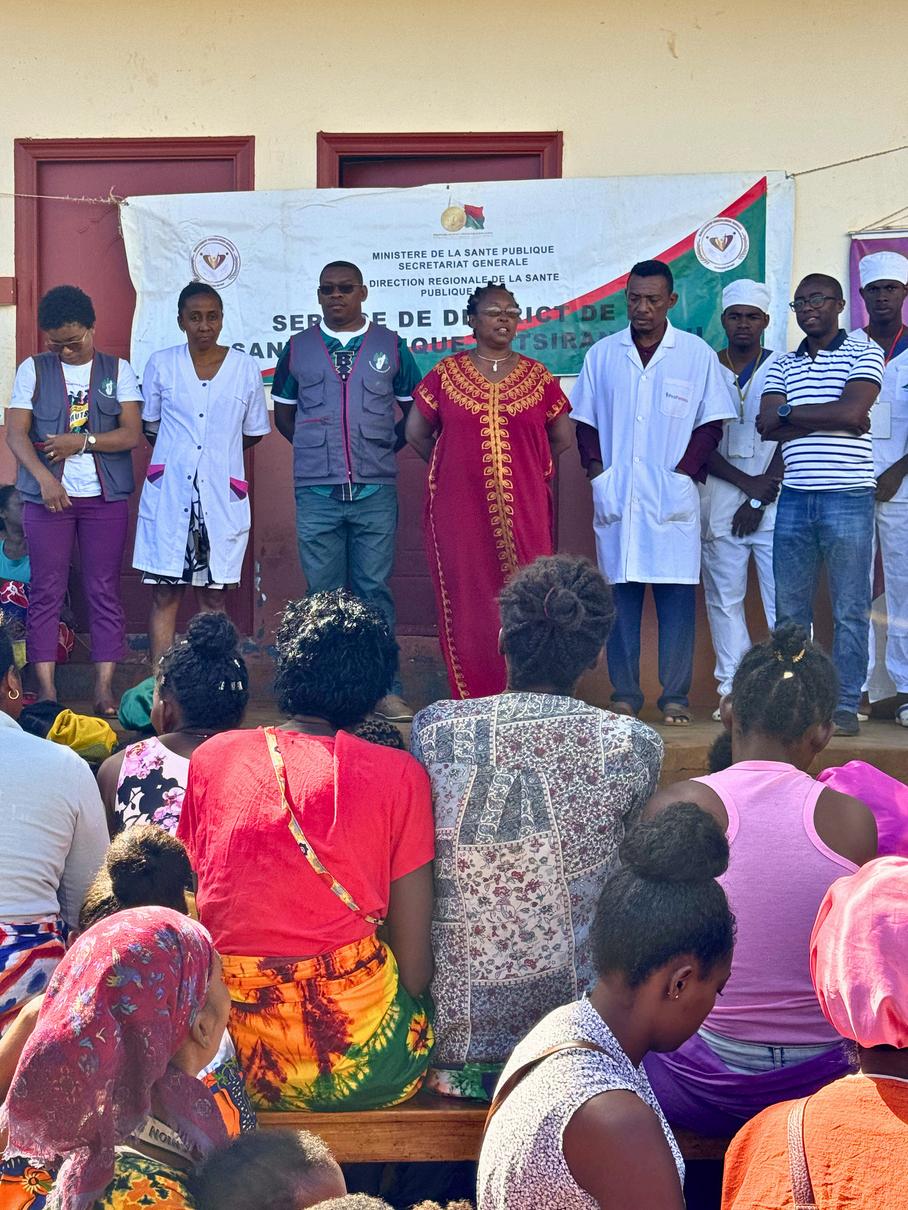
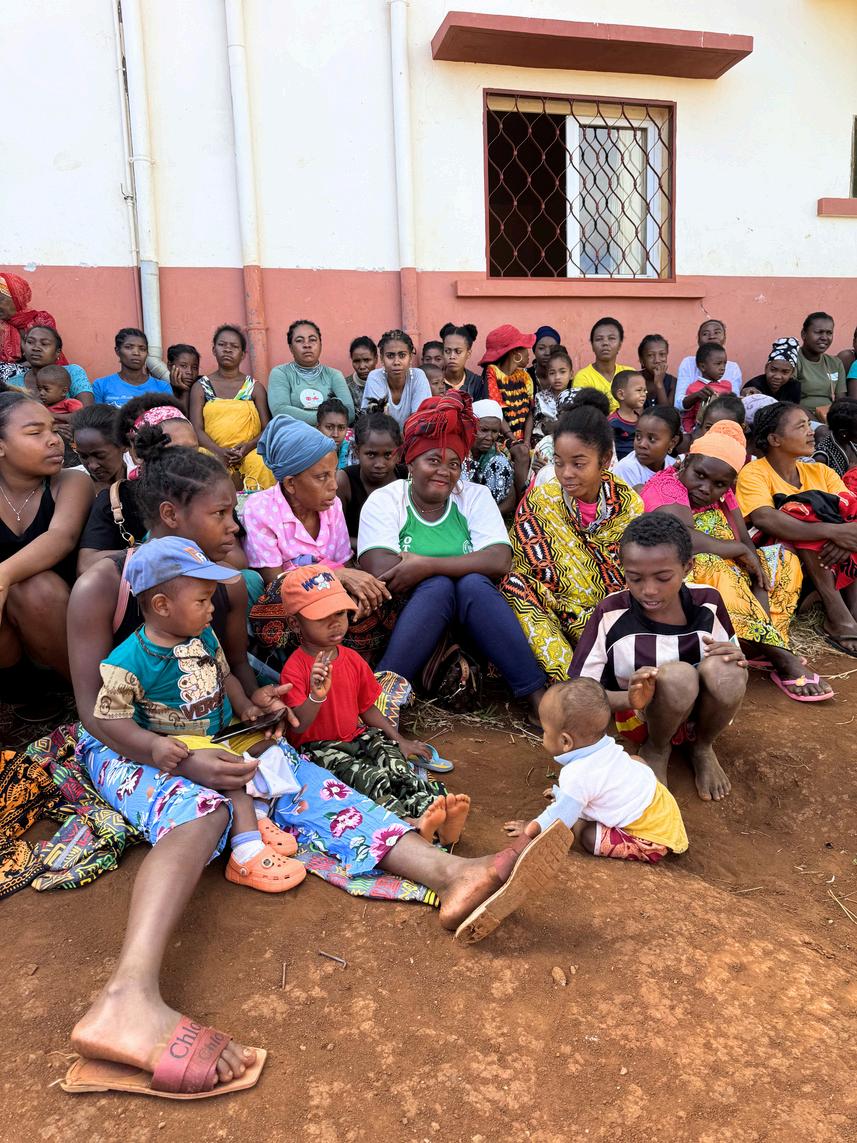
Women’s health programming was delivered through two primary contexts: a community health outreach event serving rural villages and a prison-based program for incarcerated women Both included menstrual care distribution and education, supported through the provision of SAALT menstrual cups and delivered alongside instruction on use, hygiene, and adoption. The community health outreach also included broader medical services provided on-site, including HIV testing, pregnancy health checks, diabetes testing, blood pressure screening, and breastfeeding counseling.
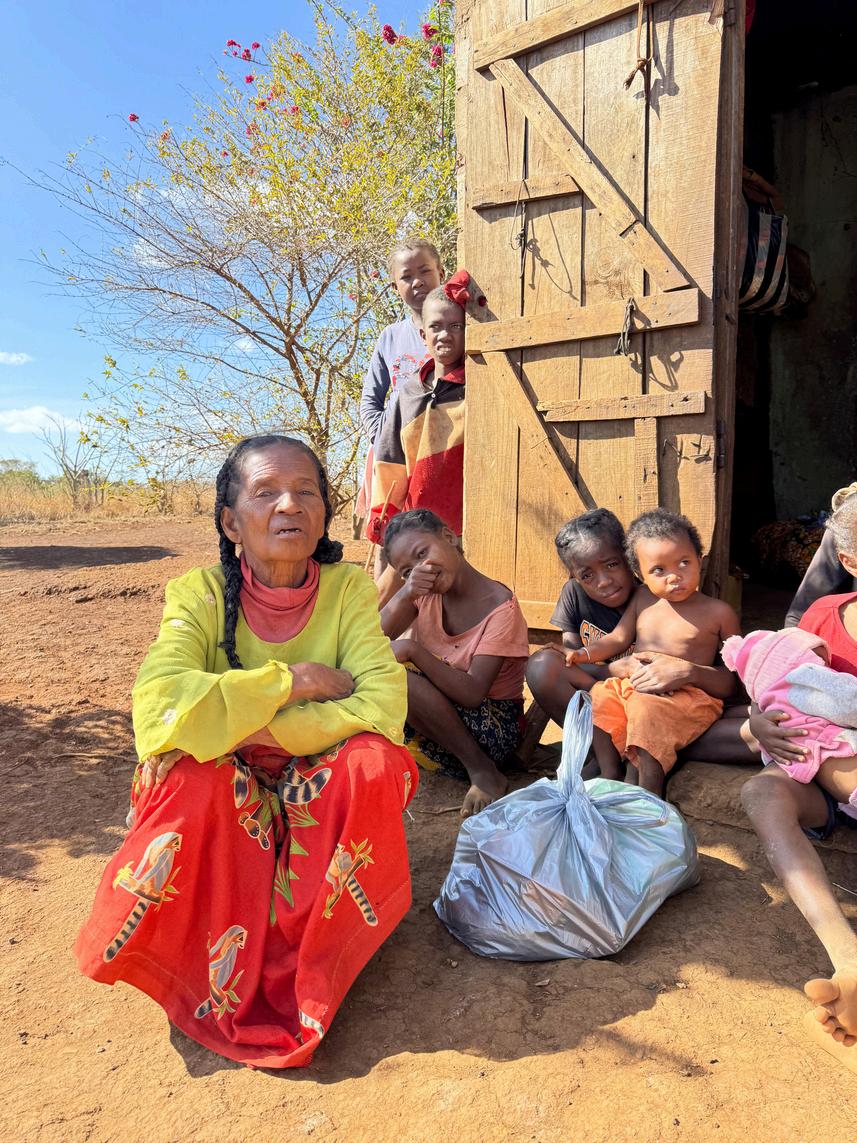
In parallel, Humanculture provided direct household support to food-insecure families through the delivery of food and essential goods This work was carried out through direct identification of households and inperson delivery within surrounding village areas
Humanculture initiated Indigenous knowledge documentation through engagement with local elders. This work focuses on recording oral storytelling, ecological knowledge, and cultural practices as they are carried through daily life and intergenerational transmission.
Across all activities, more than 400 Malagasy people across Northern Madagascar were reached during the 2025 program period.
Continued engagement with women’s health including follow-up sessions are scheduled for 2026 to assess adoption, gather feedback, and continue support through additional provision of soap and essential items
In 2025, Humanculture’s work in Madagascar included women’s health programming delivered across Indigenous rural community and prison environments including the distribution of 500 menstrual cups donated by Saalt Saalt is a menstrual health company that produces reusable products, including menstrual cups, and supports global access to menstrual care through product donations Household support was also provided to food-insecure families, and the initiation of Indigenous knowledge documentation through engagement with local elders. These activities were carried out across northern Madagascar through direct field implementation, combining health access, material support, and knowledge work within a single program period.
C o m p r e h e n s i v e M a l a g a s y W o m e n ’ s H e a l t h H U M A N C U L T U R E
Women’s health programming in 2025 focused on menstrual care access, education, and broader health services delivered under conditions where women often rely on improvised materials and have limited access to formal healthcare
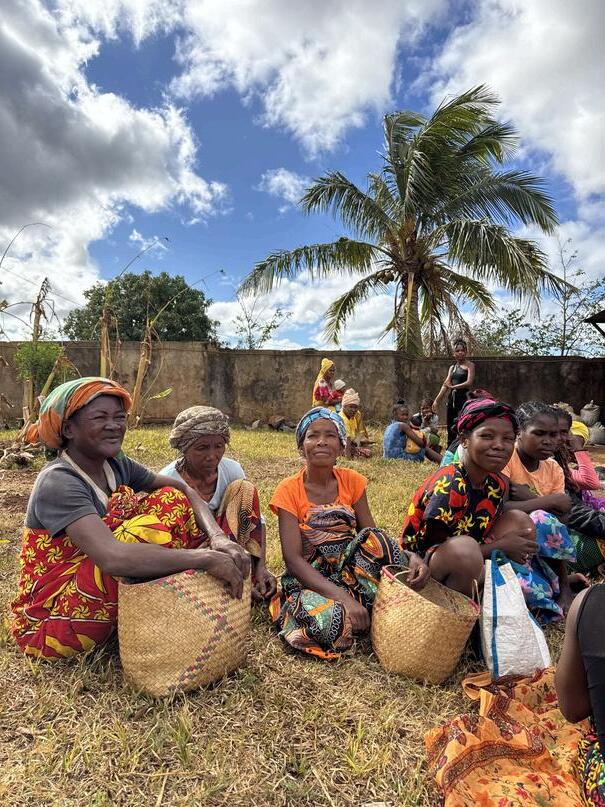
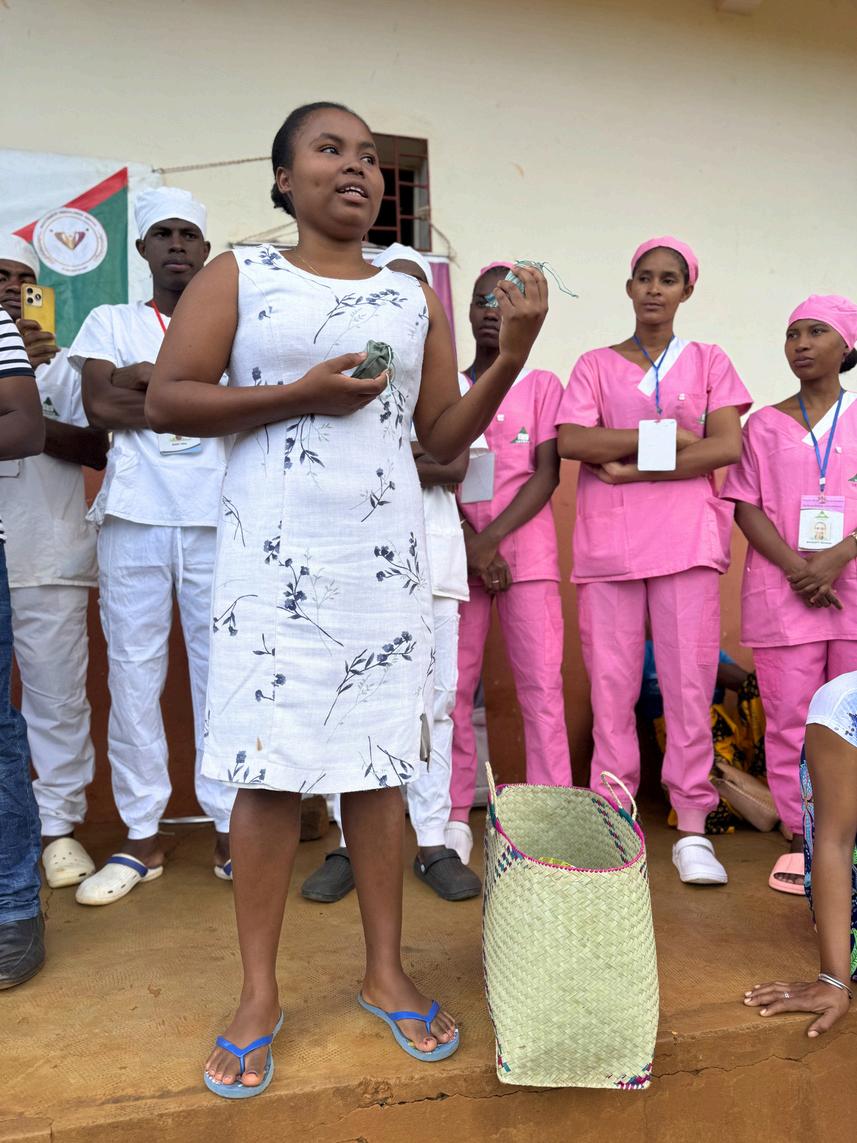
In the community setting, a large-scale outreach event brought together more than 250 women from surrounding villages Services were provided on-site and included HIV testing, pregnancy health checks, diabetes testing, blood pressure screening, and breastfeeding counseling Menstrual care distribution was carried out alongside these services, with eligible women receiving Saalt menstrual cups Participation was voluntary, and recipients registered their names, ages, and home villages
Education was delivered through group instruction and demonstration, supported by a local female translator and educator. Topics included correct use of the cup, hygiene practices, eligibility requirements, and clarification of common misconceptions. Women engaged actively, asking practical questions and participating in hands-on demonstrations, resulting in strong engagement and willingness to adopt the product.
In the prison setting, menstrual care programming was delivered within a constrained environment where women typically rely on makeshift pads created from old clothing. These materials are often bulky, difficult to clean, and limit mobility and privacy. A total of 54 incarcerated women received menstrual cups through a structured education and distribution process. Instruction covered use, hygiene, and adoption, with participation remaining voluntary and each recipient registered individually.
Across both contexts, menstrual care programming addressed access to materials, hygiene, mobility, and the ability to participate in daily activities under constrained conditions
I n d i g e n o u s K n o w l e d g e & S u p p o r t H U M A N C U L T U R E
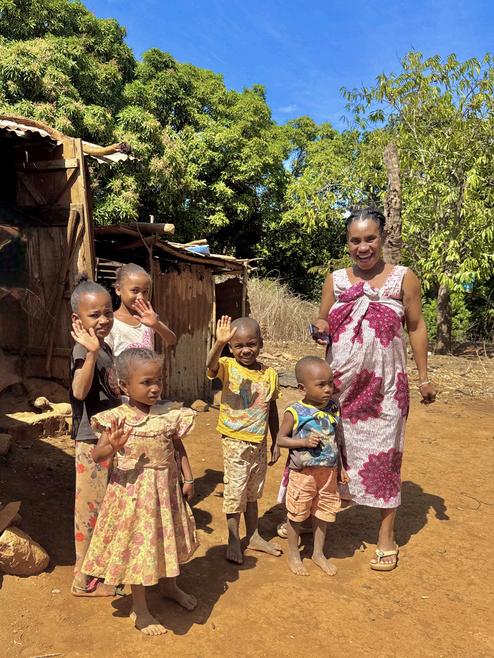
Household support in 2025 focused on direct assistance to food-insecure families identified within surrounding village communities. Ten families received food and essential household goods through in-person delivery. This support addressed immediate needs under conditions of limited economic resources and access, contributing to household stability during the program period.
In parallel, Humanculture initiated Indigenous knowledge systems work in Madagascar through engagement with local elders. This work focuses on documenting oral storytelling, ecological knowledge, and cultural practices as they are maintained within daily life. Knowledge is recorded directly from community members and reflects systems that are actively practiced and transmitted across generations
The initiation of this work in Madagascar extends Humanculture’s broader knowledge documentation efforts across Afr context to ongoing research and the Indigenous Systems platform, and community-based knowledg mmu nal s on
M a l a g a s y c o m m u n i t y s u p p o r t H U M A N C U L T U R
In 2025, Humanculture’s program in northern Madagascar reached more than 400 individuals through integrated work across women’s health, household support, and Indigenous knowledge
Women’s health programming included menstrual care distribution and education delivered across both community outreach and prison environments Saalt menstrual cups were distributed alongside structured education on use, hygiene, and adoption Community outreach included broader health services delivered with the presence of medical staff and government representatives, including the Ministry of Health and the Mayor’s Office, extending access to testing, maternal health support, and basic care Programming within the women’s prison extended menstrual health access into a highly constrained environment where women rely on improvised materials, addressing hygiene, and mobility through direct education and distribution.
Household support provided food and essential goods to ten food-insecure families through direct, in-person delivery within surrounding communities. In parallel, Indigenous knowledge documentation was initiated through engagement with local elders, recording oral knowledge, ecological understanding, and cultural practices as they are carried through daily life and intergenerational transmission.
This expansion established Humanculture’s work community support, and knowledge systems, creating
Rachidy Ali
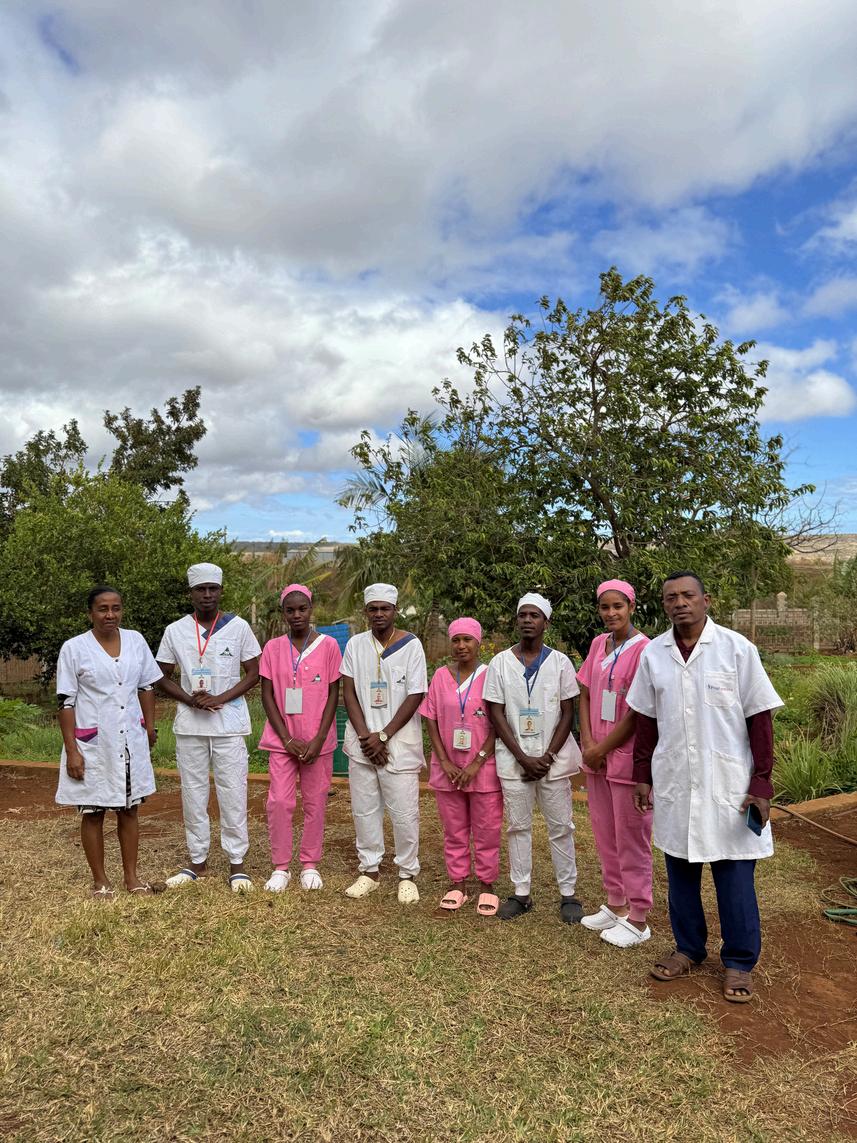
Humanculture’s local leader in northern Madagascar, coordinating higher-level implementation across government, rural Indigenous communities, household support, and broader program activities.
Rose Amrina
Humanculture’s local leader across women’s programs in northern Madagascar, leading health education, translation, documentation, and participant follow-up Rose supports Indigenous knowledge documentation through direct engagement with local communities, recording oral knowledge and cultural practices

I N D I G E N O U S
K N O W L E D G E & G O V E R N A N C E
P R O G R E S S R E P O R T
Y E A R E N D 2 0 2 5
Humanculture documents and publishes Indigenous knowledge systems through direct field engagement with communities This work focuses on knowledge as it is practiced and transmitted in daily life, including land use, ecological interaction, material processes, and intergenerational teaching It is distinct from program delivery It is also distinct from ecological observation alone The focus is on how knowledge operates within communities and how it is carried forward
In 2025, field documentation was carried out across multiple regions through direct engagement with elders, practitioners, and community leaders. This included visits in Morocco, Madagascar, Peru, and Nicaragua, Tanzania, South Africa and Eswatini. Knowledge was gathered through observation, participation, and direct exchange, capturing how systems function in practice rather than describing them externally.
This work was translated into formal outputs. In 2025, Humanculture published peer-reviewed work in the Journal of Nonprofit Innovation and contributed to conference proceedings at the Sustainable Development Conference. Written contributions were also made as expert contributors and participants across IPBES and FAO, and through PreventionWeb as part of UNDRR-linked knowledge processes. These outputs present Indigenous knowledge in formats used in academic and institutional settings while maintaining connection to the communities where the knowledge originates I n d i g e n o u s K n o w l e d g e & G o v e r n a n c e
In 2025, Humanculture developed and launched the Indigenous Systems platform to organize its field documentation, written research, and formal contributions across United Nations, academic, institutional, governance, and policy platforms. It structures this work across Cultural Heritage, Knowledge Holders, Ecological Systems, and Community Practices, creating a single platform where Indigenous knowledge systems are documented, published, and connected across multiple global contributions.
The platform functions as a documentation layer and a research layer, making United Nations contributions and academic work accessible while keeping it grounded in community context
Across all regions, this work documents knowledge as it exists in practice It remains connected to land, people, and the conditions in which it is used It reflects systems that continue to operate through lived experience and ongoing transmission
Documentation in 2025 was carried out through visits to communities across Tanzania, Morocco, Peru, Madagascar, and Nicaragua In each location, knowledge was gathered through engagement with elders, practitioners, and community members, documenting in real conditions
Tanzania — Maasai : Documentation focused on water access, pastoral systems, and pollinator stewardship within the Ngorongoro Conservation Area, including how knowledge is used to manage livestock, land, and environmental conditions under drought
Morocco — Amazigh : Field visits documented weaving systems, pastoral life, and household knowledge, including how material practices and shelter construction are carried through daily use and environmental conditions in the desert.
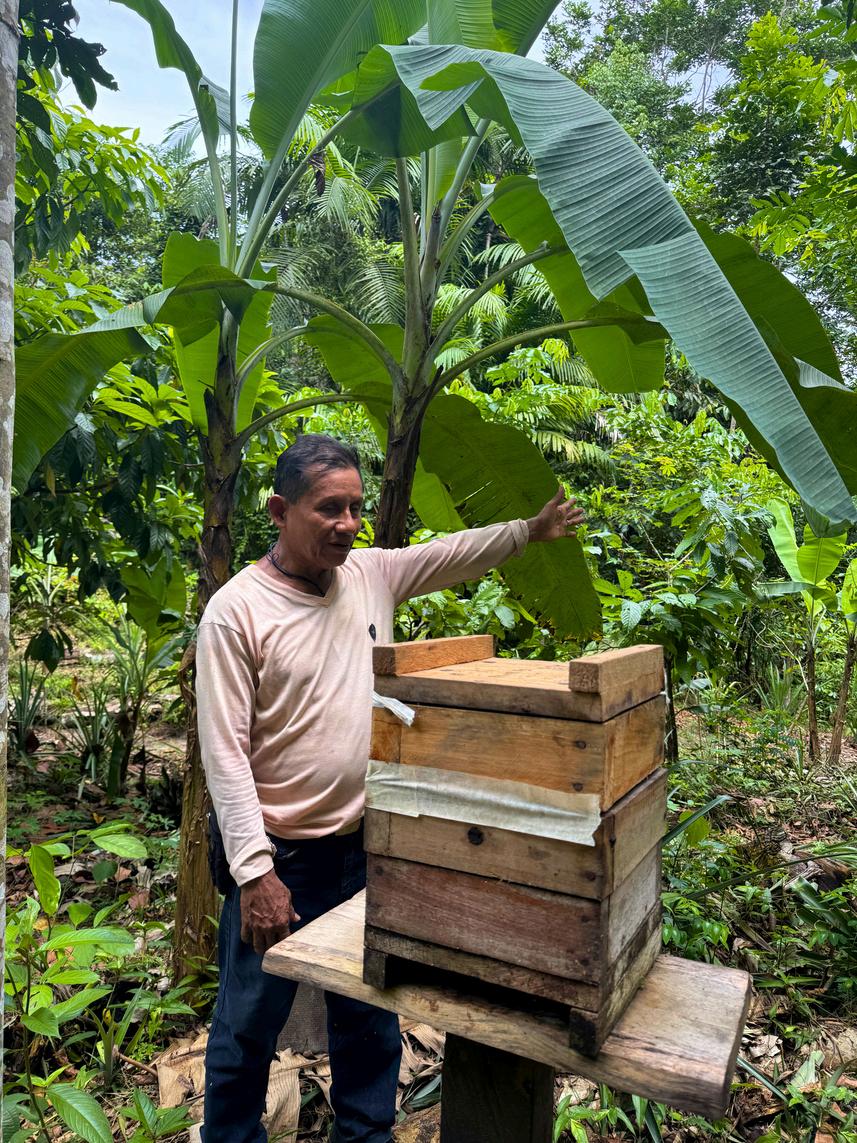
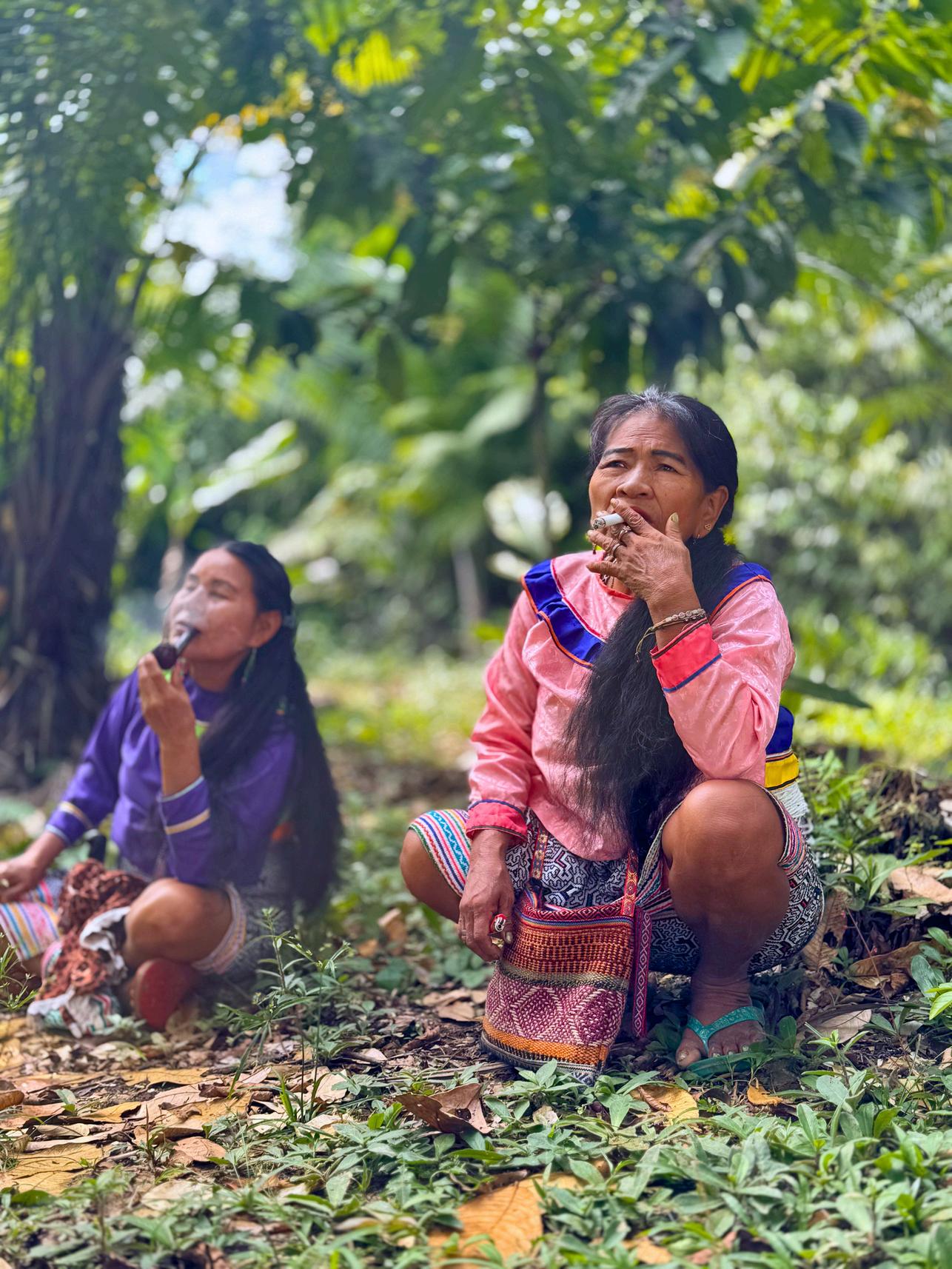
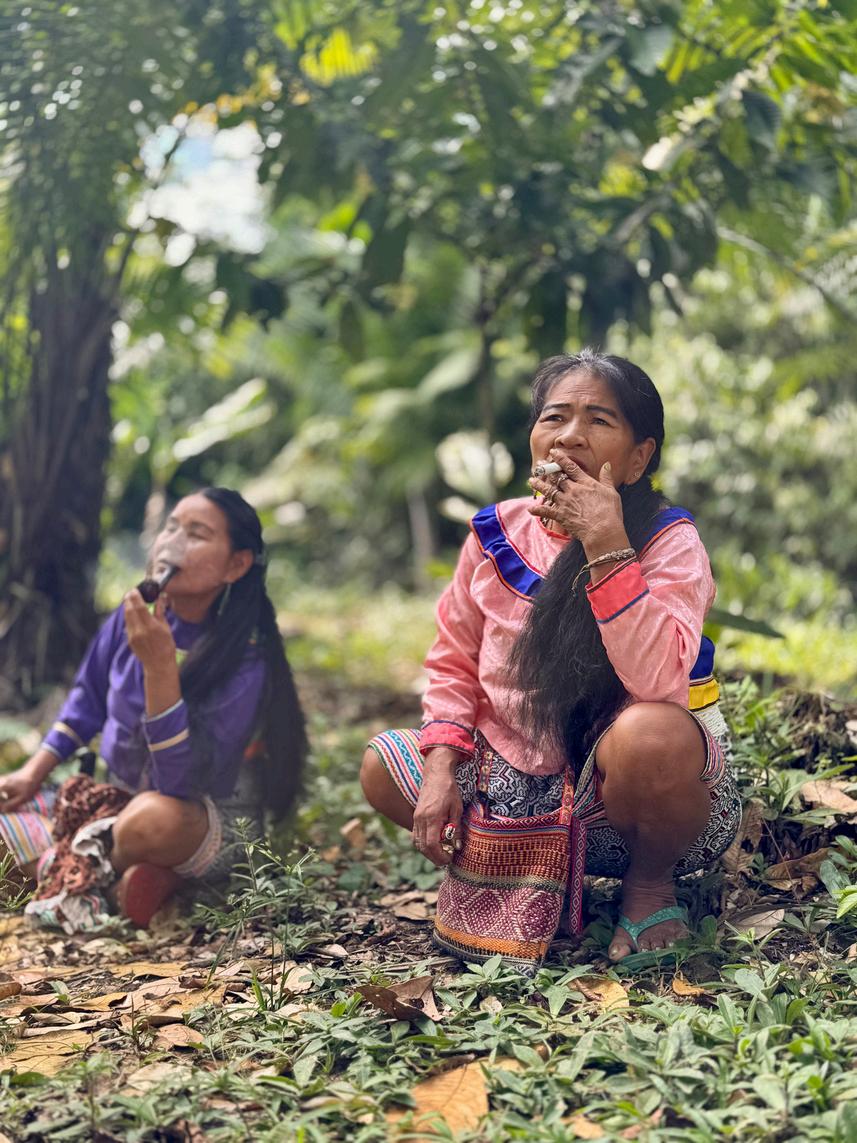
Peru — Shipibo : Field engagement documented plant knowledge, forest and river systems living, including native food plants, plant medicine, fishing practices, and seasonal river conditions.
Nicaragua Chorotega : Field work documented material systems and ceramic practice, including sourcing, preparation, and transformation of materials across multiple landscapes.
Madagascar - Malagasy IPLC : Eder storytelling, ecological knowledge, and origin narratives, capturing how knowledge is transmitted through oral tradition and intergenerational teaching
Cambodia — IPLC : Included through the Indigenous Systems plat and freshwater knowledge is part of the documented knowledge bas
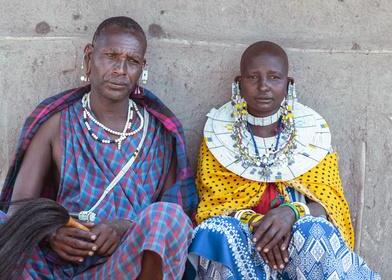
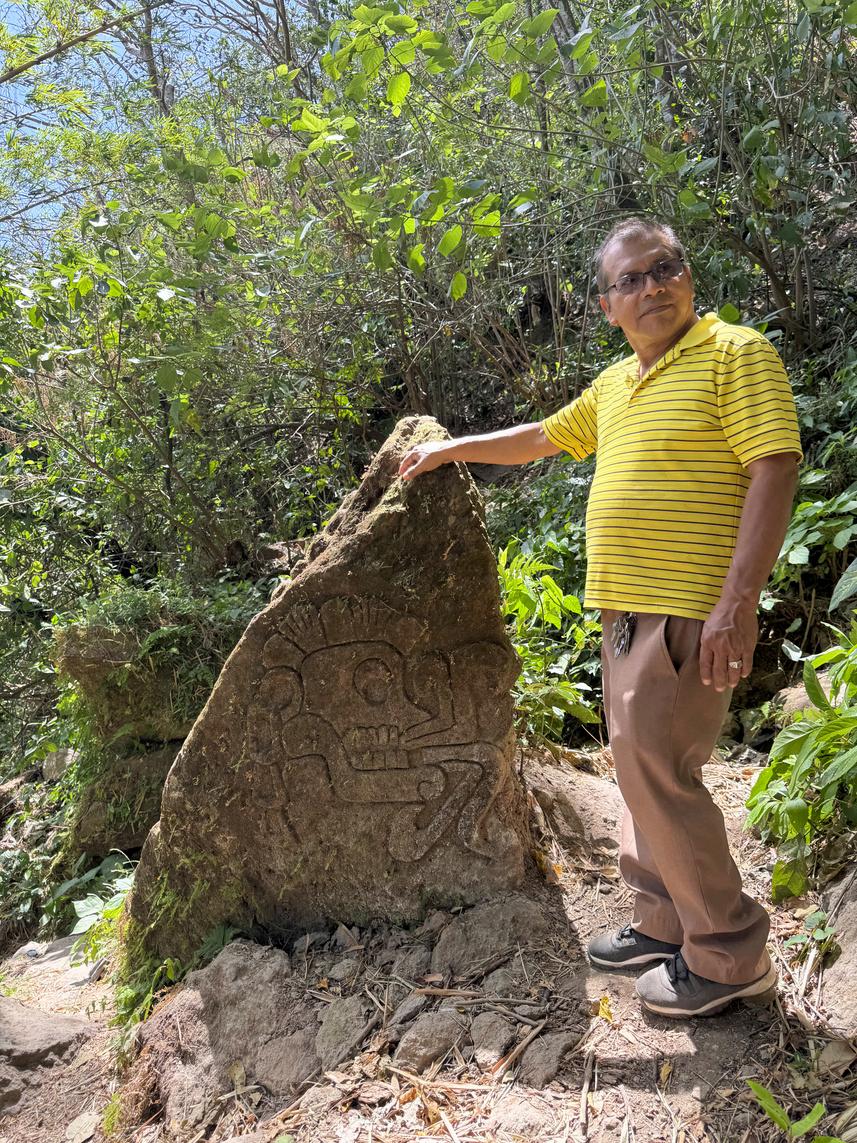
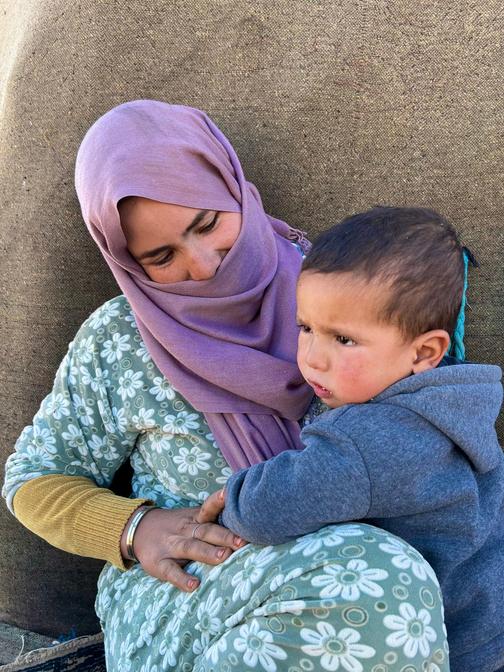
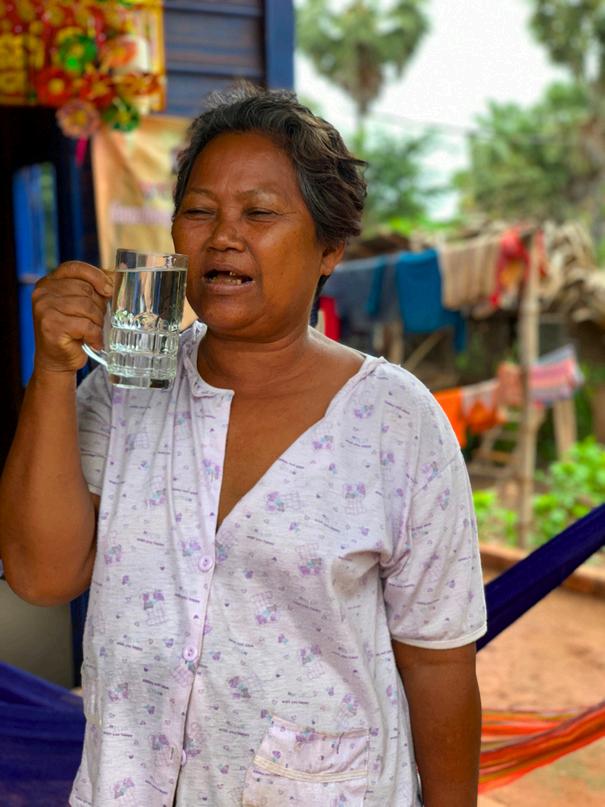
Humanculture’s work in 2025 is positioned within international processes related to biodiversity, food systems, and Indigenous knowledge through active participation across United Nations–linked platforms, academic contributions, and the Indigenous Systems platform.
Intergovernmental Science-Policy Platform on Biodiversity and Ecosystem Services (IPBES)
IPBES is the United Nations–aligned body that assesses global biodiversity and ecosystem services. Humanculture participates as an Expert Contributor, with an active contributor profile supporting the integration of Indigenous and Local Knowledge (ILK) within global assessments Humanculture is a member of Indigenous Peoples and Local Communities (IPLC) constituency through the International Indigenous Forum on Biodiversity and Ecosystem Services (IIFBES)
Food and Agriculture Organization of the United Nations (FAO)
FAO leads global work on food systems, agriculture, and family farming Humanculture is a contributing member to the FAO Family Farming Knowledge Platform, where its work is published and contributes to global dialogue on pastoral systems, Indigenous food systems, and traditional agricultural practices
United Nations Office for Disaster Risk Reduction (UNDRR)
UNDRR coordinates global efforts on disaster risk reduction and resilience. Humanculture is registered on the PreventionWeb platform as a contributing organization, publishing knowledge and practice-based documentation related to Indigenous governance systems, climate adaptation, and community-based resilience.
As of 2025 Humanculture is registered with the United Nations Department of Economic and Social Affairs (DESA) through the eSango platform as an Indigenous Peoples’ Organization (IPO), enabling participation in United Nations processes, including the UN Permanent Forum on Indigenous Issues (UNPFII).
Across these platforms, Humanculture maintains active organizational and contributor profiles and participates in international research and knowledge processes This work is organized and published through the Indigenous Systems platform, connecting field documentation, written research, and global contributions into a single structure
E C O L O G Y & L A N D S T E W A R D S H I P
P R O G R E S S R E P O R T Y E A R E N D 2 0 2 5 H U M U R E
Humanculture’s work in ecology and land stewardship is grounded in Indigenous and community-led systems that are actively operating across the regions where it works. These systems are not new. They are established practices of land use, water management, animal care, material sourcing, and ecological knowledge that have been carried and maintained over time within communities
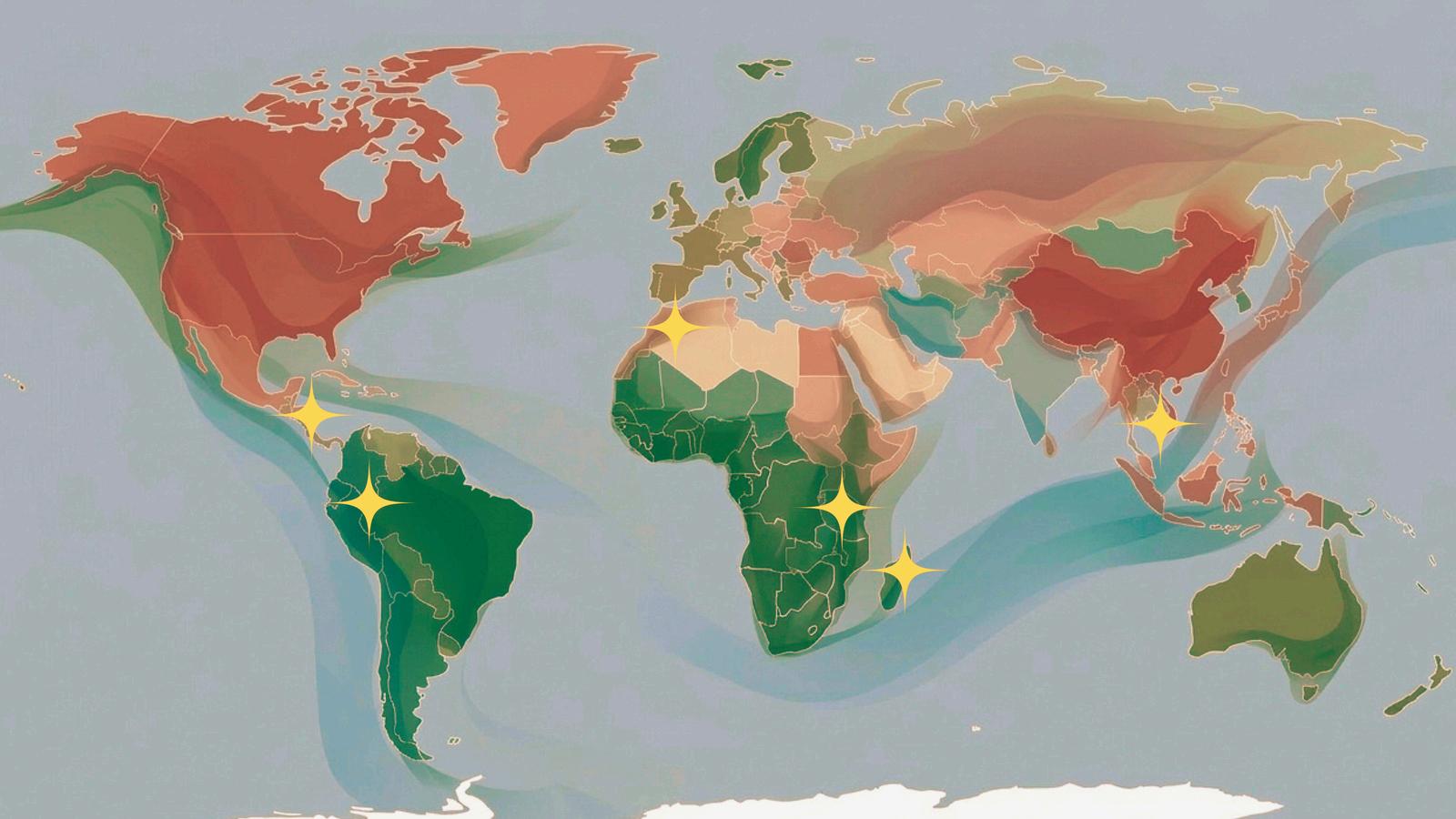
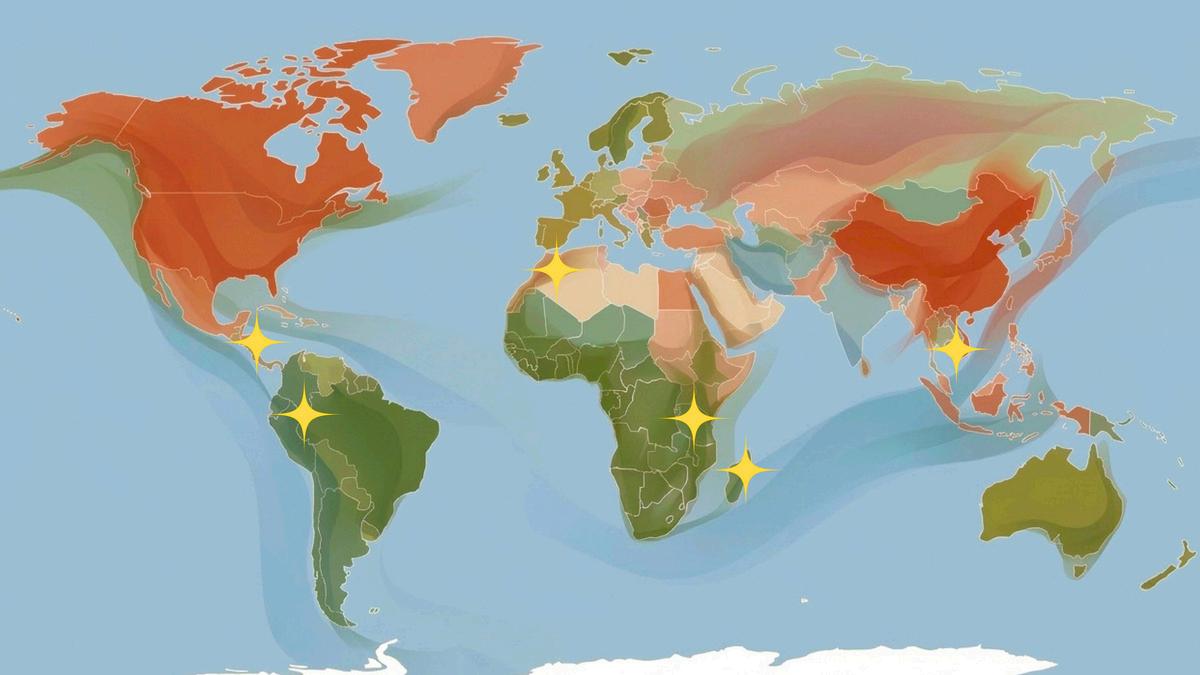
In 2025, this work took place across savanna rangelands in Tanzania, arid drylands in Morocco, volcanic and multi-landscape environments in Nicaragua, and forest and river systems in Peru, with additional knowledge systems represented through Madagascar and Cambodia In each of these environments, communities continue to manage land, water, animals, and materials through practices that sustain ecological balance under real conditions, including drought, seasonal variation, and environmental constraint
Humanculture’s work in 2025 supported the continuation of these systems and the communities that maintain them. This support takes place through humanitarian programs that strengthen household stability, access to essential resources, and the ability for communities to continue their land-based practices. This includes supporting water access, livestock systems, food systems, and material practices that are directly tied to ecological conditions.
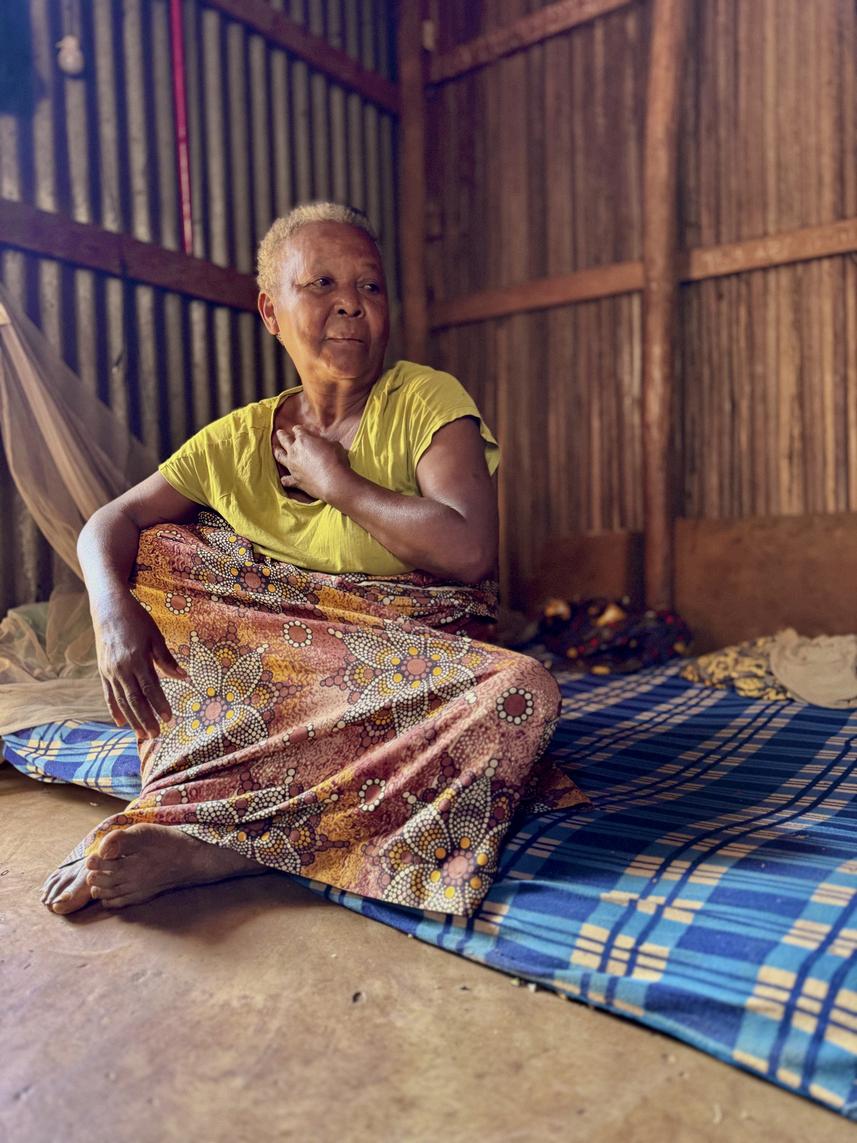
Humanculture documents and publishes work that makes more visible and legible these Indigenous systems of ecological knowledge and land stewardship. Much of this knowledge is held by elders, within communities and transmitted orally and through practice and participation. Through field engagement, documentation, and formal publication, this work captures how ecological systems operate in practice and connects that knowledge to academic, institutional, and United Nations–linked platforms
Indigenous ecological knowledge functions as active infrastructure within these systems It governs essential functions including how water is accessed, land is used, animals are managed, materials are sourced, and how food systems operate. In 2025, Humanculture’s work focused on supporting these systems, the communities that steward them, and documenting the knowledge, presenting it through Humanculture’s Indigenous Systems platform launched in 2025.
L
Humanculture’s ecology and land stewardship work in 2025 was carried out across multiple distinct landscape contexts across the Global South, reflecting the range of environments in which the communities it works with live and operate. This range reflects that Humanculture’s ecological work is not limited to a single ecosystem, region, or model of stewardship It is grounded in Indigenous communities managing land, water, animals, materials, and food systems under different environmental conditions In 2025, Humanculture’s work included these practices and documenting the knowledge that sustains
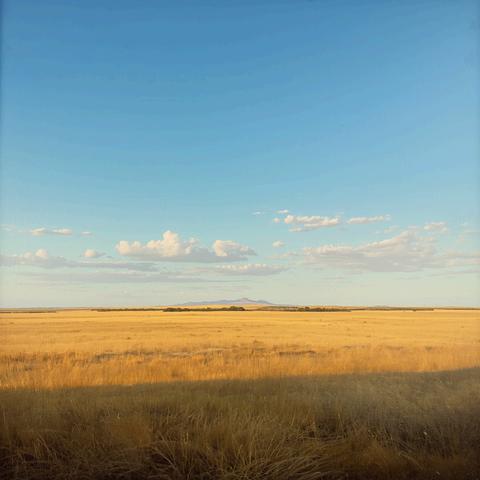
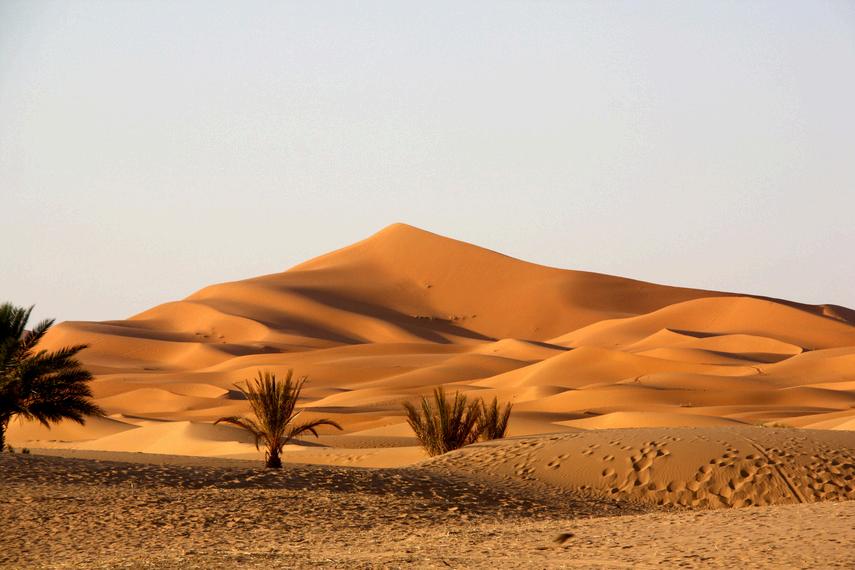
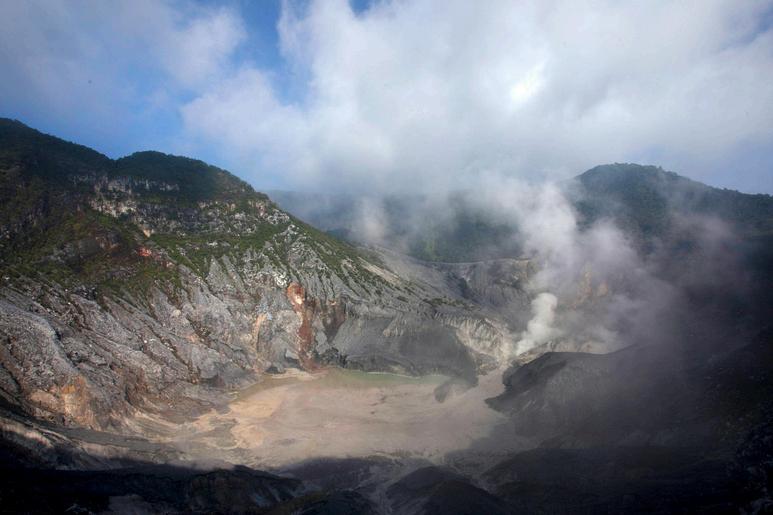
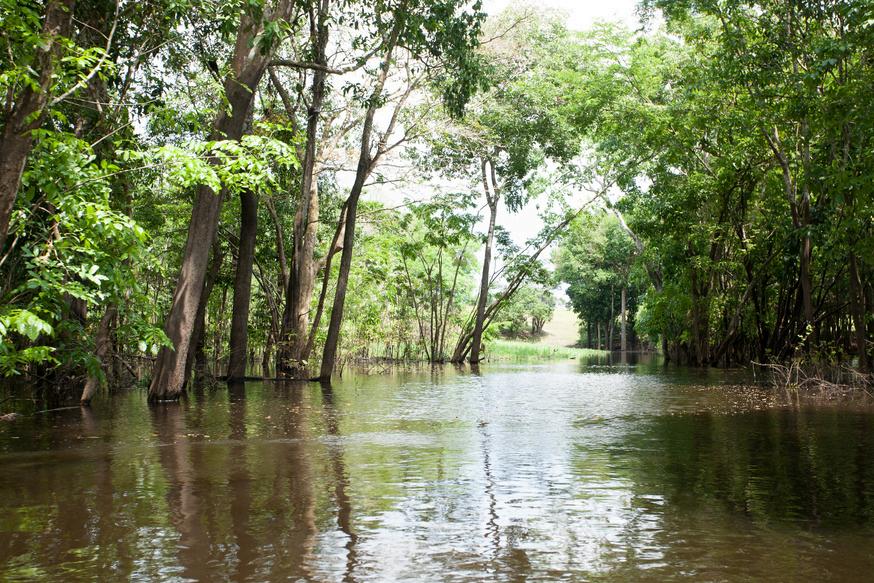
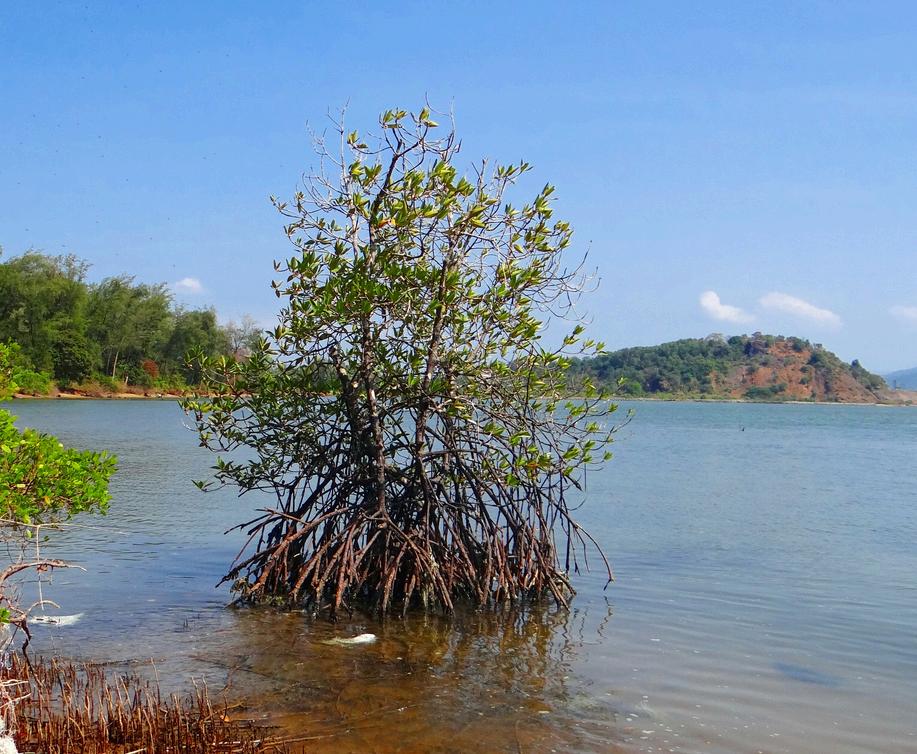
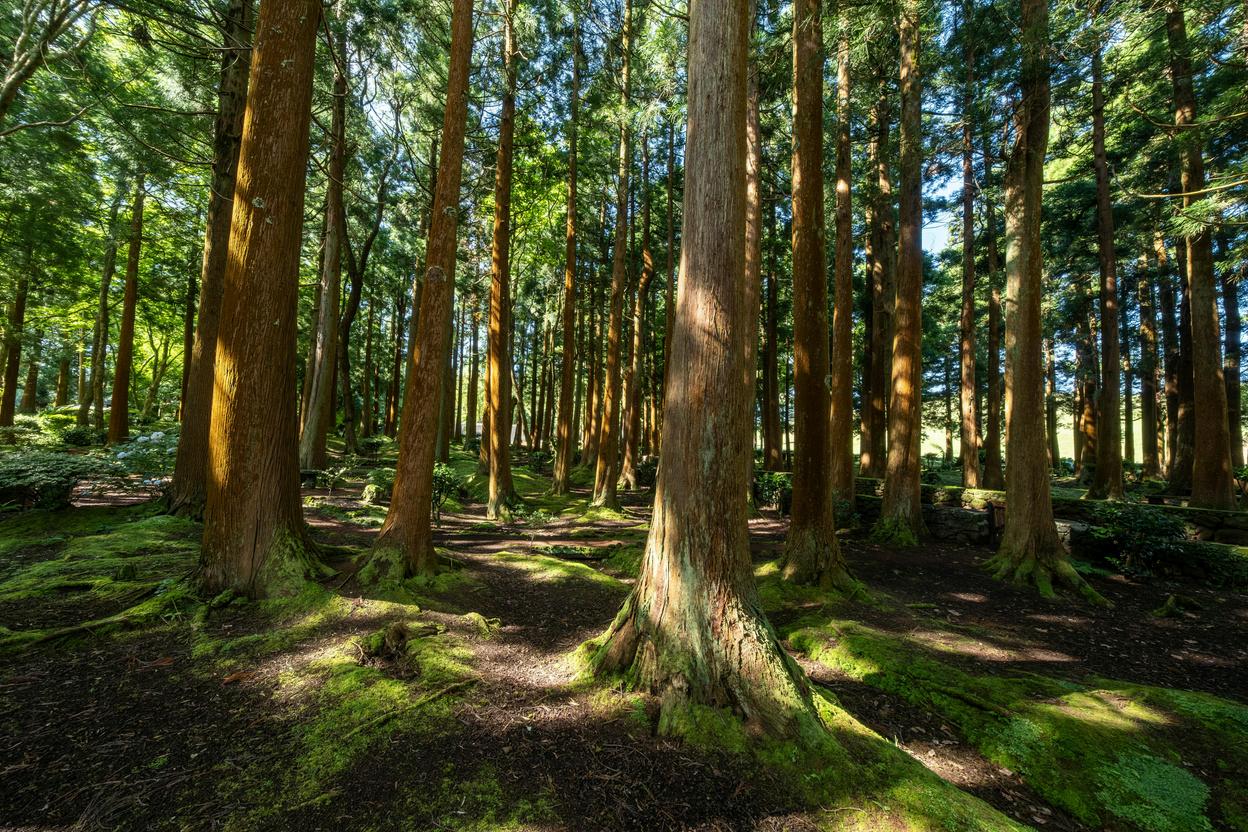
Ecological systems across Humanculture’s work operate through six distinct but interconnected functions: water systems, grazing and livestock systems, pollinators, land use, material sourcing, and food systems These functions are carried out within different environments, including savanna rangelands, arid drylands, volcanic uplands, and forest and river systems Each function reflects how communities engage directly with ecological conditions, including drought, seasonality, and resource constraint, and how systems are maintained in practice across regions
Water systems : Groundwater access, water storage and movement under drought conditions.
Grazing and livestock systems : Herd management, grazing coordination, and livestock adaptation within constrained land and forage conditions.
Pollinators : Beekeeping and pollination systems supporting vegetation, seed dispersal, and ecological balance.
Land use : Grassland preservation, mobility, and spatial coordination across landscapes under environmental pressure.
Material sourcing : Extraction and preparation of materials across multiple environments, including clay, sand, and mineral-based resources
agricultural, and forest-based food p and native plant use
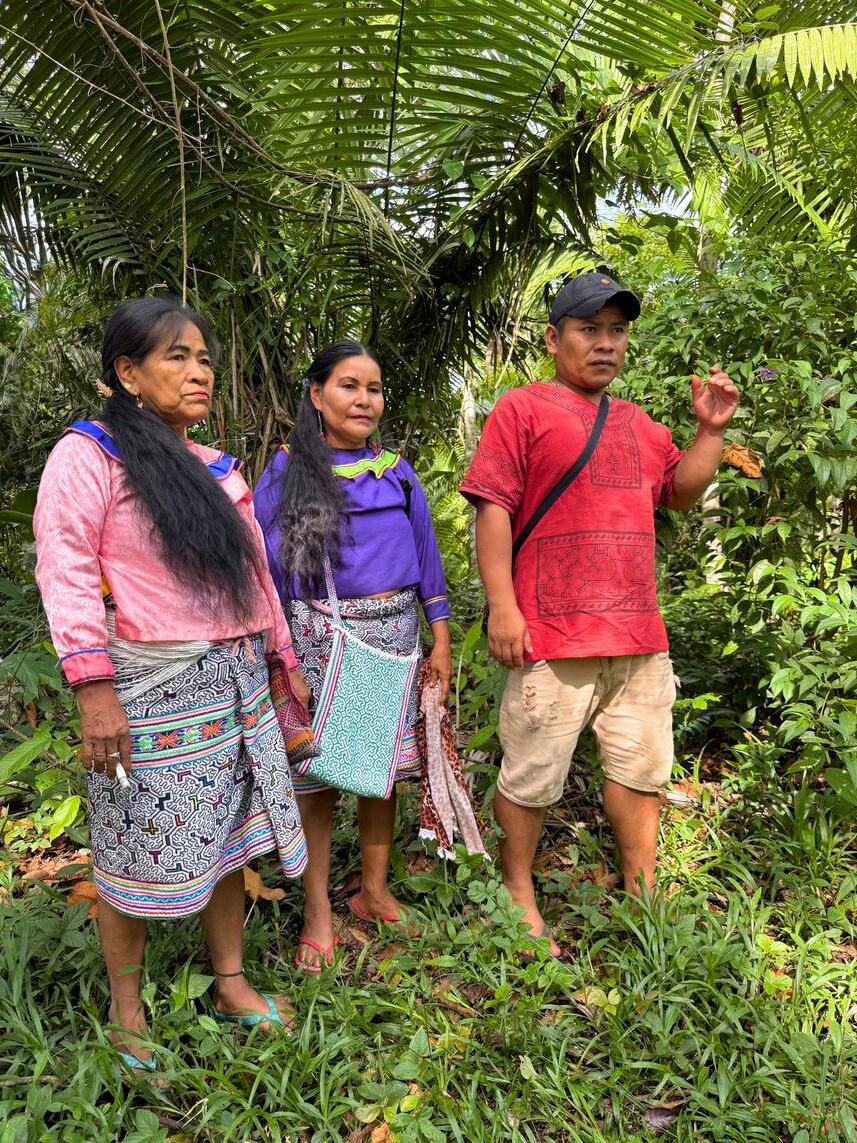
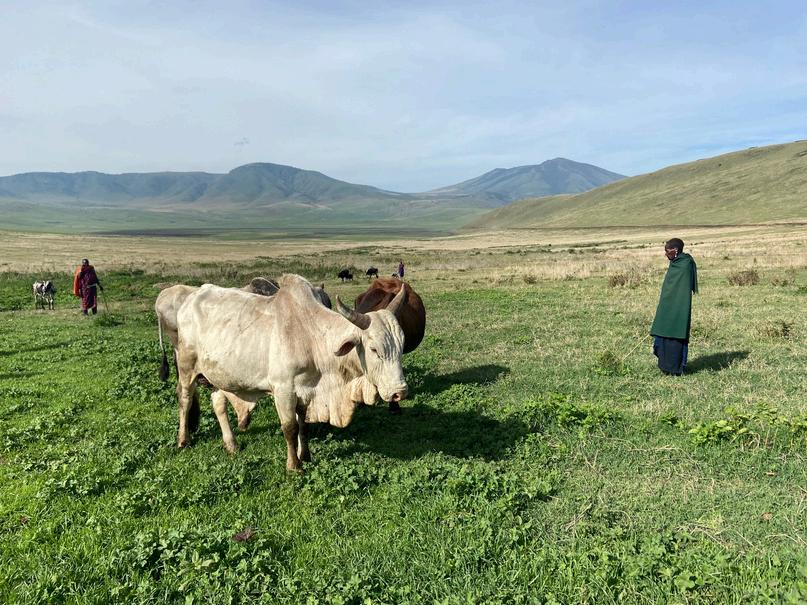
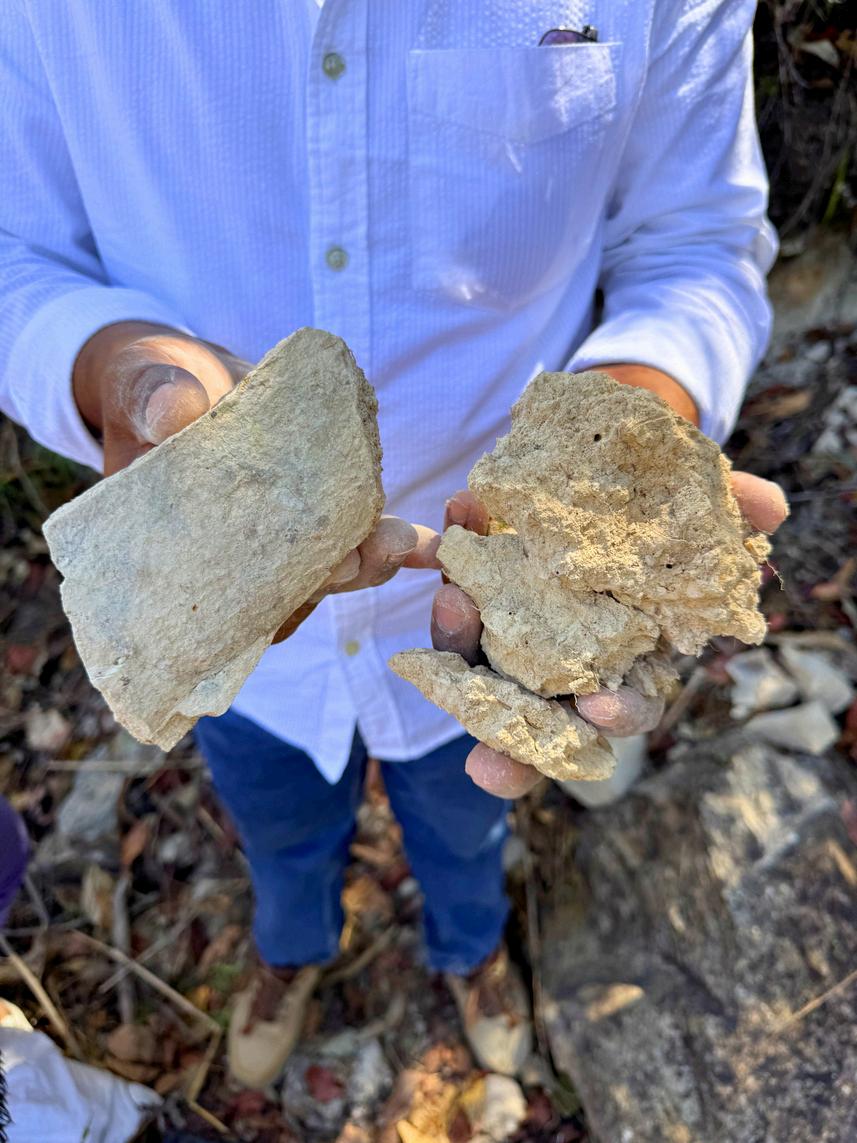
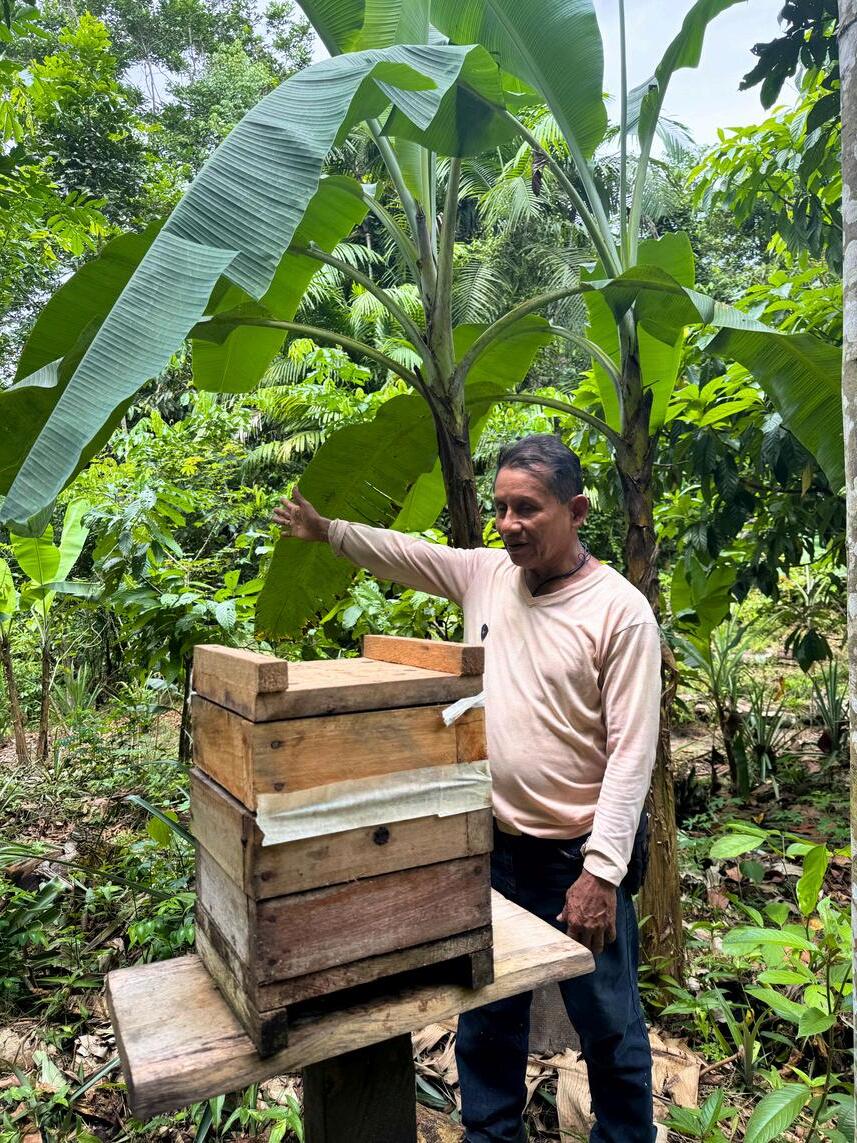
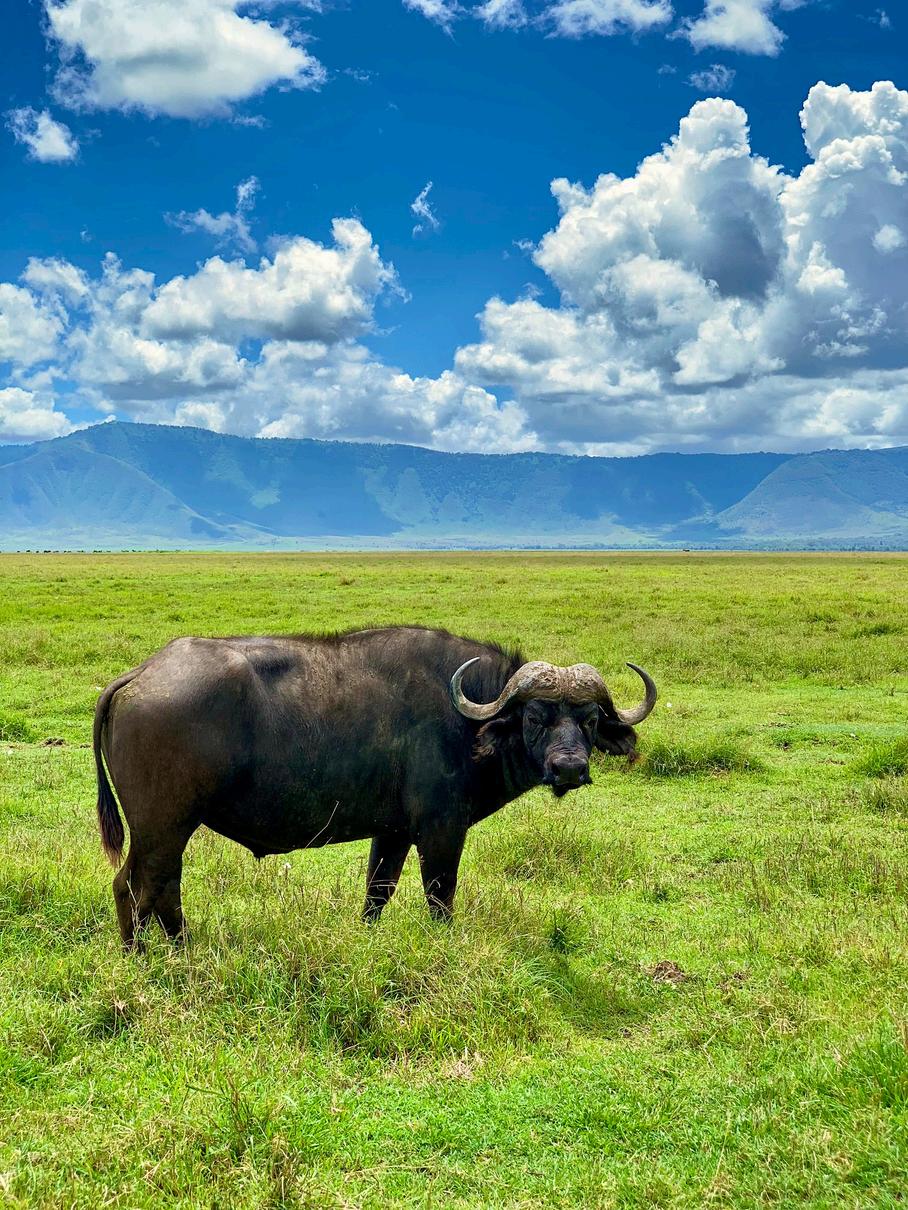
In Tanzania, work with Maasai communities supported pastoral systems operating under prolonged drought conditions. Water access, grazing coordination, livestock management, and pollinator systems continued to shape how land is used and how communities sustain livestock and household stability Humanculture’s work supported these systems through ongoing programs while documenting how they operate under limited rainfall, reduced forage, and groundwater constraints
In Morocco, Amazigh communities continued pastoral and household systems in arid dryland environments Water access, livestock management, weaving, and shelter systems are directly tied to environmental conditions Humanculture’s work supported these communities while documenting how these systems operate under drought, limited mobility, and resource constraint.
In Nicaragua, Chorotega material systems continued across multiple landscapes, including volcanic uplands, lake environments, and coastal areas. Material sourcing, preparation, and transformation are tied directly to land conditions. Humanculture’s work documented these systems as they are practiced, capturing how materials are sourced and used across different environments.
In Peru, field engagement with Shipibo communities documented forest and river-based systems, including plant knowledge, fishing practices, and food systems shaped by seasonal river conditions. This work focused on documenting how ecological knowledge operates within daily life and environmental cycles.
In Madagascar, knowledge documentation focused on elder storytelling and ecological knowledge systems, capturing how environmental understanding and origin narratives are carried through oral tradition and intergenerational transmission
Across these regions, Hum as they continue to oper sustains those systems u
U M U R E
A r t s & C u l t u r e
Humanculture engages in arts and culture through cultural placement, collaboration, publishing, and direct support of Indigenous artists This work connects cultural practice to broader public, institutional, and creative contexts while remaining grounded in the Indigenous communities
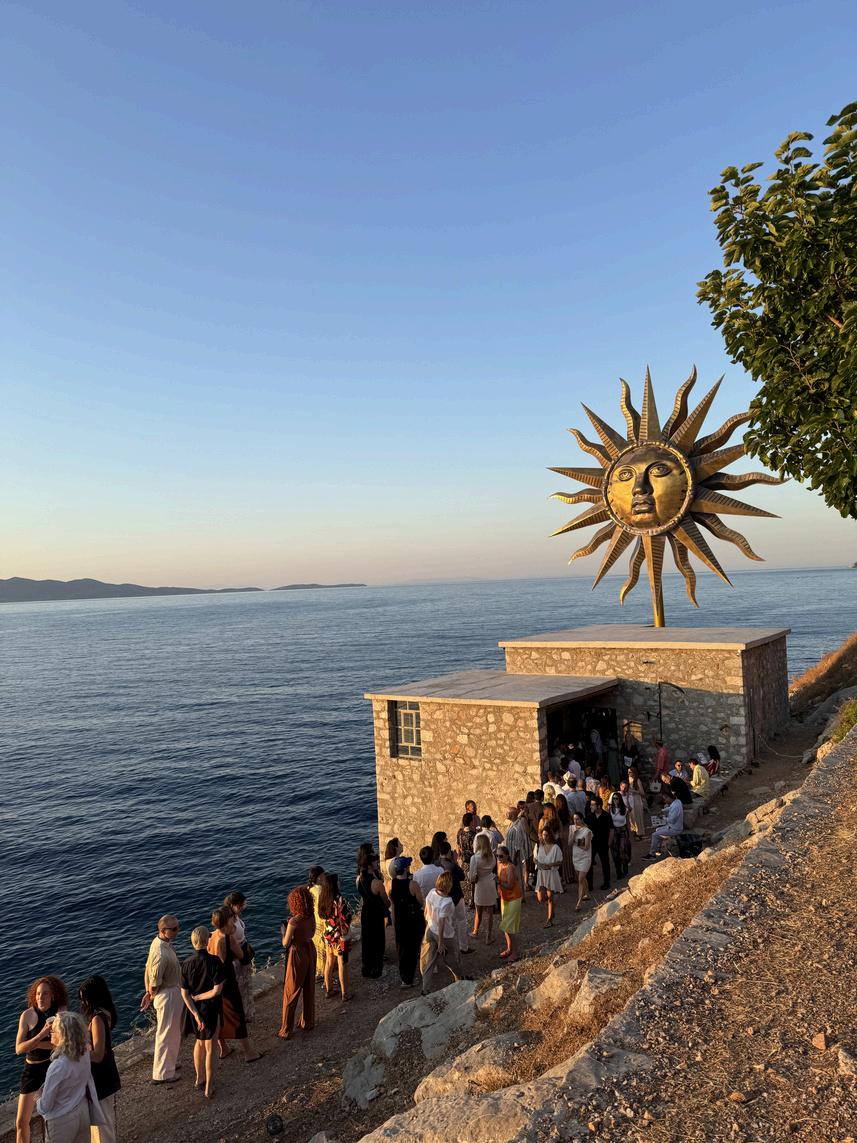
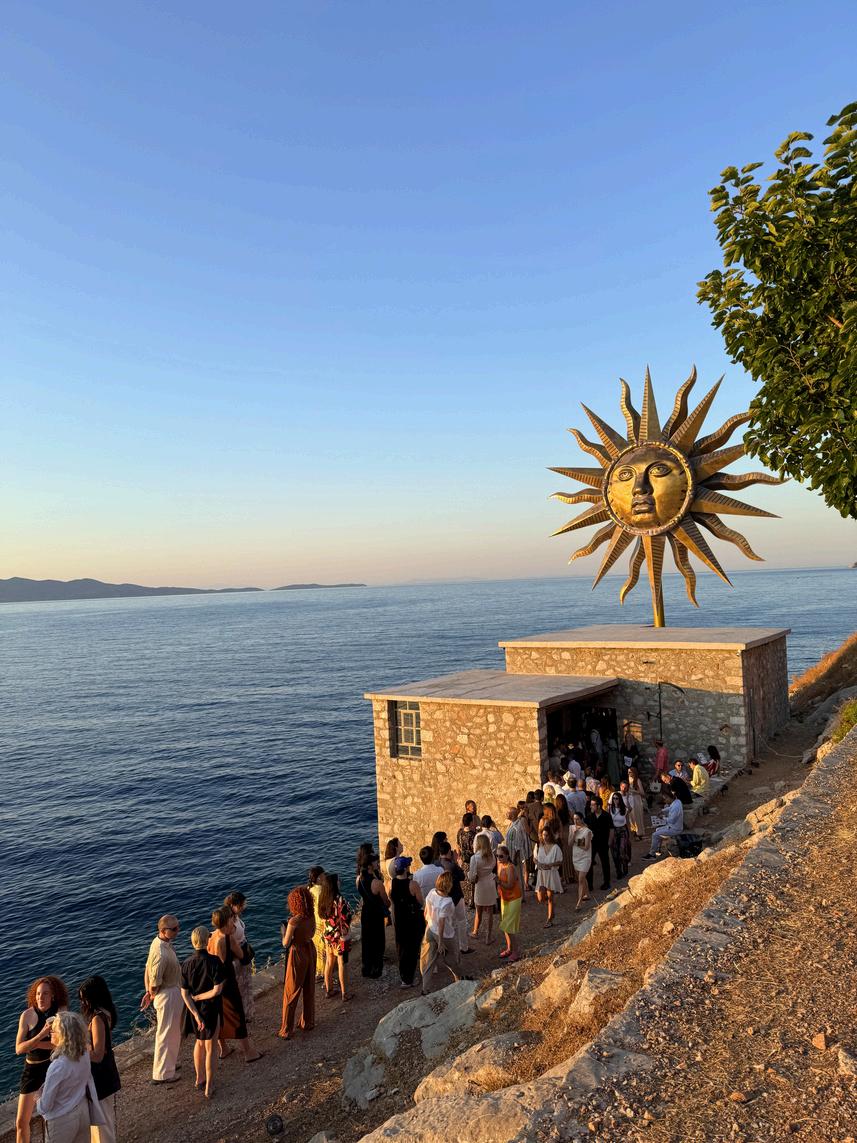
Humanculture was present on Hydra, Greece, across the island’s summer cultural season This included the wider DESTE Foundation context on Hydra, Hydra School Projects’ LITHOS/LETHE, and The Old Carpet Factory from June to September 2025, along with broader cultural visibility through magazine features connected to the European summer art context
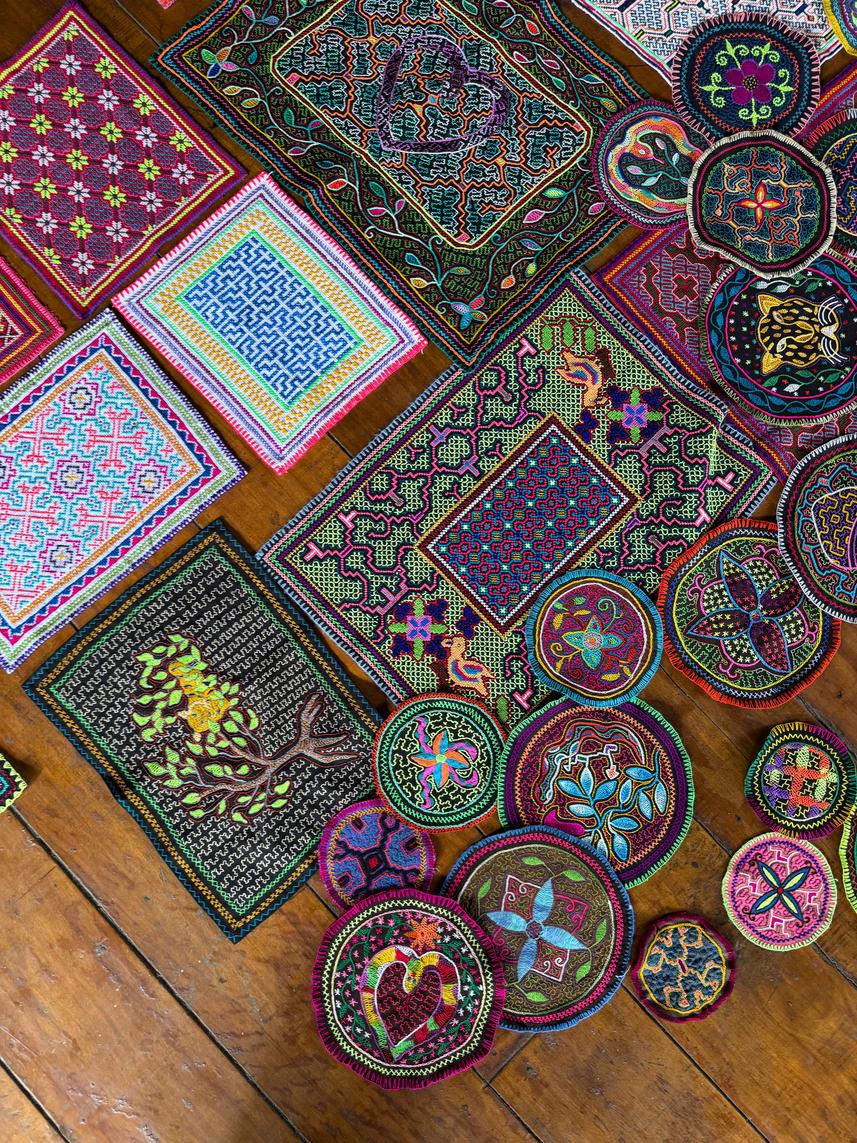
Humanculture directly supports Indigenous artists through the purchase of their work. This includes Shipibo weaving in Peru, Chorotega ceramic work in Nicaragua, Amazigh weaving in Morocco, and Maasai beadwork in Tanzania. These purchases provide direct financial support while maintaining the continuity of cultural practices within each community.
Humanculture collaborated with Roselyn Silva, a African luxury fashion brand. This collaboration included interviews, photography, and fashion presentation across Portugal and Paris. Silva’s work aligned within Humanculture by placing African design language within a luxury context, extending cultural representation into spaces of fashion, visibility, and market value.
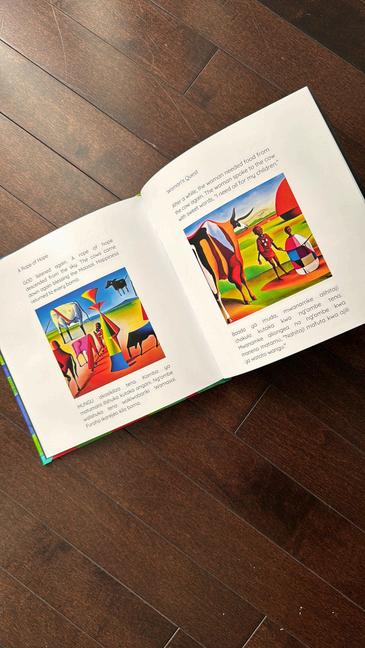
Humanculture published two books in 2025 o Cows: From the Oral Stories of Maasai Elders is a children’s book dition, centered on the relationship between women and cattle Ho e People: From the Oral Stories of Mala cribing the relationship between the ea


T r a v e l & C u l t u r a l E x c h a n g e
Humanculture engages in travel and exchange through direct presence in the regions where it works, supporting relationship-building, field engagement, and the extension of community-led systems across environments.
Southern Africa — South Africa & Eswatini
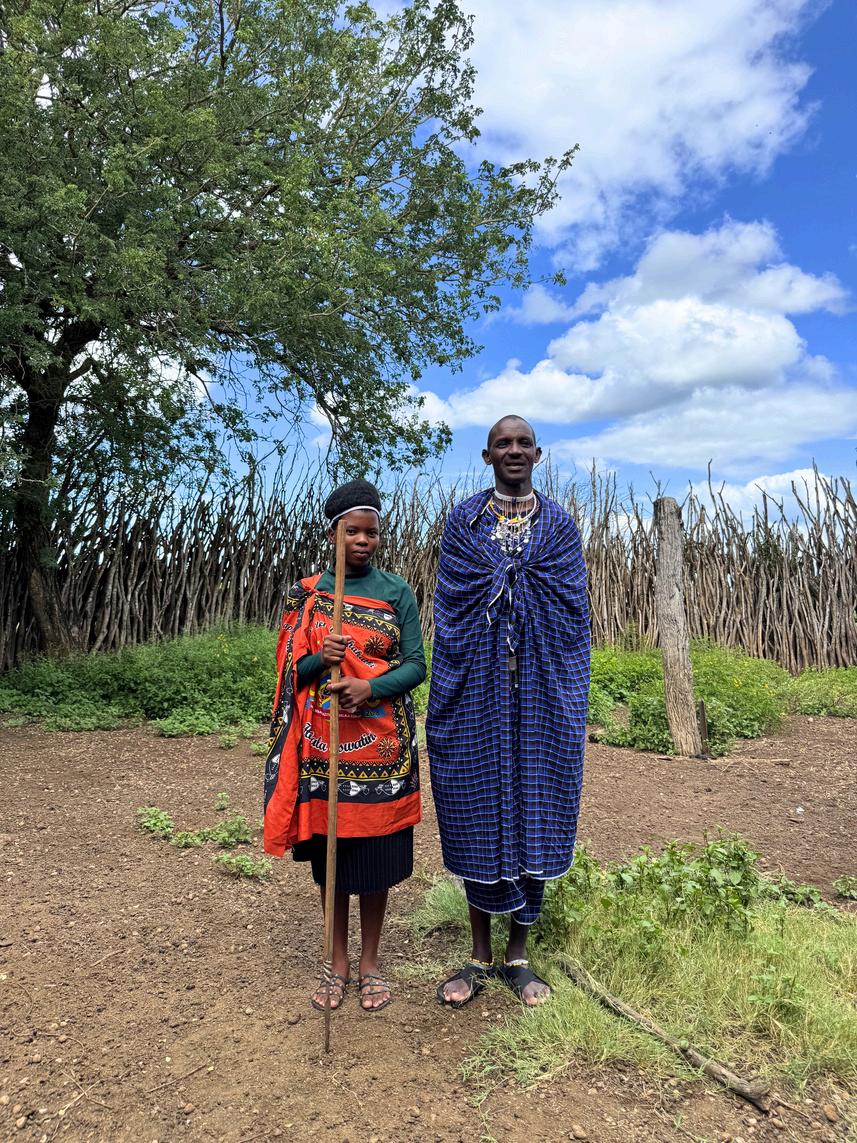
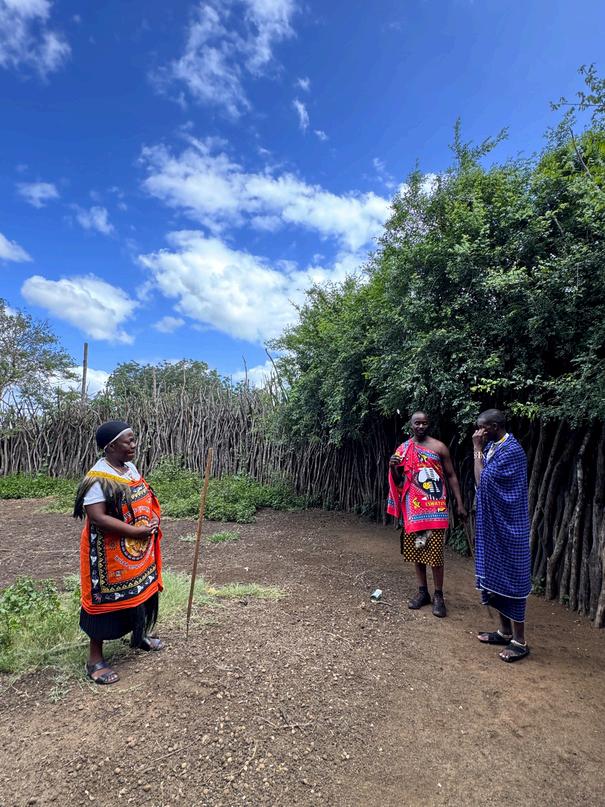
Travel with Maasai leader Paulo Mollel extended Humanculture’s relationships across Southern Africa through direct engagement with Indigenous and traditional communities. This included visits to cultural villages in both countries, engagement with elders on native plants, animals, and livestock practices, and time spent in ecological preserves and wildlife areas across landscapes.
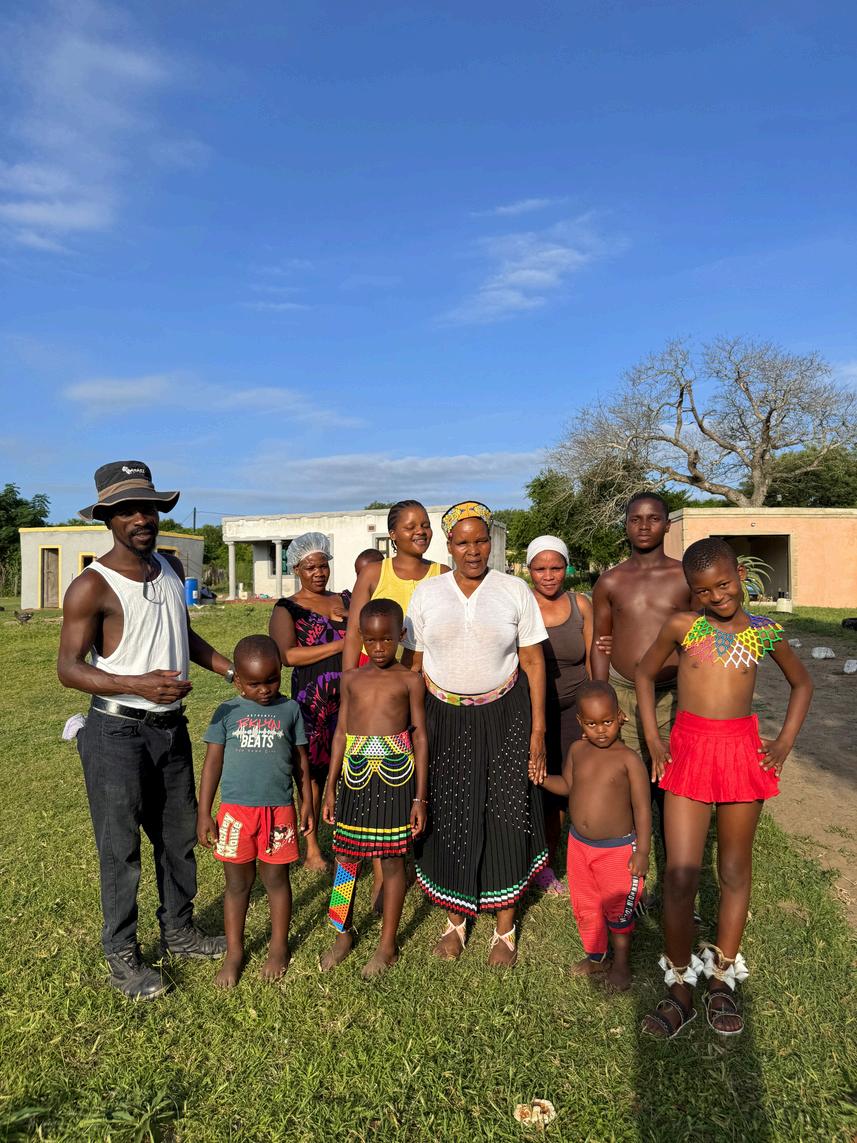
In South Africa, Humanculture engaged with Zulu conservationists, including a group of women working with native plants, medicines, and ancestral practices Travel also included visits to coastal ecosystems and wildlife areas, as well as time spent with nature and wildlife guides in protected environments Supplies and food were delivered to Zulu families
Tanzania — Ngorongoro Conservation Area
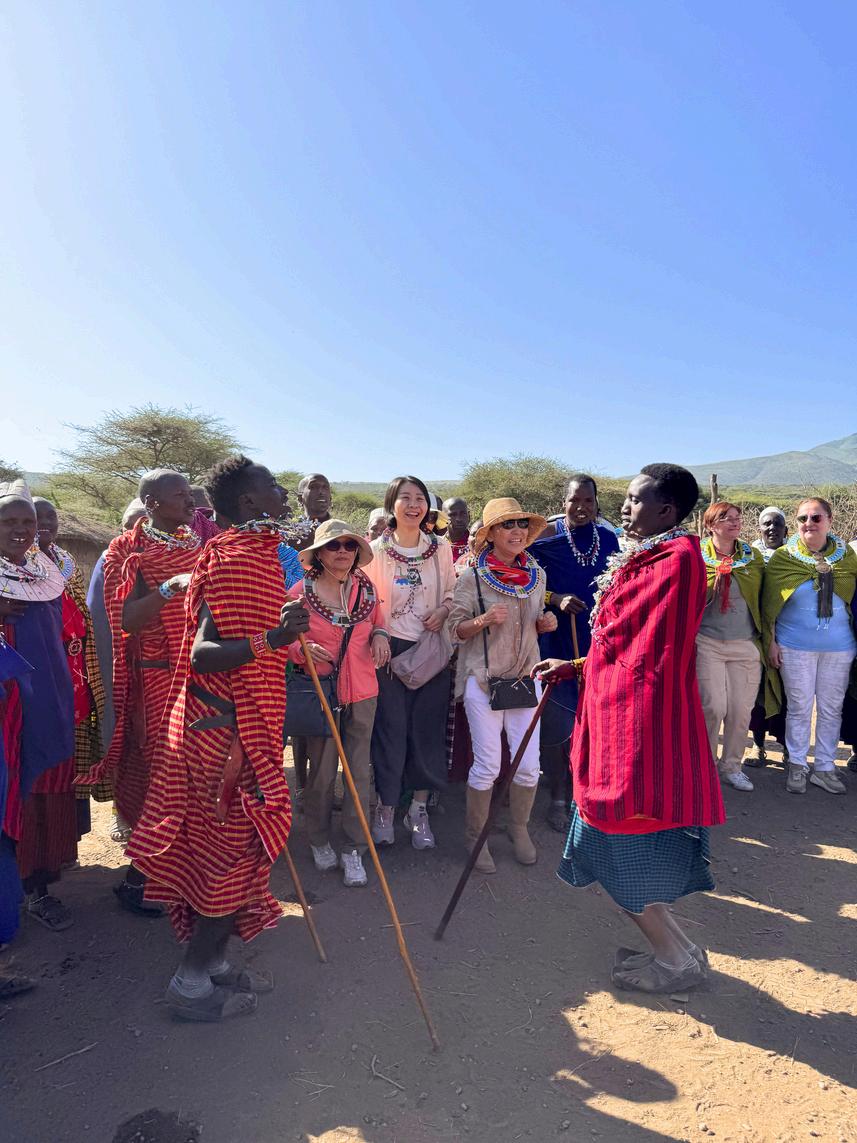
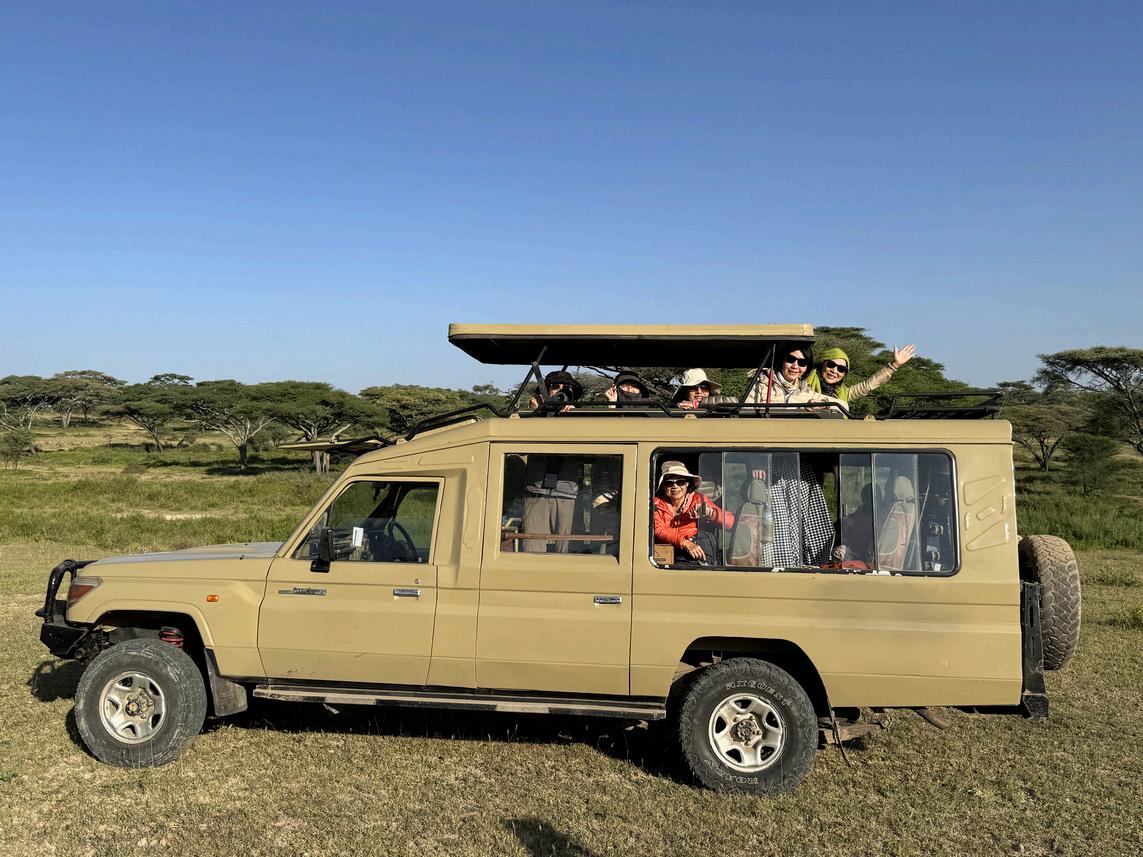
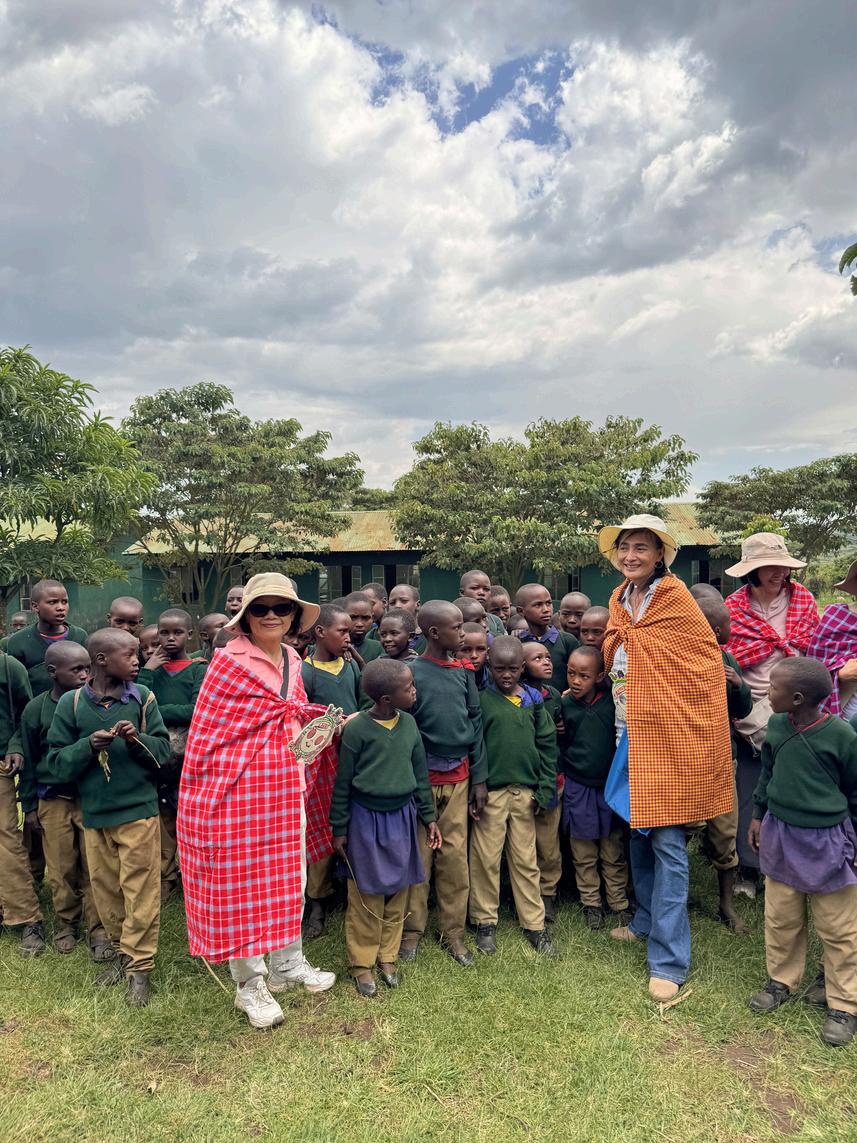
Humanculture hosted visits from partners and supporters to Maasai communities in the Ngorongoro Conservation Area in direct support of its women’s livelihoods and education work This included bringing a partner NGO to visit and support the widowed women’s collective, as well as hosting a group of individuals who supported both the women’s collective and Humanculture’s remote schools education program. These visits connected partners and supporters directly to the communities, conditions, and programs they were helping sustain.
In 2025, travel and exchange remained grounded in relationship and presence, connecting individuals, communities, and partners through direct experience and authentic engagement.
Humanculture engages students and emerging leaders through direct involvement in ongoing work across programs, partnerships, and institutional engagement. These efforts connect student-led initiatives and early-stage leadership to real-world contexts, where contributions support active projects while introducing pathways into global development, sustainability, and Indigenous knowledge systems
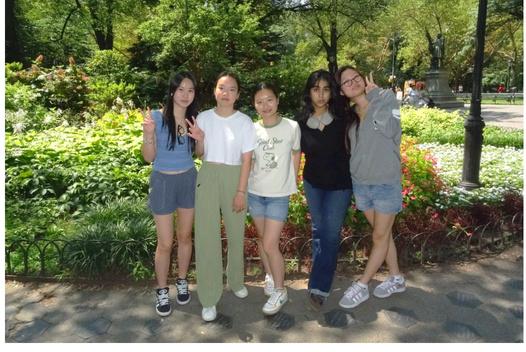
Humanculture partnered with Unity Scholars Network to host a 12-week summer internship program Students worked across research, partnerships, communications, and program support, contributing directly to active Humanculture initiatives and ongoing workstreams
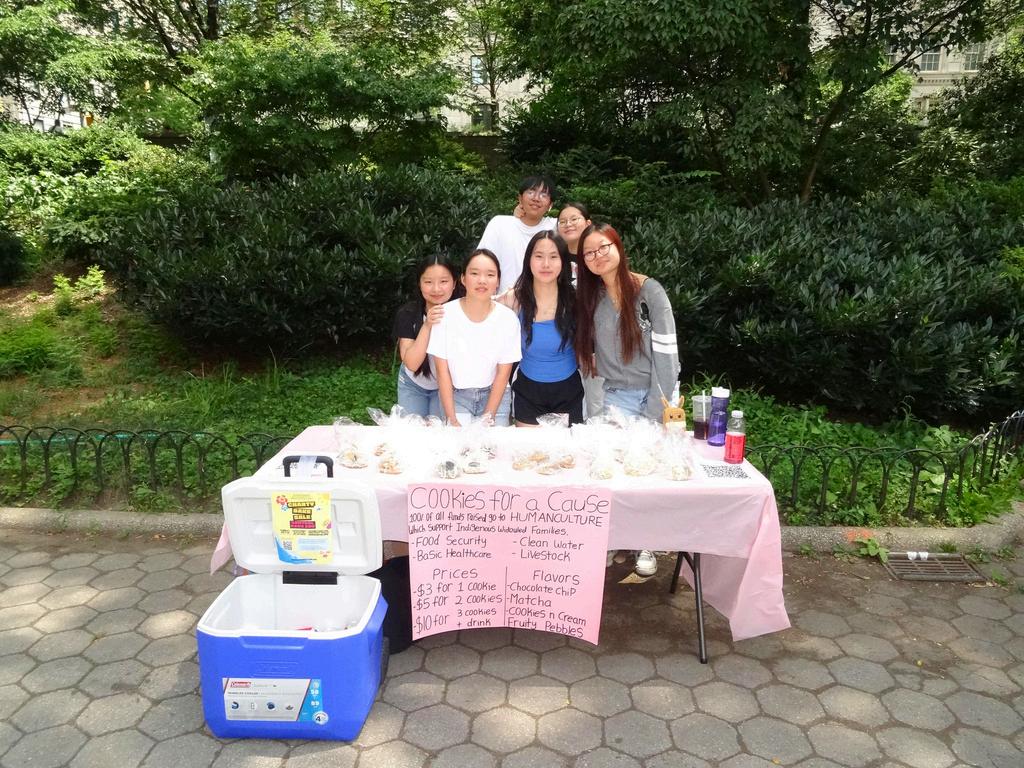
Humanculture collaborated with Read Nation, a student-led nonprofit based in New York Read Nation donations supported access to education and essential resources in communities facing environmental and economic constraints. due to climate change and land restrictions.
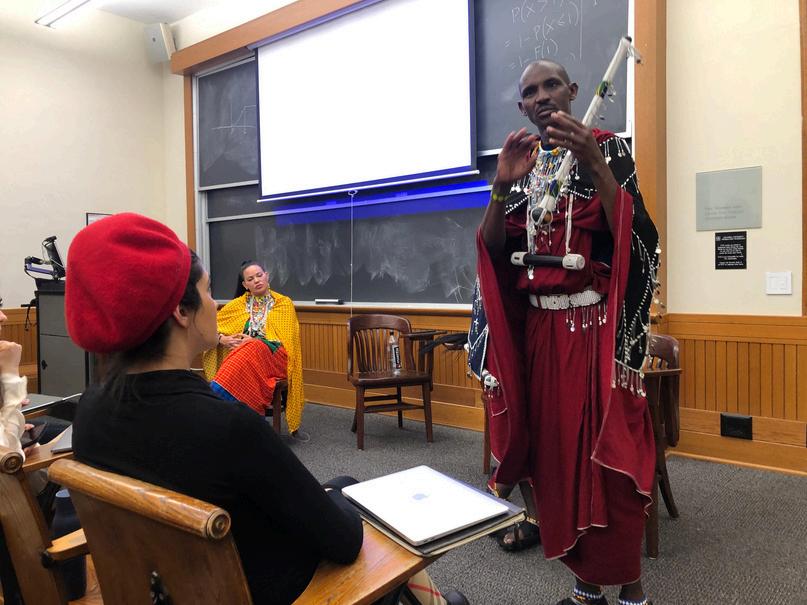
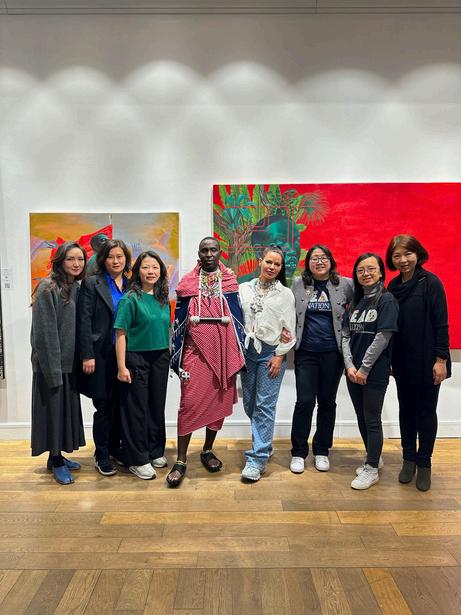
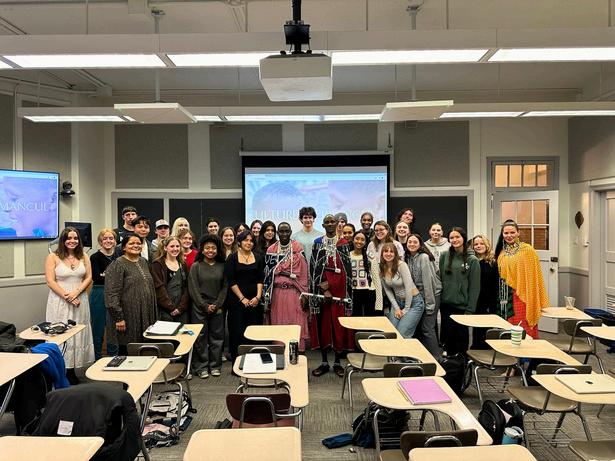
Stephanie Zabriskie engages with students through lectures and speaking on Indigenous knowledge within sustainability and agriculture, introducing these systems as active practices connected to land, food systems, and environmental conditions.
Humanculture partnered with DU THE RIGHT THING, a purpose-driven streetwear brand founded by a college-aged entrepreneur, on a Maasai-inspired charitable product release, with proceeds supporting Humanculture’s work in Tanzania.
In 2025, students and emerging leaders engaged directly with Humanculture’s work through participation, collaboration, and independent initiative, connecting early-stage leadership to active programs, partnerships, and outcomes

r e m a i n i n g 9 2 % d i r e c t e d t o w a r d p r o g r a m m a t i c , f i e l d , a n d p u b l i c - f a c i n g w o r k .
R e s o u r c e s w e r e a l l o c a t e d a c r o s s d i r e c t p r o g r a m i m p l e m e n t a t i o n a n d t h e
o p e r a t i o n a l r e q u i r e m e n t s t o c a r r y t h i s w o r k a c r o s s m u l t i p l e r e g i o n s a n d l o w -
i n f r a s t r u c t u r e e n v i r o n m e n t s . H u m a n c u l t u r e ’ s 2 0 2 5 f i n a n c i a l m o d e l r e m a i n e d i m p l e m e n t a t i o n - f o c u s e d , w i t h t h e m a j o r i t y o f e x p e n d i t u r e s s u p
i a , M o r o c c o , a n d M a d a g a s c a r , s u p p o r t i n g
m e n s t r u a l h e a l t h a c c e s s i n r e m o t e c o m m u n i t i e s a n d c o n s t r a i n e d e n v i r o n m e n t s
E d u c a t i o n a n d e m e r g i n g l e a d e r e n g a g e m e n t i n c l u d e d U n i t y S c h o l a r s N e t w o r k , R e a d N a t i o n , a n d F o r d h a m U n i v e r s i t y , c o n n e c t i n g s t u d e n t i n t e r n s h i p s , f u n d r a i s i n g , a n d u n i v e r s i t y - l e v e l e n g a g e m e n t t o a c t i v e w o r k a c r o s s
H u m a n c u l t u r e ’ s p r o g r a m s
A r t s a n d c u l t u r e w o r k i n c l u d e d c o l l a b o r a t i o n a n d v i s i b i l i t y a c r o s s H y d r a S c h o o l
P r o j e c t s , t h e O l d C a r p e t F a c t o r y , a n d t h e b r o a d e r D E S T E F o u n d a t i o n c o n t e x t o n
H y d r a , a l o n g s i d e c o l l a b o r a t i o n w i t h R o s e l y n S i l v a a n d D U T H E R I G H T T H I N G T h e s e
a c t i v i t i e s e x t e n d e d H u m a n c u l t u r e ’ s c u l t u r a l w o r k i n t o i n s t i t u t i o n a l , f a s h i o n , a n d
p u b l i c - f a c i n g c o n t e x t s w h i l e m a i n t a i n i n g d i r e c t s u p p o r t o f I n d i g e n o u s a r t i s t s
t h r o u g h p u r c h a s e , r e p r e s e n t a t i o n , a n d p u b l i c a t i o n . I n s t i t u t i o n a l a n d k n o w l e d g e - b a s e d w o r k c o n t i n u e d t h r o u g h a c t i v e p a r t i c i p a t i o n
a n d c o n t r i b u t i o n a c r o s s U n i t e d N a t i o n s p l a t f o r m s i n c l u d i n g I P B E S , F A O , U N D R R , a n d e S a n g o , w i t h f i e l d d o c u m e n t a t i o n , r e s e a r c h , a n d c o n t r i b u t i o n s o r g a n i z e d
t h r o u g h t h e I n d i g e n o u s S y s t e m s p l a t f o r m l a u n c h e d i n 2 0 2 5 .
A c r o s s a l l r e g i o n s , H u m a n c u l t u r e ’ s w o r k r e m a i n e d g r o u n d e d i n l o c a l l e a d e r s h i p , c o m m u n i t y c o o r d i n a t i o n , a n d d i r e
l i c - f a c i n g w o r k a c r o s s E u r o p e a n d t h e U n i t e d S t a t e s