WORK+SPACE
the value of
the value of
Milestones have a way of encouraging reflection. In the fast-paced rhythm of business, we often focus on what’s next: the next goal, the next challenge, the next opportunity. But it’s incredibly important to pause and appreciate the journey that brought us to the present moment. As Hughes Marino celebrates a milestone anniversary this year, we wanted to explore themes of growth, gratitude, discipline and forwardthinking workplaces in this issue of Work+Space®
On the next pages, you’ll find our feature Q&A, where we share some of the early decisions that defined our company, including the lessons learned along the way and the values that continue to guide Hughes Marino as we eagerly look ahead to the next chapter.
As always, our goal with Work+Space® is to share ideas and perspectives that inspire business leaders, in addition to providing valuable insights regarding real estate. Starting on page 9, we examine the importance of gratitude in both business and life, and the importance of an “earn it every day” mindset. As the workplace continues to evolve, we also explore how companies can create environments that foster connection, collaboration and purpose, and share practical guidance to help business leaders approach lease renewals with greater strategy and confidence.
We hope this issue offers insights that spark new ideas and inspire continued growth.
As we celebrate our 15-year anniversary, we wanted to take a moment to sincerely thank you for being part of our community.
We are deeply grateful for the relationships we’ve built over the years and for the opportunity to work alongside so many thoughtful, driven people and the inspiring companies they lead. Whether we’ve had the privilege of working together directly or simply crossing paths along the way, your presence in our journey has meant more than you know.
Since day one, we have never taken this for granted, and we could not be more grateful for the past 15 years of trust, collaboration and friendship. Looking forward to an incredibly bright future ahead!
Onward!
Jason Hughes Chairman & CEO
Hughes Marino
Shay Hughes President & COO Hughes Marino
A publication of Hughes Marino
BUSINESS + REAL ESTATE + DESIGN + CULTURE + CONSTRUCTION
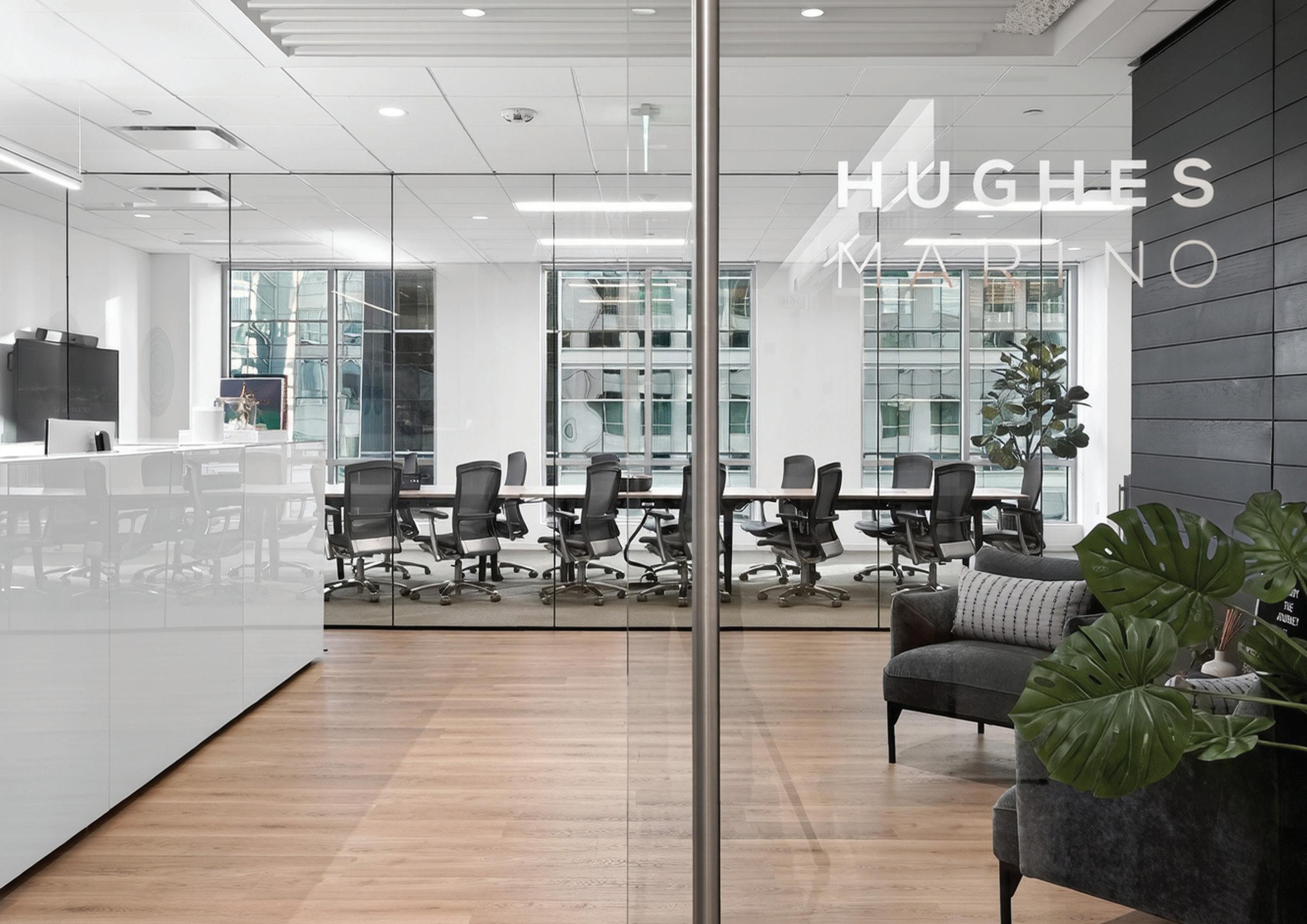
Hughes Marino is a global corporate real estate firm that specializes in representing tenants and buyers—not landlords. We provide a full suite of services for occupiers of commercial real estate on an integrated and turnkey basis. Whether you need help with real estate strategy, site selection, and negotiations around renewal, expansion, relocation or subleasing, construction project management, planning and design, corporate culture, and operating expense review and/or lease administration, Hughes Marino can address any problem or opportunity for companies of any size, any industry and at any stage of their real estate life cycle—anywhere on the planet.
Our Locations
of Growth, Grit & Game-Changing Lessons
A Q&A WITH JASON & SHAY HUGHES
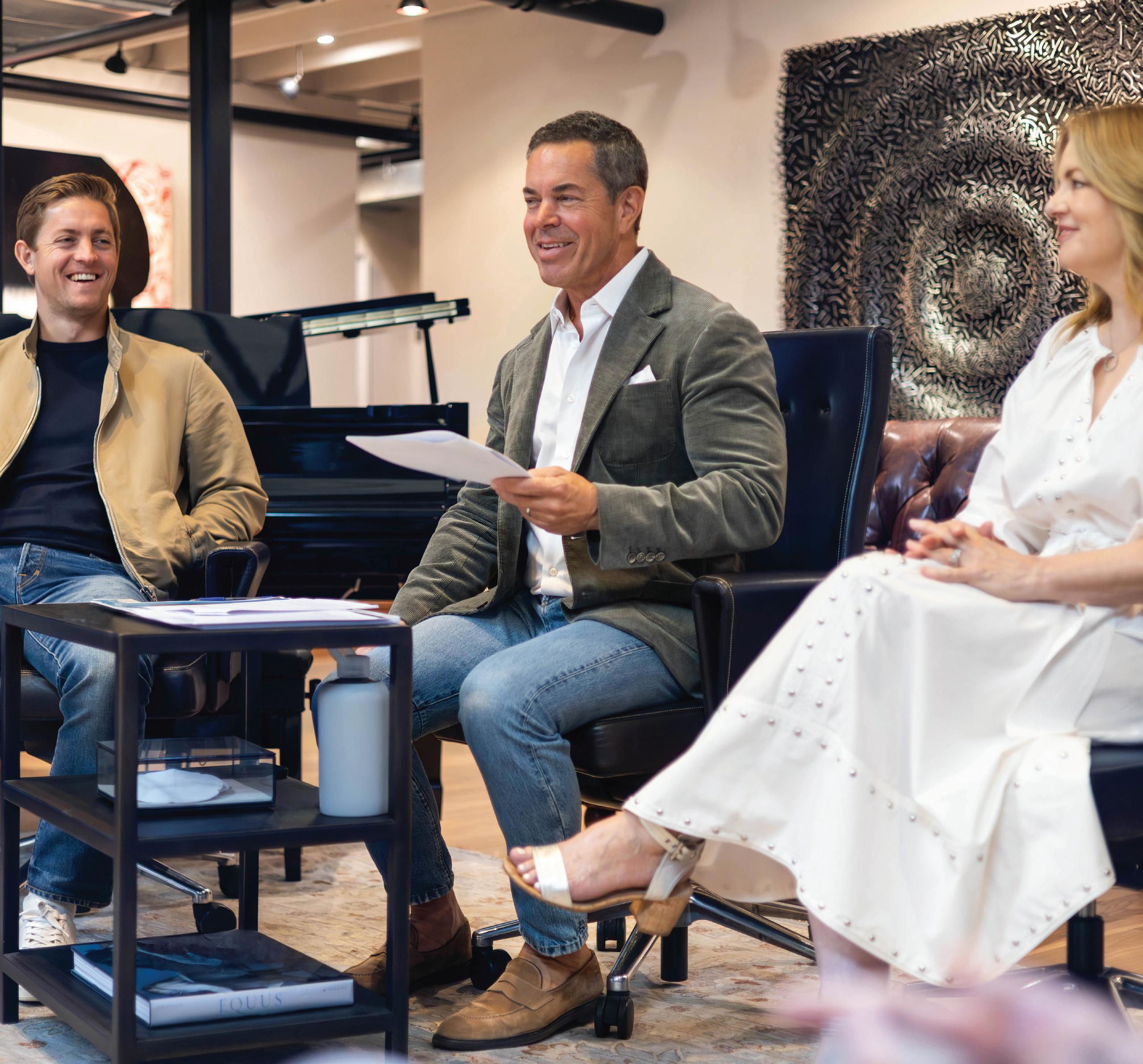
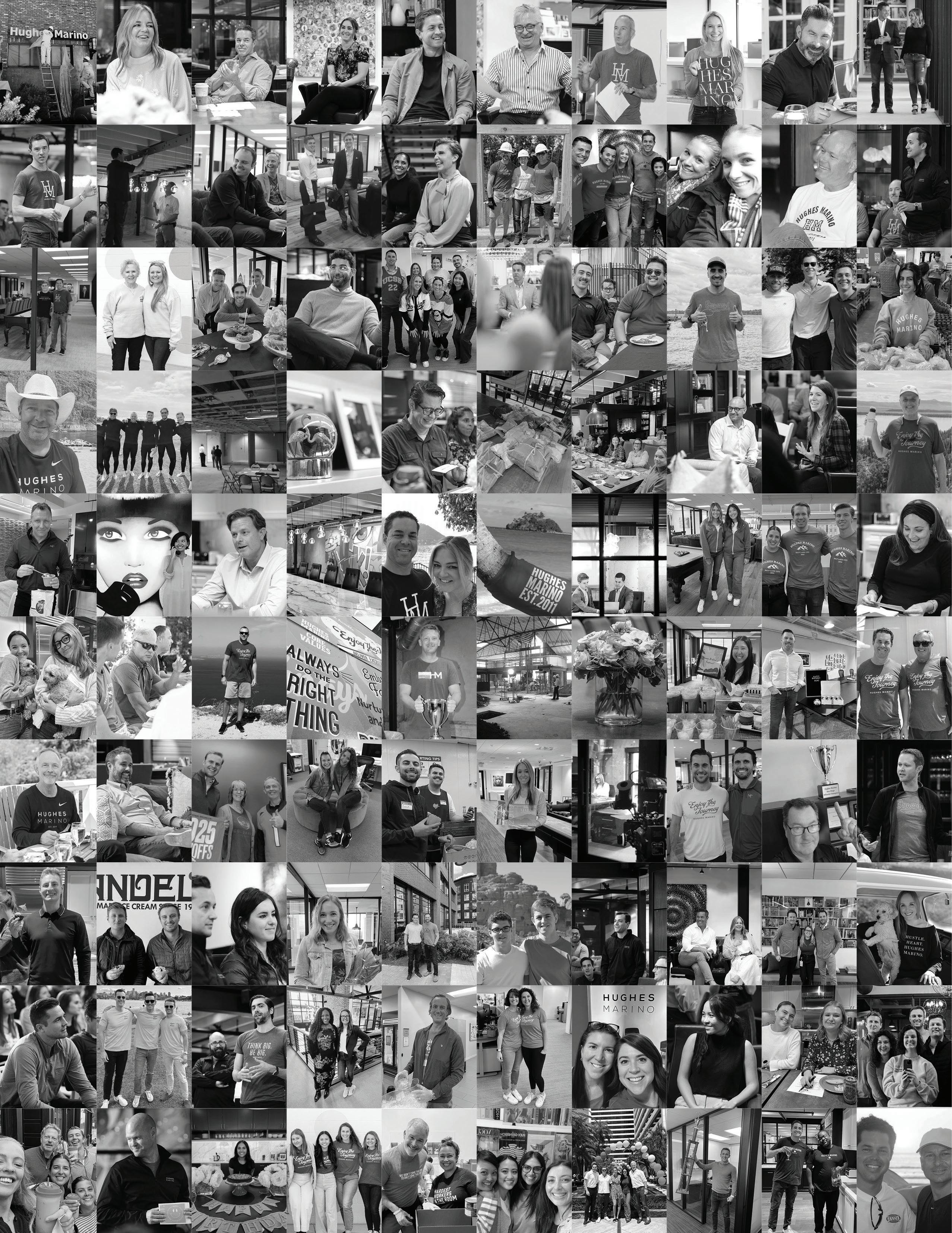
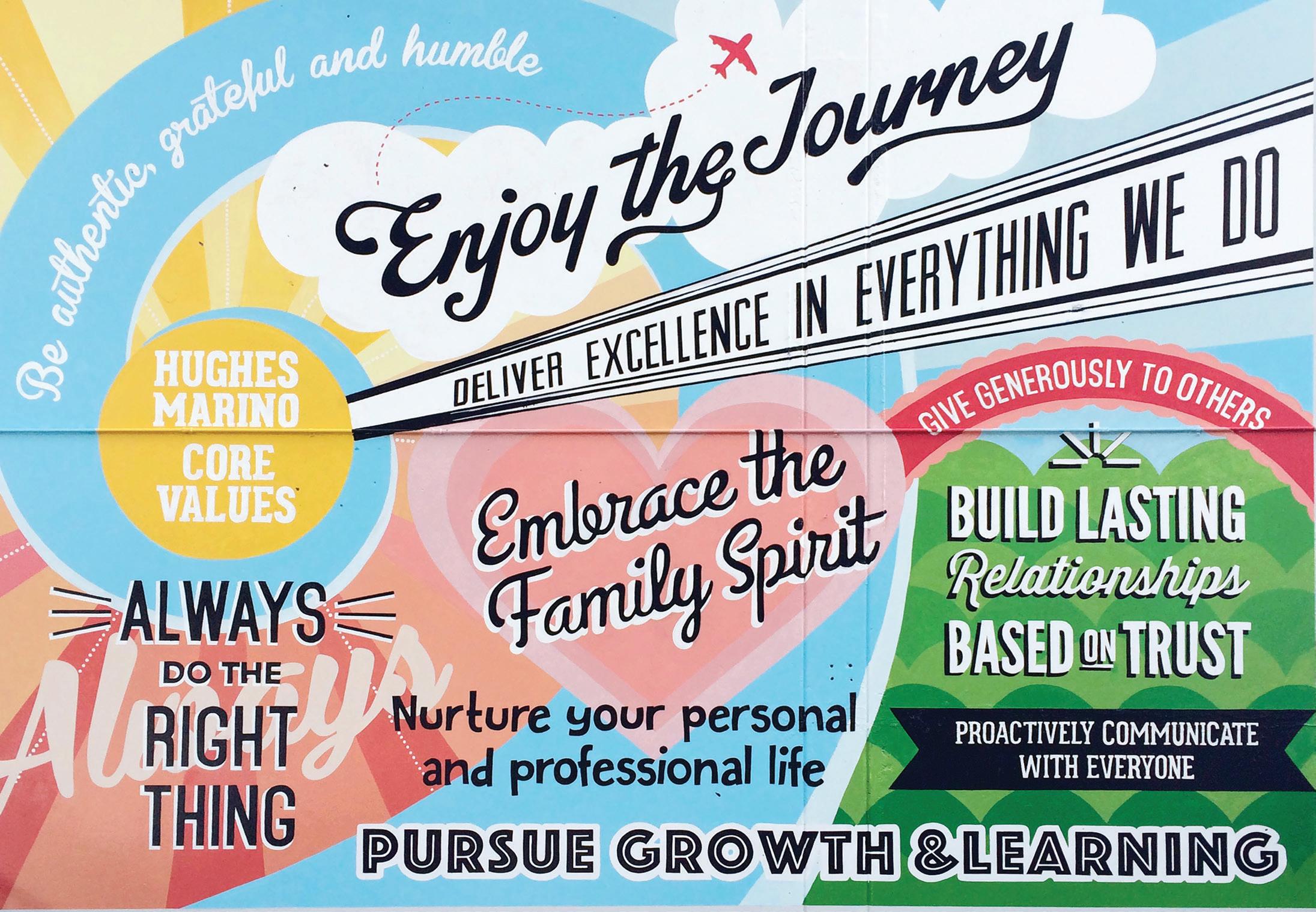
Fifteen years ago, Hughes Marino was built on two bold ideas: that tenants deserved a true non-conflicted advocate and that commercial real estate could be elevated through a more sophisticated, service-driven model supporting both our clients and our advisors. While a lot of exciting things have changed over the years, Hughes Marino is still a company rooted in our cherished culture, aligned with our core values and a commitment to doing the right thing every single day. In reflection on this milestone anniversary, we sat down with Chairman & CEO Jason Hughes and President & COO Shay Hughes to share the kind of insight that only comes from building a company from the ground up: lessons learned, defining moments and what excites them most about the future.
Q: What did you get right early on that shaped the company’s foundation?
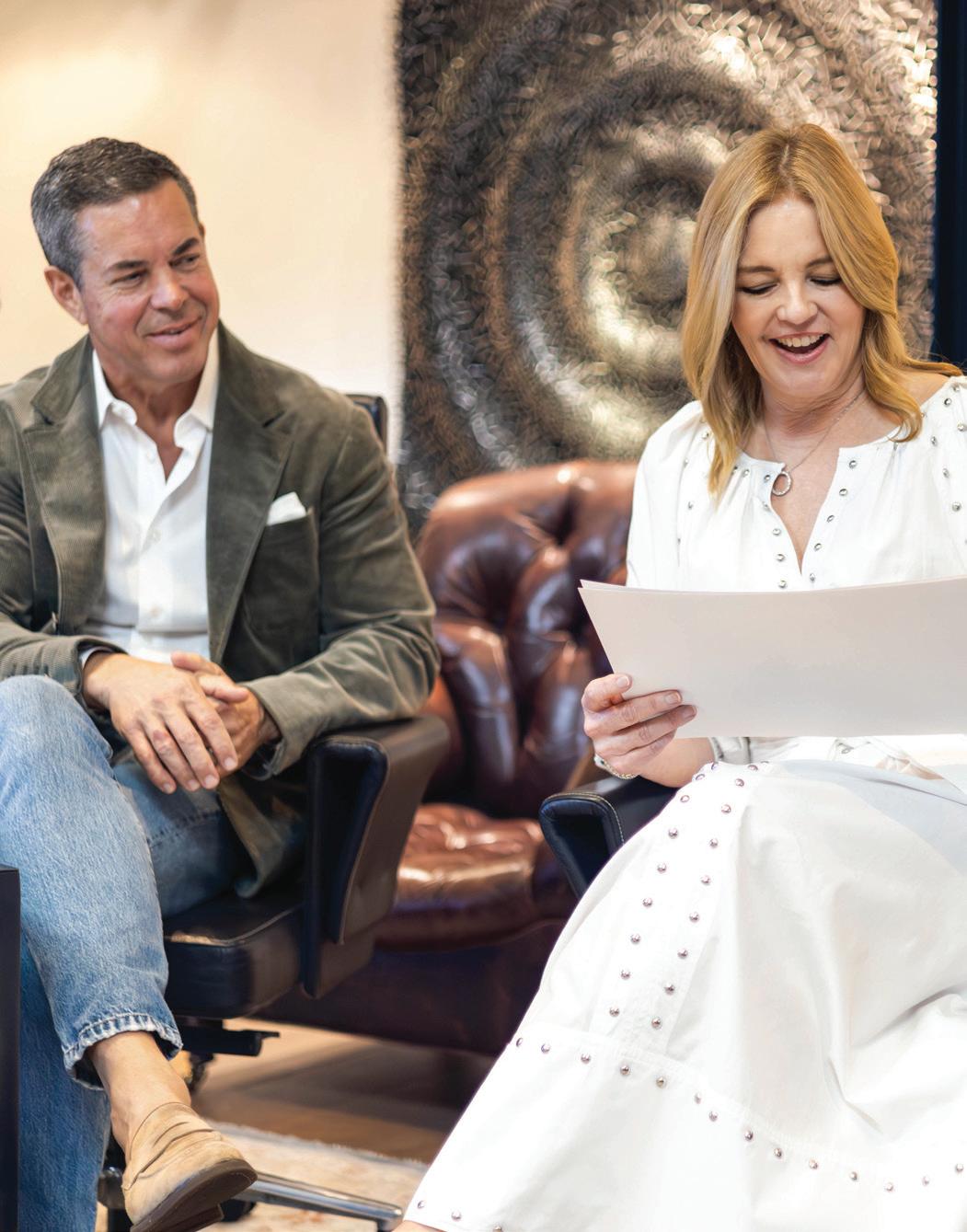
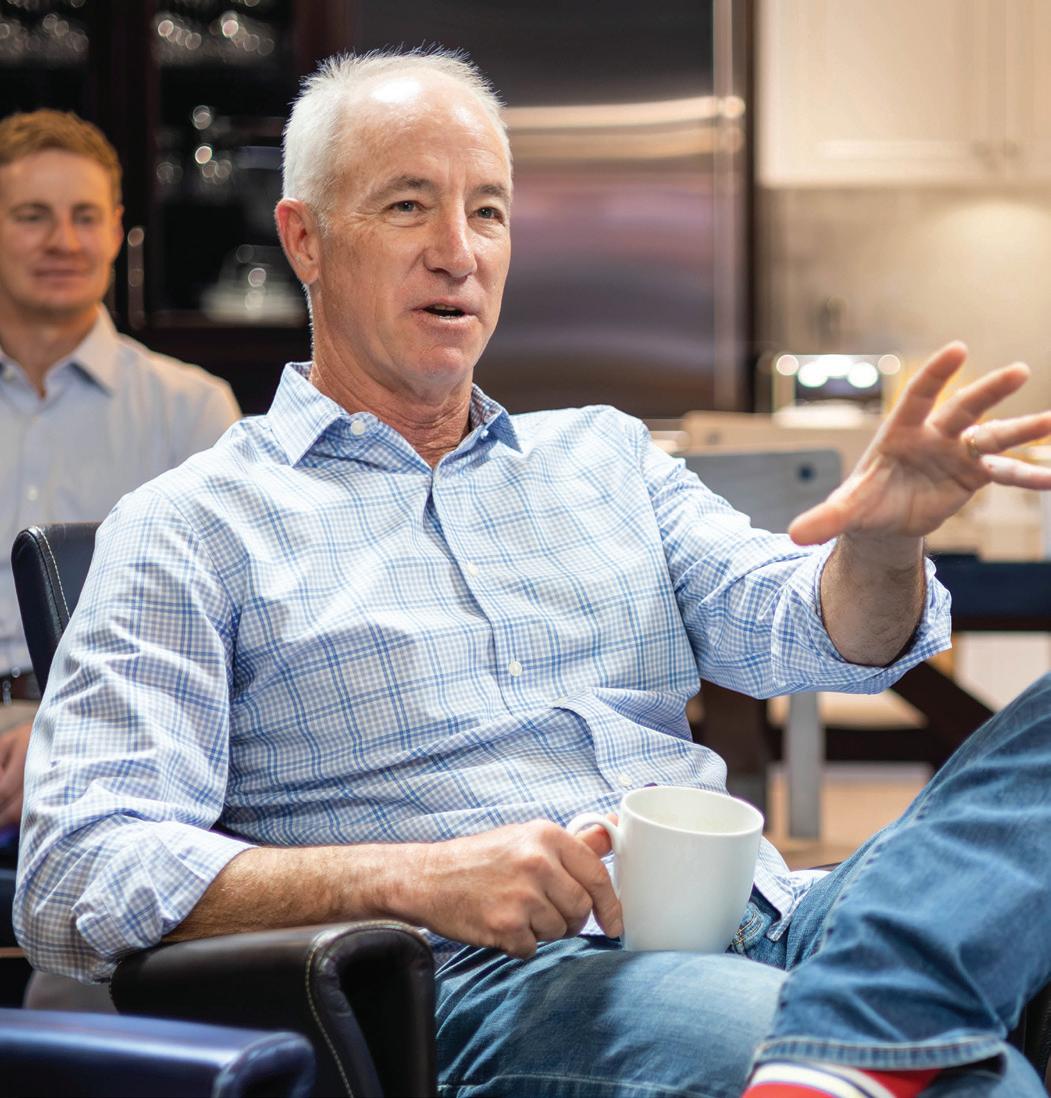
Shay: Our people. Everything starts with people, and we started with an incredible group who shared strong core values, who were committed to doing the right thing and championing the underdog. They were driven, smart, hard-working and competitive about pursuing greatness, but never competitive with each other. That holds true to this day.
Being a family business turned out to be a huge advantage. We each have different strengths and grew the company in different directions, but always in total alignment. And then we had the added benefit of many incredible leaders and team members who helped build and strengthen this company from day one. As James Clear writes in Atomic Habits, “If you get 1% better each day for one year, you’ll end up 37 times better by the time you’re done.” That compounding effect, embraced across an entire organization, is unbeatable.
Fundamentally, what we do is just different. We advocate exclusively for tenants—the businesses that make the economy thrive, that provide jobs for our communities and that are the lifeblood of the commercial real estate ecosystem. Having only one fiduciary to serve is absolutely foundational to our success.
Jason: The first thing we got right was our culture, which became the foundation of our company. Our original team spent an entire day determining who we are, what we wanted our company to represent and how we wanted to treat people. The outcome was our core values, which have been the cornerstone of everything we do as a company.
Beyond culture, several early decisions proved critical. We stayed focused exclusively on corporate tenants, because trying to also represent landlords creates a gigantic conflict of interest. We built a more sophisticated service model, giving our advisors multiple levels of support, exponentially more than any competitor, which translates into better outcomes for our clients. We invested heavily in technology. And our communication, both internally and externally, is likely one of the best in the industry. We make our decisions through the lens of “Will it make our team proud?”—a litmus test that we learned while spending time with Starbucks legend, Howard Schultz.
Q: What are some of the best aspects of growing the company over the last 15 years? What are you proudest of?
SHelping people change their lives for the better. Whether a client’s company is scaling rapidly and we ensure real estate is one thing they never have to worry about, or they’re struggling and we help them make changes that keep the business alive, the impact is enormous. While we often say we aren’t saving lives, we are making a real difference in our communities and the greater business world.
I’m also incredibly proud that our own team members have experienced life-changing success here, from financial security to having a place that is nurturing, challenging and full of people they genuinely respect. There are countless people at this company whose trajectories changed because of what we’ve built together.
JI’m proud of so many amazing aspects of growing our company! Most revolve around seeing individuals on our team grow. We have operations team members who have blossomed from entry-level positions to leaders, and we have our advisors who have become top national industry professionals. I am most proud of helping people reach levels they might not have even believed were possible. It is very fulfilling to play a supporting role in their success.
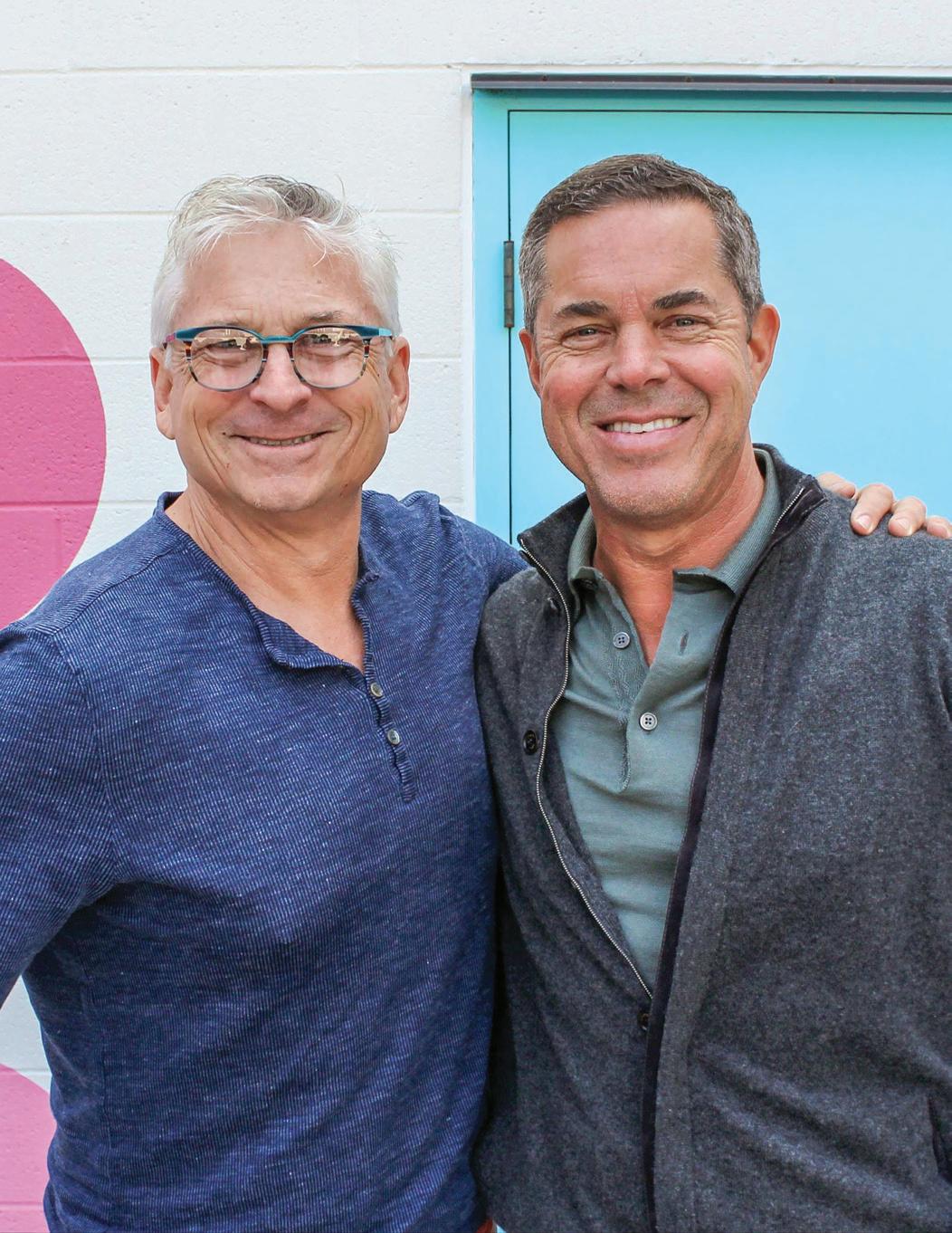
JASON HUGHES “
OUR CORE VALUES HAVE BEEN THE CORNERSTONE OF EVERYTHING WE DO AS A COMPANY.
SHaving our entire family meet with Howard Schultz for two hours is one of our greatest lifetime bucket list events. Howard has been Jason’s business idol for decades and he was one of the most gracious, generous and inspiring mentors we’ve ever met. He was incredibly giving with his time, and his advice was profound and has shaped our leadership in countless ways.
Another defining moment was opening our first office outside of San Diego. Tucker had just graduated with his Master’s in Real Estate at age 20, and we went to Orange County to find office space and a home for him on the same day. It was just Tucker and a desk—no team, no clients, no name recognition. Nothing but huge ambition and unrelenting determination. That office now has dozens of teammates and is hugely successful, and it changed the direction of our company forever. We’ve since opened 14+ offices around the country as a result of that initial leap of faith. There are a few quantum leaps we made as we grew Hughes Marino, and Tucker opening our Orange County office is certainly one of them.
JI have too many to count, both with individuals as well as with the entire team. Fortunately, all of them include Shay, and most include our kids. Hard to beat that!
AND WE STARTED WITH AN
WHO SHARED
WHO WERE COMMITTED TO DOING THE RIGHT THING AND CHAMPIONING THE UNDERDOG.
SHAY HUGHES
Q: What would you do differently, and what did you learn along the way?
SWe’ve learned so much along the way! Every company is different. There’s no playbook, so you’re constantly learning as you go. You have to have a strong “figure it out” gene and be comfortable making the best decision you can, even though sometimes hindsight is 20/20.
We’ve definitely had to develop thicker skin. We used to take it personally when someone would leave to pursue a new venture. Over time, we’ve realized that people need to live their lives and pursue their passions, and we can be proud of the role we played in their growth. No matter what happens, some things will never change. We are always going to be committed to providing an amazing environment for our team to thrive and to ultimately take incredible care of our clients.
One thing Howard Schultz shared with us that we live by every day: “Everything matters. Literally everything.” We treat every decision and every communication as if it’s the most important one we’ll ever make. That commitment to being impeccable has helped us make a lot of right decisions over the years.
JI’ve learned that once you determine someone doesn’t have alignment with the company, there is virtually no amount of work that can course-correct the situation.
They’re not bad people—they just don’t have the same drive, work ethic or belief system to succeed here. And when misalignment lingers, it becomes a contagion that affects others. You need to make the tough call sooner rather than later.
SContinuing to attract amazing people who make us better, smarter and stronger. One of the best things about growing over the past 15 years is that we literally get better with every new team member and every new market we enter.
And of course, our clients. We help some of the most innovative, inspiring companies in the world, and it is a true honor and privilege to support their growth. I can’t wait to see what the next 15 years hold for them—and for us.
JI’m extremely excited about more companies understanding the significant benefits of tenant representation. Our tenant advisory, project management, lease administration, and planning and design services are best-in-class, and our growth trajectory proves the market is responding. The next 15 years are going to be remarkable. ☐

Shay Hughes is president and COO of Hughes Marino, a global real estate advisory firm that specializes in representing tenants and buyers. Shay writes about business leadership and company culture on her blog, Lead from Within. Contact Shay at 1-844-662-6635 or shay.hughes@hughesmarino.com to learn more.
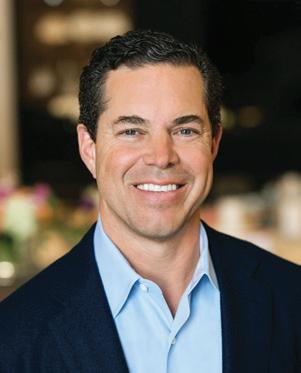
Jason Hughes founded Hughes Marino in 2011, an award-winning global real estate advisory firm that specializes in representing tenants and buyers. A pioneer in the field of tenant representation, Jason has specialized in representing tenants and buyers for more than 30 years. Contact Jason at 1-844-662-6635 or jason@hughesmarino.com to learn more.


By Jason Hughes
In the fast-paced life cycle of business, we spend much of our time focused on what’s next: the next client, the next milestone, the next strategic move. That forward momentum is healthy. It drives performance and pushes us to improve. But without pausing to reflect and practice gratitude, it’s easy to become trapped in an endless pursuit of more, rarely stopping to appreciate what is already in front of us.
When we intentionally reflect on our successes, failures, lessons and milestones through a lens of gratitude, we allow ourselves permission to slow down and recognize the significance of what we have already built. Perhaps the secret to lasting success lies in urgency, balanced by the quiet power of gratitude.
I was reminded of this while reading about Hiroyuki Sanada, the acclaimed Japanese actor known for his roles in The Last Samurai and the award-winning series Shōgun. His accomplishments are remarkable by any measure—Emmys, Golden Globes, and a career defined by discipline and excellence. Yet what stood out most was not his resume, but his perspective.
It’s commonly attributed to him that he observed that people often long for what they do not have, while overlooking what is already within reach. Someone dreams of a swimming pool while another rarely uses theirs. One person longs for companionship while another takes it for granted. Someone who is hungry would treasure a simple meal, while another critiques the taste. His point was simple: somewhere, someone would give everything for what we already possess.
If we are honest, gratitude is not our default setting. Ambition comes more naturally. So does the desire to improve, to optimize and to reach higher. That drive has built companies, created opportunities and fueled innovation. It is part of what makes great teams great. But ambition without gratitude can quietly turn into chronic dissatisfaction. When we are always focused on the next horizon, we risk overlooking the ground beneath our feet.
When I consider our own lives and the work we do at Hughes Marino, the baseline alone is extraordinary. We have the freedom to build and to serve. We have meaningful careers and the privilege of partnering with clients who trust us with decisions that shape their organizations. We have our health, relationships, families and teammates who show up each day with integrity and commitment. We have access to technology that allows us to connect instantly across cities and time zones. There is so much to be grateful for before we ever begin to talk about growth or performance.
Gratitude does not mean ignoring challenges. It doesn’t minimize hard seasons or complex problems. In many ways, it strengthens our ability to navigate them. Challenges refine us, build resilience and sharpen judgment. When viewed through a lens of gratitude, even difficulty becomes part of the privilege of growth rather than evidence of misfortune.
Our business coach, Mike Robbins, shared with our team a simple reframing question. Instead of asking “Why is this happening to me?” ask, “Why is this happening for me?” That subtle shift does not deny adversity. It transforms how
“When viewed through a lens of gratitude, even difficulty becomes part of the privilege of growth rather than evidence of misfortune.”
JASON HUGHES
we engage with it. Framing our experiences through gratitude opens the door to learning, growth and perspective.
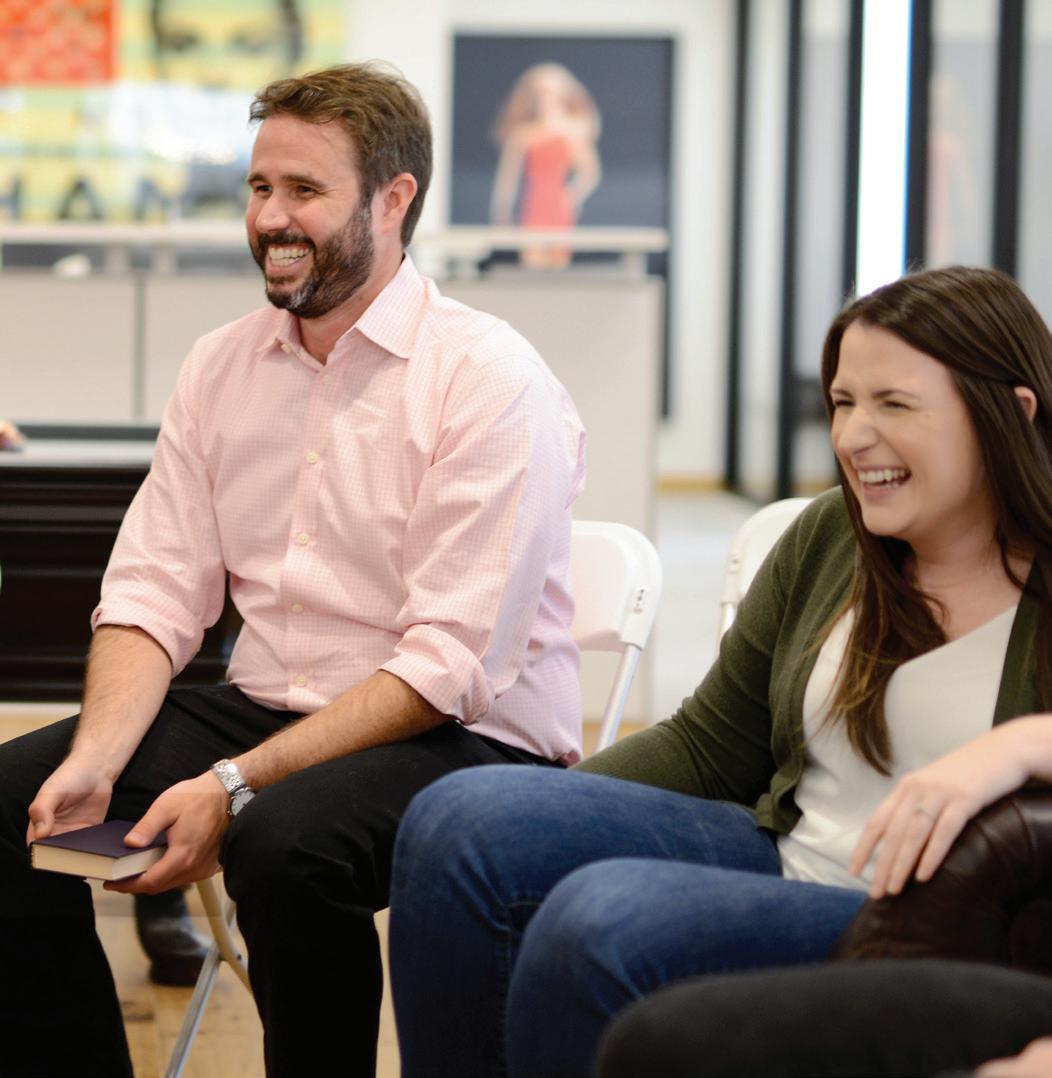
What would happen if we trained our minds to pause more often, even briefly, to acknowledge how fortunate we are? That shift in perspective changes how we show up for our clients, our teammates and our families. It creates steadiness. It builds trust. It fosters a culture that values people as much as performance.

Years ago, we introduced a practice at Hughes Marino that we call the “Hughes Marino Grateful Chain.” A few times a year, before heading into a weekend, every team member replies all and shares something they are grateful for on a single company-wide email chain. It doesn’t need to be elaborate, but it does have to be intentional. And because everyone participates, it reinforces that gratitude is not a private exercise. It is a shared value that strengthens our culture. And it’s incredibly uplifting to read what others are grateful for, no matter how big or small.
When we operate from a place of appreciation, we lead with greater clarity and resilience. We become less reactive and more intentional. We remember that success is not only about what we are striving toward, but also about honoring what we have already been given.
Ambition will always play an important role in meaningful achievement. It pushes us forward and challenges us to improve. Yet alongside that drive, there is value in cultivating a deeper awareness of what is already working: a greater appreciation for the people, progress and opportunities already within reach.
Gratitude does not slow progress. It strengthens it. It sharpens perspective and steadies decision-making. And in a world that constantly urges us to want more, that grounding may be one of the most powerful advantages we can embrace. ☐
By Jason Hughes
I’ve always believed there are leadership lessons everywhere if you’re paying attention. Sports in particular have a way of revealing mindset in its purest form. The discipline, the preparation, the resilience. Recently I watched a short interview with Cooper Kupp, Super Bowl MVP and one of the most respected receivers in the NFL. He shared something that really stood out to me, both because of his inspiring perseverance and because it’s extremely similar to a mantra we regularly discuss at Hughes Marino.


“AT NO POINT DURING THAT JOURNEY… DID I THEN SAY, ‘OKAY, I’M THERE NOW, LIKE I’VE DONE ENOUGH, LIKE I’VE ARRIVED AND NOW I DESERVE TO PLAY.’”
COOPER KUPP
This is what I respect most about Kupp’s perspective, that he never adopted the “I’ve arrived” mentality. Each season ends and he resets. There’s more to improve, more to learn, more to earn. That approach keeps him coachable. It keeps him hungry. It keeps him sharp.

Jason Hughes Chairman & CEO
Hughes Marino


Freshman year in high school, Kupp was an underdog, but undeterred. Smaller than others his age, he trained every single day by running and wearing ankle weights to bulk up. His daily dedication and hard work earned him a spot on the Eastern Washington University football team. He was drafted out of Eastern Washington, not exactly a traditional football powerhouse. He worked his way into the league, helped lead the Rams to a Super Bowl victory, and was named MVP. After all Kupp has achieved, he has every reason, by most standards, to feel like he’s arrived, because he has already achieved what most players only dream about. And yet he said at no point in his journey did he ever feel like he deserved any of it. Not college. Not the NFL. Not a starting role. He worked and fought hard to earn each opportunity, and once he had it, he thought of it as a new start, and worked to earn it again, never taking an opportunity for granted.
Kupp isn't the only player whose journey reflects this mindset. His teammate, quarterback Sam Darnold, followed a remarkably similar path from a different starting point. Drafted No. 3 overall with sky-high expectations, Darnold's early years were defined by struggles, criticism and being written off. Rather than letting the noise consume him, he refined his craft and focused on proving his teammates and family right. That resilience carried him through stints with multiple teams until it all came together in a Super Bowl victory. As our own Senior Managing Director, Will Tober, who grew up with Sam, put it: "He's living proof that if you just stay the course and refuse to give up, you'll eventually find success." Different roads, same mindset.


That mindset is powerful because it runs directly counter to something that can quietly derail success: entitlement. The moment someone starts thinking, “I deserve this,” something shifts. Hunger turns into expectation and complacency. Gratitude turns into assumption. Growth slows down because the focus moves from improvement to preservation. Entitlement convinces us that what we did yesterday guarantees what we’ll get tomorrow. But it doesn’t.
In business, just like in sports, past performance doesn’t entitle us to future opportunity. A great year doesn’t guarantee the next one. A strong relationship still requires care. A leadership title doesn’t automatically earn trust. Those things are built and rebuilt consistently over time. They are earned in the small, daily decisions most people never see. As a company, we wholeheartedly work to earn the trust of our peers and our clients every single day. As a testament to this, we end every team meeting with the same phrase, one that has inspired me ever since I heard it from Starbucks founder Howard Schultz: “Success is not an entitlement. You have to earn it every day.” It’s what I live by, both personally and professionally, and what our team believes in, which is why Kupp’s story instantly struck a chord.
“At no point during that journey…did I then say, ‘Okay, I’m there now, like I’ve done enough, like I’ve arrived and now I deserve to play,’” Kupp shared. This is what I respect most about Kupp’s perspective, that he never adopted the “I’ve arrived” mentality. Each season ends and he resets. There’s more to improve, more to learn, more to earn. That approach keeps him coachable. It keeps him hungry. It keeps him sharp.
Strong cultures operate the same way. When individuals and teams stay focused on earning rather than deserving, performance compounds. Humility stays intact. Accountability remains high. There’s less room for complacency because everyone understands that success is not a destination you reach and relax in. It’s something you actively build and protect every day.
There’s a quote from Clemson strength and conditioning coach Joey Batson that captures this perfectly: “They don’t put championship rings on smooth hands.” Nothing meaningful is handed out. It comes through discipline, sacrifice and consistent effort over time.
The question for all of us isn’t whether we’ve earned something in the past. The real question is whether we’re earning it today. That mindset creates resilience. It fuels growth. And it ensures that success, when it comes, is never something we assume; it’s something we continue to work for.
The best never feel like they’ve arrived. They earn it again, every single day. ☐
“ THE QUESTION FOR ALL OF US ISN’T WHETHER WE’VE EARNED SOMETHING IN THE PAST. THE REAL QUESTION IS WHETHER WE’RE EARNING IT TODAY. THAT MINDSET CREATES RESILIENCE. IT FUELS GROWTH. AND IT ENSURES THAT SUCCESS, WHEN IT COMES, IS NEVER SOMETHING WE ASSUME; IT’S SOMETHING WE CONTINUE TO WORK FOR.
JASON HUGHES


How to Activate the Amenities You Already Have
By Alex Musetti & Will Tober


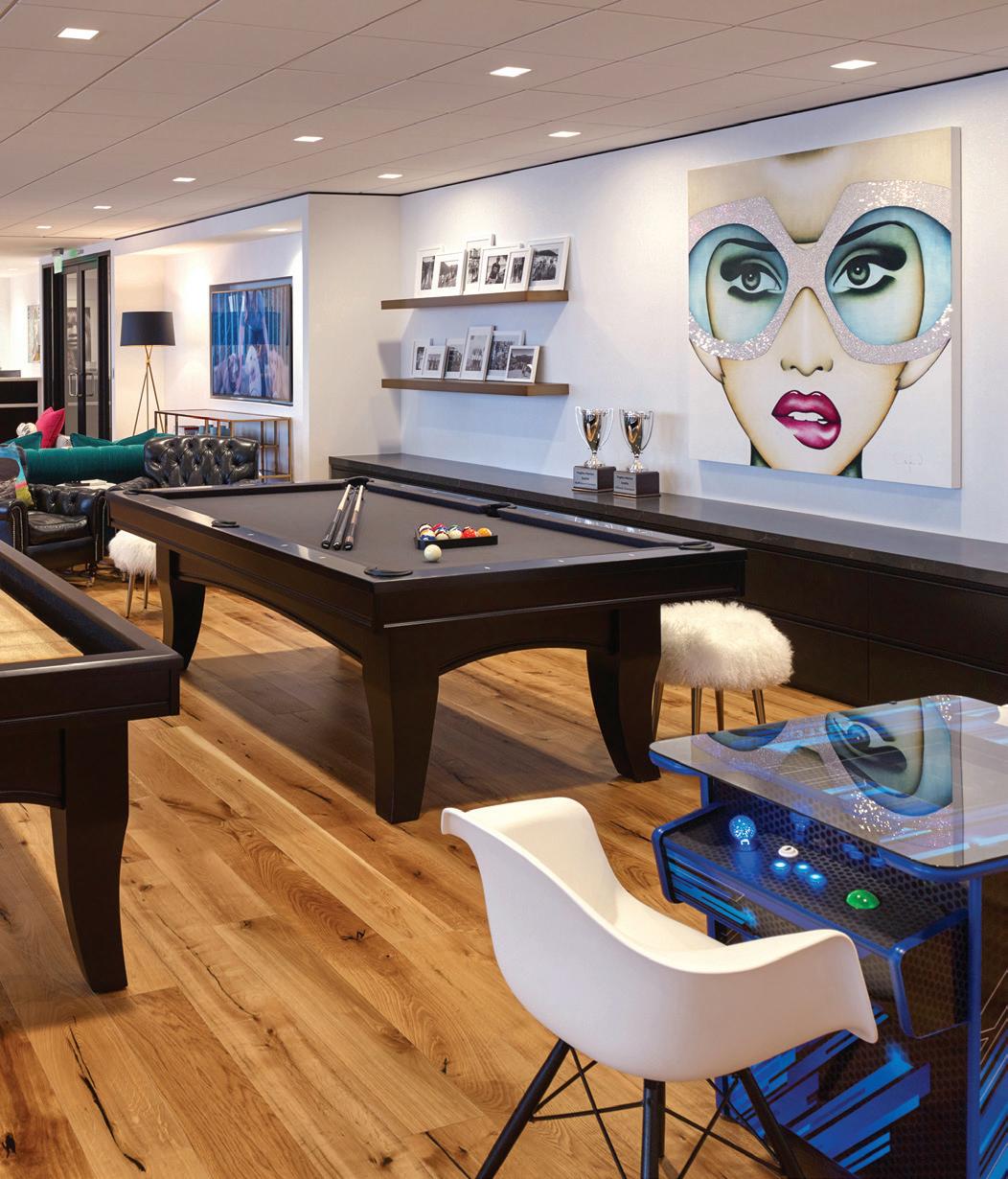
We can’t tell you how many times we have toured a stunning, high-design office that feels more like a museum than a workplace. Every amenity is there, from the sleek fitness center and the high-end espresso machine to the shuffleboard table. But despite all these high-end details, if culture isn’t being built, and no one is actually enjoying their time in the office, it’s just a lifeless place that’s good for marketing imagery and initial recruiting. It’s a common trap for some business leaders today to believe that if you just write a big enough check for the right stuff, culture will magically follow. While the assumption may be that amenities create engagement, in reality, engagement is what activates amenities, and amenities are secondary to the culture. A ping-pong table is just a piece of furniture if you haven’t spent the time cultivating a culture of connections, that in turn translates to a high-functioning team. You can’t purchase belonging or outsource relationships. And you certainly can’t expense your way into trust.
Business leaders have to move past the box-checking phase of real estate and start talking about the activation of their offices. The most meaningful amenity in any office isn’t something you buy, unless intentional effort is there to encourage enjoyment. Intentionality is the multiplier, and without it, even the most beautiful spaces fall flat. As we like to say, “a real amenity is a high-five when you walk in the office.” It’s about the energy of a space, and the team, that feels truly alive. The truth is, there are real ways to activate the amenities you already have to bring personality to your space, reinvigorate culture and support a disciplined, highperforming team.
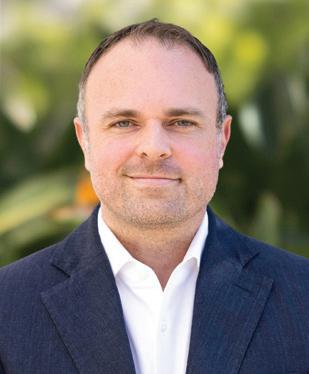
Alex Musetti Executive Managing Director
Hughes Marino
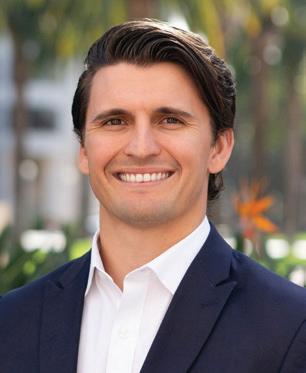
Will Tober Senior Managing Director Hughes Marino
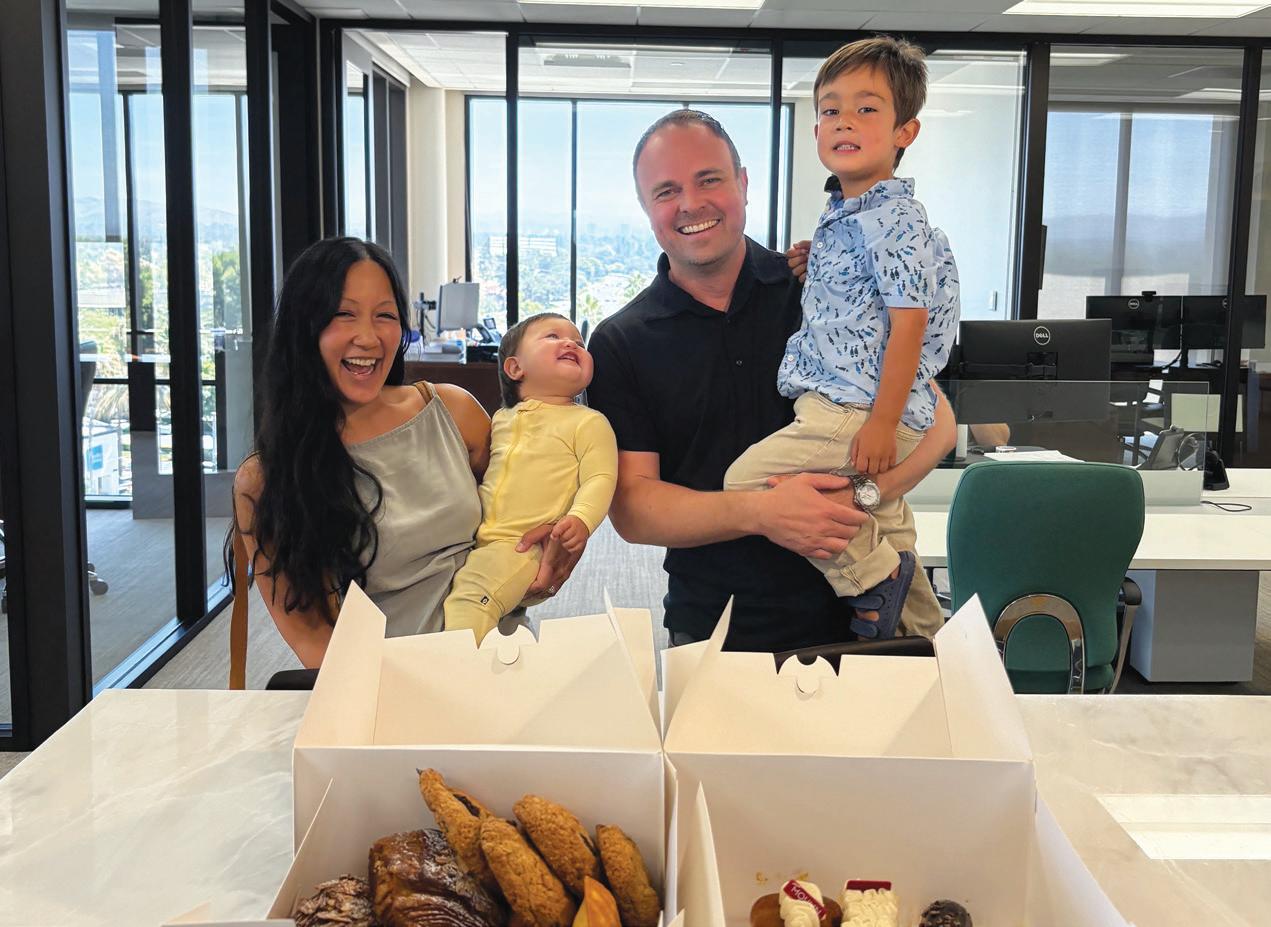
When we talk about activating a space, we are really talking about intentionality. The open kitchen concept is the perfect place to start with any workplace. While it may confuse traditional leaders who wonder why everyone is watching each other eat in the middle of the office, it is an incredible area to build camaraderie, energy and life. At Hughes Marino, the kitchen is the heartbeat of each of our offices. It’s where team meetings happen around our family farm tables, and where we are constantly meeting each other for coffee and to catch up on each other’s lives. It’s the focal point where all the engagement happens. But whether it’s a “Fika afternoon” on Fridays or a laughter-filled lunch, that table only works because we have very intentionally fostered a culture
meaningful connections that in turn build strong, resilient teams.
where we want to sit together. It works because leadership participates. It works because time together is modeled, not merely allowed. Building this camaraderie in the workplace isn’t just a way to foster nice relationships; meaningful connection is what builds strong, resilient teams that enjoy solving problems together, and can function at an even higher level to accomplish amazing results.
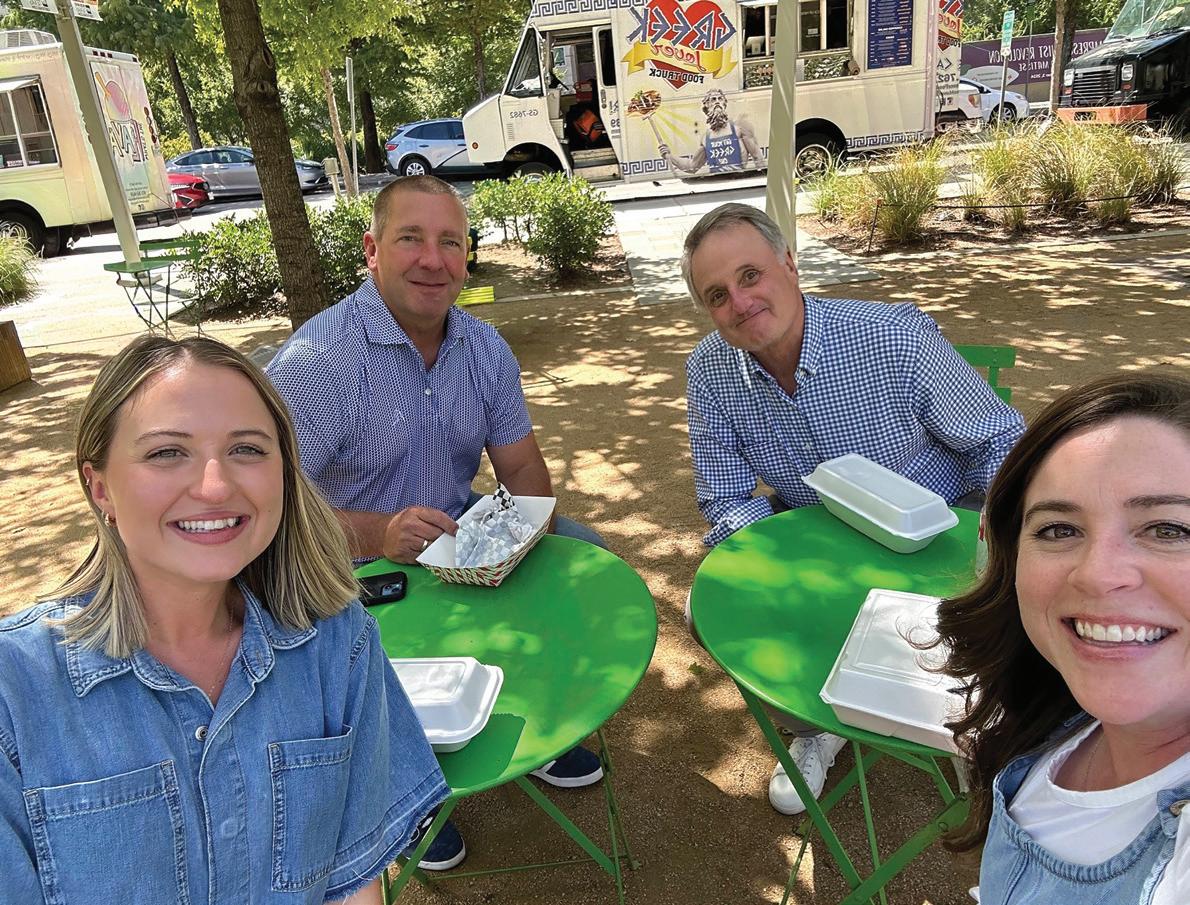
Of course, if your team is rushing out to eat separately because they dislike the office atmosphere, the most expensive kitchen in the world will not fix your culture. You have to be the one to give them the implicit permission to enjoy the space. That permission is demonstrated in small but powerful ways: by a leader who joins their team at the table, who schedules walking meetings through the neighborhood or who blocks time for connection instead of only for productivity. We often hear of companies who “bought all the stuff,” but then created an environment where if someone spent their lunch away from their desks, or actually used the pool table (within a reasonable timeframe), they felt like they might get fired. If your employees feel like they will be judged for taking twenty minutes to connect, those amenities are not benefits. They are just performative decorations.
As we often advise our clients: “If you want people to enjoy your amenities and enjoy where they work, you have to give them the space to do that.” Have a shuffleboard, pool table or other type of game? Encourage a monthly tournament! At minimal cost to companies, these activations encourage connection and foster new relationships that feed into an office where the energy and warmth are palpable.
The next layer of this activation concept is looking at the building itself through a lens of energy. We’ve had clients tour perfect projects that have every bell and whistle imaginable, yet they walk away feeling cold because no one is occupying the space. In 2026, the real luxury isn’t just a rooftop deck. It’s being in an environment where people are actually showing up and engaging. As you look at your own footprint, ask yourself if you’re utilizing the “concentric circles” of your space, from your immediate desk to the building’s common areas, to the neighborhood outside or to the coffee shops down the street, to drive productivity and spark joy.

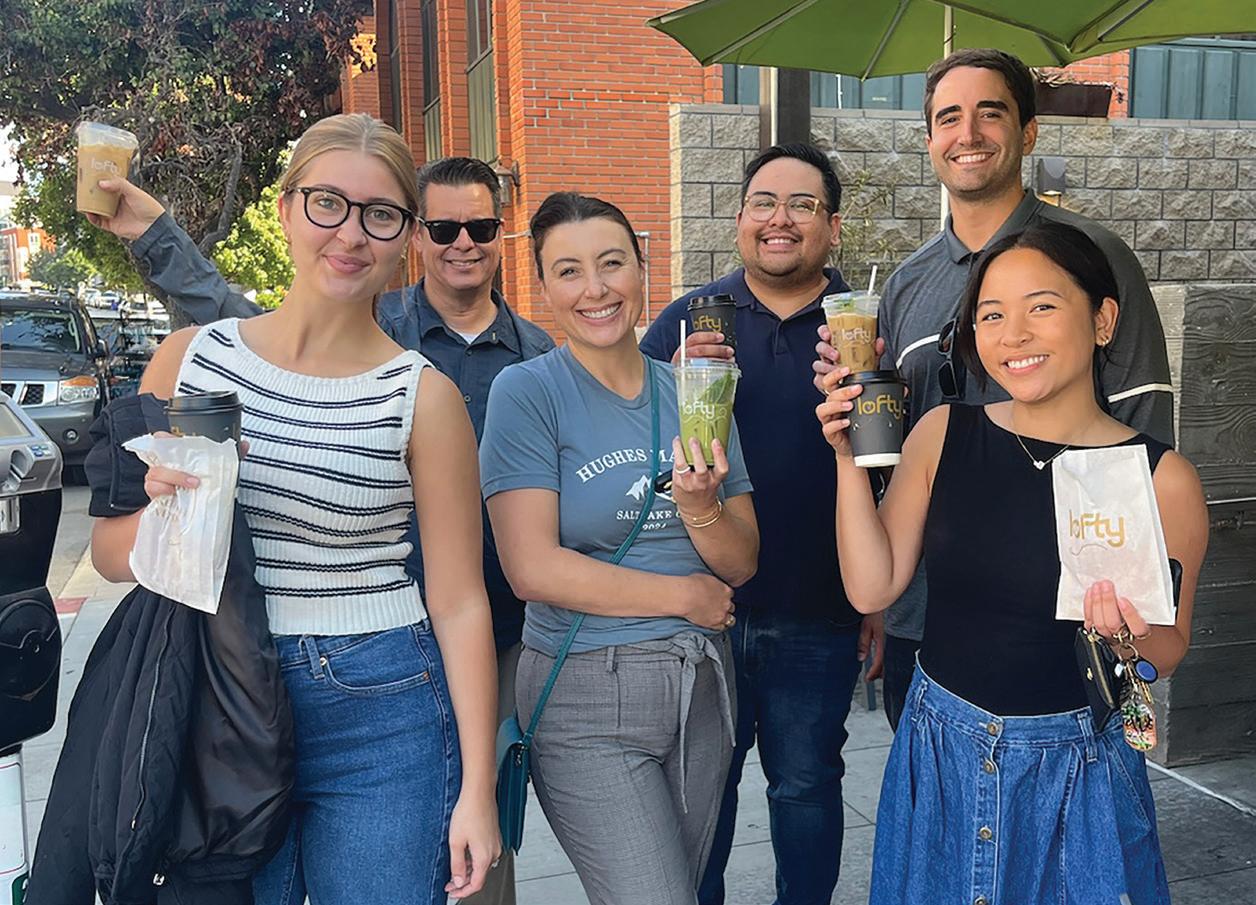
Sometimes the best way to activate your office is to stop looking for the next big thing to buy and start looking at how to utilize typical space features in a fresh way. For example, most companies have a conference room with a TV, but how many use it to let their operations team watch an hour of an old movie together or host a “crafternoon” to build camaraderie? That’s an activation of a space that is already there, but usually sits empty. A few ideas include transforming a break room wall into a gratitude wall, utilizing a main conference room for an internal fireside chat or using underutilized lounges for a monthly lunch book club. Hughes Marino has implemented optional quarterly meetings where a designated teammate leads a presentation on something they’re genuinely passionate about. So far, our team has learned everything from cooking in a tagine to hosting guests and the ins and outs of RVing! None of these sessions required new furniture, just new thinking, yet they’ve both activated amenities and fostered inspiring connection. The magic doesn’t happen because of the square footage, it happens because you’ve spent intentional time creating an environment where people are excited to be in the game together.
Ultimately, the ROI on your real estate is not found in the lease rate alone. It’s found in whether or not the space is actually being lived in. We quickly dismiss the monthly “hottest amenity” lists because they miss the point of what executives should actually care about. No company can buy its way into a great culture, but it can certainly build a space that acts as a catalyst for one. “It’s like you bought that coat,” we tell people. “Have you put it on?” And more importantly, “Have you created a reason to wear it?”
Whether it’s a gym, a lounge or a simple coffee bar, these things are only as good as their use. If you want a workplace
that people are excited to commute to, there has to be a system (or designated person) in place to make those spaces worth the trip. At each of our offices, we designate a “culture keeper” to organize birthday treats and team lunches, decorate for holidays throughout the year and facilitate office events. It’s a great way to help our teams build meaningful bonds and maintain a happy, infectious energy. That role isn’t about party planning, it’s about protecting intentionality and ensuring the space is continuously activated rather than occasionally admired.
At the end of the day, we believe that real estate is simply a tool for leadership. You can have the best office in the city, but without a reason for your team to engage with it, it is just a collection of expensive rooms. The magic happens when you stop viewing amenities as items on a checklist and start viewing them as opportunities to build and fuel meaningful connections that in turn build strong, resilient teams. Culture is built over time through intentional moments and habits. If you focus on building a team that actually likes each other and then give them the genuine freedom to utilize the space, the office becomes more than a place to work. It becomes a destination that reinforces your culture and supports the hard work happening in it every single day. ☐
Alex Musetti is an executive managing director at Hughes Marino, a global corporate real estate advisory firm that specializes in representing tenants and buyers. Contact Alex at alex@hughesmarino.com or 1-844-662-6635 to learn more.
Will Tober is a senior managing director at Hughes Marino, a global corporate real estate advisory firm that specializes in representing tenants and buyers. Contact Will at will@hughesmarino.com or 1-844-662-6635 to learn more.
By Nicholas Willis
The role of traditional office space has evolved over the last several years. The office environment has been reshaped in part by attendance and the emergence of remote and hybrid work. Once vibrant environments that were designed for employees to have dedicated focus space can now feel empty and underutilized in a hybrid work environment. Despite signs that in-office participation is on the rise, business leaders have struggled to compel employees to return to the office without a mandate.
This presents both a challenge and an opportunity: how do you create an office environment that feels energized and dynamic even when underutilized, and an office that is a magnet for talent, collaboration and culture?
To remain relevant, office spaces must evolve into destinations, places people choose to go, rather than places they’re obligated to be. A destination office enhances a person’s work experience and wellbeing. A destination office is a hub of identity, connection and creativity, not just productivity.
Nicholas Willis Vice President of Design
Marino
People are drawn to experiences, not assignments. The office environment becomes attractive when it offers emotional and cultural resonance. Attraction leads to voluntary
participation and builds momentum and culture, creating a self-sustaining energy that turns space into community.
Basic amenities such as dedicated desks, “Zoom rooms,” lounges and vibrant break areas are now table stakes and often expected. Employees want environments that foster inspiration and purpose. When your office delivers these expectations, it becomes a strategic asset that drives a return on investment, not just commands a rent payment.
As the principal architect of one of the nation’s largest woman-owned commercial real estate tenant representation firms, I often discuss with our business owners and executive clients the importance of designing a destination that attracts their team back to the office, while being mindful of cost, practicality and efficiency. I am also personally invested in and intrigued by how space makes us feel, the emotion that it elicits, and the energy and productivity it can create.
Of course, we know what truly sustains office presence is the collection of people and the incentives available, a shared culture, a sense of being, mentorship and advancement opportunities, and functional attributes. Not an amazing office design. That said, a well-designed
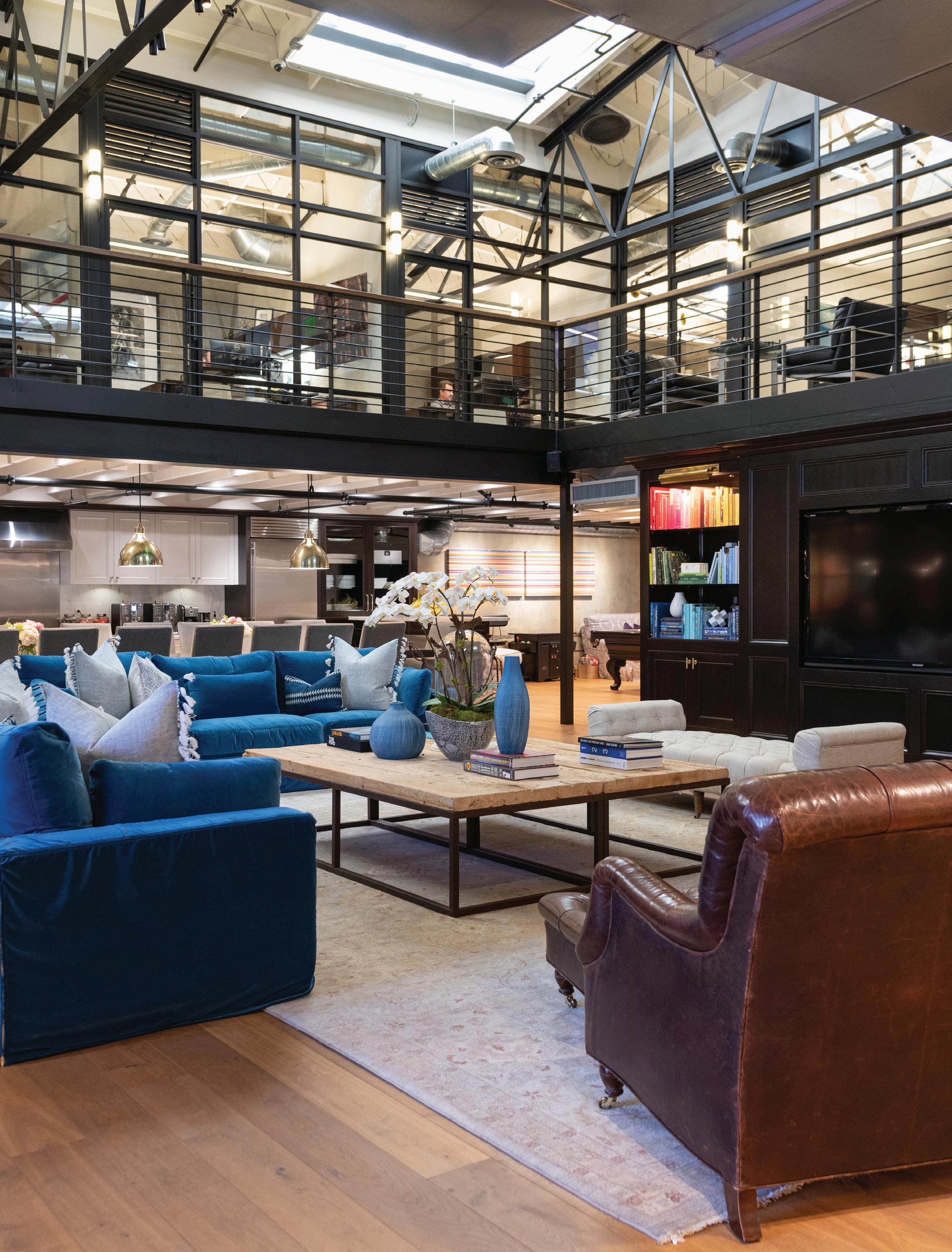
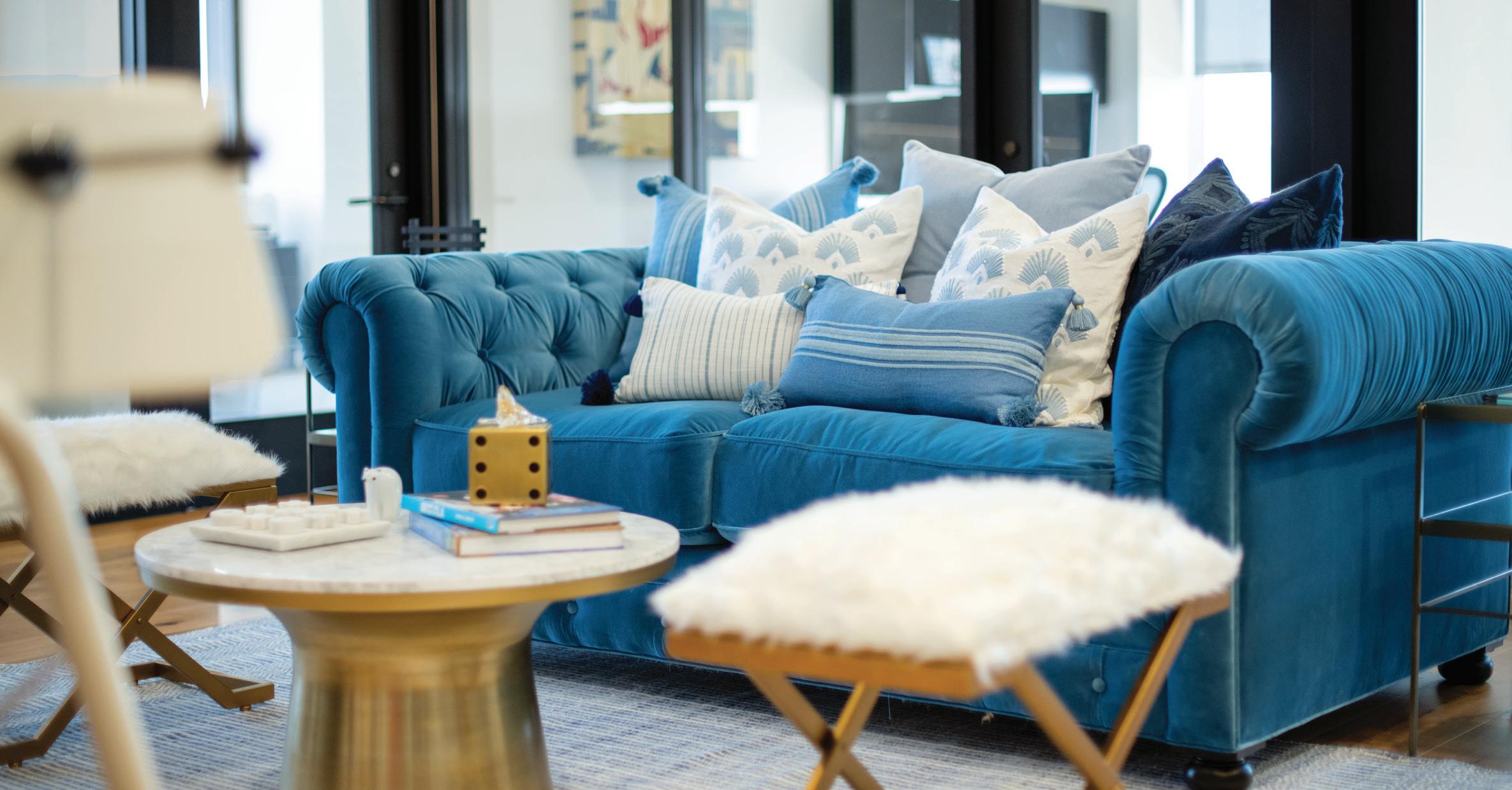
office should be regarded as a fundamental prerequisite to creating a destination.
Hospitality settings like resort and club environments offer a template for programming an office space through how they employ visceral connections, nodes for activity and independence and intentional experiential design. The success of a hospitality design lies in layered experiences starting with grand and welcoming arrivals, seamless indoor-outdoor flow, curated wellness amenities, cultural programming, a careful mix of private and public spaces, and exclusive experiences that make people feel part of something special. Hospitality programming for an office environment should include:
• Choosing the Correct Building Floorplate: The floors of office buildings come in all shapes and sizes, and priority needs to be focused according to the intended layout and function of the office. For example, technology firms may benefit from deep bay depths for maximum visibility across open office environments, while professional services firms or law firms with perimeter, glass-line office requirements will benefit from long, rectangular buildings with shallower bay depths. Choosing the right type of building for your business use will improve efficiency and eliminate underutilized areas.
• Create Branded Arrival Moments: Establish your unique, branded environment from the entry, but keep it warm and hospitable. Soften the rigidity of the traditional reception desk, seating area and conference room.
Just as luxury hotels choreograph every moment from the curbside to check-in, offices can create memorable impressions with artful lobbies, ambient lighting, hospitality-centered staff and personalized technology.
• Reserve Prime Real Estate: Protect the perimeter glass line where the nicest views are for social, amenity and community zones. This will encourage use of these amenity spaces, while also signaling to employees that they are as valued as the senior staff or management.
• Densify Appropriately but Carefully: Densify individual focus work areas to create more energy and free up space for other uses, but be sensitive to the amount of utilization expected. More density will not be uncomfortable if staff are on a hybrid schedule, but full-time in-office teams need more space. Densifying appropriately strikes a balance between maintaining personal space while creating a sustainable energy flow.
• Flexible Floor Plans: Keep the floor plan design flexible and modular to enable different uses and densities over time. Private offices can become future video conference rooms or conference lounges, open office areas can be transformed over time based on how furnishings and technology activate the area.
• Invest in Activation: Technology, programming and curation turn passive circulation space into visually activated experiences. Invest in artwork, digital displays and botanical elements.
Architecturally, the destination office can benefit immensely by prioritizing these best practices in the overall design. In fact, it is hard to create an unsuccessful office space when it contains these base elements:
• Volume: Maximize ceiling heights in open spaces to create grandeur while maintaining intimacy through articulating lower ceiling transitions in rooms or focus areas.
• Light: Prioritize natural light, minimize ambient artificial lighting, and use direct and feature lighting to add depth, making a space feel more dramatic.
• Connection to the Outdoors: Incorporate operable windows, terraces and outdoor access to enhance well-being. Where possible, allow for fresh outside air.
• Transparency: Use glass and open layouts to carry natural light through and expand perceived space.
• Materiality and Texture: Employ natural materials and tactile finishes to enrich the sensory experience.
• Sensory Design: Use scent, sound and touch to activate a visceral experience.
Every company is different, but more than ever, there is crossover from industry to industry in how space is used and how it can be activated. There’s no universal standard for creating a destination office, but the goal is to create resonance—a place that makes people feel proud, energized, creative and part of something bigger, a place that invites them in and keeps them coming back.
This is not just a design challenge, rather it’s an opportunity to redefine the role of the workplace in modern life. In embracing the destination office, companies can create spaces that increase participation, inspire and retain employees, foster community and culture, and give teams a feeling of pride and belonging. ☐
Nicholas Willis is vice president of design at Hughes Marino, an award-winning commercial real estate company specializing in tenant representation and building purchases with offices across the nation. Contact Nicholas at 1-844-662-6635 or nicholas.willis@hughesmarino.com to learn more.

By David Marino

For many business leaders, renewing a lease feels like the path of least resistance. The team is settled, the location is familiar and operations continue uninterrupted. Compared to relocating, renewing can seem simpler, faster and less disruptive. But in today’s historically soft commercial real estate markets, a new landlord will often fight harder to win your business than the current one will to retain it. Before even thinking about renewing your lease, here are the key conditions that a business owner, management team member or corporate real estate executive needs to consider:

Too often a tenant will talk about approaching the process as a lease renewal, or interviewing potential brokers/ advisors and sharing with them that you want to engage someone to renew your lease. Not only have you anchored your own team with a bias toward renewal, but you have also telegraphed your intentions to the entire market, as the agents you did not hire have no duty to you, and you biased the mindset of whomever you engage that they don’t have to work that hard looking elsewhere, as you just want to stay and renew.
Done correctly, a lease renewal should simply be one choice that a company might make among other choices, which could involve buying a building or leasing elsewhere among a myriad of options. Ensuring that your own management team—and certainly the person you engage to represent you—has an open mind to fully negotiate your relocation options is critical. This ensures that you select the best-fitting option for your team operationally, locationally, culturally and environmentally, while also achieving the best economic and business terms possible.
So often tenants become complacent in their space, as if it’s like an old shoe: it might be comfortable and worn in, but it’s falling apart, poorly supportive, ill-fitting and won’t last another three to five years. A thoughtful renewal process starts a candid discussion about culture, operational requirements and talent strategy. Are you carrying excess space? Does your current location still support recruiting and employee engagement goals?
The year or two before the lease expires is the right time to be objective about your space. Since you last signed your lease, your organization and workplace policies have likely changed. Hybrid work may have altered daily occupancy patterns and future growth plans may look different than they did five or more years ago. The location may no longer fit your team to optimize their commutes; you might not have the right number of video conference rooms; the space could be optimized by reducing the number of offices, workstations or floors; the space could be dated cosmetically and not code-compliant; the building might not have competitive amenities, maintenance, reliability of building operating systems, property management...the list goes on. The space you commit to for the next term should reflect where your business is headed in the next three to seven years, rather than simply where it has been.
Savvy business owners would not consider anything less than a fully vetted transaction for any other multi-year contract they sign, so why act passive at lease renewal? With proper preparation, many tenants can move over a three-day weekend and get their moving costs paid by the new landlord, yet many companies are renewing their leases in suboptimal space simply because they fear the cost and disruption of moving. Tenants who do not evaluate their alternatives generally pay a lease renewal premium of 15% to 25% compared to a new tenant coming into the building off the street.
Even if remaining in place feels likely, the broader market move options define your negotiating power and bracket your economics. Landlords negotiate renewal proposals based largely on what they believe your alternatives are, and not “comps” of other deals they have done, and how diligently you are pursuing those options, and who your agent/advisor is. Without a robust review of comparable buildings and realtime concession packages, renewal discussions lack context, information and leverage.
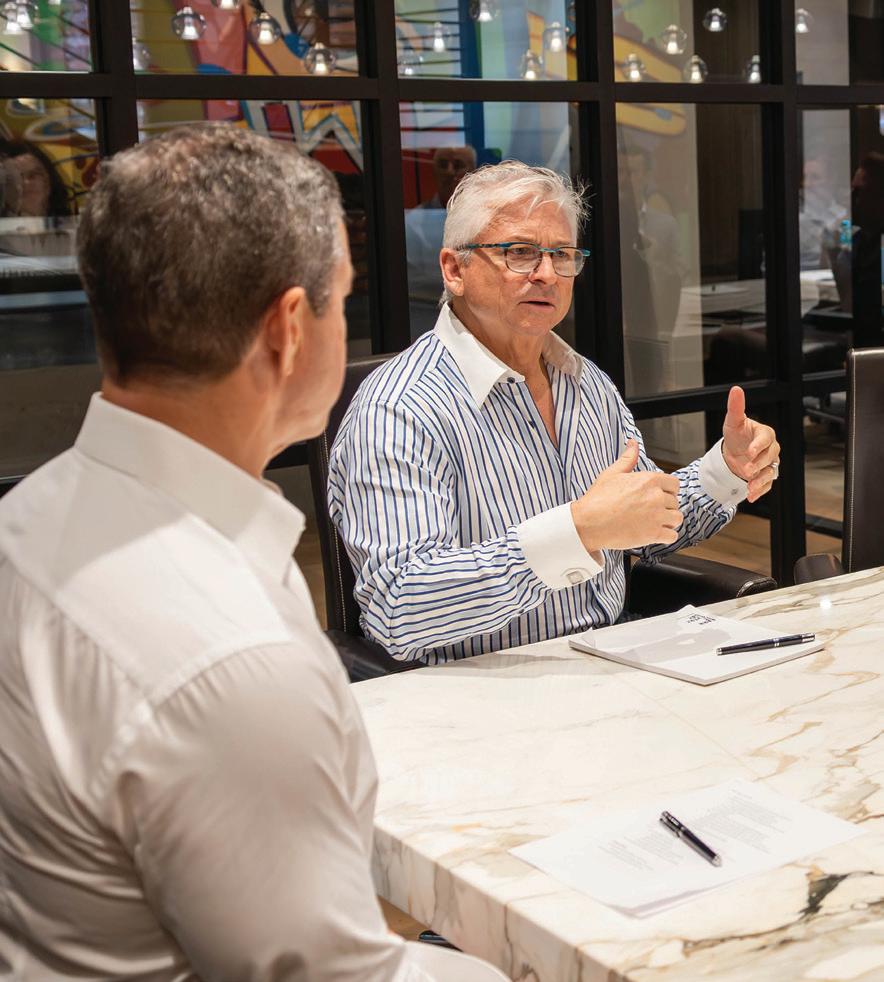
Often landlords do not approach their tenants to renew and instead wait for the tenant to “play the first card”—the phone call from the tenant that is the tell that tips off the landlord that the tenant wants to renew. Often tenants begin renewal discussions four to six months before lease expiration, believing that window is sufficient, and without going to market as described above. But for any complex move that would require a permitted tenant improvement build-out elsewhere, even a year in advance of lease expiration is often not enough time to relocate, so tenants must take control of the game clock.
Starting the relocation/renewal process 12–24 months in advance allows leadership to evaluate alternatives thoroughly, conduct test fits, model financial scenarios and create competitive tension in the market. When timelines compress, urgency replaces strategy and leverage diminishes. When options remain open, negotiating strength increases.
Landlords are in the business of paying their mortgage and other expenses, giving a return to their partners or investors and making a profit—in that order. While there are surely exceptions, many building owners chummy up to their tenants, hoping that the tenant is complacent during renewal and doesn’t engage qualified representation that the landlord must pay. Many landlords do a good act of letting you think you’re getting the best of them, as it reinforces the narrative they have helped create. What business reason is there for landlords to have “relationships” with tenants, whereby a landlord is then vulnerable to leaving economics on the table, eroding the landlord’s profit? None, not a one.

Often the landlord’s broker will pitch you with “I know the landlord’s bottom line.” If that were true, is the landlord’s broker telling you that they are prepared to share the landlord’s confidential information with you and breach their fiduciary duty to your landlord? If their agency to the landlord is that fluid, you can only expect that the reverse will be true—your bottom line will be shared as well. You must understand that the landlord’s brokerage team is the outsourced sales and marketing arm for the building owner—the landlord’s proxy to do their bidding. That same brokerage team doesn’t just represent the landlord in dealing with you, as a conflicted “dual agent,” but also lists the rest of the building for lease, and likely other buildings that landlord owns for lease, and provides property management, capital markets and other advisory services to your landlord.
To create the appearance of independence, these multiperson listing teams will offer to split up and have one broker represent the landlord and another represent the tenant. But practically, they cannot negotiate against each other and should not be expected to. These brokers are long-time business partners and share in the commissions generated, so everything is just a wink and a nod. It’s a great deception to skirt around the inherent conflict of interest of the same broker representing two opposing parties, but it’s nothing less than a ruse.
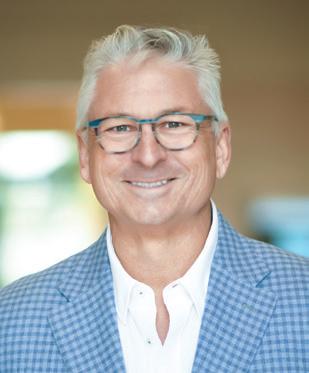
David
Marino Senior Executive Managing Director Hughes Marino
David Marino is senior executive managing director of Hughes Marino, a global corporate real estate advisory firm that specializes in representing tenants and buyers. Contact David at 1-844-662-6635 or david@hughesmarino.com to learn more.
A lease renewal may appear simpler than relocation, but it carries the same long-term financial and operational implications. The most effective leaders treat renewal not as an administrative exercise, but as a structured strategic review. By evaluating alignment, market position, economics, flexibility and timing, business leaders can ensure that their next lease term supports the business for years to come.
Equally important is who leads and advises on that process. To level the playing field and create advantages, tenants benefit from representation that is exclusively aligned with their interests, with no competing obligations to property owners. A tenant advisor that does not work for a landlord listing brokerage firm brings market intelligence, optionality, negotiation leverage and a fiduciary mindset that ensures decisions are made with the company’s long-term strategy in mind, not the landlord’s. ☐
Corporate Headquarters
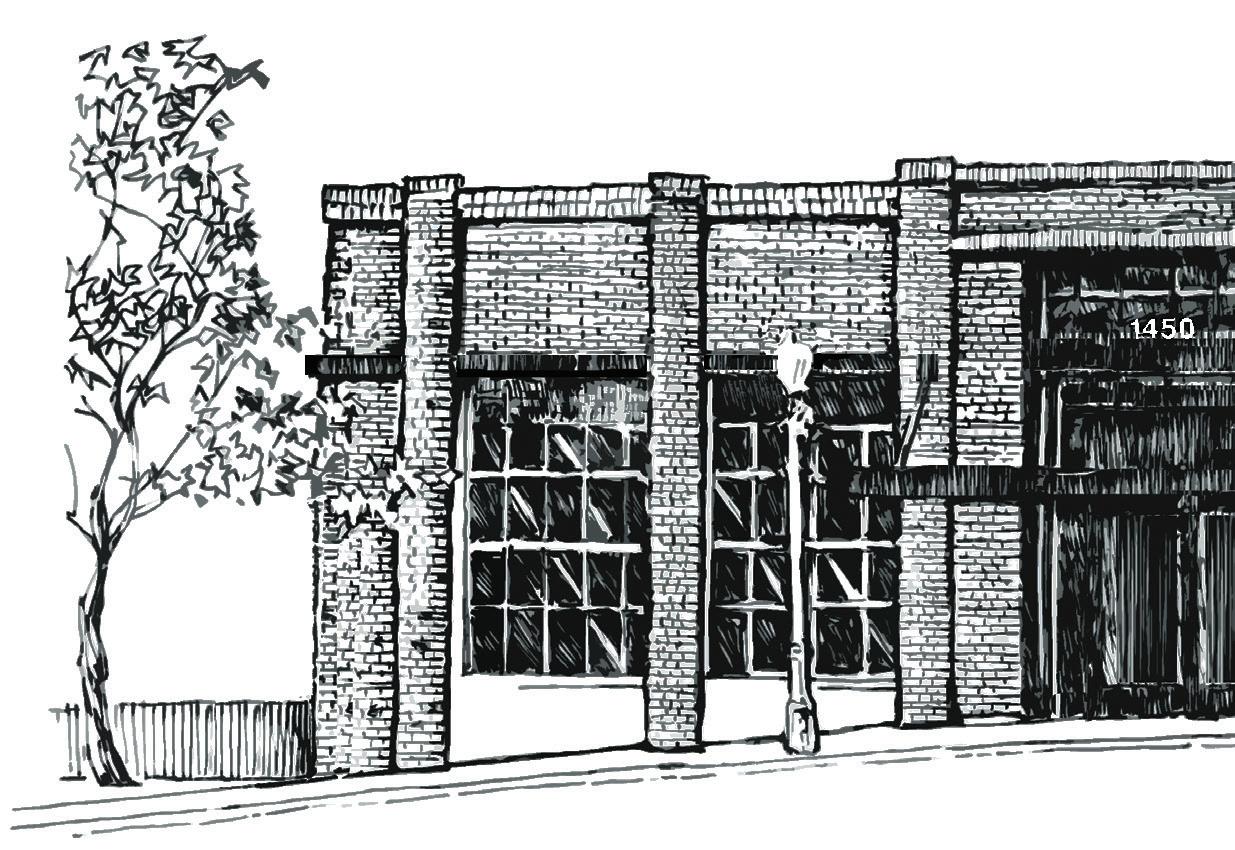
1450 Front Street, San Diego, CA 92101
844.662.6635
hughesmarino.com Contact us at info@hughesmarino.com