

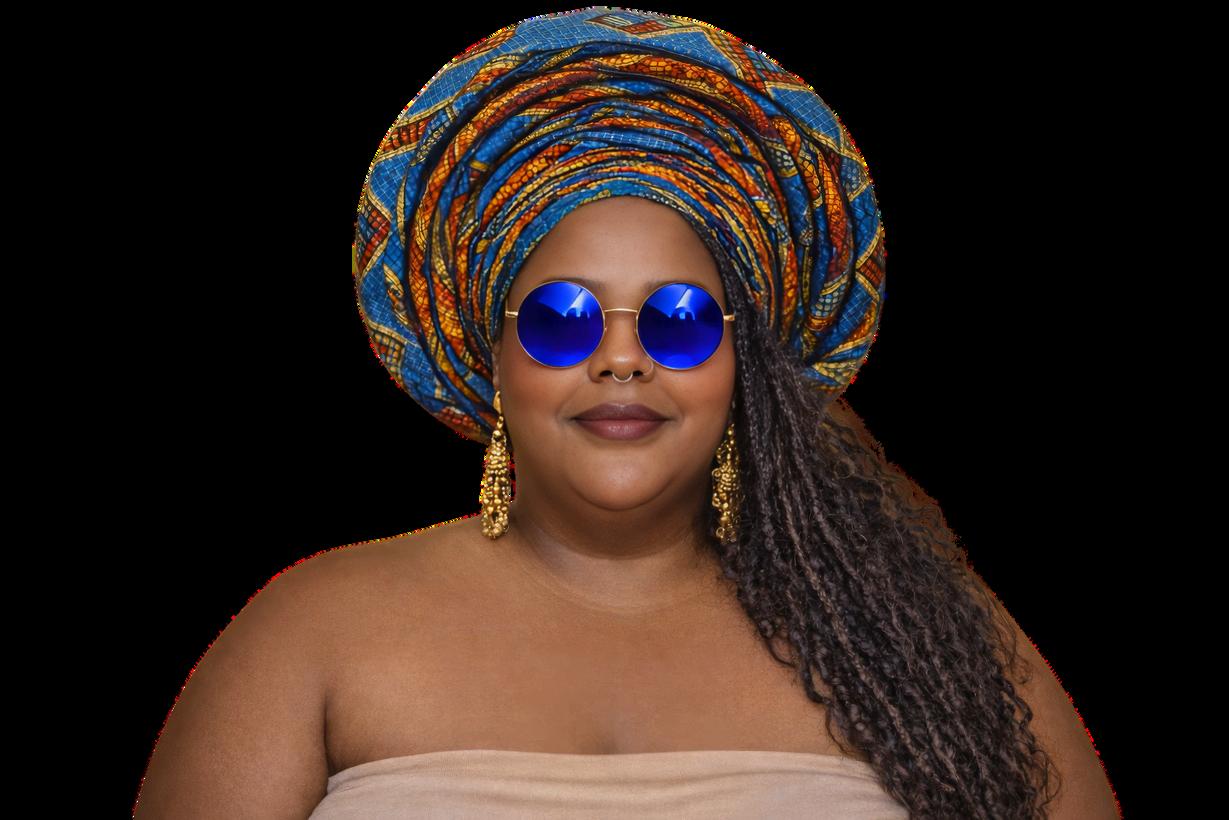







NOTEFROMEXECUTIVE NOTEFROMEXECUTIVE
ARTISTICDIRECTOR ARTISTICDIRECTOR

NOTEFROMEXECUTIVE NOTEFROMEXECUTIVE
ARTISTICDIRECTOR ARTISTICDIRECTOR
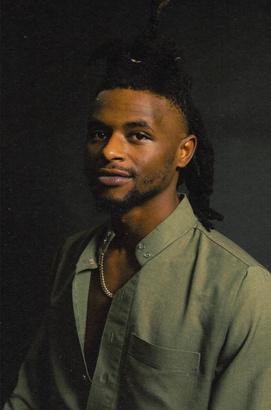
- Kunya Rowley
We started Hued Songs because we believe Black identity deserves a full stage, not a corner of one. And yet, even within our own communities, we have inherited a habit of seeing Blackness as singular. As one story. One sound. One face.
Songs of the Diaspora is our refusal of that.
Tonight you will hear the strain of colonialism woven into classical music, an art form that was never meant to hold us, and yet here we are, claiming it anyway. You will feel the tension of colorism that travels across the diaspora, unspoken but ever-present. And you will witness something that matters deeply to us: a deliberate honoring of both Haiti and the Dominican Republic, two nations bound by one island and a history too complicated and too important to look away from. This performance is layered because Black identity is layered. Because the Caribbean is layered. Because the truth is always more beautiful and more difficult than the simplified version.
This performance is about illuminating the music at the intersection of identity. It is about highlighting composers and works that too often go unnoticed. It is about the fact that even in the push and pull of classical music, we can never extrapolate, dissect, or sanitize identity. You will notice that the languages of Spanish, Kreyòl, and English move through this evening together, both as an affirmation of language and the power of sharing our stories in our own tongue, and as an acknowledgment of the strain and tension, regional and cultural, that persists today.
Thank you for being here. For letting us be honest with you. For making space for all of it. We hope you walk away feeling emboldened, hopeful, and inspired.
Dr. Zuly E. Inirio, LSW is a Creative Producer, opera singer, scholar, and cultural strategist whose work lives at the intersection of art, community building, and social transformation. A dynamic multi-hyphenate, she is known for weaving together performance, storytelling, advocacy, and organizing to create experiences that foster connection, belonging, and cultural liberation.
As the Founder & Executive Director of Instituto Cimarrón, Dr. Inirio leads groundbreaking initiatives such as the Afro-Latinx Song & Opera Project, Art in Healing, and Art Equity Alliance, all of which center the voices and legacies of marginalized communities of color Her creative vision is guided by a deep belief that art is not only a form of expression but a tool for collective memory, healing, and social change.
A sought-after performer and collaborator, she h nationally and internationally; including in Verdi’s Munich and Aida in Sicily, and is celebrated for p blend disciplines, such as the immersive triptych Black Grief, the forthcoming opera Counter Curr 2025 Carnegie Hall debut recital, Cantos de Quis these works, she brings together artists, scholar and community members to explore identity, lib and the transformative power of cultural storyte
As a licensed social worker and facilitator, Dr. Inir integrates somatics, strengths-based leadership trauma-informed practice into her creative produ She has partnered with organizations such as Lin Center, Duolingo, SphinxLEAD, 1Hood Media, Ca Mellon University, and the Center for Ethnic Stud Research to design programs that uplift commu voice and expand possibilities for BIPOC artists a cultural workers.
Whether producing artistic work, curating conve or designing community-rooted initiatives, Dr. In mission remains constant: to build bridges acros disciplines and movements, to amplify the storie diasporic communities, and to create collaborati spaces where art becomes a catalyst for connec empowerment, and social impact.
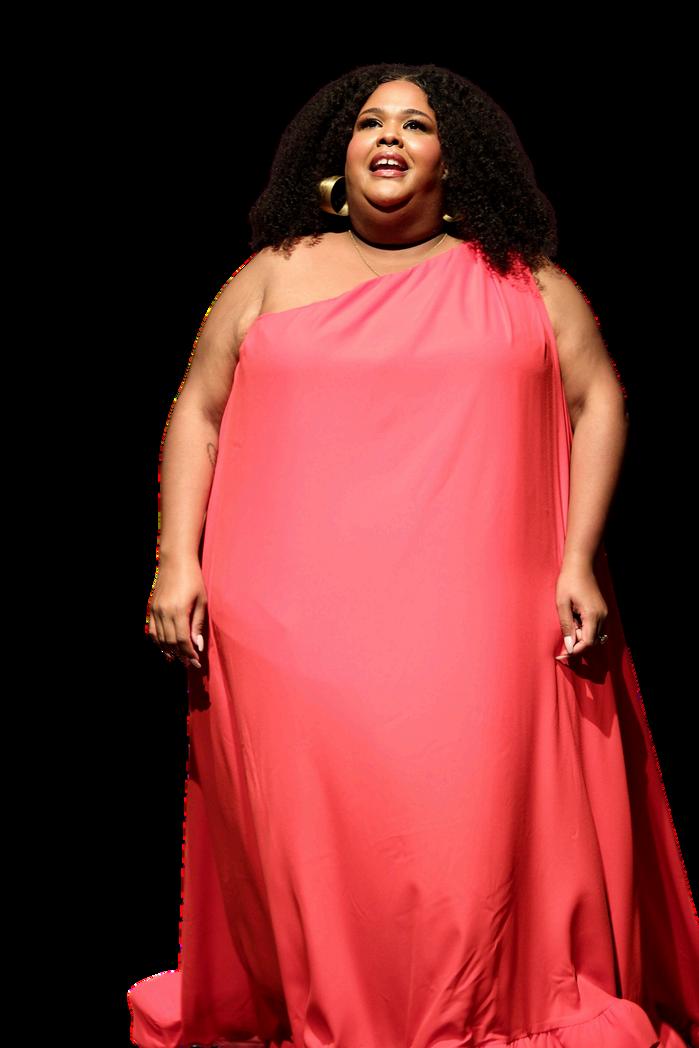



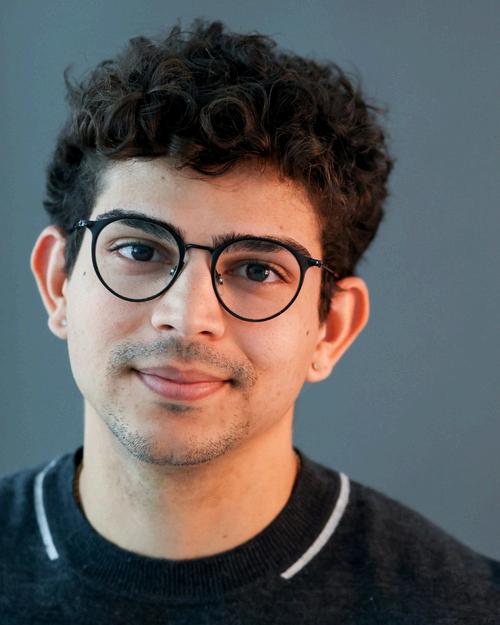
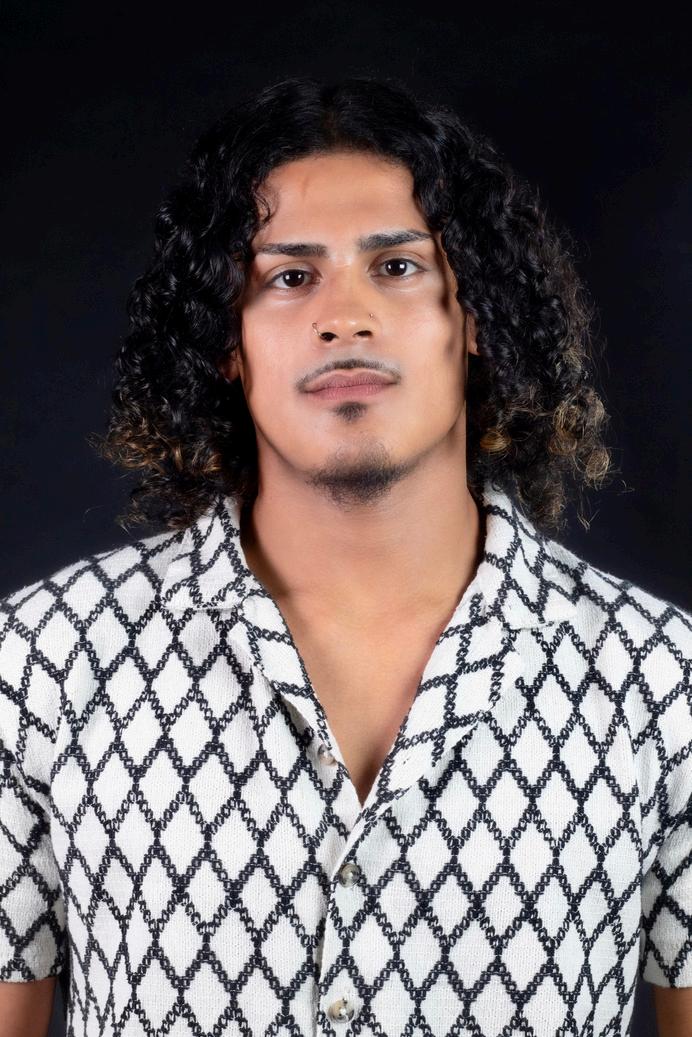
1111..Los Olivos Los Olivos T h e P e r f o r m a n c e T h e P e r f o r m a n c e Run
11..Nou Antre Nan Lakou A Nou Antre Nan Lakou A
2 2..Mi Gritaron Negra, victoria Santa Cruz Mi Gritaron Negra, victoria Santa Cruz
3 3..Triptico Sobre Poesia Cubana, Modesta Bor Triptico Sobre Poesia Cubana, Modesta Bor
Guitarra Guitarra
Nocturno en los Muelles
Nocturno en los Muelles
4 4..Claim Your Fame, Inez Barlatier Claim Your Fame, Inez Barlatier
5 5..Cinco Canciones Negras, Pt.1 - Cinco Canciones Negras, Pt.1 - Xavier Xavier
Montsalvatge Montsalvatge
Cuba Cuba dentro de un piano dentro de un piano
Punto de Habanera Punto de Habanera
Chevere Chevere
6 6..Larèn Kongo Larèn Kongo
7 7..Cinco Canciones Negras, Pt.2 - Xavier Cinco Canciones Negras, Pt.2 - Xavier
Montsalvatge Montsalvatge
Cancion de cuna para dormir un negrito
Cancion de cuna para dormir un negrito
Canto Negro Canto Negro
8 8..Where is your home? - Inez Barlatier Where is your home? - Inez Barlatier
9 9..MMaria o aria o La, Ernesto Lecuona La, Ernesto Lecuona
1100..My Feet May Take a Little While, Errolyn My Feet May Take a Little While, Errolyn
Wallen Wallen
Nou antre anndan lakou a N'ape mande si pa gen granmou o Nan lakou a
Nou antre anndan lakou a N'ape mande si pa gen granmou o Nan lakou a
Bonjou manman, Bonjou pitit kay mwen
Bonjou papa, Bonjou pitit kay mwen la
Nou antre anndan lakou a N'ape mande si pa gen granmou o Nan lakou a
We enter spiritual yard
We ask do we have any elders
We enter spiritual yard
We ask do we have any elders
We enter spiritual yard
We ask do we have any elders
We enter spiritual yard
We ask do we have any elders
Good day my mother
Good day my children
Good day my father
Good day my children
We enter spiritual yard
We ask do we have any elders
We enter spiritual yard
We ask do we have any elders
Tenía siete años apenas, apenas siete años, ¡Qué siete años! ¡No llegaba a cinco siquiera!
De pronto unas voces en la calle me gritaron ¡Negra!
¡Negra! ¡Negra! ¡Negra! ¡Negra! ¡Negra! ¡Negra! ¡Neeeegra!
¿Soy acaso negra?, me dije ¡SI!
¿Qué cosa es ser Negra? ¡Negra!
Y yo no sabía la triste verdad que aquello escondía. ¡Negra!
Y me sentí Negra, ¡Negra!
Como ellos decían ¡Negra!
Y retrocedí ¡Negra!
Como ellos querían ¡Negra!
Y odié mis cabellos y mis labios gruesos y miré apenada mi carne tostada
Y retrocedí ¡Negra!
Y retrocedí… ¡Negra! ¡Negra! ¡Negra! ¡Negra! ¡Negra! ¡Negra! ¡Negra! ¡Negra! ¡Negra! ¡Negra! ¡Negra! ¡Negra! ¡Negra! Negra!
I was just seven years old, Just seven years old... What seven years old! And not even make it five!
Suddenly, some voices on the street, They yelled at me: “Black!”
Black! Black! Black! Black! Black! Black!
Am I “Black”? - I told myself Yes!
What is to be a “Black”? Black!
And I didn’t know the sad truth that might be behind Black!
And I felt Black Black!
As they said Black!
I stepped back Black!
Just as they wanted Black!
And I hated my hair and my fleshy lips
And I saw with sadness my brunette skin
I stepped back Black! I stepped back… Black! Black! Black! Black! Black! Black! Black! Black!Black! Black! Black! Black!Black! Black!
Y pasaba el tiempo, y siempre amargada Seguía llevando a mi espalda mi pesada carga ¡Y cómo pesaba!
Me alacié el cabello, me polveé la cara, y entre mis entrañas siempre resonaba la misma palabra
¡Negra! ¡Negra! ¡Negra! ¡Negra! ¡Negra! ¡Negra! ¡Negra!
Hasta que un día que retrocedía, retrocedía y qué iba a caer
¡Negra! ¡Negra! ¡Negra! ¡Negra! ¡Negra! ¡Negra! ¡Negra! ¡Negra! ¡Negra! ¡Negra! ¡Negra! ¡Negra!
¡Negra! ¡Negra! ¡Negra!
¿Y qué?
¿Y qué?
¡Negra!
Sí
¡Negra!
Soy
¡Negra! Negra
¡Negra! Negra soy ¡Negra!
Sí ¡Negra! Soy
¡Negra! Negra
And time went by, and I was always so bitter I continued to carry my heavy burden
On my back, And how it weighed!
I smoothed my hair
And I make up my face, But among my soul, I heard Always the same word:
Black! Black! Black! Black! Black! Black! Black!
Until one day, when I stepped back, I stepped back, and I was going to fall out
Black! Black! Black! Black! Black! Black! Black! Black! Black! Black! Black! Black! Black! Black! Black! Black!
So what?
So what?!
Black! YesBlack! I’mBlack! Black!Black! I’m black!
Black! YesBlack! I’mBlack! Black!-
¡Negra!
Negra soy
De hoy en adelante no quiero laciar mi cabello
No Quiero
Y voy a reírme de aquellos, que por evitar –según ellos–que por evitarnos algún sinsabor
Llaman a los negros gente de color
¡Y de qué color!
Negro
¡Y qué lindo suena!
Negro
¡Y qué ritmo tiene!
Negro Negro Negro Negro
Negro Negro Negro Negro
Negro Negro Negro Negro
Negro Negro Negro
Al fin
Al fin comprendí
Al Fin
Ya no retrocedo
Al Fin
Y avanzo segura
Al Fin
Avanzo y espero
Al Fin
Y bendigo al cielo porque quiso Dios que negro azabache fuera mi color
Y ya comprendí
Al Fin
¡Ya tengo la llave!
NEGRO NEGRO NEGRO NEGRO
NEGRO NEGRO NEGRO NEGRO
NEGRO NEGRO NEGRO NEGRO
NEGRO NEGRO
¡Negra soy!
Black!
I’m Black!!
Henceforth, I don’t want
Smooth my hair
I don’t want!
And I’ll laugh at those
To prevent - they said -
To prevent some conflict
They call black people “people of colour”
And what a colour!
Black!!
And how good it sounds!
Black!!
What a rhythm it has!
BLACK! BLACK! BLACK! BLACK! BLACK! BLACK! BLACK! BLACK! BLACK! BLACK! BLACK! BLACK! BLACK! BLACK! BLACK!
Finally!
I finally realised! Finally!
I don’t step back anymore Finally!
I walk safe Finally!
I walk and hope Finally!
And I bless the Heaven because God wanted that my skin was jet black colour,
And I understood Finally!
That I have total control:
BLACK! BLACK! BLACK! BLACK! BLACK! BLACK! BLACK! BLACK! BLACK! BLACK! BLACK! BLACK! BLACK! BLACK!
I’M BLACK!
Nicholas Miguel
Tendida en la madrugada, la firme guitarra espera; voz de profunda madera desesperada.
Su clamorosa cintura, en la que el pueblo suspira, preñada de son, estira la carne dura.
Y alzó la cabeza fina, Universal y cubana, Sin opio, ni mariguana, ni cocaína.
Cógela tú guitarrero, límpiate de alcol la boca, y en esa guitarra, toca tu son entero. El son del querer maduro, tu son entero; el del abierto futuro, tu son entero; el del pié por sobre el muro, tu son entero...
Lying down in the early morning, the firm guitar waits; voice of deep wood desperate. Its clamorous waist, for which the people sigh, pregnant with sound, stretches its hard flesh.
And it raised its fine head, Universal and Cuban, Without opium, nor marihuana, nor cocaine.
Take her, you, guitar man, clean your mouth of alcohol, and on that guitar, play your full sound. The sound of ripe desire, your full sound; of an open future, your full sound; of a foot crossing over the wall, your full sound...
Nicolás Guillén
Bajo la noche tropical, el puerto. El agua lame la inocente orilla y el faro insulta al malecón desierto.
¡Qué calma tán robusta y tán sencilla! Pero sobre los muelles solitarios flota una tormentosa pesadilla.
Pena de cementerios y de osarios, que enseña en pizarrones angustiosos cómo un mismo dolor se parte en varios.
¡Oh puño fuerte elemental y duro!
¿Quién te sujeta el ademán abierto? Nadie responde en el dolor del puerto. El faro grita sobre el mar oscuro.
Under the tropical night, the port. The water laps the innocent shore and the lighthouse insults the deserted pier.
What calm so robust and so natural! But over the solitary docks floats a tempestuous nightmare.
Ghost of cemeteries and of ossuaries, that teaches on anguished chalkboards how the same pain is broken into pieces.
Oh strong fist, elemental and hard! Who restrains your open gesture? Nobody responds to the pain of the port. The lighthouse screams over the dark sea.
Cuando mi madre llevaba un sorbete de fresa por sombrero y el humo de los barcos aún era humo de habanero.
Mulata vueltabajera … Cádiz se adormecía entre fandangos y habaneras y un lorito al piano quería hacer de tenor.
… dime dónde está la flor que el hombre tanto venera.
Mi tío Antonio volvía con su aire de insurrecto.
La Cabaña y el Príncipe sonaban por los patios del Puerto.
(Ya no brilla la Perla azul del mar de las Antillas. Ya se apagó, se nos ha muerto.)
Me encontré con la bella Trinidad … Cuba se había perdido y ahora era verdad. Era verdad, no era mentira.
Un cañonero huido llegó cantándolo en guajira.
La Habana ya se perdió.
Tuvo la culpa el dinero … Calló, cayó el cañonero.
Pero después, pero ¡ah! después fue cuando al SÍ lo hicieron YES.
When my mother wore a strawberry ice for a hat and the smoke from the boats was still Havana smoke.
Mulata from Vuelta Abajo … Cadiz was falling asleep to fandango and habanera and a little parrot at the piano tried to sing tenor.
… tell me, where is the flower that a man can really respect. My uncle Anthony would come home in his rebellious way.
The Cabaña and El Príncipe resounded in the patios of the port.
(But the blue pearl of the Caribbean shines no more. Extinguished. For us no more.)
I met beautiful Trinidad … Cuba was lost, this time it was true.
True and not a lie.
A gunner on the run arrived, sang Cuban songs about it all. Havana was lost and money was to blame …
The gunner went silent, and fell.
But later, ah, later they changed SÍ to YES.
La niña criolla pasa con su miriñaque blanco.
¡Qué blanco!
¡Hola! Crespón de tu espuma; ¡Marineros, contempladla!
Va mojadita de lunas que le hacen su piel mulata; Niña no te quejes, tan solo por esta tarde.
Quisiera mandar al agua que no se escape de pronto de la cárcel de tu falda.
Tu cuerpo encierra esta tarde rumor de abrirse de dalia Niña no te quejes, tu cuerpo de fruta está dormido en fresco brocado.
Tu cintura vibra fina con la nobleza de un látigo, toda tu piel huele alegre a limonal y naranjo.
Los marineros te miran y se te quedan mirando.
La niña criolla pasa con su miriñaque blanco.
¡Qué blanco!
The Creole girl goes by in her white crinoline.
How white!
The billowing spray of your crepe skirt! Sailors, look at her!
She passes gleaming in the moonlight which darkens her skin Young girl, do not complain, only for tonight do I wish the water not to suddenly escape the prison of your skirt.
In your body this evening dwells the sound of opening dahlias Young girl, do not complain, your ripe body sleeps in fresh brocade, your waist quivers as proud as a whip, every inch of you skin is gloriously fragrant with orange and lemon trees.
The sailors look at you and feast their eyes on you.
The Creole girl goes by in her white crinoline.
How white!
Chévere del navajazo, se vuelve él mismo navaja: pica tajadas de luna, mas la luna se le acaba; pica tajadas de sombra, mas la sombra se le acaba; pica tajadas de canto, mas el canto se le acaba; y entonces pica que pica carne de su negra mala.
The dandy of the knife thrust himself becomes a knife: he cuts slices of the moon, but the moon is fading on him; he cuts slices of shadow, but the shadow is fading on him, he cuts slices of song, but the song is fading on him; and then he cuts up, cuts up the flesh of his evil Black woman.
Larèn Kongo Leve O
Bondye voye n ale
Larèn Kongo Leve O
Bondye voye n ale
Timou yo y'ap kriye O
Bondye voye n ale
Timou yo y'ap kriye O
Bondye voye n ale
Le lapli tonbe
n'ap plante pwa
Woy! N'ap plante pwa
Le lapli tonbe
n'ap plante pwa
Woy! Woy! N'ap plante pwa
Le lapli tonbe
n'ap plante pwa
Woy! N'ap plante pwa
Le lapli tonbe
n'ap plante pwa
Woy! Woy! Woy! N'ap plante pwa
Larèn Kongo Leve O
Bondye voye n ale
Larèn Kongo Leve O
Bondye voye n ale
Timou yo y'ap kriye O
Bondye voye n ale
Timou yo y'ap kriye O
Bondye voye n ale
Queen of the Congo
God has you now
Queen of the Congo
God has you now
The children are calling
God has you now
The children are calling God has you now
When the rains
We'll plant beans
Oh! We'll plant beans
When the rains
We'll plant beans
Oh! Oh! We'll plant beans
When the rains
We'll plant beans
Oh! We'll plant beans
When the rains
We'll plant beans
Oh! Oh! Oh! We'll plant beans
Queen of the Congo
God has you now
Queen of the Congo
God has you now
The children are calling God has you now
The children are calling God has you now
Larèn Kongo Leve O
Bondye voye n ale
Larèn Kongo Leve O
Bondye voye n ale
Timou yo y'ap kriye O
Bondye voye n ale
Timou yo y'ap kriye O
Bondye voye n ale
Le lapli tonbe
n'ap plante pwa
Woy! N'ap plante pwa
Le lapli tonbe
n'ap plante pwa
Woy! Woy! N'ap plante pwa
Le lapli tonbe
n'ap plante pwa
Woy! N'ap plante pwa
Le lapli tonbe
n'ap plante pwa
Woy! Woy! Woy! N'ap plante pwa
Larèn Kongo Leve O
Bondye voye n ale
Larèn Kongo Leve O
Bondye voye n ale
Timou yo y'ap kriye O
Bondye voye n ale
Timou yo y'ap kriye O
Bondye voye n ale
Queen of the Congo
God has you now
Queen of the Congo
God has you now
The children are calling
God has you now
The children are calling God has you now
When the rains
We'll plant beans
Oh! We'll plant beans
When the rains
We'll plant beans
Oh! Oh! We'll plant beans
When the rains
We'll plant beans
Oh! We'll plant beans
When the rains
We'll plant beans
Oh! Oh! Oh! We'll plant beans
Queen of the Congo
God has you now
Queen of the Congo
God has you now
The children are calling God has you now
The children are calling God has you now
Ninghe, ninghe, ninghe, tan chiquitito, el negrito que no quiere dormir.
Cabeza de coco, grano de café, con lindas motitas, con ojos grandotes como dos ventanas que miran al mar.
Cierra los ojitos, negrito asustado; el mandinga blanco te puede comer. ¡Ya no eres esclavo!
Y si duermes mucho, el señor de casa promete comprar traje con botones para ser un ‘groom’.
Ninghe, ninghe, ninghe, duérmete, negrito, cabeza de coco, grano de café.
Lullay, lullay, lullay, tiny little child, little Black boy, who won’t go to sleep.
Head like a coconut, head like a coffee bean, with pretty freckles and wide eyes like two windows looking out to sea.
Close your tiny eyes, frightened little boy, or the white devil will eat you up. You’re no longer a slave!
And if you sleep soundly, the master of the house promises to buy a suit with buttons to make you a ‘groom’.
Lullay, lullay, lullay, sleep, little Black boy, head like a coconut, head like a coffee bean.
¡Yambambó, yambambé!
Repica el congo solongo, repica el negro bien negro. congo solongo del Songo baila yambó sobre un pie.
Mamatomba, serembé cuserembá,
El negro canta y se ajuma. el negro se ajuma y canta. el negro canta y se va.
Acuemem e serembó aé, yambó aé.
Tamba, tamba, tamba, tamba, tamba del negro que tumba, tamba del negro, caramba, caramba, que el negro tumba, ¡Yambá, yambó, yambambé! Yambambó, yambambé! The solongo congo rings, the black rings very black. congo solongo of Songo dances iambó on one foot.
Mamatomba, serembé cuserembá,
The black man sings and adjusts. The black man adjusts and sings. The black man sings and leaves.
Acuemem e serembó ae, iamb aé.
Tamba, tamba, tamba, tamba, tamba of the black man who knocks down, black drum, wow, wow, the black man knocks down, Yambá, yambá, yambambé!
Melania Luisa Marte
…and if all I have is these goosebumps, smoke signals, and butterflies whispering bright green nothings of life as joy at the the crow of my temple.
And if freedom never comes, I settle into rest as my sweet revenge
My hallelujah
My mercy
My hammock.
…Y si todo lo que tengo son estos escalofríos, señales de humo y mariposas susurrando cositas verdes y brillantes de la vida como alegría en la corona de mi templo.
Y si la libertad nunca llega Me acomodo en el descanso Como mi dulce venganza
Mi aleluya
Mi piedad
Mi hamaca.
E, si tout sa mwen genyen se frison siyal lafimen ak papiyon ap chichote Yon vè floresan nan lavi tankou kè kontan
Nan kouwòn tanp mwen an.
E si libète pa janm vini
Mwen reziye’m an repo
Tankou revanj dous Alelouya nwen
Pitye mwen
Amak mwen.
Mulata infeliz tu vida acabó De risa y guaracha se ha roto el bongó Que oías ayer temblando de amor Y con ilusión junto a un hombre cruel
Su amor ya se fue de mi corazón Que hoy ya la aborrece porque mi pasión
Que hirió su traición yan tan solo es Sed de verlo al fin tendido a mis pies
María la O ya no más cantar
María la O hora es de llorar
De tus besos, que tan fugaz ya voló
María la O todo se acabó
María la O, tu amor ya se fue de tu corazón Y jamás él volverá
María la O sueña en morir
Y jamás él volverá
María la O sueña en morir
Rueful mulatto girl, your life is over, Too much laughter and guaracha broke the bongo drum that you listened to yesterday, trembling with love and hope, side by side with a cruel man.
His love is gone now from my heart that only loathes him, because my passion, wounded by his treason, now is just a desire to finally see him bow at my feet.
Maria la O, you shall sing no more. Maria la O, the time of weeping has come, and to remember the happy times of your kisses, now so long gone.
Maria la O, all is over and done
Maria la O, your love is now gone and he shall never come back...
Maria la O dreams of dying...
And he shall never come back...
Mary of O dreams of dying...
Florida International University, Dr. Rebecca Friedman, The Betsy Hotel, Dr. Kimberly Green, HistoryMiami Museum, Say Sukii Floral, Diaspora Vibe Cultural Arts Incubator, Rosie Herrera, Pedro Rodriguez, Marshall L. Davis African Heritage Cultural Arts Center
Kunya C. Rowley - Creative Producer & Executive Artistic Director
Clinton T. Harris - Choreographer
Apon Concept Productions - Lighting
Christian Reátegui - Operations Manager & Production Support
Ace Anderson - Marketing Manager
Sharlia Gulley Lebreton Paz - Project Coordinator
Sharlia Gulley Lebreton Paz - Set Design
HUED SONGS BOARD OF DIRECTORS
SCAN THE QR CODE TO SHARE YOUR EXPERIENCE SONGS OF THE DIASPORA CREATIVE TEAM & CREW
Sabina Zetrenne, Joseph Cloud, Meghan Wood, John Barrow, Wilkie Ferguson, III, Kunya C. Rowley.
Your feedback guides what we create next, and keeps our quality of work high.