Hi, thermal detective!
Now you've found those cold spots and draughty nooks in your home, here's some simple DIY guides to help you reduce heat loss and save on bills.


What’s in this guide
So you've borrowed a thermal camera from Great Horton Park Chapel Cricket Club. What did you find and what do you want to change at home to beat heat loss?
This guide will help you with: 1. How to save energy and heat room by room 2. DIY guides on how to draught proof your home
DIY guides on how to boost the heating you already have
Spotted something broken or not quite right? 5. Planning bigger home changes with Snugg and other useful resources

Heat and energy saving tips
room by room

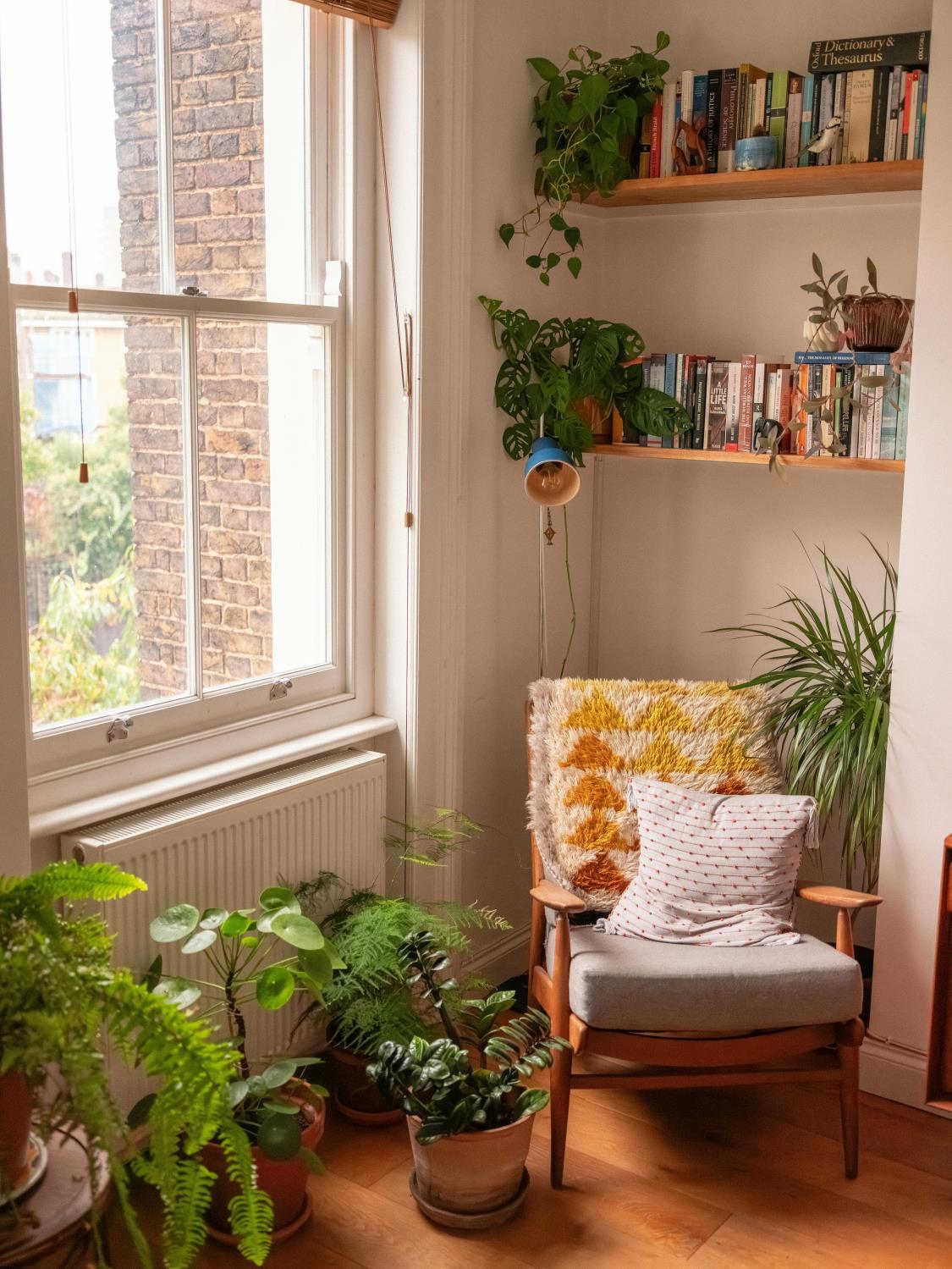
Living room
1) Team big light or lamps?
Regardless of your lighting mood, switch to LED bulbs and make sure you switch them off when you leave a room.
2) Clothes horse or over the radiator?
Avoid wet clothes directly on the radiator as this will reduce air flow. Follow the light and move your clothes horse to where the sun is shining throughout the day. Clothes horses, or even a heated clothes horse, can be a more energyfriendly way of getting through the laundry pile than a tumble dryer. Similarly, dehumidifiers are more energy-efficient than tumble dryers and can be moved to different rooms.
3) Curtains open or closed?
Thick curtains will keep the heat in but on sunnier days the heat from the sun will warm up a room. You don't even need new curtains; you can get handy thermal liners to add behind your curtains with your B&Q voucher from taking part in the project for an extra warm boost.
4) Central heating or portable heater?
If you don’t need to heat your whole house, you might think having a portable heater in 1 room is better - but it’s not clear cut! Trust your home heating on this one. It is estimated that plug-in heaters are 3 ½ times more expensive to run than using radiators. Portable heaters aren’t as energy efficient as central systems, and it depends on lots of things like the size of the room, windows, insulation, etc. It’s most likely central heating will be better, especially if the room is more than 1/3 of the house or your home is on the smaller sidetry both for a week each and check the difference on your meter.
5) Be radiator smart.
Bleed your radiators to let out air in the system so the hot water can flow and they can work properly, see the guide on page 17 for bleeding a radiator. If you can, turn radiators off in rooms you're not using. For example, thermostatic radiator valves from B&Q let you fine-tune temperatures in each room, ensuring consistent comfort and maximum efficiency.
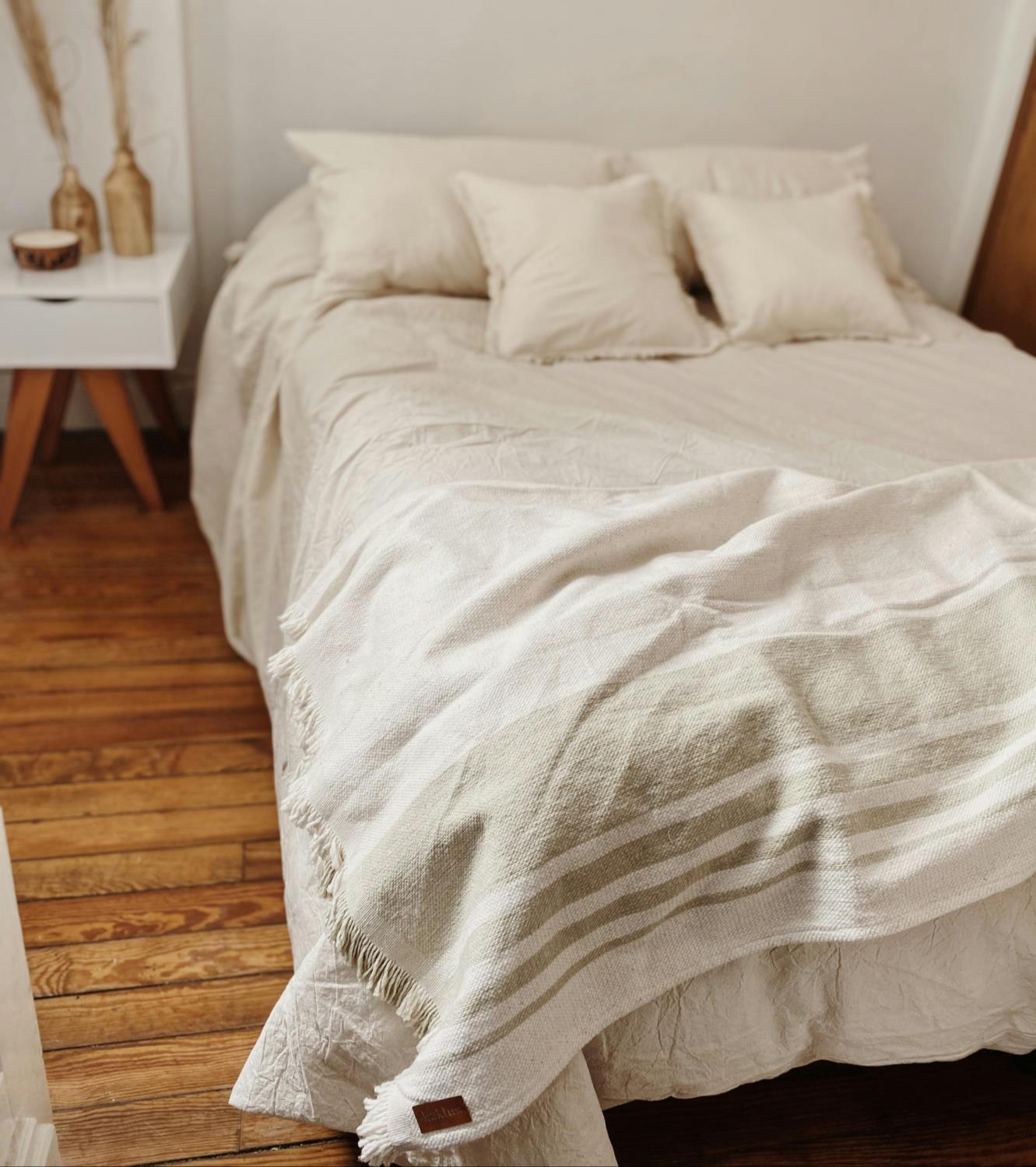
Bedroom
1) Socks on or off?
Your feet are one of the coldest parts of your body so keep them on to keep your tootsies toasty. They can also help you drift off more easily.
2) Windows closed or open in winter?
Open, but only for a bit each day! It’s really important to have daily fresh air flow to stop damp air building up inside. Warm damp air helps mould and mildew grow, so open your windows for 10 minutes in the morning (just remember to close them!). Thick, thermal curtains help keep in heat overnight too.
3) Pyjama party
For PJs, silk, flannel and bamboo keep you the warmest. (But don’t rush out to buy a new pair, the most sustainable wardrobe is the one you already have).
4) Know your togs.
Having the right duvet for time of year can help you sleep better as well as reduce need for heating. Have a low tog duvet for summer and in winter use higher tog duvets, throws and extra clothes for warmth at night rather than having the heating on.
5) Sleep schedule
If you have timers for heating, set them for 1 hour before you use your bedroom in the evening and to switch off after you've fallen asleep, by then you'll be toasty under the blankets. Then time it to turn on 1 hour-45mins before you have to get out of bed, so it's warm in the mornings.
Bathroom
1) Bath or shower?
This is a tip as old as time – if you can, stick to baths for treats and showers for regular washes.
2) Hot short showers or long warm ones?
Either! People often forget that showers use energy as well as water. Aim for 4 minutes – enough time to give your best Adele rendition.
3) Turn the tap off when brushing teeth to cut your water bill
A running tap uses 6 litres/ minute.
4) Boiler down or off?
Check your boiler settings for how often it is heating up water and to what temperature. The most energy is used to heat up the water, so if you can choose a lower temperature or use the timer settings to only heat up at certain hours, both will add up in savings!
Kitchen
1) Cook for me, or 3?
Cooking a few meals at a time is more energy efficient (and you'll thank yourself later). Especially if using the oven, so it’s best to make the most of it when you turn the oven on: make more than you need and put the extras in the fridge or freeze them to eat when you want. Air fryers are a great alternative to an oven if you're cooking for one.
2) Boil or steam veg?
Steaming uses less water and uses less energy to heat up. Plus, steaming keeps more nutrients in your veg.
3) Pick the right pan
Use a pan that is the right size for the food you are cooking and the hob it’s going on.
4) Lid’s on, quids in
Whether boiling potatoes or pasta, putting a lid on, even at a jaunty angle so it doesn’t boil over will mean you can use less energy and cook food quicker.
5) Washing up by hand v dishwasher?
To our delight, the dishwasher is more energy efficient if you have a full load.
6) Defrost frozen food in the fridge overnight
It reduces the cooking time or the need for a microwave to help defrost. Freezing food also reduces food waste and nearly all foods can be frozen.
7) Put the kettle on
It’s quick and efficient, but we often boil too much water. Save money and energy by boiling only what you need next time you have a cuppa.
8) When you want food quick
Make the most out of your microwave, it’s one of the most efficient ways to heat up and cook food - it’s always quicker and it's usually smaller in size than your oven. Great for jacket potatoes, scrambled eggs, leftover meals and much more. It’s not just good for savoury food, keep it sweet with this microwave mug cake.
9) When you can, take it slow
Slow cookers are among the kitchen’s most energy-efficient appliances, they use just a little more energy than a traditional light bulb and are a great way to have a hot dinner ready when you walk in the door.
10) Shut the door
Each time you open the oven door, the oven loses heat (sometimes as much as 25 degrees). Make sure you know how long it takes your oven to heat up so you're ready to start cooking when it’s ready. Once the food is cooked though and you’ve finished, leave the door open and make the most of the heat by heating up your kitchen!
11) Turn the oven off early
Turn it off ten minutes before the food’s finished cooking. The oven temperature will remain the same so the food will still cook without the oven using more energy.
DIY guides on how to draught proof your home
Stopping draughts are a great way of ensuring that your home is as energy-efficient as possible. If you can feel a cold draught through your house, it indicates that heat is escaping somewhere.
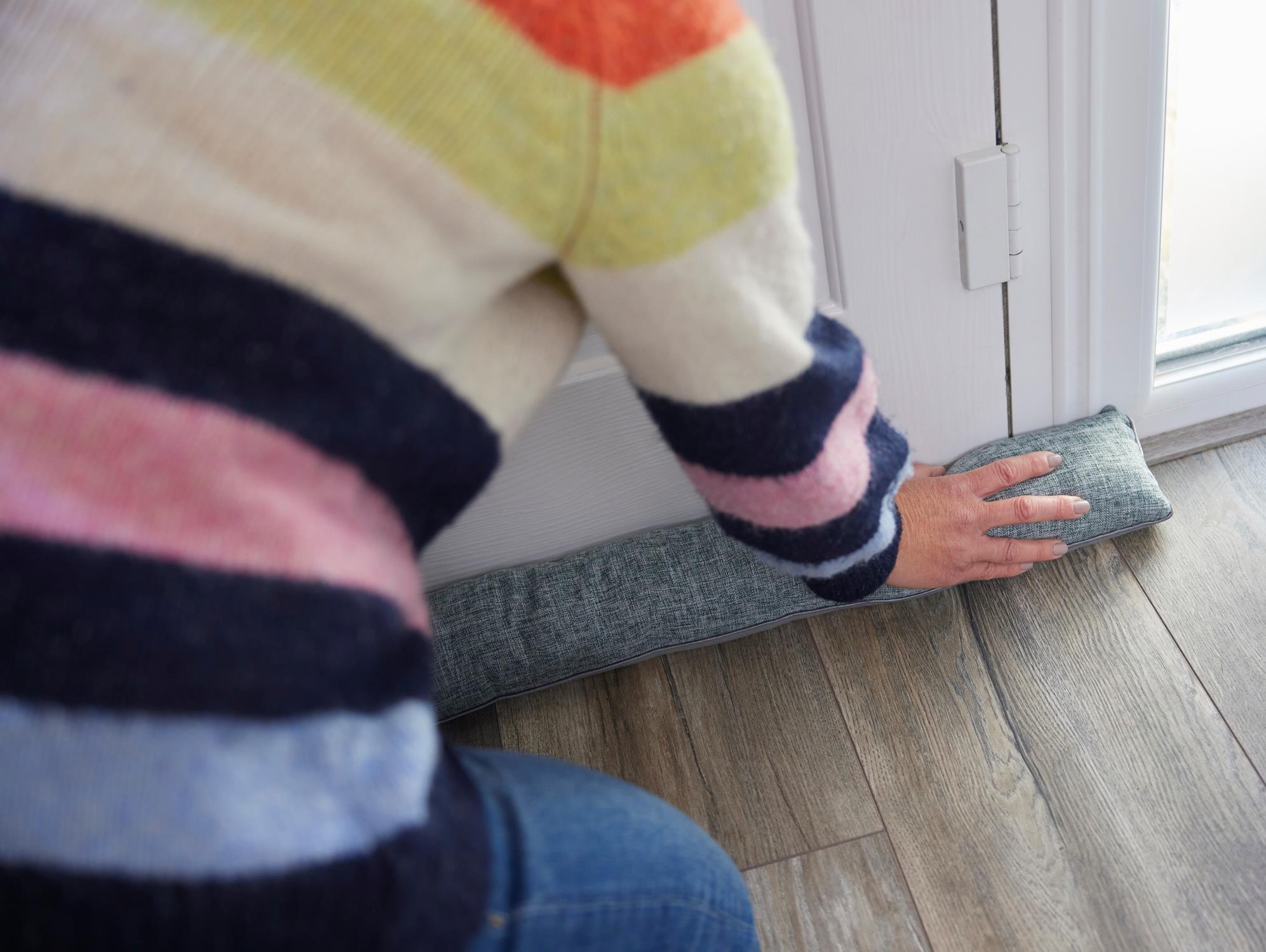
Cosy and simple draught excluders
Use thermal blinds or curtains, rugs and draft excluders so you can turn your thermostat down, even 1'C will save you £85-£90 per year on bills.
Making use of thicker curtains in winter helps keep cold out, and you don't even need new curtains: you can get thermal liners to add behind your curtains. You could spend your B&Q voucher on thermal liners or blinds for that extra warm boost.
Plus, curtains aren't just for windows, hang them over front doors or above staircases to stop cold air getting in and warm air escaping upwards to parts of the house you aren't using.
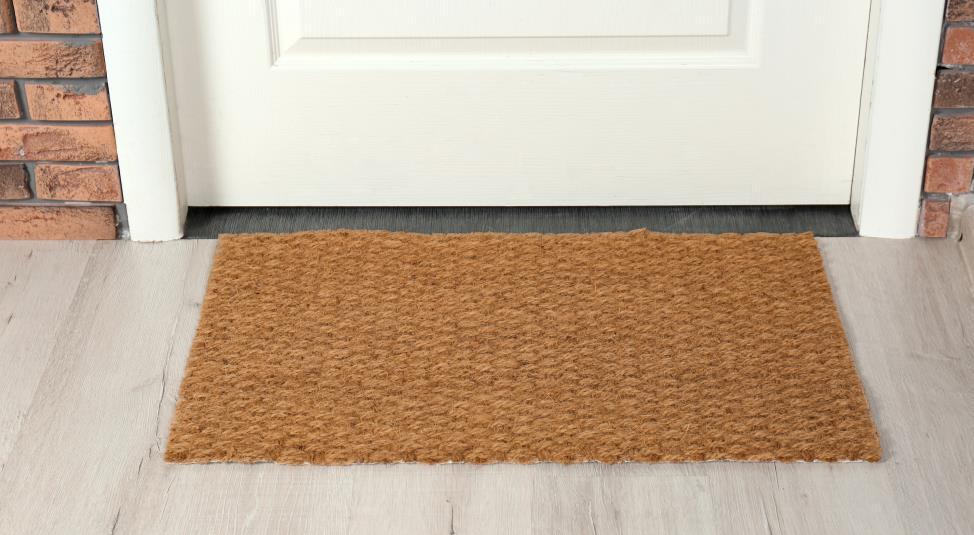
Position rugs in places where you spend a lot of time standing or sitting, e.g. by the sink or in front of kitchen counters, or under a desk where you spend a lot of time working. This will help keep your feet warm from cold flooring, especially tiles and wooden floors.
Making your own draught excluder:
• DIY draught excluder
• Guide to making a DIY draft excluder from old jeans
• Rolled up towels can also do an ok job if you're not handy with a needle and thread
Draught proofing your uPVC windows & doors
Adjusting the lock position for a better seal on your windows & doors
✓ Tools required – slotted screwdriver and/or 4mm Allen key
Instructions:
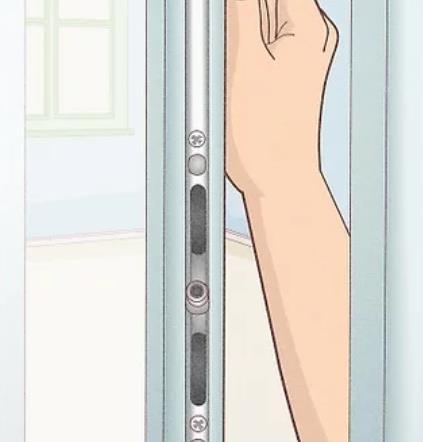
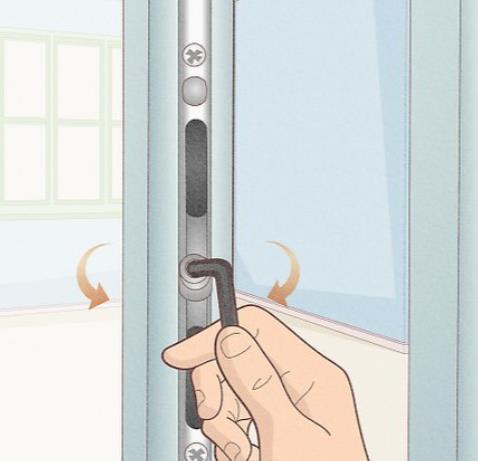
1. Open your uPVC window and find the lock-adjustment head.
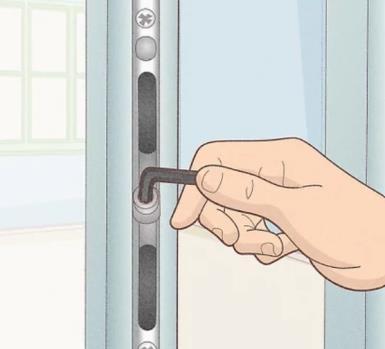
2. Insert your screwdriver or Allen key into the lock head. Please select the correct tool that fits the lock adjustment head, in most cases this will be an Allen key.
3. Turn the screwdriver/Allen key clockwise or counterclockwise to move the lock backwards or forwards. Turning the screwdriver/Allen key clockwise will move the lock backwards (farther out from the lock mechanism) and increase the pressure exerted on the window when locked.
This will improve the seal and stop/reduce any drafts from your windows. In the warmer months remember to turn back to summer setting this will reduce the wear and tear on your window seal.
Watch this handy YouTube video to guide you. 1 2 3
Replacing the window draught seals on uPVC windows
✓ Tools required – Utility knife, Screwdriver and a ladder if you are working on upper floors of your home.
✓ Materials required – uPVC window rubber seal
Instructions:
1. Take a photo of the way your existing rubber seal sits within the window frame.
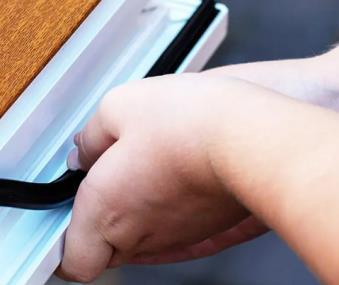
2. Remove the old uPVC window seal. You can do this by pinching part of the seal and pull it away from the window. If the seal doesn’t pull away easily, use your utility knife to pry a section away from your window, and pull the rest of the seal away by hand.
3. Once the rubber seal has been removed inspect the window frame for any obstructions. If any obstructions, you should remove these before installing the new seal.
4. You can start installing the new uPVC seal. Start at the top of your window frame and push the seal into groves, paying particular attention to the corners. Once fitted trim the seal to fit.
5. Repeat this process on the window too.
6. Now you can close your window.
Watch this handy YouTube video to guide you.
Draught proofing your windows & doors
Resealing the gap between your window/door frame and wall.
✓ Tools required – Utility knife, silicone gun, masking tape.
✓ Optional tools – Spreading tool.
✓ Materials required – White silicone.
Instructions:
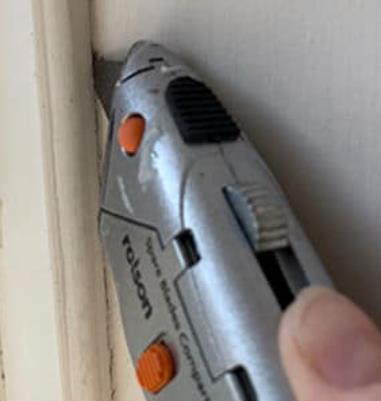
1. Remove the old sealant, use the utility knife to cut round the old seal, you can normally use your fingers to pull away most of the sealant.
2. Clean the gap, it is important that all the old sealant is removed. New silicon will not stick to old silicon, moisture or dust. If there are any stubborn areas of silicon you can try using a filling knife or an old piece of timber with the end cut at an angle.
3. Put masking tape around your frame leaving a small gap between the window frame and wall. Repeat on the window frame too.
4. Load the sealant in the silicon gun and using your utility knife cut the top of the silicone tube and secure the application nozzle. Cut the application nozzle at an angle.
5. Apply the sealant around the frame, remember to release the pressure from the silicon gun to stop any further silicon oozing out.
6. Once you have applied the sealant, use a clean finger or spreading tool to push the sealant into the gaps and leaves a nice finish.
7. Leave the sealant to dry and then remove the masking tape.
Watch this handy YouTube video to guide you.
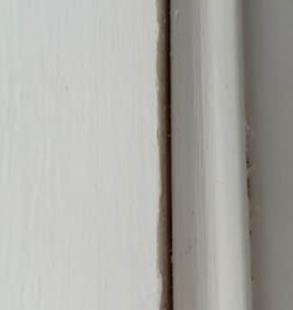
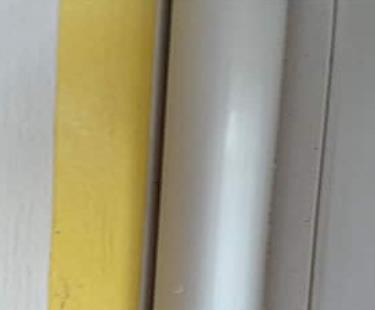
Fitting a letterbox draught excluder (Timber door)
✓ Tools required – Bradawl or small flat screwdriver, screwdriver, spirit level (you can download an app on your phone)
✓ Materials required – Letterbox cover
Select the best letterbox cover to suit your door. See YouTube video for some different options.
Instructions:
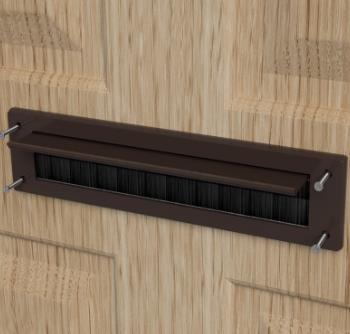
1. Remove the old letterbox cover, if fitted.
2. Line up the letterbox brush to cover the letterbox. Use the spirit level to make sure it is straight.
3. Use the bradawl to mark where screws go, this will provide a small hole to make it easier to fit the screws.
4. Tighten all screws until letterbox brush is secure.
Watch this handy YouTube video.
Draught proofing your windows & doors
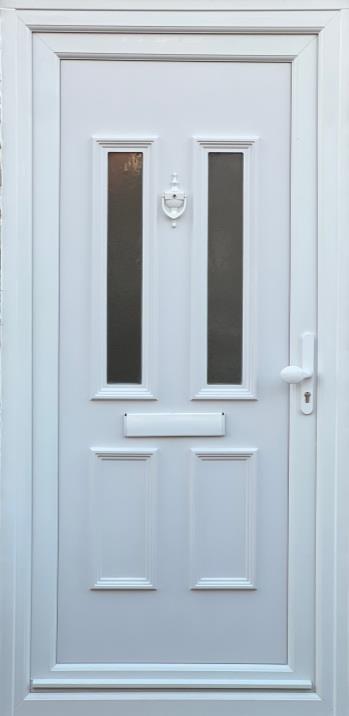
Replacing letterbox on a uPVC door
✓ Tools needed – Screwdriver, measuring tape, pencil, clean cloth, spirit level (you can download an app on your phone) & silicone sealant for weatherproofing if needed.
✓ Materials required – uPVC letterbox. Select the best letterbox cover to suit your door. (See YouTube video for some different options.)
Instructions:
1. Remove existing letterbox cover
2. Measure the width, height and depth of your letterbox.
3. Select the correct size of letterbox cover.
4. Clean the area around the letterbox.
5. Apply a thin bead of silicone around the opening if using.
6. Place the external plate into position using the screws provided. The larger sleeve is always on the inside.
7. From inside, align the internal plate and secure to the external plate using the provided screws.
8. Check that the letterbox is level and flaps open & close smoothly.
9. Clean any excess silicone with a damp cloth.
Watch this handy YouTube video to guide you.
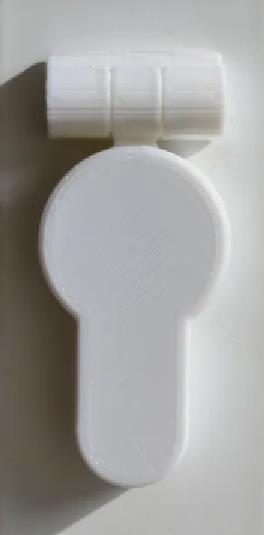
Fitting a keyhole cover timber door
✓ Tools needed – Bradawl or small flat screwdriver, Screwdriver
✓ Materials required – Keyhole cover kit
Instructions:
1. Line up your cover, ensure the opening is over the keyhole perfectly.
2. Use your bradawl and mark the screw hole positions.
3. Tighten screws
4. Check you can still open & lock your door
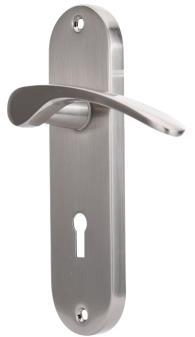
If you have a lock like this, you can fit a lock brush to reduce your draughts.
✓ Tools needed – Same as above.
✓ Materials required – Keyhole draught excluder kit.
Instructions:
1. Remove the handle.
2. Line the draught excluder over your keyhole.
3. Mark the holes with your bradawl
4. Tighten the screws.
5. Test that your key works
6. Return the handle and attach using the original screws.
Watch this handy YouTube video to guide you.
Draught proofing your windows & doors
Fitting a keyhole cover uPVC door
✓ Tools needed – pencil, dry cloth.
✓ Material required – uPVC lock cover.
Instructions:
1. Clean around the lock with hot soapy water, making sure area is dry before applying the cover.
2. Line up the lock cover to the bottom of the lock.
3. Mark your door at the top of the lock cover.
4. Remove adhesive back and stick lock cover to the door.
Watch this handy YouTube video to guide you.
Draught proofing the bottom of your door
✓ Tools needed – measuring tape, scissors/utility knife, pencil, bradawl or small flat screwdriver, junior hacksaw, pliers, super glue and cloth.
✓ Materials – Brush strip or rubber strip for the bottom of the door
Instructions:
1. Measure the width of the door
2. Make sure the area you are applying the brush strip is clean and dry.
3. Mark and cut the housing to size.
4. Use pliers to insert to size, if you are using a brush strip, make sure you crimp the cut end of the brush insert with pliers. This will stop the bristles from falling out.
5. Slide brush back into housing.
6. Attach to door using either the adhesive strip or screws provided.
7. You want the draught excluder to touch the floor but not drag along the floor.
Watch this handy YouTube video to guide you.
Draught proofing your doors & loft hatch
Draught proofing the side & top of your door. (This process can be completed on external and internal doors.)
✓ Tools needed – measuring tape, scissors/utility knife, pencil, cloth
✓ Materials required – Suitable sealant strips.
Instructions:
1. Measure the gap between your door and door frame. This will help you pick the correct size of sealant strips.
2. Clean and dry your door frame
3. Measure the width and height of the door frame. Measure each side as they may measure slightly differently.
4. Cut the strips slightly longer than your measurements. This will ensure a snug fit.
5. Peel the backing off the strip and starting at the top corner press the strip firmly against the frame aligning it with the edge facing the door. Be careful not to stretch the strip.
6. Continue all the way down the strip to the end and trim any excess.
7. Repeat for each side and top making sure that the strip meets at the corners.
8. Press down firmly making sure that the strips are firmly in place.
9. Trim any excess.
10.Test the door for any draughts, if you find any areas where the seal isn’t tight, replace the strip that has come loose.
Watch this handy YouTube video to guide you.
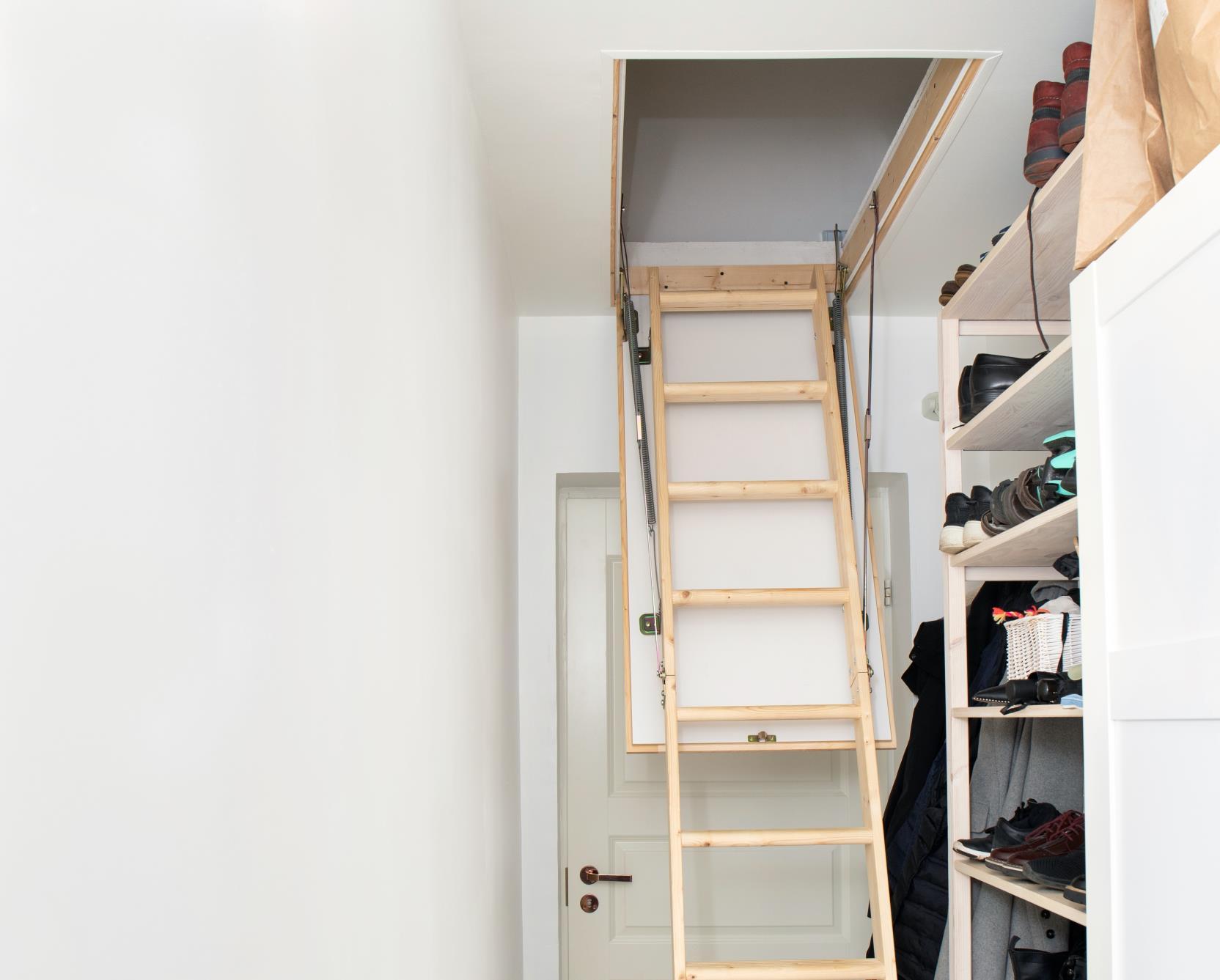
Draught proofing your loft hatch
This will stop cold air from passing through the gaps into the space below.
✓ Tools needed – measuring tape, scissors/utility knife, pencil, cloth
✓ Materials required – Suitable sealant strips.
For Flat Loft Hatches:
Instructions:
1. Measure the gap between your hatch and frame. This will help you pick the correct size of sealant strips.
2. Clean and dry your hatch frame
3. Measure the width and height of the hatch frame. Measure each side as they may measure slightly differently.
4. Cut the strips slightly longer than your measurements. This will ensure a snug fit.
5. Peel the backing off the strip and starting in one corner stick the strip to the frame, facing up into the loft. Continue round the frame and trim any excess.
6. Press down firmly making sure that the strips are firmly in place.
7. Trim any excess.
For a Hinged loft hatch:
Follow the above process but apply the strips facing downwards into the living space. If your hinged loft hatch still doesn’t meet you can apply insulating tape to the frame and the seal will be created when the two sealant strips meet.
Watch this handy YouTube video to guide you.
Insulating your loft hatch
Insulating your loft hatch
✓ Tools needed – Measuring tape, utility knife, adhesive, ladder, eye protection, gloves.
✓ Materials required – Suitable insulation for your loft hatch, sealant
Instructions:
1. Measure your loft hatch to obtain the size of insulation you need.
2. Clean and dry the loft hatch.
3. Cust the insulation to the right size.
4. If using a solid block style insulation, using the adhesive attach to your loft hatch.
5. If using a fibrous insulation, such as wool, you can place this is a bag and attach the sealed bag to the loft hatch.
6. Seal round the edges to stop the hot air escaping.
Watch this handy YouTube video.
DIY guides on how to boost the heating you already have
Making the most of your heating
How to bleed your radiators
✓ Tools needed – Radiator key or flat head screwdriver, dry rag, old towel and container
Indicator that your radiator may need bled:
If the thermal camera has shown cold spots at the top of your radiator or it is cold to the touch when your heating is on that can be an indicator that your radiators have air trapped and bleeding them will work. If the cold spots are at the bottom this is an indicator that you have a build-up of sludge, and a specialist will be needed to remove the sludge.
How to bleed your radiator:
Instructions:
1. Turn off your heating
2. Have your old towel & container handy for each radiator
3. Locate the valve and use the radiator key/screwdriver to open it. You open the valve by turning it ani clockwise. Only open until you hear a hissing sound.
4. Once water starts streaming out, re-tighten the valve.
5. Complete for each radiator.
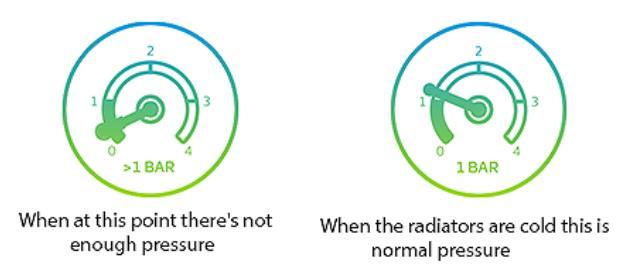
6. After you have bled your radiators go to your boiler and check the pressure, you will want it between 1.0 to 1.5 bars. If the pressure is good, you can turn your heating back on.
Watch this handy YouTube video to guide you.
How to adjust your boiler pressure if needed
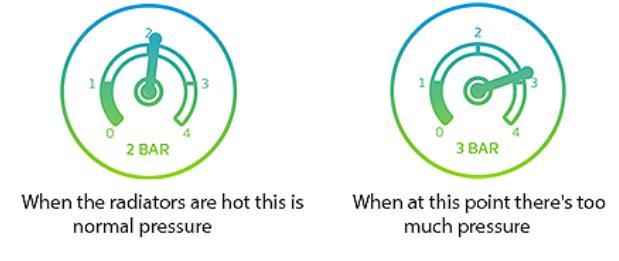
✓ Tools needed – No specific tools needed, but a torch could be handy if the boiler is in a dark cupboard!
Please check your boiler manufacture guide as all boilers are different. Below is the guide if you have a filling loop either fitted or stand alone. If standalone you will need to attach it at step 2.
Instructions:
1. Switch off your boiler and allow to cool completely.
2. Locate the filling loop and check that both ends are securely attached.
3. Open both valves to allow cold water to enter the system until the pressure gauge reaches 1.5bar.
4. Close both valves. Remove the filling loop if it isn’t built in.
5. Turn the boiler back on and recheck the pressure.
Watch this handy YouTube video.
Making the most of your heating
The average uninsulated home loses around 35% of its heat through the walls. Locking in the heat is one of the easiest ways to cut bills. Start with radiator foils, which reflect heat back into the room instead of letting it escape.
How to fit a reflective radiator panel
✓ Tools needed – Measuring tape, marker pen, scissors.
✓ Materials required – Suitable reflective radiator foil.
Instructions:
1. Measure the size of your radiator, take of a little so that the radiator foil will sit behind your radiator.
2. Transfer the measurement onto your reflective radiator panel.
3. Cut the reflective radiator panel to size.
4. Using a few squares of double-sided sticky tape (normally provided in pack) attach to the foil. Make sure the shiny side of the foil faces the room.
5. Slide foil behind the radiator and stick it to the wall.
Watch this handy YouTube video.
TIP: you can make your own reflective panel with a large sheet of cardboard and wrapping it in tinfoil – it won't be as effective as a specially bought reflective panel, but it is much better than nothing!
How to fit lagging around pipes
✓ Tools needed – measuring tape, utility knife, marker, insulation tap
✓ Materials required – pre-slit pipe lagging bought to fit pipe diameter. For domestic hot water/heating pipes: 9–13 mm foam is commonly used. For energy saving, loft or external runs use 19–25 mm or thicker in cold areas.
Instructions:
1. Before you start turn off / isolate if needed. For hot water/heating pipes let them cool first. If you must work on pipes that remain hot, wear heat-resistant gloves.
2. Measure total length of pipe to be insulated and count bends/valves. Buy pre-slit tubes matching pipe diameter (e.g., 15mm copper uses 15mm internal diameter lagging), and buy slightly more length to accommodate for overlaps and mistakes.
3. Lay the pre-slit tube alongside the pipe and measure a segment length. Use a sharp knife to cut squarely. For neat joins, cut a small 45° chamfer on the ends to make seams sit flush.
4. Gently open the slit and wrap the lagging around the pipe so the slit faces downwards (less visible). If your tubing is self-adhesive, press the adhesive strip together as you go. If not adhesive, tape the seam afterwards.
Watch this handy YouTube video.
Making the most of your heating
How to fit an insulation jacket around a water tank.
Did you know a £22 insulated jacket for a water tank can save you up to £180 on bills over the year! You could get an insulated jacket for your boiler with your B&Q voucher.
✓ Tools needed – Measuring tape, marker pen, scissors, insulation tape.
✓ Materials required – insulation jacket kit
Instructions:
1. Check the size of cylinder - measure height and diameter –to ensure you buy the correct sized jacket
2. Unfold the jacket from packaging and lay it out to check which end is top (jacket usually labelled); cut small slits where needed for pipes, thermostat probes, or controls.
3. With a helper if possible, lift the jacket up from the base and slide it up around the cylinder so seams align at the back.
4. Fasten the jacket’s straps/Velcro tightly but not so tight they deform the jacket. Use insulation tape at seams for a neat finish and to prevent slippage; make sure the jacket sits evenly all around the cylinder.
5. Where you made notches for pipes/valves, tidy the edges with tape and add small strips of insulation so gaps are minimised around pipes (but leave 10–20 mm clearance around safety valves).
Watch this handy YouTube video.
How
to add secondary glazing onto your windows
Did you know 18% of heat loss occurs through windows? So it's also worth heat proofing those too!
✓ Tools needed – Measuring tape, marker pen, scissors, hairdryer
✓ Materials required – glazing film, tape
Instructions:
1. Measure the windows you would like to insulate to ensure you get a film sheet the right size
2. Clean your windows and window frames
3. Apply the double-sided tape around the outside of the frame
4. Lightly stick the sheet to the taped frame without it being too tight
5. Use hot air from the hairdryer to shrink the glazing film so there are no creases
6. Trim the excess sheet away from the frame to tidy up the edges
Watch this handy YouTube video.
Spotted something broken or
not quite right?
Wet walls?
Did the thermal camera show streaky cold patches on your walls?
This may be due to broken guttering: rain water can flow through broken guttering down onto the walls. If it is rainy enough, this can cause damage both inside and out.
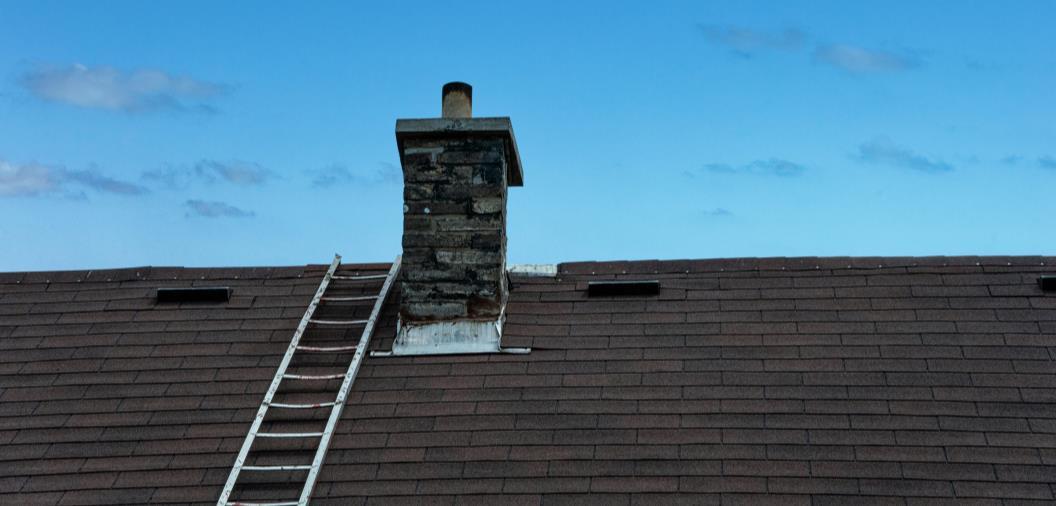
Do a spot check of your roof and walls outside by scanning from ground level. Look for any problem signs like loose or missing tiles. Cracked, loose or missing pointing on exterior walls might mean unwanted water is dripping or running over it. Call a guttering specialist or a roofer if you suspect your guttering may be broken (not a plumber).
However, your guttering might not be broken, just clogged. So it's good to clean drains, gutters and chimneys regularly.
Clearing out leaves and debris from gutters and outdoor drains, particularly after autumn, helps keep your home safe and will reduce the risk of surface flooding, especially if you live in a basement flat.A blockage can cause water from rain, ice or melting snow to spill over onto your home instead of flowing away from it.
Check your chimney
If you use a wood or open fire, try to get the chimney swept every year as it will help clear built-up soot and remove any obstructions (this could be animal nests and even animals themselves!) that may have formed over the year.
Blocked chimneys stop air passing through and can keep smoke, pollutants and other harmful gases in the home. Trapped heat in a chimney can spark a flue fire too.A swept chimney lets you roast those chestnuts on an open fire with your mind at ease.
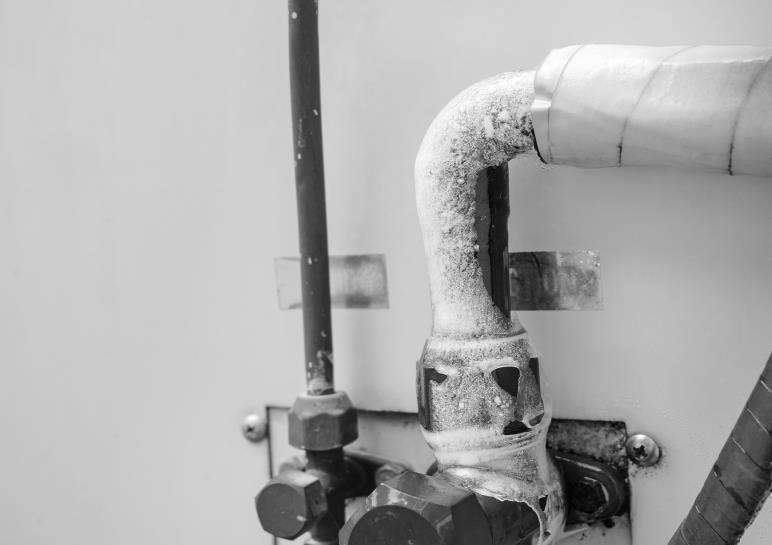
Frozen pipes?
Four signs that your pipes may be frozen
• There’s no running water, or only a trickle. This may mean that the pipe leading to the tap may be frozen.
• If you can see frost on a visible pipe, such as a water pipe running along the outside of your house or flat, there’s a good chance that it’s frozen. This is more difficult to check on pipes that are not in visible areas.
• You notice odd smells. If a pipe is blocked because of freezing, it may cause an unpleasant smell coming from the taps or drains.
• Your boiler or central heating system won't switch on or makes unusual gurgling sounds when in use.
How to fix frozen pipes
If your pipes have frozen but haven’t yet burst, act quickly to reduce the damage. Here are some immediate steps that you can take yourself.
• Turn off the water supply at the stop tap. Most stop taps can be closed by turning clockwise.
• Locate and open the affected tap and slowly thaw the pipe using a hot water bottle, hairdryer or towel soaked in hot water. Start thawing at the end nearest the tap. Start thawing at the end nearest the tap and never use a naked flame or blowtorch. Here's the advice you'll need to thaw your pipes correctly.
• Consider contacting an approved plumber to help with defrosting your pipe and avoiding a burst.
What to do if a frozen pipe bursts
Turn off the stop tap immediately and call your plumber. Follow these 5 steps to limit the damage while waiting for your plumber to arrive:
• Turn off your electricity and avoid all electrical appliances.
• Turn on all taps to drain the system and reduce the flooding risk (make sure that you remember to turn taps back off once the repairs are complete before turning on the stop tap).
• Clear the area. Remove furniture and carpets, where practical, near the frozen pipe.
• Soak up water using the thickest towels available. Contact your insurance provider and take photos to document the damage.
For more advice on how to deal with a frozen or burst pipe contact your water supplier or visit Watersafe to find an approved plumber.
Damp and mould?
Cold and wet weather means many of us have to dry clothes indoors and shut windows to keep in the heat. However, closed windows and washed clothes create a warm, damp atmosphere in the home that mould and mildew thrive in.
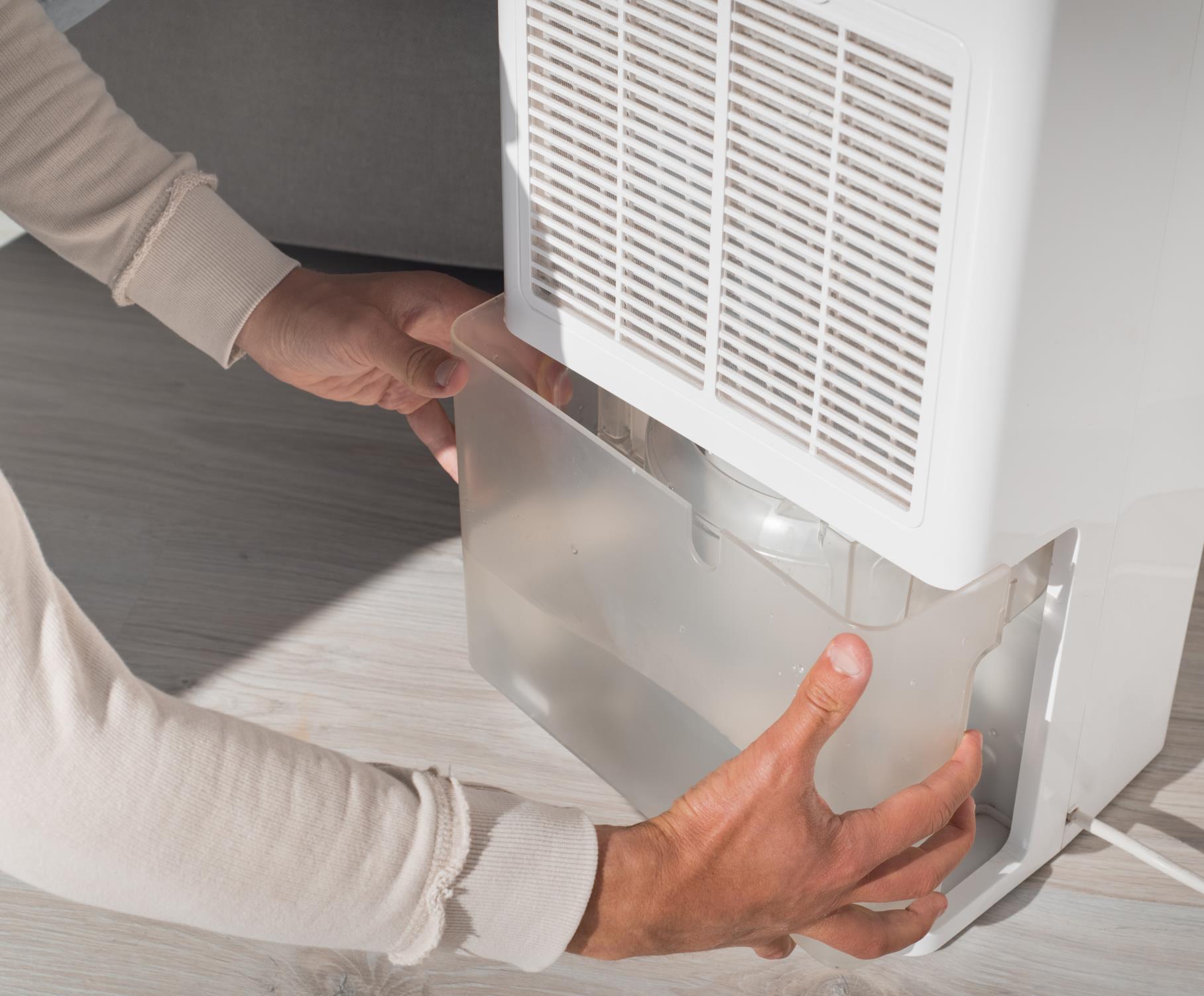
Mould can be potentially very dangerous so keep it at bay by opening windows for fresh air. If you dislike bringing in the cold air, open the windows of rooms you're not using, for example, the bedroom windows during the day and living room windows at night. Be quick on the draw to use exhaust fans in bathrooms and extraction fans in kitchens to draw out steam from cooking or hot showers from the air. Adehumidifier is also handy to suck in extra moisture.
It's easier to prevent mould than it is to remove it, you might be able to tackle a small patch by yourself with mould-killer but larger patches might need professional attention. If you are a renter, a new law from October 2025 means social landlords have to investigate and fix dangerous damp and mould in set time periods and repair all emergency hazards within 24 hours.
Planning for bigger changes
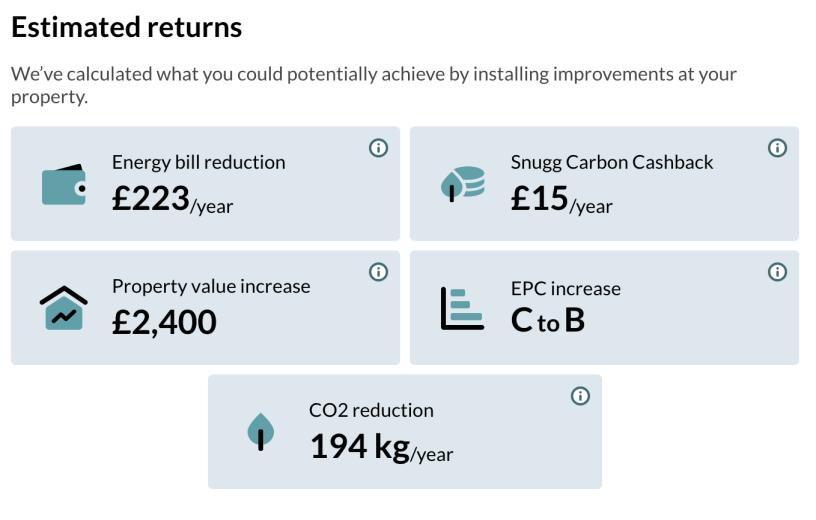
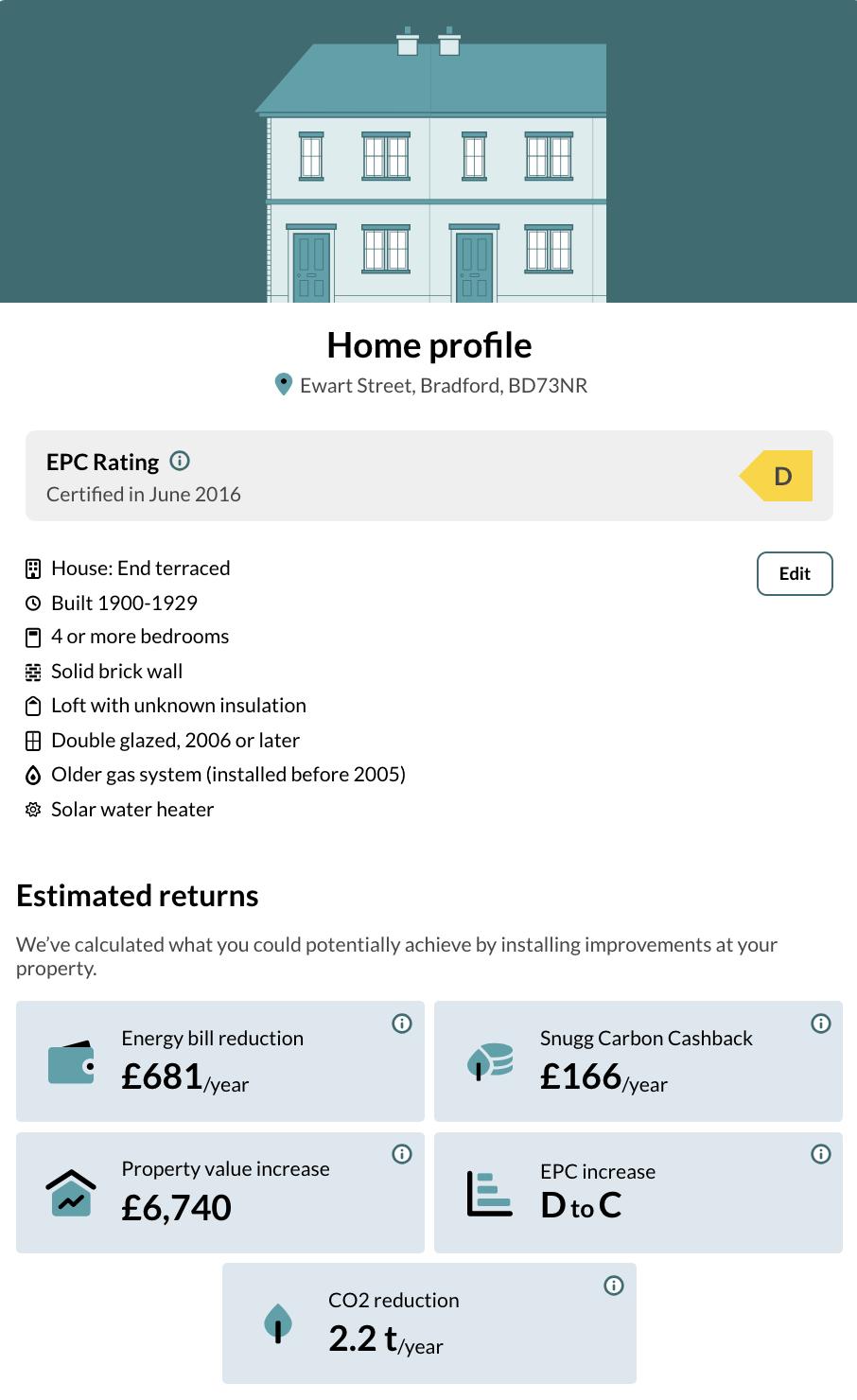
If you spotted heat loss at home that needs a bigger fix, try out the SNUGG platform. If you're thinking about:
• Loft insulation;
• Wall cavity insulation;
• Double glazing;
• Heat pumps; or more, use your postcode on Snugg to get a personalised list of the energy efficiency measures to put in place in your home. You'll find out how much you can save on your bills each year and how much you could increase the value of your home.
Snugg will check local grants, find trusted installers and work out the best way to pay for some of the bigger home improvements.
Other resources
Better Homes Bradford | City of Bradford
Do you live in postcode BD7? You could be eligible for free attic insulation, regardless if you're a home-owner or renter, thanks to government funding. Contact info@warmlowliving.com if you live in BD7 and want to find out more.
Green Doctors
Contact Green Doctors for advice on switching to find the best energy deal for you. Plus Green Doctors can visits homes to help install draught proofing, LED light bulbs, lagging, reflective radiator panels - greendoctorleeds@groundwork.org.uk
B&Q: Check out the B&Q YouTube Channel for more tips and inspiration to help make your home more energy efficient.
Hubbub: Check out Hubbub’s tips for saving water and energy at home.
National Energy Action’s Energy Advice and Support Service:
A free service providing energy bill advice to householders in England and Wales with bills and keeping warm and safe at home.They also help with benefits advice and income maximisation.
The Energy Saving Trust:
Find more help online on reducing heat loss, insulation, draught-proofing and how to prioritise home improvements.
you for being a Thermal Detective. Don't forget to tell us what changes you've made at home so you can be in to win up to £100 in prizes – look out for emails from us with surveys!
Any feedback on the guide and other tips or hacks you'd like support with, please email us:
thermaldetectives@hubbub.org.uk
Thank you
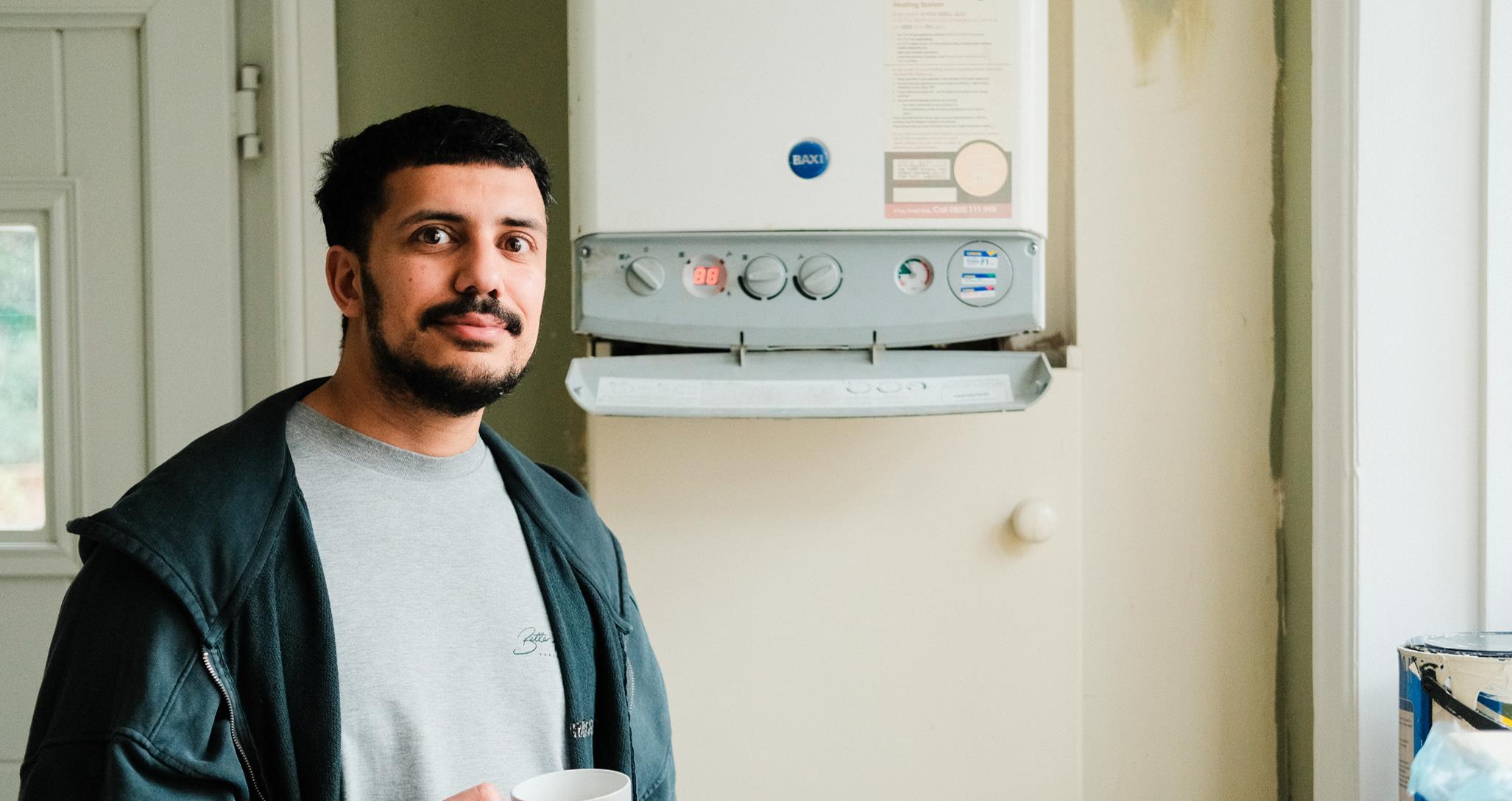
Thermal Detectives in Bradford, in partnership with Great Horton Park Chapel Cricket Club, is funded by TSB and B&Q and supported by environmental charity Hubbub. Thermal Detectives is a pilot project to inspire and enable residents in Bradford to make home energy upgrades based on knowledge and skills gained from borrowing thermal cameras. We aim to equip residents with guides, tools and financial support so that they have warmer homes and cheaper bills. TSB, B&Q and Hubbub will use what we learn with Great Horton Park Chapel Cricket Club to create a blueprint for more businesses to help home energy improvement that works with communities.