A blueprint for how business can support communities to cut energy bills
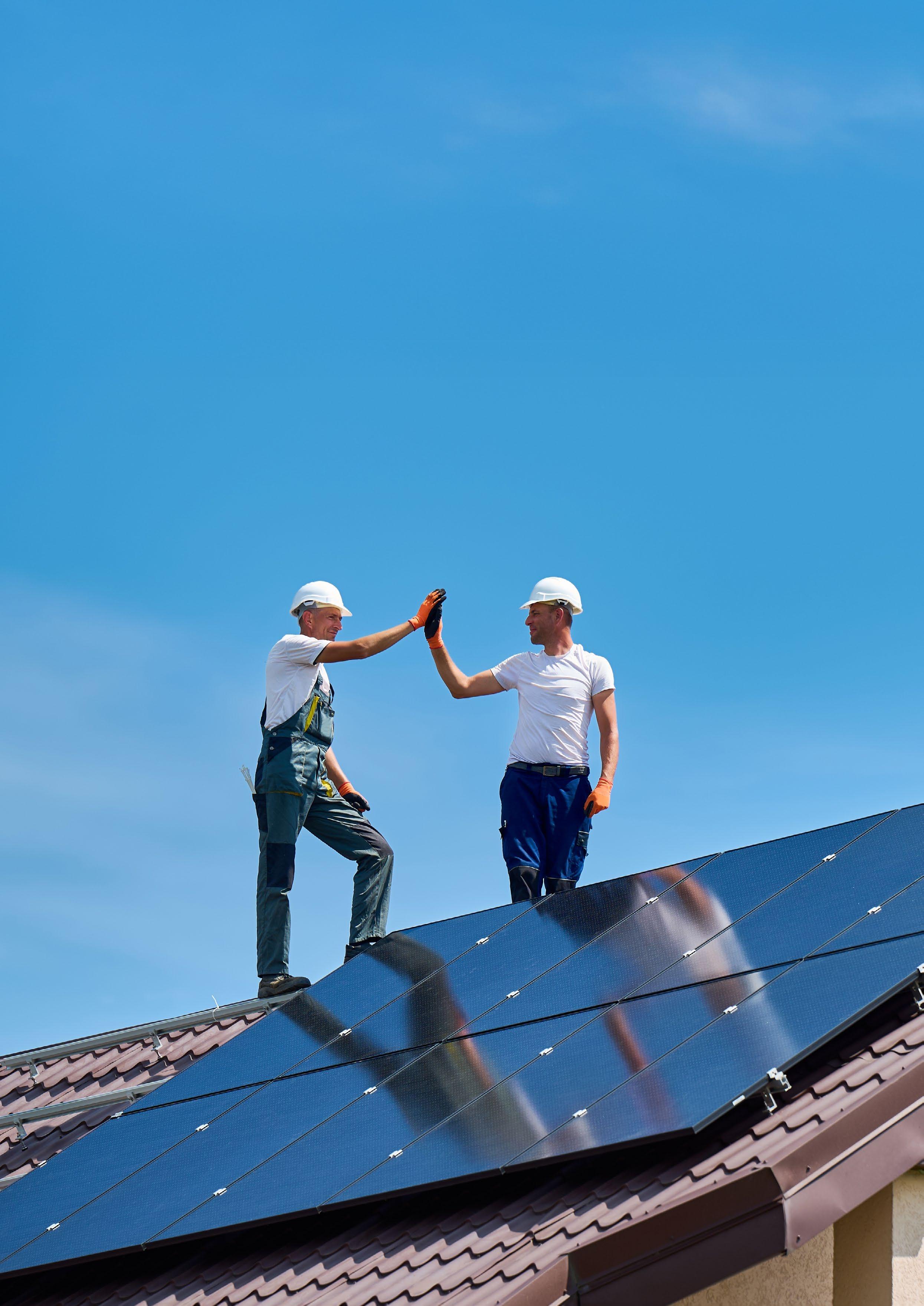



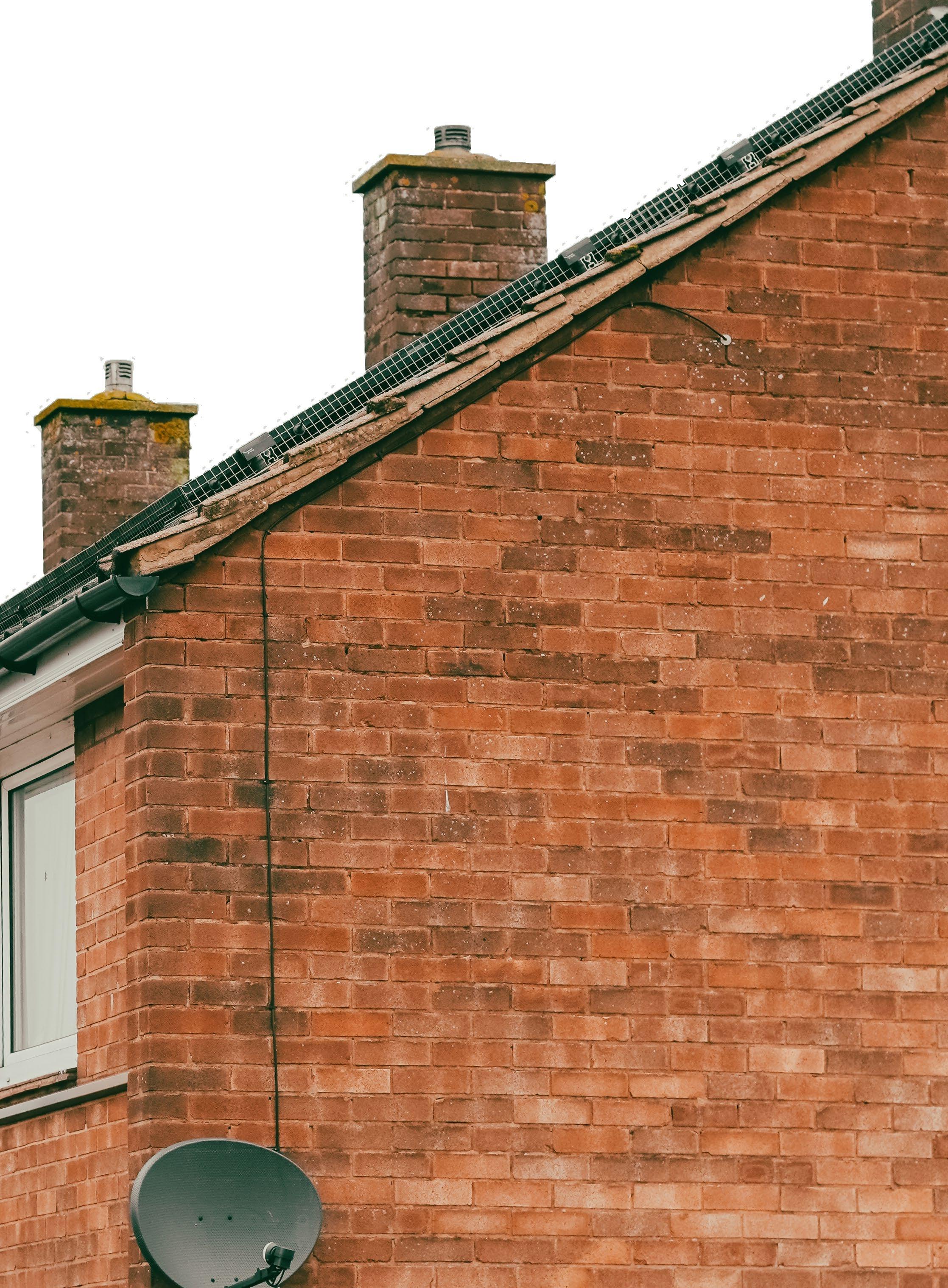
The UK has some of the leakiest homes in Europe. Heat that should be keeping us warm is sneaking out through the walls, the windows, the roof. That's bad news for bills, bad news for comfort, and bad news for the planet. Lots of households want to do something about it; many just don't know where to start. And plenty of businesses want to help, they just don't know who to help or how.
This is a story about what happens when you bring business and communities together.
British homes lose heat up to three times faster than homes on the continent1; that’s literally money going out of the window. An estimated 4.5 million households across the UK are living in fuel poverty2 and with energy prices volatile (and often climbing), plenty more are feeling the squeeze. Not just on comfort, but on finances, wellbeing and general peace of mind.
The Great Homes Upgrade estimates that £1 in every £4 spent on heating is wasted3. A warm, efficient home doesn't just feel better. It means less stress, smaller bills, better health and more headspace for the things that matter.
£1 in every £4 spent on heating is wasted
Most people want to act. Three-quarters of UK homeowners say they’d make energy changes at home if they got the right help4 Who wouldn’t want a warmer, cheaper-to-run home?
But wanting to act and actually getting round to it (or being able to) are different things. Hubbub Home Advantage research, working in-depth with 175 homeowners, found three barriers that hold people back:
• Cost: People are worried both about the upfront cost and whether they’ll see savings down the line
• Support: Confidence is limited when people don’t know where to start or what will work for their home - households want tailored advice and step-by-step guidance
• Trust: Overall trust in politicians, institutions and businesses is low; households are more likely to trust ‘people like them’ - a neighbour, friend or someone who’s already done it. Building this trust is critical. They need both reliable tradespeople and the social proof that it’s worth making home upgrades.
(The Great Homes Upgrade)
So, to shift the dial on demand for home energy upgrades, households need realworld examples from trusted messengers - ideally alongside tailored support which acknowledges cost and knowledge barriers, while addressing the positive benefits of creating a comfortable home that’s more affordable.
The UK Government's Warm Homes Plan sets a bold ambition: upgrade 5 million homes and lift 1 million households out of fuel poverty by 2030, with a clear nod towards trusted, place-based delivery and collaboration5. The Environmental Audit Committee highlights that delivering the Seventh Carbon Budget depends on “sustained public engagement and trusted, place-based delivery”6. The retrofit industry notes how trust underpins household awareness, attitudes, ability to act and the decision to do something at moments that matter7.
Translating this vision into practice, finding trusted community messengers and giving them support to signpost to their members, is what this pilot set out to explore.
Community groups acting as trusted messengers for climate action are well established. For example:
• A Rocha UK’s ‘Eco Church scheme’ includes over 100 gold awarded Eco Churches who have to demonstrate action on cutting energy in their buildings and enabling their congregation to make
energy changes at home, too, alongside other environmental action8
• Pledgeball aims to empower the sporting community to “take meaningful climate action and Protect Where We Play” through members pledging actions equivalent to taking 16,0009 cars off the road.
These models prove the principle: when a trusted community group speaks, members listen. The opportunity now is to point that same trusted-messenger model squarely at the home energy challenge, by bringing it into new everyday community spaces where people already spend their time.
So, here’s the question...
Households want to act. Businesses want to help. And in between sit local community groups that people already turn up for every week: trusted, well-placed, but many not plugged into energy engagement. Groups who also, more than ever, need affordable, efficient spaces of their own, so they can stay resilient to energy price changes and focus on what they’re actually there to do.
What happens if you bring the three together?
Thermal Detectives was a community engagement pilot delivered by Hubbub and supported by TSB Bank and B&Q. It ran throughout winter 2025/26 at Great Horton Park Chapel Cricket Club, in Bradford.
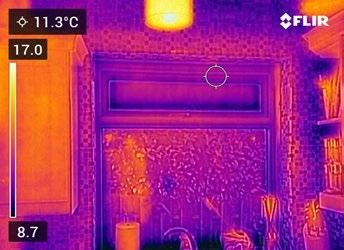
The club had already carried out energy upgrades to their clubhouse with support from Business in the Community and others. The project lent out thermal imaging cameras for free, so members and their neighbours could hunt down hidden heat loss in their own homes. It then signposted options to make affordable, practical fixes.
This report summarises what we learned and is intended as a practical guide for anyone looking to do the same in their community.
TSB is a UK high street bank with a longstanding commitment to helping local communities thrive through money confidence. TSB provided financial and in-kind support including two thermal imaging cameras for the cricket club. TSB co-funded the prior 'Home Advantage' research that lay the foundations for this project idea.
The UK's largest home improvement retailer, B&Q provided funding and inkind support, from vouchers for things like draught excluders to DIY energy efficiency knowledge to support the home energy improvements made by community members. B&Q co-funded the prior ‘Home Advantage’ research that lay the foundations for this project idea.
Hubbub is a UK environmental charity that makes sustainability second nature. With expertise in engagement and behaviour change, Hubbub managed the project and led the community engagement, including managing the coordinator, events and communications.
Great Horton Park Chapel Cricket Club is a long-established community hub, in Bradford, providing inclusive access to sport, social connection, and wellbeing. National evidence shows cricket boosts fitness, confidence in young people, mental wellbeing, and community cohesion.
BITC is the UK’s largest responsible business network championing sustainability, inclusion, and growth that benefits both business and society. BITC had already supported the cricket club to install loft insulation through their Community Climate Fund and facilitated the relationship with the club, and supported delivery.
Businesses and community groups
1. Capital upgrades cut costs and carbon
Start with the community building itself. Get the upgrades done, make the savings real, and then shout about it.
4. Curiosity helps you design for your community
No one knows a community like the people already in it but be clear on the audience so the designed project is fit for purpose.
5. Cameras (and curry?) make it visual and fun!
Thermal cameras help people visualise heat loss, but they aren't necessarily enough on their own. The magic is combining the tool with events or activities people want to turn up for; think free food or common interests.
2. Collaborate
Businesses do more than provide funding. They can help unlock knowledge, products and reach that make the whole project work harder.
3. A Community Coordinator is key
A trusted insider with strong social skills is the single most important person on the project. Personal, persistent, inperson engagement will always beat broadcast messages.
6. Clear communications
Good communication helps get messages out but won’t carry the project on its own. Keep it clear, keep it easy, and remember communication doesn’t replace conversation.
Upgrade the community building and team up to bring in different skills
Join forces with business and local energy experts to bring in complementary skills. Also assess the building’s energy performance and make targeted efficiency or energy upgrades where feasible. This not only saves the group money but builds credibility with the community and gives the host organisation first-hand knowledge to share.

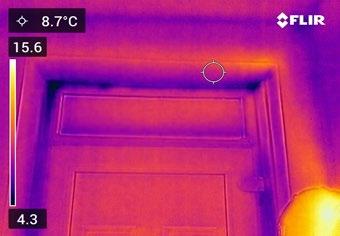
Engage the community, using your team and the upgraded building as a springboard
This builds trust and social proof. Consider loaning thermal imaging cameras, running fun events and offering practical advice to help members make small, affordable energy improvements in their own homes.
• Consider getting a thermal imaging survey or full energy assessment of the community building to find what energy measures are needed and possible. This can help make the business case for business funding or grant applications. See the appendix for a guide to potential funding sources and support. Building a team of other organisations might help identify opportunities for funding and support.
• Quick wins are basic DIY options like draught proofing which can also be visible and felt directly by members to give that cosy feel, while insulation can significantly reduce costs, and renewables like solar protect against
volatile energy prices. See B&Q’s energy saving tips in the appendix, for examples.
• Make sure to measure the savings made and compare bills before and after to see what’s saved. Note savings in plain English (not kilowatt-hours!), try 'we saved £900 a year and now we’ve got more for family activity days’.
• Communicate the upgrades loudly and often. Display before-and-after photos or thermal images and savings figures visibly at the venue and build into communications e.g. 'we found draughts and tackled hidden heat loss; you could too.’ This will help build awareness, trust and credibility.


First, build the team:
• Community groups: Look for corporates with HQs nearby, or businesses whose day job involves UK buildings: think banks, retailers, energy companies. They’re most likely to get the need and stick around. Don’t forget smaller local players like local estate agents or building firms or trades. A nearby cafe, DIY shop or independent retailer might chip in vouchers or prizes that make all the difference to sign-ups.
• Note for businesses: If you’re looking to support community groups, look for local groups - from sports and faith groups to community centres - who might have inefficient buildings and high bills.
• Link up with existing energy advice schemes in the local area, like fuel
poverty charities or home energy audit services. You don’t need to have this knowledge or expertise; you just need to know who to signpost to. And they might have valuable suggestions for your project. Your council’s website is a good place to start looking.
• Think how each partner brings something different and complementary to the community, matched to the scale of what you’re trying to achieve.
As well as the core partners in Bradford, we also worked with Groundwork’s Green Doctors to use cameras at planned home visits, Leeds Beckett fashion students who ran a draught excluder making workshop for free, Bradford community wardens did leafleting for the project and the Snugg home energy upgrade tool gave us a referral link to track usage.
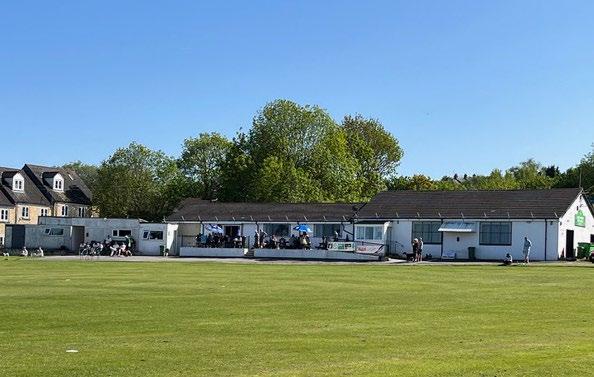
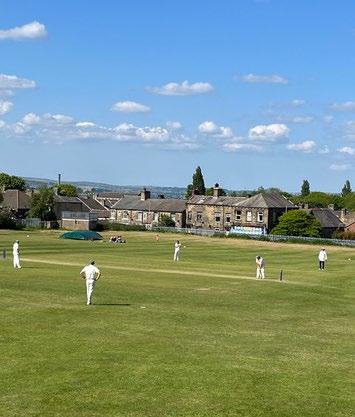
Great Horton Park Chapel Cricket Club is a community hub, located on the border of two wards in the 10% most deprived wards in England10. It brings people together through sport, building friendships and boosting wellbeing - which made it the right base for a pilot about keeping homes warm.
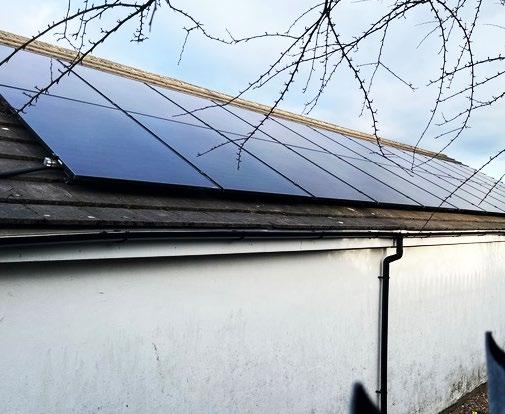
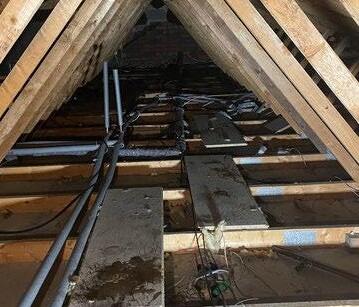
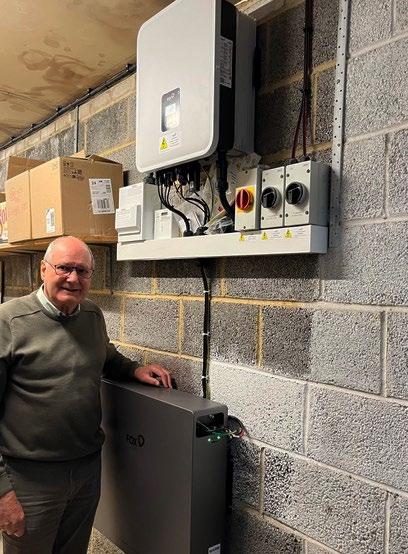
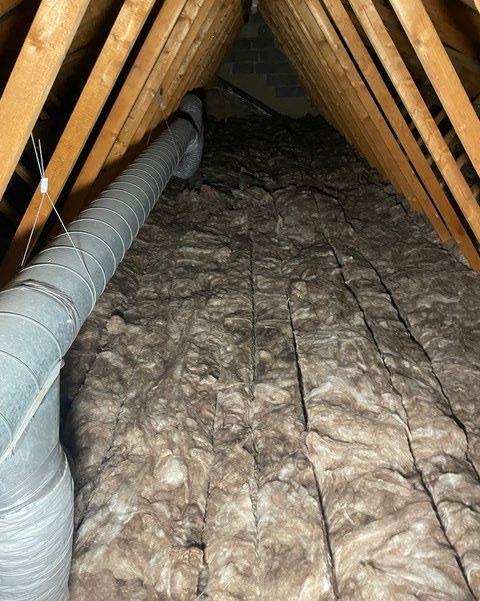
Before Thermal Detectives launched, the club spent 2025 cutting its own energy use. With club funds plus grants from Bradford Council, the England & Wales Cricket Trust (Tackling Climate Change Fund) and Business in the Community (Community Climate Fund), they switched to LEDs, fitted UPVC double glazing, insulated the loft, installed solar panels and a battery, and added Hive smart heating controls. This helped the club:
• Save £2,147 in 2025 alone from solar panels
• Pick up the Environmental Sustainability Award at the Bradford Sports Awards.
Walking the walk first gave the club credibility when it came to asking members to think about their own homes.
In Bradford, a lag in data meant we couldn’t lead with the club’s actual energy bill savings during early events. Make sure to time your activity when you’ll have something to say for the next engagement stage (or use projected savings).
Community hub, clubhouse and grounds
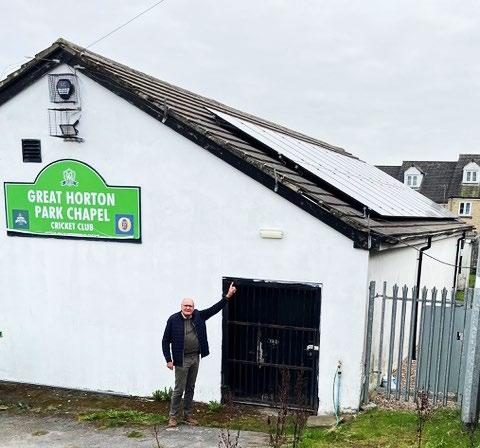
Clubhouse upgrades:
• LED lighting
• UPVC double glazing
• Insulated loft
• Solar panels and battery
• Hive smart heating controls
We used to turn the heating on in the morning to warm the club for evening events. Now we only need to turn it on a couple of hours before — it's already warm."
— Les, Club President
• The coordinator needs to already be part of the community: trusted, known, able to hit the ground running without spending months earning people's trust.
• Look for strong people skills and the confidence to make direct personal asks ('Have you signed up yet? Let me show you how it works'). This community organising skill is critical over admin, technical or social media knowledge.
• Their job is to keep the project front of mind for community members, embedding it into existing social activity, making it easy to take part (like being able to book the camera on the spot, rather than having to fill out a long email form) and give timely nudges on participation.
• Budgeting for their time is ideal to manage the logistics of managing the camera and social element to help people engage, so it doesn’t just rely on goodwill. If there's no obvious insider, think about upskilling an existing member rather than bringing in someone external, unless there’s a need for more complex project management or specialist skills. If funding a role isn’t an option, start small with existing volunteers and club members and build into existing activities like social events – see the appendix to get an idea of resources needed for bronze, silver and gold scale of projects.
Note for businesses: Remember the coordinator is core to this trusted messenger model.
Getting the cameras into homes: From November 2025 to March 2026, two thermal imaging cameras (provided by TSB) were loaned out 37 times via two routes:
• Through the club. Hubbub recruited a paid Community Coordinator, an existing member already involved in day-today activities at the club. She became the trusted messenger, driving signups through her networks, managing bookings and running events. 18 members borrowed a camera this way.
• Through Green Doctors. Midway through the project, Bradford Green Doctors (part of charity Groundwork) took one camera out on their existing home visits to
residents on low incomes. 19 households were reached this way.
In Bradford, the Community Coordinator was the difference between sign-ups happening and not happening. She nudged, reminded and chased and even then, some people didn't act. A trusted messenger gets you most of the way, but home energy upgrades (even small DIY fixes) can still be complex to navigate. A digital guide helps but some households need someone walking alongside them, so a model like Green Doctors giving additional tailored support is worth considering.

• The easiest group to start with will be those already engaging and regularly coming along to the community hub, so consider this your natural main audience. Start with them and get their stories to build social proof and help engage others.
• Don’t just speak to the usual suspects. You might want to look beyond the core membership to the households who stand to gain the most from cheaper bills and warmer homes. This requires a granular understanding of your audience: do they rent or own? Do they face language or accessibility barriers? Are they dealing with acute issues like fuel poverty, or damp and mould? Deep insight is the best way to ensure your support reaches your target audience.
• Think what might motivate each group, and what incentives or social activities might bring people together. Might they be convinced by help managing household bills, or want to do something fun with their kids? Most people aren’t interested in the technical side of energy saving. This will help you know
what activities will most resonate and design broader messaging that speaks to household budgets, comfort and family wellbeing, not just tech, DIY or the environment.
• It’s easy to make assumptions about who “does” DIY. Anecdotally, women were far more engaged in Bradford than conventional wisdom might suggest, possibly due to managing household bills. B&Q's research highlights 93% of women have completed home improvement projects11. Stay curious, even in familiar territory. In Bradford, plans changed more than once: a planned evening event became a daytime workshop once we realised it clashed with Ramadan and Iftar; a reminder that good plans bend to the community, not the other way round.
Note for businesses: If you want to measure your impact, design it in from day one, but be realistic and specific about what you can claim: savings, awareness, action taken, stories told. Measurement takes time and trust.

Find the hook. At our Bradford Cricket Club, we lent on the club’s existing social life to host a curry night. In your community it might be a hot chocolate morning, a family craft afternoon, a match day, a community meal. Energy isn't the hook. The fun and social or local element is the hook. The EAST framework is a useful behaviour change tool to help you find a good hook:
• Easy: How can the camera guide be simple? Could anyone show someone how to use it or print it for those not online? Sign people up on the spot while motivation is high.
• Attractive: Is there a free meal, a chance to learn something new or socialise? Making the cameras free to borrow makes them more appealing. Consider pairing fun with a concrete incentive for borrowing a camera, referring neighbours or making upgrades. A £20 voucher for DIY draught excluder materials at B&Q was an effective incentive for Thermal Detectives, along with a chance to win £100 for making the most changes or
helping the most friends and neighbours use the cameras. Though not everyone used their DIY voucher right away, suggesting more handholding beyond digital guides is needed for some, to make even small changes at home.
• Social: Add a bit of social proof using member case studies to show it’s worthwhile. Also tie activities into the community’s existing social life.
• Timely: Time your project to coincide with existing engagement events and consider seasonal hooks like Christmas or Halloween in the colder months when people are thinking about their heating. Thermal cameras will easily show poor insulation with a 6 degree temperature difference between the inside of the building and the outside. Therefore, a heatwave can also be a good time to show how draughts let hot air in and prevent us keeping our homes cool in summer. Remember demonstrations work best in the evening.
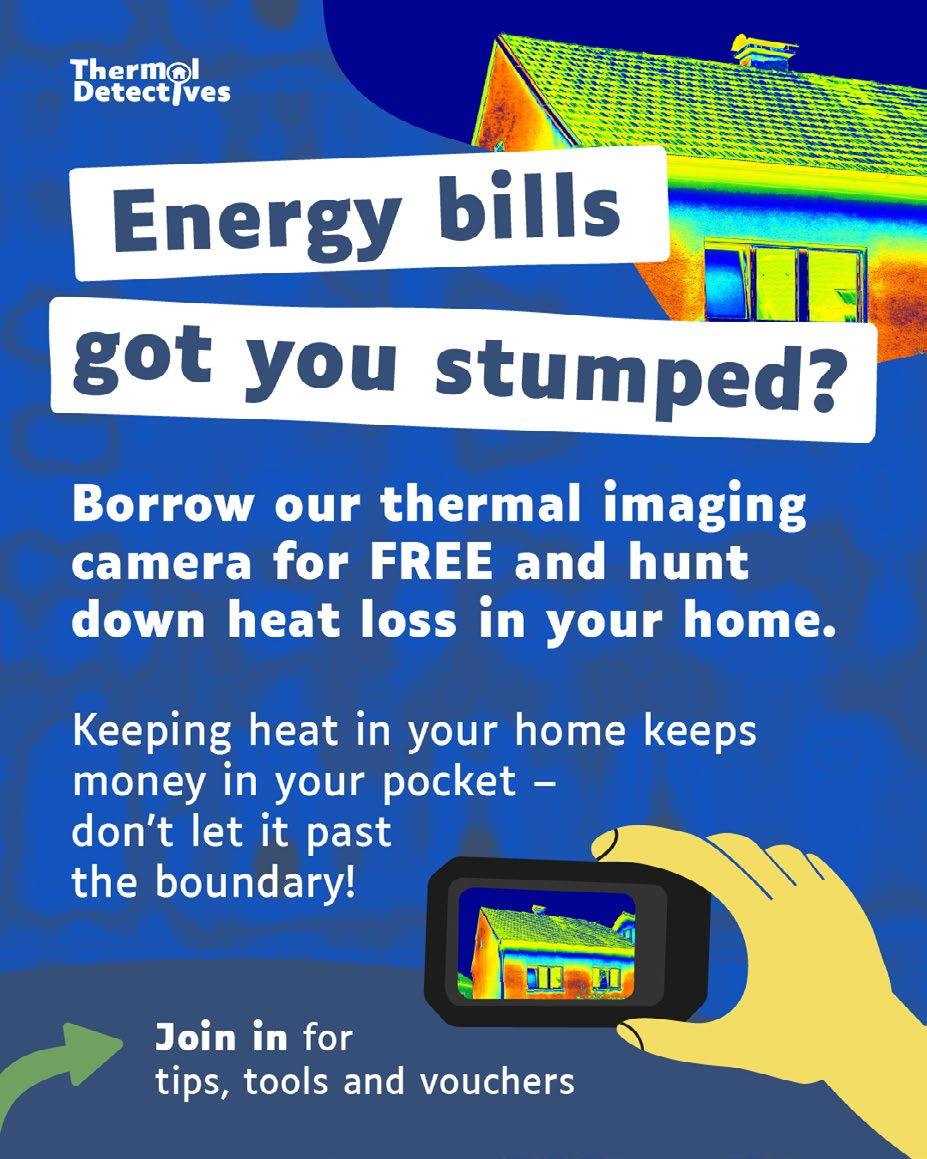
Getting the word out: The club’s Facebook and Instagram were the main online channels publishing one or two posts a week. Table talkers and posters in the clubhouse helped show off the upgrades. Local neighbourhood wardens helped leaflet surrounding streets. Language leaned into the cricket theme: "Energy bills got you stumped?" and "Join the winning team against home heat loss."
Members got two guides to taking part, 1. How To Use Camera guide and 2. Warm Homes DIY guide for small upgrades like draught proofing and links to funding for bigger measures via the Snugg tool. But the real traction came from in-person events:
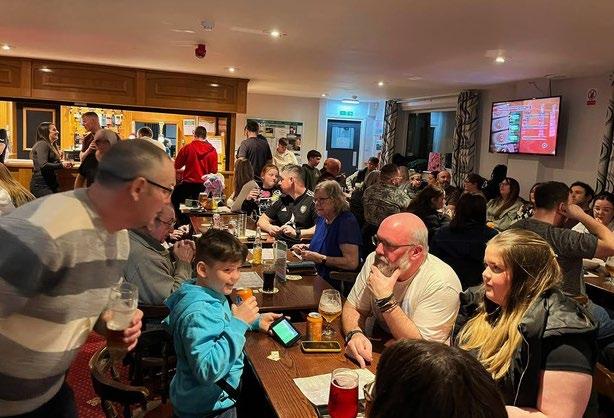
• Can You Beat the Heat? Curry Night. Members took on a spicy curry challenge
while the cameras showed their faces heating up in real time. This went down a storm with friends and family.
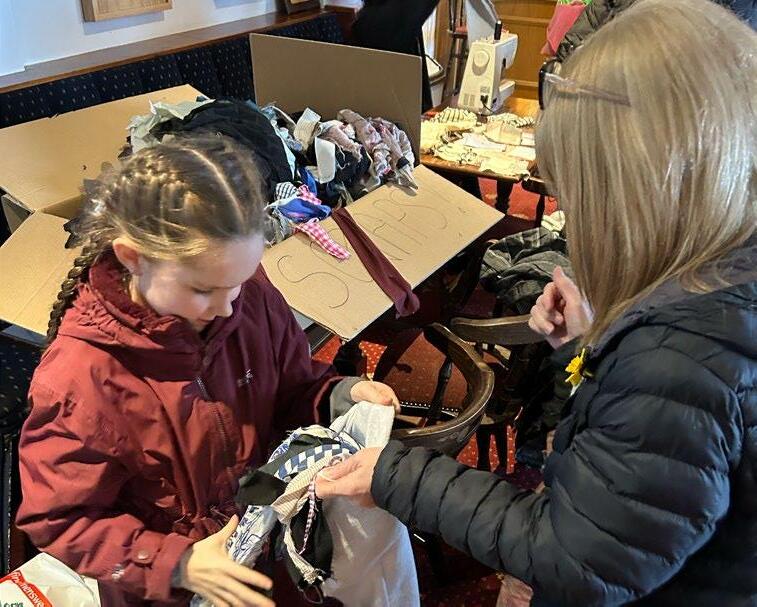
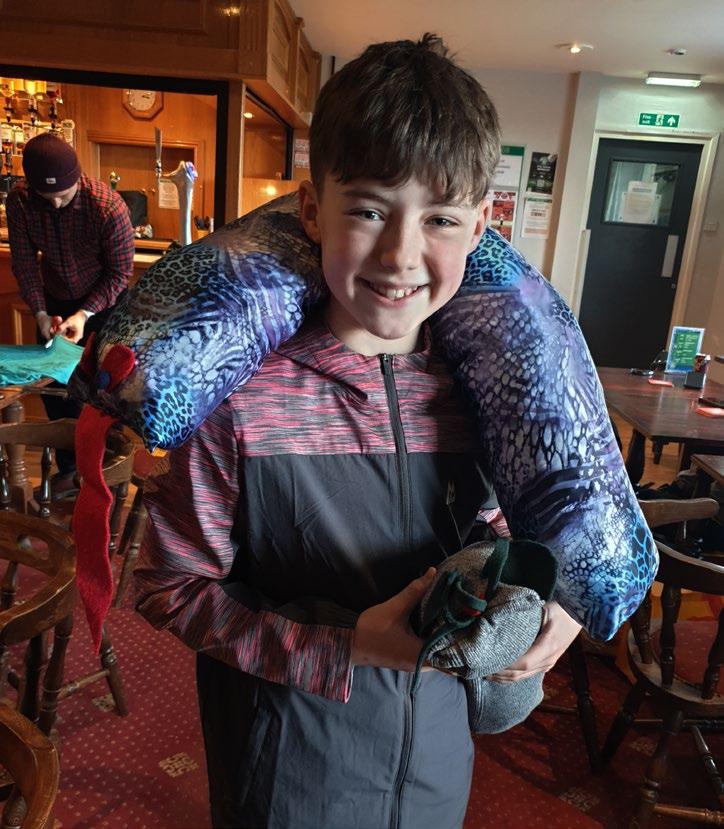
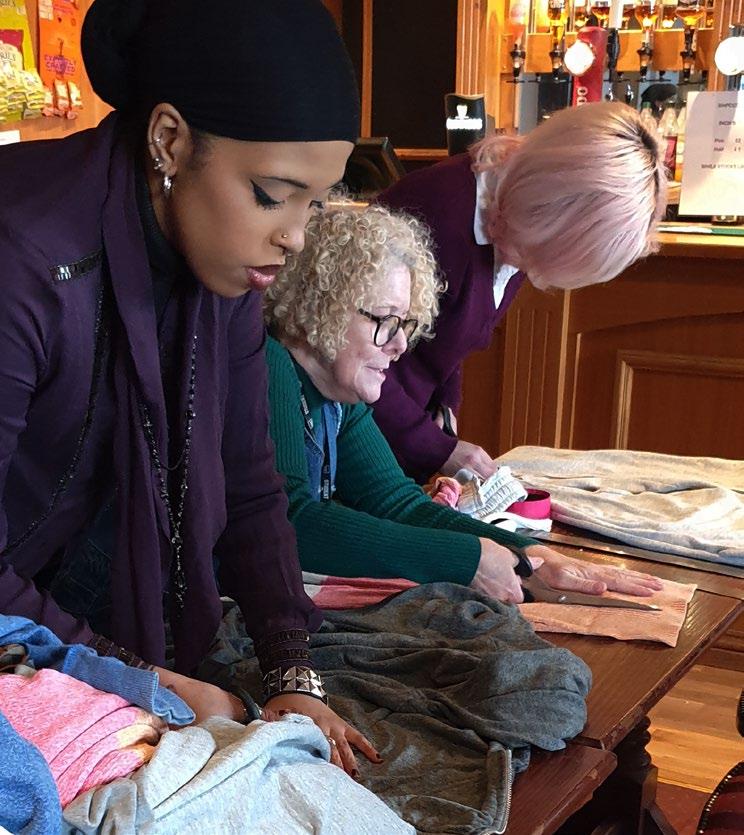
• DIY Draught Excluder Workshop. University students from Leeds Beckett helped families turn old clothes into draught excluders over half term. Hot chocolate on tap. Drop in any time. Those who attended rated the event 4.8 out of 5.
Sync your campaign with the community rhythm: In Bradford, the project’s winter timing clashed with the club’s low season. If repeated, we’d build awareness during the summer cricket season – priming the audience when they’re already on-site - and then do a bigger push during the first cold snap to drive action.
• Write like a human. Jargon out, plain English in. 'Heat loss through the building envelope' becomes 'cold air sneaking in around your window-frame'. This is the Easy bit of the EAST Framework.
• Match channels to your audience. Who reads posters on the clubhouse noticeboard? Who's on WhatsApp? Who prefers a chat at the tea counter? The answer is different in every community: find out, then meet them there.
• Be realistic about social media. Small community groups can saturate their
own channels fast, so unless you’ve a big reach and very active engagement keep social media to key announcements and reminders and encourage sign-ups in person, a nudge over a cup of tea. It can also be hard to ‘compete’ with other messages that are a more natural fit for the group. Keep comms as the backdrop, not the whole show.
• Make communications personal and tell stories over abstract facts. 'Kamran found a £25 fix for his cold bay window' beats 'residents can use thermal imaging to identify areas of heat loss' every time.
On Thermal Detectives, cold leafleting and door-knocking brought in almost no signups. A regular drumbeat of social posts on the club’s channels and the curry night

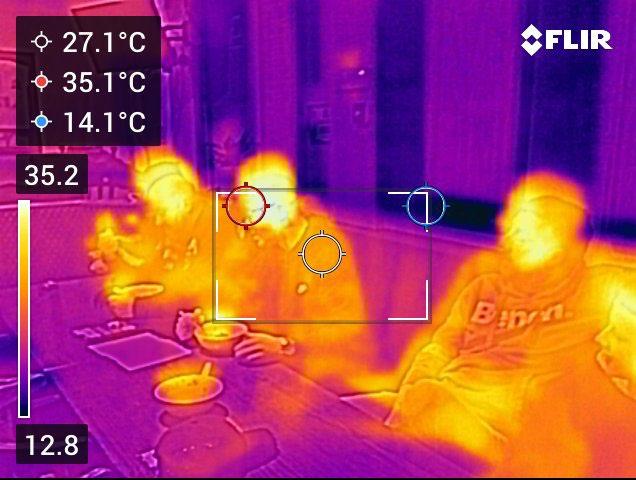
and the draught excluder making afternoon brought in most of them, nudged by word of mouth from the coordinator- reinforcing the role of trusted channels.
1. Awareness of home heat loss increased after using the cameras:
• 30 of 36 people who borrowed the camera (83%)12 rated their awareness 4 or 5 out of 5, showing how the cameras help visualise heat loss.
• For club members surveyed before and after, their awareness rose from 2.9 average to 4.6.
to stop home heat loss increased for most
• 21 of 36 people who borrowed the camera (58%)13 rated their confidence 4 or 5 out of 5, with 14 rating it 3 out of 5.
• For club members, 9 of 17 said their confidence increased, 6 stayed the same and interestingly, it dropped for 2 perhaps as they learnt more about energy efficiency.
Draughts around windows and doors were the most common issue discovered with draught proofing the most common fix taken or planned.
• Action was most likely for those with greater confidence and DIY knowledge such as having past experience or a tradesperson in the house.
• Actions ranged from the anticipated quick and cheap measures to even one or
two bigger-ticket items: one participant insulated their loft, and another used the camera in an unlikely way - to check on the health of their beehive!
• 16 of 17 club members who borrowed a camera, took or plan to take at least one action to tackle home heat loss14
The Energy Saving Trust state the average household can save up to £85 a year from draught proofing15
"I've asked my landlord to renew my boiler — it's over 15 years old."
- Green Doctors participant
“Amazing how it showed hot and cold spots... (you) could see which nearby houses were insulated or not.”
- Club member


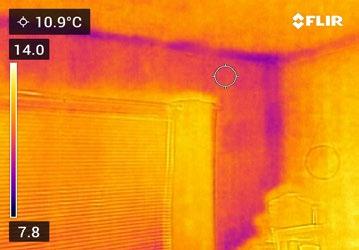

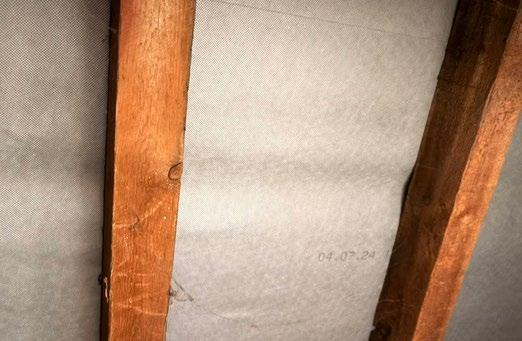
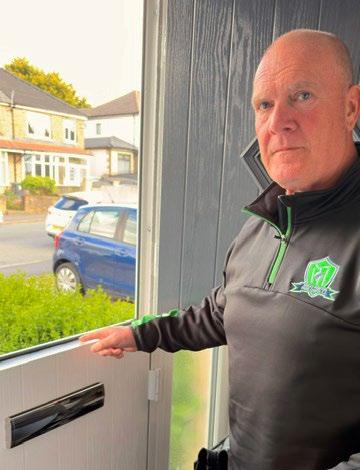
Bob, a club member, saw the cameras advertised on the Club’s Facebook page and was motivated to give them a go, being free to borrow. He found heat pouring out of the attic, in the same spot his son had always said his bedroom felt cold. He also found draughts around windows and doors, and cavity wall with no insulation. So, he got to work, insulating the loft walls, siliconing windows and draught-proofing doors, while his son also bled the radiators. And on the
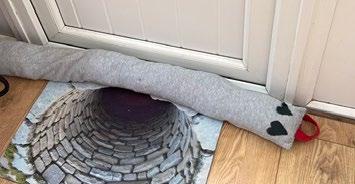
'Snakey snake' draught excluder
As well as starting the project in late summer, we’d keep a back-up plan ready for events that fall through, and recruit one or two champions from different audiences to work alongside the coordinator.
Thermal Detectives succeeded because every partner played to their strengths, BITC
backdoor sits ‘snakey snake’ a draught excluder made at the workshop by his grandson and much treasured. He’s keeping an eye out for grants for cavity wall insulation having used the Snugg tool.
The result? Not only does his home feel warmer, turning the heating on just for a boost rather than constant, it’s the first time in Spring he can remember being in credit on his energy account.
It gave me the kick up the butt"
...he says to look at what he could do at home. He said...
"it's rare to get something for nothing; a free to try project I trusted"
- Bob, club member
unlocked funding for the cricket club building upgrade, TSB and B&Q provided the funding, technical hardware, and product expertise, as well as incentives which got people signing up. With Hubbub leading engagement, we were able to bring our efforts together to create impact.
This blueprint highlights how business and the Voluntary, Community and Social Enterprise (VCSE) sector can work together to cut carbon and improve the quality of the UK’s buildings through community engagement.
The Thermal Detectives project highlighted the benefits of collaboration to help households tackle leaky homes in the UK. Using community centres to spread the message, aided by businesses and community networks can be a key tool to engagement and action on this pressing issue”
Samantha Dyer, Head of Sustainability, B&Q
Our work in Bradford shows placebased energy engagement needs to be personal, persistent, and inperson, to be effective. We call on the forthcoming Warm Homes Agency to actively consider and fund community organisations such as sports clubs, faith groups, and community centres to act as trusted messengers to help UK households upgrade their homes. Ringfenced funding is needed not just for home energy installations but for the essential engagement, coordination and trust-building work that precedes this.”
Jess Wiles, Head of Projects, Hubbub
As one of the UK’s leading mortgage lenders, we are committed to playing our part in making homes across the country warmer, more resilient and low carbon. Achieving this will require collaboration, alongside new ideas and partnerships that put residents at the centre. Building on our previous work with B&Q and Hubbub, this project underlines the vital role of resident engagement in delivering the upgrades needed to meet the UK’s housing goals.”
Kirstie Ross, Sustainability Lead, TSB Bank
Thermal Detectives has been an exciting way to bring together different pieces of the energy security puzzle. This has been an exercise in empowerment; local people in a community space taking some control of their energy bills. It also enabled businesses to reach customers on familiar ground, using familiar language, tackling a familiar issue. In this collaboration, we have found a way to create opportunities for greater involvement in the energy transition for businesses, community organisations and local residents. When the result is cheaper bills, better knowledge, and lower carbon emissions, I hope this can inspire similar partnerships in more places.”
Ned Gatenby, Future Proofing Communities Senior Lead, Business in the Community
The UK Government's Warm Homes Plan commits £15 billion to upgrade five million homes by 2030, and rightly signals a shift toward trusted, place-based delivery. But the plan's funding focuses on installation, with household advice being centralised and digital-first. This blueprint offers practical, tested guidance for the community-level trust-building, engagement and behaviour change that must happen upstream of any grant, loan, or installation, and which the plan's success ultimately depends on. In Bradford, the project was designed to inspire
and enable quick DIY fixes, signposting how to take action. Even with incentives and trusted messengers in place, engagement in Bradford required persistence. Households were aware, motivated and equipped with a how-to guide and social proof, and while most took action, not everyone got round to making the small changes themselves. This reinforces the complexity of making – even small - home energy upgrades, showing how policy will need to provide additional handholding and support to mobilise households at scale.
[1] Acha et al. Decarbonising Buildings: Insights from Across Europe, Grantham Institute, December 2022 – via Imperial College
[2] National Energy Action via House of Commons Library, 2025
[3] The Great Homes Upgrade, National Economics Foundation, 2026
[4] Hubbub, polling of 1,000 homeowners January 2025
[5] Warm Homes Plan, DESNZ, 2026
[6] Environment Audit Committee, Seventh Carbon Budget, 2026
[7] National Retrofit Hub, working group 6 – driving action, 2026
[8] Eco Church, A Rocha UK, 2024
[9] Pledgeball, 2026
[10] Bradford City Council, ward profiles
[11] The Way We Live Now, B&Q, 2024
[12] Question asked: ‘When asked Q - How aware do you feel of heat loss in your home now you've used the camera? i.e. knowing where or how heat might be escaping’ - Green Doctors and Cricket club members 36 responses combined (one borrower didn't complete the surveys)
[13] When asked Q- How confident do you feel taking steps to stop heat loss from your home now you've used the camera? - Green Doctors and Cricket club members 36 responses combined
[14] 12 of 17 had already taken action. [Note: As the Green Doctors model worked slightly differently and rather than having the camera over a period of 3-5 days it was used by the GD during one visit * this meant for those GD who only completed camera return survey didn’t capture info on actions taken, also as some of these are facilitated by the Green Doctor.
[15] Draught proofing, Energy Saving Trust, 2026