


Initiatives launched in 2025
Initiatives launched in 2025
UK households threw away 6 million tonnes of food in 2022. That's the equivalent of £17 billion worth of food, around £620 per household, or £1,000 for a family of four.

In that same year, 1 in 10 households couldn't afford enough to eat. (WRAP, 2025; Food Foundation, 2025)

The UK food system is not working as it should. Healthier food costs more than twice as much per calorie as less healthy alternatives. A quarter of food outlets in England are fast food. The most deprived households would need to spend 45% of their income to afford the Government's recommended healthy diet. The foodrelated ill health this creates costs the economy an estimated £268 billion a year, paid not at the till but through the NHS, lost productivity and shortened lives. (The Broken Plate, Food Foundation 2025; FFCC, 2025)
Food waste is woven into this picture. Of the 6 million tonnes thrown away from UK homes in 2022, 4.4 million tonnes was food that was perfectly edible. It generates around 16 million tonnes of CO₂ equivalent each year (WRAP, 2025). It's wasted for entirely preventable reasons such as food forgotten at the back of the fridge, too much cooked and portions left on the plate.
Meanwhile, climate shocks are adding an estimated £600 a year to household food bills, hitting those already struggling to get by the hardest (Trussell Trust, 2026). Globally, Russia's ongoing war in Ukraine alongside Israel and the USA’s escalation of conflict in the Middle East are disrupting food supply chains and pushing insecurity towards record levels. The World Food Programme has warned the situation is getting worse, not better.
Reducing food waste won't fix the food system on its own. But it is one of the most practical levers we have. Less food wasted means more value stays in the supply chain, more food reaches people who need it, and fewer emissions go into the atmosphere. Citizens across the UK agree: the Food, Farming and Countryside Commission's nationwide deliberation found broad public support for a food system with better food and less waste, not as a niche concern, but as a mainstream expectation. (FFCC, 2025)
The Eat It Up Fund, a grant fund delivered by Hubbub with funding from Starbucks, backs organisations doing this differently. In its second round, seven initiatives tackled food waste from angles that don't often appear in the same programme: sensor technology in household fridges; school chef training; a food processing factory in London; a new commercial route for surplus meat and seafood; behaviour change inside a prison. No single approach. That's the point.
Hubbub's Eat It Up Fund provided the space to test something before you know it will work, and the confidence to share what you learned either way. We hope these seven stories add to the growing evidence that food waste reduction is possible, practical and worth backing, wherever it happens.
Mark Breen MacCormick, Head of Food, Hubbub
Govanhill Baths / The People’s Pantry
410kg across 3 community projects of food saved new food waste innovations developed 7 From innovations in school dining to food freshness sensors for fridges of food saved from waste in 12 months 112 tonnes of food forecast to be saved from waste in 2026 232 tonnes
community meals prepared 764 jars of preserves made 120kg of mushrooms harvested

Chefs in Schools

22%
20
- building the evidence base for smart fridge technology sensor units deployed
The Felix Project
20.8 rescued and redistributed through a new dedicated facility tonnes of surplus food
across participating schools reduction in food waste per pupil hospitality customers reached
36 schools trained across the Midlands
38.5 tonnes of surplus food saved


45.5 — roasted into passata for schools and community kitchens tonnes of surplus tomatoes and produce saved



Big ideas company — Clean Plate
180 tonnes of annual food waste identified and measured for the first time at HMP Norwich 10 tonnes saved at HMP Norwich

I am delighted to see the range of innovative projects funded by Hubbub's grant. From homes to schools and prisons, Hubbub shows that everyone can benefit from preventing food waste.
This government is determined to end food poverty and tackle Britain’s throwaway culture, ensuring more good food ends up on plates and not in bins. On 13 May, the Prime Minister announced a new national programme to expand the distribution of surplus food – supporting both people and the planet.”
Mary Creagh MP CBE, Circular Economy Minister, DEFRA




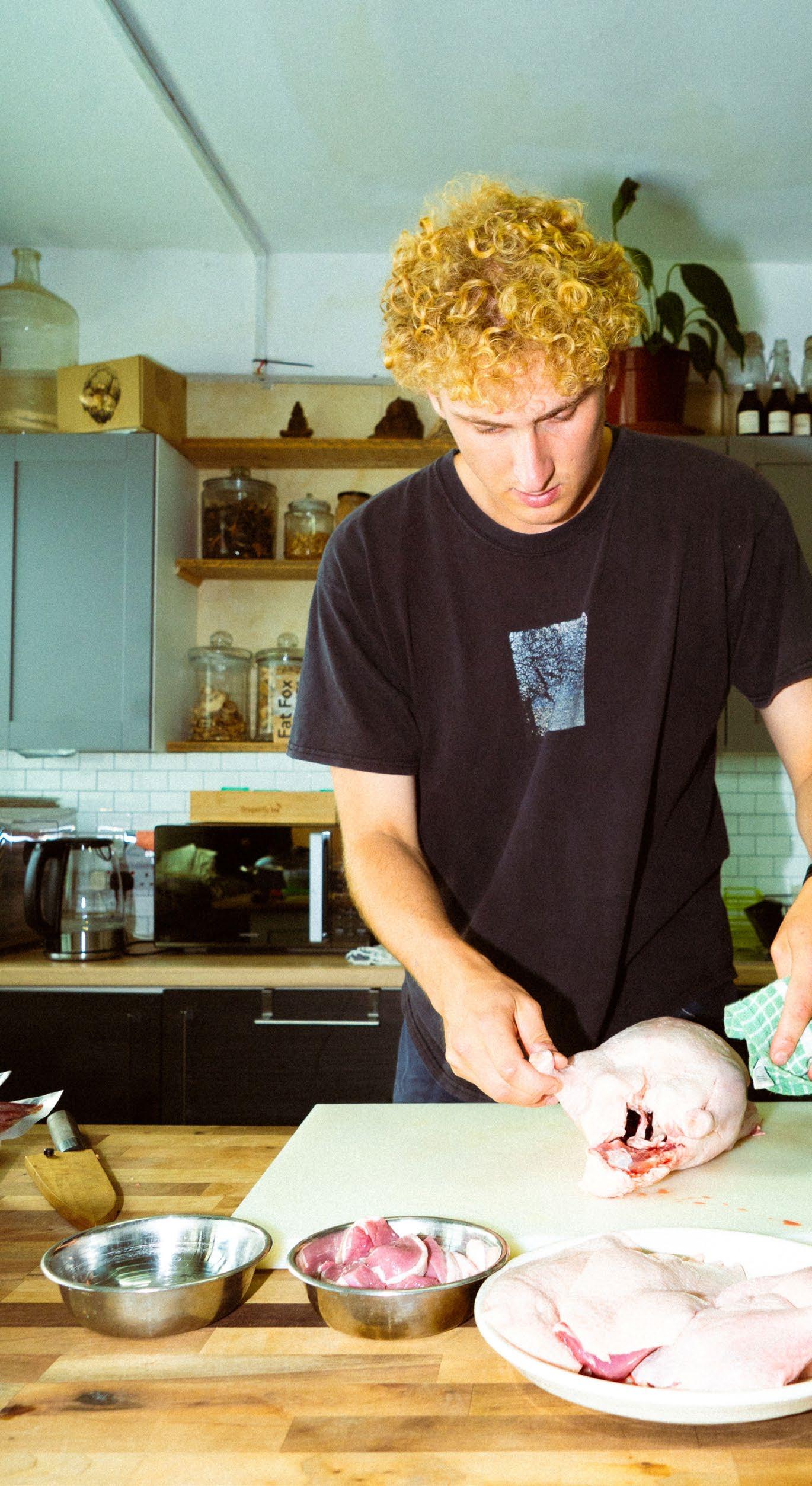
Angry Monk’s ex-breeder duck and chicken were perfectly suited to our Asian menu. We were able to use these flavourful, sustainable ingredients for a wide range of our dishes for a fraction of the price of their standard alternatives."

Each year, tonnes of perfectly good meat, seafood and produce goes unsoldex-breeder animals, seasonal gluts, non-standard cuts. This food often ends up wasted in the UK as its outside consumers' comfort zone and buying habits. Angry Monk set out to build a market for it.
The Eat It Up Fund grant helped get the project up and running – funding a warehouse, walk-in freezer and food safety certification. In partnership with HERD - the sustainable food brand from chefs Will Murray and Jack Croft - Angry Monk created recipe content to show all the things chefs could do with surplus protein. Then they went and found customers.
• Infrastructure in place: SALSA-certified warehouse and walkin freezer now established — a platform ready for commercial scale.
• Demand proven: Positive feedback on price and quality from restaurants, university caterers and contract caterers alike.
• Recipe content working: 15 videos produced with HERD chefs, showing chefs what surplus protein can do on a menu
• Commercial viability: 40% gross margin across all products
38.5
We are delighted to be part of this initiative. We share with Angry Monk a desire to manage our food systems more responsibly, and our ex-breeder hen Legghorn mince is a delicious, sustainable way to do it.”
– Richard Murray, Founder, Legghorn
15 0 140 15
tonnes of surplus food diverted (37.1 tonnes pre-farmgate produce + 1.4 tonnes surplus protein)
hospitality customers placed at least one order during the grant period
customers ordering weekly by the end of the grant
customer churn — no one who tried the products said they wouldn’t order again
orders placed; 1,424kg of surplus protein ordered (£7,765 value)
recipe videos produced; 45,000 total views across the six published Delivering to Cambridgeshire and Hertfordshire; Kent and Surrey next
Grow the customer base
SALSA certification now complete — unlocking additional contract catering clients and scaling from 15 weekly customers towards 100
Regional expansion
Kent and Surrey in 2026; further regions to follow Cross-selling
Introducing surplus protein to existing Angry Monk produce-only customers
Charity distribution
Direct routes to East London food banks and charities via supplier partnerships

We tried a range of beef, pork and poultry. We were surprised and impressed by how good the products were, and the low price was a huge help.”
– City law firm contract caterer
tonnes of surplus protein 16.9
forecast to be saved in the next 12 months
Infrastructure and supplier network established through the grant now supports standalone commercial operations
Tackling food
where nobody had thought to look
Nobody at HMP Norwich had ever measured how much food the prison wasted. When Big Ideas Company started digging, the answer was at least 180 tonnes a year. And nobody knew.
The importance and impact of the Clean Plate project cannot be underestimated. Not only are we striving to understand our food waste problem for the first time, but we are driving a culture change across both staff and prisoner habits of old.”
– Declan Moore, Governor, HMP Norwich

Rather than design a programme and hand it over, Big Ideas worked directly with staff and prisoners to build it. This included a food waste audit, a prisoner handbook and food waste certificate, induction films made by the people who’d use them, an inter-wing competition and then the prison governor approved food caddies for every cell. Clean Plate is the first programme of its kind in the UK prison system.
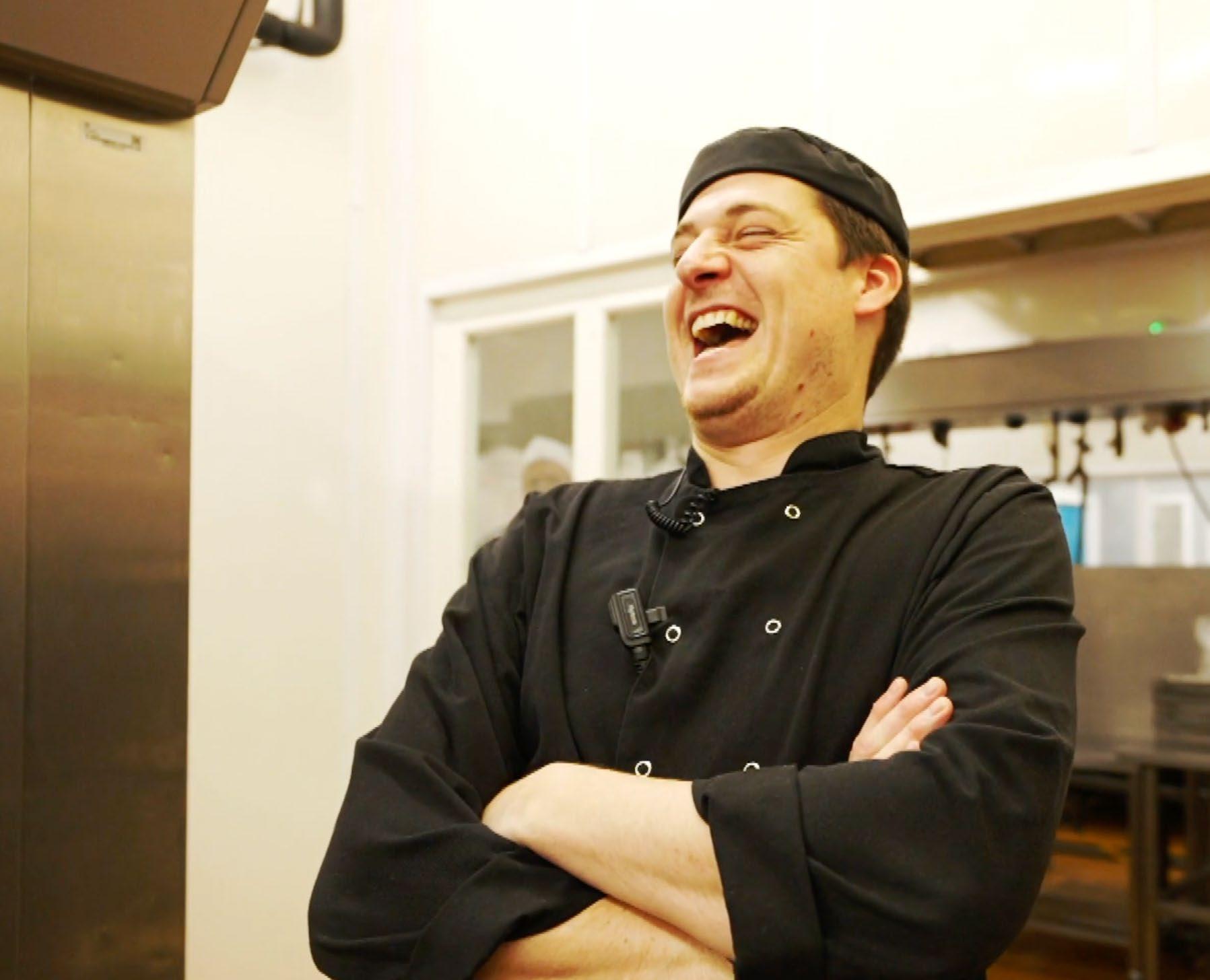
• World-first toolkit: Co-designed by staff and prisoners — now shared by HMPPS as they visit prisons across the UK.
• Culture change: Food waste went from unmeasured to a shared priority at all levels of HMP Norwich.
• Unexpected champions: Industries Manager James Laurens became a critical advocate, now exploring HMPPS-wide procurement of food caddies
• National interest: HMPPS and the Ministry of Justice have flagged the project as aligned with strategic waste management priorities
10 tonnes
of food waste saved during the grant period
education in food waste through new audit processes and behaviour change 32.5%
180 tonnes
50% reduction in waste contamination driven by inter-wing food waste competition
per year of food waste identified and measured at HMP Norwich for the first time
Food caddies approved for every prison cell — a fundamental change in how the prison manages food waste
HMPPS Waste Team actively supporting funding applications to roll out the toolkit to two Midlands prisons
Clean Plate makes me feel important and involved. It’s having a big positive ripple effect.”
– Prisoner, C Wing, HMP Norwich
National rollout pathway
Presenting to senior MoJ leaders to explore adoption across the UK prison estate (124 prisons)
Midlands pilot
Supporting two Midlands prisons — including a Young Offenders’ Institute — to adopt the toolkit
Funding for scale
Active applications to National Lottery Climate Action Fund and others, with City St George’s University and MoJ as agreed partners
Arts education
Continuing an arts education project with HMP Norwich
I’m proud of the way we have worked together within the prison and with the team at Big Ideas to set a new benchmark for innovation and sustainability.”
– James Laurens, Industries Manager, HMP Norwich
of food waste forecast to be saved in the next 12 months
Clean Plate Toolkit already being shared by HMPPS as a national resource
National rollout: 124
prisons adopting Clean Plate could save thousands of tonnes annually
What
if your fridge could tell you what’s inside it?
73% of edible food waste happens at home (WRAP). Most of it’s food we’ve forgotten about, that never even makes it to the dinner table. Newcastle University’s question: what if your fridge could tell you what’s inside it, before it’s too late?
Being part of the Waste-Not! project made me much more conscious of what I had in my fridge and how close things were to their expiry dates. Even small prompts made a difference to how I planned meals.
– Jarod
Gillespie, Head of Digital Asset & Network Strategy, Connexin Limited

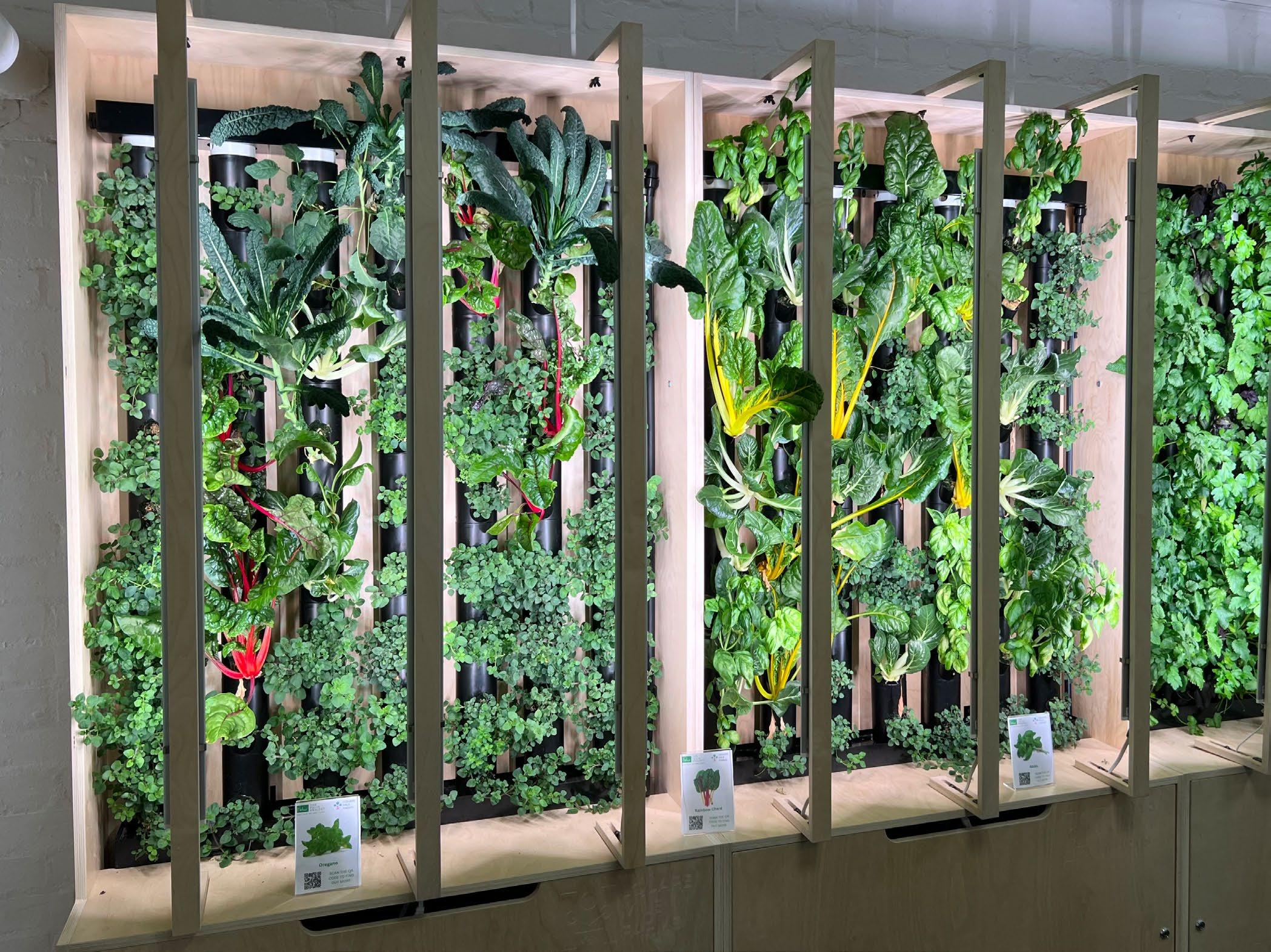
Waste-Not! puts multi-sensor units inside household fridges. It tracks temperature, humidity, door use and air quality - then feeds the data to an Android app. The pilot ran with 18 households and at ReFUSE Café in Chester-le-Street. It was small by design to get the technology right before scaling.
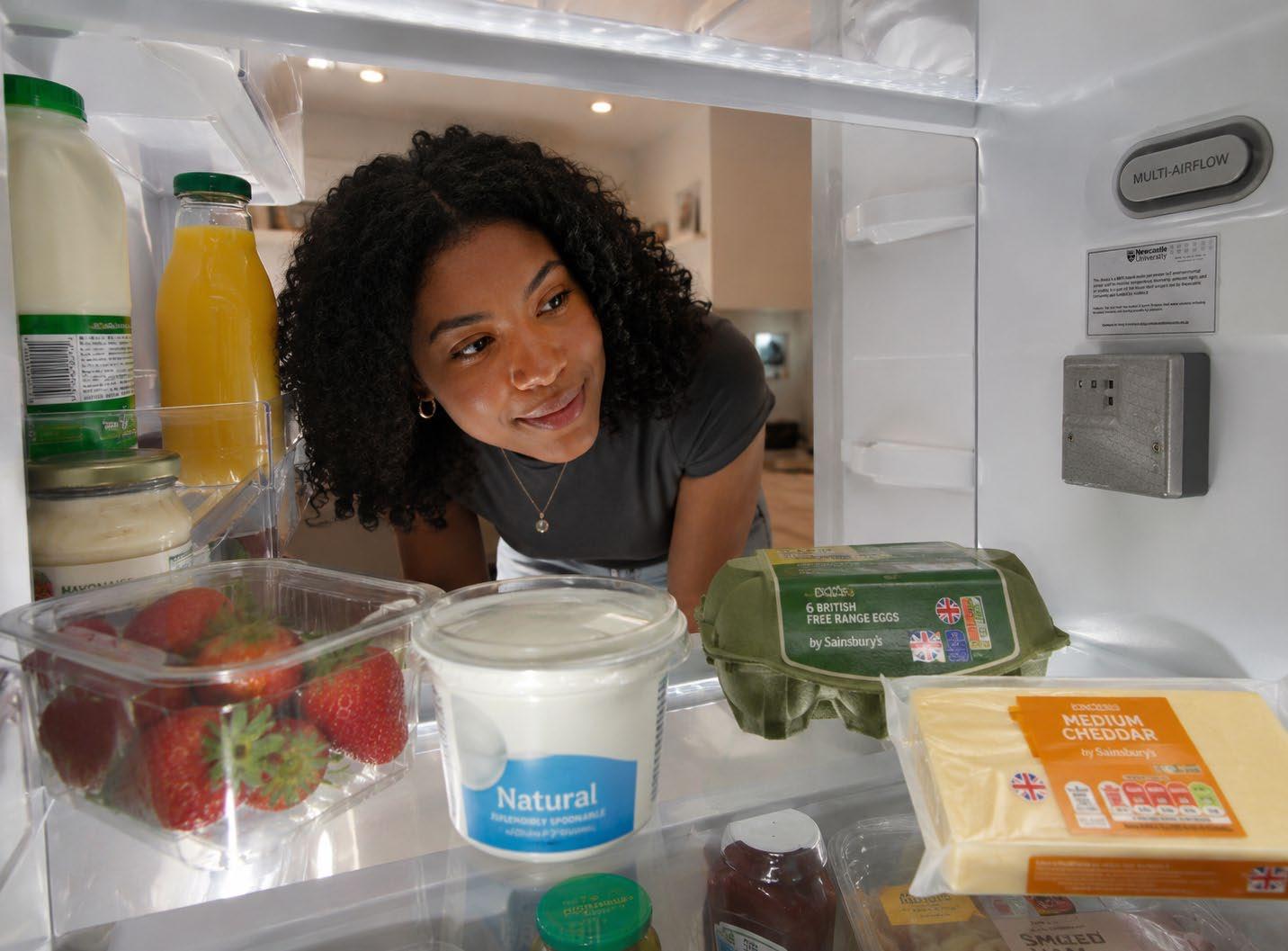
• Working pipeline: Sensor unit to cloud to app validated in real conditions — technically demanding at this scale.
• Usability improvements: Receipt-based and bulk inventory entry added in response to participant feedback.
• Sector partnerships: Relationships with Gateshead Food Partnership, FareShare, WRAP, Thrifty Chef and others.
• Academic platform: Research presented at invited talks; publications and a University press release in preparation.
sensor units deployed and operational across 18 households and local ReFUSE Café
End-to-end pilot validated: sensor to cloud to Android app, working in real cold-storage conditions
Battery life extended from approximately one week to one month through firmware optimisation
Participants reported higher awareness of fridge contents and more confidence using food before it spoiled
The sensor units gave us a clearer picture of what was happening inside our walk-in fridge day to day. Having reliable temperature and humidity data helped us think more carefully about storage, food quality and waste.”
– Naomi Priestley, Education Engagement Champion, ReFUSE Café
Recognised by NERF (North East Recycling Forum) and Connects-UK Best Talk Award
Scale to 100 households
Larger deployment to build the evidence base for formal food waste measurement
Structured impact measurement
Baseline-and-follow-up protocol to generate robust, verifiable savings data
Community workshop
Newcastle University event planned for August 2026 to share findings and map next steps
Funding applications
HEIF, Northern Zero Carbon Accelerator, Innovate UK SBRI and others in progress
Before using Waste-Not!, I didn’t really track what I already had at home. Seeing everything more clearly helped me use things in time and waste less.”
– Wenjie Li, PhD Student, Newcastle University
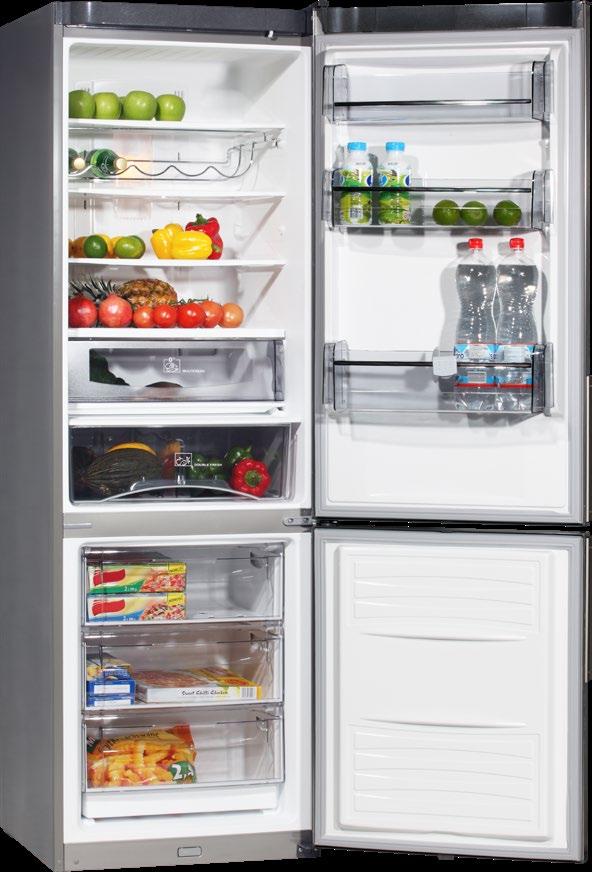
Estimated 300kg will be saved per year as the system scales to 30+ sensor-equipped households (conservative estimate)
of food waste
Foundation for a low-cost household food freshness platform with potential to reach 100+ users
Train the chefs.
Change the kitchens.
The food waste training has had a noticeable financial benefit across our catering operations. Staff are showing real enthusiasm for menu development and wasteconscious planning.”
– Harry Mathews, Catering Operations Manager, Arthur Terry Learning Partnership

Schools in England generate around 96,000 tonnes of food waste every year. A lot of it starts in the kitchen. Chefs in Schools set out to fix that by training the people who actually cook the food.
Three cohorts of the School Chef Educator training programme reached 36 schools across two large Midlands learning trusts. Over 10 weeks, through in-person kitchen sessions mixed with online learning, chefs learned how to plan menus around what’s available, use offcuts and trim waste at every stage. A printed Food Waste Toolkit gives them a resource to carry forward after the training ends.
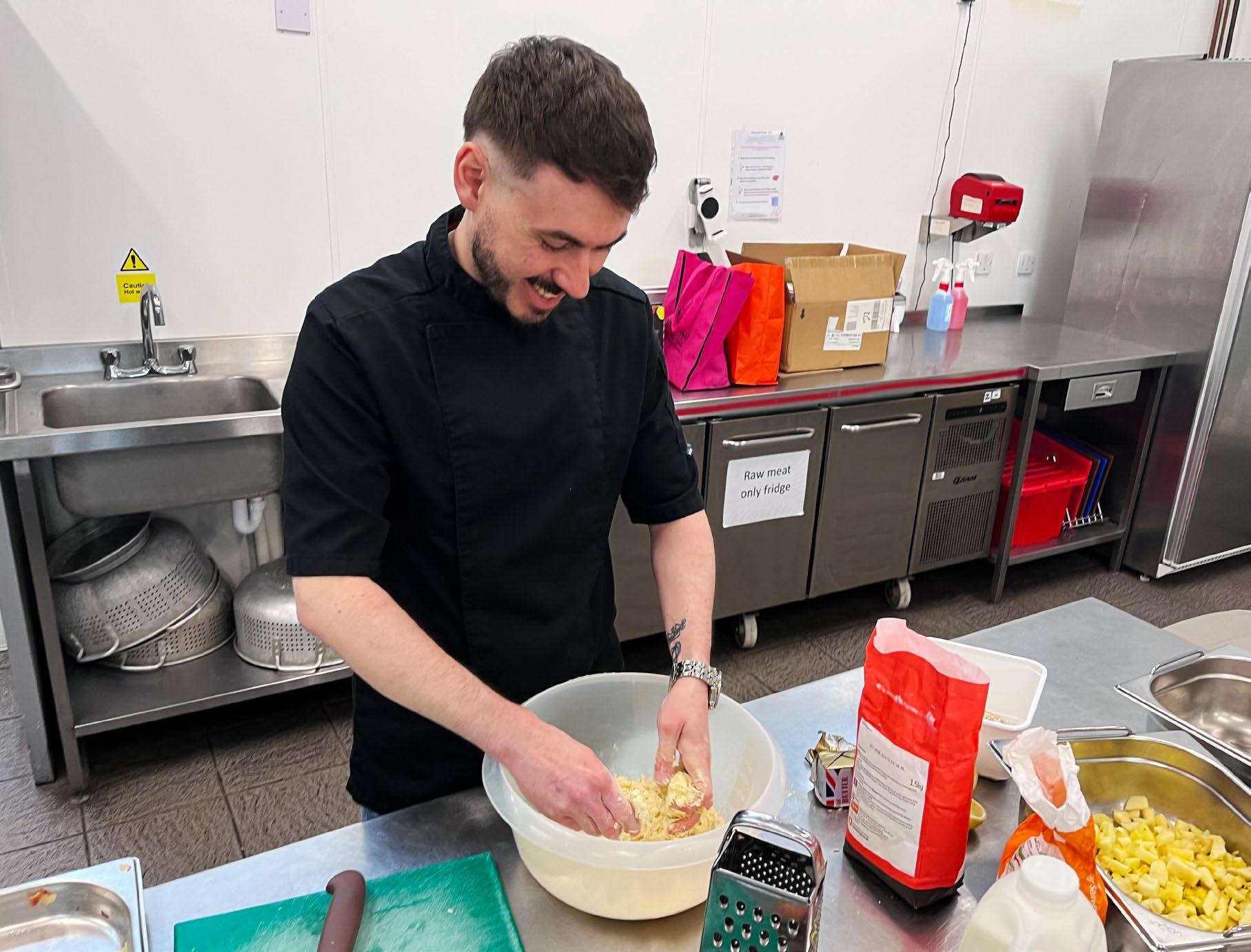
• Behaviour change embedded: Chefs across all cohorts are now taking more waste-conscious approaches to menus, purchasing and kitchen management.
of food waste saved across 10 schools with complete before-and-after data
reduction in food waste per pupil — average dropping from 89g to 69g per meal
overall reduction in total food waste across participating schools
• Nutritional uplift: Pupils consuming more food per meal is a meaningful outcome beyond waste reduction.
• Legislation timing: Launched alongside the UK’s new mandatory food waste separation rules for schools (Simpler Recycling, March 2025).
• Food Waste Toolkit: Designed and ready for distribution across all school networks; freely downloadable from the Chefs in Schools website.
It's changed how we think in the kitchen. I've expanded the salad bar and we're much more aware of waste now, we try wherever we can to reduce it."
– School Chef, Chefs in Schools
programme participant
reduction in kitchen preparation waste more food consumed per pupil per meal — less waste, more nourishment
of participating chefs would recommend the training to others increase in staff intent to lead food education across their schools

Potential saving of 25+ tonnes per year if reduction rates hold across all 36 schools
Toolkit distribution
Rolling out the Food Waste Toolkit across all school networks and making it freely downloadable
National expansion
Delivery extending to the North West and South East of England
Technology partnership
Exploring a pilot with DigiTally to use AI to analyse pupil feedback for data-led kitchen solutions
Fourth cohort
A new training cohort planned for 2026/27
All kitchen waste is now going to the garden for compost. I just look so much more closely at what we have left and think about what can be used the following day.”
– School Chef, Cohort participant
School chefs continuing to use new skills and the toolkit as an ongoing resource 25+ Estimated tonnes
of food waste savings per year if all 36 schools maintain post-training reduction rates

Govanhill, in Glasgow, is one of the UK’s most diverse neighbourhoods - home to people from over 100 countries. Food is central to how communities connect here. The question Govanhill Baths asked: could the surplus going to waste in this neighbourhood bring those communities together instead?
We were able to share our culture...I enjoyed experimentingwe didn’t quite stick to the recipe.”
- A participant in The People's Preserves who shared her recipe for Apple Achar

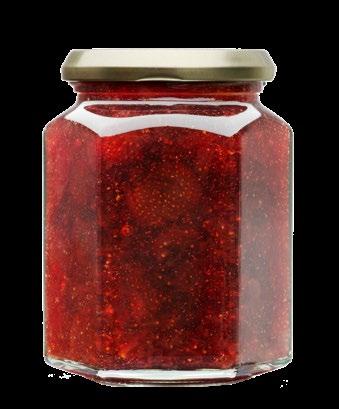
The Hidden Kitchen turned surplus into ready meals for The People’s Pantry food project. Community Champignons grew gourmet mushrooms from spent coffee grounds. And The People’s Preserves brought women from South Asian, Roma and wider communities together to make jams, chutneys and pickles - sharing recipes and techniques.
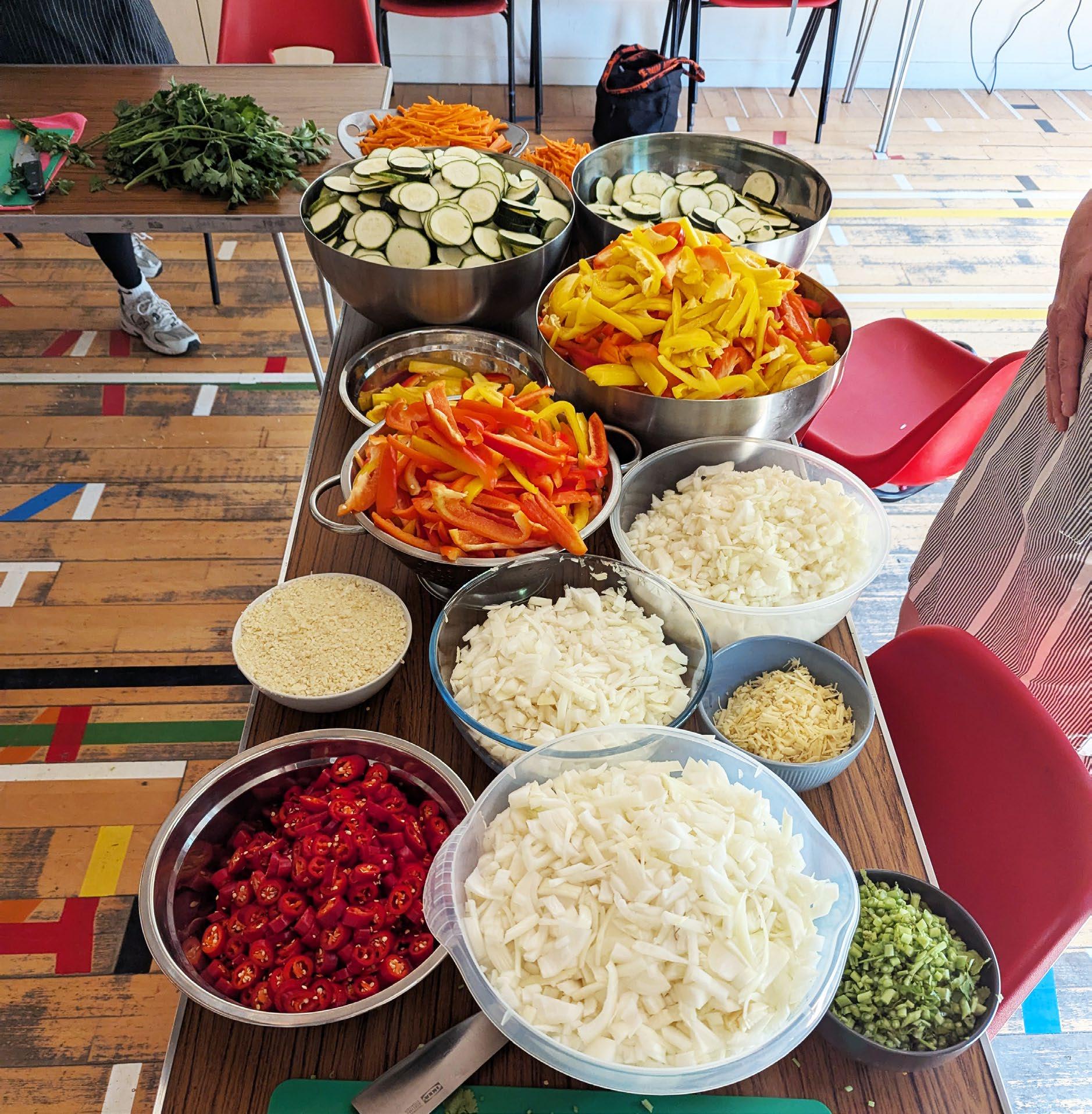
• Cross-cultural exchange: including South Asian preservation techniques and how to make strawberry dulceata by the Roma community.
• Strengthened community partnerships
• Volunteer-to-leader pathway: Three Community Champignons volunteers progressed to paid facilitation roles
• Income generation: 80 jars of jams and pickles, and 50 mushroom grow-kits sold at community events, creating a commercial model for the project
• Further funding secured: The Hidden Kitchen secured independent support to continue for another 12 months
12 months on: The impact
410kg
jars of preserves made from surplus fruit and vegetables
92 volunteers engaged across the 3 projects
764 of mushrooms harvested mushroom grow-kits produced and sold, generating £415 of food saved across all three projects
1900+
community meals prepared and distributed
200 hours contributed to The People’s Preserves alone
50
120kg
The return of the mushrooms to The People’s Pantry is a great cyclical process. Perhaps this could spread to other community organisations, pantries, or even local shops and restaurants.
– Volunteer, Community Champignons
Mushroom production
New equipment to increase harvests and plans to explore Lion’s Mane cultivation
Distribution
Partnerships with local restaurants and grocers to move more mushrooms into the community
Grow-kit sales

I'm here to learn new skills, build confidence in the kitchen, and meet people from different backgrounds. Growing a life skill."
– Volunteer, The Hidden Kitchen
Expanding Community Champignons income through kit sales at local stores and events
People’s Preserves
Strong demand for more sessions from the community
300kg
of food is forecast to be saved within the next 12 months
The Hidden Kitchen has been independently funded to continue
Community Champignons is building a self-sustaining income model through grow-kit and mushroom sales
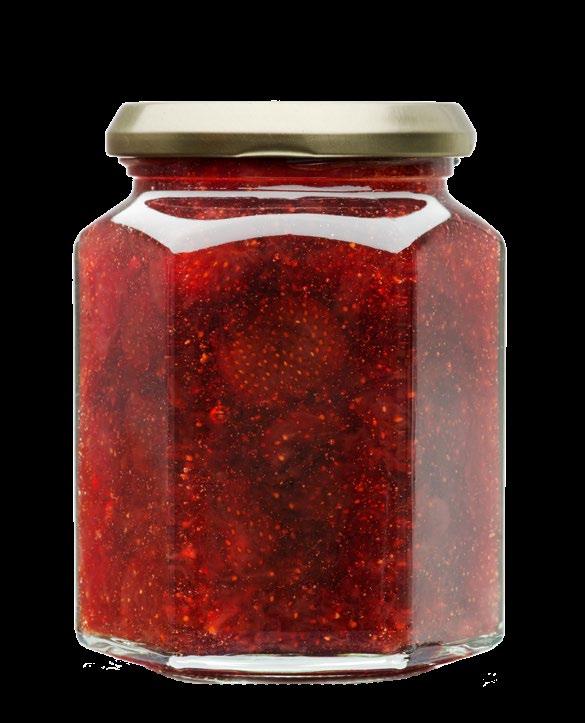
The Felix Project has long been London’s biggest food rescue organisation, redistributing surplus food to over 1,000 community organisations. However bulk surplus, such as industrial crates of unprocessed veg, near-date produce in volume, often had to be turned away. There was nowhere to take it in its original form.
Working on this new operation has been a highlight of my career. We are now operational and already making impact, allowing us to access types of surplus that we would have rejected in the past.”
– Nick Kerle, Head of Production,
The

The grant helped build a Food Factory: a processing unit that slices, dices, freezes and transforms bulk surplus into soups, sauces, jams, dehydrated produce and ready meals. Seven permanent staff, 5-star food safety, five days a week. During the grant period, The Felix Project merged with Fareshare UK - creating Felix Food UK, now the largest food rescue organisation in the country.
• Unique infrastructure: The Food Factory is a prototype for what food redistribution could look like with processing capability built in - the first of its kind in the UK
• New surplus categories: Sauces, jams and dehydrated produce open up types of food that couldn’t previously be rescued at scale
• National interest: The model is drawing serious interest from Coronation Food Project networks and community food hubs
• Community reach extended: Families in food poverty accessing better, more varied food through organisations supplied by the factory
20.8
7
tonnes of surplus food processed and diverted from waste
permanent staff recruited and trained; 5-star food safety achieved
Volunteering programme launched for local and corporate volunteers
Factory operating 5 days a week processing large-scale vegetable preparation for Felix’s Kitchen
Merger with Fareshare UK completed, creating the UK’s largest food rescue organisation
Community impact: 170+ organisations served including Dormers Wells Primary School in West London
New product development: test recipes for sauces, jams and dehydrated produce in progress
We have definitely seen a difference – children can pay attention for longer, they are doing better with their learning because they are not hungry.”
– Family Support Lead, Dormers Wells Primary School
Full capacity
Once a power upgrade is resolved, significantly higher volumes of surplus food can be processed
Product range
Scaling sauces, jams and dehydrated produce; developing new formats for new surplus streams
Blueprint
A ‘how to’ guide for other community food hubs to establish their own food processing units
Volunteering
Growing opportunities for local and corporate volunteers as production volumes increase
This is incredible — I am constantly amazed at what Felix does and so proud to be a part of it.
– Funder
102 tonnes
of food forecast to be saved in the next 12 months once full capacity is reached
Potential to replicate the Food Factory model across Fareshare UK’s 40+ nationwide distribution points
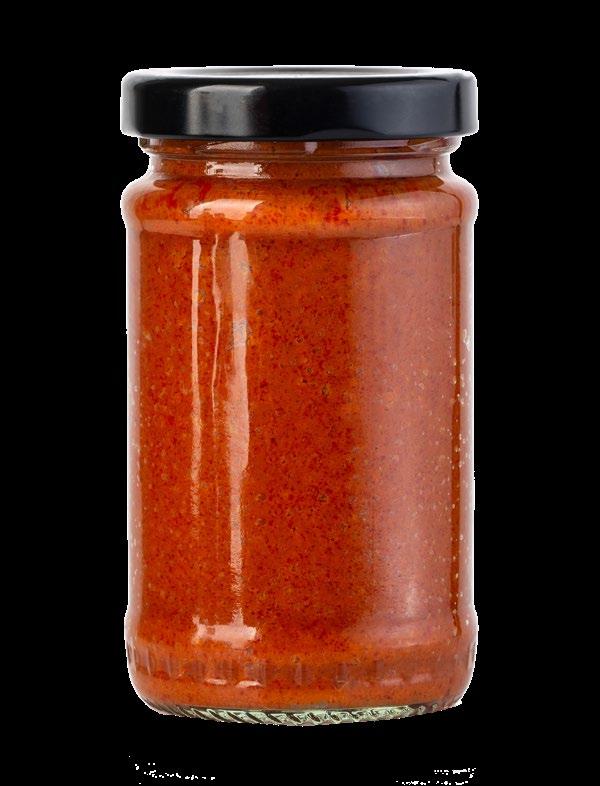
Rescuing surplus tomatoes — one slow roast at a time
It’s been like tomatogeddon at times, but in a good way, seeing that much food being saved and put to use rather than going to waste has been really rewarding.”
– Mike, Volunteer

Every summer, packhouses reject tomatoes that supermarkets won’t take, not because they’re bad, but because there are too many, or they’re the wrong shape, or the order got cancelled. Streetbox had an idea: slow-roast them.

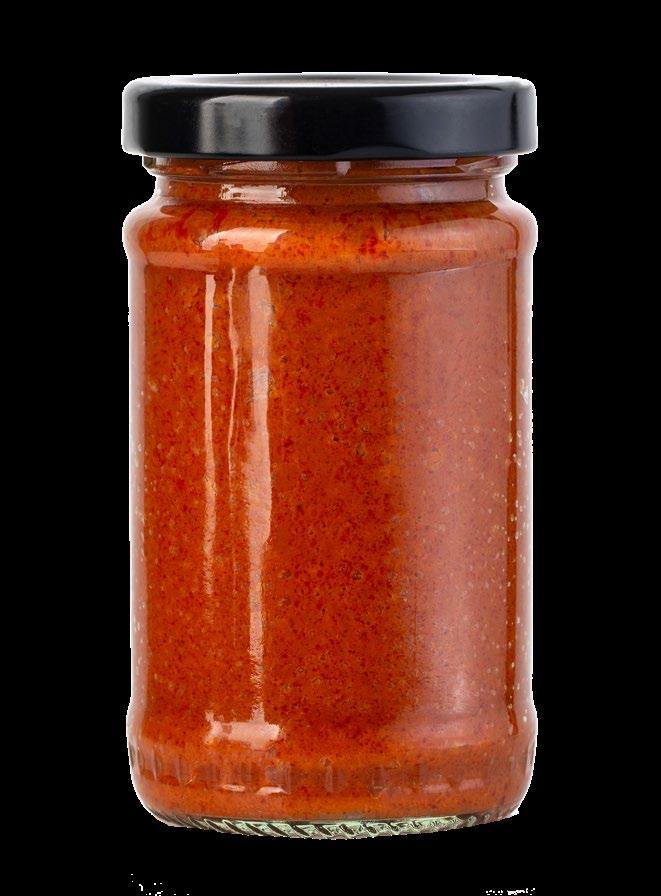
Roast surplus tomatoes at low heat and you get passata with depth and complexity a standard tin can’t match. Streetbox built a production process, found kitchen space and started supplying schools and community kitchens. They also ran weekly volunteer ‘surplus surgery’ sessions sorting and redistributing fresh produce to wherever it could be best used.
• A distinctive product: Slow-roasting creates a flavour profile that sets Streetbox passata apart
• Smart pivot: Shifted focus from retail to catering when it became clear that was where demand was strongest
• Community production: Growing volunteer network supporting weekly surplus sessions alongside production
• Shared infrastructure: Access to a shared production site kept costs low and gave the project room to develop at a sustainable pace




of surplus food saved in total
across two London Boroughs engaged through Streetbox’s wider supply network
Weekly surplus surgery sessions running with volunteers sorting and redistributing fresh produce
New production site secured with vacuum packing and canning capability
The passata is banging, it’s worked really well in our jollof.”
– Aina, IDIA’s Community Kitchen, Hoxton
Consistent catering supply
Building repeat orders with schools and contract caterers before pursuing volume growth
SALSA certification
Working towards accreditation in the next six months to unlock retail and larger catering contracts
Community canning sessions
Participants contribute to batch production and take their own canned goods home, supported to achieve Level 1 food hygiene certification
Product range
Expanding into other surplus produce streams as supply and demand allow
We love the deep flavour. The idea of roasted surplus tomatoes was really popular among our team, bring it on!”
– Maria, Sands Catering
35 tonnes
of food forecast to be saved in the next 12 months
SALSA certification will open routes to retail and new contract catering clients
Catering relationships with schools and contract caterers providing a recurring commercial base

Hubbub’s approach to grant making is rooted in IVAR’s principles of open and trusting grant making. We champion clarity, relevance, flexibility and trust and aim to be proportionate in our processes and purposeful in our communication, recognising the time and ambition that applicants invest.
For Round 2 of the Eat It Up Fund, we continued to use a twostage application process to keep applying as accessible as possible. By asking only the questions we genuinely needed and offering feedback at each stage, we sought to reduce the burden on applicants while creating space for bold, early-stage ideas.
We learned from Round 1 and made the process even simpler and more respectful of people's
time. The expression of interest stage stayed light, just enough for organisations to share their idea. We received 368 EOIs (compared to 774 in Round 1). From those, 26 were invited to submit a full application, and 12 went to a grant-making panel. No extra information was requested beyond what was already in the application.
Round 2 is as diverse as any cohort we’ve backed. A sensor in a household fridge. A session in a prison wing. A jar of chutney made collaboratively by people from four different countries. A surplus chicken delivered to a school canteen. The common thread is a belief that early-stage ideas deserve the space and funding to prove what’s possible.
I am truly grateful to Hubbub for supporting WasteNot! and for the continued guidance throughout its delivery. The Eat It Up Fund enabled me to take an early-stage idea and develop it into a successful proof-of-concept with clear public benefit, particularly in reducing household food waste.
The project has been very well received, leading to several recognitions both internally and externally, which reflect its scientific novelty and real-world relevance. Building on this momentum, I have secured follow-on funding to further develop the platform, with the aim of making it market-ready in the near future.
This progress would not have been possible without Hubbub’s support, flexibility, and trust. I will continue to acknowledge this contribution in future outputs and developments. I very much hope there will be opportunities to work together again.
Working with Hubbub has enabled us to deliver creative and sustainable projects that we'd only imagine. Bringing to life some of the Pantry's ambitions and piloting them has opened a new world of lessons and potentials. Whilst reporting every 3 months felt at times tedious, it actually kept us on track and allowed us to reflect more on our systems, methods, and delivery. It significantly contributed to our annual report. The mix of reporting was also really welcomed (phone call + surveys). We are really grateful for the opportunity.”
– Anca Stanescu, People’s Pantry Manager, Govanhill Baths
Across round 1 and round 2, the Eat It Up Fund has supported thirteen food waste innovations. Each one has shown that creative thinking, backed at the right moment, can make a real difference, not just to the tonnes of food saved, but to the people, communities and systems around it.
We don't have an open round of funding right now, but the work continues. We'll keep sharing updates on the impact from all thirteen projects and we hope their stories inspire others to spot opportunities to tackle food waste, wherever they find them.
If you're a business looking to collaborate on food waste innovation, or you'd like to connect with any of our grantees, get in touch at hello@hubbub.org.uk


www.eatitupfund.org.uk
hello@hubbub.org.uk