
WELLBEING EXPERIENCE (WX)
Designing the Future of Human-Centered Environments

A White Paper Series Part 1


From CX To WX 01
Over the past three decades, experience design has evolved from utility-driven User Experience (UX) and satisfaction-driven Customer Experience (CX) toward meaningdriven, transformative models of engagement. Today, a societal shift toward wellbeing, mental health, prevention, and restoration has generated a new frontier: Wellbeing Experience (WX) and more specifically Transformational Experience (TX).
WX is the intentional design of environments, services, and journeys that enhance holistic human wellbeing — physical, emotional, social, cognitive, and ecological. Building upon Pine & Gilmore’s Experience Economy, biophilic design, salutogenic theory, and contemporary wellness science, WX offers a structured methodology for crafting experiences that not only satisfy users but measurably improve their wellbeing and quality of life.
Part 1 of the 3-Part White Paper Series explores:
• The origins and theoretical foundations of WX
• Core design principles
• Evidence from neuroscience, psychology, and environmental health
• Strategic implications for organizations
• A future outlook for the wellbeing-driven economy
Part 2 introduces the Composite R3 Index (ROX / ROI / ROT), whereas Part 3 shows Industry Best Practices.


THE UX – CX – WX/TX CONTINUUM
Experiences are distinct economic offerings that are as different from services as services are from goods; successful experiences are those that the customer finds unique, memorable and sustainable over time, would want to repeat and build upon, and enthusiastically promotes via word of mouth.
Most of leisure, recreation, hospitality, entertainment, wellness, spa and tourism activities are essentially a marketplace of experience and customers provide the ‘mental places’ where the gained experience (e.g. the visit) happens. Note that healthcare, especially medical services belong to a somewhat different but not unrelated field! The closing gap between healthcare and hospitality provides ample ways to create a more wellbeing-minded healthcare service approach. The convergence of the wellness movement, environmental awareness, and human-centered design has given rise to a new dimension of experience design in healthcare, too.
Over the past three decades, experience design has evolved from utilitydriven User Experience (UX) and satisfaction-driven Customer Experience (CX) toward meaning-driven, transformative models of engagement.
The world has moved from designing products, then to designing services, and now to designing experiences. User Experience (UX) and Customer Experience (CX) disciplines have helped organizations understand how people interact with systems, brands, and services—and how those interactions can be made more intuitive, more enjoyable, and more meaningful.
Today, a new expectation is emerging. People no longer seek experiences that are merely frictionless or delightful. They want experiences that support their wellbeing, help them feel grounded, restore their sense of clarity, and contribute to a healthier, happier and more balanced life.
Looking beyond the experiences has led to the concept of transformation. As founding fathers of the Experience Economy stated back in 1998:
01
02
If you charge for undifferentiated stuff, then you are in the commodity business.
If you charge for distinctive tangible things, then you are in the goods business.
03
If you charge for the activities you perform, then you are in the service business.
04
05
If you charge for the feeling customers have because of engaging you, then you are in the experience business.
If you charge for the benefit customers (or "guests") receive as a result of spending that time, you are in the transformation business.
Where does hospitality, healthcare, travel and the wellness industry fit in the above listing? How do these businesses assess performance and results?
The UX – CX – WX/TX Continuum
One may argue that most hospitality, healthcare, travel and wellness businesses still belong to the service industry. These offer services, charge for services and assess performance by evaluating the financial performance of service sales.
In the last couple of years, however, businesses and organisations started to look beyond the service realm and have incorporated the experience approach. This shift is especially true for event and concert organizers, certain retailers, food and drink manufacturers or to lifestyle garment designers and makers. Only select few of the hospitality and travel, and even less of the healthcare world have branched out from services to experiences. The growing interest in wellness, and more recently in longevity, however, has been accelerating this shift.
Only a handful of hospitality and travel operators have reached the next level, i.e. charging for transformation. What destination spas have started, now lifestyle and wellness clinics, holistic and spiritual retreats, wellness clubs or longevity centres have been building in their core. Guests visiting these providers seek for transformation, either physical, mental, or spiritual.
How does healthcare feature in the transformation realm? One may argue that elective plastic surgery or select dental services most certainly belong to the transformation phenomenon. Guests to these service do expect visible transformation as a result to their visit. And so do patients seeking cure, recuperation and pain relief. Healthcare providers should pay way more attention to the transformation phenomenon since their consumers expect way more than only medical services or treatments.
Note that transformation may not be the ultimate driver to many consumers. Those who have adopted and been practicing a wellnessfocus lifestyle may not look for transformation. They look for confirmation! But this is more of a psychological and marketing discussion. Still, destinations, however wellness focused they might be should not necessarily assume that every guest looks for transformation. This assumption can lead to an assessment bias and consequently can question the relevance of the Return on Experience (ROX) approach (see in more detail in Part 2). The intended level of transformation needs to be paired with the fitting engagement level.
WELLNESS ENGAGEMENT Levels





TRANSFORMATION Levels
Source: HTWWLife
WX Principles 02
Wellbeing Experience Design
The UX – CX – WX/TX Continuum
Several macrotrends, social and cultural drivers have accelerated the shift toward WX:
• Global mental health crisis based on several data sources (e.g. WHO) affecting almost every cohort and segment.
• Rise of chronic illnesses, stress and burnout in work and urban life.
• Preventative health and lifestyle medicine gaining institutional traction.
• Consumer demand for restorative experiences, especially post-COVID.
• Desire for nature and recovery.
• Growing interest and consequently demand for meaningful experiences.
The Experience Economy showed that companies create value by staging experiences rather than simply delivering goods or services. The pinnacle of this value pyramid is transformation—where the experience materially changes the person:
• UX focuses on usability, accessibility, intuitiveness.
• CX spans the end-to-end emotional journey between customer and brand.
• EX (Experience Design) enhanced memorability and value creation
WX goes further, WX recognizes that wellbeing is multidimensional— Physical, Emotional, Intellectual, Spiritual, Ecological, Financial, Occupational and Social. And so must be the experiences we design. WX expands the logic of UX and CX into a more holistic purpose. WX answers questions such as:
• Did this experience help someone feel better?
• Did it restore a sense of purpose, quiet, vitality, or connection?
• Did it contribute positively to their mental, physical, social, or environmental wellbeing?
TX further specifies and specifically aims at transformational experiences by enabling consumers/guests/patients to achieve the type and level of optimal transformation. TX does not simply design pleasurable moments; it designs environments and interactions that restore, elevate, and transform human wellbeing (see more about Transformation Economy here).
Today, a societal shift toward wellbeing, mental health, prevention, and restoration has generated a new frontier.


A strategic, evidencebased design philosophy aimed at enhancing human flourishing through multisensory, emotionally resonant, and health-promoting experiences.
Photo by Michael Walk on Unsplash


Photo by Mar Cerdeiraon Unsplash
The UX – CX – WX/TX Continuum
WX is design for human flourishing. Not only for usability or satisfaction. It is the evolution of experience itself: from the useful, to the desirable, to the meaningful, and ultimately to the transformational.
WX is the intentional design of environments, services, and journeys that enhance holistic human wellbeing in one, many or every dimension. WX principles build upon the findings and recommendations from multidisciplinary research:
• Experience Economy (based on the works of Pine & Gilmore) suggests that experiences create emotional, memorable value. Transformation — the highest tier of experience design aligns directly with WX.
• Biophilia & Environmental Psychology (based on the works of Ulrich, Kellert, and Bratman) advocates that natural environments reduce stress, nature views accelerate healing and organic materials regulate emotional states.
• Salutogenic Theory (based on the works of Antonovsky) suggests a design approach focusing on factors that support human health, emphasizing:
‒ Sense of coherence
‒ Manageability
‒ Meaningfulness
• Contemporary scientific research focusing on wellbeing shows that wellbeing-enhancing environments:
Lower cortisol
Strengthen attention networks
Reduce rumination Improve heart rate variability
Support emotional regulation
• Synthesis of Neuroscience & Sensory Design suggests that:
‒ Soft lighting contributes to parasympathetic activation
‒ Natural materials advocate oxytocin release
‒ Soundscapes contribute to modulated heart rate variability
• Public Health & Lifestyle Medicine research investigates how movement, sleep, and recovery may be embedded into environments and advocate chronic disease prevention as a design objective.
WX offers a structured methodology for crafting experiences that not only satisfy users but measurably improve their health and quality of life. Instead of smooth, pleasant and satisfactory services consumers want experiences that:
• Support their wellbeing.
• Help them feel grounded.
• Restore their sense of clarity and physical body, and
• Contribute to a healthier, happier and more harmonious life.
01
Restore, Don’t Deplete
Many modern experiences—digital or physical—drain cognitive bandwidth. WX reverses this trend by creating micro-moments of restoration. Calm interfaces, meaningful rituals, sensory balance, and nature integration shift experiences from “always-on” to “deeply restorative.” Experiences should leave participants better than before, not drained. Consider applications such as:
• Circadian lighting supporting natural rhythms.
• Acoustic comfort reducing cognitive fatigue.
• Spaces for recovery: quiet zones, reflection areas.
Such applications are not limited to dedicated wellness or hospitality venues. Healthcare, leisure and entertainment providers also do need to consider how to adapt and implement restoration, improvement-oriented environments and offers.


Photo by Daniele Coluccion Unsplash


02 Design for All Senses
As we could see WX amalgams the recommendations of many sometimes remotely related fields, e.g. environmental psychology, biophilic design, soundscaping, cultural rituals or hospitality traditions. It uses sensory harmony light, scent, temperature, texture, and acoustics—to create environments that regulate or enable rather than overwhelm.
Sensory inputs must harmonize:
• Soundscapes aligned with nature.
• Temperature and airflow mimicking outdoor environments.
• Aromatherapy and natural materials supporting calm.
The enabling nature of WX design is critical. It aims at creating a situation that enables users of aiming at a better version of themselves.
03
Emotional Arc & Intentional Journey
Borrowing from UX journey mapping and CX service blueprints, WX intentionally guides customers through emotional states including:
1. Pre-arrival → Imaginative hedonism
2. Arrival → Regulation
3. Grounding → Recognize, Aware & Compartmentalise
4. Engagement → Immersion
5. Elevation → Enabling
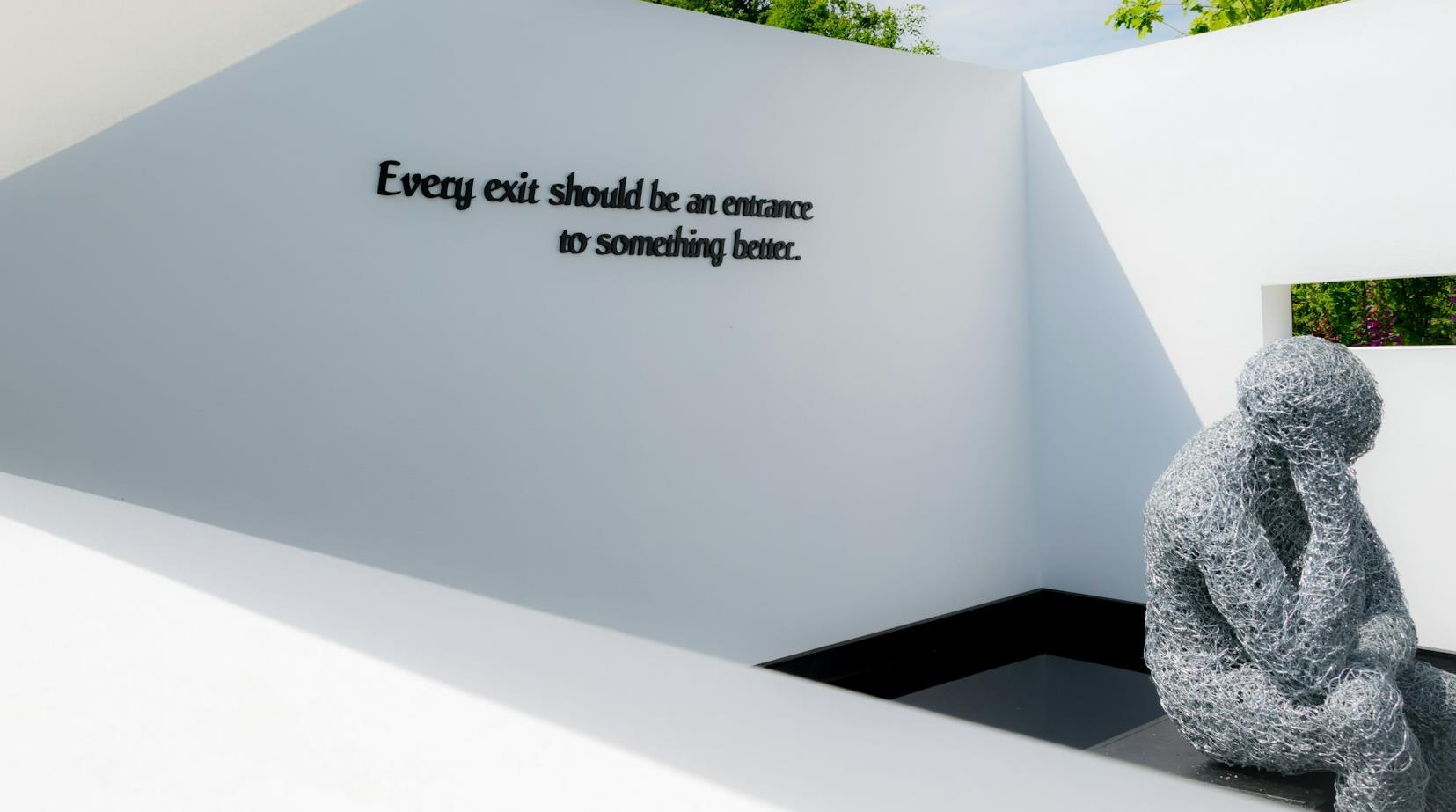
6. Exit → Integration
7. Return → (Re)Confirmation
The goal is not only a positive moment, but a lingering after-effect from imaginative hedonism to post-stay (re)confirmation and memorable experiences. A well-orchestrated and implemented WX journey does not happen by accident. WX ateliers should facilitate the creation process, and their support is critical during the implementation as well.


Photo by Julien de Salaberryon Unsplash


Personalization for Health + Happiness
UX personalizes for efficiency; WX personalizes for wellbeing. Data and preference insights allow experiences to adapt to the needs of everyone: introverted vs. extroverted energy, high-stress vs. restorative intentions, physical vs. cognitive fatigue.
Smart systems, biosensing, and customizable rituals adapt to individuals. The hyper-personalisation movement blends very well with the emergence of WX design.
There is one consideration that needs to be highlighted. Consumers may not know what would make them happy or happier, which modalities are the most suitable to their physical and emotional state at the moment of visit, etc.
WX should enable guests to explore so far never used services and programmes so they can discover the most suitable one(s) that fit(s) their wellbeing needs.
05
Rituals > Features
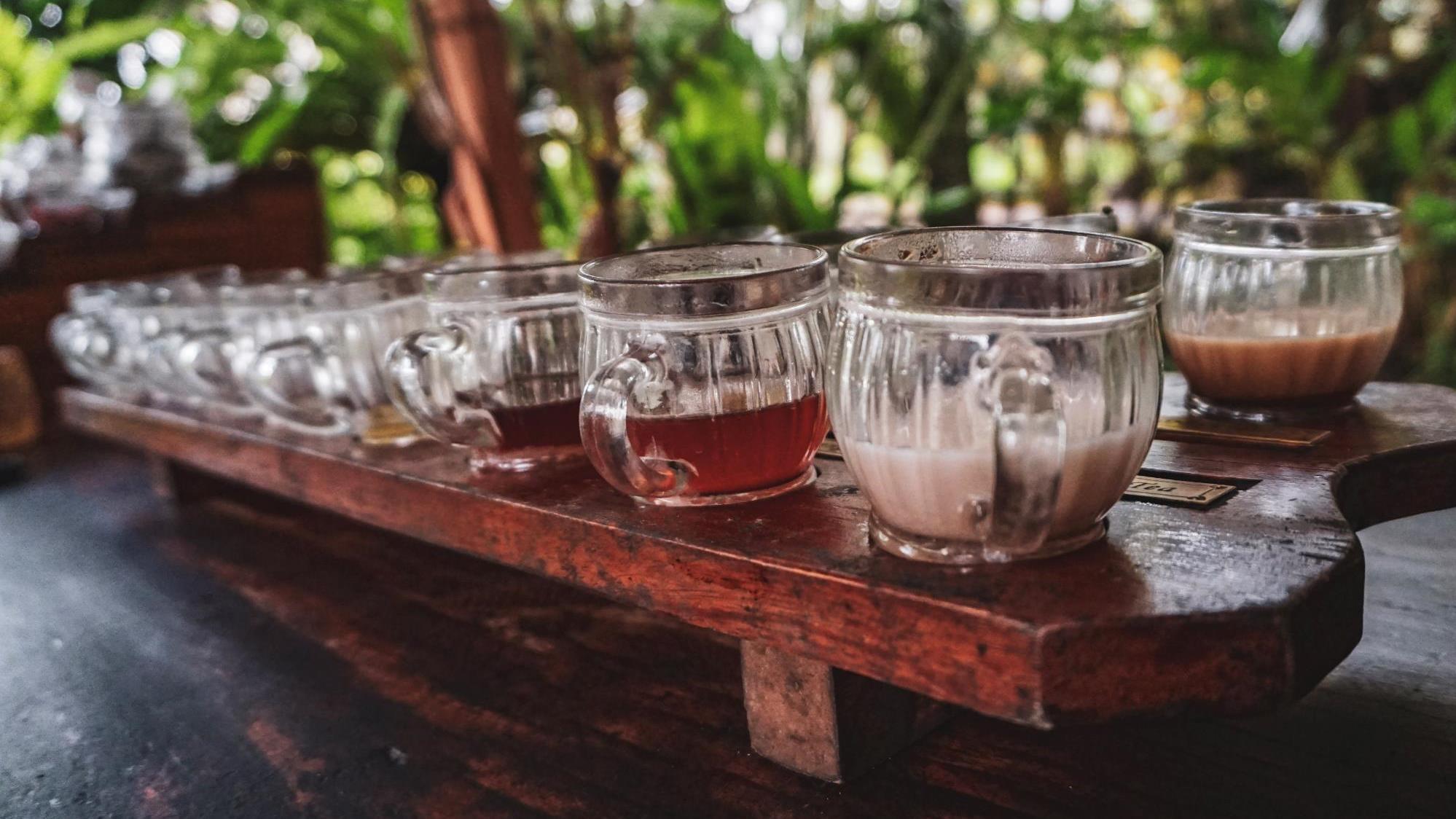
In WX, the power lies not in what is offered but how it is offered. Rituals—from tea ceremonies to guided breathing, to forest walks or the medical patient journeys —frame experiences as meaningful and memorable. Meaningful rituals create emotional resonance.
One might say that many medical services are de facto memorable due to the trauma, the severity of the condition or to the accelerated emotional and physical involvement pre, during and post treatment and therapy. This is exactly why healthcare providers need to adopt WX design principles.
Health is not independent from wellbeing and people can be well to some degree even if they were diagnosed ill. The combination of WX principles and approaches with the latest advancements of healthcare can create one of the most important wellbeing improving ecosystems!


Photo by Miguel A Amutio on Unsplash


Foster Connection Over Consumption
The experience economy’s next wave is not transactional—it’s relational, and it’s transformational. WX fosters connection: to oneself, to others, and to nature, whereas TX enables transformation. Humans thrive through belonging and nature immersion. (Re)establishing connection is something that many Western societies would need to (re)learn and practice.
WX can facilitate the rediscovery of connection either to self, to others or to nature by e.g. creating curated lookout points (marketed as Nature Cinema spots), adding treatment spaces that can accommodate groups of friends or by offering secluded spots for self-reflection, etc.
07
Enables Wellbeing Equity Aspirations
WX application targets adaptive enablers that look at wellbeing and lately longevity, as a flow of the human wellnessOS and NOT as a product or service. One session, treatment or activity may only have short-lived impacts, however engaging, inspirational or even transformational that may be.
The human wellnessOS as in operating system needs facilitation, feedback, support and guidance. WX-led offers create scenarios that enables customers to aim for a better version of themselves. It achieves that by advocating not only equality but equity principles.
One size does not fit all, i.e. WX does not offer the same to everybody but removes barriers and gaps that prevent people of achieving that better version. For example, taking into consideration of the cultural styles of consumers/patients in the experience design can enable more guests to achieve similar outcomes and results.


Photo by raghul ayyasamyon Unsplash
Designing Environments that Heal & Inspire
Experience design has long understood that environments are not neutral; they shape behaviour, emotion, and cognition. WX goes a step further –WX designed environments become agents of wellbeing.
There are five Strategic Experiential Modules to be considered in the experience design process:
• Sensory experiences (Senses).
• Affective experiences (Feelings).
• Creative cognitive experiences (Thinking).
• Physical experiences, behaviours and lifestyle (Acting); and
• Social-identity experiences that result from relating to a reference group or culture (Relating).
WX does not necessarily require all five modules to be included equally in the experience creation or delivery. What very much needed, however, is the understanding and awareness of every module and consequently making conscious design decisions why one or many of the modules may not be addressed.

Source: HTWWLife
The HTWWLife Wellbeing Experience Scale assists designers not only to understand but also to calibrate the experiences they create. Multi-sensory experiences that aim at more than one strategic experiential module can be guided by this scale. Senses are more related to physical aspects of wellbeing whereas, Feelings are closer to the emotional aspects, but not exclusively. WX ateliers can select and calibrate the strategic modules and the wellbeing aspects to achieve the optimal results and benefits (see in detail in Part 3).
Designing Environments that Heal & Inspire
Experience designers as well as the personnel who deliver the experience need to understand how the experience flows. The flow is the way people describe their state of mind when consciousness is harmoniously ordered, and they want to pursue whatever they are doing for its own sake. Based on the seminal works of Csíkszentmihályi experience ateliers, curators and designers can adapt the concept of flow to every service, programme, visit or treatment.
The so-called Phenomenology of Enjoyment describing how the experience is being created and received has 8 distinct components:
When we confront tasks, we have a chance of completing.
The flow may or may not happen. It requires tangible and intangible design elements and careful guidance during the process. Especially first-time guests or patients need a clear vision of what and how they can achieve as a result of their visit.
How the time passes during a visit, treatment or programme very much depends on how that experience components were created and consequently how those were delivered. A 45 min massage may be perceived as a very short one, whereas a 15 min dental cleaning in preparation for a implant could appear to be rather longer than just 15 min.
Should the dental clinic or the spa wish to alter this perception they need to bring in a WX specialist. No surprise that experience creation is becoming a rather sought-after profession since it capitalises on a very special skill set.
Healthcare & Preventative Medicine
WX has many adaptation and implementation options in healthcare and especially in preventative medicine, for example:
• Healing gardens
• Stress-sensitive wayfinding
• Patient empowerment rituals
• Burnout prevention for staff
Hospitals can integrate nature, light, or biophilic design psychology to support healing outcomes. Wellness clinics curate restorative microexperiences. The patient journey has numerous stress or pain points that can be eliminated or at least minimized by incorporating WX design principles. Smart technology, simulation technology in diagnosis, or prosthetics in plastic surgery offer solutions that can prevent not only dissatisfaction but can also increase many aspects of patients’ wellbeing.
Urban Planning & Architecture
Cities integrate parks, thermal waters, coastal access, and green corridors as health infrastructure—shifting from “smart cities” to well cities. Cities become landscapes of movement, nature, mental ease and harmony. Liveability, urban quality of life and well-city design approaches all apply WX principles in mobility, infrastructure and superstructure development, urban governance and city management.
This aligns with emerging fields like ecomedicine, biophilic design, salutogenic architecture, and regenerative hospitality, which understand that human health is inseparable from the quality of environments we inhabit.
Travel, Hospitality & Wellness
Adapting WX principles, e.g. to regenerative tourism, slow travel or to nature-based itineraries WX ateliers would consider strategies such as:
• Sensory mapping of guest journeys
• Sleep-optimized rooms
• Nutrition-influenced menus
• Nature integration
Hotels and resorts create multisensory wellness journeys combining nature, technology, culture, and personalized rituals. Many hospitality outlets become sanctuaries, and a few have started to converge with hospitals. Spas, fitness centres and lifestyle clubs become ecosystems of sensory and emotional renewal, physical restoration and prevention.
Workplace & Corporate Wellbeing
Employees also need to be considered in WX processes. In guest or customer satisfaction and wellbeing employees’ role and contribution play a defining role. Organizations should consider, e.g.:
• Cognitive restoration zones
• Circadian lighting
• Biophilic meeting spaces
Employers design work environments that support mental balance, deep focus, and community belonging—boosting productivity and quality of life. Offices should care for cognitive and social health. Note that WX design in the workplace needs to be matched and facilitated by corporate or organizational structure, expectations and culture which all should be aligned with the wellbeing objectives. No wellbeing objective can be fully achieved in for example a toxic corporate environment.
The WX Difference 03
WX as a Strategic Differentiator
Photo by Armen Sarkissian on Unsplash


In a crowded world of digital offerings and hyperstimulation, wellbeing becomes the ultimate competitive advantage.
Organizations that design with WX in mind create:
• Trust Instead of Friction.
• Advocating Wellbeing Equity Instead of Offering Equal Services.
• Prevention Instead of Cure.
• Belonging Instead of Disconnection.
• Restoration Instead of Overload.
• Transformation Instead of Transaction.
Photo by Eric
The shift to WX mirrors a broader cultural awakening: people want experiences that help them feel better or whole.
WX approach can therefore offer:
• Differentiation
• Higher Loyalty and Satisfaction
• Health Outcome Improvements
• Positive Societal Impact
• Brand Elevation
• Revenue Diversification
• New Performance and Outcome Metrics (Composite R3 Index) Results.


Photo by Jane Stroebel on Unsplash


Designing a More Human Future
WX unites the insights of the Experience Economy, the methods of UX/CX, and the science of wellbeing into one compelling mandate:
• Design Experiences that Make Life Better.
• Not Just Easier.
• Not Just More Efficient.
• Not Just More Enjoyable.
• Better.
WX is not a trend—it is the natural evolution of experience design in a world urgently seeking grounding and meaning.
As the wellbeing revolution accelerates, WX and in certain cases TX will become a defining language of the next years —a blueprint for designing the environments, services, and communities where people can truly flourish.
By 2035 we can expect:
• WX expected to become standard in hospitality
• Healthcare will adopt a wellbeing-first infrastructure
• Workplaces will integrate multisensory restorative design
• Travel will shift toward regenerative models
• Governments will embed wellbeing in planning policies
The future of competitive advantage is human flourishing.


Photo by Jane Stroebel on Unsplash
More intelligence & inspiration about wellness, hospitality, leisure & travel