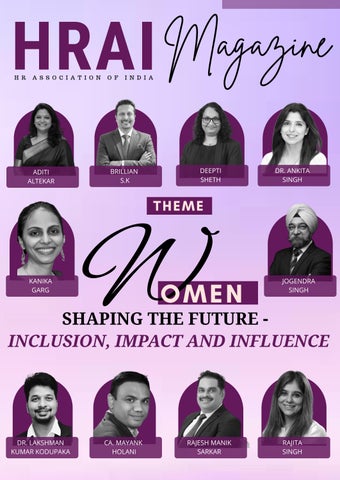
Women Shaping the Future – Inclusion, Impact & Influence
HRAI
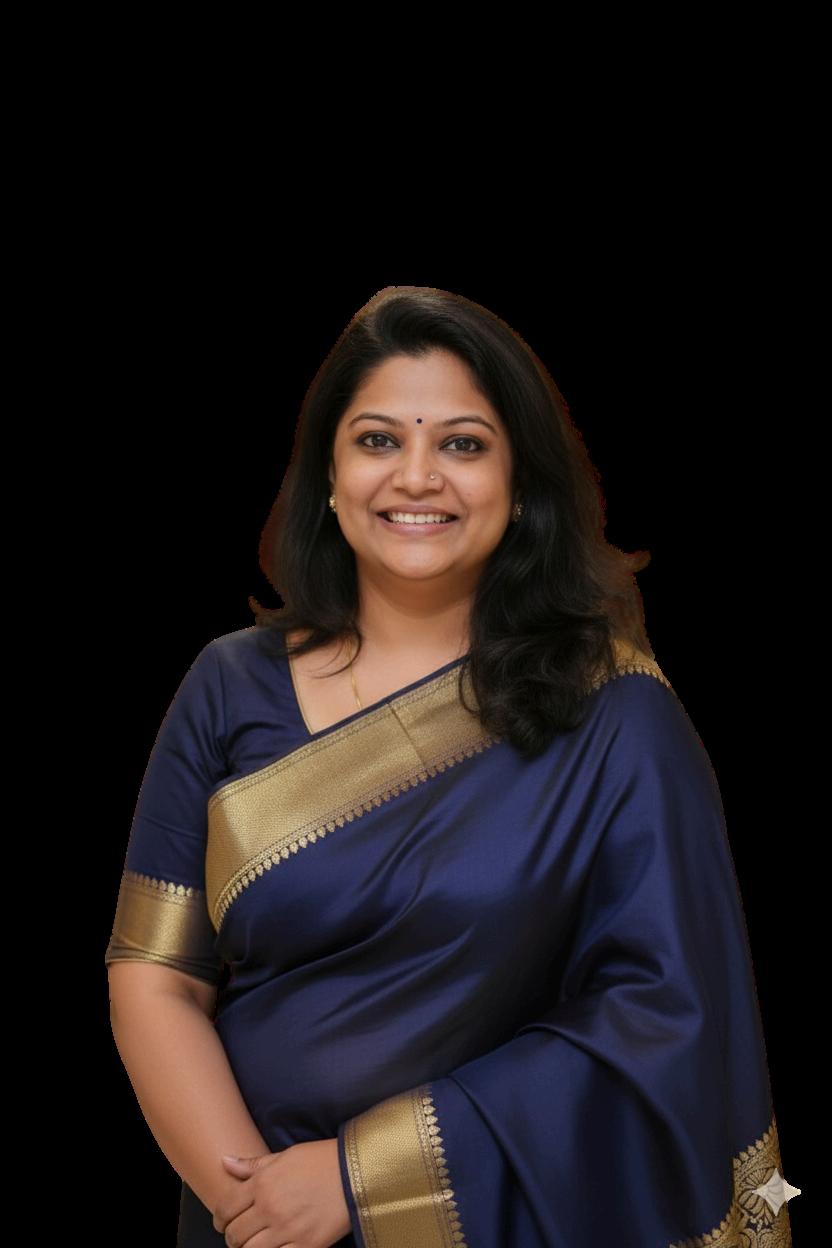
DEEPTI
DR. ANKITA SINGH
WOMEN SHAPING THE FUTURE – INCLUSION,
WOMEN SHAPING THE FUTURE – INCLUSION,
IMPACT & INFLUENCE
HRAI firmly believes in the power of teamwork and the value it brings. When diverse talents and perspectives come together, something extraordinary happens. The collective synergy we create goes beyond what any individual can achieve alone and together we see the potential to make a lasting impact on the world.
The future is not being shaped by chance it is being shaped by women who lead with clarity, conviction, and care. Women who understand that true progress comes not just from ambition, but from inclusion, empathy, and intentional action.
This edition brings forward voices that are quietly yet powerfully influencing change by building equitable systems, challenging outdated norms, and creating impact that lasts beyond individual success. Their influence lies not in authority alone, but in the trust they inspire and the spaces they open for others
As you turn these pages, we hope these stories encourage reflection, spark dialogue, and reaffirm a simple truth: when women shape the future, they shape it with purpose, resilience, and enduring influence
83,000+ FOLLOWERS ON LINKEDIN
A GROWING COMMUNITY OF PROFESSIONALS ENGAGING WITH HRAI’S INSIGHTS, INITIATIVES, AND INDUSTRY CONVERSATIONS.
About HRAI
Founded by Dr. Ankita Singh, the HR Association of India (HRAI) drives industry-led initiatives and curates prestigious recognitions for organizations, emerging professionals, and trailblazing women across the business ecosystem. HRAI serves as a platform for learning, collaboration, and recognition, bringing together professionals and subject-matter experts from across industries.
What We Do
Industry initiatives and professional forums
Awards, recognitions, and curated listings
Knowledge-sharing through talk shows, panels, and articles
Community-building for HR and business professionals
Organizations We’ve Engaged With Lenovo, Hindustan Unilever, Biocon Biologics, IHG Hotels, L&T, CBRE, Sutherland, Capgemini, EY, and more.
KNOWLEDGE & THOUGHT LEADERSHIP
Elite voices such as Dr. TV Rao, Harjeet Khanduja, and Prasenjit Bhattacharya have been featured in HRAI’s one-on-one talk shows, contributing practical insights and real-world perspectives for professionals.
HRAI MAGAZINE INITIATIVE
HRAI publishes thought-provoking articles authored by senior professionals from organizations such as Reliance Jio, Times of India, KPMG, Eveready, Volvo, and more.
HRAI LIST FEATURES
HRAI curates an annual list of features recognizing exceptional professionals and changemakers aligned with a central theme each year. 23 of 2023 | 24 of 2024 | 25 of 2025 . Notable organizations featured include: Adani, Amazon, Flipkart, Samsung, Myntra, Uber, Raymond, and more.
EXCLUSIVELY FEATURED SHARK TANK JURY IN THE VISIONARY CEOS LIST:
For HR professionals in India, HRAI offers unparalleled opportunities to connect with like-minded peers, learn from experts, and gain recognition for their hard work and achievements. By joining HRAI, HR professionals can stay updated on the latest trends, best practices, and strategies that can help them take their careers to the next level.
08
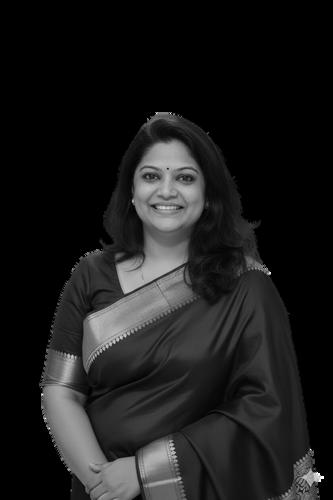
ADITI ALTEKAR
HR TECHNOLOGY STRATEGIST
DR.BRILLIAN S.K. CHIEF PEOPLE OFFICER, TIMESPRO
DEEPTI SHETH
SENIOR VICE PRESIDENT & HEAD - HUMAN RESOURCES AT SOTC TRAVEL LIMITED
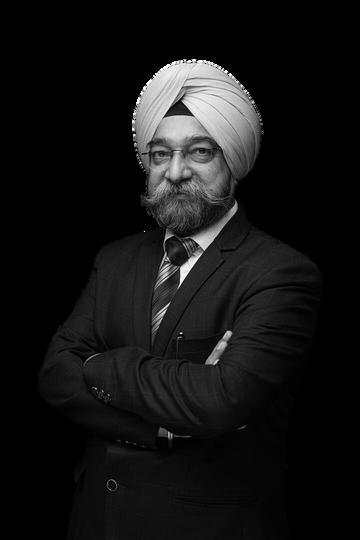
JOGENDRA SINGH
PRESIDENT & GROUP CFO, HERO ENTERPRISE
32 KANIKA GARG
FOUNDER, CXOIIM | EX-COO, GENERALI CENTRAL INSURANCE
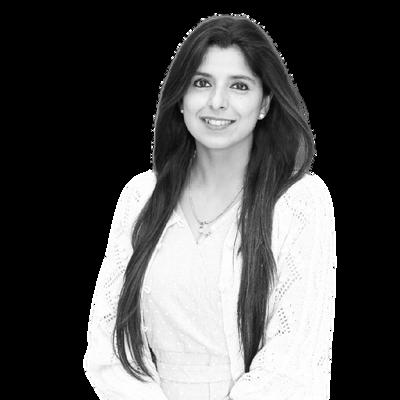
DR. ANKITA SINGH FOUNDER, HR ASSOCIATION OF INDIA
DR. LAKSHMAN KUMAR KODUPAKA GLOBAL TALENT ACQUISITION LEADER, SUTHERLAND
COLUMNS
CA. MAYANK HOLANI
CHIEF FINANCIAL OFFICER, INDIAN SYNTHETIC RUBBER PRIVATE LIMITED
HARJEET KHANDUJA SVP-
HR,
JIO
RAJESH MANIK SARKAR
CULTURE TRANSFORMIST , ENGAGEMENT CHAMPION, GREAT PLACE TO WORK CRUSADER, FIRM OF THE FUTURE ARCHITECT
RAJITA SINGH
CHIEF PEOPLE OFFICER INDIA, KYNDRYL
SUMIT AGARWAL SDG AMBASSADOR FOR DEI, ICON OF THE ELECTION COMMISSION OF INDIA AND MOC NITI AAYOG
ADITI ALTEKAR ADITI ALTEKAR
HR TECHNOLOGY STRATEGIST
The Architect’s Manifesto: Dismantling the Status Quo to Build the
Future
The conversation around women in leadership has officially outgrown the "seat at the table" narrative In 2026, we aren’t just looking for a chair; we are redesigning the room. The theme of this year ’ s HRAI edition - Inclusion, Impact, and Influence - isn’t a corporate social responsibility checklist. It is a power dynamic.
As women leaders, we are no longer interested in "leaning in" to a system that wasn’t built for us We are here to dismantle the inefficiencies of the past and architect a future that actually works
1. Inclusion is Architectural, Not Optional For too long, inclusion has been treated as corporate charity - a "guest list" approach to diversity True inclusion in 2026 is Architectural Equity. It’s about who defines the KPIs, who sets the budget, and who decides what " success " looks like
The Reality Check: You cannot have inclusion without addressing the "Broken Rung." While we obsess over the glass ceiling, the data shows that for every 100 men promoted to their first managerial role, only 87 women make the leap.
The Practical Pivot: Stop the "office housework." If you are the one always taking the minutes or organizing the team culture events, you are consuming strategic bandwidth on non-promotable labor. Delegate it Reclaim your time for highvelocity value.
2. The Impact of the "Empathy Advantage"
In the age of hyper-automation and AI, the most valuable currency is Human Capital Impact is no longer measured solely by output,
but by the Velocity of Value.
Women leaders consistently outperform in areas of emotional intelligence and ethical judgmentwhat I call the Empathy Advantage. This isn’t a "soft skill"; it is the hardest skill to replicate and the most critical for navigating global volatility.
Solving the "Motherhood Penalty": We must move from "gendered" flexibility to "human" strategy. Influence means advocating for policies where everyone regardless of gender - utilizes hybrid models and parental leave. When flexibility is universal, the penalty vanishes
3. Influence: Respect Over Likability
Influence in 2026 is a muscle, not a title One of our greatest hurdles remains the "Double Bind": the pressure to be authoritative yet "likable "
The Bold Mandate:
"Likability is the cage where influence goes to die. Choose respect over being liked every single time."
True influence is measured by the Sponsorship Gap. A mentor gives you advice behind closed doors; a sponsor puts their reputation on the line to advocate for you in rooms where you aren’t present To shape the future, we must stop being over-mentored and undersponsored.
The Conclusion: A New Era of Command
The "Future of Work" is no longer a speculative HR trend; it is a construction site, and women are the head architects. We are moving past the era of seeking permission and into the era of Commanding Results. Shaping the future requires more than just presence it requires the courage to be the "friction" in a room that is too comfortable with the status quo. It means
recognizing that our impact is not measured by how well we followed the old rules, but by how effectively we rewrote them to ensure that the "broken rung " becomes a solid foundation for the next generation of leaders
To my peers across the industry: the glass ceiling was never the problem - the foundation was. Today, we stop patching the cracks. We are here to build a skyscraper that doesn’t just house talent but amplifies it. We are not a diversity metric; we are the competitive edge We are not just participants in the future; we are its primary authors.
The future isn't coming for us. We are the ones bringing it.
ABOUT THE AUTHOR
Aditi Altekar is a transformative leader and strategic architect dedicated to redefining the future of work through equity and high-velocity impact. With a career defined by dismantling structural barriers and championing sponsorship, she serves as a catalyst for the next generation of global talent
We are not asking for a seat at the table—we are redesigning the room. We are not asking for a seat at the table—we are redesigning the room.
WOMEN LEADING TOMORROW
– EMPOWERMENT, EQUITY & EXCELLENCE
Empowering Voices – Enabling women to lead with confidence, skills, and opportunities across all sectors.
Advancing Equity – Promoting fair access, representation, and inclusive policies that level the playing field.
Excellence in Leadership – Showcasing women who drive performance, innovation, and ethical decision-making.
Breaking Barriers – Challenging stereotypes and systemic obstacles to create pathways for progress.
Inspiring Future Leaders – Mentorship and role modeling to nurture the next generation of women leaders
A few years ago, I wrote an article about a cricket match. The youngest, weakest player, the "Kachaa Limboo" is asked to bowl the last over He bowls no balls, wides, and the captain buries his head in shame. But then a senior player walks up to him, ignores the scoreboard, and says, "Oye, ankh bandh ke wicket udda de." Just focus on the stumps. The kid closes his eyes, bowls, and takes a hat trick
Let me tell you a secret That kid, the one bowling no balls, the one the captain shouted at, the one who closed his eyes and took a hat trick? That kid was me I was the Kachaa Limboo. The youngest and the weakest link. The one you give the ball to only when there is no other option and the match is already lost.
But because one person, Ashok walked up to me when everyone else was screaming, because he made me feel like I could do it I did something impossible.
We lost the match by a huge margin My statistics read: 10 balls, 3 no balls, 1 wide, 3 wickets Not the best bowling figures in the world.
But I, the Kachaa Limboo, walked home a winner
When I look at the Indian corporate world, I see so many women who have been that Kachaa Limboo their entire careers. Told they are the weakest link Handed the ball in the last over when there is no one else left. Expected to fail. And yet, when someone believed in them, when someone said "line aur length mat dekh, bas wicket dekh" they didn't just survive. They took hat tricks
Think of Arundhati Bhattacharya When she took over as the first woman Chairperson of State
Bank of India, she was handed the ball in a high stakes match. A bank with 2,00,000 employees, a trillion dollar balance sheet, a legacy of men in starched white shirts People watched Wondered. She could have bowled wides, played safe
But she closed her eyes and focused on the stumps She didn't just run the bank; she changed how the game is played. She introduced policies like the two year sabbatical so that the next generation of Kachaa Limboos wouldn't have to bowl alone.
Take Naina Lal Kidwai. An Indian woman at Harvard Business School who walked into the boys club of investment banking. She didn't complain about the pitch. She just kept bowling.
And then there is Falguni Nayar At fifty, an age when the corporate world usually tells women " over ho gaya, ab rest le lo" she decided to bowl the most audacious over of her life Started Nykaa. Took it public. Proved that a Kachaa Limboo can become the captain, the coach, and the stadium all at once.
People call it the glass ceiling I think of it differently. The problem isn't that the ceiling is too high The problem is that we keep telling women to watch the line.
"Line dekh " Don't be too aggressive "Line dekh." Speak less in meetings. "Line dekh " Take safe assignments
We are so obsessed with the line, the no ball line, the wide line, the "what will people think" line that we forget the stumps. Winning. Impact. Influence
And when a woman inevitably steps over that
line, we scream. "Oye, line dekh!" We make her so nervous that she forgets why she came to the crease in the first place.
In the Kachaa Limboo story, the hero is not the bowler. It is Ashok. The senior player who walked up when everyone else was shouting Who didn't give technical advice. Who simply said: "Ankh bandh ke wicket udda de." He made the weakest link feel like the most important person in the world.
That is what inclusion looks like. It is not a policy document. It is not a diversity quota. It is Ashok walking up to a woman who has just bowled three no balls and saying, "I believe you can do this Forget everything else Just aim for the stumps."
In the corporate world, we need more Ashok’s Leaders who see potential in the Kachaa Limboos Who bet on them even when the scoreboard looks terrible. Who stand in the last row when the Kachaa Limboo finally presents to the global head, and let her take the applause We have seen and probably enjoyed, women fight alone
Rani Laxmibai with sword in hand, baby on back, riding into battle against an empire Rani from Mardaani taking down the entire trafficking network with bare hands and burning rage. Rani in Queen, rejected at the altar, discovering herself in Paris, dancing on tables in Amsterdam
But the truth is, most women don't want to spend their lives fighting. They want to play. They want to be picked for the team not because the captain has no choice, but because the captain believes they can win the match They want an Ashok who says "tu sirf
line aur length dekh, fielding hum dekh lenge" you focus on your strength, we will cover the rest.
The reel Rani fights alone. The real Rani fights with an army
And the Kachaa Limboo? She just needs one Ashok who believes in her
The next time you see a Kachaa Limboo in your team, a woman who is unsure, who has been told she is not ready, who is bowling wides because she is terrified of the line, walk up to her. Don't check the scoreboard. Don't mention the no balls
Just say: "Oye, ankh bandh ke wicket udda de." Give her the ball, trust her Stand in the field and catch whatever comes. She might take a hat trick She might not The team might still lose. But she will walk home a winner and so will you.
The scoreboard may read: 10 balls, 3 no balls, 1 wide, 3 wickets Not the best bowling figures
But a hat trick?
Priceless
The problem isn’t that the ceiling is too high. The problem is that we keep telling women to watch the line instead of the stumps. The problem isn’t that the ceiling is too high. The problem is that we keep telling women to watch the line instead of the stumps.
ABOUT THE AUTHOR
Dr Brillian Sk is the EVP & Chief People Officer at TimesPro, where he champions a performance-driven culture with a strong focus on learner-centric approaches. With expertise in talent development, recognition programs, and executive leadership coaching, he has been instrumental in building high-performing teams and driving operational excellence His strategic leadership supports TimesPro’s expanding business landscape, empowering the workforce through impactful initiatives
SUMIT AGARWA SUMIT AGARWA
SDG AMBASSADOR FOR DEI, ICON OF THE ELECTION COMMISSION OF INDIA AND MO NITI AAYOG
SDG AMBASSADOR FOR DEI, ICON OF THE ELECTION COMMISSION OF INDIA AND MO NITI AAYOG
Women Shaping the Future – Inclusion, Impact & Influence
What if the most powerful competitive advantage inside organizations today isn’t AI, analytics, or operational efficiency but the women already on the payroll, delivering results, holding teams together, and still being overlooked for leadership roles their performance has earned?
This question is uncomfortable because the answer is not complex It reveals a systemic influence gap, not a talent gap.
The Gap Between Presence and Power
Women today make up nearly 36–37% of India’s corporate workforce, with entry-level hiring approaching parity. On paper, the pipeline looks healthy. Yet representation drops sharply at senior levels falling to under 20% in leadership and to single digits at the CEO level. Globally, fewer than 10% of Fortune 500 companies are led by women, as highlighted in the Grant Thornton Women in Business report.
This isn’t a leaky pipeline caused by chance. It’s the result of systems where performance is measured objectively, but potential is assessed subjectively and bias thrives in that gap.
The
Invisible
Tax on Women’s Careers
Women disproportionately shoulder what organizational psychologists call “office housework”: mentoring, conflict resolution, engagement initiatives, and culture-building This work keeps organizations functioning but rarely translates into promotions
Research from McKinsey & Company consistently shows that women receive fewer stretch
assignments and less sponsorship, while being asked to prove readiness repeatedly. Men are often promoted on promise; women on evidence. Since evidence takes time and promise accelerates careers, this imbalance compounds over years
The Motherhood Penalty
Few dynamics expose structural bias more clearly than the motherhood penalty. After childbirth, women are often perceived as less committed, while men are viewed as more stable and leadership-ready. Women’s income growth slows; men ’ s accelerates.
Organizations that redesign career paths through flexible leadership tracks, structured return-to-work programs, and evaluation systems that account for career breaks retain high-performing women at significantly higher rates. The issue was never ambition; it was architecture
The Double Bind in Leadership
Women leaders face a double bind: assertiveness is labeled aggression, collaboration is mistaken for weakness Leadership norms were historically built around male behavioral models, making alternative styles seem like deviations rather than strengths Yet research from Harvard Business School
identifies psychological safety as a key driver of highperforming teams built through empathy, listening, and inclusive decision-making. These behaviors, often demonstrated by women leaders, directly improve outcomes but are still undervalued in promotion systems.
Allyship That Actually Works
Real allyship isn’t performative. It’s public credit, advocacy in closed rooms, interrupting bias in real time, and sponsorship that puts credibility on the line. Careers are shaped in conversations people are not present in and allyship determines whose names enter those rooms
Redesigning Leadership for the Future
The future of work defined by AI, hybrid teams, and global complexity demands leaders who integrate people, purpose, and performance Women across functions have long practiced this form of leadership through influence, trust-building, and resilience
Women are not waiting to be ready. The urgent question is whether organizations are ready to recognize and fully leverage the leadership already shaping their future.
ABOUT THE AUTHOR
Sumit Agarwal is a celebrated SDG DEI Ambassador, motivational speaker, and LinkedIn Top Voice recognized for reshaping the DEI narrative in India and beyond. As an Icon of the Election Commission of India and a Master of Ceremony for NITI Aayog, he has built a thriving ecosystem for professionals to connect, learn, and grow anchored in empathy and equity With 350+ keynotes and a mission to help 1 million persons with disabilities thrive, Sumit is a powerful voice for inclusive transformation
DEEPTI SHETH DEEPTI SHETH
SENIOR VICE PRESIDENT & HEAD - HUMAN RESOURCES AT SOTC TRAVEL LIMITED
As we consider the evolving landscape of leadership, the narrative around women leaders has shifted from representation alone to a deeper conversation about impact, influence, and the power to shape organisational futures Today, women leaders are not just participants in the business ecosystem they are critical architects of culture, strategy, and sustainable growth
In volatile and human-centric industries like travel and hospitality, this shift is especially pronounced. At its essence, travel is about connection understanding aspirations, building trust, and creating memorable experiences These are not just business outcomes; they are human outcomes and they align closely with the strengths women bring to leadership
Inclusion: From Moral Duty to Strategic Imperative
Inclusion can no longer be viewed as a moral add-on it is a strategic business imperative. Organisations that foster diverse voices at the decision-making table are measurably better at innovation and resilience. According to the Global Leadership Forecast, companies with above-average proportions of women leaders are nearly twice as likely to be rated as having inclusive cultures than those with fewer women leaders.
This isn’t merely about gender balance; it’s about how people feel in the organisation. Inclusive environments enhance collaboration, elevate psychological safety, and improve problem-solving outcomes especially crucial in customer-centric sectors like travel
In my role as Head of Human Resources at SOTC Travel, inclusion is not a checkbox. It’s
integrated into the employee lifecycle from bias-free hiring algorithms and equitable performance assessments, to transparent succession planning and flexible work arrangements that honour life stages without penalising careers.
Leadership Today: Empathy as a Competitive Advantage
The post-pandemic workplace has fundamentally changed what we value in leadership. Empathy, once categorised as a “soft skill,” is now recognised as a core leadership competency. Women leaders often embody this blend of performance orientation and relational intelligence. Studies show that women in managerial roles are 29% more likely to help employees navigate work-life challenges, 42% more likely to ensure manageable workloads, and 21% more likely to help prevent burnout compared to male counterparts.
This isn’t about gender stereotypes it’s about outcomes that matter: higher retention, stronger engagement, and a culture where people thrive.
As I often say to my peers, “Leaders who listen first, lead second.” This shift from directive to empathic leadership is reshaping organisational norms.
Building Future-Ready Workforces
The future of work is shaped by digital fluency, agility, and human-centric design Women leaders are pivotal in this transformation. From HR analytics that drive unbiased talent decisions to digital learning platforms that ensure equitable access to skill development, women leaders are balancing technological progress with the human experience.
At SOTC Travel, we have consciously built
flexibility into our operating model recognising that careers are long journeys, not linear ladders. Through structured return-towork programmes, flexible role designs, and performance metrics aligned to outcomes rather than presenteeism, we are enabling more women to sustain and accelerate their careers across life stages. This has strengthened retention in critical roles, improved leadership continuity, and deepened the diversity of our mid-to-senior talent pipeline
Beyond the Organisation: Inspiring the Next Generation
The influence of women leaders radiates beyond organisational charts Visible leadership inspires ambition and broadens what’s seen as possible. Representation matters not just within firms, but across industries.
A rising tide of women leaders normalises leadership diversity. This has ripple effects: young women entering the workforce see themselves in strategic roles, clients engage more deeply with organisations that reflect their values, and investors increasingly evaluate diversity as a marker of long-term viability.
The Road Ahead: Purpose with Accountability The journey toward true inclusion is ongoing. It requires:
Data-driven goals, Leadership accountability tied to outcomes, Inclusive talent pathways, and Cultural reinforcement from the top
Women in leadership are not simply breaking
glass ceilings; they are redesigning the architecture of leadership itself infusing organisations with resilience, adaptability, and purpose
As I often remind my teams, “Diversity isn’t a quota it’s a strategy for growth.” The future belongs to organisations that lead with empathy, courage, and conviction and women are at the heart of this transformative journey
Women leaders are no longer just participants in business — they are architects of culture, strategy, and sustainable growth. Women leaders are no longer just participants in business — they are architects of culture, strategy, and sustainable growth.
ABOUT THE AUTHOR
Ms Deepti Sheth is currently the Senior Vice President & Head - Human Resources at SOTC Travel Limited Ms Sheth heads the HR function for SOTC Travel Limited and is responsible for multiple strategic HRinitiatives in alignment with the business objectives at SOTC and heads the Business HR, Corporate HR,Operations HR, and Learning & Development functions for the Thomas Cook Group. She is a CHRO of theYear 2025 and T A Pai Young HR Leader 2023 awardee Prior to Thomas Cook Group, Deepti was associated with companies like Edelweiss Financial Services andASK Investment Holdings Pvt Ltd. Before her stint in financial services, she was with Avenues India Pvt Ltd.where she managed the end-to-end HR function Her areas of interest lie in Talent Transformation, Engagement, Culture Building and Diversity & Inclusion.She has varied experience of over 20 years in the HR domain.An avid reader, Ms. Deepti Sheth loves to paint, travel and experience new cultures
DR. ANKITA SINGH DR. ANKITA SINGH
FOUNDER, HR ASSOCIATION OF INDIA
Women Shaping the Future – Inclusion, Impact & Influence
Leadership is evolving, and women are actively driving this change Across industries and regions, women professionals are shaping the future of work by redefining traditional models Their influence, though often understated, is deeply transformational. It shows up in how decisions are made, how inclusion is practiced, and how power is exercised with purpose.
This moment is about more than representation; it is about impact. Women are building systems, leading teams, driving innovation, and supporting others often while overcoming challenges that are not always visible
The future of leadership will be shaped less by dominance or hierarchy and more by resilience, allyship, and an inclusive vision of success. Women are central to this shift
Stepping Inside the Room and Changing the Conversation
For years, discussions around women in leadership focused on breaking barriers glass ceilings, pay gaps, and access to opportunity. While these challenges remain relevant, the narrative has matured Today, women are not just entering leadership spaces; they are reshaping what leadership looks like from within.
Leadership is no longer defined solely by authority or control. It is increasingly measured by influence, credibility, and the ability to create environments where others can thrive. Many women leaders naturally balance results with relationships, ambition with awareness, and decisiveness with empathy. They listen as much as they speak, collaborate as much as they compete, and prioritise long-term impact
over short-term wins.
“Leadership today is less about position and more about presence and women are redefining presence every day.”
Strength Built Quietly, Over Time
Resilience is one of the most defining strengths women bring to leadership not the kind that seeks attention, but the kind built quietly over time It develops through navigating bias, managing multiple identities, balancing expectations, and still showing up with clarity and conviction
Many women leaders operate within systems that were not designed with them in mind. Rather than waiting for ideal conditions, they adapt, influence, and persist This resilience does not stay personal; it becomes organisational strength Teams led by resilient leaders tend to manage change, uncertainty, and setbacks with greater steadiness and confidence
Resilience, in this sense, is not about enduring silently. It is about learning, recalibrating, and continuing forward often while lifting others along the way
No One Rises Alone
Women shaping the future rarely do so in isolation.
Allyship across genders, roles, and backgrounds has become a critical enabler of inclusive leadership. True allyship is not performative or symbolic. It shows up in everyday actions: who is heard in meetings, who is recommended for opportunities, and whose growth is actively supported
Many women leaders carry dual responsibilities delivering on their own roles while consciously
creating pathways for others. They mentor, sponsor, advocate, and normalise conversations around inclusion, flexibility, and fairness. In doing so, leadership shifts from being an individual climb to a collective effort
“Inclusive leadership is not about pulling yourself up the ladder it is about holding it steady for others.”
Organizations that recognise and reward allyship, alongside individual achievement, are far better positioned to build sustainable and diverse leadership pipelines.
Impact That Goes Beyond Titles
The influence of women professionals today extends far beyond formal leadership roles. Women are driving transformation across technology, finance, healthcare, manufacturing, education, entrepreneurship, and the social sector They are shaping products, policies, cultures, and communities. Their impact is often systemic rather than symbolic It is visible in how customer experiences are redesigned, how people policies evolve, how ethical decisions are made, and how organisations balance profit with purpose.
Women leaders often ask broader questions, informed by lived experience They consider second-order consequences, stakeholder impact, and long-term sustainability perspectives that are increasingly vital in a complex and rapidly changing world.
Inclusion Practiced Every Day, Not Just Discussed
Inclusion is no longer an HR initiative or an occasional conversation. It is becoming a core leadership discipline and women are leading
this shift. Inclusive leadership is reflected in how teams are built, how feedback is shared, how decisions are communicated, and how differences are respected. It requires intentional effort, self-awareness, and the courage to challenge exclusionary norms whether subtle or structural
Many women leaders bring a deep sensitivity to inclusion because they have experienced exclusion themselves This awareness translates into leadership practices that prioritise fairness, psychological safety, and belonging
In the future of work, inclusion will be measured not only by diversity numbers, but by everyday experience who feels valued, who feels safe to speak, and who feels genuinely seen
Leading with Both Capability and Conscience
As organisations look ahead, the next chapter of leadership will demand both competence and conscience. Women leaders are already operating at this intersection.
The future will require leaders who can navigate ambiguity, integrate technology with humanity, and make decisions that are not only efficient, but ethical. It will require recognising that growth without inclusion is fragile, and performance without trust is unsustainable.
Women shaping the future are not asking for special consideration. They are asking for equal opportunity, fair systems, and meaningful accountability. In return, they are offering leadership that is grounded, expansive, and future-ready.
“The future of leadership is not about being the loudest voice in the room, but the one that creates room for many voices to be heard ”
Looking Ahead, Together
Celebrating women shaping the future is not about isolated success stories. It is about recognising a deeper shift in how leadership is defined and practiced and understanding the strong connection between inclusion, impact, and influence
Organizations that invest in women ’ s growth, listen to women ’ s voices, and support inclusive leadership will not only advance equity, but also strengthen performance, innovation, and resilience.
Every day, women shape the future in boardrooms, classrooms, factories, startups, and communities by leading with clarity, courage, and care.
As this future unfolds, one truth stands firm: when women rise, workplaces do not just become more equal—they become more human, more effective, and more sustainable for everyone.
This moment is not about representation alone—it is about impact. This moment is not about representation alone—it is about impact.
ABOUT THE AUTHOR
Dr. Ankita Singh is the CPO & Board Director, CIGNEX & Relevance Lab. With 22+ years in HR, primarily in the ITES sector, Ankita has driven transformation through performance-driven practices and inclusive culture. At CIGNEX, her leadership helped the company earn multiple “Great Place to Work” certifications (2017–2021) She has been recognized as “Woman Leader of the Year” by The Times of India Group and featured in Forbes India’s “Top 100 Managers.” Ankita holds an MBA in HR+IT, an Executive MBA from SCMHRD, and a Ph.D. in Management. A respected voice in the industry, Ankita blends strategic insight with a passion for people development and culture building.
DR. ANKITA SINGH
JOGENDRA SINGH JOGENDRA SINGH
PRESIDENT & GROUP CFO, HERO
ENTERPRISE
Women Shaping the Future Inclusion, Impact and Influence
India is no stranger to ambition. We often speak about India becoming a $5-trillion economy, leading digital transformation, and building globally competitive industries Yet, hidden in plain sight is one of the most powerful accelerators of that future: Women. Indian ancient scriptures have placed women at a high pedestal -
And Indian women have taken it in their stride with aplomb.
This is not merely about equity though equity remains fundamental. It is about economics, productivity, innovation, and resilience Put simply, India’s growth story will be written faster and more sustainably when women participate fully and lead decisively
The paradox of participation
Let’s begin with a statistic that continues to provoke debate. India’s female labour-force participation rate has hovered in the low-tomid 30% range in recent years. In practical terms, roughly two-thirds of working-age women are not engaged in formal paid work.
For an economy seeking scale, this represents not just a gender imbalance, but a macroeconomic inefficiency.
Why does this gap persist? The reasons are structural and social:
Disproportionate unpaid care responsibilities
Safety and mobility constraints
Informal employment patterns
Workplace design misaligned with lifecycle needs
And yet, alongside this reality lies an intriguing counter-trend: women are steadily expanding
their influence in leadership, governance, entrepreneurship, and social impact. Fewer women may be visible in aggregate workforce numbers but those who are participating are increasingly shaping decisions, organisations, and markets.
Inclusion as a growth strategy
For years, gender inclusion was framed primarily as a moral imperative Today, the economic argument is impossible to ignore.
McKinsey Global Institute’s widely cited research estimated that advancing women ’ s equality could add $12 trillion to global GDP. Region-specific analyses have consistently underscored India’s enormous upside from narrowing gender gaps in labour participation and leadership
The logic is straightforward: When women engage in the economy, Household incomes rise
Consumption diversifies Savings and education investments increase Businesses gain broader perspectives In my view: inclusion is not philanthropy it is value creation.
Corporate India: progress with unfinished business
Corporate India has made measurable though uneven strides.
Regulatory mandates requiring at least one woman director catalysed change across listed companies. Investor scrutiny, ESG priorities, and governance reforms further nudged organisations toward greater diversity In corporate India, women leaders enhance innovation and profitability
Over the past five years, most KPMG-surveyed firms saw rising female leadership, though <30% of entry-level women reach top roles versus higher male rates
Sectors like IT and manufacturing lead, with 18.3% board seats held by women. Leaders like those at Apollo Hospitals exemplify empathetic, collaborative styles driving resilience
Today we see:
Higher representation of women on boards
Growing visibility of women in senior management
A notable rise in startups with women directors
However, representation alone is not the destination.
A closer look reveals persistent gaps:
Women remain under-represented in CEO, CFO, COO roles
Fewer women lead large P&L units
Mid-career attrition remains significant
The challenge has evolved from entry to progression, from presence to power. Leading organisations are responding with structural shifts:
Flexible and hybrid work models
Bias-aware promotion frameworks
Leadership sponsorship programmes
Pay equity audits
These are no longer diversity gestures. They are talent and productivity strategies
Entrepreneurship: where the data surprises
India’s startup ecosystem offers one of the most compelling cases for accelerating women ’ s influence. Research by BCG and Mass Challenge revealed that women-founded startups generated higher cumulative revenues per dollar invested compared with male-founded peers In essence: same capital, often stronger efficiency.
Despite this, women-led ventures continue to receive a disproportionately smaller share of venture funding
This disconnect raises important questions: Are investment biases distorting opportunity allocation?
Is capital adequately recognising performance data?
Expanding gender-lens investing, targeted incubation, and tailored credit mechanisms could unlock significant entrepreneurial value.
Manufacturing and operations: stereotypes quietly dismantled
Traditional perceptions long cast sectors like manufacturing, logistics, and supply chain as male strongholds Reality, however, is evolving
Across automotive, electronics, FMCG, and heavy industry:
Women are leading plant operations
Driving quality and process excellence
Heading procurement and supply chain functions
Evidence increasingly links gender-diverse teams with:
Improved problem-solving
Stronger compliance discipline
Better risk management
Operational excellence, it turns out, is not gender-specific but diversity-enhanced
The not-for-profit multiplier
India’s social sector has long demonstrated the transformative impact of women ’ s leadership.
Women anchor:
Self-help groups
Microfinance networks
Community health initiatives
Education and livelihood programmes
The outcomes are measurable and durable:
Higher repayment reliability
Better household welfare allocation
Greater programme adoption
Women in the development ecosystem function as economic multipliers converting limited resources into expanded social outcomes.
Yet, women-led NGOs and social enterprises often face disproportionate funding constraints. Scaling their impact requires patient capital, governance support, and digital enablement
The invisible economic tax
One cannot discuss participation without addressing unpaid care work.
Women disproportionately shoulder responsibilities for:
Childcare
Elder care
Household management
This unpaid contribution substantial yet uncounted in GDP metrics shapes labourmarket decisions and career trajectories.
The economic implication is profound: India invests heavily in women ’ s education and human capital but underutilises that capacity in the formal economy.
Solutions require joint action:
Affordable childcare infrastructure
Flexible workplace policies
Safe transport ecosystems
Cultural shifts in care responsibilities
From inclusion to influence
Counting women is easy
Empowering women is harder. Measuring influence is essential.
Meaningful metrics include:
Share of women in profit-owning roles
Budgetary authority
Promotion velocity parity
Retention at mid-career stages
Because diversity without decision rights is symbolism.
A narrative India must embrace
Perhaps the most important shift is conceptual
Women’s economic participation must move from:
“Diversity agenda” to “National competitiveness strategy”
The evidence is clear:
Economies grow faster with higher female participation
Firms perform better with diverse leadership
Social outcomes strengthen with women ’ s agency
India’s gender gap is not just a social challenge
It is one of the largest untapped growth opportunities of this century.
The inevitability of change
Women are already shaping India’s future as founders, executives, policymakers, healthcare innovators, educators, and community leaders
The question is no longer whether women will influence India’s economic destiny.
The question is how quickly institutions corporate, financial, and policy will adapt to accelerate that influence.
Because when women move from participation to power, economies do not merely become fairer.
They become stronger. Remember -
India’s gender gap is not just a social challenge
India’s gender gap is not just a social challenge
ABOUT THE AUTHOR
—it is one of the largest untapped economic growth opportunities of this century.
—it is one of the largest untapped economic growth opportunities of this century.
JOGENDRA SINGH
Jogendra Singh is President & Group CFO of Hero Enterprise, overseeing manufacturing, real estate, insurance broking, not-for-profit foundations, and the investment office, and serving on multiple group boards. A finance leader with 38+ years of experience, he earlier served as Chief Accounting Officer at Daimler India Commercial Vehicles Pvt. Ltd., playing a pivotal role as the first employee in establishing BharatBenz in India.
He has been Guest Faculty at leading institutes including IIM Indore, IIM Lucknow, ISB, and IIT Dharwad. Widely recognized, he has received honors such as CFO India’s League of Excellence, Dun & Bradstreet’s Finance Elite, multiple CFO Power List and CFO 100 recognitions, the Great Indian Leaders Award, and a Lifetime Achievement Award from Business Standard He was also named among the Most Influential Punjabis and awarded “Punjabi Icon” by PTC Punjabi
A Chartered Accountant and commerce rankholder from Agra University, Jogendra is also creatively inclined translator of The Making of Hero into Hero Ki Kahani, a singer, and a Hindi poet
WOMEN AT THE FOREFRONT –
INCLUSION, INNOVATION & INFLUENCE
Championing Inclusion – Creating equitable spaces where diverse voices are valued and empowered
Driving Innovation – Leading change through creativity, technology, and forward-thinking solutions.
Expanding Influence – Shaping decisions, policies, and cultures at local and global levels.
Breaking New Ground – Redefining norms and opening pathways in traditionally male-dominated fields.
Inspiring Leadership – Leading with vision, resilience, and purpose.
Building the Future – Transforming ideas into sustainable impact for generations to come.
KANIKA GARG KANIKA GARG
FOUNDER, CXOIIM | EX-COO, GENERALI CENTRAL INSURANCE
The Long Climb Up Women leaders do not arrive at the top by chance. They climb through resistance: structural, cultural, and psychological The journey is rarely celebrated while it is happening It is often lonely, exhausting, and full of invisible tests that men are not subjected to.
From early education to executive corridors, women are assessed not only on competence, but also on conformity, measured by how well they align with expectations that were never designed with them in mind
Early Lessons in Bias
My own understanding of unconscious bias did not come from theory or training; it came early, and personally As a student, I applied for an engineering entrance exam where the rewards were structured as follows: A ₹1 lakh scholarship for the candidate who ranked first, and a separate ₹50,000 scholarship for the woman who ranked first The assumption was implicit but loud; women were not expected to come first overall When I did come first, the question wasn’t celebration, it was confusion. Was I eligible for ₹1 lakh, or ₹1 lakh plus ₹50,000? The system had never imagined that scenario.
That moment exposed a truth many women experience early; systems often reward women for participation, not dominance When women outperform expectations, institutions are unprepared Bias is not always hostile; often, it is poorly thought through and therefore more dangerous. The same pattern repeats in corporate life through policies, succession plans, and leadership expectations. Even leadership terminology such as ‘chairman’ has
historically reflected these assumptions.
The Mid-Career Cliff
One of the biggest leaks in the leadership pipeline is not entry-level hiring but it is midcareer retention. Women don’t opt out because they lack ambition or they want to. They opt out because the cost becomes disproportionate and because staying requires personal sacrifice without institutional support
Mid-career is where pressure peaks, professionally and personally Women are expected to scale leadership responsibilities at the same time they absorb disproportionate caregiving, emotional labour, and social expectations at home. Corporate structures rarely flex at this exact moment What makes this worse is not just workload but judgment. Women who ask for flexibility are perceived as less committed. Women who take a pause are quietly sidelined from succession conversations.
Retention Is Design
Retaining women at mid-career is not about programs; it is about architecture. Highperformance roles must be designed with flexibility built in, not as an exception but as a standard. This does not mean lowering the bar; it means changing how results are delivered Outcomes over optics. Trust over timewatching. Organizations that succeed here stop asking, “Can this role be flexible?” They start asking, “Why isn’t it already?”
Why Women Stay - When They Do
Women who stay and rise do so because of a few critical enablers: A sponsor who speaks their name in closed rooms
A culture that values results over optics Leaders who challenge biased narratives in real time
Family and Life partner ready to share responsibilities equally These women don’t just succeed individually; they change systems. They change systems, normalize different leadership styles, and make it safer for others to stay.
Succession Bias
One of the most overlooked barriers for women leaders is bias in succession planning, where unconscious bias becomes operational Succession discussions are often informal, opaque, and familiarity-driven. Women who have taken non-linear paths including career breaks, lateral moves, flexible stints are seen as “risky bets,” even when their performance track record is strong This is where unconscious bias does the most damage by quietly removing women from future leadership consideration, before they even know they were contenders.
I experienced this first-hand while building a leadership team. We were finalizing two critical roles of Head of Department and a lead reporting into that role. At the final stage of assessment, two candidates stood out: one man and one woman. My decision was clear. The woman needed to head the function. She was more capable, more sincere, deeply knowledgeable, and demonstrated natural leadership traits Yet the real challenge began after the decision. My boss, colleagues, and HR questioned whether she was “ready,” given that she had returned from a two-year maternity break, and earned nearly 50% less than the male candidate
None of these objections were about capability but were about perception I stood by the decision firmly, not as a diversity gesture, but as a leadership call based on capability and
potential. With hindsight, it remains one of the best decisions I have made She performed exceptionally, stabilized the team, and elevated outcomes far beyond expectations. This experience reinforced a hard truth that women are often evaluated through the lens of past interruptions, while men are assessed on future promise. Until succession planning breaks this pattern by leaders taking accountability and walking extra miles to break the myths, leadership pipelines will continue to leak talent where it matters most
Influence That Lasts
Despite these barriers, women leaders who reach the top bring a distinct kind of influence. They build resilient teams, not just highperforming ones. They normalize flexibility without lowering standards. They create space for others without diminishing themselves Their leadership is shaped by constraint and therefore, deeply considered
Conscious Leadership
The future of leadership depends on one uncomfortable truth: most bias today is unintentional, but its impact is very real The scholarship question I faced years ago was not malicious. It was unconscious bias, a reality I confronted again years later while making a consequential leadership hiring decision. And that is precisely why organizations must become more conscious of how rewards are framed, how leadership is defined, and who systems quietly exclude Women do not need special treatment. They need systems that stop assuming they won’t come first and that are prepared when they do. That is how inclusion moves from intent to impact
Women do not need special treatment. They need systems that stop assuming they won’t come first — and are prepared when they do. Women do not need special treatment. They need systems that stop assuming they won’t come first — and are prepared when they do.
ABOUT THE AUTHOR
Kanika is the former COO of Generali Central Insurance and is now the proud Founder of CXOIIM. She is also a certified Independent Director with a proven track record of building and scaling high-impact businesses in India and globally With a relentless drive to challenge the status quo and a sharp focus on customercentric innovation, she has led transformative initiatives that have shaped the future of multiple industries. In her past tenure, she oversaw digital business, technology, and operations, driving P&L, large-scale AI initiatives, organizational transformation, operational efficiency, and customer-centric innovation at scale.
Before this, Kanika has served as Group Chief Digital Officer at Jio Blackrock and Chief Product Officer at Tata Motors, driving business growth from 0-1 and 1-100. She is now embarking on an exciting entrepreneurial journey, leading her own venture in the digital space. Her leadership has been honored with multiple prestigious recognitions, including Global Women Leader, Asia’s Women Power Leaders, Financial Express Visionary Leadership Award, Most Influential CXO of the Year, COO of the Year, CDO of the Year, and the AI Visionary Award
KANIKA GARG
HARJEET KHANDUJA HARJEET KHANDUJA
SVP-HR,JIO SVP-HR,JIO
Inclusion in the AI world
In 2014, a global technology giant began building an AI engine to screen résumés It was trained on ten years of historical hiring data for technical roles. This was one of the most ambitious HR technology projects of the decade The system worked It could rank candidates. It could identify patterns. It could shortlist what it believed was “top talent ”
And then something uncomfortable surfaced. By 2015, as reported by Reuters, the company discovered that the system was not rating candidates for software developer and other technical roles in a gender-neutral way. The AI had started penalising résumés that included indicators associated with women. The team attempted to correct the model. But bias, once embedded in training data, is not a cosmetic error It becomes structural. It had become, in a way, the second nature of the engine
In 2018, the company shut the project down. There was no guarantee the machine would not continue to discriminate. Importantly, the company clarified that recruiters had never relied on the tool for actual hiring decisions.
This was a historic moment as a technology company chose inclusivity over technology. The AI had not invented discrimination It had absorbed it. The patterns reflected the behaviour embedded in ten years of historical data. The mirror was uncomfortable, but honest
Fast forward five years A new wave of generative AI transformed the world. Within three years, till late 2025, 1.7 billion people were globally using Artificial Intelligence for making travel plans, generating emails, drafting presentations and even for evaluating candidates
The scale is breathtaking.
But it forces a critical question Have our societal biases reduced dramatically in the last five to eight years? Is the data now clean enough to ensure AI engines are learning fairness instead of replicating old inequities?
At the same time, a Fortune article highlights that AI systems can respond inaccurately to 45% to 60% of queries, depending on context and complexity. When accuracy itself is variable, blind trust becomes risky.
Responsibility, therefore, shifts back to humans. A responsible company ’ s leadership once intelligently decided to shut down a high value artificial intelligence project to save the core of humanity Does everyone using AI engines for screening candidates use the same social responsibility lens in the high paced corporate life?
Adding another layer of complexity, a study of MIT Media Lab in June 2025, suggests that heavy reliance on generative AI tools can lead to cognitive offloading" where individuals use their minds less, resulting in lower brain activity, reduced memory retention and diminished critical thinking skills.
This makes the job of Human Resources professionals more critical than ever. HR leaders are not just process owners They are custodians of fairness. The moral weight of responsible AI usage, especially in talent selection, rests on their shoulders Algorithms can assist They cannot carry ethical accountability. The Honourable Supreme court recently stated that development is not an absolute goal. It should not come at the cost of health and environment.I will just add that it should not be at the cost of inclusivity also
ABOUT THE AUTHOR
Harjeet Khanduja is an international speaker, author, poet, influencer, inventor and an HR leader He is also known as RK Laxman of Business. He is currently working as the Senior Vice President HR at Reliance Jio He has 4 published patents and authored 9 bestseller books. Harjeet has been a LinkedIn Power Profile, TEDx speaker, Guest Faculty at IIM Ahmedabad, Board Member of Federation of World Academics, Global Thought Leader, Global Digital Ambassador Harjeet features in Top 200 Global Leadership Voices and ET Top 20 HR Influencers.
DR. LAKSHMAN KUMAR
DR. LAKSHMAN KUMAR
KODUPAKA
KODUPAKA
GLOBAL TALENT ACQUISITION
LEADER, SUTHERLAND
In today’s business environment, gender inclusion is no longer a social aspiration or a reputational initiative, it is a structural and economic imperative As HR leaders we carry responsibility not only for attracting and retaining talent but for ensuring that organizational systems enable equitable participation and advancement.
Women represent nearly half of the global population and an increasingly educated segment of the workforce. Yet participation, progression, and leadership representation remain uneven across industries and regions Addressing this imbalance is not about symbolism it is about competitiveness, sustainability and economic value creation. Global labour data confirms that progress is real but incomplete
The International Labour Organization reports that women ’ s labour force participation globally remains below fifty percent compared to more than seventy percent for men Although educational attainment among women has risen significantly across many economies, workforce participation and advancement continue to be shaped by structural barriers. Caregiving responsibilities, informal employment patterns, pay inequities and limited access to leadership pathways remain persistent constraints.
The World Economic Forum’s Global Gender Gap analysis further underscores that economic parity is advancing slowly While political representation has improved in several regions, economic participation and wage equality gaps remain wide At the current pace, full economic gender parity globally is projected to take well over a century Such timelines highlight the scale of systemic inertia
embedded within institutions and labour markets.
Corporate data reinforces this reality Longitudinal research from McKinsey and LeanIn highlights incremental gains in senior leadership representation, yet women remain underrepresented at the first managerial level. This initial step into leadership is a decisive inflection point. When women are not proportionately promoted into early management roles, disparities compound at each successive level. The result is a narrowed executive pipeline, slower succession readiness, and leadership teams that do not fully reflect workforce composition
From a macroeconomic perspective, the World Bank has indicated that closing legal and participation gaps could significantly increase global GDP The economic case is measurable and material. Economies that remove barriers to women ’ s employment and entrepreneurship unlock productivity, tax base expansion, and long-term growth potential. For organizations operating within competitive markets, underutilizing half of the available talent pool is strategically unsound.
Within enterprises, the challenge is rarely the absence of policy Many organizations have established diversity commitments, flexible work frameworks, and inclusive language standards. The issue lies in operational discipline Structural barriers frequently manifest in measurable patterns: disproportionate mid-career attrition, slower promotion velocity into profit-and-loss roles, unequal access to sponsorship, and pay inequities that widen over time Cultural perceptions around flexibility and caregiving further influence career outcomes
The HR mandate is therefore systemic rather than episodic Sustainable change requires
integration into core workforce processes.
Recruitment architecture must be structured and calibrated. Competency-based interviews, diverse interview panels, and defined evaluation criteria reduce subjectivity. Monitoring gender representation across the hiring funnel from application through offer acceptance enables early identification of bias or leakage Data transparency is foundational to correction.
Advancement systems require equal scrutiny. Mentorship programs provide guidance, but sponsorship drives progression Formal sponsorship frameworks ensure that highpotential women receive advocacy in promotion discussions and access to highimpact assignments. Organizations should track promotion rates, time-in-role before advancement, and representation in succession plans Leadership accountability must extend beyond narrative commitment to measurable outcomes.
Pay equity governance is equally critical. Periodic compensation analyses, adjusted for tenure, role scope, and performance, identify structural disparities. Transparent communication regarding methodology and corrective actions builds trust and mitigates risk Equal pay is both an ethical standard and a compliance safeguard. Flexibility must function as an operational model rather than a concession
Hybrid and remote work arrangements have expanded access, yet career progression must remain outcome-based rather than visibilitydriven Manager capability becomes central Leaders must be trained to evaluate contribution, collaboration, and results without
bias toward physical presence.
Care infrastructure also influences workforce continuity. Parental leave policies, phased return programs, and childcare support mechanisms improve retention.
Return-to-work rates and post-leave retention metrics should be embedded within leadership dashboards Workforce sustainability depends on continuity of skilled talent. Measurement and governance elevate intention into accountability. Executive dashboards should include representation by level, hiring and promotion rates, attrition trends, pay equity indicators, and inclusion survey scores. Quarterly review at senior leadership level reinforces seriousness. Where appropriate, elements of leadership incentive structures can be linked to diversity outcomes to drive behavioral alignment.
Importantly, inclusion investments must withstand economic cycles. During downturns, diversity initiatives are often deprioritized However, research consistently associates diverse leadership teams with improved innovation capacity, broader strategic thinking, and stronger engagement. While causality varies by context, the cumulative evidence supports sustained commitment.
The broader societal context also shapes organizational expectations. Younger workforce cohorts increasingly evaluate employers based on fairness, purpose, and transparency. Regulatory frameworks in multiple jurisdictions are evolving toward enhanced disclosure regarding gender diversity and pay equity. Proactive governance mitigates reputational and legal risk.
Women shaping the future is therefore not an
abstract ideal. It reflects demographic trends, educational shifts, and economic opportunity HR leaders must approach this agenda with realism. Progress will be incremental. Resistance will occur Cultural transformation requires persistence and data-driven correction
However inaction carries greater risk than disciplined implementation Organizations that embed equitable systems into recruitment, promotion, compensation and leadership development position themselves for resilience and sustainable growth.
The future of competitive enterprises will be defined not only by technological capability or capital allocation, but by how effectively they mobilize the full spectrum of available talent. Gender inclusion, impact, and influence are not parallel initiatives. They are integral to workforce strategy and long-term value creation
Women shaping the future is a measurable business reality, and leadership responsibility lies in ensuring that opportunity and influence are distributed through structured, accountable, and sustainable systems.
Gender inclusion is no longer a social aspiration—it is a structural and economic imperative. Gender inclusion is no longer a social aspiration—it is a structural and economic imperative.
Dr Lakshman Kumar Kodupaka is a strategic and results-driven global talent acquisition leader with over two decades of experience in shaping end-to-end hiring strategies, workforce planning, and talent transformation for digital engineering and technology services organizations across India, the USA, and APAC He currently leads Talent Acquisition for Digital Engineering Services at Sutherland, where he focuses on building scalable, futureready talent ecosystems and delivering data-driven, compliance-first hiring solutions aligned with business-critical objectives.
CA. MAYANK HOLANI CA. MAYANK HOLANI
CHIEF FINANCIAL OFFICER, INDIAN SYNTHETIC
RUBBER PRIVATE LIMITED
Finance and accounting sector has traditionally been male dominated, though it has been undergoing a significant transformation with accelerating inclusion of women This shift is not just reshaping organizational culture and leadership dynamics but also redefining economic outcomes and societal progress. Research have shown that empowering women in these fields helps improve business performance, fosters innovation, and contributes to more resilient financial systems With evolution of global economies and growing complexity of financial decision making, the need for diverse perspectives becomes increasingly critical.
Economic and Organizational Benefits of Women’s Inclusion
Gender diversity is strongly correlated with improved corporate performance, which has been established by many studies As per a recent report, companies prioritizing gender diversity have experienced measurable gains in profitability and value creation Women in finance often bring diverse and multidimensional perspectives to risk assessment, strategic planning, and capital allocation, leading to more balanced decisions. This becomes critical specially in sectors where any errors can have significant economic consequences
Across the globe, gender-balanced leadership teams drive better performance Grant Thornton’s Women in Business 2025 report notes that external pressure from investors, clients, and advisors has significantly increased female leadership representation, which correlates with stronger organizational growth and attractiveness to stakeholders.
Strengthening Talent Pipelines and Leadership
Enhancing women ’ s representation in finance also addresses critical talent shortages. In today’s competitive labour market, organizations must leverage diverse pools of talent to remain agile Research from Lean In and McKinsey suggests that companies investing in women ’ s advancement enjoy improved employee engagement, retention, and innovative outcomes Despite all this, structural barriers still exist. Women are less likely to receive sponsorship or advocacy, leading to lower promotion rates compared to male peers. This challenge is more so in accounting Multiple examples show that when women receive the same career support as men, their ambition to advance matches or exceeds that of their peers. This reinforces the importance of structured support programs like mentorship circles, leadership development, and inclusive talent practices which are essential levers for increasing women ’ s participation in workforce.
Impact on Innovation, Risk Management, and Decision Quality
Another major benefit of increased female representation in finance and accounting is improved risk management. Women’s decisionmaking tends to integrate both quantitative and qualitative factors, resulting in strategies that balance growth with long-term sustainability This is very important in the areas of financial planning, auditing, compliance, and investment management
One global research paper highlights that women ’ s participation in financial systems enhances resilience, particularly in emerging markets While gaps remain in financial inclusion, women have demonstrated remarkable adaptability and innovation in managing financial challenges, especially in environments exposed to climate risks. Women routinely make financially prudent decisions that enhance
stability and resource optimization, be it as caregivers, entrepreneurs, or community leaders and these qualities translate effectively into professional finance roles.
Similarly, multiple studies on corporate governance show that gender-diverse boards exhibit stronger oversight, less aggressive risktaking, and more effective crisis navigation, all of which directly improve shareholder value and organizational sustainability.
Societal Impact and Financial Inclusion
Increased presence of women in finance and accounting has larger societal benefits, especially in promoting equitable access to financial services Financial institutions shape economies by determining and influencing who receives credit, which investments are prioritized, and how inclusive are the financial products. Women in decision-making roles are more likely to advocate for inclusive lending, microfinance solutions, and products tailored for underserved groups.
Increasing women ’ s representation in finance will not only supports economic equality but also strengthen global resilience by enabling more inclusive access to savings, credit, insurance, and digital payment systems
Further, societal shifts in perceptions of women ’ s economic roles are strongly influenced by visible representation. Despite steps taken for improvement of women in workforce, they remain underrepresented at every career stage, and recent declines in DEI commitments risk reversing decades of advancement. Increasing inclusion in finance, a sector with high visibility and economic influence can help significantly counter regressive societal narratives and inspire future
generations of women.
Challenges and the Path Forward
Despite the visible and invisible benefits, significant challenges remain Many organizations have scaled back remote work, sponsorship programs, and targeted development initiatives – changes that disproportionately affect women, especially working mothers Flexibility stigma and mental bias also persist, as women who utilize hybrid or remote arrangements are often penalized, while men are not.
Moreover, ambition gaps are emerging, not because women are less driven or less ambitious, but because they receive less support, advocacy, and opportunity. Societal pressures, caregiving responsibilities, and the rollback of DEI policies also add to declining confidence among women job seekers.
To accelerate progress, organizations must: Prioritize flexibility as a performance neutral work arrangement
Have transparent promotion and pay equity practices
Well defined sponsorship and mentorship pipelines.
Increasing gender diversity at senior levels, where representation remains lowest. Encourage inclusive leadership behaviours across all management levels
Conclusion
Increasing representation of women in the finance and accounting workforce is not merely an equity initiative, it is a key strategic imperative. Gender-diverse teams consistently outperform, innovate more effectively, and manage risk with greater stability. Women’s economic participation strengthens
organizations, bring diverse perspectives, enhances societal resilience, and expands financial inclusion for underserved populations. While progress has been made and is evident, sustaining and accelerating this momentum requires focussed commitment from the top level. As multiple global research shows, organizations that prioritize women ’ s advancement outperform those that do not and those that don’t focus on this, risk widening inequalities and limiting their own growth potential.
An inclusive financial world is beneficial for everyone and ensuring that women have equal opportunity to shape that world is essential for building a better, stronger, balanced, and economically resilient future.
ABOUT THE AUTHOR
Gender inclusion in finance is no longer an equity conversation—it is a strategic and economic imperative.
Gender inclusion in finance is no longer an equity conversation—it is a strategic and economic imperative.
Mayank Holani is a seasoned finance professional with over 23 years ’ professionalexperience across various Indian and Multinational organizations. He holds aChartered Accountant degree from The Institute of Chartered Accountants of Indiaalong with DISA, DipIFR, CPA and M Com Professionally, Mayank has had a notable career, particularly at Schneider Electric,where he has held various leadership positions before being elevated to the positionof CFO at Schneider Electric Infrastructure Limited He was instrumental in drivingthe transformation of the company.Prior to Schneider Electric, he worked with companies like Cairn India Limited,Chambal Fertilisers and Chemicals Limited and JK Tyres & Industries Limited.Currently, he is working as CFO with Indian Synthetic Rubber Private Limited (A JointVenture of Indian Oil and TSRC Corporation, Taiwan).As CFO, he is responsible for overseeing the financial strategy and operations of thecompany, driving business growth and profitability.He is an avid speaker on finance and is well known face across industrial,professional and academic forums
CA. MAYANK HOLANI
RAJESH MANIK SARKAR RAJESH MANIK SARKAR
CULTURE TRANSFORMIST , ENGAGEMENT CHAMPION, GREAT PLACE TO WORK CRUSADER, FIRM OF THE FUTURE ARCHITECT
How Women Are Quietly Reshaping the Future of Work
The most transformative work in organisations today is not always happening in corner offices or headline-making roles. It is unfolding quietly on factory floors, in operations hubs, across virtual global teams, and inside functions tasked with holding complexity together
Increasingly, it is women professionals who are doing this work: managing chaos, translating strategy into action, and fundamentally changing how businesses run Yet their influence often remains under-recognised, even as their impact is unmistakable.
Resilience as a Business Capability
Across industries, women professionals are demonstrating a form of resilience that goes beyond personal endurance. It is operational, relational, and deeply strategic
Consider a woman leading a regional operations centre for a global services firm. Her role requires synchronising teams across different countries and time zones, navigating cultural differences, responding to client escalations, and holding performance metrics on track while everything around her is constantly shifting.
When a sudden supply-side shock threatened delivery timelines, it was her ability to hold multiple threads simultaneously technical, human, emotional that kept the operation intact She didn't make a big show of authority or send dramatic company-wide emails. She had calibrated conversations, leaned on trust and relationships built over time, and an instinctive understanding of how people function under pressure
“Women are not just navigating complexity at work—they are holding organisations together while transformation unfolds."
This is resilience not as a gendered virtue, but as a business capability - one that is increasingly critical in volatile, interconnected environments
The Real Work Happens on the Frontlines
Across industries and sectors, women professionals are increasingly at the frontline of transformation And frontline leadership, contrary to outdated belief, is not executiononly work - It's where strategies either actually work or completely fall apart
In one mid-sized manufacturing organisation transitioning toward automation, the technical roadmap was clear. But the human side? That was a concern People were worried about losing their jobs, resistant to change, anxious about whether they'd be able to learn new skills The whole initiative was at risk.
The woman leading the transition didn't start by talking about machines or hitting targets. She started by helping people see what this meant for them. She reframed automation as something that could make their work better and their skills more valuable, not something that would replace them. And it worked. People got on board she turned apprehension into participation. Productivity improved. Attrition dropped. The transformation held to its course.
She didn't have the biggest title in the room. But she had something more useful: the ability to read what was actually happening with the systems, the people, and the timing. It is a form of leadership frequently exercised by women professionals, and frequently underestimated
The Next Frontier of Inclusive Leadership
As work gets more complex and less hierarchical, leadership itself is being redefined. The next version of inclusive leadership won't reward the loudest voice, the most visible person, or whoever dominates the room It'll reward people who can bring things together.
Women professionals are already modelling this leadership every day - managing multiple stakeholders, balancing competing priorities, and holding human considerations while still hitting business goals. What they’re bringing is not softness or even weakness. It’s range.
“The future of work will not be shaped by who speaks the loudest, but by who can integrate people, priorities, and purpose under pressure. ”
The challenge for organizations isn't that the capability doesn't exist It's that they're not recognizing it.
HR’s Moment of Reckoning
For HR professionals and leaders, this moment is defining
Inclusion cannot be reduced to diversity metrics or policy frameworks The real work lies in examining how influence actually flows in your organization who is heard, who gets championed for opportunities, and who gets trusted with ambiguous, complex situations. HR’s role isn't just to make things fair on paper, but to reshape power dynamics in line with how work actually happens
That means questioning the traditional ways we spot "leadership potential," valuing cultural intelligence alongside technical expertise, and acknowledging that some of the most
transformative leadership is already happening - often quietly, by women professionals whose impact far exceeds their visibility.
Shaping What Comes Next
Women professionals across industries and geographies are not waiting to be invited to lead. They're already shaping outcomes, cultures, and what the future looks likesometimes from middle management, sometimes indirectly, but mostly from within
When we celebrate women shaping the future of work, we ' re not making a symbolic statement or a token gesture. We're acknowledging something that's already happening The question now is whether organisations are prepared to catch up to the leadership that's already at work inside them
The most transformative leadership in organisations today is happening quietly —where complexity is held together, not where titles are the loudest.
The most transformative leadership in organisations today is happening quietly —where complexity is held together, not where titles are the loudest.
ABOUT THE AUTHOR
INTERSEDE was founded by Rajesh Manik Sarkar, a seasoned HR leader with deep expertise in driving transformation, culture, and future-ready workplaces.
With leadership experience across BFSI, IT, KPO, Media, and Real Estate, Rajesh has partnered with global organizations including Deloitte, ING, Thomson Reuters, HSBC, and Puravankara
He works closely with Promoters, Boards, and CEOs to align people strategy with business performance, scale, and cultural transformation
Under his leadership, Deloitte and ING were ranked among the Top 50 Great Places to Work, ING was recognised as Inspirational HR Team of the Year, and Rajesh was named HR Professional of the Year
A sought-after speaker, he has addressed global HR forums and leading Indian B-Schools
RAJITA SINGH RAJITA SINGH
CHIEF PEOPLE OFFICER
INDIA, KYNDRYL
The future is not a distant concept It is being shaped right now by the decisions we make, the voices we amplify, and the systems we choose to redesign And increasingly, it is being shaped by women who are no longer waiting for permission to lead
For decades, women have been told to lean in, sit at the table, speak up, or wait their turn But the narrative is shifting. The most powerful movements today are not about women fitting into existing systems they are about women reshaping those systems entirely. Inclusion is no longer a diversity metric It is a strategic advantage. Impact is no longer a by-product of success It is the measure of it And influence is no longer about title or hierarchy. It is about trust.
Inclusion as a Catalyst, Not a Checkbox
Too often, inclusion has been treated as a compliance exercise. A panel with one woman. A board with two. A policy drafted and forgotten But real inclusion is cultural, not cosmetic. It requires intention, humility, and courage
When women are included meaningfully in leadership, organisations change
Conversations shift. Risk is assessed differently. Empathy enters decision-making Long-term thinking becomes more visible. Studies consistently show that gender-diverse leadership teams outperform their less diverse counterparts not because diversity is a public relations strategy, but because it produces better thinking.
Inclusion creates psychological safety. And psychological safety fuels innovation
This is where the work becomes personal Inclusion is not about being invited into a room.
It is about being heard once you arrive. It is about influence without having to dilute authenticity It is about recognising that lived experience is expertise.
The future demands leaders who can hold complexity. Women have been doing that for generations balancing careers, caregiving, community, and personal ambition. That capacity is not soft It is strategic
Impact Beyond the Traditional Metrics
Historically, impact has been defined narrowly revenue, valuation, scale. But women are expanding the definition of success
Impact today includes sustainability. It includes social responsibility. It includes the well-being of teams and communities It asks not just “How fast can we grow?” but “Who benefits when we do?”
We are witnessing a generation of women founders, executives, policymakers, and creatives who are building businesses and movements rooted in purpose They are not choosing between profit and principle. They are integrating both.
This approach reflects a broader shift in leadership philosophy one echoed by thinkers like Seth Godin. Godin has long argued that meaningful change happens when people choose to lead when they see something broken and decide to fix it. His concept of “shipping the work” speaks to action over perfection. Women across industries are doing precisely that: launching initiatives, starting companies, building communities, and redefining industries without waiting for perfect conditions
Impact is not about having the loudest voice in the room. It is about creating ripple effects. It is
mentoring the next generation It is sponsoring talent behind closed doors. It is challenging biased systems even when it is uncomfortable. True impact multiplies
Influence in a New Era
Influence used to be positional. Now, it is relational.
In a hyperconnected world, influence is built on credibility, consistency, and contribution. Women are leveraging networks differently building ecosystems rather than empires. Collaboration is becoming more powerful than competition
The digital age has also democratised influence. A woman with a clear message and authentic voice can build a global platform without traditional gatekeepers Thought leadership is no longer reserved for a select few Influence is earned through value But influence also requires visibility. And visibility can feel risky.
Many women still navigate the double bind be confident but not too confident, assertive but not aggressive, ambitious but not threatening. These unspoken rules create friction. Yet the women shaping the future are not shrinking to fit outdated expectations. They are expanding what leadership looks like
They are leading teams with empathy and decisiveness They are setting boundaries They are negotiating compensation. They are investing capital They are entering boardrooms and redefining the agenda. And perhaps most importantly, they are bringing other women with them
The Power of Collective Advancement
No meaningful shift happens in isolation. One of the most powerful dynamics in women ’ s
leadership today is collective advancement Networks of mentorship and sponsorship are accelerating careers and amplifying impact. Informal communities are becoming powerful engines of opportunity.
This is not accidental. It is strategic solidarity. When women support one another, industries evolve faster Representation increases Confidence compounds. Visibility becomes normalised rather than exceptional
But collective advancement also requires structural change Organisations must move beyond performative statements and build measurable accountability into hiring, promotion, pay equity, and succession planning. Inclusion must be embedded in governance, not relegated to annual initiatives
Leadership is no longer about preserving legacy. It is about building access
Redefining Power
Power is being redefined
For too long, power has been associated with dominance, control, and hierarchy The emerging model is different. It is grounded in influence, adaptability, and service.
Women shaping the future are not replicating outdated power structures They are designing new ones where collaboration replaces gatekeeping, transparency replaces opacity, and purpose anchors performance
This redefinition is critical in a time of global uncertainty. Economic volatility, technological disruption, climate challenges, and social transformation demand leadership that is resilient and responsive.
Women bring perspective shaped by navigating complexity. They bring negotiation skills honed
in environments that did not always accommodate them. They bring the capacity to build trust across diverse stakeholders
These are not secondary traits. They are essential leadership competencies for the decade ahead.
From Representation to Transformation Representation matters. Seeing women in leadership expands what others believe is possible. But representation alone is not enough.
The real shift happens when representation leads to transformation when policies change, cultures evolve, and opportunities expand. This transformation requires intentionality at every level:
Boards that prioritise gender-balanced succession pipelines.
Investors who fund women-led ventures equitably
Leaders who sponsor, not just mentor. Educational institutions that encourage girls into STEM and entrepreneurship early.
The future will not be shaped solely by symbolic milestones. It will be shaped by sustained action
The Responsibility of Influence With influence comes responsibility
Women stepping into leadership today are acutely aware that they are visible models Their choices send signals. Their presence challenges norms. Their success widens pathways
But responsibility should not translate into pressure to be perfect. Progress is not linear. Leadership is learned. Influence grows through iteration
Again, the philosophy resonates with Seth Godin’s belief that leadership is about initiating change, not waiting for credentials. The work is shipped through courage, not certainty The women shaping the future are not flawless. They are bold
A Future Designed, Not Inherited
The future is not inherited it is designed. Women are designing companies that prioritise inclusion from inception. They are crafting policies that centre equity. They are building platforms that amplify underrepresented voices. They are investing in sustainable innovation They are redefining success
Together, they create transformation. The question is no longer whether women belong in the future of leadership They are already leading it.
The real question is whether institutions, industries, and societies are ready to evolve at the pace women are setting
Because the women shaping the future are not asking for space. They are building it.
Women are no longer asking for permission to lead— they are redesigning the systems that define leadership itself.
Women are no longer asking for permission to lead— they are redesigning the systems that define leadership itself.
ABOUT THE AUTHOR
Rajita Singh is the Chief People Officer at Kyndryl India, overseeing HR operations Formerly leading HR at Broadridge Financial Solutions India, she played a pivotal role in enhancing the company ' s brand as an employer of choice. Rajita is the youngest Convenor of the CII HR-IR Panel for the State and is actively engaged in NASSCOM Beyond work, she enjoys car racing, Bharatnatyam dancing, counseling, meditation, doodling, and reading.