





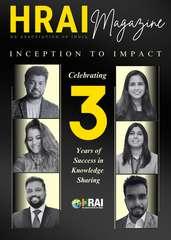


At HRAI, we believe that the bridge between academia and industry is the foundation for building a future-ready workforce. By fostering collaboration between educational institutions and the corporate world, we can empower students with the skills, mindset, and resilience needed to thrive in a rapidly evolving workplace.
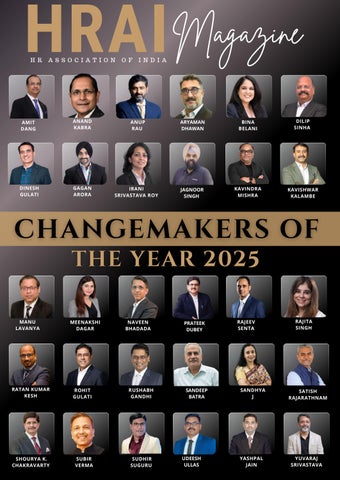
Change rarely happens through grand declarations. More often, it unfolds through consistent choices, bold thinking, and the courage to challenge what already exists. The Changemakers of the Year 2025 edition celebrates individuals who embody this spirit of transformation.
This edition brings together accomplished CXOs and senior professionals from diverse functions and industries who are shaping organizations through their leadership, ideas, and actions. Their journeys reflect not just professional excellence, but also the ability to influence culture, drive meaningful change, and inspire those around them.
Through their interviews, this magazine offers a glimpse into the perspectives of leaders who are navigating complexity, embracing innovation, and redefining what impactful leadership looks like in today’s evolving world of work. Each story highlights a unique path yet they are united by a shared commitment to progress and purpose.
We extend our sincere appreciation to all the changemakers featured in this edition for sharing their insights and experiences. We hope their stories spark reflection, inspire dialogue, and encourage more leaders to shape the future with intention.


The HR Association of India (HRAI), founded in 2020 is an esteemed non-profit organization that has been playing a pivotal role in shaping the HR landscape in India. Their primary focus is on exploring, discussing, and promoting the latest business scenarios, market trends, change management, and leadership in the HR industry. HRAI is dedicated to creating a community of professionals, learners, and mentors who share their insights and learn from each other to elevate the standard of HR practices in the country.
HRAI's success is attributed to its commitment to excellence and tireless efforts in facilitating interactions between HR professionals and subject matter experts. Through its initiatives such as panel discussions,


In addition to their educational initiatives, HRAI also recognizes organizations' best practices and individual contributions through awards and conferences These events celebrate the achievements of exceptional professionals and organizations that have made significant contributions to the HR industry in India. Over the years, HRAI has featured more than 1,000 experts and leading minds in the fields of HR, IT, Marketing, Finance, and more, making it a hub for learning and networking.
For HR professionals in India, HRAI offers unparalleled opportunities to connect with like-minded peers, learn from experts, and gain recognition for their hard work and achievements. By joining HRAI, HR professionals can stay updated on the latest trends, best practices, and strategies that can help them take their careers to the next level
HIGHLIGHTS:
HRAI, founded by Dr. Ankita Singh, drives industry initiatives and organizes prestigious awards for organizations, emerging leaders, and trailblazing women leaders. Notable participants include Blue Star Limited, Reliance Retail, Landmark Group, Oracle, Birlasoft, Vedanta and more.
Our commitment to excellence is reinforced through partnerships with the Great Managers Institute and top 100 great managers, who have taken masterclasses and featured in Forbes Magazine.
Elite leaders like Dr. TV Rao, Harjeet Khanduja, and Prasenjit Bhattacharya have graced our one-on-one talk shows, enhancing our members' knowledge base.
Our article initiative showcases thought-provoking articles by eminent leaders from organizations like BCCL, Bajaj Energy, TimesPro, Jio, Welspun Group, Great place to work and Accolite Digital.
The 23 Of 2023 Initiative recognizes exceptional leaders and entrepreneurs based on a predetermined theme. Featured leaders include those from Adani, Reliance, IBM, Infosys, KPMG, as well as notable celebrities.





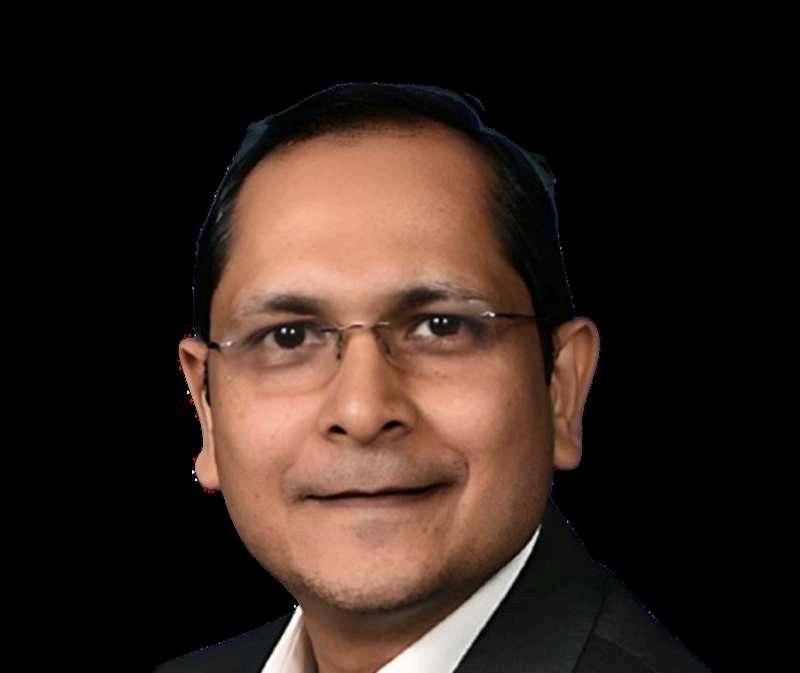

“ Results come and go, and careers evolve, but self-belief is fragile. In moments of stress, I return to fairness and restraint, knowing that how people are treated lasts longer than any outcome. If people walk away stronger, clearer, and more confident, I know I’ve led the right way. ”



Q. What people-related challenge today is often underestimated by leadership teams?
One of the most underestimated peoplerelated challenges today is the tendency to apply a one-size-fits-all approach to people systems in the name of consistency and control Structures, policies, and frameworks often give leadership teams a sense of clarity of knowing where a problem “sits ” While this may create comfort at the top, it rarely reflects how people actually experience work
Today’s workforce spans multiple generations, life stages, and value systems Motivation is no longer uniform what creates meaning, security, or momentum for one individual may feel irrelevant or even alienating to another. Yet many reward, recognition, and progression models continue to be designed around assumptions that belonged to a far more homogenous workforce
When people are force-fitted into these structures, the impact is rarely immediate or visible. The larger risk is quieter: trust erodes when decisions feel disconnected from lived reality or poorly contextualized. Over time, commitment turns into compliance. People deliver what is asked, but not what is possible The challenge for leadership is not to abandon structure, but to recognize that clarity and predictability for leaders do not automatically translate into meaning for people. Sustainable performance requires judgment balancing consistency with context rather than mistaking uniformity for fairness
Q. How do you ensure that culture is shaped by everyday behaviors, not just policies or programs?
Culture is shaped through behavior but in large organizations, behavior often reaches employees through policy. When leaders are visible, people read actions directly When leaders are distant, people read intent through decisions, trade-offs, and the rules that get rewritten under pressure.
Policies and programs are essential They provide structure, fairness, and scalability. But they are never neutral they reflect leadership priorities, stress points, and assumptions. When growth slows or margins tighten, leadership pressure shows up not in statements, but in how policies change: tighter thresholds, reduced buffers, sharper timelines Employees instinctively read these signals.
Ensuring culture is shaped intentionally requires leaders to be conscious of this translation. Everyday behaviors how reversals are explained, how trade-offs are communicated, how dignity is preserved in difficult decisions must be reflected in the systems that follow Otherwise, even well-designed programs lose credibility
Culture is not sustained by intent alone. It is sustained when leadership behavior and institutional decisions remain aligned, especially under pressure That alignment is what turns values into habits and culture into an operating reality.
Q. What personal experience most shaped your belief in creating human-centered workplaces?
Very early in my life, I experienced what it feels like to lose confidence not because of failure, but because of environment At eighteen, I
spent a few months in a setting where authority and intimidation made it difficult to express myself. Nothing overt was wrong, yet my creativity diminished, my judgment blurred, and my confidence quietly eroded When I moved to a different environment, the change was immediate I felt mentally free and began to thrive again.
That experience left a permanent imprint on me. It taught me that human potential is deeply tied to psychological safety Stress and fear don’t just affect performance they quietly dismantle confidence. Careers can be rebuilt and skills relearned, but damaged self-belief can take years to recover.
Since then, one belief has stayed with me: no outcome or pressure ever justifies diminishing someone ’ s confidence or dignity When I build teams today, I absorb pressure upward so people can think clearly, exercise judgment, and contribute fully. Human-centered workplaces are not soft they are where sustained performance becomes possible
Q. What mindset must leaders unlearn to create truly human-centered workplaces?
One mindset leaders must consciously unlearn is the belief that control creates safety. For well-intentioned leaders, control often feels like responsible leadership especially in moments of uncertainty. Tightening structures, increasing oversight, or narrowing decision-making provides immediate emotional relief and a sense of order
The long-term impact, however, is very different Excessive control transfers anxiety downward. Judgment erodes, creativity narrows, and fear quietly replaces ownership
What begins as an attempt to protect outcomes gradually undermines confidence and trust the foundations of sustained performance.
This mindset persists because many leaders were rewarded earlier in their careers for decisiveness and certainty. Letting go of control can feel like a loss of authority rather than maturity Yet human-centered workplaces demand a different strength: the ability to hold ambiguity, trust capable people, and absorb pressure without transmitting fear.
Unlearning control does not mean abandoning structure or accountability. It means shifting from managing activity to enabling judgment so responsibility, resilience, and execution discipline emerge naturally.

ANAND KABRA
Sustainable performance requires judgment— balancing consistency with context—rather than mistaking uniformity for fairness. Sustainable performance requires judgment— balancing consistency with context—rather than mistaking uniformity for fairness.
Q. How do you measure progress in areas that don’t always show up in traditional metrics?
Some of the most meaningful indicators of progress appear well before they show up in dashboards I pay close attention to voluntary behavior because it reflects belief, not compliance. Metrics tell you what people are delivering today. Voluntary actions tell you how long an organization will survive and how far it can reach.
When culture is healthy, conversations shift from celebrating outcomes alone to recognizing effort and learning. Teams openly discuss what didn’t work, extract insight from failure, and build capability rather than assign blame That signals trust and adaptive maturity I also observe how people operate beyond their defined roles When individuals begin thinking in terms of enterprise impact rather than functional boundaries, it reflects ownership and context clarity. Another strong signal is the absence of fear of failure when people experiment, speak early, and take responsibility without defensiveness
Finally, behavior under pressure matters most. When people support others and contribute beyond immediate expectations even when stretched it indicates commitment Metrics eventually validate progress These behaviors tell you whether performance is sustainable.
About the Author:
Anand Kabra is the Chief People & Transformation Officer at Apexon, with nearly three decades of leadership experience across Sales, Operations, Quality, and People Transformation. He is known for repositioning HR as an enterprise operating system that drives execution predictability, margin resilience, and long-term growth. A trusted C-suite and Board partner, Anand has led global and regional teams across diverse cultures and business cycles. His leadership philosophy balances ambition with humanity, focusing on building confident, accountable teams and cultures where performance is achieved through clarity, trust, and sound judgment
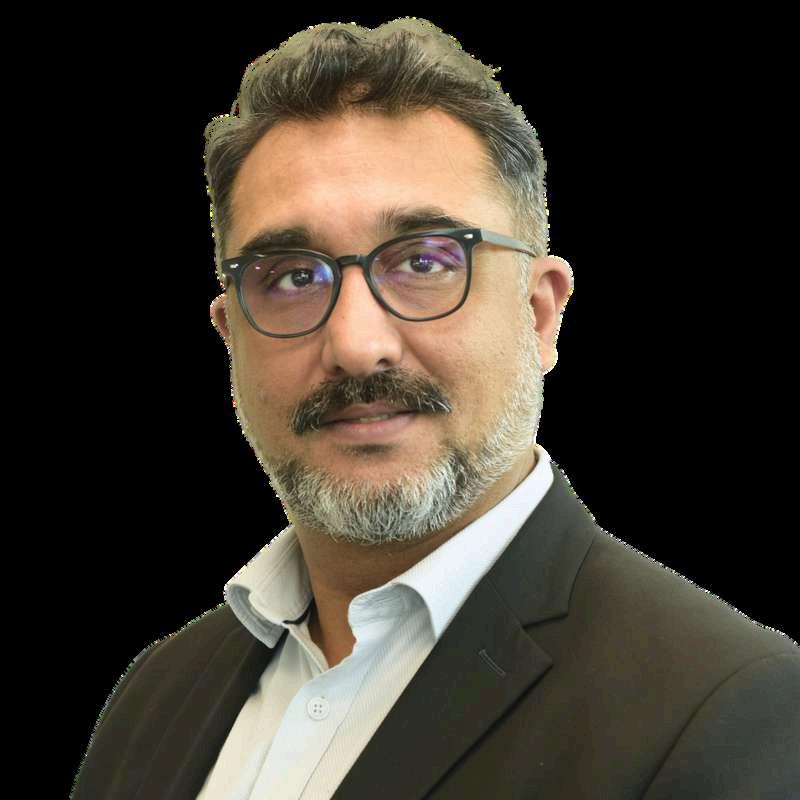
Q. What people-related challenge today is often underestimated by leadership teams?
The most underestimated people-related challenge today is mental wellbeing and career aspirations. When employees feel psychologically safe, valued, and heard, their ability to contribute, grow and to learn increases. Unclear expectations, inconsistent or incorrect feedback, and arbitrary decisions raise stress and weaken engagement.
Leaders must normalise transparency by explaining the “why” behind decisions. They must also encourage open conversations and invest in building capabilities so people can see a future within the organisation
Q. How do you ensure that culture is shaped by everyday behaviors, not just policies or programs?
Culture is shaped by everyday behaviour; leaders set the tone by role modelling expected behaviours defined by the values of the organization. What they treat as nonnegotiable, how they challenge status quo plus show they make decisions signals more powerfully than any formal statement.
A strong culture also depends on psychological safety When employees feel safe to speak up, trust grows but listening is not enough. Acting on feedback by employees builds credibility. Culture is reinforced through small, consistent actions such as how feedback is given, how conflicts are handled, how success is recognised, and how mistakes are treated. Recognising employees for demonstrating values in everyday decisions reinforces the culture
Q. What personal experience most shaped your belief in creating human-centred workplaces?
What most shaped my belief in creating human-centred workplaces was learning, very early in my career, the power of respect for the individual. I saw the difference between environments where people were treated as headcount or resources, and those where they were seen as human beings with dignity, ideas, and potential. The impact on performance, motivation, and wellbeing is unmistakable.
In moments of pressure, it is easy for leaders to focus only on outcomes But when leaders choose respect by listening deeply, acting fairly, and recognising effort they unlock something far more powerful than compliance People respond with ownership, not obligation. This has shaped my belief that truly humancentred workplaces are built through everyday leadership choices that respect the person behind the role
Q. What mindset must leaders unlearn to create truly human-centred workplaces?
Leaders must unlearn the belief that what worked for them in the past will ensure success in future. Basically, move away from their comfort zone. Comfort destroys ingenuity, kills innovation, buries ideas, and ignores voice of the employees It kills progress and learning ability, thus weakening the leadership and overall advancement of the organization
To build truly human-centred workplaces, leaders need to shed insulating habits like relying only on data instead of conversations, have straight honest discussions/conversations,
and by getting rid of yes men/women in their teams Leadership grows by stepping into reckoning reality, not avoiding it.
Q. How do you measure progress in areas that don’t always show up in traditional metrics?
Progress in areas that don’t show up in traditional metrics can be measured through a Happiness Index, which captures how people feel at work It looks beyond productivity with indicators such as morale, sense of belonging, trust in leadership, and purpose
Its real value lies not in the score itself, but in how we act on it through open conversations, visible changes, and follow-through on feedback
When people see their voice leading to improvement, the index becomes a true measure of culture and signals that the organisation is moving in the right direction
People respond with ownership , not obligation, when leadership chooses to give respect rather than impose authority People respond with ownership , not obligation, when leadership chooses to give respect rather than impose authority
Aryaman Dhawan is a strategic HR leader with proven expertise in designing and executing comprehensive people strategies that align with business objectives and drive organizational success.
His experience spans across all areas of Human Resources , where he has consistently built inclusive and highperforming workplace cultures. Skilled in leading change management initiatives, he guides organizations through transformation with resilience and adaptability
“The greatest leader is not necessarily the one who does the greatest things. He is the one that gets the people to do the greatest things.”
-Ronald Reagan

CHIEF PEOPLE OFFICER, ASCEND TELECOM INFRASTRUCTURE
CHIEF PEOPLE OFFICER, ASCEND TELECOM INFRASTRUCTURE
WHO AM I WHEN NO ONE IS WATCHING?
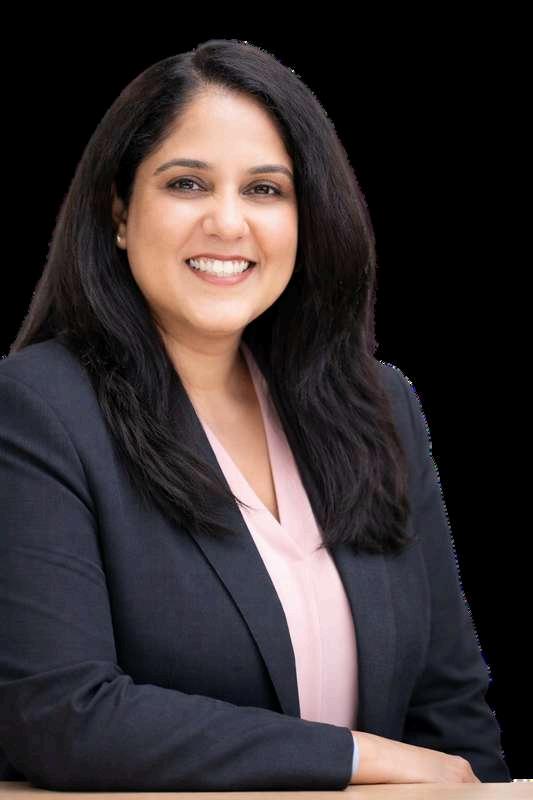
“ When no one is watching, I am guided by integrity and fairness - doing what feels right, not what feels easy. This belief has shaped my leadership to be consistent, values-driven and deeply respectful of the trust people place in me. ”
Q. What people-related challenge today is often underestimated by leadership teams?
One of the most underestimated peoplerelated challenges today is emotional and cognitive overload in the workforce. While leadership teams track productivity, attrition and engagement scores, they often miss the silent exhaustion employees carry - caused by constant change, blurred boundaries and the pressure to perform in an always-on environment
Employees may still deliver results, but underneath, there could be decision fatigue, disengagement and a gradual erosion of trust. This doesn’t show up immediately in dashboards, but it eventually manifests as burnout, poor collaboration and loss of discretionary effort
What makes this challenge complex is that it cannot be solved through policies alone. It requires leaders to slow down, listen deeply and redesign work with empathy - rethinking pace, expectations, capabilities of the team below every leader in the organisation, and the meaning of ‘high performance’. Organizations that fail to address this early risk building cultures that may look successful on paper but feel unsustainable in practice.
Recognizing human limits is no longer a soft conversation - it is a strategic imperative for long-term resilience
Q. How do you ensure that culture is shaped by everyday behaviors, not just policies or programs?
Culture is shaped less by what organizations say and more by what they tolerate, reward
and repeat every day My approach has always been to translate values into observable behaviors and ensure leaders role-model them consistently
We embed culture into everyday moments –regular education with examples of how behaviours look within our organisation, how decisions are made, how feedback is given, how failure is handled, and how success is recognized For example, instead of launching standalone culture programs, we integrate cultural expectations into performance conversations, leadership reviews, rewards and even project retrospectives.
Equally important is storytelling. When leaders and employees share real stories of behaviors that reflect our values, culture becomes lived and relatable, not abstract. We also empower managers as culture carriers, because culture is experienced most deeply at the team level.
Policies provide direction, but behaviors create belief. When people see alignment between what leaders say and what they do, especially under pressure, that’s when culture truly takes root.
Q. What personal experience most shaped your belief in creating human-centered workplaces?
Early in my career, I witnessed how certain teams delivered great outcomes, not because of strategy, but because of how people were treated – with trust and autonomy The energy, ownership, personal leadership and innovation was unmistakable
What stayed with me was not just performance, but how people felt at the end of each day I
saw talented individuals shrink in environments where they weren’t heard, and flourish when leaders genuinely cared. That contrast shaped my belief that performance and humanity are not opposing forces, they are deeply connected.
Over time, this belief was reinforced during periods of organizational change, where transparency, empathy and timely honest communication mattered more than perfect answers I learned that when leaders acknowledge uncertainty and treat people with dignity, trust grows even in difficult times.
That experience continues to guide my leadership philosophy: build systems that respect people as humans first, and results will follow.
Q. What mindset must leaders unlearn to create truly human-centered workplaces?
Leaders must unlearn the mindset that control equals effectiveness The belief that tight oversight, constant availability and uniform ways of working drive performance is deeply ingrained but increasingly outdated.
In today’s world, effectiveness comes from genuinely safe spaces, trust, clarity and empowerment Leaders need to let go of the need to have all the answers and instead create environments where people feel safe to think, question, debate and contribute This requires unlearning perfectionism and embracing vulnerability as a leadership strength.
Another mindset to unlearn is the idea that empathy weakens authority. In reality, empathy strengthens credibility and connection Human-
-centered leadership doesn’t mean lowering standards, it means understanding context, recognizing effort and enabling people to do their best work sustainably
The shift is from managing people to enabling performance through belief, not fear. Leaders who make this shift don’t lose control, they gain long-term commitment
Q. How do you measure progress in areas that don’t always show up in traditional metrics?
Not everything that matters can be captured in a spreadsheet, but it can still be measured thoughtfully. I look at a combination of signals, patterns, and conversations. I also like people sharing feedback on the run
We track qualitative indicators such as the quality of leadership conversations, employee narratives, internal mobility stories and how people speak about the organization when they think no one is listening. Pulse surveys, listening forums and skip-level interactions provide valuable insights beyond annual metrics.
I also pay attention to leading indicators, like psychological safety, manager effectiveness, collaboration quality and decision-making speed. These may not directly reflect revenue today, but they strongly predict future performance.
Most importantly, we close the loop by acting on what we hear. Measurement without response erodes trust When employees see that feedback leads to visible change, even small improvements become meaningful markers of progress.
In human systems, progress is often felt before it is quantified, and wise leaders learn to listen to both data and emotion.
Bina Belani is an accomplished Chief Human Resources Officer with over two decades of experience leading people and culture transformations across technology, manufacturing, mining and infrastructure organizations Known for her humancentered yet business-driven approach, she specializes in workforce strategy, change management, leadership development and future-ready HR architectures. Bina is also an author, speaker and mentor, committed to building trustworthy workplaces where performance and purpose coexist.
PRESIDENT & CHRO ODISHA, JINDAL STEEL LIMITED
PRESIDENT & CHRO ODISHA, JINDAL STEEL LIMITED
WHO AM I WHEN NO ONE IS WATCHING?
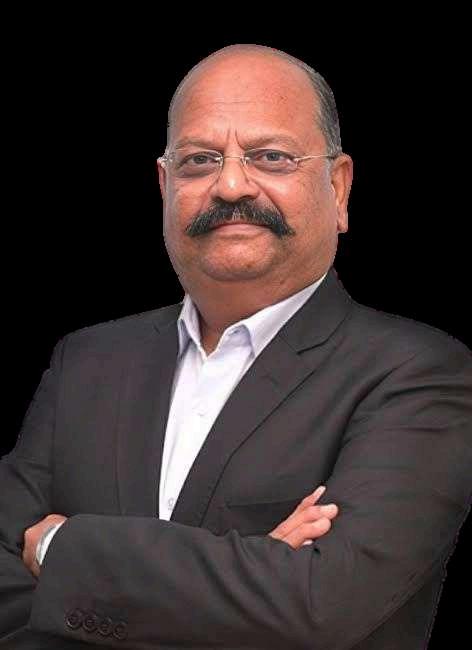
“When no one is watching, unsupervised compliance is my compass. Conviction over convenience. Calm under pressure. Fearless in decision. Uncompromising integrity.”
Q. What people-related challenge today is often underestimated by leadership teams?
One of the most underestimated peoplerelated challenges today is emotional fatigue and disengagement hidden behind performance. In traditional industries like steel, leadership teams often look at output, safety numbers, and attendance and assume people are “fine.” But beneath stable metrics, many employees are experiencing burnout, uncertainty about future skills, and a weakening emotional connection to the organization.
In steel plants, especially post-automation and digitization, roles have changed rapidly Operators who were once valued for physical expertise are now expected to manage data, systems, and controls When reskilling is pushed without enough psychological safety or dignity, people comply but disengage silently This shows up later as resistance to change, lower ownership, or sudden attrition of high-potential talent
Another overlooked challenge is intergenerational disconnect. Senior leaders grew up in a command-and-control environment, while younger engineers expect dialogue, purpose, and faster growth. If leadership underestimates this gap, culture slowly fractures.
The future will amplify this challenge As AI, green steel, and Industry 4.0 advance, the real risk won’t be lack of technology it will be loss of trust and meaning at the shop-floor and middle-management levels. Leaders must learn to listen beyond dashboards and engage with the human reality behind the numbers.
Q. How do you ensure that culture is shaped by everyday behaviors, not just policies or programs?
Culture is shaped not by what is written in policy manuals, but by what leaders tolerate, reward, and role-model every day. In the steel industry, this becomes very visible on the shop floor If safety is a value, but supervisors ignore near-miss reporting to meet production targets, employees quickly learn what truly matters
To ensure culture is lived, leadership behaviors must be deliberately aligned with expectations For example, if collaboration is important, leaders should visibly recognize crossdepartment problem-solving say, maintenance and production teams jointly resolving downtime issues instead of celebrating individual firefighting.
One practical approach is to convert values into observable micro-behaviors. Instead of saying “respect,” define it as: listening during toolbox talks, no public humiliation during audits, and involving operators in kaizen discussions. These behaviors can then be reviewed in performance conversations.
Another powerful lever is who gets promoted. In steel plants, if technically strong but peopleinsensitive managers are repeatedly elevated, culture erodes regardless of HR programs. Promotions must reflect not just results, but how results are achieved.
Going forward, culture will increasingly be shaped by digital interactions, remote reviews, and virtual leadership presence Leaders must consciously humanize these moments because
DILIP SINHA
culture lives in everyday actions, not annual townhalls
The real risk isn’t lack of technology —it’s the loss of trust and meaning behind the numbers The real risk isn’t lack of technology —it’s the loss of trust and meaning behind the numbers
emotional, and physical directly shapes operational performance
Further reinforcement came from engaging contract workers who had felt invisible. Recognition, inclusion, and equal safety consideration fostered trust, improving reporting and accountability These experiences affirmed that human-centered leadership is not a soft approach, but a practical one In demanding industrial environments, sustained performance depends on trust, inclusion, and the assurance that people’s wellbeing genuinely matters.
Q. What mindset must leaders unlearn to create truly human-centered workplaces?
Q. What personal experience most shaped your belief in creating human-centered workplaces?
A defining influence on the belief in humancentered workplaces came from observing how frontline performance shifts when wellbeing and dignity are prioritized over mere compliance. In a steel plant, a technically sound productivity initiative generated execution without ownership because employees felt excluded from the process. The absence of emotional engagement quietly weakened results.
In contrast, a safety initiative built on open dialogue, psychological safety, and shared responsibility transformed both behavior and outcomes When employees were invited to speak without fear, participation deepened and safety practices strengthened organically. The lesson was clear: wellbeing mental,
DILIP SINHA
Leaders must unlearn the mindset that authority equals control. In many traditional industries, including steel, leadership success has long been associated with giving instructions, enforcing discipline, and having all the answers. This mindset worked in stable environments but it fails in today’s complex, fast-changing reality
A human-centered workplace requires leaders to shift from “I know best” to “I create conditions for others to succeed.” For example, when a furnace breakdown occurs, a controldriven leader focuses on blame and speed. A human-centered leader focuses on learning, systemic fixes, and psychological safety preventing repeat failures.
Another mindset to unlearn is equating long hours with commitment In steel plants, glorifying exhaustion sends a dangerous message especially around safety. Sustainable performance comes from alert, respected, and motivated teams, not burnt-out heroes
Leaders must also unlearn the belief that
emotions don’t belong at work. Fear, pride, frustration, and aspiration are present whether acknowledged or not Ignoring them doesn’t make workplaces rational it makes them disconnected
In the future, leaders who cannot unlearn these mindsets will struggle to lead multigenerational, tech-enabled, purposedriven teams Human-centered leadership is not about losing authority; it’s about earning followership in a new era.
Q. How do you measure progress in areas that don’t always show up in traditional metrics?
Progress in human-centered areas must be assessed through behavioral patterns and cultural signals, not solely traditional performance metrics Indicators such as attrition, safety incidents, or productivity often reflect outcomes, but they rarely capture the underlying human dynamics shaping those results.
One early measure of progress is the strength of employee voice. In industrial environments, increasing participation in safety dialogues, higher reporting of near-miss incidents, and a willingness among supervisors to escalate concerns without hesitation are strong indicators of growing psychological safety and trust. Equally important is the presence of open and transparent communication across peer groups, as well as between team members, supervisors, and senior leaders this flow of dialogue reflects cultural health long before metrics improve.
Another critical lens is the quality of workplace conversations. When performance discussions evolve beyond targets to include capability development, wellbeing, and career progression, it signals a more mature and
supportive culture. Sampling these conversations provides meaningful qualitative insight into engagement and managerial effectiveness.
Structured listening mechanisms such as pulse surveys, stay interviews, and open forums also provide valuable sentiment data. However, their effectiveness depends on visible followthrough. When employees see action linked to feedback, trust strengthens; when they do not, credibility weakens.
Leadership behavior serves as an equally powerful measure How leaders respond to mistakes, manage pressure situations, conduct shift handovers, or engage during operational challenges reveals more about culture than policies alone. These day-to-day behaviors demonstrate whether respect, accountability, and wellbeing are truly embedded. Looking ahead, people analytics will increasingly integrate sentiment data, behavioral patterns, and operational outcomes to create a holistic view of progress Yet the most meaningful measure remains simple and human: whether employees consistently feel heard, respected, and safe while delivering results. When that perception improves over time, genuine progress is underway even before it appears on dashboards.
Mr. Dilip Kumar Sinha is the President & CHRO of Jindal Steel–Odisha, with over 29 years of rich experience in Human Resource Management. A Certified OKR Coach, he has led transformative initiatives in HR strategy, performance management, talent development, and organizational restructuring His leadership also spans Group Security, CSR, Safety, Environment, and Corporate Affairs. Known for driving cultural transformation and building future-ready teams, he continues to champion people-centric practices that strengthen Jindal Steel’s competitive edge.
DILIP SINHA
“ I strongly believe that true character is reflected in private moments In those moments, I am able to reflect if my decisions and actions have been in sync with the values I believe in. These are the times when you tend to be most vulnerable, but all this helps you to be resilient and not to give in to temptations and shortcuts around you. During such moments, I am most self-critical, which further helps me to refine my thoughts, and course-correct my way forward. “
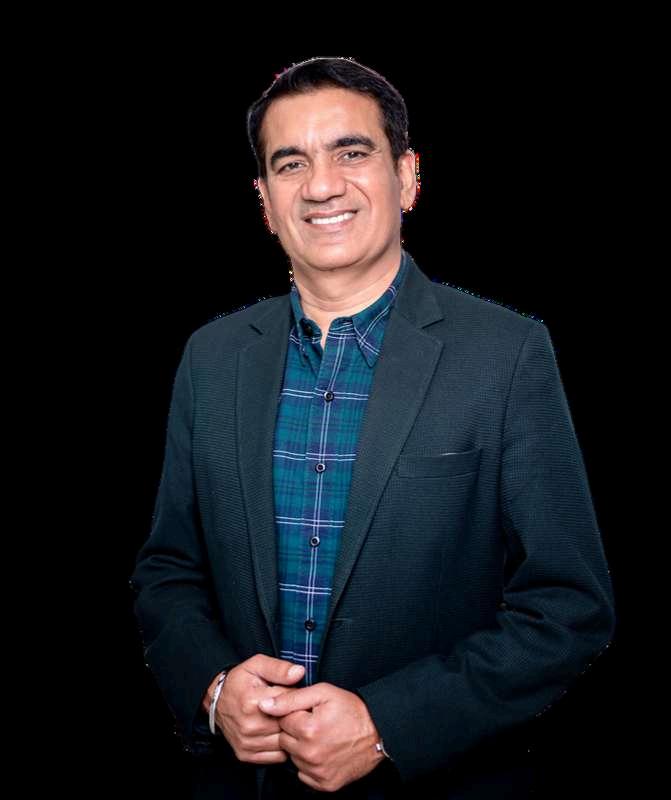
Q. What operational decision had the greatest ripple effect across the organization?
One of the biggest pivots for IndiaMART was moving from an export-online directory to a domestic B2B marketplace And the second and equally important, was transitioning from desktop to mobile-first marketplace at a pace that ensured a seamless experience for our MSMEs customers during the transition period. Both these decisions have been pivotal as they opened many new avenues for us to understand the needs and requirements of MSMEs of our country and work towards finding innovative solutions to democratizebusiness opportunities across tiers and enable these MSMEs better.
Q. How do you maintain consistency while enabling flexibility at scale?
Maintaining consistency while enabling flexibility at scale is the Holy Grail of operations At a high-growth organization like ours, the focus has always been on creating processes to simplify our offerings to the customers. I strongly believe that if it is Simple, it will be Fair and that’s what helps us maintain consistency while also allowing the room to be flexible. The other priority has been to attend to top 20% of the causes, impacting 80% of the outcome. If you invest more time on planning the What and the How, and delegating the Who and the When, your probability to scale fast increases manifold.
To ensure there is consistency across operations, it is important to define fixed and variable elements, such as what is nonnegotiable and where there is room for flexibility The quality of Services we deliver to
our Customers and to our Employees remain non-negotiable Similarly, our Values TRIP (Teamwork, Responsibility, Integrity, and Passion) remains paramount in every action we take
At the same time, there is enough and more push amongst our employees to keep looking at innovative solutions, be creative, and high on experimentation To remain relevant and innovative in this ever-evolving world of AI, there needs to be enough room for frugal experimentation and pilots that can help us become faster and better. Regional content & local language support, quality of matchmaking, category-based initiatives are some of the core areas where experimentation & innovation have brought some amazing results for us.
As organizations scale, success depends less on motivating people and more on giving them absolute clarity of purpose—because lack of context is more damaging than lack of motivation. As organizations scale, success depends less on motivating people and more on giving them absolute clarity of purpose—because lack of context is more damaging than lack of motivation.
Q. How has your understanding of people changed as your responsibilities expanded?
People are the true assets, and they are the ones who build an ecosystem for your organization However, when you grow from a 100-people organization to the one having 5000 people, the focus shifts from making everyone inspired/motivated to making everyone clear. In more than three decades of working and learning every day, the strongest ecosystem you can create is when people in your organisation are clear on the WHY of their work, because lack of context is more harmful than lack of motivation. This calls for having a proper organisational structure, well-defined processes, and above all, empowerment and enablement for the people to perform and grow
Despite us being a large organisation, my efforts remain to reach out to as many people as possible via regular townhalls, induction or training sessions, and video meets with larger groups across the country to understand the organisation's pulse and pick up on areas that can make us better.
Above all, we all have to live our Values, demonstrate the transparency, empathy and prudent decision-making through our own actions. People follow their leaders, and there is always a certain top-down approach that runs across organisations, thus it is important to be the right role model for the team, keep an open channel with them and ensure regular feedback on your own actions as well as overall organization sentiments.
Q. What trade-offs are essential to build resilience into operations?
For some, Resilience is Perfection but that’s not me. I strongly believe that Resilience is building something Functional, with a lot of Redundancy and focus on Continuous Improvement. Building resilience is an insurance policy, where you might end up paying a decent premium, just to make sure you have a safety net in case of a fallback.
IndiaMART is a tech-first organisation and a large marketplace, thus there is a constant shift between Agility & Optimization. Overoptimization doesn’t work as our products and processes keep changing, subject to customer’s evolving needs, hence Agility takes over precedence
Secondly, an organisation as large as ours, spread across multiple offices, comes with the trade-off between running Centralised vs Decentralised Operations Centralised operations are consistent and tend to be more accurate, but decentralised decisions make you a faster, and more disruptive business But this might not be the most economical solution. Added to it, there is a trade off between talent and technology. You need cutting edge tech so dependency on workforce is less, but you need the right and enough talent in the team to ensure you keep building cutting edge tech and innovative solutions Thus, an approach with multiple trade-offs, purely subject to need of the hour.
Another debate we keep having is between Diversity and Standardization With many products being unique in their offering, Standardization leads to dependence on few vendors but also leading to higher cost, speed, and less innovation. However, Diversity helps in continuous innovation, multi-geography solutions, speed, and cost, but comes with a risk on how well the disruption would land with the customers
Q. How do you ensure that efficiency does not come at the cost of experience?
We remain committed to our People & our Customers. Hence, the focus of bringing in efficiency always remains removing or reducing friction in our services Over the years, we have tried to bring in technology for repetitive, mundane, and low impact processes But the people and customers take precedence for all high impact processes.
Our goal is to simplify the solution and our offerings, followed by company costs and it is well reflected in the investments made over the years In tech and AI, IndiaMART is investing heavily from experimentation pov to better understand what solutions might work for our customers and team IndiaMART has been at the forefront of customer servicing solutions such as cloud telephony, CRM etc , which has helped us reduce customer efforts, automate certain processes, and give more power to customers while engaging with relevant buyers.
About the Author:
Dinesh Gulati is an established business leader who has played a pivotal role in transforming Telecom and online commerce in the country His disruptive outlook and astute decision-making have also unlocked huge value for all the stakeholders Dinesh holds an MBA from the Faculty of Management Studies (FMS), Delhi University, and B. Tech from HBTI Kanpur.
He has a strong track record of building brands from scratch and scaling them into full-blown profitable businesses in the fields of telecom, media, FMCG, and ecommerce. Prior to joining IndiaMART, he held leadership positions with leading brands like Bharti – Airtel, Reliance Communication, Kodak India Ltd, and The Indian Express Group
Dinesh is also an expert speaker in various forums and is actively involved in investing and mentoring various startups in the tech space.
FOUNDER & PRESIDENT, VERTEX GROUP
FOUNDER & PRESIDENT, VERTEX GROUP
“ Even if somebody is watching or nobody is watching- I always try to do what lets me sleep at night I’m guided by fairness and a long view, even when it’s uncomfortable That habit has shaped how I lead- patience over pressure. ”
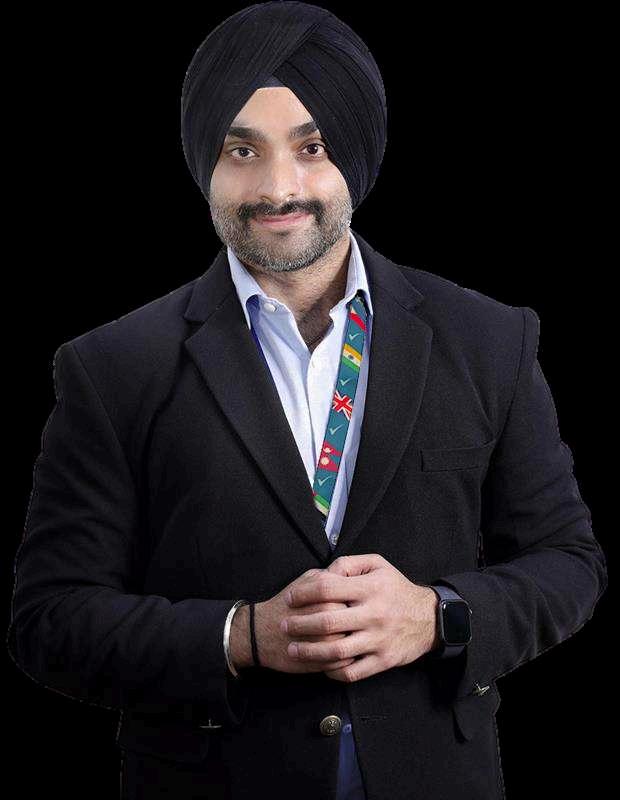
Q. What decision did you make recently that prioritized long-term impact over shortterm comfort?
I chose patience over relief, fully aware that the impact would come later and that was the intention
There was a moment when the easier path was clearly visible We could have moved faster, and delivered short-term results that would have felt immediately reassuring Instead, we paused. We chose to invest time in strengthening our foundation how we think, how we decide, and how we build leadership depth across the organisation.
This decision brought temporary discomfort. But I’ve learnt that comfort often comes from avoiding hard choices, while real impact comes from staying with them. Choosing patience allowed us to address gaps we might otherwise have ignored and to build systems that can support growth over time, not just respond to the moment
Leadership, to me, is about trusting that thoughtful, intentional decisions even when they don’t offer immediate validation. By choosing patience over relief, we chose durability over speed.
Q. When leadership feels isolating, what helps you reconnect with perspective and purpose?
When it feels lonely at the top, I stop looking up for answers and start listening around me. I believe perspective comes from people; purpose comes from listening
Leadership can often create distance not
intentionally, but naturally as responsibility grows and decisions become heavier In those moments, what grounds me most is stepping closer to the people doing the work rather than further into abstraction Listening to their experiences, concerns, and insights brings clarity that no report or metric ever can
I’ve learnt that isolation often comes from carrying answers alone Perspective returns when I ask better questions and create space for honest dialogue These conversations remind me that leadership is not about standing above others, but standing alongside them with awareness and humility
Purpose, for me, reconnects through impact seeing how decisions affect real people, real teams, and real outcomes. When I witness growth, confidence, or clarity emerge because of a thoughtful choice, the weight of leadership feels lighter and more meaningful
Real leadership impact comes from choosing durability over speed, and intention over urgency.
Real leadership impact comes from choosing durability over speed, and intention over urgency.
Q. What part of your organization’s culture required the most intentional unlearning?
One of the most important things we had to unlearn was the belief that being constantly busy meant we were being effective. Replacing constant urgency with pre planned work helped us make better decisions and create progress.
Intentional unlearning meant slowing down enough to question how and why decisions were being made This shift was uncomfortable at first because urgency feels productive, even when it isn’t.
As leaders, we had to model this change ourselves, we focused on quality of thinking, depth of discussion, and ownership of outcomes.
The result was a cultural shift towards intention. People began to feel more confident in their decisions, more accountable for results, and less driven by constant urgency. By unlearning the need to always be busy, we created space for better thinking and better thinking led to better progress
Q. Where do you believe leadership influence matters more than formal authority today?
Influence matters more than authority in shaping culture. The small, everyday choices leaders make how they listen, respond, and show up quietly define what the organisation stands for
Today, organisations are navigating constant shifts expectations, and ways of working In these moments, people look less for direction and more for reassurance, clarity, and example.
Influence shows up in how leaders listen, how they respond under pressure, and how consistently they align words with actions.
Some of the most meaningful leadership moments happen without any formal mandate guiding difficult conversations, building confidence during uncertainty, or helping teams. Authority may create compliance, but influence creates commitment, and commitment is what sustains momentum over time.
I’ve learnt that influence is earned quietly. It grows through trust, empathy, and credibility, not through hierarchy When people feel respected and understood, they choose to follow not because they have to, but because they believe in the direction.
In today’s world, leadership is less about control and more about connection. That’s where influence matters most
Q. If your organization were to be remembered for one shift it made under your leadership, what would that be?
I’d want us to be remembered for shifting from working harder to working smarter, working with purpose, encouraging innovative ideas, inculcating culture to think out of box.
The shift wasn’t loud or dramatic, but it was transformative. It changed how people showed up every day more thoughtful, more aligned, and more committed to the work and to one another
If that is what we are remembered for building with intention rather than urgency then I believe the organisation will have been shaped not just for success, but for longevity
Great leaders don’t rush to build fast; they build what can stand the longest Great leaders don’t rush to build fast; they build what can stand the longest
Mr Gagan Arora is a first-generation entrepreneur and Founder & President of Vertex Group, a global business ecosystem comprising Vertex Global Services, Vertex Learning, Vertex Next, Vertex Technologies, Vaani Communications, Vertex Silverleaf, and DK Infratech.
Headquartered in the United States with strong roots in India, Vertex operates across multiple industries and international markets.
What began in a Florida garage has evolved under his leadership into a multi-vertical, multi-continent organization operating across the United States, United Kingdom, India, the Philippines, Nepal, the Middle East, and Africa.
As Founder & President, he leads Global Strategy, Expansion, Innovation, and Partnerships across the group.

HEAD OF HUMAN RESOURCES, SIGNIFY, GREATER INDIA
HEAD OF HUMAN RESOURCES, SIGNIFY, GREATER INDIA
WHO AM I WHEN NO ONE IS WATCHING?
“ When no one is watching, I am a passionate learner at heart. I invest time in understanding people, nurturing potential, and questioning myself, believing that quiet consistency, humility, and care are the foundations of lasting progress “
Q. What people-related challenge today is often underestimated by leadership teams?
One people-related challenge that is often underestimated is the gap between organizational speed and human capacity to sustain that speed Many leadership teams are excellent at driving transformation, efficiency, and growth, but tend to assume that people will continuously adapt without deliberate recalibration of workload, priorities, and recovery
The challenge is not capability; it is sustainability When work keeps accelerating without being redesigned, organizations risk creating environments where people deliver in the short term but struggle to innovate, collaborate, or think long-term. This does not always surface immediately in traditional metrics, which makes it easy to overlook.
The opportunity for leaders lies in consciously designing work that balances ambition with realism When organizations invest in clarity of priorities, psychological safety, and sustainable rhythms of work, they unlock sharper decisionmaking, higher ownership, and enduring performance. Addressing this challenge proactively allows organizations to move from short-term execution to long-term resilience.
Q. How do you ensure that culture is shaped by everyday behaviors, not just policies or programs?
Culture is shaped when leadership intent is translated into repeatable, visible behaviors, especially in moments that matter. While policies and programs establish intent, it is consistent behavior that determines whether those values are experienced or remain
aspirational.
The most effective organizations focus on translating values into explicit behavioral expectations for leaders, particularly in routine decision-making, team interactions, and moments of pressure When leaders demonstrate transparency, inclusive decisionmaking, and accountability consistently, these behaviors set informal norms that shape how work actually gets done.
Equally important is systemic reinforcement. Performance management, leadership assessments, and recognition frameworks must reflect not only outcomes, but also the behaviors through which those outcomes are achieved. This alignment ensures that culture is reinforced through consequences, not communication alone
Over time, culture is shaped through repetition The behaviors leaders’ model, reward, and tolerate daily accumulate into shared expectations When this consistency exists, culture becomes embedded through practice rather than policy
Q. What personal experience most shaped your belief in creating human-centered workplaces?
My belief in human-centered workplaces was shaped early in my career when I experienced leadership that prioritized trust, empathy, and long-term intent over immediate outcomes. I witnessed how genuine care, flexibility, and patience from leaders enabled continuity, commitment, and eventual performance, rather than disruption
That experience reinforced a simple truth
When organizations trust people in their most vulnerable moments, people respond with loyalty, accountability, and purpose. Humancentered workplaces are not about lowering standards or expectations, they are about recognizing that performance is sustained when individuals feel seen, supported, and respected as humans first. This belief has stayed with me throughout my leadership journey It has shaped how I think about policies, leadership capability, and work design Creating space for empathy and realism does not weaken organizations. It strengthens resilience, trust, and long-term effectiveness
Q. What mindset must leaders unlearn to create truly human-centered workplaces?
To create human-centered workplaces, leaders benefit from evolving their mindset from managing activity to enabling outcomes While traditional leadership models prioritize visibility, oversight, and uniformity, today’s fast-evolving workplaces require trust, clarity of direction, and empowered teams.
This shift invites leaders to focus on intent and impact rather than control. By giving teams autonomy within clear expectations, leaders enable ownership, creativity, and accountability It also allows leaders to move from having all the answers to creating the conditions where the best answers emerge collectively Human-centered leadership is not about reducing standards. It is about creating environments where people feel trusted to deliver their best work in ways that align with both organizational goals and individual strengths When leaders make this shift, performance and engagement rise together.
Q. How do you measure progress in areas that don’t always show up in traditional metrics?
Progress in human-centered areas often shows up through patterns, not single data points. While traditional metrics remain important, they need to be complemented with qualitative insights such as employee narratives, leadership feedback, and consistency in behaviors over time.
Indicators like trust, belonging, and resilience are reflected in reduced friction, stronger collaboration, and the quality of internal conversations. They also show up in how teams respond to change, manage conflict, and sustain performance during uncertainty. Listening mechanisms are critical. Regular surveys, open forums, skip-level conversations, and manager capability assessments provide directional insights Over time, alignment between employee sentiment, leadership behavior, and business outcomes becomes visible
The key is to look beyond immediate ROI and focus on sustainability. Human-centered progress is cumulative. When embedded well, it strengthens culture, performance, and organizational resilience in ways that traditional dashboards alone cannot capture
“ The real challenge for organizations today is not speed of transformation, but the human capacity to sustain that speed.”
“ The real challenge for organizations today is not speed of transformation, but the human capacity to sustain that speed.”
Irani Srivastava Roy is the Head of Human Resources at Signify, Greater India, leading the company ’ s HR strategy and operations across the region. With over 25 years of experience, she joined Signify in October 2022 and brings deep expertise in building inclusive, people-driven cultures and leveraging technology to enable business growth Her career spans leadership roles across HR strategy, policy, DEI, CSR, and largescale people initiatives, including her previous role at Axis Max Life Insurance Irani has also worked with Accenture, RBS, ABN Amro, HDFC Bank, PwC, and IMGC, and is an active voice in leading HR forums.
“ Transformation is easy to start quickly; the real test is whether people can carry its speed over time.”
“ Transformation is easy to start quickly; the real test is whether people can carry its speed over time.”
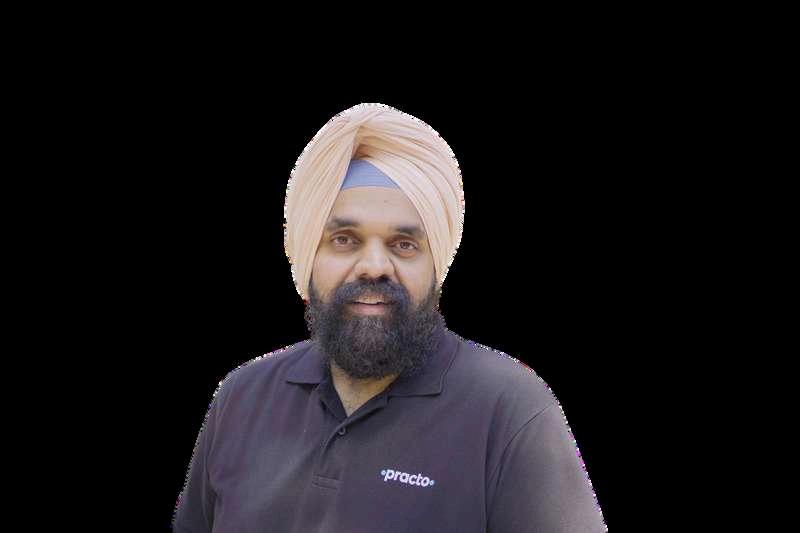
CHIEF OPERATING OFFICER, PRACTO CHIEF OPERATING OFFICER, PRACTO
“ Years of both success and failure have shaped my leadership I try to be the same person whether someone is watching or not- true to my word, authentic with people, and consistent in how I act Leading by example matters most, especially when choices are difficult and unseen. ”
Q. What operational decision had the greatest ripple effect across the organization?
There wasn’t a single sweeping decision, it was a series of small, deliberate choices made consistently over time. What worked for us was embracing relentless incrementalism. The belief that if we show up every day asking, “What can be 1% better today?”, the compounding effect becomes transformational Operationally, this translated into tightening daily and weekly cadences, making reviews more action-oriented, and being far more intentional about celebrating progress whether it was a milestone, a team breakthrough, or a quiet win These moments reinforce momentum.
One more impactful shift was empowering midlevel managers with greater authority and real accountability Decisions moved closer to the ground, response times improved, and ownership deepened. When leaders trust managers to run their domains end-to-end, teams move faster and think longer-term. The ripple effect wasn’t just efficiency but also cultural People felt seen, trusted, and responsible for outcomes, not just tasks.
Q. How do you maintain consistency while enabling flexibility at scale?
Consistency and flexibility aren’t opposites. I believe they reinforce each other when anchored correctly. For us, consistency comes from being unwavering about what matters: our outcomes, principles, and non-negotiable standards. It also comes from repetition. Doing the same things well, over and over again, until they become second nature. Consistency can look boring to some, but it’s fundamental to becoming great. When I look back, the areas I excel at today were built through sustained
repetition of basic tasks
We spend a lot of time making sure people are clear on what excellence looks like - what we ’ re trying to achieve, how progress is reviewed, and how decisions get made That shared understanding builds discipline and confidence. Once that foundation is in place, flexibility becomes essential At scale, this means resisting the urge to over-standardise how work gets done Instead, we ’ re consistent about the principles that guide decisions. Guardrails create safety while flexibility allows people to operate in their own way within them. That’s how individuals discover what suits them best and how they do their best work Discipline and flexibility have to grow together.
Transformation rarely comes from one big decision—it comes from the discipline of getting 1% better every day. Transformation rarely comes from one big decision—it comes from the discipline of getting 1% better every day.
Q. How has your understanding of people changed as your responsibilities expanded?
The biggest shift for me has been realizing how deeply people respond to genuine trust. Not symbolic or surface-level but real belief in their judgment and intent. When people feel truly trusted, they consistently outperform expectations I’ve also learned that accountability, when given authentically, is highly energizing The more ownership people have over outcomes, the more invested they become in solving problems well. Responsibility gives work meaning
As leaders, our role isn’t to motivate through perks or incentives alone, but to create environments where individuals can discover their strengths, understand where they excel, and know where they need support. People want to do meaningful work and be taken seriously When we combine trust with honest feedback and real responsibility, we unlock that potential. Over time, leadership becomes less about directing and more about enabling people to do their best work
Q. What trade-offs are essential to build resilience into operations?
One of the most important trade-offs for me is letting go of tight central control in favour of distributed decision-making. It can feel riskier in the short term, but it builds far more resilience When decisions sit closer to the work, teams respond faster, adapt better, and don’t freeze when things change. Another conscious tradeoff is prioritising cross-team collaboration even when it slows things down initially Alignment takes time as it requires more conversations, more debates, more effort But that investment pays off. Strong collaboration reduces friction
later and prevents teams from optimising in isolation Sometimes choosing the harder, more collaborative path upfront leads to fewer breakdowns down the line
Resilient operations aren’t built by controlling everything They’re built by trusting people, encouraging collaboration, and making thoughtful trade-offs that strengthen the organisation over time.
Q. How do you ensure that efficiency does not come at the cost of experience?
Like in healthcare, a faster diagnosis doesn’t matter if it’s the wrong one. Similarly, an efficient process means very little if it creates friction or anxiety for the person on the other side. So we ’ re careful not to chase efficiency for its own sake Every time we streamline something, we ask a simple question: does this make the experience better, or just faster? If it doesn’t improve clarity, trust, or ease, it’s probably not worth doing
A big part of this comes from listening to the people closest to the work like frontline teams, partners, and users. They see the gaps long before dashboards do Many of our best operational improvements have come from fixing small but repeated pain points rather than flashy changes. Technology helps, but we ’ re deliberate about how we use it Automation should reduce unnecessary effort, not remove human judgment In healthcare especially, experience is part of the outcome. Efficiency should quietly support that and not compete with it
Jagnoor Singh is the Chief Operating Officer at Practo, where he is responsible for driving execution across the company ’ s core businesses and scaling its impact across India and international markets. In this role, he plays a critical part in strengthening Practo’s operating engine as the company deepens its focus on improving health outcomes through technology, data, and disciplined execution, serving millions of patients and healthcare providers globally
Jagnoor brings over 17 years of leadership experience across consumer technology, education, hospitality, FMCG, and telecom. Prior to Practo, he held senior leadership roles at Unacademy, where he served as Chief Business Officer and later as COO for Unacademy Centres, leading large, complex operations during a period of rapid scale. Earlier, at OYO, he managed multi-region P&Ls and helped establish and scale the company ’ s cloud kitchen business to over 1,400 kitchens across 21 cities His career began at Bharti Airtel, where he progressed through multiple frontline and leadership roles, managing large teams and highrevenue portfolios across India. Jagnoor is known for building resilient operating systems, empowering leaders at scale, and translating strategy into sustained execution with longterm impact.
He holds a PGDM in Marketing from SP Jain Institute of Management & Research and has completed executive leadership programmes at IIM Ahmedabad and DDI International.
“Who you are when no one is watching defines the leader you become. It’s in the quiet choices where purpose outweighs convenience. True leadership is built on values practiced consistently, not just principles spoken aloud.”
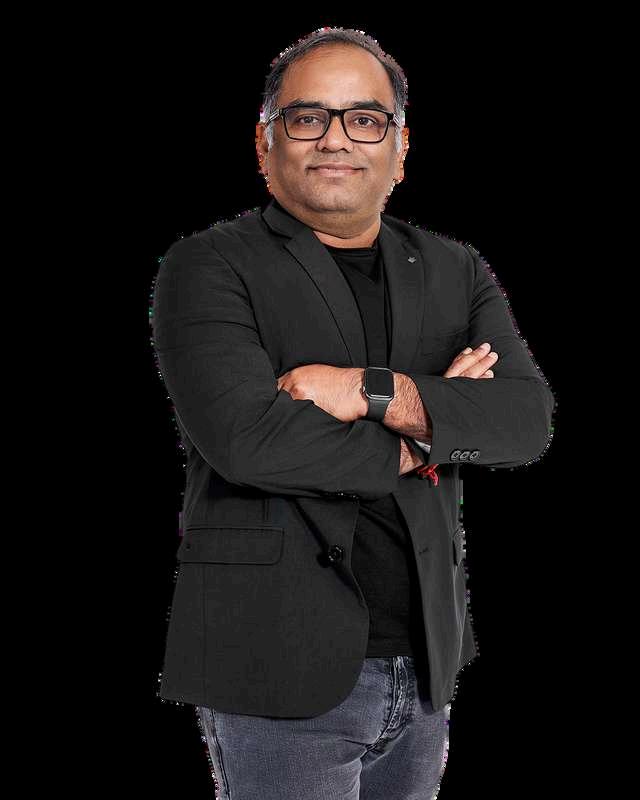
Q. What decision did you make recently that prioritized long-term impact over short-term comfort?
A key decision we made was to prioritise premiumisation and customer experience investment even in times of a volatile market. While softer demand could have encouraged us to focus solely on short-term efficiencies, we chose to double down on brand curation, loyalty initiatives, and experiential retail, knowing that differentiated, long-term customer value will sustain our relevance and growth.
Q. When leadership feels isolating, what helps you reconnect with perspective and purpose?
What keeps me grounded is staying close to customers and frontline teams. Whether it’s visiting a store, listening to customer feedback, or engaging with associates, these interactions bring clarity about what truly matters. Leadership isn’t disconnected strategy; it’s understanding real needs and translating them into meaningful experiences
Q. What part of your organization’s culture required the most intentional unlearning?
We’ve had to intentionally unlearn the notion that legacy experience alone guarantees future relevance. Today, it’s about agility, data-led customer insight, and experimentation Embracing change and learning continuously, not relying on past formulas, has been fundamental to staying ahead in a dynamic retail environment.
Q. Where do you believe leadership influence matters more than formal authority today?
Leadership influence matters most in shaping mindset and behaviour, how teams think, collaborate, and respond to change. In a fastevolving world, people don’t follow authority alone; they follow clarity, trust, and shared purpose Influence today is about enabling others, not directing them.
True leadership is not about directing people; it is about enabling them to create meaningful experiences that stand the test of time. True leadership is not about directing people; it is about enabling them to create meaningful experiences that stand the test of time.
Q. If your organization were to be remembered for one shift it made under your leadership, what would that be?
I would hope it is remembered for becoming truly customer-centric, not just in intent, but in action. A shift where decisions are guided by long-term customer value, where teams are empowered to innovate, and where the organization balances performance with purpose in a sustainable way
Mr. Kavindra Mishra (Kavi) is a seasoned professional with over 25 years of experience in retail, brand management, and business development. He currently serves as the Customer Care Associate - Managing Director & CEO at Shoppers Stop. Kavi joined the company in early 2023 as the Customer Care Associate & Chief Commercial OfficerExternal Brands & CEO Home, where he led and revamped the Home Category within the SSL Ecosystem. Prior to his tenure at Shoppers Stop, Kavi was the Managing Director and CEO of House of Anita Dongre, overseeing renowned brands such as AND, Anita Dongre, and Global Desi Before that, he served as the Managing Director at Pepe Jeans India for six years, where he successfully transitioned the company from a joint venture to a wholly-owned subsidiary of Pepe Jeans Global, establishing the brand as a profitable and aspirational name in the denim market.
Kavi also co-founded Zovi.com, a start-up funded by Tiger Global and Saif Partners His contributions to the retail and lifestyle segment were recognized by the Economic Times, which honoured him with the Inspiring CEO Award in 2022
“Everyone thinks of changing the world, but no one thinks of changing himself. If everyone would begin first with himself, the world would be transformed without violence or struggle.”
-Leo Tolstoy
DIRECTOR & VICE PRESIDENT – TECH MANUFACTURING, CRYSTAL CROP PROTECTION LIMITED
DIRECTOR & VICE PRESIDENT – TECH MANUFACTURING, CRYSTAL CROP PROTECTION LIMITED
“ When no one is watching, the value that guides me most is integrity doing the right thing even when it’s not visible or convenient. Over time I’ve learned that leadership is shaped more by the quiet decisions we make in private than the big ones we make in public.This belief has taught me to choose safety over shortcuts, transparency over convenience, and fairness over speed It influences how I treat people, how I make decisions under pressure, and how I uphold standards even when no one is checking. In simple terms, who I am when no one is watching is someone who stays true to principles and that consistency is what shapes the way I lead today.”
Q. What operational decision had the greatest ripple effect across the organization?
Capacity expansion, cost efficiency initiatives, process optimization, and tighter integration across production, planning, quality, and logistics teams
had greatest ripple effect in operations This operational shift improved agility, reduced dependency on imports, and strengthened the company ’ s overall manufacturing robustness
Add on, the introduction of stage gate process for NPI had added transparency in the process
Q. How do you maintain consistency while enabling flexibility at scale?
Maintaining consistency while enabling flexibility at scale is fundamentally about building strong foundations and adaptive mechanisms that operate together, not against each other I approach this through five pillars:
1.Standardize the Core, Flex the Edges
2.Use Data as the Single Source of Truth
3 Empower Teams Within Clear Guardrails
4.Build a Culture of Continuous Learning
5 Operational Excellence
Q. How has your understanding of people changed as your responsibilities expanded?
As my responsibilities expanded, my understanding of people shifted from seeing them as executors of tasks to seeing them as partners in building organizational excellence
Today, I believe strong leadership is about creating a culture where people feel trusted, empowered, and aligned and when that happens, consistency, safety, quality, and innovation naturally follow ” But stepping into
broader leadership made me realize that an organization doesn't scale because of systems alone it scales because of people, their motivations, and their ability to thrive under the right conditions ”
1 I Learned That People Need Clarity, Not Control
2.Began Seeing People as Multipliers, Not Resources
3.I Understood That Listening is a Strategic Skill
4.I Realized People Respond to Trust More Than Authority
5.I Recognized That People Interpret Change Emotionally Before Rationally
6 I Learned That the Leader’s Behavior Sets the Emotional Tone
7 I Started Valuing Diversity of Thought as Operational Strength
Q. What trade-offs are essential to build resilience into operations?
True operational resilience is the art of choosing the right trade offs. It’s about balancing efficiency with buffers, standardization with adaptability, and cost with risk When these trade offs are made consciously and consistently, the organization becomes robust, agile, and capable of absorbing shocks without compromising safety, quality, or customer commitment. As a leader, I focus on four core trade offs that determine how robust and adaptable an operation can be
Efficiency vs. Redundancy -Resilience requires backup capacity, but backups reduce short term efficiency
Standardization vs. FlexibilityStandardization drives consistency; flexibility allows quick adaptation.
Cost Optimization vs. Risk MitigationInvestments in resilience often show no immediate ROI but prevent major future losses
Speed vs. Thoroughness -Fast decision making helps maintain flow, but thorough processes avoid errors.
Local Autonomy vs. Central GovernancePlants need autonomy to respond to real-time issues; corporate needs consistency across sites.
Innovation vs. Stability -Introducing new technologies increases long-term resilience but disrupts the short term
Q. How do you ensure that efficiency does not come at the cost of experience?
In my view, efficiency and experience are not competing priorities they reinforce each other when designed thoughtfully. True efficiency removes friction, reduces errors, and gives people more clarity. When people feel supported and customers feel valued, efficiency naturally grows. The goal is to create an environment where operational excellence and human experience rise together, not at each other’s expense. ”
I ensure that efficiency enhances rather than compromises experience by focusing on four principles
Design Processes Around People, Not Just Metrics
Automate to Remove Pain, Not Human Judgment
Maintain Non-Negotiables for Safety and Quality
Measure Efficiency and Experience Together
Empower Teams to Shape the Way Work Happens
Build Flexibility Into Rigidly Efficient Systems
Revenue can grow for many reasons pricing actions, discounting, channel push, or even timing but cash tells you what’s real and sustainable. When I see a business growing revenue but struggling to convert that growth into operating cash, it’s usually an early warning sign. It points to issues beneath the surface: weak pricing discipline, poor working capital management, stressed customers, or operational inefficiencies
I pay close attention to cash conversion how quickly profits turn into cash and how much working capital growth is required to support topline expansion Healthy organizations don’t just sell more; they collect well, manage inventory thoughtfully, and deploy capital with intent That discipline reflects clarity in decision-making across functions, not just in finance
Another aspect is where the cash is going. Are we reinvesting in capabilities that strengthen the future, or are we using cash defensively to plug gaps? Cash flow reveals priorities, tradeoffs, and leadership behavior in a way revenue never can.
In my experience, revenue tells you how fast the business is moving Cash flow tells you whether it’s moving in the right direction and whether it can keep going without losing balance
Q. What mindset shift is required for finance to act as a true strategic partner?
The key mindset shift is for finance to move from being a gatekeeper of numbers to a coowner of outcomes Instead of focusing only on control and compliance, finance must deeply understand the business, ask the right questions
and help shape decisions. When finance sees its role as enabling sustainable growth rather than just protecting the P&L it earns a seat at the strategy table and becomes a true partner to the business.
Finance is no longer about reporting the past; it is about shaping the future through disciplined, thoughtful decision-making. Finance is no longer about reporting the past; it is about shaping the future through disciplined, thoughtful decision-making.
About the Author:
Operation transformations and operations of large/complex Chemical business units with a demonstrated history. Strong operations professional skilled in Industry 4 0, Process Engineering, Chemical Engineering, Due diligence for M&A, and safe work practices. Good manufacturing practices, world class manufacturing, projects, Green field brown field Technology transfer from united kingdom and Germany. Operational excellence, lean management and overall site operation business and productions management. SAP implementation and roll out for manufacturing. Leadership role for operations communications and statutory management globally. Mentoring students and guiding managers to be become leaders Industrial advisor to universities for making young engineers industry relevant. Motivational Speaker & Counseller. Received Indian Achiever's Award for the year 21-22
MANU LAVANYA
SENIOR DIRECTOR AND CHIEF OPERATIONS
SENIOR DIRECTOR AND CHIEF OPERATIONS
OFFICER, AXIS MAX LIFE INSURANCE
OFFICER, AXIS MAX LIFE INSURANCE
WHO AM I WHEN NO ONE IS WATCHING?
“ My leadership philosophy is centred on putting purpose before teams, and teams before self. I strive to demonstrate strength through vulnerability while fostering unity through diversity. By maintaining the right balance between EQ and IQ, I actively encourage constructive disruption and remain a constant learner.”
Q. What operational decision had the greatest ripple effect across the organization?
Over the last two years, the most significant impact on organizations, particularly from an operational perspective, has been the convergence of the digital and operational worlds This shift is driven by a structural decision to align organizational frameworks across these functions into an integrated team, which in turn drives end-to-end operational outcomes encompassing both business KPIs and digital transformation
Building on this structural alignment, a second critical decision that has enhanced speed and agility is the move away from traditional functional teams toward cross-functional pods These units are driven by a common purpose rather than isolated functional goals, enabling a more cohesive and aligned transformation strategy.
Alongside these changes, a third significant driver of operational excellence is the decision to embed intelligence powered by analytics and AI directly into operational processes. By ensuring that business processes are designed with embedded intelligence from the outset, rather than treating analytics as a siloed afterthought, organizations begin delivering nonlinear improvements in outcomes.
Finally, this evolution necessitates a fundamental change in expectations, particularly around digital learnability across all operational roles. This shift leads to a comprehensive restructuring of organizational structures, roles, skills, and learning plans, ultimately building a digital-first thinking organization
Q. How do you maintain consistency while enabling flexibility at scale?
Digital technology and integrated capabilities represent the singular force that enables organizations to break the apparent contradiction between flexibility and scalability Over the last several years, Axis Max Life has implemented multiple digital capabilities to drive growth, business quality, customer experience, and risk avoidance simultaneously.
For example, the traditional mindset of underwriting as a rigid control function is transformed when the department leverages digital, AI, and agentic capabilities to “sharpshoot” risk identification This approach simultaneously improves straight-through processing, demonstrating how control and speed can coexist.
Another example of enabling flexibility at scale is the implementation of the omni-channel customer experience that Axis Max Life is currently rolling out. This platform customizes user journeys in real time as a customer or prospect moves through the process, tailoring the experience based on cohort, age, language, and risk preferences Additionally, customizing renewal engagement based on propensity to pay has delivered tangible business outcomes, resulting in incremental renewals worth ₹400 crore.
Q. How has your understanding of people changed as your responsibilities expanded?
As a leader grows within an organization, there is an increasing realization that it is neither
possible nor desirable to directly control every outcome. This evolution reinforces the understanding that the true strength of leadership lies not in controlling or reviewing every deliverable, but in having the courage to accept a 90 percent outcome and using the remaining delta to develop, mentor, and build permanent capabilities within the team.
The most significant learning in this journey is the importance of building teams that are better than oneself. This involves hiring leaders who bring genuine diversity of thought and fostering an environment that encourages constructive decoherence. It is this diversity of mindsets that consistently enables the building of highperforming teams.
Finally, however compelled we may feel to intervene, it is important to resist the urge to start doing the work of our teams Instead, we must empower them and allow them to operate independently, recognizing that they are better than us in their specific domains of expertise
Q. What trade-offs are essential to build resilience into operations?
Resilience is not a trade-off It is the outcome of a relentless pursuit of making operations independent of individuals through automation, clearly defined SOPs, proactive risk identification, mitigation planning, and consistent measurement with timely action on deviations.
In a process-heavy and regulated environment such as life insurance, and specifically at Axis Max Life Insurance, resilience is driven by first minimizing human intervention wherever possible Processes that cannot be automated are then managed through well-defined KPIs,
dashboards, intelligent nudges, and visualization-led reporting to ensure robustness. Whenever trade-offs arise between multiple outcomes, the value framework of caring, collaboration, customer obsession, and growth mindset serves as the guiding principle for decision-making.
Q. How do you ensure that efficiency does not come at the cost of experience?
Traditionally, many organizations grapple with the trade-off between efficiency and experience; however, at Axis Max Life, we believe that experience and efficiency always go hand in hand In our view, there is no tradeoff. The customer journeys that are most complete and seamless, providing a great experience to our customers, have consistently turned out to be the most effective and efficient, both in terms of the cost of transaction and error avoidance.
This philosophy reflects in our performance metrics over the last three years. Specifically, Axis Max Life has seen significant growth in transaction NPS, a core measure of customer experience, while simultaneously driving down operational costs With this, our Touchpoint NPS (TNPS) reached 55 in FY25. This apparent contradiction has been solved through the rigorous application of digital technology, AI, and automation into our business processes.
“ Operational excellence begins when digital, data, and business outcomes stop working in silos and start working as one integrated ecosystem.”
“ Operational excellence begins when digital, data, and business outcomes stop working in silos and start working as one integrated ecosystem.”
About the Author:
Manu Lavanya is the Chief Operations Officer (COO) at Axis Max Life Insurance Ltd, bringing almost threedecades of experience in creating, transforming, and scaling businesses across diverse industry domainsand geographies, including the US, Latin America, Eastern Europe, the UK, and India As COO, Manu provides executive leadership to Operations, Digital and Technology, Analytics,Underwriting, Customer Experience, Renewals and Claims and Quality, Innovation & Service Excellence. AtAxis Max Life, Manu’s leadership is pivotal in shaping our Digital Transformation agenda, driving theOperations and Customer excellence, and fostering a quality culture that ensures superior customerexperience.Manu's extensive career includes a tenure as Global Chief Operating Officer and Managing Director atIncedo, a global Digital services firm. Prior to Incedo, he played a key role in creating and scaling Brillio, aSilicon Valleybased digital services organization In his role of MD and Head of India Operations, Manuprovided Delivery and P&L leadership to the organization. Before Brillio, Manu had an extensiveleadership stint in Cognizant where he provided P&L leadership to multiple Industry Verticals andgeographies across the globe, including the firm’s expansion to newer geographies of Latin America andEastern Europe.Manu began his career with ITC Ltd., managing multiple roles in plant maintenance, quality management,production management, operations control, and ERP implementation His robust foundation inoperational excellence and strategic leadership is complemented by his academic credentials, holding aBachelor’s degree in Technology from IIT Kanpur and an MBA from the Indian School of Business (ISB)

WHO AM I WHEN NO ONE IS WATCHING?
When no one is watching, I am exactly the same person as when everyone is watching someone who strives to be a better human, to keep learning, to enable growth, and most importantly, to stay happy. Who you ultimately become is shaped by who you choose to be in your quiet moments. It is in those unseen hours when you are preparing, reflecting, and pushing yourself for something bigger and better that true character is built.
As I often say, life is a journey, not a destination. Your “ me time” is not an indulgence; it is an investment. It is the space to pause, reflect, reset, learn, and evolve so that you can return stronger, wiser, and more purposeful.
Q. How has the role of finance evolved beyond numbers in shaping organizational direction?
Finance today plays a far more integrative role than reporting outcomes it actively shapes them At Lenovo, finance partners closely with business leaders to translate strategy into scalable, sustainable decisions This involves scenario planning, risk anticipation, and aligning investments with long-term value creation
Beyond numbers, finance now provides perspective connecting market realities, talent investments, technology bets, and culture with financial outcomes. The function acts as a compass, helping organizations navigate uncertainty with clarity and confidence. When finance moves from hindsight to foresight, it becomes a catalyst for informed, purpose-driven growth rather than a checkpoint at the end of the process
Q. What long-term risk do leaders tend to overlook while focusing on quarterly outcomes?
One of the most overlooked risks is erosion of organizational capability be it talent, culture, or innovation readiness. Short-term optimization can unintentionally delay investments in skills, digital transformation, or inclusion, which may not show immediate returns but are critical for future resilience.
Another subtle risk is decision fatigue and misalignment When teams are driven purely by quarterly pressure, strategic coherence weakens. Over time, this impacts trust, execution quality, and adaptability. Sustainable performance requires leaders to balance near-term accountability with long-term stewardship
Q. How do you balance fiscal discipline with the need to invest in future capabilities?
The balance comes from being deliberate, not conservative. Fiscal discipline does not mean under-investing; it means investing with clarity of intent Every investment must be anchored to a clear strategic outcome whether it is building digital capability, strengthening talent pipelines, or enhancing customer experience.
We prioritize investments that create optionality for the future, even if returns are phased Strong governance, clear milestones, and outcomebased tracking ensure accountability, while still allowing room to invest ahead of the curve.
Discipline and ambition are not opposites they are complementary when aligned to strategy
Q. What financial signal tells you more about organizational health than revenue alone?
Employee engagement and productivity metrics, when viewed alongside financial performance, are powerful indicators of organizational health Sustainable revenue growth is rarely accidental it is usually a reflection of motivated teams, efficient processes, and strong leadership alignment.
Cash flow quality, return on invested capital, and consistency of execution also matter more than topline growth alone. These signals indicate whether growth is resilient or fragile Finance looks beyond “how much we grew ” to understand “how we grew ” and whether that growth can be sustained.
Q. What mindset shift is required for finance to act as a true strategic partner?
Finance must move from control to collaboration as copilot. The shift lies in asking better questions rather than just validating answers Strategic finance leaders bring curiosity, business context, and empathy into conversations, enabling better decisions rather than policing them.
This also requires comfort with ambiguity
Acting as a strategic partner means engaging early, influencing direction, and sometimes making decisions with imperfect information. When finance combines analytical rigor with business insight and trust, it becomes an enabler of progress not just a scorekeeper.
When finance moves from hindsight to foresight, it becomes a catalyst for purpose-driven growth —not a checkpoint at the end of the process.
When finance moves from hindsight to foresight, it becomes a catalyst for purpose-driven growth —not a checkpoint at the end of the process.
About the Author:
Meenankshi Dagar is CFO for Lenovo India and leads the India finance team for Lenovo’s PC and Smart Devices business. She brings in 20+ years of work experience across multiple domains in Finance function. Prior to Lenovo, she has worked with brands such as Tech Mahindra, and Dell in various finance capacities. She is a Chartered Account by qualification
“The people who are crazy enough to think they can change the world are the ones who do. Innovation distinguishes between a leader and a follower.”
-Steve Jobs
“ When no one is watching, the value that most consistently guides my decisions is integrity with accountability doing what is right, even when it’s inconvenient or invisible. In those quiet moments, without an audience or immediate validation, I ask myself a simple question: Would I be comfortable owning this decision a year from now? That question has shaped how I lead. It keeps me grounded in long-term thinking, even when short-term pressures are intense. I’ve learned that the choices that truly define leadership are often the ones that never make it to a presentation or a board slide This belief has influenced me to lead with fairness and consistency I try to hold the same standards for myself that I expect from others, especially during tough calls be it saying no to an attractive but misaligned opportunity, standing by a team member when it would be easier to stay silent, or investing in the right thing even when the payoff isn’t immediate. Over time, I’ve realized that people may not always remember what you decided, but they remember how you decided. Leading from a place of integrity builds trust quietly, steadily, and sustainably and that trust becomes the foundation on which everything else stands ”
Q. How has the role of finance evolved beyond numbers in shaping organizational direction?
Over the years, I’ve seen the role of finance move far beyond just managing numbers or closing books. Today, finance plays a very real role in shaping where an organization is headed. Finance is no longer only about explaining what happened last quarter. It’s about helping leaders think through what should happen next When we evaluate investments, allocate capital, or model different scenarios, we are influencing which opportunities the company pursues and which ones it consciously lets go. In that sense, finance has become a partner in strategy, not just a support function.
I’ve also experienced how finance improves the quality of decisions. In many discussions, emotions, optimism, or urgency can take over Finance brings balance by questioning assumptions, highlighting risks, and forcing clarity around trade-offs This doesn’t slow the business it actually prevents expensive mistakes later
Another important shift is how finance connects strategy to execution Budgets, forecasts, and KPIs are no longer routine exercises; they are tools to ensure teams are aligned and resources are used where they matter most.
Most importantly, finance today is about trust and storytelling using numbers to explain the business clearly and responsibly, and helping the organization move forward with confidence.
Q. What long-term risk do leaders tend to overlook while focusing on quarterly outcomes?
Short-term targets can quietly push decisions that weaken the organization’s foundations. Cutting investments in people, capability building, innovation, or systems may protect margins for a quarter or two, but over time it reduces the company ’ s ability to compete, adapt, and grow. What looks like efficiency today often becomes fragility tomorrow
Another overlooked risk is cultural damage When teams sense that only near-term numbers matter, behaviors change. People avoid bold ideas, manage optics instead of outcomes, and optimize for short-term wins at the cost of long-term impact This mindset slowly erodes ownership, trust, and leadership depth things that don’t show up in quarterly reports but define long-term success
Leaders also underestimate the risk to customer and brand equity. Decisions driven by quarterly pressure excessive discounting, cost cuts that hurt quality, or underinvestment in customer experience can damage loyalty and brand credibility Once lost, these are expensive and slow to rebuild.
In essence, an overemphasis on quarterly outcomes risks trading sustainability for speed. The real danger isn’t missing a quarter it’s weakening the business’s ability to win over the next decade.
Q. How do you balance fiscal discipline with the need to invest in future capabilities?
Balancing fiscal discipline with investing in future capabilities is something I’ve had to work through repeatedly, and I’ve learned that it’s not a trade-off it’s a design choice. Discipline
choice. Discipline, to me, doesn’t mean cutting ambition; it means being intentional about where and how we invest
I start by being very clear on what truly builds future advantage versus what simply sustains the present. Not every cost is an investment, and not every investment deserves patience When we fund capability building whether in people, technology, or systems I insist on clarity around the problem it solves and the value it can unlock over time, even if the payoff isn’t immediate.
At the same time, I protect discipline by phasing investments I prefer small, deliberate bets with clear milestones rather than large, irreversible commitments. This allows us to learn, coursecorrect, and scale only when conviction increases. It keeps the organization financially grounded while still moving forward
I also believe in separating structural costs from strategic investments Core discipline comes from running the base business efficiently, so that growth investments are funded from strength, not hope. When teams see that discipline enables, rather than restricts, future growth, alignment improves
Ultimately, balance comes from mindset Fiscal discipline sets the guardrails; investing in future capabilities defines the destination. Leadership is about ensuring we don’t lose sight of either
Q. What financial signal tells you more about organizational health than revenue alone?
For me, the financial signal that says far more about organizational health than revenue is quality of cash flow, especially how consistently cash is generated relative to reported profits.
Revenue can grow for many reasons pricing actions, discounting, channel push, or even timing but cash tells you what’s real and sustainable. When I see a business growing revenue but struggling to convert that growth into operating cash, it’s usually an early warning sign. It points to issues beneath the surface: weak pricing discipline, poor working capital management, stressed customers, or operational inefficiencies
I pay close attention to cash conversion how quickly profits turn into cash and how much working capital growth is required to support topline expansion Healthy organizations don’t just sell more; they collect well, manage inventory thoughtfully, and deploy capital with intent That discipline reflects clarity in decision-making across functions, not just in finance
Another aspect is where the cash is going. Are we reinvesting in capabilities that strengthen the future, or are we using cash defensively to plug gaps? Cash flow reveals priorities, tradeoffs, and leadership behavior in a way revenue never can.
In my experience, revenue tells you how fast the business is moving Cash flow tells you whether it’s moving in the right direction and whether it can keep going without losing balance
Q. What mindset shift is required for finance to act as a true strategic partner?
The key mindset shift is for finance to move from being a gatekeeper of numbers to a coowner of outcomes Instead of focusing only on control and compliance, finance must deeply understand the business, ask the right questions
and help shape decisions. When finance sees its role as enabling sustainable growth rather than just protecting the P&L it earns a seat at the strategy table and becomes a true partner to the business.
Finance is no longer about reporting the past; it is about shaping the future through disciplined, thoughtful decisionmaking.
Finance is no longer about reporting the past; it is about shaping the future through disciplined, thoughtful decisionmaking.
Naveen Bhadada is a finance leader who believes the true role of finance lies beyond numbers. With more than 2 decades of experience and currently serving as CFO at SUGAR Cosmetics, he has helped build financially resilient, growth-oriented organizations in fast-moving consumer environments. His work focuses on aligning strategy with disciplined execution, strengthening decision-making, and building future-ready finance teams Known for his clarity of thought and people-centric leadership, Naveen is also a mentor and speaker, passionate about shaping the next generation of finance leaders.
PHARMA LTD
PHARMA LTD
“When no one is watching, I try to be guided by mythology, doing what is right, not what is convenient. It ignites a guiding light, even in the darkest times. My litmus test is simple: would this make my mother and my daughter proud? That clarity keeps my intent clean, my decisions fair, my conscience clear, and my ego in check.”
Q. What people-related challenge today is often underestimated by leadership teams?
One people-related challenge that is often underestimated is the gap between how work is actually happening on the ground and how well managers understand it. Many managers struggle with true resource utilization, not in terms of numbers, but in understanding what their people are really working on, the effort it takes, and the pressures they are carrying Without this grounded view, management decisions can become detached from day-to-day reality.
At the same time, roles are changing rapidly due to technology, AI, and the pace of business Expectations from managers have expanded significantly. They are expected to align resources, navigate constant change, respond quickly in agile environments, and still remain emotionally available to their teams Many are committed and well-intentioned, but often lack the space, skills, or support to keep up with this shift
When managers do not have clarity on work and capacity, people feel stretched and misunderstood, even while continuing to perform. Over time, this affects manager effectiveness and the quality of team experience. Conversations become transactional, clarity reduces, and energy slowly drains.
What is often seen as disengagement is usually a signal of strain. The opportunity for leaders is to strengthen manager capability in understanding work, aligning resources, and leading with realism, empathy, and clarity.
Q. How do you ensure that culture is shaped by everyday behaviors, not just policies or programs?
Culture is not what you say, it is what you do People don’t experience culture through presentations or policies. They experience it through how leaders behave every day You have to walk first and talk later. Culture is shaped far more by demonstration than by preaching.
For me, it starts with how we treat people in moments that matter to them. When someone joins or gets promoted, I make it a point to congratulate not just the individual but also their family, because behind every professional journey there is support at home Simple gestures, like offering a shawl as a mark of respect for wisdom and contribution, help people feel seen beyond their role or designation.
I also believe culture is built through presence and accessibility Sitting down for coffee with people, whether they are senior leaders or very junior colleagues, breaks hierarchy and builds trust These conversations are not about authority, but about listening and understanding
Most importantly, culture becomes real when people feel genuinely cared for I see the organization as an extended family. When leaders consistently show respect, warmth, and authenticity in everyday interactions, culture stops being an idea and becomes a lived experience
Q. What personal experience most shaped your belief in creating human-centered workplaces?
In my HR career, I was part of building a company from the ground up The Business Head and I were chosen to set everything up,
from staffing and processes to on-ground operations One day, BU Head sat with me without hierarchy, without intimidation and explained the plan with complete transparency. That one conversation replaced fear with clarity And clarity creates ownership.
As the work gathered pace, I started noticing gaps in how we were deploying people. So I put together a simple manpower calculator to fix a real, on-ground problem. It worked. What began as a small, local fix soon got adopted across group companies, and later I was invited to a board meeting to help replicate it. That’s when I realized - when people are trusted and given room to think, their work can grow into impact that scales
Later, I was again called and asked to lead a business and choose its leader What struck me was humility. Despite being part of management, the leader took the proposal to the Business Head and ensured I received full credit. That taught me a second lesson, the power of giving credit.
Disengagement is rarely about unwillingness to perform; it is often a signal that people feel stretched, unseen, or misunderstood. Disengagement is rarely about unwillingness to perform; it is often a signal that people feel stretched, unseen, or misunderstood.
Q. What mindset must leaders unlearn to create truly human-centered workplaces?
A question leaders must first ask themselves is not what should others do, but what will it take for me to do it myself Human-centered leadership begins with demonstration. People follow what they see, not what they are told. Leaders must walk the path first before expecting others to follow.
This is where followership becomes as important as leadership. Hanuman is revered not because he sought authority, but because he was an exceptional follower. He executed with discipline, solved problems without ego, and stood firmly behind his leader’s intent. His leadership came from humility, action, and commitment It reminds us that if we expect people to follow well, leaders must first model what it means to follow with integrity
The second mindset leaders need to unlearn is the urge to control or micromanage everything Excessive control restricts creativity and ownership Innovation cannot thrive when every decision is tightly held.
Here, the Mahabharata offers another lesson Krishna guided Arjuna with wisdom and perspective, but never took over the decision or execution. He trusted Arjuna to act. In today’s world of AI, rapid change, and evolving roles, leaders must guide, trust, and let go. That is where human-centered leadership truly begins
Q. How do you measure progress in areas that don’t always show up in traditional metrics?
I believe some of the most important progress in an organization is experienced before it is measured. Traditional metrics tell us what is happening, but they rarely tell us how people are thinking, feeling, and working together
In our mythology, growth was never judged only by outcomes, but by steadiness and intent. A river is not measured by how loudly it flows, but by how consistently it nourishes everything around it In the same way, I look for everyday signals. The quality of conversations, the willingness to speak up, and how early concerns are shared tell me far more about trust and maturity than scores alone. I pay close attention to the creativity and finesse people bring into their work. The effort to think deeply, refine ideas, and act thoughtfully may not always translate into immediate numbers, but it is the foundation of long-term growth. That is how organizations evolve, not just perform
I also observe behavior under pressure Are teams calm and considered, or rushed and reactive? Employee feedback tools create awareness, but they are inputs, not conclusions For me, real progress shows up when people work with clarity, confidence, and care When thinking is valued, results follow naturally.
About the Author:
Driving Organizational Success Through Strategic HR Leadership
With over 23 years of dedicated expertise, I excel in crafting and implementing transformative business and HR strategies that propel organizations towards unparalleled success. My journey encompasses a spectrum of achievements, from conceptualizing pivotal policies to steering workforce optimization and succession planning initiatives
WHO AM I WHEN NO ONE IS WATCHING?
“ When the world is silent, I am a steward of quiet consistency. I believe leadership is a responsibility to do what is right, not what is loud. By choosing long-term stability over short-term noise, I lead with a commitment to building a legacy of trust that empowers others to endure.”
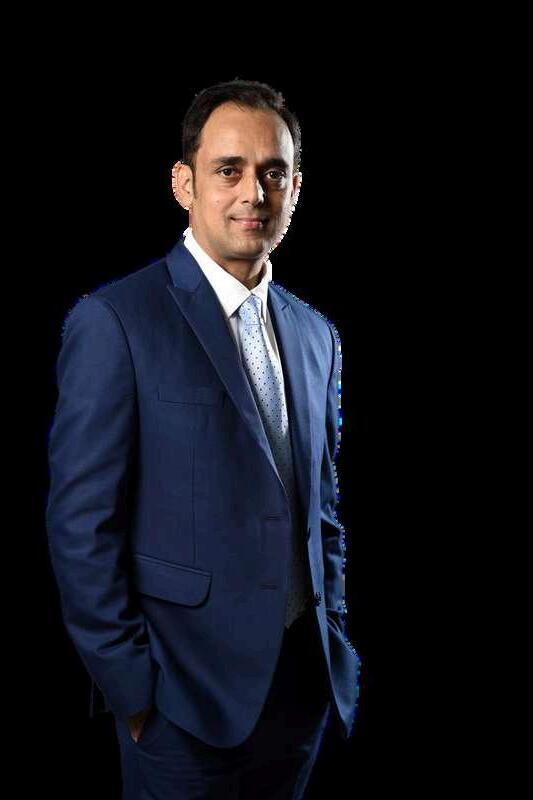
Q. What decision did you make recently that prioritized long-term impact over short-term comfort?
Not expanding as fast as we could
The market was supportive, opportunities were visible and we had every reason to accelerate. But I have learned that growth without readiness creates noise, not value. We chose to slow certain expansions and instead invested deeply in leadership capability, governance clarity and operational resilience. It is never comfortable to step back when momentum is on your side Yet sustainable organizations are not built by reacting to every opportunity they are built by preparing for the opportunities that will still matter five years from now. We focused on strengthening second-line leadership, improving decision frameworks, and aligning talent strategy more closely with business outcomes This meant deferring some immediate gains, but it created something more valuable repeatability and confidence at scale Long-term impact often looks quiet in the moment. But over time, those quiet decisions become the ones that allow an organization to endure, adapt and grow without losing its balance.
Q. When leadership feels isolating, what helps you reconnect with perspective and purpose?
Leadership becomes isolating when you start believing you must have all the answers. I consciously resist that Whenever I feel the weight of decision-making, I step closer to the organization not away from it. Conversations with delivery teams, young managers and long-tenured employees restore perspective quickly They remind me that leadership is not about carrying everything alone; it is about enabling clarity for others. I . And stewardship is never a solitary act
also spend time in reflection asking whether the decisions we are making today will still feel right a few years from now. That question realigns purpose faster than any metric Purpose, for me, is simple: build an organization that outlasts individual roles. When that becomes the lens, isolation reduces Leadership stops being about position and starts becoming about stewardship of people, culture, and future possibility
Q. What part of your organization’s culture required the most intentional unlearning?
We had to unlearn the idea that urgency equals effectiveness.
In our early growth phase, speed solved many problems. Quick decisions, quick responses, quick execution it gave us an edge But as we scaled, we realized that constant urgency can quietly become dependency on individuals rather than strength of systems We intentionally shifted from personality-driven execution to process-driven consistency That required leaders, including myself, to step back from being the fastest problem-solvers and instead become builders of frameworks others could rely on. Unlearning this was not easy. It required patience, delegation, and trust in structured decision-making. But the outcome has been transformative. Teams today operate with more clarity, ownership, and confidence because they are guided by principles rather than personalities True culture evolves when organizations are willing to outgrow even the habits that once made them successful.
Q. Where do you believe leadership influence matters more than formal authority today?
In shaping belief Authority can ensure compliance, but only
influence builds conviction In today’s organizations especially those navigating constant change people don’t just look for direction, they look for meaning behind direction. Whether it is reinforcing ethical standards, encouraging ownership, or building resilience during uncertain cycles, influence matters far more than hierarchy Teams observe consistency They watch how decisions are made under pressure. They notice what leaders prioritize when no one is asking Leadership influence is also critical in developing future leaders. You cannot command maturity or accountability; you can only model it and create space for it to grow. I believe the most important leadership responsibility today is not control but coherence ensuring that people across levels understand not just what we are doing, but why it matters Influence is what makes that understanding real.
Q. If your organization were to be remembered for one shift it made under your leadership, what would that be?
That we proved stability and growth are not opposites
Many organizations grow quickly but struggle to remain consistent Others stay stable but hesitate to evolve. We have tried to demonstrate that disciplined growth built on governance, leadership depth, and people sustainability creates a more enduring enterprise. The shift has been from chasing scale to building strength From transactional engagement to long-term partnerships. From dependency on individuals to confidence in systems If TekWissen is remembered as an organization that delivered outcomes while remaining grounded, responsible, and future-ready, that would be meaningful. Because organizations that endure do more than grow they create environments where people, clients, and leaders can rely on
consistency over time That reliability, in my view, is the real legacy of leadership.
Mr. Rajeev Senta is the co-founder and chief executive officer of TekWissen Group, a global IT-enabled services organization operating across APAC and emerging markets Since founding the company in 2009, he has led its transformation from an entrepreneurial venture into a multi-geography enterprise supporting Fortune 500 and high-growth organizations. Known for his measured leadership and longterm perspective, he focuses on building resilient operating models, strong leadership depth, and sustainable performance cultures His approach balances strategic vision with disciplined execution, positioning TekWissen as a stable, future-ready partner in a rapidly evolving business landscape
Leadership is not about carrying everything alone; it is about enabling clarity for others. Leadership is not about carrying everything alone; it is about enabling clarity for others.
“Trust is the glue of life. It’s the most essential ingredient in effective communication. It’s the foundational principle that holds all relationships.”
-Stephen R. Covey
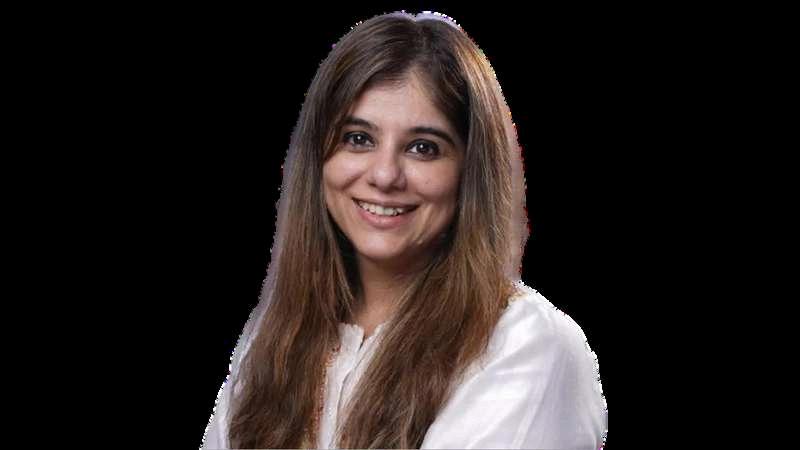
CPO – INDIA & GLOBAL DELIVERY HR LEADER, KYNDRYL
CPO – INDIA & GLOBAL DELIVERY HR
LEADER, KYNDRYL
WHO AM I WHEN NO ONE IS WATCHING?
“ I am guided by fairness and personal accountability. I try to act with integrity even when outcomes are uncertain or unrecognized. That quiet consistency shapes how I lead especially in decisions where doing the right thing is harder than doing the expected thing.”
Q. What people-related challenge today is often underestimated by leadership teams?
The most underestimated challenge is quiet disengagement driven by cumulative neglect not dramatic burnout, but the slow erosion of trust, energy, and belief. People continue to perform, attend meetings, and deliver outcomes, yet feel increasingly disconnected from why their work matters and whether they themselves matter.
Leadership teams often miss this because the system still appears to work. Results come in. Metrics hold But underneath, people stop taking risks, stop challenging decisions, and stop bringing their full thinking to the table What looks like stability is often compliance. In global, fast-paced organizations, we overvalue endurance and undervalue recovery We reward responsiveness without questioning sustainability. Over time, this creates leaders who are operationally strong but emotionally distant and teams that function, but don’t flourish.
The real risk is not attrition alone; it’s loss of ownership and moral energy Human-centered leadership requires leaders to notice what is not being said, who has gone quiet, and where empathy has been replaced by efficiency Those signals matter long before the numbers move.
Q. How do you ensure that culture is shaped by everyday behaviors, not just policies or programs?
I pay attention to where leaders are inconsistent, because culture lives in those moments. Policies create intent, but behavior reveals truth. In my experience, culture is shaped most powerfully by how leaders respond under pressure when timelines slip, when feedback is uncomfortable, or when decisions impact people
unevenly I work closely with leaders to slow those moments down and make choices visible and explainable.
I also believe culture is reinforced through repetition and consequence Who gets stretched roles? Whose voice is amplified? What behavior is challenged, and what is quietly tolerated? These patterns form culture far more reliably than value statements.
Rather than launching more programs, I focus on embedding a few non-negotiable behaviors listening without defensiveness, explaining the “why” behind decisions, and holding ourselves to the same standards we expect from others
When leaders role-model humility and consistency, people don’t need reminders about culture. They experience it daily and they replicate it
RAJITA SINGH
What looks like stability is often just compliance— and the cost is lost ownership, trust, and moral energy long before the numbers move.
What looks like stability is often just compliance— and the cost is lost ownership, trust, and moral energy long before the numbers move.
Q. What personal experience most shaped your belief in creating human-centered workplaces?
Across my career, I’ve seen talented, committed people withdraw not because they lacked ambition or capability, but because they felt invisible. The most striking part was that leaders were often unaware Their intent was positive; the impact was not.
I’ve also seen how transformative it is when leaders pause, listen fully, and acknowledge the human reality behind performance. In those environments, people don’t just deliver they invest. They speak up earlier, support one another more deeply, and take responsibility beyond their role boundaries.
What shaped me most was realizing that systems amplify leadership behavior If leaders are rushed, dismissive, or inaccessible, the organization mirrors that If leaders are thoughtful, fair, and present, trust scales.
Those experiences reinforced a core belief for me: human-centered workplaces are not built through charisma or grand gestures They are built through everyday decisions that signal respect, fairness, and care especially when it would be easier not to
Q. What mindset must leaders unlearn to create truly human-centered workplaces?
Leaders must unlearn the belief that certainty is strength.
Many leaders feel pressure to be decisive at all times to have answers, move fast, and project confidence. Over time, this can create distance. People stop sharing incomplete ideas or difficult truths because they sense there’s no room for uncertainty
Human-centered leadership requires comfort with
not knowing and the discipline to listen before acting. It asks leaders to replace control with clarity, and authority with trust.
Another mindset that needs unlearning is the assumption that empathy compromises performance. In reality, empathy sharpens it. When people feel understood, they commit more fully and recover faster from setbacks
The leaders who create the healthiest cultures are not the loudest or most certain. They are the ones who create space for others, ask better questions, and remain grounded under pressure That shift from proving value to enabling value is fundamental
Q. How do you measure progress in areas that don’t always show up in traditional metrics?
I measure progress by watching how people behave when it would be easier not to.
I look at whether leaders invite challenge in meetings, whether difficult conversations happen earlier, and whether decisions are explained with honesty even when the message is hard. These are strong indicators of trust.
I also pay attention to leadership reactions during moments of stress Do leaders default to blame, or do they pause to understand context? Do people feel safe admitting mistakes? These patterns reveal far more than engagement scores alone.
Of course, I use data attrition trends, internal movement, leadership pipeline health but I always triangulate it with what I hear and observe on the ground. Numbers tell you what is happening; behavior tells you why Progress becomes visible when conversations are
more open, surprises reduce, and leaders grow more comfortable being human themselves. When that happens consistently, metrics eventually follow
About the Author:
Rajita Singh is a Global Delivery HR Leader and Chief People Officer for India @ Kyndryl known for building people practices that balance performance with humanity With deep experience in complex, global organizations, she partners closely with leaders to strengthen culture, leadership capability, and trust Rajita brings a grounded, thoughtful approach to leadership, believing that sustainable success comes from systems and behaviors that respect people as much as outcomes.
The greatest risk in organizations is not that people leave—it’s that they stay, but stop bringing their full thinking, courage, and belief to the work.
The greatest risk in organizations is not that people leave—it’s that they stay, but stop bringing their full thinking, courage, and belief to the work.
EXECUTIVE DIRECTOR & COO, BANDHAN BANK
EXECUTIVE DIRECTOR & COO, BANDHAN BANK
“ When no one is watching, I am still the quality engineer I started as curious, slightly restless, and unwilling to walk past a problem or a defect just because “it has always been like this”. That instinct to quietly fix, improve and simplify continues to shape how I lead today with empathy and respect for other individuals.”
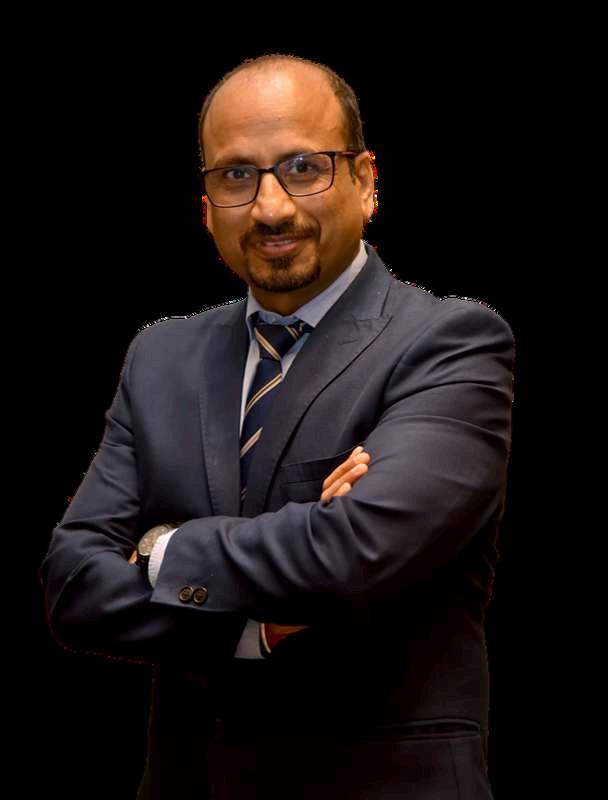
Q. What operational decision had the greatest ripple effect across the organization?
I joined Bandhan Bank in March 2023 to drive Technology Transformation to begin with and subsequently drive bank-wide transformation to position the Bank as a truly universal bank. This required identification and execution of a bunch of significant initiatives with speed and quality.
One of the most consequential decisions was to adopt Agile approach wherein transformation of Business, Cx, Operations and Technology were combined under a single agenda We moved from fragmented, product‑wise processes to unified, end to end journeys for onboarding, underwriting, servicing, service recovery with clear ownership, metrics and control frameworks This transformation involved redesigning workflows, recreating or retrofitting platforms, and setting up a common command centre view for volumes, SLA, risk and customer impact.
This also needed two different set of teams with clarity and differential mindset: a) Run the Bank and, b) Change the Bank; Focus was always on end-to-end transformation of the entire value chain
Ripple effect was significant. At the leadership level, conversation moved from “IT projects” and “Ops issues” to “enterprise performance” and “quality of experience” In hindsight, that decision created the foundation on which subsequent initiatives in AI, automation and digital could be scaled with much higher confidence
Q. How do you maintain consistency while enabling flexibility at scale?
Consistency comes from principles, policy, SOP and system driven controls and guardrails; While designing processes for scaled scenarios, it is very important to align with agreed principles; governance and compliance is hygiene and must be adhered to at all times; Customer Experience is paramount and hence it would require some degree of flexibility; This is where we need to provide allowance of some degree of deviation and local judgement including suitable delegation of power (DOP) metrices; Flexibility would result into certain deviation which must be analysed at periodic intervals and suitable changes in the policy / SOP must be done so that extent of deviation can be reduced;
We have invested heavily in standardising the “ non negotiables”: process steps, control checks, information flows These are codified in systems, SOPs and monitoring dashboards so that the baseline experience remains consistent and predictable across branches, channels and partners.
Successful transformation requires two mindsets to coexist —one to run the business and one to change it.
Successful transformation requires two mindsets to coexist —one to run the business and one to change it.
Q. How has your understanding of people changed as your responsibilities expanded?
First and foremost is that I have always believed that 90% of people wake up in the morning and show up in office to do a good job Over the last few years, I have upgraded that view to believe that more than 99% of people actually show up in office to do a great job every single day If any employee is unable to perform, it is not a reflection of individual capability, but an indication that the management has not created an enabling environment for the employees to perform Employees are never the problem in organizational performance- most often it is attributed to the management There will always be some people who may have a specific personal issue which may hinder the employee from performing his or her best and that is where a degree of empathy to understand the underlying issues can make meaningful difference.
Thus, my scope of responsibilities underscored the critical importance of empathetic leadership. I have come to appreciate that understanding diverse perspectives, nurturing talent, and fostering teamwork and collaboration are key drivers of organizational success
Today, I view my role as creating an environment where people can do their best work: clear outcomes, simple processes, timely feedback, and a culture where it is safe to surface concerns early. I have also learned that listening especially to quiet voices and contrarian views is a core leadership skill. In large, complex organisations, problems rarely sit in one silo; they live in the seams between functions When we listen to the ground teams with intent, realities emerge and give opportunity for course correction rather than allowing problem to be cascaded.
Q. What trade offs are essential to build resilience into operations?
Three trade offs are unavoidable First, speed versus robustness. In a digital world, customers expect real time responses but cutting corners on testing, controls or fallback planning is unacceptable. We therefore consciously slow down at designing and testing stage to ensure we move quickly while maintaining safety and stability in production stage.
Second, efficiency versus redundancy. Pure lean thinking drives you to remove every buffer Operational resilience, especially in financial services, requires calibrated redundancy alternative channels, backup capacity, and vendor diversification even if it marginally raises unit cost
Third, centralisation versus empowerment Central standards and monitoring are vital, but incident response and customer recovery often need local decisions We therefore centralise policies and data, but empower front line managers within clear limits to act quickly in the customer’s interest.
Other important elements that need to be balanced is Accountability with Margin of error. There is always a desire to fix accountability when things go wrong but unless we keep some allowance of error, innovation gets stifled. Hence this is not really a trade-off but a meaningful balance.
Accepting these trade‑offs upfront, and making them explicit, has helped us design operations that can absorb shocks whether they come from volumes, technology, regulation or external events without losing the trust of customers or regulators.
Q. How do you ensure that efficiency does not come at the cost of experience?
Efficiency, by definition, pushes organisations towards standardisation and centralisation, whereas a great customer experience demands customisation and personalisation. If we only optimise for efficiency, we risk treating every customer as identical; if we only optimise for experience, we create complexity, cost and inconsistency.
Good news is that AI, Digital and tech help in striking a balance: it enables us to standardise the underlying processes while using data and analytics to personalise offers, interactions and service delivery at scale In that sense, efficiency and experience are not opposing goals; with the right architecture and governance, efficiency becomes the engine that makes large-scale personalisation possible Leveraging feedback loops and combining data insights with human judgment ensures processes are optimized not only for speed but for a seamless, personalized experience that builds trust and loyalty.
About the Author:
Ratan Kumar Kesh is Executive Director and Chief Operating Officer at Bandhan Bank. With nearly three decades of experience across ICICI Bank, HDFC Bank, YES BANK, Axis Bank and now Bandhan, he has led large scale transformations spanning operations, technology, digital and AI, Data Analytics, customer experience, risk and governance. An engineer by training and a certified quality professional, he is known for bringing manufacturing style process discipline into financial services, treating banking operations as scalable, measurable production systems. At Bandhan Bank, he plays a central role in the institution’s 2 0 journey de risking the portfolio, deepening inclusion, and building a resilient, digital first operating model
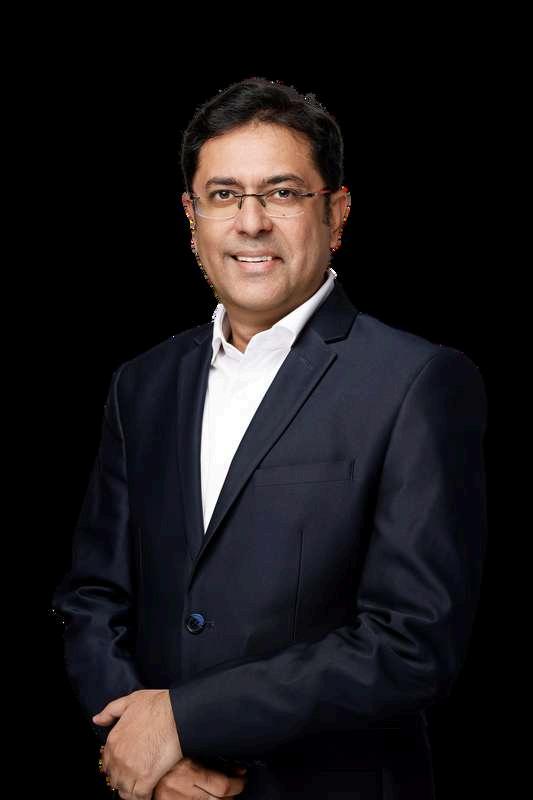
DIRECTOR MARKETING – INDIA & SOUTH ASIA, JOHNSON & JOHNSON
DIRECTOR MARKETING – INDIA & SOUTH
ASIA, JOHNSON & JOHNSON
WHO AM I WHEN NO ONE IS WATCHING?
“ When no one is watching, I follow a simple compass: do the right thing even when it’s inconvenient. I anchor myself in discipline, empathy and integrity the values that shape decisions long before they become visible. Leadership, to me, is who you are when the spotlight is off. ”
Q. How has the definition of “brand” evolved in a world where trust is built in real time?
The definition of “brand” has shifted from being a perception to being a performance. Today, trust is built or lost in real time, in a world where 60% of people believe institutions make their lives harder and leaders may deliberately mislead them
This means brand is no longer what a company says it’s what people can see, verify, and feel instantly. Every decision, response, and interaction becomes part of the brand’s truth. Authenticity is no longer a value; it’s a system requirement.
This new era rewards brands that:
Act transparently, because audiences punish information gaps
Communicate consistently, because influence spreads faster than context
Show, don’t tell, because people trust demonstrated behavior over crafted messaging
A modern brand is a living organism shaped by real‑time feedback loops, social listening, community participation, and an unfiltered public square Today, the strongest brand strategy is simple: behave in a way that earns trust daily, because trust, not advertising, is the new competitive moat.
Q. What responsibility do organizations have when influence travels faster than intention?
Organizations now operate in an environment where a narrative can outrun the truth within minutes Research shows traditional, delayed corporate responses are ineffective; timely, human, multi modal responses significantly reduce crisis escalation.
Couple that with a global climate where public trust is strained and large sections of society believe leaders exaggerate or mislead them, and the responsibility becomes profound
In this landscape, organizations carry three responsibilities:
1. Be First to the Truth
Silence creates vacuum; vacuum breeds misinformation Speed is no longer a communications tactic it is an ethical obligation
2. Be Transparent, Not Performative People demand alignment between values and behavior Consistency is the new credibility premium.
3. Be Human Influence without empathy fuels grievance. Influence with empathy builds trust, belonging, and social stability
In a world where information spreads faster than intention, responsible organizations must become guardians of clarity, not amplifiers of noise. That is the new frontier of leadership.
ROHIT GULATI
A brand is no longer what a company claims — it is what people can verify in real time. A brand is no longer what a company claims — it is what people can verify in real time.
Q. What truth about people or behavior has marketing taught you outside of business?
Marketing has taught me that people are not irrational they are emotional, contextual and meaning driven When something resonates with their identity, values, or aspirations, behavior changes rapidly.
It also taught me that the world’s most repeated myth that human attention spans have collapsed to eight seconds is false.
Investigations show the Microsoft “goldfish statistic” was never backed by credible data Research consistently finds that attention isn’t shrinking; it’s prioritized We focus deeply when the content matters, when the purpose is clear, and when the experience feels personal.
Outside business, this explains why:
People commit fiercely to relationships that give them meaning.
Purpose fuels discipline more reliably than pressure
Environments that see people, not just their roles, unlock potential
Perhaps the biggest truth marketing has taught me is this:
People don’t follow information they follow emotion, identity, and connection And when you honor those, you unlock their best.
Q. What customer insight has challenged your assumptions the most?
The insight that challenged me the most is this: decision making is rarely limited by choice it is limited by context
In one of the world’s fastest growing economies, nearly 40% of total health spending is still
out of pocket, pushing families to delay essential spending and ration care.
This reveals a powerful, universal truth about customers everywhere:
People do not make decisions based on value alone. They make decisions based on vulnerability
Financial anxiety, time pressure, emotional bandwidth, and perceived risk often outweigh product superiority. This challenged the assumption that better solutions automatically win. They don’t. Accessible solutions do.
Understandable solutions do This insight transformed how I think about strategy:
Reduce friction, not just add features. Design for lived realities, not ideal scenarios Build for confidence, not just consumption.
Customers don’t buy the “best thing ” They buy the thing that makes their lives easier, safer, and more predictable That realization reshaped my lens on innovation, leadership, and impact.
Q. What does meaningful engagement look like when attention spans are shrinking?
Meaningful engagement today is less about shortening content and more about heightening relevance Research shows the idea of declining attention spans is a myth people stay engaged when content sparks motivation, emotional resonance, or personal utility.
At the same time, short form content continues to dominate because it offers fast clarity but its real power comes when it builds trust. Studies show that trust mediates whether short form content actually drives intent, action, or loyalty.
Meaningful engagement today means:
Lead with value in seconds answer “Why should I care?” immediately
Sustain with depth, for those willing to go further
Respect choice let people decide how deep they want to dive.
Create emotional connection, not just informational touchpoints.
Engagement in 2026 isn’t short it’s selective. Brands that win are those that create content people choose to stay with, not content they are forced to skim.
About the Author:
Rohit Gulati is a seasoned healthcare and MedTech leader with over 20 years of experience driving business growth, transformation, and innovation across India and the APAC region. Currently serving as a Board Member at Johnson & Johnson, he brings deep expertise in P&L leadership, commercial strategy, portfolio turnaround, and cross-functional enterprise leadership
Throughout his career, Rohit has led $100M+ business portfolios, delivered consistent double-digit growth, improved margins, and launched global and India-first healthcare innovations He is recognized for combining commercial excellence with peoplefirst leadership, building high-performing teams, and translating strategy into disciplined execution while maintaining strong ethical standards. Beyond business, Rohit is a TEDx Speaker, mentor, and advisor passionate about developing future leaders and advancing healthcare entrepreneurship. His leadership philosophy is rooted in servant leadership, empathy, and empowering people to scale impact
ROHIT GULATI
“ When no one is watching, I’m still thinking about the game how we can get better, faster, smarter. I value that me-time. It’s where the noise fades, reflection kicks in, and ideas get sharper. Leadership isn’t only about performance... It’s about the mindset one carries, the hunger to keep learning, and the drive to come back bigger and stronger by raising the bar every single day! “
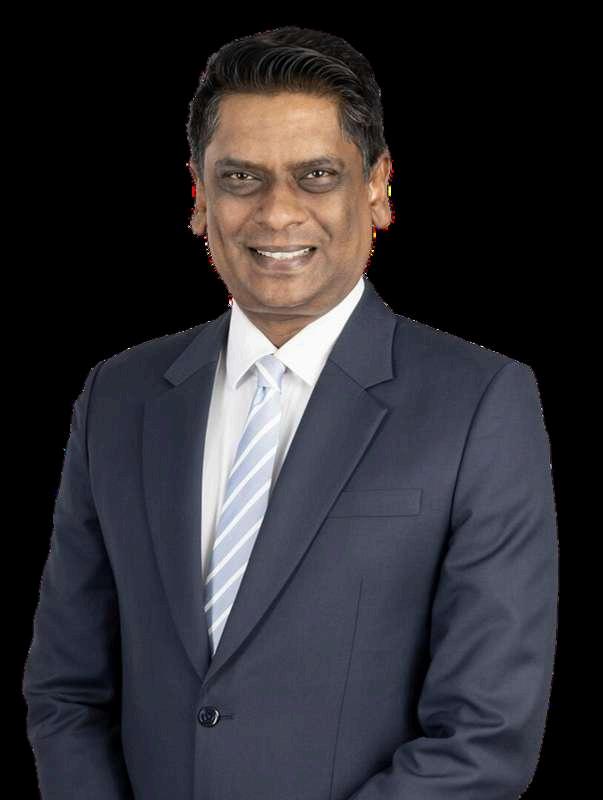
Q. In a complex business landscape, why is “influence” a more sustainable driver of momentum than “formal authority”?
I’ve always maintained that while a title can open doors; influence keeps people in the room In life insurance, the real test often appears during a customer’s toughest moments. In those moments, teams do not respond to mandates; they respond to trust. Influence is built when leaders are transparent, fair, and visible especially in headwinds. When people see consistency between our words and actions, they choose to follow, not because they have to, but because they want to. That voluntary following multiplies effort across the organisation Authority can secure compliance for a quarter, but influence builds commitment for the long term. It shapes culture, improves decision quality, and accelerates execution. In short, authority may start the journey, but influence sustains momentum and turns strategy into lasting outcomes.
Q. Your leadership philosophy is often described as people centric. How do you translate that into daily decision‑making?
In a service-led business such as life insurance, people are the organisation. Strategy, products, and technology only work when people bring them to life for the customer.
My leadership philosophy is anchored in a simple belief: those closest to the customer must shape the way the organisation thinks and acts. At IndiaFirst Life, we capture this through a simple idea the “48s and the 24s.”
The 48s are our colleagues in the field. They work in demanding conditions, often in 48 heat, taking the promise of protection to customers across the country The 24s are those of us working in the comfort of 24 air-conditioned o o
offices Our responsibility is straightforward: build systems, processes, and decisions that make the 48s stronger in front of the customer.
So, when decisions come up, I ask a simple question: Will this make the field’s job easier, faster, or more meaningful? If the answer is Yes, we move forward. That’s also why I spend time in branches, listening without an agenda. Those conversations keep leadership grounded in reality.
My belief is simple: know the way, show the way, and walk the way. When people feel trusted and supported, performance follows naturally.
Q. You speak about "unlearning" in leadership. What shift ensured that strategy translated into real impact?
The shift that ensured strategy translated into real impact was simple: we stopped leading with activity and started leading with outcomes. In many organisations, strategy gets measured by effort how many initiatives were launched or reviews were done We changed the question to something more meaningful: What actually changed for the customer?
That one shift reset how we work. Priorities became sharper Ownership became clearer Execution became faster.
We built a culture of learning in motion. “Fail fast. Learn fast,” is a discipline for us We test ideas early and challenge assumptions quickly. If something is not working, we pivot without hesitation. When something works, we scale it with conviction. Because speed of learning is just as important as speed of execution
Unlearning does not mean discarding experience. It means staying curious, accountable, and close to reality…. While intent earns respect, impact
Q. How will the NextGen economy shape the insurance sector in years to come?
The NextGen will reset expectations across three areas: simplicity, autonomy, and personalisation. They dislike fine print and prefer clear, direct products They are digital natives, so they expect seamless, self guided journeys that work as smoothly as the best consumer apps And they value choice, which means solutions that feel tailored to their lives. We see a future where customers can configure their own cover adjusting features, benefits, and premiums in real time. To enable this, insurers will need simpler designs, stronger technology, and more responsive service. As this cohort becomes a larger share of the workforce, we will also see deeper collaboration with Insurtech partners and more customer‑first innovation Insurers that deliver clarity, control, and customisation will lead.
Q. Which innovations will reshape Indian life insurance in the next five years?
Over the next few years, three key shifts will reshape Indian life insurance. And one force will accelerate them all
First, products will become flexible and intuitive Customers will switch insurance covers on or off and pay only for what matters in that moment.
Second, experiences will become instant. Buying, servicing, and claims will move from paperwork to intelligence What once took days will happen in minutes.
Third, ecosystems will expand. Insurtech’s, banks, and digital platforms will embed protection into everyday financial journeys.
The real catalyst for these shifts will be Agentic
AI, which will reshape and accelerate how we recruit, advise, sell, and serve It will elevate every touchpoint across the customer lifecycle through intelligent guidance, automated actions, and adaptive journeys that are #CustomerFirst. Today, AI is no longer a technology initiative. It is an integral component of every business strategy. This shift will separate the believers from the cynics. If you are not a believer yet, become one soon Because the future will belong to institutions that move fast, learn faster, and turn intelligence into action at scale
“Authority may start the journey, but influence sustains momentum and turns strategy into lasting outcomes.” “Authority may start the journey, but influence sustains momentum and turns strategy into lasting outcomes.”
Q. What is the single most important leadership imperative to expand life insurance penetration in India?
We must change mindsets before we change metrics Penetration grows when families see life insurance as financial dignity, not a tax tool. Leaders must demand easy to understand products, honest advice, and zero tolerance for mis selling. We also need to keep reinforcing a simple truth: life insurance protects against two real risks dying too early and living too long. When we design with clarity, price with integrity, and serve with empathy, customers move from being pushed to being pulled towards life insurance That shift builds trust, and trust drives penetration. The imperative, therefore, is cultural as much as commercial. If leadership champions simplicity and fairness across product, distribution, and service, the category will grow steadily and sustainably
“ AI is no longer a technology initiative—it is an integral component of every business strategy.” “ AI is no longer a technology initiative—it is an integral component of every business strategy.”
Rushabh Gandhi, MD & CEO, IndiaFirst Life is a visionary leader with an entrepreneurial mindset. He leverages his sharp business acumen and strategic thinking to transform challenges into opportunities Rushabh has been instrumental in driving IndiaFirst Life’s success story through a robust Bancassuranceled, multi-distribution channel strategy.
Rushabh’s people-centric leadership has consistently led to growth across all business parameters, helping the company steadily gain mindshare of key stakeholders.
A financial services industry veteran with over three decades of experience across national and international markets, Rushabh has been bestowed with the Business Leader of the Year 2024 at BFSI Leadership Summit & Awards, Navabharat Transformational Leader of the Year 2022, Elets BFSI Gamechanger Award 2022 for Visionary Leadership, and The Indian Achievers’ Award 21-22 for Business Leadership amongst others.
Rushabh is an alumnus of Narsee Monjee Institute of Management Studies (NMIMS) and INSEAD, Fontainebleau
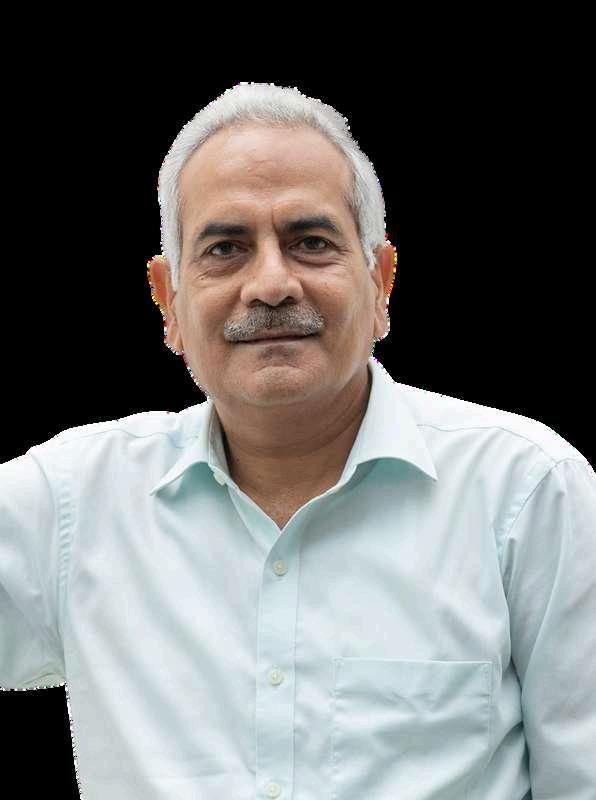
WHO AM I WHEN NO ONE IS WATCHING?
“ This is my best moment when I reflect and introspect on any subject and that helps me think through the next steps with clarity and purpose. Most of us get caught in the here and now moving from one task/issue to the other and this does not allow us to self correct. One pre requisite of continuous improvement is introspection ”
Q. How has the role of finance evolved beyond numbers in shaping organizational direction?
Finance today is no longer just about reporting outcomes; it is about shaping choices The function has moved closer to the business, influencing where to play, how to allocate capital, and when to take calibrated risks A strong finance team helps leaders see trade-offs clearly, connects strategy with execution, and ensures decisions are sustainable not just profitable in the short term.
Q.What long-term risk do leaders tend to overlook while focusing on quarterly outcomes?
One of the most overlooked risks is the gradual erosion of organizational capability whether it’s talent depth, systems, or decision-making agility When short-term results dominate conversations, investments that don’t show immediate returns often get deferred Over time, this weakens resilience and limits the organization’s ability to respond to disruption
Q. How do you balance fiscal discipline with the need to invest in future capabilities?
Fiscal discipline should not mean cost aversion; it should mean clarity of intent. The balance comes from being very deliberate about where we invest and why Every investment must be linked to longterm value creation, even if the payoff is not immediate At the same time, discipline ensures that resources are not spread thin and that execution remains sharp.
Q. What financial signal tells you more about organizational health than revenue alone? Cash flow quality is often a more reliable
indicator than revenue It reflects how well the organization converts growth into value, how disciplined operations are, and how aligned teams are on execution Consistent cash generation signals robustness in processes, decision-making, and accountability across the business.
Q.What mindset shift is required for finance to act as a true strategic partner?
The key shift is moving from being a controller of outcomes to an enabler of better decisions. Finance professionals must be comfortable engaging in ambiguity, asking the right questions, and offering perspectives rather than prescriptions. Trust is built when finance combines rigor with business understanding and shows up as a partner, not a gatekeeper
Finance no longer just reports outcomes; it shapes choices. Finance no longer just reports outcomes; it shapes choices.
About the Author:
Experienced Chief Financial Officer with a demonstrated history of working in the consumer goods industry Skilled in Business Planning, Corporate Finance, Accounting, Forecasting, and Working Capital Management Strong finance professional graduated from The Institute of Chartered Accountants of India.
“ Give your 100%. Don’t draw artificial boundaries, everything is your problem. Remember that you are only as good as your team. And strive to create value in everything you do. These beliefs quietly guide my decisions, and shape the way I lead every day.”
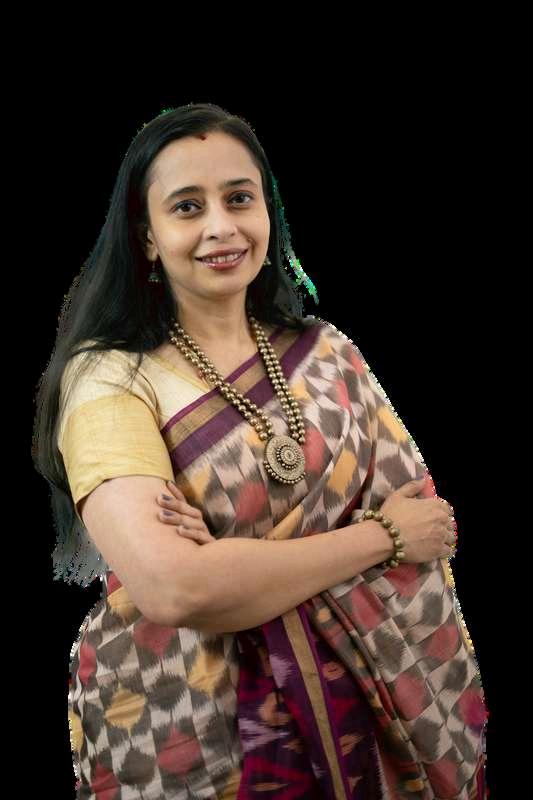
Q. How has the role of finance evolved beyond numbers in shaping organizational direction?
Finance has always been the co-pilot to the business Every strategy, every decision, every procrastination, every action, every delay, every cultural choice, and even the energy within an organisation ultimately translates into financial outcomes.
The role of finance leadership, therefore, is to give language and direction to these choices. It is about helping organisations understand the trade-offs we are making, consciously or unconsciously, and navigating our organisations toward long-term value creation. Finance today sits at the intersection of strategy, culture, people, and capital, enabling businesses to align intent with outcomes over time.
Q. What long-term risk do leaders tend to overlook while focusing on quarterly outcomes?
One of the biggest risks is framing quarterly performance as outcomes rather than markers. True outcomes are always long term. Quarterly results should be viewed as signals, milestones that tell us whether we are moving in the right direction
When leaders anchor too tightly to the quarter, they risk optimising for short-term optics at the cost of long-term value. A better approach is to be clear about the outcomes we want to achieve over years, and then use daily, monthly, and quarterly progress as markers along that journey. This shift in framing fundamentally changes decision-making quality.
Q. How do you balance fiscal discipline with
the need to invest in future capabilities?
Fiscal discipline is not about locking money away in an iron safe At its core, it is about deploying capital prudently to create value. In that sense, true fiscal discipline actually means making the right investments.
The balance comes from a strong strategic framework, one that evaluates investments using the right metrics, in the context of the organisation’s values and belief systems, the market it operates in, its time horizon, and its expectations of value creation When these elements are clear, discipline and investment stop being opposites; they become complementary.
Finance is not just the scorekeeper of business decisions — it is the language that gives those decisions meaning and direction. Finance is not just the scorekeeper of business decisions — it is the language that gives those decisions meaning and direction.
Q. What financial signal tells you more about organizational health than revenue alone?
Early in my career, the then HUL CFO Mr D Sundaram, shared an adage that has stayed with me always, “Sales is vanity, profit is sanity, but cash is the only reality ”
The ability of an organisation to fund its own sustenance, growth, and aspirations is the strongest signal of financial health. Cash reflects the quality of earnings, the discipline of execution, and the resilience of the business It tells you whether value is truly being created, not just reported.
Q. What mindset shift is required for finance to act as a true strategic partner?
Finance must move decisively toward a growth mindset. The role is no longer just to protect value, but to enable sustainable growth That means asking better questions, being comfortable with ambiguity, and partnering deeply with the business to shape outcomes, not merely measure them after the fact
About the Author:
Sandhya Jayaraman is the Group CFO of Narayana Health with over two decades of leadership experience across FMCG, technology, and global business services. Previously, she held senior leadership roles at Unilever and the Wipro Group, driving strategic finance, digital transformation, shared services, governance, and investor relations.
A Chartered Accountant and All India Rank holder, Sandhya is known for her business-oriented finance leadership, combining analytical rigor with operational excellence and sustainability focus At Narayana Health, she leads financial strategy, digital adoption, ESG initiatives, and stakeholder engagement. Beyond her corporate role, she is a sought-after speaker and guest faculty at premier institutions, actively advocating for diversity, technology-enabled finance, and responsible leadership Her contributions have earned her multiple recognitions, including Top 100 Global CFOs, CA Woman of the Year by ICAI, Top 10 Women CFOs in India, and CII CFO of the Year (Healthcare).
“Be the change that you wish to see in the world. In a gentle way, you can shake the world. Strength does not come from physical capacity. It comes from an indomitable will.”
-Mahatma Gandhi
ENTERPRISE VISIONARY, AGRIPRENEUR AND AUTHOR
ENTERPRISE VISIONARY, AGRIPRENEUR AND AUTHOR
“ When no one is watching, I try to act like a caretaker rather than a conqueror of land, of people, and of decisions. Farming taught me patience and leadership taught me responsibility. Together they remind me that how you grow something matters more than how fast you chase results.”
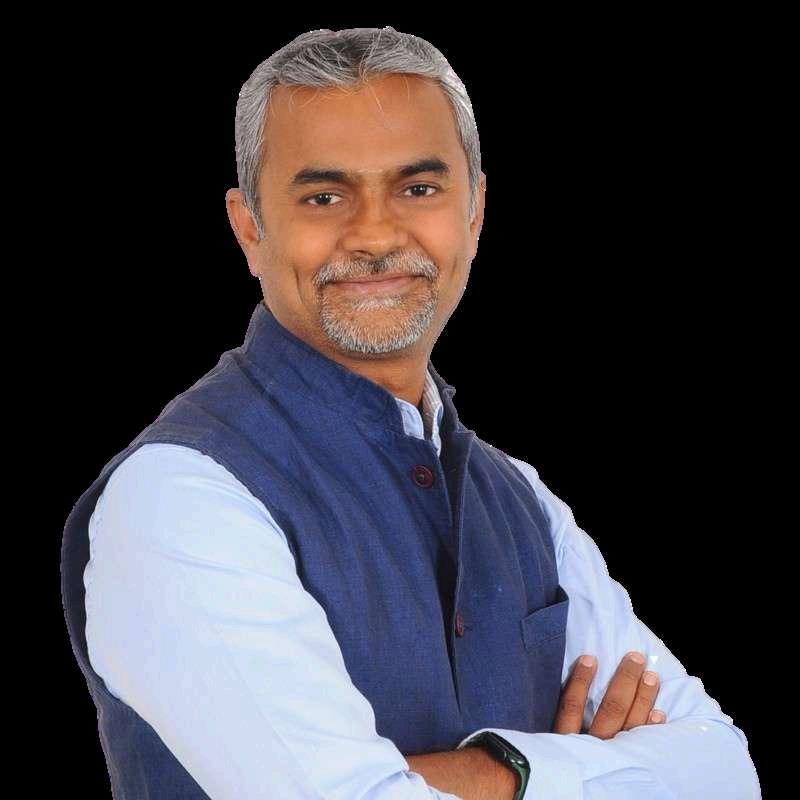
Q. What people related challenge today is often underestimated by leadership teams
The most underestimated challenge today is quiet exhaustion Not the kind that shows up in resignation emails or medical leave, but the kind that shows up as silence in meetings, safer ideas, and people doing only what is expected of them and nothing more.
I see this both in organizations and on the farm. When soil is tired, crops still grow for a while. The leaves look fine But slowly the yield drops In companies, it is very similar. People still show up and still deliver, but the spark is missing I once worked with a leadership team that kept pushing for more speed and more targets. On paper, performance looked acceptable But in private conversations, managers told me their teams had stopped caring and were just surviving. No dashboard ever showed that.
In Harvesting Leadership, I talk about leadership as cultivation and not extraction. You cannot keep taking without giving back, whether it is soil or human energy. If leaders do not start treating trust, emotional capacity, and energy as real business assets, we will keep mistaking depletion for lack of ambition.
Q. How do you ensure that culture is shaped by everyday behaviors and not just policies or programs
Farming cured me of believing in slogans and posters You do not grow a crop by announcing it. You grow it by what you do every single day. Did you water it. Did you protect it. Did you notice what was failing and what needed care
In organizations, culture works the same way I once saw a company launch a speak up initiative with great branding. But in meetings, leaders still shut down bad news Within weeks, everyone
understood the real message. Speaking up was not safe. The program slowly faded away. So I focus on small and very human moments How does a leader respond when someone makes a mistake Who gets praised in performance reviews. The collaborator or only the hero. Do we cancel one on one conversations or do we protect them even when things get busy
In Harvesting Leadership, I describe this as stewardship You do not control growth You create conditions for it. Culture is not what we announce. It is what people experience on an ordinary day when something goes wrong
Culture is not what we announce; it is what people experience on an ordinary day when something goes wrong. Culture is not what we announce; it is what people experience on an ordinary day when something goes wrong.
Q. What personal experience most shaped your belief in creating human centered workplaces
Two memories stay with me. One is from corporate life where I watched a very capable colleague slowly lose confidence because every mistake was questioned in public He did not become less talented. He became more careful, more silent, and more invisible.
The other is from farming. One season, we pushed the land too hard The crop came, but it was weaker. The next season was worse. That is when it really stayed with me that you can meet today’s targets and still damage tomorrow.
Later, I worked with teams where leaders truly listened and where it was safe to say I do not know or I made a mistake The same kind of people suddenly became more creative, more responsible, and more alive.
In Harvesting Leadership, I write that leadership is an act of faith You prepare, you nurture, and you wait. These experiences taught me something simple and lasting. People do not grow when they are driven They grow when they are cared for and challenged together.
Q. What mindset must leaders unlearn to create truly human centered workplaces
Leaders must unlearn the belief that pressure automatically creates performance On a farm, if a plant is not growing, you do not shout at it. You look at the soil, the water, the sunlight, and what might be harming it You fix the conditions
In organizations, when results dip, our first instinct is often to add more controls, more reviews, and more urgency. I have done this myself earlier in my career, and I have seen what it creates Anxious
teams, short term wins, and long term damage.
Another mindset to unlearn is that emotions do not belong at work In reality, people bring fear, hope, pride, and stress to work every day whether leaders acknowledge it or not.
In Harvesting Leadership, I talk about moving from control to cultivation Human centered leadership is not soft. It is actually harder. It asks you to build trust, hold standards, and stay patient with growth, much like a good farmer does.
Q. How do you measure progress in areas that do not always show up in traditional metrics
On the farm, you do not wait until harvest day to know something is wrong. You look at the leaves, the color, the strength of the plant, and the condition of the soil. In organizations, I look for similar early signs.
Are people asking better questions. Are they disagreeing more openly and respectfully in meetings. Are managers having real conversations instead of only status updates. Are problems coming up earlier instead of being hidden.
I remember one team where, six months into a culture shift, the biggest change was not in the numbers It was that a junior employee finally said in a meeting, I think this will fail and here is why That took courage That was progress
In Harvesting Leadership, I often say that growth is invisible before it becomes obvious Culture change shows up first in behavior, tone, and trust The numbers usually follow later.
Satish is a dynamic HR leader with over 26 years of global experience across multiple industries He specializes in Human Capital Strategy, Organizational Transformation, leadership development, and talent management, helping organizations drive growth, agility, and cultural change. A strong advocate of HR technology and digital transformation, Satish has successfully led enterprise-wide HR tech re-engineering programs that deliver measurable business impact. He is actively associated with leading professional bodies such as the National HRD Network (NHRD) and Society for Human Resource Management (SHRM), among others. Satish is also a mentalist, author, and TEDx keynote speaker. As an academician, he teaches at management schools and serves on boards of studies representing the IT industry. Beyond work, he is an avid farmer and lifelong learner who believes in creativity, growth, and continuous transformation.
The real culture of an organization reveals itself on an ordinary day when things stop going right. The real culture of an organization reveals itself on an ordinary day when things stop going right.
CHRO, APTECH LIMITED CHRO, APTECH LIMITED
“ The value that guides me most is “say/do integrity”: do what you say and say what you do, even when it’s inconvenient. That single discipline shapes how I lead by insisting on consistency of managerial actions, protecting respect in everyday interactions, and making culture credible through lived examples rather than lofty statements. “
Q. What people-related challenge today is often underestimated by leadership teams?
The most underestimated people challenge is the behavioral debt leadership accumulates small, repeated “say–do” gaps (how leaders speak, decide, react under pressure) that quietly erode trust, engagement, and retention long before dashboards show it Leadership teams often underestimate how quickly stress cascades: when leaders pass their pressure down the line, the culture turns anxious and defensive, and performance gets impacted. In my experience across large, process-heavy environments and high-change contexts, the hidden cost isn’t a single bad policy it’s inconsistent everyday leadership behavior that people remember and repeat.
Q. How do you ensure that culture is shaped by everyday behaviors, not just policies or programs?
I treat culture as “what people say officially and unofficially,” because that becomes your real reputation So I focus on conditioning leaders to live the ethos in day-to-day working (especially in tough times), and I use mechanisms like champions across functions, employee listening/ feedback, and closed-loop action/ communication so employees see responsiveness not just intent.
Q. What mindset must leaders unlearn to create truly human-centered workplaces?
What shaped my human-centered lens most was seeing, across multiple organizations and cycles, that frameworks are only scaffolding; people take cues from the moments how a leader handles ambiguity, acknowledges effort, and keeps promises. As an organisational leader, I
have repeatedly seen that empathetic culture plus aligned systems is what converts “ programs ” into lived employee experience. Outcomes happen when people are aligned and alignment comes when you are genuine, not just in intent, but in action
Leaders must unlearn the belief that culture is something you “roll out” through policies, taglines, or employer branding because branding only amplifies what culture actually creates They also have to unlearn “transparently opaque ” leadership: when clarity is replaced by optics, people disengage and start narrating their own (usually harsher) version of the truth.
Q. How do you measure progress in areas that don’t always show up in traditional metrics?
I measure progress through leading indicators that capture lived reality employee listening (surveys and focus groups), sentiment and storytelling, and signals like referral strength and retention patterns. On the employer-brand side, I also look at external sentiment and engagement (for example, Glassdoor sentiment and social engagement metrics) as a mirror of internal consistency over time
The greatest people risk isn’t policy failure—it’s the silent trust erosion created by everyday leadership behaviors that don’t match intent.
The greatest people risk isn’t policy failure—it’s the silent trust erosion created by everyday leadership behaviors that don’t match intent.
Shourya K. Chakravarty is an esteemed and strategic professional currently serving as the Chief Human Resources Officer at Aptech Limited, a pioneer in the non-formal vocational training business with a significant global presence. He has three decades of illustrious experience in Human Resources, CSR, administration, and impactful employee communications through guiding dynamic teams while shaping and executing people strategies His professional journey commenced with the Aditya Birla Group, and later held key roles of growing responsibility and complexity at renowned companies such as General Mills India, GE, HSBC, and Firstsource Solutions He has also served as the former CHRO at QualityKiosk Technologies, leading pivotal HR transformations. In his career, he has focussed his efforts on fostering an empathetic culture and realigning systems, policies, and governance to meet overall business requirements while actively engaging with key stakeholders, both internal and external, including the Board, CXOs, and employees. Shourya holds an MBA degree in HR from XISS Ranchi His leadership embodies a system-driven, people-first approach with meticulous attention to detail along with proven record of transforming HR strategies from reactive to proactive and ensuring tangible business success
“Whenever you see a successful business, someone once made a courageous decision.”
-Peter Drucker
"The most dangerous attrition isn’t when people leave it’s when they stay but silently disconnect."
Q. What people-related challenge today is often underestimated by leadership teams?
You know, having spent over 25 years in HR across sectors as different as telecom, retail, and now power one thing that keeps coming back to me is this: the most dangerous kind of attrition is the one that doesn't show up in your exit data. It's the person still sitting at their desk Still delivering. But long gone inside. We track who's leaving We study the numbers But who's tracking the quiet withdrawal? The person who stopped raising their hand in meetings? The one who used to come to your desk with ideas and now just sends a one-line email? I've seen this happen to brilliant people and by the time someone noticed, it was already too late. That's what keeps me up at night more than any hiring challenge
Q. How do you ensure that culture is shaped by everyday behaviors, not just policies or programs?
I'll be honest in my early years, I too believed culture was something you designed You write the values, you put them on the wall, you run the program. And then I started watching what actually happens on the ground
Culture is not what you declare. It's what you tolerate It's how a senior leader reacts when someone brings bad news. Do they shoot the messenger or thank them for the honesty? I've seen organizations with beautiful value statements where people were afraid to speak up And I've seen scrappy teams where trust was absolute because the leader simply kept their word, every single time.
Over the years I've come to believe: every conversation a leader has is a culture intervention Whether they know it or not
Q. What personal experience most shaped your belief in creating human-centered workplaces?
There's one that stays with me. Early in my career, I came across a young professional technically sharp, great attitude who had been passed over twice for a role he deserved. He had started to believe the problem was him That he just wasn't good enough. All it took was one honest conversation Someone actually sitting down and saying I see what you ' re capable of. Here's what's holding you back, and here's how we fix it Within a year, that person was one of the strongest performers on the team
That moment cemented something for me. And it's also why my wife Sagarika and I wrote Job Search Secrets because I'd met so many capable people who just didn't know how to navigate the system Potential is rarely the problem. Access to the right guidance is. That's what human-centered means to me.
Q. What mindset must leaders unlearn to create truly human-centered workplaces?
The belief that if you ' re kind, you ' re weak. I've heard this sometimes directly, sometimes in how decisions get made. 'We can't be too soft.' 'People will take advantage '
But in my experience and I've worked across enough organizations to say this with some confidence the leaders people remember most, the ones who built the strongest teams, were never the ones who were the toughest They were the ones who were clear and caring at the same time. They held you accountable and also had your back
Being a certified happiness coach has also given me a different lens here Happiness at work isn't
a perk It directly impacts performance, creativity, retention. The science is clear. The mindset just needs to catch up.
Q. How do you measure progress in areas that don't always show up in traditional metrics?
I've always believed the real data lives in the conversations, not the dashboards. Are people in your team willing to tell you something's going wrong before it becomes a crisis? Are they moving across roles, stretching themselves or are they just waiting for the next appraisal cycle? When you walk into a room, do people straighten up or lean in?
I also look at how people talk about the organization when they think no one ' s listening. I've had exit conversations that told me more about our culture in 20 minutes than 6 months of engagement surveys Those moments are gold if you ' re willing to really hear what's being said. Progress, in the human sense, is always showing. You just have to know where to look
The most dangerous kind of attrition is the one that doesn’t show up in your exit data. The most dangerous kind of attrition is the one that doesn’t show up in your exit data.
Subir is a seasoned HR professional, bestselling author, and career coach dedicated to helping job seekers become top candidates and accelerate their career growth. With extensive HR leadership experience at organizations like the Tata Group, Reliance Group, and RPSanjiv Goenka Group, he has guided countless professionals in navigating the complexities of the job market. He holds an Engineering degree, a Management Diploma from Xavier Institute of Management Bhubaneswar, and has completed the Advanced Management Program at Indian Institute of Management Ahmedabad. Subir is also the author of the best-selling book Job Search Secrets - Master the Art of Getting a Job, where he shares practical strategies to help professionals succeed in their job search.
Recognized globally for his contributions to HR and talent development, Subir has received accolades such as Forbes Top 30 Talent Leaders, Best TA Person by Hindustan Times, and CHRO of the Year by World HR Forum Through coaching, mentorship, and career guidance, he continues to empower students, professionals, and organizations to achieve their full potential.
“Experience is not what happens to a man; it is what a man does with what happens to him. Life’s most meaningful lessons are often learned in moments of challenge, reflection, and courageous decision.”
- Aldous Huxley
SOFTWARE PVT LTD HR LEADER, TECH VEDIKA
HR LEADER, TECH VEDIKA
SOFTWARE PVT LTD
WHO AM I WHEN NO ONE IS WATCHING?
“ I am a movie enthusiast who enjoys binge-watching films across fiction and emotionally rich narratives. These stories help me unwind, reflect on human behavior, and deepen my sense of empathy. They remind me that every individual carries a story worth understanding.”
Q. What people-related challenge today is often underestimated by leadership teams?
One of the most underestimated challenges is the emotional and cognitive load employees carry into work every day, especially in fastevolving, technology-driven environments. At Tech Vedika, as we build advanced AI and GCC capabilities, the pace of change is high While productivity and delivery metrics are closely tracked, early signs of burnout, uncertainty, and disengagement can be missed. Employees may continue to perform,but without psychological safety and clarity, trust erodes quietly Leadership teams must consciously address this invisible load through empathy, transparent communication, and realistic expectations to sustain long-term performance.
Q. How do you ensure that culture is shaped by everyday behaviors, not just policies or programs?
Culture is shaped by lived experiences, not policy documents. I focus on embedding culture into daily leadership behaviors, decision-making, and delivery models especially while scaling AI and GCC teams. What leaders tolerate, reward, and role-model consistently defines culture Managers are held accountable not only for outcomes, but for how those outcomes are achieved When leaders demonstrate fairness, openness, and respect in everyday moments, culture becomes self-sustaining rather than program-dependent
Q. What personal experience most shaped your belief in creating human-centered workplaces?
I have witnessed highly skilled professionals disengage not due to capability gaps, but
because they felt unheard during periods of rapid change.This was especially evident while transforming teams to adopt AI-first delivery models These experiences reinforced my belief that performance follows dignity and trust. This learning shapes how we build future-ready talent balancing high expectations with empathy, support, and clarity.
Q. What mindset must leaders unlearn to create truly human-centered workplaces?
Leaders must unlearn the belief that control drives performance Agility and innovation thrive on trust, not micromanagement. Replacing control with clarity, autonomy, and accountability enables peopleto take ownershipand innovate with confidence. Human- centered leadership is about creating safety to experiment, learn, and grow especially in emerging technology spaces.
The most overlooked people risk isn’t
The most overlooked people risk isn’t performance decline
the silent erosion of trust when emotional load and
Q.How do you measure progress in areas that don’t always show up in traditional metrics?
Beyond traditional metrics, I focus on leading indicators of trust and engagement quality of conversations, leadership consistency, participation in learning initiatives, and retention of criticaltalent At Tech Vedika, especially while building AI and GCC competencies, progress often shows first in how people collaborate, speak up, and adapt to change. Behavior alwayssignals progress beforenumbers reflect it.
About the Author:
Sudhir is a senior HR leader with over 20 years of experience in building and scaling highperforming organizations Currently at Tech Vedika, an AI-first organization and GCC capability builder, he specializes in designing scalable HR, talent, and leadership models aligned with digital transformation and business growth Known for his people-first philosophy, Sudhir focuses on balancing automation with empathy and strategy with execution to create agile, high-trust, and future-ready workplaces.
“If your actions inspire others to dream more, learn more, do more and become more, then you are a leader. Leadership is about lifting others higher.”
-John Quincy Adams
COO, MUTHOOT MICROFIN
COO, MUTHOOT MICROFIN
WHO AM I WHEN NO ONE IS WATCHING?
“ I am a movie enthusiast who enjoys binge-watching films across fiction and emotionally rich narratives. These stories help me unwind, reflect on human behavior, and deepen my sense of empathy. They remind me that every individual carries a story worth understanding.”
Q. What operational decision had the greatest ripple effect across the organization?
The decision to fully internalize our digital ecosystem from the development of the "Mahila Mitra" app to the in-house creation of our LOS has had the most significant ripple effect. By choosing not to outsource, we gained absolute control over security and agility. This decision didn't just affect our IT department; it transformed our field operations by enabling real-time repayment visibility and reducing manual friction It also gave us the "digital maturity" to handle 25% of collections via digital wallets, which fundamentally lowered the risk and cost associated with physical cash handling.
Q. How do you maintain consistency while enabling flexibility at scale?
We achieve this through standardised automation coupled with localised empowerment. We’ve automated the branch Cash Book and introduced geo-tagging and facial recognition. These are non-negotiable standards that ensure compliance and fraud prevention across all regions. While the tech is standard, the delivery is regional. We launch financial literacy programs in local languages to ensure that a woman in an underserved region can navigate our digital tools as comfortably as someone in a semi-urban hub. We provide the guardrails of technology so our field staff can focus on tailoring the experience to the customer's needs
Q. How has your understanding of people changed as your responsibilities expanded?
Expansion has taught me that digital adoption is a human challenge, not a technical one. Early on,
one might assume that building an app is the end goal. However, as we scaled to 1.8 million downloads, I realised that technology only works if the people both staff and customers trust it. This led to the launch of the 'Parivartan' training initiative. The focus shifted from just delivering a product to cultivating digital fluency. We learned that to empower our customers (primarily rural women), we first had to empower our workforce to be confident digital ambassadors
Q. What trade-offs are essential to build resilience into operations?
The primary trade-off is short-term growth vs long-term insulation. In a challenging time for microfinance, the temptation is to push for rapid disbursement However, we chose to insulate our balance sheet and prioritise e-KYC and biometric authentication
The Trade-off: Implementing these rigorous checks (such as Aadhaar-enabled verification and instant credit bureau checks) may initially increase the rejection rate; however, this ultimately strengthens portfolio quality and reduces future credit risk
The Result: It builds a robust foundation by preventing over-leveraging and reducing fraud risk, which ensures the company survives the headwinds that often sink less disciplined competitors.
Q. How do you ensure that efficiency does not come at the cost of experience?
We treat technology as an enhancer of the human touch, not a replacement. While we use a fully digital loan journey to speed up backend processes (efficiency), we maintain a tele-calling centre and a vast branch network (experience) Efficiency is found in the paperless onboarding and automated cash flow, but the experience is
maintained through routine follow-ups and tailored support.
By automating the mundane (data entry, cash counting), we free up our personnel to focus on highvalue interactions that drive customer satisfaction and, ultimately, better portfolio quality
True operational transformation happens when technology doesn’t just improve efficiency— it builds trust, empowers people, and reshapes how the entire organization works.
True operational transformation happens when technology doesn’t just improve efficiency— it builds trust, empowers people, and reshapes how the entire organization works.
About the Author:
Udeesh Ullas serves as the Chief Operating Officer (COO) of Muthoot Microfin, a role he stepped into on March 26, 2022 A veteran of the Muthoot Pappachan Group, he has dedicated 16 years to the organisation, most recently serving a five-year tenure as the Executive Vice President of Operations. Mr. Udeesh holds a Bachelor of Commerce from Mahatma Gandhi University and an MBA from the Ariston School of Business Studies His career is built on over 20 years of deep-domain expertise across several financial sectors, including retail banking operations, debt management and microfinance. Before ascending to his current leadership role at Muthoot Microfin, he spent eight years with Muthoot Fincorp Limited (2008–2016) His diverse professional history also includes key positions at prominent institutions such as ICICI Bank, Fullerton India Credit Company Limited, and Cochin Bridge Infrastructure Company Limited.
“Difficulties in life are intended to make us better, not bitter. Leadership is revealed during the toughest times when courage and resilience guide the way forward.”
-Dan Reeves
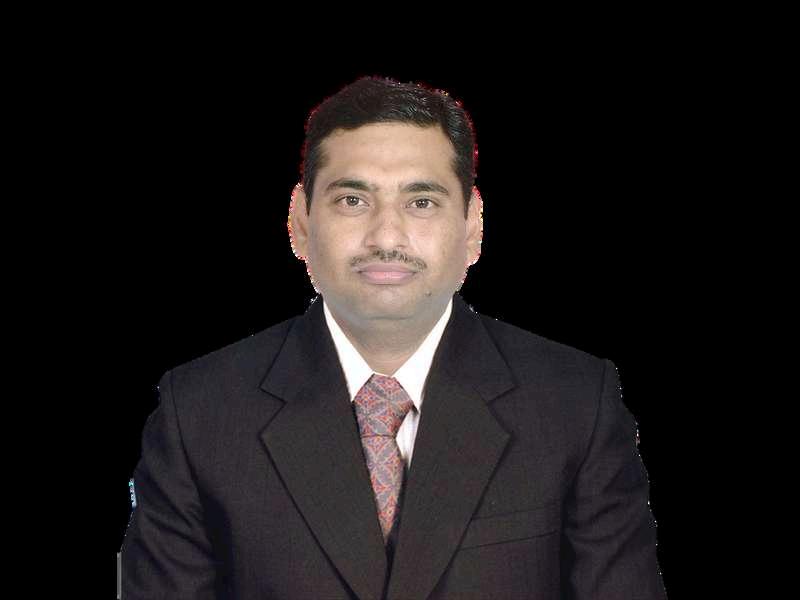
"Finance is no longer about counting value—it is about creating, protecting, and sustaining it."
Q. How has the role of finance evolved beyond numbers in shaping organizational direction?
Finance today is no longer a reporting or compliance function it is a compass for organizational direction. Beyond numbers, finance now integrates strategy, risk, capital allocation, governance, ESG, and technology to influence where the organization is headed and how sustainably it gets there
A CFO’s role has evolved into that of an enabler and business partner challenging assumptions, supporting long-term value creation, and ensuring that growth is resilient, scalable, and well-governed Decisions around expansion, M&A, supply chains, digitization, and even talent now require financial leadership that understands the business deeply, not just the balance sheet
Q. What long-term risk do leaders tend to overlook while focusing on quarterly outcomes?
The most overlooked risk is erosion of future capability whether in people, systems, innovation, or trust. Excessive focus on quarterly results can lead to underinvestment in technology, leadership pipelines, ESG commitments, and operational resilience.
Over time, this weakens competitiveness and creates hidden fragilities that only surface during disruption. Sustainable organizations are built when leaders balance performance pressure with patience investing consistently in capabilities that may not yield immediate returns but define long-term relevance.
Q. How do you balance fiscal discipline with the need to invest in future capabilities?
Fiscal discipline does not mean cost aversion;
it means capital efficiency with strategic intent. The balance comes from clearly distinguishing between expenditure and investment
Future-facing investments whether in automation, greenfield projects, digital transformation, or new business verticals must be backed by strong financial planning, scenario analysis, and risk mitigation At the same time, disciplined working capital management, optimized funding structures, and robust controls create the headroom required to invest confidently in the future without stressing the balance sheet
Q. What financial signal tells you more about organizational health than revenue alone?
Cash flow quality and return on capital employed tell a far more authentic story than revenue alone
Healthy organizations demonstrate disciplined working capital cycles, improving asset turnover, sustainable margins, and strong cash conversion These indicators reflect operational efficiency, customer confidence, and management maturity far more reliably than topline growth in isolation.
Q. What mindset shift is required for finance to act as a true strategic partner?
The key shift is moving from a control mindset to a value-creation mindset Finance leaders must step beyond safeguarding numbers to shaping outcomes asking not just “Is this viable?” but “Is this the right long-term decision for the organization?”
This requires deep business understanding, cross-functional collaboration, comfort with ambiguity, and the courage to challenge shorttermism. When finance aligns governance with growth and discipline with vision, it becomes a catalyst for sustainable transformation
Finance today is no longer a reporting function
Finance today is no longer a reporting function
—it
—it is a compass that guides organizational direction.
is a compass that guides organizational direction.
About the Author:
Yashpal Jain, an accomplished professional with a wealth of experience spanning over 25 years in global operations, currently holds the pivotal role of Chief Financial Officer at Sandhar Technologies Limited Over the past 2 5 years, his strategic leadership has been instrumental in driving significant growth for the company, resulting in the doubling of its business and achieving remarkable returns and margins. Yashpal's innovative approach to financial restructuring and funding strategies has not only facilitated major expansion initiatives but has also strengthened crucial partnerships with key Original Equipment Manufacturers (OEMs). This strategic positioning underscores the company ' s ongoing success and primes it for further growth and prominence in the industry
“The best way to predict the future is to create it. Management is doing things right; leadership is doing the right things. True leaders build systems, cultures, and people that continue creating value long after they are gone. ”
-Peter Drucker
"The true health of an organization is not measured by results alone, but by the energy, trust, and humanity people bring to achieve them."
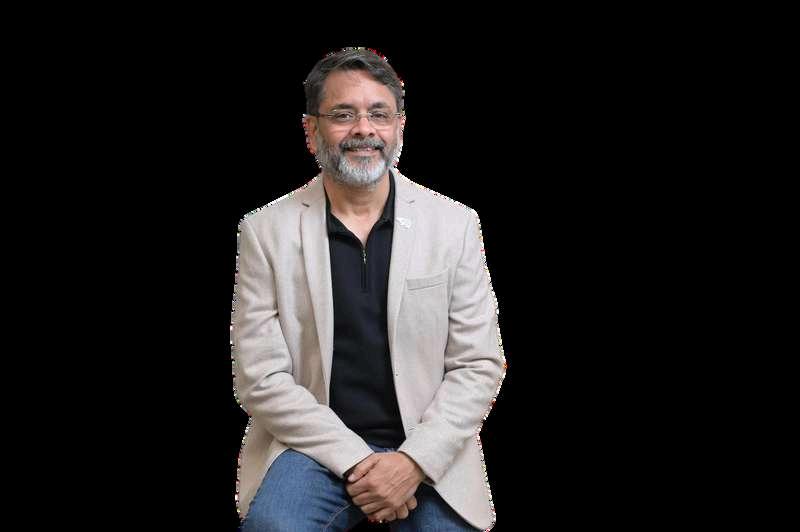
Q. What people-related challenges today are often underestimated by leadership teams?
The cumulative impact of uncertainty and pace on employee energy. In high-growth environments, people often keep delivering results while quietly disengaging. That hidden fatigue is easy to miss, but costly if ignored.
We have also implemented workplace initiatives such as the Employee Assistance Program (EAP), offering one-to-one support. An Employee Assistance Program (EAP) is a workplace-based service designed to support employees' mental, emotional, and overall wellbeing. EAPs offer confidential counselling, resources, and assistance for a wide range of personal or workrelated issues, including:
Mental health (stress, anxiety, depression)
Emotional support (relationship or family issues)
Financial advice and legal counselling
Work-life balance challenges
Q. How do you ensure that culture is shaped by everyday behaviors, not just policies or programs?
Culture is shaped by what leaders consistently do, not what is written down How we conduct reviews, respond to mistakes, handle tough conversations, and make trade-offs send stronger signals than any formal initiative
What personal experience most shaped your belief in creating human-centered workplaces?
During my stint with Armed forces, I spent around 4 months with around 40 soldiers at a highaltitude plateau, which was almost just of the size of a tennis court Spending every moment with people made me believe in the power of
empathy, relationship, trust and fun at workplace. It was all centered around people. That experience shaped me immensely and enhanced my belief in human centricity.
Q. What mindset must leaders unlearn to create truly human-centered workplaces?
The belief that control equals effectiveness. In today’s world, trust, clarity, and autonomy drive far better outcomes than command-and-control leadership ever could.
Q. How do you measure progress in areas that don’t always show up in traditional metrics?
Beyond dashboards, we look at behavioral signals, quality of dialogue, willingness to speak up, collaboration across teams, and how leaders show up in difficult moments. These indicators often predict outcomes before numbers do. And I think that not all progress needs to be measured in terms of metrics, your experience, your gut feeling, your intuition helps you understand many times about what is working, what is progressing and what is failing.
The most underestimated people risk is not declining performance—it is sustained performance delivered at the cost of silent disengagement and emotional fatigue.
The most underestimated people risk is not declining performance—it is sustained performance delivered at the cost of silent disengagement and emotional fatigue.
Yuvaraj Srivastava is the Group Chief Human Resources Officer at the MakeMyTrip Group, where he leads HR strategy across flagship brands including GoIbibo and RedBus. With over 25 years of experience, he is recognized for driving people transformation, leadership development, and culture building across large, dynamic organizations.
Yuvaraj holds a degree in Industrial Psychology from the University of Allahabad and an MBA in HR from IMT Ghaziabad. He began his professional journey with a distinguished tenure in the Indian Armed Forces, where he served in operational and counter-insurgency roles, shaping his leadership and strategic thinking.
He has previously held leadership roles at Asian Paints, The Oberoi Group, and PepsiCo India. Yuvaraj has also contributed to the broader HR ecosystem through leadership roles with the National HRD Network and advisory engagement with the Central Board of Film Certification, along with industry bodies such as FICCI and CII.
A respected HR thought leader and certified executive coach, Yuvaraj is widely recognized for his contributions to employee engagement, leadership development, and organizational transformation, earning multiple industry accolades including recognition from LinkedIn and ETHRWorld
“Sustained performance can hide the quiet realities of disengagement and emotional exhaustion.“ “Sustained performance can hide the quiet realities of disengagement and emotional exhaustion.“