


CHANGEMAKERS OF 2025 CHANGEMAKERS OF 2025
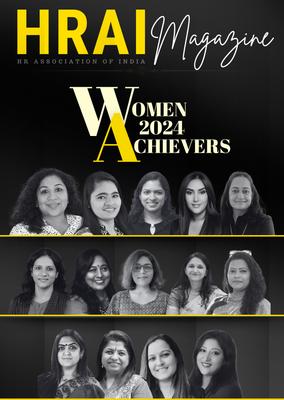

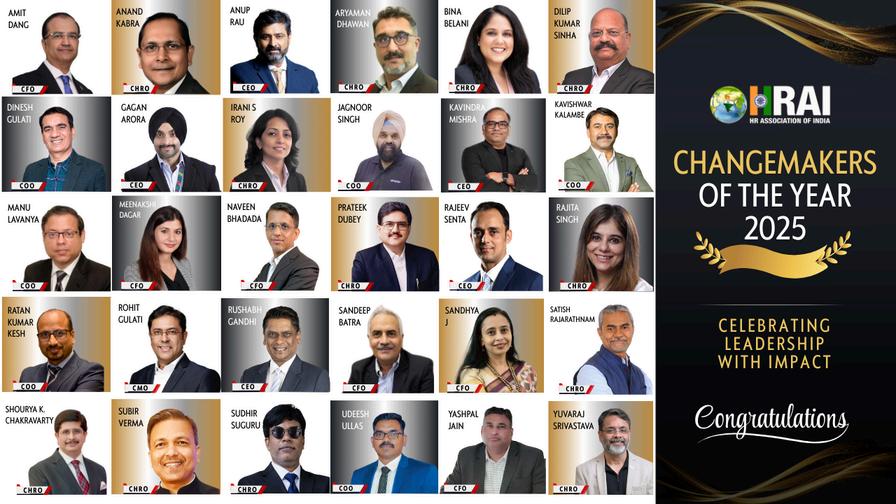
CHANGEMAKERS 2025 — DIVERSE LEADERS UNITED BY A SHARED COMMITMENT TO SHAPING BETTER WORKPLACES.

Q. What people-related challenge today is often underestimated by leadership teams?
The most underestimated people-related challenge today is mental wellbeing and career aspirations. When employees feel psychologically safe, valued, and heard, their ability to contribute, grow and to learn increases. Unclear expectations, inconsistent or incorrect feedback, and arbitrary decisions raise stress and weaken engagement.
Leaders must normalise transparency by explaining the “why” behind decisions. They must also encourage open conversations and invest in building capabilities so people can see a future within the organisation
Q. How do you ensure that culture is shaped by everyday behaviors, not just policies or programs?
Culture is shaped by everyday behaviour; leaders set the tone by role modelling expected behaviours defined by the values of the organization. What they treat as nonnegotiable, how they challenge status quo plus show they make decisions signals more powerfully than any formal statement.
A strong culture also depends on psychological safety When employees feel safe to speak up, trust grows but listening is not enough. Acting on feedback by employees builds credibility. Culture is reinforced through small, consistent actions such as how feedback is given, how conflicts are handled, how success is recognised, and how mistakes are treated. Recognising employees for demonstrating values in everyday decisions reinforces the culture
Q. What personal experience most shaped your belief in creating human-centred workplaces?
What most shaped my belief in creating human-centred workplaces was learning, very early in my career, the power of respect for the individual. I saw the difference between environments where people were treated as headcount or resources, and those where they were seen as human beings with dignity, ideas, and potential. The impact on performance, motivation, and wellbeing is unmistakable.
In moments of pressure, it is easy for leaders to focus only on outcomes But when leaders choose respect by listening deeply, acting fairly, and recognising effort they unlock something far more powerful than compliance People respond with ownership, not obligation. This has shaped my belief that truly humancentred workplaces are built through everyday leadership choices that respect the person behind the role
People respond with ownership, not obligation, when leadership chooses respect over authority. People respond with ownership, not obligation, when leadership chooses respect over authority.
Q. What mindset must leaders unlearn to create truly human-centred workplaces?
Leaders must unlearn the belief that what worked for them in the past will ensure success in future Basically, move away from their comfort zone. Comfort destroys ingenuity, kills innovation, buries ideas, and ignores voice of the employees It kills progress and learning ability, thus weakening the leadership and overall advancement of the organization
To build truly human-centred workplaces, leaders need to shed insulating habits like relying only on data instead of conversations, have straight honest discussions/conversations, and by getting rid of yes men/women in their teams. Leadership grows by stepping reckoning reality, not avoiding it
Q. How do you measure progress in areas that don’t always show up in traditional metrics?
Progress in areas that don’t show up in traditional metrics can be measured through a Happiness Index, which captures how people feel at work. It looks beyond productivity with indicators such as morale, sense of belonging, trust in leadership, and purpose.
Its real value lies not in the score itself, but in how we act on it through open conversations, visible changes, and follow-through on feedback.
When people see their voice leading to improvement, the index becomes a true measure of culture and signals that the organisation is moving in the right direction
Q: Who am I when no one is watching?
When no one is watching, the value that guides my decisions is doing what isright for the organisation and the people in it, not what is easiest for mepersonally
This belief shapes how I lead. It pushes me to be fair even when it isuncomfortable, honest even when it is inconvenient, and accountable ratherthan shifting blame
It also means respecting individuals listening beforejudging and considering the human impact of every decision, not just thebusiness outcome
Over time, I have learned that leadership is not defined by authority, but byconsistency between values and actions. When people see decisions driven byprinciple rather than convenience, trust builds naturally. And when trust ispresent, people don’t just comply they commit
About the Author:
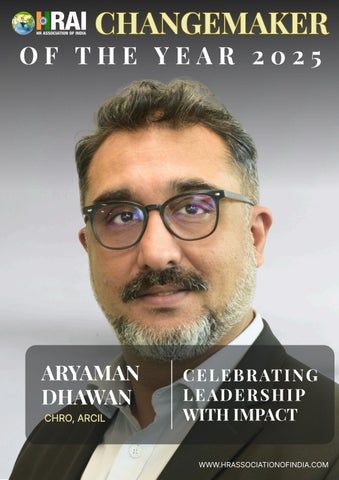
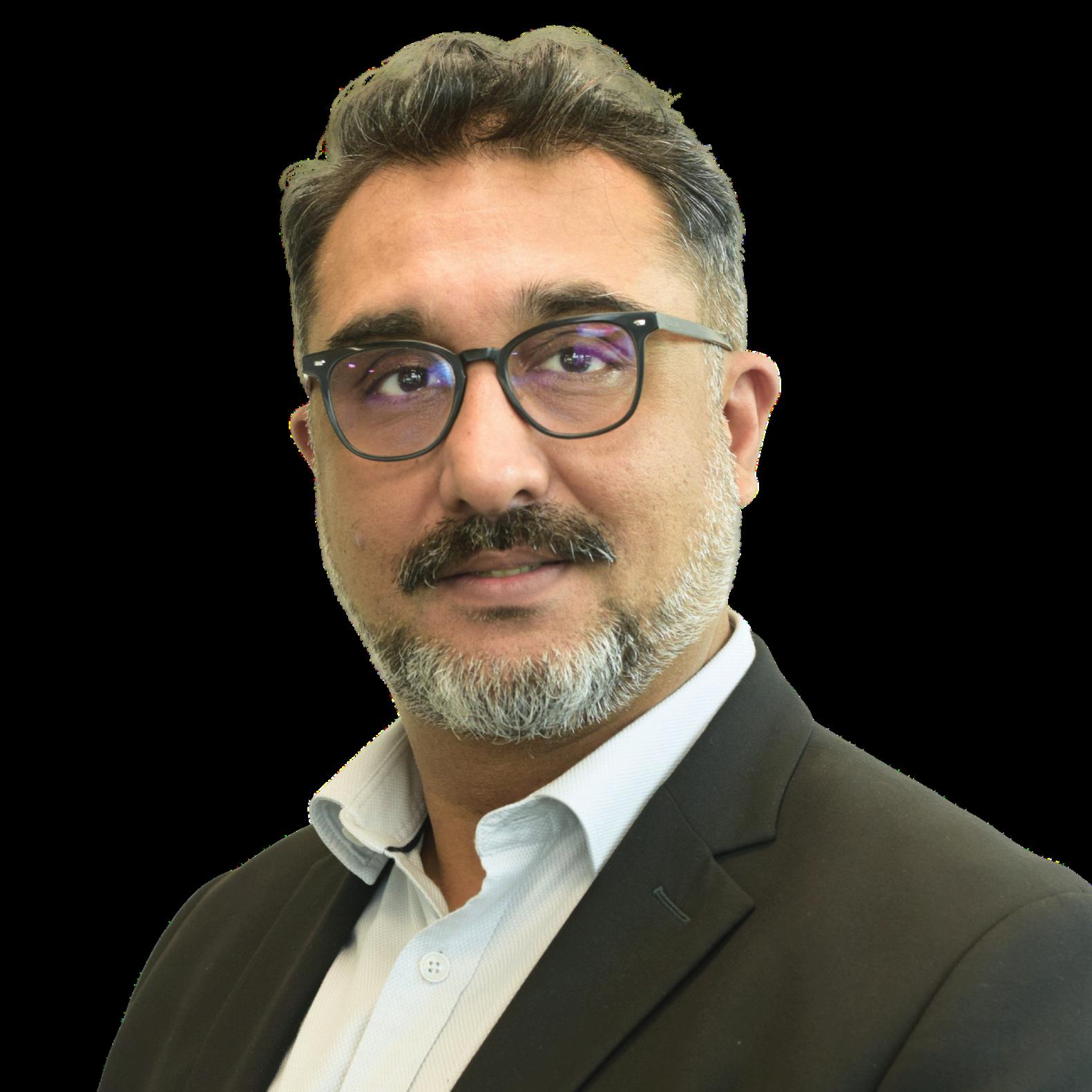
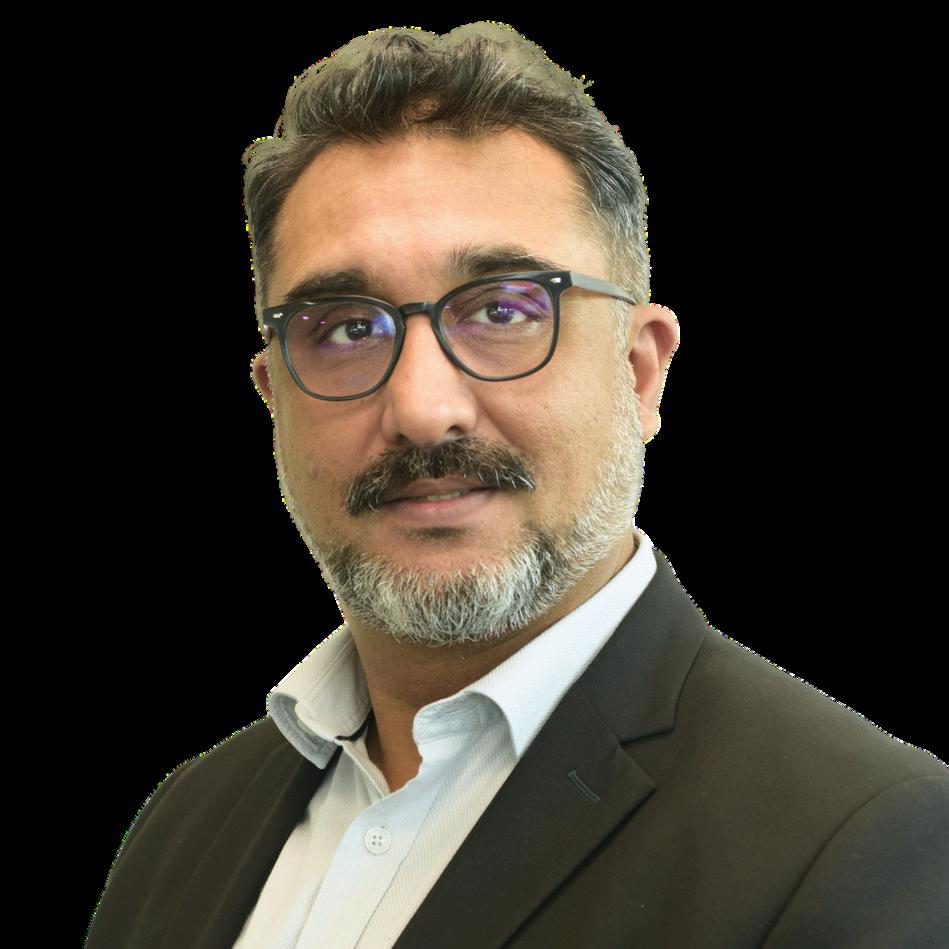
Aryaman Dhawan is a strategic HR leader with proven expertise in designing and executing comprehensive people strategies that align with business objectives and drive organizational success
His experience spans across all areas of Human Resources , where he has consistently built inclusive and high-performing workplace cultures Skilled in leading change management initiatives, he guides organizations through transformation with resilience and adaptability.