

“Shelfspacehasneverbeen hardertowin—oreasiertolose.If adrinkdoesn’tearnitspurpose,it won’tearnitsplace.”
2026 is emerging as a landmark year for the drinks industry Consumers are demanding more from the category than ever before What were once separate drinking occasions are blending together, and the line between refreshment, indulgence, moderation and wellness is becomingincreasinglyfluid.
Shoppers expect drinks to deliver flavour andfunction,valueandexperience,health and enjoyment often simultaneously The rise of low/no alcohol, adult soft drinks, better-for-you energy drinks and functional cocktails shows how expectations are shifting Consumersareseeingdrinksaspart ofthelifestylethey’rebuilding
HamishRenton CEO HRAGlobal
Meanwhile, the forces shaping the industry are accelerating. AI is transforming how trends are identified and scaled The sugar tax is pressuring brands and manufacturers to reformulate And new ingredient technologies, including precision-fermented proteins and next-generation sweetening systems are expandingwhat’stechnicallypossible
Against this backdrop innovation cycles are tightening, brand stories matter more than ever, and routes to market are becoming increasingly diverse It is a market where agility wins and where distinct propositions, backed bystrongexecution,canscalequickly
ManyoftheinsightsthroughoutthisreportareinformedbyTheTaste Collective,ourproprietaryconsumerpanelofover3500engagedconsumers. Spanninggeographicanddemographicdiversity,thepanelprovidesvalid reliableconsumerresearchacrossallfoodanddrinkcategories
For over 16 years, HRA Global has helped drinks brands, manufacturers and retailers turn change into opportunity translating emerging trends into scalable, commercially robust propositions. Our heritage is built on handson delivery across NPD validation, consumer and sensory research, partner andcontractmanufacturermatching,categorystrategy,andgo-to-market optimisation.
AsacertifiedBCorp,we bring a long-term, responsible growth lens to the category. We help clients balance flavour, function and performance with sustainability, reformulation and credible brand purpose ensuring innovation is not only successful today, but resilient and relevant for the future.
DrawingonHRAGlobal’sprojectwork,proprietaryconsumerresearch,buyer interviews and continuous category tracking, this report outlines the key trendswebelievewillshapethedrinkslandscapein2026andbeyond.Most importantly, it highlights the commercialimplications for brands, contract manufacturers,retailersandfoodserviceoperatorslookingtogrowinafastmovingandincreasinglycompetitiveenvironment.
01
TheAgilityAdvantage pg.6
AIAcceleration pg.8
TheScienceBehindtheShelf pg.10
IntentionalDrinking pg.15
Health2.0 pg.14
FlavourFrontiers pg.17
DessertinaCan pg.20
Packagingfor2026 pg.22
HydrationUpgraded pg.24
TrendBlending pg.26
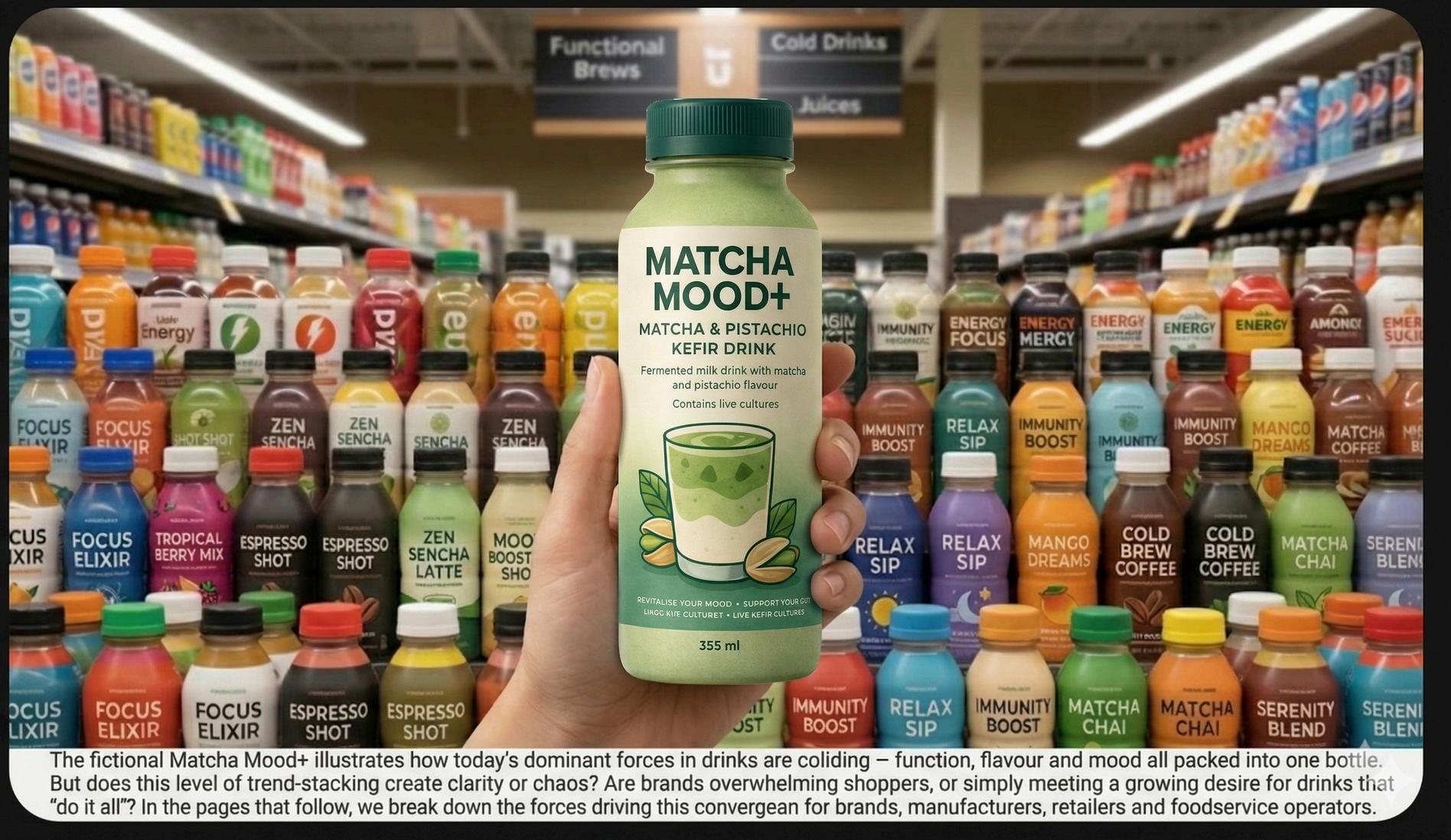
The fictional Matcha Mood+ illustrates a fundamental shift in beverage innovation Todays dominantforcesindrinksarecollidinginwaysthey never have before function, flavour and mood allpackedintoonebottle.
Butdoesthisleveloftrend-stackingcreateclarity or chaos? Are brands overwhelming shoppers, or simplymeetingagrowingdesirefordrinksthat“do itall”?
In the pages that follow we break down each of these forces examining how function, flavour and mood are reshaping the drinks category We explore what's driving this convergence, where the real opportunities and risks lie, and what it means for brands, manufacturers retailers and foodservice operatorsnavigatingthisincreasinglycomplexlandscape.
The drinks category is undoubtedly one of the most innovation-intensepartsofFMCG.Thepaceisunmistakably fast new brands, formats and flavours are entering and exiting the market at a rate the category has never seen before. For many consumers, especially younger adults discovery is happening long before the fixture as social platformsareshapingwhatpeoplelookfor.
This environment plays to the strengths of agile challenger brands Thosethatcanmovequicklyandarticulateaclear purposearedemandingconsumerattention Theirabilityto bringnewideastomarketatspeedgivesthemastructural advantage over more established portfolios, where longer decision cycles and legacy guardrails can slow response times
At the same time private label is levelling up not just on price but on innovation itself Retailers are upgrading their offer in flavoured waters, functional drinks, adult softs and low/no alcohol, often matching and sometimes outpacing branded players on both design and credibility This compresses the window in which brands can build equity before facing direct own-label competition
Theresultisadrinksmarketwhereinnovationisessential but it must be targeted relevant and executed with precision Speed matters, story matters and distinctiveness matters Thebrandsthatsucceedwillbethosethatbringall threetogetherconsistently.
Edit ruthlessly: Prioritise a tight core of high-velocity SKUs and one or two ontrend “test bed” lines rather than a sprawlingflavourmatrix
Think platform, not product: Build modular bases (eg one hero energy or hydration base with rotating flavours) to makeNPDfasterandcheaper
Authenticity first: Origin stories, ingredient provenance and visible founders matter more than ever but big brands can close the gap with transparency (how it’s made who makes it why it exists), showcasing real teams andsuppliers
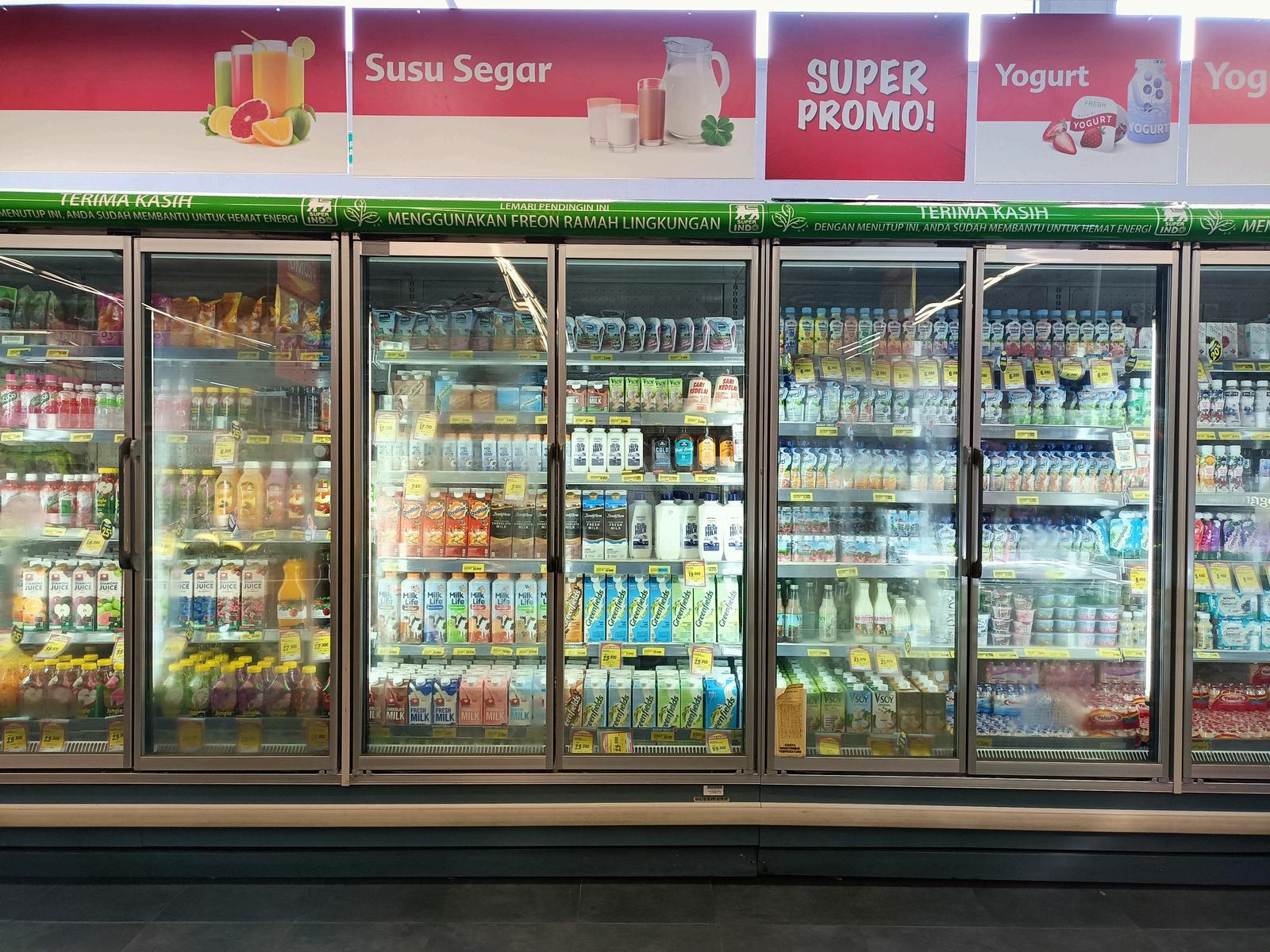
Curate for clarity: Avoid overloading fixtures use benefit-led segments (Hydration Energy Gut Health, Low/No, Indulgence) to help shoppers navigate ranges
Make space for rotation: Use trial bays andseasonalwindowstotestchallenger brandswithoutcommittingtolong-term listings
De-riskinggrowththroughsmarterpartnerships
It’snotuncommonformanufacturersto findbythetimetheyhaveinvestedinproduction assets,growthtrajectorieshaveslowedandtheyare lasttoacrowdedmarket
ThisiswhereM&A,contractmanufacturing& licensingarrangementscanofferrealopportunities asmanufacturersandbrandsareabletomakeuse ofexistingassetsalreadyinaction,orbrandsthat alreadyhaveacustomerbase
Toavoidcostlymissteps,partnerchoiceand expectation-settingshouldbeunderpinnedby robustanalysisandduediligence
Think in missions, not categories: Drinks are well-placed to serve needs according totimeofdaye.g.morninguplift afternoon hydration,eveningwind-down.
Use menus and staff to build stories: Foodservice has an edge in educating consumers about functional benefits and novelingredientsatpointofpurchase.
Trial fast, rotate often: High-velocity environments (gyms universities offices) can trial challenger brands and emerging formatswithminimalrisk
Upgrade beyond traditional softs.
Consumers expect adult-leaning flavours functional boosts and more premium cues especiallyasalcoholmoderationgrows.
Act fast on data: Delist quickly when innovation doesn’t convert to sales With trends moving at speed, shelf space muststayfluidandresponsive
ForContractManufacturers:
Design for agility: Invest in lines and pack formats that can switch flavours and pack artwork quickly (eg sleeves, digital print), and in small-to-mid run capability
GuardagainstSKUsprawl:Pushbackon “just one more flavour” when it complicates production – offer structured flavour ranges and seasonal windowsinsteadofpermanentlistings Co-development as a service: Offer formulation, claims and packaging advisory as part of the pitch to help clientslaunchfasterbutsmarter
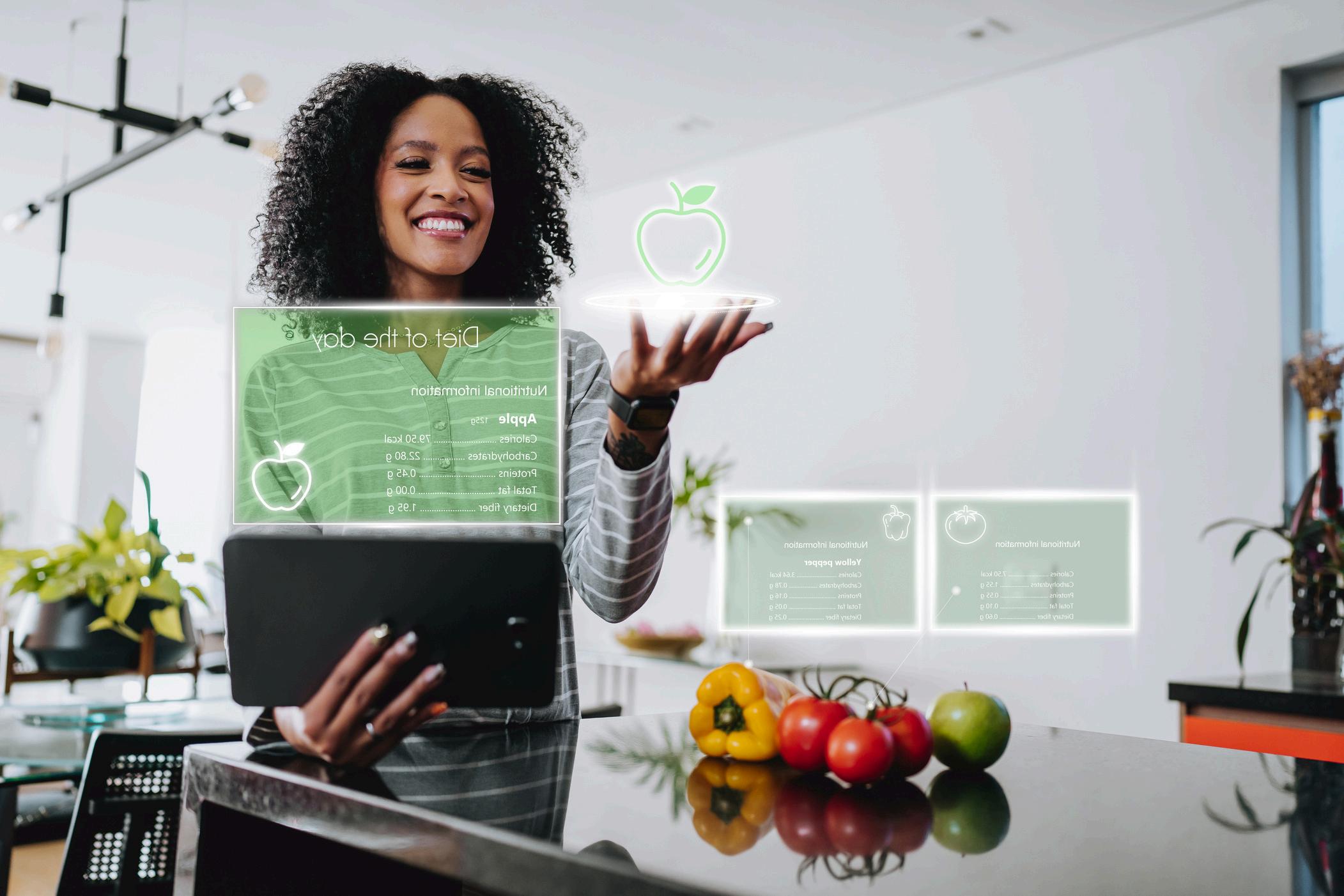
AI is becoming well embedded across the whole FMCG industry touching everything from insight generation to execution Brands are using it to scan social platforms at scale identifying early trends in flavours, formats and functional claims longbeforetheyshowupinEPOSdata
Marketing teams are applying AI to optimise audience targeting creative testing and spend allocation, tightening the gap between idea and impact And increasingly, businesses are using AI tools to run commercial “what if” simulations testing scenarios around pack sizes, pricing tiers promotion plans and range composition before makingreal-worlddecisions
But with this capability comes risk As more organisations plug into the same publicly available datasets, models and trend dashboards, the industry faces a growing threat of convergence: multiple brands chasing the sameflavour thesamebenefitorthesameTikTok trendatpreciselythesamemoment Theresultis notcompetitiveadvantagebutcategorynoise
Most importantly AI cannot yet replace sensory judgement technical feasibility or lived category experience In a market where taste remains the ultimate differentiator and formulation constraints matter, human expertise and feedbackisstillessential.
UseAItofindsignals,notanswers:LetAI flag emerging ingredients, hashtags and need states – then validate with qualitative research sensory panels and properconsumertesting
Protect distinctiveness: Feed your proprietary data (review text DTC feedback, sensory panels) into your modelstoavoid“me-too”outcomes
ForRetailers:
Use AI to sharpen range planning: Combining loyalty/app data with AI can highlight localised trends and missionled gaps (eg, “energy for commuters”, “hydrationafterthegym”)
But keep human judgement central: Taste validation and shopper behaviour insight remain essential AI alone can over-index trends that don’t convert instore
Guard against sameness at fixture:
Multiple suppliers may pitch nearidentical NPD; retailers must curate to avoid“trendclutter”
Offer AI-ready data: Provide structured quality, yield and cost data so clients can easily plug manufacturing realities intotheirscenariomodels
Develop ‘AI-friendly’ briefs: Translate clients’ AI-generated concepts into technicallyviableformulationsandpack formats
Accelerate test-and-learn: Use AIsupported prototyping, rapid flavour iteration and small-batch digital workflows to shorten the path from concepttovalidatedsample.
DeployAIformenuoptimization:AI can surface which drink benefits resonate by time of day, venue type or customer profile usefulforrotating“hero”drinks Maintainexperientialqualitycontrol:In foodservice, flavour and consistency matter more than anywhere else; humans must remain the final judgement.
Watch for lookalike launches: If suppliers rely heavily on AI trend mining foodservice operators risk carrying overlapping products unless they curate deliberately

A new wave of technologies is reshaping drinks changing both what brands can make and what consumers now expect This shift is being pulled as much by consumer demand as by technical possibility
Meeting these expectations is far from simple and increasingly requires more sophisticated formulation techniques.Next-generationsweetenersaredelivering cleanertastewithfewercompromises.
Fibre and prebiotic systems are pushing gut health into the mainstream but creating real formulation challenges And stimulant alternatives botanicals, amino acids nootropics are redefining “energy” far beyondcaffeine.
Indairy,precision-fermentedproteinsaremovingout of labs and into pilot-scale drinks, offering similar functionality without traditional production. Global players are already testing animal-free whey powdersandRTDs
Together these forces are pushing drinks into a new more technical era one where formulation expertise,scientificliteracyandoperationalagilitywill separate the brands that lead from the brands that follow
Educate consumers clearly: Emerging ingredients only work commercially when thebenefitissimpleandbelievable
Use science to justify premium pricing: Evidence-backed performance claims can supporthighermargins
Invest in technical capability: Sweeteners fibres stimulants and novel proteins demand stronger formulation skills to avoid stabilityortastecompromises
Differentiate with function: Hydration energy, gut health and recovery drinks offer margin and relevance beyond traditionalsoftdrinks
Expand low/no alcohol lists: Improved alcohol-free fermentation supports more sophisticatedzero-alcoholmenus
Curate by benefit: Consumers need help navigating science-led products; grouping byfunctionincreasesclarityandconversion
Support premium tiers strategically: Advanced hydration gut health and performance lines can lift category value whenpositionedwell
Champion packaging innovation: Prioritising sustainable formats aligns with shopperexpectationsandbrandstrategies
Differentiate through expertise: Knowledge of fibres, prebiotics, precision-fermented proteins and advanced electrolytes will be a key commercialadvantage
Provide solutions, not just capacity: Brands will prioritise partners who can troubleshoot formulation and deliver stable,scalablerecipes
Increase operational flexibility: More formats and shorter runs demand adaptablelinesandfasterturnaround
Strengthen compliance support: Clear documentation and regulatory guidance will become more important astechnologiesevolve

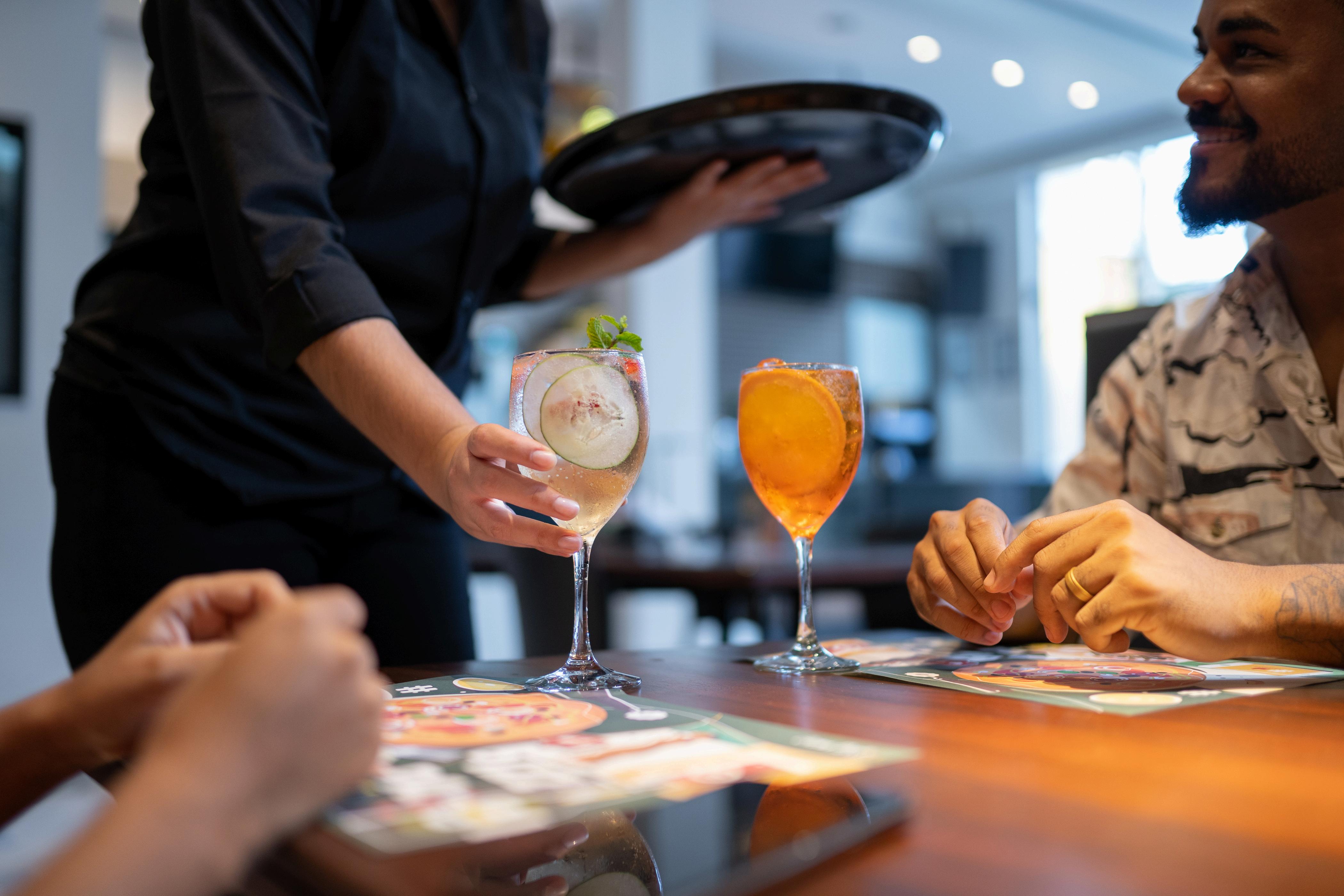
Alcohol moderation is becoming mainstream, with 47% of consumers intending to reduce their alcohol intake in 2026.¹ This isnt complete abstinence it’sarebalancing particularlyamong Gen Z and younger Millennials who are becoming moreselectiveaboutwhenandwhytheydrink
At the same time, there is a clear shift towards intentional drinking. An increasing number of consumers are choosing beverages based on the state they want to achieve from Energise and Focus to Relax Socialise and Unwind rather than simplywhetheradrinkcontainsalcoholorcaffeine Low&noalcoholisacorepartofthemix
As consumers rebalance their alcohol intake lowand no-alcohol drinks are an obvious choice, selected by 35% of alcohol reducers.¹ However, low- and no-alcohol is no longer just a substitute for alcohol it is a category in its own right For manyoccasions socialising,midweekunwinding, lunch, or post-work drinks 0% lager, alcohol-free beer and spirits deliver the taste, ritual and social cuesconsumerswant withoutthedownsides
This shift is already visible in demand signals 37% of consumers are seeking drinks that support brainfunctionorfocus, making “how it makes me feel”aprimarydecisiondriver Functionallanguage is no longer niche: 25% are interested in ingredients such as CBD, and 22% say they are familiar with nootropics and adaptogens, indicating growing mainstream literacy of functional cues and the impact on mood and mentalstate¹
Theobromine – a caffeine alternative
Touted as a longer-lasting and milder energy source that doesn’t cause jitters or withdrawal symptoms, theobromine, present in cacao, is increasingly being used as a coffee alternative.
However, as we ’ ve seen in recent months, an over-reliance on cacao leaves great commercial exposure to the commodity price. Therefore, whether this is viable as a commercial RTD is another question.
InsightfromHRA
FunctionWhereItMatters
Therearerealopportunitiesinfoodservicefor functionaldrinksbrands Gyms workplaces, universities travelhubsandleisurevenuesare idealforfunctionaldrinkstiedtoproductivity recoveryandenergymanagement
Butfoodserviceisacomplex,high-volume channel winninghererequirestargeted propositions clearuse-casethinkingand expertguidancetoensuretherightformat, dosingandpositioningforeachenvironment.
47%ofconsumersintend toreducetheiralcohol intakein2026.
ForBrands:
Designfordailyrituals: Anchorproducts to clear moments in the day (morning uplift, evening wind-down) to build habit formationandrepeatpurchase
Tiertheoffer:Createladderssuchas
Everyday support: low-stimulation, low-sugar broadlyappealing
Performance formats: higher caffeine higher electrolytes stronger dosingforspecificmissions
Ownabenefit,notaformat: Consumers increasingly buy outcomes (focus, calm, recovery) not ingredient lists. A strong benefit-led brand architecture helps future-prooftherange.
Create clearly signposted “Functional Drinks” zones: Group by benefit Energy & Focus, Immunity & Defence, Calm & Sleep, Hydration, Gut Health not necessarily by base (water, dairy, juice) This reflects how shoppers are actually choosing Use trial bays to surface newcomers: Shots, stick packs and novel functional RTDsbenefitfrom“tryme”placementnear tillfixturesormorningmissionzones
Integrate into meal deals: Functional drinks offer a clear trade-up opportunity when paired with healthier food missions orworkdayroutines
Build functional choice into daypart menus: Offer morning cognitive blends, mid-dayhydrationandeveningcalmor sleep-focusedoptions
Premiumise through wellness:
Functional drinks can elevate cafés, gyms universities hotels and corporate canteens with low-labour highperceived-valueitems
Winin“performancemoments”:Gyms, leisurecentresandworkplacecafésare ideal environments for performance hydration energy, recovery and guthealthdrinks.
Alongside this, fibre has moved rapidly from niche to mainstream (#fibremaxxing), driven by guthealth awareness and wholefood-first nutrition 55%ofconsumersliketosee“1ofyour5aday”on a drink¹, signalling growing demand for recognisable, food-based nutrition rather than abstractfunctionalclaims.Berries,beansandhighfibre fruits are increasingly seen as credible ingredients that deliver both health and reassurance
GLP-1 medications add a new dimension. As appetite suppression becomes more common, consumers need to be more deliberate about protein and fibre intake to avoid nutritional gaps Drinks offer a convenient, digestible and enjoyable waytomaintainnutrientdensity especiallywhen appetiteforsolidfoodisreduced
Forbrands
ForBrands:
Shiftfrom“lesssugar”to“more nourishment”:Buildpropositionsaround nutrientdensity protein,fibre wholefood ingredients withclearfunctionalroles
Reformulatesweeteningsystems: Expect continued pushback on artificial sweeteners; invest in blended or natural sweetening strategies that maintain taste withouttriggeringUPFconcerns
Use wholefood cues to build trust:
Ingredients such as berries, beans and high-fibre fruits provide strong signals of “real” nutrition and help premiumise products
Design for GLP-1 realities: Appetitesuppressed consumers want compact, nutrient-dense options; create smaller formatswithhigherpayloads
Forcontractmanufacturers:
Build capability in high-protein and high-fibre formulations. Stability, solubility and sensory management becomecoretechnicaldifferentiators
Strengthennaturalsweetenerexpertise. Brands will need guidance on stevia systems, allulose blends, fruit-based sweetnessandotheralternatives
Support claims substantiation. As nutrient density becomes a selling point, brands will rely on manufacturers for compliantwordingandvalidation
Partner on GLP-1-friendly lines. Expect briefs for nutritionally dense, portioncontrolled shakes and shots formulated forsatietyandmusclepreservation
While the health narrative in drinks is becoming more sophisticated, it also increasingly fragmented Sugar reduction remains nonnegotiable yet consumer scepticism around sweeteners is rising with 34%lookingforartificial sweetener free drinks.¹ Many shoppers now feel that diet drinks “solve one problem by creating another” pushing brands toward cleaner, more naturalsweeteningsystems
At the same time, demand for protein remains strongwhileinterestinfibreisaccelerating 43%of consumerssaytheyliketosee“highprotein”on drinks¹ reinforcing protein’s role beyond fitness into satiety, energy stability and healthy ageing This continues to underpin growth in high-protein icedcoffees,yoghurtdrinksandsmoothies
38%wouldconsider buyingfibreboosteddrinks
What’s emerging is a drinks landscape where nutrient density, not just low sugar will define the next wave of health-led growth Brands that blend functionality with wholefood cues and deliver them in great-tasting, convenient formats are bestplacedtowin.
TheFutureofFunction?It’sBeanBrewing
Weexpecttoseemorefibre-enrichedsmoothies, wholefood-inspireddrinkbasesandevenbeanbasedbeverages formatsalreadyestablished inEastAsianmarketsbutstillatanearlystagein Europe.Beansbringauniquelycompelling combinationofprotein,gut-supportingfibreand sustainability makingthemalogicalstepinthe evolutionofnutrient-densedrinks Ourresearch suggests27%ofconsumerswouldliketosee legume(eg beans,peas)fibreindrinks*
ForRetailers:
Curate by benefit, not base. “Protein & Satiety”“GutHealth,”and“NaturalEnergy” resonate more than dairy vs non-dairy or juicevssmoothie
Dial up nutrient-dense options in meal deals. Consumers are actively looking to “upgrade” lunchtime nutrition especially GLP-1usersandhealthseekers. Expand premium health tiers. Higherprotein, fibre-rich and wholefood-based drinks support stronger price ladders and margingrFwth.
Integrate protein and fibre into daypart menus. Morning satiety post-gym recovery and mid-afternoon stability are high-valuemissions
Educate through menus. Foodservice can explain benefits such as gut support or GLP-1-friendly nutrition more directly than retail
Offer small-format nutrient-dense options.Particularlyrelevantforworkplace, leisure and travel environments where convenienceandnutritionintersect.
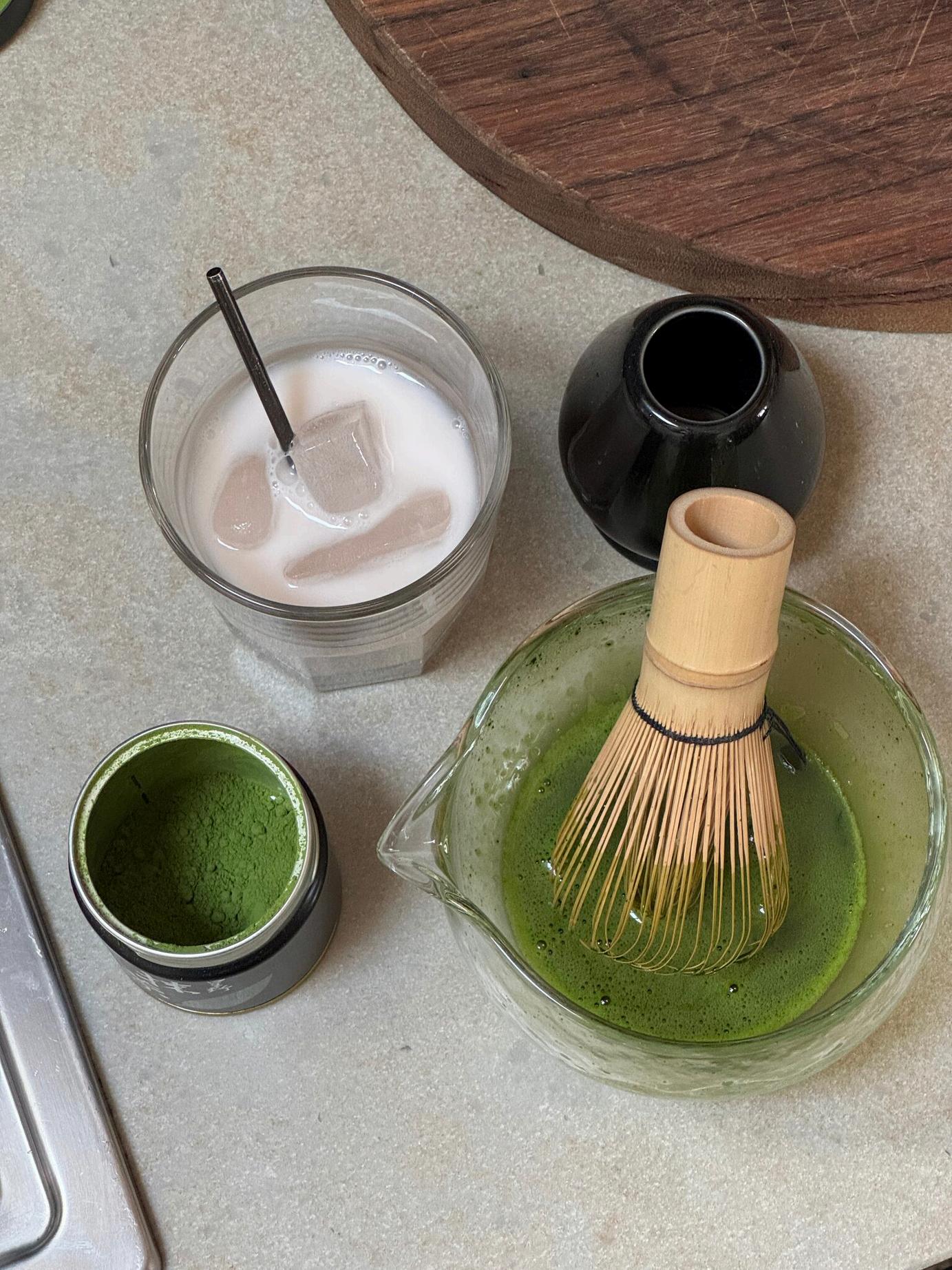
Flavour is where many of 2026’s biggest trends converge health, indulgence world cuisines, “adultification” of soft drinks and the rise of experiential beverages Flavour is no longer just about taste; it's now a signalofbenefit,mood, identity and occasion. As a result the flavour landscape is fracturing into distinct territories, eachwithitsownsetofconsumermissions.
As flavour signals multiply, consumer research and ongoing listening become essential guardrails against trend-chasing ensuring brands back flavours with genuine relevance, longevityandrepeat-purchasepotential
Adrinkpackedwithfibreand nutrientswithoutthesugarcontent ofsmoothies?EnterGazpacho.A long-timenichecategoryintheUK, isitnowtimeforcoldsouptoshine? M&Sthinksso,havinglaunchedtwo 250mlgazpachodrinksforon-thego Itcertainlyticksmultiplehealth boxes,butthechallengewillbe expandingitsrelevancebeyond summerandestablishingitasa credibleeverydayalternativeto sweetfunctionaldrinks
Zingy,superfood-ledflavours(ginger,turmeric) performstronglyamongconsumerswith49% interested,reinforcingtheirroleasshorthandfor health,immunityandenergy
Botanicalandfloralnotes withoverhalfof consumersinterested(54%)* Noteslike elderflower,orangeblossomandhibiscuscarry strong“adult”,“lighter”andaperitivo-stylecues makingthemespeciallyeffectiveinlow-andnoalcoholandfunctionalformats
Savouryandumamiflavours gingerand turmericshotsareevolvingwithKimchishotsnow emerging
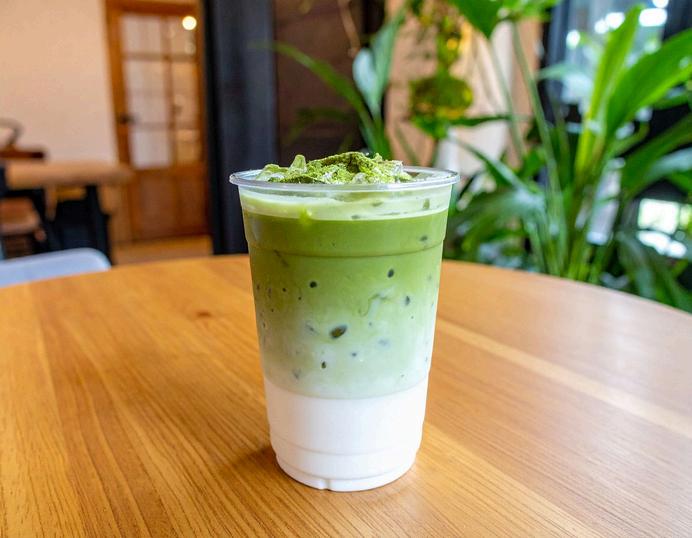
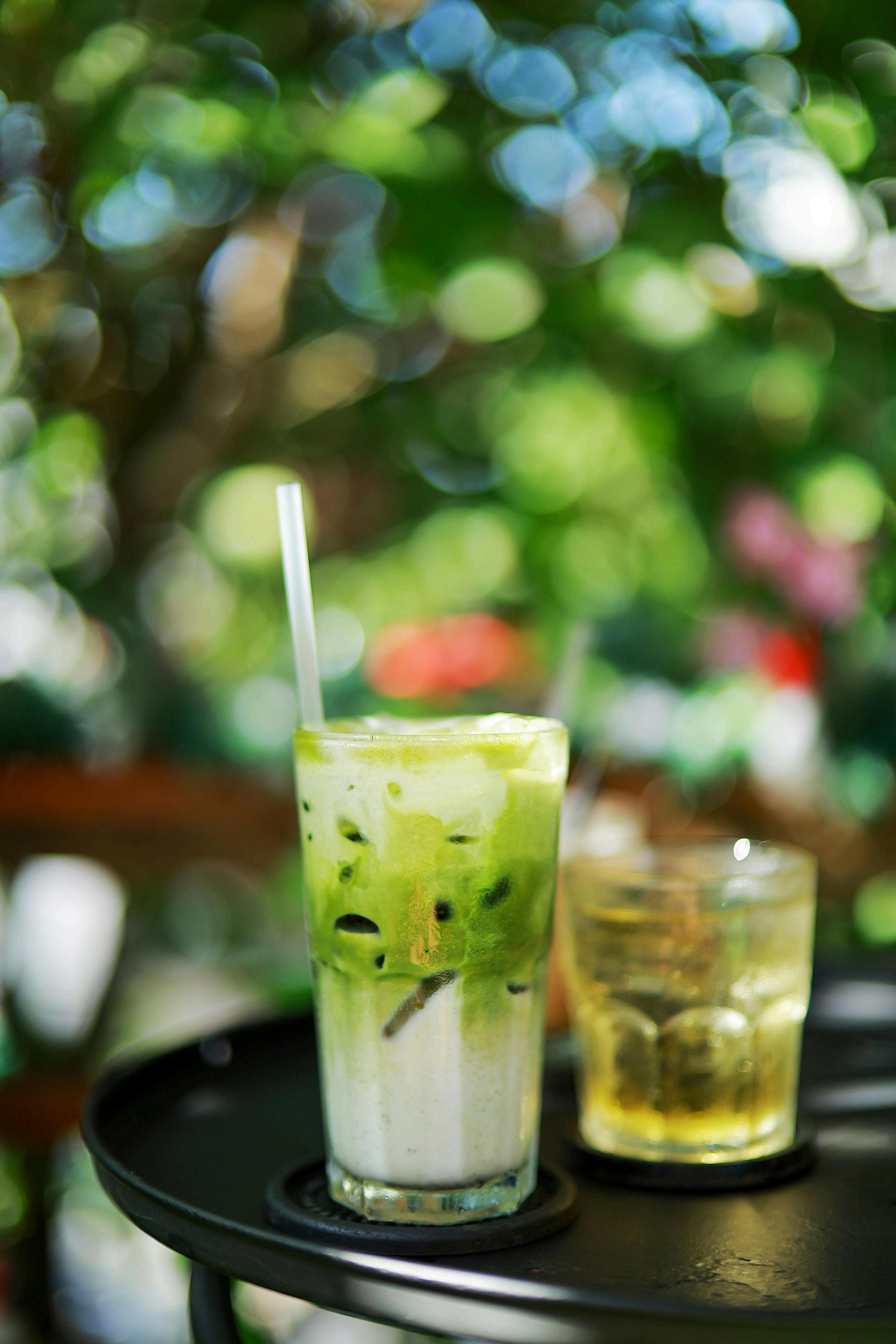
Ongoingprominenceofmatchaandpistachio particularlyinhotandcoldcoffee-based beverages wheretheyaddpremiumcuesand cafécredibility
Icedcoffeeasaflavourtestbed increasingly blurringthelinebetweencoffee dessertand functionaldrink makingitakeyarenafor experimentation
Ofinterestto46%ofconsumers, flavourslikeyuzu,lychee dragonfruitandKoreanpearare nowwellbeyondniche drivenby foodculture travelaspirationand socialmedia
Think in flavour “territories”, not variants. Build coherent families such as Dessert, Botanical & Refined, Asian & Tropical, Sour & Sparkling to guide innovation and avoid scattergun launches.
Usebridgeflavourstoeaseadoption.Pair bolder notes (dragonfruit, yuzu, hibiscus) with familiar anchors (apple, lemonade) toimprovetrialandrepeat.
Flavour can carry the benefit cue.
Botanical = calm/refined; sour = refreshing/light; dessert = indulgence; tropical = energy/uplift. Flavour can carry thebenefitcue.
Deepen flavour-house collaboration. Demand will rise for botanicals sour systems floral accents, pistachio/matcha profiles and coffee–dessert hybrids that requiretechnicalfinesse
Offerpilot-scaleflexibility.Brandswillwant to test adventurous flavours in small batches before committing to full production short runs become a competitiveadvantage
Strengthen coffee and tea extraction expertise. With iced coffee and tea hybrids surging manufacturers with robust extraction, stabilisation and flavour retentioncapabilitieswillwinmorebriefs
Organise chillers by mood or mission. Grouping as Refreshing Indulgent, Sophisticated or Adventurous helps shoppers navigate an increasingly complex flavourlandscape.
Usesecondarysitesfordiscovery.Endcaps, meal-deal adjacencies and café tie-ins are powerful ways to surface new flavours withoutoverloadingthemainfixture. Lean into global flavour trends. Asian- and tropical-led flavours resonate strongly with younger shoppers and help elevate the overallcategory
Use cafés and bars as R&D labs. Foodservice is the ideal environment for testing emerging flavour trends (matcha, hibiscus,pistachio,Koreanpear)
Build flavour-led limited editions. Rotating syrups, toppings, infusions and coldfoamflavourskeepmenusfreshand createsocial-media-friendlymoments Offer cross-category flavour consistency. Aligning iced coffee, smoothies and speciality beverages around shared flavour territories builds a strongerin-venueidentity
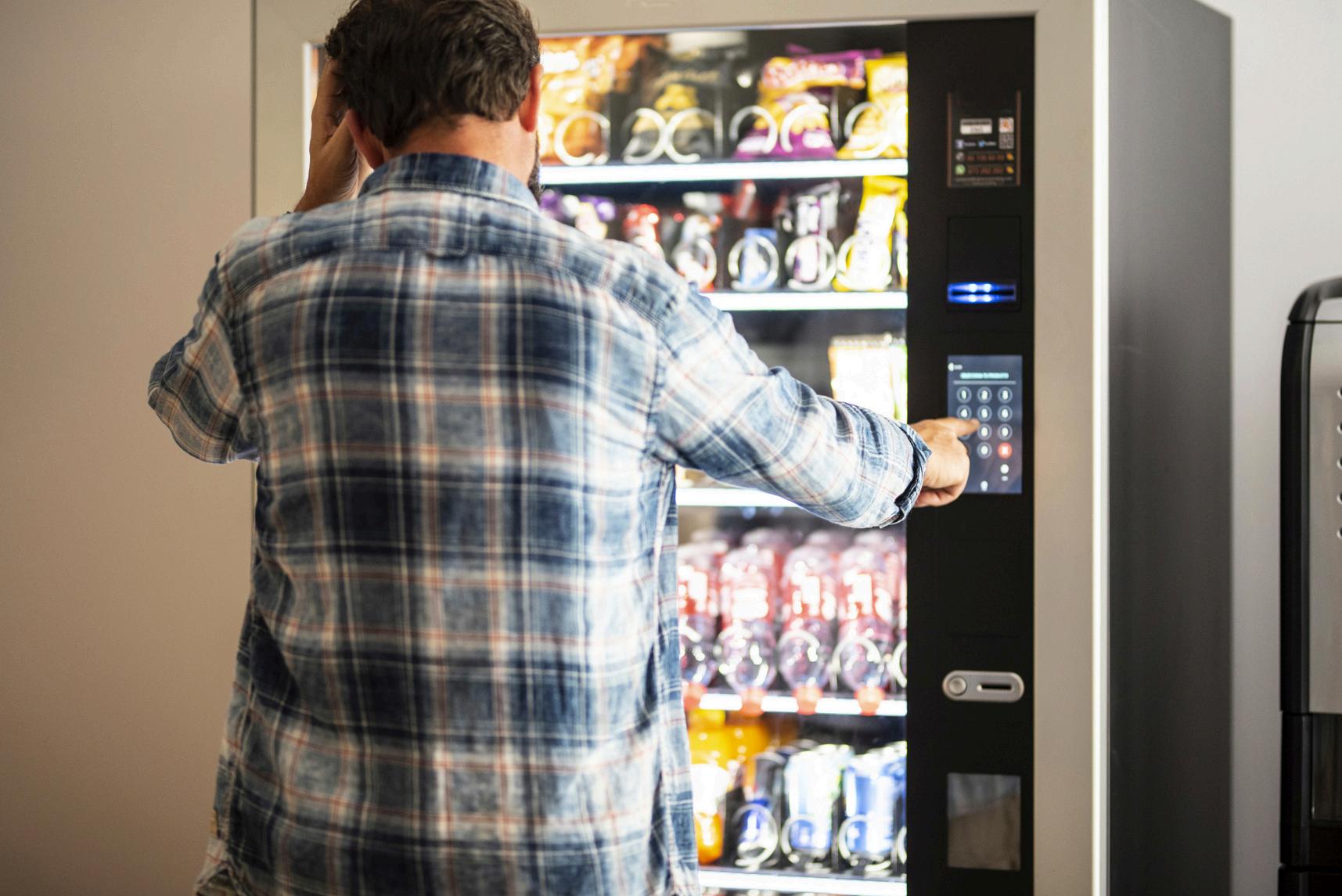
While health and function dominate much of the industry conversation indulgence remains one of the most reliable drivers of purchase. For many shoppers,drinksrepresentanaccessiblemoment ofjoyorcomfort asmall,permissibletreatthat fits into a workday, commute or quick-service meal
Dessert-like profiles, loaded iced coffees and limited-edition “treat” flavours continue to perform well 37% of on-the-go drinks buyers look for dessert-inspired flavours.** These drinks deliver emotional value first and functional value second, if at all In this context, attempts to make highly indulgent hero products significantly “healthier” can backfire diluting the very qualities that made themsuccessful
At the same time, the sugar tax is reshaping the economics of indulgence. Higher-sugar recipes now carry a structural cost premium, pushing brands to justify price increases through more premium positioning, richer textures and stronger visual cues. For many consumers, an indulgent drinkisstill“worthit”,butonlywhentheexperience clearlymatchestheprice.
2026willseeindulgencebecomemoreintentional, morevisualandmorepremium, with café culture social media and dessert crossovers shaping both flavourandformat
Be honest about indulgence. Not every SKU needs a health halo; consumers will accept higher sugar if the product clearly positionsitselfasanoccasionaltreat
Elevate the sensory experience. Colours, creamy textures and luxury pack design can command a premium and enhance perceivedindulgence
Lean into seasonal and limited editions. Rotating indulgent flavours (eg caramel latte in winter, strawberry shortcake in summer) sustain excitement without overexpandingthecorerange
ForRetailers:
Premiumise with visuals. Since indulgencejustifiesprice prioritiseformats withstrongvisualcues layeredtextures, richer colourways, premium bottles or cans,andmorecafé-stylecues
Support smaller formats for permissible treats.Merchandise150–250mloptionsfor shoppers who want indulgence without the calorie load, especially in meal-deal andgrab-and-goareas
Use meal deals strategically. Anchor indulgentdrinksasthepremiumtrade-up within food-to-go deals Consumers are more willing to pay a small uplift for a treatthattransformstheirlunchbreak.
Texture and mouthfeel expertise
Creamy, dessert-like drinks need indulgenttextureswithoutbeingcloyingor unstable – an area where process and formulation know-how can be a key differentiator
Portion control. Help brands deliver indulgence in smaller pack sizes (mini cans 150–250ml bottles) to strike the balance between pleasure and permissibility
Elevate the treat moment in menus
Indulgent drinks perform especially well in cafés, QSR workplace and leisure settings where consumers seek affordable gratification
Use indulgence to differentiate the experience. Visual appeal layers, whipped textures, drizzles, toppings is a major driver of social sharing and perceivedvalue
Deploy indulgent drinks as daypart boosters Morning sweet coffees, afternoonicedtreatsandeveningdessert beverages can drive incremental transactions.
Ourresearchhasfound34% ofconsumersaremorelikely tograbatreatorindulgent optionwhenatworkthanat home–drinksincluded*.
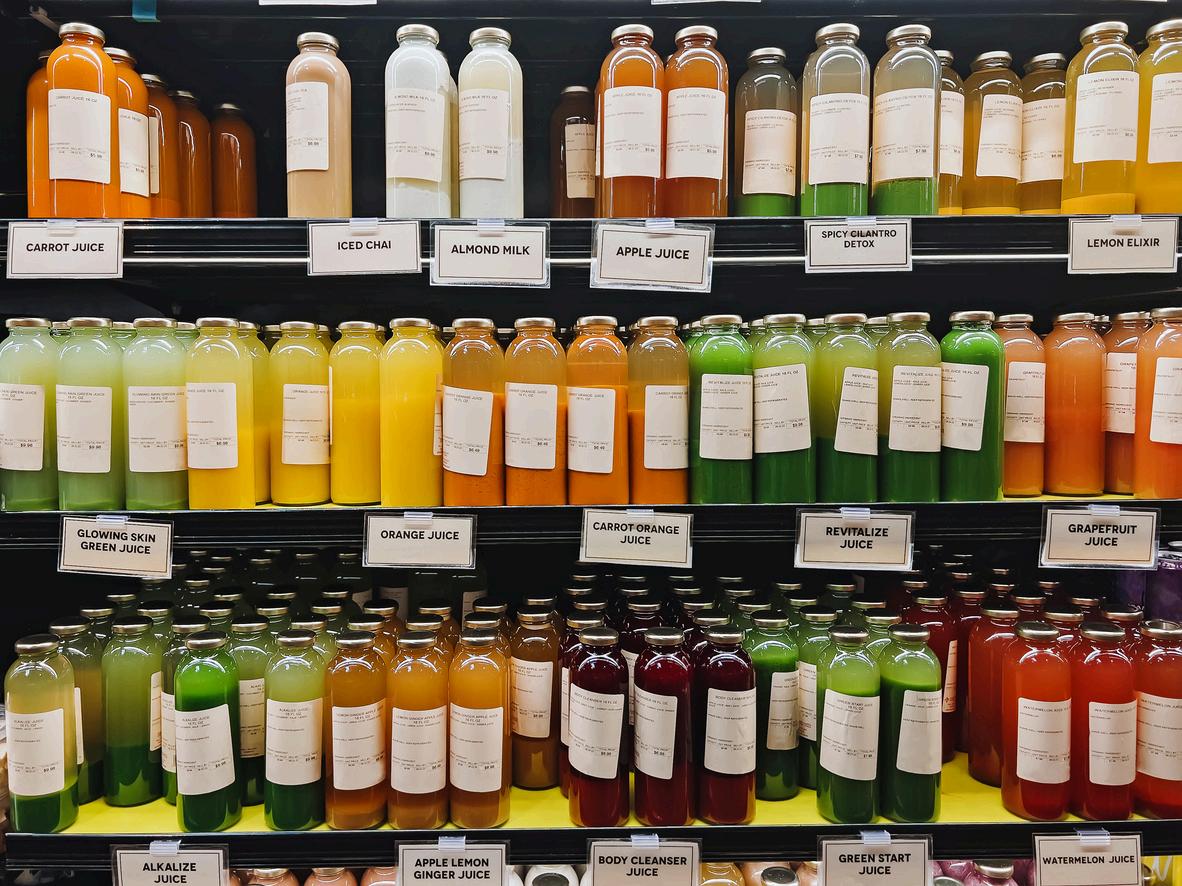
Sustainabilityexpectations,retailerrequirementsand consumer demand for more premium experiences are driving a noticeable shift in how drinks are presentedanddelivered
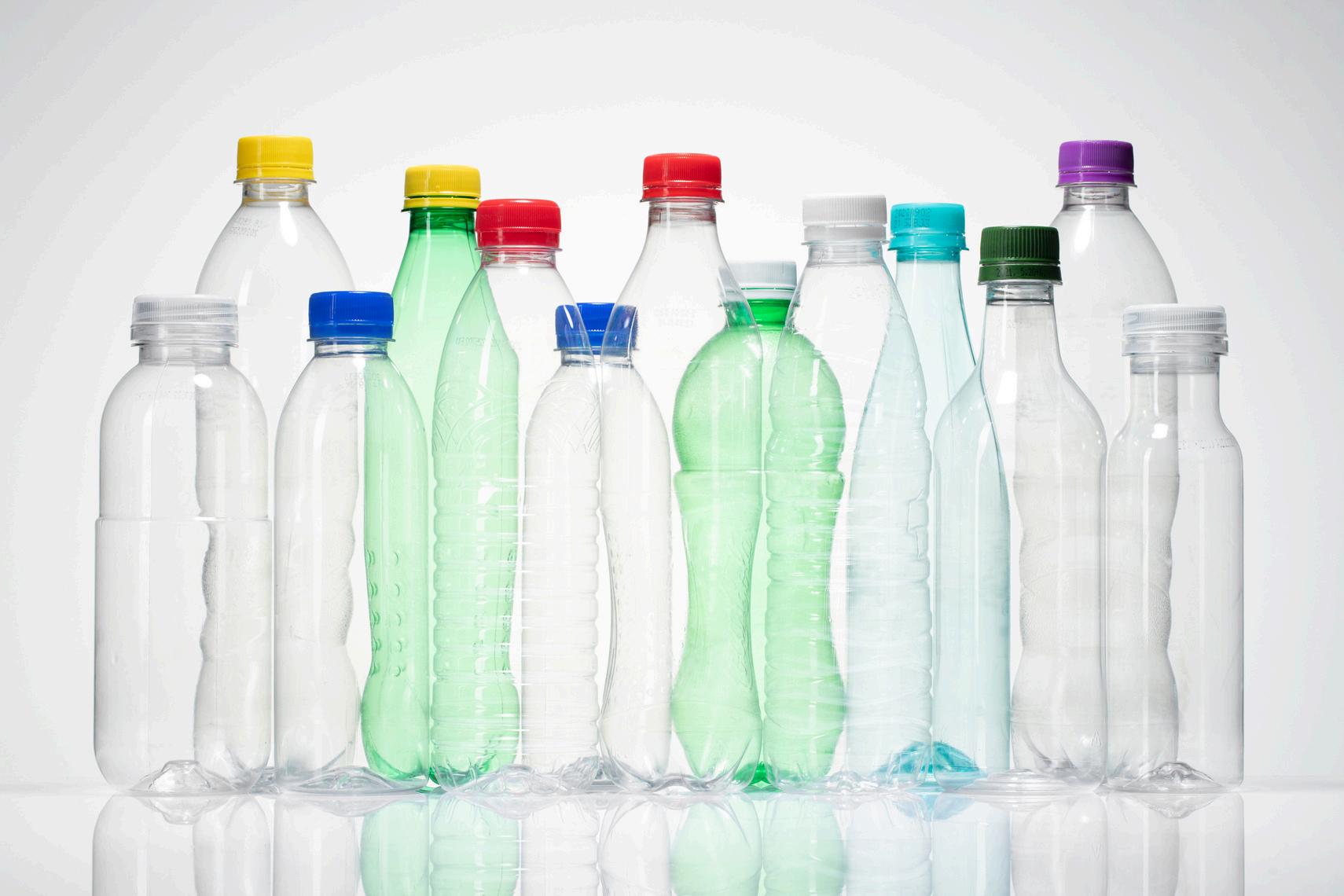
Sustainability is now the baseline Brands are lightweightingPET aluminiumandglass adoptingmonomaterial designs and using clearer “real reduction” claims to meet retailer and consumer scrutiny Refill and concentrate formats are also gaining ground in workplace and travel settings where they cut packaging waste without compromising convenience
Retailers want packs that work harder on shelf. Benefit-led front-of-pack labelling now outperforms ingredient-led messaging helping shoppers navigate at speed. Shelf-ready formats are becomingessentialtoreducelabour,whileQRcodes areshiftingfromnoveltytoarouteintotransparency aroundingredients,sustainabilityandprovenance.
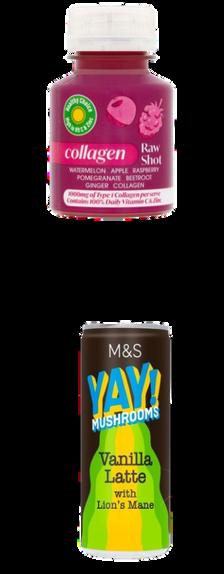
Formatinnovationisacceleratingtoo.Stickpacks, sachets and concentrates offer portability, value andalowerpackagingfootprint Shotformatsare expanding rapidly as consumers look for compact, high-impact functional doses making stability, dose accuracy and premium cues increasinglyimportantin60–100mlbottles
vedesign Producer reshape cost and te onto o report atedfees
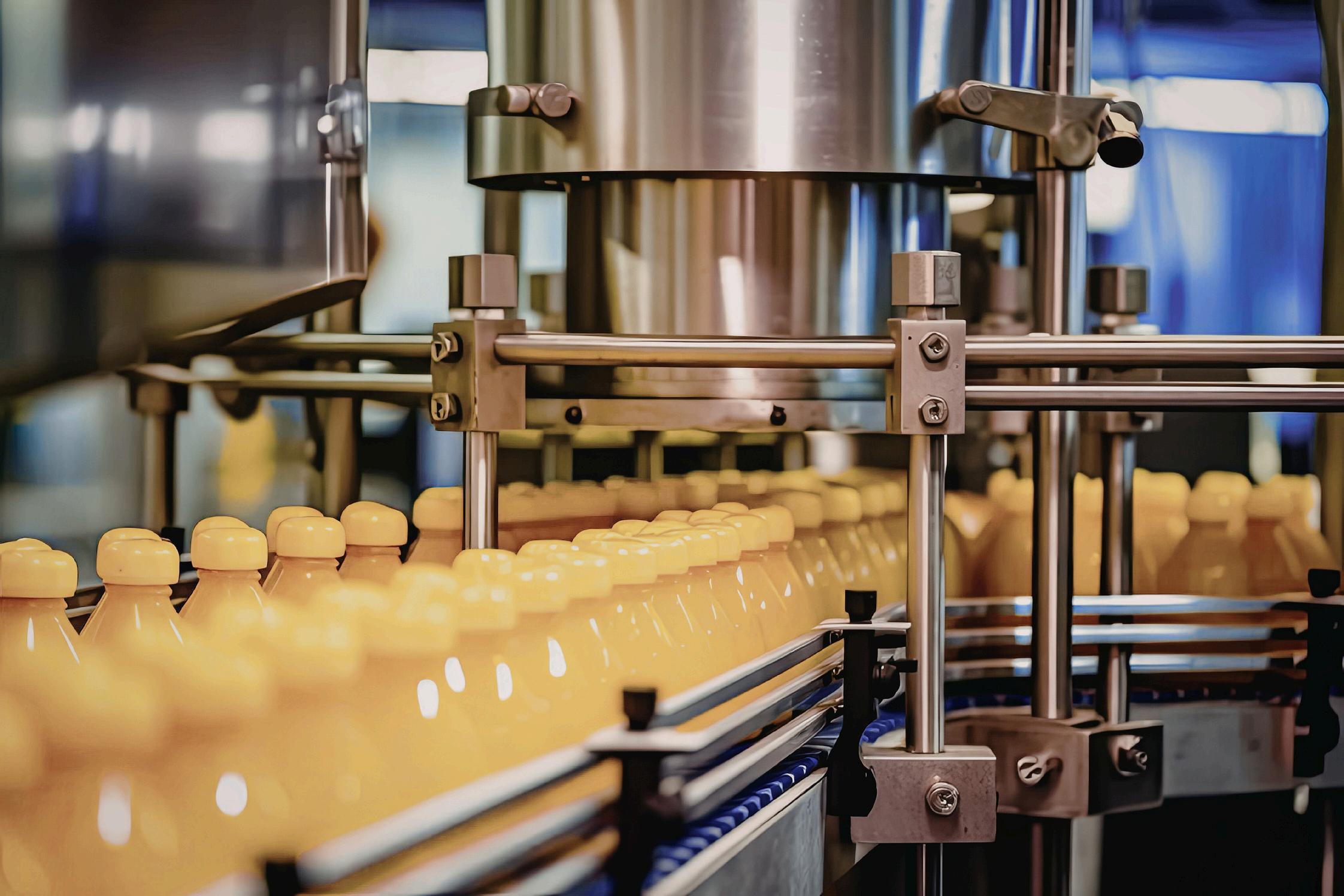
r of fee directly g from a ic lever formats, design to mpetitive
In2026,packagingisn’tafinishingtouch— it’sastrategicdifferentiator,helping brandsmeetsustainabilitygoals,deliver experienceandstandoutinan increasinglycrowdedcategory.
Premiumisewithsubtleflavour Develop lightly flavoured ranges that deliver refreshmentwithoutsugarorsweeteners tapping into “clean hydration” expectations
Use water as a functional platform. Extend into gut health minerals/electrolytes, calm or focus throughgentlefunctionalcuesthatdont compromisetaste
Createmultipack-firstformats Prioritise take-home SKUs with high repeat potential and clear hydration missions (workday,gym commute)
Elevate water beyond “default.” Offer premium flavoured still and sparkling waters as trade-up options across cafés, QSRandleisurevenues
Introduce fermented or functional waters selectively. Water-kefir and botanical blends can differentiate menus, especially in workplaces, cafés andwellness-ledsettings
Replace sugary soft drinks in kids’ or familymeals.
Lightly flavoured waters offer a healthier, parent-approved alternative that still feelslikeatreat
Flavoured water is accelerating as consumers look for hydration that feels cleaner lighter and more interesting than plain water without tipping intosoft-drinkterritory
Brands like San Pellegrino Essenza are leading the charge with subtle profiles such as Dark Morello Cherry or Pomegranate flavours that deliver refreshment without relying on sugar or sweeteners. This aligns with growing demand for minimally processed, low-intervention drinks thatstillofferasensorylift.
At the same time, take-home multipacks of bottled water are booming, as shoppers seek convenient, safe, consistent hydration for home, work and on-the-go missions The category is no longerjustaboutstillvssparkling it’sbecoming a platform for light flavour, wellness cues and permissibleupgrades.
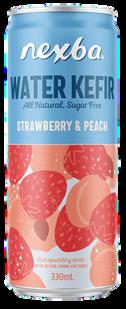
Even kefir waters and water-kefir hybrids are movingintothemainstream offeringafunctional step-up from plain water without the intensity of kombucha
What’s notable is how early retailers are now leaning into the format:
Sainsbury’s has already launched its own kefir water, signalling confidence in the category well before it reaches full maturity. This reflects a broader shift, with retailers increasingly backing emerging health formats earlier to help shape demand rather than simply respond to it
Consumers, meanwhile, are trading strategically cutting back on some everyday purchases while choosing small “better for me ” enhancements in hydration. Brands like Fix8 are responding with water kefir options that deliver gut-friendly benefits in a milder, more accessible taste profile.
ForRetailers:
Movebeyond“stillvssparkling”.Group products by how consumers use them
Everyday Hydration, Lightly Flavoured Electrolytes & Active, Gut-Friendly Hydration Thisreflectshowshoppersare actuallychoosing
Grow the multipack opportunity. With take-home hydration rising, give flavoured waters stronger presence in value aisles and front-of-store promotions Highlight low/no sugar and natural positioning for families and lunchboxshoppers
Trial emerging water formats. Allocate discovery space for water-kefirs botanical waters and naturally flavoured rangestotestconsumerappetite
Strengthen fermentation expertise
Water-kefir and mild fermented beverages offer growth opportunities for brandsseekingfunctionalupgrades
Offer scalable multipack solutions. Lightweight bottles efficient filling lines and high-volume formats will win briefs asmultipackgrowthaccelerates Support clean-label innovation. Provide guidance on natural flavour systems, botanicals and non-sweetening enhancers

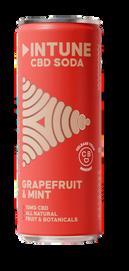
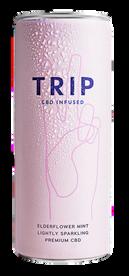
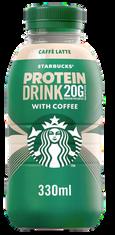
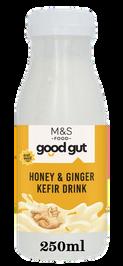
However, blending trends isn’t as simple as putting claims together they need to complement each other and avoid confusing consumers
Predictingwhichcombinationswillresonate is not always straightforward, making consumer research essential. Understanding whatcurrentandpotentialbuyersareseeking helps identify the right overlaps and market gapstotarget
Lead with one clear hero benefit. Trend blends must resolve to a single easily understood consumer outcome (energy, satiety,calm indulgence),withsecondary benefits reinforcing not confusing the message.
Test resonance before scaling. Not all trend combinations convert to repeat purchase;early-stageconsumerresearch is critical to identify which overlaps feel intuitiveandcredible. Avoid trend soup. Stacking only works if the proposition is still simple to understandinthreesecondsatfixture
Partnership mindset. Collaborations with cafés mindfulness apps, fitness brands and dessert brands can lend instant credibilitytostackedconcepts
Use trend blends to premiumise the fixture. Products combining functional and experiential cues justify higher price points and trade shoppers up from plain hydration
Support discovery through secondary siting.Mealdeals coffeeadjacenciesand functional bays help shoppers navigate increasinglycomplexpropositions
Curate, don’t overcrowd. Too many similar “stacked” products create noise retailers that edit well will see stronger conversion
Use functional drinks as menu architecture. Trend-blended drinks can anchor new menu sections such as Energy & Focus Recovery & Refuel, or Calm & Wind-Down helping operators modernise menuswithoutexpandingcomplexity
Trade consumers up, not across. Blended propositions justify a premium over standard soft drinks or coffee by offering both experience and benefit driving incrementalspendratherthansubstitution Support portion-controlled experimentation. Shots, small RTDs and made-to-order formats allow consumers to trial complex blends with lower commitment,improvingconversion
Develop multi-trend formulation expertise. Blended propositions place higherdemandsonstability tastemasking, texture and shelf life particularly where protein,fibreandliveculturesintersect
Position as a strategic partner, not just capacity. The ability to advise on which trends can realistically coexist becomes a competitiveadvantage
Offer white-label platforms. Create base formulations (eg relaxation seltzer gut health shot, high-protein iced coffee) that canbecustomisedformultipleclients
For brands, getting logistics right is a critical driver of profitability and performance
Food and drink supply chains are typically high-volume, time-sensitive and costsensitive, meaning a significant proportion of value is tied up in storage, handling anddistribution.
With many products moving across long distances from European production sites to UK and export markets inefficiencies are quickly amplified. In this context, strong control over logistics, warehousing and distribution is not just an operational requirement, but a strategic advantage that directly impacts cost, availability and brandreputation.
Willmotts operates at the frontline of UK FMCG supply chains, managing bonded, BRCGS-accredited and food-grade logistics for brands supplying retail, foodservice and export markets This includes drinks logistics alongside broader food and FMCG supplychains,wherecompliance,traceabilityandproductintegrityarecritical
“Whatwe’reseeingfrombrandsisamove towardgreatercontrolandconfidenceintheir supplychains.BRCGSandbondedstorageisn’t justaboutcompliance—it’saboutflexibility, visibilityandknowingexactlywhereyourstockis atanypointintime
Brandsthatinvestinrobust,well-managed logisticsarefarbetterplacedtoadaptas markets,regulationsandcustomerexpectations continuetochange Stockisproduct,andproductisbrand-howit’s storedandhandledmatters.”
DanGray ManagingDirector WillmottsTransport
At the same time, expectations around visibility and accountability have increased. Brands are placing greater importance on live operational updates, auditabilityandconfidencethatprocessesarenotonlydocumented,butactively managedandunderstood.
Inpractice,challengesrarelycomefromunrealisticexpectations,butfromgaps in communication and planning. Where processes, constraints and lead times are clearly understood, supply chains tend to operate more effectively — tance of early forecasting, collaborative planning and tionships.
-ServeandCostTakeOut(CTO)initiativeshavebecomea hansimplyreducingheadlinetransportcosts,brandsare at overall supply chain efficiency — including storage, tockmanagement—todrivelong-termvalue.
inefficiencies across supply chains become more visible. re placing greater emphasis on operational resilience, controlacrosswarehousinganddistribution.

FromTransactionalLogisticsto Partnership
What has declined is the appetite for short-term fragmentedlogisticsarrangements Fewerbrands are willing to manage multiple providers with unclearownershipwhenissuesarise
Instead there is growing preference for trusted partners who can manage complexity end-toend, take responsibility when plans change, and maintain consistent standards across transport warehousingandbondedoperations
Looking ahead strong logistics providers will increasingly be defined by partnership rather than service provision alone What separates leading operators is a deep understanding of their customers’ businesses, operating models and growth ambitions and the ability to build resilientsupplychainsaroundthem
For food and drink brands, this also means prioritising accurate forecasting across production, stockholding and distribution Balancing raw materials packaging finished goods and minimum order quantities is becoming an increasingly important governance challenge.
Attempting to split freight across multiple providers to achieve marginal cost savings may appear attractive in the short term, but often increases complexity, reduces visibility and creates greater operational risk over time. Stable integrated partnerships typically deliver stronger long-term value through consistency accountabilityandoperationalcontrol.
From Willmotts’ perspective, resilient supply chains are built on three foundations: operational discipline, complianceandstrongpartnerships.
This includes significant capability across food-grade warehousing organic-certified storage, BRCGSaccredited operations and bonded logistics for dutymanaged goods supported by systems operational expertiseandlong-termcustomerrelationships
Ultimately, the brands best-positioned for the next phase of growth will be those investing in supply chain models that are integrated, transparent and adaptable supported by logistics partners who understand both theoperationaldetailandthewidercommercialpicture
Forfoodanddrinkbrands,keepingpacenowmeans lookingbeyondheadlineratesandaskingmore fundamentalquestions:
Howrobustareprocessesinpractice?
Howquicklycanstockbereworked,redirectedor released?
Howvisibleandresponsiveistheoperationunder pressure?
Howwelldoesalogisticspartnerunderstandthe brandanditsroutestomarket?
Assupplychainsbecomemorecomplex logisticsis nolongerjustanoperationalfunction itplaysan increasinglyimportantroleinprotectingproduct quality,serviceandbrandreputation
Resilient,compliantandcommerciallyalignedsupply chainswillincreasinglydefinethestrongestbrands
ForBrands:
Treatlogisticsasastrategicasset.Movebeyondtransactionalfreightbuyingand buildlong-termpartnershipsthatsupportgrowth agilityandriskmanagement.
Plan earlier, forecast better. Invest in integrated forecasting across production, stockholding and distribution to reduce peak-period pressure and avoid costly firefighting.
Design supply chains for flexibility. Build in options for reworking, redirecting and releasingstockasroutestomarketevolve.
Balance cost and resilience. Avoid short-term savings that increase complexity; prioritisestability,visibilityandlong-termmarginprotection.
Prioritisesupplychainresilience.Favoursuppliersandpartnerswithprovenbonded compliantandresponsivelogisticscapabilities
Reward reliability, not just price. Consistent availability and execution are increasinglycriticaltoshoppertrustandcategoryperformance
Collaborate on forecasting. Share demand signals earlier to reduce seasonal bottlenecksandavailabilityrisks
Protect shelf productivity. Strong logistics underpin faster replenishment fewer outagesandmoreconfidentrangingdecisions
ForFoodservice:
Build supply chains around occasions. Ensure logistics partners can support menu changes seasonaldemandandrapidrangeevolution
Reduceoperationalrisk.Prioritise partners who offer visibility contingency planning andrapidissueresolution.
Enablefasterinnovation.Flexible warehousing and distribution support limited-time offers,trialsandmenurotation.
Safeguard brand experience. Reliable supply protects service standards customer satisfactionandrepeatspend.
Integrate logistics into customer propositions. Position bonded warehousing duty managementanddistributionaspartofyourvalueoffer notadd-ons
Supportcustomeragility.Enablefasterproductreallocation,delayeddutypayments andflexiblereleaseschedulestoimproveclients’cashflowandresponsiveness
Invest in compliance and transparency. Robust audit trails, live tracking and governancesystemsarenowhygienefactors
Strengthenpartnershipcredentials.Becomeatrustedoperationalpartner notjusta productionprovider.
opportunities...wehelpyou capturethem.

Turningcomplexityinto commercialadvantage As thedrinksmarketaccelerates successin2026andbeyond willcomefromfocusedbets, nottrendchasing.HRAGlobal helpsbrandschoosewisely andscalewithconfidence:
NPDscreeningandconceptvalidation
Contractmanufacturerandpartnermatching
Licensing,M&Aandgrowthstrategysupport
Consumerresearch&ongoinglistening
Out-of-homeinsightandmissionmapping
Tastetestingandsensoryvalidation
Categorystrategyandrangeoptimisation
FRESH-Weworkdifferently
DrinksBrands
Turntrendsintogrowth.
Weidentifywhichflavours,formatsandclaimswill scale,notjustspike helpingbrandsprioritiseNPD, sharpenrangesandmovefasterwithconfidence.
AUTHENTIC-Wetellyouhowitis
Manufacturers&ContractManufacturers
CURIOUS-Wefindsolutions
De-riskinvestment.Unlockasset-ledgrowth. Wealigncapability,capacityandinnovation pipelinestorealmarketdemand—supporting smarterbriefs,co-development,whitelabel, licensingandM&Adecisions.
TRUSTED-Wealwaysdeliver
Retailers
Curatewithconfidence.Convert,don’tclutter. Wedesignbenefit-ledrangesandshopper-first fixturesthathelpretailersdecidewhattoback,what totrialandwhattodelist keepingshelves productiveandrelevant.
Foodservice
Deepexpertiseacrosscategories geographies,andformats from dairy and plant-based to produceandwidergrocery
Matchdrinkstomoments.Driveincrementalspend. Wehelpoperatorswinbyoccasion shaping menus,formatsandpricingaroundrealmissions likeenergy,focus,recovery,hydrationandtreat momentsacrossvenues.
Comprehensivesupplychain knowledge builtonhandsonexperiencewithproducers manufacturers retailers andinvestors, offeringaful 360°perspective