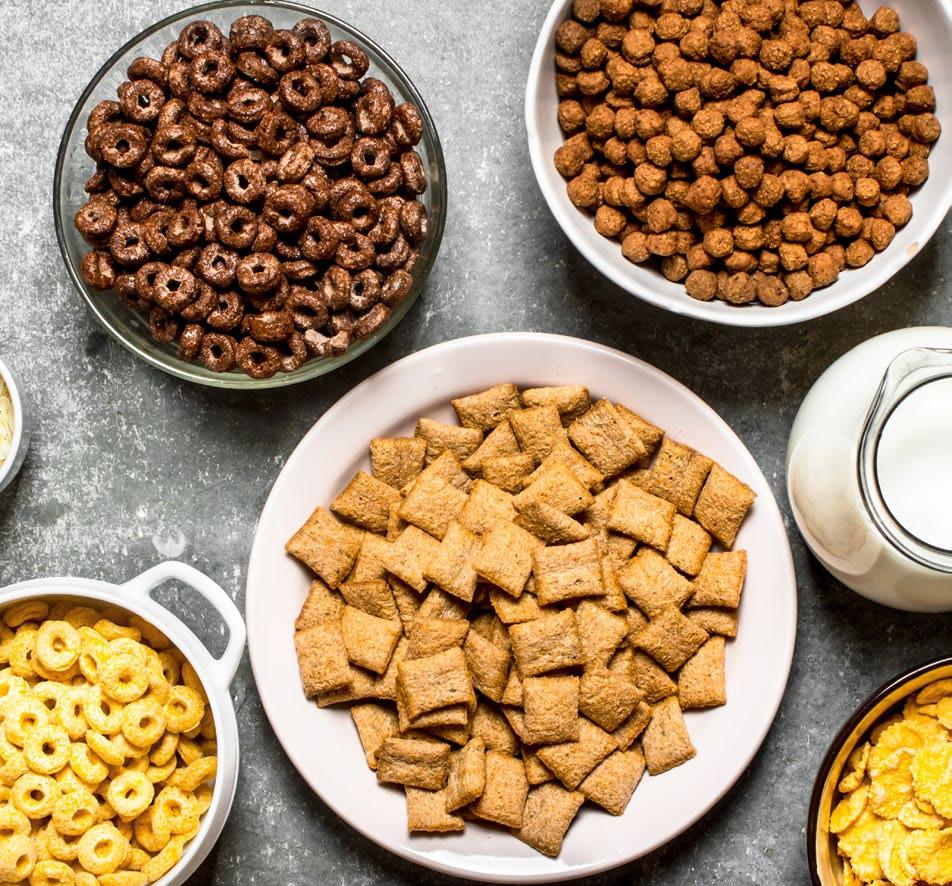
For much of modern nutrition history, fibre has cycled in and out of the spotlight. In the 1980s and 1990s, high‑bran breakfast cereals and “high fibre” labels became shorthand for healthy eating, putting roughage on the front of pack for the first time in a big way.
Today we are seeing a second coming of fibre, but with a far broader brief: from simple digestive regularity to gut health, immunity and even mood – and, increasingly, as a way to “fibre‑max” smaller, more purposeful eating occasions in an era of weight‑loss drugs and snackification. Nutritionally, fibre refers to carbohydrate components of plant foods that resist digestion in the small intestine and reach the colon, where many are fermented by the gut microbiota.
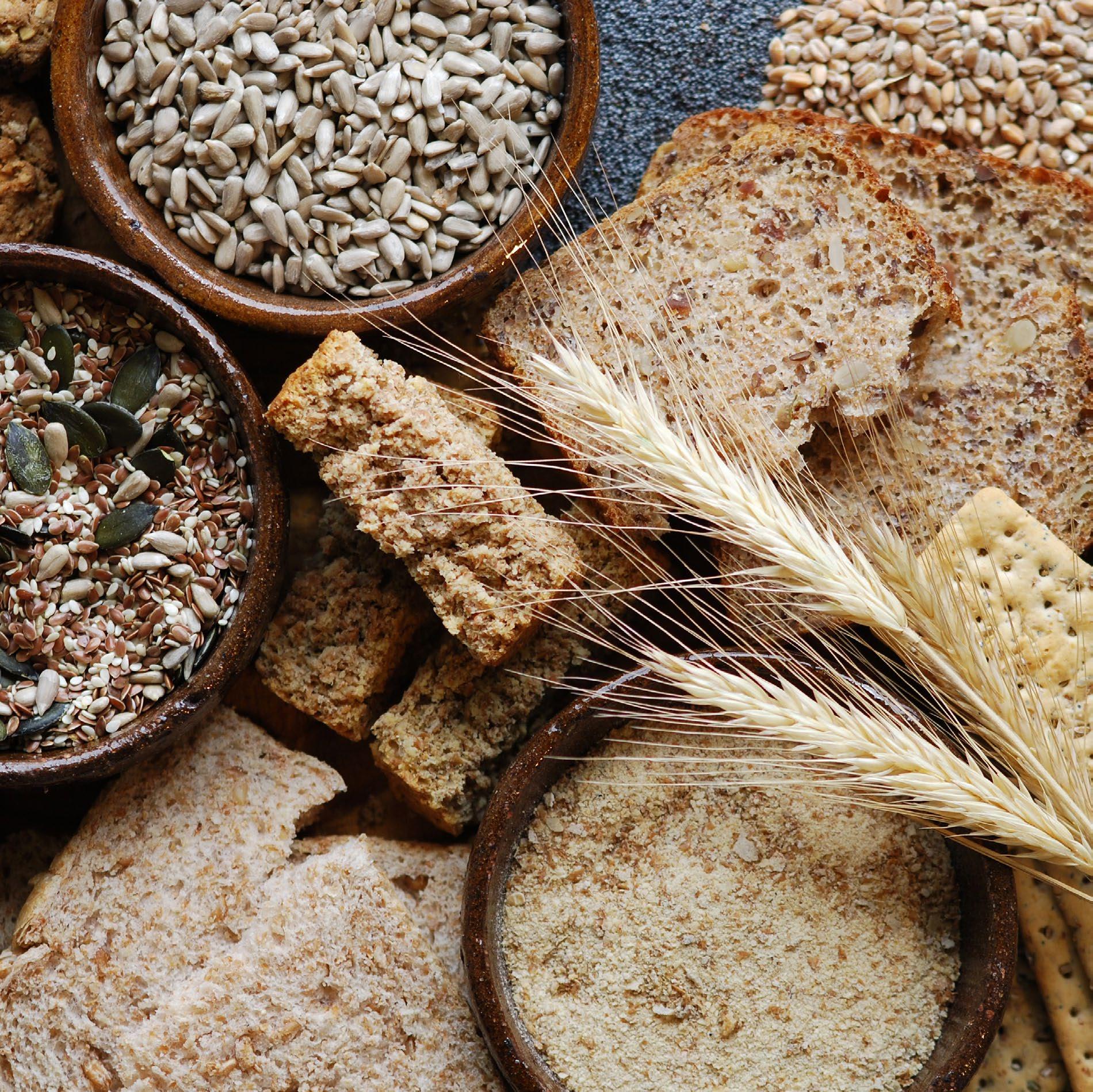
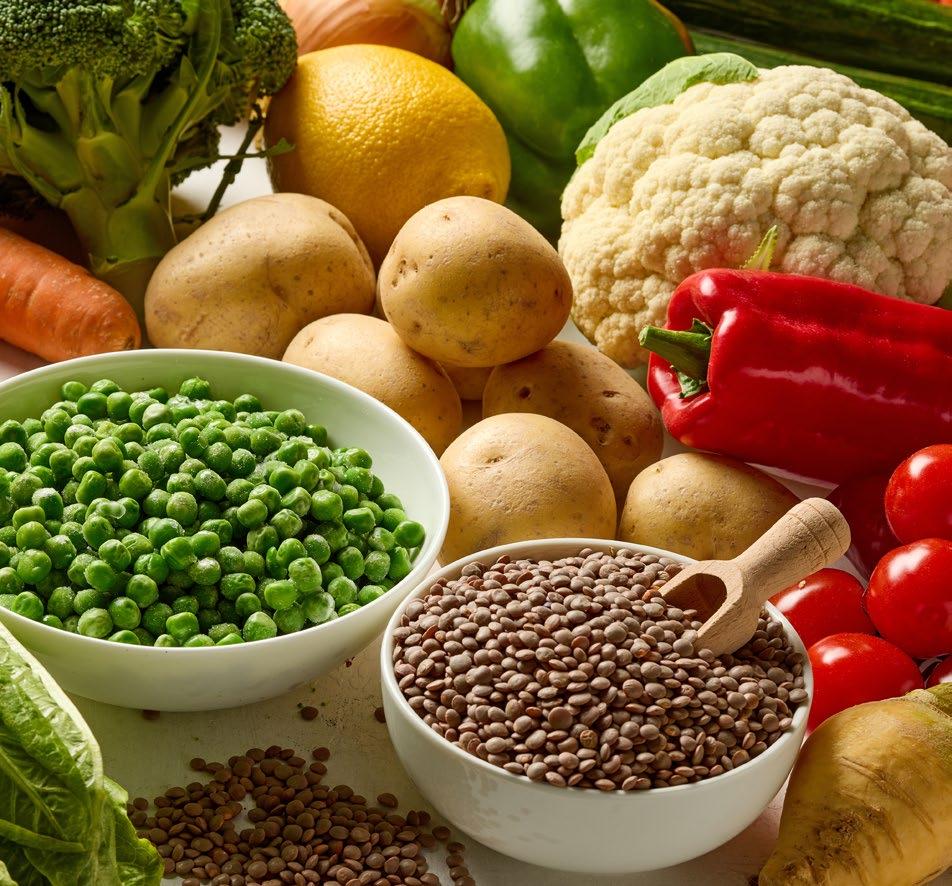
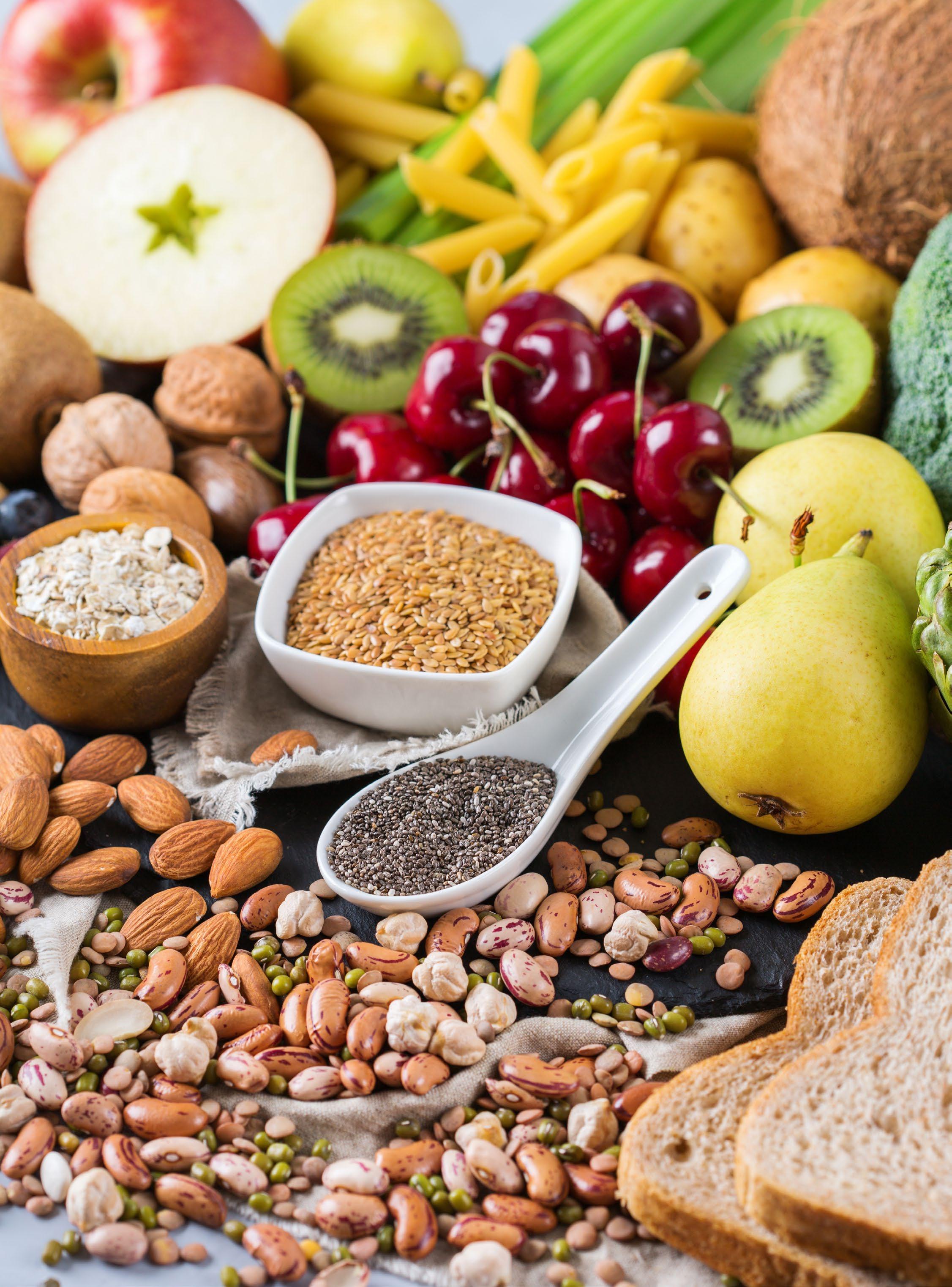
Broadly, this includes soluble fibres (such as pectins, beta‑glucans and some gums), insoluble fibres (such as cellulose and wheat bran) and prebiotic fibres, including inulin, galacto‑oligosaccharides and resistant starch. In Western diets, most fibre still comes from cereal grains and potatoes, with fruit, vegetables, pulses, nuts and seeds under‑represented relative to guidelines.
What differentiates this resurgence is fibre’s role in the “gut–brain” axis. Fermentable, prebiotic fibres feed beneficial gut bacteria – the probiotics – and in doing so drive the production of postbiotic compounds such as short‑chain fatty acids that help regulate inflammation, support the gut barrier and modulate signalling along the microbiota–gut–brain axis.
A growing evidence base links higher intakes of these prebiotic fibres with improved emotional processing, reduced anxiety‑ and depression‑like symptoms and better overall mental well‑being1 In other words, fibre as pre‑, pro‑ and postbiotic “fuel” is now a credible long‑term health territory with considerable headroom.
Yet fibre still behaves very differently to protein in culture. Humans are strongly primed to seek out protein, and the fitness and weight‑management worlds have built clear rituals, symbols and communities around “getting enough protein”. Fibre, by contrast, has few vocal loyalists: there is no obvious “fibre tribe”, and front‑of‑pack claims often feel worthy rather than exciting. This sets up a structural opportunity. If brands can translate fibre’s multi‑system benefits into simple, repeatable reasons to choose – beyond bowel health alone – fibre is well placed to be a “winning” trend over the next decade: versatile, science‑backed and relevant to both physical and mental health.
At a headline level, fibre has clearly landed as a health cue. More than 75% of consumers say fibre is either very or somewhat important when choosing food and drink, and when placed alongside other common health claims, fibre sits comfortably near the top, second only to protein in perceived importance2
However, importance does not always translate into prioritisation. At the point of choice, fibre often loses out to more tangible or better understood cues such as protein content, sugar reduction or calories, meaning it is respected but seldom the deciding factor. This is at odds with the evidence: moving intake towards roughly 25–30 g of fibre per day is associated with substantially lower all‑cause and cardiovascular mortality, with each gram increase below about 26 g/day linked to around 3% lower cardiovascular mortality risk , reinforcing fibre as a foundation of long‑term health rather than a secondary ‘nice to have’.
This disconnect suggests fibre is not lacking relevance – it is lacking clear, motivating reasons to be prioritised.
“fibre is not lacking relevance – it is lacking clear, motivating reasons to be prioritised.”

Most consumers believe they understand fibre reasonably well: around 60% describe themselves as “somewhat knowledgeable”, and a further 20% say they are very knowledgeable2 Yet when asked more specifically, confidence begins to unravel.
A quarter of consumers are unsure how much fibre adults should eat each day, and only around 20% correctly identify intake levels of 30g as the target2. UK dietary research mirrors this, whereby only around 4% of UK adults achieve the 30 g/day fibre recommendation, with average intakes close to 16 g/day3 – confirming that only a small minority reach the target while most fall well short.
Consumers overwhelmingly associate fibre with digestion and gut health, over 90% do so, but awareness drops sharply when it comes to wider benefits such as heart health, blood sugar control or weight management2 In practice, fibre contributes to lowering total and LDL cholesterol, improving glycaemic control, increasing satiety and supporting a diverse gut microbiome, making it relevant well beyond “regularity”4. For brands, the opportunity lies in reframing fibre from a single‑benefit “gut” nutrient to a quietly powerful all‑round health driver.
Behaviourally, fibre is still seen as a morning occasion. Around 50% of consumers say they eat most of their fibre at breakfast, with lunch and dinner trailing behind and snacking barely registering at all2
This pattern is reinforced by food associations. Fruit, vegetables, porridge and wholegrains dominate perceptions of fibre rich foods, while more indulgent or convenience led formats struggle to earn the same association, despite the potential for pulses, nuts, seeds and
higher‑fibre carbohydrates to contribute across meals. As a result, even consumers who believe their intake is “about right” are often relying on a single meal to carry most of the load, while around 30% openly acknowledge falling short of recommendations2
There is clear headroom to build fibre into more eating moments. If fibre is to become genuinely habitual, it needs to be present in lunch, dinner and snacks as naturally as it is at breakfast.
2


When consumers explain why they struggle to eat enough fibre, lack of interest rarely features. Over 30% say they are unsure which foods to choose, while a similar proportion cite convenience as a challenge, and others highlight taste, texture and cost barriers2. Only a small minority feel they simply don’t need more fibre.
Layered on top of this is a physiological hesitation: many consumers feel there is a fine line between ‘enough’ fibre and ‘too much’. Stories of suddenly adding bran or fibre powders and ending up bloated or uncomfortable create a sense that fibre needs to be handled carefully, so people tread cautiously rather than making bold changes.
Yet despite this dance around fibre, motivation signals, by contrast, are robust. Better digestion and gut health are the leading drivers, followed by general health and feeling fuller for longer – benefits supported by evidence showing that fibre improves bowel function, enhances satiety and can modestly reduce energy intake . Prebiotic fibres that feed beneficial gut bacteria are also increasingly associated with immune and mental well‑being, adding another layer of appeal.
The issue, then, is not demand. It is the friction involved in finding, choosing and enjoying higher‑fibre options consistently.
IT’S BUILT
Perhaps the clearest commercial signal is how consumers want to access fibre. The vast majority do not turn to supplements: nearly nine in ten say they do not regularly use fibre focused functional products. Instead, interest peaks around fibre enhanced versions of everyday foods — cereals, bakery items and snacks in particular — with strong interest also evident across ready meals and dairy or dairy alternatives2
This aligns with dietary guidance, which is based on fibre from foods rather than from isolated supplements.
Modelling suggests that modestly increasing fibre in commonly eaten products, combined with small shifts in choices, could meaningfully raise population intakes and reduce future risk of cardiovascular disease and type 2 diabetes4. Consumers want fibre delivered through food formats they already know and enjoy, where the added benefit feels intrinsic rather than bolted on.
Fibre performs best when it feels like a natural part of the product, not the sole reason for its existence.
Taken together, the opportunity around fibre is not about shouting louder, it is about making things easier. Brands that succeed will:
MAKE FIBRE AN NPD DEFAULT AND REFORMULATION TOOL: Build fibre into product briefs from the start and quietly raise fibre across existing hero lines so the everyday choice is naturally higher in fibre.
PAIR GUT‑HEALTH STORYTELLING WITH SIMPLE, OUTCOME‑LED LANGUAGE: Connect fibre to “feeding good gut bacteria” and gut–brain health, but keep claims clear and benefit‑driven (e.g. “supports gut health”, “helps you feel fuller for longer”).
KEEP SOLUTIONS IN THE FOOD AISLE, NOT JUST IN SUPPLEMENTS: Ensure products clearly signal their fibre credentials so motivated consumers don’t feel forced into powders, pills and shots to close the gap.
MAKE HIGH‑FIBRE CHOICES
TASTY, FAMILIAR AND EASY: Put fibre into formats people already love (toast, wraps, cereals, beans, snacks), protect taste and texture, and focus communication on small, achievable daily swaps.
In practice, the biggest gains are likely to come from quiet reformulation and thoughtful renovation across portfolios, rather than headline‑grabbing “fibre hero” launches. Industry initiatives such as Action on Fibre already point towards this incremental, system‑wide approach; the brands that lean into it early will be best placed to capture fibre’s second coming on the front of pack. 2
Several challenger and established brands are already treating fibre as a central value driver rather than a back‑label afterthought.
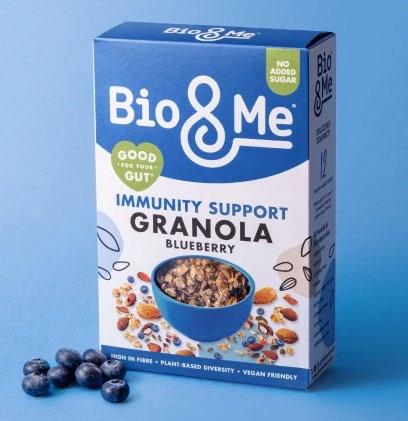

BIO&ME: “GUT‑LOVING” PREBIOTIC GRANOLA
Created by gut health specialist Dr Megan Rossi, Bio&Me leads with an unapologetically gut‑first proposition, using front‑of‑pack language like “gut‑loving” and “prebiotic” rather than generic “high fibre”. Their granolas combine 12–15 different plant‑based ingredients per pack and are positioned explicitly as food for the microbiome, with chicory inulin delivering a defined prebiotic dose per serving. This frames fibre not just as a nutrient box‑tick, but as a way to “feed your good bacteria”, translating complex science into an everyday breakfast ritual.
MAKING FIBRE‑RICH BEANS CULTURALLY EXCITING
Bold Bean Co has transformed ambient pulses from a back‑of‑cupboard commodity into a foodie, premium staple, tapping into the shift towards plants, fibre and gut health without ever feeling “worthy”. The brand’s glass jars, chef‑coded recipes and playful tone of voice (“LEGUMINATI”) reframe beans as something you are proud to put on the table, while quietly delivering substantial fibre and plant protein per serving. In doing so, they demonstrate how fibre can be embedded in indulgent, aspirational eating occasions rather than confined to diet products.
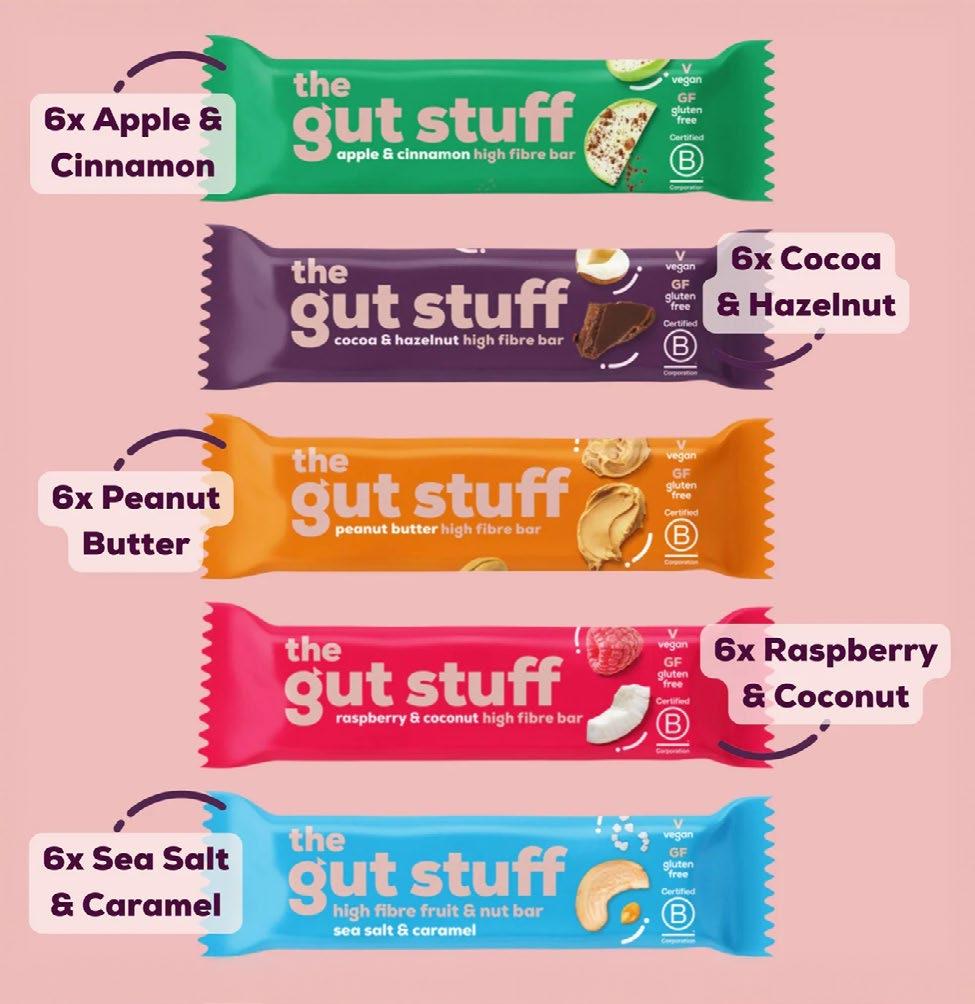
The Gut Stuff has built a high‑fibre snack bar range around how the majority of consumers fail to consume enough fibre, promising around 10 g fibre per 35 g bar – roughly one‑third of daily needs – in a portable, affordable format. Front‑of‑pack language (“food for your good gut bugs”, “high fibre”) and the use of chicory root fibre as a key ingredient position the bars squarely in the prebiotic, gut‑health space, but with accessible flavours like Peanut Butter, Cocoa & Hazelnut and Apple & Cinnamon that keep the offer firmly in everyday snacking rather than clinical nutrition. This shows how fibre‑forward messaging can work in impulse channels, translating the abstract fibre gap into a simple “one bar = one‑third of your daily fix” solution.
Collectively, these brands show that fibre can win commercially when it is: made visible on the front of pack, tied to gut/ mood benefits rather than just regularity, and integrated into formats that feel aspirational, foodie and convenient rather than punitive.
As fibre moves centre stage, several shifts will shape how the category evolves.
The rise of GLP‑1 medications is reshaping eating habits, with smaller portions, reduced appetite and slower gastric emptying raising the risk of constipation and nutrient shortfalls, so every bite has to work harder5 Clinical guidance now encourages users to build gradually towards 30 g of fibre a day with good hydration, as evidence from Kerry’s consumer research shows how ~70% say digestive support would influence whether they stay on the treatment, whereby digestive side‑effects are a key dropout risk and that targeted biotic support can markedly improve comfort and quality of life6 This opens the door for fibre‑maxed, gentle‑on‑the‑gut foods and biotics that slot into smaller, more deliberate meals and help keep people both nourished and on therapy.
Front‑of‑pack nutrition labelling is again under scrutiny as governments and NGOs look to refine schemes that currently focus on calories, fat, sugar and salt, while also rewarding ‘positive’ nutrients such as fibre. Recent work on Nutri‑Score revisions, for example, proposes updated fibre cut‑offs so the label better distinguishes wholegrain, high‑fibre products from more refined choices, while European discussions on a harmonised FOP scheme continue to weigh how best to incorporate nutrients to encourage, not just nutrients of concern7. As these systems evolve and

become clearer, attention is likely to shift not only to how much fibre a product contains but also to the quality and source of that fibre, helping consumers tell apart naturally high‑fibre wholefoods and products relying mainly on added or isolated fibres on the front of pack.
Yet behind the scenes, measurement remains a weak link. Fibre analysis is technically complex, particularly with novel ingredients and varying fermentability8 Without stronger standardisation, inconsistent claims and consumer confusion could undermine trust and create an uneven playing field.
As fibre’s profile rises, so too does the risk of it being “weaponised” — used to offset concerns about ultra processed formulations or to soften HFSS restrictions. The brands that will endure are those that position fibre within a broader quality story — minimally processed bases, balanced nutrition and transparent labelling — while regulators are likely to tighten guardrails to prevent misleading health halos around highly processed products.
Ultimately, fibre’s future will be defined not just by how much is added, but by how credibly, transparently and responsibly it is delivered.
Fibre does not have an awareness problem. It has an execution problem.
Consumers recognise its importance, respect its health credentials and increasingly understand its role beyond digestion – spanning heart health, blood sugar balance, satiety and even mood through the gut–brain axis. Yet intake remains stubbornly low because fibre is rarely prioritised at the point of choice, poorly understood in practical terms and too often confined to breakfast or niche “health” formats.
The opportunity is therefore structural, not superficial. Closing the fibre gap will not be achieved through louder claims or one off hero products, but through systemic change: embedding fibre into everyday foods, expanding its presence across more eating occasions, reducing friction around taste and tolerance, and communicating benefits in clear, outcome led language. At the same time, credibility will matter more than ever. As labelling evolves, GLP 1 medications reshape eating patterns and scrutiny of ultra processed foods intensifies, fibre must be delivered transparently and responsibly – built into genuinely nutritious products rather than used as a health halo.
If protein defined the past decade of functional food innovation, fibre has the potential to define the next. The brands that win will be those that make higher fibre the easy, default choice – quietly, consistently and at scale – turning good intentions into daily habit.
The