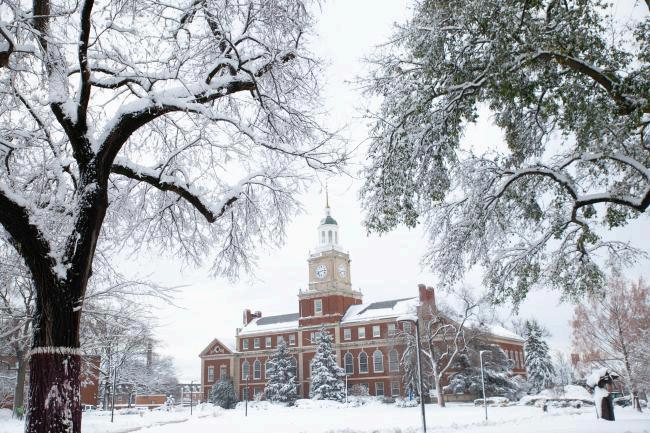
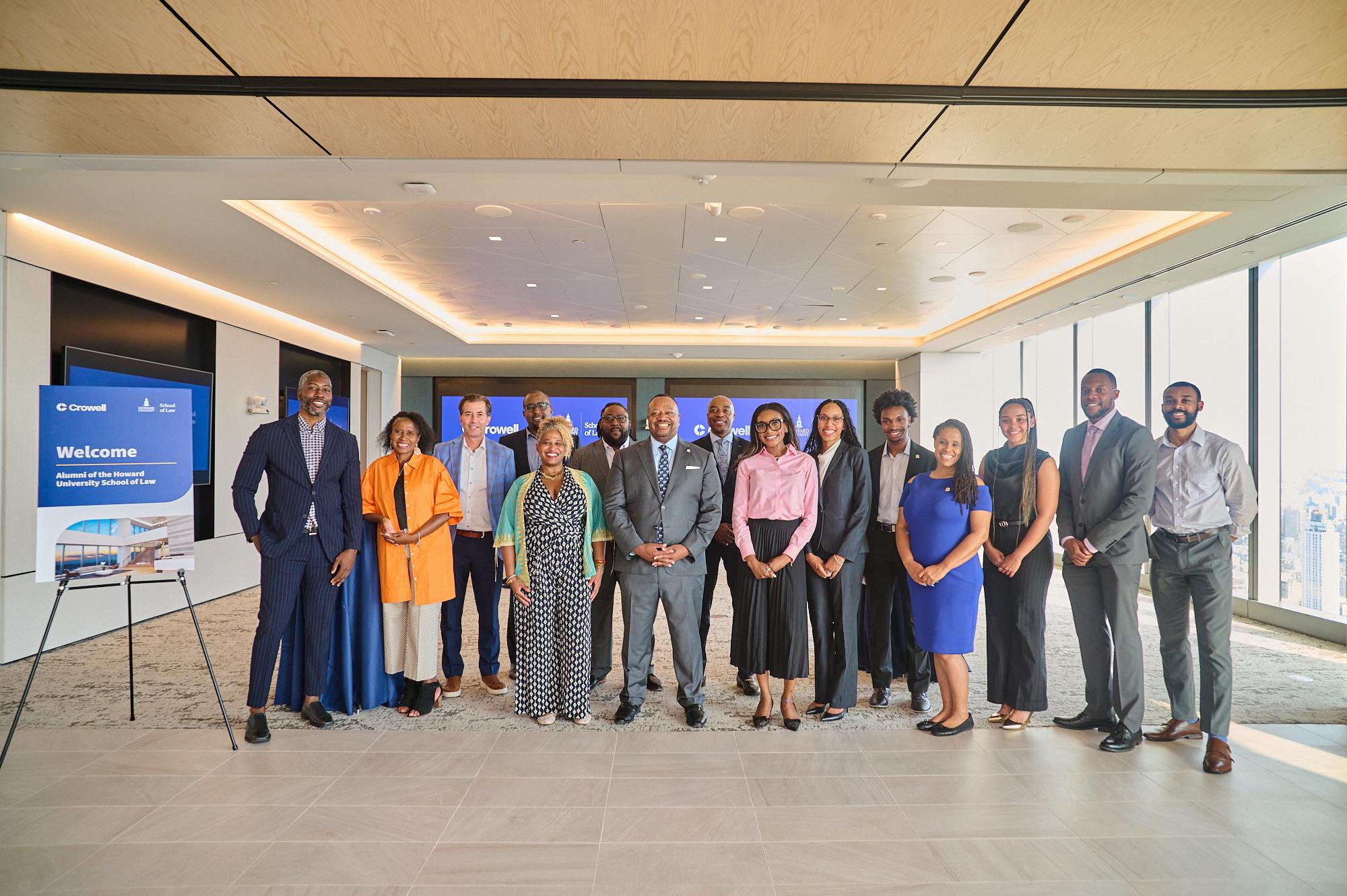
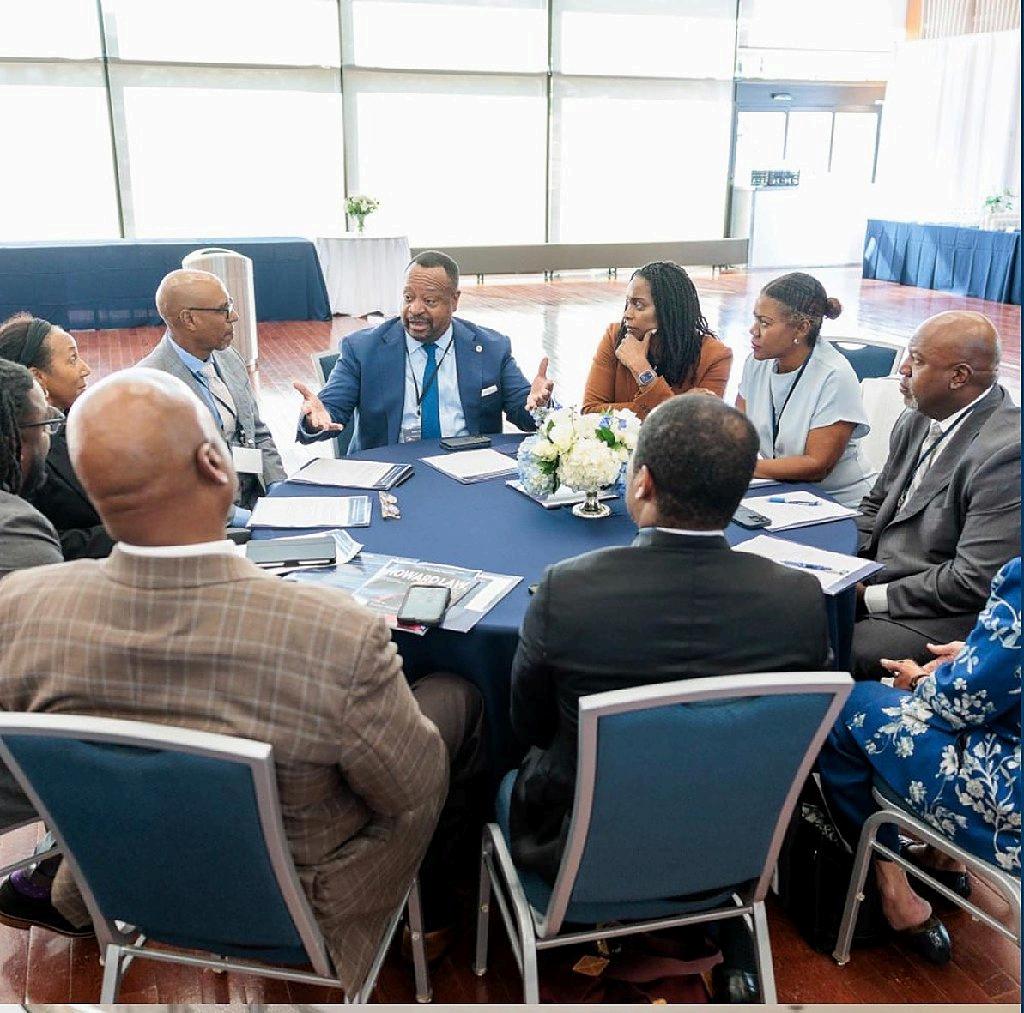
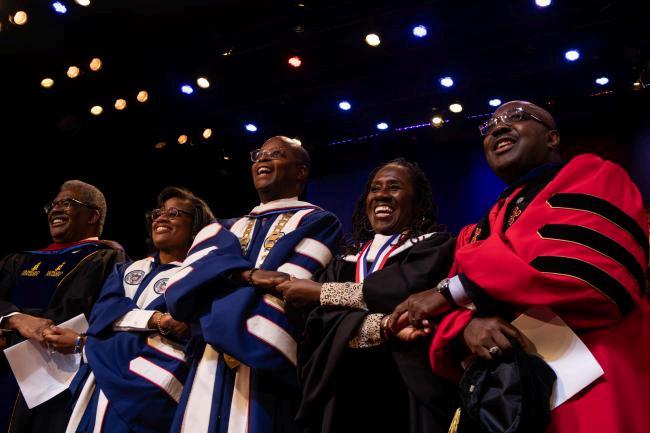
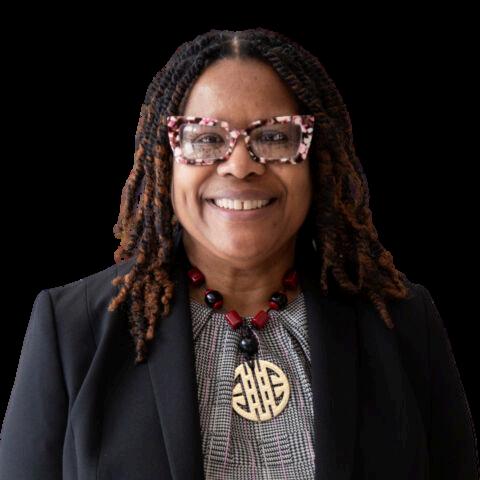
As I often say, as rich as HUSL’s legacy is, our best days are ahead of us. In this 157th year of Howard University School of Law, we are reminded that our tremendous legacy is not confined to the past It is alive and thriving It lives within our brilliant students, our world-class faculty and staff, and our extraordinary alumni who carry the torch and light the path for the next generation to follow
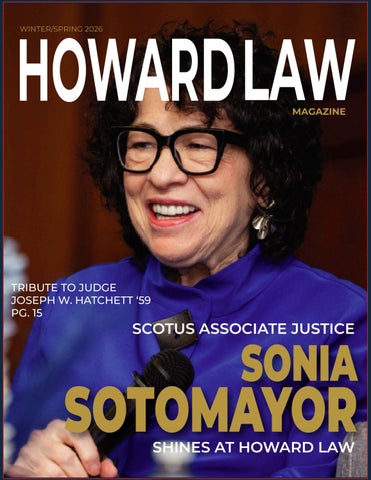
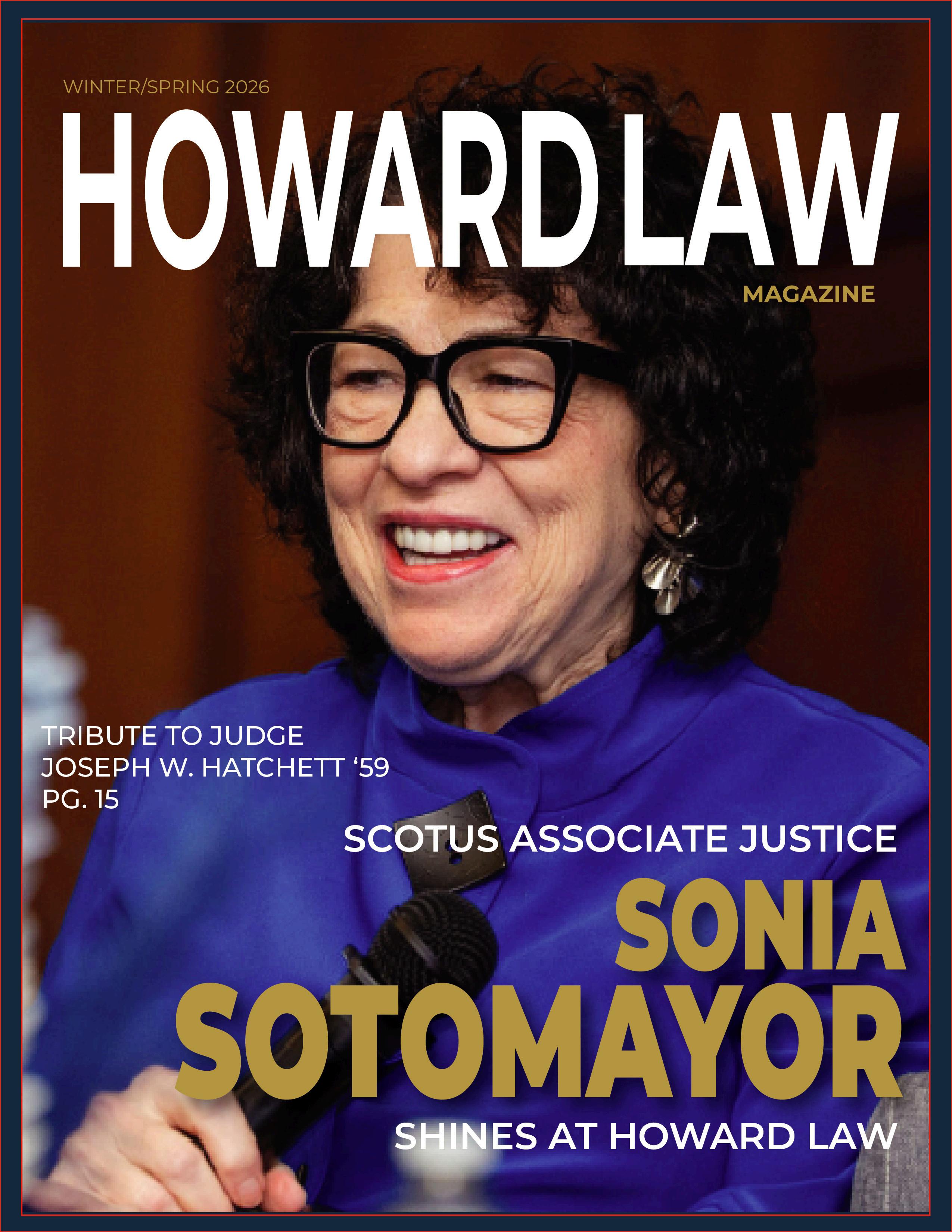
This issue of our new Howard Law magazine captures memorable moments in the life of HUSL since our inaugural Summer 2025 issue hit your mailboxes Among them is a remarkable visit to Howard Law by pathbreaking U S Supreme Court Associate Justice Sonia Sotomayor, the second Supreme Court justice to grace our campus in less than a year. The pages that follow also highlight student achievements, staff and faculty excellence, and alumni accomplishments
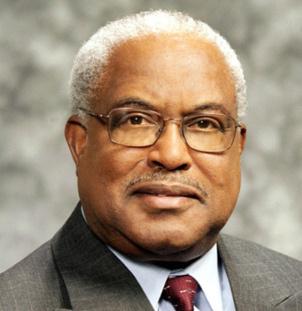
We also pause to honor the lives and legacies of members of our Howard Law family whose contributions helped shape the institution we celebrate today This issue pays tribute to the lives of Judge Joseph W. Hatchett '59, the towering jurist and public servant; the pioneering historian Judge Rohulamin Quander '69; and Professor Spencer Boyer, the longest-serving faculty member in the history of Howard University School of Law Their commitment to justice, scholarship, and service continues to guide our work and inspire our community
As you turn these pages, you will see the myriad ways Howard Law’s mission continues to take shape in classrooms, courtrooms, boardrooms, and communities across the nation and around the world The stories in this issue reflect not only where we have been, but where we are going May these pages inspire reflection on our shared history, pride in our present, and a renewed commitment to the work ahead
Excellence in Truth and Service,
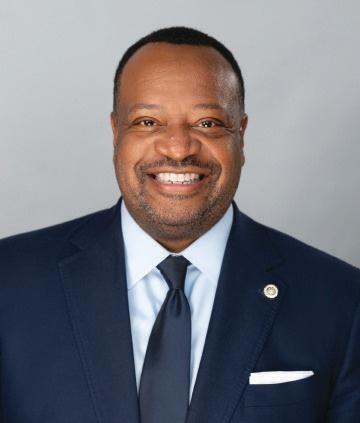
Roger A. Fairfax, Jr.
Dean, Howard University School of Law
Howard Law Magazine Winter 2026
Publisher
Howard University School of Law 2900 Van Ness Street NW Washington, D C 20008 www law howard edu
Dean Roger A. Fairfax, Jr.
Associate Dean of Strategic Initiatives and Innovation
Dr. Adeshola Akintobi
Sr. Director of Development and Alumni Relations
Valentino Bryant
Photography
Demiko Aiken, Adaija Darby
Design
Adaija Darby
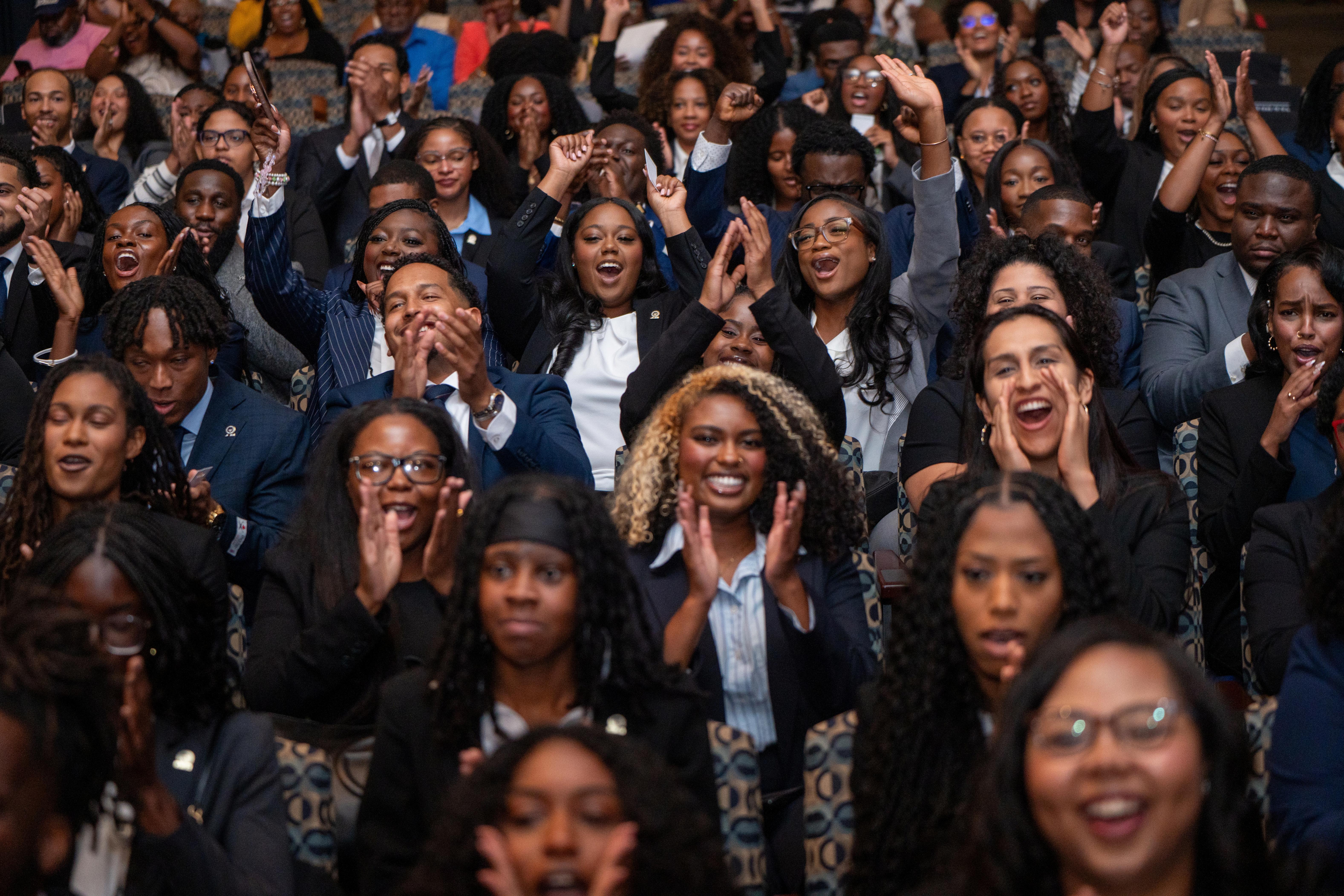
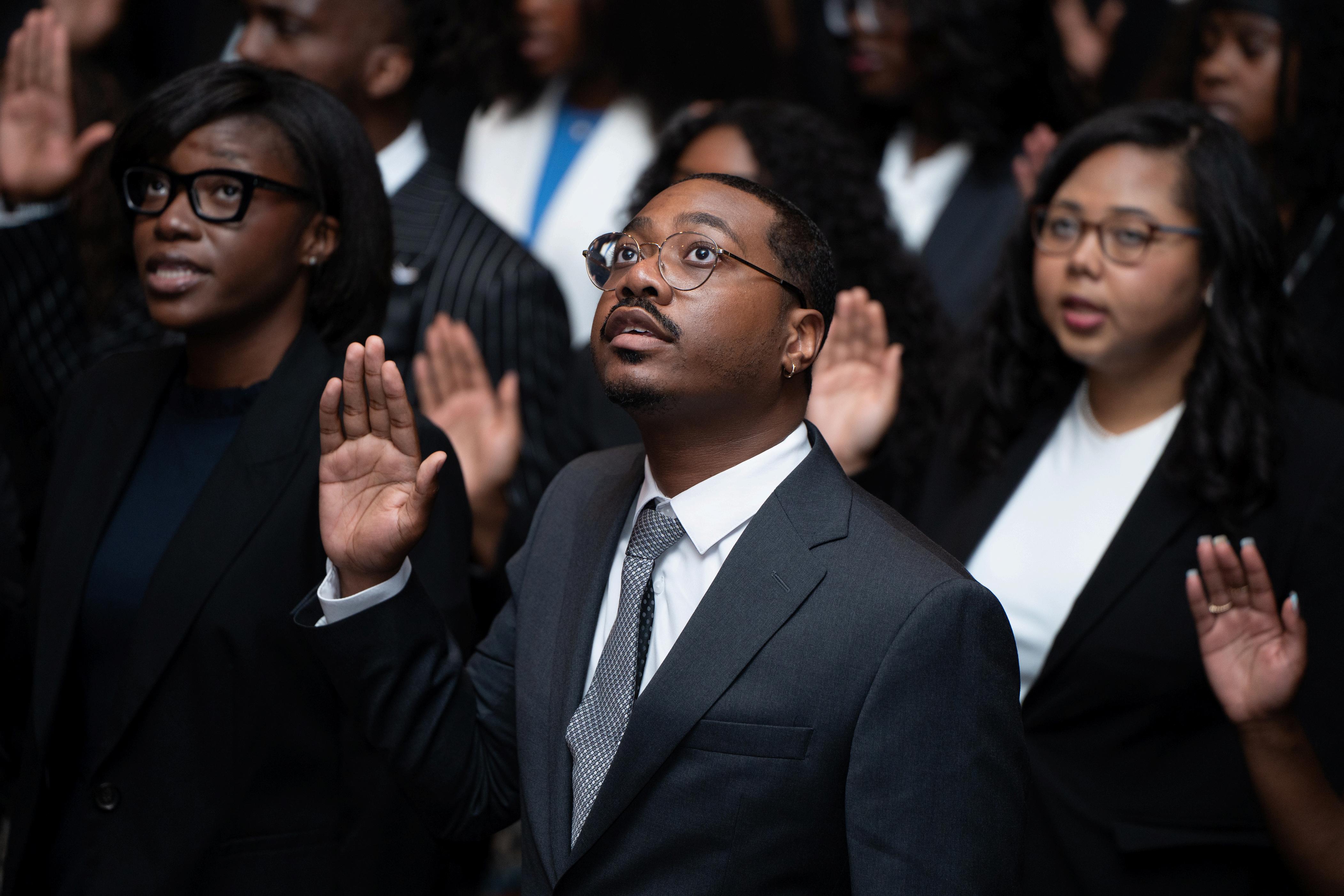
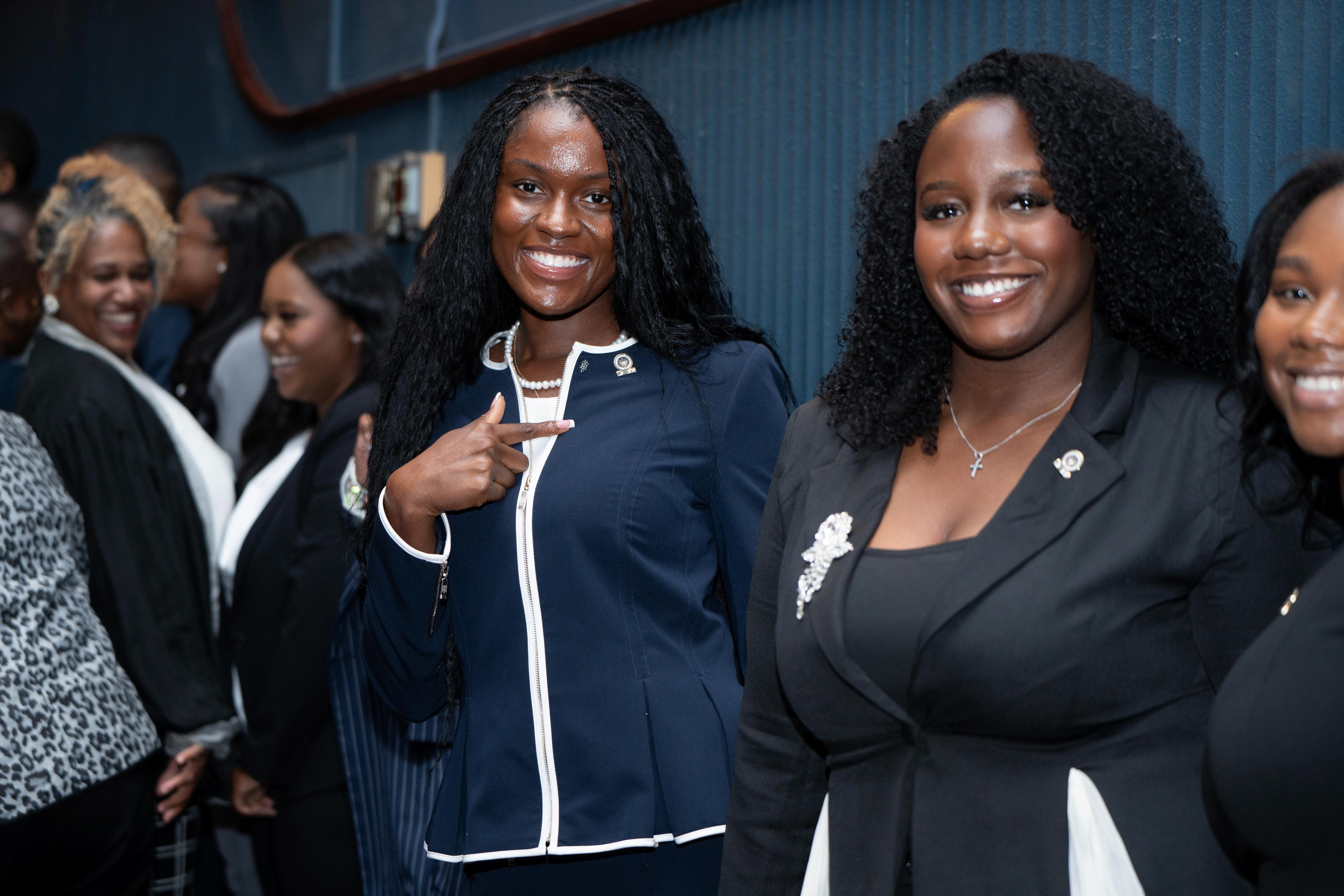
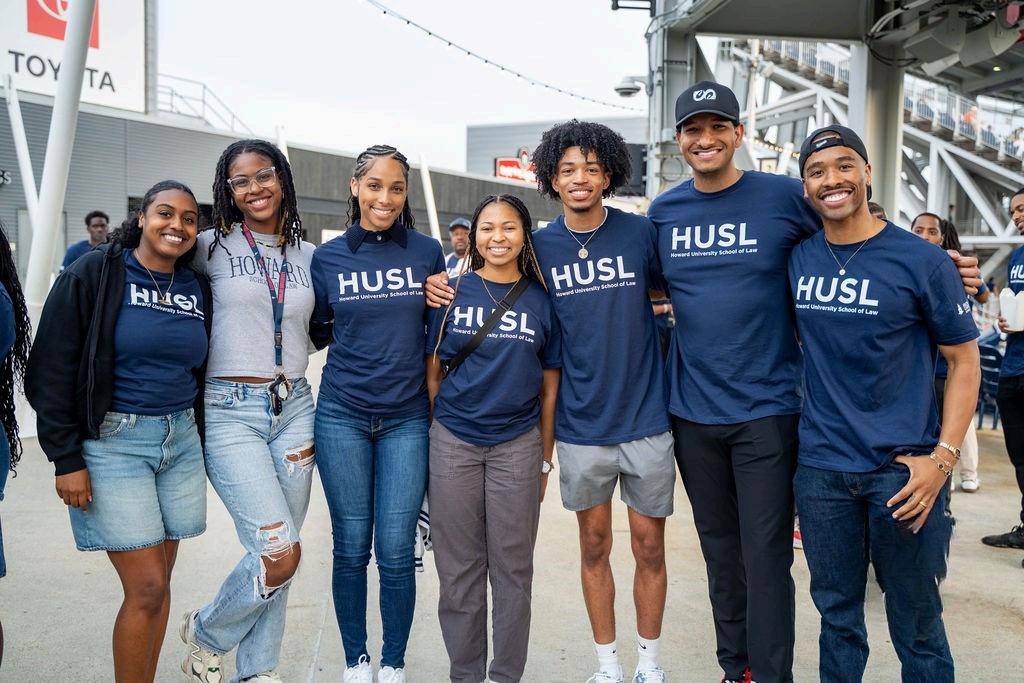
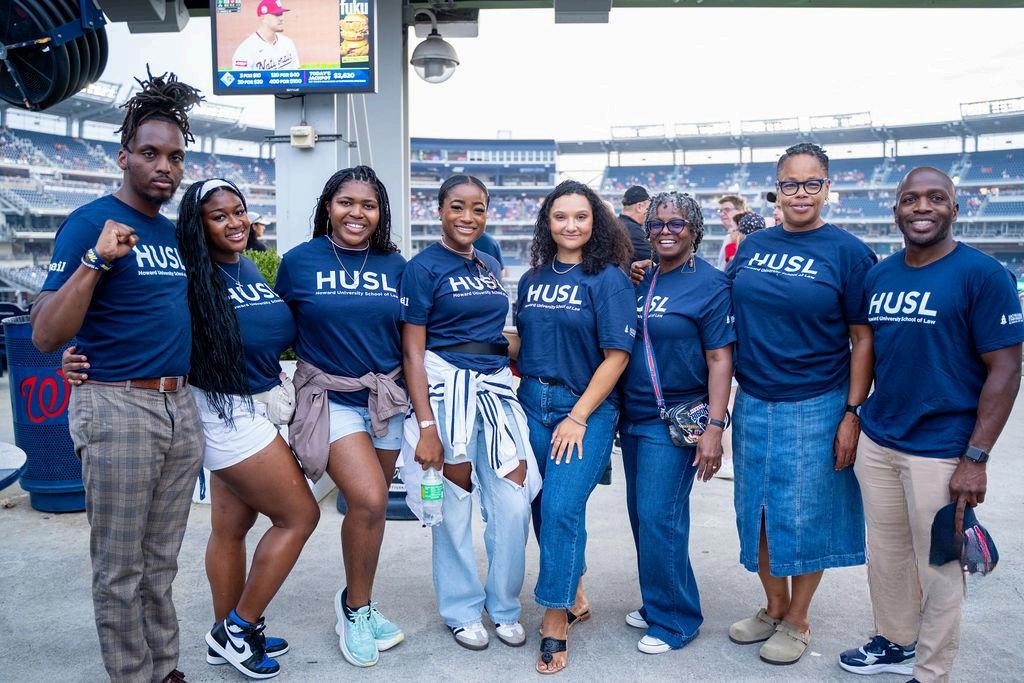
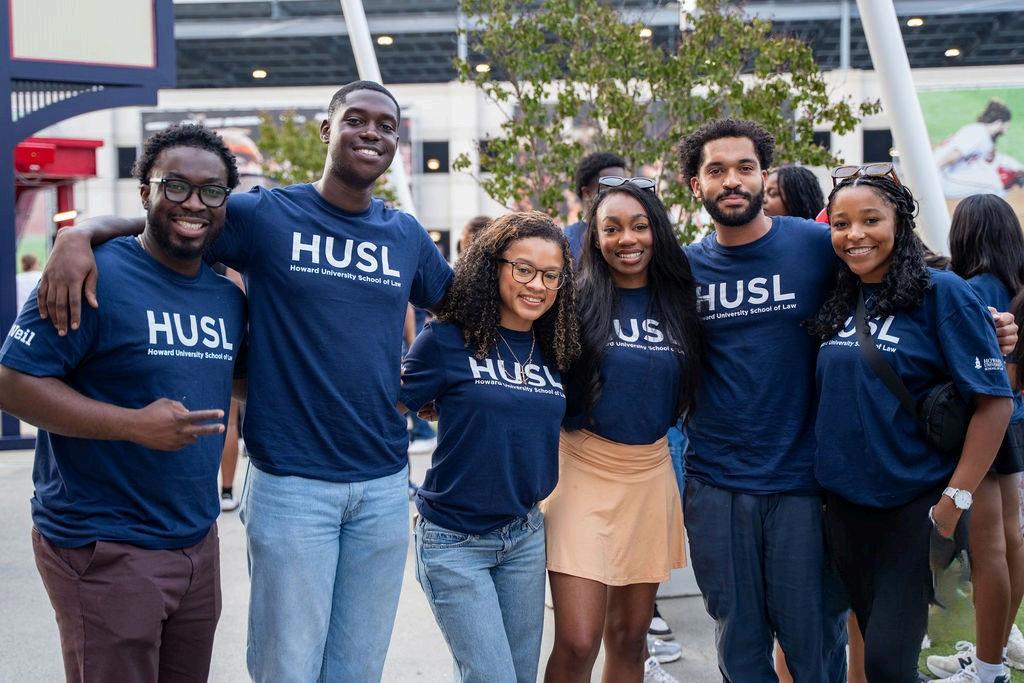
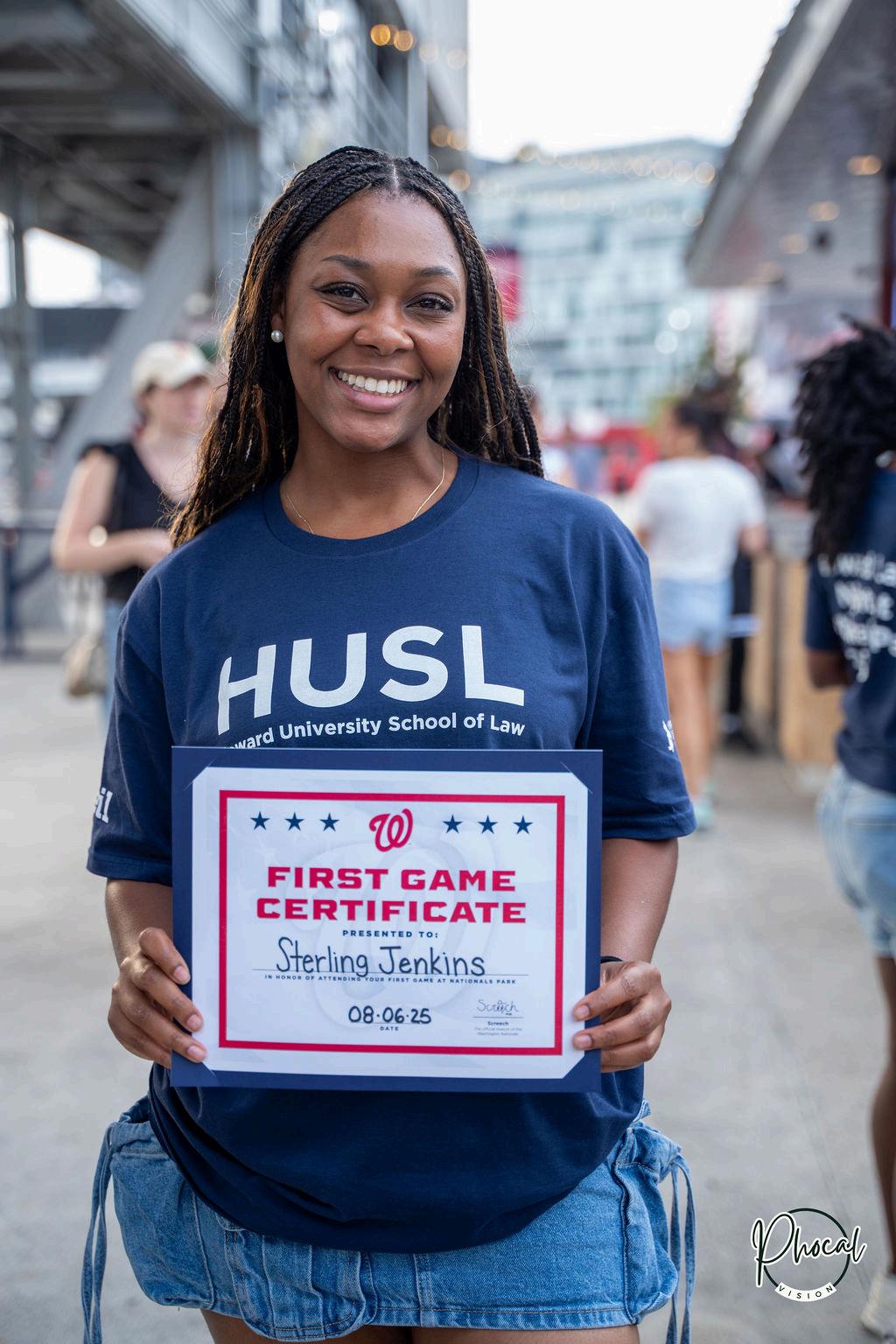
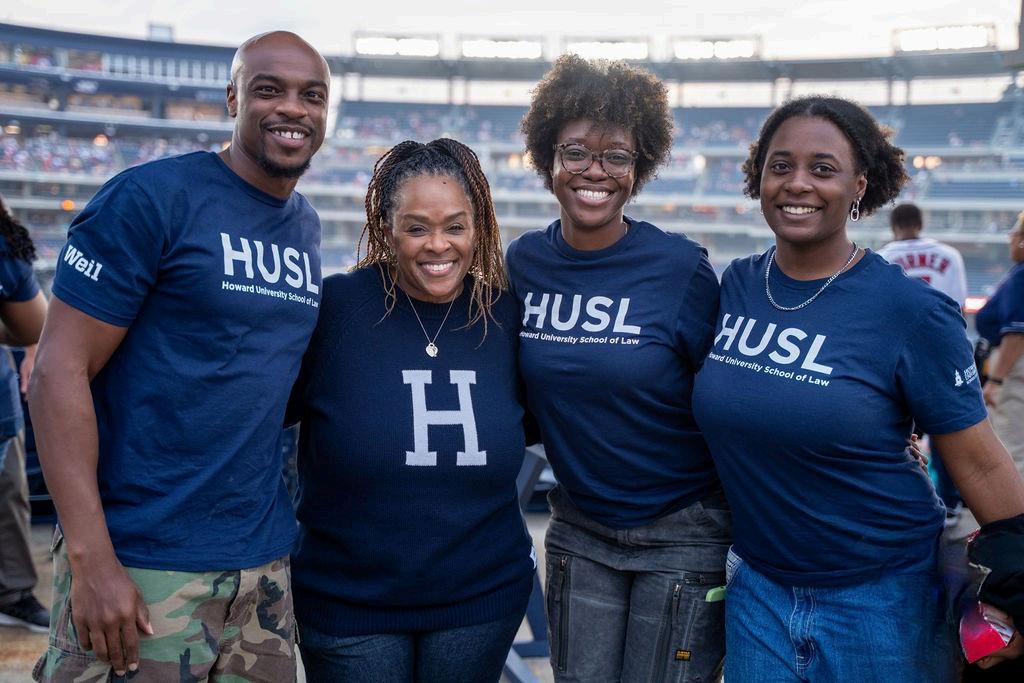
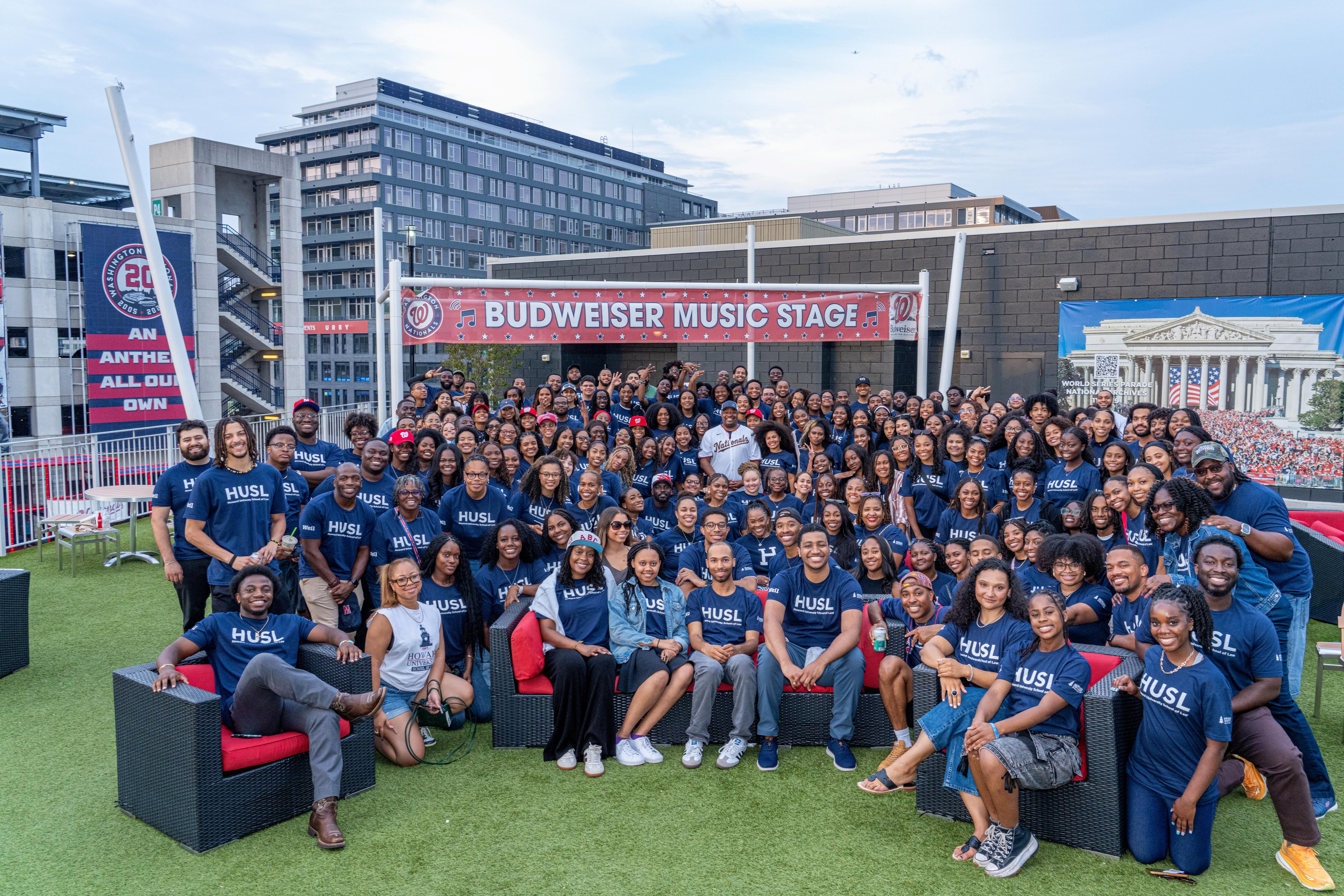
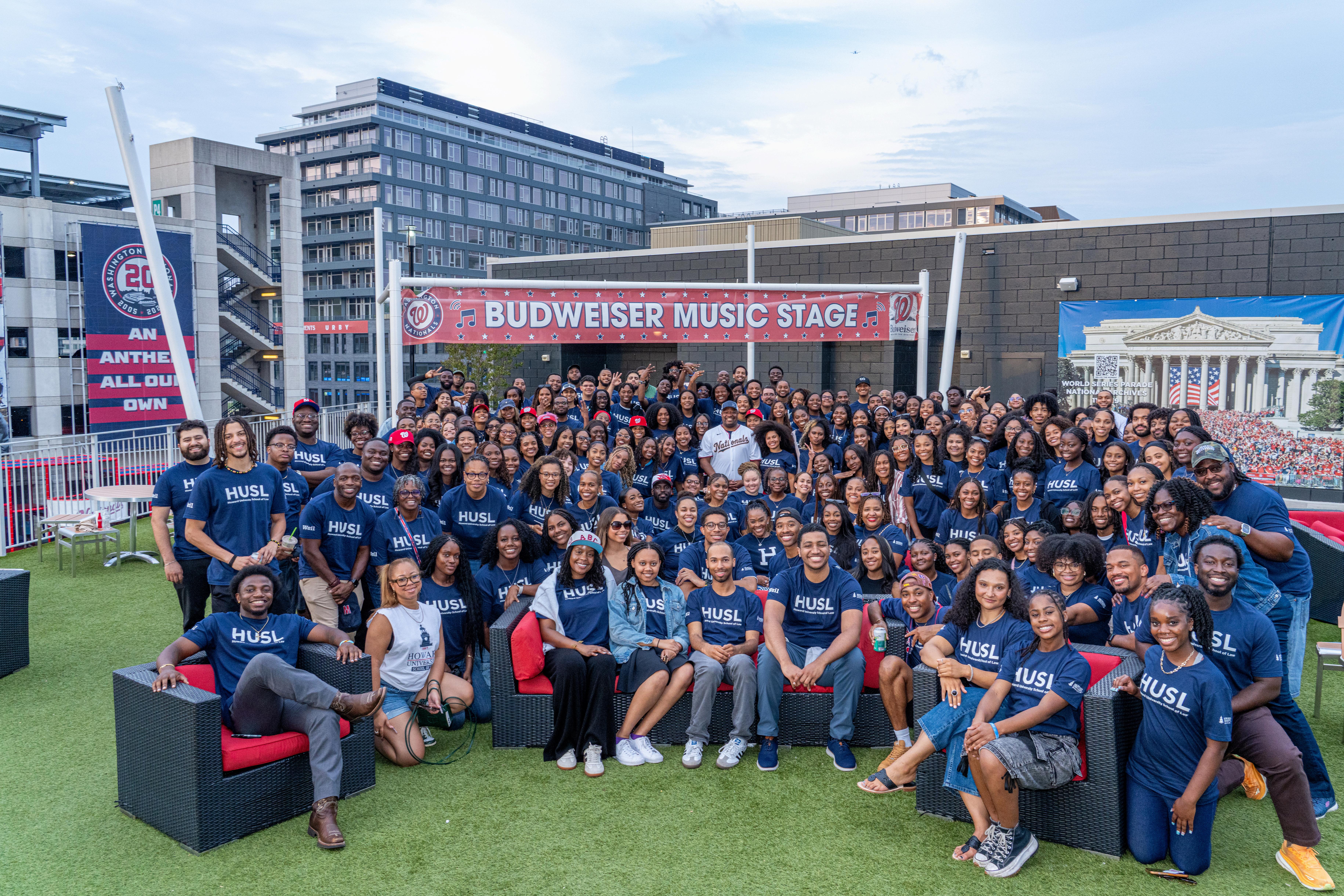
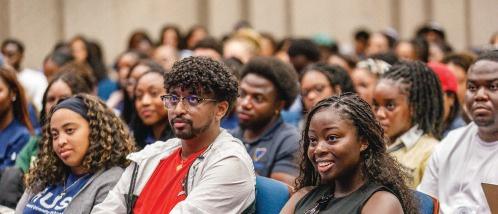
The first week of August 2025 marked the beginning of the law school journey for more than 170 newly admitted Howard University School of Law students as the Class of 2028 arrived on campus for orientation Led by the Office of Student Affairs and orientation leaders Jordan Bermudez and Jordan Braithwaite, the week introduced students to the academic and professional demands of legal education through a series of academic sessions, community-building events, and HUSL Night at Nationals Park which was sponsored by Weil, Gotshal & Manges, LLC.
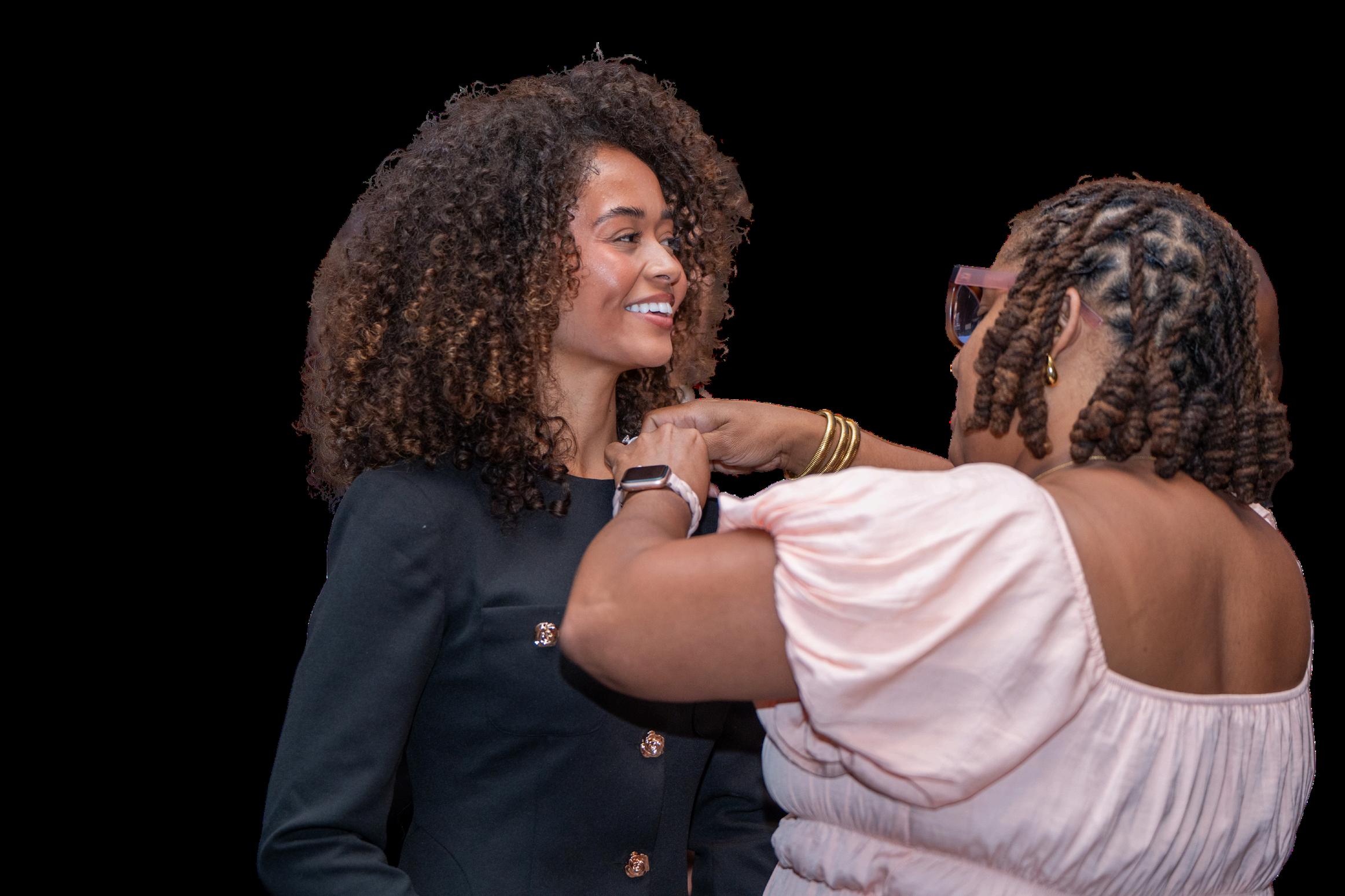
The week concluded with a pinning ceremony in Cramton Auditorium, where first-year students formally marked their transition into the Howard Law community alongside family, friends, faculty, and staff. Maryland State Public Defender, Natasha Dartigue ’95, delivered the keynote address, offering words of encouragement as students officially embarked on their own HUSL journey.
The Class of 2028 arrived with a diverse and accomplished profile, representing countries such as Trinidad and Tobago, Saint Lucia, the Netherlands, El Salvador, Nigeria, Jamaica, Ghana, and Canada. Collectively, the class brings 50 academic majors, ranging from accounting and art to computer science, drama and philosophy
Among the incoming students are 18 graduate degree holders and nine members of the armed services; approximately 30 percent of the class identifies as firstgeneration college students There are 106 undergraduate institutions represented, including Brown University, the University of California, Los Angeles, the University of Pennsylvania, Florida State University, Tulane University, and Emory University Ten historically Black colleges and universities are represented, including Spelman College, Morehouse College, Morgan State University, Hampton University, and 20 double Bison continuing their Howard legacy
The Class of 2028 reflects a strong blend of academic excellence and ambition, poised to make its mark at Howard Law.
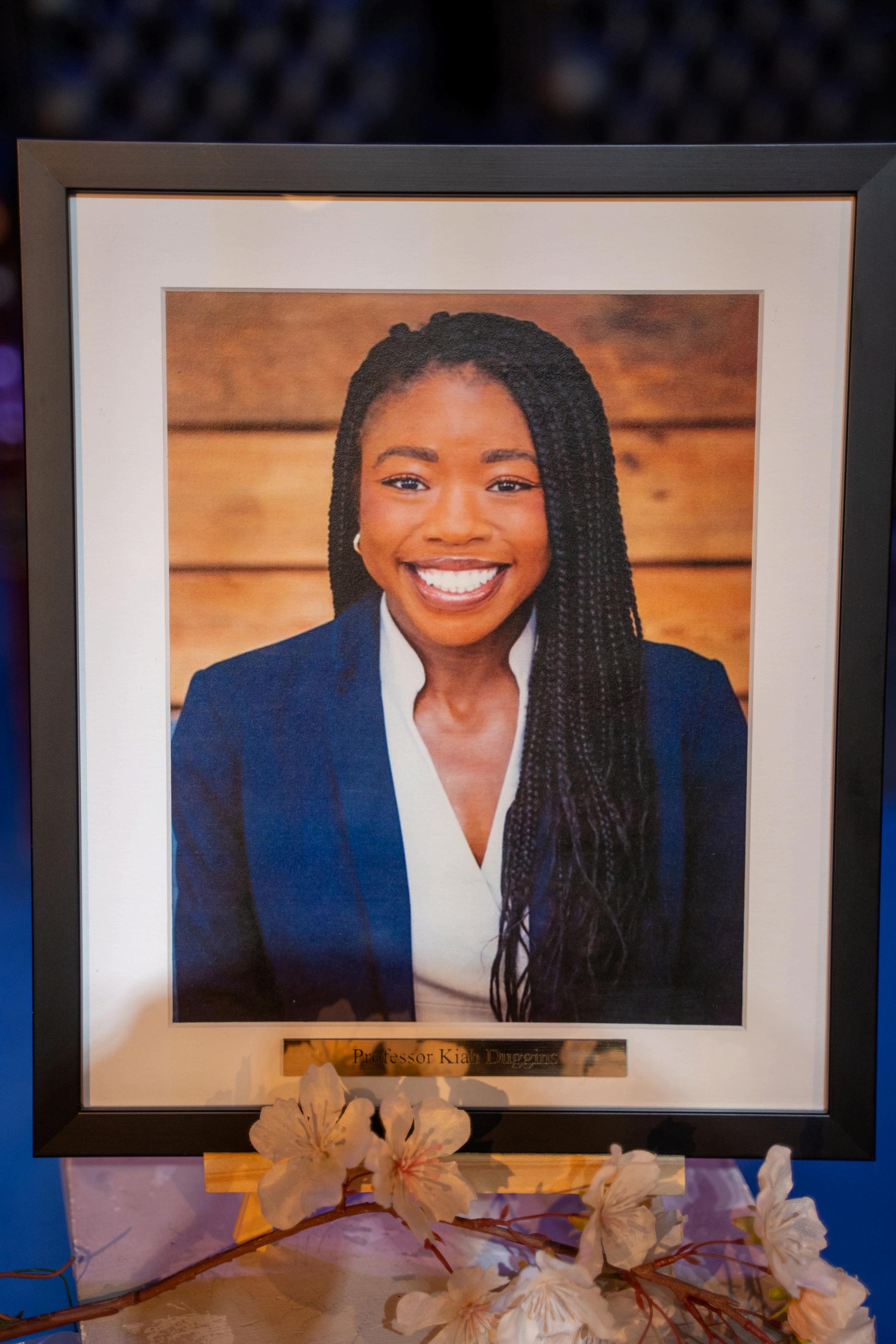
It has been more than one year since the tragic aircraft collision over the Potomac River near Ronald Reagan Washington National Airport on Jan 29, 2025, a disaster that claimed 67 lives, including Kiah Duggins, Esq , a civil rights lawyer and 2021 Harvard Law School graduate, who recently had accepted an offer to join the Howard University School of Law faculty as an Assistant Professor of Law in the Fall of 2025. In the days before the tragedy, she shared her excitement about joining the Howard Law community and contributing to its long tradition of scholarship, service, and advocacy.
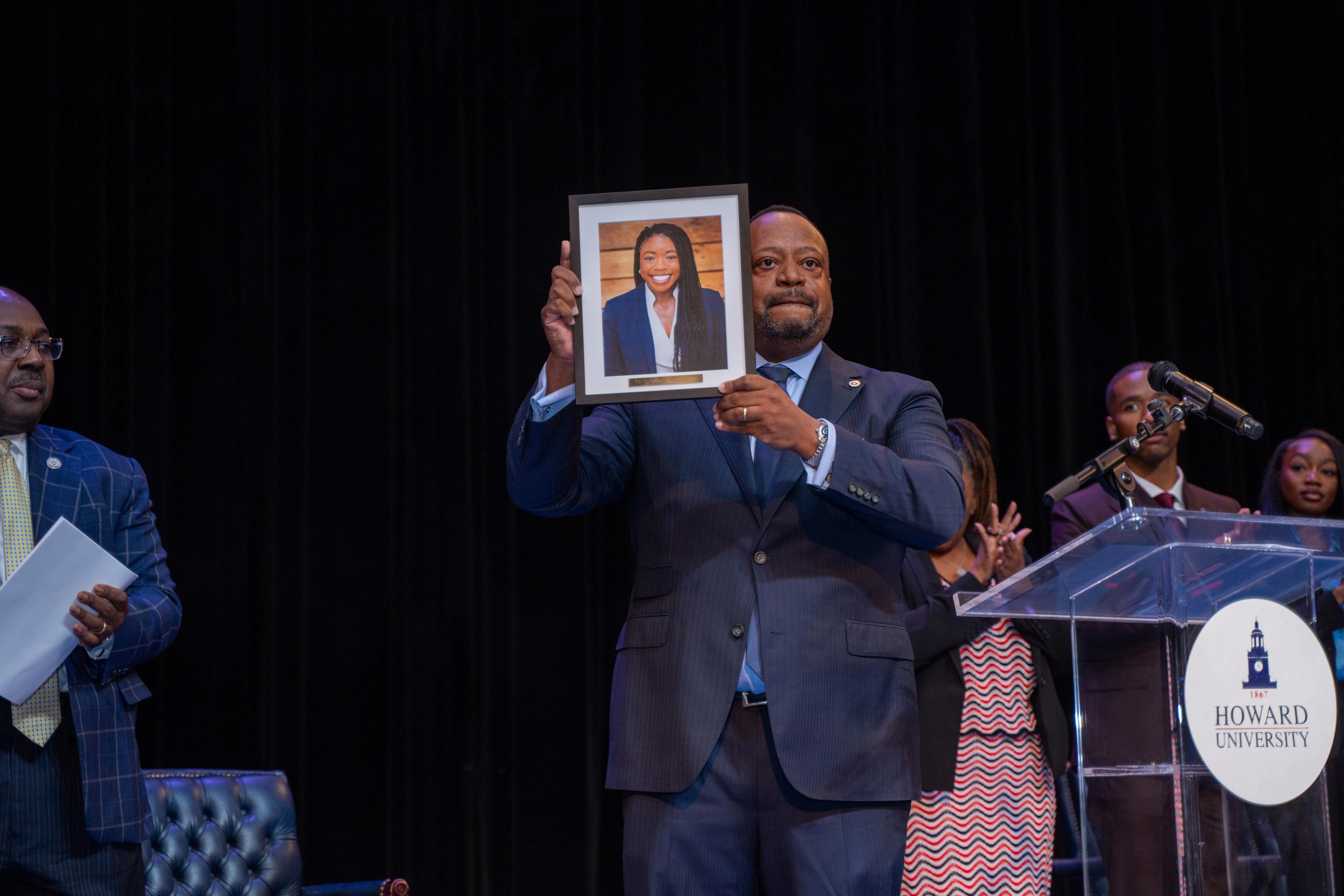
During orientation for the Class of 2028, Dean Roger A. Fairfax, Jr., paid tribute to Professor Duggins, reflecting on the promise of a scholar and teacher whose impact would have been felt by generations of students. Her portrait, displayed on the faculty wall adorned with a blue ribbon, stands as a reminder of a life of purpose and the legacy she leaves behind
Night at Nationals Park Class of 2028 Orientation Week
HUSL
Paulette BrownRefusing to be Invisible
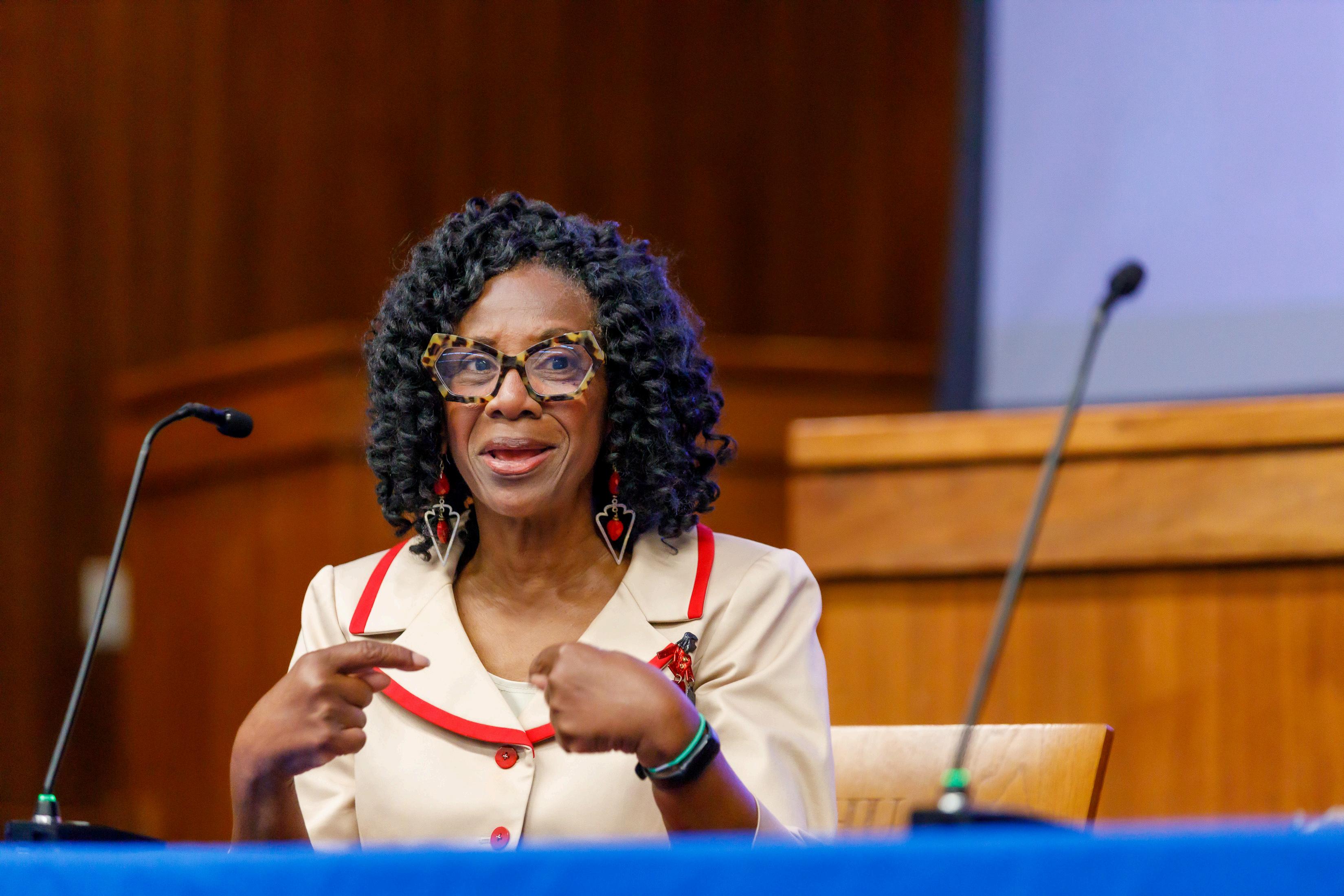
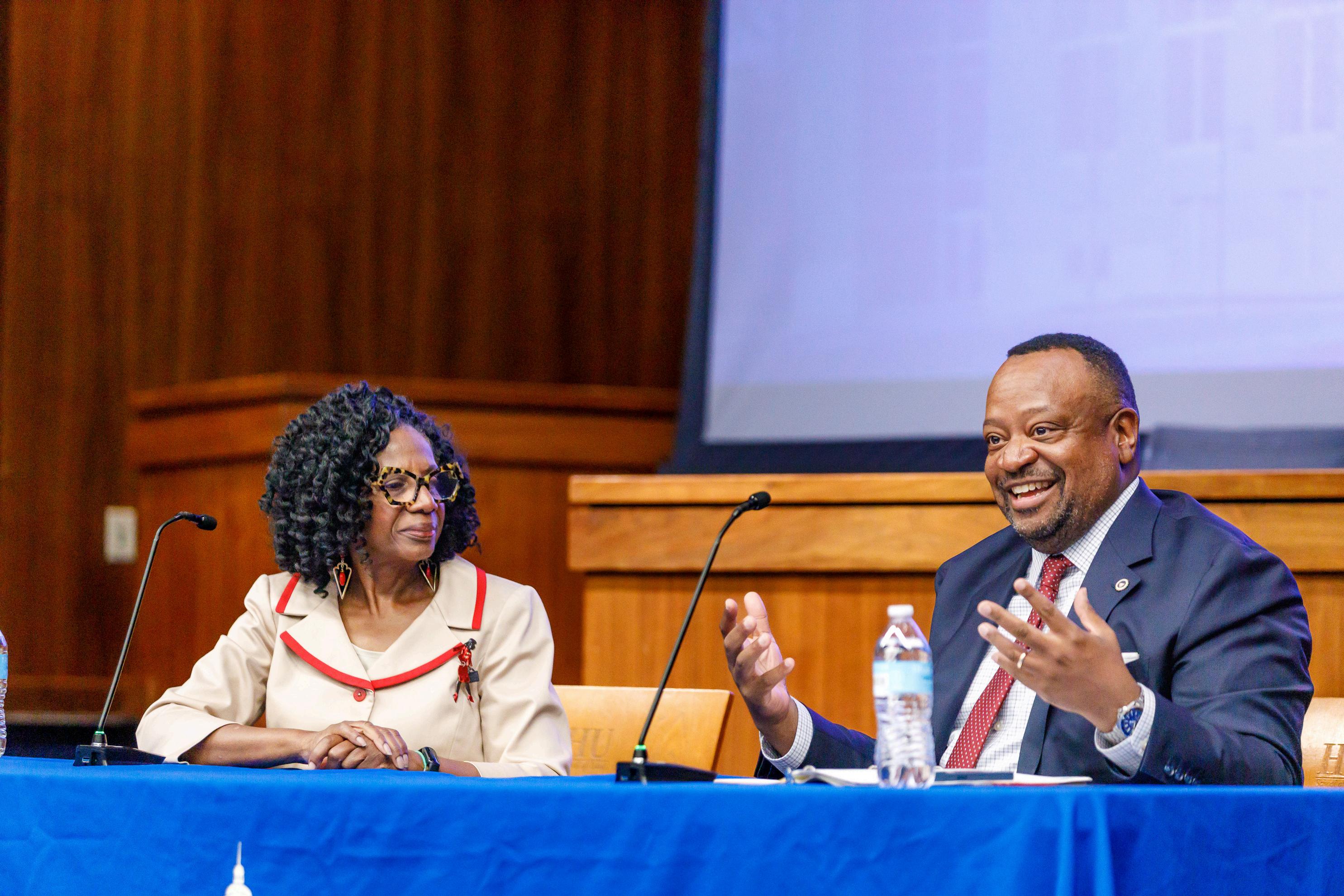
The Honorable Damon J. Keith Moot Court Room was filled with newly minted first-year law students from the Class of 2028. Excitement rippled through the room, evident in the hum of conversation and the purposeful movement of students seeking seats near the podium It was Orientation Week, and one of its signature events was the Dean’s Fireside Chat with a Legend Students gathered, eager to hear words of wisdom from Paulette Brown, the first Black woman to serve as president of the American Bar Association
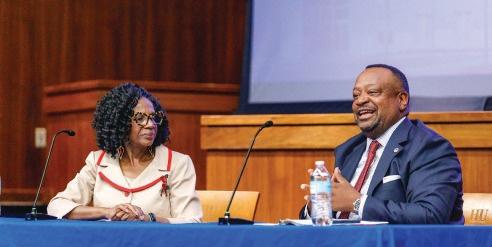
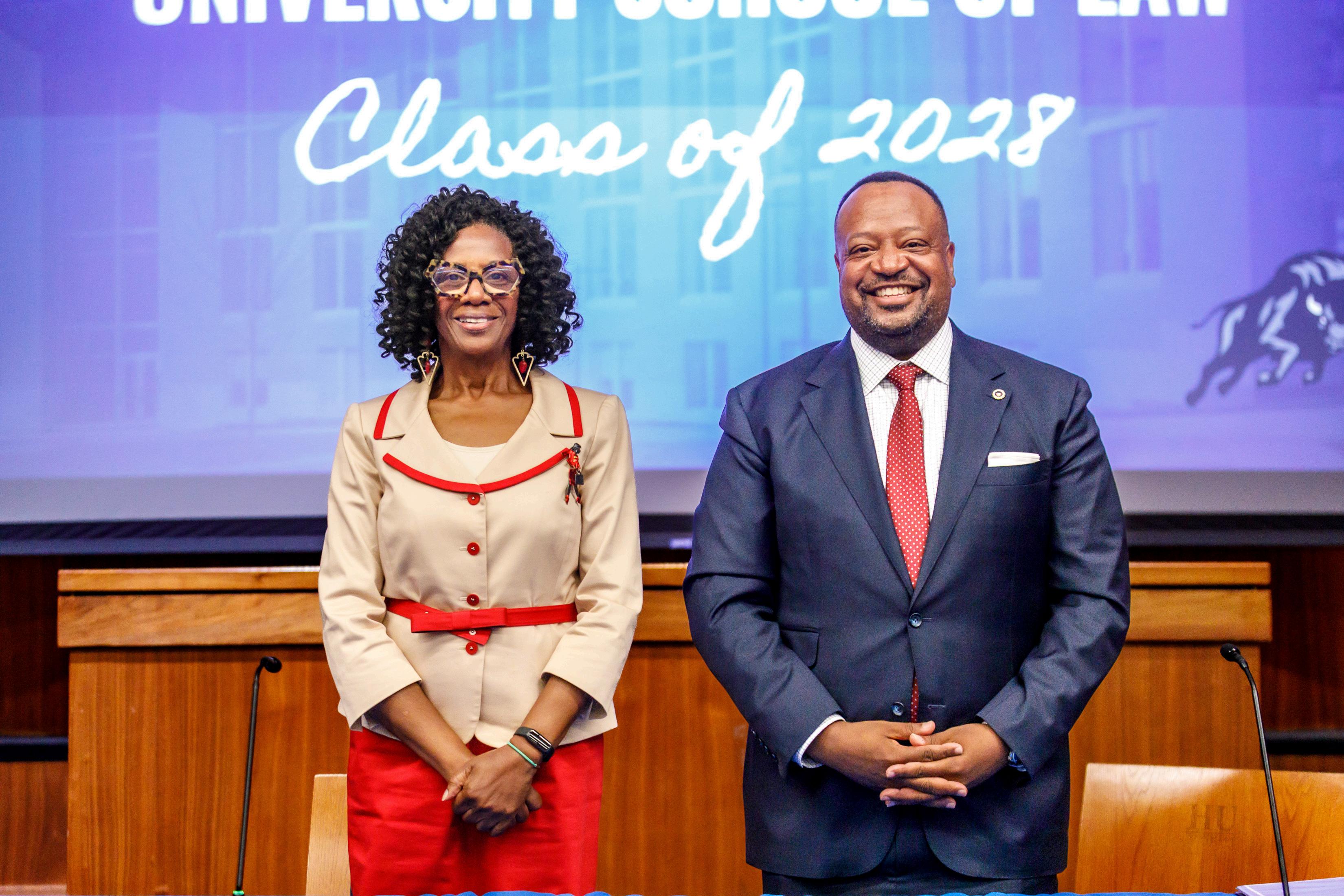
As part of the Class of 2028’s Orientation Week, Dean Roger A. Fairfax Jr. sat down with Howard University alumna Paulette Brown. Brown, who took time from her busy schedule to return to Howard Law’s campus, was welcomed by a room full of budding social engineers eager to learn from a trailblazer whose career reshaped the legal profession.
When Brown entered the legal field, she stepped into a profession that was not built with her in mind. In the 1970s, when she began her legal journey, the American Bar Association reported that only 3% of lawyers were women, a figure that rose to 8% in the 1980s According to the ABA, the percentage of Black lawyers has remained largely unchanged over the past decade, with just 5% of the profession identifying as Black as of 2024 Given the racial climate of the 1960s and 1970s, the presence of Black women in law was exceedingly rare. Despite the statistics, Brown carried an unshakable resolve. She would not only be seen; she would lead.
A proud Bison, Brown’s journey began at Howard University, where an immersive academic and cultural experience gave her the confidence to challenge exclusion and reject societal limits. She graduated from Howard in 1969 and later received a full scholarship to attend Seton Hall University School of Law. “I probably got my scholarship because of affirmative action, and I am not ashamed of that. But affirmative action did not take my exams for me, and it did not argue cases for me”
At Seton Hall, history showed that every Black student was placed on academic probation by the end of each year. “It was a foreign concept that I was not,” Brown recalled Only four Black students graduated that year, Brown among them Navigating bias and low expectations, she refused to be sidelined and was unafraid to challenge structures that did not align with her values.
After earning her J.D., Brown immediately joined the Public Defender’s Office, which at the time was dominated by men Overlooked due to familiarity and preference, she chose a path less traveled. “The public defender’s office and legal aid were taking anyone willing to learn, and I raised my hand.”
Her early career included work at a consulting firm that functioned like a law practice, where she quickly assumed responsibilities equivalent to those of a partner. Yet at every step, discrimination met her progress, forcing her to forge her own path forward.
Brown eventually found her professional home in bar associations, joining both the New Jersey State Bar Association and the American Bar Association. She described her first convention as transformative, inspired by the visibility and leadership of Black professionals across disciplines “Just being in the room, hearing them debate issues, seeing them lead, it was one of the most wonderful experiences of my life.”
She distinguished herself through integrity and character, refusing to engage in office politics or gossip From regional director to affiliate representative to vice president, Brown emphasized the importance of building relationships with intention and actively contributing rather than merely “hanging around”
Brown’s ABA journey began in 1976, with her most active leadership years occurring in the mid-1990s through the litigation section. When encouraged to focus exclusively on diversity work, she resisted. “I know diversity, but I also know substantive areas of the law I did not want to be put in one lane”
Diversity and excellence are not mutually exclusive. To be diverse is to be excellent.
Her persistence led to leadership on the Commission on Racial and Ethnic Diversity in the Profession, where she oversaw the groundbreaking “Visible Invisibility” report addressing the absence of women of color in law. The initiative received national attention and became one of the ABA’s signature projects.
When Brown began her campaign for ABA president, she encountered a sobering reality: decades of service could still render her unseen. “They do not see you, even when you have been there all along” In 2013, she entered the nominating process unopposed, becoming president-elect the following year and ABA president in 2015
As the first Black woman to lead the ABA, Brown focused on tangible outcomes. She advanced major resolutions through the House of Delegates, traveled to all 50 states, and spoke to boys’ and girls’ organizations nationwide. “Sometimes you have to see it to believe it,” she said. “I wanted them to see it was possible.”
Brown remains a passionate advocate for inclusion, viewing it as a direct extension of the Civil Rights Act. “Diversity and excellence are not mutually exclusive. To be diverse is to be excellent”
To the first-year law students beginning their journey at Howard Law, Brown offered a powerful reminder: “You did not get here by chance You got here because you put in the work Do not let people tell you what you can do Choose activities that bring you joy, and think about what you can contribute, not just what you can get”
From confronting bias in law school to breaking statistical barriers within professional organizations, Brown’s career illustrates the power of resilience, engagement, and purpose.
“If you want to know the secret,” she said, “it is staying engaged, building relationships, and refusing to be invisible.”
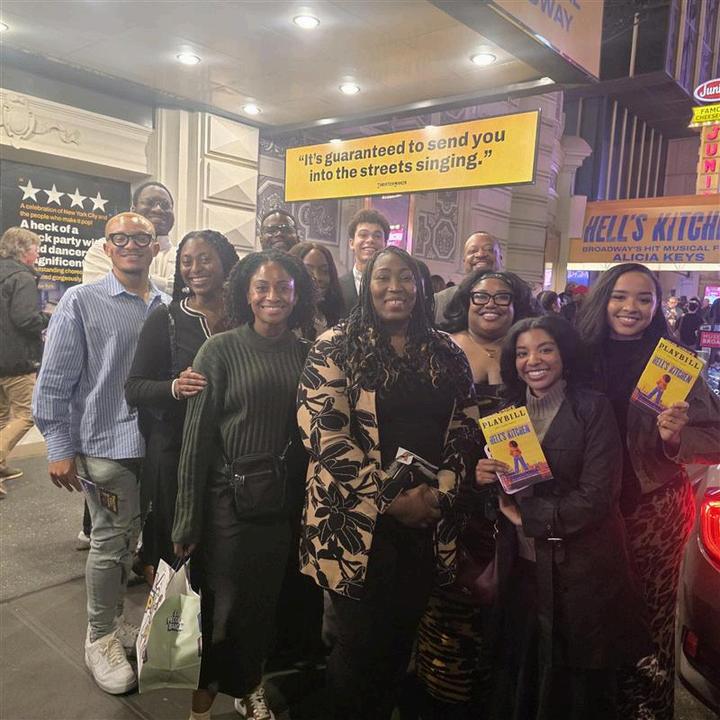
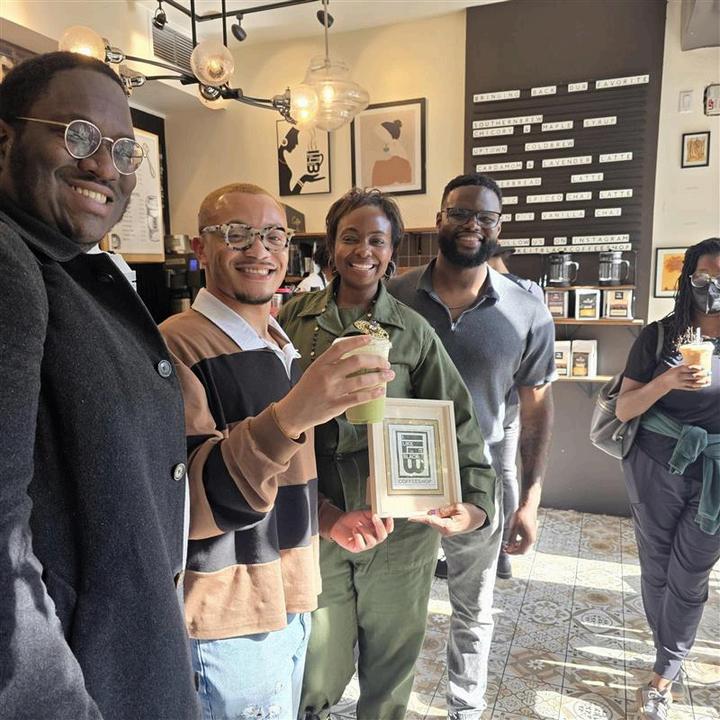
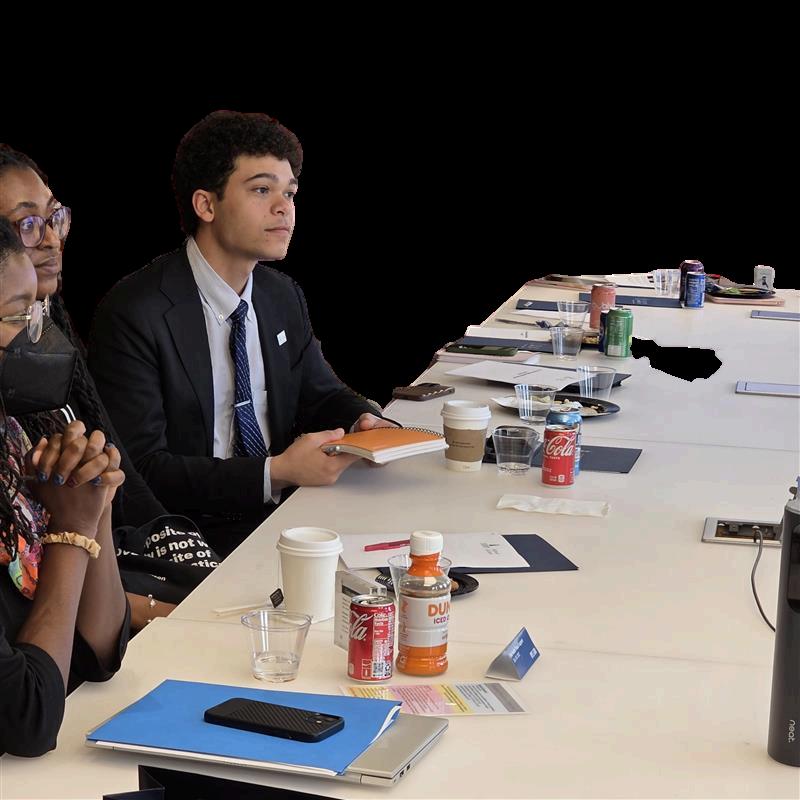
J.L. Greene Scholars traveled to New York City on October 18 and 19 for the annual J L Greene Scholars Retreat, hosted at Ropes and Gray, LLP
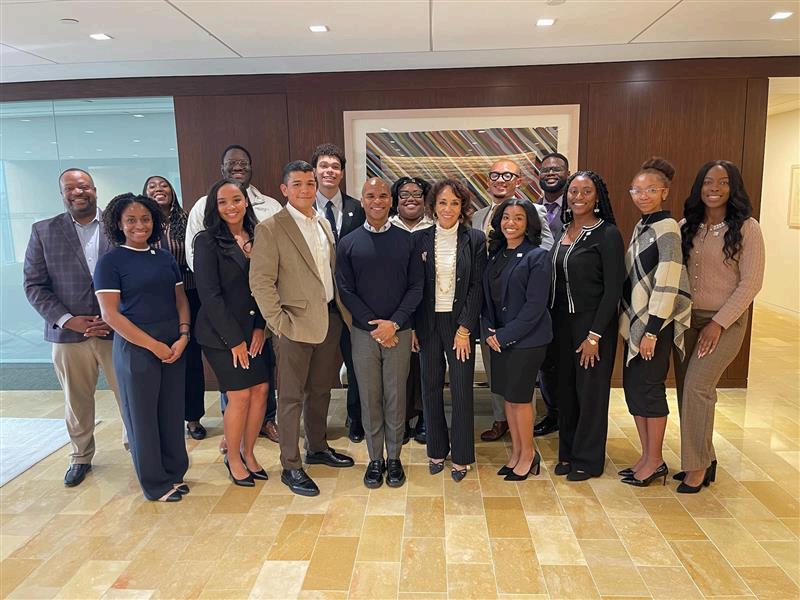
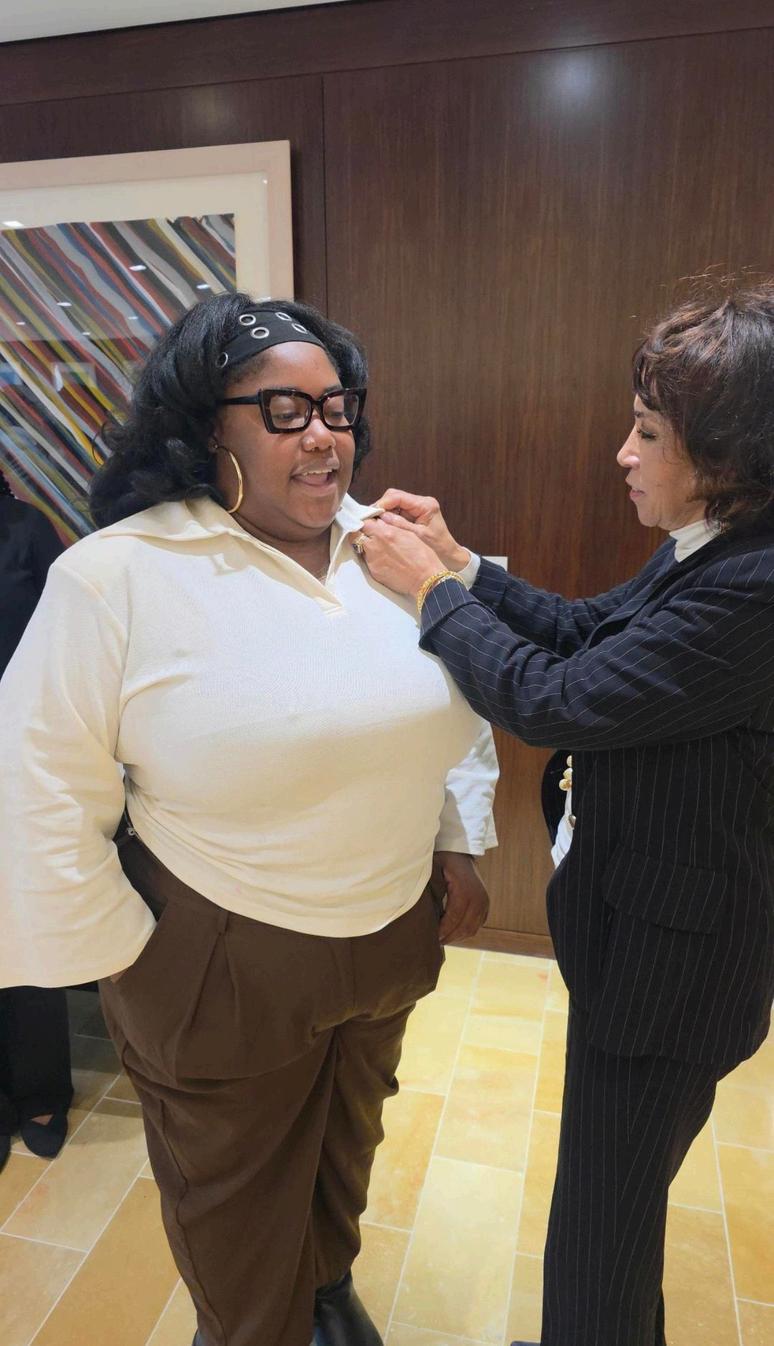
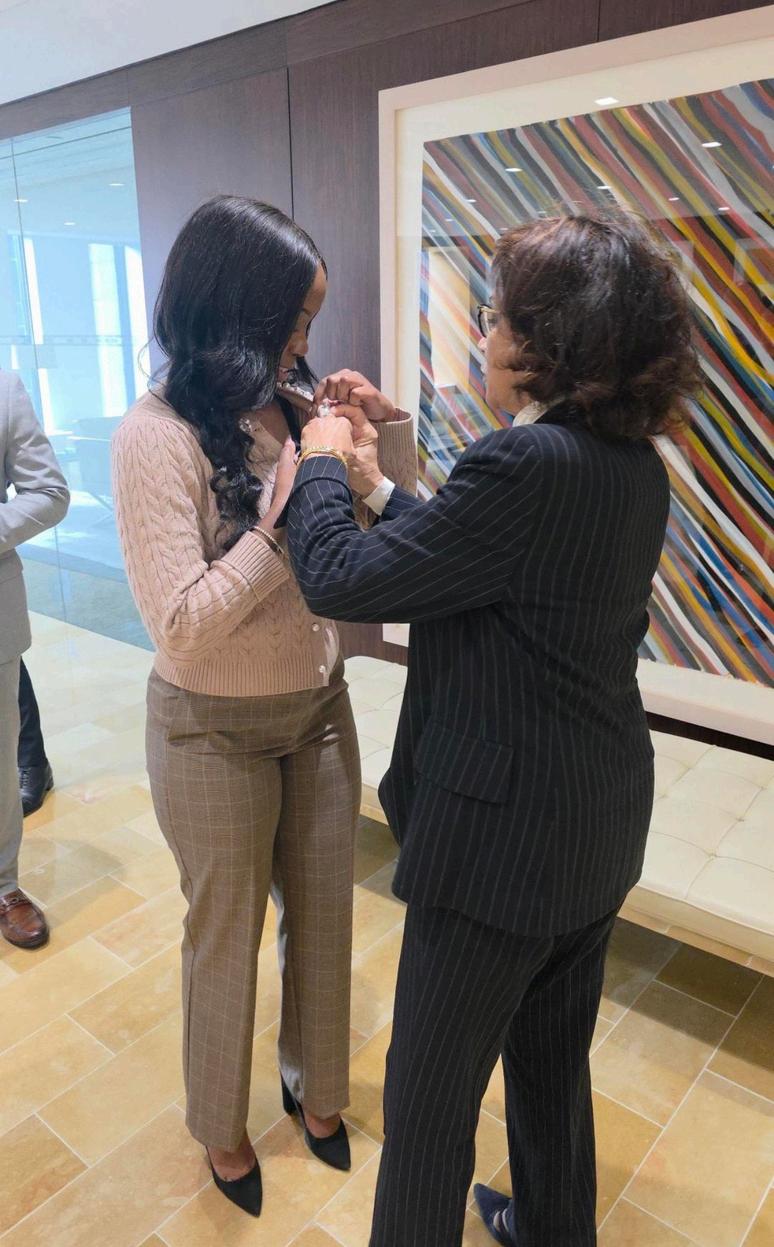
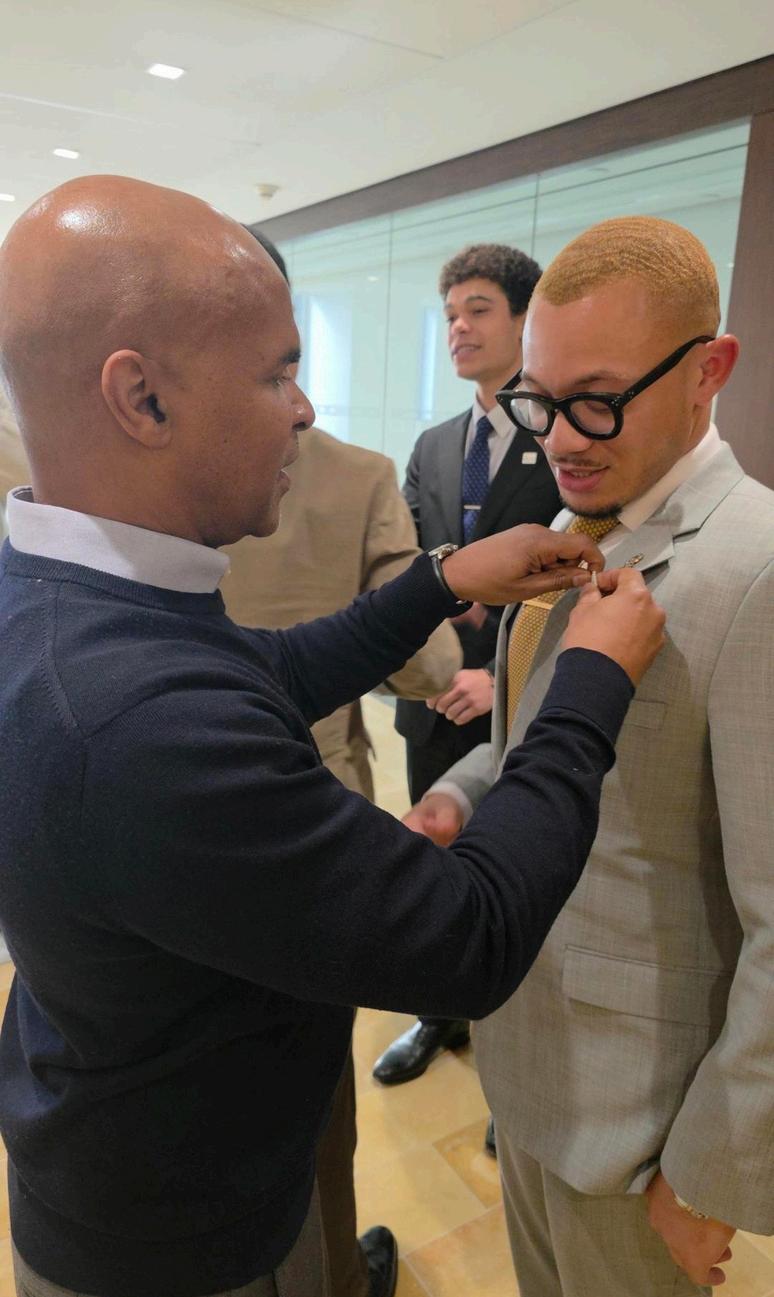
The scholars shared lunch with members of the J.L. Greene Foundation and met with Deputy Mayor Camille Joseph Varlack and the Hon Kathie E Davidson ’82, who offered insights on leadership and public service Immediately after, they had the opportunity to be pinned by Judge Davidson and Dr. Charles Davidson.
The retreat also included conversations with recent alumni Anissa Ash ’21 and Mark Benavides ’23 on early career experiences in public interest law Outside of programming, scholars enjoyed dinner in Midtown, attended a Broadway performance of “Hell’s Kitchen” and toured Harlem, including visits to the Adam Clayton Powell Jr. State Office Building, Amy Ruth’s, and Make My Cake
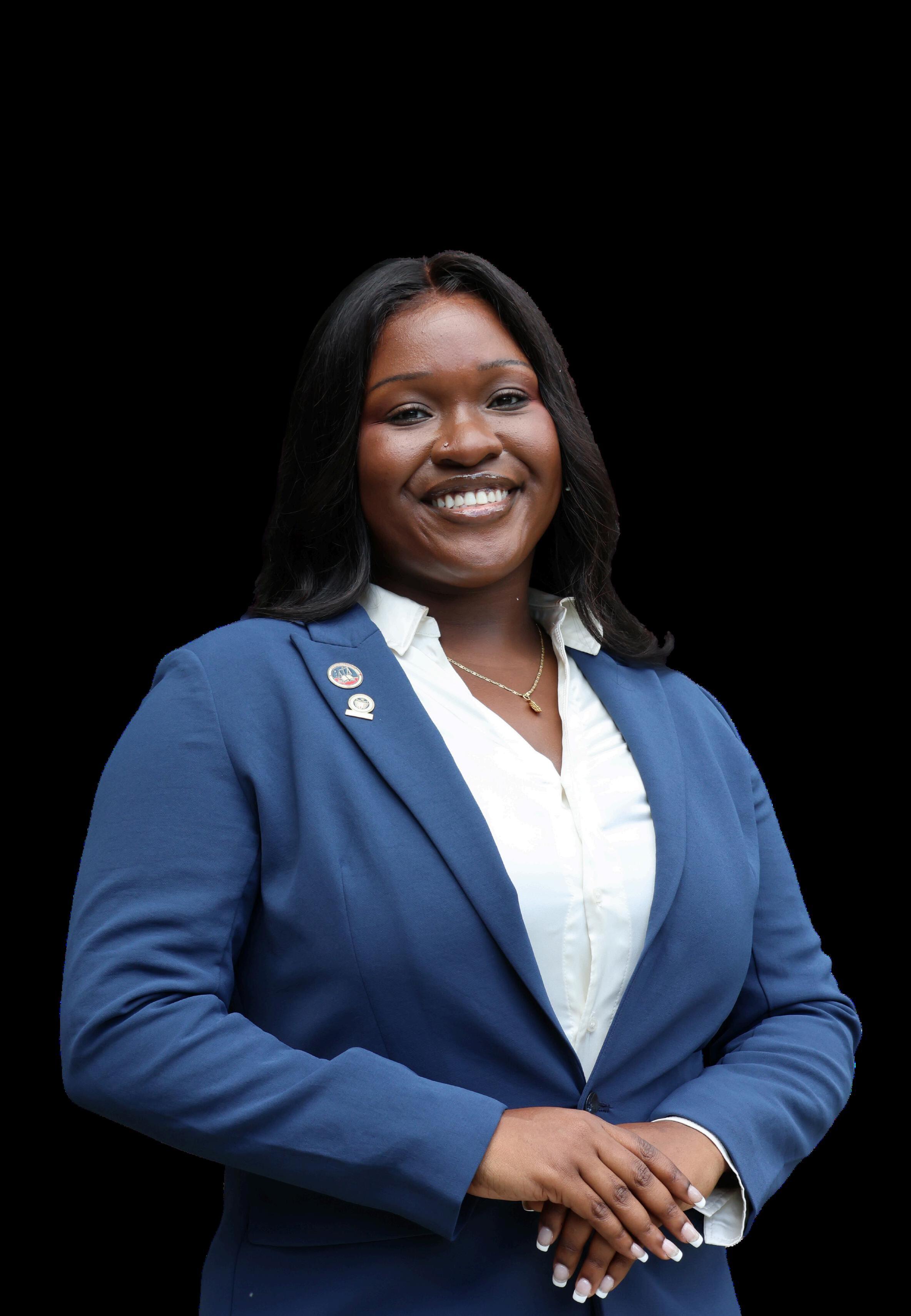
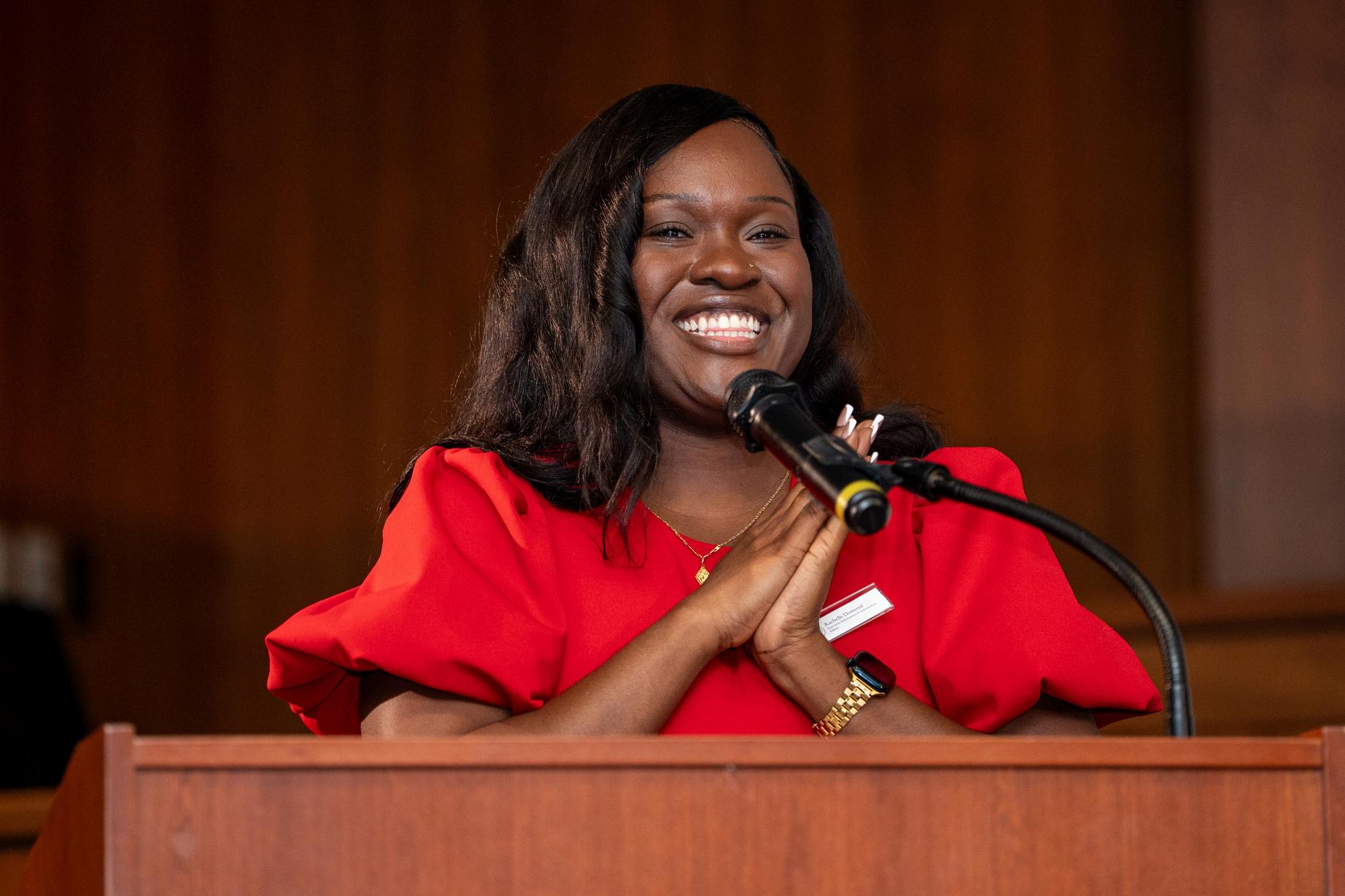
Rachelle Domond, 3L
Juliette Stanley, 3L
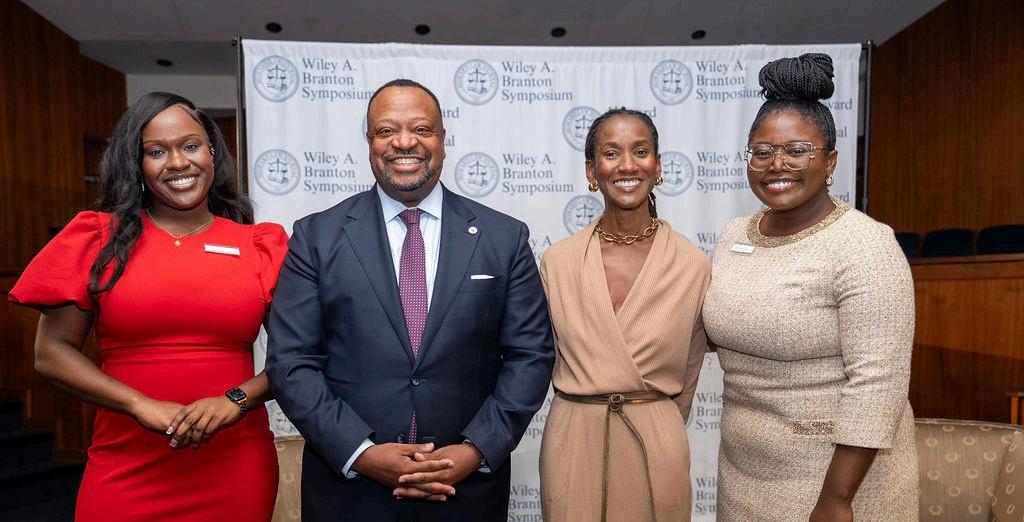
The Howard Law Journal honors legacy and leads the conversation on the power of education for the 22 annual Wiley A. Branton symposium. nd
By Adaija Darby
The Wiley A. Branton symposium returned this year with a call to action: to make good trouble, using law, history, and community to reclaim education for the people.
Since 2004, the Howard Law Journal hosted the symposium in honor of the late Howard University School of Law Dean Wiley A. Branton What began as a luncheon curated by Professor Okianer Dark has grown into a daylong program featuring thought leaders in academia and policy
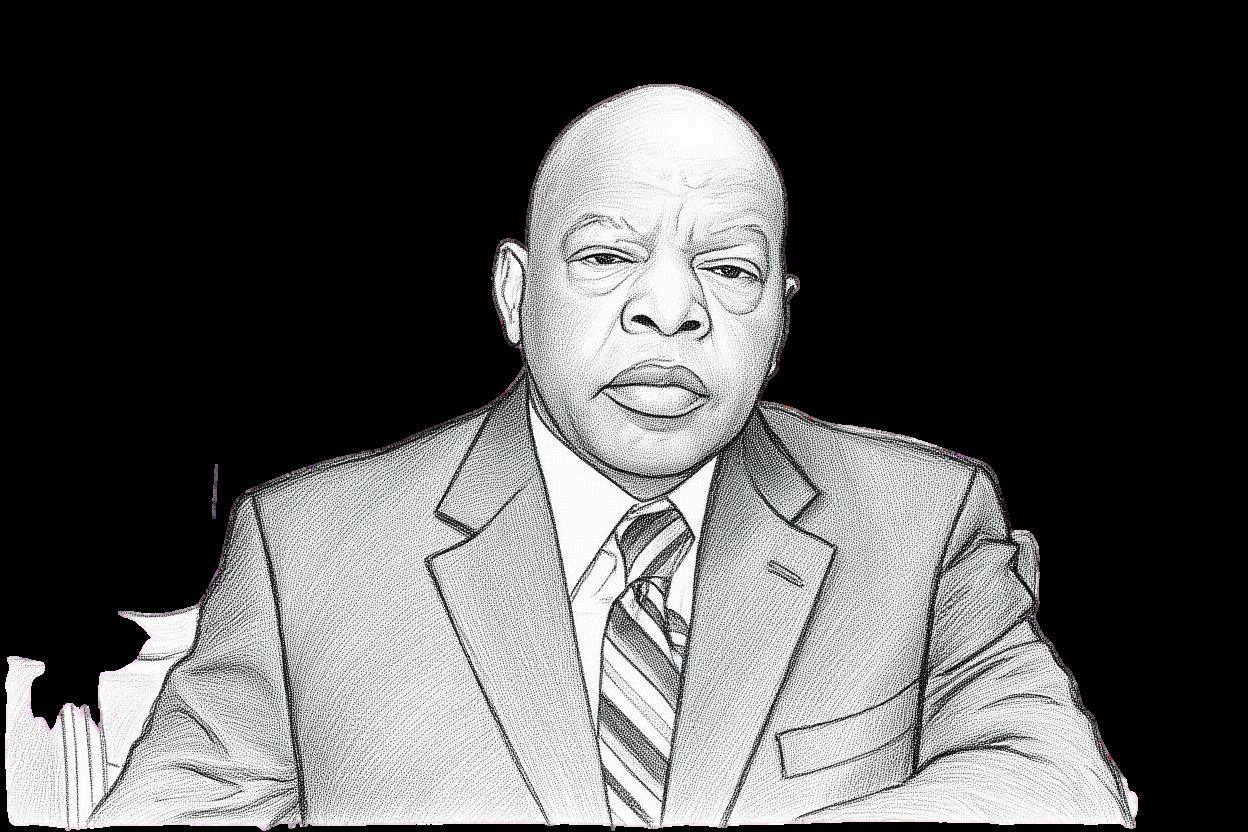
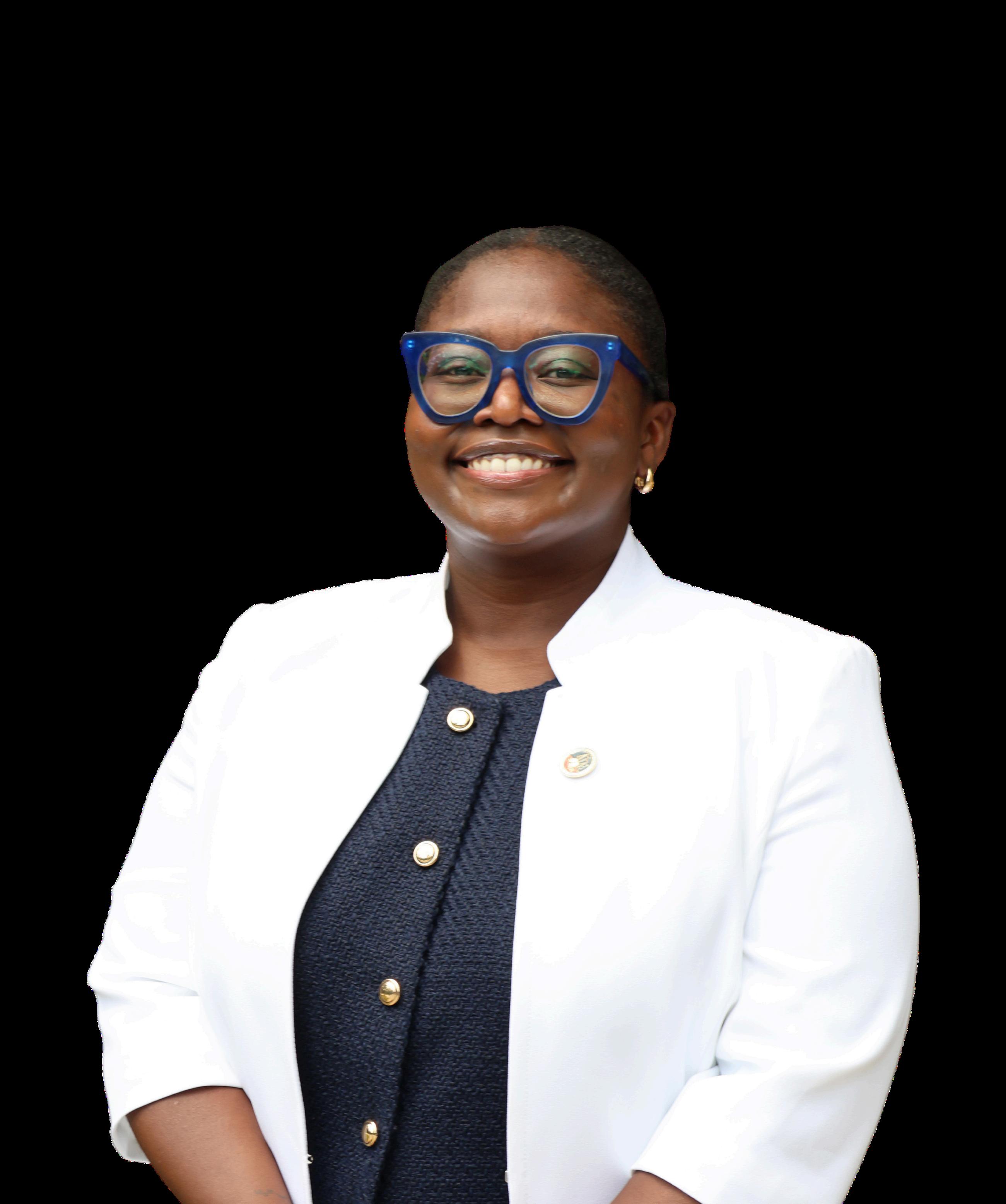
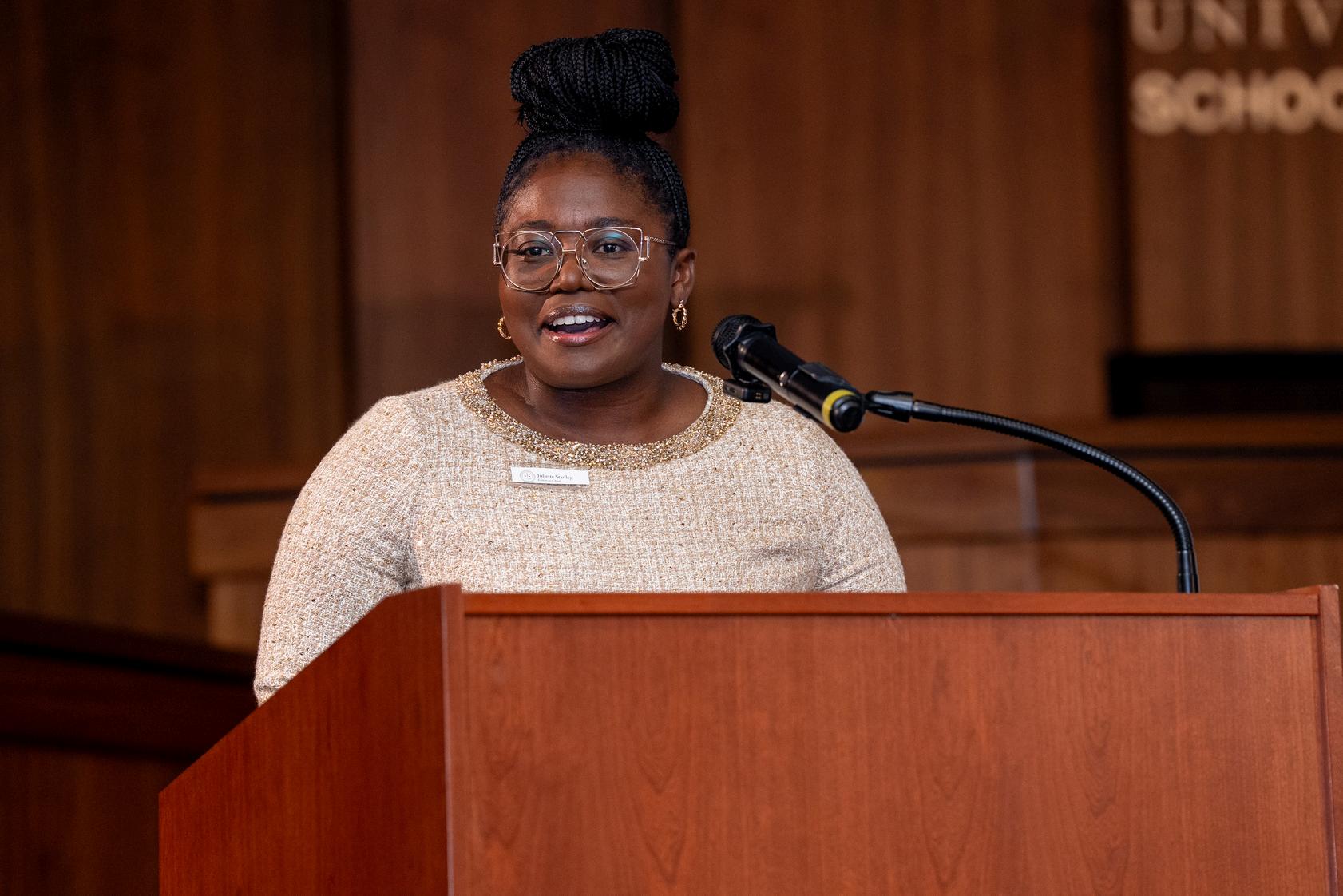
The 22nd Annual Wiley A. Branton Symposium carried the theme of Good Trouble: Unleashing Power, Policy, and the Voice of the People in Education. The program explored the current state of education amid systemic oppression while celebrating the legacy of Congressman John Lewis. Leading the charge on this year’s thesis, are third-year students, Juliette Stanley and Rachelle Domond. Stanley serves as the Volume LXIX Editor-in-Chief of the Journal, while Domond holds the title of Executive Solicitations and Submissions Editor
“We were inspired by the idea that sometimes you must get into ‘good trouble’ to challenge institutional and structural inequities in education” Stanley said, highlighting the natural link between education and justice in Branton’s work, including his role in the landmark Brown v. Board of Education case.
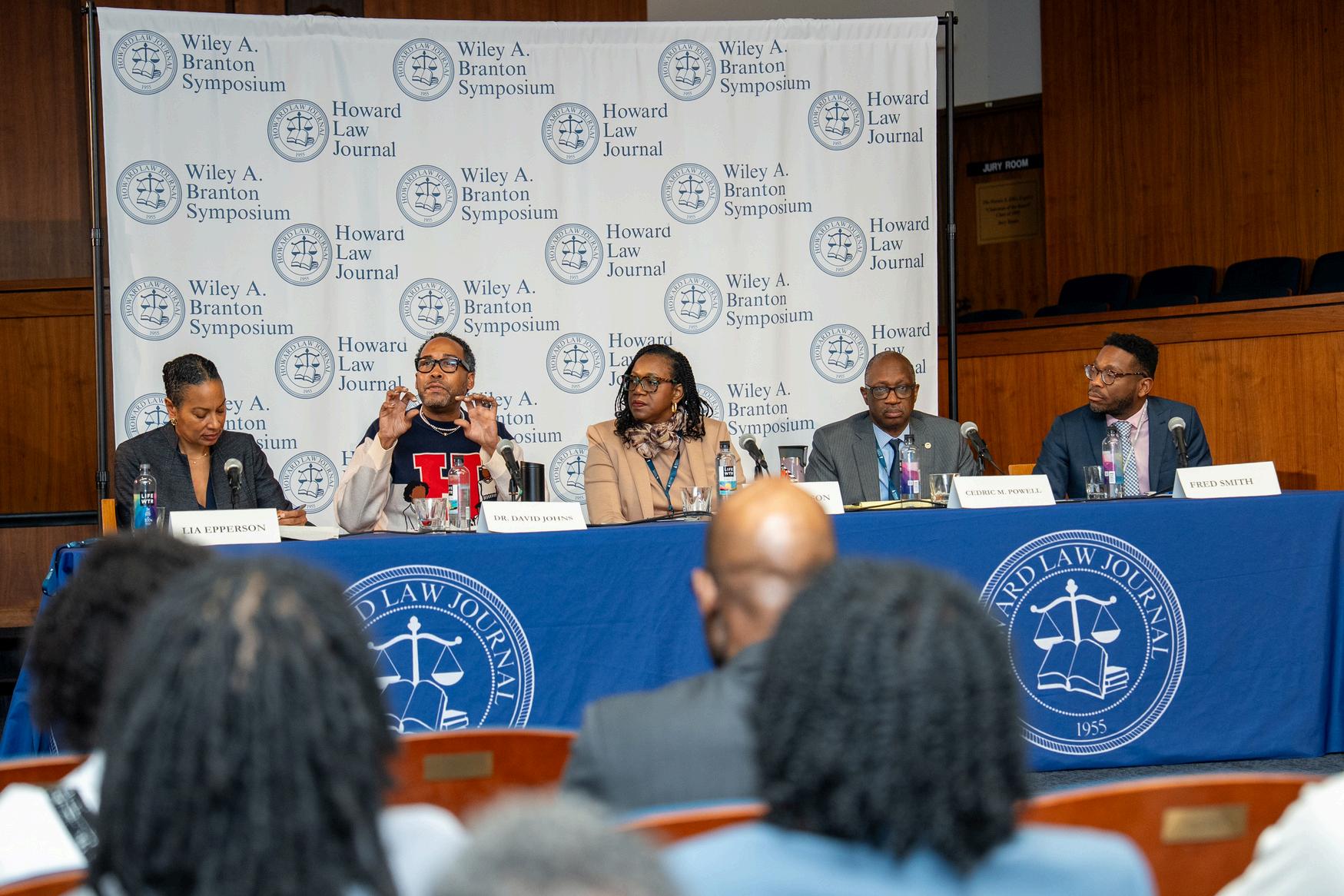
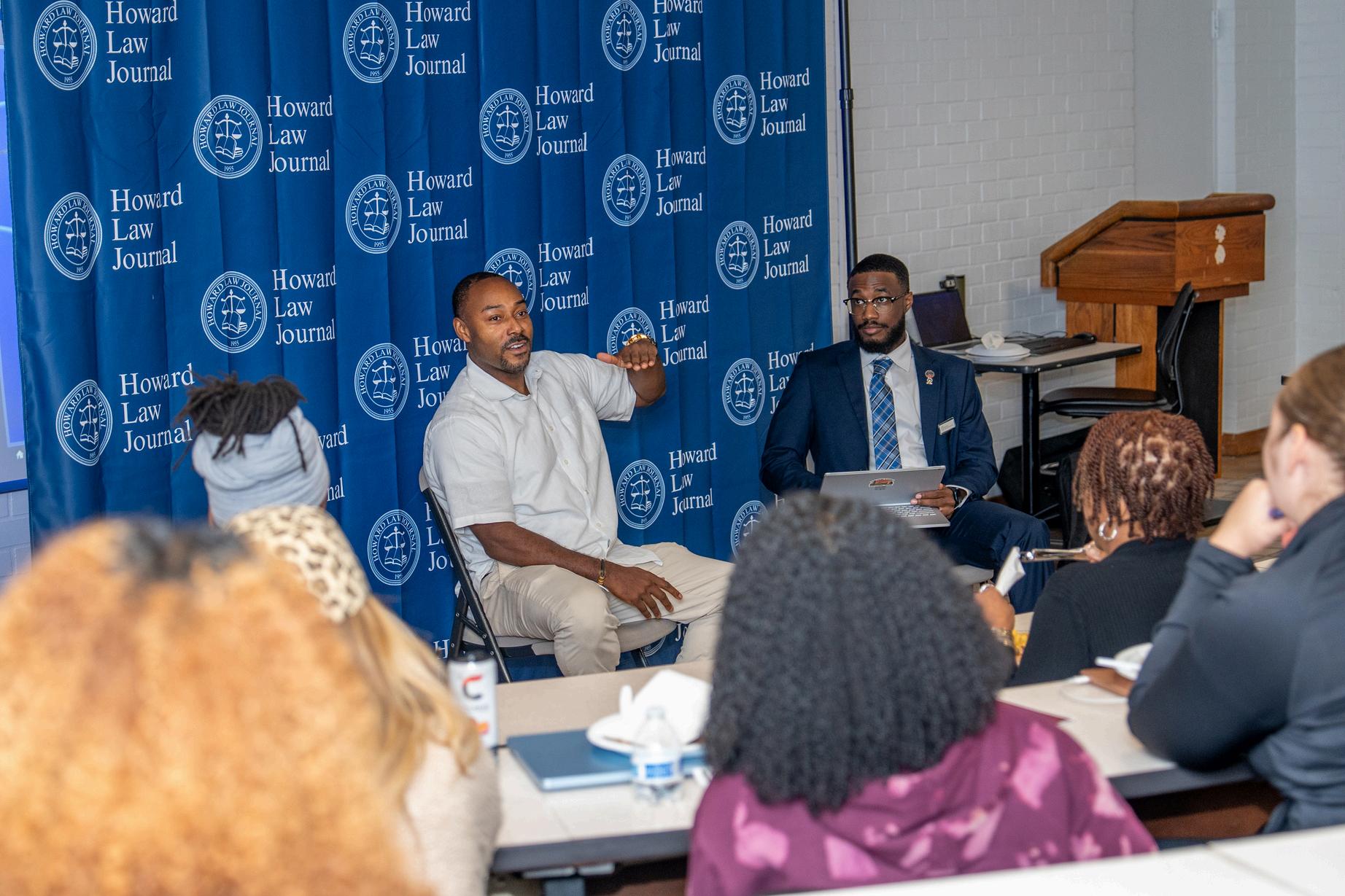
The symposium featured panel discussions, a lunch and learn series, and a keynote delivered by Lisa Holder, president of the Equal Justice Society, connecting legal history to current education policy. Collaborating with Professors Sherrilyn Ifill and Sha-Shana Crichton, the Journal framed discussions that traced “good trouble” from courtroom strategy to classroom practice, connecting them to a range of thought-leaders who could contribute to the conversation Speakers included Dr Joyce Ladner, Danielle Conley ’09, Dr David Johns, Dr Terese Cheney, and more “Professor Fred Smith teaches Federal Courts. At first, it might seem unrelated to education, but he offered a powerful perspective on how the courts shape access and policy--flipping the problem on its head and looking at education through legal, social, and historical lenses.” Domond noted.
Stanley and Domond organized this program with a clear vision, drawing on their personal and professional backgrounds, making the symposium a beacon of reflection. “Before law school, I taught chemistry for five years in Alabama and Nashville public schools This symposium reawakened my love for teaching and gave me a space to reconnect with the real issues educators face” Stanley reflected Born from farmers, Stanley’s parents also integrated their schools as seventh graders, inspiring Stanley’s lifelong commitment to education.
Domond, a first-generation Haitian law student, gleamed with gratitude, crediting her family and mentors for shaping her understanding of education’s value. “My parents worked tirelessly to get my sister and I where we are… ” She said, “I’m not self-made never have been. I am family-made…I am movement-made.”
The close of the symposium doesn’t mark the end of the dialogue; it sparked new future collaborations at Howard Law “This spring, we’re partnering with Professor McDougal and his students, who created a curriculum addressing many of the gaps in [historical truth and context] schools are leaving out,” Stanley announced, crediting efforts such as this in providing comprehensive and accessible information. But, the crucial puzzle piece, emphasized throughout the program, is community beyond the classroom. “When the schoolhouse is closed, we must step in. We need to meet students where they are
This year’s Branton Symposium broke ground for a more equitable and accessible educational landscape that centers the student, not personal biases Using the law as both a shield of resistance and a tool for progress, attendees of the symposium carried forward Branton and Lewis’s legacy of persistence
“Progress isn’t always clean or immediate. Success doesn’t always mean winning, it means continuing to show up.” Domond encouraged. She expressed how this symposium became a way to reclaim power amid the ongoing defunding of the Department of Education and the devaluation of Historically Black Colleges and Universities “I connect with [Congressman John Lewis’] belief that education is both a right and a weapon of empowerment Education is the one thing they can’t take from us”
Both students reiterated the mission of the Howard Law Journal, serving as a cornerstone to confront injustice, particularly those impacting marginalized groups Through the inclusion of historians, sociologists, educators, and economists and a foundation of in-class theory and discussions, the Howard Law Journal blended lived experiences and scholarship to influence change.
Stanley leaves readers with this: “What we built here wasn’t just an event it was a blueprint for how we can use our education to resist, rebuild, and reimagine. We’re using our lessons and our history to design the future we deserve. That is what ‘good trouble’ looks like.”
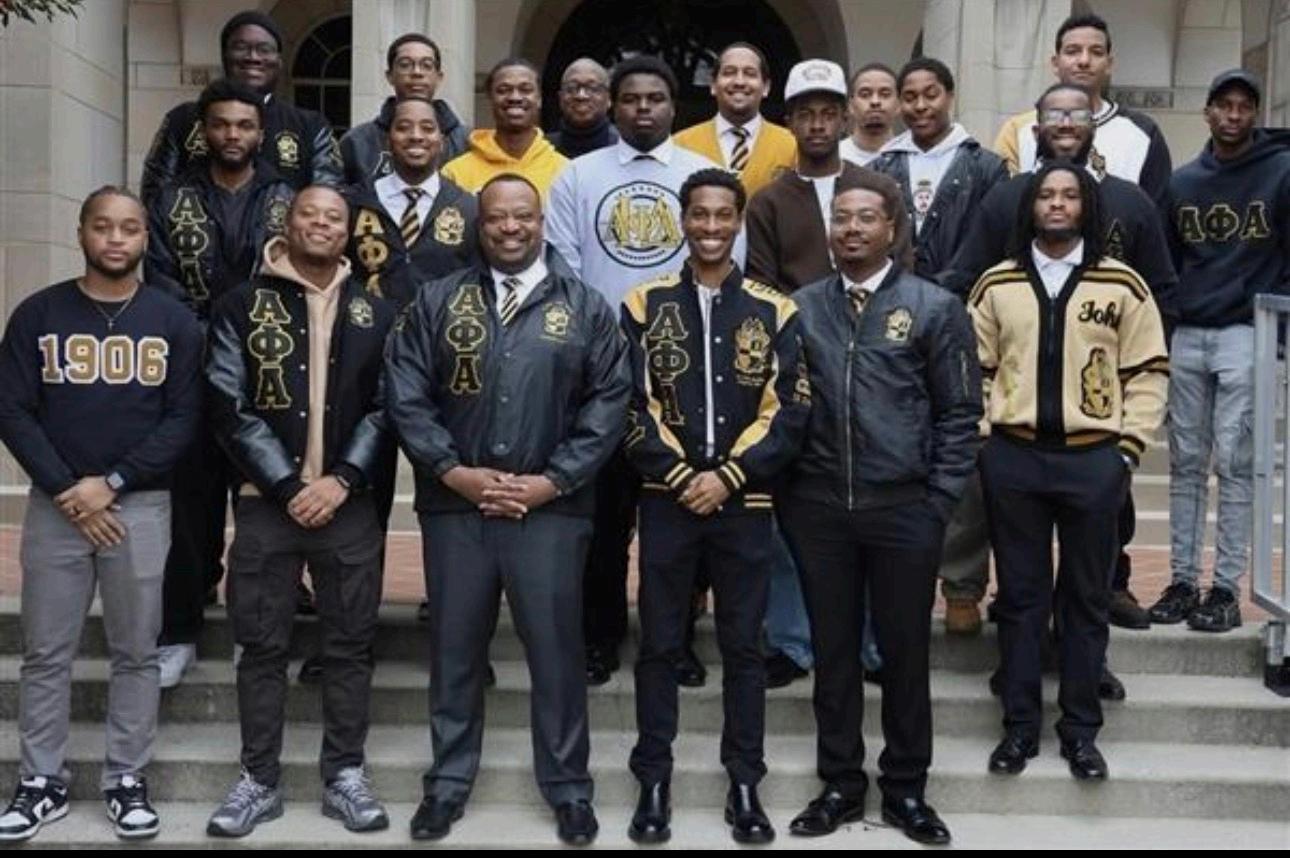
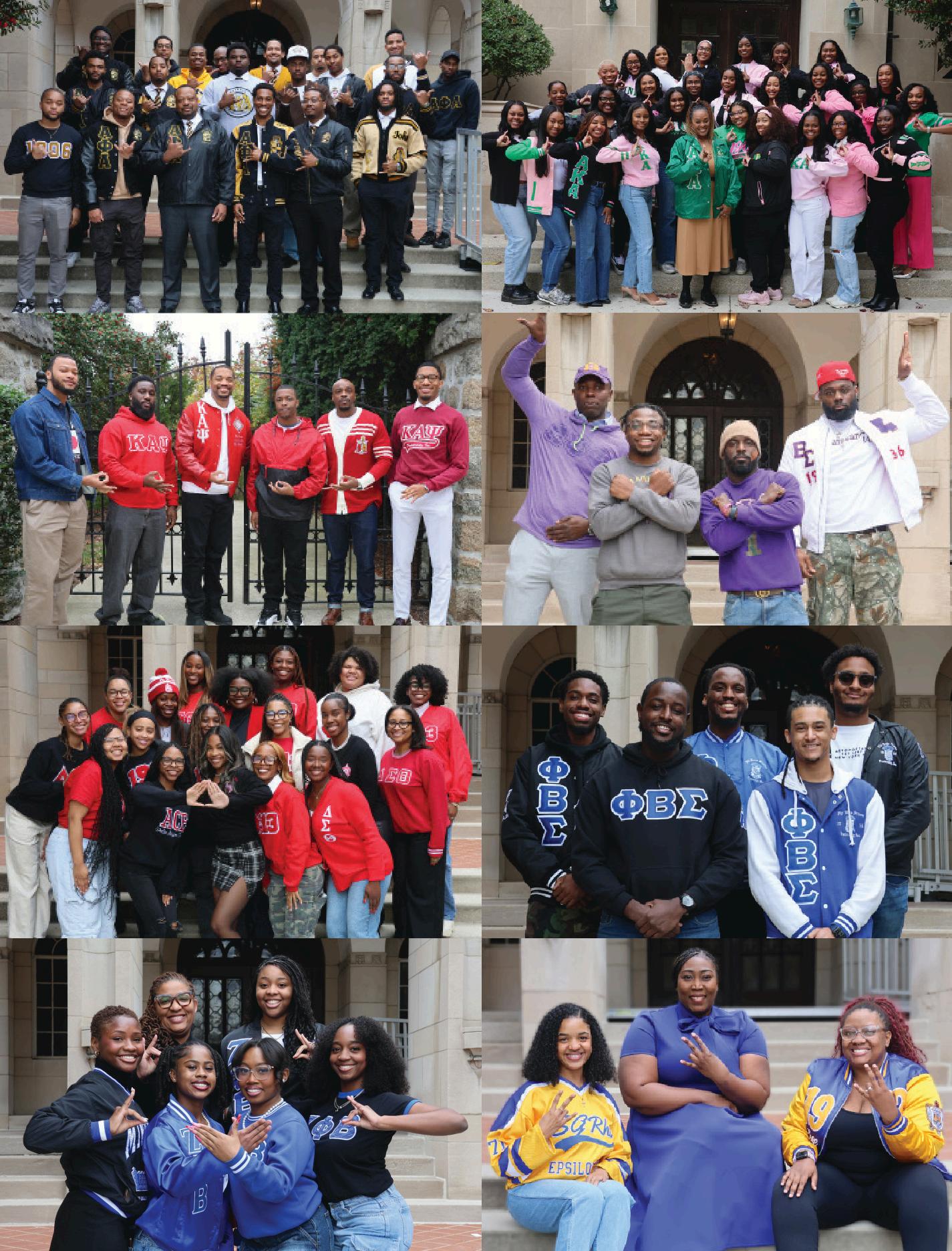
Divine Nine at HUSL
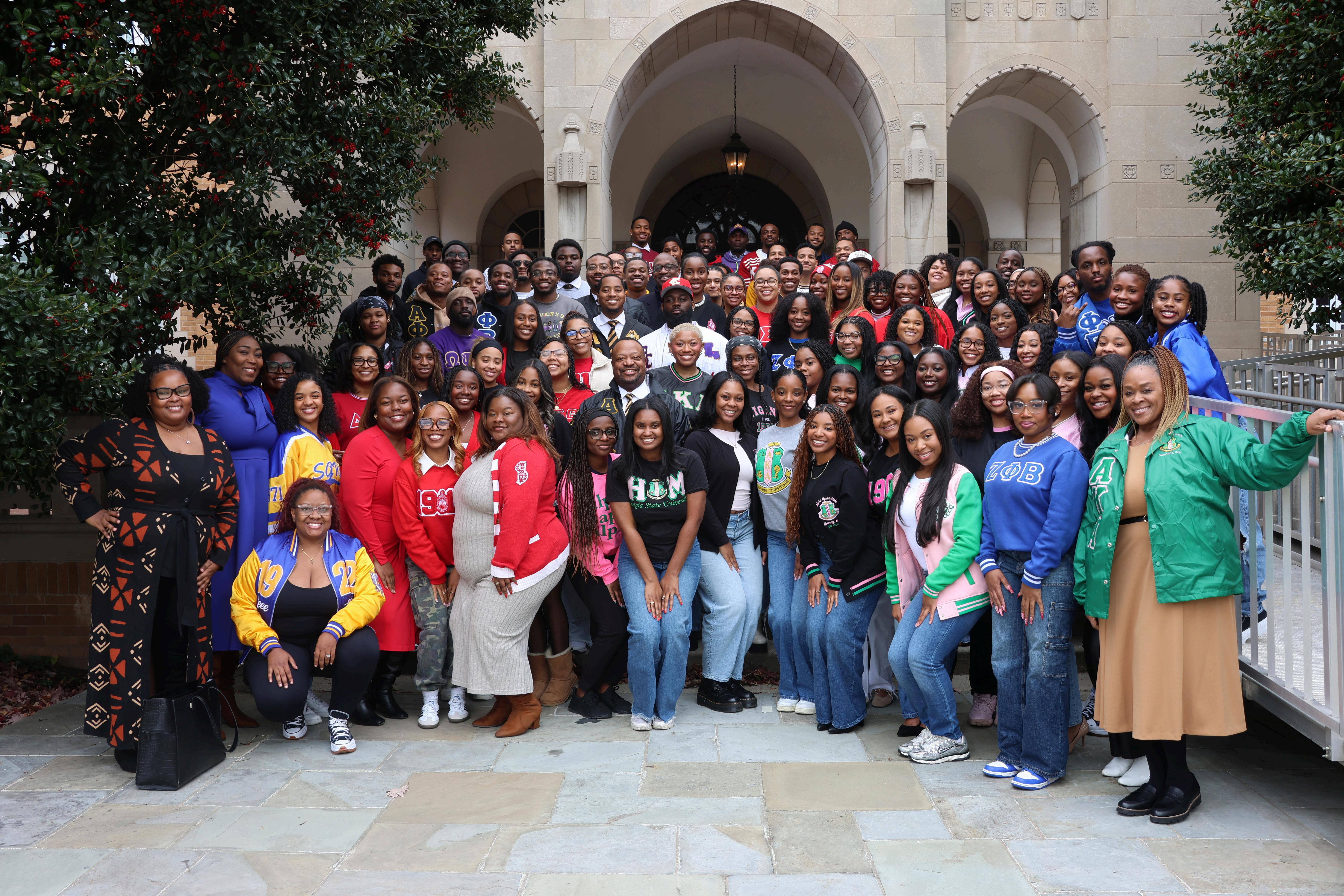
In the fall, the HUSL community came together to highlight Divine Nine representation among students, faculty and staff.
Alpha Kappa Alpha Sorority, Inc.
Omega Psi Phi Fraternity,Inc.
Delta Sigma Theta Sorority, Inc.
Sigma Gamma Rho Sorority, Inc.
Kappa Alpha Psi Fraternity, Inc.
Alpha Phi Alpha Fraternity, Inc.
Phi Beta Sigma Fraternity, Inc.
Zeta Phi Beta Sorority, Inc.
The
HonorableSonia Sotomayor
AllRise
VisitsHowardLaw’s Campus Justice Sotomayor
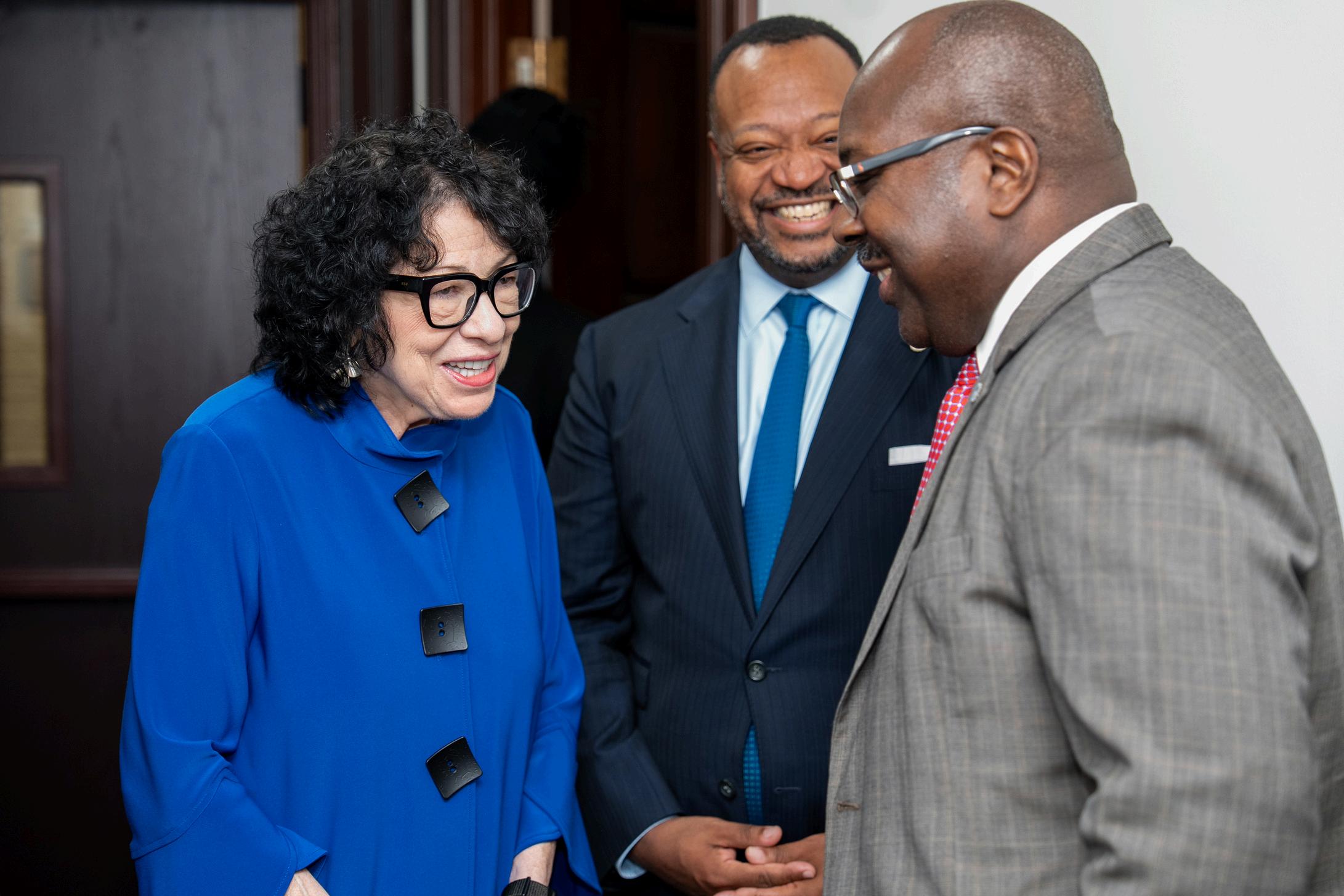
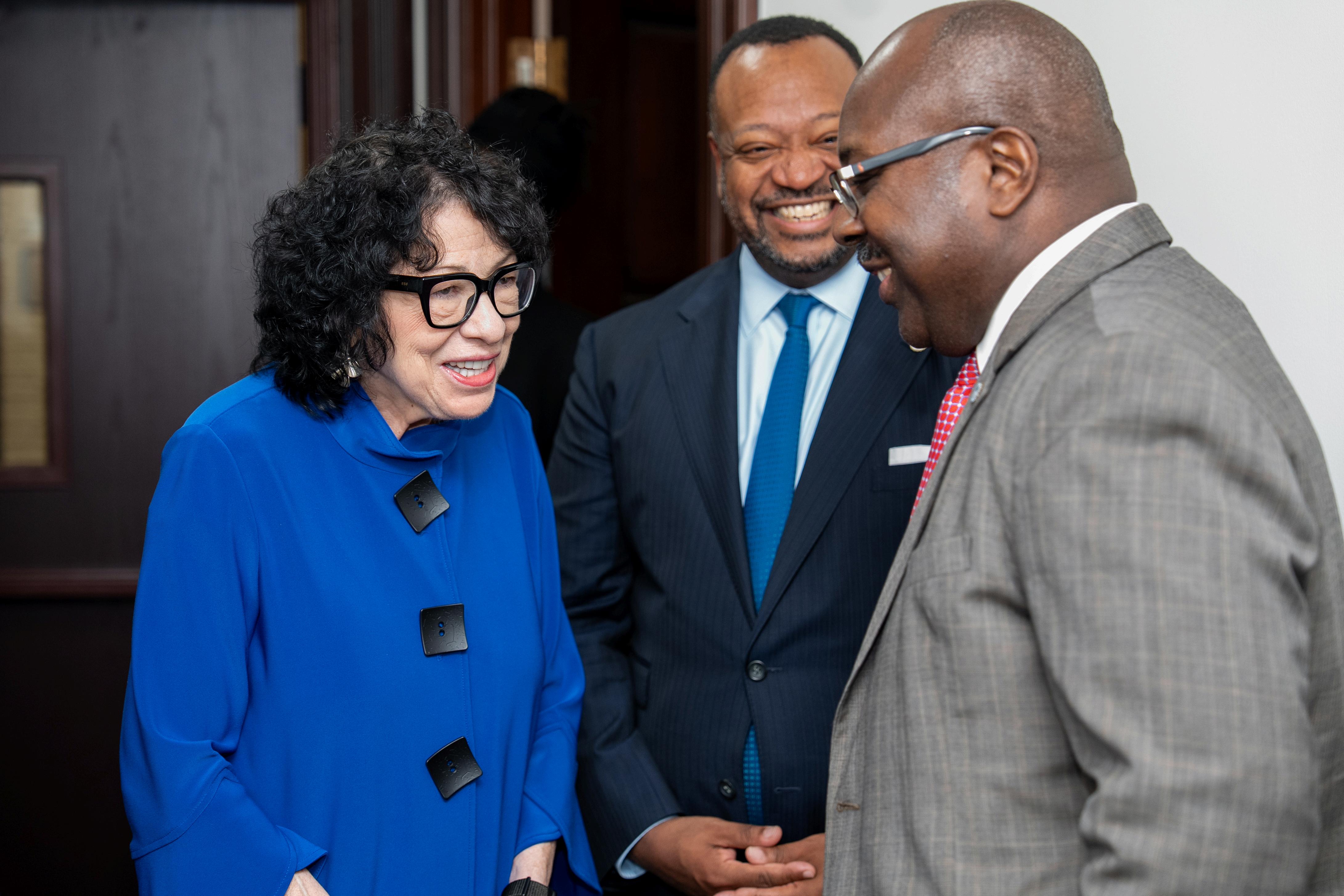
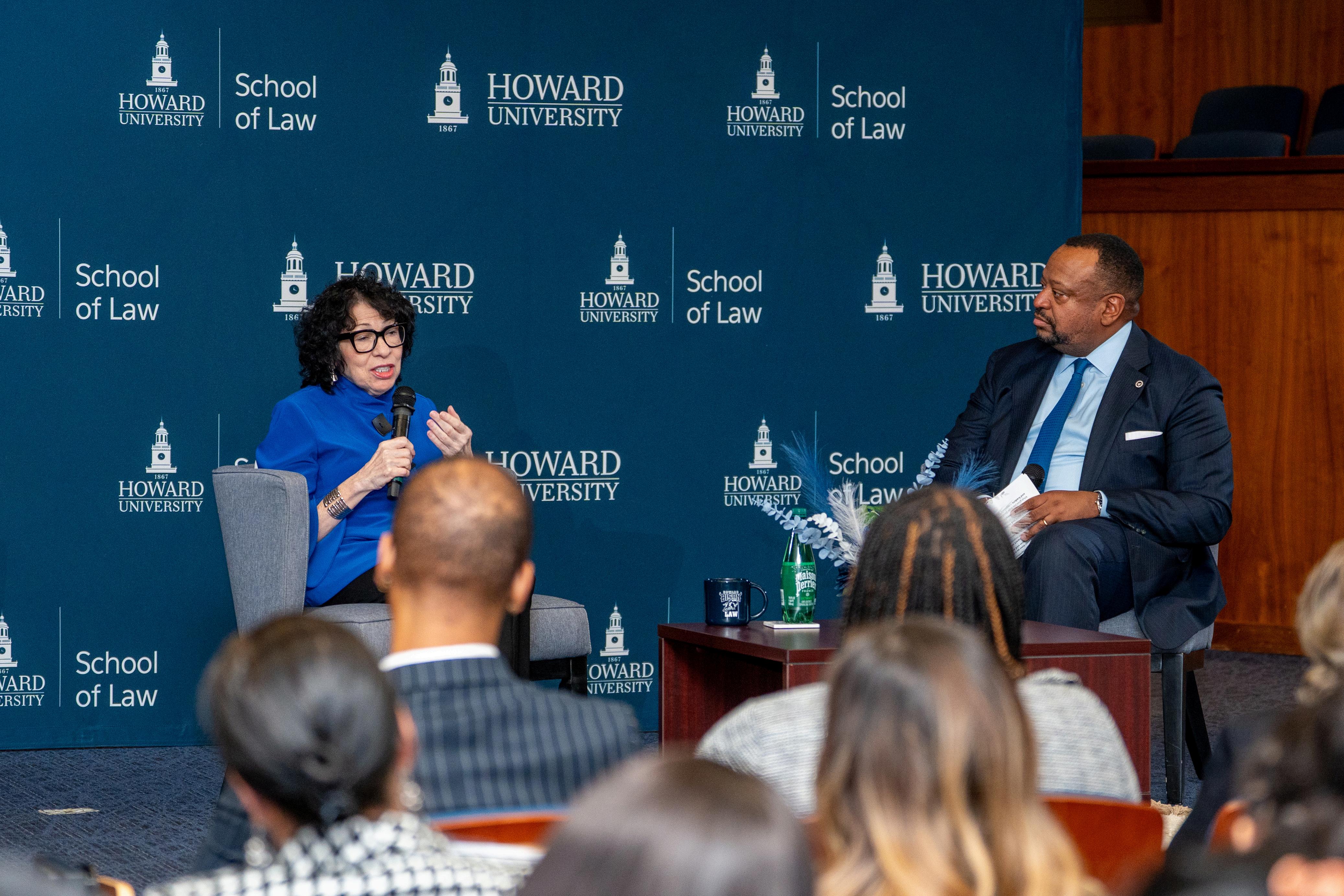
The Hon Damon J Keith Moot Court Room was filled to capacity, with overflow classrooms across Houston Hall livestreaming the moment, as Howard University School of Law welcomed Justice Sonia Sotomayor of the Supreme Court of the United States to campus on Oct 29 The visit marked her first formal appearance at HUSL in more than a decade and drew students, faculty, and staff eager to hear from the Justice
“Lawyers should view themselves as champions of lost causes Charles Houston, Thurgood Marshall, every person we admire, fought cases they lost Brown v Board of Educationcame after repeated losses My hope for young lawyers is to understand that losing a battle is not losing the war You will lose many battles, especially in today’s legal world But like Martin Luther King, I believe in the moral universe. The arc of law truly bends toward justice.”
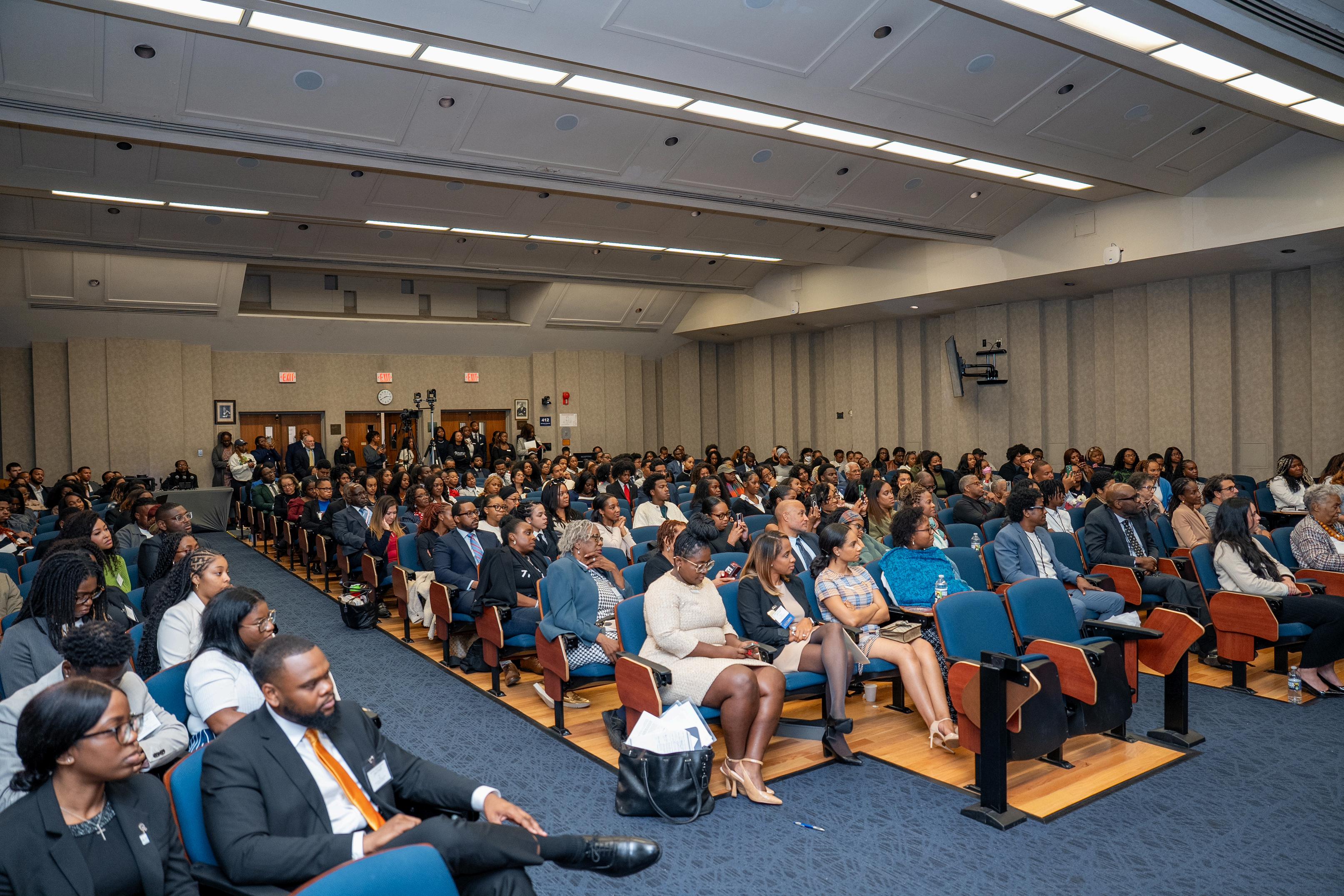
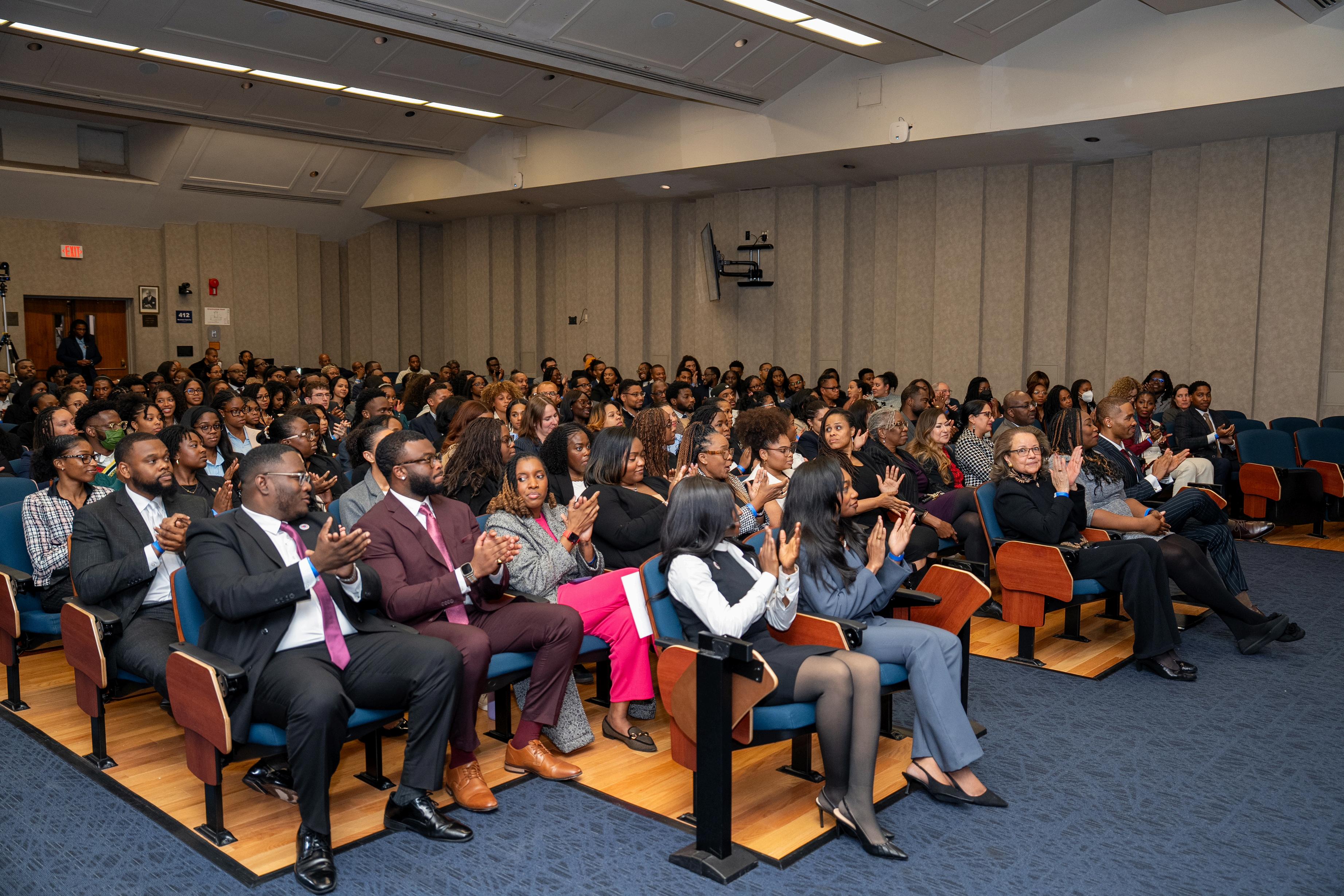
The truth-rooted and impactful words of Justice Sonia Sotomayor resonated throughout the 300-seat moot court room, which was packed with secondand third-year students, faculty, and staff, and into first-year legislation and regulation classes watching nearby/ Before sitting down with Dean Roger A Fairfax, Jr to discuss her journey, Justice Sotomayor met with student members of La Alianza and visited Dunbarton Chapel to offer encouraging words to faculty, staff, and students Justice Sotomayor was greeted in the Moot Court Room with a standing ovation and an enthusiastic introduction from Dean Roger A Fairfax, Jr The two then sat down for a wide-ranging conversation reflecting on her upbringing, professional journey, and the values that guide her work on the nation’s highest court
Born and raised in the Bronx, N.Y., Sotomayor graduated as valedictorian from Cardinal Spellman High School and earned her undergraduate degree summa cum laude from Princeton University. She then received her Juris Doctor from Yale Law School, where she was editor of the Yale Law Journal She began her career at the District’s Attorney’s Office as assistant district attorney in New York, then entered private practice, eventually becoming a partner She was appointed to the U S District Court for the Southern District of New York in 1991, the U S Court of Appeals for the Second Circuit in 1998, and in 2009, Sotomayor was nominated by President Barack Obama to the Supreme Court, becoming its first Latina justice When asked how her upbringing shaped her work as a judge, Sotomayor emphasized that her upbringing does not dictate her decisions as a judge but rather broadens her perspective.
She noted that judges, like all people, are limited by their lived experiences “I do not look at a case and say, ‘I decided that because I was Puerto Rican’ I decide a case because I believe the correct interpretation of the law should be applied Otherwise, I am playing God”
Sotomayor also reflected on lessons passed down from her mother, which she shares in her recently published children book, Just Shine: How to Be a Better You She recalled how her mother found beauty in every person Smiling she said, “My mother taught me how to treat people and navigate complex situations When my spirit is angry, I try to remember her.”
Sotomayor recounted watching her mother complete her homework at the kitchen table as she worked to earn a college degree, igniting a sense of ambition in a high school-aged Sotomayor. Her mother’s drive instilled a strong belief in the importance and power of education. “Education is not just about degrees. It gives a broader view of the world, helps you understand similarities and differences among people, and teaches you judgment,” she said.
Reflecting on her early career as a prosecutor, Sotomayor explained how the experience shaped her understanding of the criminal justice system She acknowledged its inequities while cautioning against assuming every case is unjust
“We need balance people in all parts of the system who will use good judgment and think not only about doing the legal thing, but the just thing as well,” she said “My years [as a prosecutor] taught me it’s okay to hold both things legality and justice at once.”
Following the discussion, Sotomayor participated in a question-and-answer session facilitated by Howard Law Student Bar Association President Jake Smith IV.
After an afternoon of insightful moments, reflections, laughter, and sustained applause, students, faculty, and staff departed with a deeper understanding of the moral discipline and perseverance requiredto serve on the Supreme Court and to advocate for justice more broadly.
For the next generation of legal advocates, Justice Sotomayor’s message was clear: Progress often comes through loss, persistence is required, and justice demands both conviction and humility “Keep fighting”
We need balance people in all parts of the system who will use good judgment and think not only about doing the legal thing, but the just thing as well.
Faculty Scholarship and Achievements
Heard Heard in the in theHallways Hallways
Tiffany Williams Brewer
Professor Tiffany Williams Brewer became chair of the American Bar Association Litigation Section, which includes more than 30,000 members. She is the second African American, the first former judge and the first Howard Law professor to hold the position. Her term is guided by the theme of The Year of Empowerment and Service and focuses on initiatives related to democracy and the rule of law, lawyer wellness and artificial intelligence. She also appointed Howard Law student Madison Medard to the Litigation Section Council and named recent graduate Samuel Rhymes to a section leadership role.
Matthew Bruckner
Professor Bruckner published “New Guidance On Student Loan Relief” in the Journal of Bankruptcy Law & Practice, analyzing recent changes to student loan bankruptcy law influenced by his efforts He also authored multiple articles including “Deposit Sweepstakes” (co-authored with Todd Phillips), which addresses protections for users of payment apps like Venmo and PayPal, published in the Banking & Financial Services Policy Report Additional works include “Social Media’s Financial Turn: Privacy and Consumer Protection in X’s Payment Platform,” featured on the Yale Journal of Regulation’s Notice and Comment blog
Roger A Fairfax, Jr
Dean Fairfax completed his service on the Judicial Conference of the United States, Advisory Committee on Criminal Rules, to which he was appointed by the Chief Justice of the United States. He moderated the plenary panel on the future of law at the DC Bar Judicial and Bar Conference, a discussion on Judge William Bryant at the Supreme Court Historical Society, and the judges’ keynote panel at the Lawyers’ Committee for Civil Rights annual founders' event. He delivered the keynote lecture on Brown v. Board at the Cosmos Club, spoke on HBCUs at Harvard Law School, and was the discussant at the D.C. screening of the civil rights documentary “Ain’t No Back to a Merry Go Round.” He was a featured speaker at the Howard University King Endowed Chair in Policy and Leadership event with Senator Angela Alsobrooks Dean Fairfax’s scholarship was quoted in a Washington Post op-ed on grand juries’ resistance to unjustified prosecutions He received the 2025 Justice and Impact Award from the National Bar Association
Lenese Herbert
Philadelphia District Attorney Larry Krasner visited Professor Herbert’s Criminal Procedure and Evidence classes during a law school recruitment visit In Criminal Procedure, Krasner engaged students in candid discussions about progressive prosecution, policing, incarceration and juvenile justice During the Evidence class, he was joined by Assistant District Attorneys Shawn Baldwin, Angela Brennan ’19, and Christian Wynn, who shared firsthand examples of how public prosecution careers align with a Howard Law education
Homer C. La Rue
Professor Homer C La Rue published “Reimagining the Path Forward: Preparing and Promoting the Next Generation of Arbitrators Through Innovative Mentorship, Disclosure, and Transparency,” forthcoming in the Pepperdine Dispute Resolution Law Journal He also participated in the Cardozo Journal of Conflict Resolution Symposium in New York City, which examined the future of the Federal Arbitration Act La Rue joined a panel on ensuring diversity among neutrals alongside faculty and students, including Howard Law student Ama Fosu, whose contributions highlighted inclusive approaches to arbitration and mediation.
Ziyad Motala
Professor Ziyad Motala authored an opinion essay published by AI Jazeera titled “Van Jones and the Moral Vacancy of American Commentary on Gaza.” The piece critiques media narratives that minimize Palestinian suffering and examine broader shortcomings in American political commentary
Ieshaah Murphy
Professor Murphy served as teaching faculty at the Office of the Alternate Defense Counsel Trial Advocacy Program in Denver, collaborating with defense trainers from across the country. She helped attorneys improve trial skills such as opening statements and witness examinations and guided discussions on addressing racial bias in legal cases to promote a more thoughtful understanding of clients’ situations.
Mariela Olivares
Professor Mariela Olivares delivered the keynote address at the annual conference of the Minnesota chapter of the Association of Family and Conciliation Courts in Minneapolis. The conference, Justice and Belonging: Advocating for and Supporting Marginalized and Immigrant Families in the Legall System, focused on equity-driven reform. Olivares was invited to present after organizers reviewed her 2023 Harvard Law Review Forum essay, “The Unpragmatic Family Law of Marginalized Families,” recognizing her national expertise in immigration, family law and domestic violence.
Cedric Merlin Powell
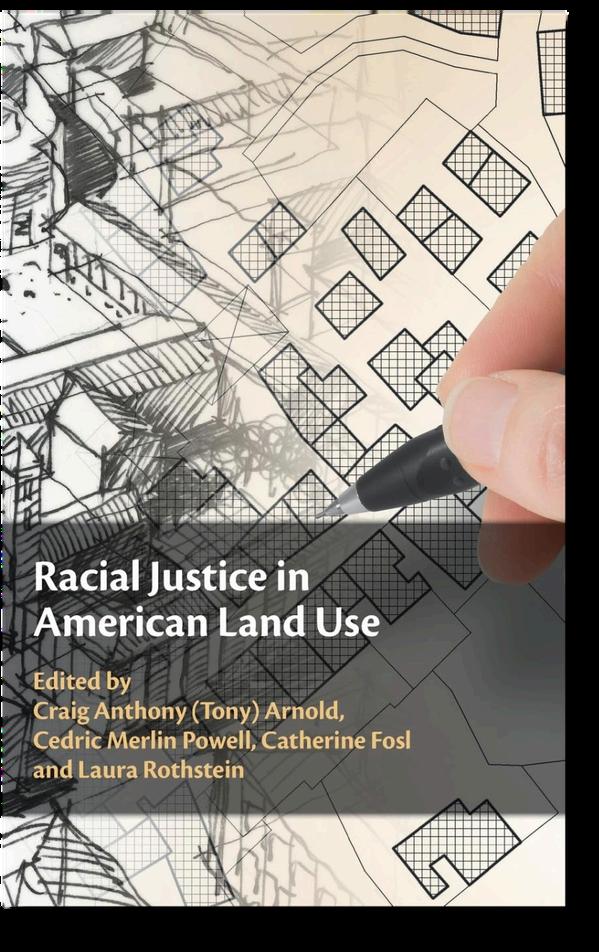
Associate Dean and Professor Cedric Merlin Powell authored multiple scholarly works examining race, constitutional law, and education His article “Re-casting Brown: Post-Racial Federalism and the Demise of the AntiSubordination Principle,” forthcoming in the Georgetown Journal of Law and Modern Critical Race Perspectives, analyzes Brown v. Board of Education as a limit on oppressive state power and traces how the Supreme Court expands or contracts state authority to advance post-racial constitutionalism. Powell is also a co-editor of Racial Justice in American Land Use, published by Cambridge University Press, an interdisciplinary volume exploring the racial implications of language use policy. In addition, he authored “Five Reviews,” a book review essay forthcoming in Green Bag, and was interviewed by Chalkbeat on the impact of the Students for Fair Admisssions decision on minority teacher programs
W. Sherman Rogers
Professor W Sherman Rogers published “What is AI? Benefits, Risks, Regulation, Litigation, and Potential Impact on the Labor Market” with Colmar Publishing The book explores artificial intelligence through legal, regulatory, and economic lenses, with particular attention to its effects on the labor market.
Carlton Waterhouse
Professor Carlton Waterhouse presented extensively on climate resilience, environmental justice and systemic reform. He presented at the American college of Environmental Lawyers Annual Meeting in Boston, including a five-state survey of key climate resilience laws. Waterhouse published Climate Redress Revisited: Loss and Damage, Compensation, and Reparations in the Iowa Law Review and presented the work at international conferences in Budapest and Seoul He was also quoted as an expert in a New York Times article examining changes at the Environmental Protection Agency and lectured on disrupting systemic racism in the law for the National Judicial College’s Antiracist Courtroom program
Professor Darin Johnson Discusses the Digital War in new book, Digital Coup
Professor Darin Johnson first realized how malign actors could use social media to sow division in 2018 That year, Special Counsel Robert Mueller released indictments against Russian agents following interference in the 2016 U S presidential election Johnson was preparing to go on a radio show to discuss the indictments. As he read them, he was floored.
The Department of Justice laid out the case for how Russia had intentionally used social media to amplify divisive messaging and disinformation microtargeted at specific audiences to amplify social divisions and tension The scheme to divide Americans based on past and present racial and social divisions was intricate. Johnson realized at that moment that Russia was deliberately weaponizing the country’s historical pain rooted in racial division against the United States He knew this was a new battlefront upon which America and other multiracial, pluralistic societies were uniquely vulnerable He was shocked and disturbed Ever since that moment, he has explored the issue in his scholarship with the goal of expanding public understanding of this phenomenon.
Johnson has also observed that the tactics used by Russia in 2016 have spread globally Other foreign governments, hate groups, and private actors saw how effective Russia’s campaign was and they have gotten in on the game. Many authoritarian governments that wish to undermine democracy, extremist groups, and campaign operatives have adopted similar strategies These digital division campaigns have been deployed against elections and democratic societies around the world Johnson believes they have contributed to democratic erosion and racial and political polarization. They have also created an ecosystem where people, wittingly and unwittingly, have been used to promote these campaigns These practices have become standard tools for ideological division and democratic erosion
In his book, Digital Coup: The Conspiracy to Thwart Global Democracy, Johnson hopes to show that a digital war is being fought largely invisibly on social media and digital platforms, which have become primary means of communication He asks difficult questions about freedom of expression in this context “Should a foreign intelligence agent from Russia or a bot farm out of Southeast Asia posting disinformation and hateful rhetoric under fake American identities have the same rights and access of expression on digital platforms as an actual American citizen? What about a self-learning generative AI tool, for sale to the highest bidder, that masquerades and communicates through hundreds of thousands of authentically presenting fake human profiles across multiple platforms?”
“This is the world that we live in now,” Johnson says “The integrity of identity and message that many take for granted on these platforms needs to be interrogated constantly When we do so, I believe, we will find that much of the polarizing and divisive rhetoric that we see across social media is by design Only then can the democratic erosion, societal polarization, and real-world attacks that arise from these campaigns be addressed”
New Faculty
Rashida
Edmondson
Professor Edmondson joined the faculty in Fall 2025 from the Public Defender Service for the District of Columbia, where she was Chief of the Parole Division She is an Assistant Professor of Law and directs the Reentry Clinic Professor Edmondson is a graduate of Stanford Law School.
Kristen Clarke
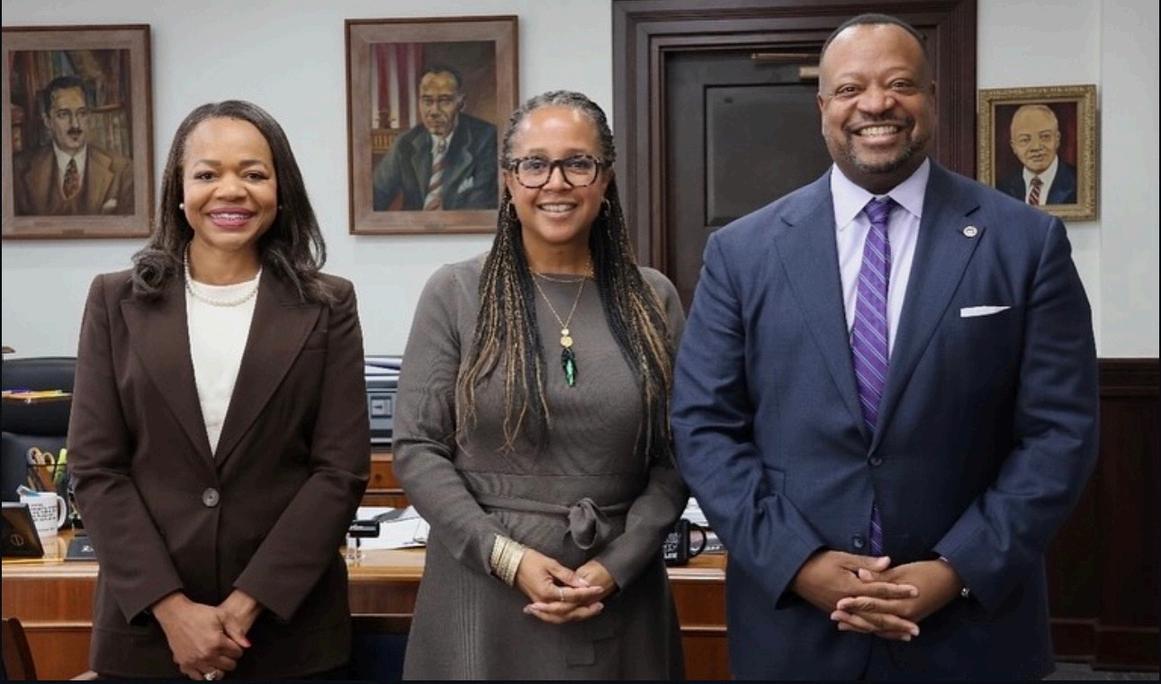
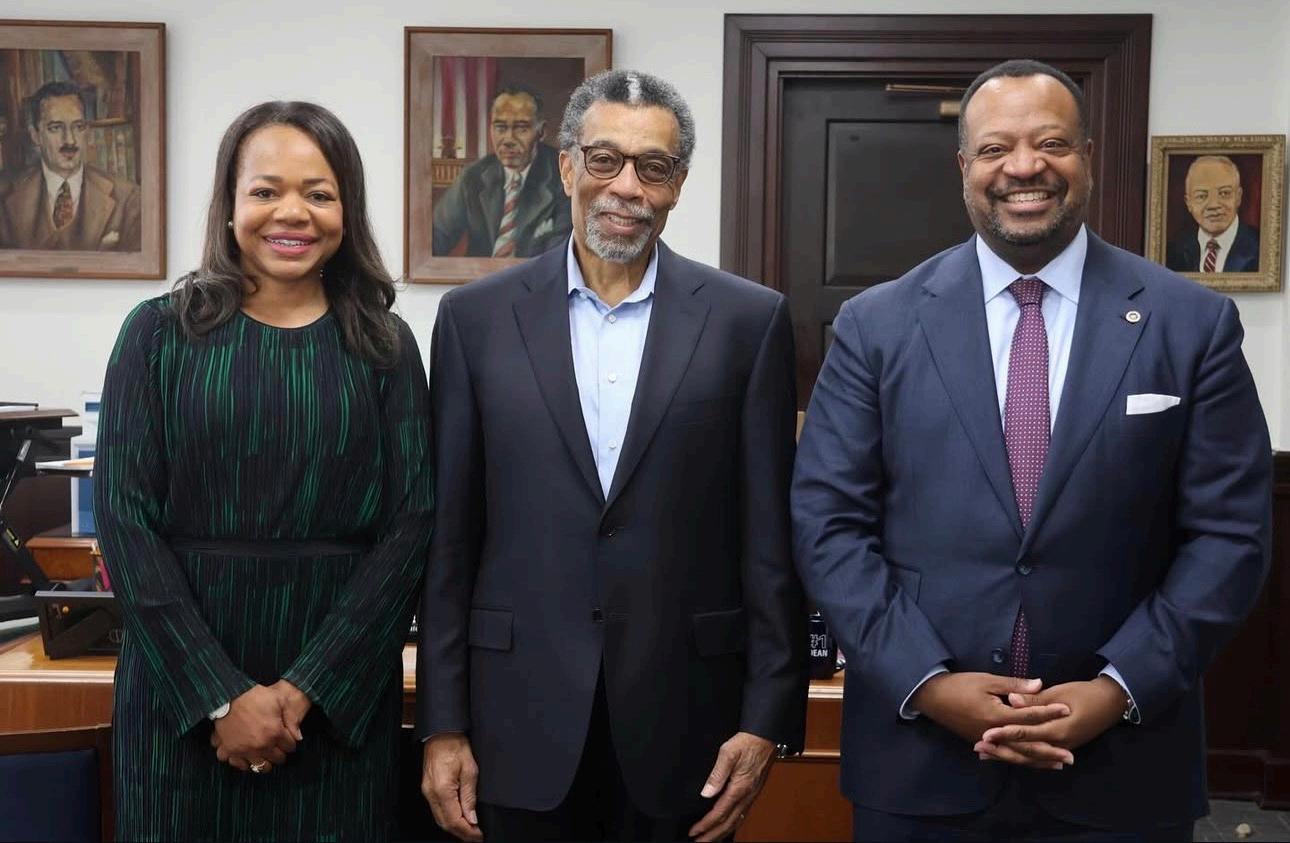
Professor Clarke, former Assistant Attorney General for Civil Rights in the Biden Justice Department, joined the faculty in Fall 2025 as the Earl C. and Anna H. Broady Visiting Chair in Civil Rights. She directs the Howard Law Civil Rights Clinic. Professor Clarke is a graduate of Columbia Law School.
Jamille Fields Allsbrook
Professor Allsbrook joined the faculty in Fall 2025 from Saint Louis University School of Law, where she was Assistant Professor of Law At HUSL, she is an Assistant Professor of Law and teaches in the health law area Professor Allsbrook is a graduate of Saint Louis University School of Law.
Gabriel Hindin
Professor Hindin joined the faculty in Fall 2025 from the Office of the Comptroller of the Currency, where he was a litigator. At HUSL, he is an Assistant Professor of Lawyering Skills and teaches Legal Writing courses. Professor Hindin is a graduate of Boston College Law School.
Howard University School of Law has received a $1 million gift to support the launch of the Howard Law Artificial Intelligence Initiative, a bold new effort to ensure that artificial intelligence is developed, governed, and deployed in ways that advance equity, civil rights, and democracy
The gift, generously provided by Reginald “Reg” Brownand Tiffeny Sanchez, establishes Howard Law as a national leader at the intersection of law, technology, and justice at a critical moment when artificial intelligence is rapidly reshaping society
“The systems shaping our future should reflect the full breadth of our humanity,” said Mr. Brown, who is a partner at Kirkland & Ellis and a member of the board of the private equity firm Blackstone. “Howard Law’s legacy of advancing civil rights makes it uniquely positioned to ensure that AI strengthens democracy rather than undermines it”
Artificial intelligence is influencing nearly every aspect of modern life, from employment and education to healthcare, housing, and voting Yet these systems are often built without meaningful input from historically excluded communities, embedding bias and inequality into technology itself The Howard Law Artificial Intelligence Initiative seeks to change that trajectory
“We are proud to support Howard Law’s efforts to ensure that AI is a force that expands opportunity rather than reinforces inequity,” said Tiffeny Sanchez
Of the Initiative Dean Fairfax shared, “Howard Law understands that technology and fundamental rights cannot be separated We are grateful to Reg and Tiffeny for this generous investment in Howard Law, and proud to foster a vision that places justice, accountability, and community at the center of innovation.”
The initiative will advance its mission through three core pillars The Impact Foundry will support diverse, mission-driven entrepreneurs developing equity-centered AI technologies by connecting them with legal, technical and business expertise. The Justice Lab will equip civil rights leaders, technologists and policymakers with the tools to understand both the promise and the peril of artificial intelligence Next Gen Leaders will prepare future lawyers, scholars and advocates to lead ethical and equitable AI governance
Through entrepreneurship projects, policy design, and community convenings, the Initiative will attract global thought leaders, legal scholars, technologists, and changemakers. At the helm is Roy L. Austin, Jr , a nationally recognized civil rights attorney and policy leader “AI will either accelerate division or dismantle barriers,” Austin said “At Howard Law, we are committed to bending the arc of technology toward justice and ensuring that communities historically excluded from innovation are leading its future.”
Reg Brown and Tiffeny Sanchez pictured at Bison on the Bench: A Tribute to Judge Joseph W Hatchett ‘59
Roy Austin, Jr. named Howard Law Roy Austin, Jr. named Howard Law Artificial Intelligence Initiative Artificial Intelligence Initiative
Inaugural Director Inaugural Director
Howard University School of Law has named Roy L Austin as the inaugural director of its newly established Howard Law Artificial Intelligence Initiative, a program focused on ethical AI innovation and civil rights law.
Supported by a significant gift from Reg Brown and Tiffeny Sanchez, the initiative will function as a technology incubator with a mission to develop artificial intelligence solutions that advance civil and human rights, justice, fairness, and the rule of law. Students, faculty, and alumni from the law school and across Howard University will collaborate to design and incubate AI ventures that respond to today’s most pressing social justice challenges.
“For too long, AI development has happened without meaningful input from those who understand the real-world impact of massive technological change,” Austin said “The Howard Law AI Initiative will ensure that all communities have a seat at the table to build AI with justice as its North Star”
Austin is a nationally recognized civil rights attorney and policy leader with deep experience at the intersection of law, technology and equity He served as deputy assistant attorney general in the U.S. Department of Justice Civil Rights Division and was later appointed by President Obama as deputy assistant to the president for the Domestic Policy Council. He also has been a partner at two major law firms and has taught at law schools. As director, he will lead efforts to ensure that AI systems are developed with a focus on civil liberties and equal access to justice.
Dean Roger A. Fairfax, Jr. said the Initiative marks a critical step in bridging emerging technologies and the law. Through interdisciplinary collaboration, he said, it will strengthen Howard Law’s leadership in shaping ethical frameworks for technological innovation “We are thrilled by this investment in Howard Law and are proud to welcome Roy Austin, a nationally recognized expert in this area, to spearhead this important initiative,” Fairfax said
Bison On The Bench
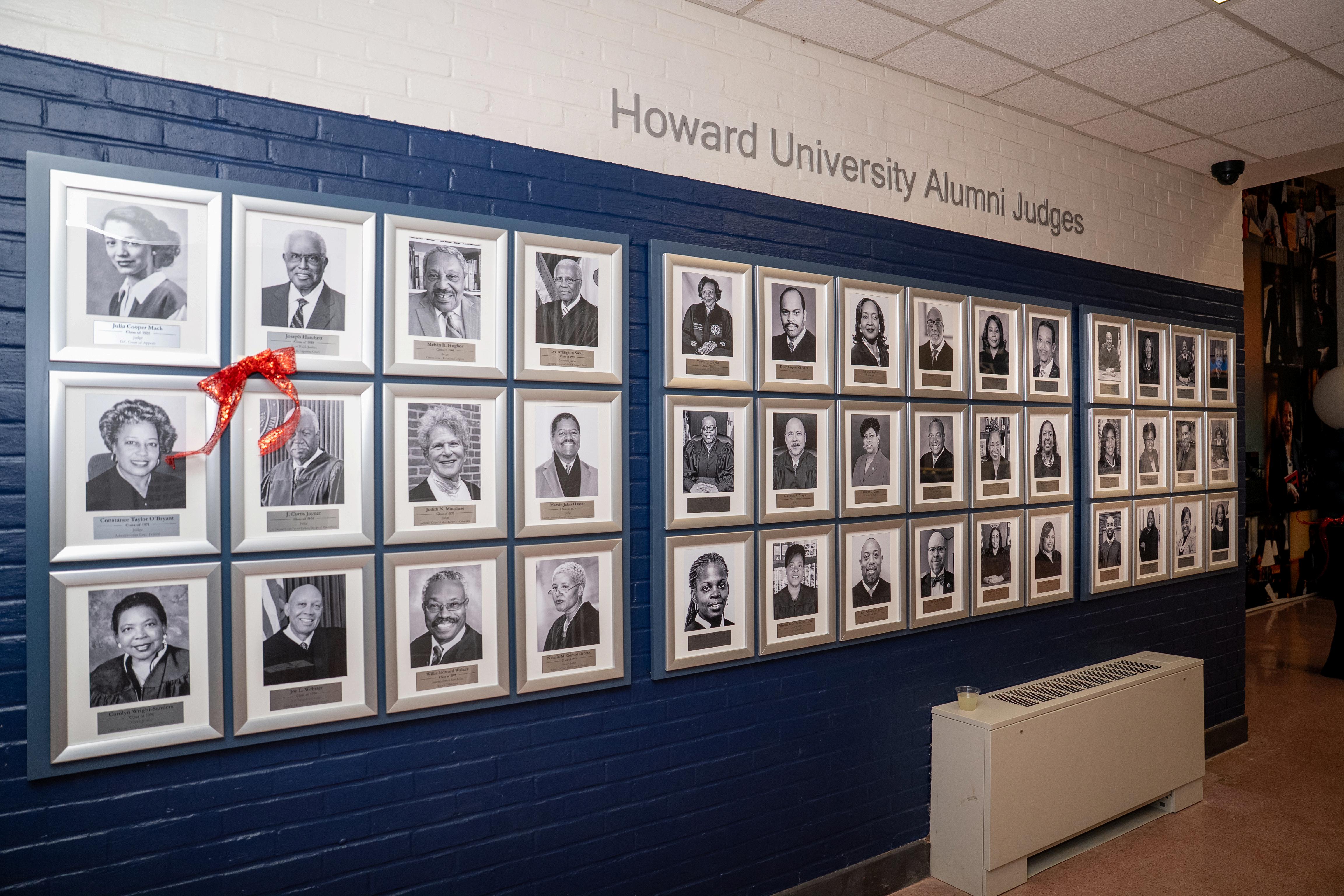
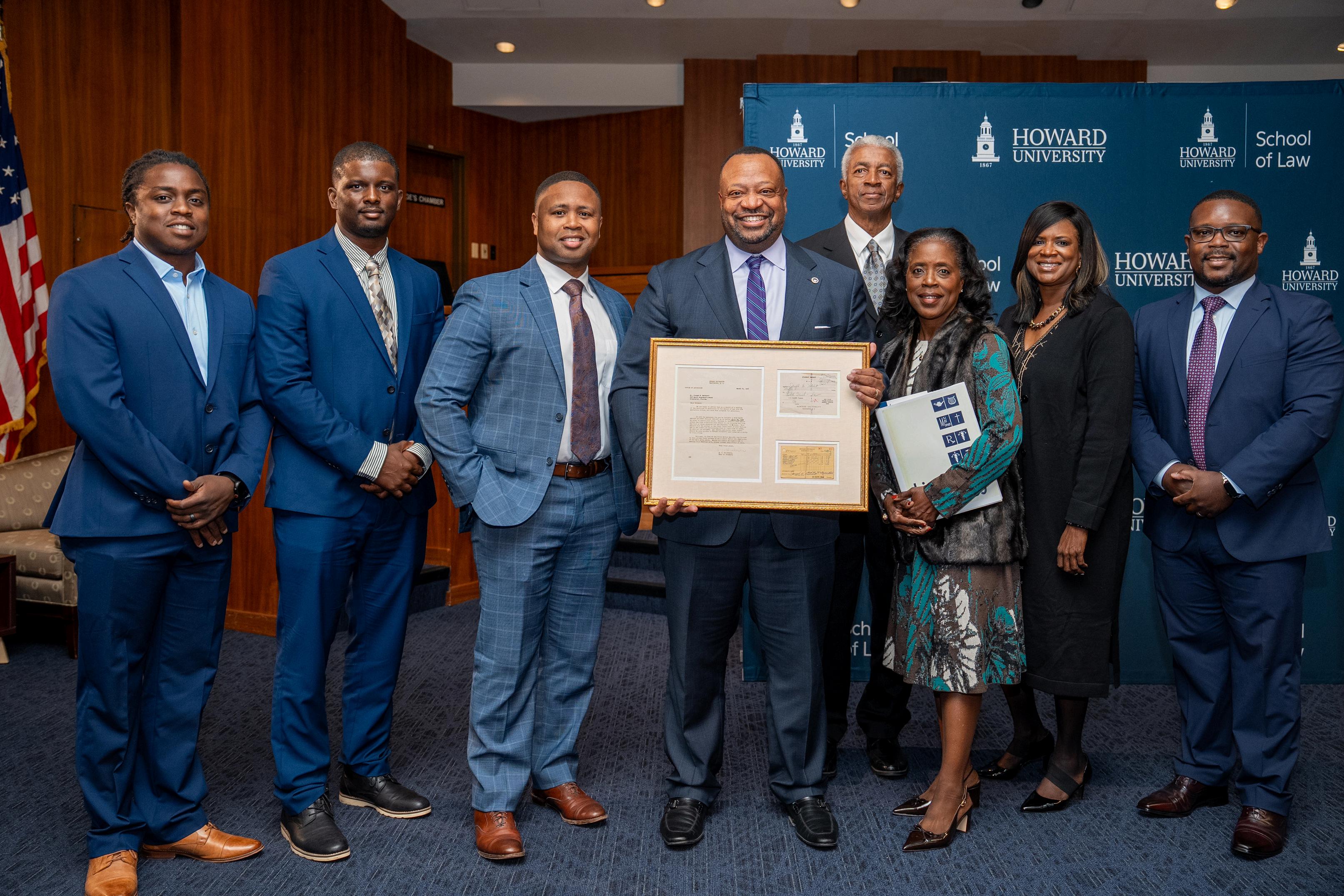
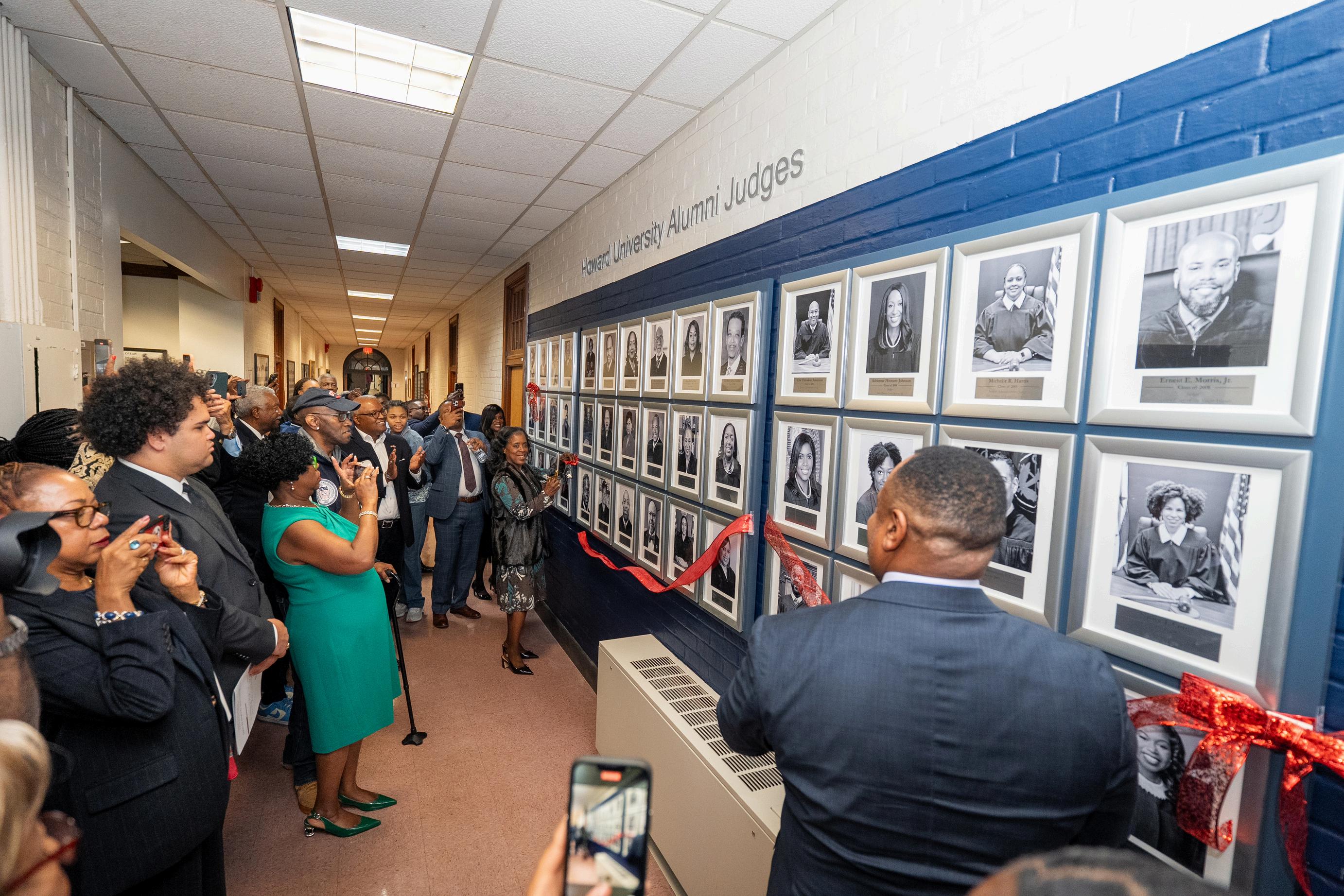
In October, as part of Homecoming week, Howard Law hosted its second annual Bison on the Bench ceremony honoring alumni judges. This year ’ s event paid special tribute to the late Judge Joseph W Hatchett ’59, a pioneering figure in the American judiciary
In honor of Judge Joseph W Hatchett, Howard Law presented his family with the 1959 HUSL yearbook featuring his photo. The event also marked the establishment of the Joseph W Hatchett Faculty Scholar, created through a generous gift from Reg Brown, who clerked for Judge Hatchett, and Tiffeny Sanchez Professor Lisa Crooms-Robinson was named the inaugural Hatchett Faculty Scholar.
The ceremony took place in the Honorable Damon J. Keith Moot Court Room, followed by a ribbon-cutting and reception Alumni, faculty, students, and members of the Hatchett family gathered to celebrate his accomplishments and reflect on his lasting impact on the law and the legal community.
Judge Hatchett was the first African American appointed to a state Supreme Court since Reconstruction and the first African American elected to the highest court in Florida He also served on the U S Court of Appeals for the Fifth Circuit and the Eleventh Circuit Throughout his career, he broke barriers in the courts and mentored young lawyers, leaving a lasting mark on the legal community.
Homecoming Alumni Reception
Your paragraph text
Alumni Receptions Across the U.S.
Opening Convocation
On September 19, Howard University held its 2025 Opening Convocation, marking the beginning of the academic term and featuring a keynote address by Professor Sherrilyn Ifill
Board of Visitors Congress
In mid-September, Dean Roger A Fairfax, Jr and the HUSL Board of Visitors participated in Howard University’s biennial Board of Visitors Congress, highlighting key accomplishments at the School of Law, charting our strategic direction, and celebrating the addition of four new Board of Visitors members
Pink for
Breast Cancer Awareness
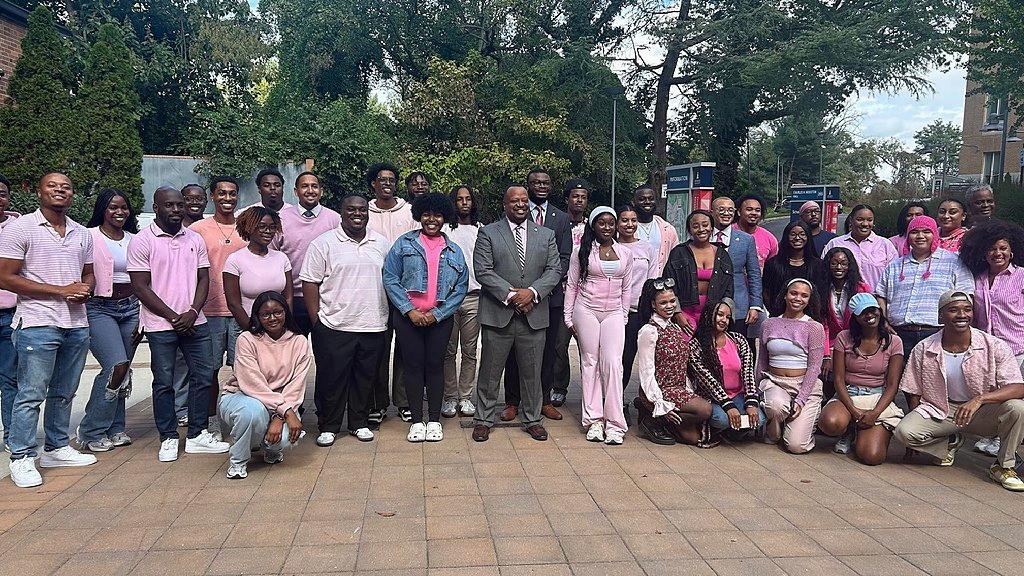
In October, the Howard Law community dressed in pink to recognize Breast Cancer Awareness Month and stand in solidarity with those impacted by the disease, raising awareness and encouraging early detection and support for survivors
20th anniversary of
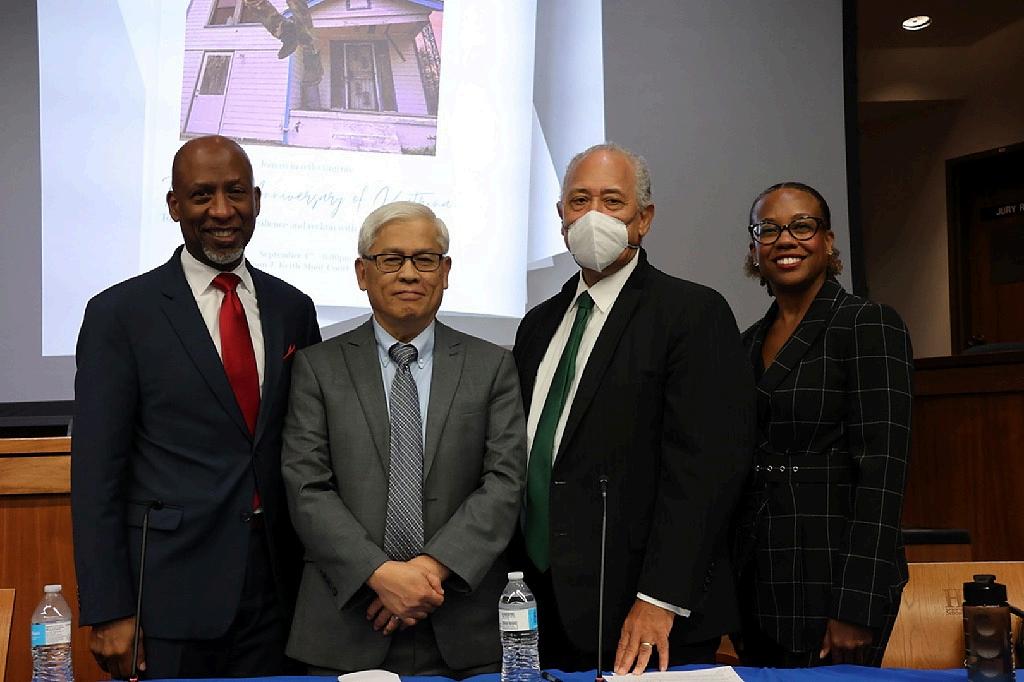
In September, HUSL commemorated the 20 annivesary of Hurricane Katrina with a fireside chat on environmental justice and a screening of Spike Lee’s When the Levees Broke. th
Hurricane Katrina
Inaugural HUSL Golf Outing
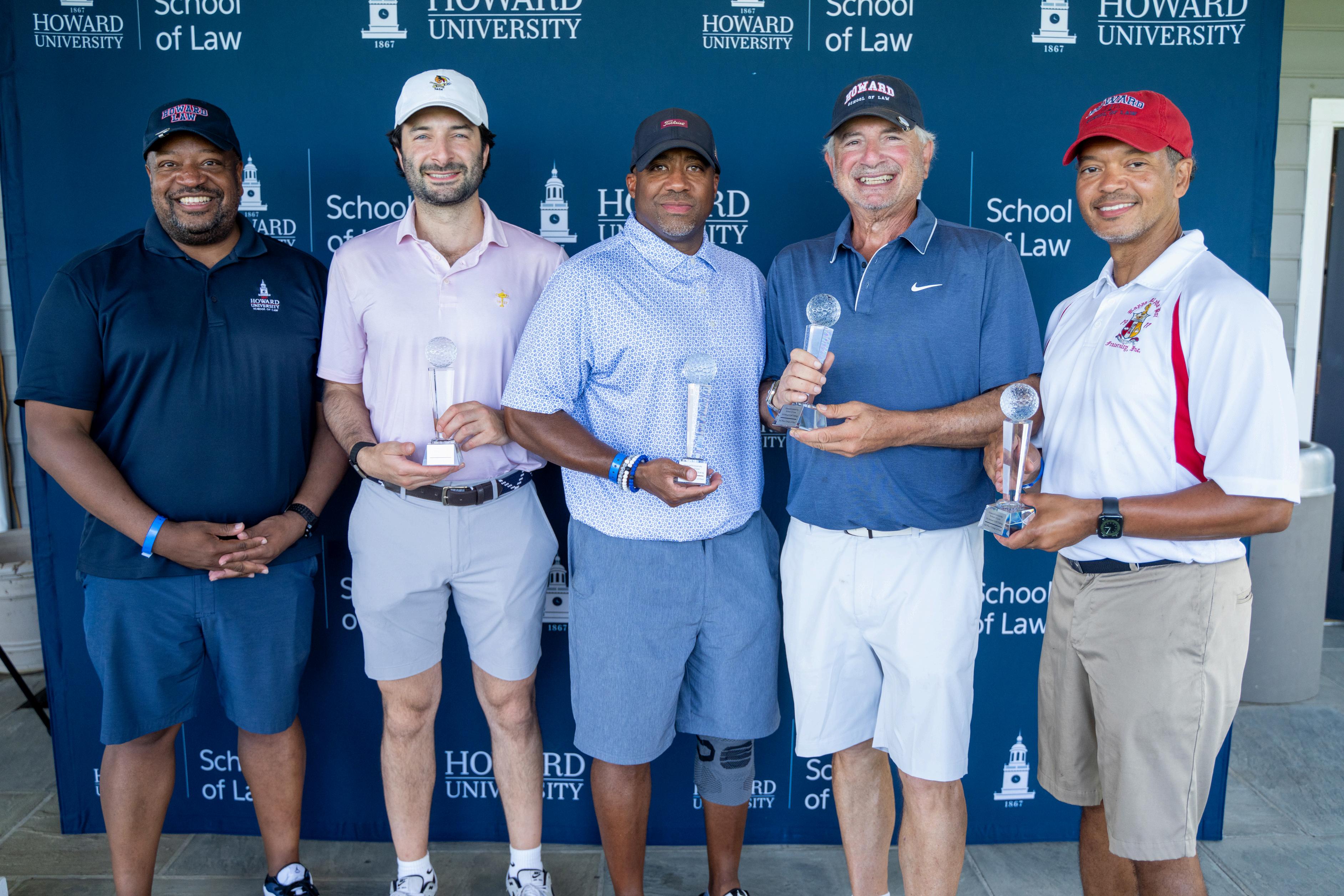
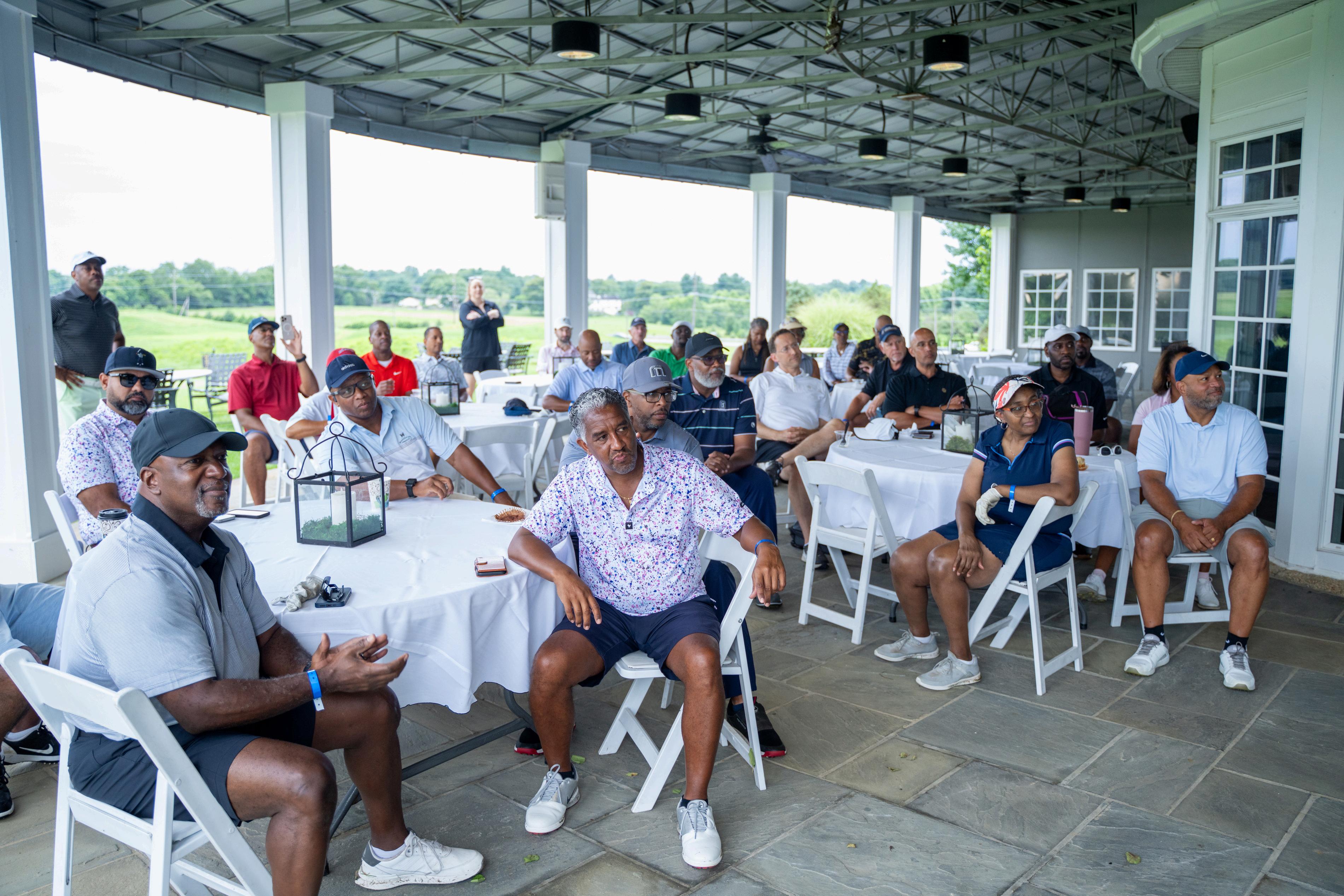
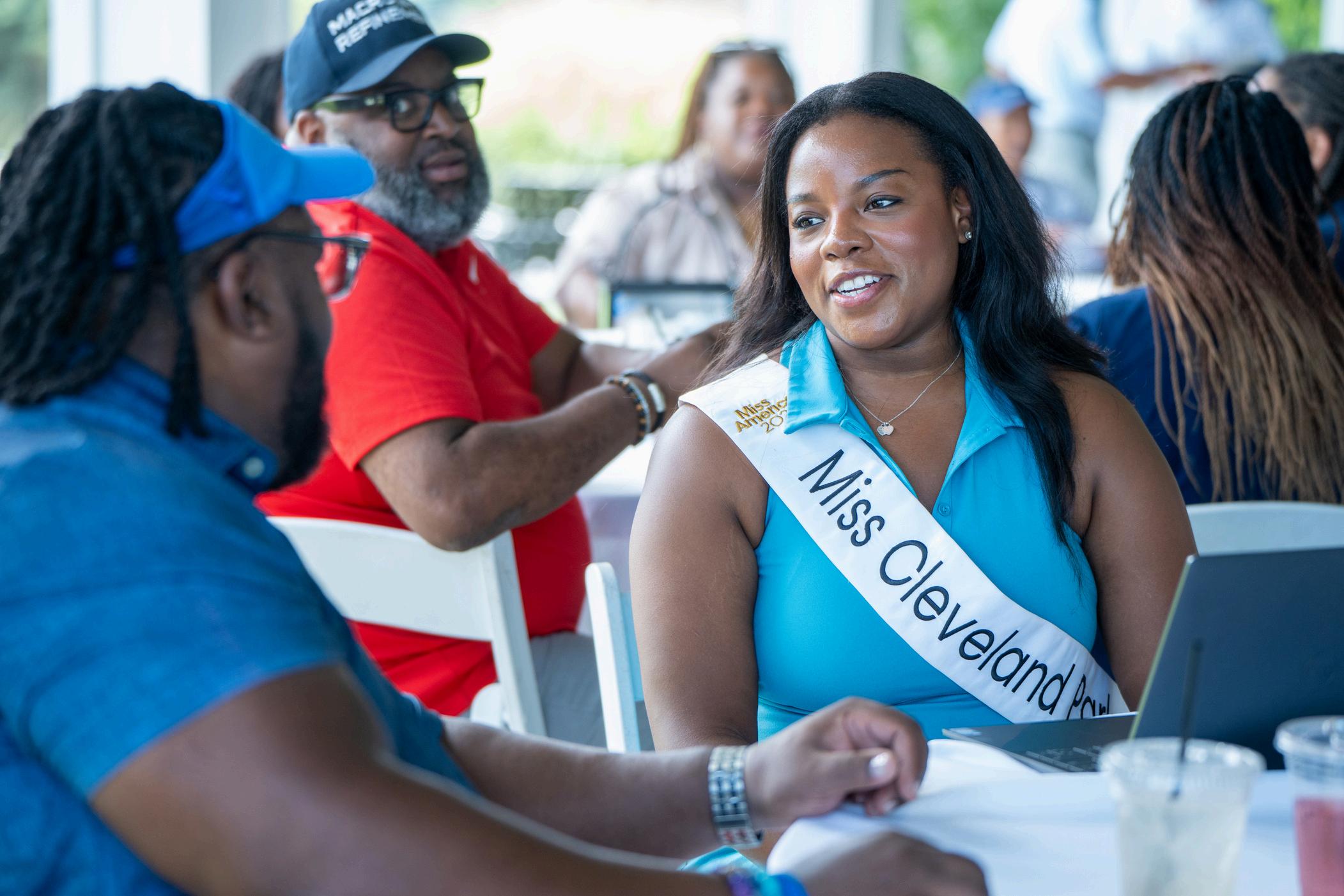
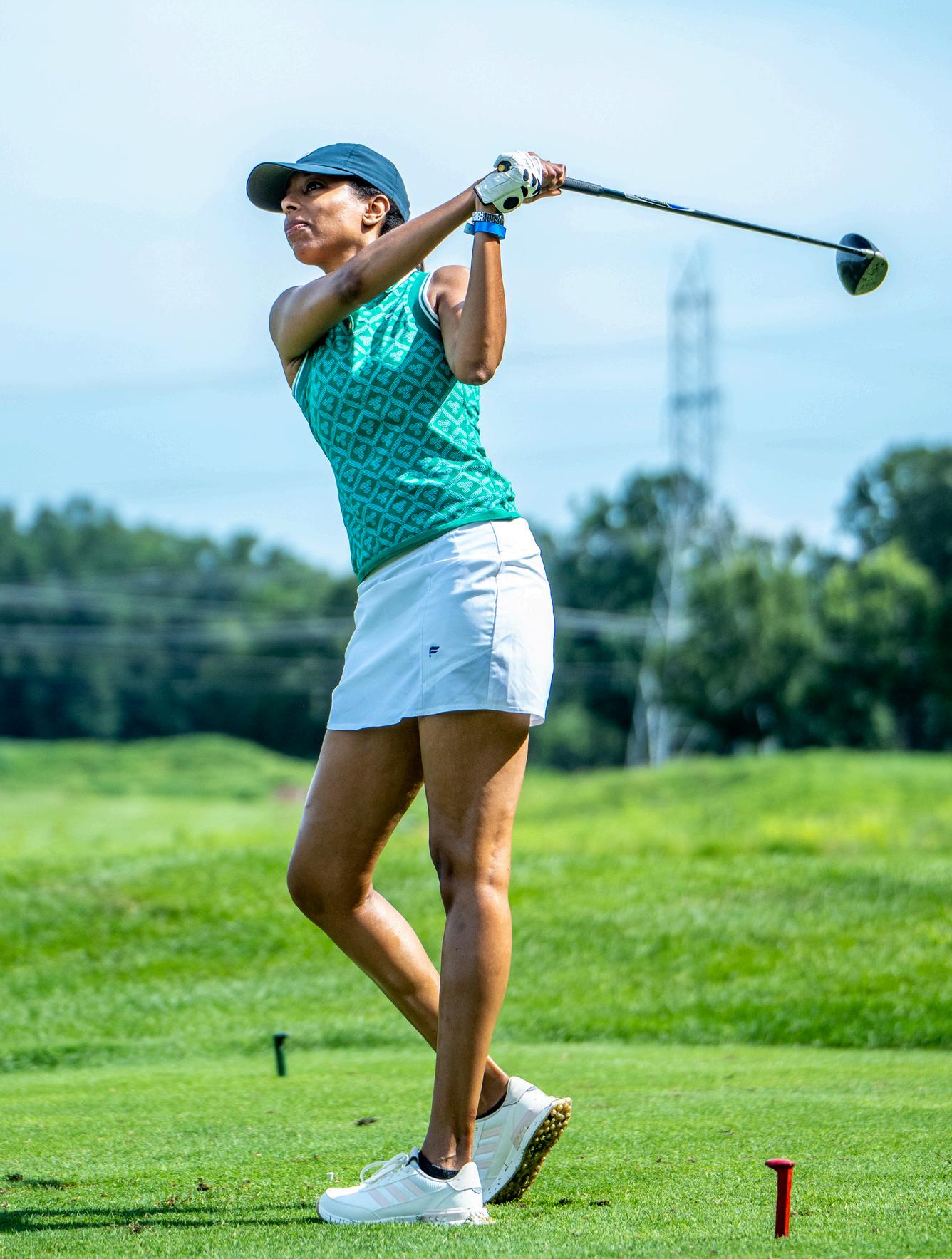
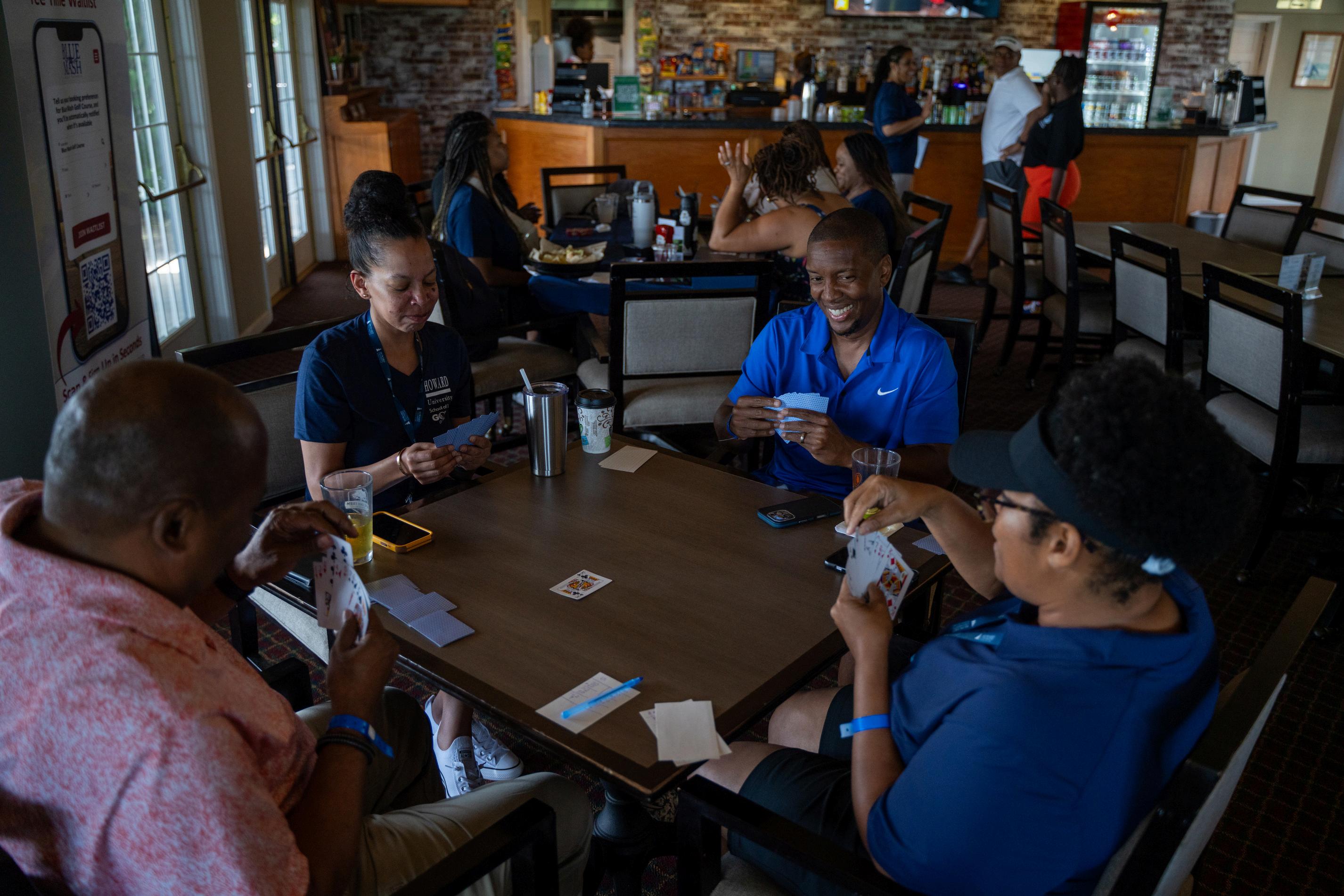
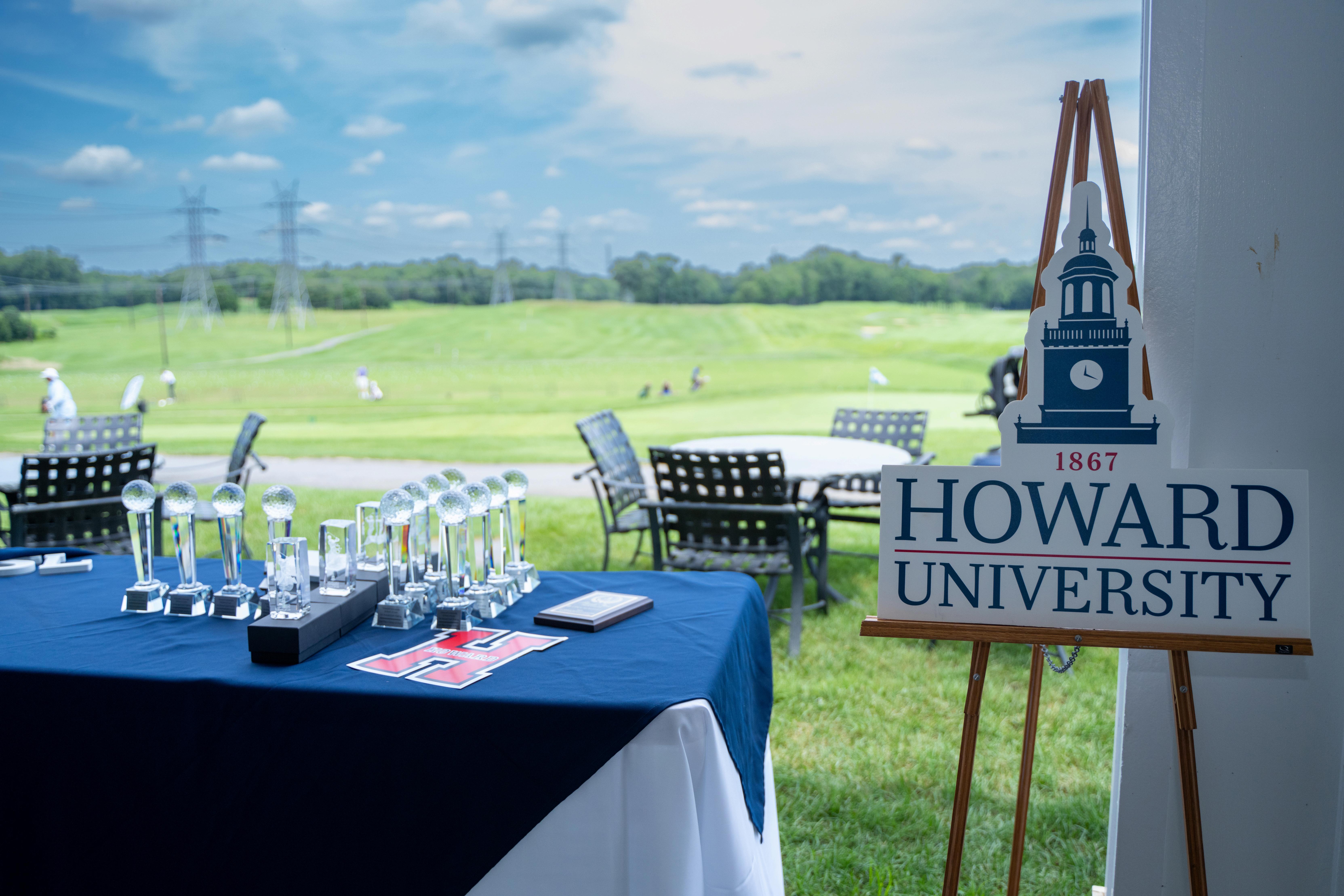
In July, Dean Fairfax hosted the inaugural Howard Law golf outing at Blue Mash Golf Course, bringing together alumni and supporters to benefit the Dean’s Innovation Fund Sponsors included Cole Schotz PC , Anthony Noble and Kevin Graves Legal
First place went to Ken Ward ’99, Ernest Brooks III, Terence Hosten and Mark Holman Second place was Dean Fairfax, Chris Fairfax, Aaron Muhammad and Patrick Glover Third place went to Scott Woods ’03, Professor Emeritus Adam Kurland, Darren Riley ’00 and Benjamin Kurland
Special honors included longest drive for women, Lilah Blackstone ’98, and men, Chris Fairfax. Closest to the pin went to Leila Batties for women and Terence Hosten for men
ALUMNI
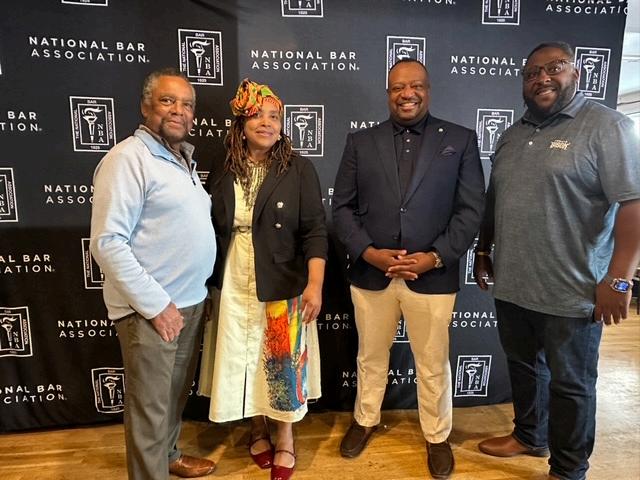
Jenice Golson-Dunlap was inducted into the National Bar Association's Hall of Fame. As the NBA celebrated a century of impact, she was among 4 HUSL alum who was recognized as a legal trailblazer whose work has shaped the profession and strengthened our communities 1972 1977
Margo Bouchet was inducted into the National Bar Association's Fred D. Gray Hall of Fame, that recognizes attorneys who have practiced 40 or more years and attorneys who exemplify a lifetime of excellence in advocacy, service, and the pursuit of justice
1976
Robert L. Bell was honored at the NBA's 100th Annual Convention in Chicago with his induction into the National Bar Association's Hall of Fame, that recognizes attorneys who have practiced for 40 or more years and who exemplify a lifetime of excellence in advocacy, service, and the pursuit of justice
1983
William CE Robinson was inducted into the National Bar Association's Hall of Fame, that recognizes attorneys who have practiced for 40 or more years and exemplify a lifetime of excellence in advocacy, service, and the pursuit of justice
1984
Judge Helen Brown Bryant retired in June as the First Justice of the Suffolk County Juvenile Court in Boston, Massachusetts She is only the second woman and first Black judge to hold the position in the court’s 119-year history In September, Judge Brown Bryant was selected to participate in establishing the Judicial Coaching Center of the National Judicial College.
1987
William Rice was featured in the International Business Journal highlighting his recent publication discussing his journey to beating a chronic disease
1990 1989
Alice Thomas contributed to a major court decision when she and her organization, the Center for Taxpayer Rights won the first round to fight to protect taxpayers private information
James Durant III was awarded the ABA’s 2nd highest Award in February 2025, the Spirit of Excellence Award and in January 2026, he was awarded the Senior Executives Association’s highest award, the Senior Executive Professional Lifetime Achievement Award.
1992
Danielle Conway was named AALS President and listed in the National Jurist’s Most Influential People in Legal Education
1995
Lewis Askew’s firm named #1 Underwriter’s Counsel in the United States for the seventh straight year. Attorney Askew, along with his partner Earle Chico Horton, are the founding members of Tiber Hudson
1996
Omar Karim’s firm Banneker Ventures broke ground on a 96 million dollar mixed use real estate development project.
1997
Earle Chico Horton’s firm was named #1 Underwriter’s Counsel in the United States for the seventh straight year Attorney Horton, along with his partner Lewis Askew, are the founding members of Tiber Hudson.
James Carter was elected as National Bar Association President-Elect
Jason L Brown was appointed president and chief executive officer of the Association of Corporate Counsel in November 2025
2003
Clay Cauley, Sr won the election to the office of the Court of Common Pleas as Judge in Pennsylvania in November 2025
Rich Gibson filed to run for a third term to serve as States Attorney for Howard County He began his first term as Howard County’s top prosecutor in 2019 where he was the first African American to serve in that role.
1999 2000
Clayton K. Harris III was appointed as the first Black Chief of Staff to Emanuel Chris Welch, the first Black Speaker of the House for the Illinois House of Representative in its 206-year history
Tiega Noel Varlack testified before the Senate Standing Committee on Judiciary
2005
Judge Eric Glover became an adjunct professor of Criminal Procedure at Georgetown University Law Center, achieving a lifelong dream of becoming a professor.
2002
Leslie Chambers Mehta was elected to the Virginia House of Delegates in the 73rd District and was sworn in on January 14, 2026
Sonia Murphy became a partner at Gilbert LLP after leaving the Department of Justice in 2025.
Natalie Ward was appointed magistrate judge in Cobb County Georgia At her appointment in August 2025, Chief Magistrate Judge Brendan F. Murphy said that she and her fellow appointee are “excellent attorneys with respect for the law, common sense and judicial temperaments ”
2006
Sasha (Hodge-Wren) Johnson was elected principal at Miles & Stockbridge along with fellow alum Gillian Santos
2010
Rodney Diggs was recognized as “A Leader of Influence” in the Los Angeles Business Journal in 2025
Rodney serves as a director and cochair of the Labor & Employment practice group at Ivie McNeill Wyatt Purcell & Diggs, a major Los Angeles law firm
Ritu Narula joined Goldman Sachs as Vice President of Artificial Intelligence to help advance innovation and responsible AI adoption across the company She is expected to contribute to building the firm’s future responsible AI initiates.
2012
Christian Hanley published an article that was featured in USA Today for his opinion piece on politics.
2013
Nadine Mompremier was promoted to Pro Bono Counsel at Simpson Thacher & Bartlett LLP And in December 2025 She co-authored an article in the Practising Law Institute (PLI) Current called What Modern Microentrepreneurs Are Up Against - And How Lawyers Can Help "
Thurston J Hamlette was elected Partner at Morgan, Lewis & Bockius LLP (New York, NY) Thurston represents issuers and investment banks in public and private equity and debt financing transactions, including IPOs, follow-on and secondary offerings and private placements
2015
Chidi Oteh was named partner at Ropes & Gray on November 1, 2025 As partner in the firm's asset management and sports groups, his practice focuses on the representation of various investment advisers, hedge funds, private equity funds and institutional investors in connection with fund formation, ongoing governance and operational issues, compliance, regulatory and transactional matters including SEC filings and other compliance matters Chidi was named Best Lawyers in America: Ones to Watch for 2026 and National Black Lawyers Top 40 Under 40
Angel Murphy’s firm, The Murphy Law Firm, was named on Inc 2025 List of Fastest Growing Companies Angel is the founding partner of the company and is licensed in Maryland and the District of Columbia.
2016
D’Juan B Jones was promoted to counsel at Sidley Austin, LLP in the Securities Enforcement and Regulatory represents individual and corpor clients in investigations, enforcem actions, and litigations brought by US Securities and Exchan Commission (SEC), the Finan Industry Regulatory Authority, the Department of Justice, state attorn general, and other law enforcement a regulatory authorities In addition representing clients in investigations a litigated enforcement actions, he significant experience conduc sensitive internal investigations financial services firms and pu companies in response to whistleblo complaints or other allegations misconduct
2017
Gillian Santos was promoted to principal at Miles & Stockbridge along with fellow alum Sasha Johnson
2019
Tiffany Dayemo contributed to the publication of a 4-year report auditing the Office of the Chief Medical Examiner (OCME) in her role as the primary Assistant Attorney General staffing the audit
2020
Professor Spencer H. Boyer
Professor Emeritus Spencer H Boyer, the longest-serving faculty member in the history of the Howard University School of Law, passed away November 14, 2025
Over a 50-year career, Boyer taught more than 4,000 law graduates, in some cases educating two generations of the same family He was a consistent recipient of student awards for excellence in teaching and played a central role in shaping the academic experience at Howard Law
Boyer’s influence extended well beyond the classroom. His former students became leaders in law, government, business and the arts, carrying forward the lessons he emphasized as a teacher and mentor. His contributions to legal education and civil rights scholarship remain significant
Before joining Howard Law, Boyer co-founded and co-edited the Harvard Civil Rights-Civil Liberties Law Review, now one of the nation’s leading law journals. He was a longtime advocate for civil rights and educational opportunity and was instrumental in curriculum development In 1972, he established one of the nation’s earliest entertainment law courses at a major law school
These accomplishments reflect only part of Boyer’s impact on the Law School and the legal profession His commitment to teaching, scholarship and justice helped shape generations of Howard Law graduates
The Howard University School of Law community extends its condolences to Boyer’s family and to all who were influenced by his work and mentorship His legacy continues through the students and institutions he helped build.
Judge Rohulamin Quander
Judge Rohulamin Quander, a proud native of Washington, D.C., and a member of the Howard University School of Law Class of 1969, passed away on August 16, 2025
A distinguished graduate of Howard University and Howard Law, Judge Quander built a career defined by integrity, fairness, and service He served as an Administrative Law Judge and later as a Senior Judge in the District of Columbia, earning the respect of colleagues and the trust of the community he served
Beyond the bench, Judge Quander was a pioneering historian of the Quander Family, one of the oldest documented African American lineages in the nation. Through books, lectures, and public service, he preserved and shared the histories of Black families, fraternal organizations, and civic movements, ensuring their contributions remain part of the American narrative He founded the Quander Historical and Educational Society and helped shape exhibits at George Washington’s Mount Vernon, including Lives Bound Together: Slavery at George Washington’s Mount Vernon.
Judge Quander’s life of faith, leadership, and mentorship was reflected in his 60-year membership in Omega Psi Phi Fraternity, Inc , his Catholic devotion, and his partnership with his wife, Carmen Torruella-Quander His formative years included breaking racial barriers at Sacred Heart School in 1950 and studying at Archbishop Carroll High School, foundations that shaped his lifelong commitment to justice and scholarship
The Howard University School of Law extends condolences to Judge Quander’s family and to all whose lives he touched His legacy as a guardian of history, a servant of justice, and an inspiration to future generations endures through the students, alumni, and communities he influenced
Newly-Established Howard University School of Law Public Interest Alumni Advisory Committee
In 2025, Dean Fairfax established a new Howard Law Public Interest Alumni Advisory Committee to provide valuable guidance on how best to support Howard Law students pursuing careers in public interest law. The following alumni volunteers appointed to the Committee generously give of their time to produce the next generation of Howard Lawtrained social engineers.
Michelle L Lockard ’10 is a Washington, D C –based litigator with more than a decade of courtroom experience Her practice spans family law, criminal defense, and government contracting disputes, and she regularly appears before the Superior Court of the District of Columbia and the D.C. Court of Appeals. She also volunteers with the DC Volunteer Lawyers Project and the DC Bar Pro Bono Clinic.
Domonique Williams ’16 is an attorney and public administrator focused on housing equity, access to justice, and community engagement in Boston A Roxbury native, she has led initiatives expanding pro bono legal services and addressing systemic barriers to justice She currently serves as Deputy Director of Boston’s Office of Housing Stability, working on tenant protections, eviction prevention, and anti-displacement efforts
Jerron Hawkins ’19 is a Director at We-Collab and a licensed attorney focused on advancing equity through place-based initiatives and nonprofit advocacy. A former Policy Advisor in the U.S. Department of Justice’s Community Relations Service, he is a proud double alumnus of Howard University and serves on several nonprofit boards supporting underserved communities.
Judge Angela S. Robinson ’91 is an Administrative Law Judge with the D.C. Office of Administrative Hearings. A Washington, D.C. native, Judge Robinson previously served as a Hearing Examiner for the D.C. Child and Family Services Agency and ran a private law practice focused on business, intellectual property, and employment matters
Gennet Purcell ’99 is Chief Administrative Appeals Law Judge for the District of Columbia, bringing over a decade of judicial experience and more than 20 years in legal and regulatory leadership She is an accomplished attorney with expertise advising individuals, government entities, and private organizations
Natiya Curtis ’07 is an attorney with over 15 years of experience across multiple industries, specializing in affordable housing and community initiatives. She is skilled in litigation support, regulatory compliance, legal research, and client representation, with a strong record of managing cases, drafting legal correspondence, and navigating complex federal regulations.
Paulina Davis ’10 is a storyteller, attorney, and educator from New York City. A Skadden Fellow and Howard University School of Law graduate, her work has focused on education and disability rights, including research on civil rights issues in charter school discipline She is making her directorial debut with The Co-op: The Kids of Dorie Miller, a documentary exploring her family’s roots in one of New York City’s first non-segregated housing cooperatives
Demetria McCain ’01 is Director of Policy at the NAACP Legal Defense Fund (LDF), where she leads the organization’s national policy and advocacy work across criminal justice, economic justice, education, and voting rights. She previously served as Principal Deputy Assistant Secretary at the U.S. Department of Housing and Urban Development’s Office of Fair Housing and Equal Opportunity. A longtime fair housing advocate, McCain has led nonprofit and legal initiatives advancing housing equity and economic opportunity nationwide
Judge Helen Brown Bryant ’84 was appointed an Associate Justice of the Juvenile Court in 2014 and has been First Justice of the Suffolk County Juvenile Court since 2020. Prior to her appointment to the bench, she had a solo law practice in the areas of juvenile law, probate and family law, special education and disability law, and criminal law as a Middlesex Bar Advocate
Judge Eric Sebastian Glover ’00 was appointed to the bench in 2023. He previously served as General Counsel for the D C Department of Corrections and as Chief of the Civil Enforcement Section at the D C Office of the Attorney General, where he led major enforcement actions and civil litigation
Joycelyn McGeachy-Kuls ’92 is an Administrative Law Judge at New York City’s OATH, presiding over cases ranging from licensing and regulatory enforcement to human rights and correction officer misconduct She previously held leadership roles in government, corporate, and prosecutorial settings
Nisha Brooks-Whittington ’02 is an Assistant Federal Public Defender in Las Vegas, specializing in federal trial and Capital Habeas cases. She previously served as a federal judicial law clerk. Passionate about ensuring equal representation, she draws on her own journey and mentorship experiences to advocate for justice for clients who cannot afford legal counsel.
Anthony Harrison ’25 is a staff attorney at the Public Defender Service for the District of Columbia. A former Jerome L. Greene Scholar, Anthony has experience working in criminal law, community organization, and public policy. He has years of community engagement experience and is considered a leader amongst his peers.
Why I Give: Jon Benson ’74 Invests in Bar Preparation
Jon Benson entered Howard University School of Law in 1971, graduating with the Class of 1974 After college, he spent a year working on a political campaign and living partly in Boston
The early 1970s were a tense period nationally. The Vietnam War continued, and the country was still grappling with the assassinations of Dr. Martin Luther King, Jr. and Robert Kennedy. At Howard Law, faculty emphasized rigorous preparation. During Benson’s time at the Law School, concerns about bar passage rates began to emerge in several states
Benson credits Howard Law for preparing and teaching him how to think like a lawyer He recalls a first-year practice exam when Professor Lane showed him how to match the elements of negligence to the facts of a case. Professors Washington and Parker pushed him to read carefully and think critically.
After graduating, Benson worked at two Boston law firms before opening his own family law practice in 1978 In 1985, he partnered with another attorney, and together they built one of Massachusetts’ leading family law firms Benson retired in December 2017 after a career marked by strong professional relationships and satisfying work.
In 2005, Benson mentored a graduating student preparing for the Massachusetts Bar She shared that a graduation speaker had reportedly warned the class to expect low bar passage results The comment disturbed him His mentee passed the bar and began her career at a top Boston firm, but the moment reinforced Benson’s long-held concerns.
Those concerns resurfaced years later in conversations with classmates, including one who recalled failing a bar exam twice by a single point
After retiring, Benson decided to focus his giving on bar preparation As his 50th reunion approached, he made a gift dedicated to bar preparation
In 2025, Benson connected with Professor Keri Foster, who leads the bar preparation program, and increased his support after learning more about its needs. He plans to continue giving in the years ahead.
For Benson, giving back is about making sure Howard Law graduates are prepared to succeed
Dean’s Innovation Fund
Your contributions empower Dean Fairfax to launch exciting new programs, develop transformative initiatives, and create new pathways for our students to impact the legal profession and the world.