City Dogs
URBAN LIVING CHALLENGES
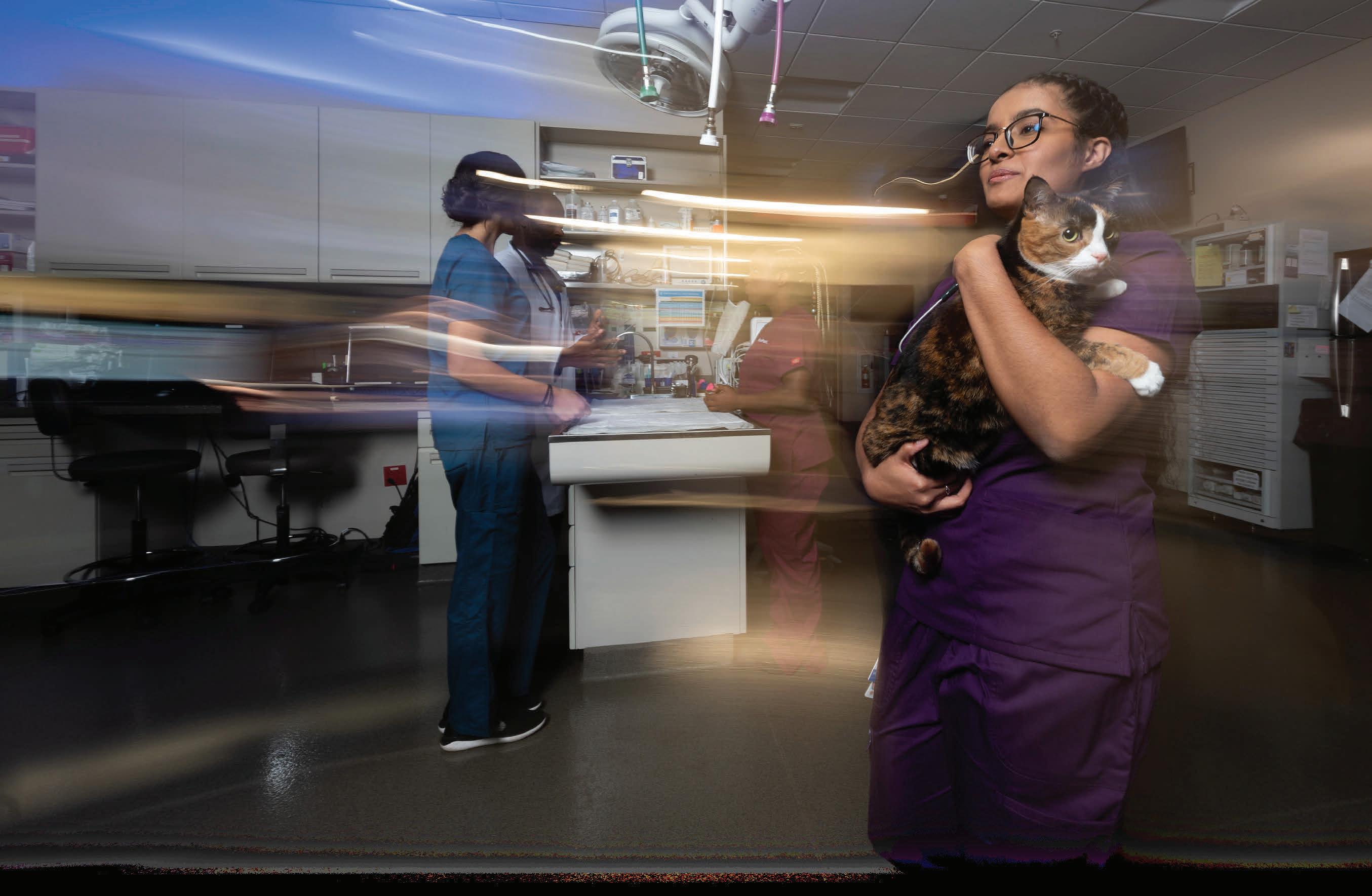
When your pet is in trouble or something’s just not right, BluePearl’s emergency and specialty teams know what to do. Our Spring and Katy hospitals combine nationally recognized veterinary expertise with a hometown sense of care. We collaborate with you and your family vet to provide exceptional care for your pet.
BluePearl Pet Hospital Spring 832.616.5000
1646 Spring Cypress Rd. Spring, TX 77388
info.spring@bluepearlvet.com
24/7 Emergency
Critical + urgent care
Internal medicine
Surgery
Oncology Diagnostic imaging
BluePearl Pet Hospital Katy 281.675.6000
19450 Katy Fwy. Ste. 200 Katy, TX 77094
info.katy@bluepearlvet.com
24/7 Emergency Internal medicine
Our teams honor the humananimal bond in all phases of your pet’s life and offer BluePearl Pet Hospice services through both our Spring and Katy hospitals. We deliver a range of advanced support services for senior and terminally ill pets in your home or in our hospitals.
Advanced pain management
Comfort Care (hospice + palliative support)
Environmentally friendly cremation
Euthanasia
Memorial keepsakes
Telehealth visits
Our mission is to make every pet’s end-of-life experience as meaningful as the life they’ve lived.
For information, visit PetHospice.BluePearlVet.com

Proper dental care for pets requires anesthesia to ensure:
• An in-depth exam
• Accurate diagnosis • A safe and calm experience • Pain-free treatment
Rest assured, at VDS®, our team of board-certified veterinary specialists in dentistry and anesthesia ensures that every patient—whether young or young at heart—has a thorough and pleasant experience. We welcome your call if you wish to learn more about our anesthesia protocols or any of our advanced dental care services.
Chanda Miles, DVM, DAVDC | Bradley Simon, DVM, MSc, DACVAA


Houston Area
VCA Animal Hospitals
CareClub* membership offers personalized healthcare designed for your pet’s unique needs.
Houston Area VCA Animal Hospitals
Access unlimited exams**, savings of up to 25% annually, exclusive member benefits and more!
Cypress
Cypress
VCA Telge Road Animal Hospital 11430 Telge Road Cypress, TX 77429
VCA Telge Road Animal Hospital 11430 Telge Road Cypress, TX 77429
281-955-9797 vcatelgeroad.com
281-955-9797 vcatelgeroad.com
Houston
Houston
VCA Ashford Animal Hospital 12633 Whittington Houston, TX 77077
281-497-3917 vcaashford.com
VCA Ashford Animal Hospital 12633 Whittington Houston, TX 77077 281-497-3917 vcaashford.com
VCA Countryside Animal Hospital 2211 FM 1960 East Houston, TX 77073
281-443-7297 vcacountryside.com
VCA Countryside Animal Hospital 2211 FM 1960 East Houston, TX 77073 281-443-7297 vcacountryside.com
VCA Jones Road Animal Hospital 9570 Jones Road Houston, TX 77065
281-890-9525 vcajonesroad.com
VCA Jones Road Animal Hospital 9570 Jones Road Houston, TX 77065 281-890-9525 vcajonesroad.com
VCA Prestonwood Animal Hospital 13720 Schroeder Rd. Houston, TX 77070
281-890-1960 vcaprestonwood.com
VCA Prestonwood Animal Hospital 13720 Schroeder Rd. Houston, TX 77070 281-890-1960 vcaprestonwood.com
VCA Spring Branch Animal Hospital 10109 Long Point Road Houston, TX 77043 713-461-1121 vcaspringbranch.com
VCA Spring Branch Animal Hospital 10109 Long Point Road Houston, TX 77043 713-461-1121 vcaspringbranch.com
Katy
Katy
VCA Kelliwood Animal Hospital 960 S. Fry Road Katy, TX 77450 281-492-2780 vcakelliwood.com
VCA Kelliwood Animal Hospital 960 S. Fry Road Katy, TX 77450 281-492-2780 vcakelliwood.com
Kingwood
VCA Kingwood Animal Hospital 2526 Green Oak Drive Kingwood, TX 77339
281-358-3146 vcakingwood.com
Lake Jackson
Kingwood
VCA Lake Jackson Animal Hospital 210 That Way Lake Jackson, TX 77566 979-297-3044 vcalakejackson.com
VCA Kingwood Animal Hospital 2526 Green Oak Drive Kingwood, TX 77339 281-358-3146 vcakingwood.com
Pasadena
Lake Jackson
VCA Animal Medical Center of Pasadena 5018A Fairmont Parkway Pasadena, TX 77505 281-487-8233 vcapasadena.com
VCA Lake Jackson Animal Hospital 210 That Way Lake Jackson, TX 77566 979-297-3044 vcalakejackson.com
Pearland
Pasadena
2627 Cordes Dr. Sugar Land, TX 77479 281-980-3737 vcalexingtonblvd.com
1811 Spring Cypress Spring, TX 77388 281-353-5167 vcaspring.com
VCA Westside Animal Clinic
9223 W. Broadway St., Ste. 107 Pearland, TX 77584 281-997-1044 vcawestsidevet.com
VCA Animal Medical Center of Pasadena 5018A Fairmont Parkway Pasadena, TX 77505 281-487-8233 vcapasadena.com
Pearland
VCA Westside Animal Hospital 6034 Broadway Street Pearland, TX 77581 281-485-9840 vcawestsidetx.com
VCA Westside Animal Clinic 9223 W. Broadway St., Ste. 107 Pearland, TX 77584 281-997-1044 vcawestsidevet.com
Spring
VCA Champions Northwest Animal Hospital 8901 Louetta Spring, TX 77379 281-370-0773 vcachampionsnorthwest.com
VCA Westside Animal Hospital 6034 Broadway Street Pearland, TX 77581 281-485-9840 vcawestsidetx.com
Spring
VCA Four Seasons Animal Hospital 3730 FM 2920, Suite 110 Spring, TX 77388 281-825-4994 vcafourseasons.com
VCA Champions Northwest Animal Hospital 8901 Louetta Spring, TX 77379 281-370-0773 vcachampionsnorthwest.com
VCA Woodlands Animal Hospital 428 Rayford Road Spring, TX 77386 281-367-7553 vcawoodlands.com
VCA Four Seasons Animal Hospital 3730 FM 2920, Suite 110 Spring, TX 77388 281-825-4994 vcafourseasons.com
VCA Spring Animal Hospital 1811 Spring Cypress Spring, TX 77388 281-353-5167 vcaspring.com
VCA Southwest Freeway Animal Hospital 15575 SW Freeway Sugar Land, TX 77478 281-491-8387 vcaswfreeway.com
Stafford VCA Stafford Oaks Animal Hospital 927 Dulles Ave Stafford, TX 77477 281-499-3538 vcastaffordoaks.com
Tomball
Sugar Land
VCA Tomball Veterinary Hospital 28800 Tomball Parkway Tomball, TX 77375 281-351-5441 vcatomball.com
VCA Lexington Boulevard Animal Hospital 2627 Cordes Dr. Sugar Land, TX 77479 281-980-3737 vcalexingtonblvd.com
Texas City
VCA Mainland Animal Hospital 7232 Medical Center Drive Texas City, TX 77591 409-948-8401 vcamainland.com
VCA Southwest Freeway Animal Hospital 15575 SW Freeway Sugar Land, TX 77478 281-491-8387 vcaswfreeway.com
Tomball
VCA Tomball Veterinary Hospital 28800 Tomball Parkway Tomball, TX 77375 281-351-5441 vcatomball.com
Texas City
VCA Mainland Animal Hospital 7232 Medical Center Drive Texas City, TX 77591 409-948-8401 vcamainland.com
ON THE COVER
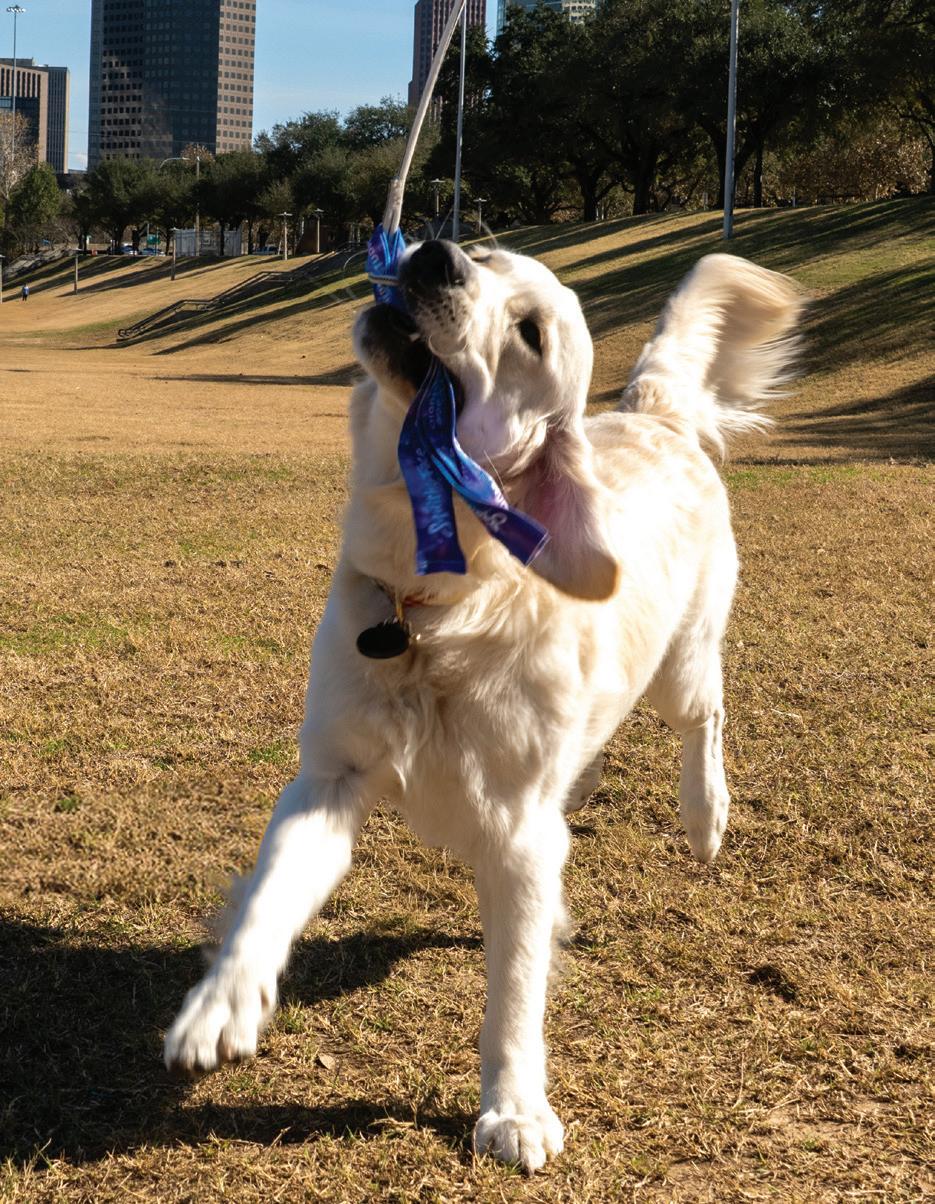
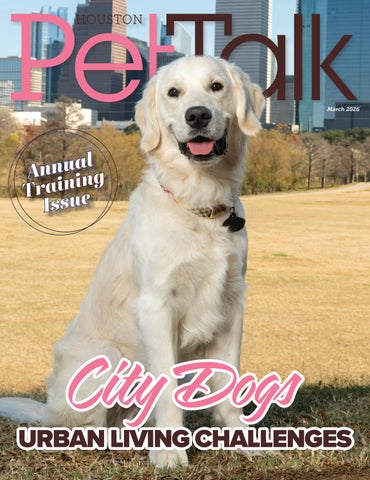
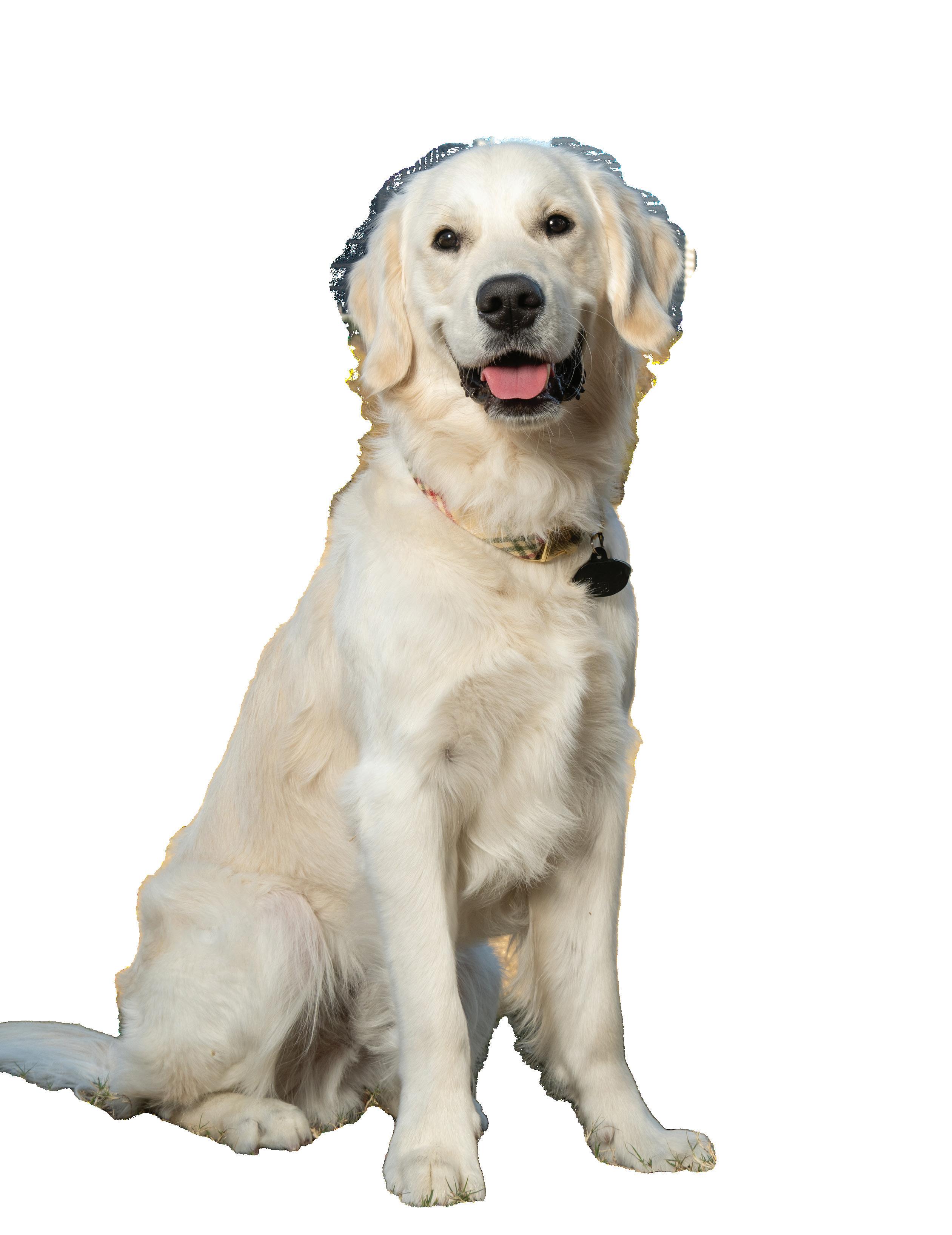
Dog lovers rejoice–it's our annual March Training Issue! Of course we needed an obedient pup on our cover to depict a "welltrained dog" and Deacon, a one yr. old Golden Retriever, was happy to oblige. Expertly trained by Katie Clark at Peace Love Dogs, we owe a big thank you to Deacon and his mom Cathy Moore for taking the time for our photoshoot. With a theme of "City Dogs" and what it takes to navigate urban life, the Houston skyline was a perfect backdrop. Enjoy our training feature story!
Photo: Allison Wilkins Photography
LETTER FROM THE EDITOR
When it comes to our canine friends, I would venture to say that many of you reading this have a dog that might need a wee bit of training…or A LOT of training! It stands to reason that, as we ask canines to be our domesticated friends and share in our human life and human rules, we should offer them a consistent platform of teaching them what we want and what we don’t want. Sounds simple right? But we all know that training our dog is not that simple–it’s time consuming and takes both knowledge and consistency.
Welcome to our annual Dog Training Issue, where we feature various aspects of dog training and ask our sponsors to share their knowledge. PetTalk is fortunate to have some of the top voices in the Houston training industry as part of our “pack”, which we in turn share with our readers. From senior dogs to puppies that arrived this past Christmas, behavior modification and socialization are needed for all pups so that we can enjoy a good, respectful relationship with our pets. Check out our feature story full of great tips on the special issues facing urban dogs from Houston’s Top Trainers.
submissions and tee you up for the next month’s feature.
It seems like March is when we come out of our winter shell and everything happens at once. From the rodeo to Spring Break travels to St. Patrick’s Day and plenty of March Madness basketball, it’s hard to choose what to do! For events that include your furry friends, be sure to check out our website’s EVENT page, plus our news section curates some of the extra special opportunities for you. A few of my favorites include Bark & Sip on Thursday, March 5th at The Doggie Express and Three Dog Bakery's Annual Easter Begg Hunt on March 21. Of course, St. Patty’s Day offers some fun times too and if you plan on taking your pet along for the festivities, check out our Go Green shopping page on 46. And as always, we encourage (ok…we beg!) you to shop local with Houston businesses!
HOUSTON PETTALK MAGAZINE
14781 Memorial Drive, Ste. 510, Houston, Texas 77079
281-556-6560
Co-Publisher
TONIA WHILDEN
Art
Director: ANDREW BURWELL
We have another fun annual event in this issue, the reminder to get ready for our 18th Annual Pets in the Wildflower Photo Contest. Before long, beautiful Bluebonnets, Indian Paintbrush and more will be blooming for amazing photo ops! This year we have a NEW sponsor, Goodman Financial. Check out page 18 for more details so you can prepare to take your best shot of your pet(s) in the flowers to enter starting April 1 on our website. Another section you don’t want to miss is our new Houston Pet Collective on page 22. Each month we curate reader’s
Oh, and I just thought of one more thing that makes March amazing: we get to Spring Forward with our clocks! I love the extra daylight more than I can say. With large animals and acreage, I get to spend more time with the animals and mow the pasture late into the evenings. I know it sounds kinda weird, but I love mowing! I have a zero turn that is so fun! Well…until it isn’t. I’ve caught it on fire twice, ruined the belt multiple times and broken the mulch cover and replaced it 3 times. So yes, I mow with abandon LOL!
Be sure to sign up for our newsletter at HoustonPetTalk.com for the latest news, events, contest info and more. We send it only once a month so no worries about getting too many. Here’s to a flower-filled, vacationing, rodeoing, daylight lasting, awesome March!
© Copyright 2016. Reproduction or use without written permission of articles, editorial or pictorial content in any manner is prohibited. Houston PetTalk does not knowingly accept false or misleading advertising or editorial, nor do the publishers assume responsibility should such advertising or editorial appear. Houston PetTalk does not endorse any specific product or service contained herein; we do encourage you to support our advertisers whenever possible. All photos ©copyright depositphotos unless otherwise stated.
WHERE IN THE WORLD IS PETTALK?
SEND YOUR TRAVEL PHOTOS FEATURING PETTALK
You never know where on this planet you might find a PetTalk reader enjoying their copy! If you’ve snapped a travel pic of one of our readers, send your photo to info@ houstonpettalk.com.
ROATAN, HONDURAS
Sunny Roatan is a great place to vacay and of course read PetTalk, like Angela Ellini is doing here. Angela shared, "I have been collecting PetTalk for years and will keep collecting them for years!" Thanks for the love Angela!

12145 Katy Fwy, Houston, TX 77079
energycorridor@k9resorts.com | 281-231-2601
1380 W Grand Parkway S, Katy, TX 77494 katy@k9resorts.com | 713-955-2025
14033 Southwest Fwy, Sugar Land, TX 77478 sugarland@k9resorts.com | 281-980-7100
1619 N Shepherd Dr Houston TX 77008 heights@k9resorts.com | 713-769-0850
5-Star Experience, Love & Fun Included!
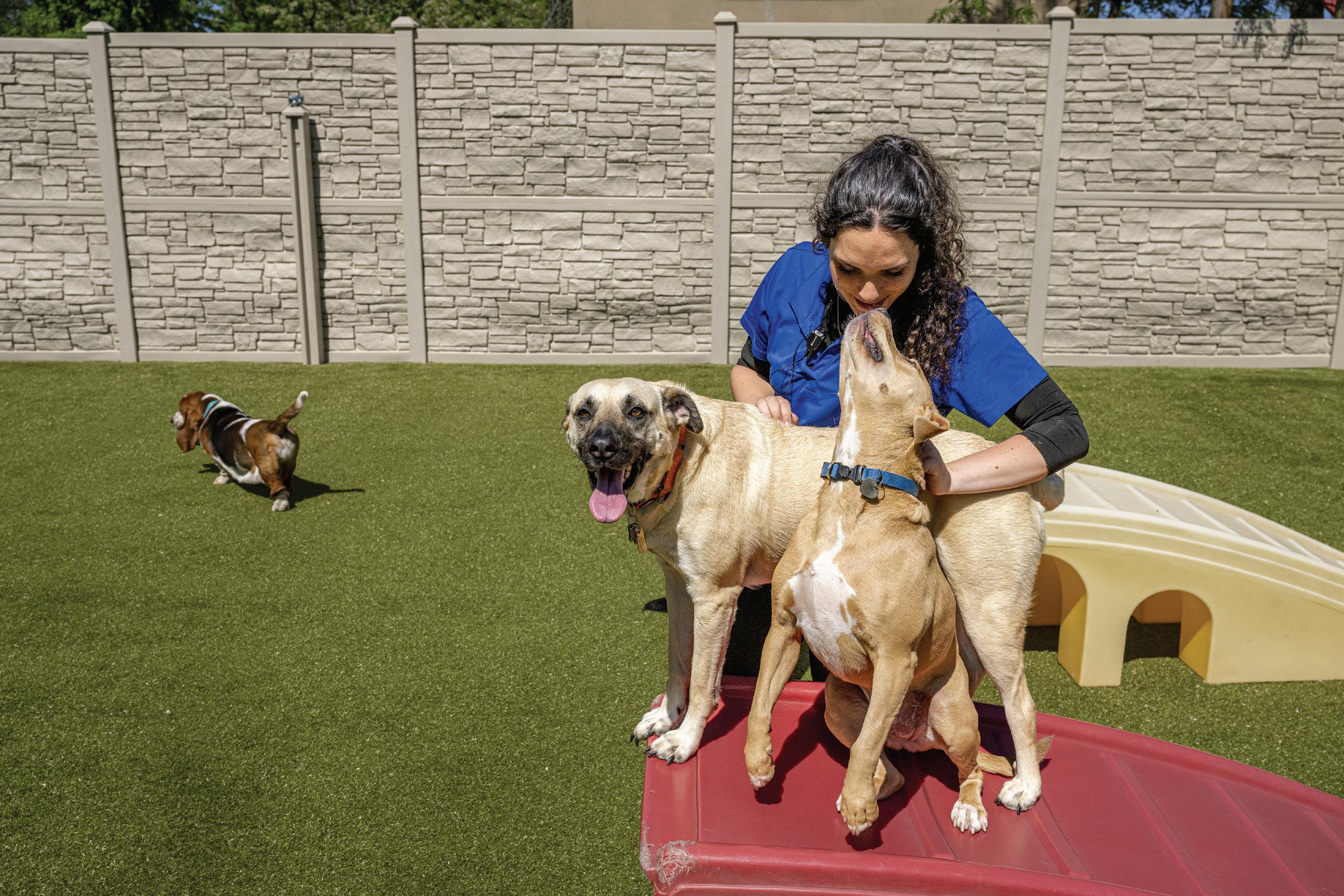
Henrietta
ON GOING GREEN...
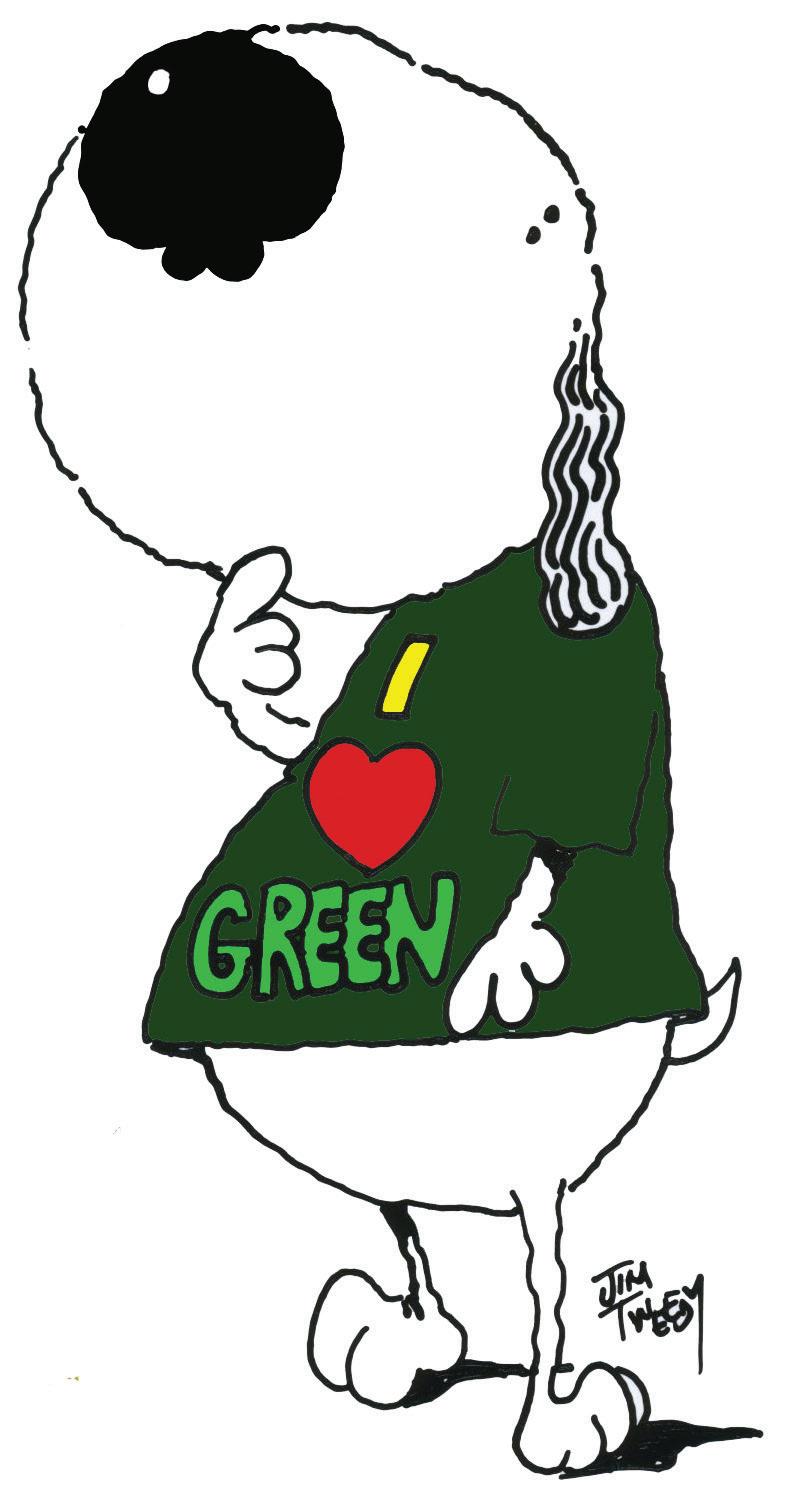
“Henrietta”, called DL from her cushy faux-fur desk chair and over-botoxed face, “I’ve been thinking” (this is where I should have left the room), “that we need to embrace going GREEN.” Hmf. Well, the fire-breathing dragon actually has an ounce of fun hidden in that spaghetti noodle of hers, otherwise known as her brain. I didn’t think she had it in her, but yes, she might just redeem herself by offering to celebrate St. Patrick's Day. Visions immediately came to mind of GREEN Beer, GREENIES for all, little leprechauns dancing about for my enjoyment and Penelope not participating because according to her, “wearing GREEN makes her fur have an aura of peakedness." Yes, I can see how the celebration of GREEN could be filled with scrumptious food and beverage, so I quickly replied, “Yes mother, that is an excellent idea! I need to think about what to wear, because you know what they say: “The luck of the Irish comes to those who wear GREEN.” DL appeared puzzled as I added, “Plus, the Irish are the authors of my favorite saying: "As you slide down the bannister of life, may the splinters never point the wrong way," I retorted over my shoulder as I merrily skipped toward my room to find the most bedazzled GREEN garment in my closet.
But before I could escape the clutches of my tormenter, she said, “Henrietta, what in the dickens are you talking about? What does going GREEN have to do with the Irish?” She is so daft at times. I tried to hide my “you’re so stupid voice” as I patiently explained that St. Patrick’s Day is about everything GREEN, most importantly, the beer.
The next thing that happened was somewhere between tragedy and horror. DL broke out into a fit of laughter, rare as it is, and unfortunately the laughter was at my expense.
“My dear little Henrietta," (she NEVER calls me that so I know something awful is happening), “I am not talking about St. Patrick’s Day, I’m talking about being more environmentally conscious and reducing our carbon footprint,
or in your case, pawprint.” WTH??? She continues, “I’m sure you’ve heard of being more GREEN, which implies you are wanting the planet to stay GREEN and healthy and you will curb your behaviors accordingly.” For the love of PETE! I knew she was mad but this is soul crushing. I can nearly taste the GREEN beer I’m washing down GREENIES with…but NOOO, she has to rain on every parade life has ever offered.
I slump to my purple beanbag chair in the laundry room. Yes, the laundry room, which should tell you how wretched my life is with no hope of joy as I slave away for this monster, penning my masterpiece of a column monthly. She has no shame.
The monster follows me to the laundry room. “Henrietta, stop this drama. Being kind to our planet is something you should celebrate, not something to be so unhappy about.” I chewed my paw and tried to find a glimmer of hope. Perhaps going GREEN could be fun, so I ventured, “What does going GREEN en-tail?” Her eyes lit up as she explained the changes to our lifestyle she was planning. “Well, first, we will reduce our electricity use by using candles at night instead of lights, we will take short, cold showers, we will create a compost pile so each night after dinner, you will sort the garbage, which you are so good at, and place compostable items in a bin. Next, we will reduce food waste by being very selective with our grocery shopping, we will limit takeout and delivery to use less plastic disposable packaging, we will start walking to do our errands rather than using the car”….at this point I think I fainted. When I heard reduce food and walk instead of ride, I’m fairly sure I lost consciousness. Who could possibly live like this? As I drifted back and heard her droning on, the last thing I remember her saying is that the “creme de la creme would be planting and tending to our own garden for sustainability.” I couldn’t sustain this any longer so I ran for the door and didn’t stop until I was at the Salty Dog. Huffing and puffing, I staggered through the door
and found cousins Hortense, Henry and Hilda at the bar. Thank God … I needed to hear the voices of sanity. Well sanity may be a stretch for this threesome but at least they are not trying to steal my entire life’s pleasures.
Hilda took one look at me and said, “Henrietta, what’s wrong? You look like you’ve seen a ghost.” ‘I have,” I replied, “It was me. I’m dead.” Hortense started laughing and so brilliantly pointed out that no I wasn’t dead, I was standing right here. Oh Hortense…there just are no words. Ignoring her, I told the trio my horrific situation that DL was changing our entire life to help the planet and I would no longer have lights, hot water, large choices in food, car rides, or takeout. I mean, this is a total disaster. As if things could not get worse, I notice Penelope has been sitting in the corner staring at her face in the wall mirror the entire time. “Henrietta, I couldn’t help but overhear your predicament. I think reducing your food intake will do wonders for your waistline you lost two summers ago," she smirked. “Oh Penelope, it’s you,” I replied. “I love what you've done with your hair. How do you get it to come out of the nostrils like that?” She mumbled something about hairspray and made her way to the door as I called, “And, you should do your part on going green, stop breathing oxygen and save a tree!”
I turn back to the group and Henry says, "Well, we aren't "going green" at our house. Tonight we are going to ride go-carts." Hilda chimes in, "No, us neither. We are going to enjoy our hot tub tonight with some margaritas." Ouch. And then Hortense adds, "Not to make you feel bad Henrietta, but we are getting Chinese takeout tonight, you know, the one you love with the cute little oyster pail boxes." I can't take this anymore. I slump out the door and head towards home. The only green I'm going to be is GREEN with envy!
Illustration by Jim Tweedy, Colorized by Desiree Lonsway
HAPPIER TAILS.
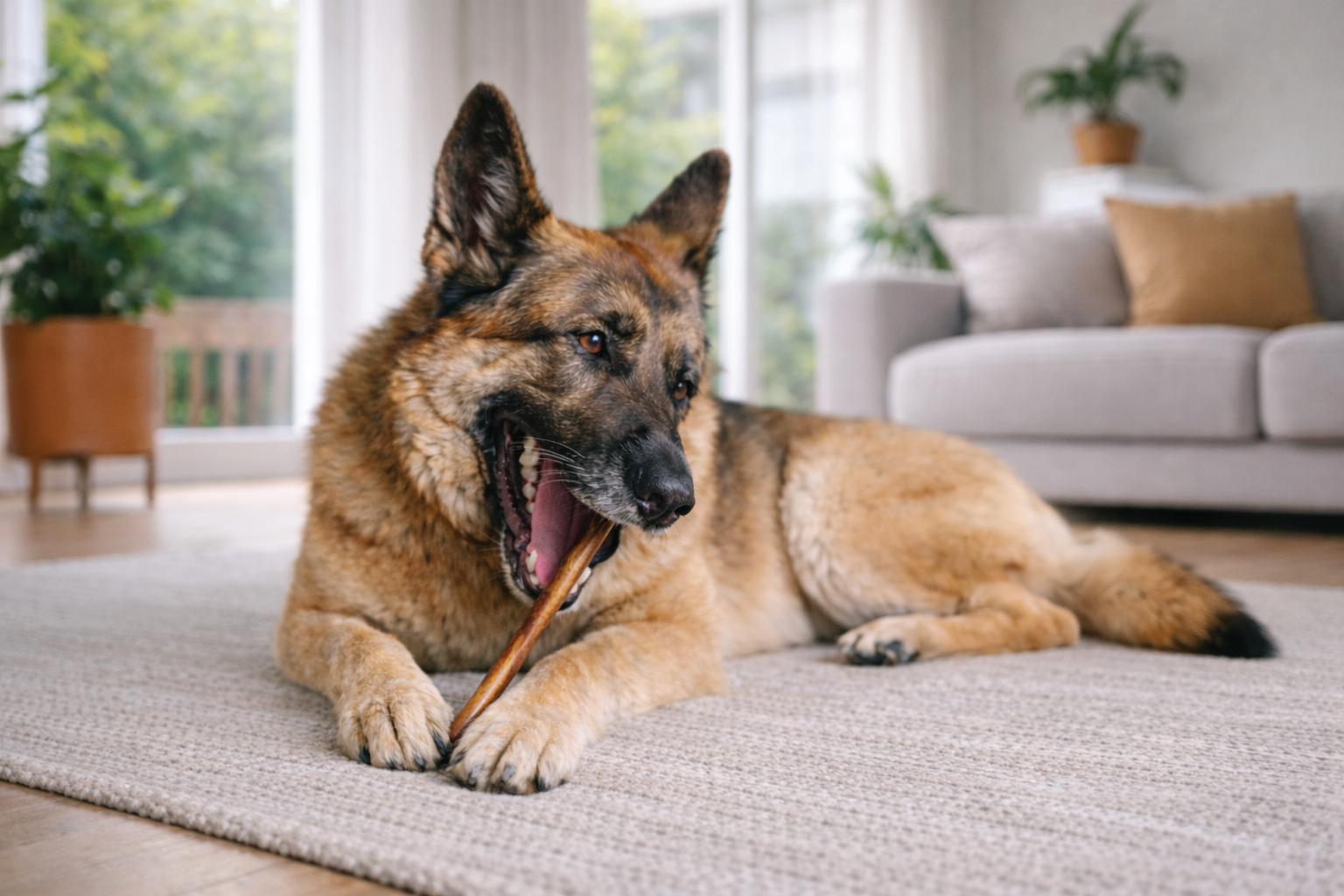
At Rocky Ranch, we believe dogs are family. That’s why we create 100% natural treats made with care to support dental health, digestion, and overall wellbeing. No additives. No artificial ingredients.

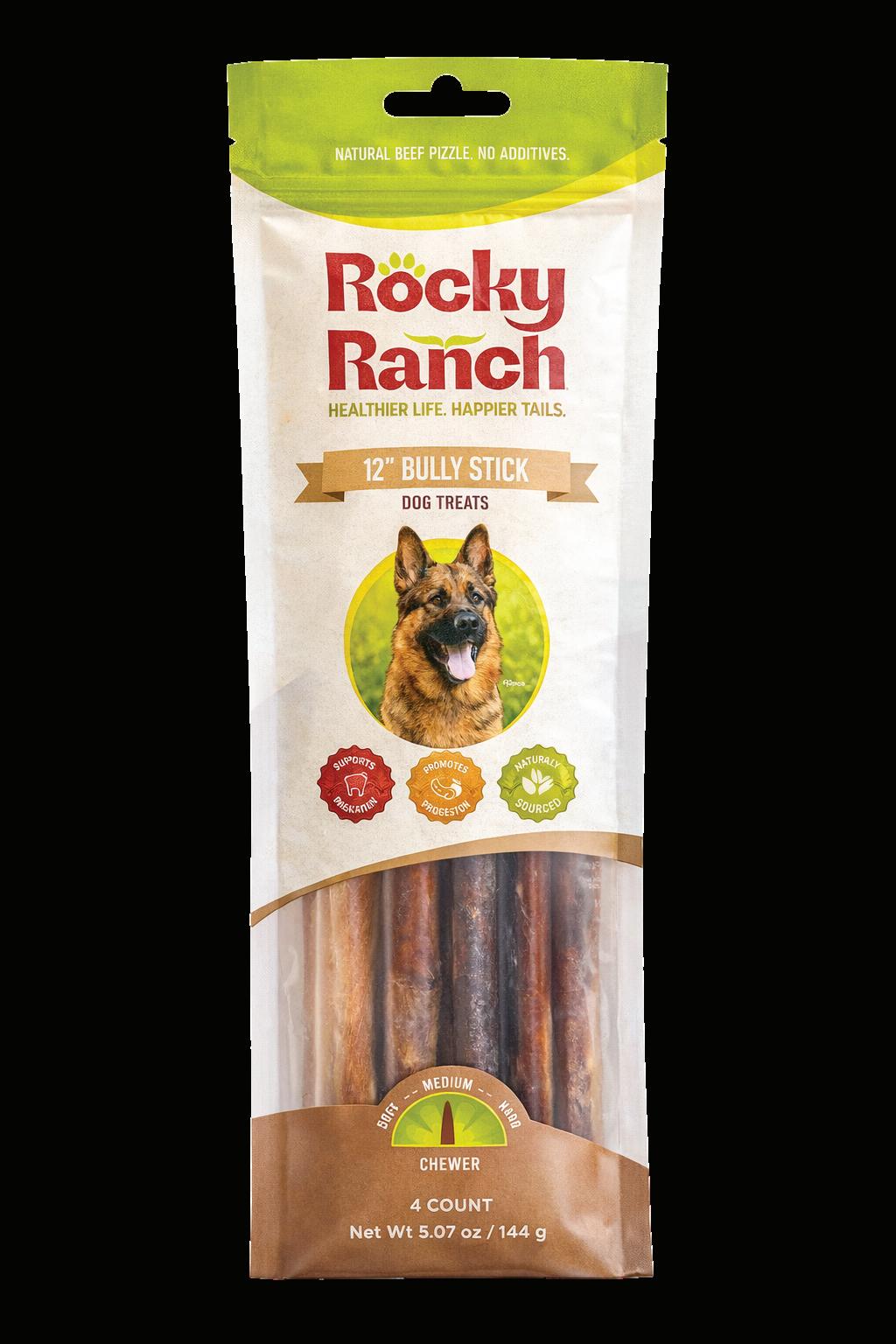

Lucy Goo Pet Sitting
TOP CHEFS FOR A CAUSE
RPM’S CHEFS FOR PAWS
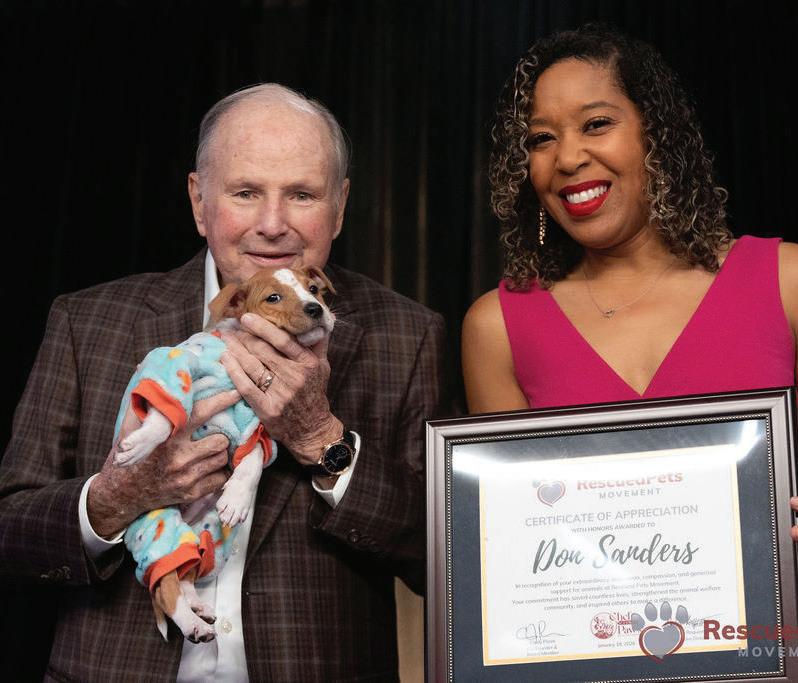
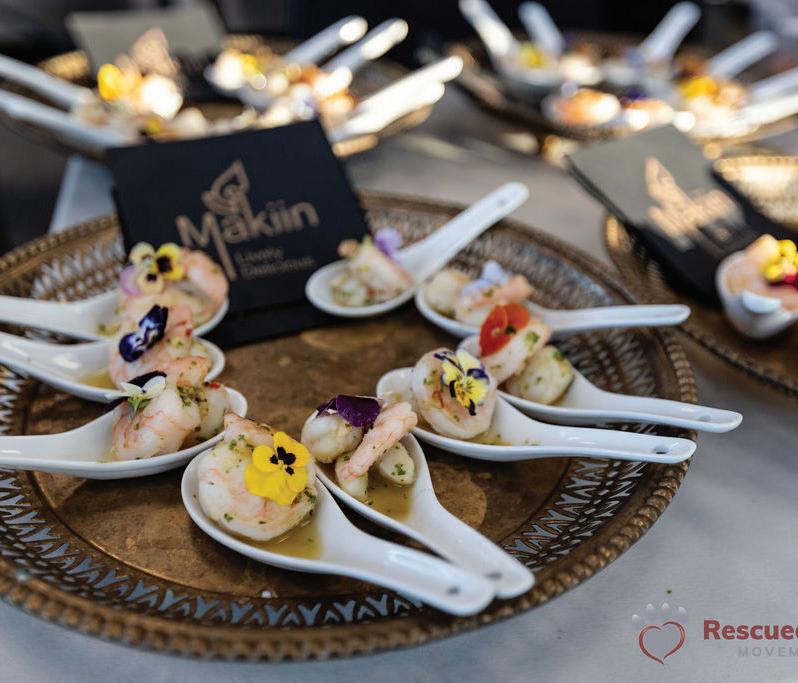
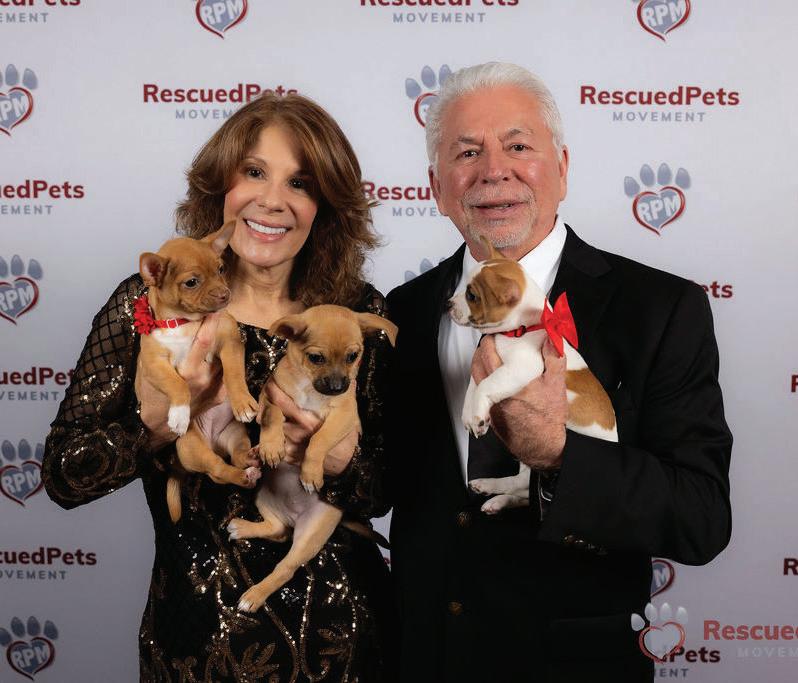
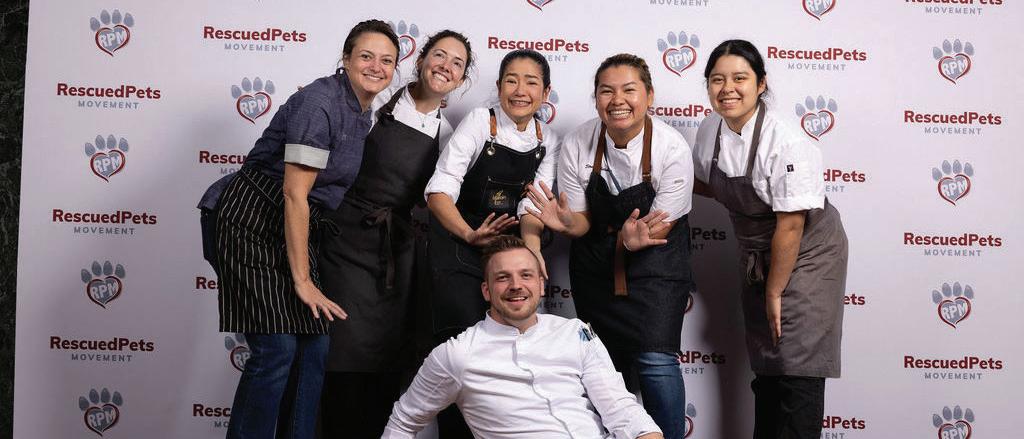
Chefs for Paws proved once again that it’s the most delicious fundraiser in Houston! Held January 18 in POST’s brand-new rooftop Penthouse, this culinary experience celebrated Rescued Pets Movement’s (RPM) milestone of 100,000 lives saved since 2013. The event brought together Houston’s top chefs, generous supporters, and a shared love of animals. Guests enjoyed a six-course meal from Benchawan “Chef G” Painter (Street to Kitchen), Tim Reading (The Henry), Marie Riddle (Bluedorn), Suu Khin (Burmalicious), Elliott Roddy (Elliot’s Table), Lukkaew Srasrisu-
wan (MaKiin), and Chef Alyssa Dole, with wine pairings by sommelier Doug Skopp of Dionysus Imports. A luxury silent auction, exciting live auction, and paddle raise brought in thousands to support RPM’s mission. Emceed by Kara Willis of The K Spot, the evening honored longtime supporter Don Sanders, whose contributions include transport vans and RPM’s cattery. The funds raised help RPM continue the life-saving mission of saving Houston’s most at-risk dogs and cats from euthanasia. You can learn more about RPM at RescuedPetsMovement.org.

by
Photos
Pam Ashley Photography.
Don Sanders and emcee Kara Willis
Maryann & Eddie Bustamante
LAUNCH OF OVERFLOW LOCATION
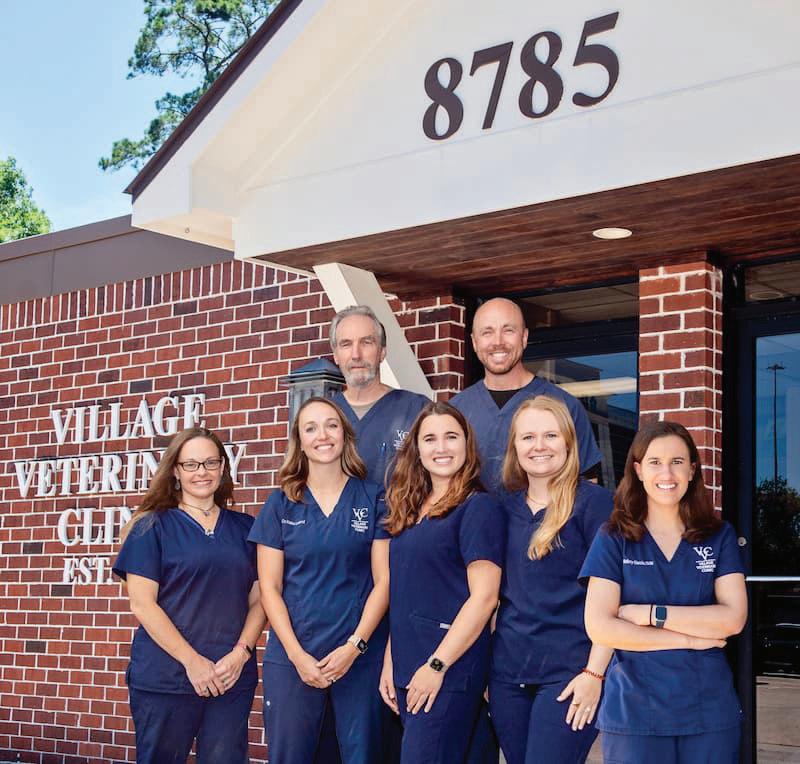
VILLAGE VET CLINIC
Village Veterinary Clinic is proud to announce the successful launch of its new overflow location, Village Veterinary Clinic – West, conveniently located at 8921 Katy Freeway. The practice will continue operating out of both locations, expanding its ability to serve the community while maintaining the personalized care clients have trusted for decades.
The additional space allows the clinic to accommodate same-day urgent veterinary care, providing greater flexibility and peace of mind for pet owners. New clients and new patients are always welcome at both locations.
Village Veterinary Clinic – West also introduces a dedicated Comfort Room, a private, thoughtfully designed space to support families during end-of-life decisions with compassion and dignity. In addition to medical services, the clinic continues to offer boarding and bathing for established clients.
MARCH 5
Located at 8785 Gaylord, Village Veterinary Clinic has been caring for pets and connecting with people in Houston and the Memorial Villages since 1963, building a legacy of trust, experience, and heartfelt care.
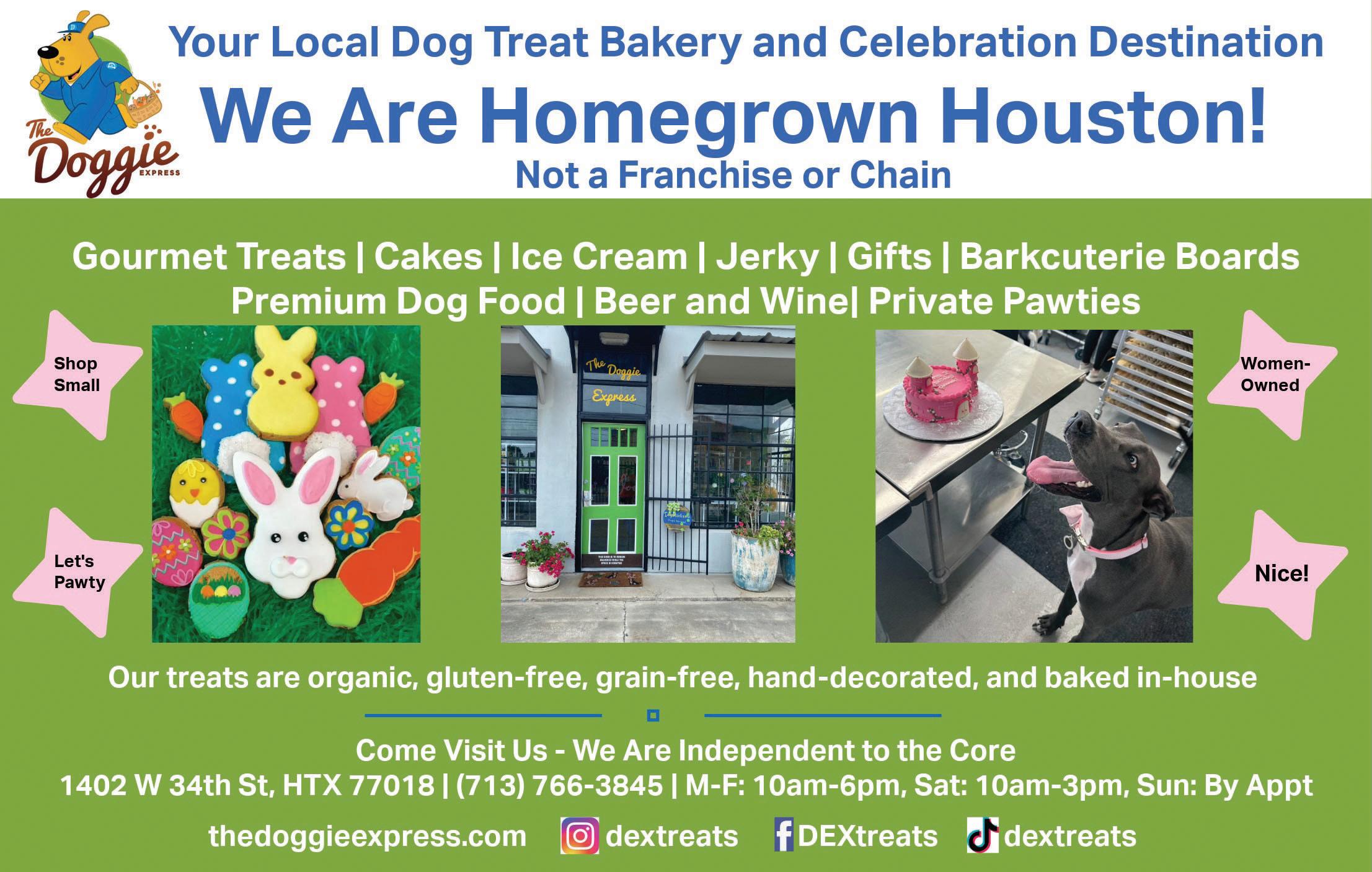
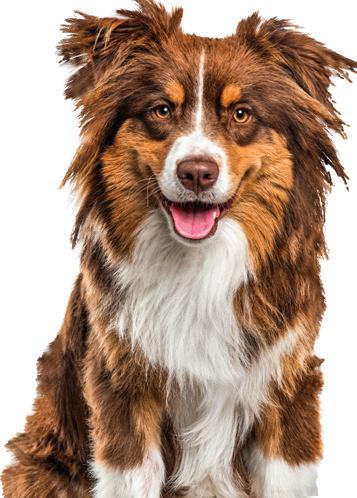
BARK & SIP AT THE DOGGIE EXPRESS
Celebrate St. Patrick’s Day early with a tail-wagging twist at First Thursdays Bark & Sip at The Doggie Express, March 5, from 6pm to 8pm. The evening of fun, pups, and Irish cheer takes place at 1402 W. 34th St.
Bring your furry friend and strike a pose for the St. Paddy’s Day photo op, perfect for capturing festive memories with your four-legged companion. Enjoy special treats for extra luck as they spoil both pups and parents alike. Enjoy lively Irish music while mingling with fellow dog lovers. For those 21 and over, Irish beer will
be available for purchase.
Don your green, grab your furry friend, and join The Doggie Express for an unforgettable evening of paws, pours, and Irish cheer. It’s a celebration that promises good luck, great company, and plenty of wagging tails! Stay up to date on this event and future events as well at TheDoggieExpress. com or Facebook. com/DEXtreats.

15818 South Fwy, Ste 150 Pearland, Texas 77584 (281) 201-5927
13TH ANNUAL PET FASHION SHOW BENEFITING ANIMEALS
WAGS & WHISKERS LUNCHEON

Join Houston’s most philanthropic animal lovers and their trusty sidekicks as Houston’s furriest heroes unite for an afternoon of fashion, flair, and feel-good fun. Prancing pets, wagging tails, and showstopping cuteness will take center stage at this epic pet fashion show – proving that saving the world starts with saving a wag, purr or a paw through IM Houston’s Animeals program.
The 13th Annual Wags and Whiskers Luncheon and Pet Fashion Show will take place Saturday, April 11, 2026, from 11 a.m. to 1:30 p.m. at The Ballroom at Bayou Place. The event benefits IM Houston’s Animeals program, which provides pet food and other supplies to more than 1,000 pets belonging to homebound seniors in IM’s Meals on Wheels program – ensuring no hero or loyal companion goes without.
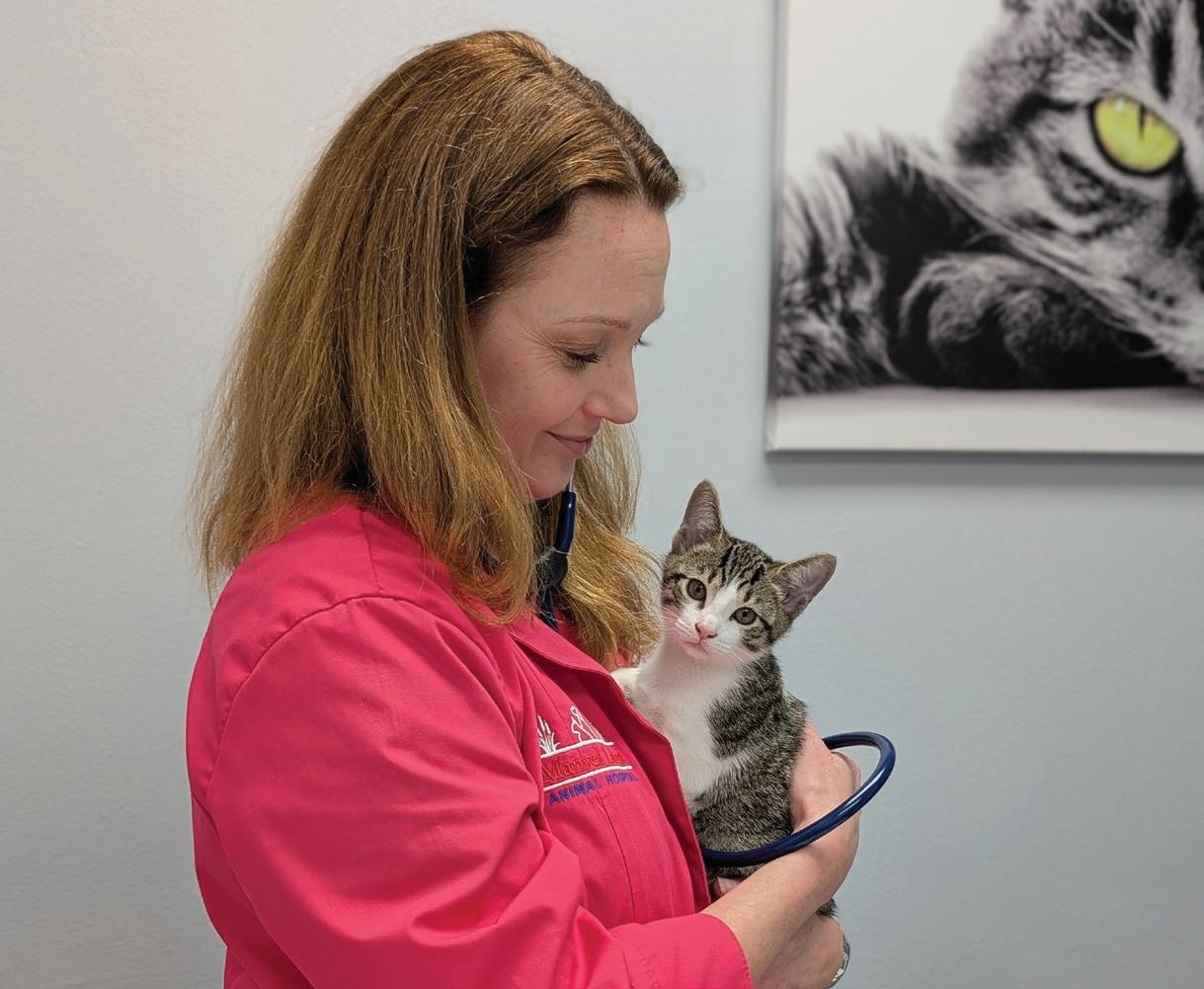
MANVEL LAKES ANIMAL HOSPITAL
The “Superheroes Unleashed!” themed celebration will feature a star-studded celebrity pet fashion show produced by Todd Ramos, a silent auction worthy of any secret lair, delicious luncheon, and plenty of heroic surprises. The action-packed afternoon will be led by Luncheon Chairs Chaun and Derrick Vaughn.
Guests and four-legged superheroes will also enjoy an inspiring program emceed by podcast host Amanda Sapp, honoring Elizabeth “Chrissy” Tate – a longtime Animeals supporter and volunteer who delivers pet food every month – a true champion for animals and the Houston community. Special thanks to the event’s Super Paw Sponsors, Linh and Fred G. Marshall. Find more information at Imgh.org/ wags2026/ or contact Chris Johnson at cjohnson@imgh.org or call 713-533-4900.
DR. ADRIANNE BRODE JOINS THE TEAM
Manvel Lakes Animal Hospital is pleased to welcome Dr. Adrianne Brode to its veterinary team, expanding access to high-quality care for pets and their families in Manvel, Rosharon, and surrounding communities.
Dr. Brode is known for her thoughtful, relationship-centered approach to veterinary medicine. She believes pets are beloved family members and is dedicated to helping owners make informed, confident decisions about their pets’ health through clear communication and personalized care plans.
In addition to comprehensive wellness and preventive care, Dr. Brode has a special interest in senior pet care, with a focus on arthritis management and joint health for dogs and cats. She is passionate about improving comfort, mobility, and quality of
life for aging pets through early detection, pain management strategies, and long-term care tailored to each patient’s needs.
“Dr. Brode’s compassion and clinical expertise make her a wonderful addition to our team,” said Practice Manager Elisa Ginn. “Her dedication to senior pets and chronic care aligns strongly with our commitment to supporting pets through every life stage.”
As the Manvel and Rosharon areas continue to grow, Manvel Lakes Animal Hospital remains focused on meeting community needs by expanding its team while preserving the personalized, family-oriented care clients trust.
“I’m excited to join Manvel Lakes Animal Hospital and serve this growing community,” said Dr. Brode. “I look forward to helping pets live healthier, more comfort-
able lives—especially as they age—and to partnering closely with the families who love them.”
THREE DOG BAKERY
7TH
EASTER EGG HUNT
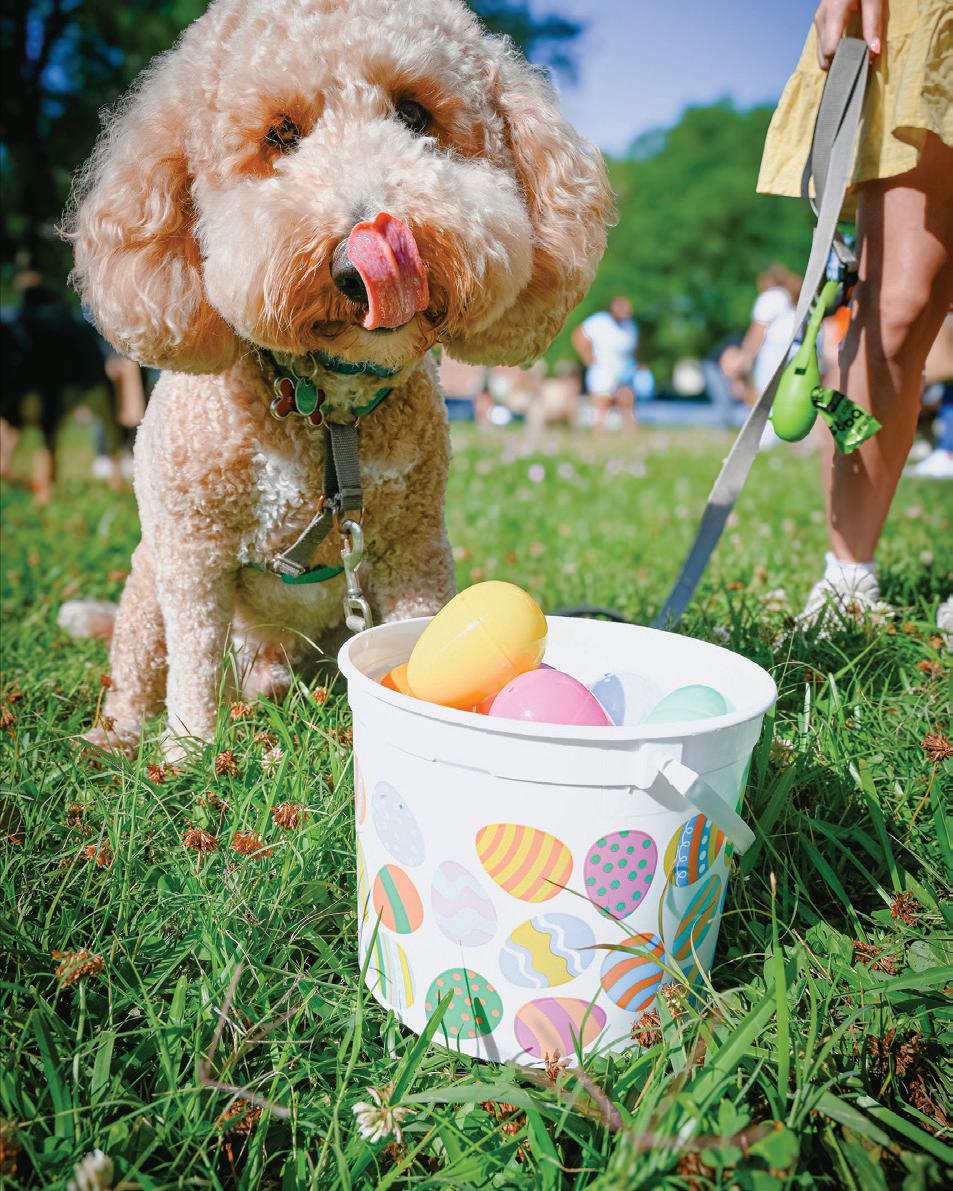
Three Dog Bakery is hosting the 7th Annual Easter Begg Hunt in a new location! Bring your dog to TMC’s Helix Park, on Saturday, March 21, for a field covered in Easter Eggs filled with dog treats and surprises! Our rescues of the quarter will be present with adoptable dogs, plus local vendors with samples and nutrition education. Belle’s Buds Rescue (BellesBudsRescue. org) and the Animal Justice League (AnimalJusticeLeague.org) will receive a portion of the proceeds. By bringing your pup out for a morning of nose-work, treats and socialization, you are also helping to support these two rescue organizations and the dogs and cats who still need homes in Houston. Registration is open now through March 20 at the pre-registration price of $12/dog or walkins are welcome at $15/dog. Register at ThreeDogBakeryhtx.com/events.

Photo by @kemcoanphotagraphy
HIT US WITH YOUR BEST SHOT!

It's time for our longest running photo contest in celebration of the beautiful Texas Wildflowers, sponsored by Goodman Financial. As the flowers begin to bloom in March and continue through part of April, be sure to take your pet(s) on an outing and capture a fun photo and enter our 18th annual contest (no humans in photos please). Entry is from April 1 to April 15, public voting is April 16-23 to select Finalists. Goodman Financial will select
the winner, who will receive a $200 certificate to PetSuites. We are always impressed by the amazing entries and appreciate your creativity!
To enter visit HoustonPetTalk.com or our FACEBOOK page beginning April 1 and click the link to the entry page and upload your photo. Rules for contest are on the entry page. Be sure to include your pet's name. If you're a professional photographer, please note your entry as
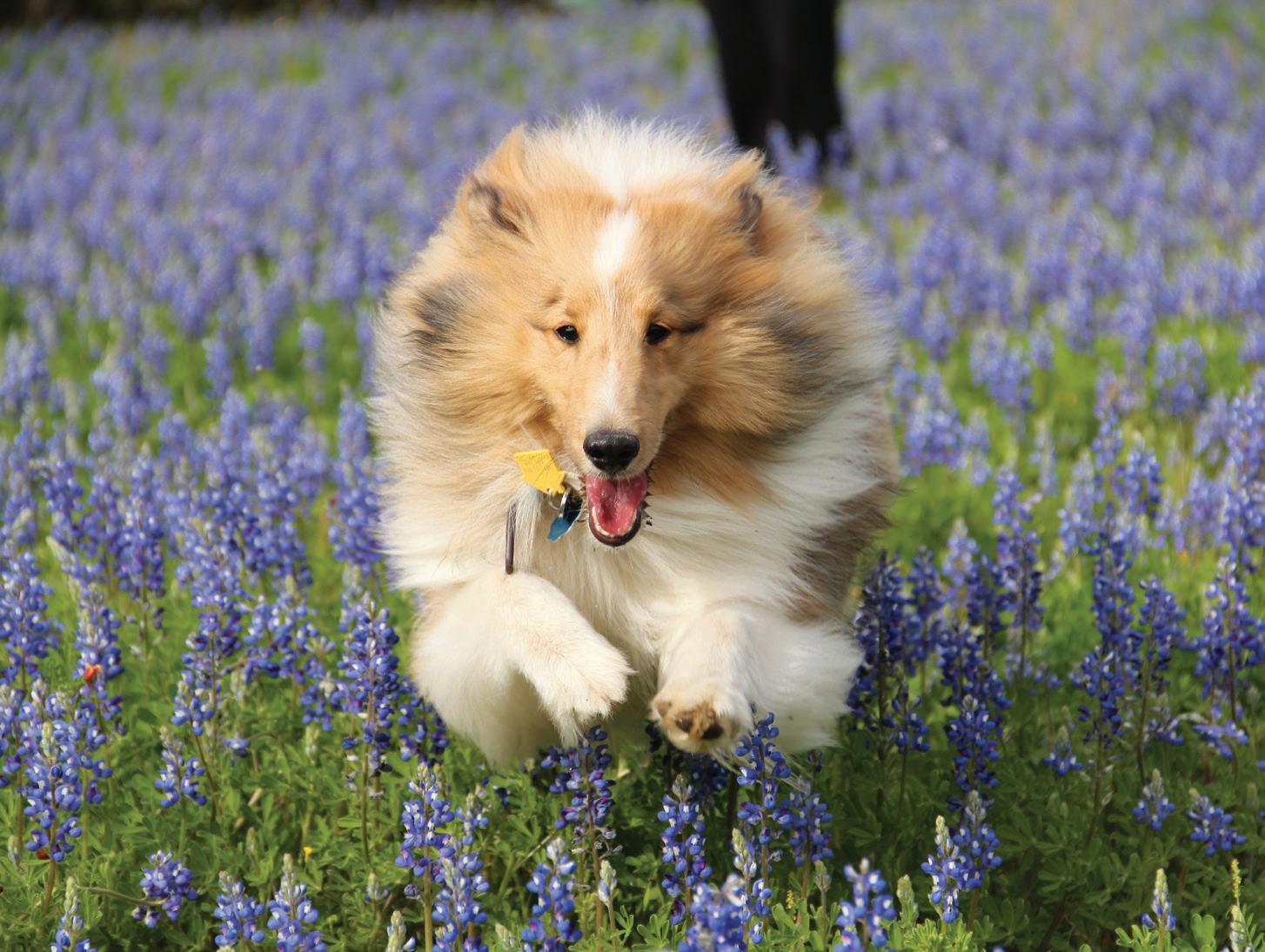

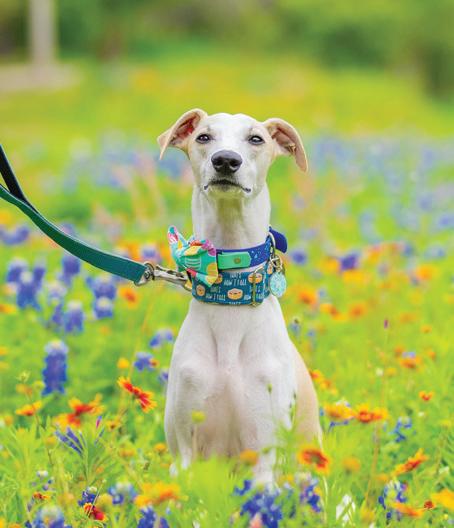
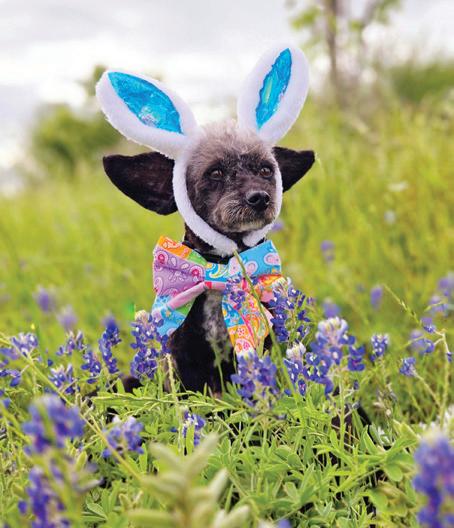
Professional Division. The winning photo and ALL entries will be published in the June issue!
About Goodman Financial: Goodman Financial is a fee-only fiduciary, located in Houston, serving individuals and families nationwide for over 35 years. Beyond their commitment to thoughtful financial guidance, the Goodman Financial team is made up of devoted pet lovers who proudly support numerous animal welfare organizations in the Houston area and beyond. Connect with one of their advisors today and see how they can help you meet your financial goals: info@goodmanfinancial.com, GoodmanFinancial.com, 713-599-1777, Located at 5177 Richmond Avenue, Suite 700, Houston, TX 77056.
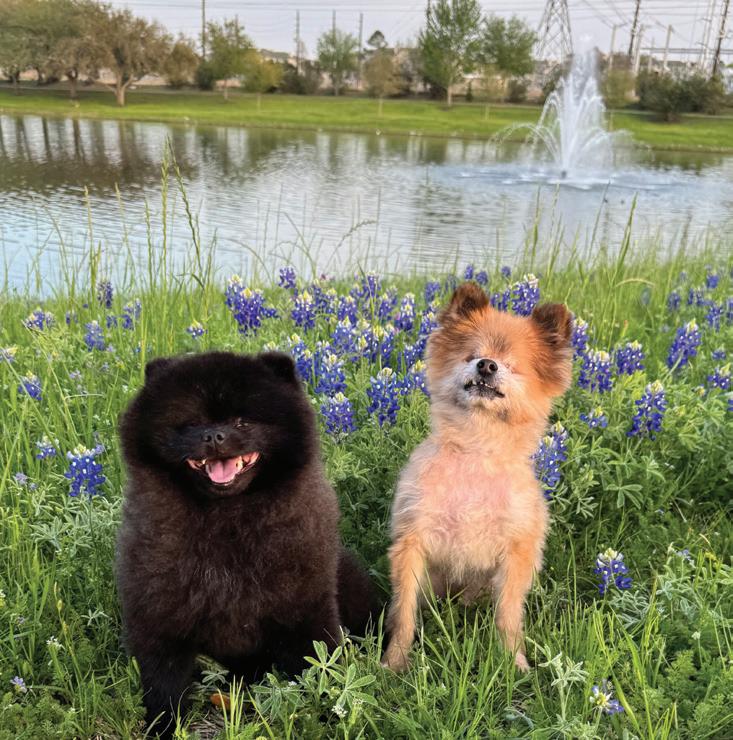
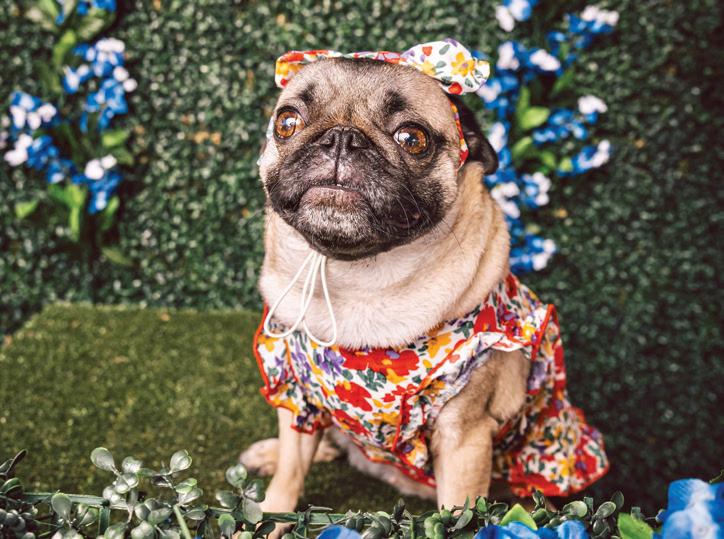
Jazz
Bingo Buggs
Koda
Maya
Magic & Grandpa









HOUSTON SPCA OPEN HOUSE COMMUNITY EVENT
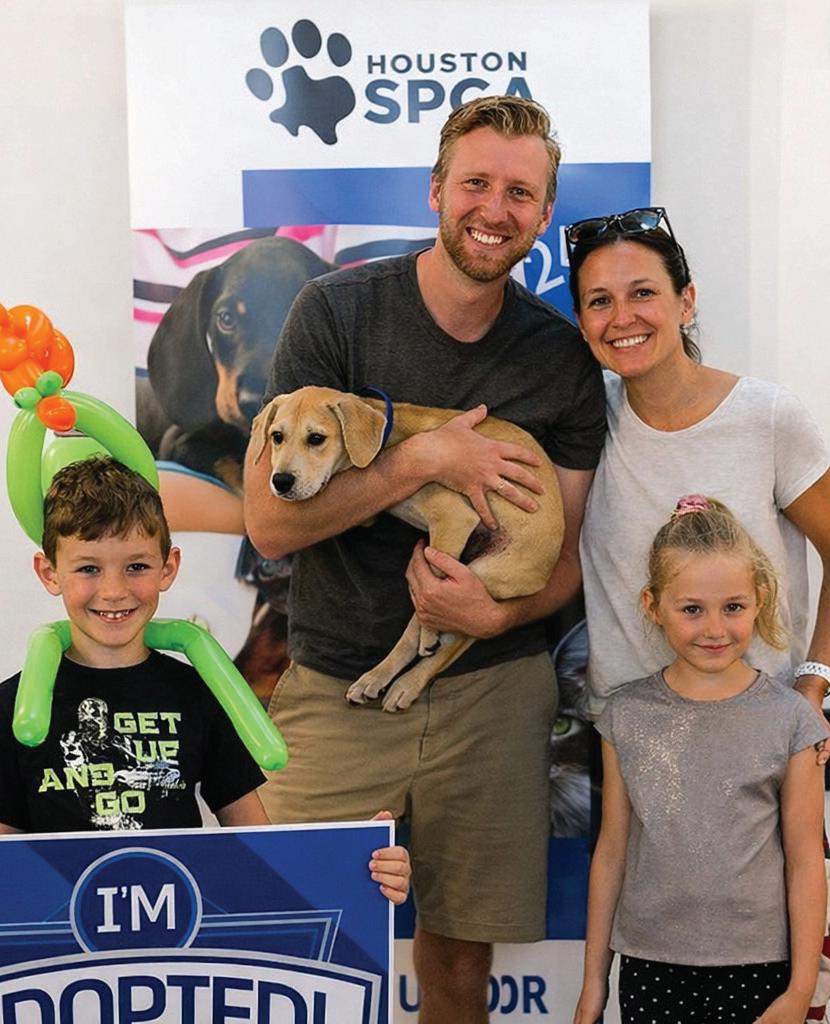
The annual Spring Open House at Houston SPCA is a family-friendly celebration that invites the community to experience the organization’s lifesaving work in a unique and engaging way. Open to animal lovers of all ages, the event takes place from 11 a.m. to 4 p.m. and showcases how compassion, care, and community support come together every day on their Campus for All Animals.
Guests can enjoy a wide variety of interactive experiences, including live demonstrations with rescued and rehabilitated horses in their Equine Rescue Arena; meetand-greet with wildlife ambassador birds and our wildlife experts, plus an opportunity to observe neonatal kitten and puppy feedings, offering a glimpse into the critical care provided to Houston’s most vulnerable animals.
The Spring Open House also delivers plenty of fun for kids at our Education Stations with arts and crafts, STEMinspired activities, face painting and balloon animals, and other hands-on experiences designed to entertain while educating. Live music from Barrett Phillips and the All Stars, and a festive atmosphere round out the day, making it a perfect spring outing for families and friends.
For those ready to take the next step, the Adoption Center will be open from 11 a.m. to 6 p.m., with adoptable pets eager to find loving homes. Whether you’re looking to learn more about the Houston SPCA, enjoy a day of family fun, or meet your future best friend, the Houston SPCA Spring Open House is a celebration of community and making a difference for animals in need. Find details at HoustonSPCA.org.


Photo provided by Houston
SPCA
HOUSTON PET COLLECTIVE
What is Pet Collective?
Houston Pet Collective is a celebration of the pets and pet parents who make Houston such a special place. It shines a light on our city’s vibrant, pet-loving community and invites readers to be part of the story each month through rotating themes featured in both print and digital. This month’s theme, Pet Pen Pals, brings those voices to life with heartfelt and humorous letters written from pets’ point of view, sharing why they love being a pet in Houston or where they dream of going on Spring Break.
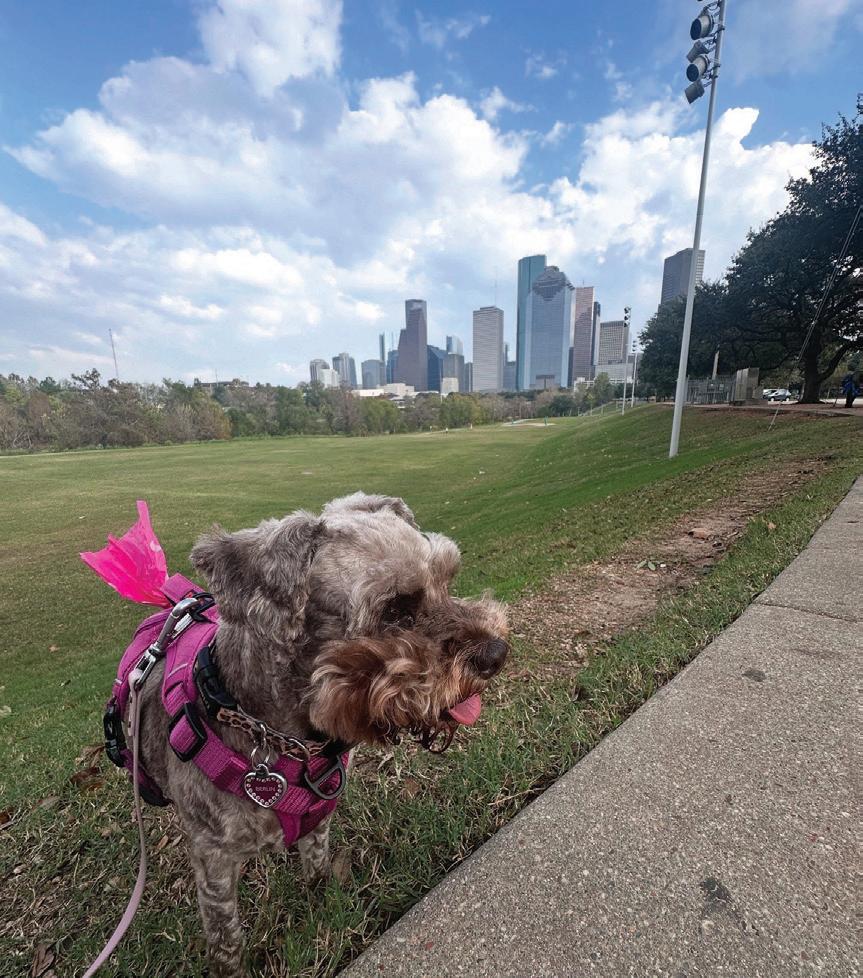

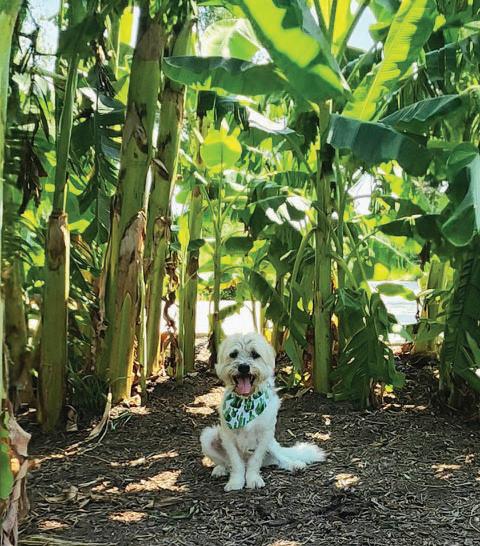

My name is Berlín, and I’m a professional nap taker, snack detector, and full-time Houston pet. I love living here because the sun is always shining, the squirrels are bold (too bold), and every walk feels like an adventure. Houston smells like breakfast tacos, fresh grass, and mystery puddles I’m not allowed to drink from.
Every day, I wait patiently for my mom to come home from her job at the city’s park department. The moment she walks in, I know it’s time. We head to the park, where I patrol the paths, bark at squirrels, and remind everyone that I run this place. After our walks, I’m rewarded with my favorite snack - blueberries.
Houston is vibrant, diverse, and always moving just like me. As long as there are parks to walk, squirrels to bark at, and snacks to enjoy, I’m exactly where I belong.
Wags and Kisses, Berlin

Hey there! I’m Cody, a 13-year-old pup living my best dog life in Houston. H-Town truly knows how to treat a pup right! Here are some of my favorite local places in Houston:
Dex Treats: My happy place for endless pets and tasty treats.
Layla’s Bakery: The best combo of delicious snacks and cool toys.
Pawfect Pawtions: Their natural homemade food is top tier. You haven't lived until you've tried the cheese treats!
Furrever Doggies: Where I get my wardrobe. A Houston socialite can’t look scruffy; I love modeling the latest trends.
With Spring Break approaching, I’m planning to balance my party animal side with some serious relaxation. Nothing beats laying my old bones on the warm beach sand; the sun makes me feel like a puppy again! As long as I have my treats, dog friends, and Mom, life is paw-fect.
Love, Cody
Get Ready For April's Theme:
April’s theme is, Pet Selfies Camera Roll! Readers, we want you to email your pet’s not-so-purrfect, accidentally SELFIE. Think, nose smudges, paw-on-camera, blurry gems, anything that shows your pet’s silly side. Be sure to check our socials at the beginning of each month to find out the next theme we list them there in advance of the magazine. Email your photo with explanation and pet's name to submission@houstonpettalk.com by March 7th.






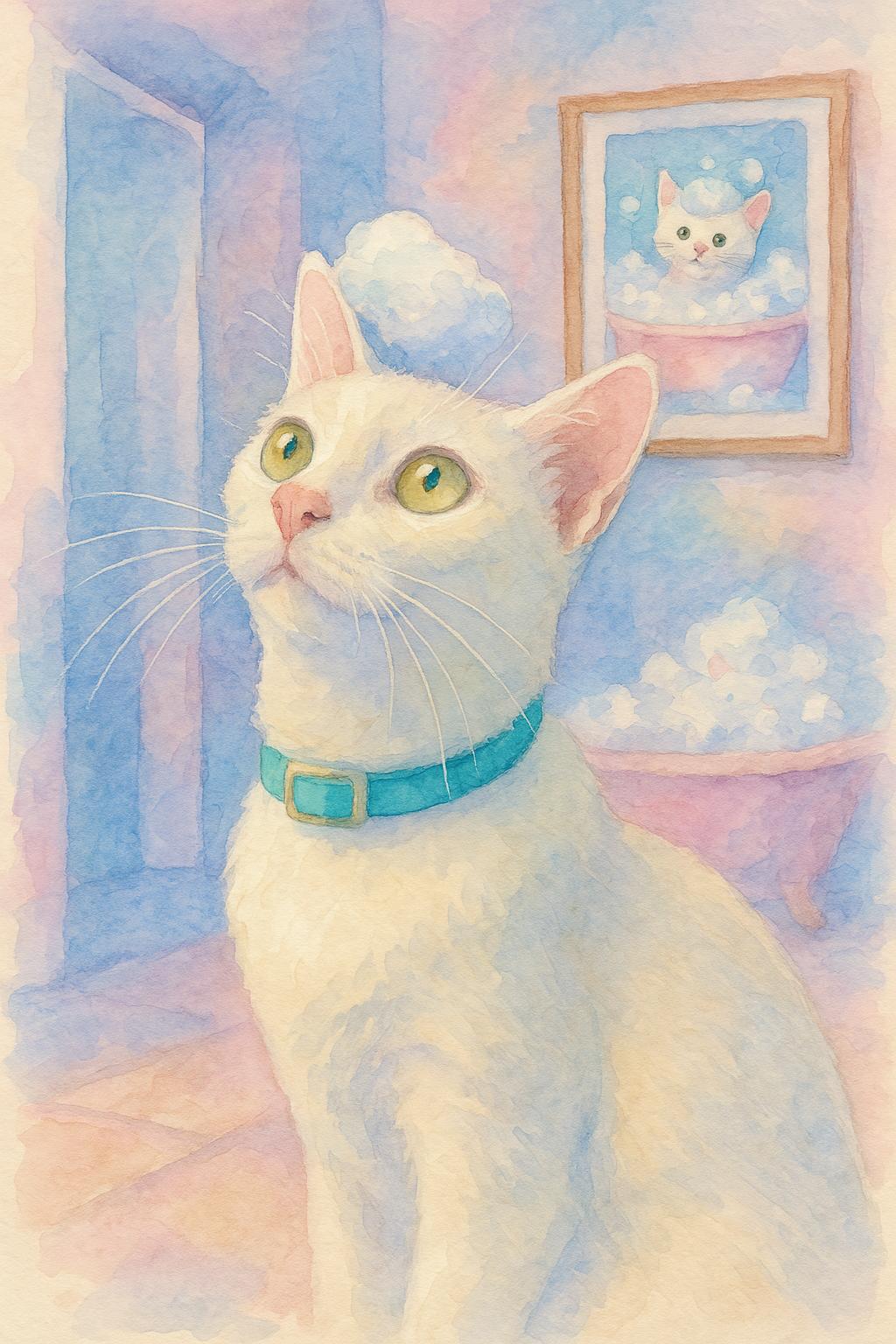





City Dogs URBAN LIVING CHALLENGES
Opening photo: Allison Wilkins Photography
Intro By Michelle Mantor
Houston is a city that moves, fast. Sirens echo, traffic hums day and night, sidewalks are busy, and green space can feel like a luxury. For our dogs, that constant motion can be both exciting and overwhelming. City life offers endless stimulation, but it also comes with challenges that don’t exist in quieter places. Noise sensitivity, limited space, leash rules, car safety, and close encounters with strangers (human and canine) are all part of the daily reality for urban pups and the people who love them.
That’s why training isn’t a “nice-to-have” in the city. It’s essential. An unruly dog isn’t just frustrating; it can be stressful, unsafe, and isolating for everyone involved. From apartment potty struggles to leash reactivity on crowded sidewalks, urban dogs need skills that go beyond basic sit and stay. They need confidence, structure, and guidance that fits real Houston life.
In this annual March Dog Training Issue, themed City Dogs Facing Urban Challenges, we’re spotlighting some of Houston’s most respected trainers, our sponsors, who work with these realities every day. Their advice spans the full spectrum of city dog concerns: building healthy socialization, helping fearful or anxious dogs feel safe, deciding whether daycare is truly the right fit, creating meaningful enrichment indoors, navigating safe car travel, and setting realistic expectations for dogs living in apartments or townhomes.
The advice inside is not about perfection, but about progress, safety, and understanding. With the right tools and professional support, city dogs can thrive, not just cope, in Houston’s vibrant, unpredictable environment. Whether you’re raising a puppy downtown or helping an adult dog adjust to urban life, the guidance ahead is designed to help you move forward, one welltrained step at a time.
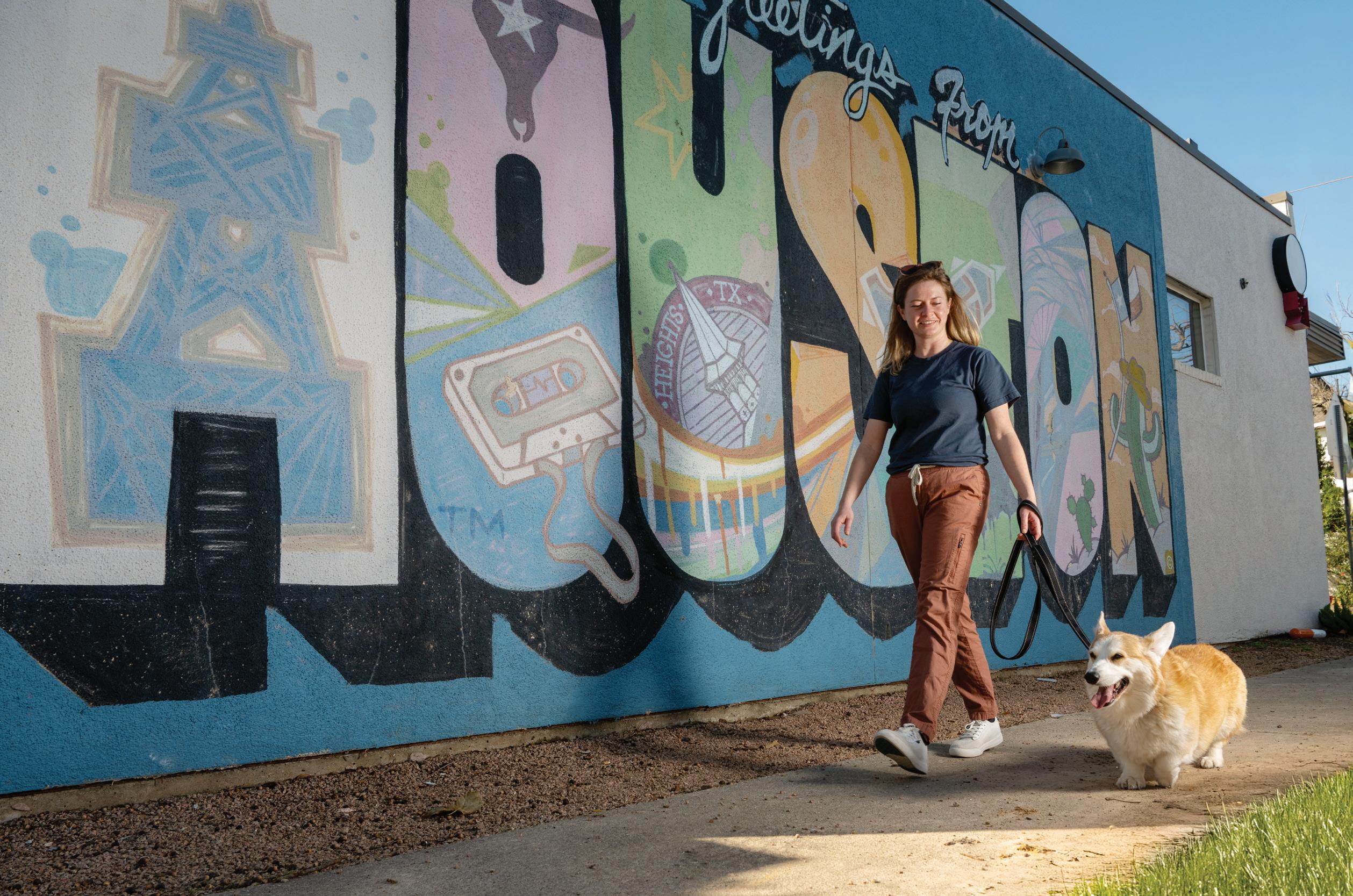

CITY SMART: SOCIALIZATION FOR URBAN DOGS
By Katie Clark, CDBC, CPDT-KA, CCFT, AKC Evaluator Peace Love
CITY DOGS ARE NOT BORN CONFIDENT, THEY ARE CAREFULLY COACHED!
Socialization is the foundation of raising a dog who can thrive in an urban environment. It is not about greeting everyone on the sidewalk or surviving a crowded patio. True socialization teaches dogs how to process the world calmly and make good choices in busy spaces.
In the city, your dog is constantly gathering information. Sirens, delivery carts, elevators, bikes, crowds. Socialization means introducing these experiences in a way that feels safe and predictable. Start with distance. Let your dog observe before expecting participation. A dog who can watch a bus roll by while calmly sniffing the ground is learning far more than a dog pulled closer “to get used to it.”
Preventing fear and reactivity starts with respecting thresholds. If your dog can eat, move, and disengage, they are learning. If they freeze, bark, or fixate, the environment is asking too much. Socialization is about building confidence.
A WELL-SOCIALIZED CITY DOG IS NOT UNBOTHERED BY EVERYTHING. THEY ARE INFORMED, SUPPORTED, AND CONFIDENT ENOUGH TO NAVIGATE THE NOISE WITH EASE. THAT CONFIDENCE IS BUILT ONE CALM, INTENTIONAL EXPOSURE AT A TIME!
Intentional socialization also means teaching neutrality. Your dog does not need to meet every person, dog, or stroller. Calm coexistence is the goal. Reward your dog for choosing to check in with you, relax on a mat, or simply watch the world go by.
City-specific socialization includes elevators, narrow sidewalks, traffic noise, and settling in public spaces. These experiences, practiced thoughtfully, create environmental stability.
A well-socialized city dog is not unbothered by everything. They are informed, supported, and confident enough to navigate the noise with ease. That confidence is built one calm, intentional exposure at a time.
Need help socializing your puppy? Come try Puppy Social Club at Peace Love Dogs! Spend an hour learning to read your dog’s body language, participate in trainer guided puppy play, meet other puppy owners, and Q+A time with a trainer to ask all of your puppies questions. Your first Puppy Social Club is on us!
by Allison Wilkins Photography
Dogs, PeaceLoveDogsHouston.com
Photo
City Potty Training:
SMART SOLUTIONS FOR APARTMENT DOGS
By Stephanie Bennett, CPDT-KSA, Owner, Believe In Dog BelieveInDog.com
Living in a city with a dog means adapting everyday training skills to a much smaller, and often more complicated space.
For dogs living in apartments who rely on outdoor trips for bathroom breaks, a minimum of four potty outings per day is strongly recommended. While many adult dogs can physically hold it for long stretches, that doesn’t mean they should. Regular opportunities to relieve themselves are important not only for housetraining success, but also for physical comfort and long-term health.
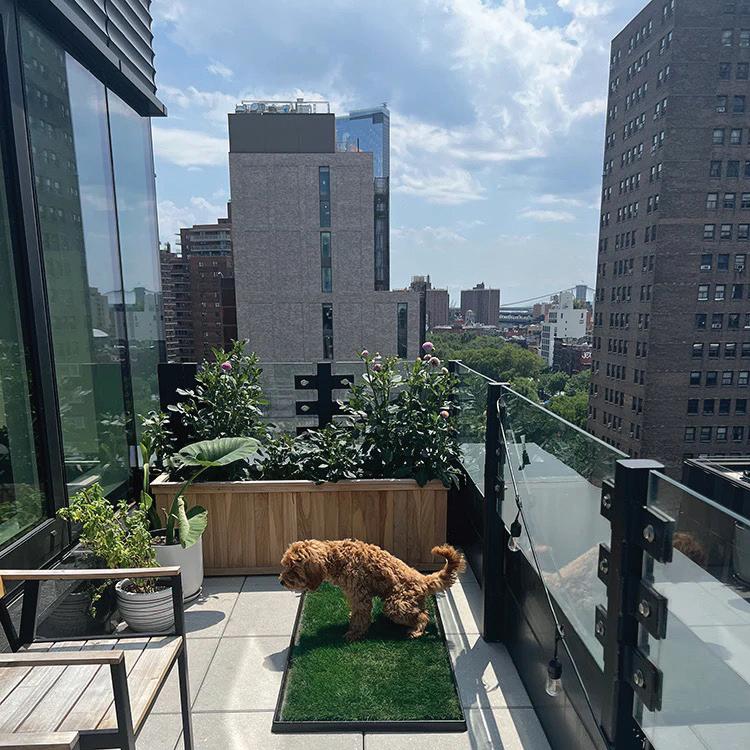
For pet parents with access to a patio or balcony, a porch potty can be an absolute game-changer. As always, safety comes first: the space should be fully secure, and dogs should never be left unattended. When set up correctly, balcony potty systems provide both convenience and consistency; two essentials for successful potty training in an urban setting. There are many porch potty options available, ranging from simple DIY setups to more elaborate commercial systems. Many products feature dog-friendly, easy-to-clean artificial turf, and some companies even deliver fresh sod directly to your door. Creating your own solution is equally doable: sod from a local nursery or a piece of turf cut to fit a large litter box, boot tray, shallow baby pool, or similar
container can work just as well.
These potty patches aren’t just helpful for teaching puppies where to go, they’re also invaluable in real-life situations. When a dog has a sudden stomach upset, when the weather is unsafe or miserable, or when a quick trip outside simply isn’t possible, having an approved potty option close by can prevent accidents and reduce stress for both dogs and humans.
If you have a new puppy to potty train and do not have access to a balcony, a temporary indoor potty setup is essential, especially if your pup is not yet fully vaccinated or you live high above ground level. A common guideline in potty training is that an empty puppy can typically “hold it” for roughly the same number of hours as they are months old. Despite

popular belief, temporary indoor potty setups during early training will not teach puppies to eliminate indoors permanently. These tools are meant to support training and should be gradually phased out.
Some apartment dwellers choose to rely exclusively on indoor potty pads. While this approach is possible, it’s important to proceed with intention. Dogs can become reliant on potty pads quickly, and once that habit is established, it can be difficult to reverse.
In busy urban environments, potty training is about practicality as much as patience. Providing frequent bathroom opportunities and flexible solutions helps set dogs up for success, no matter how high the apartment building may be.

Pups on Patios:
MAY NOT BE FOR ALL PUPS BUT IF YOU GO, MANNERS MATTER!
By Jeff Murphrey, Canine Country Club MyCanineCountryClub.com
THINGS TO CONSIDER BEFORE YOU AND YOUR PUP START PUB CRAWLING
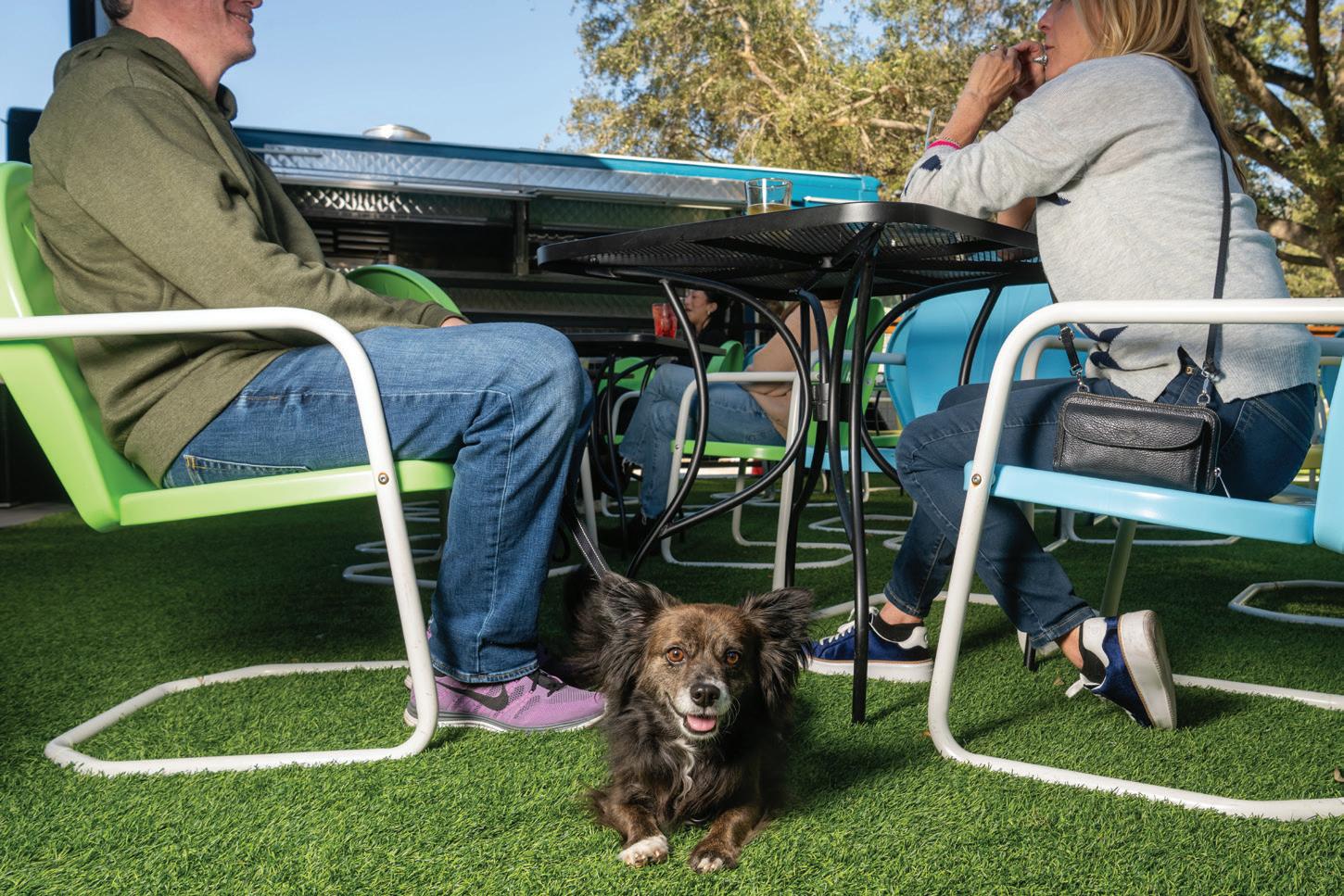
Dog-friendly restaurants and bars are blossoming all over the country, and Houston is no exception. Outings with your dog can be a joy when she is well behaved, calm, and respectful of the dogs and humans around her. Conversely, one unsuitable or ill-mannered dog on a patio can spoil an afternoon for all.
DOES A PUBLIC OUTING SUIT YOUR DOG?
Let’s face it: not every dog is well equipped for a day on the town. Dogs that display aggression toward strangers or other dogs, or are unduly fearful, can usually be trained to act appropriately in a crowded public setting—but that may require help from a professional trainer, or more time and effort than you are willing to spend for an occasional patio lunch with your pooch.
So first, think about (or ascertain) how your
dog currently reacts in public settings. Also consider whether your dog will enjoy an outing like the one you have planned—just because a dog can successfully endure close public quarters does not mean she is enjoying the experience.
RELAX, DON’T DO IT
The most important behavior your pet needs to display is the ability to settle—to sit or lie quietly for protracted periods without moving, barking, whining, or begging.
Like all animal training or behavioral modification, you want to set your dog up for success by beginning in a low-distraction, managed environment and progressing slowly in small increments.
Begin at home by having your dog either lie on a specific mat or near your feet while leashed for ever-longer periods while you are watching TV, reading, or scrolling. Reward calm behavior with occasional treats or pets.
Next, move to a more stimulating and distracting environment—perhaps a park bench or coffee shop patio during the day when business is slow. Again, increase difficulty (the amount and types of distraction) and duration in small increments.
MANNERS MATTER
As the human part of the team, your manners also matter. Always have your dog lie under the table, or at least out of any walkways, and use a fixed (rather than retractable) leash. Make sure your dog’s collar is tight so that she cannot back out of it. Do not engage other customers’ dogs, and politely decline offers for the dogs to “meet” each other.
YOU CAN’T SHAKE EVERYBODY’S HAND
I was downtown once with a young person born and raised in a small West Texas town when I heard him mutter under his breath: “You really can’t shake everybody’s hand.” When asked to explain, he said that was advice his uncle gave him before coming to the big city.
It is no less true for our dogs. If I consistently allow my dog to “meet” people and dogs that pass by, then she will expect that, and lying politely under the table will be a distant dream. There is a time and place for dog meetings (think dog park), but like us, they don’t need to hug everybody that passes by to have a fulfilled life.
SUCCESS!
Read your dog and be sensitive to signals that she has had enough. Success isn’t measured by how long you stay, but by how calmly and respectfully your dog shares the space.
A dog’s patience has to be incrementally built, so like a dinner party, proper etiquette includes knowing when it is time to leave. Thoughtful preparation and attention to detail will allow everyone—dogs and humans—to enjoy a nice day on a patio.
by Allison Wilkins Photography
Photo
SAFETY TIPS FOR TRAVELING WITH YOUR DOG
Everyone should want to take their pup on a car ride at some point, but what do you want that experience to look like? Is there a destination that's just around the block or 10 hours away? Or is this simply for the joy of letting your dog hang their nose out the window to take in all the sights and smells? I think we can all agree that safety is a top priority, regardless of purpose or length of time. And riding in the car isn’t always as easy as it might sound.
SAFETY FIRST: PREPARING FOR THE RIDE
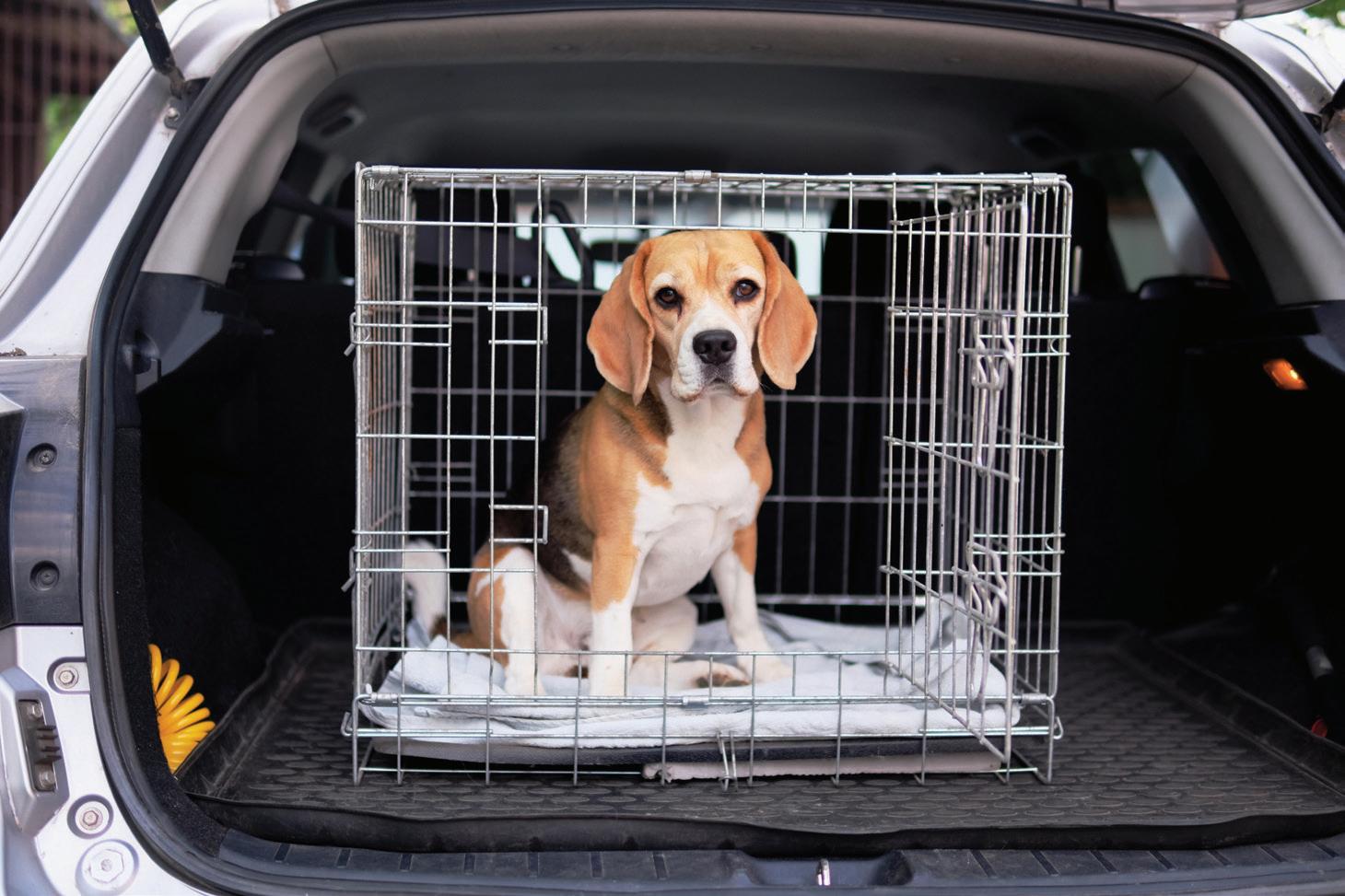
For car safety, we recommend to our clients that they use a crate or, if the dog is of appropriate age/size, some type of secured harness designed for safe vehicle riding. We don't want the dog to become a missile inside of the cabin of the vehicle if there were to be an accident. I don't know about you, but having my dog ram his head into mine is not high on my list of fun nor is having his face implanted on the dash of the vehicle. Dogs being transported sitting in front seats of vehicles (drivers laps and or passenger seat) are likely to experience unforgettable injuries or death from an airbag, so a little common sense will go a long way.
THE IMPORTANCE OF TRAINING AND EMOTIONAL PREPARATION
A dog who is trained to a quality standard is a much safer dog. Dogs who can self-regulate their emotions are more confident and secure when going for a car ride. Most symptoms like pacing, whining, barking, frantic bouncing around, general anxiety and even nausea, are most times symptoms of a dog or pup who's not been properly prepared to handle the activity of a car ride or the destination. In other words, it's not always the stimulation of the car ride itself, but what happens along the way or at the end of the ride, that's ramping the emotions/behavior.
HOW TRAINING IMPROVES TRAVEL EXPERIENCES
A dog who’s being properly prepared through a comprehensive training program has a better ability to cope and deal with these experiences. She can emotionally handle the
Dean Miller, Owner, Club Canine, ClubCanineHouston.com
movement of the vehicle so losing her lunch all over the back seat doesn't happen. She's secure and stable, so if she knows that she might be going to the park to run and play, she doesn't get worked up along the way. Obviously, these behaviors could also be tied to past experiences that the dog had that were unpleasant emotions. Any way you slice it, enjoyable and safe travel with your dog in the car is highly dependent on how we manage and prepare them to emotionally and behaviorally to cope with the stress that a car ride can be for a dog, at any age.
OVERCOMING MOTION SICKNESS AND TRAVEL ANXIETY
I recently got a new Chesapeake Bay Retriever puppy, who when traveling in a vehicle in her carrier or crate, would vomit almost immediately. The travel from across the country was a constant clean up in aisle 5. I thought for sure my air miles status would be completely forfeited.
Once home, going places in the vehicle was going to be the norm in a few weeks. A 15 minute ride to the vet would blow her out. I always managed to make the end experience a positive one, but vomiting and sometimes

pooping, persisted. As time went by, car rides became more frequent and she began to avoid going into the vehicle, knowing she was going to be sick. Now the motion sickness was evolving into added anticipation stress. This can't be happening!
Practicing shorter rides (minimizing the chance of vomiting) and fun at the destination along with daily training to help strengthen her confidence and emotional control, was key in helping her get through the vehicle anxiety. Now she hops in with no apprehension, gets in her crate and can travel for several hours if needed, with no issues.
These are just a few thoughts on this topic to consider. Many dogs have more significant issues that would require much more in-depth work to solve as well as those who have fewer issues and some simple adjustments might do the trick. In the end, our relationship with our dog as a strong, confident and capable leader is being measured by our dogs every day. The more they feel your qualifications are stronger than theirs, the more trust, confidence and stability will show up in their behavior.
THE DO’S AND DONT’S OF LEASHES
By: Houston Dog Ranch Training Team, HoustonDogRanch.com
One of the most common goals we hear from dog parents who come to us for training help is being able to let their dog off leash without worrying they will run off.
After all, off-leash freedom is every dog’s dream and every owner’s “this could either be amazing or end in disaster” moment. The truth is that reliable off-leash behavior starts with strong on-leash habits, and etiquette matters just as much as training.
And while it is exciting to have the ability to let your dog roam free, leash laws exist for a reason. Most public places in Houston require dogs to be leashed unless you are in a designated off-leash area. Even a friendly dog can make a bad decision when a bike flies by, a stroller squeaks past, or another dog surprises them. Leashes do not ruin fun. They prevent emergencies.
Before the leash ever comes off, a few do’s and don’ts can make all the difference.
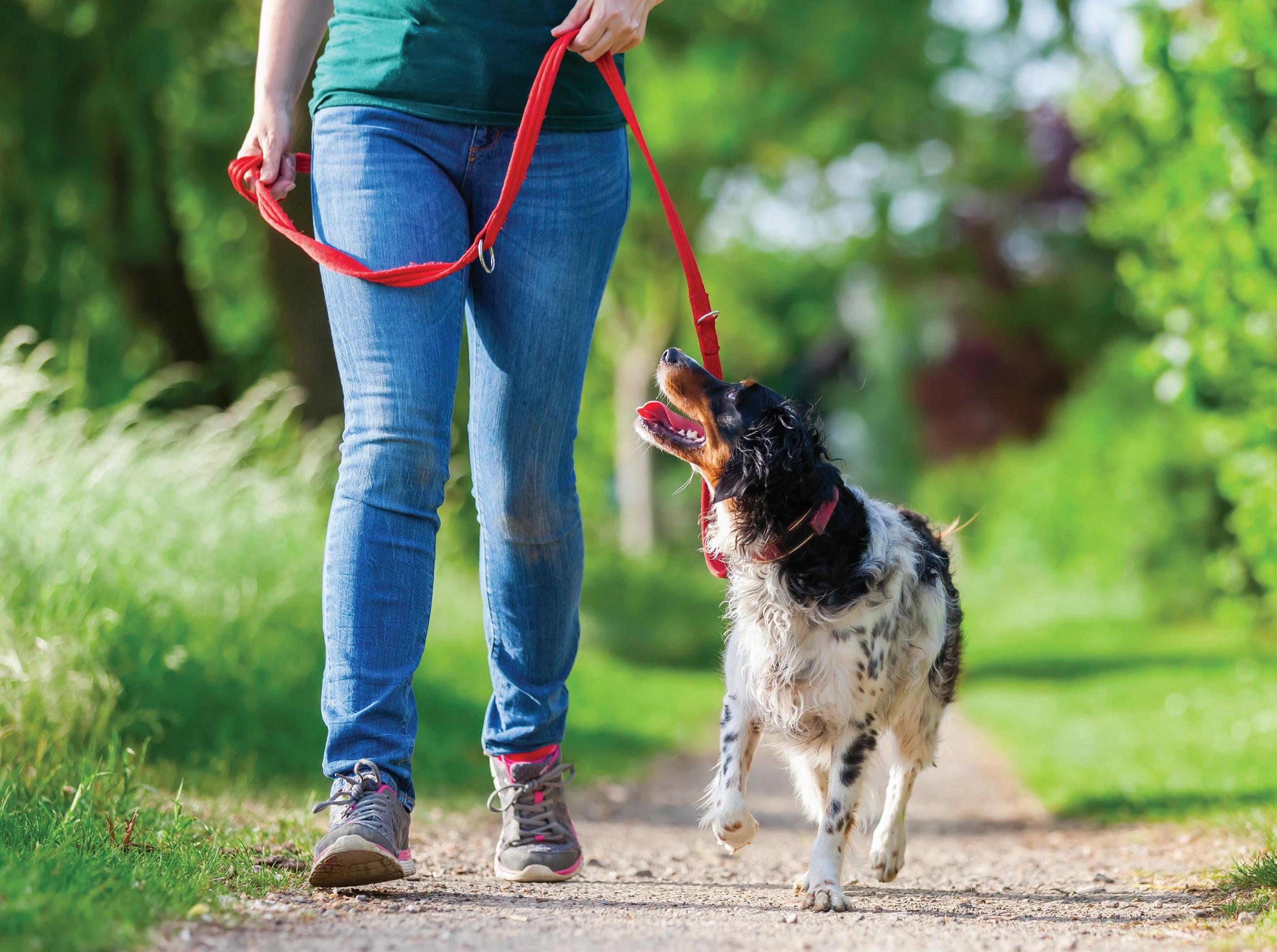
Do stick with a standard six-foot leash for

everyday walks. It gives dogs enough room to move comfortably while allowing handlers to communicate clearly and respond quickly when needed.
Do focus on leash skills as part of training. Calm walking, checking in with their handler, and responding to cues are behaviors dogs learn through consistency, not equipment alone.
Don’t allow on-leash or off-leash greetings without asking. Leashes naturally add tension, and even friendly dogs can feel overwhelmed in close, face-to-face encounters.
Don’t rely on retractable leashes in busy or unpredictable environments, where reduced control and delayed response time can quickly become a safety issue.
Strong leash habits create safer walks and clearer communication, and they are often the foundation for successful off-leash behavior down the road.
That said, being on leash does not mean a dog cannot enjoy freedom or a fulfilling day.
Sometimes the best option is also the most old-fashioned one: a good on-leash walk. Walks give dogs the chance to explore the world at their pace, take in new smells, and move their bodies in a structured, predictable way. For dogs who want a little more room to roam, long leads offer a safe middle ground.
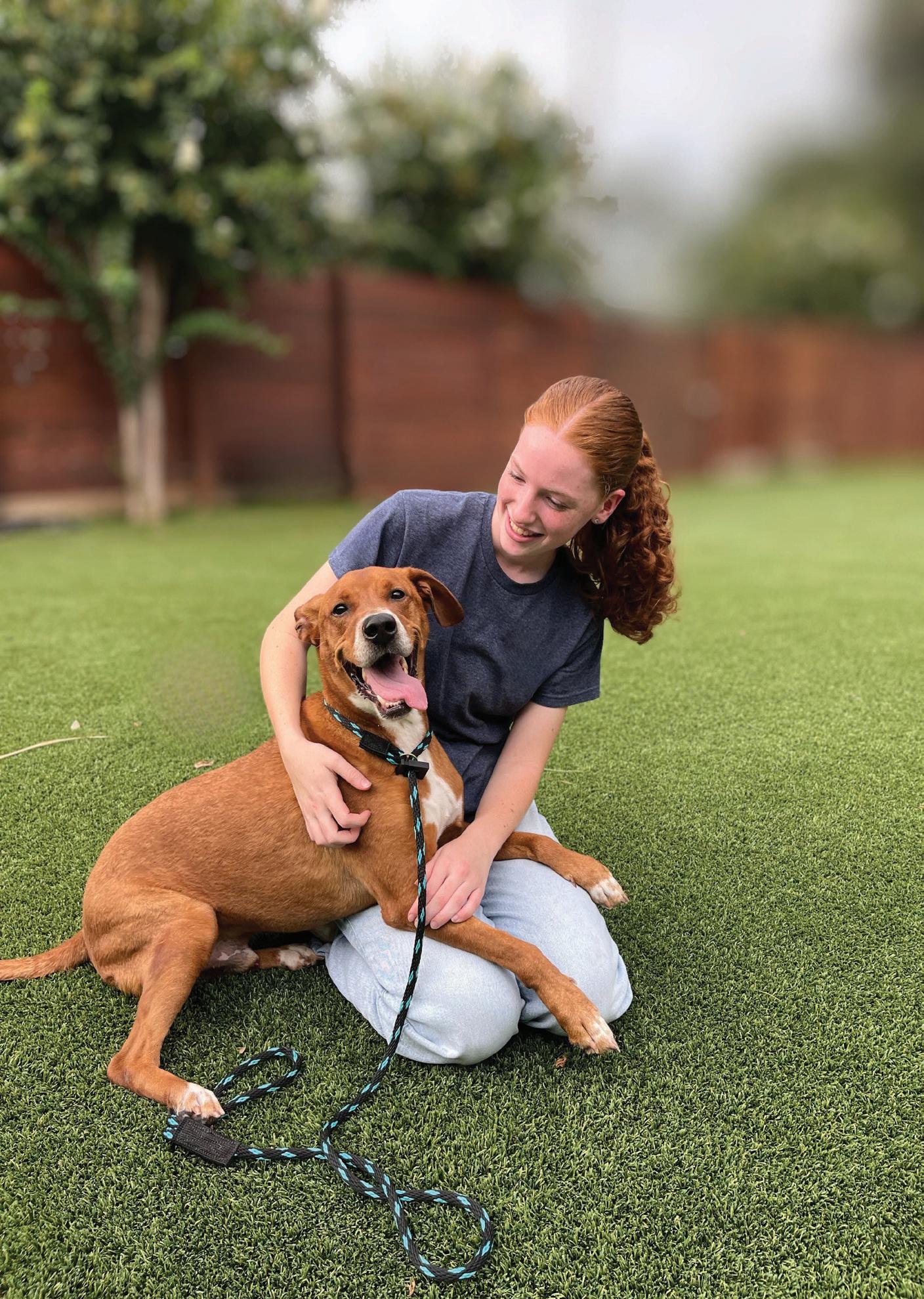
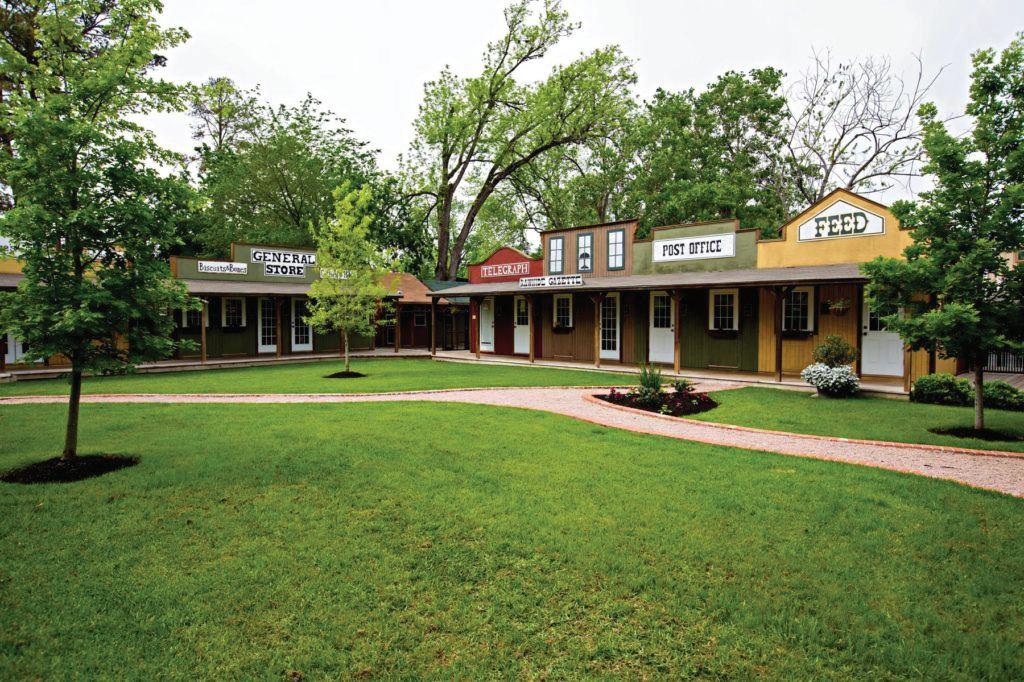
And for pet parents who want to give their dogs a true off-leash experience without the risks that come with public spaces, dog daycare and resort environments offer another valuable option. Facilities like Houston Dog Ranch provide secure, enclosed spaces where dogs can enjoy off-leash play under the supervision of trained pet care professionals.
This kind of controlled environment allows dogs to enjoy the benefits of off-leash movement while giving owners peace of mind. Off-leash freedom does not have to happen everywhere to be meaningful. When dogs have safe outlets to run, play, and explore, everyone wins.
IS IT RIGHT FOR YOUR DOG & HOW TO CHOOSE A PROVIDER Dog Daycare:
Dog daycare sounds simple.
Drop off your dog, let them live their best lives all day while you get things done, pick up a tired pup, and repeat.
And sure, sometimes it really is that easy. But a great daycare day is not just chaos with furry friends and a hope-for-the-best attitude. It is structured play, safety-first supervision, and choosing the right experience for your dog’s personality.
A good daycare does not start with tossing dogs into a group and crossing your fingers. It starts with getting to know them, most often through a temperament evaluation, where new dogs are introduced gradually while staff observe body language, comfort level, and play style. This process helps determine whether group play is actually enjoyable for that dog or simply something they tolerate. Meadowlake Pet Resort offers free daycare evaluations as part of this process!
By: Brittany Cristiano, Meadowlake Pet Resort, MeadowlakePetResort.com
Once approved, dogs are thoughtfully matched by factors such as size, energy level, play style, and age, and they are supervised by trained staff who can recognize when play is fun and when it needs redirection. Active supervision throughout the day is what keeps play safe, positive, and productive rather than overwhelming or chaotic.
Days are designed with a balance of activity and rest so dogs can enjoy supervised playtime, social interaction, and opportunities to move their bodies, along with scheduled breaks to recharge. This structure supports both physical exercise and mental well-being, helping dogs leave daycare tired in a good way rather than overstimulated.
Some dogs thrive in social settings and love the excitement of group play, while others would rather do literally anything else, which does not mean they are bad, antisocial, or poorly trained. It simply means their ideal day
looks a little different.
A more low-key daycare experience can be just as enriching, especially when it is built around personalized attention and thoughtful engagement. Even if they’re not in the typical group environment, these dogs still benefit from movement, mental stimulation, and interaction, just in a way that feels calmer and more intentional. The result is a day that feels fulfilling rather than overwhelming.
At Meadowlake, options like Personal Daycare provide thoughtful one-on-one interaction with trained staff, allowing dogs to enjoy their day in a way that feels comfortable and supportive.
The doggy daycare goal is simple. Daycare should improve a dog’s life, not overwhelm it, and end with those iconic postdaycare naps passed out on the couch the rest of the evening.
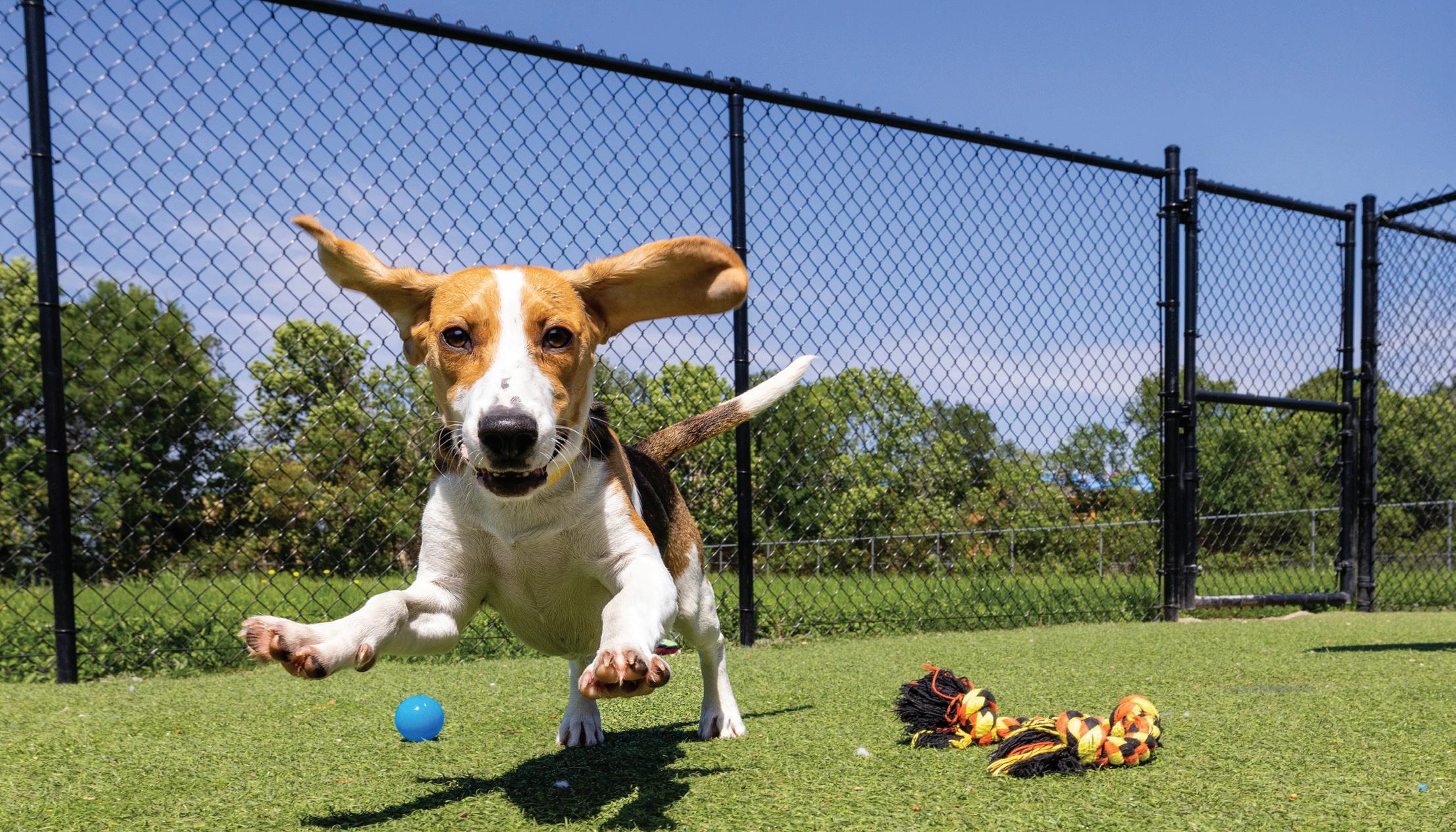
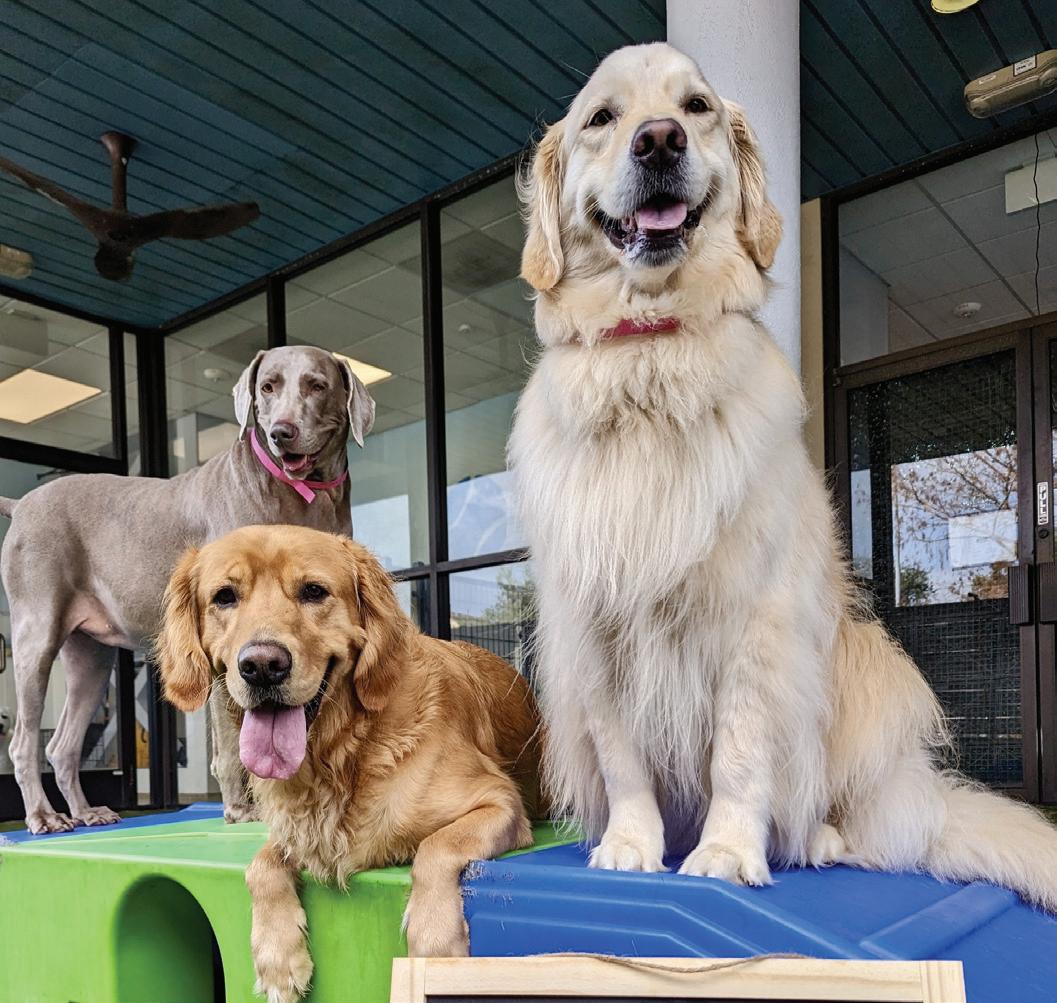
Photo provided by Meadowlake Pet Resort
IS YOUR PUP READY FOR URBAN ADVENTURES? Urban Canine Good Citizen:
Living in a big city like Houston, Texas comes with its own unique challenges such as high population, constant traffic, noise, crowds, and endless distractions. As dog owners, we want to exercise with our pups, take them to dog-friendly restaurants and bars, and rent beautiful apartments while still enjoying those experiences ourselves.
The challenge? Dogs are naturally wired to socialize, chase, sniff, mark, and investigate everything around them. All of that behavior is completely normal, and even healthy, but only when it happens in the right setting.
To truly enjoy city life with your dog, basic obedience training often isn’t enough. Urban environments require dogs to learn how to focus amid distractions, respond calmly to redirection, and understand context. Your dog needs to know when to sit patiently, when it’s
By Molly Taylor, Owner, Molly’s Mutt House, MuttHouse.com
okay to approach someone, and yes, when it’s not appropriate to pee right there (we’ve all been there!).
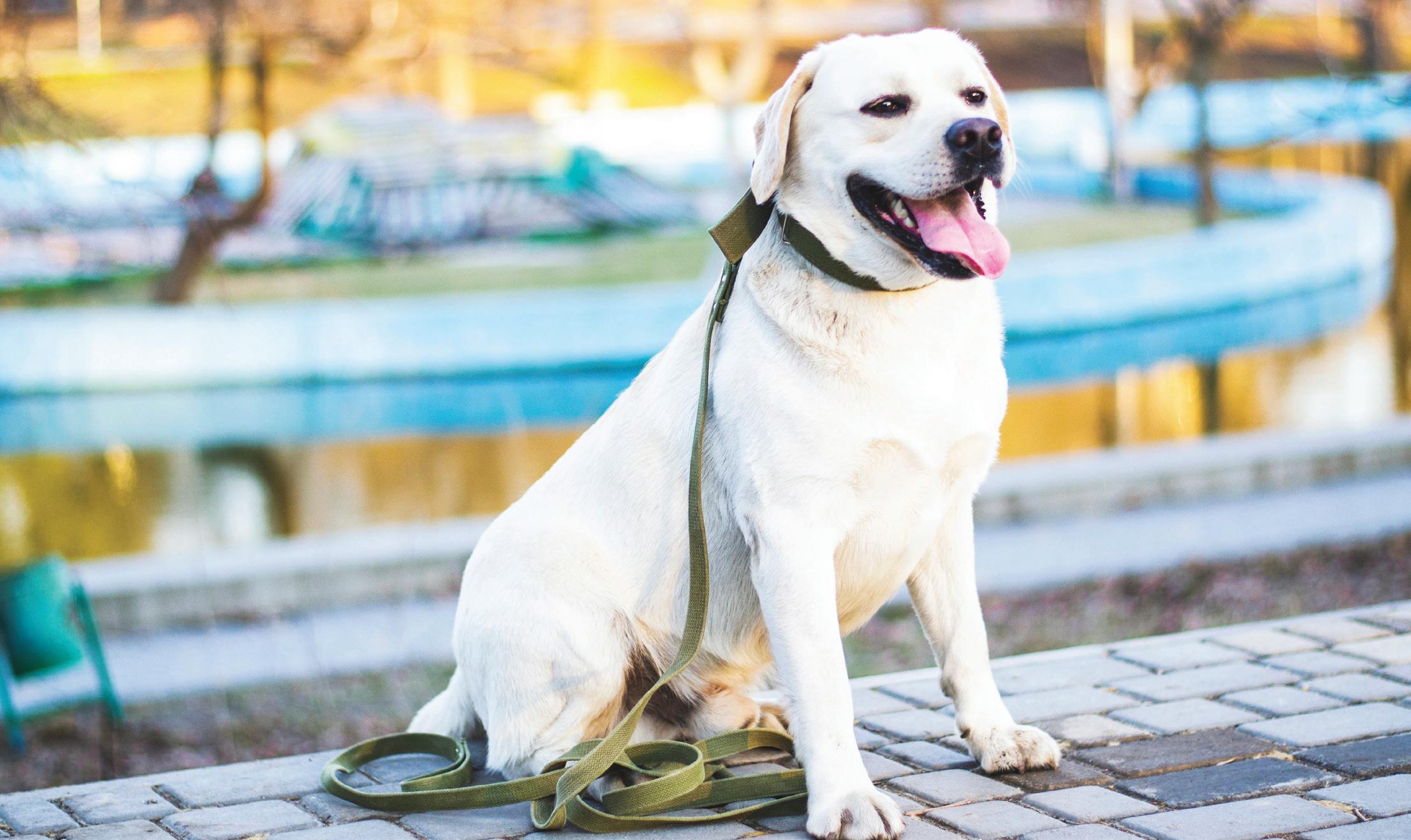
Many dog owners have heard of the Canine Good Citizen (CGC) program, but fewer know about the Urban Canine Good Citizen (Urban CGC) — a certification specifically designed for city dogs. This advanced, real-world training focuses on navigating sidewalks, crowds, noise, public spaces, and busy environments with confidence and calm behavior.
The American Kennel Club officially recognized the Urban CGC in 2015, and it has since become a popular offering at training facilities in large cities and beyond. It helps dogs (and owners) overcome everyday urban challenges so outings become enjoyable instead of stressful.
Imagine confidently presenting an Urban
CGC certification at your next rental application or simply enjoying a peaceful patio lunch with your well-mannered pup by your side.
Training isn’t just about rules; it’s a form of mental enrichment. Dogs love using their brains, learning new skills, and working alongside their humans. At Molly’s Mutt House, enrichment is at the heart of everything we do and, we love clients that go above and beyond enriching their dog’s lives as well as their own.
So if you’re ready for a better city-life experience with your dog, explore Urban CGC training near you or, if your pup is ready, find a certified evaluator and go for it! Many training facilities throughout Houston offering Urban CGC!
REDUCING ENVIRONMENTAL TRIGGERS FOR URBAN DOGS
By Lorena Padron, KPA CPT | Paws All In Dog Training, PawsAllInDogTraining.com
Living in the city comes with its own unique challenges for dog owners. City life is vibrant, crowded, loud, smelly and fast moving. It can be exciting for many of us, but for our dogs it can be overwhelming.
Urban dogs need additional skills compared to their suburban counterparts. They need to cover more than regular basic obedience training and learn skills on how to navigate complex environments that are constantly changing.
City dogs encounter more stimulation in a single walk than many suburban dogs, requiring training that builds resilience and appropriate responses. Our city dogs should be able to handle surprises, navigate crowds, and remain focused on their owners despite the constant distractions.
Start With A Current Evaluation
We must start by evaluating how your dog is currently dealing with the environment. Are they stressed? Are they overwhelmed? Or are

they curious? Recognizing where your dog is and understanding if they are struggling is the first step.
Identify Environmental Triggers
Start Identifying what triggers in the environment affect your dog. Is it noises, people, other dogs, movement of bicycles, or all of the above? Keep data and if possible, video your dog during the walks for you to review in detail later.
Change locations Or Timing Of Walks
Drive to different locations or walk your dogs at times where there are less distractions in the environment. Being able to decrease the amount of triggers your dog is exposed to will help you not only train but decrease the stress they might be feeling during their walks.
Use Positive Reinforcement
Whenever your dog hears or sees a trigger, reward them with treats, praise, or play. This positive association will help change their perception of the trigger.
Gradually decrease distance and increase time exposure: Over days or weeks, slowly decrease distance and increase time exposure. Always ensure your dog remains relaxed before moving to the next level.
Stay Calm During Training
Dogs pick up on their owner’s emotions. Staying calm and confident during these exposures will reassure your dog to feel safe.
Create A Consistent Routine
Regular exposure in a controlled manner is key to successful desensitization of your dog to the environment triggers. Remember to maintain the level of exposure to what your dog can manage and gradually decrease distance to the triggers.
If you need help with your dog, don’t hesitate to reach out to a Certified Dog Trainer to set up a customized training plan for you and your dog.
THE IMPORTANCE OF MENTAL STIMULATION FOR CITY PUPS
Melissa Olive, Lead Trainer, CGC Evaluator, Petsuites Cypress, PetSuitesOfAmerica.com
Apartment living with dogs isn’t the sound of birds chirping and quiet, wide-open spaces. It’s the sound of hallway footsteps, garbage trucks, and the occasional early morning siren that sounds like the apocalypse. It can be a challenging lifestyle for dogs, but with structure, patience, and training, it’s absolutely doable.
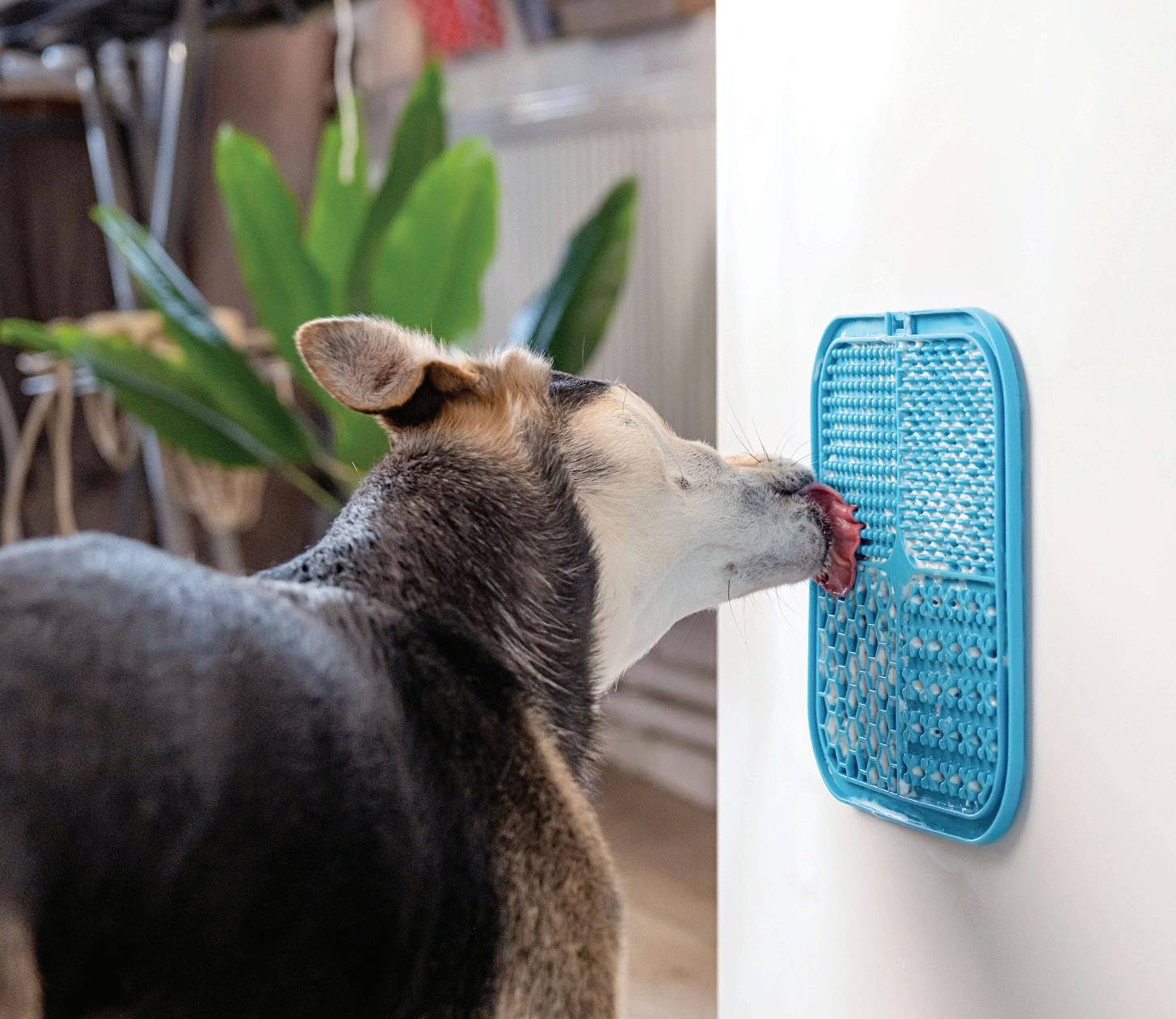
When space is limited, enrichment becomes essential. Mental stimulation is often more effective than physical exercise, leaving dogs content and calm. Puzzle toys, snuffle mats, frozen treats, scent games, and short training sessions are great ways to mentally wear out a dog. Plus, it’s time well spent with your furry companion, and your dog will think it’s the greatest game ever invented.
Don’t be afraid to get creative! Rolling treats in a towel, hiding kibble around the apartment, or practicing cues in the hallway still count. Rotating toys and activities helps keep things fresh and dogs engaged. Just five to ten minutes of problem-solving games can reduce restlessness and boredom, which is often the

cause of unwanted behaviors or excessive barking.
Physical exercise still plays an important role. Apartment dogs may not have backyards but most complexes offer built-in opportunities for movement. Sniff walks on nearby grass, stair climbing, and structured walks around the buildings within the complex provide physical and mental outlets. Allowing time to sniff and explore their environment is just as enriching as distance walked.
Noise presents a significant challenge in apartment living, due to unavoidable background sounds such as traffic, delivery trucks, hallway activity, frequent door noise, and elevators. Gradual exposure helps dogs learn that background sounds don't require a response, such as barking. Playing recordings at low volume of common apartment/city sounds and rewarding calm responses and teaching a solid “settle” cue can reduce reactive barking, which in turn keeps neighbors happier on the other side of the thin walls.
One of the biggest adjustments for apart-
ment dogs is navigating through shared spaces, especially elevators. Elevators can be overwhelming due to confined spaces, unfamiliar noises, unpredictable movement, and close proximity to strangers. Teaching polite elevator manners such as a relaxed sit, focus cues, and good leash skills helps to prevent an uncomfortable ride, not only for your dog, but other fellow riders. Start by rewarding neutral behavior near the elevator, gradually working up to calm, stress-free rides. With practice, your dog can step into an elevator as confidently as they do on their daily walks. Pairing elevator rides with positive reinforcement helps dogs view them as part of their daily routine.
Having raised dogs in apartments myself, I’ve seen firsthand that successful apartment living is less about square footage and more about intention. With consistency, enrichment, and training, apartment dogs don't just adaptthey can truly thrive.
NOISE PRESENTS
A
SIGNIFICANT CHALLENGE IN APARTMENT
LIVING, DUE TO UNAVOIDABLE BACKGROUND SOUNDS SUCH AS TRAFFIC, DELIVERY TRUCKS, HALLWAY ACTIVITY, FREQUENT DOOR NOISE, AND ELEVATORS.
Train for Safety:
ESSENTIAL SAFETY COMMANDS
FOR PUBLIC SETTINGS
By: June Schnabl, ABCBT, CPR Certified Blessed Paws Luxury Resort, BlessedPaws.com

Every dog parent has had that heartstopping moment—when the leash slips, a door swings open, or your dog spots something irresistible across the street. In those moments, training isn’t about tricks or titles—it’s about safety, trust, and peace of mind.
Training your dog is one of the most important parts of responsible pet ownership. While basic commands are helpful, effective training plays a much bigger role: it prepares your dog to stay calm, responsive, and safe in real-world situations. From busy sidewalks and parking lots to parks, patios, and vet visits, training gives you reliable control when it matters most.
Public environments are full of distractions—other dogs, children, traffic, loud noises, and tempting smells. Without training, these situations can quickly become dangerous. A well-trained dog is better able to pause, focus, and respond to their handler, reducing the risk of accidents, escapes, or reactive behavior. Simply put, a trained dog is a safer dog.
Training also builds confidence for both ends of the leash. When you trust your dog to listen, outings become more enjoyable and less stressful. Clear communication strengthens your bond and allows you to guide your dog through unfamiliar or high-energy environments with calm assurance.
ESSENTIAL SAFETY COMMANDS FOR PUBLIC SETTINGS
1. Sit
A simple cue that helps stop movement and regain focus before crossing streets or greeting others.
2. Stay / Wait
Crucial for preventing dogs from bolting through doors, into traffic, or toward unfamiliar dogs and people.
3. Recall (Come)
One of the most important safety skills, allowing you to call your dog back quickly in on- or off-leash situations.
4. Leave It
Protects your dog from picking up unsafe
food, trash, or toxic substances often found in public areas.
5. Drop It
Encourages your dog to release objects safely, preventing choking or injury.
OUR TRAINING PHILOSOPHY
At Blessed Paws, safety is always our top priority. Our certified professional trainer, with over 10 years of experience, focuses on real-world skills that help dogs navigate everyday public situations confidently and calmly. Using positive reinforcement—treats, praise, toys, and affection—we teach dogs to respond willingly, even in distracting environments.
Whether you’re raising a new puppy or refining an older dog’s manners, training supports a safer, happier life for you and your dog— at home and out in the world.
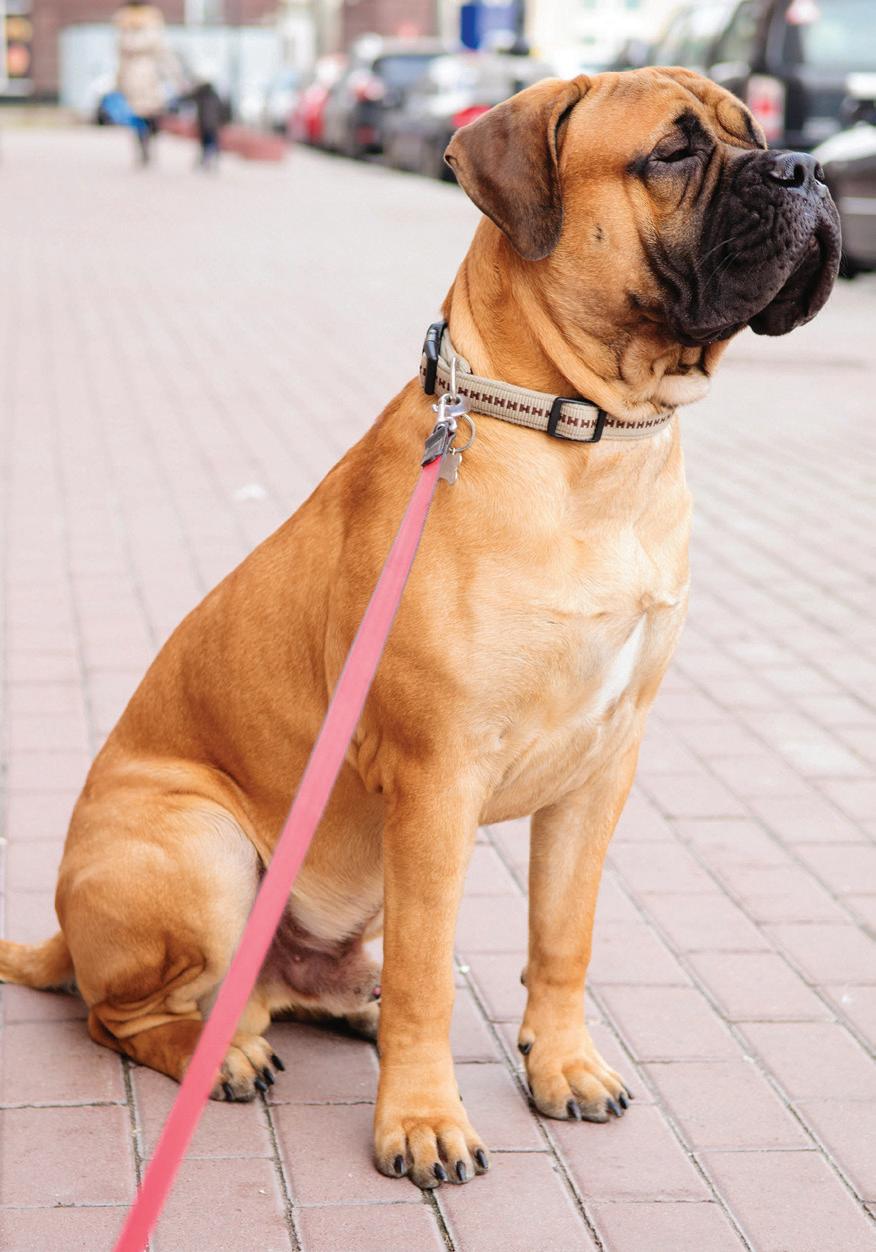
WHETHER YOU’RE RAISING A NEW PUPPY OR REFINING AN OLDER DOG’S MANNERS, TRAINING SUPPORTS A SAFER, HAPPIER LIFE FOR YOU AND YOUR DOG—AT HOME AND OUT IN THE WORLD.
KEEPING WALKS SAFE AND PRODUCTIVE
It is easy to see why walking is one of the most common yet overlooked challenges dog owners face. Considering our 30,000 year shared-history with dogs, cities are distinctly new to the equation, and these dense, urban environments present situations that neither species has fully evolved to navigate seamlessly. Encounters with other dogs, sudden sounds, tight spaces, and limited escape routes can quickly turn an everyday walk into a dangerous situation. Falls, injuries, traffic accidents, and altercations with other dogs can happen at a moment’s notice.
Because leash struggles are so normalized, it’s easy to feel lost or discouraged, especially when behaviors appear habitual, inconsistent, or without cause. It is easy to feel like the behaviors are a personal failure rather than a common, solvable challenge, but with the right training, tools, and communication, walking can instead become a powerful opportunity, not just for exercise, but for skill-building, and bonding as well.
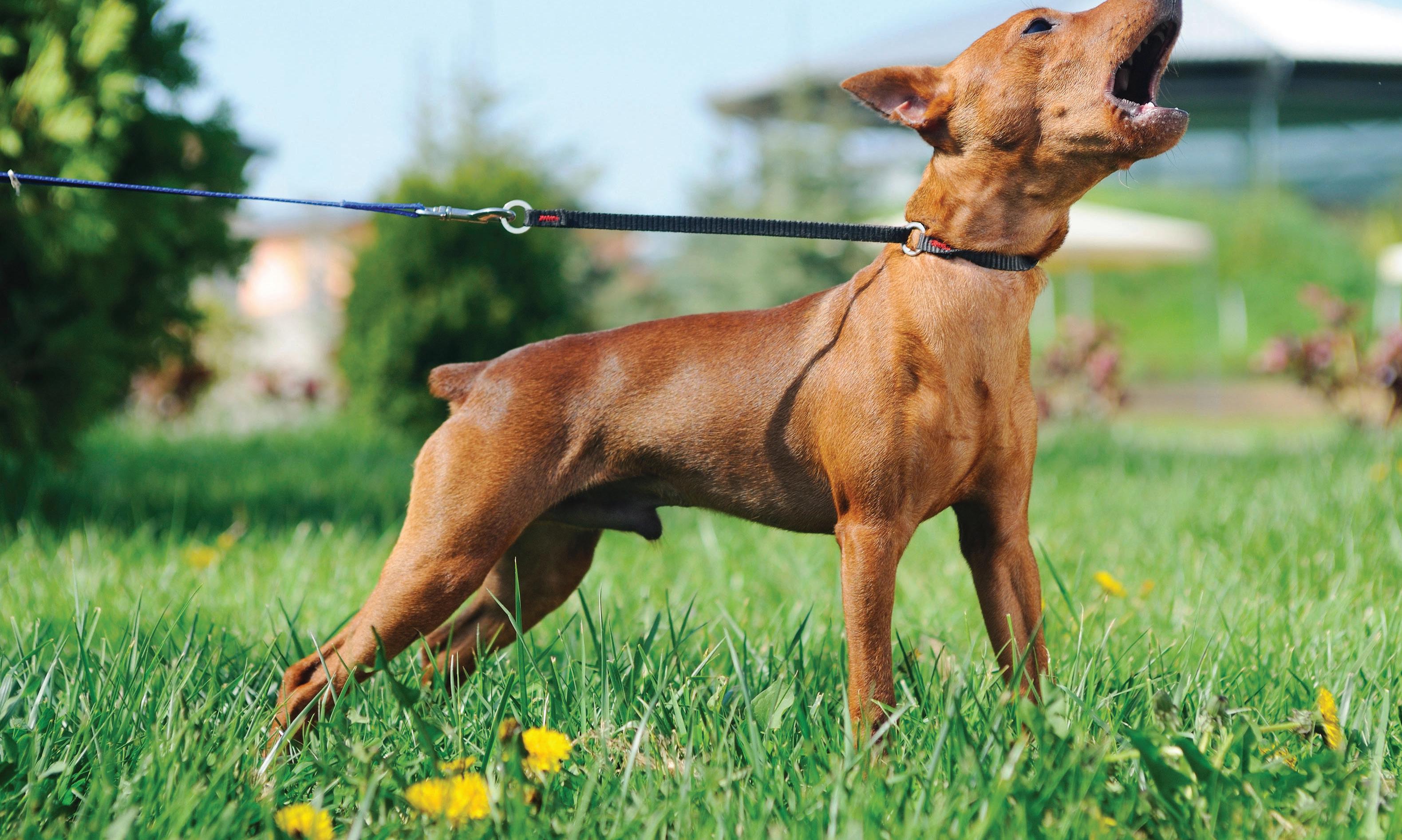
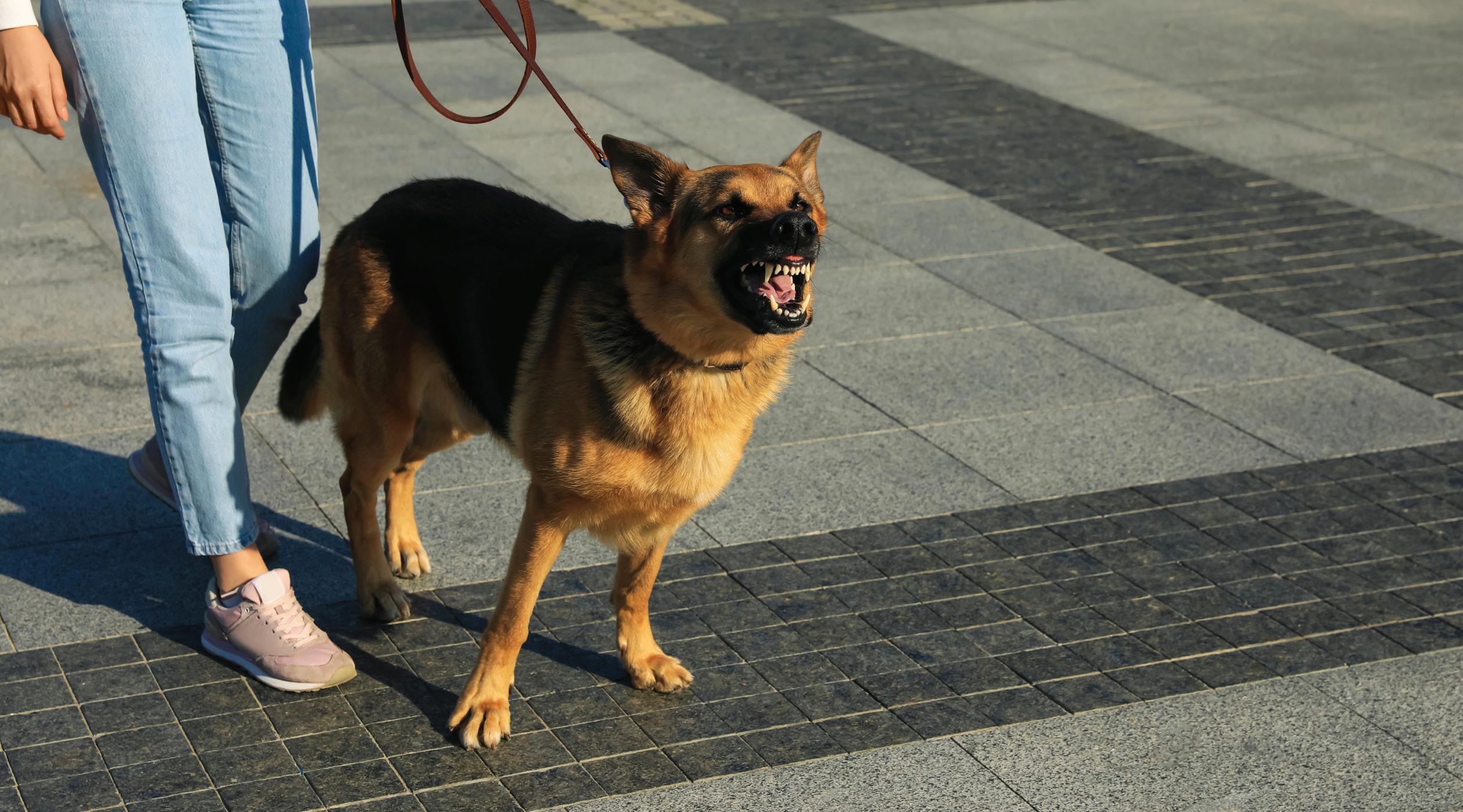
Understanding your dog’s body language is key to keeping walks safe and productive. Behaviors such as pulling, lunging, freezing, or reactivity–often dismissed as “bad habits” or “temperament”--are tell-tale signs of stress and fear. Subtle cues, such as stiffening, slowing down, excessive scanning, tucked tails, pinned ears, lip licking, or refusal of food, often precede these reactions. Recognizing these signs early allows owners to manage the environment proactively by increasing distance, changing direction, choosing routes with more space, or pausing the walk altogether.
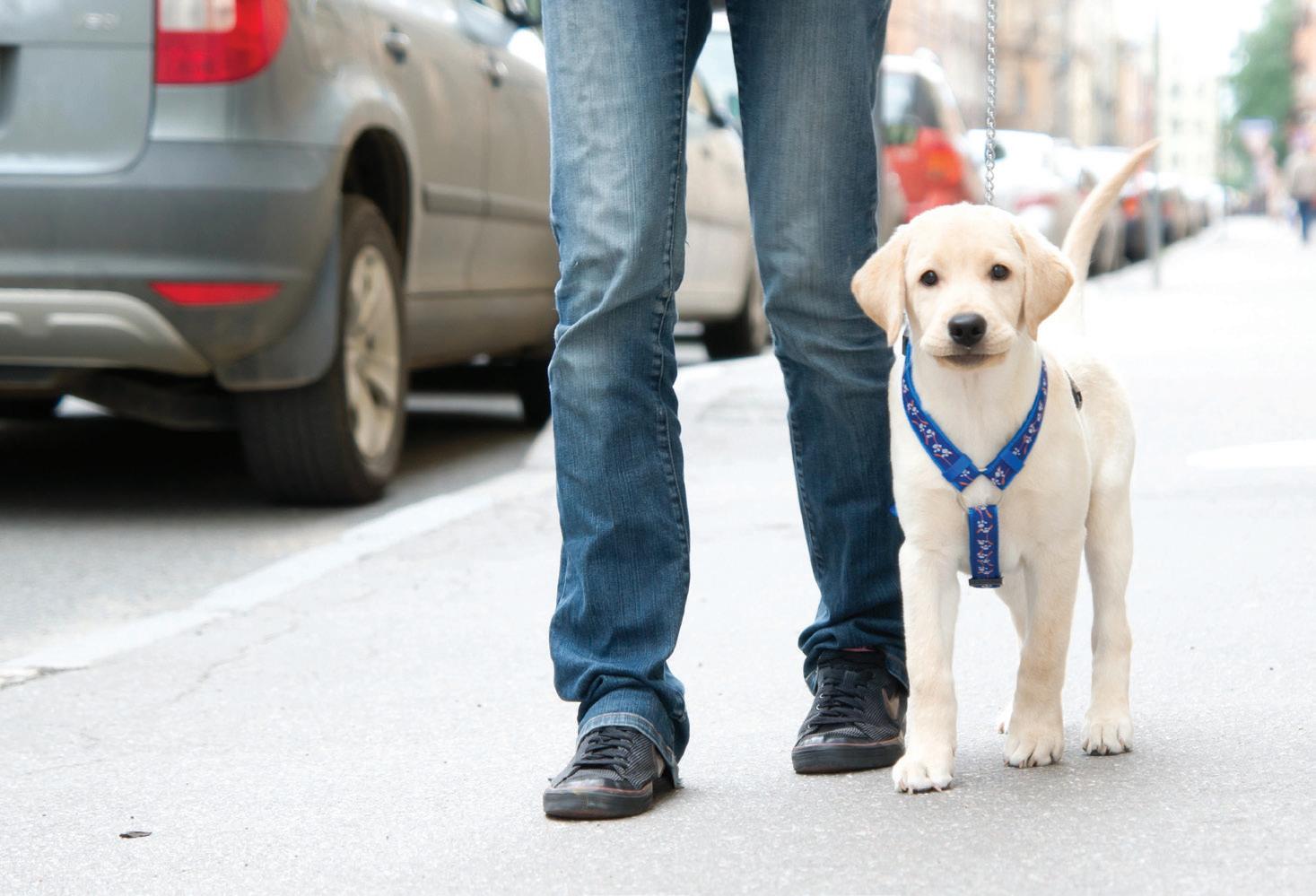
Leashes, while an essential safety tool, can easily become a danger when used improperly. Long leads may seem like a way to communicate trust and give freedom to your dog, but they easily lead to loose boundaries or frustration. Using a shorter lead increases both the safety and enjoyability of walks. A shorter lead equals less pulling, less force, and clear boundaries your dog can understand.
Conversely, leashes present an entirely different set of challenges during greetings between dogs. “Head-on encounters,” exactly the kind we see every day on sidewalks, closely resemble confrontational canine body language. Even with otherwise calm and friendly dogs, these situations can easily lead to fear, frustration, or conflict. We recommend that you always consult a trainer when attempting to introduce dogs.
Food is another powerful and acces-
By Bennett Sharp , Training Manager Revival Dog Training | RevivalDogTraining.com
sible tool for all dog owners. Nearly all dogs respond to food, and it can be used to redirect attention in potentially dangerous situations, reinforce calm behavior, and condition safer emotional responses to triggers. Moving away from free feeding and incorporating food into training and enrichment creates focus, predictability, and clearer communication during walks.
Breed tendencies also play an important role. Working and high-drive breeds often require more mental and physical stimulation than a walk alone can provide. Without appropriate outlets, excess energy frequently manifests as pulling or reactivity. Enrichment outside of walks, such as snuffle mats, Kongs, Toppls, lick mats, and puzzle toys, is an essential component in setting these dogs up for success.

Above all, working with a qualified professional trainer, especially one experienced in leash behavior and reactivity, is invaluable. Effective training should be tailored to the individual dog, accounting for their unique stressors, triggers, and communication style. With guidance, owners can learn to read early signs of stress, respond proactively, and build a foundation of consistent, safe leash manners. These strategies– professional training, controlling the environment, reading your dog’s body language, and mental enrichment–support the most important factor in managing behavior: setting your dog up for success. Dogs live in a world shaped by humans, and it is our responsibility to guide them through it in a way that fosters not fear but instead safety and trust.
WORKING AND HIGH-DRIVE BREEDS OFTEN REQUIRE MORE MENTAL AND PHYSICAL STIMULATION THAN A WALK ALONE CAN PROVIDE. WITHOUT APPROPRIATE OUTLETS, EXCESS ENERGY FREQUENTLY MANIFESTS AS PULLING OR REACTIVITY.
WHAT TO DO FOR A FEARFUL DOG
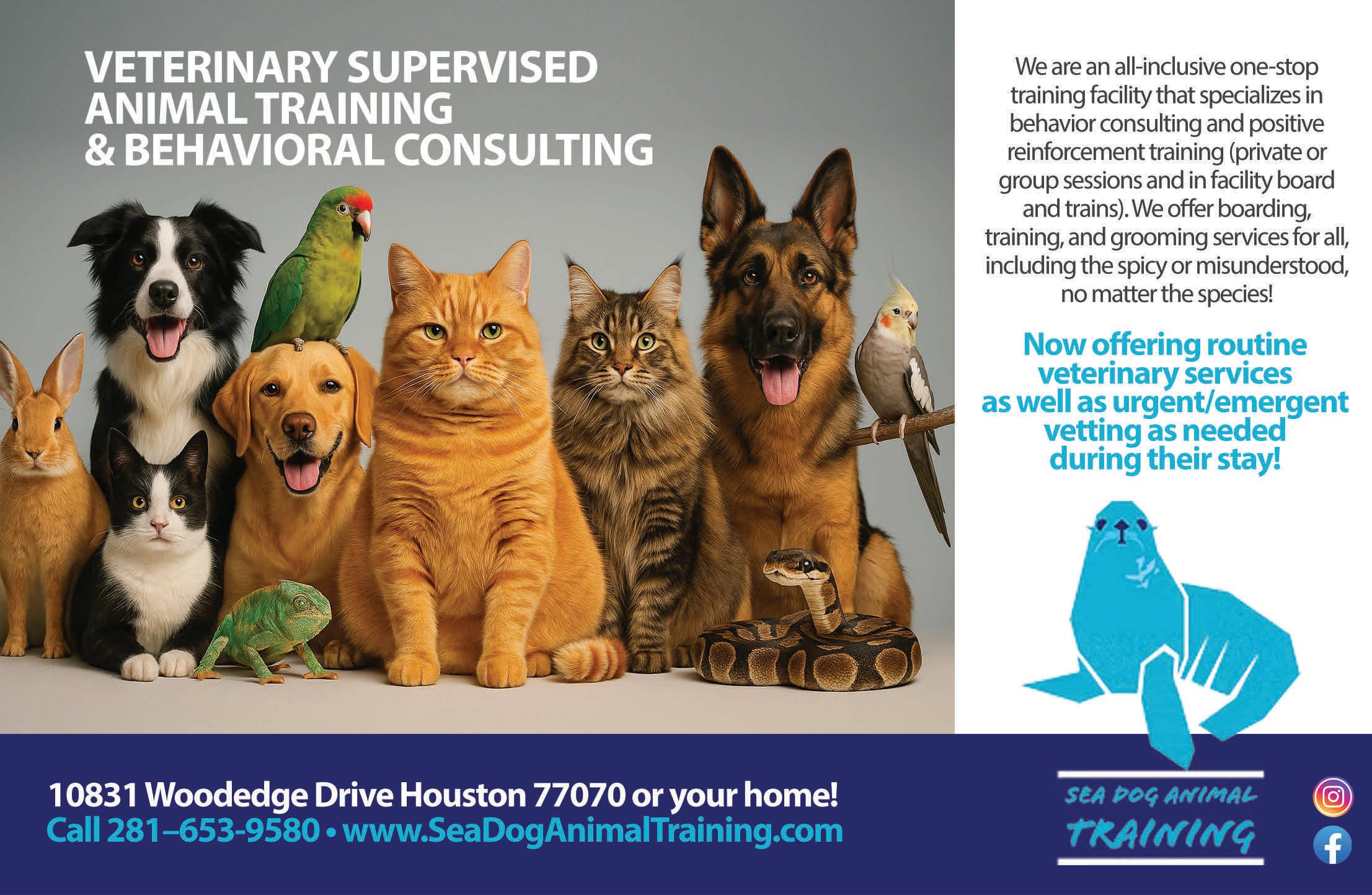
By: Heather L. Crane, MSc. | Trainer and Behavioral Consultant, Owner Sea Dog Animal Training, SeaDogAnimalTraining.com
If you live in the city, your dog has to deal with… well, life. Elevators, busy sidewalks, strangers wanting to say hello, scooters flying past, and vet visits that feel unavoidable.
But what if your dog is scared of all of it?
Fearful dogs — especially those who bark, growl, lunge, or have even snapped or bitten — can leave their owners feeling stuck. Many people start walking at midnight to avoid anyone else. Some stop taking their dog anywhere at all. And honestly? That’s not a joyful way to share life with a pet.
Here’s the good news: fear doesn’t have to be forever. With the right plan, many fearful dogs can learn to feel safe in the world again.
Fear Isn’t “Bad,” It’s Overwhelm
Most fear-based aggression is defensive. These dogs aren’t being stubborn or mean, rather, they’re trying to create distance from something that feels scary. That’s why forcing them to “face their fears” too quickly can backfire. Instead, we focus on building confidence slowly and safely.
Small Steps Change Everything
One of the most effective approaches is

called desensitization and counterconditioning–a fancy way of saying: Start small, and pair scary things with good things.
If your dog is nervous around strangers, begin far enough away that they can stay calm, and reward with high-value treats. Over time, your dog begins to think:
“Hey… when people show up, good things happen.”
That’s how emotional change happens. Management Matters
While your dog is learning, smart management keeps everyone safe. Calm walking routes, secure equipment, and sometimes a properly fitted basket muzzle can prevent setbacks and help your dog relax.
A good plan should never involve overwhelming your dog to “just to see what happens.”
Don’t Be Afraid to Get Help
If your dog has a bite history or intense anxiety, working with a qualified professional is essential. In some cases, your veterinarian may also recommend anxiety support to help your dog stay calm enough to learn.
Progress isn’t instant perfection–it’s small wins: walking past one person calmly, riding an elevator with support, or visiting the vet with less panic. Confidence is built one step at a time.
Your dog’s world doesn’t have to shrink. With compassionate, science-based training, fearful dogs can absolutely learn that the city is safe again.
Training saves lives!
If you’re feeling stuck, don’t wait, reach out to a trusted professional who can help you and your dog take that first step forward.
3 Tips to Start Today
1. Reward Calm, Not Courage
Treat your dog for staying calm when they notice something scary.
2. Create More Distance Than You Think Distance isn’t failure–it’s giving your dog room to succeed.
3. Keep Sessions Short and Positive
Five calm minutes are better than one long stressful walk. End on a win.

TAKE YOUR TRAINING TO THE NEXT LEVEL
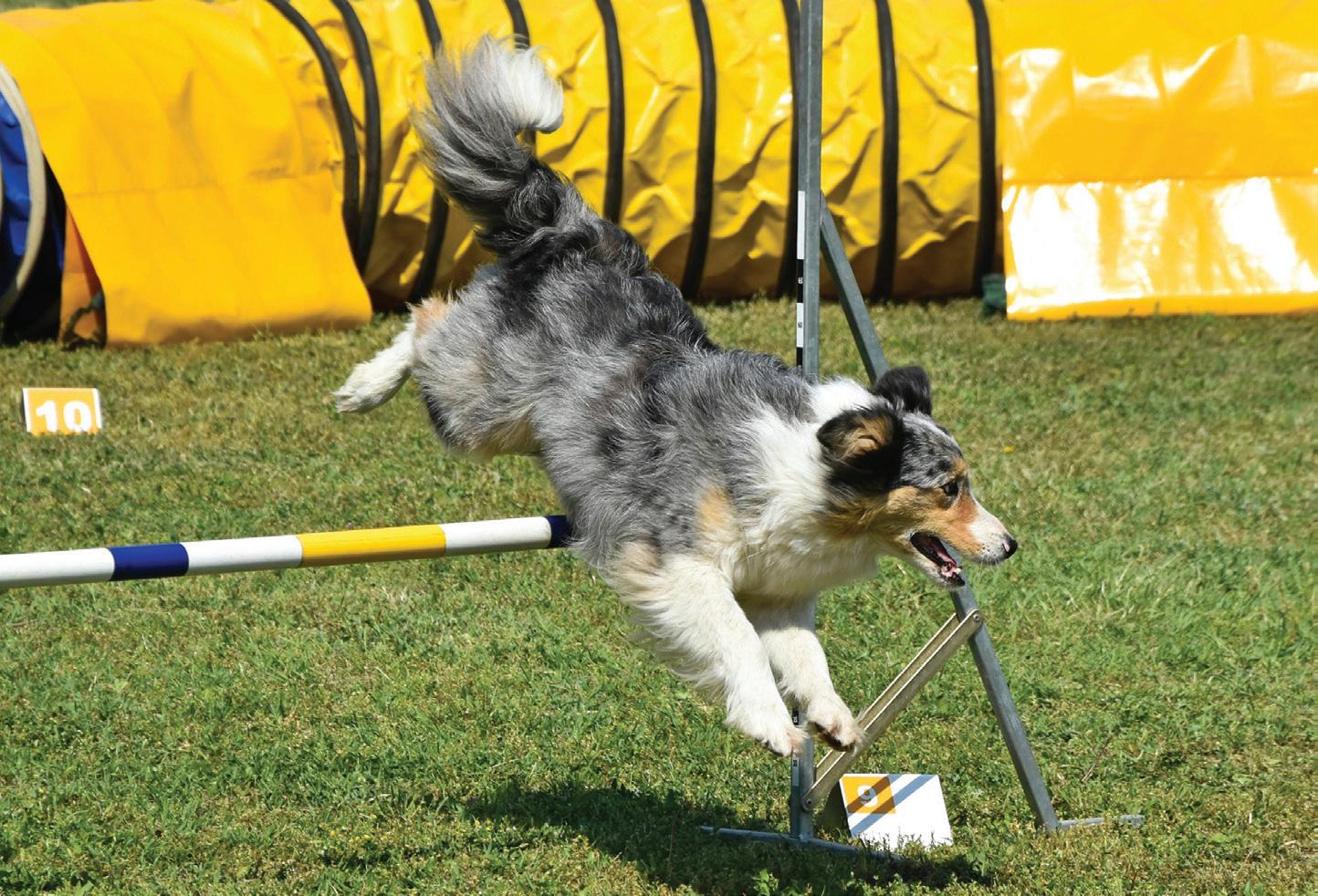
Part of building a relationship with your dog is to do activities together. And, it would also be a great thing for you both if there was some exercise involved too! Below is a list of resources of some fun things to do in Houston that might interest you and your pup.
1. AGILITY TRAINING SCHOOL:
Dog agility is a sport where you direct your dog through a pre-set obstacle course within a certain time limit. Courses typically have between 14-20 obstacles, which can include tunnels, weave poles, tire jumps, seesaws, and pause tables where the dog must stop for a set amount of time. Check out some of Houston’s best resources for agility training: FlashPaws. com or DogGoneFunAgility.com.
2. CANINE MUSICAL FREESTYLE:
Rooted in obedience, musical freestyle is an activity where dogs and owners perform choreographed routines together. If you have attended the Houston World Series of Dog Shows each July, you’ve probably witnessed the hand-clapping fun routines performed by Texas Six Steppers. Learn more at TexasSixSteppers.com.
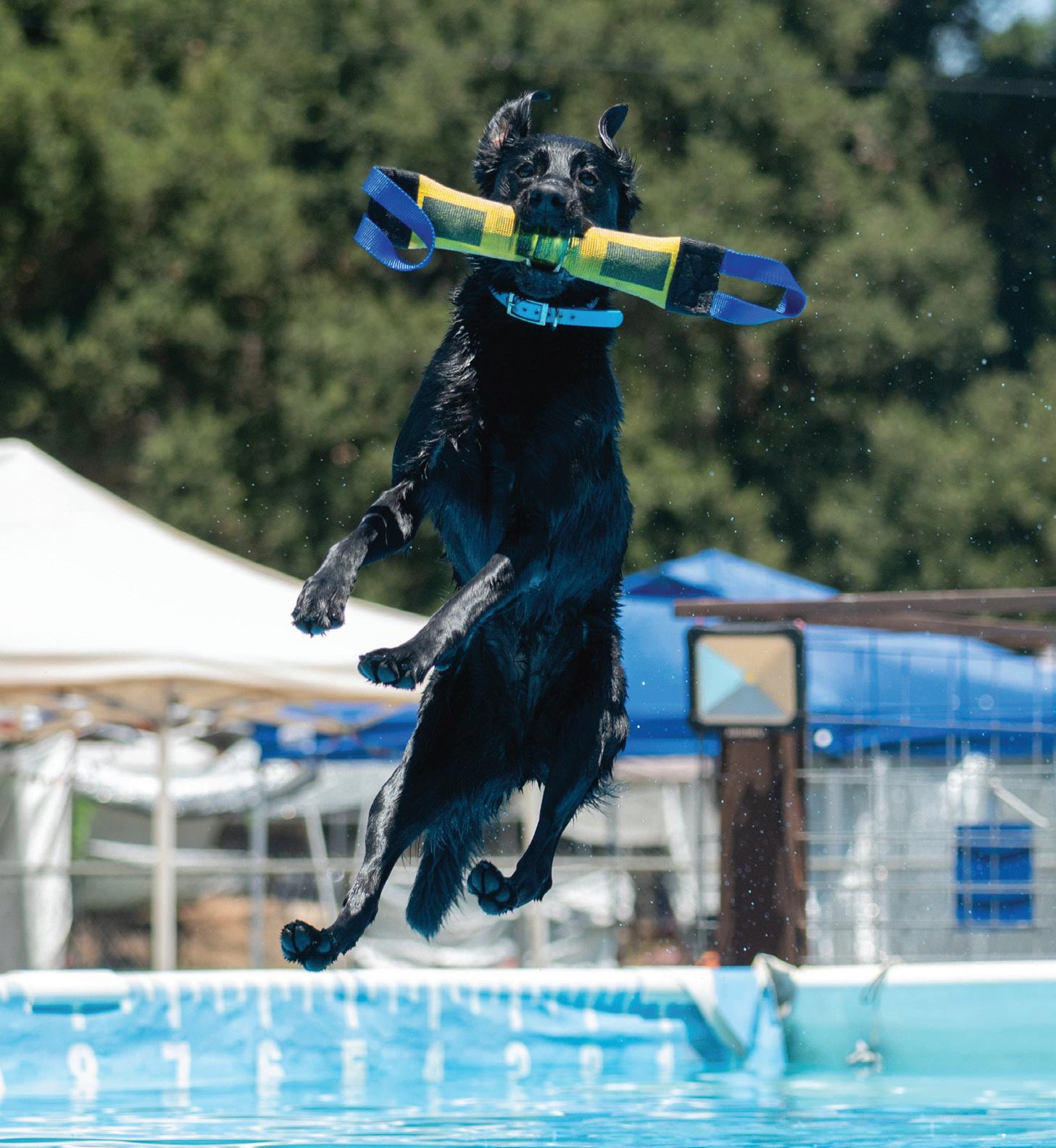
3. DOCK DIVING:
This sport involves dogs leaping as far as they can into a pool to catch and retrieve a toy thrown by their owner. To learn more or sign
up for classes with your pup, visit one of these two Houston resources: RummysBeachClub. com (private club) or HoustonDiveDogs.com.
4. FLYBALL:
Flyball is a dog sport in which teams of dogs race against each other from a start/ finish line, over a line of hurdles, to a box that releases a tennis ball to be caught when the dog presses the spring-loaded pad, then back to their handlers while carrying the ball. Once again, if you’ve visited the Houston show, Flyball is one of the fan favorites each year. Find resources at learn more at Texas Twisters Flyball Club, TxTwisters.org.
5. CDC CERTIFICATION FOR THERAPY DOGS
If you are interested in your dog becoming a therapy dog to help others in need, you start by earning the AKC Canine Good Citizen (CGC) certification which is a foundational step for therapy work, with specialized training available through groups like Faithful Paws Pet Therapy. These programs prepare dogs for therapy settings by focusing on calmness, socialization, and passing the 10-step CGC test before moving on to therapy certification. Learn more at FaithfulPawsHouston.org.

Smart Training Essentials
TOUGH ROPE, CALM WALKS
The Black Ops Leash Collection by Lone Wolf Pet Products offers a sturdy rope, embellished with black leather for a comfortable grip. Get yours at Molly's Mutt House at 3410 N. Shepherd Dr. or visit them online at MuttHouse.com.


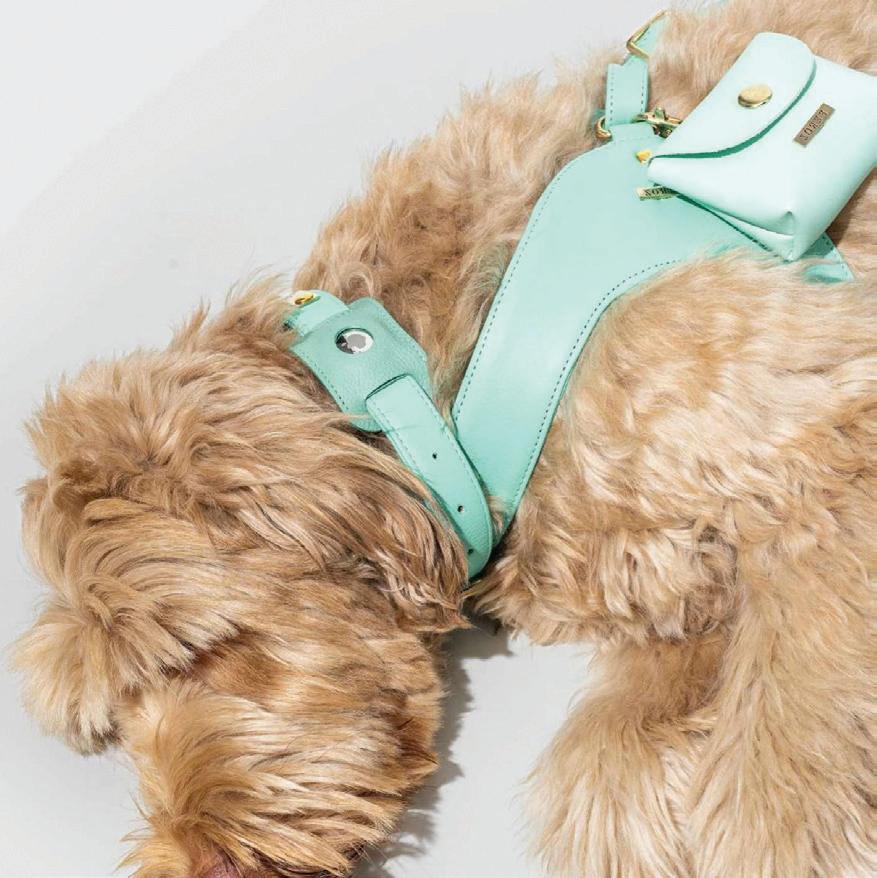
LOVE THEM. TRACK THEM.
Training and safety go hand in hand (or paw in paw) and this leather Air Tag Holder will give you peace of mind knowing that you can find your pet, should they unfortunately get away. The AirTag holder is designed specifically to accommodate Apple’s AirTag, a powerful tracking device that can help locate your pet. Choose from an array of colors at PUCCIcafe.com.
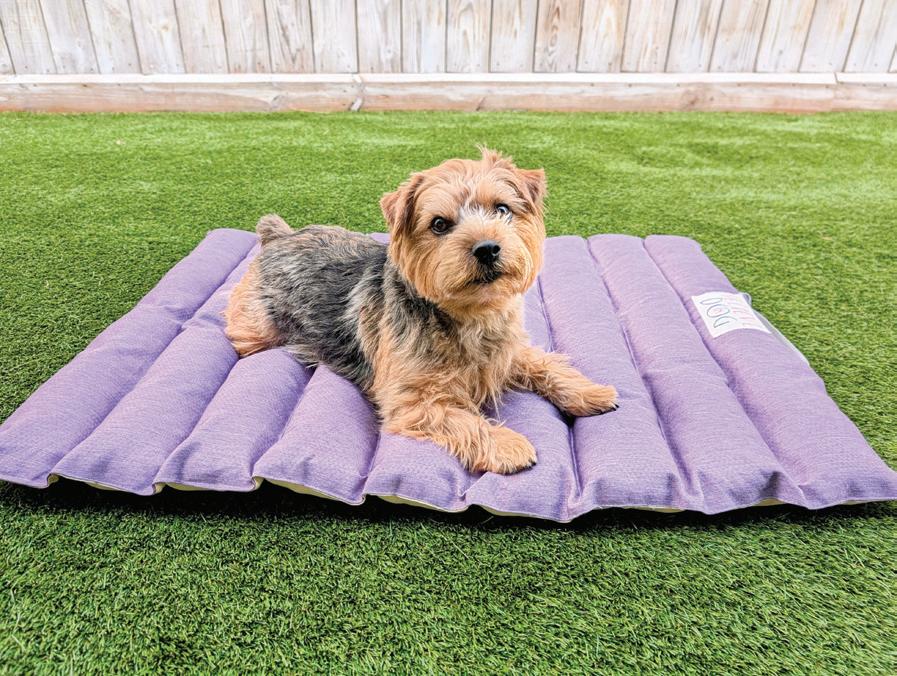
GOT MAT? WILL RELAX
When the Believe in Dog Relaxation Mat comes out, it's time for your dog to lay down and relax, regardless of the setting. The mat is water resistant, fully machine washable, and rolls up with a carry handle so you can take it to your training class, friend's house, or a patio restaurant. Find yours at Believe In Dog, 1029 W 26th St., BelieveInDog.com.


ENGAGE THE SENSES
A lick mat is a textured feeding mat designed to hold soft treats and keep dogs happily engaged. By encouraging slow, repetitive licking, it provides mental stimulation and helps promote calm behavior. It’s perfect for reducing boredom, easing anxiety, and making treat time more enriching. Get yours at ThreeDogBakeryHTX.com or one of their locations in Rice Village and Heights.
REVIVAL DOG TRAINING
BUILDING CLEAR COMMUNICATION, TRUST, AND REAL-WORLD RELIABILITY
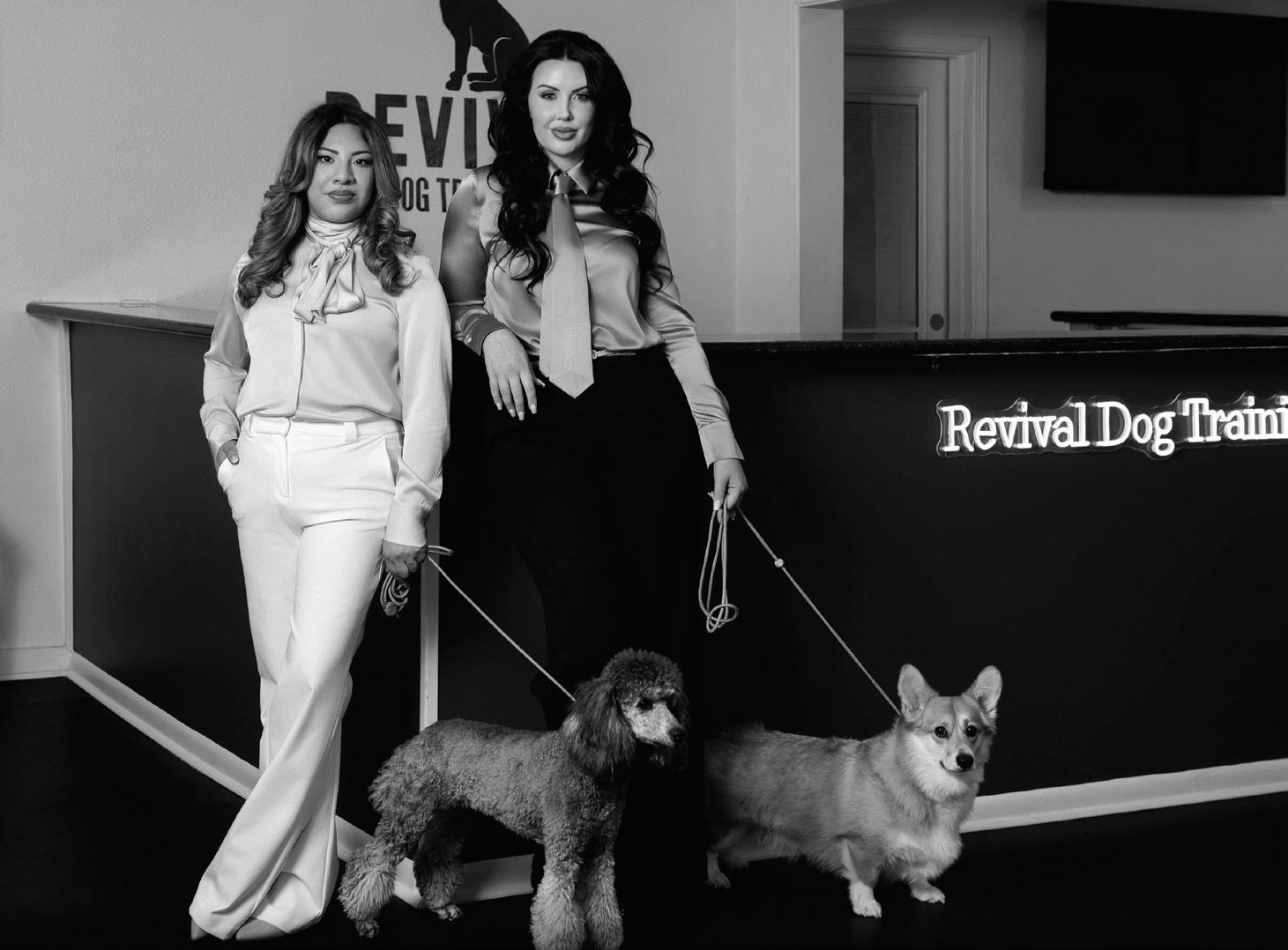
Revival Dog Training knows what it’s like to face the challenges of city life, both as the pet owner and the pet themselves. Having a canine companion is an important element of a joyful life for many, but the challenge can come in finding ways to make sharing a life in the city together as enjoyable as possible. Let’s face it, Canis lupus familiaris was not made for urban life, but because they are so adaptable (which is why we love them!), millions of dogs are able to happily live in an urban environment. Connecting to the theme of our annual dog training issue, we sat down with Revival Dog Training to take a deeper dive into their approach, outlook and ultimately their advice and expertise on living the city life with a city dog.
1. How did Revival Dog Training get started, and what kind of training credentials does your team have?
We founded Revival Dog Training with the goal of helping dogs and their owners build clear communication, trust, and real-world reliability. Our work focuses on practical training that improves everyday life–not just obedience in controlled settings, but behavior that holds up across different environments and situations. Over the years, we’ve worked with dogs of all
breeds, temperaments, and behavioral challenges, and we continue to pursue ongoing education in behavior, learning theory, and canine psychology to ensure our methods are effective, humane, and modern. Most of our trainers hold CPDT-KA or CPDT-KSA credentials, which are the most widely recognized professional certifications awarded by the Certification Council for Professional Dog Trainers.
2. Revival has grown quite a bit. Where are you training now, and what services do you offer at each location?
As demand grew, we expanded to serve more clients and provide a wider range of structured programs. Each location offers the same core services, including private lessons, drop-off day training, board-and-train programs, and group classes. This past year, we expanded into The Woodlands, TX, and the East Village of Manhattan, NYC. This growth has allowed us to better support busy owners, urban dogs, and families looking for structured, consistent training. Regardless of location, our philosophy and standards remain the same.
3. What made you want to specialize in training city dogs?
City dogs face a completely different set of
pressures than suburban or rural dogs. They must navigate noise, crowds, tight living spaces, constant stimulation, and limited outlets for natural behaviors. We chose to focus on city dogs because these environments demand higher levels of impulse control, neutrality, and emotional stability. Training for urban environments is about helping dogs feel calm, confident, and adaptable in a fast-moving world.
4. What are the biggest challenges you see for city dogs and their owners?
City dogs often struggle with overstimulation, leash reactivity, anxiety, and difficulty settling. Constant exposure to noise, strangers, other dogs, traffic, and confined spaces can create triggers that stack up quickly. For owners, the biggest challenges are managing behavior in public, limited space for exercise, and balancing busy schedules with consistent training. Without structure, small issues can grow into larger behavioral problems.
5. What behavior issues do you see most often with city living, and how do you work through them?
Common issues include leash pulling, reactivity toward dogs or people, anxiety in busy environments, poor impulse control, and difficulty settling at home. With leash reactivity, for example, we focus on emotional regulation first, not just obedience. We build engagement, reward calm decision-making, and gradually expose the dog to triggers in a controlled way. Training progresses from low-distraction environments to real-world settings like sidewalks, parks, and busy streets.
6. From an owner’s perspective, what really makes training successful?
Consistency and clarity are key. Dogs thrive
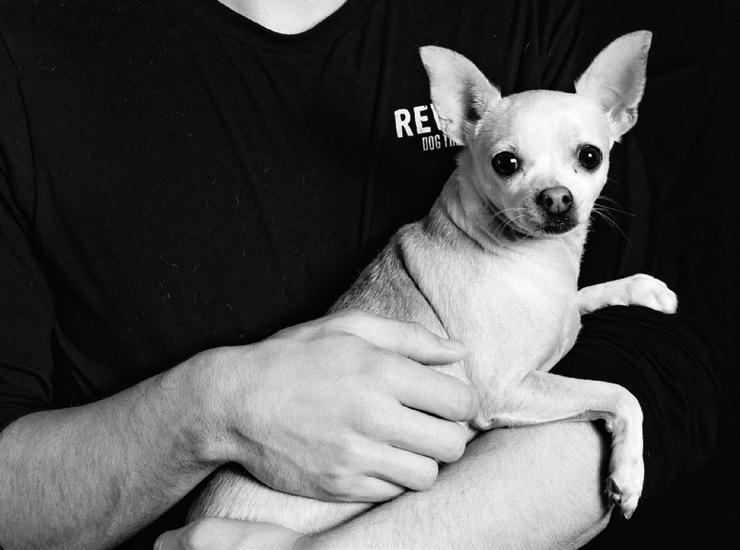
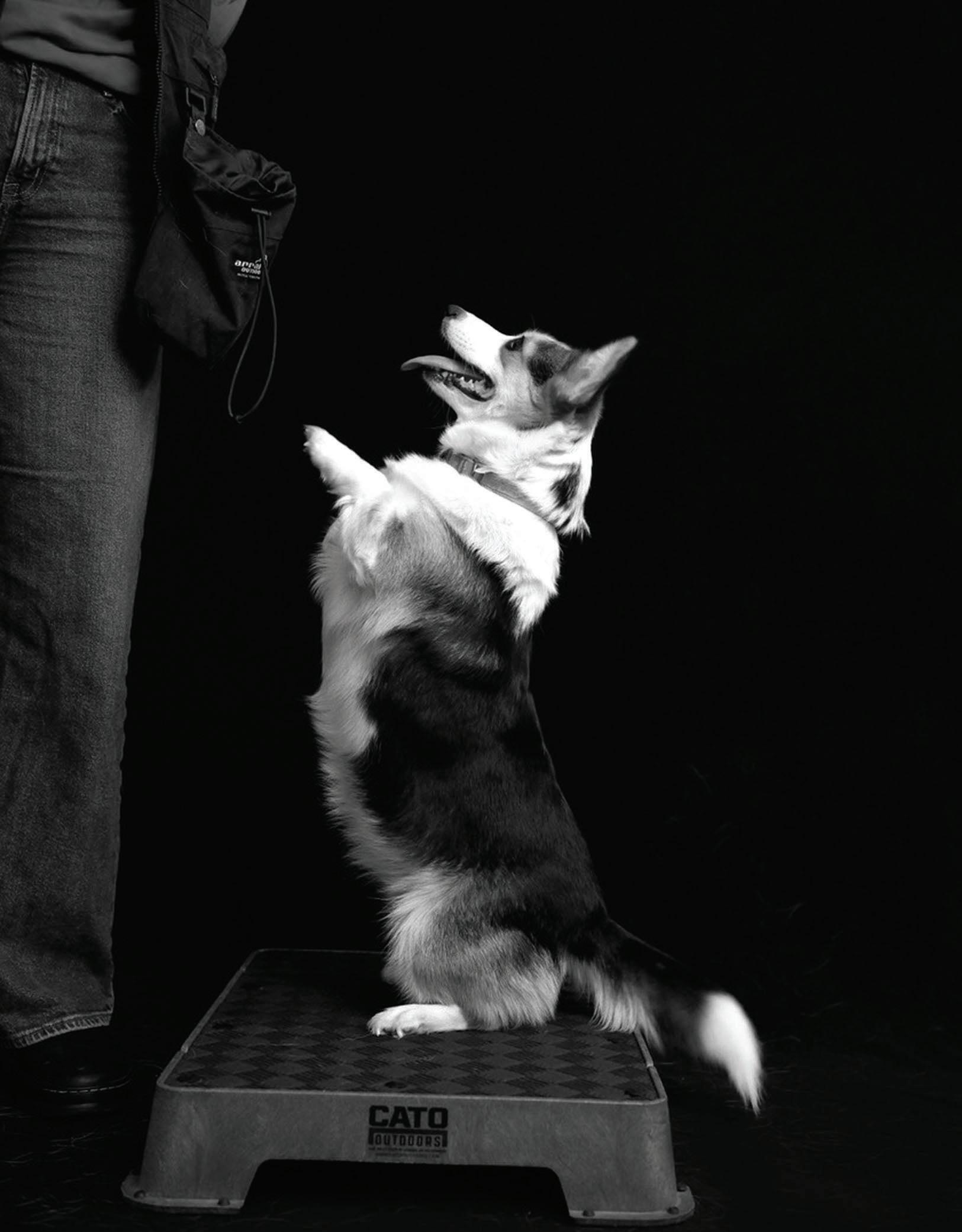
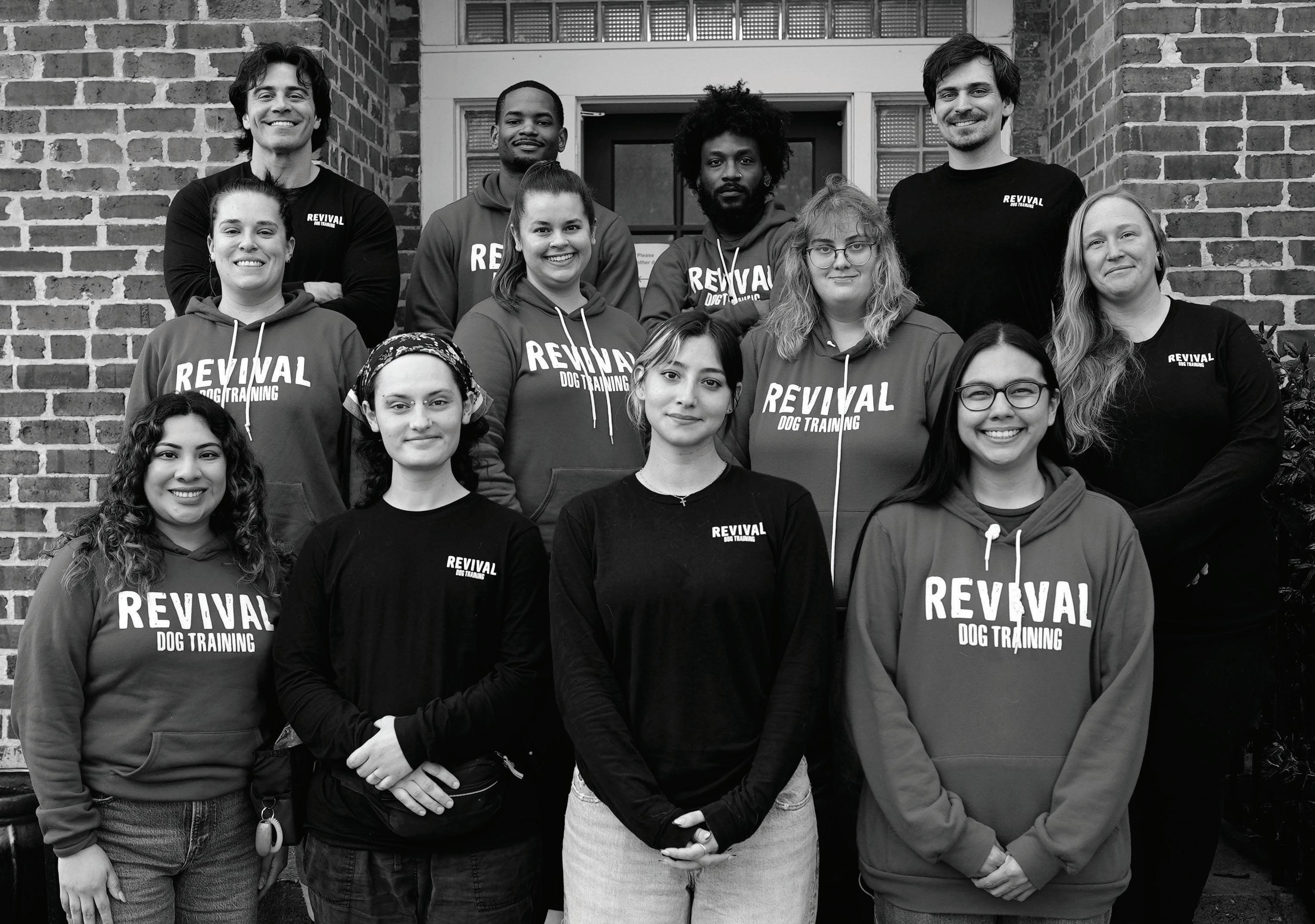
when communication is predictable and fair. Owners don’t need to be perfect, but they do need to be consistent with expectations, follow-through, and structure. The second key factor is mindset–understanding that training is a process, not a quick fix. Long-term success comes from building habits, not chasing shortcuts. That’s how lasting behavior change happens.
7. How do you decide which training option is best for each dog, and what are the benefits of each?
Every dog is evaluated individually based on temperament, behavior, lifestyle, and the owner’s goals. Private training is ideal for owners who want to be very involved and learn
alongside their dog. Our board-and-train program works best for dogs who need immersive structure, behavior modification, or accelerated progress. Drop-off day training is great for busy owners who want consistent progress without overnight stays, or an ongoing maintenance schedule. Group classes offer valuable social exposure and reinforce obedience around other dogs and people. Often, we combine formats to create the best overall plan.
8. How do you tailor training to each dog instead of using a one-size-fits-all approach?
We start by evaluating behavior, emotional state, environment, and lifestyle. Behavior is communication, so we focus on why a dog is acting a certain way, not just the surface
behavior. From there, we design a plan that addresses root causes, builds confidence, and develops practical, real-world skills. No two dogs are the same, so training must be adaptable and individualized.
9. Do you notice differences between dogs in NYC and dogs in Houston?
NYC dogs often deal with higher density, constant noise, and nonstop exposure, which can lead to overstimulation or environmental stress. Houston dogs may have more space, but they sometimes struggle more with structure or impulse control around fast-moving vehicles or bikes. The principles of training remain the same, but how we apply them varies based on the environment.

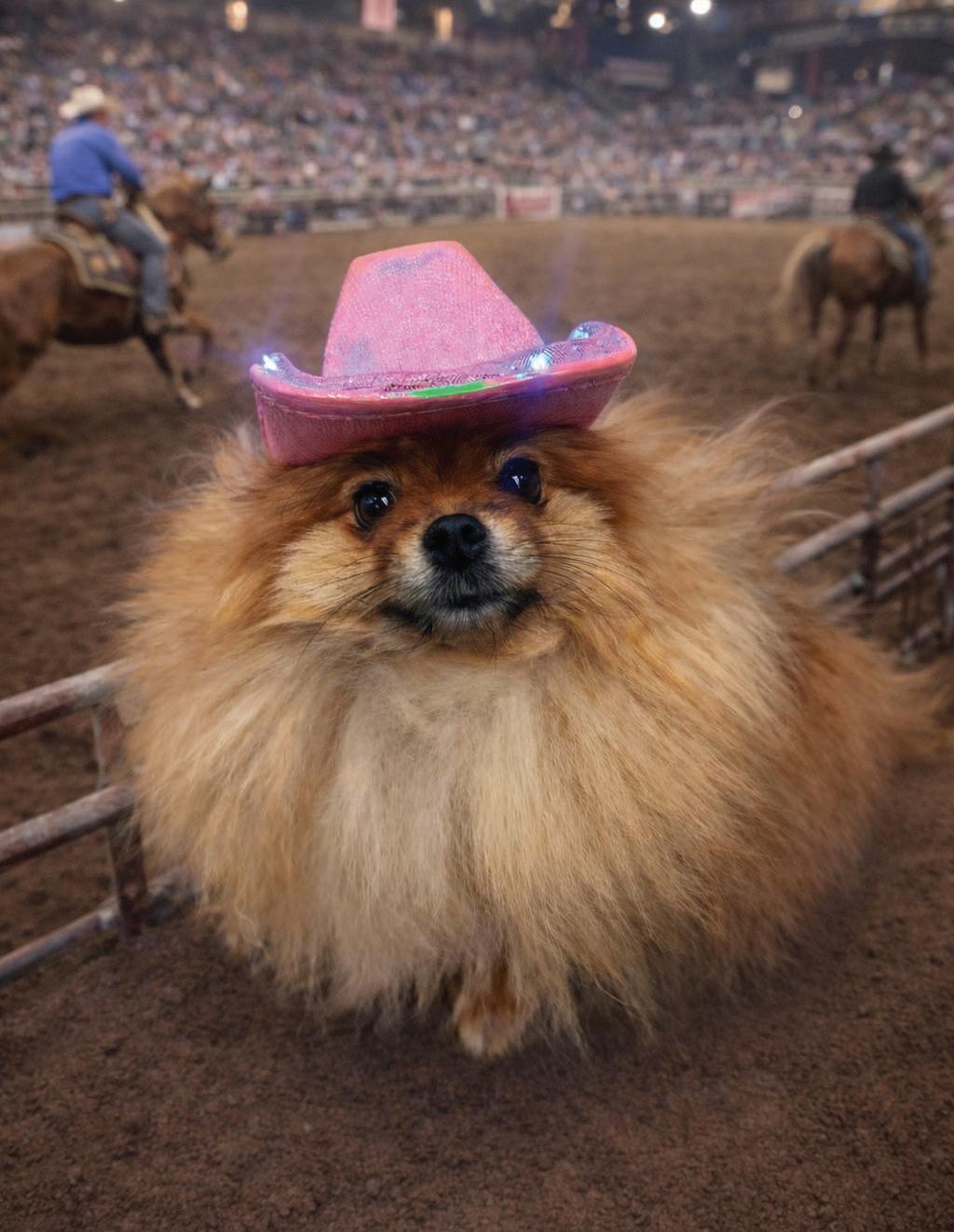
Sophia's Spotlight of Love
Hi friends! I’m Sophia, the tiny pom with the big personality and the iconic heart-shaped glasses. After enjoying my moment as PetTalk’s 2025 cover girl, I’m putting my sparkle to good use in 2026 by highlighting amazing Houston rescues and helping fellow pets find the loving homes they deserve. Each month, I’ll introduce you to some truly special friends looking for their happily ever after. Come take a peek… and get ready to fall in love!
Lifeline of Galveston County
Lifeline of Galveston County is a grassroots, nokill animal rescue launched in 2020 with one bold goal: make our region a place where no pet dies for lack of space or resources in municipal shelters. We operate a high-volume adoption center, a neonatal kitten safety-net program, and a thriving foster network that keeps animals out of municipal shelters.
With innovative programming, community partnerships, and life-saving medical support, Lifeline has already assisted thousands of local pets. Whether you want to adopt, volunteer, foster, or donate, there’s a place for you on our mission to save lives and strengthen local families. Website: LifeLinetx.org
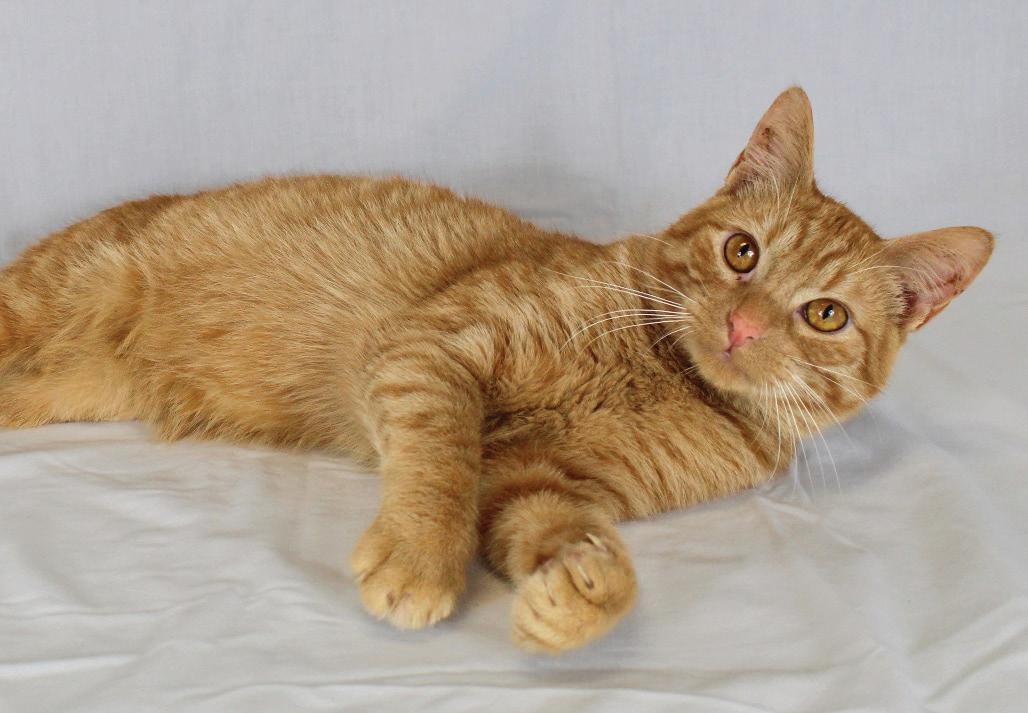
As a kitten, Edward had nerve damage to his spine requiring surgery. He has made wonderful progress, but requires ongoing care. He does not have full control of his bowel movements and receives daily baths to stay healthy and comfortable. Despite his challenges, Edward is thriving. He enjoys playing with other cats, is cooperative for his treatments, and has a sweet personality. He’s been with us longer due to his special needs, but we believe there is a family out there that will see how special he is.

Sweet Ruby is waiting for her forever home. She is potty trained, crate trained, and has great manners. Ruby enjoys playing with other dogs (and is good with with cats). She has a healthy amount of energy, but she also settles in easily for quiet time and couch cuddles. Ruby would make a wonderful companion for someone looking for a balance of playfulness and affection. She is a loyal dog who just wants to be part of a family.


Find Your Lucky Charm
CHARMED
A little luck, a lot of cute! This shamrock covered bandana is pure St. Paw-trick’s magic. Easy clasp to clip, available with or without bow. Shop at PUCCIcafe.com or visit their boutique in LaCenterra at Cinco Ranch.

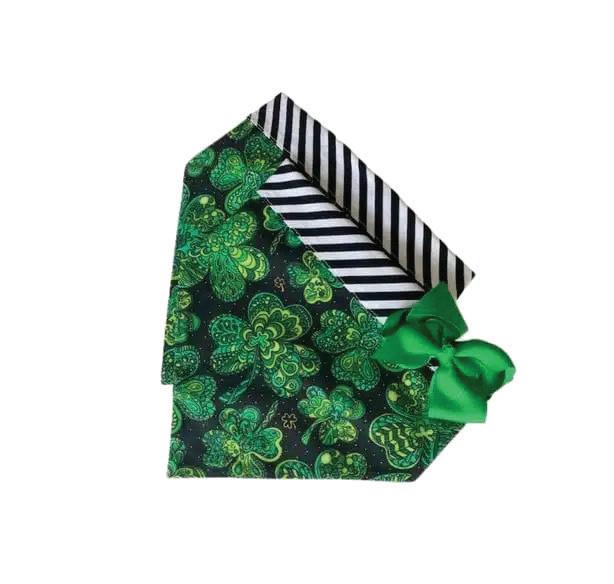
SHAM-ROCKIN' THE TREATS
Celebrate St. Paw-trick’s Day in style with these adorable top-hat treats, decorated with shamrocks and a bone that spells out fun! Made with all-natural ingredients, they’re fresh-baked, delicious, and tail-waggingly good for your pup. Shop these and other treats, cakes and more at The Doggie Express, 1402 W 34th St. or online at TheDoggieExpress.com.
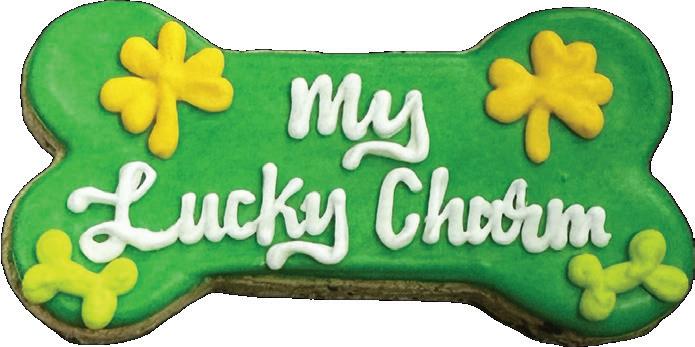

RAISE A PAW
Fresh-baked and pup-approved—these green ‘beer’ treats bring the luck without the hangover! Made with love and all natural ingredients, find these and other yummy treats at Three Dog Bakery in Rice Village or Heights, or shop online at ThreeDogBakeryHTX.com.
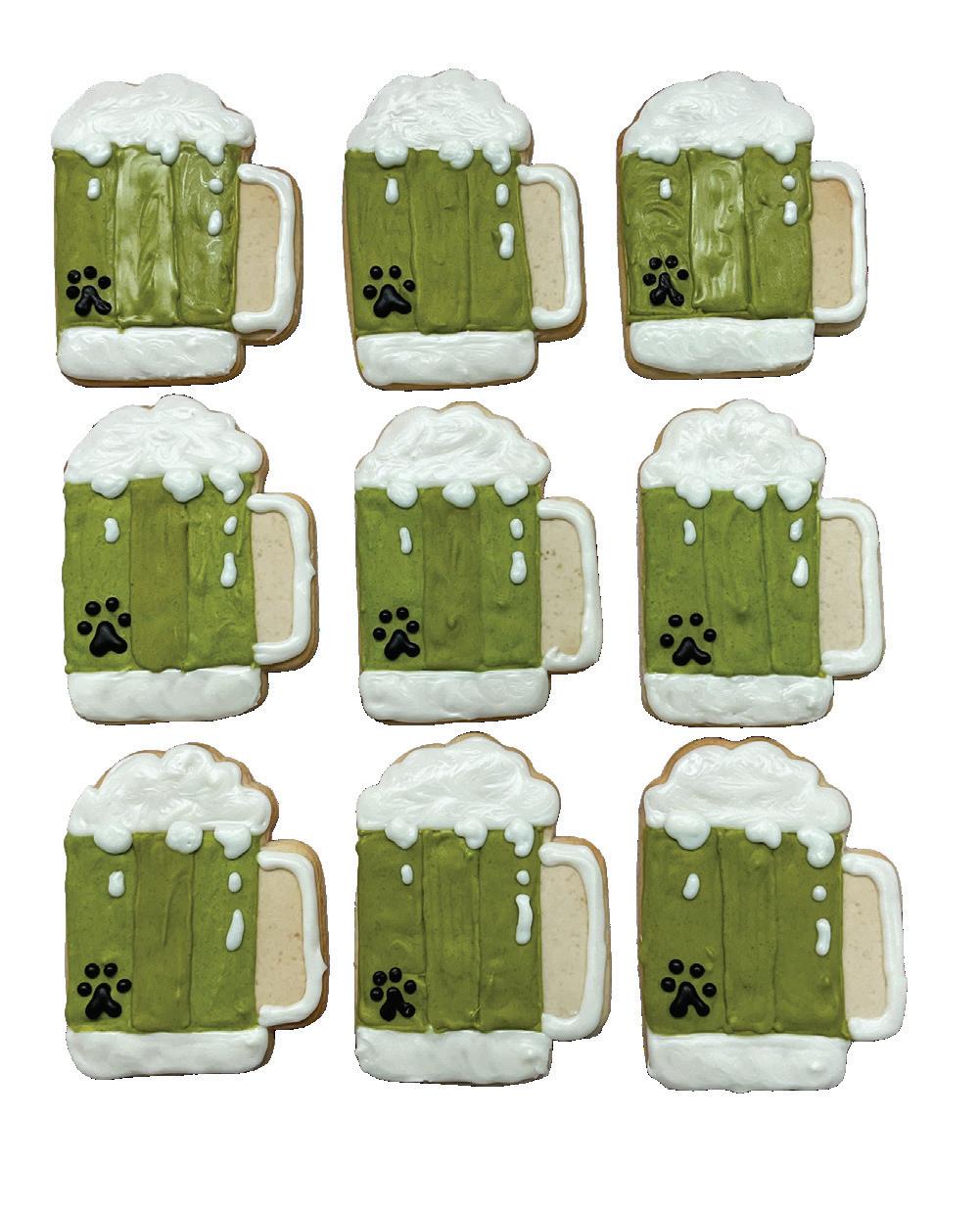
TO BE SO LUCKY…
Built for big throws and even bigger fun, the KONG Flexball Waterproof Dog Ball will make your dog feel like the luckiest pup around with endless games of fetch, water or not! Features deep ridges for gripping, a dynamic bounce, and lightweight for splashy adventures. Find yours at HollywoodFeed.com.
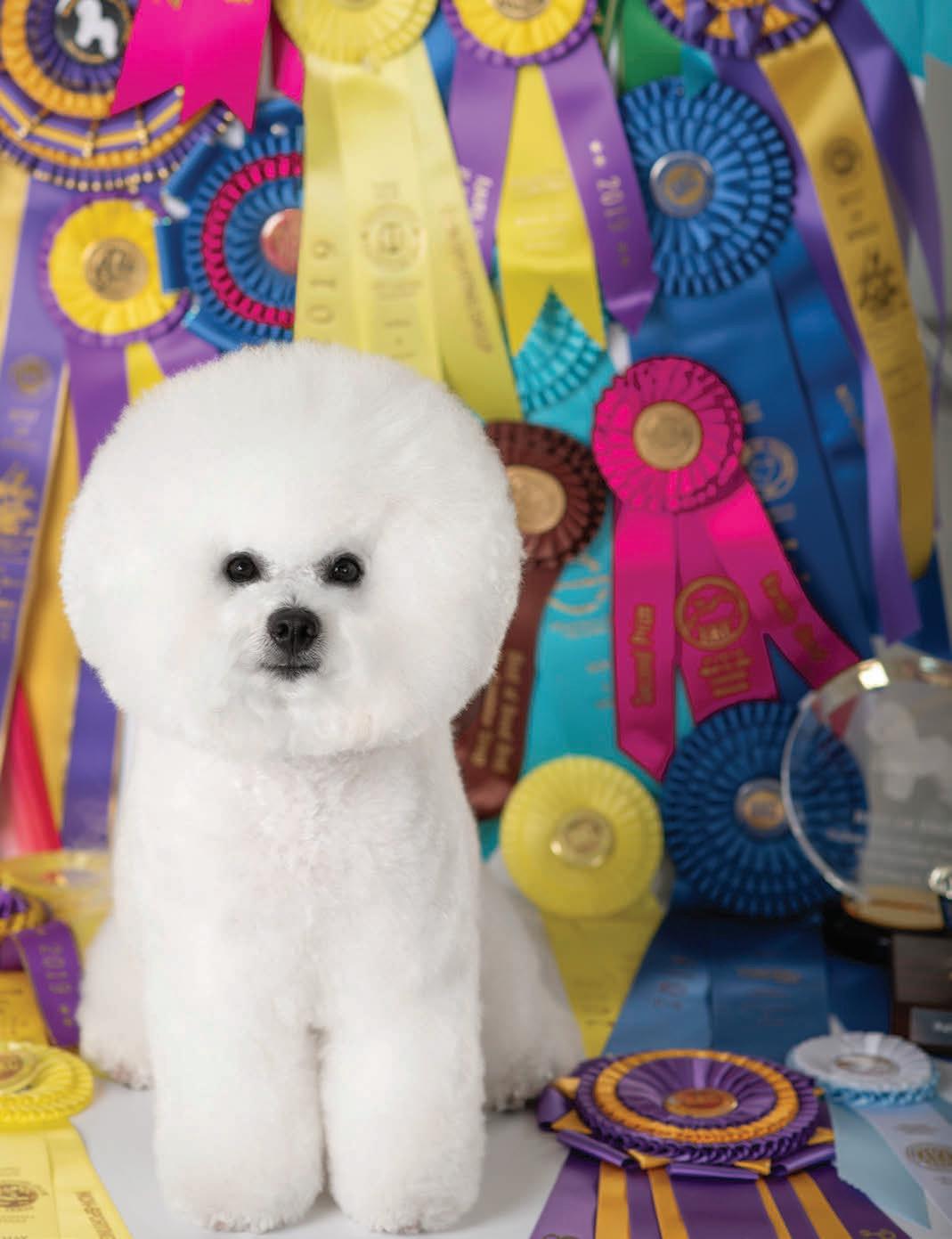


A DANGEROUS DETOUR
Aspiration Pneumonia in Dogs and Cats
The body has built-in safeguards to help protect the lungs. These include coordinated swallowing, a tightly closing airway, and reflexes that keep food and fluid moving where they belong – in the stomach. When those systems fail, even briefly, the consequences can be severe.
WHAT IS ASPIRATION PNEUMONIA?
Aspiration pneumonia is one of the most dangerous respiratory emergencies veterinarians see. It occurs when foreign material – often food, water, vomit/acidic gastric contents, liquid medication or saliva – enters the lungs instead of the stomach, causing inflammation and bacterial infection.
HOW DO DOGS AND CATS DEVELOP IT?
Aspiration most commonly follows
By: Laura Noaker DVM, DACVIM | VERGI247.com
vomiting or regurgitation, but it can also occur during bottle-feeding, force-feeding, improper medication administration, or after sedation or anesthesia. Pets with swallowing disorders, neurological disease, laryngeal paralysis, or megaesophagus are at higher risk. Dogs are affected more often than cats, but both can develop this life-threatening condition.
WHY IS IT SO DANGEROUS?
Once a foreign substance enters the lungs, the lungs react by creating inflammation. This alone is called aspiration pneumonitis. However, when bacteria gain access to the lungs and affect the small air sacs called alveoli, the diagnosis is aspiration pneumonia, and it can progress rapidly. Fluid will accumulate in and around the lungs. Aspiration pneumonia can rapidly progress to life-threatening respiratory distress when the compromised lungs struggle to oxygenate blood and fill with mucus and fluid, preventing proper oxygen and carbon dioxide exchange.
Interesting fact: In dogs and cats,
airway anatomy and gravity make the right middle lung lobe the most commonly and severely affected area on chest X-rays.
WHAT ARE THE SYMPTOMS?
Dogs and cats with mild symptoms may exhibit lethargy, reduced appetite, and less interest in things they normally enjoy. More serious cases look like: getting tired and out of breath too easily, breathing harder and faster (even at rest), cough, blue gums due to low oxygen levels.
CAN THIS BE TREATED?
The good news is yes! This can usually be treated, especially with prompt medical attention. It is imperative that you seek immediately veterinary care if you suspect your pet has aspirated and is showing symptoms of pneumonitis or pneumonia.
A Serious Warning About Hydrogen Peroxide
Hydrogen peroxide is sometimes used at home to induce vomiting in dogs, but this carries significant risk. If vomit or hydrogen peroxide is inhaled, it can cause aspiration pneumonia and/or chemical lung injury. We never recommend this home remedy for these reasons; cats should never be given hydrogen peroxide.
THE TAKEAWAY
The mixture of inflammation and bacteria in the lungs makes aspiration pneumonia a medical emergency. Your pet will need medications and supportive care to treat the lungs and the infection, and may need oxygen to allow the lungs time to heal.
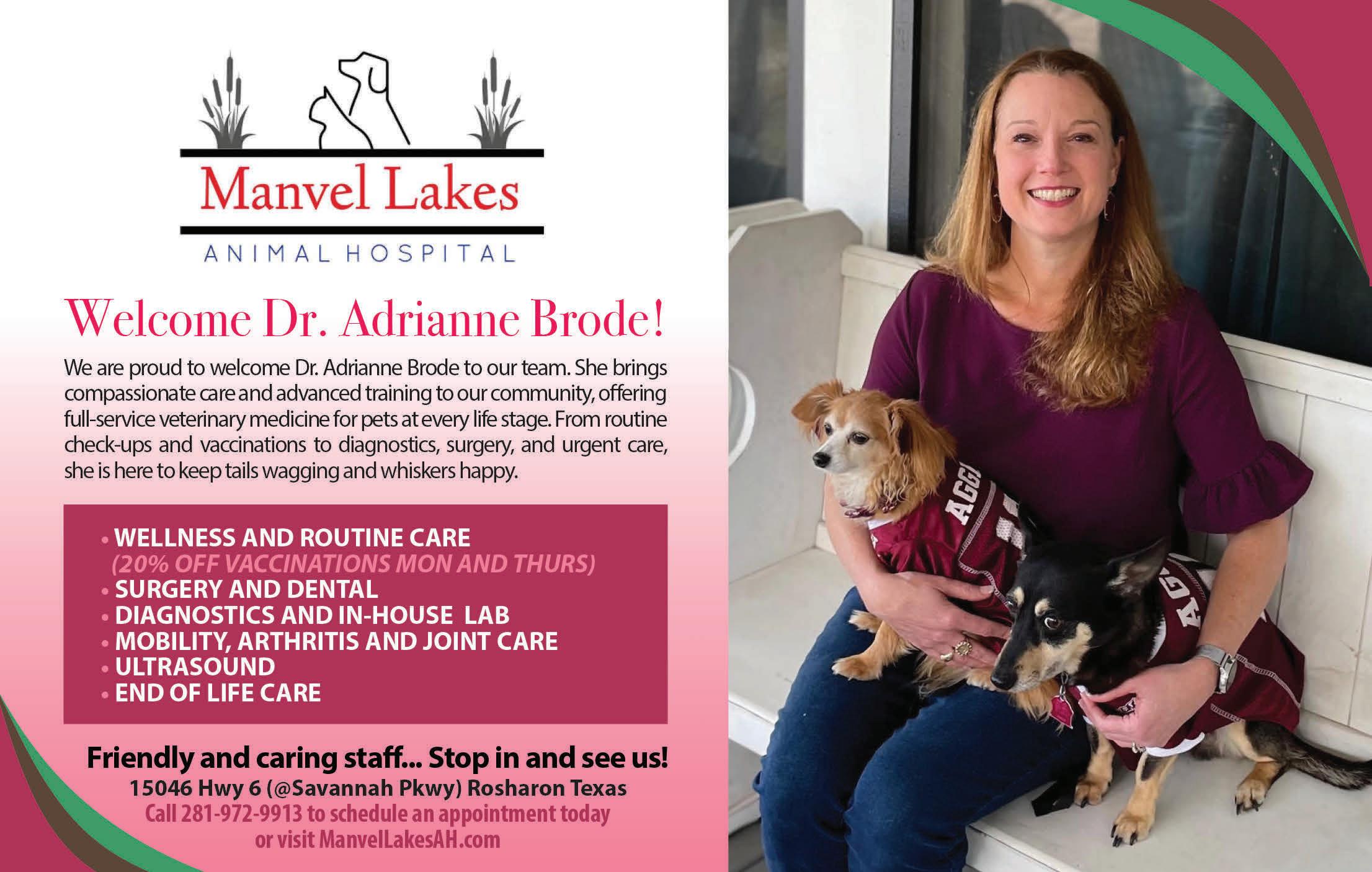
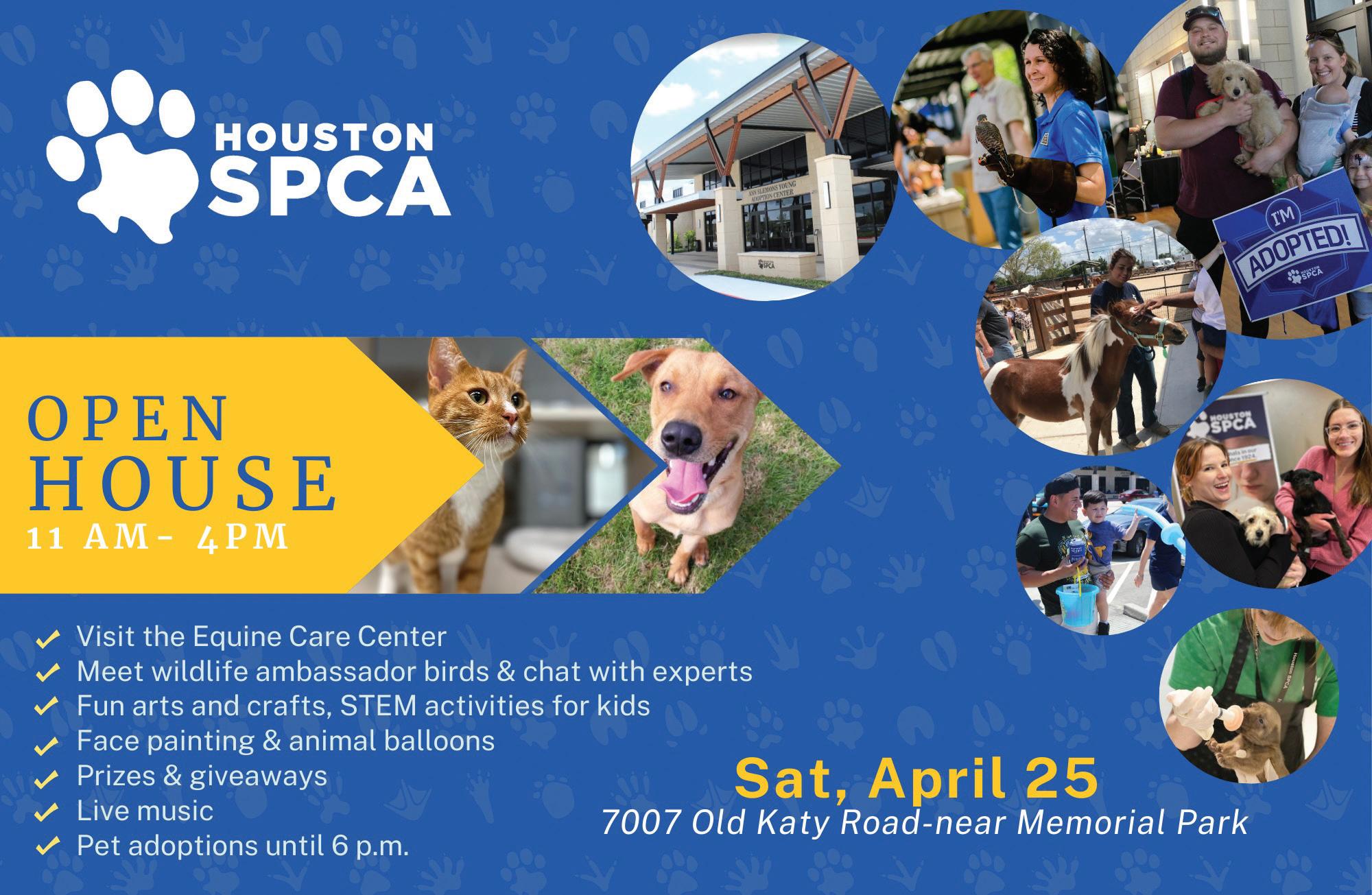

Acommon question that veterinarians are asked is, “What supplements should I be giving my pet?”
The pet care industry has become increasingly overwhelming for pet owners with the number of food, treat and supplement options. Unfortunately, not all of these are created equal and have varying effectiveness. So, before you spend your money on multiple supplement options, let’s start
This seal should be displayed and easily seen on the external product packaging. For most young pets, supplements may not be recommended as often unless they have early onset disease processes. However, starting dental care at a young age is very important. A well-balanced, highquality diet is the biggest priority for their overall health, but supplementing the diet with dental health products is highly ben-
SUPPLEMENTS AND MORE
How To Choose Safe and Effective Products for Your Pet
Unlike pharmaceuticals that are regulated by the FDA, supplements are not tightly regulated in the United States. Therefore, they may include things that are not listed on the label or they may have inaccurate quantities of ingredients. In general, the National Animal Supplement Council (NASC) is a good place to start when considering supplements for your pets. The NASC website lists the member companies that are committed to high quality products. The NASC Seal can only be displayed on supplements from an NASC member company that meets particular guidelines and submits to random product testing to verify label contents.
byline
Erica Sandberg, DVM, CHPV, CPEV, Senior Dog Certified; BluePearl Pet Hospice, Houston, TX
eficial for preventing periodontal disease. The gold standard for companion animal dental health remains daily brushing, however this is not always possible for all pets and their families. For guidance on oral health products, start with the expertise of the Veterinary Oral Health Council (VOHC). The VOHC is a group of dental experts that assess dental products for dogs and cats. The council gives their approval for those products that have been shown to reduce the severity of periodontal disease if used regularly. Products that have been approved by the VOHC can be identified by the VOHC Seal on the packaging.
For middle age and older pets, supple-
ments are more likely to be recommended either for prevention or treatment of disease processes. Joint supplements are going to be a mainstay for dogs as well as cats. These supplements work to protect the cartilage in the joints. Your veterinarian may even recommend these for your pet at middle age when prevention is the priority, such as for large and giant breed dogs. Most supplements include glucosamine and chondroitin and, depending on the formulation, may include other beneficial ingredients as well. Some supplements will include ingredients that can be advantageous for multiple organs in the body. Look for supplements that include omega fatty acids that are advantageous for both joint and brain health. Another possible ingredient, S-Adenosyl-L-methionine (SAMe), has been shown to help with brain aging as well as support liver function. Milk thistle is also beneficial for the liver. If your pet has liver disease, then your veterinarian may recommend a supplement with SAMe and/ or milk thistle. Lastly, a supplement called Senilife includes multiple antioxidants to help with some brain aging behaviors we see in pets with dementia. Most of these supplements are safe to administer with your pet’s prescribed medications, however checking with your veterinarian is always in the best interest of your furry family member.
Resources: Veterinary Oral Health Council website: VOHC.org
National Animal Supplement Council website: NASC.cc


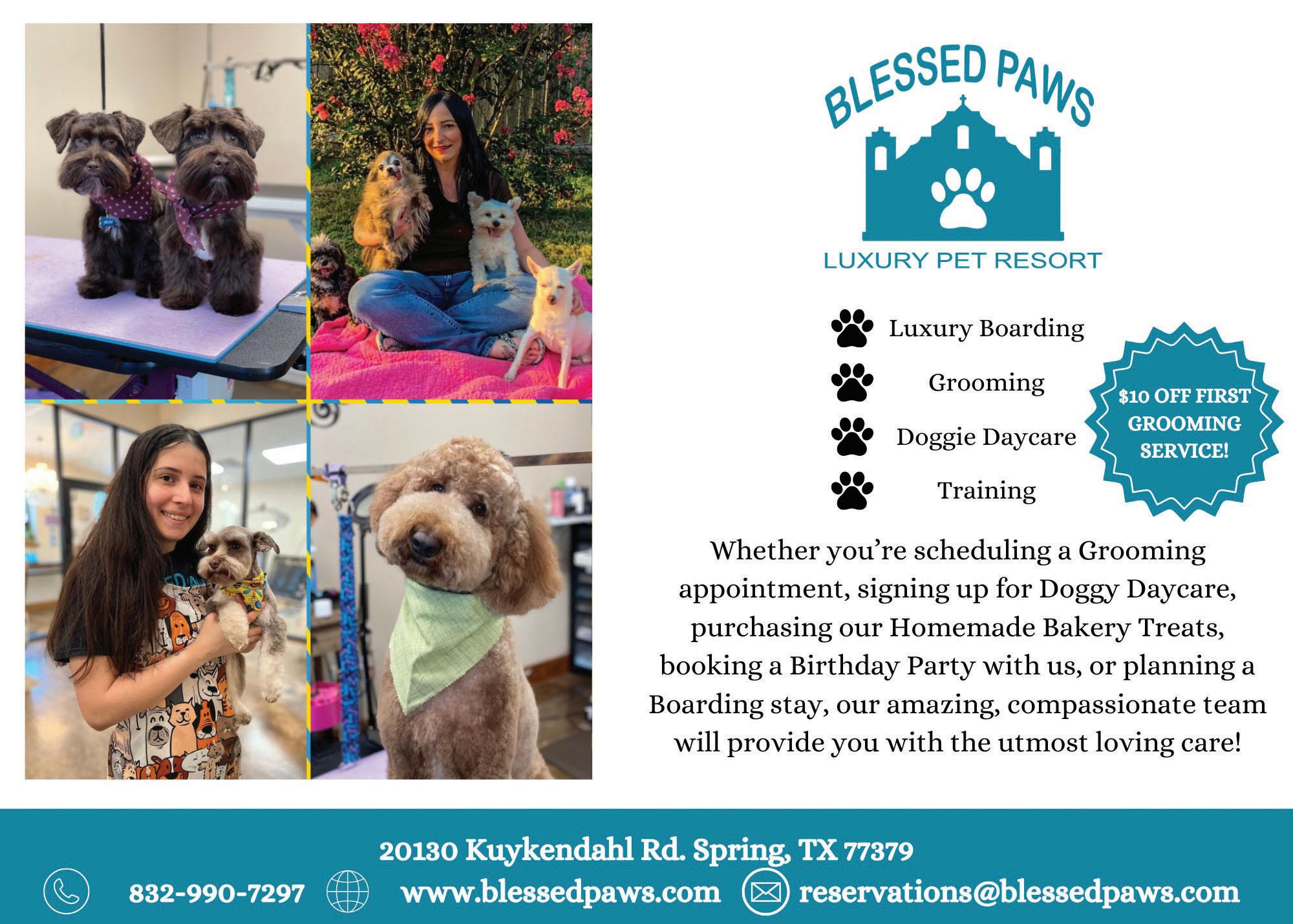
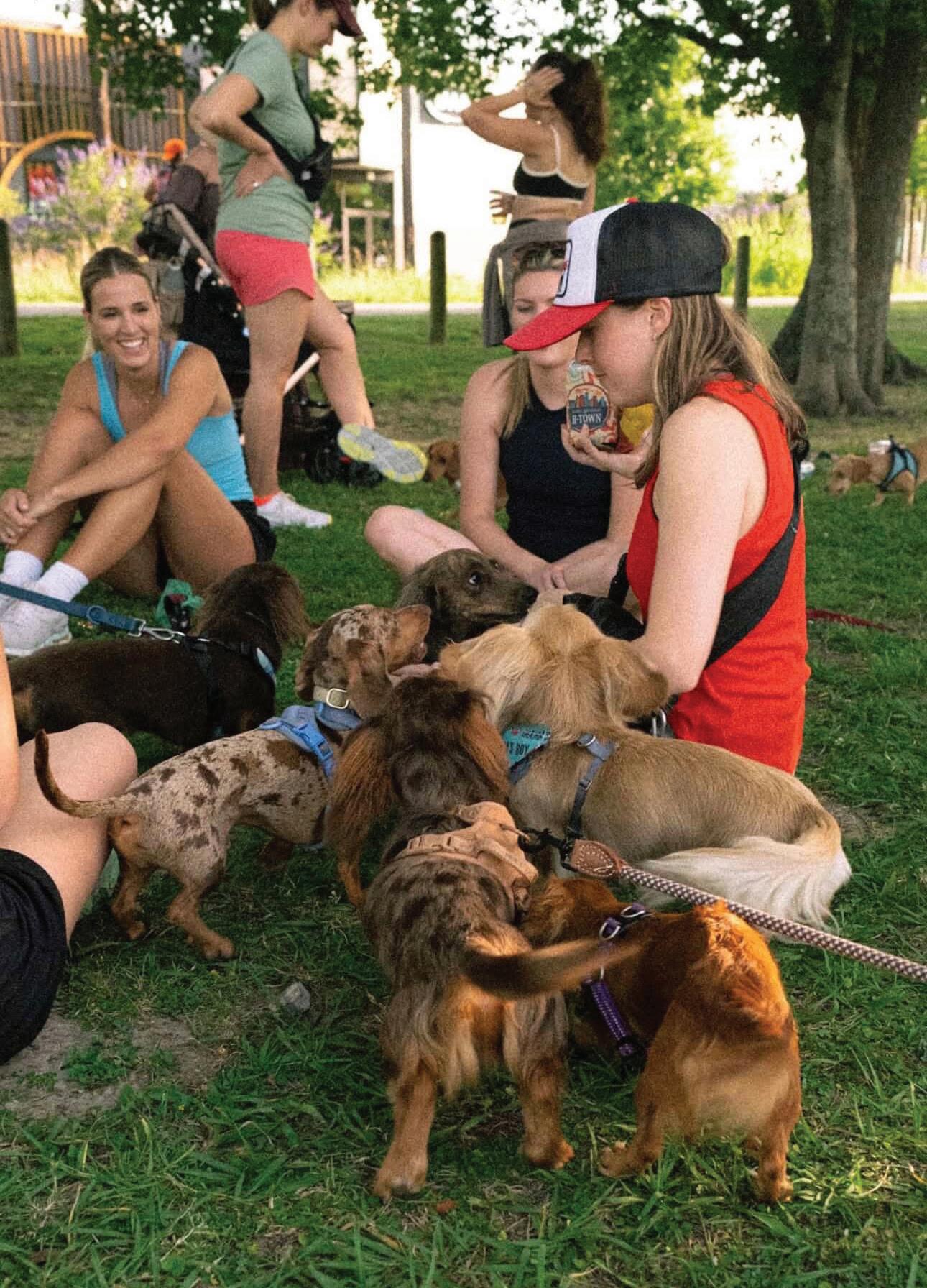
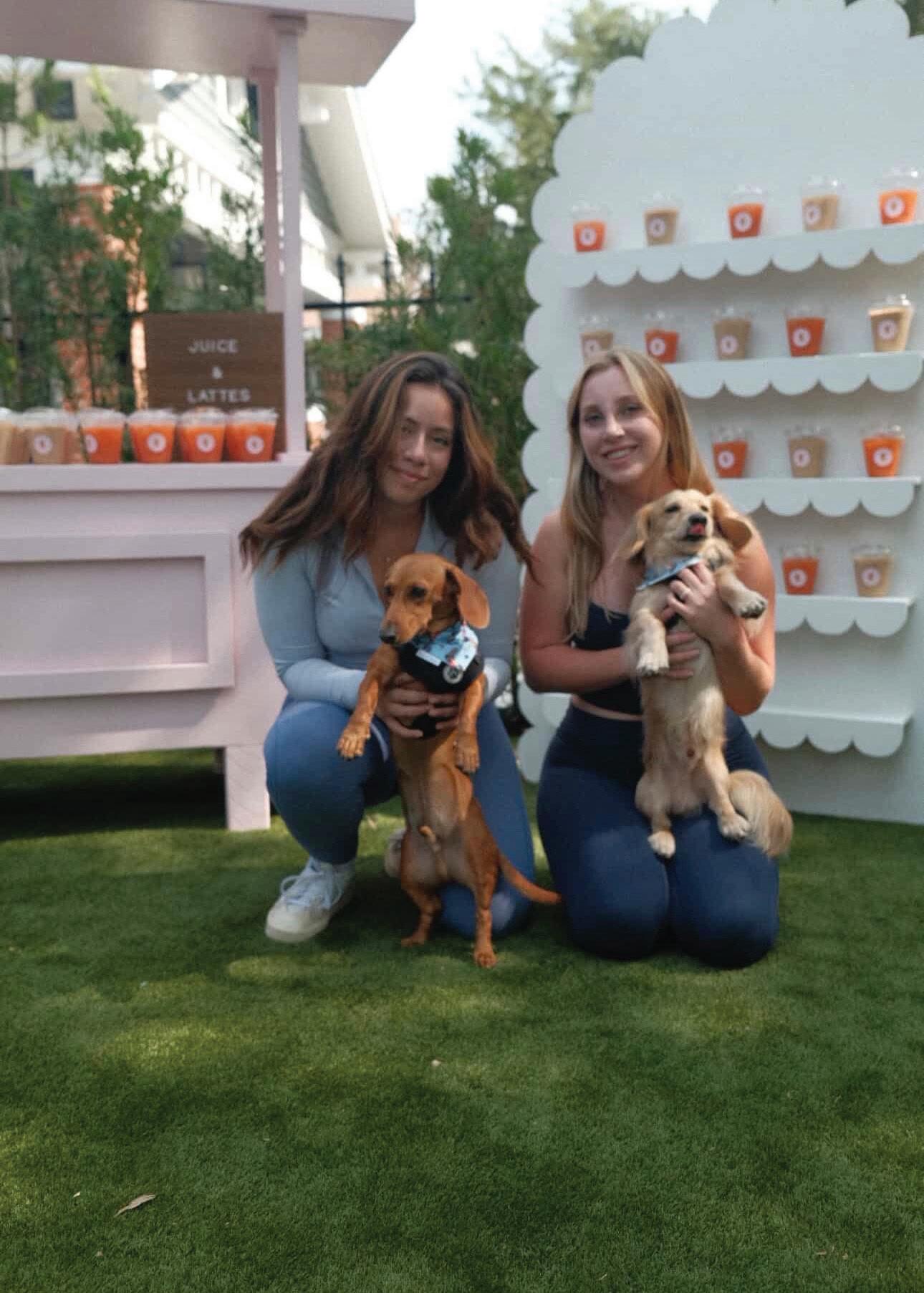
HEIGHTS WEENIE WALK COMMUNITY
Dachshunds, Wine Walks & Friendships
On Wednesdays in the Houston Heights, a group of Houstonians gather at Local Foods on 714 Yale St for one reason: to walk their wiener dogs together. Weenie Moms HTX is a dog-walking group with a mission to create connections and community for 20 and 30-something local dachshund owners and their four-legged companions through their Wednesday Wine and Weenie Walks and unique social events that both owners and their pets can attend. These events include pilates, pottery nights, matcha meetups, ‘yappy’ hours, dog races, and even holiday hayrides, all with one's wiener dog. Weenie Mom’s HTX mission is simple, as stated in their Instagram bio: ‘Your Weens Need Friends Too.'
Founded in September 2024, cofounders Kim Ancira and Marissa Stokes began Weenie Moms HTX after run-
Mariah Bennett | Weenie Moms HTX
ning into each other multiple times on a Heights walking trail with their respective dachshunds, Mr. Weenie and Sasso. “I was just like, "Okay, give me your number. We should just hang out and walk our dogs together, because they're clearly best friends by now,” Stokes said.
After networking and getting the word out, the group now consists of mainly Generation Z with a few Millennial attendees, depending on the event, according to Ancira. Originally averaging four walk attendees, the group now averages 15 to 30 attendees per walk or event. At these Wednesday walks, owners often bring balls, frisbees and even treats according to Stokes. “They just hang out, like a koi pond of wiener dogs,” Stokes said. “We all sit there and mingle and our dogs get to have a little play party.”
Both Ancira and Stokes have noted positive social changes in both owners and humans through their unique community. “People are starting to form longlasting relationships, inviting people to their weddings,” Ancira said. Stokes also noted the socialization has been beneficial for the dachshunds as well. “We’ve seen some dogs that were not very social and could be considered scaredy-cat dogs become loosened up and be more friendly and hang out with other dogs.”
Both dog moms are excited about Weenie Mom HTX events and how the group has progressed over time. Summing it up, Ancira notes, “In general it's hard to socialize dogs so what better way to do it than to be with people who know and understand wiener dogs!”
Photos: Alexis Figueroa
•
•
•
•
•
•
• In-house labwork
VCA Animal Emergency Hospital Southeast
10331 Gulf Freeway
Houston, TX 77034
P 713-941-8460
vcaemergencyse.com
VCA Animal Emergency Hospital
Southeast Calder Road
1108 Gulf Freeway South, Suite 280
League City, TX 77573
P 281-332-1678
vcacalderroad.com
•
•
•
•
•
• Digital radiography
• Ultrasound, Endoscopy

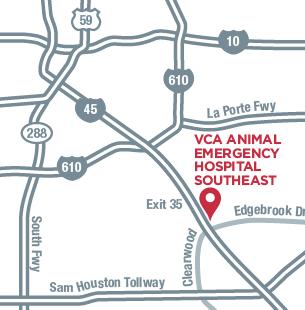
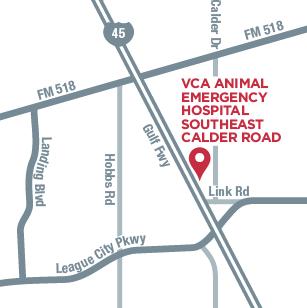
Conservation Corner
Houston Zoo Honors Conservation Heroes with Wildlife Warrior Award
By: Jessica Reyes, Houston Zoo
As appreciative supporters of nature and wildlife, we at Houston PetTalk want to promote education and conservation of the world’s animal population. Each month we bring you information on conservation efforts that are of special interest or have some connection to Houston through the Houston Zoo. This issue, we highlight wildlife warrior awards. Look for other upcoming conservation stories so that you too can help save a species.
Saving Wildlife Successes

The 2025 Houston Zoo Wildlife Warrior Awards honors two exceptional conservation leaders whose courage, innovation, and dedication are making a lasting impact on wildlife and communities around the world. Peace Irigabiza from the Rwanda Wildlife Conservation Association (RWCA) was given the award for her work with Rwanda’s bat species and Raveloarisoa Hermano with Groupe d’Étude et de Recherche sur les Primates de Madagascar (GERP) for his work protecting Madagascar’s Maromizaha Forest.
The Wildlife Warrior Award supports emerging and established conservation leaders working in the field by providing funding for professional development, training, and strengthens long-term conservation efforts in their home countries. Houston Zoo started the Wildlife Warrior Awards in 2015 which is supported by the sales of conservation bracelets, where 100% of the proceeds go directly to the award program. Each year, the recipients are carefully chosen by the Zoo’s Admissions team (Zoo staff that welcome you at the front entrance). In the past 10 years, this award has helped multiple of the Zoo’s conservation partners advance their skills in their range countries.
MEET PEACE IRIGABIZA
Peace Irigabiza is a field ecologist and bat project coordinator with RWCA. Her groundbreaking work has elevated the importance of protecting
Photos provided by Houston Zoo
Connect communities with animals, inspiring action to save wildlife.
Be a leader in the
Rwanda’s bat species. Her rediscovery of the Hill’s Horseshoe Bat, once thought to be extinct, and identification of a new bat species represent major milestones in national conservation research. Irigabiza trains rangers, leads school-based bat conservation clubs, and is building Rwanda’s first acoustic library of bat calls. With the Wildlife Warrior Award, she will pursue training in conservation leadership, project management, and scientific writing, strengthening her ability to guide national conservation initiatives and mentor future conservationists.
MEET RAVELOARISOA HERMANO
Raveloarisoa Hermano us a nursery man with GERP and has spent more than 15 years protecting the Maromizaha Forest against deforestation and bushfires. His leadership has helped keep the forest fire-free since 2018 and restore more than 62 hectares of native habitat. With the Wildlife Warrior Award, Hermano will pursue specialized training in botany, project management and community engagement to create a botanical garden in Maromizaha in hopes of preserving Madagascar’s biodiversity and educating future generations.
2025 SAVING WILDLIFE SUCCESSES
Houston Zoo is deeply committed to wildlife conservation through global partnerships, field programs, and education that connects communities with animals inspiring action to save wildlife. In 2025 alone, these efforts helped rescue and release 36 trafficked Sunda pangolins in Malaysia, care for 149 wild sea turtles in Texas, and plant more than 100,000 trees and 3,000 bamboo seedlings to restore critical habitats around the world, ensuring wildlife can thrive for generations to come.




"Each
species is a masterpiece, a creation assembled with extreme care and genius."
– Edward O. Wilson
MBy: Michelle Mantor
WHY I LOVE ANIMALS
any of us love to go to the zoo to see the wide array of animals that inhabit our earth—but what goes on behind the scenes is just as fascinating. Veterinary care, nutrition planning, conservation work, habitat enrichment, and research are all part of a massive daily undertaking to ensure animals thrive. This month’s column is shining a spotlight on an exciting behind-thescenes advancement: new medical technology that’s changing how animal care is delivered at the Houston Zoo.
The Houston Zoo now has its first-ever CT scanner, making it one of only a handful of Association of Zoos and Aquariums (AZA) institutions with an on-site CT machine.
This is a major milestone in zoo veterinary medicine. The scanner was fully funded through a $3.2 million Animal Health Capital Campaign, made possible by generous donors who are deeply passionate about animal health, care, and overall well-being.
The project officially broke ground in summer 2025 and was completed in January 2026.
So why is a CT scanner such a big deal? In short: faster, safer, and more accurate diagnoses. CT technology provides high-resolution, 3D
images that allow veterinarians to quickly and precisely identify injuries, tumors, internal bleeding, infections, and congenital conditions. That means animals can receive treatment sooner, with better outcomes.
CT scans are considered the standard of care for imaging sea turtles, and the Houston Zoo will
now be able to provide this essential service to all stranded turtles at the very start of their rehabilitation journey. Beyond turtles, the scanner can be adapted to meet the unique anatomy of a wide range of species—from reptiles and birds to large mammals.
Quicker scans also mean shorter anesthesia times, which significantly reduces risk, especially for older, pregnant, or medically fragile animals. And with clearer imaging, veterinarians can often avoid exploratory surgery altogether, lowering stress and improving recovery.
It’s cutting-edge technology with a heartfelt mission: giving animals the very best care possible.
Louise, a male gopher tortoise, is at least 40 years old. He was selected to help the staff learn the machine because he’s easy going! Shown here with Jessica Jones, whose been in veterinary medicine for 17 years with PetTalk editor, Michelle Mantor.
Photo: photographybyprudence.com

SPONSOR SPOTLIGHT

At PetTalk, we value our sponsors who make our publication possible. Without them, PetTalk would not exist as a FREE resource to our pet community. We want to give our readers an opportunity to know them a bit better. Each issue, we highlight a Q&A with a sponsor and in this issue, we introduce you to:
PUCCI Café
23501 Cinco Ranch Blvd Suite N200, Katy, TX PUCCIcafe.com

In this month’s Sponsor Spotlight, we chat with Bobby and Maria Davidson, owners of the luxury dog boutique and café, PUCCI Café, to learn about what makes it a stand out for Houston pet parents.
Q: PUCCI Café blends a coffee and food menu with a boutique for dogs and pet accessories. How did you come up with that unique combination?
We started PUCCI Café after one of our European trips and wanted to pair it with our love of dogs, coffee and wine. We wanted to design a space where high-quality third-wave coffee, premium wines, and craft beers coexist naturally with a dog-friendly boutique experience adding a European vibe.
Q: How would you describe the atmosphere and overall experience you want guests to have when they visit PUCCI Café?
Whether guests arrive with a pup or not, everyone is welcome to enjoy a laid-back luxurious atmosphere that celebrates community,
good taste, and the joy of sharing experiences with our furry companions.
Q: Giving back is an important part of the PUCCI Café mission. Can you share how you support pet rescues and the local community?
We actively support pet adoption by partnering with trusted rescue organizations to raise awareness and provide meaningful support. A percentage of all online and in-boutique purchases is donated to these partners, helping fund rescue efforts and, ultimately, find loving “forever homes” for animals in need.
Q: What do you hope guests take away from their time at PUCCI Café, whether it’s their first visit or their fiftieth?
We hope every guest leaves PUCCI Café feeling welcomed, cared for, and eager to return.
Whether they’re discovering the perfect treat for their dog, finding a thoughtful gift, enjoying a morning espresso and pastry, or
unwinding with an after-dinner drink and dessert by the lake, our commitment is always the same: to create a wonderful experience that makes every visit—first or fiftieth—feel special.
Q: For pet parents in the Katy area, why should PUCCI Café be their go-to spot to relax, connect, and enjoy time with their dogs?
PUCCI Café is more than a place to grab a coffee — it’s a space created with pet parents in mind. In the heart of Cinco Ranch in Katy, we offer a welcoming environment where dogs are truly part of the experience, from thoughtfully curated pet products to a relaxed café atmosphere by the lake. It’s a place to slow down, connect with other pet lovers, and enjoy quality time with your dog while treating yourself to great coffee, desserts, and moments that feel special.

Photo : Allison Wilkins Photography