The Science of Shine: Metallurgy Behind Authentic Paithani Zari
Unveiling the enduring luster of India's treasured textiles
What Makes Zari Shine?
The Paithani saree is renowned for its vibrant silk and the unmistakable sparkle of its zari. This isn't just decoration; it's a centuries-old masterpiece of materia lscience, where beauty meets durability. The true luster of authentic zari comes from its unique metallic composition.

Beyond Surface Deep
Unlike synthetic imitations, authentic zari maintains its luster for decades without fading or tarnishing.

A Heritage of Craft Mastery of Material Science
The shine is the result of refined metallurgy and artisanal expertise passed down through generations.
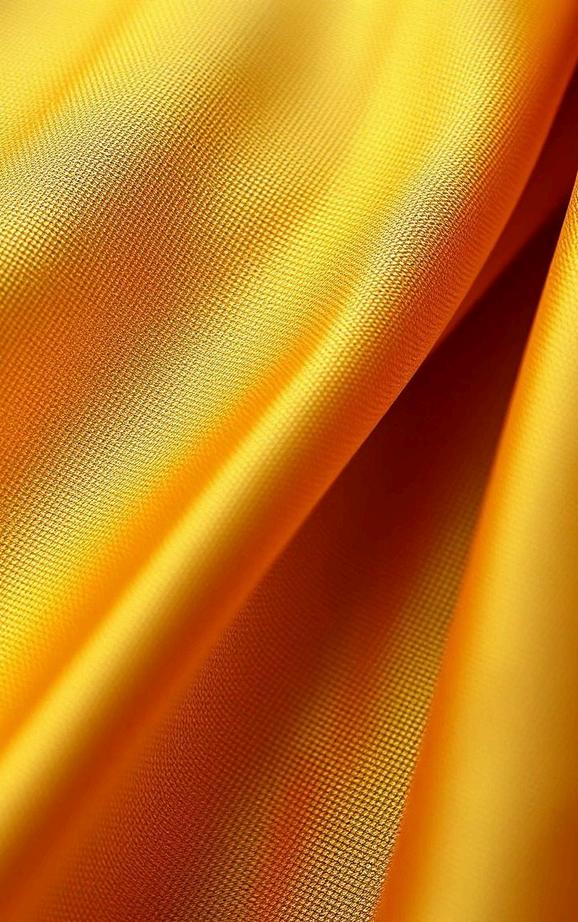
Authentic zari is not merely a thread; it's a metallic composition designed for enduring brilliance.
The Metallurgical Secret
Traditional Paithani zari is a complexmetallicthread,primarily composed of pure silver, meticulously coated with gold. This meticulous process results inathreadwiththeflexibilityofsilk and the unmistakable gleam of precious metal.
01
Melting & Purifying Silver
Impurities are removed from a base of pure silver (97-99% purity) to ensure a smooth, bright surface for the subsequent steps. 02
Wire Drawing
Molten silver is formed into rods, then drawn through progressively smaller holes to create an incredibly thin, yet strong, filament.
Gold Plating
The silver filament is electroplated with a fine layer of 22-24 karat gold, mere microns thick, which resists oxidation and prevents tarnish.
04
Wrapping on Silk
Finally, this precious metallic filament is carefully wound around a silk or cotton core, creating the durable zari thread ready for weaving.
The balance is critical: too thick a gold layer makes the thread brittle, while too thin results in dullness over time.
The Science Behind the Shine
The captivating glow of genuine zari is a result of the optical properties of precious metals.
High Reflectivity of Silver
Silver reflects about 95% of visible light, providing a brilliant base for the zari9s sparkle.
Gold's Warm Hue
The gold coating filters out cooler tones, imbuing the zari with that distinctive, rich, sun-kissed glow.
Layered Optical Magic
This combination creates a visual depth and luminosity that synthetic zari, made from plastic or copper, simply cannot replicate.
Authentic zari glows rather than glares, a testament to the time-tested metallurgy used by Paithani artisans.
The Chemistry of Longevity
One of the most remarkable aspects of authentic zari is its enduring longevity, often lasting for generations. This resilience is rooted in the inherent chemical stability of gold.

Gold's Stability Protective Plating Natural Sheen Preservation
Gold does not oxidize, meaning it resists rust and tarnish even in humid conditions, preserving the zari's brilliance.

While silver can tarnish, the thin gold plating acts as a crucial shield, protecting the silver core from corrosive elements in the air for decades.
High-quality Paithani sarees typically forego heavy lacquer coatings, allowing the zari's original, natural sheen to remain unhindered.

This intricate protection ensures that the zari gleams as brightly as the day it was woven, contributing to the saree's heirloom quality.
Identifying Authentic Zari
Distinguishing genuine zari from its imitations is crucial for appreciating the true value and craftsmanship of a Paithani saree. Here are key indicators:
Touch Test Burn Test (Professional)
Authentic zari feels slightly cool and possesses a subtle weight, unlike lighter synthetic threads.
Flexibility
Thanks to its silk core, genuine zari bends smoothly without breaking, indicating its pliable nature.
Unlike plastic imitations that melt, real zari will not melt; it may darken slightly but retains its metallic core.
Visual
Depth
Authentic zari exhibits a deep, soft shine that appears to emanate from within, avoiding the overly reflective, mirror-like appearance of synthetics.
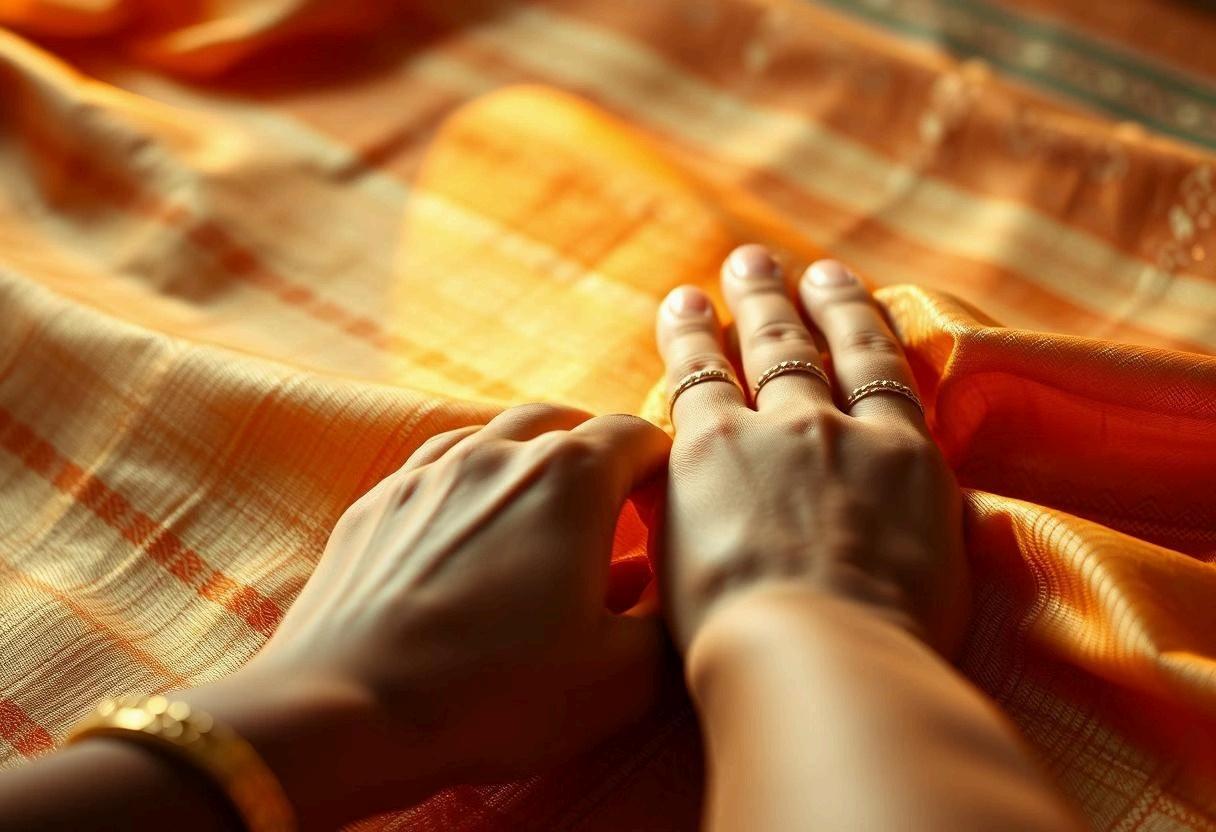

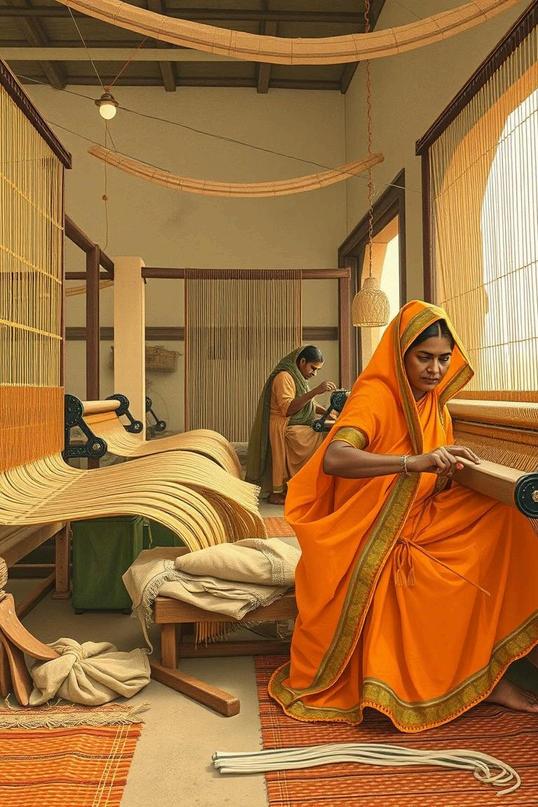
A Legacy Woven in Time
The Paithani saree originated over2,000 years ago in Paithan,Maharashtra.
While weaving patterns have evolved, the underlying metallurgy of zari remains deeply rooted in tradition.
"This art form seamlessly bridges science and tradition, making Paithani sarees unique even among India's vast textile legacy."
Modern advancements may assist in precise wire drawing, but the core principles for purity, proportion, and patience4remain unchanged, ensuring each zari thread is a true piece of precious metal.
Preserving the Shine
To ensure your Paithani saree's zari gleams for generations:
Store with Care Rotate Folds
Keep it in adryplace, ideally wrapped in soft cotton fabric to prevent moisture damage.
Avoid repeatedly folding along the same zari lines; periodically change
folds torelieve stresson the threads.
Avoid Chemicals
Keep perfumes, sprays, and other chemical agents away from the zari, as they can reactwiththe metal.
The zari in your Paithani saree is more than just thread4it's a synthesis of elemental beauty and scientific precision, a timeless legacy.