
















10 Making the Move
A checklist for new homeowners to make the transition as smooth as possible
18 NARI Bucks-Mont RotY Award Winners
Check out these awardwinning projects from area contractors

24 All Decked Out
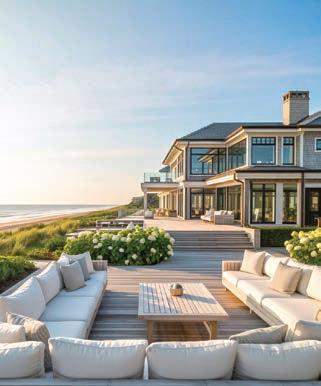
How to maximize the beauty and utility of your deck with the right finishing touches
36 Feeling the Heat
To ensure comfort during the colder months, now is the time to make sure your heating systems are operating properly




PUBLISHER
Edward P. McCartney
EDITOR
Peter Proko
ASSISTANT EDITORS
Matt Cosentino, Madeleine Maccar, Carly Murray
CREATIVE DIRECTOR
Hank Alspach
PRODUCTION MANAGER
Brian Mikulski
DESIGNERS
Eileen Pullia, Lisa Zollinger
ACCOUNTING DIRECTOR
Darlene Versak
SALES DIRECTOR
Lindsay Gonzalez
SALES MANAGER
Jim Romano
NEW BUSINESS DEVELOPER
Chuck McKane
MARKETING CONSULTANTS
Nicole Corabi, Kristine Di Nardo, Rochelle Dodge, Darren Slaughter, Lori Vorgang, Amy B. Weiss
ACCOUNTING MANAGER
Max Haggerty
STAFF ACCOUNTANT
Karmal Pritchett
DIGITAL MEDIA DIRECTOR
Leigh Stuart
PUBLISHER EMERITUS
Bob Doran
EXECUTIVE PARTNERS
Gerry Haggerty, Edward P. McCartney
HOUSE & HOME
HOUSE & HOME Magazine, LLC, dba HOUSE & HOME (“H&H”). H&H reserves the right to determine the suitability of all materials submitted for publication and to edit all submitted materials for clarity and space. H&H is not responsible for loss, damage or any other injury to unsolicited manuscripts, unsolicited artwork or any other unsolicited materials. Furthermore, H&H will assume that unsolicited photographs, as well as ad photographs, are being submitted for possible publication and should they be published, no fee is due the photographer or model unless otherwise agreed upon in advance in writing.
HOUSE & HOME is a news magazine with emphasis on home repair and remodeling. H&H does not knowingly accept false or misleading advertising or editorial content, nor does H&H or its staff, editors or writers assume responsibility should such advertising or editorial content appear in any publications. Readers are encouraged to notify H&H if they suspect false or misleading advertising.
Before attempting any renovation or repair project mentioned in H&H, readers are advised to consult with professional home repair and renovation specialists for assistance, and to take any and all appropriate safety precautions. HOUSE & HOME has not independently tested any products or services advertised herein and has verified no claims made by its advertisers regarding those services or products. HOUSE & HOME. makes no warranties or representations and assumes no liability for any claims regarding those services or products or claims made by advertisers regarding such products or services. Readers are advised to consult with the advertiser and/or other home repair and renovation professionals regarding any such claims and regarding the suitability of an advertiser’s products. No reproduction of printed materials is permitted without the consent of the publisher of HOUSE & HOME. Copyright 2012 by HOUSE & HOME. Magazine, LLC, all rights reserved. Subscription available for home delivery at our website, www.HouseMagazine.com, at a cost of $19.95 per year.
National Sales Office: HOUSE & HOME Magazine, LLC
700 E. Main St. Norristown, PA 19401
Phone: 610-272-3120 Fax: 610-272-2805
Email: info@housemagazine.com
Visit www.HouseMagazine.com to view digital versions of each of the above editions.











homeowners make a smooth transition.

Few things in life can be as rewarding as the feeling that overcomes you while walking through the door into your new home for the very first time. It provides a sense of accomplishment, relief and stability after making one of the most significant—not to mention stressful—decisions you’ll ever have to make.
But after the newness of it all begins to fade, you are left with the stark reality that with home ownership comes great responsibility, and it can be overwhelming to know where to start. That is why we’ve compiled this checklist for new homeowners to help them eliminate the guesswork and move forward with a confident approach and peace of mind. Consider these essential tips so you’ll be living comfortably in no time.
Now that you’ve moved in, you’ll want to make sure you create a home filing system for all your property’s essential documents, namely your deed, mortgage forms, home inspection report and closing paperwork. Information like your homeowner’s insurance policy, appliance warranties and other related paperwork should also be filed away.
Have a cleaning crew concentrate on the areas of the home that will be most heavily used and schedule the service before you move in so you can truly get a fresh start. You’ll also want to replace all of the air filters in your HVAC system as well as have carpets or flooring professionally cleaned. Homeowners
themselves can focus on smaller aspects like sanitizing surfaces in the kitchen and bathroom, cleaning behind appliances, cleaning out cabinets and drawers, clearing air vents and other manageable tasks.
Now that your real estate agent has given you the keys to your new home, get ready to toss them. That’s because you’ll want to make sure to replace the locks on all entry doors into the home as well as any connected to unattached garages. Another safety measure would be to reprogram your garage door opener.
Review your home inspection report and make notes of any repairs that the previous homeowner wasn’t obli-
gated to handle. As you spend more time in the home, you may also notice other areas that need attention—whether due to necessity or desire.



With moving being such a big undertaking, it’s easy for the little things to get lost in the shuffle. Some handy items you’ll want to have in the home include:
n First-aid kit
n Well-stocked tool kit
n Fire extinguishers
n Batteries
n Phone chargers
n Light bulbs
n Trash cans
n Plunger
n Flashlights
n Household cleaning supplies
n Towels
n Brooms/dustpans/mops
n Vacuum
It may sound obvious, but one of the first things you should do after buying a home is to make sure you have all your utilities up and running, including electricity, gas, water and cable/internet service. Be sure to inquire about any potential discounts available as well as energy saving costs that can help in the long run.
Smoke and carbon monoxide detectors are an essential part of keeping your family safe and so making sure they are in proper working order is paramount. Be sure that each floor has at least one smoke detector and check the manufacturer dates to ensure they aren’t more than a decade old. Even if they are fairly new and appear in working order, it is best to replace the batteries to optimize performance.
Set a schedule to have regular seasonal tasks done like cleaning your gut-
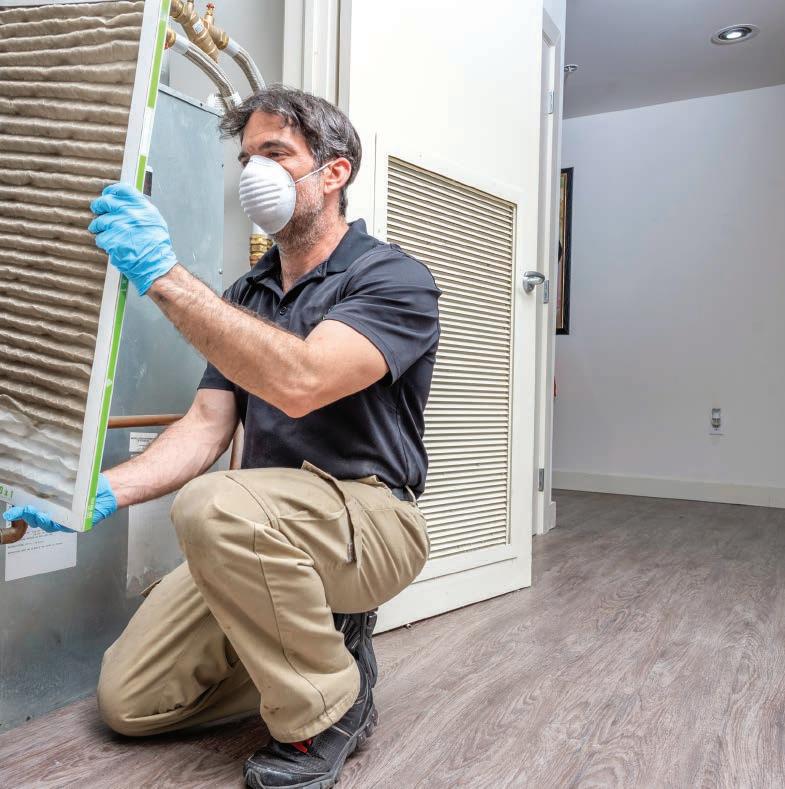

ters and inspecting the caulking around your windows, and have a professional perform annual diagnostic tests on your HVAC system. Outside, you’ll want to periodically explore your home’s exterior to uncover any potential concerns that may be hiding in plain sight.


8
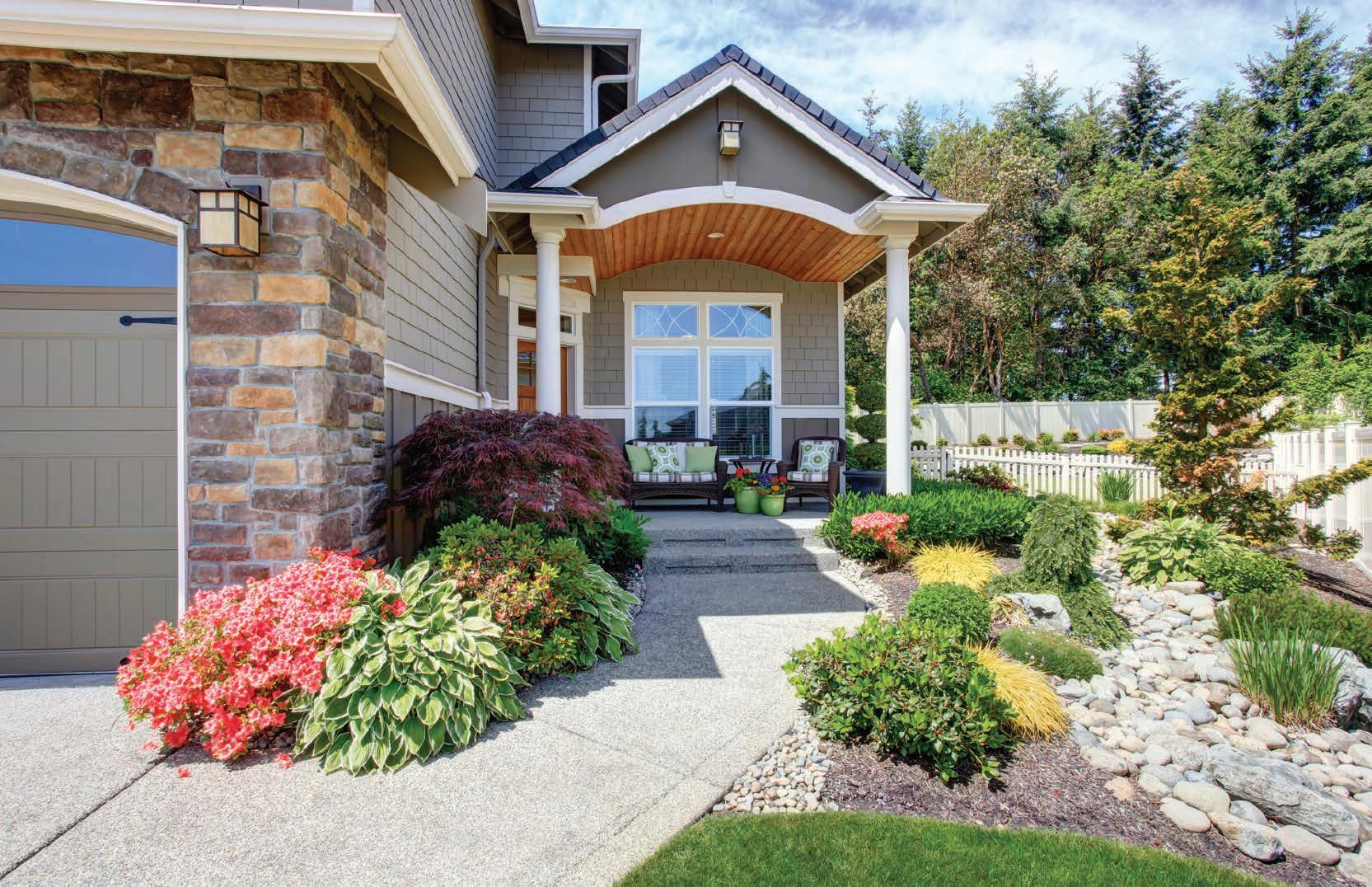
Give your home a boost in curb appeal by tidying up the yard and landscaping. Then add some of your own style and character with freshly planted flowers and shrubs, or perhaps update your garage doors while also adding pavers to the driveway or walkway areas.



by Chelsea Valcourt
EMODELING CAN TAKE YOUR HOME TO THE NEXT LEVEL, MAKING OLD, OUTDATED SPACES FEEL LIKE A BRAND-NEW HOME. While remodels are more cost-effective than relocating, these projects can easily exceed their original budget and schedule unless care is taken to ensure you get the desired results without breaking the bank. Consulting with an experienced, accredited—NKBA, NARI, CKBR or ASID—professional can reassure homeowners their project is in good hands.
House & Home spoke to HomeTech Renovations’ CKBR-accredited president David Cerami to emphasize the importance of hiring qualified professionals whose experience allows them to create your dream vision within the reality of your budget.

David Cerami, Owner
HOW CAN HOMEOWNERS SAVE TIME AND MONEY WITH EXPERIENCED, ACCREDITED PROFESSIONALS?
They’ll have the experience to understand a lot of the nuances of a design expansion. Homeowners often want some changes within the existing design—remove a wall or expand the footprint into an adjacent room— which would involve some form of remodeling. An expert understands what needs to be done and some of the cost benefits and projections associated with a project like that. I find that a professional can help customers hone their
budgets a bit more by explaining the cause and effect of some of the things they’ve considered before we get into the design of a project.
For example, I had a client that I just finished the design for. He wanted to remove a wall but had a chimney there allowing his furnace to heat the entire home. He thought he was locked into leaving this monolith in the middle of the footprint; I suggested some alternatives that would allow us to claim that space and really expand this kitchen tremendously.
Because of my knowledge, I offered him some cost-effective ideas to remedy that issue. There’s always something needing to be addressed: A true professional that has been around would certainly know the issues associated with a project’s demolition and rebuild aspects.
any professional is for a customer to realize what they can afford and potentially want to invest in. Most homeowners we meet don’t think about kitchens and baths in terms of a process: They think, “I’ll just call this contractor and get one estimate.” That’s hard because how do we walk into a home and prepare one estimate on a space requiring pre-existing conditions, design, demolition, products, product integration and selection of various elements? There’s a lot to consider.
Share with that professional a comfortable budget you’re considering. That way, they can walk in and if the budget is not in line with the breadth and scope of what you’re looking to do, they can say, “That budget could get you X, but would not be sufficient to get you your ultimate vision. Here are your other options.” It saves time for both the homeowner and professional.
Work with an accredited, experienced design-build company. Design companies are quite different from design-build: I’ve worked with very talented designers, but there’s value-based engineering that could have been incorporated by a design-build team in some of these designs.
The second thing that’s very helpful for
IT FOR HOMEOWNERS ON
If they’re not looking to radically change the footprint of the kitchen, they might consider cabinet refacing or restoration by Let’s Face It . Cabinet refacing spruces up the space with new cabinet doors and soft-close hinges to match other design and material details without replacing the cabinets altogether. They might also consider standard plumbing fixtures, sticking with existing flooring or luxury vinyl as opposed to tile or stone, switching to energyefficient LED lighting or saving upgrades on standard-sized appliances for later. As for the bathroom, one-piece shower pans and surround panels, eliminating large buildergrade whirlpool tubs, and considering standard-sized vanities incorporating specific countertops and integral sinks that retrofit with the vanity are wonderful style options that aren’t likely to break the bank.



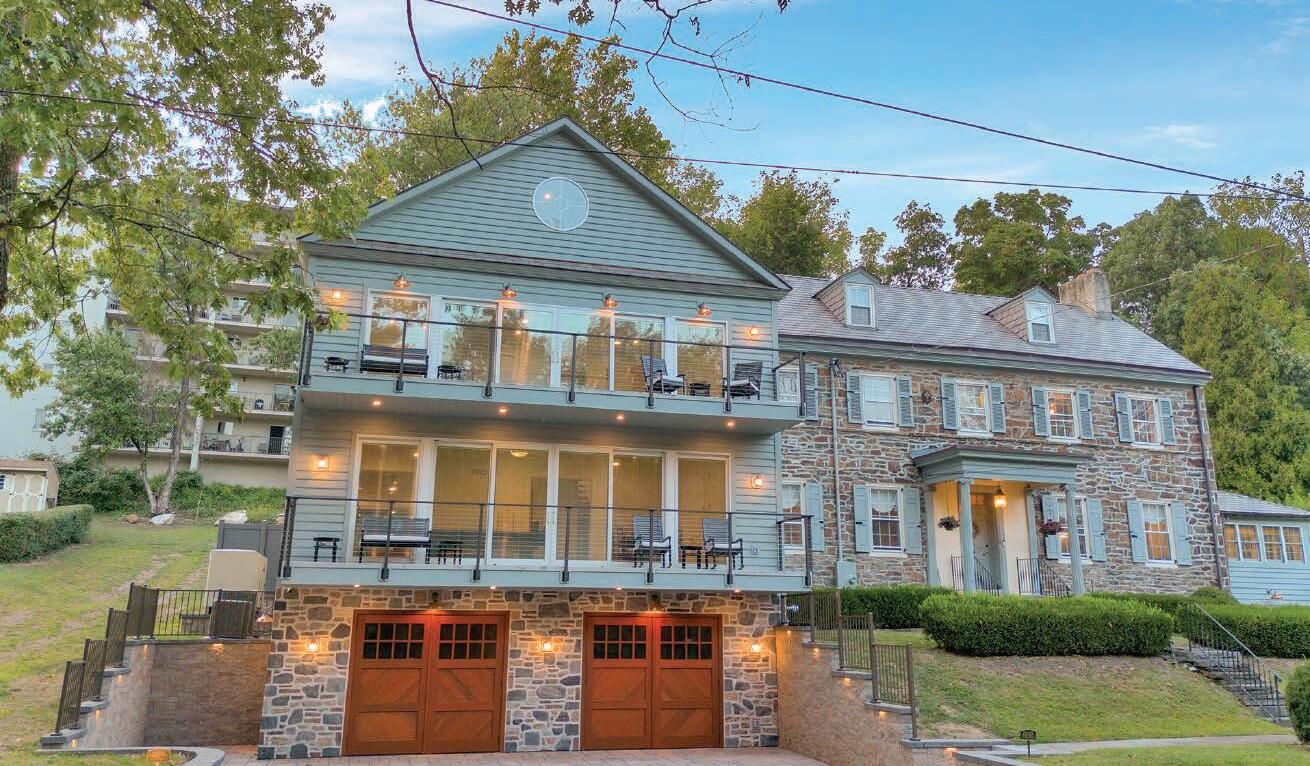
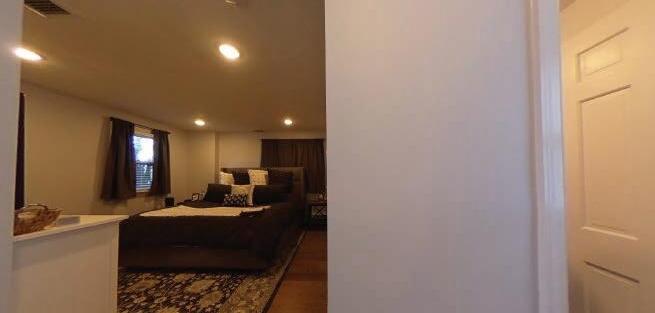
These clients envisioned a beautiful in-law suite addition to provide their parents with the ultimate quality of life. They wanted a space that combined independence with comfort, and the result is truly exceptional. Built into a hill, this thoughtfully designed suite features a garage in the basement with an elevator for easy access to all floors. The first floor boasts a game room, family room, a full bathroom and a kitchenette, allowing the clients’ parents to enjoy their independence while feeling right at home.













arth Builders created a family-friendly kitchen including casual seating and large working surfaces; an inspired space centered cooking and gathering while maintaining the character of a 1920s manor. Noted additions to the kitchen included a custom stucco hood, a large island for
and
and
and a casual
was included. Elsewhere,
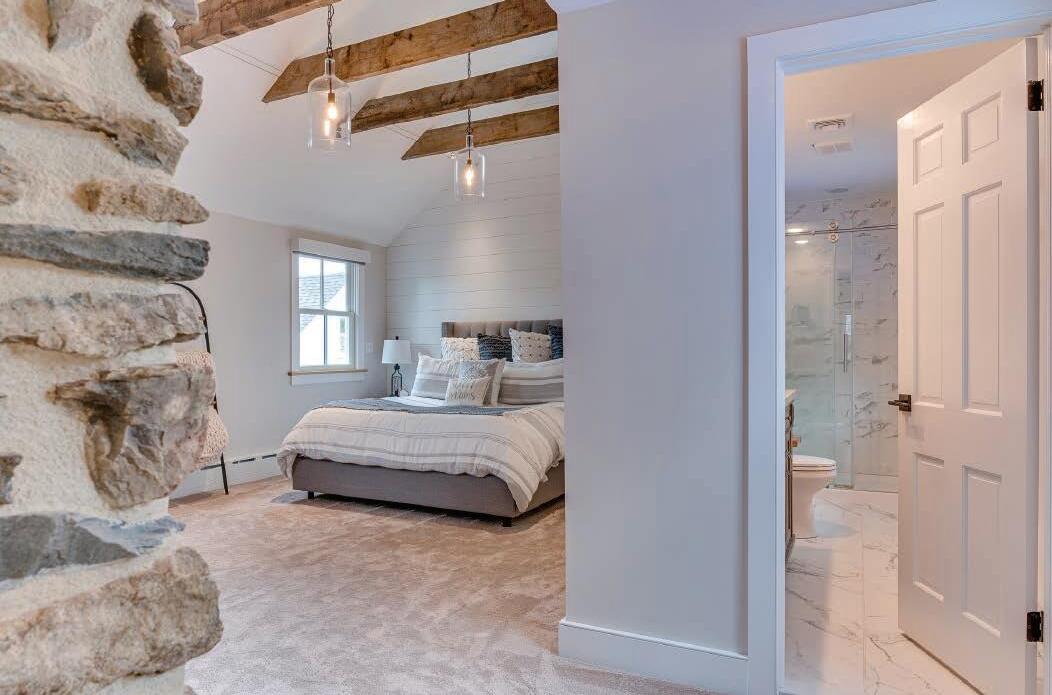
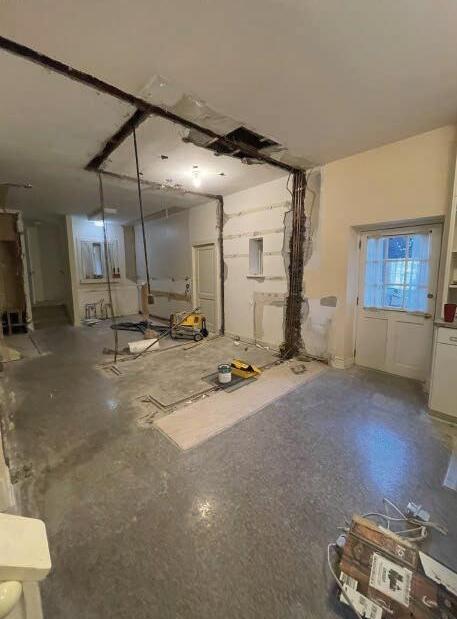
door openings were added for visual interest. W ithin the existing footprint of their charming stone farmhouse, these clients desired a grander main suite and an efficient walk-in closet. They were eager to see the original stonework hidden behind the old plaster walls. They wanted a unique space, while maintaining the original architecture and character. This was a true design-build project as preliminary plans were regularly reevaluated as demolition occurred. An adjacent unused bedroom was transformed into the new closet and access was made through the stone wall between them. Additionally, the ceiling was vaulted and windows were altered.
Kitchen Over $200,000
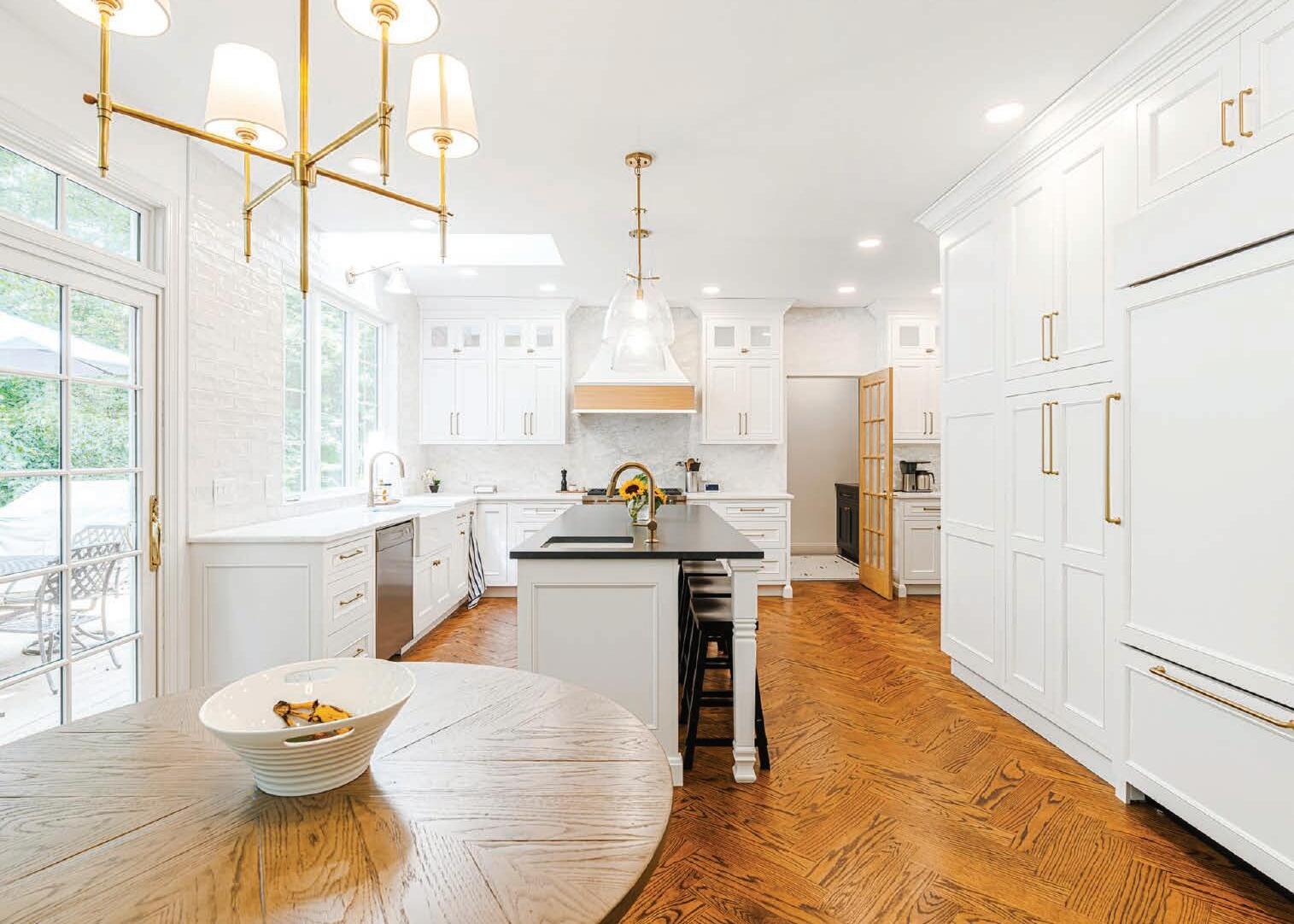

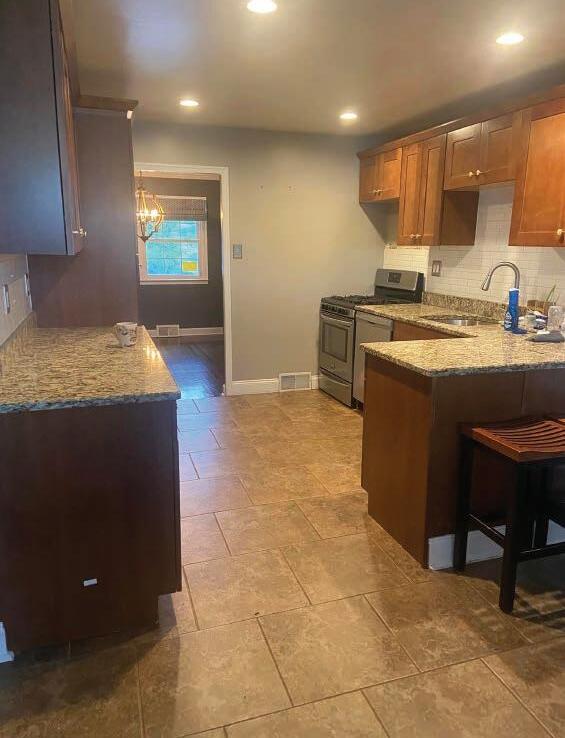
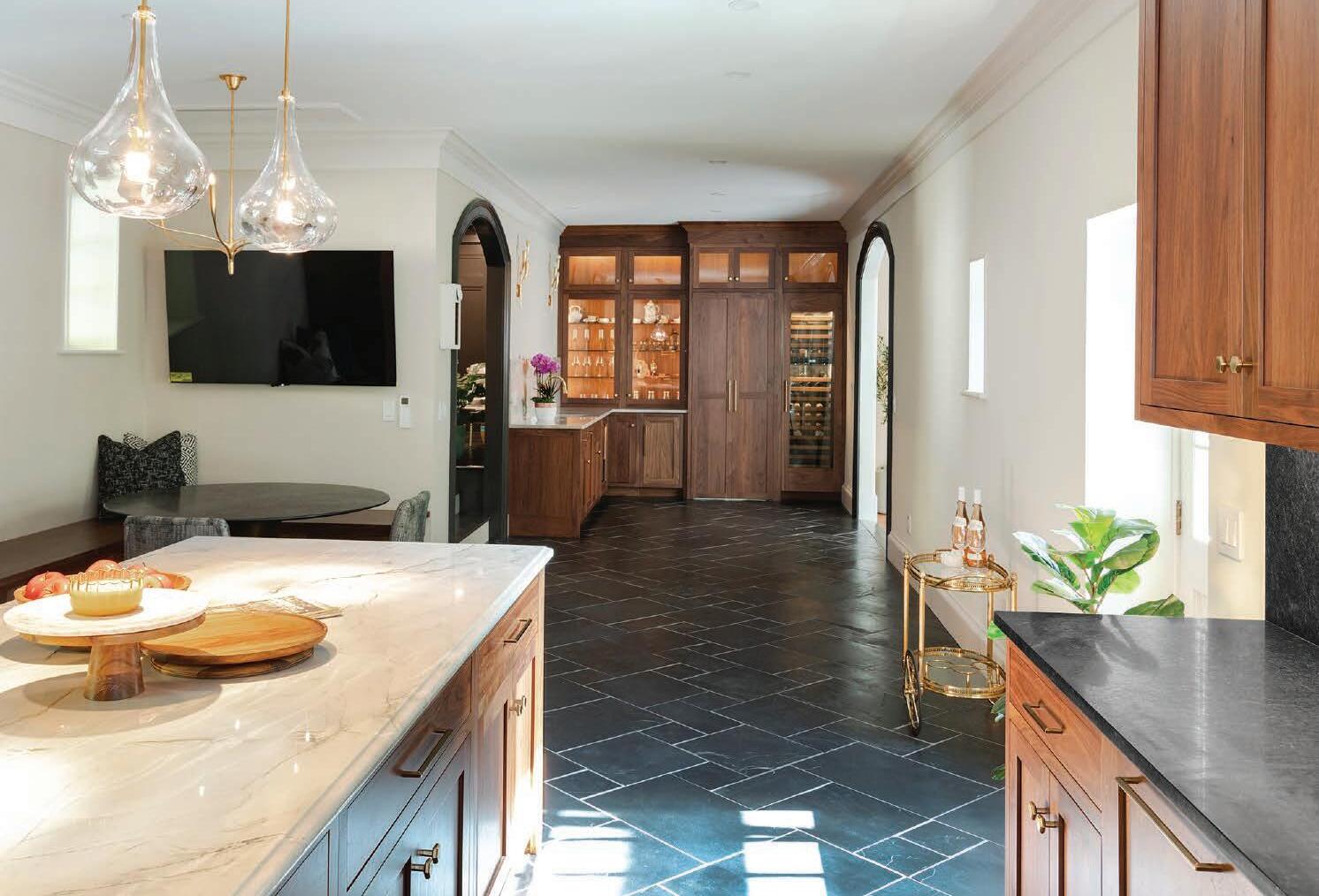
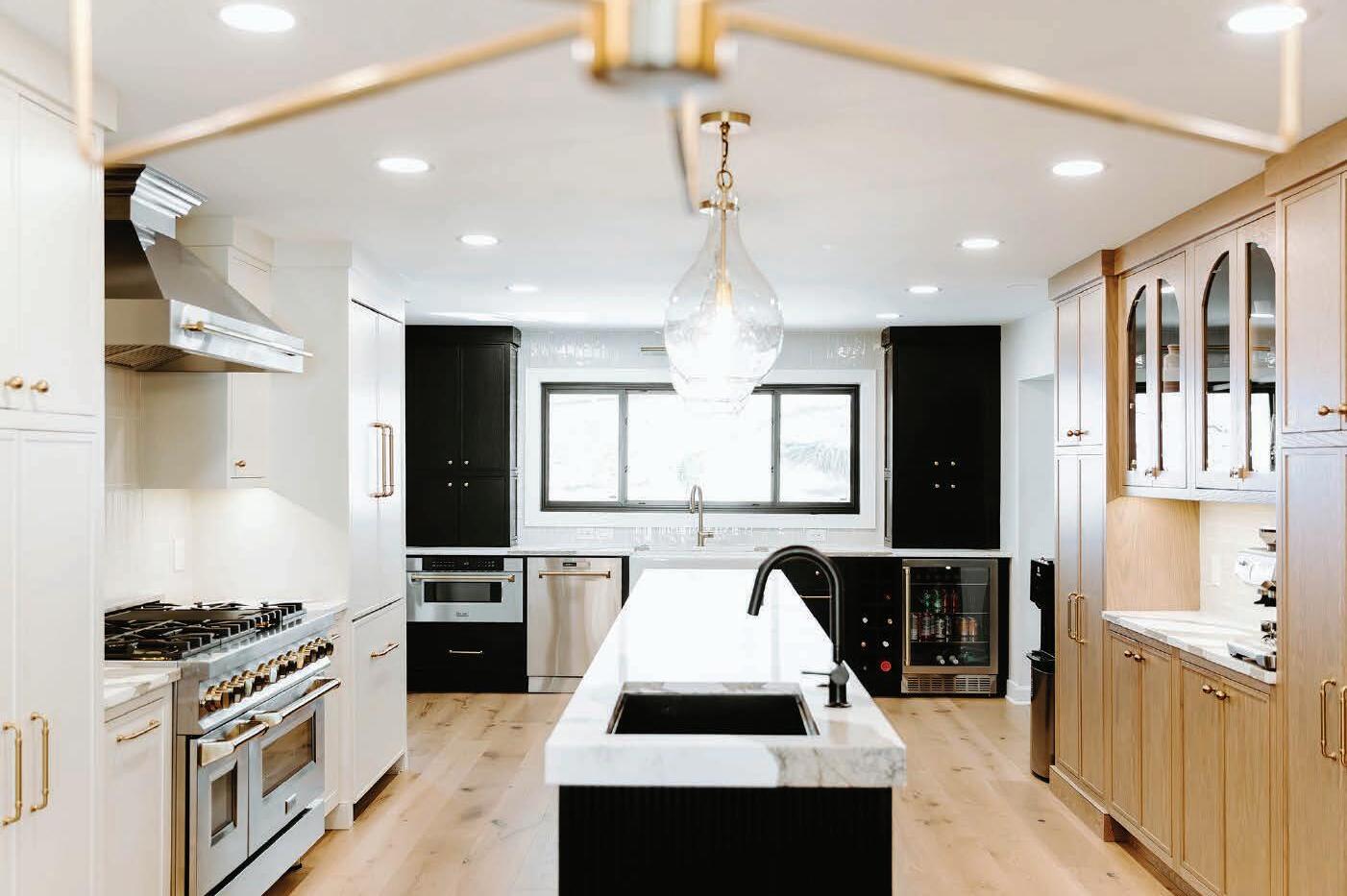
This particular family sought to transform their kitchen, not only enhancing its aesthetic and layout, but also adding a personal touch to make it uniquely theirs. The design focused on three key elements: function, flow and style. Upgrades to this previously outdated kitchen included expanding the square footage and creating a dedicated coffee appliance center. What’s more, custom features like a built-in paper towel holder, arched glass fronts, reeded panels on the island and a designated wine area were also added. The result was a timeless kitchen designed to last for years.
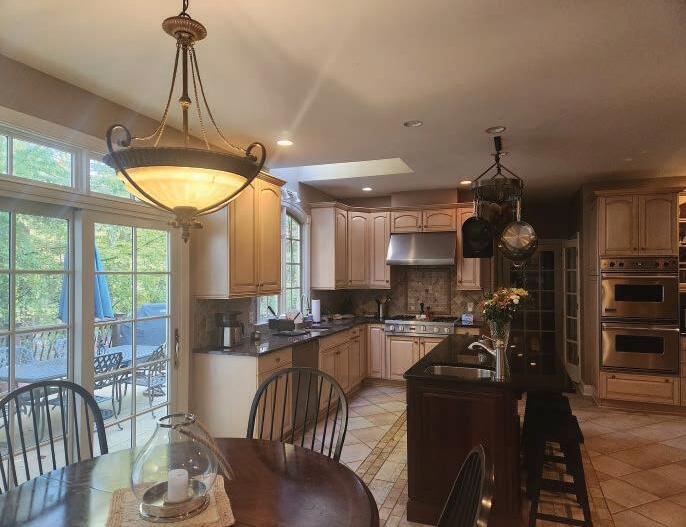


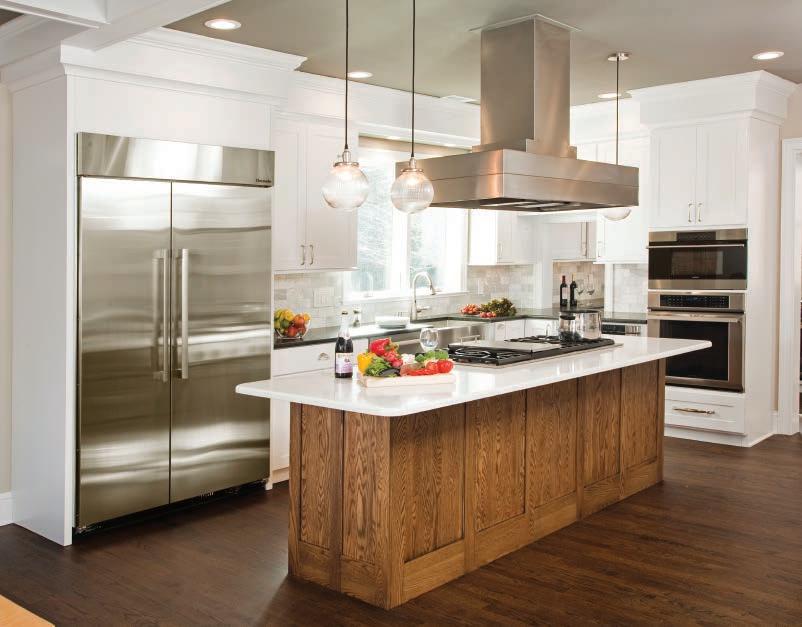
Existing finishes were bringing down the overall mood of this client’s home and were making it hard to update and furnish surrounding areas. The outdated tile flooring was replaced with solid wood to match the rest of the home. The small island was replaced with a larger, more practical one that complements the transitional style deliverable: This provided ample space for everyday activities and hosting. The double ovens were relocated across from the pantry entrance, freeing up space for a new coffee nook and extra hosting space. These changes not only improved the kitchen’s flow and efficiency, but also transformed it into a more cohesive and stylish space for the family and guests.







BY CHELSEA VALCOURT
Maximize the beauty and utility of your deck with finishing touches and unique additions.
With holiday barbecues around the corner, temperatures rising and flowers blossoming, the desire to be outdoors is on a steady increase. Decks make an excellent place to hang out with family and friends, entertain or simply just soak up the outdoors on a beautiful day.
At its core, a deck is just a platform—but with careful planning and a few exciting additions, you can transform your deck into an outdoor space fit for relaxing, hosting and wellness, maximizing your investment and enjoyment in your home.
A good deck should blur the line between the home and the outdoors, ensuring the same comforts of home while still allowing you to embrace the beauty of the outdoors.
“The deck is an extension of the house and it should have colors and shapes that coincide with both the home and landscape,” says Mike Jerminski of Get Decked. “It should be built to enhance the structure it is attached to but also act as an entrance to the yard. Balancing functionality and design can make the deck feel like a natural addition as if it’s always been a part of the home.”
Alongside matching accents, the deck design should be carefully thought out to ensure it meets your every desire and prevents the space from feeling crowded or disorganized.
“The key to getting the most out of your deck isn’t just about size—it’s about intention. Dividing the area into distinct ‘zones’ for cooking, dining and lounging helps organize the space and gives each activity a sense of
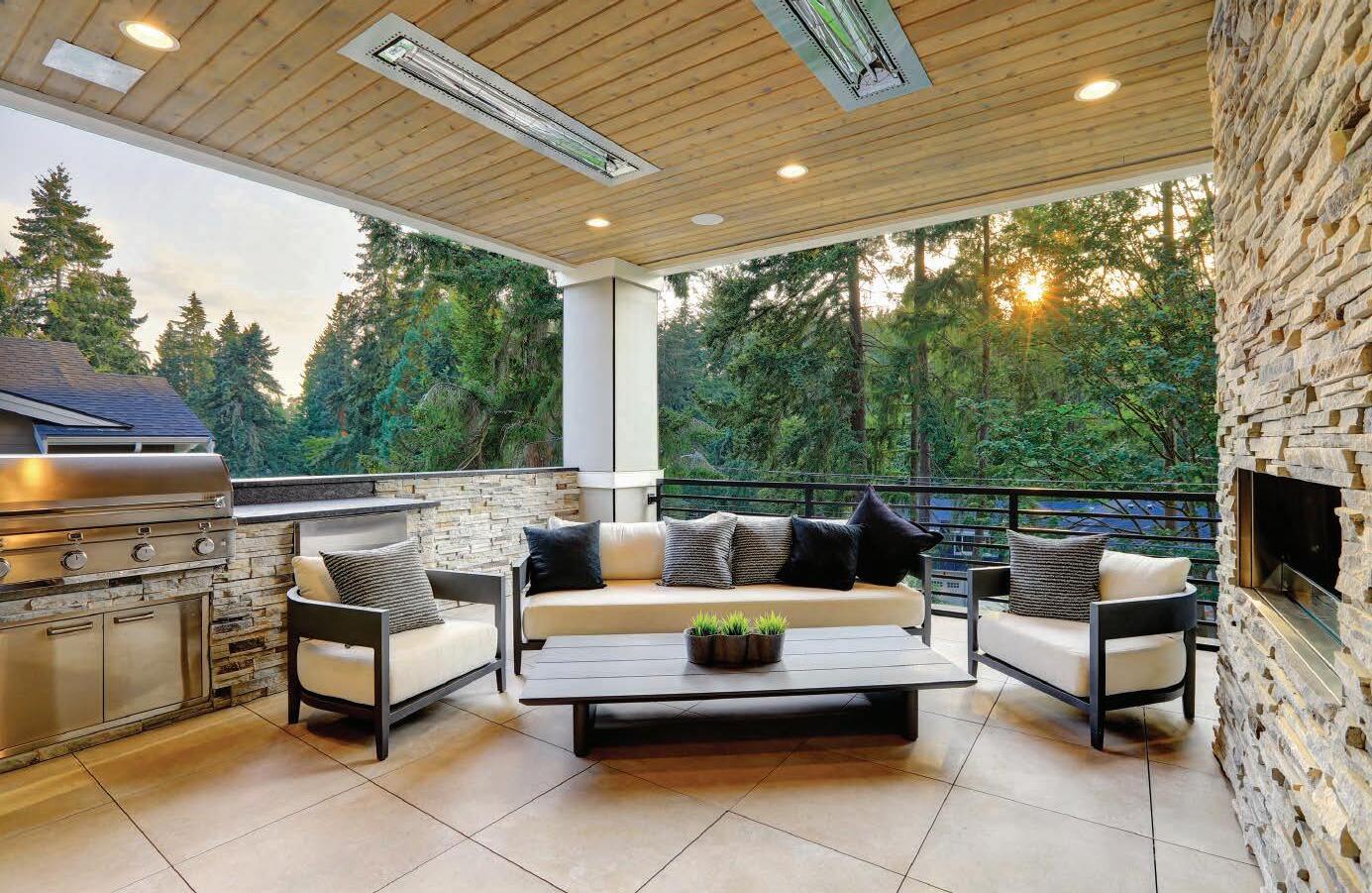
place. Incorporating natural elements like planters, vertical gardens or even water features brings a sense of calm and connection to the outdoors,” says Joe Oakes, owner of First State Building & Design. “And don’t forget the power of flexibility—modular furniture, retractable shade systems and smart lighting let the deck evolve with your needs. Ultimately, a great deck feels like more than an outdoor platform—it feels like a destination.”
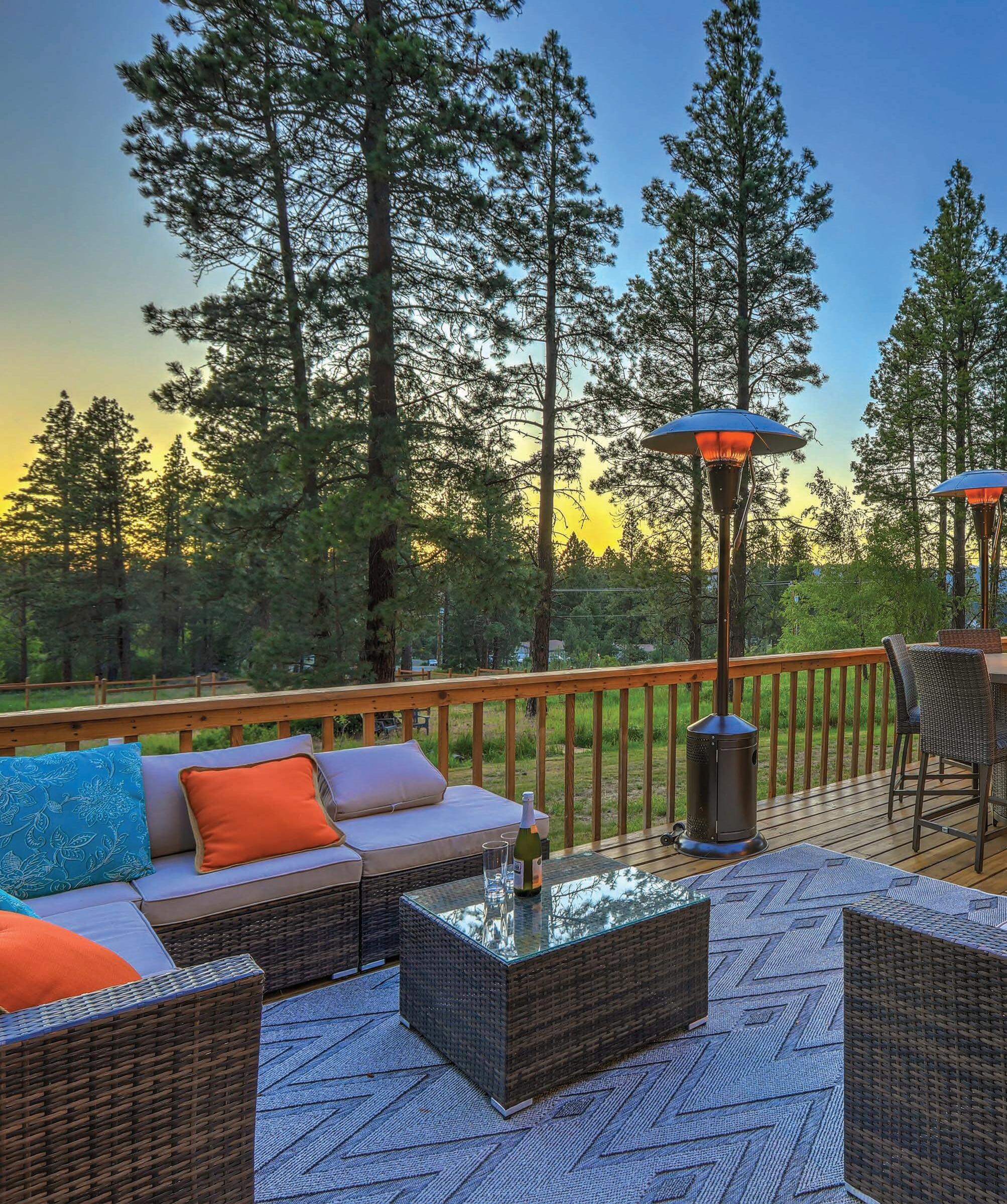
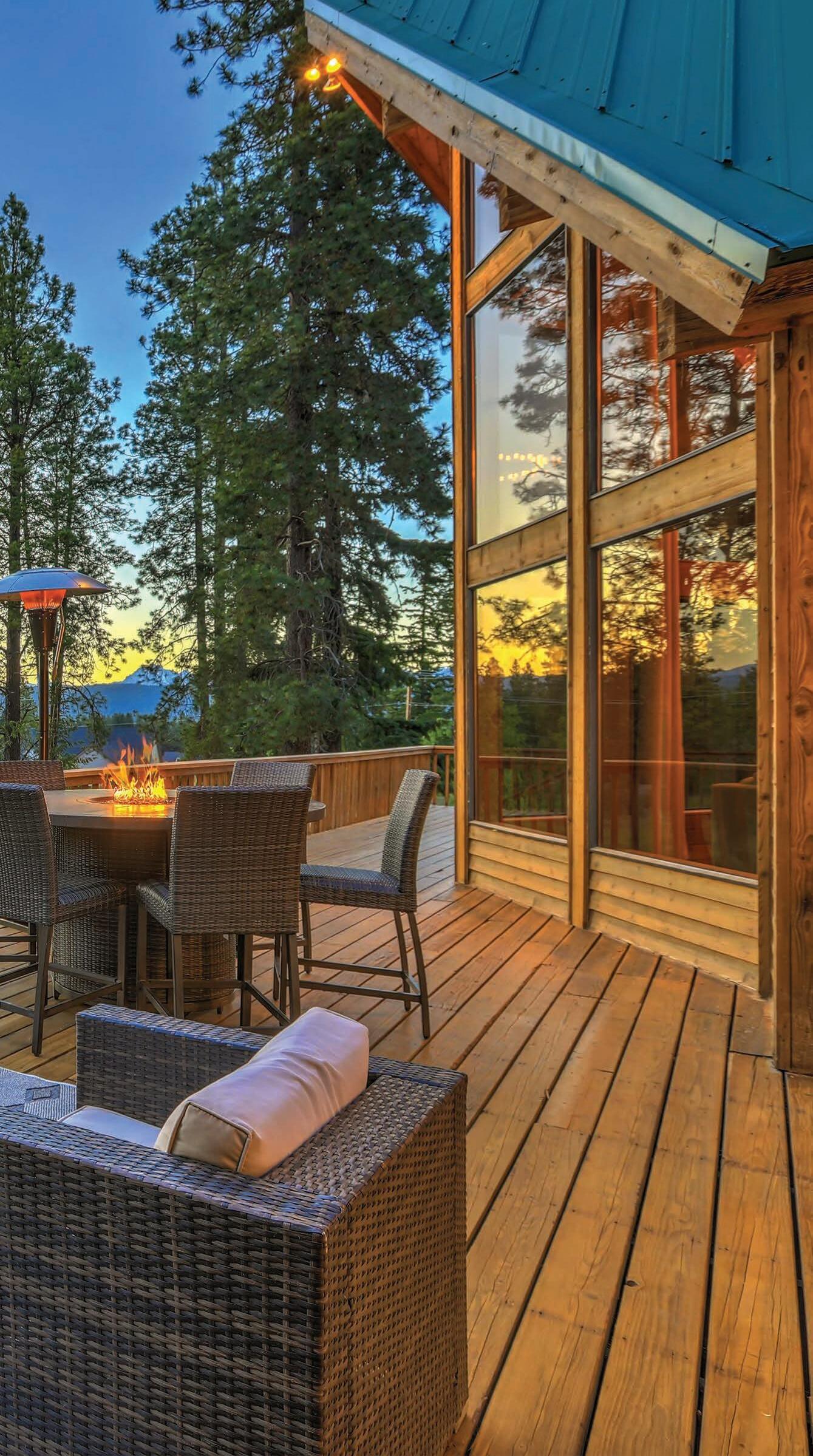
Hot summer days often come with colder temperatures at night, potentially limiting the functionality of your deck. Fire features can add an extra flair and increased usefulness to your space.
“A built-in or portable firepit adds a natural gathering spot. Go for sleek, gas fire bowls for a modern look or rustic stone for a cozy feel,” says Dave Fisher, owner of Dutchies Stoneworks & Outdoor Living. “For more compact spaces, tabletop fire bowls provide a smaller but still atmospheric alternative.”
In addition to providing heat and light, fire features can be used to add a little whimsy to late nights outdoors with roasting marshmallows.
Lighting is a big consideration when it comes to providing the perfect ambiance. White lights are better for visibility, but their harshness may be too much for homeowners—and their neighbors—late into the night. Yellow lighting is easier on the eyes and can work to create a cozy, warm vibe. But the options don’t stop there; colored lights can also be used to curate the perfect feeling no matter the occasion.
“Lighting is a must-have for homeowners who want to enjoy evenings on their deck,”
says Jerminski. “Lighting should be soft yet provide a warm glow, and a very peaceful and relaxing ambiance to unwind at the end of a stressful day.”
In addition to setting the mood, lighting can provide an important safety function, reducing the potential for tripping, running into things or losing items.
Lighting can be set up many different ways. From under-the-deck accent lights and overhead lights to strung twinkle lights and spaced out lanterns, there’s an arrangement for everyone, regardless of personal taste.
Outdoor kitchens are continuing to grow in popularity due to their customization options and homeowners’ ability to spend more time outside with friends and family. No longer does one person have to stay inside toiling over the stove while everyone enjoys a beautiful day outside. Instead, an outdoor kitchen allows the cook to continue to host, watch over little ones and breathe in the fresh air.
“The kitchen has always been called the ‘heart of the home,’ so why not make that space outside as well by adding an outdoor kitchen on your deck?” says Andrew Mowery, sales and design manager at Amazing Decks.
Today, an outdoor kitchen has so much more to offer than a rust-riddled grill shoved up against the house. Custom-made countertops can be constructed to allow for smokers, grills, sinks, refrigerators and
more into the build of the deck—making for a cohesive and intentional look.
In addition to standard equipment, pizza ovens can be constructed to provide the perfect brick oven pizza at home.
When it comes to outdoor kitchens, the sky is the limit as improvements in equipment, materials and technology allow for a set up perfectly designed to fit any homeowner’s needs.
Living in the Northeast means life isn’t always spent in the sun, so how do you take care of your outdoor space during the colder months? Well, it’s not as labor-intensive as it may appear and just a few simple actions can make a significant impact.
“Winter doesn’t have to be the end of your deck’s utility—but it is the time to be thoughtful about care. Outdoor kitchens and shade structures need a little attention as the seasons shift,” says Oakes. “Covering appliances, sealing stone surfaces, draining waterlines and storing soft goods indoors all go a long way in protecting your investment. High-quality materials like composite decking and powdercoated steel structures are designed to withstand the elements, but giving them a little help in the off-season ensures they’ll look and perform their best when spring returns.”
The perfect deck comes with intention, suited to fulfill each homeowner’s unique lifestyle. In addition to built-in options, finishing touches such as entertainment, seating and decor can really pull together a space.
“Outdoor furniture and accessories have come a long way and now there’s so many options for homeowners looking to dress up their outdoor space,” says a spokesperson from Deck Guardian. “Hammocks, planters, rugs, electric waterfalls, fire tables and sofas all enhance the comfort and look of decks and make them so much more useful than in the old days where a deck was just a
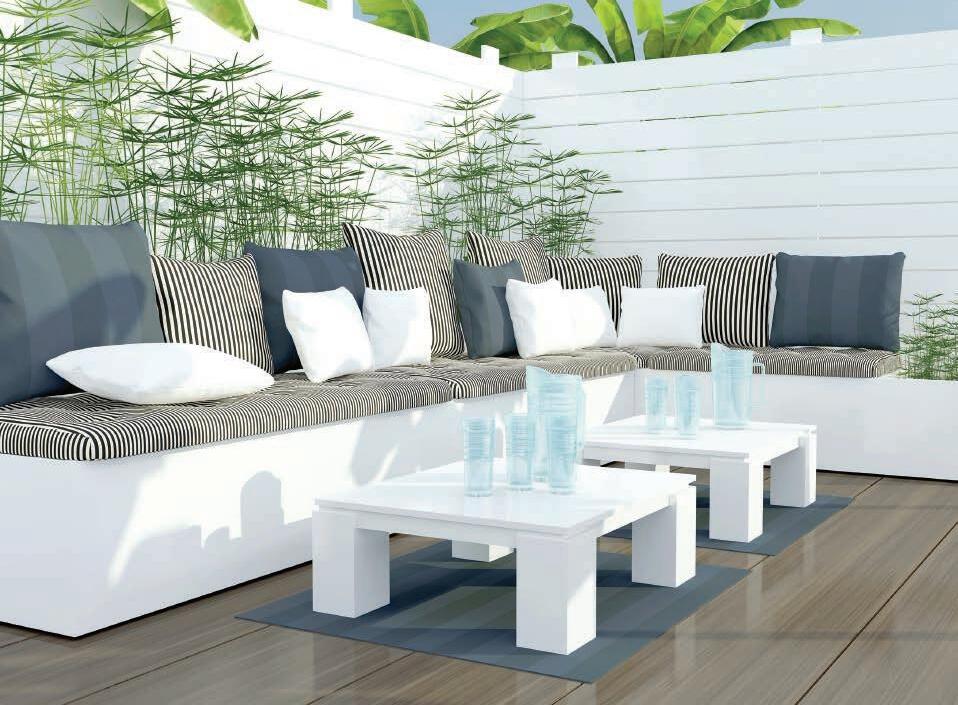




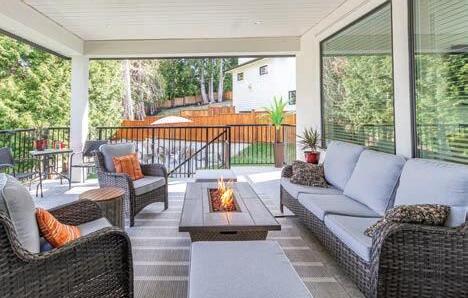
place to cook.”
Outdoor game tables, cornhole boards and entertainment systems can help to bring the comfort and enjoyment of indoor activities outside.
Watch your favorite baseball team while grilling up lunch, embrace the outdoors while catching up on the hottest new drama or spend a romantic movie night under the stars with the simple addition of a TV or projector.
“A TV wall allows homeowners to bring out an outdoor TV to enjoy while lounging, sitting by the firepit or cooking in the outdoor kitchen,” says Deck Guardian’s spokesperson.
If you’re looking to add on to your health journey or incorporate something new into your post-workout routine, a cold-plunge tank or sauna may be the way to go.
“Homeowners can add a sleek, modern cold plunge tub just off the deck for a bold, health-conscious statement. Consider a cedar tub for a rustic vibe or a stainless steel model for a cleaner, spa-like look,” says Fisher. “Alternatively, an outdoor sauna— barrel or prefabricated cabinstyle—nestled beside your deck adds warmth, both literally and visually, and it’s the perfect year-round escape, turning your deck into a luxury retreat.”
In the end, a deck should be a reflection of the homeowners’ hobbies, needs and taste. There’s no right way to construct, decorate or use a deck—that all depends on what you hope to get out of


it. Focusing on making intentional choices about everything from lighting and unique additions, to seating and beyond, can ensure the deck becomes a space fit for relaxation, hosting or both.
“When thinking about your deck space, don’t think of it as just a deck, think about it as an extension of your home,” says Mowery. “Whether you are enjoying it for everyday life or hosting extended family and friends, how you customize your outdoor living space is key to get you outside more.”

Amazing Decks Ambler, Pa. (833) 774-8646
AnotherAmazingDeck.com
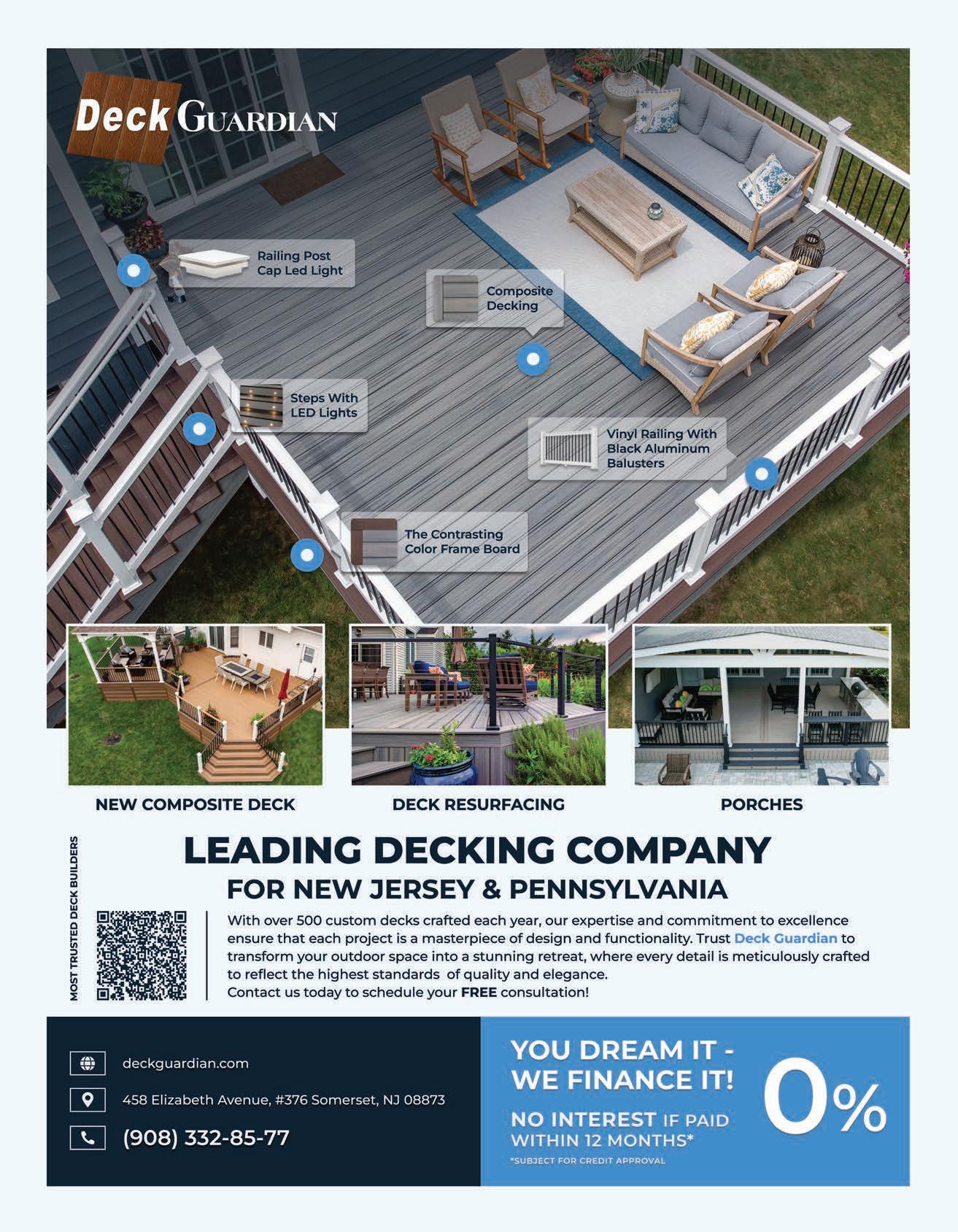
Deck Guardian
Somerset, N.J. (908) 332-8616
DeckGuardian.com
Dutchies Stoneworks & Outdoor Living Gap, Pa. (717) 455-3398
DutchiesStoneworks.com
First State Building & Design Chadds Ford, Pa. (302) 803-5082
FirstStateBuildingAndDesign.com
Get Decked
Serving Pa. and Del. (302) 897-0302
GetDeckedInc.com





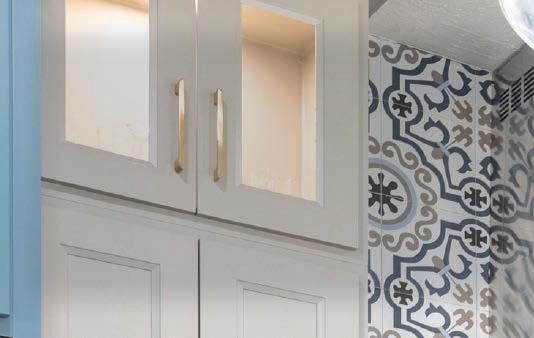
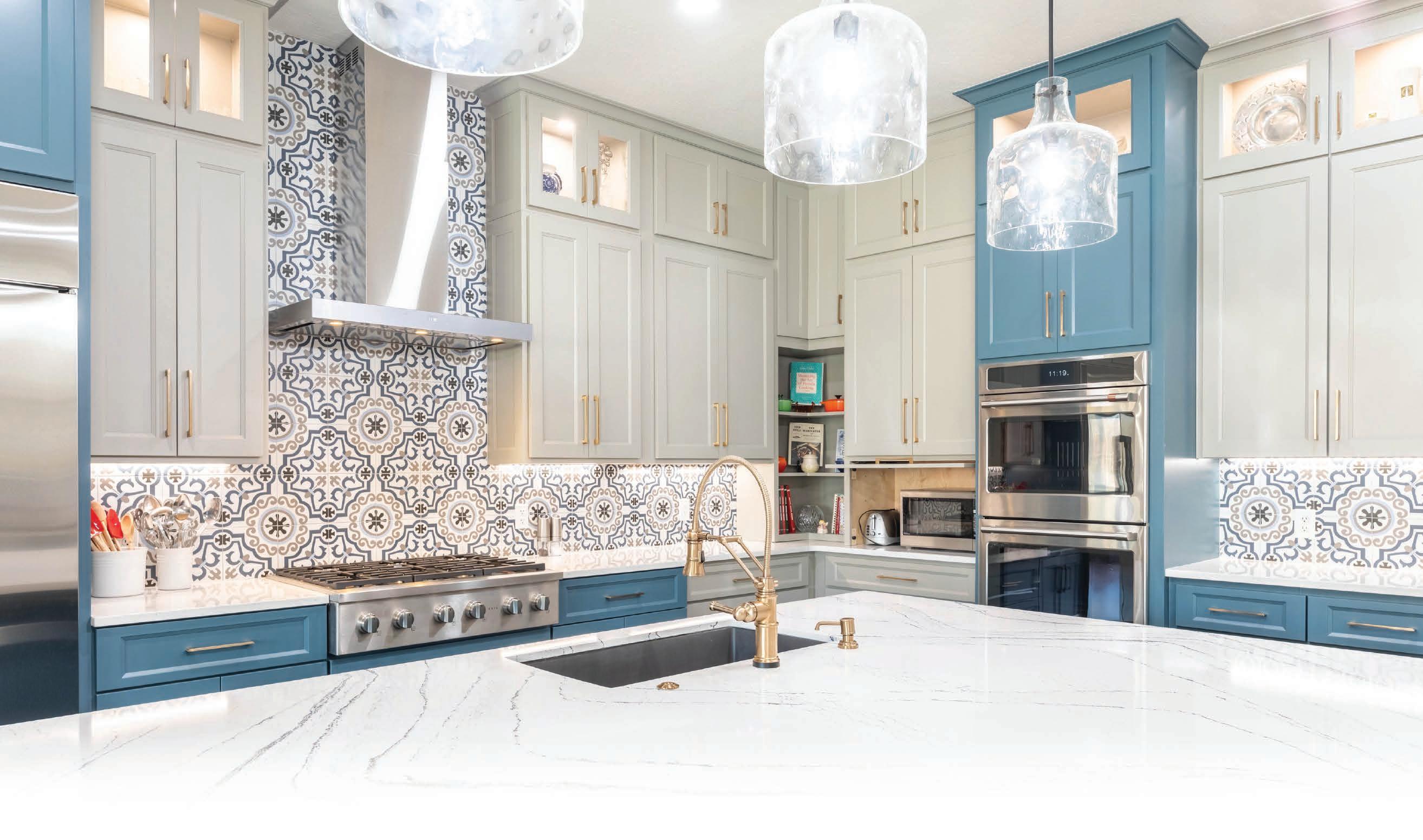
The experts at Kitchen Tune-Up Main Line know how to update and elevate your space on a budget.
The kitchen—a place for family meals, celebrations and daily routines—is the heart of the home, so it’s no surprise that investing in your kitchen can both significantly enhance your quality of life and add value to your property. But many homeowners hesitate to tackle kitchen updates, fearing the cost and inconvenience of a full-scale remodel.
Thankfully, creating the kitchen of your dreams doesn’t have to mean tearing everything down. There are innovative, cost-effective ways to breathe new life into your space, combining beauty, function and value. Whether you’re envisioning a modern aesthetic or looking to enhance storage and organization, Kitchen Tune-Up Main Line provides tailored solutions to make your kitchen look and feel brandnew—all while saving you time and money. Kitchen Tune-Up specializes in affordable, efficient updates that cater to your unique needs while bringing your vision to life. Here’s how its team can help:
1. The Original Tune-Up
This service focuses on restoring your existing cabinets to their original beauty by removing dirt, grease and wear, followed by a protective

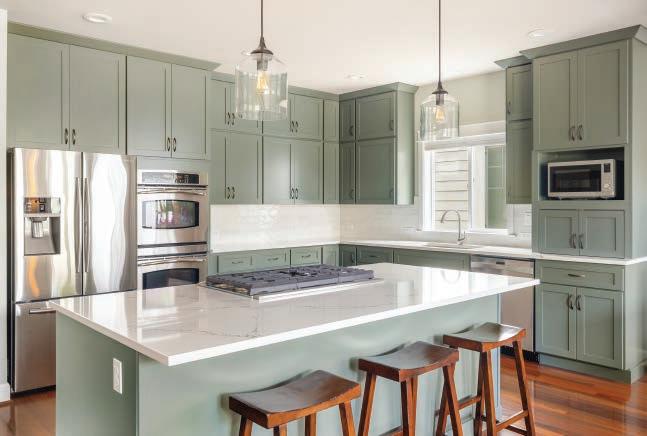
finish. It’s a quick, eco-friendly way to refresh your kitchen without replacing anything.
2. Cabinet Redooring and Refacing
For homeowners looking to update their kitchen’s look, these options are both cost-effective and transformative. Redooring involves replacing cabinet doors and drawer fronts, while refacing adds a new veneer over existing boxes, delivering a like-new appearance for a fraction of the cost of custom cabinets.
3. Cabinet Painting
A fresh coat of paint can make a world of difference, and Kitchen Tune-Up ensures a flawless finish with professional-grade tech-
niques. Choose from a wide range of colors to modernize your space or make a bold statement.
4. Custom Cabinets
For those dreaming of a complete transformation, Kitchen Tune-Up offers fully customized cabinets designed to optimize layout, storage and style. Whether you need a better workflow or more space, their experts craft solutions tailored to your home.
5. Innovative Storage Solutions
Maximize your space with roll-out trays, lazy Susans and custom organizers that make every inch of your kitchen both functional and accessible.
Why Choose Kitchen Tune-Up Main Line?
With their expertise and focus on customer satisfaction, Kitchen Tune-Up completes most projects in just a few days, minimizing disruptions to your daily life. Their services provide an easy path to a stunning kitchen upgrade, whether you’re preparing for a family gathering or simply want to love the space you use every day.
Visit Their Showroom
See the possibilities firsthand at Kitchen TuneUp Main Line’s showroom. Explore samples, speak with experts and start planning your dream kitchen today.
Kitchen Tune-Up Main Line
Exton, Pa. | (484) 318-7205
KitchenTuneUpMainLine.com


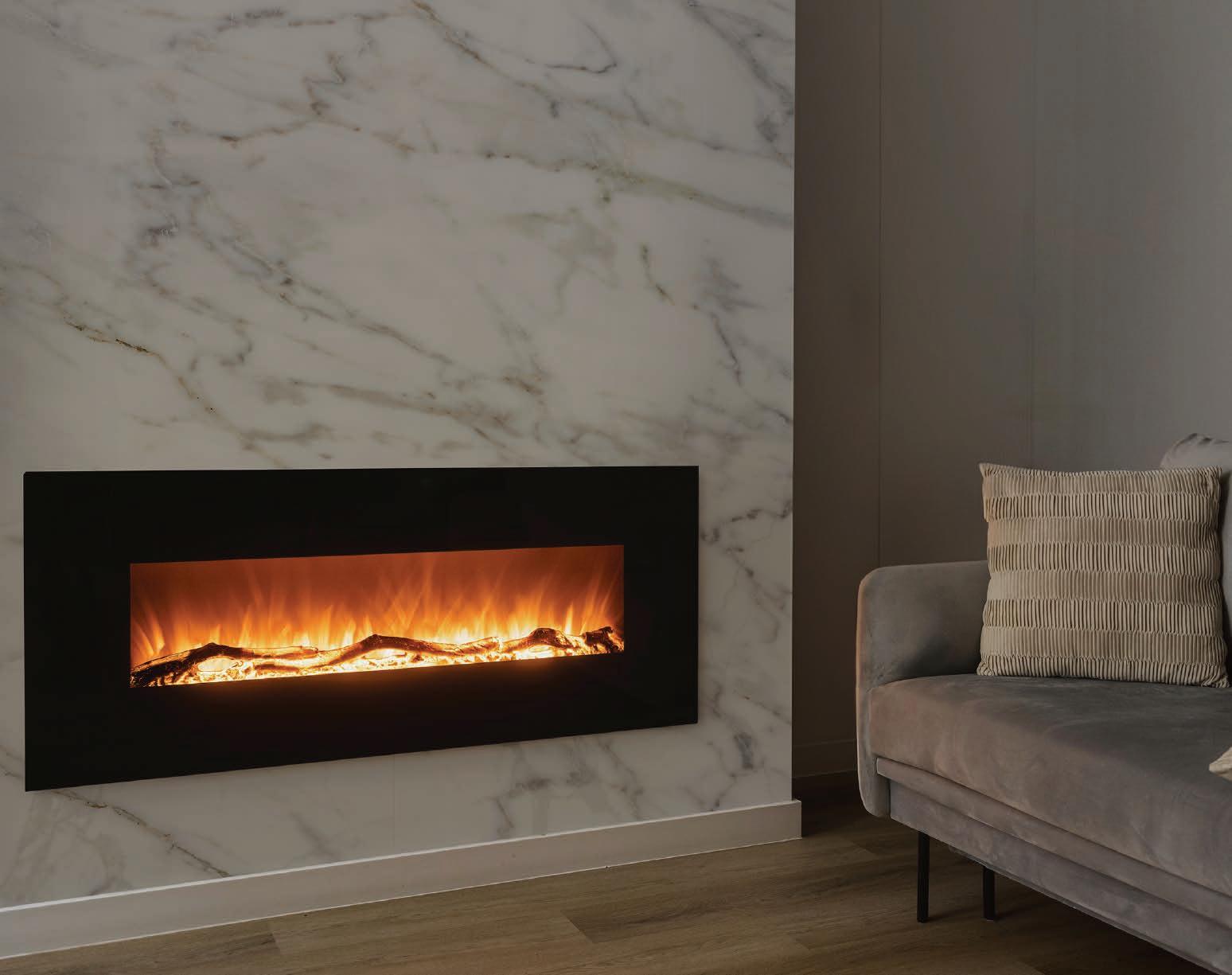
is to install a sealed gas or wood insert. This allows us to seal the chimney top, damper area and fireplace opening, creating an incredibly efficient, airtight fireplace system.
—David Rettinger Jr., Rettinger Fireplace Systems
What are the advantages of wood-burning inserts and wood-burning stoves?
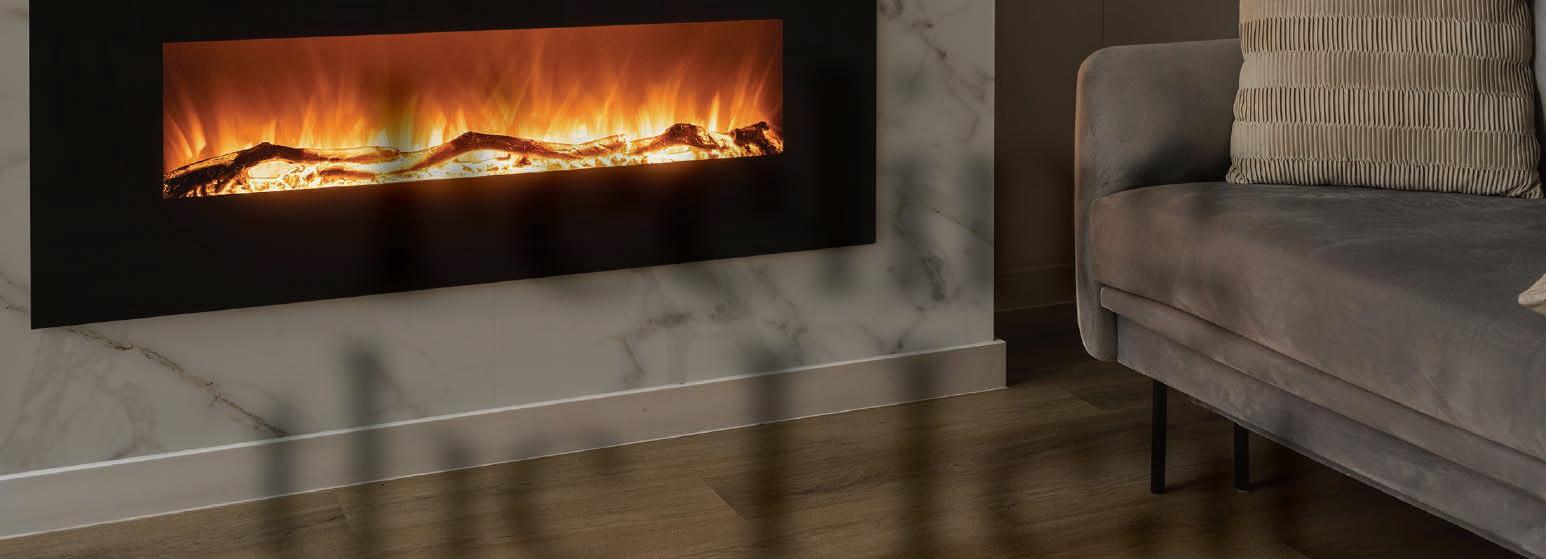

by PETER PROKO
ith fall’s arrival and Old Man Winter not far behind, now is the perfect time for homeowners to start focusing on how they heat their home.
From furnaces to fireplaces, having your heating sources inspected and serviced ahead of the frigid temperatures can go a long way to ensuring the utmost comfort while also keeping energy costs down.
To get a better understanding of how to best prepare for the upcoming change in seasons, House & Home spoke with some experts in the field to get their professional guidance to make sure no one is left out in the cold.
As the temperatures being to cool outside, what should homeowners be thinking about in terms of having their heating unit inspected and/or serviced so they aren’t dealing with issues in the dead of winter?
Every homeowner, just prior to at the beginning of fall, you should have your unit inspected or at least serviced to include the following:
• Checking the thermostat operation
• Checking that the furnace is clean
• Checking that the filer and fan motor are clean
That is all that needs to be done, there is nothing extravagant about it.
—Wayne Cangialosi, Wayne Refrigeration Air Conditioning & Heating
Signing up for a preventative maintenance plan will make sure their system is in optimal performance for efficiency this winter. … Keeping systems maintained will save them money in the long run.
—Ann Carolyn Bush, R&D Heating and Cooling
What’s the best way to address cold air pouring through a fireplace?
The most common cause of what we call ‘cold hearth syndrome’ is the inherent inefficiency of traditional open wood or gas fireplaces. Think about it: your chimney is essentially a large hole in your home. Since cold air is heavier, it naturally sinks into your chimney and spills into your living room. Making matters worse, appliances like kitchen and bathroom fans, as well as HVAC systems, draw in outside air, and your chimney becomes a prime source.
Your first instinct might be to close the damper or install fireplace doors. Unfortunately, in most modern homes, that’s not enough to stop the draft. The most effective solution
You can cut your home heating costs by greater than 50% with a wood-burning insert or woodburning stove. A lot of our customers will heat their entire home and just use fossil fuels as a supplementary heat source.
A traditional masonry fireplace is still very popular and people enjoy them, but open burning fireplaces do not generate heat the way a woodburning insert or a wood-burning stove does. If you’re looking for something that takes the chill off and gives you really calming effects, you would want to have a traditional masonry fireplace. But if you’re looking to generate heat and save on home heating costs, you’ll probably want a wood-burning insert or a freestanding wood-burning stove.
—Leon Ochal, Chimney Scientists
What are some of the more popular requests from customers these days?
Customers are looking for rebates from their utility company if applicable, to help save money on electric and/or propane. They also want quietness and, of course, the best option costwise to fit their budget. … Comparing apples to apples, maybe the company they are working with is higher, but be sure to look at company profiles, reviews and the types of services they offer after the installation.
—Ann Carolyn Bush
Is there an optimal thermostat setting for the winter months?
It’s really dependent on your own comfort level. What I tell people normally is that furnaces are designed to reach 72 degrees from whatever the outside temperature is. So if its 0 degrees, the furnace should reach 72 degrees in a certain amount of time. If it doesn’t reach 72 degrees, then either it’s way too cold out, or the furnace isn’t operating with peak efficiency. But that is also dependent on the insulation in your walls as well as the window insulation in the house. Because an older house with newspaper in the walls for insulation is not going to maintain that heat all the time.
I tell my customers that if they’re not home during the day in the wintertime, set your thermostat at 62-65 degrees. That will keep your pipes from freezing and it won’t cost you that much to heat the house during the day. Then, when you get home, you can raise the temperature up to your comfort level. It’s a lot easier to maintain and reach that temperature when it’s

—Wayne Cangialosi
What are some of the most common concerns you encounter with chimneys?
A lot of people don’t even realize they have a chimney for their heating system. A huge portion of our business is preparing chimneys for your heater. So I would say for your average homeowner, just being aware that they have a chimney for their heater is good to know. And then, if they have never had that looked at, it’s maybe time to hire a certified chimney professional to do a camera inspection.
If you live in a house that was built before 1980, there’s like a 98% chance that you have a chimney for your heating system. And most people are not aware of that. So it’s best to have someone look at it before it collapses on itself and carbon monoxide backs into the basement.
—Leon Ochal
How can you eliminate odor emitting from a gas fireplace?
If you have a gas fireplace emitting unpleasant odors, it’s likely a vent-free model. These units burn room air and exhaust emissions directly back into the room, much like a gas stove. This not only leads to unpleasant smells, but also introduces moisture, which can be particularly troublesome for people with respiratory conditions like asthma or COPD.
Replacing a vent-free unit with a sealed gas fireplace creates a significantly more comfortable environment. These systems provide radiant heat while venting emissions outside the home. The result is increased room temperature without compromising indoor air quality. Many models also include remote controls and thermostatic or high/low settings for maximum comfort and control.
—David Rettinger Jr.









Tired of a cracked, faded driveway? Your home deserves a stunning entrance that enhances curb appeal, lasts for decades, and requires minimal upkeep.
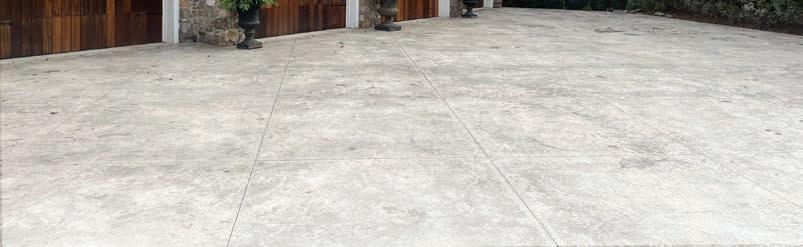


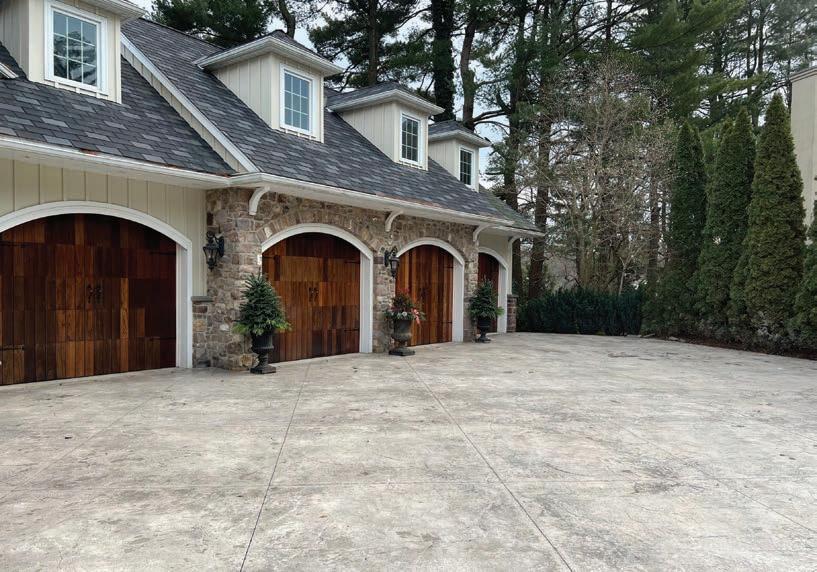
rchitectural Concrete Design crafts high-end decorative concrete driveways that offer the look of natural stone, brick, or tile without the headaches of constant maintenance.
For over three decades, Architectural Concrete Design (ACD) has been at the forefront of the decorative concrete industry, transforming homes and commercial spaces with unparalleled craftsmanship and innovation. What began as a small operation with one truck and one employee has evolved into a thriving, industry-leading company with over 40 dedicated professionals.
ACD has undergone several rebrands, but its core mission has never wavered: building the finest decorative concrete systems for its clients. Despite industry changes, ACD has remained the gold standard for stamped and decorative concrete in the region.
Most recently, ACD has embarked on another exciting transformation. Under the leadership of Managing Partner Steve Abel, who brings a unique perspective from his tenure in software development and commercial banking with Fortune 100 companies, the company is modernizing its operations. Investing in staff development, technology and customer experience, ACD is ensuring that its tradition of excellence continues for decades.
The most remarkable aspect of ACD’s success is its people. In an industry with high turnover, ACD fosters a family culture, building careers for its employees. Many of its team members have been with the company for decades, ensuring continuity in quality and service.
Architectural Concrete Design has consistently been ahead of the curve because of its
consideration of both employees and homeowners, and its innovative techniques. From being among the first companies to bring stamped concrete to the region in the early ‘90s to developing customized solutions for complex commercial installations, ACD has been instrumental in elevating decorative concrete from a functional material to an art form.
ACD works closely with general contractors, engineers, landscape architects and homeowners to design and execute unique, high-end installations. Whether pioneering new finishes, refining texturing methods, or integrating cutting-edge reinforcement technologies, ACD ensures that every project sets a new industry benchmark.
By consistently delivering high-end, durable installations, the company has set itself apart from budget-driven competitors. ACD also remains conscious of educating homeowners and professionals about best practices, proper installation methods and material selection.
“As commercial subcontractors, we’re constantly collaborating with owners, general contractors, engineers, and designers. These high-level commercial insights allow us to refine and elevate the residential decorative concrete experience,” Abel explains.
The main concept Abel and his team aim to instill in their clients is recognizing that decorative concrete is the obvious choice for longevity and hassle-free maintenance. Unlike asphalt, which is a necessity rather than an aesthetic choice, stamped and decorative concrete driveways serve as an investment in a home’s curb appeal and long-term value.
With an unlimited array of colors, textures and patterns, homeowners can achieve the look
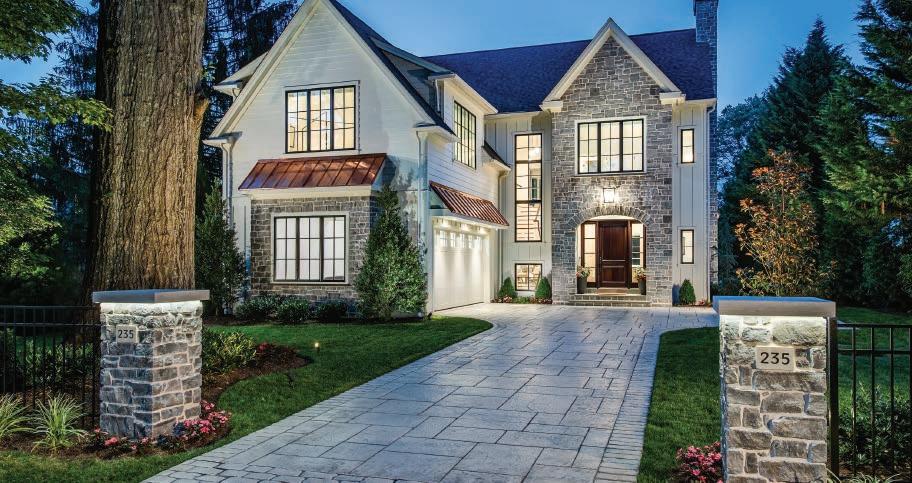
of natural stone, brick, tile or custom designs, while enjoying the durability of reinforced concrete. ACD specializes in custom driveway designs that complement a home’s architecture, seamlessly integrating with its surroundings.
Stamped concrete design trends continue to push creative boundaries. Classic random flagstone and slate textures remain favorites for traditional homes. Large-format segmented patterns and white-on-white concrete designs are on the rise for a modern, minimalist look. A hallmark of high-end estates, exposed aggregate is making a strong comeback, delivering a refined, textured finish.
However, stamped concrete driveways aren’t just about aesthetics—they make financial sense. Unlike asphalt which cracks, deteriorates and requires frequent resurfacing, decorative concrete is built to last decades with proper maintenance. While paver driveways shift, settle and require constant re-leveling, stamped concrete remains stable, maintenancefriendly and weed-free.
Stamped concrete driveways are remarkably easy to maintain. Basic upkeep entails occasional sweeping or a rinse with a hose. Before winter, a quick leaf-blowing session prevents organic debris from settling. Every four years, a power wash and reseal will protect the driveway’s color and finish. ACD offers this at a cost lower than asphalt resurfacing, making maintenance both simple and affordable.
ACD offers financing solutions that allow homeowners to bridge the cost difference between asphalt and decorative concrete, making it an accessible long-term investment.
“For homeowners debating between asphalt, pavers, and decorative concrete—the numbers speak for themselves. ACD’s stamped concrete driveways provide a higher-end finish with a longer lifespan and lower maintenance costs than competing materials,” Abel affirms.
With an unmatched reputation, a commitment to quality, and a passion for innovative design, ACD continues to redefine what’s possible in residential and commercial concrete installations. Call today to ensure the opportunity to discover the ACD difference where durability meets design—as their schedule is filling rapidly.