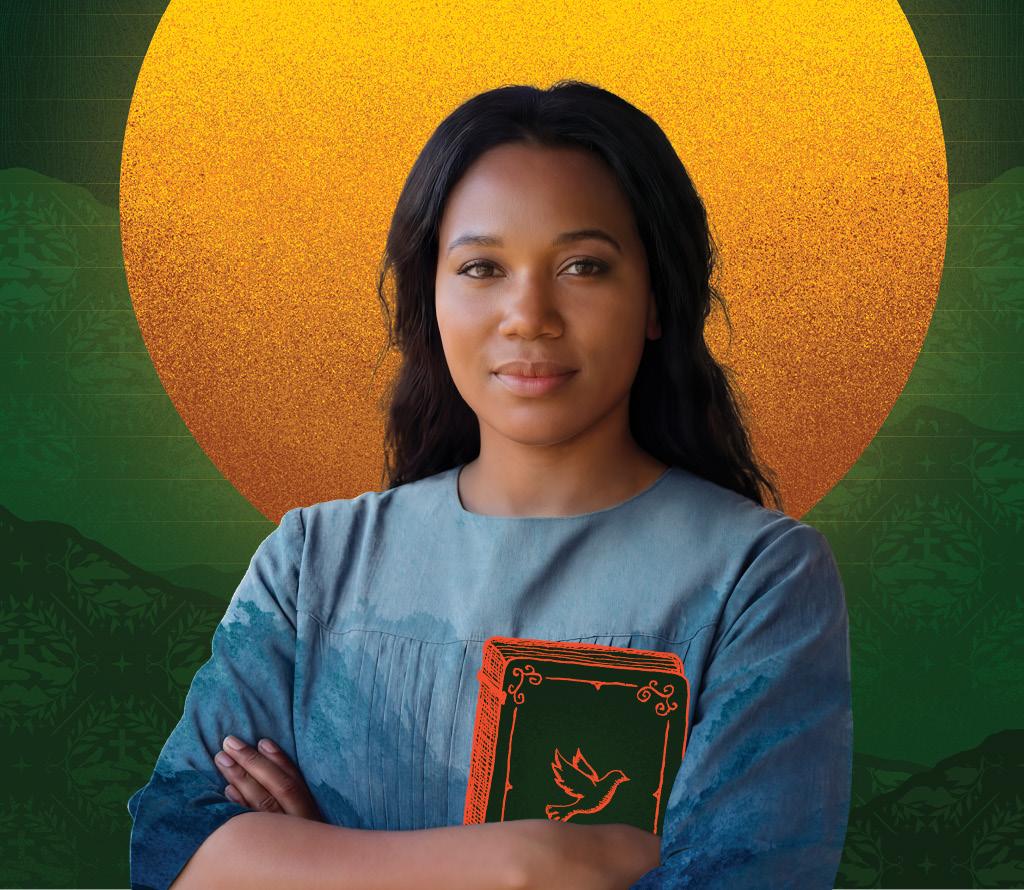
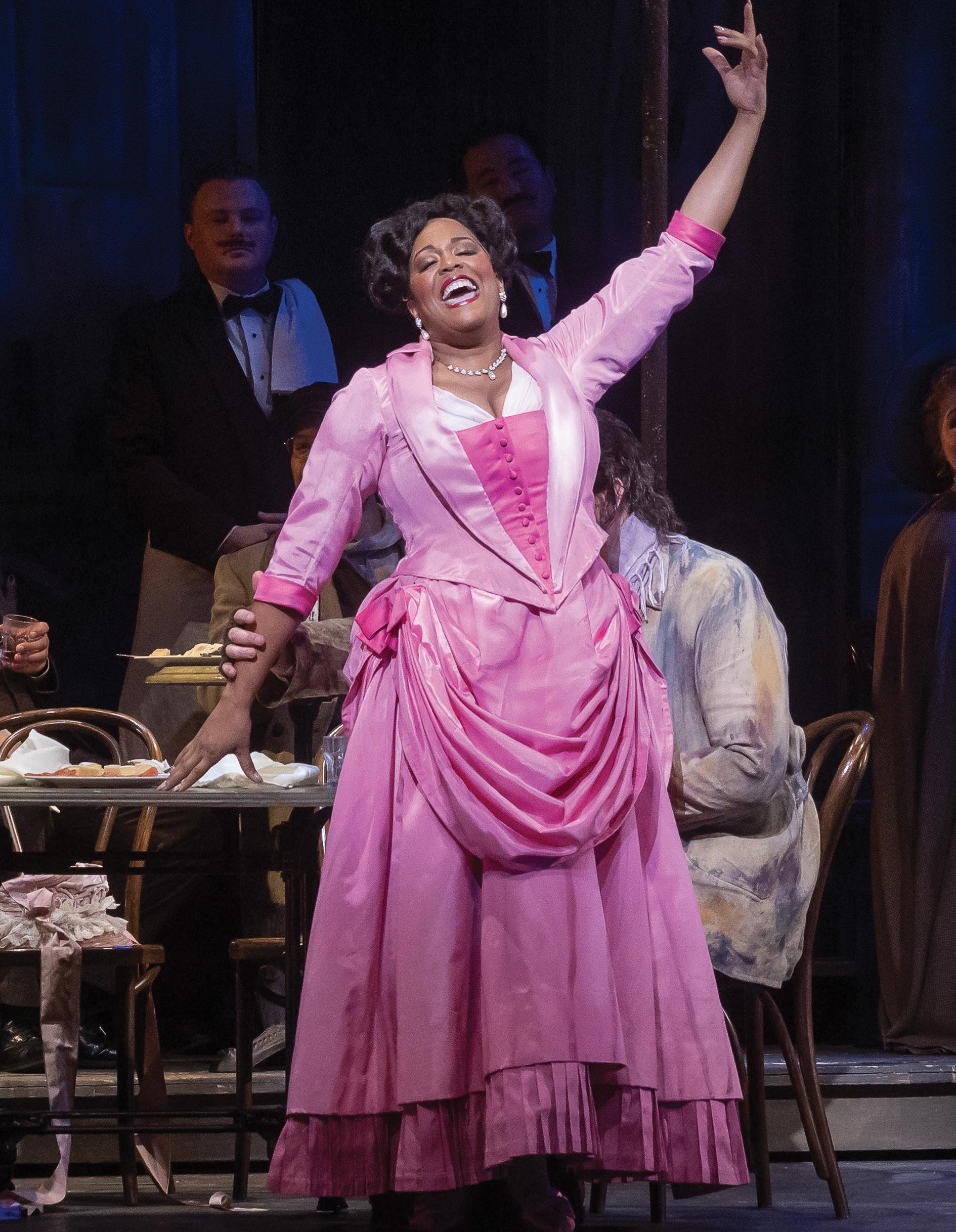
Photo Credit: Soprano Brittany Renee in Puccini’s La bohème (2025). Photography by Lynn Lane
Welcome to the Wortham Theater Center, and a sublime spring at Houston Grand Opera. Thank you for joining us for the spectacular finale of our 2025-26 season.
This is a bittersweet moment for all of us at HGO. When we first planned to present the American premiere of Robert Wilson’s acclaimed production of Handel’s Messiah, arranged by Mozart, we never imagined we would be staging it without him by our side. But last summer, we lost Bob, king of the avant-garde, son of Texas, and HGO friend of decades. We miss him dearly. Yet we can think of no greater way to honor his legacy than by filling our stage with his vision, and his light.
Bob’s extraordinary abstract staging of this historic masterpiece will be performed by a cast whose brilliant voices are equal to its scale and spirit: soprano Ying Fang, countertenor Aryeh Nussbaum Cohen, tenor Ben Bliss, and bass-baritone Nicholas Newton, joined by the phenomenal HGO Chorus. Maestro Patrick Summers conducts.
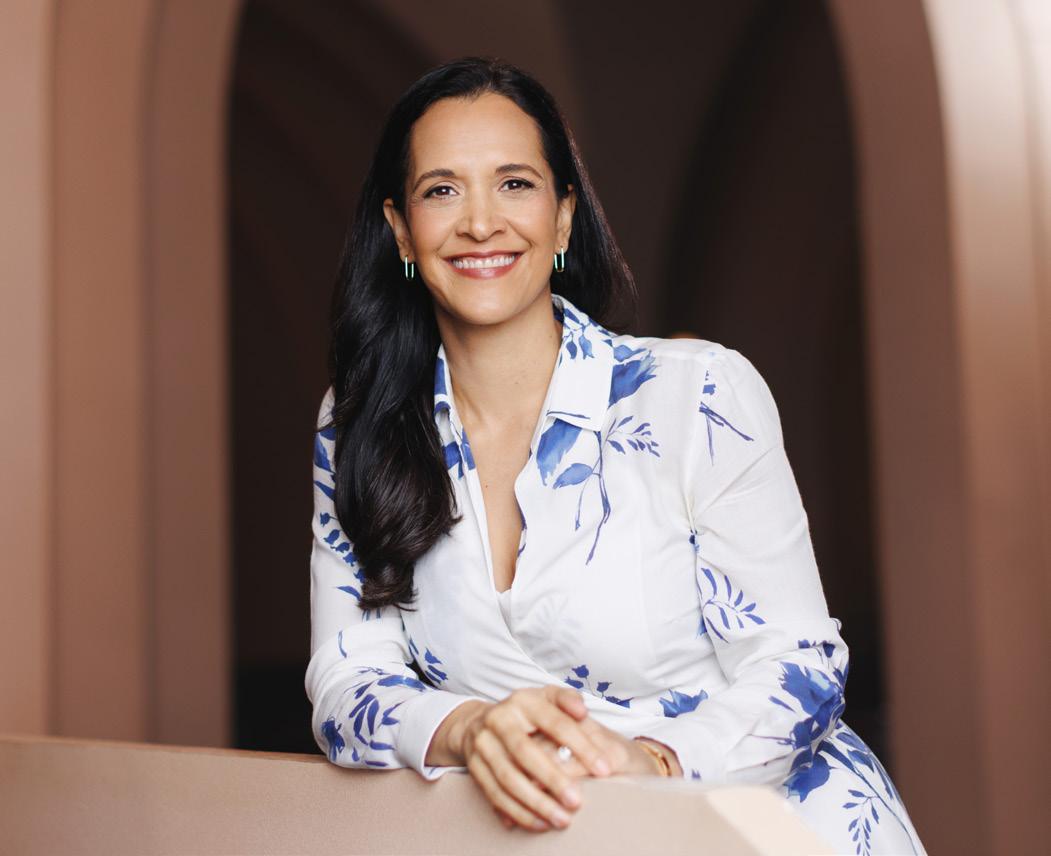



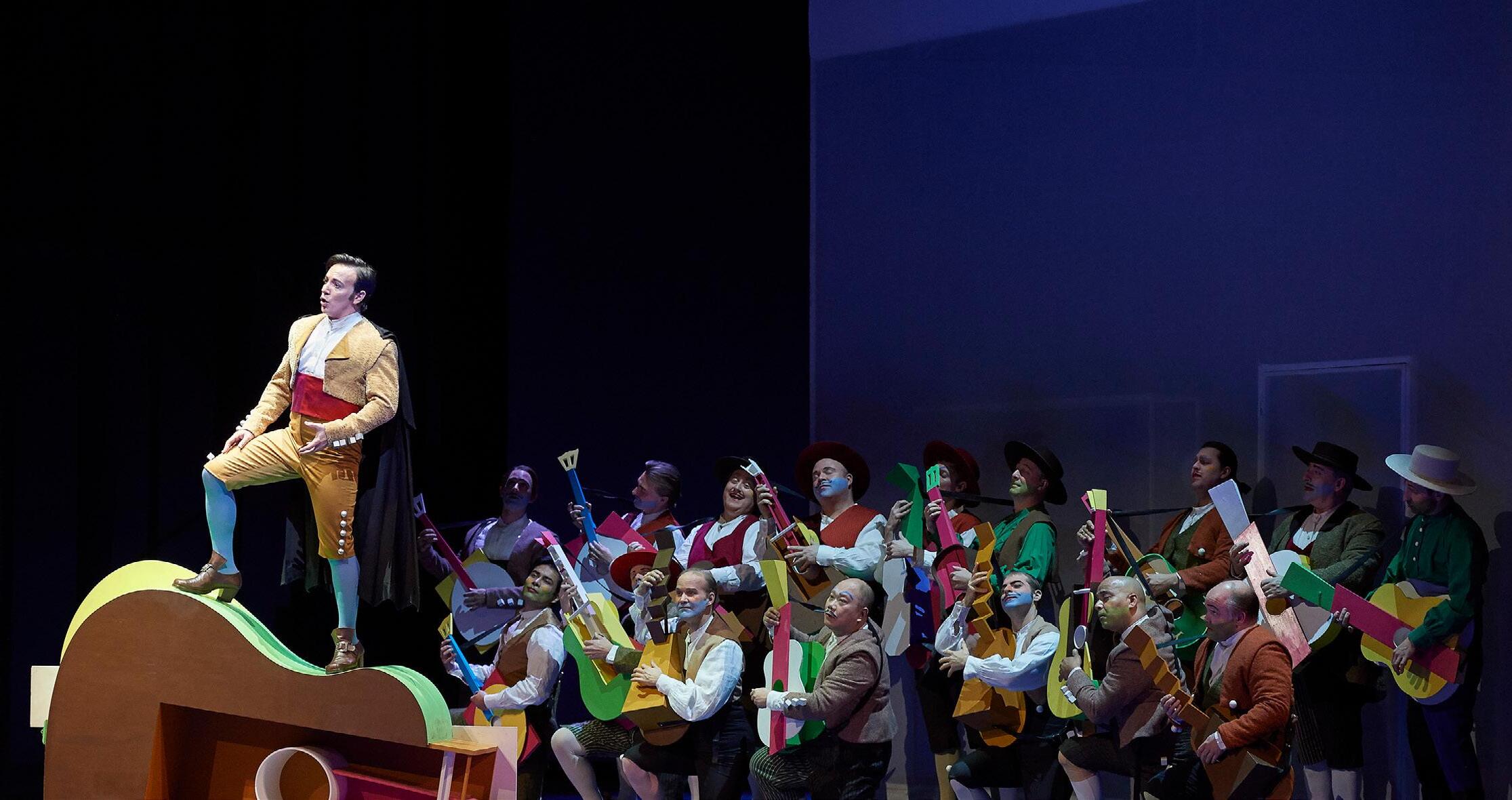
The parade of brilliant talent continues with our other offering for spring, Rossini’s joyously uproarious The Barber of Seville, presented in a whimsical production by director Joan Font that adds new layers of comedy to the opera audiences have loved for centuries.
It is our honor to welcome GRAMMY Awardwinning baritone Will Liverman to our stage for the very first time as he performs his internationally praised signature role, the barber Figaro. Making another highly anticipated HGO debut is the fearless mezzo-soprano Daniela Mack, who grew up right here in Houston, as Rosina.
They are joined by a Houston favorite, the tenor Jack Swanson, as Count Almaviva; baritone and Rossini specialist Alessandro Corbelli as Dr. Bartolo; and leading bass-baritones Ryan Speedo Green and Cory McGee, who will each perform as Don Basilio is select performances. The sought-after conductor Gemma New, Artistic Advisor and Principal Conductor of the New Zealand Symphony Orchestra, takes the podium in another thrilling company debut.
Our first offering for spring, Messiah, marks a significant moment in HGO history, as it will be the final piece Patrick Summers conducts as the company’s Artistic and Music Director before he assumes the role of Music Director Emeritus. How fitting that this production by his adored collaborator Bob Wilson will be the capstone to his tenure. Like Bob, Patrick has given us so much. He has brought HGO to this moment. We stand on the shoulders of giants—and we are grateful.
Thank you, Patrick. And thank you to each of you in our audience, for being here, and for believing in great art. I hope you enjoy your time with us.

Khori Dastoor General Director and CEO

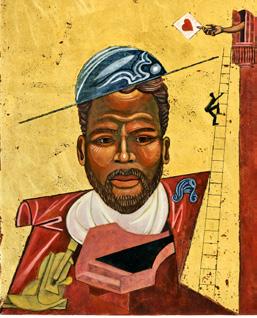
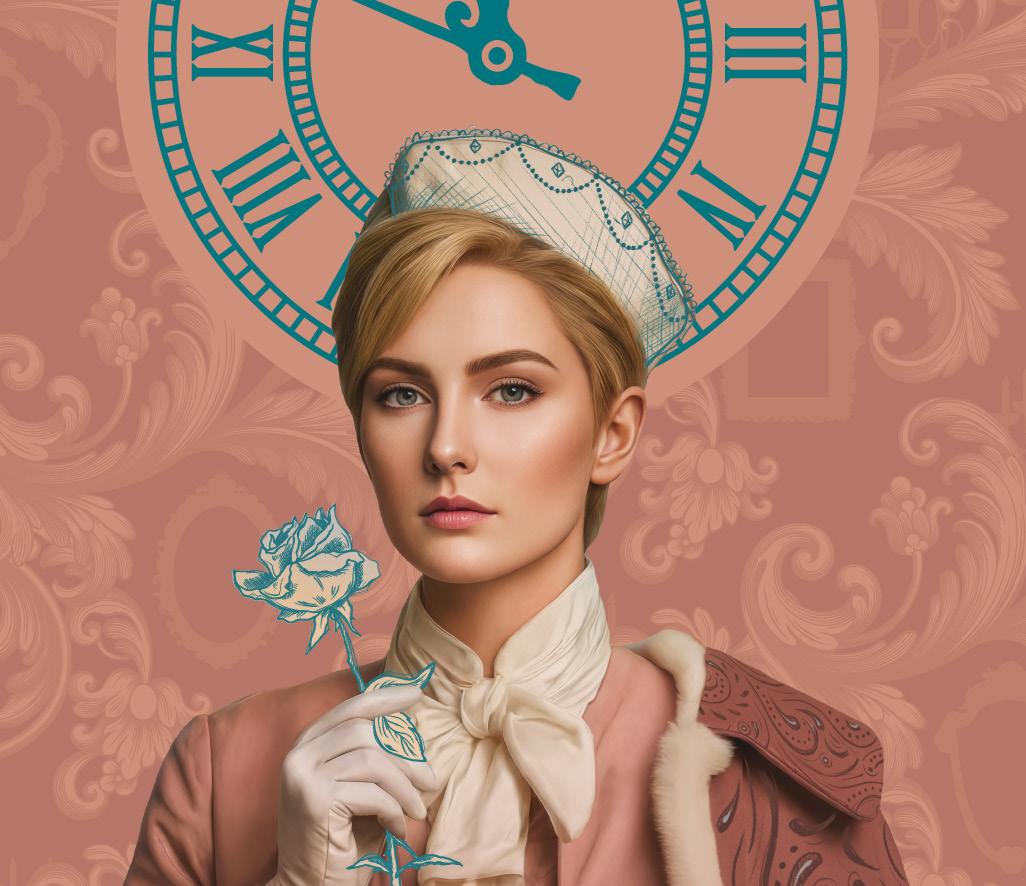
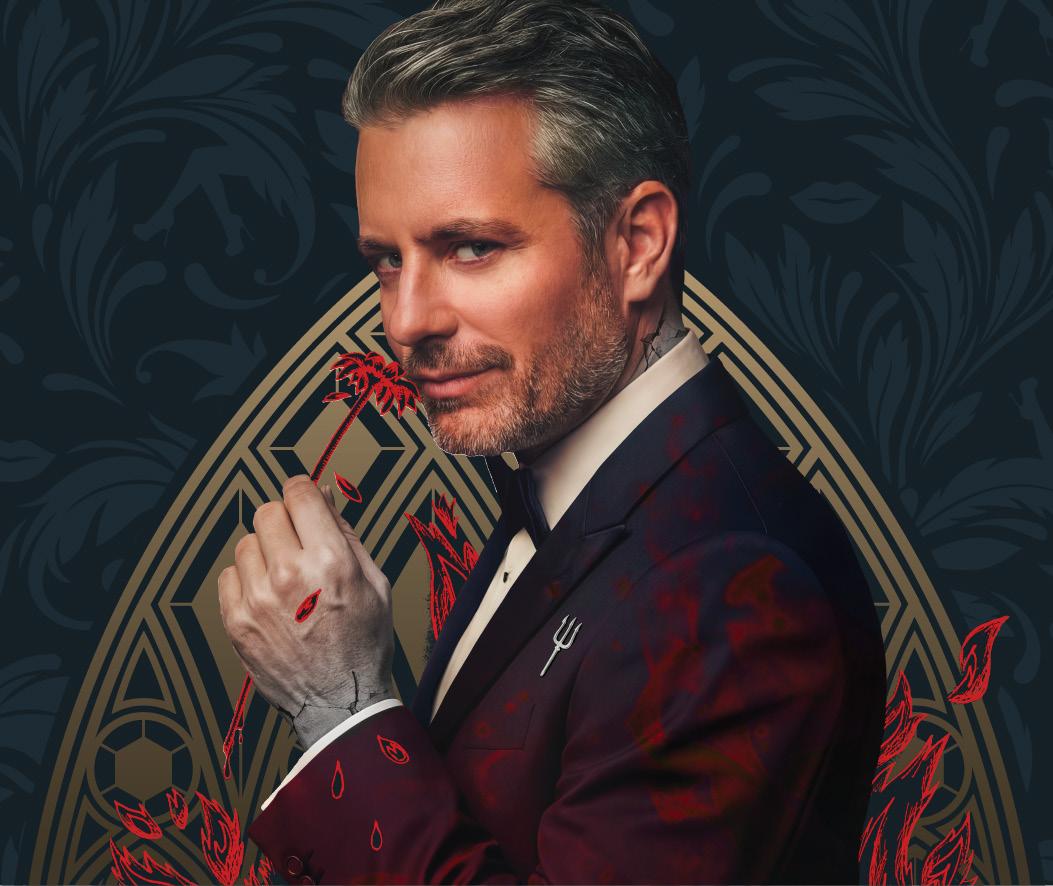
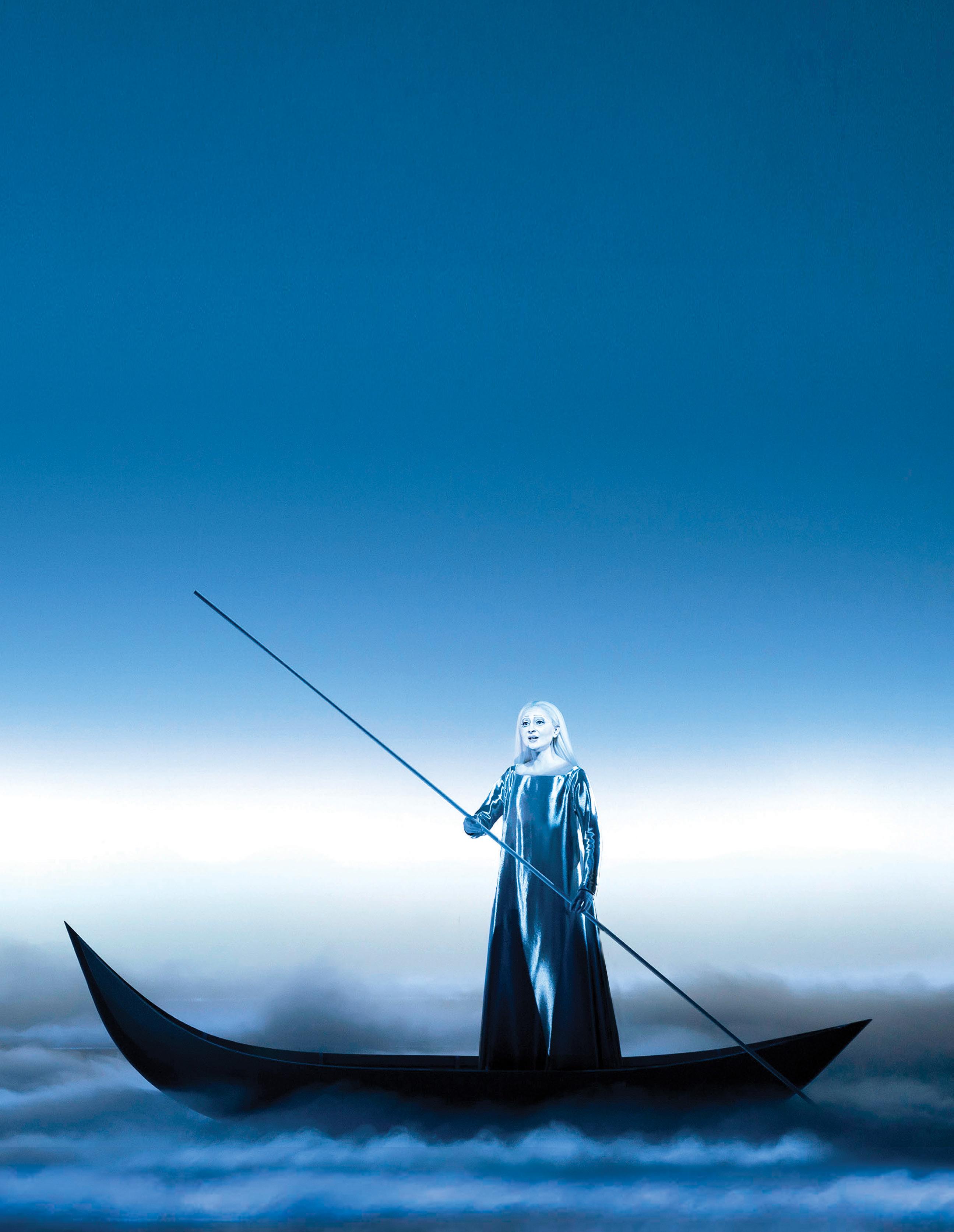
Houston artist Nestor Topchy has created a series of artworks representing each of HGO's operas from the 2025-26 season. For more on this special collaboration, head to our Backstage Pass blog!


Opera Cues is published by Houston Grand Opera Association; all rights reserved. Opera Cues is produced under the direction of Chief Marketing and Experience Officer Jennifer Davenport and Director of Communications Catherine Matusow, by Houston Grand Opera’s Audiences Department.
Editor
Catherine Matusow
Designers
Chelsea Crouse
Rita Jia
Contributors
Colin Michael Brush
Joe Cadagin
Khori Dastoor
Patrick Summers
Advertising
Matt Ross/Ventures Marketing 713-417-6857
For information on all Houston Grand Opera productions and events, or for a complimentary season brochure, please email the Customer Care Center at CustomerCare@HGO.org or telephone 713-228-6737.
Houston Grand Opera is a member of OPERA America, Inc., and the Theater District Association, Inc.

OFFICERS
Astley L. Blair, Jr., Chair of the Board
Claire Liu, Senior Chair of the Board; Governance Committee Chair
Allyn W. Risley, Chair Emeritus of the Board
Lynn Wyatt*, Honorary Vice Chair of the Board
James Loftis, General Counsel; Secretary
MEMBERS AT LARGE
Thomas R. Ajamie
Robin Angly*
John S. Arnoldy*
Christopher V. Bacon, Audiences Committee Vice Chair
Michelle Beale, Butler Studio Committee Vice Chair
Janet Langford Carrig
Albert Chao
Louise G. Chapman*
Mathilda Cochran*
Albert O. Cornelison, Jr.*
James W. Crownover
Khori Dastoor
Joshua Davidson
Marty Dudley
David Duthu*
Warren A. Ellsworth IV, M.D., Butler Studio Committee Chair
Benjamin Fink, Finance Committee Chair
Joe Geagea
Dr. Ellen R. Gritz, Community & Learning Committee Chair
Selda Gunsel
Matthew Healey, Finance Committee Vice Chair
Richard Husseini
José M. Ivo, Philanthropy Committee Chair
Marianne Kah, Houston Grand Opera Endowment, Inc. Chair
Bill Kroger, Audit Committee Chair
Blair Labatt
Bryant Lee
David LePori, Community & Learning Committee Vice Chair; Governance Committee Vice Chair
Gabriel Loperena
Beth Madison*
Sid Moorhead
Sara S. Morgan
Kristin Muessig, Audit Committee Vice Chair
Terrylin G. Neale, Philanthropy Committee Vice Chair
Ward G. Pennebaker
Cynthia Petrello
Gloria M. Portela
Matthew L. Ringel, Audiences Committee Chair
Kelly B. Rose
Jack A. Roth, M.D.
Australia is home to the world’s oldest living culture and to the acclaimed indigenous artists who translate ancient traditions into powerful contemporary paintings.
Since 2002, Booker-Lowe has specialized in their artworks, offering you a window into their ageless spirit!
Indigenous Fine Art of Australia
For a personal appointment to view our current collection, or for more information about our services, please contact us at: info@bookerlowegallery.com • 713.880.1541
Harlan C. Stai
John G. Turner* Veer Vasishta
Alfredo Vilas
Margaret Alkek Williams
*Senior Directors

IMPRESARIOS CIRCLE
$100,000 OR MORE
Judy and Richard Agee
Robin Angly and Miles Smith
Astley Blair
The Brown Foundation, Inc.
Carol Franc Buck Foundation
Sarah and Ernest Butler
Janet and John Carrig
Anne and Albert Chao
Louise G. Chapman
ConocoPhillips
Mr. and Mrs. James W. Crownover
The Cullen Foundation
The Cullen Trust for the Performing Arts
City of Houston through Houston Arts Alliance
Mindy and Josh Davidson
Ms. Marty Dudley
The Elkins Foundation
Frost Bank
Marianne and Joe Geagea
Drs. Liz Grimm and Jack Roth
Matt Healey
William Randolph Hearst Foundation
H-E-B
Houston Grand Opera Endowment, Inc.
Houston Methodist
Humphreys Foundation
Elizabeth and Richard Husseini
Joan and Stanford Alexander Family Fund
JPMorgan Chase
Marianne Kah
Carolyn J. Levy
Claire Liu and Joe Greenberg
M. D. Anderson Foundation
Beth Madison
Laura McWilliams
Sara and Bill Morgan
Kathleen Moore and Steven Homer
Nabors Industries
Terrylin G. Neale
Novum Energy
Kelly and David Rose
Sarofim Foundation
Dian and Harlan Stai
Texas Commission on the Arts
The Ting Tsung and Wei Fong
Chao Foundation
Isabel and Ignacio Torras
Mr. John G. Turner and Mr. Jerry G. Fischer
Veer Vasishta
Mr. and Mrs. Alfredo Vilas
Vinson & Elkins LLP
Vitol
Mary-Olga and John Warren
Margaret Alkek Williams
The Wortham Foundation, Inc.
Anonymous
To learn more about HGO’s Impresarios Circle members, please see page 74.
Scott Gaille
THE UNIVERSITY OF CHICAGO LAW SCHOOL
Scottow King
NEW YORK UNIVERSITY SCHOOL OF LAW
Max Stubbs
THE UNIVERSITY OF TEXAS SCHOOL OF LAW
Walter Daniel
THE UNIVERSITY OF TEXAS SCHOOL OF LAW
Will Brumfield
THE UNIVERSITY OF CHICAGO LAW SCHOOL
Tanner Harris
THE UNIVERSITY OF CHICAGO LAW SCHOOL
Adam Decker
THE UNIVERSITY OF CHICAGO LAW SCHOOL
Bailey Swainston
THE UNIVERSITY OF CHICAGO LAW SCHOOL
Luke Riel
THE UNIVERSITY OF CHICAGO LAW SCHOOL
Since 2015, GAILLE PLLC has advised on energy construction projects and services matters in excess of $25 billion.


—Renée Fleming FROM MAESTRO PATRICK SUMMERS!
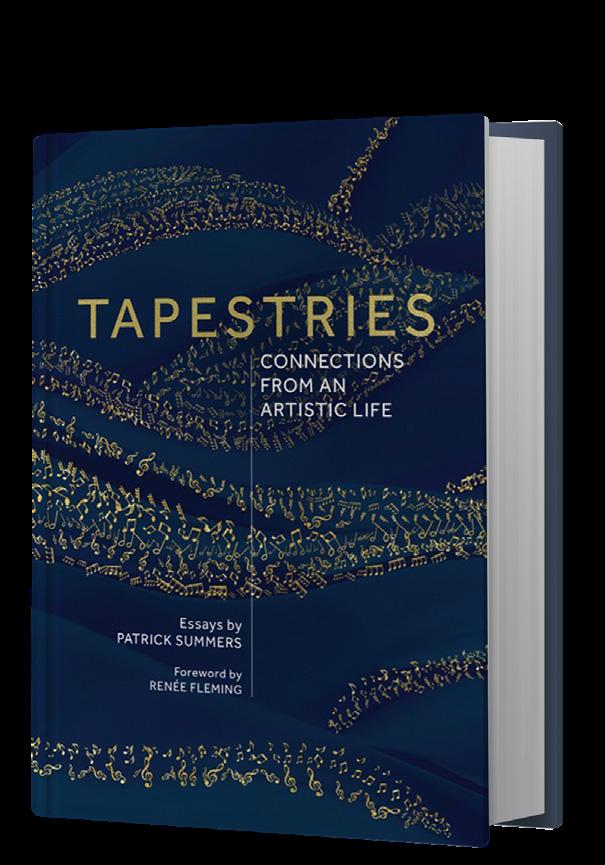
“Patrick Summers’s passion is irresistible. No matter which chapter you sample first, you will appreciate his erudition, his bracing wit, and his openhearted embrace of opera’s most profound challenges and rewards.”
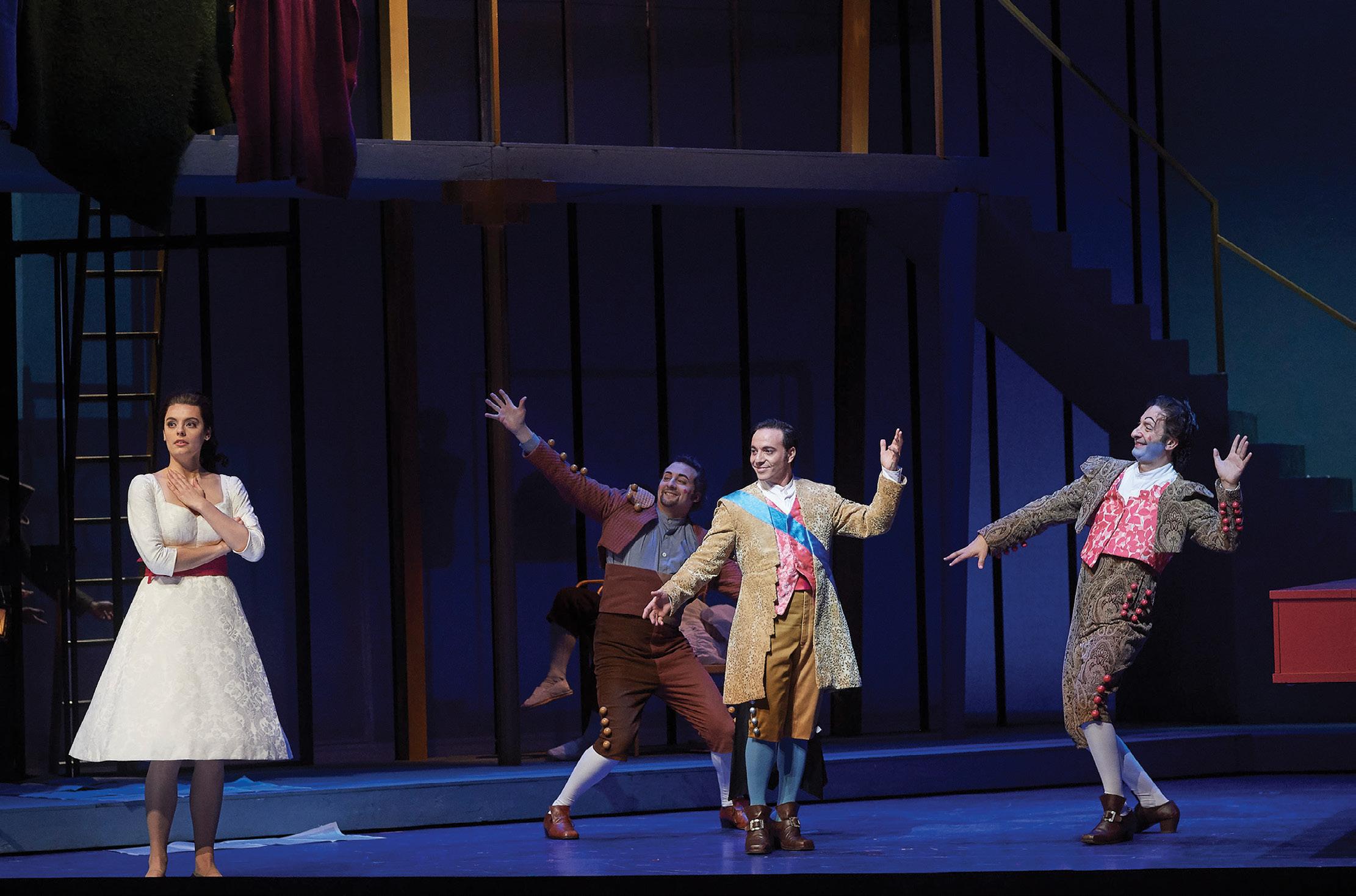
JOIN US FOR PRIDE NIGHT: THE BARBER OF SEVILLE
THURSDAY, APRIL 30, 7:30 P.M.
TICKETS AT HGO.ORG


GRAND UNDERWRITER—
$50,000 OR MORE
Joan Alexander
Dr. Susan Saurage-Altenloh
Thomas R. Ajamie
Dr. Dina Alsowayel and Mr. Anthony R. Chase
Christopher Bacon and Craig Miller
Ken and Donna Barrow
Michelle Beale and Dick Anderson
Mr. Jack Bell
Ms. Susan Bloome
Mr. Eliodoro Castillo and Dr. Eric McLaughlin
Jane Cizik
Mathilda Cochran
Ms. Lynn Des Prez
Misook Doolittle
Mrs. Nancy Dunlap
Elaine Finger
Jennifer and Benjamin Fink
Amanda and Morris Gelb
Dr. Ellen R. Gritz and Mr. Milton D. Rosenau Jr.
Janet Gurwitch and Ron Franklin
Myrtle Jones
Dr. Linda L. Hart
Gary Hollingsworth and Ken Hyde
Mr. and Mrs. Blair Labatt
Barbara and Pat McCelvey
Dr. and Mrs. Miguel Miro-Quesada
Mr. David Montague and Mrs. Diane FerrufinoMontague
Franci Neely
Mr. and Mrs. Andrey Polunin
Jill and Allyn Risley
John Serpe and Tracy Maddox
Merrill Shields and Ray Thomasson
Alejandra and Héctor Torres
James M. Trimble and Sylvia Barnes
Mr. and Mrs. Jesse B. Tutor
2 Anonymous
UNDERWRITER—
$25,000 OR MORE
Dr. Saúl and Ursula Balagura
Mr. and Mrs. Frank N. Barnes
Nana Booker and Booker · Lowe Gallery
Meg Boulware and Hartley Hampton
Melinda and Bill Brunger
Drs. Ian and Patricia Butler
Ms. Kiana K. Caleb
Dr. Peter Chang and Hon. Theresa Chang
Mr. and Mrs. Michael Clancy
Shelly Cyprus
GUARANTORS
The Brown Foundation, Inc.
Mathilda Cochran
William Randolph Hearst Foundation
Sara and Bill Morgan
Vitol
Mr. and Mrs. K. C. Weiner
The Wortham Foundation, Inc.
GRAND UNDERWRITERS
Judy and Richard Agee
Joan and Stanford Alexander Family Fund
ConocoPhillips
The Elkins Foundation
H-E-B
Houston Livestock Show and Rodeo ™
Mr. David Montague and Mrs. Diane FerrufinoMontague
Powell Foundation
Shell USA, Inc.
Ruth and Ted Bauer Family Foundation
Ms. Kiana K. Caleb
The Cockrell Family Fund
Rebecca and Brian Duncan
Rosemary Malbin
Dr. Laura Marsh
Vivian L. Smith Foundation
Mr. and Mrs. Joshua Davidson
Rebecca and Brian Duncan
Drs. Rachel and Warren A. Ellsworth IV
The Ensell Family
Mr. and Mrs. Russell M. Frankel
Dr. and Mrs. Ronald Galfione
Lynn Gissel
Leonard A. Goldstein and Helen B. Wils
Mrs. Estela Hollin-Avery
Michelle Klinger and Ruain Flanagan
Mr. and Mrs. Richard J. Langenstein
Stephanie Larsen
Lori and David LePori
Rita Leader
Mr. Bryant Lee
Judy Ley
Sharon Ley Lietzow and Robert Lietzow
Mrs. Rosemary Malbin
Renee Margolin
Muffy McLanahan
Prof. and Mrs. D. Nathan Meehan
Amy and Mark Melton
Sharyn and Jerry Metcalf
Marsha L. Montemayor
Sid Moorhead
Mr. and Mrs. Robert J. Ardell
Adrienne Bond
Mr. and Mrs. Lester P. Burgess
The Lawrence E. Carlton, MD, Endowment Fund
City of Houston through the Miller Theatre Advisory Board
James J. Drach Endowment Fund
Trish Freeman and Bruce Patterson
Mrs. Geraldine C. Gill
Rhoda Goldberg
George and Mary Josephine Hamman Foundation
Albert & Ethel Herzstein Charitable Foundation
Mr. and Mrs. Charles G. Nickson
Beverly and Staman Ogilvie
Susan and Ward Pennebaker
Elizabeth Phillips
Gloria M. Portela
Ms. Katherine Reynolds
Mr. Lee Riley and Mrs. Charlos Ward
Matthew L. Ringel
Kelly and David Rose
Mr. and Mrs. David Rowan
Mr. Mike Rydin
Ms. Jill Schaar and Mr. George Caflisch
Jeff Stocks and Juan Lopez
Dr. Laura E. Sulak and Dr. Richard W. Brown
Rhonda Sweeney
Mr. Scott B. Ulrich and Mr. Ernest A. Trevino
John C. Tweed
Laura and Georgios Varsamis
Mary Lee and Jim Wallace
Ms. Susan Winokur and Mr. Paul Leach
Mr. Trey M. Yates
Alan and Frank York
Nina and Michael Zilkha
2 Anonymous
Lee Huber
Ms. Joan Jeffrey Lowe Foundation
William E. and Natoma Pyle
Harvey Charitable Trust
Mr. Geoffry H. Oshman
Mr. and Mrs. Michael J. Pancherz
Texas Commission on the Arts
The activities of Houston Grand Opera are supported in part by funds provided by the City of Houston through Houston Arts Alliance.
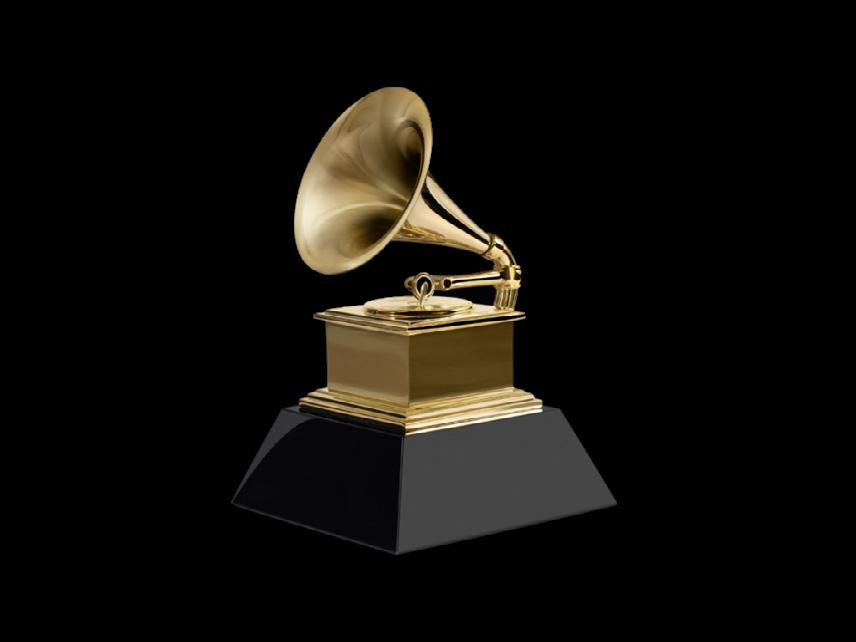
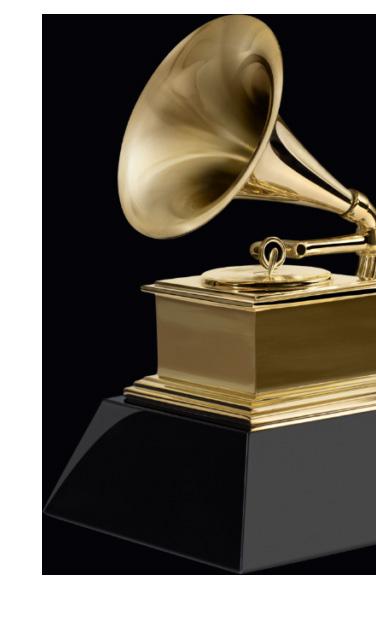
Company earns its third GRAMMY Award.
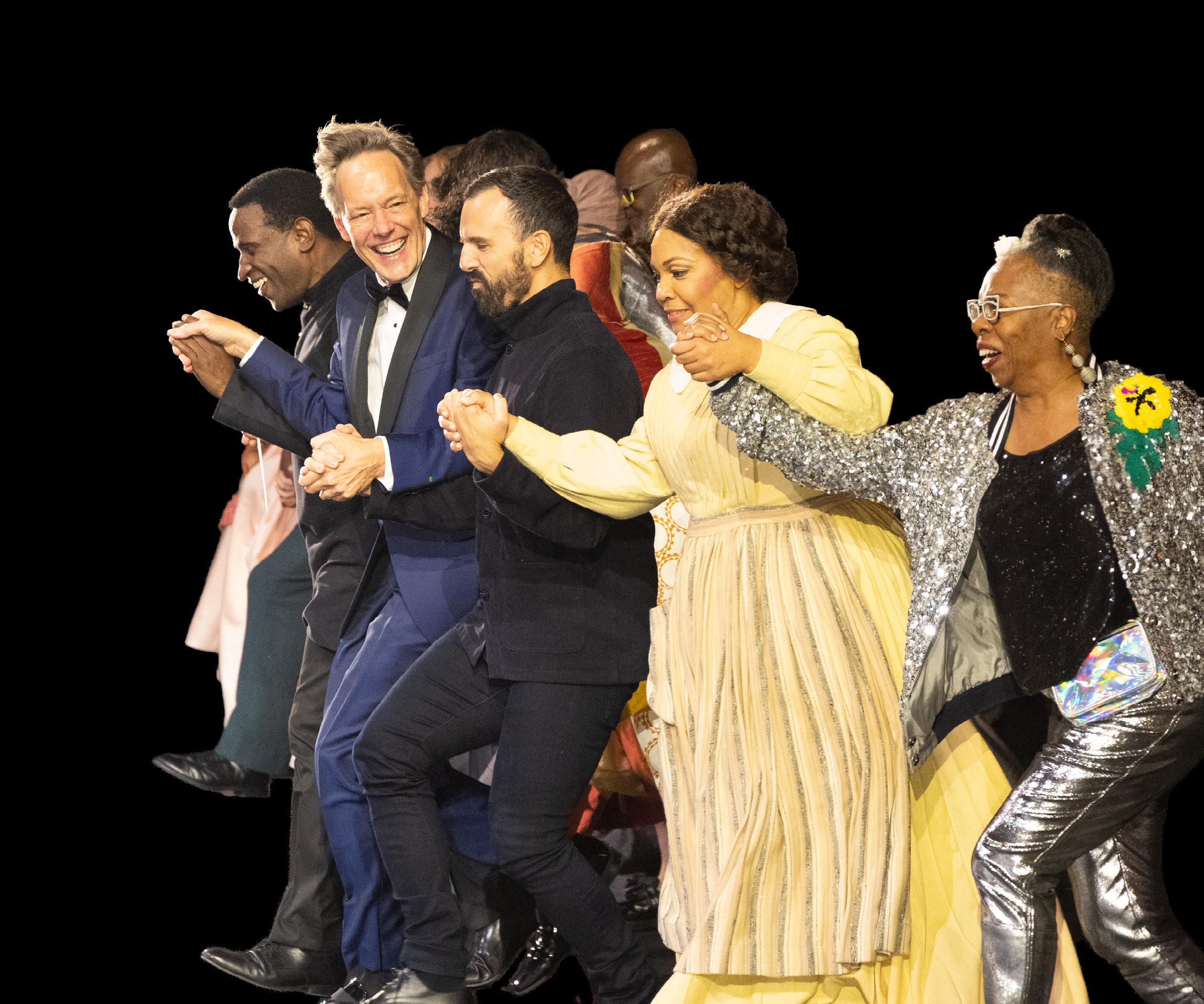
Earlier this year, as the extended HGO family tuned in to the 68th annual GRAMMY Awards, an envelope was ripped open—and Jake Heggie, Gene Scheer, and Jawole Willa Jo Zollar’s company-commissioned opera Intelligence, the first release on the new Houston Grand Opera label, claimed the GRAMMY for Best Opera Recording. Homes across the city erupted in celebration as conductor Kwamé Ryan, soprano Janai Brugger, mezzo-soprano J’Nai Bridges, and producer Blanton Alspaugh made their way to the stage.
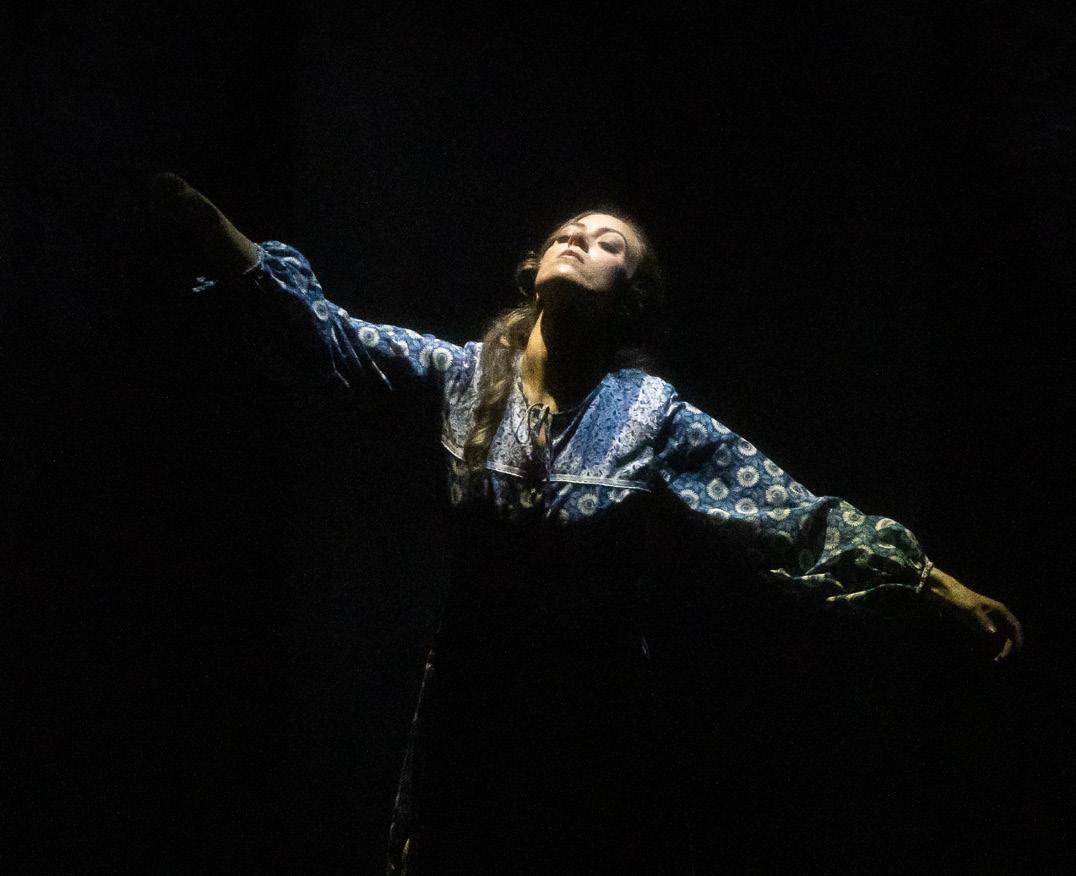
Soprano Lauren Snouffer gave a "powerhouse performance" ( Texas Classical Review) as Bess.
“It is a huge honor to be here,” an emotional Ryan told the crowd, statue in hand. “Speaking for myself, personally, as a Black -
tion at a time. And
these could be so inspirational for the people who
The award marked HGO’s first GRAMMY since 1989.
“We’re beaming with pride to see our city celebrated on the world stage today,” said HGO General Director and CEO Khori Dastoor.
“This GRAMMY win is an affirmation of what Houston Grand Opera stands for—bold creativity, artistic excellence, and the power of American opera.”
Give Intelligence a listen! Stream it today on HGO’s partner platform, Apple Music Classical, as well as major platforms including Amazon Music and Spotify.
First recording of acclaimed opera coming this summer.
HGO is proud to announce the third release on the Houston Grand Opera label, of Missy Mazzoli and Royce Vavrek’s seminal 2016 opera Breaking the Waves.
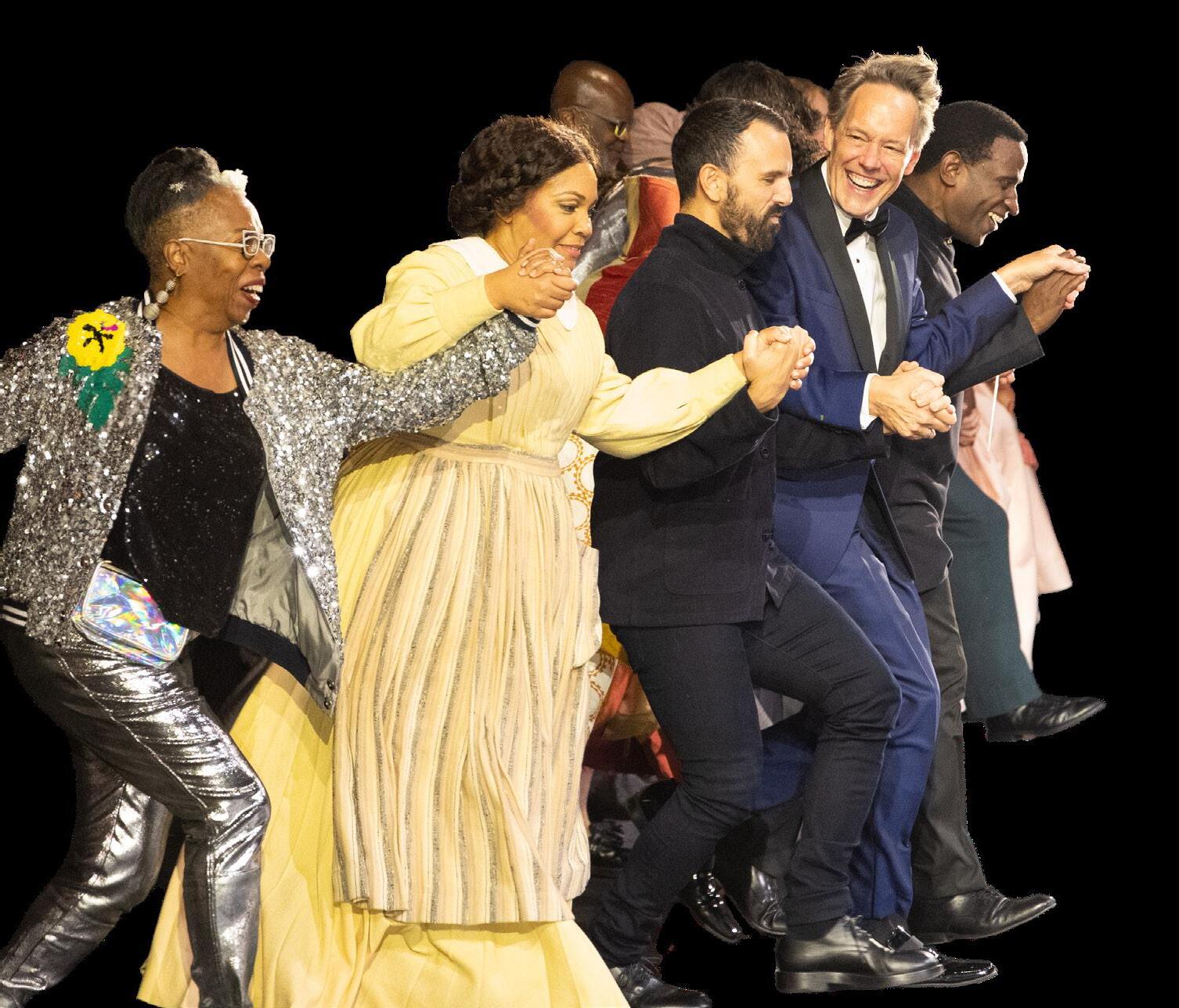
Based on the art film by Lars von Trier and set in Scotland, the opera shares the story of Bess and Jan, a young couple whose happiness is shattered by a tragic accident. Following its world premiere, the work won the inaugural Best New Opera Award from the Music Critics Association of North America and was shortlisted for Best World Premiere at the
International Opera Awards. Until now, however, it has never been recorded.
“Breaking the Waves is a landmark of contemporary American opera—fearless, devastating, and utterly singular,” says HGO General Director and CEO Khori Dastoor. “This album was born from the electricity of live performance, and that energy is preserved in every measure. HGO launched this label to bring bold American works to the world, and there is no better testament to that mission than what you will hear here.”
HGO’s recording captures the opera’s 2025 regional premiere in Houston, starring soprano Lauren Snouffer as Bess and bass-baritone Ryan McKinny as Jan. Critics called the production a “transfigurative tour-de-force” (EarRelevant), “marvelously sung” (Houston Press). Look for the first single and full album later this summer—available as a CD and streaming on all the major platforms!
Celebrating the next generation of artists at the Concert of Arias.
This winter brought a rousing Concert of Arias at the Wortham Theater Center’s Cullen Theater, as opera fans gathered to cheer on the seven finalists who had made it to the final round of HGO’s 38th annual Eleanor McCollum Competition for Young Singers—distinguishing themselves from among 1,000-plus hopefuls. Joined by 17,000 online viewers from 30 countries, the audience was thrilled to see the finalists perform accompanied by the HGO Orchestra, with Maestro Patrick Summers at the podium.
“The Concert of Arias is the purest expression of HGO’s mission: discovering, nurturing, and championing
Welcome, Darcy Douglas!
HGO appoints a new Chief Philanthropy Officer.
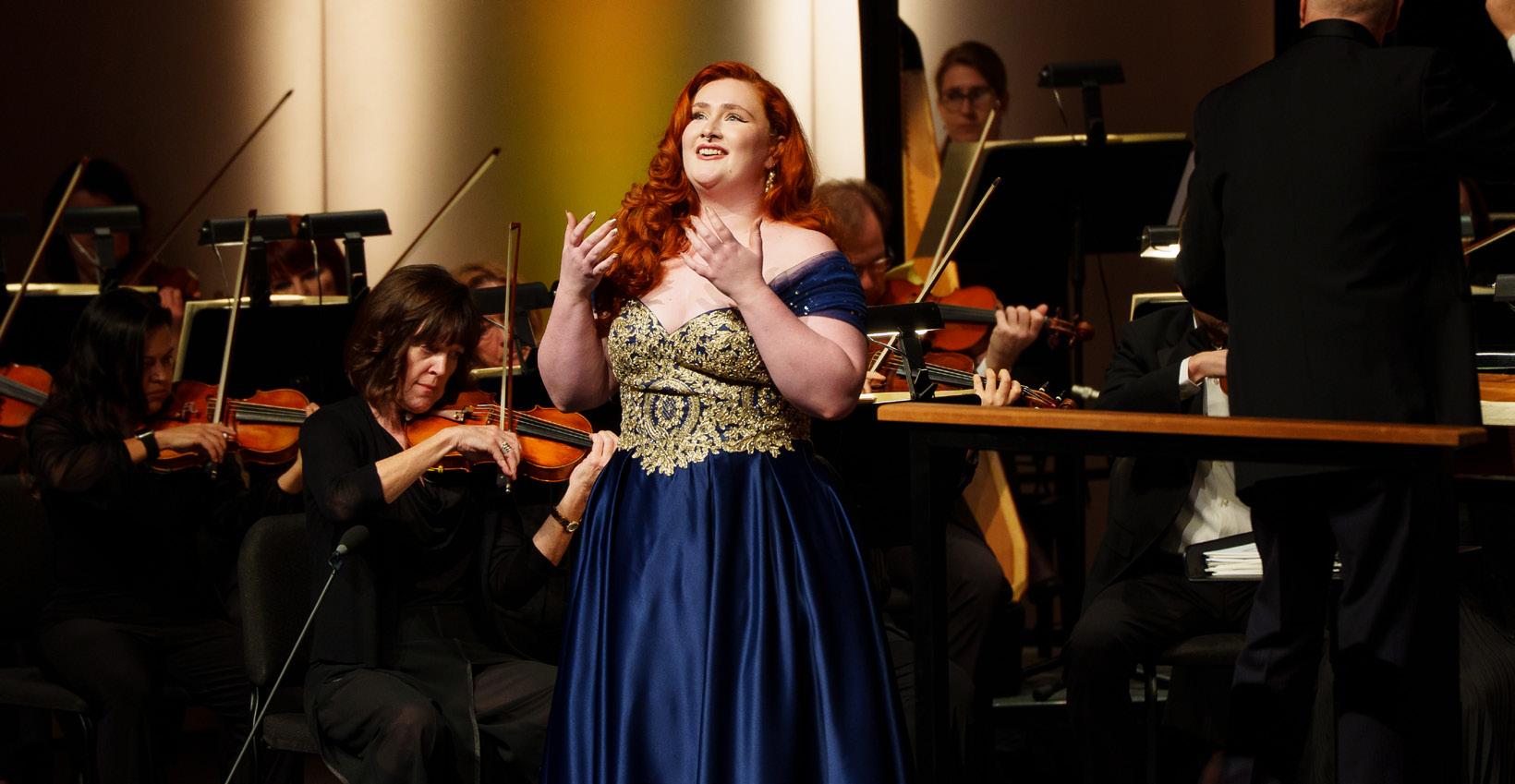
the voices that will define the future of opera,” said HGO General Dastoor and CEO Khori Dastoor. “These extraordinary young artists brought fearless joy and inspiring artistry to the stage, delivering performances they—and we—can be deeply proud of.”
Four 2026 finalists will join the Butler Studio next season! See page 69.
The 2026 Concert of Arias winners included:
1st Place prize of $25,000: Scarlett Jones, soprano, of Ruthin, Wales
2nd Place prize of $15,000: Misael Corralejo, tenor, of León, Mexico
3rd Place prize of $10,000: Lauren Randolph, mezzo-soprano, of Chicago
The Audience Choice Award of $5,000: Misael Corralejo
The Ana María Martínez Encouragement Award of $2,000: Viktoriia Shamanska, soprano, of Mykolayiv, Ukraine
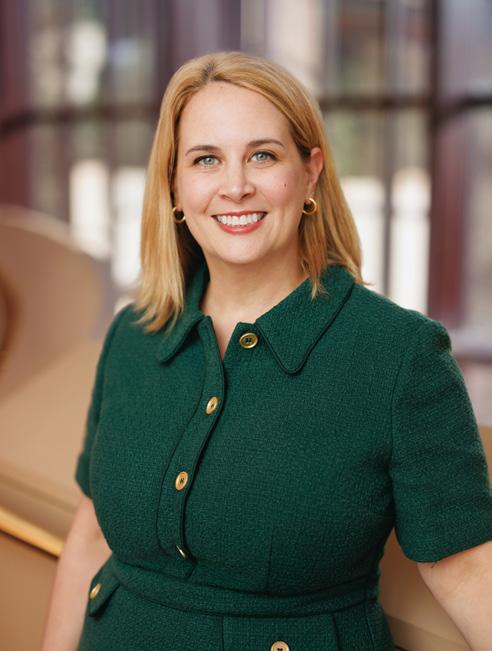
Join the HGO team in welcoming a new leader to its ranks: Chief Philanthropy Officer Darcy Douglas, who will lead strategic philanthropic initiatives to advance the company’s vision for the future, ensuring Houstonians’ access to great art for generations to come. Douglas joins HGO from South Texas College of Law Houston, where since 2021 she has served as Vice President of Advancement and Alumni Engagement.
“Darcy Douglas brings a rare combination of strategic acumen and
collaborative leadership,” said HGO General Director and CEO Khori Dastoor. “She has built campaigns, transformed teams, and secured transformational gifts—and she’s done it all with the partnershipcentered approach that defines how we work at HGO. I couldn’t be more excited to welcome her.”
Douglas said she couldn’t wait to get started in her new role. “Houstonians deserve access to the very best in the performing arts, and HGO consistently delivers it,” she shared. “I
am excited to serve my city by helping to grow an organization where such extraordinary work is happening, supported by a deeply committed and loyal donor community.”
Angel Blue Times Two!
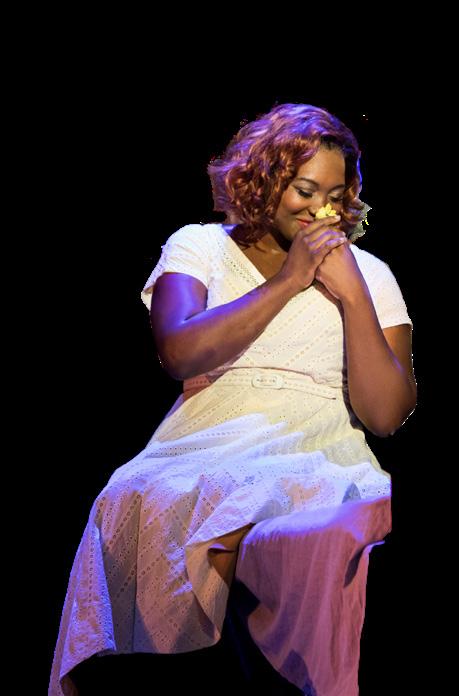
One of the best-loved sopranos on the planet is not only singing the title role in Carlisle Floyd’s Susannah for the very first time, but she’s also returning to Houston as the thrilling headlining soloist for our eighth annual Giving Voice concert. 1
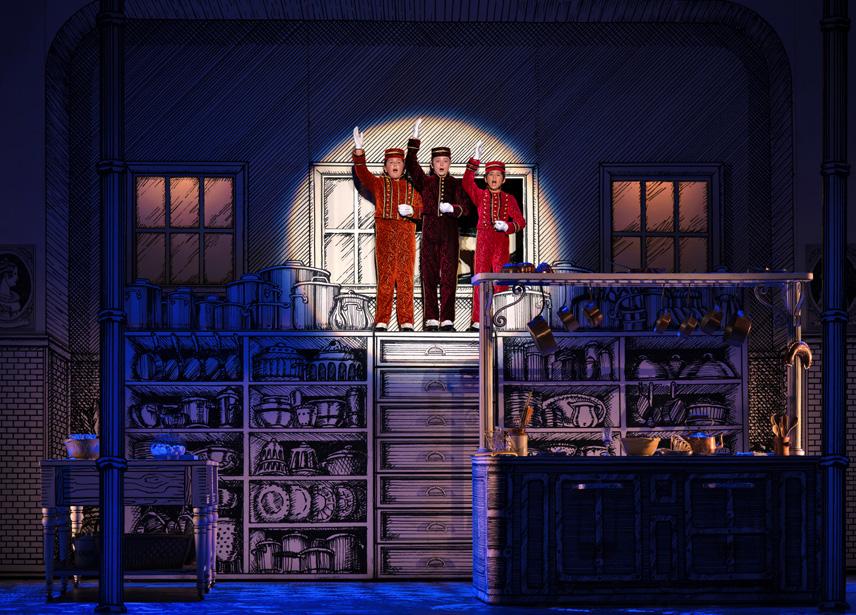
Take Mozart’s sublime masterpiece, and all its colorful characters, and put them in a 19th-century hotel. Hand the Queen of the Night a cigar. Make Sarastro head of kitchen staff. Turn Tamino into a hotel guest— who sleepwalks. The result? The most magical Magic Flute you’ll ever see.
Jonathan Tetelman + Adam Smith as Radames
The two tenors, both major stars of their generation, will each take the Wortham stage, sharing the role of the Egyptian military commander who sacrifices it all for his love, Aida— performed by world-famous soprano Ailyn Pérez!
The opera’s bittersweet story of pairings and partings gets a sumptuously stylish makeover, moving to the chic world of 1950s Vienna, with the brilliant soprano Tamara Wilson, a Houston favorite, as the glamorous Marschallin.
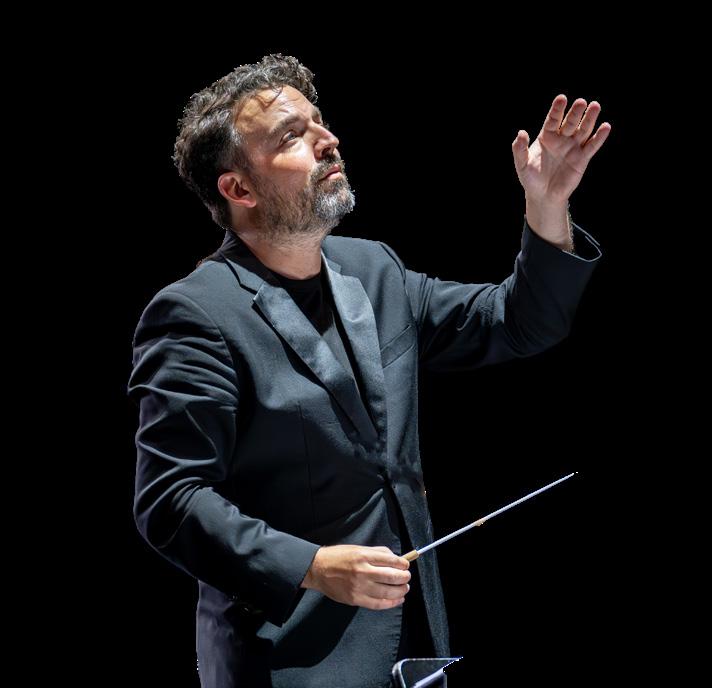
The internationally acclaimed Maestro James Gaffigan kicks off HGO’s new season—and his tenure as our Music Director Designate before becoming Music Director for 202728—at the podium for Susannah. Catch him again when he conducts the HGO Orchestra at Concert of Arias!

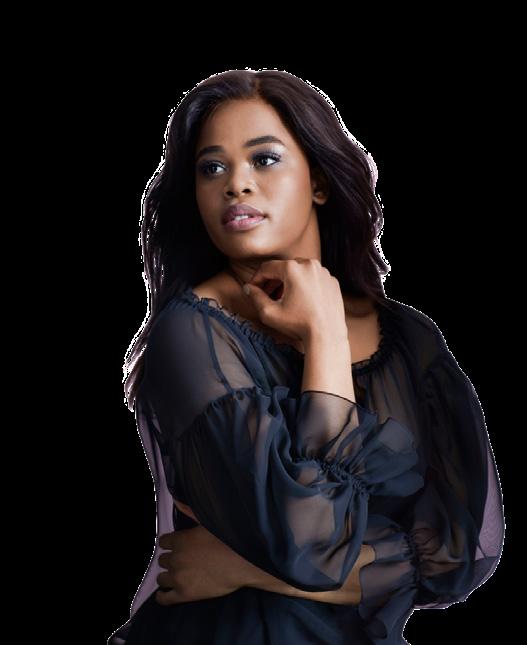
With a voice “that can reach to the stars” (Washington Post), the soprano is opera royalty. In fact, she sang at King Charles III’s corona tion. Now, she makes her hotly anticipated HGO debut as Marguerite in Faust, performing one of opera’s most iconic arias.
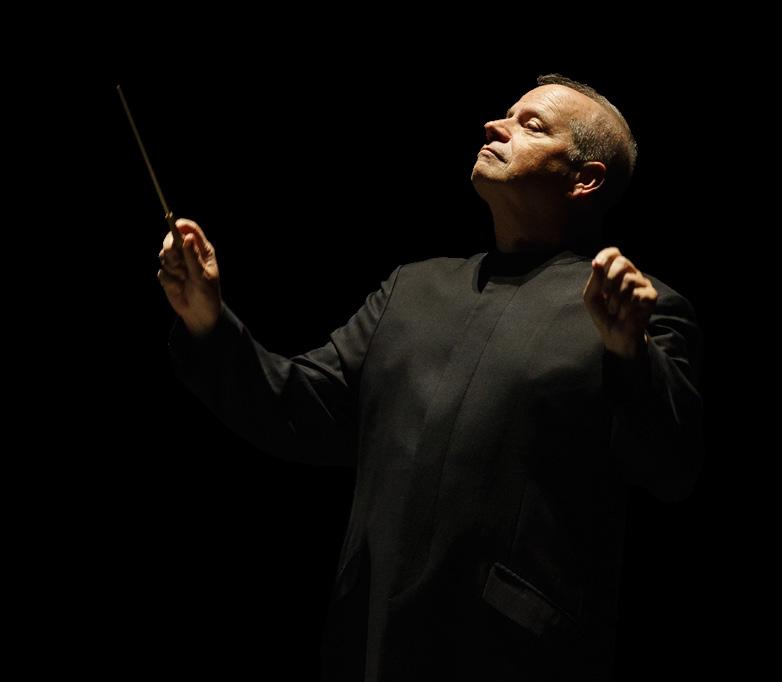
Maestro Patrick Summers makes his first return as HGO’s new Music Director Emeritus for Show Boat, featuring a sensational cast including mezzo-soprano Isabel Leonard in her role debut as Julie. Don’t miss Maestro’s reunion with the orchestra he spent decades shaping when he takes the podium for this classic American musical.
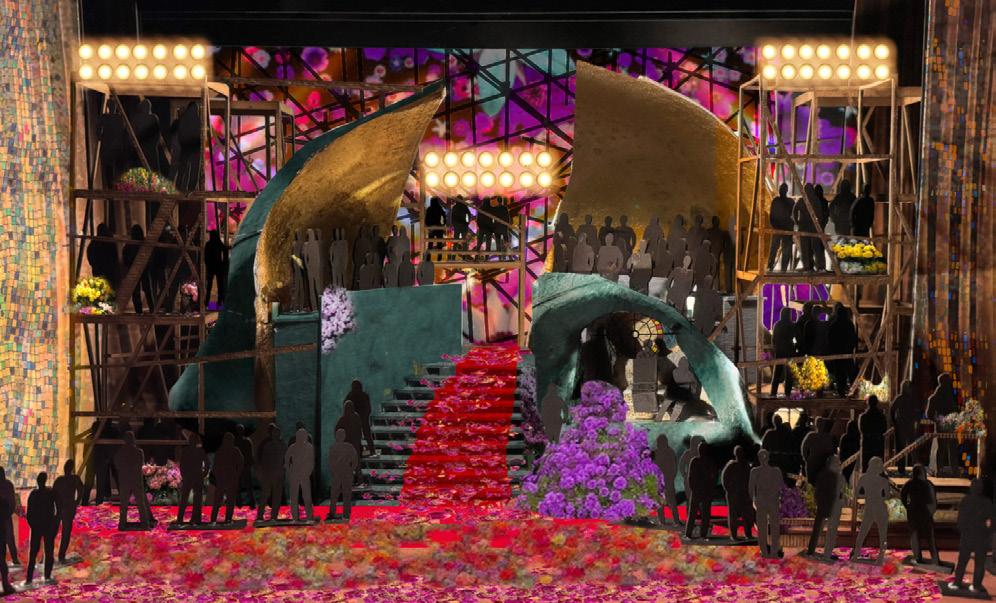
In visionary director Kaneza Schaal’s hands, this adored opera from the repertoire blooms in vibrant color 150 years after Verdi brought it into the world, coming to Houston in a dance-infused production that takes inspiration from global cultures, visual art, and lots and lots of flowers.
A Faust that Can-Cans
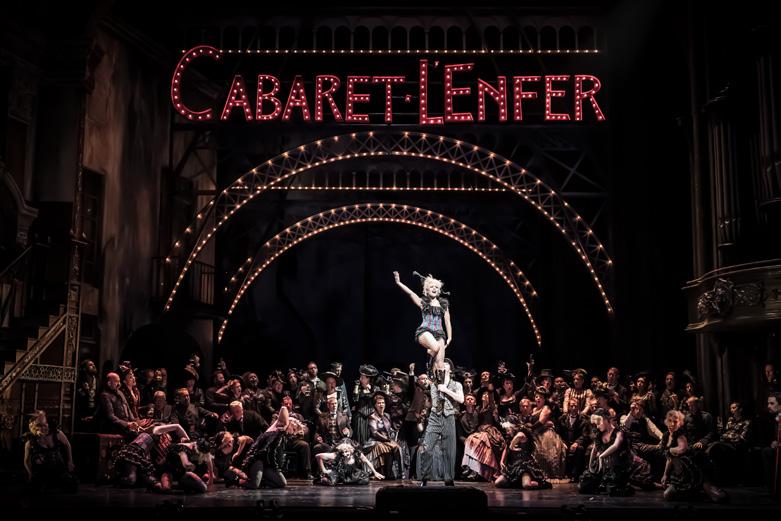
OperaWire describes this David McVicar production—full of cabaret girls, ballerinas, acrobats, and prancing devils—as “maniacal Moulin Rouge,” “Beelzebub burlesque,” and “Cirque du Soleil on psychedelics.” With five shows to choose from, why not join us on Oct. 30, aka Halloween Eve, or Friday, Nov. 13?
Get tickets while you can: after selling out the first two years, this new company tradition returns with a bilingual EnglishSpanish version of The Magic Flute, directed by HGO favorite Ana María Martínez. Expect storybook sets, puppetry, and a theater full of laughter!
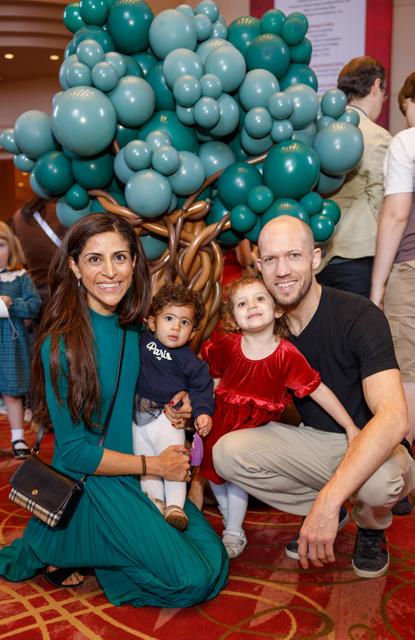
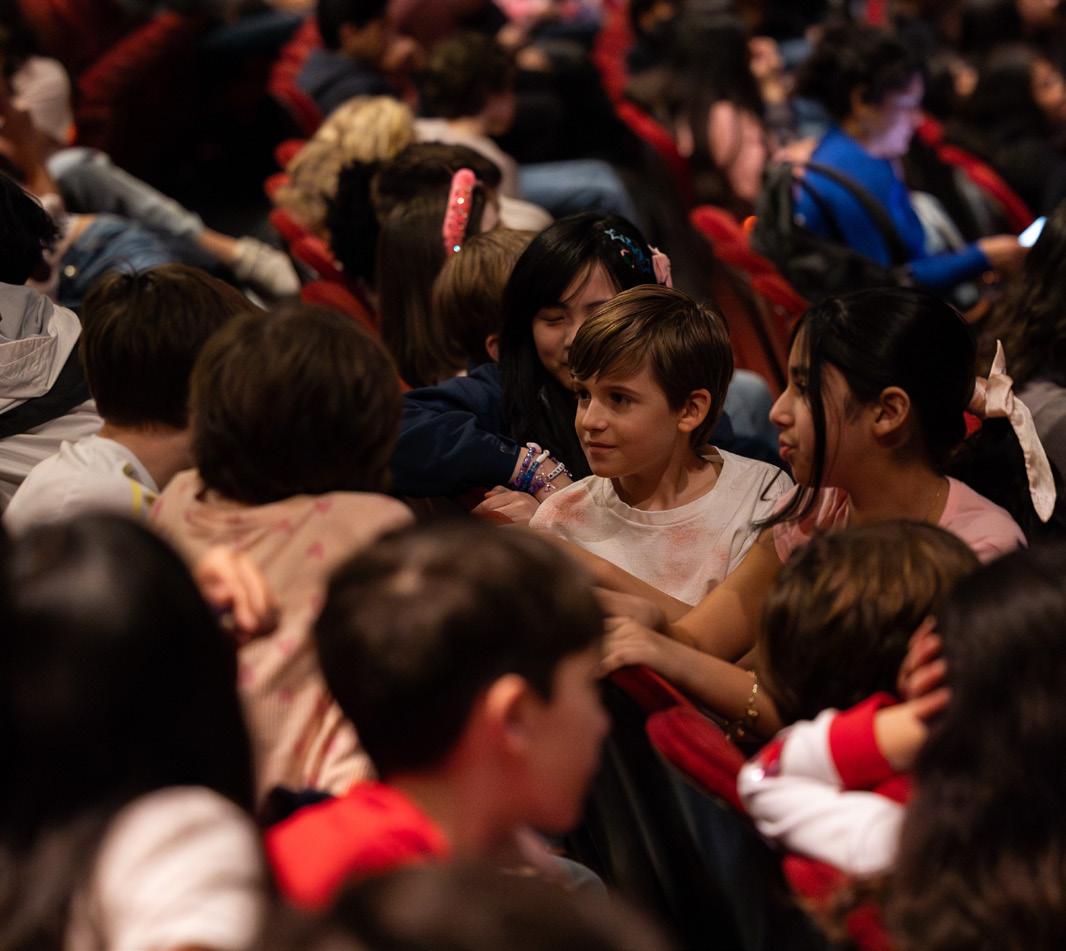
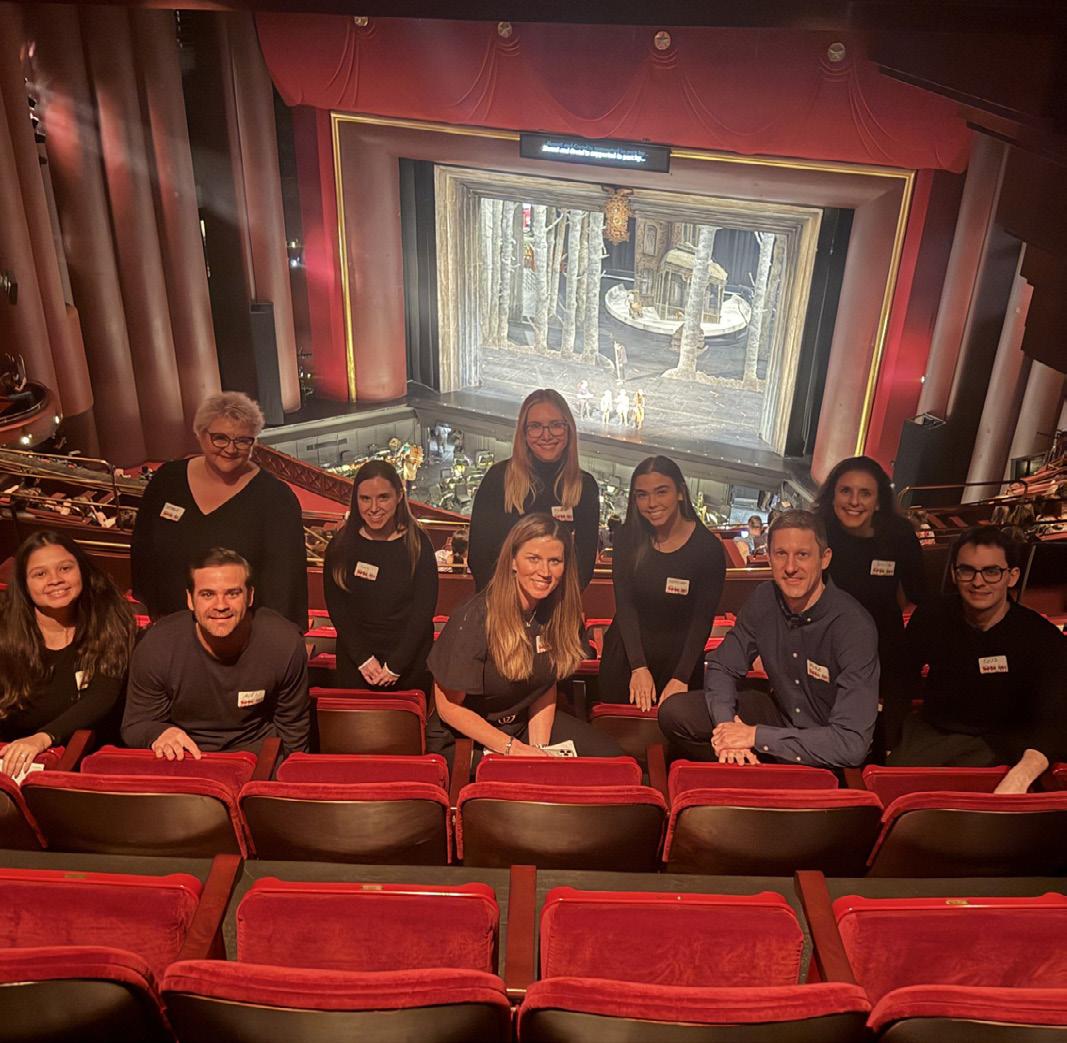
Three years into a remarkable partnership, Vitol’s support of Houston Grand Opera continues to open doors and spark possibilities for thousands of Houstonians. Thanks to Vitol’s generous underwriting, 500 students from YES Prep Public Schools experienced the magic of opera, many seeing a live theatrical performance for the first time. They were among nearly 2,000 elementary school students from across the Houston area who filled the Wortham Center with energy and wonder this past February for a special Student Matinee for Hansel & Gretel

One of the world’s largest independent energy traders, Vitol has been at the forefront of global energy markets for over 50 years. What distinguishes Vitol beyond their global reach is their culture of giving back. Vitol employees volunteered at the YES Prep Student Matinee, demonstrating the kind of direct community involvement that has long characterized the company’s presence in Houston. Employee Michael Sobczak captured that spirit well: “The people that work at Vitol, anytime there’s a charitable cause or somewhere we can help out, we always have people step up.”
HGO is also deeply grateful to Vitol for their support of company signature events including Opera Ball and Concert of Arias.
Vitol’s continued partnership makes it possible for HGO to bring world-class art to the diverse communities that call Houston home.

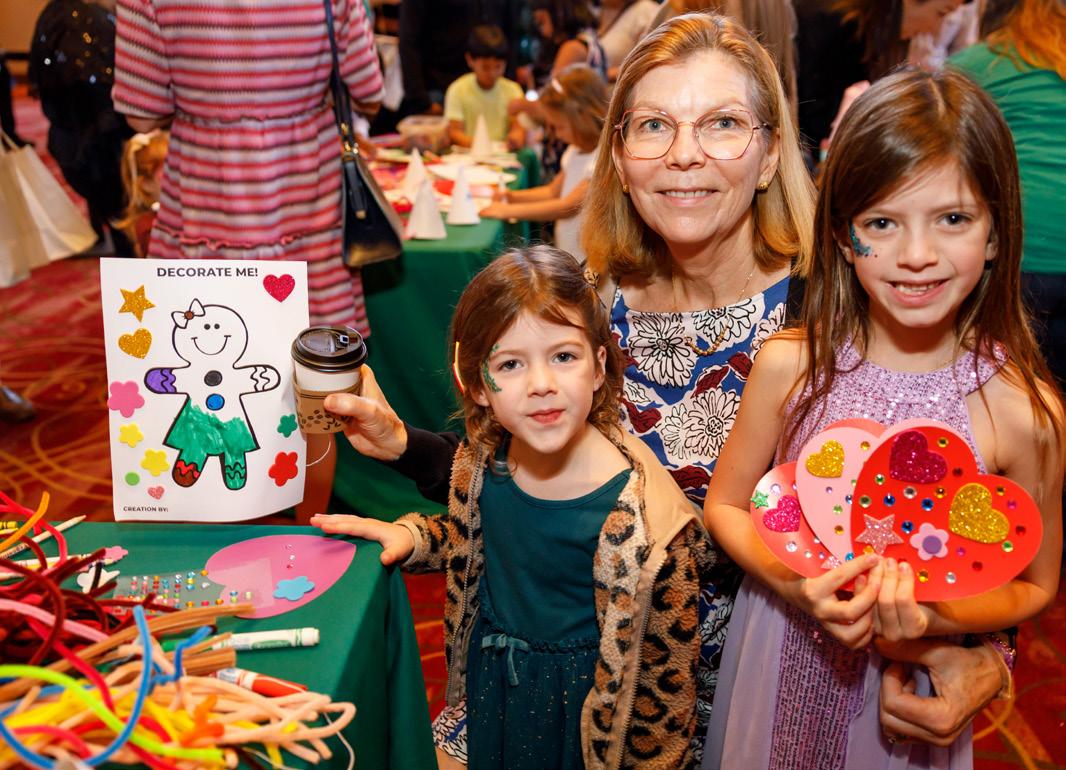
For more than two decades, Nabors Industries has been one of HGO’s most steadfast supporters. A leading provider of advanced technology for the energy industry in over 20 countries, Nabors is deeply invested in communities in which the company operates.
Nabor Industries shares the values of founder and CEO Anthony Petrello and his wife Cynthia, who have continued to champion access to the arts for all Houstonians and are advocates for the transformative effect music and live performance can have on children. At this February’s Family Day performance, Houstonians discovered opera together in an environment designed to welcome young families—planting seeds of appreciation that can grow into a lifetime of arts engagement.
In addition to introducing families to live opera, Nabors has championed new operatic works that will define the art form for generations. The company played a crucial role in underwriting HGO’s 2026 GRAMMY-winning recording of Intelligence, demonstrating that opera’s vitality depends not only on who experiences it today, but on how boldly we create it for tomorrow. Nabors has also been a generous supporter of Opera Ball, one of HGO’s most important fundraising events.
HGO is proud to recognize the generosity of Nabors Industries and the Petrello family, whose investments in the future of opera ensure its vitality for generations to come.
By Khori Dastoor, General Director and CEO
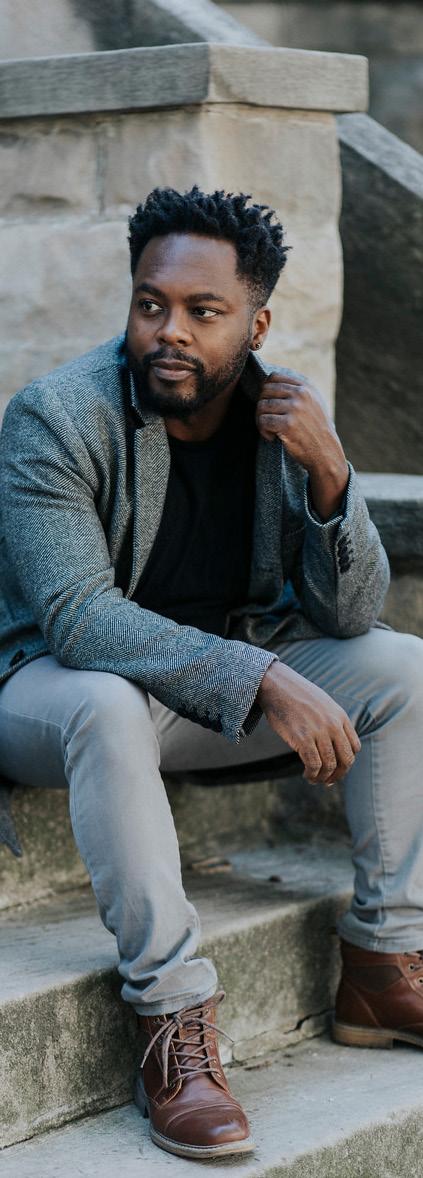
GRAMMY Award-winning baritone. Composer. Entrepreneur. Recording artist. Producer. When I reach Will Liverman over Zoom ahead of his longawaited HGO debut as Figaro in The Barber of Seville, I cannot help but marvel at his versatility as an artist. In a way, I tell him, he’s like a modern impresario.
“It’s funny that you bring that up,” he says. “I would say that’s probably the biggest similarity that I have with Figaro, is being a hustler.” We both laugh. In the best possible sense of the word, I tell him.
“I guess I’ve always had that mindset,” he replies. “I feel motivated and energized by doing a lot of different things. That’s just my brain space. And so, yeah, Figaro is that guy: matchmaking, scheming, always.”
Famous for his Figaro, Will always loves stepping back into the role. “He’s super resourceful, super charming, full of energy, witty. He helps Count Almaviva get with Rosina and outwits Don Bartolo in the process!”
But what Will might love most about Figaro is that he’s ultimately out to help his community. And that aspect of the beloved barber’s character inspired a life-changing epiphany in the baritone one day in 2018, when he was in Kentucky to perform the same role. He’d stopped to get his hair cut when, contemplating the Black barbershop as a community hub, he was seized by the idea to create an updated version of Rossini’s masterpiece.
Five years later, The Factotum, Will’s genre-spanning new opera, co-written with DJ King Rico, made its sold-out world premiere at the Lyric Opera of Chicago. Loosely inspired by Rossini’s 200-year-old classic, named for the aria “Largo al factotum,” and set in a Black barbershop on Chicago’s South Side, it was praised by Opera News as “mic-drop fabulous good.”
That was just one of a slew of Will’s successes over the past five years, both on the stage and in the recording studio. It was in 2021 that he appeared at the Metropolitan Opera as Charles Blow in Terence Blanchard’s Fire Shut Up in My Bones, in what the New York Times called a “breakout performance.” The role won him a GRAMMY Award for Best Opera Recording and shot him to a new level of fame.
“This visibility was something I never saw coming in my career,” he says candidly. “Not to slight myself, but I didn’t see that shift or think that after a two-year shutdown, I would be opening the season for the Met and see my face all over a bus. You know, it was weird.”
Still, with a voice as gorgeously rich as Will’s, it should not have been a surprise. And from that breakout moment until now, he has continued to grace the world’s great stages while using his platform to champion what he calls his “passion projects”: a suite of albums that have garnered him four GRAMMY nominations in addition to his win, and counting.
Will’s newest album of art songs, the GRAMMY-nominated The Dunbar/ Moore Sessions, Volume II (2025)— featuring his own compositions set to poems by the writer/activists Paul Laurence Dunbar and Alice DunbarMoore—was released in collaboration with a who’s who of the opera world, including many names Houston audiences will recognize: Lauren
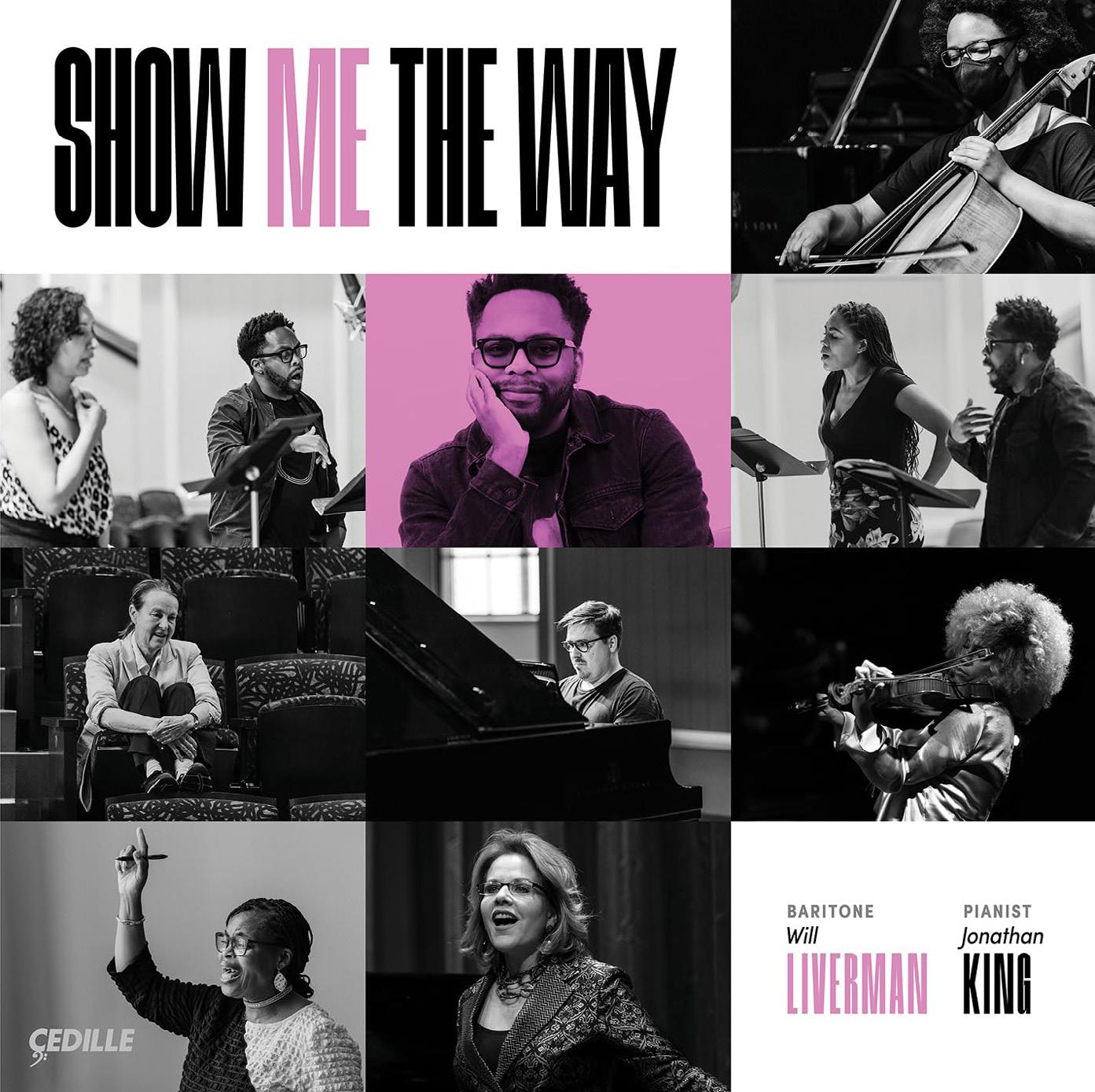
Snouffer, Isabel Leonard, Joshua Blue, and more. He also recently collaborated with a host of stars including Renée Fleming on a GRAMMY-nominated album celebrating women in classical music, Show Me the Way (2024).
That ability to bring people together, to make things happen—these are hallmarks of Will’s character and career. But of course, the same traits also remind me of someone else. Inevitably, our conversation returns to the iconic Figaro, Rossini’s classic opera, and Will’s abiding love for both.
“Figaro’s got one of the most famous arias out there,” he enthuses, “one that bridges the gap to the mainstream. When I first heard Barber of Seville, I thought they ripped that music from Bugs Bunny. But it was the other way around. There’s something just timeless
“It was written 200-plus years ago. For it to still resonate with people when they watch it, especially when the comedy really lands, and folks, like, fall on the floor laughing—that’s what I love. That, and the good singing, which is exciting to hear: the patter, the Rossini crescendo. All of those bubbly, energetic things that make it really fresh and exciting.”
Add in Will Liverman as your Figaro, and what’s more exciting than that?
Channeling Figaro: Liverman's 2025 GRAMMY-nominated album Show Me the Way about the music, the comedy, how they work together—it’s incredible.” He shakes his head in awe.
WE ANSWER YOUR QUESTIONS ABOUT HANDEL’S MAGNUM OPUS AND WHAT MOZART HAS TO DO WITH IT.
By Joe Cadagin, Audience Education and Communications Manager
“Messiah” is a Hebrew word meaning “anointed one.” In Judaism, the messiah is a leader descended from King David who is prophesied to one day unite the Jewish people and usher in an age of peace. While most practicing Jews are still awaiting the messiah, Christians consider Jesus to be the fulfillment of those prophecies. In fact, the title "Christ" comes from the Greek translation of "messiah." Handel’s oratorio Messiah examines Jesus’s role as the Christian messiah—the savior of all mankind from sin and death.
An oratorio is a form of religious music drama that emerged in 17th-century Italy alongside opera. Stories were typically taken from the Hebrew Old Testament, as well as the lives of Christ, Mary, or the saints. During the baroque era, the genre was musically indistinguishable from opera—singers, who portrayed biblical figures, would alternate between recitative dialogue and virtuosic arias. In some cases, oratorios were even mounted in fully realized productions with costumes and sets. But for the most part, these sacred works were left unstaged, presented in churches or concert halls.
Messiah is an unusual example of an oratorio in that it doesn’t follow a dramatic narrative. The soloists don’t play specific characters, nor are there any scenes depicted in the manner of a nativity pageant or a passion play. Rather, the libretto by Charles Jennens is a compilation of biblical passages related to Christ’s birth (Part I), his death and resurrection (Part II), and his glory in world to come (Part III). The text is closer to a scripture reading than an operatic drama. And for this reason, Messiah would initially seem impossible to bring to life onstage. So, for most of its nearly 300-year performance history, Handel’s work has existed exclusively as a concert piece, with the four stationary principals lined up in front of the orchestra and choir.
If Messiah isn’t an opera, then .why is Houston Grand Opera .performing it?
In the 21st century, directors began getting the wild idea to stage Handel’s Messiah as if it were an opera. This challenge has inspired a range of novel solutions, but none quite as visionary as that of late Texan director Robert Wilson. While Wilson has staged traditional operatic repertoire, including
HGO’s 2022 Turandot, he’s best known for his experimental theater works. For instance, his groundbreaking opera Einstein on the Beach, a 1976 collaboration with composer Philip Glass, is a series of static tableaux devoid of any plot. Though far removed from the world of 18th-century oratorio, Wilson’s abstract approach to theater is ideally suited to Messiah—a piece on the same scale as opera, but which lacks any linear narrative.
We’ll allow Wilson to answer that himself: “The reason I’m attracted particularly to this work (in some ways it reminds me of Einstein on the Beach) is, in its abstraction, we are liberated to think what we want to think. That’s not to say there’s not meaning. It’s full of meaning. But we are not given a specific meaning, so we’re free now to think whatever we want to think.
“It’s to inspire us spiritually, [but] it’s not a religious work. Religion has no place in the theater. Religion will divide men, politics will divide men. But theater and art have the possibility of bringing people together in a spiritual way. And this forum that we call theater serves, in that sense, a unique function in society:
that we can come together, regardless of our differences, and for a few minutes share something together.”
Handel wrote operas in Italian, .so why is Messiah in English?
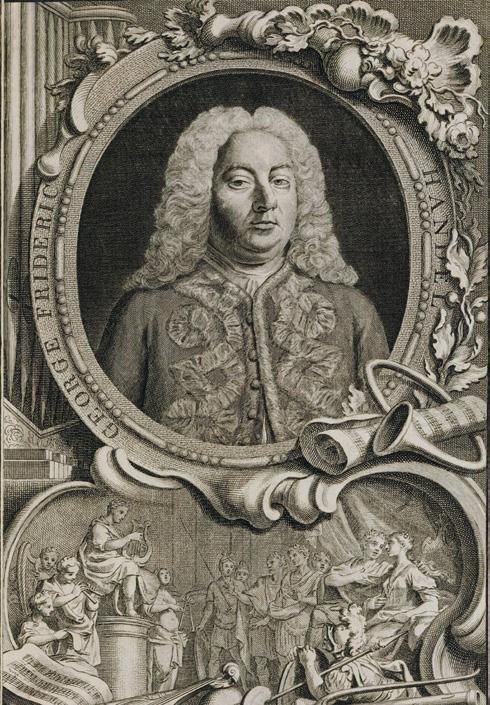
Born in Germany in 1685, George Friederic Handel honed his craft in Italy like all great European composers of the baroque. In 1712, he relocated to London, where he soon established himself as the leading creator of Italian opera—a popular entertainment among Brits at the time, despite the language barrier. Alongside his operatic composing, Handel was integral in developing a homegrown strain of oratorio in English.
One of his crucial innovations in the genre was to take advantage of England’s rich choral tradition by beefing up the role of the chorus. Messiah features the chorus in nearly two dozen numbers, including the iconic “Hallelujah.” Handel’s vocal writing places great demands on the choristers, who are expected to execute complex counterpoint and long passages of coloratura—a technique usually reserved for soloists.
How is the score of Messiah .organized?
The orchestral introduction—labeled a “Sinfony” by Handel—is an example of a baroque French overture. An opening slow section proceeds in stately dotted rhythms, while the faster contrapuntal section takes the form of a fugue. The only other extended orchestral passage is the “Pifa” (Pipe) that announces the shepherds outside Bethlehem. With its droning bass and folklike melody, this number is inspired by the bagpipes played by Italian herdsmen.
The rest of the work alternates between vocal movements for the soloists and chorus. While there are exceptions, Handel mostly cycles through the same basic pattern. One of the four soloists sings a passage of recitative and an aria, and the chorus responds with their own number. A notable departure from the
solo arias is the Part III duet “O death, where is thy sting,” which is the only ensemble in Messiah. The tenor and alto (the latter part taken by a countertenor in HGO's production) trade phrases back and forth in a manner resembling love duets from Handel’s Italian operas.
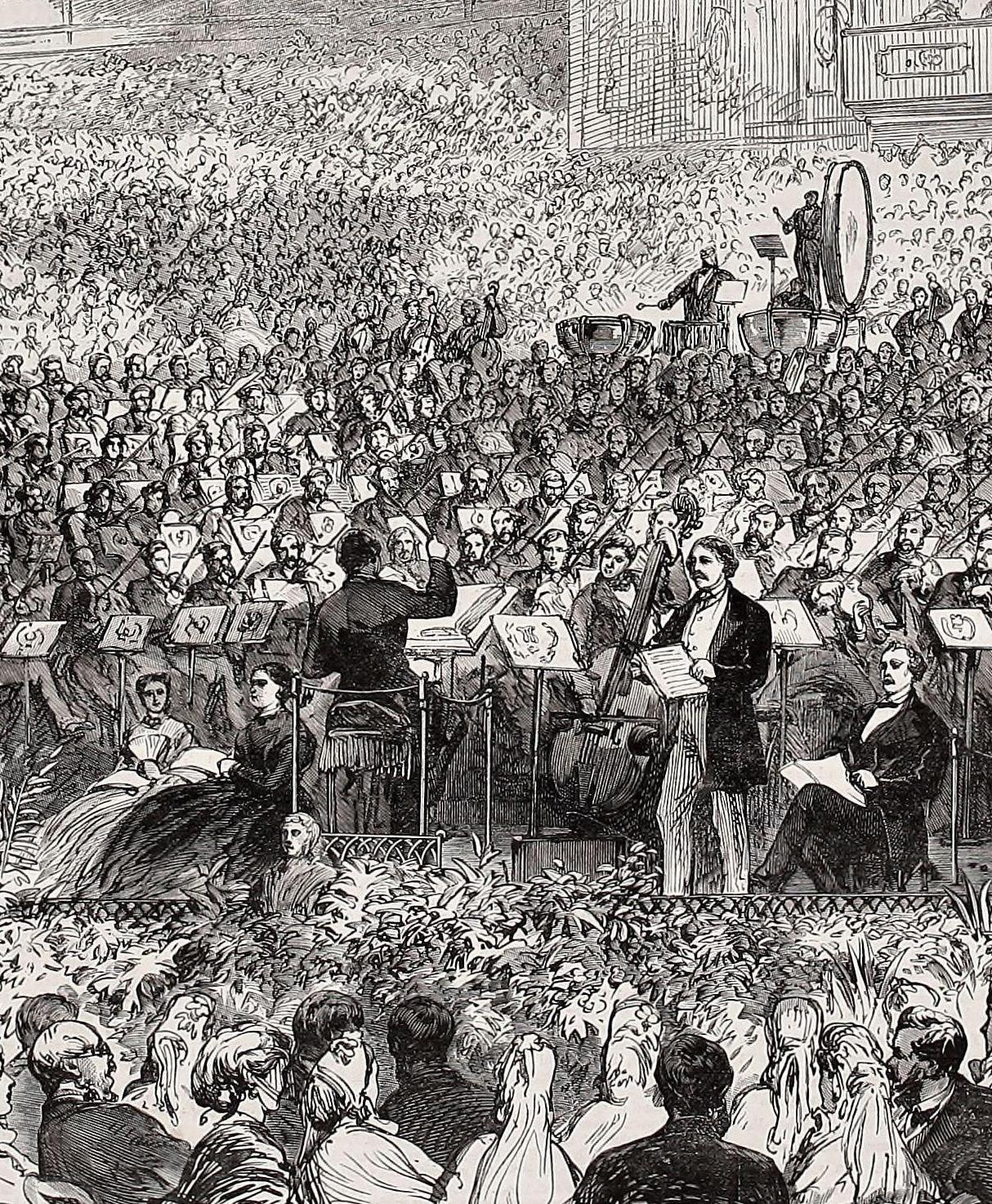
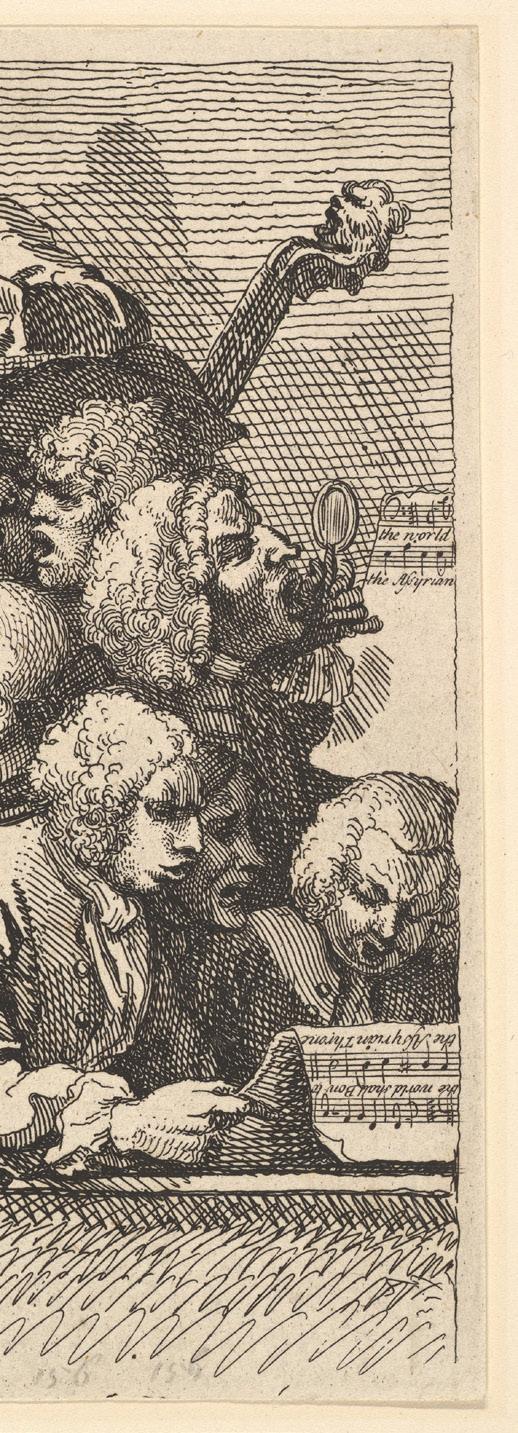
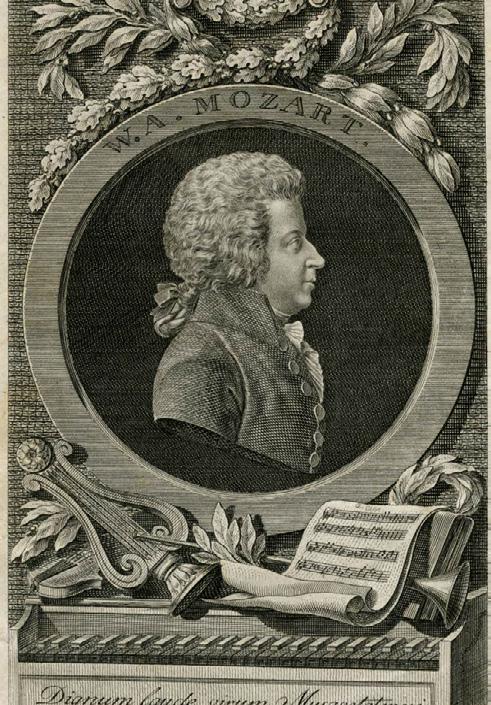
After its 1742 premiere as a charity concert in Dublin, Messiah became an instant classic. Over the next decades, special choral societies were established across the U.K. and Europe to mount performances of Messiah and other Handel oratorios. In the 1780s, one of these societies was set up in Vienna by the Dutch diplomat and music patron Gottfried van Swieten. He entrusted the musical direction to Mozart, who arranged a handful of Handel works for the society’s concerts—including a Germanlanguage Messiah in 1789. While HGO’s production utilizes the Mozart arrangement, the original English text has been restored.
Even in Handel’s day, it was common practice to adapt oratorios to changing circumstances. Whenever he revived Messiah, Handel rewrote or reassigned numbers to suit the strengths of his soloists. Similarly, Mozart’s arrangement was tailored to the classical orchestra of his time. The baroque ensemble Handel had written for 50 years earlier was dominated by strings and harpsichord. Additional instruments were used sparingly, often for novelty or effect.
But by the 1780s, orchestras had expanded to include what was called a Harmonie in German—that is, a wind section. In addition to the bassoon, oboe, and trumpet that appear in the original, Mozart added flutes, clarinets, horns, and trombones. He employs winds with far greater frequency than Handel, weaving in new wind
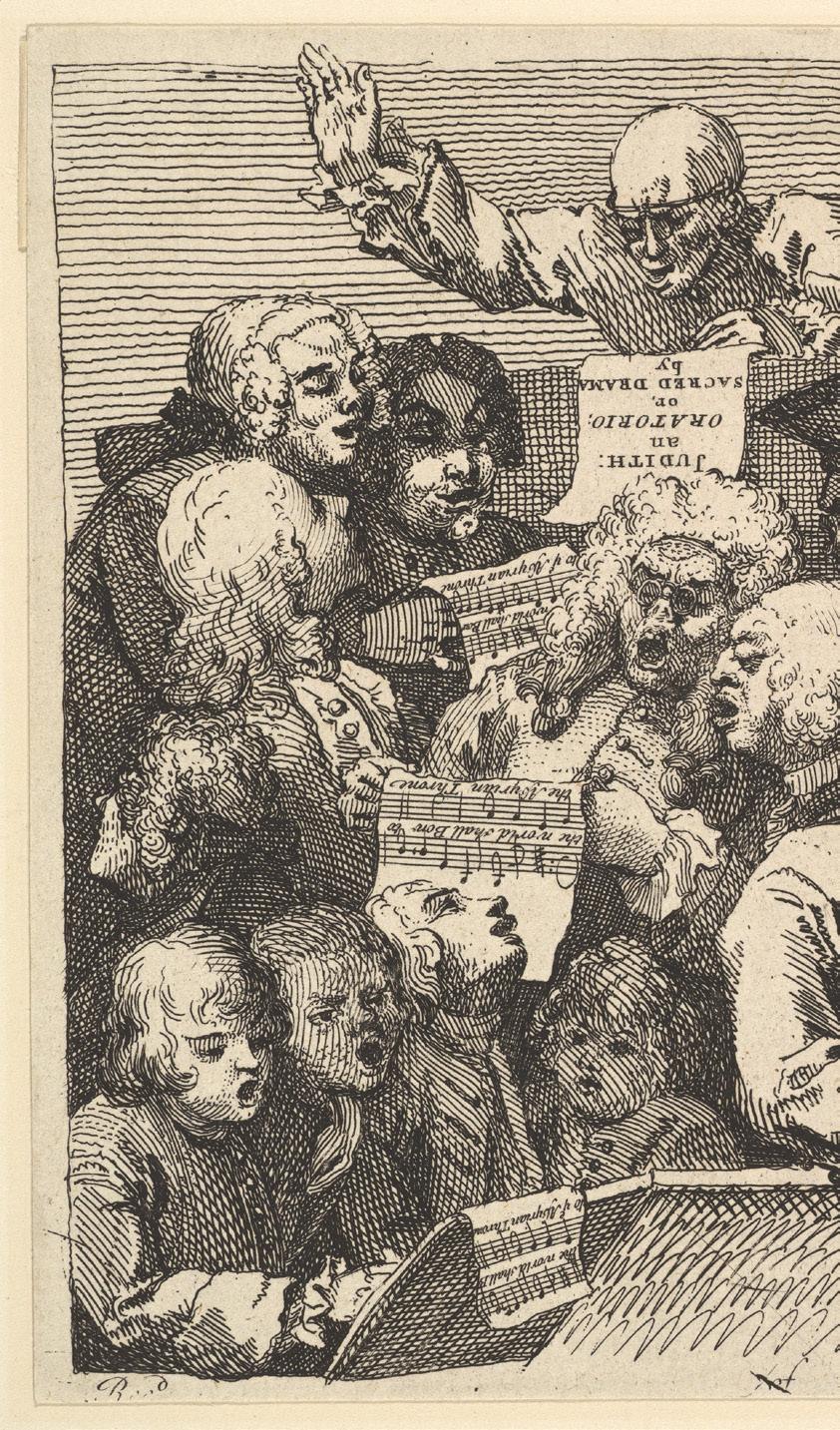
countermelodies that elegantly complement the vocal lines.
Mozart cut two numbers from the score and also reassigned solos to different voice types. Notably, the Part I aria “Rejoice greatly,” which Handel originally wrote for soprano, is taken by the tenor. While Mozart left the vocal lines mostly untouched, he did take some liberties with the harmonizations. Using the added winds, he altered or filled out harmonies to better suit classical tastes. In one case, Mozart completely recomposed one of Handel’s numbers. Van Swieten, who commissioned the arrangement, felt that the soprano's Part III aria “If god be for us” sounded “cold,” so he had Mozart re-set the text as a passage of recitative.
What happened to the trumpet .in “The trumpet shall sound”?
Perhaps the most unusual change
Mozart made was to eliminate the trumpet solo from the Part III bass aria “The trumpet shall sound.” One explanation offered is that the baroque trumpet used in Handel’s day, called a “clarino,” had fallen out of fashion by the 1780s, and there were no longer players who could execute the virtuosic lines he wrote for the instrument. There were, however, highly skilled horn players in the classical era. Mozart had even written a series of horn concertos in the years preceding his Messiah arrangement. And so the solo line—in a greatly shortened version— goes to a hornist instead.
basso continuo:
A musical part, typically assigned to a cello-andharpsichord duo, that serves as the main harmonic support in a baroque or classical ensemble. The cellist plays the bassline while the keyboardist fills out the chord progressions.
recitative:
A speech-like style of singing, characterized by repeated notes and flexible rhythms. Recitative can be either “dry”—that is, backed only by the basso continuo players—or “accompanied”—backed by the full orchestra.
da capo aria:
A common aria form in baroque operas and oratorios. The singer introduces an opening A section, proceeds to a contrasting B section, and then repeats the A section, usually with improvised ornaments added. The alto's “He was despised” is an example from Messiah
ritornello:
An orchestral passage that repeats between vocal sections of an aria.
coloratura:
Virtuosic vocal runs and ornaments executed at great speed.
word painting:
A technique—greatly favored by Handel—in which a composer illustrates the sung text through musical means. The chorus’s wandering coloratura lines in “All we like sheep have gone astray” are an example from Messiah.
counterpoint:
The combination of two or more different musical lines, either vocal or instrumental. Their contrasting melodies interact with one another, creating complex musical textures.
fugue:
A form of counterpoint in which a main theme, called a “subject,” is passed around and developed among the contrapuntal parts. Many of the choruses in Messiah feature fugal passages, notably the massive “Amen” that closes the work.
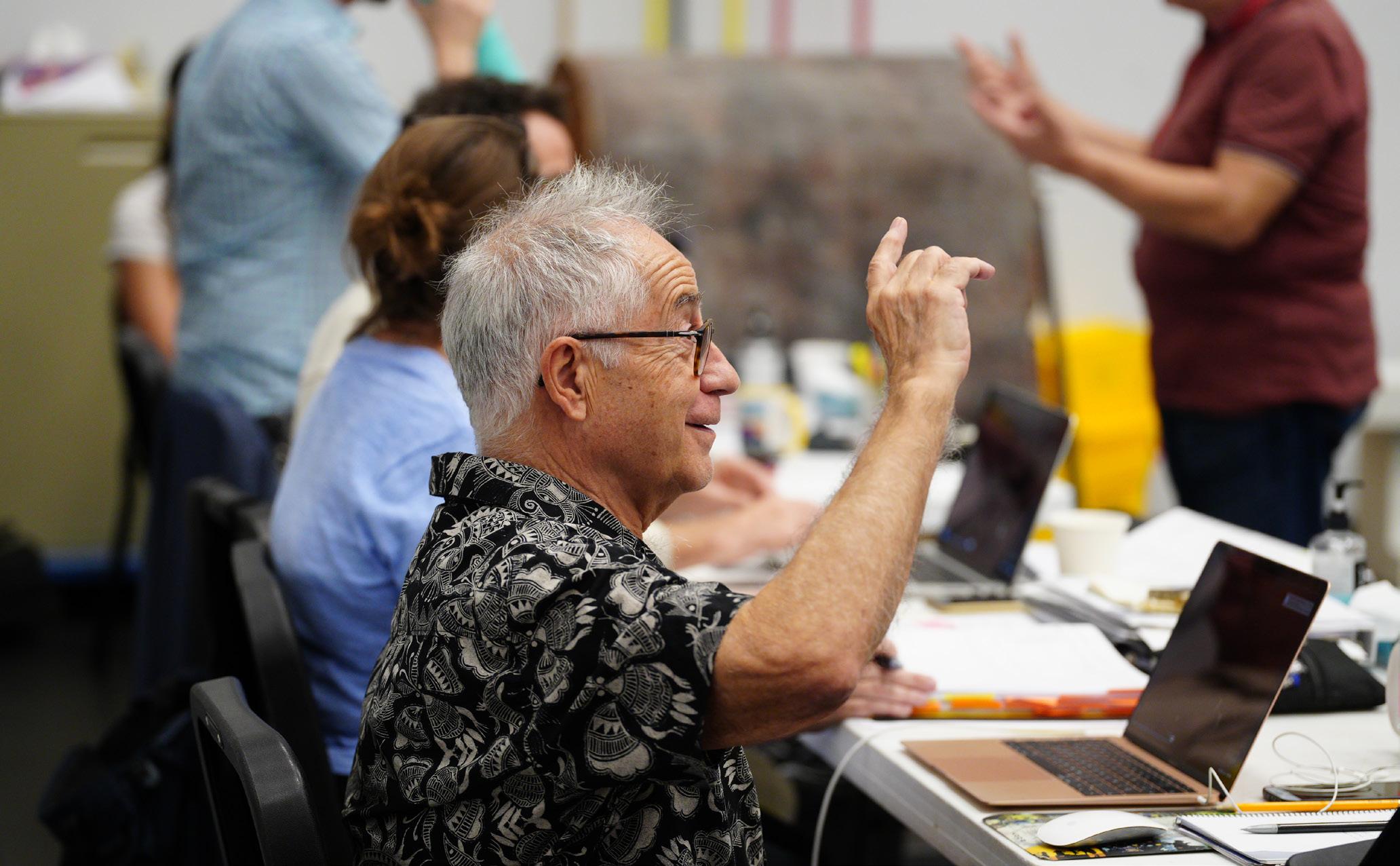
Joan Font and Xevi Dorca discuss the theme of power in their production of Rossini’s Barber.
By Joe Cadagin, Audience Education and Communications Manager
Director Joan Font and associate director/choreographer Xevi Dorca have been making mischief at Houston Grand Opera for nearly 20 years. Font and Dorca—who both hail from the Catalonia region of Spain—are members of Comediants, a Barcelona streettheater collective co-founded by Font in 1972. The group’s eccentric performances incorporate circus, puppetry, clowning, and commedia dell’arte
Beginning in 2007 with Cinderella, Font and Dorca staged a trio of carnivalesque Rossini productions for HGO that drew heavily on their work with Comediants. The Barber of Seville followed in 2011 and The Italian Girl in Algiers in 2012.

Ahead of this spring’s Barber—HGO’s third revival of the staging—Font and Dorca walked us through their multilayered take on Rossini’s madcap opera buffa
HGO audiences who saw your production of Rossini’s Cinderella last season will remember the adorable troupe of rats portrayed by silent actors. In this production of Barber, Dr. Bartolo’s servants seem to fill a similar role.
Xevi Dorca: We have different “levels” of onstage. The main story is the first level, with the characters that are singing. But then we have another level of silent characters, who are archetypes—for

example, the Widow, the Drunkard, etc. They help to take care of the props and make the scenes more alive. During three arias—Figaro’s, Don Basilio’s, and Berta’s—the principals are standing and singing. And what they are explaining in their arias is represented by the servants in a commedia dell’arte way.
Joan Font: It’s theater within theater. The spectator sees one story, a second story, and a third story. They can choose between these stories, but there’s always this correlation of worlds. And there is always some place where you can have some entertainment. Not just with the characters, but also with the props—like the piano. This piano is everything: a desk, a barbershop, a public plaza, a bed, a wedding cake. So there is this unfolding of characters, of elements, of scenery, of spaces.
You mentioned commedia dell’arte, which is a form of Italian folk theater that influenced opera buffa farces like Barber. Could you explain what it is?
JF: Commedia dell’arte is a type of theater that emerged during the Renaissance in opposition to classical theater, which was based on Greek mythology—the gods and these grand heroes. Commedia dell’arte, by contrast, confronts reality, everyday life. There are these fantastic characters: drunks, maids, usurers, musicians, and actors. It is, above all, an ironic—even cynical—view of the world around us. It uses comedy, but deep down, it’s a mirror that reflects the audience. What commedia dell’arte does is enter the street so that the public can identify with the characters.
With all the commedia-inspired action onstage, movement is essential to your production. The characters often move in perfect sync with the music, like cartoons. Xevi, could you discuss your role as choreographer?
XD: It’s very curious that I received a nomination for outstanding choreography at the Dora Mavor Moore Awards in Toronto for this production, where we don’t have dancers. But the jury saw that someone was organizing the music through the movement. Joan tells me what is important in a scene—what we have to show—then from this I create the movements. When I have to move the principals or the chorus or the supers, the
music tells me how this has to go. I don’t think too much—I just go into the rehearsal room, and through the music, we create the scenes. Rossini is very easy to follow, because the accents are very clear and he finishes his “sentences” very clearly.
Could you explain your concept for this production? What are the themes you hope to tease out?
JF: One of the most important is the power of the key. Having the key gives you the power to lock a door so someone can’t leave. And there’s another super-important element, which is letters. These messages go back and forth, and you don’t know if they’ll finally reach the person they’re meant for, or if they’ll get lost along the way. Like the keys, it’s an element of great humor—it’s very funny to follow a letter’s journey. Another theme is money: “El poderoso caballero es Don Dinero.”
XD: We have a saying in Spain—an easy way of translating it is, “A powerful man is the one that has a lot of money.” Money is power. Almaviva uses money to solve all the problems. At the beginning, he pays Figaro. Also, he pays Basilio, who changes his mind because Almaviva gives him an expensive ring.
“Power” seems to be the key word here—the characters are constantly trying to exert power, whether with money or keys. Especially Bartolo, who keeps Rosina locked away.
JF: The heroine is a woman in a man’s world. It’s Don Bartolo who owns the mansion. There are no women in the chorus. But in this opera, the one who wins— the one who explains her world—is Rosina.
XD: Rossini was very modern. He was defending women in all this. In Barber, Cinderella, and The Italian Girl, the rest of the main characters are men, but the heroines of those operas are always women. Rossini gives power to those women.
JF: Rossini’s themes are timeless and universal. I could stage a new production of Barber dressed in today’s clothes, or even in the future—in the year 2035. And it would work, because it’s a universal theme. These are themes that touch everyone: old age, youth, love, disorientation, loss of identity, letters, keys. These have always existed. For a child, an adult, an old person—it’s universal.

WHAT DOES BUGS BUNNY HAVE TO DO WITH THE BARBER OF SEVILLE ?
By Joe Cadagin, Audience Education and Communications Manager
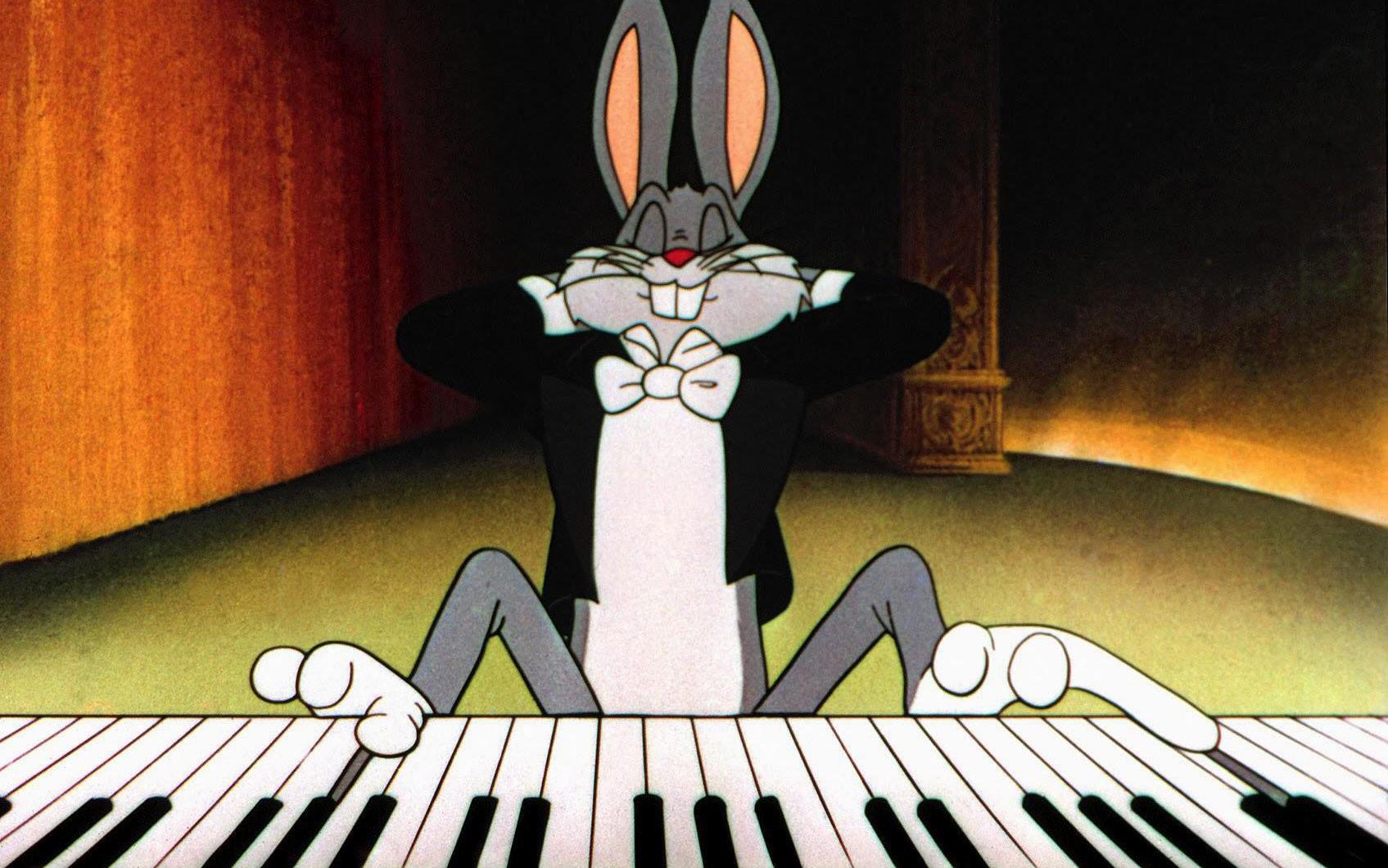
it’s through cartoons that most of us are introduced to opera. Granted, animators tend to subject the art form to brutal parody. But even a caricature can plant the seeds of a future opera fanatic.
One Saturday morning, a child hears a helmeted Elmer Fudd belting, “Kill the wabbit!” Years later, this infectious melody resurfaces in a film or commercial. Memories of Bugs Bunny in drag atop a voluptuous stallion trigger a sudden curiosity. Where did that theme originally come from? Some online searching opens a wabbit—er, a rabbit hole. After sitting transfixed through a recording of “The Ride of the Valkyries,” a new Wagnerian is born.
But once one has experienced the sophisticated musical storytelling of Wagner’s Ring cycle, it’s easy to dismiss a cartoon lampoon like What’s Opera, Doc? as embarrassingly juvenile. A hardened opera snob might cringe at the idea that they ever found entertainment in this mockery of the genre. “It is so sad,” Elaine tells Jerry in Seinfeld. “All your knowledge of high culture comes from Bugs Bunny cartoons.”
Bugs Bunny deserves a second chance. There is, in fact, something authentically operatic about his animated shenanigans.
If our concept of opera is defined by Wagner, then of course Bugs has nothing to do with the art form—aside from reducing it to a hilarious stereotype. But opera
isn’t all myth and melodrama. Operatic comedies in the screwball spirit of Looney Tunes do exist. This spring, HGO is presenting the greatest of them, Rossini’s Barber of Seville
Like your first exposure to Wagner, your introduction to Rossini may have been via Bugs Bunny. Namely, the 1950 Warner Bros. short Rabbit of Seville, which features the overture to Barber as its soundtrack. (A side note: technically, Rossini recycled the overture from two earlier operas, but it’s now inextricably linked to Barber.) As the cartoon commences, Bugs flees into the backstage of a theater to escape Elmer, who follows in hot pursuit. The curtain rises, and the two eternal enemies find themselves starring in a production of The Barber of Seville.
The overture begins, and Bugs pops onstage, decked in a white barber’s jacket. “How do?,” he sings on the initial “ta-da” chords. While the opening Andante is purely orchestral in Rossini’s score, Bugs adds his own lyrics to welcome Elmer into the barbershop. The music then transitions into the Allegro main theme, with its sighing string motive, and Bugs abandons his singing to focus on his “client.”
With Elmer rendered immobile in the barber’s chair, Bugs performs a series of ridiculous scalp treatments on his would-be assassin. Each of his actions is perfectly synced with Rossini’s music.
it, you will—is Rossini’s manic music.
At one point, he builds a fruit salad on Elmer’s bald head, tossing its contents in time with the cellos and basses’ steady strokes. Accompanied by a downward-skipping orchestral figure, Bugs prances around the chair to present a mirror to Elmer, who bursts into rage on a fortissimo chord.
This coordination of music and onscreen movement is referred to as “mickey-mousing” in the movie business. While it’s generally frowned upon in film scoring as overly artificial, the technique is an essential component of animation. A slinking clarinet run or a drooping trombone glissando helps to accentuate a character’s exaggerated gestures. Composers might incorporate mickey-mousing into their original soundtracks for pre-animated segments. Or, vice versa, animators might “choreograph” their cartoon to line up with a pre-recorded track.

Rhapsody no. 2 for piano, with its pounding chords and finger gymnastics, was a favorite. Both Bugs and Tom the cat perform ridiculous renditions in separate cartoons released less than a year apart.
Like the Liszt, Rossini’s music is ideal for mickeymousing. His operatic scores vibrate with kinetic energy. We can point to some stylistic features in a work like The Barber of Seville that lend themselves to cartoon movement: The fast tempos and rapid passagework, especially the singers’ coloratura runs and tongue-twister patter. The driving, almost mechanical rhythms. The abrupt, accented offbeats. The short, burst-like motives that repeat in sequence. The long-range buildups, known as “Rossini rockets,” that crescendo toward raucous climaxes.

This latter practice was elevated to new heights by Disney in 1940 with Fantasia. But the concept was nothing new. From the first major sound cartoon, Disney’s Steamboat Willie of 1928, animation largely followed the same basic formula: animals performing antics in time with music.
Nor was Disney’s use of classical music novel. Animation studios had long mined the standard repertoire for lively pieces. Liszt’s Hungarian
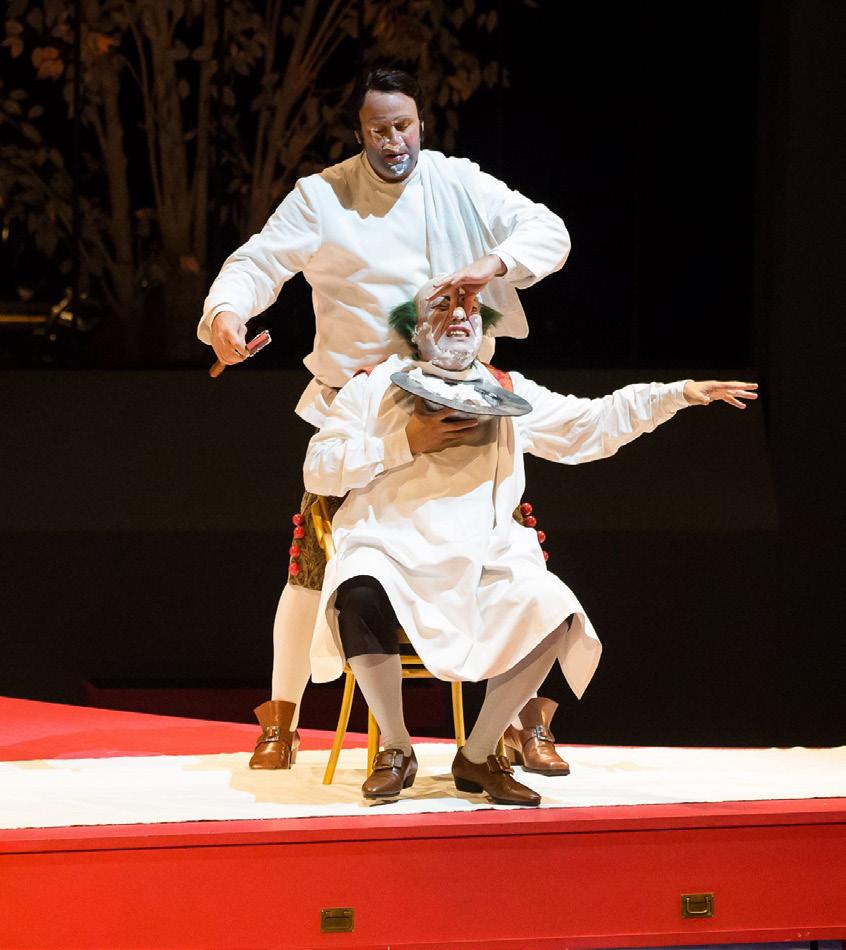
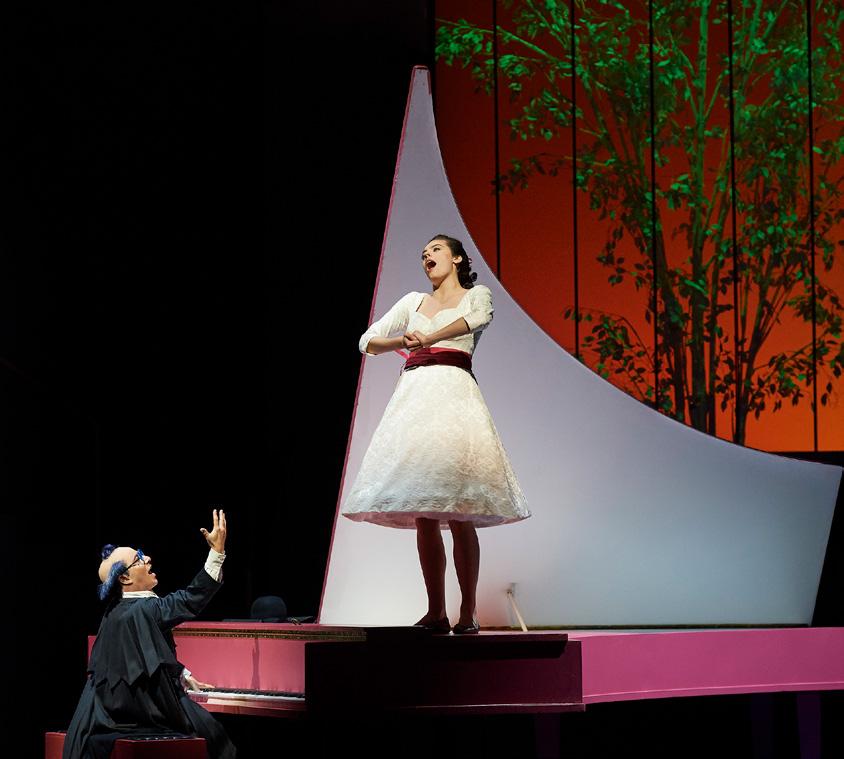
With all its bouncing, darting, scurrying, and fluttering, Rossini’s music practically screams out for an animator to translate it into a crazy cartoon scenario. Which brings us to HGO’s production of The Barber of Seville, from Catalan director Joan Font. Font’s staging is visually reminiscent of animation: the garish color scheme, the wacky costumes, the fright wigs, the clown makeup, the giant pink piano. But beyond the design, what makes the production truly cartoonish is the way the onstage performers physically interact with the music.
While associate director Xevi Dorca has choreographed some vaudeville dance moves for the
soloists, he deals mostly with their movement: how they walk, how they gesture, how they pose. Taking cues from Rossini’s music, Dorca treats the singers like living, breathing cartoons who mickeymouse across the stage.
In the opening number, the choristers tiptoe in time with pizzicato strings. When the main characters try to send Don Basilio on his way, they wave him toward the door on each repetition of “Buona sera.” And when Almaviva accompanies Rosina on the piano, he hops up and down the keyboard in time with the orchestra—just like Bugs or Tom playing Hungarian Rhapsody.
“Joan tells me what is important in a scene—what we have to show—then from this I create the movements,” explains Dorca. “When I have to move the principals or the chorus or the supers, the music tells me how this has to go. I don’t think too much—I just go into the rehearsal room, and through the music, we create the scenes. Rossini is very easy to follow, because the accents are very clear and he finishes his ‘sentences’ very clearly.”
Much of the mickeymousing in Font’s production is assigned to the troupe of mimes who serve as Doctor Bartolo’s servants. As the soloists sing their arias, these colorful pranksters act out the text in the background. During Figaro’s “Largo al factotum,” for instance, they become body doubles for the barber, demonstrating all the different tasks he performs across Seville. (By the way, this iconic aria has been sung by the likes of Daffy Duck, Sylvester, Woody Woodpecker, and Michigan J. Frog.)
secondary. The story is only there to set up comic hijinks like Almaviva’s disguises, which call to mind Bugs’s habit of crossdressing.
The tone of Barber is cartoonishly irreverent and mischievous, and there is even a number in the music-lesson scene that parodies serious opera, in the manner of What’s Opera, Doc? Sterbini’s buffa characters, which are indebted to the stock characters of commedia dell’arte theater, are two-dimensional caricatures. We can predict their behavior, just as we know that Elmer will always hunt Bugs and Bugs will always humiliate Elmer.
But what brings the libretto to cartoonish life—what “animates” it, if you will—is Rossini’s manic music. That’s not to say that the composer is attempting to flesh out believable, emotionally complex humans through his score. On the contrary, his music makes the characters of Barber appear even more outrageous. Take the Act I finale, when Rossini reduces them to blithering idiots who repeat the same perplexed lines over and over—like Porky Pig stuck in one of his stuttering episodes.
The characters remain cartoons, but cartoons that are brimming with dynamism. Propelled by the momentum of Rossini’s music, they seem to zip and zing at impossible speeds—even when the singers themselves remain stationary. We get the same childlike joy out of watching Bugs as we do from hearing a performance of Barber precisely because they occupy the same frenetic universe. Rossini’s music is cartoon music, just composed a century too early.

Font and Dorca’s cartoonish staging illuminates a crucial point: the world of Rossini’s Barber isn’t far removed from the world of Bugs Bunny. We find further similarities if we look at the libretto by Cesare Sterbini, based on a play by French satirist Pierre-Augustin de Beaumarchais. As in a Looney Tunes short, the opera’s implausible plot is
So don’t be ashamed if your love affair with opera began with Bugs Bunny. He may be a stinker, but he’s no philistine.
Cue the music. That’s all folks!
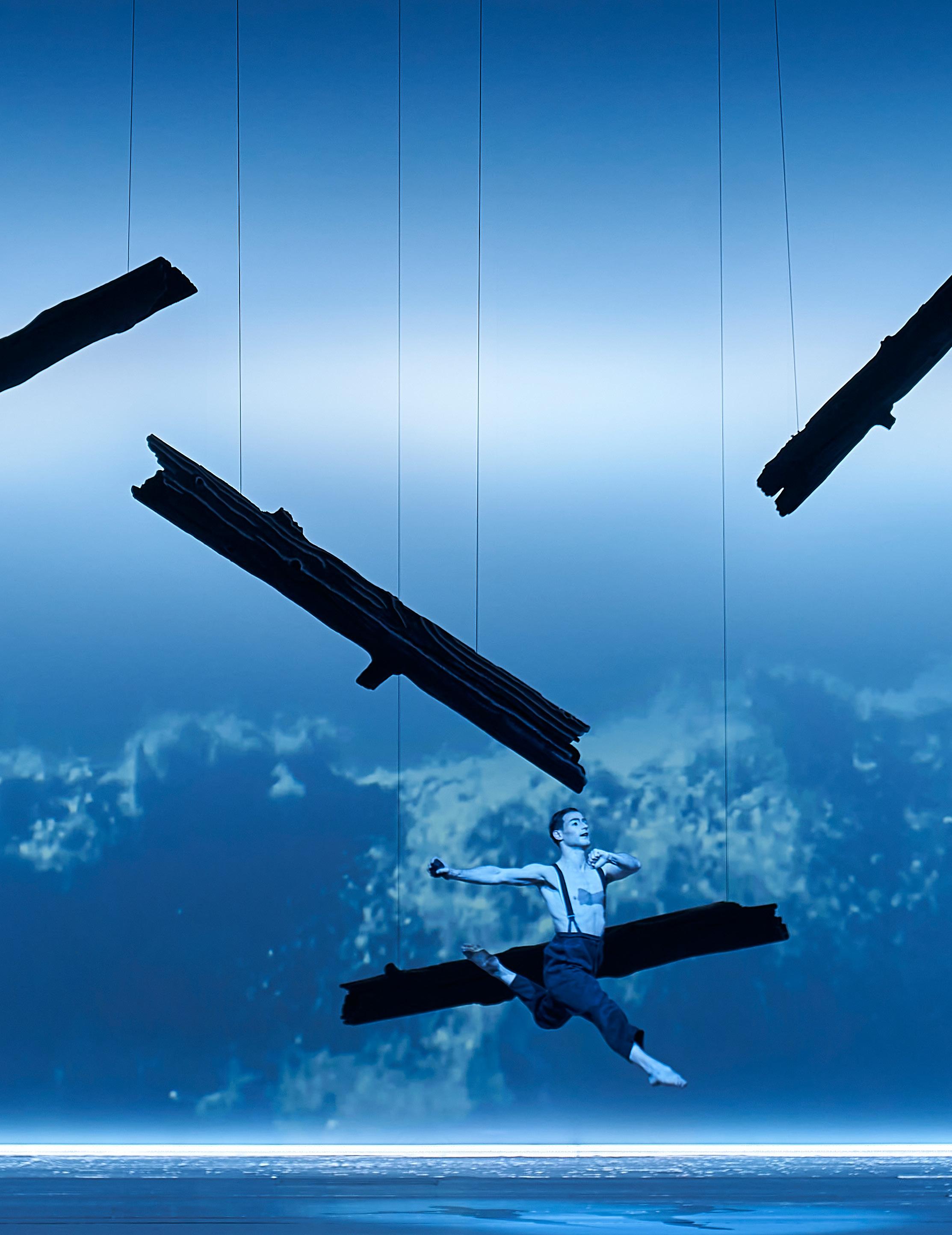
THE MOZART/ HANDEL MESSIAH AT HOUSTON GRAND OPERA, IN A PRODUCTION BY THE LATE ROBERT WILSON (1941-2025)
By Patrick Summers, Artistic and Music Director, Houston Grand Opera

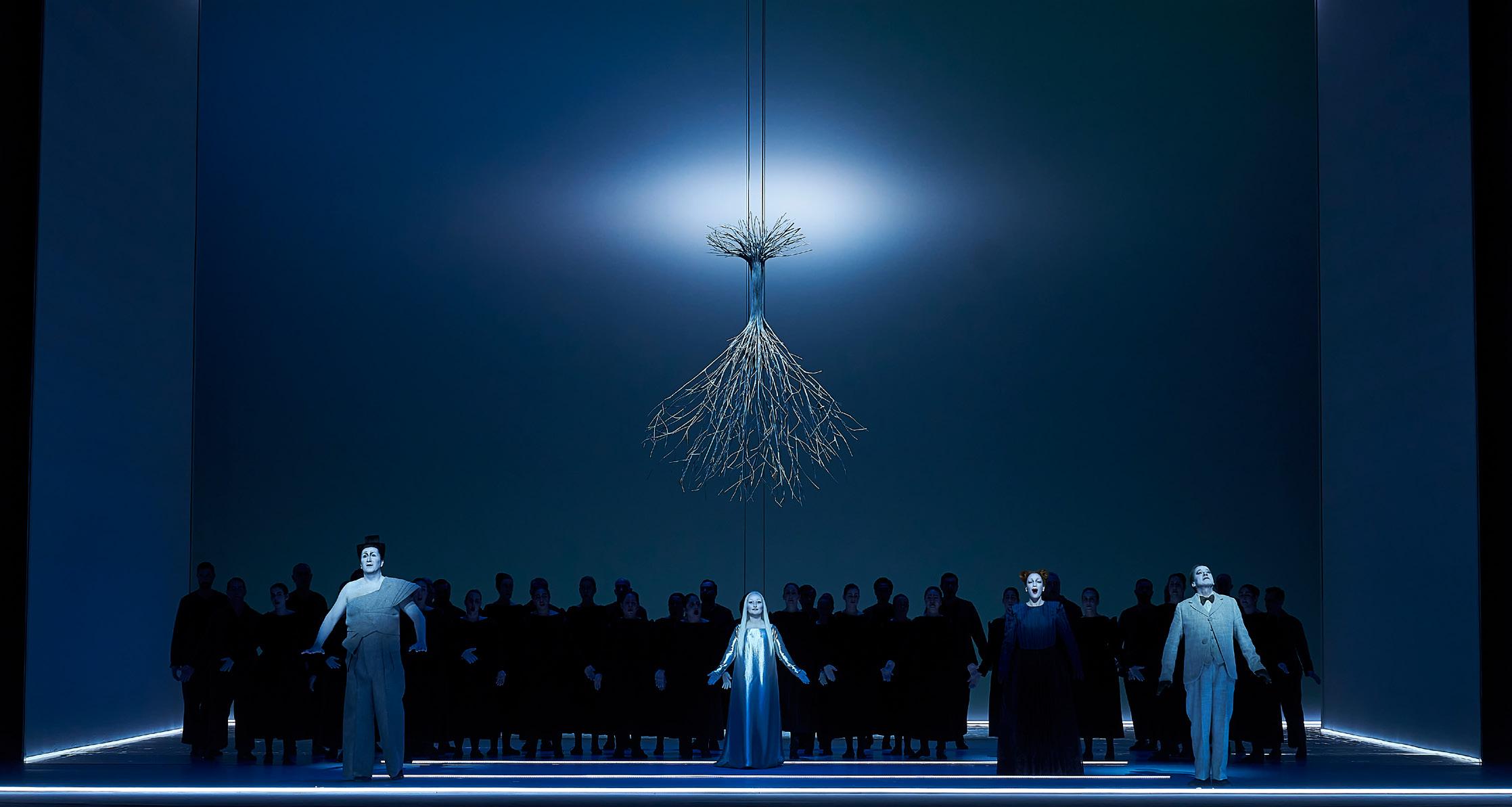
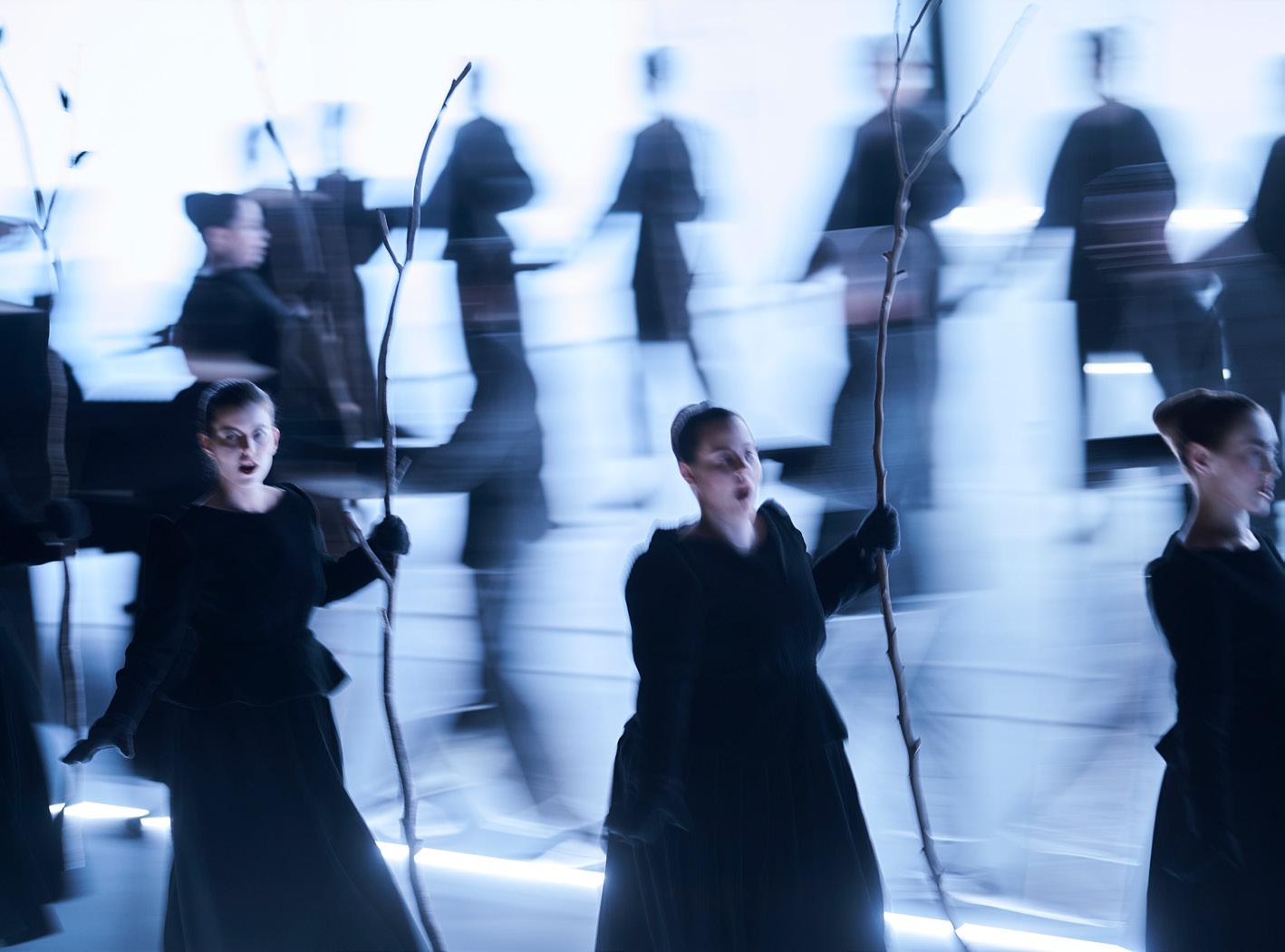
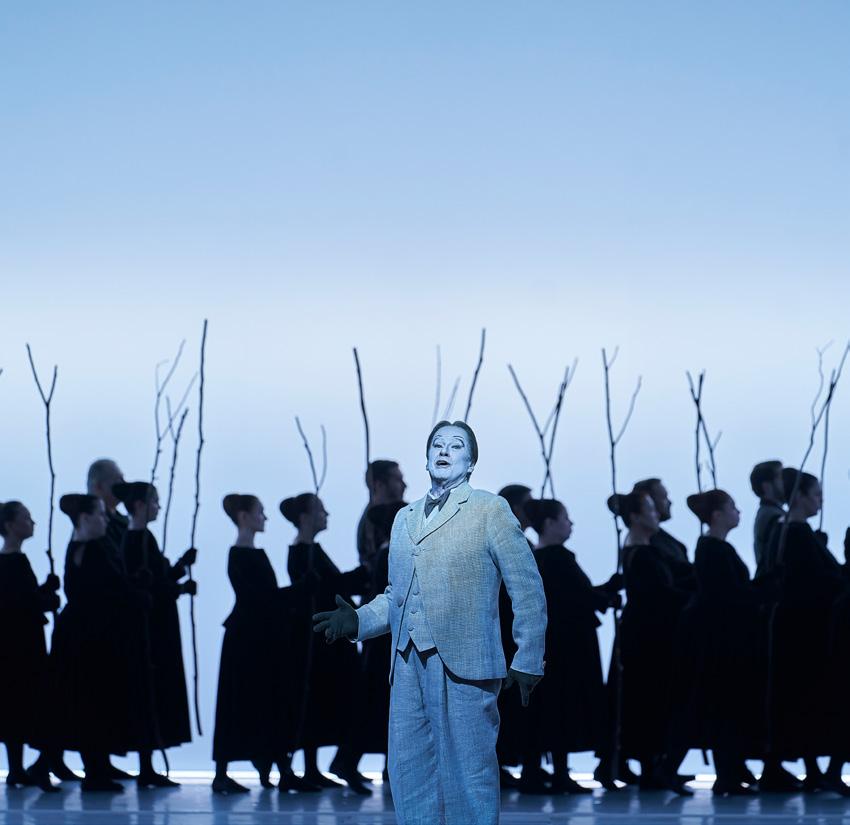
Before the overture to Messiah begins, we are in an otherworldly vaulted space of horizon ratios created by clean strips of light, light so beautiful that you could, to paraphrase Shakespeare’s Juliet, “cut it out in little stars” and take it home. Are we on Earth, or on some other temporal plane?
Handel’s music, orchestrated by Mozart, begins. We are brought into the elemental stuff of life: air, water, ice, fire. Through the duration of the work, we experience slowlymorphing images of decay—the skeleton of a great fish, a suspended nugget of gold, tree trunks mysteriously floating through an invisible river—and other elements in transition: icebergs melting or water evaporating.
There is enormous liberation in sometimes letting go of realism. A Robert Wilson production is like trying to crack a code, and the moment you think you’ve got it, the code changes. Think of his productions not as distractions, but abstractions. The less you interpret and the more you just feel, the deeper your experience.
This production of Messiah, which Bob created for Mozart’s birthplace in Salzburg, is the last of my long tenure as Artistic and Music Director of HGO, and it was supposed to be an opportunity for Bob and I to work closely together on this work we both so love. Since he unexpectedly died last summer, it now becomes, in part, a celebration of the long and multifaceted creative life of this famous Texan.
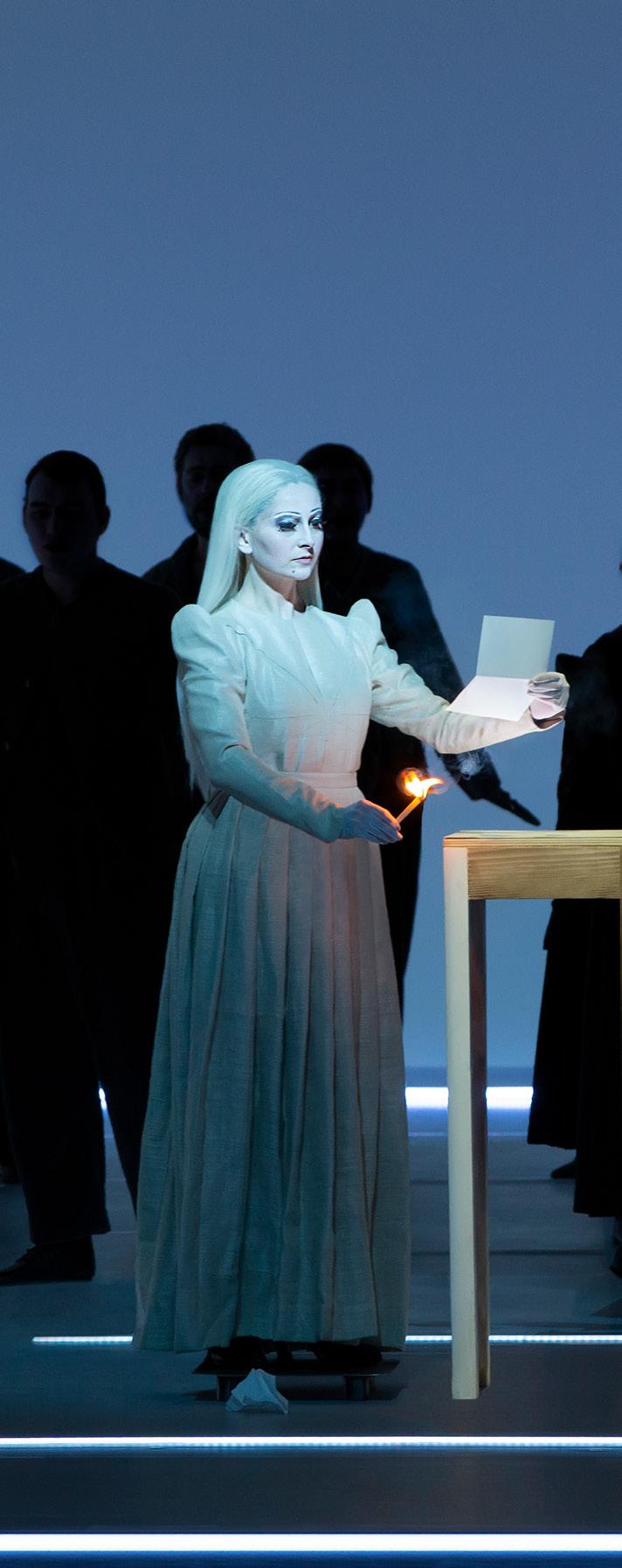
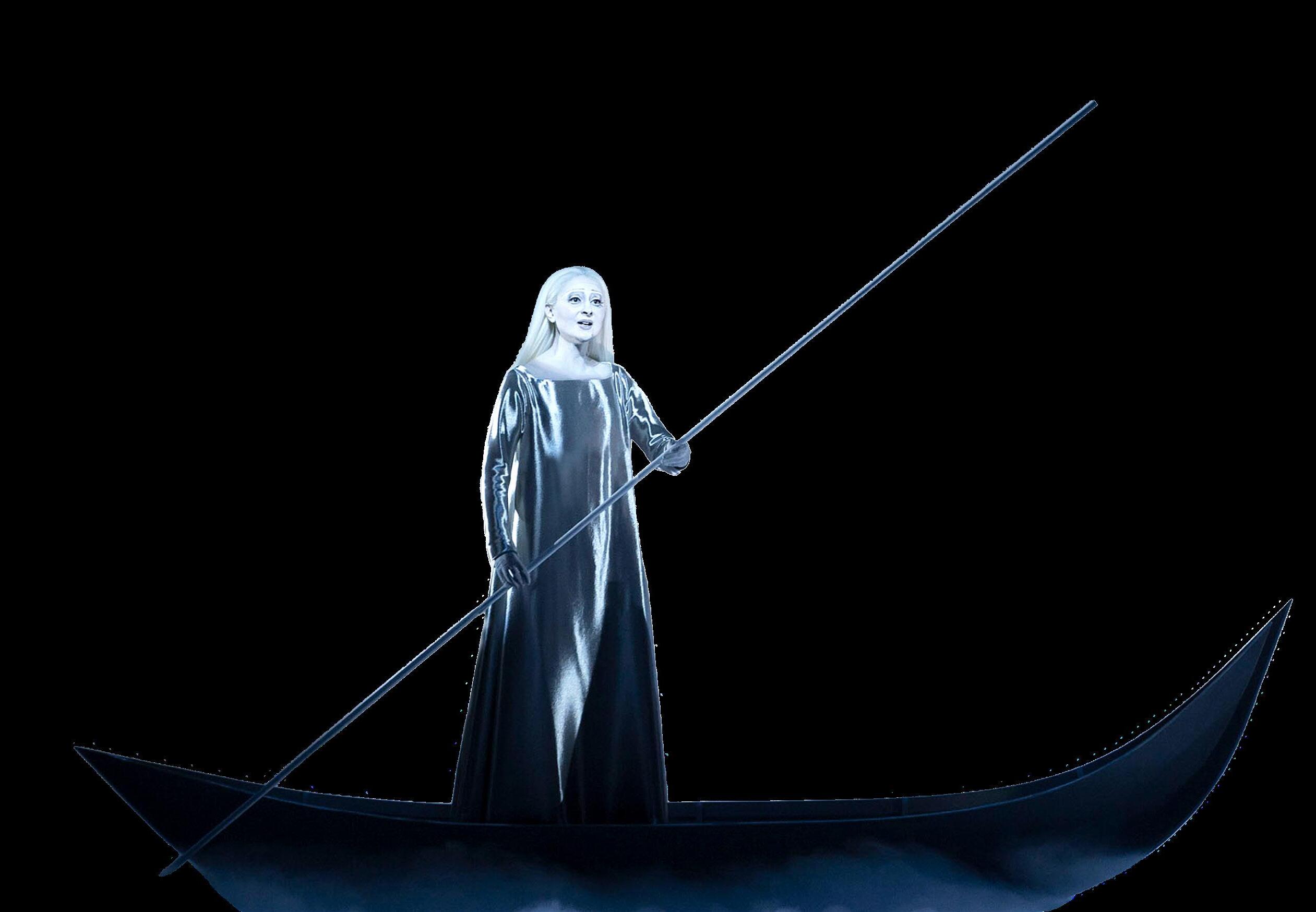
Robert Wilson’s production of Messiah will be controversial. It will both thrill and baffle; it may possibly even offend some who find abstraction irritating. But Messiah, on the page, is a transcendent work of musical art with no narrative; it does not even have named characters. So, too, is Wilson’s production of it—he theatricalizes Messiah as a magnificently strange work of art, a dreamscape constantly in motion, giddy and complex. The production employs no religious imagery at all, yet it is a profoundly spiritual experience, ranging from joyful to meditative to whimsical.
Performances of Handel’s Messiah each holiday season are always a thrill, but its familiarity risks diminishment of what a monumental and rich work it is. Engaging deeply with Messiah begins with what it is not: conceived as a type of declamatory theater, it was not intended for church services. It presents a series of abstract meditations based on arranged readings from the King James Bible, but nothing in it, artistically, is literal. Handel faced criticism around the time of Messiah’s London premiere for presenting Biblical text in the secular space of a theater.

The three parts of Messiah define birth, death, and resurrection. The title character of Jesus Christ is constantly sung about but mentioned by name only once. He is never depicted as a character, but is symbolically present even in absence. “Part the First,” as Handel titled it, is all prediction, a set of announcements of the arrival of an unnamed Messiah. The second section is about iniquity—our collective responsibility for the death of the man at the hands of mankind. The final act is a long, prayerful meditation on possible events in the future.
Throughout its early history, Messiah was most often an Easter staple. In the last century, it has become more of a Christmastime tradition, up there with the secular Tchaikovsky ballet The Nutcracker in the United States. Parts of Messiah were heard and enjoyed by the first President of the United States, George Washington, in Boston in 1789, the very year Mozart arranged his version of the work. Messiah is woven through Western history as very few works of musical art have been. Its stirring music is of incredible vocal difficulty. The choruses are nearly impossible for amateur choruses to effectively execute, but that has simply made Messiah a beloved Mount Everest for choruses all over the world. Because it is there and is loved, one must climb it.
Mozart was highly schooled in the music of Bach and Handel, most especially in the writing of fugues— then, a much more foundational skill than it is amongst most composers today. Mozart’s major musical influence besides his own father was Johann Christian Bach, the youngest surviving son of the more famous Johann Sebastian. J.C. Bach was known as the “London” Bach, even taking an English
name, John Bach, upon his arrival in the British capital in the 1760s—just a bit too late to have met the titanic Handel, who died in 1759, but not too late to have been highly affected by the London operatic life that Handel had dominated for a generation. Mozart became a supreme composer of operas because of his exposure to J.C. Bach and the Bach/Handel tradition he so admired. His arrangement of Messiah is his homage to all of them.
Mozart’s Messiah is a complete re-orchestration of Handel’s oratorio for double winds: pairs of flutes, oboes, clarinets, bassoons, horns, and trumpets, and three trombones. Handel never heard a modern clarinet, as the instrument was invented after his lifetime. Handel’s orchestration, standard for his era, would have a wind contingent of only two oboes, each doubling a violin part, and a single bassoon playing parts of the bass line. Handel composed a famous solo trumpet for the work’s penultimate aria, “The trumpet shall sound,” which Mozart moves to the French horn. Handel did not score Messiah for trombones, so Mozart’s addition of them gives a fuller, richer feeling to the whole work. Mozart filled his version of Messiah with unexpected musical delights, especially in his busy and bubbly wind parts that dart around the air joyously.
The work of very few people in theater’s history has had such a legendary effect as that of Robert Wilson, whose career will be studied for generations. He was both controversial and meaningful: those who experienced his intensely abstract versions of Parsifal or Lohengrin heard something new in Wagner’s time-altering philosophical and musical worlds, and those productions became unforgettable moments in an opera-goer’s life. Think of the Watermill Center, Wilson’s creative think-tank and artistic home in eastern Long Island, the place where he chose to accept the death he was told was imminent in the summer of 2025. Think of his multi-part, seven-day theatrical work from 1972, KA MOUNTAIN AND GUARDenia TERRACE, which was presented on an Iranian mountaintop and featured one play, Jail, about his experience
being jailed for possession of hashish in Crete (he was out on bail at the time). Think of his play, Letter for Queen Victoria, which transferred to Broadway in 1975 after touring for a year and became one of the most famous of all theatrical disasters, an infamy Bob greatly enjoyed.
Think of the opera he wrote with Philip Glass, Einstein on the Beach, one of the iconic events in the history of the art form. The audiences for it at the (rented) Metropolitan Opera House in the 1970s were famously small, though you would never know that now, considering how many people claim to have been there. Like Messiah, Einstein on the Beach has no traditional narrative, and is also a series of thoughtful meditations of indeterminate length.
Wilson and Glass chose Albert Einstein as the title character precisely because he was a figure who could be freely associated with rather than explained. Everyone has an idea of Einstein, yet those ideas are all projections onto him, which explains Bob’s theatrical aims completely. What he did over the course of his career was reject the idea that audiences needed to be told or shown what to think and feel. He felt his role as a director was solely to ask, “what is it?” He led theater into mystical and spiritual directions, but he did not glibly want theater to be a religion; he wanted it to be an empty church with magnificent light, where you could safely contemplate yourself.
Robert Wilson’s aesthetic is totally contrary to the world’s current trends of acting, an art now obsessed with realism. Bob sought a disciplined opposite of the relentlessly literal: his ideas of acting stretched far back into theater’s history, and his productions celebrate the falsity and artifice of acting because he believed, as did the
ancient Greeks, that an extreme formality invites audiences closer to their own emotions. The Wilson theatrical gestures require enormous physical discipline from actors, and it is a style decidedly not to everyone’s taste, but the seriousness of his intent is undeniable.
What will you see in this production? An audience is certainly justified in wondering why a faceless human made of wheat moves mysteriously throughout Messiah’s first act. Does the wheat-person represent the bounty of the earth? Who knows? Audiences may wonder why Charles Darwin dances during “Rejoice greatly,” or why a man tethered to a lobster makes an appearance at all. (He is, by the way, Gérard de Nerval, a forgotten French eccentric from the 19th century; Bob just thought he was interesting.) What is the reason for these bizarre and incongruous images, and what is an audience to make of them? Is it a party or a hangover? Are we in a dream where everything we see stands for something we can’t see? Are we even meant to know where we are?
Since I first saw and began studying Wilson’s Messiah, and asking him questions about it—at its 2020 premiere in Salzburg—I often found myself returning to the production’s final image: a large tree with both branches and roots exposed, which slowly turns over until the roots become the branches. This image appears as the chorus sings a text from the Book of Revelation 5:12: “Worthy is the Lamb that was
slain to receive power, and riches, and wisdom, and strength, and honor, and glory, and blessing.”
For Christians, this passage is literal; Jesus Christ was the literal Lamb of God, and the lamb’s innocence and purity represent the uncomplaining face of suffering. For non-believers or non-Christians, the lamb can abstractly represent the unblemished perfection of nature, which in turn is the symbol of a godly presence, a spiritual rather than a religious feeling. That final tree of Messiah, reversing itself from leaves to dirt, reminds us that we are all both root and branch; the moment poetically unites many strands of thought and belief together.
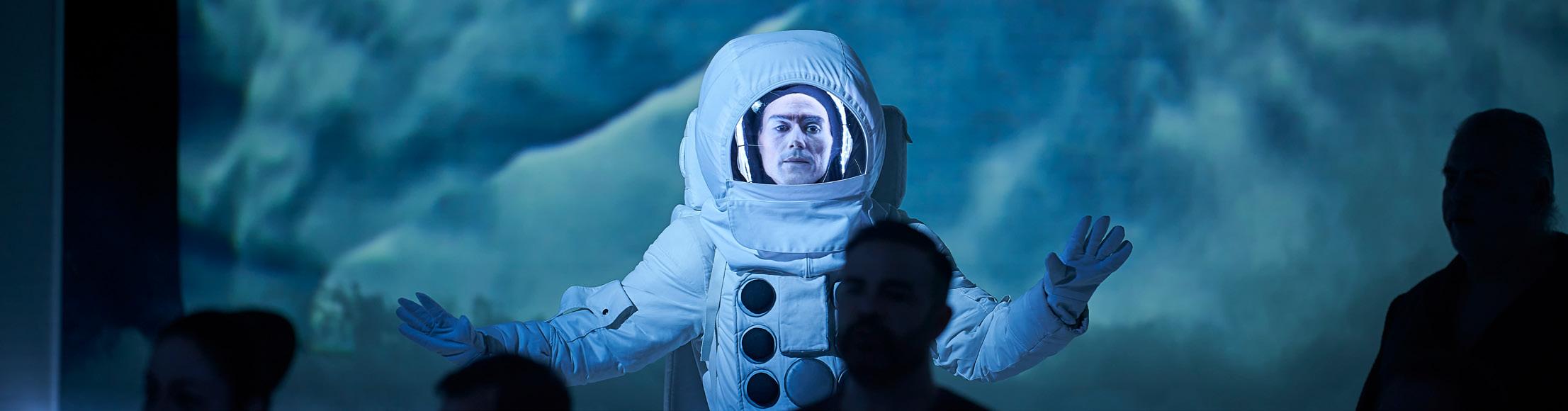
Perhaps the most unexpectedly pecu liar part of Wilson’s staging, a stroke of real theatrical genius (though opinions will vary), arrives during famous music, the great chorus of “Hallelujah!” that closes the second act. An astronaut enters the acting area and spins with joy through the famous repeated phrases of “King of Kings, and Lord of Lords!” What could this mean? Like many of the texts of new world is arriv ing, and astronauts discover new worlds.
But they also did, and do, something perhaps equally important: astronauts were the first people ever to look back onto the world they left behind. Fine, but what does that have to do with Messiah?
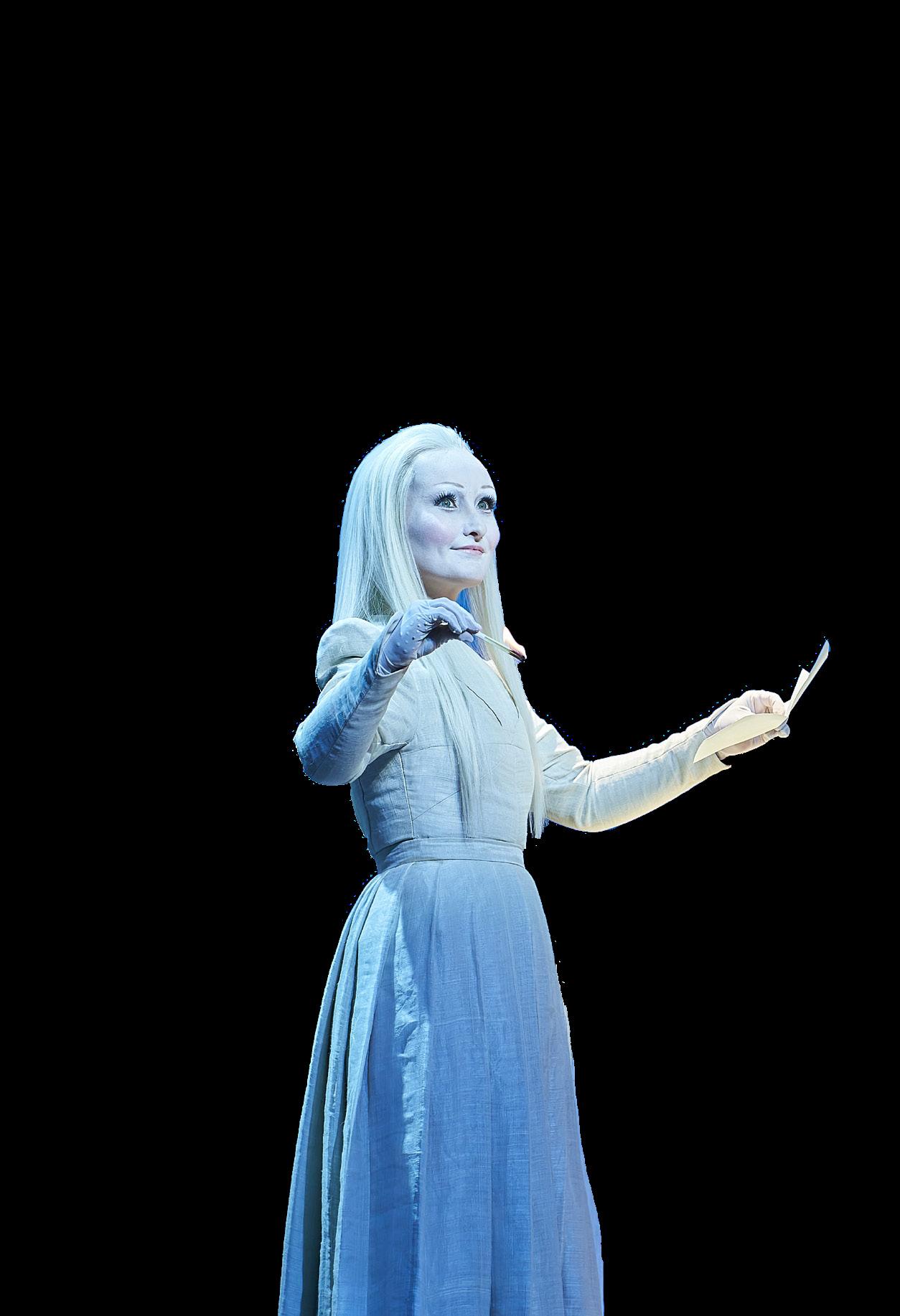
There is no right or wrong answer. I can offer what the spinning astronaut did for me: he made me recall an iconic photograph from the time of Bob Wilson’s younger days, the one taken by Michael Collins in 1969 on the Apollo 11 mission, famously beamed back to NASA in Houston. Collins snapped a photograph of the Lunar Module when he was himself in the command module. Inside the capsule, Buzz Aldrin and Neil Armstrong were working away, preparing to land on the moon—Earth behind them. So Collins was the only person in all of Earth’s history, up to that moment, who was not contained inside the frame of that single photograph. How is “about,” in a concert setting or on a recording, is obviously up to the listener. In the Wilson production, its meaning is the same: whatever you want it to mean. Throughout his career, Wilson simply asked that we never sit benignly in front of a monumental work like Messiah. Wilson’s art is about illumination, with his unparalleled connection to the intricacies and subtleties of light. Bob was fond of saying that light was the most important actor on any stage. In a Wilson production, the imagination is often transported to that enigmatically beautiful spot underneath Main Street at the Museum of Fine Arts, Houston: The Light Inside, the gorgeous tunnel designed by James Turrell, in which a visitor is pinioned between light and space, unmoored
Over 100,000 days have transpired in the world since Handel’s Messiah was first heard in 1742, and how extraordinary to imagine that on each of those days since, possibly even every hour, some moment of Handel’s oratorio has been sung, practiced, thought about, or listened to. For a few short hours this spring at HGO, we will experience Messiah in a different way than at any other time in that history. What a wonder and a privilege.



STREAM THE ALBUM ON APPLE MUSIC CLASSICAL AND ALL MAJOR PLATFORMS!





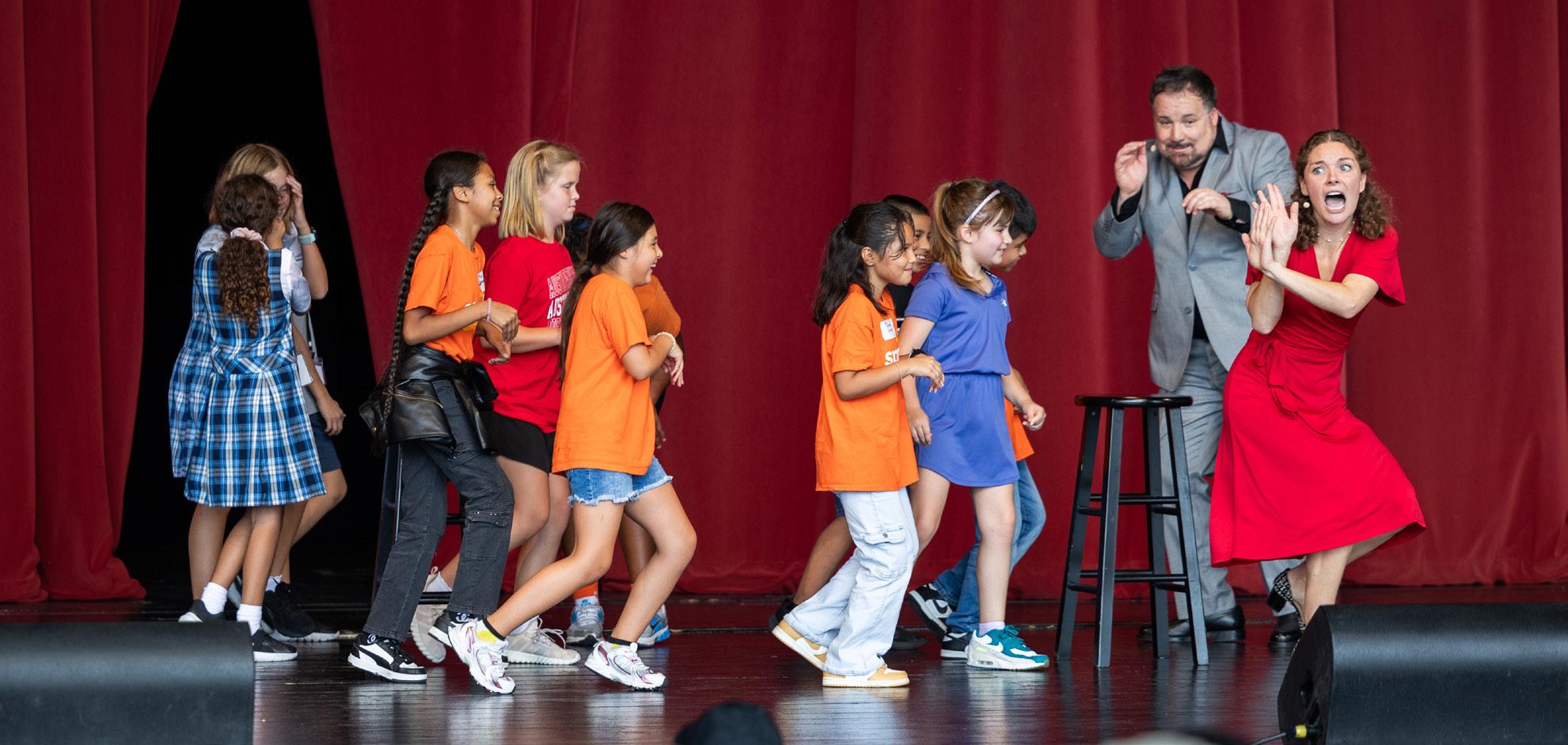
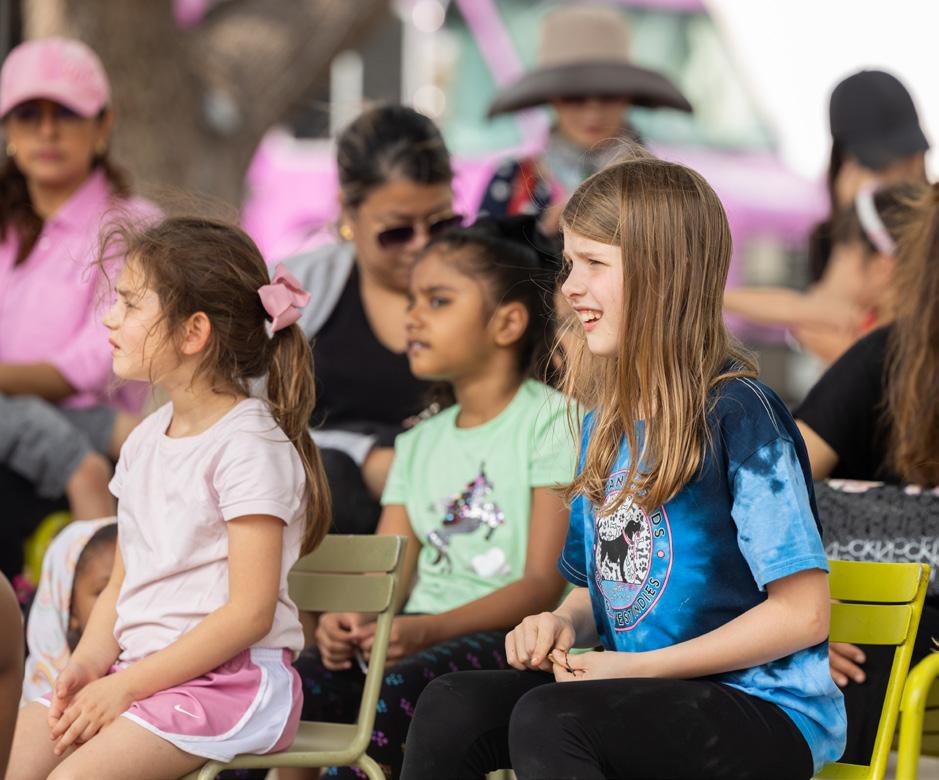
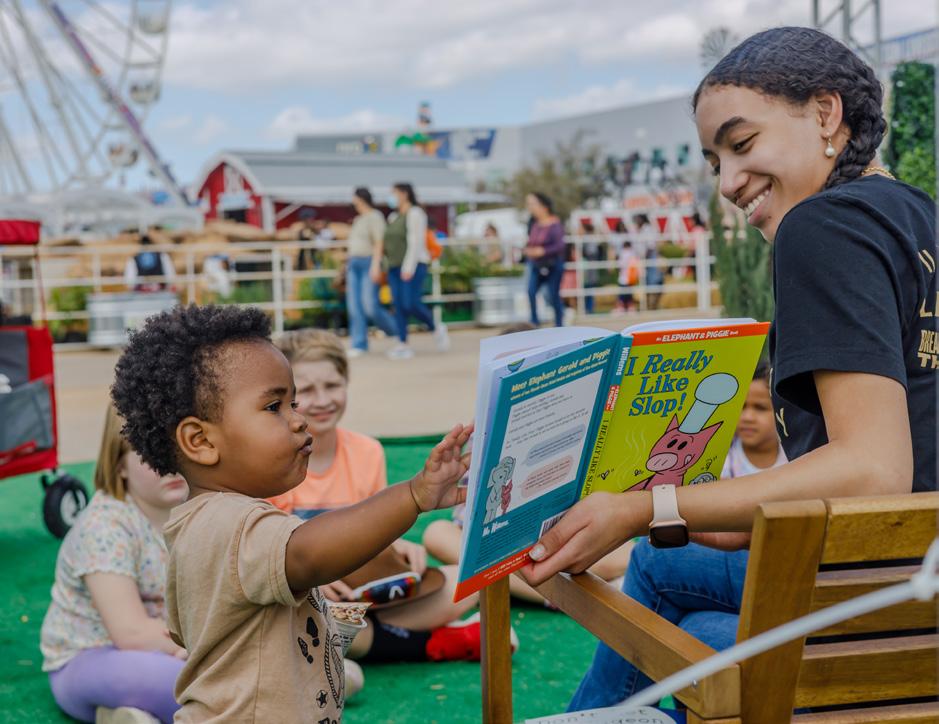
Ticket sales cover less than 20% of the cost of producing great opera. Your contributions make up the rest. Bring grand opera to families and students across Houston—give today. Your gift to HGO gives you exclusive benefits like artist recitals, lecture series, and Green Room access.
For more information, visit HGO.org/ Donate. Please contact Martalisa Tsai, philanthropy officer, at 713-980-8688 or MTsai@HGO.org.


The Brown Foundation, Inc.
Albert and Anne Chao
Ms. Marty Dudley
Houston Grand Opera Endowment, Inc.
Claire Liu and Joe Greenberg
Dian and Harlan Stai
The Wortham Foundation, Inc.
Anonymous
The Humphreys Foundation
GUARANTORS
Judy and Dick Agee
Robin Angly and Miles Smith
Carol Franc Buck Foundation
Louise G. Chapman
Cullen Trust for the Performing Arts
The Elkins Foundation
Marianne and Joe Geagea
Drs. Liz Grimm and Jack Roth
Elizabeth and Richard Husseini
Marianne Kah
Carolyn J. Levy
Laura McWilliams
Mary-Olga and John Warren
Margaret Alkek Williams
Janet and John Carrig
The Robert and Jane Cizik Foundation
Mr. and Mrs. Michael Clancy
Mathilda Cochran
Molly and Jim Crownover
Misook Doolittle
Mrs. Nancy Dunlap
Amanda and Morris Gelb
Dr. Linda L. Hart
Matt Healey
Gary Hollingsworth and Ken Hyde
Saurage Marketing Research
Merrill Shields and Ray Thomasson
Mike Stude

Nana Booker and Booker · Lowe Gallery
Drs. Ian and Patricia Butler
Kiana Caleb
Judy Ley
Renee Margolin
Muffy McClanahan
Prof. and Mrs. D. Nathan Meehan
Terrylin G. Neale
Mr. and Mrs. Charles G. Nickson
Ambassador and Mrs. Lyndon L. Olson Jr.
Katherine Reynolds
Samuels Family Foundation
Rhonda Sweeney
Mary Lee and Jim Wallace
Mrs. Charlos Ward and Mr. Lee Riley
Helen Wils and Leonard Goldstein
Alan and Frank York
Nina and Michael Zilkha


SPONSORS
Surpik Angelini
Ms. Susan Bloome
Ms. Helen Berggruen
Ms. Elizabeth Phillips


April 17, 19m, 25, 29, May 1, 3m
AN ORATORIO IN THREE PARTS
MUSIC BY GEORGE FRIDERIC HANDEL IN THE ARRANGEMENT BY
WOLFGANG AMADEUS MOZART
LIBRETTO BY CHARLES JENNENS, ASSEMBLED FROM BIBLICAL TEXTS
A ROBERT WILSON PRODUCTION
A Co-Production of The Salzburg Mozarteum Foundation, Théâtre des Champs-Elysées, and The Grand Théâtre de Genève.
Sung in English with

The activities of Houston Grand Opera are supported in part by funds provided by the City of Houston through Houston Arts Alliance and by a grant from the Texas


A savior is sent to redeem mankind through his death and resurrection, granting his followers eternal life.
George Frideric Handel was born in Germany, but like all great composers of the baroque, he honed his craft in Italy. In 1712, he moved to London and established himself as the leading creator of Italian opera. Handel also helped to cultivate the emerging genre of English-language oratorio. Originating in Italy alongside opera, oratorios are religious music dramas that are typically performed unstaged. Messiah represented a radical departure from the Old Testament narratives Handel had previously chosen for his oratorios. Charles Jennens’s libretto, assembled from biblical verses, tells no story. Rather, it offers an abstract meditation on Jesus’s role as the Christian messiah—the savior of humanity.
Following its 1742 Dublin premiere, Messiah became an instant classic. Choral societies were founded across Britain and Europe to perform the work, along with other Handel oratorios. In 1789, one such society in Vienna commissioned Mozart to arrange a German-language version of Messiah Mozart “classicized” Handel’s baroque score by introducing new harmonies and reworking the orchestration with
additional winds. For this production—a rare example of a fully staged Messiah —HGO utilizes Mozart’s arrangement, but restores the original English text.
The orchestral introduction, labeled a “Sinfony” by Handel, is an example of a French overture. This baroque form consists of a slower section filled with dotted rhythms and a faster contrapuntal section. Part I opens with the tenor’s “Ev’ry valley,” which showcases the singer’s coloratura. These rapid runs and ornaments are a staple of Handel’s vocal writing for both the soloists and, unusually, the choral parts. The highlight of Part I is the portion recounting Jesus’s nativity, which is why Messiah is often associated with Christmas. Listen for the chorus “For unto us a child is born,” with its jubilant refrain of “Wonderful, Counsellor.” It’s followed by a rustic instrumental interlude, titled “Pifa” (Pipe), that represents the shepherds in the field.
Part II is darker in tone, as it deals with Christ’s passion. Listen for the alto’s mournful “He was despised,” which follows an ABA form known as a da capo aria. (The part is sung by a countertenor in HGO's production— that is, a man who sings in his falsetto range.) During the chorus “All we like sheep,” listen for the zig-zagging setting of “have gone astray” and the circling coloratura on “we have
turned.” This illustrative technique, called “word painting,” is a favorite of Handel’s. Part II concludes with the triumphant “Hallelujah” Chorus, one of two finales in Messiah that feature the timpani prominently.
Part III, focusing on themes of resurrection and the afterlife, opens with the soprano’s expansive “I know that my redeemer lives.” In the bass’s “The trumpet shall sound,” don’t listen for the usual trumpet solo—Mozart replaced it with a horn in his arrangement. The tenor and alto share the only ensemble in Messiah, their lively “O death, where is thy sting.” Listen for the way they trade phrases back and forth, which is reminiscent of love duets from Handel’s Italian operas. The glorious “Amen” that closes Messiah is, like many of the other choral movements, organized as a fugue. Listen for the main fugal theme, introduced by the basses, which is then passed around to the other parts and developed into a contrapuntal swirl of swelling voices.
It is customary to stand during the “Hallelujah” Chorus at the end of Part II. This tradition is said to originate from the first London performance of Messiah in 1743. It was reported that the audience—which included King George III—was so moved by the piece that they rose to their feet. However, there’s no evidence that George II attended, and the story is probably a myth.
Soprano Soloist
Countertenor Soloist
Tenor Soloist
Bass-baritone Soloist
Dancer
Old Man
Little Girl
Ying Fang *
Aryeh Nussbaum Cohen ‡
Ben Bliss
Nicholas Newton ‡
Alexis Fousekis *
Alessandro di Bagno
Raina Rice *
Conductor
Direction, Design, and Lighting
Co-Director
Co-Set Designer
Costume Designer
Co-Lighting Designer
Video Designer
Patrick Summers
Robert Wilson
Claire Liu and Joe Greenberg
Director Chair
Nicola Panzer
Stephanie Engeln
Carlos J. Soto
Marcello Lumaca *
Tomasz Jeziorski
Makeup and Hair Designer Manu Halligan
Chorus Director
Continuo
English Diction Coach
Music Preparation
Stage Manager
Assistant Director
* Mainstage debut
† Butler Studio artist
‡ Former Butler Studio artist
Richard Bado ‡
William Woodard, harpsichord and organ
Barrett Sills, cello
Jim Johnson
Keith Chambers *
Kyle Naig ‡
Tzu Kuang Tan †
Shelly Cyprus Fellow
William Woodard
Annie Wheeler
Colter Schoenfish
By arrangement with European American Music Distributors Company, U.S. and Canadian agent for Schott Music, publisher and copyright owner.
Robert Wilson is represented by RW Work, Ltd. More information can be found at www.robertwilson.com.
Supertitles by Alexa Lietzow. Supertitles called by Matthew Neumann.
Performing artists, stage directors, and choreographers are represented by the American Guild of Musical Artists, AFL-CIO, the union for opera professionals in the United States.
Scenic, costume, and lighting designers and assistant designers are represented by United Scenic Artists, IATSE Local USA-829.
Orchestral musicians are represented by the Houston Professional Musicians Association, Local #65-699, American Federation of Musicians.
Stage crew personnel provided by IATSE, Local #51.
Wardrobe personnel provided by Theatrical Wardrobe Union, Local #896.
Usher personnel provided by IATSE, Local B-184.
This production is being recorded for archival purposes.


For his production of Messiah, Robert Wilson approached the work as an abstract “spiritual celebration” unfixed to any specific religion. The following is only intended to summarize the passages of scripture excerpted in Charles Jennens’s libretto and doesn’t necessarily reflect Wilson’s staging.
In a time of war and iniquity, a voice cries out in the wilderness: “Prepare ye the way of the Lord.” A prophecy is foretold of one whose coming will transform the world. When his glory is revealed, valleys shall be made high and mountains low; the heavens and earth will shake. This savior shall be born of a virgin mother, and he will purify mankind, bringing light into the darkness.
One night, shepherds in a field are visited by an angel who tells them to rejoice: the savior has finally been born. During his life, he shall preach peace and heal the sick. His followers will find comfort in him, like sheep led by their shepherd.
The savior has been sent to cleanse the world of sin, and yet he is rejected by mankind. The people turn away from righteousness like wandering sheep. They wound and abuse him, and none show pity. But it is through his suffering that humanity is delivered from their transgressions. The savior dies. However, his soul is not left to endure the pain of hell. He is resurrected and lifted on high, where he is proclaimed the King of Glory.
The savior’s followers venture out in the world to preach his gospel of peace. Yet the rulers of the earth rise up against them. The faithful are promised that they shall be liberated from the persecution of these kings. For the one true king—the savior—reigns in heaven for ever and ever.
Just as the savior rose from the dead, so too shall his followers be resurrected. At the final trumpet, they shall be transformed into immortal beings free of corruption. For death has been defeated through the savior’s victory—that is, his death and resurrection. Seated at the right hand of God, he comes to the aid of his people. For all eternity, he is praised as the Lamb of God, worthy of blessing, honor, glory, and power.
Patrick Summers, Artistic and Music Director
VIOLIN
Denise Tarrant *, Concertmaster
Chloe Kim *, Assistant Concertmaster
Natalie Gaynor *, Principal Second Violin
Carrie Kauk †, Assistant Principal
Second Violin
Miriam Belyatsky *
Rasa Kalesnykaite *
Hae-a Lee Barnes *
Chavdar Parashkevov †
Anabel Ramirez *
Mary Reed *
Erica Robinson *
Linda Sanders *
Oleg Sulyga *
Sylvia VerMeulen †
Melissa Williams *
Kana Kimura
Mila Neal
Rachel Shepard
VIOLA
Eliseo Rene Salazar *, Principal
Lorento Golofeev *, Assistant Principal
Gayle Garcia-Shepard *
Erika C. Lawson *
Suzanne LeFevre *
Matthew Weathers *
CELLO
Barrett Sills *, Principal
Erika Johnson *, Assistant Principal
Dana Rath †
Wendy Smith-Butler *
Chennie Sung *
Christopher Ellis
DOUBLE BASS
Dennis Whittaker *, Principal
Erik Gronfor *, Assistant Principal
Carla Clark *
FLUTE
Henry Williford *, Principal
Tyler Martin *
PICCOLO
Henry Williford *
OBOE
Elizabeth Priestly Gehrke *, Principal
Mayu Isom †
Spring Hill
CLARINET
Eric Chi *
Adam Floyd
BASSOON
Amanda Swain *, Principal
Quincey Trojanowski †
Micah Doherty
HORN
Sarah Cranston †, Principal
Spencer Park *, Acting Principal
Kimberly Penrod Minson *
TRUMPET
Tetsuya Lawson *, Principal
Randal Adams *
TROMBONE
Thomas Hultén *, Principal
Mark Holley *
Jordan Milek Johnson †
Brian Logan
TUBA
Mark Barton †, Principal
TIMPANI
Alison Chang *, Principal
HARP
Caitlin Mehrtens †, Principal
HARPSICHORD/ORGAN
William Woodard
* HGO Orchestra core musician † HGO Orchestra core musician on leave this production
Richard Bado, Chorus Director
Asa Ambrose
Maggie Armand
Dennis Arrowsmith
Sarah Bannon
Alyssa Barnes
Megan Berti
Christopher Childress
Jennifer Coffman
Esteban G. Cordero Pérez
Callie Denbigh
Jacob DeSett
Ashley Duplechien
Ashly Evans
Dallas Gray
Nathan Holmes
Katherine Jones
Joe Key
Melissa Krueger
Alexandra Kurkjian
Wesley Landry
Carolena Belle Lara
David Le
Alejandro Magallón
Jason Milam
Leah Moody
Iván Moreno
Grant Peck
Patrick Perez
Saïd Henry Pressley
Brad King Raymond
Gabrielle Reed
Roberto J. Reyna
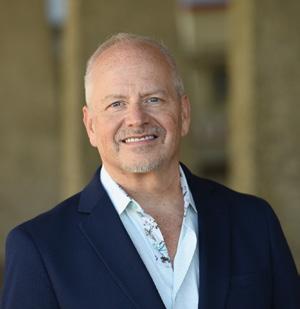
PATRICK SUMMERS (UNITED STATES) CONDUCTOR
Patrick Summers has been a central figure at HGO for over 25 years, conducting a vast range of repertoire during his tenure. First appointed in 1998 as Music Director, he became Artistic and Music Director in 2011, tasked with elevating the company’s artistic quality. Highlights at HGO include Wagner’s Ring of the Nibelungen, Tristan und Isolde, and Lohengrin; Verdi’s Requiem, Don Carlo, and La traviata; Mozart’s Don Giovanni and The Marriage of Figaro; Britten’s Peter Grimes and Billy Budd; Handel’s Saul; Puccini’s Madame Butterfly and Turandot; and premieres by Tarik O’Regan, André Previn, Christopher Theofanidis, Jake Heggie, Carlisle Floyd, Rachel Portman, Tod Machover, and Joel Thompson. He conducted Weinberg’s The Passenger at HGO and the Lincoln Center Festival. At the Metropolitan Opera, he has led Lucia di Lammermoor, Rodelinda, Salome, I puritani, and The Enchanted Island. He has enjoyed a long association with San Francisco Opera and was awarded the San Francisco Opera Medal in 2015. Selected SFO highlights include A Streetcar Named Desire, Il trittico, Moby-Dick, Dead Man Walking, and Guillaume Tell. He has appeared with the Bregenz Festival, Gran Teatre del Liceu, Deutsche Oper Berlin, Lyric
Matthew Reynolds
Christina Rigg
Francis Rivera
Hannah Roberts
Emily Louise Robinson
Benjamin Rorabaugh
Priscilla Salisbury
Johnny Salvesen
Kellen Schrimper
Valerie Serice
Kade I. Smith
Kaitlyn Stavinoha
Andrew Surrena
Rebecca Tann
Tori Trahan
Lisa Borik Vickers
Opera of Chicago, Opera Australia, and guest-conducted orchestras including LA Philharmonic and San Francisco Symphony. He is Co-Director of the Aspen Opera Theater and Vocal Arts program with Renée Fleming. In 2026, Summers will step down from his current role at HGO, concluding a transformative chapter before assuming the role of Music Director Emeritus. His first novel and a volume of poetry were released in 2024.
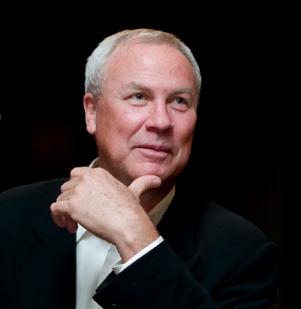
ROBERT WILSON (UNITED STATES) DIRECTION, DESIGN, AND LIGHTING
Claire Liu and Joe Greenberg Director Chair
During the 2025-26 season, HGO honors the late Robert Wilson and his production of Messiah. Born in Waco, Texas, Wilson integrated a wide variety of artistic media, including dance, movement, lighting, sculpture, music, and text, into his works for the stage. HGO previously staged Wilson’s productions of Turandot (2022), Four Saints in Three Acts (1996), and Parsifal (1992). After being educated at the University of Texas and Brooklyn’s Pratt Institute, Wilson founded the New York-based performance collective The Byrd Hoffman School of Byrds in the mid-1960s, and developed his first signature works, including Deafman Glance (1970) and A Letter for Queen Victoria (1974-75). With
Philip Glass, he wrote the seminal opera Einstein on the Beach (1976). Wilson’s artistic collaborators included many writers and musicians such as Heiner Müller, Tom Waits, Susan Sontag, Laurie Anderson, William Burroughs, Lou Reed, Jessye Norman, and Anna Calvi. His drawings, paintings, and sculptures were presented around the world. He was honored with numerous awards for excellence, including a Pulitzer Prize nomination, two Premi Ubu awards, the Golden Lion at the Venice Biennale, and an Olivier Award. He was elected to the American Academy of Arts and Letters, as well as the German Academy of the Arts, and held eight honorary doctorate degrees. France pronounced him Commander of the Order of Arts and Letters (2003) and Officer of the Legion of Honor (2014). Germany awarded him the Officer’s Cross of the Order of Merit (2014), and laureate of the 2023 Praemium Imperiale. He was the founder and Artistic Director of The Watermill Center, a laboratory for the arts in Water Mill, New York.
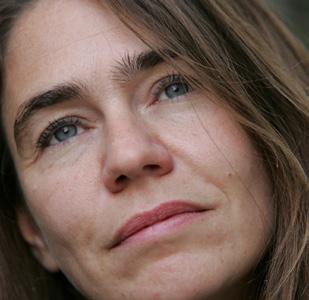
NICOLA PANZER (GERMANY) CO-DIRECTOR
Previously for HGO, Nicola Panzer co-directed Turandot (2022) and Parsifal (1992). Panzer has worked as an independent opera director since 1998 and serves as guest director at Hamburg State Opera. She has directed productions for LA Opera, De Vlaamse Opera in Antwerp, the Royal Ballet and Opera – Covent Garden, Teatro Real Madrid, and Opéras Châtelet and Bastille in Paris, as well as the festivals in Salzburg, Bayreuth, and Spoleto. She has directed for many international theaters including Montpellier, Bologna, Moscow, Tokyo, Tel Aviv, São Paulo, and Perm. She staged Stockhausen’s Aus den sieben Tagen and five productions in the Seria Opera Piccola at the Hamburg State Opera; Hansel and Gretel at Konzerthaus Dortmund; Riders to the Sea and The Abduction from the Seraglio in Frankfurt; The Bartered Bride at the Landestheater Linz; Nabucco at the Opera Festival Immling; Les Mamelles de Tirésias in Leipzig; The Elixir of Love in Rostock; and The Marriage of Figaro, The Barber of Seville, and The Magic Flute for the Daejeon Spring Festival, South Korea. Since 1997, Panzer has held diverse lectureships at the universities for music and theater of Frankfurt, Hamburg, Leipzig, Essen, and Rostock. Her collaboration with Robert Wilson started with Cosmopolitan Greetings (1988), a multimedia jazz opera with music by George Gruntz and Rolf Liebermann based on text by Allen Ginsberg, and with Parsifal (1991), both in Hamburg. Recently she worked as co-director on Luther – Dancing with the Gods in Berlin; Le Trouvère at Verdi Festival Parma; H – 100 seconds to midnight at Thalia Theater Hamburg; and Messiah at Mozart Week in Salzburg and Théâtre des Champs-Elysées in Paris. She studied music directing with Götz Friedrich at Hamburg’s Academy of Music and Performing Arts.
CO-SET DESIGNER
Previously for HGO, Stephanie Engeln served as the co-set designer for Turandot (2022). Based in Yonkers, New York, she has created scenic designs for both opera and theater since 1985. The Magic Flute, her first opera with the late Robert Wilson, was created and performed at the Paris Opera in 1991. This season, Engeln finalized a collaboration on a book about Wilson’s projects, covering the period from 2011 until his last theatrical creations with Paris-based ARTS ARENA. She also worked on the set designs for Wagner’s Tristan and Isolde, which was conceived, but not finished, by Wilson in Ljubljana, Slovenia; opened in February 2026; and will be shown at various European venues through 2030. During the 2024-25 season, Engeln was the set designer for Turandot with the Lithuanian National Opera and Theatre. Past projects include Madame Butterfly ; the gospel opera The Temptations of St. Anthony by Bernice Reagon and Wilson; Pelléas et Mélisande; Bluebeard’s Castle/ Erwartung by Béla Bartók and Arnold Schoenberg; Oedipus Rex; Lohengrin; The White Raven, an opera by Philip Glass and Robert Wilson; Parsifal; and Der Freischütz by Carl Maria von Weber. In a career spanning 40 years, Engeln has worked on a great variety of artistic projects. Besides theater and opera projects with Japanese directors Keisuke Suzuki and Takahiro Ito, she worked with German artist Gabriele Henkel and Robert Wilson on museum exhibitions and art installations, architectural projects, and object and furniture design. She also has created numerous event concepts, interior designs, and graphic design projects. She studied interior architecture and design in Germany.
HAIR AND MAKEUP DESIGNER
Previously for HGO, Manu Halligan served as the hair and makeup designer for Turandot (2022). Her collaborations with Robert Wilson span productions including Leonce and Lena (Berliner Ensemble, 2003); Shakespeare’s Sonnets and Peter Pan (Berliner Ensemble, 2009 and 2013); a restaging of Einstein on the Beach (Asia Culture Center, Kwangju, 2015); Pushkin’s Fairy Tales (Theater of Nations, Moscow, 2015); Edda (Det Norske Teatret, Oslo, 2017); The Sandman (Düsseldorfer Schauspielhaus, 2017); Turandot (Teatro Real, Madrid, 2018); La Livre de la Jungle in French and German (Grand Théatre de la Ville, Luxemburg and Düsseldorfer Schauspielhaus, 2019); Messiah (Haus für Mozart, Salzburg, 2020); Dorian (Düsseldorfer Schauspielhaus, 2022); Three Tall Women (Municipal Theater of Piraeus, Athens, 2023), Moby Dick (Düsseldorfer Schauspielhaus,
2024); and restagings of Heiner Müller’s Hamletmachine (Teatro San Nicolò, Spoleto, 2017, and Theatre Converge, Huichang, 2025). She also served as makeup artist for Wilson’s performances, and designed makeup and wigs for Peter Stein’s staging of Beckett’s Krapp’s Last Tape (2013), starring Klaus Maria Brandauer. In 2025, she was hired by the Greek National Opera to design hair, makeup, and wigs for Turandot, which opened the Athens Epidaurus Festival. She has worked on major Hollywood productions including The Hunger Games, Point Break, and A Cure for Wellness; films including Munich - The Edge of War, The Empress, and King’s Land; and television series including The Queen’s Gambit
COSTUME
Previously for HGO, Carlos J Soto served as the costume designer for Intelligence (2023). Other engagements this season include two projects for Opera Philadelphia—The Seasons (costume design) and The Black Clown (scenic and costume design)—and a production of Cinderella at La Monnaie, Brussels. Soto is a New York City-based designer and creative director. Recent works include Robin Hood: A Beast Ballad; The Seasons at the Schauspielhaus Zürich; La Calisto at Boston Lyric Opera and Glimmerglass Opera; Tosca at Wermland Opera; L’Orfeo and Tristan und Isolde at Santa Fe Opera; Perle Noire (dir. Peter Sellars) at De Nationale Opera, Amsterdam; Proximity: A Trio of New American Operas at Lyric Opera of Chicago; The Valkyries at Detroit Opera; and 6 Solos at Festival d’Automne. Soto collaborated closely with Robert Wilson starting in 1997. Since 2017, he has collaborated closely with Solange Knowles as creative director and designer.
MARCELLO LUMACA (ITALY)
CO-LIGHTING DESIGNER
Marcello Lumaca is making his company debut. Lumaca works internationally as a lighting designer in theater, performance, and installation. He worked continuously with Robert Wilson for more than 20 years, in joint productions such as The Temptation of St. Anthony; Persephone; Lady from the Sea; Old Woman; Letter to a Man; Garrincha – a street opera; Edda; Turandot; Otello; Pessoa—Since I’ve been me; H—100 seconds to Midnight; Dorian; and Moby Dick at the Schauspielhaus in Düsseldorf. Lumaca also regularly collaborates with British film director and experimental artist Peter Greenaway. He created lighting for installations and performances The Blue Planet, Children of Uranus, Leonardo’s Last Supper, The Marriage, and Rembrandt’s J’Accuse. He collaborated with director Peter Stein on productions of Penthesilea and Medea, which are shown internationally. Lumaca created the lighting concept for
Italian architect Italo Rota’s C25 Option of Luxury exhibition and worked with the Royal Shakespeare Company on the premiere of Derek Walcott’s The Odyssey. In 2016, Lumaca was responsible for the fashion event “Looking for Marni” and has continued to collaborate with the Italian fashion house ever since. He collaborated with the architects and designers of the CQS studio in 2016 and 2017 during Milan Design Week.
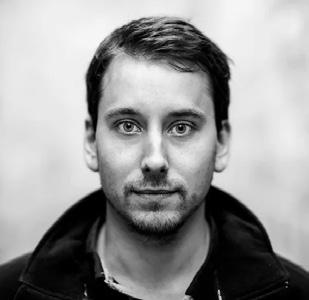
VIDEO DESIGNER
Previously for HGO, film director and video artist Tomasz Jeziorski served as the video designer for Turandot (2022). His works have been presented at international film festivals in Locarno, Vancouver, Madrid, St. Petersburg, Tampere, Vienna, Sibiu, and more. He has worked with Robert Wilson as the author and designer of video projections since 2009. He has also collaborated with artists such as Laurent Chetouane, Tilman Hecker, and Herbert Grönemeyer, for whom he prepared projections for the tour promoting the album Dauernd jetzt. In 2015, he was a finalist at the Papaya Young Directors competition and held an artistic residency at the Watermill Center in New York. Jeziorski is a graduate of the Institute of Polish Culture at the University of Warsaw and studied film directing and screenwriting at the National Film School in Łódź. He is the recipient of the Main Prize of the Polish Filmmakers Association, as part of the competition SCRIPT PRO in 2023.
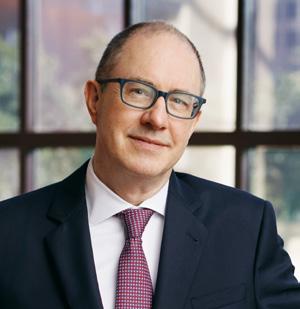
CHORUS DIRECTOR
Richard Bado made his professional conducting debut in 1989 leading Houston Grand Opera’s acclaimed production of Show Boat at the newly restored Cairo Opera House in Egypt. Since then, Bado has conducted at Teatro alla Scala, Opéra National de Paris, HGO, New York City Opera, the Aspen Music Festival, Tulsa Opera, the Russian National Orchestra, the Florida Philharmonic, the Montreal Symphony, Wolf Trap Opera, and has conducted the Robert Wilson production of Virgil Thomson’s Four Saints in Three Acts at the Edinburgh Festival. During the 2025-26 season, Bado conducted performances of Porgy and Bess at HGO and The Nutcracker for Houston Ballet. In the 2024-25 season, he conducted West Side Story for HGO in addition to leading HB’s The Nutcracker. Bado— who holds music degrees from the Eastman School of Music, where he received the 2000 Alumni Achievement Award, and West Virginia University—has studied advanced choral conducting with Robert Shaw. He is the Chief Artistic Officer and Chorus Director for HGO, where he received the Silver Rose Award in 2013. He has
appeared on A Prairie Home Companion with Garrison Keillor. For 12 years, he was the Director of the Opera Studies Program at Rice University’s Shepherd School of Music. Bado has served on the faculty of the Aspen Music Festival and School, the Dolora Zajick Institute for Young Dramatic Voices, the International Vocal School in Moscow, the Texas Music Festival, and has served on the music staff of the Metropolitan Opera, Seattle Opera, the Bolshoi Opera Young Artist Program, Opera Australia, Santa Fe Opera, Opera Theatre of Saint Louis, Utah Opera, Chautauqua Opera, and Wolf Trap Opera.
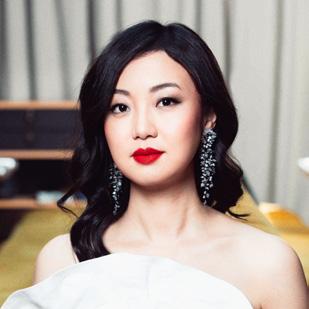
Ying Fang is making her HGO debut. During the 2025-26 season, she appears as Pamina in The Magic Flute and Ilia in Idomeneo at the Vienna State Opera and makes her role debut as Juliet in Bellini’s I Capuleti e i Montecchi at the Dutch National Opera and Ballet. On the concert platform she appears as a soloist with the Philadelphia Orchestra and the Vienna Philharmonic. In the 2024-25 season, Fang made her house debut at the Royal Ballet and Opera – Covent Garden as Susanna in The Marriage of Figaro in a production by Sir David McVicar and returned to Lyric Opera of Chicago for the same role. She debuted at the Bavarian State Opera as Pamina in The Magic Flute and made her role debut as Marzelline in Fidelio at the Metropolitan Opera, which was broadcast as part of The Met Live in HD series. She also performed as Ilia in Idomeneo in her house debut at San Francisco Opera. Fang is the recipient of the Martin E. Segal Award, the Hildegard Behrens Foundation Award, the Sullivan Foundation’s Rose Bampton Award, The Opera Index Award, and First Prize at the Gerda Lissner International Vocal Competition. In 2009, she became one of the youngest singers to win one of China’s most prestigious awards: the China Golden Bell Award for Music. Fang holds a master’s degree and an Artist Diploma in Opera Study from The Juilliard School and a bachelor’s degree from the Shanghai Conservatory of Music. She is a former member of the Metropolitan Opera’s Lindemann Young Artist Development Program.
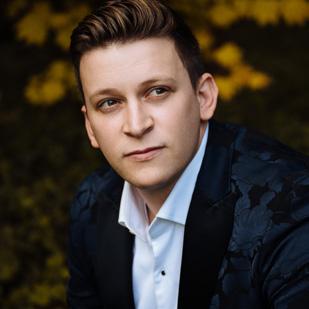
ARYEH NUSSBAUM COHEN (UNITED STATES) COUNTERTENOR SOLOIST
Previously at HGO, Butler Studio alumnus Aryeh Nussbaum Cohen performed as David in Saul (2019), Second Maidservant in Elektra (2018), and Nireno in Julius Caesar (2017). He was the first-place winner in HGO’s 2017 Eleanor McCollum Competition. Elsewhere during the 2025-26 season, Nussbaum Cohen makes three major title-role debuts: he sings Handel’s Rinaldo with The English Concert, Handel’s Tolomeo with Philharmonia Baroque
Orchestra, and Gluck’s Orfeo ed Euridice with Music of the Baroque. He also makes his Spanish debut at the Palau de les Arts Reina Sofía in Valencia in the title role of Handel’s Julius Caesar, and he returns to Deutsche Oper Berlin, the Saint Paul Chamber Orchestra, and others Recent seasons have taken him to The Metropolitan Opera, Teatro dell’Opera di Roma, the Bayerische Staatsoper (Munich), Opernhaus Zürich, the Chicago Symphony Orchestra, San Francisco Opera, Ballet, and Symphony, Los Angeles Opera, Carnegie Hall, The Kennedy Center, La Monnaie (Brussels), the Salzburger Festspiele, the Adelaide Festival (Australia), Komische Oper Berlin, Netherlands Radio Philharmonic Orchestra at the Concertgebouw, the Moscow Chamber Orchestra, and the Buffalo Philharmonic. His first commercial recording was honored with a Grammy Award for Best Classical Compendium in 2019. Additional successes include winning the Grand Prize at the 2017 Metropolitan Opera Laffont Competition, top prize in the Dallas Opera Guild Competition, a George and Nora London Foundation Award, the Richard Tucker Study Grant and Career Grant, and in 2024, the top prize in the Gerda Lissner Foundation’s International Vocal Competition.
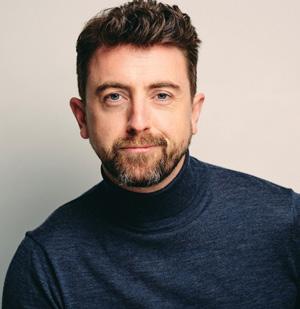
BEN BLISS (UNITED STATES)
TENOR SOLOIST
Previously for HGO, Ben Bliss performed the role of Don Ottavio in Don Giovanni (2019). Elsewhere during the 2025-26 season, Bliss performs as Don Ottavio at the Metropolitan Opera and makes his role debut as the Duke in Rigoletto with the Canadian Opera Company. During the 2024-25 season, Bliss performed two roles at the Metropolitan Opera, a debut as Eric in Jeanine Tesori’s new opera Grounded and Tamino in The Magic Flute. He also returned to Opéra national de Paris as Tom Rakewell in The Rake’s Progress and performed the role of Jupiter in Semele for his house debuts at both the Royal Ballet and Opera – Covent Garden and the Théâtre des Champs Elysées. Highlights of the 2023-24 season include house debuts at the Opéra national de Paris as Don Ottavio in Don Giovanni; Ferrando in Così fan tutte at Vienna State Opera; a role debut as Romeo in Romeo and Juliet with the Lyric Opera of Kansas City; Tamino in The Magic Flute and Pelléas in Pelléas et Mélisande with the Bavarian State Opera; and Don Ottavio in Don Giovanni at Canadian Opera Company. Other operatic highlights include Tamino in The Magic Flute at LA Opera and Opera Philadelphia; Ferrando in Così fan tutte at Seattle Opera, Canadian Opera Company, and Frankfurt Opera; Tom Rakewell in The Rake’s Progress for the Boston Lyric Opera; and Flamand in Capriccio and Robert Wilson in Peter Sellars’s new production of Doctor Atomic with Santa Fe Opera.
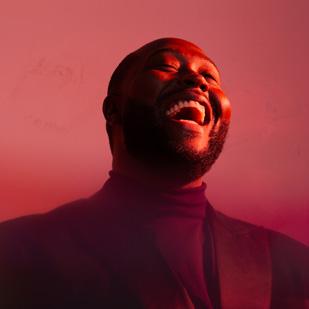
NICHOLAS NEWTON (UNITED STATES)
Previously at HGO, Butler Studio and Young Artist Vocal Academy alumnus
Nicholas Newton performed the roles of Henry in the world premiere of Intelligence (2023); Sacristan in Tosca and Second Soldier in Salome (2023); Friar Laurence in Romeo and Juliet (2022); Daddy/Tim in the world premiere of The Snowy Day (2021); Billy King in performances of Marian’s Song in the opera’s world premiere (2020) and at Miller Outdoor Theatre (2021); and Monterone in Rigoletto (2019). Elsewhere this season, he performs Messiah with the Handel and Haydn Society in Boston and sings multiple roles in Philadelphia Opera’s world premiere of Complications in Sue; Alessio in a new production of La sonnambula in his debut at the Metropolitan Opera; and Friar Laurence in Romeo and Juliet with Opera Theatre of Saint Louis. During the 2024-25 season, Newton performed at the Opéra national de Paris in Castor et Pollux in a new production directed by Peter Sellars under the baton of Teodor Currentzis; at Lyric Opera of Chicago in The Marriage of Figaro; and in a new production of Don Giovanni at Opera Philadelphia. Newton’s engagements in past seasons include a debut at The Salzburg Festival in Purcell’s The Indian Queen; Alidoro in Cinderella at Lyric Opera of Chicago; a new production of John Adams’s El Niño at the Metropolitan Opera; and Leporello in a new production of Don Giovanni at Santa Fe Opera. Newton is an avid concert performer and
recitalist and a co-founder of the in-progress Black Opera Database. He is a 2021 Sullivan Award winner.
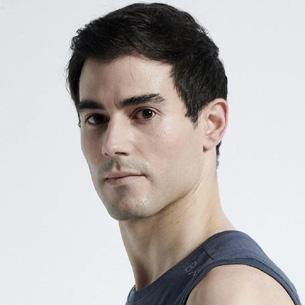
ALEXIS FOUSEKIS (GREECE) DANCER
Alexis Fousekis is making his HGO debut. Fousekis was part of Robert Wilson’s artistic team for Oedipus, Bach 6 Solo, and Messiah (soloist at the Mozart Week 2020 presentation, Haus Für Mozart, Salzburg). He was also a member of Wilson’s team at The Watermill Center in New York. He has collaborated with artists including Linda Kapetanea and Jozef Fruček in Europium; Dionysis Savopoulos and Ermis Malkotsis in Plutus; Konstantinos Rigos in Arkadia; Marianna Kavallieratos in the performances Stream, Death, and They ; Giannis Kakleas in the plays Acharnes, Killing Game, and Cyrano de Bergerac; Thomas Moschopoulos in Mojo; Euripides Laskaridis in Ridicule and Transformation and The Walk ; Stella Fotiadi in Hands and Seeking Bliss; Giannis Antoniou in Memoirs of a Sailor (National Opera of Kuwait); Athanasia Kanellopoulou in Exodus (2019 Ramallah Dance Festival); and Michalis Theophanous in Sans Word. Fousekis was awarded the Stavros Niarchos Foundation Artist Fellowship by ARTWORKS (2021). He studied contemporary dance at the Greek National School of Dance in Athens, obtaining a scholarship to study with the Martha Graham School in New York upon graduation.

April 24, 26m, 28†, 30, May 2, 6, 8, 10m
AN OPERA BUFFA IN TWO ACTS
A Co-Production of Houston Grand Opera, Canadian Opera Company, Opéra National de Bordeaux, and Opera Australia.
Sung in Italian with Projected English Translation.
Brown Theater, Wortham Theater Center
The performance lasts approximately 3 hours, with one intermission.
The activities of Houston Grand Opera are supported in part by funds provided by the City of Houston through Houston Arts Alliance and by a grant from the Texas Commission on the Arts.
† High School Night



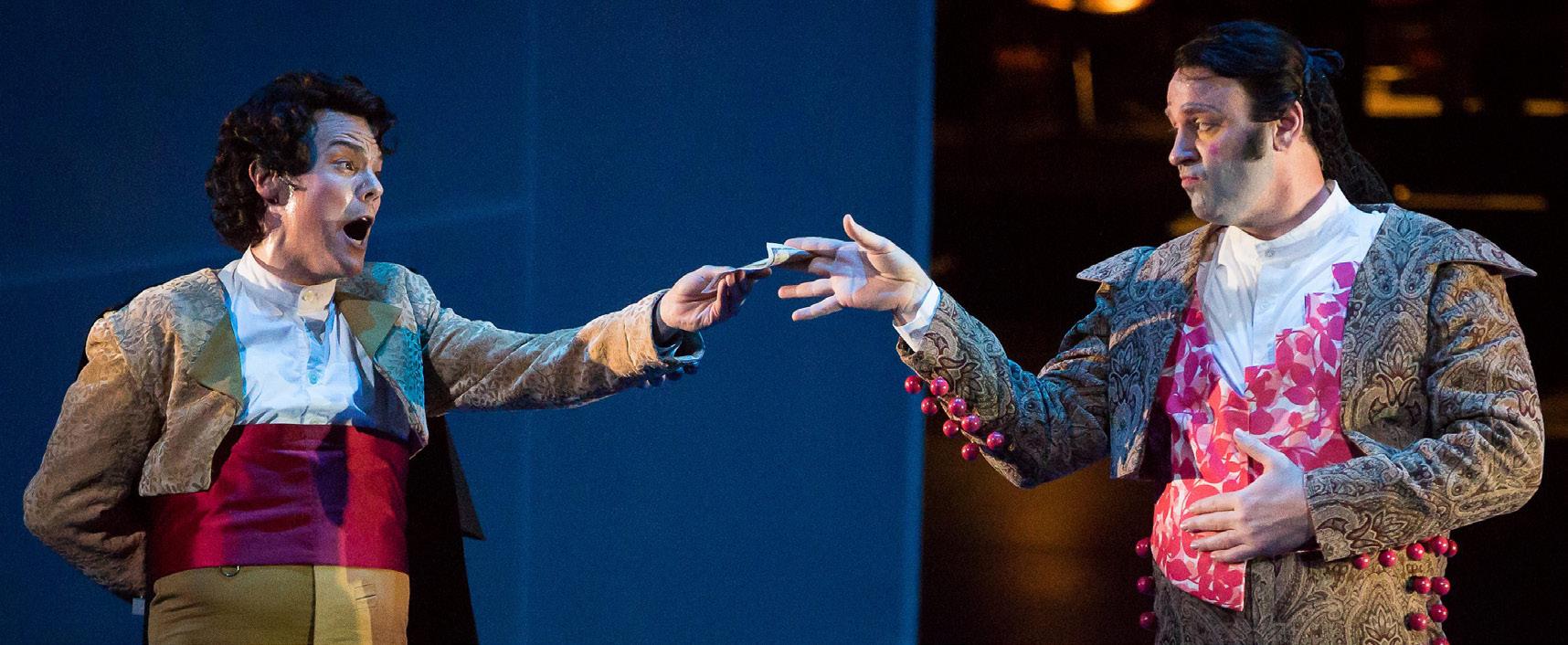
With the help of the clever barber Figaro, Count Almaviva carries out a series of schemes to liberate Rosina from the house of her possessive guardian, Dr. Bartolo.
In 1775, French playwright PierreAugustin de Beaumarchais premiered his comedy The Barber of Seville. While politically subversive, it was wildly popular across Europe—Marie Antoinette herself played Rosina in a production at Versailles. The play spawned two sequels, including The Marriage of Figaro in 1784, which was set as an opera by Mozart two years later. While Barber was adapted by a handful composers, the standard version was, for decades, the 1782 opera by Giovanni Paisiello. It had such a devoted following that Paisiello fans attempted to sabotage the Rome premiere of Rossini’s 1816 “remake.” Though not particularly successful at the time, Rossini’s Barber gradually supplanted Paisiello’s nowforgotten setting.
Like most of Rossini’s operas, Barber was created on an impossibly tight deadline. Cesare Sterbini had just 12 days to pen the libretto, which closely follows the original Beaumarchais, and

Rossini had about three weeks to compose. The work is an example of opera buffa, a comic genre that satirizes the relationships between servants and their masters. Opera buffa draws heavily on a form of Italian folk theater known as commedia dell’arte, whose farcical plots and stock characters are reflected in Rossini’s Barber
The beloved Barber overture was, in fact, recycled from two earlier Rossini operas. Such repurposing was common in the early 19th century to keep up with the demands of the entertainment industry. In Act I, Rossini conjures the opera’s Sevillian setting with Almaviva’s two vaguely Spanish-sounding serenades, both accompanied by guitar. When Figaro sings his self-introductory cavatina, “Largo al factotum,” listen for his iconic repetitions of “Figaro, Figaro, Figaro.” Rosina’s “Una voce poco fa” musically illustrates the sweet and spiteful sides of her personality. Listen for the moment when her charmingly naïve melody gives way to viperish staccato attacks and feisty coloratura— i.e. the virtuosic runs and ornaments that decorate Rossini’s vocal lines.
Don Basilio’s “La calunnia” is a prime example of the “Rossini rocket,” a long-range crescendo that, in this aria,
represents the spread of a malicious rumor. Another Rossini trademark is found in Dr. Bartolo’s “A un dottor della mia sorte.” He rattles off his warnings to Rosina at breakneck speeds—a tongue-twisting technique known as patter. Act I ends with a freeze-frame finale in which all the characters express their befuddlement. At the big finish—a fast section called the stretta—listen for the tinkling triangle that represents a smithy hammering away at an anvil in their heads.
HGO’s production restores a seldomheard Act II aria for Almaviva, his triumphant “Cessa di più resistere.” This showstopper has proved too difficult for most tenors and was cut from the opera after its premiere run. The number lived on primarily through Rossini’s Cinderella, where one of its themes was reused in the aria “Non più mesta.”
In his aria, Figaro describes himself as a “factotum.” The word, from the Latin for “do all,” refers to a servant with various responsibilities. Indeed, a barber in the 18th century had to be a jack-of-alltrades, since he usually doubled as a surgeon. Figaro mentions that in addition to shaving and cutting hair, he also practices bloodletting.
CAST (in order of vocal appearance)
Fiorello
Count Almaviva
Figaro
Rosina
Dr. Bartolo
Don Basilio
Berta
Sergeant
Geonho Lee †
Mr. and Mrs. James w.
Crownover/ Dr. and Mrs. Miguel Miro-Quesada/ Dr. John Serpe and Tracy Maddox Fellow
Jack Swanson
Will Liverman *
Daniela Mack * Novum Artist
Alessandro Corbelli
Ryan Speedo Green (Apr. 24, 26m, 28, 30)
Cory McGee ‡ (May 2, 6, 8, 10m)
Alissa Goretsky †
Gloria M. Portela/ Susan Bloome/ James M. Trimble and Sylvia Barnes Fellow
Sam Dhobhany † Dian and Harlan Stai Fellow
Conductor Gemma New * Director
Joan Font
Claire Liu and Joe Greenberg
Director Chair
Associate Director/ Xevi Dorca
Choreographer
Set and Costume Designer Joan Guillén
Original Lighting Designer Albert Faura
Revival Lighting Designer Michael James Clark
Chorus Director
Fortepiano Continuo
Italian Diction Coach
Music Preparation
Stage Manager
Assistant Director
* Mainstage debut
† Butler Studio artist
‡ Former Butler Studio artist
Richard Bado ‡
Madeline Slettedahl
Gerardo Felisatti
Jenny Choo †
Dr. Laura E. Sulak and Dr. Richard W. Brown
Fellow
Kyle Naig ‡
Nicholas Roehler
Madeline Slettedahl
Brian August
Stephanie Smith
English supertitles by Colin Ure, adapted by Alexa Lietzow. Spanish supertitles for the May 8 Noche de Ópera performance provided by Arizona Opera Company. Supplemental Spanish titles by Luisana Rivas.
Supertitles called by Luisana Rivas.
Performing artists, stage directors, and choreographers are represented by the American Guild of Musical Artists, AFL-CIO, the union for opera professionals in the United States.
Scenic, costume, and lighting designers and assistant designers are represented by United Scenic Artists, IATSE Local USA-829.
Orchestral musicians are represented by the Houston Professional Musicians Association, Local #65-699, American Federation of Musicians.
Stage crew personnel provided by IATSE, Local #51.
Wardrobe personnel provided by Theatrical Wardrobe Union, Local #896.
Usher personnel provided by IATSE, Local B-184.
This production is being recorded for archival purposes.
SETTING: Seville, Spain; 18th century
Just before dawn on a city street, Count Almaviva stands beneath a balcony to serenade a mysterious beauty who’s captured his heart. When she fails to appear, Almaviva and his servant, Fiorello, send the hired musicians on their way. Just then, Figaro the barber enters and introduces himself as a jack-of-all-trades with a specialty in matchmaking. Recognizing Figaro, Almaviva tells the barber about the young woman. Figaro explains that she’s Rosina, a ward of the greedy codger Dr. Bartolo, who means to marry her for her money. The count tries serenading Rosina again, introducing himself in his song as a commoner named “Lindoro.” This time she answers, but her amorous words are cut short. Resolved to rescue Rosina and take her for his bride, Almaviva asks Figaro for help. The barber—fired by the promise of payment— hatches a scheme: Almaviva will pose as a drunken soldier to infiltrate the house.
Meanwhile, inside, Rosina vows that “Lindoro” will be hers and that none will stand in her way. However, forces conspire against her. The music teacher Don Basilio informs Bartolo that Almaviva is pursuing Rosina. Basilio suggests they slander the count’s name to break up the pair, but Bartolo has an easier solution—he will marry her himself by tomorrow. Figaro, who has access to the house as Bartolo’s barber, has overheard all. He warns Rosina and recommends she send a note to “Lindoro”—which, by coincidence, she’s already written. Bartolo confronts Rosina and tells her she’ll be kept under lock-and-key. A knock at the door announces Almaviva, decked in his soldier disguise and insisting he’s been quartered at Bartolo’s residence. He raises such a ruckus that a regiment of real soldiers intervenes to arrest him. But they back down after Almaviva produces a paper proving his identity. Bartolo and the others, who have no idea what the document reads, are left dumbstruck at the strange scene they’ve witnessed.
Later that day, Almaviva makes another attempt to reach Rosina, this time posing as Don Basilio’s student, “Don Alonso.” His master is ill, he explains, and has sent him in his stead to give Rosina her singing lesson. Hoping to gain Bartolo’s confidence, “Don Alonso” shows him Rosina’s letter, claiming he stole it from Almaviva. They can use it to trick Rosina into thinking that the count is unfaithful. Rosina enters for her lesson and, recognizing “Lindoro,” begs him to save her. Meanwhile, Figaro arrives, and while he’s preparing to give Bartolo a shave, he manages to swipe the key to Rosina’s window. Everything seems to be working out, when Don Basilio makes an unexpected appearance. Before Basilio can reveal that he’s never seen “Don Alonso” in his life, Almaviva convinces the music teacher that he’s deathly ill and sends him off to rest. Figaro proceeds to shave Bartolo, giving Almaviva a chance to fill Rosina in on the plan: he and Figaro will climb up to her window at midnight. Bartolo catches them whispering and, realizing he’s been duped, chases the conspirators away. Overwhelmed by all this mayhem, Bartolo’s housekeeper Berta muses on the crazy things people will do for love.
Armed with the letter that “Don Alonso” gave him, Bartolo convinces Rosina that “Lindoro” intends to betray her. Heartbroken, she admits to him the details of the rescue mission, and Bartolo instructs her to lock herself in her room. At midnight, Figaro and the Count climb a ladder to Rosina’s balcony and enter through her bedroom window. When Rosina rebukes “Lindoro” for his alleged deception, he reveals to her that he is really Count Almaviva and that he loves her passionately. The two reconcile, but when they turn to leave, they find that the ladder has been removed. Don Basilio enters with a notary intended for Rosina and Bartolo’s marriage. Taking advantage of the situation, Almaviva and Rosina sign the contract themselves. Bartolo barges in to apprehend the intruders, accompanied by the regiment of soldiers. Almaviva informs him that he no longer holds any power over Rosina, and Bartolo admits defeat while the others sing in praise of love.
HGO previously performed The Barber of Seville in the 1963-64, 1968-69, 1975-76, 1976-77, 1979-80, 1983-84, summer 1985, 1992-93, 2003-04, 2011-12, and 2017-18 seasons.
Patrick Summers, Artistic and Music Director
VIOLIN
Denise Tarrant *, Concertmaster
Chloe Kim *, Assistant Concertmaster
Natalie Gaynor *, Principal Second Violin
Carrie Kauk †, Assistant Principal
Second Violin
Miriam Belyatsky *
Rasa Kalesnykaite †
Hae-a Lee Barnes *
Chavdar Parashkevov †
Anabel Ramirez *
Mary Reed *
Erica Robinson *
Linda Sanders *
Oleg Sulyga *
Sylvia VerMeulen *
Melissa Williams *
Andres Gonzalez
Kana Kimura
Mila Neal
Sean O'Neal
Rachel Shepard
Emily Zelaya
VIOLA
Eliseo Rene Salazar *, Principal
Lorento Golofeev *, Assistant Principal
Gayle Garcia-Shepard *
Erika C. Lawson *
Suzanne LeFevre *
Matthew Weathers *
CELLO
Barrett Sills *, Principal
Erika Johnson *, Assistant Principal
Dana Rath †
Wendy Smith-Butler *
Chennie Sung *
Shino Hayashi
DOUBLE BASS
Dennis Whittaker *, Principal
Erik Gronfor *, Assistant Principal
Carla Clark *
FLUTE
Henry Williford *, Principal
Tyler Martin *
PICCOLO
Henry Williford *
Tyler Martin *
OBOE
Elizabeth Priestly Gehrke *, Principal
Mayu Isom †
Katherine Hart
CLARINET
Eric Chi †
Jonathan Gunn, Acting Principal
Justin Best
BASSOON
Amanda Swain *, Principal
Quincey Trojanowski †
Micah Doherty
HORN
Sarah Cranston †, Principal
Spencer Park *, Acting Principal
Kimberly Penrod Minson *
TRUMPET
Tetsuya Lawson *, Principal
Randal Adams *
TROMBONE
Thomas Hultén †, Principal
Mark Holley †
Jordan Milek Johnson †
TUBA
Mark Barton †, Principal
TIMPANI
Alison Chang *, Principal
PERCUSSION
Christina Carroll, Acting Principal
Karen Slotter
HARP
Caitlin Mehrtens †, Principal
GUITAR
Mark Moore
* HGO Orchestra core musician
† HGO Orchestra core musician on leave this production
Richard Bado, Chorus Director
Dennis Arrowsmith
Christopher Childress
Esteban G. Cordero Pérez
Dallas Gray
Nathan Holmes
Jon Janacek
Joe Key
Wesley Landry
Alejandro Magallón
Patrick Perez
Saïd Henry Pressley
Roberto J. Reyna
Matthew Reynolds
Francis Rivera
Johnny Salvesen
Kellen Schrimper
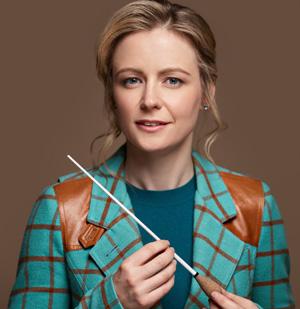
Alessandro Baldan
Amy K. Barnes
Ario X. Boentaran
Alric Davis
Chad Fontenot
Ian M. Gallagher
Brock Hatton
Wyatt Langehennig
Anna Pruitt
Lori A. Rutledge
Alli Villines
Gemma New, Artistic Advisor and Principal Conductor of the New Zealand Symphony, is making her HGO debut. New was appointed an officer of the New Zealand Order of Merit in 2024 and was the recipient of the prestigious 2021 Sir Georg Solti Conducting Award. Additional highlights of her 2025-26 season include debuts with the KBS Symphony Orchestra, City of Birmingham Symphony Orchestra, Nashville Symphony Orchestra, Israel Philharmonic Orchestra, Belgian National Orchestra, SWR Sinfonieorchester, and Pittsburgh Symphony Orchestra. In the United States and Canada, she returns to lead the Atlanta Symphony Orchestra, San Diego Symphony Orchestra, Seattle Symphony Orchestra, and the National Arts Centre Orchestra in Ottawa, Canada. In her fourth season leading the New Zealand Symphony Orchestra, New conducted a string of fall 2025 performances in Wellington, Christchurch, and Auckland, featuring the world premiere of an NZSO commission by Tabea Squire and collaborations with mezzo-soprano Joyce DiDonato and saxophonist Jess Gillam. She previously served as Principal Guest Conductor of the Dallas Symphony Orchestra, Resident Conductor of the St. Louis Symphony Orchestra, and Associate Conductor of the New Jersey Symphony. New is a former Dudamel Conducting Fellow
with the Los Angeles Philharmonic and Conducting Fellow at Tanglewood Music Center.
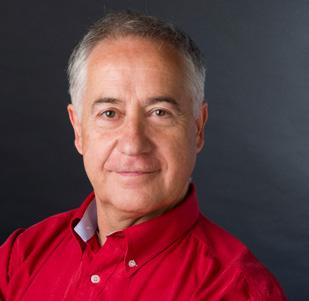
Claire Liu and Joe Greenberg Director Chair
Previously for HGO, Joan Font directed Cinderella (2024, 2007), The Italian Girl in Algiers (2012), and this production of The Barber of Seville (2018, 2011). Font is the founding director of the Barcelona-based company Comediants, for which he has created more than 40 productions internationally. His operatic work began with The Magic Flute at Gran Teatre del Liceu; Orfeo ed Euridice at the Perelada Festival; and the zarzuela La verbena de la Paloma at Granada Festival. His Cinderella has been presented at La Monnaie in Brussels, Grand Théâtre de Genève, Gran Teatre del Liceu in Barcelona, Welsh National Opera, Seattle Opera, Los Angeles Opera, Opera Omaha, Washington National Opera, and Lyric Opera of Chicago. His production of The Italian Girl in Algiers has been seen in Teatro Real in Madrid, Teatro Comunale of Florence, the Grand Théâtre de Bordeaux, and Teatre de lles Arts in Valencia. His Barber of Seville has been presented at Grand Théâtre de Bordeaux, Gran Teatre del Liceu, and Canadian Opera Company. In 2010, Font directed a new production of The Magic Flute for the Auditorio de Murcia. Outside of opera, Font and Comediants have presented
special performances for Shanghai’s World Expo and for the celebration of Hanoi’s Millenium (Vietnam). In 2011, Font directed and premiered Persephone in Moscow’s Chekhov Festival, which was later played in Madrid’s Centro Dramático Nacional and Barcelona’s Teatre Lliure. Font has worked on special projects for the Festival d’Avignon and Venice’s Biennale, as well as projects in cities across the world.
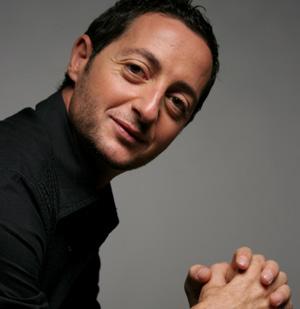
XEVI DORCA (SPAIN)
ASSOCIATE DIRECTOR/ CHOREOGRAPHER
Previously for HGO, Xevi Dorca served as the associate director/choreographer of Cinderella (2024, 2007), The Italian Girl in Algiers (2012), and this production of The Barber of Seville (2018, 2011), all created with director Joan Font, with whom he has worked throughout Europe and North America. Their production of The Barber of Seville has been seen at the Grand Théâtre de Bordeaux, Gran Teatre del Liceu, Wolf Trap Opera, Montreal Opera, and Canadian Opera Company, where Dorca earned an Outstanding Choreography nomination for Canada’s prestigious Dora Mavor Moore Award. Additional choreographic work includes Leonardo Balada’s Faust-bal at Teatro Real in Madrid. Additional stage director credits include Dido and Aeneas and La serva padrona, which premiered in Barcelona. Dorca studied at Barcelona’s Theater Institute. He was awarded Best Dancer by the Madrid Choreographic Competition, which enabled him to work with the Transitions Dance Company at London’s Laban Centre. As a dancer, Dorca has worked with major choreographers and stage directors including Lindsay Kemp, Sol Pico, Carlos Santos, Andrés Lima, Mar Gomez, and Alex Rigola, as well as with such companies as Chicos Mambo, which for several years he also co-managed; Ballet Contemporani de Barcelona; Comediants; and Meekers Dance Company in Rotterdam.
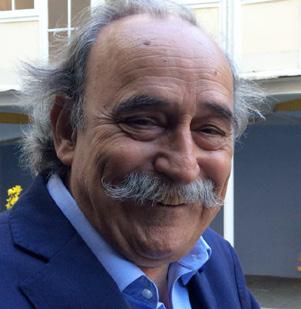
SET AND COSTUME DESIGNER
Previously for HGO, Joan Guillén served as set and costume designer for Cinderella (2024, 2007), which was also staged at La Monnaie in Brussels, Grand Théâtre de Genève, Gran Teatre del Liceu in Barcelona, Welsh National Opera, Seattle Opera, Los Angeles Opera, Opera Omaha, Washington National Opera, and Lyric Opera of Chicago. Also for HGO, he designed this production of The Barber of Seville (2018, 2011), which was seen at the Grand Théâtre de Bordeaux, Gran Teatre del Liceu, and Canadian Opera Company; and The Italian Girl in Algiers (2012), which was also seen at Teatro Real in Madrid, Teatro Comunale of Florence, the Grand Théâtre de
Bordeaux, and Teatre de les Arts in Valencia. Another important production was Faust-bal at Madrid’s Teatro Real. Guillén has done extensive work in the arts as a painter, sculptor, and cartoonist. He has taught at the School of Dramatic Art at Barcelona’s Theatre Institute for many years, in addition to serving as a visiting professor at schools and universities around the world. Among his many honors is the 2016 National Culture Prize, awarded by the Catalan National Council of Culture and the Arts. Other awards include the gold medal for costume design at the 1999 Prague Quadrennial of Performance Design and Space, the world’s largest exhibition in the field of set design and theater architecture.
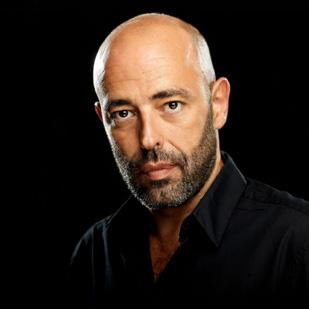
ORIGINAL LIGHTING DIRECTOR
Previously for HGO, Albert Faura designed lighting for Cinderella (2024, 2007), The Italian Girl in Algiers (2012), and this production of The Barber of Seville (2018, 2011). Elsewhere during the 2025-26 season, Faura serves as the lighting designer for Salome at Teatro Colón; The Barber of Seville with Canadian Opera Company; and Marina at Teatro de la Zarzuela. His other work includes Otello by Ignacio García, at the Opera of Bilbao, La Bella Susona at Teatro Maestranza; Così fan tutte at Teatro Calderón; The Saffron Rose and Benamor at Teatro Lírico Nacional de la Zarzuela; La torre de Nadal at Gran Teatre del Liceu; La dama del alba at Opera de Oviedo; and The Pirate at Teatro Real de Madrid. He designed lighting for The Magic Flute (Barcelona); Turandot (Valencia); Madame Butterfly (Venice); Carmen (Palermo); Tristan and Isolde (Lyon); and many other productions. As a member of Barcelona’s Comediants theater collective, he has worked with directors Núria Espert, Nicolas Joël, Rafael Durán, Sergi Belbel, Alfredo Arias, and Frédérico Alagna. Faura has designed lighting for House and Garden at Teatro Bartrina and Teatro Fortuny; Gani Mirzo’s 1,001 Nights (Syracuse, Perelada, Córdoba); The Magic Flute (Paris National Opera, Teatro Real, Ruhr Triennale Festival); and Bretón’s La verbena de la Paloma (Granada’s International Festival of Music and Dance, Bilbao’s Teatro Arriaga, Perelada Festival). He has won three Butaca Awards, a Max Award, and two Barcelona Critics’ Awards.
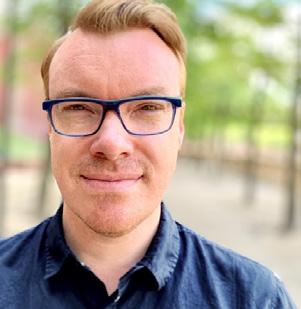
MICHAEL JAMES CLARK (UNITED STATES)
REVIVAL LIGHTING DESIGNER
Michael James Clark is the head of lighting and production media for HGO. In the company’s 2024–25 season, he served as revival lighting designer for Cinderella and lighting designer for La bohème. In the 2023–24 season, he was lighting designer for Falstaff and The Big Swim and revival lighting designer for Parsifal
During the 2022–23 season, Clark was associate lighting designer for The Marriage of Figaro, Werther, and Tosca; and during the company’s 2021–22 season, he created the lighting design for the world premiere production of The Snowy Day and served as the assistant lighting designer for The Magic Flute and associate lighting designer for Carmen. He served as revival lighting designer for HGO’s production of Aida (2020) and designed lighting for mainstage and Miller Outdoor Theatre productions of La bohème (2018–19) and the world premiere of The Phoenix (2019). He lit the HGO world premieres of Some Light Emerges (2017), After the Storm (2016), and O Columbia (2015); mainstage productions of Otello (2014); Die Fledermaus, Aida, and Il trovatore (2013); La bohème, La traviata, and The Rape of Lucretia (2012); The Marriage of Figaro (2011); the world premiere of Cruzar la Cara de la Luna (2010); and numerous outdoor productions. Clark also has designed lighting for Teatro La Fenice, San Francisco Opera, the Canadian Opera Company, Stages Repertory Theatre, Theatre Under the Stars, Rice University, and the 2007 Prague Quadrennial.
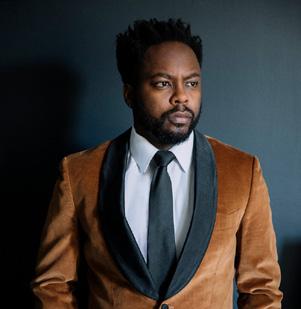
RICHARD BADO (UNITED STATES)
CHORUS DIRECTOR
For more information about Richard Bado, please see page 47.
Liverman has appeared at English National Opera, Dutch National Opera, LA Opera, Santa Fe Opera, San Francisco Opera, and Washington National Opera, among many others. He is a recipient of the Metropolitan Opera’s Beverly Sills Artist Award. Liverman holds a Bachelor of Music degree from Wheaton College in Illinois and a Master of Music degree from The Juilliard School. He is an alumnus of Lyric Opera of Chicago’s Ryan Opera Center.
MEZZO-SOPRANO—ROSINA
Novum Artist
WILL LIVERMAN (UNITED STATES)
BARITONE—FIGARO
Will Liverman is making his HGO debut. Elsewhere during the season, Liverman performed with the London Symphony Orchestra at the Edinburgh Festival, with additional engagements including The Marriage of Figaro at Washington National Opera; Messiah with the San Francisco Symphony and Music of the Baroque; Bernstein’s Mass with Hamburg Philharmonic Orchestra; The Pearl Fishers with Washington Concert Opera; The Magic Flute with St. Louis Symphony; and more. Liverman is co-creator of the multi-genre opera The Factotum, which premiered at the Lyric Opera of Chicago in 2023. At the Metropolitan Opera, he made history as the first-ever Black Papageno in The Magic Flute; headlined Blanchard’s Fire Shut Up in My Bones, which won a 2023 Grammy Award; and starred in X: The Life and Times of Malcolm X. He premiered Kevin Puts’s The Manchurian Candidate at Minnesota Opera and Rene Orth’s 10 Days in a Madhouse at Opera Philadelphia; and he served as Artistic Advisor for Renée Fleming’s SongStudio at Carnegie Hall. Cedille Records released Liverman’s Show Me the Way (2024) and Dreams of a New Day: Songs by Black Composers (2021), which were both nominated for Grammy Awards for Best Classical Solo Vocal Album.
Daniela Mack is making her HGO debut. Elsewhere during the season, Mack performs Rosina at Opera Omaha and returns to Lyric Opera of Chicago as Frida in El último sueño de Frida y Diego. In the 2024-25 season, Mack returned to the Metropolitan Opera and Los Angeles Opera as Federico García Lorca in Ainadamar. She also appeared with the Lyric Opera of Chicago as Angela in Missy Mazzoli’s The Listeners; performed with San Francisco Opera as Idamante in Idomeneo; and made her house debut at the Teatro dell’Opera di Roma as Orsini in Lucrezia Borgia. Notable highlights include her Metropolitan Opera debut as the Kitchen Boy in Rusalka; Rosina in The Barber of Seville at the Royal Ballet and Opera in London; Rosmira in Partenope at Teatro Real; Romeo in Bellini’s I Capuleti e i Montecchi at Teatro de la Maestranza; Béatrice in Béatrice et Bénédict with the BBC Philharmonic; and her appearance at Carnegie Hall in a performance of Serse with The English Concert. An alumna of the Adler Fellowship Program at San Francisco Opera, Mack studied at Louisiana State University. She was a finalist in the 2013 BBC Cardiff Singer of the World competition.
SWANSON (UNITED STATES) TENOR—COUNT ALMAVIVA
Previously for HGO, Jack Swanson performed as Jonathan Dale in Silent Night (2026), Don Ramiro in Cinderella (2024), and Fenton in Falstaff (2023). During the 2024-25 season, Swanson performed the role of Almaviva in The Barber of Seville in his debut with the Metropolitan Opera and made his role debut as Ernesto in Don Pasquale with Hamburg State Opera. In the 2023-24 season, he performed as Ferrando in Così fan tutte at Den Norske Opera; Don Ramiro in Cinderella at Den Norske Opera and Lyric Opera of Chicago; Count Almaviva in The Barber of Seville at the Rossini Opera Festival in Pesaro and the Arena di Verona; and Belfiore in Il viaggio a Reims in Pesaro. Recent operatic highlights include the title role in Paola Prestini’s Edward Tulane with the Minnesota Opera (2022); and house debuts with Austin Opera as Almaviva in The Barber of Seville (2022), Utah
Opera as Tonio in The Daughter of the Regiment (2023), and the Atlanta Opera as the title role in Candide (2022). Swanson has performed at such opera houses as Teatro Regio di Torino, Frankfurt Opera, Los Angeles Opera, Opera National du Rhin, the Opéra National de Lorraine, and Santa Fe Opera. He is the recipient of a Richard Tucker Career Grant and a two-time winner of the Richard Tucker Memorial Award from Santa Fe Opera.
BARITONE—DR. BARTOLO
Previously for HGO, Alessandro Corbelli performed as Don Magnifico in Cinderella (2024), Don Alfonso in Così fan tutte (2014), Dr. Dulcamara in The Elixir of Love (2009), Leporello in Don Giovanni (1999), and Dandini in Cinderella (1995). Elsewhere during the 2025–26 season, Corbelli performs as the Sacristan in Tosca with Royal Ballet and Opera and as Don Alfonso in Così fan tutte with Monte Carlo Opera. During the 2024-25 season, he performed as Don Bartolo in The Marriage of Figaro at Glyndebourne and the BBC Proms. Since his debut at the Metropolitan Opera in 1997 as Dandini in Cinderella, Corbelli has returned regularly for The Italian Girl in Algiers, The Elixir of Love, Gianni Schicchi, and Cinderella.He has sung in all the major opera houses: Teatro alla Scala, Teatro Colón, London’s Royal Ballet and Opera, Paris Opera, and Vienna State Opera. He has also sung in Munich, Cologne, Geneva, Madrid, Barcelona, Toulouse, Rome, Naples, Bologna, Florence, and Turin, as well as festivals in Edinburgh, Salzburg, and the Rossini Opera Festival in Pesaro. Corbelli is active as a teacher and has given masterclasses for the Jette Parker Artists Programme at London’s Royal Ballet and Opera. He has received many awards, including the prestigious Premio Abbiati della Critica for his performance as Leporello in Don Giovanni at Teatro alla Scala and the Premio Rossini d’Oro for his Don Geronio in Il turco in Italia in Pesaro.
RYAN SPEEDO GREEN (UNITED STATES)
BASS-BARITONE—DON BASILIO (Apr. 24, 26m, 28, 30)
Previously at HGO, three-time Grammy Award-winning bassbaritone Ryan Speedo Green appeared with the company in the third annual Giving Voice (2022) and as Osmin in The Abduction from the Seraglio (2017). During the 2025-26 season, Green’s roles include King Marke in Tristan and Isolde, the title character in Don Giovanni, and a debut as Crown in Porgy and Bess, all at the Metropolitan Opera; Escamillo in Carmen and Don Fernando in Fidelio at the Bavarian State Opera; and Wotan in Die Walküre with the Los Angeles Philharmonic.
During the 2024-25 season, Green made role debuts as Klingsor in Parsifal with the London Philharmonic Orchestra at the Glyndebourne Festival and as Wotan in Die Walküre with Santa Fe Opera. Green also returned to the Metropolitan Opera for his thirteenth season with a role debut as Queequeg in Jake Heggie’s Moby-Dick, marking the house premiere of the opera, as well as a reprise of Fernando in Il trovatore and The Geisterbote in Die Frau ohne Schatten.
CORY MCGEE
(UNITED STATES)
BASS-BARITONE—DON BASILIO (May 2, 6, 8, 10m)
Previously at HGO, Butler Studio alumnus Cory McGee performed as Biterolf in Tannhäuser (2025), Colline in La bohème (2025), Alidoro in Cinderella (2024), Second Knight in Parsifal (2024), and Imperial Commissioner in Madame Butterfly (2024). During the 2025-26 season, McGee made his debut as Escamillo in Carmen with English National Opera and as Narbal in Les Troyens with Boston Youth Symphony Orchestra. During the 2024-25 season, he made his role debut as Achilla in Julius Caesar with Opera Theatre of Saint Louis. In 2022, he debuted at Detroit Opera in the role of Colline in La bohème and sang the role of Caspar in Der Freischütz with Wolf Trap Opera, where he returned in 2023 to perform the title role in Don Giovanni. McGee was the second prize winner in HGO’s 2020 Eleanor McCollum Competition Concert of Arias. He completed his Master of Music degree at Rice University’s Shepherd School of Music.
ALISSA GORETSKY (UNITED STATES)
SOPRANO—BERTA
Gloria M. Portela/ Susan Bloome/ James M. Trimble and Sylvia Barnes Fellow
A second-year Butler Studio artist from Los Angeles, Alissa Goretsky was the third-place winner of HGO’s 2024 Eleanor McCollum Competition Concert of Arias. In HGO’s 2025-26 season, she performed as Young Lover (Il tabarro) and Nursing Sister (Suor Angelica), both part of Il trittico; Dew Fairy in HGO’s mainstage production of Hansel and Gretel; Gretel in the Family Day production of Hansel and Gretel; and Curley’s Wife in the Butler Studio production of Of Mice and Men. Goretsky was a 2025 Apprentice Singer for Santa Fe Opera, covering the roles of Mimì in La bohème and Helmwige in Die Walküre. During the 2024-25 season, she made her HGO debut as Clorinda in Cinderella and performed the role again for the company’s Family Day production. She made her operatic debut as Gismonda in Ottone at Caroline H. Hume Concert Hall in 2019. In 2024, she performed the role of Ma Zegner in Missy Mazzoli’s Proving Up, also at Caroline Hume Hall. Goretsky is a National Winner of the 2025 Metropolitan Opera Laffont Competition. She holds
Bachelor of Music and Master of Music degrees from the San Francisco Conservatory of Music.
Mr. and Mrs. James W. Crownover/ Dr. and Mrs. Miguel Miro-Quesada/ Dr. John Serpe and Tracy Maddox Fellow
A first-year Butler Studio artist from South Korea, Geonho Lee won the first place and the Audience Choice Award at HGO’s 2025 Eleanor McCollum Competition Concert of Arias. Other HGO roles this season included Marco in Gianni Schicchi, part of Il trittico; Peter in the Family Day production of Hansel and Gretel; and Slim in the Butler Studio production of Of Mice and Men. Lee was a 2024 semifinalist in the renowned Operalia Competition. He was a student of advanced studies at the University of Music and Theatre Munich, where he participated in frequent performances and productions. He has been an active member of the August Everding Academy and holds a prestigious scholarship from the Bühnenverein. He earned his bachelor’s degree in Vocal Performance from Seoul National University, where he won several distinguished competitions.

TAKE HOME AN EXCLUSIVE MEMORY THAT WILL LAST AFTER THE CURTAIN CLOSES.



SAM DHOBHANY (UNITED STATES)
BASS-BARITONE—OFFICER
Dian and Harlan Stai Fellow
A second-year Butler Studio artist from Brooklyn, New York, Sam Dhobhany received the Ana María Martínez Encouragement Award at HGO’s 2024 Eleanor McCollum Competition Concert of Arias. He is a 2022 alumnus of HGO’s Young Artist Vocal Academy. In HGO’s 2025-26 season, Dhobhany’s other roles include Undertaker in Porgy and Bess, Notary in Gianni Schicchi, part of Il trittico; British Major in Silent Night; and George Milton in the Butler Studio production of Of Mice and Men. In HGO’s 2024-25 season, he made his company debut as Alidoro in HGO Family Day Presents Cinderella and sang Terry in Breaking the Waves. In 2025, he performed the roles of Zuniga in Carmen and Bartolo in The Marriage of Figaro at Wolf Trap Opera. In 2024, Dhobhany sang Angelotti in Tosca with Dayton Opera. He was an apprentice artist with Santa Fe Opera in 2023 and 2024, performing Un Médecin in Pelléas et Mélisande and Marchese d’Obigny in La traviata Dhobhany was the second-place winner of the 2024 Rocky Mountain Region and the winner of the 2025 Arizona District of the Metropolitan Opera Laffont Competition. He holds a Bachelor of Music degree in Vocal Performance from the University of Cincinnati College-Conservatory of Music.

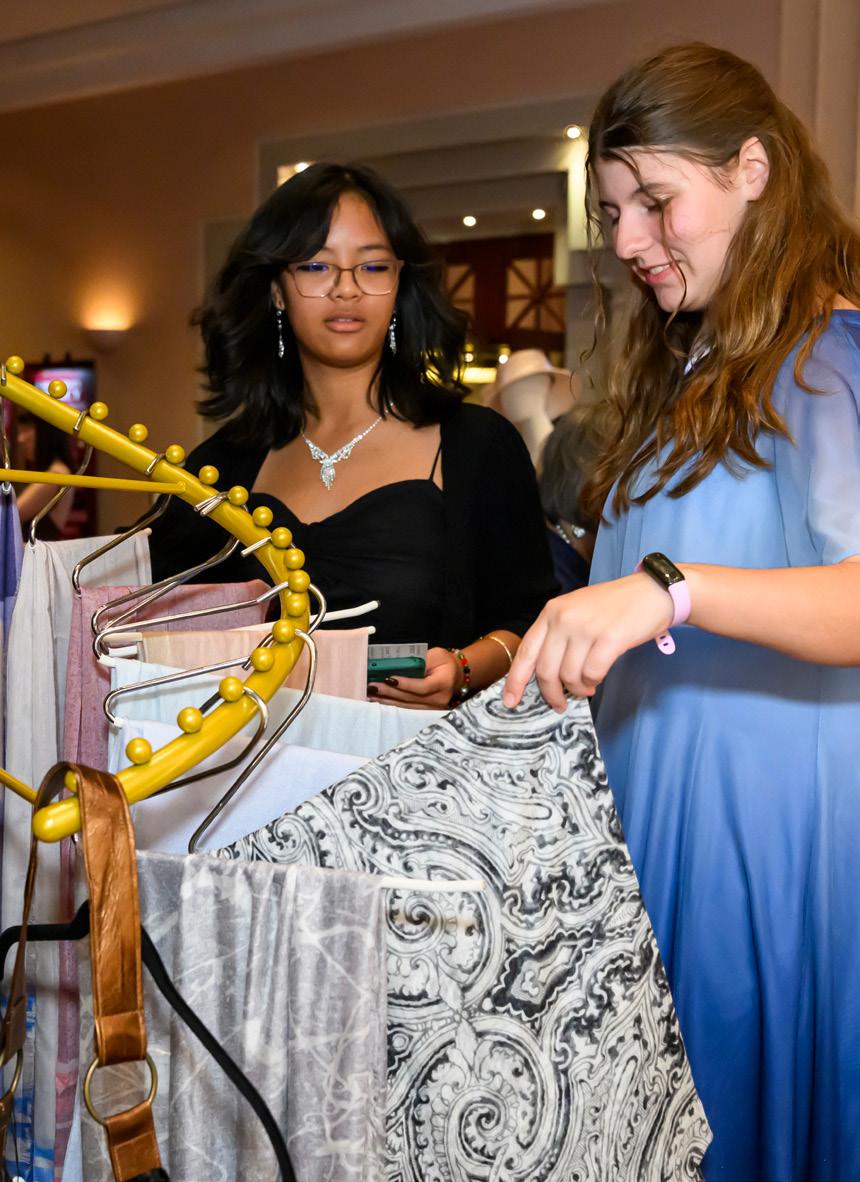

Drs. Rachel and Warren Ellsworth IV, Chairs
On February 6, 2026, HGO hosted Concert of Arias, the thrilling final round of the company’s annual Eleanor McCollum Competition for Young Singers. This year’s competition featured seven exceptional finalists, each performing two arias as they vied for top prizes and coveted invitations to join the renowned Sarah and Ernest Butler Houston Grand Opera Studio. The finalists were accompanied by the HGO Orchestra under the baton of HGO Artistic and Music Director Maestro Patrick Summers, whose masterful leadership brought heightened artistry and dramatic immediacy to the performance.
Following the competition, guests gathered in the Wortham Theater Center’s Grand Foyer for a celebratory dinner by City Kitchen Catering. The Events Company transformed the space into an elegant setting worthy of the evening’s rising stars. Chaired by Drs. Rachel and Warren Ellsworth IV, the event welcomed 460 generous supporters and raised more than $820,000, the highest total in its history, to support the Butler Studio and HGO’s community initiatives, underscoring an extraordinary commitment to nurturing the next generation of operatic talent.
by Emily Jaschke and Michelle Watson/Catchlight Group
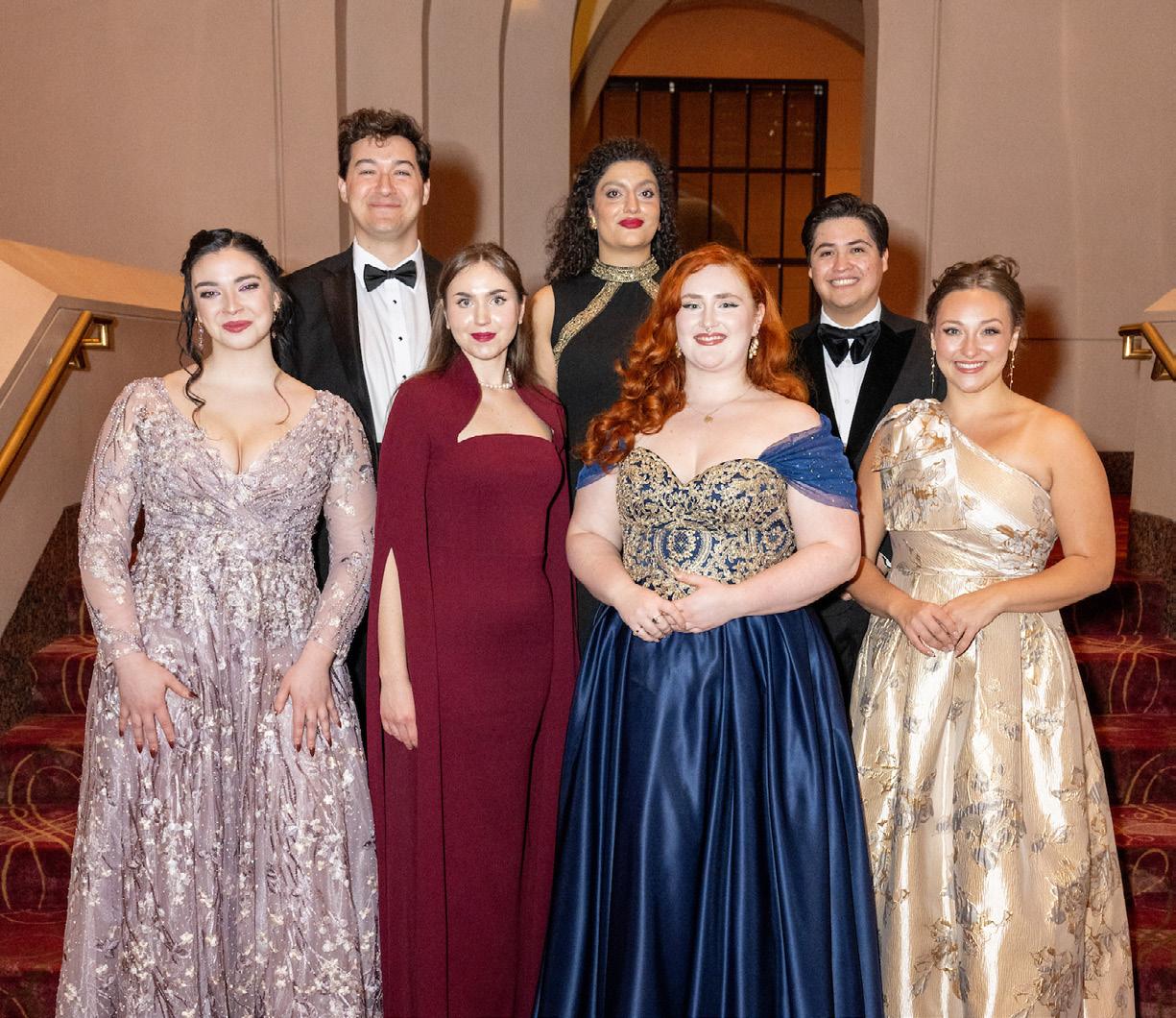
FEBRUARY 6-8, 2026
The National Patrons Circle is a group of opera lovers who live 70 or more miles outside of Houston, who come together to enjoy special shared experiences throughout the season with HGO. This winter, NPC members gathered for a weekend packed with great art, including Concert of Arias, an evening at Hansel and Gretel with a post-performance backstage tour (pictured), and a matinee showing of Silent Night with a pre-performance Green Room reception. Are you interested in becoming a member of this special group? National Patrons support HGO with an annual gift of $2,500 or more. To learn more, contact Martalisa Tsai at 713-980-8688 or MTsai@HGO.org.
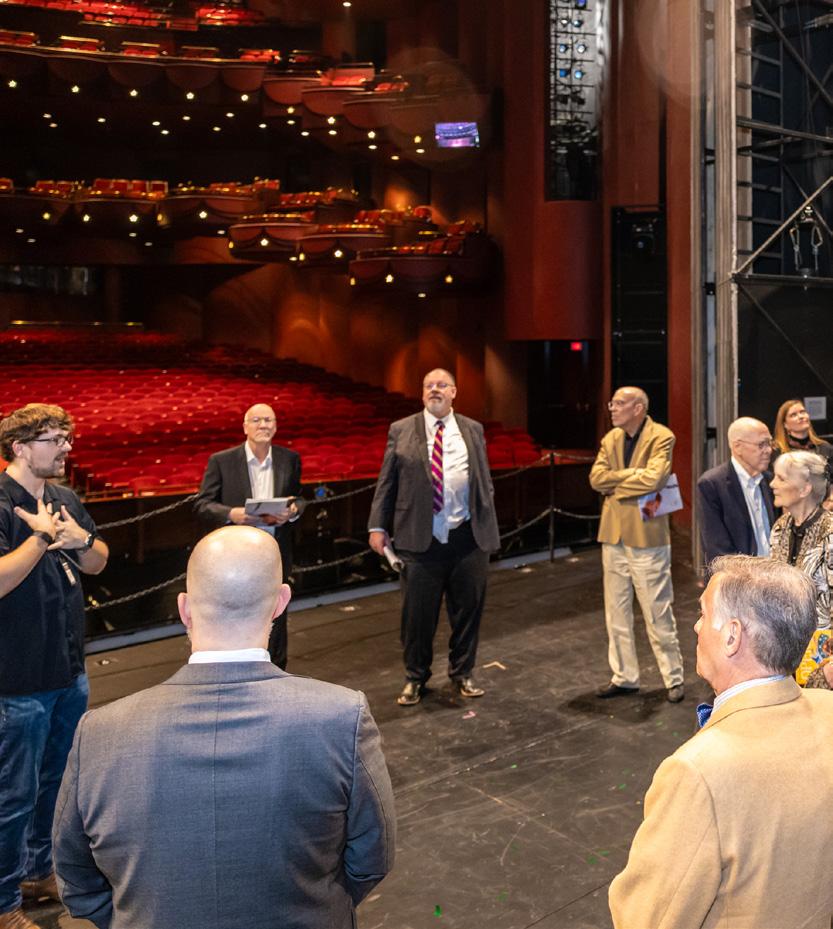
Members of HGO’s Young Patrons Circle gathered at Tavern by Hearsay for the 18th annual Young Patrons Circle and Butler Studio celebration. The evening included bespoke cocktails, delectable bites, and lots of celebration following the successful performance and livestream of the company's Butler Studio production of Of Mice and Men. Lively conversation between the Young Patrons, Trustees, and the Butler Studio artists made for an exceptional evening. For information on YPC membership and benefits, contact Martalisa Tsai at 713-9808688 or MTsai@HGO.org.
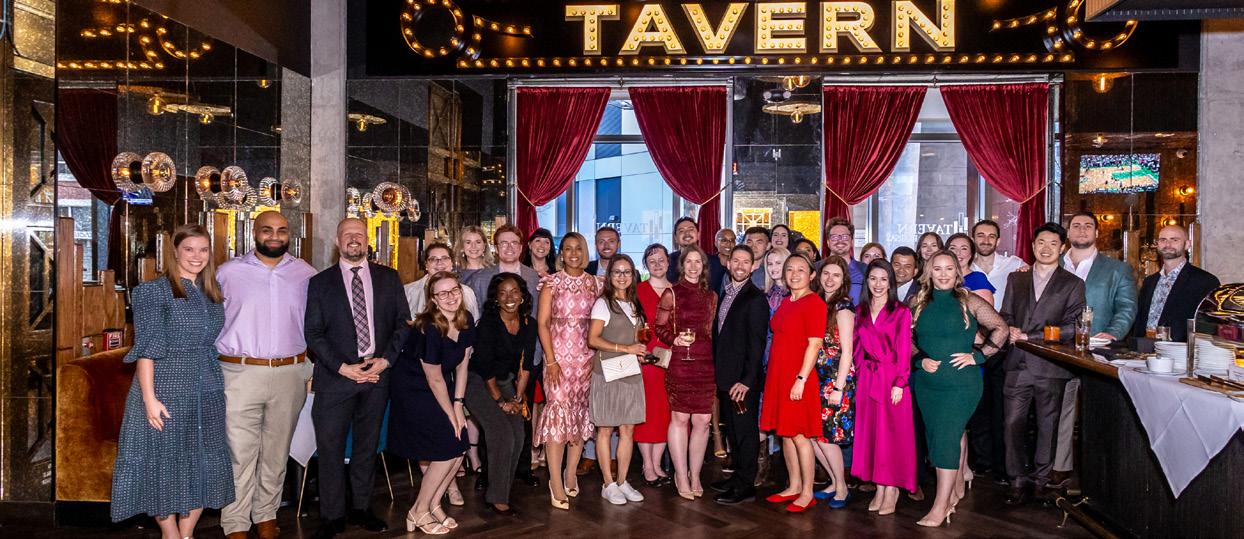
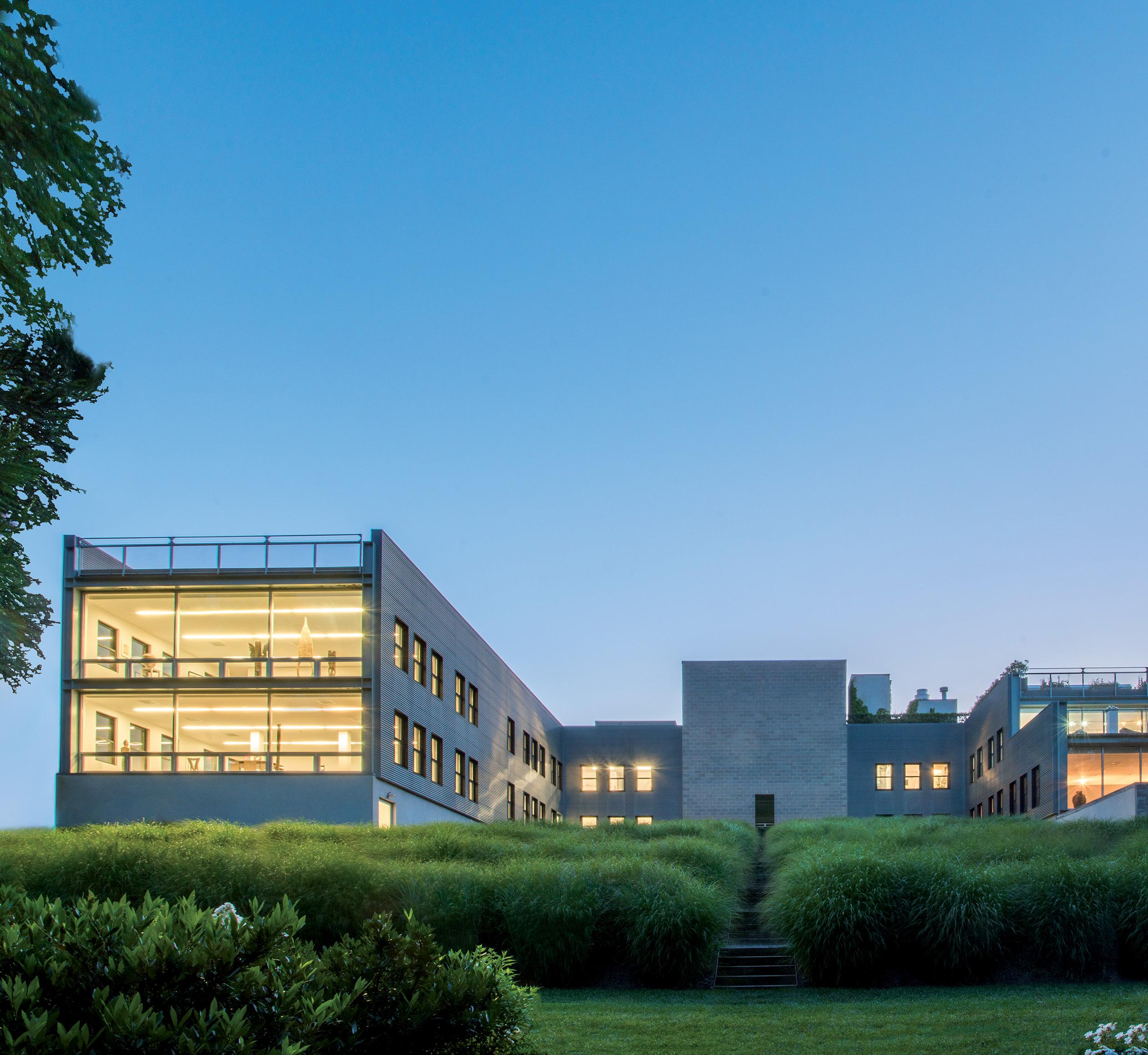
The Watermill Center is Robert Wilson’s legacy for future generations of artists and thinkers, and a vibrant interdisciplinary laboratory for the arts and humanities, situated on ten acres of Shinnecock ancestral territory on Long Island’s East End. Watermill has welcomed thousands of international artists and visitors to enjoy 10 acres of landscaped grounds and gardens, a collection of over 8,000 artworks representing various cultures and movements, an expansive research library, and the Robert Wilson Archive and Study Center. With an emphasis on creative process and collaboration, The Watermill Center hosts artist residencies, education initiatives, and public programs, providing a global community with the time, space, and freedom to create and inspire.
The Byrd Hoffman Water Mill Foundation Thanks:
Cleo & Steven Ahn, Alexis Gregory Foundation, Alfred & Harriet Feinman Foundation, Arison Arts Foundation, Giorgio Armani (in memoriam), Bacardi USA, Maria Bacardi, Karolina Blåberg, Dianne Benson & Lys Marigold, Virginie & Nicolas Bos, Countess Cristiana Brandolini & Antoine Lafont, Brown Foundation, Teresa Bulgheroni, Cadogan Tate, Calvin Klein Family Foundation, Bonnie Comley & Stewart F. Lane, Amy Cooney & Marty Feinman, Susan Cook & Drew Fine, Paula Cooper, Cowles Charitable Trust, Cox Foundations, Dr. Lee MacCormick Edwards Charitable Foundation, Lisa & Sanford Ehrenkranz, Marina Eliades, Beatrice & Pepe Esteve, Stephan Farber, The Helen Frankenthaler Foundation, Wendy & Roger Ferris, Anke & Jürgen Friedrich, The JAF Foundation, Fondazione Carla Fendi, Fundación Teatro a Mil, The Robert D.L. Gardiner Foundation, Milly & Arne Glimcher, April Gornik & Eric Fischl, Audrey & Martin D. Gruss, Susan Gullia (in memoriam), Drs. June & Mark Halsey, Helen Frankenthaler Foundation, Cheryl Henson, Herget Family Foundation, Paul J. Herman, Michelle & Christian Hernandez, David Hockney, Isabelle Huppert, Joyce & Philip Kan, Jan Kengelbach, Wendy Keys, Lummi & Martin Kieren, Dorothy Lichtenstein (in memoriam), Loewe, Gina MacArthur, Earle I. Mack Foundation, Constantinos Martinos, Diane Max, Katia & Robert Mead, Alexandra Munroe & Robert Rosenkranz, MOPPS Charitable Fund, The New York State Council on the Arts, The Nina Maria Arts and Culture Foundation, Georgia Oetker, Orveda, Christl & Michael Otto, Katharina OttoBernstein & Nathan Bernstein, PACE Gallery, Donald A. Pels Charitable Trust, Lisa & Richard Perry, Steven Pesner and Michèle Pesner (in memoriam), Phillips, Joseph Piropato & Paul Michaud, Tatiana & Campion Platt, Katharine Rayner, Jerome Robbins Foundation, Enric Ruiz-Geli, Saks Global, Louisa Sarofim, Roberta Sherman, Juliet Lea Hillman Simonds Foundation, Anastasiya Siro, Barabara Slifka (in memoriam), Annaliese Soros, Suffolk County Office of Cultural Affairs, Drs. Gordon Sze and Carl Johnson, The Johnny Joe Trillayes Memorial Foundation, Trust for Mutual Understanding, Van Cleef & Arpels, Christine Van Itallie, Christine Wächter-Campbell & William I. Campbell, Walentas Foundation, Helen Lee-Warren & David Warren, Franz Wassmer (in memoriam), The Robert W. Wilson Charitable Trust, The Robert Wilson Arts Foundation, L.K. Whittier Foundation, Wölffer Estate Vineyard, Laura-Lee Woods (in memoriam), Nina Yankowitz, Neda Young, Antje & Dr. Klaus Zumwinkel and many other esteemed donors.

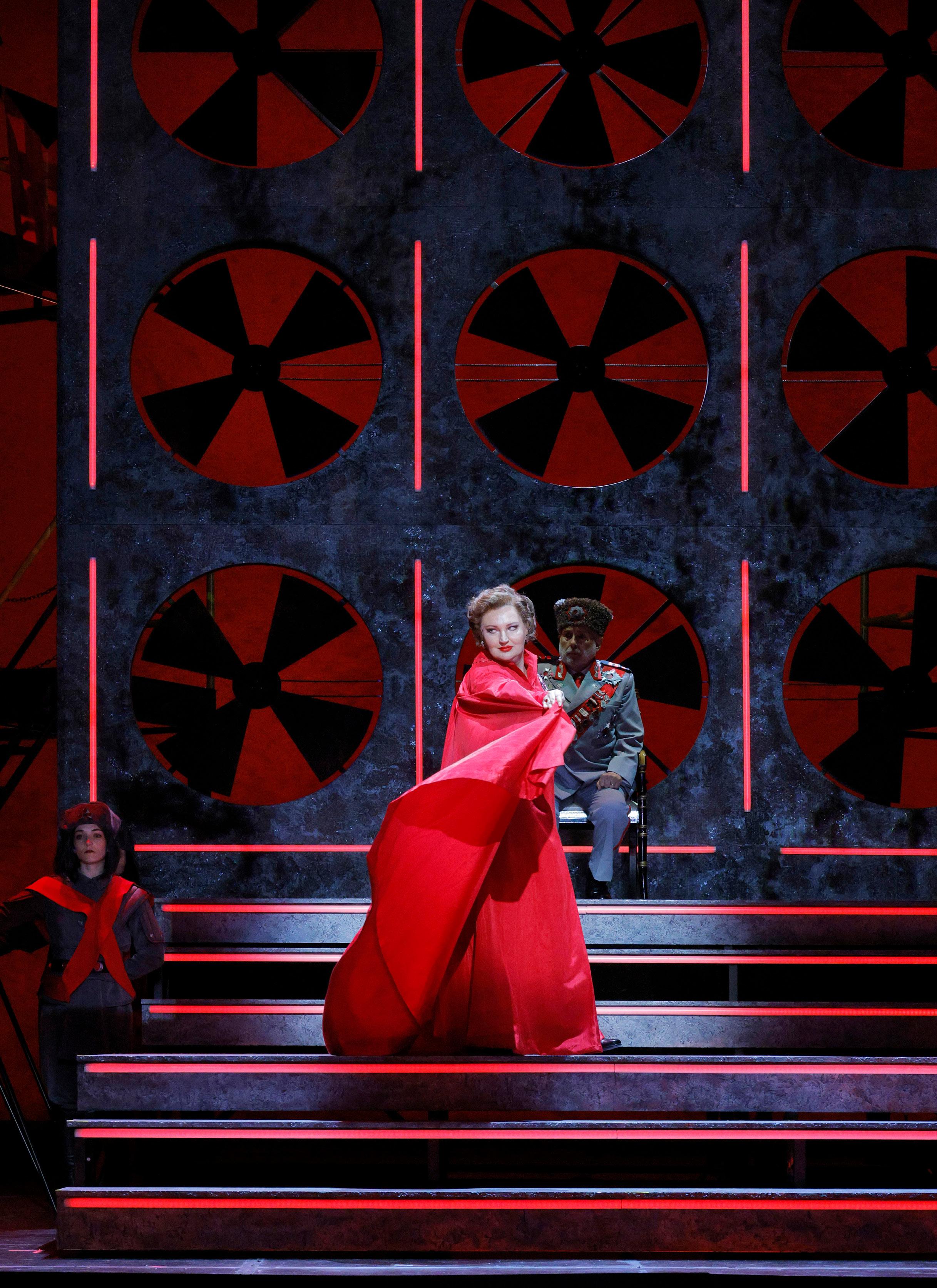
By Colin Michael Brush, Butler Studio Director
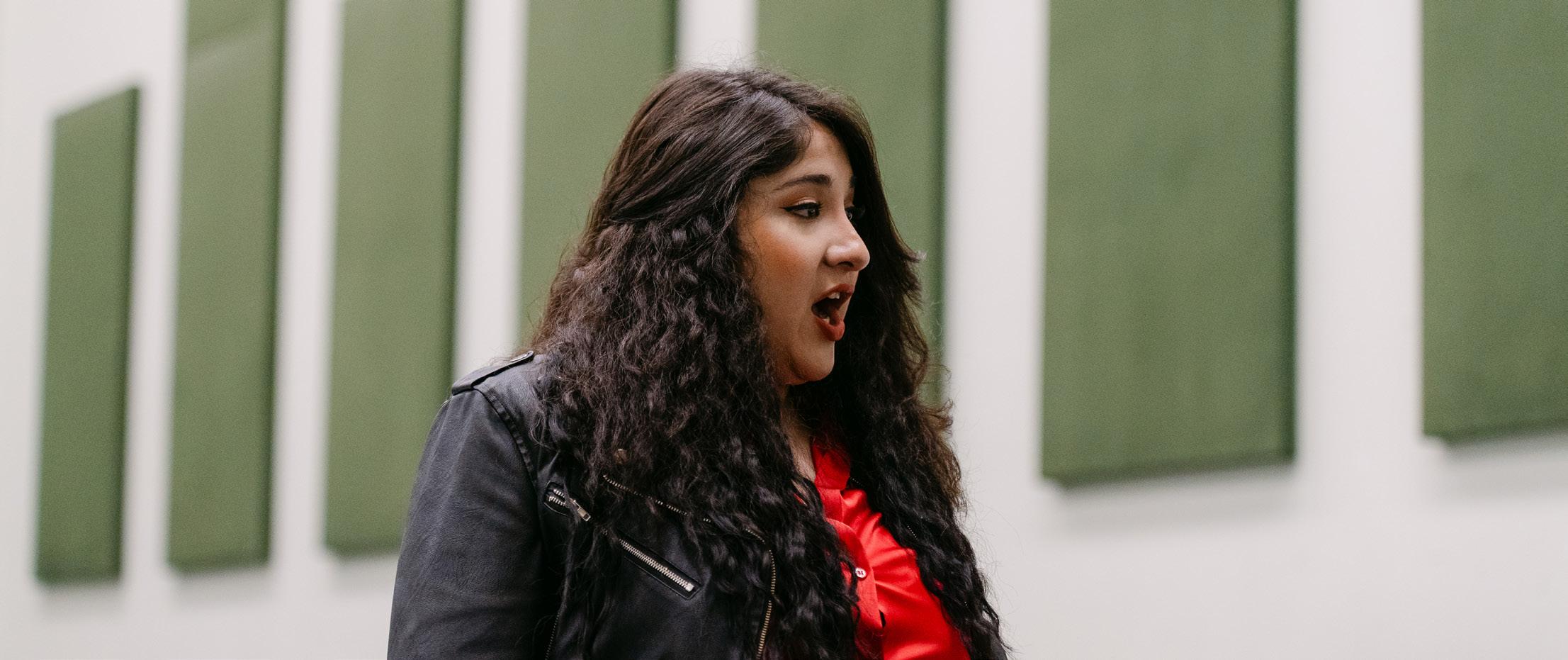
Opera singing demands a rare kind of mastery, a synthesis of many specialized skills. When audiences experience opera, they are witnessing the result of years of highly specialized work coming into alignment. An opera singer must first develop the ability to produce a sound that can carry over a full orchestra for extended periods without any amplification. Unlike pianists or violinists, who perform on external instruments, a singer’s body is their instrument. Each artist must learn not only the physical principles that support healthy singing, but also how those principles uniquely apply to their own body. This is one of the reasons the training process unfolds slowly, and why truly expert teachers of vocal technique remain so rare.
A complete opera artist must combine this vocal technique with a compelling acting ability, fluency in multiple languages,
and the ability to navigate a very complex industry. When all of these elements begin to align, the results can be extraordinary. Reaching that point, however, depends heavily on consistent access to high-quality training, experienced mentorship, and meaningful professional exposure.
In parts of Europe, even singers without significant personal resources often grow up with strong proximity to the art form and a culture primed to celebrate it. State support allows for broad public access. Practically every city with a population over 100,000 has an opera house with a full season. Conservatory training is widely available, and attending live opera is part of the cultural landscape. In the United States, the opera ecosystem may be more geographically spread out, but there are still many pathways for young artists to encounter opera and begin building the necessary fundamental skills.
In much of the rest of the world, however, the landscape becomes far more challenging for singers looking to make their mark. Many countries have no opera companies and limited access to training. While digital access to culture has improved enormously in recent years, opera remains an art form that does not always translate through a screen. There is no true substitute for hearing the human voice resonate in a hall. When learning how to sing, there is no substitute for receiving detailed, in-person technical guidance.
Central and South America present a complex case. The region is extraordinarily rich in music, art, and culture. What is often less available is consistent proximity to major opera productions and the same depth of high-level pedagogical infrastructure. A few capital cities have opera houses, but some do not produce opera every year. Outside of these centers, singers have limited opportunities to experience opera regularly in the theater, and even fewer have the chance to get on stage and demonstrate their abilities. Without the opportunity to train at a high level and then apply that training in performance, singers in the region naturally have less access to the networks that support international careers.
The challenge in the region is by no means a lack of talent. Quite the opposite. In my travels across Argentina, Chile, Mexico, Colombia, and beyond, I consistently encounter artists of striking communicative ability and remarkable expressive depth. I have heard stories that inspired me and
exemplified just how extraordinary the singers’ talent and determination truly are. One singer I heard in a competition in Argentina wanted so passionately to be a musician growing up. He had no access to a piano, so he learned how to play it by drawing a keyboard onto a piece of cardboard. Today, at 21, he sings with more truth and depth than many professionals I hear. What is missing for singers like him is sustained access to the full ecosystem that allows that ability and drive to align with the training, networking, and performance opportunities more readily available to artists living in Europe and the United States.
Alfredo Vilas, Chief Executive Officer of Novum Energy and distinguished member of Houston Grand Opera’s Board of Trustees, was born in Argentina, raised in Mexico, and now makes his home in Houston. He recognizes both the extraordinary artistic vitality of the region and the structural barriers many emerging singers face. He also understands, from his own entrepreneurial journey, the kinds of hurdles that can stand between talent and opportunity.
Houston, in many ways, serves as a natural gateway between the United States and Latin America—and HGO has long stood as one of the world’s leading hubs for opera training. Recognizing a powerful opportunity to help bridge this gap, Alfredo came to HGO with a compelling vision and proposal. The result is the new Novum Fellowship program, launched this season to create a focused pathway for outstanding singers from Central and South America to access the global opera industry through HGO.
As part of the program, each season starting with this one, HGO travels throughout Latin America to identify the most compelling emerging artists, those we believe have genuine potential for international careers. Five fellows are selected annually for immersive residencies. During their time with us, they are fully embedded in the artistic life of the company and receive a personalized itinerary based on their goals and needs. At the center of their experience is work with Dr. Stephen King, whose expertise in building efficient, sustainable vocal technique has shaped many of the successful singers who appear on the HGO stage.
Novum Fellows also receive individual and group coaching in acting, movement, languages, diction, musical interpretation, and digital branding. A special component of the residency includes collaboration with Houston Methodist, where they
receive a professional vocal-fold examination and individualized guidance on long term vocal health. This gives each artist a clear baseline understanding of their instrument and how to maintain it sustainably over time. They receive career guidance to help identify their next professional steps. They observe rehearsals, meet colleagues across departments, and build relationships with Butler Studio artists, gaining a comprehensive understanding of how HGO operates. Some even get a chance to participate in a company performance. Those of you who attended our Carols on the Green in December heard our first Novum Fellow, Esau Álvarez, in a beautiful solo performance.
Opera remains a relationship-driven industry. Access to mentors, colleagues, and decision makers can shape the trajectory of a career in profound ways. The Novum Fellowship Program is designed to expand those critical professional connections. Fellows participate in industry auditions for visiting opera professionals while in residence and receive financial support to pursue international auditions and competitions to continue building their networks after they leave Houston.
Our inaugural fellows this season are Esau Álvarez of Mexico, Samuel Wallace Barbosa of Brazil, Daniela Cortés of Mexico, Mercedes Barel Ledri of Argentina, and Juan Carlos Villalobos of Mexico. We are so proud of them and cannot wait for them to emerge on the international stage.
Opera thrives when what happens on stage feels immediate, human, and emotionally undeniable. If opera is, at its core, an expression of the human experience, then we serve both the art form and our audiences best when the full range of lived experience is represented on our stage. That is what makes opera so powerful and so enduring. It is also why we must actively cultivate artistry from every corner of the world. Programs like the Novum Fellowship open real pathways for exceptional artists to be seen, heard,
and fully developed at the highest level of the field. In doing so, the initiative deepens HGO’s commitment to excellence and reflects the character and international spirit of the community we serve.
Five new members will join the program for the 2026-27 season:
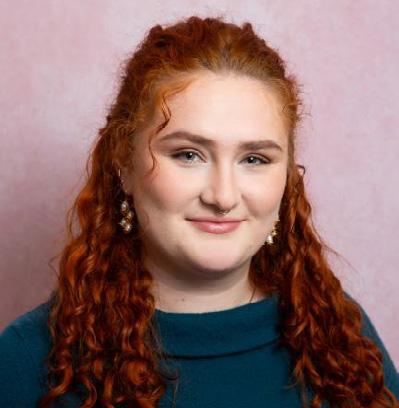
Scarlett Jones Soprano, first-place winner at HGO’s 2026 Eleanor McCollum Competition Concert of Arias
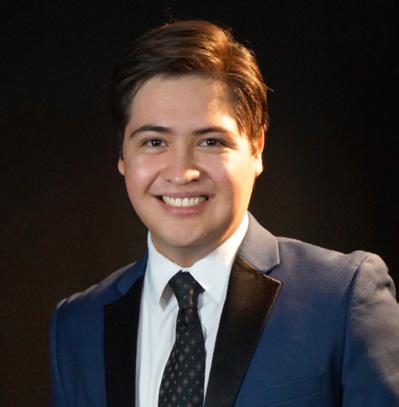
Misael Corralejo Tenor, second-place and Audience Choice winner at COA 2026
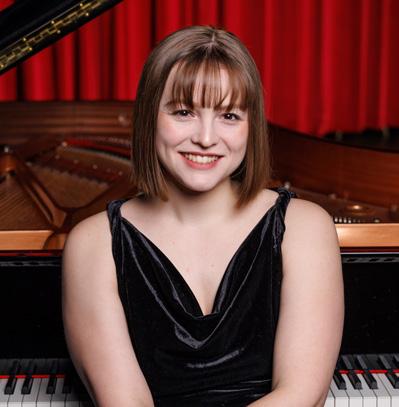
Maeve Berry Pianist/Coach
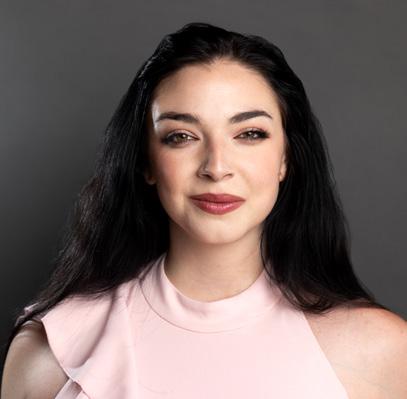
Lauren Randolph Mezzo-soprano, third-place winner at COA 2026
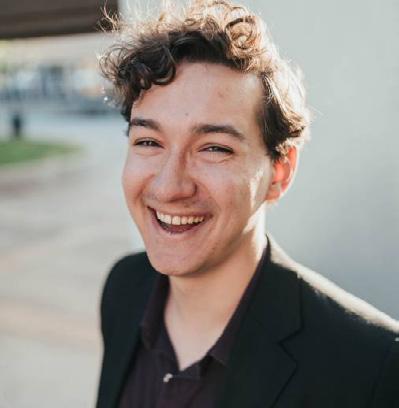
Tzvi Bat Asherah Bass-baritone, finalist at COA 2026
Returning Butler Studio artists include sopranos Alissa Goretsky and Elizabeth Hanje, tenor Luka Tsevelidze, baritone Geonho Lee, bass-baritone Sam Dhobhany, bass Ziniu Zhao, and pianist/coach Tzu Kuang Tan.
Jenny Choo, Pianist/Coach
Dr. Laura E. Sulak and Dr. Richard W. Brown Fellow
Sam Dhobhany, Bass-Baritone
Dian and Harlan Stai Fellow
Alissa Goretsky, Soprano
Gloria M. Portela/ Susan Bloome/ James M. Trimble and Sylvia Barnes Fellow
Elizabeth Hanje, Soprano
Ms. Marty Dudley/ Amy and Mark Melton/ Diane Marcinek/ Jeff Stocks and Juan Lopez Fellow
Geonho Lee, Baritone
Mr. and Mrs. James W. Crownover/ Dr. and Mrs. Miguel Miro-Quesada/ Dr. John Serpe and Tracy Maddox Fellow
Michael McDermott, Tenor
Michelle Beale and Dick Anderson/ Dr. Ellen R. Gritz and Mr. Milton D. Rosenau Jr. Fellow
Shawn Roth, Tenor
Melinda and Bill Brunger/ Drs. Liz Grimm and Jack Roth/ Drs. Rachel and Warren A. Ellsworth IV/ Kathleen Moore and Steven Homer/ Sharon Ley Lietzow and Robert Lietzow Fellow
Demetrious Sampson, Jr., Tenor
Dr. Dina Alsowayel and Mr. Anthony R. Chase/ Dr. Eric McLaughlin and Mr. Elliot Castillo/ Alejandra and Héctor Torres/ Mr. Trey Yates Fellow
Tzu Kuang Tan, Pianist/Coach
Shelly Cyprus Fellow
Colin Michael Brush, Director
Sponsored by Christopher Bacon and Craig Miller, Mr. Jack Bell, Lynn Gissel, and Lynn Des Prez
Maureen Zoltek, Music Director
Mr. and Mrs. Albert B. Alkek Chair
Kiera Krieg, Butler Studio Manager
Stephen King, Director of Vocal Instruction
Sponsored by Jill and Allyn Risley, Janet Sims, and the James J. Drach Endowment Fund
Peter Pasztor, Principal Coach
Sponsored by the Mr. and Mrs. James A. Elkins Jr. Endowment Fund
Nicholas Roehler, Assistant Conductor
The Sarah and Ernest Butler Houston Grand Opera Studio is grateful for the underwriting support of Mrs. Estela Hollin-Avery, Ms. Marty Dudley, Ms. Stephanie Larsen, and Mr. and Mrs. Richard J. Langenstein. The Butler Studio is also thankful for the in-kind support of the Texas Voice Center and for the outstanding support of the Magnolia Houston hotel.
Additional support for the Butler Studio is provided by the following funds within the Houston Grand Opera Endowment, Inc.:
Madeline Slettedahl, Assistant Conductor
William Woodard, Assistant Conductor
Nadya Mercado, Butler Studio Intern
Christa Gaug, German Instructor
Enrica Vagliani Gray, Italian Instructor Sponsored by Marsha Montemayor
Neda Zafaranian, English Instructor
Seti Ghadimi, French Instructor
Patrick Summers, Coach and Conducting Instructor
Brian Connelly, Piano Instructor
The Gordon and Mary Cain Foundation Endowment Fund
Marjorie and Thomas Capshaw Endowment Fund
James J. Drach Endowment Fund
The Evans and Portela Family Fund
Carol Lynn Lay Fletcher Endowment Fund
William Randolph Hearst Endowed Scholarship Fund
Jackson D. Hicks Endowment Fund
Luka Tsevelidze, Tenor
Donna and Ken Barrow/ Barbara and Pat McCelvey/ Irina and Andrey Polunin/ Ms. Rita Leader/ Jill A. Schaar and George Caflisch Fellow
Ziniu Zhao, Bass
Carolyn J. Levy/ Jill and Allyn Risley/ Dr. Peter Chang and Hon. Theresa Chang and Friends Fellow
Mo Zhou, Showcase Director and Guest Acting Faculty
Alley Theatre, Acting Instruction
Stephen Neely, Dalcroze Eurhythmics Instructor
Tiffany Soricelli, Finance Instructor
Nino Sanikidze, Russian Diction Coach
Margo Garrett, Guest Coach
Warren Jones, Guest Coach
Hemdi Kfir, Guest Coach
Thomas Lausmann, Guest Coach
Charlotte Howe Memorial Scholarship Fund
Elva Lobit Opera Endowment Fund
Marian and Speros Martel Foundation Endowment Fund
Erin Gregory Neale Endowment Fund
Dr. Mary Joan Nish and Patricia Bratsas Endowed Fund
John M. O’Quinn Foundation Endowed Fund
Shell Lubricants State Company Fund
Mary C. Gayler Snook Endowment Fund
Tenneco, Inc., Endowment Fund
Weston-Cargill Endowed Fund
The Young Artists Vocal Academy (YAVA) is generously supported by Ms. Donna Saurage, Mr. and Mrs. Robert N. Wakefield, Gwyneth Campbell, and David and Norine Gill. Additional in-kind support is generously provided by the Magnolia Houston hotel.
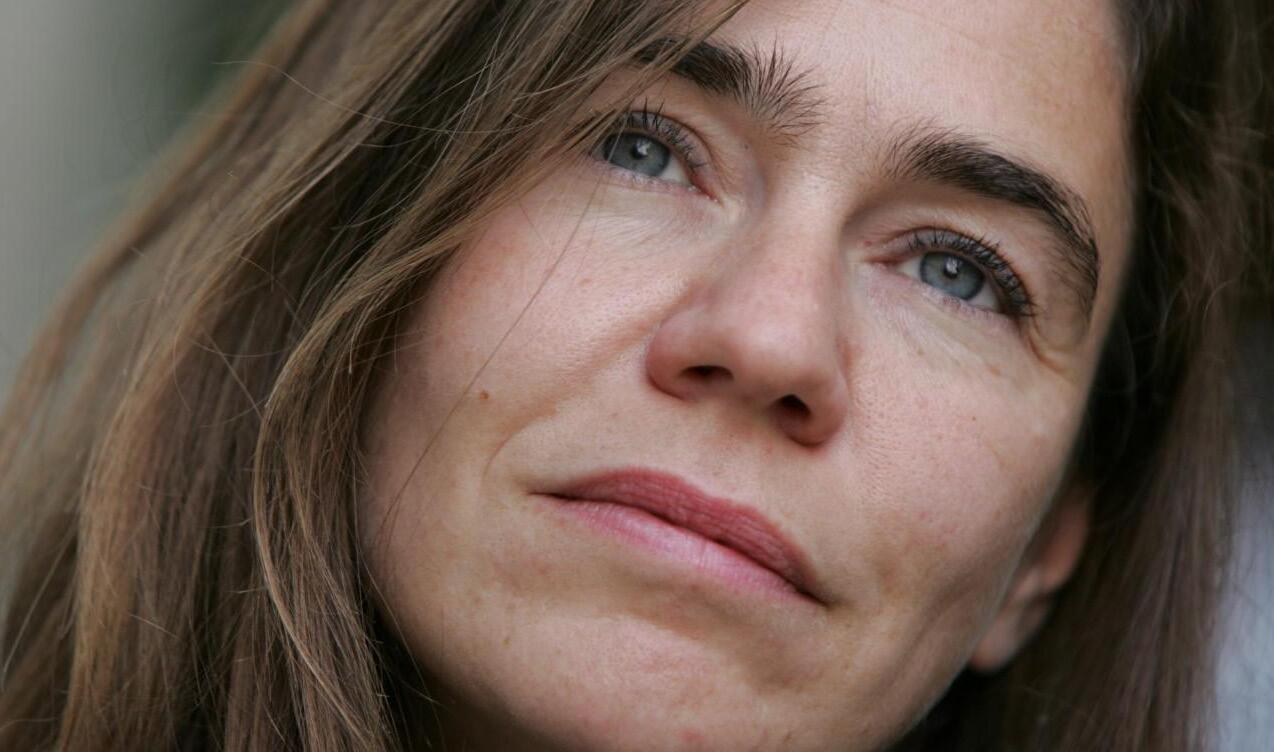
By Catherine Matusow
When we reach Nicola Panzer, co-director of Handel’s Messiah, arranged by Mozart, it is August 2025, days after the passing of Robert Wilson. She—along with the rest of the world—has just lost the avant-garde stage director and artist, her collaborator of 38 years. She’s in mourning, but pressing forward, because that’s what Wilson, creator of HGO’s Messiah production, would have wanted.
“I have worked with Bob for 38 years. It’s a long, long time,” she says. “We shared a lot of our art, and life as well. I know in my brain that it has happened, but for my emotional state, I just can’t believe it. It’s very sad. It’s a deep sorrow. But Bob always said, let’s go on. Let’s do something. Let’s continue. So I know that he would love for all of us to continue to work on his ideas.”
At the time of our interview, Panzer is in the middle of staging Wilson’s new Tristan and Isolde for the Slovenian National Theatre Opera and Ballet Ljubljana. She tells us that, together with Wilson, the creative team had just wrapped the A staging and moved on
to B. Asked what that means, she lays out the intricate process Wilson used throughout his life for his opera productions, which typically took about two years to develop.
The team launched with a workshop where they collected text, images, and ideas, at which time Wilson began drawing—the start of his creative process. Then came stage A, with a mock set, makeup, and “a bit of lighting,” where they’d start developing their concept and staging their production, using students as stand-ins for the artists. The Bauprobe, a full-scale test of the stage design, would come next, followed by the construction of the set and, finally, stage B, “which is the most similar to a normal rehearsal period before the opening”—rehearsing the show with the cast.
But not every step in B would be considered standard: it also included 60 to 70 hours of lighting rehearsals alone, again using stand-ins, before lighting and all the other elements—makeup, costumes, singers, orchestra—could come together. “And that,” Panzer says, “is the procedure. That’s what it takes to get to the end of a production with Bob.”
While, sadly, the world will not see Robert Wilson create any more new productions, Panzer explains that she and the team will continue the applicable parts of his process here in Houston for Messiah, as they will do in other posthumous Wilson productions already planned at the time of his death. During the wide-ranging conversation that follows, Panzer shares more about her creative relationship with Wilson, as well as her own life and career.
Tell us about your background.
I’m German, born in Dortmund in the west part of Germany. My father was a conductor. My mother was an actress. So I grew up in a theater family. I always was connected with the theater and music, especially music. Being a little child, I was in the shows and performances when my father conducted and my mother acted, and I was always
fascinated. But sometimes, you think you have to do something else from what your parents do. And sometimes, the parents also think, oh, it’s a hard job. You better do something normal. After school, I first studied journalism, because I also like to write.
While I did this journalism education, working for a big newspaper, they sent me to do a story about a tour of the Arena di Verona. They were coming to my hometown and were performing La bohème, and they were looking for extras. At the newspaper, they said, oh, yeah, you can go there, you can be an extra, and then you will write what’s happening backstage. I did it, and being part of a theater production, even when it was as a very unimportant extra, I felt, this is my world. I have to do it.
What drew you to this world so strongly?
For me, the difference was that when you do theater or art, you are inside. You can go very deep, and you can concentrate very intensely on one story, on one subject, on one topic. And if you do journalism, you go here and there and, okay, you can do your research and write about it, but it’s a totally different way of working. It was not my way. I didn’t want to do it. I wanted to go to the theater.
How did you meet Bob Wilson?
I went to Hamburg to study music theater and opera directing at the University of Music and Theatre in Hamburg. In 1987, the composer Rolf Liebermann, who was running the Hamburg State Opera, hired me as an evening director, assistant director for the opera house. So I interrupted my studies for one year. But it went so well, they asked me to stay, and I finished my studies in parallel. It was a lot, but it was good training for later working with Bob. We would work a lot, a lot, a lot, a lot.
I was a member of the Hamburg ensemble for 10 or 11 years. I met Bob because he was doing a production there, Cosmopolitan Greetings, a jazz opera, in my first year there. And then
we continued to work together. Of course at first, I could only do, like, one production a year, but from ’98, I was freelance, and then we did a lot more together. But I also did a lot of other projects. I worked in the Salzburg Festival. I was assistant director twice for the whole Ring in Bayreuth. And I started to do my own productions. Also, I’ve taught in different universities over the years.
How are your productions different from Bob’s?
Bob, he doesn’t like the psychological theater at all. And I like it. I like the abstract theater, but I also like psychological theater. My productions are less abstract than Bob’s productions, but I also work with abstract sets and a lot of light. And the connections between the characters, it’s psychological, based on the story.
In those early days, how did you and Bob form a connection?
Well, it’s hard to say. In a way, it worked because I was very innocent and naïve. The theater said to me, there is someone doing a workshop. You have to go. They need someone. And I said, okay. And then I went there, and I looked around and saw it was a bit different way of working. And then I said to Bob, I’m Nicola. You need someone? I’m here. You just have to tell me what to do. And then he said, I will. (laughs) And then he did.
From that first moment, there was a connection. And it worked. He could talk very well, but he was not the person with a lot of talking in rehearsals. He was always doing. And he always said, I have to see it. And I think I could understand him with no words. I understood what he thought and what he was imagining and his general idea, because what I always admired, have admired, and still admire, is that he can always find the essential: the essential of feeling, the essential of expression, the essential of a story. And he can reduce it to a very abstract form or image or scene where you can experience the
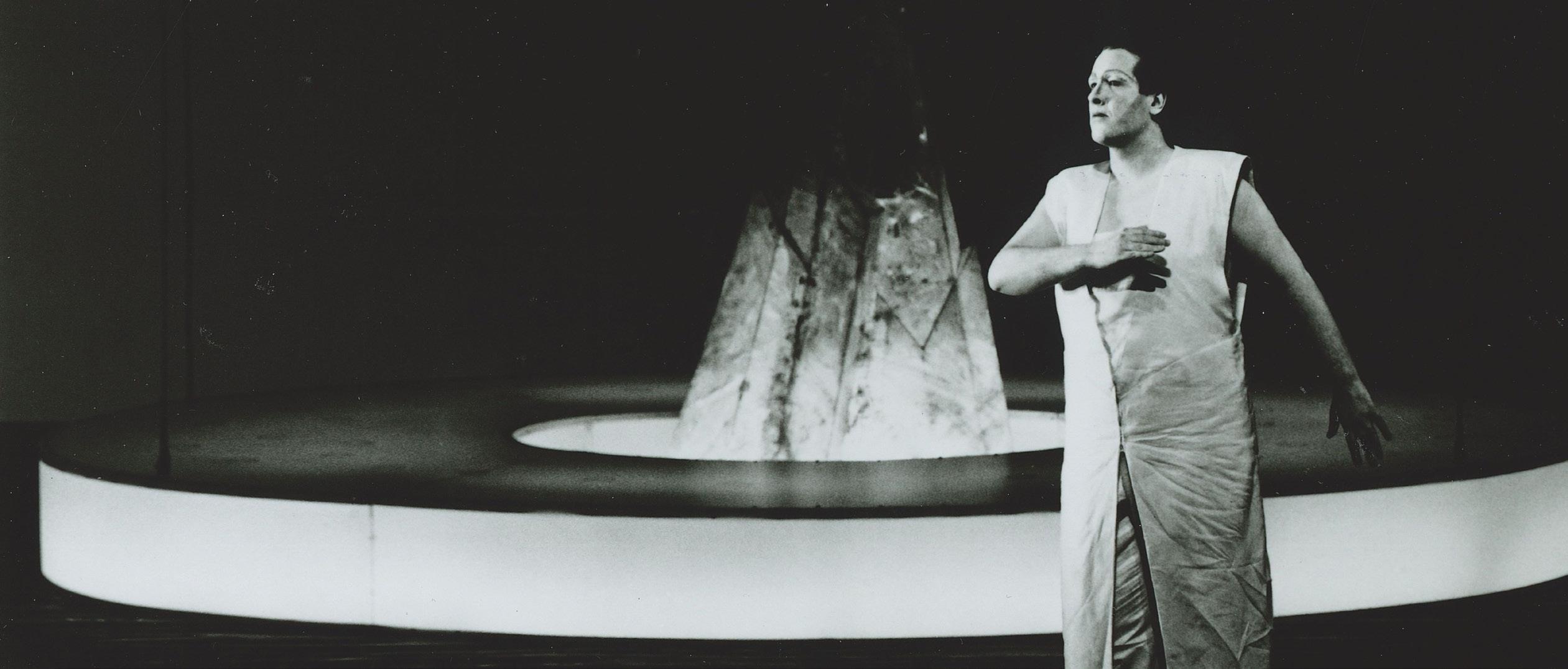
essence of this topic or emotion or situation. And that’s really fascinating.
You came to Houston with Bob in 1992 to stage his Parsifal at HGO.
Yes, I was there with my little baby son. He was 13 weeks old. It was my first time in the United States . What I remember is that I liked very much the different way of working because it’s very professional. I mean, in Germany, there are also professionals, but it’s a different approach. In Houston, if there is a problem, you can talk about the problem, and then everyone is interested to find a solution. In Germany, when there is a problem and you talk about the problem, most time you spend finding out who is not responsible for the problem. (laughs) It’s your fault. Nein , it’s not my fault, it’s yours. You can spend hours with that in Europe.
Tell us about how you see Messiah.
It’s a spiritual journey through all the human emotions. And it’s told by the story of the Messiah: waiting for the Messiah, the Messiah is arriving, and what happens with the passion and resurrection, which are symbols for suffering, but also for hope. But there is no Messiah on stage who is
experiencing all that. They are people with no names. There are no characters in Messiah. They are just voices. And the voices always tell the same story, at a different point, from a different point of view. And everyone, in his or her aria, has a different reflection on one step in this journey.
You and Bob have both said that when directing, you try to make space to enjoy the music—that comes first.
Very often in the theater, especially an opera theater, it’s very, very busy on stage. There’s a lot going on. But also, the music is complex, and sometimes it’s hard to see and experience everything at the same time. The way Bob is—well, was—seeing the world and the theater, it looks like not much happening. And a lot is happening, but it’s all in small steps and in fine detail differences. So, the light is changing, and you don’t see it. It’s something you see changing like the atmosphere. You can listen better—or you have more space—because your system is not so busy. You have moments where it’s more contemplation, and you can really concentrate. You have some free space in your mind for your own feelings, your own ideas. And you’re not totally filled up with other people’s ideas.
“ THERE ARE NO CHARACTERS IN MESSIAH. THEY ARE JUST VOICES. AND THE VOICES ALWAYS TELL THE SAME STORY, AT A DIFFERENT POINT, FROM A DIFFERENT POINT OF VIEW."
The Impresarios Circle is Houston Grand Opera’s premier donor recognition society. These vanguard supporters who provide annual support of at least $100,000 are instrumental to HGO’s success. For information, please contact Darcy Douglas, chief philanthropy officer, at 713-546-0209 or DDouglas@HGO.org.
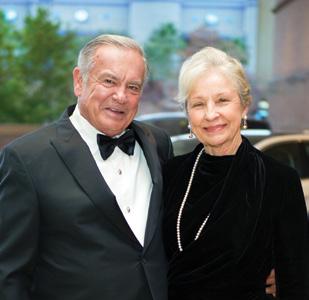
HGO subscribers for more than two decades, Judy and Dick are ardent believers in the power of storytelling through words and music. They partnered with the Archdiocese of Galveston-Houston Inner-City Catholic Schools to expand student access to HGO Community & Learning programs. Judy and Dick, the founder and chairman of Wapiti Energy LLC and Bayou Well Holdings Company LLC, also support mainstage productions. Dick is a member of the HGO Board of Directors.
The Stanford and Joan Alexander Foundation has been a steadfast supporter of HGO for more than two decades. The Foundation's deep commitment to Houston’s community is exemplified by their support of public programs such as Giving Voice and HGO’s student performances, which expand access to the arts for young people and families across the city. In addition to championing these vital community initiatives, the Foundation has helped make possible HGO’s world-class productions, ensuring that opera remains accessible and inspiring for all Houstonians.
HGO subscribers Robin and Miles joined the Founders Council in 2010. The company is honored to have Robin as a senior member of the HGO Board of Directors and a member of HGO’s Laureate Society. The couple is familiar with the view from the HGO stage as well—both are former singers in the HGO Chorus. Robin and Miles have been donors to HGO signature events, the Young Artists Vocal Academy, and HGO’s Ring cycle, as well as Community & Learning Initiatives. They are charter members of the Impresarios Circle and generously underwrite a mainstage production each season.
An HGO subscriber for over 20 years, Astley is the current Chair of the HGO Board of Directors. He is currently the CFO of the Marine Well Containment Company, and his experience is built on years of technical education with the Association of Accounting Technicians. Active throughout Houston, Astley gives his time to Houston Food Bank, United Way, and initiatives to support STEM education. He is the past chairman of the Center for Houston’s Future and a board member of the Houston Airport System Development Corporation. Astley is an enthusiastic supporter of HGO signature events and chaired the Opening Night Dinner for the 2014-15 season.
The Brown Foundation, Inc., established in 1951 by Herman and Margarett Root Brown and George R. and Alice Pratt Brown, has been a treasured partner of HGO since 1984. Based in Houston, the Foundation distributes funds principally for education, community service, and the arts, especially the visual and performing arts. HGO is tremendously grateful for The Brown Foundation’s leadership support, which has been critical to the company’s unprecedented growth and success in recent years.
The Carol Franc Buck Foundation has generously supported HGO since 1986. Carol was an avid adventurer and supporter of the arts, and she fondly remembered going to the San Francisco Opera with her mother as a child. Since her passing in 2022, the Foundation has continued her vision of supporting the arts across the United States, with a special emphasis on Wagner’s operas. The Foundation supported HGO's brand-new production of Wagner's Tannhäuser in the 2024-25 season and continues their commitment to new productions this year with support of Silent Night.
SARAH AND ERNEST BUTLER
HGO subscribers for over 35 years, Sarah and Ernest made the largest gift to HGO in company history in 2023, creating a new fund within the HGO Endowment valued at $22 million and becoming the naming partner for the Sarah and Ernest Butler Houston Grand Opera Studio. They are also the lead underwriters for the company’s digital artistic programming and have generously endowed three chairs at HGO: those of HGO Artistic and Music Director Patrick Summers, Chorus Director Richard Bado, and HGO Orchestra Concertmaster Denise Tarrant. Ernest and Sarah reside in Austin and are longtime supporters of Ballet Austin, Austin Opera, Austin Symphony Orchestra, the Texas Cultural Trust, and the University of Texas Butler School of Music, which has carried their name since 2008. Sarah and Ernest are world travelers, and they never miss an opportunity to see opera in the cities they visit.
JANET AND JOHN CARRIG
Janet and John have been HGO supporters and subscribers since 2007. Both worked at ConocoPhillips before retiring, Janet as Senior Vice President and John as President and Chief Operating Officer. Active members of their community, Janet and John serve on many boards including the advisory board of the National Association of Corporate Directors, the Council of Overseers for the Jesse H. Jones Graduate School
of Business at Rice University, and The Alley Theater in Houston. Janet also serves as Chair Emeritus on the HGO Board of Directors and Chair Emeritus on the HGO Endowment’s Board of Directors. The company is grateful to Janet and John for helping underwrite our 2025-26 season.
ANNE AND ALBERT CHAO
Anne and Albert have been subscribers and supporters of HGO for over 20 years. While serving as Executive Chairman of the Board of Westlake Corporation, Albert finds time for numerous cultural causes including serving on the board of Rice University and the Asia Society Texas Center. He is a member of the HGO Board of Directors and was the co-chair of Inspiring Performance—The Campaign for Houston Grand Opera. Over the years, the Chaos have sponsored HGO signature events, the Butler Studio, Song of Houston, and mainstage productions. The couple has also supported the HGO Endowment. In April 2023, they chaired the Opera Ball.
LOUISE G. CHAPMAN
Louise Chapman of Corpus Christi, Texas, a longtime supporter of HGO, is a member of the HGO Board of Directors. Louise’s late husband, John O. Chapman, was a South Texas agricultural businessman and philanthropist. In addition to HGO, the Chapmans have supported numerous organizations in health, education, and the arts, including Texas A&M University, the Corpus Christi Symphony, and the Art Museum of South Texas.

For over 40 years, ConocoPhillips has supported various programs at HGO, from signature events to mainstage productions, including a long-standing tradition of supporting HGO’s season-opening operas. In 2009, the company gave a major multi-year grant to establish ConocoPhillips New Initiatives, a far-reaching program that allows the Opera to develop new and innovative education and community collaboration programs. Kelly Rose, general counsel and SVP, serves on the HGO Board of Directors.
Molly and Jim have been HGO subscribers for over 30 years and are members of the Impresarios Circle and Laureate Society. Jim has been a member of HGO’s Board of Directors since 1987, including service as chairman from 2016-18 and on the Executive, Governance, Development, and Finance Committees. In 1998, Jim retired from a 30-year career with McKinsey & Company, Inc. and has served on myriad corporate and non-profit boards including Rice University (past board chair), United Way (past campaign chair), and most
recently as M.D. Anderson Foundation President. Molly serves on the Butler Studio Committee. She also serves on the Advisory Board of The Shepherd Society at Rice University and the Houston Ballet Board of Trustees (past Executive Committee and Ballet Ball chair). In addition to chairing both Concert of Arias and Opening Night Dinner, Molly and Jim have been honorees at both events.

For more than three decades, The Cullen Foundation has been a vital member of the HGO family. Established in 1947, the Foundation has a long history of giving generously to education, health care, and the arts in Texas, primarily in the Greater Houston area. HGO is grateful for the Foundation’s longstanding leadership support of HGO’s season activities.
The Cullen Trust for the Performing Arts has been a lead underwriter of HGO’s mainstage season for nearly 30 years. The Trust was established from assets of The Cullen Foundation to specifically benefit Texas performing arts institutions, particularly those within the Greater Houston area. The Cullen Trust has provided lead support for memorable productions including HGO’s Family Opera Series and, most recently, has funded an expansion of partnerships with MacGregor Park and other Third Ward organizations. HGO is grateful to the Trust for their many years of steadfast support.
Josh and Mindy Davidson have been season-ticket holders and supporters of HGO since 1986, making them among HGO's most enduring advocates. Josh serves on the HGO Board of Directors. He retired as a partner from Baker Botts at the end of 2024 having spent 39 years at the Firm as a corporate securities lawyer. He is still active with the Firm as senior counsel. Josh currently serves as a Vice Chair of the Board of Directors of the Houston Zoo. Mindy also had a long legal career, including most recently as the Executive Director of the Houston Bar Association before she retired in 2024. Mindy currently serves on the Boards of Directors of the Houston Area Women’s Center and Mercury Chamber Orchestra. HGO is deeply grateful for their longstanding generosity, including their enthusiastic support of HGO’s Signature Events.
MS. MARTY DUDLEY
Ms. Marty Dudley became a lover of HGO when she started subscribing and attending HGO signature events in 2023. A member of the HGO Board of Directors, Marty currently serves as the vice president and secretary of the Dudley Family Foundation and believes deeply in funding research and education at Houston Methodist Hospital, Inova Health
System, and Purdue University, to name a few. Her profound love of education and young artists make Marty a wonderful supporter of the Butler Studio. This season, Marty is underwriting second-year Butler Studio artist and 2024 First Prize Concert of Arias winner Elizabeth Hanje.
This year marks the 25th anniversary of HGO’s partnership with The Elkins Foundation. Each year since 1956, The Elkins Foundation has contributed to numerous organizations serving Houston and the Greater Gulf Coast. They are guided by a belief that a community’s strength lies in the vision of its people and the health of its institutions. The Elkins Foundation’s support for HGO’s Community & Learning programs makes it possible for thousands of children across greater Houston to experience the transformative power of opera and the arts. The Foundation also supports HGO’s thrilling musical theater series, introducing families and newcomers to the magic of HGO.
Frost Bank has supported HGO for over a decade, helping bring to life some of the world’s most treasured operas as well as sponsoring one of the company’s most beloved events, the Patrons Circle Recital. Since Frost’s founding in 1868, the bank has invested in the communities it serves through hard work, customer service, and support of the arts, education, economic development, and health and human services. Michelle Huth, Executive Vice President, serves on the HGO Corporate Council.
JOE AND MARIANNE GEAGEA
Joe and Marianne have been supporters and subscribers of HGO since 2022. After a distinguished 40-year career with the Chevron Corporation, Joe retired in June 2022 as Executive Vice President and Senior Advisor to Chevron’s Chairman and CEO. Joe and Marianne love all manner of art and support institutions such as the Museum of Fine Arts, Houston and the Houston Ballet where Marianne serves on the board of trustees. Joe has been on the HGO board of trustees for three years and is currently leading our strategic planning committee.
DRS. LIZ GRIMM AND JACK ROTH
HGO subscribers since the 2013-14 season, Liz and Jack have both committed themselves to cancer research and patient care through their work at The University of Texas MD Anderson Cancer Center. Jack is a member of the HGO Board of Directors and served as Butler Studio Committee Chair. Liz and Jack were generous underwriters of the company’s historic, first-ever Ring cycle and lead supporters of its German repertoire, including Elektra. Additionally, Liz and Jack chaired the 2018 Opera Ball and the 2022 Concert of Arias.
MATT HEALEY
Matt Healey serves on the HGO Board of Directors. He is Senior Vice President, Finance and Treasury, at Cheniere Energy, responsible for budgeting, capital planning, forecasting, and capital raising. He also owns El Segundo Swim Club, a full-service bar and swimming pool in the historic Second Ward. Matt became a huge fan of HGO the moment the curtains opened on the water tank Rhinemaidens in Das Rheingold in 2014. Although he has seen the Ring cycle in Chicago, New York, and San Francisco, the HGO production is by far his favorite. A passionate fan of German repertoire, he underwrote Salome in the 2022-23 season, Parsifal in the 2023-24 season and Tannhäuser in the 2024-25 season.
WILLIAM RANDOLPH HEARST
The William Randolph Hearst Foundation is a national philanthropic resource for organizations working in the fields of culture, education, health, and social services. The Foundation identifies and funds outstanding nonprofits to ensure that people of all backgrounds in the United States have the opportunity to build healthy, productive, and inspiring lives. A dedicated supporter of HGO’s Community & Learning initiatives, the Foundation helps Houstonians of all ages to explore, engage, and learn through the inspiring art of opera.

For over 115 years, H-E-B has contributed to worthy causes throughout Texas and Mexico, a tradition proudly maintained today. And for over 20 years, H-E-B has been a lead supporter of HGO’s arts education programs for Houston area students. H-E-B’s partnership helps over 145,000 young people experience the magic of opera each season. Always celebrating Houston’s cultural diversity, H-E-B supports thrilling programming like HGO’s Giving Voice concert and various Community & Learning initiatives.

Houston Arts Alliance partners with HGO to bring operatic excellence to Houston. A subsidiary of the City of Houston, Houston Arts Alliance works to implement the City of Houston’s vision, values, and goals for its arts grantmaking and civic art investments. HGO is also grateful to Houston Arts Alliance for their civic leadership and generous support.
Established and incorporated in 1982, the Houston Grand Opera Endowment (HGOE) is a vital financial management tool that ensures HGO has a reliable, regular source of income. Today, the Endowment contains over 50 named funds, both unrestricted and restricted, and annually distributes 4.5
percent of the Endowment’s average market value to HGO, making it the company’s largest single annual funder. The HGOE Board is led by Marianne Kah.
For over ten years, Houston Grand Opera has partnered with Houston Methodist, the official health care provider for HGO. Houston Methodist’s Center for Performing Arts Medicine (CPAM) is the only center of its kind in the country, comprising a specialized group of more than 100 physicians working collaboratively to address the specific demands placed upon performing artists. In addition to the first-rate medical care CPAM provides HGO artists, Houston Methodist also generously supports HGO’s mainstage season and partners frequently on Community & Learning collaborations. HGO is fortunate to have Dr. Warren Ellsworth and Dr. Apurva Thekdi serve as Houston Methodist’s corporate trustees.
Based in Liberty, Texas, the Humphreys Foundation has been a major underwriter of HGO’s mainstage season since 1980. Geraldine Davis Humphreys (d. 1961), a member of the pioneer Hardin family of Liberty, Texas, bequeathed her estate to Humphreys Foundation, which was formally established in 1959. The Foundation provides support for performing arts in Texas and college scholarship funding for students in the arts. Linda Bertman, Louis Paine, and Jeff Paine serve as trustees of Humphreys Foundation. The Foundation is a lead supporter of HGO’s musical theater series, including last season’s critically accalimed production of West Side Story.
ELIZABETH AND RICHARD HUSSEINI
We like to think that HGO helped “set the stage” for Elizabeth and Richard Husseini’s love story. When a set malfunction at the end of the first act of HGO’s
The Flying Dutchman forced Maestro to re-start the opera from the top, the two seatmates bonded in their shared delight that they got to hear more Wagner! The two got engaged one year later (at HGO, of course). Richard is a tax partner at Kirkland & Ellis, a generous HGO corporate supporter, and a member of both the HGO Board of Directors and the HGO Endowment Board. Elizabeth retired from Baker Botts as a corporate and securities partner and devotes her attention to family and community matters, including Catholic Charities of the Archdiocese of Galveston-Houston, Preservation Houston, the Junior League, and River Oaks Baptist School, which the Husseinis’ two sons attend. Enthusiastic supporters of the young artists and alumni of the Butler Studio, the couple chaired the 2019 Concert of Arias. True to their love of Wagner, the Husseinis generously underwrote last season's production of Tannhäuser
CLAIRE LIU AND JOE GREENBERG
Claire and Joe have subscribed to HGO for many seasons and are members of HGO’s Founders Council for Artistic Excellence. Claire, a current member and former Chair of the HGO Board of Directors, serves a Senior Chair of the Board and Chair of the Governance Committee. She is retired from LyondellBassell Industries, where she led the corporate finance team, and was formerly a managing director with Bank of America. Joe is founder and CEO of Alta Resources, L.L.C., a private company involved in the development of shale oil and gas resources in North America. Claire and Joe support many organizations, with particular emphasis on educational organizations including YES Prep and Beatrice Mayes Charter School. An avid runner, Claire has completed marathons in all 50 states.
Marianne Kah has been a dedicated supporter of HGO since 2009. After a distinguished 25-year career as Chief Economist at ConocoPhillips, she now lives in Santa Fe with her husband Jeff, where she also serves on the Santa Fe Opera Board. As an advisor or board member to both educational and publicly traded entities, Kah brings her strategic expertise to HGO as Chair of the Endowment Board and member of the Executive Committee of the Board of Directors. Her commitment to advancing the art form is evident in her five-year pledge to support contemporary works at HGO, including this season's Silent Night
The M. D. Anderson Foundation has provided general operating support to HGO for more than 30 years, as well as several innovative investments to advance HGO’s digital infrastructure. The Foundation was established in 1936 by Monroe Dunaway Anderson, whose company, Anderson, Clayton and Co., was the world’s largest cotton merchant. While the Foundation started the Texas Medical Center and was instrumental in bringing to it one of the premier cancer centers in the world, the Foundation’s trustees also looked to improve the wellness of communities through the arts. HGO is privileged to have such a longstanding and committed partner in enhancing the quality of life for all Houstonians.
Beth has been an HGO subscriber for more than two decades. HGO has had the honor of her support since 2004. Past chair of the HGO Board of Directors, she is a senior director of the HGO Board of Directors, serves on the Butler Studio Committee, and is an active member of HGO’s Founders Council. She was the honoree at the 2017 Concert of Arias. Beth generously supports the Butler Studio, signature events, and mainstage operas. She has been inducted into the
Greater Houston Women’s Hall of Fame and serves on the University of Houston System Board of Regents.
LAURA MCWILLIAMS
A devoted HGO subscriber for over 35 years, Laura McWilliams has long been a passionate advocate for the company, a joy she shared until recently with her late husband, Brad. A longtime Trustee, Laura previously served on the HGO Finance Committee and chaired the Annual Fund Drive, and currently serves on the Laureate Society Council. Laura and Brad’s generosity has touched nearly every area of the company, including its signature events—they chaired the 32nd Annual Concert of Arias in 2020. Most recently, they created the McWilliams Fund for Artistic Excellence to underwrite HGO’s mainstage operas for the 2022-23, 2023-24, and 2024-25 seasons. Brad’s commitment to HGO was deeply felt, and his presence will be profoundly missed.
Sara and Bill have been supporting HGO since 2002. Sara is a co-founder of the Houston Center for Contemporary Craft, where she currently serves on the board. Bill is a co-founder of the Kinder Morgan companies and the retired vice chairman and president of Kinder Morgan, Inc., and Kinder Morgan Energy Partners, LP. The Morgans support Community & Learning initiatives, HGO’s signature events, and mainstage productions. HGO is thrilled to have Sara serve on the HGO Board of Directors and as a member and past chair of the Community & Learning Committee.

Nabors Industries is a leading provider of advanced technology for the energy industry. The company owns and operates one of the largest land-based drilling rig fleets and is a provider in numerous international markets. By leveraging its core competencies, Nabors aims to innovate the future of energy and enable the transition to a lower carbon world. HGO is grateful to Nabors, and Tony and Cynthia Petrello, for generously supporting HGO’s first and second annual Family Day productions.
Terrylin has dedicated over five decades to volunteer fundraising in Houston, approaching each cause with passion and strategic vision. Her transformational impact on HGO began in 1976 when she joined the board, serving as chair from 1981 to 1983. She was instrumental in raising funds to build the Wortham Theater Center, and she established the HGO Endowment, which today holds over $125 million in assets. Terrylin has participated in every fundraising campaign since then, helping HGO become one of the nation’s top opera companies.

NOVUM ENERGY/
MARCIA AND ALFREDO VILAS
Alfredo Vilas is a passionate lover of opera, serves on the HGO Board of Directors, and together with his wife Marcia chaired HGO’s unforgettable “Cielito Lindo” Opera Ball in 2019. Vilas is the President and Chief Executive Officer of Novum Energy, a global supplier and logistics group of companies founded in 2011 with its original operations focused on Latin America. Novum Energy has been a leading corporate sponsor of HGO for more than a decade, and this year, the Vilases, Novum Energy, and the Novum Foundation will expand their partnership to support HGO’s Latin American initiatives.
KELLY AND DAVID ROSE
Kelly and David Rose have been supporters of HGO since 2005, most recently becoming members of the Founders Council. Together they have served HGO in many capacities, including Kelly's tenure on the HGO Board of Directors and David's work as a member of the Vanguard Committee. Kelly is Senior Vice President and General Counsel of ConocoPhillips, where she oversees legal matters, corporate governance, and the company's charitable investments. Through that role, she has been a particular champion of HGO's Community and Learning programs and Signature Events, helping to extend the company's support in ways that reflect her own deep belief in opera's power to engage and inspire.
Established by Fayez Sarofim, Sarofim Foundation was created in gratitude for the opportunities that this country and Houston provided him as an emigrant from his native Egypt. The Foundation has had a significant, lasting impact on Houston and beyond, particularly in education, healthcare, and the arts. HGO is grateful to the Sarofim Foundation for its continued dedication to the arts and the unique power of opera.
DIAN AND HARLAN STAI
Harlan, a member of the HGO Board of Directors, and Dian are charter members of HGO’s Founders Council for Artistic Excellence. Their leadership support has touched every part of HGO, including mainstage productions, the Butler Studio, the HGO Endowment, and signature events. The Stais have also sponsored Butler Studio artists, and they host annual recitals featuring Butler Studio artists at Mansefeldt, their renowned Fredericksburg ranch. HGO was privileged to recognize Dian and Harlan as the honorees of Opening Night 2008, as well as the 2014 Concert of Arias and the 2025 Opera Ball.
The mission of the Texas Commission on the Arts (TCA) is to advance our state economically and culturally by investing in creative projects and programs. TCA supports a diverse and innovative arts community in the state, throughout the nation, and internationally by providing resources to enhance economic development, arts education, cultural tourism, and artist sustainability initiatives. Over the years, TCA has provided invaluable support to many HGO projects, including mainstage productions (like this season’s Porgy and Bess) and a wide array of Community & Learning initiatives.
John and Jerry, based in Baton Rouge, Louisiana, travel around the world to experience the best that opera has to offer. HGO subscribers and donors for over a decade, the couple’s leadership support of Wagner’s Ring cycle (2014-17) was the largest gift ever made to the company for a single production. John, a shareholder at Turner Industries Group, is a senior member of the HGO Board of Directors and past chair of the Butler Studio Committee. Jerry is a board member of Baton Rouge Symphony Orchestra. In recent years, John and Jerry have supported HGO mainstage productions, the Butler Studio, and signature events. They are members of the Founders Council for Artistic Excellence, and John is a member of the Laureate Society. During the 2025-26 season, John and Jerry will be chairing Opera Ball.
HGO has been privileged to have the support of international law firm Vinson & Elkins LLP for 40 years. For more than 100 years, Vinson & Elkins LLP has been deeply committed to empowering the communities in which it serves. The firm has enriched the cultural vibrancy of Houston by supporting HGO through in-kind legal services and contributions to signature events and mainstage productions.

Established in 2006, The Vitol Foundation was created to make a difference in people’s lives. For the past three years, Vitol has made that difference through its support of HGO’s Community & Learning programs. Vitol’s commitment to education gives children in the greater Houston area the opportunity to experience the magic of opera no matter their background, including through HGO’s partnership with YES Prep Public Schools, where students benefit from attending dedicated performances. HGO is grateful to Vitol for underwriting Opera Ball in 2022, 2023, and 2024.
MARY-OLGA AND JOHN WARREN
Mary-Olga and John Warren met in law school and are a trial lawyer and entrepreneur, respectively. Their love of opera and the performing arts stems back to Mary-Olga's childhood, listening to recordings of her cousin, who was a singer, as well as Maria Callas and many other opera greats. They generously underwrote the performance of bass Alexandros Stravakakis as Landgraf in Tannhaüser, in honor of their shared Greek heritage. Mary-Olga and John have a deep love for HGO and its work in both our community and on the world stage and are excited to support this season’s production of Messiah
Margaret, a longtime singer, possesses a deep affinity for all music, and especially opera, and has supported HGO for over 30 years. Currently, Margaret continues her parents’ legacy as chairman of their foundation, where her son Charles A. Williams serves as president. HGO is humbled by Margaret’s incredible generosity and dedication to the company, both as an individual donor and through her family’s foundation. She has endowed the Margaret Alkek Williams Chair, held by HGO General Director Khori Dastoor, and is a member of HGO’s Laureate Society. A valued member of the HGO Board of Directors, Margaret was the honoree of the 2009 Opera Ball and chairman of the 2014 Ball. She also generously chaired the 2018 Hurricane Harvey benefit concert, HGO and Plácido: Coming Home! Last season, Margaret chaired the most successful Opera Ball in HGO's history.
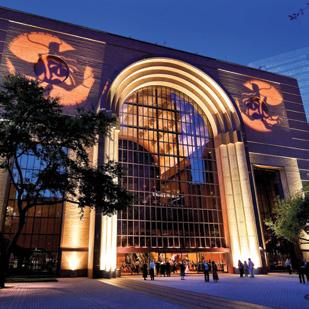
THE WORTHAM FOUNDATION, INC.
In the 1980s, the Wortham Foundation contributed $20 million to lead the capital campaign for the Wortham Theater Center, guided by businessman Gus S. Wortham’s early recognition of the vital role of the arts in making Houston an appealing place to live and work. During their lifetimes, Gus and his wife, Lyndall, were dedicated to improving the lives of Houstonians. The Foundation continues to support HGO through the Wortham Foundation Permanent Endowment and generous annual operating support. This leadership support has been vital to the Opera’s growth and commitment to excellence.
Houston Grand Opera Trustees and Patrons Circle members support the Opera with annual donations of $10,000 or $5,000, respectively, and make possible the incredible work of HGO. Trustees and Patrons enjoy many benefits at the Opera, including Masterson Green Room privileges during performance intermissions, behind-the-scenes experiences, personalized ticket service, two tickets to all open dress rehearsals, Opera Guild membership, a discount on Opera Guild Boutique purchases, and much more. For information on joining as a Trustee or Patron, please contact Stephen Beaudoin at SBeaudoin@HGO.org.
Ms. Gwyneth Campbell, Co-Chair, Donor Engagement Committee
Mauricio Perillo Co-Chair, Donor Engagement Committee
TRUSTEE—$10,000 OR MORE
Chris and Michelle Angelides
Surpik Angelini
Blanche S. and Robert C. Bast, Jr., MD
Dr. Gudrun H. Becker
Mr. and Mrs. James Becker
Drs. Robert S. and Nancy Benjamin
Stephanie and Dom Beveridge
Nancy and Walt Bratic
Dr. Janet Bruner
Mollie and Wayne Brunetti
Mr. and Mrs. Lester P. Burgess
Mrs. Carol Butler
Mr. Robert Caballero
Mr. Richard Calvert
Ms. Gwyneth Campbell
Patricia and Jess Carnes
Drs. Danuta and Ranjit Chacko
Mr. Robert N. Chanon
Mr. and Mrs. Robert L. Clarke
Mr. and Mrs. Robert Collier
Dr. Laurence Corash and Ms. Michele Corash
Julie and Bert Cornelison
Mr. Robert L. Cook and Mrs. Giovanna Imperia
Jayne and Peter Davis
Ms. Sasha Davis
Anna M. Dean
Dr. Elaine DeCanio
Dr. and Mrs. Roupen Dekmezian
Ms. Elisabeth DeWitts
Valerie and Tracy Dieterich
Jeanette and John DiFilippo
Dr. William F. Donovan
Joanne and David Dorenfeld
Mr. James Dorough-Lewis and Mr. Jacob Carr
Mr. Bob Ellis
Ms. Mary Foster
Mr. John E. Frantz
Caroline Freeman
Trish Freeman and Bruce Patterson
Gina and Scott Gaille
Dr. and Mrs. David P. Gill
Mrs. Geraldine C. Gill
Nancy Glass, M.D. and John Belmont, M.D.
Mr. Wesley Goble
Sandy Godfrey
Mrs. Gwynn F. Gorsuch
Ms. Dianne L. Gross
Ms. Julia Gwaltney
Nancy Haywood
Doug Hirsch and Maureen Semple-Hirsch
Ann Hightower
Dr. Patricia Holmes
Alan and Ellen Holzberg
Lee M. Huber
Dr. Alexandra Ikeguchi
Linda Katz
Ann and Stephen Kaufman
Mr. and Mrs. George B. Kelly
Ms. Carey Kirkpatrick
Mr. Mark Klitzke and Dr. Angela Chen
Mr. and Mrs. William H. Knull III
Mr. and Mrs. Frederick Kolb
Ann Koster
Elizabeth and Bill Kroger
Mrs. Connie Kwan-Wong
Mr. and Mrs. Randall B. Lake
Mr. Alejandro Langarica
Alfred W. Lasher III
Dr. and Mrs. Ernst Leiss
Mr. and Ms. Frank Liu
Mr. Ransom C. Lummis and Mrs. Isabel S. Lummis
Ms. Michele Malloy
Mr. and Mrs. Tony Massoud
Mary Marquardsen
Mr. R. Davis Maxey
Dorothy McCaine
Ms. Janice McNeil
Chadd Mikulin and Amanda Lenertz
Dr. Indira Mysorekar Mills and Dr. Jason Mills
Dr. and Mrs. William E. Mitch
Diane K. Morales
Kelly and Cody Nicholson
Geoffry H. Oshman
Susan and Edward Osterberg
Mr. David Peavy and Dr. Stephen McCauley
Dr. Selda Gunsel and Mr. Don Pferdehirt
Mr. Mark Poag and Dr. Mary Poag
Dr. Angela Rechichi-Apollo
Carol F. Relihan
Mr. Todd Reppert
Ed Rinehart
Mr. and Mrs. Walter Ritchie
Mr. and Mrs. Jeremy Rosen
Adel and Jason Sander
Judy Sauer
Mrs. Helen P. Shaffer
Ms. Janet Sims
Diana Strassmann and Jeffrey Smisek
Mr. and Mrs. George Sneed
Mr. and Mrs. Aaron J. Stai
Mr. Jake D. Stefano
Bruce Stein
Kathy and Richard Stout
Mrs. Carolyn Taub
Mr. Minas and Dr. Jennifer Tektiridis
Mr. and Mrs. Robert B. Trainer, Jr.
Dr. David Tweardy and Dr. Ruth Falik
Mr. and Mrs. John Untereker
Ms. Kristine Vikmanis and Mr. Denny Creighton
Mr. and Mrs. Robert N. Wakefield
Mr. and Mrs. Yuichi Watanabe
Mr. and Mrs. Jay Watkins
Mr. and Mrs. K.C. Weiner
Mr. and Mrs. David Weekley
Dr. Courtney Williams
Loretta and Lawrence Williams
Mr. and Mrs. David S. Wolff
Mr. and Mrs. C. Clifford Wright, Jr.
Mr. and Mrs. John W. Wright
Rini and Edward Ziegler
Nina and Michael Zilkha
3 Anonymous
YOUNG TRUSTEE—$5,000 OR MORE
Mr. Robert Anderson
Emily Bivona and Ryan Manser
Meredith and Joseph Gomez
Ms. Ellen Liu and Ms. Ilana Walder-Biesanz
Emily and Adrian Melendez
Mr. Andrew Papas
Drs. Mauricio Perillo and Luján Stasevicius
Dr. Nico Roussel and Ms. Teresa Procter
Mr. Parashar Saikia and Ms. Lori Harrington
Jennifer Salcich
Melanie Smith
Mr. Michael Steeves
Mrs. Stella Tang and Mr. Steven Tang
Dr. Yin Yiu
1 Anonymous
NATIONAL TRUSTEE—$5,000 OR MORE
Ms. Alissa Adkins, Corpus Christi, TX
Ms. Jacqueline S. Akins, San Antonio, TX
Mr. Murray Beard, Cordova, TN
Jorge Bernal and Andrea Maher, Bogota, Colombia
Dr. Dennis Berthold and Dr. Pamela Matthews, College Station, TX
Mr. Richard E. Boner and Ms. Susan Pryor, Austin, TX
Mr. Tom Burley and Mr. Michael Arellano, Philadelphia, PA
Mrs. Carol W. Byrd, Wetumka, OK
Mr. and Mrs. Cabrera Franklin, TN
Dr. Raymond Chinn, San Diego, CA
Mr. Bryce Cotner, Austin, TX
Dr. Thomas S. DeNapoli and Mr. Mark Walker, San Antonio, TX
Mr. and Mrs. Samuel Evans, Coldspring, TX
Jack Firestone, Miami, FL
Mr. Raymond Goldstein and Ms. Jane T. Welch, San Antonio, TX
Mr. Charles Hanes, San Jose, CA
Brian Hencey and Charles Ross Jr., Austin, TX
Edward and Patricia Hymson, San Francisco, CA
Mr. and Mrs. Geoffrey S. Kay, Austin, TX
Mrs. Judy Kay, Dallas, TX
Ms. Masami Kojima, Arlington, VA
Dr. and Mrs. Morton Leonard Jr., Galveston, TX
Paul and Judy Lerwick, Asheville, NC
Cathleen C. and Jerome M. Loving, Bryan, TX
Barbara and Camp Matens, Baton Rogue, LA
Mr. Kenton McDonald, Corpus Christi, TX
Judy Miner, San Francisco, CA
Mr. Juan Moreno, Dhahran, Saudi Arabia
Kristin and Peter Muessig, Amherst, NH
Ms. Heidi Munzinger and Mr. John Shott, Coronado, CA
Mr. John P. Muth, Wimberly, TX
Dr. James F. Nelson and Mr. Yong Zhang, San Antonio, TX
Ms. Claire O’Malley, San Antonio, TX
Mr. and Mrs. Don Patterson San Francisco, CA
Matilda Perkins, Santa Fe, NM
Ms. Wanda A. Reynolds, Austin, TX
Michelle and Chuck Ritter, Kansas City, MO
James and Nathanael Rosenheim, College Station, TX
Mr. Bruce Ross, Los Angeles, CA
Mr. and Mrs. Bob Ryan, San Francisco, CA
Alexander Sanger, New York, NY
Donna Saurage, Baton Rouge, LA
Mrs. Carolyn A. Seale and Mrs. Carol Lee Klose, San Antonio, TX
In memory of Mrs. Ora Lee Seale
Mr. Jerre van den Bent, Dallas, TX
Mr. Peter J. Wender Cambridge, MA
Charlie and Arienne Williams, Dallas, TX
David Woodcock, College Station, TX
Drs. Edward Yeh and Hui-Ming Chang Little Rock, AR
PATRONS
CIRCLE—$5,000 OR MORE
Ms. Jacquelyn M. Abbott
Mr. W. Kendall Adam
Mrs. Nancy C. Allen
Alfredo Tijerina and JP Anderson
Shaza and Mark Anderson
Dr. Tom Anderson
Dr. Julia Andrieni and Dr. Robert Phillips
Mr. and Mrs. Robert J. Ardell
Mr. Neely Atkinson
Heather and Richard Avant
Nancy and Paul Balmert
Mr. William Bartlett
H. M. F. Beaudoin Family Foundation
Dr. and Mrs. Joel M. Berman
Mr. and Mrs. Stanley C. Beyer
Mr. and Mrs. Stephen D. Bickel
Dr. Joan Hacken Bitar
Dr. Pamela Blake
Dr. Jerry L. Bohannon
Mr. Al Brende and Mrs. Ann Bayless
Mr. Chester Brooke and Dr. Nancy Poindexter
Mr. Leslie Brown
Joan M. C. Bull, M.D.
Mrs. John R. Castano
Dr. Beth Chambers and Mr. J. Michael Chambers
Alejandra Chamorro
Dr. Cindy Childress and Mr. Jack Charles
Mr. and Mrs. Richard T. Clark
Janet Clark
Dr. and Mrs. J. Michael Condit
Dr. Nancy I. Cook
Mr. and Mrs. Sam Cooper
Jodi and Michael Cortez
Mr. and Mrs. Larry Dooley
Mr. and Mrs. Daniel Dubrowski
Mrs. Eliza Duncan
Mr. John Egbert and Mrs. Kathy Beck
Dr. Patricia Eifel
Kellie Elder and David Halbert
Mrs. James A. Elkins III
Parrish N. Erwin Jr.
Ms. Thea M. Fabio and Mr. Richard Merrill
Ms. Ann L. Faget
Mr. Brian Faulkner and Ms. Jackie Macha
Mary Ann and Larry Faulkner
Ms. Vicki Schmid Faulkner
Ms. Ursula Felmet
Ms. Jianwei Feng and Mr. Yujing Li
Mr. and Mrs. Dennis Fish
Wanda and Roger Fowler
Cece and Michael Fowler
Mr. and Mrs. William B. Freeman Jr.
Mr. and Mrs. Scott J. Garber
Mr. Mauro Garcia-Altieri
Dr. Layne O. Gentry
Dr. Eugenia George
Mr. and Mrs. Damian Gill
Rhoda Goldberg
Mr. Thomas K. Golden and Mrs. Susan Baker Golden
Mary Frances Gonzalez
Sue Goott
Dr. and Mrs. David Y. Graham
Michaela and Nicholas Greenan
Ms. Dianne Halford
Mr. and Mrs. Thomas C. Halsey
Mrs. Mary Hankey
Mr. Frank Harmon III and The Honorable Melinda Harmon
Mr. and Mrs. A. John Harper III
Mr. and Mrs. Melvyn Hetzel
Pam Higgins
Deborah and Michael Hirsch
Rosalie and William M. Hitchcock
Dr. Holly Holmes
Mr. and Mrs. John H. Homier
Dr. and Mrs. Gabriel N. Hortobagyi
Dr. Kevin Hude
Ms. Heather Hughes
Mr. and Mrs. Paul Jacob
Mr. and Mrs. Malick Jamal
Mr. David Jaqua and Mr. John Drewer
Ms. Joan Jeffrey
Mr. and Mrs. Basil Joffe
Dr. Susan John and Mr. Darrell John
Charlotte Jones
Mrs. Robert J. Kauffman
Mr. Anthony K.
Mr. and Mrs. Hugh Rice Kelly
Mr. and Mrs. Albert Kidd
Mr. Lannis E. Kirkland
Ms. Rie Kojima Angeli
Dr. and Mrs. Lary R. Kupor
Mr. Kenny Kurtzman
Dr. Helen W. Lane
Mr. and Mrs. Stephen Le
Mr. Richard Leibman
Mr. and Mrs. James Loftis
Ms. Eileen Louvier
Mr. Glenn Lowenstein
Ms. Lynn Luster
Mr. and Mrs. Paul A. Lynn
Ms. Cora Sue Mach
Mark and Juliet Markovich
Mr. Rob Mason and Mr. James Olson
Dr. and Mrs. Malcolm Mazow
Shawna and Wynn McCloskey
Gillian and Michael McCord
Mimi Reed McGehee
Elizabeth and Keith McPherson
Mr. Bob McLaughlin
Kay and Larry Medford
Mrs. Anne C. Mendelsohn
Terry and Hal Meyer
Mr. Steve Morang
Ms. Shannon Morrison
Ms. Linda C. Murray
Mr. and Mrs. Michael Nassif
Erik B. Nelson and Terry R. Brandhorst
Mrs. Bobbie Newman
Ms. Geri Noel
Ms. Lisa L. Ng
Drs. John and Karen Oldham
Jean Palmer
Mrs. Maria Papadopoulos
Carl and Julie Pascoe
Linda Peterson
Mr. and Mrs. Jerod Pierce
Mr. and Mrs. Harry C. Pinson
Mr. and Mrs. Elvin B. Pippert Jr.
Mr. and Mrs. Vinay Puvvada
The Radoff Family
Ms. Judith Raines
Ms. Deree Reagan
Dr. David Reininger and Ms. Laura Lee Jones
Serge Ribot
Ms. Gwyn Richardson
Mr. Robert Richter Jr.
Mrs. Carol Ritter
Kate and Greg Robertson
Drs. Alejandro and Lynn Rosas
Dr. and Mrs. Franklin Rose
Mrs. Shirley Rose
Dr. and Mrs. Sean Rosenbaum
Dr. and Mrs. Steve Rosenbaum
Mr. David D. Schein and Ms. Karen Somer
Drs. Daniel and Ximena Sessler
Mr. and Mrs. Dayo Seton
Mr. and Mrs. Charles Shearouse
Dr. Ruth Simmons
Hinda Simon
Ms. Diana Skerl
Kris and Chris Sonneborn
Dr. and Mrs. C. Richard Stasney
Mr. Per A. Staunstrup and Ms. Joan Bruun
Richard P. Steele and Mary McKerall
Drs. Adaani E. Frost and Wadi N. Suki
Ellen Susman
Ms. Karen Tell
Ms. Susan L. Thompson
Mr. and Mrs. Charles Tobias
Mr. and Mrs. Tym Tombar
Fiona Toth
Dr. Elizabeth Travis and Mr. Jerry Hyde
Mr. Alvin Tucker
Gregoria and Frances Vallejo
Mr. and Mrs. Larry Veselka
Greg Vetter and Irene Kosturakis
Ms. Marie-Louise S. Viada
Ms. Vera D. Vujicic
Mr. and Mrs. M. C. “Bill” Walker III
Geoffrey Walker and Ann Kennedy
Diane and Raymond Wallace
Mr. and Mrs. John Wallace
Jesse Weir
Ms. Pippa Wiley
Randa Duncan Williams and Charles Williams
Ms. Jane L. Williams
Nancy and Sid Williams
Geraldina and Scott Wise
Ms. Debra Witges
Dr. Randall Wolf
Ms. Cyvia Wolff
Crystal Wreden
Mr. and Ms. Min Zheng
John L. Zipprich II
6 Anonymous
YOUNG PATRONS— $2,500 OR MORE
Sarah and Steve Bond
Mr. and Mrs. Christian Carrion
Mr. Michael Daus
Dr. Mhair Dekmezian
Ms. Karen Ding
Mr. and Mrs. Earl Flowers
Mr. Albert Garcia Jr.
Ms. Roya Gordon
Taryn and Lauren Gore
Mr. and Mrs. Christopher Hanno
Alecia Harris
Ms. Kathleen Henry
Lauren and Birk Hutchens
Ms. Sabrina Kesler
Alexander (Sasha) Klebnikov
Mr. Brett Lutz and Mrs. Elizabeth Lutz
Rachael and Daniel MacLeod
Tara and Liam McElhiney
Mr. Stephen Miranda and Mr. Blake Mudd
Mr. and Mrs. Paul Muri
Madeline Nassif Lucas and Jonathan Lucas
Ms. Aprill Nelson
Renee Palisi
Ms. Morgan A. Pfeil
Ms. Shaniese Posey
Ms. Nicole Rennalls
Ms. Constance Rose-Edwards
Mr. Justin Rowinsky and Ms. Catarina Saraiva
Emily Schultz and Pavel Blinchik
Ms. Gabriella Tantillo
Mr. Jeff Taylor
Joshua and Rebekah Wilkinson
Mr. and Mrs. Jamie Yarbrough
Mr. Kenneth Young and Mrs. Emmelie Young
NATIONAL PATRONS— $2,500 OR MORE
Ms. Cynthia Akagi and Mr. Tom Akagi, Madison, WI
Yoko and Tom Arthur, Santa Fe, NM
Mr. Murray Beard, Cordova, TN
Kathy Boyle and James Parsons, Dallas, TX
Tom and Kay Brahaney, Midland, TX
Dr. Bernd U. Budelmann, Galveston, TX
Ms. Marion Cameron-Gray, Chicago, IL
Ms. Louise Cantwell, San Antonio, TX
Mr. and Mrs. Joseph Carvelli, Dhahran, Saudi Arabia
Mr. and Mrs. Terry Cloudman, Boulder, CO
Hon. Griffin Collie, Dallas, TX
Mr. Arthur A. Crais Jr., New Orleans, LA
David Edelstein, Carbondale, CO
Ms. Susan English and Mr. Michael Kalkstein, Los Gatos, CA
Dr. and Mrs. Marvin A. Fishman, NM
Dr. Wm. David George, Austin, TX
Ms. Gabriella M. Guerra, San Antonio, TX
Mr. Brian Hackfeld, Dallas, TX
Pam Hall and James Duerr, San Antonio, TX
Mr. Mark Jacobs, Dallas, TX
Ms. Gail Jarratt, San Antonio, TX
Ms. Alison D. Kennamer and Joyce Kennamer, Brownsville, TX
Jeff and Gail Kodosky, Austin, TX
Wendy Lee-Graham, West Sussex, United Kingdom
Mr. and Mrs. Spencer Mehrens, Longview, TX
Ms. Chris Miller and Mr. Gary Glaser, Fort Worth, TX
Mr. William Nicholas, Georgetown, TX
John and Elizabeth Nielsen-Gammon, College Station, TX
Grace Noyes, New York, NY
James Parsons and Kathy Boyle, Dallas, TX
Mr. James R. Rogers, College Station, TX
Mr. Victor E. Serrato, Pharr, TX
Ms. Alice Simkins, San Antonio, TX
Mr. and Mrs. Thomas Stoddard Fort Smith, AR
Ms. Lori Summa, Lancaster, NH
Dr. David N. Tobey and Dr. Michelle Berger, Austin, TX
Mr. Tom Turnbull and Mr. Darrell Smith, Eunice, LA
Heide Walker, San Antonio, TX
Jacqueline and Kirk Weaver, Washington, D.C.
Martin R. Wing, Oklahoma City, OK
Houston Grand Opera appreciates all individuals who contribute to the company’s success. Support in any amount is received most gratefully. Our donors share a dedication to supporting the arts in our community, and the generosity of these individuals makes it possible for HGO to sustain world-class opera in the Houston area. For information on becoming a Houston Grand Opera donor, please contact Stephen Beaudoin at SBeaudoin@HGO.org.
ASSOCIATE PATRONS—
$2,000 OR MORE
Ms. Cecilia Aguilar
Mr. and Mrs. V. G. Beghini
Ms. Sonja Bruzauskas and Mr. Houston Haymon
Kenneth T. Chin
Vicki Clepper
Mr. Jerry Conry
Ms. Joyce Cramer
Mr. John Dazey
Ms. Linnet Frazier Deily
Elena Delauney
Peggy DeMarsh
Mr. and Mrs. Blake Eskew
Travis Fenstermaker
Monica Fulton
Dr. Alice Gates and Dr. Wayne Wilner
Susan Giannatonio and Bruce Winquist
Mr. Michael Gillin and Ms. Pamela Newberry
Mr. David Gockley
Ruzena Gordon
Dr. and Mrs. Carlos R. Hamilton, Jr.
Mr. and Mrs. Michael F. Henderek
Ms. Susan Hirtz
Mr. Stanley A. Hoffberger
Mr. Steven Jay Hooker
Dr. Alan J. Hurwitz
Mr. and Mrs. Richard A. Jackson
Mr. John Keville
Lynn Lamkin
Ms. Nadine Littles
Dr. Robert Louis
Mrs. J. Stephen Marks
Ana María Martínez
Mrs. Barbara Mayer
Dr. Mary Fae McKay
Mr. James L. McNett
Jody Meraz
Mr. Nicolo Messana
Mr. and Mrs. Gerald Moynier
Mr. and Mrs. Marvin H. Mueller
Ms. Maria C. (Macky) Osorio
Suzanne Page-Pryde and Arthur Pryde
Mr. Rick Pleczko
Ms. Felecia Powell-Williams
Dr. and Mrs. Florante A. Quiocho
Mr. and Mrs. Risher Randall
Mr. Edgar Rincon
Ms. Jo Ann W. Schaffer
Christopher B. Schulze, M.D.
Ms. Elizabeth D. Williams
Ms. Sandy Xu
Bin Yu
Drs. William and Huda Yahya Zoghbi
3 Anonymous
CONTRIBUTING FELLOWS—$1,000 OR MORE
Mrs. Linda Alexander
Mr. and Mrs. Neil Ken
Alexander
Dr. Robert E. Anderson
Mr. Robert K. Arnett Jr.
Ms. Dorothy B. Autin and Mr. Daniel Coleman
Dr. Carlos Bacino
Mrs. Deborah S. Bautch
Ms. Jessica Burton
Clayton Cannon
Dr. Claude Cech
Mr. and Mrs. James Collins
Mr. and Mrs. Larry Corona
Mr. Arthur A. Crais Jr.
Mr. George Crow
Mr. Carl R. Cunningham
Mr. and Mrs. Hiram Davis
Mr. and Mrs. Warren Dean
Dr. John Edwards
Mr. and Mrs. Peter J. Ferenz
Israel and Pearl Fogiel
Mr. Blake Frere
Mr. Enrico R. Giannetti
Mr. and Mrs. Kirk Girouard
Mr. and Mrs. Eugene Goldgar
Dr. James E. Griffin III and Dr. Margo Denke
Mr. and Mrs. Ira Gruber
Mr. and Mrs. David Guenther
Mr. and Mrs. Philip Gunnels
Mr. Donald Hang
Mr. and Mrs. Cordell Haymon
Dr. Ralph J. Herring
Dr. Janice L. Hewitt
Kay and Michael W. Hilliard
Mr. Edward L. Hoffman
Deronica Horn
Mr. Brian Horrigan
Greg Ingram
Mr. Francisco J. Izaguirre
The Jewels
Mr. and Mrs. John Jordan
Rachel Keen
Lynda and Frank Kelly
Dr. Milton and Gail Klein
Mr. and Mrs. John Lattin
Mr. Marshall Lerner
Dr. Robyn T. Lincoln
Mr. Robert Lorio
Mr. and Mrs. Oscar Y. Lui
Ms. Nancy Manderson
Dr. and Mrs. Moshe H. Maor
Onalee and Dr. Michael C. McEwen
Dr. Gilda McFail
Mr. and Mrs. Ernie McWilliams
Keith and Shawntell McWilliams
Mrs. Theresa L. Meyer
Mr. and Mrs. Mike Newman
Mr. Eugene Nosal and Mrs. Grace Phillips
Barbara Paull
Mr. Rawley Penick and Mrs. Meredith L. Hathorn
Mr. and Mrs. Dennis Phillips
Susie and Jim Pokorski
Ms. Helen B. Preddy
Dr. Eamonn Quigley
Ms. Sina Raouf
Mr. and Mrs. William Rawl
Mr. and Mrs. Richard Reynolds
Mr. William K. Rice
Mr. Jack Rooker
Sharon Ruhly
Dr. Mo & Mrs. Brigitte Saidi
Alan J. Savada
Kathleen and Jed Sazama
Mr. Frederick Schacknies
Kenneth and Deborah
Scianna
Mr. Alan Schmitz
Ms. Lynda G. Seaman
Ms. Valerie Serice
Dr. Paul E. Setzler
Ms. Joan M. Shack
Mr. Nick Shumway and Mr. Robert Mayott
Mr. Herbert Simons
Len Slusser
Mr. Cooper Smith
Ms. Linda F. Sonier
Mr. Leon Strieder
Mr. Kiyoshi Tamagawa and Mr. Bill Dick
Ann Tornyos
Ms. Donna Van Fleet
Dr. and Mrs. Lieven J. Van Riet
Mr. Arie Vernes
Mr. Albert T. Walko
Dr. Jackie Ward
J. M. Weltzien
Mrs. Dolores Wilkenfeld
Kay Wilson
Mr. Tim Wright
Robert and Michele Yekovich
3 Anonymous
CORPORATE, FOUNDATION, AND GOVERNMENT SUPPORTERS
Houston Grand Opera’s corporate, foundation, and government partners make it possible for HGO to create and share great art with our community. We are incredibly proud to work with these organizations and grateful for all they do. For information on joining HGO’s valued team of corporate and foundation supporters, please contact Claire Padien-Havens, senior director of institutional partnerships, at CPadienHavens@HGO.org.
CORPORATE, FOUNDATIONS, GOVERNMENT
HOUSTON GRAND OPERA CORPORATE COUNCIL
Thomas R. Ajamie, Ajamie L.L.P.
J. Scott Arnoldy, Triten Corporation
Astley Blair, Marine Well Containment Company
Meg Boulware, Boulware & Valoir
Albert Chao, Westlake Corporation
Adam Cook, Tokio Marine HCC
Joshua Davidson, Baker Botts L.L.P.
Nick Deshi, Latham & Watkins
Susan R. Eisenberg, Kirkland & Ellis L.L.P.
Warren Ellsworth, MD, Houston Methodist
Richard Husseini, Kirkland & Ellis L.L.P.
Michelle Huth, Frost Bank
Bill Kroger, Baker Botts L.L.P.
Bryant Lee, Latham & Watkins
David LePori, Frost Bank (Retired)
Bryce Lindner, Bank of America
Claire Liu, LyondellBasell (Retired)
Craig Miller, Frost Bank
Kristin Muessig, Vitol, Inc.
Ward Pennebaker, Pennebaker
Anthony Petrello, Nabors Industries
Gloria M. Portela, Seyfarth Shaw L.L.P.
Allyn Risley, GTT North America
Susan Rivera, Tokio Marine HCC
Kelly Rose, ConocoPhillips
Silvia Salle, Bank of America
Susan Saurage-Altenloh, Saurauge Marketing Research
Apurva Thekdi, MD, Houston Methodist
Ignacio Torras, Tricon Energy
Alfredo Vilas, Novum Energy
CORPORATE SUPPORTERS
GUARANTORS—$100,000 OR MORE
ConocoPhillips †
Frost Bank †
H-E-B †
Houston Methodist †*
JPMorgan Chase & Co.
Nabors Industries
Novum Energy †
Vinson & Elkins L.L.P. †*
Vitol, Inc.
GRAND UNDERWRITERS—
$50,000 OR MORE
Ajamie L.L.P. †
Bank of America †
Nana Booker and Booker · Lowe Gallery †
Houston Livestock Show and Rodeo™ †
Kirkland & Ellis L.L.P
Latham & Watkins
Shell USA, Inc. †
UNDERWRITERS—$25,000 OR MORE
Baker Botts L.L.P. †
Boulware & Valoir †
Tokio Marine HCC †
Turner Industries
Westlake Corporation †
SPONSOR—$10,000 OR MORE
Capgemini
CenterPoint Energy
Infosys
Anonymous
MEMBER—$1,000 OR MORE
CAPTRUST
China Star Restaurant Group
Maovor Inc.
USI Insurance Services
Texas Medical Center
IN-KIND CONTRIBUTORS TO OPERATIONS AND SPECIAL EVENTS
GRAND UNDERWRITER— $50,000 OR MORE
The Houston Chronicle
UNDERWRITERS—$25,000 OR MORE
Abrahams Oriental Rugs and Home Furnishings
ALTO
City Kitchen Catering
The Events Company
Jackson & Company Catering
SPONSORS—$15,000 OR MORE
Kirksey Gregg Productions
Magnolia Hotel Houston
CO-SPONSORS—$7,500 OR MORE
Elegant Events and Catering by Michael
Medallion Global Wine Group
BENEFACTORS—$5,000 OR MORE
The Corinthian at Franklin Lofts
David Peck
The Lancaster Hotel
Masterson Design/ Mariquita Masterson
Shaftel Diamond Co.
MEMBERS—$1,000 OR MORE
Brasserie du Parc
Connie Kwan-Wong/ CWK Collection Inc.
Dar Schafer Art
Elliott Marketing Group
Ellsworth Plastic Surgery
Gittings Portraiture
Glade Cultural Center
Hayden Lasher
The Hotel ZaZa
Chef Ashley James La Colombe d’Or Hotel
Las Terrazas Resort & Residences
Lavandula Design
Mayfield Piano Service
Shoocha Photography
FOUNDATIONS AND GOVERNMENT AGENCIES
PREMIER GUARANTOR— $1,000,000 OR MORE
Houston Grand Opera Endowment Inc. †
The Cullen Foundation † Ting Tsung and Wei Fong Chao Foundation †
The Wortham Foundation, Inc. †
PRINCIPAL GUARANTORS— $500,000 OR MORE
The Brown Foundation, Inc. † City of Houston through Houston Arts Alliance † Anonymous
GRAND GUARANTORS— $250,000 OR MORE
The Cullen Trust for the Performing Arts †
Humphreys Foundation †
Sarofim Foundation †
GUARANTORS—$100,000 OR MORE
Joan and Stanford Alexander Family Fund
The Alkek and Williams Foundation †
M.D. Anderson Foundation †
Carol Franc Buck Foundation †
The Elkins Foundation †
William Randolph Hearst Foundation †
Dr. M. Lee Pearce Foundation
Texas Commission on the Arts †
GRAND UNDERWRITERS—
$50,000 OR MORE
Mellon Foundation †
National Endowment for the Arts
The Powell Foundation †
UNDERWRITERS—$25,000 OR MORE
Ruth and Ted Bauer Family Foundation †
Cockrell Family Fund †
Marvy Finger Family Foundation
Lowe Foundation
John P. McGovern Foundation †
Vivian L. Smith Foundation
Samuels Family Foundation
Stedman West Foundation †
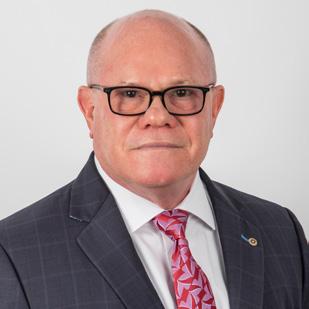
Sterling-Turner Foundation †
SPONSORS—$10,000 OR MORE
Albert & Ethel Herzstein
Charitable Foundation †
William E. and Natoma Pyle Harvey Charitable Trust †
MEMBERS—$1,000 OR MORE
City of Houston through the Miller Theatre Advisory Board †
Aaron Copland Fund for Music
George and Mary Josephine Hamman Foundation † OPERA America
CULTURAL PARTNERS
Consulate General of Italy in Houston
Italian Cultural Institute in Los Angeles
* Contribution includes in-kind support
† Ten or more years of consecutive support
CORPORATE MATCHING
Baker Hughes Foundation
Bank of America Charitable Foundation
BP Foundation
Chevron Humankind
CITGO Petroleum
Coca-Cola North America
ConocoPhillips
Encana
EOG Resources, Inc.
EQT Foundation
ExxonMobil Foundation
Fannie Mae
Hewlett-Packard Company
IBM Corporation
Illinois Tools Works Inc.
LyondellBasell
Chemical Company
Macquarie
Microsoft Employee Giving
Nintendo of America
Quantlab Financial, LLC
Raytheon Technologies
Salesforce
Shell USA, Inc. Foundation
The Boeing Company
Union Pacific
Williams Companies
LAUREATE SOCIETY MEMBERS
Ms. Gerry Aitken
The Laureate Society comprises individuals who have helped ensure the future of Houston Grand Opera by remembering the Opera in their wills, retirement plans, trusts, or other types of estate plans. The Laureate Society does not require a minimum amount to become a member. Planned estate gifts to the Houston Grand Opera Endowment can be used to support general or specific Opera programs. Houston Grand Opera is deeply grateful to these individuals. Their generosity and foresight enable the Opera to maintain its growth and stability, thus enriching the lives of future generations. For information regarding charitable estate gift planning and how it might positively impact you, your loved ones, and Houston Grand Opera, please contact Amanda Neiter, director of legacy giving, at 713-546-0216 or ANeiter@HGO.org.
Margaret Alkek Williams
Page S. Allen
Mr. William J. Altenloh and Dr. Susan Saurage-Altenloh
Margery Anderson
Robin Angly and Miles Smith
Bill A. Arning and Aaron Skolnick
Christopher Bacon and Craig Miller
Gilbert Baker
Dr. Saúl and Ursula Balagura
Mr. William Bartlett
Mr. James Barton
Mr. Lary Dewain Barton
Michelle Beale and Dick Anderson
Marcheta Leighton-Beasley
Jack Bell
Mrs. Natalie Beller
Dr. James A. Belli and Dr. Patricia Eifel
Mr. and Mrs. Stanley C. Beyer
Dr. Joan Hacken Bitar
Larissa Bither
Ms. Susan Bloome
Jerry L. Bohannon
Dr. and Mrs. Jules H. Bohnn
Adrienne Randle Bond
Ms. Lynda Bowman
Mr. and Mrs. Harry W. Bristol
Catherine Brock
Myra Brown
Mr. Logan D. Browning
Dr. Bernd U. Budelmann
Mr. Richard H. Buffett
Mr. Tom Burley and Mr. Michael Arellano
Mr. Ralph Byle
Ms. Gwyneth Campbell
Roxi Cargill and Peter Weston, M.D.
Jess and Patricia Carnes
Ms. Janet Langford Carrig
Sylvia J. Carroll
Drs. Danuta and Ranjit Chacko
Ms. Nada Chandler
Mr. Robert N. Chanon
Ms. Virginia Ann Clark
Mathilda Cochran
Mr. William E. Colburn
Mr. and Mrs. Paul L. Comstock
Mr. Jim O. Connell
Mrs. Christa M. Cooper
Mr. Efraín Z. Corzo and Mr. Andrew Bowen
Mr. and Mrs. James W. Crownover
Shelly Cyprus
Mr. Karl Dahm
Dr. Lida Dahm
Mr. Darrin Davis
Ms. Sasha Davis
Ms. Anna M. Dean
Peggy DeMarsh
Ian Derrer and Daniel James
Ms. Elisabeth DeWitts
Jane H. Egner
Larry and Amy Dooley
Elois Jean Eley
Mr. and Mrs. Samuel Evans
Ms. Thea M. Fabio and Mr. Richard Merrill
Ms. Ann L. Faget
Ms. Vicki Schmid Faulkner
Jack Firestone
Julie Fischer
Nancy Fischer
Mr. Bruce Ford
Dr. Donna Fox
Dr. Alice Gates and Dr. Wayne Wilner
Lucy Ann Gebhart
Dr. Layne O. Gentry
Mr. Michael B. George
Dr. Wm. David George
Dr. and Mrs. David P. Gill
Lynn Gissel
Mr. Wesley Goble
Mr. David Gockley
Rhoda Goldberg
Leonard A. Goldstein and Helen B. Wils
Mary Frances Gonzalez and Ross I. Jackson
Jon Kevin Gossett
Mr. and Mrs. Fred Gott
Claire Liu and Joe Greenberg
Dr. Nichols Grimes
Dr. Ellen R. Gritz and Mr. Milton D. Rosenau Jr.
Mr. Jas A. Gundry
Mr. Claudio Gutierrez
Mr. and Mrs. William Haase
Dr. Linda L. Hart
Ms. Janet Hassinger
Mrs. Brenda Harvey-Traylor
Nancy Haywood
Teresita and Michael Hernandez
Dr. Ralph J. Herring
Mr. and Mrs. Robert C. Hewell
Pam Higgins
Mr. Edward L. Hoffman
Gary Hollingsworth and Ken Hyde
Alan and Ellen Holzberg
Mr. Frank Hood
Ms. Ami J. Hooper
Lee M. Huber
Robert and Kitty Hunter
Greg Ingram
José and Teresa Ivo
Brian James
Spencer A. Jeffries and Kim Kim Hawkins
Ms. Charlotte Jones
Thomas M. Jones and Pamela S. Higgins
Cynthia J. Johnson
Ms. Marianne Kah
Mrs. Robert J. Kauffman
Ann and Stephen Kaufman
Charles Dennis and Steve Kelley
Mr. Anthony K.
Ms. Virginia E. Kiser
Ann Koster
David Krohn
Dr. Helen Lane
Dr. Lynn Lamkin
Ms. Michele LaNoue and Mr. Gerald Seidl
Carolyn J. Levy
Mr. and Mrs. W. H. Liesner
Sharon Ley Lietzow and Robert Lietzow
Mr. Michael Linkins
Ellen Liu and Ilana
Walder-Beisanz
Virola Jane Long
Mr. and Mrs. Karl R. Loos
Mrs. Marilyn Lummis
Dr. Jo Wilkinson Lyday
Mr. and Mrs. Paul A. Lynn
David Maib
Mrs. Rosemary Malbin
Dr. Brian Malechuk and Mr. Kevin Melgaard
Ms. Michele Malloy
Emily Bivona and Ryan Manser
Mrs. J. Landis Martin
Ms. B. Lynn Mathre
Ms. Nancy Wynne Mattison
Dr. and Mrs. Malcolm Mazow
Mrs. Dorothy McCaine
Mrs. Sarah McCollum
Deirdre McDowell
Muffy McLanahan
Mr. Allen McReynolds
Ms. Maryellen McSweeney
Mr. and Mrs. D. Bradley McWilliams
Christianne Melanson and Durwin Sharp
Mr. and Mrs. Robert Menzie
Ms. Georgette M. Michko
Drs. Indira and Jason Mills
Ms. Suzanne Mimnaugh
Kathleen Moore and Steven Homer
Sid Moorhead
Diane K. Morales
Juan R. Morales
Mr. and Mrs. Sidney S. Moran
Mr. and Mrs. Marvin H. Mueller
Heidi Munzinger and John Shott
Ms. Linda C. Murray
Terrylin G. Neale
Erik B. Nelson and Terry R. Brandhorst
Mrs. Bobbie Newman
Mrs. Tassie Nicandros
Beverly and Staman Ogilvie
Geoffry H. Oshman
Ms. Maria C. (Macky) Osorio
Susan and Edward Osterberg
Mr. and Mrs. Richard A. Percoco
Mauricio Perillo, PhD and Luján Stasevicius, PhD
Sara M. Peterson
Mark and Nancy Picus
Mr. and Mrs. Harry C. Pinson
Susie and Jim Pokorski
Gloria M. Portela
Suzanne Page-Pryde and Arthur Pryde
Dr. Angela Rechichi-Apollo
Mr. Todd Reppert
Conrad and Charlaine Reynolds
Ms. Wanda A. Reynolds
Ed and Janet Rinehart
Gregory S. Robertson
Edward N. Robinson
Mrs. Shirley Rose
Constance Rose-Edwards
Mr. John C. Rudder Jr.
H. Clifford Rudisill and Ray E. Wilson
Mr. and Mrs. Tom Rushing
Dr. Mo & Mrs. Brigitte Saidi
Mr. and Mrs. Terrell F. Sanders
Ms. Wanda Schaffner
Mr. Chris Schilling
Kenneth and Deborah Scianna
Mr. and Mrs. Charles Senuta
Mrs. Helen P. Shaffer
Ms. Sue A. Shirley-Howard
Hinda Simon
Mr. Herbert Simons
Ms. Susan Simpson
Ms. Janet Sims
Mr. Joseph Sims and Ms. Janis Doty
Stephen Skaggs and Jay Kleine
Colden A. Snow
Ms. Linda F. Sonier
Dian and Harlan Stai
Ms. Darla Y. Stange
Dr. and Mrs. C. Richard Stasney
Jake D. Stefano
Catherine Stevenson
Patrick Summers
Rhonda Sweeney
Susan Tan
Mrs. Carolyn Taub
Mr. Quentin Thigpen and Ms. Amy Psaris
Fiona Toth
Mr. and Mrs. William Tsai
Mr. John G. Turner and Mr. Jerry G. Fischer
Mr. and Mrs. Paul Turner
Mr. and Mrs. Jesse B. Tutor
Birgitt van Wijk
Mr. and Mrs. Alfredo Vilas
Mrs. Rons Voogt
James and Mary Waggoner
Dean Walker
Mr. William V. Walker
Shirley Warshaw
Mr. Gordon D. Watson
Ms. Rebecca Weaver
Mr. Jesse Weir
Mr. Geoffrey Westergaard
Pippa Wiley
Ms. Jane L. Williams
Mr. and Mrs. David S. Wolff
Dr. Fabian Worthing
Jo Dee Wright
Lynn Wyatt
Alan and Frank York
Mr. and Mrs. Mark Yzaguirre
Mrs. Lorena Zavala
John L. Zipprich II
25 Anonymous



By including HGO in my estate plans, I can play a role in nurturing the art form that has given me so much joy and fulfillment. I aim to leave a legacy that supports and sustains this cultural institution for decades to come.”

—Susan Tan, Laureate Society
member
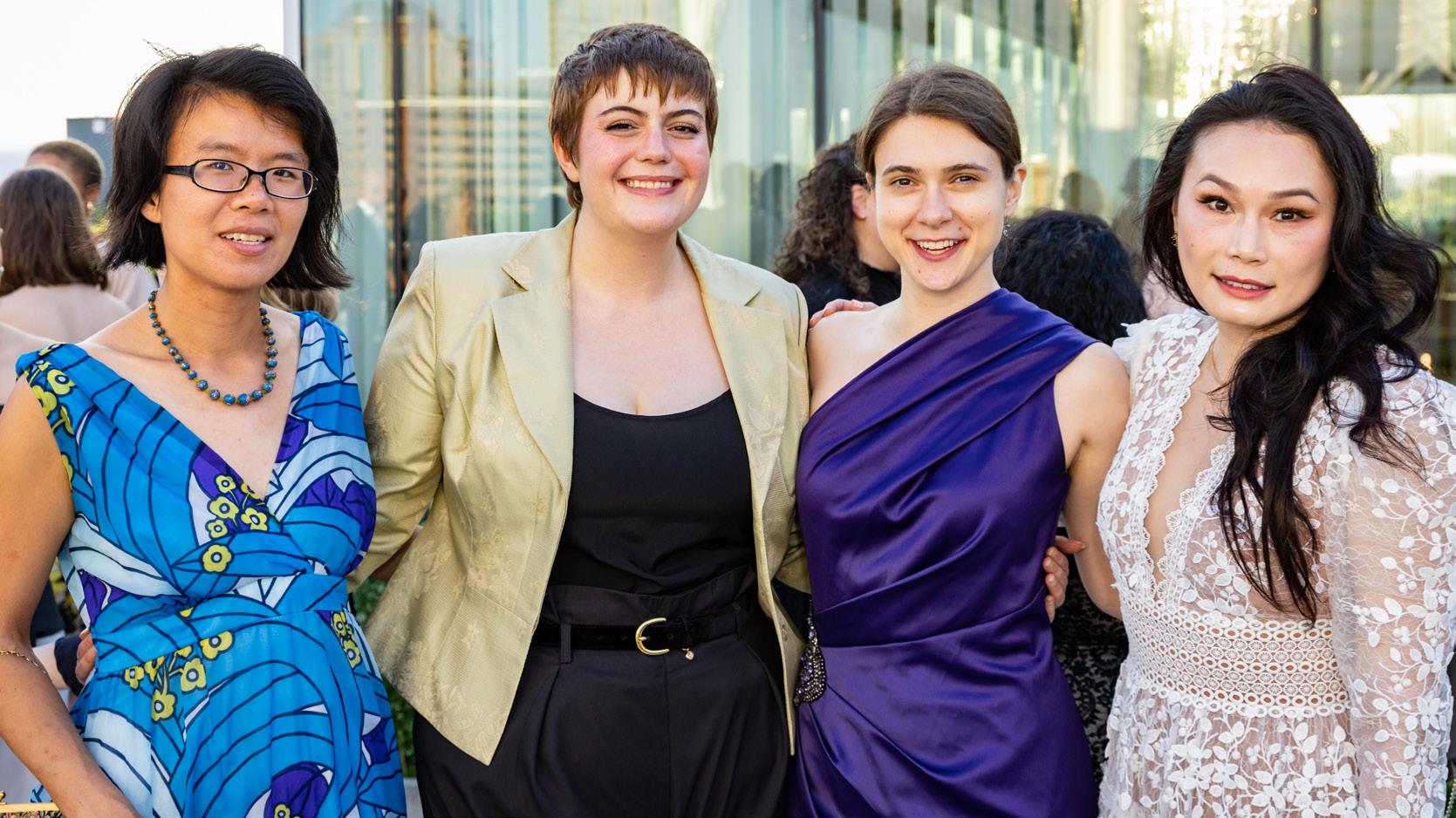
Please consider a gift to HGO’s Laureate Society so future generations will continue to experience world-class operatic productions. For more information about HGO’s Laureate Society, please contact Amanda Neiter at 713-546-0216 or ANeiter@HGO.org .
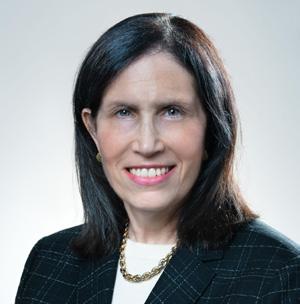
Marianne Kah, Chair
The Houston Grand Opera Endowment, Inc., is a separate nonprofit organization that invests contributions to earn income for the benefit of Houston Grand Opera Association. The Endowment Board works with CAPTRUST, an independent investment counsel, to engage professional investment managers. An endowed fund can be permanently established within the Houston Grand Opera Endowment through a direct contribution or via a planned gift such as a bequest. The fund can be designated for general purposes or specific interests. For a discussion on endowing a fund, please contact Amanda Neiter, director of legacy giving, at 713-546-0216 or ANeiter@HGO.org. HGO acknowledges with deep gratitude the following endowed funds.
BOARD OF DIRECTORS
Officers
Marianne Kah, Chair
Mark Poag, Vice Chair
Carolyn Galfione, Secretary; Treasurer
Yolanda Knull, Senior Chair
Tom Rushing, Chair Emeritus
Members at Large
Thomas R. Ajamie
Astley Blair
Khori Dastoor
Richard Husseini
Stephen Kaufman
Terrylin Neale
Scott Wise
GENERAL ENDOWMENT FUNDS
Susan Saurage-Altenloh and William Altenloh Endowed Fund
The Rudy Avelar Patron Services Fund
Barrow Family Endowed Fund
Charles T. (Ted) Bauer Memorial Fund
Sandra Bernhard Endowed Fund
The Stanley and Shirley Beyer Endowed Fund
Ronald C. Borschow Endowment Fund
Mary Frances Newton Bowers Endowment Fund
Pat and Daniel A. Breen Endowment Fund
The Brown Foundation Endowment Fund
Joan Bruchas and H. Philip Cowdin Endowed Fund
Sarah and Ernest Butler Endowment Fund
Jane and Robert Cizik Endowment
Michael and Mathilda Cochran Endowment Fund
Douglas E. Colin Endowment Fund
The Gerald and Bobbie-Vee Cooney Rudy Avelar Fund
The Renee and Benjamin Danziger Endowed Fund
In loving memory: Gail and Milton Klein Family and Leslie Danziger
Mindy and Joshua Davidson Endowed Fund
Mary Jane Fedder Endowed Fund
Linda K. Finger Endowed Fund
Robert W. George Endowment Fund
Harold Gilliland Endowed Fund
The Leonard Goldstein and Helen Wils Fund for the Future
Adelma Graham Endowed Fund
Frank Greenberg, M.D. Endowment Fund
Roberta and Jack Harris Endowed Fund
Jackson D. Hicks Endowment Fund
General and Mrs. Maurice Hirsch Memorial Opera Fund
Ann Holmes Endowed Fund
Ira Brown Endowment Fund
Elizabeth Rieke and Wayne V. Jones Endowment Fund
Leech Family Resilience Fund
Lensky Family Endowed Fund
Mary R. Lewis Endowed Fund
Beth Madison Endowed Fund
Frances Marzio Fund for Excellence
Franci Neely Endowed Fund
Constantine S. Nicandros Endowment Fund
Barbara M. Osborne Charitable Trust
Cynthia and Anthony Petrello Endowed Fund
Mary Ann Phillips Endowed Fund
C. Howard Pieper Endowment Fund
Kitty King Powell Endowment Fund
Glen Rosenbaum Endowment Fund
Rowley Family Endowment Fund
The Ruddell Endowment Fund
Sue Simpson Schwartz Endowment Fund
Shell Lubricants (formerly Pennzoil—Quaker State Company) Fund
Dian and Harlan Stai Fund
The John and Fanny Stone Endowment Fund
Dorothy Barton Thomas Endowment Fund
John G. Turner and Jerry G. Fischer Endowed Fund
John and Sheila Tweed Endowed Fund
Marietta Voglis Endowed Fund
Bonnie Sue Wooldridge Endowment Fund
The Wortham Foundation Permanent Endowment Fund
PRODUCTION FUNDS
Edward and Frances Bing Fund
Tracey D. Conwell Endowment Fund
David Gockley Fund for American Opera
The Wagner Fund
PRINCIPAL ARTISTS FUNDS
Jesse Weir and Roberto Ayala Artist Fund
The Lynn Wyatt Great Artist Fund
ENDOWED CHAIRS AND FELLOWSHIPS
Margaret Alkek Williams Chair: Khori Dastoor, General Director and Chief Executive Officer
Mr. and Mrs. James A. Elkins Jr. Endowed Chair: Peter Pasztor
Mr. and Mrs. Albert B. Alkek Chair: Maureen Zoltek
James A. Elkins Jr. Endowed Visiting Artist Fund
ELECTRONIC MEDIA FUNDS
The Ford Foundation Endowment Fund
SARAH AND ERNEST BUTLER HOUSTON GRAND OPERA STUDIO FUNDS
Audrey Jones Beck Endowed Fellowship Fund/ Houston Endowment, Inc.
The Gordon and Mary Cain Foundation Endowment Fund
Marjorie and Thomas Capshaw Endowment Fund
Houston Grand Opera Guild Endowment Fund
James J. Drach Endowment Fund
Evans and Portela Family Endowed Chair
Carol Lynn Lay Fletcher Endowment Fund
William Randolph Hearst Endowed Scholarship Fund
Jackson D. Hicks Endowment Fund
Charlotte Howe Memorial Scholarship Fund
Elva Lobit Opera Endowment Fund
Marian and Speros Martel Foundation Endowment Fund
Laura and Brad McWilliams Endowed Fund
Erin Gregory Neale Endowment Fund
Dr. Mary Joan Nish and Patricia Bratsas Endowed Fund
John M. O’Quinn Foundation Endowed Fellowship Fund
Shell Lubricants (formerly Pennzoil—Quaker State Company) Fund
Mary C. Gayler Snook Endowment Fund
Dian and Harlan Stai Fund
Tenneco, Inc. Endowment Fund
Weston-Cargill Endowed Fund
EDUCATION FUNDS
Bauer Family Fund
Sandra Bernhard Education Fund
Lawrence E. Carlton, M.D., Endowment Fund
Beth Crispin Endowment Fund
James J. Drach Endowment Fund
Fondren Foundation Fund for Educational Programs
The Harold E. Gilliland Education Fund
David Clark Grant Endowment Fund
The Schissler Family Foundation Endowed Fund for Educational Programs
OUTREACH FUNDS
Guyla Pircher Harris Project Spring Opera Festival Fund
Shell Lubricants (formerly Pennzoil—Quaker State Company) Fund
CONCERT OF ARIAS
Eleanor Searle McCollum Endowment Fund
COMMUNITY AND LEARNING
Geoffry Hillel Oshman Community and Learning Fund
PROFESSIONAL DEVELOPMENT FUNDS
Terrylin Neale Fund for Philanthropy Excellence

Butler Studio artist Alissa Gorestsky (right) with supporter Sylvia Barnes
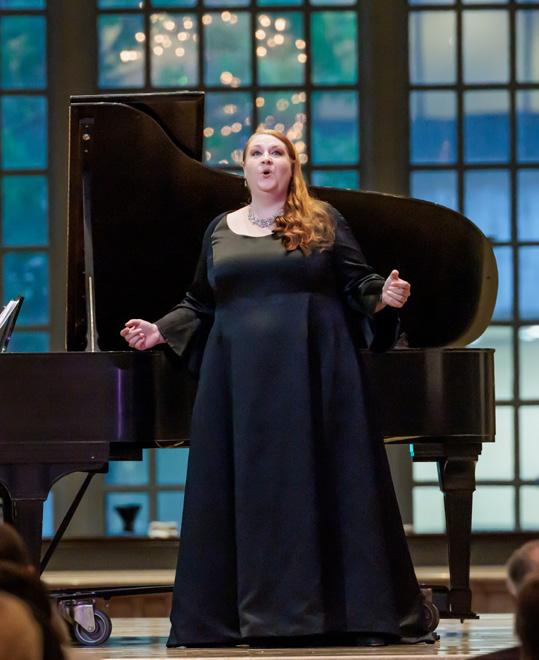
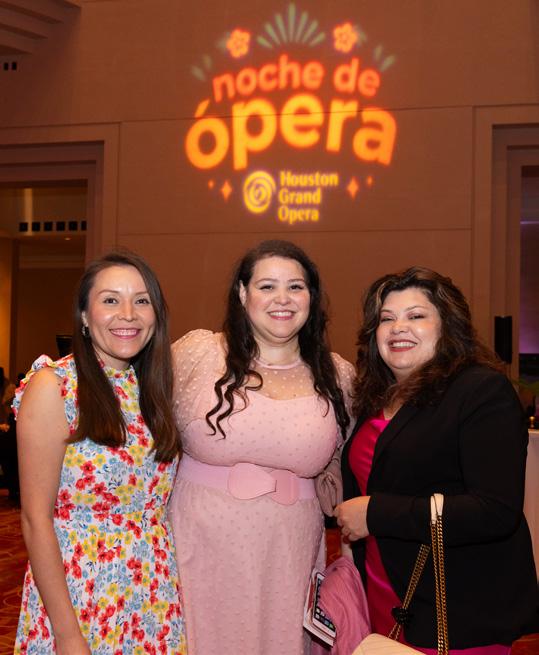
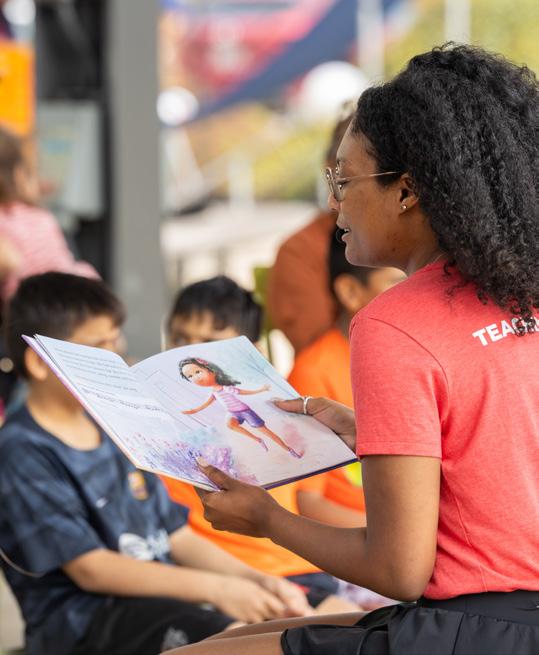
APR. 17, 19, 25, 29, MAY 1, 3
Performances of Handel’s Messiah (arr. by Mozart). Wortham Theater Center’s Brown Theater.
Ticketholders are invited to Opera Insights lectures, held in the Brown’s Orchestra section 45 minutes prior to each performance. Pre-show and intermission receptions for audience members under 40 years old at Under 40 Friday, May 1 performance only.
APR. 19
Post-performance talk: Messiah. HGO’s Khori Dastoor and Patrick Summers in conversation with special guests Christof Belka and Stephanie Engeln.
APR. 24, 26, 30,
MAY 2, 6, 8, 10
Performances of Rossini’s The Barber of Seville Wortham Theater Center’s Brown Theater.
Ticketholders are invited to Opera Insights lectures, held in the Brown’s Orchestra section 45 minutes prior to each performance. Pre-show and intermission receptions for members of Opening
Nights for Young Professionals at the Apr. 24 performance only and Overture at the Apr. 30 performance only.
1 APR. 28
High School Night: Bring your students to HGO for Rossini’s comical and mischievous The Barber of Seville. Tickets are discounted for group sales. For information, email Community@HGO.org.
APR. 30
Pride Night, a celebration of Houston’s LGBTQIA+ community, at The Barber of Seville
2 MAY 4
Patrons Circle Recital: HGO presents a private recital for Patron Circle Members. 6 p.m. The Junior League of Houston.
3 MAY 8
Noche de Ópera, a celebration of Houston’s Latinx community, at The Barber of Seville.
Storybook Opera: HGO brings children’s books to life through song as teaching artists present an engaging and enjoyable introduction to opera at locations including Levy Park and branches of the Houston Public Library and Harris County Public Library systems. Grades PK-2. Visit HGO.org for information.
YOUR AUDIENCE GUIDE
Tips for a great night out with your community
Take advantage of the company’s user-friendly one-stop shop for everything HGO. Resources include:
Your all-access guide to performances, on the mainstage and in the community: HGO.org/On-Stage
The Backstage Pass blog, for taking a deep dive into the season’s operas, company artists, and more: HGO.org/Backstage-Pass
Plan Your Visit information, from parking options, to hotel recommendations, to FAQs, and more: HGO.org/Plan-Your-Visit
HGO’s Customer Care Center, including performance information, ticket assistance, and more: HGO.org/Contact-Us
And much more!
Make sure to build in time to enjoy the Wortham before the show—and get to your seats. Late seating may take place at designated moments
Access more info on visiting the Wortham Theater Center from our friends at Houston First:

We encourage our guests to make full use of the Wortham Theater Center when they come to the opera. You’re invited to:
Relax and reflect: Find a spot in one of the Wortham Theater Center’s Brown or Cullen alcoves, or another area in the concourse—now with expanded seating!
Explore our Stories to Stage Gallery: Don’t miss the chance to learn more about HGO’s winter operas, with history displays, behind-the-scenes looks at productions, and more. Now on view in the Grand Foyer East Wing.
Browse the merchandise: Volunteers from the HGO Guild operate a gift and souvenir boutique in the Grand Foyer.
Soak in the scene over lunch or dinner: Food services are available prior to each
during each act’s first 20 minutes, either in an alternate location in the theater or, in some cases, a TV viewing area in the Grand Foyer. Latecomers may take their ticketed seats after the next intermission.
Have a bite in the lobby, not in the theater, but do enjoy a drink at your seat—just make sure it’s in a special container from the bar.
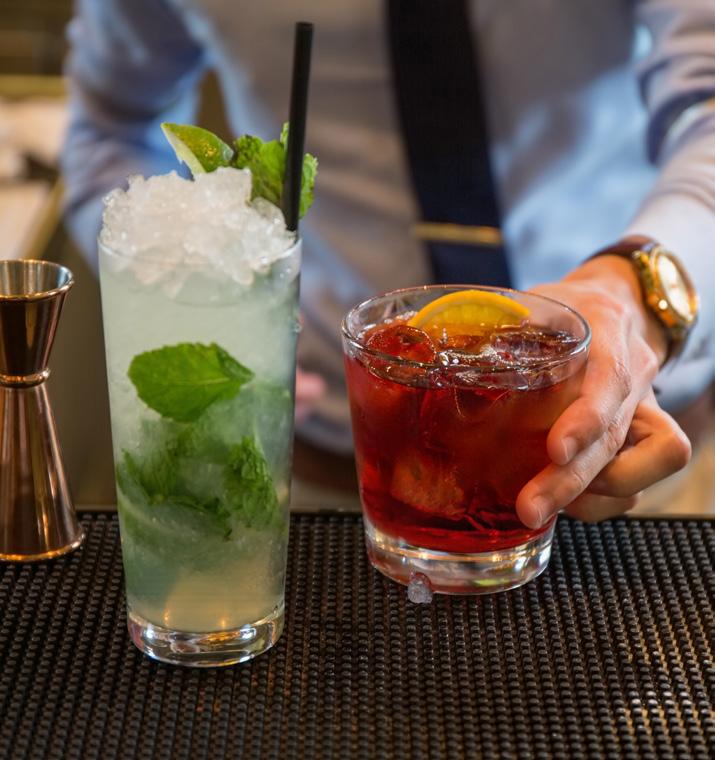
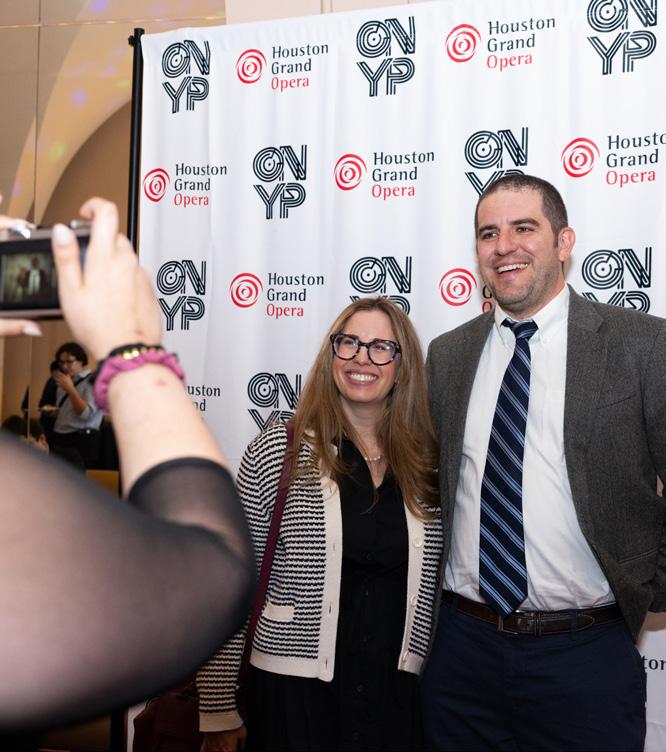
Unwrap candies and cough drops before curtain, and remain popular with your peers!
Silence or turn off your phone and other devices such as smart watches, then put them away. You’ll avoid blinding lights, distracting noises, and vexing your neighbors.
performance in the Grand Foyer. For something quick, find parfait kits, naan sandwiches, and much more at the Grab N Go station.
Have a drink: The lobby bars are open before each performance and during intermission. Don’t forget—premium wine selections are available in the center bar of the Grand Foyer. And don’t miss Happy Half Hour—guests receive $2 off all beer, wine, and cocktails at all bars for the first 30 minutes the theater is open (each bar begins service 90 minutes before performance time).
Pro-tip: Pre-order beverages for intermission at any of the bars when you arrive at the theater, and your drinks will be waiting for you!
Dine at the Founders Salon: Enjoy a prix-fixe, seasonally inspired menu. Reservations are required, with a priority reservation window open for Patrons Circle members up to 72 hours before the performance date. Reservations then open to full-season subscribers. To reserve, call 713-533-9318 or email Cafe@ElegantEventsByMichael.com.
Attend a free Opera Insights lecture: Brush up on the day’s opera during one of HGO's popular pre-show talks from HGO Artistic and Music Director Patrick Summers. Join us on the Orchestra level of the Brown Auditorium 45 minutes before curtain time.
Enjoy music from solo instrumental artists including Gilbert Sedeño: Tunes fill the lobby both before each show and during intermission.
Save conversation for intermission or after the show. You can break down the performance with your neighbor at the break!
Bring the young arts lover in your life to the opera. Just remember: disruptors, however cute, should be escorted to the lobby.
Khori Dastoor
General Director and CEO
Margaret Alkek Williams Chair
Patrick Summers
Artistic and Music Director *
EXECUTIVE LEADERSHIP GROUP
Richard Bado, Chief Artistic Officer/ Chorus Director *
Kristen E. Burke, Director of Production *
Jennifer Davenport, Chief Marketing and Experience Officer
Darcy Douglas, Chief Philanthropy Officer
Elizabeth Greer, Chief Financial Officer
OFFICE OF THE GENERAL DIRECTOR
Mary Elsey, Associate Director of Board Relations and Executive Hospitality
Audrey Hurley, Executive Assistant to the General Director and CEO
Monica Thakkar, Director of Strategic Initiatives
Joel Thompson, Composer-in-Residence
ARTISTIC
Colin Michael Brush, Director of the Butler Studio
Jonathan Friend, Casting Consultant
Joel Goodloe, Director of Artistic Operations
Matthew Kalmans, Rehearsal Coordinator
Kiera Krieg, Butler Studio Manager
Mark C. Lear, Associate Artistic Administrator *
Alexa Lietzow, Artistic & Music Coordinator
Nadya Mercado, Butler Studio Intern
Reagan Nattinger, Artist Services Coordinator
Lucas Nguyen, Music Librarian
Peter Pasztor, Principal Coach *
Karen Reeves, Children’s Chorus Director *
Rick Reeves, Interim Music Administrator and Orchestra Personnel Manager
Nicholas Roehler, Assistant Conductor
Jack Ruffer, Rehearsal Planning Administrator
Madeline Slettedahl, Assistant Conductor
Lisa Vickers, Bauer Family High School Voice Studio Manager
William Woodard, Assistant Conductor
Maureen Zoltek, Head of Music Staff and Butler Studio Music Director Mr. & Mrs. Albert B. Alkek Chair
Carlos Angel, Box Office Representative
Vince Balkcom, Jr.,
Box Office Representative
Fernando Barajas, Administrative Manager
Ellen Bergener,
Box Office Representative
Steve Butler, Video Producer
Joe Cadagin, Audience Education and Communications Manager
Alexandra Campbell,
Marketing Coordinator
Nicholas Chavez, Group Sales Coordinator
Chelsea Crouse, Sr. Creative Manager
Joy Germany,
Box Office Representative
Jessica Gonzalez, Associate Director of Marketing
Sofia Heggem, Sr. Guest Experience Coordinator
Mary Hierholzer, Content Manager
Scott Ipsen, Sr. Director of Ticketing and Experience *
Rudy Avelar Chair
Rita Jia, Graphic Designer
Ashlyn Killian, Communications Coordinator
Tory Lieberman, Director of Marketing
Colton Marek, Box Office Manager
Aaron Marsh, Guest Experience Manager
Sam Mathis, Patron Services Manager
Catherine Matusow, Director of Communications
Matt McKee, Associate Director of Sales and Service
Brian Mitchell, Archivist and Content Adminstrator, The Genevieve P. Demme Archives and Resource Center *
Michelle Russell, Ticketing & Marketing Data Manager
FINANCE AND OPERATIONS
Amanda Burton, Accounts Payable Administrator
Christian Davis, Associate Director of Human Resources
Ariel Ehrman, Business Intelligence Manager
Luis Franco, Office Services Coordinator *
Matt Gonzales, Associate Director of Information Systems *
George Heathco, Operations Projects Manager
Chasity Hopkins, Accounting Manager
Elia Medina, Payroll Administrator
Jeremy Patfield, Director of Finance
Sarah Saulsbery, Accounts Payable Clerk
Denise Simon, Human Resources Coordinator *
Christopher Staub, Director of Operations & Institutional Projects *
Grace Tsai, Manager of Data and Analytics
Ahna Walker, Human Resources Manager, Recruiting and Retention
Chaedron Wright, Information Technology Assistant
Joy Zhou, Director of Information Services
PHILANTHROPY
Stephen Beaudoin, Director of Individual Giving
Brooke Caballero, Philanthropy Coordinator
Katherine Cunningham, Associate Director of Signature Events
Ross S. Griffey, Director of Institutional Partnerships
Deborah Hirsch, Senior Advisor to the Chief Philanthropy Officer *
Jenna Hyatt, Philanthropy Officer
David Krohn, Sr. Director of Philanthropy
Tessa Larson, Associate Director of Individual Giving
Olivia Lerwick, Philanthropy Writer
Ana Llamas, Prospect Researcher and Manager
Claire Padien-Havens, Sr. Director of Institutional Partnerships
Patrick Long-Quian, Philanthropy Operations Manager
Meredith Morse, Assistant Director of Institutional Giving
Amanda Neiter, Director of Legacy Giving
Allison Reeves, Director of Signature Events
Martalisa Tsai, Philanthropy Officer
Sarah Wahrmund, Director of Philanthropy Operations
Gabriella Wise Smith, Assistant Director of Institutional Partnerships
Noe Aparicio, Costume Technician
Philip Alfano, Lighting Associate & Principal Draftsman *
Brian August, Stage Manager
Kathleen Belcher, Assistant Director
Maya Bowers, Assistant Technical Director
Dung Bui, Junior Stitcher
Isabella Cabrera, Costume Coordinator
Michael James Clark, Head of Lighting & Production Media *
Andrew Cloud, Properties Manager *
Janine Colletti, Assistant Director
Norma Cortez, Costume Director *
Eboni Bell Darcy, Assistant Director
Meg Edwards, Assistant Stage Manager *
Heather Rose Ervin, Wig and Makeup Assistant
Caitlin Farley, Assistant Stage Manager
Joseph B. Farley, Production Manager
David Feheley, Technical Director
Vince Ferraro, Head Electrician *
Jamie Flowers, Props Shopper
Bridget Green, Wig and Makeup Assistant
David Heckman, Costume Coordinator Assistant
John Howard, Head Carpenter *
Esmeralda De Leon, Costume Coordinator *
Nara Lesser, Costume Production Assistant *
Jae Liburd, Operations Driver
Beth Mathis, Assistant Stage Manager
Melissa McClung, Technical and Production Administrator
Tatyana Miller, Junior Draper
Amanda Mitchell, Wig & Makeup Design Director
Cam Nguyen, Costume Technician
Emma Rocheleau, Assistant Stage Manager
Colter Schoenfish, Assistant Director
Ian Silverman, Assistant Director
Rachel Smith, Assistant Head Electrician and Board Operator
Stephanie Smith, Assistant Director
Dotti Staker, Principal Wig Maker and Wig Shop Manager *
Bryan Stinnet, Assistant Carpenter/Head Flyperson
Paully Tran, Sr. First Hand *
Phillip Tyler, Head of Sound
Myrna Vallejo, Costume Shop Supervisor *
Sean Waldron, Head of Props *
Annie Wheeler, Production Stage Manager *
Eric Wirfel, Associate Technical Director
*denotes 10 or more years of service


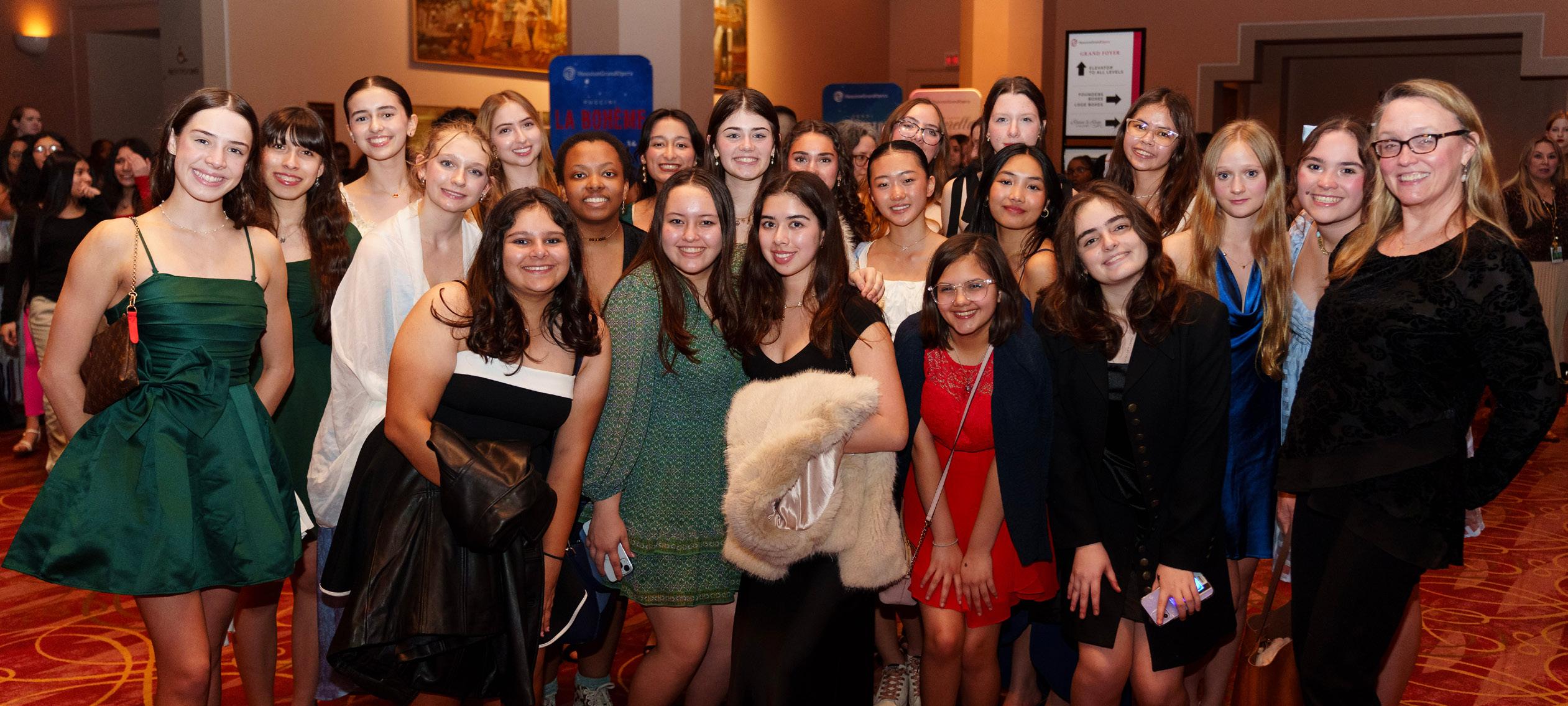

Each season, HGO invites Houston-area students to our mainstage productions at the Wortham Theater Center through subsidized and discounted tickets. More than 1,000 Houston-area students join us at the opera for just $25 every year, and you can too! Secure your student tickets today— visit the Discounted Tickets section at HGO.org/Tickets .

THANK YOU FOR YOUR PARTNERSHIP