
MAESTRO HONORING
PATRICK SUMMERS
As Maestro Summers prepares to become HGO’s Music Director Emeritus, a tribute to his service to the company and Houston—and a celebration of his remarkable career!
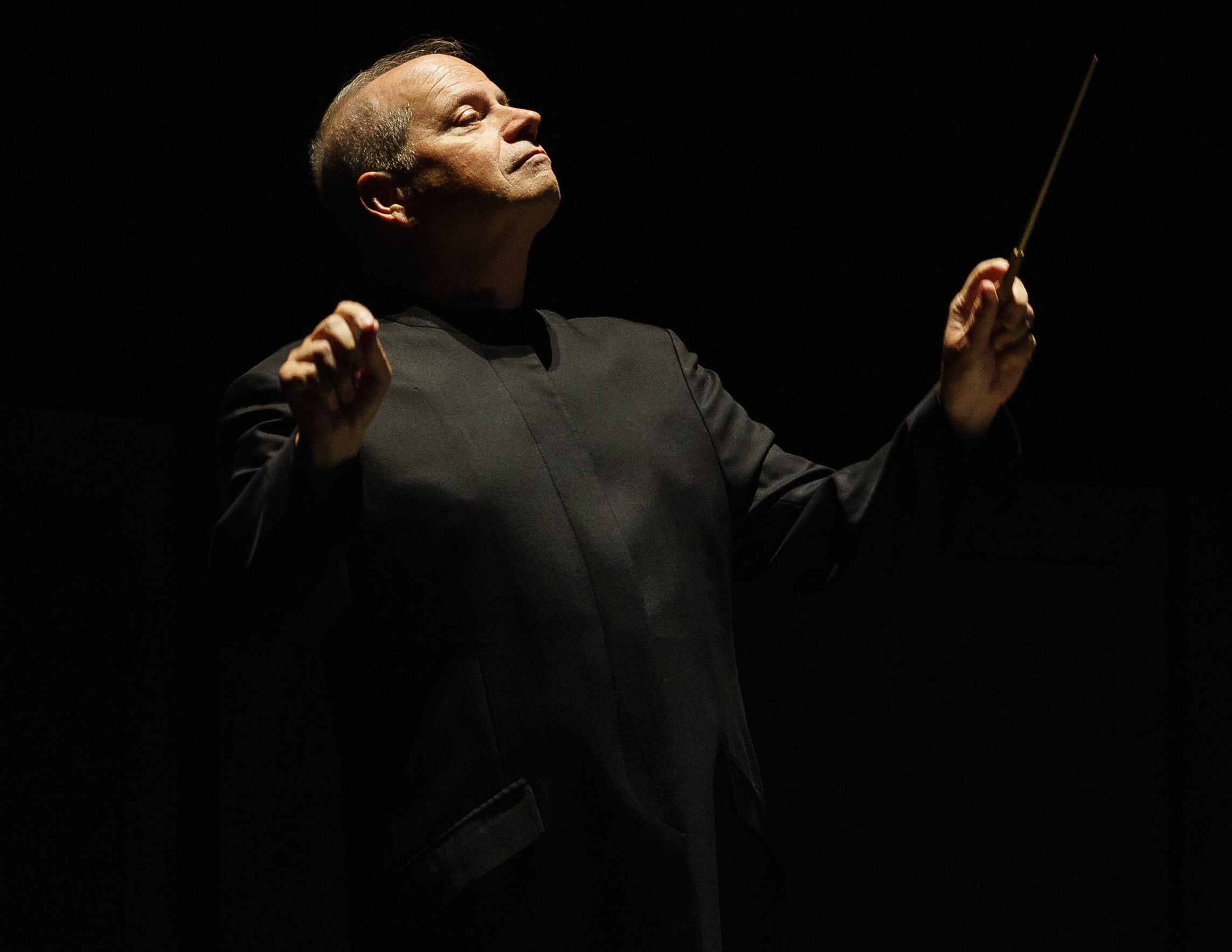
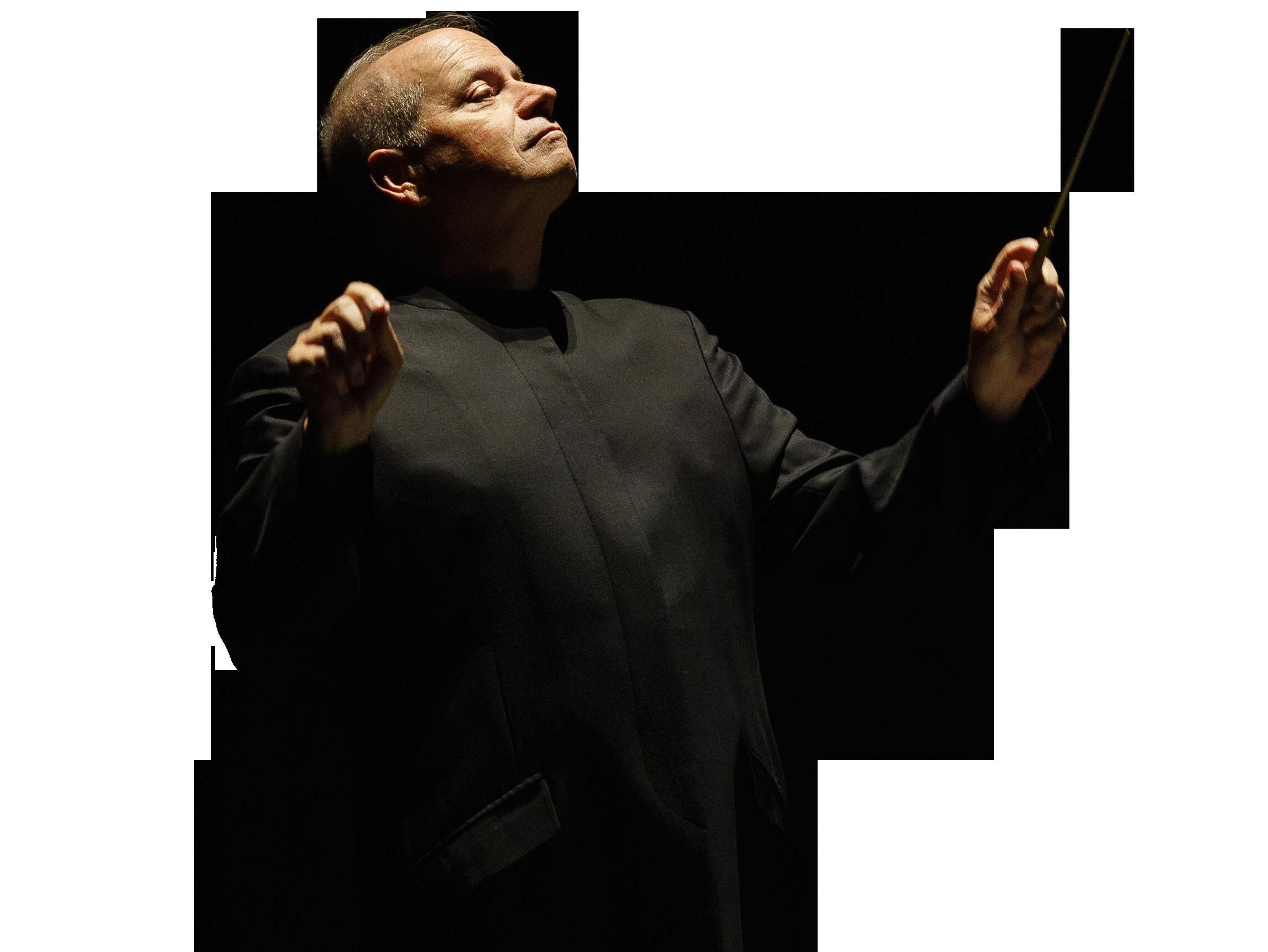
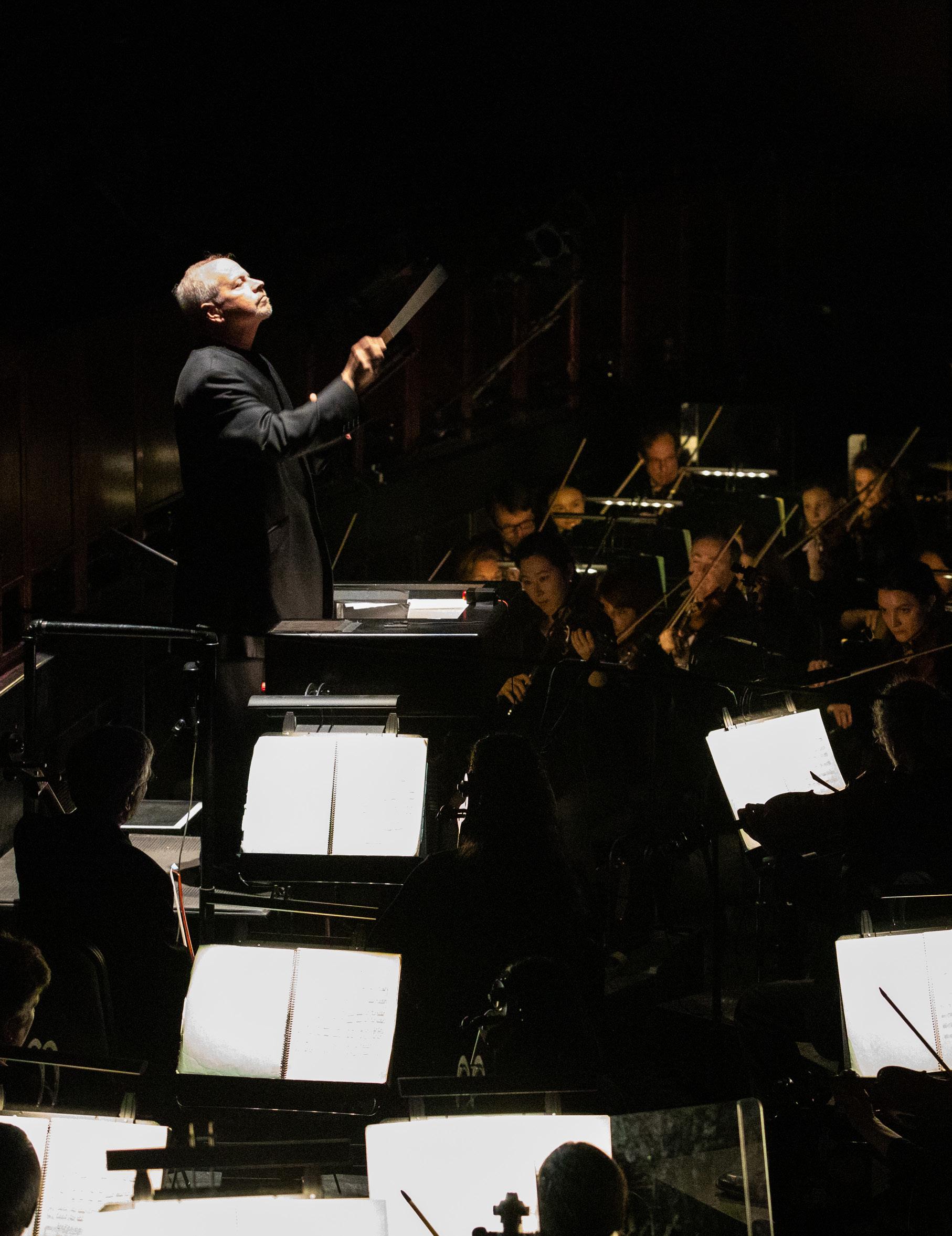
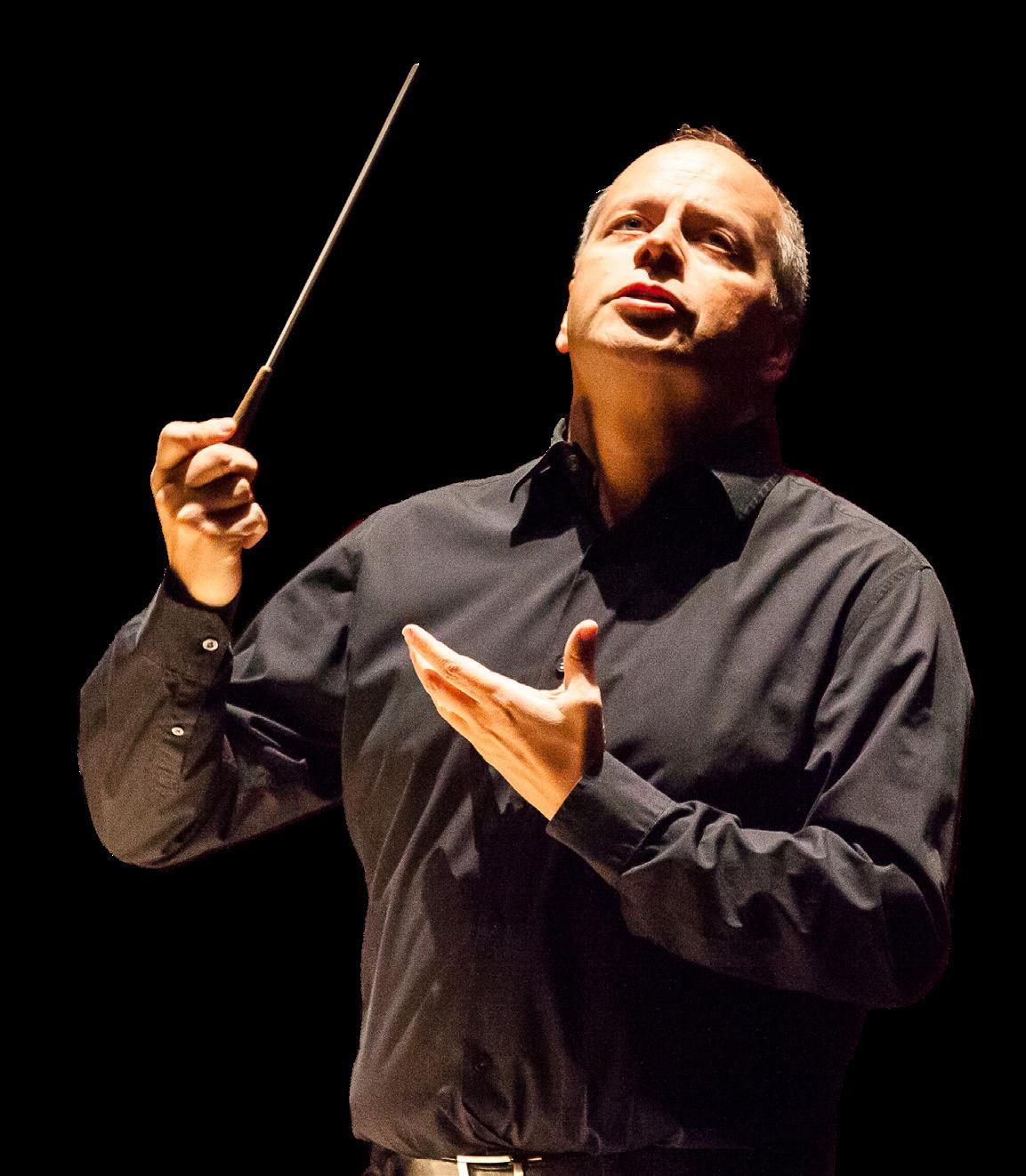
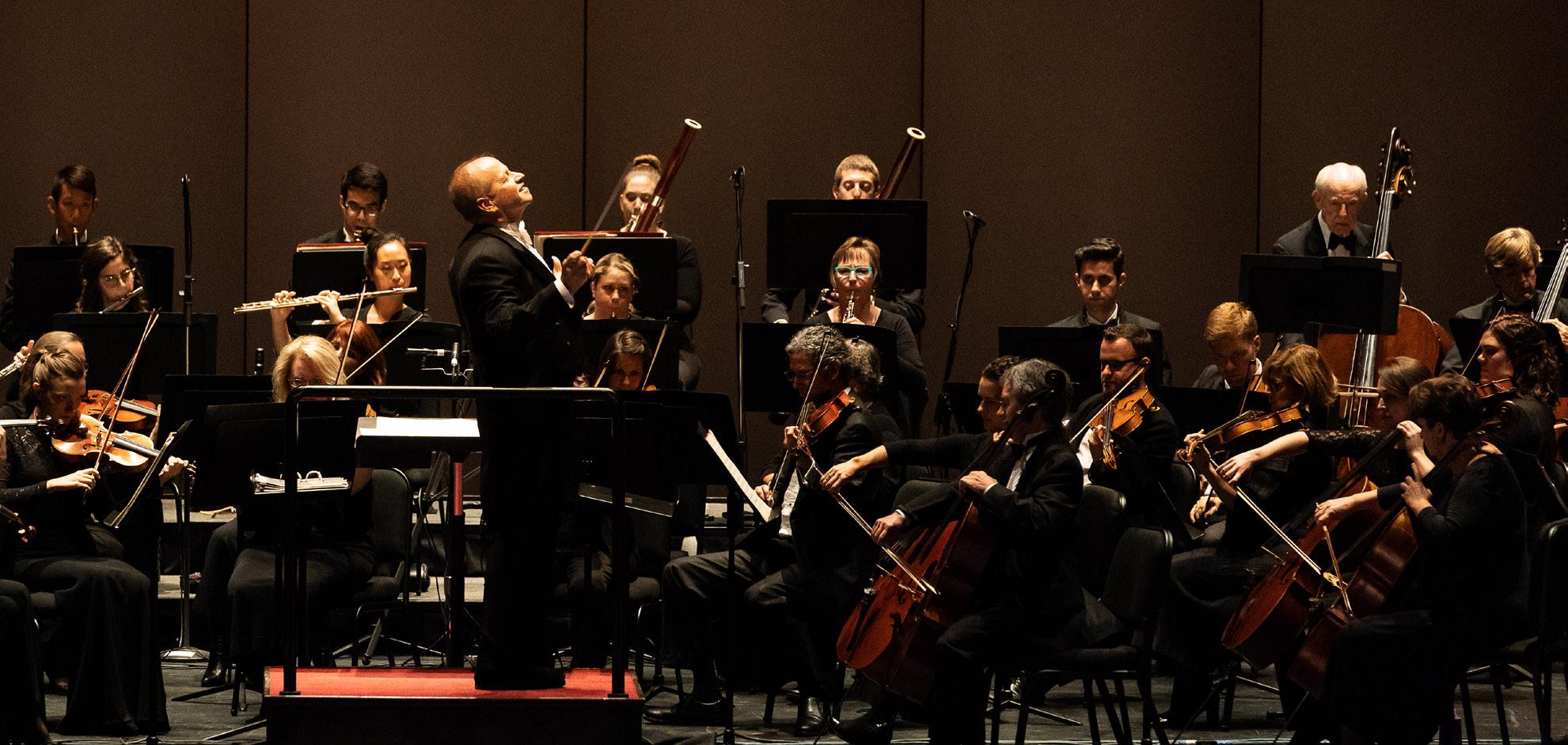
Maestro Summers conducting Madame Butterfly at HGO in 2024.
A MESSAGE FROM THE GENERAL DIRECTOR AND CEO
If Houston Grand Opera holds a special place in your heart, then it’s almost certain that Patrick Summers does too. For more than 25 years, Maestro Summers—our beloved Artistic and Music Director, colleague, and friend— has devoted himself wholly to this company, putting his heart and soul into fostering its growth and well-being while shaping its artistic legacy.
As the 2025-26 season comes to a close, Patrick is preparing to step down from his longtime role. It is a poignant moment, as his sure and steady guidance has touched every corner of this organization. Patrick has now conducted 87 mainstage operas for HGO. He has led the company through multiple hurricanes and a pandemic. He has built the HGO Orchestra into a world-class ensemble. He has helped launch the careers of incredible artists. And he will leave the repertoire richer than he found it.
Talk to him for any length of time, and Patrick will inevitably bring up the idea of company—of putting the whole over the individual and collaborating with a group of likeminded people over a period of years to create something important. That is what matters to him, why—in a tenure unusual in our industry—he has stayed at HGO for nearly three decades, and why after the end of this season, he will continue by my side, helping to advance this company as our Music Director Emeritus and holder of the Robert and Jane Cizik Music Director Emeritus Chair.
Lucky for all of us who cherish Patrick, he may be entering a new era, but he’ll still be close. He will always adore, and care for, this company. We are so grateful.

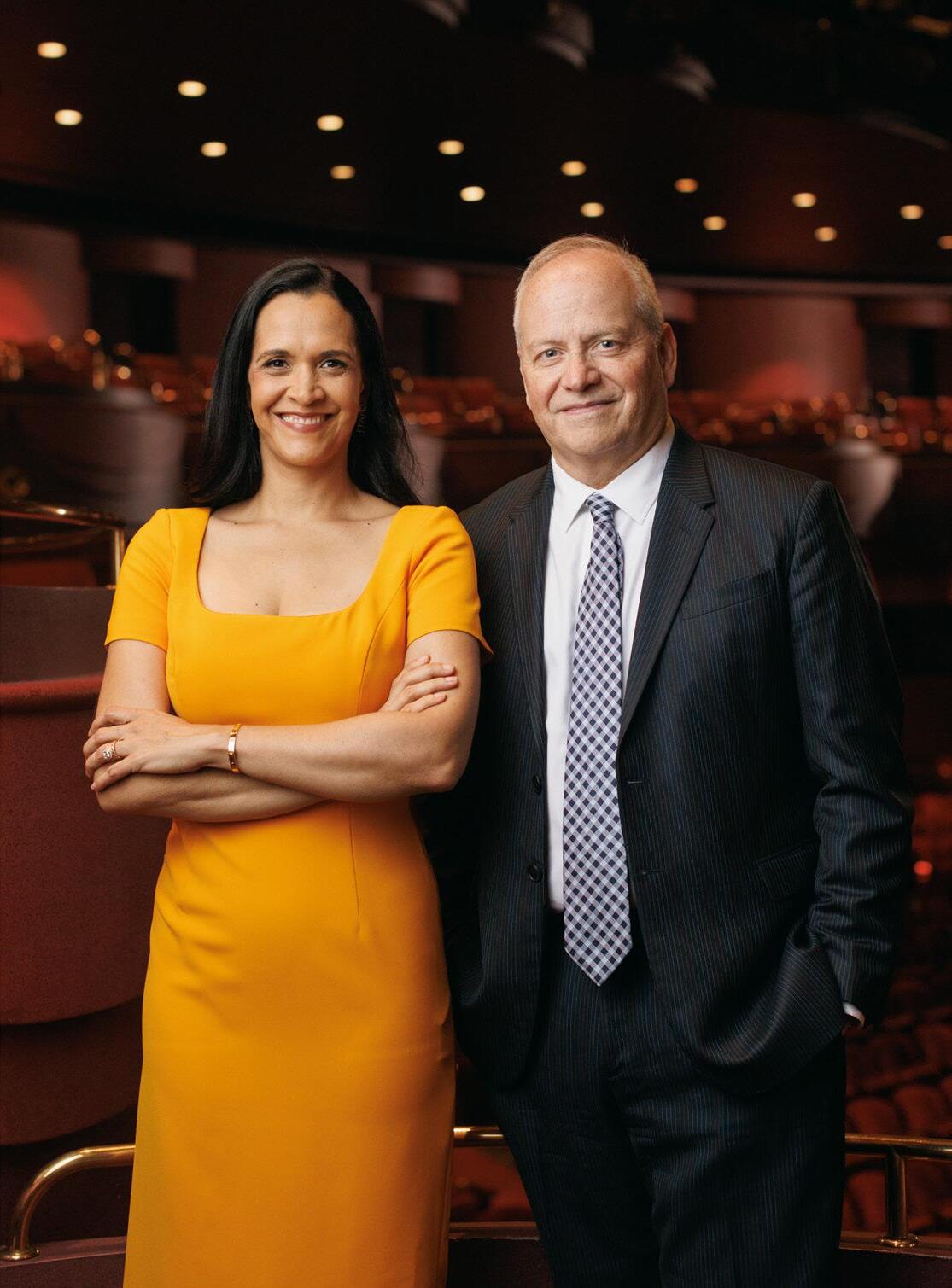
Khori Dastoor
General Director and CEO
Margaret
Alkek Williams Chair
DEAR HGO FAMILY,
For many years, one of the joys of my professional life has been sharing HGO's new seasons with you, our audience members and supporters. I have felt the same excitement this year as ever, accompanied by wistfulness, since after this season I will be stepping down as the company’s Artistic and Music Director, a position I have held in some form for more than a quarter of a century, which is more than a third of the company’s entire history.
My goals have been multiform: as a conductor, I have always tried to support the many visions of a composer, whether or not that composer is alive, and never to superimpose my own ideas except when I felt they aligned with the composer’s. As the Artistic Director, I have endeavored to balance the provocative with the comforting, the garde with the avant-garde, and create a set of memorable experiences. And always, throughout my artistic life at Houston Grand Opera, I have tried to shepherd a new generation of singers into this extraordinary art, chiefly, though not solely, through the amazing talents who choose the Butler Studio as their artistic destination, or those many who have chosen HGO as the place where they want to debut major roles. That has been an enormously gratifying part of my work, and the aspect I will most miss.
And through everything: hurricanes, pandemics, the highs and lows, you have been there with us. For me, the highlights will always be the company’s first Wagner Ring, the Verdi operas that I was privileged to conduct three times each: La traviata, Rigoletto, and Il trovatore, the many Mozart operas, Handel’s Saul, Mieczysław Weinberg's The Passenger, Daniel Catán's Florencia en el Amazonas, and the deep work on so many premieres, by Carlisle Floyd (especially his masterpiece Cold Sassy Tree) and Jake Heggie— whose Three Decembers, which we premiered, has become one of the most-performed operas in the United States.
This season, I was overjoyed to finally be able to bring Puccini’s extraordinary Trittico to Houston, something I’d tried to make happen for the
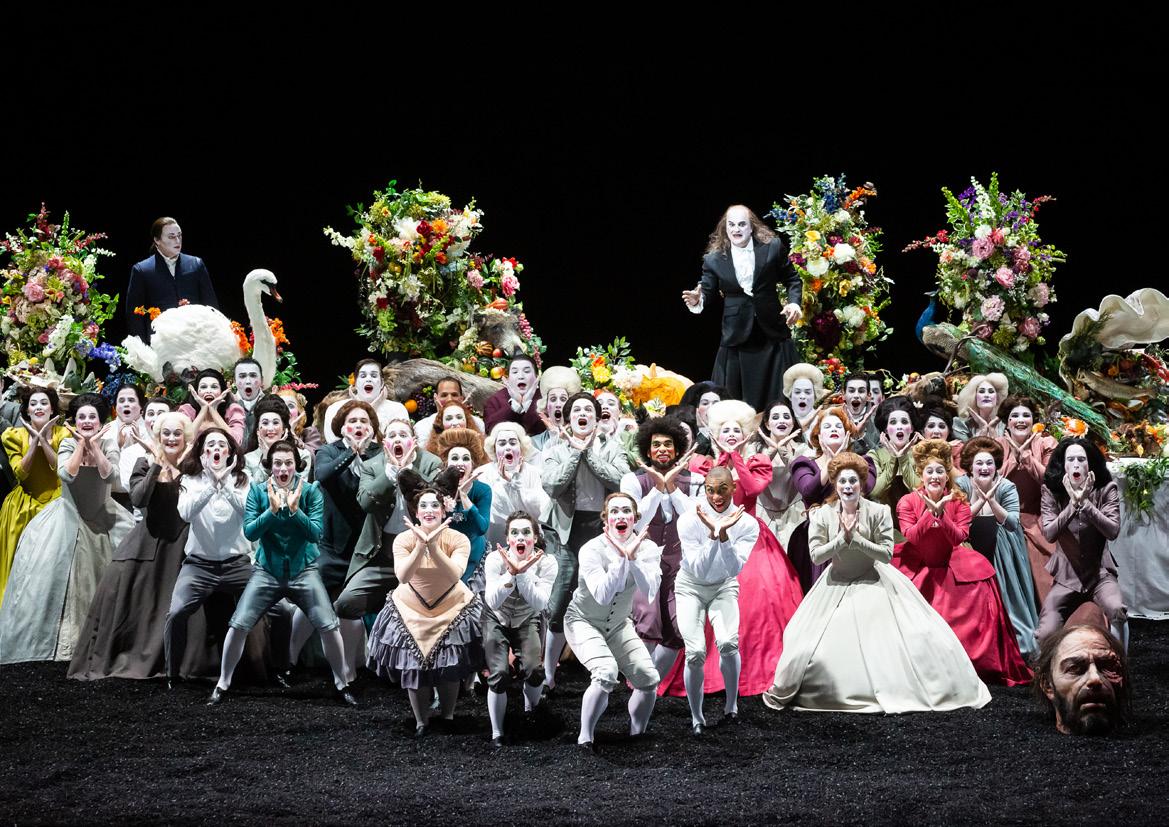
entirety of my tenure, because Trittico is one of the most brilliantly conceived operas ever composed, comprised of three one-act works that each share a powerful unifying theme: the effect of a single death on all left alive. And my final performances as HGO’s Music Director are of one of the few musical works in history that is by both of my favorite composers, Handel and Mozart, in Robert Wilson’s enigmatic and thrilling production of Messiah.
Opera is big in all ways; there is nothing diminutive about its ideas, and the whole idea of a “season” is to explore a few slices of opera’s vast ambitions. This is an art about the giving of voice: singers and conductors lend their voices to the voice of the composer, who guides the voices of designers, directors, and the huge family of artists whose individual voices make opera happen. But know this, friends: the most important voices at Houston Grand Opera are yours, the voices of our audiences. The monarchs and noble families who were responsible for opera’s beginnings are obviously long gone, lost within the centuries—the voices of opera are now here, with you in our own theater, because you are the reason we do it at all.
There is a lot I could say, but I will limit myself to this: thank you, dear HGO family, for your many years of support, interest, and enjoyment of opera. Being in the same room with a great voice, as you well know, can be a transformative and epiphanic experience. I have sought it all of my life, and I will continue to do so. My profound thanks to you all.
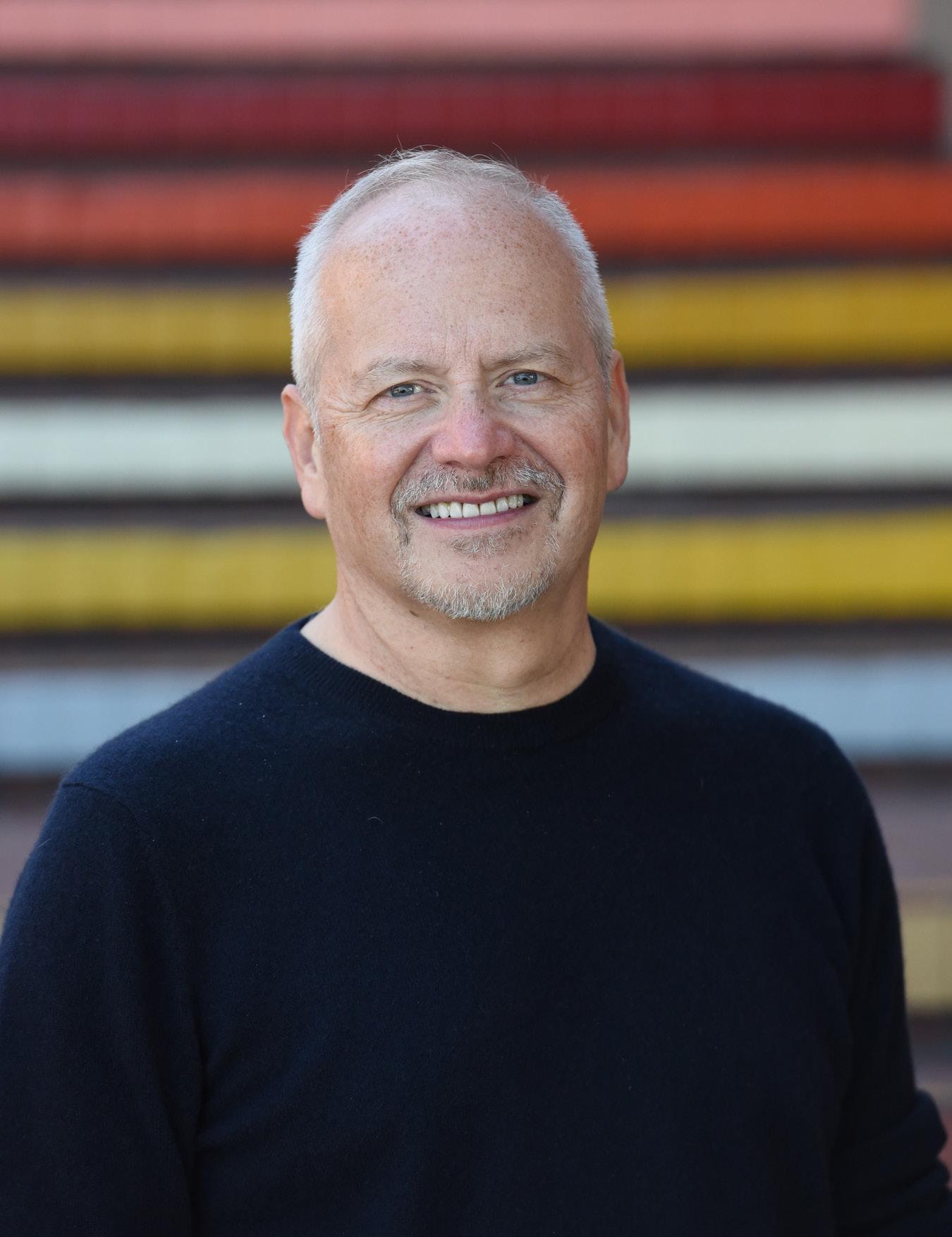
Patrick Summers Artistic and Music Director
Music a life in
TRACING MAESTRO SUMMERS’S EXTRAORDINARY CAREER.

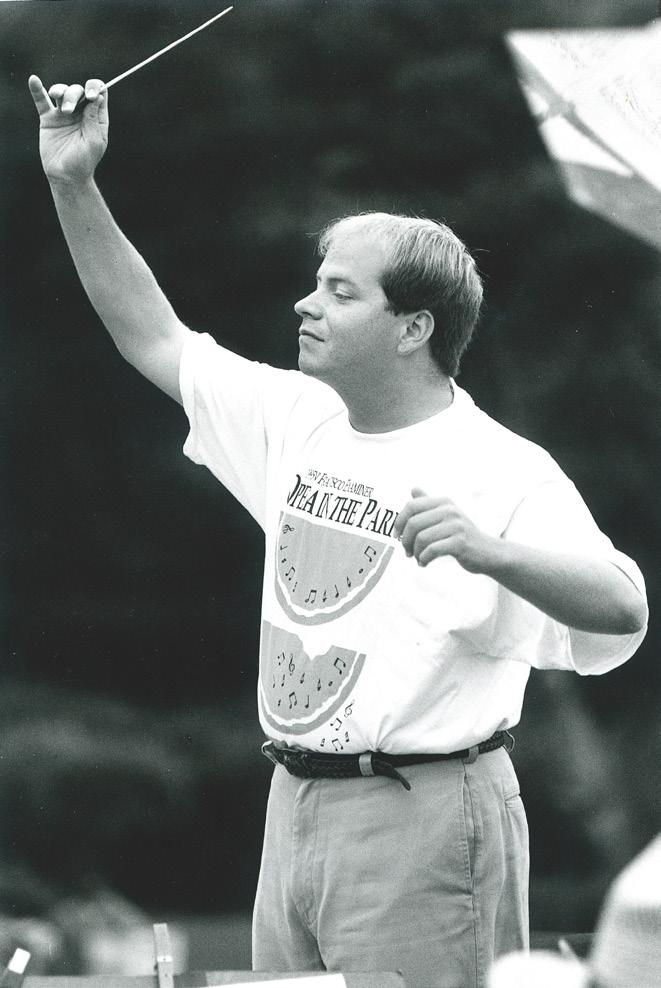
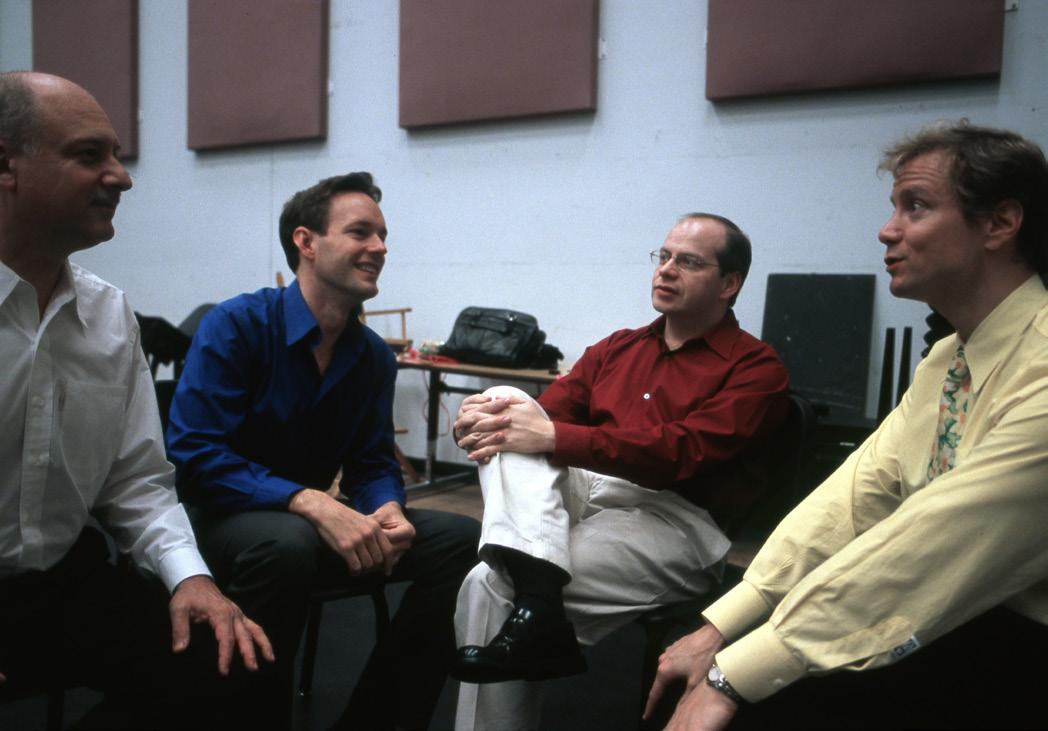
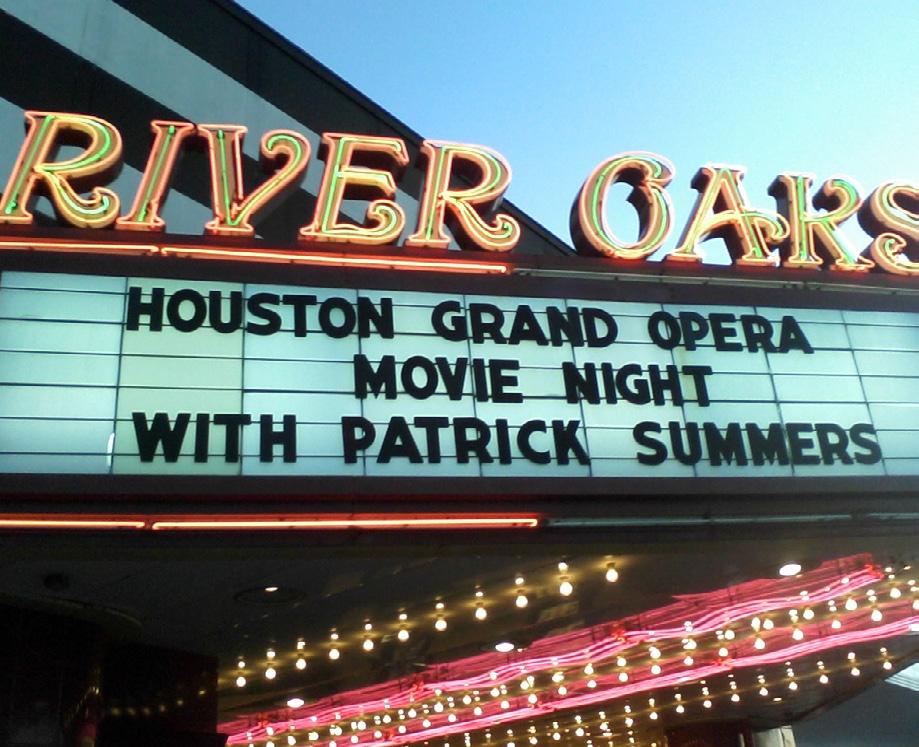
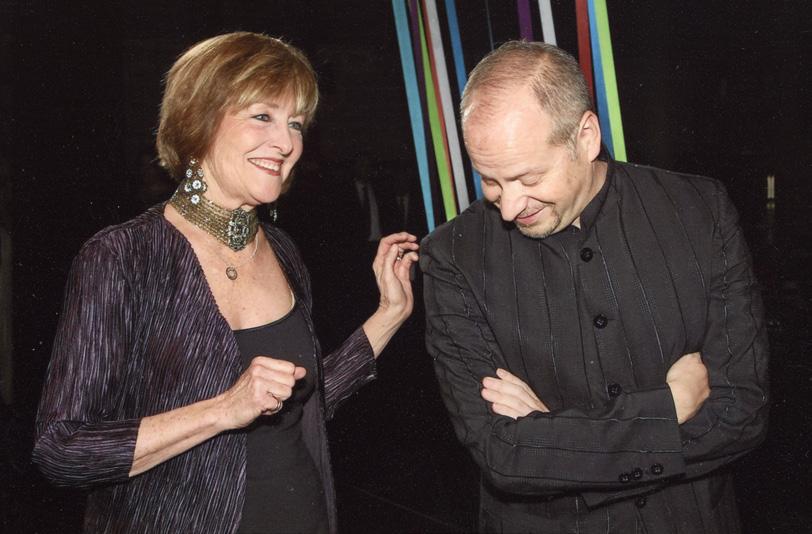
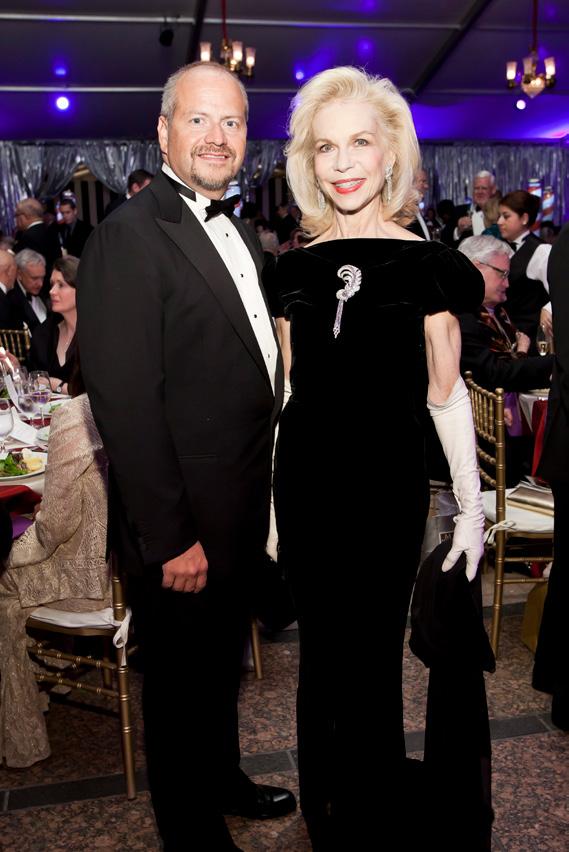
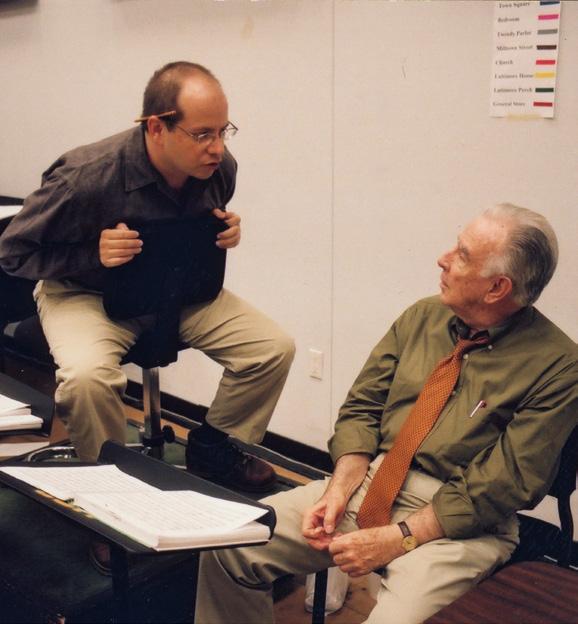
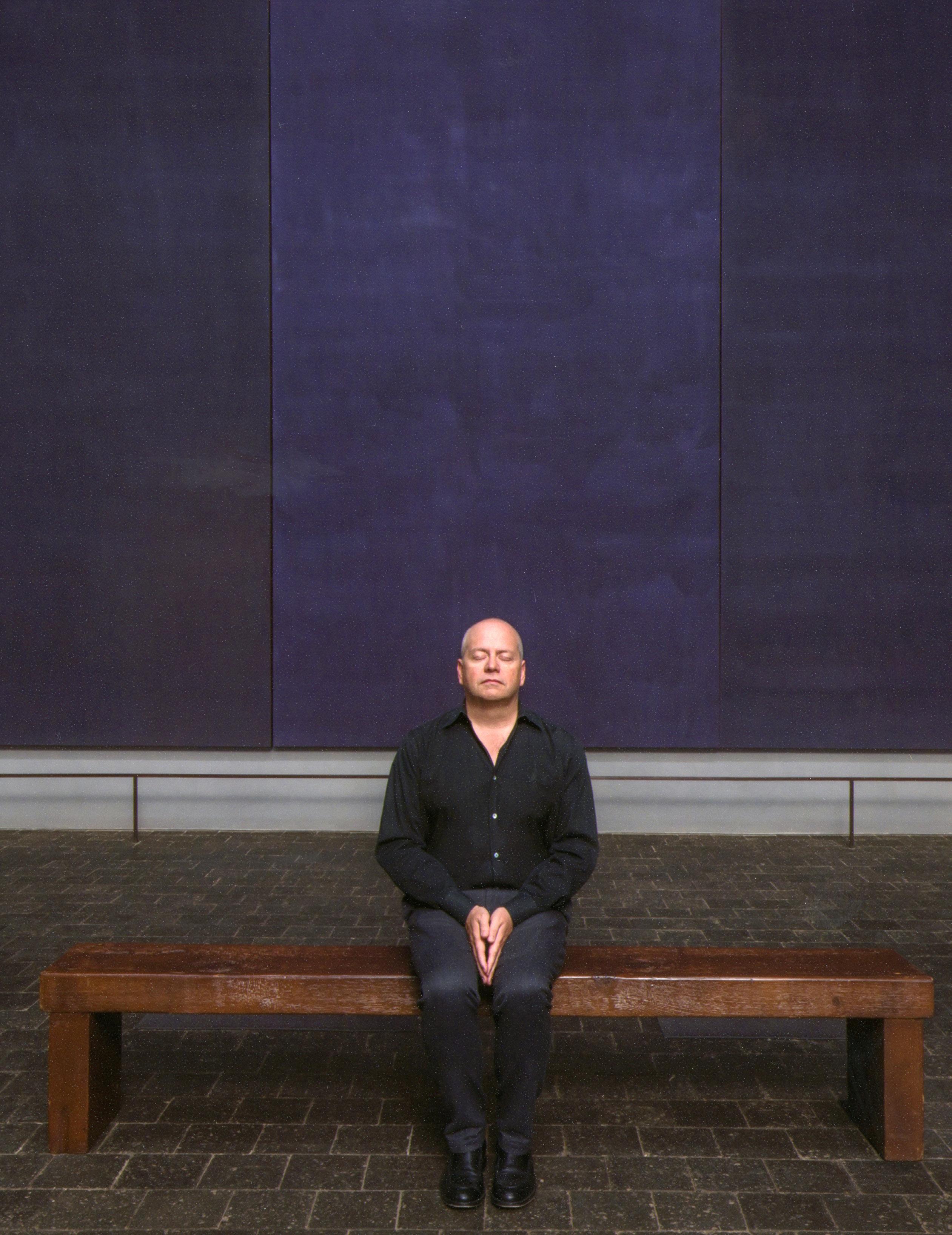
Opposite page: at the Rothko Chapel. This page, clockwise from top: with Frederica von Stade; Saul (HGO, 2019); Das Rheingold (HGO, 2014); with Lynn Wyatt; with Carlisle Floyd; River Oaks Theatre marquee in 2011; with Daniel Catán, Jake Heggie, and Mark Adamo; conducting at Opera in the Park in 1998.
1963
Patrick Summers is born in Washington, Indiana, the son and grandson of postmen.
1967 1976
At age 13, he starts studying piano at Indiana University under revered professor Menahem Pressler. Also as a teenager, Patrick becomes director of his church choir and gets involved with his local community theater.
1977
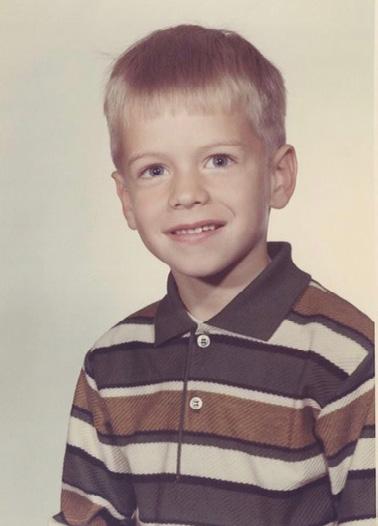
His aunt Birdie teaches him to read music, and he begins piano lessons.
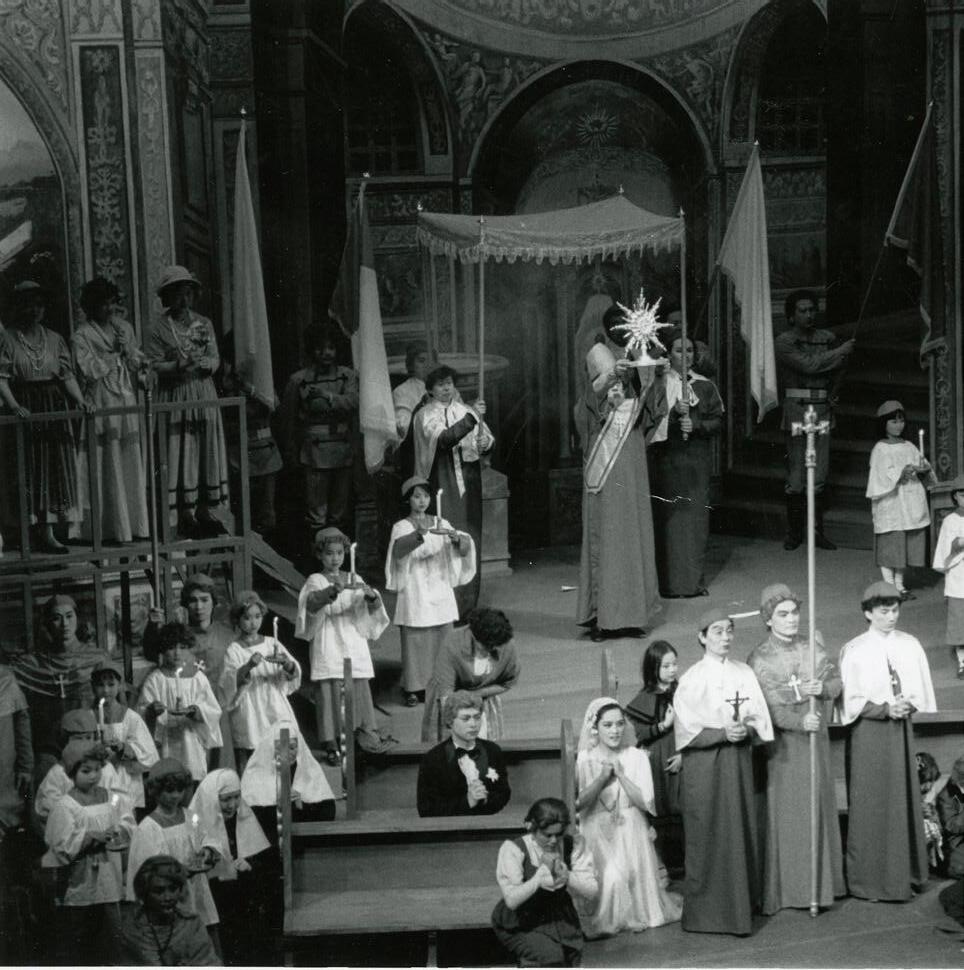
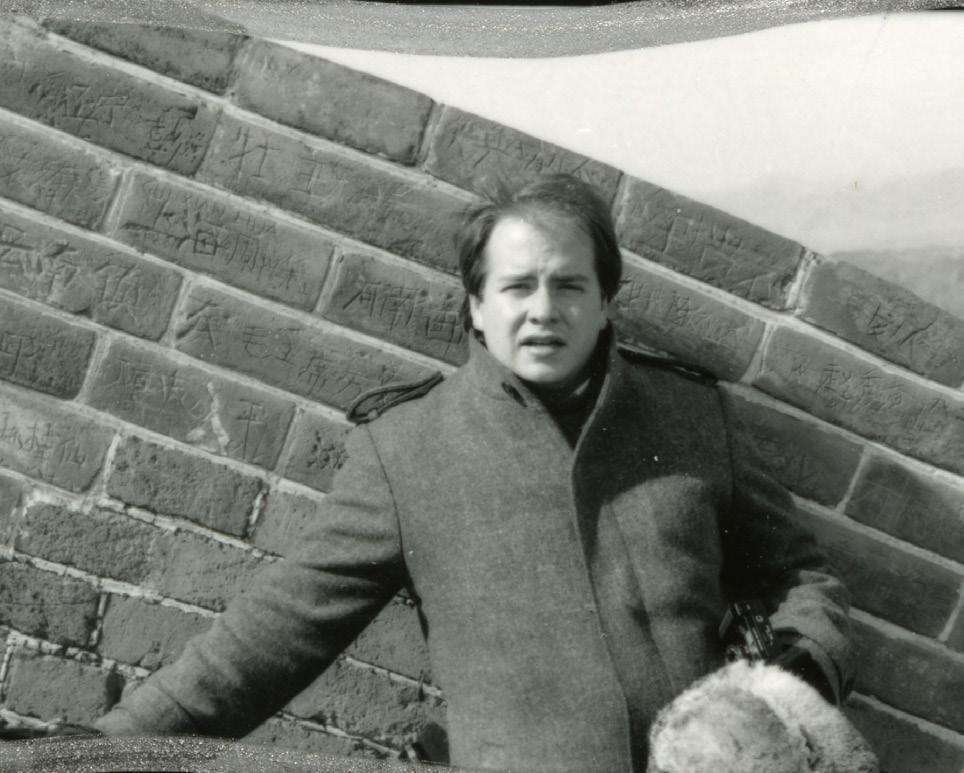
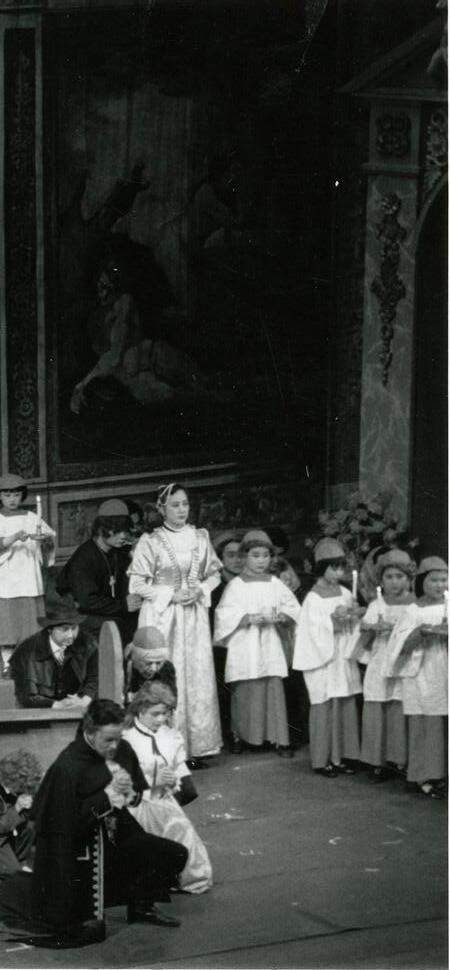
He is named music director of SFO’s Western Opera Theater. He leads a tour to China, and the next year, returns to conduct the first production of Tosca (right) ever produced on the Asian mainland in Mandarin, with all Chinese forces.
1981
Summers graduates from high school and enrolls in Indiana University’s Jacobs School of Music, graduating in 1985 with a degree in piano performance.
1986 1987
Indiana University's distinguished professor Margaret Harshaw, his mentor and voice teacher, sets the young high school student on the path to becoming a conductor." She says, “You play the piano like an orchestra. You think in terms of singers. You’re an opera conductor.”
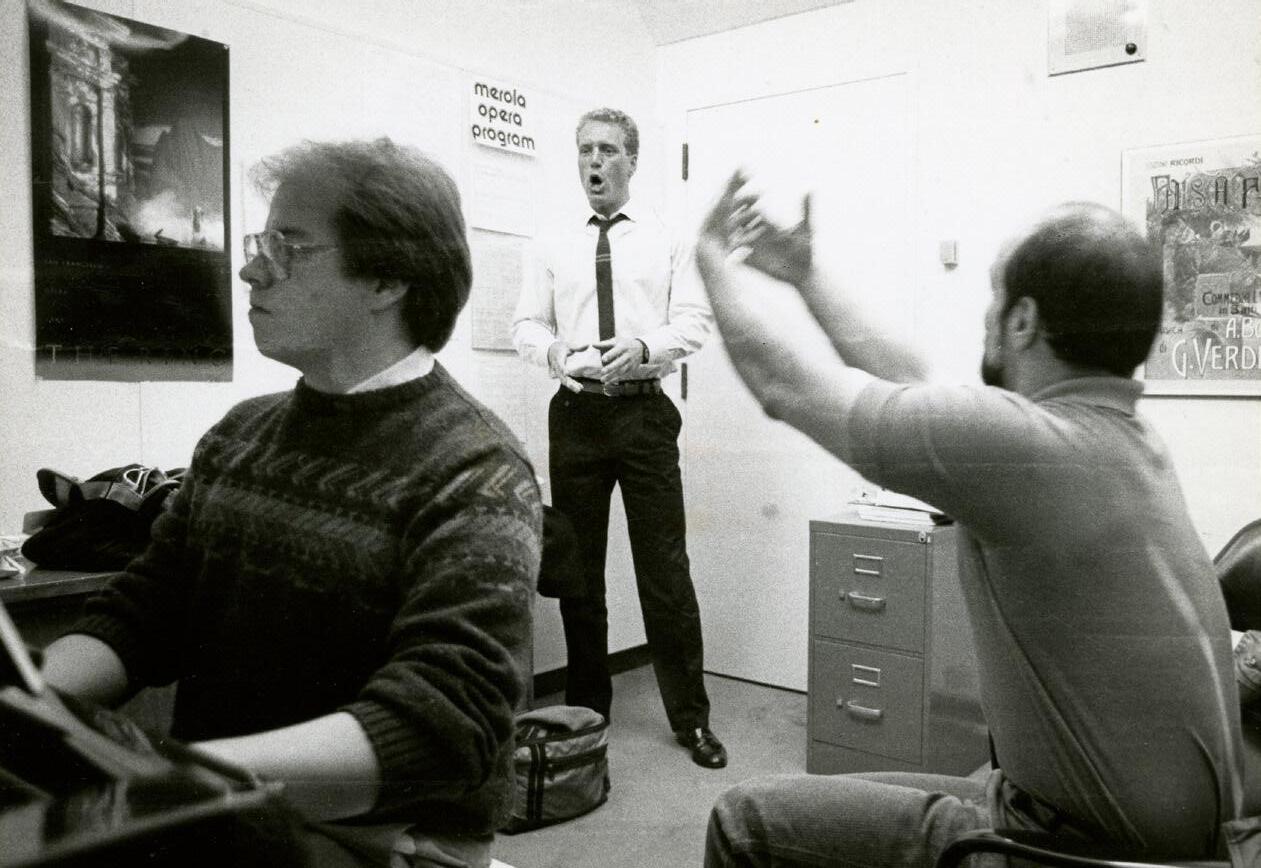
Summers earns a spot with San Francisco Opera’s Merola Opera Program (below), where he wins the Otto Guth Memorial Award for excellence in vocal coaching two years running. He also makes his professional conducting debut leading La bohème for SFO’s Western Opera Theater.
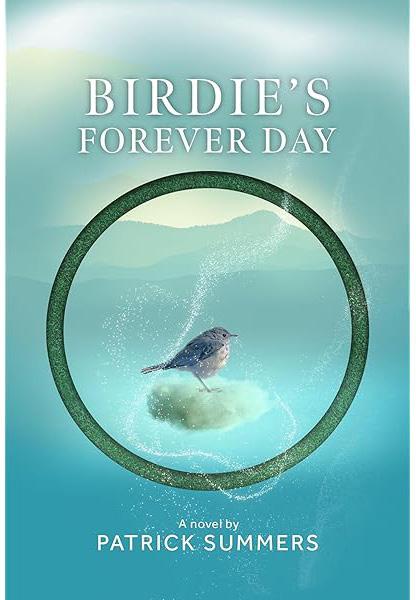
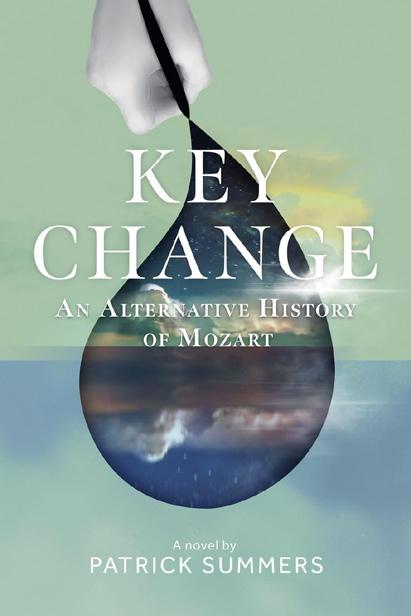
Summers's 2025 novel inspired by his aunt Birdie
Summers at the Great Wall of China
1989
Summers begins a five-year appointment as the first music director of SFO Center and, in 1990, makes his SFO mainstage debut conducting Die Fledermaus.
1994
◆ Summers makes his Metropolitan Opera debut conducting Die Fledermaus, beginning a longtime relationship with the company.
◆ With the Houston Symphony being phased out of performing with HGO, then-General Director David Gockley recruits Summers as the company’s music director, charged with developing the young HGO Orchestra into an ensemble that can compete with any other orchestra in the world.
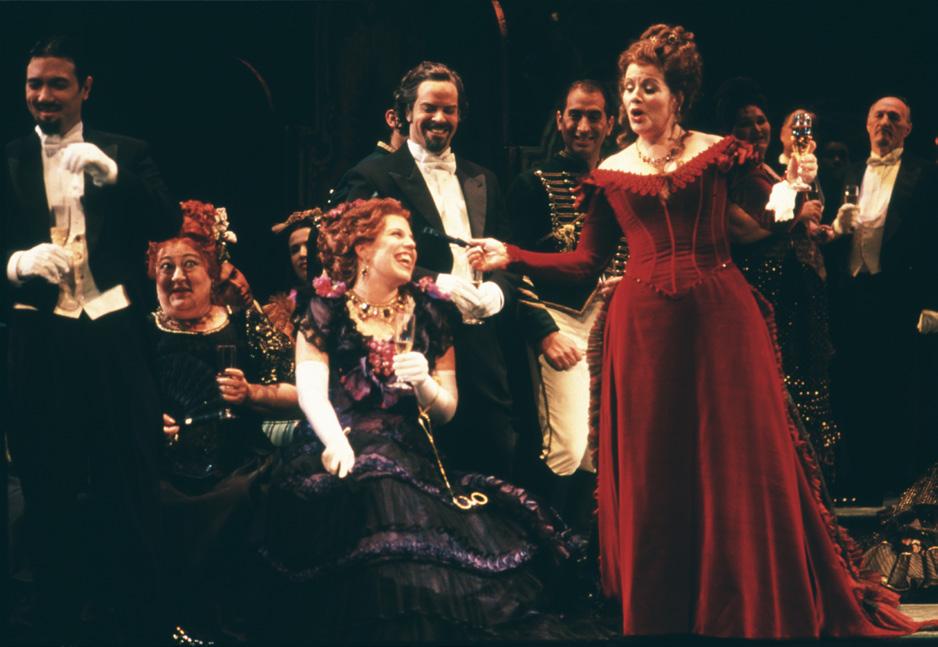
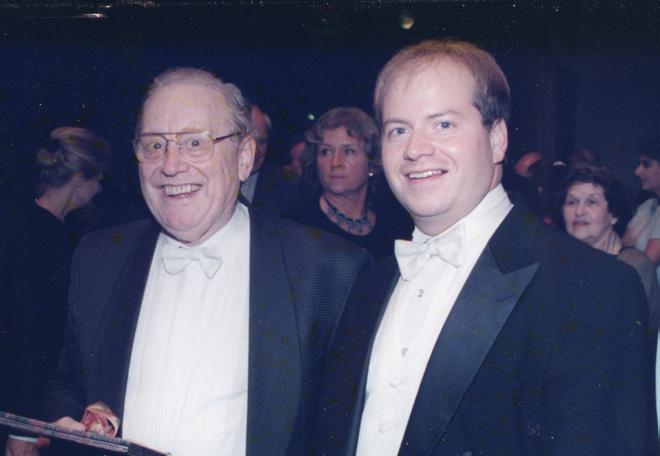
◆ That same season, Summers makes his HGO debut conducting La traviata. During his decade-spanning career in Houston, he will conduct the opera three times, in productions starring Patricia Racette, Renée Fleming (2003, above), and Albina Shagimuratova. He will also take the podium for Verdi’s Requiem; Don Carlo, in both the Italian and French versions; Rigoletto; A Masked Ball; Simon Boccanegra; Aida; Otello; two Falstaff productions, starring Sir Bryn Terfel and Reginald Smith, Jr.; and Il trovatore, in three productions, starring Sondra Radvanovsky, Tamara Wilson, and in fall 2024, Michael Spyres and Ailyn Pérez.
1999
He sets off to pursue conducting engagements at houses around the world. He makes his European debut conducting Manon Lescaut with Rome Opera, as well as his debut with Opera Australia, conducting La Cenerentola.
◆ Summers conducts San Francisco Opera's worldpremiere production of André Previn’s A Streetcar Named Desire. The following year he will become principal guest conductor with SFO, succeeding his conducting mentor, Sir Charles Mackerras (left). He will hold the position until 2016, conducting operas including Il trittico, Moby-Dick, the world premiere of Dead Man Walking, Sweeney Todd, Guillaume Tell, and many more.
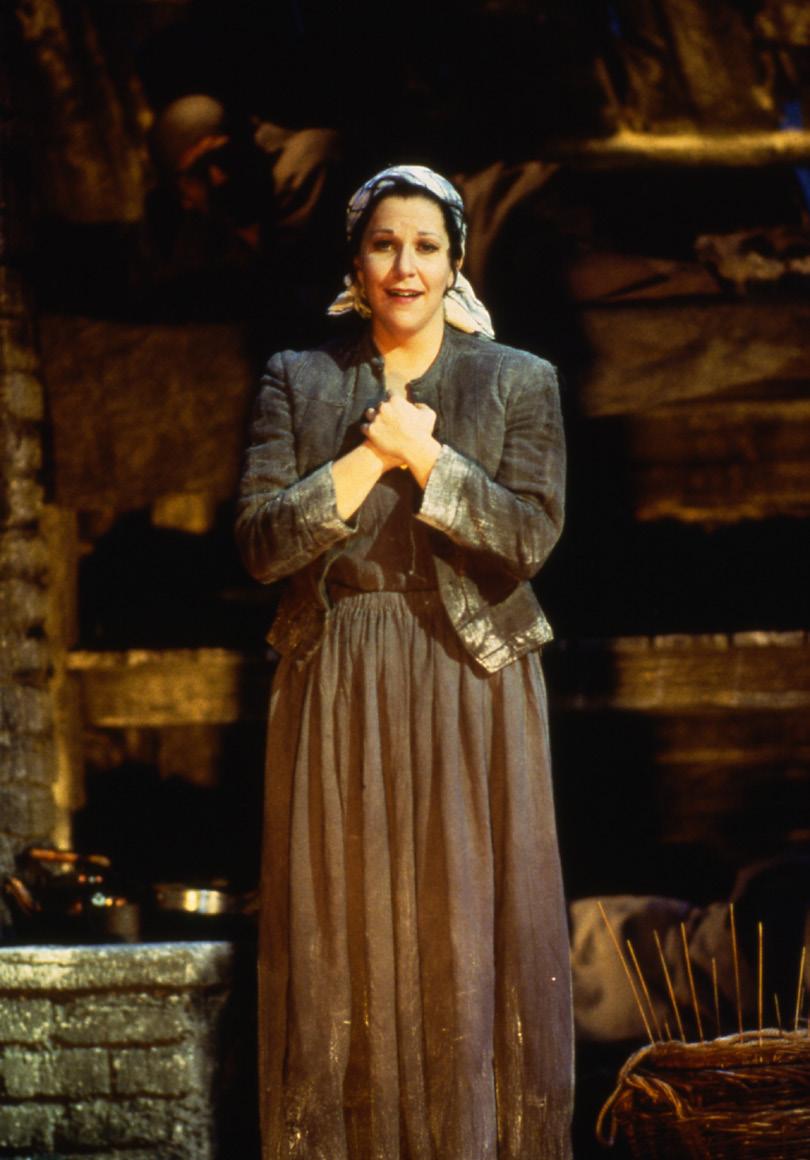
Summers conducts his first world premiere for HGO, Tod Machover’s Resurrection starring mezzo-soprano Joyce DiDonato (left). He will go on to conduct the world premieres of Carlisle Floyd’s Cold Sassy Tree (2000); Rachel Portman’s The Little Prince (2003); Jake Heggie’s The End of the Affair (2004); Christopher Theofanidis’s The Refuge (2007, below); Heggie’s Three Decembers (Last Acts) (2008); André Previn’s Brief Encounter (2009); Floyd’s Prince of Players (2016); Heggie’s It’s a Wonderful Life (2016); Tarik O’Regan’s The Phoenix (2019); and Joel Thompson’s The Snowy Day (2021).
◆ Summers conducts the Santa Fe Opera world premiere of Paul Moravec’s The Letter.
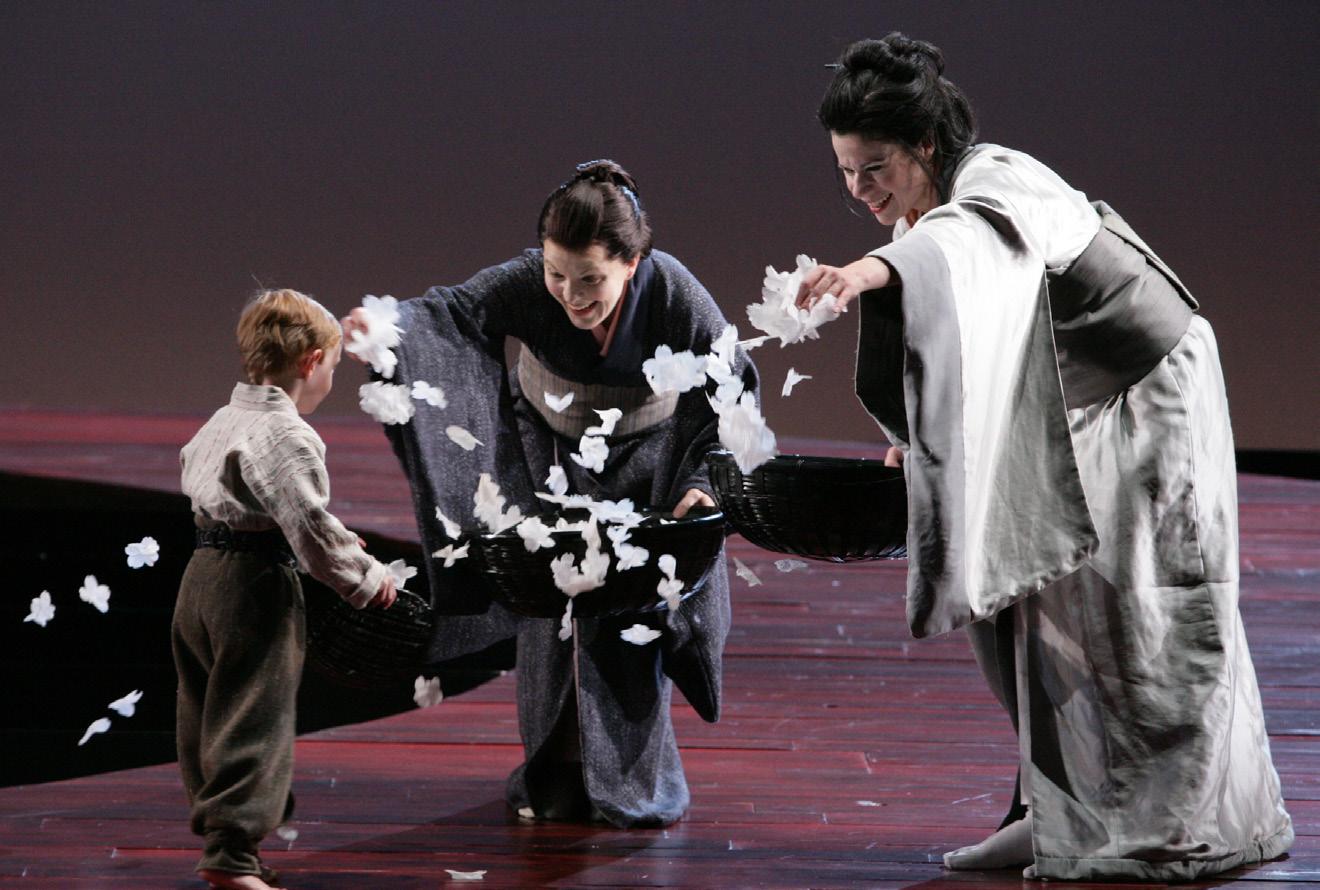
◆ Summers conducts his first Wagner opera, Lohengrin, in Houston, a decade after taking over leadership of the HGO Orchestra, marking a new era for the company. It will become one of many highlights of his HGO tenure, alongside productions including Wagner’s Tristan und Isolde; Strauss’s Ariadne auf Naxos and Elektra; Handel’s Saul and Julius Caesar; Mozart’s Idomeneo, The Abduction from the Seraglio, Don Giovanni, and The Marriage of Figaro; Puccini’s Madame Butterfly (including in 2010, below), Manon Lescaut, and Turandot; Poulenc’s Dialogues of the Carmelites; Janáček’s The Cunning Little Vixen; Lehár’s The Merry Widow ; Britten’s Peter Grimes, Billy Budd, and The Turn of the Screw ; Smyth’s The Wreckers; and Kern’s Show Boat
2001
An HGO video recording of Mark Adamo’s Little Women, conducted by Summers, is aired on PBS’s Great Performances.
2004
2010
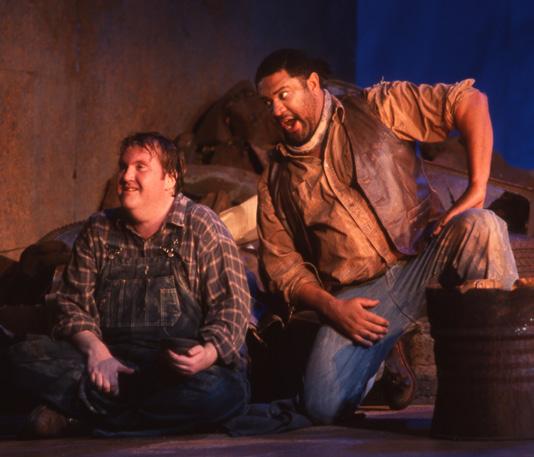
HGO releases a recording of Floyd’s Of Mice and Men (below), conducted by Summers, through Albany Records.
Summers conducts the Dallas Opera world premiere of Jake Heggie’s Moby-Dick
2011
Summers is named HGO’s Artistic and Music Director.
2013
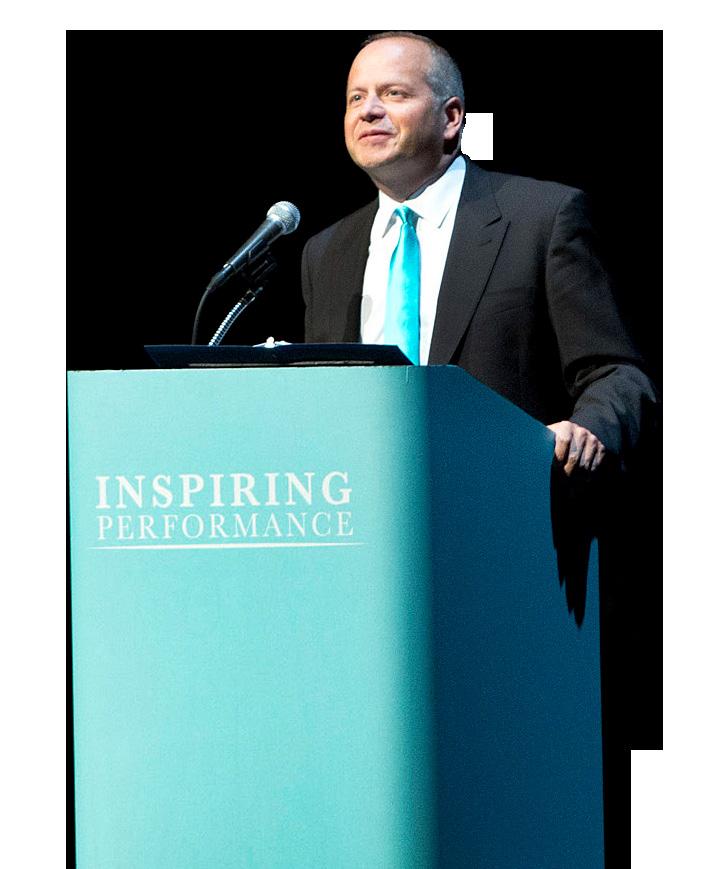
Summers delivers the Campbell Lecture Series at Rice University’s School of Humanities. Five years later, these lectures serve as the basis for Summers’s first book, The Spirit of This Place: How Music Illuminates the Human Spirit
2012
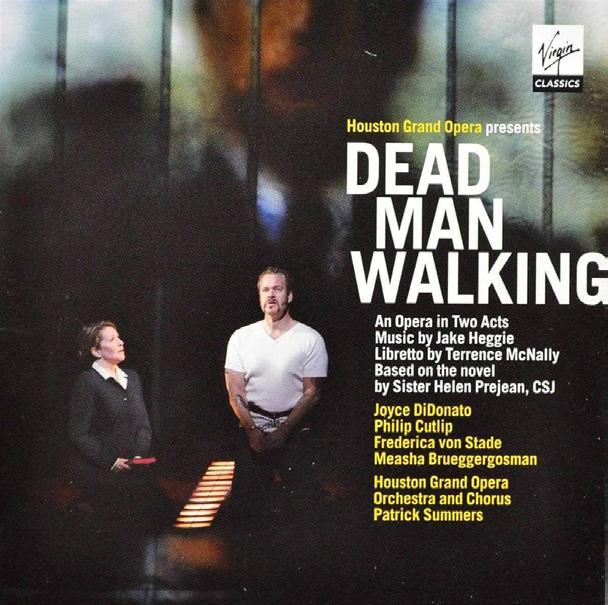
HGO releases a recording of Heggie’s Dead Man Walking, conducted by Summers, through Erato.
2014
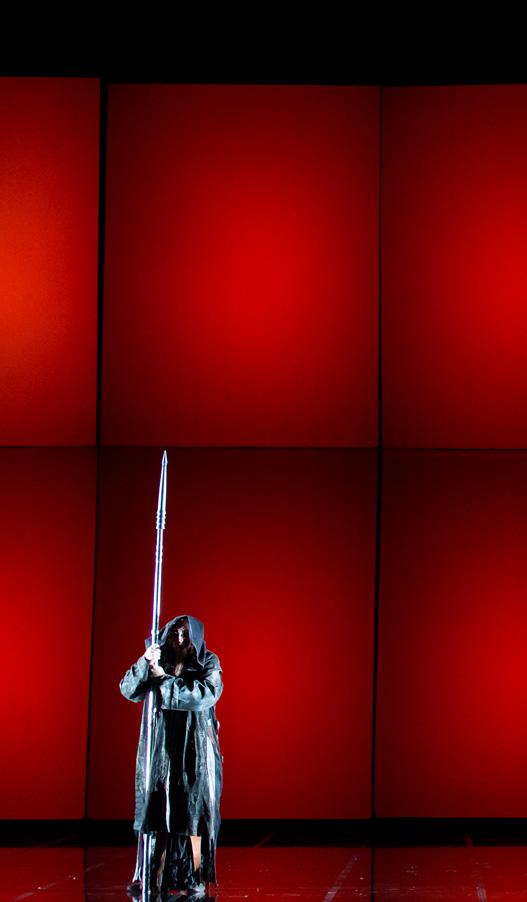
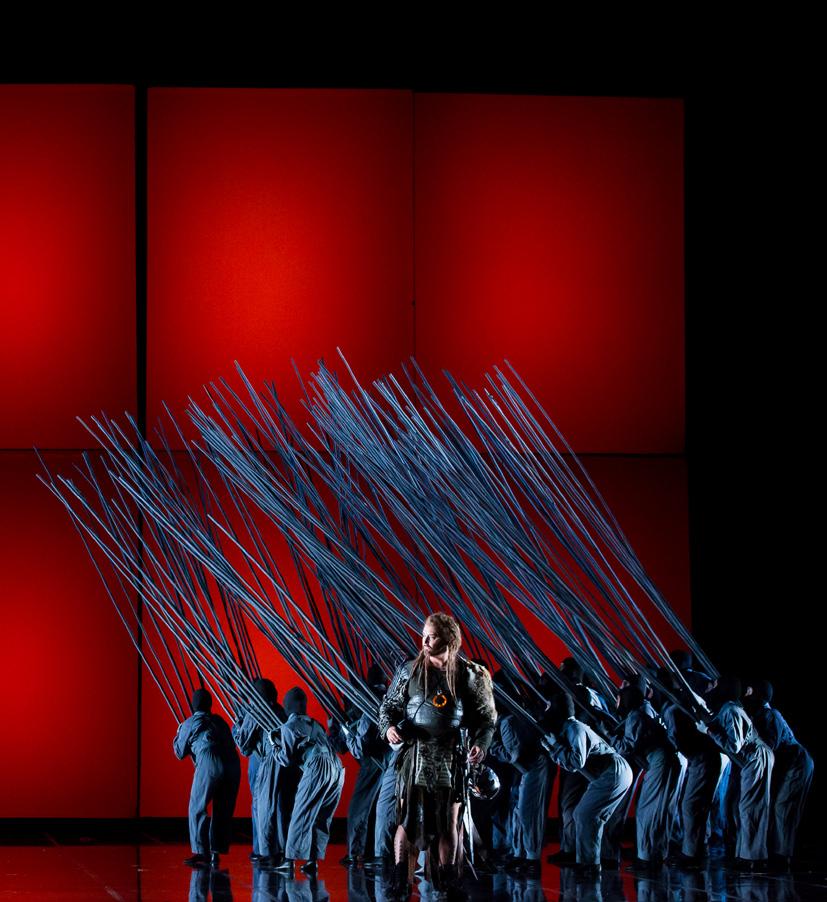
◆ HGO launches its ambitious four-year (one opera per year) staging of Wagner’s four-part Ring cycle (above left) under Summers’s baton.
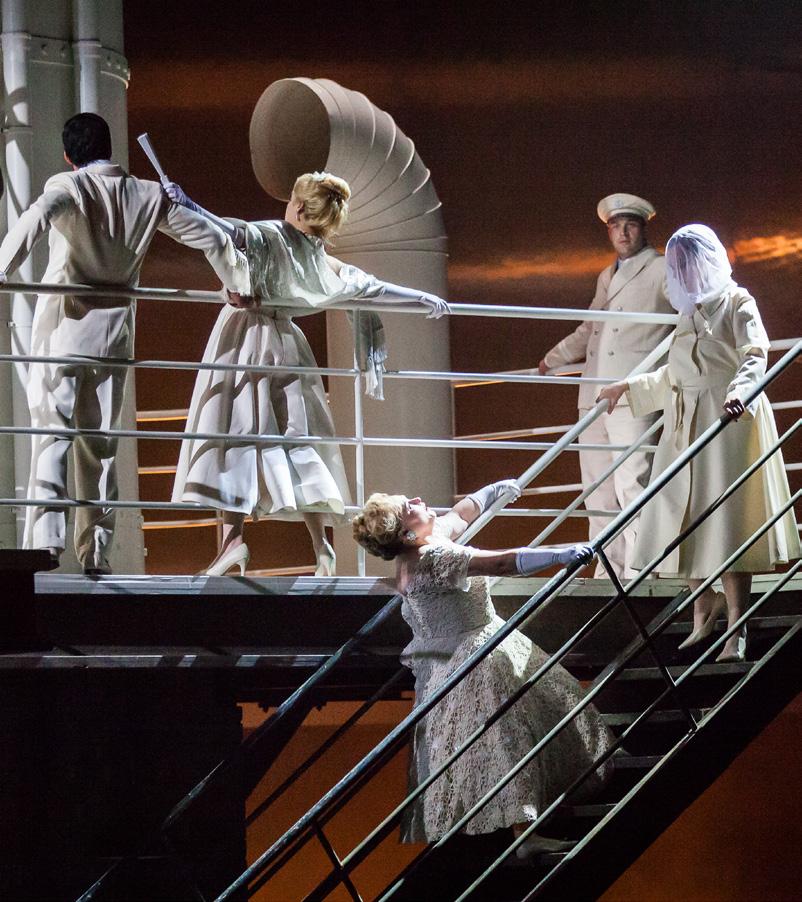
◆ HGO stages the American premiere of Weinberg’s The Passenger (above right), conducted by Summers, both in Houston and at the Lincoln Center Festival.
2015 2017
◆ Summers conducts the Dallas Opera world premiere of Jake Heggie’s Great Scott.
◆ Summers is honored with the San Francisco Opera Medal, the company’s highest honor.
2019
Summers is named co-director of the Aspen Music Festival and School’s Aspen Opera Theater and VocalARTS alongside Renée Fleming.
Summers is awarded an honorary Doctor of Music degree from Indiana University, acknowledging distinguished achievements in the field of opera, particularly as a mentor of younger artists.
2023
2024
Summers is named a distinguished lecturer in opera studies at the Rice University Shepherd School of Music.
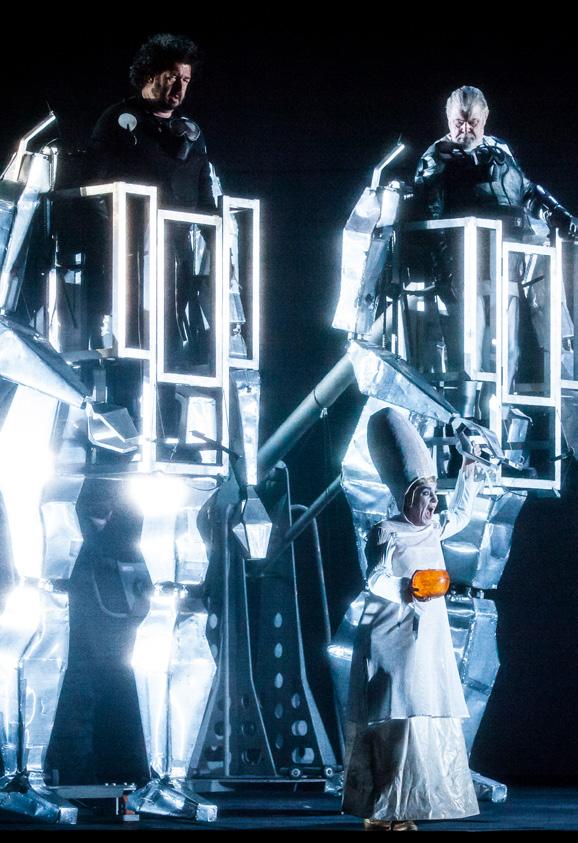
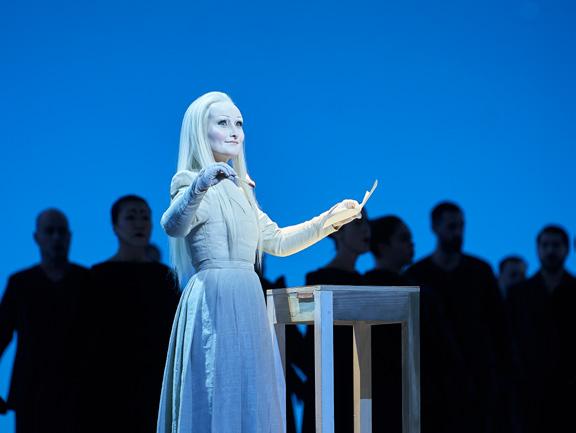
◆ Summers conducts the American premiere of Robert Wilson’s production of Messiah (below), composed by Handel and arranged by Mozart, in his final engagement as HGO’s Artistic and Music Director. At season’s close, he will have led the company through 27 seasons, conducting 419 performances of 87 productions, 13 of which were (or will be) released as recordings.
◆ In August, Summers officially becomes HGO’s Music Director Emeritus. And a new chapter begins.
2025
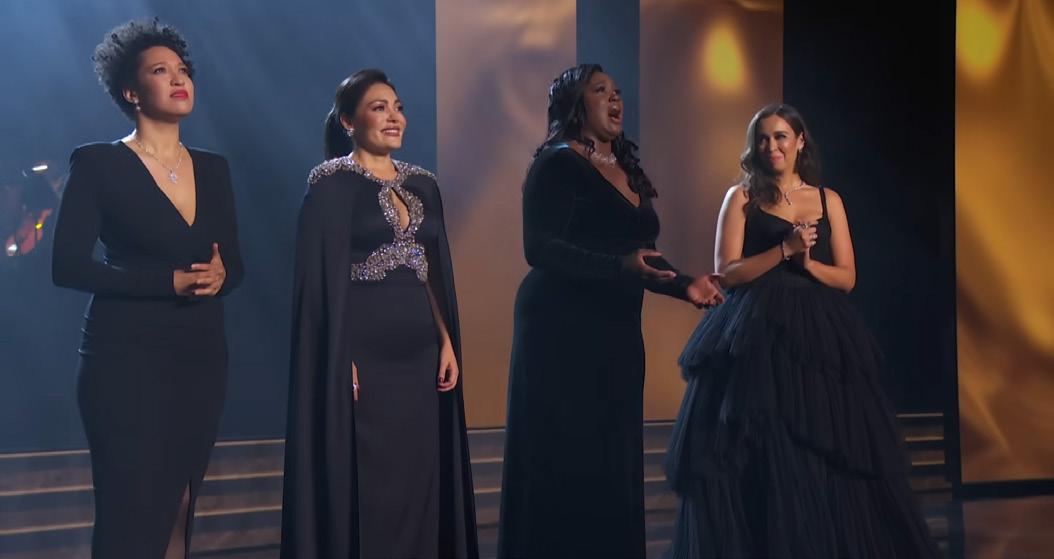
Summers conducts Renée Fleming’s Kennedy Center Honors segment, surprising her on camera with a four-soprano arrangement of the “Song to the Moon” from Dvořák's Rusalka, sung by Julia Bullock, Ailyn Pérez, Angel Blue, and Nadine Sierra (below).
Summers publishes a pair of novels, Key Change: An Alternative History of Mozart and A Collection of Brevities, with more to come.
HGO's 2016 production of Wagner's Siegfried
ATunedFinely Machine
HOW PATRICK SUMMERS BUILT THE HGO ORCHESTRA INTO A WORLD-CLASS ENSEMBLE.
By Joe Cadagin and Catherine Matusow
The score itself is brilliantly realized, orchestrally and vocally, in a cohesive rendition that matches authoritative technique with emotional fervor. Patrick Summers’s muscular conducting sustains strength and taut control, shaping the long lines. The orchestra’s expert playing builds each act into the continuous musical texture Wagner intended.”
The Houston Chronicle, in a 2015 review of Die Walküre at HGO
“Conductor Patrick Summers is, in many ways, the star of the show, drawing some unforgettable playing from the Houston Grand Opera Orchestra to rival the best symphony orchestras.”
Classical Voice, in a 2017 review of Götterdämmerung at HGO

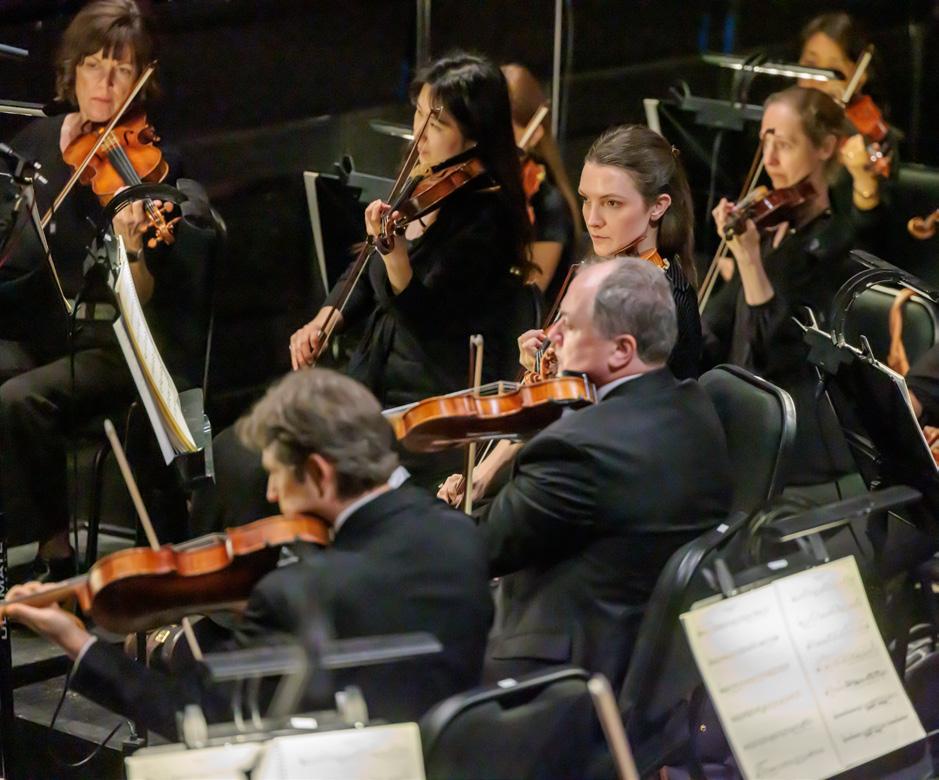
When Maestro Patrick Summers assumed leadership of the Houston Grand Opera Orchestra in 1998, the ensemble was still in its formative years. At that time, the majority of mainstage productions at HGO were performed with the Houston Symphony, while the in-house orchestra filled in for the rest of the repertory. But when the Symphony shifted its focus away from opera, Summers was handed a challenge by then-General Director David Gockley: to transform the HGO Orchestra into a world-class ensemble capable of handling everything from new commissions to Wagner’s monumental Ring cycle.
Now approaching the close of his remarkable tenure as Artistic and Music Director—and preparing to become Music Director Emeritus at the end of the 2025-26 season—Summers has led a long arc of development that has brought the orchestra to a level of, in the words of soprano Renée Fleming, “undeniable prestige.” His approach, refined over more than 25 years, has been rooted in methodical progress and unwavering artistic vision.
The first step, he says, was to set clear goals. “I had a set of specific goals each season,” Summers says, “which were sometimes very simple: getting the response time to the baton to be as exact as possible, getting a gradation of dynamics that were consistent and clean, thinking about intonation in a certain way. Slow, methodical work over several years.”
Equally important was cultivating the orchestra’s relationship with singers—an essential distinction between symphonic and operatic playing. “You have to establish the differences between an opera orchestra and a symphonic orchestra, the main one being that you are very attuned and aligned with the singers,” he explains. “You try to both emulate and support them. All great musicmaking aspires to vocalism.” A watershed moment
came in 2003, during Renée Fleming’s first performance of La traviata at HGO. “I remember the orchestra responding to her in a way that they had never responded to a singer before,” he says. “That changed everything.”
Throughout the years, Summers repeatedly turned to Mozart as a foundational tool for growth. “Mozart builds an orchestra better than any other repertoire,” he notes. Comparing the 2005 and 2023 HGO performances of The Marriage of Figaro, he observed a dramatic evolution in the ensemble’s cohesion and expressivity: “They’d done a lot of Mozart in that time. The 2023 Figaro was simply a totally different ensemble.”
Another key to the orchestra’s transformation was patience and strategic restraint. “When I began in 1998, I said, ‘I don’t want the company to program any Wagner or Strauss for 10 years. I think we need 10 years of orchestra building.’ And that’s a hard ask for an opera company.” The first Wagner production under his baton, Lohengrin, finally arrived in 2009. “By then, we had done such a range of styles that it was the right amount of challenge,” he explains. “But I would say the culminating
moment of my tenure, in terms of the orchestra, was Siegfried in 2016. That is the moment when I felt we were really at our greatest.”
Perhaps the most lasting achievement of Summers’s leadership, however, has been instilling a deep sense of stylistic understanding across the orchestra. “When you look at a fortissimo in The Elixir of Love, it’s not the same as a fortissimo in Salome,” he says. “The farther you go back into history, the more interpretive choices a conductor has to make. Getting the orchestra to think about and assume a style has been the thing I’m most proud of.”
Ultimately, Summers believes that true success in performance lies in placing the spotlight not on the interpretation, but on the music itself. “My aim for a performance is for an audience to say, ‘Wow, this opera,’ not, ‘Wow, this performance.’ We want the audience’s focus to be on the work itself, not its execution. And so the style has to be effortless.”
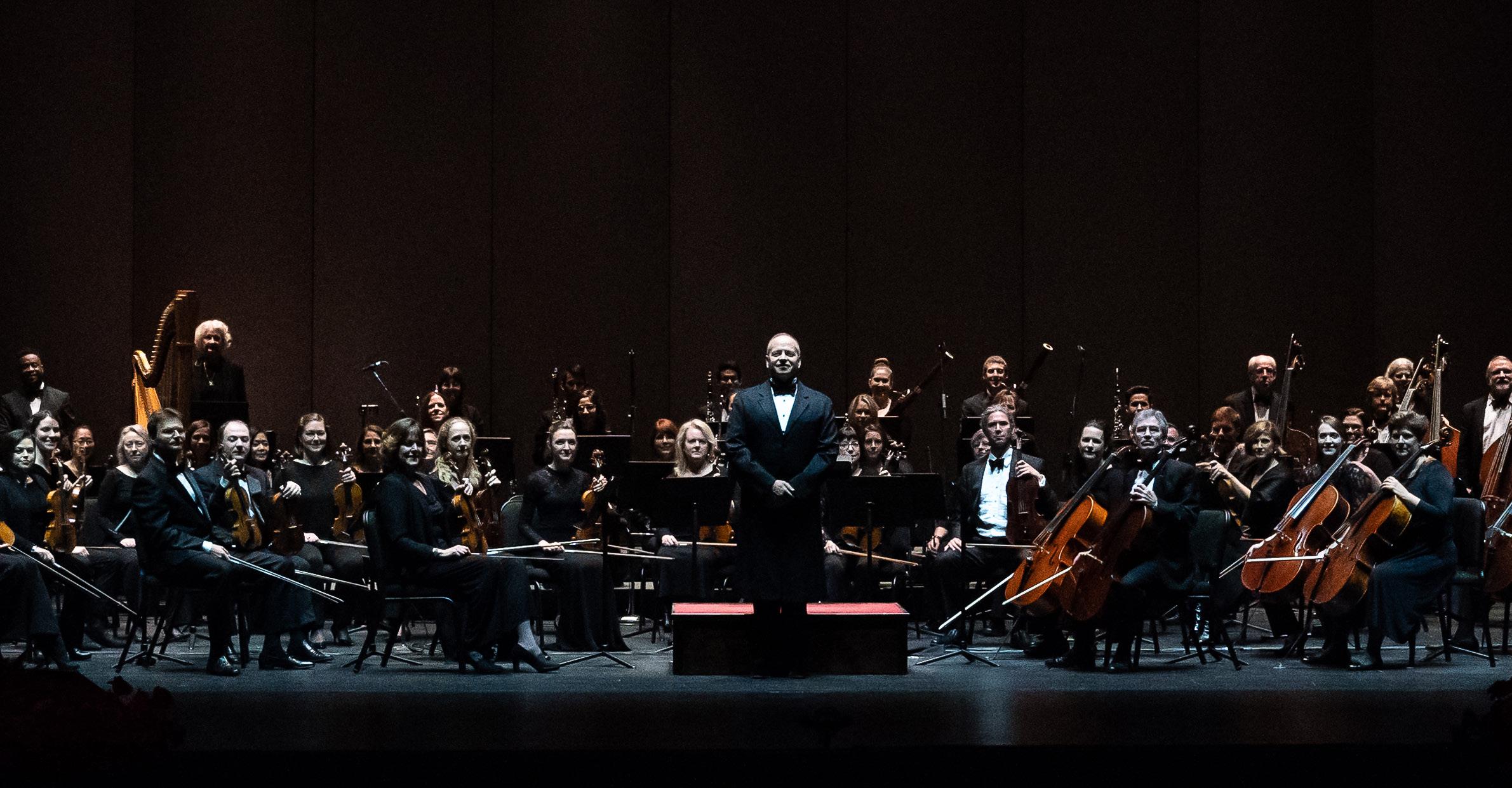
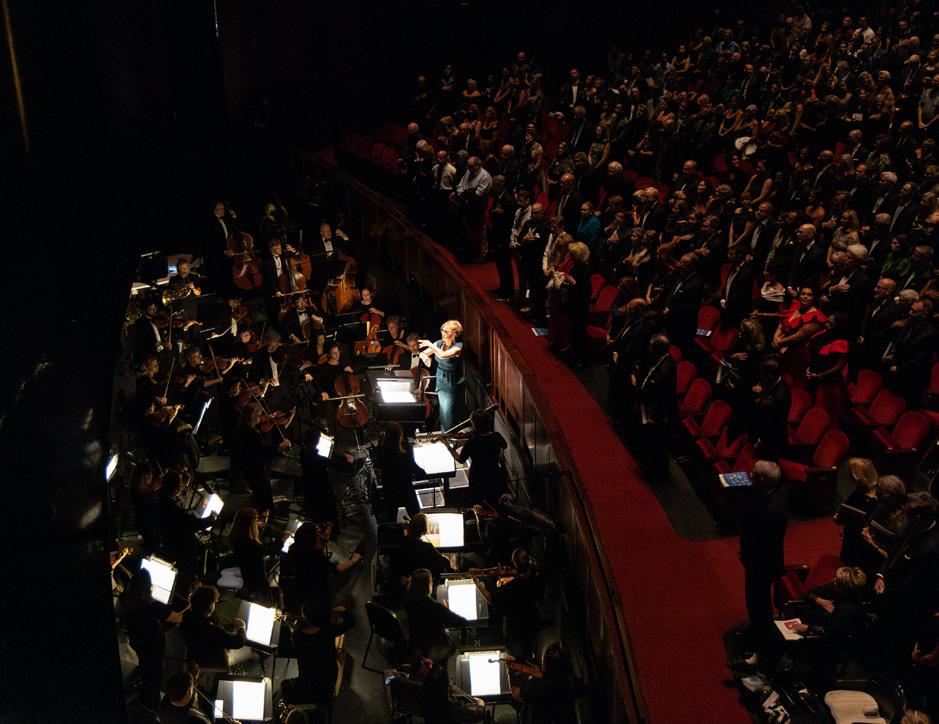
Maestro Summers with the HGO Orchestra at the company's 2018 "Coming Home" gala, which reopened the Wortham after Hurricane Harvey.
NEXT SEASON: PATRICK
SUMMERS CONDUCTS
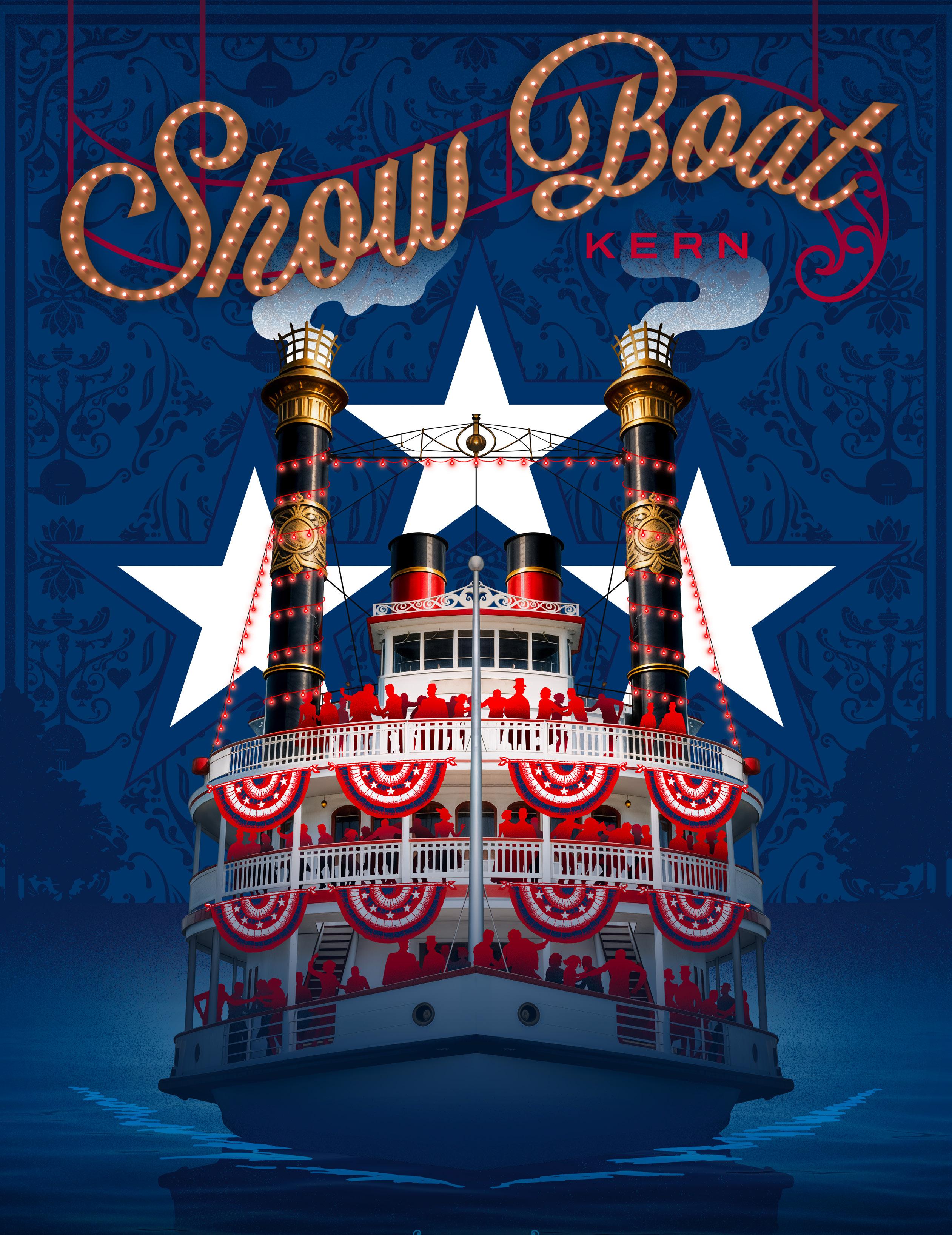
APR 30–MAY 16, 2027
A MAESTRO’S LEGACY
During his long tenure as HGO Music and Artistic Director, Patrick Summers has collaborated with operatic legends and mentored rising stars. Here, some of his closest colleagues share the invaluable role he played in their careers and reflect on his contributions to the art form.
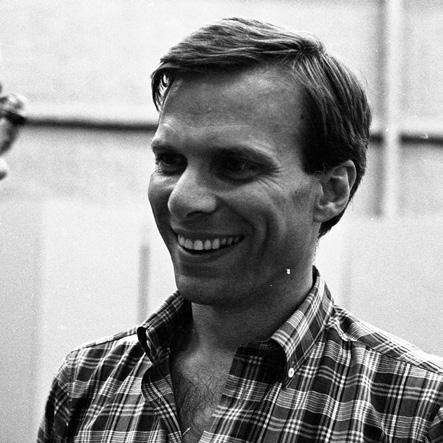
David Gockley, former HGO General Director: "Patrick, I still vividly recall our conversation back in the mid-’90s, when I first invited you to join Houston Grand Opera as Music Director. I knew you were the right person to lead the HGO Orchestra into its next chapter. I knew you would approach the opportunity with your understanding that achieving true artistic excellence would require not just vision, but years of commitment, grit, and care. Houston demands the best, and I knew you could get us there. What set you apart wasn’t just your musical gifts—it was your determined mindset, your deep well of patience, and your remarkable ability to nurture talent. You brought these qualities to bear in shaping the HGO Orchestra into the extraordinary ensemble it is today, capable of meeting the most demanding repertoire with grace and power. It was a true privilege to have you by my side in Houston, and a joy to witness all you have continued to accomplish in the years since."
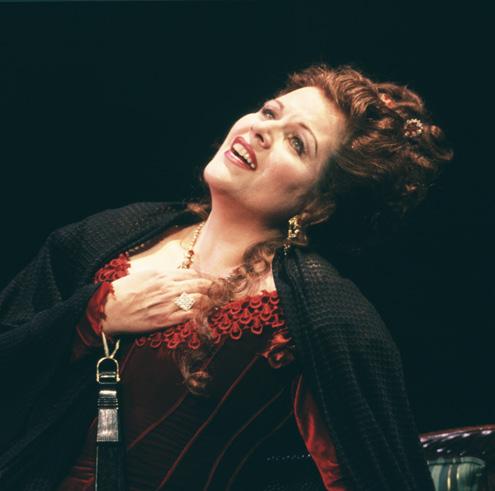
Renée Fleming, soprano: “It has been my privilege to perform with Patrick Summers more times than I can count, including some of the most important occasions in both our careers. Patrick is a spectacular musician and a wonderful colleague. Working with him most recently at the Aspen Opera Theater and VocalARTS, I have witnessed his remarkable ear for talent, his devotion to education and mentorship, and his passion for sharing the wonders of opera with the widest possible audience. I know that these qualities have powered the steady increase in the national, and international, profile of Houston Grand Opera, the elevation of its musical values to the highest rank, and the undeniable prestige of its orchestra, over the course of his more than a quarter-century with the company.”
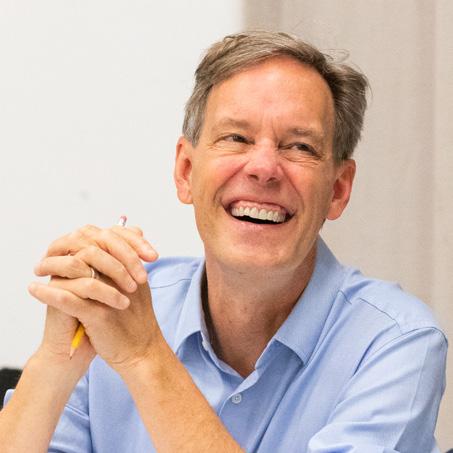
Heggie, composer: “Patrick has the rare and magical gift of understanding a composer’s intention—not just how the music goes, but what it means. His ability to then convey that clearly to the orchestra, chorus, and cast is miraculous. This gift, combined with his infectious passion for music, has inspired me to explore many different collaborations and sound worlds. From his earliest days as a conductor, he’s sought out talent and encouraged it to blossom. I’ve seen that with singers, conductors, pianists, administrators—even a young composer working in the PR department of San Francisco Opera 30 years ago.”
Jake
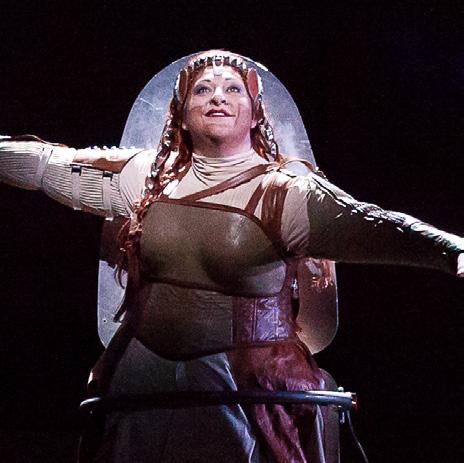
Christine Goerke, soprano:
“Patrick Summers has been an extraordinary mentor and guide throughout my career. He was the first to believe in me in the challenging dramatic repertoire, and without his support, immense knowledge, and trust, I simply would not be where I am today. Performing Wagner’s Ring cycle with him at Houston Grand Opera is an unforgettable highlight of my journey, again made possible by Patrick’s artistry and visionary leadership. His legacy at HGO will forever be marked by these transformative experiences, and I will always be deeply grateful for his heart, soul, and unmatched musical magic.”
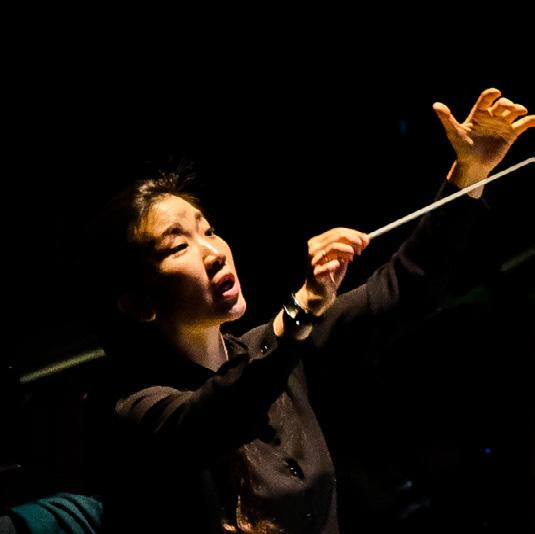
Eun Sun Kim, conductor:
“With deep admiration and gratitude, I celebrate Patrick’s remarkable leadership and artistry at Houston Grand Opera. For over 25 years, he has shaped HGO with vision, dedication, and an unwavering commitment to excellence. His generosity in mentoring young artists and his passion for the art form have left an indelible mark on the company and the future of opera. It has been an honor to serve as a principal guest conductor during his tenure, and I am profoundly grateful for his friendship and collaboration. Patrick, your legacy is one of brilliance and inspiration—wishing you continued success in all that lies ahead.”
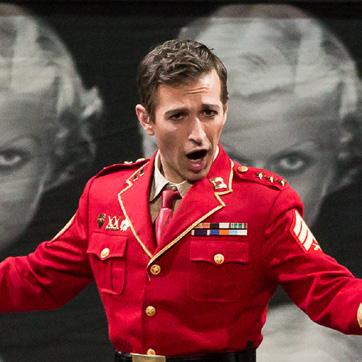
Anthony Roth Costanzo, countertenor: “I was terrified to walk onto the Met stage for the first time in front of a packed house as a finalist in their competition, but I was determined to really make music. While most singers that day were relying on popular standard fare to carry them to victory, I wanted to mine a rarer Handel masterpiece. Many other conductors would have dismissed this piece either as uninteresting or an unlikely road to the prize, but Patrick really dug in with me. He shaped every phrase and gave care to every note. He gave me freedom and structure, what every singer needs to fly. When I took to the stage and looked down at his shining face, I knew that I could forget all the pressures and anxieties and focus on the music. He subsequently supported me as a young singer when few did. I shall always be indebted to Patrick for our friendship, our artistic partnership, and the music we made together.”
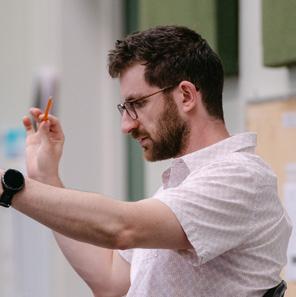
Benjamin Manis, conductor: “One of the most important things an established artist can do for a young, aspiring musician is simply believe in them. Patrick has been there with me every step of my career, from when I first entered an opera pit to conduct a two-minute Handel duet in a masterclass, through my time as assistant conductor at HGO, and now to my work as a guest conductor. Patrick has been and continues to be an exceptional role model, and I will always be grateful to him. Not only for giving me a job out of school, but because he believed in me, which gave me permission to believe in myself. Thank you, Patrick, and congratulations on a truly extraordinary tenure at HGO!”
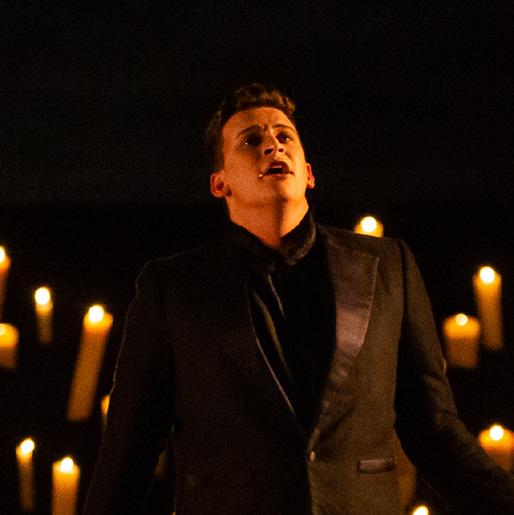
Aryeh Nussbaum Cohen, countertenor: “Congratulations on 28 extraordinary years leading Houston Grand Opera! You were the first Music and Artistic Director of a major opera company to invest in me and show me what I was capable of achieving; your belief in me was truly integral to my belief in myself. I first got to know the brilliance of Handel’s Julius Caesar under your baton, and now as I sing the title role around the world, I still think of the insights you shared during that production. Hearing you lead the HGO Orchestra as they exploded into the score of Elektra continues to inspire me to bring passion to everything that I sing. And an absolute career and life highlight was our Saul together. To be part of Barrie Kosky’s masterful production while finding so many layers in Handel’s otherworldly score together—it is an experience I will never forget. I am so grateful to be part of Messiah this season, and I know that we will continue to make many special memories together in the years to come.”
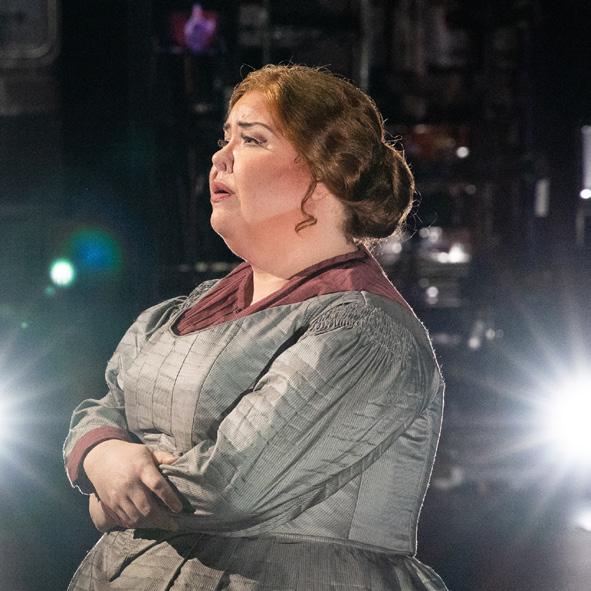
Jamie Barton, mezzo-soprano:
“Maestro Patrick Summers has championed my career from the very beginning, welcoming me into the Butler Studio as a young singer with very few credits to her name. His belief in my potential and his consistent encouragement became a source of support throughout my career. Many of my most treasured artistic milestones have come about through Maestro Summers: my first Ring cycle, the title role in La favorite, and creating a role in Jake Heggie’s Intelligence. All of this is wonderful—and makes my bio sound amazing!—but what I adore the most about Maestro Summers is less tangible. He somehow manages to equally revere both the music and the humans who bring this art form to life. Instead of dictating from on high, Patrick has always been a part of the team with us, working right alongside principal singers, orchestra and chorus members, music staff, and the hundreds of other amazing people who make up the HGO team. We have all benefited immeasurably from his steadfast leadership, and I’m so grateful to be in his orbit.”
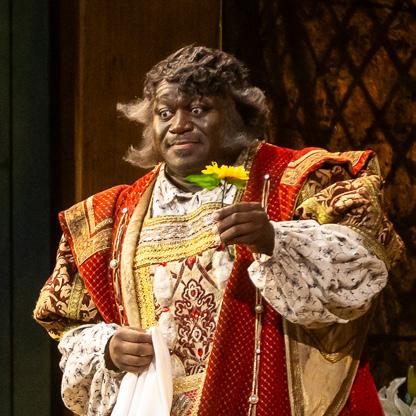
Reginald Smith, Jr., baritone:
“I have been honored to have such a passionate supporter as Maestro Patrick Summers. From my early times in the Butler Studio, Maestro constantly pushed me to greater intellectual depths and higher artistic achievement through our individual coachings. From Rigoletto to Aida to The Wreckers to Falstaff, Maestro Summers has believed in my gifts. His passion for the repertoire encouraged me to work harder. I would not be the artist that I am today, were it not for his guidance. We salute you, Grandissimo Maestro!”
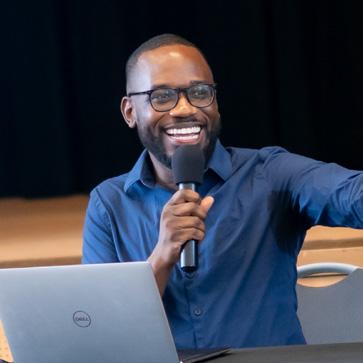
Joel Thompson, HGO Composerin-Residence: “I would never have had access to the world of opera were it not for Patrick Summers. Within hearing a few measures of my first piece for orchestra, he asked me if I’d written an opera, and when I said no, he moved mountains to fix that. My eternal gratitude for Patrick and his belief in me as a composer is a great source of fuel for me during this residency here at HGO. He’s already reminded me many times that he understands the messiness of the artistic process, the necessity of failure as a stepping stone to success, and that his investment in me (and the many artists that he has shepherded in this field) is with an eye on the long game. In our biweekly chats, I’ve been able to tap into his encyclopedic knowledge of the genre as I’ve been trying to find my own way in it, and that alone has been priceless.”
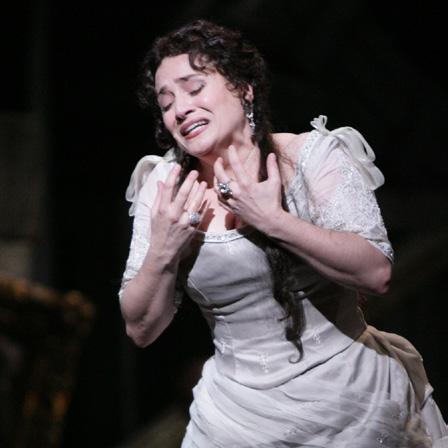
Patricia Racette, soprano and director: “Patrick Summers has been a part of my entire professional life! I began my career in my early twenties as a young artist in San Francisco Opera’s Merola and Adler Fellowship programs. Patrick already held the position of Music Director of Merola, even though he was only a few years older than I was. It quickly became apparent that he was a true wunderkind! He was integral in shaping my learning process and artistic identity. Patrick possesses a magnificent musical mind, a commanding presence on the podium, and an unwavering dedication to his craft. Over the past 35-plus years, we have shared so many meaningful collaborations, each deepening my admiration for his artistry. Beyond his extraordinary talents, he is also a dear and cherished friend.”
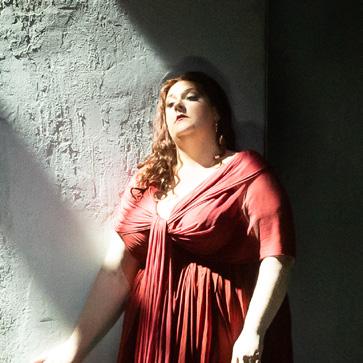
Tamara Wilson, soprano: “It’s rare to encounter someone who believes in you so completely as a young artist. Patrick gave me countless opportunities, but it was more than that—he spoke with conviction to the opera world about my potential, not only through his recommendations but through his unwavering actions. My career is what it is today because of Patrick’s confidence and tireless support. His legacy at Houston Grand Opera is undeniable. The many artists he believed in, mentored, and championed are now thriving in their careers because of the foundation he helped build. His impact is felt far beyond the stage, in every career he’s shaped and every artist he’s lifted up.”
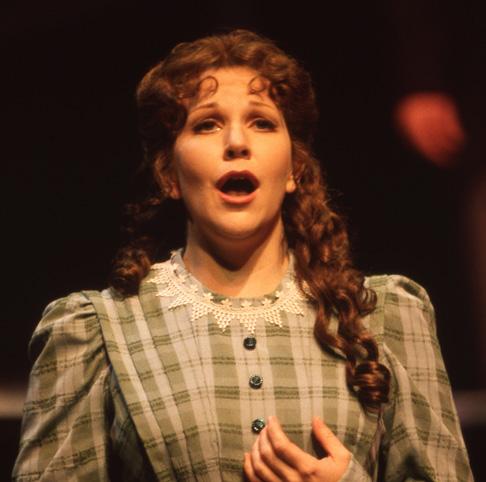
Joyce DiDonato, mezzo-soprano: “I owe so much to Patrick Summers—if not everything. As a young artist who had been pigeon-holed into a certain box, my future as an emerging artist was looking quite fixed and, to be honest, not too exciting. But as he arrived in 1998, the season before he officially began as Music Director, all of the young Studio artists auditioned for him. Much to my surprise, as he listened to me for the first time with his keen ears, something connected with him, and he hired me for three lead roles on the spot. The encouragement I received from his vote of confidence was absolutely part of the catapult that helped launch my career. So you can imagine my gratitude is immense. But where my heart truly lies with Patrick is in the wonderful, deep, and insightful conversations slotted in between rehearsals, or after shows, and in the deep joy and pure wonder shared through the music of Handel and Mozart and Rossini. (His face full of childlike wonder as he launched into a perfect overture will always be my image of him!) Patrick, thank you for the deep investment in humanity that you have made through all of your performances, your mentoring, your writing, and your conversations. We are all the better for it.”
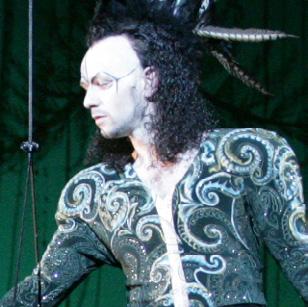
Iestyn Davies, countertenor:
“I worked with Patrick at HGO on Neil Armfield’s beautiful production of Britten’s A Midsummer Night’s Dream. I remember auditioning for Patrick in the chorus room at Covent Garden, London, way back near the start of my career. I can’t thank him enough for choosing me to sing the role of Oberon in this production. It was my first outing as the King of the Fairies, and I couldn’t have had a more receptive and supportive conductor than Patrick with whom to do that. It was a young and ambitious cast, and we will all remember that time with fond memories, not least as Patrick held a fabulous housewarming party in his new apartment at the time. I later learned that it was off the back of this run of Dream that I was cast in a revival of Tim Albery’s production of the same piece at The Metropolitan Opera, and from then on Oberon has become a staple of my repertoire. So, thank you Patrick for your faith in me at the start and such a wonderful welcome and time in Houston!”
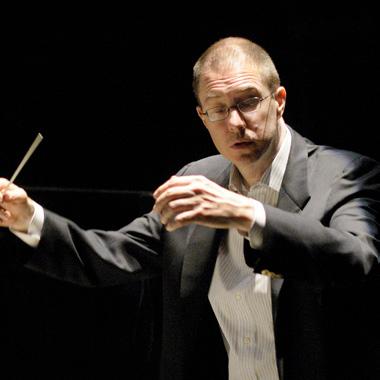
Richard Bado, HGO Chief Artistic Officer and Chorus Director:
"I would dare to say that no one at HGO has worked closer artistically with Patrick than I have. From day one, it was clear that he was the right person at the right time for this job. He immediately brought a musical standard to the company which we all have worked hard at to maintain. He and I have developed a close working relationship based upon respect and trust. Patrick brings to the table a complete respect for the composer and inquisitive nature in his approach to musical works. He makes all of us around him better musicians, and I thank him for that."
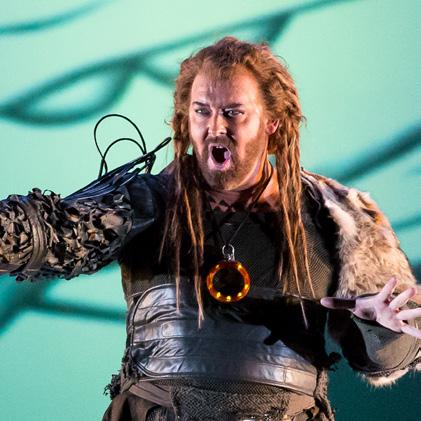
Jay Hunter Morris, tenor:
“If a singer is very, very lucky, they may be granted a champion or two—someone who not only believes in their gifts, but also opens those elusive, ofttimes hidden doors of opportunity. Patrick was a champion for me over many years and a fantastically broad range of repertoire. Oh, that gorgeous new production of Madame Butterfly at the Sydney Opera House! We were both quite young, and I remember being stunned—mesmerized—at how masterfully he led that orchestra. He never lost touch with the singers, never missed a cue, and waited patiently while I always sang behind the beat. I believe he is the ultimate singer’s conductor; there is no clearer, more precise baton in the pit, whether for A Streetcar Named Desire, Louise, Dead Man Walking, Moby-Dick, or Siegfried I will always be grateful to you, Patrick. What amazing times we shared.”
Premiere League
1999
Tod Machover and Laura Harrington’s .Resurrection
This adaptation of Leo Tolstoy’s novel was a vehicle for mezzo-soprano Joyce DiDonato, who played a wrongly convicted woman exiled to Siberia. Reviewing Maestro Summers’s recording, the Houston Chronicle praised the HGO Orchestra for a “performance that sounds great and paints the shifting emotions effortlessly.”
THE NEW WORKS BORN AT HGO UNDER PATRICK SUMMERS
A champion of contemporary American opera, Patrick Summers has overseen the creation of more than 50 new HGO commissions during his 25-plus years as Artistic and Music Director, and more at other major houses. He often served as a creative consultant on these projects, helping to foster collaboration between composers and librettists and conducting the 11 following operas himself in their HGO world premieres.
2000
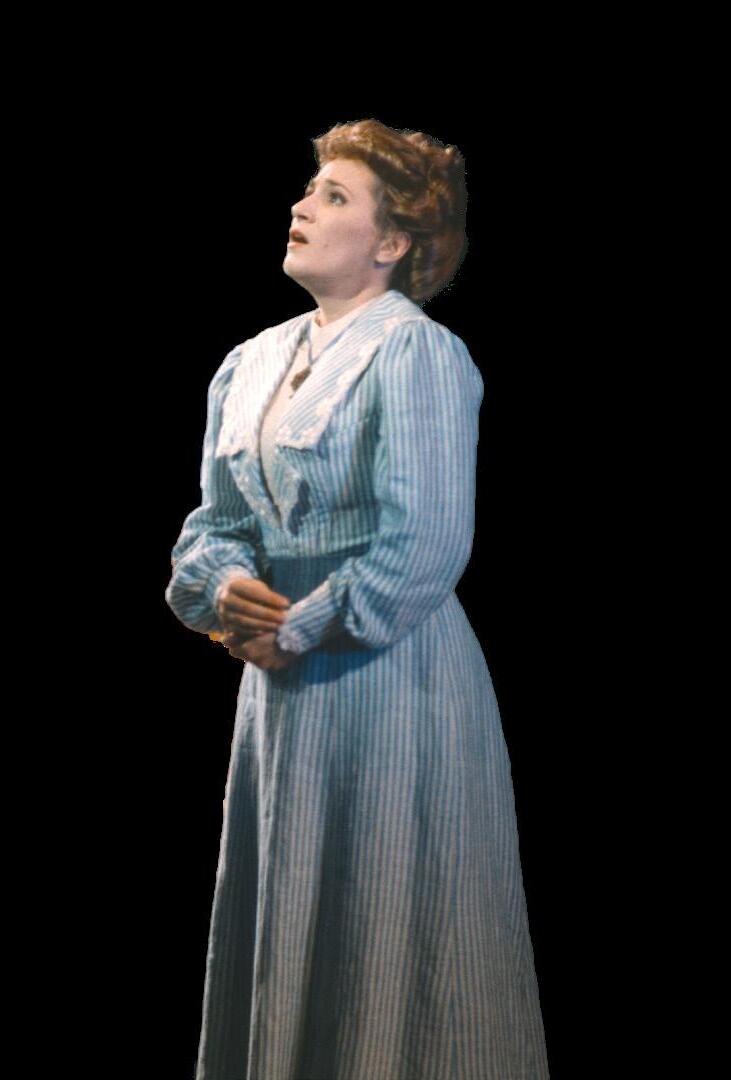
Carlisle Floyd’s Cold Sassy Tree
A mentor of Maestro Summers, Floyd helped co-found HGO’s Butler Studio. His fourth HGO commission, after the novel by Olive Ann Burns, starred soprano Patricia Racette (right) woman whose marriage to an older man scandalizes a small Georgia town.
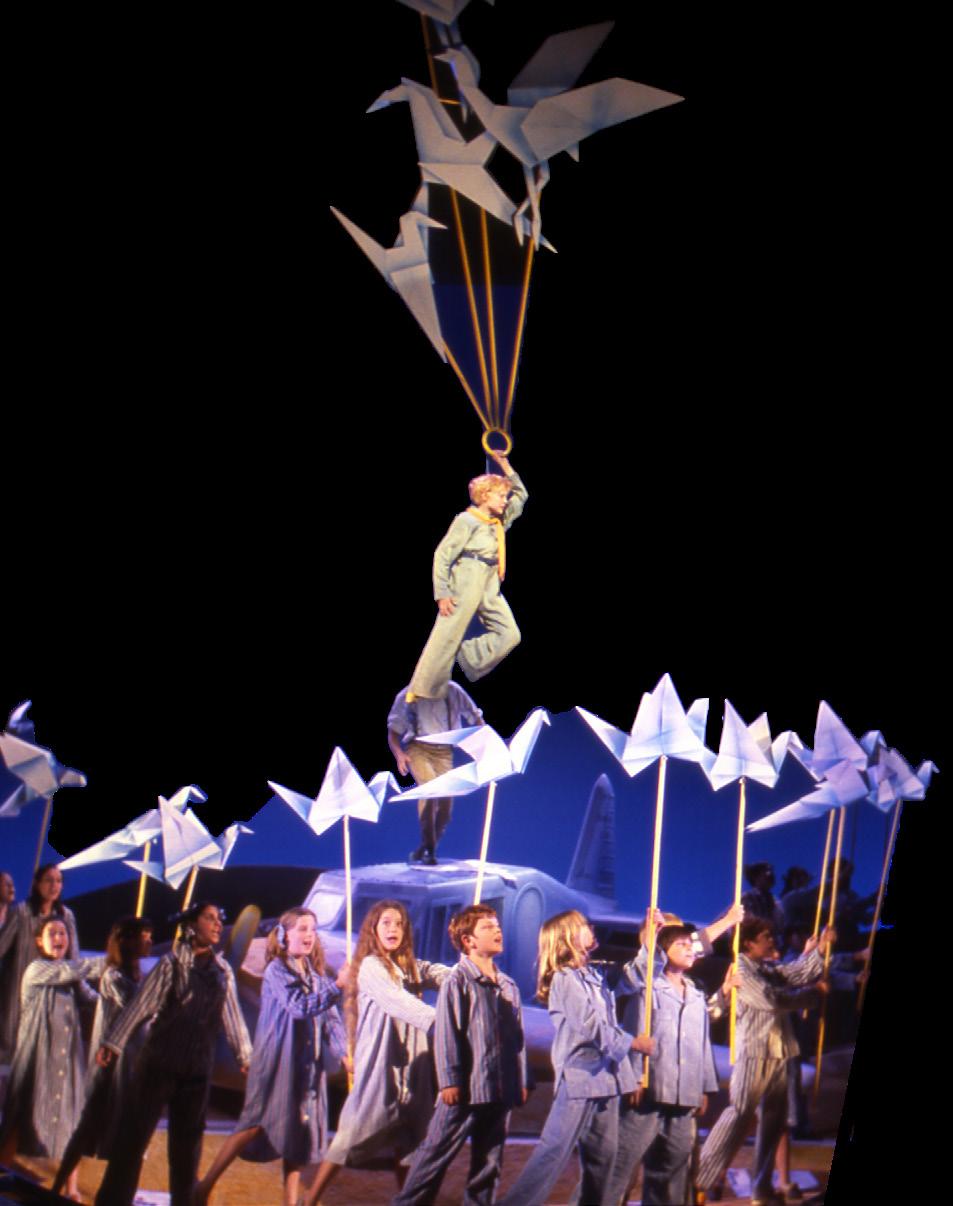
Rachel Portman and Nicholas The Little Prince
This children’s opera was based on Antoine de Saint-Exupéry’s fable of a pint-sized monarch’s interplanetary travels. The Chronicle lauded Summers’s reading of Oscar-winning composer Rachel Portman’s score as “excellent top to bottom.”
2004
Jake Heggie and Heather McDonald's .The End of the Affair
The first of six HGO world premieres by Heggie was inspired by novelist Graham Greene’s tale of elicit love in post-WWII Britain. Maestro Summers referred to the composer—whose 2000 Dead Man Walking he premiered at San Francisco Opera—as “a melodist of sweep and depth.”
2007 2008
Christopher Theofanidis and .Leah Lax’s The Refuge
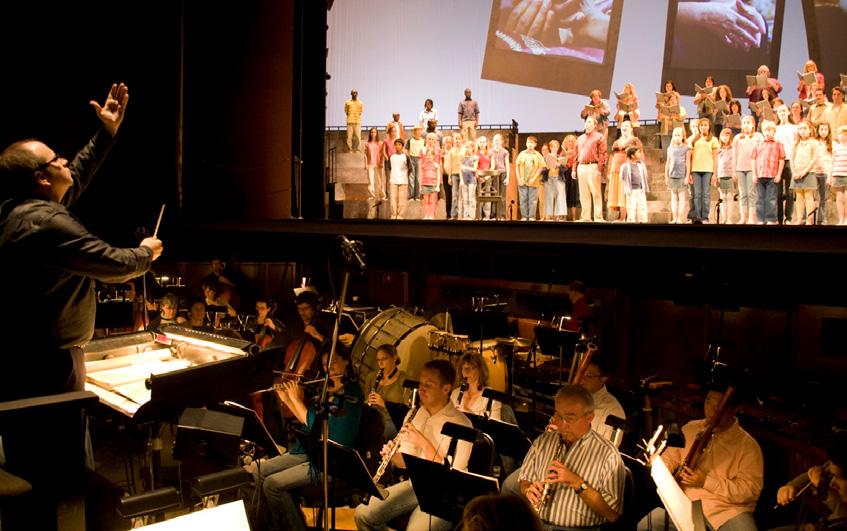
The libretto for this staged oratorio was compiled from the oral histories of Houston immigrants. In a review of Maestro Summers’s recording, Gramophone magazine highlighted the score’s “soaring vocal lines, vivid orchestral shadings, and rousing choral writing.”
2009
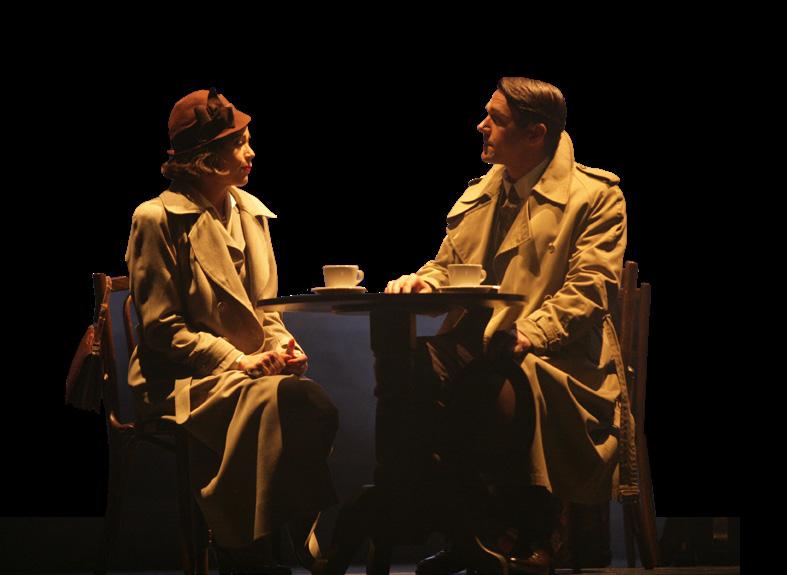
André Previn and John Caird’s .Brief Encounter
Previn’s second opera was based on the 1946 film about a railway-station romance. A Classics Today critic, reviewing Maestro Summers’s recording, wrote that he couldn’t “imagine a better, more committed performance.” Summers also collaborated with Previn on his earlier operatic version of A Streetcar Named
2019
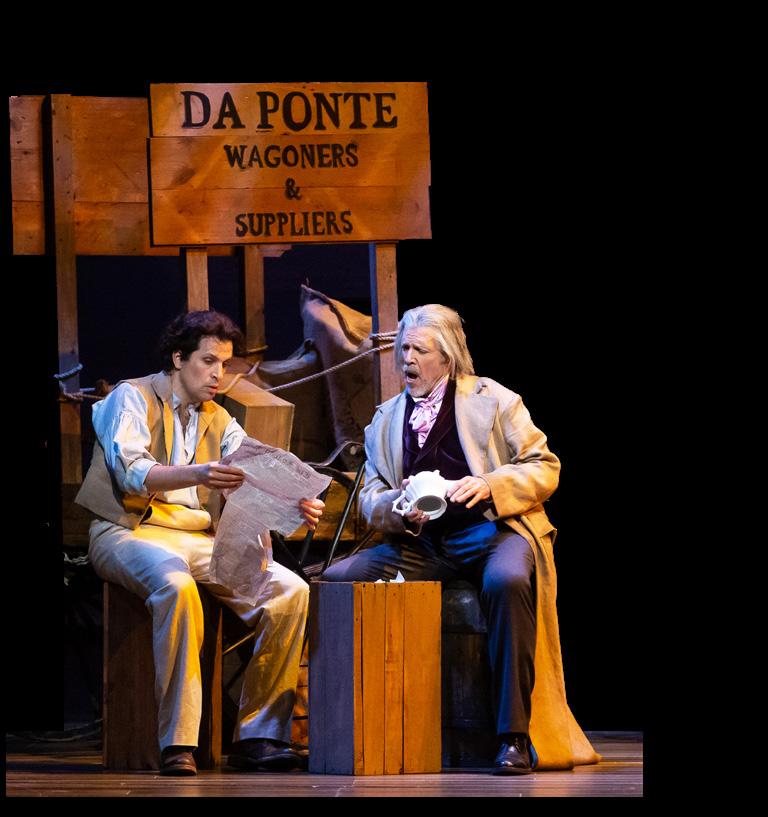
Tarik O’Regan and John The Phoenix
A dramatization of the life of Mozart’s favorite librettist, Lorenzo da Ponte, this opera starred bass-baritone Luca Pisaroni (far left) and Thomas Hampson (left) as young and old versions of da Ponte. The work was described as “a sublime new experience” by Houstonia magazine.
Jake Heggie and Gene Scheer’s .Three Decembers
This chamber opera, inspired by a Terrence McNally play, premiered under the title Last Acts. In addition to conducting, Maestro Summers joined the ensemble on piano to accompany mezzosoprano Frederica von Stade (right), who played a Broadway diva attempting to reconnect with her estranged children.
2016
Carlisle Floyd’s Prince of Players
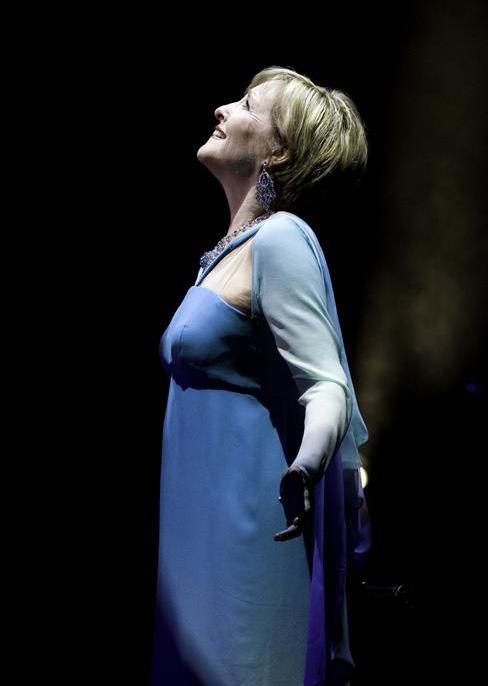
Floyd’s last major work before his death in 2021—a fictionalized retelling of the life of Edward Kynaston, a 17th-century actor known for his crossdressing roles—was dubbed “compelling” by New York Classical Review.
Jake Heggie and Gene Scheer’s It’s a Wonderful Life
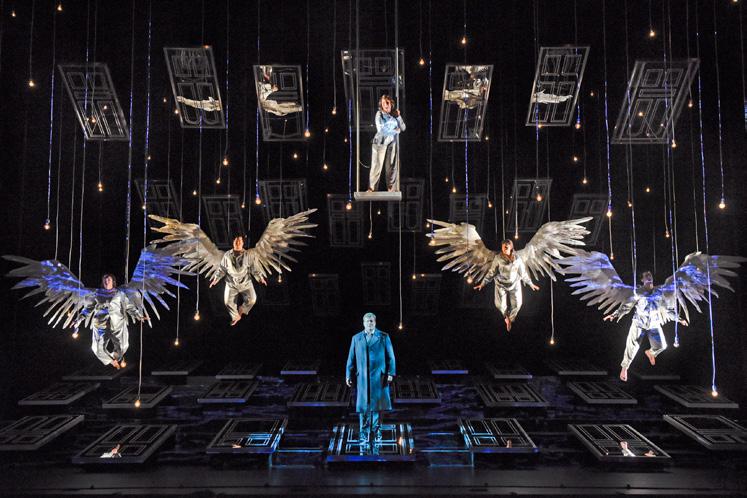
Heggie’s fourth HGO commission brought to musical life the beloved 1946 holiday movie. Classical Net, covering the recording, praised Summers for “effectively catching the many sides of Heggie’s kaleidoscopic score with a masterful hand.”
2021
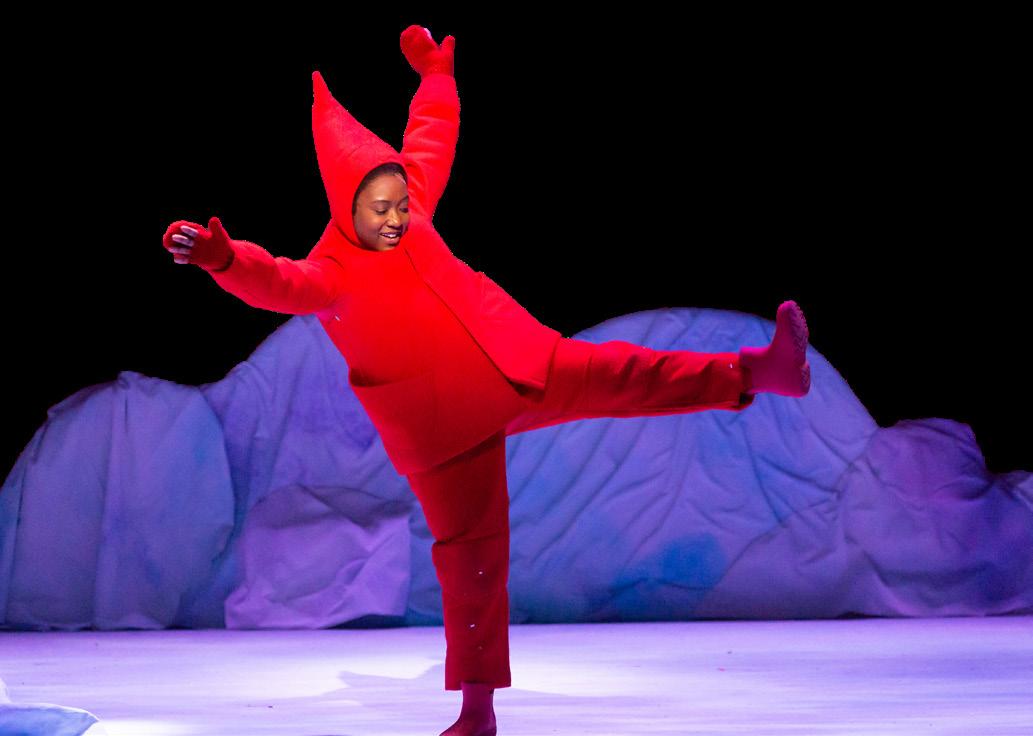
Joel Thompson and Andrea Davis Pinkney’s .The Snowy Day
The first opera by HGO Composer-in-Residence Joel Thompson, adapted from Ezra Jack Keats’s picture book about a little boy’s snow-day adventures and starring soprano Raven McMillon (right), was called “a charming musical winter’s tale” by Texas Classical Review.
The View from Here
MAESTRO PATRICK SUMMERS ON OPERA IN THE 21ST CENTURY AND BEYOND.
The time-honored philosopher Lao Tzu famously said, “Those with knowledge don’t predict; those who predict have no knowledge.” But…since I’ve been asked to contemplate the future of opera, here I go, ignoring Lao Tzu’s sage advice.
As with everything, there will be good news and less-good news. The good news right now, and it couldn’t be better, is that there are more great singers today than any one company could possibly present in a single season. The less-good news: you are unlikely to know who most of these singers are, because the world simply doesn’t do fame in the way it once did. But the talent, thrillingly, is through the roof.
More good news: there are more composers alive right now who have heard a performance of one of their own operas than at any time since the late 19th century. Since the health of an art is best measured in how much of it is new, and as there have been more than 300 new operas in the 21st century, most of them premiered in the United States, this is excellent news. It must be felt that opera, which began as a remnant of Italian imperial rule, is now an American art.
Given these realities, the future of opera’s creation will depend on a magic combination of American
philanthropy and commitment to arts education, but we are also entering Asia’s operatic era, long overdue. Within the huge cultural diaspora of Asia’s approximately 48 countries, many now place huge educational emphasis on music and all of the arts, and we are seeing the results of that now. Many of these artists will seek training in the United States, and Asian artists are most certainly going to dominate the world’s stages in the coming decades.
A new reality, one that needs constant realignment by artistic leaders, is that we’ve largely accepted a broad cultural narrative of decline, and this has huge implications: a culture that can’t tell real accomplishment from notoriety is always going to be teetering. This isn’t only in the arts, but across a variety of sectors: my generation grew up watching humans walk on a desolate moon that is 238,000 miles away, and every day, our nearby NASA services and talks to an international space station that is in permanent orbit 250 miles over our heads. Yet we’re somehow meant to be impressed by private rockets going into lowaltitude orbit for a few minutes? Meh—that is accepting a narrative of decline, and the arts do not have the luxury of indulging in that.
When I began at HGO 27 years ago, we thought cell phones, internet, and voicemail were major technological advances. So, the recent dizzying
OPERA, WHICH BEGAN AS A REMNANT OF ITALIAN IMPERIAL RULE, IS NOW AN AMERICAN ART."
technologies of Artificial Intelligence, which weren’t even a gleam in our eye a few years ago, are likely to have huge implications for all live performances. The first aspects we will notice will probably be pre-performance: ticket-buying, parking, and being ushered to your seat. Your preperformance lecture, which I’ve so loved delivering in recent years, will probably soon be produced by AI, delivered to you long before you arrive.
We are not far from an original opera conceived and composed by an artificial composer. Similarly, we will probably soon be hearing a “new” Puccini opera on the Molnar play Liliom, to give just one of thousands of potential examples—this is the play that became Rodgers and Hammerstein’s Carousel, which Puccini wanted to compose but was refused by the playwright. Within a few hours of entering your desires into an app you’ve purchased at considerable expense, the Puccini opera could appear on your computer, available for you to request adjustments to make it sound more like Tosca and less like Madame Butterfly. What AI might mean for the future of the performing arts, and for every deeply held tenet for which we exist, is still anyone’s guess. In the right creative human hands, Artificial Intelligence could be beautiful and inspiring, but in the clasp of greedy despots, AI could crush all creativity and much else along with it. One thing it won’t be is benign.
This is hardly prescient of me because we already know it, but it still must be noted in any contemplation of the future: the largest opera companies and orchestras, through no malevolence of anyone, are each facing major reckonings of adjustment to a set of cultural vagaries that can’t be fully predicted. The mid-sized arts companies of deep purpose, committed to performing at a very high level, will not only survive, they will prosper, because they are filling a deep human need.
But no company can survive solely on its past, or on its marketing slogans, or simply on its words. Great opera has a self-proving greatness, and this is true from Mozart right up to the unknown composer born this year who will conjure something we never imagined. Great art is very close to the experience of a sunset or gazing at the Grand Canyon. In the moment of artistic or spiritual experience (sorry/not sorry that I cannot separate them), we don’t care what precise climatic conditions created the sunset, nor if the canyon is a million or a billion years old. (Parts of the canyon are both!) What we care about in the moment is the experience itself, and those with whom we are privileged to share it. This remains the greatest news of all for the future.
IN THEIR WORDS
HGO BOARD MEMBERS AND SUPPORTERS PAY TRIBUTE TO A MAESTRO.
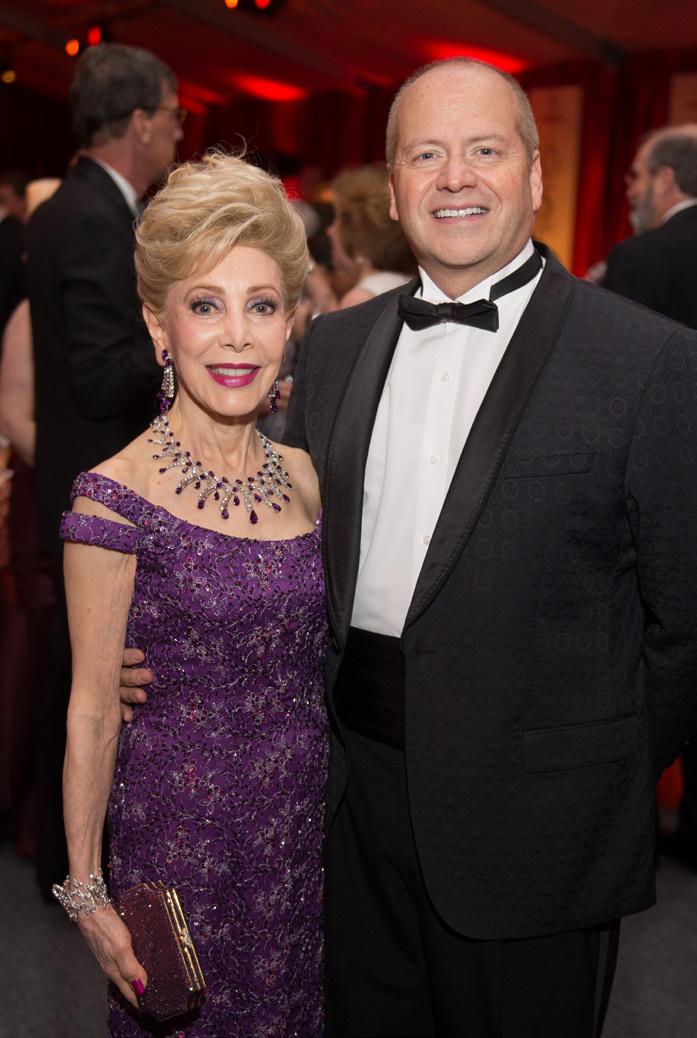
“Since Patrick’s arrival at HGO in 1998, I have had the pleasure of calling him a friend. His warmth, creativity, and extraordinary talent have left a lasting impression on everyone fortunate enough to know him. I was honored to witness his remarkable leadership as the Margaret Alkek Williams Chair for 11 years, during which his vision and dedication shaped the company’s artistic legacy.”
—Margaret Alkek Williams
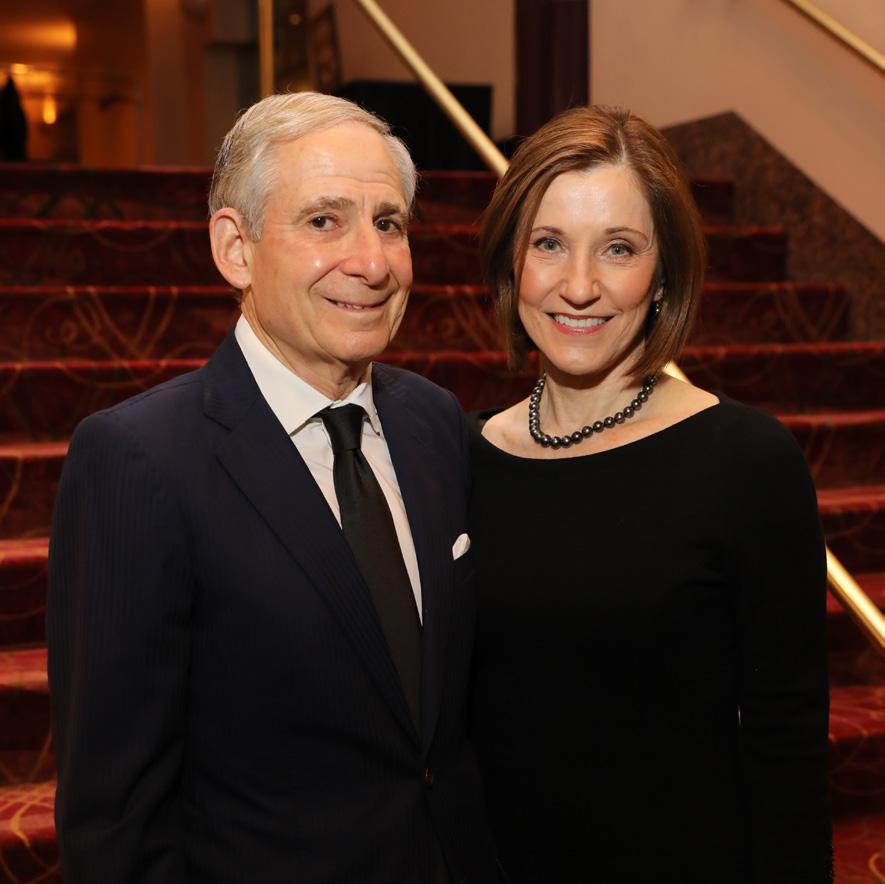
“Music has always been an important part of my life. When I moved to Houston, I was thrilled to experience the exceptional productions of HGO. Then the company, under Artistic and Music Director Patrick Summers, achieved new heights. Patrick developed the orchestra into a first-rate ensemble capable of performing the most demanding scores such as Wagner. I will remember many performances conducted by Patrick including a powerful Ring cycle, a Tristan und Isolde with Nina Stemme, recent moving performances of Il trovatore and Breaking the Waves, and many more. Conversations with Patrick are always enlightening and entertaining. We are fortunate that Patrick is staying on in an Emeritus position and wish him success in the next act of his career.” —Jack Roth

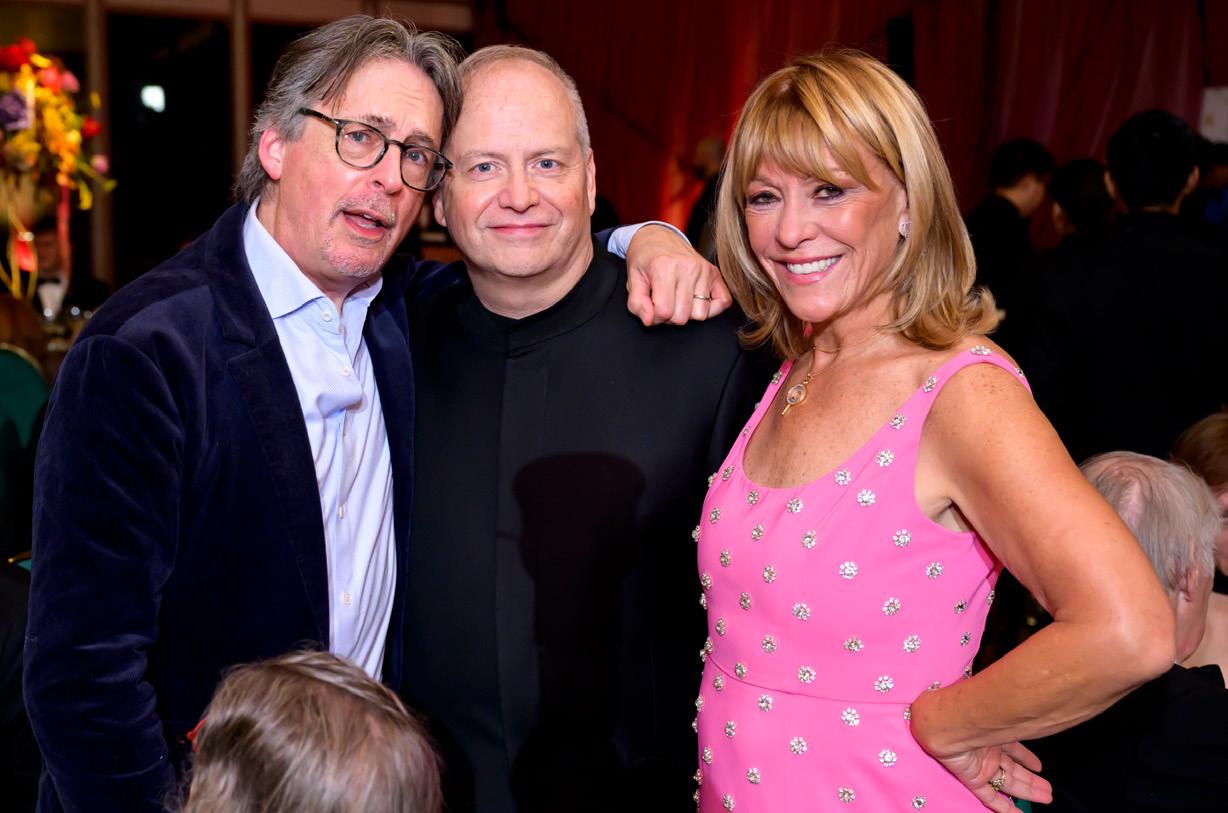
“Patrick is a musical and literary prince. He generously shares his knowledge through his frequent and fascinating essays. I’m fortunate to have known him over a quarter of a century, since he joined the HGO family in 1998. His work with David Gockley, Anthony Freud, and, more recently, Khori Dastoor has immeasurably enhanced the stellar reputation of HGO. Not only is Patrick a musical prince but he is also a prince of a friend. He and his brothers graced my home in Nantucket during a significant birthday celebration for Patrick. That visit made my Nantucket home a worthy shrine to Prince Patrick.”
—Franci Neely
Stephen Wadsworth, Patrick Summers, Franci Neely
Drs. Jack Roth and Liz Grimm
Margaret Alkek Williams and Summers
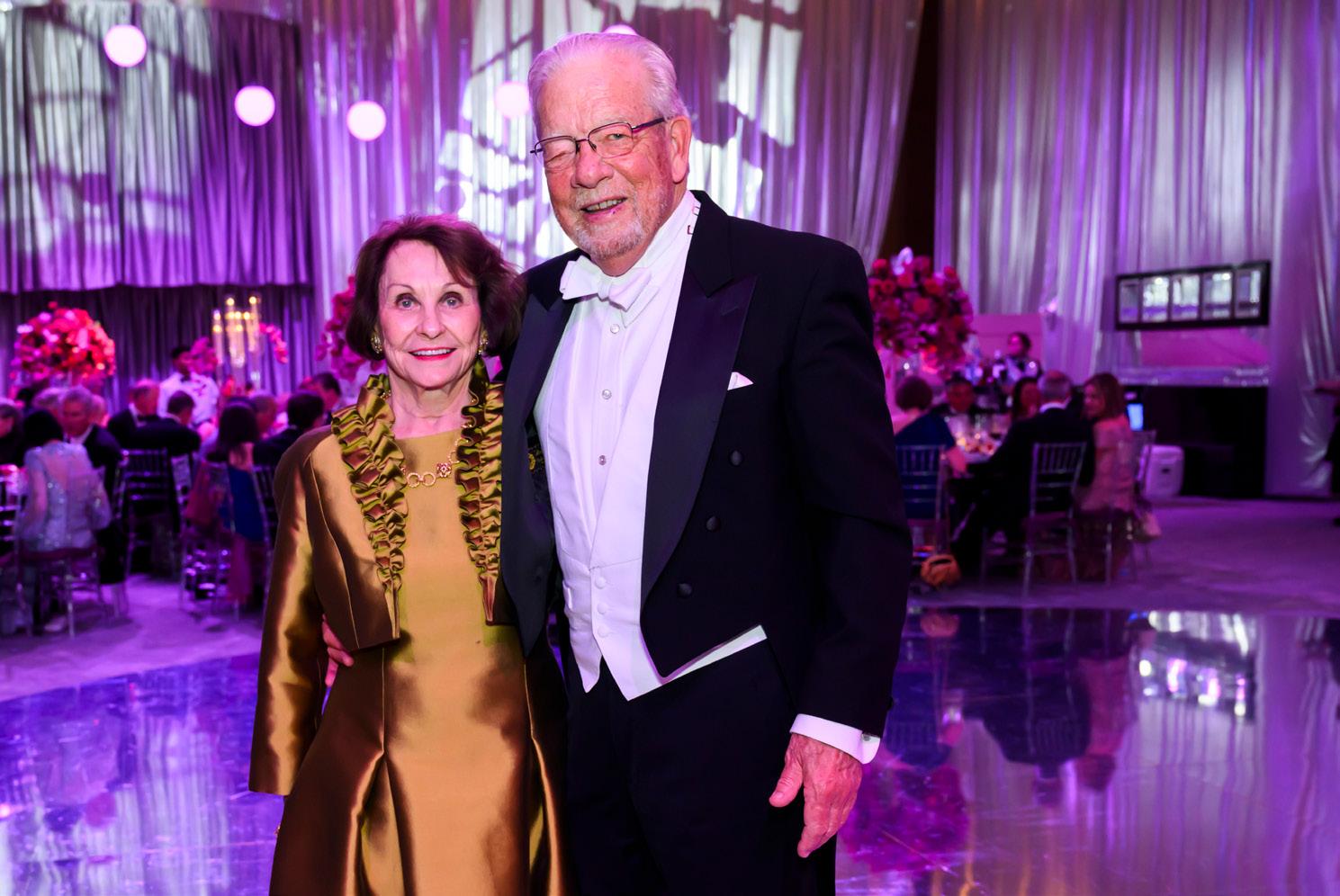
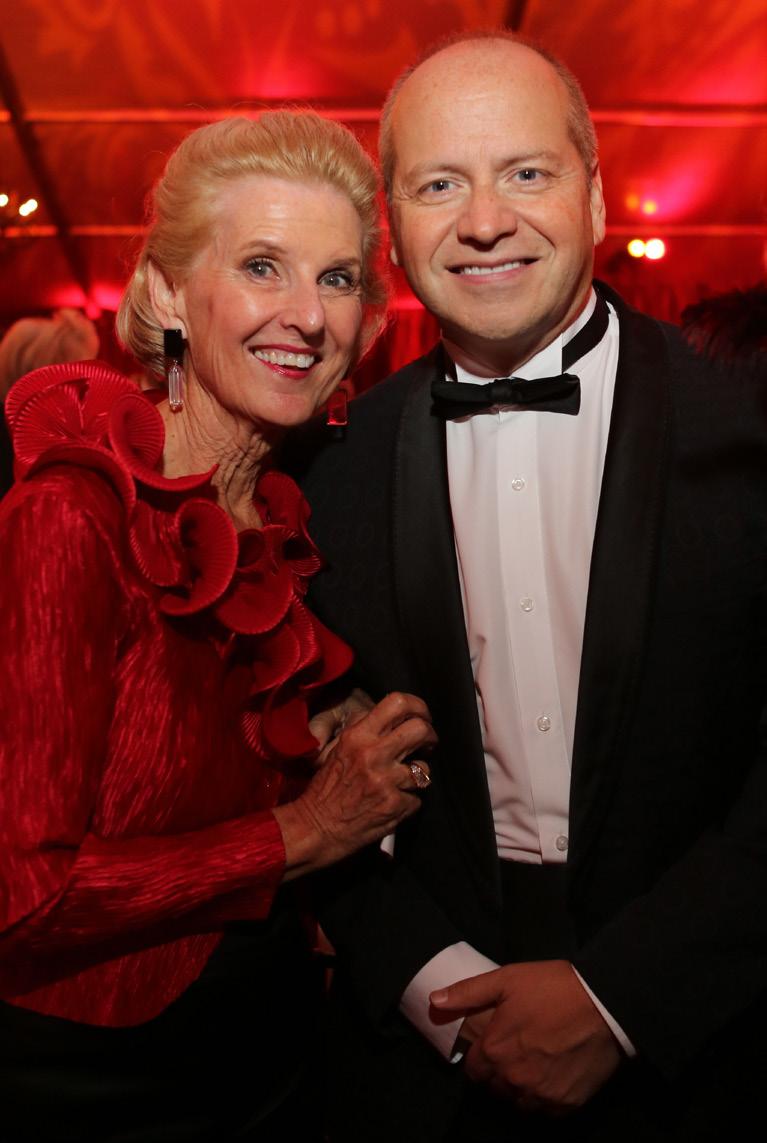
“I met Patrick at a luncheon in his honor at Jackson Hicks’s restaurant during Patrick’s first week in Houston. It was a pleasure meeting him, and our relationship has remained a pleasurable one ever since. Patrick frequently comes to our Mansefeldt Ranch for a few days of rest and rejuvenation. Dian and I enjoy his visits, and we have always enjoyed seeing him at HGO in Houston. We look forward to many more years of his company.” —Harlan and Dian Stai
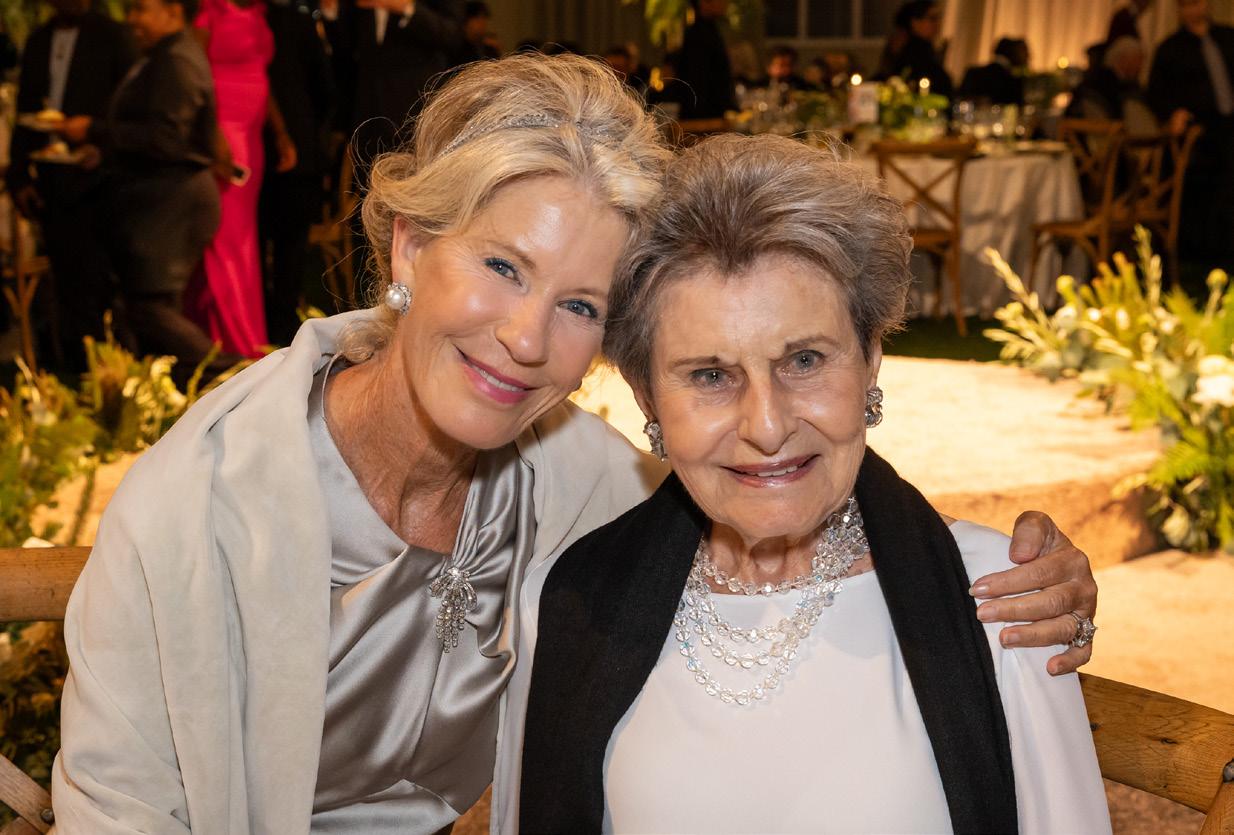
“Dear Patrick, you have been the guiding light for Houston Grand Opera since your arrival here. David saw a brilliant musical future for you, and knew what an inspiration you would be for our company. It has been my great honor to know you, and to partner with you in our love and support for HGO.” Terrylin G. Neale
“How to describe Patrick Summers? Words cannot do him justice, but I will try. He is a man in full: The most gentle, warm, delightful human being able to make music accessible to all of us fortunate enough to know him, whether as a musician on the podium or as an accomplished pianist. I will never forget when he came to my home twice to play the piano for an audience of one on my Steinway. He made the music soar to the rafters. And Patrick’s ability with words is phenomenal. He wrote many essays about composers in history, as well as well-known opera artists. He knew them all, researching endlessly for his subjects. I wish him well for the future, and hope he will remember us in Houston. He will always be in our hearts as the best of musicians, and the most loved of artists.” —Jane Cizik
Dian and Harlan Stai
Penny Wright, Jane Cizik
Terrylin G. Neale and Summers
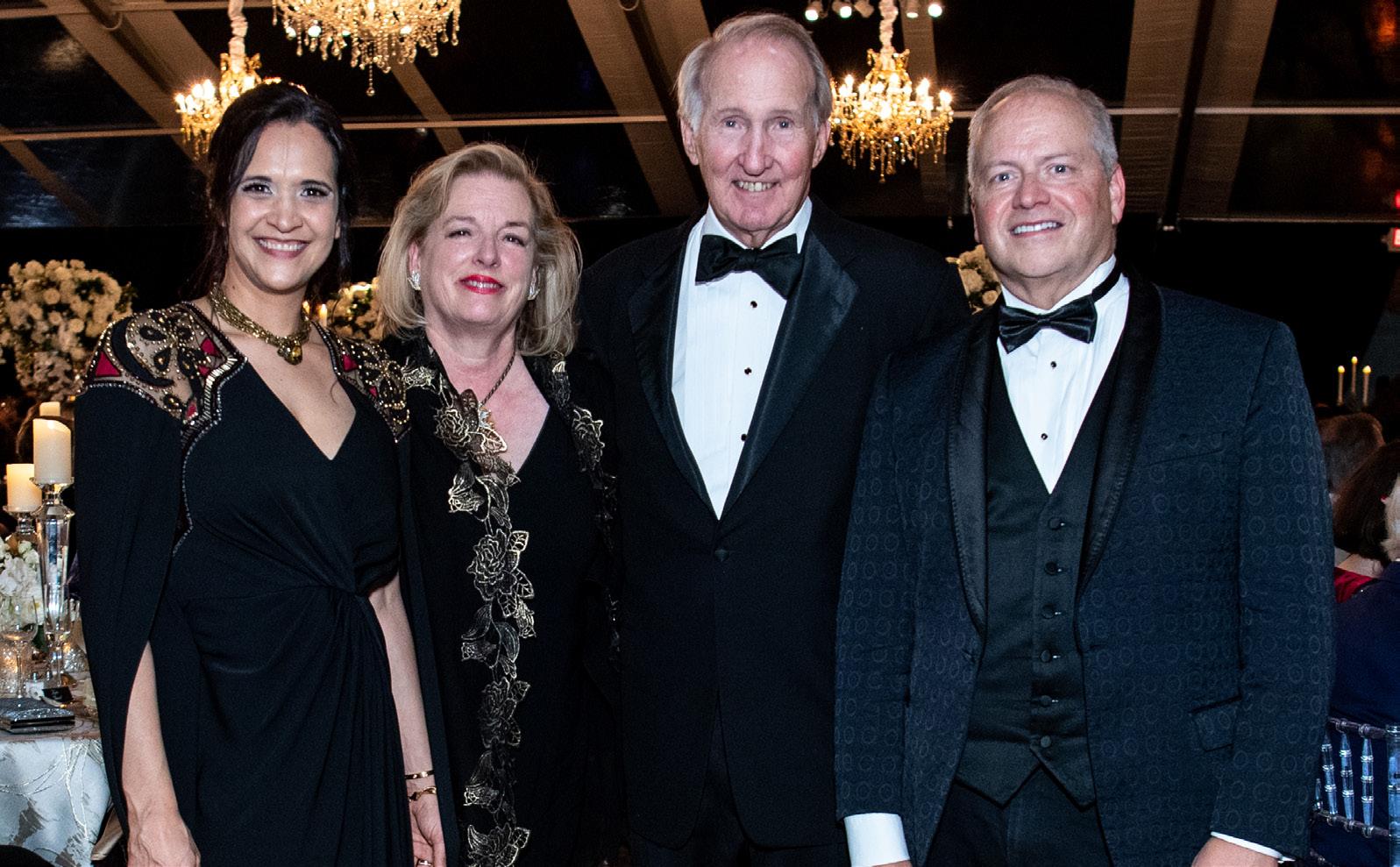
“Patrick is a man of big ideas —not just his impact in new works, but also his unyielding belief in the importance of American opera. He is a mastermind of the intricacies of every aspect of the art form, from placing notes on a page to putting a season together that would be artistically challenging, yet broadly entertaining and commercially doable. He is a man of courage —standing up to external challenges like Hurricane Harvey and the internal challenges that are characteristic of probably all arts organizations. He is steadfastly a creator, not just in music but prose—from analytical dissections to the expression of ideas, seemingly spun from the air. Finally, his reputation alone will continue to lift HGO in the eyes of important commentators around the world. Our blessing is that we still have him, and we can only imagine what he might do next.” —Jim
Crownover
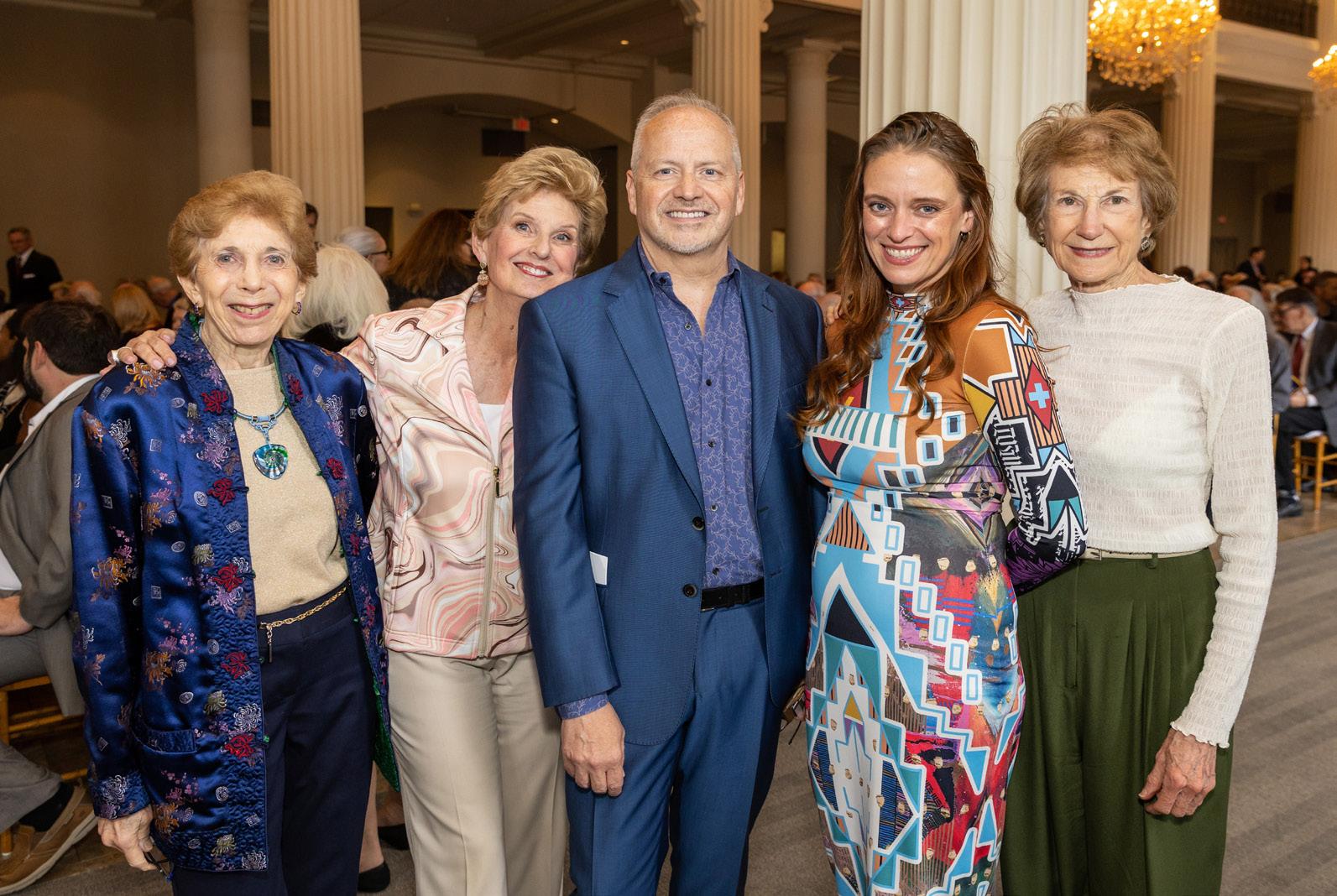
“Maestro Extraordinaire: One of Patrick’s favorite terms is ‘extraordinary,’ and how fitting it is to pay tribute to him with this very special word! In every way, Patrick is EXTRAORDINARY: As HGO Artistic and Music Director, he thrilled us with his artistic selection and conducting, always! Patrick has created seasons before our very eyes—even as we tried to experiment with our own fantasy seasons, his wisdom led us into the intricacies of this delicate construction. As dramaturg without peer, he gave the best Opera Unwrapped presentations I have ever heard, filled with brilliant observations, totally unlikely parallels, and similarities between wildly different works and time periods, and great visuals and musical excerpts. Who could imagine hearing 10 or 20 different conductors doing the opening of the Tannhäuser overture and then explaining the differences to an astounded and admiring audience, while teaching us the basics of conducting? As an author—of essays, novels, poetry and non-fiction, all fascinating—he exhibited yet another dimension of terrific talent. Finally, and at the very top—as a warm, kind, and utterly delightful person! Patrick, here’s to you. We can’t thank you enough for what you have shared with us at HGO over so many years!” —Ellen R. Gritz, Ph.D.
Khori Dastoor, Molly and Jim Crownover, Summers
Ellen Gritz, Terrylin G. Neale, Summers, Tonya McKinny, Laura McWilliams
“Patrick will always be known for his music, but his words too are worthy of celebration—whether in conversation (always engaging and engaged) or essays (pointed and personal) and now in a novel imagining Mozart had lived to a ripe old age. Many thanks Patrick for your music and your words.”
—Morris Gelb
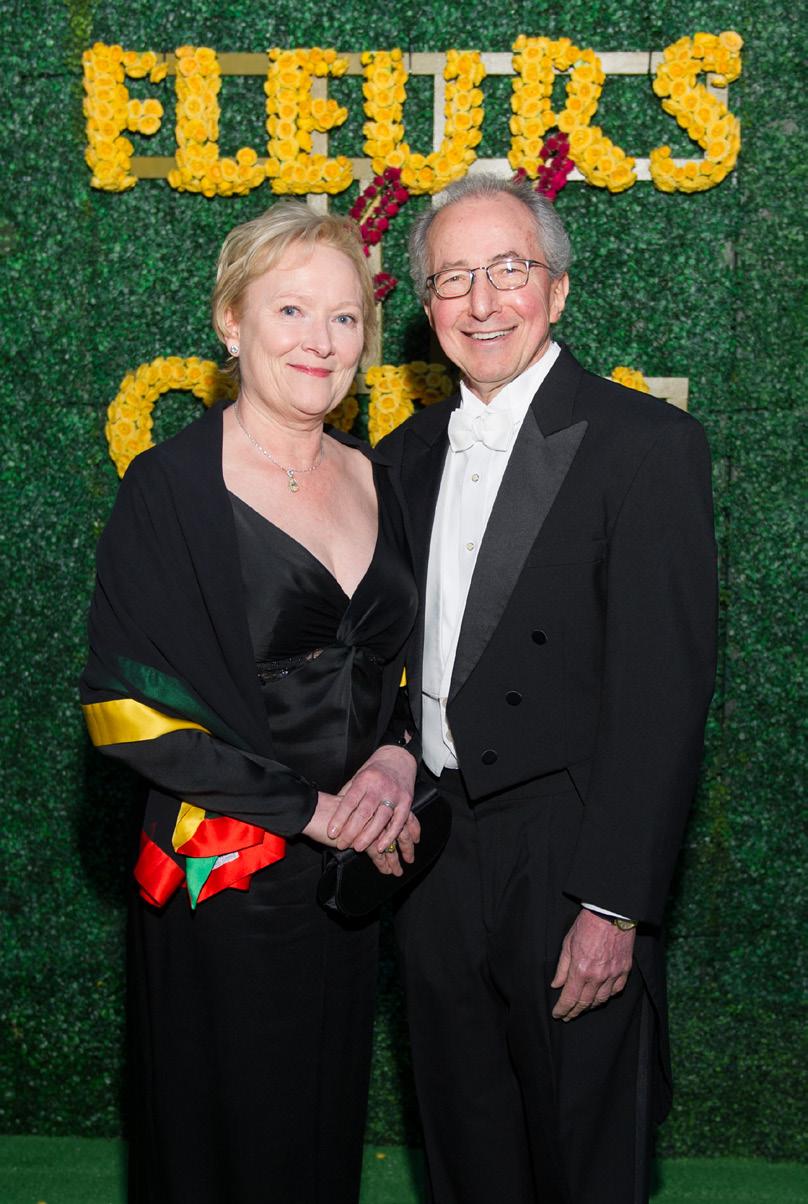
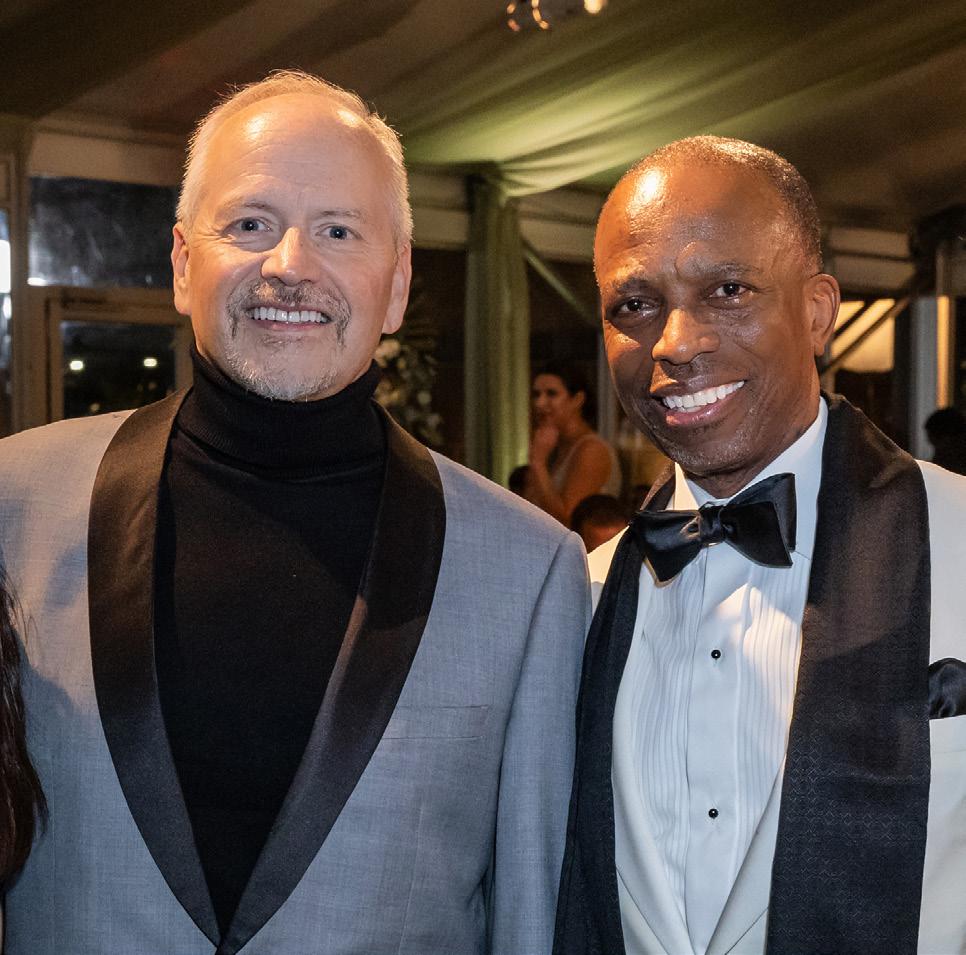
“Patrick has been the artistic heartbeat of Houston Grand Opera for over two decades, shaping its sound and spirit with brilliance, integrity, and vision. As Artistic and Music Director, his leadership has elevated HGO to international acclaim, nurturing artists and premiering bold new works with unwavering passion. Patrick’s deep musical insight and amazing storytelling acumen has left an indelible legacy—one that will resonate far beyond the stage. I am in awe of his extraordinary contributions and celebrate his legacy with gratitude, admiration, and profound respect.”
—Astley Blair, Board Chair
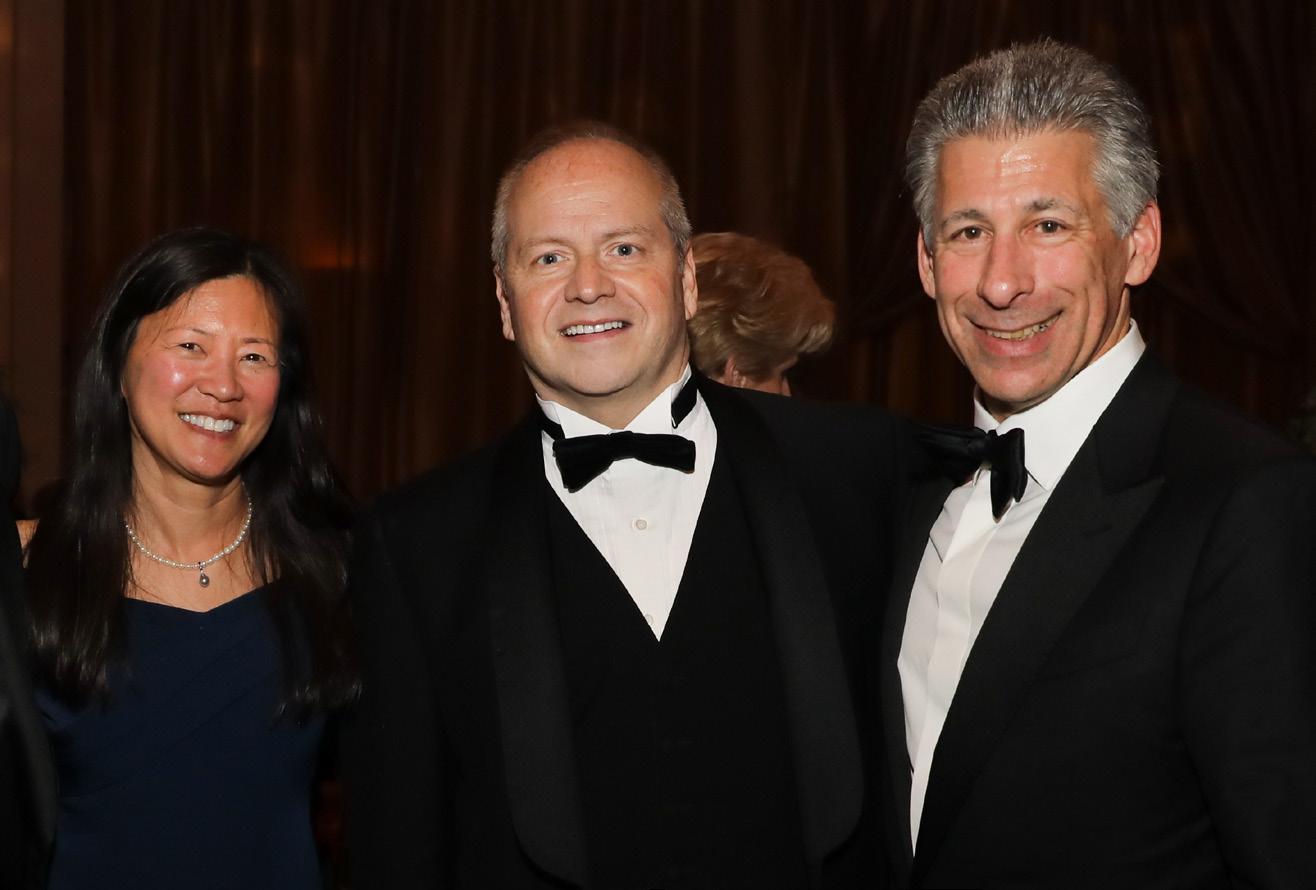
"It has been such an honor to know you and work with you for the last decade. I can still remember when Joe and I first met you—we were so impressed with your deep knowledge and artistry. What a great ride it has been for us all! I will always remember your brilliance behind the podium, and of course partnering with you as we brought in Khori to lead the organization to greater heights. I attribute much of the success of HGO during my chairmanship to your work behind the scenes in trusting the Board and embracing the changes being made. Your leadership has made an indelible mark on HGO. Your ability to hear talent and understand how it could develop has absolutely improved the quality of the orchestra and the level of singers at the company. And identifying talent like Joel Thompson will absolutely affect the way the world perceives HGO. I am now halfway through your new book and enjoying it immensely—such fun to imagine what could have happened if Mozart had lived a long life! Your creativity in this book and your short essays is just another sign of your artistic brilliance. I am happy that you will be continuing with HGO in your Music Director Emeritus position. Here’s to your legacy as the longest-serving Artistic and Music Director at Houston Grand Opera." —Claire Liu
Amanda and Morris Gelb
Summers and Astley Blair
Claire Liu, Summers, Joe Greenberg
His Next Act
WANT MORE OF MAESTRO SUMMERS? HERE’S WHERE TO FIND HIM:
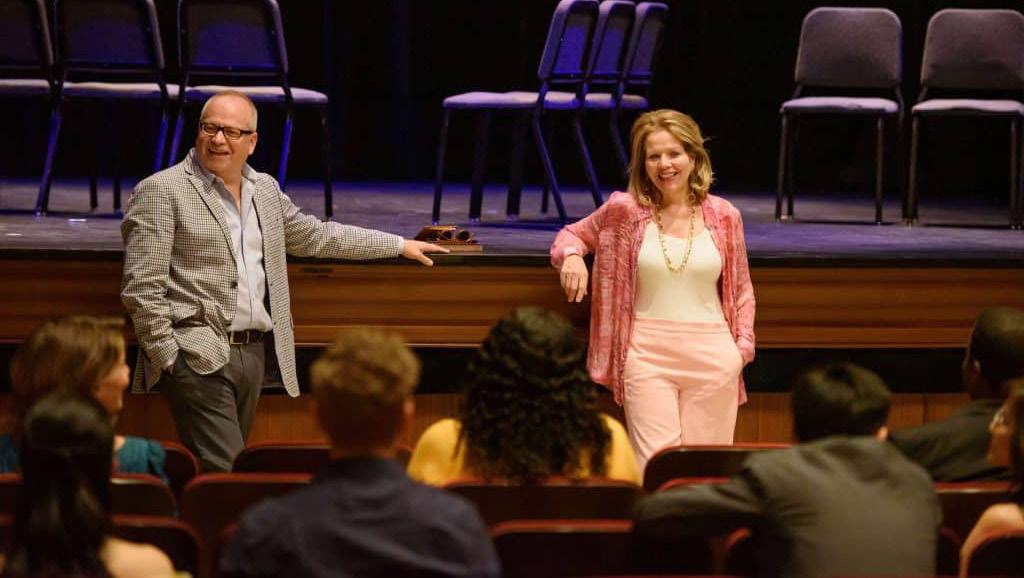
At the Aspen Music Festival and School’s Aspen Opera Theater and VocalARTS: Alongside Renée Fleming, Summers will continue as co-director of the program, which the two have led since 2019. In summer 2026, he conducts Mozart’s The Magic Flute.
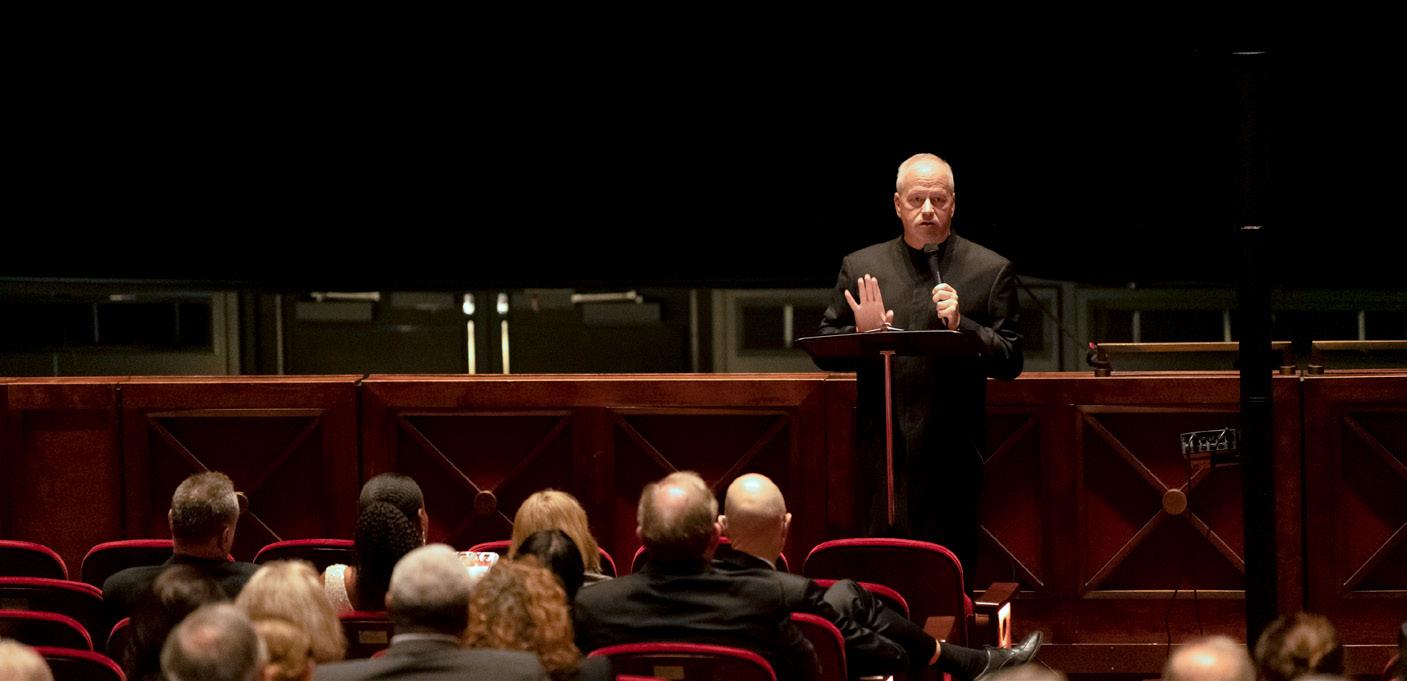
Back home at HGO: Starting in the 2026-27 season, Summers will assume an emeritus role with the company, continuing to serve the company as a valued advisor, scholar, and guest conductor. Look for him at the podium in spring 2027 for Show Boat!
At Canadian Opera Company: Summers will conduct Britten’s masterful ghost story, The Turn of the Screw, for the Toronto-based company in winter 2027.
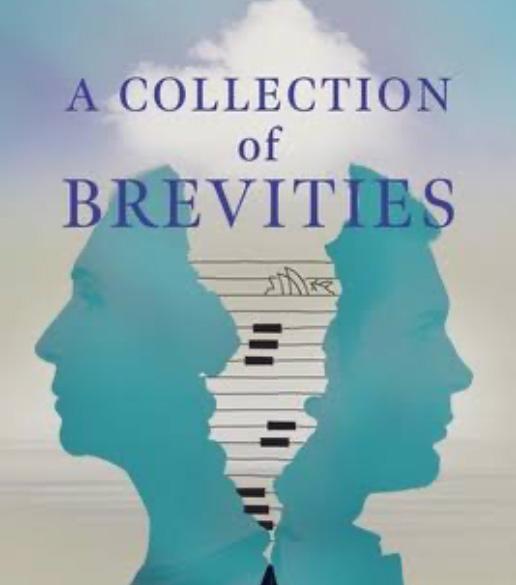
At your local bookstore: Summers recently published several books, including Tapestries, a collection of essays on the operatic art; Key Change: An Alternative History of Mozart, which imagines the composer’s life if he had lived to be an old man; A Collection of Brevities, about a pianist who, at the height of his career, suddenly stops performing; and Birdie’s Forever Day, about a woman coming to terms with past trauma, who can hear the language of birds. And more are on the way.
At the Rice University Shepherd School of Music: In August 2024, Summers was named a distinguished lecturer in opera studies at the school, where next year, he will teach the course Opera History and Historic Singers.
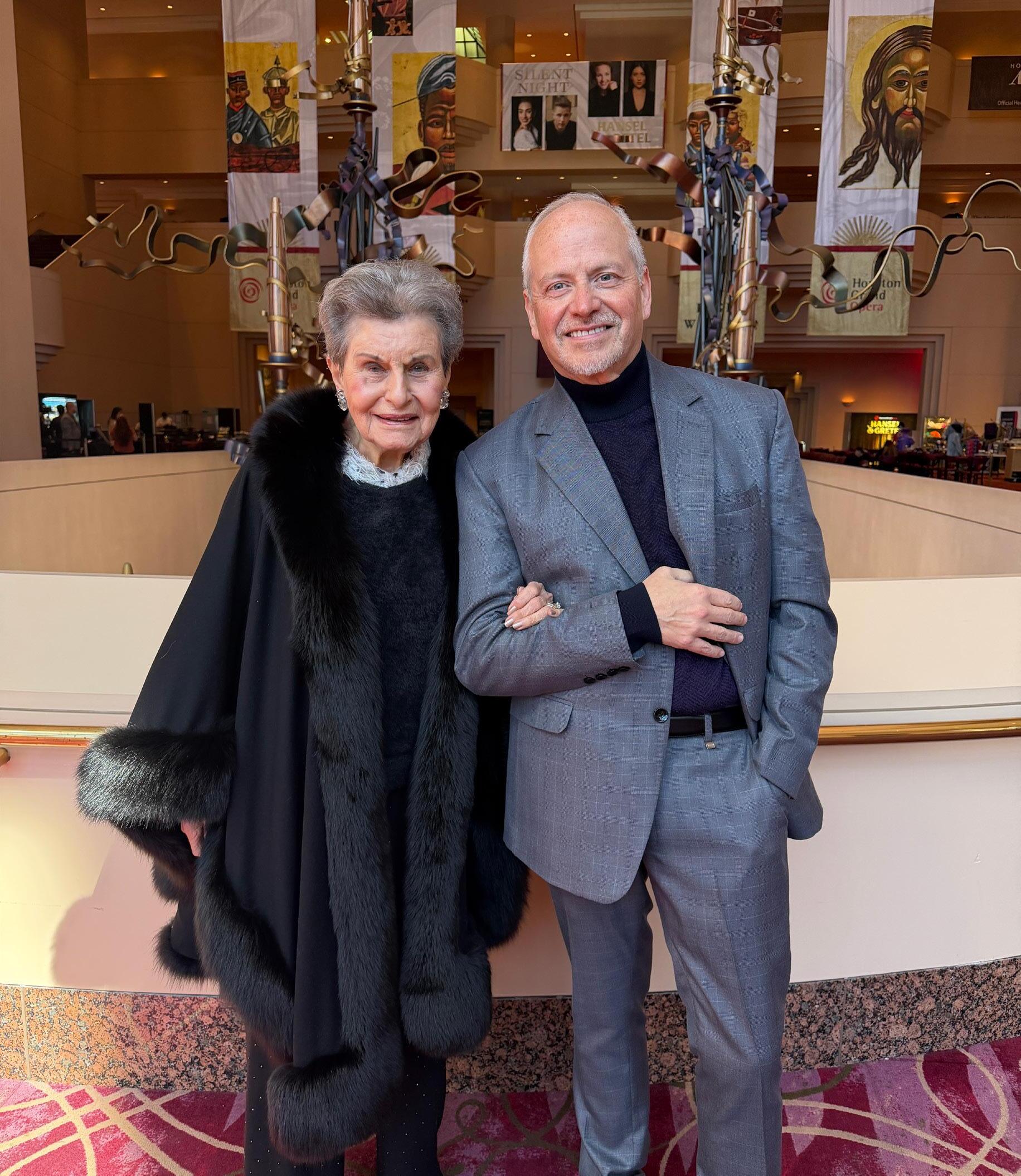
INTRODUCING HGO’S NEW MUSIC DIRECTOR EMERITUS, AND HOLDER OF ROBERT AND JANE CIZIK MUSIC DIRECTOR
EMERITUS CHAIR: MAESTRO PATRICK SUMMERS
Patrick Summers with longtime HGO supporter and namesake of his chair, Jane Cizik
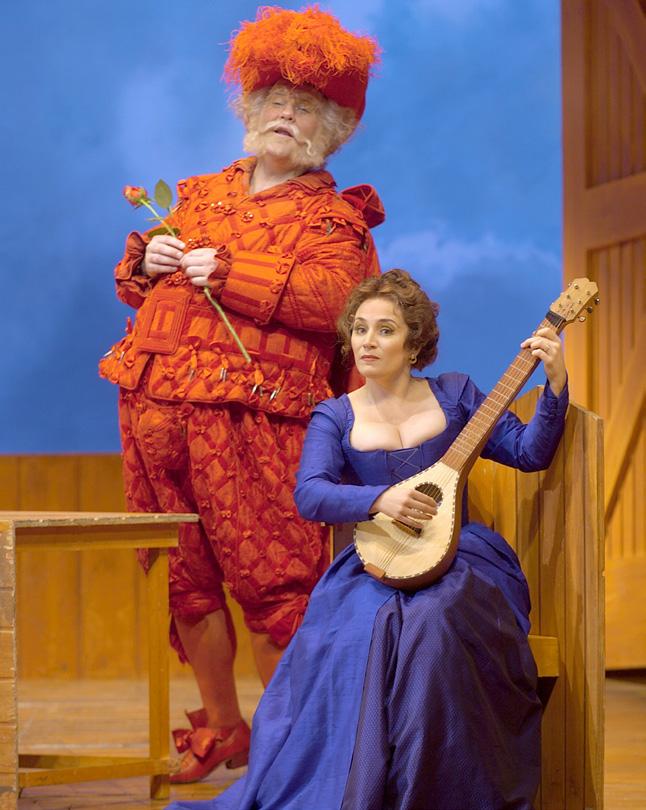
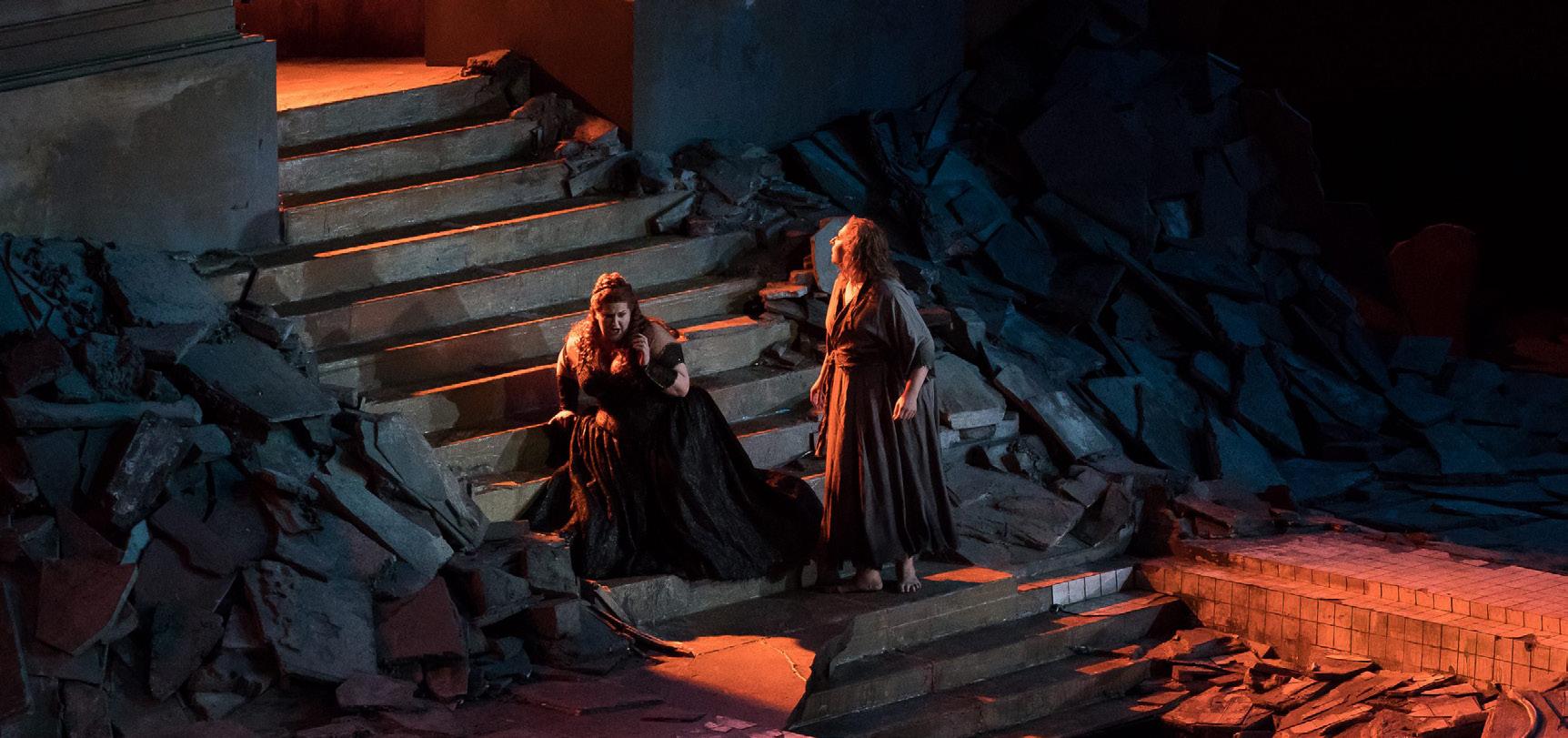
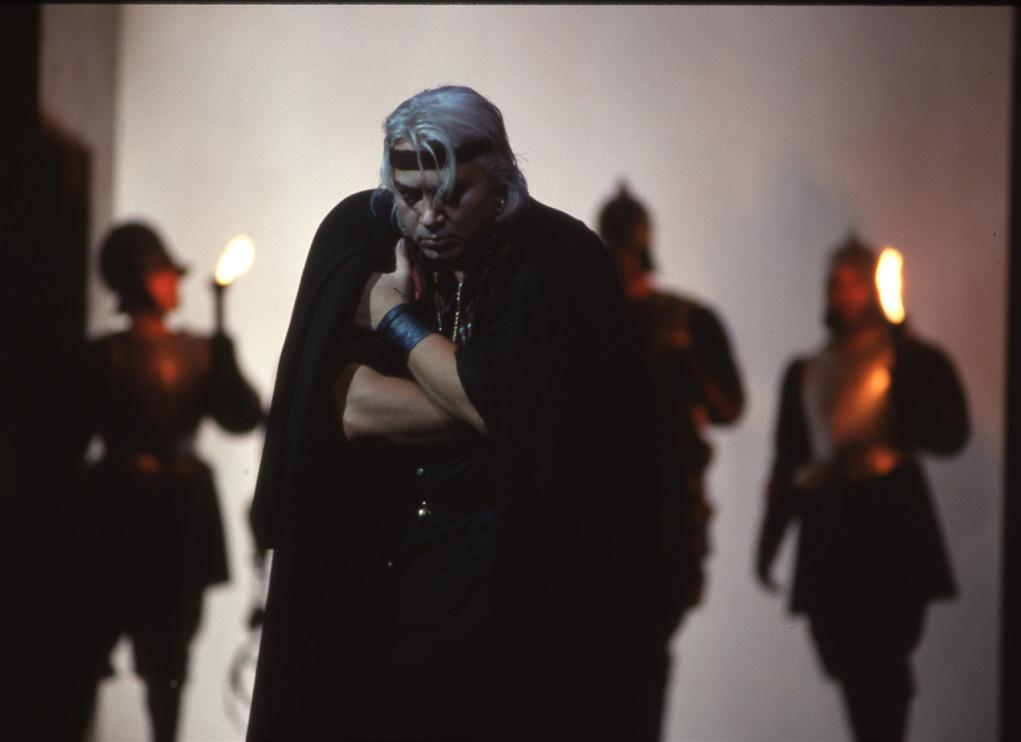
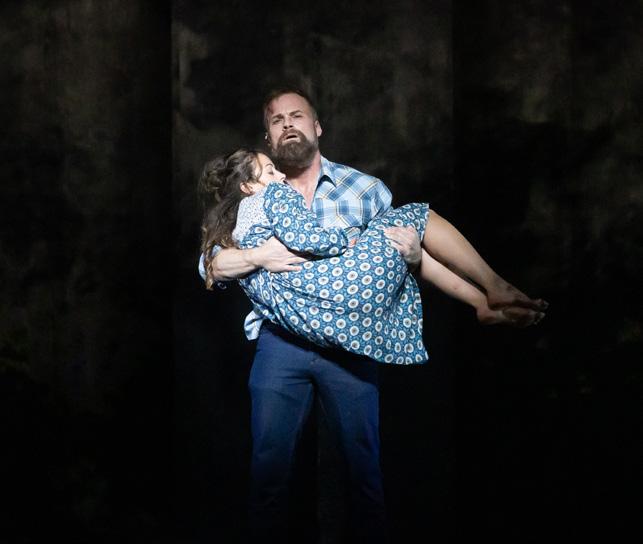
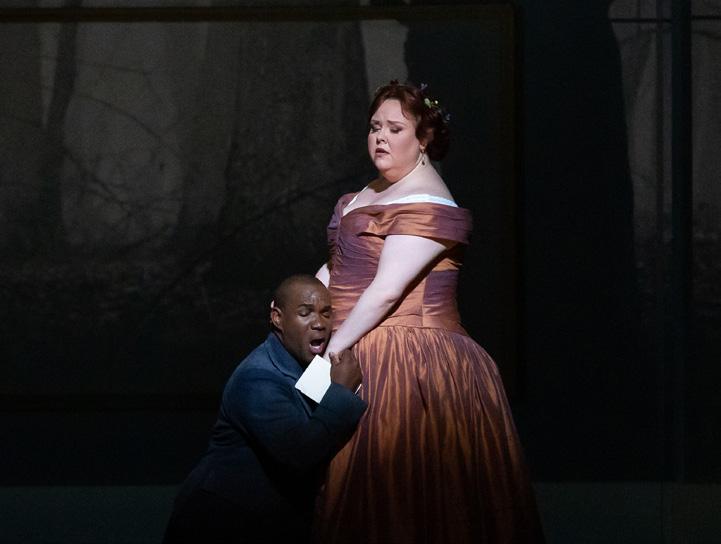
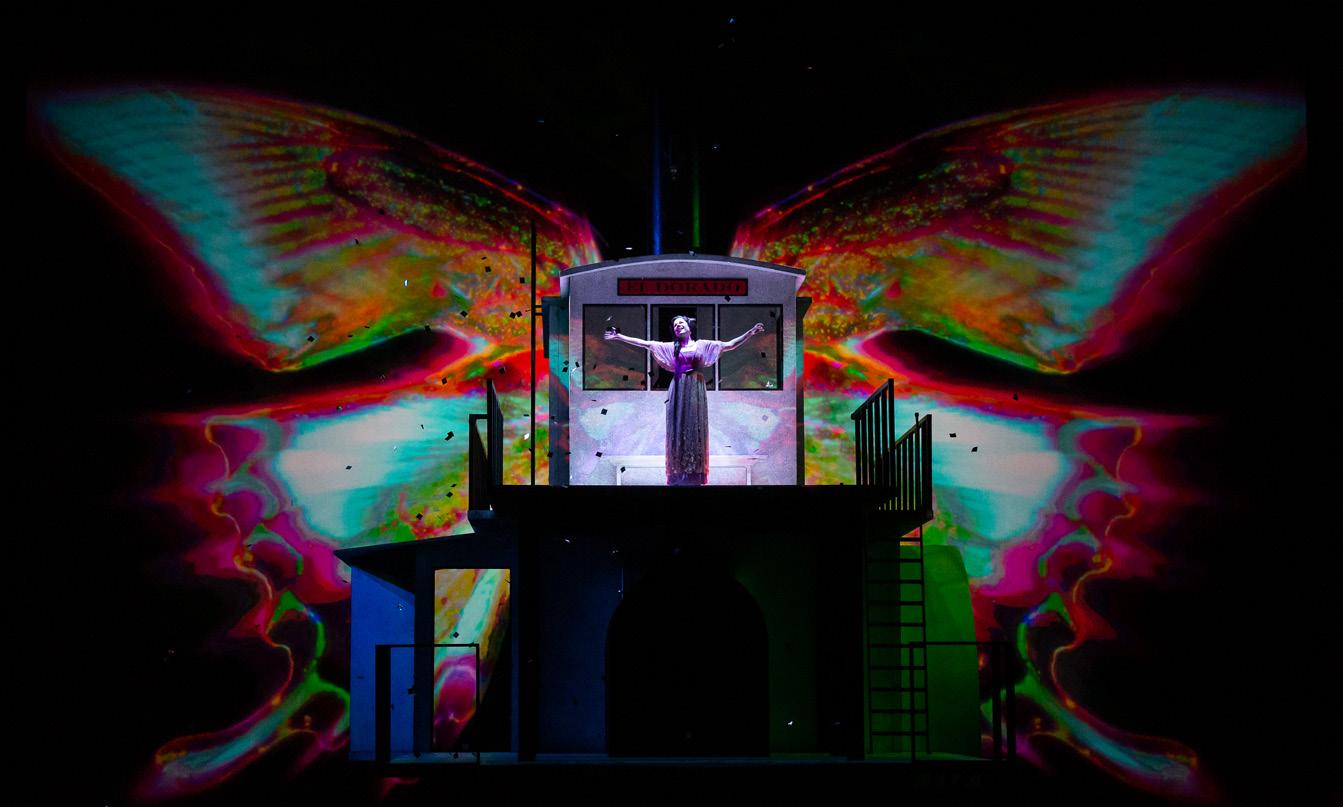
Thank you, Maestro Summers, for conducting these HGO productions and so many more!
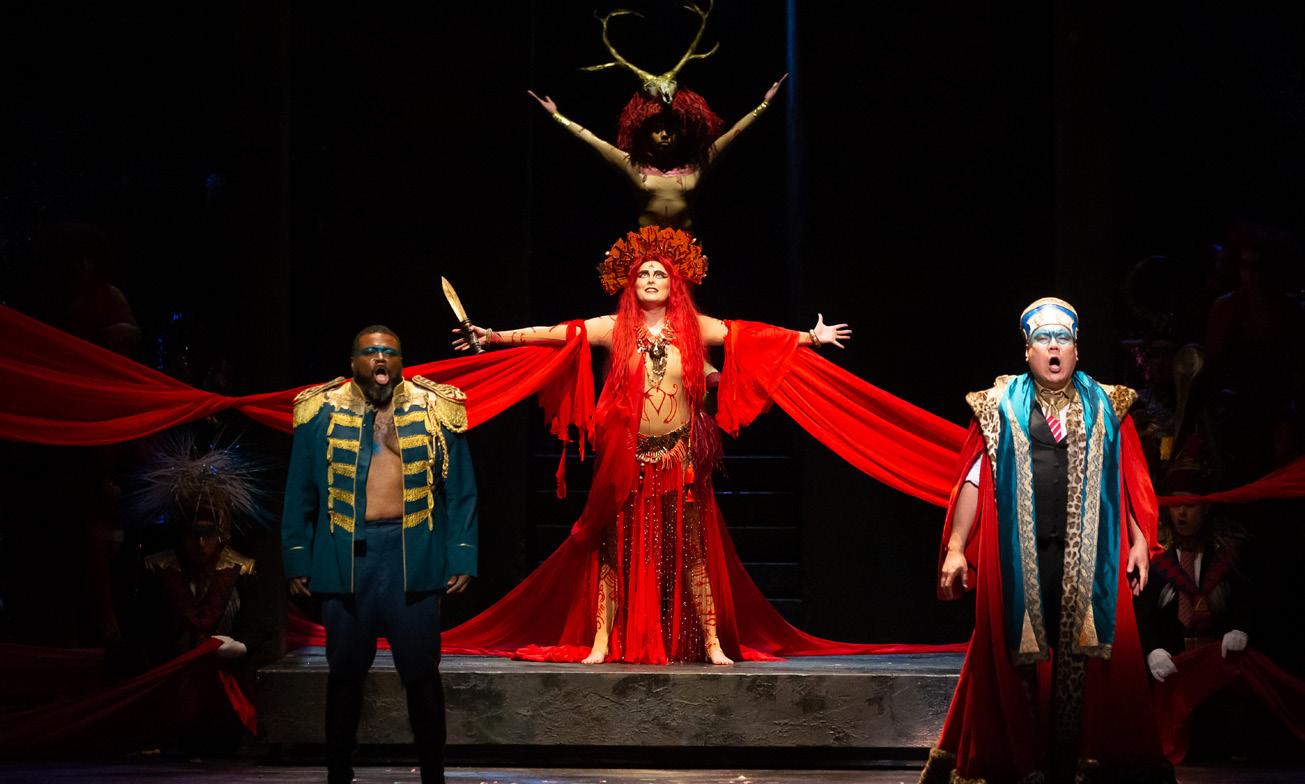
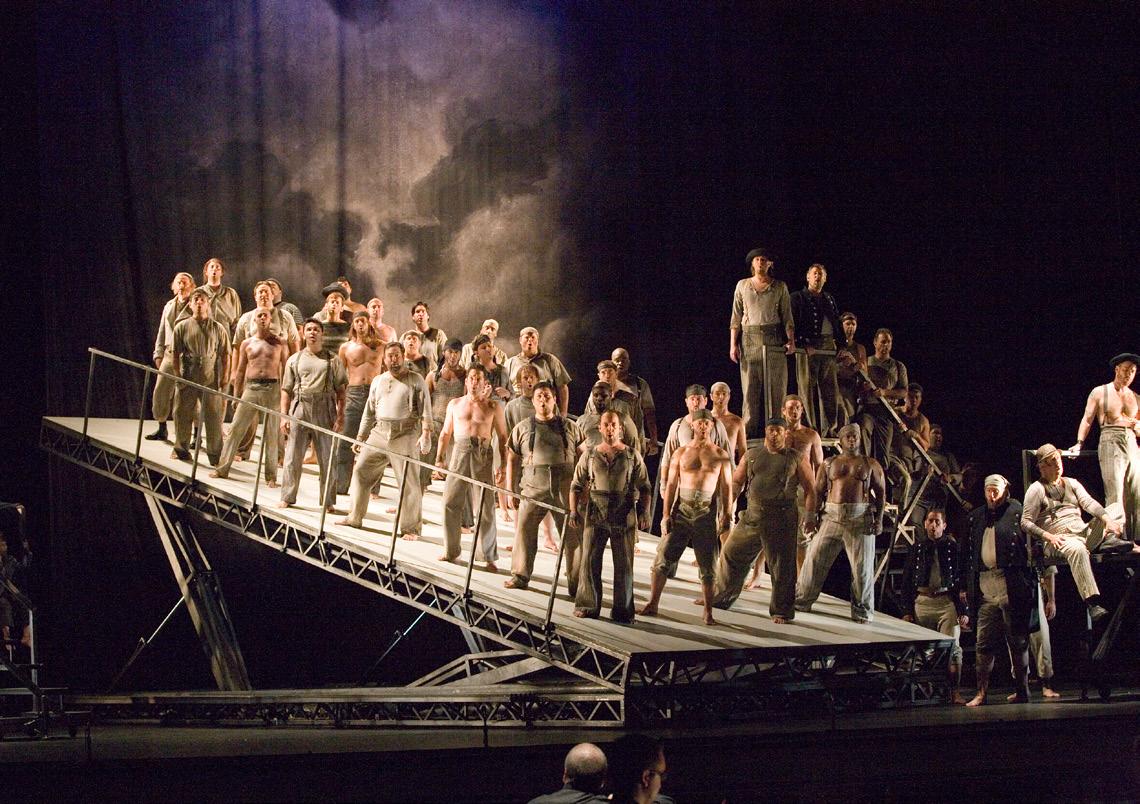
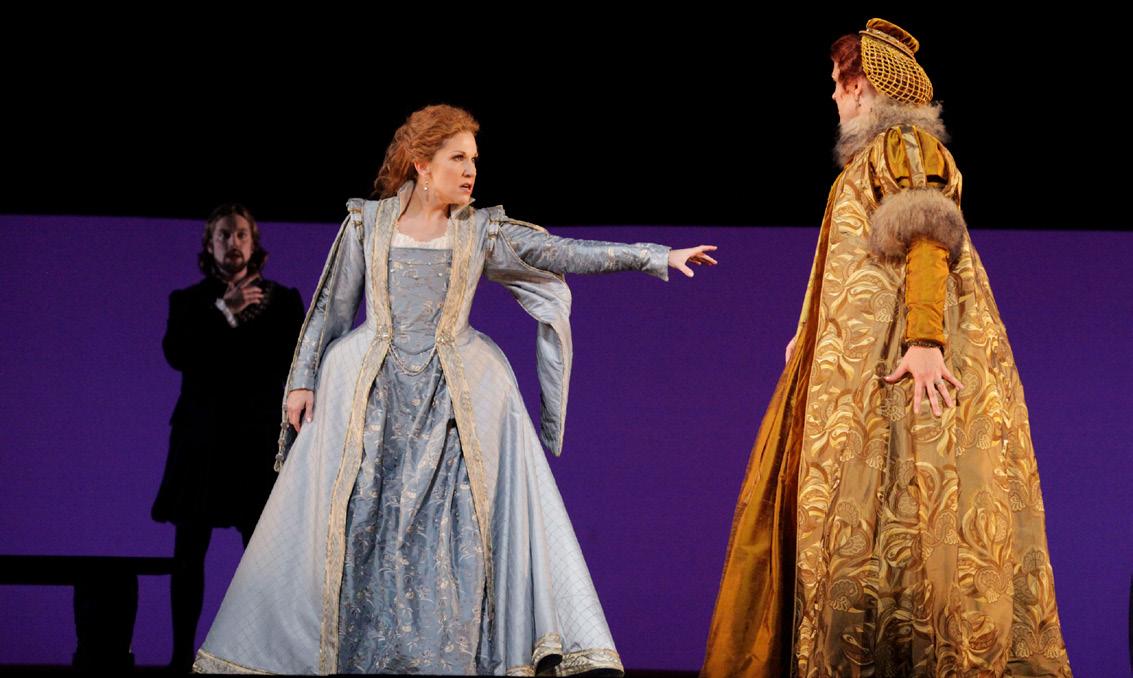
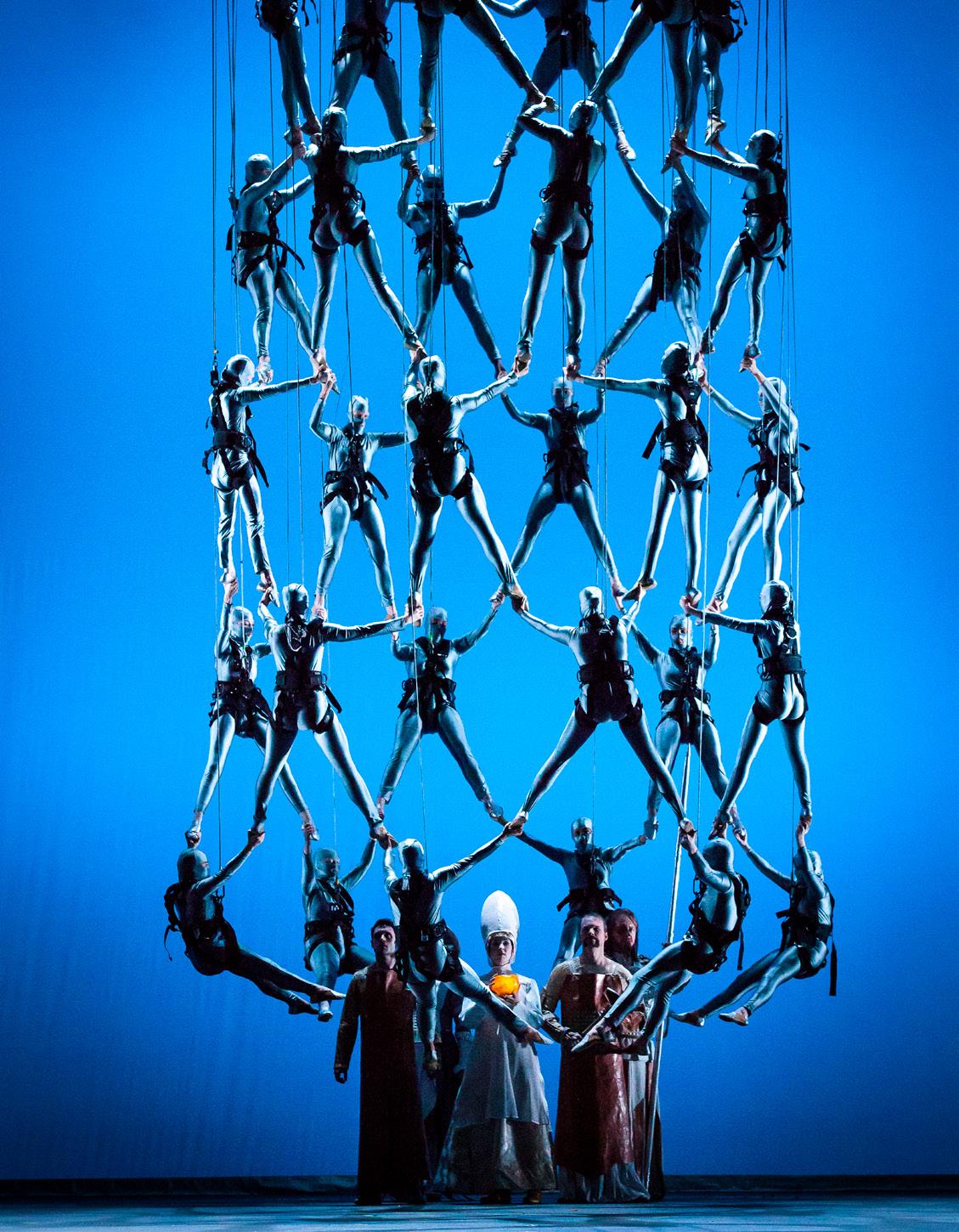
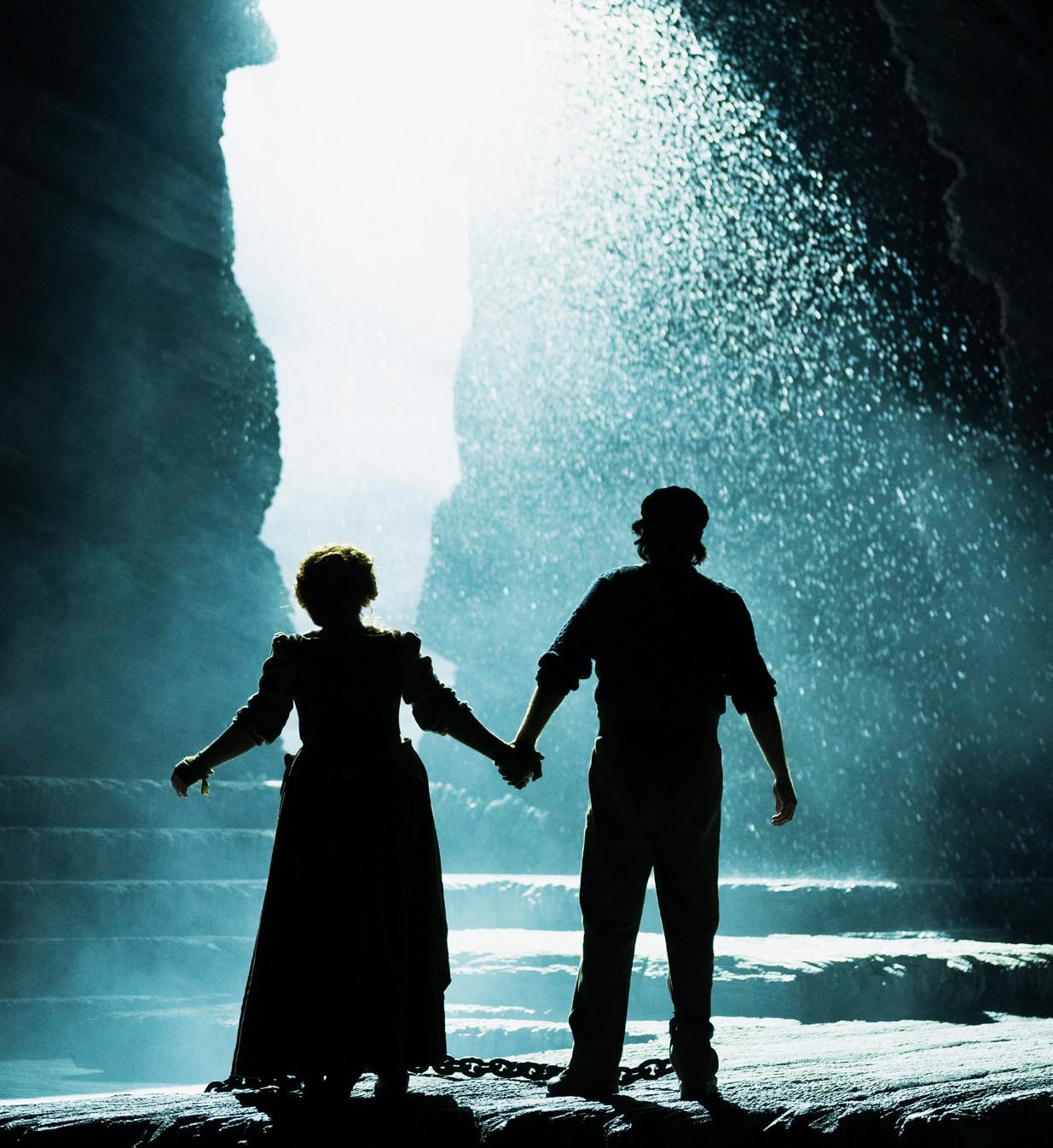
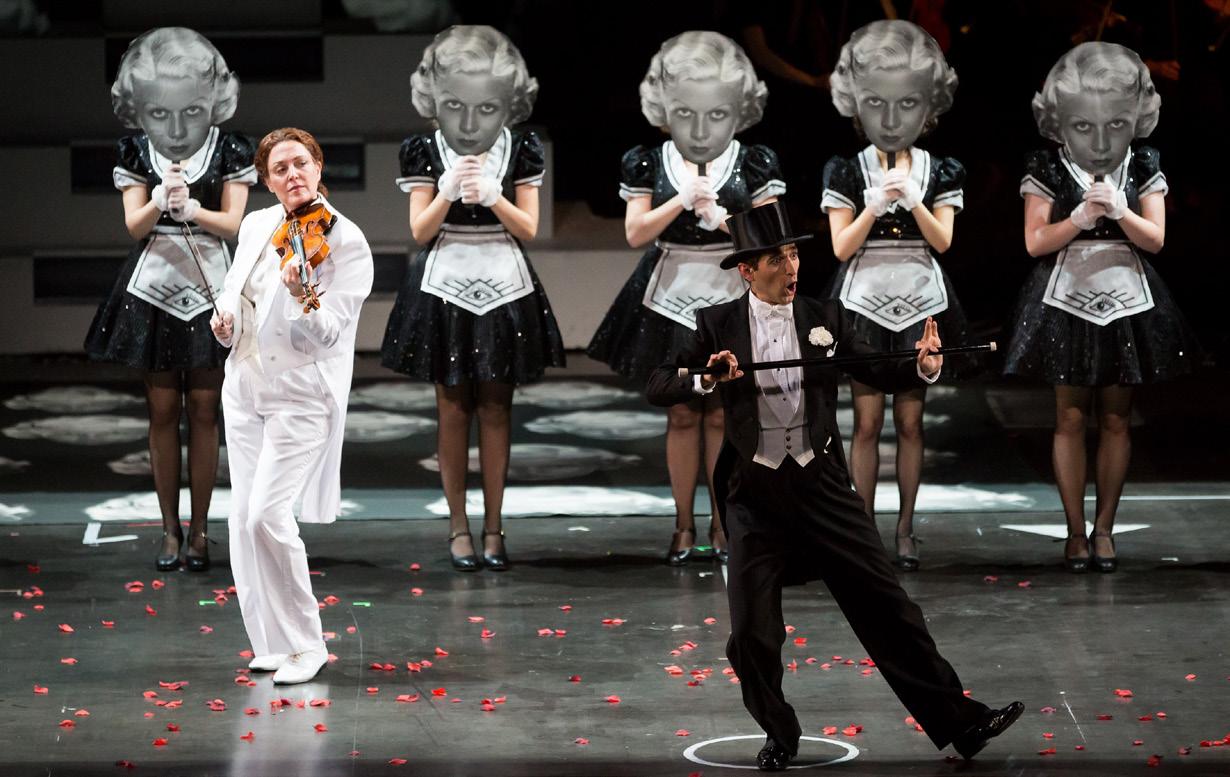
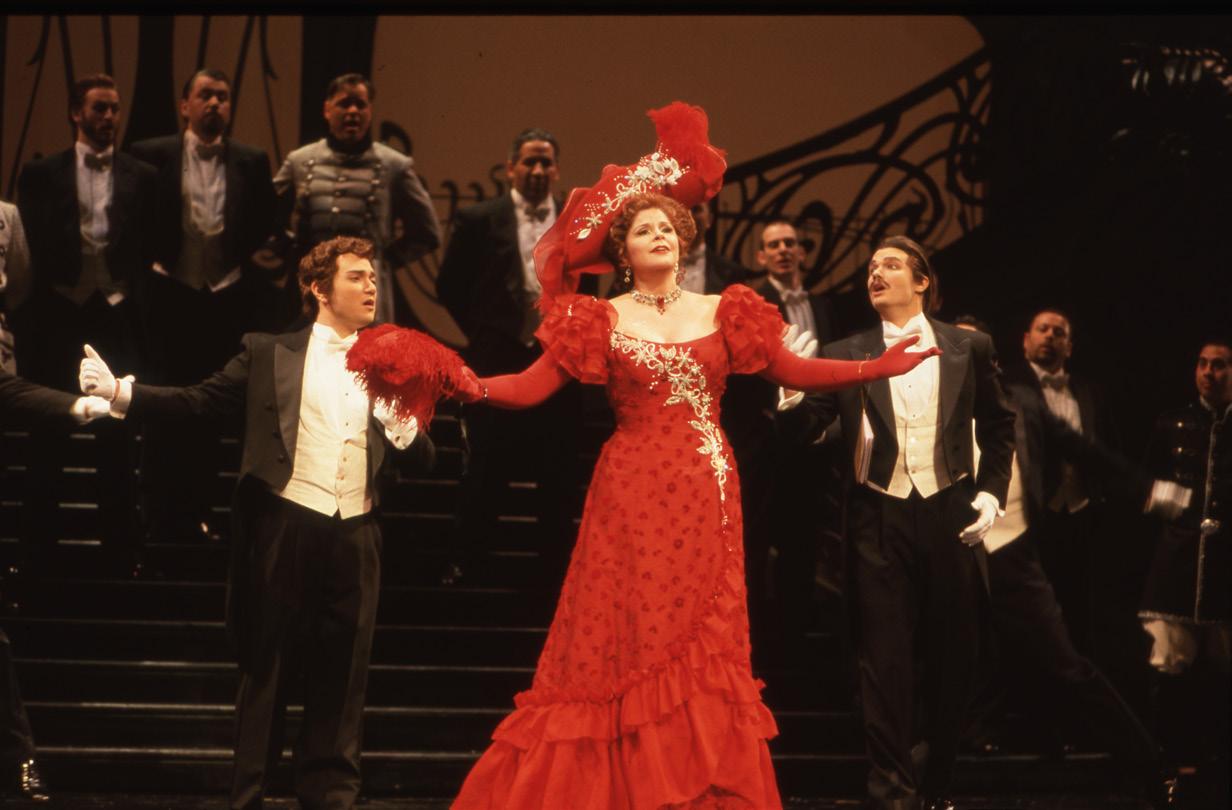
1. Bryn Terfel and Patricia Racette in Falstaff (2005); 2. Tamara Wilson and Christine Goerke in Elektra (2018); 3. Dmitri Hvorostovsky in Rigoletto (2001); 4. Ryan McKinny and Lauren Snouffer in Breaking the Waves (2025); 5. Lawrence Brownlee and Jamie Barton in La favorite (2020); 6. Ana María Martínez in Florencia en el Amazonas (2019); 7. Russell Thomas, Dorothy Gal, and Peixin Chen in Aida (2020); 8. HGO Chorus in Billy Budd (2008); 9. Sasha Cooke and Norman Reinhardt in The Wreckers (2022); 10. Robert Gleadow, Joyce DiDonato, and Katie Van Kooten in Mary Stuart (2012); 11. Denise Tarrant, concertmaster of the HGO Orchestra, and Anthony Roth Costanzo in Julius Caesar (2017); 12. Das Rheingold (2014); 13. Susan Graham in The Merry Widow (2003).

DONATE TODAY!
Ticket sales cover less than 20% of the cost of producing great opera. Your contributions make up the rest. Bring grand opera to families and students across Houston—give today.
Your gift to HGO gives you exclusive benefits like artist recitals, lecture series, and Green Room access.
For more information, visit HGO.org/ Donate. Please contact Tessa Larson, Associate Director of Individual Giving, at 713-546-0204 or TLarson@HGO.org.