

A CENTURY OF STORIES SIGNED WITH ONE SYMBOL


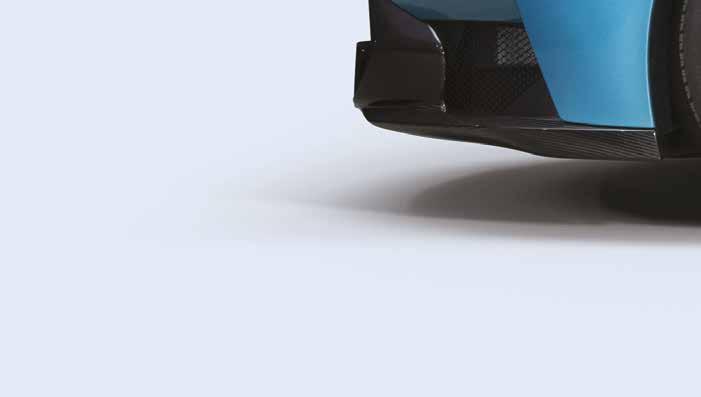
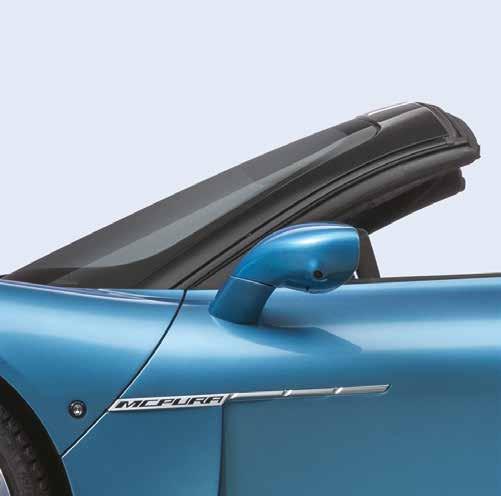


Maserati MCPura Cielo. Engine AWD V6, Acceleration 0−100 2.9 sec, 630 HP top speed>320 KM/H Torque 720 NM.





100 YEARS OF THE



TRIDENT
MASERATI MCPURA CIELO













































































FEATURES
Thirty Six Keep on Rocking
Hollywood A-lister Keanu Reeves is currently rocking out with his band. But where does he go from here?
Forty What Dries Van Noten Did Next
Why retired fashion great Dries Van Noten has turned a palace into a hub for his foundation.
Fourty Six
The Original Influencer
From overlooked artist in life to global brand in death, a new exhibition explores the enduring legacy of Frida Kahlo.
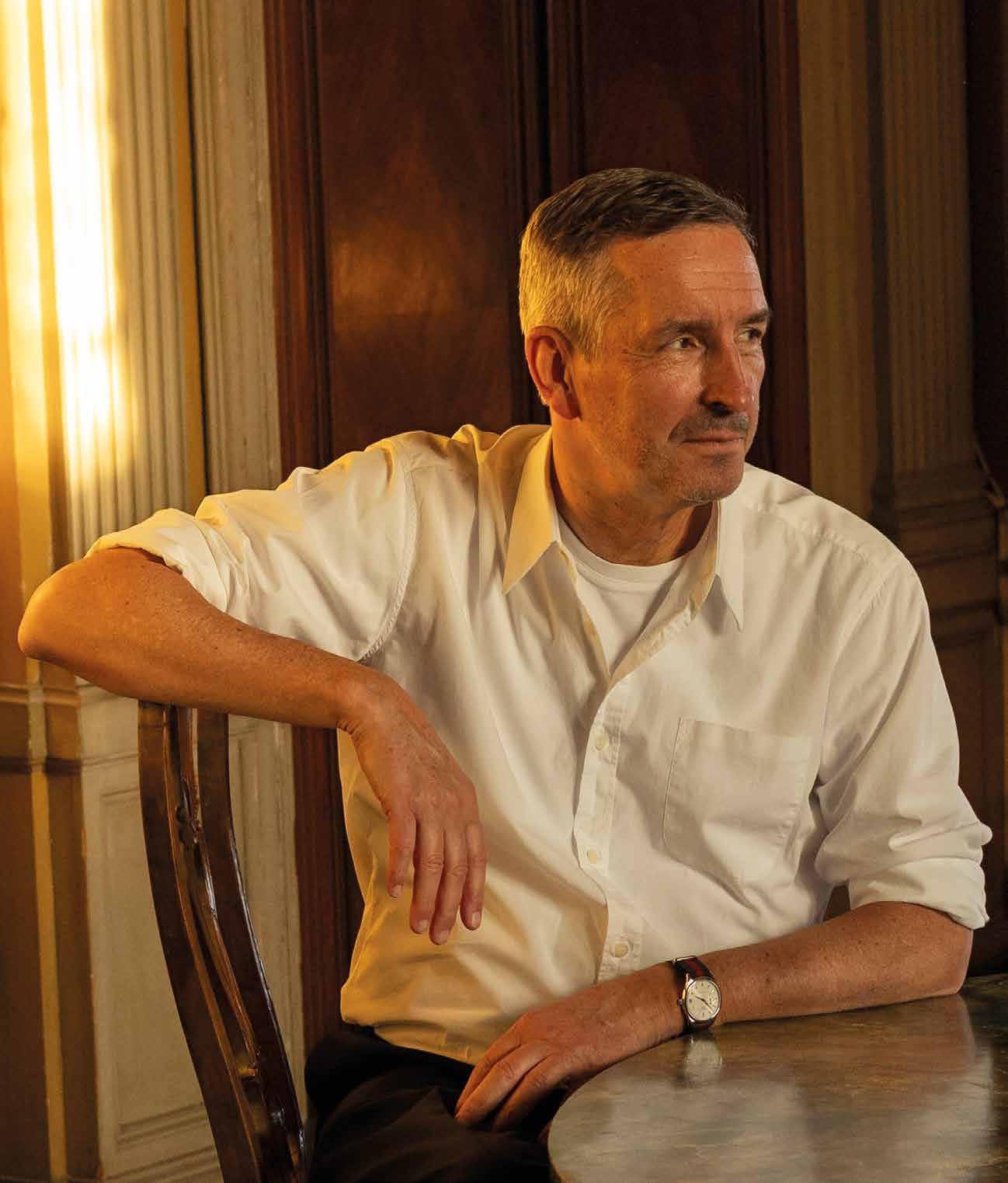
Credit: Camilla Glorioso


REGULARS
Eighteen RADAR
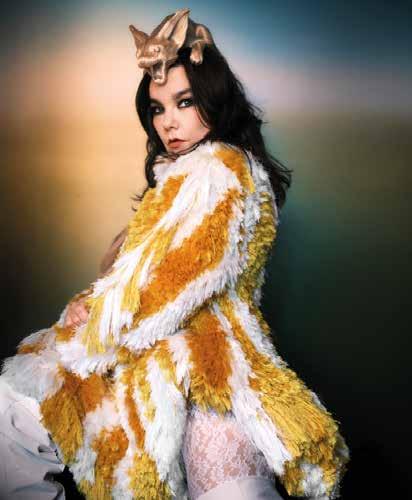
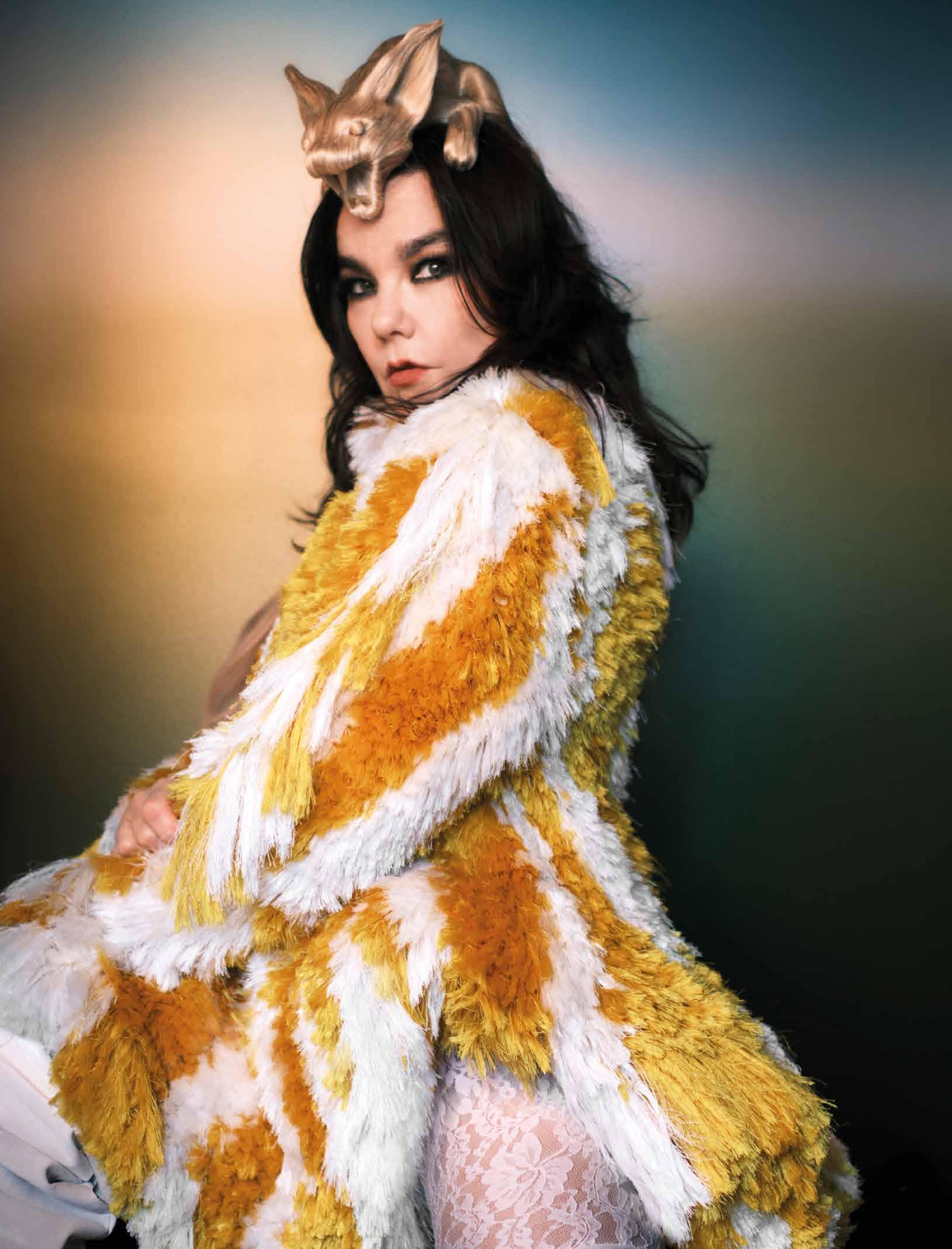
Musician, artist and innovator Björk is back with a new exhibition that continues to push at conventional boundaries.
Twenty OBJETCS OF DESIRE
The latest luxury items we’re currently coveting.
Twenty Two ART & DESIGN
Multimedia artist and award-winning filmmaker Charlotte Colbert aims to take us back to the magic of childhood.
Twenty Six JEWELLERY
How a devastating personal loss inspired Nada Ghazal to create a collection that celebrates joy.
Thirty Two TIMEPIECES
House of Brands’ CEO Georges Kern on the renaissance of Universal Genève.
Fifty Four MOTORING
The McLaren Artura drives up its power and performance levels to deliver an electrifying ride.
Fifty Eight GASTRONOMY
How Junghyun ‘JP’ Park’s innovative approach to Korean cuisine propelled his New York restaurant Atomix to global acclaim.
Sixty Two TRAVEL
Why a unique mix of speed, capability, comfort and style sets the Bombardier Global 8000 apart.
Sixty Four WHAT I KNOW NOW
Andrew M. Ramroop, OBE
Creative Director and Owner of Maurice Sedwell.



EDITORIAL
Editor-in-Chief & Co-owner
John Thatcher john@hotmedia.me
Managing Director & Co-owner
WELCOME ON BOARD
Artificial intelligence is rapidly transforming nearly every industry, including aviation. The global market for AI solutions used by luxury brands is projected to grow from about $1.2 billion in 2024 to roughly $5.6 billion by 2034, expanding at more than 16% annually. The luxury space, in which Jetex operates, may appear resistant to that change at first glance but the sector has long been defined by personal service and exclusivity rather than technological disruption. Yet behind the scenes we are increasingly experimenting with AI to reshape operations and client relationships. What makes us different, as always, is the way we do it.
I firmly believe in responsible innovation and humanfirst experience. Jetex’s approach to AI in luxury travel is not just about innovation. It’s about responsibility, sustainability and enhancing guest experiences. By integrating technology thoughtfully, we further solidify our position as market leader and digital transformation pioneer.
As always, thank you for choosing Jetex for your travels. We look forward to taking you higher in utmost comfort and luxury – and with complete peace of mind.
ABOUT JETEX
An award-winning global leader in executive aviation, Jetex is recognised for delivering flexible, best-in-class trip support solutions to customers worldwide. Jetex provides exceptional private terminals (FBOs), aircraft fuelling, ground handling and global trip planning. The company caters to both owners and operators of business jets for corporate, commercial and personal air travel.
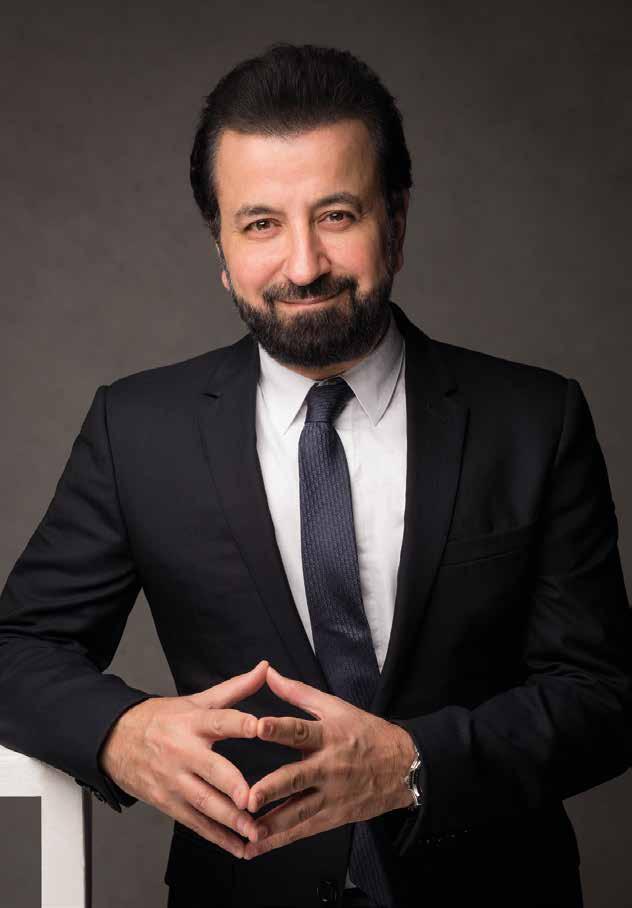
Adel Mardini Founder & Chief Executive Officer
Cover: Keanu Reeves by Brian Bowen Smith/ AUGUST


YOUR PRIVATE TERMINAL IN İSTANBUL














































Enjoy exclusive, fully personalized services designed for a seamless journey through iGA İstanbul Airport


















































































THE FUTURE OF LUXURY TRAVEL
Adel Mardini on how Jetex aims to implement AI
Jetex and many other luxury brands are not adopting AI all at once. Instead, the industry is evolving through several stages. The first phase focuses on operational improvements. Many brands are deploying AI behind the scenes to refine forecasting, optimise supply chains and analyse consumer trends. The next stage centers on customer experience. AI is increasingly powering hyper-personalised recommendations, predictive clienteling and virtual customer experiences that replicate private terminal service online.
Boston Consulting Group reported that 63% of luxury travellers think Al would be most helpful during the research phase. So, in response to that, Jetex was the first company in private aviation to launch a virtual guest experience to introduce firsttime private jet flyers to its universe. At the same time AI expands across luxury operations, physical experiences are becoming even more valuable.
Some luxury clients and brands worry that AI’s misapplication risks making high-end experiences feel robotic or transactional – 62% of research participants are saying that the biggest risk of AI is losing the human touch. In many ways, the analogue world has become a strategic advantage. Luxury brands that resisted fully digitising their customer experience are now finding renewed demand for
in-person interactions – and we see that at Jetex every day, globally. In my view, technology should handle the invisible aspects while humanity handles the memorable. This philosophy is visible in all of Jetex’s flagship private terminals – in Dubai, Abu Dhabi, Istanbul, Paris, Abidjan and others – that function as luxury experience destinations rather than traditional airports. We are investing in immersive spaces that combine art, hospitality and ultra-personalised services that are unique for every Jetex guest.
Luxury travel is also leaning into the concept of slow luxury, where digital disconnection becomes part of the experience. The luxury client does not want to see the AI. What they want is to engage with a human. Despite the technological transformation we see in our sector, I strongly believe the essence of luxury will remain rooted in human connection. The brands that succeed will be those that integrate technology intelligently.
Quality over quantity. For luxury brands, less is more, especially when it comes to technology. We embrace the philosophy of ‘quiet tech’ at Jetex, where the spotlight remains on experience rather than the technology itself, wiith technology working quietly behind the scenes to deliver experiences that ultimately feel more human. This is the brand DNA of Jetex’s guest service at all stages of travel.
‘In my view, technology should handle the invisible aspects while humanity handles the memorable’
Adel Mardini, Founder & CEO of Jetex



Ages 8 - 16






Musician, artist and innovator
Björk, whose work interweaves art, nature and technology and continues to push at conventional boundaries, brings together three large-scale audiovisual installations at The National Gallery of Iceland this summer, including theatrical representations of the songs Ancestress and Sorrowful Soil and a newly created installation drawn from Björk’s forthcoming body of work, offering an early glimpse into her next creative chapter. The exhibition, Echolalia, runs concurrently with Metamorphlings, which displays the work of her friend, long-time collaborator and co-creative director, James Merry, both shows taking over the entire museum.
Björk, Echolalia, The National Gallery of Iceland, till September 20, 2026
objects of desire
Set the tone as a true tastemaker with these coveted items
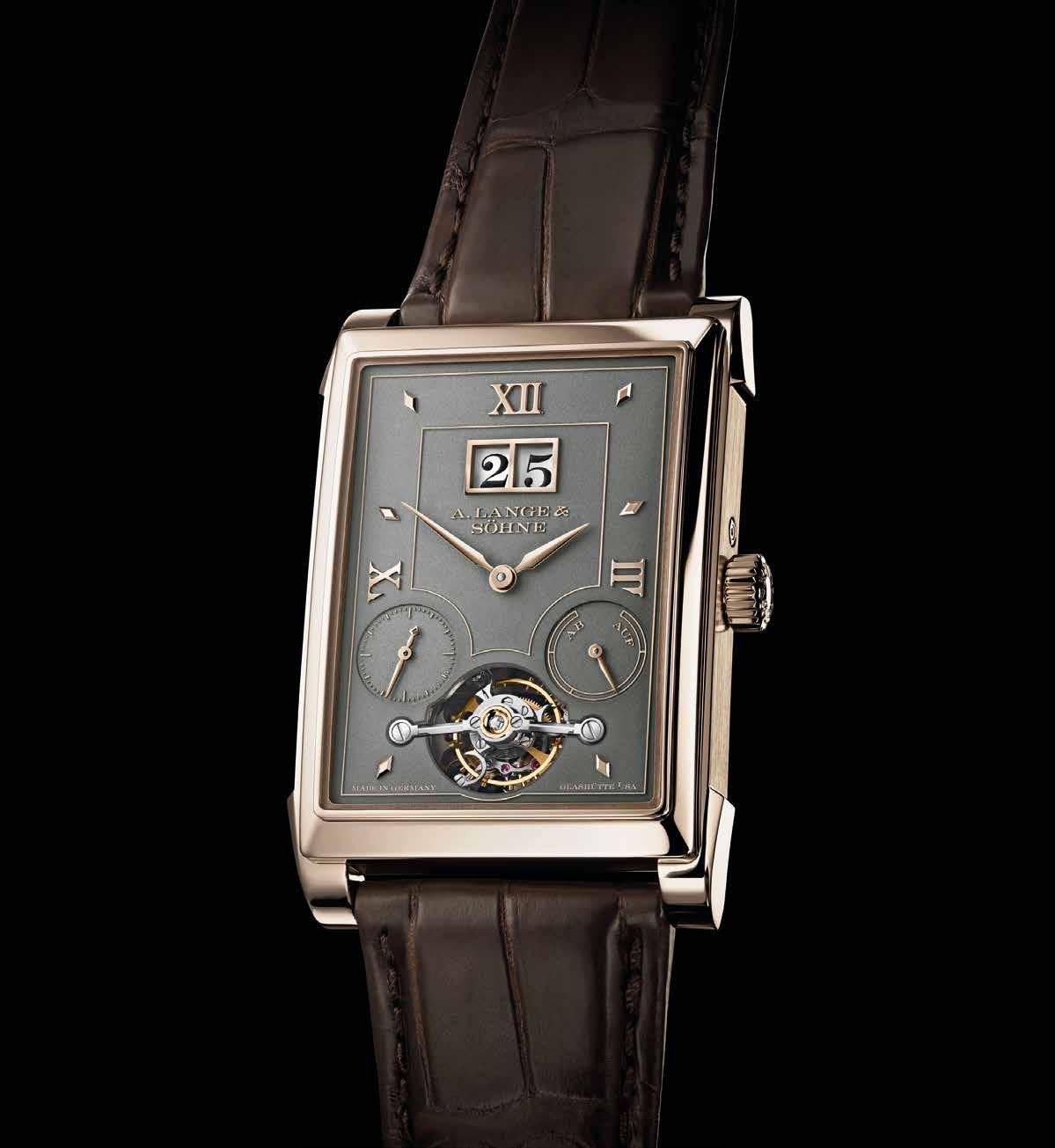
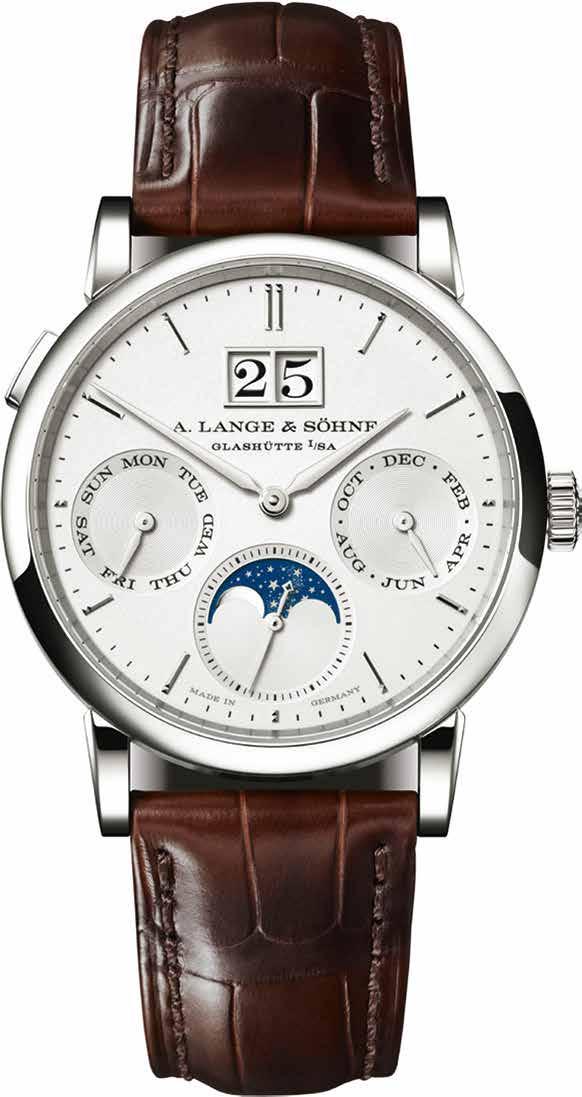
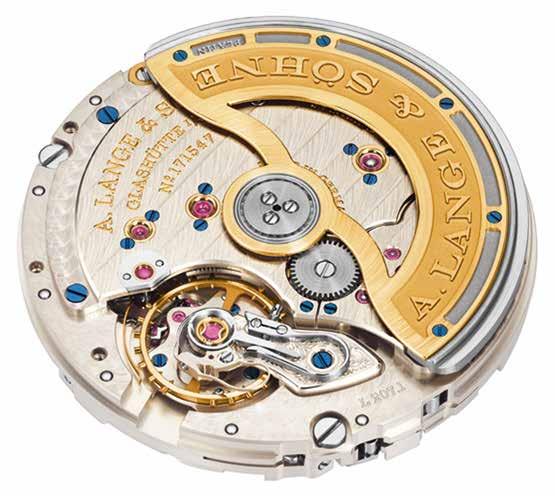
A. LANGE & SÖHNE
CABARET TOURBILLON HONEYGOLD
The distinctive Cabaret Tourbillon commands special status, not just inside A. Lange & Söhne but within the wider watch world – in 2008, it was this timepiece that introduced the world’s first stop seconds for the tourbillon. Reflective of such
standing, its latest iteration features a case and dial formed from 750 honey gold – A. Lange & Söhne’s exclusive gold alloy –with the three-part dial black-rhodiumed to offer a rich contrast and an aperture granting a view of the tourbillon.
26/06/2026 8:40 PM




Ten years on from Louis Vuitton and Marc Newson combining to launch the Horizon suitcase, the pair have reunited to produce the Horizon Aluminium, Vuitton’s debut aluminium suitcase and Newson’s latest must-have product. It’s not the first time LV has
used aluminium – at the tail end of the 19th century, the house used the lightweight metal to design trunks for explorers – but it is the first suitcase to be embossed with the brand’s Monogram motif and one defined by innovative engineering.
LOUIS VUITTON HORIZON ALUMINIUM
THE GUARDIAN
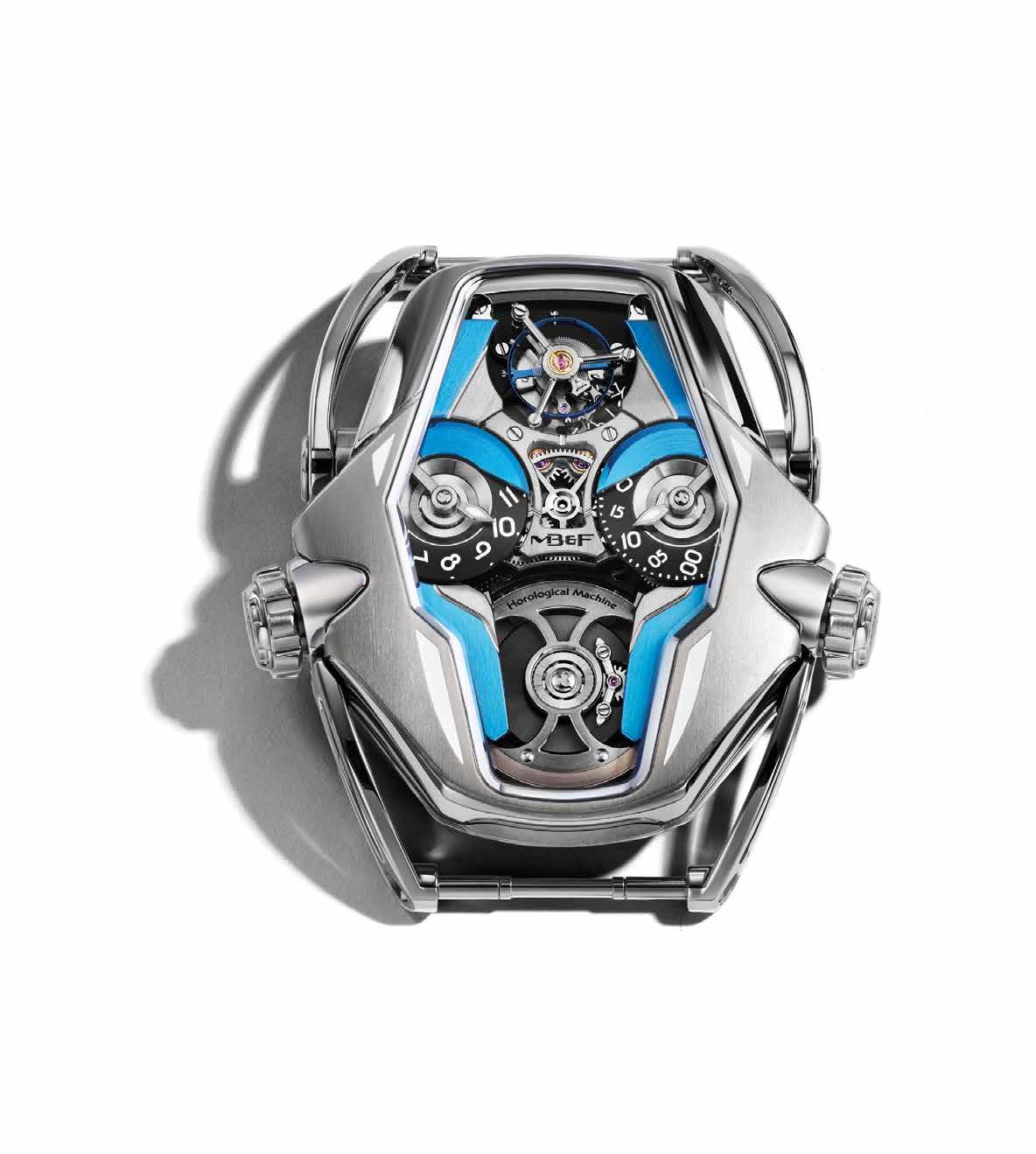
“Wouldn’t it be cool if a watch could be the head of a robot?” Such questions are commonplace at MB&F which, having decided that it would indeed be cool, set out to make it happen. The result is the complex HM12 wristwatch (flying tourbillon, double-
sided microrotor, jumping hours) which, when added to the body of a robot, becomes the Transformers-like The Guardian, standing proud at 38cm. Comprising nearly 1,500 components, only three limited editions of 12 pieces will ever be made.
26/06/2026 8:40 PM
MB&F
HM12

The first all-electric AMG GT 4-Door Coupé not only offers blistering pace, accelerating from 0-100 km/h in a flat 2.1 seconds and from 0-200 km/h in just 6.4 seconds, but it also charges at serious speed, adding an impressive 460 kilometres of range in a mere 10
minutes – goodbye range rage. Those incredible numbers come courtesy of a newly developed high-performance electric battery, which is inspired by Formula 1 and draws on experience gleaned from the Mercedes-AMG ONE hypercar.
MERCEDES AMG GT 4-DOOR COUPÉ


A collection made up of an extraordinary 141 creations, Diorissima sees Victoire de Castellane, Artistic Director of Dior Jewellery, tap into Christian Dior’s love of the planet’s rich diversity, drawing inspiration from the land, sea and sky to deliver a vision brought to life through the ‘doublet’ technique, for which one thin stone is layered atop another to bring out subtly hued gradations. This spectacular Diorissima Glycines necklace is crafted from pink gold, diamonds, pink sapphires, pink rubies and pink spinels.
DIOR
DIORISSIMA HIGH JEWELLERY
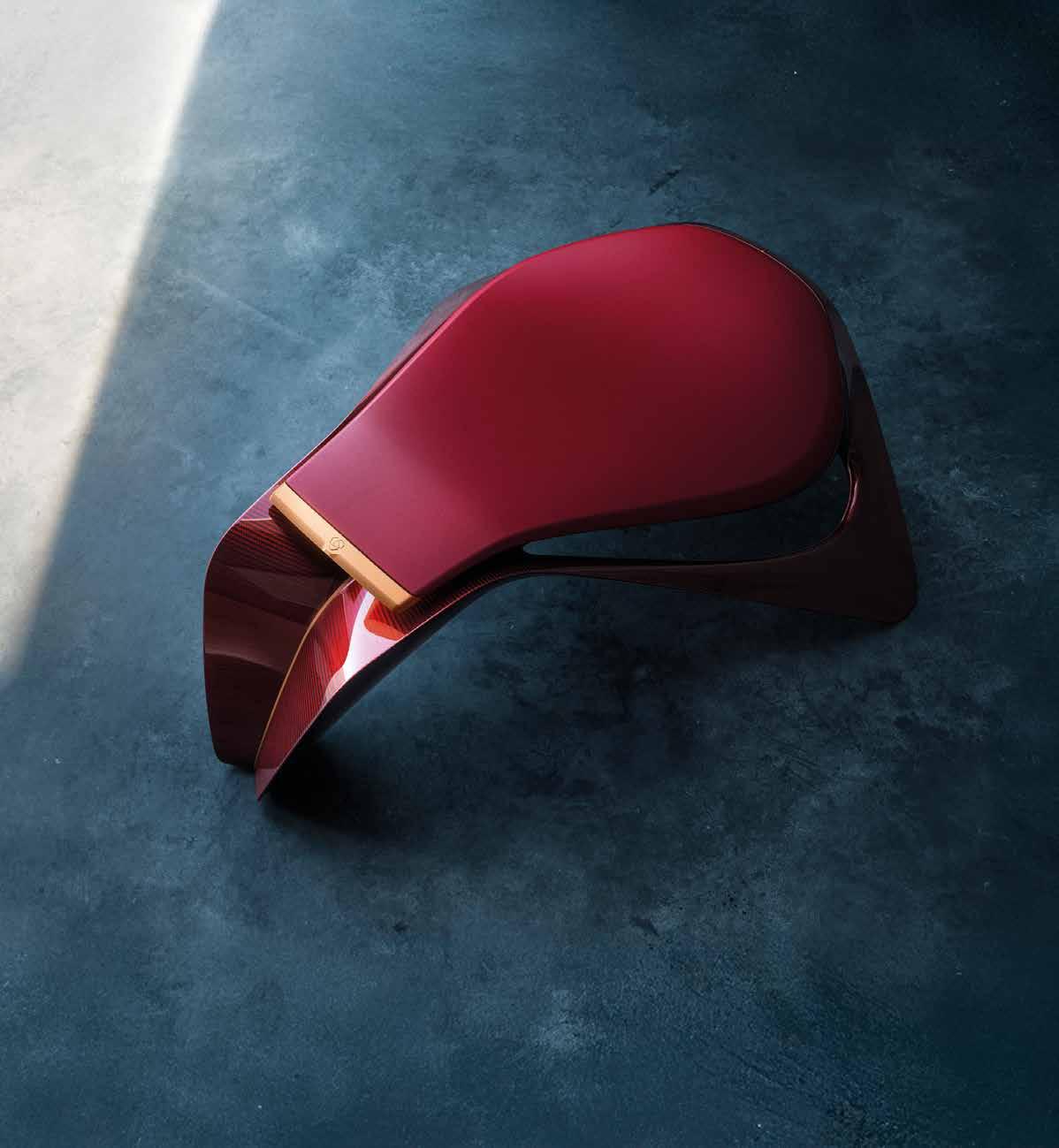
ELEMENT 01
Before turning their hands to crafting functional art, Ennua founders João Dias and Patrick Carton spent a chunk of time designing supercars at McLaren, a fact that’s noticeable in their debut piece, Element 01.
“We realised there was an opportunity to
create pieces that carried the same emotional impact, precision, and presence as the cars we had spent our careers shaping,” said João Dias. Limited to just 199 individually numbered pieces worldwide, each is conceived as a collectible.
ENNUA

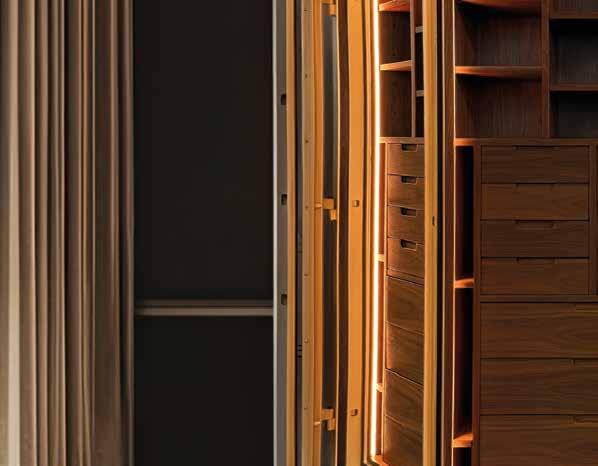



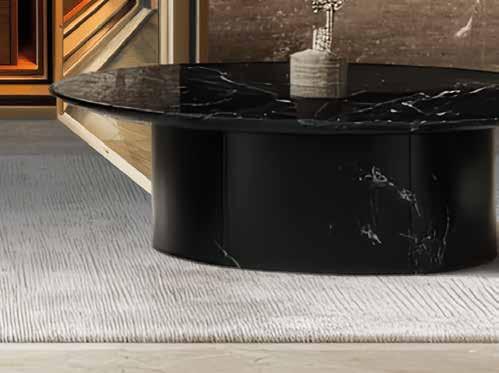
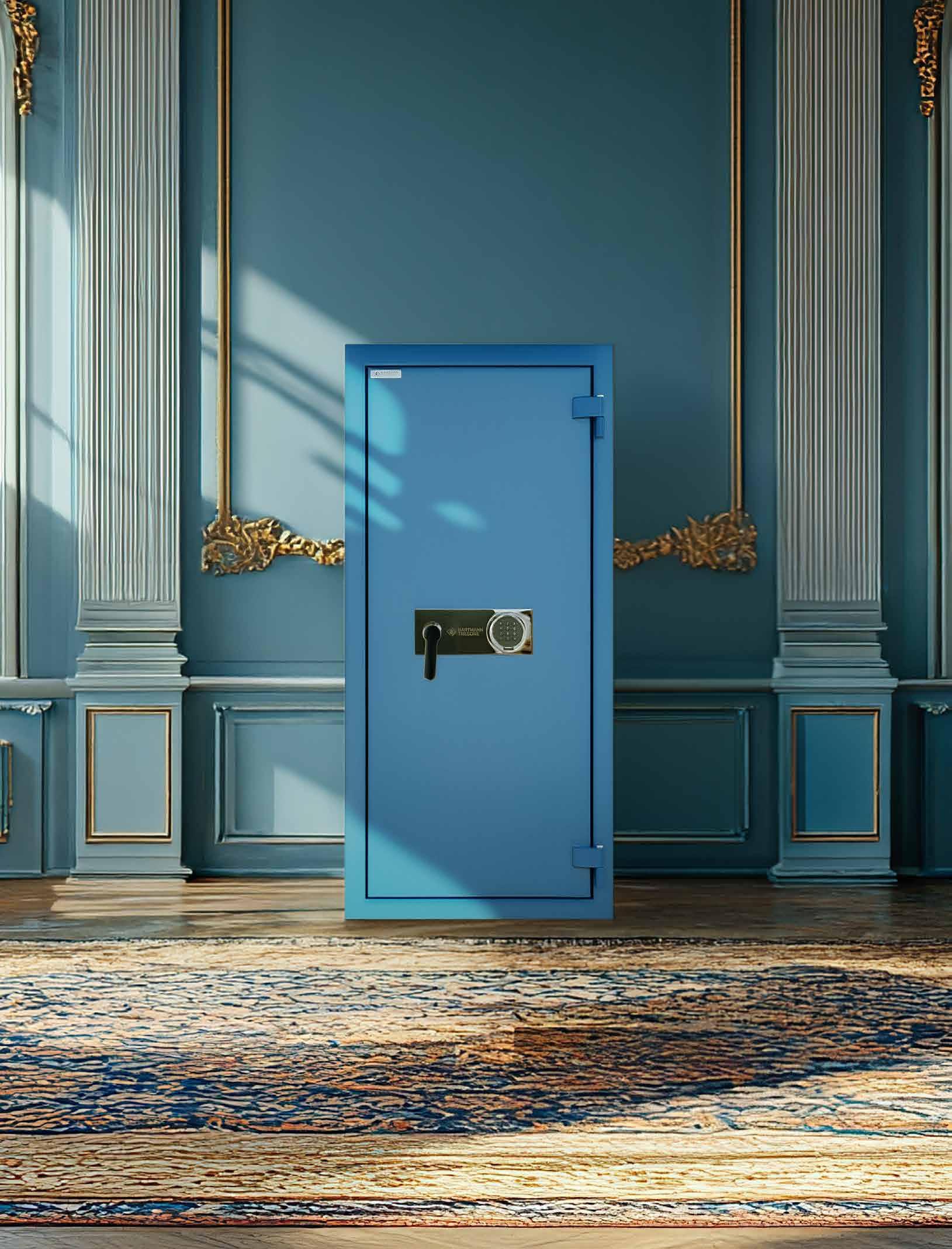
A Hartmann Tresore signature safe is not only a serious piece of genuinely certified high security that protects valuables in a functional manner – watch winders and custom jewellery drawers can be fitted, while other compartments can be specifically designed to hold such luxuries as fine art
– but it also serves as a bespoke piece of fine furniture. The Claude Signature Safe features double mirror-backed doors with a 180° opening – excellent for accessibility and display – genuine walnut joinery, a hallmark of luxury furniture, and 12 microfibre-lined drawers.
HARTMANN TRESORE THE CLAUDE SIGNATURE SAFE
what we imagine today becomes tomorrow’s reality
Multimedia artist and awardwinning filmmaker Charlotte Colbert aims to take us back to the magic of childhood
WORDS: CARU SANDERS
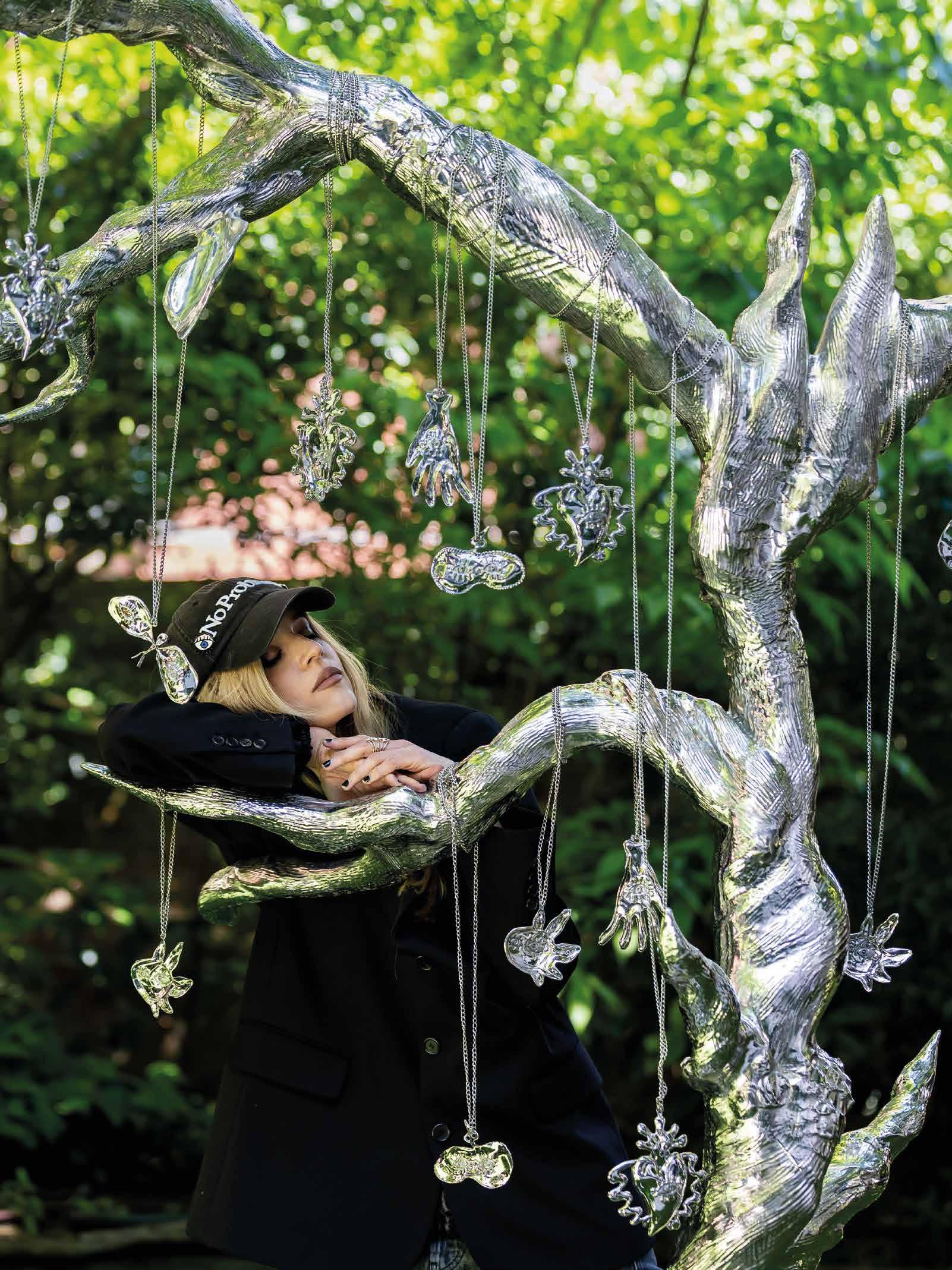
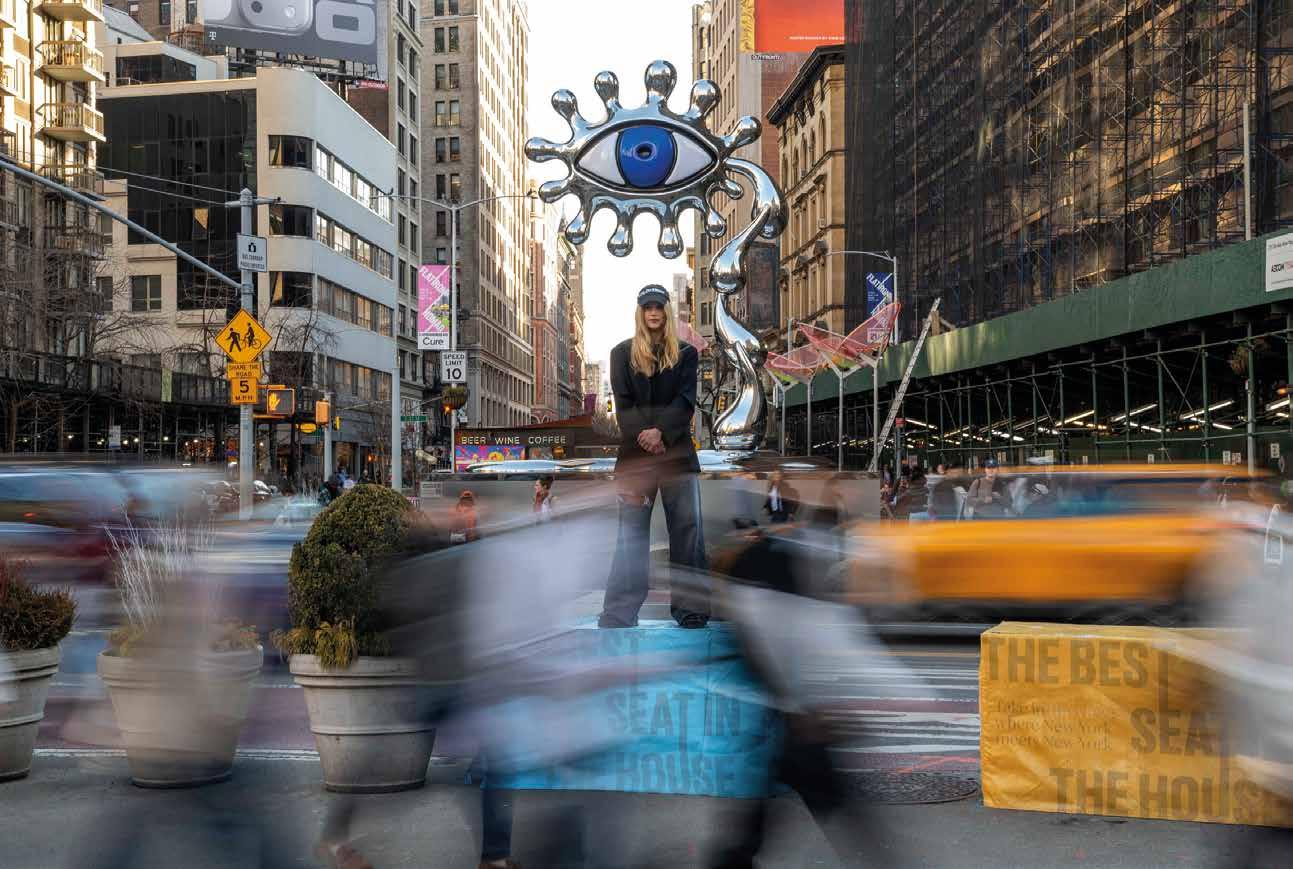
“Iam obsessed with narratives and stories,” says multimedia artist and filmmaker Charlotte Colbert, who this month follows up her recent highly acclaimed projects in New York and Venice with an immersive exhibition in London that continues her ongoing exploration of the subconscious and folklore. “We are the stories we tell our children, the stories we tell ourselves as a society and as individuals,” says Colbert. “Everything around us was imagined by someone before: our clothes, our buildings, our political systems. What we imagine today becomes tomorrow’s reality. Collective imagination is hugely powerful and, sometimes, the more impossible it seems to reimagine our future the more essential it becomes.”
Set within the ornate interiors of The Fitzrovia Chapel, Supernatural Tendencies unfolds as a multisensory environment where sculpture, sound and symbolism converge. Enhancing the exhibition’s immersive atmosphere is a bespoke soundscape created in collaboration with acclaimed musician Birdy. A limited-edition vinyl release will be available
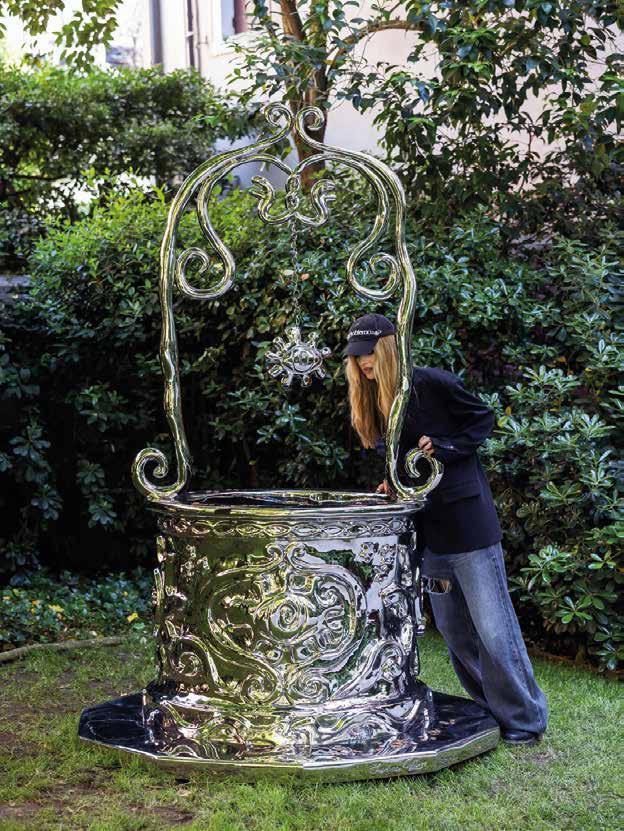
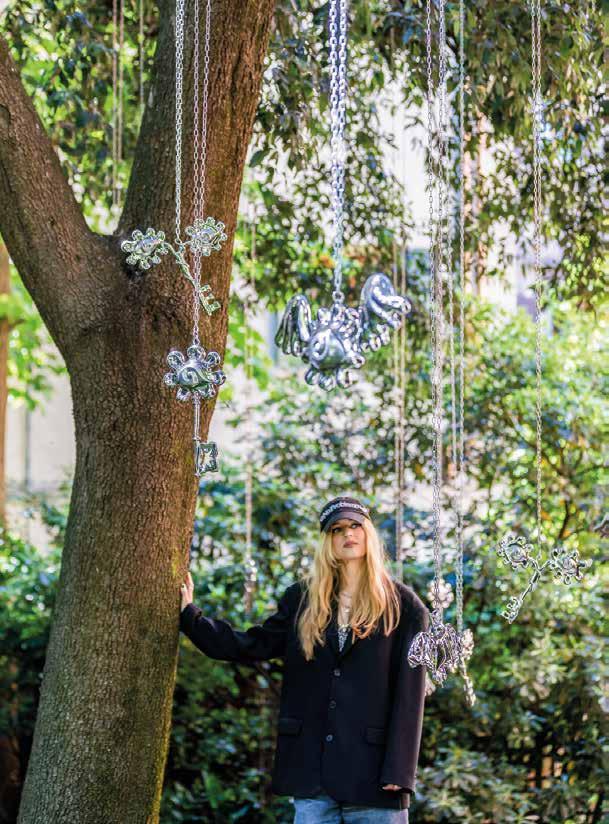
during the exhibition, with proceeds supporting Effective Altruism Funds. Colbert’s surrealist sculptures dissolve the boundaries between reality, mythology and dream. Oversized eyes, wishing wells and silver trees of dreams evoke the archetypes of childhood, inviting viewers to encounter the world anew through imagination, possibility and reinvention. With Supernatural Tendencies, Colbert invites audiences into a liminal world where reality, fantasy and ritual collide.
“Charlotte Colbert sculpts in time, creating portals where one can drop back into the magic of childhood: where fairytales are all possible and beauty is everlasting,” enthuses the exhibition’s curator, Svetlana Marish.
Throughout her practice, Colbert has explored themes of dreams, memory, mythology, femininity and the unconscious. Her works feel less like static objects than fragments of an unfolding dream narrative – psychologically charged spaces suspended somewhere between a fairy tale and a hallucination. At the centre of the exhibition is ‘Where
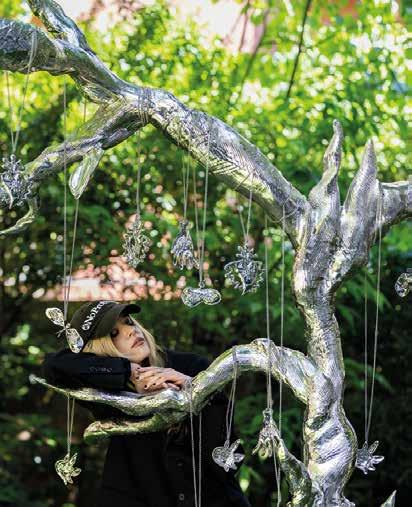
Angels Live’, a monumental stainlesssteel sculpture that anchors the chapel with both grandeur and intimacy. A reflective tree adorned with votive objects, the work draws inspiration from Colbert’s travels through Mexico and her pilgrimage along the Camino de Santiago. Ritual and symbolism have long occupied a central role in her visual language, becoming here a meditation on belief, devotion and humanity’s enduring search for meaning. Meanwhile, the titular wishing well-shaped sculpture, ‘Supernatural Tendencies’, functions as a ‘liminal’ focal point – a symbolic threshold between worlds that connects the surrounding works.
Other works, such as ‘Curiouser and Curiouser’, a throne-like chair structured to hold books, invite us to a shared experience of reading. Each piece reflects Colbert’s ongoing fascination with storytelling and the unseen forces that shape human perception.
“Collective imagination is the basis of the structures we live in,” Colbert says. “We can’t let those be taken away from us. We have to imagine our own
Mercedes-Maybach S-Class
Welcome to Beyond
After receiving the most comprehensive update in its storied history, the new Mercedes-Maybach S-Class has been elevated to deliver an unparalleled driving experience. In the year that Mercedes-Benz marks 140 years since Carl Benz’s invention of the automobile, the marque’s pioneering spirit and pursuit of excellence endure, resulting in a car that is the perfect combination of cutting-edge technology, exceptional comfort, exclusivity and pure elegance.
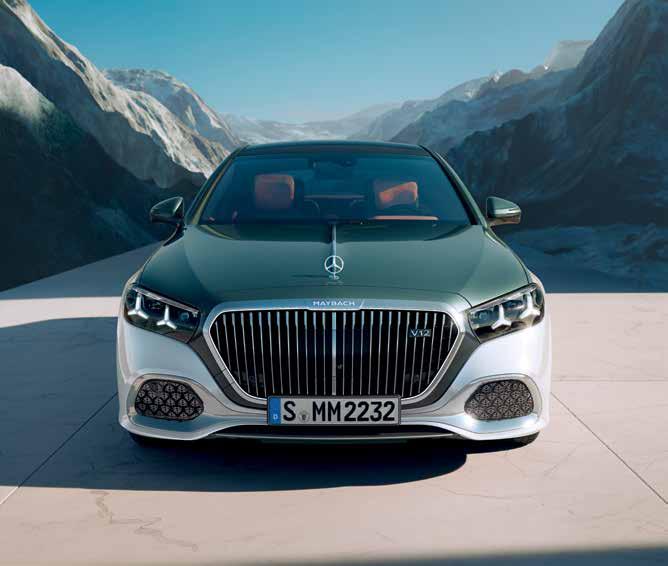

The Mercedes-Maybach S-Class is a commanding expression of status, a beautifully sculpted masterpiece rich in exquisite exterior details and unmistakable in its iconic two-tone paint, the pairing created from more than 150 colour options and myriad finishes.
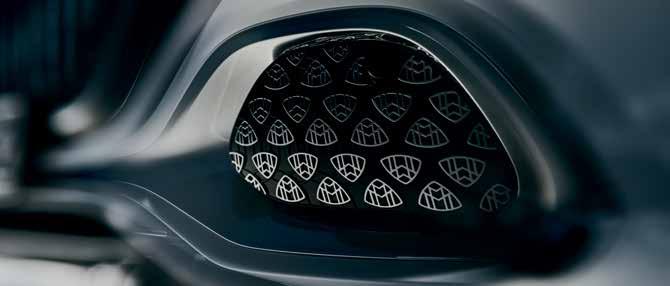
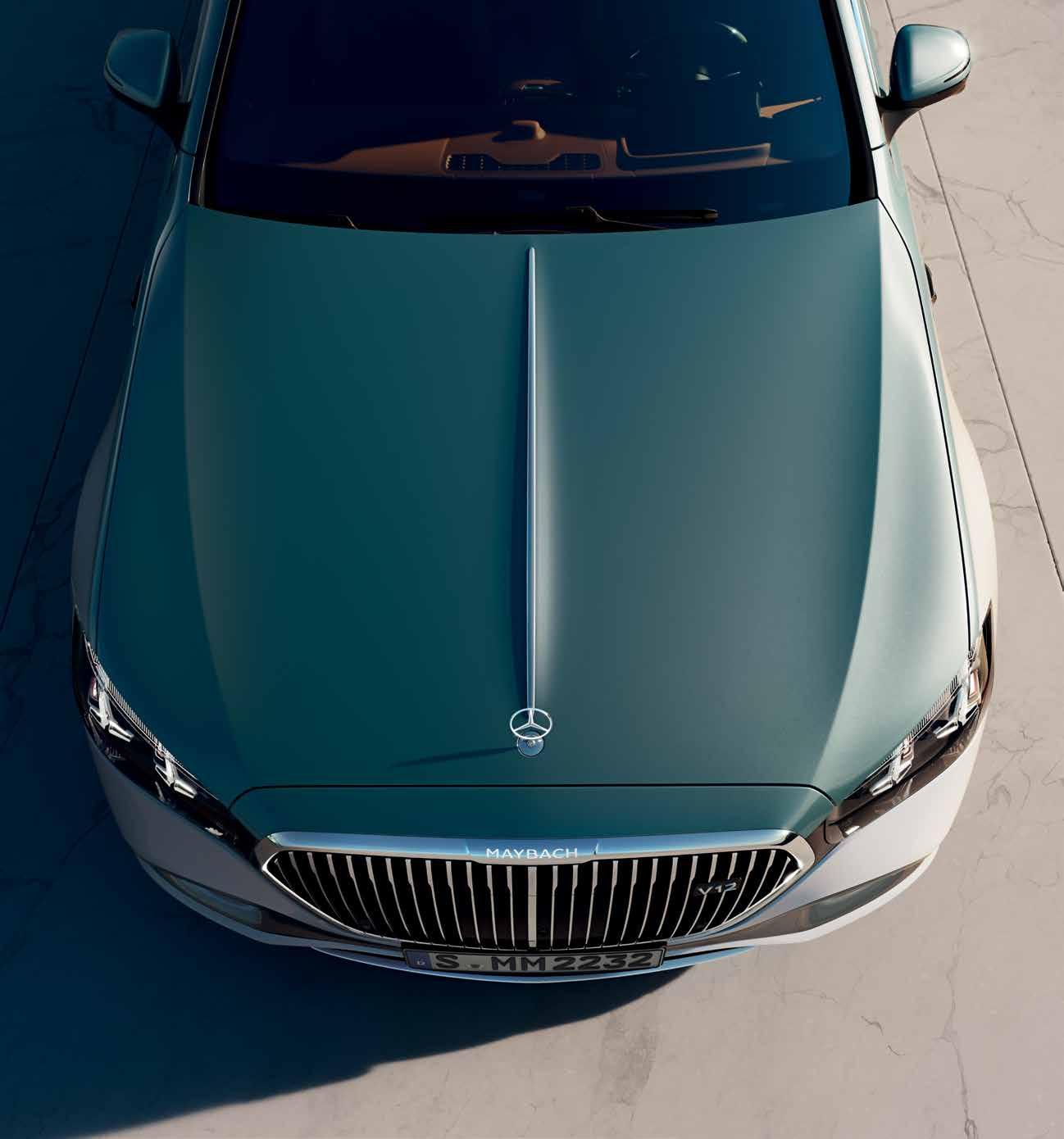
As a car that deserves to command the spotlight, a larger Maybach grille now basks in a luminous surround, along with the Maybach emblem on the C‑pillar and the upright Mercedes Benz star on the bonnet

The double‑star headlamps are accentuated by touches of rose gold
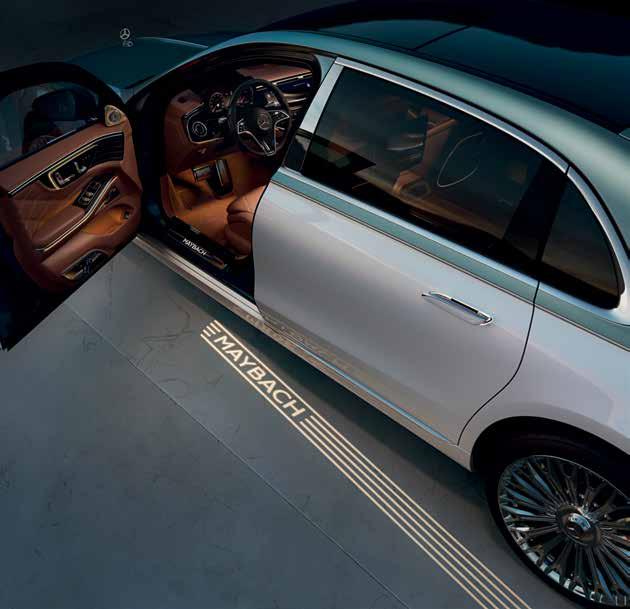
A discreet projector integrated into the side sills casts a Maybach wordmark onto the ground

New 21" Maybach multi spoke forged wheels feature a new upright star that — thanks to a refined ball‑bearing mechanism — remains still as the wheels rotate
While new electrified eight- and six-cylinder engines deliver a powerful performance, the feeling from the driver’s seat of the Mercedes-Maybach S-Class is one of absolute serenity, cocooned in a supremely spacious and calm environment where timeless craftsmanship meets modern sophistication.

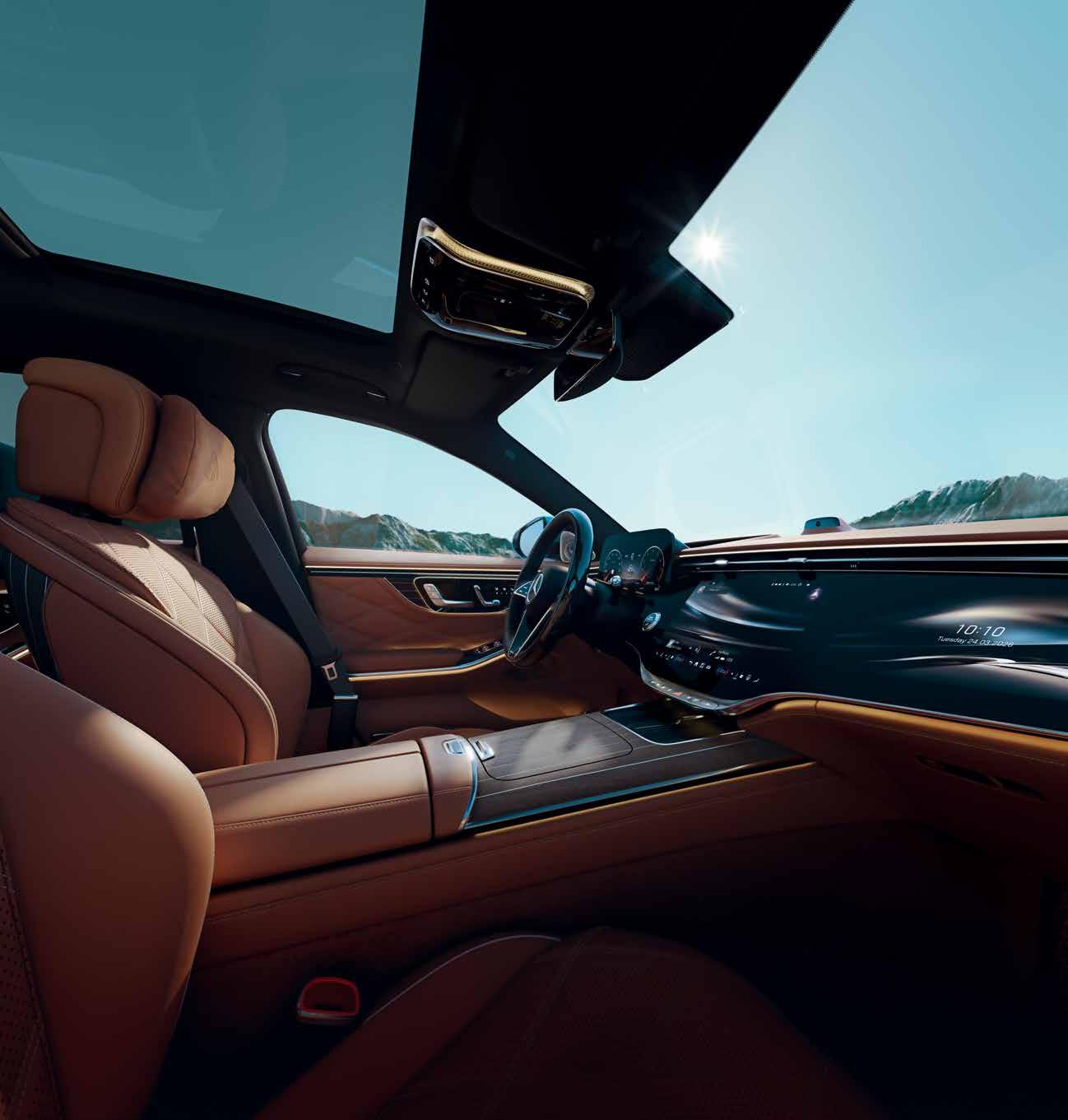
The latest MBUX generation makes its Maybach debut, the Superscreen featuring a 12.3 inch driver display and 3D instrument cluster; 14.4 inch central display; and a 12.3 inch passenger display beneath a serene glass surface
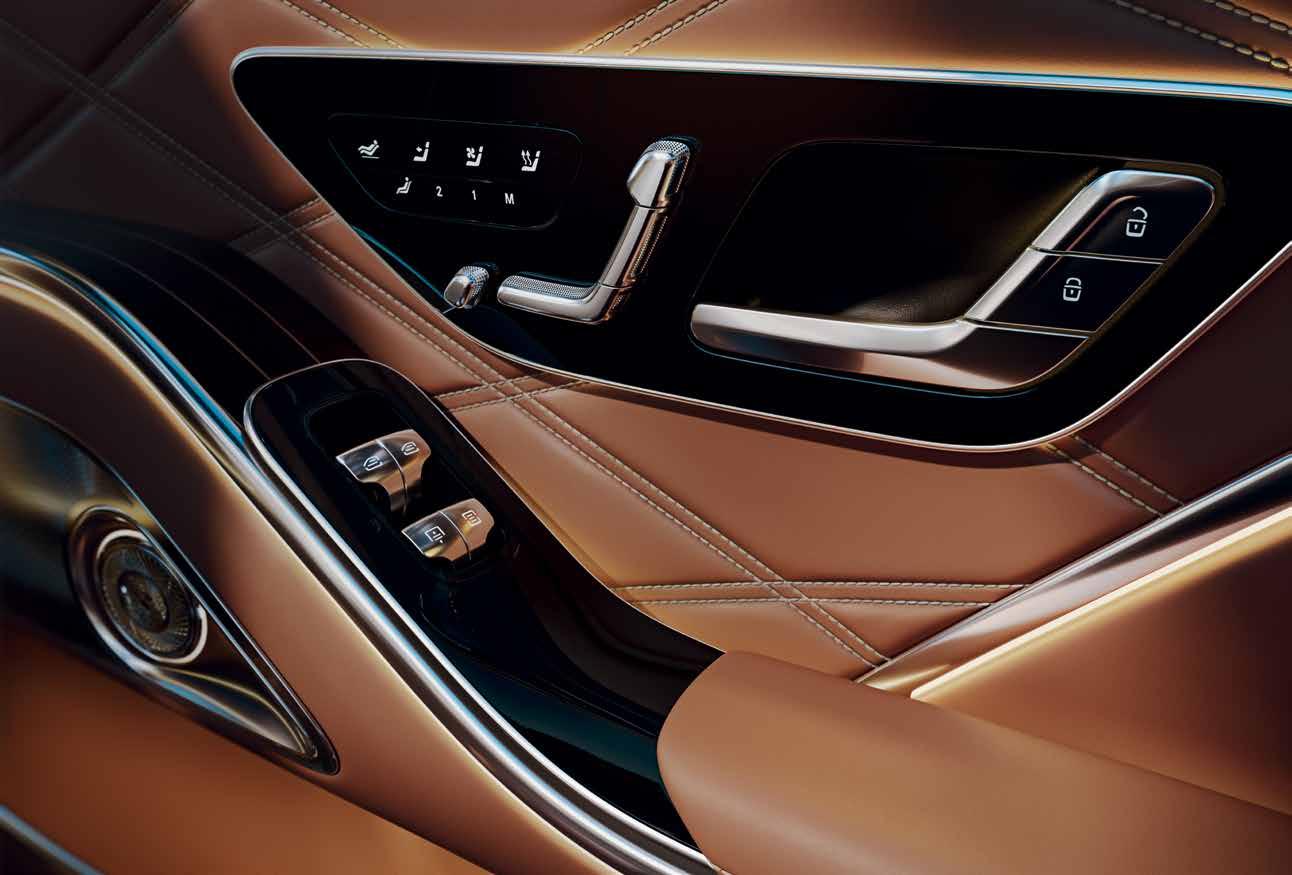
The new interior colour 'beech brown' adds richness, while a leather‑free upholstery is offered for the first time in the Mercedes Maybach S Class. Expressive detailing sees deep white piping and open‑quilted diamond stitching continue into the door panels
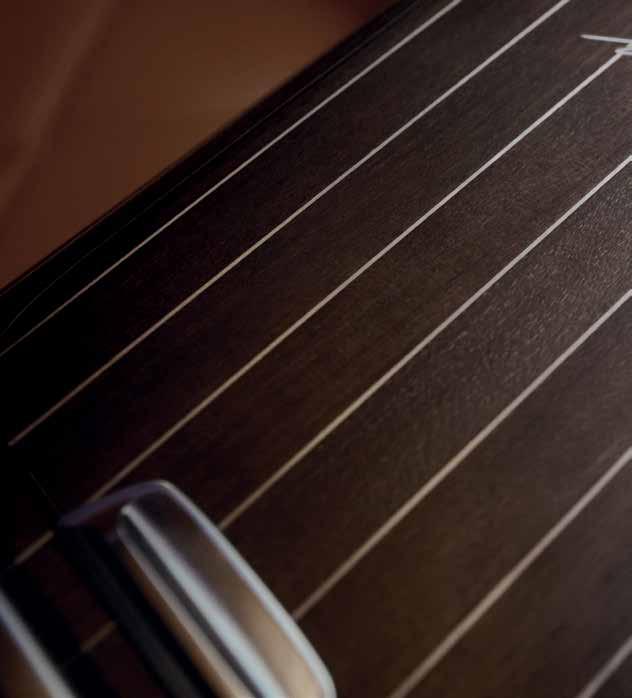
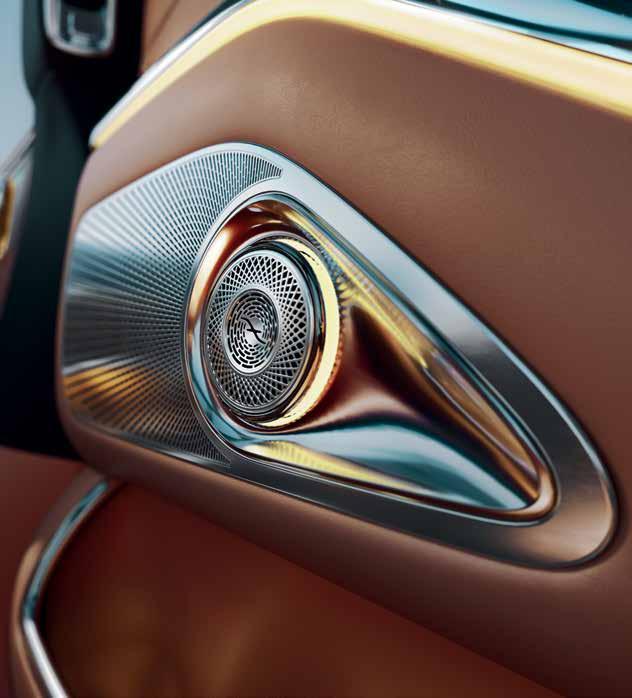
The centre console has been refined, sculpted from the likes of open pore oak or open pore amber brown wood in a distinguished herringbone pattern, while the exceptional detailing extends to beautifully crafted speakers
Enter the rear of the Mercedes-Maybach S-Class via automatic comfort doors, which open and close at the touch of a button, and Maybach’s rarefied luxury has been expertly crafted to fully embrace you in its ambient glow.

Two 13.1 inch displays, equipped with video conferencing functions and entertainment streaming services, serve the rear passengers, whether riding for work or pleasure
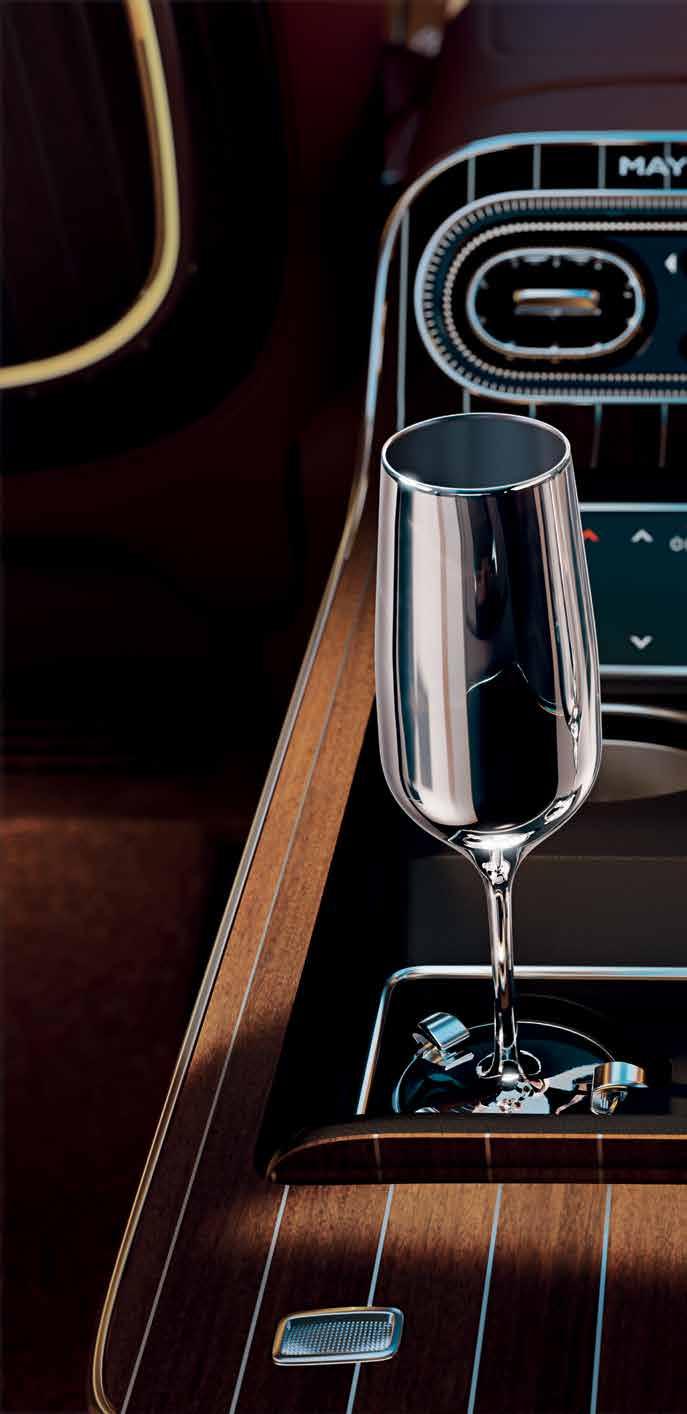
A ten litre refrigerator behind the rear armrest and silver‑plated Robbe & Berking champagne flutes ensure every moment inside the Mercedes Maybach S Class is one to celebrate
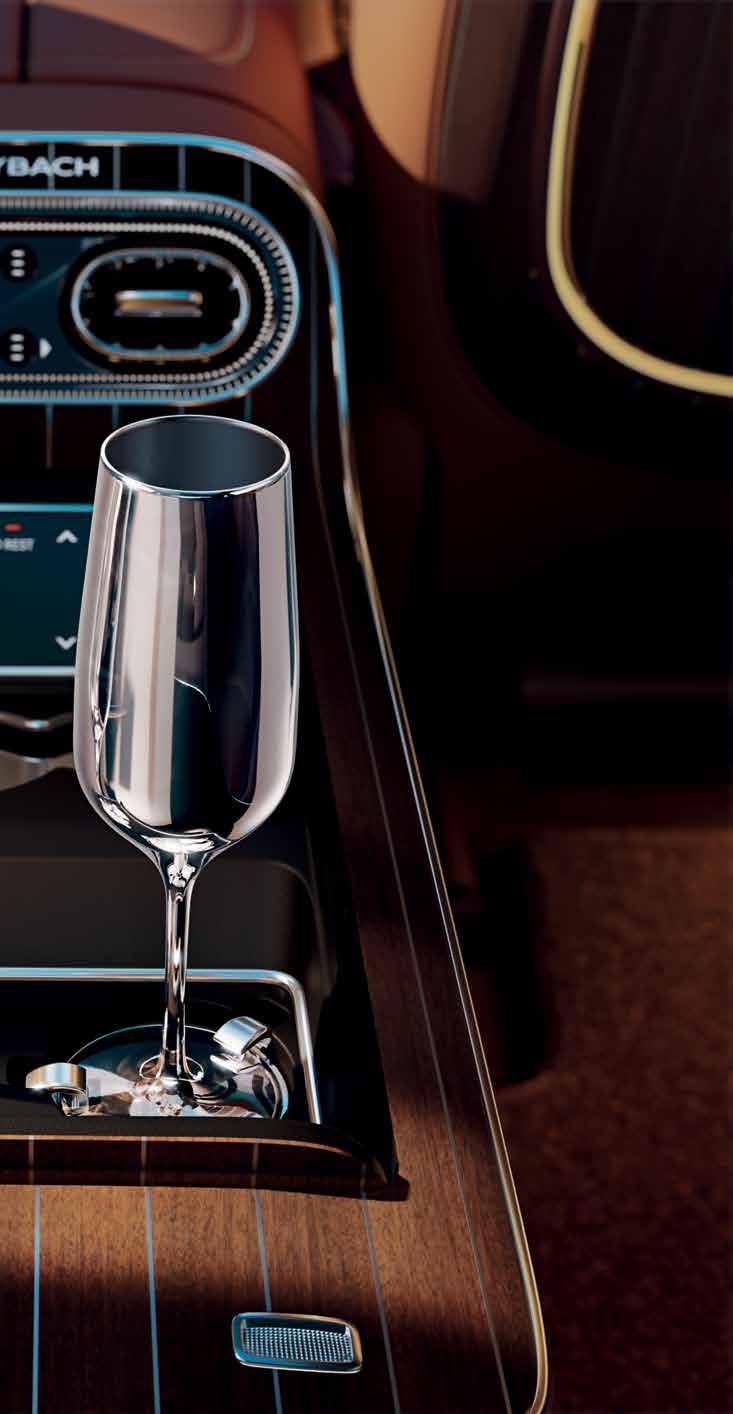

Executive seats, the epitome of comfort, cushion, massage, and recline to a laid back level of unrivalled contentment
Just as a couture dress or bespoke suit is custom designed and fitted for you alone, the MANUFAKTUR — and next-level Made to Measure — personalisation options will make your Mercedes-Maybach S-Class a true original, a unique expression of your distinct personality, right down to the finest detail.
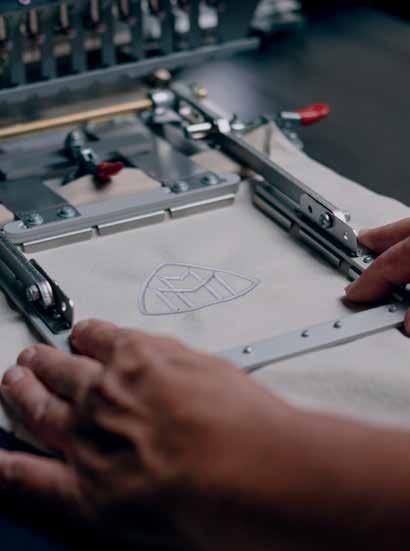
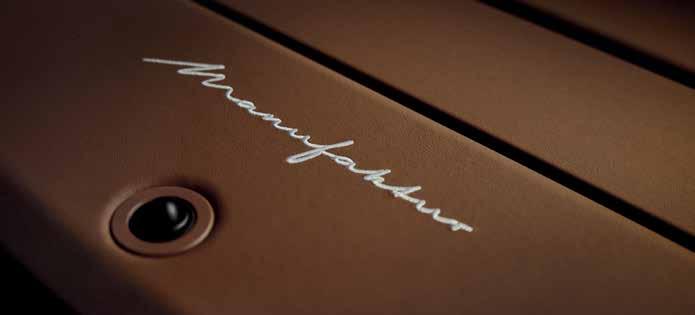
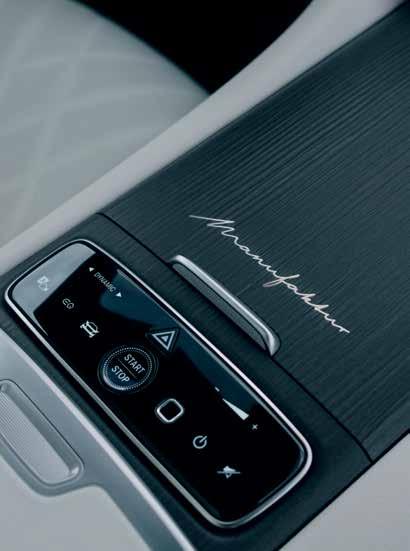
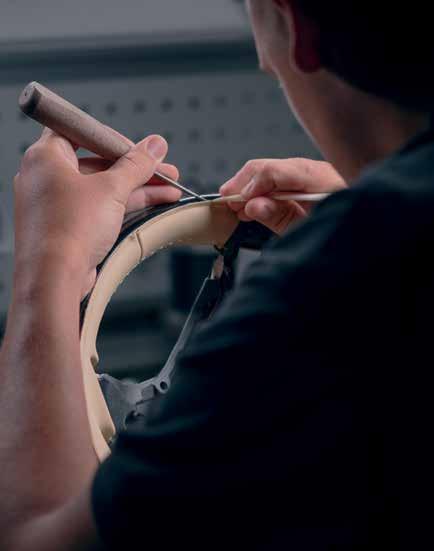
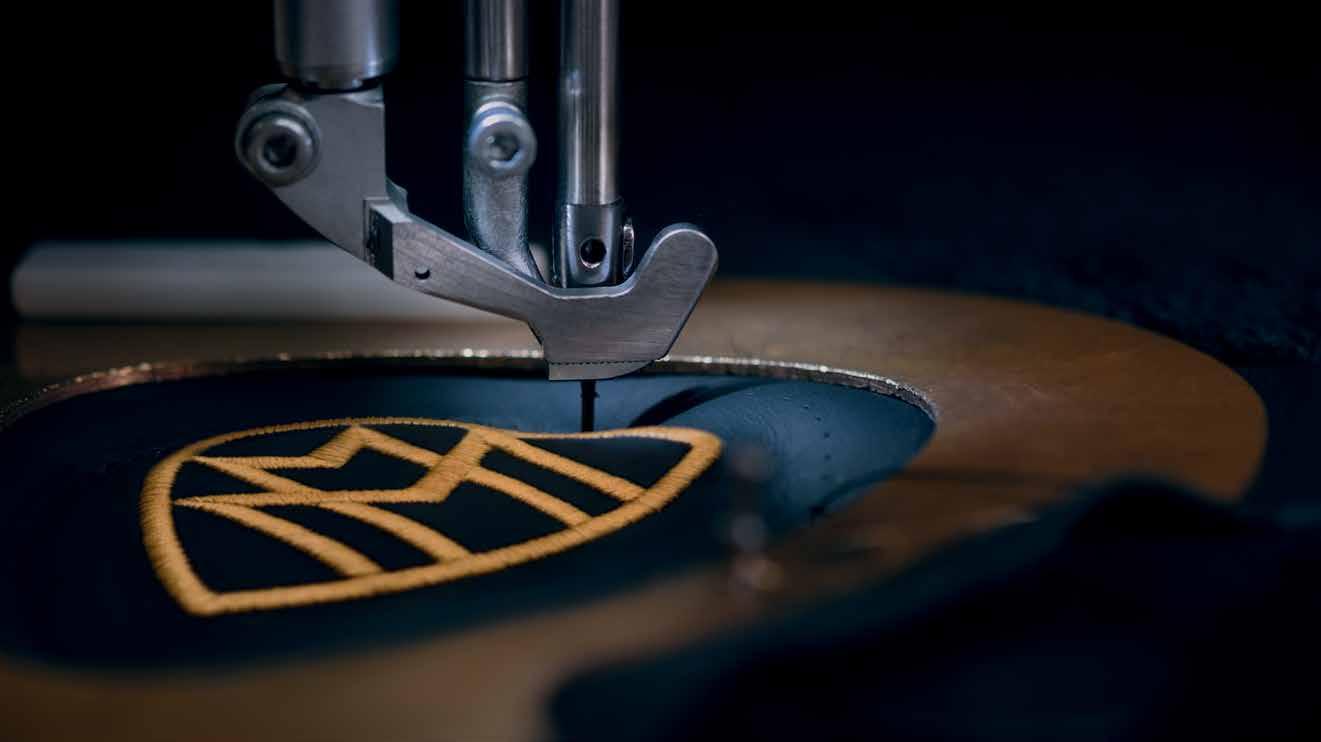
Virtually limitless combinations of colour, leather, stitching, embroidery and bespoke finishes are available
Every bespoke element is crafted with passion and by hand, each artisan a master of their craft
futures, futures we actually want to live in, not let them be imagined for us.”
Colbert has recently presented a two-site takeover featuring a fourmetre-tall sculpture at the Venice Biennale on the Grand Canal opposite the Guggenheim, alongside a second installation in the gardens of the city’s Aman hotel. Earlier this year, she unveiled a series of monumental 30-foot polished-steel public works in New York’s Flatiron NoMad and Meatpacking districts, transforming public plazas into immersive surrealist landscapes.
While establishing herself internationally as a visual artist, Colbert built a reputation as a photographer and filmmaker, and her installations often possess the atmosphere and psychological tension of film sets and dream sequences. This sensibility extends across her wider practice. Whether working in sculpture,
photography, or cinema, Colbert creates immersive worlds that challenge conventional perceptions of reality.
Her photographic works frequently resemble stills from imagined films – theatrical, uncanny, and emotionally charged – drawing on influences ranging from Surrealism and mythology to psychoanalysis and feminist literature. Meanwhile, her acclaimed debut feature film, She Will, brought many of these themes to cinematic life. A witchy, psychologicallycharged exploration of the supernatural that was widely praised for its hypnotic imagery and psychological depth, the film established Colbert as a filmmaker with a singular visual language – one that resonates strongly throughout Supernatural Tendencies Most recently, Colbert completed
the filming of her second feature, Becoming Capa, which explored the lives of legendary war photographers Gerda Taro and Robert Capa. Like much of her work, the film continues her fascination with image-making, memory and perception. With Supernatural Tendencies, Colbert offers precisely that invitation: a chance to step beyond the rational and into a world where myth, emotion, and imagination reclaim their power.
“Fairy tales are stories in code,” says Colbert. “Like gateways to secret messages from past generations. They operate through archetypes and remind us that everything could be reimagined differently. What you think, what you dream and what you imagine have the power to change the world.”
Supernatural Tendencies, Fitzrovia Chapel, London, July 1-9
‘We have to imagine our own futures, not let them be imagined for us’
Opening pages: Where Angels Live, Charlotte Colbert. Photo © Marta Buso Opposite page: Dreamland Sirens, Flatiron NoMad District, New York © 2026 Charlotte Colbert. Photo © Timothy Schenck
This page, from left to right: Supernatural Tendencies, Charlotte Colbert.
Photo © Marta Buso; Charlotte Colbert. Photo © Marta Buso
Pride & Joy
How a devastating personal loss inspired Nada Ghazal to create a collection that celebrates joy
WORDS: JOHN THATCHER
The pain of grief can feel intolerable. It can overwhelm and anger us, dragging our thoughts down to dark places. But the truth is that beyond the darkness is a light that never goes out, where joy waits patiently to be rediscovered. This is what fine jewellery designer Nada Ghazal learnt when, during the developmental stage of her new collection, Lebanon’s latest conflict claimed the lives of those closest to her – family. “When I started creating the collection, I was actually in a joyful state of mind,” she remembers. “But during the process the war started in Lebanon, and we then experienced devastating losses within our family, which was extremely painful and traumatising. So I kept sketching and amending until I consciously chose to invite joy back into my life, chose to go to Beirut, where my workshop is, and create the joy that we all deserve.”
The collection, Whispers of Joy, took on a whole new meaning. “It became a healing process for me,” states Nada. “It’s a collection born from that shift, not from ignoring pain but from choosing light despite it.”
Beirut played a prominent role. It was the city in which Nada was born and raised and where she opened her first boutique and atelier. But for the past year her home has been London, Pont Street in Belgravia the location of her flagship boutique. “The creative process for Whispers of Joy began in London, but it truly came to life in Beirut. Going back to my workshop, being with my team, and consciously deciding to put the pain aside and invite joy back in changed everything emotionally and creatively for me. London gave me space and perspective, while Beirut brought emotion, instinct, and craftsmanship into the process. In many ways, the collection carries the structure and energy of London, but the soul of it was born in Beirut. It also feels especially meaningful that this will be the first new collection launched in our London boutique, and I am happy that we are beginning this new chapter with joy.”
Nada’s story starts with her grandmother. “Very early on, I realised I was drawn to creating with my hands,” she says. “Watching my grandmother sew taught me that craftsmanship carries emotion, patience and intimacy, and I think that stayed with me forever. As a child, I would make rings and bracelets from anything – even during
baking with my grandmother I used to shape the dough with a big hole, press it onto the cane chair to take on its pattern and, once it came out of the oven, wear it as a bracelet. As a teenager, I continued that same impulse by altering my clothes, reworking them, always trying to transform what already existed into something new.” And also something different –her bold, architectural style ensures each design stands out, 18k gold and diamond pieces imbued with meaning. “Growing up, I had a world of my own. I liked what I liked and disliked what I disliked, regardless of expectations or what others thought. I was never very interested in fitting in for the sake of it, and I think that sense of inner certainty, even from a young age, shaped the way I see things. I’ve always been drawn to following instinct rather than rules, to what feels honest rather than what is expected. That way of being naturally shaped how I create. For me, true creativity comes from embracing individuality rather than trying to fit
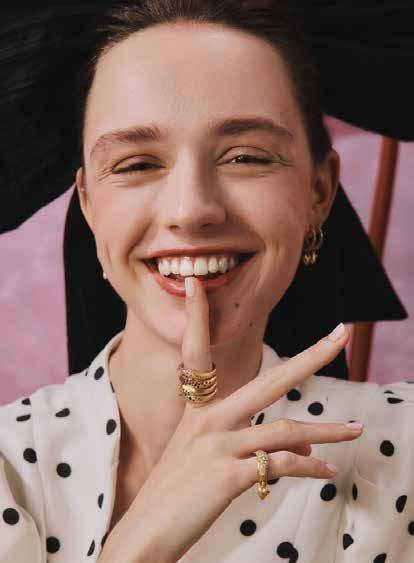
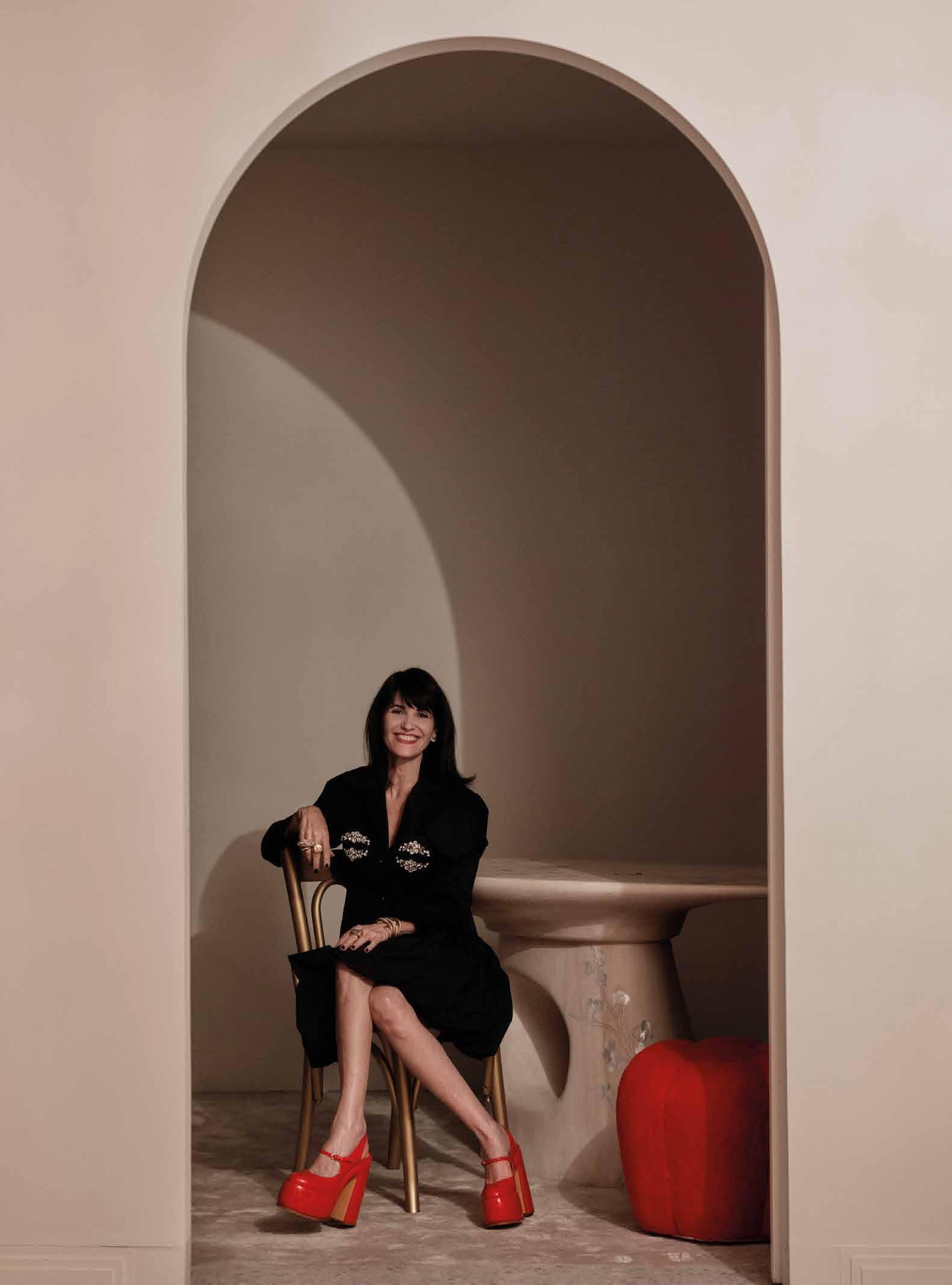
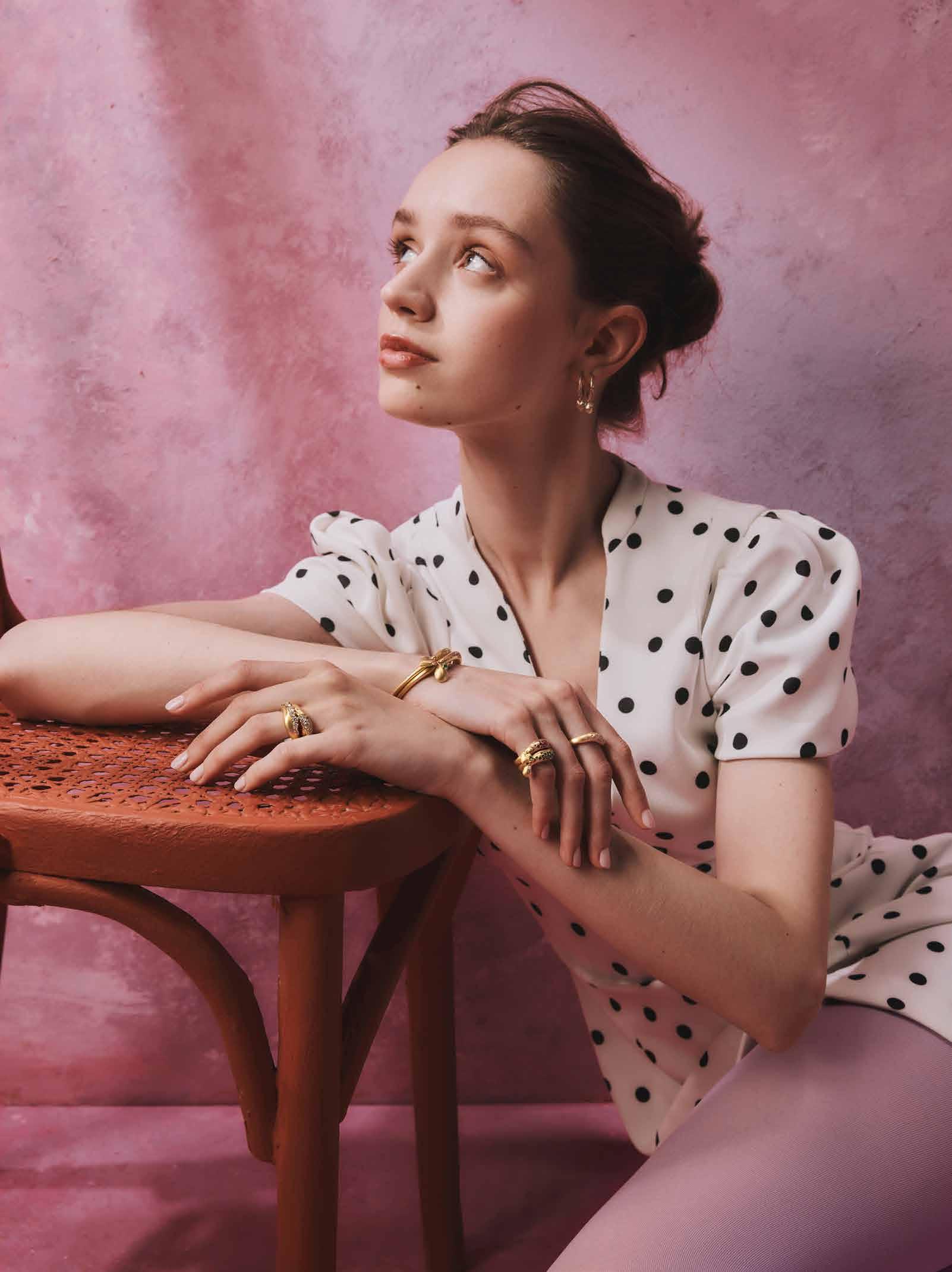
Opening pages: Nada Ghazal
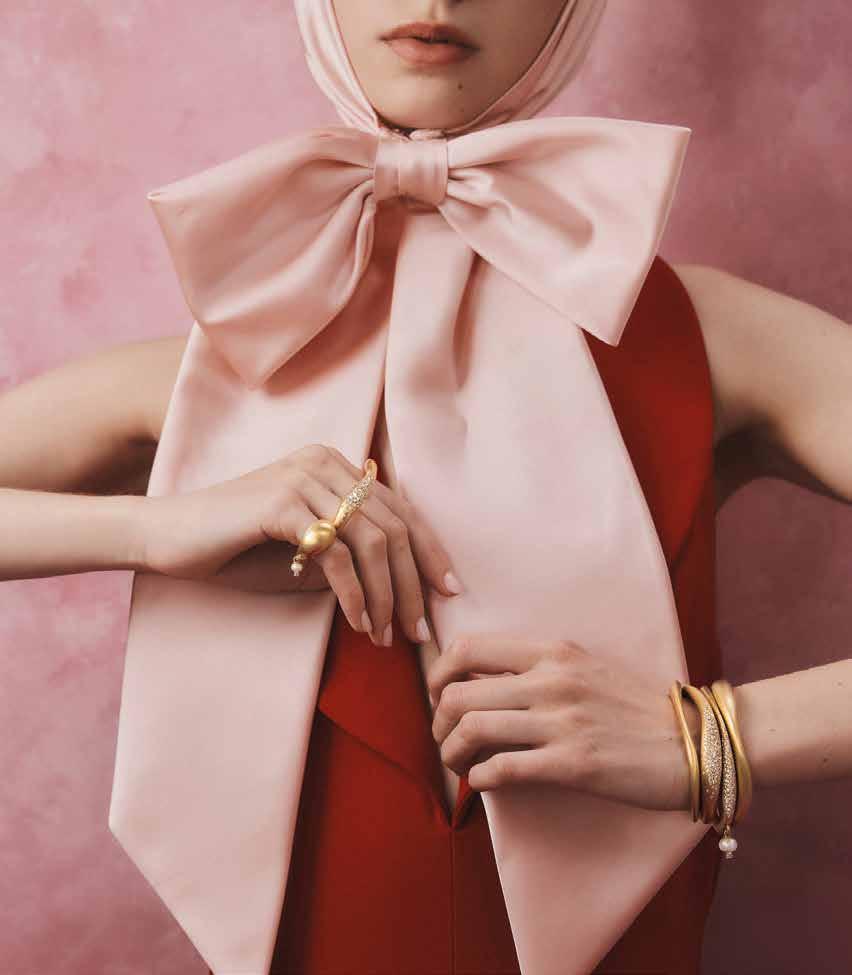
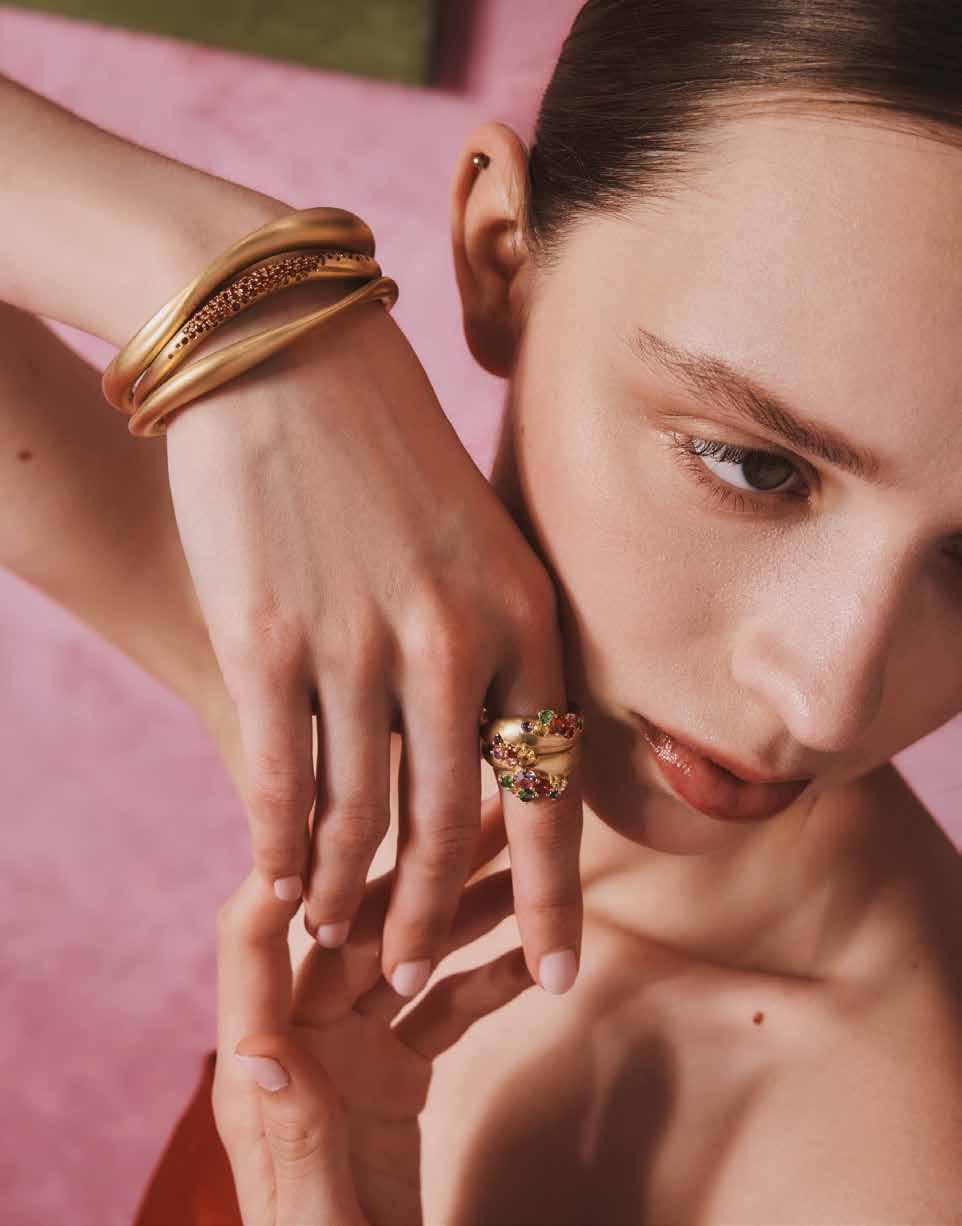
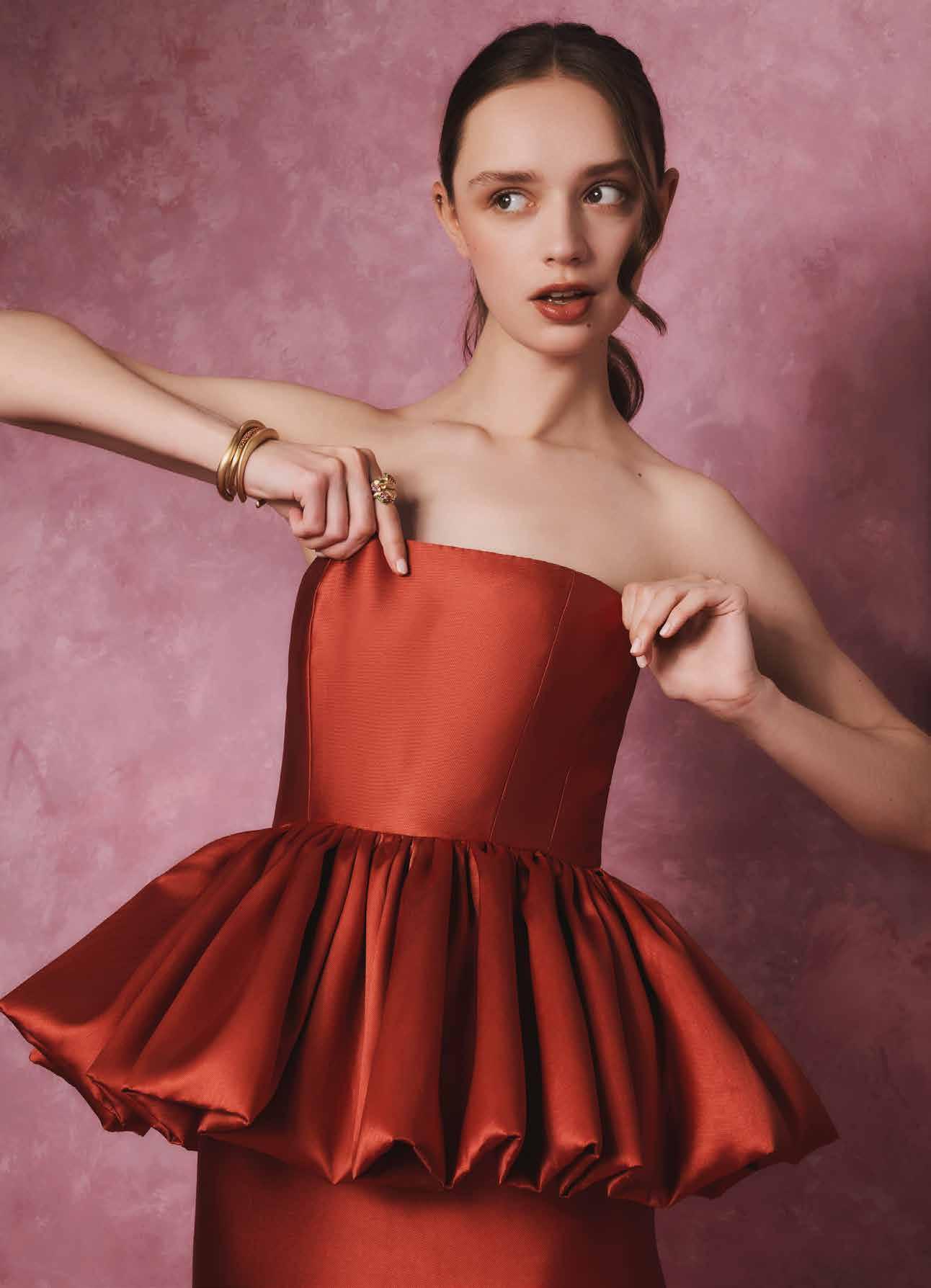
All other pages: Whispers of Joy collection
‘I kept sketching and amending until I consciously chose to invite joy back into my life’
into expectations, allowing intuition, emotion and personal truth to lead the process, rather than convention.”
This belief shines through in Whispers of Joy, each jewel designed by Nada to lend a different feeling based on where you are in your own story. And it feeds into what is a growing appetite for jewellery that tells an emotional story, rather than simply signalling status. “Absolutely. People are increasingly drawn to pieces that feel personal and emotionally meaningful. Jewellery becomes far more powerful when it carries memory, emotion or a sense of identity, rather than simply being ornamental. And while the emotions and stories behind my collections are deeply personal, they are also very universal. We all experience joy, loss, hope, love and transformation in different ways, and I think people connect to that emotional honesty.”
Prior to devoting herself full time to jewellery, Nada spent a decade working in advertising, the experience she gleaned from it proving invaluable to her design ethos. “Advertising taught me how powerful emotion is in creating connection,” says Nada. “Beyond aesthetics, people remember how something makes them feel, and that remains at the centre of how I approach jewellery today. I want each piece to feel artistic and expressive while still becoming part of someone’s everyday life and movement. Jewellery should never feel static; it should feel alive on the body, moving naturally with the person wearing it. I think jewellery becomes empowering when it allows someone to express a part of themselves without words.”
Conceived in darkness, crafted in light, Whispers of Joy speaks loudly.
Making Up For Lost Time
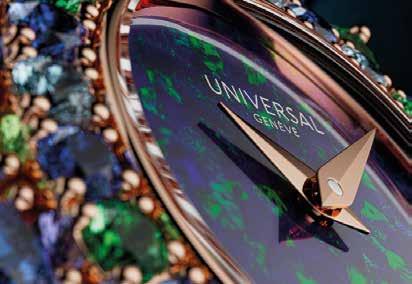
House of Brands’ CEO Georges Kern on the renaissance of Universal Genève
WORDS: JOHN THATCHER
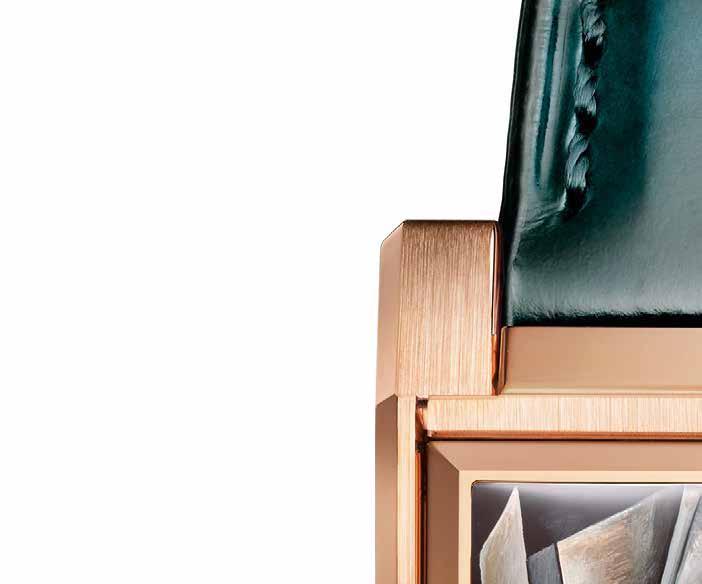
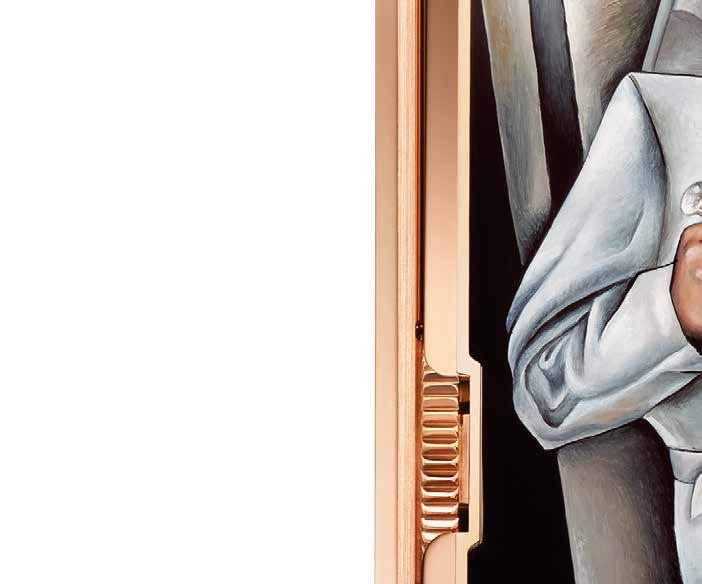
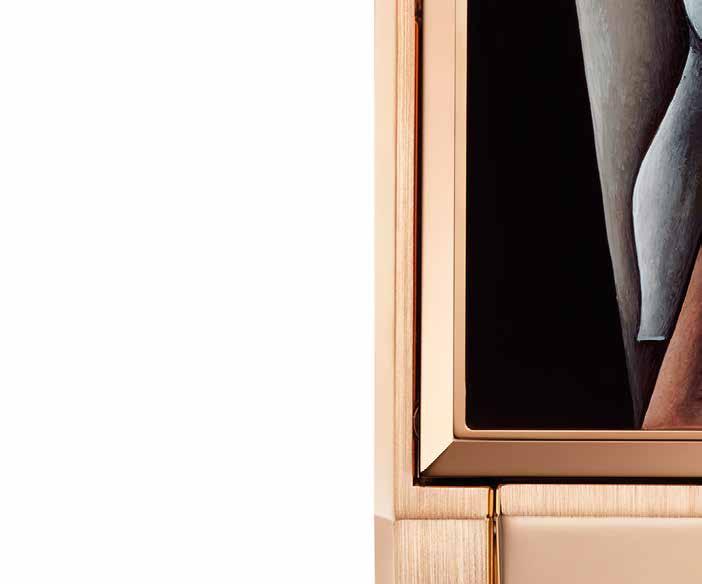
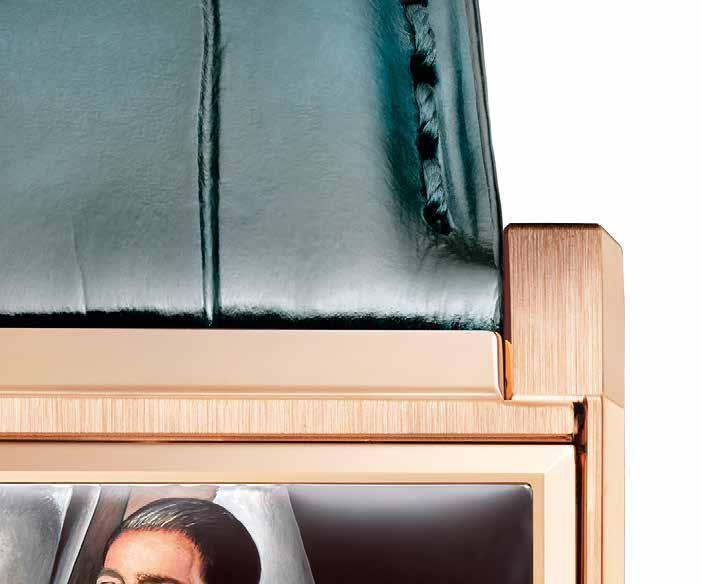
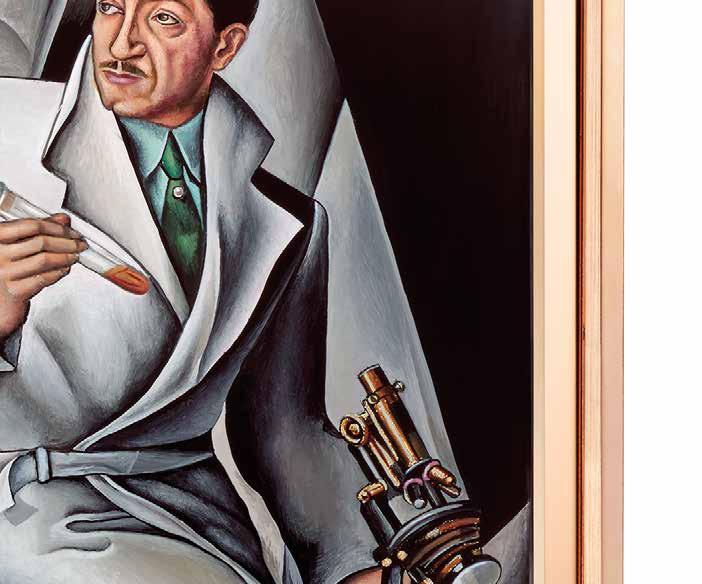
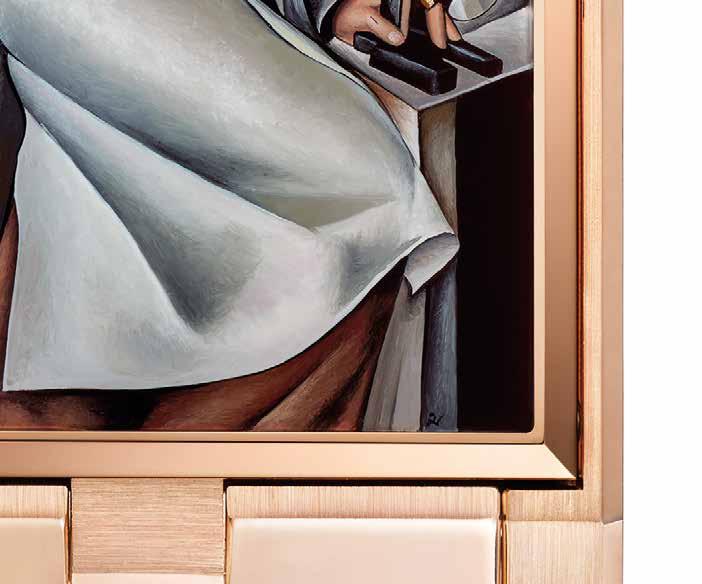

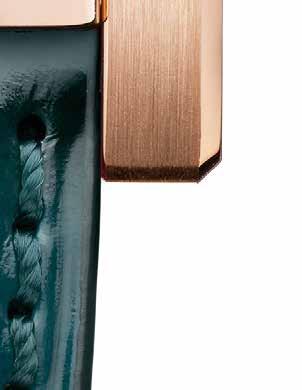
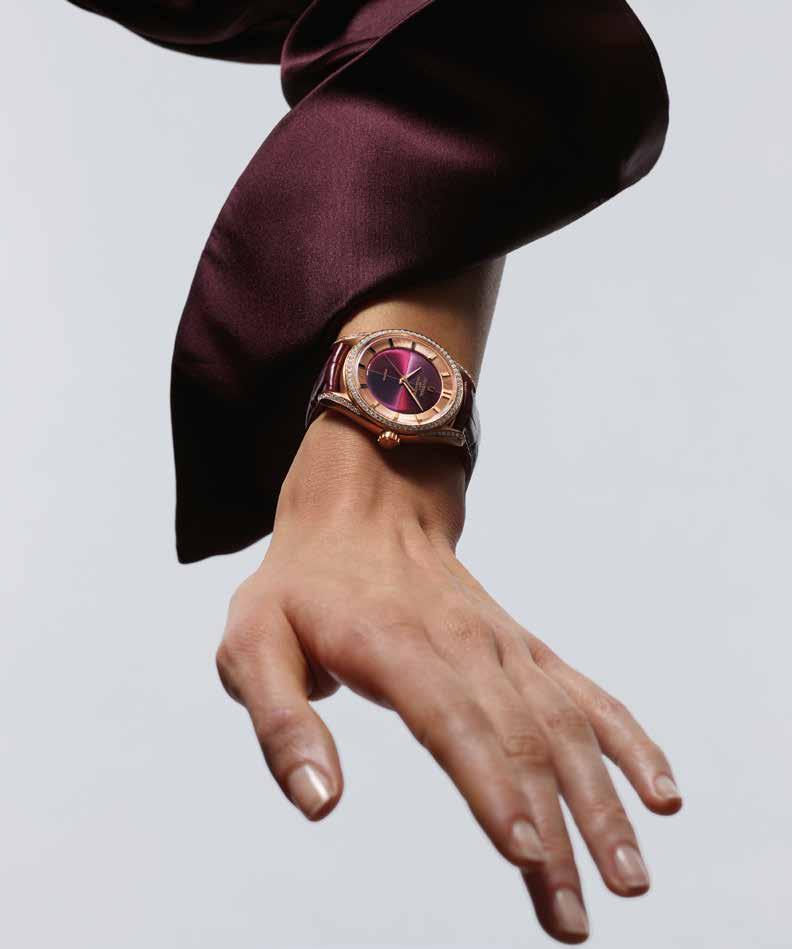
The process of reviving a legend presents multiple challenges. But for Georges Kern, CEO of House of Brands, which includes Breitling, all were outweighed by excitement. “When we started looking at dormant brands that could be brought back, Universal Genève immediately stood out,” he says of the latest name added to the House of Brands stable, a name with a fine pedigree. “This was not a brand where we had to invent a story. Everything was already there: a great history, iconic designs, technical legitimacy, cultural depth and a creative territory that still feels extremely contemporary. Universal Genève is one of the great names of Swiss watchmaking.”
To prove the point, Kern is quick to reel off its many attributes. “You have the Polerouter, designed by a very young Gérald Genta when he was only 23. You have the Compax and the Tri Compax, which collectors associate with figures such as Nina Rindt and Eric Clapton. You have chronographs, microrotor movements, shaped watches, women’s watches and jewellery-
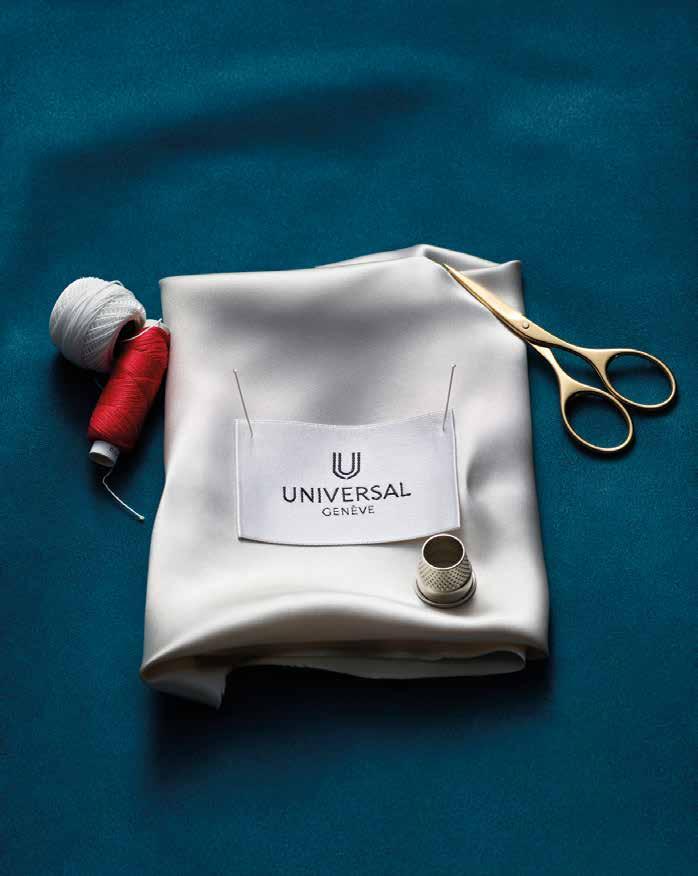
inspired creations. The richness of the maison is extraordinary.”
But one thing in particular stood out for Kern – ‘Le Couturier de la Montre’ (The Watch Couturier), a refrain Universal Genève assigned itself. “It is not just a beautiful historical slogan –it gives Universal Genève a complete creative philosophy,” enthuses Kern.
“A couturier does not simply make clothing. A couturier works with proportion, material, silhouette, detail, craftsmanship and emotion. That is exactly how Universal Genève approached watchmaking, particularly under Raoul Perret [who took over from his father in 1932 and ran the company for 30 years], when design and technique were united at the source. That was extremely modern for the time and it remains central today.
“The movement, the case, the bracelet, the dial, the texture, the colour – everything has to work together. Universal Genève was once described as combining French taste with Genevan precision, and I think that still says a lot about the maison.”
The first chapter of the Universal Genève story began way back in
1894, and by the mid 20th-century it had earned a reputation as a major innovator, pioneering with its microrotor automatic movements and showcasing an expertise in chronographs. Its return has prompted the development of three entirely new movements: an automatic calibre, a chronograph calibre, and a shaped hand-wound movement. But such technical innovation always existed to serve beauty and elegance; the belief at Universal Genève is that reliable, precise movements must always serve the watch’s design and aesthetic appeal.
New design concepts carry titles such as Prêt-à-Porter, Capsule Collections and Couture Creations. Why was it important to structure the maison more like a couture house than a traditional watch brand? “Because Universal Genève has the historical legitimacy to do it,” states Kern. “Many watch brands could not suddenly decide to speak this language. The structure also makes the maison very easy to understand. Prêt à Porter is the core collection: beautiful, sophisticated watches that remain close to their historical ancestors, but
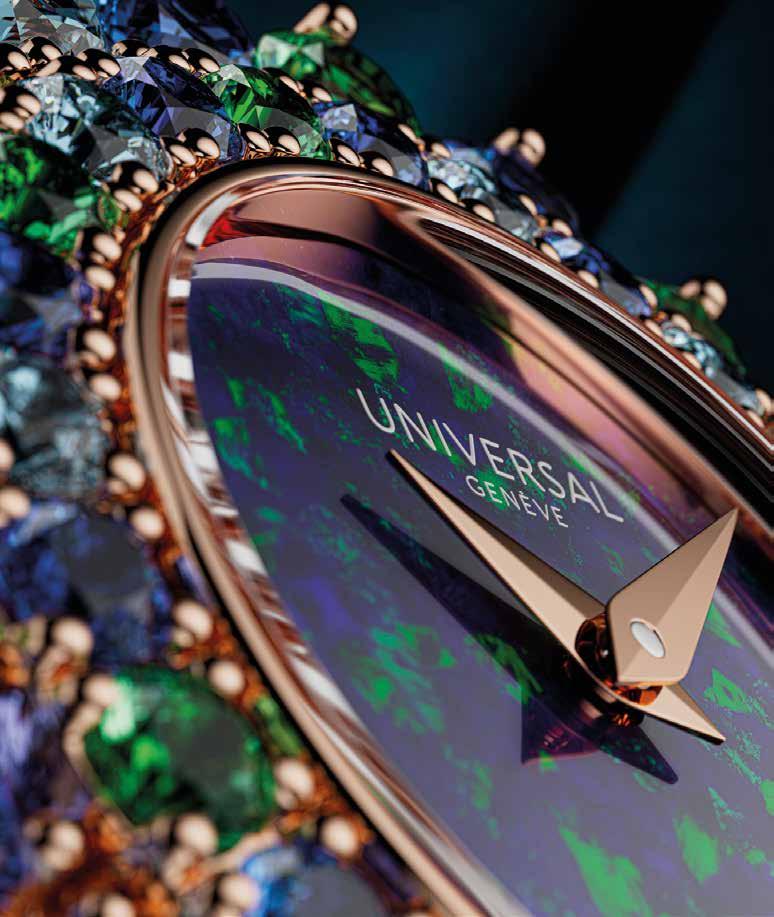
Opening pages: Cabriolet De Lempicka
This page, left: Polerouter Camaieu Opposite page: Disco Mini; Disco Mini couture edition
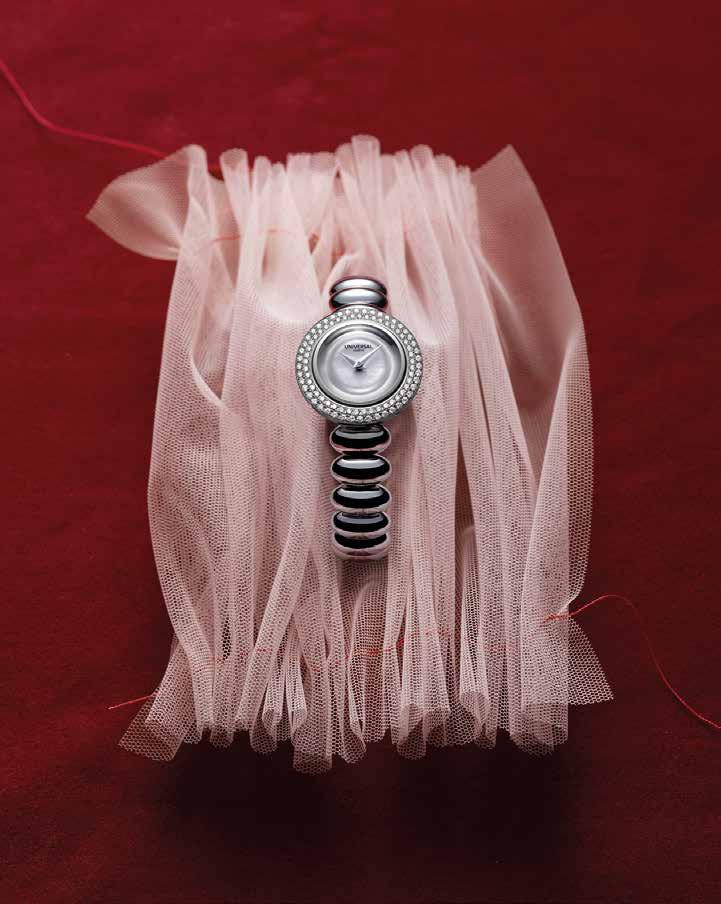
with a contemporary twist. Capsule Collections allow us to be more creative and more expressive through materials, colours and decorative techniques. And the Couture Creations are the most exceptional expression, unique pieces made with special stones, métiers d’art and exceptional details.”
When a brand reimagines an historic timepiece, as Universal Genève has done with the Polerouter and the Compax, how difficult a task is it to strike a balance between respecting the original design and making the new version look and feel modern? “It is one of the most difficult exercises in watchmaking,” says Kern. “If you change too much, you lose the identity. If you change too little, you create a vintage copy. Neither approach is right for Universal Genève. Our question is always: how would this watch have evolved if the maison had never gone dormant? With the Polerouter, for example, we did not simply ask how to reproduce an old reference. We asked how Gérald Genta might have evolved the watch today. That means preserving the essential codes, such as the crosshair dial, the
twisted lugs, the outer dial ring and the refined proportions. But everything else must meet today’s expectations: the movement, the reliability, the finishing and the ergonomics.
“ The goal is to preserve the spirit so that the watch is immediately recognisable. We are not reproducing archive pieces. We are reinterpreting them from a contemporary perspective, so the result feels like a natural evolution, not something frozen in the past.”
Certainly
modern is Universal Genève’s approach to gaining a creative advantage. “A great couture house does not do everything alone. It works with artisans, specialists and creative voices who bring different forms of expertise. We are taking the same approach,” explains Kern. “For example, we work with artisans such as Laurent Jolliet, one of Switzerland’s last chain makers; Isabelle Villa, a miniature painter; and Julien Faure, the French ribbon maker, on woven straps. We also work with Nelly Rodi, the trend forecaster, to understand broader cultural movements and the evolution of taste. This allows Universal
Genève to stay connected to the wider world of beauty, design and culture, which has always been part of the maison’s identity.”
Production in the first year is limited. “When you relaunch a maison like Universal Genève, especially with new proprietary movements, you cannot simply switch on production overnight,” outlines Kern. “Movement production takes time to build up, and so do the suppliers, the finishing, the quality control, the boutiques and the whole client experience. So yes, in the first phase, production will be limited and distribution will remain extremely selective. But this is not about artificially restricting supply. It is about doing things properly and making sure every point of contact reflects the right level of refinement.
“I do not want Universal Genève to remain a tiny niche brand forever. That is not the ambition. We are building a serious maison. We will grow, but we will grow in the right way, and that takes time.”
With a storied past and exciting future, Universal Genève has time on its side.

When he isn’t breaking box-office records in The Matrix and John Wick, Hollywood A-lister Keanu Reeves is rocking out with his band. But where does he go from here?
WORDS: WILL HODGKINSON
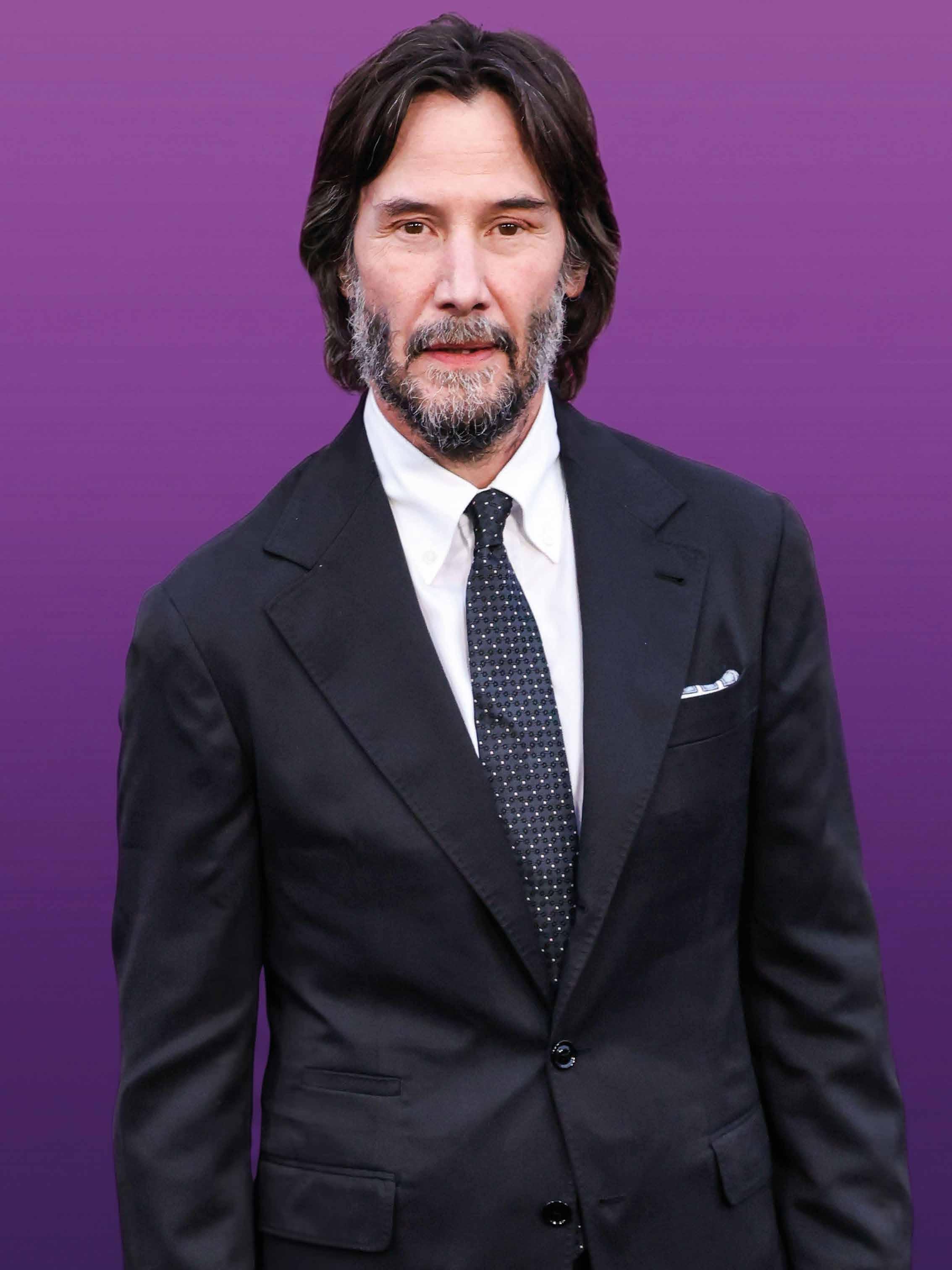
If you didn’t know better you could be forgiven for mistaking Keanu Reeves for the laid-back bassist of an averagely successful alternative rock trio. Those chiselled cheekbones, which have brought such magnetism to The Matrix, John Wick and countless other box-office blockbusters, could be down to a tour-bus diet of Cheetos and the odd joint. The worn, loose T-shirt might be less a style choice, more a product of straitened circumstances. And as he talks about Dogstar, the band he founded in 1991, with the drummer Robert Mailhouse and guitarist-singer Bret Domrose, his spiky grey hair keeping the freak flag flying as he reaches 61, Reeves seems like just another dude in a band, born for the lifestyle that comes with it.
Speaking in a book-lined room in his house in Los Angeles, he reels off the artists he grew up listening to, whose music helped him to make sense of the world. “The Velvet Underground, Hüsker Dü, the Clash, the Pixies. So many British bands, like the Jesus and Mary Chain, the Exploited, Joy Division… I was hearing amazing basslines, melody, melody, melody, and not the blues. It was rainy and yearning, with a lot of intelligence, wit and wordplay. And oh my God, I’m missing a huge one. A trio, one of my favourites… acoustic bass… did Blister in the Sun… arrggh!”
As Reeves clutches his head and screams at the frustration of an early onset senior moment, I offer: the Violent Femmes? “Yes, the Violent Femmes,” he says, returning to his natural state of placid repose. “There was defiance, but
it was smart. It wasn’t just ‘f*** you’. “And the Sex Pistols,” he adds. “We can’t forget the Sex Pistols.” Such a cavalcade of rebellion and attitude has poured into All in Now, Dogstar’s new album, which offers a stately summation of the trio’s postpunk influences. There are songs about relationships ending (‘All in Now’) and pure love (‘Exalted’), even an excoriating portrait of a figure who sounds a lot like Donald Trump (‘What Is’ — more on that later). These are sharp, crafted songs of purpose and conviction, and they make Dogstar seem like a band that could slip into the world of cult appeal with dishevelled ease.
The reality, of course, is that Reeves must combine bass-playing duties in Dogstar with a day job as one of the most popular actors in the world. In 2023 he reprised his role as the titular hitman with a vengeance in John Wick: Chapter 4 and made his Broadway debut last year in Waiting for Godot, playing Estragon opposite Alex Winter’s Vladimir, a highart reunion for the former goofballs of the 1989 teen time-travel comedy Bill & Ted’s Excellent Adventure. Such is the obsession with Reeves that there is even a pervading, almost definitely false rumour that he has married his girlfriend, the artist Alexandra Grant, in secret. For now, though, he seems happiest being one of the guys, as these three North American men reveal a surprising obsession: Manchester.
“I was a Kennedy kid, growing up on the first British invasion of the Beatles and the Stones,” says Mailhouse, an amiable 64-year-old who has also had to juggle touring life with acting, if not on Reeves’s scale. He has appeared in American TV shows including Seinfeld and Days of Our Lives, and alongside his bandmate in the 1994 action thriller Speed. Being a little older than the other two, he was exposed to a different set of influences. “By college I gravitated toward Manchester. How can one city have 40 earthshattering bands of so many genres, from 10cc to the Stone Roses?”
All three members of Dogstar love Joy Division, the Smiths and other Mancunian masters of misery so much that when the band played at the New Century Hall in 2024 locals might have been confounded by the sight of Reeves and the gang heading
off on a pub crawl in search of the city’s rock-history landmarks. “We went to the hotel where Joy Division hung out,” Mailhouse says. “Maybe musicians from Manchester would say it was gloomy, tough and they couldn’t wait to get out, but to us it is magical.”
Peter Hook, the Joy Division bassist, showed Reeves the way forward.
“I didn’t start playing bass until I was 22 and I was listening to Joy Division before then, so maybe I picked up that instrument with him in mind. I listened to [Joy Division’s] ‘Atmosphere’ and tried to work it out.”
All this feels similar to countless conversations I’ve had with middle-aged men reminiscing on the cool music of their youth and the fun times that went with it. And speaking to the resolutely down-to-earth Reeves certainly counters the mythology surrounding him, not least an enduring rumour that he is immortal. That got going after, in 1999, he played the computer hacker Neo in The Matrix, the first in the vastly successful film series about humanity’s entrapment within an AI-created simulated reality, which now looks less like a fantasy and more an eerily accurate prophecy. Instead of revealing his true reality as an everlasting being, however, Reeves is busy getting misty-eyed about the early days of Dogstar.
“I had a house in Beachwood Canyon, in the Hollywood Hills,” he says of forming the band in 1991, back when he was still the essence of goodnatured slacker nonchalance thanks to Bill & Ted. “I had a garage with some instruments in there when I met Robert in a grocery store at the bottom of the hill. He was wearing a hockey jersey and I grew up in Canada, so I said: ‘Do you know anywhere to play hockey?’ We started hanging out, his friend Gregg [Miller, the band’s original guitarist] joined us, we jammed in my garage under the Hollywood sign. Eventually we started writing our own songs and someone said, well, maybe we should play. Those were very nice days, the early Nineties.”
“Our first show was with Weezer,” chimes in Mailhouse, citing the vastly successful pop-punk band of a distinctly nerdy bent from Los Angeles. “It was 1992, in a bar called Raji’s. There were about forty people.”
‘I love being a part of making something new and still want to do as much as I possibly can’
“Bret came over one day with his guitar and played a show with us at the Troubadour seven days later,” adds Reeves, delivering the potted history of Dogstar in an emotionless monotone from a position of deep recline. “We went on tour as a four-piece for a little bit, we had inter-band machinations, and the three of us played as Dogstar for four or five years. We played the States, we played Japan, we had things thrown at us in Glastonbury, it was a lot of fun. We broke up for 20-odd years and then we got back together.”
By 1992 Reeves was a big name, leaving behind carefree youth and embracing the seriousness of his craft with a bravura performance as a rich kid slumming it in Gus Van Sant’s dreamlike road movie My Own Private Idaho. I wonder how he combined the demands of band life with making films.
“Because in the beginning there weren’t any demands,” he replies. “We were only playing at the local bar. Then it would be a case of, OK, I’m unemployed right now. I have a window, really wanna do it, can we go on tour? It was like that for about five years.”
A remarkable number of actors love the idea of being in a band. It makes me wonder what part of them it fulfils that other aspects of life, being a huge film star, say, don’t? Domrose, whose day job involves writing film scores, says his life would feel hollow without it. “It’s therapeutic, it’s communal, you are bringing something that wasn’t there an hour ago,” says the singer, who writes the majority of the songs. “It’s the same feeling as planting a flower and watching it grow.”
As for Reeves, he says being in a band is an experience unique unto itself. “I love playing bass, I love listening to the drums and guitar, I love being a part of making something new. And I love being on the road, getting ready for
the show, huddling up before we go out on stage. Gypsy life, yeah man!” A gypsy life after a two-decade gap, with the band members going their separate ways in 2002 until getting back together in 2022. “I live in the Bay Area and Keanu had a film premiere in San Francisco,” Domrose says. “He invited me, Rob came up from LA, and the following morning over breakfast we found ourselves talking about amplifiers and drum kits. It was the little spark needed to ignite us, and after years of sitting in front of a computer I thought: ‘Oh wow, I get to make music with actual humans again?’”
“I missed it,” Reeves says in his calm, authoritative baritone. “I missed being in the same room. We always used to rehearse at Robert’s house in Silver Lake, and I was going, can we try? There was no projection of the future… Walking down the stairs, picking up my bass rig that never left your house, setting up just like we used to. It was sunny, we plugged in, you hit your drums… It wasn’t ayahuasca but it was a trip. We were going back to the cave.”
All this belongs to a relatively new phenomenon. Rock’n’roll, born of teenage rebellion in the 1950s, has become an all-ages concern. The Cure’s 67-year-old leader, Robert Smith, recently popped up on stage at Barcelona’s Primavera Sound festival with the 23-year-old pop sensation Olivia Rodrigo. The Rolling Stones are about to release a new album, and Mick Jagger and Keith Richards are in their eighties. All three members of Dogstar are in their sixties. I wonder how it is for them now. “I feel like we’re starting again,” Mailhouse says. “We’re getting out what’s inside of us, and normally you have these feelings in your teens and twenties, so to have it so much later on is great. My mum was a bored housewife who started sculpting
when she was 40 and went on to have a monument in a park in DC. It’s never too late. Until you’re dead.”
“I feel the same way about music as I did when I was 18,” Domrose says. “I still have that angst in me and I haven’t completely matured. The difference this time round is that I’m not making music to try and get somewhere: I’m just allowing it to flow freely in the river of life. That led to some songs that felt like they came in through the window.”
Onethat didn’t come through the window is ‘What Is’. “You don’t have to be Indiana Jones to figure that one out,” Domrose says of a song that is clearly about Trump, with its lines about losing confidence in a venal figure who holds all the cards and plates things in the finest gold. “We’re such a divided country right now that you write about the subject and half the country hates you. So I’m not thinking about my bank account, but I don’t want to get shot at.”
As for Reeves, he says being in a band when you’re older leads to an appreciation of life as it passes.
“You’ve experienced death, you know it, you’re closer to it, and maybe this is a wonderful experiment in denial, but it helps you deal with all those feelings and thoughts.”
Reeves dealt with death early on. In 2001 his former girlfriend Jennifer Syme, having given birth to their stillborn daughter 15 months previously, was killed in a car crash. He has spoken in the past on how filming Little Buddha in 1993 gave him an appreciation of the impermanence of all things, and he does have the air of a man who has learnt to accept life as it unfolds. So I ask, just before our time comes to an end: where do Dogstar go from here?
“I want to do as much as I possibly can,” Reeves concludes. “To write, to play, to tour, to record, the whole thing. Let’s go.”
What Dries Van Noten Did Next
Beside the majesty of Venice’s Grand Canal stands the 15th-century Gothic masterpiece that is the Palazzo Pisani Moretta, once home to one of La Serenissima’s grandest families. Now retired from the catwalk, fashion great Dries Van Noten has made the palace a hub for his foundation, showcasing international arts, crafts and, of course, some very flamboyant couture creations
WORDS: STEPHEN DOIG
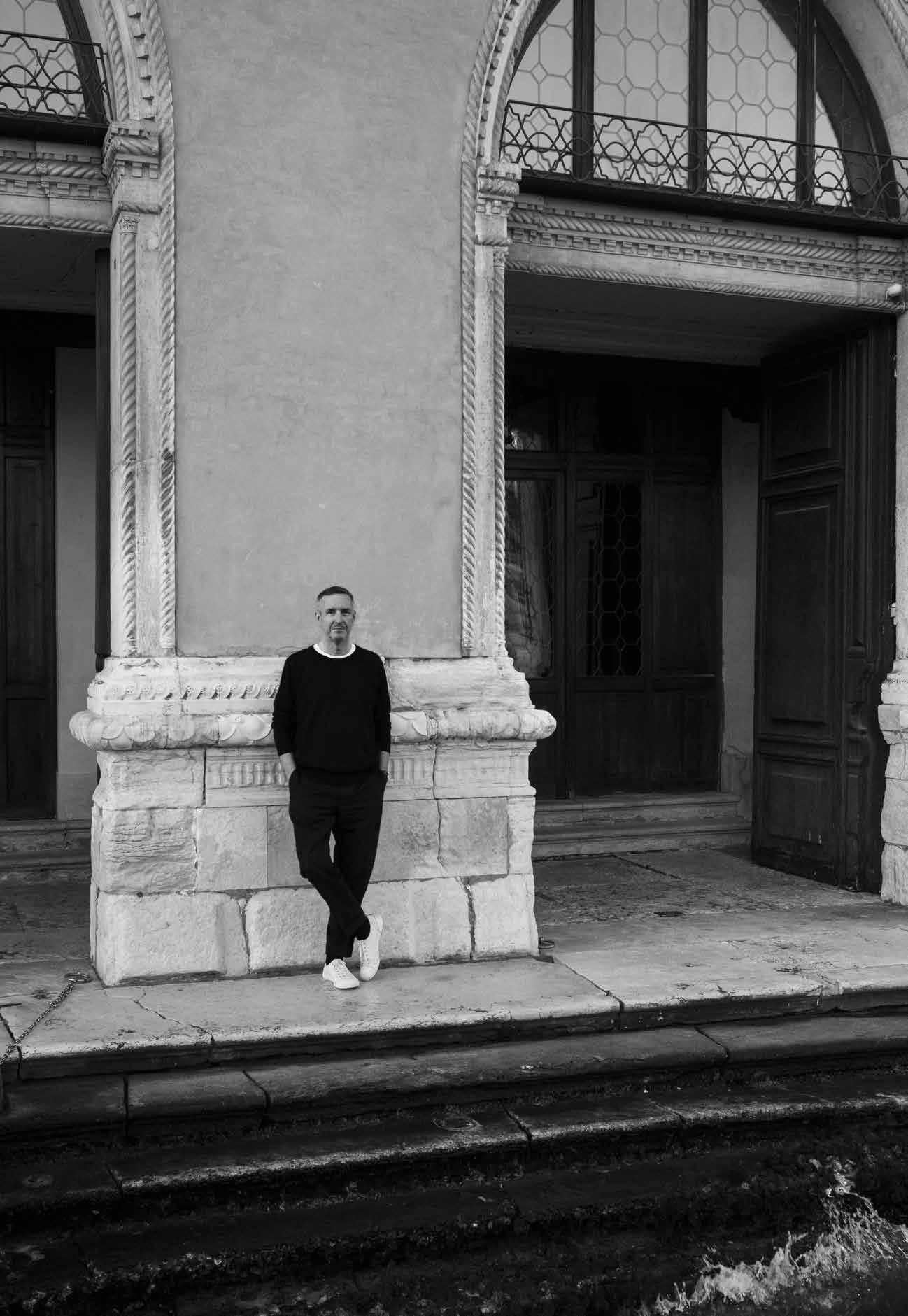
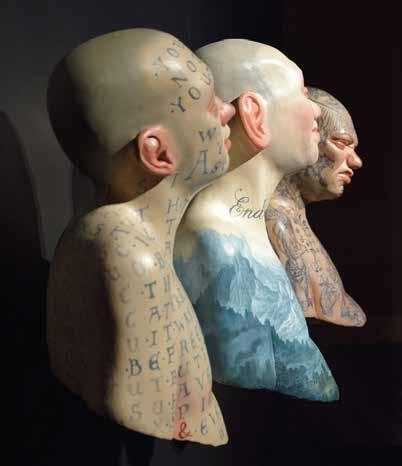
WWhen Dries Van Noten, the Belgian fash ion force who retired from his name sake label in 2024, began looking for a place in Venice, he and his part ner Patrick Vangheluwe had a few simple requirements. “Something not too big, not too complic ated, and not too dec or ated,” says the 67 yearold Van Noten, climbing the marble stair case of the result ing “bolthole”. Instead they bought – for a reported €36 mil lion – the 43,000 sq ft, five-storey, high Gothic, 15th-century Palazzo Pis ani Mor etta, one of the most his toric palazzos in a city already heav ing with his tory at every slippery junc ture, a monu ment straight from the most romantic of Canaletto vis tas. “So we found it,” he says with a wry smile. Van Noten does a par tic ular kind of Belgian dry ness very well. T he result is the epicentre of his new pas sion project, Fondazione Dries Van Noten, with the palazzo a space to house exhibitions (as well as Van Noten and his part ner, who live on the upper floors). And when we meet on an unseason ably hot morn ing in April, as the vapor etti slosh by and the city unfurls her par tic u lar beauty for the day, he’s unveil ing his debut exhibition.
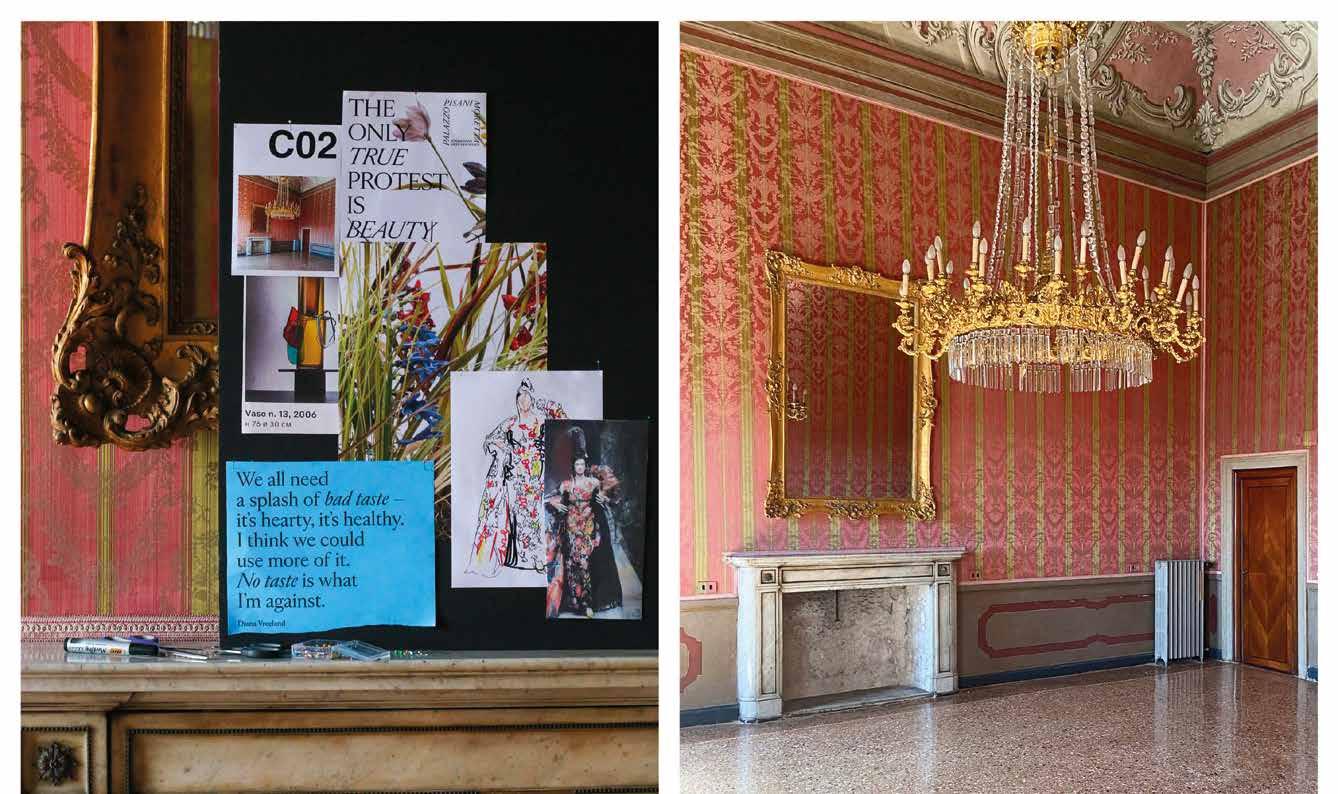
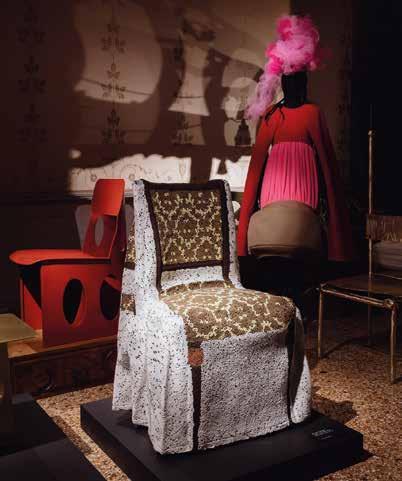
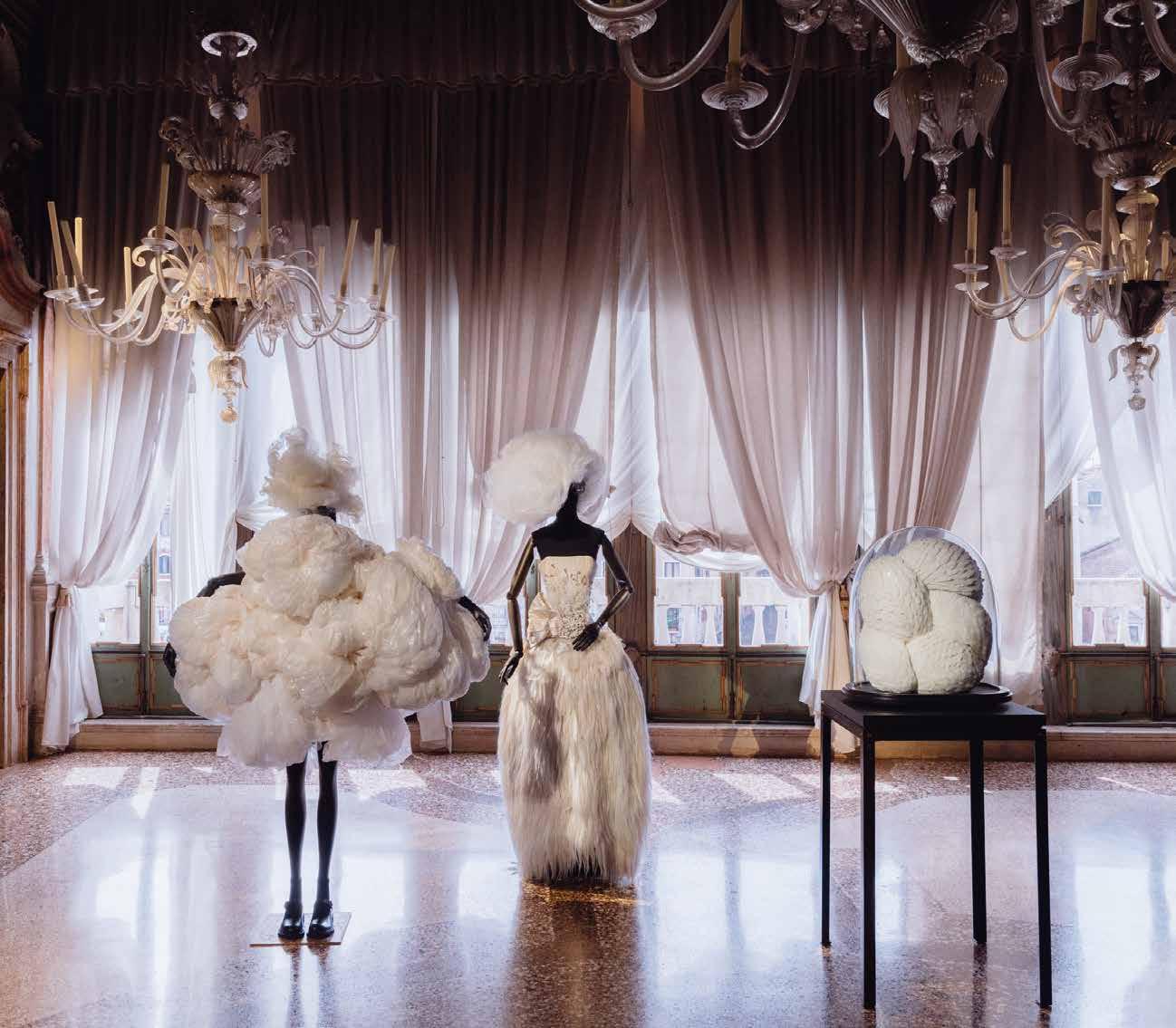
The Only True Protest Is Beauty, which runs to October 4 , is a celebration of craft, both Vene tian and international, contempor ary and his tor ical, with the palazzo’s themed salons act ing as astound ing backdrops to the pieces on display – from Chris tian Lacroix’s the at rical couture to sculptures by
Ann Car ring ton, brutal ist pieces by Tony Cragg to ceram ics by local artisans, along side memento mori from Vene tian jewellery house Codognato and magical mech an ical statuettes by Joseph Arzou manov dhedin. It is a phenomen ally ambitious under taking; each room takes your breath away. As retirement plans go, it’s not quite the usual golf courses and cruises. “I didn’t want to just dis appear. It’s quite selfish, but I have always worked with young people in my studio,” says Van Noten of his 40 year fashion career, based at his headquar ters in Ant werp. “I find them inspir ing and I didn’t just want to walk away from that. I couldn’t see a future just with people my age and over 70 talk ing about gar dens and what kinds of fer til isers to use. I said, ‘I want to do something more.’” T his despite his love of garden ing, which he does in his 55 acre parkland out side Lier, near Ant werp. Flor als have long inspired his fashion, along side a sense of whimsy and expressiveness, in which craft always featured heav ily: jacquards, brocades, embel lish ment and embroidery, as well as exact ing tailor ing. The label, now run by Van Noten’s protégé Julian Klausner, remained independent until the Span ish fash ion group Puig pur chased a major ity stake in 2018, and has a cult fol low ing of “if you know, you know” acolytes.
Van Noten and Vangheluwe – who have been together for over 30 years – are Italophiles and already have a house on the Amalfi Coast (“wis teria in the garden, where you can walk straight from the garden into the sea,” he says wist fully). When it came to search ing for a site for the fondazione, they looked at Rome and Florence – “try ing to under stand the atmo sphere of the city” – but settled on the spellbind ing call of La Seren is sima. It’s not hard to see why. The palazzo is breathtak ingly beauti ful, a thing of
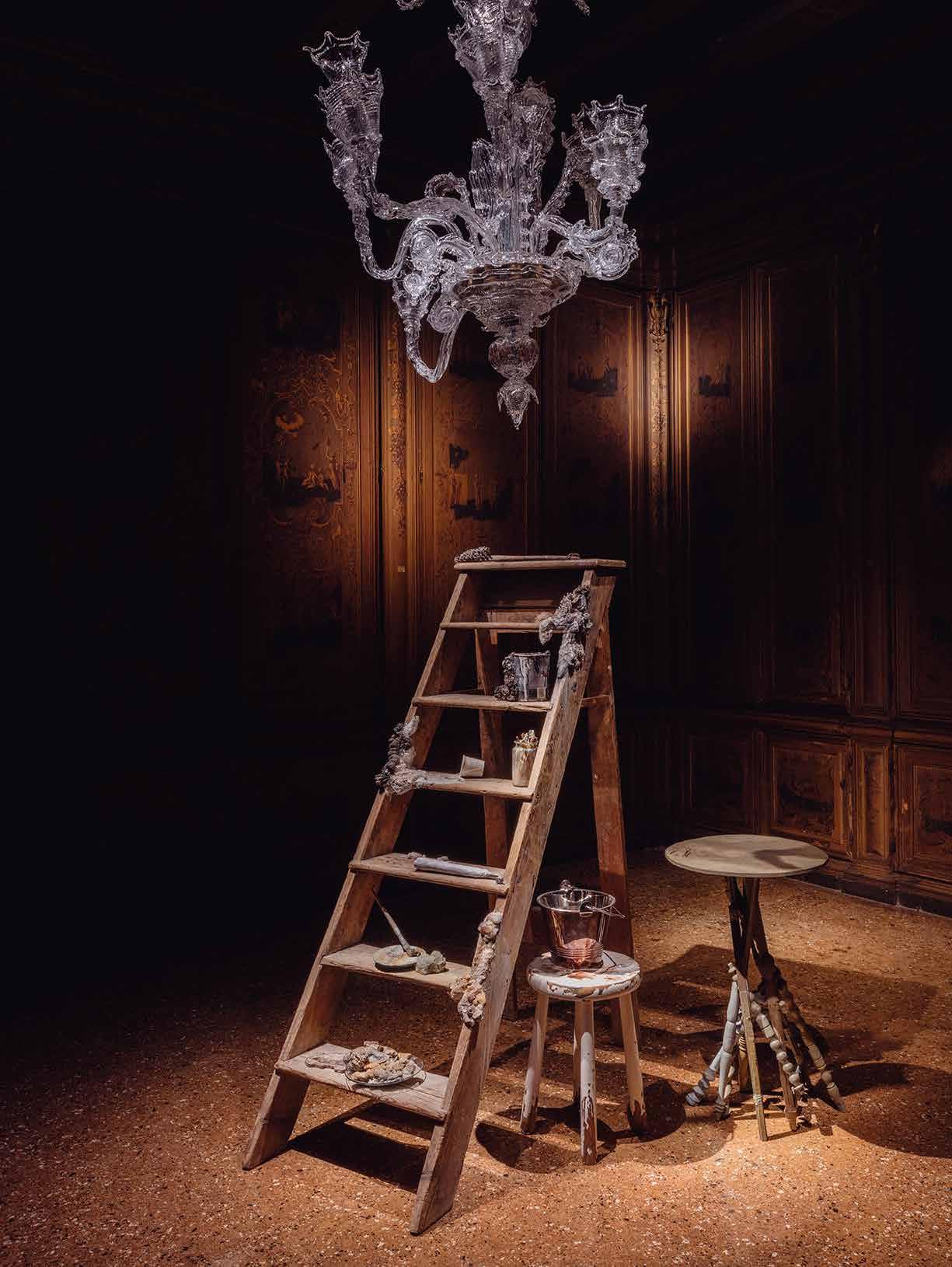
dark grandeur, its mul lioned windows with their ogival arches reflect ing the dancing light on the waters of the Grand Canal beyond. It inspires an almost eccle si ast ical kind of hushed awe, as the salons reveal their secrets. W hen the palazzo was bought by the noble Pis ani Mor etta fam ily, mat riarch Chiara Pis ani took it upon her self to trans form the interiors into a work of wonders, showcasing the finest in Vene tian craft. Fres coes by Tiepolo dance overhead, while woven silk wallpaper by Bevil aqua lines the walls, all lit by enormous Mur ano glass chandeliers. A monolithic bronze cur tain rail, shaped to resemble a branch from some fairytale forest, was once used to cre ate an alcove for the bed of Empress Joséphine, “who stayed here for a few months”, Van Noten says, casu ally.
After pur chasing the palazzo from Maur izio and Ger olama Sammartini, des cendents of the Pis ani Mor et tas, Van Noten found that among the many curios of bur eaucracy around renov at ing an his toric site such as this are the dis tinctly Italian vincol ato objects, her it ageprotec ted arte facts sold with the prop erty that can not be moved. To that end, 17th century chairs mingle with contempor ary works of art in the exhibition – “To stop it being too sweet,” says Van Noten of the gilded sur round ings of one salon, in which he has placed a work of rough brutal ity by Moreno Schweikle. In the altar of one of the rooms sits a sac red heart craf ted in silver cut lery by Ann Car ring ton. O f course, there was still the thorny issue of Italian red tape to deal with in the renov ation of the palazzo, and in October the space will close for fur ther refurbish ments for over a year. Things do not happen quickly in Italy in general, and par tic u larly not in this fra gile city built on water. “How was the pro cess? Do you have a full day to talk about it?” Van Noten asks. “It’s not the most easy city, the laws and rules are very complex.”
Opening pages: Dries Van Noten Photo by Camilla Glorioso Opposite page: Xander Kirkeby, Chandelier, 2025. Photo by Matteo de Mayda
That said, the couple find life in Venice more relax ing than in Belgium, despite the multitude of tour ists who cram its nar row calle and pack its bacari.
“It’s a very comfortable way of liv ing, no cars, no traffic lights. In Ant werp I can lose two hours a day in the car. Whereas here we can go to the opera in nine minutes,” he says, which is just a quick zip down the Grand Canal from his dock (passing his neighbour Diane von Furstenberg in her Palazzo Giustinian Brandolini on the way, on hand to bor row a cup of sugar if need be). Van Noten likes the rhythm of life in Venice: “We head to the Rialto market, the butcher, the good cheese stores, and what’s encouraging is that the second generation is there – the son or grandson tak ing on the family business.”
Although he’s technic ally retired, despite still being involved with the beauty arm of the Dries Van Noten business and popping by the Ant werp office to lend the new cre at ive director his thoughts, he finds creat ive inspiration in Venice. “Something about life on the water allows for more head space, and in a small city like Venice all the di fferent layers of people come together more easily; you have real Venetians, the nobility, art lovers,
young people, students. There’s always something interest ing going on.”
In time he hopes to enlist art schools across the region to work with the fondazione, but on my visit he’s focused on the evening’s launch soirée, for which the guest list has swollen from 250 to 650. He’s concerned about the fragile art works in the space, as well as the possibility of prosecco being spilled on the Bevilaqua silk walls. That said, he’s no stranger to lav ish enter taining – while he’s far too discreet to divulge details, Madonna has just been for a candlelight dinner at the palazzo, and he socialises with von Furstenberg.
Just under two years ago, Van Noten threw a huge party to mark his last show, an emotional affair at which the industry’s great and good turned out to applaud the final bow of this quietly bril liant force who had struck such a singu lar note in the usually homogenised world of fashion. In a warehouse on the out skirts of Paris, a mir ror ball descended and Belgian frites flowed as that chapter of his life drew to a close. At the launch party, as Riva boats dock and prosecco flows dur ing the bewitching golden hour on the Grand Canal, chandeliers glinting and the opaline water lapping melod ic ally, a new chapter begins.
‘I couldn’t see a future just with people my age, talking about gardens and what kinds of fertilisers to use’
Opposite page, from top to bottom: Moodboard; Wendy Andreu Empire Ghost Chair, 2024, Seongil Choi Hardened Mesh Chair, Red, 2026. Photo by Matteo de Mayda; Richard Štipl You are what you think, 2026 This page: Comme des Garçons, Spring/Summer 2025, Christian Lacroix Haute Couture Fall/Winter 2004, Kate MccGwire STIFLE, 2008. Photo by Matteo de Mayda
TheInfluencerOriginal
From overlooked artist in life to global brand in death, a new exhibition explores the enduring legacy of Frida Kahlo
WORDS: JOHN THATCHER
The childhood accident Frida Kahlo suffered nearly robbed her of her life; her spine, foot, and pelvis were crushed and her abdomen and uterus punctured when the bus she was riding home from school crashed. It resulted in the need for 30 medical procedures and chronic pain for the rest of her life. It also led to a period of convalescence during which Frida, bed-ridden, taught herself to paint.
She would go on to inspire generations of artists across diverse media, movements and communities, becoming not just one of the world’s most important painters but a global icon whose significance has only grown in the decades that followed her passing in 1954 at the age of 47.
It’s that legend that London’s Tate Modern museum celebrates in a blockbuster summer exhibition, Frida: The Making of an Icon, which traces Kahlo’s extraordinary rise from a relatively unknown painter to a worldwide cultural phenomenon.
One of the ways in which Frida was unique was how she presented herself, and the exhibition begins with an exploration of how Kahlo constructed and projected her identity in her paintings and personal style; how she visually articulated her many ‘selves.’
“She is quite unique in the way that she represented a complex hybrid identity, one full of contradictions or unusual juxtapositions – indigenousSpanish/German heritage; loving wife/liberated woman; avant-garde/
folk-colonial-style painter; damaged physically/emotionally resilient,” says Tobias Ostrander, Estrellita B. Brodsky Curator at Large who helped curate the Tate’s exhibition.
Highlights in this section include a selection of Kahlo’s most iconic selfportraits, including Self-Portrait (With Velvet Dress) from 1926 and SelfPortrait with Loose Hair, 1938, through which she embraced her Mexican heritage, self-image, feminist ideals, and experience as a disabled woman.
A key component of the exhibition focuses on the surrealist connections between Frida Kahlo and her contemporaries, though the label of ‘surrealist’ is one Frida loathed to wear. “She resisted the associations that Surrealism had with representations of the unconscious or dream states – she insisted, rather, that she painted her own reality and direct experience,” says Ostrander. “Her relationship with Surrealism was complex, in that she critiqued André Breton, the leader of Surrealism, for being arrogant and lazy, yet agreed to be in two exhibitions that he helped organise and understood the value of being associated with this renowned Modernist movement but questioned its tenets at the same time.” Breton, who called Frida “a self-made Surrealist”, acquired her 1838 self-portrait The Frame, and Tate Modern shows this alongside works like Diego and Frida (1929), Survivor (1938), Memory (The Heart) (1937) and Girl with a Death Mask (1938).
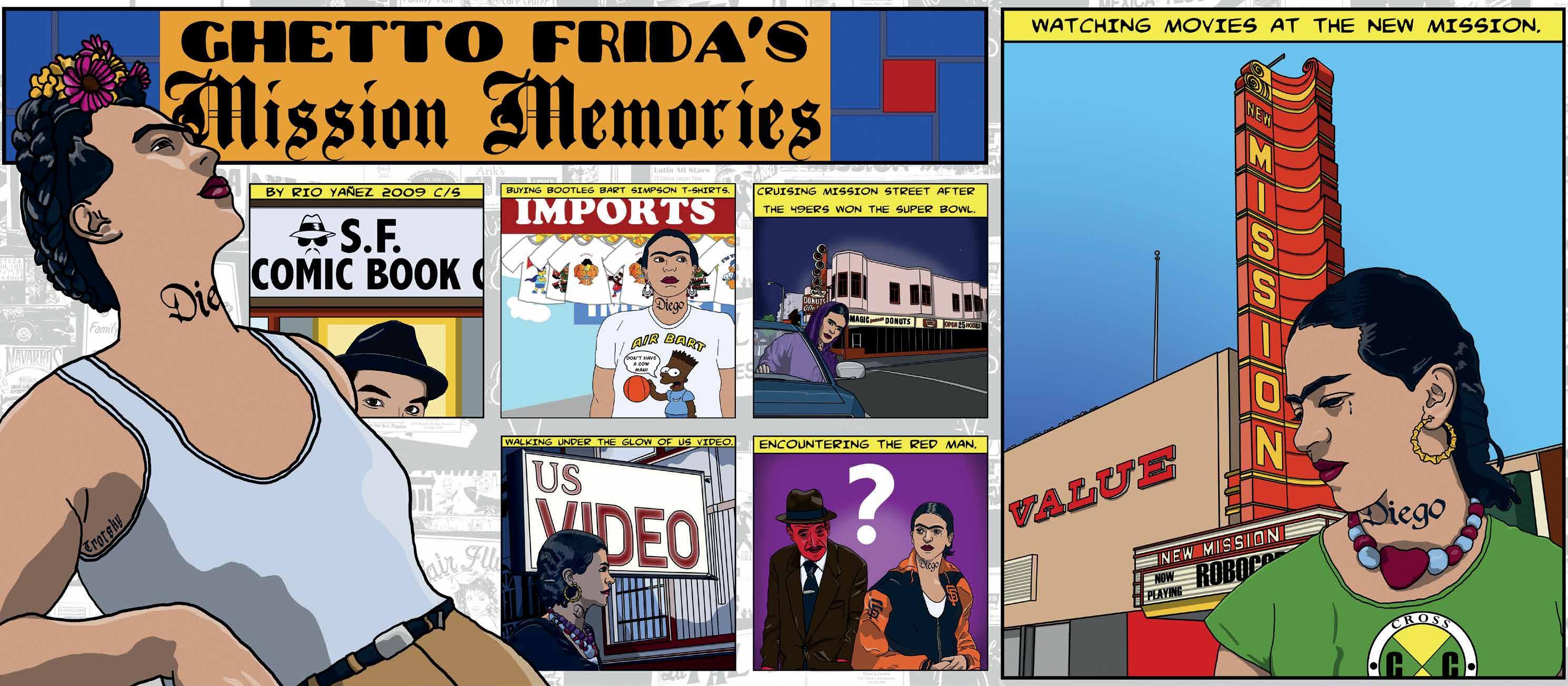
‘One can often get too caught up in her biography and miss the complexity and ground-breaking aspects of her artistic practice’
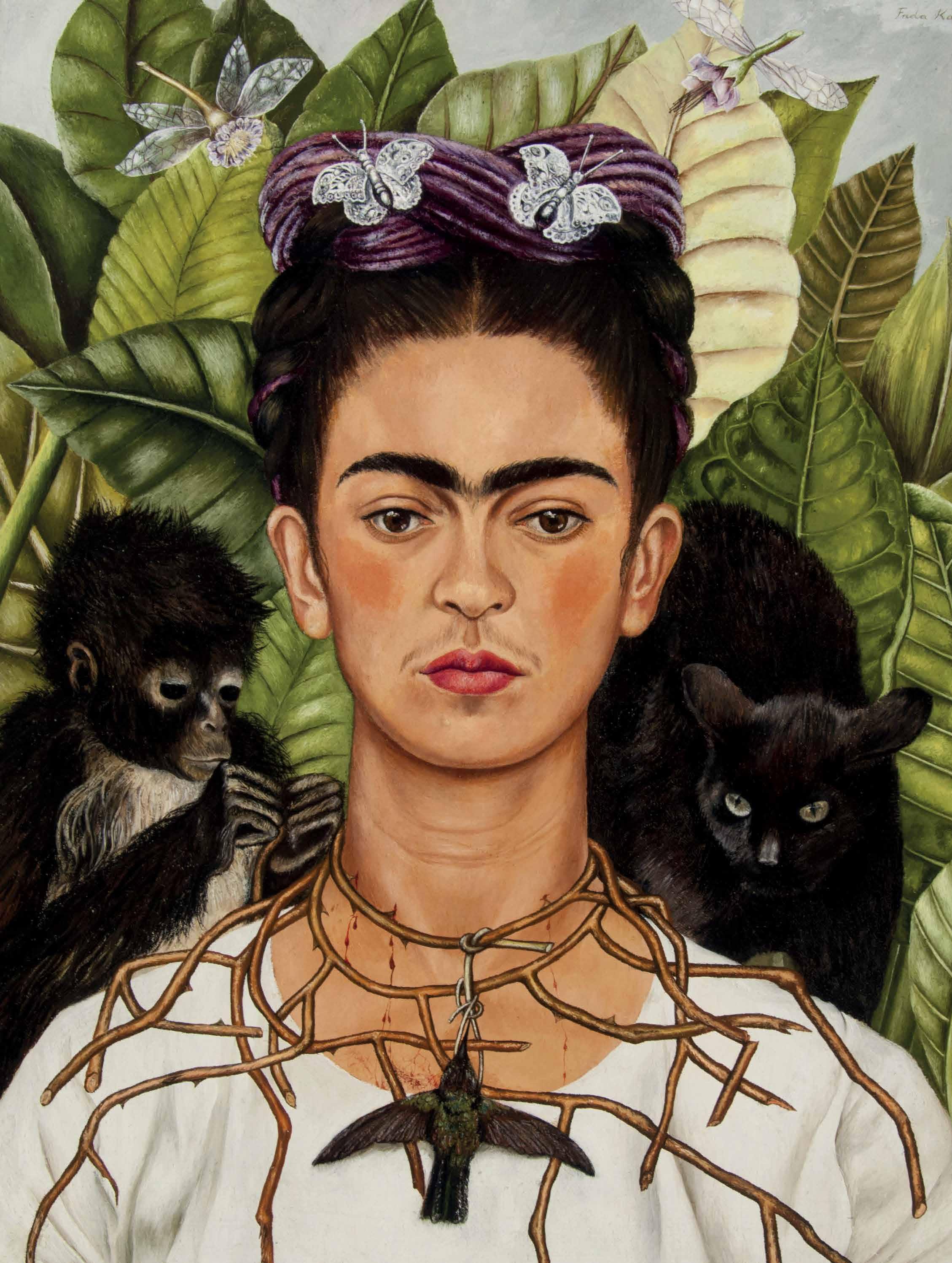
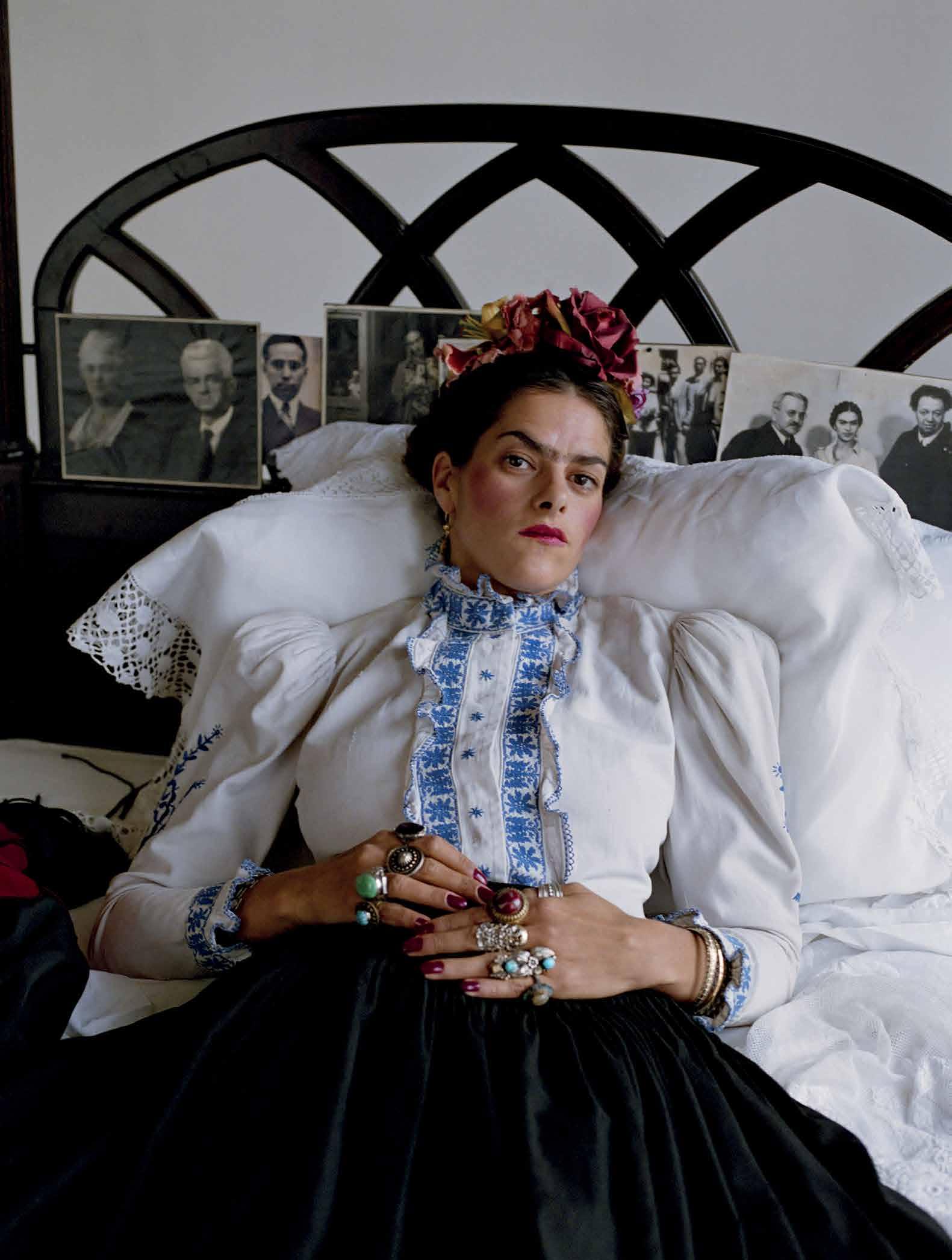
Opening pages: Untitled [Self-portrait with thorn necklace and hummingbird], Frida Kahlo, 1940. Nickolas Muray Collection of Mexican Art. Previous pages: Being Frida, Mary McCartney, London 2000 © Mary McCartney. Courtesy of the artist. These pages: Ghetto Frida’s Mission Memories, Río Yañez, 2009. © Río Yañez
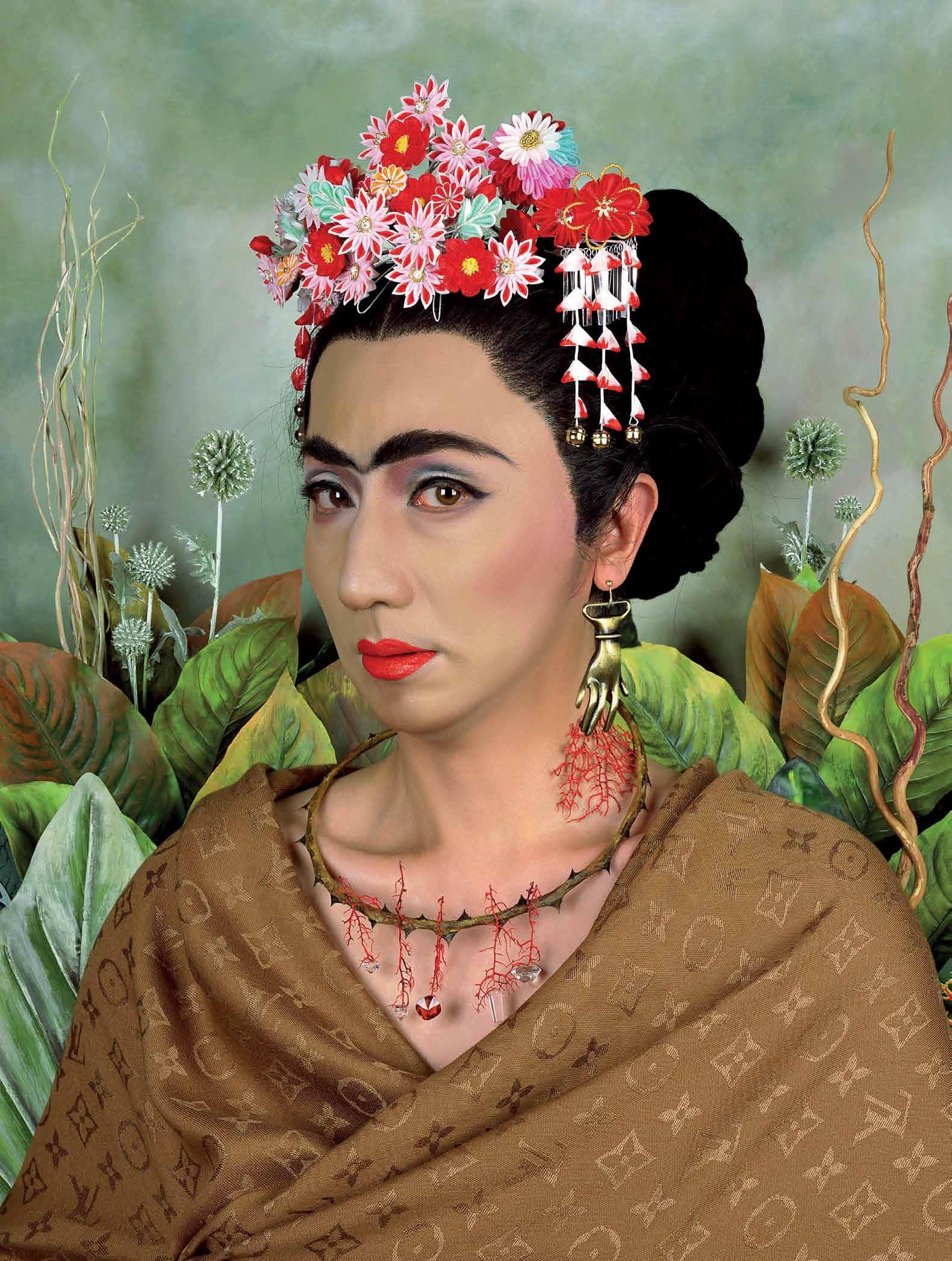
‘Frida is quite unique in the way that she represented a complex hybrid identity, one full of contradictions or unusual juxtapositions’
A nother contradiction that comes to the fore concerns Frida’s communist leanings and her need to promote and sell her image. “She was a communist, so would perhaps be shocked by our contemporary world’s commodification of all things, including identity,” suggests Ostrander. “But she was not unaware or passive regarding the use value of the image she created during her lifetime. I was surprised to recognise that she did many of her self-portraits as commissions – she was ‘selling’ her own image in a conscious manner. By the late 1930s into the 40s, she had constructed her self-image – through her fashion, outspoken reputation and her artwork – that she then looked to live on, financially.”
During this period, Kahlo painted what Ostrander believes is arguably her most essential painting. “Self-Portrait with Hummingbird was painted during this mature period in which she had established her self-image and was looking to promote it and it’s also one of her most ‘iconic’ images in its references to religious icons, specifically images of Catholic saints and Christ. She presents herself facing the viewer directly, which is also unusual and uniquely confrontational with this work.”
This confrontational nature endeared Frida to many, her gravitational pull only becoming apparent in the decades that followed her death. During the late 1960s, the US Chicana/o movement embraced Kahlo as a powerful emblem of cultural pride and political resistance, celebrating her resilience and creativity. Born from the civil rights era of Mexican heritage, these artists aimed to establish a unique identity in America. The exhibition explores how Kahlo’s works such as My Dress Hangs There (1933-8), which captures her ambivalence toward the United States, resonated deeply with Mexican migrants and Chicana/o communities, making her a lasting source of inspiration. The rise of feminism in Mexico and the US during the 1970s and 1980s also sparked renewed interest in Kahlo’s groundbreaking self-representation. Her self-portraits, featuring cropped hair, a faint moustache and masculine attire, as well as her scenes of childbirth and female sexuality, boldly challenged cultural norms.
These days, Frida is now a global figure. Through the licensing of her likeness and partnerships with major brands, her image has been propelled into mainstream culture, appearing on
everything from T-shirts and tequila bottles to Barbies and perfume, something the exhibition examines in a section titled ‘Fridamania.’
“Her way of embracing and representing a hybrid identity, one that represents multiple cultural backgrounds, personal attractions and psychological states simultaneously, and the way she was able to articulate these in a strong, unapologetic and simultaneously personal manner, resonates with how many of us aspire to express our own identities publicly within a contemporary world,” suggests Ostrander.
Ostrander hopes, however, that Frida the brand never overshadows Frida the artist. “Curating this exhibition has helped me understand the importance of separating her artwork from her life while concurrently recognising how they both were intricately related. One can often get too caught up in her biography and miss the complexity and groundbreaking aspects of her artistic practice, one that really changed how we think about self-portraiture.”
Frida: The Making of an Icon, Tate Modern, London, from now till January 3, 2027
Opposite page: An Inner Dialogue with Frida Kahlo (Hand Shaped Earring), Yasumasa Morimura, 2001© Yasumasa Morimura; Courtesy of the artist, Luhring Augustine, New York and Yoshiko Isshiki Office, Tokyo
SUPERSTAR


SUPERSTAR
WORDS: JOHN THATCHER
The McLaren Artura drives up its power and performance levels to deliver an electrifying ride
It was apt that when I fired up the McLaren Artura for the first time (I say ‘fired up’, but it starts in electric mode, which is just as well should you value your relationship with your neighbours) that the song playing on the car’s stereo was Hotel California by The Eagles. Because while it’s fairly easy to check yourself into the car’s Comfort seat –though at my age, with 50 now in my rear view mirror, that seat does look a long way down – you can never leave it. At least you can’t with your dignity intact.
To her horror, my teenage daughter discovered this when I rolled up in a head-turning canary yellow Artura to collect her from her dance class. Standing outside with a gaggle of her friends, she was naturally elated as their jaws dropped in unison at the sight of this sleek supercar. But the social capital she instantly acquired was just as swiftly lost as I got out to retrieve something from the boot space in the Artura’s nose. To put it mildly, at my age there is no way to gracefully exit the Artura, and my daughter’s face said as much as I clumsily clambered out of it.
“If you pick me up in this car again, it’s best if you just stay inside it,” she ordered. Which, to be honest, was absolutely fine by me as I was in no rush to ever leave. For a start, those seats are a rarity in a supercar, supporting, tilting and lifting to provide the perfect driving position no matter your size – pull on one of the stalks and your seat instantly returns to the last position you put it in, saving precious seconds of faffing around.
But the main reason for not wanting to leave the Artura is that it’s an absolute joy to drive. It’s powered by a twin-turbo V-6 plug-in-hybrid powertrain, which was previously employed by McLaren in the McLaren P1 and Speedtail but features here for the first time in a seriesproduction car. That potent mix of V6 engine and 7.4 kWh battery creates 671 bhp and will propel you from 0-100 km/h in three seconds flat, or from 0-300km/h in just 21.5 seconds – such numbers are important when you’re trying to whisk your embarrassed daughter away from her friends. The boost from the electric means there is zero delay between you pressing the pedal and speeding off which, putting the environment to one side, is the distinct advantage of electric vehicles. You can actually drive the Artura in fully-electric mode, if only for a short 30 kilometres, but that’s more than enough distance if you simply wish to be courteous and curtail the noise of your tailpipes as you drive through your community late at night.
TheArtura is also the first McLaren to ride on the company's latest Carbon Lightweight Architecture, and that lightness is hugely impressive for a plug-in hybrid supercar – the carbon chassis tub weighs a mere 82kg. Not only does this naturally aid the Artura’s performance and braking, but it also makes it magnificently responsive; its handling is razor sharp, its grip exceptional and the way it takes corners would make a peak David Beckham weep. Change the car’s set-up – modes
run from Electric to Normal, Sport to Track – and the Artura gradually reveals its personality. In Normal, though the ride is certainly comfortable, you get the sense that the Artura would like you to hurry the hell up and move it into Sport mode. Do so and it emits its aural delight. To be honest, as petrol does not run through my veins (just as well given its current cost) and I drive a fully-electric car – sans that silly fake sound you can add to pretend you’re not actually driving an electric car; go figure – I’m not all bothered by such a sound. At least, I wasn’t until the Artura piped up when I used the paddles to manually flick through its 8-speed transmission, delivering a surefire sonic hit. I didn’t get the chance to take it to a track so it could fully express its personality, but as Lando Norris was one of the Artura’s test drivers, I’d wager it’s spot on. Certainly spot on is the brilliant visibility you’re afforded from the driver’s seat, particularly through the rear window. It’s something McLaren has always done well but especially so here, with ample thought given to making things as simple as possible for the driver – you can access the car’s major controls and settings with the flick of a fingertip; the instrument panel moves in line with the adjustable wheel, so it’s always within the driver’s eyeline; and the well-placed infotainment screen is easy to navigate. If I were younger, I’d no doubt be able to nimbly exit the Artura and hand the key back to McLaren. Alas, for the sake of my daughter I don’t think I can ever leave it. Oh well.
‘The Artura is it magnificently responsive, its handling razor sharp’

Sharing
How Junghyun ‘JP’ Park’s innovative approach to Korean cuisine propelled his New York restaurant Atomix to global acclaim
WORDS: JOHN THATCHER
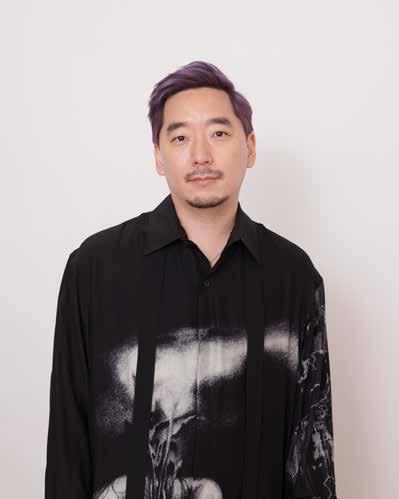
The best chefs go to great lengths to develop their craft. In the case of Seoul-born Junghyun ‘JP’ Park, that meant embarking on a journey to over 30 countries, from Finland and various European nations through to Australia, the UK and ultimately the US, where in New York he and his wife, Ellia, head up a group of restaurants fronted by the two-Michelin-star Atomix, a flagbearer for Korean cuisine on the global stage.
“Every country taught me that food exists within its own logic, traditions and relationship to daily life,” says JP of his epic journey. “Those experiences expanded my perspective as a chef, but they also changed the way I viewed myself and my own background. It wasn’t a sudden Eureka! moment, it happened gradually over many years. As those experiences accumulated I began to realise that Korean cuisine was where my deepest understanding lay. It is the food I grew up with, the food I understand instinctively, and the culture that continues to inspire me the most.”
Growing up in Korea, JP details how some of his strongest memories revolve around family gatherings, typically during holidays, when multiple generations would come together around food. “As a child, I often helped my mother and grandmother prepare meals for these gatherings. At the time, I probably thought I was just helping in the kitchen but, looking back, that was when I first became fascinated by food. I saw how much care, effort and emotion went into feeding others and how food could bring people together in a meaningful way.”
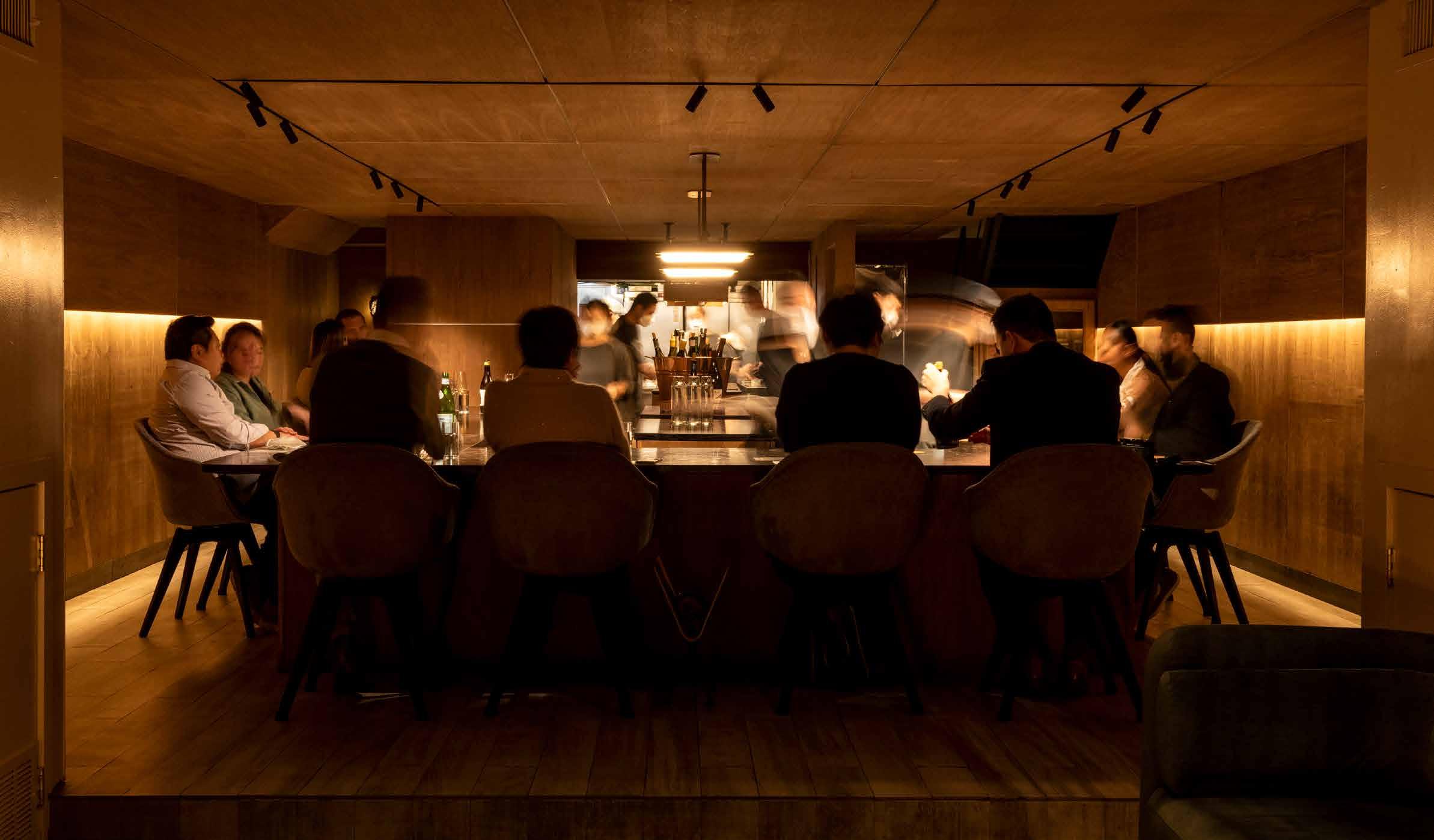
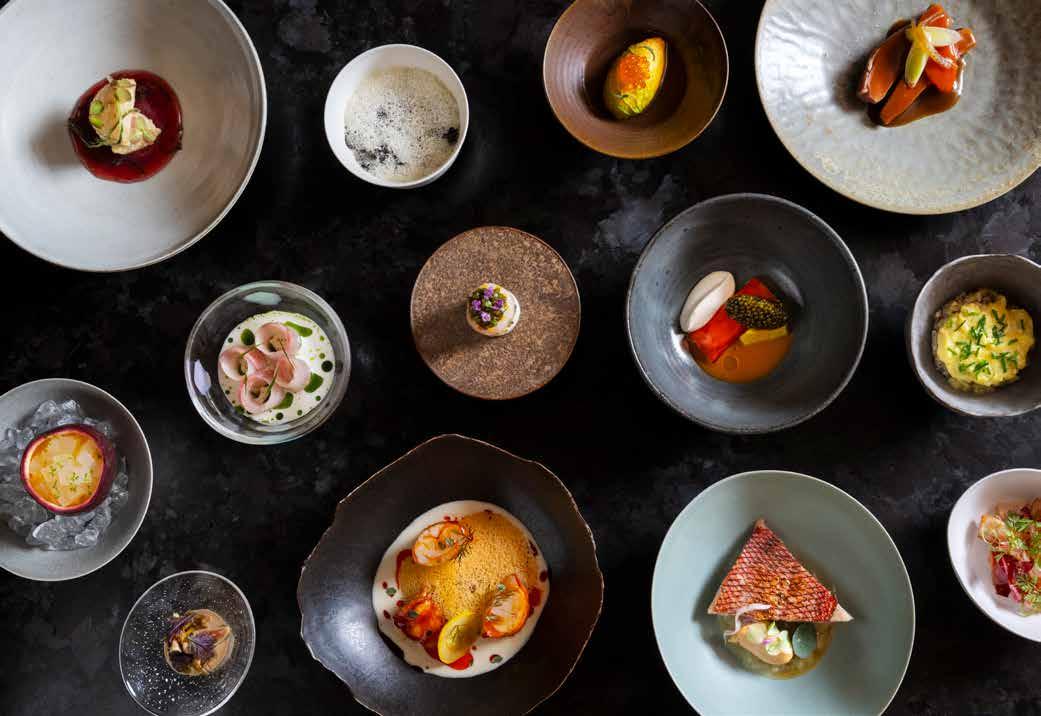
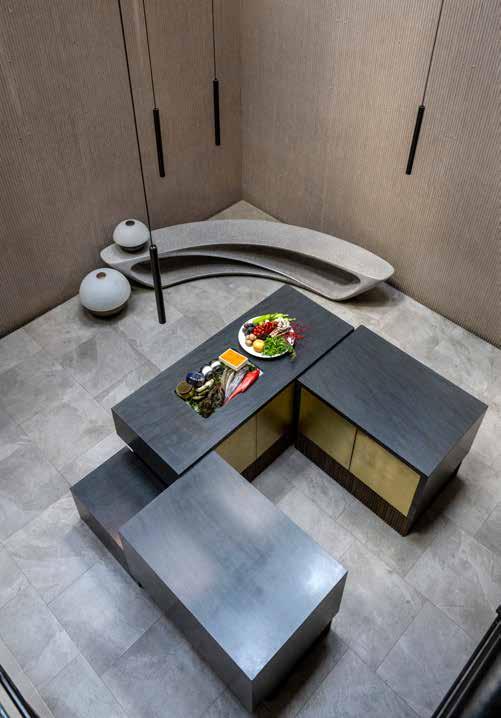
Bringing people together at Atomix means 14 diners enjoying a constantly changing 12-course tasting menu of Korean-based plates at a U-shaped counter. When it opened in 2018 as the
fine-dining follow-up to JP and Ellia’s more casual Korean restaurant, Atoboy, the K-wave was already riding high. But it was Atomix – and JP’s mastery of flavour – that elevated Korean cuisine to the pinnacle of global fine dining.
“International diners today have a much broader understanding of Korean cuisine than they did even ten years ago. Korean chefs are contributing to dining scenes around the world, and Korean culture has become more visible globally. As a result, many people now look beyond typical Korean dishes and are becoming curious about the deeper layers of Korean cuisine,” says JP.
“More important now is communicating the context behind the food. Korean cuisine is traditionally built around balance – between dishes, seasons, textures, fermentation and communal dining. Helping guests understand and appreciate those relationships and the thinking behind them is one of the most rewarding parts of what we do.”
Doeshe feel any pressure from being viewed as someone tasked with pushing the boundaries of Korean cuisine globally? “I try not to think of myself as representing all Korean cuisine. Korean food is incredibly diverse, and there are many chefs and perspectives contributing to its evolution around the world. What matters to me is approaching the traditions with respect and continuing to learn. I hope our work can contribute to a larger conversation, rather than define it.”
There is certainly a lot of conversation around Atomix, which remains one of New York’s toughest reservations, its seats consistently sold out in advance. In addition to its Michelin stars and number 12 position in the World’s Top 50 restaurants, it was recently voted the second best restaurant in New York City by the influential New York Times.
“I’m genuinely grateful for the recognition Atomix has received over the years. When we opened, one of my hopes was that a Korean fine dining restaurant could stand confidently on the global stage while speaking in its own voice. In many ways, that aspiration has been realised beyond what I expected. At the same time, I find the idea of having ‘reached the point’ [of what JP imagined for Atomix when it opened] a difficult one. The destination tends to move. The goals evolve as we grow, learn, and better understand what we
want to contribute. What interests me today is not whether Atomix has reached a particular point, but whether it still reflects who we are, whether it remains curious, and whether it can continue offering something meaningful. Those questions continue to shape Atomix.”
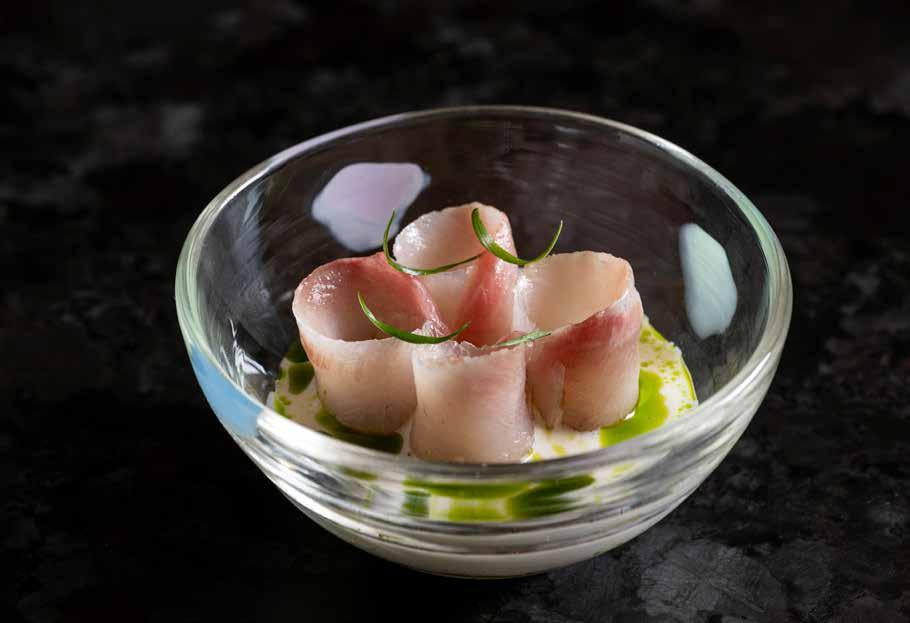
To shape a new Atomix menu – the latest iteration includes the likes of lamb with gochujang, a traditional Korean fermented chilli paste, and lobster with white asparagus and cheongju, a refined Korean rice wine – JP draws inspiration from all that surrounds him. “It still comes from anywhere – a meal, a conversation, a piece of art, or even something very ordinary in daily life. The challenge is translating that idea into a dish.
“Over time, however, our menus have become less about showcasing individual dishes and more about creating a cohesive experience. We spend a lot of time thinking about how each dish relates to the next and how the menu unfolds as a whole. I often think about a menu the same way I think about the seasons; they change gradually, not all at once, and so do our menus. There are always new ingredients, new ideas, and new influences shaping the menu, but there is also continuity. Each menu builds on the one before it.”
To build on the success of Atomix means adapting to greater expectations. “Success creates opportunities, but it also brings responsibility. More people pay attention to what we are creating now, and naturally there are expectations that come with that. But I don’t think those expectations should become the sole driving force behind creativity.
“We try to stay focused on curiosity, learning, and experimentation. The goal is not to repeat what we have already shown the world but to continue asking questions and evolving. At the end of the day, we are still trying to learn and create memorable experiences for our guests. That hasn’t really changed.
“I hope our food encourages people to explore not only Korean cuisine but also the history, perspectives and stories we are trying to share. If a meal inspires someone to explore more Korean restaurants, ingredients or traditions, that means a lot to me.”
Just as it means a lot to the diners fortunate enough to have secured one of Atomix’s coveted seats.

‘ The goal is not to repeat what we have already shown the world but to continue asking questions and evolving ’

Reach for the Sky
Why a unique mix of speed, capability, comfort and style sets the Bombardier Global 8000 apart
“The Global 8000 was designed around a very simple idea: real luxury is arriving refreshed,” states Hani Haddadin, Bombardier’s Regional Vice President of Sales for the Middle East, Africa, South Asia and Türkiye. “Everything in the aircraft, from its ultra-low cabin altitude – which is the lowest in business aviation – to advanced systems like Pũr Air and Soleil circadian lighting, is engineered to reduce fatigue, combat jet lag and help passengers arrive feeling their best. Ultimately, what sets the Global 8000 apart is that it doesn’t just transport you; it optimises how you feel and perform when you arrive.”
While wellness was central to the Global 8000’s benchmark-setting design philosophy, it’s only one of many defining qualities that place the aircraft in a class of its own. Performance-wise, the Global 8000’s top speed of Mach 0.95 makes it the world’s fastest civil aircraft since Concorde – it’s a genuine game-changer.
“With the Global 8000, performance is really about giving time back,” says Hani. “Its industry-leading speed and range enable customers to reach their destinations faster and fly further than ever before, opening new possibilities for direct travel and more efficient global connectivity.” To prove its capabilities, Hani details how the aircraft recently set its first speed record when flying passengers to the Monaco Formula 1 Grand Prix, taking off from Montreal, Canada, and touching down in Nice, France, in a little over six hours. Additionally, its range of 8,000 NM enables nonstop travel between more city pairs than ever before. Yet, as Hani points out, such attributes are not the only way the Global 8000 saves passengers’ precious time.


“With access to up to 30% more airports [the equivalent of more than 2,000 destinations than its closest competitors], the Global 8000 can often bring passengers closer to their final destinations. Its exceptional short-field performance also enables faster, more efficient travel by operating from shorter runways and, in some cases, eliminating the need for a fuel stop altogether. This combination of speed, range and flexibility makes the Global 8000 more than the fastest civil aircraft since Concorde – it is an asset that allows customers to maximise their time, productivity and global reach.”
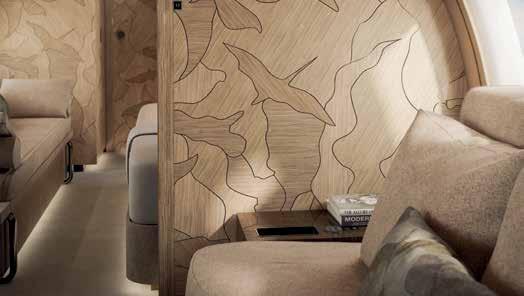
It is also an aircraft that grants customers the option of a bespoke cabin design, for which, in what is a first-of-its-kind collaboration, Bombardier has brought onboard Elie Saab, one of the world’s finest couturiers. “The collaboration with Elie Saab came from a natural alignment of values and vision,” outlines Hani. “Elie Saab is globally recognised for timeless elegance, craftsmanship and exceptional attention to detail, qualities that resonate strongly with how Bombardier designs and builds its aircraft. What made the partnership particularly compelling was the shared family heritage behind both brands. Elie Saab and Bombardier were both built on family-led legacies that continue to shape their vision, values and commitment to excellence. The partnership brings together aviation and haute couture, elevating business aviation through a new level of design sophistication and refinement.”
If this landmark collaboration conveys how the concept of aircraft cabins has evolved significantly from a decade ago, it is also reflective of how the expectations of Bombardier’s customers have changed. “We are seeing a growing desire among customers to personalise their aircraft in much the same way they would a home or yacht, creating spaces that reflect their individual tastes, priorities and lifestyles,” says Hani. “More broadly, this reflects a shift toward luxury that is increasingly personal, experiential and tailored to the individual.”
Which is exactly what makes the Global 8000 unique, an aircraft that, as Hani acclaims, is “faster, more connected, more personal and increasingly centred on the passenger experience.”
CONCIERGE
Sunset in Milan
The opening of the METT Milan Torre Velasca sees Sunset Hospitality Group debut in an architectural landmark
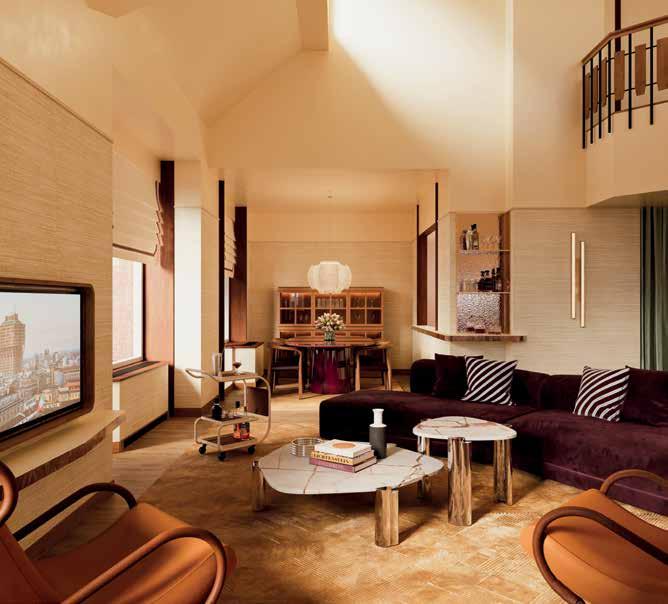
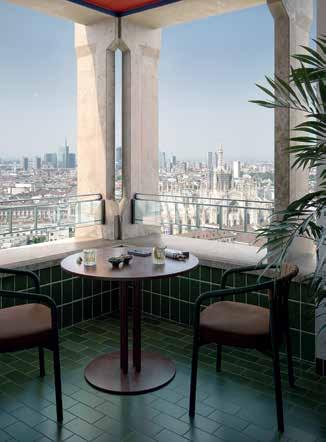
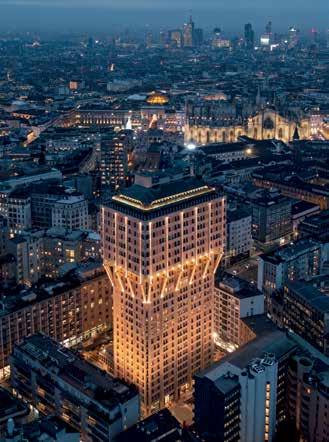
Sunset Hospitality Group continues to expand its global footprint with this month’s opening of the METT Milan Torre Velasca, marking the brand’s debut in Italy. Claiming the top nine floors of the city’s brutalist landmark Torre Velasca, the hotel is a mix of suites, residences and penthouses that afford its guests sweeping views across Milan and swift access to the Duomo di Milano, Via Montenapoleone and Teatro alla Scala. Also making its bow in Italy is Sushisamba Milan, which will welcome guests to Torre Velasca’s ground floor, while in-house private members’ club Madison House Milan will offer a year-round programme of events and experiences. Reservations are open now for stays from July 16. metthotelsandresorts.com/milan
Opposite page, from top to bottom: Bombardier Global 8000 inflight; Elie Saab-designed Bombardier Global 8000 cabin concept
This page, below: Elie Saab-designed Bombardier Global 8000 cabin concept
WHAT I KNOW NOW ANDREW M. RAMROOP, OBE
CREATIVE DIRECTOR AND OWNER OF MAURICE SEDWELL

The best piece of advice I’ve ever received is that the old cliché of ‘you don’t work a day in your life if you do something you love’ does not actually lead to success. Having a deep emotional connection with your craft, developing your skills and valuing your customer is what will result in entrepreneurial achievement.
Founding the Savile Row Bespoke Academy (SRBA), which created a pathway for others to follow, is my greatest achievement. It led to Queen Elizabeth II pinning a medal on my lapel that stated, ‘You are a tailor and educator’, confirming my status as an officer of the Order of the British Empire (OBE). This was a surreal experience, which I can remember as if it were yesterday.
Travelling from a sparsely populated hillside village in Trinidad, waiting on the Port of Spain docks for five
hours to meet a boat, and sailing towards a mysterious place named Savile Row – leaving my parents, siblings and friends behind – was the most traumatic experience I have ever endured. This taught me the importance of focus, perseverance and commitment to my craft.
The best compliment I’ve ever received? I can’t decide. Maybe it was being a guest on BBC Radio 4’s Desert Island Discs or when Harvard University Professor Henry Louis Gates Jr asked to ghostwrite my autobiography. Perhaps it’s when Ashok Kumar Bal said he was writing a book about my journey from Tunapuna to Buckingham Palace. Or perhaps it was when the University of the Arts London conferred upon me the title of Professor for Distinction in the Field of Tailoring.
I would not change anything about myself. My experiences, good, bad and indifferent, were all valuable
lessons from which I have gained some degree of wisdom.
Spending quality time with my amazing, lively and inquisitive two young sons, Andrew Madan Jr and Daniel Reinaldo, at my glorious Caribbean hideaway in Trinidad is my idea of perfect happiness: trekking the Northern Range of mountains and discovering its elusive waterfalls.
If I could advise my younger self, I’d say, ‘Speak up, ask questions and protest injustices.’ Too many times I have regretfully taken the easy way out by being docile.
Many years ago, someone gave me my future horoscope chart. Among the predictions was that I would have a Porsche on my driveway. I thought, no way, that’s not me – never! They are ugly, like a frog. Today, decades later, that prediction has materialised.





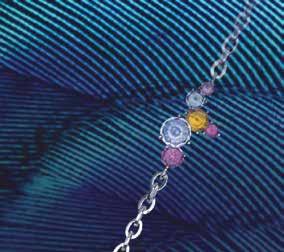


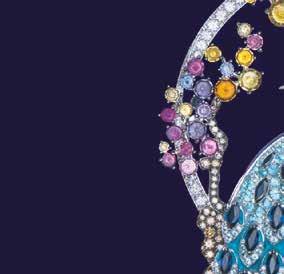
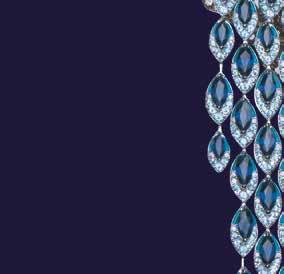


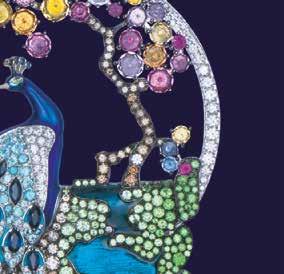
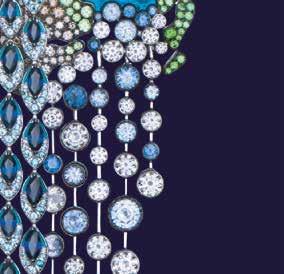




Four Seasons Hotel Istanbul At The Bosphorus The Peninsula London | Jumeirah Carlton Tower London
JOURNEYS THAT ENDURE

Reclaimed sleeper wood that once connected the world. Now carrying their journey forward through timeless design.