









































































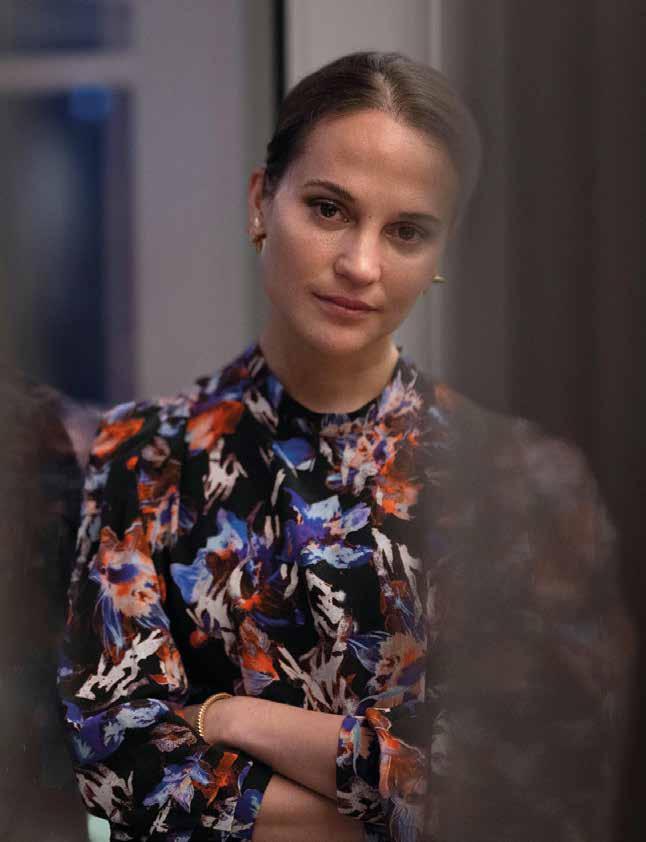
Oscar-winner Alicia Vikander on her nomadic life with husband Michael Fassbender.
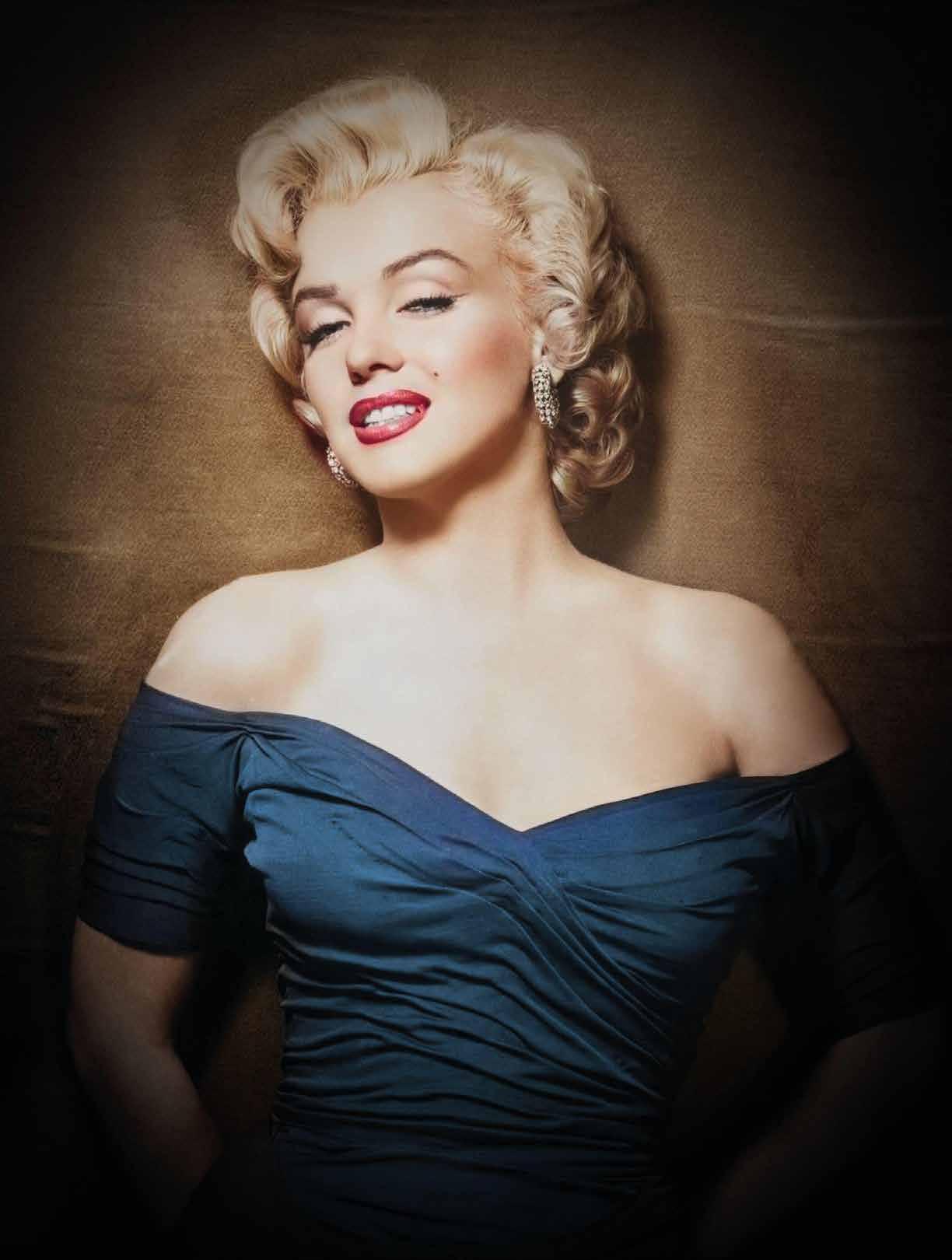
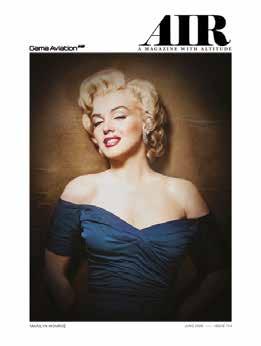
The starring role Marilyn Monroe played in projecting her own image.
Caroline Leaper meets PierreLouis Vuitton at the brand’s glorious Art Nouveau house.
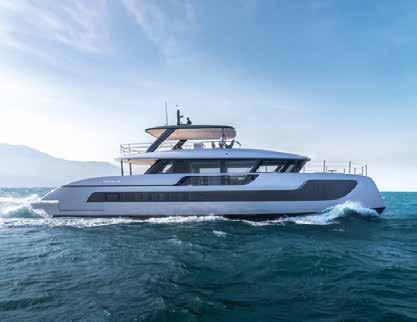
Sunreef Yachts unveils the ‘floating beach house’ Ultima 88.
The latest luxury items we’re currently coveting.
Why BMW’s collection of celebrated Art Cars is coming together for the very first time.
Chopard’s annual Red Carpet Collection remains full of wonder.
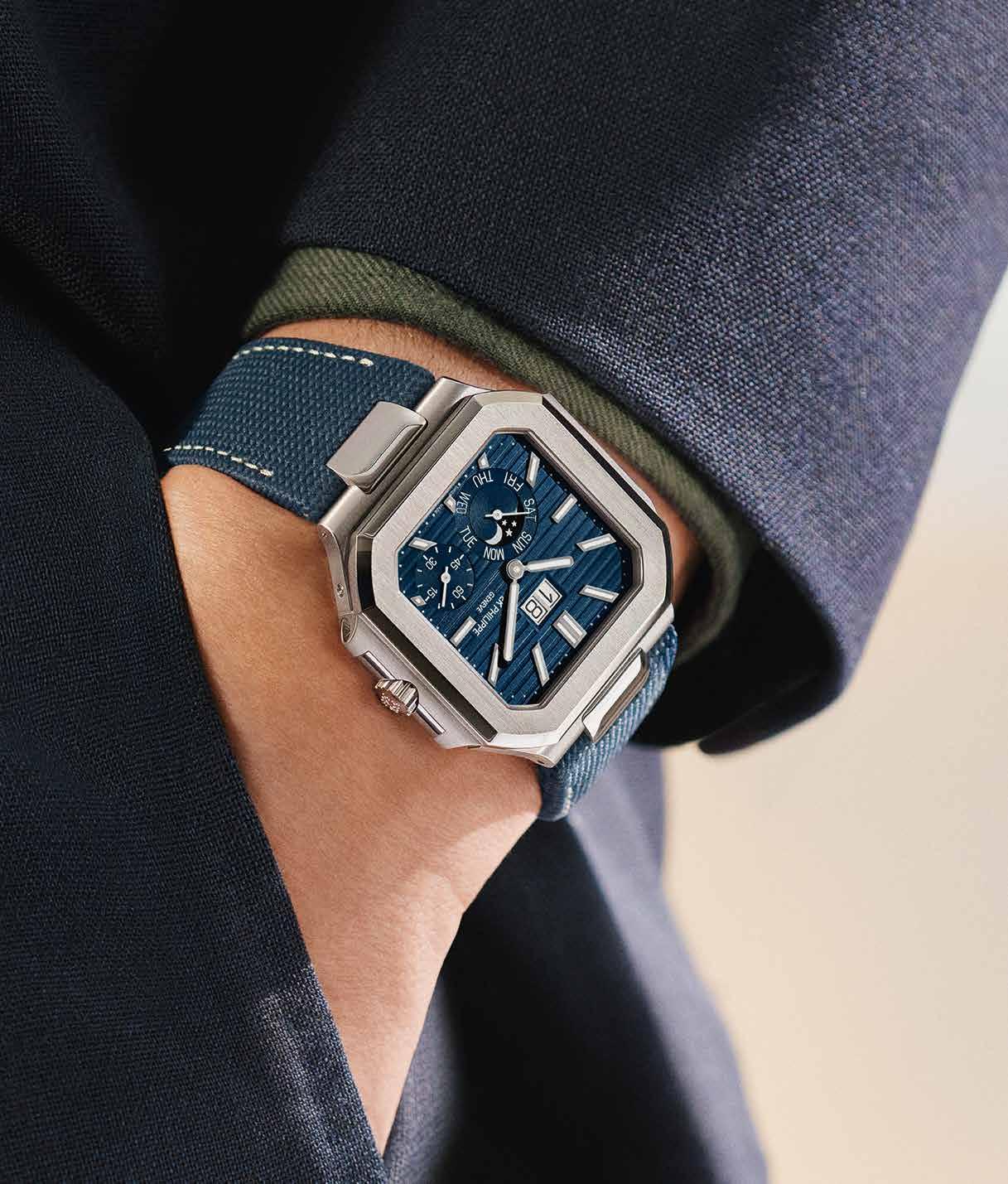
Patek Philippe’s latest releases pay homage to its own past and the decorative skills of its master artisans.
How the new Mercedes-Benz S-Class has been refined to be better than ever.
Self-taught chef Viki Geunes is celebrating thirty years at the helm of his own three-Michelin-star restaurant. He recipe for such success? Family.
The Seychelles resort with the incredible spa and the London residences where five-star service reigns supreme.
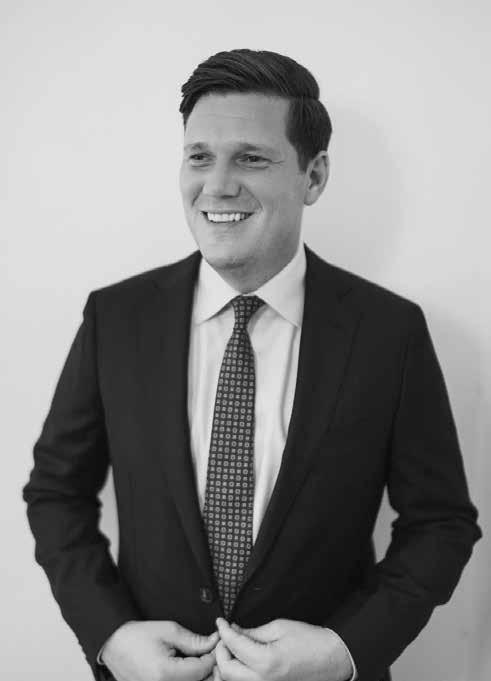
Ajaz Sheikh, Group CEO and Partner of The Arts Club.

Editor-in-Chief & Co-owner
John Thatcher john@hotmedia.me COMMERCIAL
Managing Director & Co-owner Victoria Thatcher

Welcome to the latest issue of AIR. Whether you are reading this before departure, in the air between destinations or during a quieter moment at the end of a journey, I hope this edition offers an interesting perspective on the evolving world of private aviation and the people, places and experiences that continue to shape it.
For all of us at Gama Aviation, the past few months have represented a particularly important milestone with the opening of our new Business Aviation Centre in Sharjah. Our decision to invest in Sharjah more than a decade ago was driven by a clear belief in both the emirate itself and the long-term future of business aviation within the UAE. With the future closure of DXB already well documented, we believed Sharjah was uniquely positioned to become an increasingly important gateway for private aviation, offering direct access to the Northern Emirates and downtown Dubai while benefiting from the operational efficiency and accessibility that business aviation values most highly.
What we have sought to do through the development of the new BAC is enhance those advantages even further.
Every aspect of the project was approached through the lens of operational flow and user experience. The location selected within the airport allowed us to develop a fully self-manoeuvring apron, minimising the need for towing and enabling aircraft to arrive and depart more efficiently. Short taxi distances to the runway help reduce delays, while integrating fuelling and ground handling operations within a single environment creates a more seamless experience for both passengers and crew.
More recently, the addition of the helipad has introduced another important dimension, creating faster onward connections across the UAE and wider Gulf region while adding further flexibility for clients travelling on particularly time-sensitive itineraries.
What has been especially rewarding since opening has been hearing directly from passengers, crews and operators who have experienced the facility firsthand.
The feedback consistently speaks about the ease of movement through the BAC, the calm atmosphere within the lounges, the operational efficiency on the ground and the sense that the experience feels thoughtfully considered from beginning to end. That has always been our ambition.Private aviation should feel personal, discreet, and reassuringly efficient. In many ways, it is often the details behind the scenes that shape the experience people remember most.
As we continue to develop the Business Aviation Centre and welcome more travellers through Sharjah, we remain incredibly proud of what our teams have achieved in a relatively short period of time and excited for what lies ahead.
Thank you for reading and for travelling with Gama Aviation.
Tom Murphy
Managing Director, FBO Services, Gama Aviation
About Tom Murphy
Tom Murphy is Managing Director of FBO Services at Gama Aviation, with responsibility for guest experience across the Group’s international FBO locations, including Sharjah, Jersey, and Glasgow. With more than 20 years’ experience in aviation and airport operations, Tom has built a reputation for developing high-performing teams and delivering calm, dependable service in complex operational environments.
Since joining Gama Aviation in 2018, Tom has held several senior leadership roles and has played a central role in the growth and evolution of the Group’s FBO network. He now leads the strategic development of Gama Aviation’s guest services, overseeing new facility openings, major redevelopments and continued investment in people, training, and service culture.
Tom’s leadership philosophy is grounded in trust, consistency, and attention to detail — ensuring that every location delivers a considered and professional experience, while supporting teams as the business evolves and new capabilities come online.
How fashion, craftsmanship and culture shaped a new chapter for Gama Aviation’s client experience teams
There is a certain confidence that comes from thoughtful design. Not the kind that demands attention, but the quieter assurance created when every detail has been carefully considered. In private aviation, where first impressions are formed in moments, that sense of refinement matters.
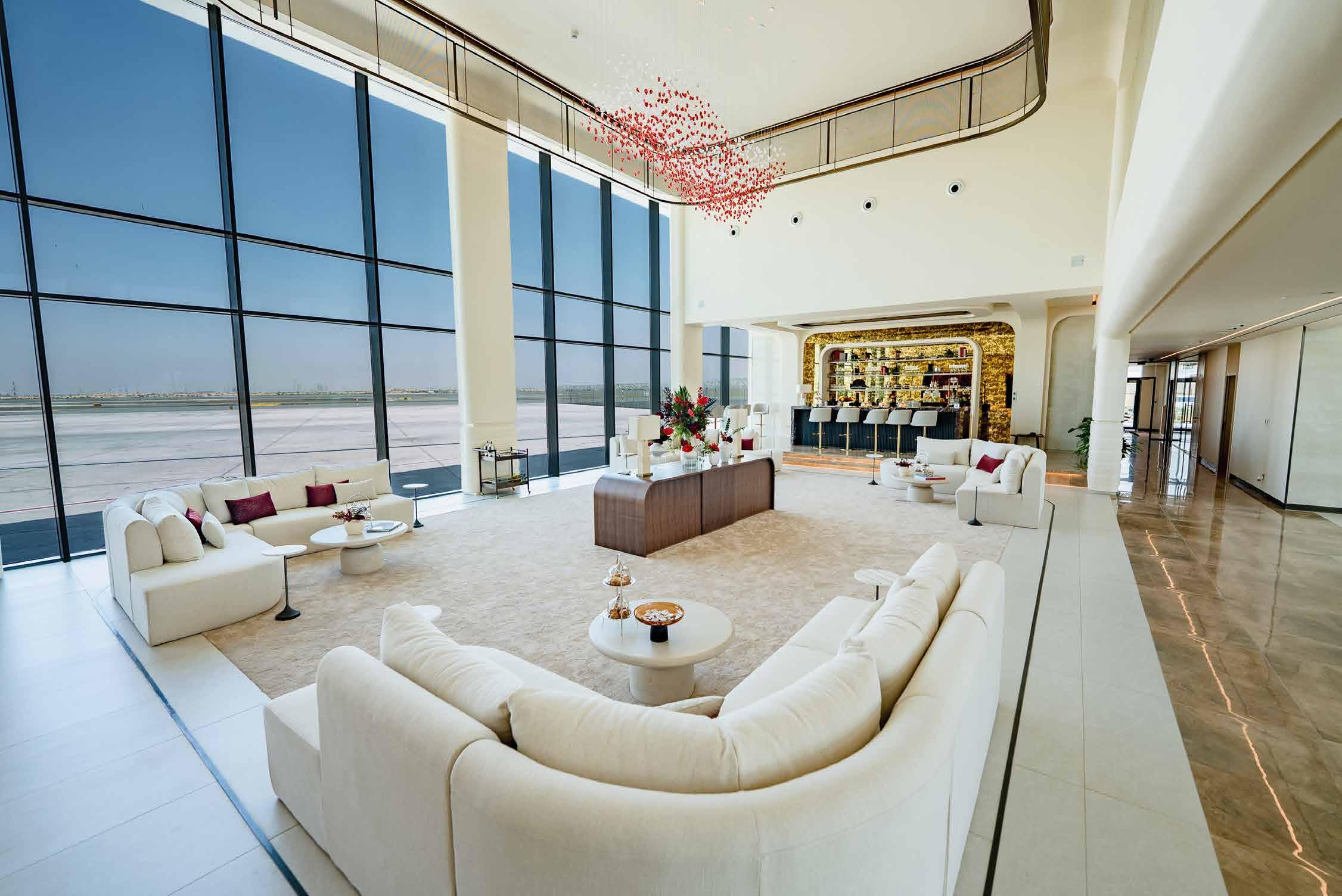
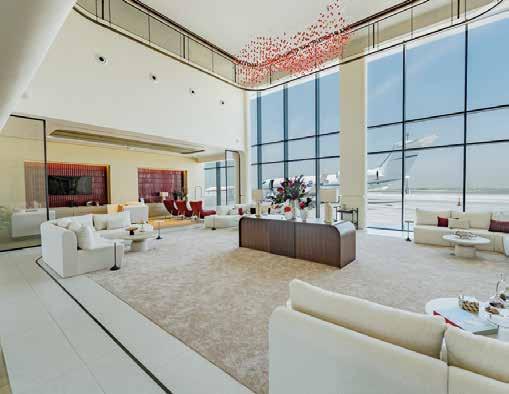
At Gama Aviation’s new Business Aviation Centre in Sharjah, it can be seen throughout the experience. In the calm architecture of the lounges, the warm tones woven through the interiors, and now, in the uniforms worn by the client experience and ground handling teams who welcome passengers and crew each day.
The new uniform collection, recently introduced at the Sharjah BAC, represents far more than a visual refresh. Developed over many months in collaboration with specialist fashion designers in both the UAE and the UK, the project formed part of a wider ambition to create an experience that feels entirely considered from arrival through to departure.
For Evie Freeman, Group Director of Client Experience, the approach was always intended to be highly personal.
“From the outset, we wanted the uniforms to feel elegant, modern and timeless, while also reflecting the warmth, refinement and attention to
detail that sit at the heart of the Gama Aviation experience,” she explains. “But equally important was ensuring our teams felt comfortable, confident and proud wearing them every day.”
Rather than selecting a standard off-the-shelf solution, Gama Aviation worked alongside experienced designers to create a bespoke collection tailored specifically for the operational environment of the BAC.
What followed was a design process far more commonly associated with luxury hospitality and fashion houses than traditional aviation uniforms.
Over several months, designers worked closely alongside the Gama Aviation client experience team to refine every aspect of the collection. Early concepts explored silhouette, movement, tailoring, and practicality, alongside how the garments would complement the wider atmosphere and aesthetic of the Business Aviation Centre itself.
Multiple fitting sessions and design reviews took place throughout the process, allowing garments to evolve naturally through feedback from the people who would ultimately wear them every day. Fabrics were assessed not simply for appearance, but for how they moved during long operational shifts, how they responded within
different working environments and how they retained their structure and elegance throughout the day.
Attention was paid to every detail. Materials were selected for comfort, breathability and durability while still maintaining a luxurious finish appropriate to the setting. Tailoring was refined to ensure the collection felt polished and sophisticated without appearing overly formal or restrictive. The final garments needed to project confidence and elegance while remaining effortless to wear across a fast-moving operational environment.
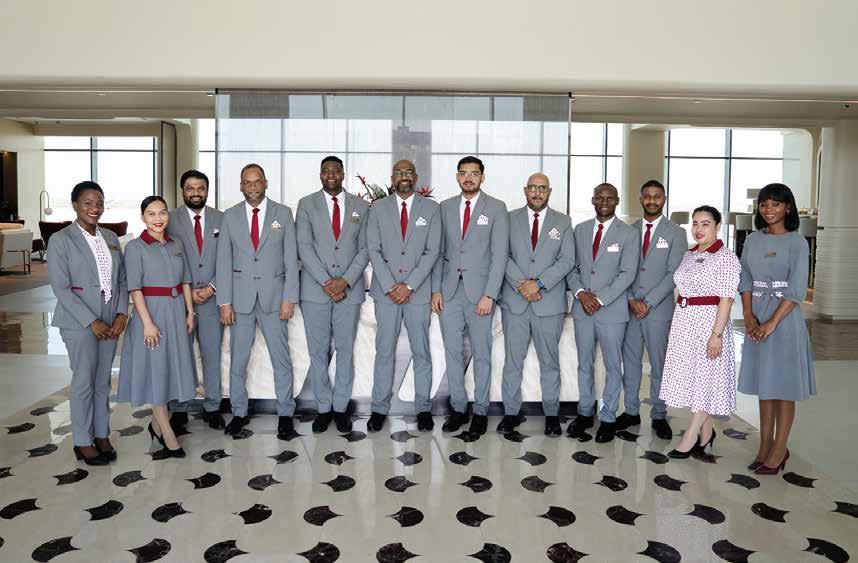
For the men’s client experience team, the uniform centres around a sharply tailored grey three-piece suit accented with warm burgundy detailing inspired by the BAC interiors and the rich palette woven throughout the lounges and client spaces. Bespoke ties and pocket squares incorporate a distinctive geometric pattern developed exclusively for the collection, bringing a subtle sense of identity and continuity throughout the design.
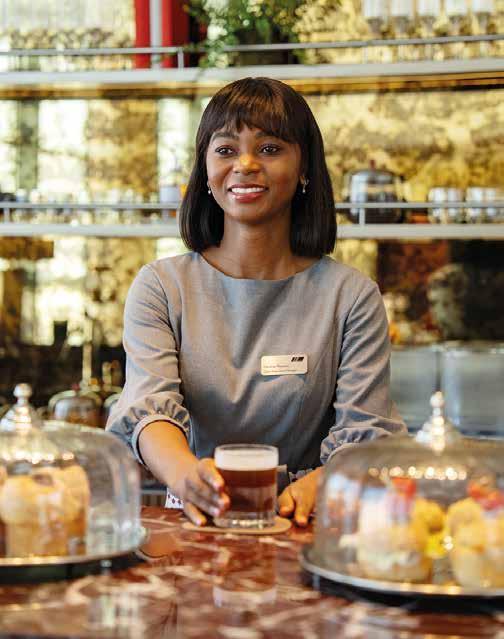
For women, the collection offers flexibility and individuality through a choice of tailored dresses, skirts, and trouser suits, each designed with the same attention to detail and elegance. The bespoke pattern became a defining feature of the women’s collection first, before later being carried through into the wider accessories and detailing across the men’s tailoring, creating a cohesive visual identity throughout the team.
The pattern itself became one of the most distinctive aspects of the project.
Inspired by regional design influences and the understated elegance of the BAC interiors, it introduces warmth, texture, and individuality without overwhelming the clean sophistication of the garments. Appearing subtly throughout scarves, dresses, ties and pocket squares, the motif gives the collection a recognisable signature unique to Gama Aviation.
Importantly, the uniforms were never intended simply to create visual consistency –they were designed to make people feel something.


‘In private aviation, memorable experiences are rarely defined by a single dramatic gesture. More often, they are shaped quietly through atmosphere, attentiveness, and the feeling that every detail has been designed with purpose’
The collection was created to give colleagues a sense of confidence, pride, and connection to the brand they represent every day. Elegant without feeling intimidating, modern without appearing trend-led, the uniforms were designed to help teams feel empowered within their roles while reflecting the premium and highly personal nature of the client experience itself.
The effect feels closer to the world of refined hospitality than conventional corporate uniformity. More considered than standardised. More personal than procedural.
Importantly, the project extended well beyond front-of-house presentation.
Ground handling and operational colleagues were also included within the design programme, with workwear created specifically for the demands of airside operations. Practicality, movement, comfort and durability remained essential considerations, but without losing sight of presentation and pride in representing the Gama Aviation brand.
High-visibility garments, operational attire, and support uniforms were therefore approached with the same level of care and attention to detail as the client-facing collection itself.
That balance between style and functionality became central to the success of the project.
“True client experience is shaped by every interaction,” says Freeman. “The way a team presents itself influences how people feel from the moment they arrive. We wanted our colleagues to feel empowered by what they wear, because confidence, pride and professionalism naturally translate into the experience our clients receive.”
In many ways, the project reflects a broader shift taking place across luxury travel and hospitality, where presentation is no longer viewed simply as branding but as part of the emotional experience itself.
In the world’s finest hotels and hospitality environments, uniforms help shape atmosphere. They create
reassurance, consistency, and a quiet sense of occasion. In private aviation, where journeys are often deeply personal, those details become even more meaningful.
For Gama Aviation, the uniforms were never intended simply to look impressive in photographs. They were designed to support the way teams move, interact, and deliver service every day.
The uniform programme also reflects the wider philosophy behind the Red Thread Academy, Gama Aviation’s client experience programme, which continues to be rolled out across the Group.
At its heart, the academy focuses on creating a culture where exceptional service is not viewed as a process, but as a mindset embedded across every stage of the customer journey. The uniforms therefore became an extension of that philosophy: a visual expression of consistency, attentiveness, and care.
“The Red Thread Academy is about creating a client experience culture that feels authentic and consistent across every interaction,” Freeman explains. “The uniforms became part of that story because they represent the same attention to detail and pride that we want our clients to feel throughout their journey with us.”
Marwan Khalek, Group Chief Executive Officer of Gama Aviation, believes the project reflects the broader ambition behind the Sharjah BAC itself.
“The Business Aviation Centre in Sharjah was designed to deliver an experience that feels thoughtful and distinctive from the moment a client arrives,” he says. “The uniform collection reflects the same philosophy. It demonstrates the level of detail, care and investment that has gone into creating an environment centred entirely around people and experience.”
The collection will now be introduced progressively across Gama Aviation’s wider FBO network, including Jersey and Glasgow, while reception teams at the company’s Global Headquarters in Farnborough will also adopt the new designs.
This next phase will allow the visual identity first developed in Sharjah to evolve naturally across the wider network, bringing a shared sense of presentation and client experience to every Gama Aviation location while still respecting the individuality of each destination. Because in private aviation, memorable experiences are rarely defined by a single dramatic gesture. More often, they are shaped quietly through atmosphere, attentiveness, and the reassuring feeling that every detail has been designed with purpose. Sometimes, even down to the final stitch.
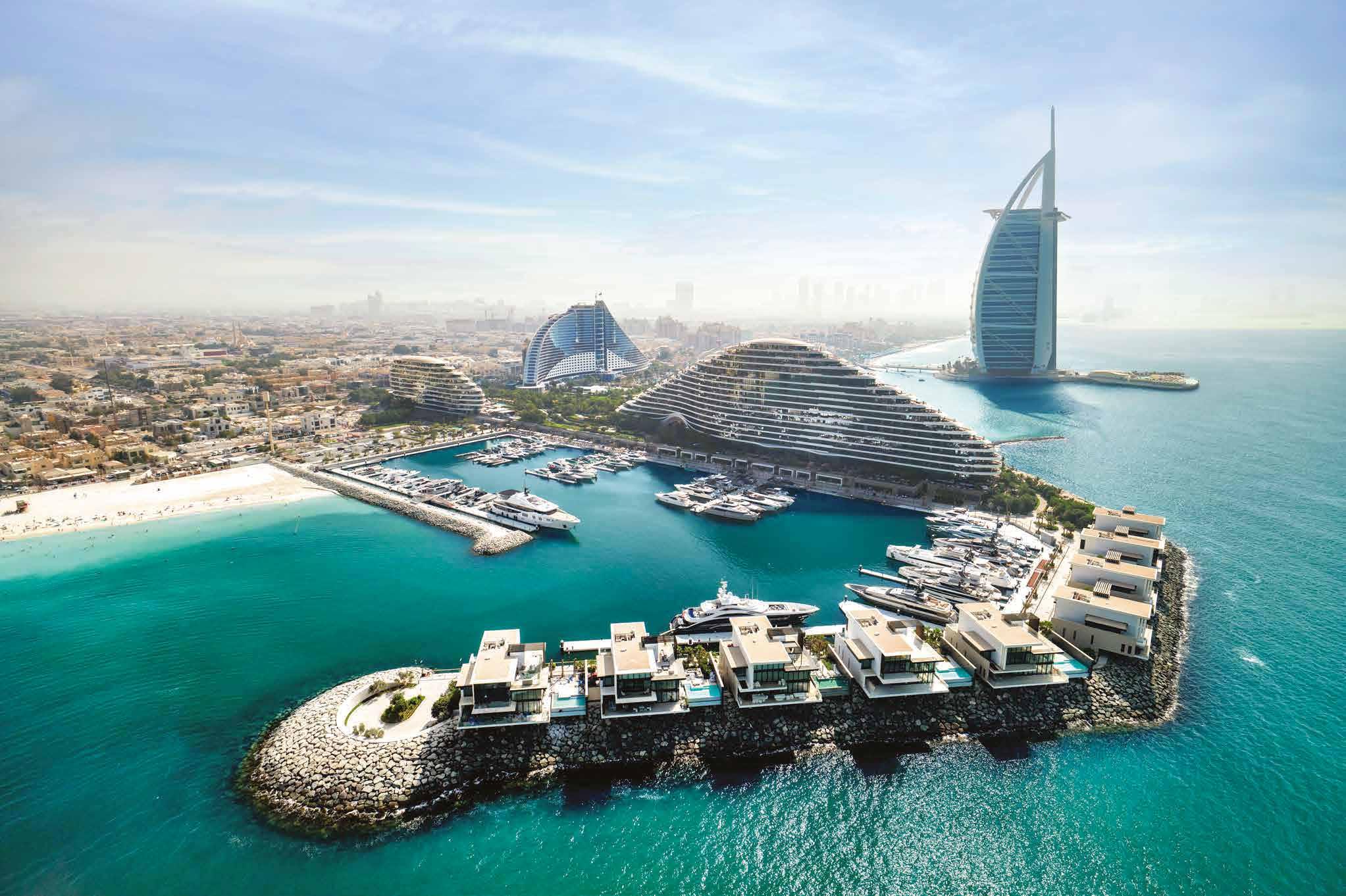
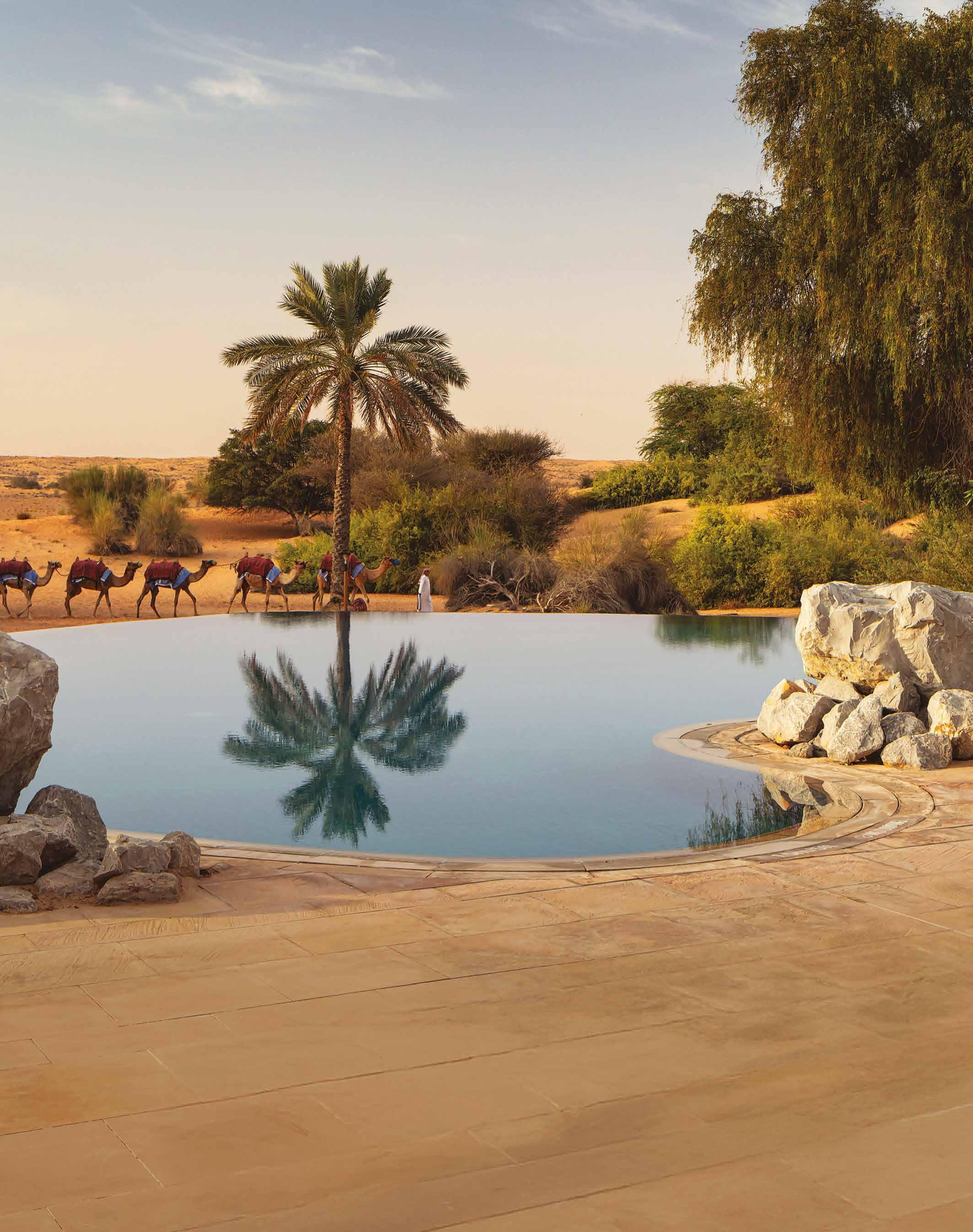
Set at the tip of Dubai’s exclusive golden peninsula, D-Marin Marsa Al Arab Marina is the city’s definitive superyacht address, offering 82 exclusive berths for yachts up to 61 metres, framed by the iconic Jumeirah Burj Al Arab and Marsa Al Arab.
Here, the superyacht experience extends far beyond the dock. More than a marina, it is an ultra-luxury lifestyle destination, offering exclusive member privileges and access to beach, pool, leisure, wellness, and dining experiences across Jumeirah’s beachfront hotel portfolio in Dubai.

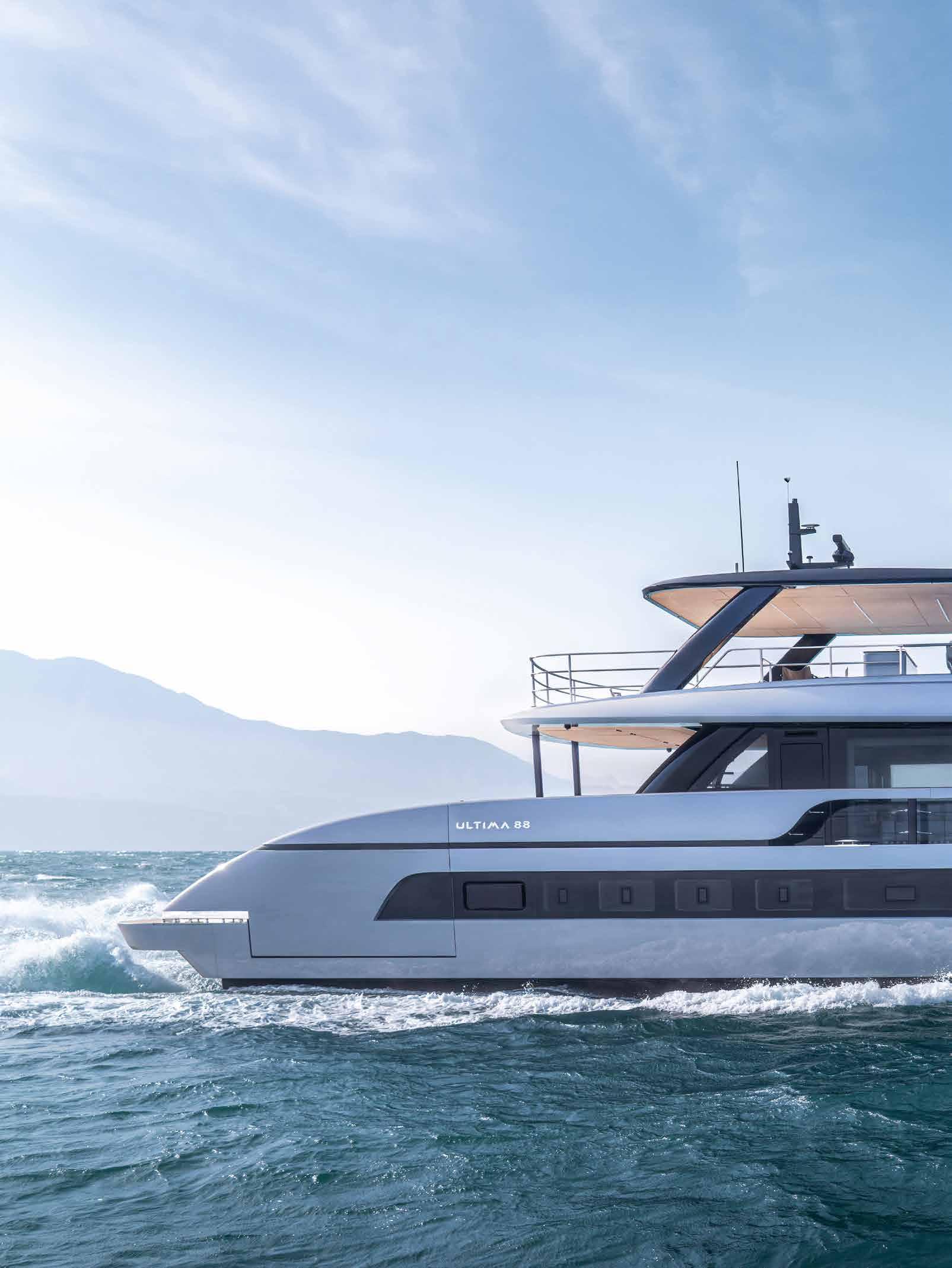
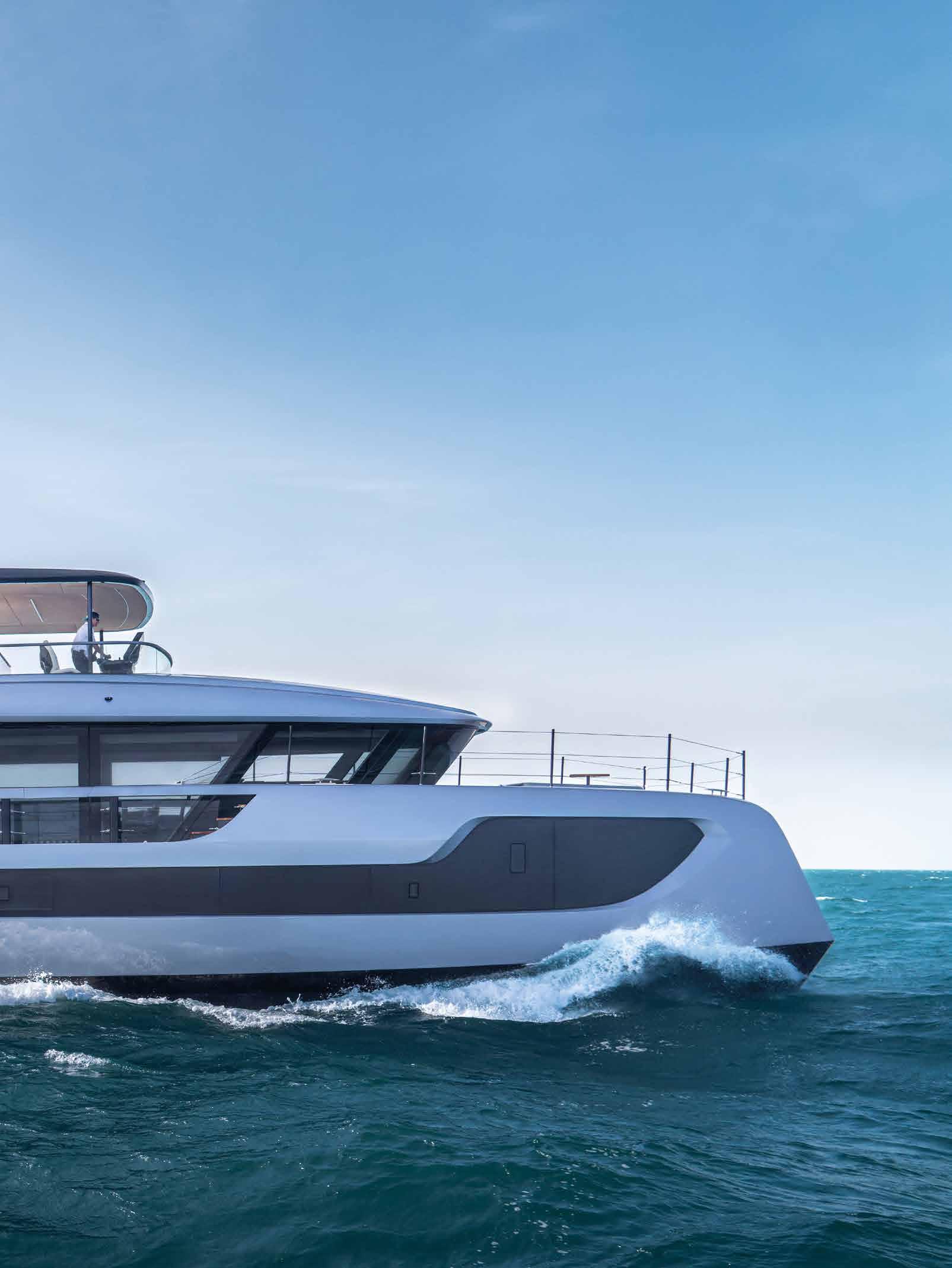
With the unveiling of the Ultima 88, Sunreef Yachts hasn’t only showcased how sustainability can be harmoniously integrated into a genuinely high-end product but has also defined modern yacht architecture – beautifully blending the agility of a monohull, so that it feels fast, responsive and streamlined, with the stability of a multihull. This two-hull platform allows for wider interior and exterior areas; the inside featuring a full-beam master suite with a private sauna and multiple guests’ cabins, while the outside boasts a walkaround Ocean Lounge and the feel of a floating beach house. sunreefyachts.com
Set the tone as a true tastemaker with these coveted items
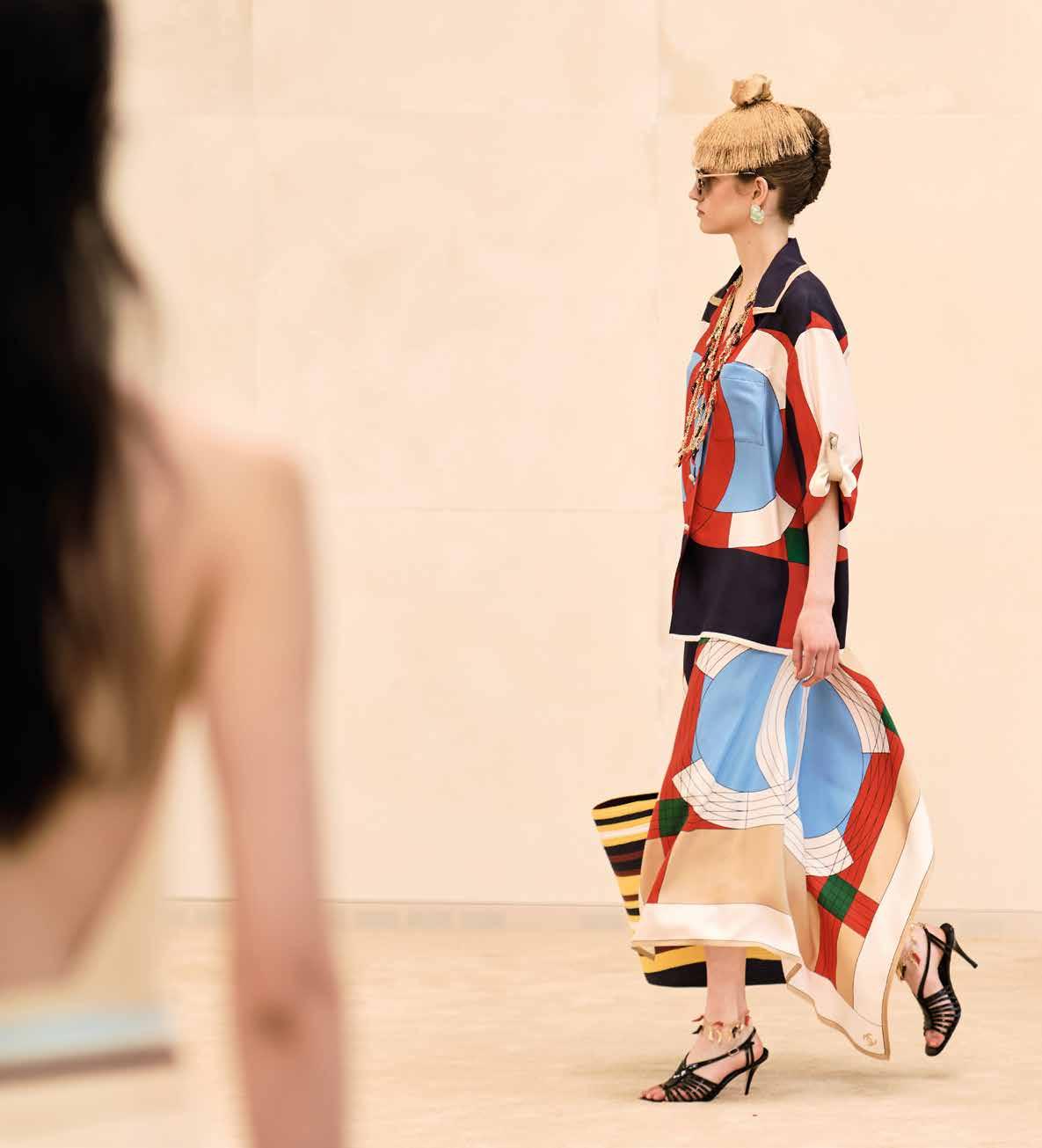
The Basque coast resort of Biarritz is a place synonymous with Gabrielle Chanel. It was here in 1915 that she opened her first couture house and designed her debut haute couture collection. Fast forward over a century and Matthieu Blazy returned the house
to Biarritz to show his inaugural cruise collection. “It is a place that offers the perfect balance between function and fiction,” said Blazy, who proved the point with a collection that flows from the utilitarian black dress to the deeply evocative and experimental.
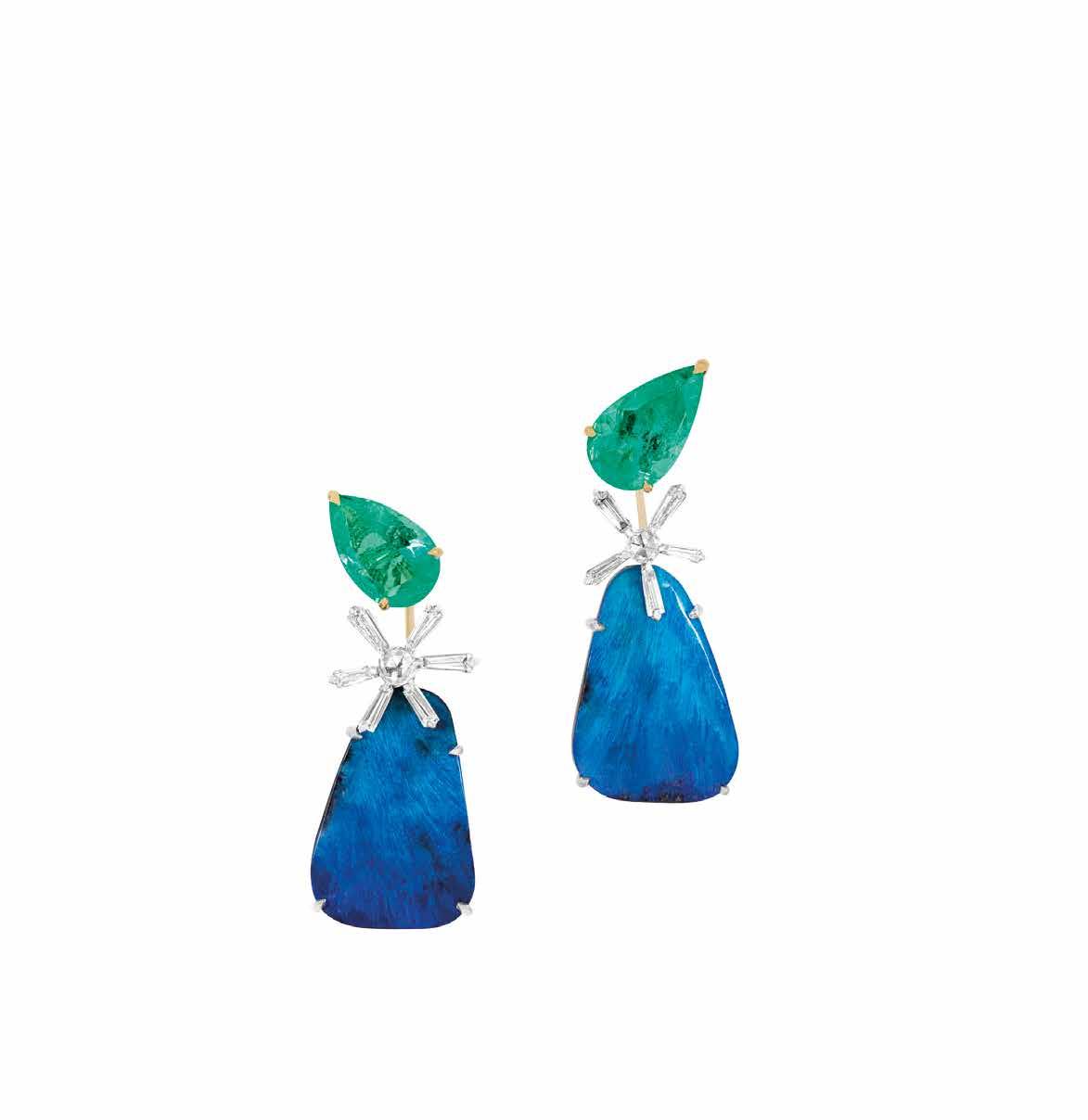
For its latest high jewellery collection, Geneva-based Boghossian, whose history spans over 150 years, has turned to the colourful opal. These stunning earrings pair vivid Colombian emeralds with two beguiling boulder opals, each naturally unique and glowing
with deep blue flashes. Accented by taper-shaped and rose-cut diamonds in a delicate floral motif, the design, in 18-carat white gold, radiates architectural elegance and showcases Boghossian’s ability to maximise the creative potential of stones.
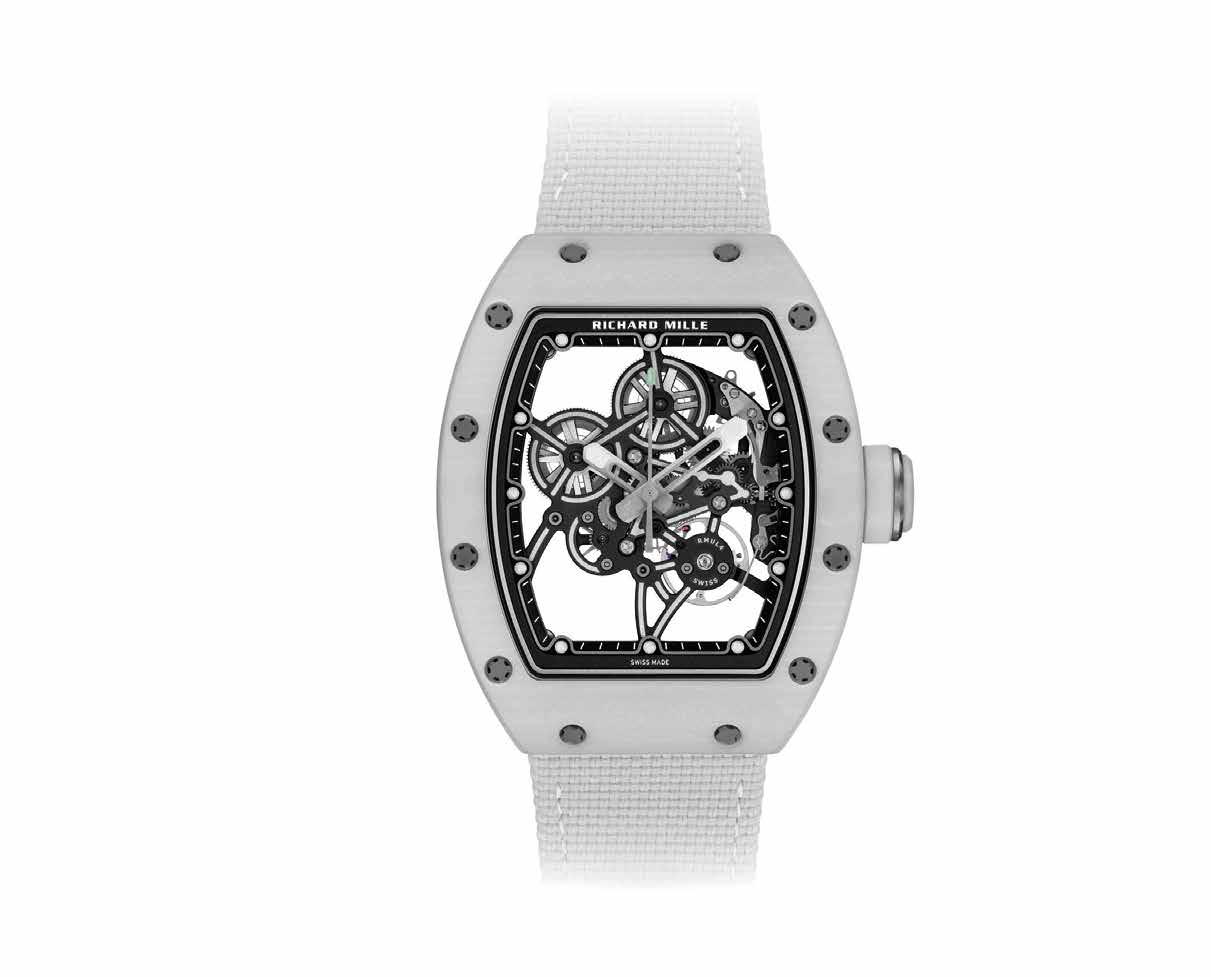
MILLE
RM 55-01 MANUAL WINDING
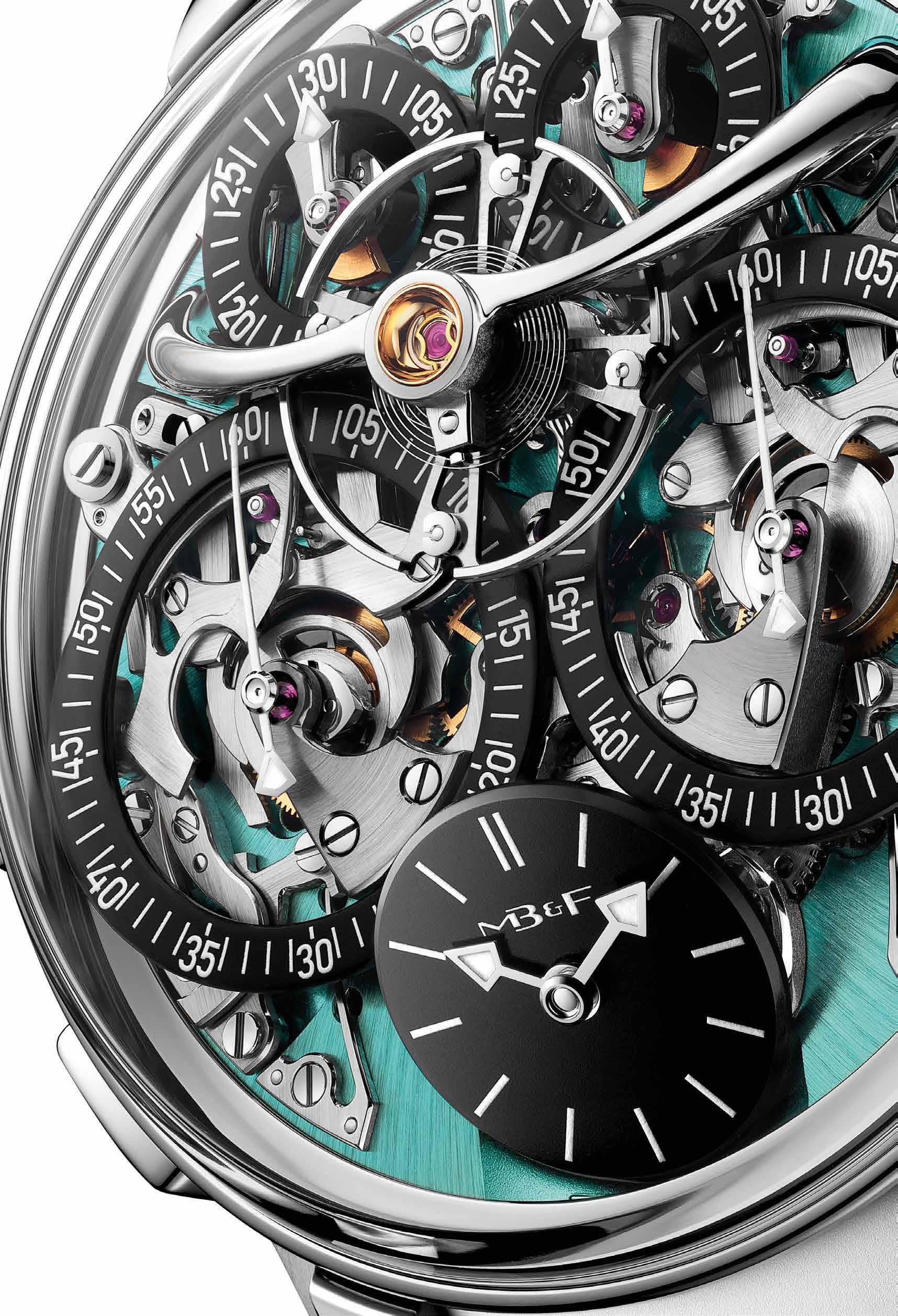
“Perfection is achieved not when there is nothing more to add, but when there is nothing left to take away,” stated pilot and author Antoine de Saint-Exupéry, who would doubtless be a fan of Richard Mille’s remarkable RM 55-01 Manual Winding timepiece, which sheds itself
of everything bar its mechanical workings – a new ultralight calibre RMUL4, which weighs less than 5 grams. Three versions are available: one in carbon TPT®, another with white quartz TPT®, and a third in grey quartz TPT®.
3:06 PM

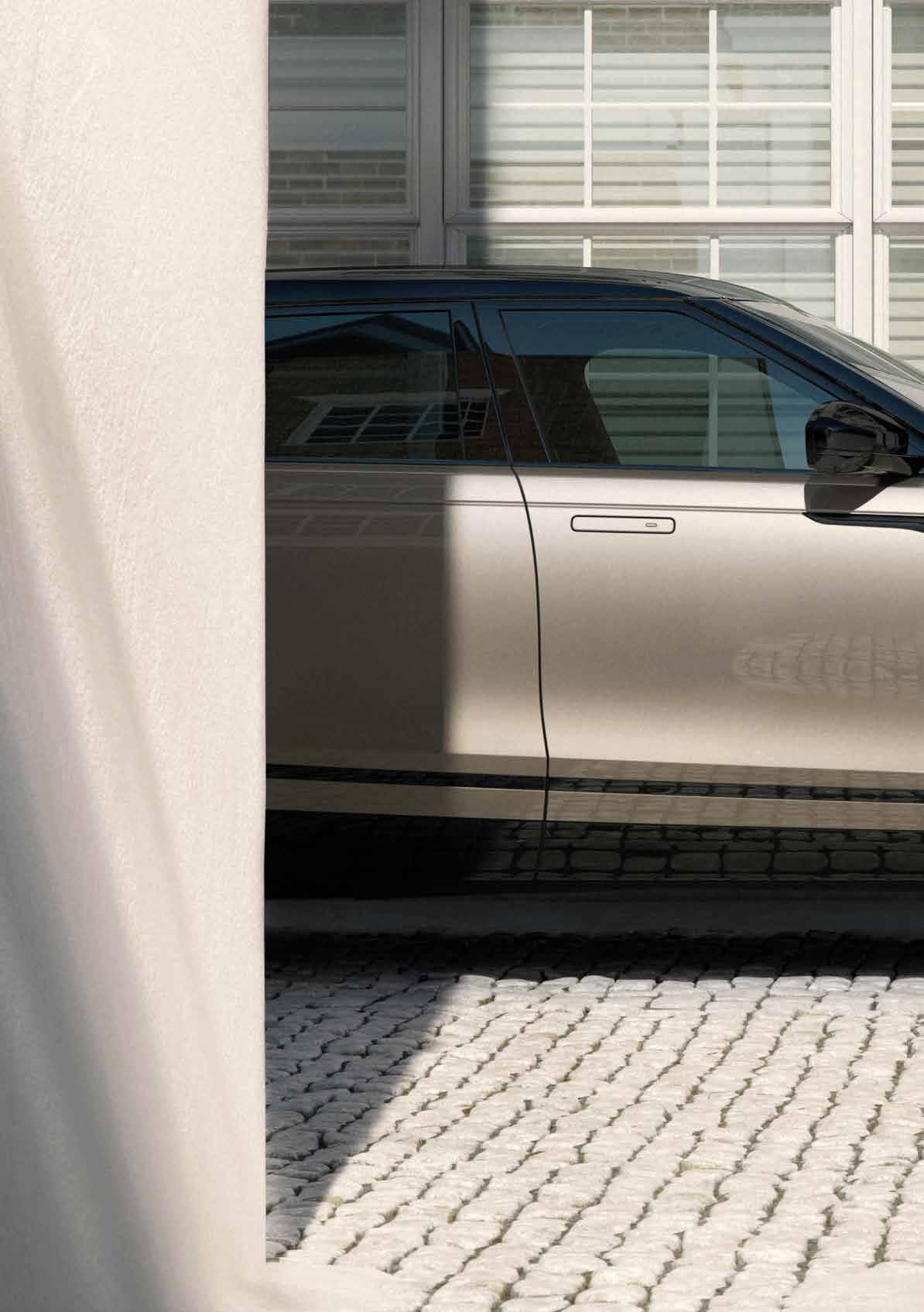
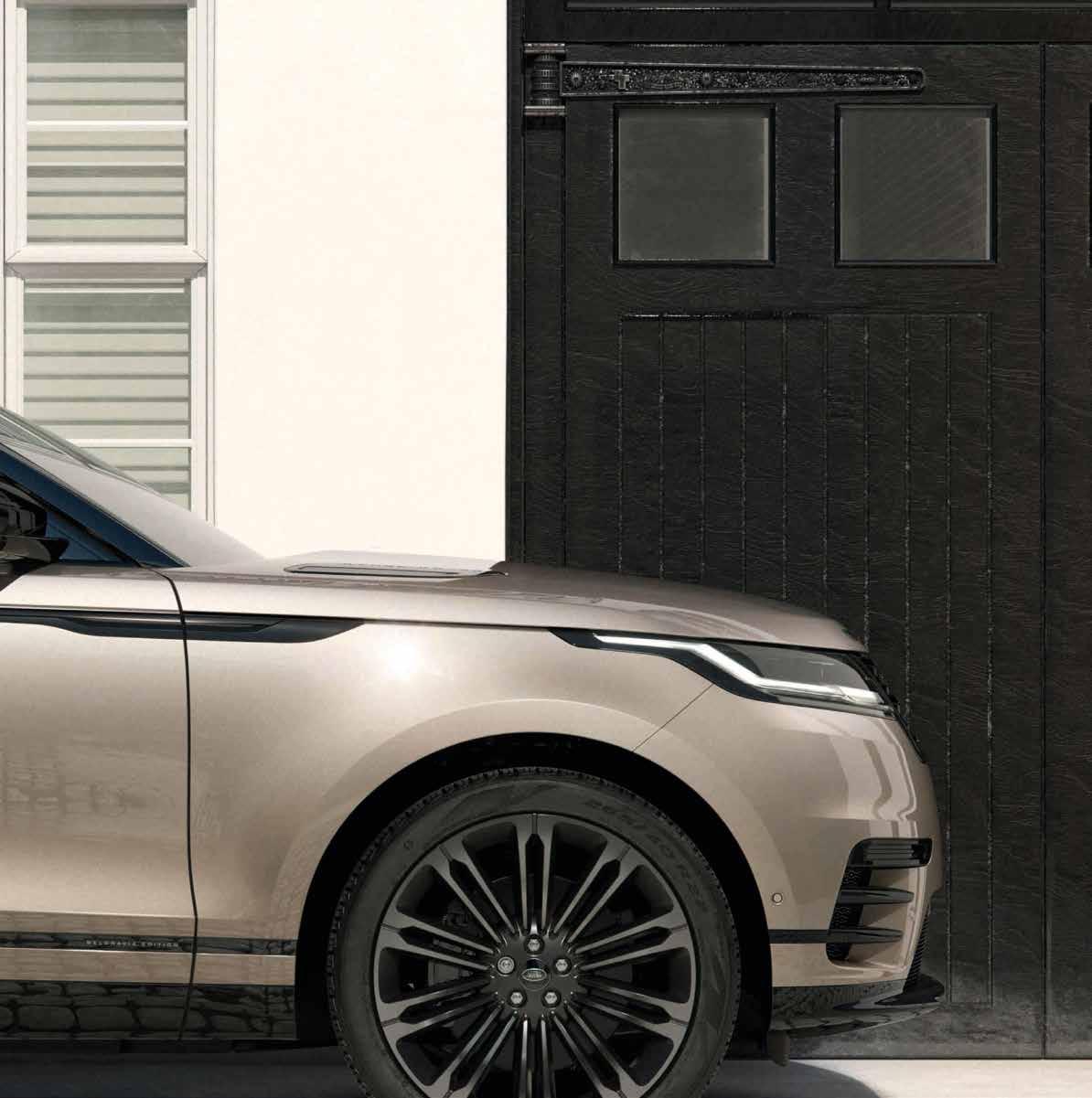


One of four special editions of the Range Rover Velar devoted to a particular area of London, the Belgravia Edition is crafted with details that evoke both the classic Georgian and Regency architecture of the area and its more contemporary buildings. Interior


highlights include the use of black brushed aluminium, contrast stitching, and Windsor leather, while a darker wheel treatment gives the Velar an architectural stance. A Satin version of the Belgravia (it has a satin protective film finish) is limited to 400 cars globally.
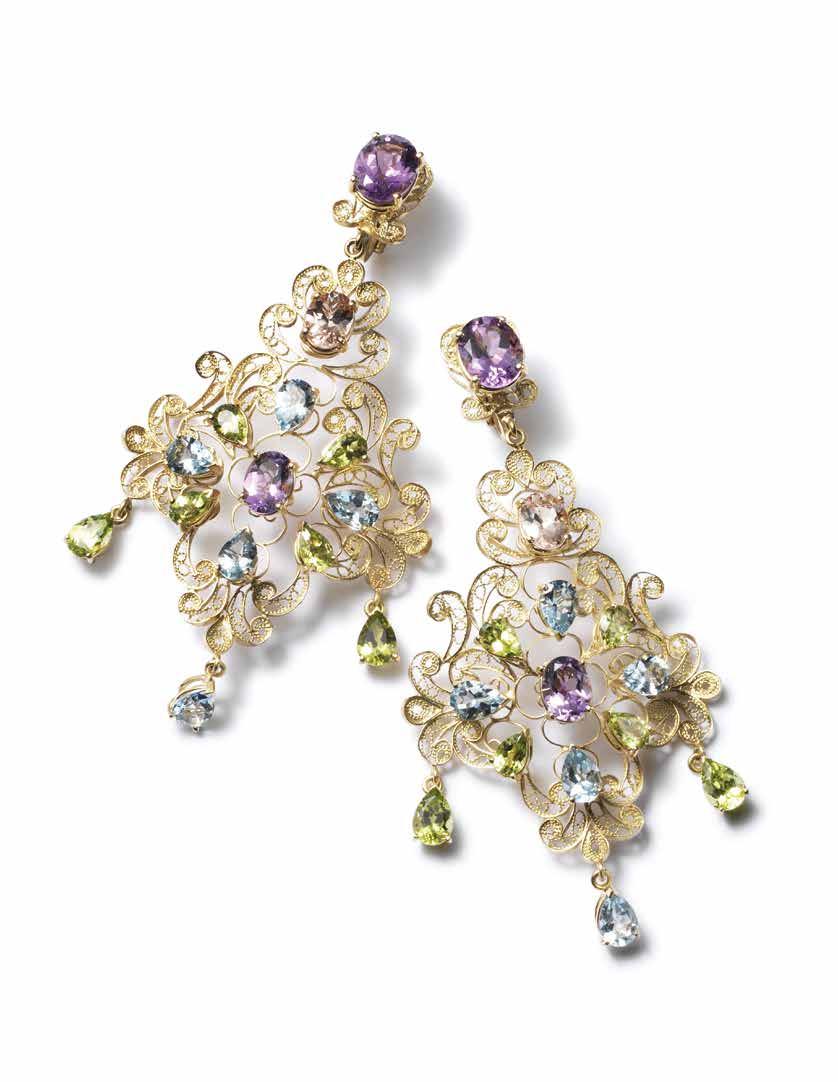
Dolce&Gabbana’s fine jewellery pieces not only detail the skill of its craftspeople but also tend to shine a light on Italy’s artistic heritage. Filigrana are the latest of such pieces – filigree an ornamental openwork style devised in ancient Greece but widespread during Roman times.
For Dolce&Gabbana, it’s also a method that mimics lace making, a craft weaved through the brand’s archive. Each Filigrana piece – necklaces, earrings, bracelets, rings and sautoir necklaces – reinterprets lace motifs in yellow gold, diamonds and vibrantly coloured gemstones.
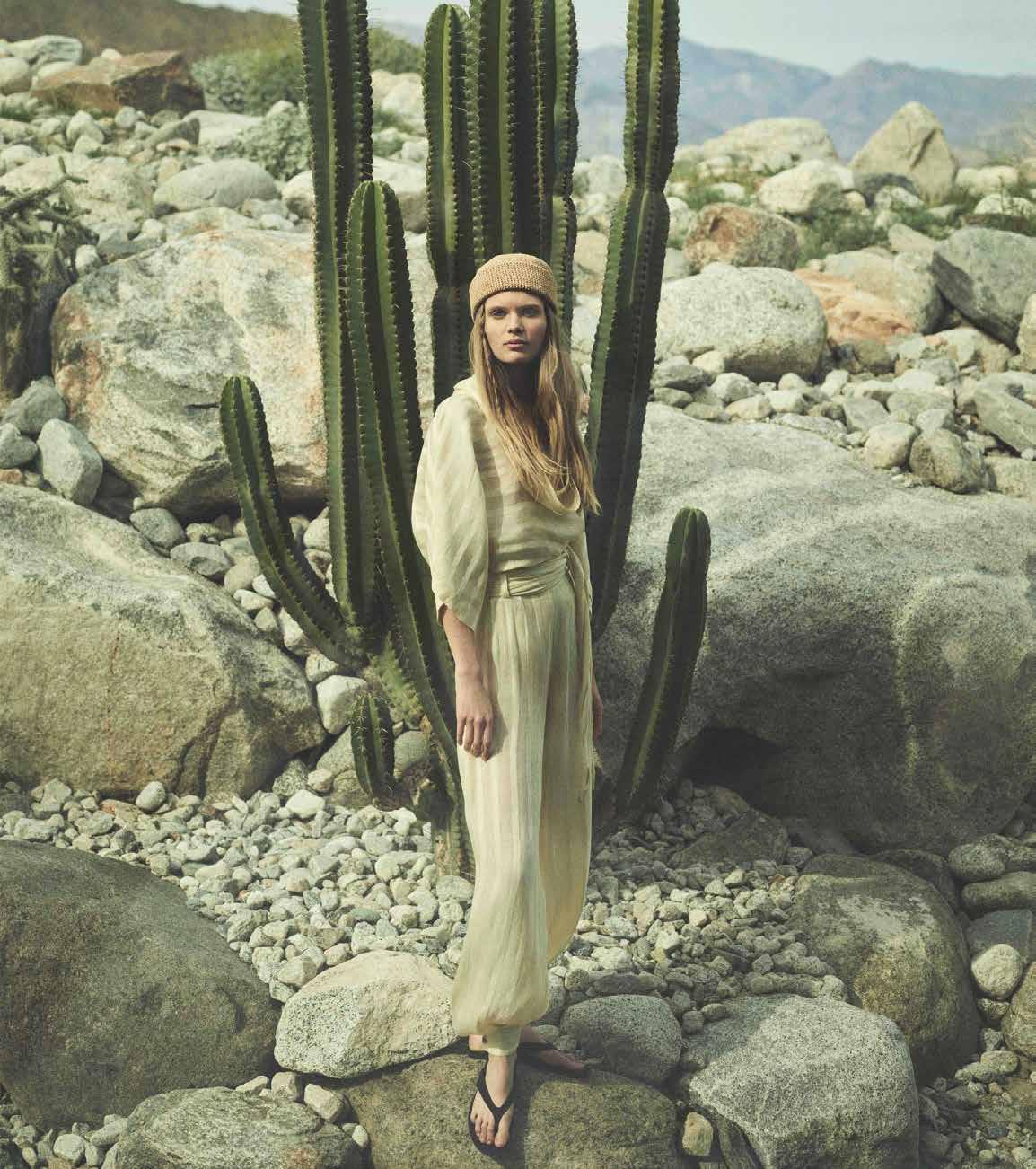
To paraphrase Ella Fitzgerald, it’s summertime, and whether in the city or by the sea, the living is easy. Loro Piana makes dressing feel just as effortless with its Resort collection, which leans on linen to form the basis of beautifully made pieces across
both menswear (shorts, trousers, shirts) and womenswear (dresses, shirts and skirts, for which the fabric is combined with silk and handmade embroidery). Colours come courtesy of the season: shades of blue, vibrant reds and oranges, sandy and coral tones.
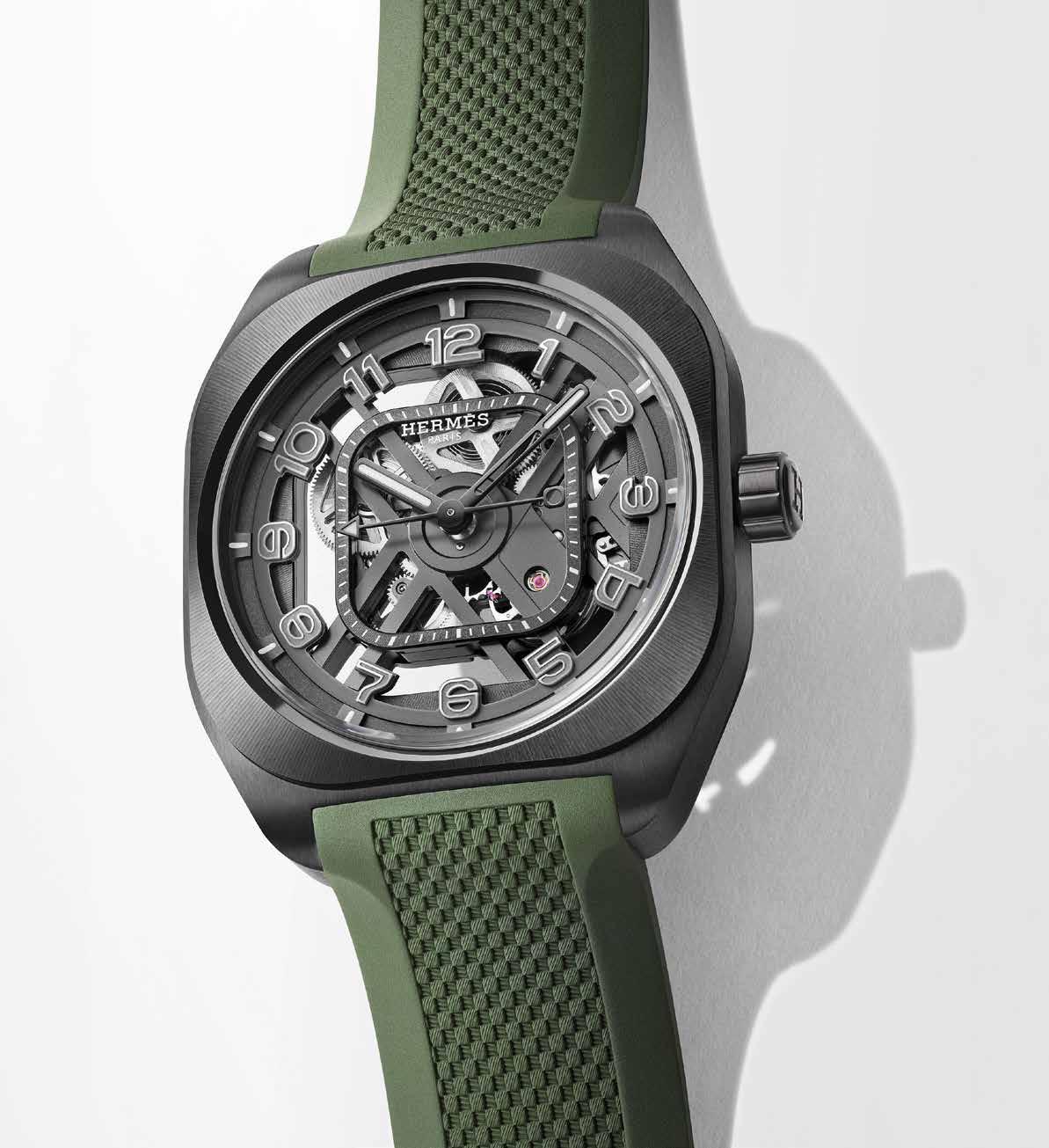
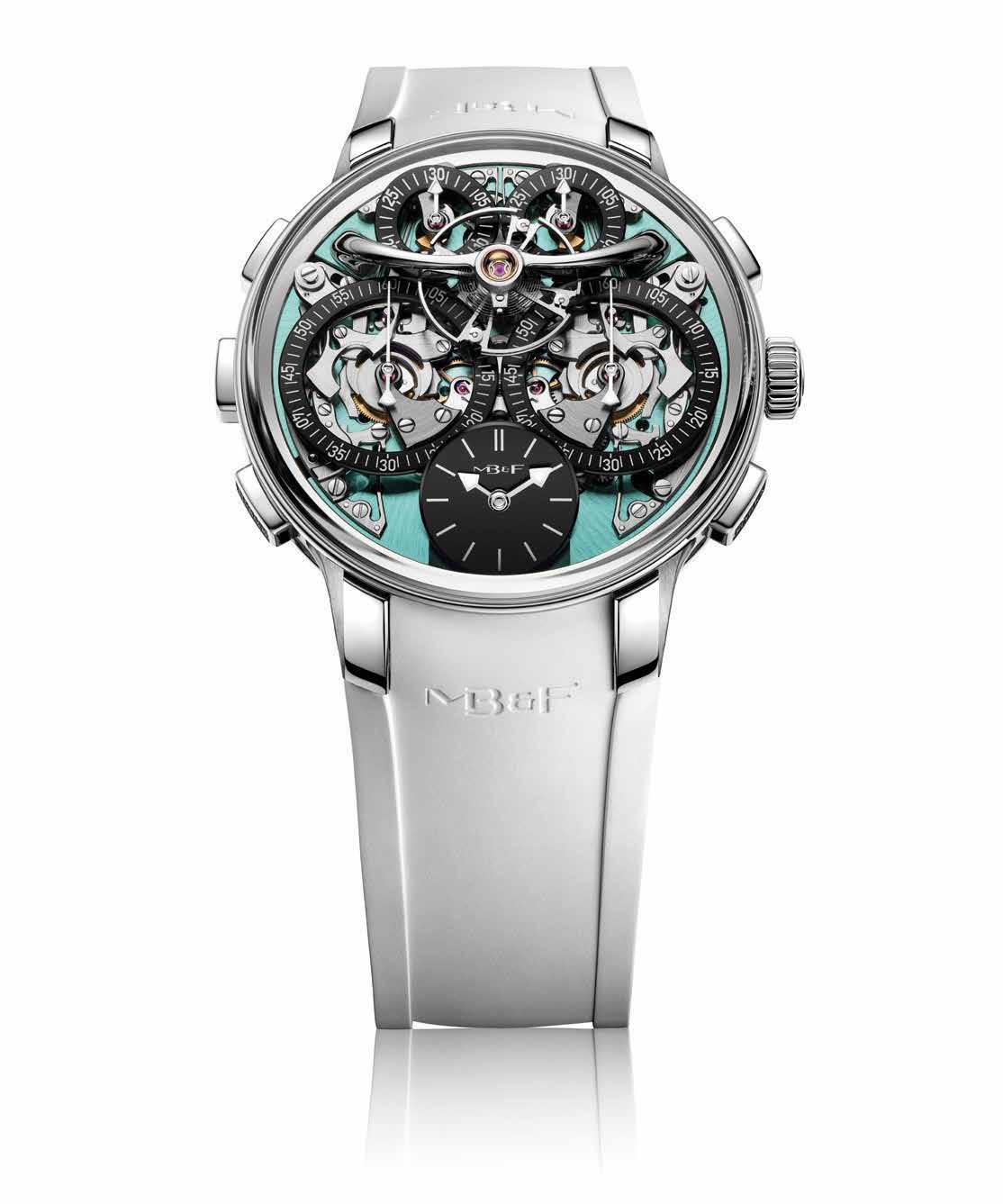
Still a relative newcomer having debuted in 2021, the Hermès H08 watch continues to evolve in ever more exciting ways, its latest iteration designed to reveal the architectural charm of its mechanical workings, which feature the Hermès H1978 S, a new automatic movement
that was developed for this timepiece. It’s available in two colours – a blueaccented version (its hour markers made of Super-LumiNova®) and a monochrome grey version, each paired with a wovenpatterned rubber strap that tones with the ceramic bezel.
WORDS: JOHN THATCHER
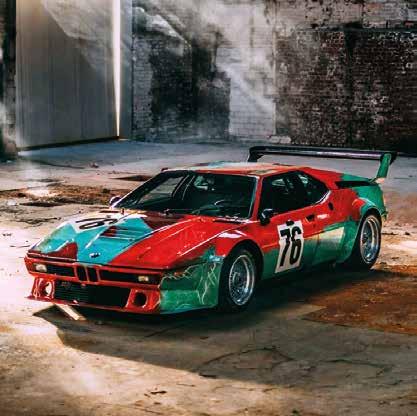
BMW’s Art Cars are a rolling celebration of contemporary art forms. This summer they’ll come together for the very first time
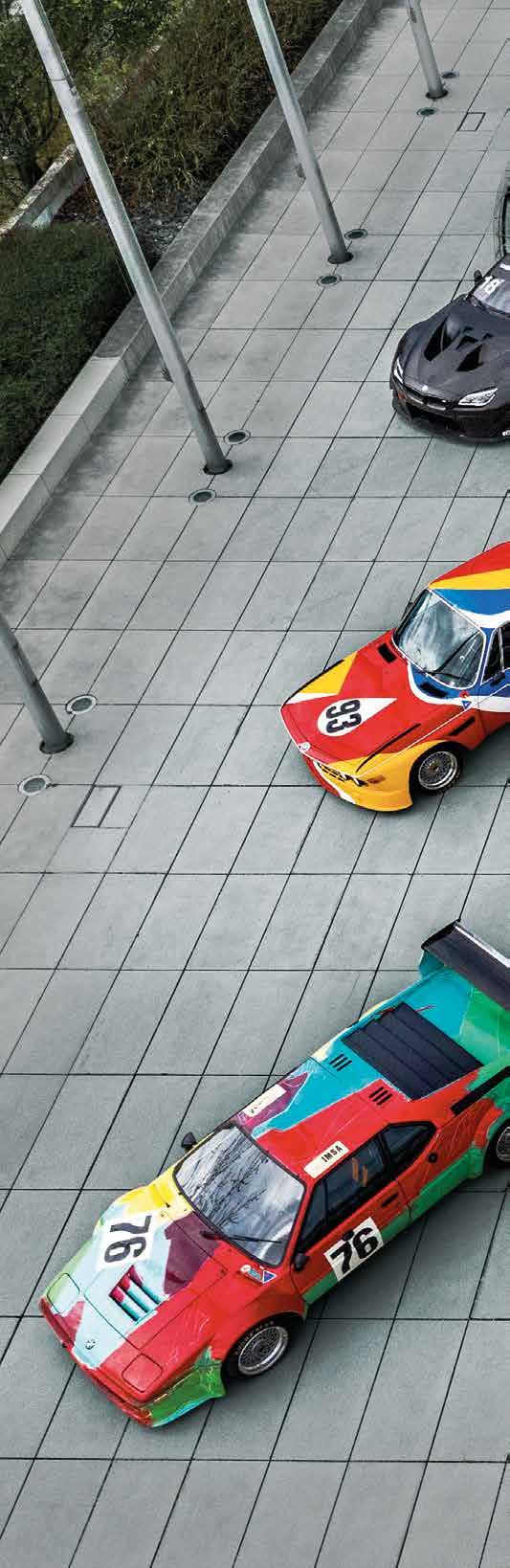
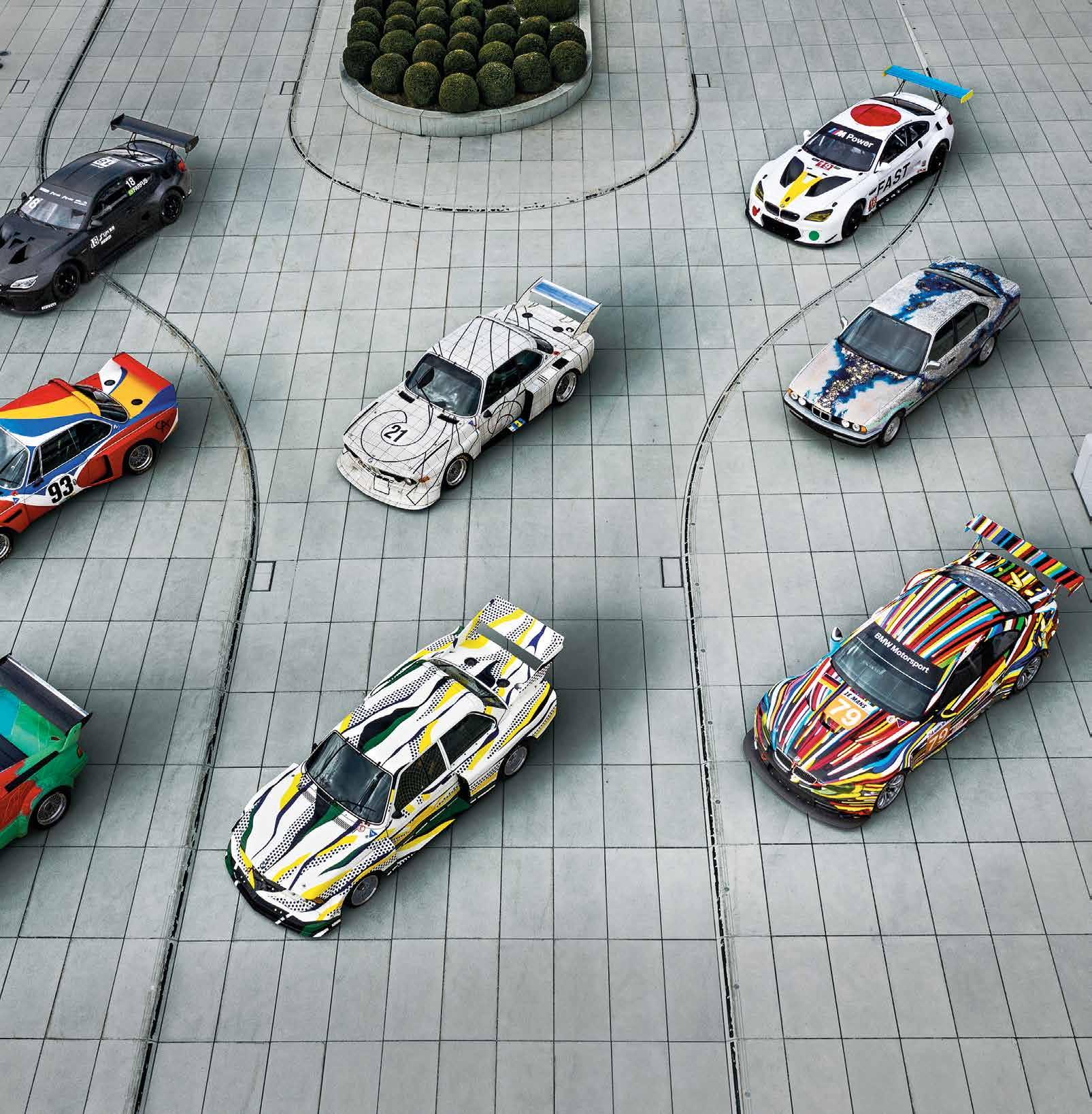
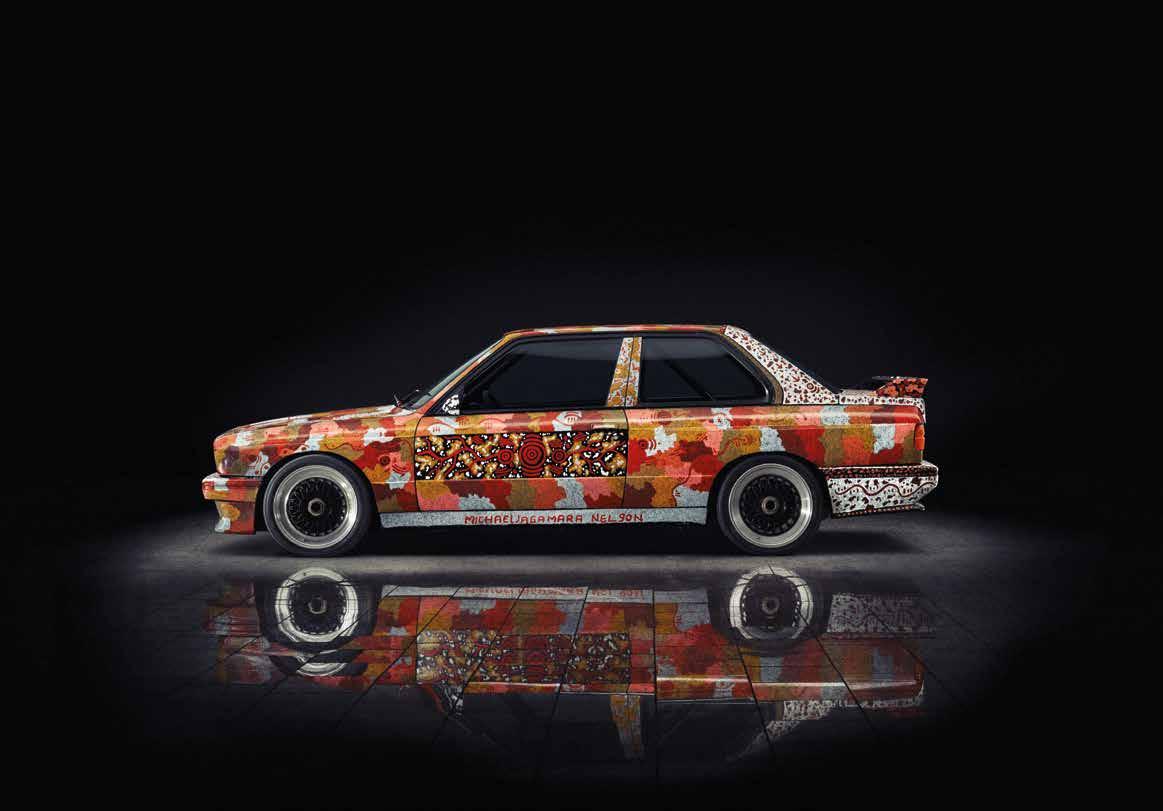
Over the past year, BMW’s 20-strong collection of Art Cars has been on a world tour, individual examples making scheduled stops at cultural events across the globe to mark 50 years since influential American sculptor Alexander Calder patterned a BMW 3.0 CSL in red, yellow, blue and white paint. Now they’re returning home.
For the first time ever, the entire BMW Art Car Collection will be together in one place when BMW Welt in Munich hosts them from July 29 to August 31.
“The BMW Art Car Collection celebrates artistic freedom and visionary design,” hails Ilka Horstmeier, Board Member for Human Resources and Real Estate at BMW Group. “The 20 vehicles have become international icons, telling stories of society, technology and performance.”
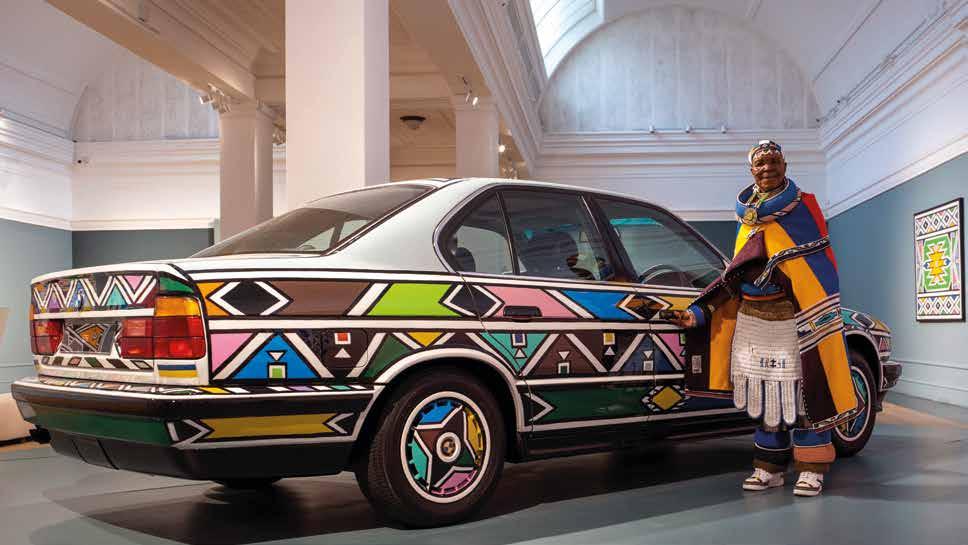
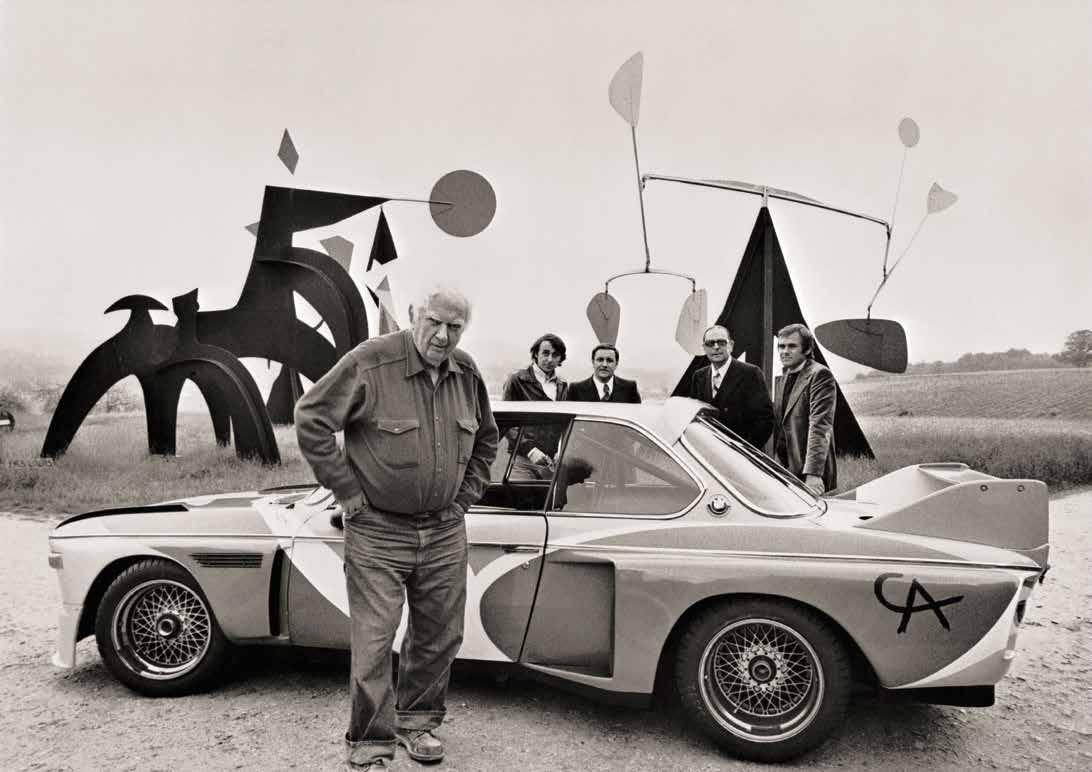
But turn the clock all the way back to 1975, when the idea was first floated, and the Art Car was meant to be no more than a one-off collaboration between the artist and BMW, the result of a meeting of minds between French art enthusiast, auctioneer and racing driver Hervé Poulain – who wanted to see an artistpainted BMW compete in the Le Mans endurance race – and Jochen Neerpasch, the founder of BMW Motorsport.
Then Calder’s car came to life.
“When we prepared the first automotive art installation with Alexander Calder for the 24-hour race at Le Mans, we assumed it would be a one-off event. But even when the artwork was created and the Calder BMW 3.0 CSL was presented in Paris, and certainly when it was racing at Le Mans, we were convinced that it would not be the last art project involving cars,” said Neerpasch.
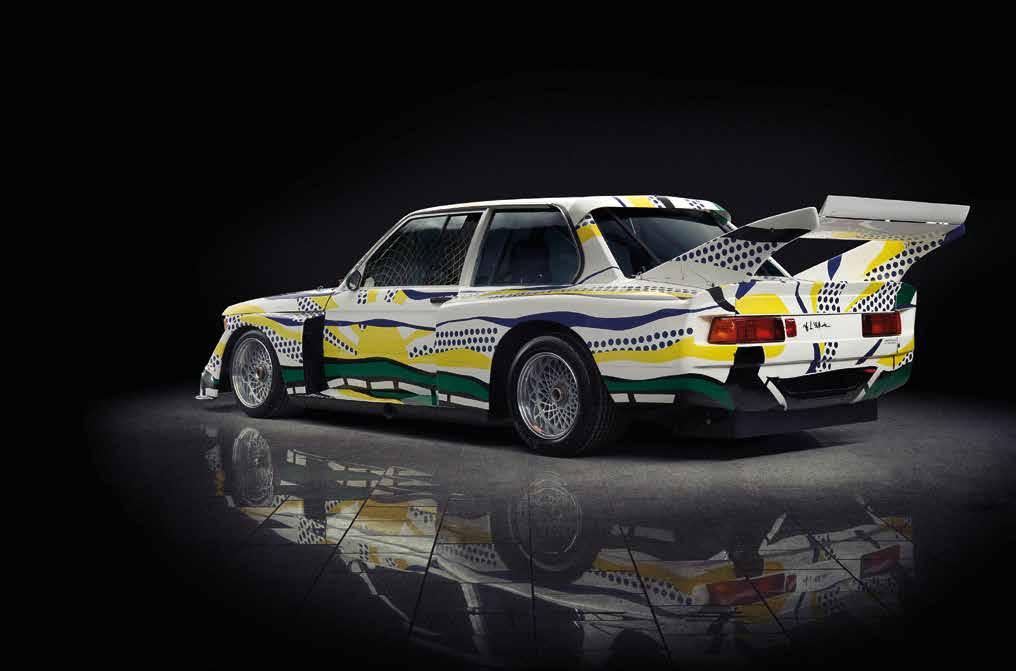
Neerpasch was right to be convinced, as just one year after Calder’s colourful car was unveiled in 1975, American abstract painter Frank Stella decorated a BMW 3.0 CSL in a design he termed as being like ‘a blueprint transferred onto the bodywork’, Stella drawing inspiration from the car’s precision engineering to create a black and white grid pattern that took hundreds of hours to complete. The art world’s biggest names would follow, including the founding fathers of Pop Art. “I invested as much thought and effort as possible,” said Roy Lichtenstein, whose design featured elements – including oversized dots – of his iconic comic book pictures. “I wanted to use painted lines as a road, pointing the way for the car. The design also shows the scenery as it passes by. Even the sky and sunlight are to be seen … you could list all the things a
car experiences – the only difference is that this car mirrors all these things even before it takes to the road.”
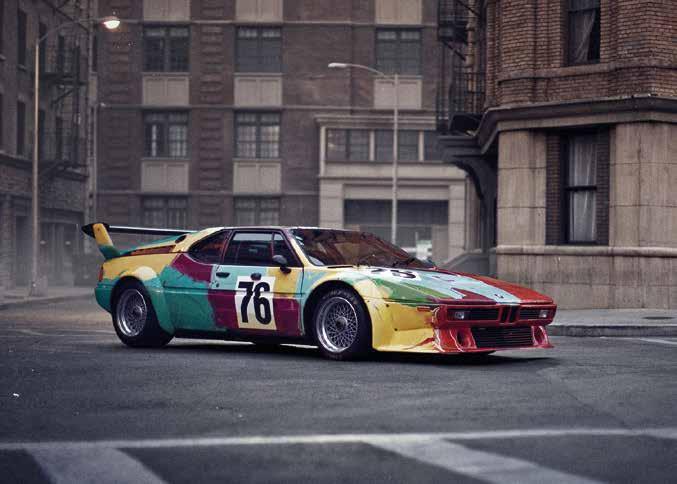
In 1979 it was the turn of Andy Warhol, who was commissioned to transform a BMW M1 into a BMW Art Car. Prior to that point, all the other artists who had previously decorated BMW racing cars had started by painting a draft version on a scaled-down model, which was then recreated on the actual car’s bodywork by a team of assistants. But, as ever, Warhol did things differently, becoming the first artist to paint everything himself. “I tried to portray a sense of speed. When a car is going really fast all the lines and colours become a blur,” he said, emphasising the notion of speed by taking just 28 minutes to cover the car in colour and textures.
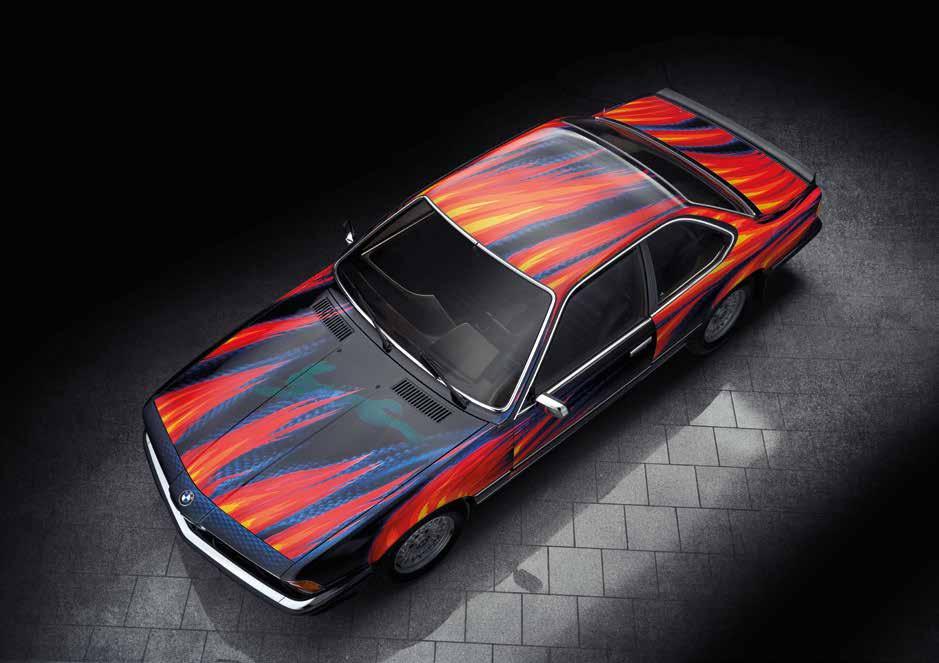
Warhol’s car, like those that preceded it, raced at Le Mans. But when Ernst Fuchs was asked to design a BMW 635CSi in 1982, it was the first Art
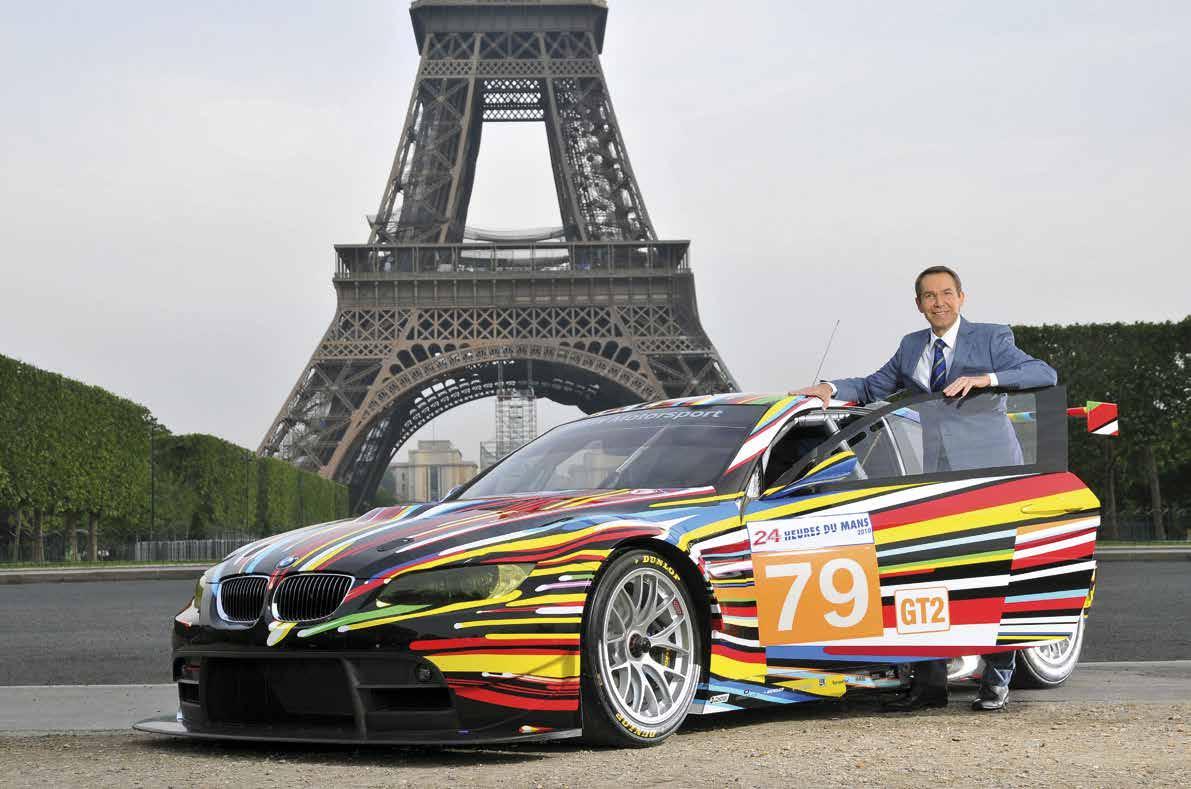
Car based on a production model and one intended for exhibition only. “In painting the BMW 635 CSi, I gave expression to various experiences, fears, desires and explorations, but also to free aesthetic artistic creativity,” outlined Fuchs. “I call this car ‘Firefox on Harehunt.’ It represents a hare racing across a motorway at night and leaping over a burning car – the primeval fear and bold dream of surmounting a dimension in which we live. It tells me its colours; I read them in its lines and shape, I hear its speedy call and can already see the handsome hare leaping through the flames of love – driving away fears.” By now, Art Cars were deemed museum-level artworks that were also genuine cultural assets, a reputation that paved the way for living greats like David Hockney and Jeff Koons –who have each sold artworks for over $90 million – to add their own unique
perspectives to the series. Koons’ colourrich car covering is one of the most striking of them all. “These race cars are like life, they are powerful and there is a lot of energy,” he said at the time of his 2010 collaboration. “You can participate with it, add to it and let yourself transcend with its energy. There is a lot of power under that hood and I want to let my ideas transcend with the car – it’s really to connect with that power.”
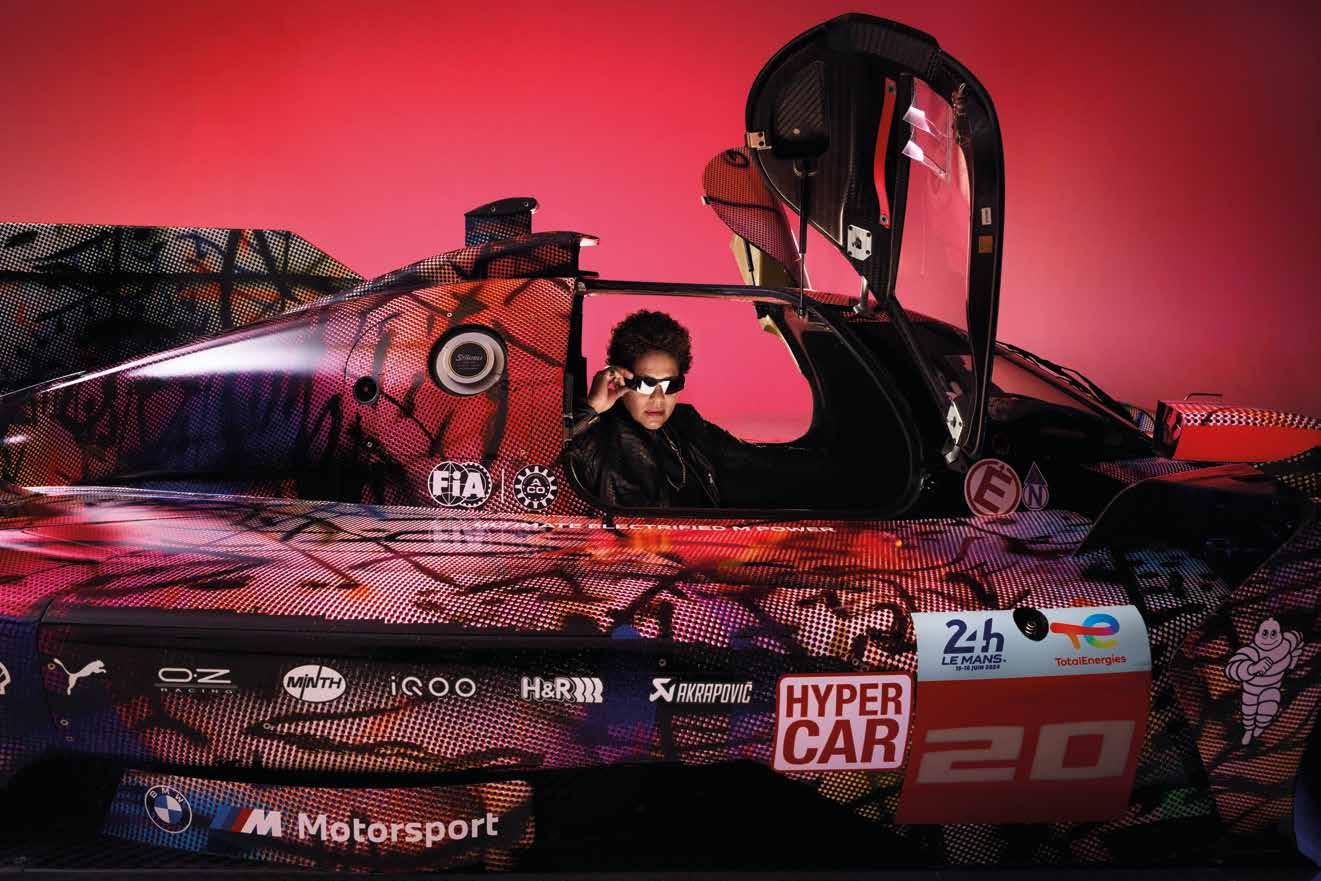
“The whole BMW Art Car project is about invention, about imagination, about pushing limits of what can be possible,” said Julie Mehretu, who conceptualised the 20th Art Car, echoing the thoughts of Hervé Poulain, whose push for an art-adorned race car to compete at Le Mans’ gruelling 24-hour race has led to an enduring study of art forms across five decades, the appeal of which shows no sign of slowing down. BMW Art Cars, July 29-August 31 2026, BMW Welt, Munich
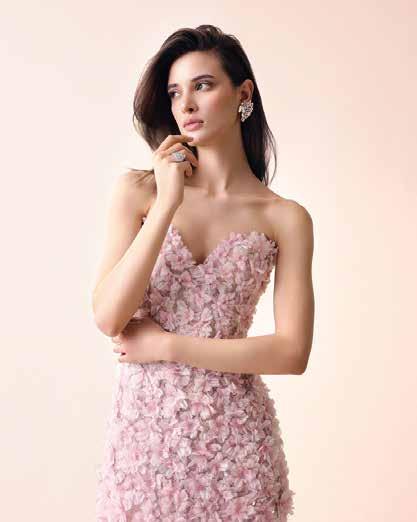
Chopard’s annual Red Carpet Collection is full of wonder
WORDS: JOHN THATCHER
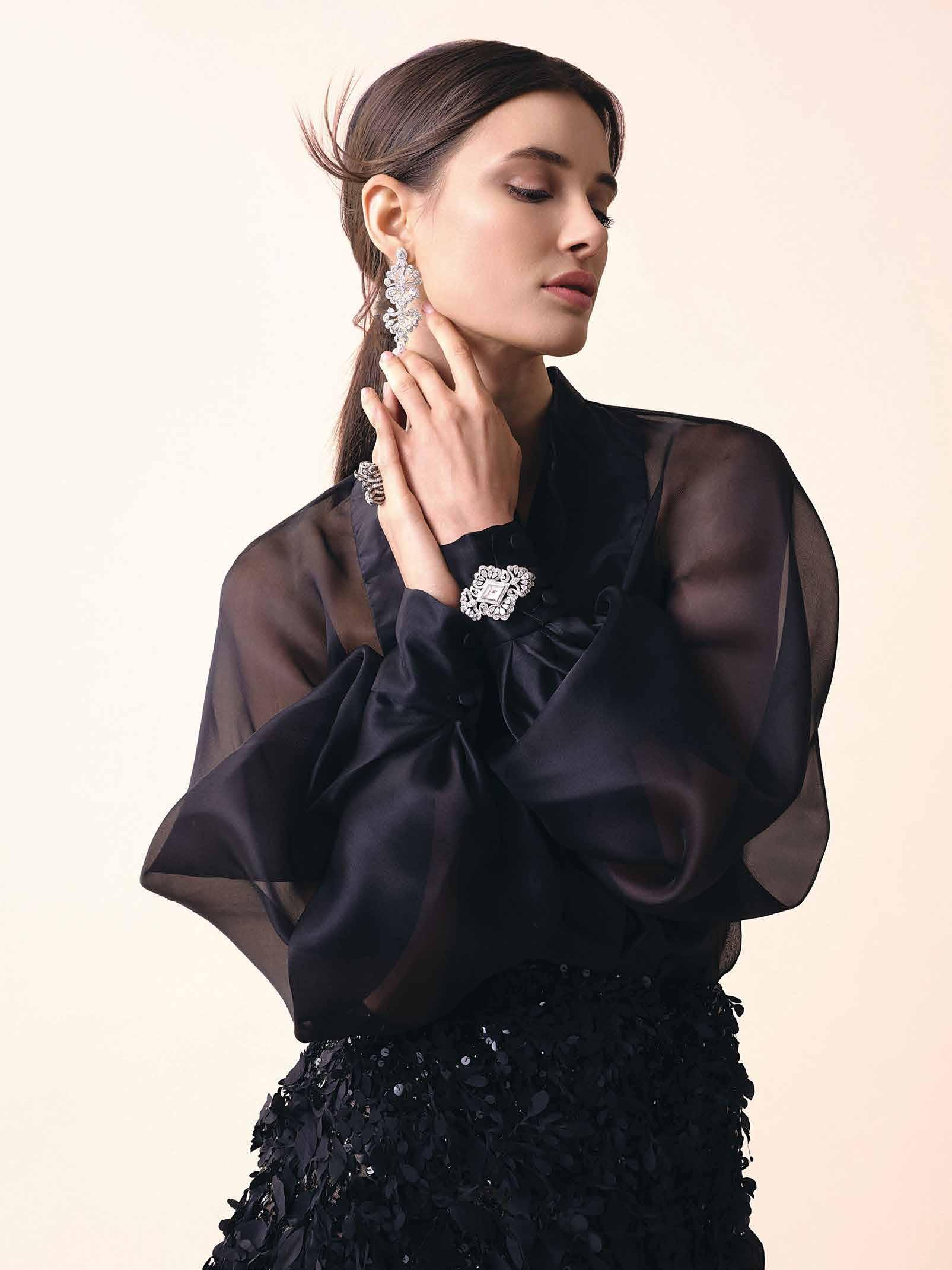
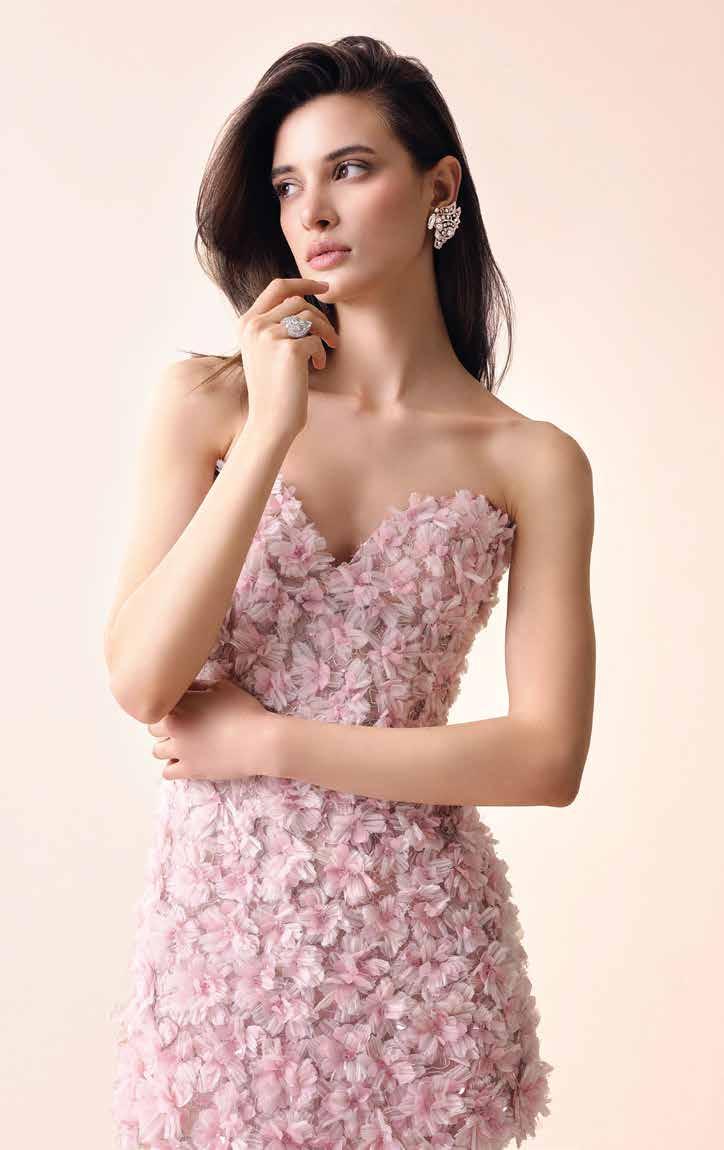
Cristian Mungiu may have walked away with this year’s Palme d'Or, the highest prize awarded to the director of the Best Feature Film shown at the Cannes Film Festival, but it was Chopard’s Co-President and Artistic Director, Caroline Scheufele, who stole the spotlight – just as she has done for close on twenty years. Every year since 2007, Scheufele has designed the Red Carpet Collection, a
daring number of exquisite high jewellery pieces that take their design cues from the idea that cinema allows people to dream, Chopard the official partner of the Cannes Film Festival since 1998. Launched specifically for the festival –“This collection is designed for actresses and allows them to choose daring pieces of jewellery that will make them sparkle on the red carpet” – the number of Red Carpet Collection pieces increases
each year in line with the years of the festival – 2026 marked its 79th staging. To think up 79 individual high jewellery pieces takes a minor miracle, and it’s within this world of wonder, of mystery, of unexplained moments that invite us to challenge convention, that Scheufele found her inspiration. “Miracles are often modest: they are born of a detail, a light, an unexpected emotion. This collection is an invitation to look at them differently,” she said, the brand elaborating that these miracles are, ‘not those beyond reach, but the simple, delightful ones that animate everyday life. These miracles may take the form of a singularly beautiful sky, a cloud whose silhouette evokes a memory, the delicate blooming of a flower whose colour was unexpected, the grace of an animal caught in a moment of pure spontaneity, or the beauty of a gemstone from deep within the earth.’
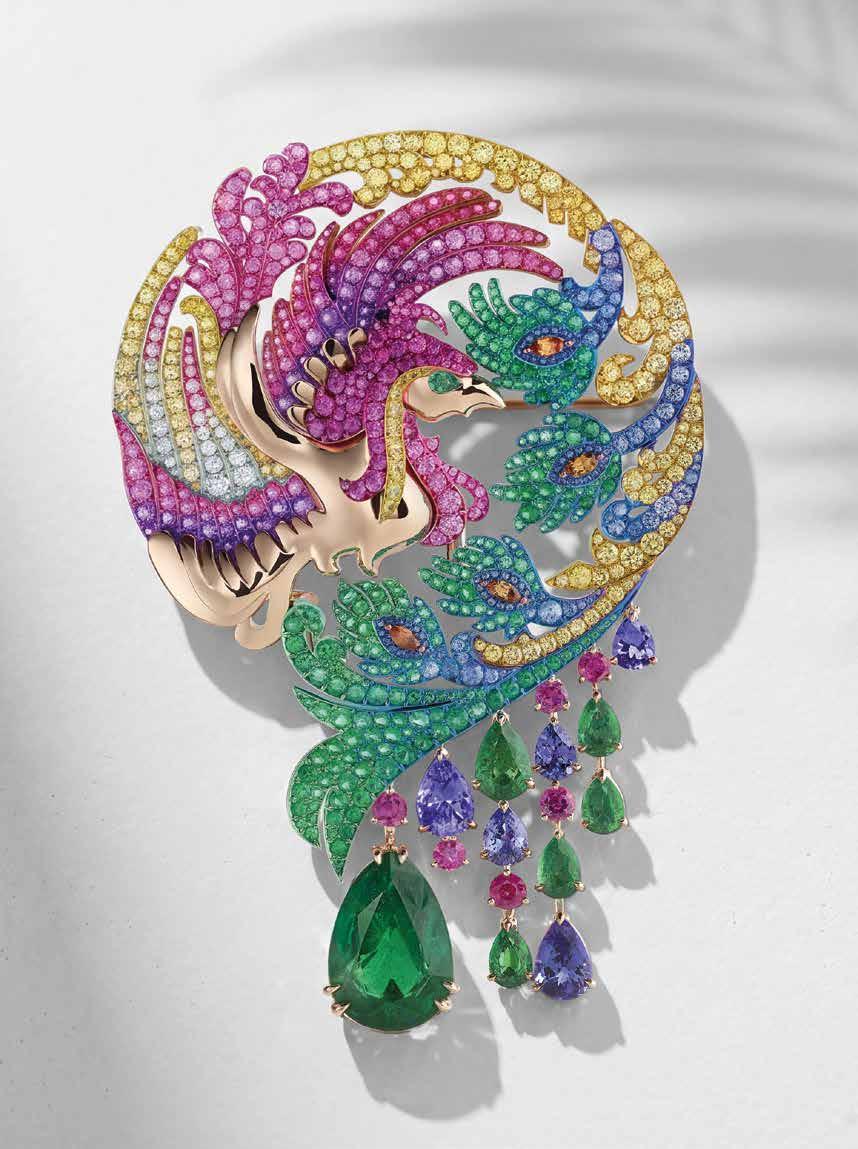
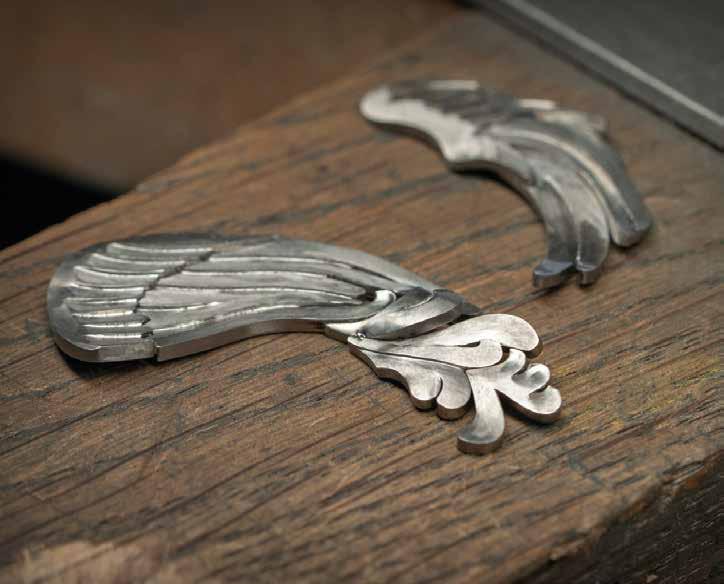
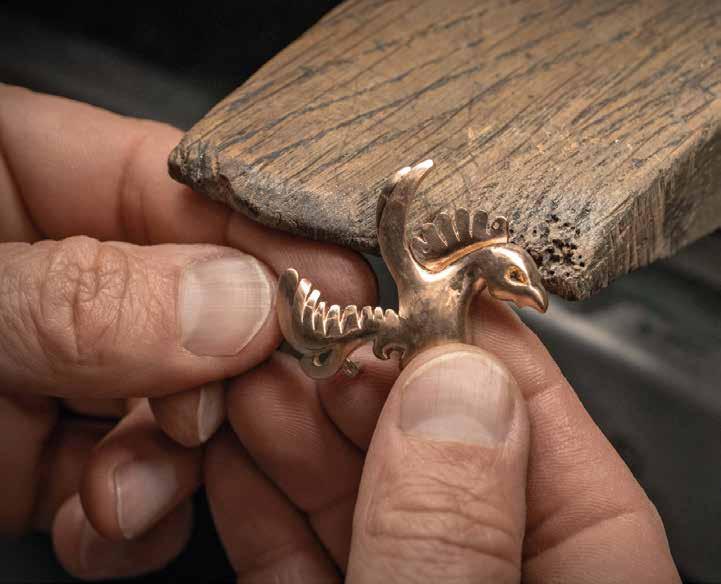
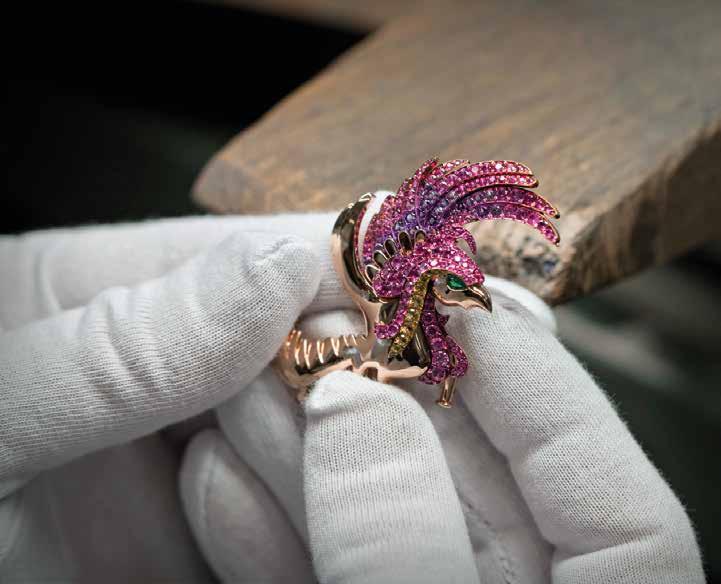
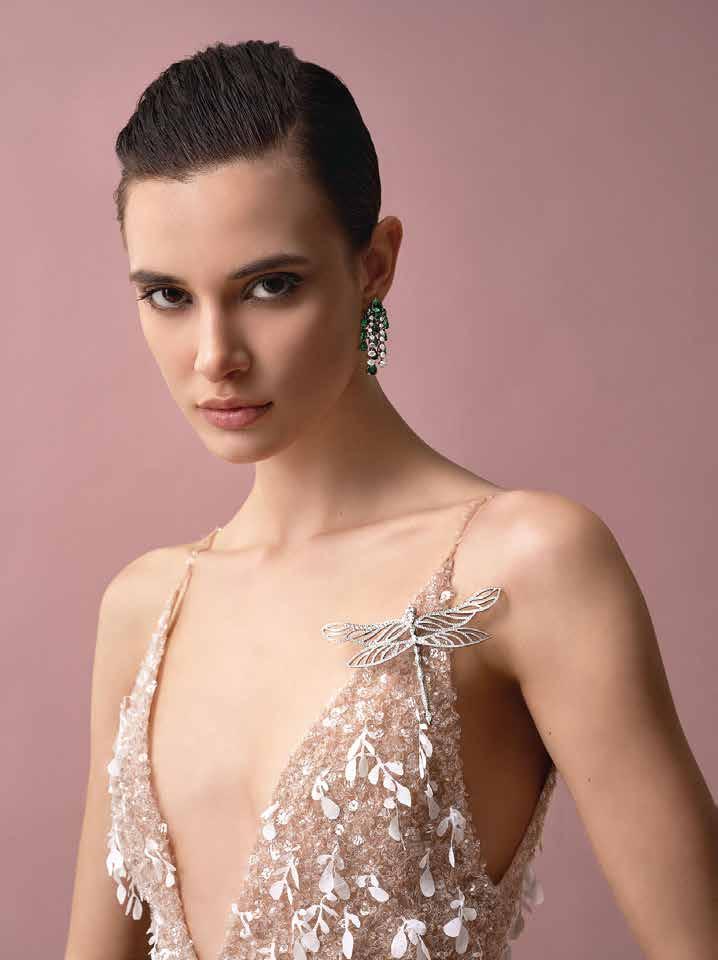
Chopard’s masterful artisans devoted dozens of hours to capture those miracles of nature, expressing the maison’s signature virtuosity and imagination. An ethical white gold necklace is inspired by the poetic encounter between earth and sky, its design centred on a majestic 88-carat royal blue sapphire, a profound token of the earth’s mysteries. Rows of sapphires that total over 134cts and 52cts of aquamarines flow like water around this mineral heart in luminous waterfalls, a celestial fire sparkling with diamonds. The miracle of rebirth is portrayed by a phoenix-shaped brooch, its flamboyant plumage crafted from ethical rose gold and titanium to which multicoloured stones of various cuts add vibrancy, while another brooch of a carp captures the fluid grace of the aquatic world through diamond- and sapphire-set scales. But sometimes the simple beauty of nature speaks for itself, Chopard’s artisans creating the perfect setting for a pair of diamond earrings –marquise-cut (16.37cts), pear-shaped (5.52cts) and round-shaped (3.30cts) – to flaunt their natural charm.
‘Miracles are often modest and are born of a detail, a light, an unexpected emotion’
Patek Philippe’s latest releases pay homage to its own past and the decorative skills of its master artisans
WORDS: JOHN THATCHER
For Patek Philippe, Watches and Wonders is always a time for reflection and innovation, honouring past achievements and championing new triumphs.
The 30th anniversary of the annual calendar – an entirely new complication when Patek developed it in 1996, which distinguished between 30- and 31day months and required just a single correction each year to account for February – and the 50th anniversary of one of Patek’s flagship collections, Nautilus, were both celebrated with new iterations. The former includes Ref. 4946G-001, which leaves the date positioned at 6 o’clock but sees the day and month set in separate sub-dials above the moonphase, while the latter introduces four new versions of the disruptive icon – back in 1976 when it launched, the idea of using steel in luxury watchmaking was sacrilege. Each of the new Nautilus pieces is a limited edition, fronted by two jumbo-sized models in white gold and featuring a 100-piece desk watch.
But Patek has also been busy creating future classics, not least the very first automaton wristwatch in the modern history of the brand, one that combines high watchmaking, artistry and storytelling in a way that feels both intelligent and emotionally engaging.
It’s based on the 1958 pocket watch ‘The Crow and the Fox’, a treasured item that’s held in the Patek Philippe Museum. Its automaton drew inspiration from the seventeenth-century fable by Jean de la Fontaine, in which a crow perched on a tree holds a large piece of cheese in its beak while a cunning fox lurks below. In the tale, the fox flatters the crow by saying that it must have a beautiful voice, the crow then opening its beak to sing and the cheese falling to the floor, where it’s snatched by the fox. The moral of the story? Beware of flattery, which often has a hidden objective.
Reinterpreting this fable for a wristwatch, Ref. 5249R-001, required technical mastery – including a newly developed movement with 267 components – and supreme creativity. The time is shown on demand via a push-button, which triggers an animated scene – the fox indicating the hours and the crow dropping its piece of cheese to display the minutes. Aesthetically, it is a miniature work
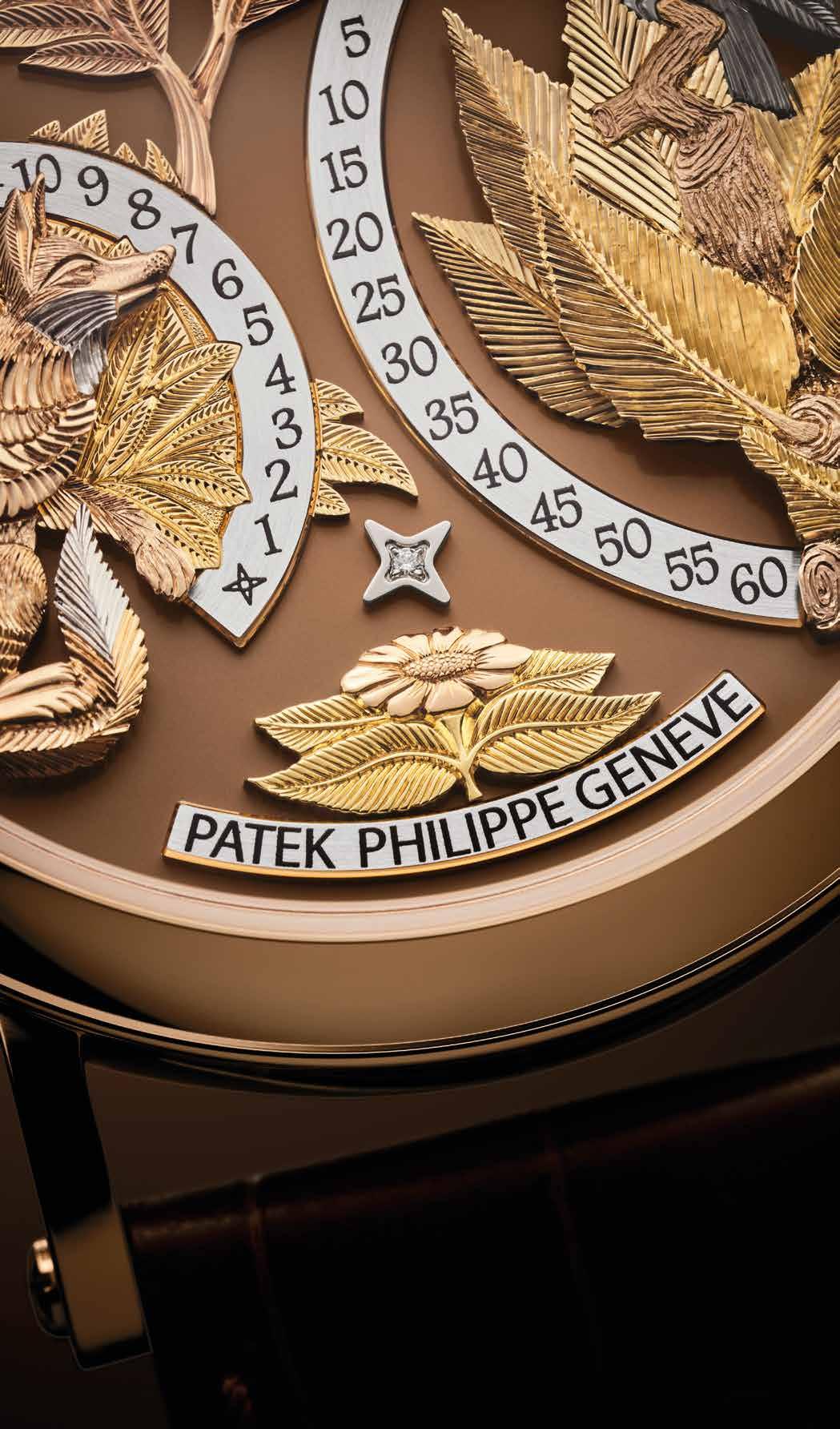
of art, the base of the dial made from solid 18K gold and tinted a rich ‘Matara’ brown, onto which ten tiny appliques in rose, yellow and white gold are handengraved with absolute precision – at their thinnest, these applied features measure only 0.2 millimetres. As such, each watch took 150 hours to perfect. It’s such painstaking effort that informs Patek’s Rare Handcrafts annual collection of one-of-a-kind and limited-edition pieces, which the brand unveils – and publicly displays –parallel to Watches and Wonders. This year they have created 65 new pieces, comprising 23 dome table clocks, 10 pocket watches and 32 wristwatches, for which Patek’s artisans employed myriad decorative techniques: from grand feu cloisonné enamel and minatue painting to hand-executed guilloché work and wood micromarquetry, an elaborate technique used by Patek to decorate dials and case backs.
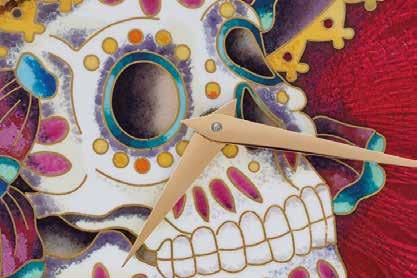
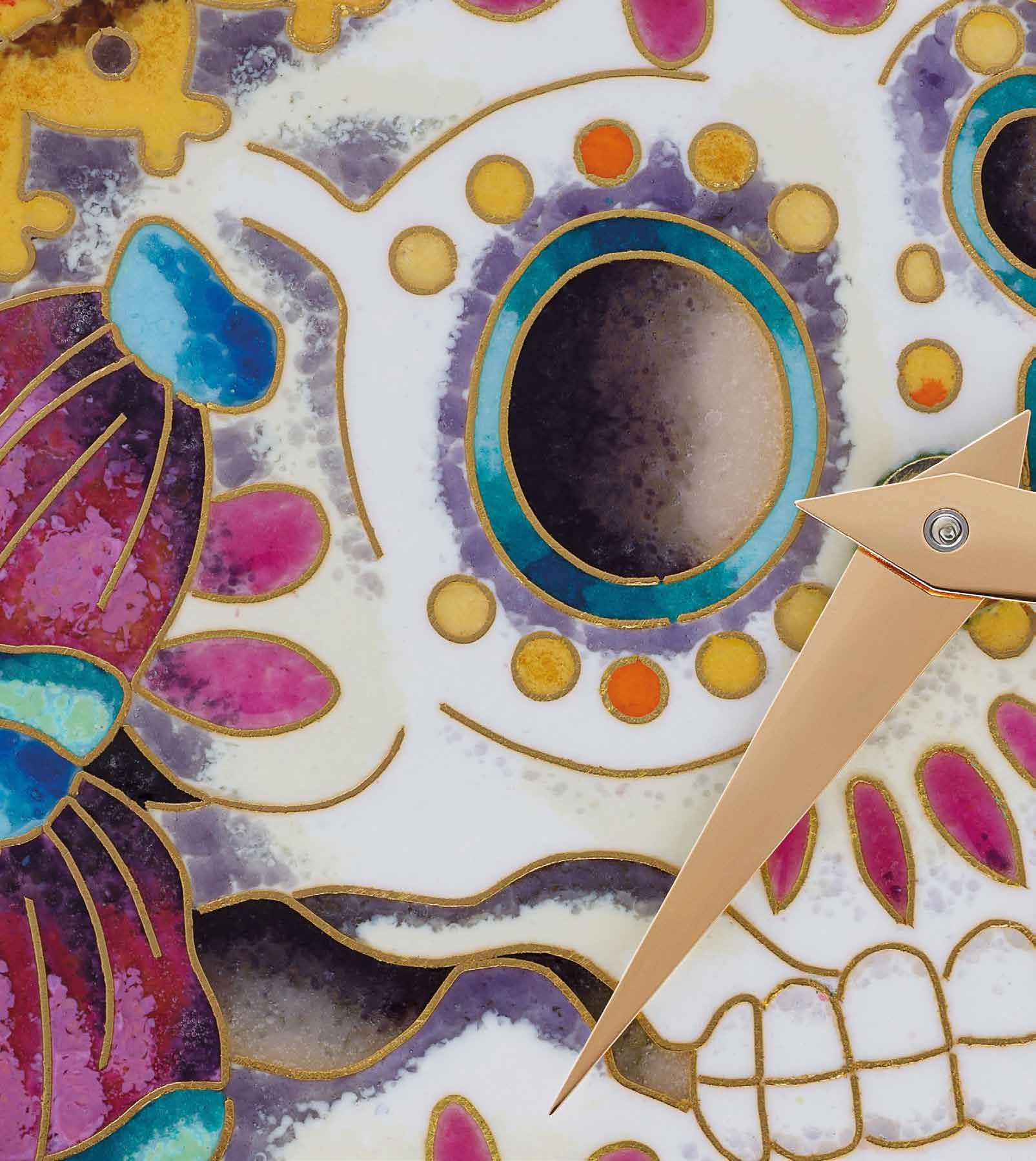
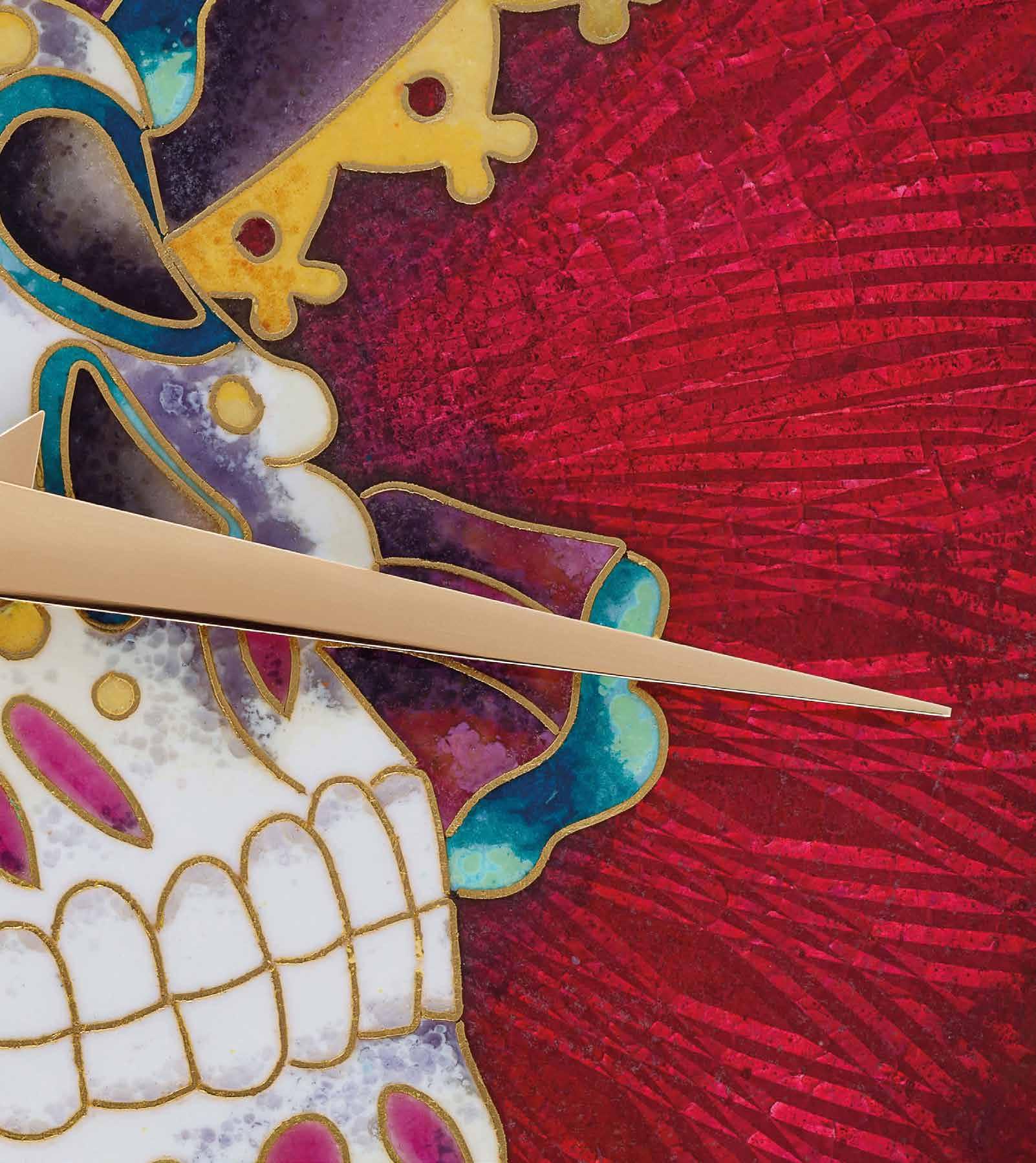
A fine example of it is the Golden Ellipse wristwatch, one of ten produced. On its dial is a portrait of the Northern Pintail, a migratory bird commonly portrayed by the artists of ancient Egypt. To perfectly capture the pintail’s plumage, the marquetry-maker cut out and assembled 161 veneer parts and 25 tiny inlays, together spanning a palette of 45 species of wood in subtle colours with different textures and veining. Also limited to 10 pieces is the Calatrava wristwatch La Catrina, ‘The Dapper Skull’, which reprises the skeletal figure created by Mexican printmaker José Guadalupe Posada in the early 20th century. Its multi-hued dial was first hand-guilloched with a delicate pattern of intersecting arcs and flat diamondshaped motifs, destined to remain visible beneath translucent enamel according to the technique of flinqué
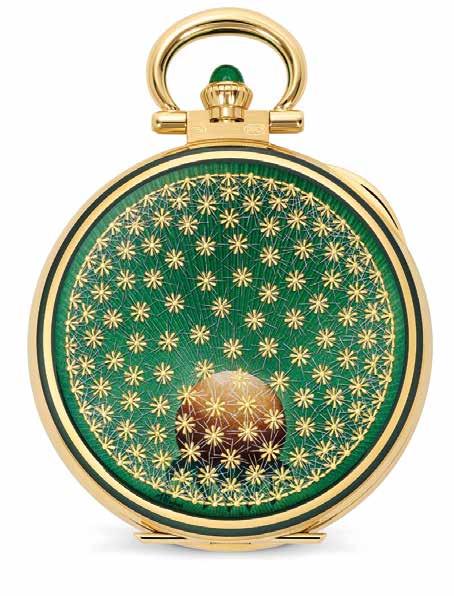
enamelling. The enameller then traced the outlines of the Grand Feu cloisonné enamel skull with gold wire, and filled the resultant interior with transparent, opaque and semi-opaque enamels in 37 colours. Each dial then required some 12 to 14 firings at temperatures ranging from 800°C to 840°C, adding a unique vibrancy to a figure prominent in Mexico’s Day of the Dead festival. Extreme heat is also a feature of the single-piece Magma dome table clock, for which grand feu cloisonné enamel represents a lava flow depicted as an abstract composition. To reproduce the cracks in the earth from which the molten magma emerges, an enameller first outlined compartments with gold wire before using five colours of transparent enamel and seven colours of miniature painting on enamel to evoke the glow of the lava. Beneath the translucent enamel is silver leaf, in accordance with the technique of paillonné enamelling, while a needle was used to create an effect of matt black volcanic rock on part of the decor. Each enamelled plate underwent some 15 firings at temperatures approaching 770°C. It is nature’s softer side that the Dandelion pocket watch evokes, a unique piece in yellow gold that depicts the dandelion flower’s tiny plumed seeds, just before a breath of wind blows them away. Its beautiful case back was first adorned with hand-executed guilloché work in a sunburst motif designed to shine through coats of translucent enamel, for which flinqué enamelling was employed. The enameller then depicted the heart of the dandelion, using opaque and transparent enamels in 10 colours, before refining their picture with miniature painting on enamel. Time well and truly honoured.
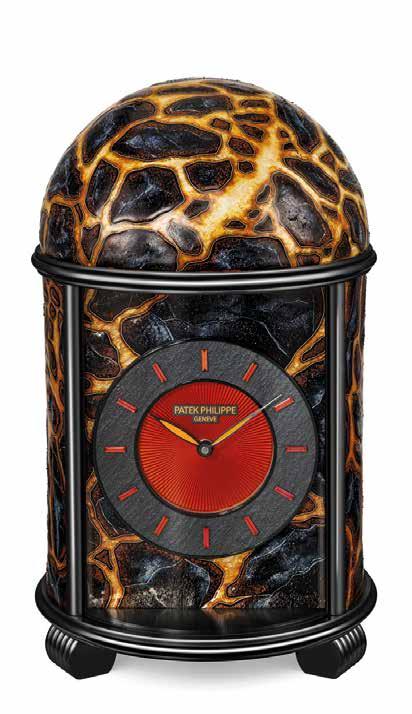
‘Cracks in the earth were created using five colours of transparent enamel and seven colours of miniature painting’
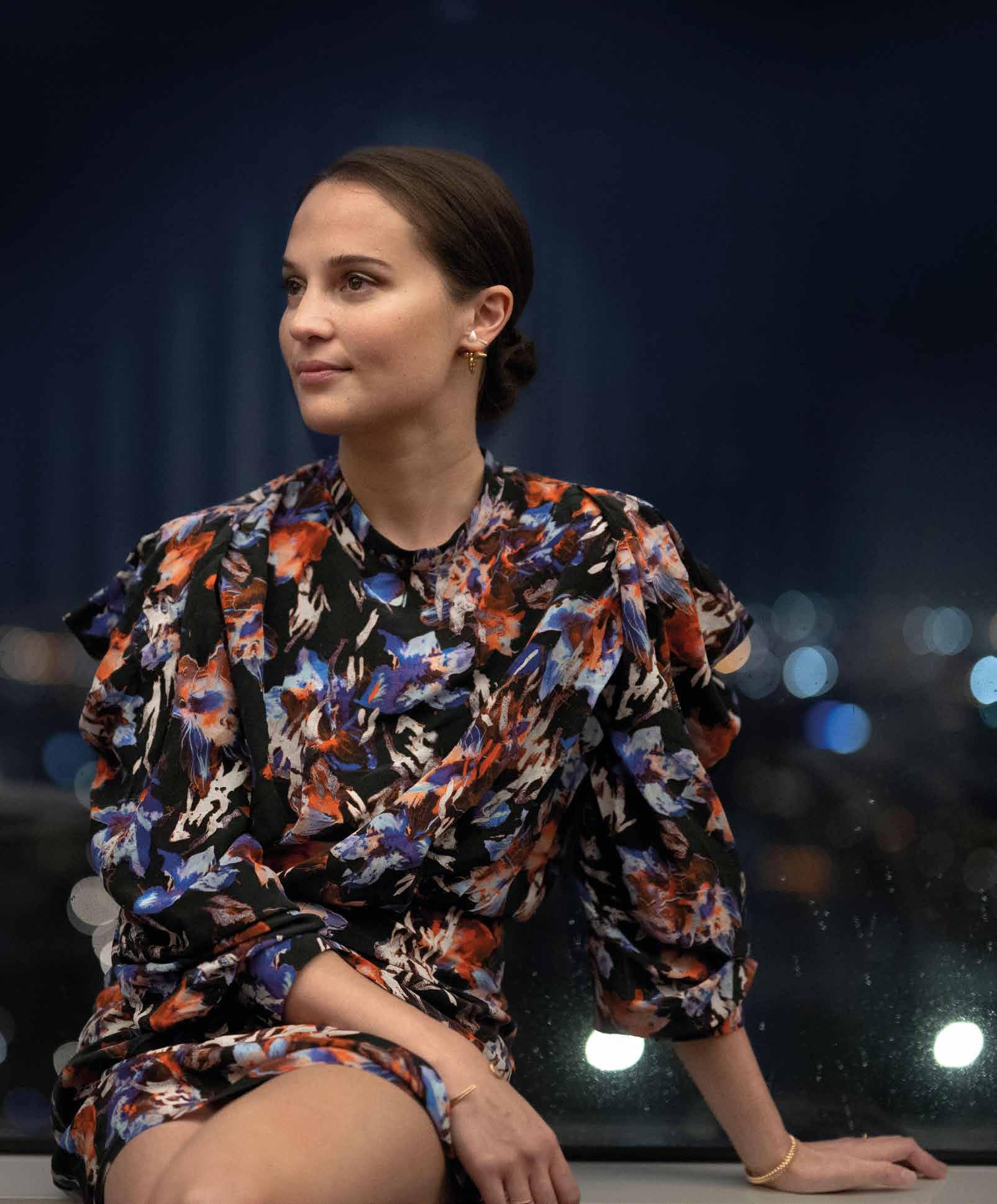
Alicia Vikander on her nomadic life with husband Michael Fassbender, the night she won an Oscar, and why we shouldn’t shut down difficult conversations
WORDS: TOM MURRAY
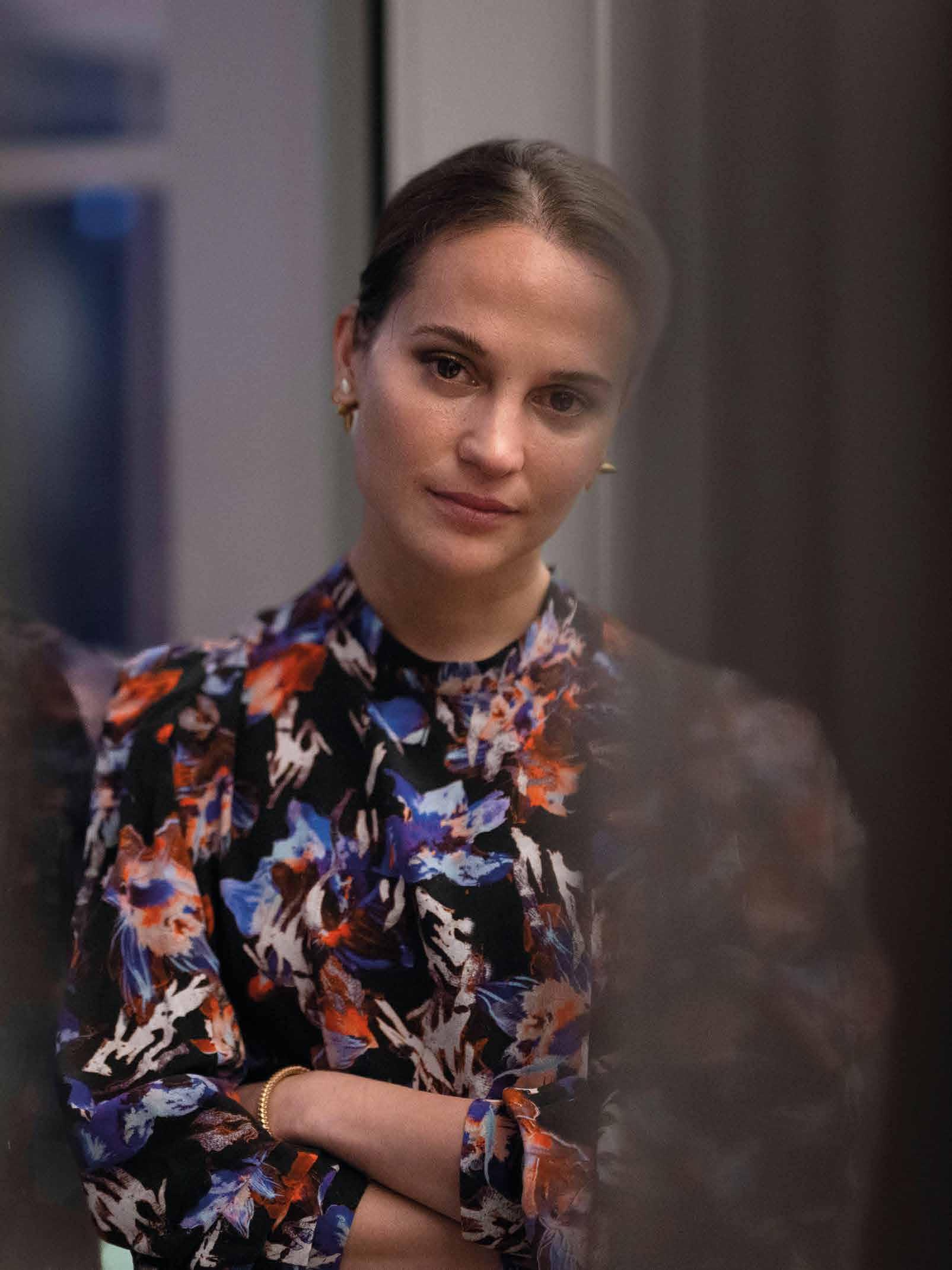
It’s no wonder Alicia Vikander said yes to starring in The Wizard of the Kremlin – Olivier Assayas’s political thriller about the turbulent beginnings of the Russian Federation. By the end of her first 10 minutes on screen, the Swedish actor has performed a punk rock song at a house party while holding a man on a leash, and been lowered from the rafters as some kind of metallic deity in a stage adaptation of Yevgeny Zamyatin’s We. “It’s a supporting role, but I get to have some very distinct moments,” she agrees, flashing a grin. Hers is the kind of tricky, underwritten character that Vikander is able to make deftly three-dimensional with her mix of edge and subtle vulnerability. For years now, directors have sought her for exactly that kind of nuance. Now 37, Vikander has spent much of her career playing women defined by restraint –androids, wives, muses, figures bound by decorum or circumstance. She won an Oscar in her mid-twenties for her quietly devastating turn in The Danish Girl (2015), having already outshone Keira Knightley in Joe Wright’s Anna Karenina (2012) and brought eerie interiority to a humanoid robot in Ex Machina (2014). Hollywood quickly moved to scale her up: a CIA hacker in
Jason Bourne (2016); the inheritor of a billion-dollar franchise in Tomb Raider. But in recent years, she has edged away from that centre of gravity. Projects like HBO’s meta-fictional industry satire, Irma Vep; A24’s chivalric fantasy The Green Knight (2021), and the dystopian thriller The Assessment (2024), have seen her lean into something stranger, more elusive – characters that resist easy definition. Speaking to me over Zoom from her home in London –which she shares with her husband, the actor Michael Fassbender, and their two children – Vikander is tough to pin down too. She’s in mum mode, running late after the school run, hair pulled into a loose bun, dressed in a soft cream jumper. Twice, midanswer, she disappears from the frame to answer the door, apologising as she goes. “Sorry,” she says, returning, slightly breathless. “Deliveries.”
It makes for a slightly disjointed conversation – stopping, starting and stopping again; squeezed into the gaps of a busy morning. At times, it’s a revealing one. Speaking about the time demands of filmmaking, she gestures vaguely off-screen, as if to the life continuing just out of view. “You spend months doing something … it takes you away from friends, loved ones, family.” Another pause. Another doorbell.
I’m curious about her apparent shift – less ass-kicking action heroes, more curiosities (she is credited simply as ‘Extraterrestrial”’ in Na Hong-jin’s forthcoming movie, Hope, which premiered at Cannes last month). It wasn’t a conscious decision, she tells me. “I probably have that itch now. I would love to do some action again.” It’s more about clarity of instinct. “It’s very much me being like, I really want to work with these people or that person. I’ve become quite good at choosing projects [where] I know exactly why I want to do them, and I’m really excited about them,” she says. “Over the past few years, I’ve just had a really good time.”

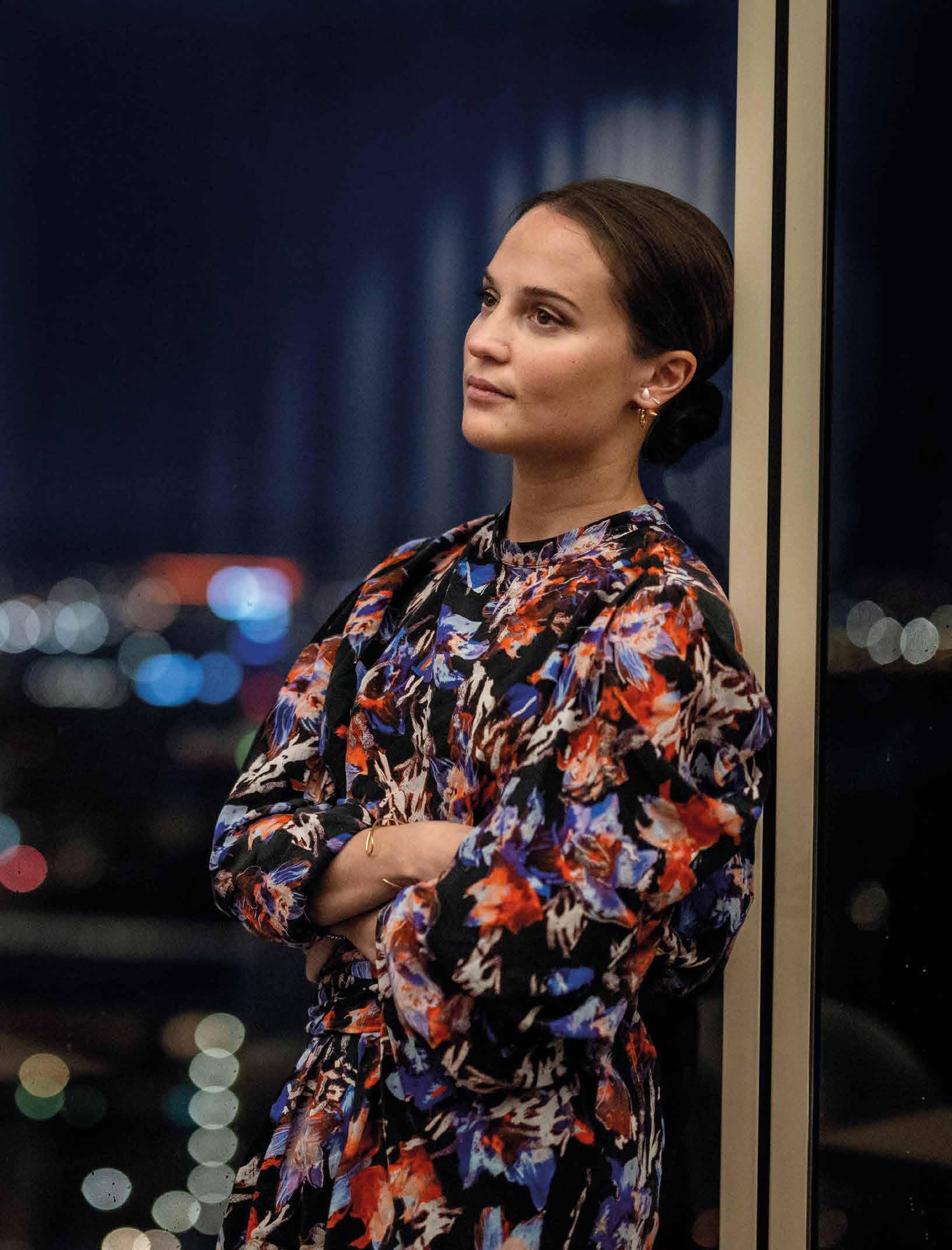
‘It’s essential
if we believe that something needs to change’
Vikander and Fassbender take turns being at home with their sons – who are around five and two – while the other is off filming. I read that they live primarily in Lisbon so that he can surf every day, but she corrects me. “We’ve been in Lisbon; we’ve been in London a lot, and we spend a lot of time in Italy and France. We’re nomads,” she laughs half-heartedly. I get a subtle sense she’s not entirely satisfied with the situation. “That’s the hard part with work,” she says. “We can’t plan far ahead.”
Vikander’s career has traced a similarly circular path, taking her from Europe to the US and back again. She was raised mostly by her mother, also an actor, after her parents’ divorce, and trained as a ballet dancer in Stockholm before an injury intervened and forced a pivot to acting. “I always felt like Europe is where I have my base,” she says. Hollywood, though, remains firmly on her radar. She follows the Oscars religiously. “Obviously, I watch all the [nominated] films each year,” she says, matter-of-factly. “I didn’t watch it live this year because I have a young family, but I’m always the first one to wake up and check in in the morning.” She remembers her night at the Dolby Theatre, when she won Best Supporting Actress, and the slightly surreal fact that it was also where her and Fassbender’s parents first met: “That was a pretty wild moment.” He was nominated the same year for his role as Apple founder
Steve Jobs in Danny Boyle’s biopic. It meant a lot to her. “I lost my mother a few years back,” she says, “and the fact that I had my family there and having that experience…” She trails off – the rest does not need saying. It was also the year the Academy experimented with a massive digital clock that counted down the winners’ speeches on stage: 30, 29, 28… “I don’t have much memory of my speech other that clock, to be honest,” she says. “The moment I got emotional was when Ex Machina won for special effects, because I had spent so much time in the green room!”
Watching The Wizard of the Kremlin, it was hard not to draw comparisons to The Apprentice, Ali Abbasi’s incendiary 2024 biopic starring Sebastian Stan as a desperately approval-seeking young Donald Trump. That too was “inspired by true events” and, unsurprisingly, came under immense scrutiny from the US president, who described it in trademark fashion as a “defamatory, politically disgusting hatchet job”. Would Vikander appear in a film about Trump, knowing the scale of Maga backlash that would inevitably follow? “What that film did, and that ours did, is it actually went places where you have to try and visualise the world from maybe the other perspective to your own,” she says, with typical Scandinavian diplomacy. “To not shut down conversation, to actually try and understand where thoughts, ideals, issues, come from is the most essential thing for us to do if we believe
that something needs change,” she argues. “In that sense, I think both those films did that. It’s not about simplifying anything, but about trying to paint a broad picture of those people and why and how they’ve made certain choices or done what they’ve done.”
As our conversation draws to a close, we gravitate naturally back to her family and the unique arrangement she and Fassbender have as two of the most sought-after actors in the business. Until recently, she says, they had avoided any scheduling clashes. Last year, they were both in London – Vikander making her West End debut in Simon Stone’s reimagining of The Lady from the Sea and Fassbender filming the second season of the Paramount+ spy series, The Agency. “It was interesting to have months being like a family that actually… We both went to work in the morning and came back in the evening.” T here is a longing there, amid an impossible conundrum. Fassbender is currently filming a new Netflix series, playing the patriarch Joe Kennedy Sr of the American political dynasty. Presumably, when his turn comes to an end, Vikander will begin filming The Worst, a buzzy British dark comedy, alongside her old costar Knightley and Jamie Dornan. Whatever lies ahead, it seems inevitable that Vikander and Fassbender’s talent will keep them in demand, and their lives perpetually in motion.
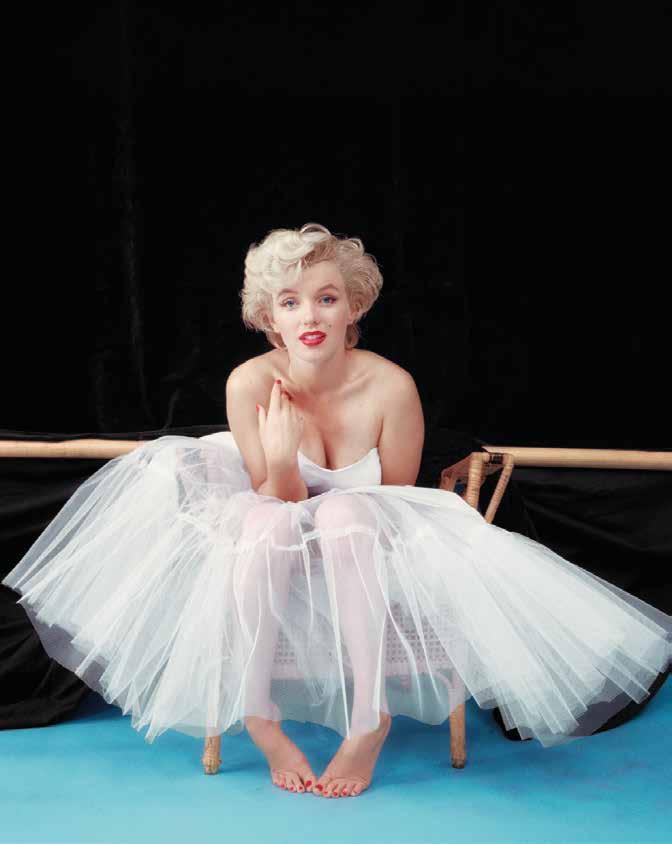
To mark what would have been Marilyn Monroe’s 100th birthday, a blockbuster exhibition of portraits reveals the role she played in creating her own image
WORDS: JOHN THATCHER
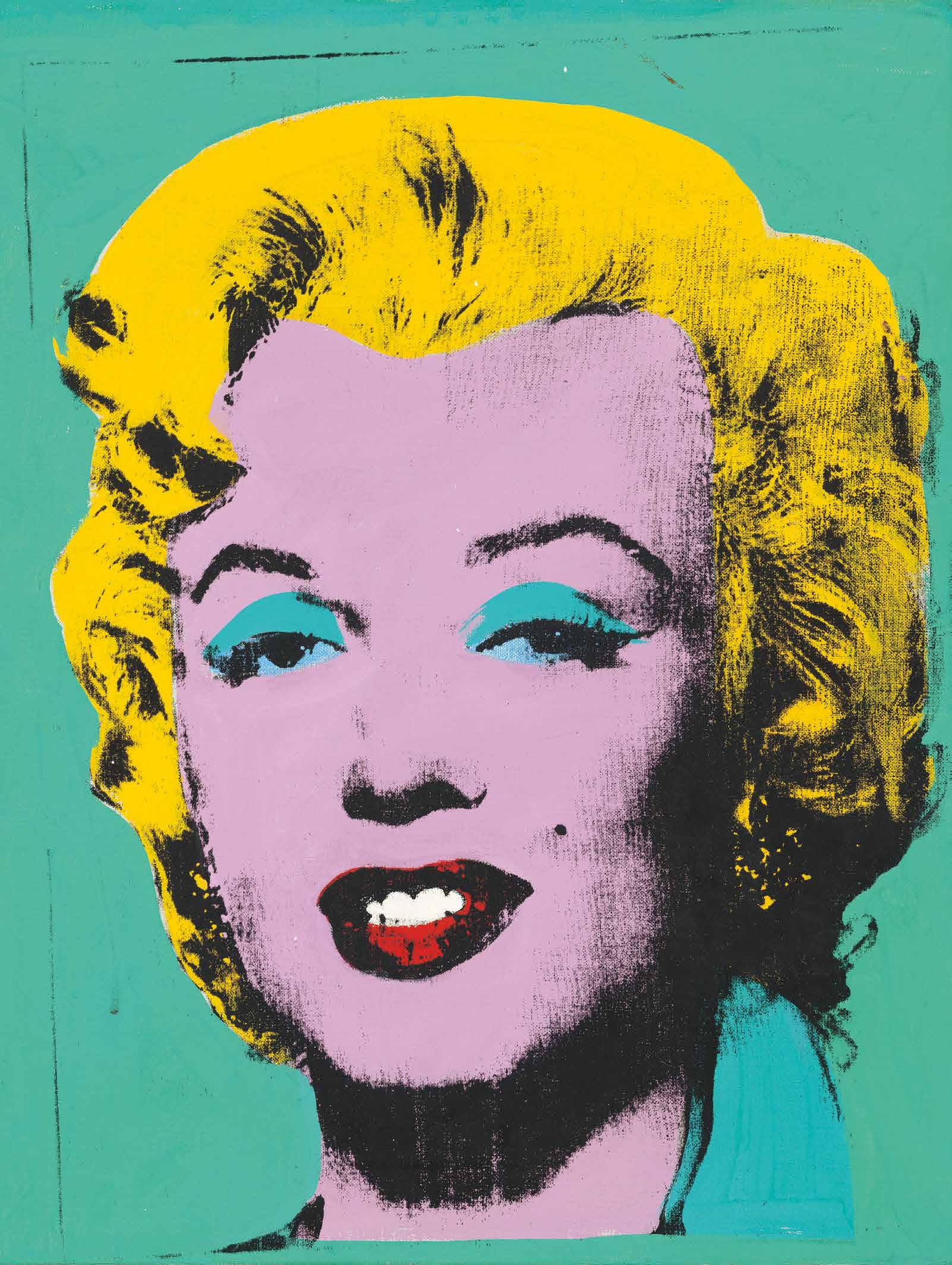
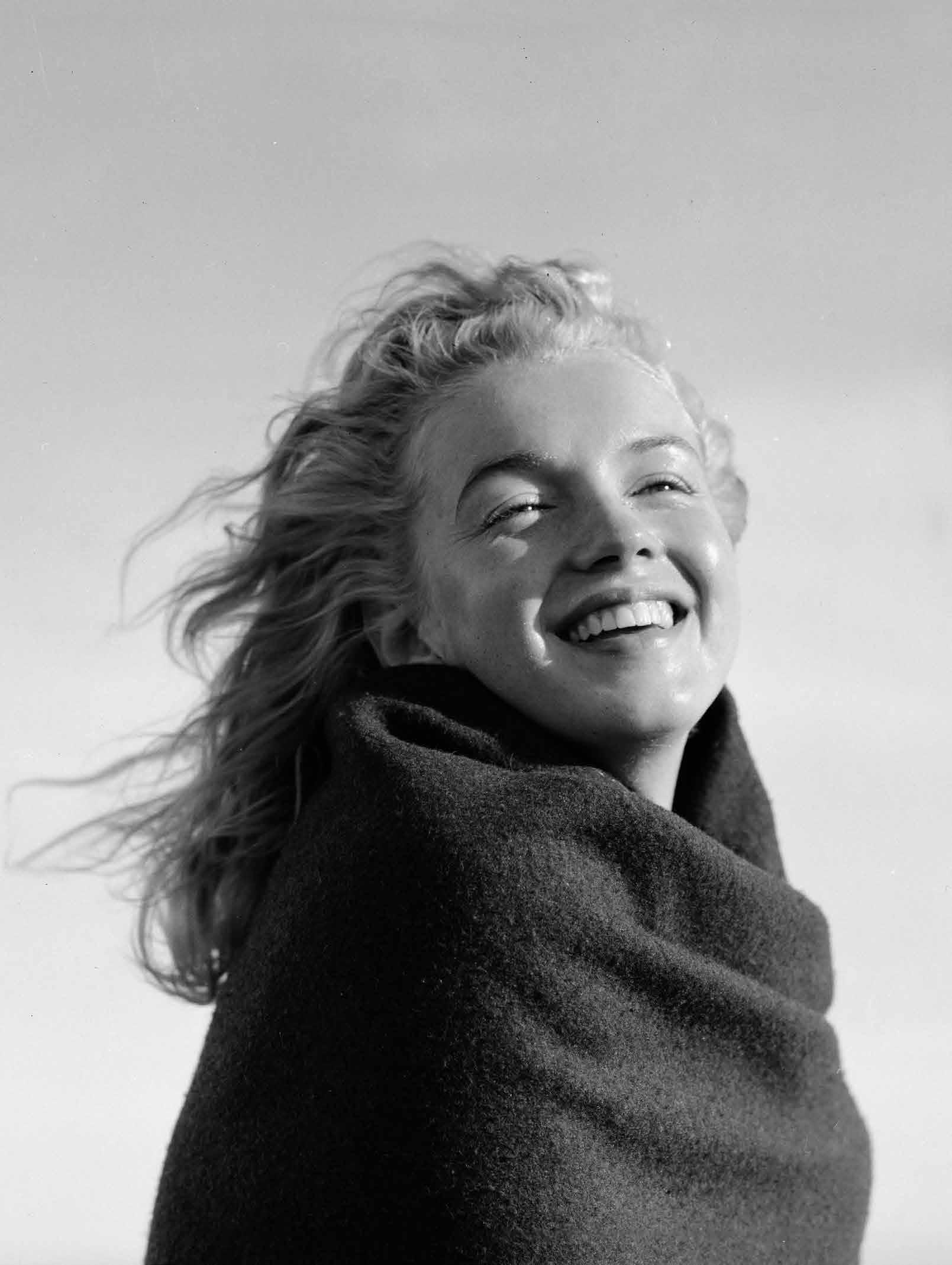
The entire transcript of Marilyn Monroe’s final interview was published last month, 100 years after her birth. Conducted by Richard Meryman for Life magazine over two hot summer days in June 1962, the interview had only ever been heard piecemeal previously. In it, Monroe appears largely chipper, making plans for the future and looking forward to playing more mature film roles. But a few weeks later she was dead, empty medicine bottles at her side. Whether her overdose was intentional or the result of sinister intervention (the idea that it was accidental was ruled out by authorities) has been a topic of debate ever since.
“Fame is fickle,” she told Meryman. “It’s nothing I’m counting on. I’ll find a way to exist; I have since I was five years old.”
That Monroe’s face remains among the most recognisable in the world makes this an eerie prophesy.
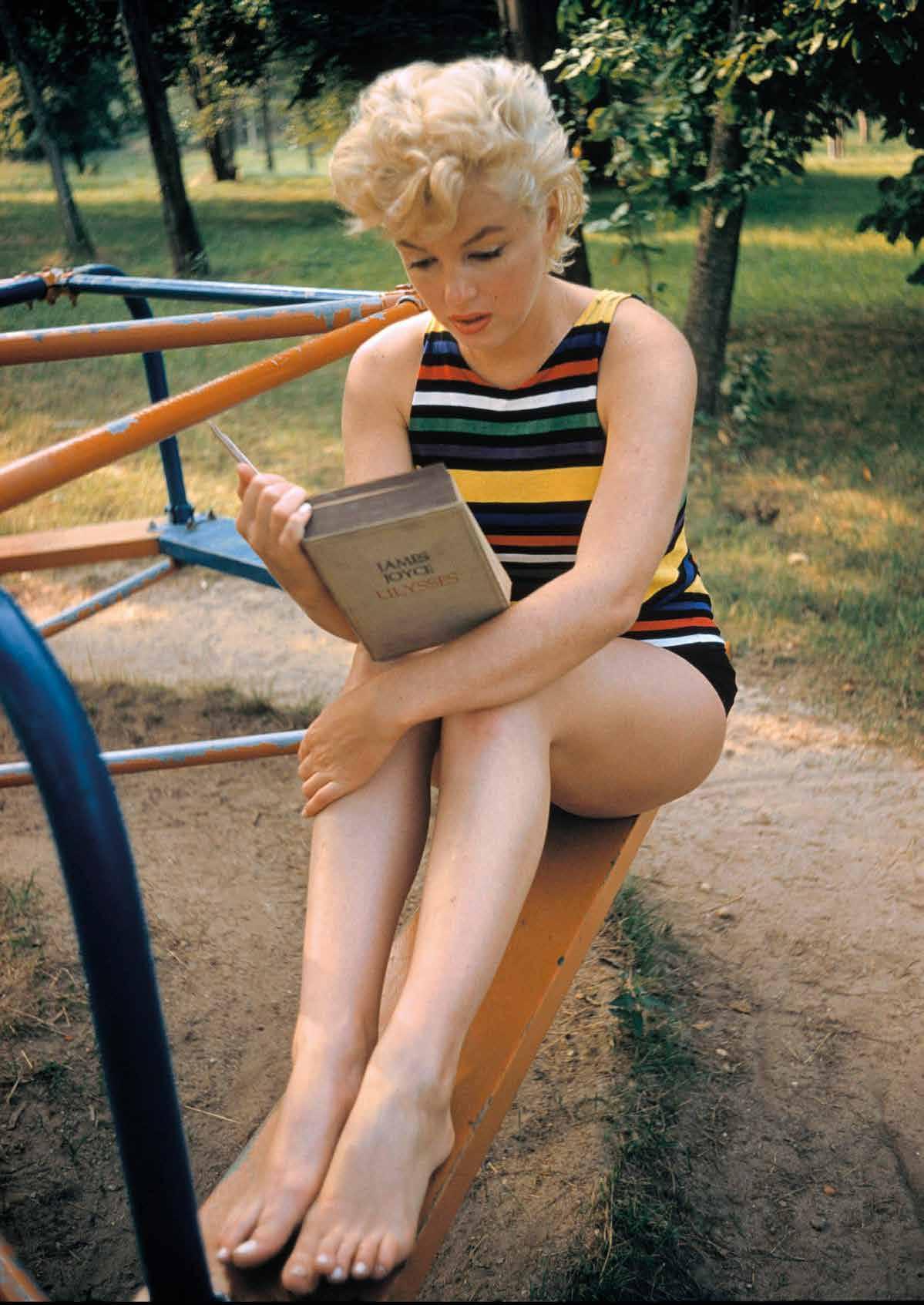
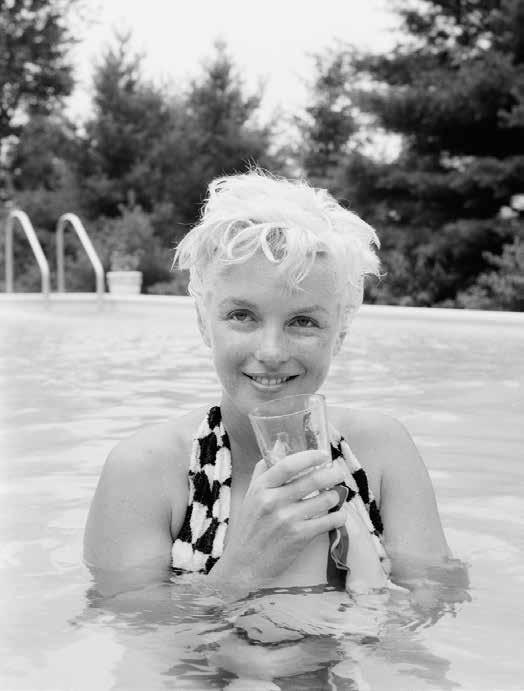
It’s a face that has fascinated and inspired some of the world’s greatest artists, and from this month their portraits of arguably the most famous woman of the 20th century – including previously unseen candid photographs captured during that last interview with Meryman – will be on show at London’s National Portrait Gallery for its major exhibition Marilyn Monroe: A Portrait, staged to celebrate what would have been Monroe’s 100th birthday.
“This exhibition presents Monroe as one of the greatest subjects for portraiture in the twentieth century, not only in photography but in painting
too,” says the exhibition’s curator, Rosie Broadley. “The portrait lens allows us to ask different questions; rather than ‘what happened to her?’, we are asking ‘how was she seen, and how did she see herself?’ That shift means we can foreground Monroe’s own creative agency in image-making and bring in the full range of artists who responded to her (from Andy Warhol to Sam Shaw, Pauline Boty to Richard Avedon and Audrey Flack) as equal participants in the story, not as footnotes to a life. Portraiture also asks us to think about the relationship between sitter and artist, and many of the photographers who worked with Monroe described her as the best subject they had ever had.”
Though they shared that opinion, there are big differences in how each artist captured Monroe. “The range is remarkable, and it is one of the things that makes the exhibition so rich,” says Broadley. “Sam Shaw, who was a close friend of Monroe’s, captured her in a way that was uniquely intimate and joyful. He described her as always adventurous before the camera, always ready for ‘inventive improvisation’. That emotional warmth is distinct from almost any other photographer in the show.
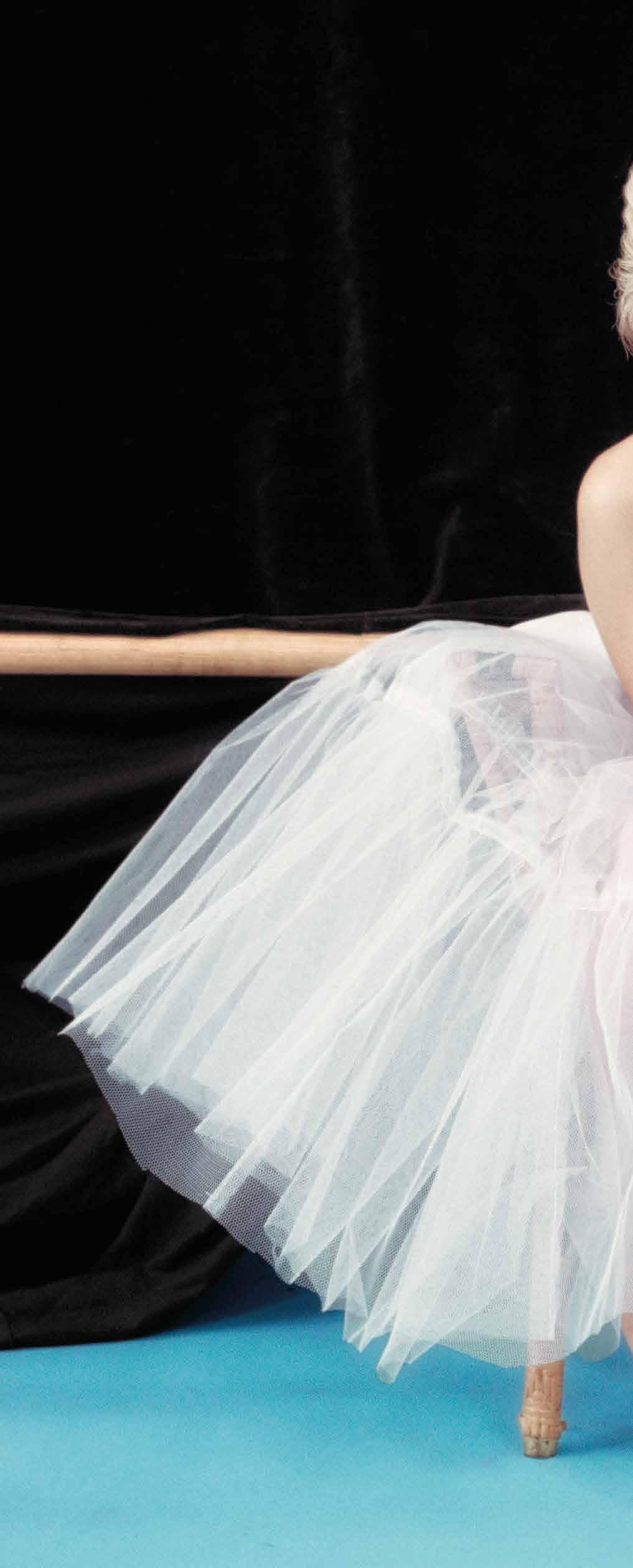
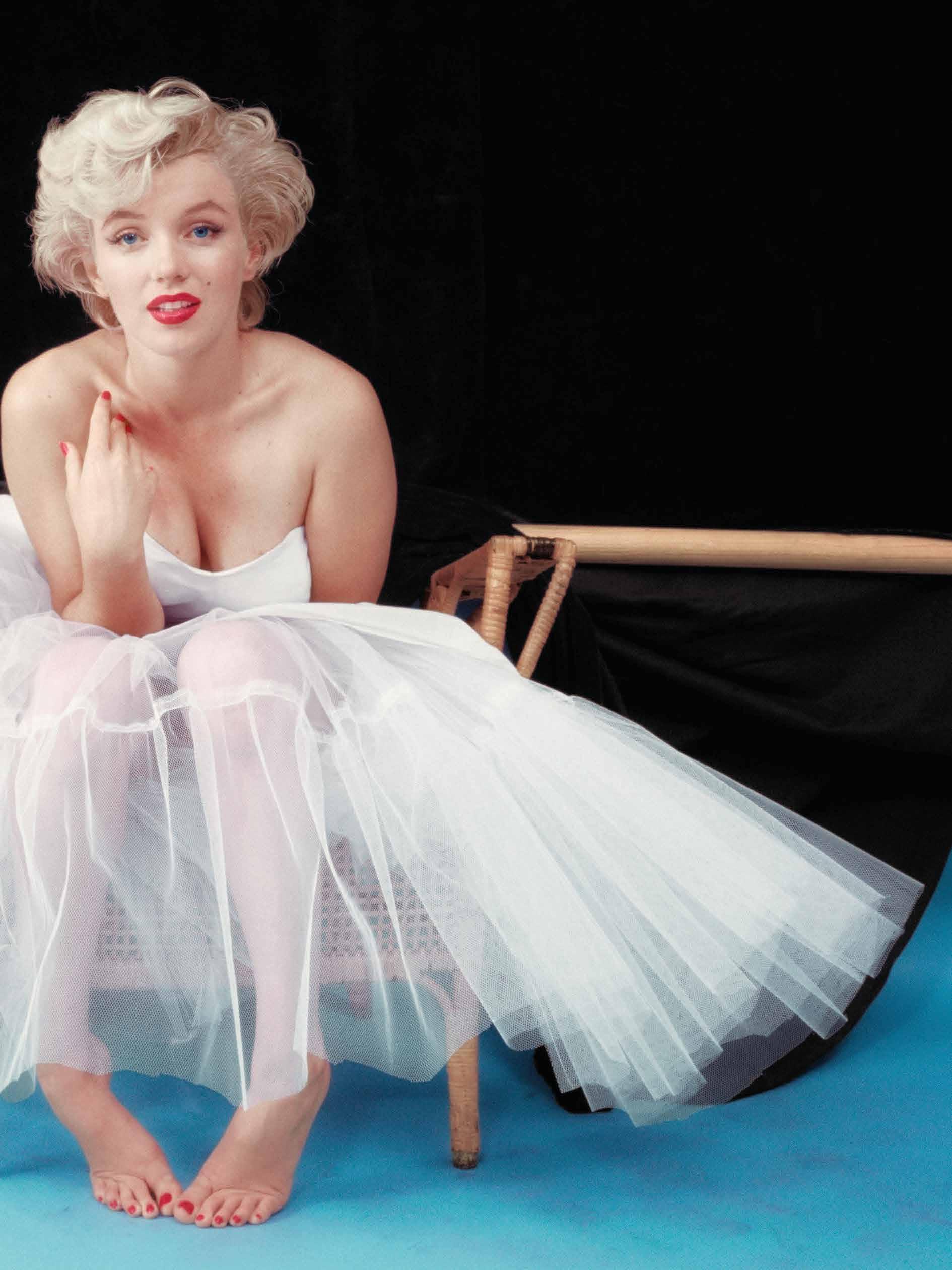
“Milton H. Greene brought an experimental quality to their work together. He designed lighting and makeup, and through their mutual trust the portraits reveal more intimate facets of her persona alongside her glamour. With Greene, Monroe could practise characters she wanted to play.
“Richard Avedon’s portraits have a very different register, more formal and probing. Eve Arnold’s work, much of it made on the sets of her films, is candid and observational in the Magnum tradition. Each photographer brought a different set of expectations and methods, and Monroe responded differently to each. That tells us a great deal about her range.”
Another thing we learn from the exhibition is how involved Monroe was in crafting her own image – radical for a woman in Hollywood at the time.
“Her level of control was considerable,” states Broadley. “Monroe not only performed for the camera but directed sessions and claimed the right to veto any images she did not like. When she worked with Bert Stern for Vogue in 1962, she personally cancelled negatives she did not approve of, scratching through them or marking them with nail varnish crosses. Monroe’s decision in 1954 to leave Hollywood and establish Marilyn Monroe Productions with Milton H. Greene was a direct and deliberate assertion of control over her career and image. Through Greene’s lens, she was able to test different personas, experiment with costume and props, and demonstrate a versatility that 20th Century Fox had consistently refused to recognise. Monroe was operating in a studio system designed to control its stars, and particularly its female stars. Her resistance to that system was persistent and, in many respects, costly to her professionally.”
Howeverher image was projected, that it was largely viewed through the male gaze is a fact that’s “unavoidable when thinking about Monroe,” says Broadley. In light of this, the National Portrait Gallery’s exhibition also features the work of British Pop artist, Pauline Boty, a devoted fan. “Monroe’s entire life and career were framed within the male gaze, and Pauline Boty’s work shifts that in an important way. She was a devoted fan who worked through her grief at Monroe’s death in a series of paintings, including Colour Her Gone (1962) and The Only Blonde in the World (1963). Boty identified closely with Monroe – she was also blonde, beautiful, and aspired to become an actress. These are not the works of a detached observer; they are heartfelt responses from someone who empathised deeply and saw something of herself in Monroe. She used film stills and images cut from magazines, which also conveys the fandom that runs through so many artistic responses to Monroe.” Monroe’s image became a powerful subject for Pop artists like Boty. “Her death in August 1962 was a catalyst. Pop art was deeply interested in celebrity, mass reproduction and commodity culture, and Monroe was all of those things simultaneously,” outlines Broadley. “By 1962 she had been photographed thousands of times; her face existed as a reproduced image on a scale that was then historically unprecedented. The 1967 exhibition Homage to Marilyn Monroe, organised by New York gallerist Sidney Janis to mark the five-year anniversary of her death, demonstrated how comprehensively the Pop generation on both sides of the Atlantic had taken up Monroe as an emblem. Robert Indiana
made The Metamorphosis of Norma Jean Mortenson specifically for that show, pivoting around the duality of her names and the dates of her birth and death: 1926 and 1962. She was also, as Griselda Pollock writes in the exhibition catalogue, a white working-class woman who had made herself into an image, performatively and deliberately. That process of self-fabrication was itself a kind of Pop gesture.”
Her image has been endlessly reproduced yet never diminished. What gives it that enduring potency? “Part of the answer is the quality of the photographs themselves,” says Broadley. “Monroe co-created those images with major photographers, and they were extraordinary works before they became iconic ones. The power was there from the beginning. But I think the deeper answer is that her image has remained available as a vehicle for successive generations to work through their own concerns. In the 1960s she became an emblem of sex and commodity culture, while in the 1970s, feminist artists and writers reclaimed and reinterpreted her in the light of second-wave feminism. In the 1990s and 2000s, artists like Margaret Harrison, Marlene Dumas and Barbara Kruger used her image to interrogate how women are judged and valued. Each generation has found something still alive in it.”
the exhibition, though a great challenge to select from such a vast array of work, has revealed more of Monroe to Broadley. “I admire her even more now that I have more understanding of the extent to which Monroe constructed her own image, working collaboratively with
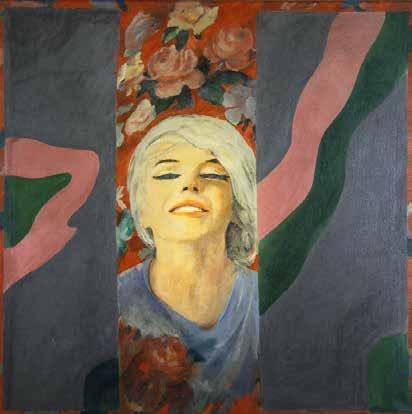
photographers. She was creative and inventive, deeply interested in the arts, reading widely and engaging with the societal questions of the time. I’ve also been fascinated by the artists who turned to Monroe as a subject in the years following her death, particularly the feminist artists of the 1970s and 1990s who approached the ways in which she had been viewed and treated with fresh and, at times, uncomfortable perspectives.
‘Many of the photographers who worked with Monroe described her as the best subject they had ever had’
“What the exhibition keeps returning to is that Monroe was not simply a product of Hollywood. She overcame poverty and an extremely difficult childhood to achieve the fame she craved, often in the face of active resistance from 20th Century Fox. She said herself, towards the end of her life: ‘If I am a star, the people made me a star. No studio, no person, but the people did.’ There is something in that directness, that combination of vulnerability and self-possession, that people have never stopped responding to.
“She is also, I think, a figure onto whom successive generations have projected their own preoccupations – around gender, beauty, class, race and power. The artists in this exhibition have all found something urgent and contemporary in her image, even decades after her death. That capacity to keep generating meaning is quite extraordinary.”
Marilyn Monroe: A Portrait, runs at the National Portrait Gallery, London, from June 4 to September 6, 2026
Louis Vuitton’s initials are recognised the world over, but they are also freighted with personal significance for the founder’s descendants – as Caroline Leaper discovers on a visit to their glorious Art Nouveau house outside Paris
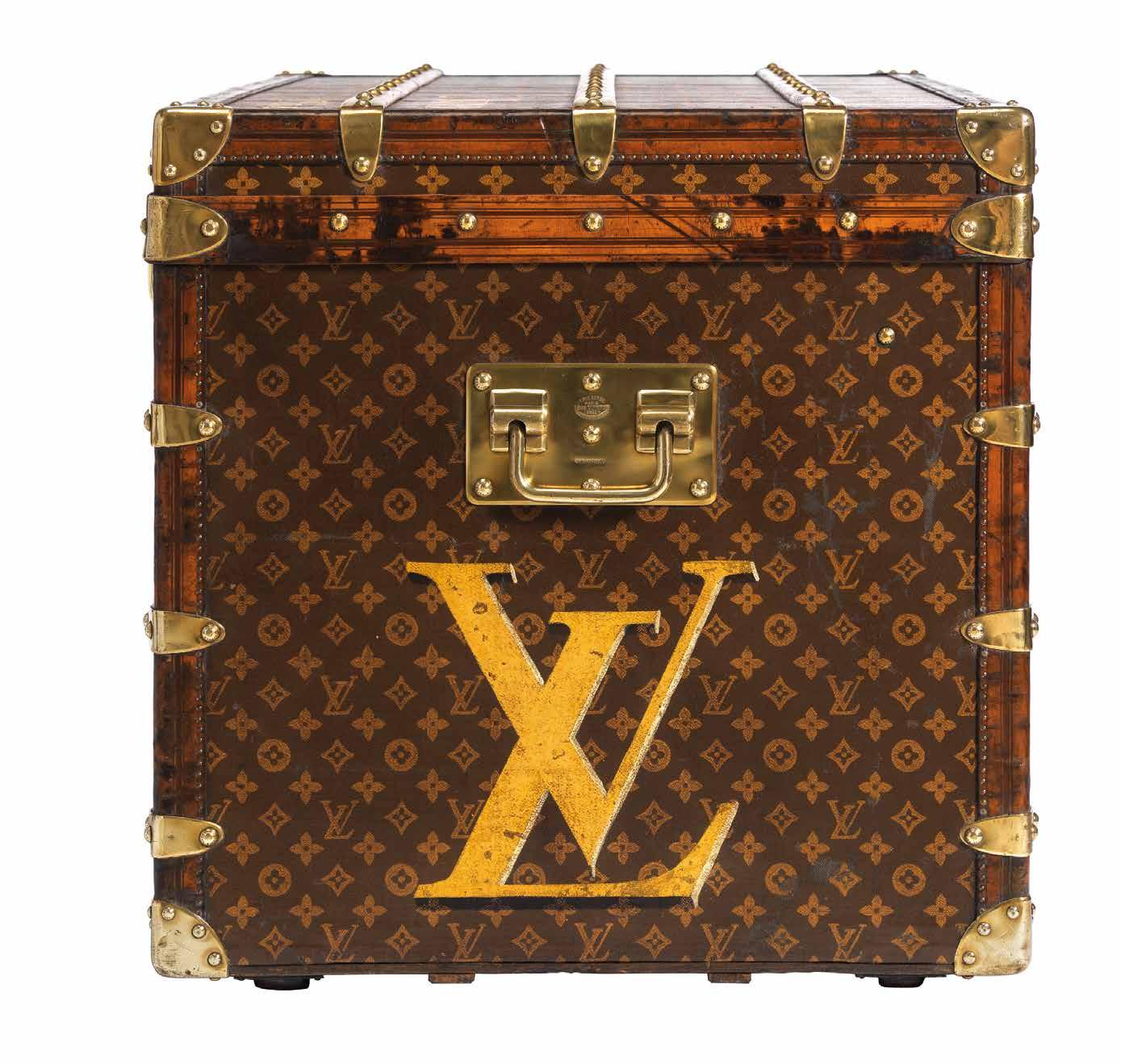
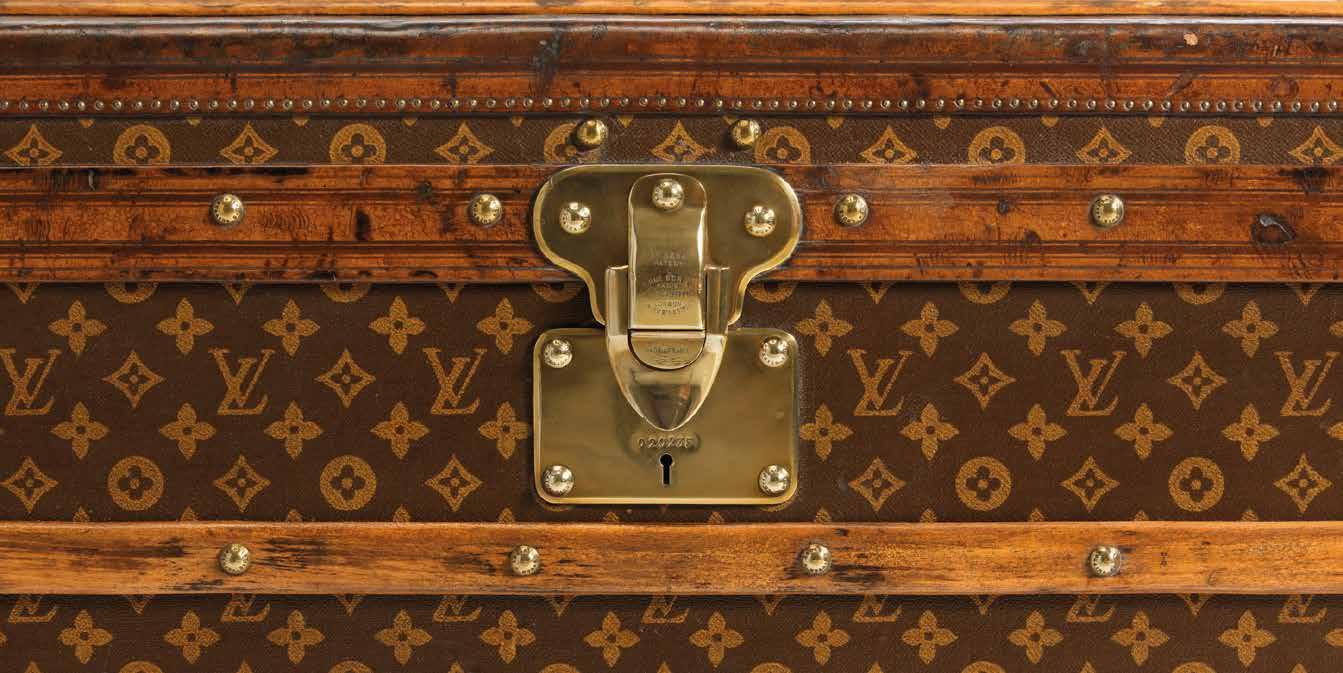
assortment of logo-stamped chocolate truffles has been served with tea, on top of an unusual ‘table’ – an antique trunk made from one of the first incarnations of Louis Vuitton’s signature Monogram canvas.
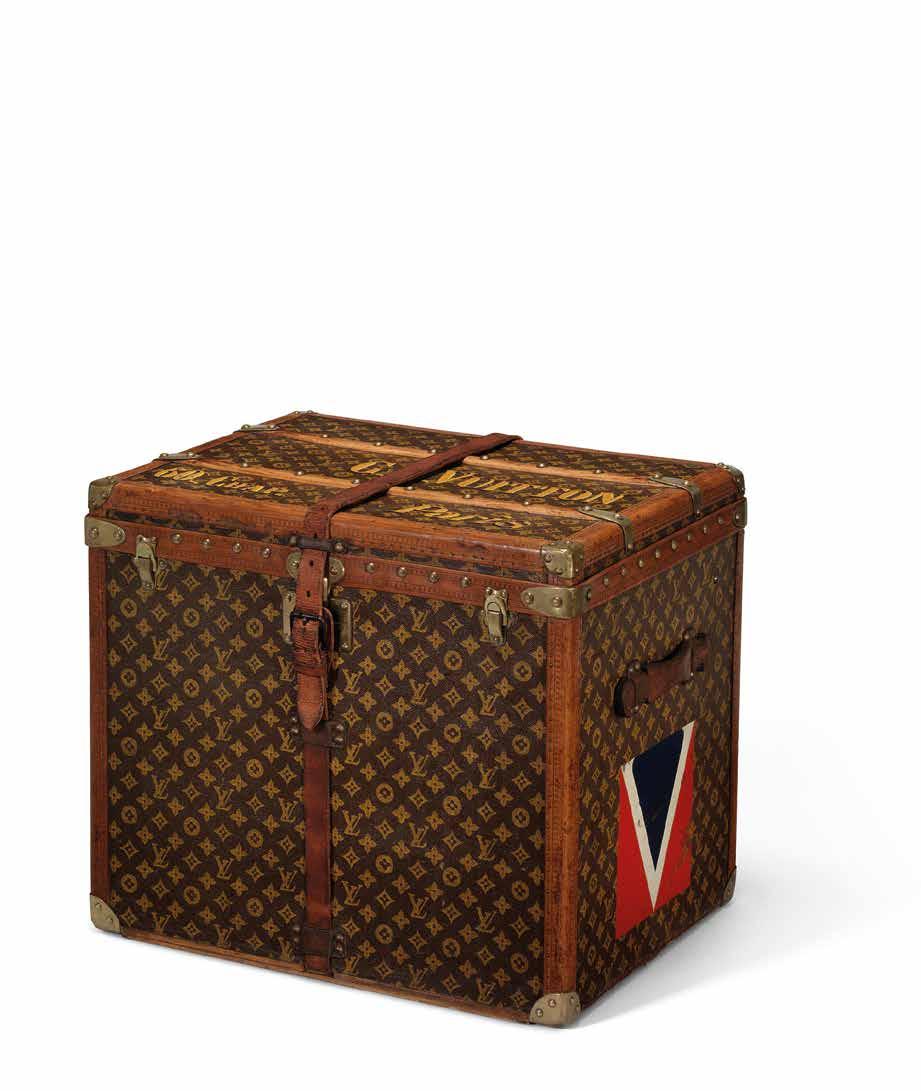
“Now this one is quite exceptional,” says Pierre-Louis Vuitton, gently patting the box. “This striped canvas was produced between 1872 and 1888, but this trunk I think is from 1906. It must have been a special order; a client in 1906 who already had striped trunks and asked Louis Vuitton to make another.”
Pierre-Louis Vuitton knows how to date the trunk because it has the more modern, unpickable ‘Georges’ lock. He knows it from the wear of the specific tiny rivets along the lozine binding, protecting its edges. Mostly though, he knows it because it’s in his blood.
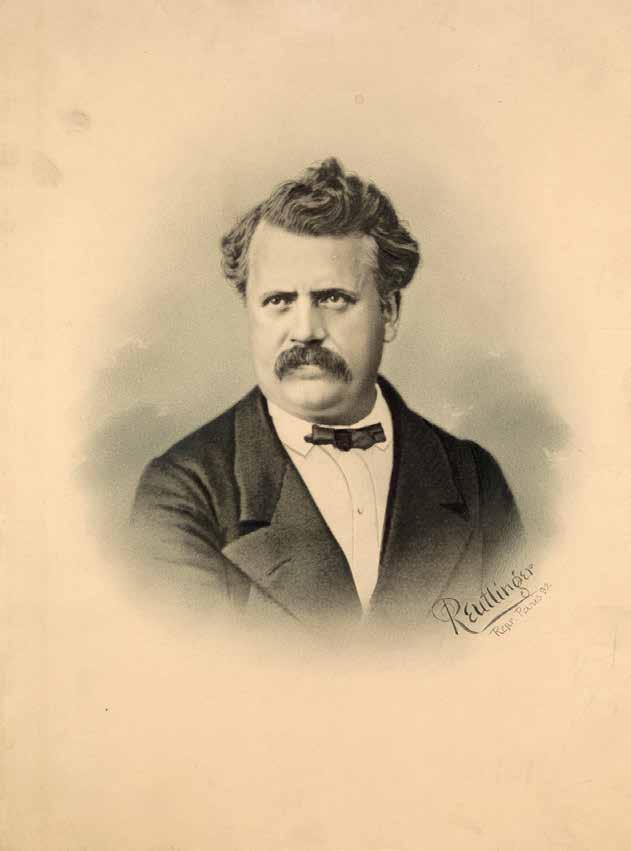
A sixth-generation Vuitton, PierreLouis is the great-great-great-grandson of the founder, Louis Vuitton. He is quiet and unassuming – perhaps ironic for a descendant of one of the shoutiest logos on Earth. We are sitting in the living room at Asnières, the family home of Louis Vuitton in the northeast of Paris, which today serves as a private museum and a source of inspiration for the maison’s designers. The house is adjacent to the atelier Louis Vuitton opened in 1859 – today 170 artisans still work here, producing intricate trunks and custom orders.
Pierre-Louis, now 52, spent the first 10 years of his childhood here, in another of the family’s homes on the site. “It was a playground,” he recalls. “But also the workshop was a sort of forbidden place for children. I would be looking through the windows, always. I remember the life of the workshop, the sounds and smells, and watching my
father working on the special orders.”
Seeing his father design a bespoke case for the French composer and conductor Pierre Boulez is one core memory. “He gave all of his materials to my father, and my father designed the trunk around these needs,” he says. “I learnt then that you could say, ‘Give me your object, tell me what travel you want to do, and I will make the exact luggage to transport it in the best condition.’ These are conversations I still enjoy today.”
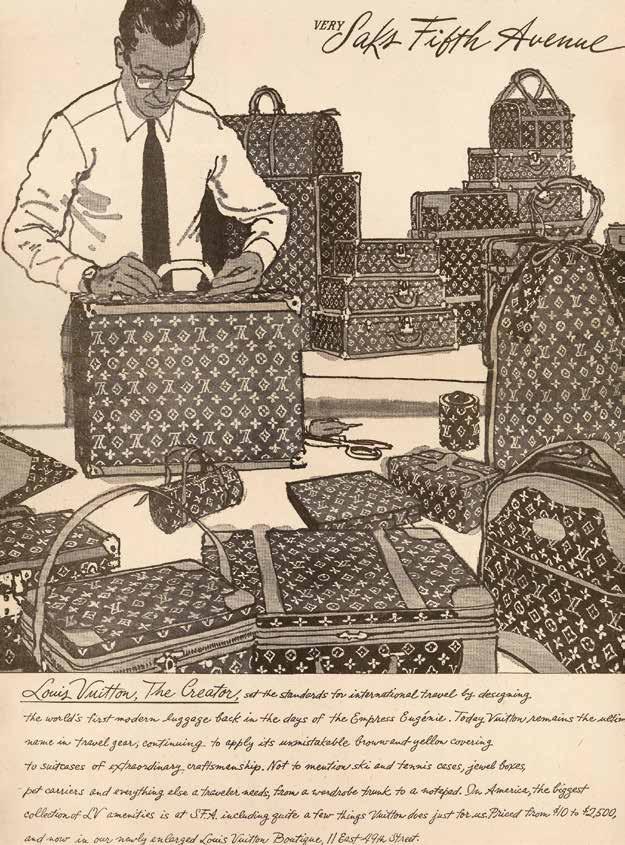
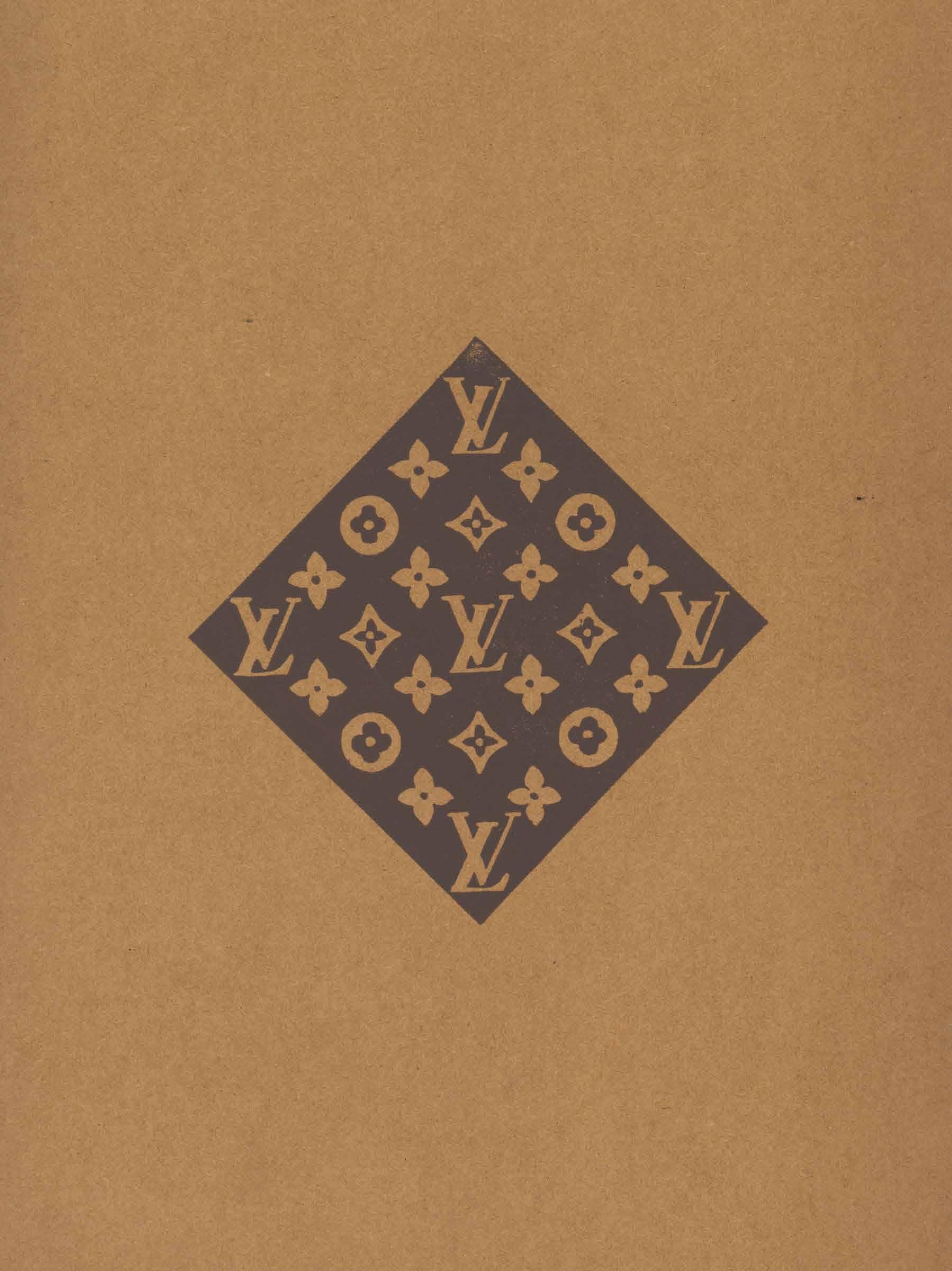
It was not Louis, the founder, but his son, Georges, who devised the Monogram as we know it. The original design had been made with plain grey canvas. Stripes (as on our coffee table) were brought in during the 1870s, followed by a checkerboard Damier canvas in 1888. It wasn’t until 1896 that today’s Monogram was introduced. Louis Vuitton himself never saw it; he had died four years earlier. Ironically, considering that Monogram canvas has become, perhaps, the most desired and most faked fabric in fashion history, each of these developments was made to combat counterfeiting. Additions such as a stamped MARQUE L. VUITTON DEPOSEE (L. Vuitton registered trademark) had not proved effective in halting the copycats, so it was hoped that a more complex pattern would perplex fraudsters. The final design, a mix of graphic flowers and entwined lettering, is thought to have been lightly inspired by Japonisme, which was trending in Belle Epoque Paris. On a desk at Asnières, nestled among family
photographs, there is a tile from the Vuitton family’s original kitchen, featuring a repeat quatrefoil lower. This too may have informed the motif.
Wherever it sprang from, the branding has endured and, as it celebrates its 130th anniversary this year, it remains fashion’s most valuable symbol. No wonder it is as vigilantly preserved and protected as the hieroglyphs of ancient Egypt; an Interbrand report suggested Louis Vuitton’s value reached $48 billion in 2025.
That said, it’s only in Pierre-Louis’s lifetime that the Monogram has become so famous – as well known in popular culture as the swoosh or the golden arches. It has been applied to handbags and cocktail shakers, shoes and skipping ropes; artists from Yayoi Kusama to Richard Prince have had their way with it. As a descendant of the founder, a key part of Pierre-Louis’s role now is as a guardian of his family’s story.
“I was born with the Monogram canvas, I have always lived with the Monogram canvas,” he agrees. “Of course I have a responsibility: I live with the company.
I think of [the fact] that, when I was born, it was a family company [LVMH was formed as a luxury conglomerate in 1987]. It’s a value that is still important. Nowadays my job is to transmit the knowledge – we have the chance to preserve the knowledge of Louis Vuitton. We have always made trunks here in Asnières – there has never been an interruption – and I have the knowhow and skills to make travel items
in the way he made them in the 19th century.” As head of ‘savoir-faire’, PierreLouis leads the workroom at Asnières, producing those exceptional orders –one-of-a-kind trophy cases for events such as the Americas Cup, or bespoke luggage sets for royalty – in a way that honours time-honed craft over mass production, and perfection over speed.
Itmay seem as though it was his destiny to join the family business but, he says, it took him until he was 30 to take the plunge. “I had no pressure to join the company, and my children have no pressure,” he says of his four sons, who are in their late teens and early 20s. “But when I was 30 I thought, OK, my objective is to join Louis Vuitton and to really learn how to make the luggage. It was quite a good choice, I think.” His route in was not easy, though: his father, Patrick Louis Vuitton made him work for it. “It was a discussion: when I asked him, he said, ‘OK, you need to start in the workshop,’ he remembers. “Nowadays I don’t want to leave the workshop. I am very happy to be here. I started here in Asnières; it was inspiring and also very important for me to learn how to make the luggage, and to know the job of my father and his father and so on. Now, 20 years later, I think I know very well the job of Louis Vuitton, and Georges, and those who came before me.”
That said, Pierre-Louis is keen to embrace new technologies, and clearly enjoys finding a solution to any puzzle. “We need to have both,” he says of old and new techniques. “We need to input new technologies in our production –for example, I have done it on the lock. Before we hand-printed the number of the lock with an old machine, but when I started a new workshop in the South of France, we decided to use a new laser-printing machine. It’s easy for the workers to do it, but we don’t lose the tradition of the number printing. Also, new machines have helped us to revisit our archives – I was able to redo a key for an old trunk like this,” he says, referring once more to our antique occasional table.
He also enjoys it when artists and designers reinterpret the Monogram, and the dialogue he gets to have, as a logistical brain, with a creative mind. He tells of how he met the Japanese artist Takashi Murakami in person only recently, at Art Basel, although they have worked together for years to bring Murakami’s rainbow-hued take on the Monogram to fruition. “I was so happy to meet the creator,” he says, “and to share with him all of the technical challenges after all of our exchanges about production.”
After our conversation, I tour the workrooms at Asnières and see special
orders at every stage of development –freshly dyed skins and canvases hung up in all colours, pattern cutters calculating their grain, craftsmen assembling locks, and the precision hammering of the lozine bindings – still done by hand, with accuracy down to the millimetre.
One team is working on a punkishlooking black gloss Monogram suitcase, another on a small but perfect vanity box with compartments for each of its owner’s precise travel essentials. Progress is being made on an enormous bar-like case to transport Champagne: ideal for the client who likes to bring the party with them.
Then I see a truly impressive piece being finished – a huge Monogram trunk, but with a hand-painted floral pattern bordering the lozine. The motif is the same as that featured on the stained-glass windows in the living room at Asnières. It is so specific and personal, that I initially assume it must be for a Vuitton family member.
Days later, though, a model dressed as a porter wheels said trunk on to the catwalk: the design is in fact by the house’s menswear artistic director Pharrell Williams, and the trunk is the trophy piece in his autumn/ winter 2026 show for the house. With Asnières as a source of inspiration, the Monogram has once again been reinvented by an artist of the times –as it will be for another 130 years.
Opening page: Ladies’ Trunk, 1910
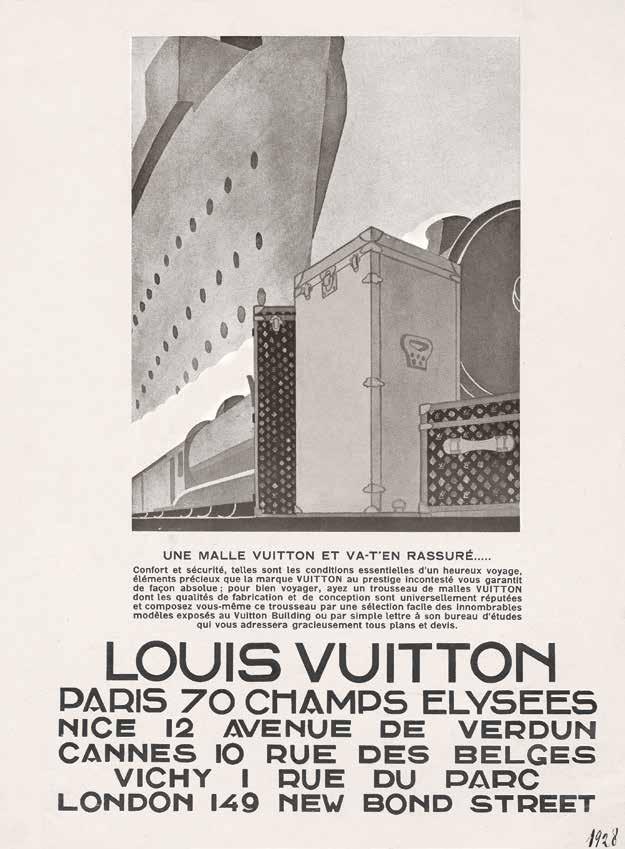
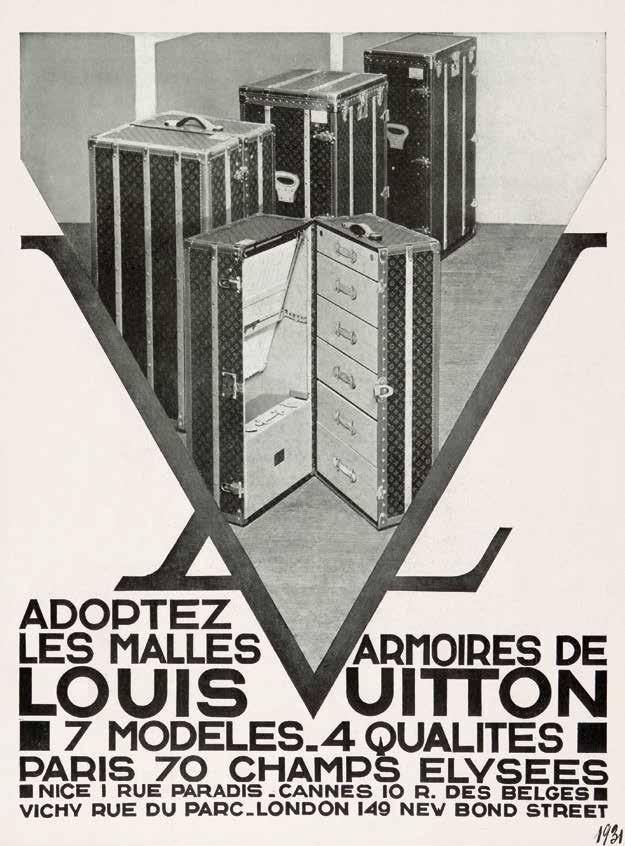
Previous page, clockwise from top left: Louis Vuitton; advertisement published in L’Illustration, 1931; Saks Fifth Avenue advertisement in The New York Times, 1969; advertisement published in Vogue, 1928
These pages, from left to right: Hat Trunk, 1912; Louis Vuitton ‘Malles de Commerce’ catalogue, 1910

















































How the new Mercedes-Benz S-Class has been refined to be better than ever


The ‘best car in the world’ has just got better. And not just a little bit better. In fact, the new Mercedes-Benz S-Class hasn’t just had a tweak or two to look and feel fresh; it’s more a full-on makeover – 50 per cent of the car is either newly developed, updated or refined, making for the most comprehensive mid-life change within one S-Class generation. It’s a change driven by the car’s customers, Mercedes-Benz staging product clinics around the world to understand the often unique requirements of each key market so that when the time was right, they could package them together in one superb saloon. That time is now.
The new S-Class is more comfortable, more intelligent, is safer than ever before, and has many more options to make it individual. It’s also not afraid to show how proud it is of these changes – for the first time, the S-Class carries an illuminated Mercedes-Benz star on its bonnet, below which is an illuminated grille that is 20 per cent larger than before. “One of the five things our customers clearly mentioned was how they would like the car to have a bit more status,” says Mathias Geisen, a member of the Board of Management of Mercedes-Benz Group AG, a role in which he is responsible for the company’s Sales & Customer Experience Division.
“If you look at the front design, I think it looks very status-driven – the front grille, the illumination of the grille, and also the star. The star is an icon, like the S-Class is an icon. I think that's a perfect match.”
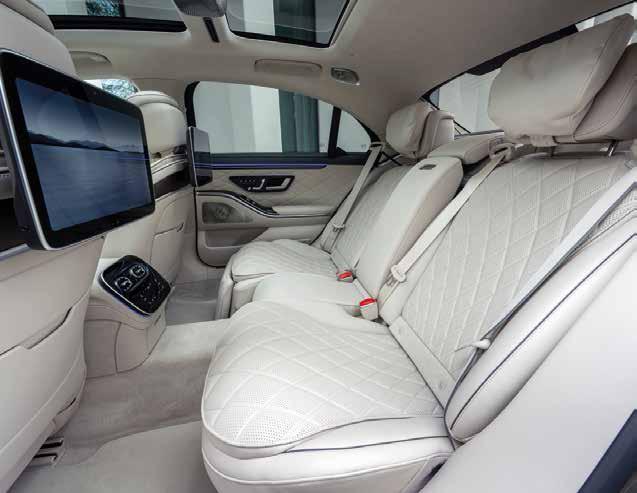
Mathias and I are cocooned in the back of the new S-Class, being chauffeured around beautiful countryside in Northern Germany. The rear seat is one Mathias is used to; the S-Class still something of a boardroom on wheels when it needs to be – wireless and fast-charging ports are within easy reach, folding tables are perfectly sized to accommodate a laptop, while two 13.1-inch screens, operated by detachable MBUX remote controls, feature integrated HD cameras for video conferencing via Microsoft Teams, Zoom or Webex. But once a day’s work is done, that same space becomes a private cinema – the MBUX High-End Rear Seat Entertainment System now includes video streaming platforms such as Disney+ and a choice from two Burmester® surround sound systems, one of them 4D with Dolby Atmos®. The reclining seats add another level of indulgence.
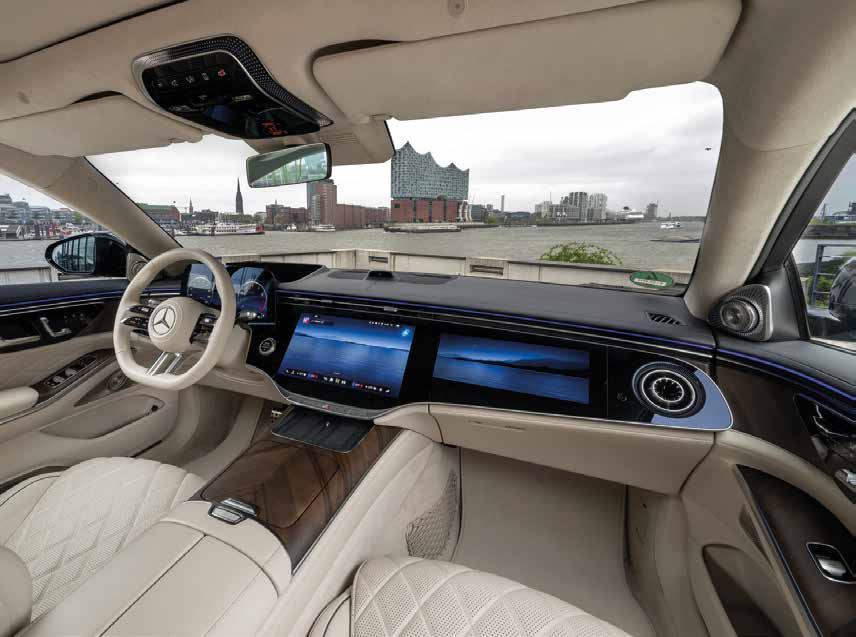
“I love being able to work,” says Mathias. “But on the weekends, I love to drive.” It’s simple to understand why. Firstly, the S-Class is certainly easy on the eye up front, where a redesigned instrument panel now features a new 14.4-inch centrally placed MBUX Superscreen (which you can individualise by uploading your own pictures) and a striking centre console is marked by beautiful wood inlays. Secondly, there’s the drive itself. Prior to my chat with Mathias, I drove the S-Class from Hamburg to the fringe of the Baltic Sea coast, through city traffic, exhilarating stretches of speedlimit-free autobahn, and finally across winding country roads, the ride never falling short of sublime comfort, even when the car was close to its top speed. All manner of innovations contribute to this, including a new refined range of electrified powertrains – customers are able to choose from a wide variety – intelligent damping that reads (and
will retain knowledge of) the road, and the option of increasing the standard 4.5° rear-axle steering to 10°, improving its impressive agility still further.
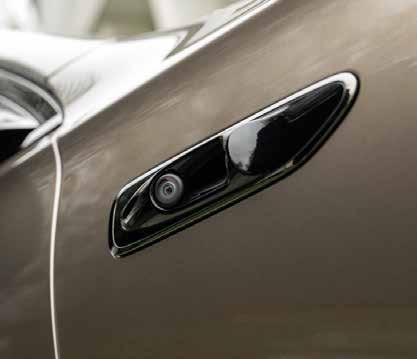
Assistance comes in myriad forms. Ten external cameras, five radar sensors and twelve ultrasonic sensors help the car to steer, brake (including automatically at traffic lights), maintain or change lanes and avoid accidents. Take the wrong turn down a dead end and the car is able to reverse itself along the same short route you took to enter the road, while its automated parking system has been enhanced and is now two times quicker.
And behind it all is a new purpose-built, state-of-the-art supercomputer, the S-Class once again at the forefront of technology.
“The S-Class was already an excellent vehicle,” says Mathias. “But we have refined it in ways that our customers wanted. From my perspective, this is definitely the best S-Class we’ve ever had.”
But where’s the fun in owning the world’s best saloon if your neighbour can buy one too? Well, that’s where the newly launched MANUFAKTUR Made to Measure offering comes into play, a chance to make your S-Class original. During a personalised consultation, and via an immersive visualisation tool, you can tailor handcrafted details that extend from what is written on the illuminated door sills to the emblem on the headrests, while also selecting from more than 150 exterior and 400 interior colours – or any other you’d like to suggest.
“The demand for high-end products is still there and growing,” says Mathias. “But what we have seen more often with our customers in the Middle East is that having the option to tailor their vehicle is something very, very important to them.”
It’s 140 years since Carl Benz invented the automobile; the new pioneering S-Class is the perfect way to celebrate such vision.
‘The ride never falls short of sublime comfort, even when the car is close to its top speed’



Self-taught chef Viki Geunes is celebrating thirty years at the helm of his own three-Michelin-star restaurant. His recipe for success? Family
WORDS: JOHN THATCHER
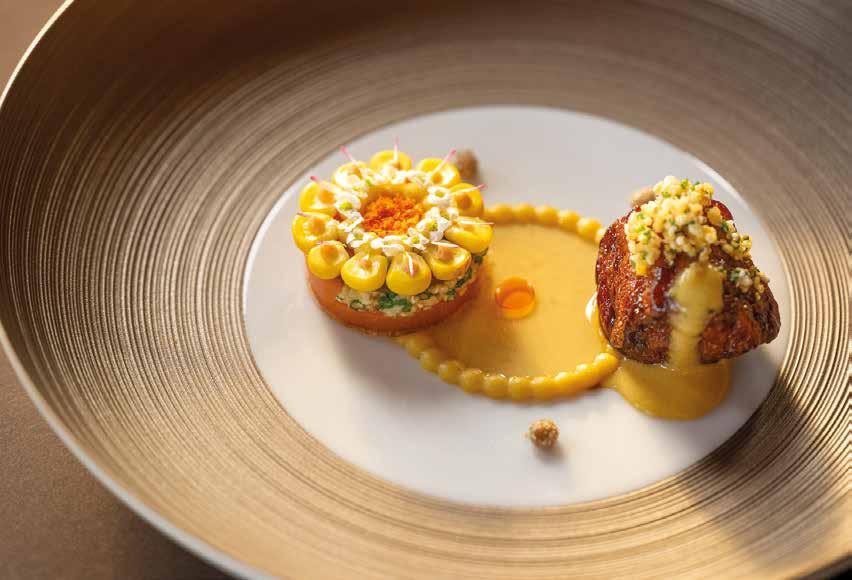
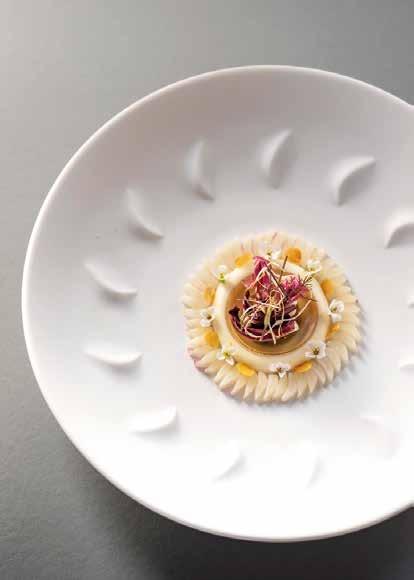
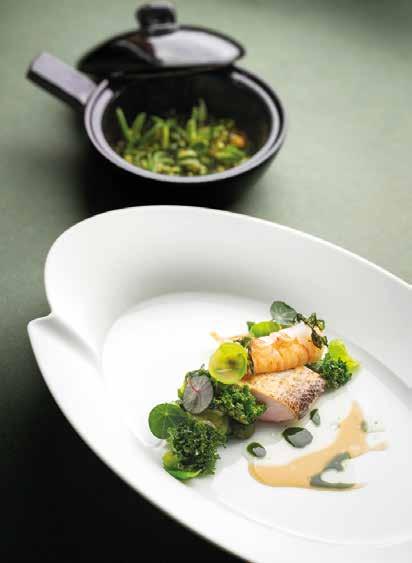
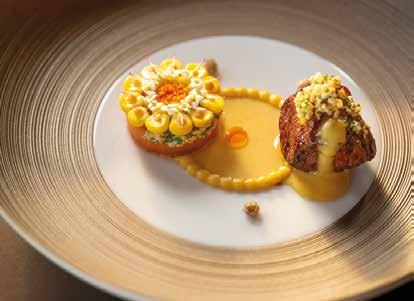
They tell you that college dropouts never amount to much, that walking away from further education with no clear sense of direction actually puts you on a predetermined path to failure. So let me tell you about Viki Geunes. Done with learning about industrial engineering, Viki walked away from college midway through his course, with only a part-time job as a waiter to sustain him. But something about being in a restaurant resonated with the young Belgian, a spark of inspiration that ignited a passion for developing self-taught skills that would ultimately lead not to failure but to the very pinnacle of gastronomic success – this year Viki is celebrating the 30th anniversary of Zilte, his own three-Michelin-star restaurant.
Did that independent streak bear an advantage creatively? “I think it was intimidating at first, because there are a lot of very precise techniques to learn and master, as I discovered when I was teaching myself mainly through cookbooks,” remembers Geunes. “I had to develop my own style of creative cuisine, which was challenging. That said, I didn’t have to tailor my approach to anyone else and I wasn’t particularly keen on following a specific trend, so thankfully I could be as creative as the ingredients allowed me.”
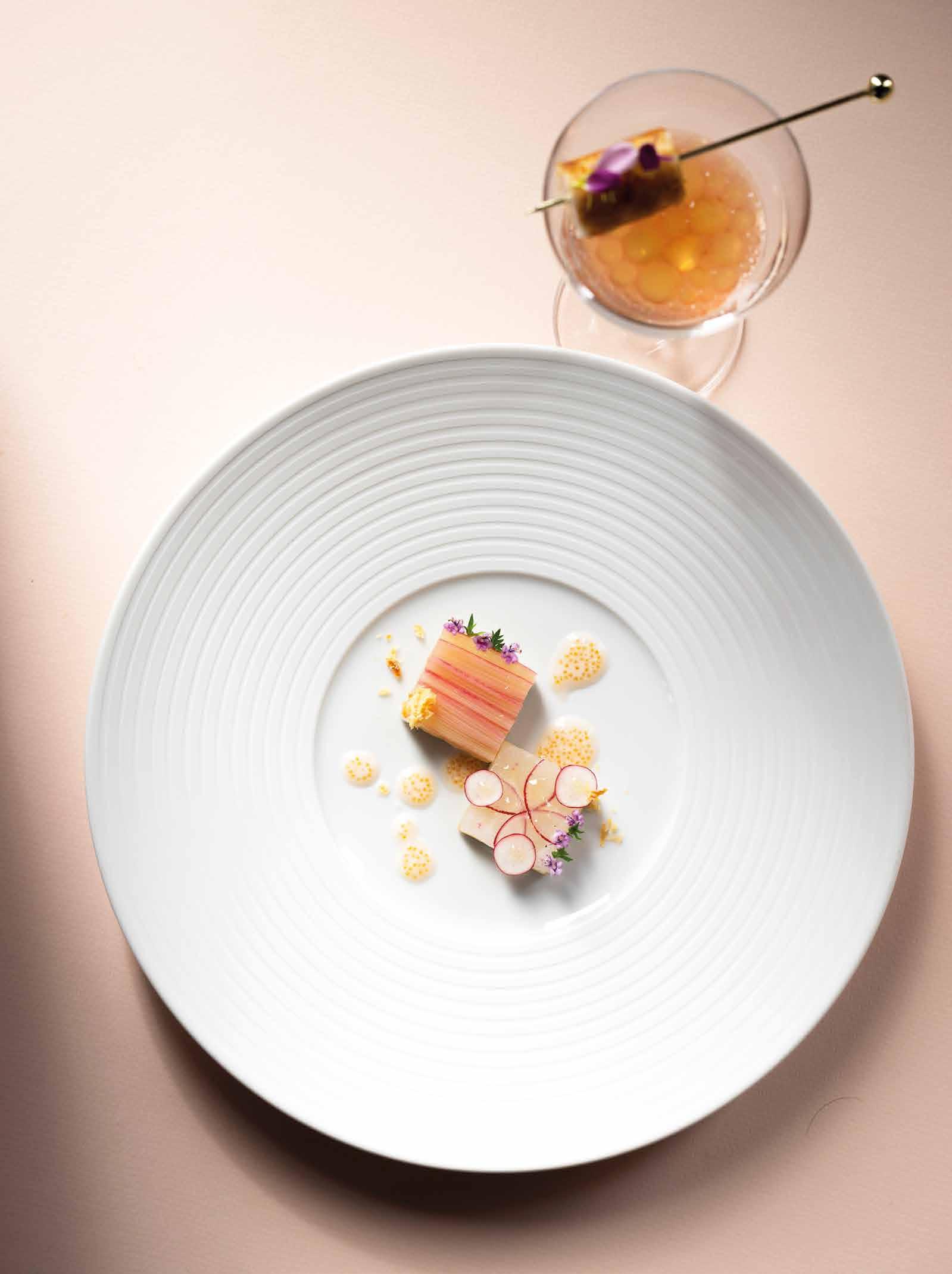
Ingredients actually provide Viki with an infinite source of creative inspiration, their shape and colour forming the visual bedrock of each new dish. “I start from a visual inspiration and work piece by piece to recompose that vision onto the
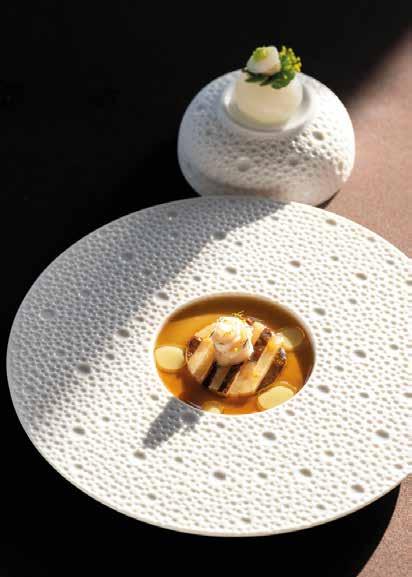
plate. In between, there are multiple attempts and tastings, sometimes trying a new combination, other times playing on classics. “Cooking for me is mainly about expressing my passion and emotions through flavours. The dishes I serve must feel true to me, and I want to be satisfied with each one.”
The Michelin inspectors are certainly satisfied with Zilte, the Antwerp-based restaurant having retained its three-star status for the past five years, its success the result of not just passion and drive but sleeves-rolled-up hard work. Back in 1996, when Zilte opened in a small town called Mol, Viki ran the kitchen while his wife, Viviane, ran front of house. But the couple also did everything else themselves – going to the market for produce, cleaning the dining room, and even making centrepieces for the tables.
“The early years were all-consuming. I don’t remember many of the details because it was such a blur of activity, but I remember relying on the mutual support and intuition I shared with Viviane,” says Viki. “We forged such a deep level of trust during those years that has been beneficial over the last thirty years. I truly believe that our drive to achieve our goals is the reason why we never lost our passion or our motivation, even when working long hours. When the restaurant received its first Michelin star, it just inspired us to do even better.”
Viki and Viviane have since doubled down on family values. Their daughter Gitte is the restaurant’s manager and their son-in-law Aaron is its head sommelier.
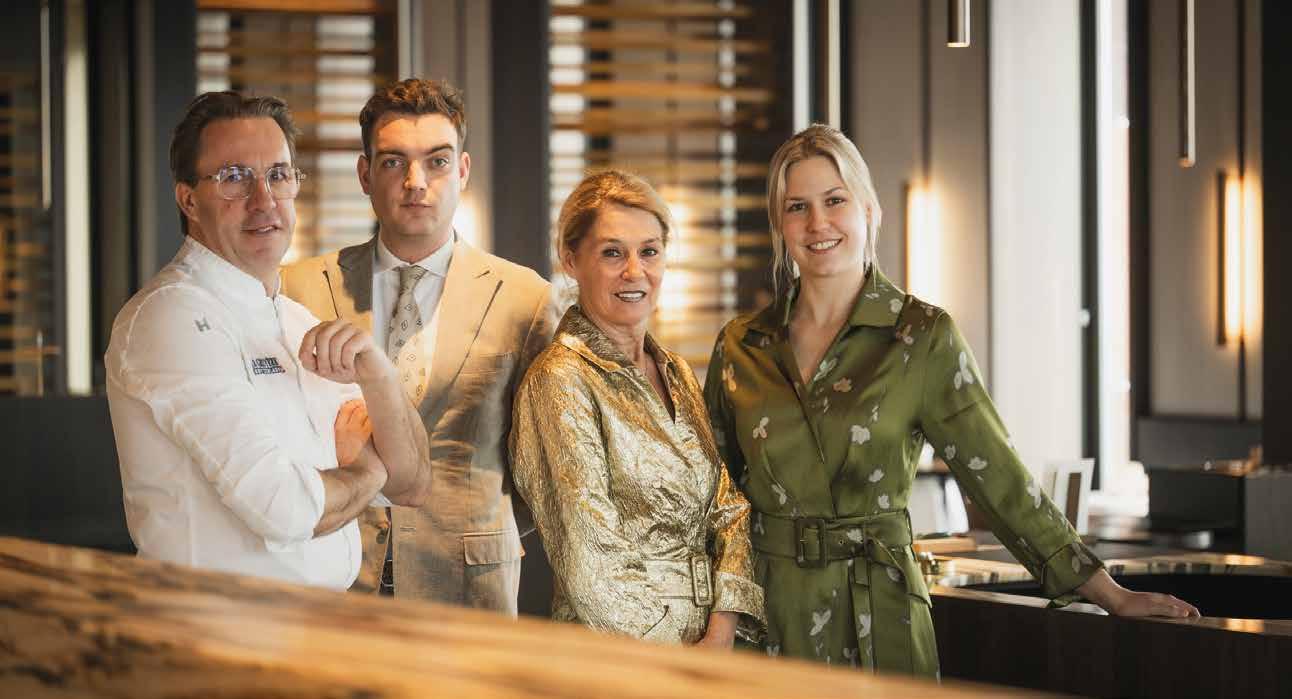
“I consider myself lucky to have the opportunity to work alongside them. It feels harmonious, both among us and between the kitchen and the dining room. We know each other well and we spend so much time together that, I must confess, we had to set boundaries between the house and the work environment. But we have managed to get in sync so much that service feels like a choreographed dance. Zilte is our family pride and passion. At the Benelux Michelin Guide Ceremony – which was held just at the beginning of May – Viviane and Gitte won the Michelin Service Award, and I could not be prouder of them. We receive regular feedback from our guests, but such an accolade is further recognition of how much the people who dine with us truly enjoy the warm environment that we have created.”
In pursuit of a second Michelin star, Viki took up an opportunity to move Zilte from Mol to a coveted position at
the top of the MAS Museum in Antwerp. And while Viki says that this doesn’t directly impact what he tries to do with the food, it certainly impacts the dining experience and atmosphere. “The view of the city is stunning, and we set up all the tables so as to ensure every guest can enjoy it. Our goal is to create memories for our guests, and definitely the location we are in now influences how the people experience dining with us.”
It’s an experience that Viki directs in every way, right down to the music played, which comes from his personal vinyl collection. “It would be difficult to choose just one song to pair with my food, but I would probably go with ‘Alone Together’ by Chet Baker.”
This quest for excellence runs through Viki’s story. Has his definition of perfection changed over time? “Yes, of course. Just like everyone else, we always chase new goals to keep us going. When I first started teaching myself how to
cook, I would work hard to learn a recipe until it felt perfect to me. Over time, this evolved as I encountered new inspiration, techniques and ideas. It’s the same with public recognition: I initially never chased that, but of course the first Michelin star was a huge accomplishment. Once I achieved it and saw what an amazing team I could rely on, I knew I just had to keep going. Even today, I strive to improve a little each day.”
Thirty years is a lot of time to reflect on, the natural cadence of life providing ups and downs. What has been the most important lesson he has learnt? “Believe in where you are going, and trust the journey. We started this restaurant solely with our forces, Viviane and I.
And when our daughter Gitte joined us, it was such a joy: it means we’ve transmitted our passion to her, in a very contagious way. It can be a challenging route, but with a good team who shares the same dream as you, it is possible.”
‘I start from a visual inspiration and work piece by piece to recompose that vision onto the plate’
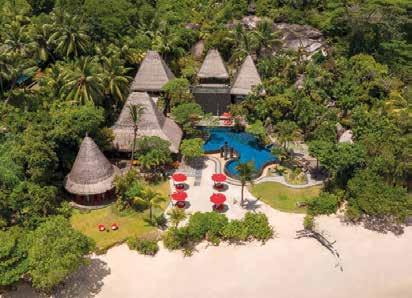
There’s much to love about Anantara Maia Seychelles Villas – but you’ll lose your heart to its sublime spa
Aim for the best of both worlds and you’ll typically miss the point of each. That tends to be the outcome at hotels that pitch themselves as perfect for social butterflies as well as those who seek seclusion. Anantara Maia Seychelles Villas is a rare exception.
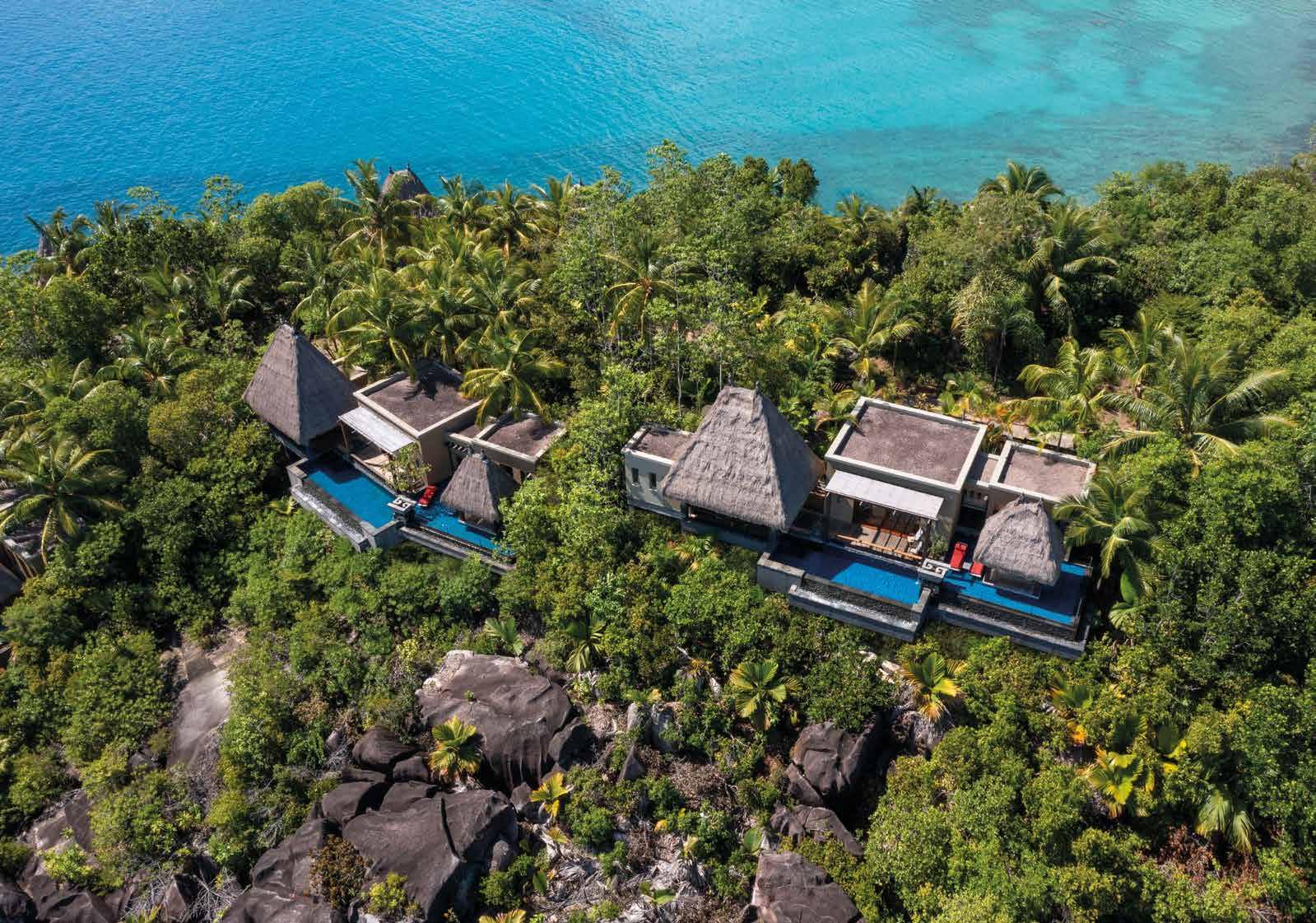
Dotted about giant granite boulders and shrouded by lush forest are just 30 villas, each delightfully styled and home to every little private luxury one could wish for – an infinity pool, a sunken bathtub big enough for two and an alfresco bar and dining setup – from where your wideangled view is of the Indian Ocean, waves rising and riding gracefully to shore before breaking into a blizzard of surf. Hypnotic. And you don’t have to leave your beautiful bolthole thanks largely to the efficiency of the resort’s ‘host service’ – the person
personally allocated to your villa is contactable by WhatsApp, through which you can place food orders, book activities or simply state that you do not wish to be disturbed. Being able to curate your day this way, with such ease, is a genuine luxury.
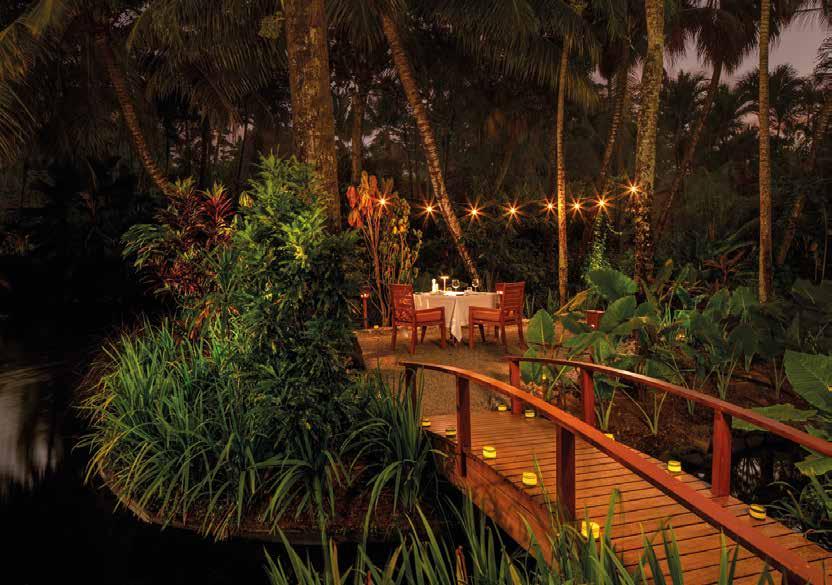
That sense of freedom pervades Maia. Its core idea of providing the opportunity to dine at any time that suits – and anywhere, with bespoke private set-ups offered at locations as diverse as a wine cellar, a helipad, on the beach or tucked away on the hillside – does not overwhelm but empowers. And it’s the same with the food. The breadth of the menu, the myriad cuisines you can select from, is hugely impressive. As is the fact that in the highly unlikely event that you still don’t find anything that takes your fancy, you can request something that does, and the resort’s culinary team will nearly always oblige.
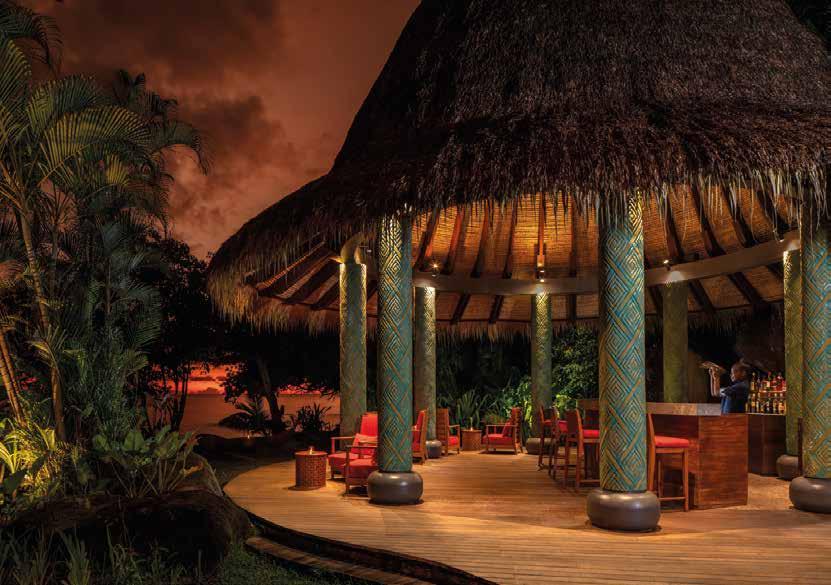
Venture from your villa and you can socialise at the resort’s pool bar and restaurant, a superb, sun-soaked spot right on the fringes of the ocean, where spectacular sunsets are served up daily – no need to order them bespoke. But the chief reason you should take the buggy ride from your villa is hidden away within lush, dense foliage – the Anantara Spa.
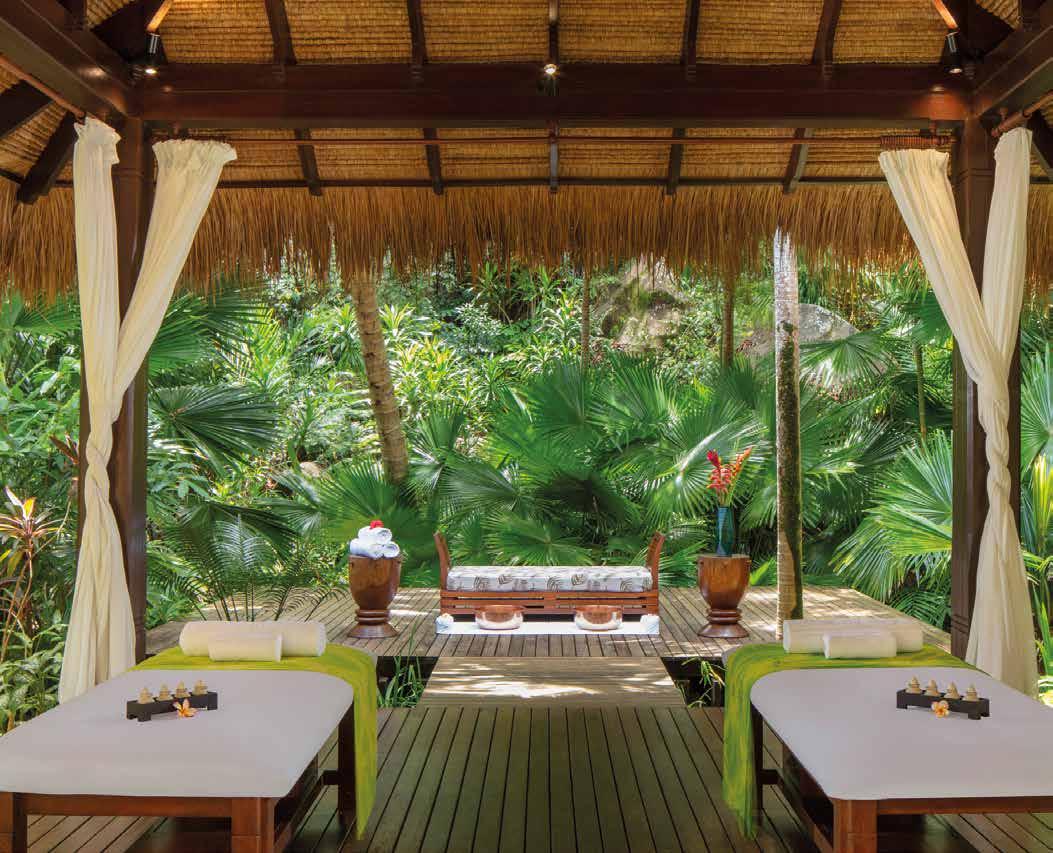
The Seychelles is commonly regarded as one of the most picturesque places on earth, while Maia takes its name from Greek mythology – Maia the eldest, and most beautiful, of the daughters born to Atlas. That’s a lot to live up to. Yet Maia does so, and its trump card when it comes to natural beauty is undoubtedly its spa. Found at the end of a natural pathway are three open-sided pavilions, their roofs fashioned from thatched palms and their privacy maintained by an array of magnificent shading trees: avocado and papaya, mango and star fruit, and towering palms pregnant with coconuts. The only sound that of water trickling over broad boulders.
The massage I had, great though it was, was almost of no importance. But before it commenced, I was asked to fill out what at first appeared to be the standard consultation form – Are there any areas that we need to be aware of? Would you like to concentrate on any area in particular? What level of pressure would you like? Then it asked: What is the best spa you have ever visited? I hadn’t been asked that anywhere previously and my mind drew a complete blank. But I now know why they ask that question. It’s so that repeat guests can write, ‘This one.’ And they’d be right.

Why the residences at COMO Metropolitan London set the standard for fivestar services
WORDS:
PAUL JAMES
While many hotel apartments market themselves as a home away from home, nowhere has nailed the concept quite as well as COMO Metropolitan London. In fact, nowhere else comes close.
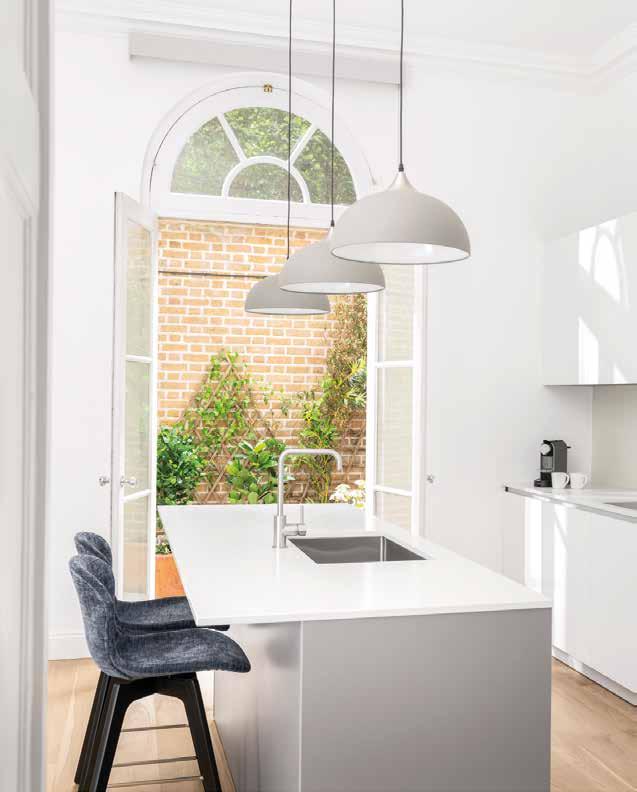
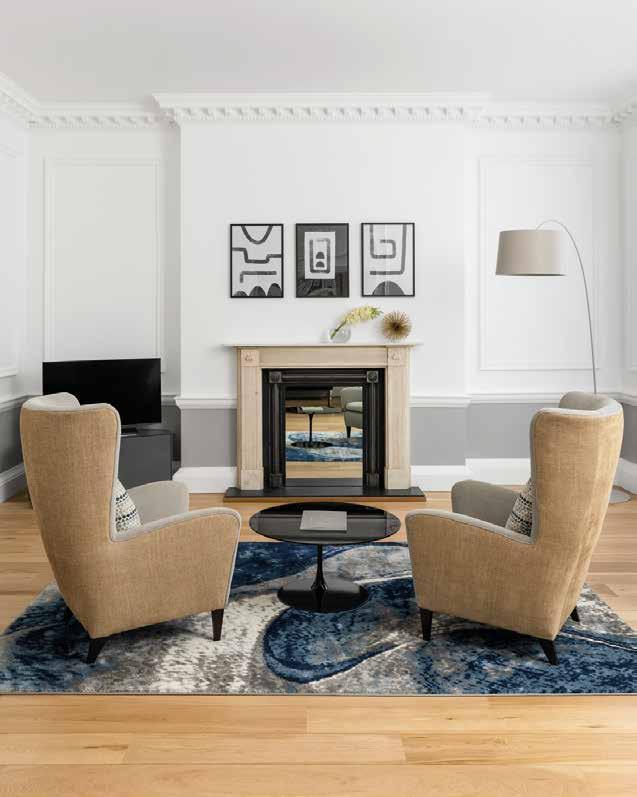
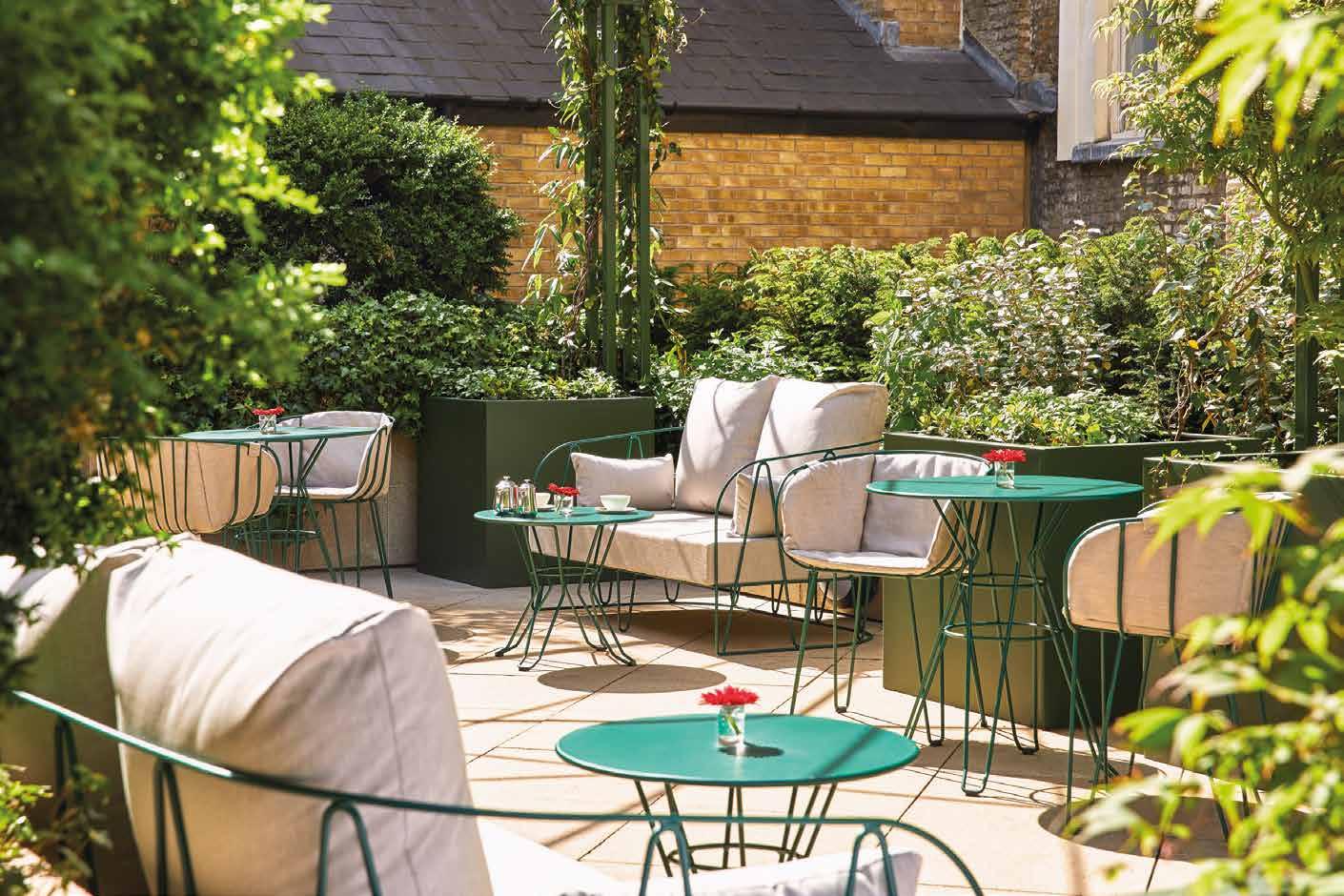
Its Brick Street and Hertford Street residences –both multiple-bedroomed, spacious and amenityladen; their décor restrained, modern and calming – are a haven of quiet luxury in one of London’s most prestigious areas, tucked discreetly behind Park Lane, with leafy Hyde Park directly opposite. It affords them the feel of a private townhouse that comes with a concealed courtyard – available exclusively for Brick Street residents to enjoy al fresco dining – and all manner of five-star perks.
For starters, steps away inside the COMO Metropolitan London are two of the city’s best restaurants: Nobu, which needs no introduction, opened here before anywhere else in Europe, while newcomer Labombe by Trivet – fun, eclectic, fire-cooked dishes packed tight with flavour and backed by a wine list selected by the recent UK Sommelier of the Year – was swiftly awarded a Michelin star. Then there’s COMO Shambhala, a spa concept that’s worldrenowned for holistic wellness, which delivers rejuvenating results over unnecessary opulence.
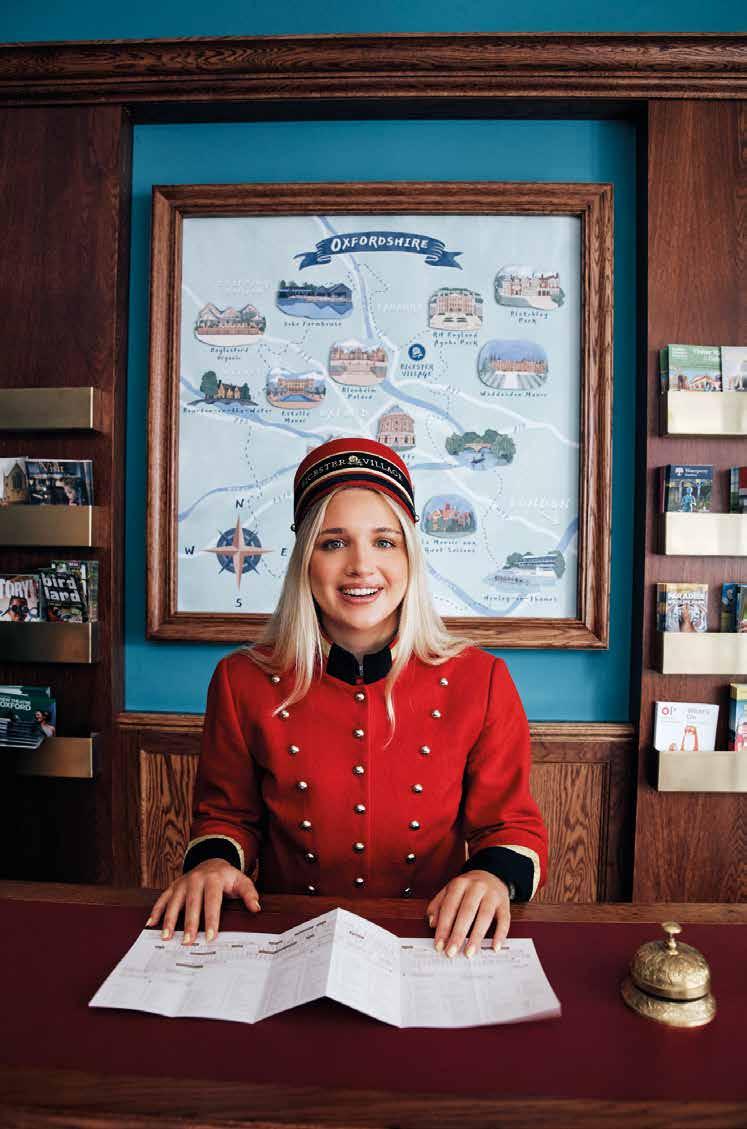
This summer, the service extends to a unique shopping experience; COMO guests able to book a bespoke visit to Bicester Village in Oxfordshire, which begins with a personal consultation prearrival to ensure the day is perfectly tailored. Once there, guests gain fast-track access to selected boutiques, including Gucci, Burberry, and Prada; use of a private shopping suite, in which complimentary Champagne is served; entry to The Apartment, an invitation-only, beautifully styled private relaxation space; and dedicated support from a personal shopping and concierge team –they’ll even carry your bags. comohotels.com
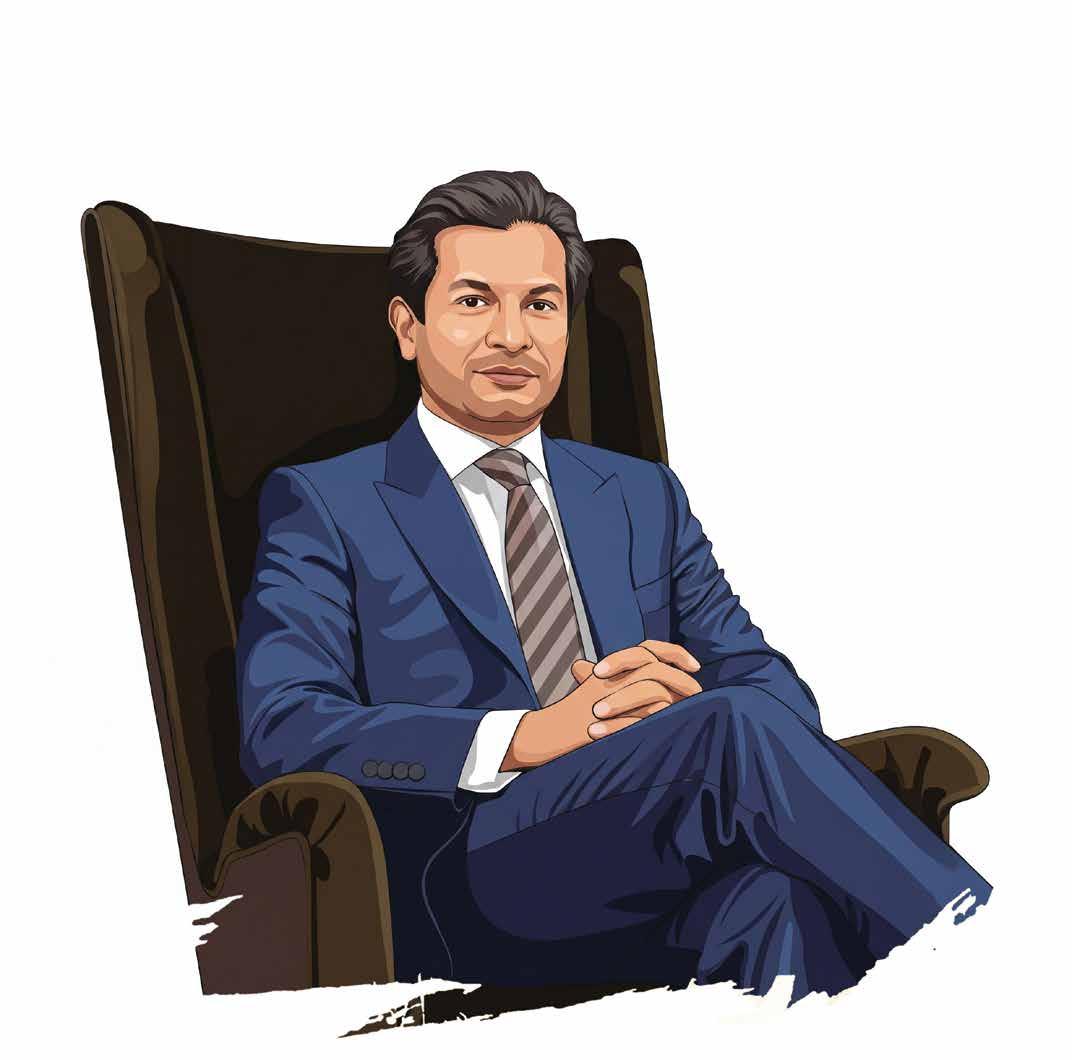
The greatest piece of advice I ever received came from my father. He always said, ‘Whatever you do in life or in business, make sure you sleep well at night. Have a clear conscience.’ That principle has guided me through everything. Make the right decisions, be a decent man, be forgiving and try to leave a legacy behind.
Opening The Arts Club Dubai is one of the proudest achievements of my life, bringing together every chapter of my journey, from my time as a hotelier at Mandarin Oriental and The Lanesborough in London to earning Michelin stars and helping take Zuma Dubai onto the global stage. Transforming The Arts Club, a 150-yearold institution, into a future-facing city like Dubai was both challenging and deeply rewarding, uniting my passions for hospitality, food, creativity, brand building and storytelling.
I have learnt plenty of lessons the hard way. There have been a few times in



my career when my pride got in the way and I pivoted. Maybe the end justifies the means. We cannot always worry about what could have been; the focus should be on the present.
I often meet people I have worked with over the years, many of whom have fond memories of their time under my leadership. Knowing that I am valued and respected as a leader and that many of my previous team have returned to work alongside me again is probably the biggest compliment I can think of.
I am very proud of my younger self because I know the battles, hardships, and sacrifices it took to get to this stage. But one of my greatest regrets, and perhaps now the cause of my biggest fear, is not having children sooner. With a 40-year age gap, I sometimes worry that I may not get to enjoy as much of their lives as I would have liked. I suppose I spent so many years building a life that would give them the opportunities and security they enjoy today.
My idea of perfect happiness is really quite simple: a Sunday afternoon at home, standing over a barbecue with a cold drink in my hand, my family and dogs around me by the pool. No reservations or schedules. Real happiness, I have found, comes from the most ordinary moments.
“Rivers know this: there is no hurry. We shall get there some day.” A.A. Milne got it quite right. I would tell my younger self that the life he is fighting so hard to build will come, and when it does, it will be worth every sleepless night and difficult year. But do not be in such a hurry to arrive that you forget to live along the way.
My greatest extravagance today is our family holidays. Knowing we only have a limited number of summers with our children, we try to make each one as special as possible. After all, those are the memories they will carry with them for the rest of their lives.