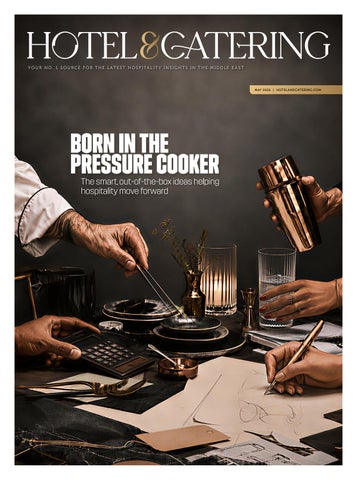

COOKER
The smart, out-of-the-box ideas helping hospitality move forward





































News, cinema, documentaries, sport, cartoons...
Every family member’s show “en français” for free

Subtitled in Arabic

ALWAYS MORE TO DISCOVER
IDEAS BORN IN THE PRESSURE COOKER Practical, timely and built to solve real problems quickly
30
HOW KHAMAS HOSPITALITY KEPT STEADY DURING A PERIOD OF UNCERTAINTY
As the UAE hospitality sector continues to navigate a period shaped by uncertainty, resilience and coordinated decision-making have become central to business continuity
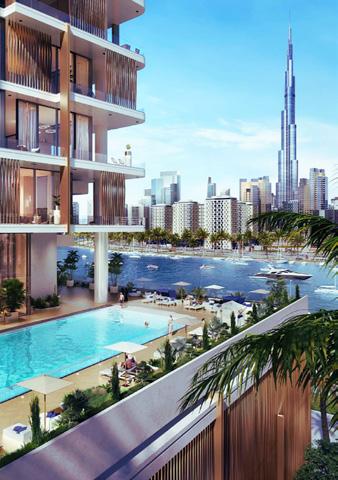
50 A CENTURY SHAPED BY DESIGN
As Sheraton Grand London Park Lane approaches its centenary, General Manager Jason Pinchbeck reflects on preserving its Art Deco design legacy, reimagining icons like Palm Court, and shaping a modern luxury experience for today’s global traveller in Mayfair
56 THE SHIFT NO ONE WAS READY FOR The F&B and hospitality sector sits at the heart of the UAE’s identity
64 EVOLVING IN THE UAE’S DELIVERY BOOM
Mobile ordering now drives 70% of all delivery transactions across the UAE, and aggregators handle roughly three-quarters of those
24 BUSY, BUT NOT THRIVING The New Reality of Middle East Hospitality
28 WHAT WORKING IN HOSPITALITY TAUGHT ME ABOUT LIFE
Jan Hanak, Managing Director, UAE, Oman, Bahrain, Qatar, Egypt & Iraq, Radisson Hotel Group
44 FIRSTLINE
The new platform turning word of mouth into measurable revenue
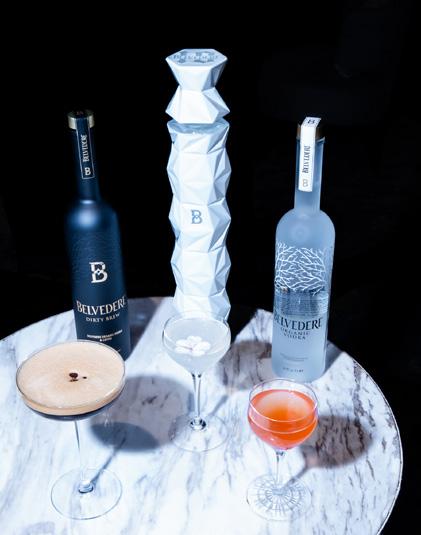
DISAPPEARING BARS
In hospitality, the most memorable experiences are often the ones guests cannot easily repeat
Hotel DESIGN SHOW
INTERNATIONAL HOTEL DESIGN, FURNISHING AND FIT-OUT SOLUTIONS EXHIBITION

CEO
Wissam Younane wissam@bncpublishing.net
MANAGING DIRECTOR
Rabih Najm rabih@bncpublishing.net
EDITOR-IN-CHIEF
Seymone L Moodley seymone@bncpublishing.net
MARKETING & COMMUNICATION LEAD
Aaron Joshua Sinamban aj@bncpublishing.net
DIGITAL EDITORIAL SUPPORT
Karan Moodley karan@bncpublishing.net
PHOTOGRAPHY
Joel Amparo
MULTIMEDIA
Eduardo Buenagua
CREATIVE LEAD
Christian Harb chriss@bncpublishing.net
Images used in Hotel & Catering are credited when necessary. Attributed use of copyrighted images with permission.
SUBSCRIBE
Contact subscriptions@bncpublishing.net to receive Hotel & Catering every issue
PO Box 502511 Dubai, United Arab Emirates P +971 4 4200 506 | F +971 4 4200 196
For all commercial enquiries related to Hotel & Catering News ME, contact sales@bncpublishing.net
All rights reserved 2026. Opinions expressed are solely those of the contributors. Hotel & Catering is officially licensed exclusively to BNC Publishing in the MENA region. No part of this magazine may be reproduced or transmitted in any form or by any means without written permission of the publisher.
Printed by United Printing and Publishing | upp.ae
In addition to our print edition, we’re bringing you all sorts of industry news on our web mediums. We’re looking forward to interacting with our readers on all of our social media and web platforms. See you on the web!
Hotel and Catering News ME
HotelCateringME
Hotel & Catering News Middle East
hotelcateringme
Contributors
Voices From This Month’s Contributors
01
JAN HANAK
Managing Director, UAE, Oman, Bahrain, Qatar, Egypt & Iraq, Radisson Hotel Group
“Over time, I’ve come to realise that some of the most valuable lessons I’ve learned in hospitality have very little to do with hotel rooms, check-ins, or meetings.”
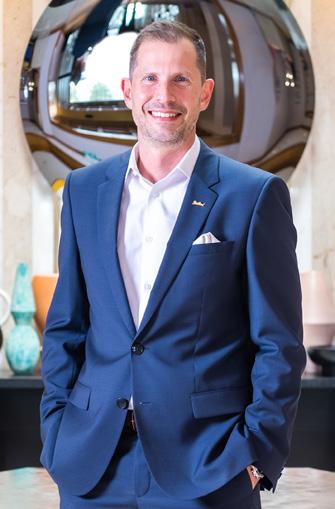

GEMMA PARKINSON, Chief Marketing Officer at Belvedere Vodka
“Fairmont Singapore’s Laundry Plant was a move beyond the expected.”
NAREK SIRAKANYAN, CEO of Freedom International Group
“Dubai is the ideal market for this, where dining and social connection are deeply intertwined.”


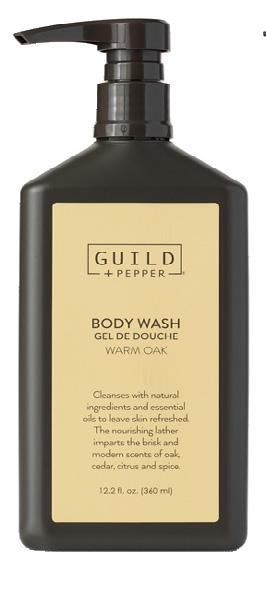
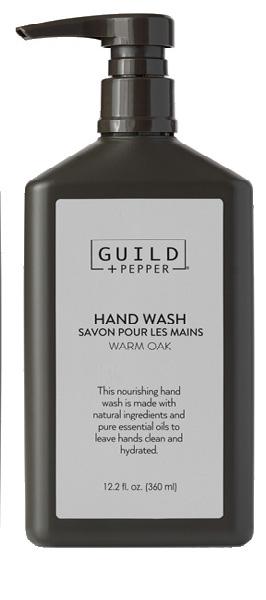
The GUILD+PEPPER Collection marries the strength and unity of a guild with the nature and uniqueness of spice. Strength with flavour, history with boldness. Allow your guests to experience an authentic reflection of the past with a distinctly modern twist.

One thing I know from watching Robert De Niro all my life is this, when the Godfather says something, you listen.
I saw an interview once where he was asked about handling success, longevity in a volatile industry, and maintaining a grounded perspective. He said something along the lines of, when things are going well, don’t think you are on top of the world. Practice gratitude, always, but don’t stay up there in the clouds above everyone else because life goes up, and then it goes down, until it comes up again. Try to stay somewhere in the middle.
I have thought about that almost every day this month.
When things are good, we want to believe we have arrived. When things are hard, we can convince ourselves they will never change. But life moves. It turns. It humbles you. It surprises you. It reminds you, again and again, that none of us really know what is about to happen.
In this gorgeous place we call home, we have grown accustomed to a life that feels easier than almost anywhere else in the world. Things work. Service is quick. Standards are high. Convenience is paramount. And so, naturally, when life takes an unexpected turn and makes you uncomfortable, it can feel unbearable. Personal, almost.
The best way to describe it, for me, is that we forget
A LIFE LESSON FROM ROBERT DE NIRO
how to be uncomfortable when we have been so comfortable for so long. And we also forget that comfort is where character and growth can stagnate.
The order of life is not black and white. It is very grey. But I think this is where the magic happens.
Because if there isn’t a right or wrong way to do life, then why not go for gold? Because when the fear of the unknown starts to feel less frightening than staying where you are, maybe that is when it’s time to write a new story.
I’ll be the first to admit, I do not like being uncomfortable. In fact, I hate it. I feel very attached to the dues I have already paid to get to where I am, and the idea of having to be uncomfortable again does not thrill me. But life isn’t only interested in what thrills you. It is also interested in what sharpens you.
Comfort is not a permanent address. Neither is struggle.
Pressure has a way of waking us up. It shows us what we have ignored. It reveals systems that need an upgrade, ideas that need light, opportunities we didn’t see, and roads we were too afraid to take.
This issue, in many ways, is about what happens when the industry is asked to strengthen itself once more. This sector doesn’t wait for perfect conditions. It adapts. It adjusts. It creates. It finds another way to open the door, fill the room, serve the guest, tell the story, and keep moving.
Maybe that is the point. Not to avoid discomfort completely, because we cannot. Not to romanticise struggle either, because that would be dishonest. But to understand that pressure, when it comes, can remind us of who we are, what matters, and what we are still capable of building.
This feels like a time to think, to change, and to make room for what comes next.
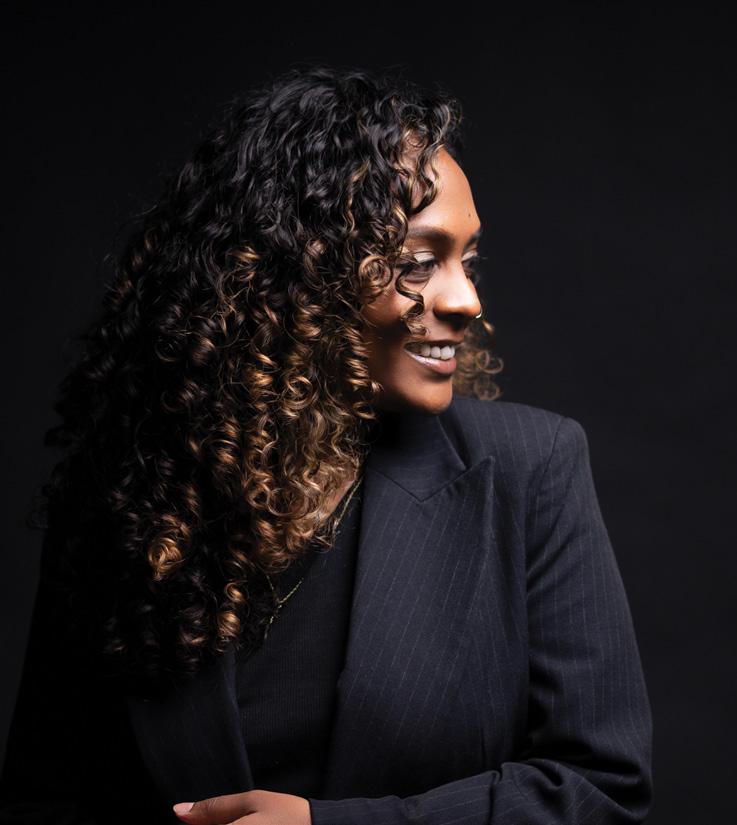
SEYMONE L MOODLEY EDITOR-IN-CHIEF seymone@bncpublishing.net
Seymone Leigh Moodley seymonemoodley


ODE TO BAG END
Limited Edition
Make ever y epic writing journey a cosy one. Hobbiton handcraft from the makers of the world’s most magical pens.
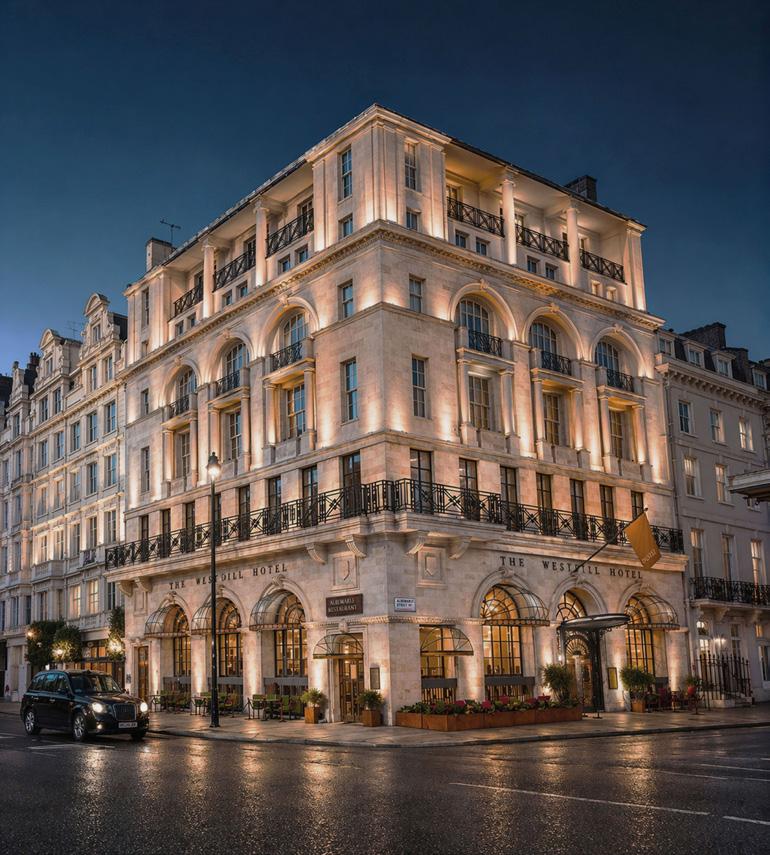
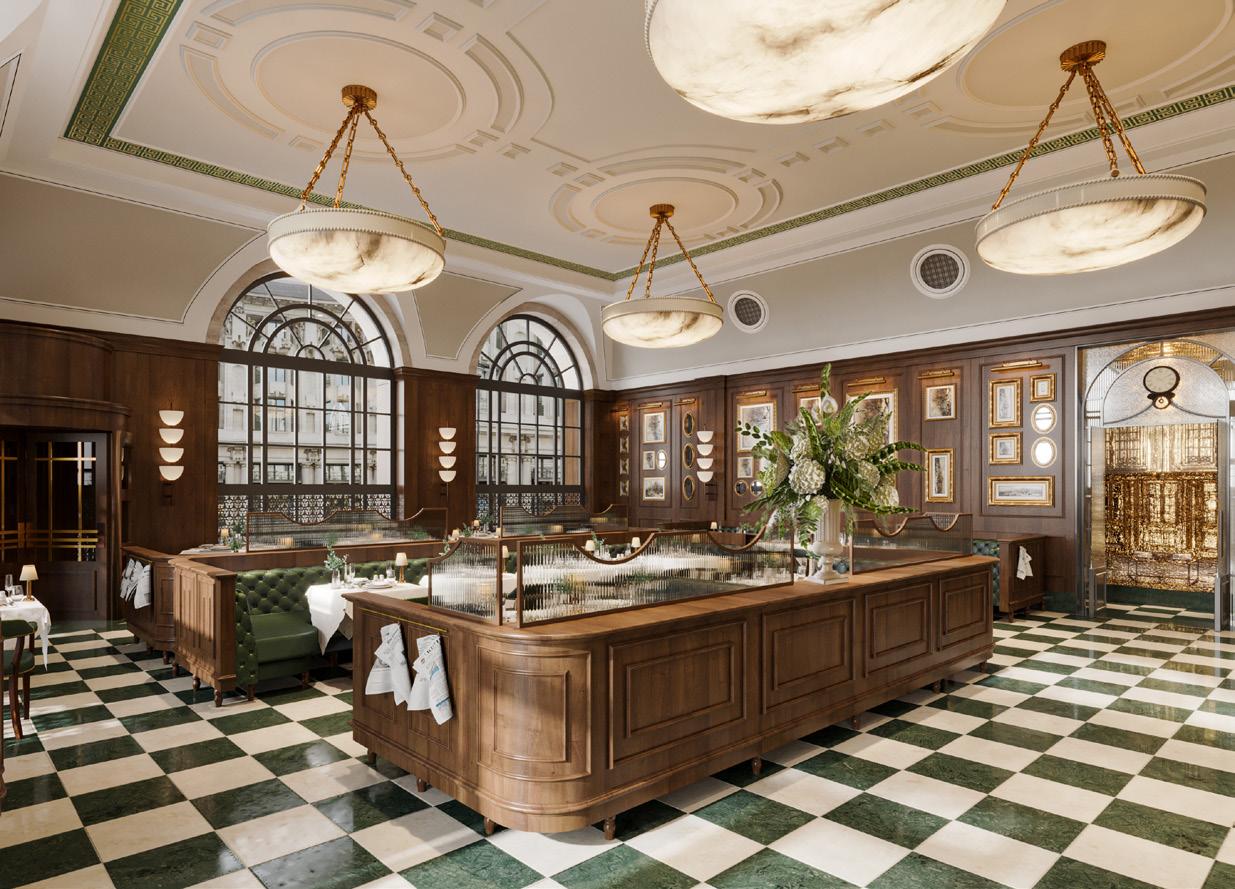
MINOR HOTELS ANNOUNCES COLBERT COLLECTION IN LONDON
Minor Hotels, a leading global hotel owner and operator, announces its first Colbert Collection property in the UK: The WestDill Mayfair Hotel London, Colbert Collection will open in London in Q4 this year.
This announcement represents a key strategic step for Minor Hotels to launch a hotel at the heart of this global gateway city.
Colbert Collection, the group’s new premium soft brand, will encompass a global collection of independent hotels designed for those fuelled by a passion for culinary excellence and genuine social connection.
W HOTELS CONTINUES ITS ITALIAN EXPANSION WITH THE DEBUT OF W SARDINIA – POLTU
QUATU
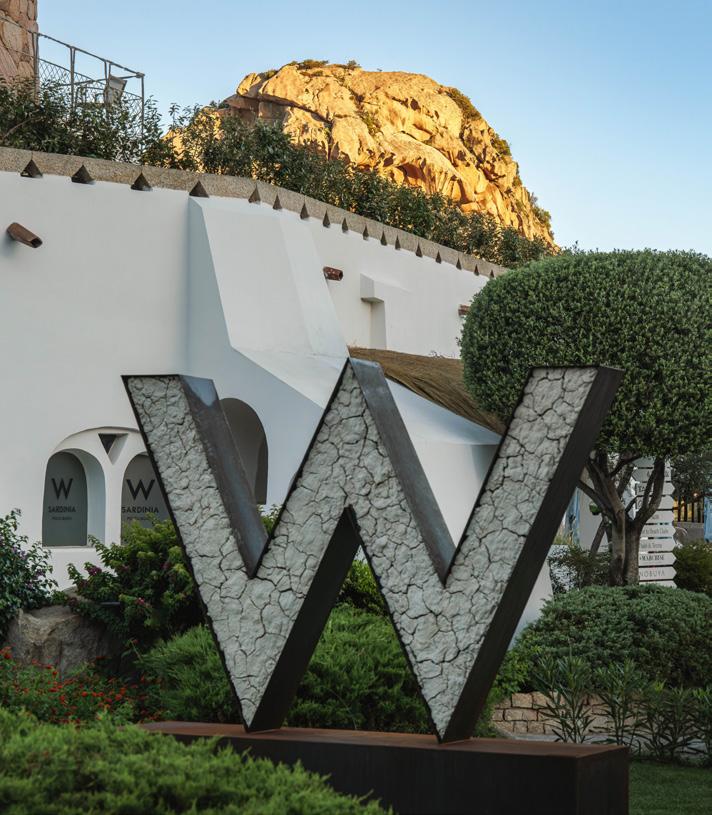
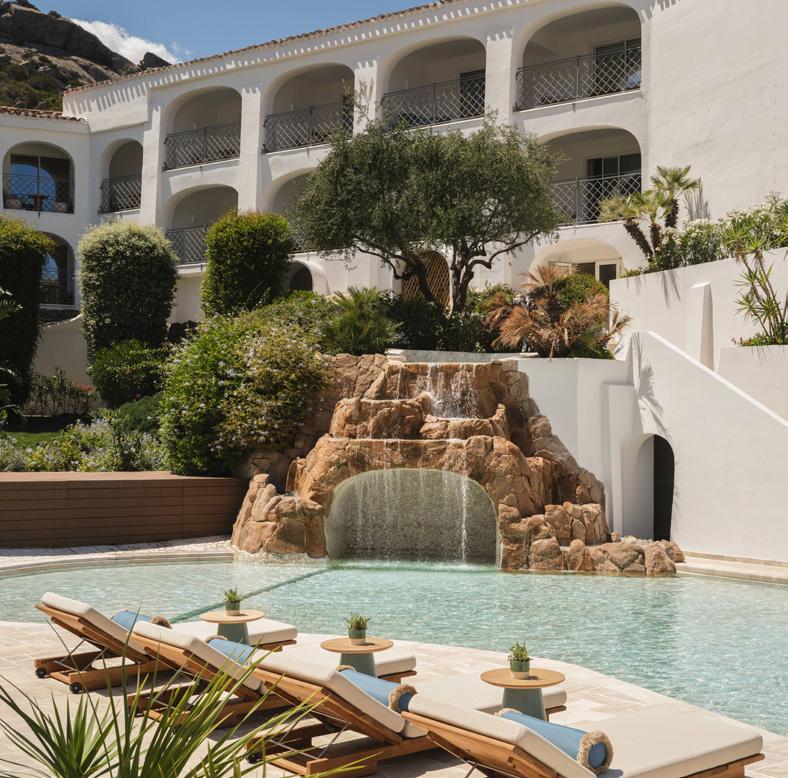
W Hotels, part of Marriott Bonvoy’s portfolio of over 30 extraordinary hotel brands, today announces the official opening of W Sardinia – Poltu Quatu, following a preview in 2025.
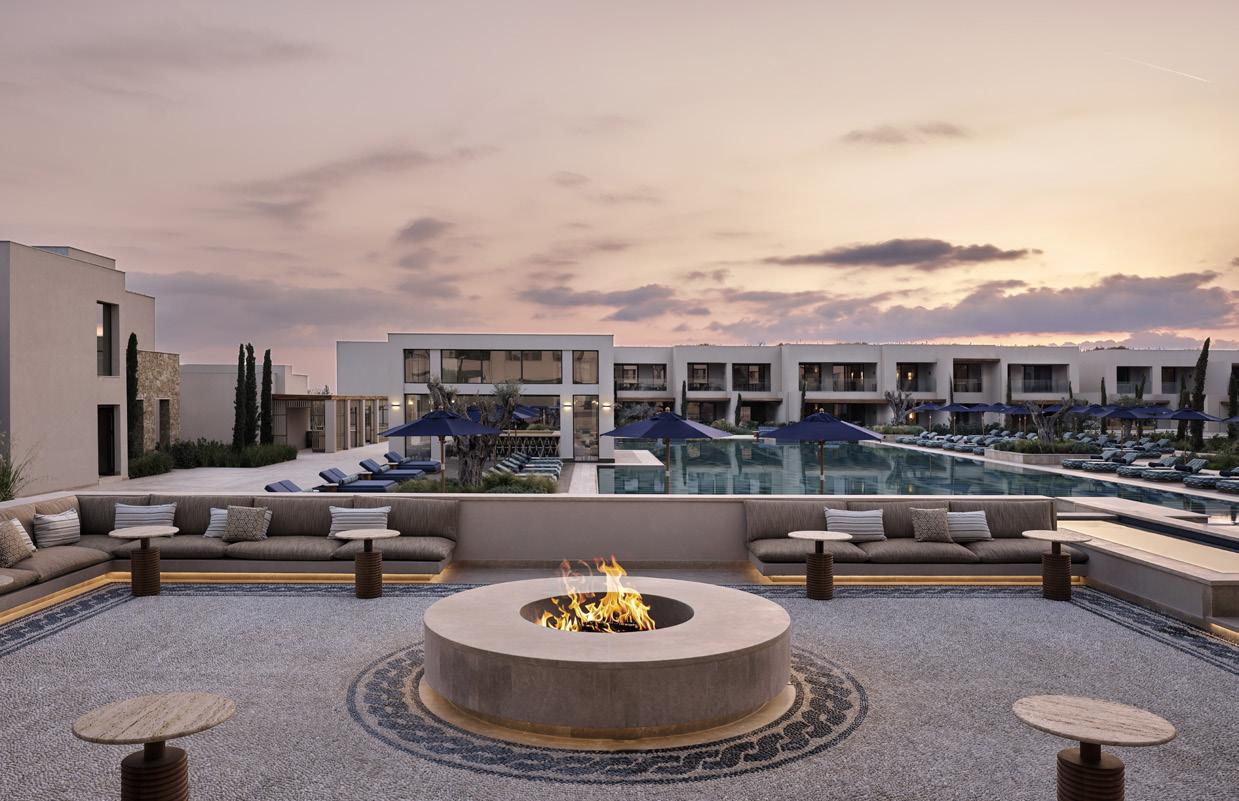
Set along one of the Mediterranean’s most striking islands, the new opening brings the brand’s designdriven, culture-forward perspective to Sardinia, building on the brand’s dynamic growth in Italy alongside W Rome and W Florence.
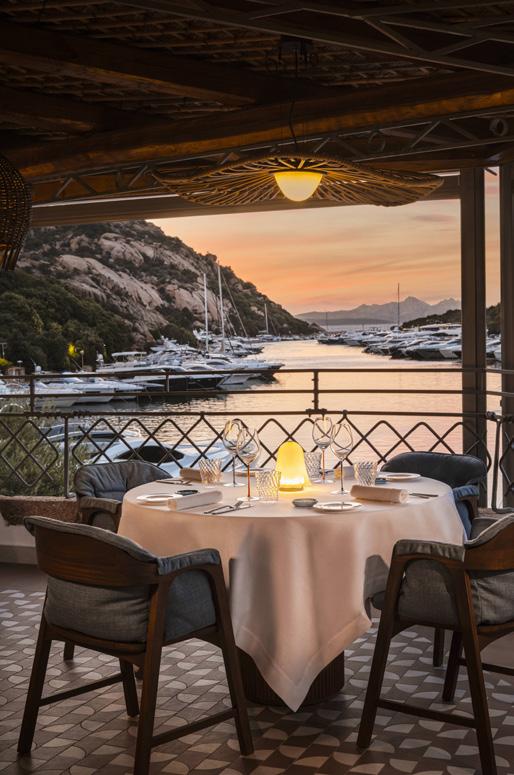
W Sardinia – Poltu Quatu is set along Sardinia’s northeast coast, between Porto Cervo and Baia Sardinia, overlooking the Marina dell’Orso in the storied village of Poltu Quatu – meaning ‘hidden port’ in the island’s ancient language.
Carved into a natural fjord, the resort’s whitewashed architecture cascades across wind-sculpted granite cliffs, framed by lush Mediterranean landscape and crystal-clear water.
THE LUXURY COLLECTION DEBUTS ON RHODES WITH THE OPENING OF AMOH, A LUXURY COLLECTION RESORT, RHODES
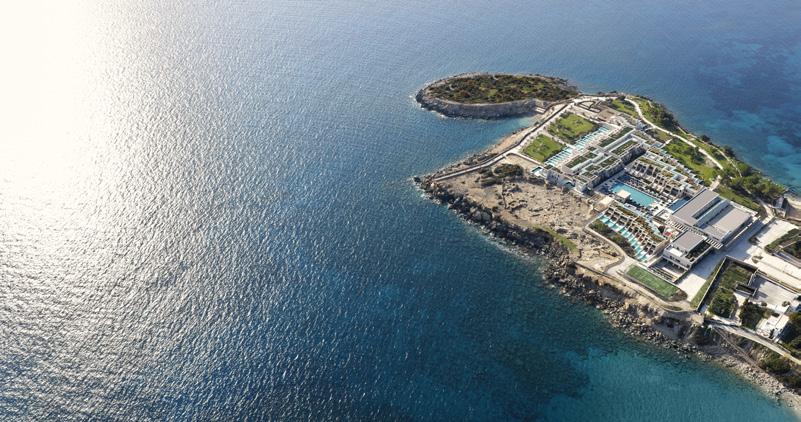
The Luxury Collection announces the opening of Amoh, a Luxury Collection Resort, Rhodes, marking the brand’s arrival on the storied Greek island. Poised above the Mediterranean Sea, Amoh, a Luxury Collection Resort, Rhodes welcomes global explorers to a destination shaped by epicurean experiences, wellness, and cultural immersion.
Set along Kavos Beach in Pefki, just moments from the ancient town of Lindos, the hotel emerges from a landscape where layers of history are etched into the coastline, bordered by a Hellenistic-Roman limestone
quarry that anchors the resort in its archaeological past.
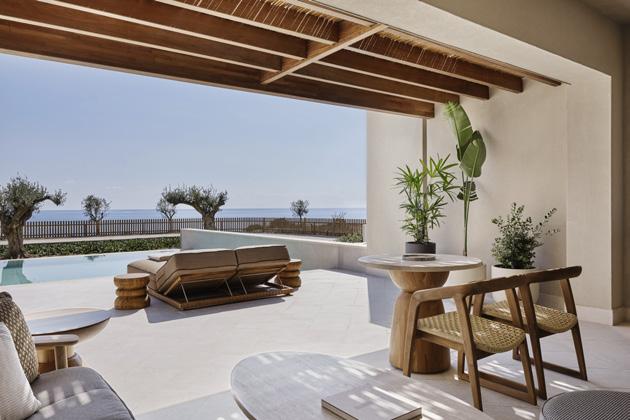
The hotel’s design, curated by the award-winning London design firm Studio Lost, is deeply informed by Greece’s enduring stonework traditions and artisanal craftsmanship, as well as its ever-changing movement of the surrounding sea.
A restrained palette of minerals and tactile materials unfolds throughout the resort, while sculptural stone elements and artworks sourced from the nearby ancient quarry offer a quiet homage to the island’s heritage.
MINOR HOTELS TO DEBUT ANANTARA IN THE UNITED STATES WITH FLAGSHIP MIAMI DEVELOPMENT
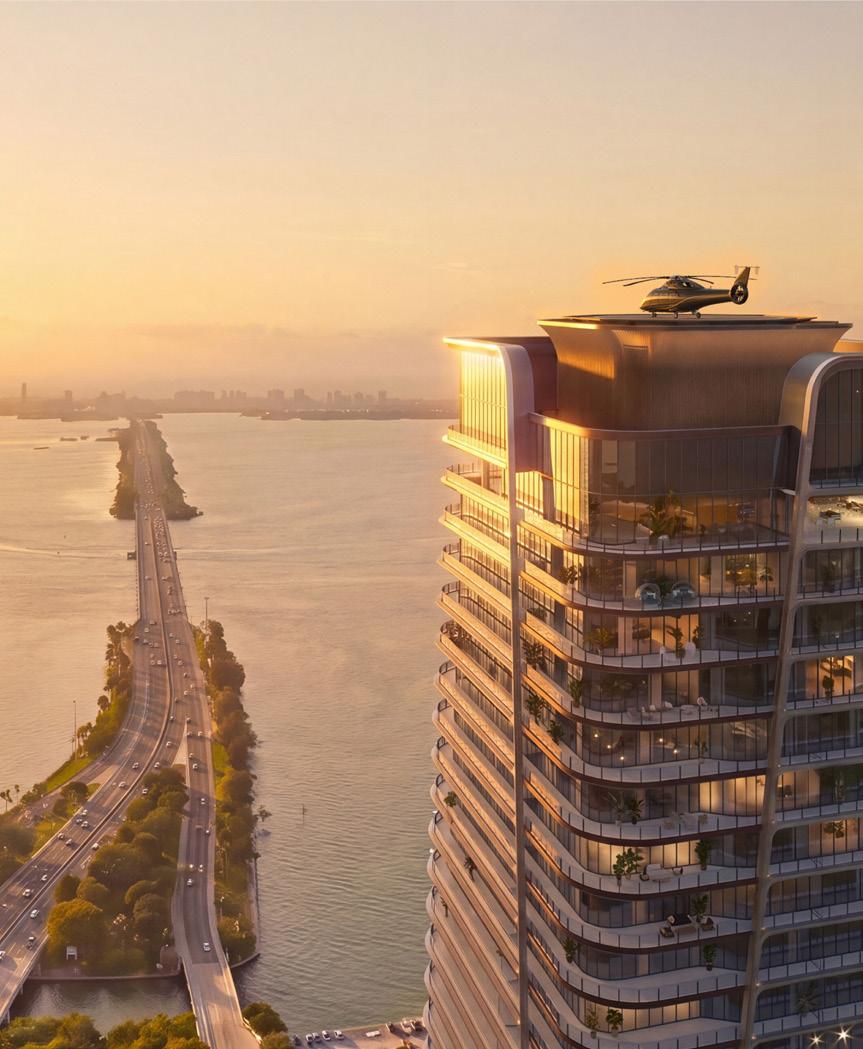
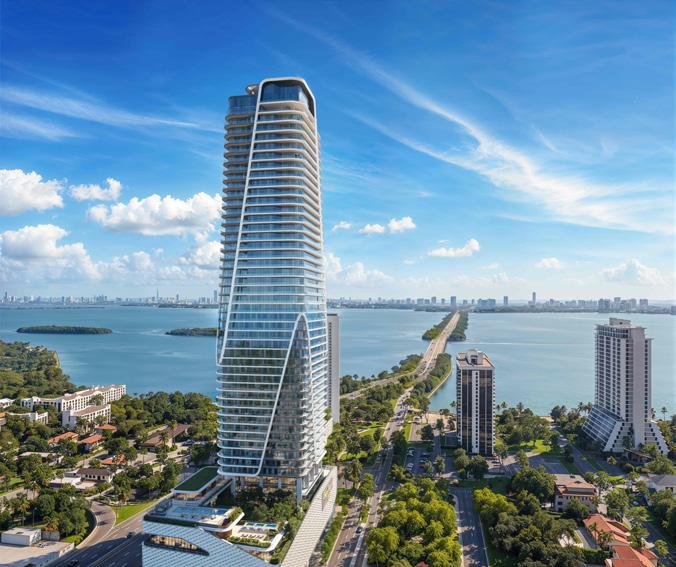
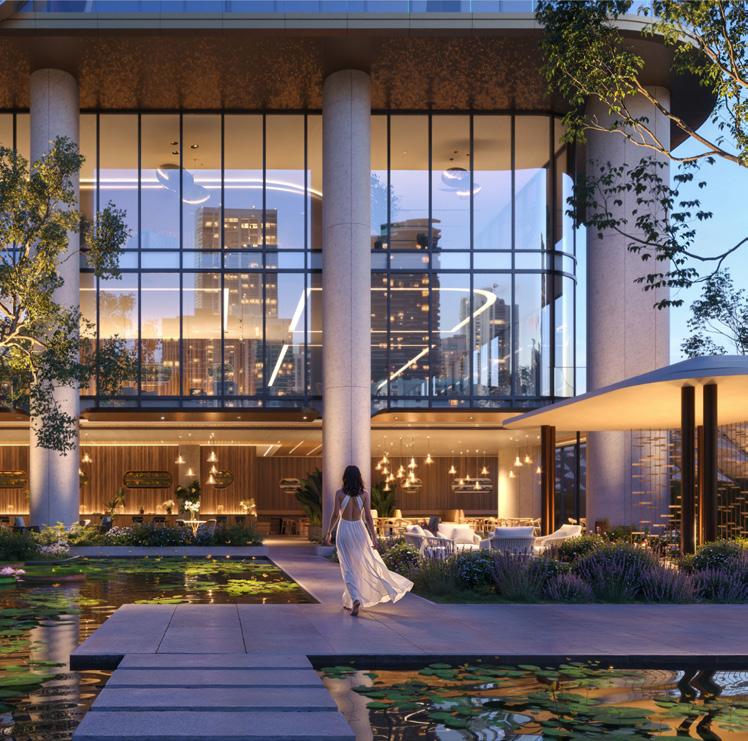
Minor Hotels, a global leader in hospitality with more than 640 properties across 63 countries, announces Anantara Miami Resort & Residences, marking the long-anticipated debut of its experiential luxury brand in the United States.
Rising 650 feet above Biscayne Bay, the landmark development signals a defining moment for the group’s global expansion and introduces a new paradigm of urban living shaped by immersive experiences, cultural connection and holistic wellbeing.
Developed in partnership with One Thousand Group, the 50-storey tower will be located at the convergence of Miami’s Edgewater, Design District and Wynwood neighbourhoods and is expected to open in 2030, becoming the first tower in the area to offer uninterrupted views across Biscayne Bay.
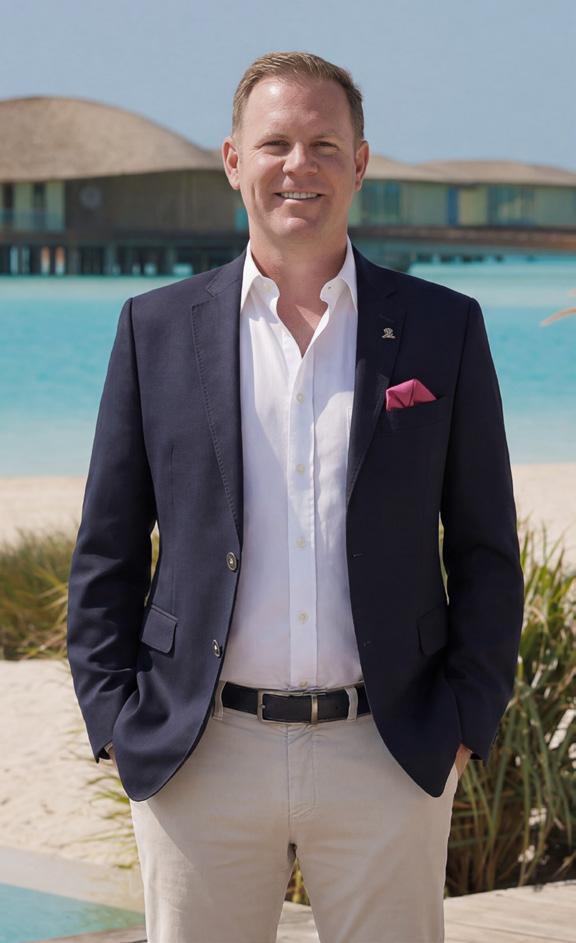
AIDAN DEMPSEY APPOINTED GENERAL MANAGER OF THE ST. REGIS RED SEA RESORT
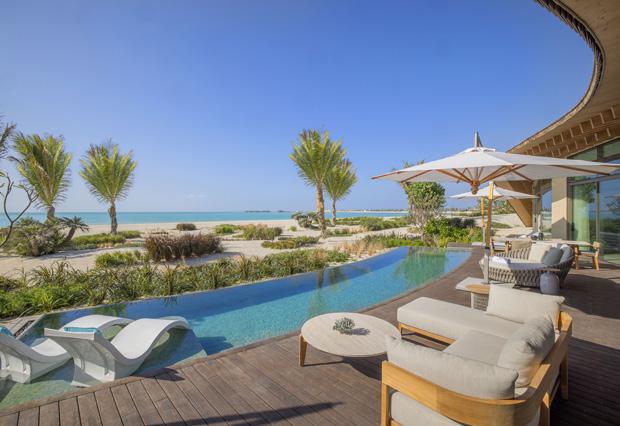
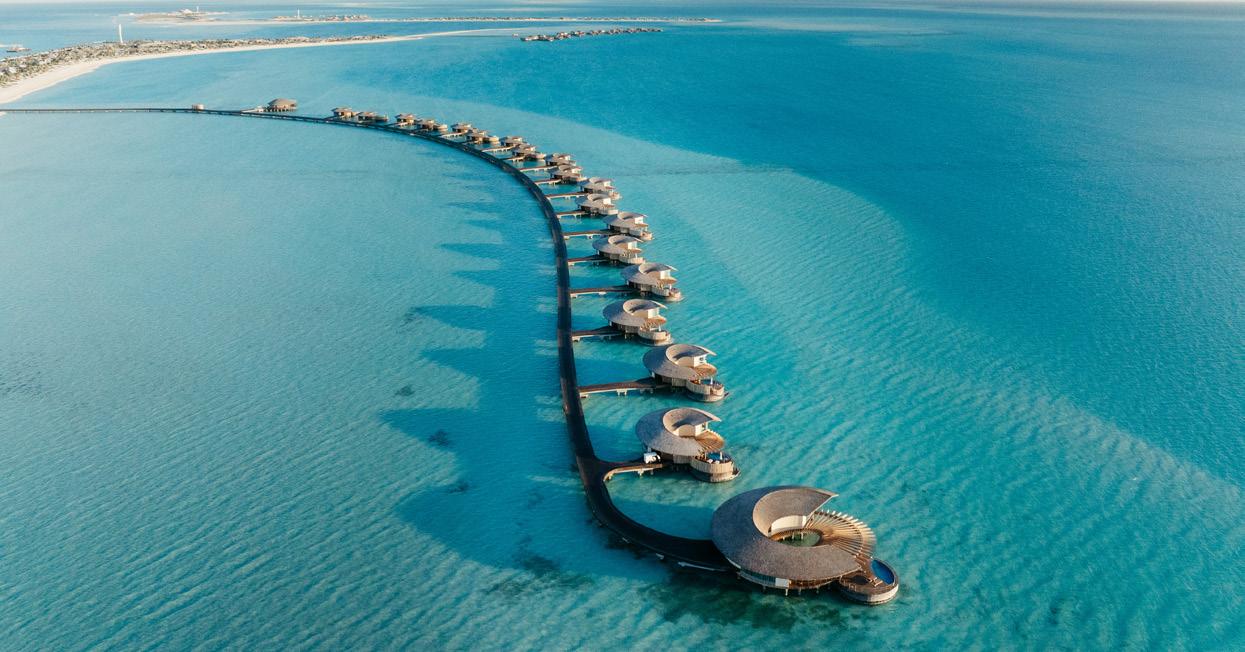
Aidan Dempsey has been appointed General Manager of The St. Regis Red Sea Resort, bringing over two decades of international luxury hospitality experience to one of the world’s most visionary new destinations.
Set within the untouched beauty of Saudi Arabia’s western coastline, The Red Sea represents a bold reimagining of travel, where regenerative tourism, cultural authenticity, and ultra-luxury converge at an unprecedented scale.
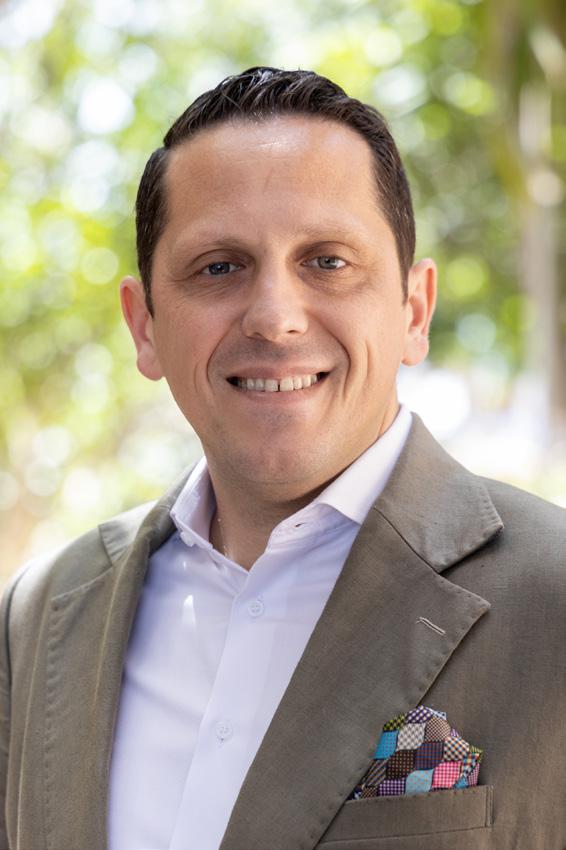
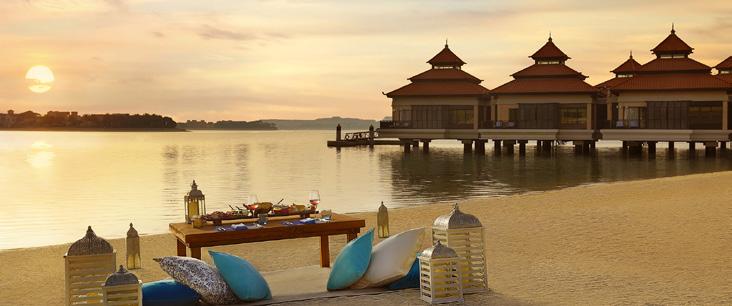
ANANTARA THE PALM DUBAI RESORT APPOINTS FELIX OTTO AS DIRECTOR OF FOOD & BEVERAGE
Emirates Growth Fund (EGF), the UAE’s flagship growth equity investor, has announced a landmark AED 45 million strategic minority investment in CarniStore, the nation’s leading premium protein business, bringing together sourcing expertise, proprietary production, and digital retail to elevate food standards across the UAE.
This marks EGF’s first investment in the food sector, representing a definitive step in the UAE’s mission to foster “National Champions” and signaling a powerful vote of confidence in the scalability of the country’s premium, locally-rooted F&B sector.
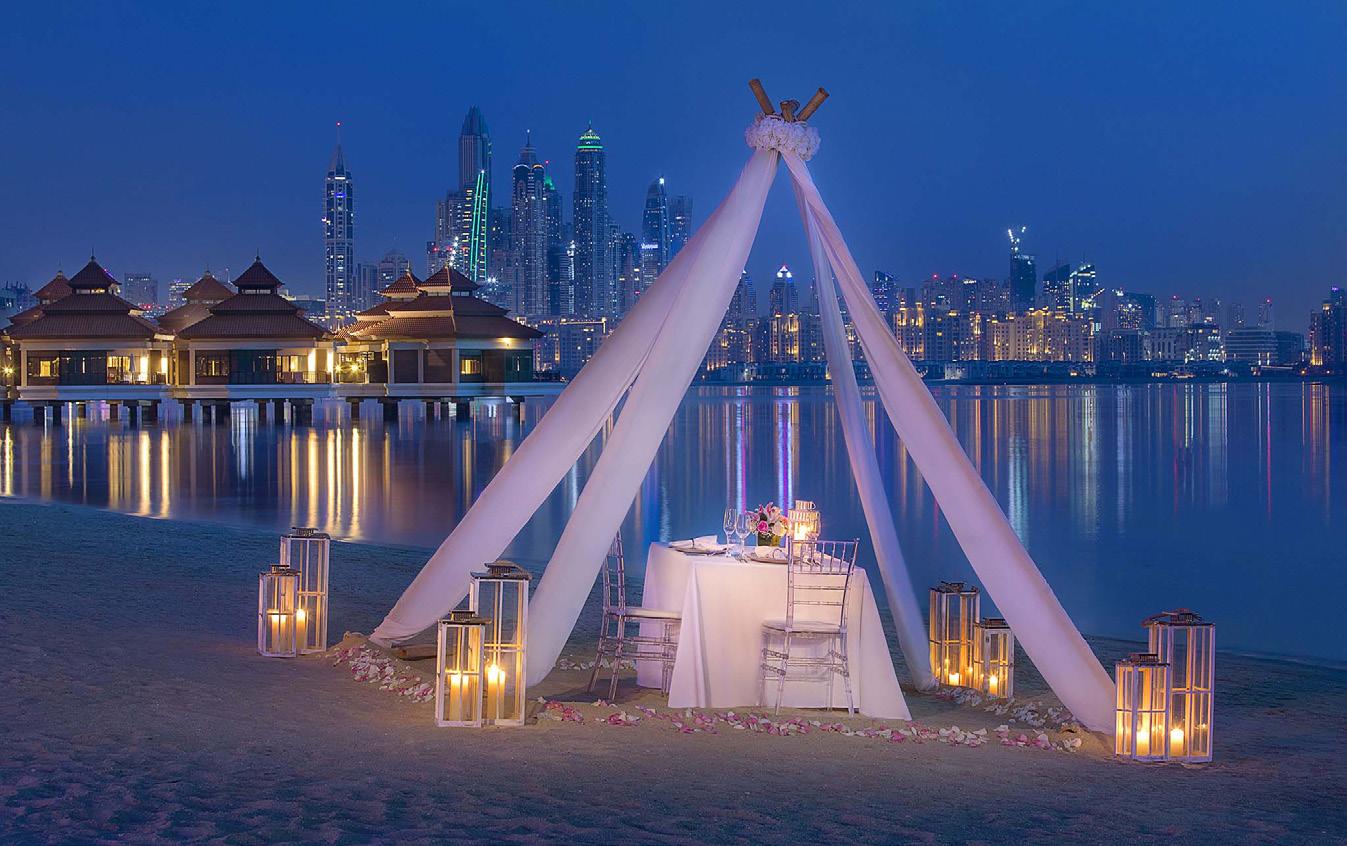
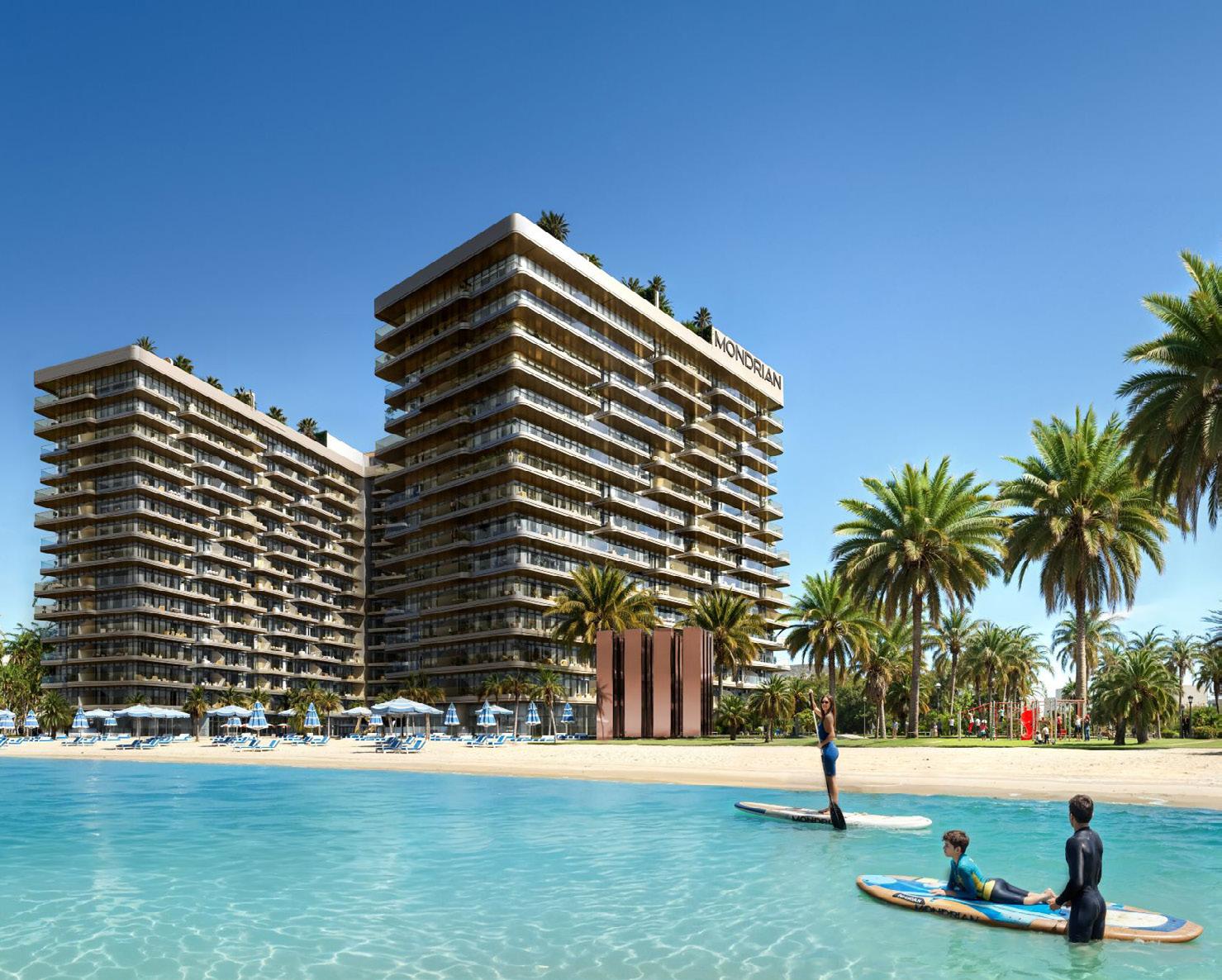
ELEVATE AWARDS AED 50 MILLION CONTRACT FOR MONDRIAN AL MARJAN ISLAND BEACH RESIDENCES
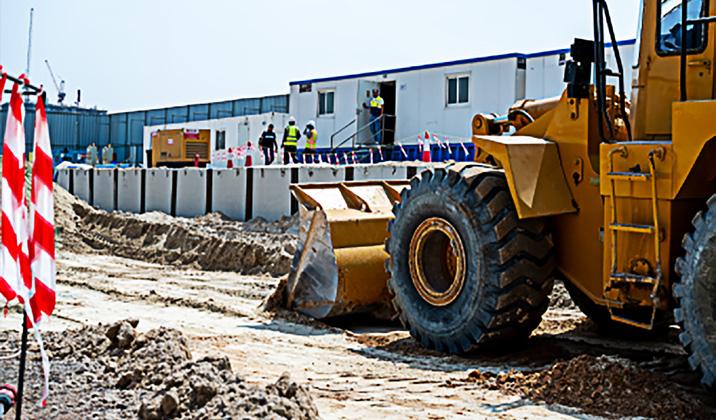
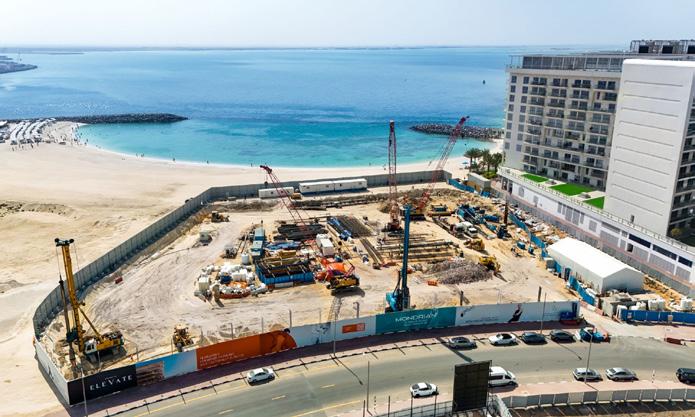
ELEVATE has officially awarded an AED 50 million contract to Pinnacle Piling for the piling and foundation works package at Mondrian Al Marjan Island Beach Residences, marking another major construction milestone for the landmark beachfront development in Ras Al Khaimah.
The appointment reflects continued momentum on site, with shoring works already completed and the project progressing ahead of its construction programme.
The award signals ELEVATE’s continued confidence in both the long-term fundamentals of the UAE real estate market and the exceptional growth trajectory of Al Marjan Island as one of the region’s most important emerging leisure and luxury destinations.
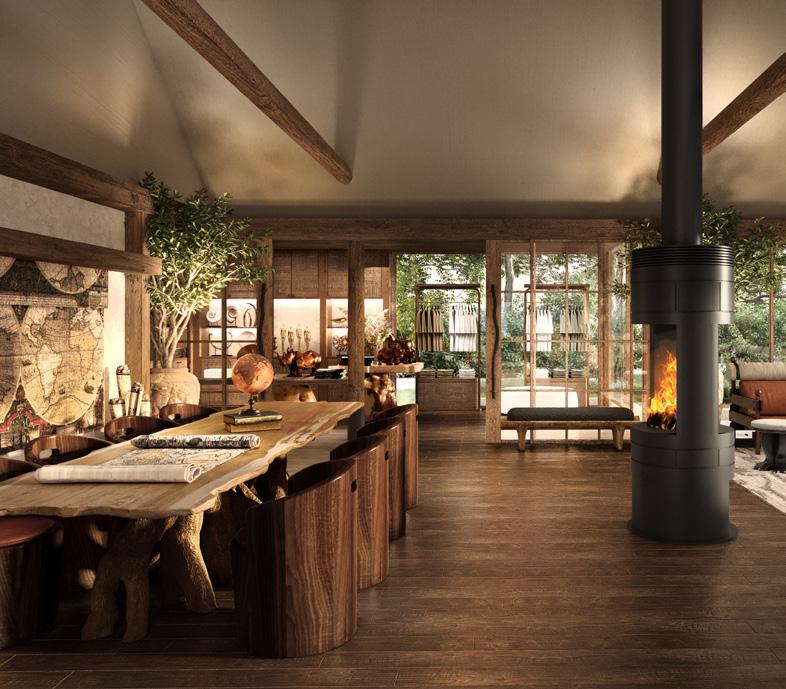
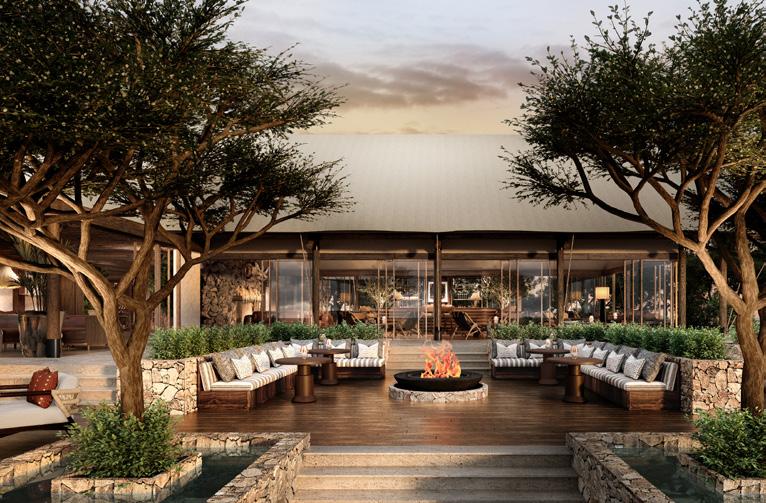
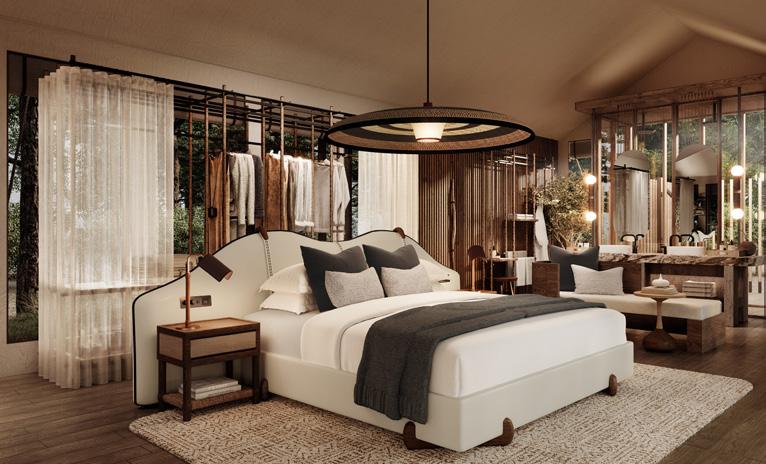
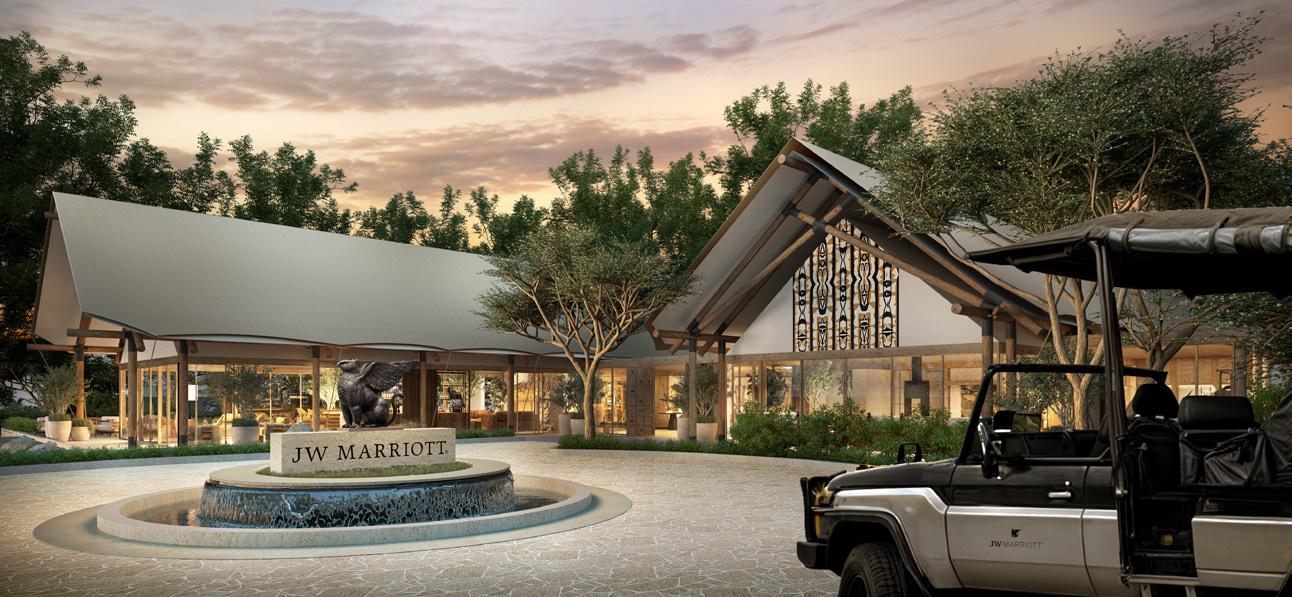
JW MARRIOTT MOUNT KENYA RHINO RESERVE SAFARI CAMP NOW OPEN FOR BOOKINGS
Reservations are now open for JW Marriott Mount Kenya Rhino Reserve Safari Camp, a luxury safari retreat owned and operated by Lazizi Solio Limited set to welcome guests in July 2026.
Located within Solio Game Reserve, the camp will bring the brand’s signature blend of sophisticated design, exceptional service, and holistic wellbeing to one of Kenya’s oldest private rhino sanctuaries.
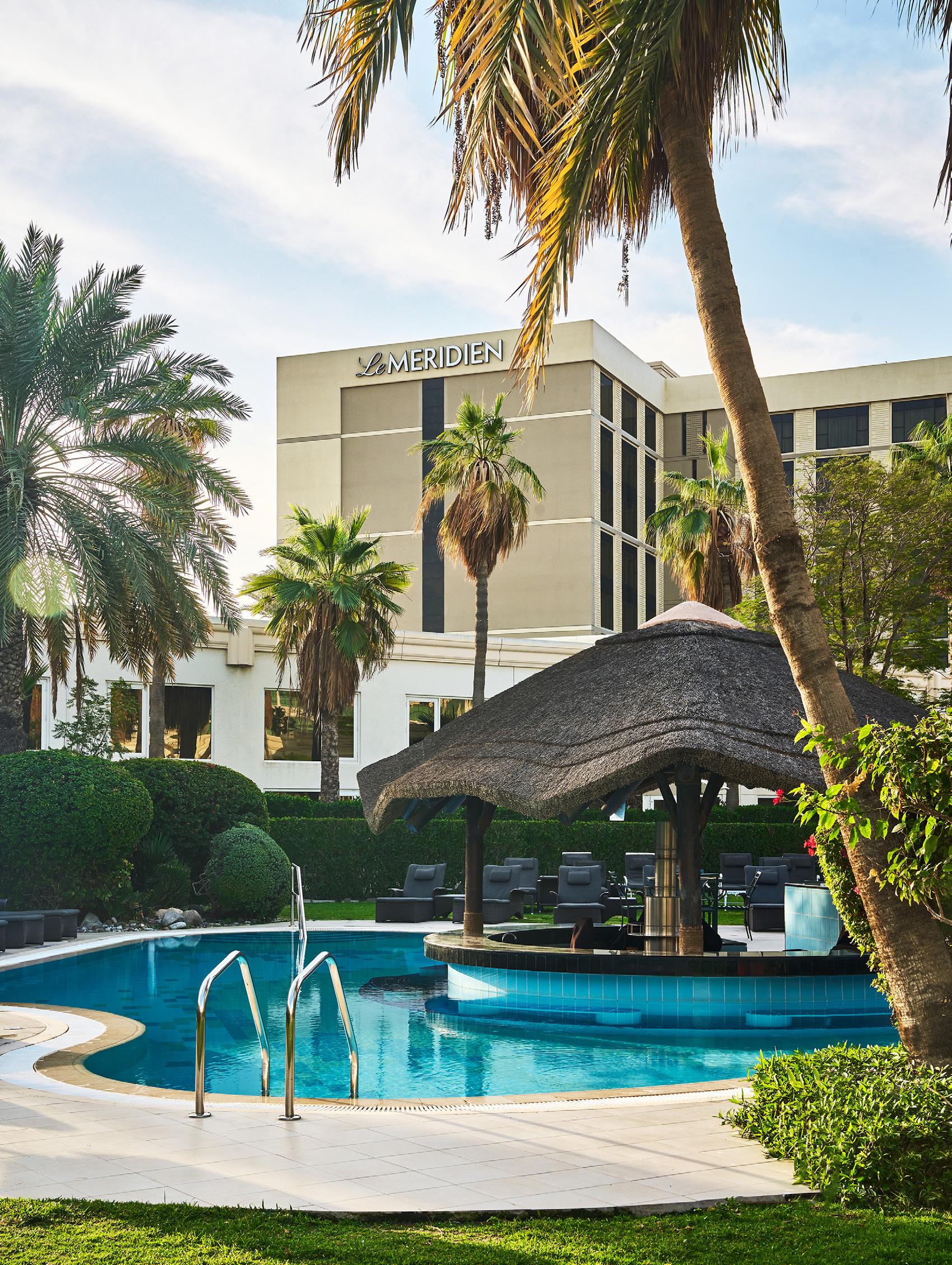
Rediscover Inspiration at Le Méridien Dubai Hotel & Conference Centre
A serene sanctuary at the heart of the city’s dynamic landscape, Le Méridien Dubai Hotel & Conference Centre redefines the art of urban hospitality. Set across 15 acres of immaculately landscaped gardens, the hotel o ers an elegant retreat just moments from Dubai International Airport, placing guests within e ortless reach of the city’s most iconic districts, from Dubai Mall and Burj Khalifa to the storied charm of the Gold Souk and Dubai Creek.
With 580 beautifully appointed rooms and suites, the property invites travellers into a world where contemporary design meets the timeless sophistication of the Le Méridien brand. The distinguished 196 rooms in the Le Royal Club wing elevate the experience with spacious, light-filled rooms, and refined club privileges, while select ground-floor accommodations in the main building open directly onto lush gardens and tranquil pools, o ering a resort-like ambience rarely found in the city.
Well-being is woven into the hotel’s DNA. Guests may indulge in five swimming pools, unwind in serene outdoor enclaves, or train at one of Dubai’s most expansive and advanced fitness facilities, sta ed by expert coaches and equipped with cutting-edge technology to nourish mind, body, and spirit.
At the heart of the property lies an extraordinary culinary journey. Housing 18 acclaimed restaurants and bars, Le Méridien Dubai is home to some of the city’s most storied dining institutions. From the ever-legendary Seafood Market, celebrated for its market-style freshness, to Casa Mia, Dubai’s pioneering Italian restaurant, each venue reflects a passion for authenticity, craftsmanship, and memorable dining artistry.
A beacon for global meetings and events, the hotel features more than 44,000 sq. ft. of versatile event spaces, comprising 24 impeccably designed venues outfitted with modern audiovisual capabilities. Whether orchestrating a grand celebration for 1,750 guests, hosting an international exhibition, or curating an intimate executive gathering, the hotel’s specialist events team and award-winning culinary experts bring each vision to life with impeccable precision and creative flair.
From inspired dining to world-class event facilities, and from resort-style relaxation to unmatched convenience, Le Méridien Dubai Hotel & Conference Centre stands as a destination where cosmopolitan energy and cultivated luxury converge, inviting every guest to unlock a stay that is truly memorable.

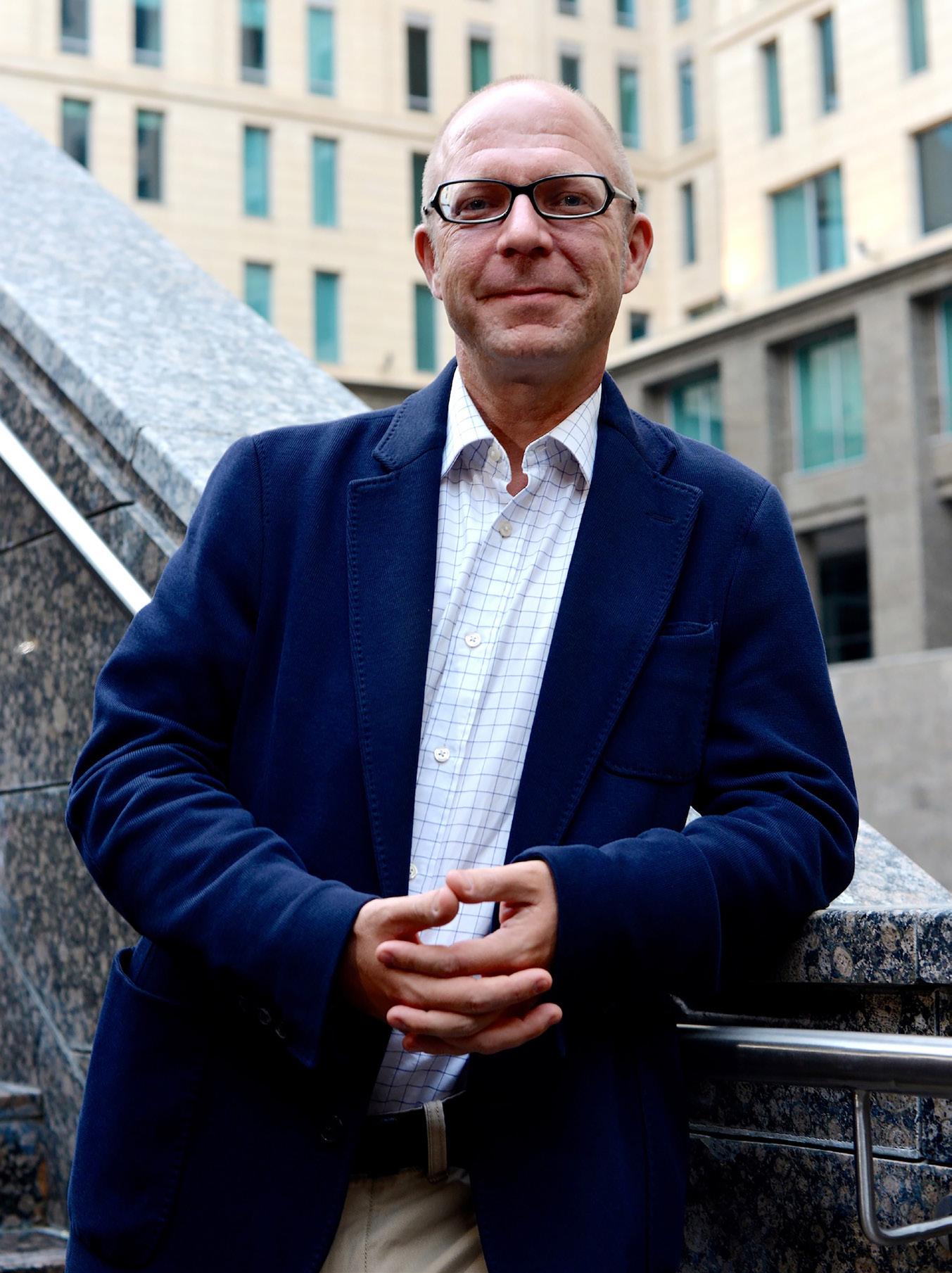
BUSY, BUT NOT THRIVING
THE NEW REALITY OF MIDDLE EAST HOSPITALITY
BY MARTIN KUBLER, CHIEF SLOTH AT THE GLUTTONOUS SLOTH, HORECA CONSULTING WITH ATTITUDE
Across the Middle East, hospitality venues are open, operational, and occasionally, even busy.
On paper, that should be a positive signal. After the recent disruption, the return of activity suggests stability, but a closer look reveals a more complex picture - one that operators would be wise not to ignore.
Right now, activity is being mistaken for strength.
Occupancy levels in several markets remain solid. Restaurants continue to see footfall. Events and corporate travel are still contributing to demand. Yet beneath these surface indicators, the fundamentals are shifting.
This is not a resilience story anymore. It is a recalibration and it is changing how hospitality businesses perform at a structural level.
The first shift is in the nature of demand itself.
Guests are booking later. Much later. The traditional
booking curve has compressed significantly, with shorter lead times becoming the norm rather than the exception. This creates operational uncertainty, from staffing to procurement, and makes forecasting increasingly unreliable.
At the same time, length of stay is tightening. What used to be a multi-night leisure booking is now often reduced to a shorter, more functional visit. Even in destinations that typically benefit from longer stays, there is a noticeable move toward flexibility and minimal commitment.
Layer onto that a higher degree of price sensitivity, and the result is a demand mix that is harder to monetize effectively.
In simple terms: the industry is working harder for less predictable revenue.
Demand patterns alone, however, do not explain the full picture.
Running parallel to this is a second, more intangible force that is shaping guest behaviour just as strongly: perception.
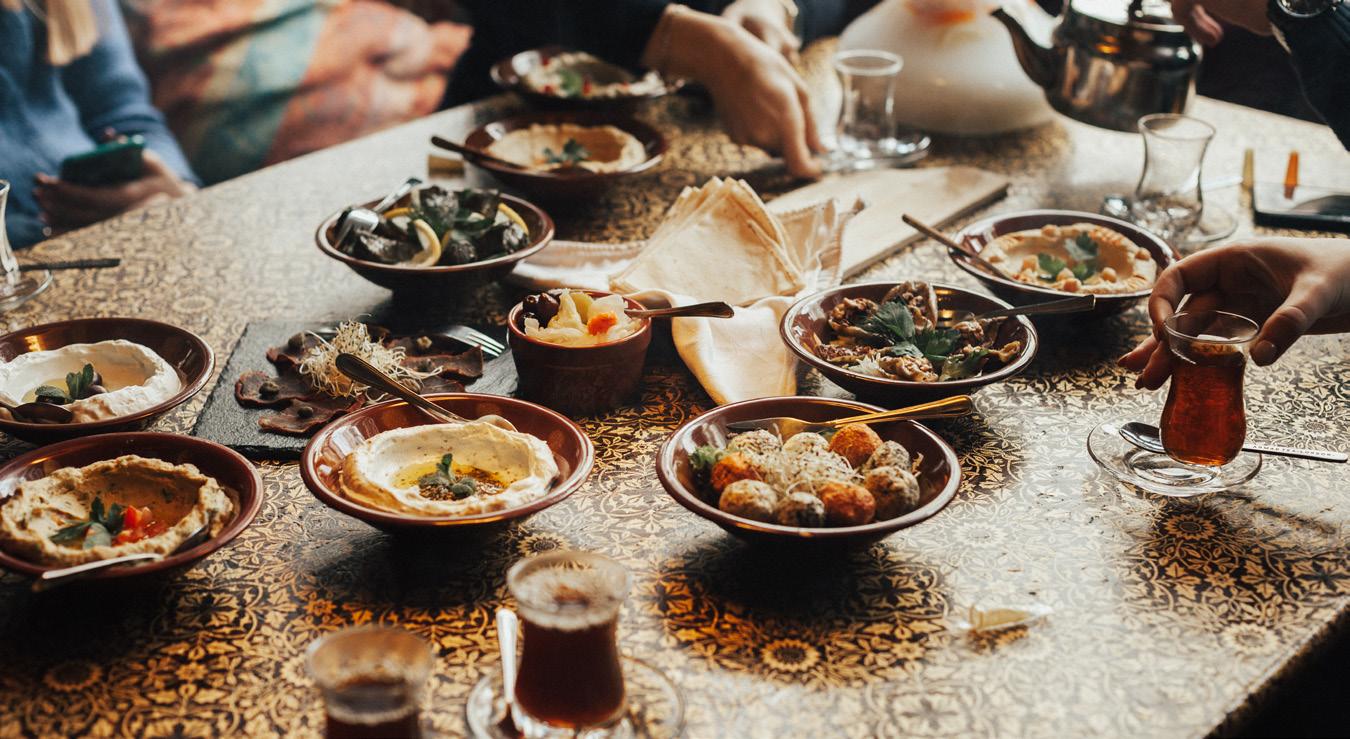
The Middle East is not being evaluated by travellers purely on facts. It is being filtered through headlines, proximity to geopolitical tensions, and a general sense of uncertainty. For many international guests, distinctions between destinations blur. A situation in one part of the region can influence sentiment toward another, regardless of actual impact.
This creates what can best be described as a trust gap.
Travel has not stopped, but it has become more hesitant. Guests are delaying decisions, prioritizing flexibility, and gravitating toward options that feel low-risk. The mindset has shifted from exploration to assurance.
This shift carries through the entire guest journey.
Guests arrive with a different intent. They are less inclined to engage deeply with the destination. They spend less time exploring, less on ancillary services, and more time staying within controlled, familiar environments. The appetite for curated experiences is still there, but it is more selective, and often secondary to convenience.
For hospitality operators, this has direct commercial implications.
Ancillary revenue streams - once a key driver of profitability - are under pressure. Upselling requires more effort and
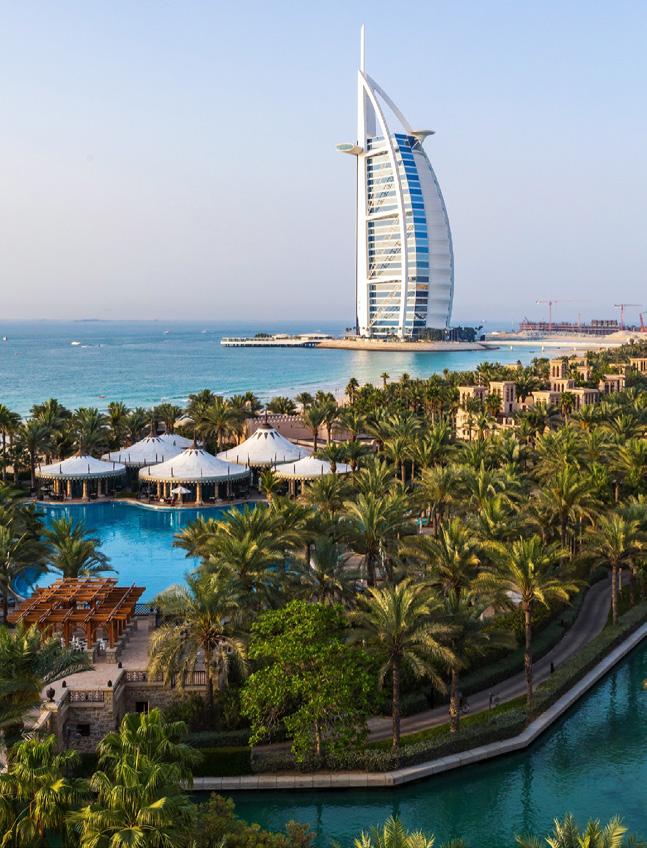
delivers less consistent results. Experiences, which many brands have invested heavily in over recent years, are not converting at the same rate.
What emerges is a gradual shift back toward transactional behaviour.
Rooms are judged more on price and flexibility than on differentiation. Food and beverage decisions become more functional. Loyalty weakens as guests prioritize optionality over commitment.
In effect, parts of the industry are drifting back toward commoditisation.
This is where the risk lies.
When hospitality becomes transactional, competing on price becomes the default lever. In markets already defined by uncertainty, that is not a sustainable position.
The more strategic response starts with recognising that traditional performance indicators are no longer sufficient.
Occupancy, on its own, is an incomplete metric. What matters now is the quality of that occupancy. Who is booking? At what rate? With what lead time? And with what level of on-property spend?
Without that level of clarity, it is easy to misread the market.
The second priority is operational flexibility - not as an added benefit, but as a core capability. This applies across the board: booking policies, cancellation terms, staffing models, and even service design. Businesses that can adapt quickly to short-term demand fluctuations will have a clear advantage.
Third, trust needs to be managed proactively.
This goes beyond safety messaging. It is about consistency, transparency, and removing friction from the decision-making process. Clear communication, straightforward policies, and a sense of reliability are becoming key differentiators in an environment where guests are actively seeking reassurance.
Finally, there is a need to rethink how engagement is delivered.
If guests are less inclined to actively seek out experiences, those experiences need to be more accessible. Simpler formats. Lower time commitment. Integrated into the natural flow of the stay rather than positioned as standalone add-ons.
The objective is not to scale back ambition, but to alignwith how guests are currently behaving.
The Middle East hospitality sector has repeatedly
demonstrated its ability to adapt, but the current environment requires a different kind of response.
This is not a demand crisis in the traditional sense. Nor is it a straightforward recovery phase. It is a behavioural shift.
The operators who recognise that - who move beyond surface-level metrics and start adjusting to a more cautious, more flexible, and more transactional guest mindset - will be better positioned to protect both margins and long-term brand value.
Being busy is no longer enough. The real question is whether the business behind that activity is actually thriving.
“Layer onto that a higher degree of price sensitivity, and the result is a demand mix that is harder to monetize effectively.
WHAT WORKING IN HOSPITALITY TAUGHT ME ABOUT LIFE
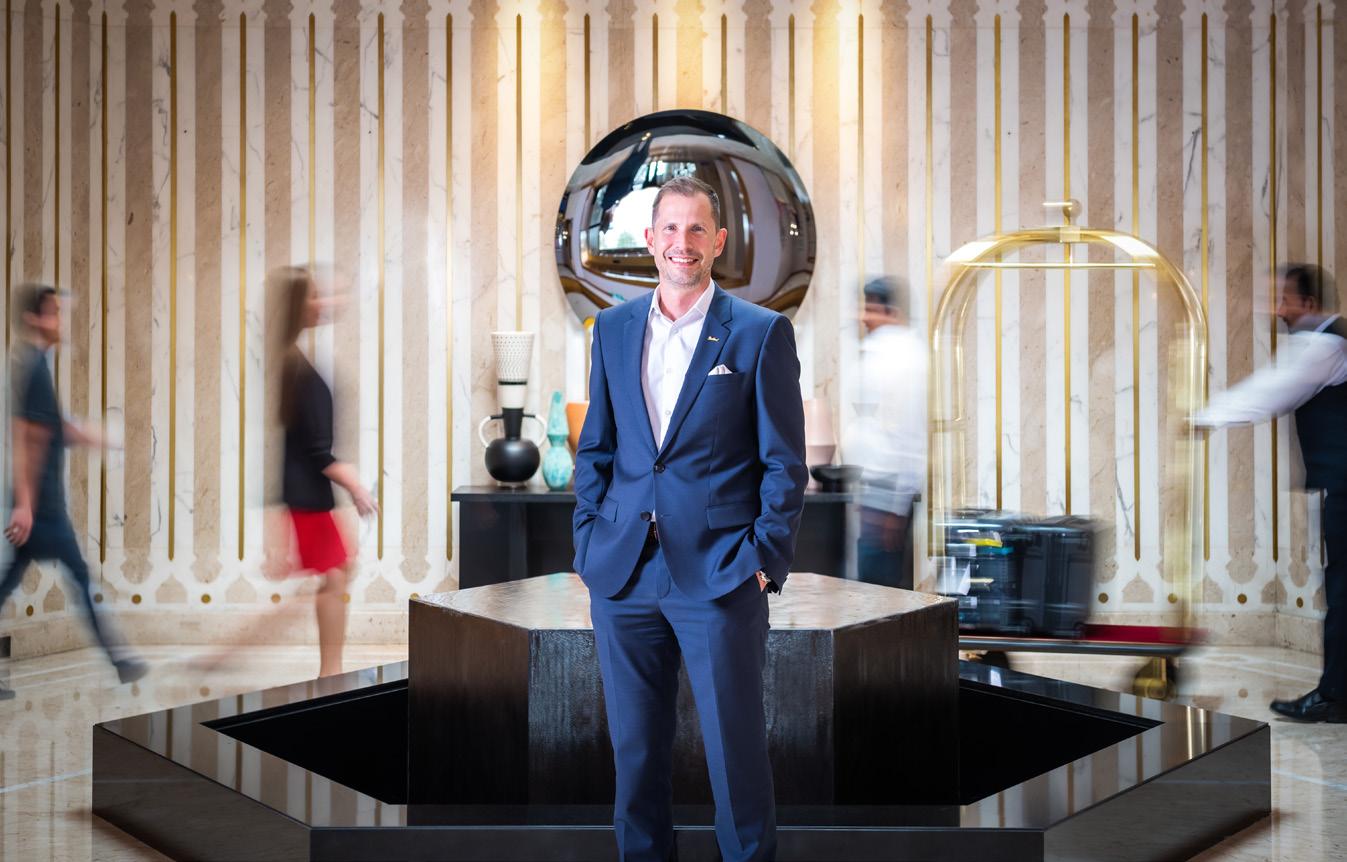
BY JAN HANAK, MANAGING DIRECTOR, UAE, OMAN, BAHRAIN, QATAR, EGYPT & IRAQ, RADISSON HOTEL GROUP
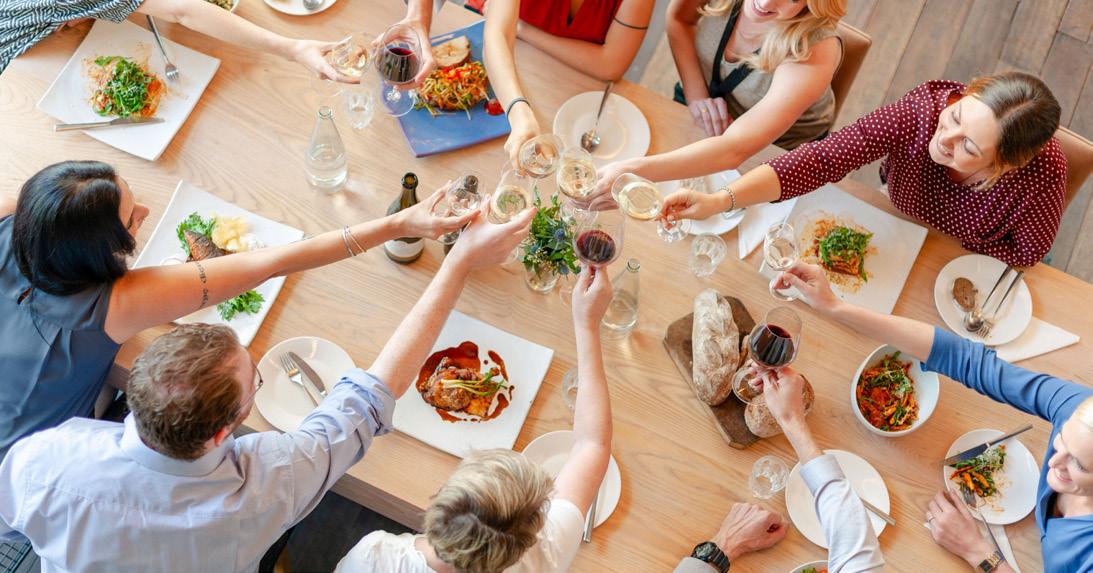
People often see hospitality as an industry built around service, operations, and guest experience. And of course, it is. But for those of us who have spent years in this world, hospitality becomes much more than a profession. It shapes how you think, how you respond to people, and how you move through life outside of work.
Over time, I’ve come to realise that some of the most valuable lessons I’ve learned in hospitality have very little to do with hotel rooms, check-ins, or meetings. They are life skills, ones that stay with you long after the workday ends.
The first is empathy.
In hospitality, you quickly learn that no two people are the same. Every guest arrives with different expectations, emotions, priorities, and pressures. Some may be celebrat-
ing. Others may be tired, stressed, or facing challenges you cannot see. The ability to read a situation, listen carefully, and respond with genuine understanding is one of the most important parts of what we do.
That lesson does not end at the hotel door. It carries into everyday life, into how you speak with family, support friends, lead teams, and handle difficult moments. Hospitality teaches you to pay attention not just to what people say, but to how they feel. In a world that often moves too quickly, that ability matters.
The second is patience.
Hospitality is a business of constant movement. Plans change, expectations shift, problems appear without warning, and not everything goes smoothly. You learn very early that reacting emotionally rarely improves a situa-
tion. What makes the difference is staying calm, listening properly, and focusing on solutions.
That mindset is just as important outside of work. In daily life, patience helps us navigate misunderstandings, stressful situations, and moments that test us. It reminds us that not every issue needs an immediate reaction. Sometimes, what people need most is calm, clarity, and reassurance.
Another lesson is adaptability.
One of the things I have always appreciated about hospitality is that no two days are ever the same. Even with the best planning, you are constantly adjusting, whether to guest needs, market conditions, operational realities, or unexpected events. Hospitality teaches you to remain flexible without losing sight of your standards.
That is a valuable lesson in life as well. Very rarely does life go exactly according to plan. Personal circumstances change, priorities evolve, and challenges emerge when we least expect them. Working in hospitality helps build resilience, not by teaching you to avoid change, but by teaching you how to respond to it with composure and confidence.
Hospitality also teaches you the importance of details. In our industry, small touches can completely shape how a guest feels. A warm welcome, a remembered preference, a thoughtful gesture, clear communication — these things may seem small on their own, but together they create trust and leave a lasting impression.
It is the same in everyday life. Relationships are often built through consistency and attention, not grand statements. Being present, following through, noticing what matters to others — these are simple things, but they carry weight. Hospitality reinforces the idea that details are never just details. They are how people experience care.
“The ability to read a situation, listen carefully, and respond with genuine understanding is one of the most important parts of what we do.
Then there is grace under pressure. Hospitality can be demanding. It asks a great deal from people: energy, focus, emotional intelligence, and the ability to stay composed even when the pace is intense. Over time, you learn that leadership is not about controlling every situation. It is about creating confidence within it. It is about being steady, solution-oriented, and present for others, especially when circumstances are challenging.
That lesson has shaped me well beyond the workplace. In life, pressure is inevitable. What matters is how we carry ourselves through it and how we support the people around us when it matters most.
Perhaps most importantly, hospitality teaches you something very simple but very powerful: people remember how you make them feel.
That is true for guests, colleagues, friends, and family alike. Long after specific details are forgotten, people remember warmth, kindness, respect, and the feeling of being seen. At its heart, hospitality is about making people feel welcome and valued. That is not just a professional principle. It is a human one.
In many ways, hospitality has influenced not only how I work, but how I live. It has made me more aware of others, more thoughtful in how I communicate, and more conscious of the impact small actions can have. It has taught me that genuine care is never wasted, and that professionalism and humanity are not separate things. They are strongest when they work together.
That is why I believe hospitality is not simply an industry. It is a mindset. One that teaches us to lead with empathy, adapt with resilience, and approach people with care.
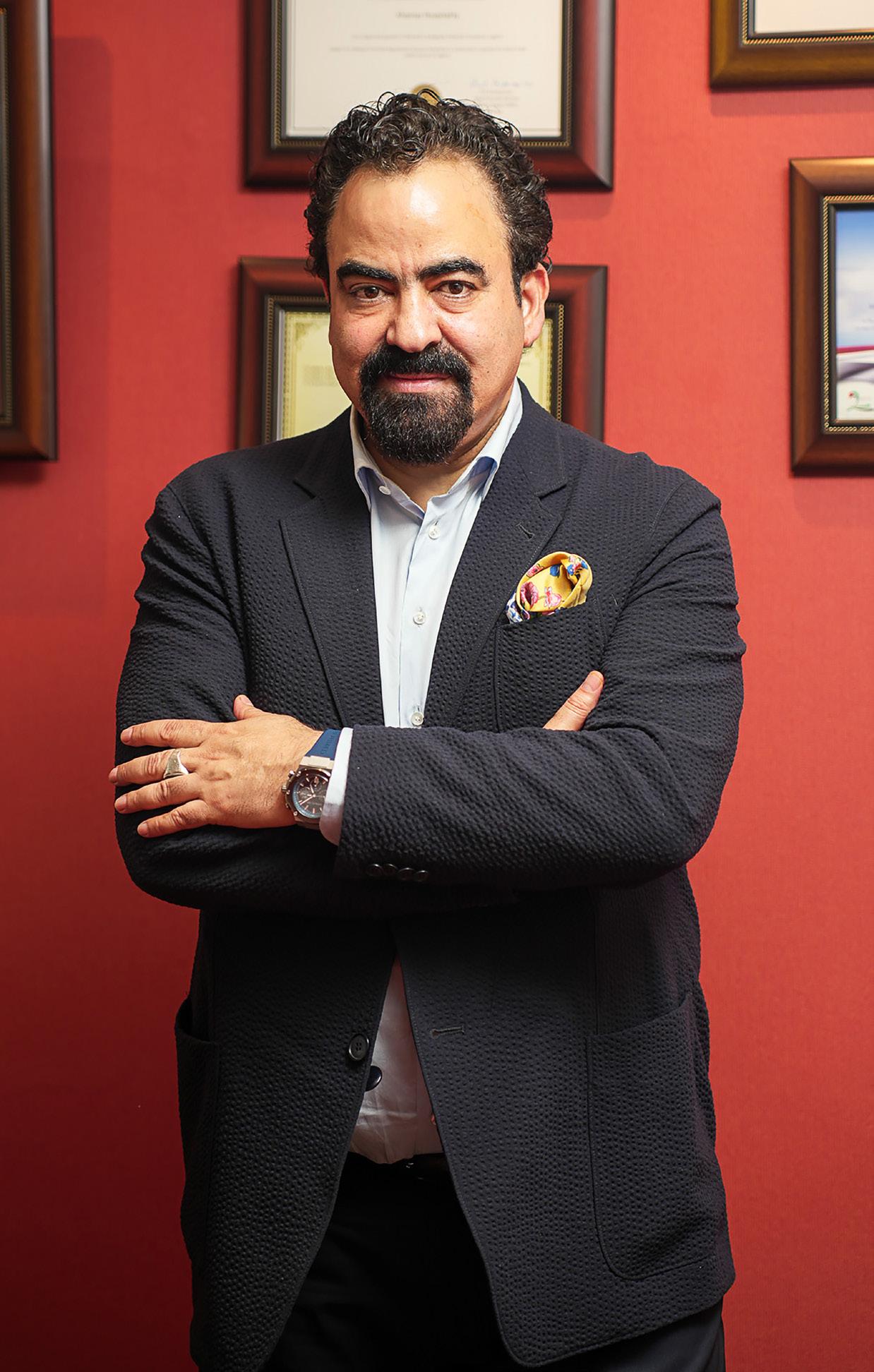
DR. PAWAN KACHROO, Managing Director, Khamas Hospitality
How
KHAMAS HOSPITALITY
Kept Steady During a Period of Uncertainty
As the UAE hospitality sector continues to navigate a period shaped by uncertainty, resilience and coordinated decision-making have become central to business continuity. For multi-property operators, the ability to respond quickly, communicate clearly, and maintain confidence across teams and guests is critical.
Dr. Pawan Kachroo, Managing Director of Khamas Hospitality, shares how the group has managed operations across its portfolio, the importance of private sector and government alignment, and why transparency remains key to reassuring guests and employees.
How does a group like Khamas Hospitality activate its crisis management framework across multiple properties and teams?
As we navigate the current landscape in the UAE, the hospitality sector continues to demonstrate resilience and agility. At Khamas Hospitality, we utilise a centralised
communication core that ensures strategic alignment while allowing for rapid, localised execution across all properties.
Our decisions are guided by real-time data and safety advisories. There is also exceptionally strong synergy between the private sector and UAE authorities, providing a stable and guided foundation for the entire industry.
What specific measures were put in place to ensure the safety and reassurance of both guests and staff?
Ensuring the safety and reassurance of both guests and staff is a multifaceted responsibility that bridges physical security with psychological comfort.
With the strong support of local authorities, we receive regular alerts, safety updates, and clear guidelines to follow, ensuring the highest standards for both guests and staff. Continuous and transparent communication with government bodies further strengthens our ability to respond effectively and responsibly.
How do you strike the balance between maintaining operations and knowing when to pause or adapt?
As a group, our decisions are guided by real-time data and safety advisories. We closely monitor market intelligence and official updates as they evolve, allowing us to adapt swiftly to changing market dynamics.
Drawing on our experience, we remain agile and proactive, ensuring that our approach is both effective and responsible at all times while consistently delivering confidence to our guests and teams.
Communication becomes critical in times like this. How did you manage messaging internally versus externally? In times like these, communication plays a pivotal role in safeguarding operational continuity.
Internally, our focus remains on transparency, reassurance, and agility. We ensure regular, real-time updates are shared with our teams, keeping them informed on developments, safety advisories, and any operational adjustments while fostering confidence and stability across all levels. We are mindful that what we communicate is always aligned with the reality on the ground, and we have implemented the right strategies to ensure complete transparency.
Externally, our messaging is thoughtfully calibrated to reflect empathy, responsibility, and consistency. It remains measured yet brand-forward, reinforcing our commitment to guest experience, safety, and service excellence. Backed by experience, we ensure every communication builds trust while adapting seamlessly to the evolving environment. Ultimately, the goal is to strike the right balance while
remaining aligned with the brand’s long-term positioning.
Did you see any immediate shifts in guest behaviour, cancellations, or booking patterns across your portfolio?
We recognise that in times like these, guest behaviour can be influenced by uncertainty and occasional panic. To address this, we placed strong emphasis on clearly communicating our safety protocols, reassuring guests that operations remain normal, secure, and well-managed by our teams. The consistent support and guidance from government authorities further strengthened this confidence. Overall, we did not witness any significant or lasting shift in guest behaviour.
“Our
decisions
are
guided by real-time data and safety advisories. There is also exceptionally strong synergy between the private sector and UAE authorities, providing a stable and guided foundation for the entire industry.
While there were some minor disruptions, including cancellations primarily due to travel limitations, these were situational rather than sentiment-driven. Encouragingly, we continued to see strong local demand, and with the resumption of flights, operations quickly stabilised. Our agile and proactive sales team played a crucial role in navigating this phase effectively.
How do you maintain morale and confidence among staff when uncertainty is still present?
With the support received from tourism authorities and the government, particularly around tourism fees and operational relief, we were able to maintain stability in our day-to-day operations. This allowed us to protect our teams while continuing to operate with confidence.
We strongly believe that every single team member is important. In hospitality, every role contributes to the overall guest experience, so it is essential that no one feels overlooked. Through regular interactions, team huddles, and one-on-one conversations, we ensure that everyone feels valued and included.
Furthermore, the government is working closely with us to provide dedicated mental health support and wellness checks. If anyone is feeling a sense of uncertainty or simply needs to open up and talk, help is available. We have established hotline numbers to offer immediate assistance and a safe space for anyone who needs guidance or support during this time.
What are guests looking for most in moments like this: reassurance, transparency, or normality?
Transparency leads to reassurance, and reassurance ultimately creates a sense of normality. When communication is clear and honest, guests naturally feel more confident in their choices, which allows them to engage with ease.
For us, guests were treated as they would be at any other time of the year. Our standards, our warmth, and the way we care for every guest remained exactly the same. That consistency is what builds trust, ensuring that even in uncertain moments, the experience feels familiar, reliable, and reassuring.
From your perspective, what is the hospitality industry collectively thinking and feeling right now?
The UAE hospitality sector continues to operate from a position of strength, with the government closely monitoring the situation and working
hand in hand with the entire industry. There is constant support through clear guidelines, safety protocols, and open communication, which allows everyone to operate with confidence and clarity.
As a sector, hospitality stands united. There is a strong sense of solidarity across the industry and a shared confidence in the way the UAE government is supporting us at every step. This collaboration not only reinforces safety and stability, but also ensures that we continue to deliver consistent, high-quality experiences while moving forward with assurance.
Do situations like this change how operators view risk, preparedness, or responsibility in the long term?
As one of the oldest hospitality groups, Khamas Hospitality has been part of the system for a very long time. With the depth of ex-
perience we hold, we understand how to best take care of both our people and our guests.
Our plans are well in place, allowing us to remain steady, responsive, and confident while continuing to deliver the same level of care, safety, and consistency that we are known for.
Have you seen stronger alignment between private sector players and government authorities during this period?
Yes, there has been a noticeably strong alignment between private sector players and government authorities during this period. In the UAE, this has always been the case. There is consistently strong
communication and support from the government, regardless of the situation.
Thanks to the leadership and entities such as DET and Dubai Municipality, there is always a sense of clarity, comfort, and motivation. This ongoing support is what keeps the industry strong, just as it has always been, ensuring a coordinated and steady approach focused on safety, consistency, and a seamless experience for residents and visitors. Images courtesy of www.khamashospitality.com
Ideas Born Pressure Cooker in the
Practical, timely and built to solve real problems quickly.
BY SEYMONE L MOODLEY
In hospitality, some of the most useful ideas are not born in boardrooms. They come from pressure, disruption and the uncomfortable moments when the industry is forced to rethink how it works. In the pressure cooker that has been the last few months in the Middle East, shaped by the impact of ongoing regional conflict, these are the ideas that stand out: practical, timely and built to solve real problems quickly.
For restaurants across the UAE, visibility has always mattered. But in a market shaped by competition, rising costs, shifting consumer behaviour and recent disruption across the hospitality sector, being seen is no longer a nice-to-have. It is survival. The challenge, however, is that not every restaurant has the budget, team or time to run full-scale PR campaigns, write polished press releases or maintain regular conversations with media, bloggers, influencers and critics.
This is the gap ItsRaw.ai is trying to fill.
The Dubai-headquartered start-up has launched with a simple proposition: helping restaurants share their stories, news and offers for what it describes as “the price of a brunch”. Priced from AED 367 per month, the platform is designed to give restaurants of all sizes access to faster, more affordable media visibility at a time when footfall, awareness and discoverability are critical.
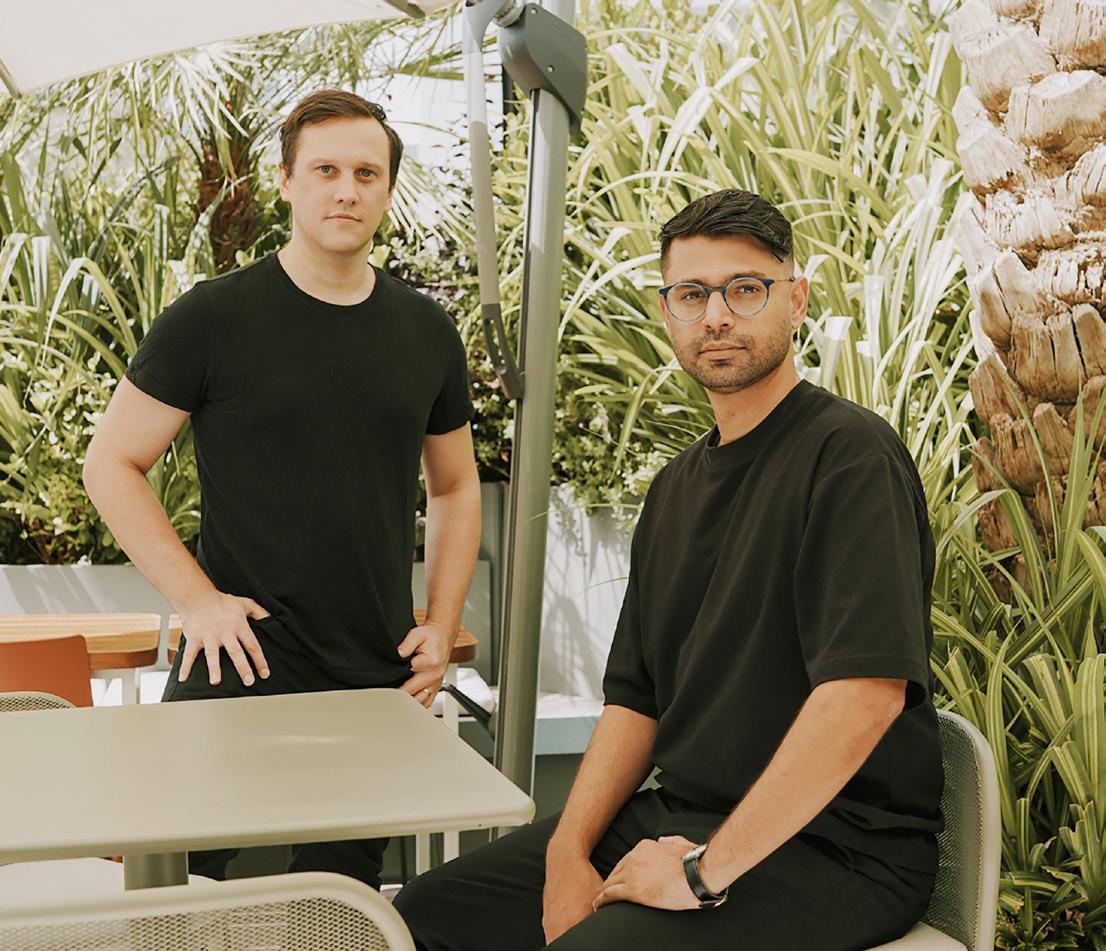
Founded by Jonathan Ivan-Duke and Mir Murtaza Khurshid, the team behind marketing and PR agency duke+mir, ItsRaw.ai uses AI-assisted technology to help restaurant owners, managers and marketing teams create structured, newsworthy content in minutes. The content can then be used across the restaurant’s own channels or shared with a curated list of UAE media, bloggers, influencers and food critics.
At its core, the platform is built around accessibility. It aims to support operators who may not have formal communications training or large marketing budgets, but still need to tell their story clearly and consistently. From a new menu launch to a limited-time offer, a chef appoint-

ment, a dining experience or a venue update, ItsRaw.ai guides users through the process of turning raw information into content that can be sent out and used.
The process is intentionally straightforward. Restaurants begin by creating a profile with key details such as location, cuisine, menu highlights and unique selling points. When they want to create a press release or announcement, the platform guides them through a series of prompts, asking for the important information required to shape the story. Once the content is generated, it can be distributed to relevant media contacts across the UAE.
For Ivan-Duke, the mission is about giving more restaurants the ability to communicate professionally, regardless of budget.
“We help restaurants of all sizes share their stories to help drive more customers through the door,” he says. “There are more than 28,000 F&B outlets across the UAE and we need to support them, now more than ever. We enable any restaurateur, regardless of their marketing experience or budgets, to tell a great story about their venue.”
JONATHAN IVAN-DUKE and MIR MURTAZA KHURSHID, Founders, ItsRaw.ai
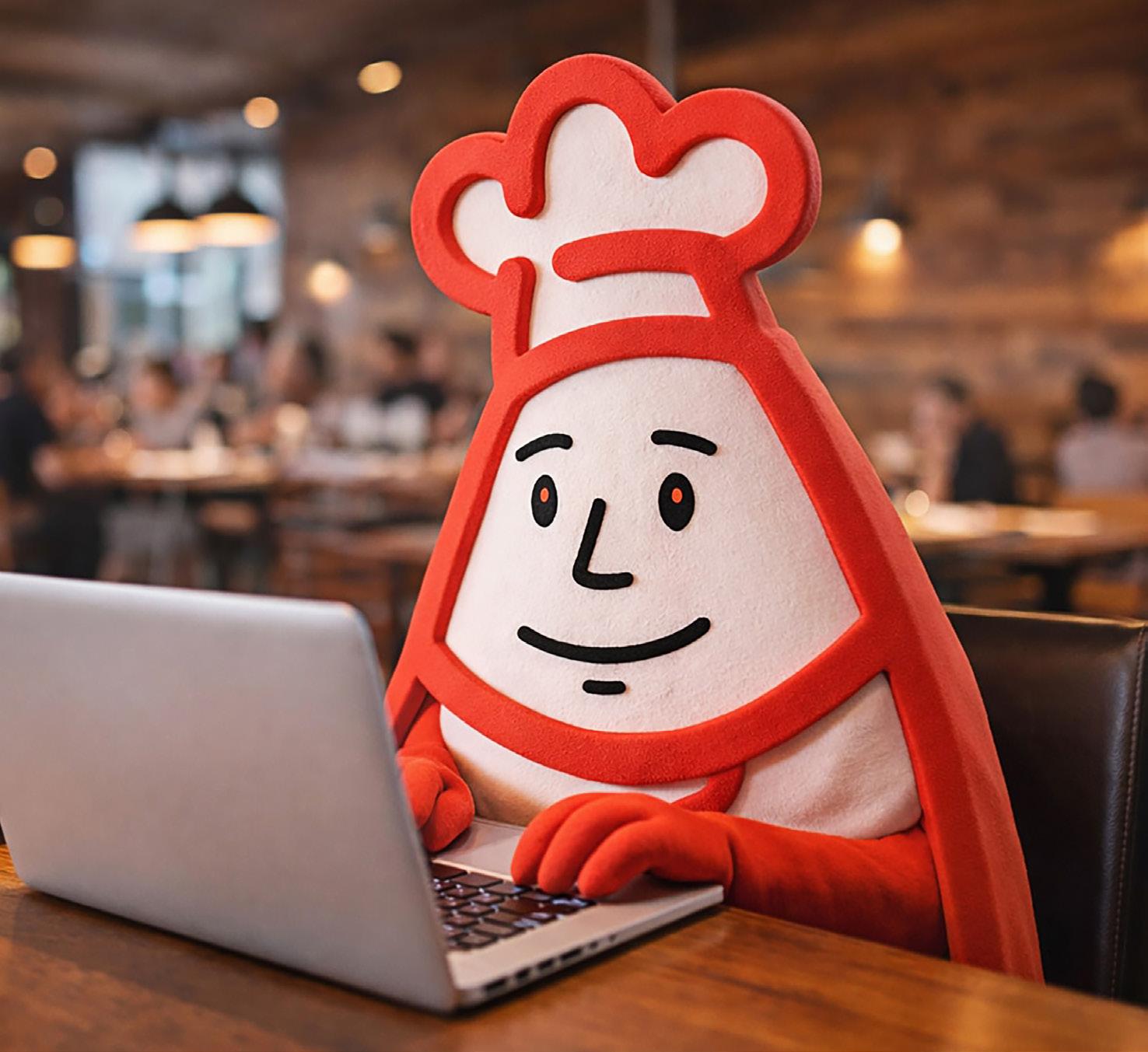
Khurshid describes the platform as a faster, simpler route to visibility, particularly for operators who need to move quickly.
“In the time it takes to boil an egg, you can set up a restaurant profile, tell the platform about your latest offers and send to a refined media database,” he says. “We believe it is the fastest, easiest and cheapest way to share restaurant stories with the most influential audiences.”
Beyond helping restaurants, ItsRaw.ai also addresses a familiar frustration for editors and media professionals. Too often, restaurant announcements arrive without the basic details needed to turn them into useful content. Timings, prices, locations, booking links and contact information can be missing, creating extra work for already stretched editorial teams. ItsRaw.ai structures submissions so that the key facts are included from the beginning, making it easier for media, bloggers and influencers to assess, write about or visit a venue.
The platform also reflects a broader shift in how restaurants think about visibility. Social media, paid ads, aggregator platforms and influencer collaborations remain important, but discoverability now goes beyond a single channel. Restaurants need to be visible on Google, searchable online and increasingly present in the information spaces used by AI platforms such as ChatGPT. ItsRaw.ai positions itself as a tool that supports that wider digital footprint.
For Khurshid, the platform is not intended to replace every part of a marketing strategy, but to give restaurants another practical route to reach audiences.
“Restaurants often struggle to create visibility,” he says. “ItsRaw provides these businesses with an alternative way to share content, to complement social media spend and aggregator activity.”
The founders bring a strong communications background to the project. Ivan-Duke is a former Sky broadcast journalist and has led in-house public relations for a FTSE 100 company, before moving to the Middle East to support the regional launches of brands including Airbnb and Savills. Khurshid, who was born and raised in Abu Dhabi, has more than 15 years of experience leading integrated marketing campaigns across hospitality, F&B and lifestyle, working with brands including Five Guys, Tashas Group and Taj Hotels, as well as acclaimed chefs and restaurants such as Joël Robuchon, Pierre Gagnaire, Il Borro, Hutong and 99 Sushi.
The name ItsRaw.ai takes inspiration from the idea of bringing raw ingredients together with the right technique to create something stronger. In this case, the ingredients are restaurant updates, offers, stories and details. The technique is the platform’s AI-assisted structure, media logic and distribution capability.
At a time when restaurants are being asked to do more with less, ItsRaw.ai is an example of the kind of idea that emerges when the industry is under pressure. It is practical, focused and born out of a clear problem: restaurants need visibility, but visibility often comes at a cost many cannot afford.
Not every crisis creates innovation. But the right kind of pressure can force the industry to look for smarter tools, leaner solutions and new ways to keep businesses moving. For UAE restaurants trying to stay present, relevant and discoverable, ItsRaw.ai may be one of those out-of-the-box ideas shaped by a very real moment of need.
Mezza: Turning credit into capital
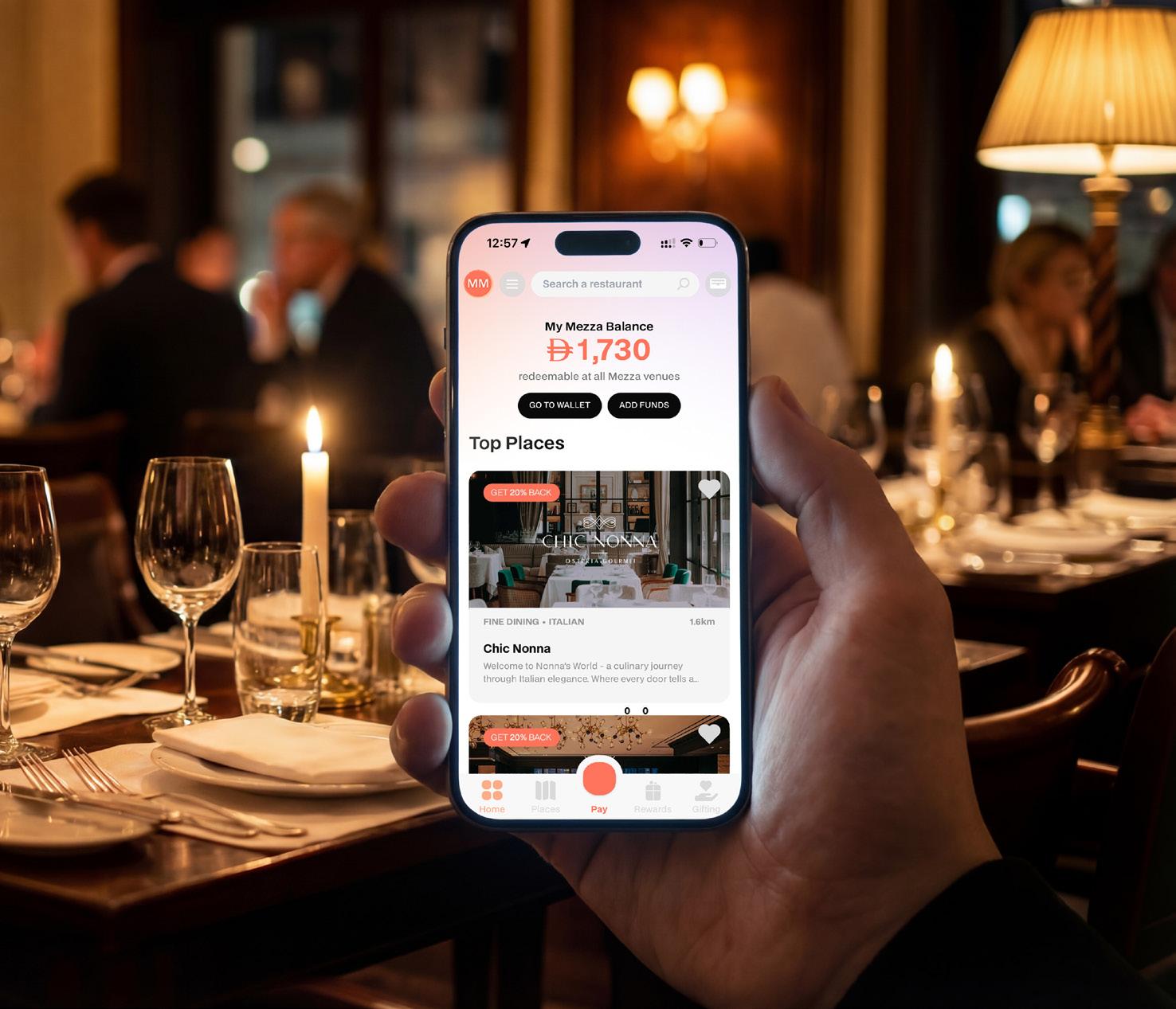
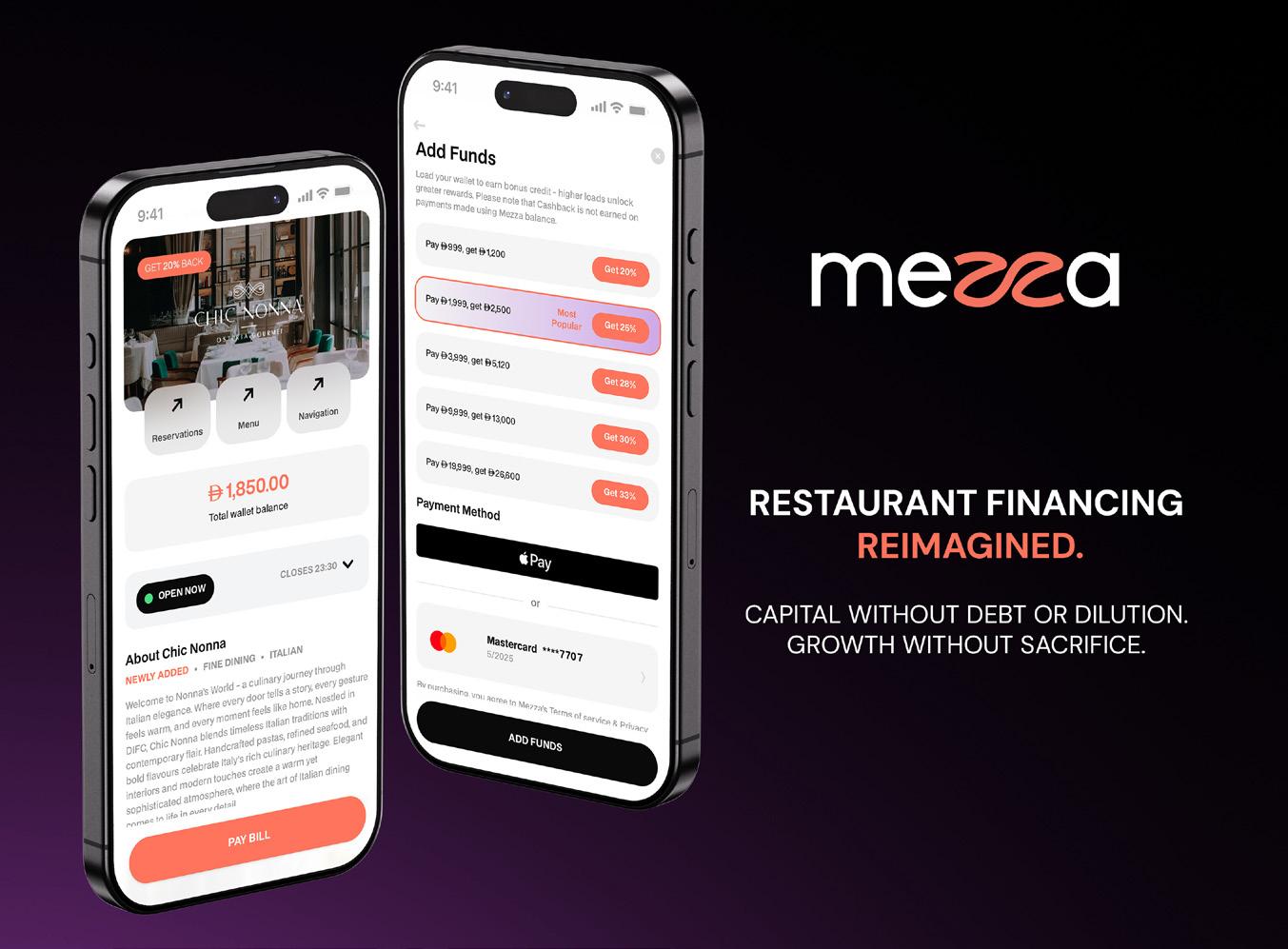
Another idea born in the pressure cooker of the past few months is Mezza, a new hospitality platform built around a simple but timely question: how can restaurants unlock cash flow without taking on debt, while still bringing more people through the door?
For operators across the UAE, the challenge is no longer only about creating great food or memorable experiences. It is about staying visible, maintaining steady footfall, protecting cash flow and finding practical ways to keep moving during a period of uncertainty. Mezza enters the market with a model designed to address two of the biggest pressures facing restaurants today: access to growth capital and the constant need to attract diners.
The platform gives independent restaurants and hospitality groups access to upfront funding in exchange for future food and beverage credit. Instead of a traditional loan, interest payments or giving away equity, restaurants are able to unlock immediate capital by selling F&B credit to Mezza at wholesale value. That credit is then distributed to app members and redeemed gradually over time, usually across a 12-month period.
In practical terms, it means restaurants can receive anything from AED 20,000 to AED 10,000,000 in capital to support operations, invest in growth or stabilise revenue, while also creating a pipeline of future customers. The model spreads the cost across the year and encourages repeat visits, helping venues generate more consistent traffic beyond the usual peak periods.
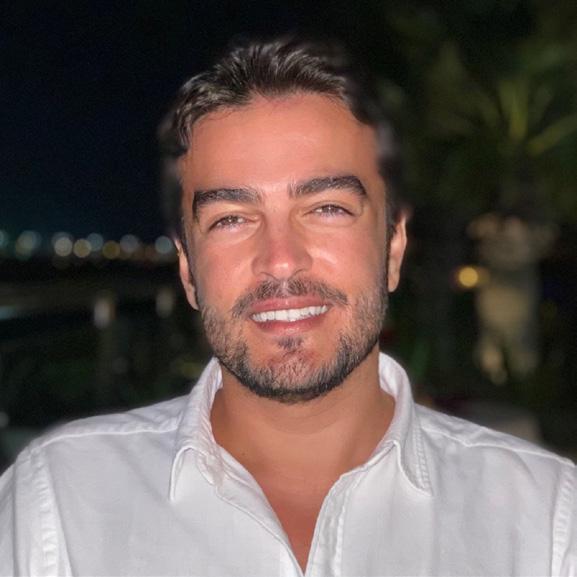
KEVIN BOUBLIL, Founder and CEO, Mezza
“Restaurants often face two major challenges: access to capital and the ability to consistently attract new customers,” said Kevin, Founder of Mezza. “Mezza was built to solve both. We provide funding without debt or dilution while helping restaurants bring more diners through their doors, not just on weekends, but throughout the year.”
Since launching, Mezza has already partnered with several notable hospitality names, including Gates Hospitality, Rosy Hospitality, Chic Nonna and Fab Food Co., with more concepts expected to join as the platform expands. Restaurants are selected based on quality, reputation and guest experience, with a focus on casual to fine dining.
The company has also closed a major Seed round, backed by high-profile investors including the founders of Property Finder and Jellysmack, as well as the chairman of Deel. The backing gives Mezza further momentum as it looks to scale its restaurant network and grow its member base.
For restaurants navigating a difficult market, the appeal is clear. Mezza is not just offering funding. It is offering a way to convert future demand into present-day support, while turning capital into customer traffic.
“Our goal is to empower restaurants to grow on their own terms,” added Kevin. “Independent operators often face challenges securing financing without giving up ownership. Mezza provides an alternative that supports both financial stability and consistent customer footfall, helping restaurants thrive in a competitive market.”
In a moment when the industry is being forced to think differently, Mezza feels like exactly the kind of out-of-thebox solution this market is starting to need.
“Mezza was built to solve both. We provide funding without debt or dilution while helping restaurants bring more diners through their doors, not just on weekends, but throughout the year.
In addition to new platforms and funding models, the past few months have also shown how quickly the industry can think on its feet when demand softens. Across the UAE, restaurants, cafés and support platforms are finding clever, practical and sometimes playful ways to keep customers engaged, drive visibility and create reasons for people to spend.
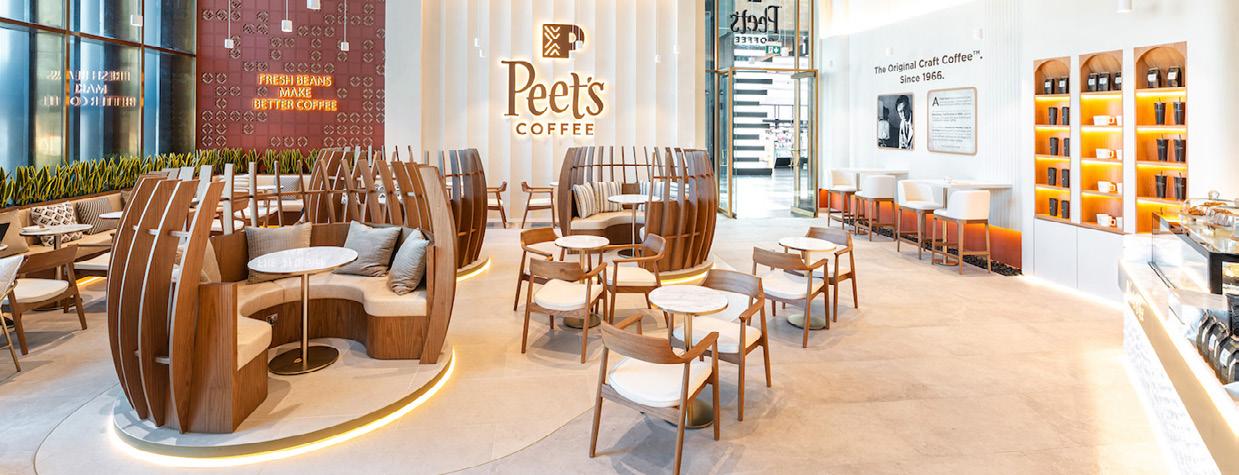
Turning a car plate into a coffee run
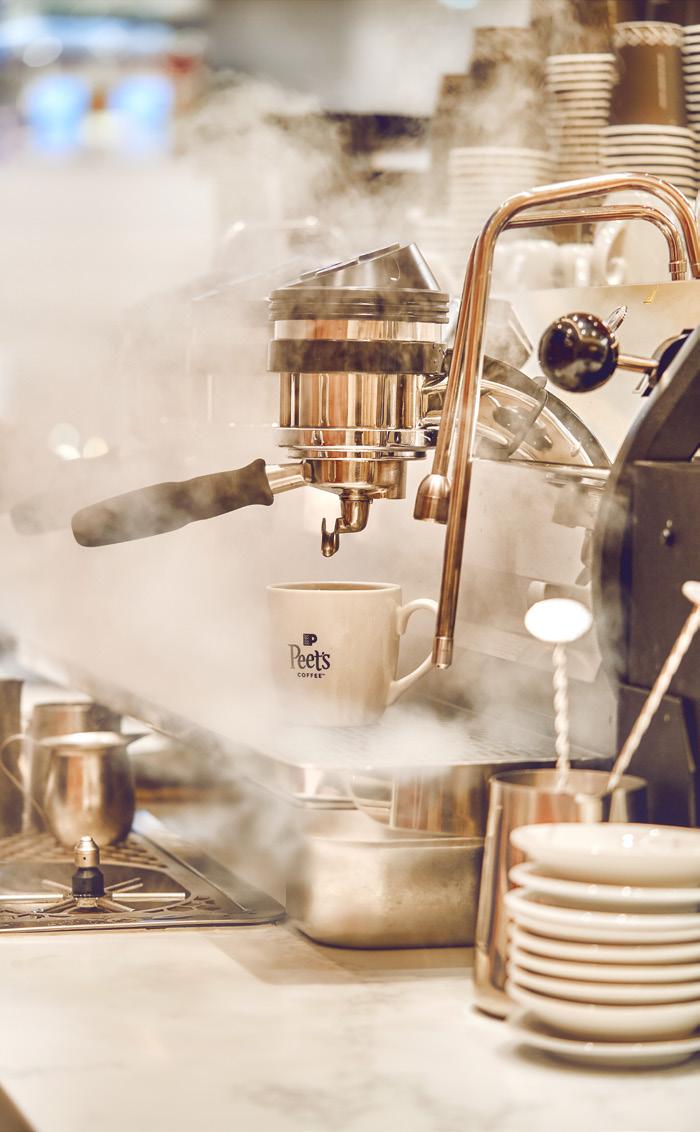
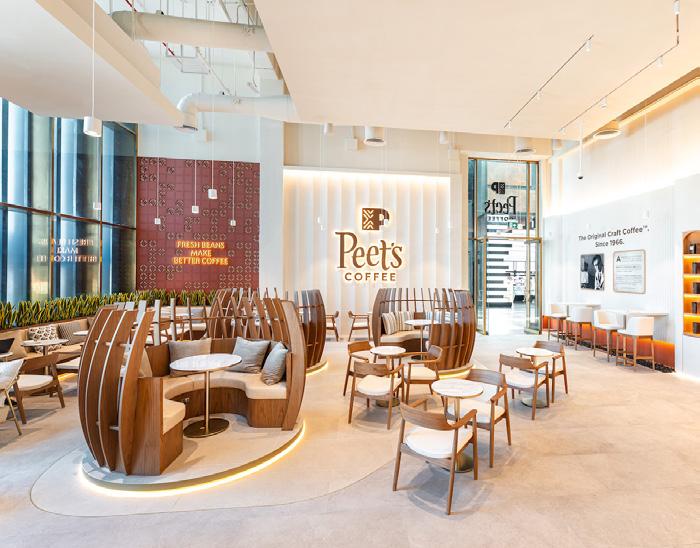
Peet’s Coffee brought back one of its more playful UAE promotions, using number plates as a way to drive footfall and create a sense of local fun. The idea was simple: customers could receive a discount based on the final two digits of their car number plate, turning an everyday detail into a reason to visit.
It is the kind of promotion that works because it feels very specific to the market. It is not just another generic discount. It taps into local culture, adds a small element of surprise and gives customers something easy to talk about. In a period where brands are competing hard for attention, Peet’s turned a coffee offer into a conversation starter.
Giving smaller F&B brands a bigger digital runway
Dubai SME’s partnership with noon Food is another example of support becoming more practical and targeted. The five-year agreement is designed to help Emirati-owned F&B businesses access delivery and digital marketplace infrastructure with fewer barriers, including waived onboarding fees and reduced commissions.
For smaller operators, especially those trying to protect revenue during slower periods, visibility on delivery platforms can be critical. But the cost of joining, operating and competing digitally can become another pressure point. This partnership gives local F&B businesses a stronger route to reach customers beyond their physical locations, while reducing some of the friction that often comes with scaling online.
A discount based on who you dine with
At Anna’s by Jimmydixs, the response to softer demand was more unconventional. The restaurant introduced a relationship-based discount, offering different savings depending on whether guests arrived with family, a wife, a girlfriend or in a larger group.
It was cheeky, attention-grabbing and deliberately built to get people talking. But behind the humour was a very real commercial instinct: to create a strong reason for diners to go out. The promotion turned a discount into a talking point, using personality as a way to pull people back into the dining room.
Together, these ideas show the smaller, sharper pivots happening across the market. Not every solution has to be a major platform, a funding model or a new business strategy. Sometimes, it is a smarter promotion, an easier route to delivery, or a creative reason to make people show up.
The new platform turning word of mouth into measurable revenue

Freedom International Group has launched FIRSTLINE in the UAE, introducing a new hospitality technology platform designed to support premium restaurants and venues with a more measurable approach to growth.
Backed by up to AED 10 million in investment, FIRSTLINE has been created to help restaurants connect guest engagement, loyalty, social influence and revenue in one performance-based model. Launching first in the UAE, the platform enters the market with a clear focus on the country’s premium hospitality sector and aims to give operators a smarter way to drive visibility, repeat visits and measurable business results.
FIRSTLINE is built at the intersection of technology, business intelligence and modern consumer behaviour. The platform enables venues to unlock revenue through customer engagement, social influence and loyalty mechanics that are directly tied to performance. As customer acquisition costs continue to rise, and traditional influencer marketing becomes harder to measure, restaurants are increasingly looking for alternatives that are more accountable and commercially clear.
This is where FIRSTLINE positions itself. Rather than working as a traditional marketing platform or standard loyalty tool, it operates as what the company describes as a next-generation loyalty and visibility
layer. The platform sits on top of a venue’s existing ecosystem, connecting guests, their networks and the venue itself in a closed-loop model. Within that model, value moves from spend to rewards to repeat visits, keeping the commercial benefit within the venue network.

According to the company, FIRSTLINE does not create additional cost layers for restaurants. Loyalty is funded through existing revenue allocation and, once rewards are redeemed, that value is processed back as revenue within the venue. The result is designed to be a self-sustaining economic loop, rather than a separate marketing expense.
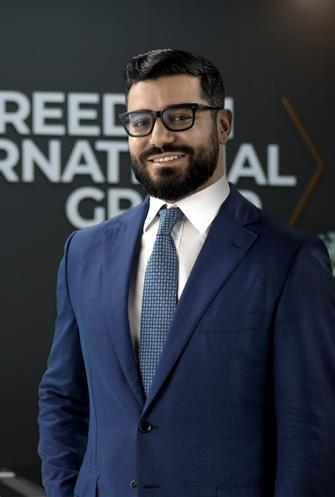
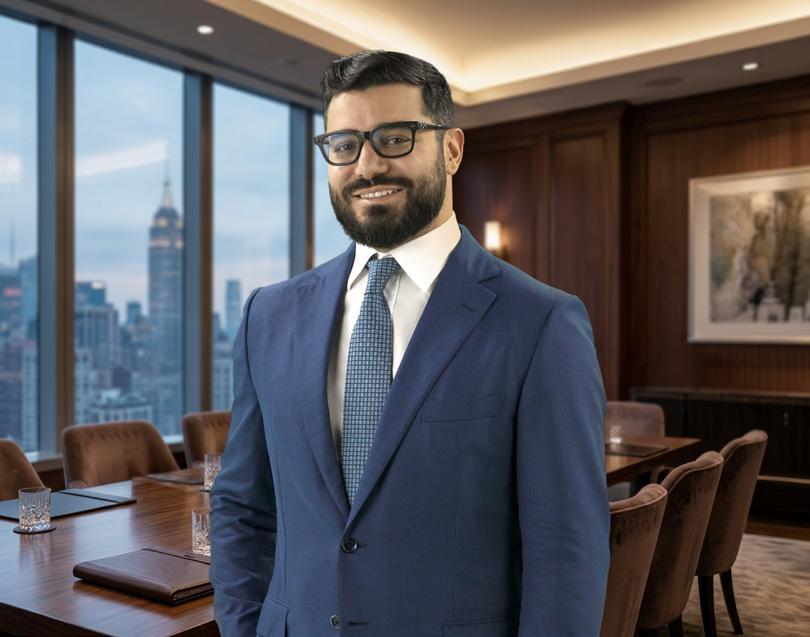
NAREK SIRAKANYAN, CEO of Freedom International Group
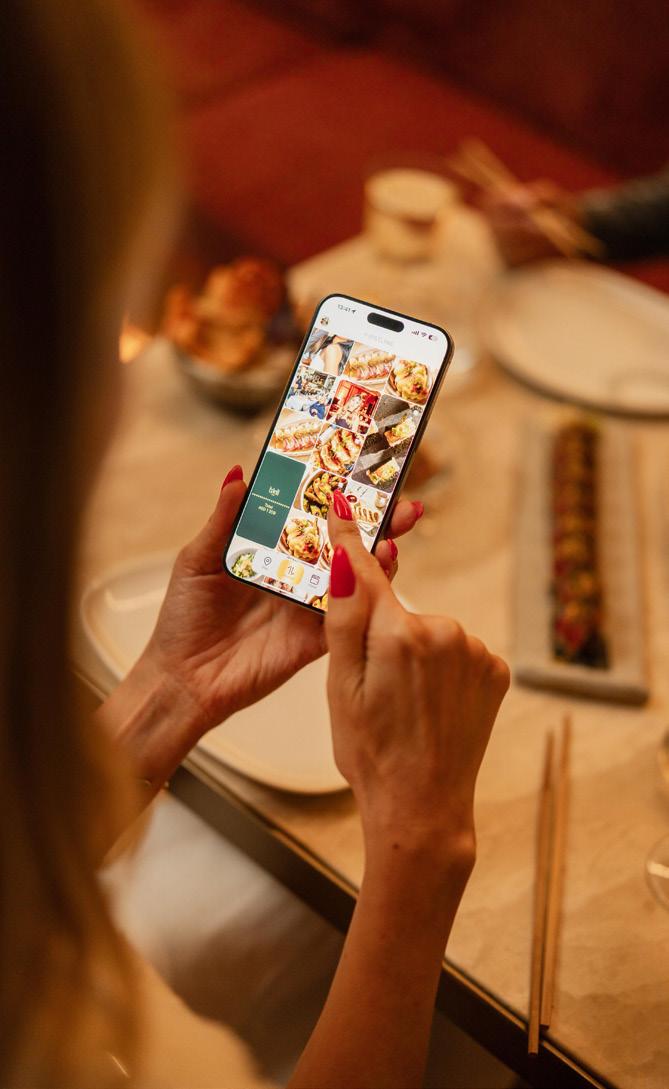
A key part of the platform’s structure is its integration with SevenRooms, the reservation and guest experience platform used by many premium hospitality brands. Through this integration, FIRSTLINE connects directly into a venue’s existing operational stack, allowing restaurants to activate the platform without disrupting reservations, guest data or day-to-day service operations. This is intended to create a smooth experience for both operators and guests, while enabling accurate tracking of visits, spending and rewards.
The platform is backed by Freedom International Group, an Austrian company with USD 2.5 billion in assets under management and a focus on pharmaceutical, technology, hospitality and financial services. FIRSTLINE was developed by the Sessia IT development team and combines advanced technology with a commercially driven approach designed specifically for modern hospitality.
Built with operators in mind, FIRSTLINE has been designed to address some of the commercial challenges restaurants are currently facing. Instead of asking venues to commit to fixed marketing budgets or take on additional operational complexity, the platform offers a fully managed, plug-and-play model. Venues invest when real visits and spend are generated, while implementation is handled by the FIRSTLINE team.
This means that restaurants can activate the platform without placing additional pressure on venue staff. FIRSTLINE provides real-time tracking, automated rewards and full visibility through a dedicated CRM dashboard, giving operators a clearer view of how guest behaviour translates into business performance.
Freedom International Group is also supporting the rollout with significant investment. The group has committed up to AED 10 million to support FIRSTLINE’s expansion and partner venues through launch activations, premium content production, ambassador programmes and sustained marketing initiatives. These activities are designed to generate measurable traffic, visibility and guest acquisition for the venues that join the platform.
FIRSTLINE introduces two core reward mechanisms: VIP Credits and Royalties. VIP Credits allow guests to earn rewards based on their spend, encouraging repeat visits. Royalties reward the social influence between diners, turning word of mouth into a structured and trackable acquisition channel. Every visit, referral and reward is attributed through the platform, giving operators insight into how guest behaviour contributes to measurable business results.

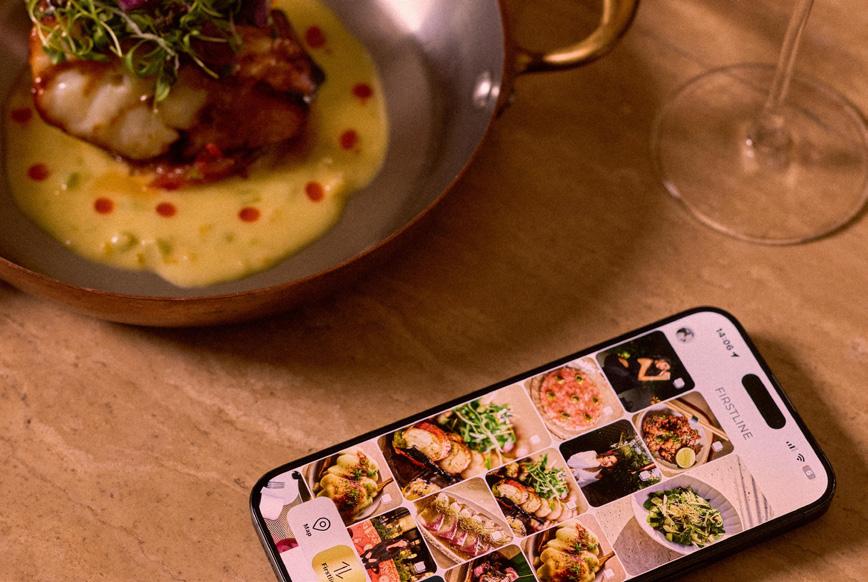
Speaking about the launch, Narek Sirakanyan, CEO of Freedom International Group, said: “Hospitality today is no longer just about attracting guests, it is about understanding and amplifying the behavior that already exists within your clientele. With FIRSTLINE, we are turning private influence into a structured and measurable growth channel, while giving venues full control over how they invest and scale. What makes this especially powerful is that we are not entering the market as a passive
platform. We are backing operators with significant investment across launch support, high impact activations, premium content and sustained visibility initiatives designed to create real traction, real demand and real commercial momentum. Dubai is the ideal market for this, where dining and social connection are deeply intertwined.”
As part of its Dubai rollout, FIRSTLINE is targeting a curated group of approximately 20 to 25 of the
SCOTT MESSIAH, Director of Operations, Sunset Hospitality Group
city’s premium hospitality venues. The focus is on building a network defined by quality, positioning and guest profile, rather than scale alone. Of these venues, five are expected to come from Sunset Hospitality Group, reinforcing the platform’s early traction among established hospitality operators.
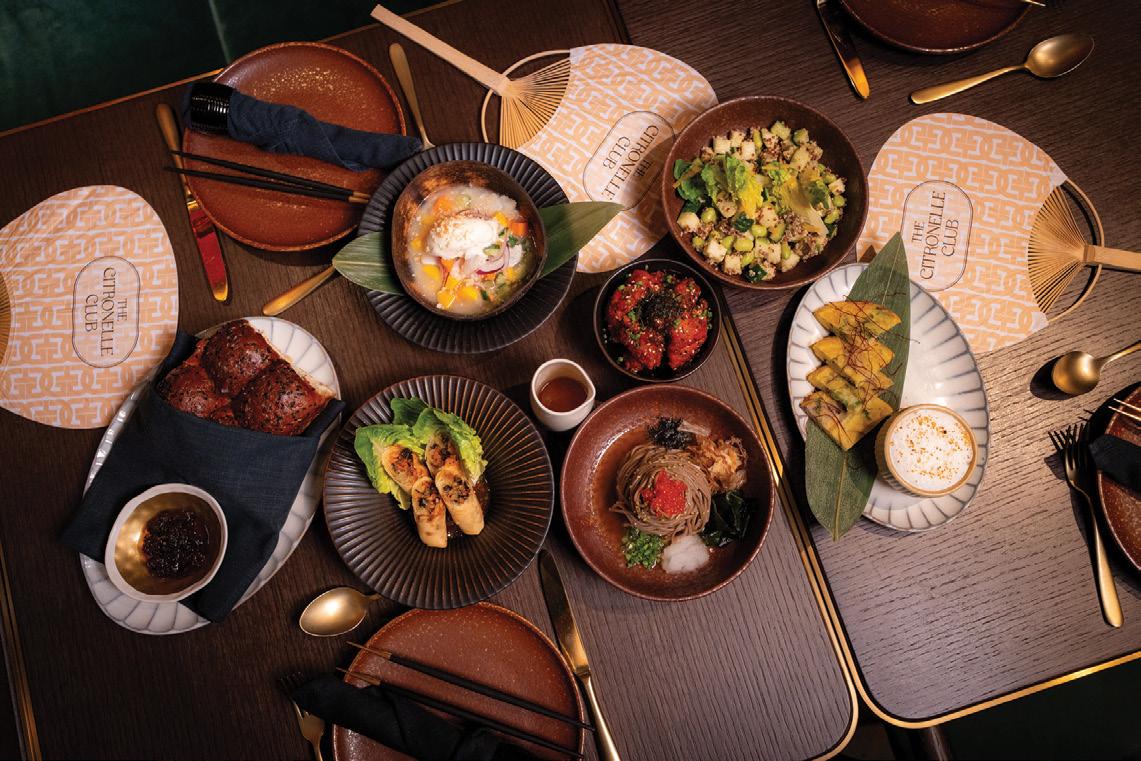
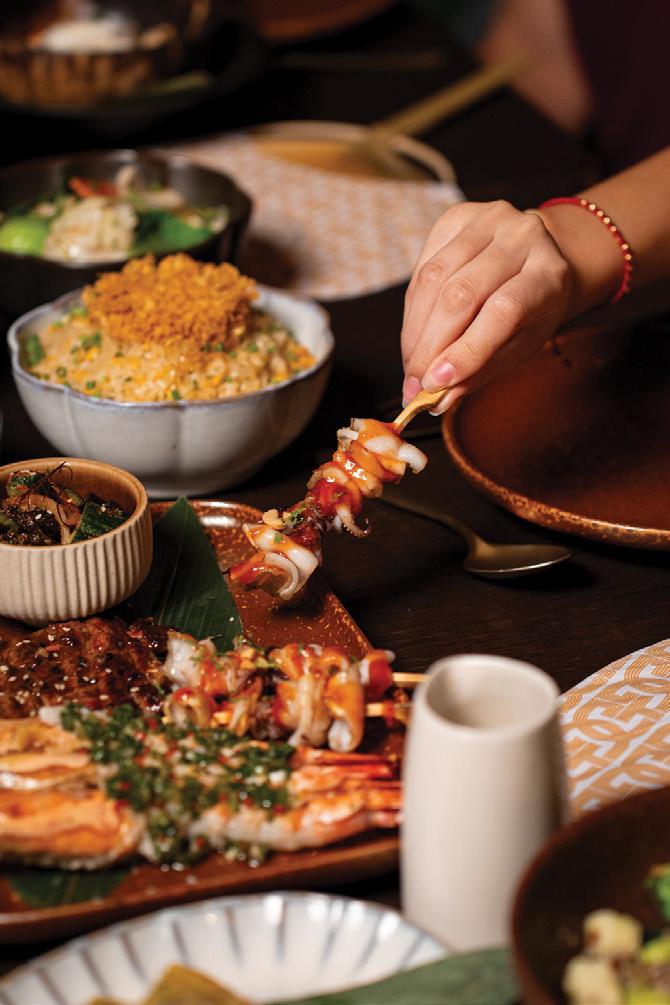
Bâoli is the first restaurant to be onboarded onto the platform, marking the beginning of FIRSTLINE’s wider expansion across Dubai’s premium dining landscape.
Scott Messiah, Director of Operations at Sunset Hospitality Group, said: “FIRSTLINE is built with operators, for operators. It has been designed to integrate seamlessly into the existing rhythm of a venue while creating a more efficient and sustainable path to growth. From repeat visits to increased spend and stronger guest relationships, it gives restaurants a practical model that works commercially and operationally.”
With its launch in Dubai, FIRSTLINE is aiming to build a curated network of high-calibre hospitality partners, selected according to their positioning, clientele and overall guest experience. Rather than chasing scale at any cost, the platform is focused on creating a premium ecosystem where the right venues, audiences and growth mechanics come together in a commercially meaningful way.
As the UAE continues to shape global hospitality standards, FIRSTLINE is positioning itself as a modern growth engine for restaurants looking to strengthen performance, deepen guest relationships and build long-term relevance in one of the world’s most active dining markets.

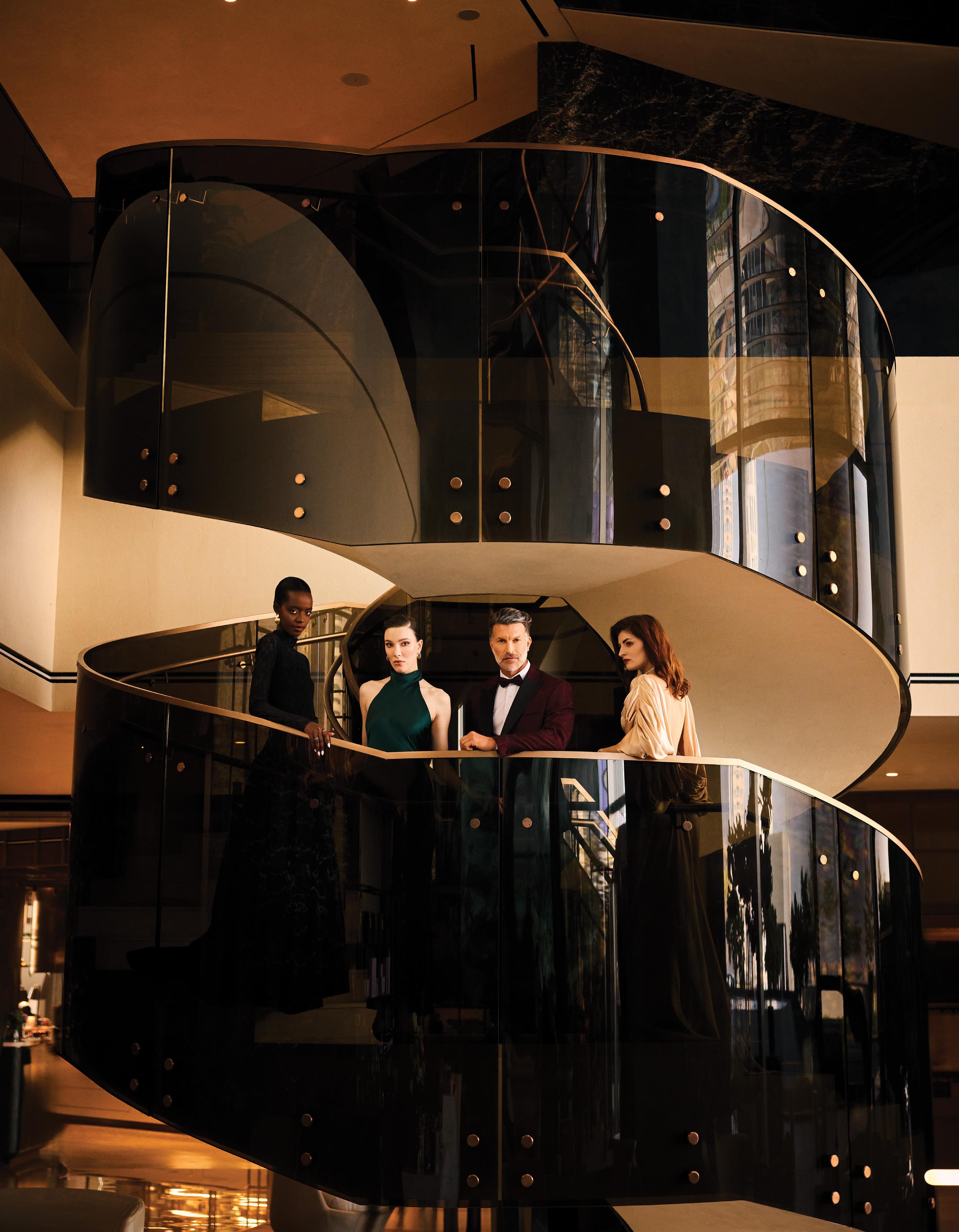
A Century Shaped by
DESIGN
As Sheraton Grand London Park Lane approaches its centenary, General Manager Jason Pinchbeck reflects on preserving its Art Deco design legacy, reimagining icons like Palm Court, and shaping a modern luxury experience for today’s global traveller in Mayfair.
Having led several prestigious properties, what makes Sheraton Grand London Park Lane uniquely special to you, both historically and operationally, within London’s competitive luxury hospitality landscape?
Sheraton Grand London Park Lane is truly one of London’s most distinctive hotels because it represents an authentic piece of the city’s hospitality heritage. Originally opened in 1927, the hotel remains one of the finest examples of Art Deco architecture in London, and it has long served as a social hub for generations of guests, from socialites to international travellers.
What makes it particularly special is the balance between its historic character and its ability to remain relevant within today’s luxury market. Operationally, we focus on delivering contemporary service and experiences while preserving the personality and heritage that make the property unique. Being located in Mayfair, overlooking Green Park and within walking distance of London’s most iconic landmarks also allows us to offer guests an experience that feels both authentically London and globally refined.
As the hotel approaches its centenary, how do you balance preserving its celebrated Art Deco heritage while continuously modernising the guest experience for today’s global traveller?
Preserving the heritage of Sheraton Grand London Park Lane is central to our identity, particularly as we approach the hotel’s centenary. At the same time, we recognise that modern luxury travellers expect comfort, innovation and personalised experiences. Our approach is to respect the original architectural character while carefully evolving the guest experience.
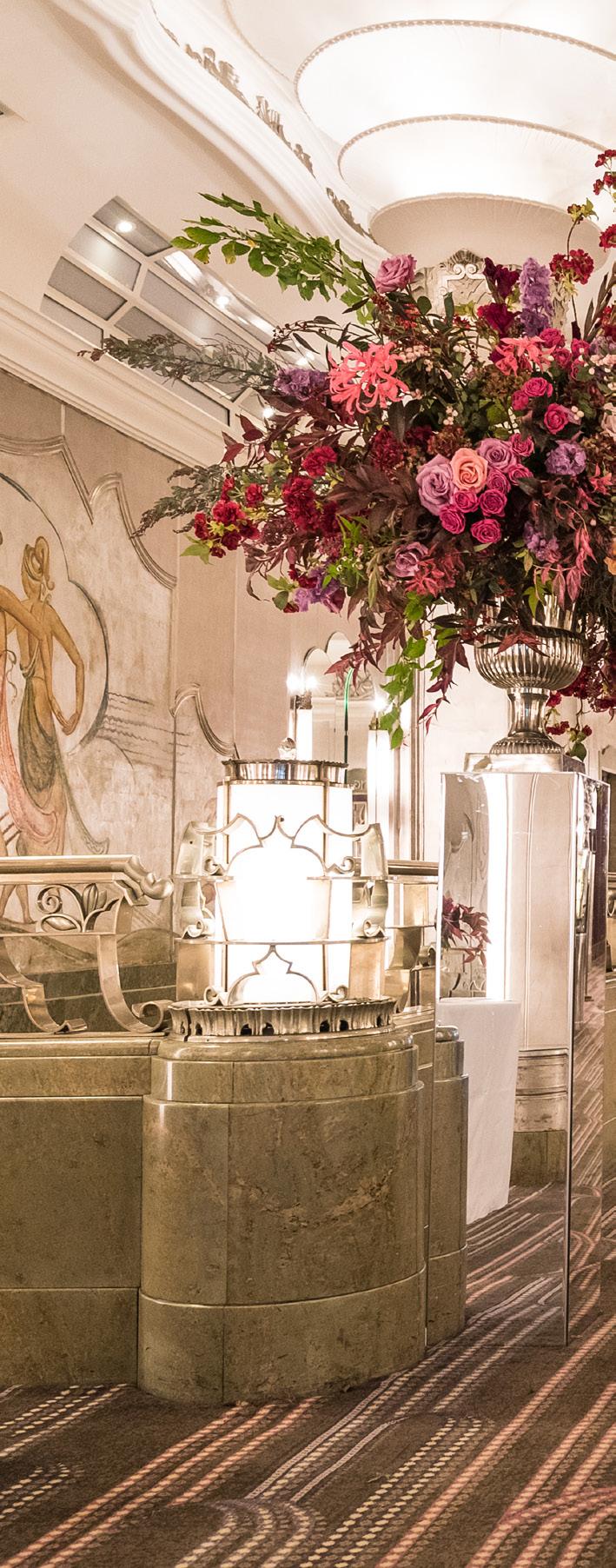
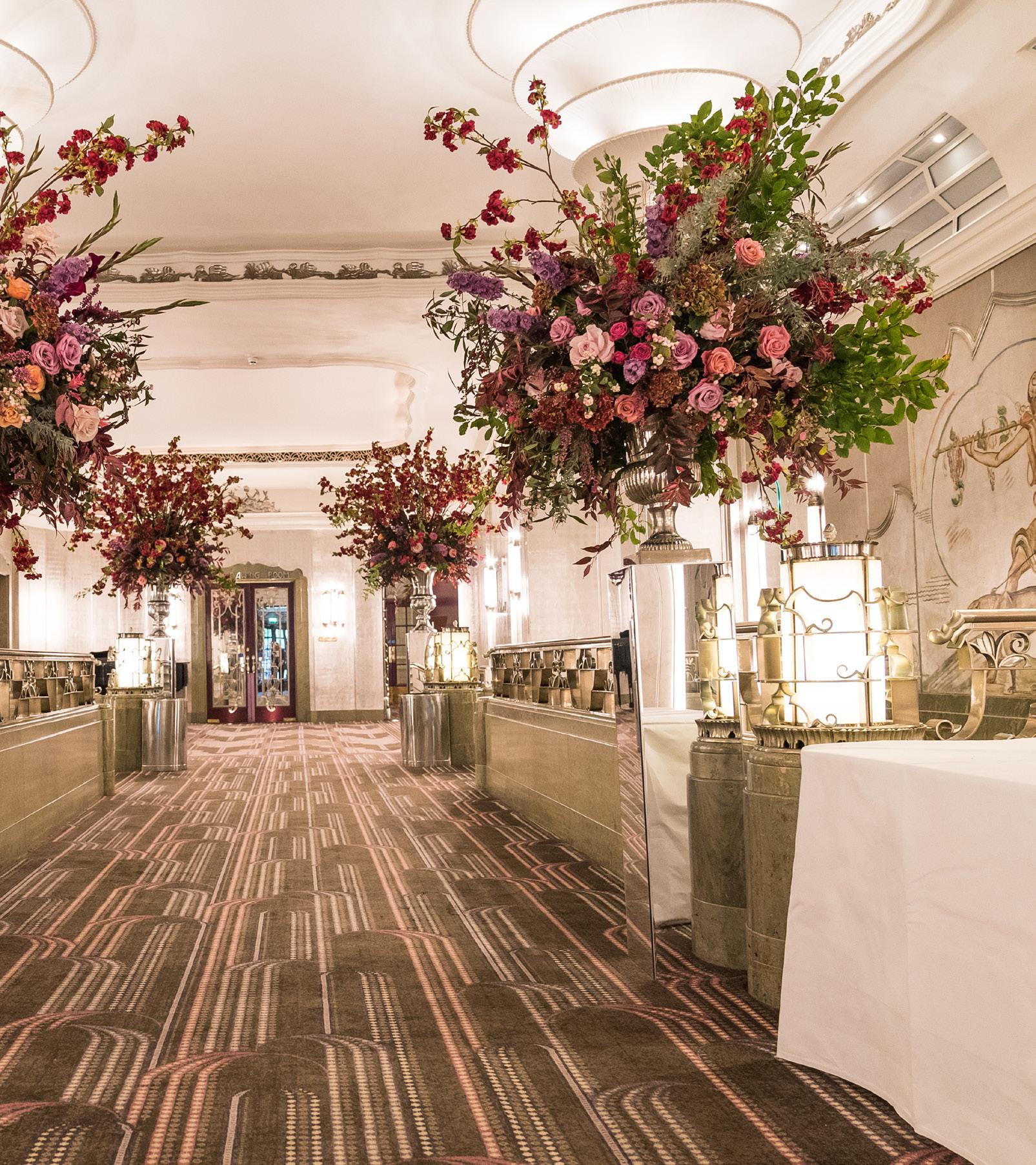
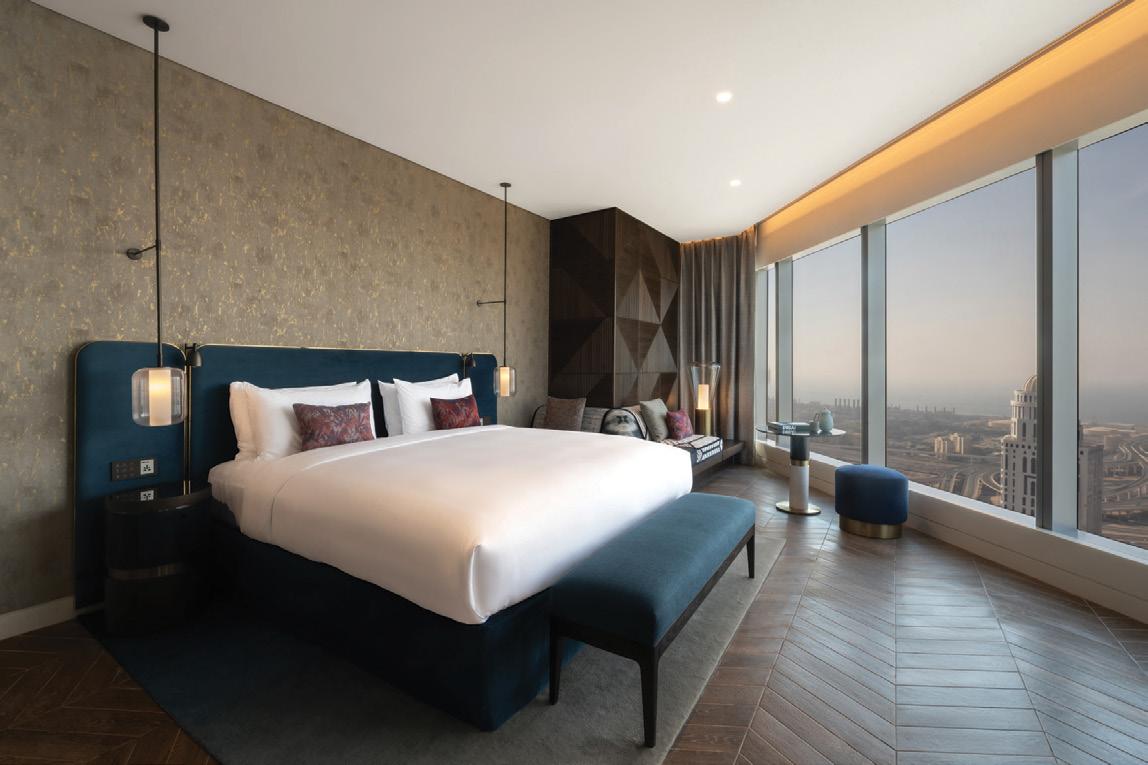
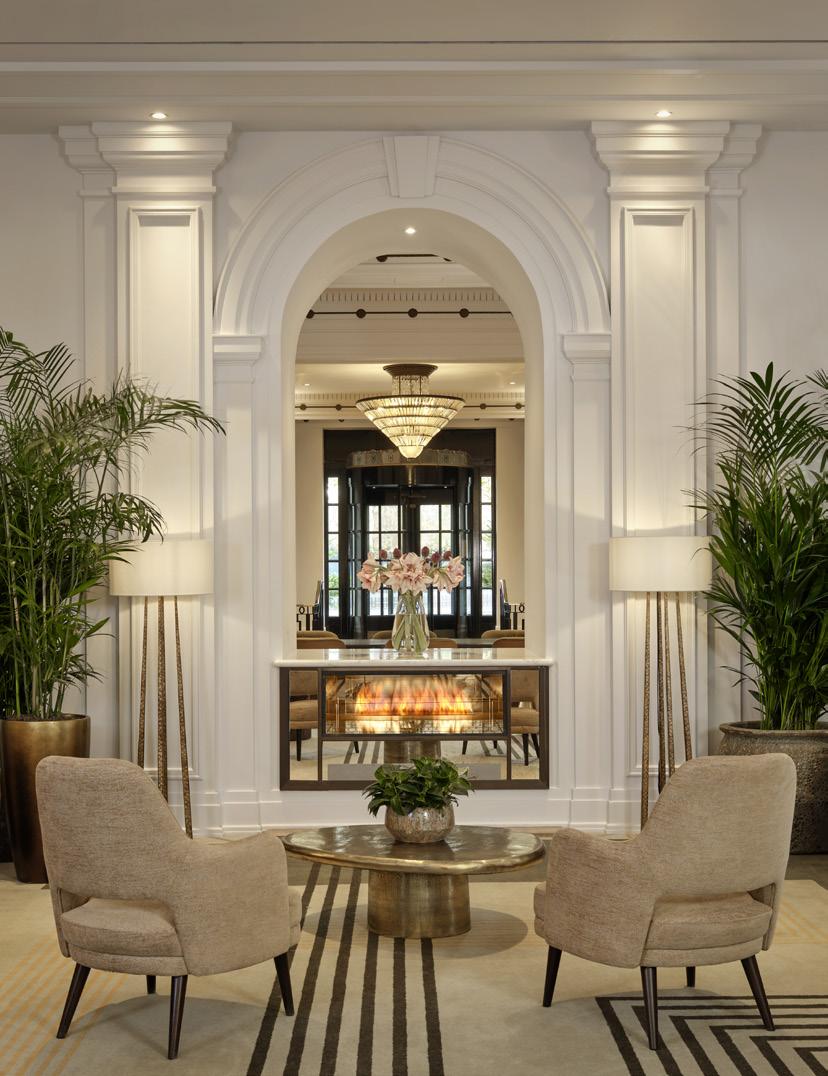
For example, our guest rooms were redesigned to reflect the elegance of the Art Deco era while incorporating contemporary comforts and amenities. More recently, the renovation of Palm Court demonstrates how heritage spaces can be reimagined for today’s guests while maintaining the glamour and design language of the 1920s. It is about honouring the past while ensuring the hotel continues to feel vibrant and relevant.
The Palm Court renovation beautifully reinterprets 1920s glamour — what was your strategic vision behind this transformation, and how does it elevate the hotel’s social identity?
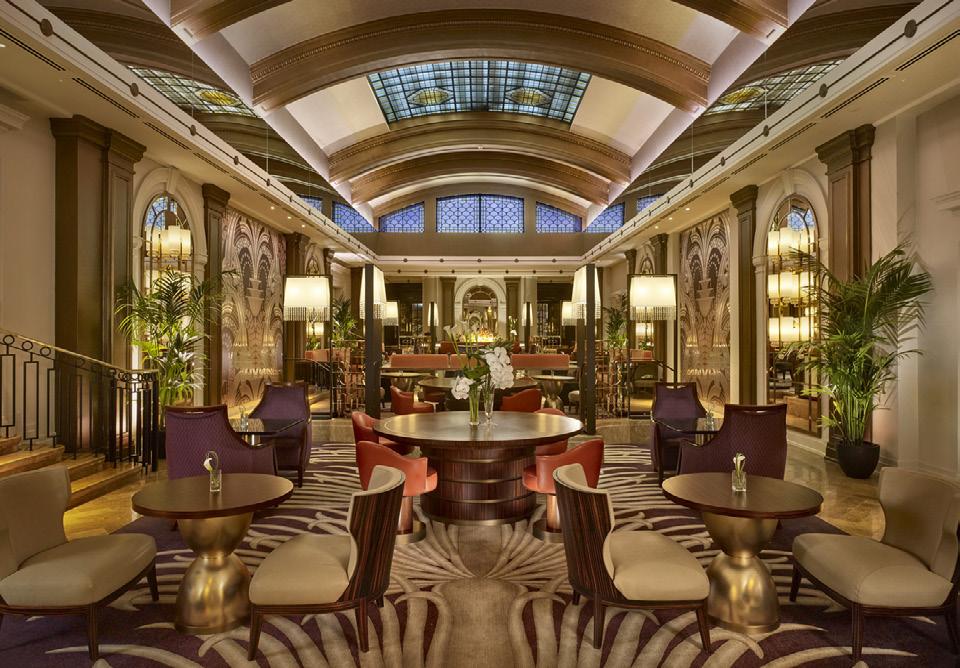
Palm Court has always been the social heart of the hotel, and our vision was to revitalise that spirit while celebrating its historic design. The renovation was led by Areen Design and draws heavily on Art Deco influences, including brass detailing, rich textures and geometric design elements inspired by textile designer Marion Dorn.
The restored stained glass dome remains the centrepiece of the space, allowing light to flood the lounge and reinforcing the elegance of the room. The aim was to create a setting that feels both timeless and contemporary, encouraging guests to gather, socialise and enjoy experiences such as afternoon tea, cocktails and live piano performances.
In many ways, the transformation allows Palm Court to continue its legacy as a vibrant meeting place in Mayfair while appealing to a new generation of international guests.
With Mayfair constantly evolving, how does the hotel maintain relevance among discerning international and Middle Eastern guests seeking both heritage and contemporary luxury?
Mayfair is one of London’s most dynamic and prestigious neighbourhoods, and our role is to offer an experience that reflects both its heritage and its modern lifestyle. Guests today, particularly from markets such as the Middle East, are looking for authentic experiences alongside contemporary luxury.
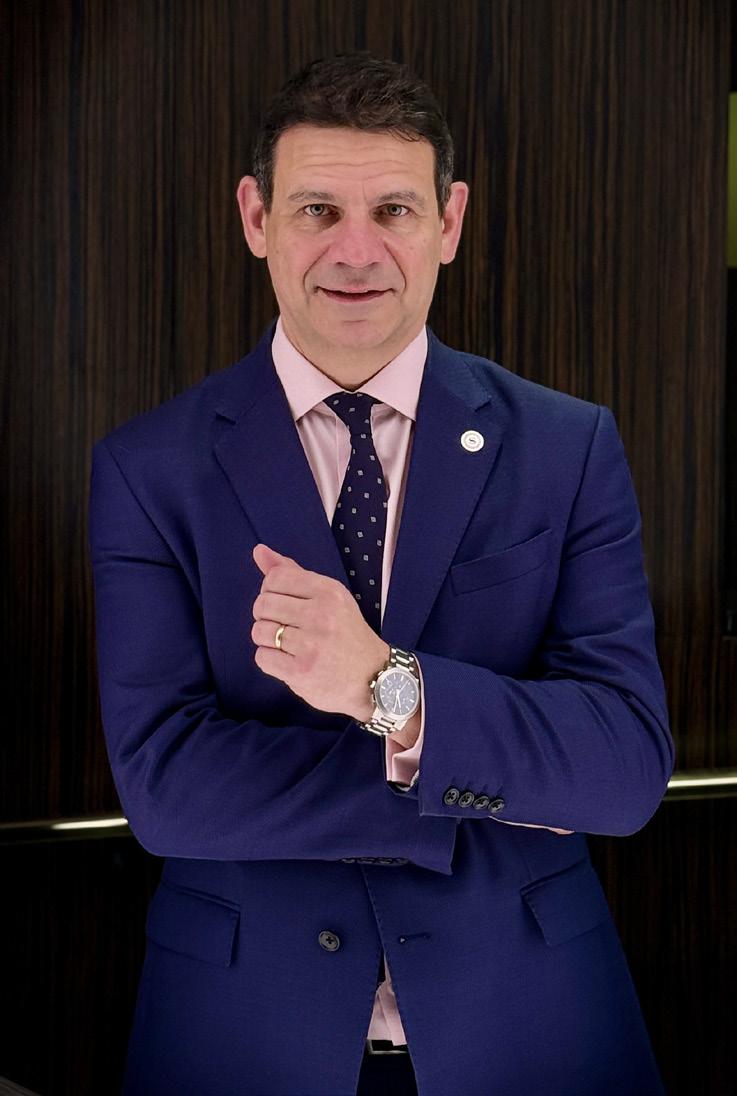
Our approach is to provide a sense of place through design, service and gastronomy while ensuring every aspect of the guest journey feels modern and personalised. The location itself is a major advantage, with immediate access to luxury shopping, cultural landmarks and the West End. At the same time, we continuously evolve our food and beverage concepts and guest experiences to ensure the hotel remains relevant for both returning guests and first-time visitors to London.
“Palm Court reimagined, where Art Deco elegance meets contemporary design in a timeless Mayfair setting.
JASON PINCHBECK, General Manager, Sheraton Grand London Park Lane
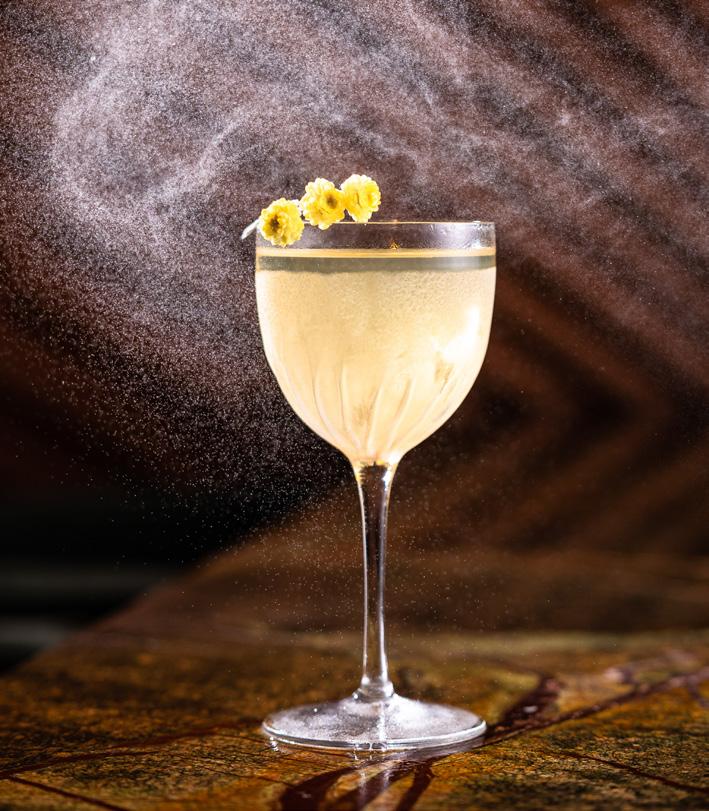
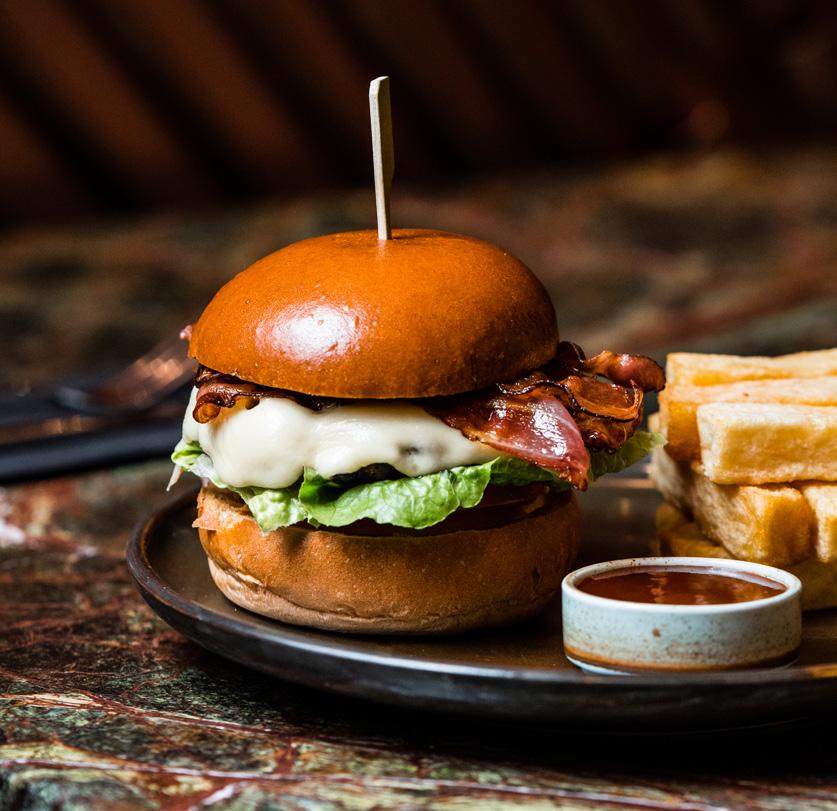
You previously led iconic luxury hotels — how has your leadership philosophy evolved, and how do you apply those lessons at Sheraton Grand London Park Lane?
Over the years, my leadership philosophy has increasingly focused on people, authenticity and creating a strong sense of culture within the hotel. Luxury hospitality is ultimately about human connection, and the most successful properties are those where teams feel empowered to deliver genuine service.
My experience across several prestigious hotels has taught me the importance of balancing operational excellence with creativity and personality. At Sheraton Grand London Park Lane, this means encouraging our teams to embrace the hotel’s heritage while continuously finding new ways to enhance the guest experience.
Culinary experiences are central to a hotel’s identity — how do Executive Chef James Dugan and the wider team contribute to positioning the property as a dining destination?
Our culinary team plays a fundamental role in shaping the identity of the hotel. Executive Chef James Dugan brings over two decades of experience within luxury hospitality and has a strong understanding of both classic and contemporary dining.
Under his leadership, the culinary team focuses on creating experiences that reflect the personality of each venue within the hotel. Mercante offers an inviting Italian dining
concept inspired by the energy of traditional markets, while Palm Court delivers a refined yet relaxed setting for afternoon tea and cocktails. The team’s ability to combine creativity with high-quality ingredients ensures that our dining venues appeal to both hotel guests and local Londoners.
Afternoon tea at Palm Court is considered one of London’s finest — how do you ensure it remains authentic to tradition while continuously innovating?
Afternoon tea is a deeply rooted British tradition, and maintaining authenticity is essential. At the same time, guests today appreciate creativity and storytelling within the experience.
With the reopening of Palm Court, our pastry team has developed an afternoon tea that celebrates the glamour of the Art Deco era while staying true to the classic structure of the tradition. Elements such as the Golden Lemon Meringue Dome, inspired by the stained glass ceiling, bring a visual and narrative dimension to the menu.
The goal is to honour tradition while allowing the experience to evolve through design, flavour and presentation.
As part of Marriott International, how do global brand standards integrate with the individuality and historic character that define Sheraton Grand London Park Lane? Being part of Marriott International provides a strong global framework in terms of service standards, technology and operational expertise.
However, each property within the portfolio has its own identity, and that individuality is incredibly important. At Sheraton Grand London Park Lane, we embrace Marriott’s commitment to excellence while ensuring the hotel’s Art Deco heritage and personality remain central to the guest experience.
The goal is to combine the reliability of a global brand with the authenticity of a historic London landmark.
The hotel has long been a gathering place for socialites and cultural figures — how do you cultivate that same vibrant social energy in today’s hospitality environment?
Hospitality today is very much about creating spaces where people naturally come together. Historically, Sheraton Grand London Park Lane has always been a place where guests, locals and cultural figures gathered, and we continue to build on that legacy.
Spaces like Palm Court are designed to encourage social interaction, whether through afternoon tea, cocktails or live piano evenings. By combining atmosphere, design and engaging experiences, we create an environment that feels lively and welcoming while staying true to the hotel’s social heritage.
Looking ahead to 2027 and the hotel’s 100-year milestone, what legacy do you hope to shape during your tenure as General Manager?
As we approach the centenary, my goal is to ensure Sheraton Grand London Park Lane remains both a celebrated historic landmark and a modern destination for international travellers.
The renovation of Palm Court is an important step in this journey, as it demonstrates how we can honour the past while evolving for the future. Ultimately, the legacy I hope to shape is one where the hotel continues to be recognised as one of London’s most distinctive Art Deco hotels, offering exceptional service, memorable experiences and a sense of place that guests remember long after they leave.

3 Global Brands. 55,000+ Attendees. One Marketplace. Where Leisure, Luxury, Travel Tech and Business Events converge to drive innovation and growth across global travel & tourism.


“Silence is a position. Presence is a position.

MARJORIE CHAPAS, Head of PR, Umami Comms
no one was ready for The Shift
The F&B and hospitality sector sits at the heart of the UAE’s identity. Over the past few years, the market has experienced exceptional growth, with brands from around the world actively looking to invest in the UAE, drawn by its stability, growth, and global appeal. Dubai, in particular, has become one of the most dynamic hospitality hubs globally.
Which is why the speed of the recent shift has been so striking.
A system tested overnight
When the US–Israel–Iran conflict escalated, the impact on the market was immediate, the entire ecosystem felt it: hotels, restaurants, and bars. What surprised me most was not the impact itself, but the pace at which contingency measures were rolled out. Team reductions, employees placed on unpaid leave, and operational restructuring, not over months, but within just a week or two.
That speed raises a question worth sitting with: when a system reacts this fast, what does it tell us?
From panic to adaptation
The first phase, for a few days, was a moment of pause, as both consumers and operators tried to understand the situation. That uncertainty carried through the final stretch of Ramadan. Eid then brought a rebound: a window of optimism that the industry moved quickly to capitalise on.
And now, we are in a phase of a new normal with weekby-week navigation, continuous movement, and real-time recalibration. Within that movement, something important is happening: operators are learning fast. Adaptability has always been a core skill in this market, and operators with strong experience in the UAE are able to adapt faster than others.
Back to promotional marketing, and the power of community
The industry has made a clear strategic pivot: from brandbuilding to immediate demand generation. The most visible sign is the return of promotional marketing. Postpandemic (Covid) the market had moved decisively toward premiumisation, elevated experiences, reduced discounts, stronger positioning. That trend is now reversing. Operators are reintroducing offers to drive footfall: discounted dining experiences, and staycation packages. Several brands have moved particularly fast. Atlantis, for example, introduced free daily access to Aquaventure World and The Lost Chambers Aquarium for 10 days, bringing immediate energy back into the market. The ENTERTAINER also
launched a highly successful campaign, extending 100,000 free memberships. Talabat went further, stepping beyond promotion into structural support by offering 100 rent-free cloud kitchen spaces to homegrown restaurant brands.
Are these strategies sustainable long-term? No. But they did something important: breaking the psychological barrier of staying home, getting people back out and keeping the ecosystem alive.
Alongside this, consumers are actively choosing to support local, homegrown brands. Industry voices are amplifying this movement and the response has been real and visible. This is a reflection of the deeper role hospitality plays in this country.
Communication must be intentional
The instinct for some brands has been to go quiet, wait, and re-emerge when conditions feel safer. I understand it, but I believe that brands which pull back on communication during periods of uncertainty are not protecting themselves; they are disappearing. And disappearing has a cost that doesn’t show up immediately, but later, in weakened relationships, in audiences that have moved on, as life goes on.
Silence is a position. Presence is a position.
In this “new normal” phase, this is precisely the moment to stay connected, not too commercially, but meaningfully. To show your audience that you are present, and that you remain relevant in their lives.
What I caution against, however, is the reflex of uniform advisory. The assumption that one approach, one type of content fits every brand in the market right now is a mistake. A homegrown, community-rooted concept would have a different approach than an international group. Each brand must go back to its core identity and ask a question: what is our role right now? The brands that can answer that with clarity, and communicate accordingly, will emerge from this period in a meaningfully stronger position than those that went dark and hoped for the best.
We are together
One last thing: no one is navigating this alone. The ecosystem is shared, operators, agencies, media, suppliers, consumers. How each part of it chooses to show up right now shapes the whole. This is a moment for alignment, not isolation. To support one another, to stay measured, and to keep moving forward together. Because how we act now will define not just how we get through this, but how we come out of it.
BARS DISAPPEARING
In hospitality, the most memorable experiences are often the ones guests cannot easily repeat. They are the dinners that happen once, the rooms that are opened for one night only, the places people hear about after they have already gone. That sense of rarity is exactly what sits behind Fairmont Hotels & Resorts’ Disappearing Bars series, a pop-up cocktail concept built around surprise, scarcity, storytelling and transformation.
The idea is simple, but effective. A Disappearing Bar takes an unexpected space inside a hotel, usually somewhere guests would never normally see, and
turns it into an immersive bar for a very limited time. There is no permanent venue, no long-term fixture and no predictable setting. Instead, the concept appears briefly, creates a moment, and then disappears.
It is a format that speaks directly to how luxury hospitality is evolving. Guests are no longer only looking for polished dining rooms, well-designed bars and flawless service. Increasingly, they want access, discovery and a story they can feel part of. The Disappearing Bar taps into that appetite by offering something temporary, intimate and deliberately hard to access. It turns the hotel itself into part of the experience, inviting guests

GEMMA PARKINSON, Chief Marketing Officer at Belvedere Vodka
to move beyond the public-facing spaces and into areas usually hidden from view.
Following its debut last autumn at Fairmont Royal York, the concept is now heading to Asia for the first time, with Fairmont Singapore hosting the
next edition on May 5 and 6, 2026. Created in partnership with Belvedere Vodka, the two-night experience will be strictly limited, with only 40 guests welcomed each evening. That limited capacity is not just a logistical detail. It is central to the identity of the concept. The smaller the room,
the more exclusive the experience feels. The shorter the run, the more desirable it becomes.
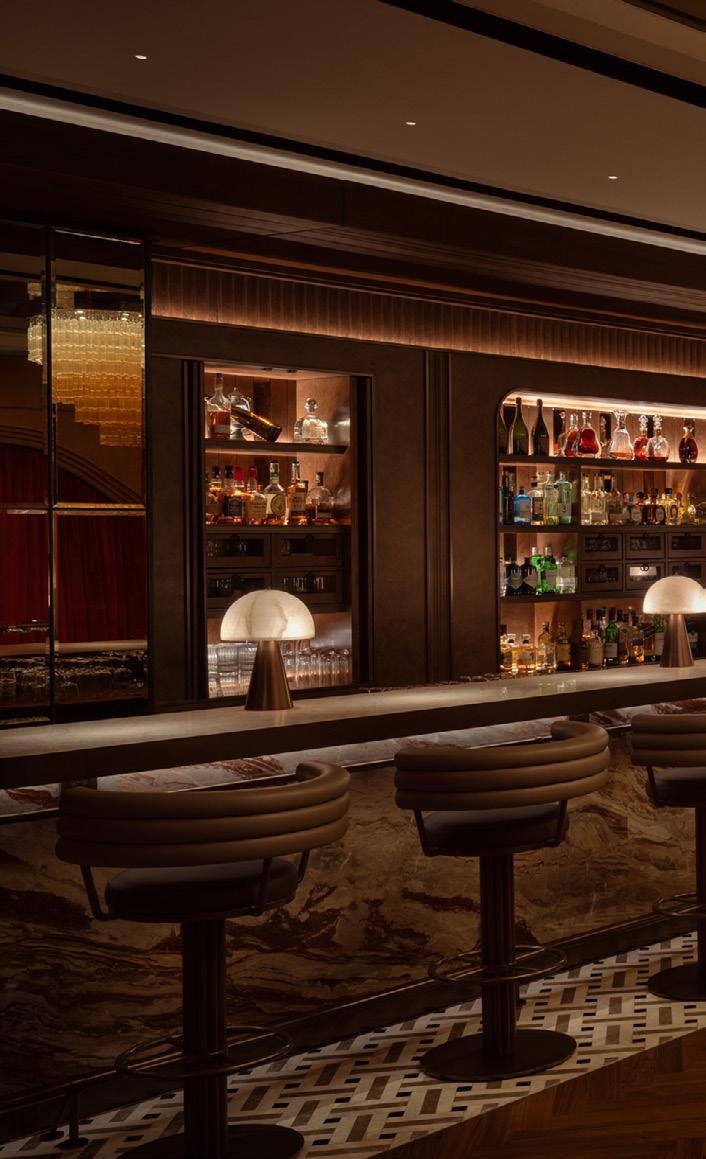
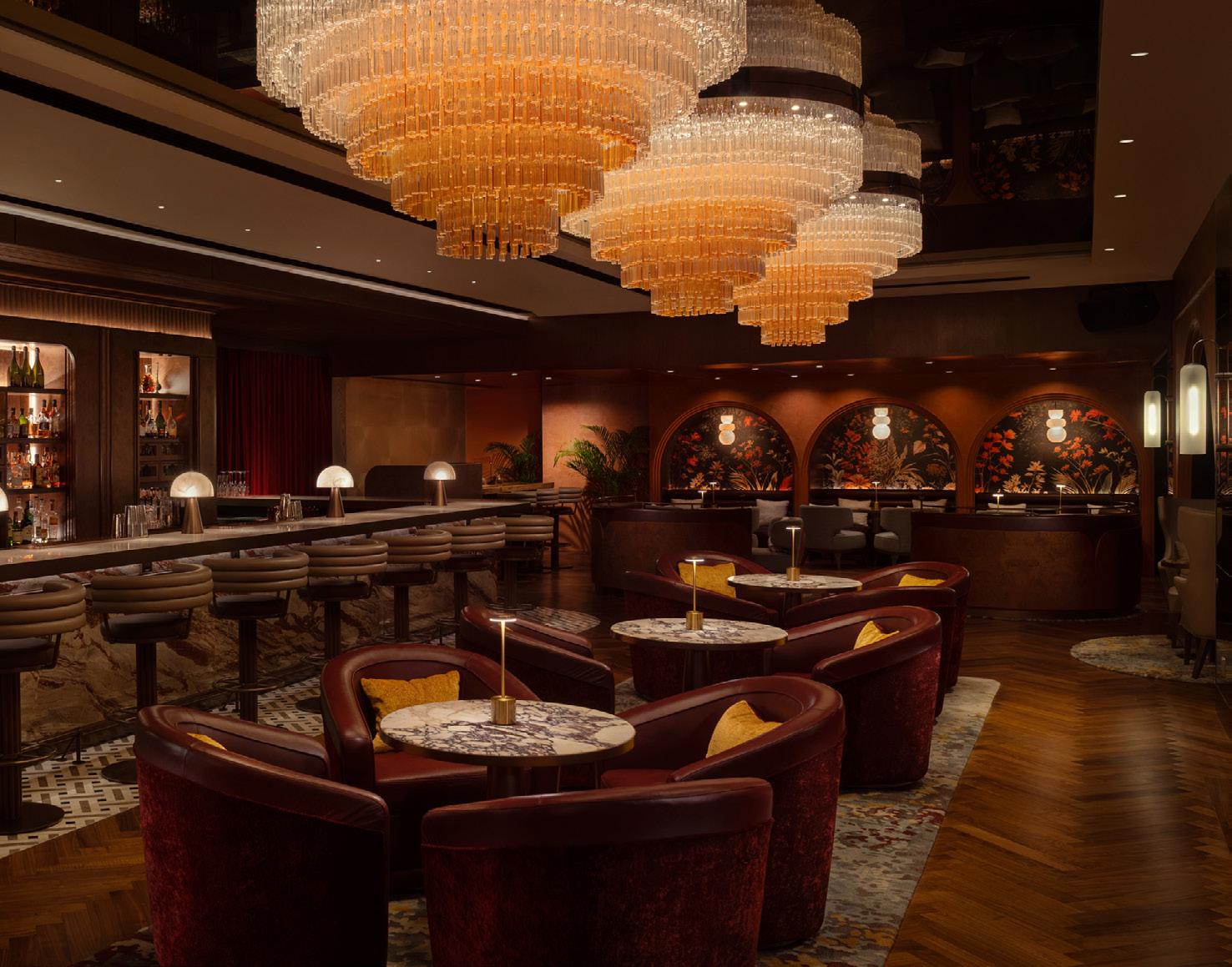
At Fairmont Singapore, the hotel’s back-of-house Laundry Plant will become the setting for the Disappearing Bar. Rather than choosing a traditional bar, rooftop, lounge or restaurant, Fairmont is transforming a functional hotel space into a theatrical cocktail environment. It is this unexpected choice that gives the concept its edge. A laundry plant is not a place guests would usually associate with luxury, but that contrast is exactly where the idea becomes interesting.
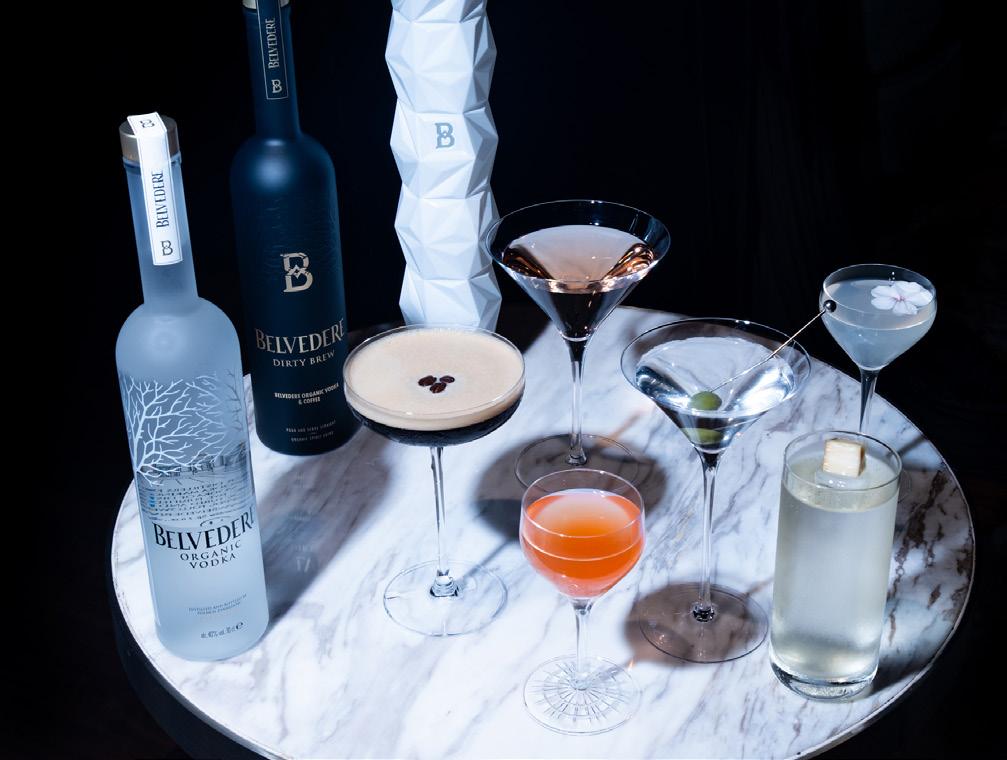
The journey begins with guests collecting a personalised VIP key at check-in. From there, the evening opens at the Fairmont Gold Lounge, where guests are welcomed with a Belvedere cocktail and canapés. The experience then moves into the reimagined Laundry Plant, where Fairmont and Belvedere have designed a 45-minute cocktail journey built around Belvedere’s Martini Collection.
“A Disappearing Bar takes an unexpected space inside a hotel, usually somewhere guests would never normally see, and turns it into an immersive bar for a very limited time.
Inside the transformed space, the original purpose of the venue is not hidden. Instead, it becomes part of the story. Cocktails are served in detergent measuring cups, edible bubbles bring a playful touch, and dry ice “steam” nods to the industrial setting. The result is a bar that does not simply occupy the space, but responds to it. Every detail is designed to remind guests where they are, while also making that place feel completely removed from its everyday function.
This is where the Disappearing Bar concept becomes more than a pop-up. It is not just about installing a temporary drinks counter in an unusual room. It is about using the architecture, operations and hidden personality of a hotel to create a new guest experience. In a market where luxury properties are constantly looking for fresh ways to activate their spaces, the idea feels especially relevant. It gives hotels a way to turn overlooked or unseen areas into moments of theatre, while also creating a sense of intimacy that larger public venues often cannot deliver.
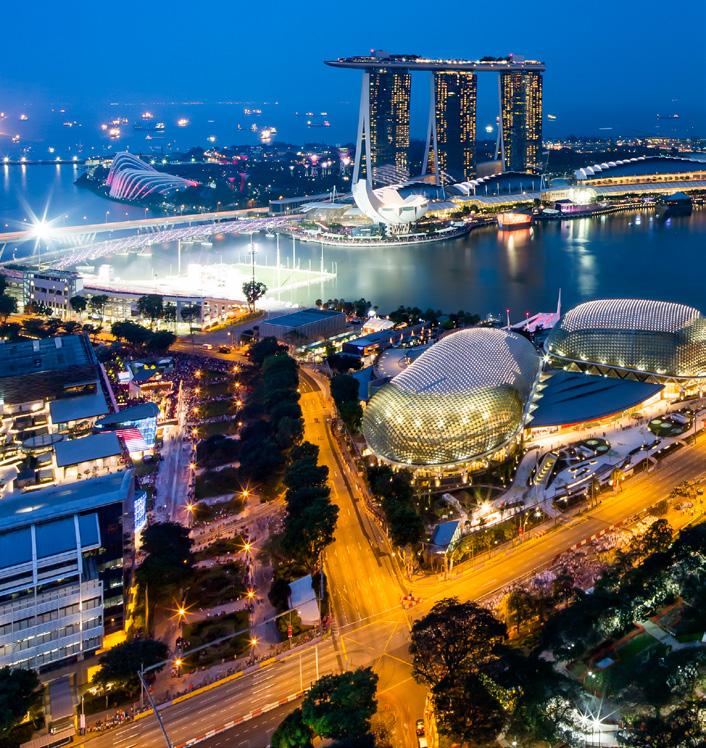
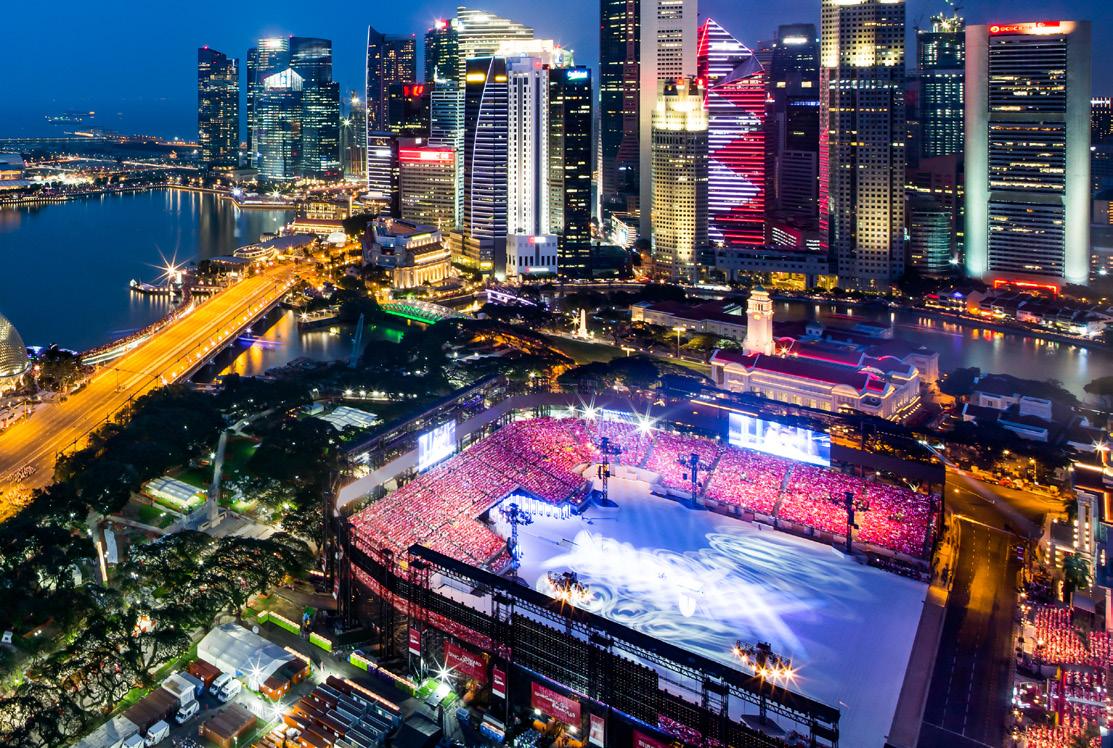
Fairmont Singapore is a fitting setting for the concept’s first appearance in Asia. As Fairmont Hotels & Resorts’ pioneer property in the region, the hotel has long played a visible role in the brand’s Asian story. With 778 guestrooms and suites, five restaurants and bars, the award-winning 50,000 sq ft Willow Stream Spa, and the Raffles City Convention Centre offering 108,000 sq ft of flexible event space across 34 meeting rooms, the property is already built around movement, gathering and experience.
Its location also adds to the relevance of the activation. Positioned in the heart of Singapore’s business, shopping and entertainment districts, Fairmont Singapore sits at the intersection of corporate travel, leisure, dining and culture. For sophisticated travellers looking to experience the Lion City beyond the expected, a hidden, two-night-only bar inside the hotel creates exactly the kind of story-led encounter that feels rooted in place, but still distinctly Fairmont.
The property’s Global Sustainable Tourism Council certification also adds another layer to the hotel’s profile. In a market where travellers are increasingly conscious of how hotels operate, sustainability is no longer a side note. It has become part of the wider conversation around how properties use their spaces, tell their stories and connect with guests in more thoughtful ways. While the Disappearing Bar is first and foremost an experience-led concept, the decision to repurpose an existing back-of-house space also speaks to a broader trend in hospitality: making better, more imaginative use of the spaces already within a property.
The Fairmont Singapore edition also shows how partnerships can elevate this kind of experience when they are built into the concept rather than added on at the end. Belvedere Vodka is not simply supplying the drinks. The brand is part of the creative direction, shaping the cocktail programme, the tone of the experience and the balance between polish and playfulness.
Belvedere brings its own heritage to the collaboration. Produced in one of Poland’s longest-operating distilleries, which has been making vodka since 1910, the brand draws from 600 years of Polish vodka-making tradition. Known for its commitment to craft, modern style and distinctive rye-based character, Belvedere has long positioned itself at the meeting point between heritage and contemporary luxury. That makes it a natural partner for a concept that relies on both refinement and surprise.
“Belvedere has always played in the space where refinement meets a sense of play,” said Gemma Parkinson, Chief Marketing Officer at Belvedere Vodka. She described the transformation of Fairmont Singapore’s Laundry Plant as a move “beyond the expected”, where design, mixology and atmosphere come together in a way that feels both elevated and surprising.
That sense of contrast is important. The Disappearing Bar is still a luxury experience, but it is not stiff. It allows for humour, curiosity and surprise, while remaining carefully curated. The drinks are refined, the setting is theatrical and the access is exclusive, but the experience does not take itself too seriously. It understands that modern luxury can still be playful.
The evening continues after the Laundry Plant experience at ANTI:DOTE, Fairmont Singapore’s cocktail bar, where guests can choose two further cocktails from the Disappearing Bar collection. These are paired with canapés from the hotel’s culinary team, led by Culinary Director Chef Nicholas Issel. By ending the journey in one of the hotel’s established F&B venues, Fairmont also connects the temporary activation back to the wider property experience. The pop-up may disappear, but it still drives attention to the hotel’s existing social spaces.
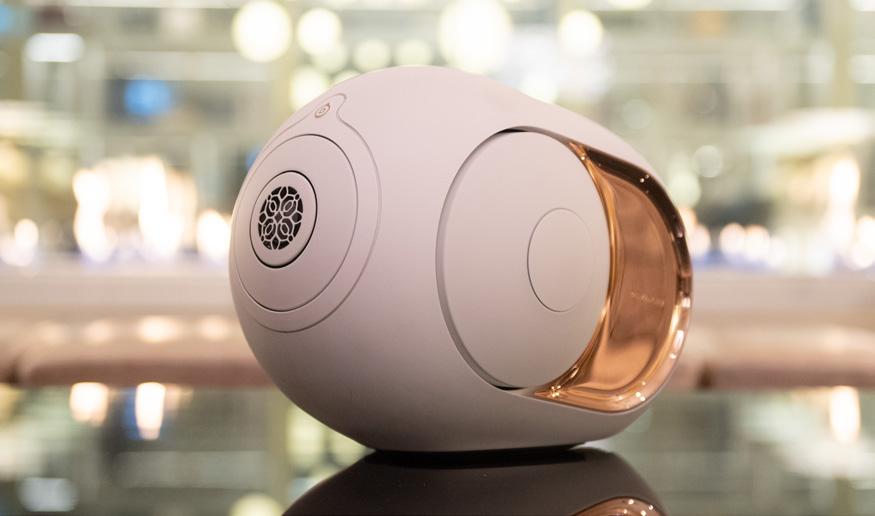
Sound also plays a role in the activation, with live DJ sets by Fairmont’s audio partner Devialet adding another layer to the evening. Devialet, known for its work in acoustic engineering, brings a focus on sound as a physical, immersive experience. Its technology and design-led approach have positioned the brand at the intersection of innovation, culture and audio excellence, making it a strong fit for a concept that depends on atmosphere as much as mixology.
In the Laundry Plant setting, sound becomes more than background music. It helps shape the mood of the space and adds to the feeling that guests have entered a different world within the hotel. The combination of cocktails, lighting, industrial design, dry ice, edible bubbles and live music creates a multi-sensory environment where every part of the evening is designed to feel intentional.
For Fairmont, the wider Disappearing Bars series builds on the brand’s history as a social meeting point. The brand’s hotels have long positioned themselves as places where culture, community and hospitality intersect, and this concept
“In hospitality, the most memorable experiences are often the ones guests cannot easily repeat.
gives that idea a contemporary format. It is a way of making the hotel feel alive, responsive and capable of surprise.
Claudia Kozma Kaplan, Chief Brand Officer, Raffles Fairmont, said the Disappearing Bars concept is about offering immersive, time-limited experiences that redefine the unexpected within Fairmont hotels and resorts. She pointed to the transformation of Fairmont Singapore’s laundry plant as an example of the brand’s creative and celebratory spirit.
More editions of the Disappearing Bar series are expected to appear at selected Fairmont destinations throughout the year, with each location to be revealed in due course. Each version will have its own setting, atmosphere and programme, shaped by the property in which it appears. That flexibility is part of the strength of the concept. A Disappearing Bar cannot simply be copied and pasted from one hotel to another. It has to respond to the building, the destination and the spaces that make each property different.
For the hospitality industry, the appeal of a concept like this is clear. It creates urgency without needing a permanent build-out. It generates conversation by giving guests access to something they would not normally see. It allows brands and hotels to test creative ideas in a controlled, high-impact way. And perhaps most importantly, it gives people a reason to talk about the hotel beyond rooms, restaurants and rates.
It also points to a wider shift in how hotel F&B is being used. Bars and restaurants are no longer just amenities inside a property. They are brand platforms, content generators and cultural touchpoints. A concept like Disappearing Bars gives a hotel the chance to activate its own hidden infrastructure, bring in the right partners, and create a moment that feels both exclusive and highly shareable.
In an increasingly competitive luxury landscape, that matters. Guests remember what feels rare. They share what feels hidden. They return to places that can still surprise them.
Fairmont’s Disappearing Bars series understands that sometimes the most powerful hospitality moments are not the ones designed to last forever. Sometimes, the point is that they vanish.

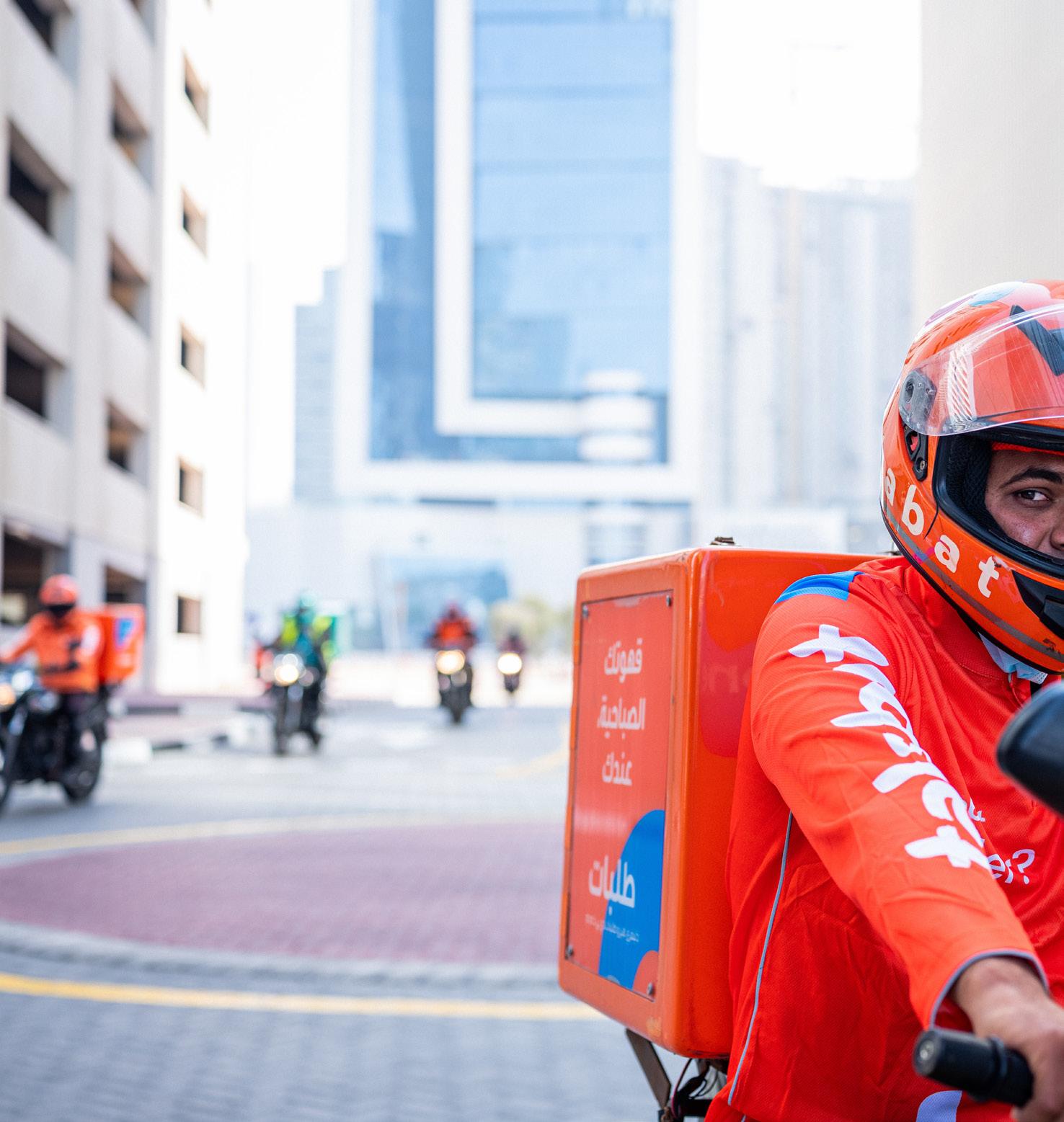
BY IVAN PYADYSHEV, CEO OF DODO PIZZA MENA
Evolving in the UAE’s DELIVERY BOOM
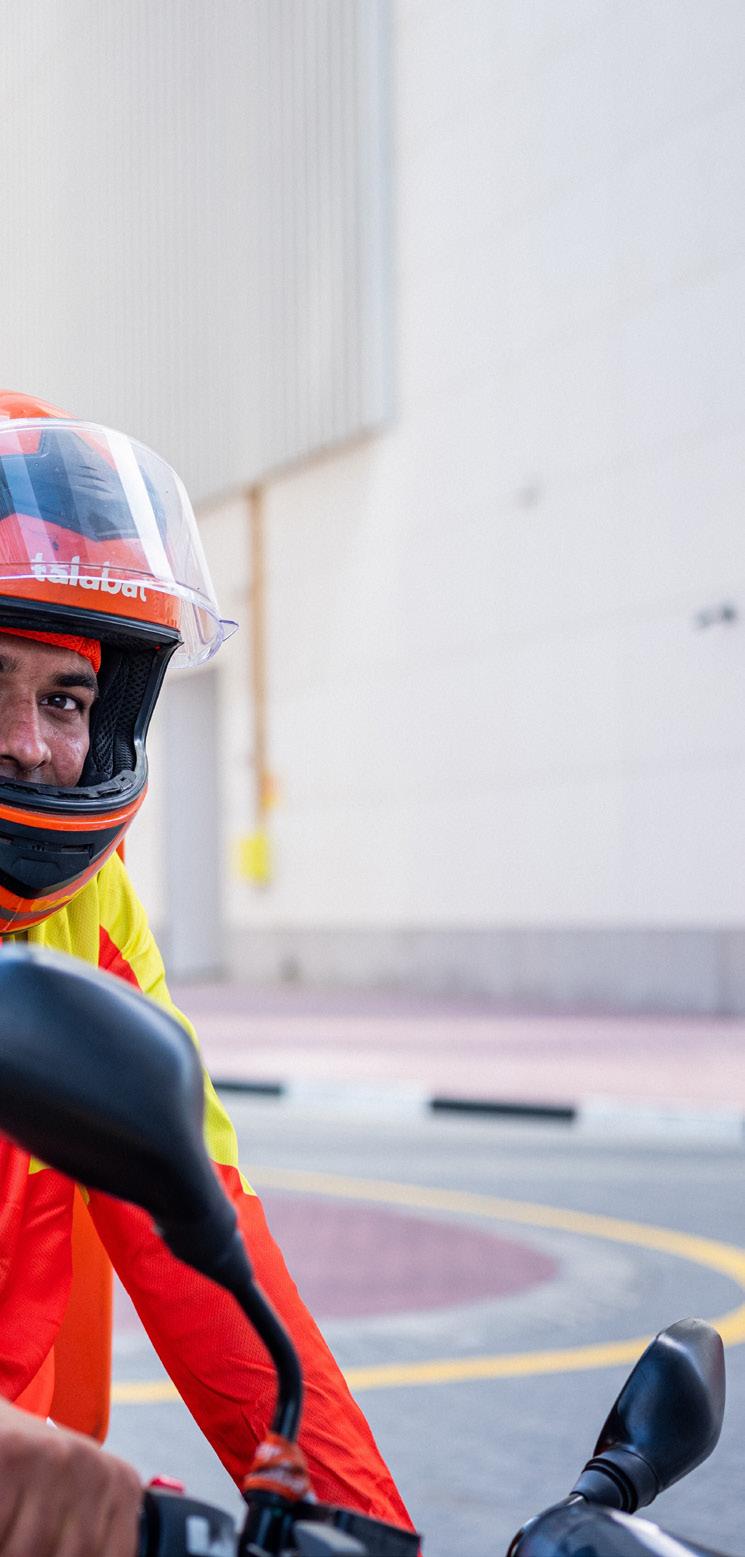
Mobile ordering now drives 70% of all delivery transactions across the UAE, and aggregators handle roughly three-quarters of those. The UAE online food delivery market, sitting at about $2.5 billion in 2024, is on track to hit $3.9 billion by 2030.
When we brought Dodo Pizza to Dubai, I got the same question a lot: will the tech you use in Europe actually work here? The short answer is that the system itself travels fine. The harder part is everything around it.
Aggregators like Talabat and Careem carry significant weight, which means developing separate workflows and integrations for each platform rather than relying on one universal approach. And beyond the tech, there are other factors: how Ramadan reshapes demand, how much the in-person cashier interaction still matters to customers here, and how dine-in fits into the mix. None of that was something we could simply import from other markets. The base is the same, but everything on top of it had to be rebuilt for this market.
What owning the tech actually means day to day
Real-time order visibility has become a competitive standard. Domino’s launched its Pizza Tracker in January 2008, precisely because customers wanted to know what was happening between “order placed” and “door knocked.” That transparency turned out to drive loyalty as much as the product itself, and has since tracked over 2.5 billion orders.
We took the same logic further. Domino’s showed customers where their order was, and we wanted to show them what was actually happening in the kitchen. Through the app, customers can watch their specific pizza being made through a live feed of their order. We recently added AIbased quality control on top of that. It scans each pizza after it is made and flags anything that needs attention before the box is closed.
Once people can actually see your prep times, you cannot paper over slow kitchens with better branding. You either fix the operations or the data exposes you. That accountability is uncomfortable at first, but it is what actually moves the needle on consistency.
On aggregators: stop fighting the current
The aggregator conversation comes up constantly in this industry, specifically whether brands should be pushing harder to own the customer relationship directly. But in the UAE, a lot of brands are losing energy fighting something that is not going to change anytime soon.
Dubai alone has over 13,000 restaurants and cafés, around 60% of all food outlets in the UAE, and nearly all of them are plugged into the aggregator ecosystem in some form. Talabat, Careem and the others offer free delivery, subscriptions, and a discovery experience that is genuinely useful for the customer. Getting someone to switch from that to a brand’s own app takes a real reason, and most brands have not given them one strong enough yet.
What we do instead is make sure we are highly visible where the customers already are, and then measure what matters: are people coming back? Daily order volume is easy to track and easy to get excited about. Repeat rate is harder and more honest. It is the difference between someone who ordered once during a promotion and someone who has built us into their week.
Loyalty in a city with no fixed address Dubai is one of the most unusual markets because the population is constantly rotating. The idea of community loyalty that works in a city where people have been around for decades does not map here in the same way.
What does work is showing up reliably when someone needs you. If we are the place someone orders from after a long Tuesday at the office, or the default call when the family does not want to cook, we become a habit. Here, loyalty looks like a routine.
Recent research on UAE fast-food consumers aged 18 to 25, who account for close to 36% of fast-food spending by value, backs this up in an interesting way. Social
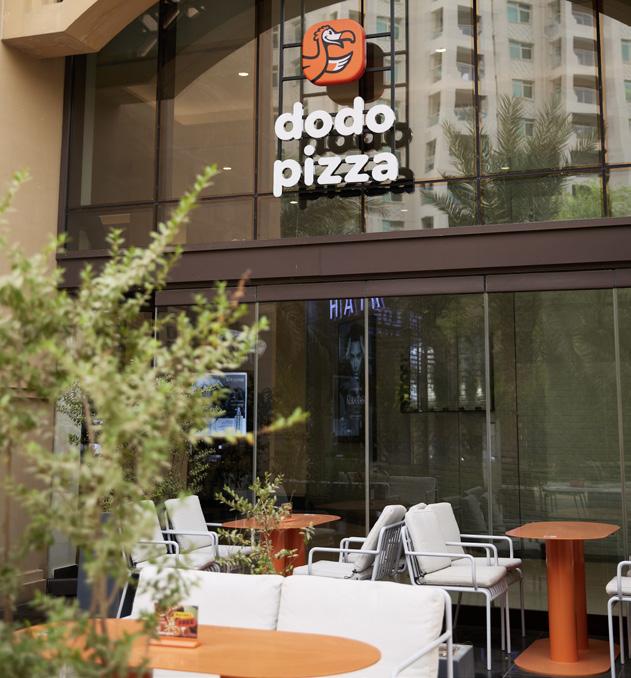
IVAN PYADYSHEV, CEO of Dodo Pizza MENA
media engagement does drive repeat purchase intent. But the same study found that delivery timing and order accuracy matter just as much. In fact, 89% of that age group follow at least one fast-food brand on social media, and 72% say they have made a purchase decision based on something they saw there. You need both sides: the brand showing up in their feed and the order showing up on time.
What’s next
The UAE foodservice market is projected to grow from $27.28 billion in 2026 to over $61 billion by 2031, more than 17% annual growth. QSR specifically is tracking closer to 20% CAGR over that same period.
There is a version of this industry that gets increasingly commoditised: same aggregators, same price wars, same race to the bottom on delivery fees. The brands that avoid that are the ones with enough control over their own operations to deliver something reliably good, and enough flexibility to meet customers where they already are. That is what we have been working towards in this market, and we are still early in it.
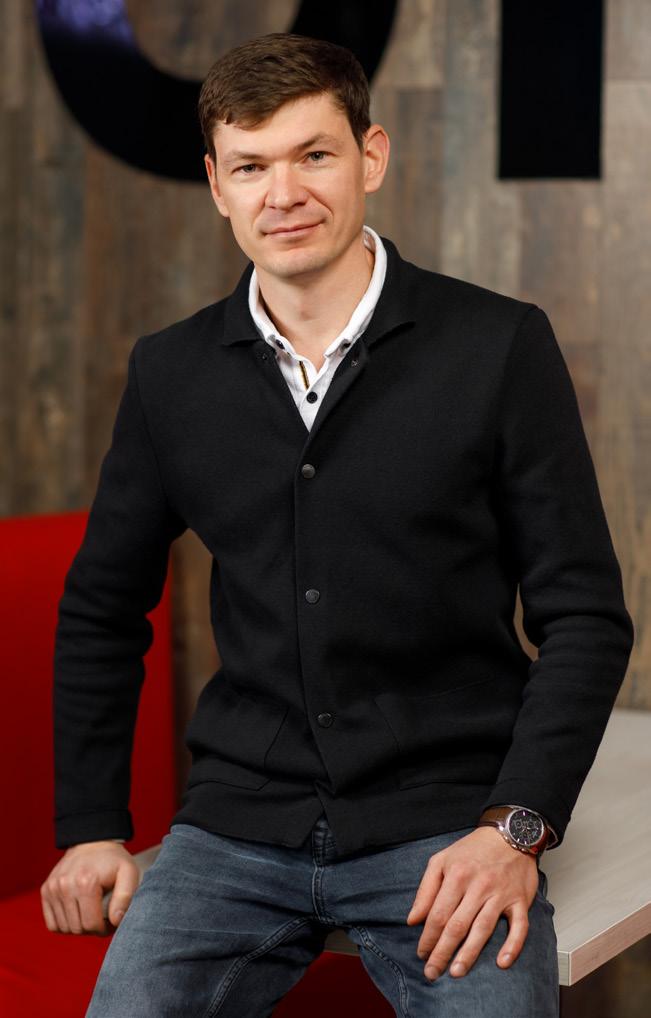
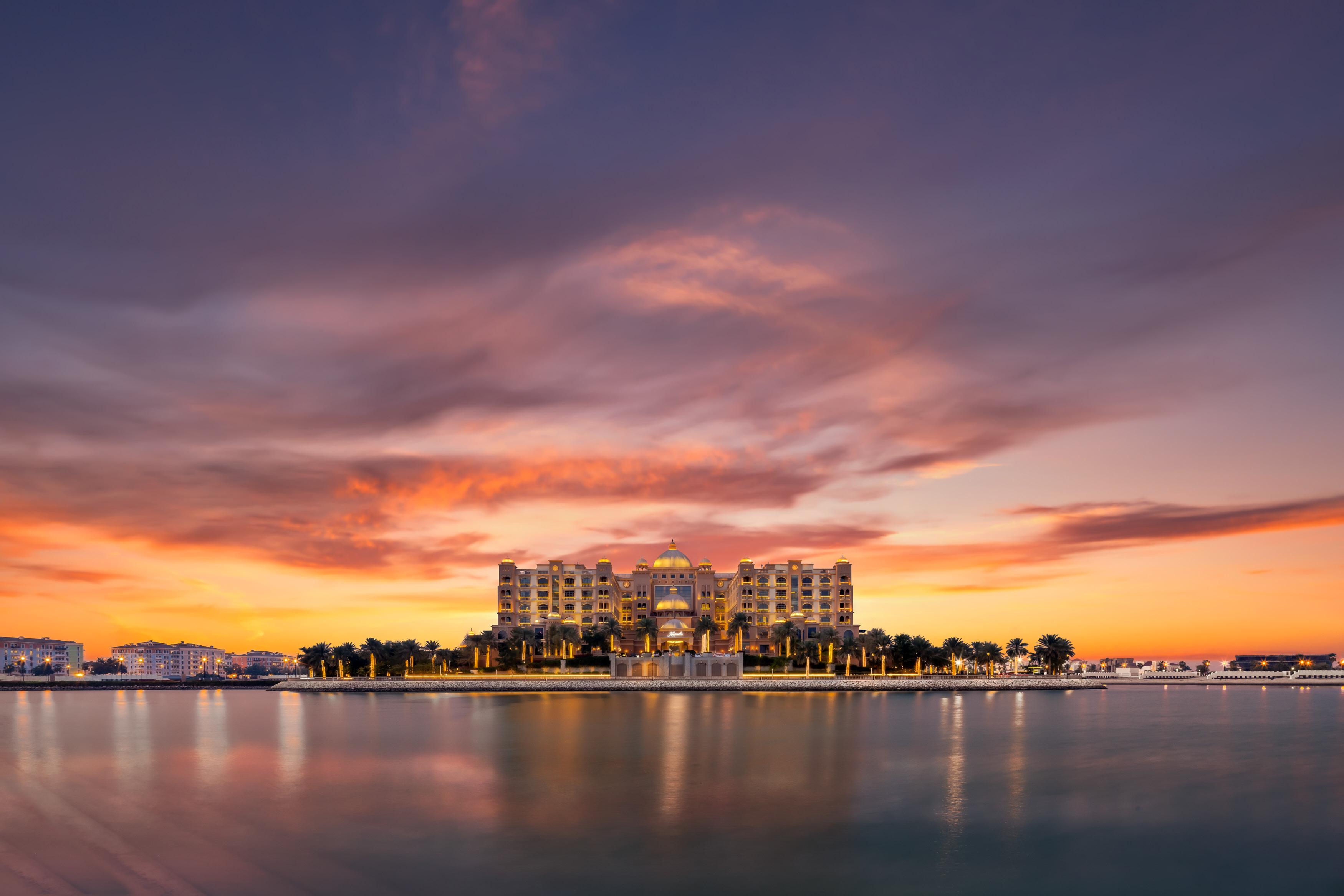
Your Palace of Experiences
Beyond expectation, a realm of unparalleled luxury awaits. Immerse yourself in exquisite moments and create cherished memories within our magnificent palace of experiences.

From 31 Aug - 3 Sept 2026 Riyadh Exhibition and Convention Center - Malham, Saudi Arabia
YOU’RE ONE LEAP AWAY SECURE YOUR PASS NOW