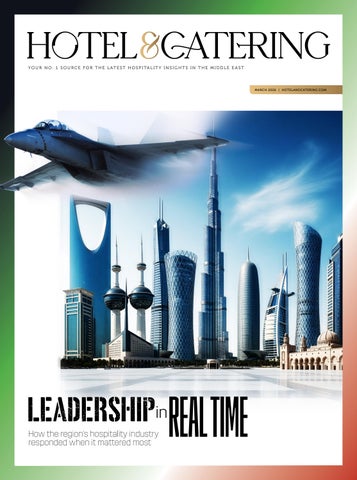

LEADERSHIPin REAL TIME
How the region's hospitality industry responded when it mattered most










News, cinema, documentaries, sport, cartoons...
Every family member’s show “en français” for free

Subtitled in Arabic

ALWAYS MORE TO DISCOVER






LEADERSHIP IN REAL TIME How the region's hospitality industry responded when it mattered most

HOW PRIVATE SECTOR LEADERS REINFORCE THE UAE’S GLOBAL REPUTATION
The UAE has built a reputation as one of the world’s most stable and secure business environments
28 MANAGING IN UNCERTAIN TIMES Hospitality Leadership When the Ground Keeps Shifting
56 FLAVOUR AT SCALE
Jad Neaime, General Manager for Kerry Middle East Retail & Africa
58 CHEFS’ FAVOURITE, HIMANSHU SAINI
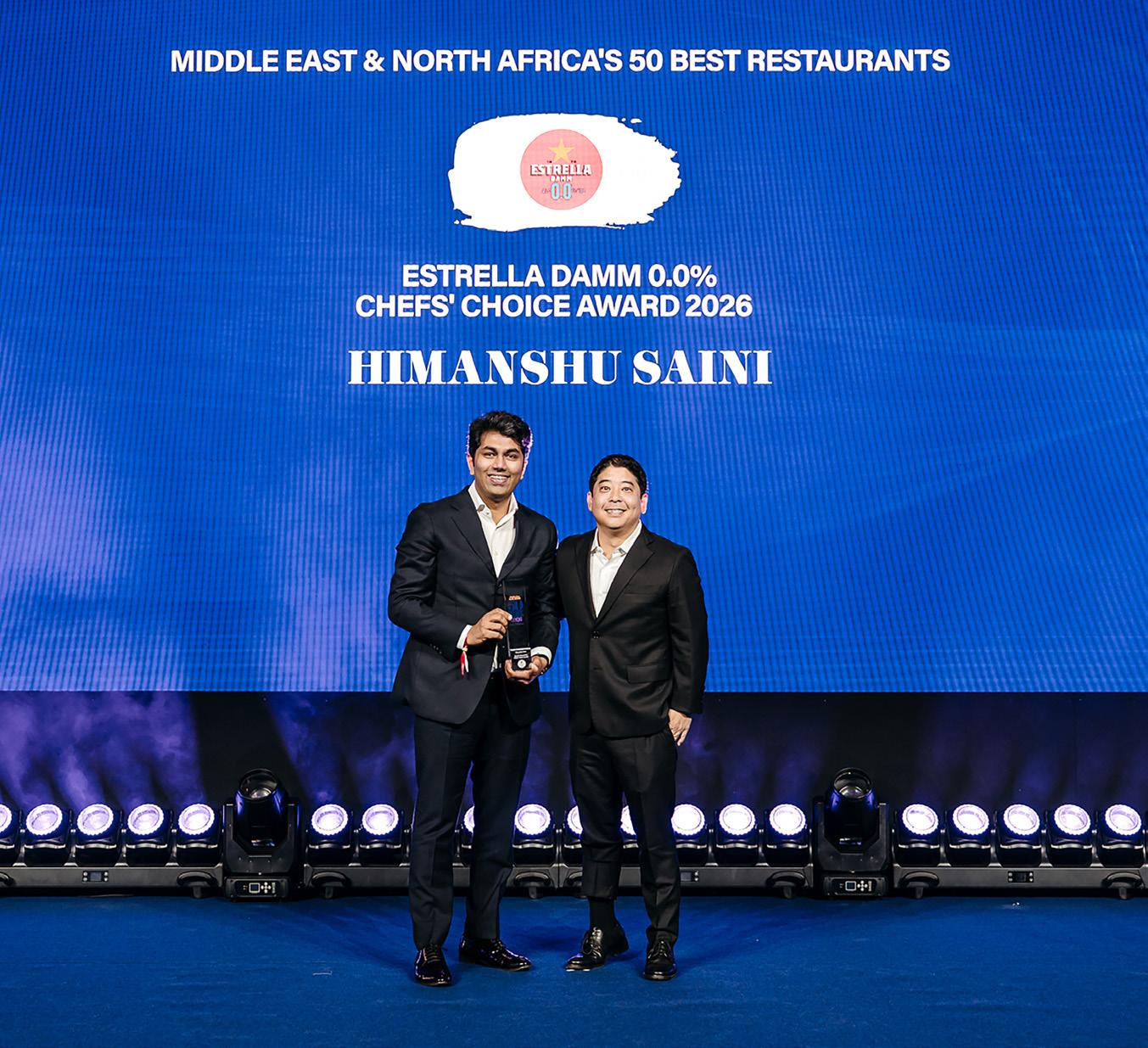
The highly decorated and famously humble chef was the recipient of the Estrella Damm 0.0% Chefs' Choice Award at MENA’s 50 Best Restaurants awards held earlier this month in Abu Dhabi
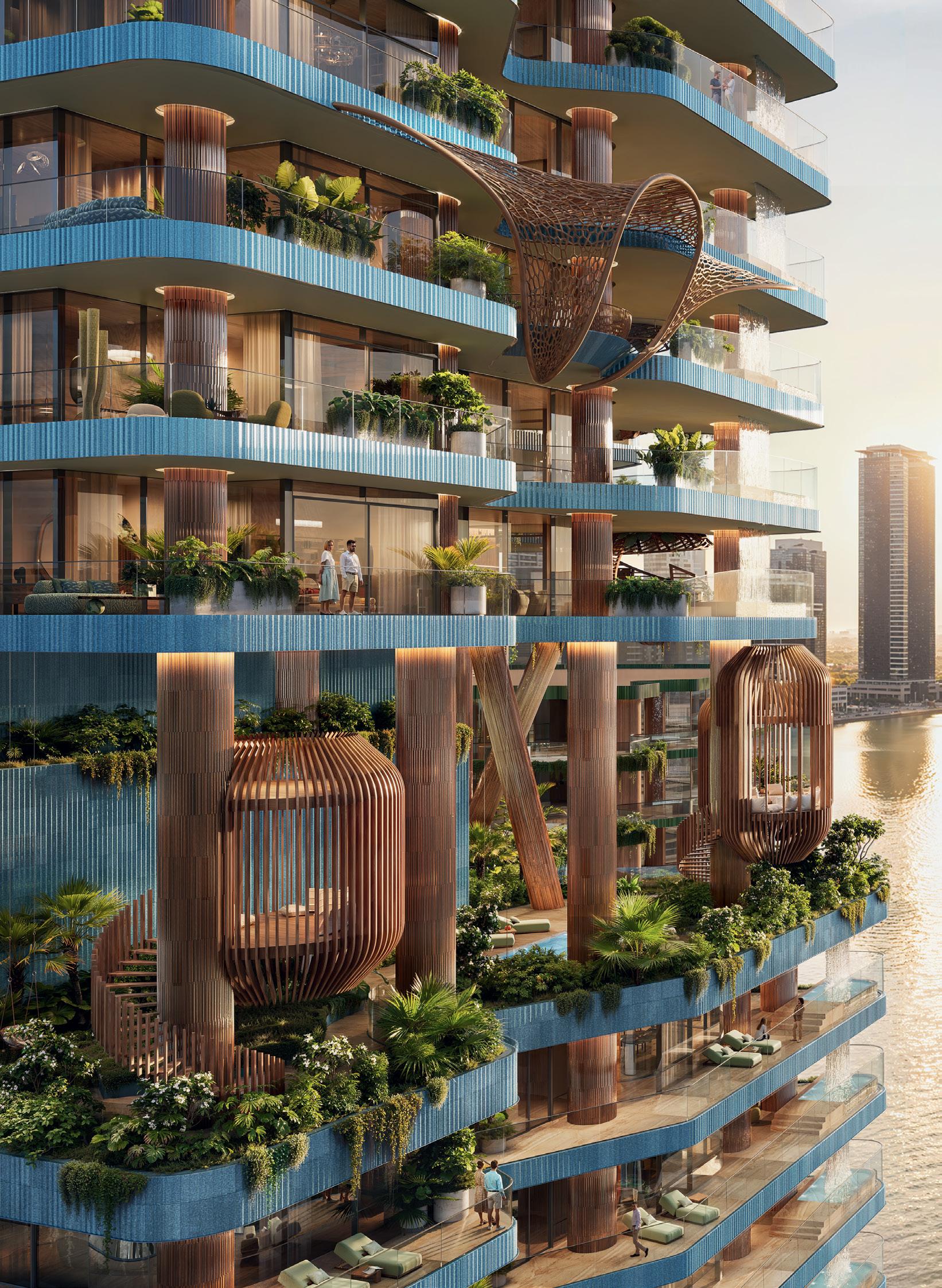
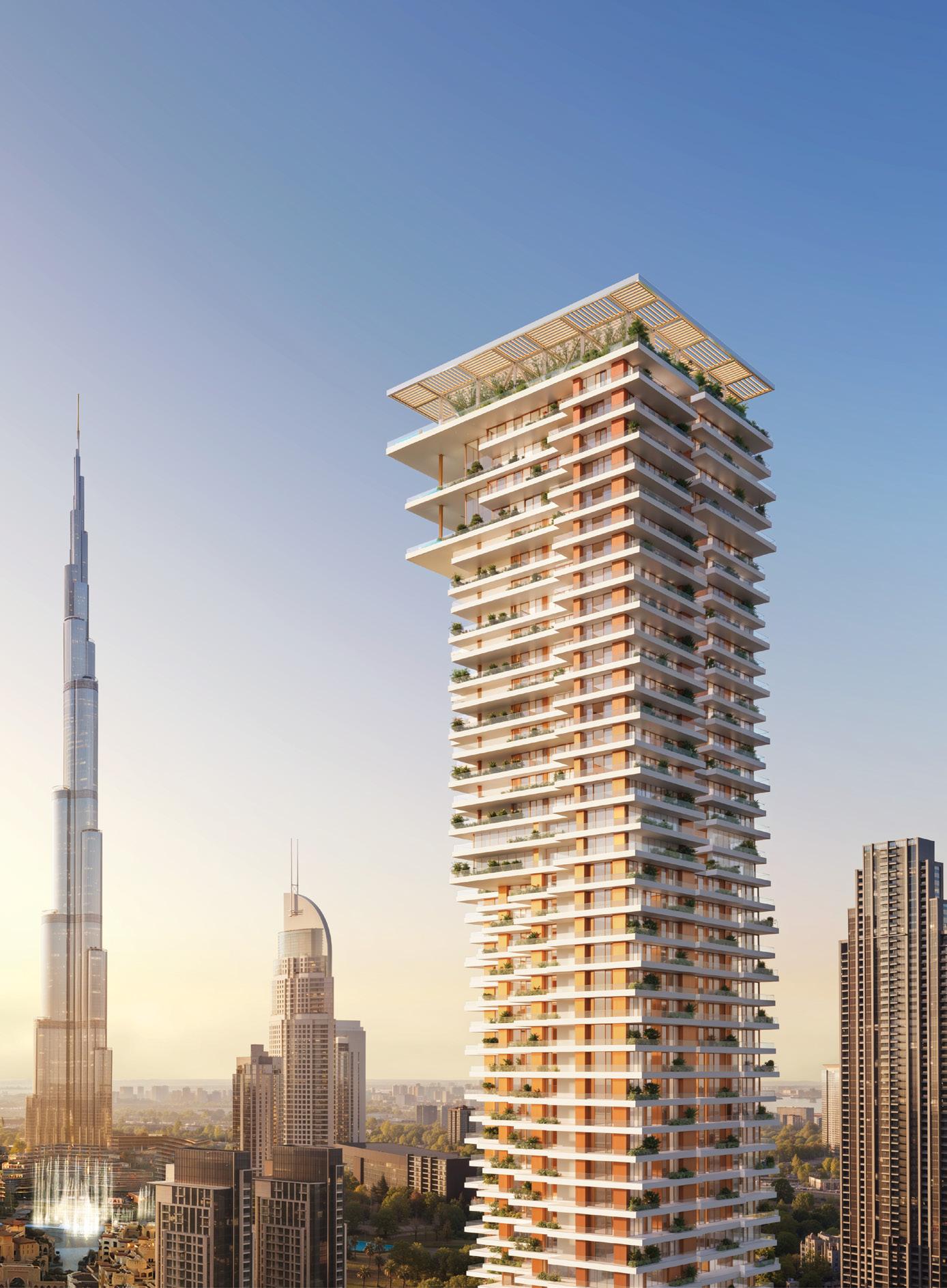
64 CHEVAL COLLECTION EXPANDS IN THE MIDDLE EAST
Expanding to four properties across Dubai and Saudi Arabia signals both the strength of the region’s luxury long-stay serviced apartment market and our confidence in its long-term potential
HOW AGILITY AND WORKFORCE PERFORMANCE Are Driving the UAE’s Hospitality Rise



Wissam Younane wissam@bncpublishing.net
Contact subscriptions@bncpublishing.net to receive Hotel & Catering every issue CEO
MANAGING DIRECTOR
Rabih Najm rabih@bncpublishing.net
EDITOR-IN-CHIEF
Seymone L Moodley seymone@bncpublishing.net
COMMERCIAL MANAGER
Alex Brown alex@bncpublishing.net
MARKETING & COMMUNICATION LEAD
Aaron Joshua Sinamban aj@bncpublishing.net
DIGITAL EDITORIAL SUPPORT
Karan Moodley karan@bncpublishing.net
PHOTOGRAPHY
Joel Amparo
MULTIMEDIA
Eduardo Buenagua
CREATIVE LEAD
Christian Harb chriss@bncpublishing.net
Images used in Hotel & Catering are credited when necessary. Attributed use of copyrighted images with permission.
SUBSCRIBE
PO Box 502511 Dubai, United Arab Emirates P +971 4 4200 506 | F +971 4 4200 196
For all commercial enquiries related to Hotel & Catering News ME, contact sales@bncpublishing.net
All rights reserved 2026. Opinions expressed are solely those of the contributors. Hotel & Catering is officially licensed exclusively to BNC Publishing in the MENA region. No part of this magazine may be reproduced or transmitted in any form or by any means without written permission of the publisher.
Printed by United Printing and Publishing | upp.ae
In addition to our print edition, we’re bringing you all sorts of industry news on our web mediums. We’re looking forward to interacting with our readers on all of our social media and web platforms. See you on the web!
Hotel and Catering News ME
HotelCateringME
Hotel & Catering News Middle East
hotelcateringme

Contributors
Voices From This Month’s Contributors
01
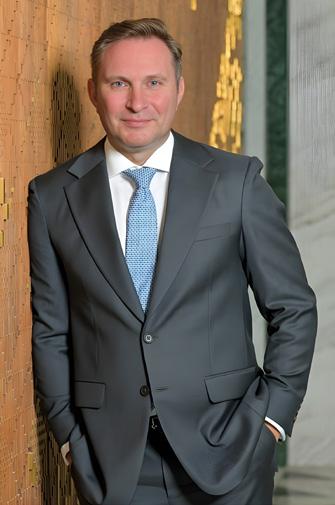
IAN RYDIN, General Manager, Swissôtel Corniche Park Towers Doha
“I learned from the entire COVID experience that this is the time to show leadership grounded in empathy and compassion, and to be visible to both guests and staff. I do not know when, but at some point, we will ride out this storm too.”
03 02
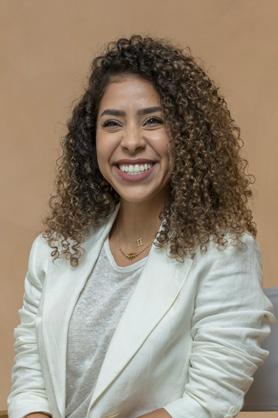
DUAA RADWAN, Founder, DASH Consultancy
“We focused on calm, clear communication. No fear, no dramatic tone, just reassurance and transparency. In moments like this, people need steadiness.”
04
SARAH FERNANDEZ, General Manager, JRN Consultancy
“In hospitality, confidence in a destination is built not only on how it performs in good times, but on how it manages difficult moments.”
“My first thought was to ensure the well-being of our in-house guests and team members. As a business leader, I knew it was important to stay calm, well-informed, and maintain clear internal communication so we could make the right decisions.”
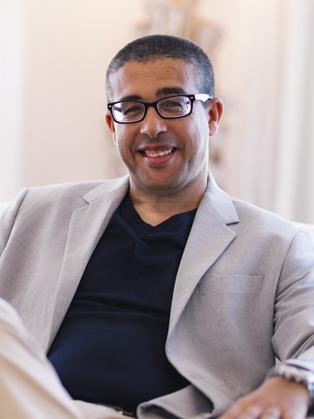
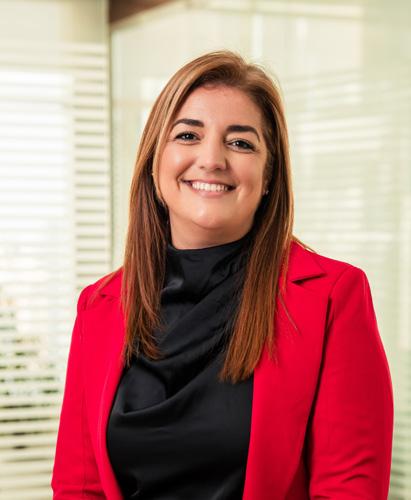
RACHID BAKAS, Manager at Anantara Santorini Retreat, Abu Dhabi


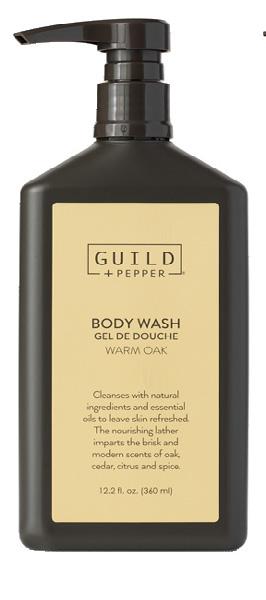
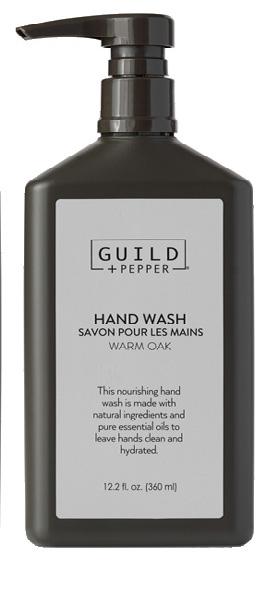
The GUILD+PEPPER Collection marries the strength and unity of a guild with the nature and uniqueness of spice. Strength with flavour, history with boldness. Allow your guests to experience an authentic reflection of the past with a distinctly modern twist.

Idon’t know what it takes to keep an entire nation safe day and night during a time like this. I can try to imagine it, but I doubt I would come close. What I do know is that we are incredibly fortunate to live under the leadership of the United Arab Emirates.
It is a privilege to feel safe in moments of unrest. A privilege to have options to continue as “normal” where possible, to work from home, to have essentials delivered to our doors, and to meet with friends and family. These are not small things. They are the result of systems, leadership and people working tirelessly behind the scenes to ensure stability and security for those living here.
For that, we owe our gratitude to the UAE and to those responsible for safeguarding our well-being. I say this with certainty: I have never witnessed leadership like this before, and I am deeply grateful to experience it. The UAE is our chosen home, and we stand with the UAE.
THANK YOU, UAE
At the same time, it has been equally reassuring to see the response from the hospitality industry. Leaders across hotels, restaurants and tourism businesses have done what they always do in moments of uncertainty, they prioritised people, ensuring guests are reassured, teams are supported and operations continue responsibly until the situation stabilises.
In this issue, we present firsthand responses from hospitality leaders across the region as news of unrest unfolded. Their reflections offer insight into how businesses responded in real time and, hopefully, provide reassurance and perspective for the wider community. More than anything, they remind us that we are navigating this moment together.
A gentle reminder to us all, it doesn’t take long in times like these to see both the best and worst of human nature play out in real time. Fear, speculation and frustration can quickly take over. It is easy to forget how to behave like decent human beings when emotions run high.
Let’s all take a breath, stay informed, support one another, and keep in mind that if you don’t have anything nice or helpful to say, don’t say anything at all.
Stay safe, and let’s keep our neighbours in our thoughts and prayers, especially those facing far greater impact.
This too shall pass. Until then, we carry on; carefully, responsibly and together.
SEYMONE L MOODLEY EDITOR-IN-CHIEF seymone@bncpublishing.net
Seymone Leigh Moodley seymonemoodley

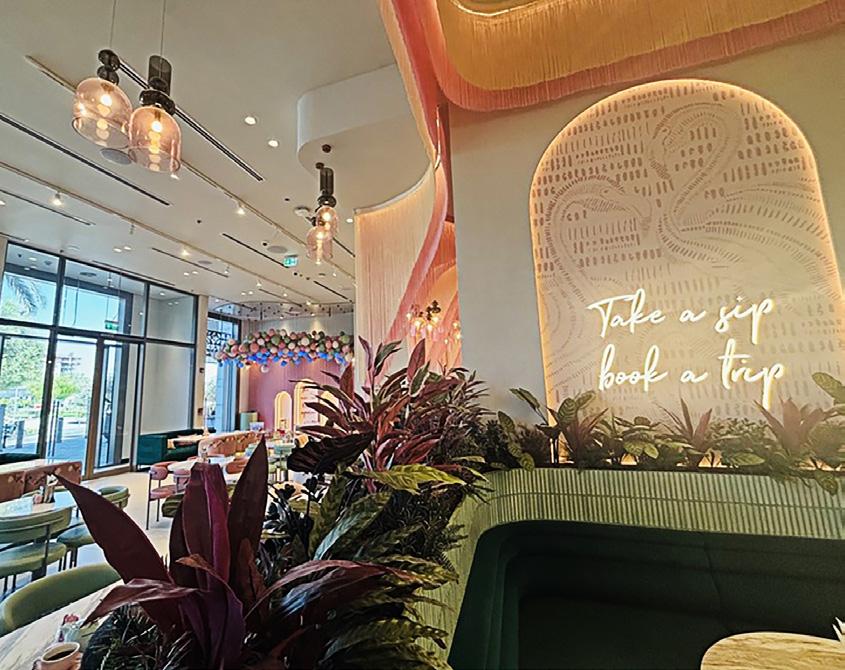
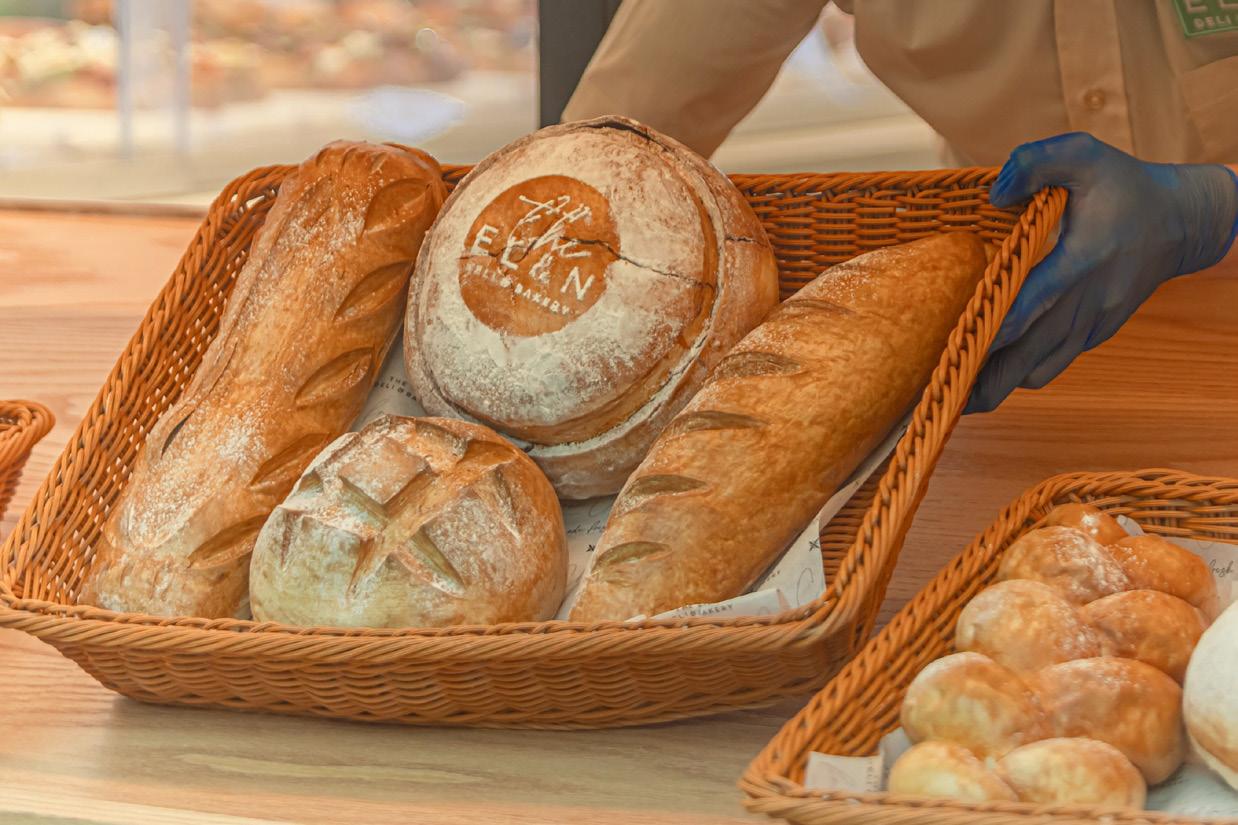
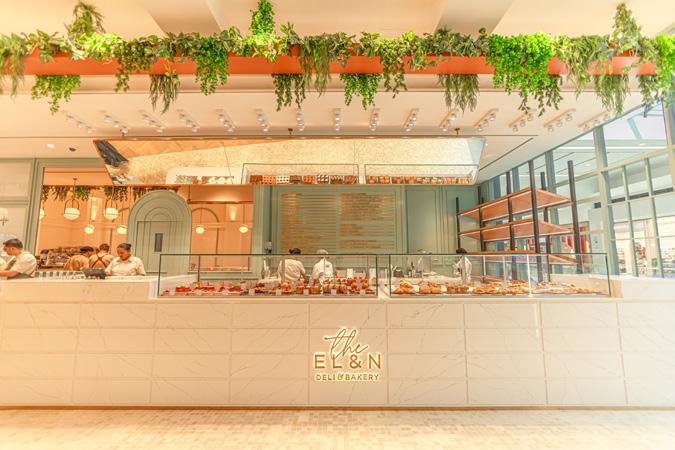
EL&N LONDON BRINGS ITS SIGNATURE CAFÉ AND LIFESTYLE EXPERIENCE TO ABU DHABI WITH TWO NEW OPENINGS
EL&N London, the globally recognised café and lifestyle brand celebrated for its fashion-forward interiors and picture-perfect dining experience, is continuing its UAE expansion with the opening of two new branches in Abu Dhabi.
The brand will launch an EL&N Deli & Bakery at Reem Mall, alongside a full EL&N London café and lifestyle at Marina Mall, further strengthening its footprint across the capital.
MINOR HOTELS ANNOUNCES EXPANSION IN THE ADRIATIC WITH DEBUTS IN CROATIA AND SLOVENIA
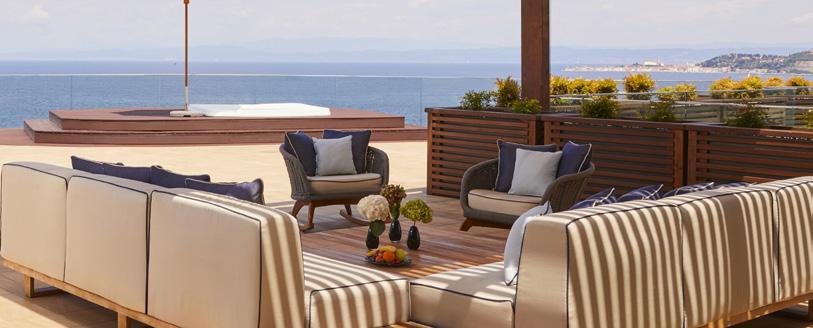
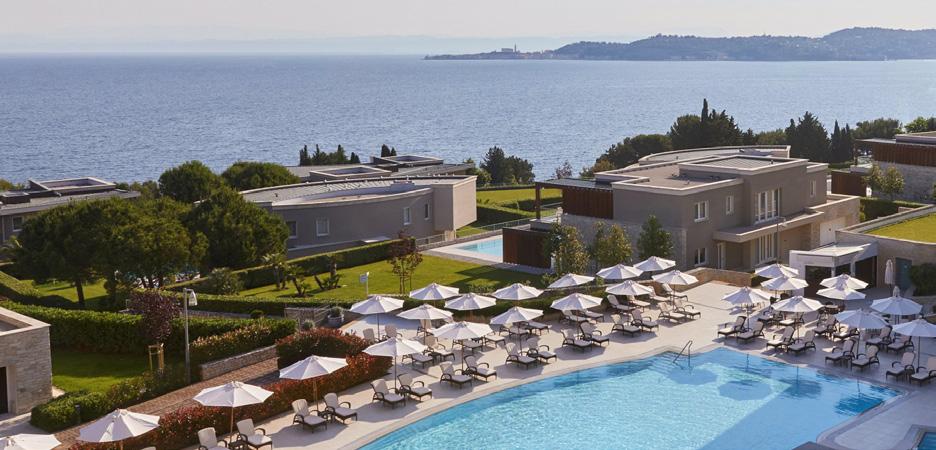
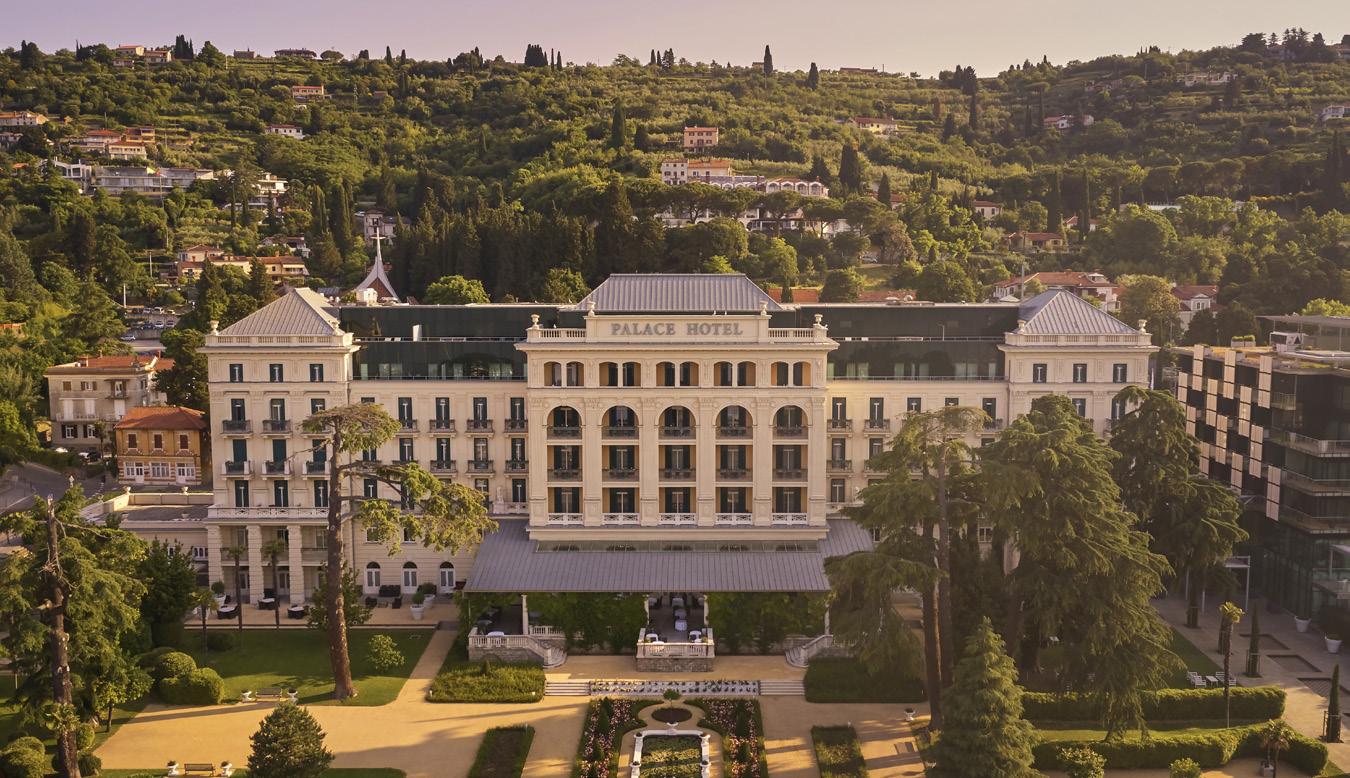
Minor Hotels, a leading global hotel owner and operator, has announced the signing of a management agreement with MK Group for two new additions to its portfolio on Europe’s Adriatic coast. From 12 February 2026, the two properties will be operated by Minor Hotels and will reopen for the 2026 season in late March.
Following extensive refurbishment programmes, the resorts will relaunch under the group’s luxury Anantara and Minor Reserve Collection flags in Q1 2027. The hotels add two new countries to Minor Hotels’ global portfolio and represent the group’s debuts in both Croatia and Slovenia.
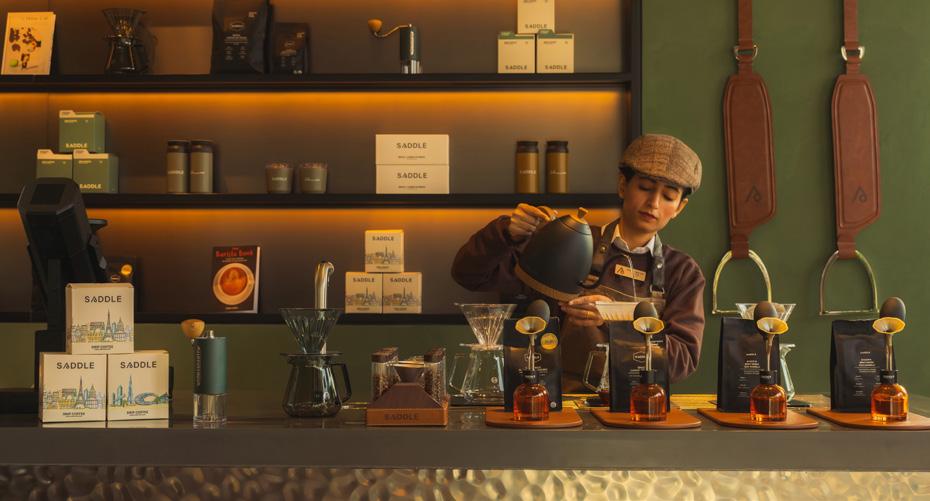
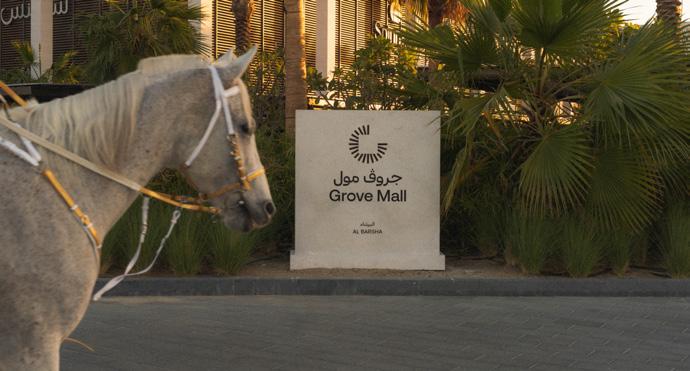
SADDLE INTRODUCES ITS FIRST EVER DINE-IN CAFÉ IN DUBAI AT THE GROVE, AL BARSHA
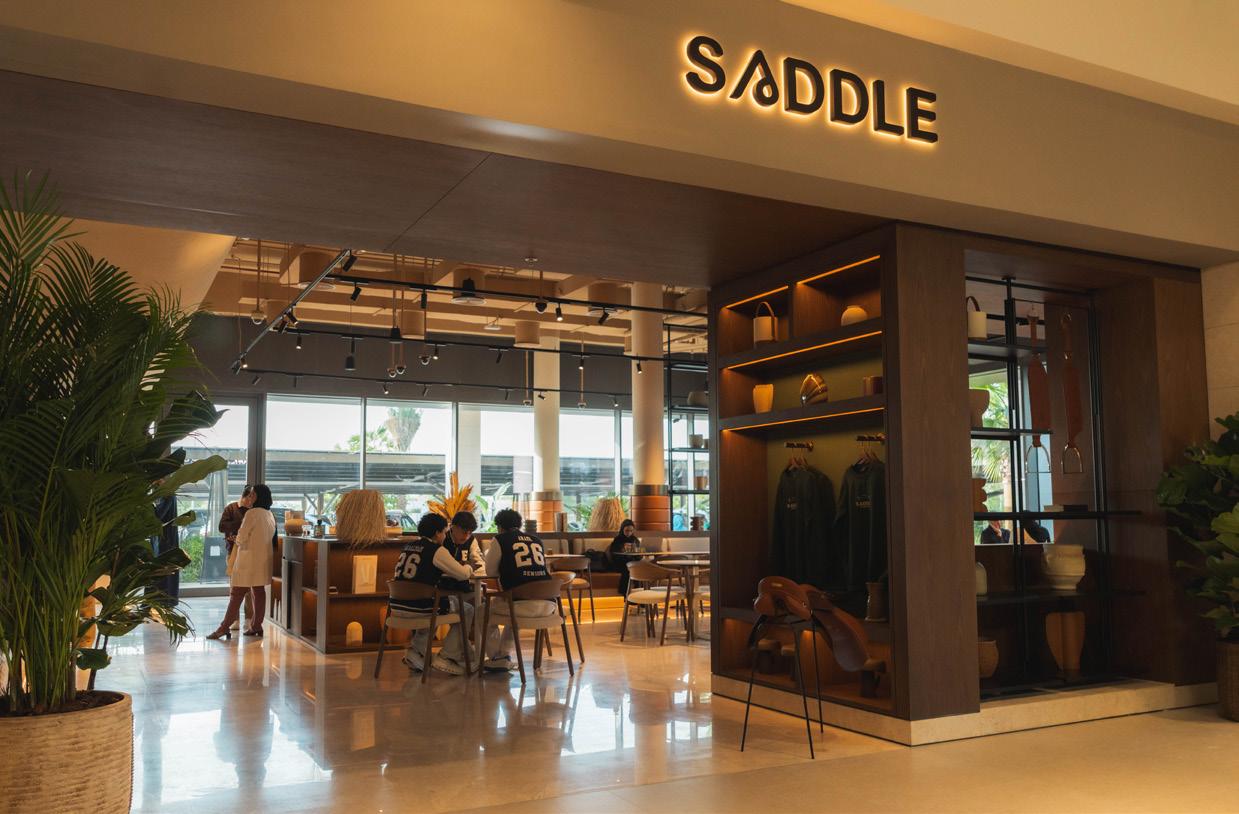
Saddle, the UAE-born specialty coffee and dining brand celebrated for its modern interpretation of Emirati hospitality, has officially opened Saddle at The Grove, Al Barsha.
Located within one of Dubai’s most established residential communities, the new opening marks the brand’s continued expansion into community-focused neighbourhood destinations.
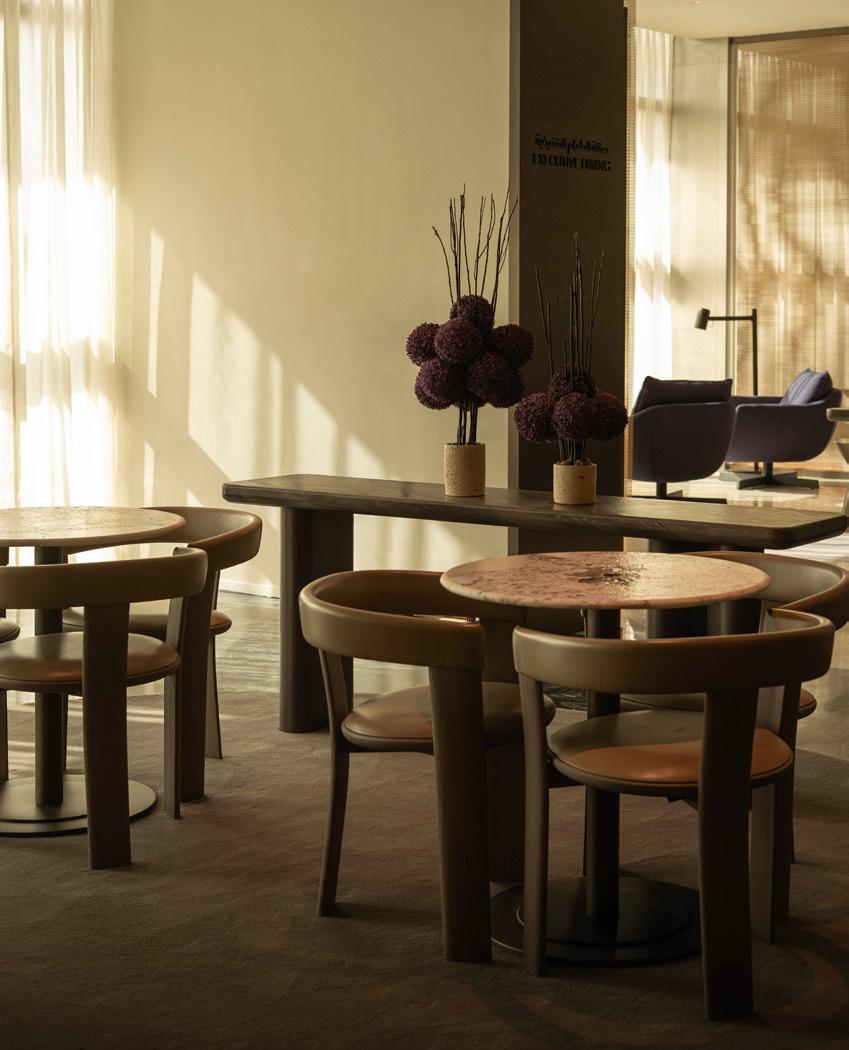
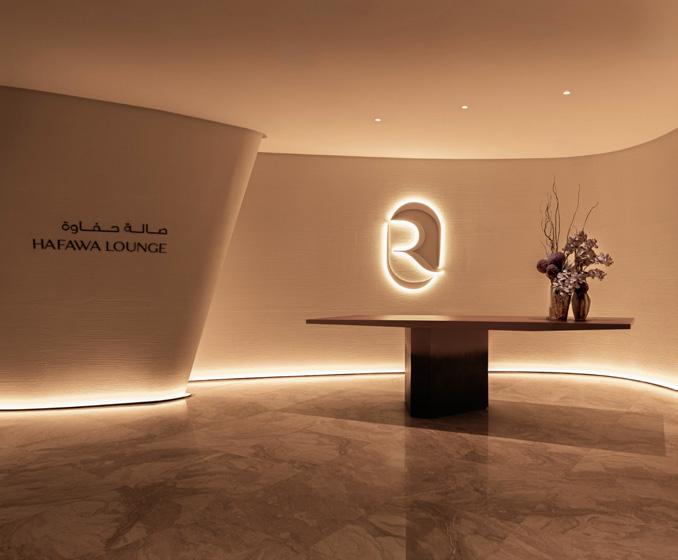
RIYADH AIR AND YABU PUSHELBERG PRESENT THE HAFAWA LOUNGE
Riyadh Air has launched the Hafawa Lounge, its first premium airport lounge at King Khalid International Airport, designed in collaboration with the internationally acclaimed multidisciplinary studio Yabu Pushelberg.
The guest experience at the Hafawa Lounge is an essential part of the airline’s innovative, scientifically-designed restorative sensory journey, carefully considered to help each guest reset, recharge and explore their destination, renewed.
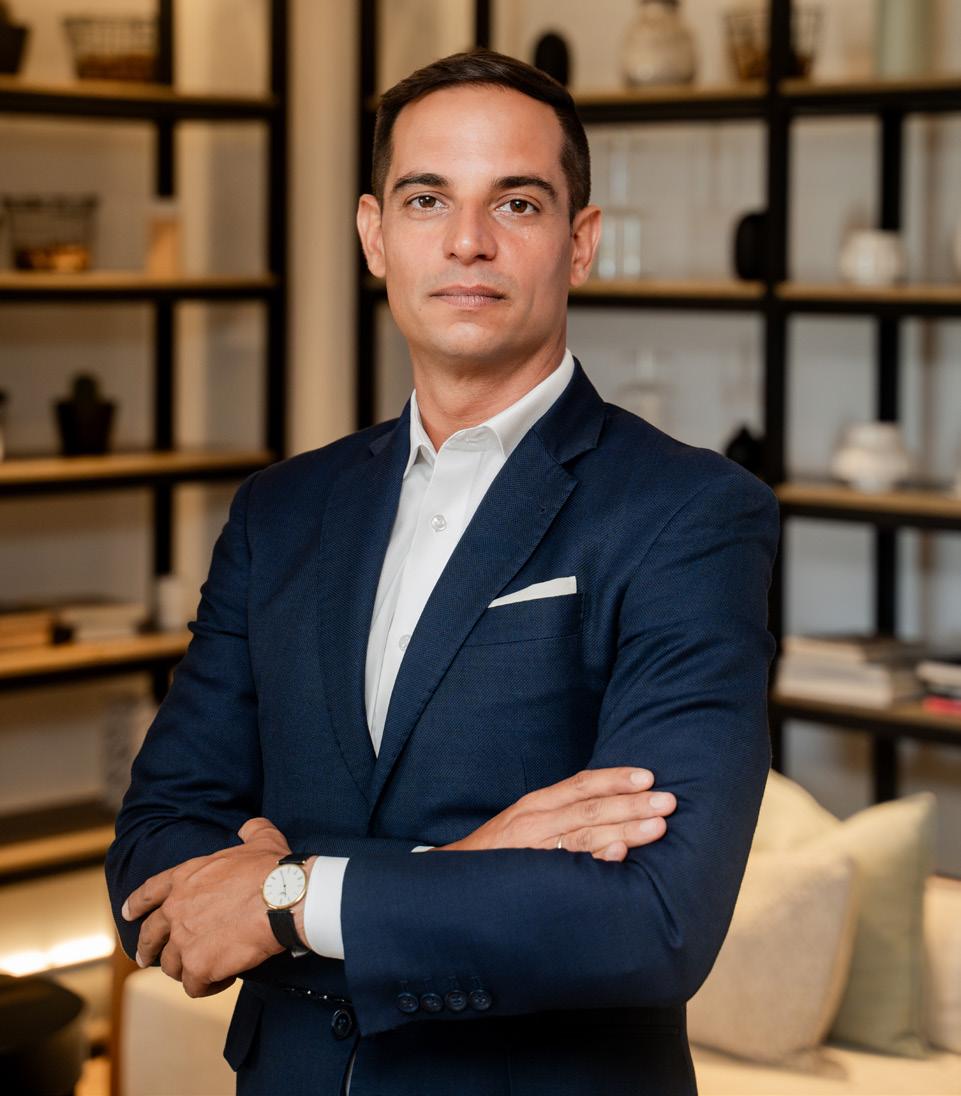
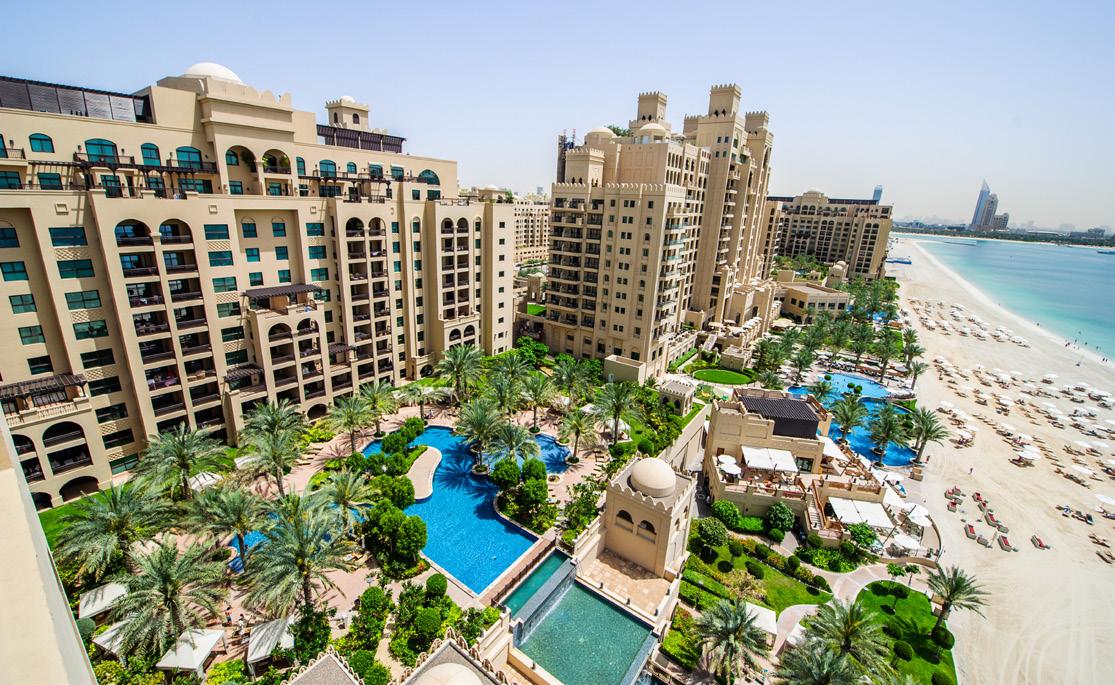
FAIRMONT THE PALM APPOINTS JOSÉ MARTINS AS HOTEL MANAGER
Fairmont The Palm is delighted to announce the appointment of José Martins dos Santos as Hotel Manager, bringing over 15 years of international luxury hospitality experience to one of Dubai’s most iconic beachfront resorts.
A passionate hotelier with a deeply people-centred leadership style, José is set to guide the resort’s next chapter through elevated guest experiences, purposeful transformation, and meaningful team engagement.
DANIEL WORSLEY
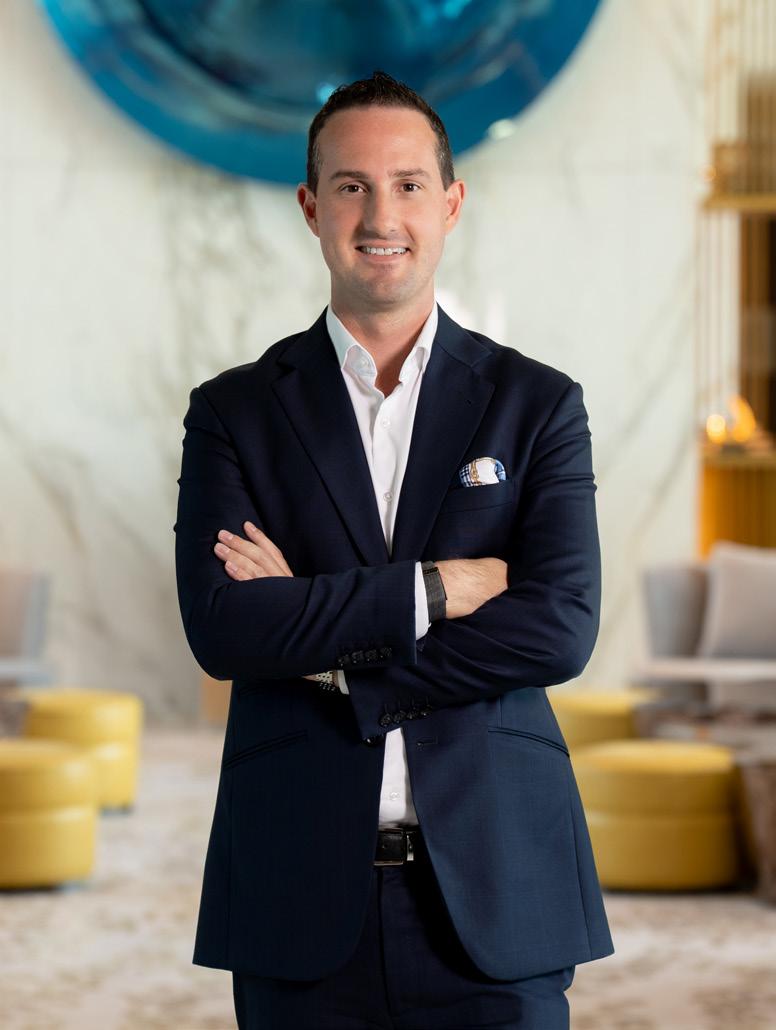
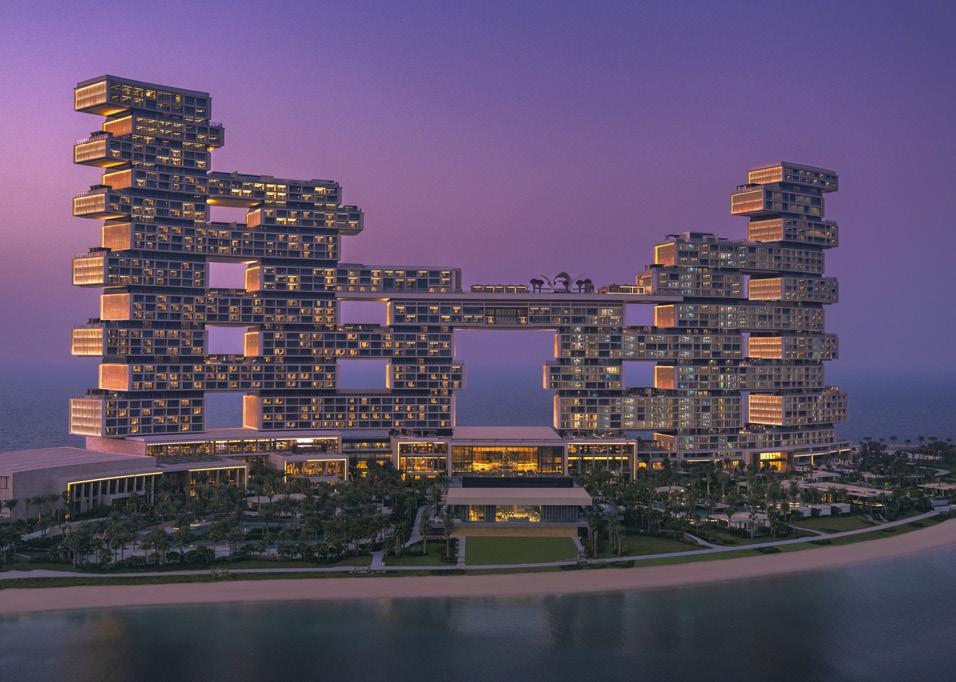
APPOINTED VICE PRESIDENT, HOTEL OPERATIONS AT ATLANTIS THE ROYAL
Atlantis The Royal is pleased to announce the appointment of Daniel Worsley as Vice President, Hotel Operations.
With more than 20 years of experience in luxury hospitality, Daniel brings a dynamic, people-focused leadership style and a proven track record of operational excellence to one of the world’s most iconic ultra-luxury destinations.
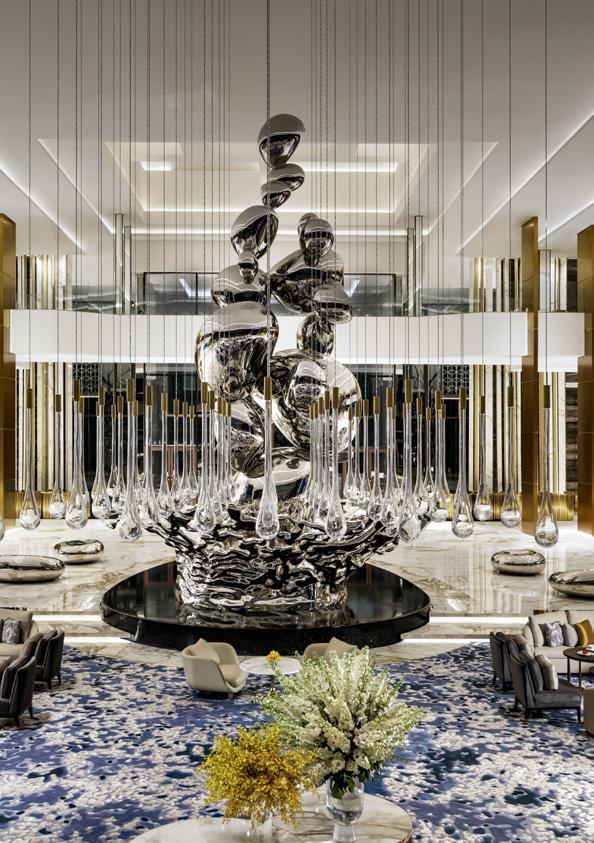
LAYAN LIFE BY ANANTARA LAUNCHES A NEW GENERATION OF LONGEVITY RETREATS FOR WOMEN - FOR EVERY AGE AND STAGE OF LIFE’S JOURNEY
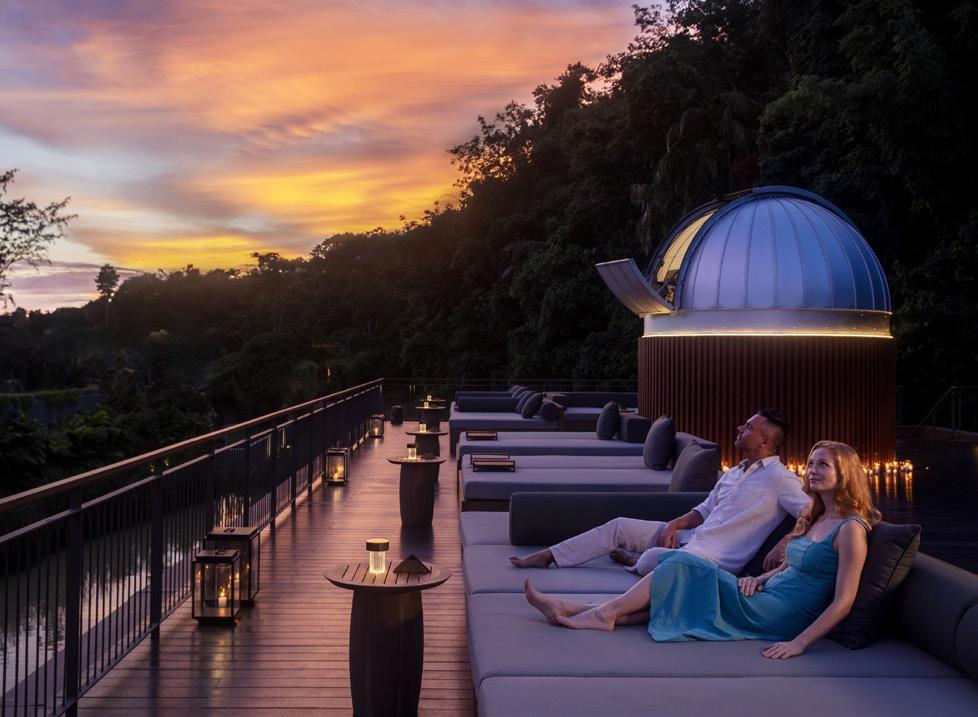
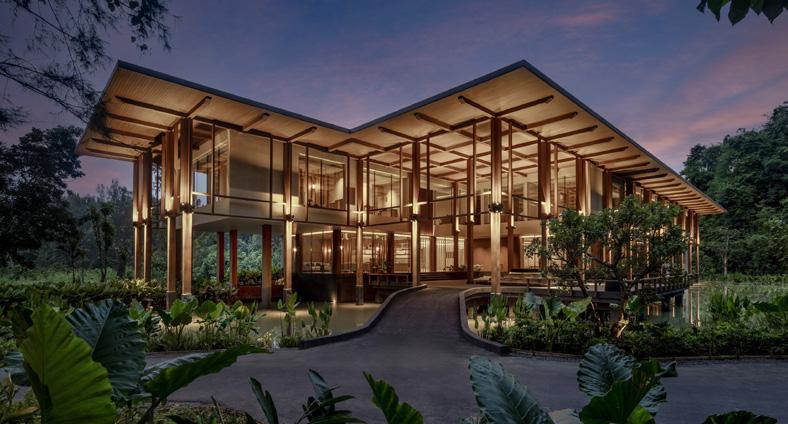
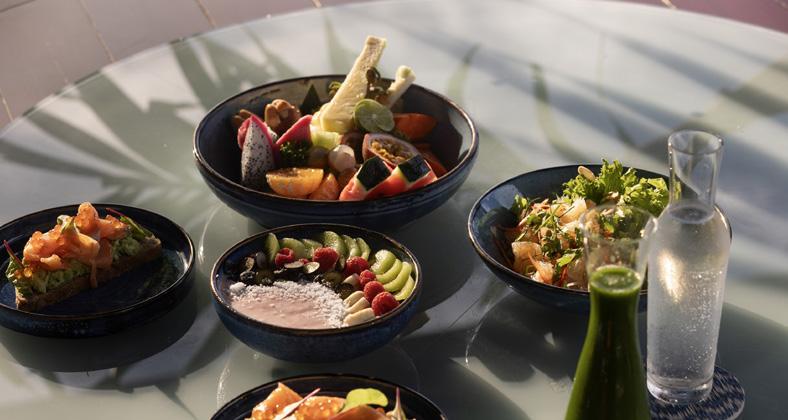
Layan LIFE by Anantara, the brand’s flagship wellness retreat nestled within the luxurious Anantara Layan Phuket Resort, has unveiled a new collection of women-focused retreats designed to support, celebrate and empower women across all chapters of life, from tech-overloaded teens and women navigating the hormonal fluctuations of midlife, to those entering their wiser years wanting to stay strong, mobile and well.
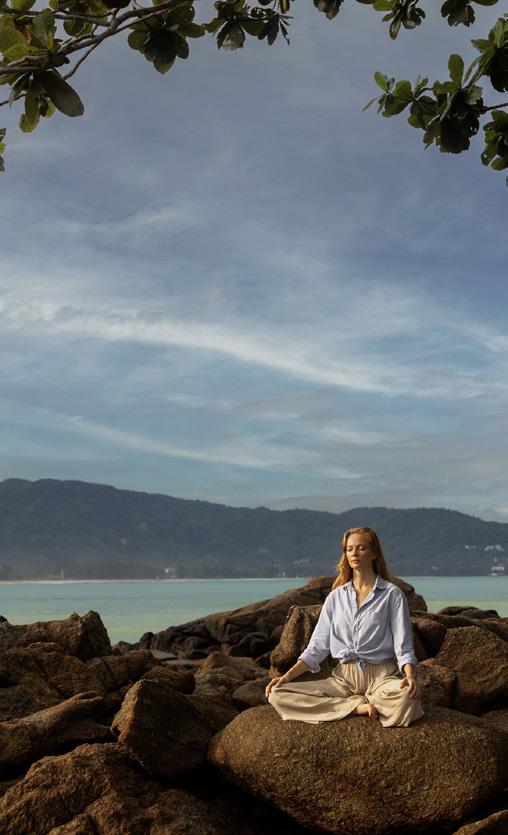
MIRAVAL THE RED SEA UNVEILS
KEY
LEADERSHIP APPOINTMENTS
CHAMPIONING ITS PURPOSE-LED WELLBEING VISION
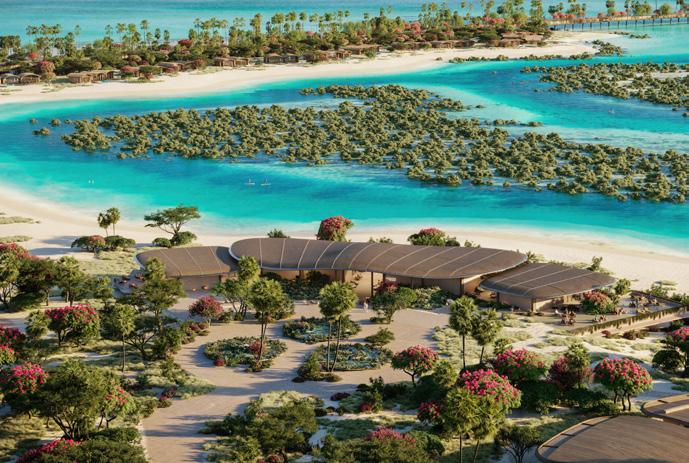
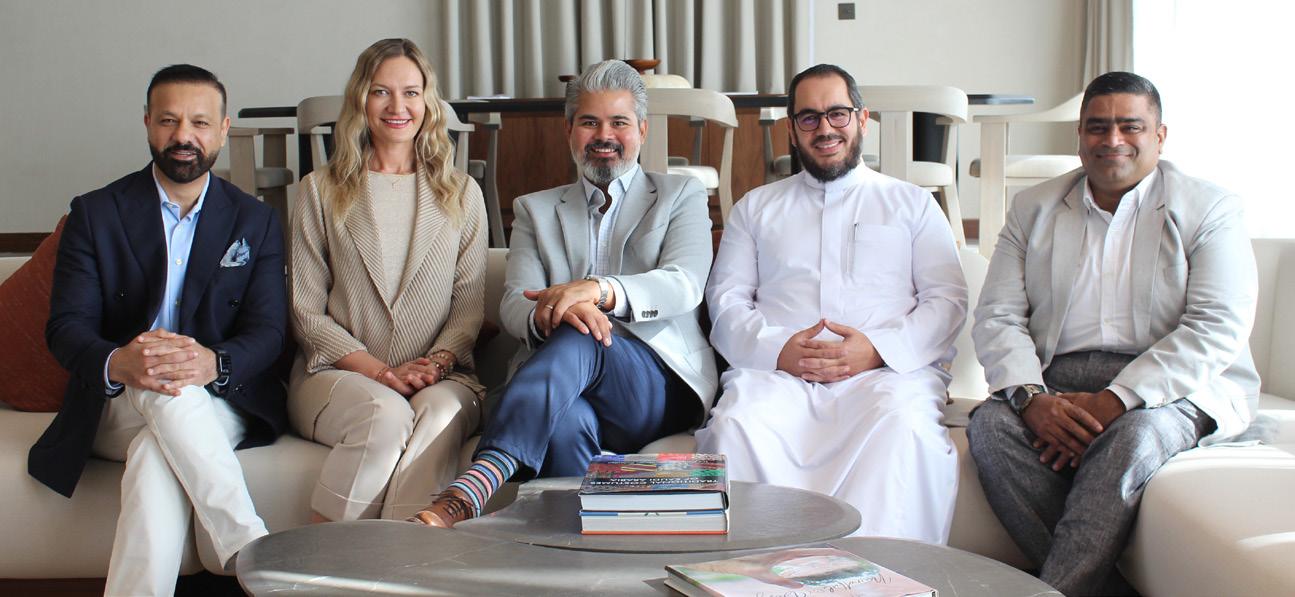
As Miraval The Red Sea prepares to welcome travellers to Shura Island, the resort has announced its Executive Leadership Team, appointed to define a new standard for integrative, purpose-led wellbeing in the region.
Crafted as an adults-only, all-inclusive sanctuary, the resort will bring together refined luxury, mindfulness, and personal transformation, positioning Miraval The Red Sea as a cornerstone of Saudi Arabia’s evolving wellness landscape.
> Juan Paolo Alfonso, General Manager
> Muhammad Al Nasser, Resort Manager
> Hanna Kulyba, Director of Wellness
> Peeyush Pandey, Director of Food and Beverage
> Saiful Rahman, Cluster Commercial Director
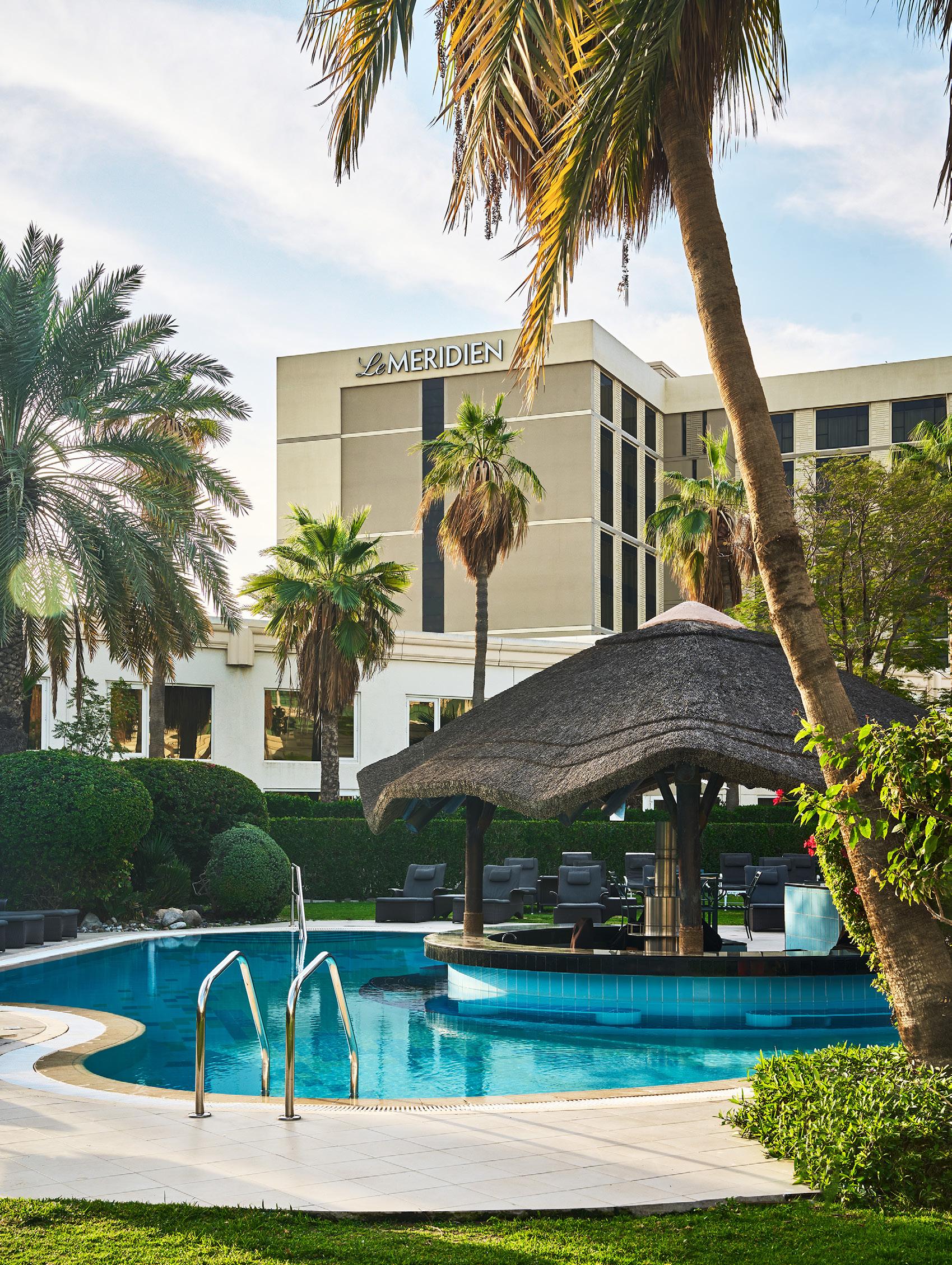
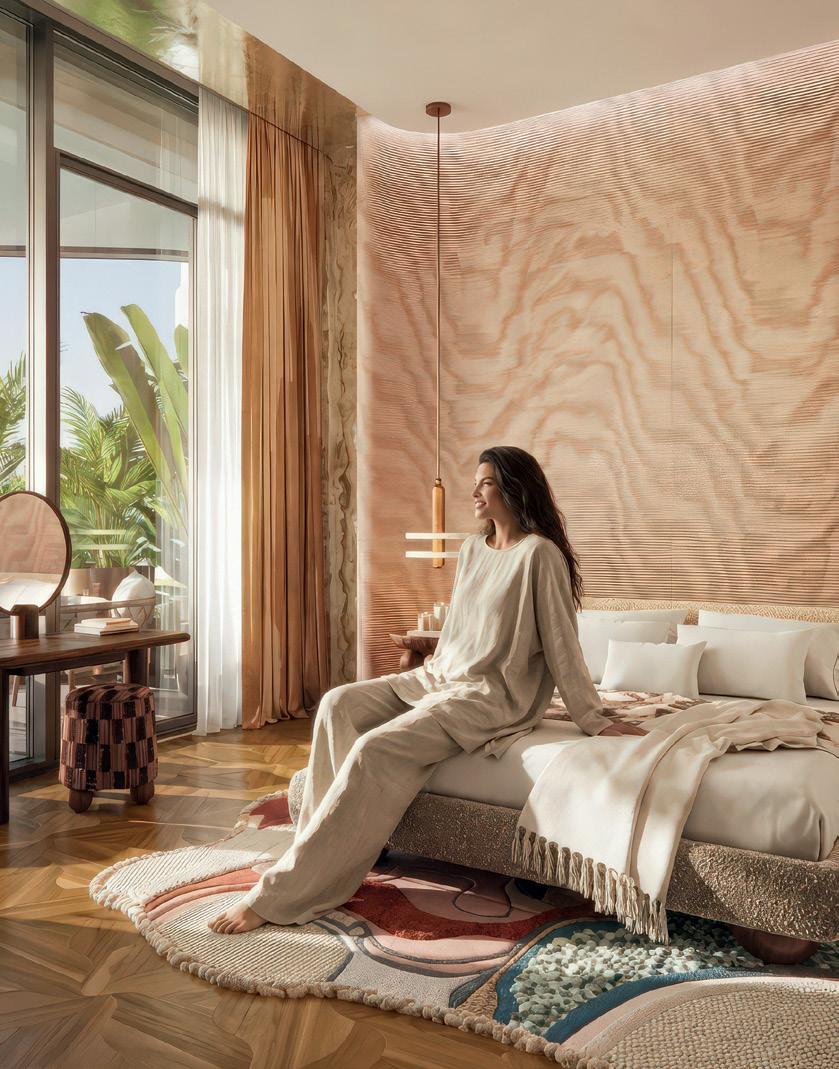
Rediscover Inspiration at Le Méridien Dubai Hotel & Conference Centre
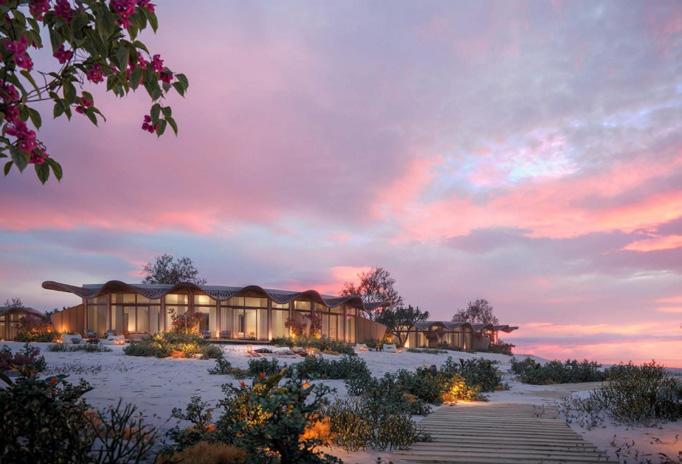
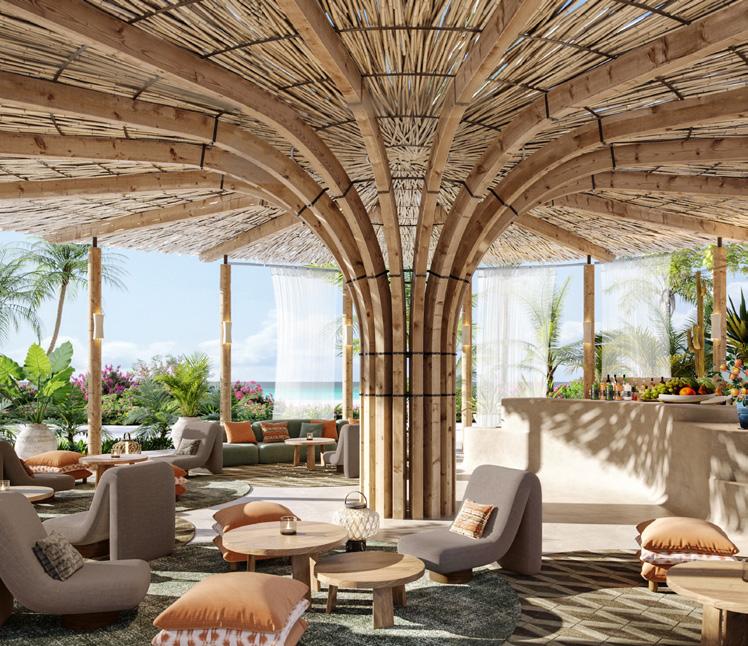
A serene sanctuary at the heart of the city’s dynamic landscape, Le Méridien Dubai Hotel & Conference Centre redefines the art of urban hospitality. Set across 15 acres of immaculately landscaped gardens, the hotel o ers an elegant retreat just moments from Dubai International Airport, placing guests within e ortless reach of the city’s most iconic districts, from Dubai Mall and Burj Khalifa to the storied charm of the Gold Souk and Dubai Creek.
With 580 beautifully appointed rooms and suites, the property invites travellers into a world where contemporary design meets the timeless sophistication of the Le Méridien brand. The distinguished 196 rooms in the Le Royal Club wing elevate the experience with spacious, light-filled rooms, and refined club privileges, while select ground-floor accommodations in the main building open directly onto lush gardens and tranquil pools, o ering a resort-like ambience rarely found in the city.
Well-being is woven into the hotel’s DNA. Guests may indulge in five swimming pools, unwind in serene outdoor enclaves, or train at one of Dubai’s most expansive and advanced fitness facilities, sta ed by expert coaches and equipped with cutting-edge technology to nourish mind, body, and spirit.
At the heart of the property lies an extraordinary culinary journey. Housing 18 acclaimed restaurants and bars, Le Méridien Dubai is home to some of the city’s most storied dining institutions. From the ever-legendary Seafood Market, celebrated for its market-style freshness, to Casa Mia, Dubai’s pioneering Italian restaurant, each venue reflects a passion for authenticity, craftsmanship, and memorable dining artistry.
A beacon for global meetings and events, the hotel features more than 44,000 sq. ft. of versatile event spaces, comprising 24 impeccably designed venues outfitted with modern audiovisual capabilities. Whether orchestrating a grand celebration for 1,750 guests, hosting an international exhibition, or curating an intimate executive gathering, the hotel’s specialist events team and award-winning culinary experts bring each vision to life with impeccable precision and creative flair.
From inspired dining to world-class event facilities, and from resort-style relaxation to unmatched convenience, Le Méridien Dubai Hotel & Conference Centre stands as a destination where cosmopolitan energy and cultivated luxury converge, inviting every guest to unlock a stay that is truly memorable.

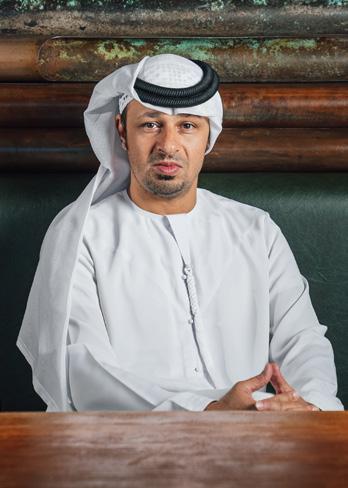
HOW PRIVATE SECTOR LEADERS REINFORCE THE UAE’S GLOBAL REPUTATION
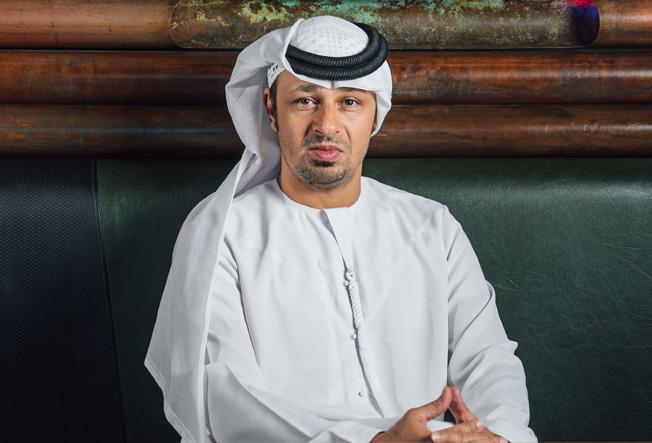
BY AHMED ABDULHAKEEM, FOUNDER AND CEO THE LAB HOLDING
The UAE has built a reputation as one of the world’s most stable and secure business environments. Decades of long-term policy, infrastructure investment and regulatory clarity have positioned Dubai, Abu Dhabi and the wider Emirates as global hubs for trade, tourism and capital.
But reputation is never fixed; in moments of geopolitical tension or global uncertainty, the confidence people feel is shaped by what they see and experience every day. Businesses, and the way they operate, play a crucial role in reinforcing this perception. Private sector leaders are not only participants in the market; they are active custodians of the country’s credibility. How they act, especially in uncertain times, can either strengthen trust or undermine it.
HOW CONFIDENCE IS REINFORCED DAILY
Confidence in any business ecosystem rarely shifts dramatically. It builds gradually, through repeated experiences of reliability, transparency, and disciplined operations. Investors notice how governance standards are upheld, consumers observe consistency in service, and employees respond to the tone set by leadership. When companies maintain professionalism and quality regardless of external pressures, they send a clear signal: the system works as it should.
Stability is not declared in statements; it is experienced in the way a business delivers, manages risk, and communicates calmly under pressure: a licensing process that runs smoothly, a contract honoured, a service delivered at the same standard.
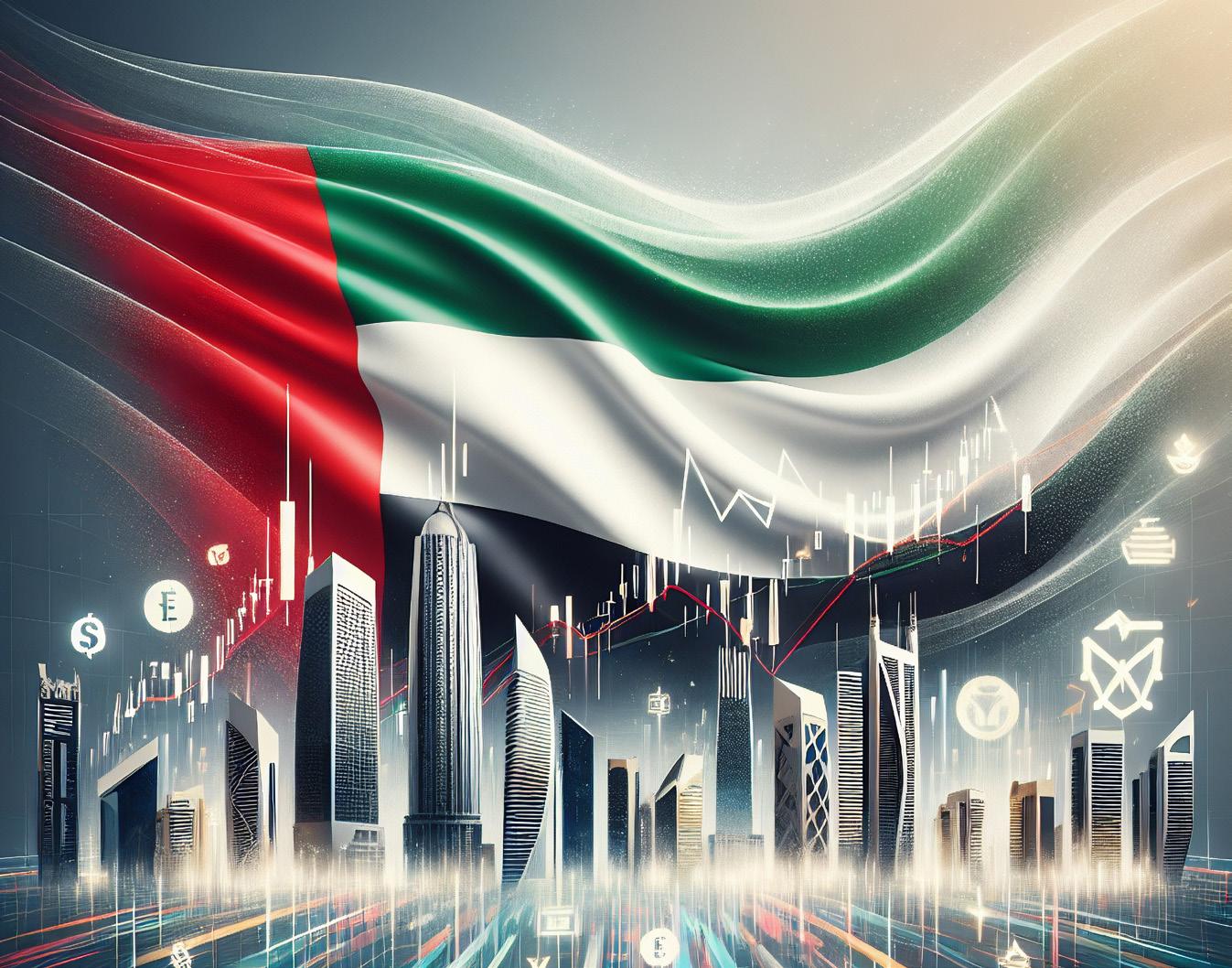
This is where private sector leadership matters most; they act as custodians of national credibility, with each decision either reinforcing or undermining confidence. Calm, measured, and long-term thinking become strategic tools that sustain trust day by day.
THE INDUSTRIES THAT SHAPE FIRST IMPRESSIONS
Few sectors make this confidence more visible than others, and hospitality is one of them. Restaurants, hotels, and dining destinations are often the first touchpoints for international visitors. When someone visits Dubai, their impression is shaped by the restaurants they dine in, the people they meet, and the atmosphere they feel. This will shape how they describe the country long after they leave.
Therefore, measured communication is even more important. In uncertain times, leaders set the tone with thoughtful, balanced, and measured messaging they reinforce calm and trust both internally and externally. Inside our organisation, our priority is to reassure our people, remain transparent, and continue delivering the same experience to our guests.
In many ways, leadership is reflected in how consistently and responsibly it engages with the broader environment.
WHY LONG-TERM THINKING MATTERS
Sustained stability ultimately depends on decisions made well beyond the immediate cycle. Markets reward patience and discipline. They favour companies that build robust systems, nurture talent, and uphold governance standards even when short-term pressures suggest otherwise.
Investors and international partners not only look at the regulatory framework, but also at how businesses operate within it. Demonstrating professionalism, financial discipline, and compliance not only strengthens the credibility of your company but also the entire ecosystem. Attracting international talent also relies on this stability. Professionals seek environments where opportunity meets security and purpose, where they can grow and contribute over the long-term.
Companies that invest in culture, employee development, and sustainable careers help position the UAE not just as a place to do business, but as a place to build a future.
The UAE has created a framework that supports growth, integration and ambition. Preserving its reputation as a stable and world-class business hub does not rest solely on policy, and for private sector leaders, the responsibility is clear. By building organisations where people can grow, innovate, and contribute over the long-term, we will help ensure that the UAE remains not only a world-class place to do business but also a place where careers, ambition, and opportunity can flourish. Stability, in this sense, is a shared achievement, reinforced through the daily choices of those who operate within it.
AHMED ABDULHAKEEM, Founder and CEO The Lab Holding
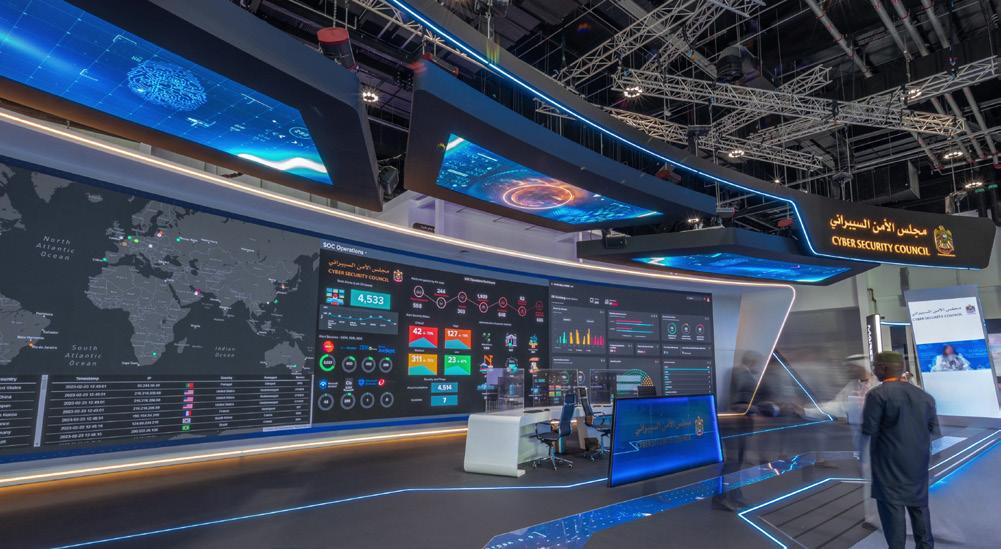
Managing in UNCERTAIN TIMES
HOSPITALITY LEADERSHIP WHEN THE GROUND KEEPS SHIFTING
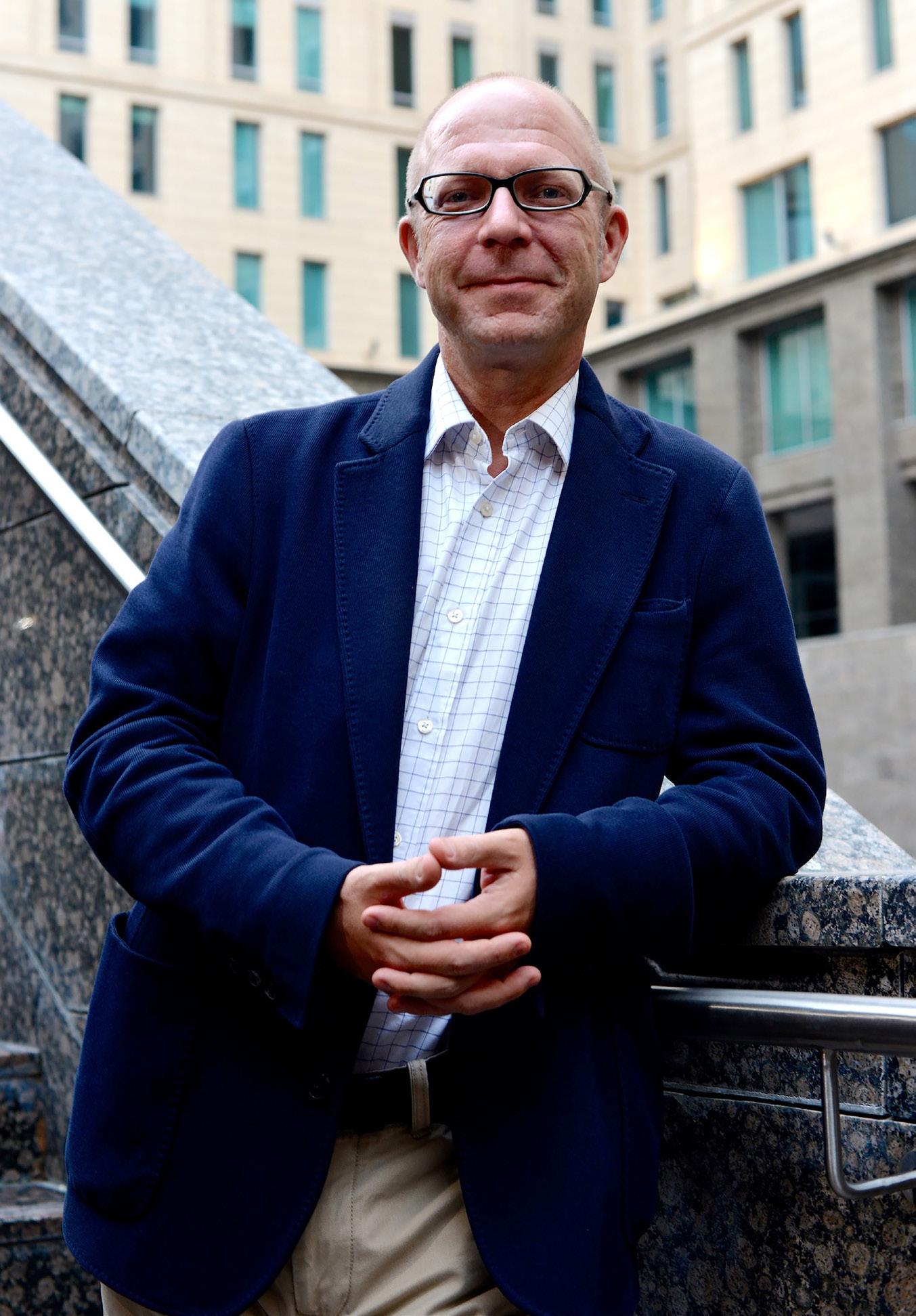
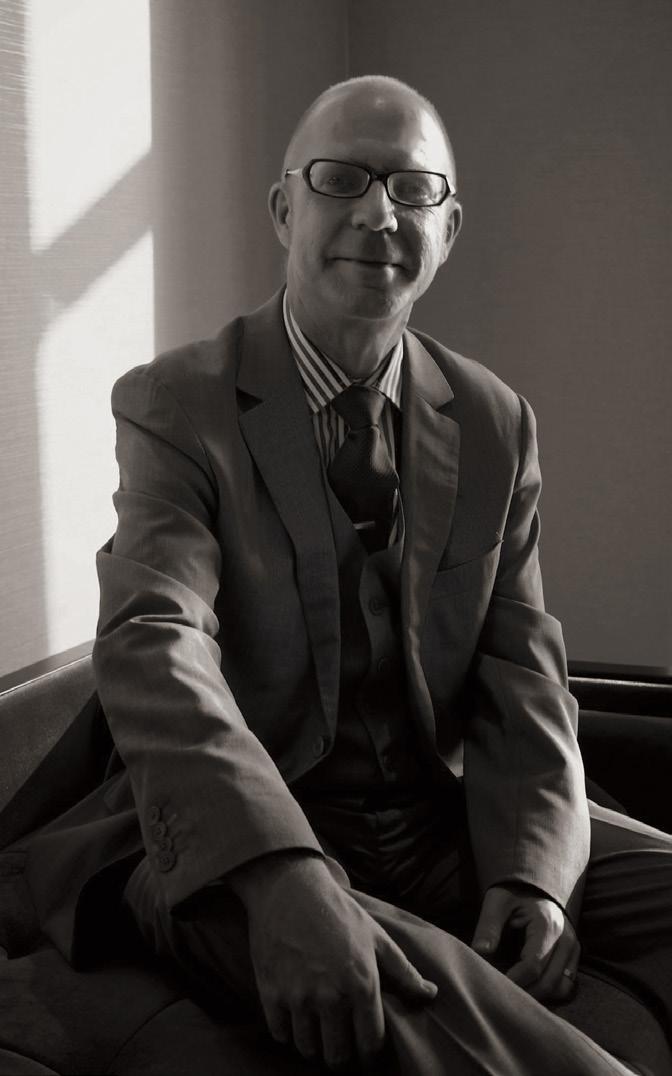
BY MARTIN KUBLER, CHIEF SLOTH AT THE GLUTTONOUS SLOTH, HORECA CONSULTING
WITH
ATTITUDE
Hospitality has always operated in cycles. High season, low season. Expo year, post-Expo year. Expansion, consolidation. What makes the current environment different, even from the Covid period, is not that uncertainty exists, but that it feels constant. Geopolitical tension, fluctuating tourism flows, labour cost pressures, supply chain adjustments, regulatory changes, and increasingly cautious consumers create a landscape where clarity can feel temporary at best.
For hoteliers and restaurateurs in the Middle East, the stakes are amplified. The region moves fast. Ambition is high. Investment cycles are bold. Expectations from owners, guests, and governments, are not modest. In such an environment, uncertainty does not announce itself politely. It arrives mid-service.
The temptation in these moments is to react quickly and dramatically. Cut costs. Freeze hiring. Redesign the concept. Launch aggressive promotions. Sometimes those moves are necessary. But more often, resilience in hospitality is less about dramatic pivots and more about disciplined fundamentals.
The first principle of managing in uncertain times is clarity of positioning. When markets wobble, average businesses suffer first. Hotels and restaurants that cannot clearly articulate who they are for and why they exist become vulnerable to discounting and panic-driven strategy shifts. In contrast, brands with a well-defined identity are better equipped to maintain pricing power and guest loyalty, even when footfall softens.
In the Middle East, where markets such as Dubai, Riyadh, and Doha are saturated with world-class offerings, differentiation is not optional. Uncertainty magnifies sameness. If your property or restaurant could be replaced by three others within a five-minute radius without anyone noticing, volatility becomes far more dangerous. Strong positioning provides strategic anchor points when external conditions change.
The second principle is operational flexibility without strategic drift. Many hospitality leaders confuse flexibility with constant reinvention. True flexibility is structural. It is embedded in cost models, supplier relationships, staffing frameworks, and menu engineering. It allows you to adjust without losing your core.


For hotels, this may mean building room segmentation strategies that allow yield management to respond dynamically to shifting demand patterns across corporate, leisure, and regional travel segments. For restaurants, it can involve menu design that accommodates ingredient price fluctuations without compromising brand integrity. In a region where import dependency remains significant in certain categories, supplier diversification and regional sourcing strategies help mitigate exposure to sudden cost spikes.
Operational discipline may not sound inspiring, but in uncertain environments, it becomes a competitive advantage. Leaders who understand their numbers deeply, such as food cost ratios,
GOP margins, and RevPAR sensitivities, make calmer decisions. They are less likely to overcorrect.
The third principle is talent stability. Hospitality in the Middle East is powered by a multinational workforce. Visa structures, housing costs, and evolving labour regulations add layers of complexity. In uncertain times, teams look to leadership for signals. When leaders project panic, teams disengage. When leaders communicate transparently and consistently, teams stabilise.
Retention becomes more valuable than rapid expansion. Cross-training staff increases resilience. Investing in leadership capability at the

mid-management level ensures continuity if senior leaders are pulled into crisis response. The guest experience in volatile periods depends heavily on frontline confidence. A composed team communicates stability long before marketing campaigns do.
The fourth principle is disciplined cash management. Growth markets often reward bold expansion, and the region has no shortage of ambitious projects. Yet uncertainty requires a renewed focus on liquidity and cash flow forecasting. This is not about pessimism. It is about optionality. Operators with healthy reserves can invest when others retract. They can negotiate supplier terms from a position of strength. They can upgrade systems or refresh concepts strategically rather than reactively. In uncertain markets, cash is not simply protection; it is strategic flexibility.
Finally, there is a leadership tone. In uncertain times, culture becomes visible. Teams observe whether leadership remains measured or reactive. Investors observe whether operators maintain strategic coherence. Guests sense whether a property feels confident or anxious.
Calm leadership does not ignore reality. It acknowledges challenges while reinforcing direction. It communicates frequently. It avoids sudden strategic lurches unless genuinely necessary. In markets where news cycles move quickly, steady internal communication prevents rumours from becoming operational distractions.
The Middle East hospitality sector has demonstrated remarkable resilience over the past decade. From pandemic recovery to rapid tourism rebounds and ambitious national development strategies, the region has repeatedly shown its capacity to adapt. The lesson is not that uncertainty disappears, but that resilience can be designed.
Managing in uncertain times is less about predicting the next disruption and more about strengthening the fundamentals that allow you to respond without losing identity. Clear positioning, operational discipline, talent stability, financial prudence, diversified demand, and composed leadership form a framework that withstands volatility.
Uncertainty, after all, is not an exception in hospitality. It is part of the operating environment. The leaders who thrive are not those who eliminate it, but those who manage it with structure and perspective.
In a region defined by ambition and speed, the competitive edge may well belong to those who move thoughtfully when others rush.
MARTIN KUBLER, Chief Sloth at The Gluttonous Sloth, Horeca Consulting with Attitude

LEADERSHIP in REAL TIME
How the region's hospitality industry responded when it mattered most
There are moments in business that don’t arrive with warning.
They arrive mid-service. Mid-day. Between calls. In the middle of the night. Sometimes, when you’re in your most relaxed moment.
And in that instant, leadership shifts from strategy to instinct.
As regional developments unfolded over the past 4 days, the UAE hospitality industry responded with clarity and composure. Operations were reviewed. Teams were briefed. Guests were reassured. Decisions were made calmly and deliberately.
That composure was not accidental.
It was made possible by the steady, coordinated leadership seen across the UAE and in alignment with the wider GCC. Clear communication. Rapid assessment. Structured response. Stability prioritised at a national

level. When a nation moves with clarity, its industries can operate with confidence.
Hotels remained focused. Restaurants adapted. Suppliers continued to deliver. The ecosystem held, because the foundation beneath it held.
This series begins with a simple question: Where were you when you heard the news, as developments unfolded across the Gulf and the UAE moved decisively to safeguard its people?
Not to dramatise the moment, but to understand it. To capture the decisions made across hotels, restaurants and supplier networks, and to reflect on what those decisions say about the strength and maturity of our region today.
The situation continues to evolve. But so does our resolve. Business continues. Leadership continues. These are their reflections.
Mark Lee, General Manager, Media One Hotel, Dubai
Where were you when you first heard the news, and how did it reach you?
I was at home when I first heard the news through the national media. Like many others, I immediately began following official updates to understand the situation clearly and responsibly.
What was your immediate reaction personally and as a business leader?
On a personal level, I had full confidence in the UAE government and its leadership. The country has consistently demonstrated its ability to manage situations with transparency, efficiency, and care for the community.
As a business leader, my immediate focus was on our people, our team members and our guests. Our responsibility is always their safety, comfort and well-being. That became our priority from the very first moment.
What was the first decision you made for your business?
The first action we took was to closely monitor all guests staying in-house to ensure they were safe and well-informed. We activated our internal communication channels and ensured every department was aligned. Our priority was to maintain a calm, secure environment and provide clear information where needed.
Did you consider pausing operations at any point, or did you feel confident continuing?
We felt confident continuing operations. The UAE’s strong governance, clear guidance and established safety frameworks gave us reas-
surance. At Media One Hotel, we are well-prepared for different scenarios, and we ensured all precautionary measures were in place. Our commitment is to remain operational while safeguarding everyone within our hotel.
How did your team and guests respond in those first 24–48 hours?
Naturally, there was some initial uncertainty, which is understandable in any evolving situation. However, our guests quickly felt reassured knowing that Media One Hotel places their safety first.
Our People & Culture team was immediately available to support team members, answer questions and provide guidance. I am proud of how our entire team mobilised professionally, calmly and with genuine care to ensure our guests felt secure and supported at all times.
As things stabilise in the UAE, what gives you confidence right now?
What gives me confidence is the UAE’s proven resilience and leadership. The government’s proactive communication, robust infrastructure and clear crisis-management frameworks create stability and trust.
Additionally, the unity within our industry and the professionalism of our teams reinforce that we are well-equipped to navigate any challenge. The UAE remains one of the safest and most secure destinations globally, and at Media One Hotel, we will continue to prioritise safety, comfort and exceptional service for every guest who walks through our doors.
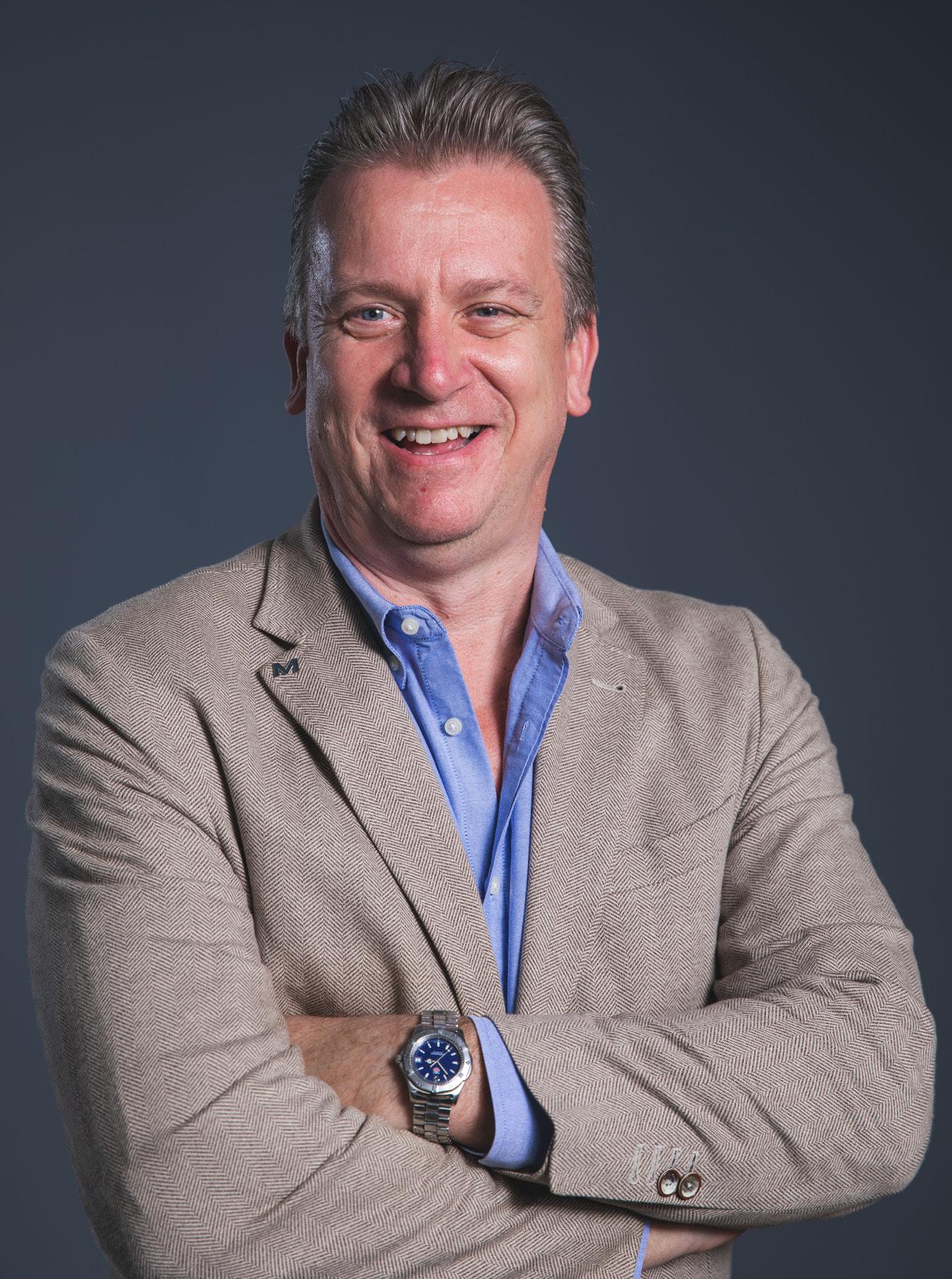
Rachid Bakas, Manager at Anantara Santorini Retreat, Abu Dhabi
Where were you when you first heard the news, and how did it reach you?
I was at the retreat when the official news broke. Together with other GMs in the region, our senior leadership team quickly connected us through group chats to monitor the situation.
I gathered my management team at the retreat for a briefing to keep everyone up to date on what was a very fast-moving situation. From the moment the outbreak began, we have been in constant contact, with news and updates shared in real time from across the region.
What was your immediate reaction personally and as a business leader?
Personally, my first thought was to ensure the well-being of our in-house guests and team members. As a business leader, I knew it was important to stay calm, well-informed, and maintain clear internal communication so we could make the right decisions.
Spending time with guests and understanding their individual concerns and situations allowed us to ensure the best level of care during what was understandably an unsettling time. For the team, being open and transparent helps create a sense of mutual respect so we can come together and present a united front.
What was the first decision you made for your business?
Our first priority was reassuring the guests who were already staying with us. We train for situations like this, so it was about putting those protocols into motion. In a retreat setting, that personal connection helps create a sense of trust and reassurance.
Just as importantly, I have been checking in on my team, making sure they feel supported
and reminding everyone that we are all in this together.
Did you consider pausing operations at any point, or did you feel confident continuing?
We followed official guidance throughout while prioritising safety. Based on the information available and the protocols already in place, we felt confident continuing operations while remaining vigilant.
Senior leadership remained in close contact and highly visible throughout the situation, and the consistent guidance from the authorities was both clear and helpful.
How did your team and guests respond in those first 24–48 hours?
I am very proud of how the team responded during those first 48 hours. Everyone remained calm, supportive, and focused. Communication was consistent, and management stayed available to address any concerns.
The team also followed the crisis protocols and measures diligently. There was a genuine sense of unity among everyone, and that collective effort made a real difference.
As things stabilise in the UAE, what gives you confidence right now?
We continue to monitor official updates and developments closely while remaining confident in our processes, communication, and ability to manage operations responsibly as situations evolve.
The clear and coordinated guidance provided throughout the situation has also allowed businesses like ours to operate with clarity and assurance.
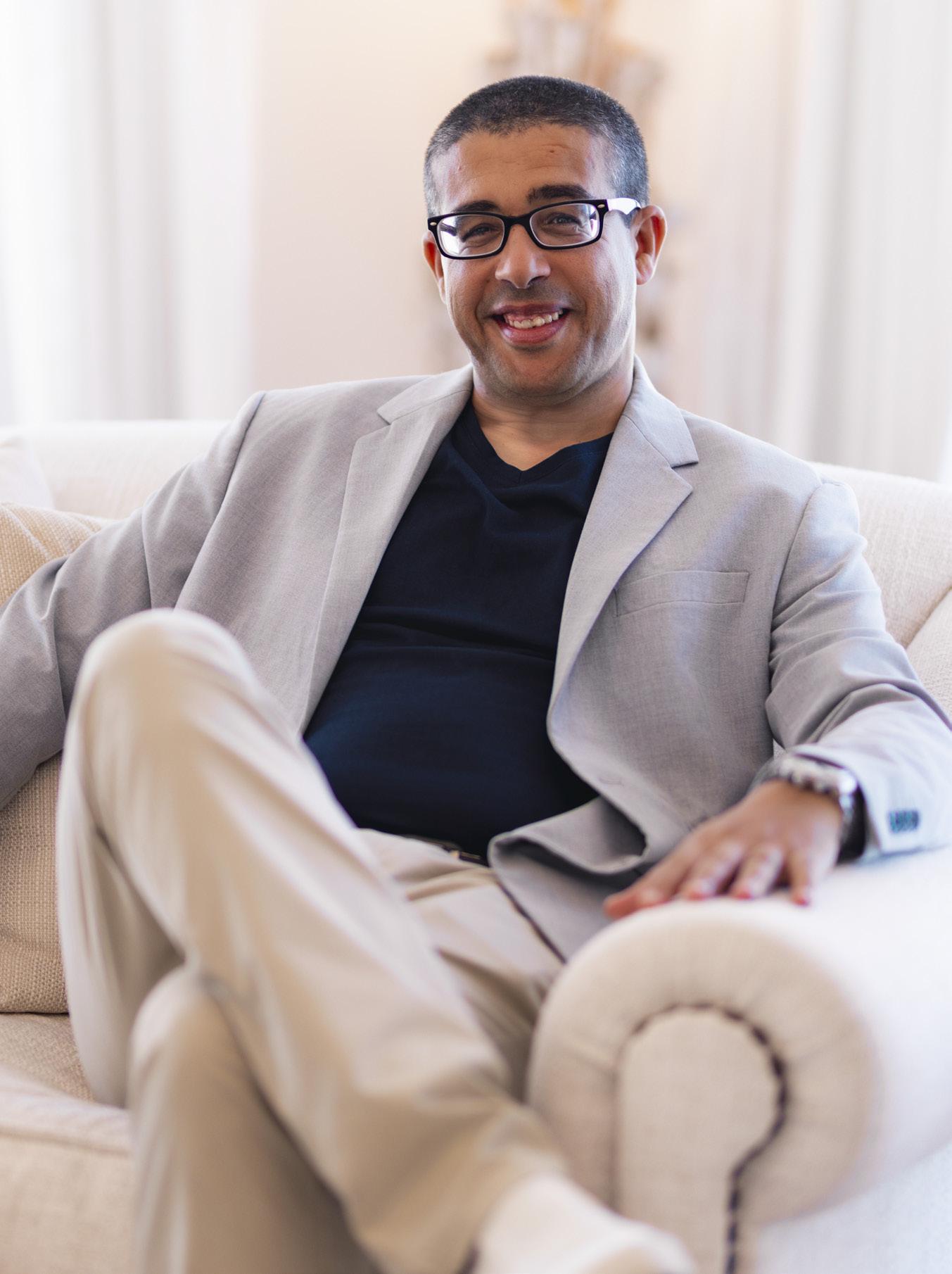
Ahmed Mansour, General Manager, SPK Dubai
Where were you when you first heard the news, and how did it reach you?
I was on my way to Dubai from Sharjah when I first heard the news. Shortly after, I stayed where I was for a moment to listen and understand what was happening.
What was your immediate reaction personally and as a business leader?
As someone with a military background, I had a basic understanding of how civilians should respond in situations like this. My first call was to my family to let them know I was safe and that there was nothing to worry about.
Immediately after, I communicated with my team through several channels, individually, through our line team leaders, and with my superiors, explaining that this was likely a temporary situation. At that time, however, none of us could be completely certain how things would unfold.
I kept my team at home after consulting with my superior, who was supportive and agreed that the priority should be the safety of our team. She asked me to proceed with the process of temporarily closing the venue.
What was the first decision you made for your business?
The first decision was to prioritise the safety of the team and temporarily close the venue until we had a clearer understanding of the situation.
Did you consider pausing operations at any point, or did you feel confident continuing?
As a nightlife venue, it wouldn’t have made sense to continue operating considering what was happening. After speaking with others across my nightlife network in the city, it was clear that pausing operations was the most responsible decision.
How did your team and guests respond in the first 24–48 hours?
I believe most Dubai residents, not just my team and our guests, reacted in a similar way. People stayed home, followed the news, and observed the situation closely as it developed.
As things begin to stabilise, what gives you confidence right now?
I was born and raised in the UAE and have lived in Dubai for almost 20 years. This city has bounced back from many crises over the years, such as the 2008 financial crisis, the pandemic, and ongoing regional conflicts. I’ve witnessed all of this throughout my career, so I’m confident that the city and its leadership will handle the current situation in the best way possible.
From a hospitality perspective, I think it’s still a bit early to fully analyse industry stability until the situation has completely passed.
At the end of the day, I believe we need to remain positive, grounded, and focused on our well-being, our careers, and our goals and continue to have faith in the city.
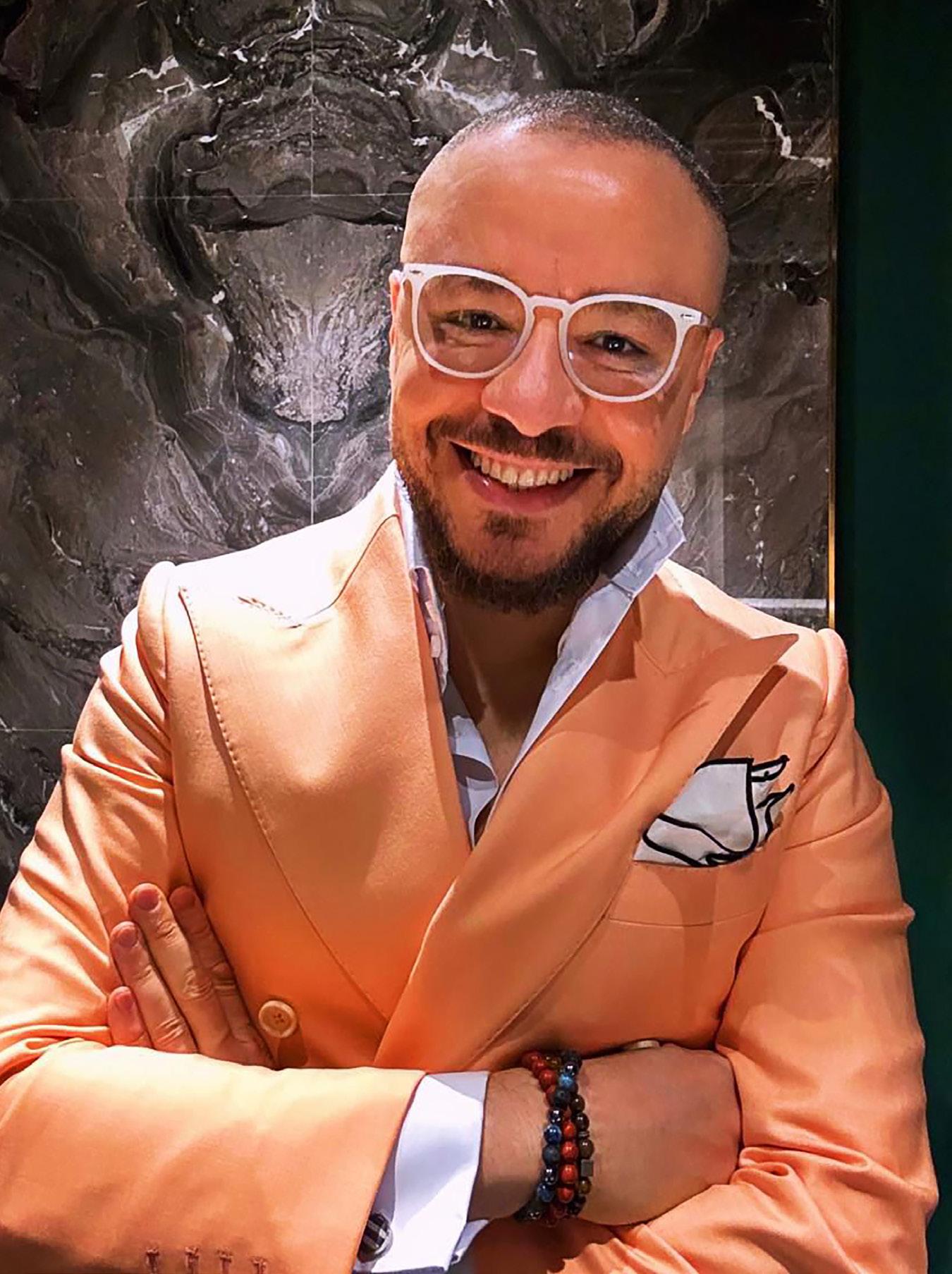
Duaa Radwan, Founder, DASH Consultancy
Where were you when you first heard the news, and how did it reach you?
I was driving home from a yoga class when I heard the news on the radio. It completely caught me off guard. I was so distracted that I missed my exit and ended up in an industrial area surrounded by trucks. My GPS wasn’t working properly, so I had to pause, breathe, and find my way back calmly. It felt unsettling, but I reminded myself to stay grounded.
What was your immediate instinct as a communications advisor?
Honestly, it wasn’t about work first. It was about people. I immediately checked on my family, friends, and my team. I even reached out to media contacts in Bahrain and Kuwait because the situation initially sounded more intense there. I just wanted to make sure everyone was okay.
What was the first action you took for your clients?
We aligned internally and reviewed everything that had been scheduled. Our priority was to approach the situation with sensitivity and awareness.
Did you advise clients to pause communications or continue as planned?
Yes, we paused UAE-based campaigns and cancelled a planned press trip. It didn’t feel appropriate to continue as normal while people were still processing what was happening.
What concerns were clients raising in those first 24–48 hours?
Safety and emotional impact were the main concerns both for their teams and their guests. There was a shared sense of wanting to respond thoughtfully and do the right thing.
How did you shape messaging to balance reassurance with responsibility?
We focused on calm, clear communication. No fear, no dramatic tone, just reassurance and transparency. In moments like this, people need steadiness.
What gives you confidence in continuing to operate and advise from the UAE right now?
The leadership here has been clear and reassuring, which brings a sense of comfort. The UAE is resilient, and there is a strong sense of unity. That positivity gives me confidence moving forward.
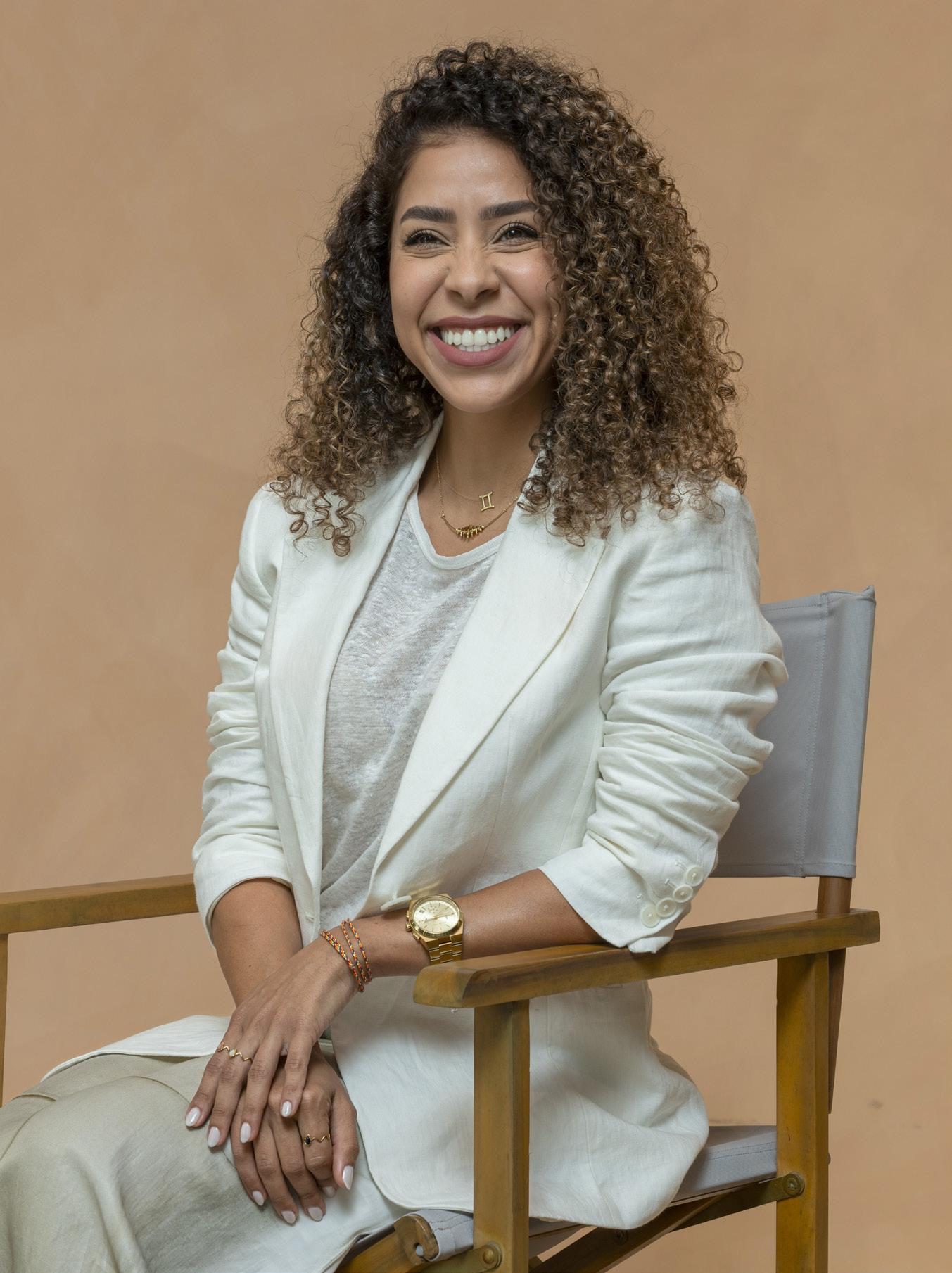
Ahmad
Shaban Fernandez, Cluster General Manager, Dukes
The Palm Dubai Hotel & NH Collection Dubai The Palm
Where were you when you first heard the news, and how did it reach you?
It was a Saturday morning and I was already at the hotel. Like many people, I woke up to the news and immediately started receiving updates and messages from colleagues.
My first instinct was to activate our crisis management process. We quickly brought together a small crisis management team, which I led, to ensure we had clear communication and alignment internally.
One of our priorities was making sure our team members were visible and present throughout the hotel, especially in the lobby and other guest touchpoints, so they could reassure guests and answer any questions.
Later that day, when the incident on Palm Jumeirah occurred, I was having Iftar at the hotel with some of our team members and my family. That evening, my wife and two daughters stayed with me at the property. For me, that was also an important message: if my own family feels safe staying here, then our guests should feel the same.
Our teams were extremely responsive and supportive, ensuring both guests and team members across the hotel felt reassured and looked after.
What was your immediate reaction personally and as a business leader?
Personally, my first thought was about people, making sure our guests and team members were safe and felt reassured. In hospitality, that is always the priority.
As a leader, the most important thing in moments like this is to remain calm and present. Your team takes its cues from you, so it’s important to stay level-headed and focus on solutions.
What I saw immediately was how naturally the team stepped up. Everyone knew what needed to be done; being present in the lobby, speaking with guests, answering questions, and making sure people felt comfortable. It’s in moments like these that you truly see the strength of a hospitality team.
What was the first decision you made for your business?
The first step was formally activating our crisis management response and bringing the leadership team together to ensure everyone had the same informa-
tion and was aligned on how to handle the situation.
From there, we focused on visibility and communication. Our teams increased their presence in guest areas, particularly in the lobby, so we could answer questions directly and reassure anyone who needed it.
Communication was key, both internally within the team and externally with our guests.
From that point on, it was about staying coordinated, monitoring how the situation evolved, and ensuring the hotel atmosphere remained calm and welcoming.
Did you consider pausing operations at any point, or did you feel confident continuing?
We felt confident continuing operations.
Of course, we implemented some precautionary measures initially, for example, temporarily closing the pool while we assessed the situation, but overall, the hotel remained fully operational. Our teams stayed present around the clock, ensuring guests felt supported and informed.
Very quickly, a sense of normality returned. Restaurants continued operating, guests carried on enjoying their stay and the atmosphere remained calm.
The UAE has consistently demonstrated a very high level of preparedness and organisation, and that creates strong confidence for both residents and visitors. The message was clear: daily life continues, and the hospitality sector continues to welcome and care for guests.
How did your team and guests respond in those first 24–48 hours?
Guests were understandably worried at first, which is completely natural in a situation like this. Many had questions and were looking for reassurance.
What made me particularly proud was the way our team responded. They remained calm, present and focused on the guests. You could see them spending time in the lobby, speaking with guests and checking if anyone needed anything. Their priority was clear; making sure guests felt supported.
Many of our team members were far from their own families, yet they chose to stay at the hotel and be there for the guests. Some even had their families
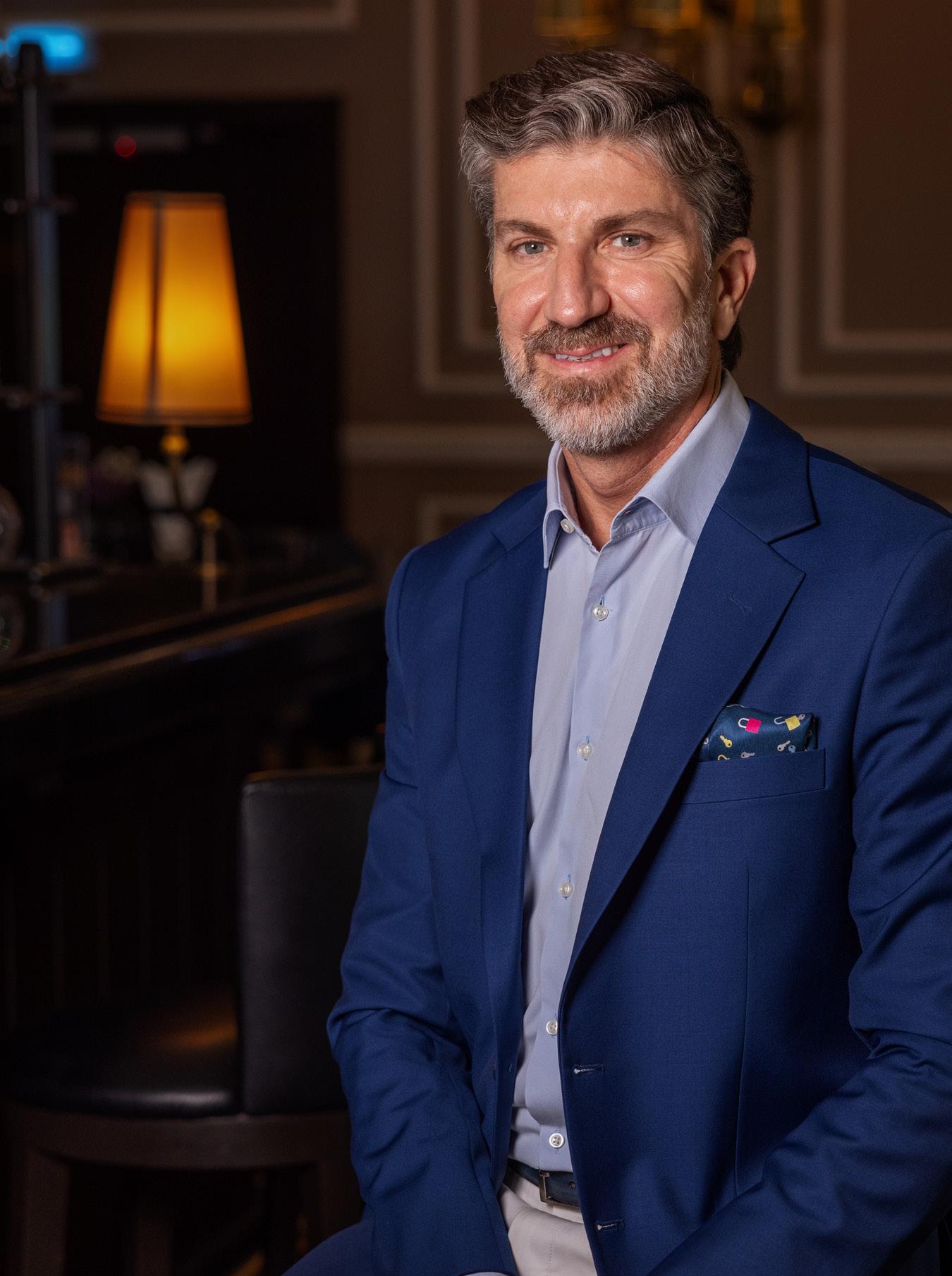
staying with them at the property. That level of dedication is something very special.
And honestly, this is exactly why Dubai is such a global hub for hospitality. The people working in this industry genuinely care about guests, no matter the circumstances.
As things stabilise, what gives you confidence right now?
What gives me confidence right now is the resilience you see around you, from the community, from our teams and from the guests themselves.
Over the past few days, I’ve seen our teams show incredible dedication. Many of them are far from their own families, yet their first instinct was to ensure guests felt safe and supported. That is the true spirit of hospitality.
Dubai has always been built on that mindset, people from all over the world coming together, supporting one another, and continuing to move forward no matter the circumstances.
And when you walk through the hotel today, you can see it: guests enjoying dinner, families relaxing, and teams smiling while doing what they do best; welcoming people.
This is Dubai, and it will remain Dubai, no matter what.
Prateek Chitkara, Founder of ZEA at DIFC
Where were you when you first heard the news, and how did it reach you?
I was at home getting ready for a busy Saturday night at ZEA. We had a full evening ahead with many guests expected. Suddenly, I heard a loud noise which immediately caught my attention. My first instinct was to check on my family and make sure everyone was safe. Shortly after, I turned on the news and saw that the situation was already being widely reported.
What was your immediate reaction personally and as a business leader?
My immediate reaction was to ensure the safety of those closest to me. I called my family and friends to let them know we were safe. After that, I contacted the General Manager at ZEA to confirm that everyone at the restaurant was safe as well. Moments like this remind you that the well-being of your team must always come before anything else.
What was the first decision you made for your business?
After hearing a second loud noise and learning through the news that residents were advised to shelter in place, I decided to temporarily shut down operations at ZEA until further notice. At the same time, the building management began evacuating people from the area. My priority was to ensure our team members could leave safely and reach home without any issues. I also asked our General Manager to personally check in with every staff member to confirm everyone was safe.
Did you consider pausing operations at any point, or did you feel confident continuing?
Yes, we immediately paused operations. Safety had to be the priority. Some bookings were cancelled, which is completely understandable under the circumstances. At that moment, the focus was on ensuring our team and guests felt safe and reassured.
How did your team and guests respond in the first 24–48 hours?
Naturally, the team was shaken by the situation and the noise they had heard. I advised everyone to remain where they were and avoid unnecessary movement until things became clearer. We also reminded them that if they needed any assistance, they should reach out. Guests were very understanding as well. Some group bookings scheduled for the following days were postponed, which we fully respect. At times like this, being with family and loved ones is far more important than any social gathering.
As things begin to stabilise, what gives you confidence right now?
What gives me confidence is seeing how quickly people come together during difficult moments. Thankfully, everyone around us is safe and things are gradually returning to normal. We are fortunate to live in a country that consistently demonstrates resilience and unity. Once everything settles, people will come together again to celebrate life, and we look forward to welcoming our guests back to ZEA with the same warmth and hospitality.
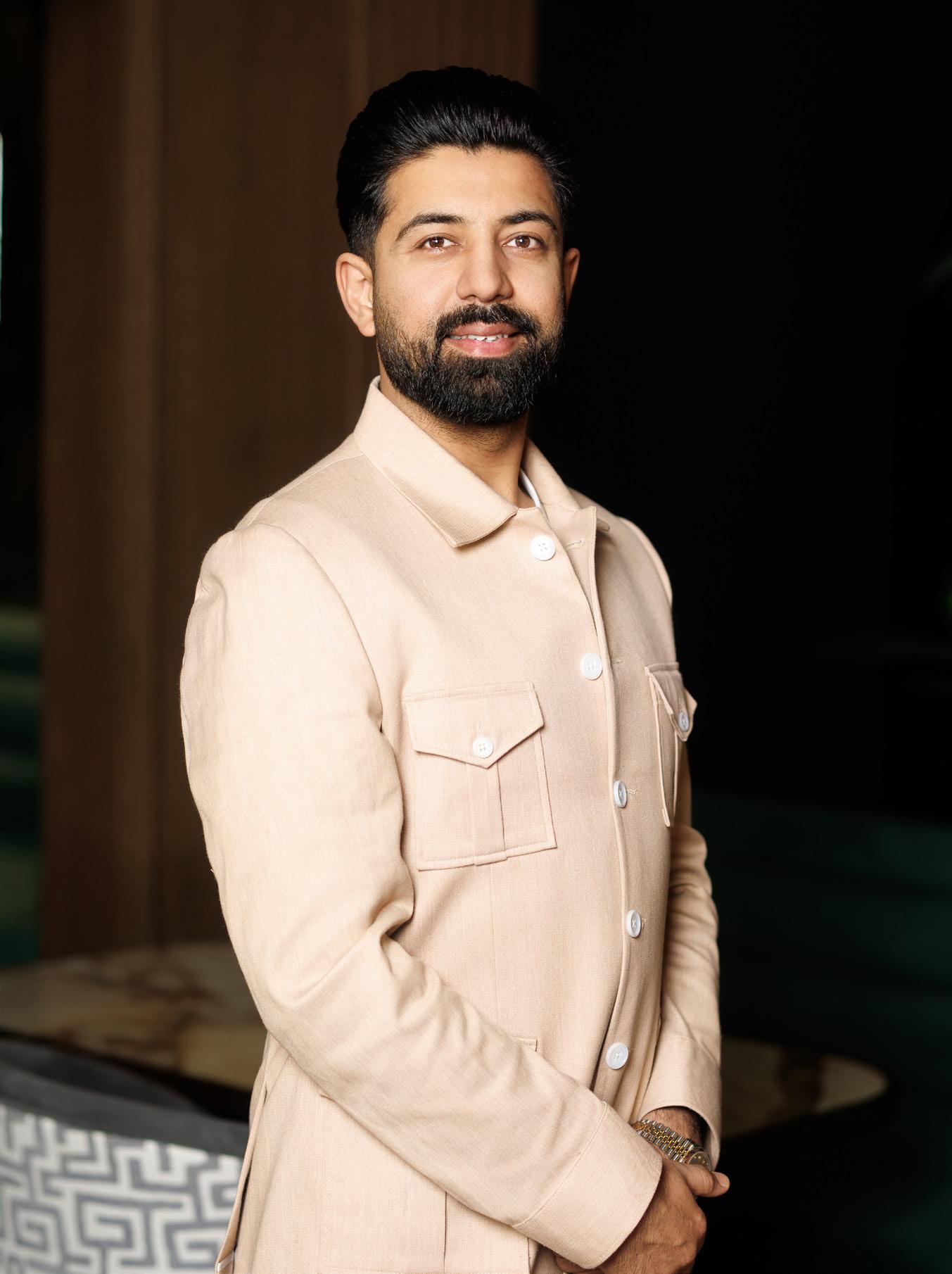
Sarah Fernandez, General Manager, JRN Consultancy
Where were you when you first heard the news, and how did it reach you?
I was at home in Dubai when I first saw the news begin to circulate, initially through social media and regional updates. Like many in the hospitality industry, my instinct was immediately to follow multiple trusted sources and start assessing what this could mean for the hotels and destinations we work with across the region.
In moments like this, the priority is understanding the operational reality before drawing communications conclusions.
What was your immediate instinct as a communications advisor?
My immediate instinct was shaped by my background as a hotelier. Before moving into consultancy, I spent 17 years in hotel operations across the region, so my first thought was about the teams on the ground; front office, guest relations, operations managers, and how they would be supporting both guests and colleagues in that moment.
At JRN Consultancy, our team brings first-hand experience from hotel operations, both on property and at regional levels within global hospitality brands. That perspective gives us a different lens when advising clients. We understand that in situations like this, communications must support operations, not distract from them.
The worst thing a communications team can do during a crisis is create noise. When hotel teams are managing real guests, real concerns, and real operational decisions, our role is not to add another layer of messaging. Our role is to create calm around the operation and support teams so they can focus on what matters most.
What was the first action you took for your clients?
The first step was simply to check in with our clients. The focus of those conversations was not communications strategy but understanding the situation on the ground, how teams were managing operations and whether they needed any support from us.
Because we understand hotel environments, we approach these moments very practically. We monitor media, track sentiment, and prepare potential messaging if required, but we do not immediately request approvals or push communications tasks while management teams are handling real-time operational priorities.
Did you advise clients to pause communications or continue as planned?
It is always a balance. Hotels still have guests inhouse who need reassurance and information, and internal communication remains critical. However, outward-facing marketing communications often need to be reviewed carefully during moments like this.
One of the advantages of working with advisors who understand hospitality operations is knowing when to step back. For example, we would not circulate press releases to journalists who are currently focused on covering an unfolding situation, nor would we ask hotel leadership for approvals on non-essential communications while they are managing operations.
Responsible communications sometimes means choosing not to communicate externally until the moment is right.
What concerns were clients raising in those first 24–48 hours?
In the first 24 hours of any disruption, hotel teams are not thinking about headlines. They are thinking about guests in the lobby, flights being cancelled, and families asking questions at the front desk.
The immediate concern across all our conversations was operational. Hotel leadership teams were focused on ensuring team members were safe and that guests were well taken care of.
Once that initial layer was addressed, clients began reviewing ongoing campaigns and communications to ensure they remained appropriate in context. Several also asked for guidance around messaging frameworks and how to navigate communications responsibly while the situation was still evolving.
This is where having advisors who understand both hospitality and communications becomes particularly valuable.
How did you shape messaging to balance reassurance with responsibility?
For hotels, the most important audience during moments like this is often the guest already on property. Ensuring they feel informed, reassured, and well taken care of remains the immediate priority.
From a communications perspective, the guiding principle is clarity and alignment with official guidance. Messaging should be calm, factual, and supportive,
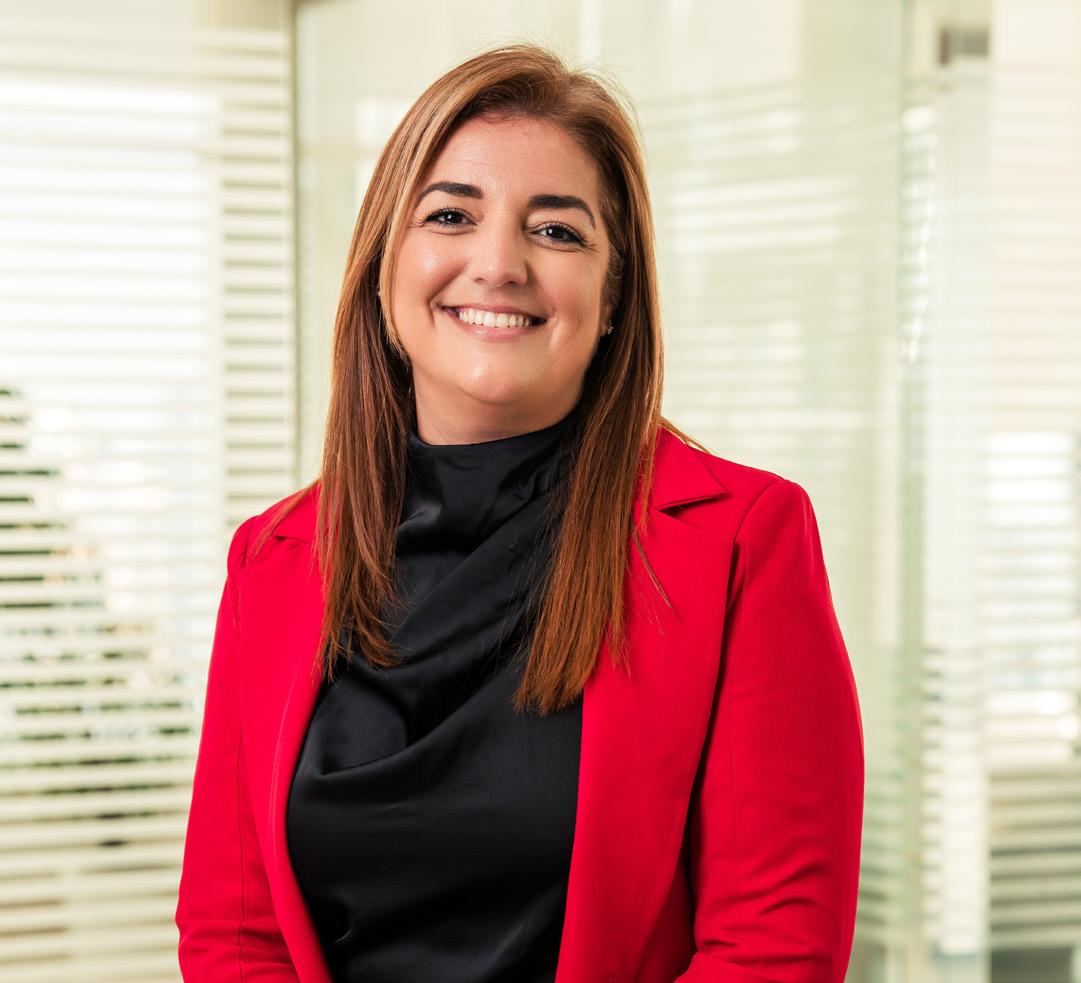
avoiding unnecessary noise while providing reassurance where needed.
Our role is to help clients prepare those frameworks when required, ensuring guest-facing communication remains consistent while also supporting leadership teams as they plan ahead for business continuity.
The hospitality industry is accustomed to managing the unexpected storms, flight disruptions, political events and health crises. Hotels are one of the few industries that continue operating through all of it. What matters is staying calm, staying factual, and letting operations lead.
The difference in moments like this often comes down to preparation. Hotels that conduct regular crisis simulations and communications training do not panic when something unexpected happens. Teams already know their roles, messaging principles are clear, and leadership can focus on guests rather than scrambling to draft statements.
What gives you confidence in continuing to operate
and advise from the UAE right now?
The calm you see in the UAE during disruption is not accidental. It is the result of preparation, clear communication frameworks, and teams that have trained for scenarios like this.
The UAE has consistently demonstrated an ability to manage complex situations with clarity and coordination, something the hospitality industry pays close attention to. Hotels operate at the intersection of travel, logistics and public confidence, so strong and decisive leadership makes a tangible difference.
Having worked in the region’s hospitality sector for many years, one thing that stands out is how quickly government authorities, airlines, airports, and the private sector align when situations evolve. That level of coordination gives both businesses and travellers confidence.
The country has built a reputation for stability and resilience over the decades. In hospitality, confidence in a destination is built not only on how it performs in good times, but on how it manages difficult moments.
FLAVOUR AT
SCALE
Jad Neaime, General Manager
for Kerry Middle East Retail & Africa
In the Middle East’s hospitality sector, flavour is no longer driven by instinct alone. It is being engineered through data, shaped by sustainability pressures, influenced by global connectivity, and refined for regional relevance. As operators expand across cities and borders, the challenge is no longer simply creating exciting dishes, but building flavour systems that are scalable, cost-resilient, nutritionally credible, and operationally reliable.
At the center of this shift is a move from trend-led experimentation to structured, insight-driven innovation. From localised global formats and bold heat profiles to sciencebacked nutrition and protein reformulation, hospitality brands are navigating a far more complex innovation landscape than ever before.
Jad Neaime, General Manager for Kerry Middle East Retail & Africa, outlines how consumer insight, research, technology and regional investment are converging to shape the next wave of flavour in the GCC and why the future of menu development will belong to those who treat creativity, sustainability and cost not as trade-offs, but as a single integrated design challenge.

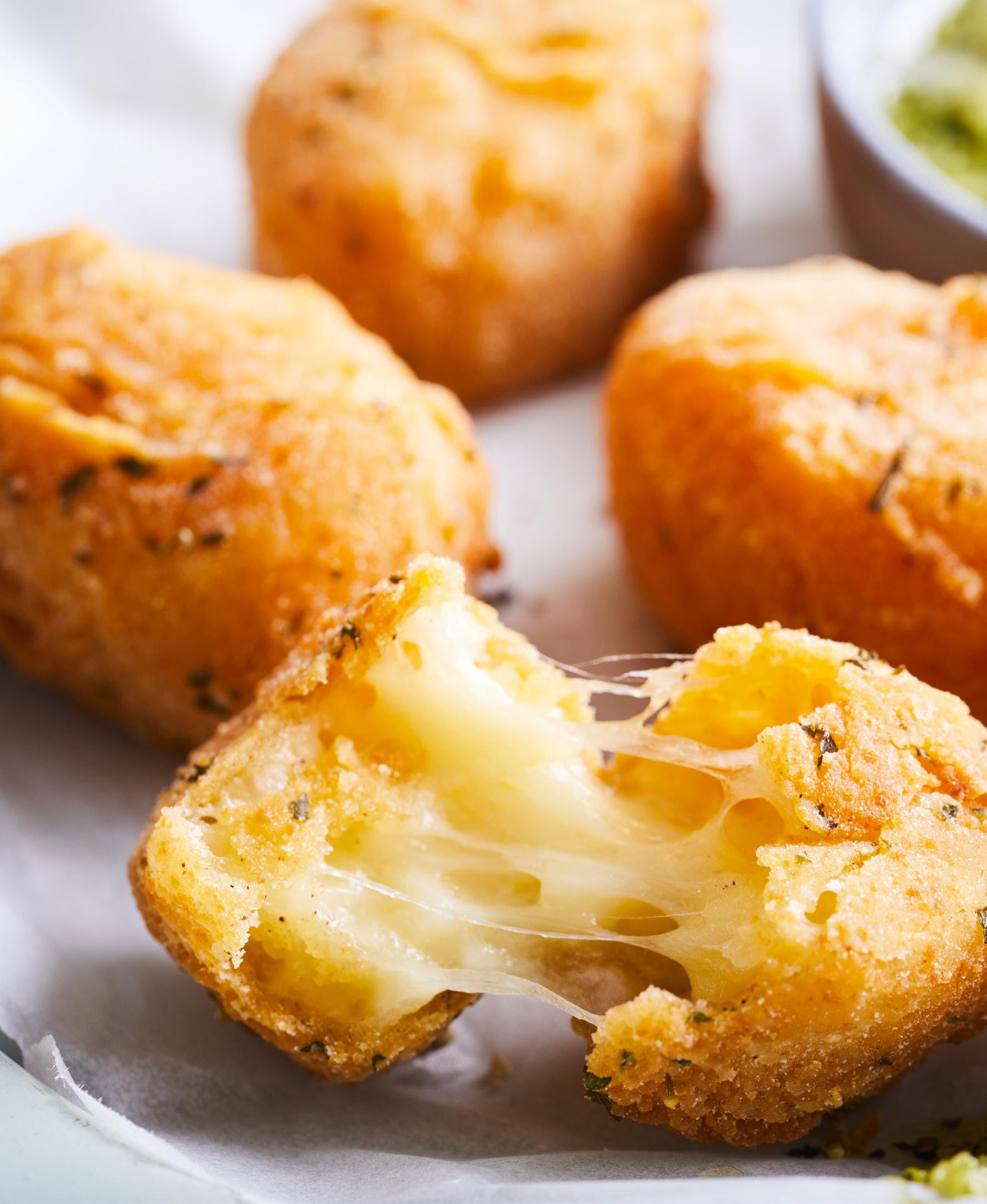
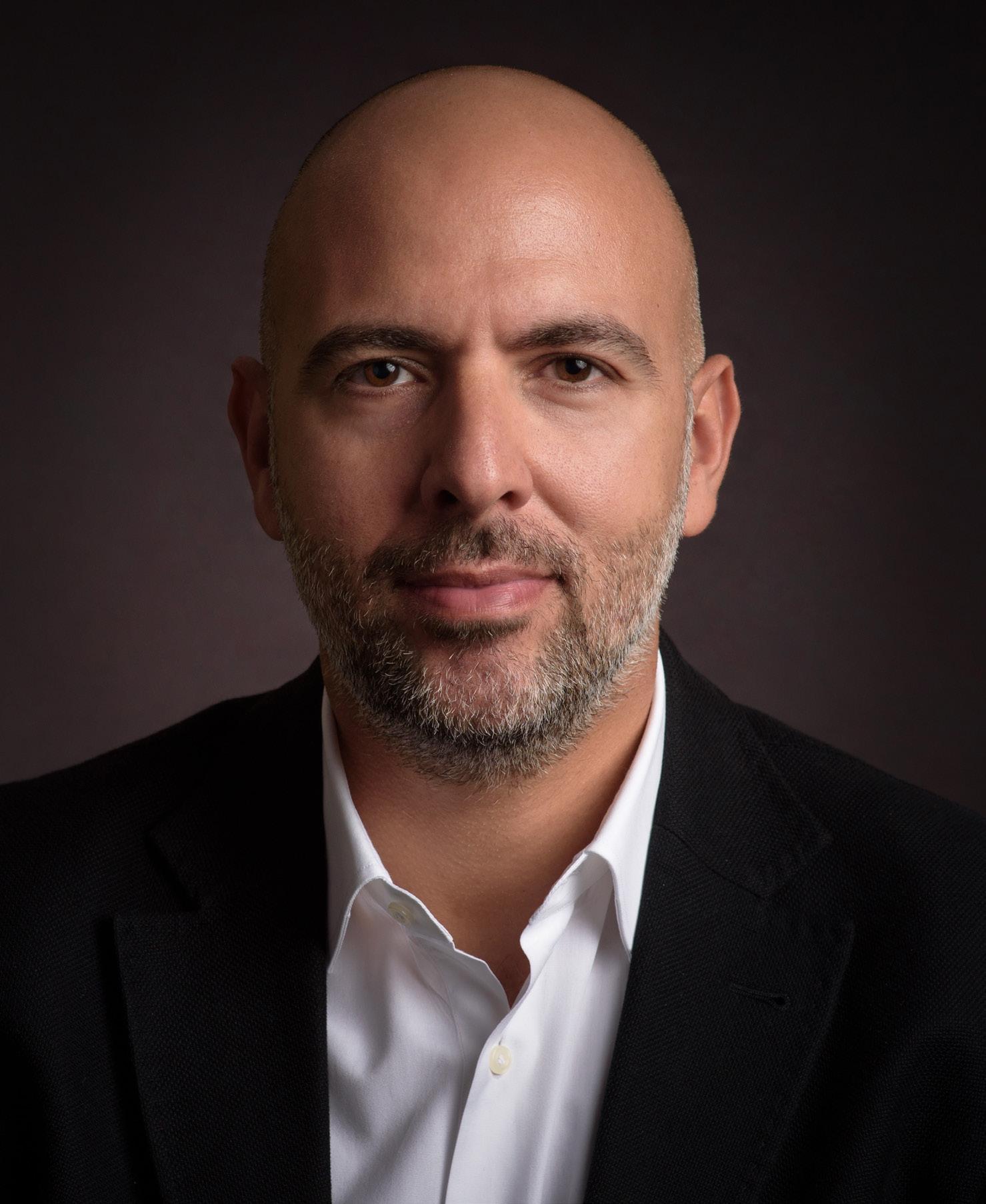
JAD NEAIME, General Manager for Kerry Middle East Retail & Africa
What’s driving the next wave of flavour innovation in the Middle East’s hospitality scene?
The next wave of flavour innovation is being shaped by a set of structural and cultural shifts across the region, as hospitality operators respond to changing consumer preferences, tighter economic conditions, and a more globally connected food culture. Three forces stand out:
Re-anchoring global cuisine in local taste realities
Across the Middle East, diners are more adventurous than ever, but they still expect flavours to feel relevant, not imported wholesale. This is driving a move toward “localised global”: international formats (burgers, fried chicken, café drinks, desserts) re-engineered with regional flavour cues such as spice layering, heat modulation, sweetness balance, and familiar aromatics. Operators are looking for flavour systems that deliver authenticity, consistency, and speed to market, especially as regional chains scale rapidly across cities and countries. Local production and regional R&D ecosystems are becoming critical enablers of this shift.
From inspiration to execution: insight-led menu design
Flavour innovation is no longer just about novelty but also precision. Hospitality brands are moving beyond trendspotting to structured insight: using consumer data, flavour mapping, and sensory frameworks to decide which flavours to launch, where, and at what intensity. In the Middle East, this is translating into clear thematic directions such as bolder heat profiles, cross-category flavour borrowing (e.g., dessert flavours in beverages, savoury notes in snacks), and indulgence that still signals balance or functionality. The brands that stand out are those that can translate abstract trends into executable menu items that work operationally and commercially.
Flavour resilience under cost, supply, and sustainability pressure
Rising ingredient volatility, sustainability expectations, and margin pressure are forcing operators to rethink how flavour is built. Rather than relying on single, high-risk ingredients, there is growing interest in flavour-first reformulation, using taste modulation, boosters, and system approaches to protect signature profiles while improving cost-in-use and supply resilience. At the same time, sustainability is no longer a “nice to have”; flavour solutions must support cleaner labels, lower environmental impact, and more stable sourcing without compromising taste. In hospitality, where repeat visits depend on sensory consistency, this balance is becoming a decisive competitive advantage.
Experience-driven dining and social relevance
Finally, flavour innovation is increasingly tied to experience. Social media, tourism growth, and a younger demographic mean dishes and drinks must deliver memorability through contrast, intensity, or storytelling, while still being broadly appealing. This pushes chefs and brands toward amplified, layered flavours that photograph well, travel well, and spark conversation, all while remaining scalable across outlets.
Within this landscape, Kerry’s long-term regional investments, from local manufacturing, applied taste capabilities, deep consumer insight, to flavour-led reformulation expertise, are aligned to these broader shifts. They enable hospitality players to move faster, de-risk innovation, and deliver flavours that resonate locally while meeting global standards of quality, cost efficiency and sustainability.
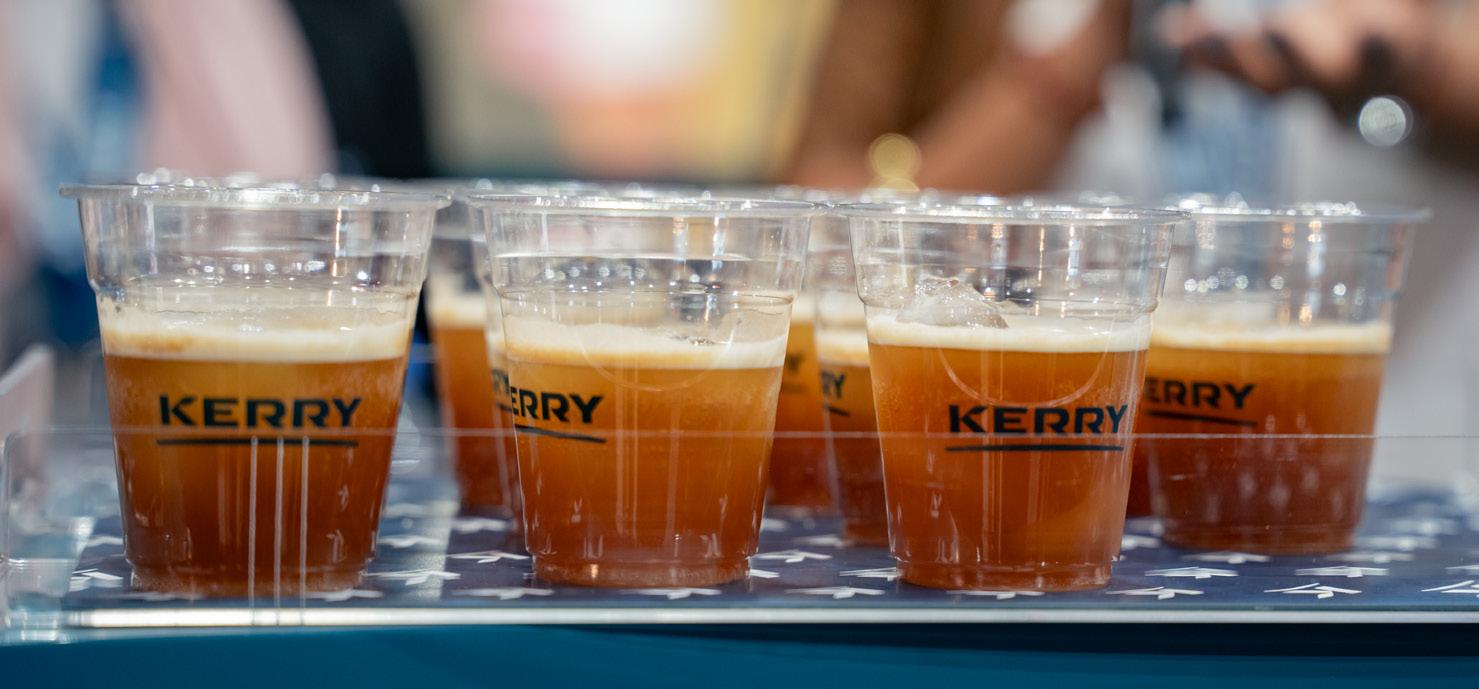
How are Kerry’s insights into regional consumers helping chefs and operators meet evolving expectations?
We combine live food craft with science -backed decision tools, then operationalise them through regional manufacturing and application teams:
> Taste Charts with chef/barista application: We co-create the Middle East relevant flavour paths tapping on our Taste Charts, from preserved lemon and qahwa notes to Korean influenced heat, and turn them into spec ready sauces, seasonings, coatings and beverage bases that perform in high throughput hospitality settings.
> Kerry Health & Nutrition Institute (KHNI) as the science backbone: The KHNI, established by Kerry to advance science for healthier food, brings credible, current nutrition insights (e.g. accessible nutrition, sodium reduction, microbiome, healthy ageing), helping operators craft health claims and menus diners' trust.
> From insight to execution, locally: Our Jeddah site provides short lead -times and localised formulations; and our new Regional Customer Co-Creation Centre at Expo City Dubai will further compress the cycle from idea to commercialisation, critical for hotel groups and QSRs scaling across GCC.
What’s the balance between sustainability, creativity, and cost in menu development?
The balance is about designing menus where sustainability, creativity, and cost reinforce each other rather than compete. Leading operators are aligning around three realities:
Sustainability has shifted from values-led to business-critical Sustainability in menu development is increasingly driven by regulation, supply volatility, and cost pressure.
> Carbon intensity, water use, and waste are now being evaluated alongside food cost and labour, particularly as governments tighten policy and reporting requirements.
> Reformulation: whether through alternative proteins, flavour concentration, or waste reduction, is becoming a risk-management strategy beyond an ethical one.
> Future-fit menus anticipate compliance and sourcing challenges early, rather than reacting once costs spike or ingredients disappear.
Sustainability works best when it’s embedded upstream in ingredient choices and formulations, not retrofitted at the menu stage.
Creativity is moving from “hero ingredients” to culinary systems
Creative freedom is defined today by how intelligently flavour, texture, and aroma are built.
> Advances in sensory science and culinary formulation allow chefs to maintain indulgence even when optimising or reducing high-cost inputs like cocoa, dairy, or premium proteins.
> Creativity increasingly shows up in layering, contrast, and experience, rather than raw ingredient cost.
> This approach also enables regional adaptation: maintaining flavour authenticity while adjusting for availability, cost, or sustainability targets.
Constraints are now a creative driver. The best menus feel indulgent, not compromised, even when the formulation is highly optimised.
Cost control has evolved into “cost-in-use” thinking
The conversation is shifting away from ingredient price to total cost in the kitchen.
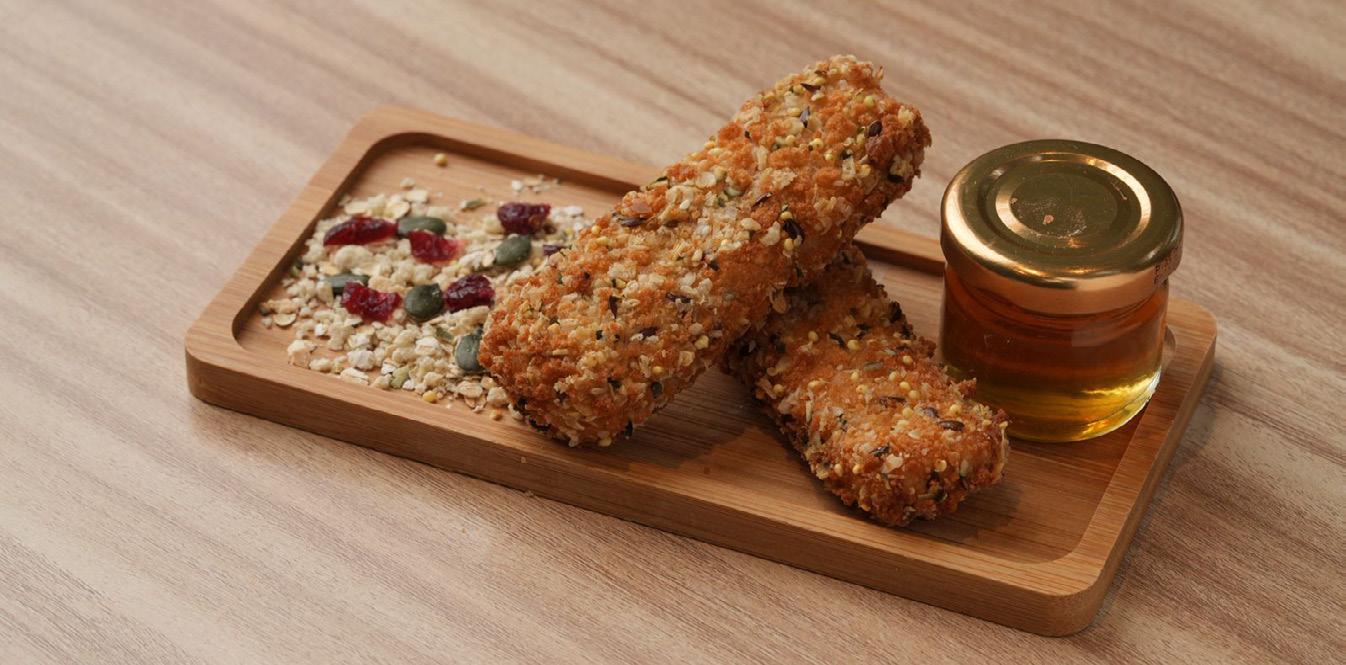
> Portion stability, yield, waste reduction, and prep efficiency often matter more than the price per kilo.
> Formulation efficiency, using concentrated flavours or boosters, allows operators to deliver consistent taste while protecting margins.
> This is especially critical in hospitality, where labour and operational complexity are often bigger cost pressures than ingredients alone.
The most cost-effective menu items are those that perform reliably across prep, service, and hold.
The real balance point: consumer perception
None of this works unless the diner believes in the outcome. The sweet spot is when diners experience indulgence and value, while operators quietly achieve sustainability and cost goals behind the scenes.
The future of menu development belongs to operators who treat sustainability, creativity, and cost as one integrated design challenge, not three competing priorities.
How are technology and research unlocking new opportunities for protein, functionality, and smart nutrition?
Technology and research are reshaping protein and nutrition by moving the industry beyond novelty and into reliable, scalable, and consumer-relevant solutions. Three big shifts are driving this change:
From ingredient innovation to system performance
The real breakthrough isn’t just new proteins or nutrients but how they perform in real kitchens.
> Advances in food science now allow proteins (plant, hybrid, and animal-based) and functional ingredients to withstand heat, hold times, freezing, reheating, and high-volume service without compromising taste or texture.
> Research into protein structuring, emulsification, and flavour modulation means chefs can deliver nutritionally enhanced dishes that still meet diner expectations for indulgence and familiarity.
> This has unlocked wider adoption of high-protein, reduced-sodium, fibre-enriched, and fortified foods in hospitality settings, not as “special diet” items, but as everyday menu options.
Diners will only value functionality if it shows up as a great eating experience, and chefs will only trust it if it performs under pressure.
Smart nutrition driven by science, not marketing hype Nutrition is shifting from generic claims to evidence-based, targeted benefits.
> Advances in nutritional research are enabling clearer links between ingredients and outcomes such as satiety, energy, gut health, cognitive performance, and metabolic health.
> This allows brands and operators to build credible claims architectures: translating complex science into messages consumers actually understand and trust.
> Research is also driving accessible nutrition, helping reformulate everyday foods to be lower in sodium or sugar, higher in protein or micronutrients, without sacrificing taste.
In hospitality, diners increasingly expect food to support their lifestyle but only when the benefit feels authentic, inclusive, and effortless.
Co-creation and faster pathways from lab to menu Innovation is accelerating because R&D is no longer siloed.
> New co-creation models bring together food scientists, chefs, and brand teams to prototype complete solutions, beverages, snacks, meal components or culinary systems, rather than isolated ingredients.
> End-to-end innovation spaces allow concepts to be tested across foodservice, ready-to-serve, and retail formats, shortening time to market and reducing risk.
> Local application capabilities paired with global research help tailor solutions to regional tastes, regulations, and operating realities, especially in fast-growing markets like the GCC.
Speed, relevance, and scalability now define competitive advantage. Technology and research are unlocking opportunities by bridging the gap between nutrition science, culinary performance, and consumer trust. The winners in protein and smart nutrition will be those who can deliver:
> Science-backed benefits diners believe in
> Kitchen-friendly solutions chefs rely on
> Flexible systems that scale across channels and regions
What is Kerry’s regional footprint and commitment to building a more resilient, flavour-forward food ecosystem?
Kerry’s Middle East strategy is multi-year and multi-asset, going beyond event participation:
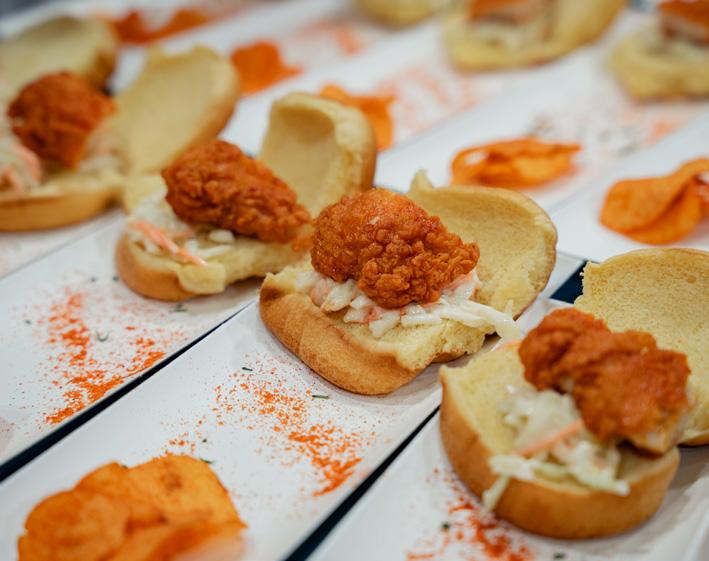
> Manufacturing backbone: Jeddah, KSA, our largest MENAT facility, anchors local production and export across the region, supporting resilience and speed.
> Innovation hub: Regional Customer Co-Creation Centre at Expo City Dubai is a long-term investment to accelerate concept-to-commercialisation, located in the UAE’s Green Innovation District.
> People and partnerships: We invest in workforce and community initiatives that support hospitality operations and talent pipelines (e.g. collaborating with Evolvin’ Women to elevate visitor experience operations).
> Performance and outlook: The Middle East has been a growth leader within APMEA; our portfolio rotation and focus on proactive health and waste reduction technologies position Kerry to keep expanding capability in the region.
> Sustainability commitments: Beyond the Horizon targets (nutrition reach to 2bn people by 2030; decarbonisation and waste reduction goals) guide how we source, innovate, and produce with customers, building a resilient, flavour-forward ecosystem.
“Flavour innovation is no longer just about novelty but also precision. Hospitality brands are moving beyond trendspotting to structured insight.
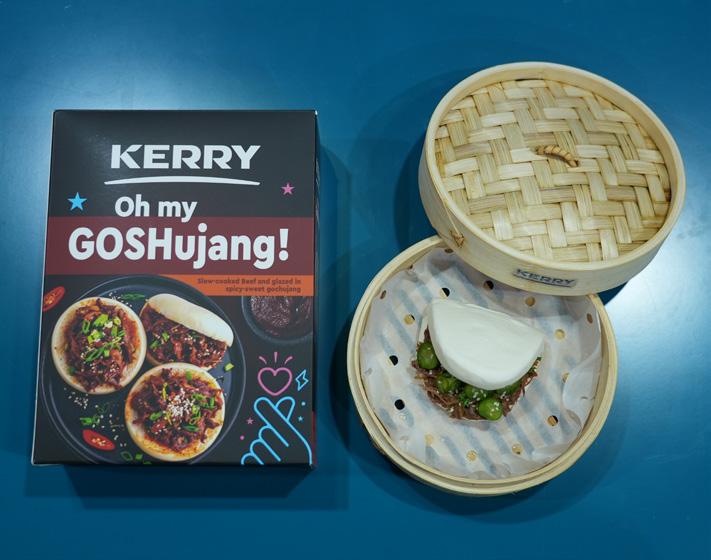
3 Global Brands. 55,000+ Attendees. One Marketplace. Where Leisure, Luxury, Travel Tech and Business Events converge to drive innovation and growth across global travel & tourism.


Chefs’ Favourite
Himanshu Saini
The highly decorated and famously humble chef was the recipient of the Estrella Damm 0.0% Chefs' Choice Award at MENA’s 50 Best Restaurants awards held earlier this month in Abu Dhabi BY
CLAUDIA DE BRITO
In case there was any doubt regarding the amount of goodwill that the regional F&B industry has towards Trèsind Studio’s Himanshu Saini, the chef cemented his position as a crowd favourite when he was announced as the recipient of the Estrella Damm 0.0% Chefs' Choice Award at MENA’s 50 Best Restaurants awards held on the 3rd February.
Mitsuharu ‘Micha’ Tsumura of Maido in Lima, currently the World’s Best Restaurant, was on stage to present the award to the chef who many consider the global ambassador for modern Indian cuisine.
We caught up with the celebrated chef fresh from his win.
What’s a better feeling? Winning the Estrella Damm 0.0% Chef’s Choice Award or Manchester United winning the Premier League?
That's a difficult question. I would like Manchester United to win the Premier League after so many years, so that I can celebrate with an Estrella Damm beer.
In all seriousness, what does this win mean to you? It's a great honour because it's an award which is voted by chefs, and it means that I'm being respected and supported by the chef's community in the MENA region. For me, it's as big as being number one in the list, to be honest. You feel the love of everyone in the room, and to get it from chef Micha, it's an even bigger honour, because he is a chef I've always looked up to, he's a friend, he's a mentor and we've cooked together in the past. He was sitting next to me and he didn't say anything. I'm very happy because to get it from him means that my stars are aligned.
How has your culinary philosophy evolved over the years? Nights like this give you so much confidence. I mean, not just me, everyone in the room who is a new entry or someone coming into the list for the first time, someone being in the list for many times, going up in the list, earning these awards and nights like this motivate you and keep you going. In terms of cooking philosophy, I would say nothing has changed. It's only the confidence, which I get when I meet these chefs from around the region. We cook together for the Signature Sessions. So, it's always about this confidence which I get. I think cooking philosophy and techniques are evolving all the time, so when I win big on a night like this, it's just an indication that all the hard work that you put in for all these years is putting you on the right path.
How would you say the MENA dining scene has transformed since you first started working here?
Before MENA’s 50 Best Restaurants, it was very hard to identify a good restaurant outside of Dubai. Lists like this make us aware of all these amazing chefs and restaurants who are doing such a great job. And a list like MENA’s 50 Best is always trustworthy in this region. I think restaurants

which are coming in the waste over these years. Everyone has evolved so much with time, and everyone is becoming better and everything is going in the right direction.
Awards often highlight one name, but every kitchen is a team. How do you inspire and lead your team day to day?
The chefs get all the fame, but a chef alone is nothing. You know, it's like a team sport. Maybe I'm an important player in my team, but I cannot be here, I cannot cook without the support of my team, because I have so many things to do other that just cook and I know these guys who've been working with me for last 10, 12 years have given so much to the restaurant and to my passion of making India proud. They've all contributed so much, and I don't know how I can thank them. Saying thank you is such an understatement. I just want to work so that they also feel privileged, they also feel empowered. One day, when they become the chefs of a restaurant in this region, they can go up on stage and be proud.
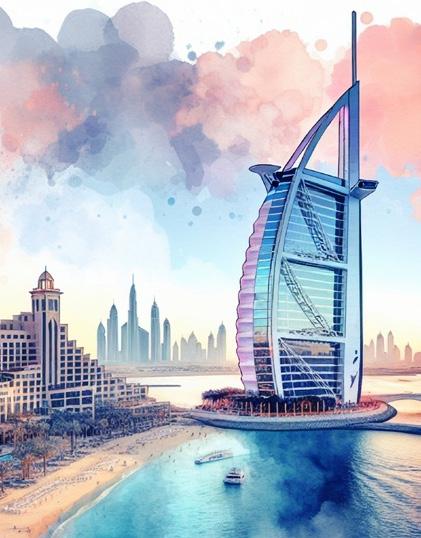
HOW AGILITY AND WORKFORCE PERFORMANCE ARE DRIVING THE UAE’S HOSPITALITY RISE
BY MATT SPRIGEL, CEO OF ATIOM
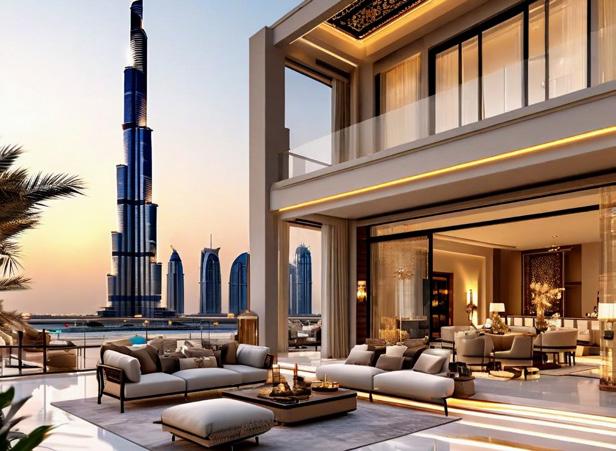
Over the past decade, the UAE has quietly reset the global benchmark for hospitality excellence, particularly in Dubai and Abu Dhabi. Not by simply building more hotels or chasing ever-higher luxury standards, but by combining speed, adaptability, and operational ambition at a scale few markets can match.
What we’re seeing today is not a short-term boom driven by pent-up demand. It’s the result of a deliberate, long-range strategy and one that has turned the UAE into a proving ground for how modern hospitality should operate in an era of constant change.
As global markets grapple with labour shortages, shifting guest expectations, and mounting cost pressures, the UAE’s experience offers a clear lesson: agility at the system level and performance at the workforce level are now inseparable from hospitality success.
From Iconic Luxury to a Diversified Growth Engine Dubai and Abu Dhabi’s rise have often been framed through the lens of luxury. Think iconic resorts, architectural landmarks, and ultra-premium service. While that narrative isn’t wrong, it’s incomplete.
The real growth engine has been diversification.
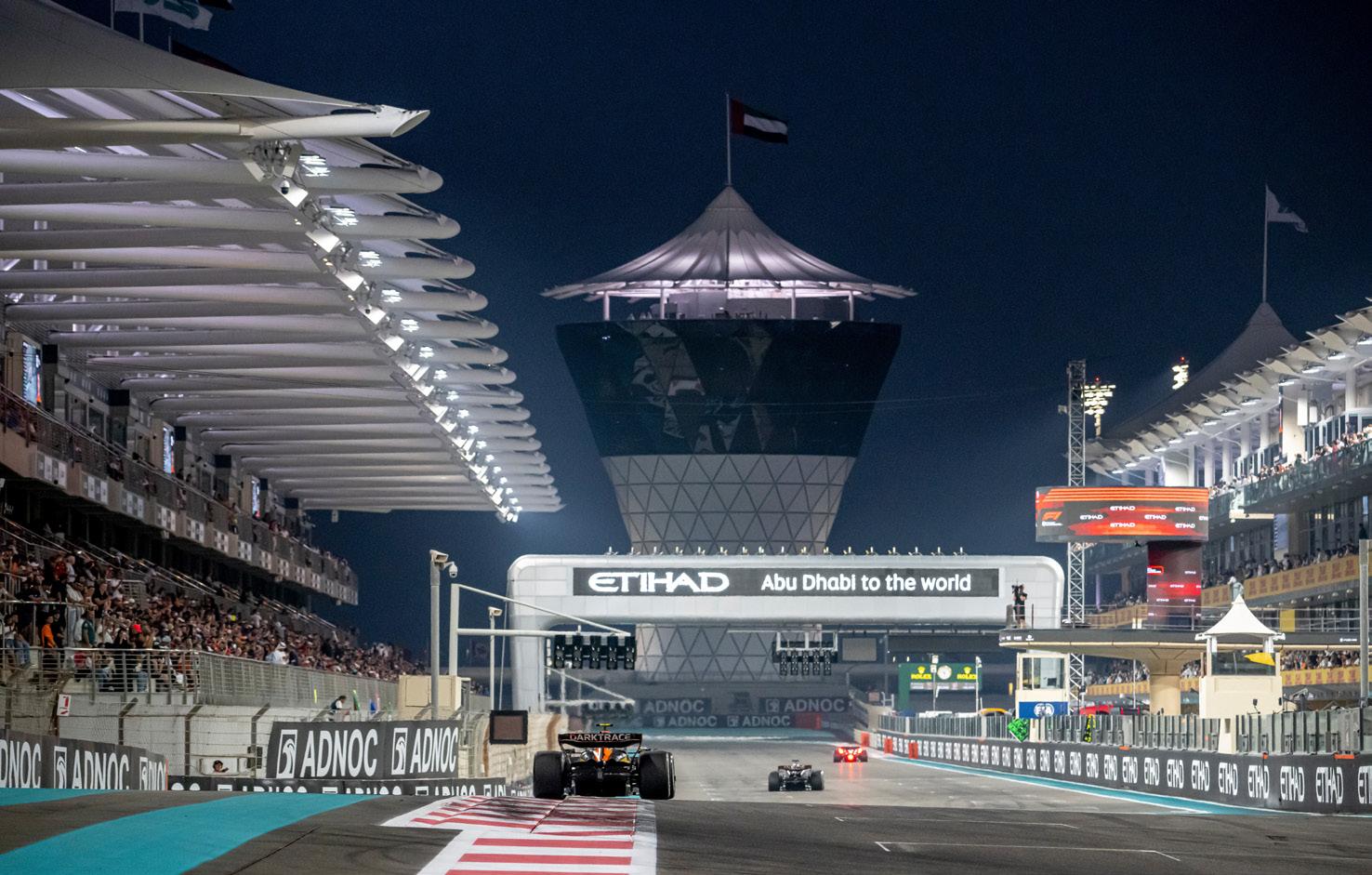
Mega-events such as Expo 2020, the Formula 1 Grand Prix, COP28, and an increasingly aggressive global events calendar have created sustained, yearround demand across segments. At the same time, massive infrastructure investments like airports, transport, cultural districts, and mixed-use developments have expanded the addressable market far beyond traditional leisure travellers.
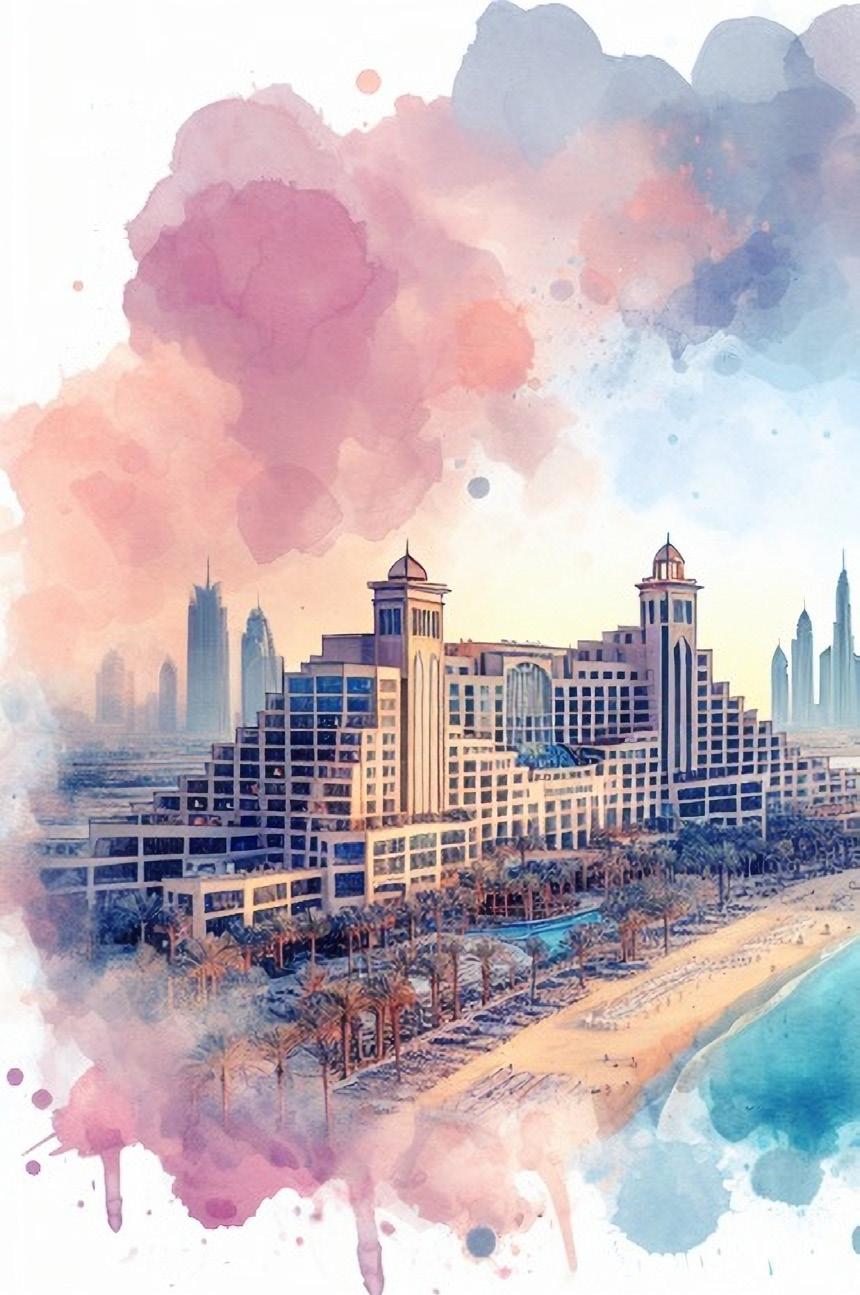
The UAE has not limited this expansion to five-star hospitality. Lifestyle hotels, business brands, extended stays, and large-scale mixed portfolios now sit alongside luxury flagships. This diversification has forced operators to master something far harder than opulence: consistent execution across brands, price points, and guest profiles.
In many ways, the UAE has become a live stress test for modern hospitality operations.
The New Fault Lines: Talent, Loyalty, and the Human Tech Balance This rapid expansion hasn’t come without friction. The challenges facing UAE hotels today mirror and often amplify those seen globally.
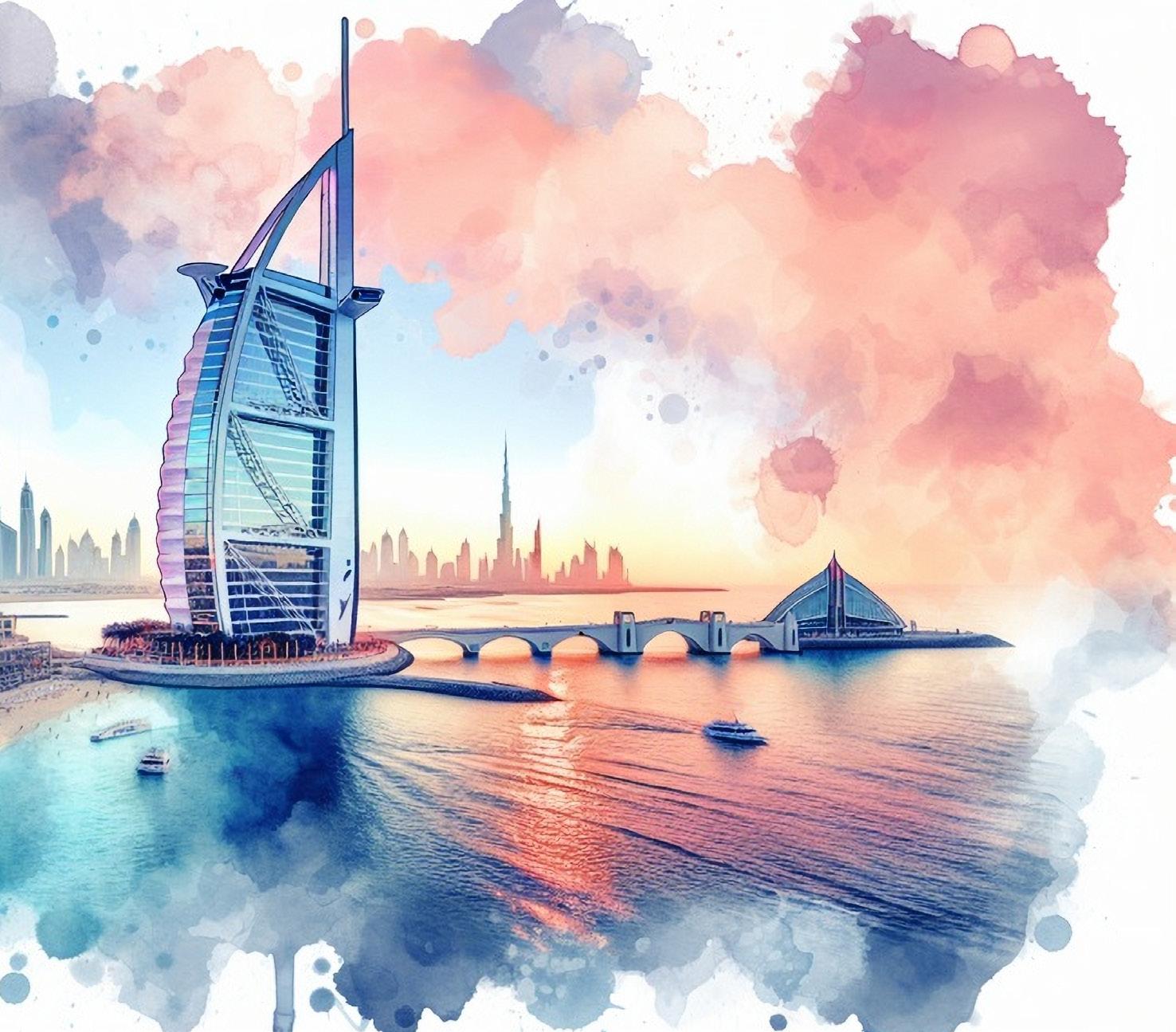
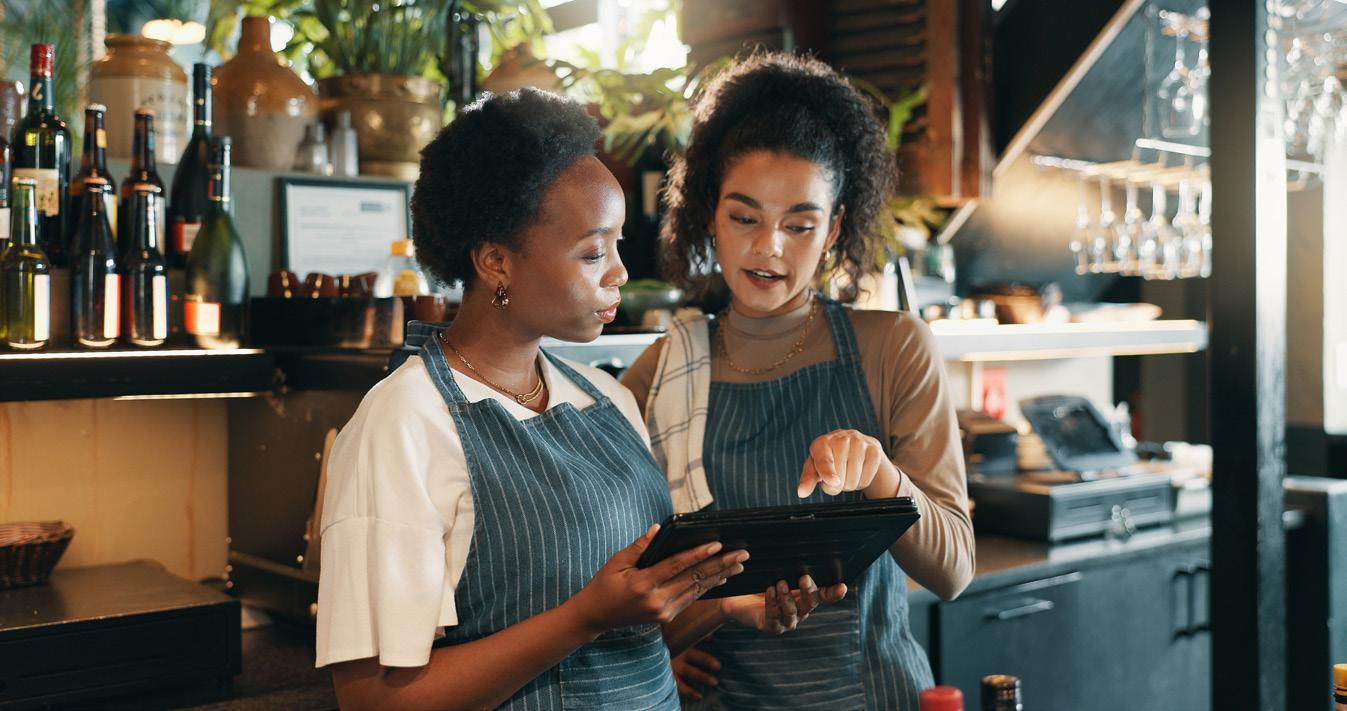
First, talent scarcity and turnover remain structural issues. The region’s hospitality workforce is highly international, transient, and increasingly mobile. New properties open fast, standards evolve quickly, and teams are expected to perform at a high level almost immediately. Traditional training and onboarding models struggle to keep pace.
Second, guest loyalty is harder to earn and easier to lose. With unprecedented choice, guests compare experiences across cities and continents, not just within a single market. A flawless stay is no longer memorable; it’s expected. Differentiation now lives in execution: how consistently teams deliver, how confidently they personalise service,
and how quickly issues are resolved before they surface.
Finally, there is the ongoing tension between technology and high-touch service. The UAE has been an early adopter of AI, automation, and smart infrastructure, from mobile check-in to predictive maintenance. But hospitality remains a people business. Technology can enhance speed and insight, but it cannot replace judgment, empathy, or cultural awareness on the frontline.
The most successful operators are those using technology not to replace human interaction, but to enable staff to perform better, faster, and more consistently under pressure.
Why Workforce Performance Will Define the Next Decade Looking ahead, the defining competitive advantage for UAE hospitality will not be location, design, or even brand. It will be how well organisations activate and sustain workforce performance at scale.
As portfolios grow and operating environments become more complex, the risk isn’t a single failure; it’s gradual execution drift. Standards slip unevenly across shifts, properties, or departments. Knowledge decays. New hires take too long to reach confidence. Managers spend more time firefighting than leading.
By the time these issues show up in guest feedback or revenue metrics, the damage is already done.
This is where the next decade will be won or lost.
High-performing UAE hotels are already shifting focus from one-off training and retrospective audits toward continuous performance activation. That means:
> Detecting performance gaps early, not after complaints
> Reinforcing standards daily, not annually

> Equipping supervisors to correct issues immediately
> Ensuring consistency despite turnover, seasonality, and cultural diversity
In a region where staff-to-room ratios are among the highest in the world, the opportunity is immense, but only if performance is orchestrated, not assumed.
A New Global Reference Point
The UAE’s hospitality sector has reached a point where it is no longer following global best practice. They are looking to define it.
The combination of rapid development, operational complexity, cultural diversity, and ambitious service expectations has forced the market to evolve faster than most. In
doing so, it has exposed a truth the global industry can no longer ignore excellence is no longer about setting standards; it’s about activating them, every day, through people.
As other regions wrestle with similar challenges, the UAE stands out not because it avoided them, but because it confronted them early, at scale, and with intent.
In the next decade, the hotels that lead won’t be those with the most technology or the most training content. They’ll be the ones that turn strategy into behaviour, standards into habits, and complexity into coordinated performance.
And that may be the UAE’s most valuable export yet: not just unforgettable guest experiences, but a blueprint for how hospitality succeeds in a constantly shifting world.
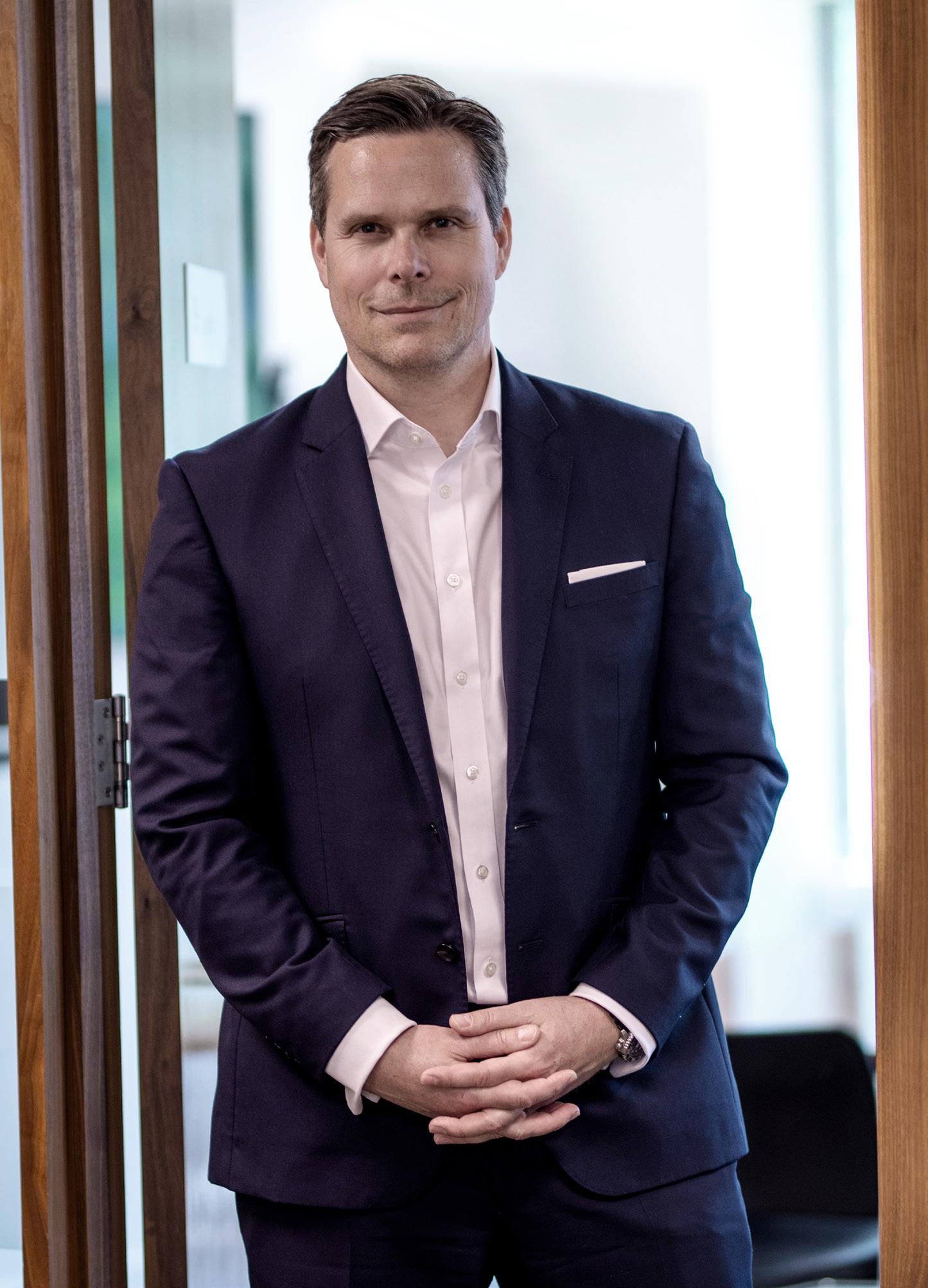
NICK PILBEAM, Chief Commercial Officer, Cheval Collection
expands in the Middle East
Cheval Collection now has four properties across the Middle East. What does this moment represent for the brand’s regional journey?
This is a defining moment for Cheval Collection. Expanding to four properties across Dubai and Saudi Arabia signals both the strength of the region’s luxury long-stay serviced apartment market and our confidence in its long-term potential. The Middle East has become one of our most dynamic growth engines, with guests increasingly looking for residential-style living backed by premium hospitality standards.
For us, this milestone isn’t simply about scale; it’s about cementing Cheval as the benchmark for luxury serviced apartments in markets where demand for spacious, flexible, experience-driven accommodation continues to accelerate. Considering Cheval's 40-year legacy of luxury living, expect Cheval to expand into branded residences within and outside the region.
How has operating in Dubai and developing in Saudi Arabia shaped your approach to residential hospitality in the Middle East?
Dubai has given us valuable insight into a highly competitive, highly international environment where long-stay guests expect seamless services, smart design, and the comforts of home with hotellevel polish. Operating there has sharpened our focus on adaptability, ensuring that each residence serves business travellers, families, and relocation guests equally well.
Saudi Arabia, meanwhile, is a market undergoing rapid transformation. Working there has influenced our approach to be even more future-oriented: prioritising longevity, flexibility, and meaningful localisation. The Kingdom’s emerging cities require hospitality products that can evolve alongside changing social, cultural, and economic dynamics and we’ve built our Saudi pipeline with that mindset.
In what ways will the new Riyadh property reflect an evolution of the Cheval Collection product?
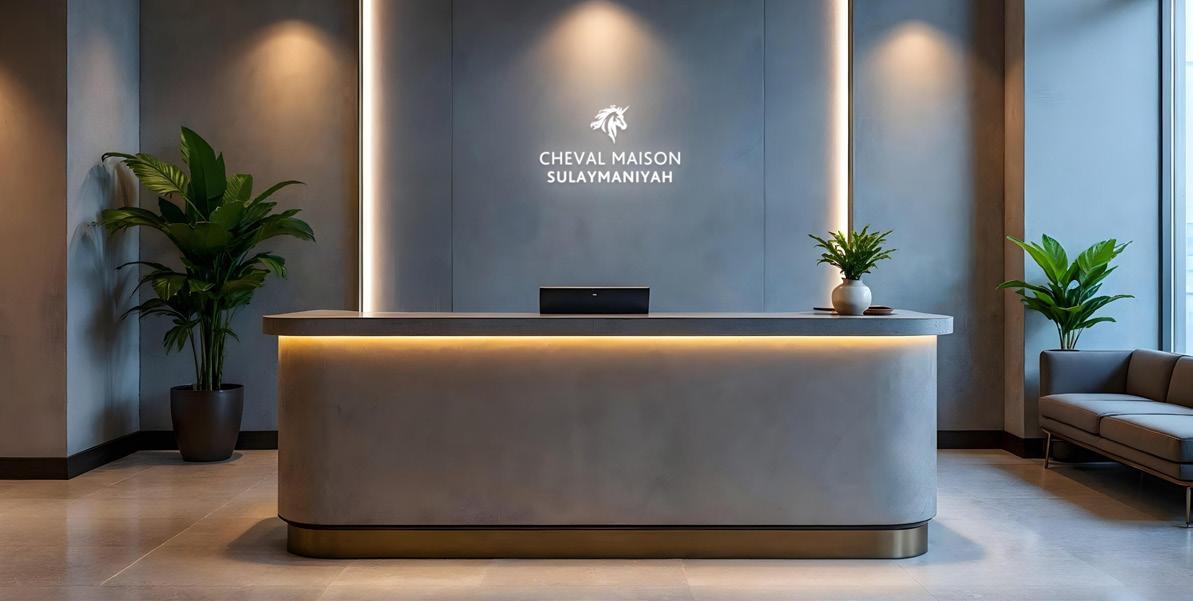
Cheval Ladun Living, opening in 2027, is the first of two properties signed with Ladun Investment Company, the second being Cheval Maison Sulaymaniyah, expected to open in 2028. Cheval Ladun Living is designed as one of the most luxurious properties in the Collection, in an outstanding location with good transport links to serve multiple international and domestic, short and long stay segments, including amenities such as a swimming pool and gym facilities.
What key operational or design learnings from Palm Jumeirah and Expo City are being carried into your Saudi projects?
The difference with the Saudi Arabia projects is that both Cheval Ladun Living and Cheval Maison Sulaymaniyah are new builds, which allow us to shape the design from the outset to our requirements. We have been able to improve the flexibility of connecting apartments with our Saudi projects, improving choice and comfort for guests.
What shifts are you seeing in long-stay and residential guest expectations across the region?
Guests are increasingly seeking the comfort and autonomy of a residence combined with the assurances of a luxury hotel. We’re seeing stronger demand for:
> Flexible accommodation that suits extended business trips, relocation stays, and multi generational travel.
> Technology-enabled convenience, from digital check-in to smart in-room systems.
> Rewarding loyalty so guests are recognised and rewarded for repeat direct business.
> Authentic local experiences, reflecting the neighbourhoods they are part of.
The regional long-stay guest is more discerning than ever, and expectations have risen accordingly, which plays to Cheval’s strengths. The successful launch of Cheval DISCOVERY has resonated very well with Middle Eastern guests, and we expect this to continue to grow strongly within the region for inbound, outbound, domestic and intra-regional demand.
How are sustainability and climate-responsive thinking influencing your Middle East developments?
Environmental responsibility is a core pillar of our development strategy. Our Middle East properties are increasingly shaped by:
> Energy-efficient infrastructure, including smart cooling systems essential to the Gulf climate.
> Sustainable materials and finishes that are both durable and environmentally conscious.
> Operational frameworks that reduce water use, energy consumption, and waste without compromising guest comfort.
> Location-sensitive design, ensuring buildings work with their surroundings to improve efficiency and enhance guest well-being.
Sustainability is no longer a value-add, it’s a fundamental expectation in markets shaping the region’s future and we are delighted to have been awarded Green Tourism Silver accreditation across the entire Cheval Collection in 2025. We expect to progress to even higher levels in 2026 and beyond.
Looking ahead, how do you see Cheval Collection’s Middle East portfolio taking shape over the next few years?
We see the Middle East as one of our core strategic pillars for Cheval Collection as well as the UK, Europe and more widely globally. Our immediate Middle East focus is on delivering exceptional openings in Riyadh and deepening our operational presence in Dubai. Beyond that, we are exploring further opportunities in both established and emerging cities across the Middle East, including expanding into the fast-growing branded residences market.
The luxury serviced apartment category is set for sustained growth, and our ambition is to be the region’s leading luxury serviced apartment operator. You can expect a portfolio that is measured, high-quality, and closely aligned with markets where long-term demand is most resilient.
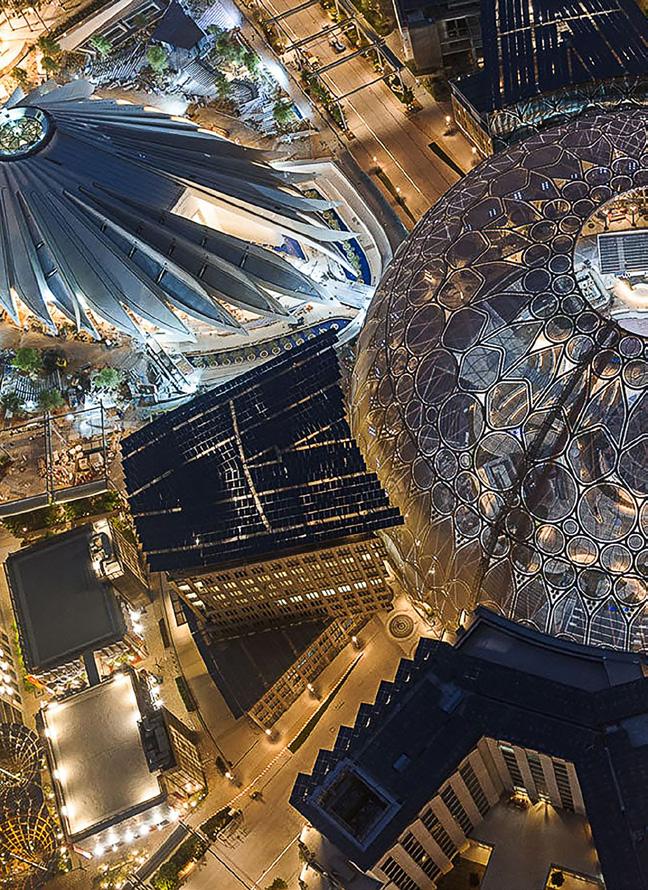
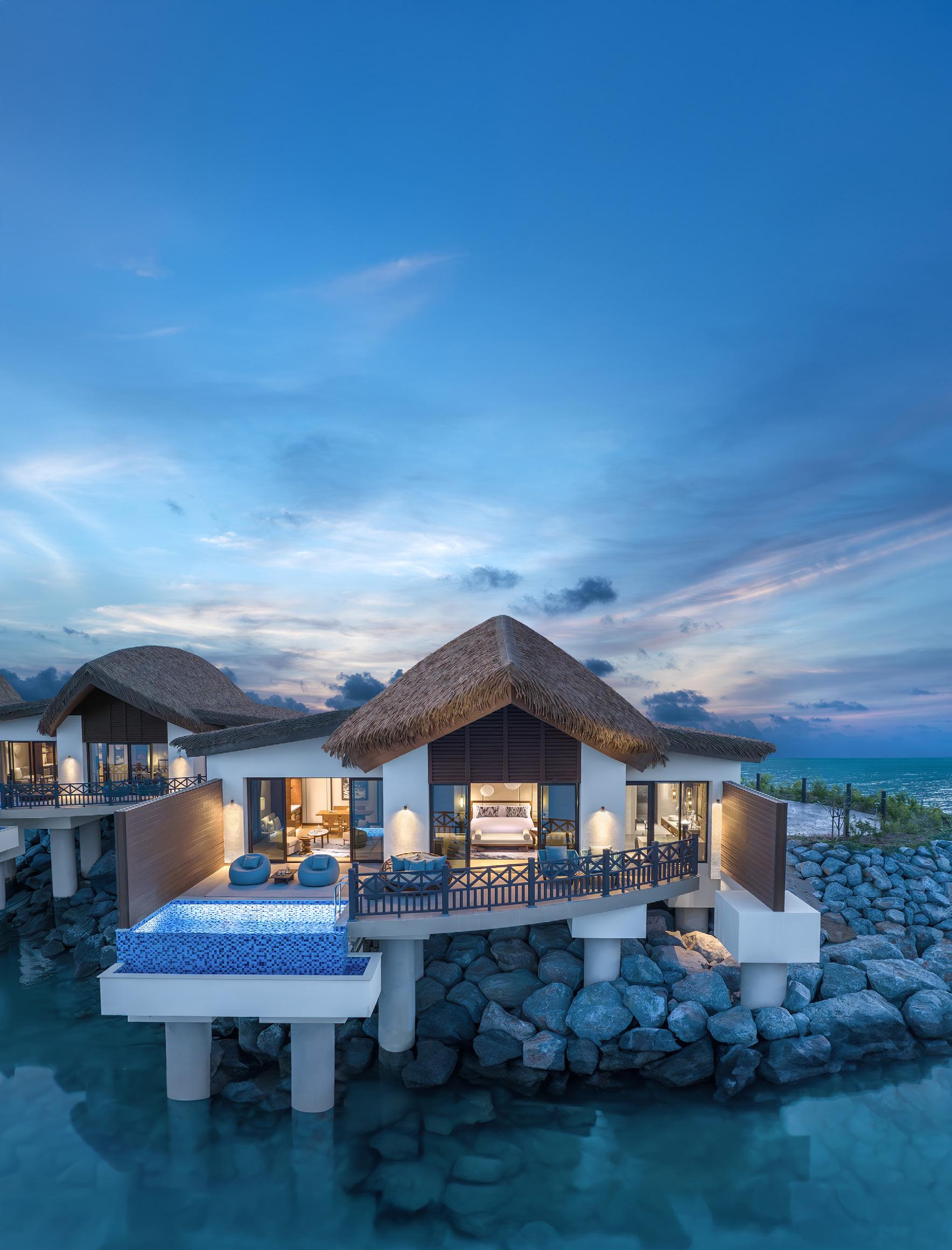
When space and setting matter.
A villa experience shaped by nature and a calm coastal environment. Thoughtful dining venues and well-appointed wellness facilities support both focused days and relaxed moments, creating a stay that feels balanced and complete.
Villa stays starting from AED 3,750.

The name ‘OJAR’ is derived from ‘HOJARI,’ widely regarded as the finest quality Frankincense resin, sourced from the majestic Dhofar mountains of Oman. With its profound history deeply rooted in the Sultanate, Frankincense holds significant cultural value and is a key ingredient in OJAR’s fragrance collections.