THE FUTURE OF LUXURY DINING IS EMOTIONAL, NOT EXCESSIVE
Luxury dining is at an inflection point. For years, the industry equated prestige with scale, larger dining rooms, higher price points, and greater spectacle
58 MENA’S 50 BEST RESTAURANTS 2026 REVEALED
Middle East & North Africa’s 50 Best Restaurants 2026 was unveiled this month in Abu Dhabi, marking the fifth edition of the regional awards and reinforcing the Middle East and North Africa’s growing influence on the global dining landscape
60 HOW AI IS RESHAPING TOURISM IN THE UAE Tourism in the UAE is growing at a pace few global markets can match
62 GULFOOD 2026 did more than grow bigger. It grew smarter
70 REFLECTIONS FROM GULFOOD
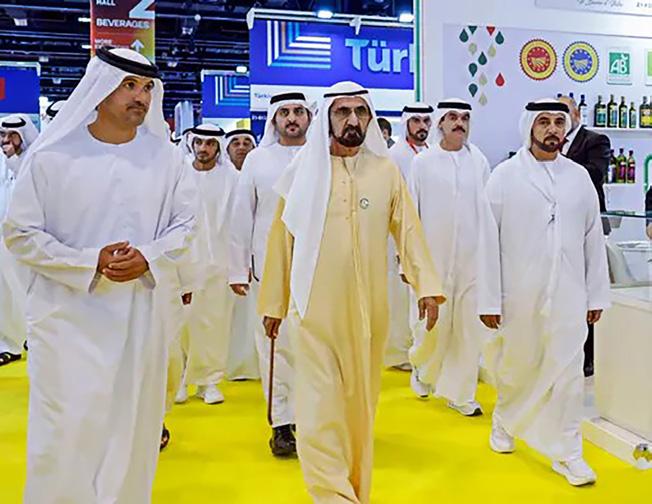
As Gulfood draws to a close, the latest edition once again underlined the scale and maturity of the show, bringing together a broad cross-section of the global food industry across its expanded format
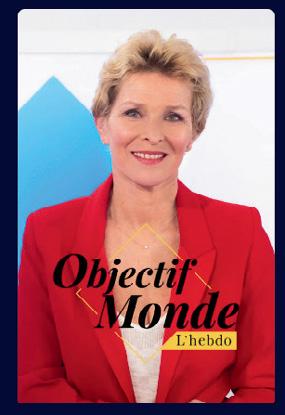
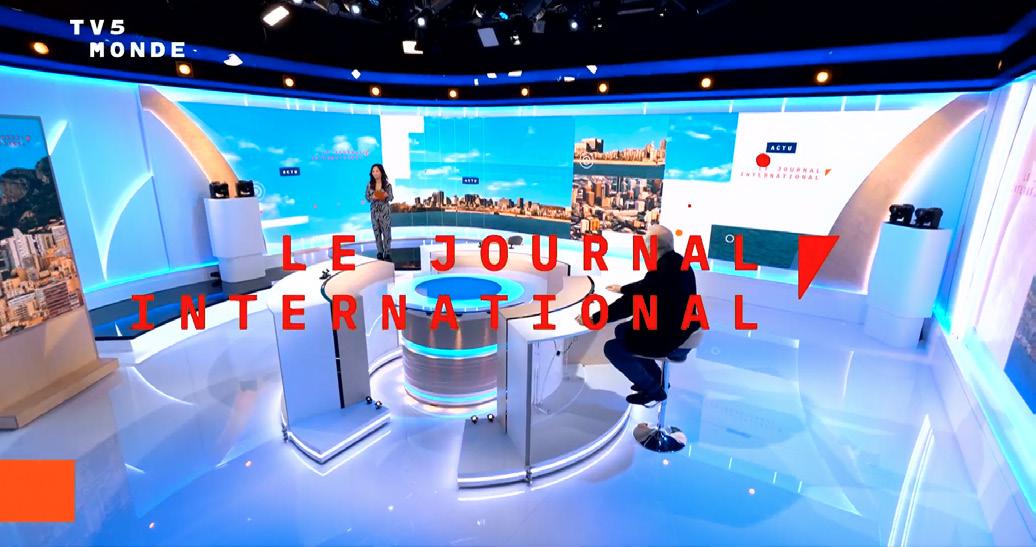
24 TV5MONDE’S NEW OFFERING makes international programmes easily accessible in hotels
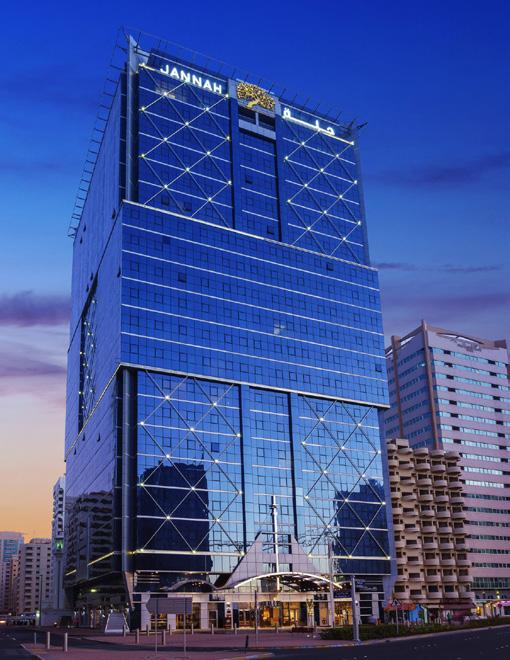
26 A MARKETING CONVERSATION WITH JANNAH HOTELS & RESORTS
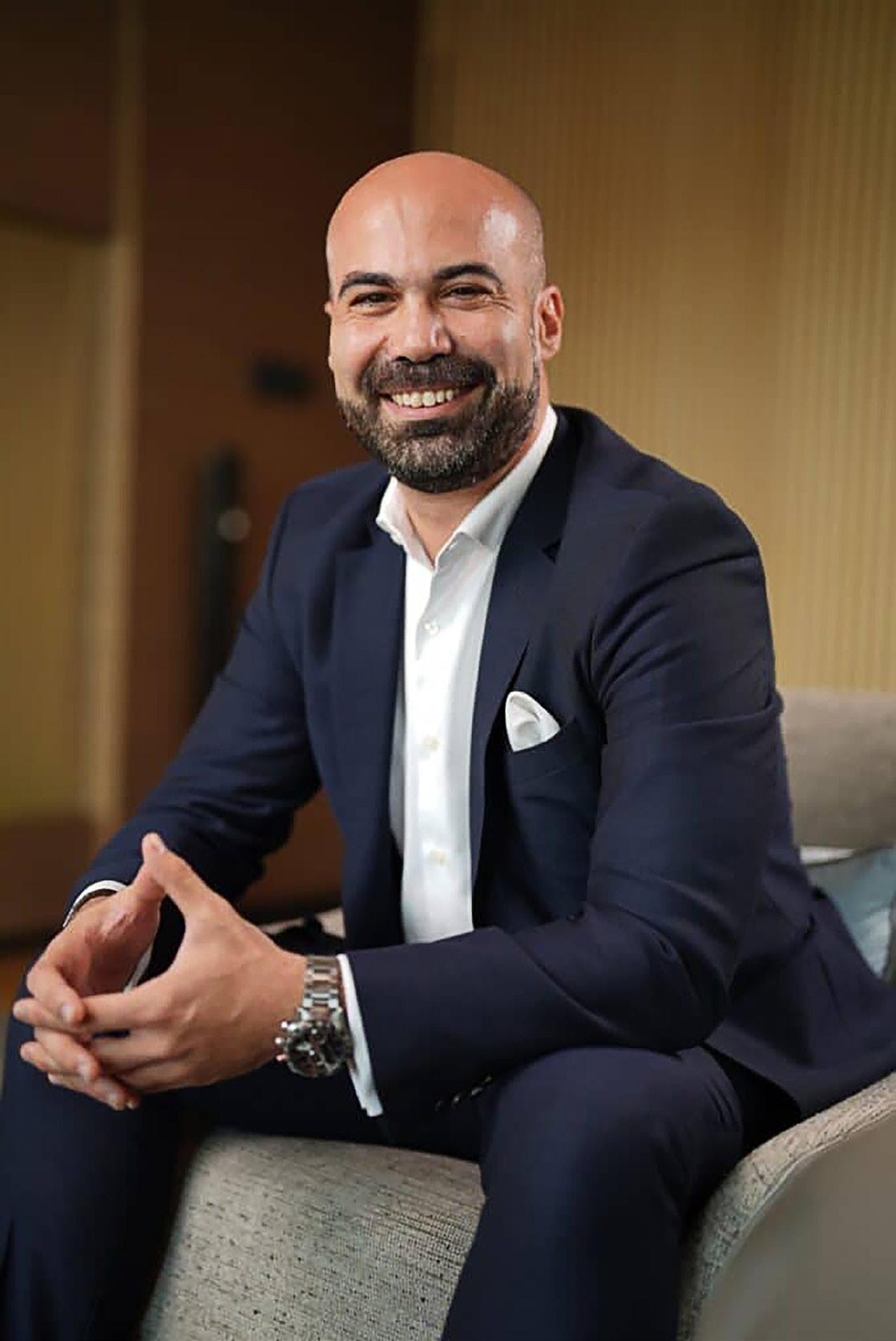
In this interview, Julio Rafael, Director of Marketing and Communications at Jannah Hotels & Resorts and EDGE Hotels, shares how the brand translates Arabian hospitality into measurable business impact
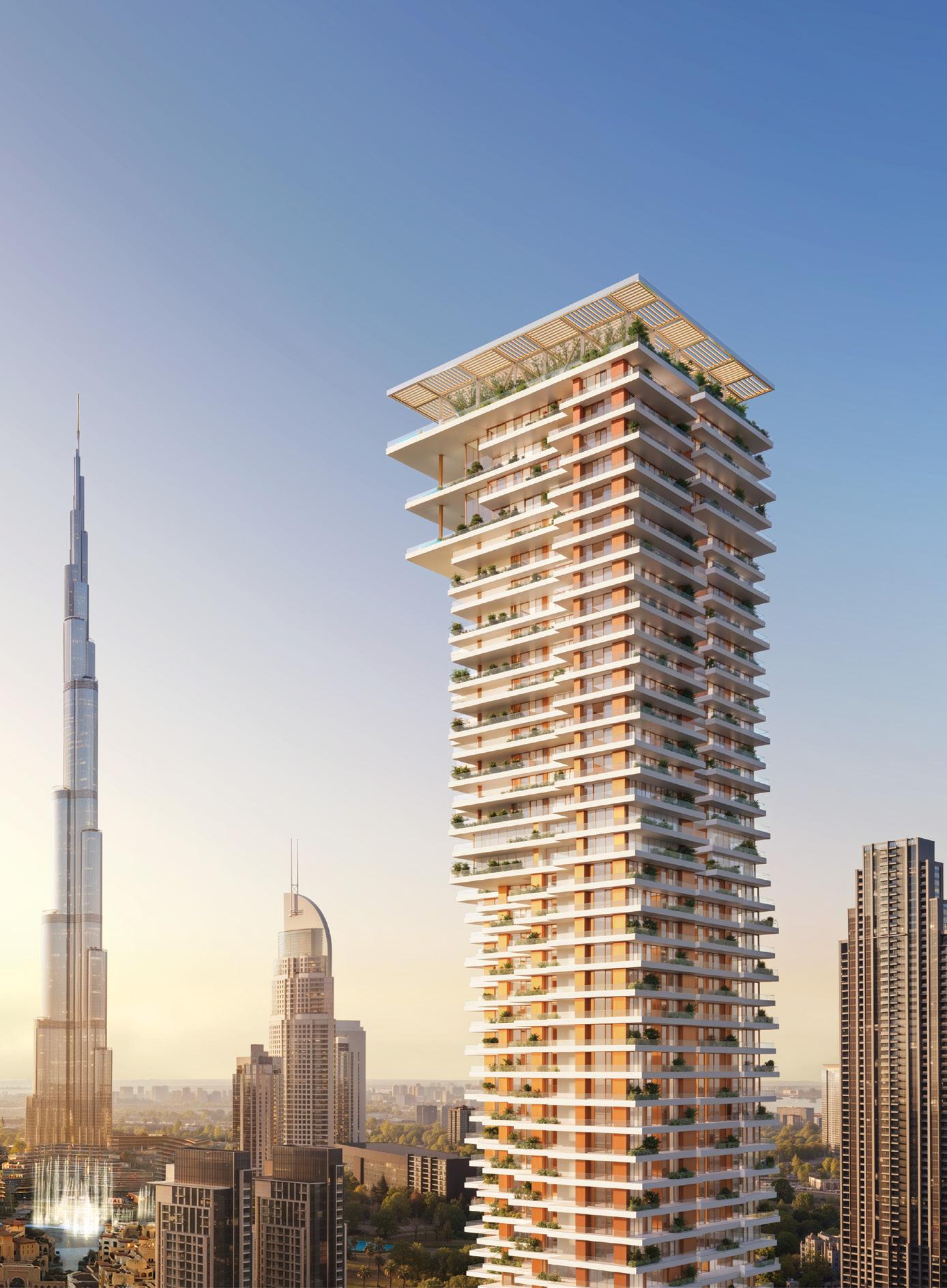
32 BETWEEN CITY AND SEA: A NEW CORNICHE ADDRESS
Swissôtel Corniche Park Towers Doha
38 THE FUTURE OF CITYWIDE FESTIVALS
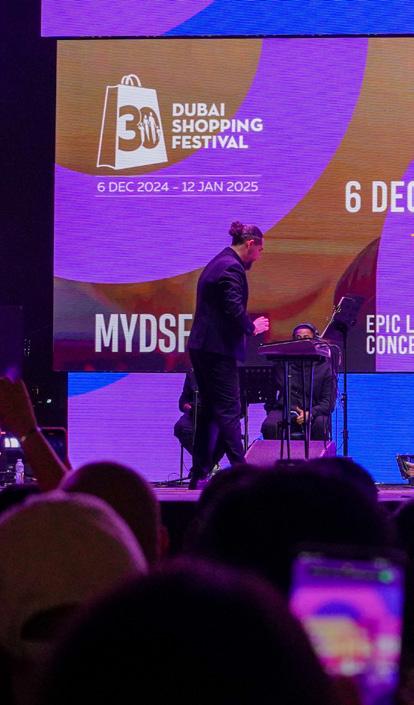
As the Dubai Shopping Festival concluded its 31st edition, it offered more than a seasonal celebration or a set of impressive statistics
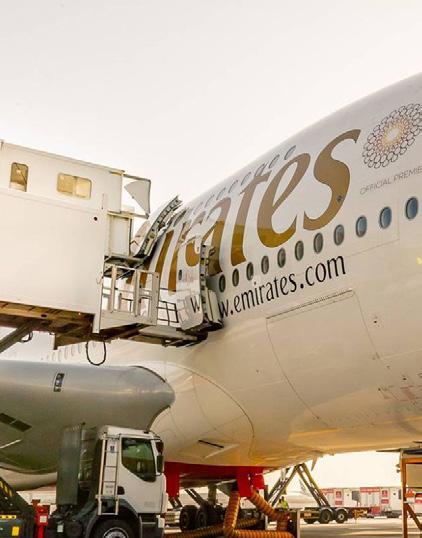
EMIRATES FLIGHT CATERING EXPANDS ITS HOSPITALITY VISION
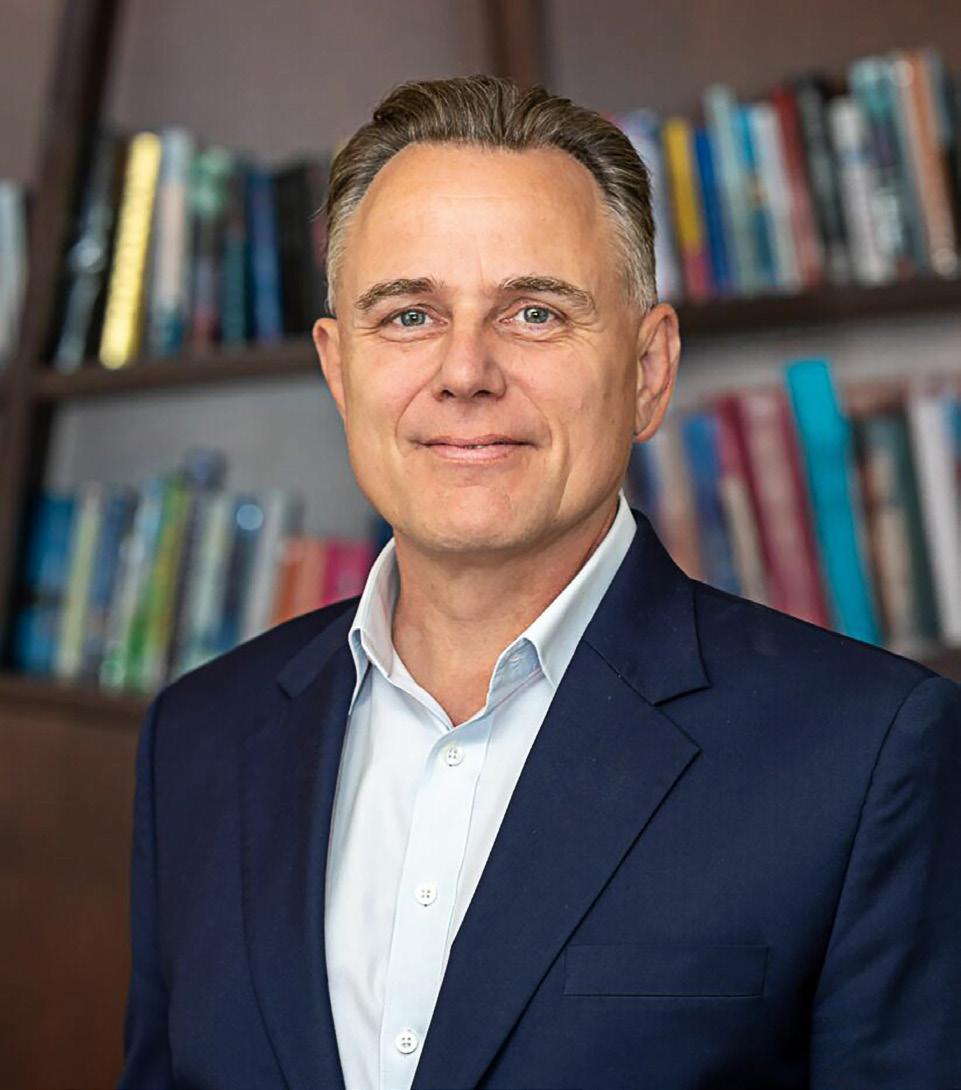
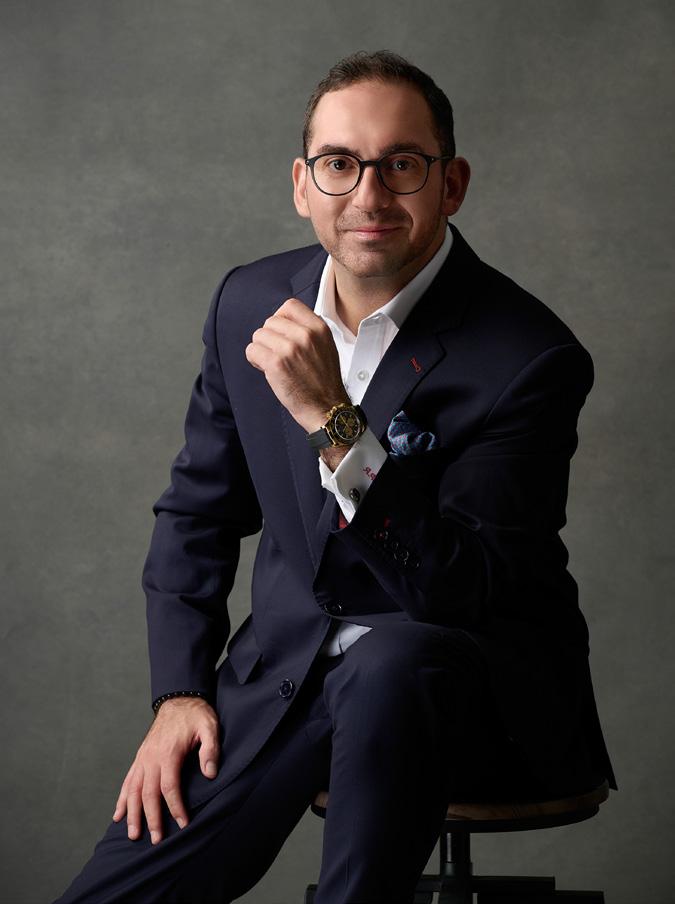
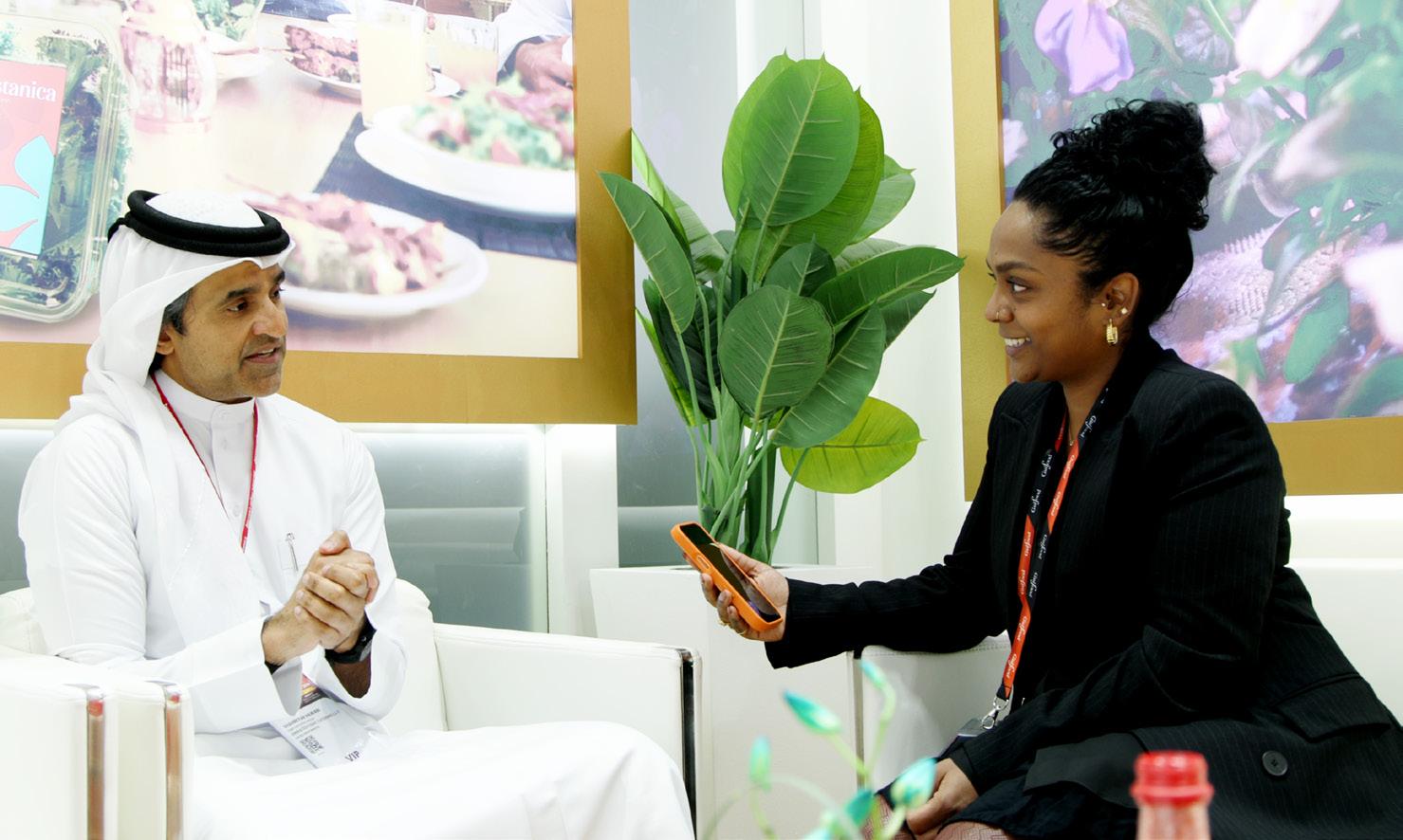
An interview with Shahreyar Nawabi, Chief Executive Officer of Emirates Flight Catering
Wissam Younane wissam@bncpublishing.net
Contact subscriptions@bncpublishing.net to receive Hotel & Catering every issue CEO
MANAGING DIRECTOR
Rabih Najm rabih@bncpublishing.net
EDITOR-IN-CHIEF
Seymone L Moodley seymone@bncpublishing.net
COMMERCIAL MANAGER
Alex Brown alex@bncpublishing.net
MARKETING & COMMUNICATION LEAD
Aaron Joshua Sinamban aj@bncpublishing.net
DIGITAL EDITORIAL SUPPORT
Karan Moodley karan@bncpublishing.net
PHOTOGRAPHY
Joel Amparo
MULTIMEDIA
Eduardo Buenagua
CREATIVE LEAD
Christian Harb chriss@bncpublishing.net
Images used in Hotel & Catering are credited when necessary. Attributed use of copyrighted images with permission.
SUBSCRIBE
PO Box 502511 Dubai, United Arab Emirates P +971 4 4200 506 | F +971 4 4200 196
For all commercial enquiries related to Hotel & Catering News ME, contact sales@bncpublishing.net
All rights reserved 2026. Opinions expressed are solely those of the contributors. Hotel & Catering is officially licensed exclusively to BNC Publishing in the MENA region. No part of this magazine may be reproduced or transmitted in any form or by any means without written permission of the publisher.
Printed by United Printing and Publishing | upp.ae
In addition to our print edition, we’re bringing you all sorts of industry news on our web mediums. We’re looking forward to interacting with our readers on all of our social media and web platforms. See you on the web!
Hotel and Catering News ME
HotelCateringME
Hotel & Catering News Middle East
hotelcateringme
Hospitality Voices This Month
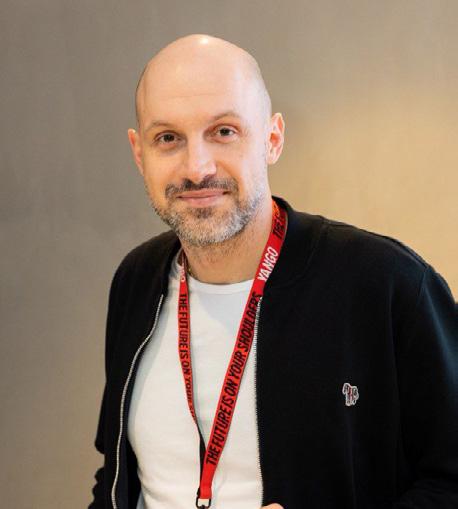
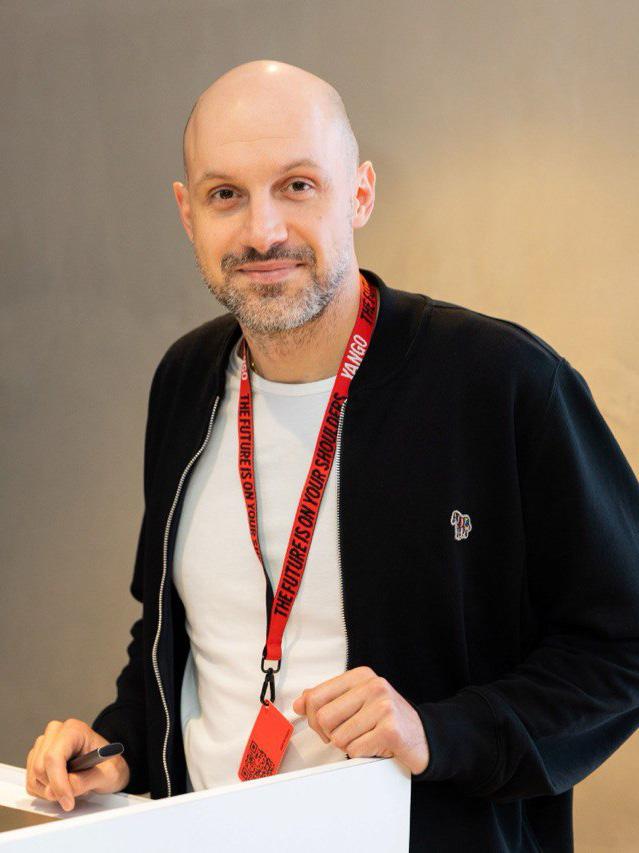
EVGENII PAVLOV, General Manager, Yango Ads MEA
“Tourism in the UAE is growing at a pace few global markets can match.”
Contributors 01
02
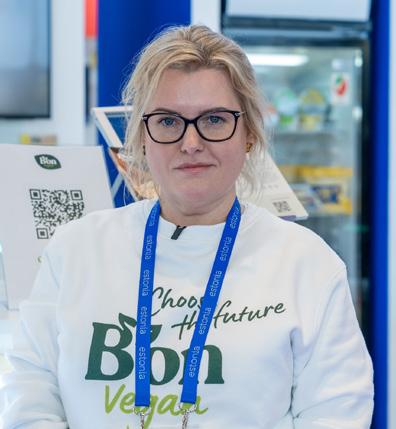
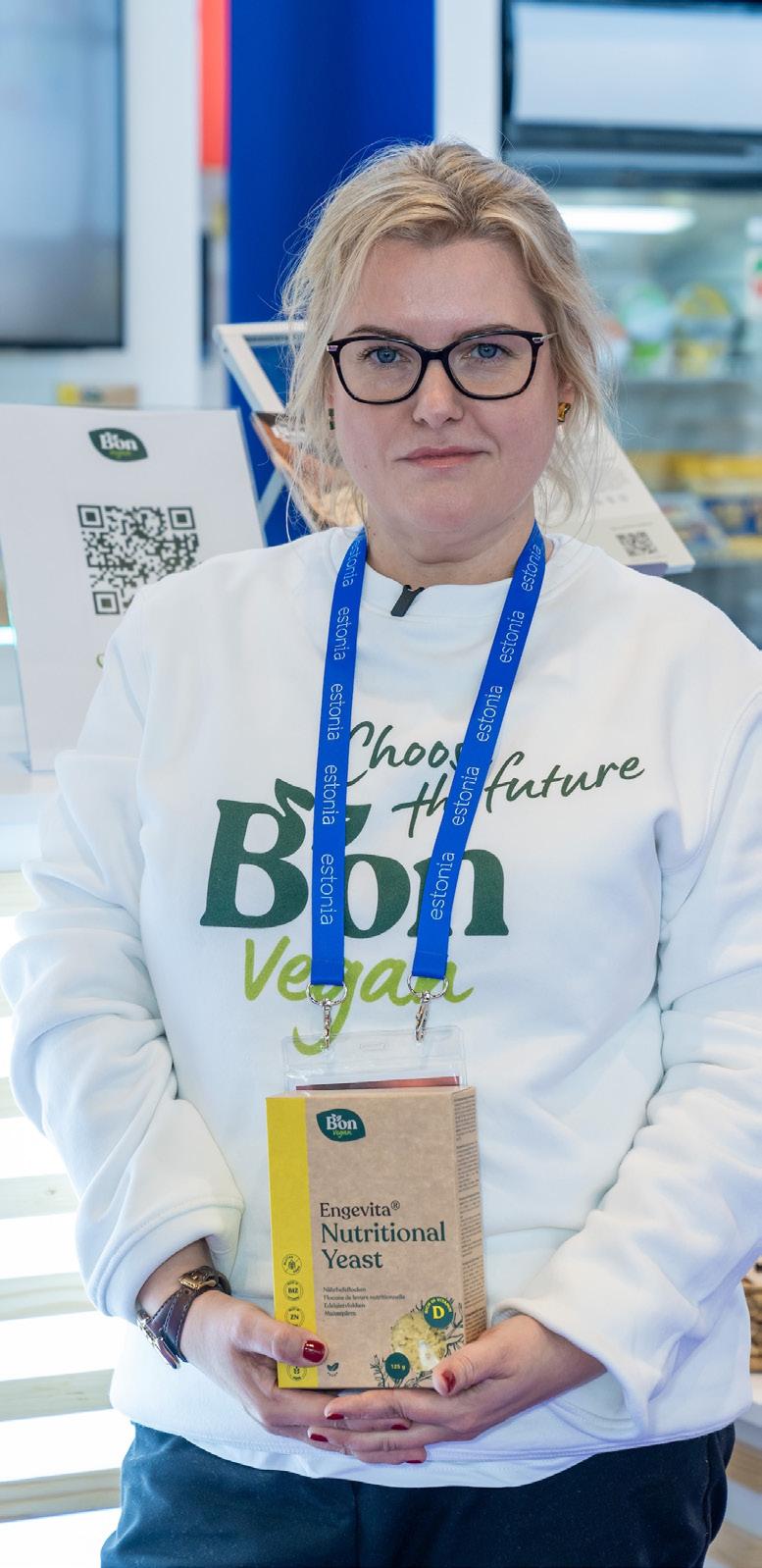
KARIN MILLER, CEO at Bon Vegan
“There is a clear shift towards functionality that is simple, purposeful, and designed for everyday diets.”
SAM FLORENTSEV AND JENYA MAKEEVA, Co-Founders of NAHATÉ Dubai
“We weren’t chasing excess. We wanted to create a concept that was emotionally relevant.”
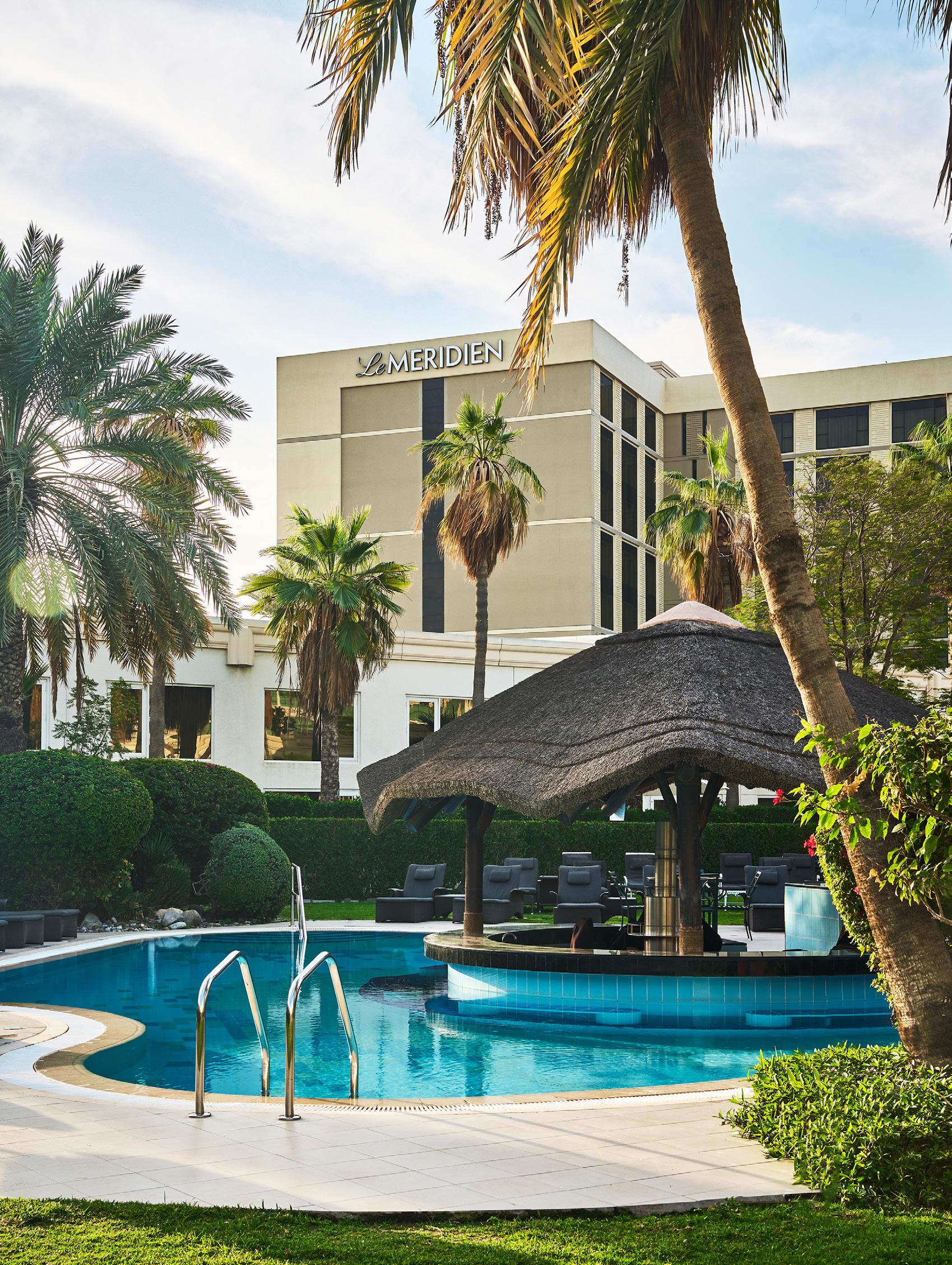
Rediscover Inspiration at Le Méridien Dubai Hotel & Conference Centre
A serene sanctuary at the heart of the city’s dynamic landscape, Le Méridien Dubai Hotel & Conference Centre redefines the art of urban hospitality. Set across 15 acres of immaculately landscaped gardens, the hotel o ers an elegant retreat just moments from Dubai International Airport, placing guests within e ortless reach of the city’s most iconic districts, from Dubai Mall and Burj Khalifa to the storied charm of the Gold Souk and Dubai Creek.
With 580 beautifully appointed rooms and suites, the property invites travellers into a world where contemporary design meets the timeless sophistication of the Le Méridien brand. The distinguished 196 rooms in the Le Royal Club wing elevate the experience with spacious, light-filled rooms, and refined club privileges, while select ground-floor accommodations in the main building open directly onto lush gardens and tranquil pools, o ering a resort-like ambience rarely found in the city.
Well-being is woven into the hotel’s DNA. Guests may indulge in five swimming pools, unwind in serene outdoor enclaves, or train at one of Dubai’s most expansive and advanced fitness facilities, sta ed by expert coaches and equipped with cutting-edge technology to nourish mind, body, and spirit.
At the heart of the property lies an extraordinary culinary journey. Housing 18 acclaimed restaurants and bars, Le Méridien Dubai is home to some of the city’s most storied dining institutions. From the ever-legendary Seafood Market, celebrated for its market-style freshness, to Casa Mia, Dubai’s pioneering Italian restaurant, each venue reflects a passion for authenticity, craftsmanship, and memorable dining artistry.
A beacon for global meetings and events, the hotel features more than 44,000 sq. ft. of versatile event spaces, comprising 24 impeccably designed venues outfitted with modern audiovisual capabilities. Whether orchestrating a grand celebration for 1,750 guests, hosting an international exhibition, or curating an intimate executive gathering, the hotel’s specialist events team and award-winning culinary experts bring each vision to life with impeccable precision and creative flair.
From inspired dining to world-class event facilities, and from resort-style relaxation to unmatched convenience, Le Méridien Dubai Hotel & Conference Centre stands as a destination where cosmopolitan energy and cultivated luxury converge, inviting every guest to unlock a stay that is truly memorable.
Amatch without a flame is just a stick. And that’s fine. Sticks have their place. Not every idea, launch, concept, or voice is meant to turn into a wildfire, and that’s not a bad thing. Because if everything were on fire all the time, we’d all burn out. Fast.
In hospitality, especially functional, present, useful, and consistent often outperform fireworks that explode with volume, force, and dazzle, only to disappear 30 seconds later. There are floors of people in every business, and hundreds of staff behind the scenes, doing the real work. Keeping things moving. Making sure nothing catches fire. And frankly, that kind of reliability doesn’t get enough credit.
A MATCH WITHOUT A FLAME
But, and this matters, there are moments when a stick simply won’t do. Moments that need heat. Action in motion. Ideas that deserve to be launched into the sky for everyone to see. Those ideas don’t beg for attention; they take it. They’re the ones worth backing, worth losing sleep over, worth putting your name behind. And when they land, the payoff is real.
This February, and for the rest of the year, I’ll be watching closely for ideas like that. And when one shows up, I’ll be ready to strike my match.
In this issue, we look at what is actively shaping the hospitality industry right now, not in theory, not in slide decks, but in practice. From evolving ownership mindsets and operational strategy to the growing role of technology, talent, and experienceled design, February’s conversations reflect an industry that’s confident, adaptive, and far more precise about where it’s heading. Where the fire is being lit, where it’s being conserved, and where it’s still missing. Because in hospitality, as in life, knowing when to strike the match matters just as much as knowing when to let it rest.
SEYMONE L MOODLEY EDITOR-IN-CHIEF seymone@bncpublishing.net
Seymone Leigh Moodley seymonemoodley
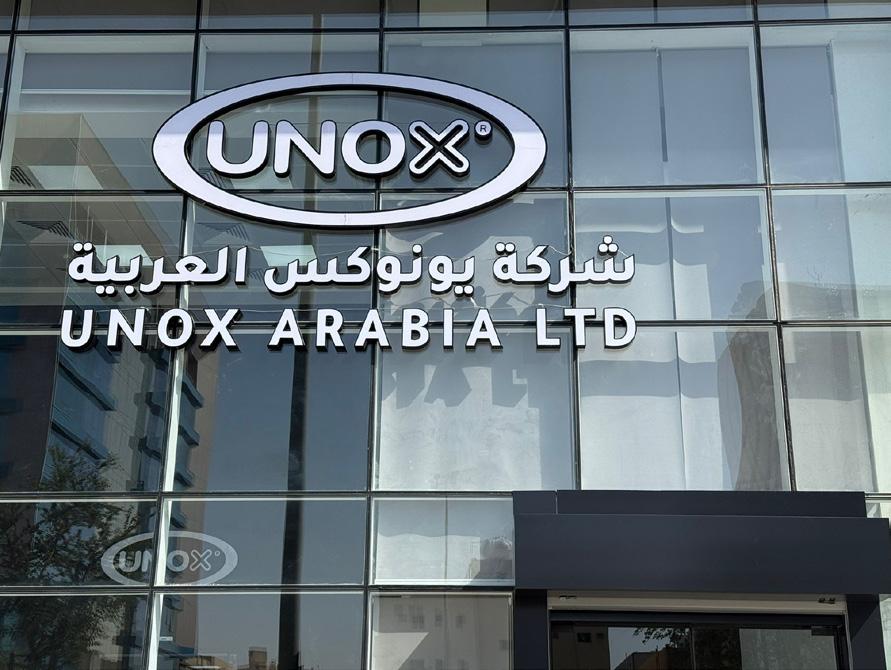
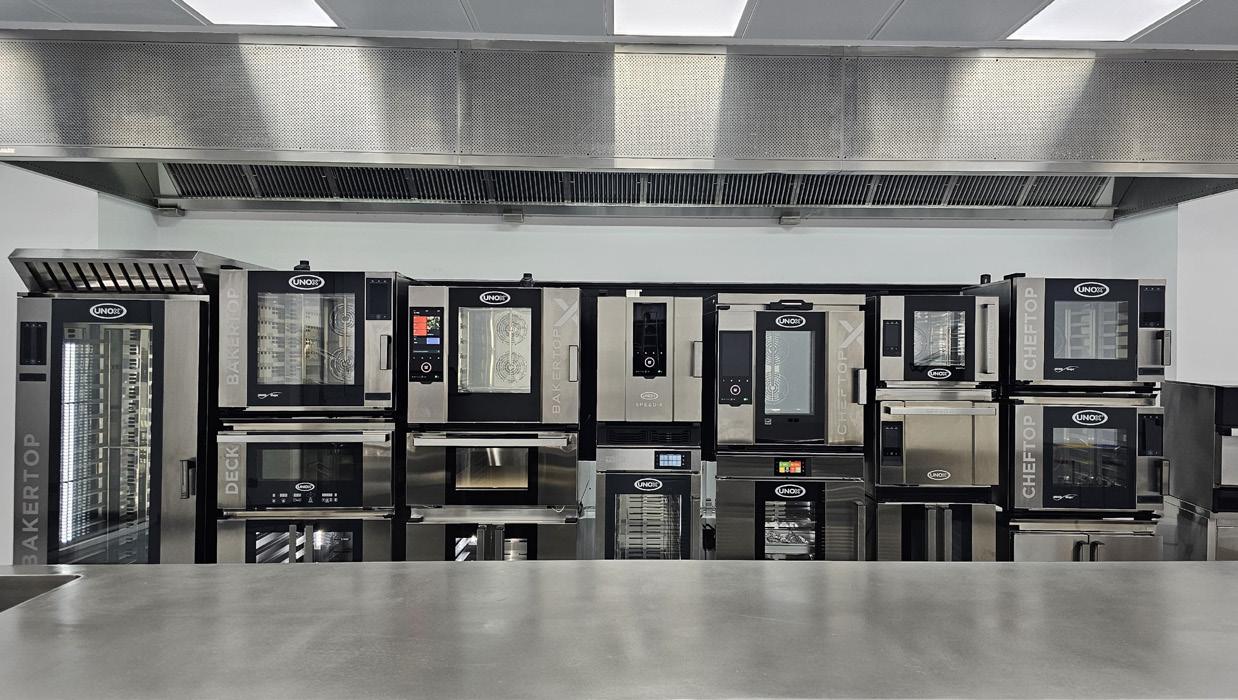
UNOX ARABIA LAUNCHES RIYADH EXPERIENCE CENTER TO POWER SAUDI ARABIA’S CULINARY FUTURE
UNOX Arabia, a global leader in professional oven technology operating in 42 countries and distributing to over 110 worldwide, proudly announces the opening of its new Experience Center in the heart of Riyadh.
This new space is designed to foster culinary innovation, provide technical support, and offer real-time solutions to chefs and food business owners across the Kingdom, at a time when Saudi Arabia’s F&B sector is growing at record speed.
ENVI LODGES EXPANDS ACROSS THE MIDDLE EAST AND AFRICA WITH FOUR NATURE-IMMERSED LODGES
ENVI Lodges unveils a landmark year of growth in 2026 with the upcoming openings of four new lodges across Saudi Arabia, Tanzania, and South Africa. Each property embodies ENVI Lodges’ philosophy of purpose-driven experiences, immersive design, and a deep respect for nature and local culture.
The portfolio expansion will include ENVI Al Shafa in Taif, ENVI Al Nakheel in Al Ahsa, ENVI Paje in Zanzibar, and ENVI Addo Private Reserve in the Eastern Cape. These openings mark a significant step in ENVI Lodges’ mission to deliver exceptional hospitality through meaningful experiences that contribute to the wellbeing of guests.
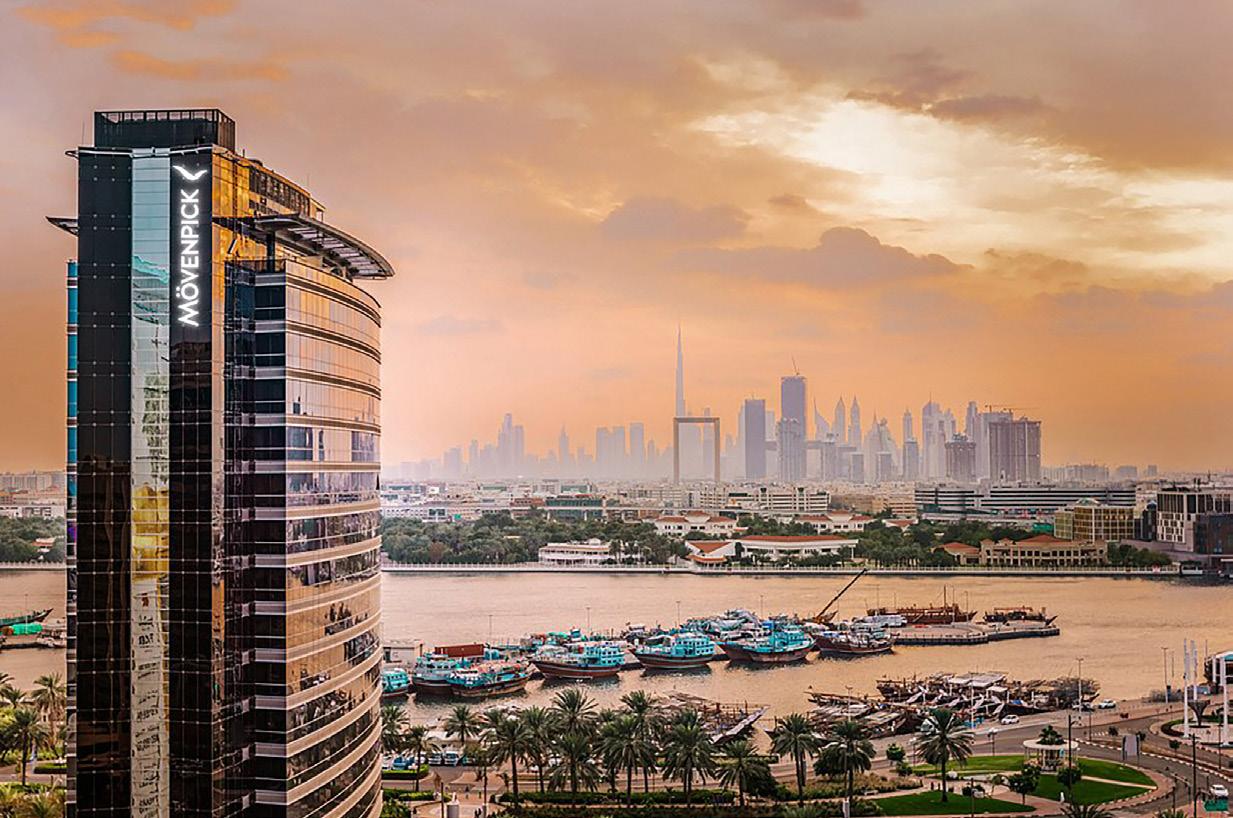
MÖVENPICK DUBAI CREEK OPENS IN DUBAI’S HISTORIC HEART FOLLOWING THE REBRANDING OF GOLDEN SANDS HOTEL CREEK
Mövenpick Hotels & Resorts has expanded its presence in the United Arab Emirates with the opening of Mövenpick Dubai Creek, following the rebranding of the former Golden Sands Hotel Creek.
Rooted in Mövenpick’s Swiss heritage and culinary origins, the conversion introduces a place of joyful reconnection to one of Dubai’s most historic waterfront districts, where generous care, inviting spaces and convivial food moments bring people together.
The opening further strengthens Accor’s premium footprint in the city.
THE FIRST SOFITEL IN THE CAPITAL OF THE KINGDOM OF SAUDI ARABIA INTRODUCES FRENCH ZEST TO RIYADH’S EVOLVING HOSPITALITY LANDSCAPE
Sofitel, the French luxury hospitality brand from Accor, proudly announces the opening of Sofitel Riyadh Hotel and Convention Centre, marking the brand’s debut in the Kingdom of Saudi Arabia’s capital.
Strategically located in the prestigious Ar Rahmaniyyah neighbourhood, the hotel reflects the ambitions of Saudi Vision 2030, contributing to the Kingdom’s transformation through world-class hospitality, international connectivity and the development of large-scale business and cultural events.
The property features the largest luxury hotel convention centre in Riyadh, offering nearly 8,500 square metres of flexible event space, alongside 388 sophisticated rooms and suites.
UNITED HOSPITALITY MANAGEMENT PROMOTES KLAUS ASSMANN TO CEO FOR MIDDLE EAST, INDIA AND SOUTH EAST ASIA
United Hospitality Management (UHM), a global leader in luxury and mixeduse hospitality management, announced the promotion of Klaus Assmann to the position of Chief Executive Officer (CEO) for the Middle East, India and South East Asia.
The appointment comes just nine months after he joined the group as Chief Operating Officer (COO). In his new capacity, he will be responsible for leading the group’s growth strategy and operational excellence as UHM works towards its target of managing 100 business units globally by 2030.
SIX SENSES SOUTHERN DUNES, THE RED SEA APPOINTS LISA MARKL AS DIRECTOR OF WELLNESS
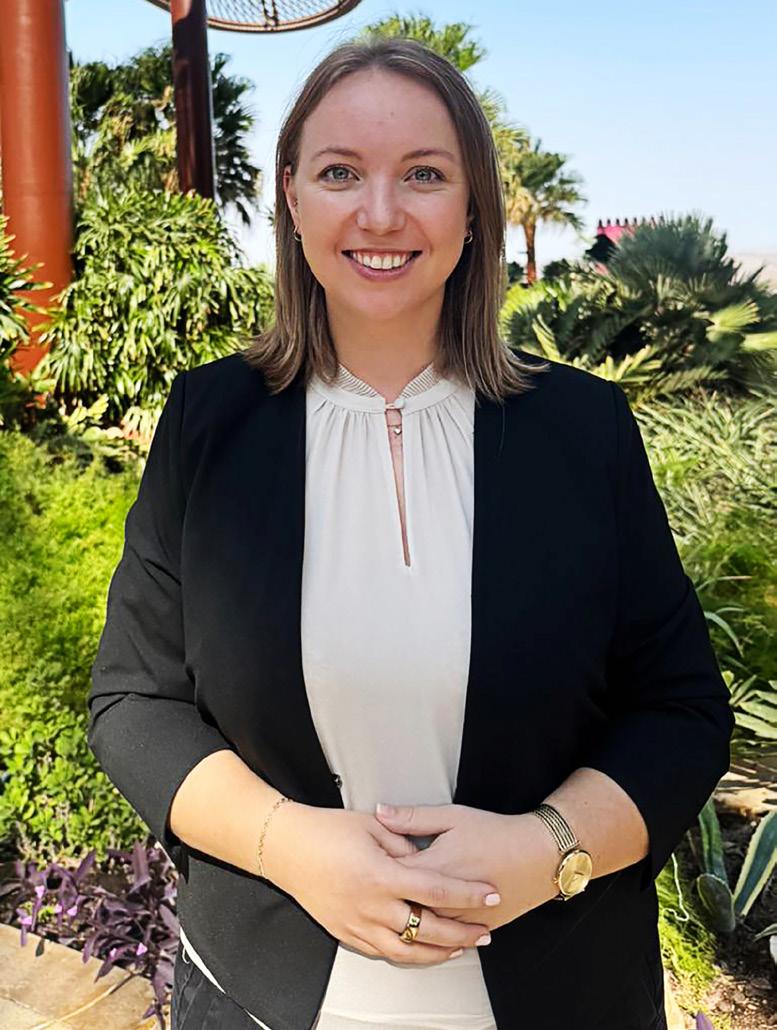
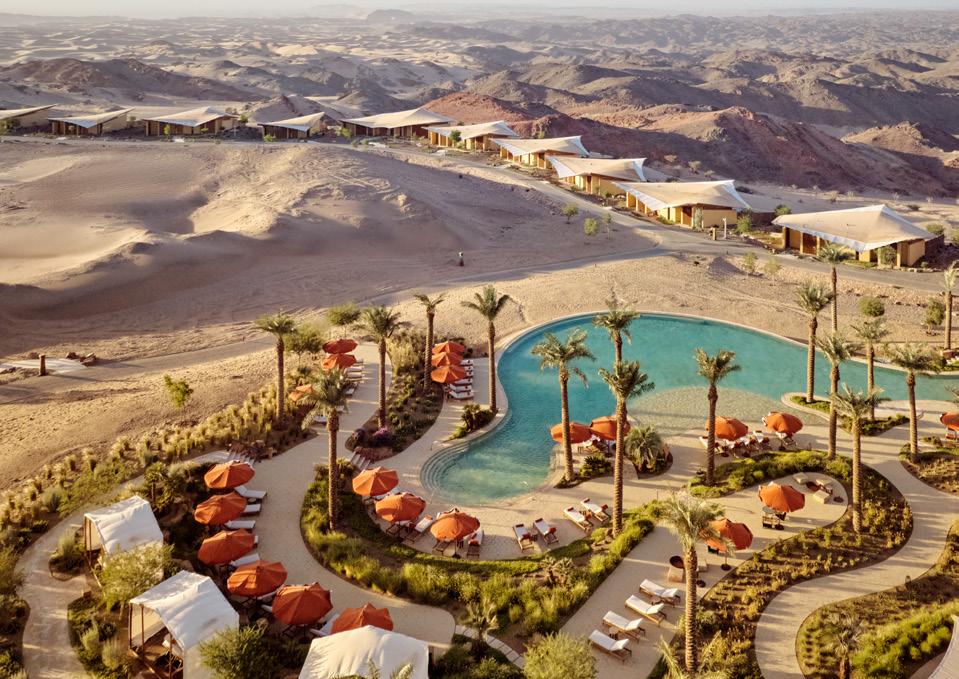
Six Senses Southern Dunes, The Red Sea, a groundbreaking luxury wellness destination on Saudi Arabia’s Red Sea coast, is proud to announce the appointment of Lisa Markl as Director of Wellness, joining the team to lead a new era of immersive wellness, where personalised programmes, holistic care, and sustainable practices set the benchmark for luxury in the region.
With a distinguished international career spanning Europe, Asia, and the Maldives, Markl brings unparalleled expertise in spa and wellness management, positioning her to elevate Six Senses Southern Dunes, The Red Sea, as the region’s premier destination for transformative and immersive wellness experiences.
BASSEM SAUDY APPOINTED AS HOTEL MANAGER AT MAMA SHELTER DUBAI
Mama Shelter Dubai has announced the appointment of Bassem Saudy as its new Hotel Manager, marking a strategic addition to the property’s leadership team, as it enters its second year of operation in Dubai and prepares for its next phase of growth.
With more than two decades of experience in luxury and upscale hospitality across the Middle East, Saudy brings deep operational, commercial and revenue expertise to the role. His career spans senior leadership positions with globally recognised brands including Banyan Tree, Delano, Waldorf Astoria, Fairmont, Hilton, Ritz-Carlton and Hyatt, where he has overseen pre-openings, rebrandings and commercial transformations with strong performance outcomes.
MINOR HOTELS APPOINTS
AMIR GOLBARG AS CHIEF OPERATING OFFICER, MIDDLE EAST & AFRICA
Minor Hotels has appointed Amir Golbarg as Chief Operating Officer for the Middle East & Africa. The promotion reflects Amir’s exceptional leadership and the region’s record year of growth, marked by strong performance across all key indicators, multiple new hotel signings, and expansion in core markets including Saudi Arabia and Egypt.
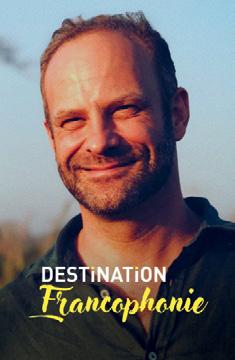
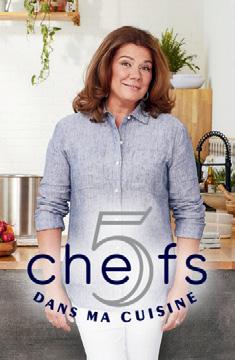
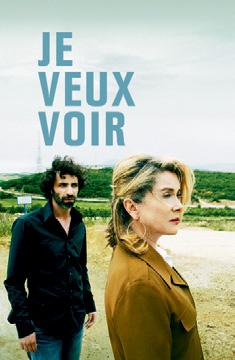
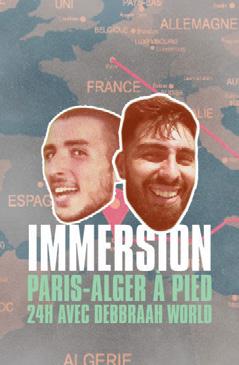
TV5MONDE’s new offering
makes international programmes easily accessible in hotels
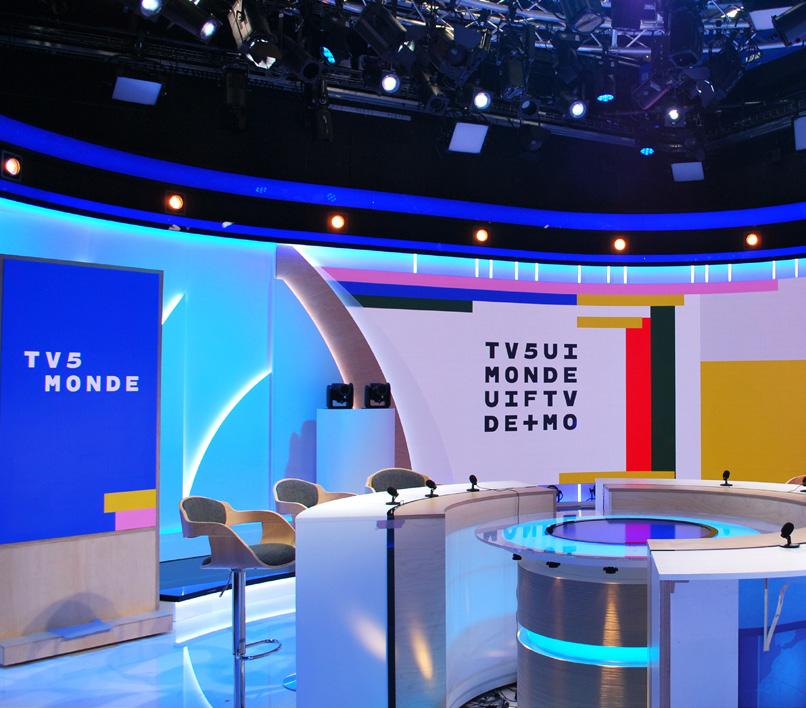
TV5MONDE, the world’s no. 1 French-language general-interest television network, has unveiled a brand-new identity, with more varied programming and hotel-ready services to cater to international guests in the region.
Available in over 200 countries and territories, TV5MONDE is a francophone network that broadcasts a large diversity of content such as movies, series, documentaries, international news, and cultural shows from France, Belgium, Switzerland, Canada, Quebec and Monaco, reflecting the richness of francophone culture. In the Arab world, its regional channel TV5MONDE Maghreb Orient offers programmes selected for the region, with Arabic subtitles, at no cost.
The TV5MONDE network comprises eight regional entertainment channels and two thematic channels with twelve different subtitles worldwide, three FAST channels and an on-demand streaming platform, TV5MONDE+ that offers six different subtitles to its users. The network has just unveiled a new brand identity.
“TV5MONDE has not only unveiled a brand-new, modern look for its channels, it has also enhanced its offering to hotels, and its regional channel, TV5MONDE Maghreb-Orient, remains free-to-air in the Middle East,” commented Ingrid Gressier,
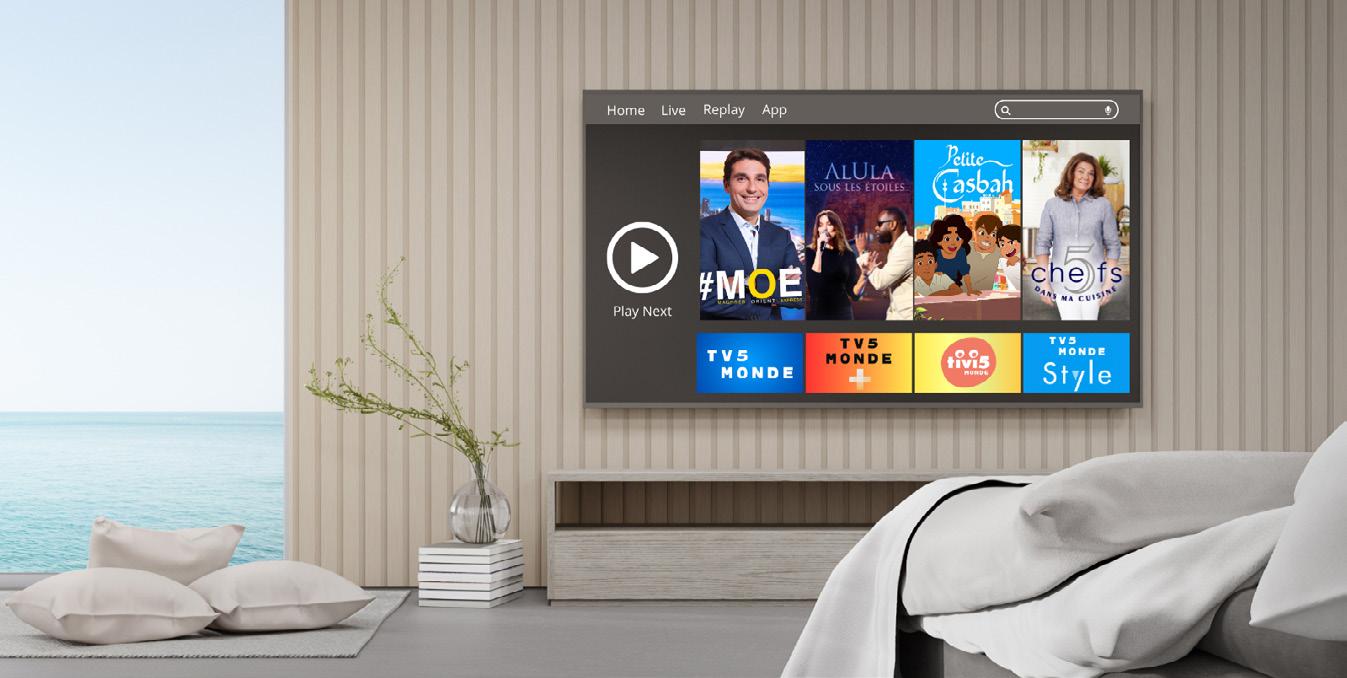
Head of Distribution, Marketing and Sales, Out-of-Home for TV5MONDE, “Its general programming and Arabic subtitles make it an invaluable addition to the TV channel line-up of any hotel. Hoteliers will be happy to know that the TV5MONDE+ app can now be installed very easily on con-
“TV5MONDE is available in millions of hotel rooms, international airlines and cruise line companies as well as prestigious institutions around the world, such as the United Nations in New York, and the reason for such a large reach is simple: TV5MONDE is the most comprehensive French-language network in the world.
nected Smart TVs and any Apple or Android device. It is completely free and it has just been upgraded to offer all of its programmes in one place: live, catch-up and VOD. This way hotel guests can easily access the programmes they are used to watching, while relaxing in their hotel room.”
TV5MONDE+ now offers over 7,000 hours of programmes on-demand including films, series, documentaries, entertainment, youth programmes and cultural shows. All are subtitled in six languages, including Arabic and English. This multilingual accessibility makes TV5MONDE+ an ideal service for hotels welcoming international guests, who can enjoy Frenchlanguage programmes with subtitles in their native language.
In the Gulf region, the TV5MONDE Maghreb Orient channel can easily be added via ArabSat and NileSat, at no cost. In the UAE, E& and Du also offer the channel.
“TV5MONDE is available in millions of hotel rooms, international airlines and cruise line companies as well as prestigious institutions around the world, such as the United Nations in New York, and the reason for such a large reach is simple: TV5MONDE is the most comprehensive Frenchlanguage network in the world.” Added Ms Gressier. Africa and the Middle East are more and more prominent in the channel as the network actively supports African content creators: TV5MONDE now airs original creations from the Maghreb and sub-Saharan Africa.
TV5MONDE is the easy choice for hoteliers looking for an international channel to add to their line-up. Its global offer, live and a la carte, and wide range of subtitles make it accessible to world travellers, wherever they come from.
About TV5MONDE network
TV5MONDE is the world’s leading global French-language general-interest television network. TV5MONDE is not a French channel but a francophone network, created more than 40 years ago, by 4 countries: France, Belgium, Switzerland, Canada and Quebec — recently joined by Monaco. It broadcasts a great diversity of content — movies, series, documentaries, international news, and cultural shows — from its partners, reflecting the richness of francophone culture.
The TV5MONDE network comprises eight regional channels and two thematic channels with twelve different subtitles worldwide, three FAST channels with eight different subtitles worldwide and an on-demand streaming platform, TV5MONDE+ that offers six different subtitles to its users.
For more info, visit the website: https://www.travel.tv5monde.com
A Marketing Conversation with
Jannah Hotels & Resorts
In this interview, Julio Rafael, Director of Marketing and Communications at Jannah Hotels & Resorts and EDGE Hotels, shares how the brand translates Arabian hospitality into measurable business impact. From disciplined marketing strategy and authentic influencer partnerships to the smart use of AI, Rafael offers a clear-eyed perspective on what truly drives relevance and results in hospitality today.
What makes Jannah’s version of Arabian hospitality different from other brands making similar claims?
At Jannah, Arabian hospitality is not a marketing tagline, it is an operational and cultural principle embedded throughout the guest experience. While many brands speak about warmth and generosity, we differentiate ourselves through intentional personalisation, empowered service, and authentic cultural expression. Every touchpoint is designed to create meaningful connections, ensuring guests experience hospitality that is both memorable and distinctly Jannah.
How do you ensure your marketing delivers real results, not just visually appealing campaigns?
Marketing at Jannah is approached as a strategic business driver, not merely a creative exercise. Every initiative is guided by clearly defined KPIs, including revenue impact, guest engagement, and brand equity growth. We combine data-driven performance metrics with strong storytelling to ensure campaigns are both measurable and meaningful. Creativity, for us, must always come with accountability.
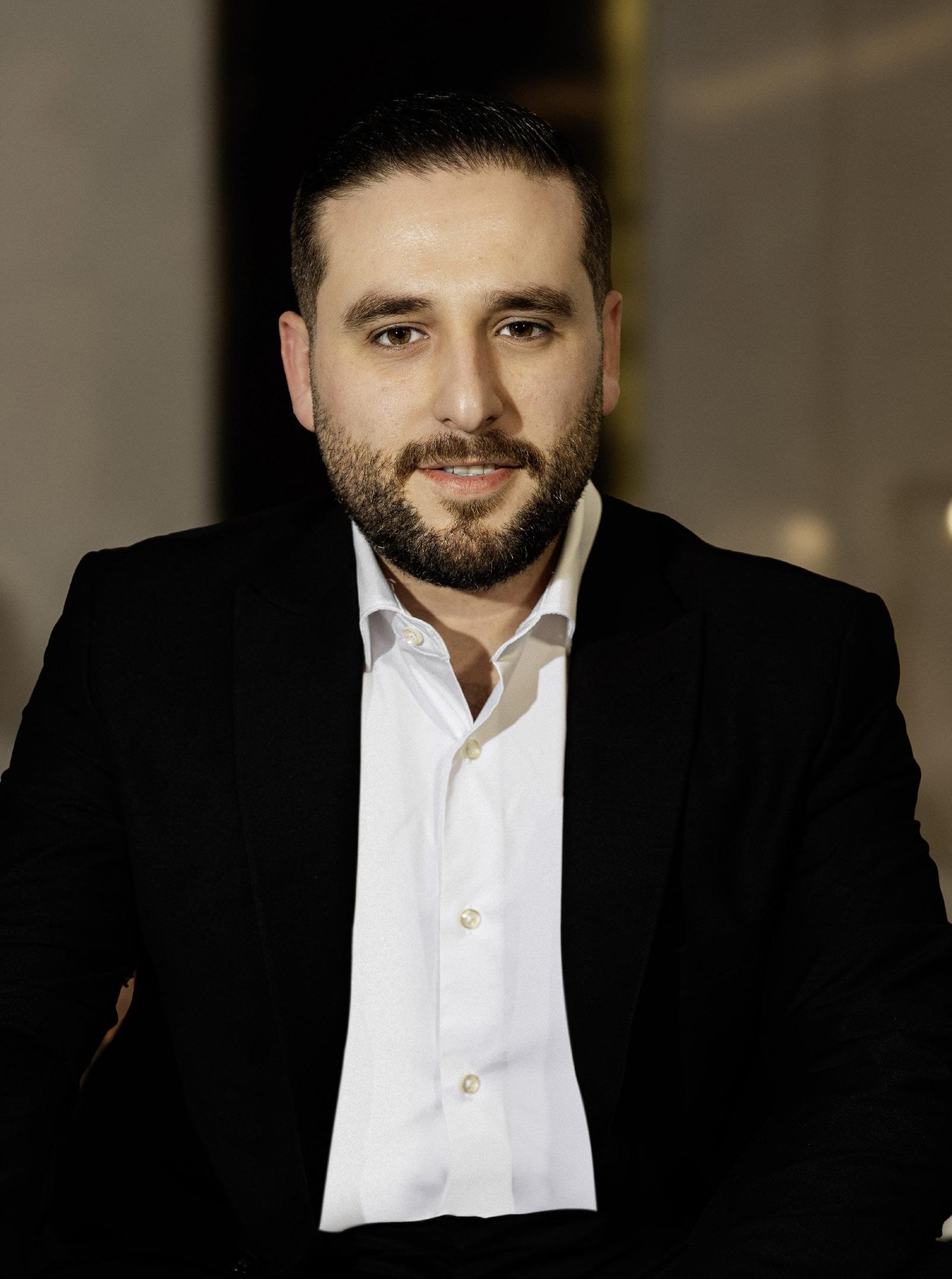
JULIO RAFAEL, Director of Marketing and Communications, Jannah Hotels & Resorts and EDGE Hotels in Abu Dhabi, Dubai, and Ras Al Khaimah
A
With social media trends changing so rapidly, how do you decide which ones are worth pursuing?
We assess trends through a strategic lens, focusing only on those that align with our brand narrative, resonate with our audience, and drive genuine engagement. Rather than chasing every new format or platform, we prioritise initiatives that reinforce our values and build long-term brand equity. This approach allows us to stay agile without compromising consistency or integrity.
How do you balance influencer marketing with authenticity as audiences become more sceptical?
Influencer marketing is most effective when it is grounded in alignment and credibility. At Jannah, we collaborate with creators who genuinely reflect our values and can communicate their experiences honestly. We look beyond follower counts, evaluating engagement quality, audience relevance, and narrative fit. This ensures partnerships build trust and strengthen brand credibility.
What hospitality marketing trend do you believe is currently overrated?
The overreliance on highly curated, hyper-stylised content is increasingly overrated. Today’s luxury consumer values authenticity, emotional intelligence, and immersion over perfection. Guests respond more strongly to narratives that feel real and relatable, which is why we prioritise storytelling rooted in genuine experiences rather than polished aesthetics alone.
How do Jannah’s restaurants contribute to shaping the brand, beyond revenue generation?
Our restaurants are key brand touchpoints that extend the Jannah experience beyond accommodation. Through thoughtfully curated menus, ambience, and service rituals,
they reflect Arabian culture and reinforce our brand values. Dining at Jannah is not transactional, it is experiential, designed to deepen emotional connection and enhance the overall guest journey.
How are tools like ChatGPT being used in your role, and do they enhance or dilute marketing today? AI tools such as ChatGPT act as intelligence multipliers when used strategically. They support faster ideation, content optimisation, and trend analysis, improving efficiency across teams. That said, AI is a tool and not a replacement for human insight. In hospitality, emotional intelligence, cultural nuance, and strategic judgment remain essential. When applied thoughtfully, AI enhances creativity and decision-making without compromising authenticity.
“We assess trends through a strategic lens, focusing only on those that align with our brand narrative, resonate with our audience, and drive genuine engagement.
THE FUTURE OF LUXURY DINING IS EMOTIONAL, NOT EXCESSIVE
BY SAM FLORENTSEV AND JENYA MAKEEVA, CO-FOUNDERS OF NAHATÉ DUBAI
Luxury dining is at an inflection point. For years, the industry equated prestige with scale, larger dining rooms, higher price points, and greater spectacle. Yet as the dining scene matures and guests' needs change, it has become clear that the next era of luxury will not be driven by excess, but by emotion, by places that resonate deeply and remain memorable long after the evening ends.
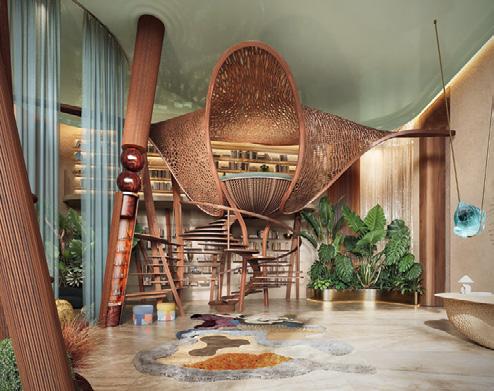
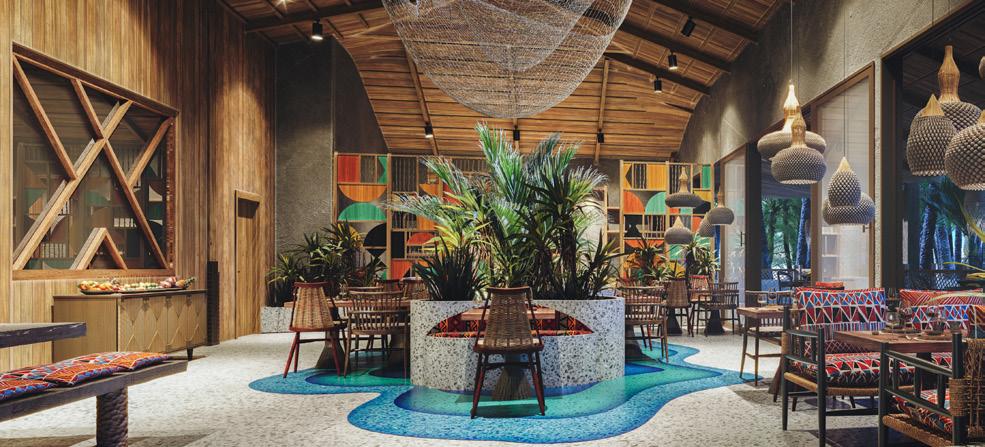
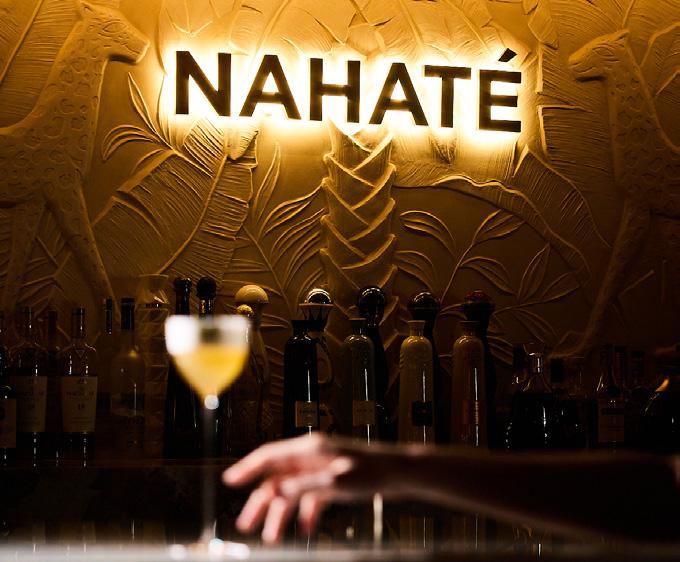
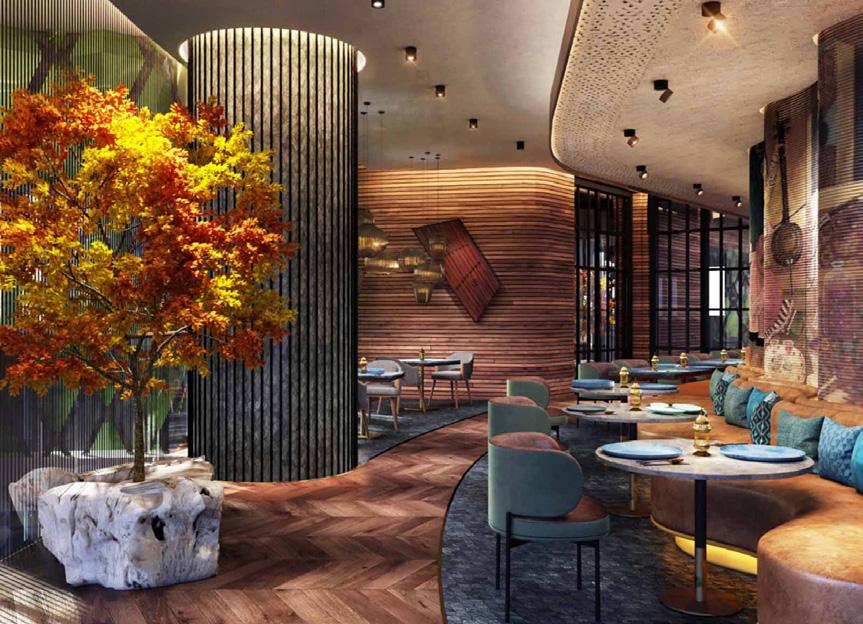
When people talk about luxury dining in Dubai, the conversation often defaults to scale, spectacle, or price tags. Bigger. Bolder. More expensive. But when opening NAHATÉ, we weren’t chasing excess. We wanted to create a concept that was emotionally relevant.
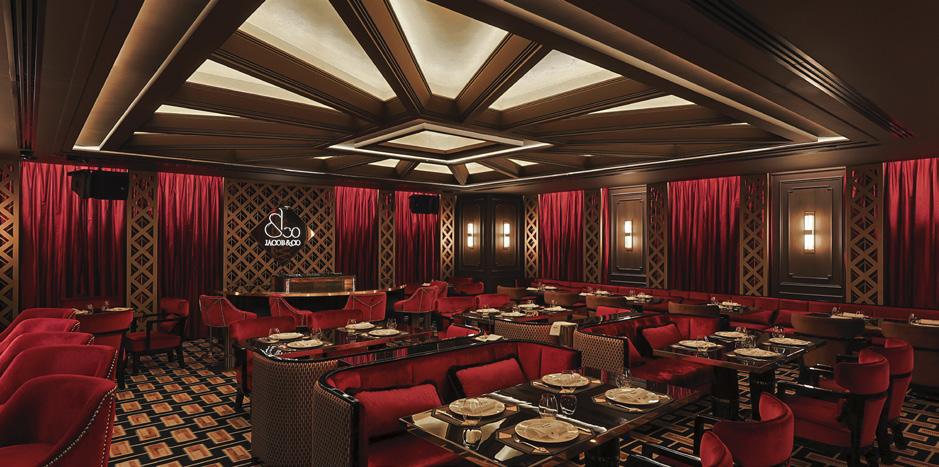
From the outset, NAHATÉ was designed to be an immersive space where atmosphere matters as much as cuisine, and where guests don’t simply arrive for a meal, but step into a world. What we were responding to was a larger shift already underway in the restaurant industry. Guests are looking for places and experiences that flex with them, a destination that works for a celebratory dinner, a spontaneous late night, a private gathering, or a milestone moment, all without losing its identity.
In its first year, NAHATÉ quickly became part of Dubai’s cultural rhythm. Not because it tried to be everything to everyone, but because it created a feeling people wanted to return to. On any given night, the dining room might host artists, founders, athletes, or global tastemakers.
The future of hospitality isn’t about rigid concepts but rather emotional versatility.
At NAHATÉ, this philosophy shaped every decision. Our collaborations with global luxury maisons were never driven by branding alone, but by cultural storytelling. The Baccarat private dining room is not simply a visually striking space; it is designed as a setting for meaningful moments. In a one-of-a-kind collaboration with artist and Crosby Studios founder Harry Nuriev, the restaurant itself became a canvas with installations integrated throughout the bar, private dining room, and main entrance, allowing guests to inhabit the art rather than observe it from a distance. Even the smallest rituals, like offering slippers so guests can stay longer, speak to a philosophy rooted in care rather than formality.
Dubai’s dining scene is among the most competitive in the world, but it is also one of the most progressive. What distinguishes the city is its openness to concepts that
blur traditional boundaries, where dining intersects with nightlife, art merges with hospitality, and celebration is embedded into the everyday experience. NAHATÉ did not invent this movement, but it was built in direct response to it.
As we look ahead, the most exciting part of the journey isn’t expansion or scale, it’s evolution. Introducing lunch service, deepening global partnerships, and continuing to create moments that feel intimate even at their most extravagant. The goal remains the same as it was on day one: to build a place people emotionally invest in.
In its first year of service, NAHATÉ welcomed tens of thousands of guests, poured thousands of bottles of Dom Pérignon, served hundreds of kilograms of caviar, and introduced a record-setting cocktail, reflecting the role the restaurant has come to play in guests’ celebrations and everyday rituals.
For hospitality leaders, the direction of the industry is becoming increasingly clear. Luxury dining is moving away from transactional experiences and toward environments that function as cultural ecosystems, places where guests feel immersed, connected, and understood. The most enduring restaurants will be those that invite participation rather than performance, and presence rather than spectacle.
Between City and Sea
A NEW CORNICHE ADDRESS
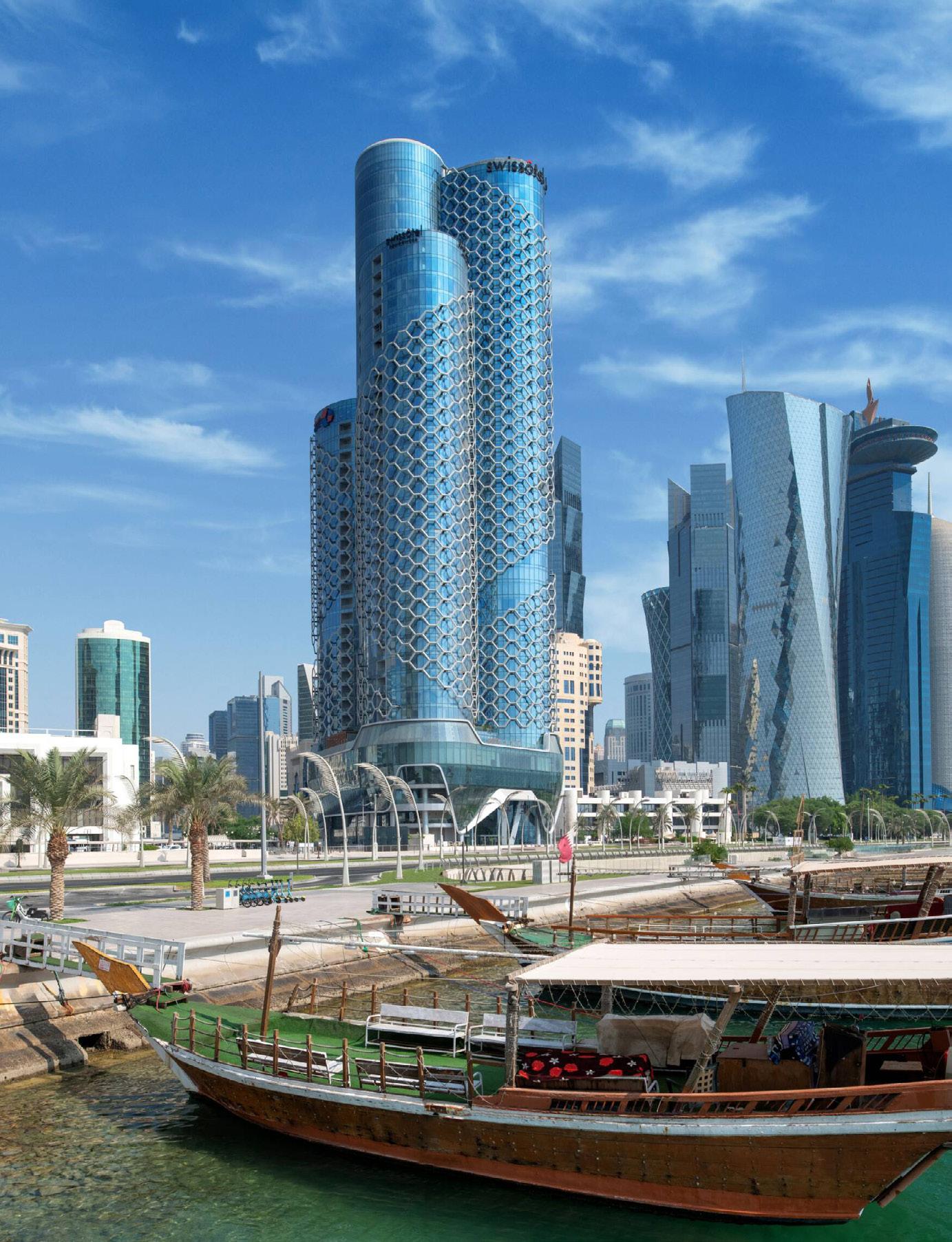
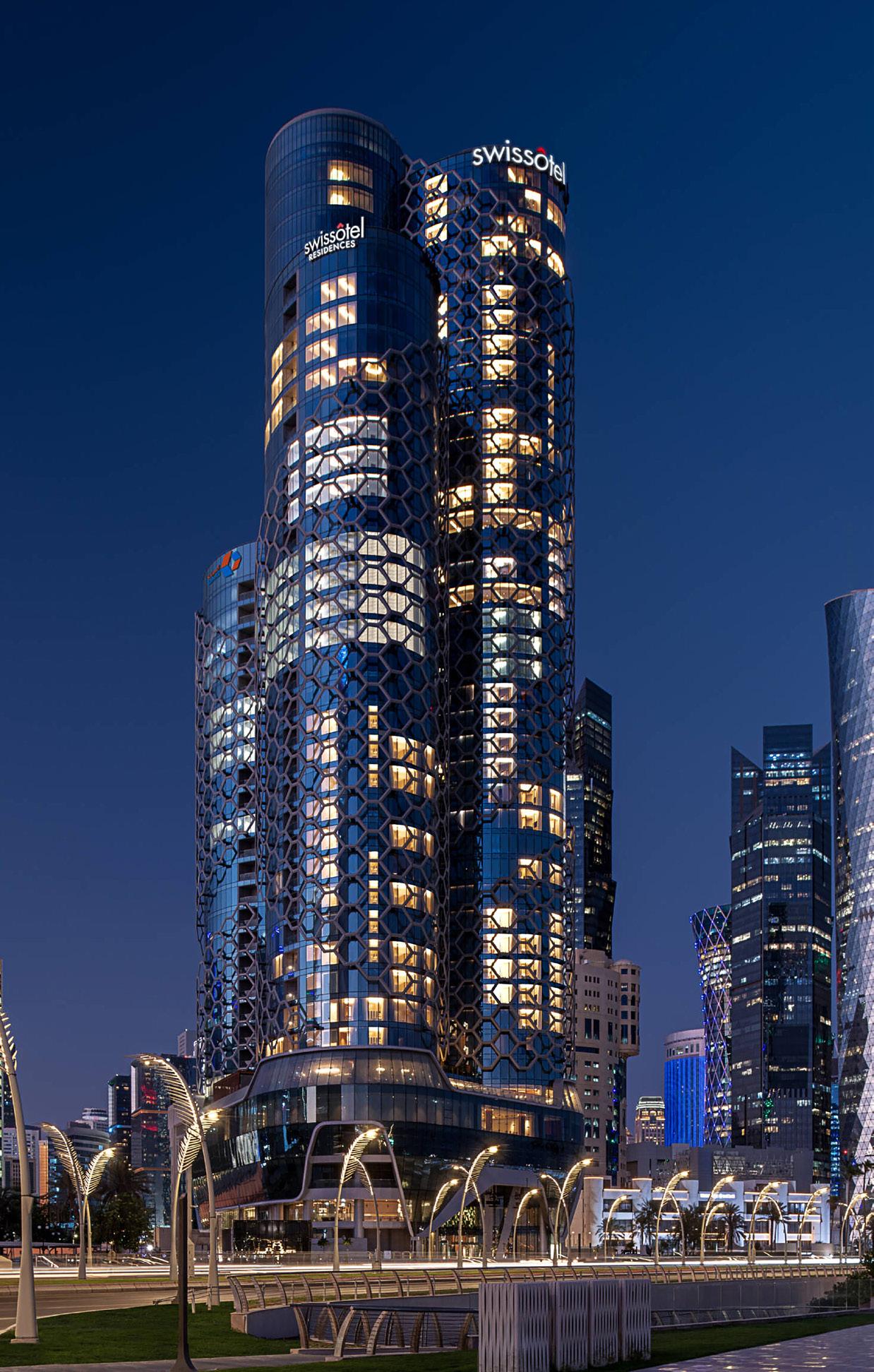
Swissôtel Corniche Park Towers Doha
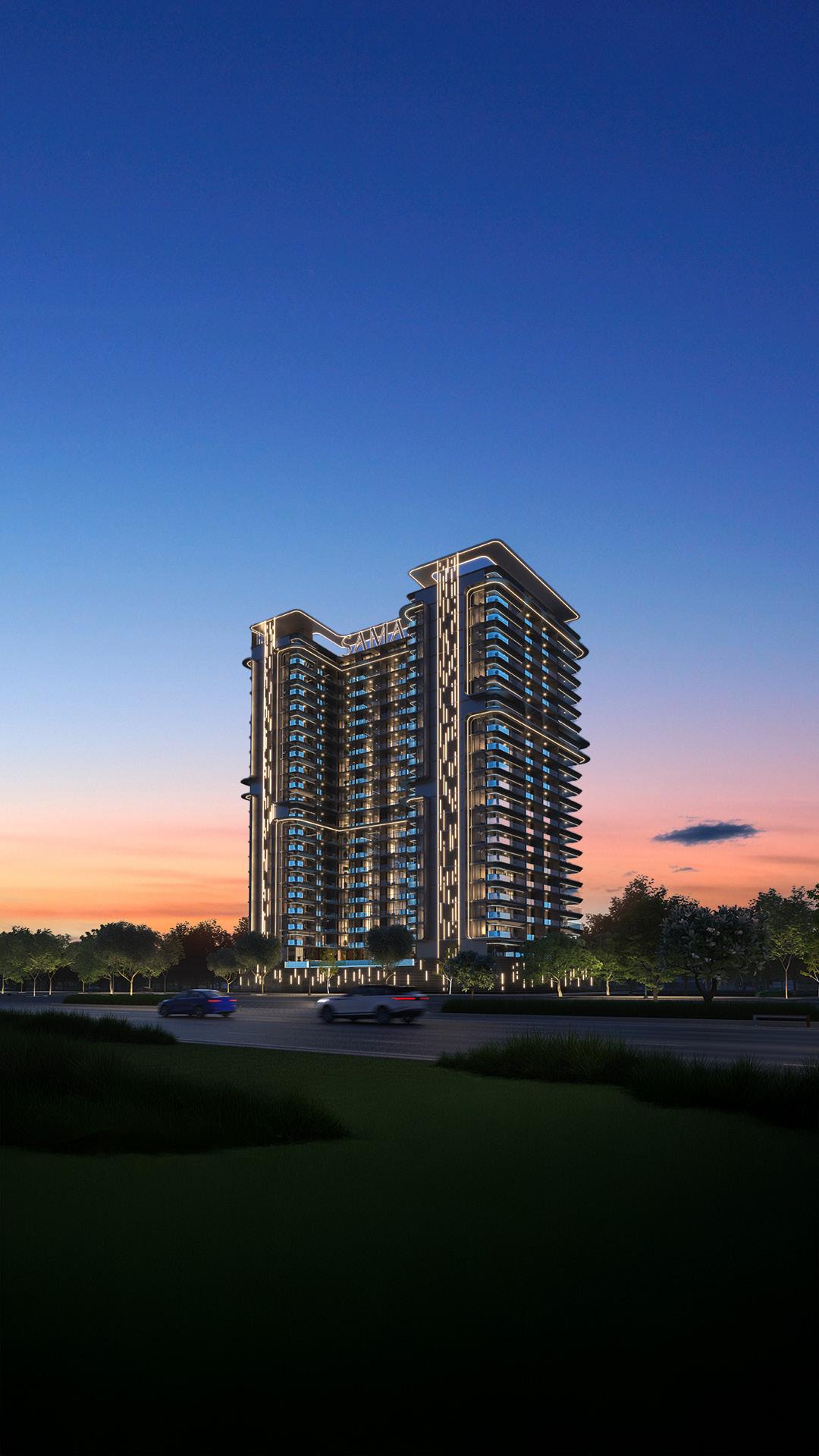
In a city defined by bold ambition and rapid transformation, Swissôtel Corniche Park Towers Doha arrives with a quieter kind of confidence. Rising along Doha’s Corniche in the heart of West Bay, the dual-property development introduces Swissôtel’s signature blend of precision, wellness, and contemporary hospitality to one of Qatar’s most dynamic districts.
Rather than competing for attention through scale alone, the property focuses on balance between work and rest, city and sea, short stays and long-term living. It is an approach that reflects Swissôtel’s global philosophy and the evolving expectations of travellers to Doha, where efficiency, well-being, and location matter as much as design and service.
At a Glance
> Location: West Bay, Doha, facing the Corniche
> Hotel Rooms & Suites: 342
> Serviced Residences: 121 apartments
> Dining Venues: 6
> Meetings & Events Space: 750 sqm
> Ballroom Capacity: Up to 250 guests
> Wellness Facilities: Pürovel Spa & Sport, fitness centre, yoga studios, 25-metre outdoor pool
> Distance from Hamad International Airport: Approx. 18 minutes
A Strategic Address on the Corniche
Positioned along one of Doha’s most recognisable waterfront stretches, Swissôtel Corniche Park Towers Doha benefits from a location that is both practical and aspirational. West Bay remains the city’s primary commercial hub, home to multinational offices, financial institutions, and key government entities, while also offering proximity to cultural landmarks, public parks, beaches, and retail destinations.
From the property, guests can reach Hamad International Airport in under 20 minutes, while nearby attractions include the Doha Exhibition and Conference Centre, City Center Mall, the Corniche promenade, Msheireb Downtown, Souq Waqif, and the Museum of Islamic Art. The result is a hotel that feels plugged into the city’s rhythm without being consumed by it, which is a rare balance in a fast-moving capital.
Who It’s For
> Business travellers seeking proximity to West Bay offices and DECC
> Long-stay guests and relocating executives looking for serviced living with hotel support
> Families requiring space, flexibility, and wellness-focused amenities
> Event planners searching for daylight-filled venues with Corniche views
> Wellness-led travellers who prioritise balance, routine, and calm over excess
Swiss Precision, Interpreted for Doha
At the core of Swissôtel Corniche Park Towers Doha is a design language rooted in clarity and restraint. Across its 342 rooms, suites, and serviced apartments, the interiors favour light-filled spaces, clean lines, and functional elegance over overt luxury statements. Floor-to-ceiling windows draw the Corniche into every stay, reinforcing a sense of openness and calm, whether overlooking the Gulf or the city skyline.
Rooms are designed to serve a broad spectrum of travellers. Swiss Advantage and Signature rooms cater to business and leisure guests seeking comfort and efficiency, while Swiss Vitality rooms take the concept further, integrating circadian lighting, ergonomic furniture, and wellness-focused amenities. These details are subtle rather than showy, reflecting a belief that well-being is best delivered through thoughtful design rather than excess.
For guests staying in Swiss Executive rooms and suites, access to the Swiss Executive Club Lounge adds another layer of privacy and ease. Overlooking the Corniche, the lounge functions as a quiet extension of the guest experience, a place for focused work during the day and unhurried relaxation as the city winds down.
Rooms
& Residences Breakdown
Hotel Rooms & Suites
> Swiss Advantage King & Twin Rooms (40 sqm)
> Swiss Signature Rooms, Sea-View (50 sqm)
> Swiss Vitality Rooms, Sea-View (50 sqm)
> Swiss Executive Rooms (55 sqm)
> Junior, One-Bedroom, and Two-Bedroom Signature Suites
All accommodations feature floor-to-ceiling windows, walk-in showers, high-speed internet, and 24-hour inroom dining.
Designed for Long Stays and Everyday Living
One of the defining aspects of the development is its residential offering. Swissôtel Residences Corniche Park Towers Doha introduces 121 serviced apartments designed for long-term guests who want the consistency of a home paired with the services of a five-star hotel.
Ranging from studio apartments to expansive multibedroom and duplex configurations, the residences are equipped with fully fitted kitchens, generous living and dining areas, and access to exclusive amenities including a rooftop swimming pool, private gym, and residents’ lounge. The emphasis here is on livability, that is, spaces that function for families, extended corporate stays, or guests relocating to Doha, without sacrificing design or comfort.
By combining hotel and residential components within a single mixed-use development, Swissôtel Corniche Park Towers Doha creates a sense of continuity and community that reflects how many modern travellers now live and work across cities.
A Culinary Portfolio with Range and Intent
Food and beverage are positioned as a central pillar of the guest experience, with six distinct dining venues offering variety without dilution. Rather than relying on a single flagship concept, the hotel presents a portfolio designed to serve different moods, times of day, and guest profiles.
Dining Directory
> Azal – Contemporary Persian cuisine with Corniche views
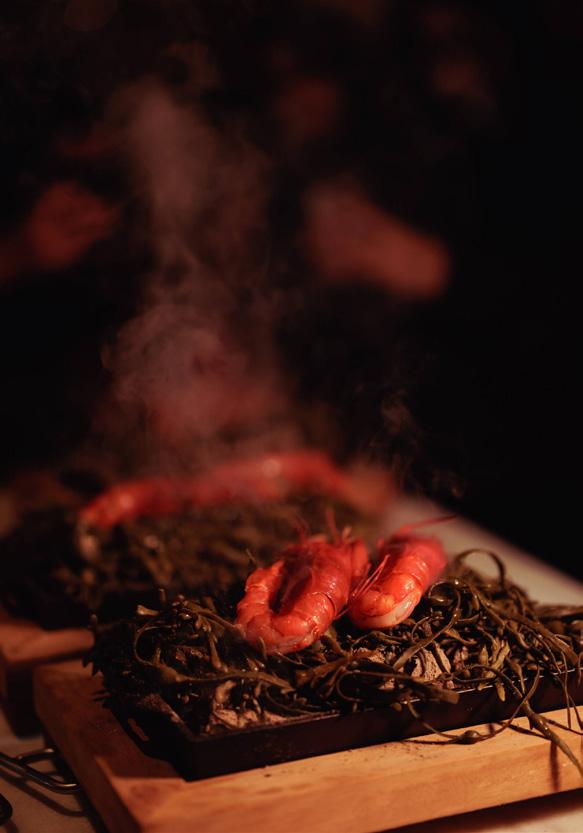
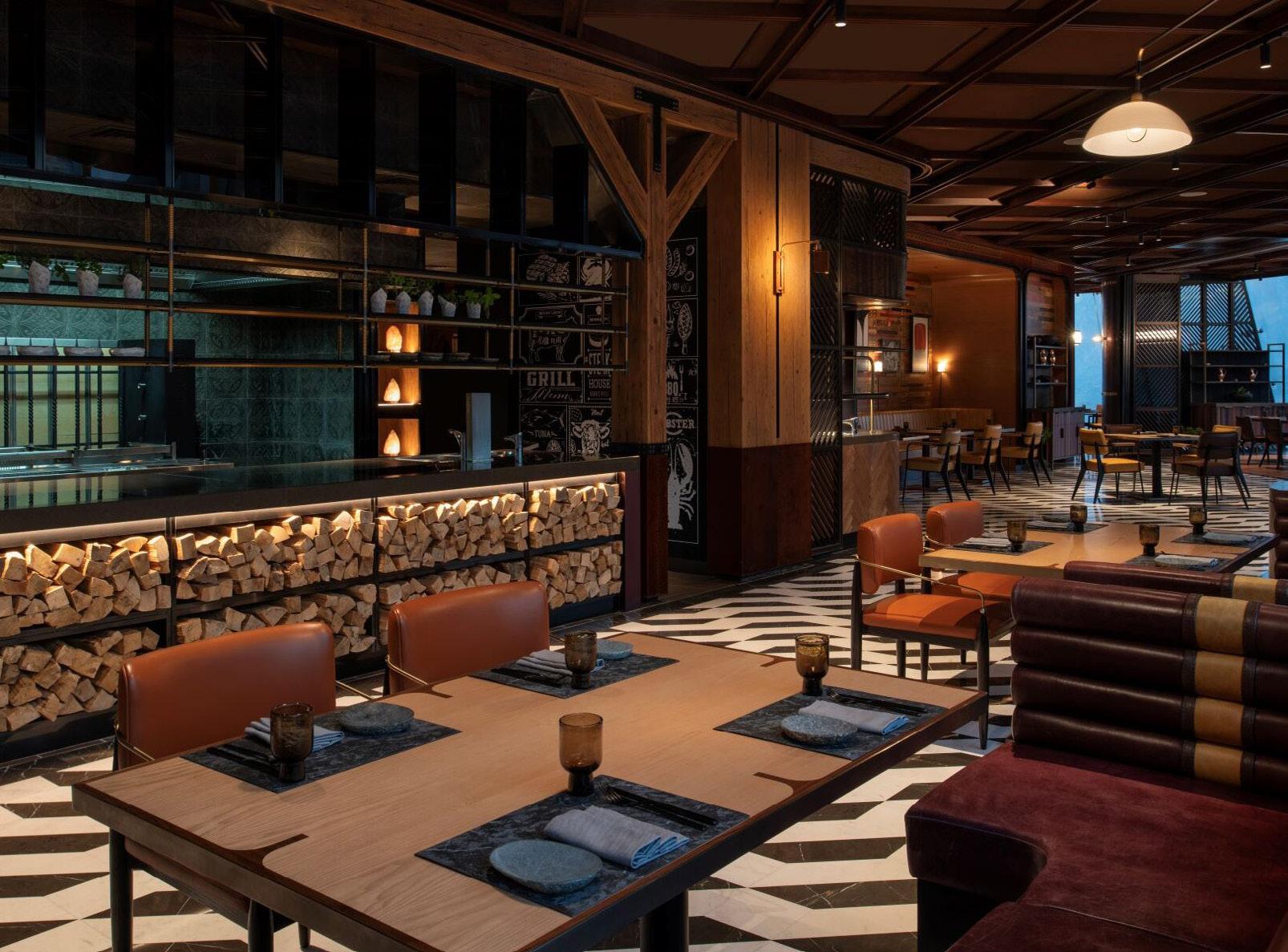
> Embers – Open-flame grill specialising in premium meats and seafood
> The Quarter – Global all-day dining with Mediterranean and Asian-Pacific influences
> Node – Casual café with a brioche-led breakfast and graband-go menu
> L’Assiette – Light, wellness-driven dishes and revitalising beverages
> In-Room Dining – Arabic, Asian, and Mediterranean options, including Vitality menus
Together, the venues form an ecosystem rather than a hierarchy with dining options that feel equally relevant to hotel guests, residents, and the surrounding business community.
Meetings and Events with a Sense of Place
With 750 square metres of flexible meeting and event space, Swissôtel Corniche Park Towers Doha is well positioned for corporate gatherings, social events, and private celebrations. What distinguishes the offering is not scale alone, but the quality of space.
Meetings & Events Snapshot
> Zurich Meeting Room – 75 sqm (divisible)
> Geneva Meeting Room – 40 sqm
> Bern Meeting Room – 50 sqm
> Davos Meeting Room – 38 sqm
> Zermatt Meeting Room – 62 sqm
> Basel Meeting Room – 33 sqm
> Marjan Ballroom – 224 sqm | Up to 250 guests
Meeting rooms are filled with natural daylight and finished in neutral tones that adapt easily to different event formats. The Marjan Ballroom serves as the centrepiece, defined by floor-to-ceiling windows overlooking the water and a design palette that supports both corporate functions and elegant social occasions.
Wellness as an Operational Philosophy
Wellness at Swissôtel Corniche Park Towers Doha is not treated as a trend, but as a foundational principle. The Pürovel Spa & Sport brings the brand’s Alpineinspired wellness concept to Doha, offering treatments that draw on Swiss-produced essential oils made from Alpine flowers and herbs.
Wellness Philosophy: Pürovel
> Swiss-inspired wellness concept rooted in nature and movement
> Signature spa treatments using Alpine flower and herb essential oils
> Fully equipped fitness centre and outdoor training areas
> Yoga studios and wellness-focused programming
> 25-metre outdoor swimming pool overlooking the Corniche
This focus on well-being is reinforced throughout the property, from Vitality room concepts to dining options that prioritise balance and quality ingredients.
Leadership Shaping the Experience
Behind the scenes, a seasoned leadership team is responsible for translating brand philosophy into daily operations.
Leadership Team
> Ian Rydin – General Manager
> Mada Lakiss – Director of Operations
> R Chandrasekhar – Director of Finance
> Ibrahim El Tawil – Director of Sales & Marketing
> Hassan Hassan – Director of People & Culture
Together, the team shapes a service culture grounded in clarity, empathy, and consistency.
A Measured Addition to Doha’s Hospitality Landscape
As Qatar continues to strengthen its position as a regional hub for business, culture, and tourism, Swissôtel Corniche Park Towers Doha arrives as a considered addition to the city’s hospitality offering. It does not seek to redefine luxury, nor does it rely on spectacle. Instead, it delivers a composed, contemporary experience rooted in wellness, functionality, and location.
For business travellers, residents, and leisure guests alike, the property offers a sense of ease, a place where the pace of the city meets the reassurance of Swiss precision. In doing so, Swissôtel Corniche Park Towers Doha quietly establishes itself as an address where life, quite simply, is lived well.
CITYWIDE FESTIVALS THE FUTURE OF
By Ahmed Al Khaja, CEO, Dubai Festivals and Retail Establishment (DFRE)
As the Dubai Shopping Festival concluded its 31st edition, it offered more than a seasonal celebration or a set of impressive statistics. It provided a living case study in how cities can design festivals that are economically powerful, culturally inclusive and operationally resilient, while remaining relevant to how people actually live today.
(In doing so, it also demonstrates how well-designed citywide festivals can act as connective tissue for the hospitality sector, driving footfall, extending dwell time, and aligning hotels, restaurants, attractions and transport into one coordinated urban experience.)
Citywide festivals are no longer defined by a single venue, headline event or moment of spectacle. They are complex, multi-layered platforms that sit at the intersection of retail, tourism, culture, public space and community. Dubai Shopping Festival has evolved alongside Dubai itself, reflecting the city’s ambition, adaptability and long-term vision.
From Retail Initiative to Citywide Platform
When the Dubai Shopping Festival was launched more than three decades ago, it was conceived as a bold retail initiative, one designed to stimulate commerce, attract visitors and create momentum during the winter season. That DNA remains central. Retail is still the foundation of DSF’s impact, and commercial performance continues to matter deeply.
What has changed is scale, scope and intent. Over time, DSF has grown into a citywide platform that extends far beyond transactions. It activates public spaces, integrates entertainment and culture, supports entrepreneurs, and invites residents and visitors to experience Dubai in ways that feel open, accessible and shared.
“Citywide
festivals are no longer defined by a single venue, headline event or moment of spectacle. They are complex, multi-layered platforms that sit at the intersection of retail, tourism, culture, public space and community.
This evolution did not happen overnight. It reflects a broader understanding that festivals succeed when they mirror the rhythms of the city rather than impose upon them. DSF no longer asks people to step out of their lives to participate. Instead, it meets them where they already are, in malls, streets, waterfronts, neighbourhoods and natural landscapes.
Why Citywide Matters
One of the most important lessons from DSF is the power of decentralisation. Rather than concentrating activity into a single district or venue, DSF distributes experiences across the city. This approach delivers several advantages.
First, it allows for scale without congestion. Millions of moments can happen simultaneously across multiple locations, reducing pressure on infrastructure while increasing reach.
Second, it encourages repeat visitation. When a festival unfolds across weeks and locations, people return again and again, not for one headline moment, but for many smaller, meaningful experiences.
Third, it creates inclusivity. Open-access events, free shows and neighbourhood-based activations ensure participation is not limited by ticket prices, travel time or exclusivity.
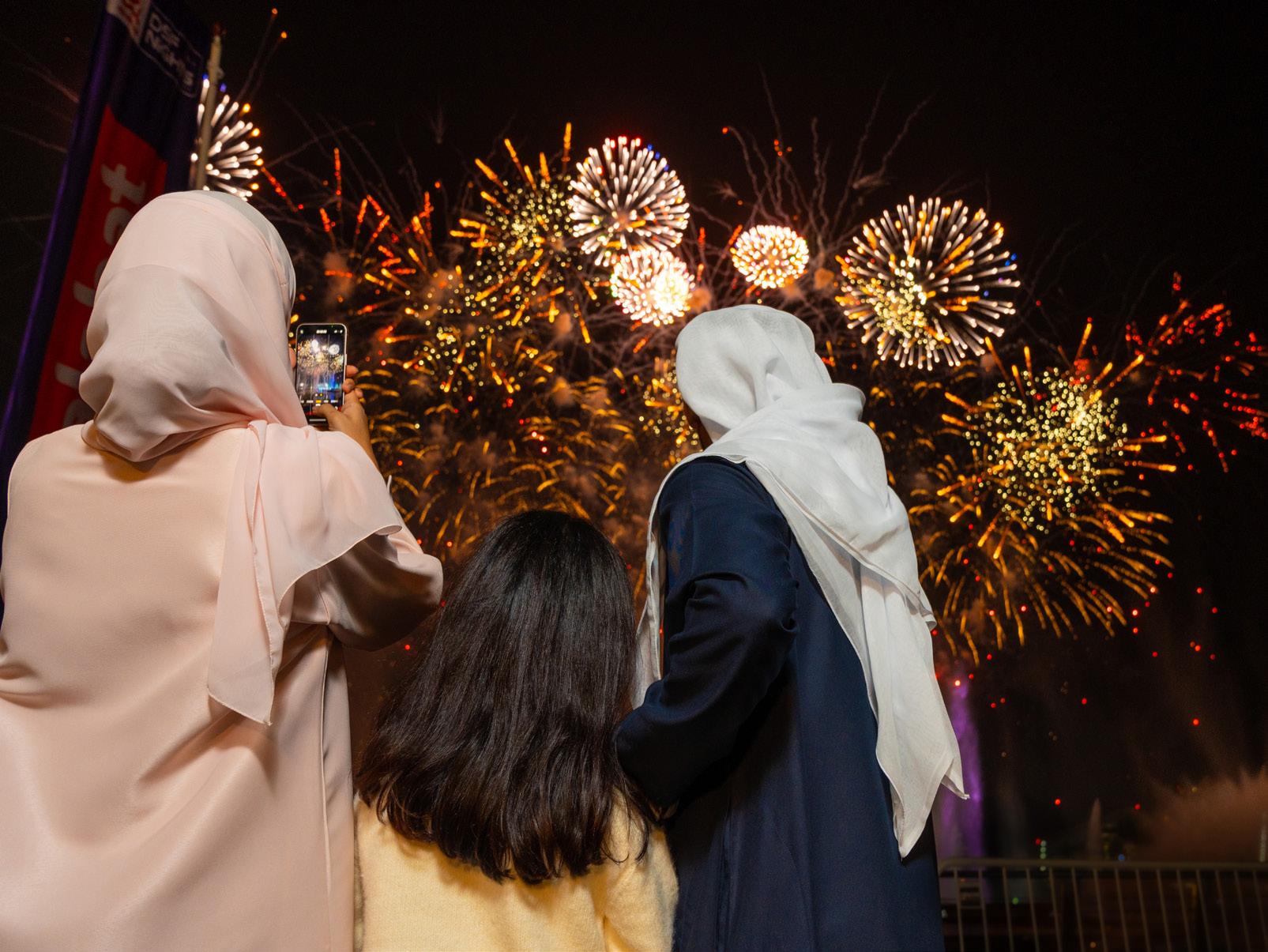
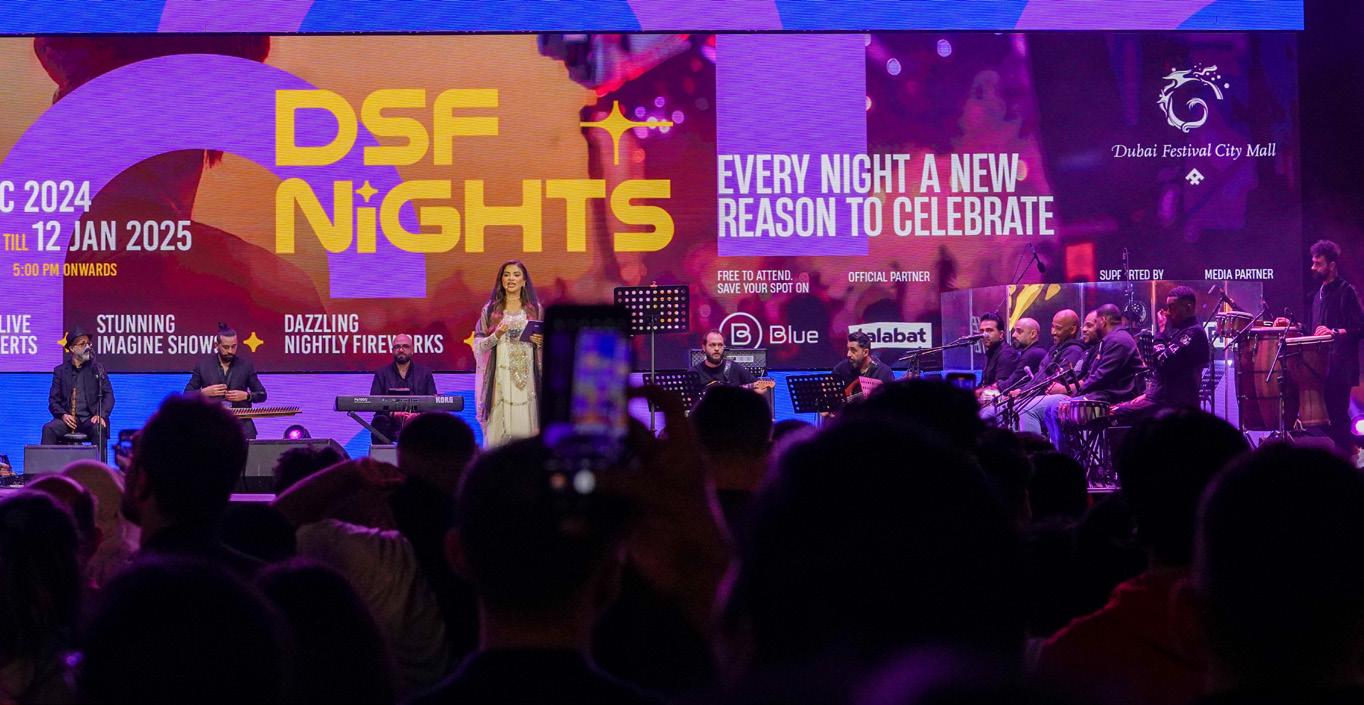
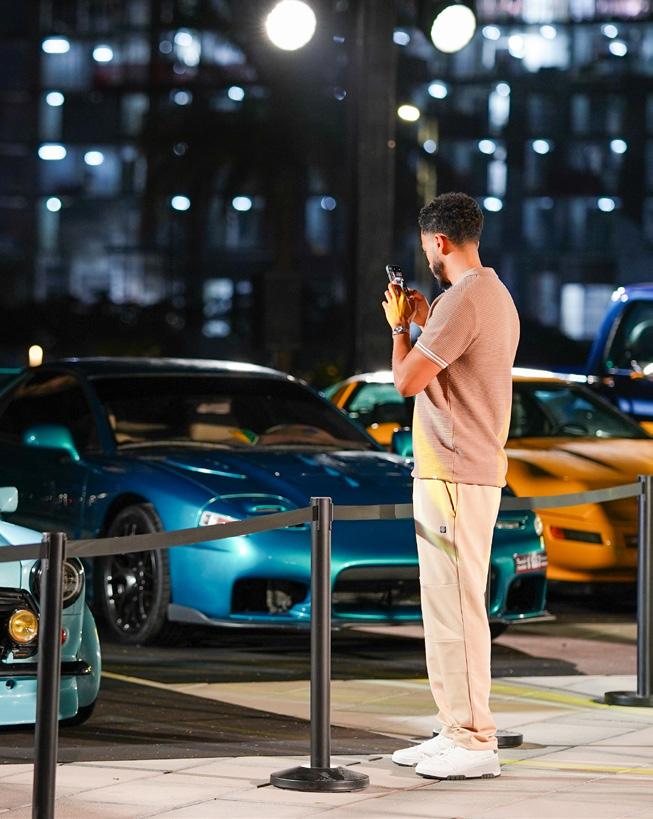
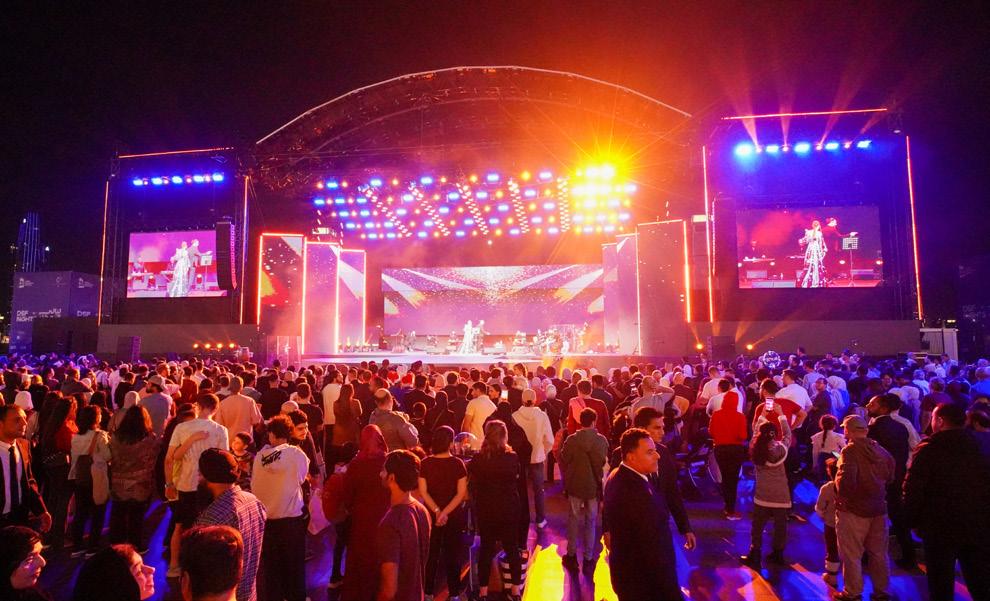
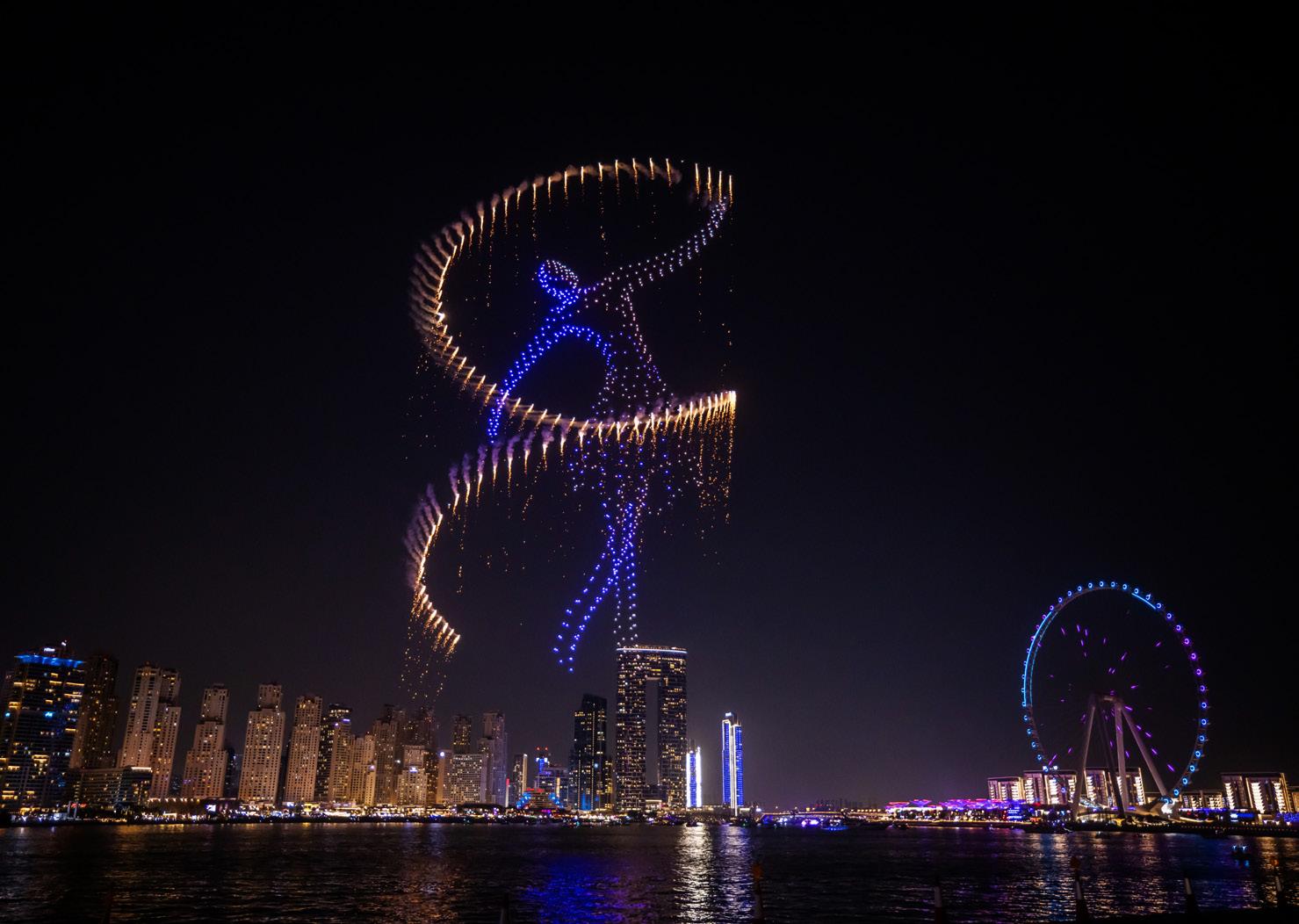
In practice, this means a family might experience DSF through a neighbourhood mall event, a couple through a waterfront concert, a tourist through a drone show, and an enthusiast through a specialist platform like Auto Season all within the same festival ecosystem.
Culture and Commerce Are Not Opposites
A common misconception is that festivals must choose between commercial success and cultural value. DSF demonstrates that the two are not only compatible but mutually reinforcing.
Retail thrives when it is surrounded by energy, experience and emotion. Entertainment gains meaning when it is embedded in the life of the city. Culture becomes accessible when it is not confined to formal venues.
DSF’s integration of concerts, markets, automotive culture, light art and outdoor leisure alongside shopping created a layered experience that benefited all stakeholders. Retailers saw increased footfall and dwell time. Brands connected with audiences in more meaningful ways. Visitors experienced the city as dynamic and welcoming rather than transactional.
This balance is critical for the future of festivals. Consumers today are not simply seeking discounts or spectacles, they are seeking moments that feel worthwhile, memorable and human.
Learning from Global Milestones
Dubai’s ability to deliver citywide festivals did not develop in isolation. DSF played a foundational role in building the operational confidence and collaborative frameworks that later enabled the city to host events of global significance, from EXPO2020 to COP28.
Each of these milestones reinforced the importance of cross-sector collaboration, long-term planning and the ability to operate at scale without losing coherence. DSF continues to benefit from that legacy, functioning as both a testing ground and a showcase for what Dubai can deliver.
The lesson for other cities is not to replicate DSF in form, but to adopt its mindset: build platforms, not one-off events; invest in partnerships; and think beyond short-term returns.
Technology as an Enabler, Not a Gimmick
Technology has become central to modern festivals, but its role must be carefully considered. At DSF, technology was used to enhance storytelling, accessibility and safety, not simply to impress.
From drone shows that turned the skyline into a narrative canvas, to lighting installations that revealed natural landscapes, to data-driven retail campaigns that personalised participation, technology served a clear purpose: to connect people more deeply with the city and with each other.
Equally important was the behindthe-scenes infrastructure, such as logistics, safety systems, data platforms and operational coordination, that allowed DSF to function seamlessly across dozens of locations for nearly six weeks.
The future of citywide festivals will depend as much on invisible systems as visible experiences.
Keeping a Long-Running Festival Fresh
A question I am often asked is how a festival with more than 30 years of history continues to feel relevant.
The answer lies in listening. Consumer behaviour changes. Retail evolves. Cities grow. A festival that does not adapt risks becoming a nostalgia piece rather than a living platform.
DSF’s approach has been to preserve its core values, accessibility, opportunity, and celebration, while continuously refreshing formats, locations and partnerships. Some years this means introducing new pillars, such as Auto Season. Other years it means reimagining existing platforms or experimenting with new technologies.
Importantly, not every innovation needs to be permanent. Festivals benefit from experimentation, iteration and learning.
A Shared Cultural Moment
Perhaps the most meaningful measure of DSF’s success is not found in data alone, but in observation. Seeing families, tourists and residents sharing the same spaces, experiences and moments of joy reinforces DSF’s role as a unifying force within the city.
In a world where experiences are increasingly fragmented, festivals that bring people together across age, culture and background carry real social value. They remind us that cities are not just built environments, but lived spaces shaped by shared moments.
Looking Ahead
As Dubai Shopping Festival closes its 31st edition, it does so not as a finished product, but as an evolving platform. The future of citywide festivals will demand flexibility, inclusivity and ambition, qualities that DSF will continue to develop.
The lesson from Dubai is clear: when festivals are designed as integrated parts of city life rather than temporary overlays, they can deliver lasting economic, cultural and social impact.
That is not only the future of DSF. It is the future of citywide festivals everywhere.
“Entertainment gains meaning when it is embedded in the life of the city. Culture becomes accessible when it is not confined to formal venues.
Emirates Flight Catering Expands Its Hospitality Vision
For decades, Emirates Flight Catering has operated across one of the region’s most complex food ecosystems, spanning aviation catering, airport lounges, large-scale events, and city-wide hospitality. Today, the organisation is expanding its hospitality vision, building on capabilities that have long existed while extending them into new food formats, partnerships, and consumer-facing opportunities.
Speaking recently, Shahreyar Nawabi, Chief Executive Officer of Emirates Flight Catering, explains that the company’s evolution is about focus rather than reinvention. “Hospitality catering is not new for us,” Nawabi says. “We’ve always operated beyond the aircraft. What’s changing is how intentionally we are bringing those capabilities together.”
Emirates Flight Catering’s experience outside aviation was recently showcased at major city events like the Dubai Airshow, where the company delivered hundreds of thousands of meals in a single week across show days, corporate functions, and high-end hospitality.
“These are among the most demanding events in the city,” Nawabi notes. “They require precision, flexibility, and a strong understanding of hospitality expectations.”
This expertise is reinforced through the company’s extensive lounge and event catering operations, supported by continued investment in technology, training, and people.
A key pillar of this expanded vision is Bustanica, now fully
An interview with Shahreyar Nawabi, Chief Executive Officer of Emirates Flight Catering BY SEYMONE L. MOODLEY
owned by Emirates Flight Catering and recognised as the world’s largest vertical farm. Producing pesticide-free leafy greens using significantly less water than traditional agriculture, Bustanica supports aviation, hospitality, and food service operations with consistent, locally grown produce.
“Bustanica allows us to rethink how fresh food is produced and supplied,” says Nawabi. “It gives us quality, traceability, and flexibility well beyond aviation.”
The farm also enables the development of value-added food concepts aligned with growing demand for healthier and more sustainable options, reinforcing Emirates Flight Catering’s ambition to play a broader role across the food ecosystem.
Despite its size, Nawabi emphasises the human impact behind the operation.
“Through food, we become part of people’s experiences,” he says. “Whether that’s on a flight, at a major event, or through the choices they make every day.”
As Emirates Flight Catering continues to expand its hospitality vision, the focus remains clear: applying the same discipline, care, and consistency it is known for wherever food is served.
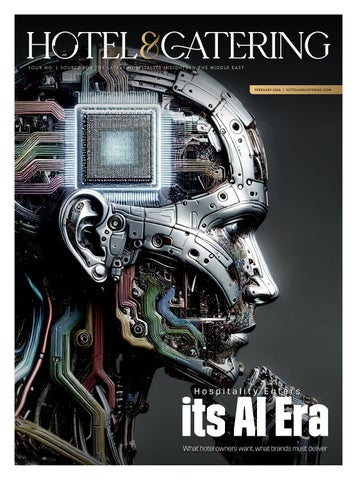
HOSPITALITY ENTERS ITS AI ERA
What hotel owners want, what brands must deliver
Why Confidence Remains High as the Industry Seeks Clarity, Scale and Brand-Led Guidance
The hospitality industry has never lacked ambition. It has, however, often struggled with timing knowing when emerging technologies are ready to move from experimentation to execution at scale. According to Wyndham Hotels & Resorts’ second-annual Owner Trends Report, that moment has arrived for artificial intelligence.
AI is no longer a future-facing concept discussed in innovation panels or pilot programmes. It is already embedded, sometimes quietly, sometimes clumsily across hotel operations. Yet while adoption is widespread, confidence in how to deploy AI effectively is far less universal. Owners are optimistic, growth-minded and open to change, but many are now looking to brands for clearer direction, stronger platforms and long-term partnerships to help them turn early adoption into measurable returns.
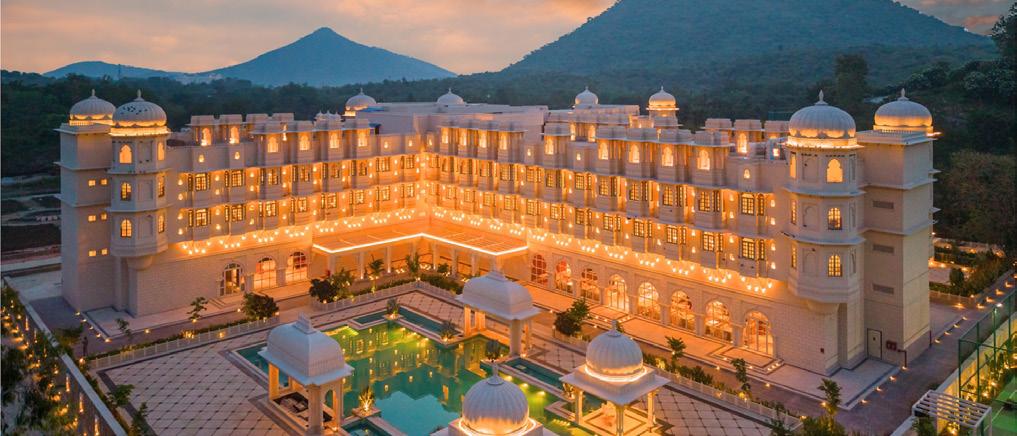
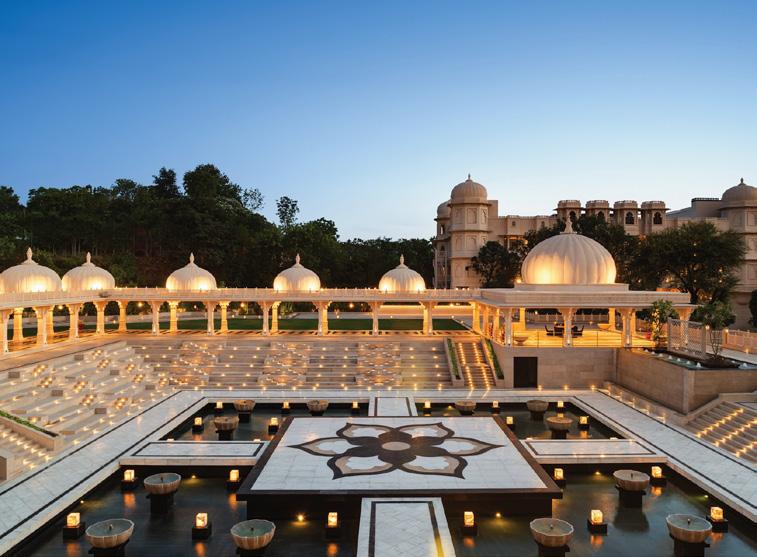
Nestled in the City of Lakes, Wyndham’s all new flagship hotel in India blends stunning surroundings and luxurious amenities to create an unforgettable escape.
FINDINGS BY WYNDHAM OWNER TRENDS REPORT
Drawn from a comprehensive survey of hundreds of hotel owners and property developers across the United States, Canada and the Caribbean, the report paints a nuanced picture of an industry at a genuine inflection point: confident in its future, committed to growth, but increasingly aware that technology, particularly AI must now be implemented with greater precision, discipline and support.
FROM EXPERIMENTATION TO EXPECTATION AI Moves Into the Operational Mainstream
Perhaps the most striking finding from the Wyndham Owner Trends Report is just how widespread AI adoption already is. An overwhelming 98% of hotel owners and developers surveyed say they have begun incorporating AI into their businesses in some form.
This statistic alone signals a fundamental shift. AI is no longer the preserve of large, asset-light operators or tech-forward luxury brands. It is now part of the everyday vocabulary of owners across segments, geographies and portfolio sizes.
Yet beneath that headline figure lies a more complex reality. While nearly all owners have adopted AI to some extent, only 32% say it is embedded across most aspects of their operations. At the same time, 73% admit they want to do more but feel overwhelmed or unsure where to start.
This gap between ambition and execution defines the current AI moment in hospitality. Owners recog-
nise its potential, but many are struggling to move beyond fragmented tools and pilot initiatives toward integrated, scalable systems that deliver consistent value.
Where AI Is Already Proving Its Worth
For those owners who have begun using AI in a more structured way, the benefits are clear and practical.
According to the report, the most common applications of AI today are firmly rooted in profitability and efficiency, rather than guest-facing novelty:
> Operational efficiency (64%)
> Energy efficiency (54%)
> Revenue optimisation (53%)
These are not experimental use cases. They are core operational priorities, especially in a market defined by rising costs, labour constraints and increased competition.
Energy management systems powered by AI are helping owners reduce waste and control utility expenses. Revenue management tools are becoming more predictive, allowing hotels to respond faster to demand shifts. Operational platforms are streamlining workflows that once relied heavily on manual oversight.
The message from owners is clear: AI is delivering value but only when it is applied in areas that directly affect margins and performance.
The Next Frontier: Design, Development and Construction
While operational use cases dominate today, owners are already looking ahead to where AI can add value next.
When asked about priorities for 2026, 61% of hoteliers said they want AI to play a larger role in construction planning, including permitting, zoning and early-stage development decisions. This signals a shift in how owners view technology, not just as an operational tool, but as a strategic asset across the entire asset lifecycle.
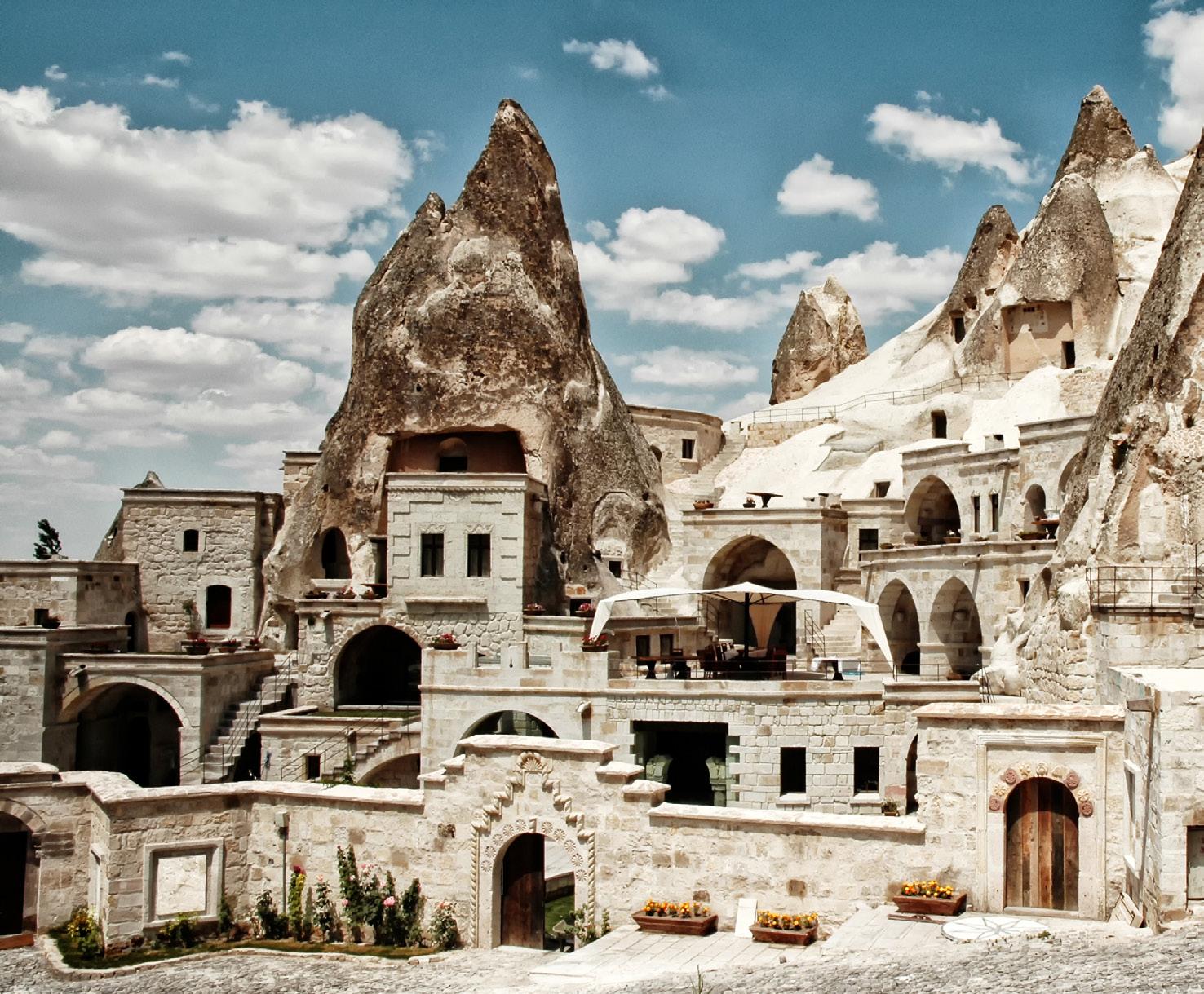
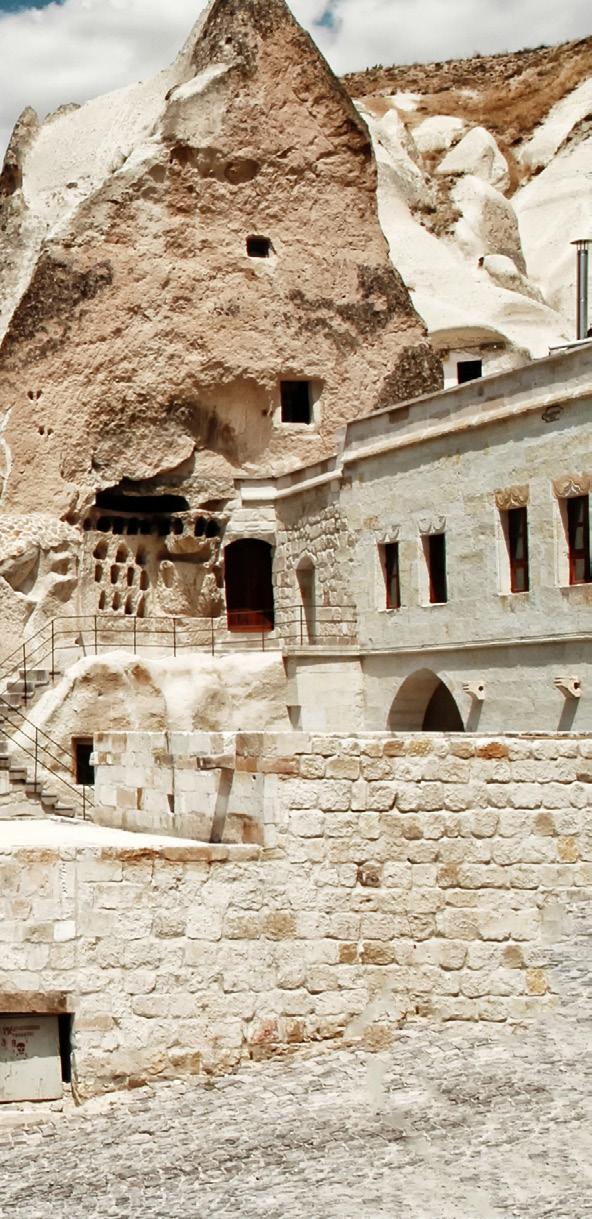
Open air museum in Goreme, Cappadocia, Turkey. Ancient caves, now underground hotels for tourists.
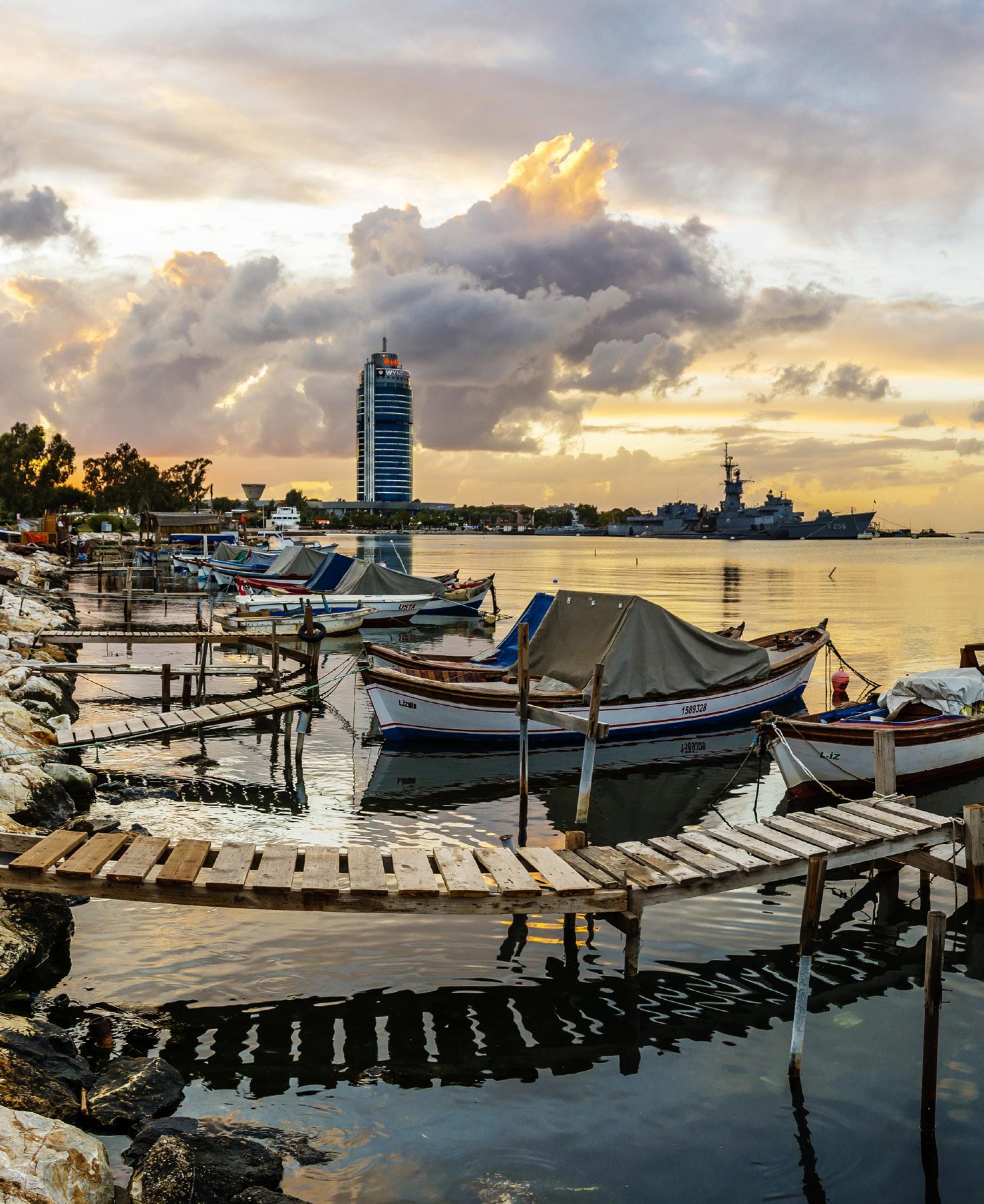
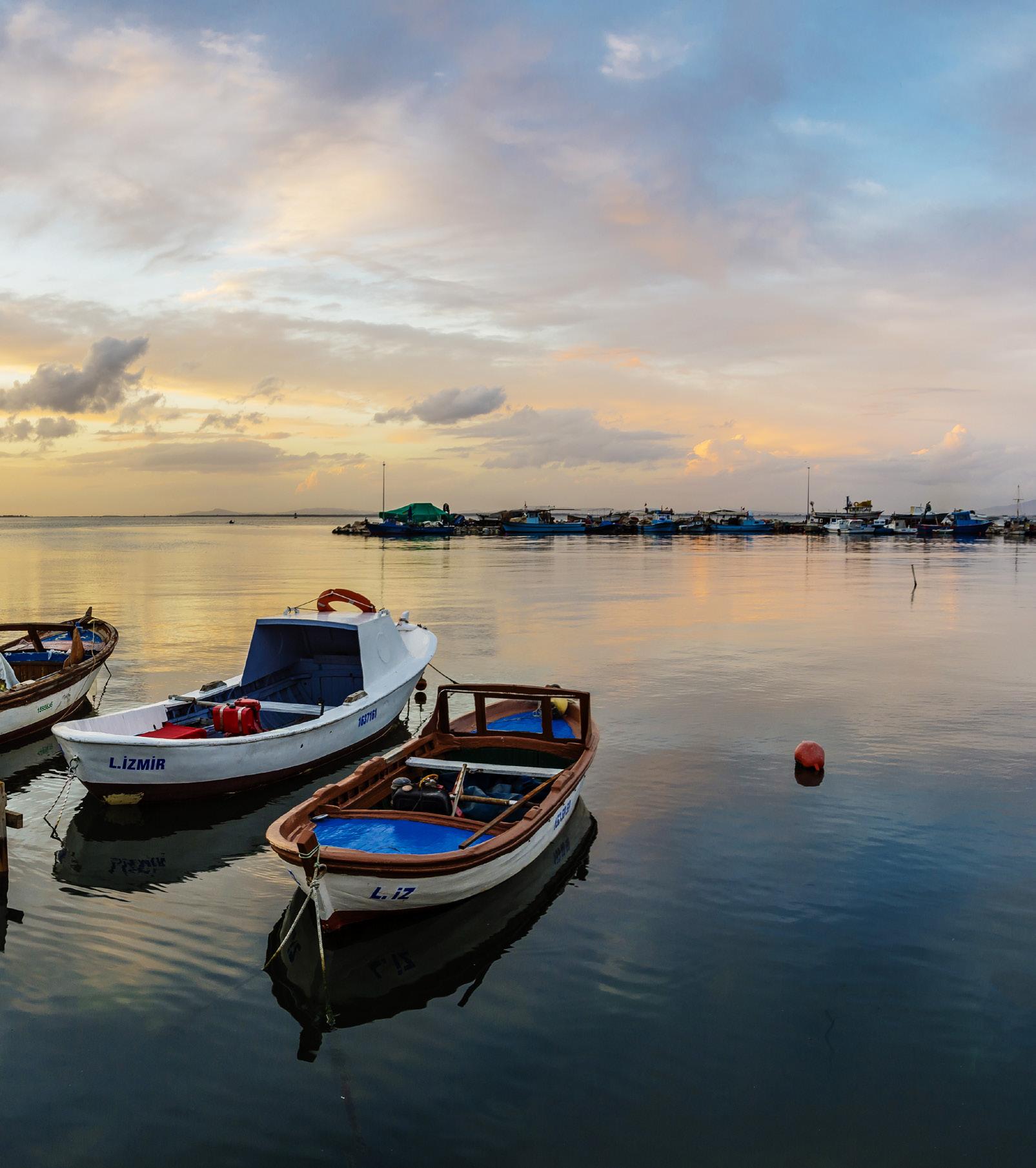
Wyndham Hotels & Resorts, Izmir, Turkey
“AI is no longer the preserve of large, asset-light operators or tech-forward luxury brands. It is now part of the everyday vocabulary of owners across segments, geographies and portfolio sizes.
Construction delays, regulatory complexity and cost overruns have become persistent challenges across global markets. AI’s ability to analyse data, simulate scenarios and anticipate bottlenecks is increasingly seen as a way to de-risk development at a time when capital discipline matters more than ever.
Revenue optimisation also remains a key area of focus, with 30% of owners planning to deepen AI usage in pricing and demand forecasting over the coming year.
Brands as Strategic Navigators in an AI-Driven Landscape
As AI adoption accelerates, so too does operational complexity. This is where the role of hotel brands is evolving most visibly.
According to the Wyndham report, 89 known as nearly nine in ten hoteliers, believe working with a brand is beneficial when incorporating AI, while 34% go further, saying it is essential.
This reflects a growing recognition that not all AI solutions are created equal and that owners do not want to be technology integrators on their own. Brands are increasingly expected to act as curators, validators and long-term partners, helping owners navigate a crowded and fast-moving technology landscape.
As Scott Strickland, Chief Commercial Officer at Wyndham Hotels & Resorts, explains in the report: “Artificial intelligence is rapidly reshaping hospitality, opening new opportunities while adding fresh layers of complexity. With years of early and significant foundational investment, Wyndham is well-positioned to help hoteliers navigate this evolving landscape, offering not only the guidance they seek but also proven, scalable platforms that make it easier to apply AI where it matters most.”
The emphasis here is not on experimentation for its own sake, but on application, using AI in ways that are practical, measurable and aligned with owner priorities.
The Barriers That Still Hold Owners Back
Despite widespread adoption, the report also highlights clear concerns that continue to slow deeper AI integration.
The top barriers cited by owners are telling:
> Data privacy and security concerns (46%)
> Costs of investing in AI tools (42%)
> Difficulty integrating AI with legacy systems (40%)
These are not abstract fears. Hotels operate on complex technology stacks, often layered over decades. Introducing AI into these environments requires careful integration, strong governance and ongoing support, areas where owners increasingly expect brands to lead.
There is also a clear hesitancy when it comes to relinquishing control. While AI can automate decisions, only 40% of hoteliers are comfortable with AI making operating decisions without human oversight. A larger group of 57%, require human oversight to feel comfortable.
This reinforces a central theme of the report: AI is viewed as an enabler, not a replacement. Owners want smarter tools,
“This year’s report shows once again the overwhelming confidence hoteliers have in the long-term resiliency and proven ROI of our industry. The findings point to a market where Wyndham’s scale, experience and platforms help create a real advantage.
not autonomous systems that remove judgement entirely.
Optimism Endures as Growth Plans Hold Firm
Beyond technology, the Wyndham Owner Trends Report offers a clear read on owner sentiment, and it is overwhelmingly positive.
Despite economic uncertainty, rising costs and geopolitical pressures, 90% of hoteliers say they are optimistic about 2026, while an even higher 95% express optimism about the next five years.
This confidence is not abstract. It is backed by concrete growth intentions.
Nearly 79% of hoteliers plan to expand their portfolio over the next five years, a figure virtually unchanged from last year’s report. At the same time, 97% say they are open to joining or switching brands if the right opportunity arises.
This openness underscores how competitive the brand landscape has become. Owners are loyal but pragmatic. They are looking for partners that offer scale, technology, distribution and long-term value.
Loyalty, Costs and the Talent Equation
When asked what matters most to their success, 65% of owners point to a strong loyalty programme as a foundational advantage. In an increasingly crowded market, loyalty is no longer just a marketing tool, it is a stabilising force that drives repeat business and reduces dependency on third-party channels.
At the same time, owners cite familiar pressures: operating costs, talent shortages and rising competition continue to challenge margins.
Interestingly, these pressures are shaping where owners plan to invest next.
CAPITAL ALLOCATION IN 2026 Service, Experience and Efficiency
Despite cost pressures, owners are not retreating from investment. Instead, they are recalibrating.
According to the report, capital priorities for 2026 include:
> Increased staffing (24%)
> Property improvements (20%)
> Sales and marketing enhancements (20%)
> Technology investments (19%)
> Enhanced amenities (17%)
The data suggests a balanced approach. Owners are investing in people and service quality, even as they pursue greater efficiency through technology. This reflects a broader understanding that AI and automation must ultimately support, not replace the human elements of hospitality.
Wyndham’s Approach: Turning AI Into Measurable Results
Against this backdrop, Wyndham positions its technology strategy as a practical response to owner needs, rather than a showcase of innovation for innovation’s sake.
Through platforms such as Wyndham Connect and Wyndham Connect PLUS, the company is embedding AI across the guest journey, from automated messaging and mobile check-in to dynamic upselling and voice assistance.
To date, more than 5,000 hotels have adopted Wyndham Connect, logging nearly 12 million guest interactions. Hotels using the advanced PLUS version are seeing tangible performance gains, including nearly 200 basis points improvement in direct voice conversion and 400 basis points increase in overall guest satisfaction.
Beyond guest engagement, Wyndham continues to work with leading technology partners such as Google and Amazon to strengthen hotel visibility across both traditional digital channels and the rapidly evolving world of AI-powered search.
These partnerships aim to help franchisees capture demand wherever and however guests choose to book which is an increasingly important advantage as consumer behaviour continues to fragment.
The Wyndham Advantage in a Changing Market
Together, these initiatives form what Wyndham describes as The Wyndham Advantage, a comprehensive franchisee value proposition that brings together marketing, technology, global distribution, revenue management and operational support into a single ecosystem.
Fuelled by more than $375 million in technology investments since 2018 and strengthened by Wyndham Rewards, named the industry’s toprated hotel rewards programme by readers of USA Today, the strategy is
designed to give owners scale, confidence and competitive resilience.
As Amit Sripathi, Chief Development Officer at Wyndham, notes: “This year’s report shows once again the overwhelming confidence hoteliers have in the longterm resiliency and proven ROI of our industry. The findings point to a market where Wyndham’s scale, experience and platforms help create a real advantage.”
A Defining Moment for Owners and Brands Alike
The second-annual Wyndham Owner Trends Report captures a hospitality industry in transition but not in turmoil.
Owners are confident. Growth plans remain intact. Expansion is firmly on the agenda. Yet there is
a clear recognition that success in the next phase will depend on how technology is applied, not simply whether it is adopted.
AI is now a permanent part of the hotel operating model. The question is no longer if it will be used, but how effectively it will be integrated and who will help owners navigate that journey.
For brands, the message is equally clear. Owners are looking for leadership, clarity and systems that deliver real value. Those that can translate innovation into impact will shape the next chapter of hospitality growth.
And at this AI crossroads, confidence remains high, but direction matters more than ever.
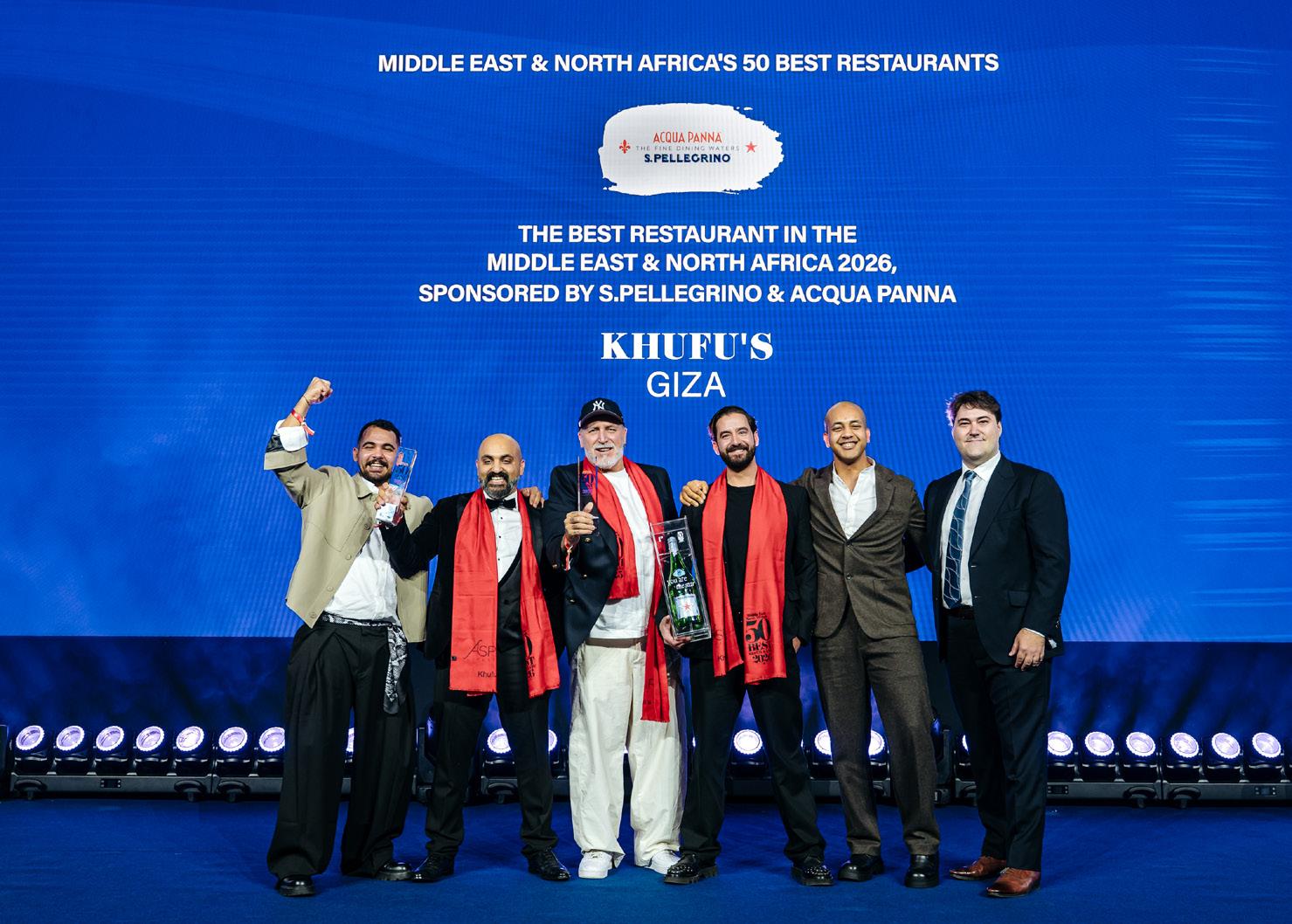
MENA’S 50 BEST RESTAURANTS 2026 REVEALED
Middle East & North Africa’s 50 Best Restaurants 2026 was unveiled this month in Abu Dhabi, marking the fifth edition of the regional awards and reinforcing the Middle East and North Africa’s growing influence on the global dining landscape. Hosted at Emirates Palace Mandarin Oriental in partnership with the Department of Culture and Tourism - Abu Dhabi, the ceremony brought together chefs, restaurateurs and industry leaders from across the region to take stock of where MENA dining stands today and where it is heading next.
Rather than focusing solely on rankings, this year’s edition painted a broader picture of momentum, maturity and diversification. Restaurants from 14 cities were recognised, reflecting a dining ecosystem that is no longer centred around a handful of capitals but increasingly shaped by depth, regional identity and consistency.
At the top of the conversation was Egypt, with Khufu’s in Giza named the No.1 restaurant in the Middle East and North Africa for 2026. The win marked a significant moment for Egyptian gastronomy, underscoring Cairo’s growing confidence on the regional stage and a renewed interest in cuisine rooted in heritage, provenance and place.
Dubai continued to demonstrate its strength as a multidimensional dining hub, with strong representation across different styles, price points and concepts. The city’s presence reflected not just volume, but evolution from refined contemporary dining to personality-driven, chef-led restaurants that prioritise clarity of vision over trend-led execution.
Beyond the UAE, the list highlighted the continued rise of cities such as Cairo, Marrakech, Amman and Beirut. These destinations are increasingly defined by restaurants that are
deeply connected to local culture while remaining outwardfacing in technique and ambition. Morocco, in particular, stood out for its breadth, with Marrakech reinforcing its position as one of the region’s most compelling culinary destinations through a mix of fine dining, neighbourhood concepts and sustainability-led operations.
Saudi Arabia’s upward trajectory also remained evident, with Jeddah and Riyadh continuing to develop distinct dining identities as the Kingdom’s hospitality sector matures. Meanwhile, Jordan’s Amman strengthened its presence through restaurants that balance storytelling, regional ingredients and modern execution.
Special awards offered further insight into the forces shaping the region’s dining scene. Recognition for sustainability,
pastry, female leadership and long-term cultural impact reflected a broader shift away from singular notions of luxury towards responsibility, craft and mentorship. The awards collectively signalled a region increasingly comfortable defining excellence on its own terms.
What emerged most clearly from the 2026 edition was a sense of balance. While headline wins and high-profile cities continue to command attention, the wider picture points to a region investing in longevity rather than hype, one where restaurants are being built with intent, resilience and a clear point of view.
For the Middle East and North Africa, the list served less as a finish line and more as a snapshot of an industry in motion, confident, competitive and increasingly self-assured on the world stage.
Claudia de Brito, Gulf Academy Chair for MENA’s 50 Best Restaurants and Middle East Academy Vice Chair for The World’s 50 Best Restaurants, highlighted the region’s expanding representation. “It was fantastic to see the diversity of restaurants and the wider range of countries across the region being represented,” she said. “I believe in the power of this list to platform people who are doing important work, to inform, inspire, and ultimately drive people into restaurants. I’ve been covering this industry for 20 years, and I see how hard restaurant team's work. This list is an opportunity to recognise and celebrate that effort.”
Looking ahead, de Brito added that she will attend Asia’s 50 Best Restaurants events in Bangkok later this month and Hong Kong in March, describing both as cities with exceptional food scenes.
CLAUDIA DE BRITO, Gulf Academy Chair for MENA’s 50 Best Restaurants and Middle East Academy Vice Chair for The World’s 50 Best Restaurants
TOURISM IN THE UAE How AI Is Reshaping
BY EVGENII PAVLOV, GENERAL MANAGER, YANGO ADS MEA
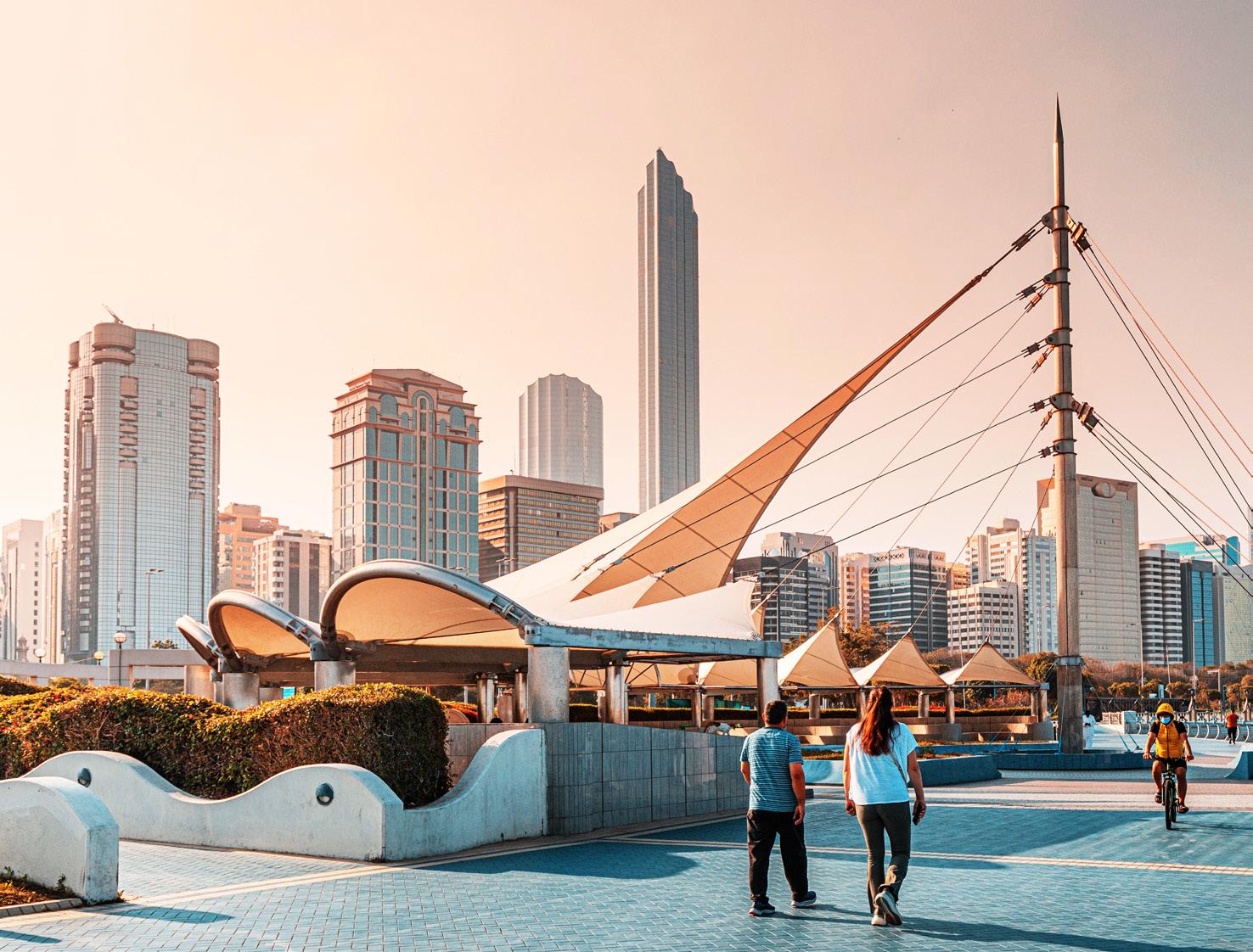
Tourism in the UAE is growing at a pace few global markets can match. The country’s tourism industry is tipped to be worth almost AED236 billion by 2026, reflecting the resilience and rising global appeal of Dubai, Abu Dhabi, and the wider Emirates. Behind these numbers, a quieter but equally powerful shift is unfolding: artificial intelligence is fundamentally reshaping how travellers discover, plan and book their journeys, and how tourism brands engage with them.
What once depended on seasonality, search trends and traditional advertising has become far more dynamic. The path to purchase is now shaped by algorithms from the moment a traveller begins exploring ideas. AI has moved upstream, influencing demand well before travellers land on a booking page.
Journey Begins with AI Discovery
The starting point of the modern traveller journey is no longer a search bar but an AI-powered discovery experience. Studies show that 60% of travellers in the UAE trust AI to plan every aspect of their trips, compared to 48% of travellers in other countries. This includes trip planning, itinerary recommendations, destination exploration and more. Travellers now rely on conversational AI, visual search and tailored recommendation engines to make sense of the overwhelming volume of travel content online. The result is that destinations and hotels that appear early during this inspiration phase hold an increasingly decisive advantage. Visibility at the top of the funnel is no longer about broad branding but about intelligently surfacing relevant content at the exact moment someone expresses curiosity.
Much of this new behaviour is powered by predictive AI tools that analyse patterns long before a booking is made. For tourism brands, forecasting demand no longer relies solely on historical data; it now factors in real-time signals such as emerging search interest,
audience behaviour across platforms, weather developments, flight price fluctuations and social content momentum.
How Demand Forms
The influence of AI extends beyond demand prediction into the content travellers engage with as they move through the planning process. The era of one-size-fits-all messaging has given way to dynamic, AI-driven content that adapts to user signals in real time. Instead of presenting static offers, tourism brands can now surface recommendations that reflect personal preferences, travel history, geographic context and even cultural nuance.
This is exceptionally important in the UAE, which welcomes travellers from more than 200 nationalities. Nativelanguage content, localised narratives and cultural familiarity have a measurable impact on decision-making, particularly among travellers from highgrowth markets like Eastern Europe, Central Asia and the GCC. Travellers are significantly more likely to engage with, and trust content delivered in their mother tongue, reinforcing the importance of hyper-localised communication. For example, at attractions across Abu Dhabi’s Yas Island, Miral’s AI concierge “Majd Al”, uses AI to offer customised suggestions for experiences, dining options and itineraries based on individual visitor preferences rather than generic lists of things to do. This not only enhances the visitor experience but also allows attractions to surface relevant activities that travellers otherwise might not discover on their own.
Shaping the Traveller Decisions
Travellers increasingly expect itineraries that reflect their lifestyle preferences, whether wellness-focused, familycentric, adventure-driven or shaped by remote work routines. AI is making this niche personalisation operationally feasible. Instead of relying on broad demographic assumptions, tourism brands can craft tailored propositions for micro-segments that behave and book differently. This kind of relevance sits at the core of modern traveller satisfaction, particularly among Gen Z and Millennials.
Another profound shift driven by AI is the acceleration of real time responsiveness. The UAE tourism landscape is highly sensitive to short-term fluctuations. Weather changes, event announcements, viral social moments and
airfare drops can influence search and booking behaviour within hours. In the past, marketing strategies could not move fast enough to capitalise on these surges. AI now enables brands to detect these signals and adjust their visibility, messaging and spend instantly.
AI is now reorganising and enhancing parts of the UAE tourism ecosystem. The traditional linear funnel, from awareness to consideration to booking, has been replaced by a dynamic, looping journey where intent is constantly shaped by algorithmic insights. In this new model, the brands that succeed are those that show up early, stay visible throughout the journey, speak the traveller’s language and adapt in real time as behaviour evolves.
“What once depended on seasonality, search trends and traditional advertising has become far more dynamic. The path to purchase is now shaped by algorithms from the moment a traveller begins exploring ideas. AI has moved upstream, influencing demand well before travellers land on a booking page.
Gulfood 2026
did more than grow bigger. It grew smarter.
At a moment when global food systems are under intense pressure, from climate volatility and supply chain disruption to population growth and shifting consumption patterns, the world’s largest food and beverage trade event delivered a decisive statement of intent. Across two fully integrated venues, Gulfood 2026 transformed sheer scale into strategic substance, reinforcing its role not simply as a marketplace but as a working engine for global food trade, innovation, and food security.
Operating seamlessly across Dubai World Trade Centre and Dubai Exhibition Centre at Expo City Dubai, the 2026 edition marked a structural evolution for the event. The two-venue model was not an expansion for expansion’s sake. It was a calculated reconfiguration that reflected the realities of a global food economy growing at speed, complexity, and scale.
With food security technology projected to grow at a compound annual growth rate of 11.3 per cent, Gulfood 2026 emerged as a strategic nerve centre, one where capital, policy, technology and trade converged with uncommon clarity.
A Two-Venue Model That Delivered Real Commercial Advantage
The defining feature of Gulfood 2026 was its operational fluency across both venues. Far from fragmenting the experience, the integrated model enabled buyers, suppliers, investors and policymakers to move fluidly between sectors, conversations and deal-making environments without disruption.
This connectivity mattered. It allowed scale to serve function.
By distributing sectors intelligently, Gulfood created space for deeper engagement, longer conversations and more focused commercial outcomes, particularly for high-volume trade, logistics, fresh produce and grocery supply chains that require both physical scale and senior-level presence.
Dubai Exhibition Centre: Building the Blueprint for the Modern Food Ecosystem
Dubai Exhibition Centre emerged as the commercial powerhouse of Gulfood 2026. Purpose-built for scale, it hosted sectors where volume, infrastructure and logistics are critical, including Gulfood Fresh, Grocery Trade and Gulfood Logistics, creating an environment optimised for large-format business.
Here, conversations moved quickly from introductions to negotiations. Senior buyers, investors and supply chain leaders were able to assess sourcing opportunities across power brands and emerging markets within a single ecosystem designed for efficiency.
Private investors and institutional buyers repeatedly cited the venue’s ability to consolidate grocery trade, fresh produce and logistics into one coherent platform as a defining advantage. The absence of category dilution meant every interaction was commercially relevant, and every meeting had a clear path towards transaction or partnership.
International participation at the Dubai Exhibition Centre underscored Gulfood’s growing role in advancing national trade agendas. Export-focused delegations from Central Asia, Eastern Europe, Africa and Latin America used the platform to convert strategic intent into tangible outcomes.
For exporters of fresh and dried fruits, nuts, cereals and vegetables, the Middle East’s appetite for diversified sourcing and resilient supply chains presented clear growth opportunities. Gulfood provided direct access to importers, distributors and decision-makers, shortening the distance between production and market.
Multinational logistics providers also capitalised on the new format. With logistics increasingly recognised as a strategic pillar of food security, the ability to engage faceto-face with producers, retailers and foodservice operators positioned the Dubai Exhibition Centre as a practical forum for solving real-world supply challenges.
Dubai World Trade Centre: Innovation, Power Brands and Category Leadership
While Dubai Exhibition Centre handled scale and supply, Dubai World Trade Centre remained the intellectual and commercial heart of branded food and beverage innovation.
Expanded sectors across Beverages, Dairy, Meat & Poultry and Power Brands reflected both category growth and rising buyer demand. Several halls tripled in size compared to previous editions, reinforcing Gulfood’s status as the preferred global platform for brand-led trade.
National pavilions played a critical role in this ecosystem. Brazil’s presence, led by more than 30 beef exporters, illustrated how Gulfood functions as a gateway for strengthening bilateral trade relationships at scale. For exporting nations, the event is no longer just about visibility: it is about sustained market access, partnership building and long-term positioning.
Beyond traditional categories, Gulfood 2026 also signalled a decisive shift towards technology-enabled food systems. As the global agri-tech market accelerates towards an estimated value of over USD 40 billion by 2030, first-time exhibitors brought advanced solutions to the show floor, particularly within the new Gulfood Startups sector.
Urban farming, controlled-environment agriculture and resource-efficient production models moved from theory to proof of concept. These technologies were not presented as future possibilities, but as scalable, commercially viable solutions aligned with national food security strategies.
In this context, Gulfood evolved beyond a food and beverage exhibition into a broader innovation ecosystem, one that addressed the water-energy-food nexus head-on.
The Big Deal Hub: From Meetings to Market Momentum
One of the most commercially effective features of Gulfood 2026 was the Big Deal Hub, where structured buyer–supplier meetings accelerated decision-making.
Designed for senior-level sourcing, the Hub connected major retailers, distributors and foodservice operators directly with suppliers capable of meeting volume, pricing and category requirements. Discussions moved rapidly from product evaluation to negotiation, reflecting the urgency and sophistication of today’s procurement environment.
For retail buyers in particular, the expanded format delivered a rare concentration of power brands, grocery suppliers and fresh producers under one roof. This density enabled more efficient sourcing cycles and reinforced Gulfood’s position as a cornerstone event in annual procurement strategies.
Ministerial Dialogue and the Business of Food Security
Gulfood 2026 also reaffirmed its role as a diplomatic and strategic platform for food security and economic resilience.
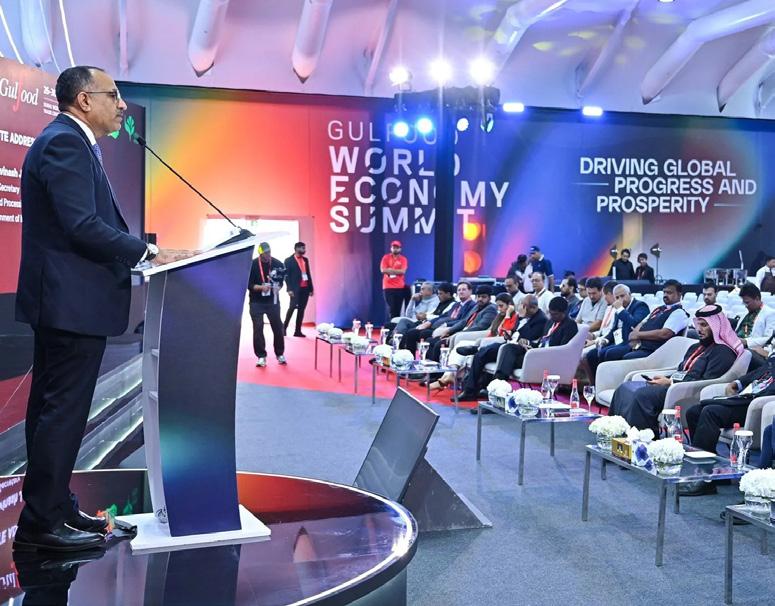
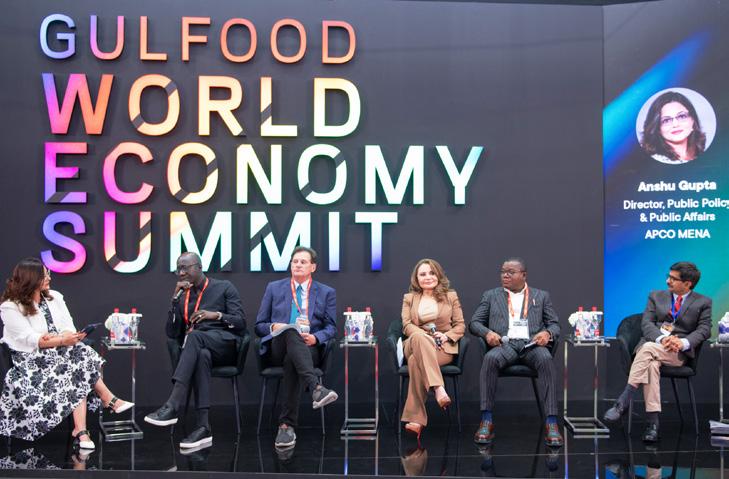
The Gulfood World Economy Summit opened with a closeddoor session led by the Dubai International Chamber, convening over 400 representatives from global food and beverage companies. Grounded in market data and forward-looking analysis, the session set the tone for discussions around capital deployment, infrastructure investment and technology adoption.
What distinguished the Summit was its proximity to action. Unlike traditional forums where policy discussions remain abstract, Gulfood enabled real-time alignment between ministers, corporations and investors, often within walking distance of exhibition halls where solutions were being showcased.
Dubai’s leadership in this space was reinforced through the active involvement of Dubai Chambers, highlighting the emirate’s commitment to fostering an environment where global companies can connect with local opportunities and scale regionally.
With population growth, tourism expansion and economic resilience driving demand, the UAE’s food and beverage sector continues to attract global interest. Gulfood serves as the bridge between that demand and the international supply networks capable of meeting it.
From Exhibition to Infrastructure
The true measure of Gulfood 2026 was not attendance or square metres; it was outcome.
Deals were advanced. Partnerships were formed. Strategies were refined. Technologies were validated. Policy conversations were grounded in commercial reality.
By successfully executing a two-venue model without fragmentation, Gulfood demonstrated how global trade events must evolve to remain relevant. Scale alone is no longer enough. What matters is how scale is structured, how conversations are facilitated, and how efficiently opportunity is converted into action.
Gulfood 2026 did not simply reflect the transformation of the global food economy, it actively participated in shaping it.
As food systems continue to face unprecedented complexity, Gulfood’s role as a convenor, connector and catalyst has
never been more critical. The 2026 edition set a new benchmark, not just for size, but for strategic clarity, commercial effectiveness and global relevance.
And in doing so, it reinforced Dubai’s position as one of the world’s most influential crossroads for the future of food.
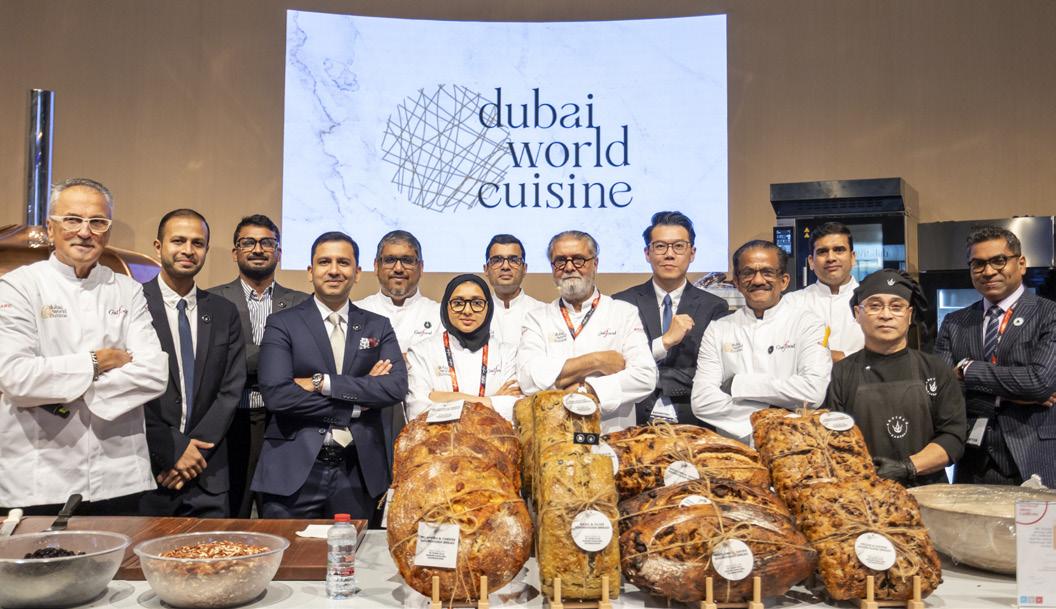
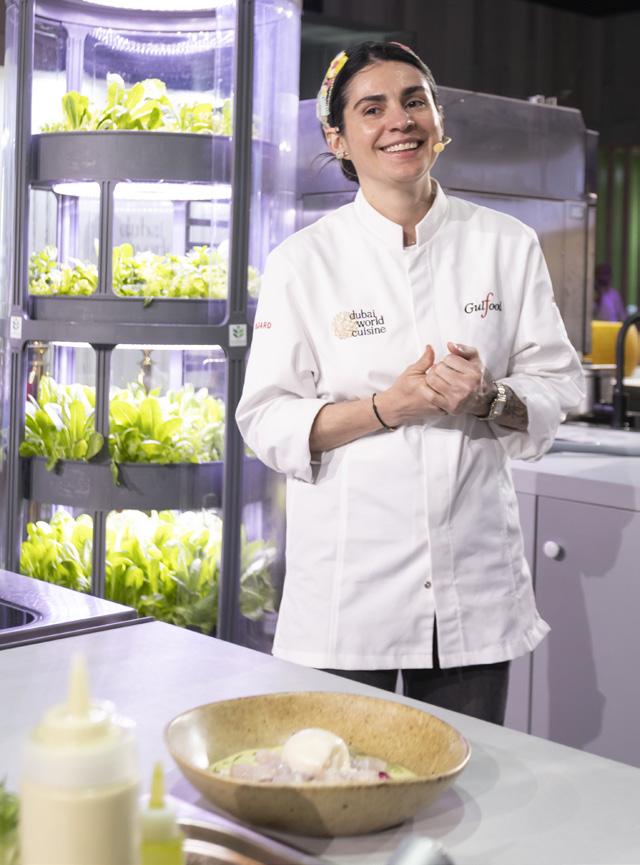
Dubai World Cuisine
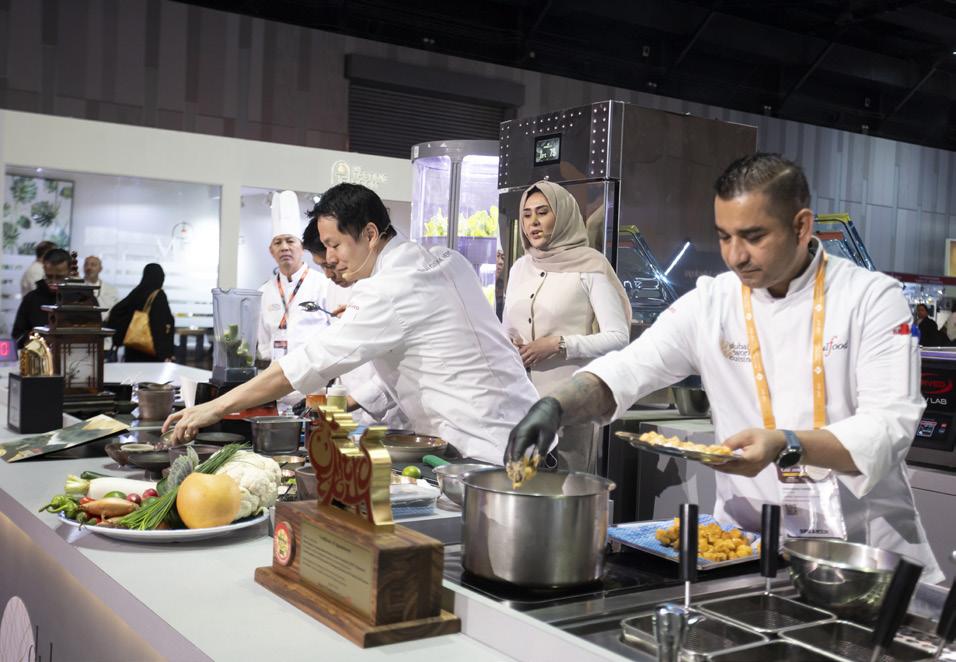
If Gulfood 2026 was the marketplace where global food trade advanced at scale, Dubai World Cuisine was where the industry’s creative, cultural and human capital came to life.
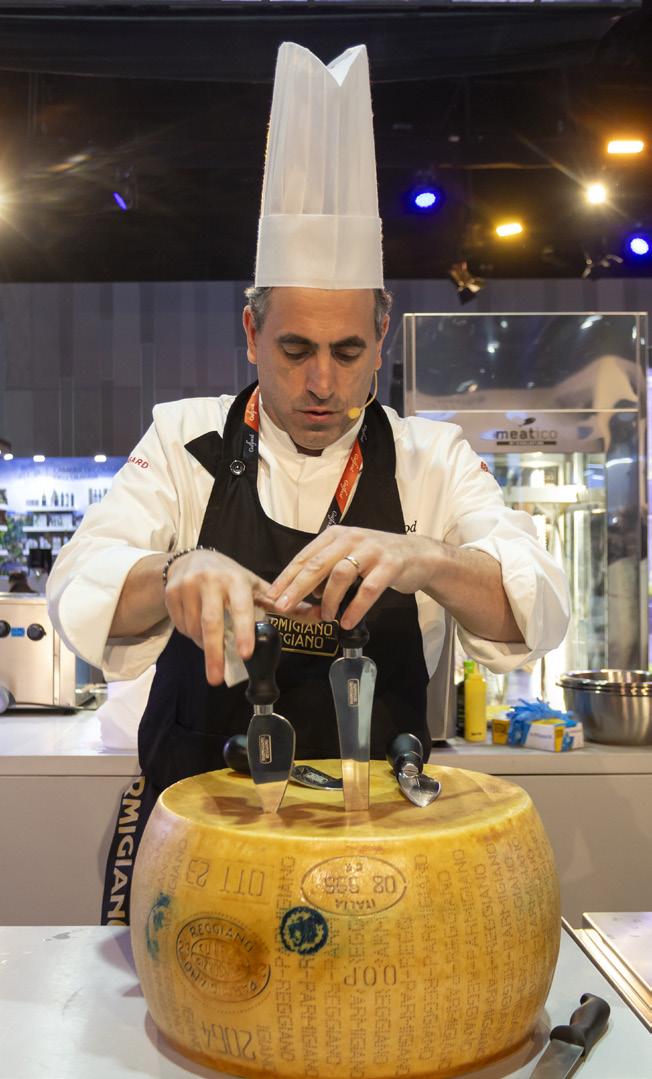
Positioned at the heart of Gulfood, Dubai World Cuisine reframed the traditional culinary showcase into a living, interactive ecosystem, one that mirrored the complexity of today’s food landscape while offering something trade halls alone cannot: emotion, storytelling and lived experience. Over 1,200 square metres, it functioned not as an ancillary attraction, but as a strategic layer of Gulfood itself, translating product, policy and innovation into taste, technique and dialogue.
Where contracts were negotiated in exhibition halls, ideas were tested on stage. Where supply chains were mapped elsewhere, Dubai World Cuisine showed how those systems ultimately land on the plate.
A Purpose-Built Culinary Ecosystem, Not a Stage Show
Dubai World Cuisine’s strength lay in its design. Rather than centring activity around a single demonstration area, the platform was structured as a complete culinary ecosystem, with each zone carrying a clear function and commercial logic.
At its core stood Hero’s Kitchen, a 360-degree live theatre that operated continuously throughout the day. Designed for total visibility, the space transformed masterclasses into immersive performances, allowing chefs to engage directly with audiences while brands demonstrated application, technique and performance under live conditions.
Flanking the central stage, the Bakery & Pizza Studio and the Mixology & Coffee Lab created parallel streams of constant activity. These spaces delivered headline masterclasses alongside uninterrupted technical demonstrations, offering operators and buyers practical insight into baking, beverage innovation and the rapidly expanding zero-alcohol category. The layout ensured a continuous flow of visitors, reinforcing Dubai World Cuisine’s role as a high-engagement environment rather than a scheduled spectacle.
From Craft to Technology: Redefining Culinary Innovation
What distinguished Dubai World Cuisine in 2026 was its refusal to define “culinary” narrowly.
Alongside craftsmanship and technique, the platform integrated technology, sustainability and entrepreneurship through the AI Cuisine Innovation Centre and Start-Up Pod. Here, artificial intelligence, data-driven tools and digital solutions demonstrated how kitchens and hospitality operations are already evolving, from smarter workflows to more efficient resource use. Workshops, live demonstrations and start-up showcase attracted chefs and business leaders alike, positioning technology not as a future concept but as an operational reality.
The Local Farmers and Sustainability Lounge grounded these global conversations in a local context. Dedicated to UAE-based producers and agri-tech innovators, the space connected sustainability directly with sourcing and business opportunity. Tastings, talks and informal networking reinforced a clear message: food security and responsible production are not abstract ideals, but measurable, commercial priorities.
Five Days of Dialogue, Not Just Demonstration
Across five days, Dubai World Cuisine hosted an exceptionally dense programme of chefs, bakers, mixologists, coffee specialists and industry leaders. The curation balanced internationally recognised talent with independent operators, emerging voices, supper-club founders and Emirati chefs, reflecting the diversity of Dubai’s own dining landscape.
Panels explored themes that mirrored Gulfood’s broader agenda: sustainability, modern pastry, zero-alcohol beverages, Dubai’s evolving F&B ecosystem, and the responsibilities that come with recognition and growth. Crucially, these conversations unfolded within an open and accessible environment, allowing trade visitors to move fluidly between commerce and culture.
The YouthX platform further reinforced Dubai World Cuisine’s long-term vision. By spotlighting emerging chefs from leading hotels and hospitality groups, it positioned talent development as a strategic investment rather than a side initiative, ensuring the next generation of chefs is part of the industry conversation today.
Where Brand Storytelling Became Experiential
For brands, Dubai World Cuisine offered a level of engagement that traditional exhibition stands rarely achieve.
The Tasting Room transformed product presentation into curated sensory experiences, allowing premium brands to host invitation-only tastings and live demonstrations for chefs, buyers and decision-makers. Products were not simply displayed, they were contextualised, cooked, tasted and discussed.
Meanwhile, the Media Lounge and Chef Talks functioned as the platform’s communication engine. Live interviews, discussions and recorded content amplified culinary voices from the show floor, extending Dubai World Cuisine’s influence beyond the venue and into global industry conversations.
A Necessary Counterbalance to Scale
In the context of Gulfood 2026’s unprecedented size, Dubai World Cuisine played a critical role. It humanised scale.
As food systems grow more complex, the risk of abstraction increases. Dubai World Cuisine countered this by reminding the industry that food remains deeply cultural, rooted in people, craft and place. By embedding chefs, producers and
storytellers directly into Gulfood’s framework, it ensured that progress was measured not only in deals and distribution, but in ideas exchanged, skills shared and perspectives challenged.
A Reflection of Dubai’s Culinary Identity
Ultimately, Dubai World Cuisine succeeded because it reflected the city it represents, one that is diverse, ambitious, globally connected and forward-looking.
It was a space where Emirati voices stood alongside international chefs, where Michelin-level technique met grassroots creativity, and where technology coexisted with tradition. That balance is not incidental; it mirrors Dubai’s position as one of the world’s most dynamic culinary crossroads.
As Gulfood continues to evolve as the global benchmark for food trade, Dubai World Cuisine has established itself as its cultural and creative backbone. Not an add-on. Not a sideshow. But an essential platform where the future of food is not only traded but cooked, debated and experienced.
STRUCTURED DATA
THE SECRET LANGUAGE HELPING GUESTS FIND YOU (WHILE YOU’RE BUSY POLISHING CUTLERY)
BY MARTIN KUBLER, CHIEF SLOTH AT THE GLUTTONOUS SLOTH, HORECA CONSULTING WITH ATTITUDE
Let’s start with a comforting truth: our hotels and restaurants have excellent food, beautiful rooms, and carefully curated playlists… and are still basically invisible to the internet.
Not invisible to humans. Invisible to machines.
And in 2026, machines are handling a significant portion of the searching and recommending.
When someone asks Google, Siri, Alexa, or their car dashboard, “Where’s a good rooftop restaurant near me?” or “Book me a boutique hotel with a spa and late checkout,” the answer doesn’t come from vibes. It comes from structured data.
Which sounds technical. And slightly like something you’d avoid until after your third coffee. But it’s actually simple and extremely important.
Structured data is a way of clearly labelling information on your website so that search engines and AI systems can understand it without having to guess. Think of it as putting name tags on everything in your digital house.
Right now, many hospitality websites are like beautifully decorated rooms where nothing is labelled. The humans walk in and say, “Lovely.” The search engine walks in and says, “I see… words.”
Structured data changes that. Instead of just saying:
“Enjoy our Sunday brunch from 12–4.”
You’re also quietly telling search engines: “This is an event. It happens weekly. It’s at this location. It costs this much. Reservations are available here.”
That extra layer of clarity is what allows your business to appear properly in search results, maps, booking tools, voice assistants, and those increasingly bossy AI travel planners.
In simple terms, structured data is how you stop the internet from misunderstanding you.
This matters because search has changed. People aren’t just typing “restaurant Dubai” anymore. They’re asking full questions like, “Best vegan-friendly brunch with outdoor seating and parking.” Search engines now try to answer these questions directly, often without sending users to ten different websites.
If your information isn’t structured, you are relying on Google to “figure it out.” And while Google is clever, it is not psychic. It will happily recommend the competitor whose website clearly states, in machine-friendly language, that they have outdoor seating, vegan options, and parking.
This is where structured data quietly becomes a revenue tool.
For hotels, it helps search engines understand your room types, amenities, star rating, reviews, check-in times, restaurant on site, spa services, and even whether you’re family-friendly or pet-friendly. Without it, you’re hoping algorithms interpret your poetic paragraph about “urban serenity” correctly. Sometimes they do. Sometimes they think you’re a yoga studio.
For restaurants, structured data can label your cuisine type, price range, opening hours, menu, reservation link, dietary options, and special events. It also helps you show up correctly in map searches and those “popular times” and “book a table” features that guests increasingly expect to just… be there.
Here’s the slightly funny part: many operators spend thousands on interior design, plating consultants, or a chair that looks like modern art but is impossible to sit on, and zero on telling search engines what kind of business they actually are.
It’s like investing in the world’s most beautiful signboard, then hanging it inside a cupboard.
Structured data is not glamorous. It will not win a design award. But it does something very important: it makes your digital presence legible.
And legibility leads to visibility.
Visibility leads to bookings.
Bookings lead to you being able to afford the fancy chair. Another reason this matters now is AI. Large language models and travel planning tools increasingly pull structured information to answer user questions. When someone asks, “Suggest a romantic hotel in Abu Dhabi with sea views and late checkout,” AI systems look for clearly labelled attributes. If your sea view rooms are only described in a poetic paragraph about “horizon-kissed mornings,” you might be overlooked in favour of a competitor who simply tagged “ocean view room” in structured data.
There is also a trust factor. Structured data helps search engines display rich results, such as star ratings, prices, event dates, FAQs, and booking links directly in search. These enhanced listings look more complete and credible,
which increases click-through rates. In other words, you look organised, even if the back office still runs on sticky notes and hope.
The good news is that structured data does not require a full website rebuild. It’s usually a layer added by your developer or SEO specialist using a standard format that search engines understand. The key is knowing what to label: your business type, location, opening hours, menus, rooms, offers, events, and key amenities.
It’s less about technology and more about clarity.
In an industry built on experience, atmosphere, and emotion, it’s easy to forget that before a guest ever walks through your door, a machine helped them decide. Structured data is how you make sure that machine gets your story right.
You don’t need to become a tech expert. But you do need to stop being digitally mysterious.
Because while mystery is charming in a cocktail bar, it is a terrible marketing strategy for search engines.
Reflections from GULFOOD
KARIN MILLER, CEO at Bon Vegan
As Gulfood draws to a close, the latest edition once again underlined the scale and maturity of the show, bringing together a broad cross-section of the global food industry across its expanded format. For producers, it is a key platform for building relationships, sharing innovation, and understanding where the market is heading.
Attending as part of Estonia’s national pavilion, Bon Vegan used this year’s show to showcase its latest innovation in nutritional yeast, introducing a product with naturally occurring vitamin D produced using UV light. The response reflected growing interest from regional partners in functional products that are straightforward in how they’re made, purposeful, and designed for everyday use.
Karin Miller, CEO at Bon Vegan, said: “Gulfood continues to be one of the most relevant platforms for brands working seriously in functional food. What stands out this year is the quality of conversation, from buyers and distributors through to fellow producers, all looking beyond claims and focusing on real application and value. Being shortlisted for a Gulfood Innovation Award placed us alongside some of the most interesting developments in the sector and reflects how the show itself has matured in recognising where food innovation is truly heading.”
“There is a clear shift towards functionality that is simple, purposeful, and designed for everyday diets. Products are being judged less on complexity and more on clarity, how they are made, how they fit into daily life, and whether they genuinely deliver. Gulfood has become a strong reflection of that mindset, bringing together the right people and ideas at a moment when the industry is redefining what meaningful innovation looks like.”
When space and setting matter.
A villa experience shaped by nature and a calm coastal environment. Thoughtful dining venues and well-appointed wellness facilities support both focused days and relaxed moments, creating a stay that feels balanced and complete.
Villa stays starting from AED 3,750.
The name ‘OJAR’ is derived from ‘HOJARI,’ widely regarded as the finest quality Frankincense resin, sourced from the majestic Dhofar mountains of Oman. With its profound history deeply rooted in the Sultanate, Frankincense holds significant cultural value and is a key ingredient in OJAR’s fragrance collections.