A look at the leadership, urgency and economic measures behind Dubai’s latest move to protect confidence, support liquidity and strengthen hospitality
52
AI’S REAL EDGE: STRATEGIC SUBSTANCE OVER SIZZLE
Why trust, strong foundations, and disciplined execution now define AI success in hospitality
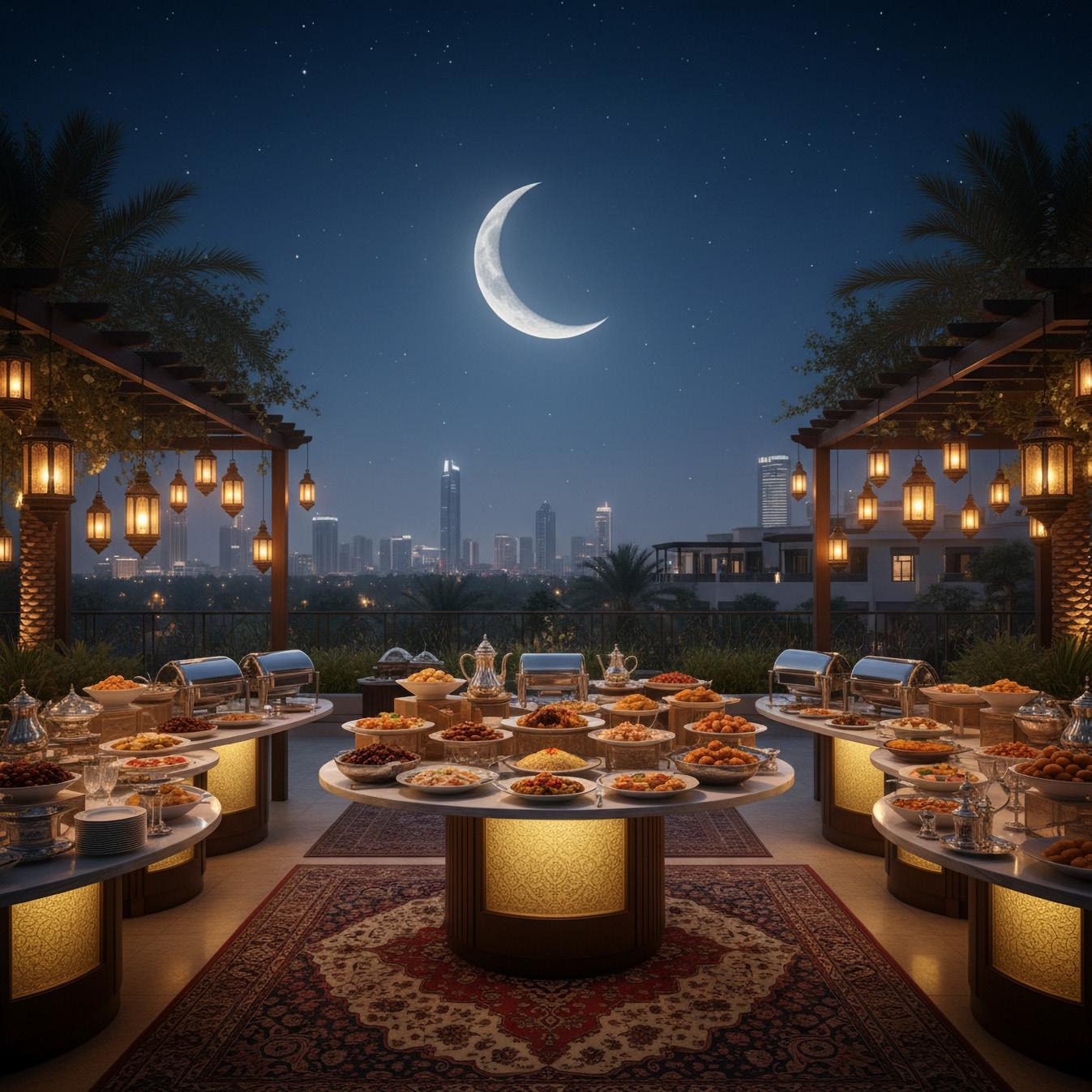
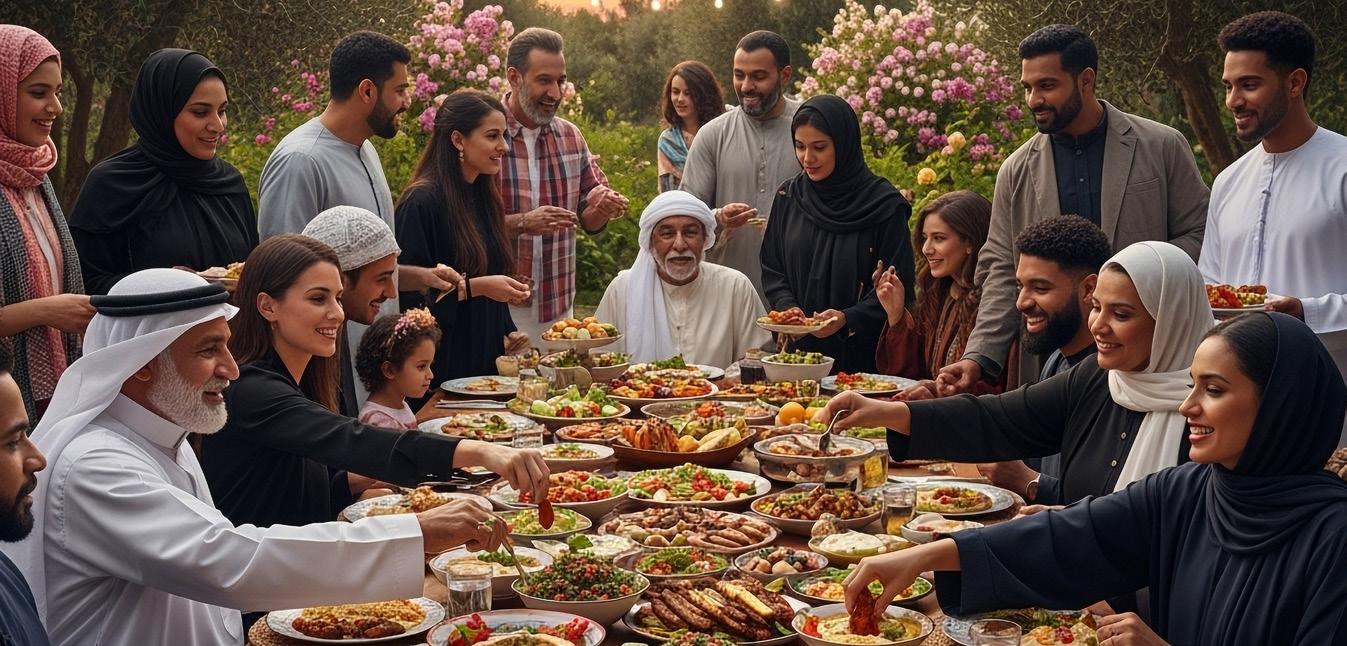
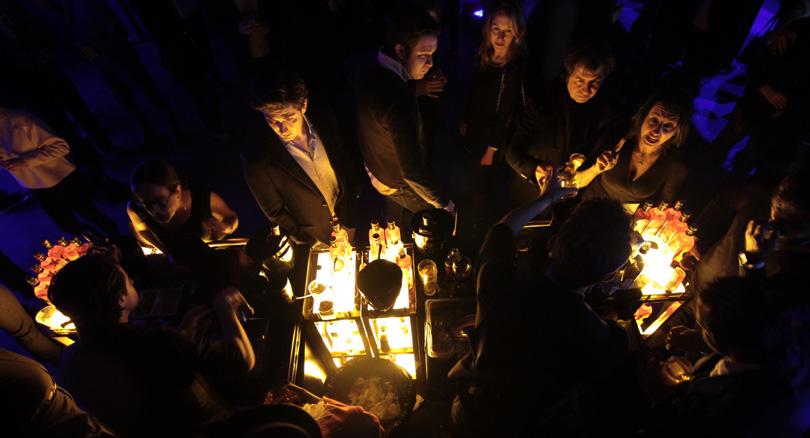
48 WHAT RAMADAN TAUGHT US ABOUT THE NIGHT ECONOMY Ramadan 2026 arrived at an important turning point for the UAE's hospitality sector
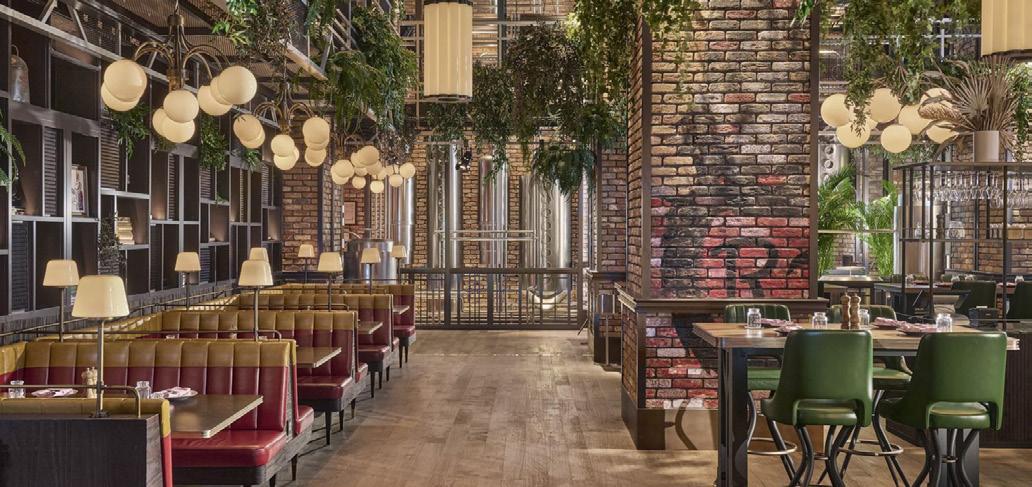
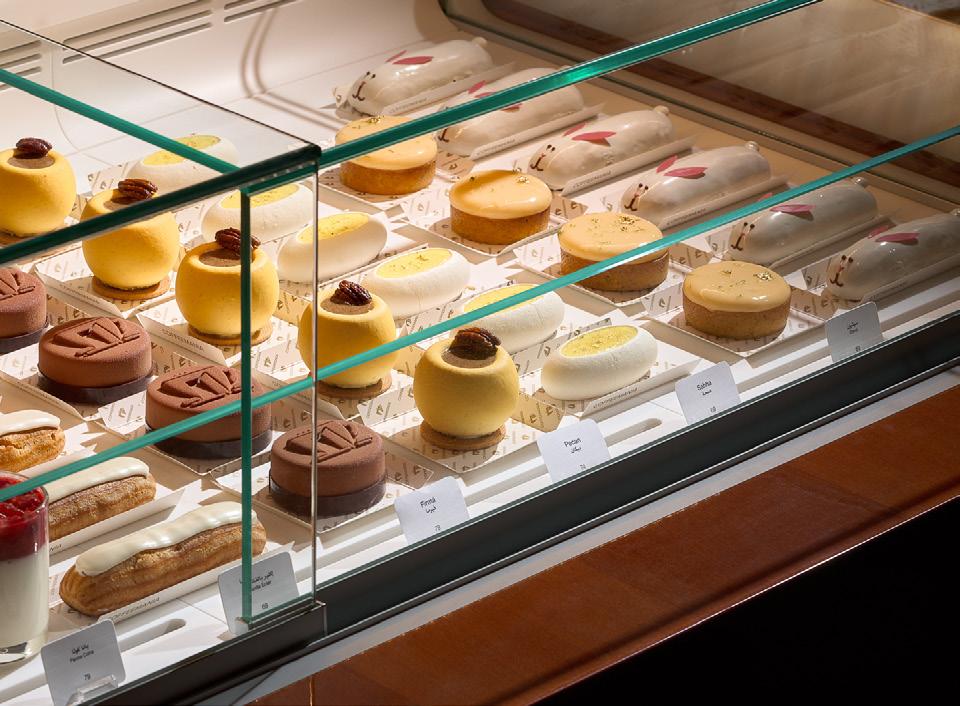
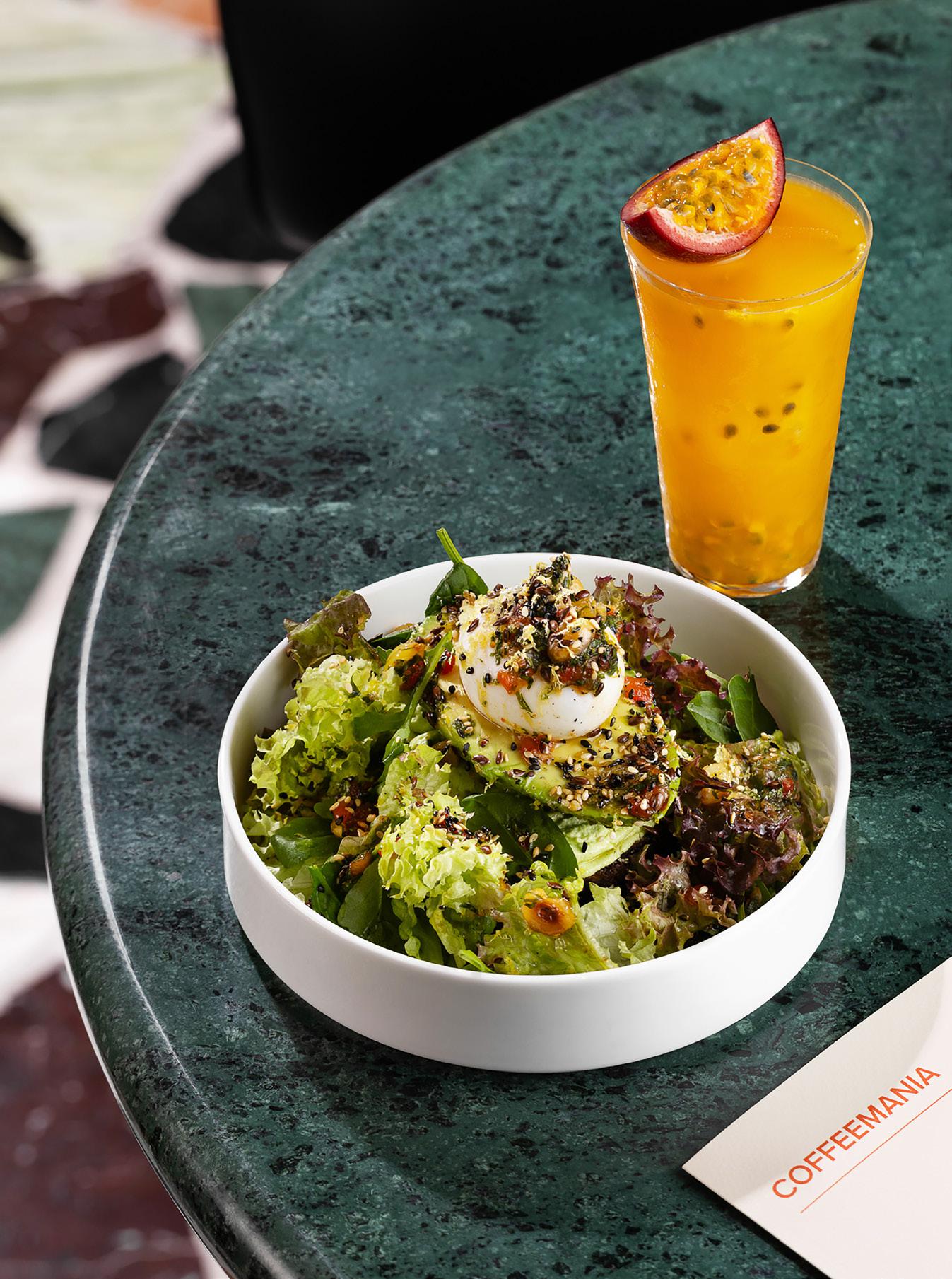
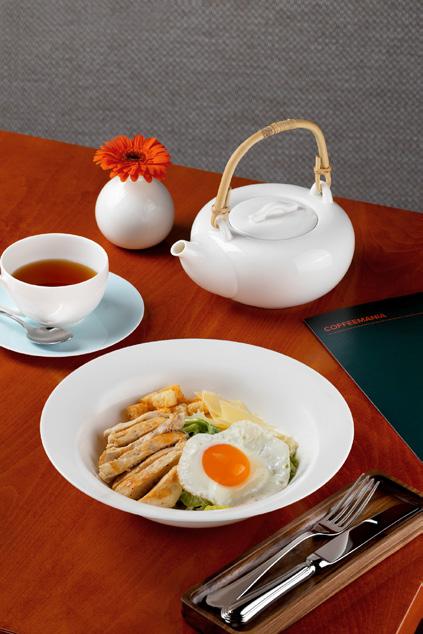
56 INSIDE COFFEEMANIA’S SERVICE CULTURE When Coffeemania opened its first UAE restaurant at Dubai Hills Mall, it brought more than a well-known Moscow dining brand to Dubai
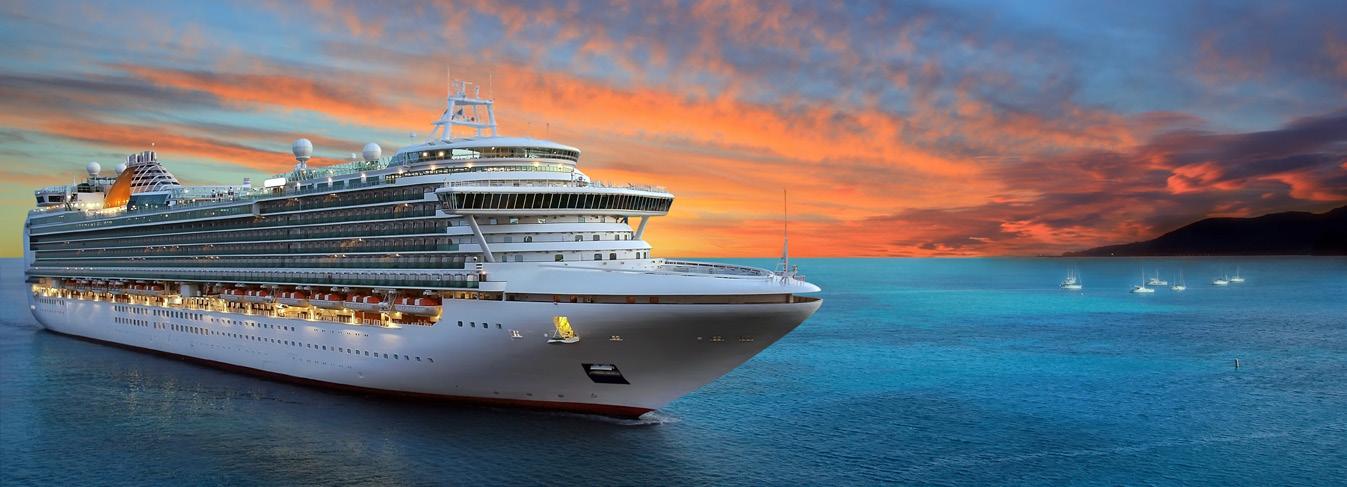
68 THE FUTURE OF CRUISING Where Global Demand Meets Human-Centred Design
30 PEOPLE FIRST, ALWAYS As the hospitality industry navigates a period of uncertainty, leadership is being tested in real time
32 THE DEATH OF INFLUENCER MARKETING (AS WE KNEW IT) Why hospitality brands in the Middle East need to rethink creator strategy in 2026
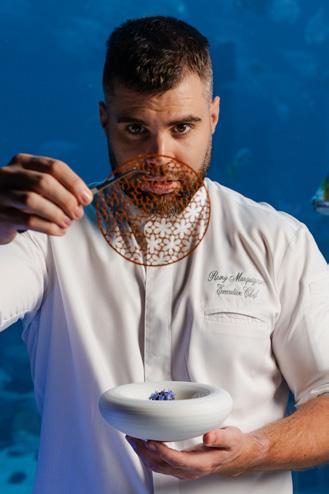
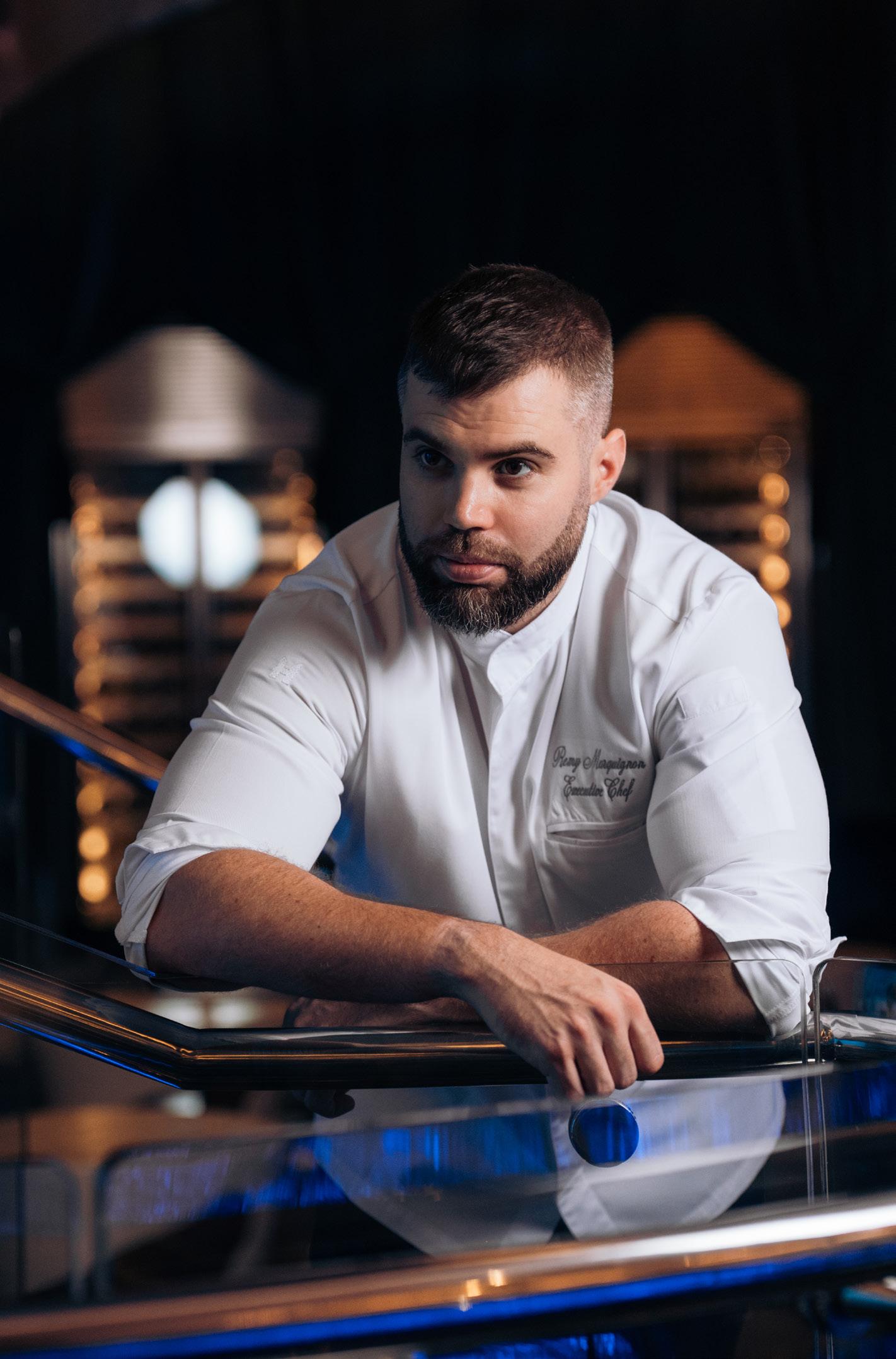
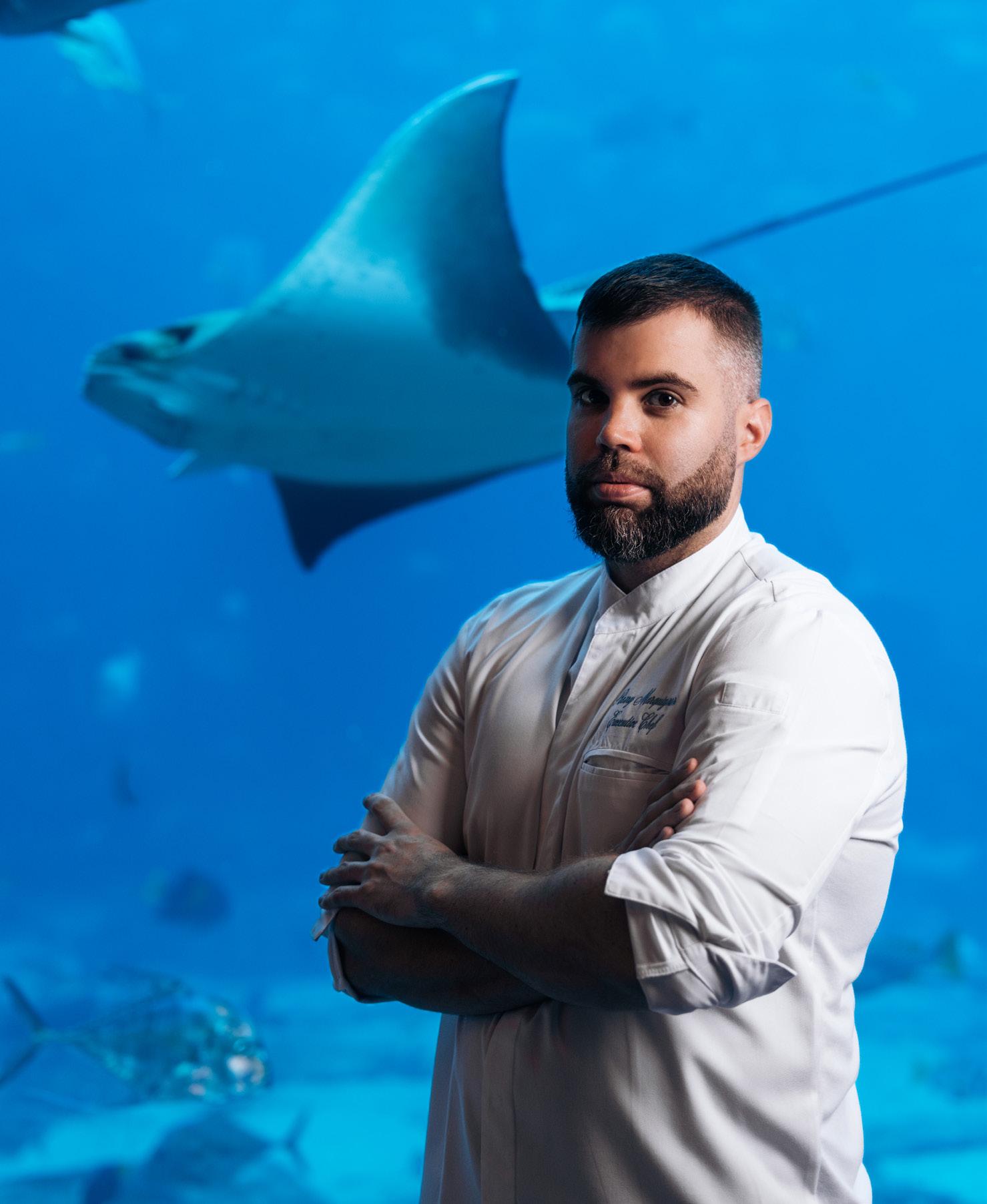
36 A NEW CHAPTER BEGINS How Remy Marquignon is Steering Ossiano into the Next Era
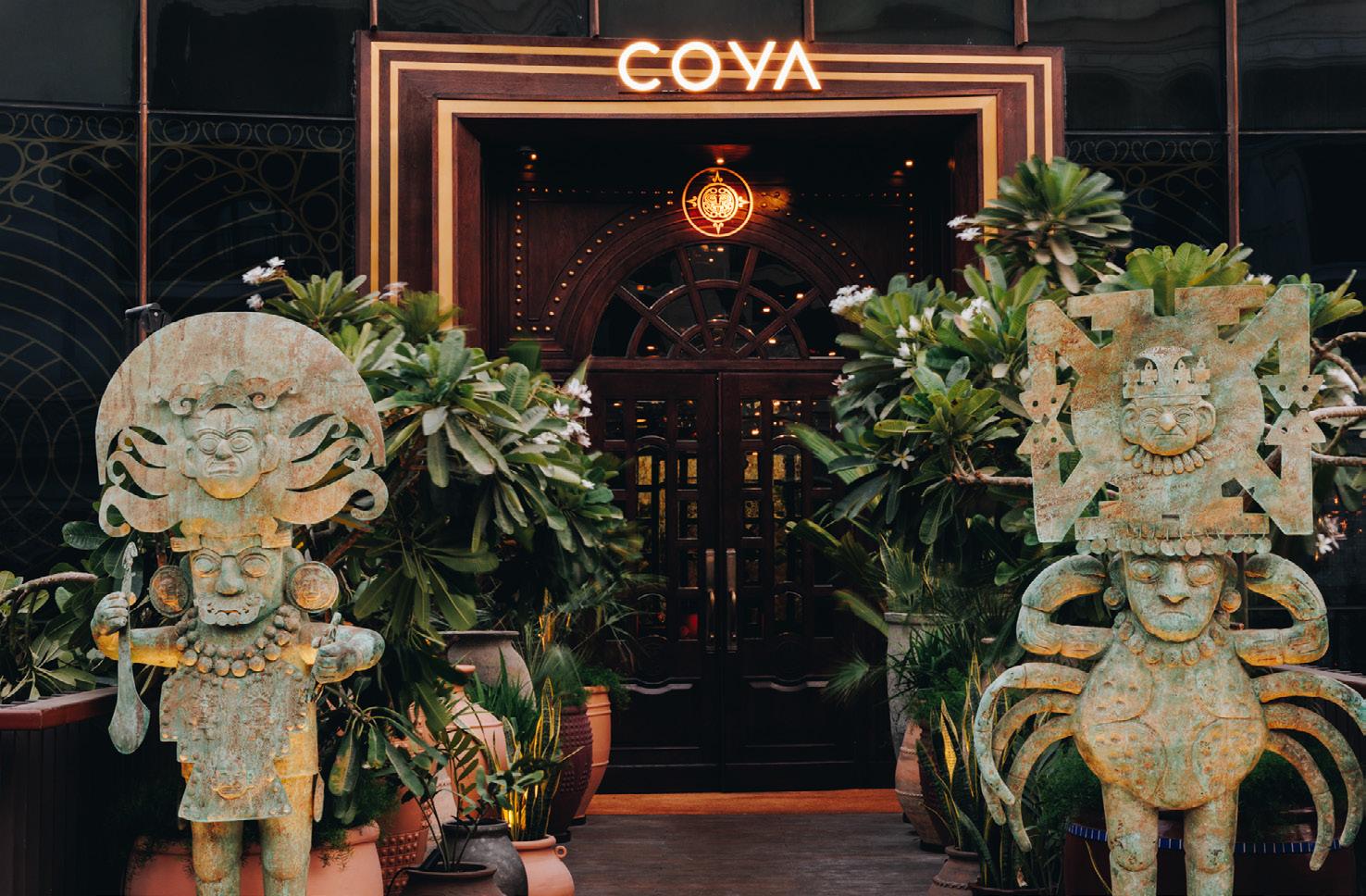
42 THE SPIRITS OF PERU COYA’s most narrative-led bar menu yet
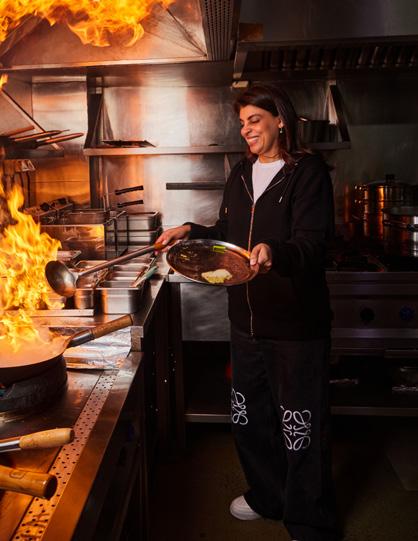
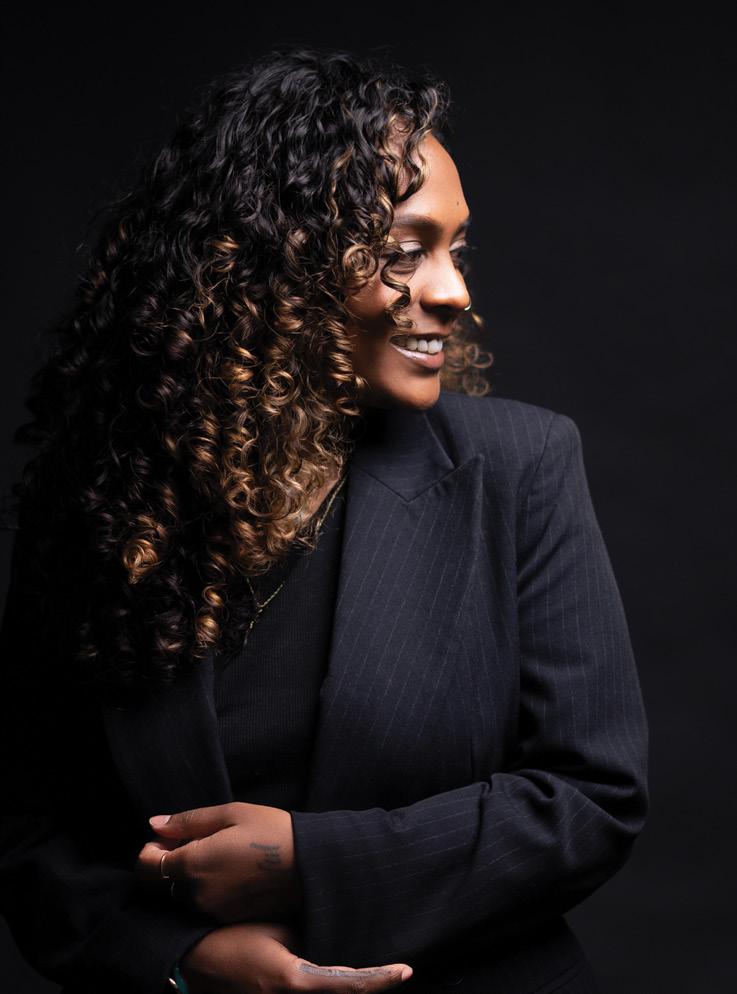
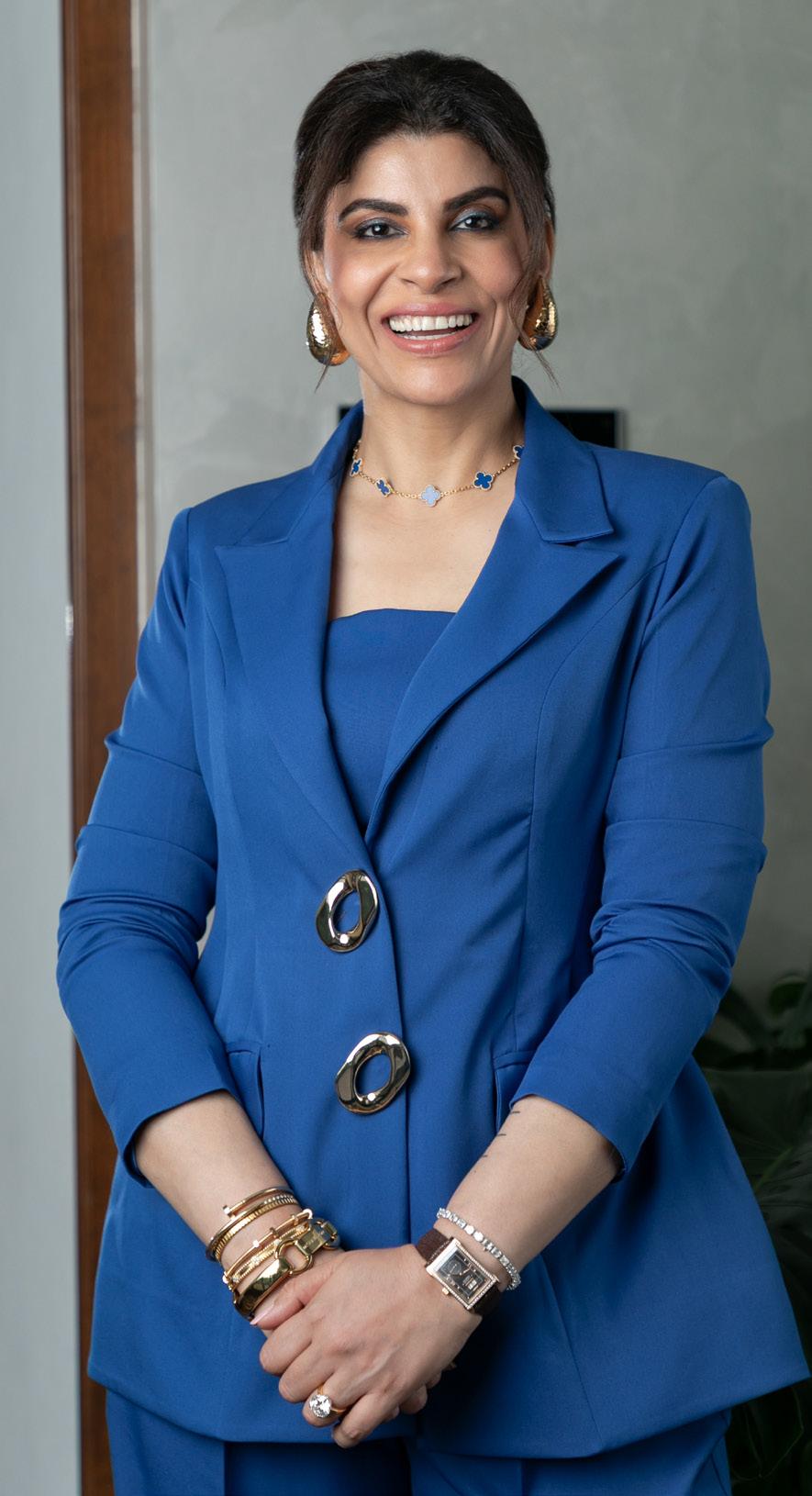
10 LIFE LESSONS From Neha Anand, Founder, Three Layer Hospitality
Wissam Younane wissam@bncpublishing.net
Contact subscriptions@bncpublishing.net to receive Hotel & Catering every issue CEO
MANAGING DIRECTOR
Rabih Najm rabih@bncpublishing.net
EDITOR-IN-CHIEF
Seymone L Moodley seymone@bncpublishing.net
COMMERCIAL MANAGER
Alex Brown alex@bncpublishing.net
MARKETING & COMMUNICATION LEAD
Aaron Joshua Sinamban aj@bncpublishing.net
DIGITAL EDITORIAL SUPPORT
Karan Moodley karan@bncpublishing.net
PHOTOGRAPHY
Joel Amparo
MULTIMEDIA
Eduardo Buenagua
CREATIVE LEAD
Christian Harb chriss@bncpublishing.net
Images used in Hotel & Catering are credited when necessary. Attributed use of copyrighted images with permission.
SUBSCRIBE
PO Box 502511 Dubai, United Arab Emirates P +971 4 4200 506 | F +971 4 4200 196
For all commercial enquiries related to Hotel & Catering News ME, contact sales@bncpublishing.net
All rights reserved 2026. Opinions expressed are solely those of the contributors. Hotel & Catering is officially licensed exclusively to BNC Publishing in the MENA region. No part of this magazine may be reproduced or transmitted in any form or by any means without written permission of the publisher.
Printed by United Printing and Publishing | upp.ae
In addition to our print edition, we’re bringing you all sorts of industry news on our web mediums. We’re looking forward to interacting with our readers on all of our social media and web platforms. See you on the web!
Hotel and Catering News ME
HotelCateringME
Hotel & Catering News Middle East
hotelcateringme
Contributors
Voices From This Month’s Contributors
01
NEHA ANAND Founder, Three Layer Hospitality
“I’ve learned to be intentional about where my attention goes.”
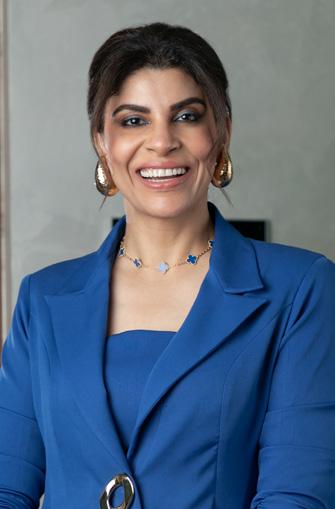
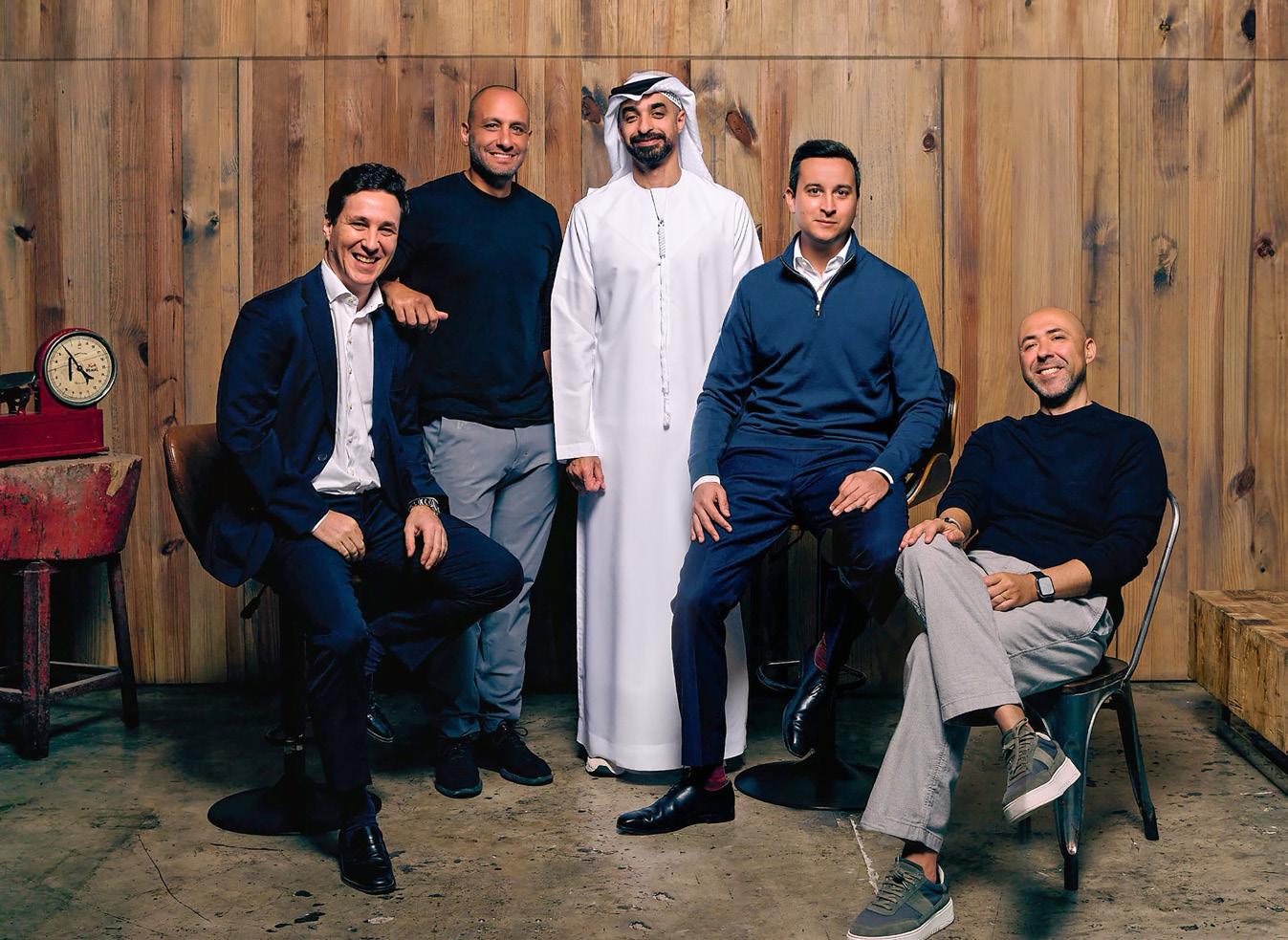
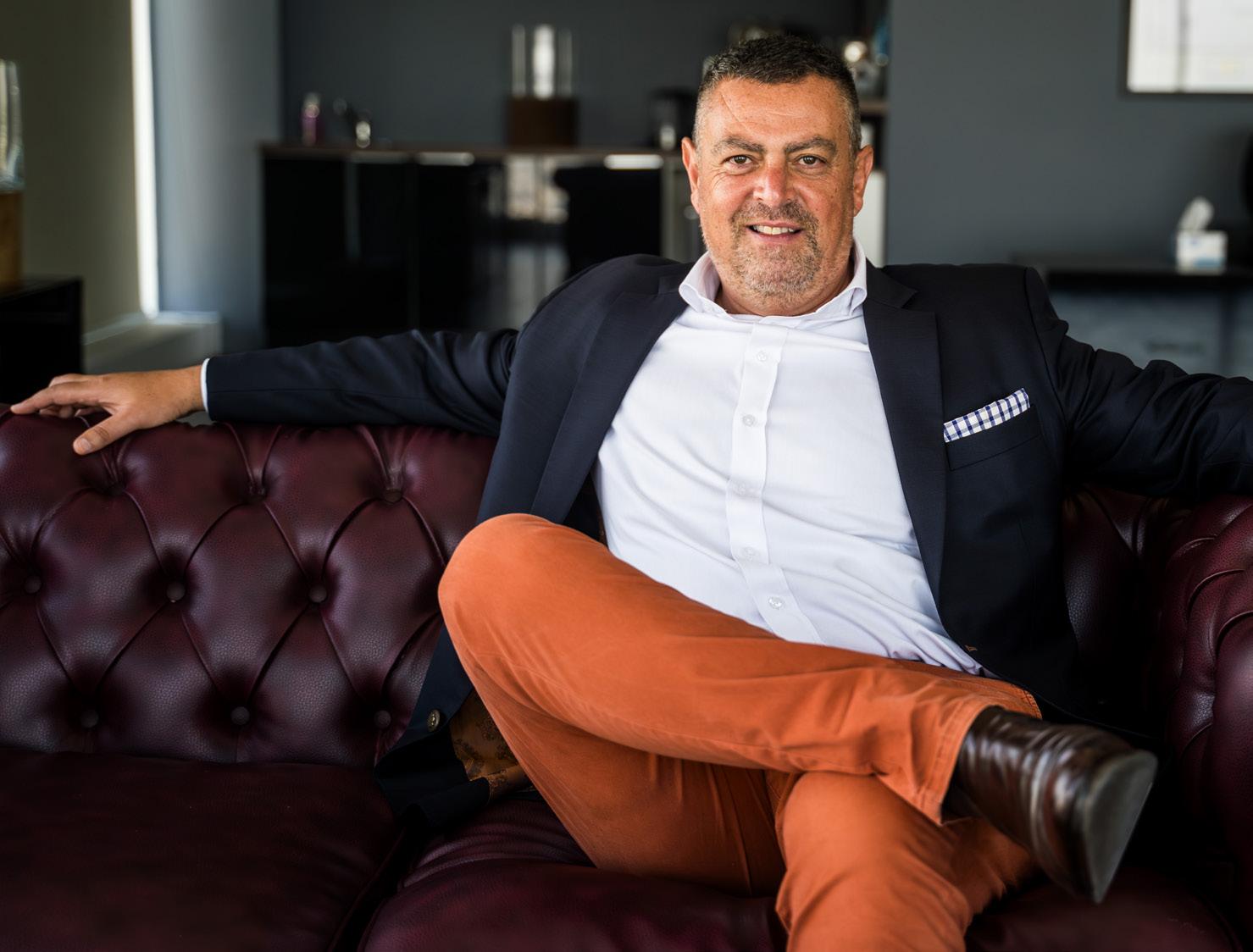
DR. NAIM MAADAD, CEO and Founder of Gates Hospitality
“The focus is clear: protect people, communicate with honesty, and keep moving with purpose.”
REMY MARQUIGNON, Executive Chef, Ossiano
“The new chapter of Ossiano is built around a nine-course tasting menu focused on precision, purity and emotion.”
The GUILD+PEPPER Collection marries the strength and unity of a guild with the nature and uniqueness of spice. Strength with flavour, history with boldness. Allow your guests to experience an authentic reflection of the past with a distinctly modern twist.
It feels important to begin here, to reiterate our continued safety in the UAE, and the proactive leadership that has carried us through this moment and shielded us from not only what is happening, but from what did not happen. That matters. It matters more than many of us can fully articulate. The steady hand of the UAE has carried all of us through yet another moment of uncertainty with grace, order and strength, and that deserves to be acknowledged over and over again.
And no matter who says what, power looks like actual support. Action when it matters most. H.H. Sheikh Hamdan bin Mohammed bin Rashid Al Maktoum’s AED 1 billion initiative was exactly that. It cannot be understated, because this kind of response is not common. This is Dubai.
But alongside that gratitude is another truth. Even with safety, national stability and leadership, the impact has already begun to ripple through people’s lives in very tangible ways. Myself included.
Because this is how the unexpected works. Even when the worst is kept at bay, things still shift. Livelihoods shift. The things you thought you could count on without question, the job, the clients, the restaurant, the hotel, the business, the
THIS IS DUBAI
freelance gig, the work, the cash flow -no longer feel as certain tomorrow as they did before all of this began.
I have never had the privilege of being the carefree type. I have always been optimistically cautious, always aware that things can, and most likely will, change, because that’s life. And on the list of things I did not see coming, this is at the top. And of course, it brought with it new things to worry about and learn from, but also new things to appreciate.
In hospitality, we talk so often about service, resilience, community and all the rest. But in times like these, those words stop being industry language and start becoming tangible. In these past few weeks, I have seen and felt the meaning of support and community.
My family and friends in and out of the trade, the chefs, hotels, owners, agencies and peers who have collaborated and connected with me, checked in, helped in any and every way, have reminded me that we are going to be alright, because, as cliché as this sounds, it is true - we have each other. And if we look at the last ten chats we have had in the last ten days, we will see that.
Resilience does not just appear on Instagram Stories, group chats or headlines. It is private. Personal. It is action in motion. This community, that is the UAE, that is Dubai, is the safety net beneath the profiles, the polish and the performance. And, held by steady hands, we are going to make it out on the other side, because we must, because for many of us, there is no other choice.
SEYMONE L MOODLEY EDITOR-IN-CHIEF seymone@bncpublishing.net
Seymone Leigh Moodley seymonemoodley
ODE TO BAG END
Limited Edition
Make ever y epic writing journey a cosy one. Hobbiton handcraft from the makers of the world’s most magical pens.
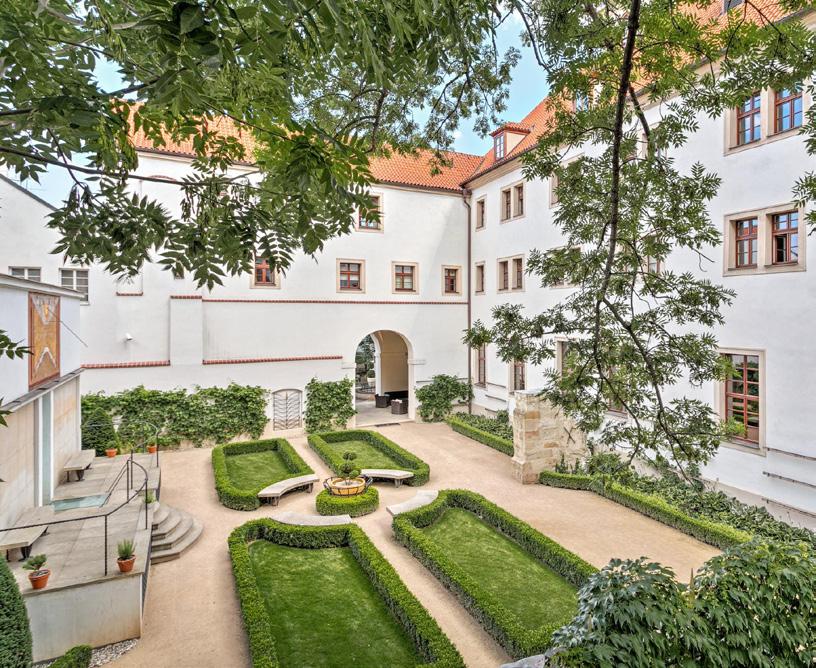
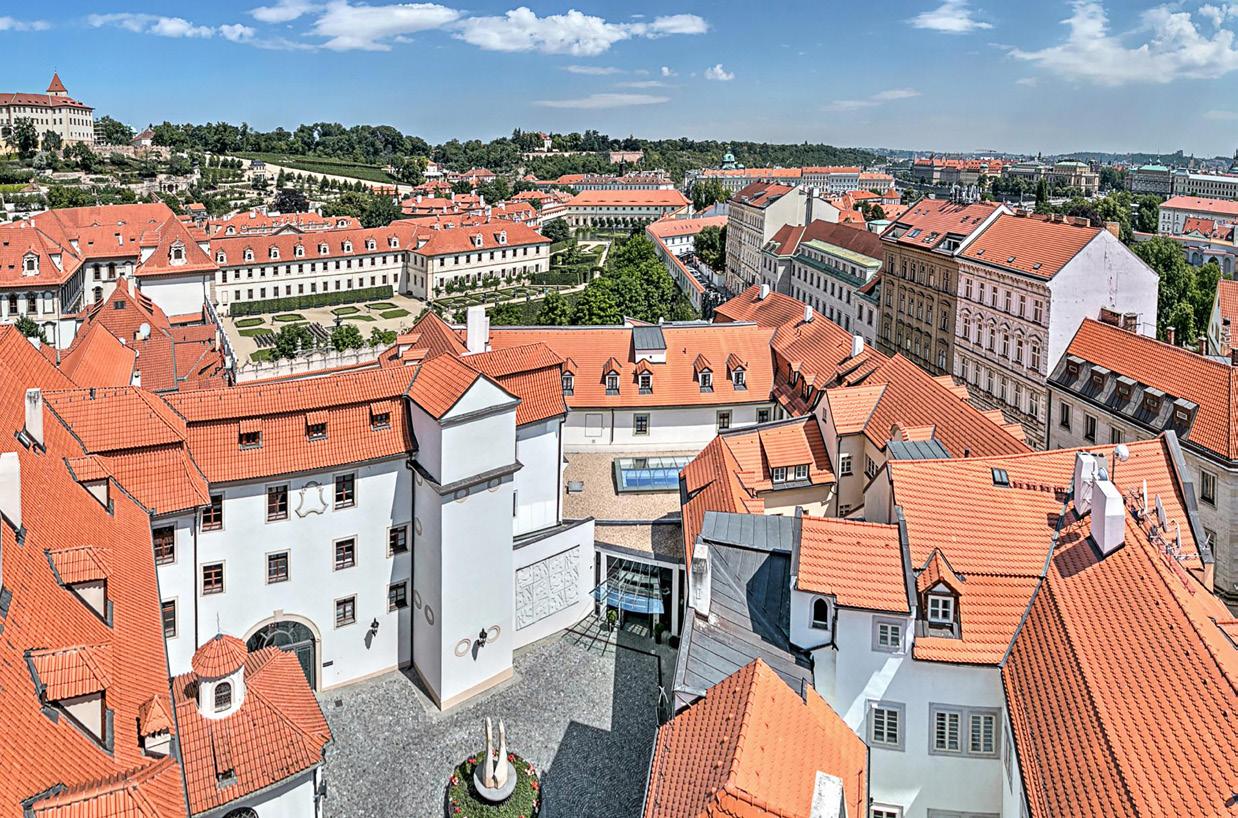
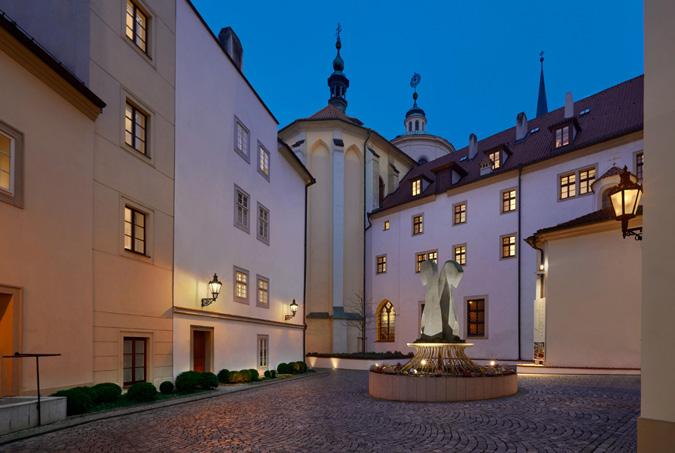
KEMPINSKI GROUP ANNOUNCES ACQUISITION OF THE AUGUSTINE HOTEL PRAGUE
Kempinski Hotels, Europe’s oldest luxury hospitality group, today announces the acquisition of Augustine Hotel, Prague, one of the city’s most historic and prestigious addresses.
This wholly owned acquisition marks a significant step in the company’s strategic shift towards an asset-heavier approach to its global portfolio, under the stewardship of Barbara Muckermann, CEO, Kempinski Group.
Furthermore, this is the first acquisition for the Group in over 50 years, since the investment in Hotel Vier Jahreszeiten Kempinski Munich in 1970.
FROM PARIS TO DUBAI: SIENA PREPARES TO OPEN ITS DOORS IN THE HEART OF DIFC
The project brings together Mehdi Abdelhedi, founder of Siena in Paris, and Rizwan Kassim, CEO of Paris Society, who joins as a partner for its Dubai chapter.
“In a time that calls for a more considered pace, the opening of Siena is approached with intention, rooted in the simple value of bringing people together. Hospitality, often most affected during periods of uncertainty, continues to offer connection, familiarity, and shared moments. Dubai demonstrates strength and stability as a global hub, bringing together cultures and perspectives from around the world. In partnership with Mehdi, introducing Siena to the city is a deliberate step, building on a concept that has resonated in Paris while adapting it to a market that values community. Our ambition is for Siena to become a destination that contributes thoughtfully to Dubai’s evolving culinary landscape and supports the UAE’s longterm vision,” says Rizwan Kassim, CEO of Paris Society and partner of Siena Dubai.
A NEW CHAPTER OF TIMELESS HOSPITALITY UNFOLDS IN OMAN’S CAPITAL AT TIVOLI LA VIE MUSCAT HOTEL & RESIDENCES
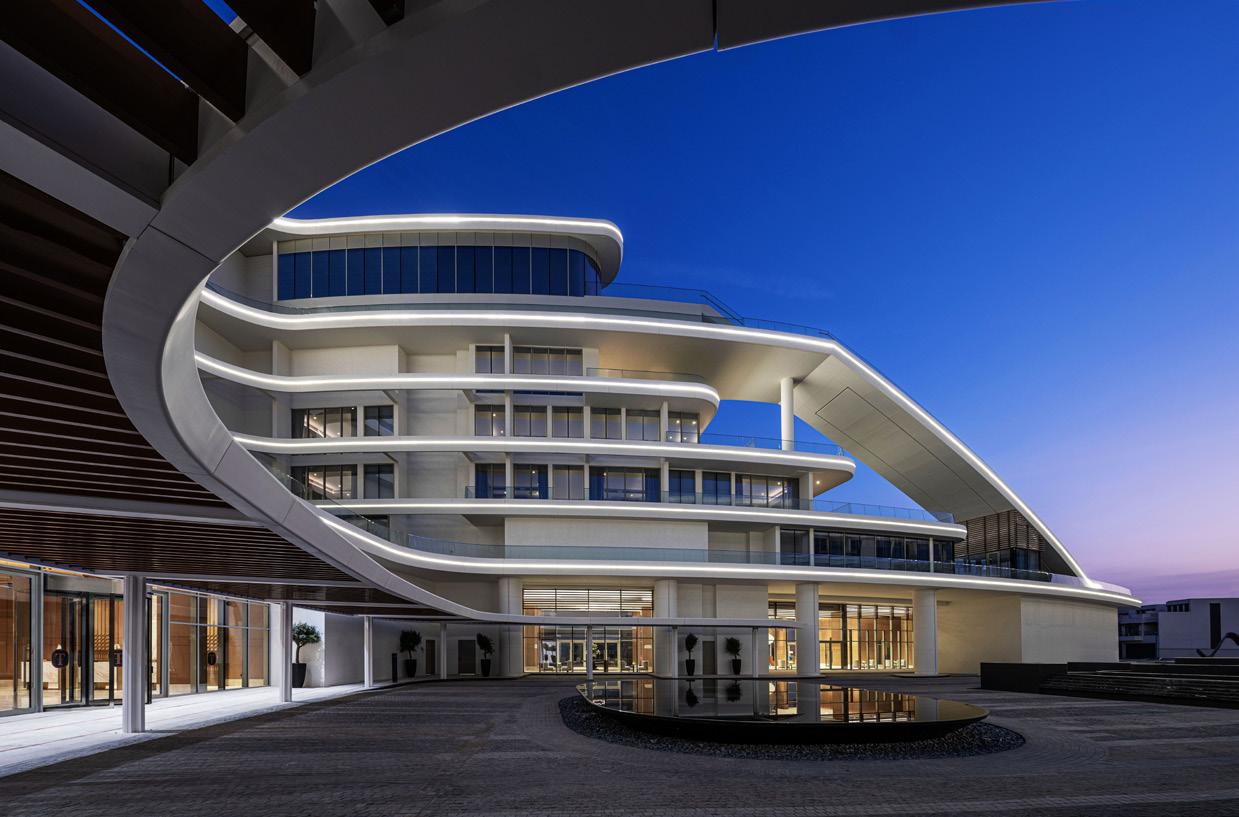
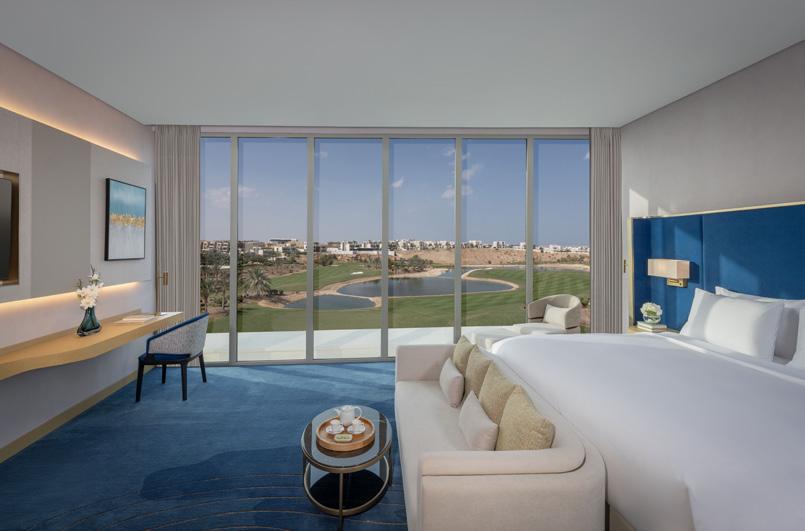
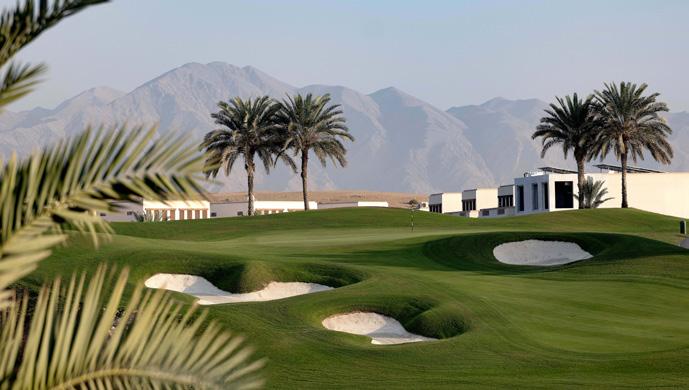
Tivoli Hotels & Resorts is pleased to announce the opening of a new landmark address in the capital, Tivoli LA VIE Muscat Hotel & Residences, introducing the brand’s renowned European elegance enriched with Oman’s rich culture and heritage.
Located in the prestigious LA VIE development and inspired by the joy of life, Tivoli LA VIE has been developed as a destination that feels both timeless and contemporary.
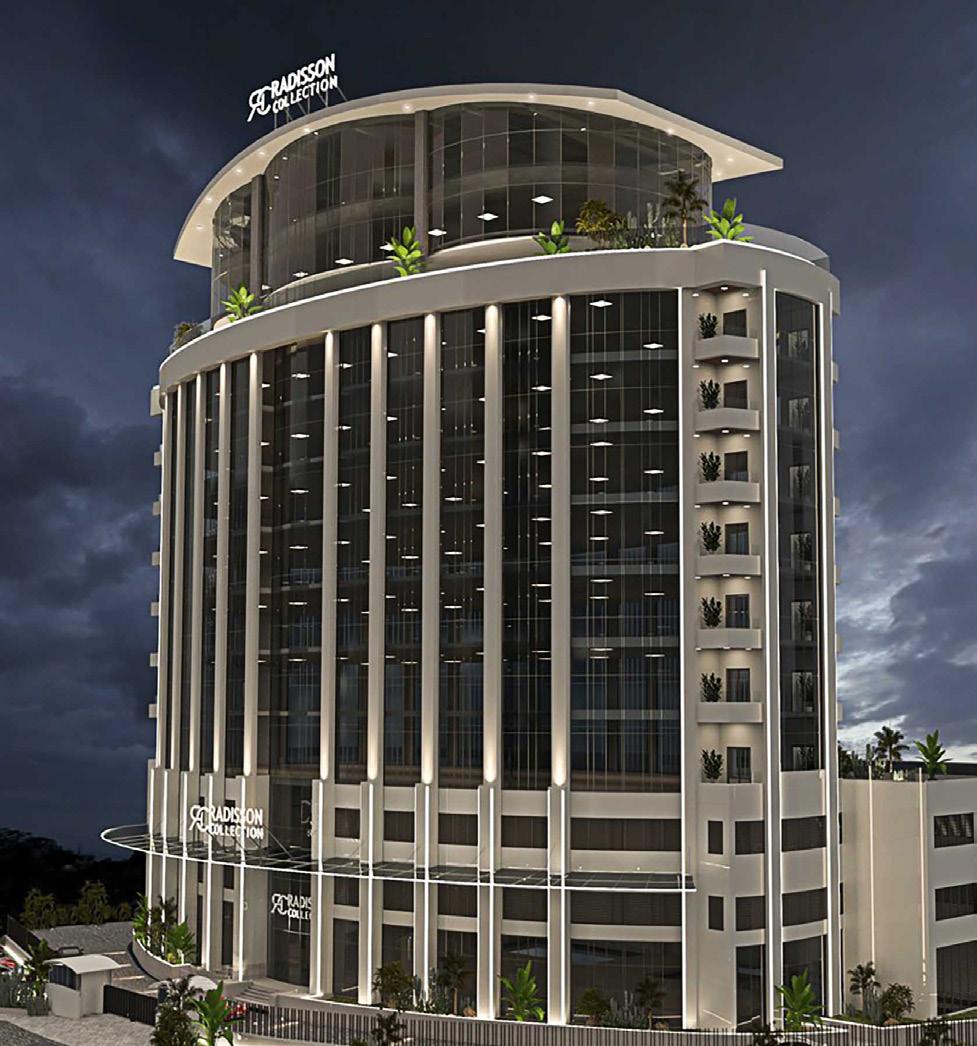
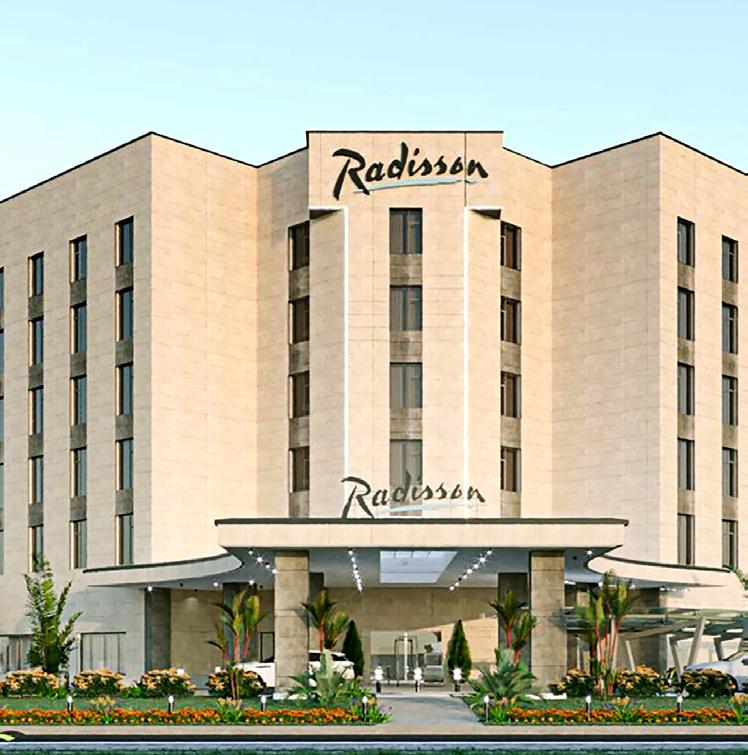
RADISSON HOTEL GROUP SURPASSES 100 HOTELS IN AFRICA, ACCELERATING 2030 GROWTH AMBITION
Radisson Hotel Group has reached a significant milestone in Africa, with more than 100 hotels across the continent in operation and under development. Radisson Blu continues to anchor the legacy footprint.
At the same time, the Radisson brand is the fastest riser, supported by a strong conversion engine and a concrete pipeline that continues to translate into openings.
Building on this momentum, the Group has signed over 15 new hotels and roughly 2,500 rooms in the last 12 months, including new market entries in the Democratic Republic of Congo and Zimbabwe.
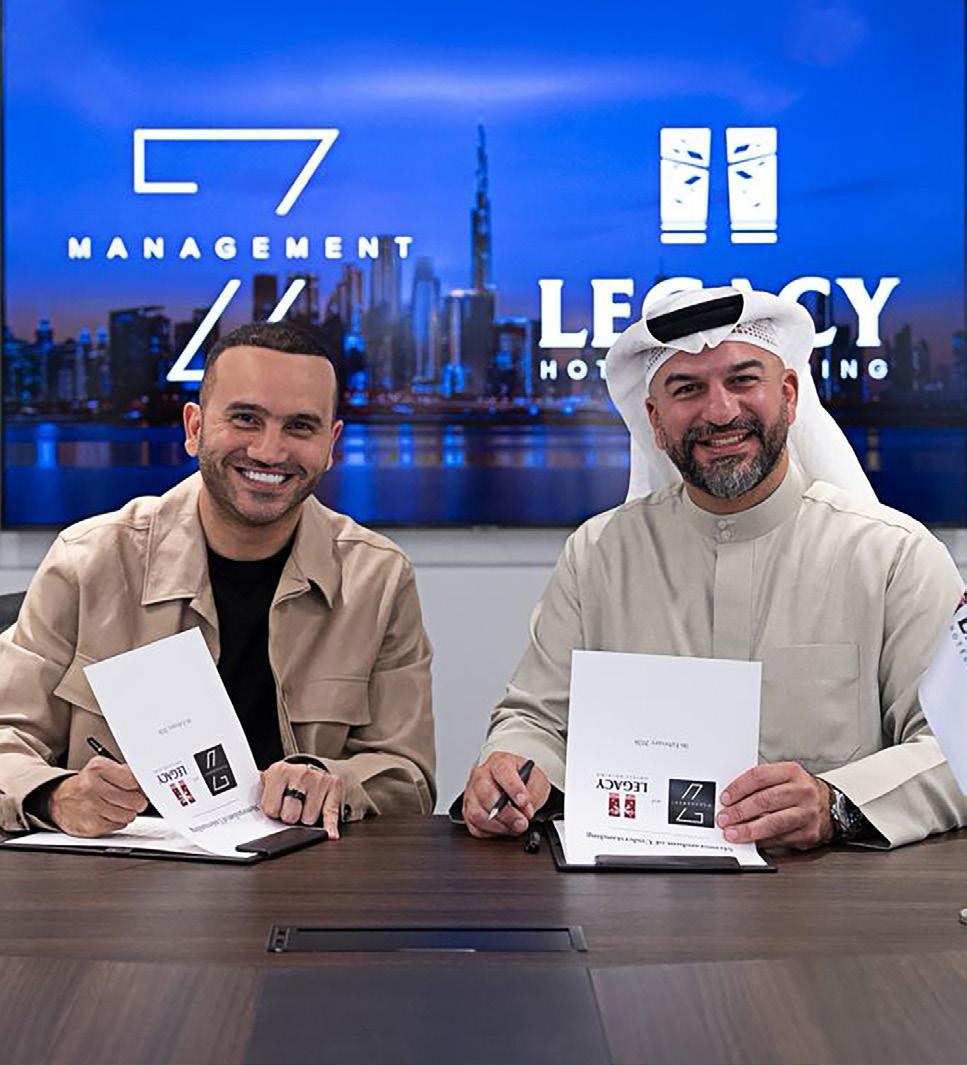
LEGACY HOTELS HOLDING AND 7 MANAGEMENT SIGN STRATEGIC MOU TO ACCELERATE MODERN LIFESTYLE HOSPITALITY AND ENTERTAINMENT EXPANSION ACROSS MENA
Legacy Hotels Holding, a leading hospitality investment and management group with a focus on asset development and long-term portfolio growth, and 7 Management, a leading lifestyle, dining and entertainment management group, celebrated for its distinctive concepts, announced the signing of a strategic Memorandum of Understanding (MOU), formalizing a long-term collaboration aimed at developing and scaling next-generation lifestyle hospitality, dining, and entertainment destinations across the Middle East and North Africa (MENA).
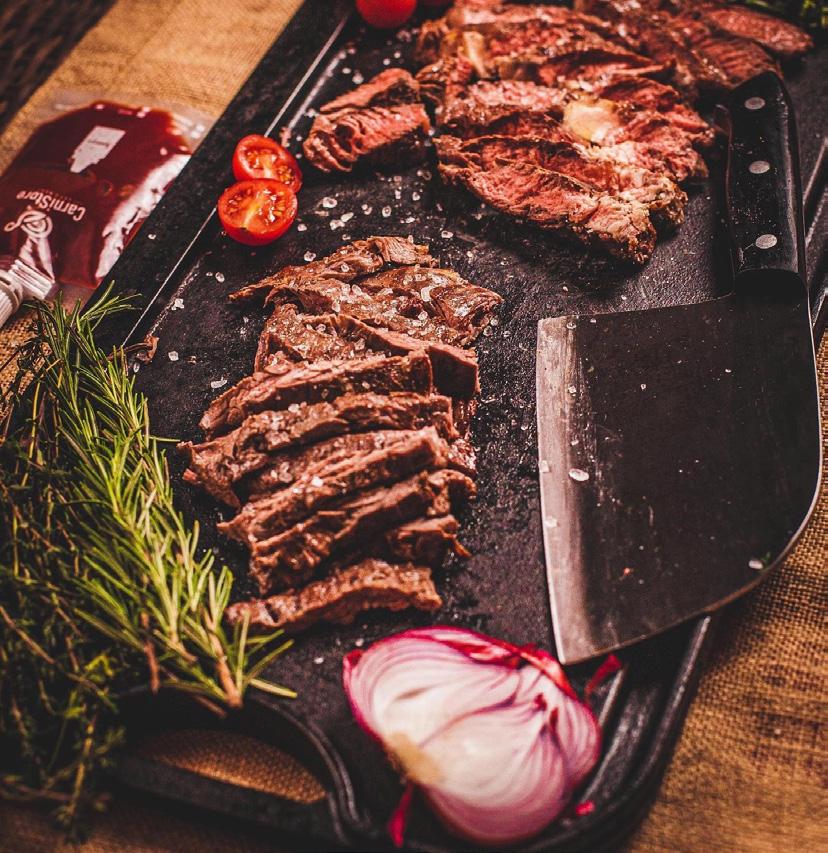
EGF INVESTS AED 45 MILLION IN CARNISTORE TO ANCHOR
THE UAE’S PREMIUM PROTEIN SECTOR
Emirates Growth Fund (EGF), the UAE’s flagship growth equity investor, has announced a landmark AED 45 million strategic minority investment in CarniStore, the nation’s leading premium protein business, bringing together sourcing expertise, proprietary production, and digital retail to elevate food standards across the UAE.
This marks EGF’s first investment in the food sector, representing a definitive step in the UAE’s mission to foster “National Champions” and signaling a powerful vote of confidence in the scalability of the country’s premium, locally-rooted F&B sector.
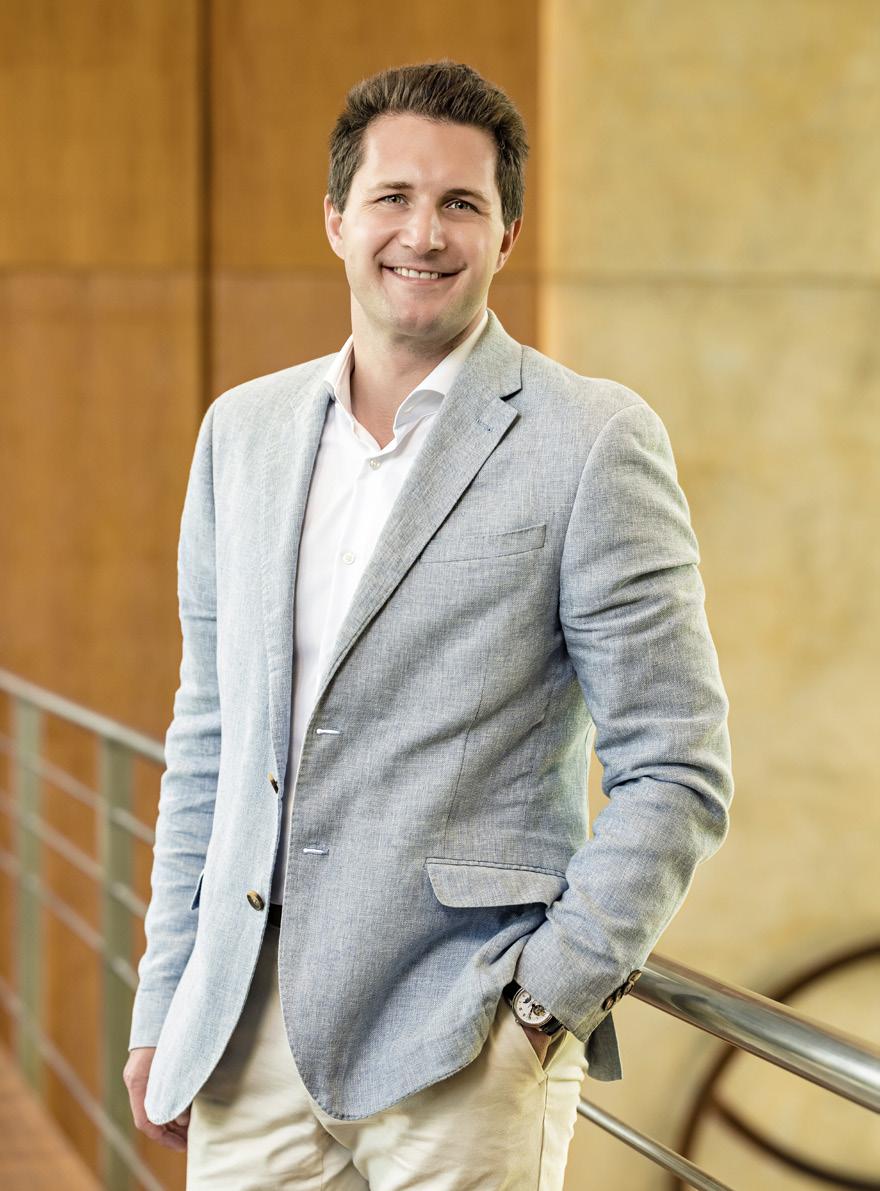
CONSTANCE HOSPITALITY ANNOUNCES THE APPOINTMENT OF GABRIEL JUNEAU AS GENERAL MANAGER OF CONSTANCE LE CHALAND
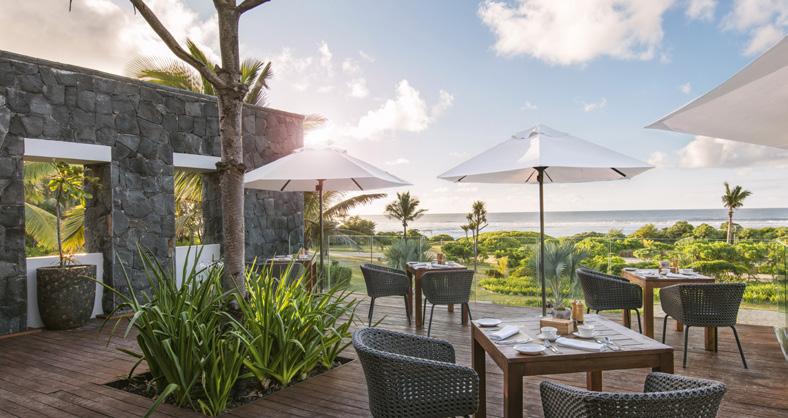
Constance Hospitality is pleased to announce the appointment of Gabriel Juneau as General Manager of Constance Le Chaland, its new luxury address on the south-east coast of Mauritius.
This appointment marks an important milestone in the hotel’s transition under the Constance Hotels & Resorts brand, effective 5 February 2026.
In this new phase, Gabriel will work closely with the teams to embed Constance Hotels & Resorts standards and service culture, while preserving the hotel’s unique identity.
MOHAMMED WAZIR TO LEAD CORINTHIA GEWAN ISLAND QATAR
Corinthia Hotels has announced the appointment of Mohammed Wazir as General Manager of Corinthia Gewan Island Qatar, a landmark project set to be the first hotel for the brand in the region, with a scheduled opening in early 2027.
A respected hospitality leader with more than two decades of international experience, Mohammed brings a distinguished track record across luxury hotel operations, iconic openings and brand development in some of the world’s most competitive markets. He is recognised for his strategic approach, people-centred leadership style and ability to deliver sustained commercial and operational performance.
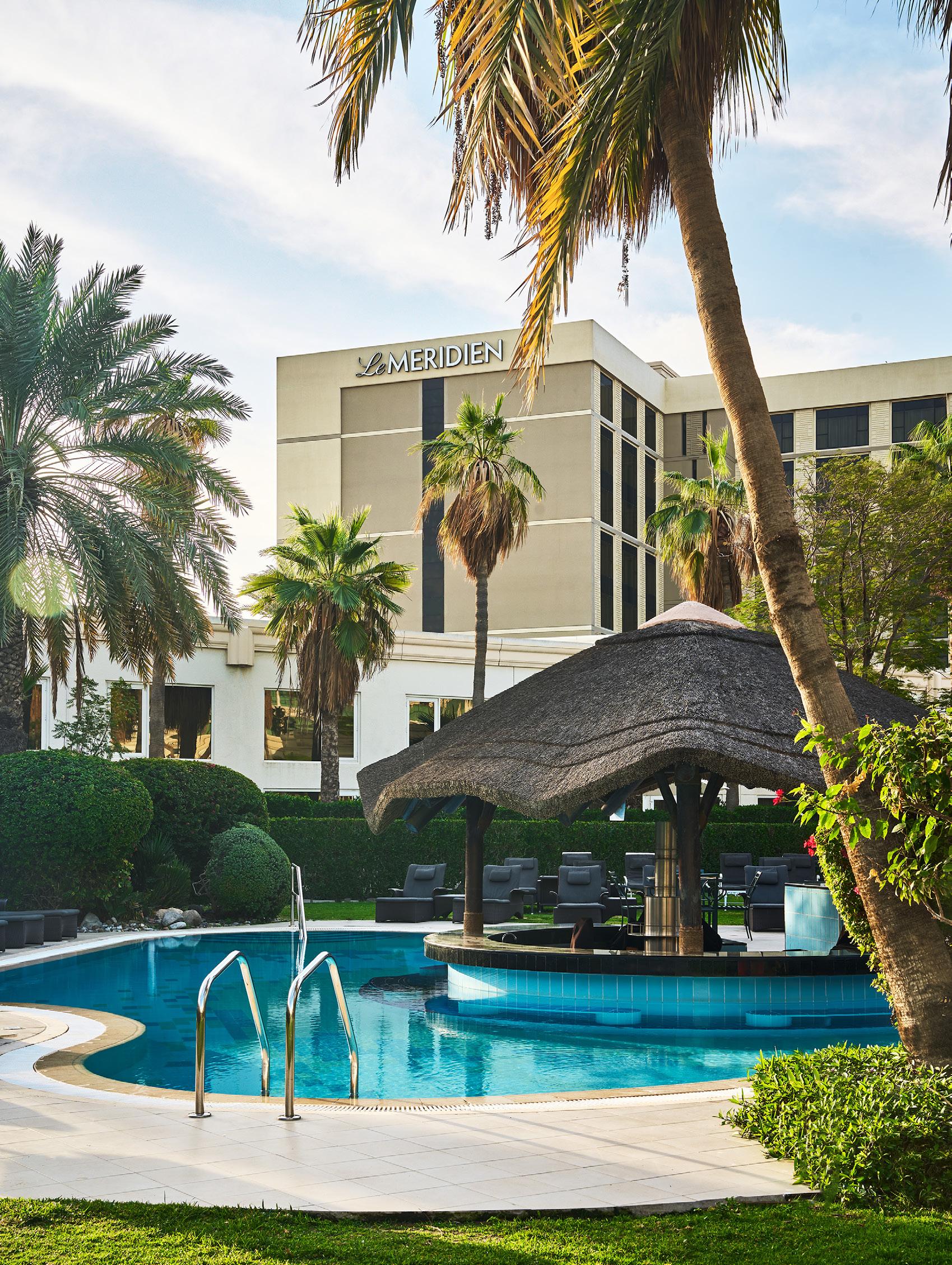
Rediscover Inspiration at Le Méridien Dubai Hotel & Conference Centre
A serene sanctuary at the heart of the city’s dynamic landscape, Le Méridien Dubai Hotel & Conference Centre redefines the art of urban hospitality. Set across 15 acres of immaculately landscaped gardens, the hotel o ers an elegant retreat just moments from Dubai International Airport, placing guests within e ortless reach of the city’s most iconic districts, from Dubai Mall and Burj Khalifa to the storied charm of the Gold Souk and Dubai Creek.
With 580 beautifully appointed rooms and suites, the property invites travellers into a world where contemporary design meets the timeless sophistication of the Le Méridien brand. The distinguished 196 rooms in the Le Royal Club wing elevate the experience with spacious, light-filled rooms, and refined club privileges, while select ground-floor accommodations in the main building open directly onto lush gardens and tranquil pools, o ering a resort-like ambience rarely found in the city.
Well-being is woven into the hotel’s DNA. Guests may indulge in five swimming pools, unwind in serene outdoor enclaves, or train at one of Dubai’s most expansive and advanced fitness facilities, sta ed by expert coaches and equipped with cutting-edge technology to nourish mind, body, and spirit.
At the heart of the property lies an extraordinary culinary journey. Housing 18 acclaimed restaurants and bars, Le Méridien Dubai is home to some of the city’s most storied dining institutions. From the ever-legendary Seafood Market, celebrated for its market-style freshness, to Casa Mia, Dubai’s pioneering Italian restaurant, each venue reflects a passion for authenticity, craftsmanship, and memorable dining artistry.
A beacon for global meetings and events, the hotel features more than 44,000 sq. ft. of versatile event spaces, comprising 24 impeccably designed venues outfitted with modern audiovisual capabilities. Whether orchestrating a grand celebration for 1,750 guests, hosting an international exhibition, or curating an intimate executive gathering, the hotel’s specialist events team and award-winning culinary experts bring each vision to life with impeccable precision and creative flair.
From inspired dining to world-class event facilities, and from resort-style relaxation to unmatched convenience, Le Méridien Dubai Hotel & Conference Centre stands as a destination where cosmopolitan energy and cultivated luxury converge, inviting every guest to unlock a stay that is truly memorable.
HELD STEADY
A look at the leadership, urgency and economic measures behind Dubai’s latest move to protect confidence, support liquidity and strengthen hospitality. BY
SEYMONE L. MOODLEY
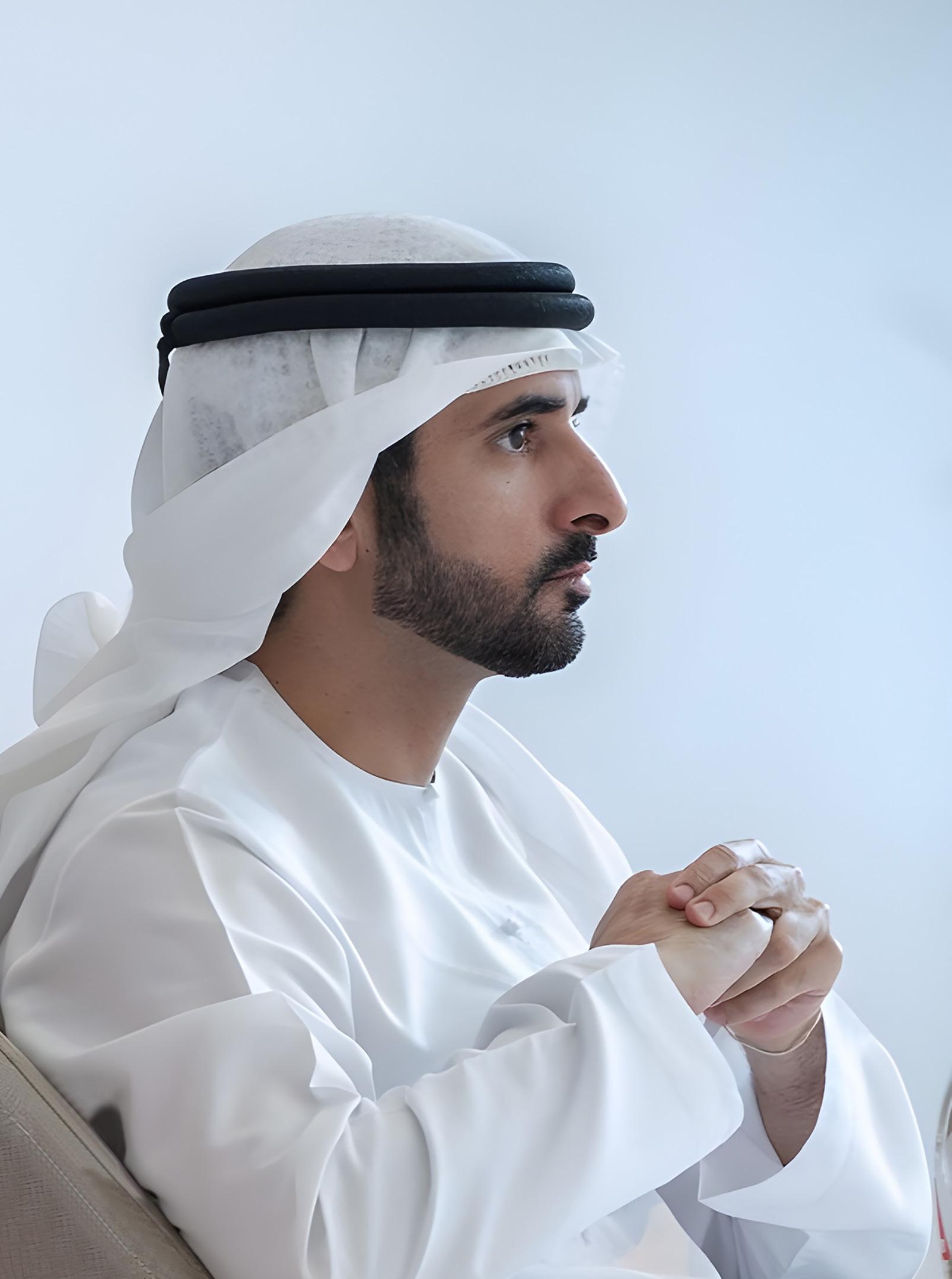
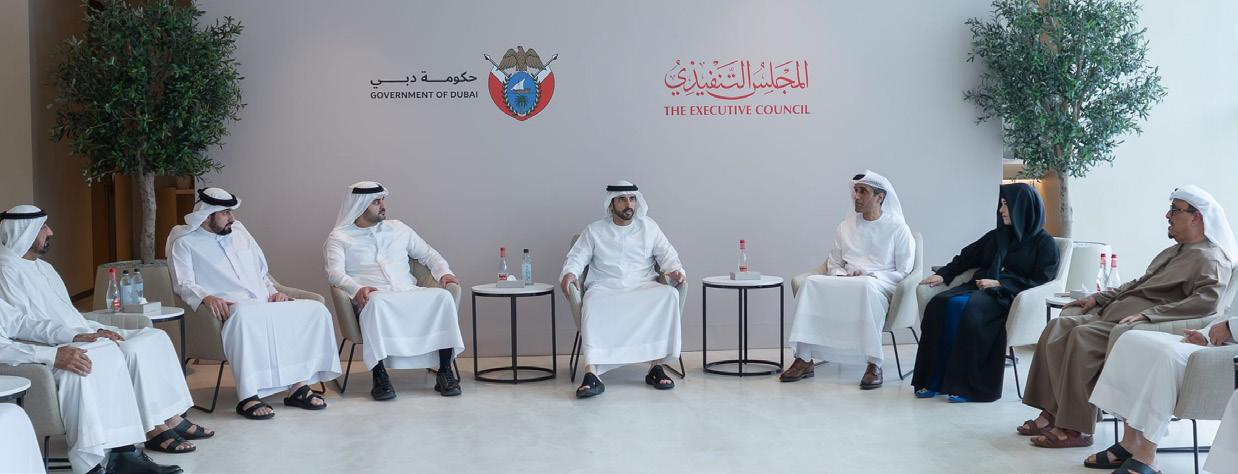
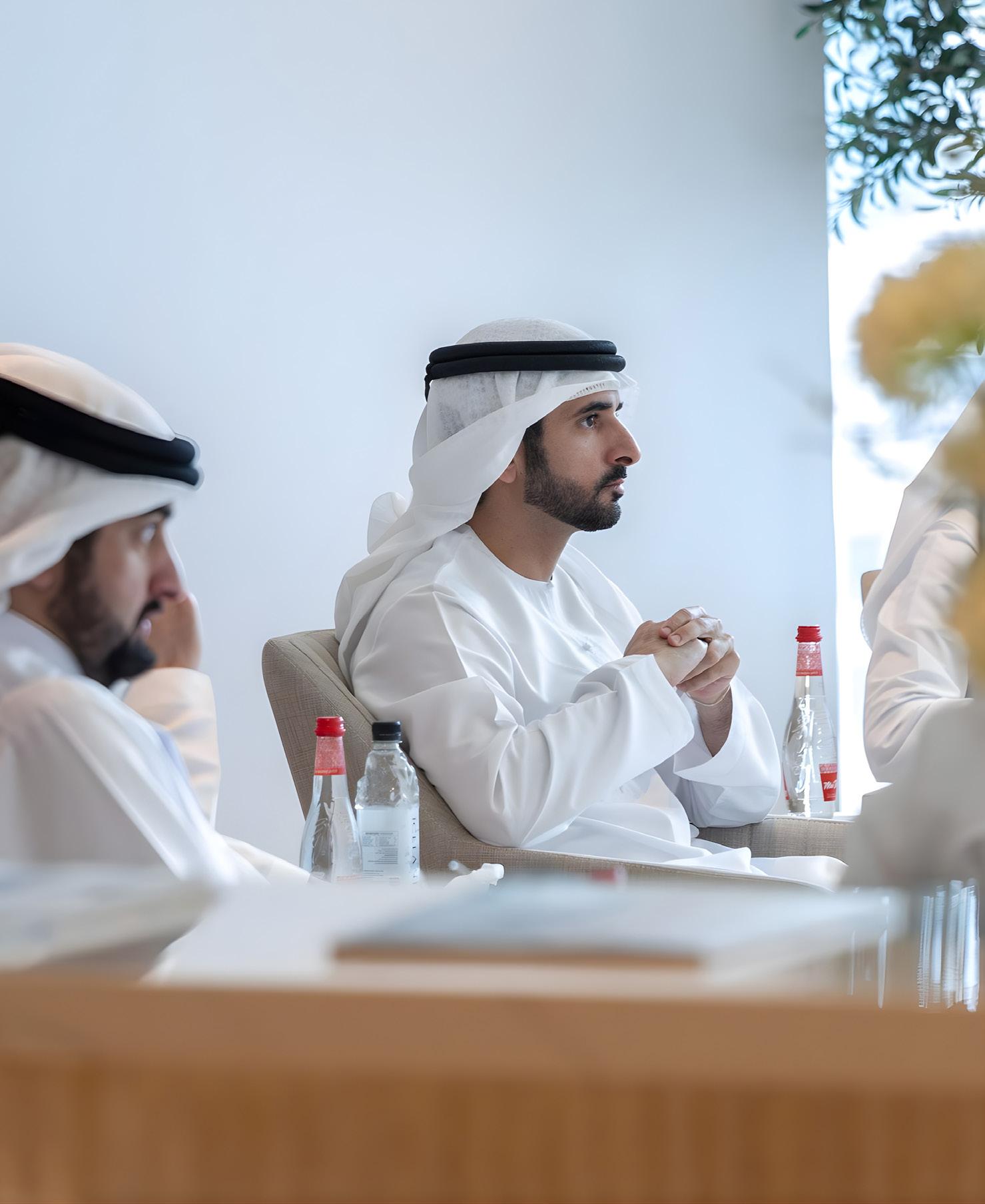
Dubai’s leadership has once again moved decisively to protect confidence in the market, with H.H. Sheikh Hamdan bin Mohammed bin Rashid Al Maktoum, Crown Prince of Dubai, Deputy Prime Minister and Minister of Defence, and Chairman of The Executive Council of Dubai, announcing new measures for the hospitality sector and wider economy aimed at strengthening business resilience, helping companies navigate short-term challenges and sustain growth.
The measures form part of a broader AED1 billion economic incentive package announced earlier this week, aligned with the vision of President His Highness Sheikh Mohamed bin Zayed Al Nahyan, and His Highness Sheikh Mohammed bin Rashid Al Maktoum, Vice President and Prime Minister of the UAE and Ruler of Dubai. Together, they reflect a leadership approach rooted in speed, clarity and practical support, reinforcing Dubai’s reputation for acting early and strategically when the market needs confidence most.
H.H. SHEIKH HAMDAN BIN MOHAMMED
BIN RASHID AL MAKTOUM, Crown Prince of Dubai, Deputy Prime Minister and Minister of Defence, and Chairman of The Executive Council of Dubai.
“A leadership approach rooted in speed, clarity and practical support, reinforcing Dubai’s reputation for acting early and strategically when the market needs confidence most.
“The new incentives followed close engagement with tourism stakeholders as they navigate unique challenges, and the measures were in line with feedback received from hospitality leaders in the city.
For hospitality, the most immediate development is the introduction of a three-month deferral allowing hotels to postpone paying 100% of sales fees on rooms and food and beverage, as well as the Tourism Dirham. Designed to ease financial pressures and enhance liquidity in the hospitality and tourism sectors, the measures took effect from 1 April 2026 and apply across all hospitality establishments, including hotels, hotel apartments and holiday homes.
The hospitality relief sits within a wider set of measures aimed at supporting businesses across the economy. These include the three-month deferral of fees for premium business names, licence amendment fees, newspaper announcement fees, local service fees, accommodation fees, waste management fees and service improvement
fees. The deferrals apply to both new licences and renewals, with businesses set to receive an update at the end of the three-month period.
Commenting on the package, Helal Saeed Almarri, Director General of the Dubai Department of Economy and Tourism, said Dubai’s economic model has been built on agility, clarity and cooperation, and described the accelerated introduction and implementation of the measures as a clear demonstration of decisive leadership. He added that Dubai’s tourism sector and wider economy have been built through close engagement with industry and a readiness to understand challenges, opportunities and rapidly enact policies that can incentivise growth and solidify resilience.
Issam Kazim, CEO of the Dubai Corporation for Tourism and Commerce Marketing, said the new incentives followed close engagement with tourism stakeholders as they navigate unique challenges, and noted that the measures were in line with feedback received from hospitality leaders in the city. He said the package would help put the sector on a stronger footing to drive growth and maintain momentum.
Ahmad Khalifa AlQaizi AlFalasi, CEO of Dubai Business Registration and Licensing Corporation, said Dubai’s global credibility as a city for trade and commerce has been built on understanding the needs of business and making changes that support the wider ecosystem. He said the additional flexibility over the coming months would allow businesses to focus on key priorities and the long-term sustainability of their operations.
Other measures introduced as part of the broader economic package include the extension of customs data grace periods and the streamlining of the issuance and renewal of residency permits, further underlining the government’s focus on flexibility, continuity and economic stability.
What hospitality operators need to know
Effective date
1 April 2026
Hospitality relief period
Three months
What can be deferred
100% of sales fees on rooms and food and beverage, plus the Tourism Dirham
Who it applies to Hotels, hotel apartments and holiday homes
Why it matters
The measures are designed to ease financial pressure and enhance liquidity across the hospitality and tourism sectors
What else is included in the wider package
Deferrals on selected business-related fees, extended customs data grace periods, and streamlined residency permit issuance and renewal
What operators should do now Review fee obligations, assess short-term cash-flow relief, and prepare for further updates at the end of the three-month period
ISSAM KAZIM, CEO of the Dubai Corporation for Tourism and Commerce Marketing
PEOPLE FIRST, ALWAYS
As the hospitality industry navigates a period of uncertainty, leadership is being tested in real time.
For Dr Naim Maadad, CEO and Founder of Gates Hospitality, the focus is clear: protect people, communicate with honesty, and keep moving with purpose. In this candid reflection, he shares what is occupying his mind right now, how he approached the first critical hours, and why calm, clarity, and community remain at the centre of every decision.
What is going through your mind right now, both personally and professionally?
There is certainly some anxiety, as the safety and security of our team members and guests is always at the forefront. Personally, I find myself reflecting on the incredible resilience and dedication of our people, and professionally, I am thinking about when we can fully resume operations - hoping not just to return to normal, but to come back stronger, wiser, and even more connected with our guests and community.
What are you paying closest attention to at this moment?
Cash flow is critical, but it is really about people. Ensuring every commitment - from payroll to supplier obligations - is met means our team can feel secure and supported, which in turn allows us to focus on serving our guests with confidence.
How did you approach those first 24–48 hours as a leader?
The first hours were about presence and calm. I made it a priority to communicate clearly and consistently, empowering our leadership team to stay focused and grounded. Sharing every detail, no matter how small, helped our teams feel informed and supported. Leadership in that moment was about steadying nerves and showing that, together, we had a plan.
Did you feel confident continuing operations or was there a moment you considered pausing?
I felt confident in continuing operations. We are fortunate to have strong guidance from the government, which gives a sense of reassurance and safety. That allowed us to focus on our responsibilities without fear, trusting that our teams and guests would be protected.
What are you seeing across your business right now in terms of guest behaviour?
There is understandable anxiety among guests. Misinformation, particularly on social media and through international news outlets, is creating extra pressure - both for our guests and for our staff, who are hearing concerns from their families. In these moments, empathy, reassurance, and clear communication are more important than ever.
How are you supporting your teams during this period of uncertainty?
Through honest, transparent communication and by making space for questions, concerns, and conversations. We want every team member to understand our position, the safety measures in place, and why decisions are being made. Giving our people knowledge and clarity helps them stay focused, calm, and confident.
What do your guests need most from you right now?
DR. NAIM MAADAD, CEO and Founder of Gates Hospitality
At Gates Hospitality, we often call our employees ‘local heroes’. Our communities trust us for hygiene, quality, value, and variety, and now more than ever, it is important that we continue to deliver on these standards without compromise, so our guests feel safe, cared for, and supported.
How do you maintain a sense of calm and stability for both staff and guests? Through direct, empathetic
communication and clear, actionable strategies. I believe stability comes not just from words, but from visible actions that show we care. When staff and guests can see that their wellbeing is a priority, it naturally fosters calm and confidence.
How are you making decisions when the situation is still evolving?
We use a 24-hour rolling strategy, assessing developments daily and adjusting plans accordingly. This keeps us agile and responsive while ensuring we stay grounded in our core priorities and values.
What factors are guiding your choices right now?
Safety and security, loyalty to our teams, and the relationships we maintain with our communities guide every decision. Beyond operational needs, we feel a deep responsibility to be a reliable, trustworthy presence during uncertain times.
How do you balance responsibility with the need to keep business moving?
The purpose of the business guides all our decisions. By staying flexible and nimble, we navigate challenges while ensuring operations continue, commitments are met, and the qualities that define our brand - care, quality, and consistency - remain at the heart of everything we do.
What lessons are already becoming clear?
Trusted information is invaluable. Following official guidelines, remaining vigilant, and communicating clearly with teams and guests are essential. Leadership, I have learned, is about combining foresight with adaptability, ensuring that every action is thoughtful, measured, and caring.
In one sentence, what does leadership in hospitality look like right now?
It is rolling, responsive, and purpose-driven - constantly adapting to protect our people, care for our guests, and keep our business moving forward.
The Death of Influencer Marketing (AS WE KNEW IT)
WHY HOSPITALITY BRANDS IN THE MIDDLE EAST NEED TO RETHINK CREATOR STRATEGY IN 2026
BY MARTIN KUBLER, CHIEF SLOTH AT THE GLUTTONOUS SLOTH, HORECA CONSULTING WITH ATTITUDE
There was a time, not that long ago, when inviting a dozen influencers to a soft opening in Dubai Marina felt like a complete marketing plan.
The formula was predictable. Host a preview dinner. Ensure perfect lighting and a branded backdrop. Encourage stories, reels, and “hidden gem” captions. Watch the tags accumulate. Expect the reservations to follow.
For a while, they did.
But in 2026, something has shifted across the Middle East hospitality landscape. Influencer marketing is not dead, but the version built on follower counts, complimentary stays, and hope is fading fast.
In cities like Dubai, Riyadh, and Doha, hospitality supply has exploded. Rooftop restaurants launch weekly. Beach clubs compete for sunset traffic. Luxury hotels introduce new dining concepts with cinematic ambition. At the same time, content creators have multiplied. The result is saturation.
When a new venue in DIFC is featured simultaneously by fifty influencers on opening night, the content blends into a single, scrollable blur. The audience sees the chandelier, the signature cocktail, the skyline view. They tap like. They move on. The following weekend, they see another launch that looks remarkably similar.
Reach has become abundant. Attention has become scarce.
One of the clearest signals of this shift is the declining conversion from one-off influencer events. Operators across the UAE and Saudi Arabia quietly report that complimentary launch nights generate visibility, but not sustained footfall. Tables may fill during opening week, often with more creators. Three weeks later, weekday occupancy tells a more honest story.
Part of the reason is audience fatigue. Consumers in the Middle East are sophisticated digital users. They recognise when content is transactional. “Invited,” “hosted,” and “in collaboration with” have become standard disclaimers. Transparency is positive, but it also reduces the illusion of organic discovery. Trust shifts accordingly.
In hospitality, trust drives bookings. A recommendation only works if it feels credible. A resort in Ras Al Khaimah that positions itself as a serene escape undermines its message if every influencer post focuses exclusively on staged poolside poses rather than the actual experience. Audiences are quick to sense misalignment.
Algorithm changes have accelerated the problem. Platforms now prioritise engagement quality over raw follower numbers. A Riyadh-based food creator with 15,000 highly engaged followers may drive more meaningful traffic to a new concept in Al Olaya than a lifestyle influencer with 300,000 passive viewers. Yet many operators still default to selecting collaborators based on audience size rather than relevance and engagement depth.
Cost is another factor. Creator fees in major Middle East markets have risen significantly. Premium influencers can command substantial rates for a single post or reel. Without structured tracking, such as unique booking codes, dedicated landing pages, or measurable campaign objectives, these partnerships become difficult to justify.
In an environment where margins are under scrutiny, unmeasured spend becomes uncomfortable.
However, it would be simplistic to declare influencer marketing obsolete. Influence itself remains powerful. What is ending is unstructured influence.
The brands performing best in 2026 treat creator marketing with the same discipline they apply to revenue management and digital strategy. They define objectives clearly. A luxury hotel in Abu Dhabi launching a new spa may collaborate with wellness-focused creators who genuinely align with that positioning, offering tailored packages with trackable booking links. A family-friendly resort in Saudi Arabia targeting domestic staycations might partner with parenting-focused creators, integrating limited-time offers designed specifically for school holidays.
Long-term relationships are replacing one-off invitations. When a respected local food critic or lifestyle personality visits a property repeatedly over several months, credibility strengthens. The audience sees continuity rather than choreography. The experience feels embedded rather than staged.
There is also a growing shift towards niche and community-based influence. In the Gulf, private WhatsApp groups, curated Telegram communities, LinkedIn networks, and specialist newsletters often drive high-quality traffic. A
Dubai-based food writer sharing curated dining recommendations can generate weekday business lunch bookings more effectively than a visually stunning but generic Instagram reel.
Similarly, culinary credibility is becoming more important than aesthetic appeal. A concept restaurant in Riyadh focusing on regional Saudi cuisine gains more from collaboration with knowledgeable food writers and chefs than from broad lifestyle influencers chasing ambience shots. Depth of understanding enhances trust.
The Middle East’s hospitality sector remains one of the most visually dynamic in the world. Influencers will continue to play a role in shaping perception, but the era of assuming that exposure automatically equals performance is over.
Perhaps the most important shift is philosophical. Hospitality has always relied on recommendation. Word of mouth is fundamental. What has changed is the scale and speed at which that word of mouth travels. Algorithms now mediate discovery.
The question is whether influence is being managed with the same rigour as pricing, distribution, and guest experience. After all, influence that cannot be translated into trust, and trust that cannot be translated into measurable performance, is simply noise. In a region that builds some of the world’s most ambitious hospitality experiences, noise is rarely the objective.
So What Are the New Rules of Influence in 2026?
1. The old influencer model is losing power
Follower count, complimentary invites, and launch-night buzz are no longer enough to guarantee real business results.
2. Reach is easy. Attention is not.
Hospitality brands can still generate visibility, but holding attention and converting it into bookings is far harder.
3. Saturation is the real problem
In markets like Dubai, Riyadh, and Doha, too many launches and too much similar content have made hospitality marketing blend together.
4. One-off creator events are not enough
They may fill a room for a night, but they often fail to deliver sustained footfall or long-term occupancy.
5. Trust matters more than exposure
Audiences are highly aware of transactional content. If a recommendation does not feel credible, it loses value quickly.
6. Relevance beats scale
A smaller creator with a genuinely engaged audience can outperform a large influencer with passive followers.
7. Untracked spend is becoming harder to defend
Without measurable objectives, booking links, promo codes, or campaign tracking, creator partnerships become difficult to justify.
8. The future is structured influence
The strongest hospitality brands are approaching creator marketing with more discipline, clearer objectives, and stronger alignment.
9. Long-term relationships are more effective
Repeated visits and ongoing partnerships build familiarity, credibility, and trust in a way one-off invitations cannot.
10. Niche influence is growing
Food writers, community networks, newsletters, and specialist voices are becoming increasingly important in driving quality traffic.
11. Credibility now carries more weight than aesthetics Beautiful content alone is no longer enough. Insight, relevance, and authenticity are becoming stronger drivers of performance.
12. The real takeaway If influence does not translate into trust, and trust does not translate into measurable performance, it is simply noise.
Begins
A New Chapter
HOW REMY MARQUIGNON IS STEERING OSSIANO INTO THE NEXT ERA
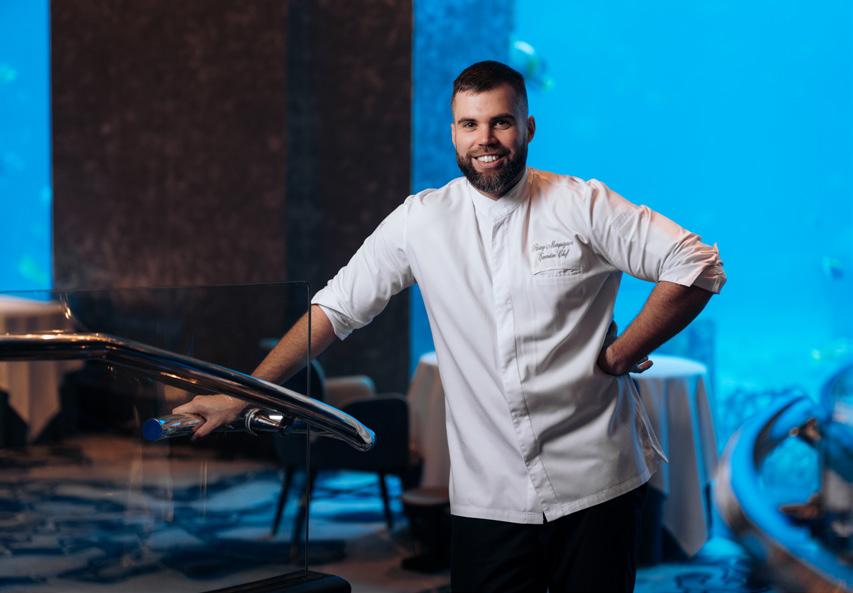
With experience spanning ten Michelin-starred kitchens in Paris and leadership at the two-Michelin-starred La Scène, Remy Marquignon brings a deeply disciplined yet highly emotional approach to fine dining. Now at the helm of Ossiano, the Executive Chef is shaping a new chapter for the celebrated restaurant through a refined tasting menu rooted in purity, precision and storytelling. In this interview, Marquignon reflects on the mentors and experiences that shaped him, his vision for Ossiano, Dubai’s rise as a global culinary destination, and the role hospitality continues to play in creating meaningful human connection.
Inside the Influences Behind the Approach
Working in several Michelin-starred kitchens in Paris was extremely formative for me. Paris remains one of the most demanding and prestigious culinary environments in the world, where precision, discipline and consistency are essential every day. Those experiences taught me that excellence is built on attention to detail and deep respect for ingredients. There is no shortcut; everything is about repetition, control and refinement.
Later, becoming Head Chef at the two-Michelin-starred La Scène further shaped my leadership approach and reinforced the importance of teamwork in delivering a seamless guest experience. These experiences continue to influence the way I approach cooking today at Ossiano.
What to Expect
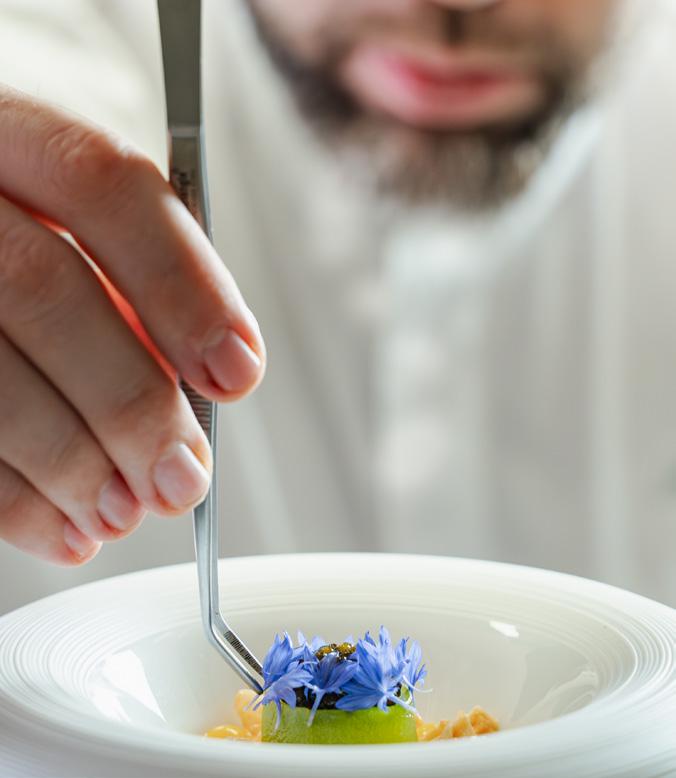
The new chapter of Ossiano is built around a ninecourse tasting menu focused on precision, purity and emotion.
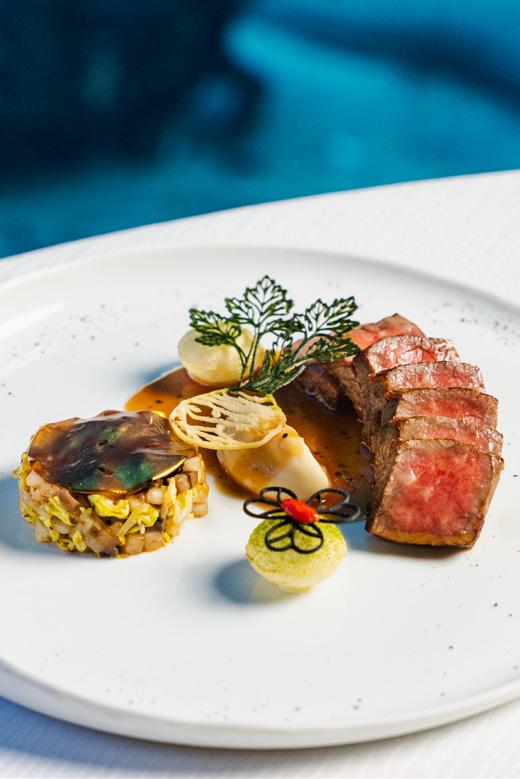
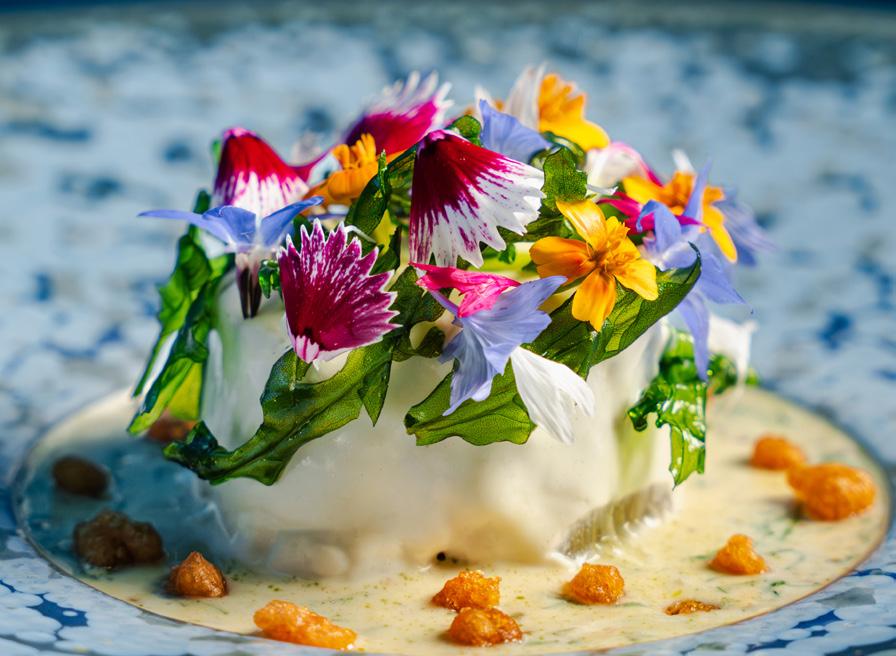
My philosophy is strongly inspired by the principles of nouvelle cuisine, which emerged in France in the 1960s. It is a philosophy that values clarity of flavour, purity and respect for ingredients. At Ossiano, this means allowing the finest treasures from both land and sea to take centre stage, with techniques that are precise but never overpower the product itself. Everything begins with the quality of the produce. More than a sequence of dishes, the menu is built as a progression that builds intensity and leaves a lasting emotional impression.
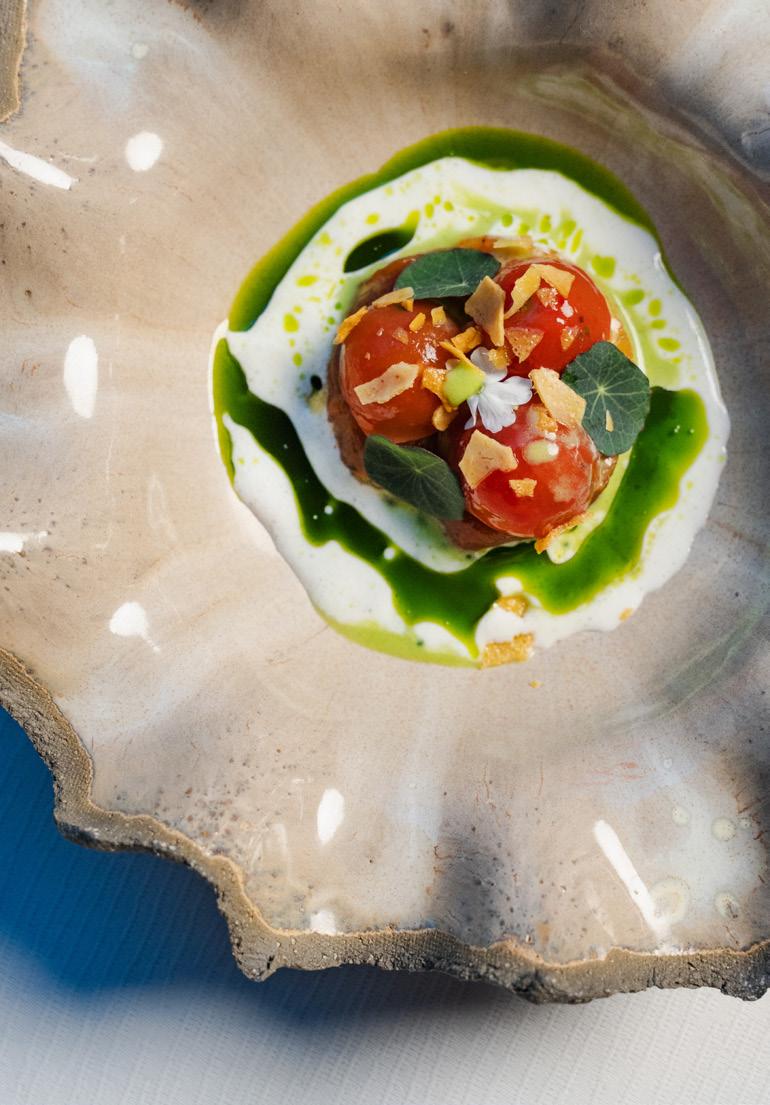
There are exceptional ingredients found here in the UAE. We locally source tomatoes and mozzarella, and the quality is outstanding. We are also very committed to working with local producers wherever possible, while always ensuring the integrity of the dish. While the cooking may appear simple on the plate, there is a great deal of technical work behind the scenes, from precise seasoning and carefully infused stocks to exact cooking temperatures.
The goal is to create dishes that highlight the natural character of the ingredients and deliver a memorable culinary journey for our guests.
Serving Under Pressure
Cooking for prestigious audiences or high-profile events certainly brings a level of expectation. Whether the guest is a dignitary or someone visiting the restaurant for a special occasion, the responsibility is identical. Every guest deserves the same level of attention, precision and care.
Experiences such as cooking for the French President taught me the importance of preparation and discipline. When you are cooking for important events, there is no room for uncertainty. Every detail must be planned, tested and executed perfectly by the team. That level of preparation ultimately removes the pressure because you trust the process and the people around you. In many ways, it reinforces the philosophy I bring to the kitchen every day: focus on exceptional produce, maintain absolute precision in technique, and
work as a team. When those foundations are strong, the service becomes about creating a memorable experience for the guest rather than thinking about who is sitting at the table.
The Space Between Technique and Emotion
In a restaurant like Ossiano, technical precision is essential, but it is only the foundation. The cooking temperatures, textures and seasoning of each dish must be exact to allow ingredients to shine. But for me, technique alone is never the goal. What truly defines excellence is the emotion a guest feels during the experience. At Ossiano, technique is not something we seek to showcase; it is used to support the ingredient, allowing each creation to feel natural, almost instinctive.
When someone dines at Ossiano, I want them to leave with a lasting memory, not just a meal. That means thinking beyond the plate and considering every element of the journey. As chefs, we have to think about the mood of the room, the narrative of the menu and the connection we create with our guests. Each dish is part of a larger story that unfolds throughout the tasting menu. When technical precision supports that story and allows the emotion to come through, that is what makes it special.
Why Dubai Keeps Drawing the World’s Best Chefs
Dubai offers a unique environment for chefs because it combines global influences with a strong appetite for new experiences. Unlike traditional culinary capitals, Dubai encourages creativity and innovation.
In Dubai, diners seek unique, immersive experiences, giving chefs the opportunity to go beyond the food. With such a strong appetite for creativity, the city is an exciting playground for ambitious dining.
The Making of a Great Kitchen
Leading a Michelin-starred kitchen requires a very strong foundation of discipline, but I strongly believe that discipline does not need to come from fear. For me, fairness and respect are fundamental in building a motivated and committed team. When people feel valued, they naturally take pride in their work.
At Ossiano, I want every member of the brigade to feel valued and supported. When people feel respected, they develop a real sense of loyalty to the team and to the vision of the restaurant. The new generation of chefs also expects a healthier environment, and I believe that is a positive evolution for our industry. It is important that everyone understands not only their individual role, but also how their work contributes to the wider vision of the restaurant and the guest experience.
A great kitchen operates as a cohesive team, where everyone understands their role in delivering an exceptional experience for the guest.
The Lasting Impression Ossiano Wants to Create
Looking ahead, my vision for Ossiano is to continue evolving the restaurant into an experience that is truly driven by emotion. Today, food alone is no longer enough to define a great restaurant. Guests are looking for something memorable that stays with them long after the meal.
Ossiano already offers a spectacular setting with the aquarium, which is such a powerful visual experience. Because of that, the food should not try to compete with the environment but rather complement it. My focus is on creating dishes that are precise, thoughtful and centred around exceptional produce, while leaving a strong emotional impression through flavour and storytelling.
Over the next few years, we will continue refining the experience with a strong emphasis on the quality of the produce, the emotional impact of each dish and the creation of taste memories that guests have never experienced before. The goal is for someone to leave the restaurant thinking, “I have never eaten something like this before.”
Ultimately, the ambition is to keep elevating the restaurant and ensuring that every guest leaves with a truly memorable experience.
“The goal is for someone to leave the restaurant thinking, “I have never eaten something like this before.
PERU The Spirits of
COYA’s most narrative-led bar menu yet
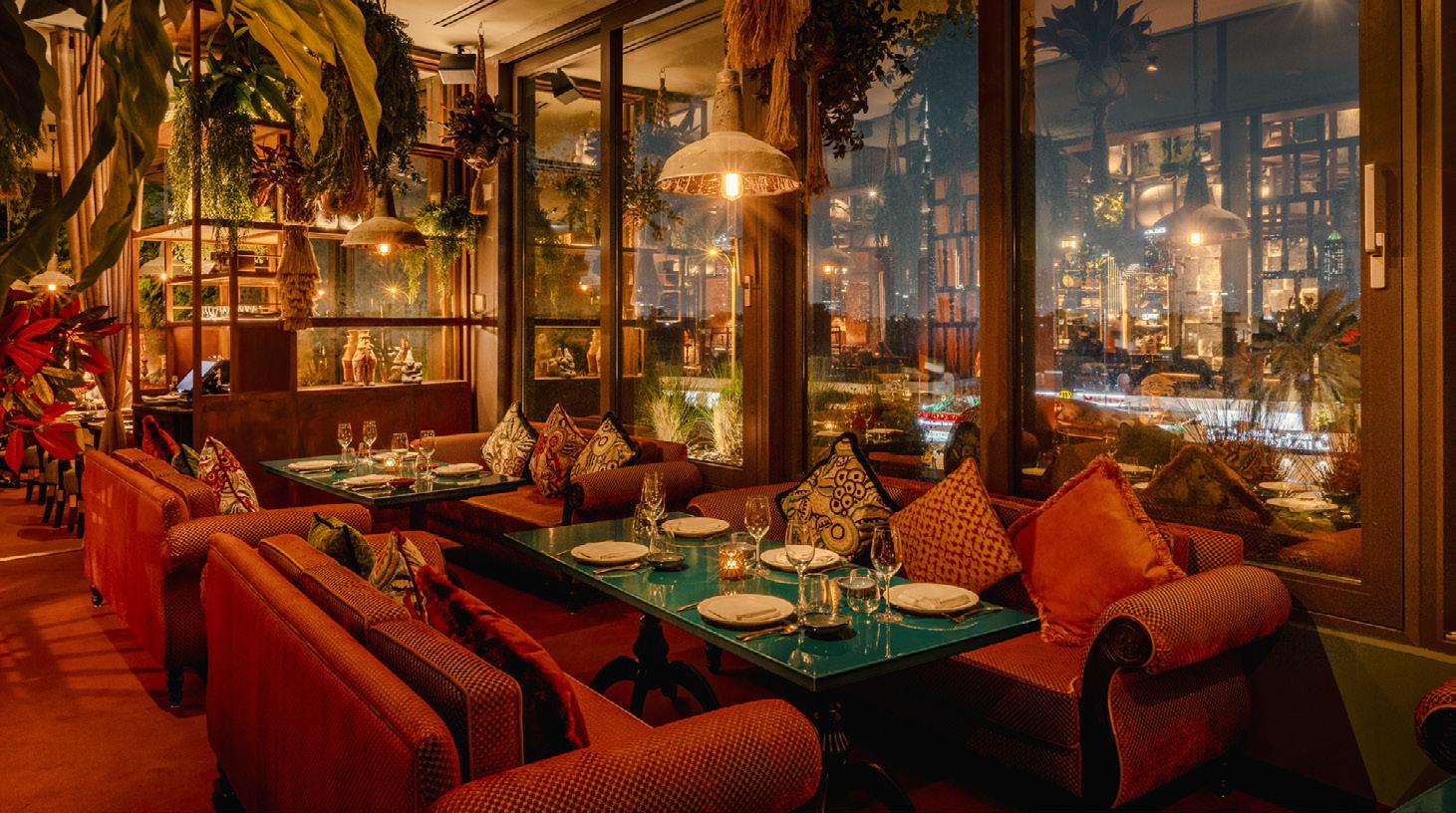
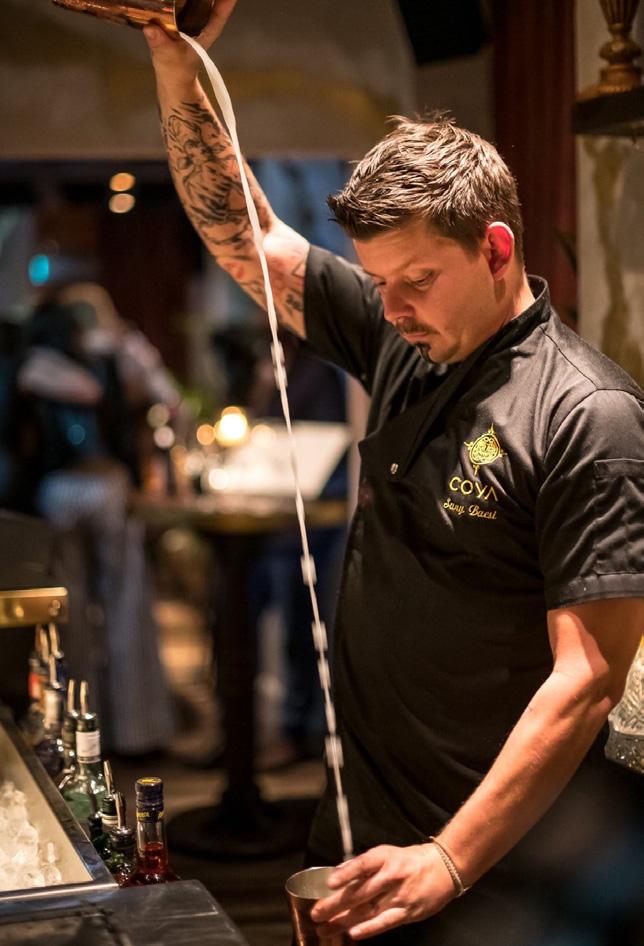
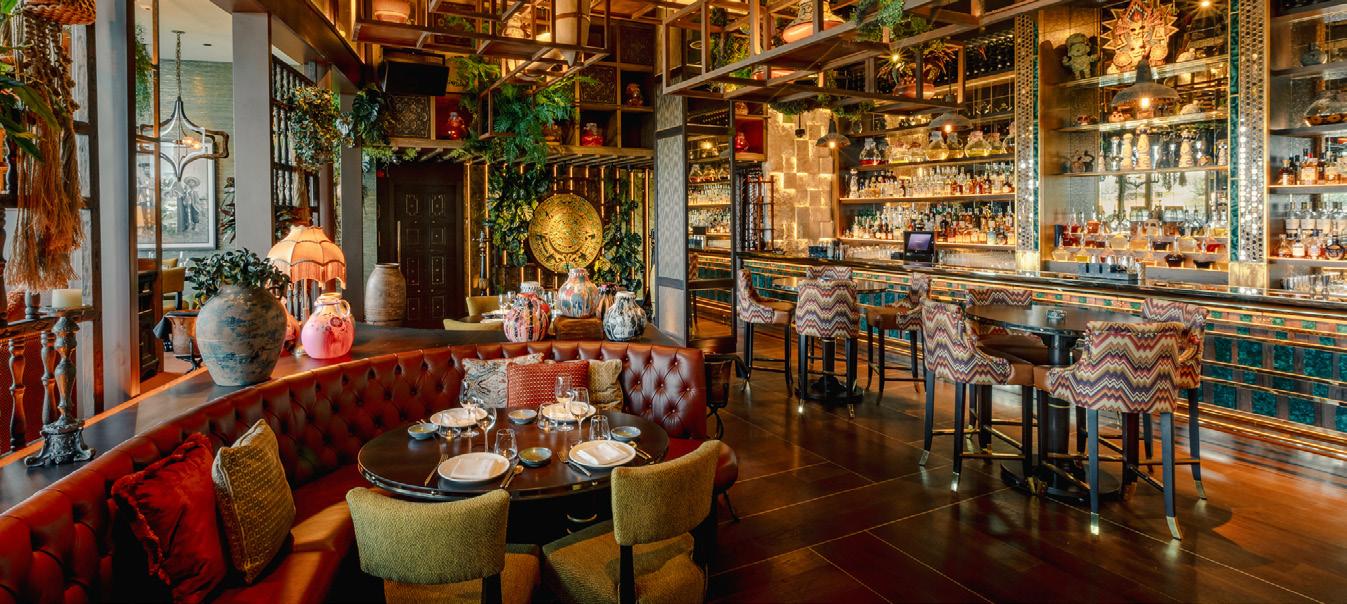
With The Spirits of Peru, COYA is turning its bar programme into something far more layered than a cocktail list. Conceived as a global menu series, the concept brings structure, longevity, and a stronger narrative thread to the brand’s beverage identity, while drawing inspiration from Peru’s landscapes, rituals, and cultural richness. Speaking to Sany Bacsi, Global Bar Manager, and Grégoire Schnerb, Head of Mixology at COYA Dubai, the vision behind Madre Tierra reveals how flavour, texture, and storytelling are being used to position the bar as an equal force within the COYA universe.
The Spirits of Peru is positioned as a global bar menu series. What inspired COYA to introduce a concept-driven, evolving cocktail programme at this stage of the brand’s journey?
At this stage of COYA’s evolution, it felt natural to elevate the bar programme into something more narrative-led and globally unified. COYA has always been built on four pillars: cuisine, music, art, and bar, and we wanted the bar to carry the same depth of storytelling and cultural exploration as the kitchen.
The Spirits of Peru allows us to create a structured, evolving platform rather than a static cocktail list. It gives us longevity, consistency across markets, and creative direction year after year. For a global brand like COYA, this ensures that whether you are in Dubai, Mayfair, or Monte Carlo, you are experiencing the same conceptual journey, while still allowing space for local expression.
It marks a shift from seasonal cocktail changes to a long-term creative series, positioning the bar as an equal protagonist within the COYA universe.
Madre Tierra is rooted in Peru’s landscapes, such as La Costa, La Sierra, and La Selva. How did you translate these diverse geographies into flavour profiles and textures within the glass?
Having a protagonist such as Camila de Quilla to carry the story of the menu helped enormously. Each cocktail represents a moment, a place, or an encounter through
her eyes. The liquid becomes a narrative expression of landscape.
For La Costa, we leaned into freshness, minerality, citrus brightness, and lighter textures that evoke the Pacific coastline.
For La Sierra, altitude and earthiness influenced deeper, warmer notes, spice, and more structured profiles.
For La Selva, we explored exotic fruits, tropical acidity, layered aromatics, and lush textures that reflect the biodiversity of the Amazon.
Beyond ingredients, we focused on visual cues and tactile elements such as glassware, colour, garnish, and temperature, ensuring the climate and emotion of each region is felt, not just tasted.
Storytelling plays a central role in this menu, narrated through the character of Camila de Quilla. How important is narrative in modern mixology, and how does it enhance the guest experience at the Pisco Bar? Modern mixology goes beyond flavour. Guests today are seeking experience, immersion, and connection.
Narrative gives context to the cocktail. When a drink carries a story, whether tied to geography, history, or culture, it becomes memorable. At COYA’s Pisco Bar, storytelling transforms a cocktail from a product into a moment.
Camila de Quilla allows our team to guide guests through Peru in an accessible way. It creates dialogue between bartender and guest, encourages curiosity, and elevates the bar into a cultural touchpoint rather than simply a place to drink.
Both of you have travelled extensively across Peru while researching this menu. Were there any particular ingredients, techniques, or cultural rituals that surprised you or significantly influenced the final creations?
Peru is a gold mine of inspiration: flavours, colours, rituals, architecture, symbolism. Everything feels layered with meaning.
We aimed to remain culturally accurate without compromising global implementation. Availability across our international locations was a key consideration.
For example, our sharing cocktail, La Rueda, is inspired by the traditional emoliente, a warming barley-based infusion often shared socially. While the original recipe includes ingredients such as horsetail and cat’s claw, which are not widely accessible globally, the essence we wanted to capture was the ritual of community and warmth.
GRÉGOIRE SCHNERB, Head of Mixology, COYA Dubai
Translating that emotional element, the act of sharing, was as important as translating flavour. That philosophy guided much of the menu.
The menu features three UAE-exclusive cocktails. How do you balance maintaining a cohesive global identity while adapting to local markets such as Dubai and Abu Dhabi?
The menu actually features six local signatures: three in Dubai and three in Abu Dhabi, each created by the local bar teams.
While Sany and I led the global framework, we believe strongly in empowering our bar managers. We provided structural guidelines around flavour profiles and categories, but creativity at a local level is essential.
Dubai and Abu Dhabi are established cocktail destinations with knowledgeable audiences. We understand their expectations, preferences, and appetite for innovation. Allowing local teams to interpret the concept ensures relevance while maintaining global consistency.
Our role was to review recipes and presentation to ensure cohesion within the overall Madre Tierra narrative.
SANY BACSI, Global Bar Manager, COYA Dubai
Non-alcoholic cocktails are increasingly becoming a key focus in hospitality. How did you approach crafting the four non-alcoholic serves to ensure they deliver the same complexity and storytelling as the alcoholic signatures?
For us, non-alcoholic cocktails are not alternatives; they are signatures in their own right.
We applied the same creative discipline to these drinks: layered flavour development, structured balance, texture, and storytelling aligned with the landscapes of Madre Tierra.
Rather than simply removing alcohol from existing recipes, we built these drinks from the ground up. We used techniques such as infusions, reductions, and house-made ferments to create depth and length on the palate.
This reflects a wider shift in hospitality. Guests today are more mindful and selective, and complexity should not be reserved only for alcoholic serves. At COYA, the experience must feel complete, regardless of choice.
“Having a protagonist such as Camila de Quilla to carry the story of the menu helped enormously. Each cocktail represents a moment, a place, or an encounter through her eyes. The liquid becomes a narrative expression of landscape.
From an operational perspective, what are the challenges of launching a global cocktail menu that will travel from Dubai to Mayfair, Monte Carlo, and beyond?
The biggest challenge is consistency without rigidity.
Ingredient availability, seasonality, local regulations, and team skill levels vary across markets. When designing the menu, we had to ensure that every cocktail could be executed at the same standard globally.
This required detailed recipe development, scalable techniques, and clear training structures. Education plays a huge role, from bartender training sessions to ensuring suppliers align with quality requirements.
The strength of COYA’s bar network is collaboration. Communication between locations allows us to maintain standards while adapting intelligently where required.
Looking ahead, The Spirits of Peru is set to evolve annually. How do you see the role of research, sustainability, and native ingredient exploration shaping future editions of the series?
The beauty of The Spirits of Peru lies in its versatility. We
see it as entering a vast library and choosing a different book each year.
The next chapter might explore the Incan dynasty, astronomical traditions, or ancient Peruvian mythology. Each theme opens new creative pathways.
Research will remain fundamental. Travelling, meeting producers, and studying traditions, this is where authenticity comes from.
Sustainability will also play a greater role. Exploring native ingredients responsibly, reducing waste through technique, and working more closely with producers are all areas we continue to develop.
The bar world is evolving rapidly. New technologies and techniques expand what is possible, but staying curious is essential. Sometimes an ancient ingredient only reveals its full potential through modern understanding.
That balance between heritage and innovation will define future editions.
WHAT RAMADAN TAUGHT US ABOUT THE NIGHT ECONOMY
BY
AHMED SAMEH, CHIEF MARKETING OFFICER AT FORTIS, A SOFTWARE PLATFORM THAT HELPS SMBS RUN AND GROW THEIR BUSINESS SMARTER
Ramadan 2026 arrived at an important turning point for the UAE's hospitality sector. The holy month coincided with some of the country’s most comfortable weather in years, Eid staycation demand rose, and the industry adapted to a nationwide shift towards a mostly cashless economy.
The structural reality of Ramadan was well understood by anyone running a food and beverage operation: because fasting compressed social activity into the evening hours, the entire commercial window shifted.
Transaction patterns reflected that change. Across the region, late-night spending surged during Ramadan, and in the UAE, people booked iftar and suhoor earlier than before.
Hotels across the country responded by expanding both the variety and quality of their offerings, with wider buffet selections, more live cooking stations, health-conscious menus, and immersive Ramadanthemed environments with performances and upgraded décor.
Guests made one thing clear: they wanted a full Ramadan experience.
Experience-first became the standard One of the clearest lessons from the season was the move towards experience-focused gatherings, especially for corporate groups. Bookings became more intentional, were made earlier, and centred on unique settings and personalised service rather than standard options.
Across the region, hospitality operators pushed beyond traditional Ramadan formats towards more immersive experiences, from majlis-style settings under the stars to curated events that blended culture, shopping, and dining.
At the same time, more UAE residents chose local staycations over international trips during Eid, boosting demand for hotel packages in Dubai, Abu Dhabi, and Oman.
A cashless economy reached a defining moment The payments story was where things became especially urgent. The UAE’s push towards a predominantly digital economy made Ramadan 2026 feel like a defining milestone in that shift.
By this stage, digital payment adoption was already widespread among small and medium-sized businesses across the UAE, including sectors that had historically relied on cash. A smooth checkout was no longer a bonus. It had become an expectation.
Speed also emerged as the main measure of a good payment experience. Anything that slowed the process down, whether slow terminals or paper receipts, increasingly felt like a service failure.
Mobile payment tools that allowed staff to take payments at the table, buffet, or pop-up counter, without sending guests to a fixed terminal, proved especially well-suited to this environment.
The tipping gap became harder to ignore
Beneath the broader cashless conversation sat a quieter but important issue: tips were quietly disappearing from hospitality. It was not that guests had become less generous, but rather that the payment process often failed to encourage tipping.
After iftar and Taraweeh, many people did not carry cash but still wanted to tip. Simple digital tipping prompts at checkout helped convert that intention into action, with small amounts adding up significantly over a high volume of transactions.
Pop-up venues and night markets appeared to adopt this model particularly quickly, as their fast-paced, high-volume environments made digital tipping both easy and commercially meaningful.
What we learned from Ramadan
What Ramadan 2026 revealed was that many of the trends shaping hospitality, including experience-led bookings, stronger staycation demand, faster cashless adoption, and digital tipping, were not temporary behaviours. They reflected a wider market direction.
Ramadan simply condensed those shifts into a few intense weeks.
For hospitality businesses, the lesson was clear: those that emerged from the season with smoother operations, more thoughtful guest experiences, and payment systems built for the realities of the night economy were better positioned for what came next.
In a fast-moving city and industry like this, readiness remained one of the clearest advantages.
AHMED SAMEH, Chief Marketing Officer at Fortis, a software platform that helps SMBs run and grow their business smarter
Everybody sits.
Sit your best.
AI’s REAL EDGE
STRATEGIC SUBSTANCE OVER SIZZLE
Why trust, strong foundations, and disciplined execution now define AI success in hospitality
BY IBRAHIM SABA, PRINCIPAL SALES DIRECTOR EMEA AT IDEAS
Across the Middle East’s hospitality sector, Artificial Intelligence (AI) has moved from curiosity to commitment. Owners, operators and investors are no longer debating whether AI matters, but whether it is being applied in a way that genuinely provides value. Behind the enthusiasm for AI adoption sits a quieter, more uncomfortable reality: a substantial trust gap between what AI promises and what teams are confident enough to rely on in daily decision-making.
That hesitation is not irrational. In hospitality, commercial decisions carry real financial and brand risk, and AI systems are only as reliable as the data, logic and governance behind them. Poor inputs inevitably produce poor outputs. As a result, many leadership teams are now asking the same question in boardrooms across the region: are we actually doing this right?
When AI isn’t the problem
In truth, AI itself is no longer the challenge. The industry has been using advanced analytics for decades. What has changed is visibility and accessibility. New interfaces, faster deployment cycles and the explosion of generative AI have brought AI into everyday conversation, sometimes faster than understanding has kept pace.
This has led many hotels to adopt AI tactically. A chatbot here. A forecasting add-on there. A generative summary layered onto existing reports. These initiatives can often solve isolated problems, but they rarely connect to a clearly articulated commercial strategy. The result is fragmented adoption, uneven confidence and limited impact.
Research reinforces this pattern. While most hotel groups report using AI in some form, only a small minority have a senior-led AI strategy, and integration challenges remain a leading barrier to success. Trust, in other words, is being undermined not by algorithms, but by execution and alignment.
One label, very different technologies
A major contributor to this confusion is the assumption that AI is a single capability. It is not. Hospitality AI spans several distinct forms, each suited to different problems.
The first is mathematical AI, the discipline underpinning advanced revenue management systems. Built on machine learning, forecasting models and optimisation algorithms, it determines recommended price, availability and inventory outputs based on complex demand signals. This is not experimental technology. It has quietly driven measurable revenue outcomes for years and remains the most proven application of AI in hospitality.
The second is generative AI, which focuses on language, summarisation and content creation. Its strength lies in translating complexity for humans: explaining performance changes, drafting communications, or enabling conversational interaction with systems. Used correctly, it saves time and improves cross-functional understanding. Used incorrectly, it risks being asked to make analytical decisions it is not designed to handle. This is a risk that must be considered with revenue management solutions. After all, what value does a generative AI summary of flawed data or analyses bring to your team? Spending less time to reach flawed conclusions?
The third, still emerging, is agentic AI. It can act autonomously on insights, executing predefined actions across workflows. In a hotel environment, this could mean adjusting controls when demand shifts or triggering coordinated responses across revenue, marketing and distribution. Its potential is significant, but only when strong data foundations and governance are already in place.
The distinction matters. Applying the wrong type of AI to the wrong decision does not create innovation; it creates noise, mistrust and automated error.
Substance and sound execution beats sizzle every time Trust in AI is rarely lost because models are too advanced. It is lost when outputs feel opaque, inconsistent or disconnected from commercial reality. This is why foundational systems matter so deeply.
Revenue management platforms, property management systems and distribution infrastructure form the data backbone that fuels all AI capability in hospitality.
If these systems are poorly integrated or inconsistently configured, even the most sophisticated AI will struggle to deliver reliable outcomes. Conversely, when data is clean, structured and shared across functions, AI becomes predictable, explainable and far easier to trust.
This is where long-standing experience in revenue science becomes relevant. At IDeaS we have been applying machine learning and predictive analytics in hospitality for more than three decades, long before “AI” became a headline. Our approach has consistently prioritised substance over spectacle: rigorous mathematical foundations first, then usability, transparency and governance layered on top.
The generative and agentic AI capabilities of the near future will certainly bring transformative value, not as
replacements for core revenue science, but as extensions of it. Generative AI becomes a translation layer, helping hoteliers of all skill levels and backgrounds gain not only a summary of what happened, but an explanation of the why behind system actions. Agentic AI, when appropriate, becomes a way to operationalise decisions at speed, within clearly defined boundaries. The underlying principle remains unchanged: substance and sound execution beats sizzle every time.
Strategy before tools
True transformation begins when hotel leaders' step back from individual features and ask three simple questions:
• What type of AI are we using?
• What specific problem is it solving?
• How does this decision support our broader commercial strategy?
Hotels that answer these questions clearly tend to use AI to strengthen, not replace, human judgement. Machines handle forecasting, optimisation and pattern recognition at scale. People retain ownership of brand, risk appetite and long-term relationships. This balance is particularly relevant in the Middle East, where hospitality assets often combine hotels, branded residences and mixed-use developments with complex stakeholder expectations.
AI, applied thoughtfully, becomes the connective tissue between departments rather than another layer of complexity. It aligns revenue, marketing and distribution around a shared view of demand and opportunity.
Closing the trust gap
The next phase of AI adoption in hospitality will not be defined by who deploys tools the fastest, but by who builds the most confidence in using them. That confidence comes from understanding, strong data foundations and disciplined execution.
AI’s role in hospitality is no longer hypothetical. It is operational. The leaders who succeed will be those who move beyond experimentation, close the trust gap and apply the right form of intelligence to the right decision, every time.
Service Culture Inside Coffeemania’s
When Coffeemania opened its first UAE restaurant at Dubai Hills Mall, it brought more than a well-known Moscow dining brand to Dubai. It introduced a service culture built over more than two decades, one that places people, training and consistency at the centre of the guest experience.
At the heart of that culture is Inessa Yermishkina, Head of the Coffeemania Academy, who has spent 19 years shaping how the company develops its teams and maintains its standards across the business. Through a structured training ecosystem that blends traditional hospitality values with modern learning tools, from microlearning and digital scenarios to personalised development paths, Coffeemania has built a service model designed to scale without losing its human touch.
In this conversation, Yermishkina reflects on the philosophy behind Coffeemania’s approach to hospitality, the lessons she carried from her years with Marriott Hotels, and how the brand is translating its service culture to Dubai as it begins its next chapter in the Middle East.
INESSA YERMISHKINA, Head of the Coffeemania Academy
You’ve been with Coffeemania for 19 years. How has the brand’s approach to service evolved during that time, and what has remained constant?
I joined the Coffeemania team in 2006 because I shared the company’s values. Coffeemania has always been, and remains, deeply committed to the idea of impeccable quality. The foundation of a successful business is systematic service quality management, based on operational standards and, most importantly, on the right attitude toward people, both guests and employees, which is reflected in the corporate culture.
As the company grew, a key focus of the Training Centre became the creation of a structured and scalable learning system that helps us develop professionals who are passionate about their work and maintain a high level of service quality in our restaurants. We established the Training Centre and developed more than 50 educational programs for various categories of line staff and managers.
In 2019, we implemented a blended learning system combining online and in-person formats. We actively develop modern approaches, including microlearning, which is a format in which educational material is delivered in small, easy-to-absorb modules, which is especially effective in a dynamic restaurant environment.
We also use interactive visual formats like video, animation, and digital scenarios that help employees engage more quickly in the learning process and absorb information more effectively.
In addition, we are moving toward personalised learning so that each employee’s learning path takes into account
their experience, role, and stage of professional development.
And, of course, like many companies today, we use the capabilities of artificial intelligence to create educational content and explore the potential of a modern all-in-one approach that combines learning, communication, and employee development assessment within a single digital environment.
At the same time, our philosophy remains unchanged. For us, hospitality is first of all about relationships, our attitude toward guests and toward each other in a team. Technology, standards, and procedures are extremely important, but true hospitality always comes from an individual person.
Our entire training system is designed to select the right people and give them a profession. We believe that the better employees are as people, the better they are as professionals. This allows us to effectively develop teams not only professionally, but also to create a unified cultural environment and shared worldview.
After nine years with Marriott Hotels in Moscow and Portugal, what lessons from international hotel hospitality still influence your work today?
My experience at Marriott largely shaped my professional worldview. The Marriott philosophy, formulated back in 1927 when the first bar with just nine seats opened, is very close to me. The people who created this beautiful, intelligent, and highly successful business said from the very beginning: “Take care of your associates, and they will take care of your guests.”
“The foundation of a successful business is systematic service quality management, based on operational standards and, most importantly, on the right attitude toward people, both guests and employees, which is reflected in the corporate culture.
This is exactly why I love Coffeemania, these values fully resonate with us.
In addition, the international hospitality industry taught me system thinking, consistency, and attention to detail. I also came to an important conclusion: service culture does not emerge on its own, it must be deliberately shaped and developed.
At Coffeemania, we follow the same philosophy. We invest in people because we understand that the guest experience is always a reflection of the company’s internal culture.
Since 2006, you’ve led Coffeemania’s internal training programmes. What do you believe truly defines “great service” in a fine-casual restaurant environment?
Excellent service in the fine-casual segment is a balance between professionalism and sincerity. Guests expect a high level of competence, but warmth and genuine care are no less important to them.
One of Coffeemania’s competitive advantages is that we have developed and implemented operational standards for all categories of restaurant employees. However, it is not enough to simply prescribe procedures, it is equally important to agree on the principles of relationships between employees and with guests.
Our business is about people. It is created by people and for people. And people are about relationships.
That is why Coffeemania places great emphasis on corporate culture. Our values and principles serve as a coordinate system for the entire team. We have built a company of likeminded people and professionals, established shared rules, and agreed to follow them.
The most important thing is that words always match actions.
It is this combination of high standards and genuine care for people that defines excellent service.
As Coffeemania opens its first UAE location at Dubai Hills Mall, what service principles are you prioritising for this new market?
Our main priority is to preserve and transmit our culture of relationships, both with guests and within the team.
Entering the GCC market is an important milestone for the company, and we are currently focused on building a strong local team that understands and shares our values and principles.
Training plays an important role in this process. We use modern educational approaches that allow employees to learn in a convenient format, work with interactive content, and develop continuously.
Our goal is for guests in Dubai to receive the same level of service quality that is the hallmark of Coffeemania in Moscow.
What do you hope guests in Dubai will feel and remember most after their first experience at Coffeemania?
I hope that, first and foremost, they will remember their emotions.
It is positive emotions that create true loyalty.
We want Coffeemania to become part of our guests’ everyday lives, a place they want to return to, where they can relax, recharge, and truly feel the taste of life.
10 Life Lessons FROM NEHA ANAND 10 LIFE LESSONS
Founder, Three Layer Hospitality
NEHA ANAND, Founder, Three Layer Hospitality
Energy Is a Leadership Asset
In hospitality, we often discuss financial capital and human capital, but energy is just as crucial. The atmosphere you create in a room, the tone you bring to a meeting, and the conversations you allow around you all influence outcomes.
I’ve learned to be intentional about where my attention goes. When you minimise noise and surround yourself with clarity, your thinking sharpens, and your decisions improve. Protecting your energy is an operational discipline.
“The atmosphere you create in a room, the tone you bring to a meeting, and the conversations you allow around you all influence outcomes.
Consistency Builds Credibility
Grand visions are inspiring, but consistency is what builds trust with teams, partners, and yourself. Showing up prepared, composed, and focused, even on difficult days, creates stability around you.
In an industry built on service and reliability, consistency is credibility. It’s not about dramatic moves; it’s about steady standards. Over time, that discipline compounds into a reputation.
Growth Lives Outside Familiar Territory
Hospitality evolves quickly. Remaining comfortable is rarely an option if you want to stay relevant. The moments that stretched me most were the ones that expanded my perspective.
Discomfort often signals progress. When you lean into it rather than retreat from it, you future-proof yourself.
Recovery Fuels Performance
High performance in our industry can easily tip into exhaustion. I’ve come to understand that sustained excellence requires intentional recovery. Rest isn’t the absence of productivity; it’s what protects it.
Stepping back allows you to return with sharper judgment and stronger creativity. Leaders who pace themselves think more clearly, respond more thoughtfully, and avoid reactive decisions. Longevity matters more than short bursts of intensity.
Clarity Drives Better
Decisions
Strategy on paper means little if your internal compass is unsettled. Clear thinking, emotional awareness and alignment with your values directly influence how you negotiate, hire, and lead.
When your mindset is cluttered, decisions feel reactive. When you operate from clarity, you move with conviction. The most effective leaders invest as much in their internal clarity as they do in external planning.
Subtraction Is as Powerful as Addition
In business, we often focus on growth through expansion, but refinement is equally powerful. Letting go of what no longer aligns creates space for stronger direction.
Set the Pace. Don’t Chase It.
The hospitality sector can feel relentless. Trends move quickly, and comparisons are constant. I’ve learned that speed alone does not equal success.
Sustainable progress comes from moving with intention rather than reacting to external pressure. When you define your own pace, decisions become more strategic and less reactive. Momentum is most powerful when it’s controlled.
Standards Shape Culture
The standards you tolerate quietly become your culture.
When you hold clear standards and embody them consistently, teams rise to meet them. Culture is built less by speeches and more by what you accept and what you elevate.
Self-Trust Is a Competitive Advantage
Hospitality requires instinct, and that instinct strengthens when you trust your judgment. Self-trust comes from preparation, reflection, and experience.
When you second-guess less, you execute more decisively. Confidence grounded in competence is magnetic.
Leadership Is an Inside-Out Practice
Titles and visibility don’t define leadership; composure does. The ability to stay steady during uncertainty, to respond rather than react, and to carry responsibility without becoming overwhelmed is leadership maturity.
Success in hospitality is as much about internal resilience as external strategy. When you strengthen the inner foundation, the outer results tend to follow.
THE FUTURE OF CRUISING
Where Global Demand Meets Human-Centred Design
BY ACHILLE STAIANO, EXPLORA JOURNEYS
For decades, cruising has been defined by scalebigger ships, more guests, more facilities, more itineraries. But as global demand evolves, so too must our definition of progress. The future of cruising will not be led by size alone. It will be shaped by intention, design intelligence, and a deeper understanding of what modern travellers truly seek.
At Explora Journeys, we see the future of cruising as a convergence of hospitality, yachting, and destination immersion. It is about creating ships that feel less like floating hotels and more like refined private worlds - spaces where design, service, and experience flow seamlessly together. Our ambition is to create a calm, confident new category of ocean travel, defined by considered beauty, generous space, and an elevated sense of ease.
Global demand is no longer uniform. Today’s guests are more informed, more discerning, and increasingly guided by emotion as much as logic. They are not simply booking itineraries; they are investing in how a journey makes them feel. This shift influences every decision we make in fleet investment and ship design.
One of the clearest expressions of this change is the rise of experiential luxury. We are moving toward slower, more transformative travel, where journeys favour depth over distance and ships are conceived as modern, human-scaled resorts rather than transport platforms. This philosophy
prioritises time, space, and emotional connection — allowing guests to truly arrive, rather than simply pass through.
Fleet investment today is therefore less about quantity and more about quality of life onboard. We invest in materials that age beautifully, layouts that maximise natural light, and technologies that support sustainability without compromising comfort. Our ships are designed to feel timeless, rather than trend-led — reflecting the modern luxury traveller’s desire for longevity, authenticity, and enduring value over short-term novelty.
Sustainability is another non-negotiable influence on design. Today’s global traveller expects responsible innovation, not performative gestures. From Explora III onward, our ships are LNG-powered, creating a pathway toward bio or synthetic LNG and next-generation fuel cell use in port. Energy efficiency, waste reduction, responsible sourcing, and operational transparency are embedded into every ship. Sustainability is no longer an added feature; it is a foundational principle.
But sustainability is not only environmental - it is also cultural and social. It means respecting destinations, supporting local economies, and designing itineraries that allow guests to engage rather than merely observe. Ship design supports this philosophy by enabling smaller port access, extended stays, and smoother integration between ship and shore.
Technology, too, plays a subtle yet powerful role. The future is not about overwhelming guests with digital interfaces, but about using technology to simplify, personalise, and elevate. Smart systems allow us to adapt lighting, temperature, sound, and service preferences intuitively, ensuring the ship responds to the guest - not the other way around. The goal is effortless luxury: where complexity is invisible and the experience feels instinctive and fluid.
A clear shift toward intentionality guides every aspect of our design: guests prioritise time, space, and quality of experience over excess. This shapes ship layouts, public spaces, dining, wellness, and itineraries — forming the foundation of our Ocean State of Mind.
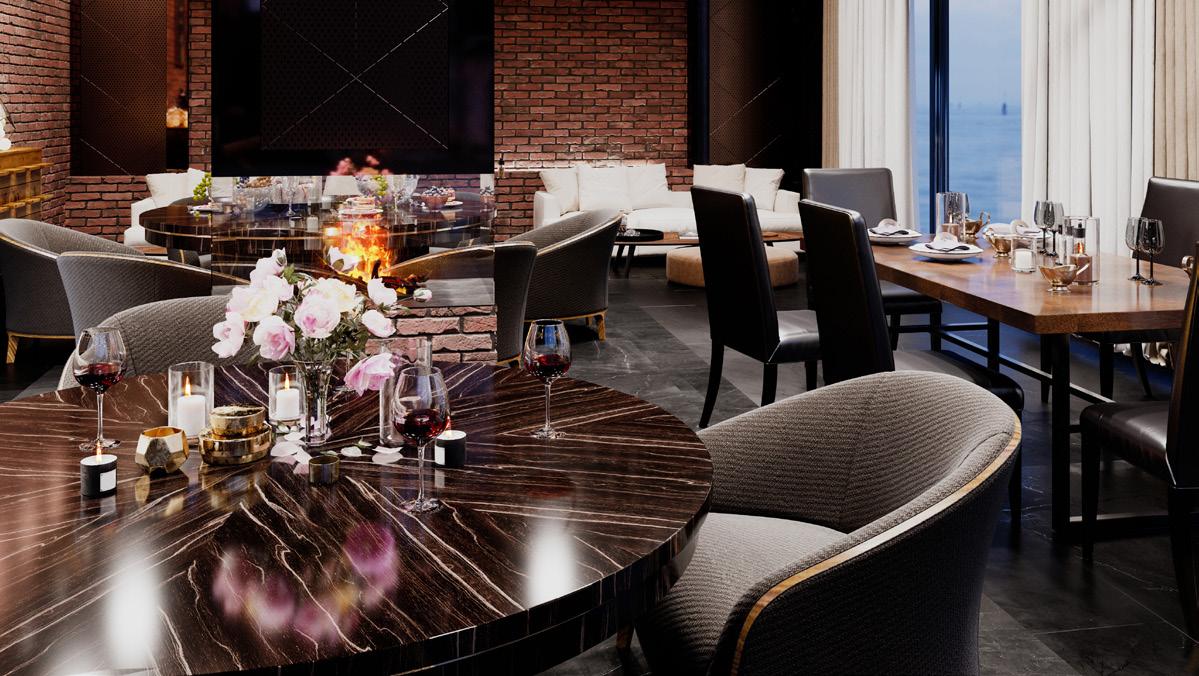
This approach is why the future of cruising increasingly resembles residential hospitality rather than traditional cruise architecture. Public spaces feel like refined living environments, and the culinary experience is one of our hallmark pillars. Across six distinctive restaurants and 12 bars and lounges — from Fil Rouge’s contemporary French cuisine to Sakura’s refined Pan-Asian offering — guests enjoy complete freedom to choose where, when, and what to eat. Every dish is freshly prepared with seasonal, often locally sourced ingredients, creating an elevated, effortless, and immersive home-at-sea experience that rivals the world’s finest land-based restaurants.
Combined with our approach to service and guest experience, these design and culinary choices transform the ship into a moving lifestyle ecosystem rather than a transport vessel. From a fleet perspective, this means fewer ships designed with greater intentionality. Each ship becomes a long-term ambassador of the brand, the philosophy, and the promise. Investment is therefore not only financial - it is reputational.
As global markets expand, particularly across the Middle East, Asia, and younger European demographics, we also see a new generation of cruisers entering the category. Many are first-time cruisers who do not identify with traditional cruise stereotypes. For them, design is the gateway to consideration. The look, feel, and atmosphere of the ship determine whether cruising feels relevant to their lifestyle. This is where thoughtful storytelling through design becomes essential. Every space must communicate belonging, sophistication, and freedom - not opulence for its own sake, but elegance with purpose.
The future of cruising is therefore not about competing with land-based luxury. It is about offering something land cannot: movement, perspective, and fluidity — supported by a service model that values guests’ time. With a 1:1.25 guest-to-host ratio, service is effortless, warm, and anticipatory. We create personalised, home-at-sea experiences, allowing guests to feel genuinely cared for while remaining completely at ease.
As we look ahead, I believe the ships that will define the next era of cruising will be those that prioritise human experience above operational convenience - ships designed not only to transport, but to transform.
What excites me most about the next chapter for Explora Journeys is welcoming more travellers into this evolving world while continuing to elevate craft, connection, and care. As our fleet grows and we enter new regions, we remain focused on the details - from culinary collaborations and innovative dining concepts to the design language of future ships. We are shaping a calm, confident new era of ocean travel, defined not by spectacle, but by considered beauty and emotional intelligence.
At Explora Journeys, we are proud to be part of this evolution - not as observers, but as custodians of what ocean travel can become. Because the future of cruising is not simply about where we go, but how we feel along the way. And when design, intention, and humanity move together, the ocean becomes more than a destination - it becomes a state of mind.
When space and setting matter.
A villa experience shaped by nature and a calm coastal environment. Thoughtful dining venues and well-appointed wellness facilities support both focused days and relaxed moments, creating a stay that feels balanced and complete.
Villa stays starting from AED 3,750.
The name ‘OJAR’ is derived from ‘HOJARI,’ widely regarded as the finest quality Frankincense resin, sourced from the majestic Dhofar mountains of Oman. With its profound history deeply rooted in the Sultanate, Frankincense holds significant cultural value and is a key ingredient in OJAR’s fragrance collections.