COOK
CELEBRATING COASTAL FOODS & STORIES
The recipes in this zine are gathered from the CrossPacific Indigenous Aquaculture Collaborative Network's (IACN) recipe series celebrating Indigenous coastal food systems and traditions. A goal of the IACN is to bring awareness to and support for the continuation of traditional practices around aquaculture and coastal resource management, which includes Indigenous food sovereignty.
The acts of growing, cultivating and eating are healing in so many ways, from honoring intergenerational learning of food customs, to the transfer of language, knowledge and stories that occur in Indigenous food traditions and ceremonies. Through processing, cooking and serving food, strong relationships are built with the land and with one another. We honor the deep connections between people, seasons and places through this series.
Enjoy and happy cooking!
Condiments:
Pg. 5 - Wild Greens Pesto
Pg. 6 - Cilantro Mignonette
Appetizers:
Pg. 8 - Limu Manauea (Ogo) Namasu
Pg. 9 - Azure's Agatefellers
Pg. 10 - Limu Tofu Tempura
Pg. 11 - Oysters Baked with Hazelnut-Herb Butter
Pg. 13 - Ota Tongan Raw Fish Salad
Entrees & Mains:
Pg. 15 - Elizabeth's Nettle Pine Nut Meatloaf
Pg. 16 - Teri's Butter Clam Chowder
Pg. 17 - Joe Quintasket’s Beach Chowder
Pg. 18 - Baked Camas
Pg. 19 - Fried Herring Roe on Kelp with Soy Sauce
Pg. 21 - Southeast Asia/Alaska Inspired Fish Head Soup
Pg. 23 - Limu Palahalaha Wrapped Baked Fish
Pg. 24 - Salmon Wrapped in Skunk Cabbage
Pg. 25 - Community Fish Dinner (Serves 250 People)
Pg. 26 - Community Turkey Dinner (Serves 200-300 People)
Desserts:
Pg. 29 - Douglas Fir Sorbet
Pg. 30 - Wild Berry Crisp
Recipe courtesy of the Tend, Gather & Grow Curriculum.
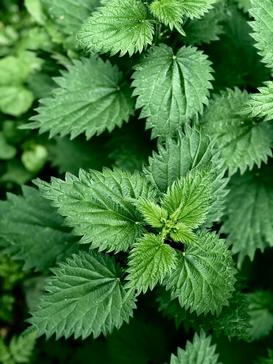
Many types of wild greens can be used for this recipe, including nettle, chickweed, dandelion, lamb’s quarters and arugula. Try tossing this with pasta, potatoes or cooked vegetables. It can also be used on crackers or fresh vegetables as a snack.
Instructions:
Ingredients:
1 small bag (about 6 cups) of young fresh nettles, chickweed or other wild greens
½ cup Parmesan or Romano cheese, grated
⅓ cup walnuts, pine nuts, cashews or other nuts
⅓ cup of extra virgin olive oil
1 clove garlic, chopped 2 teaspoons lemon juice
Salt and pepper to taste
Optional: 1 bunch basil with stems removed, zest of 1 lemon
Wash greens. If you are using nettles, use tongs or gloves to handle the leaves, and blanch the nettles in boiling water for 2 to 3 minutes to remove the sting. Drain, let cool, and roughly chop. Place all ingredients in a food processor or blender. Blend until smooth. Add salt and pepper to taste. Place the pesto in a clean jar and pour a little extra olive oil over the top. Cover with a lid. This will keep for 2 to 3 weeks in the refrigerator.
Recipe courtesy of “Heaven on the Half Shell.”
This herby mignonette complements the freshly shucked oyster’s briny flavors, similar to another recipe by Lisa Barrell of the Jamestown S’Klallam Tribe, which adds a kick of spice with a chopped jalapeño.
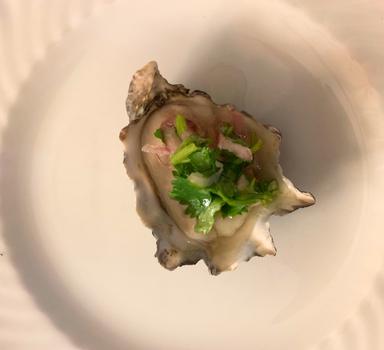
Photo courtesy of MaryAnn Wagner.
Ingredients:
⅓ cup rice vinegar
⅓ cup seasoned rice vinegar
2 tablespoons freshsqueezed lime juice
½ bunch cilantro, chopped
1 finely chopped shallot
Instructions:
Mix ingredients together in a shallow bowl. Using a small spoon, serve over 12 freshly shucked oysters.
Recipe courtesy of “The Limu Eater.’
Ingredients:
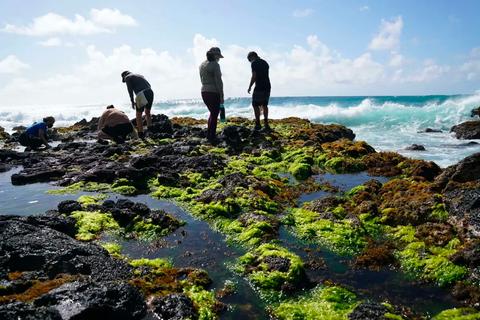
1 lb. limu manauea (ogo)
1 tomato
½ Maui onion
1 cucumber
Marinade:
¼ cup vegetable oil
¼ cup cider vinegar
3 tablespoon shoyu
2 teaspoon salt
1 tablespoon sugar
¼ teaspoon minced ginger
Pinch pepper
Dash hot pepper sauce
1 teaspoon MSG (optional)
Instructions:
Wilt the seaweed, then drain and cut into 3-inch sections. Combine the ingredients for the marinade, set aside. Cut the tomato, onion, and cucumber into strips, add the limu manauea, and combine with the marinade. Let stand at least 2 hours before serving. ʻOpihi (Hawaiian limpets) are optional.
Recipe courtesy of Azure Bouré, reprinted in “Heaven on the Half Shell.”
Ingredients:
2 cloves garlic
1 cup tightly packed fresh nettles, blanched
½ cup roughly chopped green onions
½ cup roughly chopped parsley
(including stems and leaves)
2 teaspoons lemon juice
½ cup butter, softened
¾ cup panko breadcrumbs
¼ cup freshly grated Parmesan
1 tablespoon extra-virgin olive oil
1 pound coarse salt, for baking
24 fresh oysters, shucked, shells reserved Lemon wedges
Instructions:
Position rack in top third of oven and preheat to 450 degrees F. Add garlic, nettles, green onions, parsley, lemon juice, and butter to a food processor and pulse until finely chopped. In a medium bowl combine panko, Parmesan, and oil. Sprinkle coarse salt over a large baking sheet to a depth of a half inch. Arrange oysters in half shells in the salt. Divide the nettle mixture among the oysters and sprinkle with Parmesan mixture. Bake until the nettle mixture is bubbling and the panko is deeply golden, about 8 to 10 minutes. Serve with lemon wedges.
Recipe courtesy of “The Limu Eater.”
Ingredients:
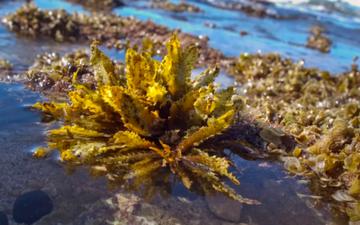
1 cup limu, finely chopped (such as palahalaha)
1 block tofu
2 tablespoons sesame seeds, toasted
½ cup carrots, finely chopped
⅓ cup green beans, finely chopped
3 shrimps, cooked and chopped
2 teaspoons salt
3 eggs, beaten
4 teaspoons brown sugar
Oil for deep frying
¼ cup green onion (optional)
¼ cup limu ʻeleʻele (optional)
Limu manauea (Ogo) (optional)
Instructions:
Place the tofu in a muslin cloth and squeeze to remove excess water. Grind the sesame seeds, then add the tofu and the remaining ingredients except the oil; mix well. The consistency should be a thick paste. Heat the oil to 375°F and drop the tofu mixture by teaspoonsful into the deep fryer, cooking until golden brown. Remove, drain on paper towels. Place hot atop a bed of chopped limu manauea (ogo). Serve with a mustard-shoyu dip.
Recipe courtesy of Michal (Myk) Heidt, reprinted in “Heaven on the Half Shell.”
¼ cup skinned, toasted hazelnuts
2 teaspoons minced shallots
1 teaspoon fresh thyme leaves
2 tablespoons parsley leaves
½ teaspoon salt
¼ teaspoon pepper
1½ teaspoon lemon juice
½ teaspoon lemon zest
½ cup unsalted butter, softened to room temperature 1-2 bottles of beer
2 dozen medium-sized oysters
⅓ cup panko-style breadcrumbs
¼ teaspoon salt and freshly ground pepper
Instructions:
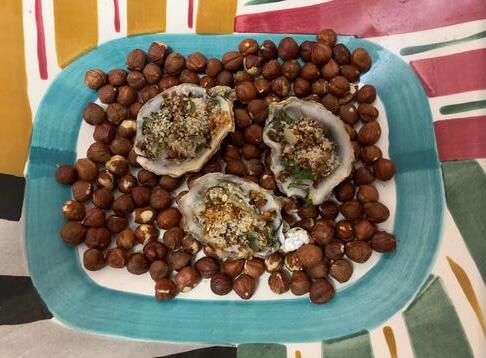
Preheat oven to 450 degrees F. Arrange the hazelnuts on a baking sheet and place on the middle rack in the oven to roast until the skins split and crisp up and the hazel- nuts are golden brown, approximately 10 minutes. Using a dish towel, rub the skins off. Next, pulse the hazelnuts in a food processor until finely chopped. Pour into a mix- ing bowl and set aside. Whirl the shallots and herbs in the food processor until you have a fine chop. Add the salt, pepper, lemon juice and zest with the butter. Blend and scrape the herb mixture into the bowl with the hazelnuts and mix well. Pour the beer into a stock pot and add the oysters. Bring to a boil over high heat, covered, then simmer until the oysters open. Stir once or twice. Toss out any oysters that didn’t open. Line a baking sheet with foil. Myk says, “Take the flattest shell off, leaving that fat little oyster in the deeper shell.” Top each with a dollop of hazelnut herbed butter. Sprinkle each oyster with a half teaspoon of bread crumbs, salt, and pepper. Bake until bubbling, crisp, and lightly browned, 5 to 10 minutes. Line a serving casserole with whole hazelnuts in shells. Using tongs, place the oysters atop the nuts.
Recipe courtesy of The Salish Summit Recipe Box.
Ingredients:
2 lbs of fresh fish filets
(whitefish, such as cod, works best)
4 - 5 lemons
3-4 spring onions, chopped
1 cucumber, chopped
14 oz fresh coconut cream
Salt & pepper to taste
Instructions:
Cut the fresh fish filets into bitesized pieces. Put the fish into a large bowl and squeeze lemons over the fish. Mix together. Once mixed, you can add the chopped spring onions and cucumber. You can also pour the coconut cream over the fish at this time.
Add salt and pepper to taste. Cover and refrigerate for at least one hour prior to serving. Enjoy!
Recipe courtesy of the Elizabeth Campbell, “Feeding the People, Feeding the Spirit.”
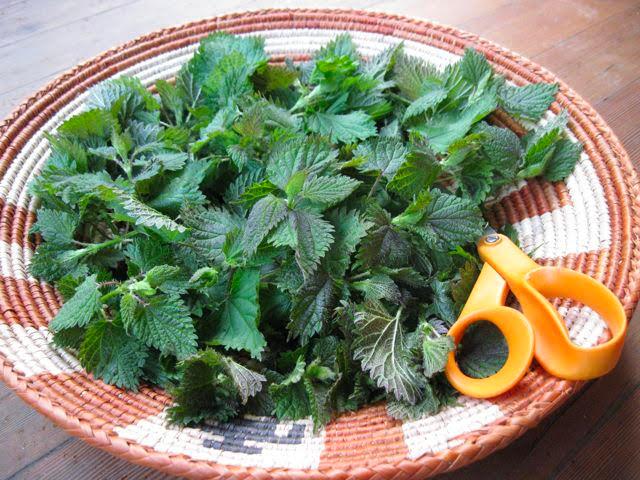
This meatloaf is lower in fat than your typical meatloaf and higher in protein due to the pine nuts and stinging nettles.
Ingredients:
1 lb. free-range ground elk, deer or turkey
1 cup chopped freshly blanched or frozen stinging nettles (thawed and drained)
¾ cup milk (hazelnut, rice, goat or cow)
2 garlic cloves, minced
½ teaspoon sea salt
½ teaspoon dry ground mustard
¼ teaspoon pepper
½ teaspoon dry fennel
½ teaspoon dry rosemary
¼ teaspoon dry thyme
1 large egg
1 small onion, chopped
2-3 slices bread, torn into pieces or ½ cup breadcrumbs
¼ cup toasted pine nuts
Instructions:
Preheat the oven to 350 degrees. Mix all ingredients in a large bowl and spread in a rectangular bread pan. Bake uncovered until the loaf reaches 180 degrees, about an hour and fifteen minutes. Let the meatloaf rest for five minutes, then serve and enjoy.
Recipe courtesy of Teri Bayes, “Feeding the People, Feeding the Spirit.”
Ingredients:
2 tablespoons butter
1 cup cooked bacon crumbles
1 cup carrots, diced
1 cup celery, diced
6 yellow potatoes, diced
2 sprigs of fresh rosemary, leaves pulled off and chopped or 1 tablespoon dried rosemary
1 small bundle of fresh wild onion or chives, chopped fine
8 cups water
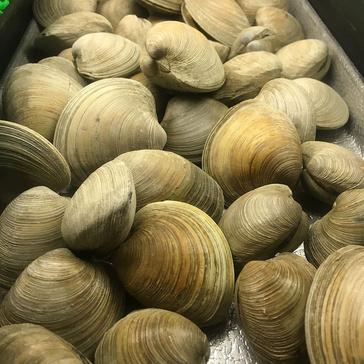
3 cups cleaned chopped clams
*Optional, 1-½ cups of cream
Clam chowder is a well-known staple of the Pacific Northwest. This is a recipe donated by a tribal cook from the Suquamish Nation. Its fresh ingredients and velvety texture offer the perfect bowl of comfort.
Instructions:
Warm up the soup pot then add butter. When the butter has melted, add the bacon, carrots, celery, potatoes and rosemary. Saute ingredients for 5-10 minutes. Add wild onions (or chives), water and clams and bring to a simmer, allowing to cook for 15 minutes. Remove from heat and stir in cream (optional) in order to avoid curdling of milk fats.
Recipe courtesy of Joe Quintasket
Ingredients:
Saltwater (when you are able to do so)
Potatoes
Onion
Corn Cobs (halved)
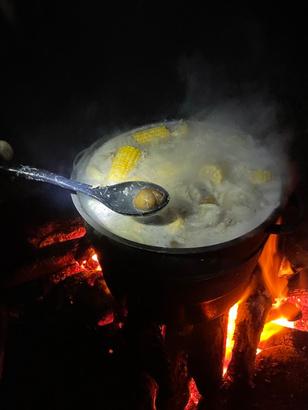
Quite a few people we know tend to be lactose intolerant, therefore this old fashioned beach style chowder can be enjoyed by more. At home for a likely downsized pot, I’d want to do a 1 to 1 ratio of clam broth and water when sea water is not an option. Clam broth from steamers really gives a lot of flavor in chowder when available.
Instructions:
At the beach is the only way I have cooked chowder, and I like to use saltwater for the base of the chowder. Once you have the pot filled with saltwater, put the pot over the fire and add potatoes, onion, and cut corn cobs. When the potatoes begin to boil pretty good and are close to done, add in clams and boil to finish.
This dish would pair well as a side with the Nettle & Pine Nut Meatloaf. Recipe courtesy of "Feeding the People, Feeding the Spirit."
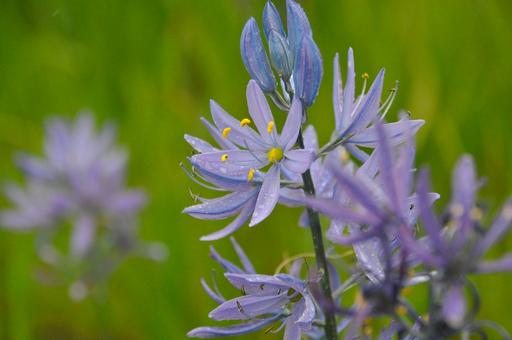
Camas bulb is one of the most important traditional foods in Salish country. You will find camas in bloom in prairie areas in May. It is important to note that camas is dug in spring when its blue flowers are blooming to avoid mixing it up with the white flowers of death camas. Dig the roots with a digging stick or a very narrow trowel. Be sure to push tiny bulbs back into the ground so the camas will continue to flourish.
Instructions:
Preheat oven to 275 degrees. To clean camas, pinch off the bulb at the base of the plant and remove the brown outer skin so you are left with white bulbs. Rinse and drain.
Place in a baking pan and drizzle with a little bit of butter, olive oil or other traditional grease. Cover and bake until the camas is soft and tastes slightly sweet, usually about 45 minutes to an hour.
Recipe and photos courtesy of Rachel Dickens.
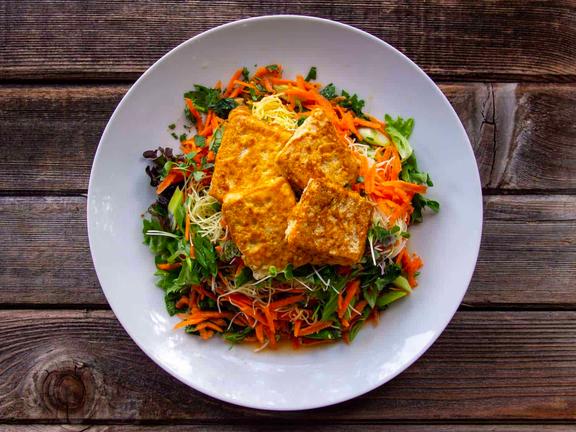
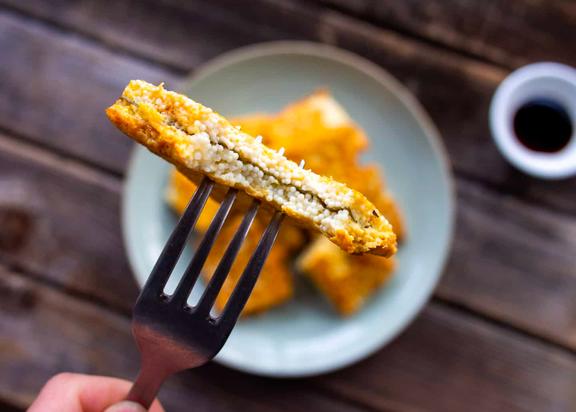
Rachel Dickens, an Indigenous dietitian and the creator of this recipe, grew up enjoying herring roe on kelp. This recipe beautifully weaves together Dickens’ heritage; her mother immigrated to Prince Rupert from Hong Kong in the 1970s, and her father is a member of Lax Kw’alaams Band, a Ts’msyen Nation located 30 kilometers by boat from Prince Rupert. While this recipe highlights a traditional Ts’msyen food source, it is inspired by the roots of Dickens’ mother.
Instructions:
Ingredients:
2 cups herring roe on kelp cut into 1-2 inch pieces
1-2 eggs
1-2 teaspoon soy sauce
1 tablespoon olive oil
1.
Run herring roe under cold water to remove the salty brine. You can keep tasting the roe to see if it is too salty. Alternatively, you can soak it for about 2-4 hours, changing the water once. The thicker the roe on the kelp, the longer you will need to soak it.
Cut the herring roe into 1 to 2inch pieces. Set aside.
2. Whisk the egg with the soy sauce. Start with less soy sauce to start so it is not too salty.
4.
3. Heat a frying pan over mediumhigh heat. Add the oil and let the oil heat. Dip the herring roe pieces into the egg mixture and then add to the frying pan in a single layer. You may need to do 2-3 batches. Cook for about 2-3 minutes.
5.
Flip the roe over and cook for an additional 1-2 minutes on the other side. Check to see that the roe is cooked through – the roe should turn white and not be translucent. Serve with more soy sauce on the side.
Recipe and photos courtesy of Jennifer Nu.
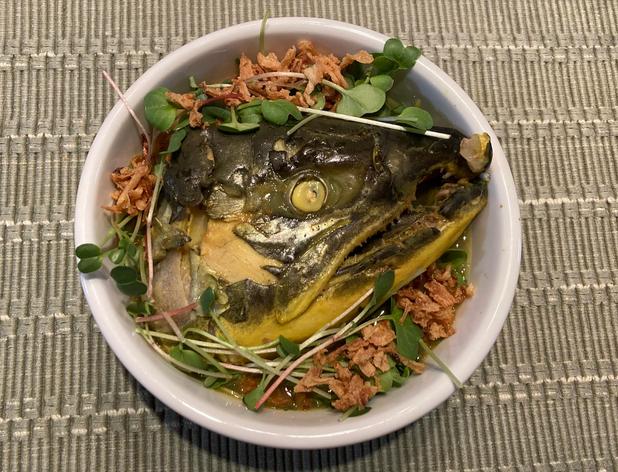
Jennifer Nu is the regional food systems catalyst at the Sustainable Southeast Partnership, hosted by Ecotrust. Jennifer says:
"This is a soup inspired by the Southeast Asia homelands of my parents. Usually made with fish broth from local fish, I decided to use salmon fish heads from whole fish I had purchased from a fisherman in Pelican. Whenever I encounter fishermen (whether subsistence, commercial, or sports), I am usually able to glean a substantial amount of underutilized, nutritious fish pieces to stock the freezer and share with others."
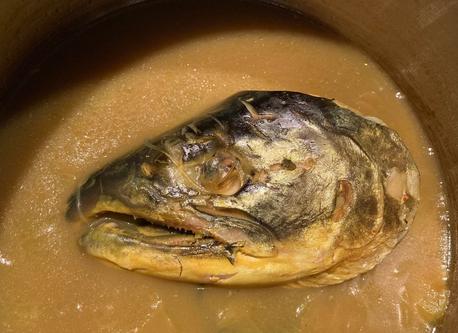
Ingredients:
1 small onion, diced
3 cloves fresh garlic minced
Several pieces fresh ginger, grated or sliced
1-2 stalks lemongrass
2 teaspoon tumeric powder
Five salmon heads
Enough water to cover the heads
1 teaspoon salt (or fish sauce)
Noodles (cellophane noodles, udon, somen, egg, hand-pulled, etc)
Cilantro or other seasonal green garnish
Fried crispy onion
Instructions:
Combine fresh onion, garlic, ginger, lemongrass, and water. Bring to a boil. Simmer the mixture for 5-10 minutes. Add fish heads and simmer until cooked through. It’s best to not overcook so that the head stays intact. Add noodles. When noodles are cooked, serve and garnish with crispy onion and cilantro. Salmon heads are large and rich in nutritious fish oils. Have a bone plate ready to put all the small pieces in. Enjoy the soft meat and crunchy clear cartilage pieces.
Note: If you are processing fish heads on your own, make sure to remove the gills.
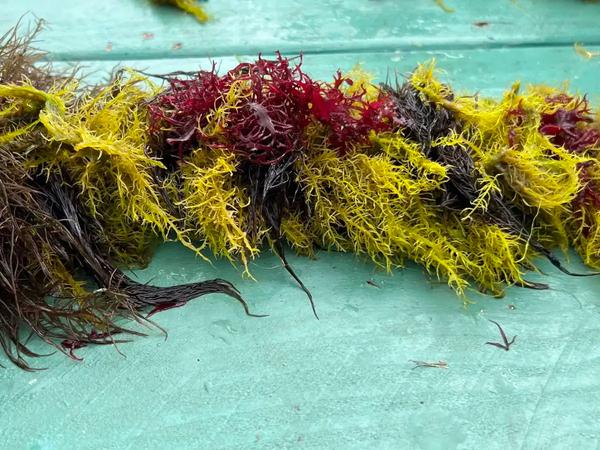
Recipe courtesy of “The Limu Eater.”
Photo courtesy of Kim Moa & KUA..
Originally, ti leaves were used to wrap fish to retain moisture. Here, limu palahalaha (also known as sea lettuce) “leaves” – a type of ulva seaweed – keeps the fish moist and can be eaten, too.
Ingredients
Fish
Onion juice
Lemon juice
Butter
Large, roundish leaves of limu pālahalaha (about 6 per fish)
Instructions
Use any fish or piece of fish large enough for baking, If using a whole fish, clean, gut, and scale it. Make a mixture of the onion juice, lemon juice, and butter. Spread liberally over the fish, inside and out. Wrap the fish securely In layers of the limu palahalaha and tie securely. Place in a baking pan with just a little water and bake at 375 degrees for 45 minutes or until the fish turns white and flakes easily. To serve, place on a platter and gently unfold the limu wrapping, discarding browned or burned sections. Eat the limu dipped in shoyu or lemon juice.
Recipe courtesy of "Feeding the People, Feeding the Spirit."
Ingredients:
4 salmon steaks
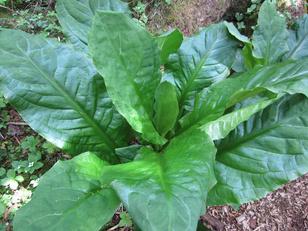
4-6 skunk cabbage leaves
2 tablespoons wild onion
bulb and leaves, chopped, or 2 cloves garlic, minced
Salt and pepper to taste
Skunk cabbage leaves are also called Indian wax paper because they are used for drying and wrapping different foods. When they are used in cooking, they impart a sweet taste to the food. Wrapping salmon like this preserves the healing oils in the fish.
You can find skunk cabbage leaves in swampy areas. Gather medium sized leaves when they are still tender. Wash, and if the center of the leaf is rigid, let the leaves sit in hot water to soften them. Place a salmon steak in a skunk cabbage leaf. Sprinkle with salt, pepper and a little chopped wild onion or garlic. Fold the leaf around the salmon so it is completely covered. Use two leaves if necessary. Finish the rest of the steaks and place them in a deep rectangular baking dish with a tight fitting lid. Place a little water in the base of the pan.
Cover and bake at 350 degrees for about 30 minutes or until the salmon is cooked. You can also cook the salmon wraps over coals on a fire. Unwrap and discard the skunk cabbage leaf.

Recipe courtesy of “Celebrating the Bounty: Recipes from Native Peoples of the Northwest Coast.”
This is a menu plan for a community dinner provided by the Makah Tribe. This serves as a guide to the amount of food needed for a community dinner. Community dinners are incredibly important in celebrating first foods as well as sharing culture, traditions and language. Coming together and joining for a meal helps to deepen relations and strengthen community.
Ingredients:
300 lbs. Fish
100 lbs. Red potatoes
10 Cantaloupe
Veggie tray
21 doz Rolls
21 doz Cookies
39 gal Juice and water
2 boxes/150 pieces of butter cubes
Salt, pepper, and garlic
4 large boxes foil wrap - 4 gallon size ziploc bags - 500 napkins
400 dinner plates - 100 dessert plates - 250 count cutlery - 500 cups

Recipe courtesy of “Celebrating the Bounty: Recipes from Native Peoples of the Northwest Coast.”
This is a menu plan for a community dinner provided by the Makah Tribe. This serves as a guide to the amount of food needed for a community dinner.
Ingredients:
18-20 20-22 lb. Turkey (cooked the day before)
20-24 Bags of Stuffing
8-10 #10 Cans of corn or beans
15 lbs. Carrots
6 lbs. Baby carrots
8 Stalks of celery
5 lbs. Onion
1 #10 Can tomato sauce
10 lbs. Butter or margarine
1 gal. Milk
9 lbs. Coffee
1 #10 Can tomato sauce
10 lbs. Butter or margarine
1 gal. Milk
9 lbs. Coffee
2 L creamer
10 lbs. Sugar
1 gal. Mayonnaise
16 Heads Green Cabbage
1 Head Purple Cabbage
Continued
Ingredients:
1 Large bag of broccoli
6 Cucumbers
2 Large baskets tomatoes
1 #10 can olives
10 lbs. Bananas
1 #10 can Pineapple
15 loaves of bread or 250 rolls
1 box apples
1 box oranges
12-15 cakes
42 pies
Other Supplies:
500 plates
200 9" plates
100 7" plates
100 5 oz cups
500 napkins
500 pieces cutlery
1 case cups
4 rolls paper towels
1 box garbage bags
1 container large aluminum foil
Save drippings from turkey for gravy. Add extra stalks of celery and onions for stuffing, 2-3 each.
Recipe courtesy of Heidi Bohan, "Feeding the People, Feeding the Spirit.”
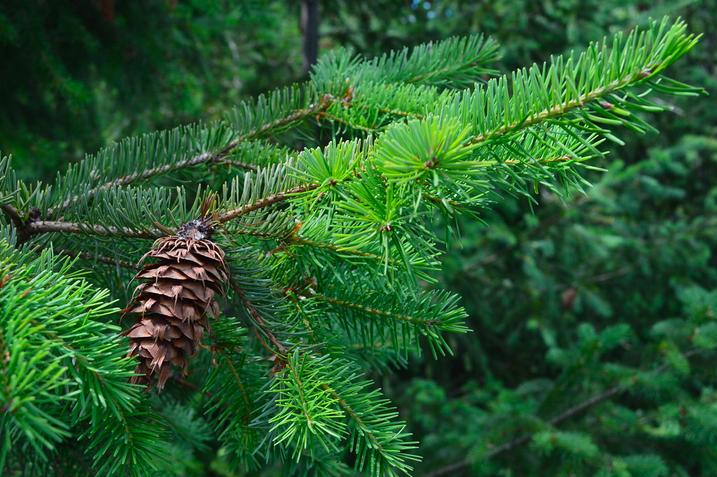
This spring treat is light and refreshing. You can add 1 quart of crushed fresh or frozen fruit to the recipe for a more fruity sorbet.
Ingredients:
1 quart Douglas fir tips, washed
3 cups water
2/3 cup sugar
3 tablespoons freshly squeezed lemon juice
Instructions:
Heat the water and sugar in a saucepan to boiling, drop in fir branches, stir, cover and remove from heat. Let steep for 30 minutes. Pass the syrup through a fine strainer. Stir in lemon juice. Freeze in an ice cream maker.
Recipe courtesy of "Feeding the People, Feeding the Spirit"..
Ingredients:
6-8 cups of berries (strawberry, huckleberry, blackberry, blueberry or a combination)
½ cup of honey, agave nectar or xylitol as sweetener
2 tablespoons corn starch or ¼ cup all-purpose flour
1 teaspoon of lemon zest
½ cup all purpose flour or barley flour
1-½ cups rolled oats
½ cup chopped walnuts
½ cup chopped hazelnuts
2 tablespoons butter
½ cup honey, agave nectar or rice syrup
⅛ teaspoon sea salt
½ teaspoon cinnamon
Instructions:
Preheat oven to 375 degrees. Mix the filling ingredients and spread evenly in a 9 by 12 inch baking pan.
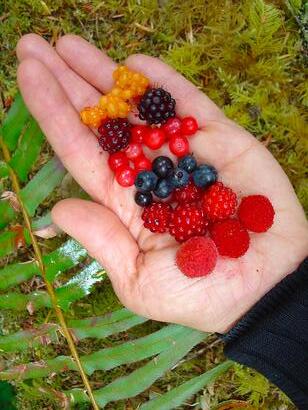
Roast flour, oats and chopped nuts by stirring them in a dry skillet over medium heat until they are heated through and are just beginning to brown. Remove from heat and place in a bowl.
Heat butter and honey, then pour over the dry mix. Add salt and cinnamon. Mix well and drop evenly over the berries. Bake for 30-40 minutes or until the berries bubble and the topping is crisp.
We would like to thank all of those who have shared their recipes and stories with us for the Indigenous Aquaculture Blog as well as this cooking zine. Additionally, we want to thank the Swinomish Indian Tribal Community for hosting the incredible Salish Summit and bringing our network together, learn from one another, and share our love of food - it was the inspiration behind this zine.
Additionally, we would love to thank all of the collaborators and supporters of the Indigenous Aquaculture Network. You all make our work possible through supporting Indigenous aquaculture, sharing your knowledge and being marine practitioners and stewards of our waters.
If you are interested in sharing recipes with the network for future recipe blog features, please contact Melissa Poe (mpoe@uw.edu). We are grateful for receiving them and excited to share your stories on coastal foods and traditions with the greater Indigenous Aquaculture Network!
This zine was compiled by Olivia Horwedel and edited by Melissa Poe and MaryAnn Wagner, of Washington Sea Grant. The first edition of this zine was distributed at the Salish Summit. This second edition is published through Issuu.