Warm Greetings from the Network Coordinator
Dearfriendsandfamily,
Canyoubelievethat2024marks5YearssinceweformallyinitiatedtheIndigenousAquacultureCollaborative Network?!Whatabeautifuljourneysofar!Inthisnewsletter,wereflectonthemanyactivitiesandexchanges fromthepastyearthathaveenrichedusasacommunityandasindividuals.Frommomentsincollectiveprayer, toworkingshoulder-to-shoulderonthebeachandrockwalls,tolearningtogetheroverzoom,tosharingabundant anddeliciousFirstFoods,wearegratefulfortheseopportunitiestoconnectandgrow!Tocloseouttheyear, we’vecuratedthisnewsletterwithsomehighlights,upcomingevents,resources,andaphoto collageofouryeartogether.Enjoy!
Now,asDecemberwindsdown,wehopeyouareblanketedbythewarmthofcommunity andfedbyloveofthelandandwaters. SeeyouintheNewYear! ~MelissaPoe

Pg. 3 Upcoming Events
Pg. 4 Daak Ḵusteeyí: Highlights
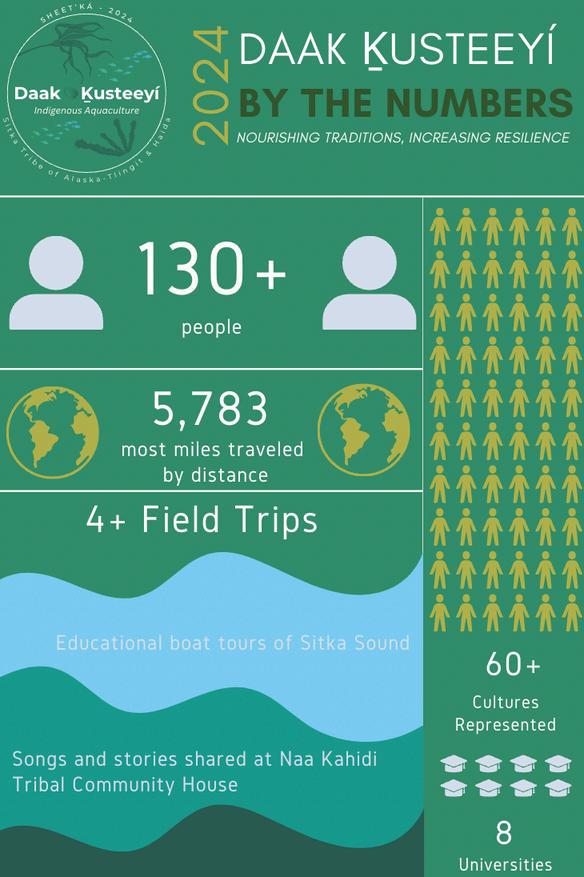
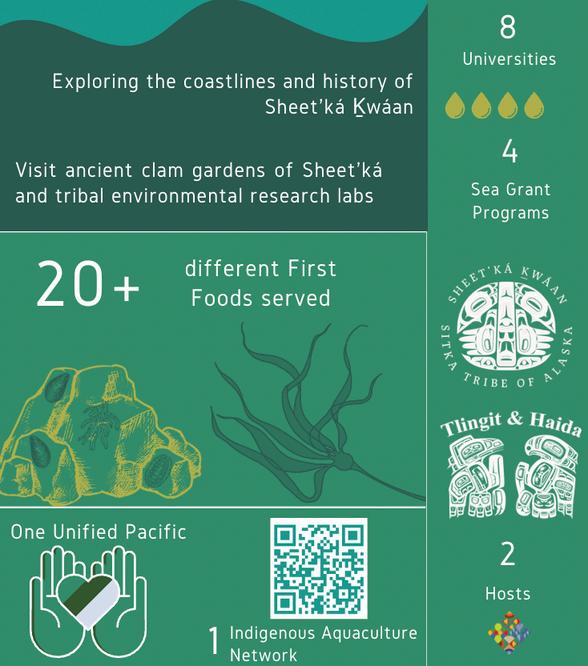
Pg. 5 Daak Ḵusteeyí: By the Numbers
Pg. 6-8 Network Highlights
Pg. 9 Celebrating Dr. Ḵii’iljuus Barbara Wilson!
Pg. 10 Virtual Knowledge Exchanges of 2024
Pg. 11 Recipes from Daak Ḵusteeyí
Pg. 12 Recent Publications by Network Collaborators
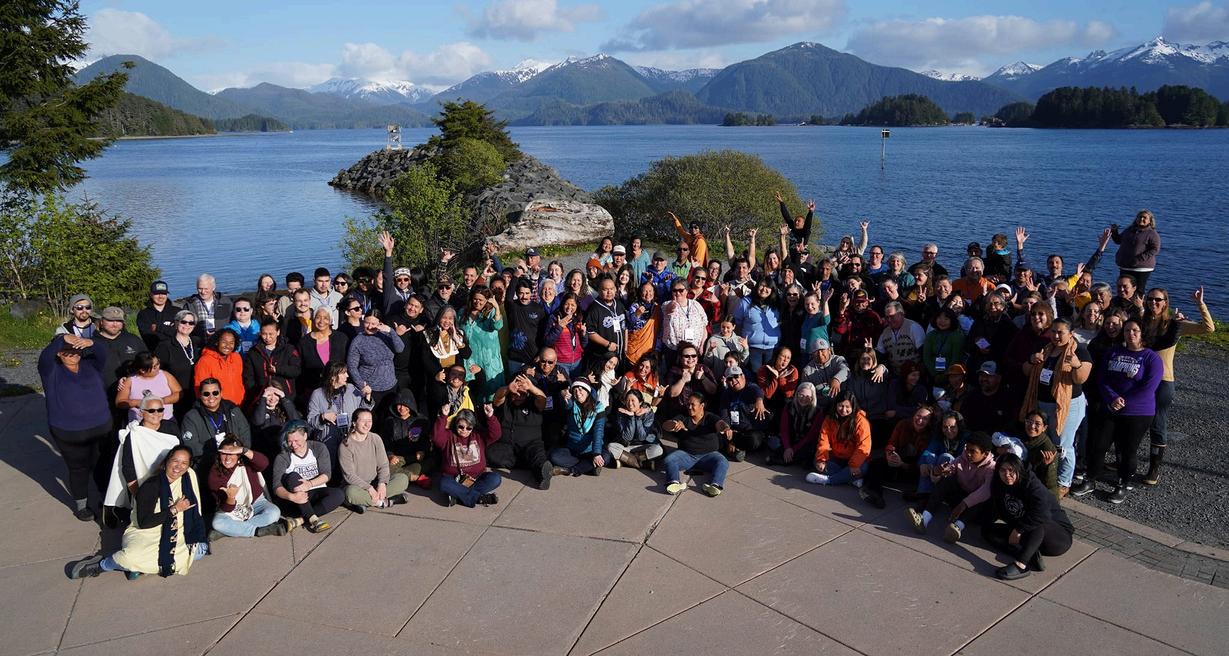
Pg. 13 Photo Collage from 2024
Pg. 14 New Years Wishes and Contact Info
•
• Growing and caring for diverse and resilient coastal people • Growing and caring for diverse and abundant coastal foods
Recognizing living Indigenous cultures and practices • Forming a hub of networks across the Pacific
• Staying rooted in places, embedded in community
• Upholding Indigenous sovereignty as a foundation
• Speaking our languages and telling our stories
• Showing-up with our whole selves
• Trusting generous teaching and sharing
• Co-learning when apart, transcending space
• Valuing each person’s unique contributions
• Working collectively, in prayer and good intention
• Supporting each other and standing with each other
• Being good visitors, getting permission, giving thanks • Maintaining connections between healthy land, ocean and people
• Being accountable to intergenerational relations, and all life forms •
Resilient Indigenous Futures where our communities are fed and nourished for the next seven generations and our cultural and spiritual connections to our ancestors, languages, lands and waters are strong
We work collectively to share knowledge of, restore and heal customary Indigenous aquaculture systems, practices and lifeways that have been sustaining Pacific Ocean Peoples since time immemorial.
Virtual Knowledge ExchangeFish War Documentary
Join us in our quarterly virtual knowledge exchange to watch and discuss Fish War. This film follows Washington Tribes fighting to exercise their treatyreserved fishing rights prior to and after the Boldt Decision
January 21, 2025
3:30 - 5 PM PST
2025 World Aquaculture Triennial Conference
The largest aquaculture conference in the world with attendees from over 90 countries. An overview of our Indigenous Aquaculture Collaborative Network will be presented by Kai Fox (Hawaiʻi Sea Grant), David Crisostomo (U of Guam Sea Grant) and Julie Barber (Swinomish). Other talks include clam gardens and restoration aquaculture. Let us know if you’ll be there!
March 6-10, 2025
New Orleans, Lousiana
The Suquamish Tribe is hosting a gathering to explore and celebrate cockle stewardship, blending tradition, science and community This event will highlight technical talks, storytelling, hands-on activities, crafts, and an evening of song and dance
February 25 - 26, 2025
The annual Statewide Fishpond Gathering will be held in Kona, Hawaiʻi in April 2025. This hui brings together 150+ people excited to get into loko iʻa and mālama all the foundational stones that come with it (physical, political, spiritual, etc).
April 2025
Kona, Hawaiʻi
Pauquachin First Nation will be hosting:
Pauquachin S’uylu Skweyul (Pauquachin Spirit Days) Yu sq’uq’a’ kwthu xe’xe’ smunmeent (Together with our sacred rocks)
August 6-8, 2025
Coles Bay, BC Canada
This 3-Day Sea Garden Restoration Gathering, will bring community together to exchange knowledge, share traditional teachings and to reconnect culture with future generations. This community project is to reclaim Coles Bay by way of building a traditional sea garden to awaken sleeping traditions, revitalize heritage, restore food sustainability and to welcome sea life back to the bay
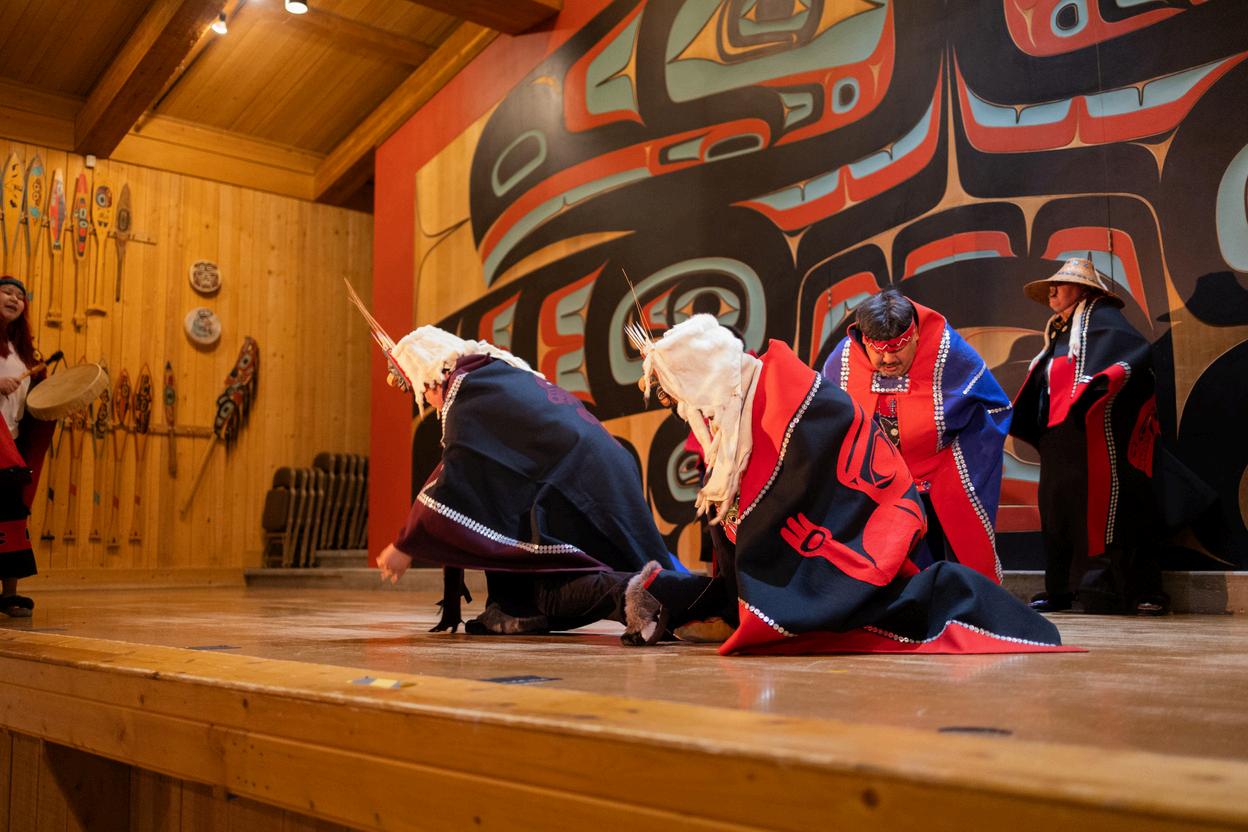
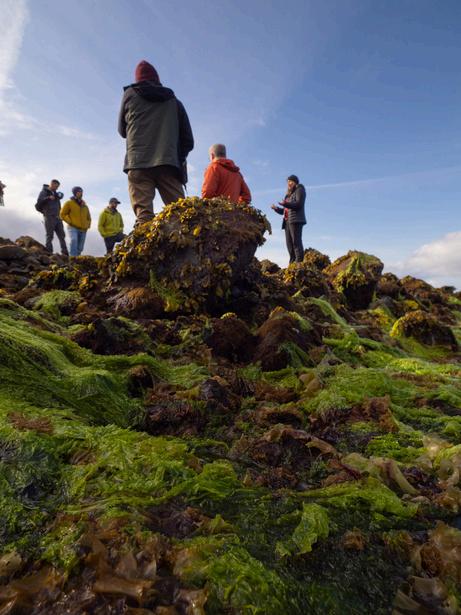
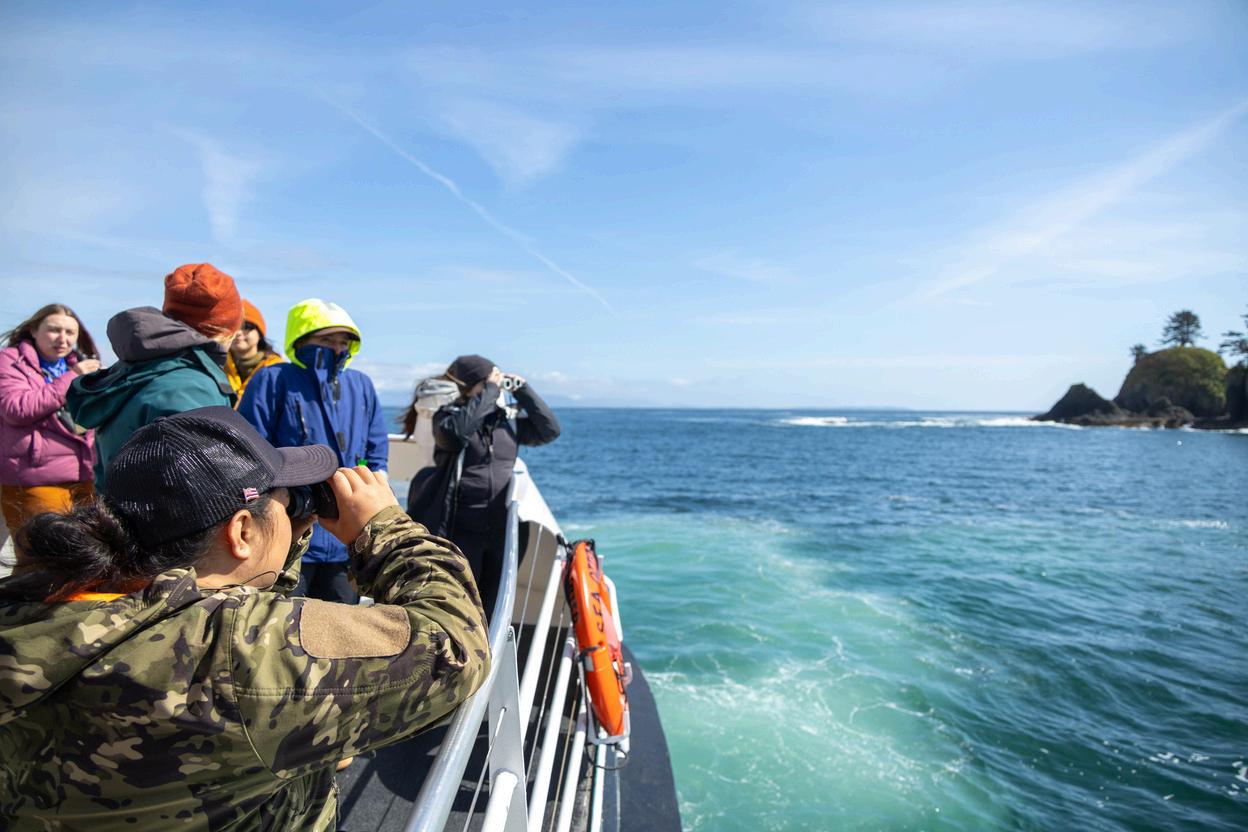
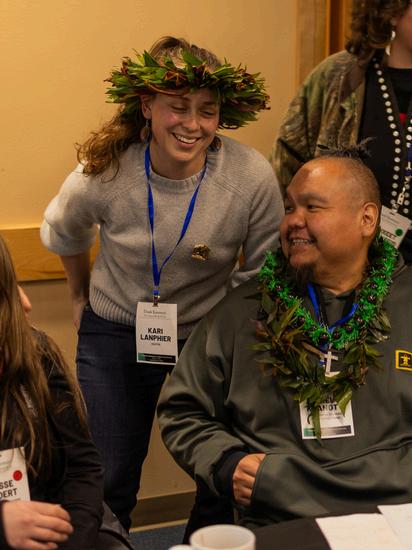
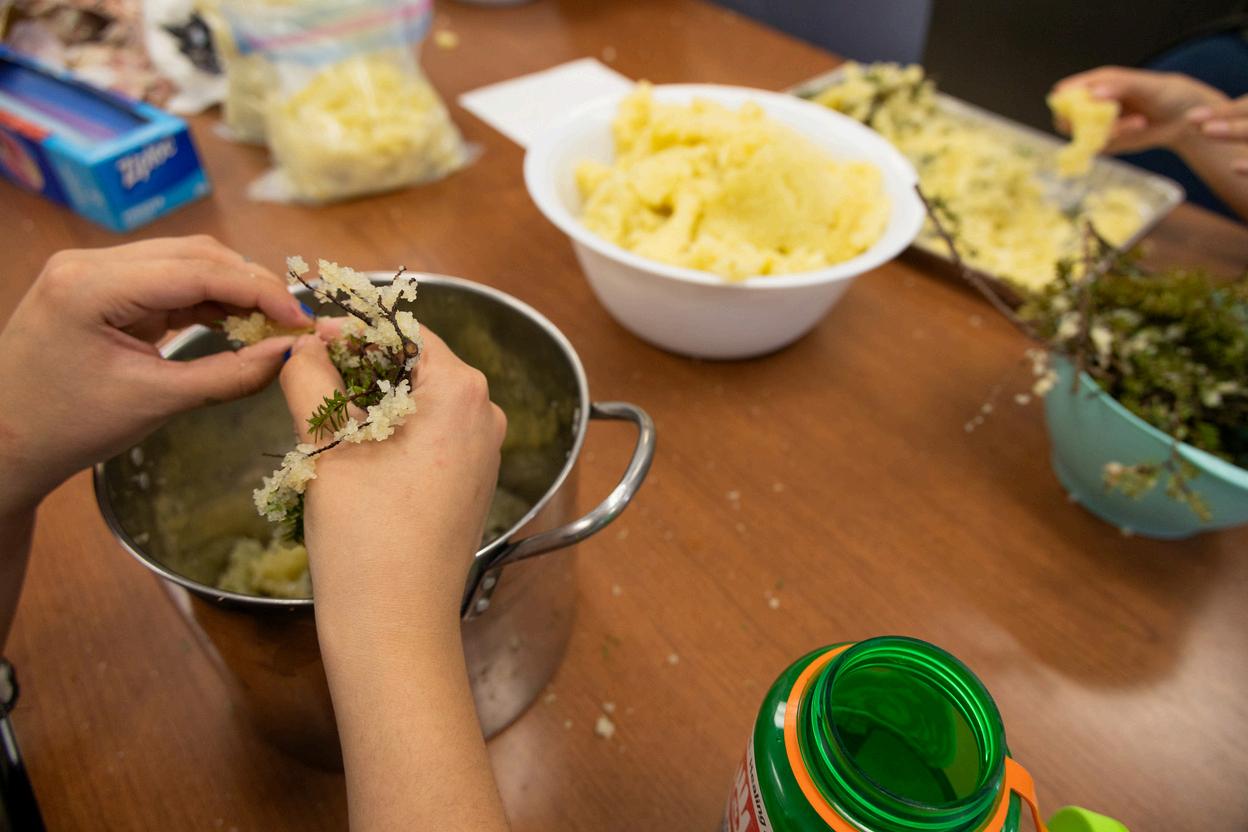
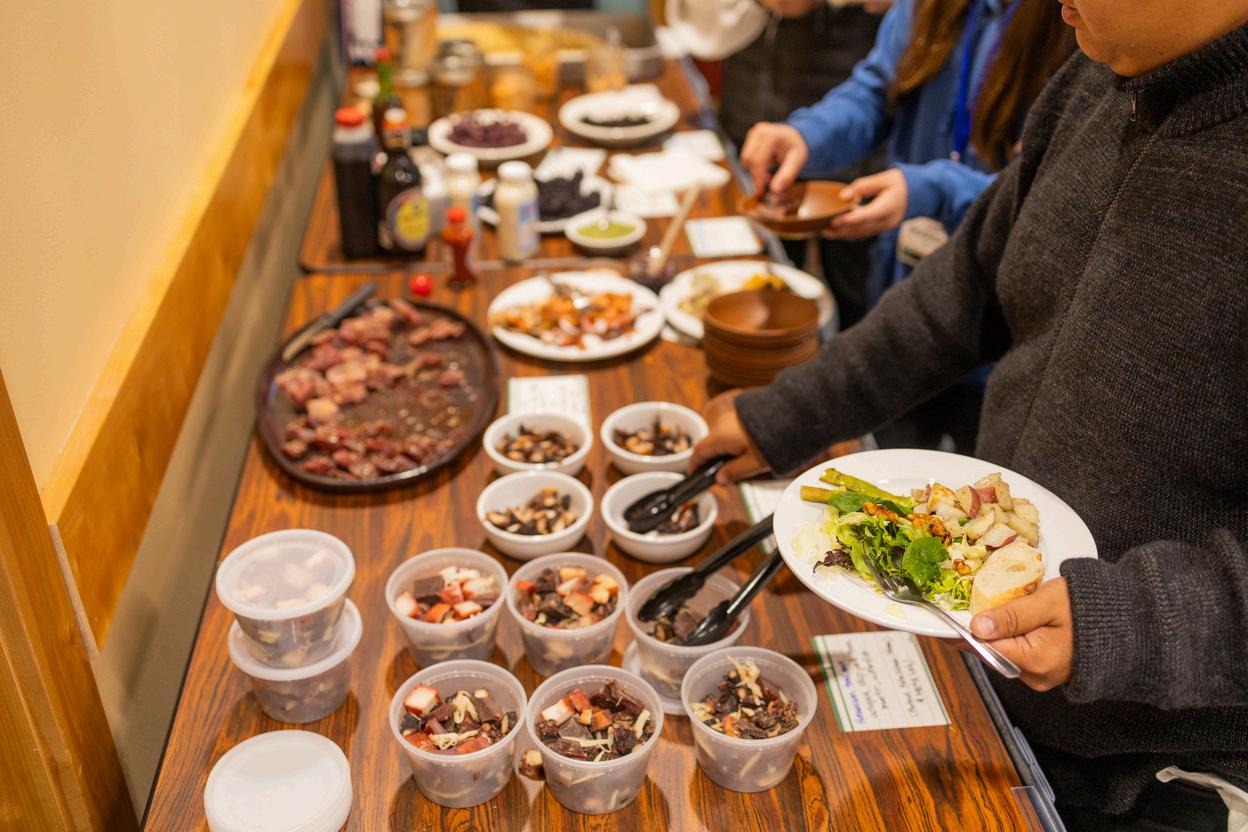
Daak Ḵusteeyí, held in Sheet’ká Kwáan (Sitka), Alaska, celebrated the shared heritage and stewardship of Indigenous communities across the Pacific This gathering –hosted by the Sitka Tribe of Alaska and Tlingit and Haida –brought together long-time partners of the network as well as newer collaborators to honor Indigenous aquaculture and cultural traditions through sharing circles, field trips, and community activities. Highlights included visits to the anc l clam garden right in the center of town, Sitka Sound Scie Center, Sitka National Historical Park, and the Sitka Tribe Environmental Research Lab. We were welcomed to and inspiring open house and performances at Naa Kahidi, featuring traditional songs, dances, and storytelling. A boat tour of Sitka Sound offered breathtaking coastal views and opportunities for deepening connections amon attendees. Let’s not forget the incredible banquet of First Foods, from both local lands and waters as well as contributions and gifts brought by visitors from their hom places. More than a gathering, Daak Ḵusteeyí strengthene community bonds and fostered cross-Pacific cultural exchange These keystone events exemplify the power of collaboration and shared heritage in sustaining vibrant, interconnected communities.
D A A K Ḵ U S T E E Y Í 4202 B Y T H E N U M B E R S N O U R I S H I N G T R A D I T I O N S , I N C R E A S I N G R E S I L I E N C E
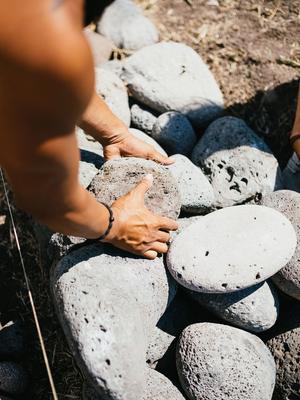
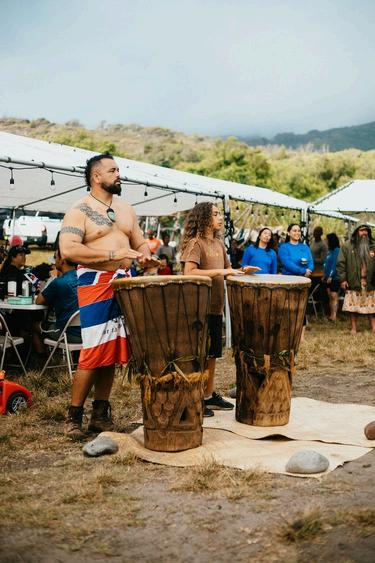
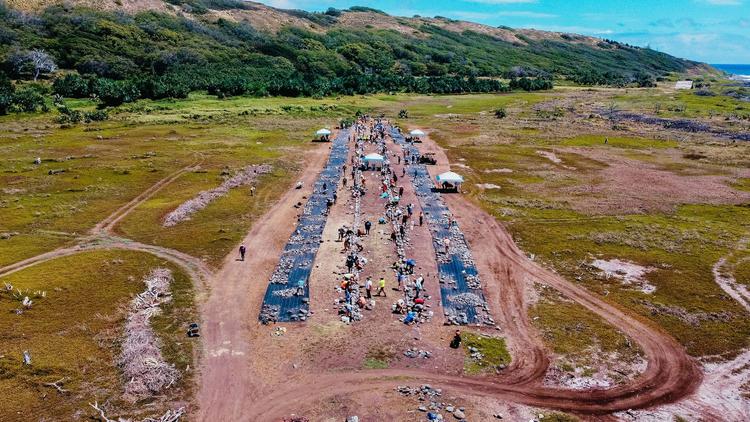
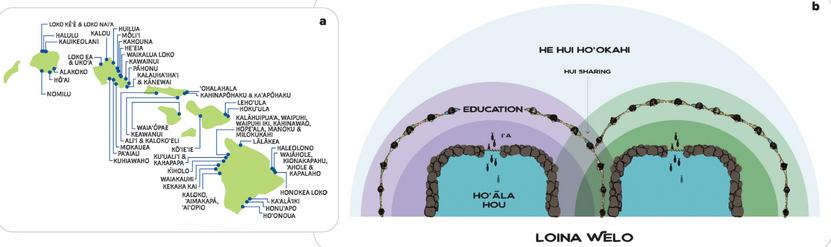
The Hui Mālama Loko I‘a annual gathering was held in June 2024 at Kapoho in Waihe‘e, Maui. Over 30 loko i‘a came together to continue learning and building the movement of loko i‘a restoration across Hawai‘i. The hana (work) onsite included restoring 1,000 feet of kuapā for Kapoho. Hui Mālama Loko I‘a is a grassroots network dedicated to the revitalization and stewardship of Hawaiian fishponds, supported in partnership with Kuaʻāina Ulu ʻAuamo (KUA). The annual event engaged attendees in ceremony, service work at local sites, and collective discussions on preserving ancestral practices. Additional highlights included the gifting of twin Lono pahu drums to the newest members, honoring the ka polohiwa a Kāne (summer solstice), and the restoration of kuapā. The shared feelings of accomplishment and aloha lasted for many days and the achievement in building the kuapā will potentially last for centuries.
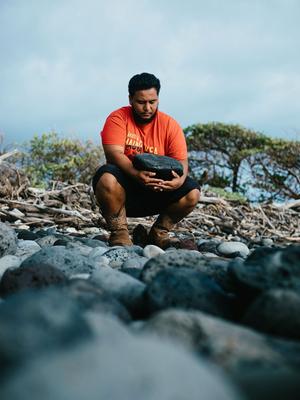
In the Hawai‘i Legislature, a bill relating to loko i‘a (fishponds) was signed into law as Act 124 on June 28, 2024 This act ensures that Native Hawaiian practices and protocols are a primary component of any lease management plan for state-owned fishponds.
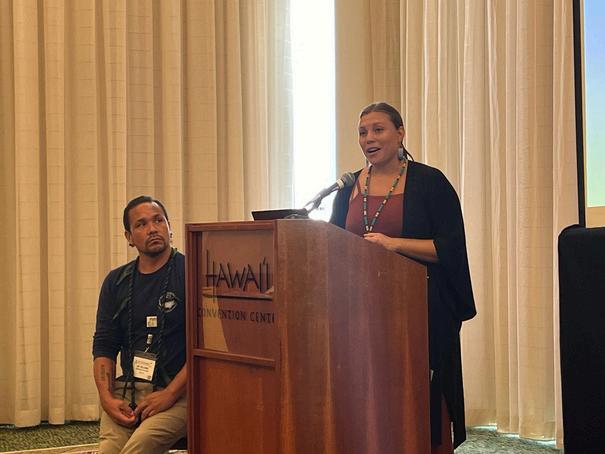
At the American Fisheries Society Conference in Honolulu, the Cross-Pacific Indigenous Aquaculture Network co-hosted a day long innovative session titled Intergenerational Knowledge Exchange Celebrating Indigenous Marine Stewardship and Cultivation as Sustainable Seafood Solutions. Aligned with the conference theme, Conserving Fishes and Fishing Traditions through Knowledge Co-Production, we showcased how blending Indigenous knowledge with contemporary science fosters sustainable food production and stewardship. Presentations featured Coast Salish clam gardens and cockle revitalization, securing safe seafood, and frameworks for Indigenizing education, science and management from Nā Kai ‘Ewalu (NK8), Loko I‘a, Kumuola and Northwest Indian College 13 Moons. Through discussions, participants celebrated resilience, innovation, and ancestral practices, underscoring the vital role of Indigenous aquaculture in addressing modern environmental challenges.
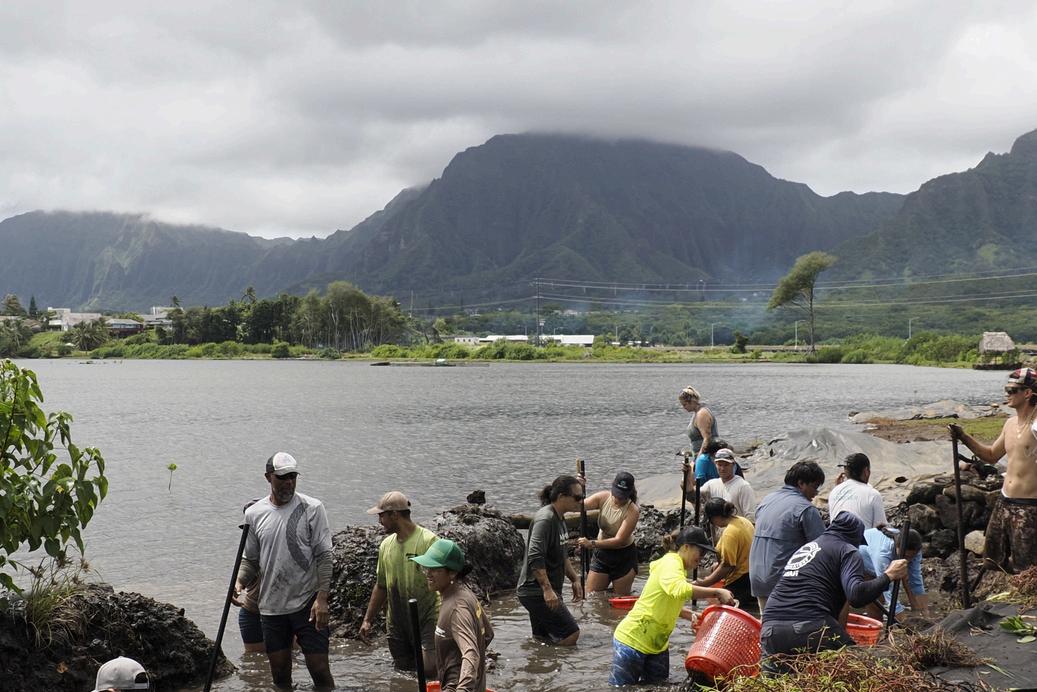
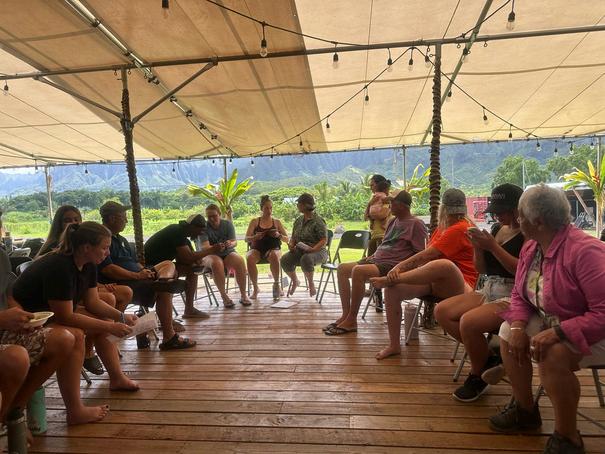
Following the AFS Conference, IACN members gathered on Oʻahu for a working retreat hosted at He
eia loko i
a, Kāko
o ʻŌiwi, and Waikalua loko iʻa. Participants engaged in handson restoration work, plus talk-story to reflect on lessons. We focused on what it takes to continue the momentum for learning and to create the conditions for good work. The retreat nurtured relationships, which are the foundation of IACN’s work, while honoring ancestors and envisioning an intentional path forward for future generations
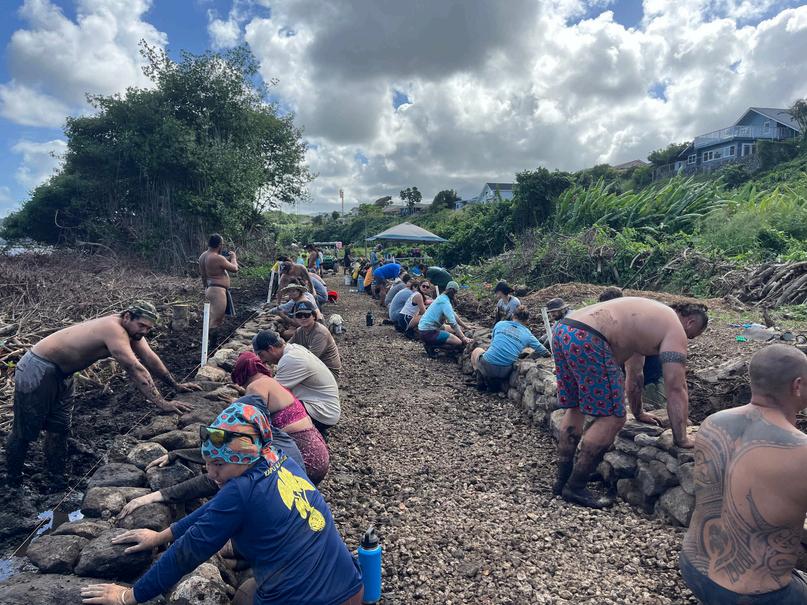
Back on Dec 12th, 2015 Paepae o He‘eia Loko I‘a held an approx 2,000 person workday called "Pani ka Puka," which means "Close the Hole/Gap". It was the culminating event after a year long fundraiser and coalescing of volunteers and preparatory workdays. Volunteers and fish pond practitioners put the finishing touches on a 200-foot wide hole in the fishpond wall and it was an epic day. Each year since, the day is commemorated with an Anniversary Celebration around the same date. This year, 300 linear feet of wall (150 feet of double-sided wall) was built in 4 hours with a loving and dedicated community of 80 wall builders from around the Hawaiian island chain.
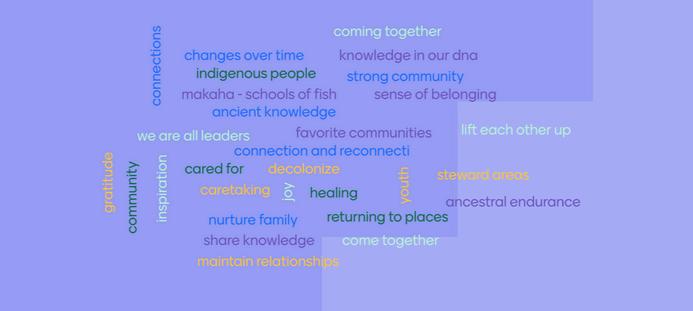
Ua lawa mākou i ka pōhaku.
“We are satisfied with the stones”
Lyrics from a resistance song written at the time of the overthrow of the Hawaiian monarchy.
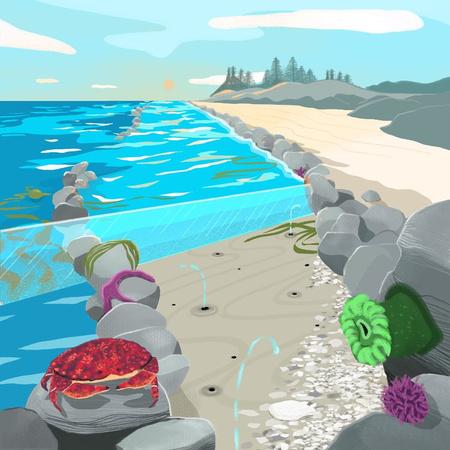
Future Ecologies is a podcast series that recently featured Sea Gardens! In this episode, the podscast interviews Knowledge Holders about these Indigenous aquaculture technologies and the relationships with place that ensure food security, climate adaptation, and vibrant biodiversity that we all know, love and care take This podcast features members of the Clam Garden Network, our Indigenous Aquaculture Network as well as the Pacific Sea Gardens Collective
Check out the podcast to hear the voices of those leading ecocultural restoration and bringing Sea Gardens back to life, and re-affirming Indigenous sovereignty, self-determination, and community-building across Nations
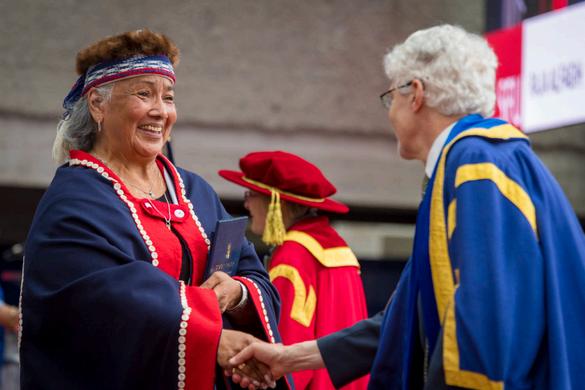
Dr. Kii’iljuus Barbara Wilson, a Haida scholar and matriarch, was honored with an Honorary Doctorate from Simon Fraser University for her immense contributions to Indigenous Knowledge, conservation, and environmental justice As a Cultural Advisor at Simon Fraser University and an Adjunct Professor and Cultural Advisor at the University of British Columbia, she has dedicated her career to preserving traditional wisdom and fostering solutions to contemporary environmental challenges. Her teachings emphasize the importance of Indigenous governance and mariculture practices, which prioritize sustainability, reciprocity, and respect for natural ecosystems.
Dr Kii’iljuus’ work underscores the critical role of ancestral knowledge in addressing the ecological crises of today. This recognition not only highlights Dr. Kii’iljuus’ lifelong achievements, including earning a master’s degree at 76 and serving as an observer at COP 21, but also affirms the vital role of Indigenous voices in academia and policy-making. She continues to advocate for climate justice, food sovereignty, and intergenerational healing through Indigenous frameworks, inspiring global efforts toward sustainability. The honor celebrates her leadership and the broader importance of Indigenous Knowledge holders in shaping a more just and sustainable future. The Cross-Pacific Indigenous Aquaculture Community congratulates Dr Kii’iljuus on this well-deserved milestone
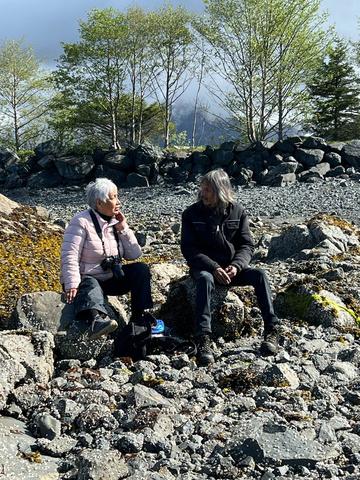
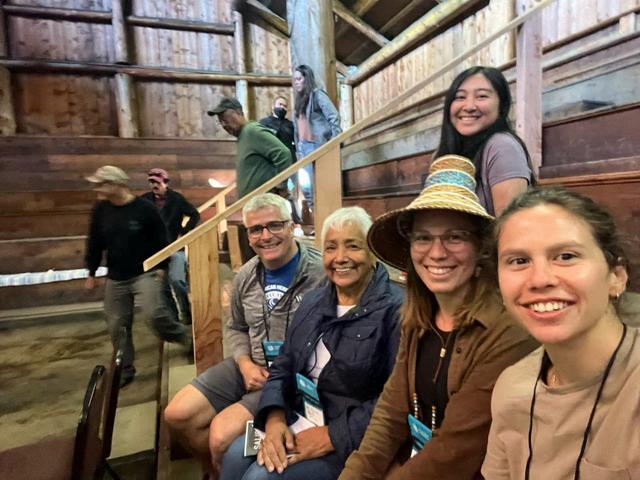
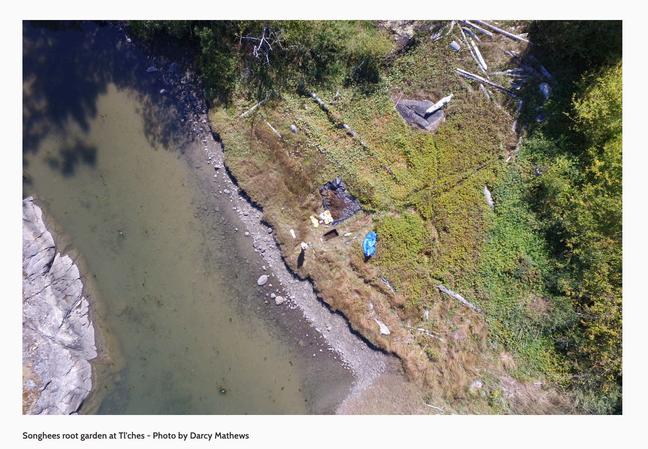
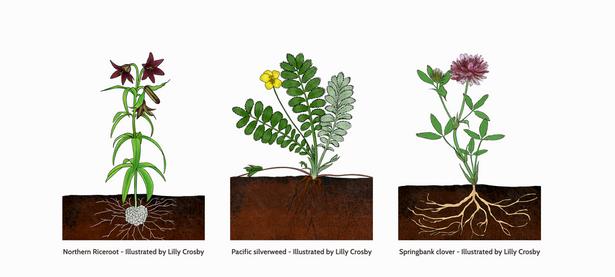
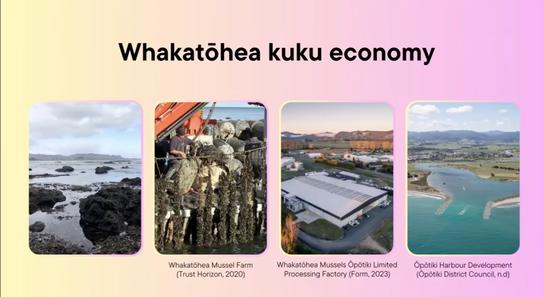
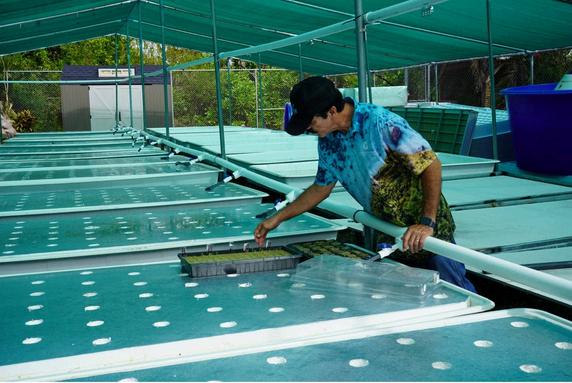
This year’s virtual knowledge exchanges highlighted diverse Indigenous aquaculture practices and innovations across the Pacific. In February, Isabelle Maurice-Hammond presented on Coast Salish estuarine root gardens, showcasing Indigenous caretaking techniques like terracing and fertilization to sustain carbohydrate-rich plants, underscoring their cultural and ecological importance. In July, Georgia McLellan explored Māori green-lipped mussel (kuku) economies, emphasizing the balance between commercial aquaculture and ancestral stewardship through decolonized frameworks. Finally, October’s session highlighted Guam's Community Backyard Aquaponics Systems (C-BAS), a program improving food security by integrating aquaponics into households while promoting food sovereignty These exchanges underscored the power of Indigenous knowledge and innovative solutions to address environmental and societal challenges. We’ll kick off the 2025 series by hosting the film, Fish Wars. See ‘upcoming events’ for more info.
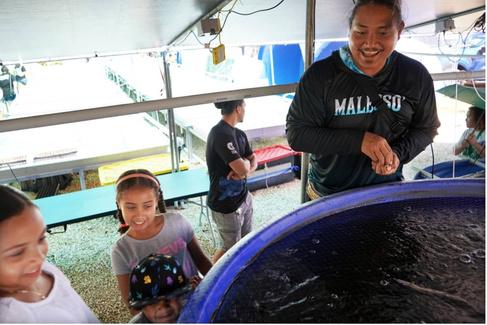
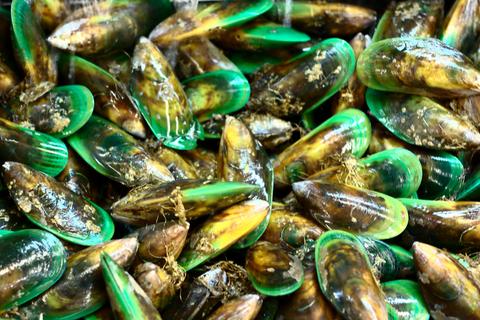
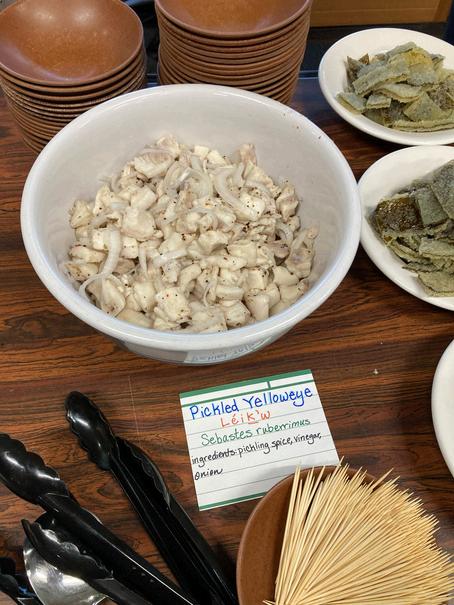
Two featured recipes from Daak Ḵusteeyí, celebrating some of the First Foods of Sheet’ká Kwáan These recipes were provided by Tammy Young, Sienna Reid, and the Sitka Tribe of Alaska.
Yellow eye, pickling spice, vinegar, and onion
Instructions:
Place all the ingredients in a container and refrigerate for at least 5-7 days to complete the pickling process. Make sure you shake the container each day while it is pickling. This recipe also works for other kinds of raw fish!
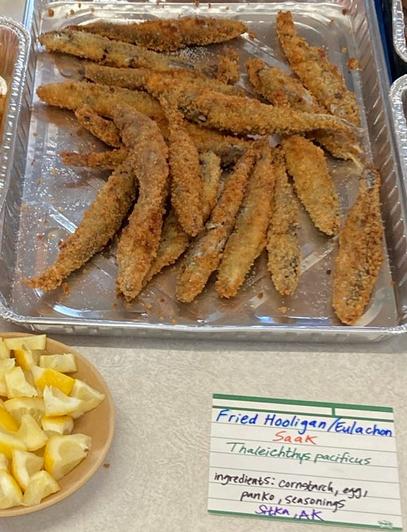
Hooligan, cornstarch, eggs, panko breadcrumbs, and seasonings
Instructions:
Drench your hooligan in cornstarch as these fish are very slimy then dip in your beaten eggs followed by dredging in panko.
Fry till golden brown on both sides then drain on a clean paper towel.
Season as desired or not at all, delicious either way.
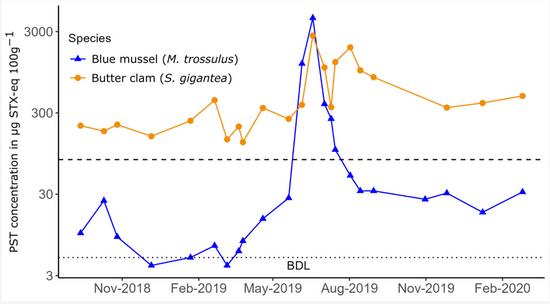
Clam Size Explains Some Variability in Paralytic Shellfish Toxin Concentrations in Butter Clams (Saxidomus gigantea) in Southeast Alaska
This article explores Tribally-led monitoring programs that explore environmental and physiological factors of shellfish toxins in the region
The global relevance of locally grounded ethnobiology
This article addresses the scalability of ethnobiological knowledge, featuring the Indigenous Aquaculture Network as an example!
A Practitioner-Led Approach to a Climate Change Needs Assessment of Native Hawaiian Aquaculture.
This article highlights the restoration of traditional Indigenous resource management practices, particularly through the Hui Mālama Loko I‘a (HMLI) collective, which revives multigenerational stewardship and emphasizes community-based climate resilience, showcasing the importance of local, culturally informed solutions to ensure food security in the face of climate change.
Recognising the importance of shellfish to First Nations peoples, Indigenous and Traditional Ecological Knowledge in aquaculture and coastal management in Australia.
This article incorporates Indigenous Ecological Knowledge in shellfish aquaculture and coastal management for sustainable and respectful restoration efforts in Australia.
Restoration of an Indigenous aquaculture system can increase reef fish density and fisheries harvest in Hawai‘i. This study highlights the positive impact of biocultural restoration efforts in enhancing fish availability and supporting sustainable fisheries
Q&A with Anne Salomon and Ḵii’iljuus Barbara Wilson: Tides of change and resilient communities.
Dr. Anne Salomon and Dr. Ḵii’iljuus Barbara Wilson recently discussed the challenges and successes in building coastal community resilience.
Estimating size-at-harvest from Indigenous archaeological clamshell assemblages in Coastal British Columbia.
The research highlights historical shellfish management practices, particularly in the context of the Tseshaht Nation, whose archaeological clamshell assemblages suggest sustainable shellfishing practices over 3000 years.
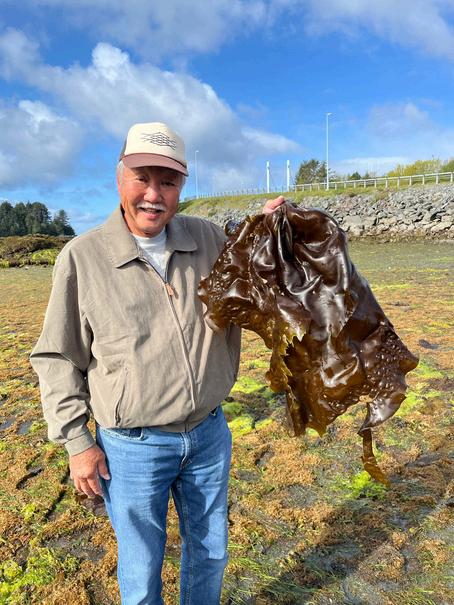
P h o t o s f r o m t h e Y e a r
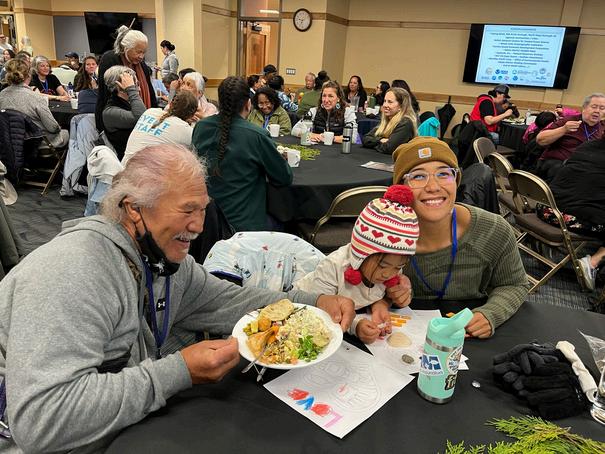
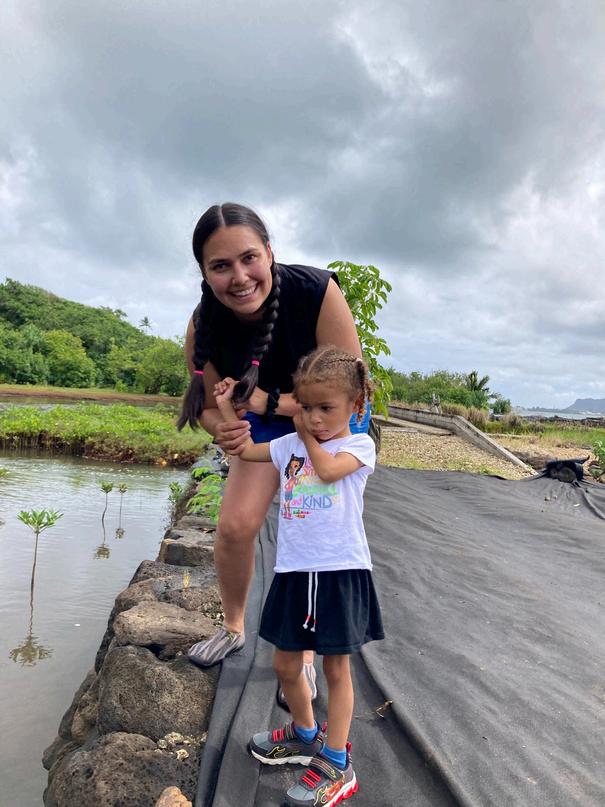
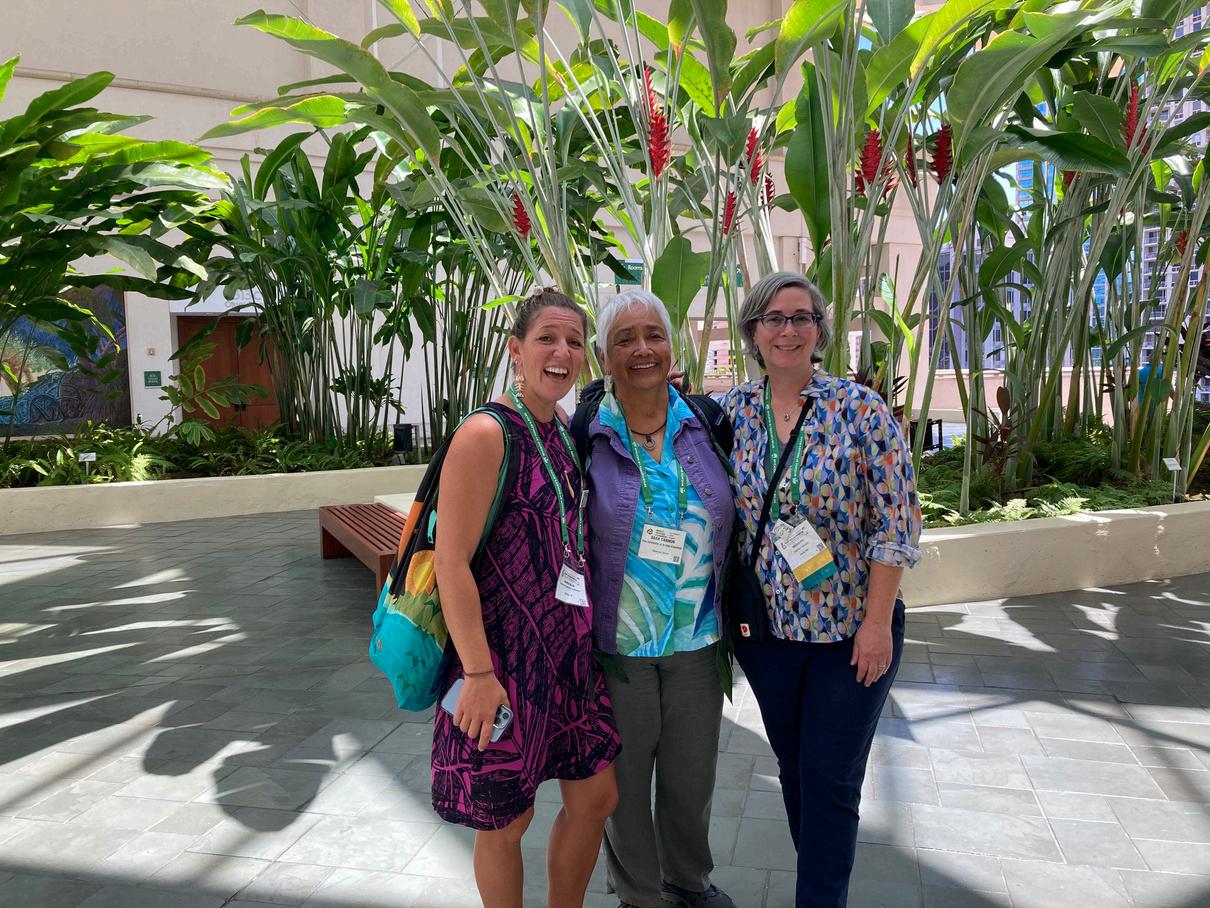
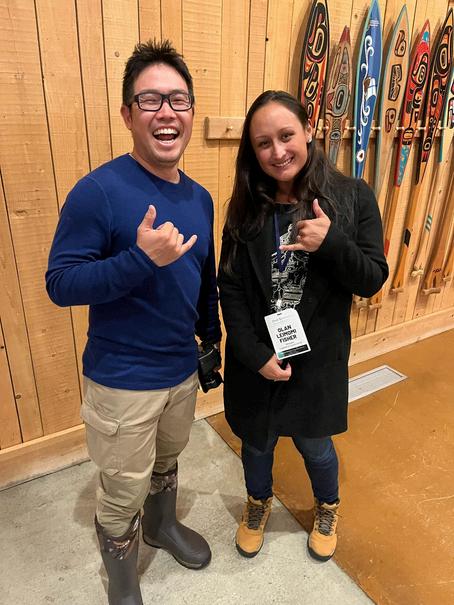
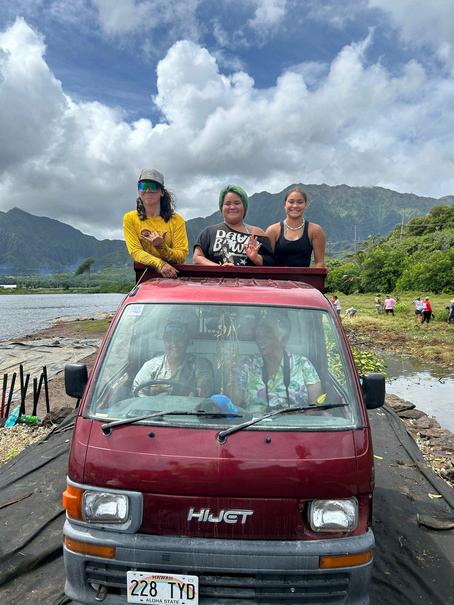
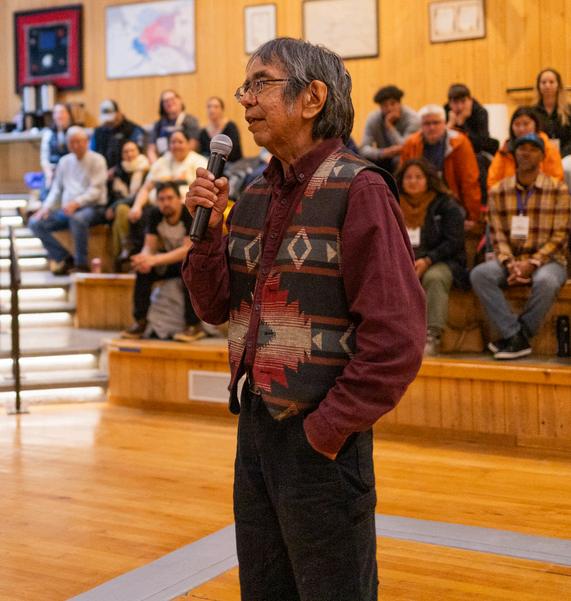
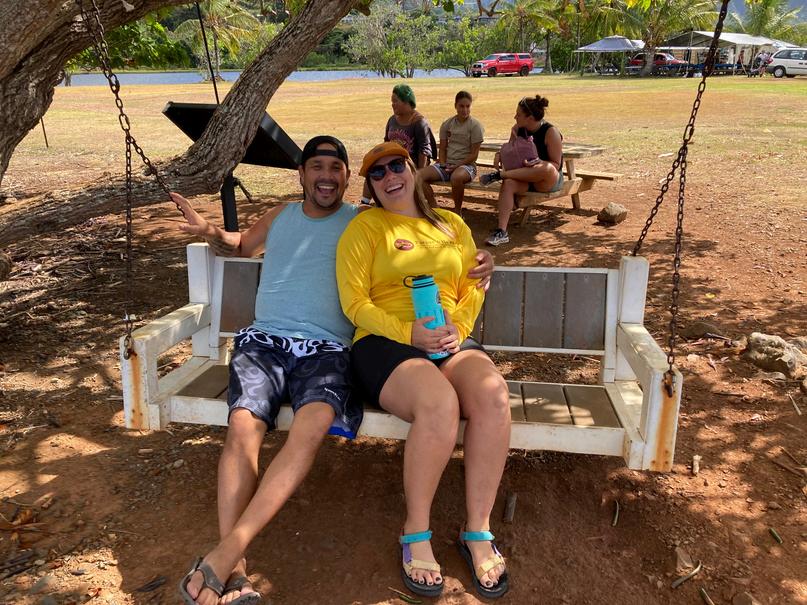
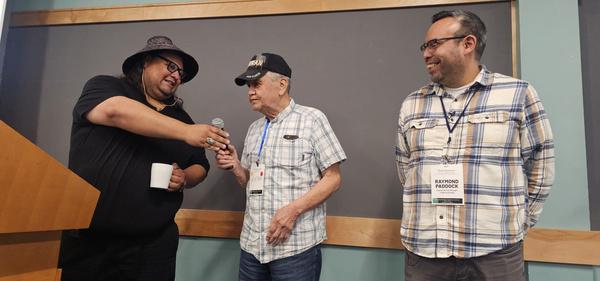
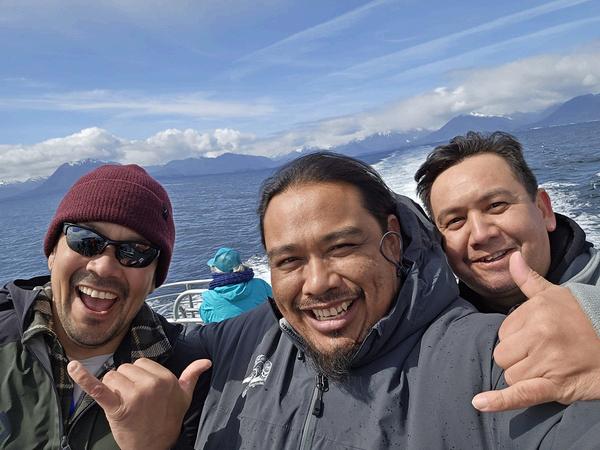
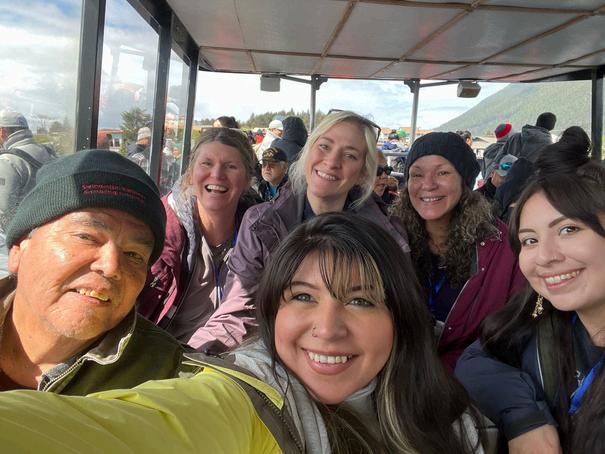
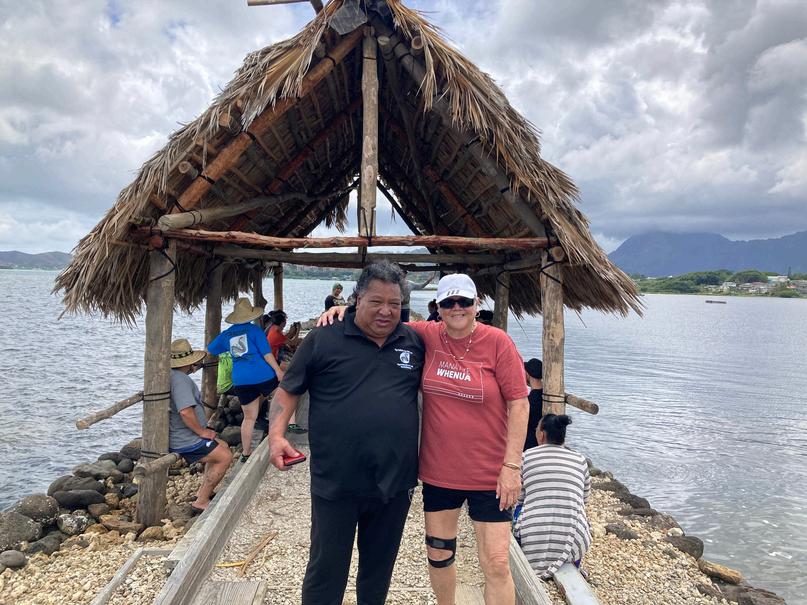
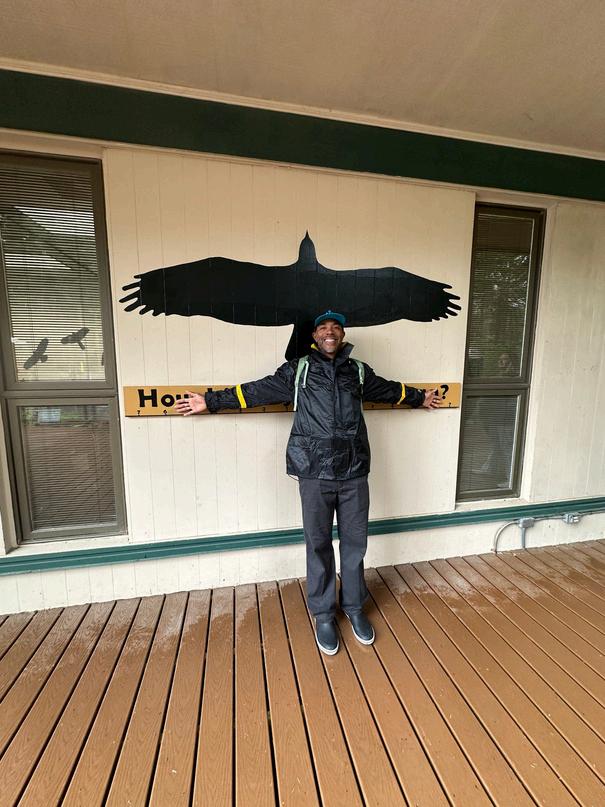
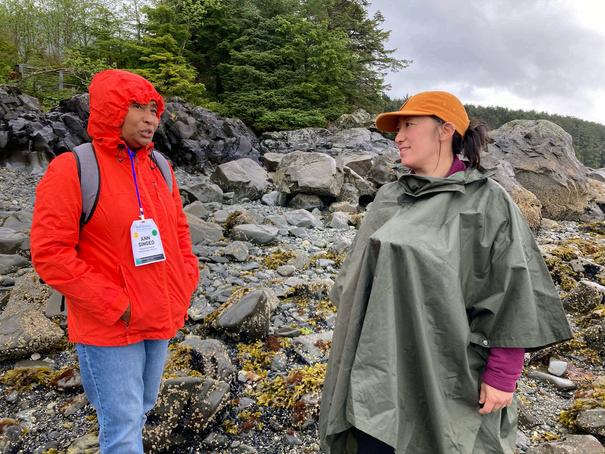
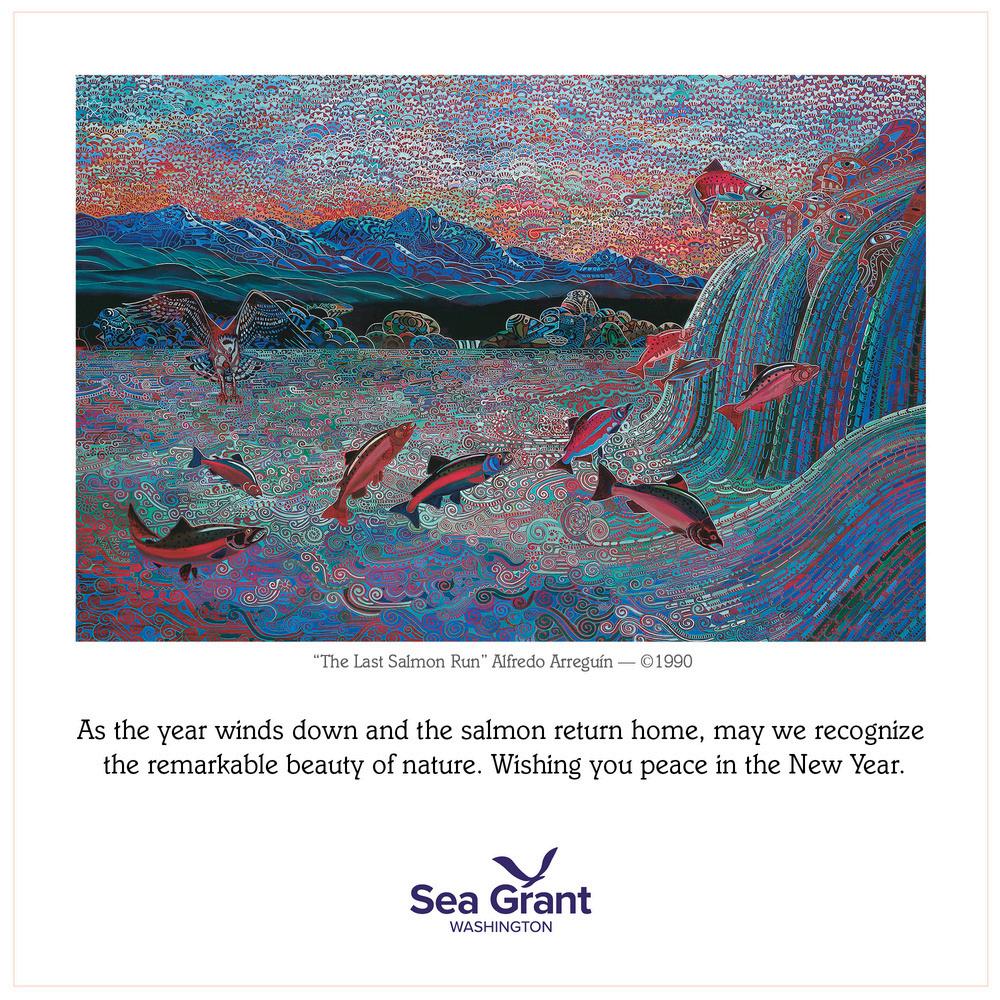
Thank you all for making our 2024 so special and full of happiness! Have a wonderful holiday season and we look forward to seeing you all in 2025 to collectively care for our marine environments and culture!