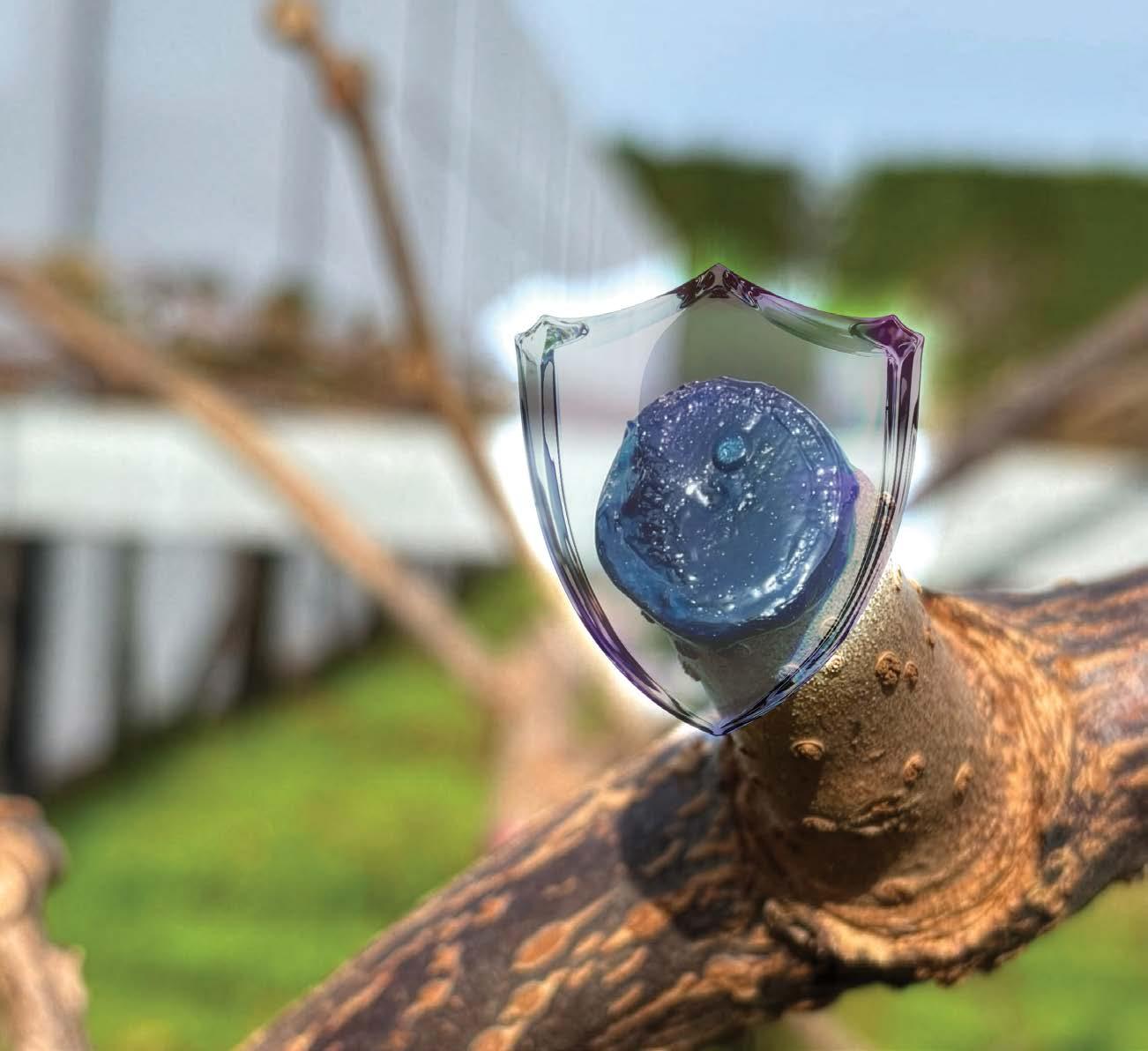
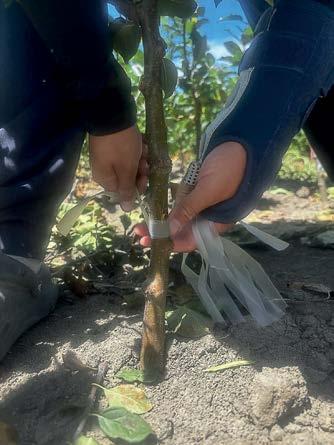
That’s why growers trust BARRIER ® by Grochem - a reliable pruning wound dressing that seals wounds fast and protects trees when they’re at their most vulnerable.
Whether you’re grafting, pruning, or managing fruit trees or grapevines, BARRIER helps defend against fungal diseases like Silverleaf, European Canker, and Eutypa lata
Brush it on, seal it in, and give your trees the strong start they deserve.
BARRIER , because healthy trees start with protected wounds. For more information on BARRIER, contact your local Grochem Commercial Manager.
Innovation and know-how
36 Soil, leaf and input data –Turning measurements into agronomic decisions
What’s New
A regular advertorial section of new products and services. This publication does not endorse the products or services featured here.
going gangbusters
ventures into avocados
Young growers, start your engines
Steady as she goes at Port Nelson
New shipping link for Central Otago growers 20 Growers keep you humble Sector
22 Bridging the gap: officials get first-hand insights into horticulture sector
24 Horticulture vulnerable to major road closures
40 New tool against diamondback moth
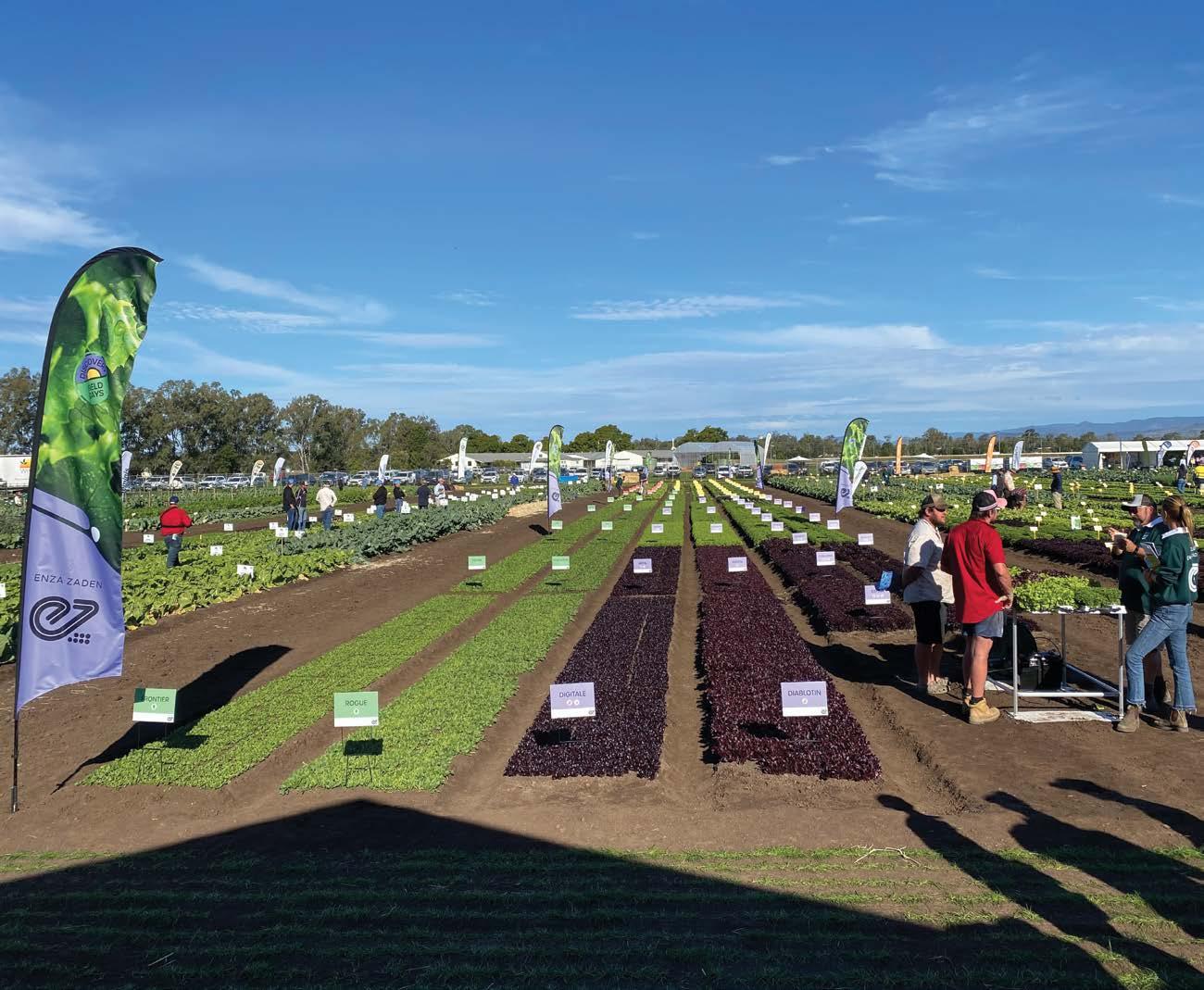
43 Highlights from the second Vegetables Big Day Out
33 A simple solution to compliance complexity
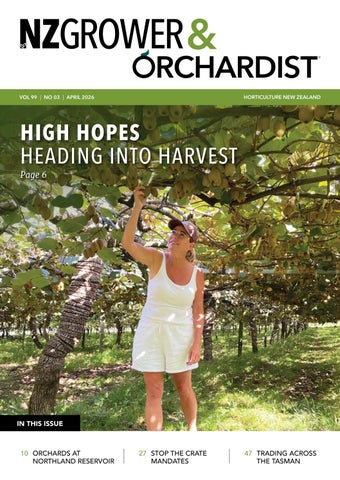
On the cover:
Organic Green grower Trudi Nelson at her Bay of Plenty orchard. See page 6.
Photo by Carly Gibbs
47 Trade with Australia reaches high
Industry good
51 Vegetable sector unifies as NZVeg
52 Young leaders busting myths
54 Pipeline for industry growth
56 Energy systems
58 Positive start expected for Satsumas
61 Weekly Newsletter
Sarah Cameron
Sarah is a senior policy advisor at HortNZ, responsible for the commercial and immigration (excluding the Recognised Seasonal Employer Scheme) policy portfolios, as well as policy within the Northland region. On page 27 in this issue, she outlines how HortNZ is advocating to resolve mandated crate and pallet use.
Delwyn
Dickey
CONTENTS
CONTRIBUTORS
Based near Matakana, Delwyn has spent most of her career in magazine production, journalism and writing. Time also spent as a commercial grower and agricultural tutor helped to focus her interest in recent years, including with Our Land and Water – The National Science Challenge. She visits Northland’s Te Tutakitanga avocado orchard on page 10.
Michael French
Michael is an orchard nutrition specialist with ION, and is based in Northland. He works with kiwifruit and avocado growers across the Upper North Island, focusing on soil and plant nutrition, irrigation management and orchard performance. He looks at optimising soil and leaf test data on page 36.
Carly Gibbs
Carly has a background in community and national newspaper journalism – writing for leading New Zealand lifestyle magazines as well as horticulture publications. Carly lives in Te Puke with her husband and two sons on a kiwifruit orchard. For this issue she previews the kiwifruit harvest on page 6.
Emily Laskin
Originally from California, Emily has spent her career working with growers and farmers on large-scale multi-stakeholder projects. She currently supports the vegetable product groups as project coordinator at Horticulture Executive Services Ltd. On page 43 she shares the highlights from the Vegetables Big Day Out.
Helena O’Neill
Helena is a journalist with a background in community and rural reporting. She lives in North Waikato with her husband, four children and their Irish wolfhound. She takes a closer look at a new biopesticide in development on page 40.
Jo Pentreath
Jo is executive manager at Citrus NZ. Her background spans the horticulture sector, including industry engagement, marketing and brand development, and supporting strategic change across grower organisations and produce brands. In this issue she reports on the start of the Satsuma season on page 58.
Aimee Wilson
Aimee is based in Alexandra and covers horticulture in Central Otago where she grew up. She still can’t believe how many different varieties of fruit there are, compared to back in the 1980s – when it was mostly just Dawson and Moorpark. For this issue she finds out how apple growers are shipping from Port Otago on page 18 and interviews Richard Mills on page 20.
INDUSTRY LEADERSHIP REGULARS
3 Bernadine Guilleux, HortNZ chair and Kate Scott, HortNZ chief executive
52 Kate Trufitt, Potatoes New Zealand chief executive
54 Danielle Adsett, NZ Apples and Pears acting general manager
56 Dinah Cohen, TomatoesNZ general manager
PUTTING HORTICULTURE ON THE ELECTION AGENDA
With the next General Election in November, HortNZ has released its 2026 election manifesto, outlining the priorities we believe are critical for the future of our sector.
Bernadine Guilleux : HortNZ chair and Kate Scott : HortNZ chief executive
We are doing this at a time of heightened global uncertainty.
The conflict in the Middle East is impacting international shipping, energy prices and supply chains.
For a sector like horticulture, which relies on timely access to inputs such as fertiliser, affordable freight and efficient export pathways, these pressures are being felt in real time.
Closer to home, issues such as the challenges facing processors like Wattie’s and McCain Foods are impacting growers and causing concern in the sector.
Taken together, these factors point to a period ahead where both growers and consumers may face increased volatility, tighter margins and pressure on pricing and availability.
That includes advocating for practical, near-term levers to pull to maintain the flow of critical inputs, supporting efficient freight and port operations, and avoiding regulatory or policy changes that could add cost or volatility at the wrong time.
At the same time, the manifesto sets out the longer-term foundations needed to enable the sector to continue its growth trajectory. These are the “slow burn” settings that require consistency and commitment across political cycles, regardless of who is in power.
That is why it is important HortNZ is clear about what growers need now, as well as what is required over the longer term.
Our manifesto reflects both.
In the immediate term, we are focused on ensuring resilience for growers to work through this uncertain time.
The manifesto has been developed with input from growers across the country and reflects the issues we hear every day from people working on orchards, farms and in packhouses across the country
The manifesto has been developed with input from growers across the country and reflects the issues we hear every day from people working on orchards, farms and in packhouses across the country.
It also highlights the important role horticulture plays in delivering outcomes that matter to New Zealanders – healthy food, strong regional economies and good jobs.
The sector continues to go from strength to strength. The Ministry for Primary Industries’ latest Situation and Outlook for Primary Industries report forecasts horticulture export revenue will reach $9.2 billion in the year to June 2026, reinforcing the sector’s growing contribution to the New Zealand economy.
At the same time, through the Aotearoa Horticulture Action Plan, industry, government, Māori and research providers are working towards an ambitious goal of doubling the farmgate value of horticulture production by 2035.
Achieving that ambition will require stable, predictable policy settings that support growers and remove unnecessary barriers to production.
&
NZGrower & Orchardist is produced by Horticulture New Zealand and is free for all levy payers. The magazine is partially funded by a grant from the NZ Fruitgrowers’ Charitable Trust to ensure all fruit growers in New Zealand receive a copy each month. The magazine is also supported by Vegetables NZ, Process Vegetables NZ, TomatoesNZ, Potatoes NZ and Onions NZ.
The individual comments and views in this magazine do not necessarily represent the view of Horticulture New Zealand.
For example, resource management reform is already underway. Growers need confidence that this work will continue in a consistent direction, rather than being reset or reversed following the election.
Stop-start policy settings create uncertainty, delay investment and ultimately hold the sector back.
This publication uses vegetable-based inks and environmentally responsible paper produced from Forest Stewardship Council® (FSC®) certified, Mixed Source pulp from Responsible Sources.
Paper produced using Elemental Chlorine Free (ECF) and manufactured under the strict ISO14001 Environmental Management System.
The wrapper we use is 100 percent recyclable, it is LDPE 4 (Low Density Polyethylene) Soft Plastic and meets the required standards. For further information refer to: www.recycling.kiwi.nz/our-story
A strong biosecurity system remains one of the foundations of our sector.
Growers know first-hand the risks that pests such as fruit fly and plant diseases pose to production and export markets.
Strengthening biosecurity, alongside ensuring continued access to effective crop protection tools, will be critical to maintaining productivity and protecting New Zealand’s reputation for high-quality produce.
Growers also consistently raise the need to cut unnecessary red tape.
Our sector is committed to high environmental and food safety standards, but too often the regulatory system involves duplication, unclear processes or overlapping requirements.
Streamlining regulation and reducing unnecessary compliance costs would make a real difference on the ground.
Water security is another major priority. Reliable access to water underpins productive horticulture, particularly as we face a changing climate and more frequent severe weather events.
Ensuring sustainable and enduring water security, alongside practical approaches to climate adaptation, will be essential if the sector is to remain resilient and continue growing.
People underpin the industry.
Horticulture provides meaningful employment and career opportunities in regions across New Zealand, and a secure workforce is critical.
The Recognised Seasonal Employer scheme plays an important role, and we need long-term certainty along with pathways that support worker development.
Building a skilled and sustainable workforce – through training, career pathways and practical labour settings – will help ensure growers have access to the people they need, both now and into the future.
The manifesto also highlights the importance of fair and competitive grocery markets. Growers should be able to compete on a level playing field and receive a fair return for the food they produce, particularly in a period where cost pressures are increasing across the supply chain. Infrastructure remains a critical enabler.
Reliable roads, efficient ports and resilient supply chains are essential for getting fresh produce to market quickly and maintaining quality.
Recent analysis through the Aotearoa Horticulture Action Plan highlights how dependent regions such as Bay of Plenty and Hawke’s Bay are on key routes and hubs, creating vulnerabilities for highly perishable products.
Over the coming months, we will be meeting with Members of Parliament from across the political spectrum to discuss our manifesto.
Our aim is to ensure decision-makers understand both the immediate pressures facing growers, and the long-term opportunity horticulture represents for New Zealand’s food security, regional prosperity and export growth.
With the right policy settings in place – and a focus on both resilience and growth – horticulture can continue to be one of New Zealand’s standout sectors, delivering healthy food for New Zealanders, supporting regional communities and building a strong future for growers.
We’re budding tomorrow’s world-leading trees
Secure your 2027 trees today
As autumn sets in, the season’s stable conditions create the perfect opportunity for grafting, keeping our team busy in the nurser y. Now is the ideal time to start planning your 2027 orchard replacements. Visit our Hawke’s Bay nursery to chat with our team about the available cherr y, apple and stone fruit rootstocks.
TRUDI NELSON
Wairoa Road, Minden, Tauranga
ORCHARD: Mawhiti
CROP: 2.35ha organic Hayward
OVERALL FEELING FOR 2026 HARVEST: “Positive”
KIWIFRUIT GOING GANGBUSTERS
Last year, Zespri reached $5 billion in global sales ($3 billion New Zealand-grown Fruit and Service Payments) by selling 220.9 million trays of kiwifruit. As the industry continues to go “gangbusters”, CARLY GIBBS asks three growers from the Bay of Plenty about their experiences this season and their hopes for the 2026 harvest, which is currently in progress.
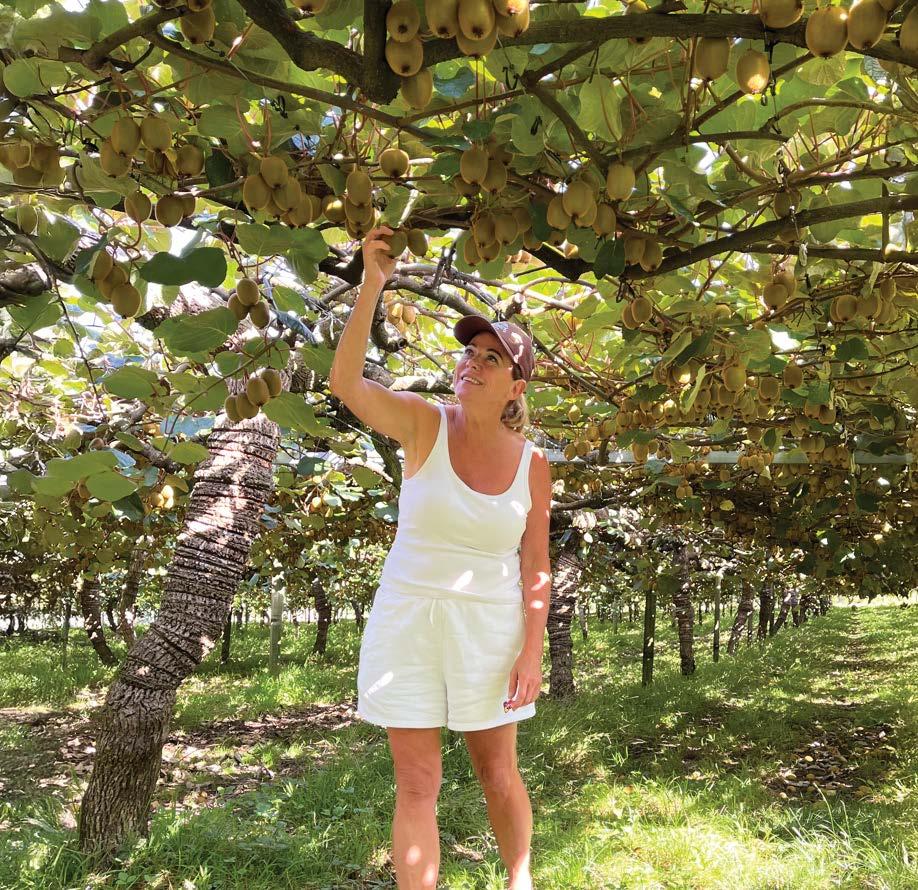
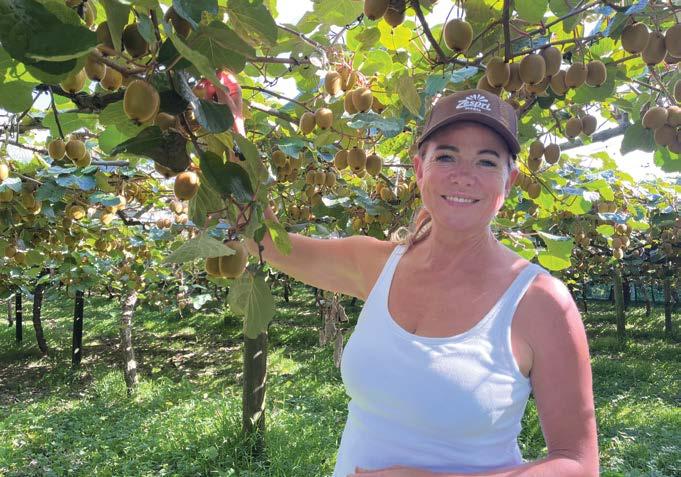
If life were compared to kiwifruit, it would suggest that difficult times do pass, as has been true for Trudi Nelson.
After going through a marriage breakup and losing a job opportunity, she found herself moving cities after 23 years, and buying a kiwifruit orchard at age 50, which she’s named Mawhiti (‘escape’ in te reo Māori): “I walk amongst those vines, and I feel alive,” she smiles.
Trudi moved to Tauranga from Auckland in 2023 and has since rebuilt herself as a grower,
continuing the good work of her orchard’s founders, the late Don and Melva Gray.
In 2024 and 2025, Mawhiti won EastPack’s top Orchard Gate Return for organic kiwifruit. The 2025 crop harvested 29,870 trays – a record for the 2.35ha orchard, formerly named Meldon, and established by the Grays in the 1970s. The ex-Taranaki dairy farmers converted it from conventional to organic in 2007, and their four adult children sold it to Trudi upon their parents’ deaths.
Fresh to kiwifruit growing, Trudi Nelson has wasted no time making her mark
A KiwiStart (early-pick) organic orchard, it has consistently produced between 16,000 and 19,000 trays, harvested in May or June.
Last year was only the second time in its history that it missed the KiwiStart window, with Trudi left “reeling”. But holding on to her fruit resulted in a record average fruit size and a record Taste Zespri Grade (TZG). It’s left her pondering what she’ll do this year.
She’s had an issue this season with flat fruit, and a second thinning was done in late February. “When they were all on the ground… Ouch,” she says. “So, the tray numbers will be down, I think, but I’ll probably leave them on the vines a bit longer and go for taste and size,” adding it’ll be “luck of the draw” if she gets a frost while waiting.
“Even if we’re back to when I first bought the orchard –18,000 trays, it pays the bills. There is that competitive streak in me that goes, ‘get to 30,000,’ but there’s no point worrying. It’s important to temper expectations, stay positive, purposeful and passionate.”
While Trudi is new to organic, she’s no stranger to kiwifruit. She spent her school holidays pruning and grafting in Maungatapere, west of Whangārei.
Having led a successful career as a radio broadcaster and founder of foodie platform fresh.co.nz, which she has now sold, Trudi says that, as she entered her 50s, life took unexpected turns. “That’s when I went, ‘kiwifruit!’ – They’re calling me back.”
She thought she’d head home to Northland, but then the Bay of Plenty called. She saw the Gray’s property on TradeMe and fell in love with the dream home they’d built and 1ha of gardens.
“The organic thing has been mind-blowing,” she enthuses, adding she takes her BioGro New Zealand certification seriously. “Organic wasn’t important (when looking to buy), but it is now.”
Trudi is hands-on with guidance from Prospa orchard manager Zane Welch and regional manager Geoff Signal. Trudi attends grower road shows and was the MC at Zespri’s Momentum 2026 Conference gala dinner in February, during which Zespri launched its goal to become the world’s healthiest fruit brand by 2035. They also anticipate global fruit sales to double or triple under their 2035 strategy.
Last winter, Trudi was on holiday in Spain and saw Zespri stickered organic green at two euros (NZ$4) a pop. “The industry has gone gangbusters. I feel privileged to have come back in now. And, I have the best neighbours –the cream on top of the crop.”
The 2025 crop harvested 29,870 trays – a record for the 2.35ha orchard, formerly named Meldon, and established by the Grays in the 1970s
She acknowledges that anything could change, though. Weather has been fickle; “lending is harder, banks really keep an eye on you, and I keep a tight budget.”
Like all kiwifruit growers, she only hopes good times roll on.
One day, she’d love one of her sons, aged 27, 20 and 15, to take the orchard over. “That’s what I’m doing it for ultimately… It’s all for them. Oh, and those winter getaways!”
• For
• The “spray on” that adds to all
• Good results have been achieved when applied through irrigation lines
ASHDON REID
If last year’s Zespri harvest was impressive, Ashdon Reid feels that 2026 may surpass it, and he has a potentially “record crop” in volume and yield hanging on his family orchard, which he manages.
Despite the odd challenge this season, such as “erratic” bud break, Foothills got a lot of flowers, so it had a great base to start with. “This allows us to crop-load most of the property to our per-hectare targets of 20,000 to 23,000 trays,” Ashdon, 25, says.
It’s also been a good vegetative growing year for the orchard due to rain and humidity, delivering good fruit size and replacement cane to its four blocks, named after ski fields. The only downside of the weather was some residual scarring from fungal activity after pollination. The Reids’ blocks are covered by hail netting under a mature tree line and receive mostly organic sprays.
At the time of interviewing Ashdon in early March, projected industry harvest data closely mimicked 2025: “It’s all lining up to be a very good year,” he says.
Te Puke’s weather had been largely dry, with some cold nights, and good dry matter accumulation was expected. However, with pollination and a wetter summer, he feels harvest could be prolonged.
“The excess water and humidity will probably delay maturity on some properties.” This could lead to softer fruit in the later harvest. “Fruit quality is going to potentially
Ohinepanea Road, Pukehina, Te Puke
ORCHARD: Foothills
CROP: 20ha Zespri SunGold™
OVERALL FEELING FOR 2026 HARVEST: “Fantastic”
become an issue if growers are too focused on their TZG,” he says, advising, “Look at pressures and pick the fruit when it says it’s ready to be picked (and it will store longer).”
Ashdon, who was the 2023 runner-up in Young Grower of the Year, holds a Bachelor of Commerce from Lincoln University. He was mentored by his parents, David and Nicci Reid, who own Foothills and are also developing further orchards in the Te Puke area.
If last year’s Zespri harvest was impressive, Ashdon Reid feels that 2026 may surpass it, and he has a potentially “record crop” in volume and yield
Additionally, David and Nicci are equal partners with Ashdon and his wife, Alex, in Good Crops, a kiwifruit development and management company that is in its second season. Ashdon is enthusiastic about the industry and feels that morale is high.
“With the upcoming licence auctions, there’s a lot of hype around the new Red80 variety announced in December and future varieties that will also be commercialised, so there are a lot of optimistic people.”
Ashdon Reid feels this year’s harvest could surpass the industry’s bumper crop last year
LORRAINE AND WILLIAM
‘RAMSAY’ MUIR
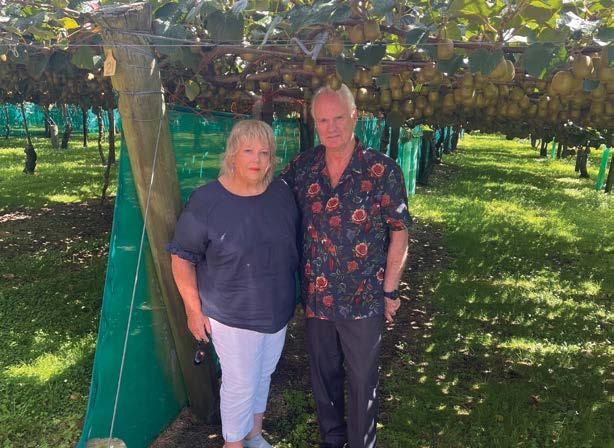
Ramsay and Lorraine Muir’s youngest daughter, Helen, calls Muir Orchard a “rainbow orchard.” As well as growing all three main kiwifruit varieties, it boasts 6ha of avocados, towering park-like trees and a “superbloom” of wildflowers.
Ramsay, a passionate botanical enthusiast, has lived on his family land for 76 years.
The unique property, surrounded by sweeping bushland, is leased by Seeka and managed by Matthew Wells. It provides near year-round work for a tight-knit Nepalese crew of 12, led by Kumar Limbu.
Ramsay says their 2026 harvest looks promising thanks to the team, but unusual weather patterns have brought challenges.
They had an uneven bud burst in green, but crops, ultimately, were “very solid.” As of early March, fruit was maturing the same, if not ahead of, 2025.
To sum up their three varieties: green exceeds industry averages (strip males every third row helped this). It sometimes has trouble with pollination due to the surrounding bush, but gets good winter chill, so it sets lots of flowers.
Red numbers are building year-on-year, and this year, there are even fruit numbers on most vines. Half had Naphthalene Acetic Acid (NAA) sprayed, and at the time of writing, was tracking 10 grams heavier than non-NAA blocks. Setting crop numbers early is “essential” for adequate fruit size (picking mid-March).
No 4 Road, Te Puke
ORCHARD: Muir Orchard
CROP:
1.12ha Hayward
3.47ha Zespri RubyRed™
2.72ha Zespri SunGold™
OVERALL FEELING FOR 2026 HARVEST: “Crops are solid”
Problems include Armillaria, so dead vines are replaced, and there is a heavy deer presence. The Muirs’ son Chris is their chief pest controller and has “nailed” a few.
With gold, they aim for 16,000 to 17,000 trays per hectare. There is a passionvine hopper problem around the edges, and cicadas, but Seeka clears the gulley edges of host plants and has a solid spray programme in place.
Ramsay picks up the story: “We first planted kiwifruit in 1971, after clearing 2600 lemon, grapefruit and tangelo trees. We began with 1ha of green and continued expansion until the late 1980s, when the kiwifruit industry collapsed due to financial instability and rising global supplies.” The crash left the Muirs with large, unfinished development blocks.
Despite receivership, Ramsay says they found ways to recover and, since 1990, have partnered with Seeka to lease it. Up until 2000, Ramsay and Lorraine worked as Seeka contractors to revive what they’d started. Gold was cut over from green in 2010, and red was planted in 2022.
Seeka also partners with Zespri and the Bioeconomy Science Institute on the property to host various trials.
“We work well together,” Ramsay says. With Lorraine in agreement: “I would say it’s going to be another good year.”
“We work well together,” Ramsay Muir says of his and wife Lorraine’s decision to lease their unique property to Seeka 36 years ago
HAPŪ VENTURES INTO AVOCADOS
Local hapū Te Uri o Hau is developing Te Tutakitanga avocado orchard on a 20ha site – one of three orchards to spring up around Northland’s Te Waihekeora Reservoir in the last 5 years. DELWYN DICKEY visited the orchard to learn about the new venture.
GROWING ON FREE-DRAINING SAND IS “OPEN-FIELD HYDROPONICS”
CONSULTANT IAN BROADHURST
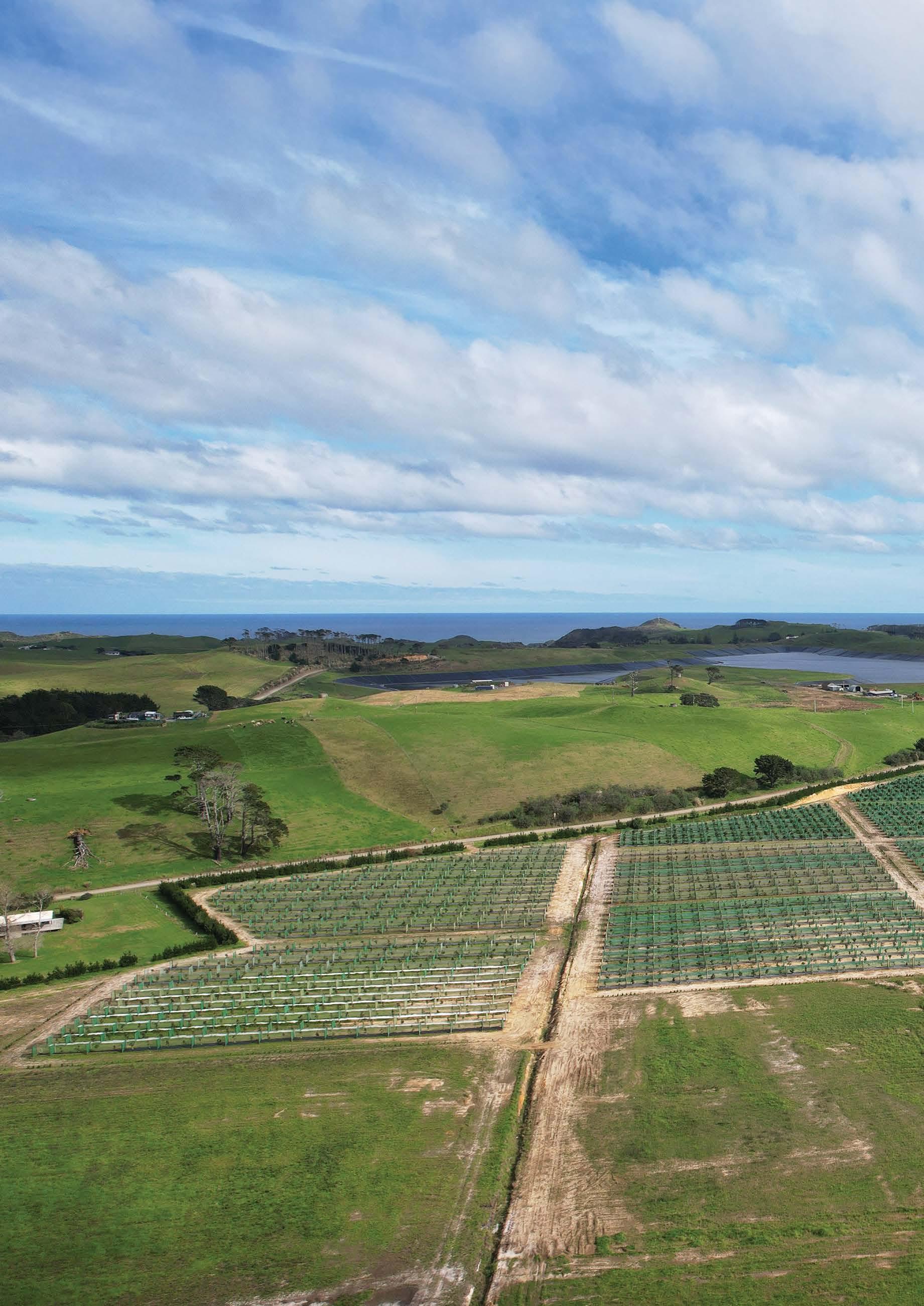
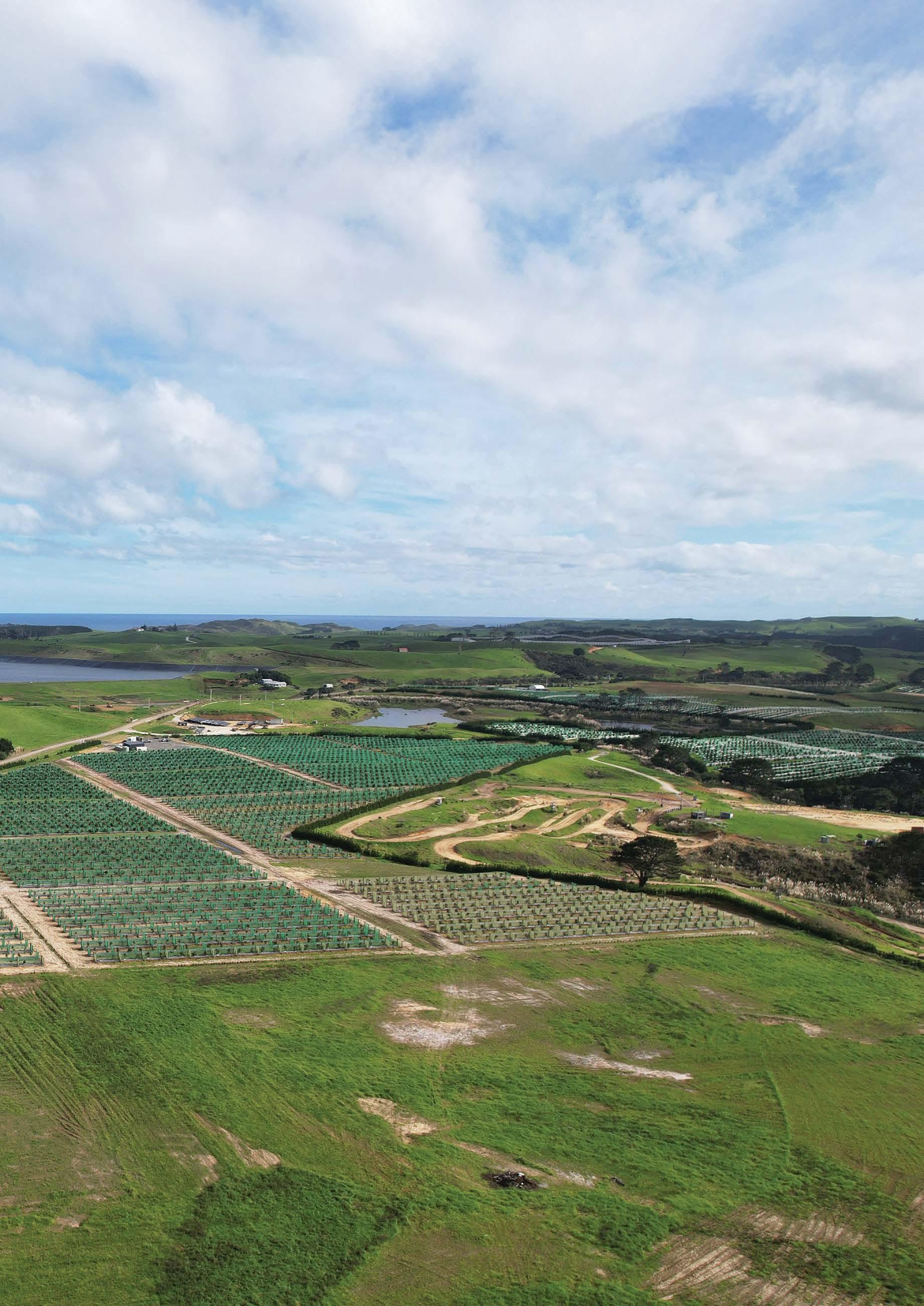
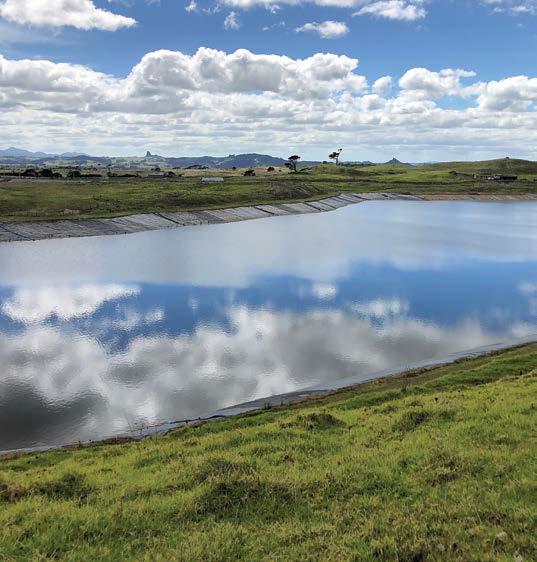
The 3.3 million cubic metre Te Waihekeora Reservoir (pictured centre) on Northland’s Pouto Peninsula is now up and running, supporting three new avocado orchards, including the 20ha Te Tutakitanga orchard run by local hapū Te Uri o Hau (pictured in the foreground), Lynwood Avocado Nursery’s own 20ha orchard (pictured to the right) and in the distance a third orchard on the rise. Photo by Chris Frost
Horticulture wasn’t an option in the area until the reservoir was completed
The Pouto Peninsula, south of Dargaville on the west coast of Northland, is basically a giant sand dune separating the northern Kaipara Harbour from the Tasman Sea.
With its long, hot and dry summers and poor soil moisture retention, the peninsula has always been a challenging place to farm.
The lack of readily available water meant horticulture wasn’t an option – until now. With the newly finished 3.3 million cubic metre Te Waihekeora Reservoir now up and running in northern Pouto, local hapū Te Uri o Hau is developing Te Tutakitanga avocado orchard on a 20ha site – one of three orchards to spring up around the reservoir in the last 5 years.
A hapū of Ngāti Whātua iwi though often seen as an independent iwi, Te Uri o Hau has an area of interest stretching from Mangawhai on the east coast across to Dargaville and the Pouto Peninsula on the west coast.
The first two of three stages on the Te Tutakitanga site have now been planted with 6500 trees in the ground, with the first harvest later this year. No firm decision on what will be planted on the remaining 7ha has been made.
Lynwood Avocado Nursery at Maunu, near Whangārei, specialising in commercial avocado trees from both grafted seedling and clonal rootstock, supplied all the trees on the three orchards at Pouto including Lynwood’s own 20ha orchard, next to Te Tutakitanga.
With over 9000 members, Te Uri o Hau has commercial interests in the Pouto and Rototuna Forests, some commercial buildings, a 242ha dairy farm, along with Te Tutakitanga orchard. They also operate the Māori cultural centre Te Hana Te Ao Marama near Wellsford.
New to avocado production, Te Uri o Hau was able to engage consultant Ian Broadhurst, the ‘Richie McCaw of avocado growing’, as he is known on orchard. Ian has been growing for 40 years on his own orchards and until recently he was chief orchardist with the New Zealand Avocado Group. He has changed the way orchards are developed and managed. By using a higher density of smaller more compact trees, he has been able to more than double output per hectare compared to traditional orcharding methods.
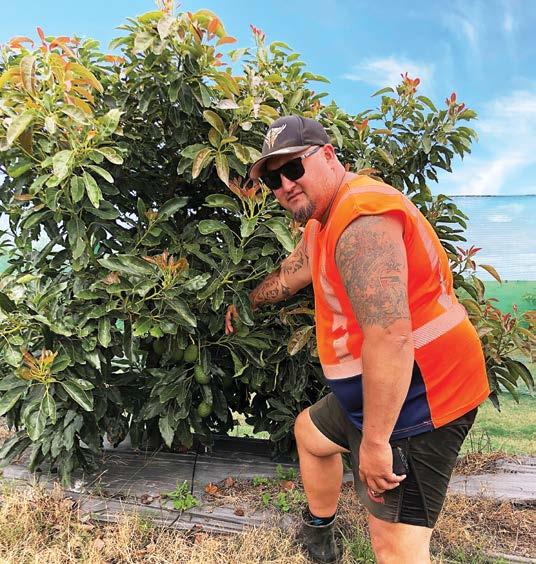
Te Tutakitanga orchard manager and hapū member Cruize Selkirk.
Photo by Delwyn Dickey
Though now largely retired, Ian is still involved in marketing and has continued to advise the hapū with their orchard, which he says has a special place in his heart.
He appreciates Te Uri o Hau’s plan for a long-term intergenerational operation and establishing the orchard to best practice. There have been no corners cut as you might see if an owner were intending to flick it on in a few years, he says.
Benefitting from his mentoring is orchard manager and hapū member Cruize Selkirk. With limited work options in the local area, Cruize has worked variously as a fencer, in a concrete plant, with a logging company and as a welder since leaving school.
Now 36 and with a love of the outdoors, managing the orchard while learning on the job from someone of the calibre of Ian Broadhurst has been welcomed.
Consultant Ian Broadhurst says Te Tutakitanga has a special place in his heart. Photo courtesy of New Zealand Avocado Group
The orchard is planted on what is basically beach sand but fertigation takes care of the nutrition and water from the reservoir
The orchard site
There is a very hard iron pan, 200–500mm thick, that sits about half a metre under the topsoil acting as a root barrier, with basically beach sand underneath. The pan is behind kūmara being successfully grown on the flats in the broader Dargaville and Ruawai area for decades – forcing the roots to stay near the surface. But it has to be broken up for the trees to get the right amount of vertical drainage. This saw heavy equipment brought in.
When Cyclone Gabrielle came through in February 2023, planting had yet to begin at Te Tutakitanga. Many trees on the neighbouring orchards – only in the ground for a few months – were seriously damaged, with many needing to be replaced.
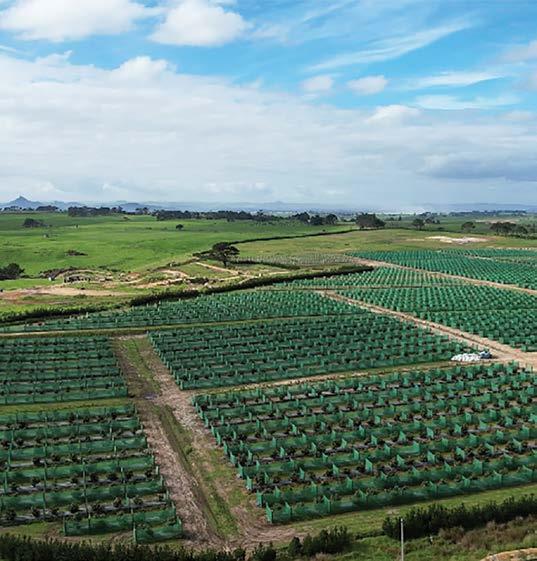
This saw the original plans for shelter belts at the orchard revised. There are now pine windbreaks around the perimeter and internally, with windbreak netting on every row.
Open-field hydroponics
“We’re looking for soils that are a little bit more benign and probably have minimal nutrition in them – so that we can control what the trees do,” says Ian. “It’s open-field hydroponics.”
With the pan broken and with free draining sand, the site is ideal for avocados, he says. “With the orchard fully irrigated [with a fertigation system], we can turn the nutrient on and off depending on what we want the tree to do,” he says. “That’s gold.”
“Consistency in the rootstock makes it a lot easier in terms of management, nutrition, water, nutrient uptake, as they all react the same. And they come with a degree of Phytophthora [root rot] tolerance.”
All Hass trees, they are mostly on Bounty or Astro clonal rootstocks, he advises. Planted intensively, the trees are 5x3m – about 600 trees per hectare, with about 10 percent being pollinisers.
The goal is not to let the trees get any bigger than 3–3.5m high, he says. This brings the harvesting lower, is less labour intensive, and safer for workers.
Shares in the new Kaipara Water Scheme cost $30,000 each, with Te Uri o Hau owning 25.
This sees them able to use 30 cubic metres of water per 24 hours, and 3000 cubic metres annually per share, supplied at a rate of 0.35L/s.
www.irrigationexpress.co.nz
YOUNG GROWERS, START YOUR ENGINES
Held annually, the competition brings together talented young growers from across the sector. Competitors first test themselves in one of seven regional events – Pukekohe, Bay of Plenty, Gisborne, Hawke’s Bay, Nelson, Central Otago and Canterbury – before regional winners advance to the National Final.
Each regional competition is run independently. The series begins in Pukekohe on 15 May, followed by Central Otago on 22 May, Gisborne on 11 June, Hawke’s Bay’s Young Fruit Grower of the Year on 18–19 June, Bay of Plenty on 19 June, Nelson on 19 June and Canterbury on 25 June.
Open to commercial fruit and/or vegetable growers in their respective regions, competitors face a mix of theoretical and practical modules designed to test their horticultural knowledge, technical capability and problem-solving skills.
The day’s challenges culminate in a gala dinner or networking event, where regional winners are announced.
The National Final will be held in Cromwell on 27–28 August, where the seven regional winners will compete for the New Zealand Young Grower of the Year title.
The national winner will then have the opportunity to represent the sector in the Young Horticulturist of the Year competition, run by the Royal New Zealand Institute of Horticulture Education Trust, showcasing the leadership and expertise of the next generation of horticulture professionals.
Registrations for regional competitions are open now. For more information, please visit www.younggrower.co.nz
STEADY AS SHE GOES AT PORT NELSON
Good stocks of reefer containers at Port Nelson combined with more reliable shipping schedules are providing a positive start to the region’s export apple harvest – in a global environment where conditions can change quickly.
The port’s general manager of operations Paul Williams says it remains a fluid situation, but vessel schedules have improved considerably since the start of the year due to positive changes in shipping line services. Adjustments to port calls and the number of vessels has resulted in more reliable port calls across New Zealand, he says, not just Nelson.
Local exporters and those in logistics met with Port Nelson ahead of harvest and he says feedback on the season was positive.
Anne Hardie
“We’re preparing and we’re planning for a bumper season. Everything is looking pretty positive and pretty good – now it’s just a case of rolling with whatever changes occur and getting through to August as best we can.”
Those changes can happen quickly, he says, depending on forecast accuracy, the availability of empty containers at overseas ports, shipping capacity into New Zealand, and demand for other commodities at overseas ports.
Just as shipping and container capacity had been improving, the Middle East conflict brings new uncertainty. Photo by Tim Cuff
“All those things make it a very complex network, and we are a part of that network. We spend a lot of time dealing with shipping lines, trying to make sure Nelson is in the best position we can to be able to have containers.
“You’re only one disruption away from further issues. We’ve got a war going on, the weather – there’s different things that will no doubt happen that will impact on shipping. But we feel the container shipping network is very stable.”
Paul is cautious about commenting on the potential impact from the United States-Iran conflict, due to the uncertainty around it.
“There is clearly congestion risk for the ports around Indian Ocean and when that starts to be experienced, that cascades to other locations very quickly. That normally looks like ships being delayed, empty containers, supply being impacted and all that sort of thing. It happens very quickly and in batches. It all depends on where it happens and what the causes are as to how widely the effects are felt.”
While apples are heading out in reefer containers, the majority of kiwifruit moves on bulk charter reefer vessels, with 10 or 11 vessels expected to call at Port Nelson this season.
“Because they are chartered vessels, they are not subject to the whims so much of a line of shipping schedules that get delayed at other ports. They’re organised on a voyage basis rather than a network basis.”
Overall, he says, Port Nelson is well positioned for a successful season all-round.
NEW ZEALAND FRUITGROWERS FEDERATION
DIRECTOR NOMINATIONS
Richard Easton’s term as director of the New Zealand Fruit Growers Federation (NZFF) for Nelson/Marlborough expires at the conclusion of the New Zealand Horticulture Conference in July 2026.
We are now seeking nominations for directors for the next three-year term; Richard is available for re-election.
It should be noted that the role of an NZFF director will be solely as a trustee of the New Zealand Fruitgrowers’ Charitable Trust.
Nomination forms will be emailed to all eligible fruit growers with nominations closing on 1 May 2025.
NEW ZEALAND FRUITGROWERS’ CHARITABLE TRUST
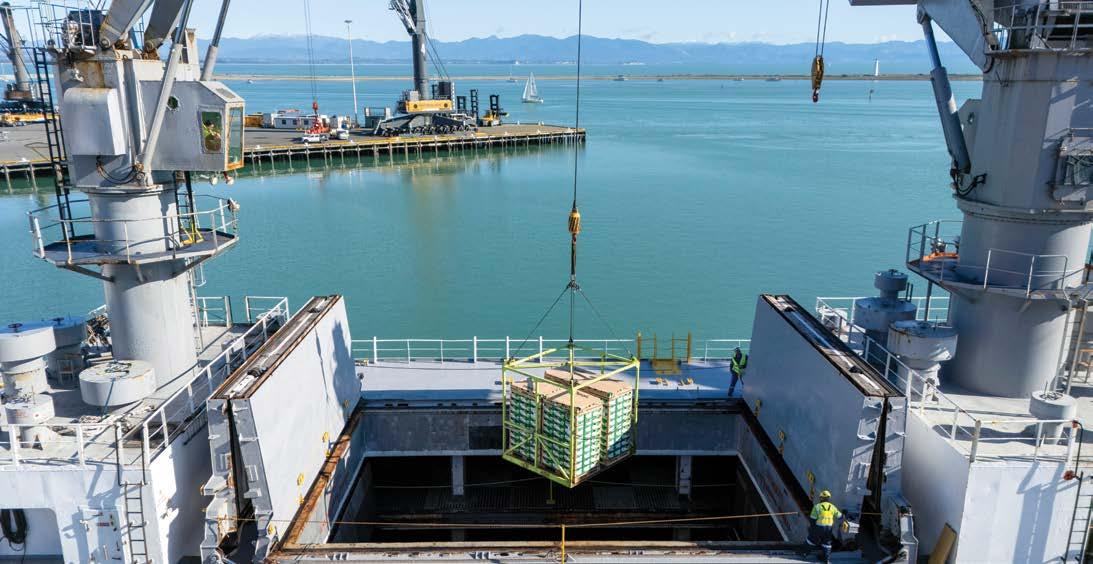
Kiwifruit being loaded at Port Nelson in previous years. Photo by Tim Cuff
NEW SHIPPING LINK FOR CENTRAL OTAGO GROWERS
Central Otago apple growers are pleased to see the direct shipping link from Dunedin to China back in service for the first time since 2020.
Aimee Wilson
From early February, Port Otago welcomed MSC’s ‘Wallaby’ service into Port Chalmers, as part of its AsiaOceania network, representing new export and import capacity for Otago and Southland.
MSC is the world’s largest container shipping company, and for the past two years has serviced Port Otago via a transship service to Tauranga, utilising the Oceania 2 loop service.
The service was withdrawn in 2020 after 10 years due to the Covid-19 pandemic, but now pipfruit, meat, timber, dairy and seafood exports are making use of it.
Ettrick-based pip and stone fruit grower Stephen Darling says the expanded services out of Port Otago were critical for his pipfruit export crop.
Darlings Fruit is reliant on the export market for 90 percent of its sales, and has 28ha planted across its two orchards in the Teviot Valley. Another 18ha of apricots are grown for export as well.
The new service out of Port Chalmers means they can now get their fruit to market much quicker, after ongoing delays over the past six seasons.
Stephen says the length of time from picking, packing and then shipping the produce to offshore markets as far away as the United Kingdom, means final settlement can be up to six months later.
Darlings Fruit grows NZ Rose, NZ Queen, Dazzle™ , Granny Smith, Cox’s Orange, Royal Gala, Honeycrisp, Fuji, Koru® and Kanzi®.
MSC Langsar calling at Port Chalmers. Photo by Mark Cameron
Darlings Fruit is reliant on the export market for 90 percent of its sales
In recent years they have expanded their pipfruit varieties to keep up with world markets, and Stephen says they are now starting to see increasing volumes from the younger trees.
The pipfruit harvest started in early March, a bit later than usual because of the cooler weather, but Stephen says the colour is amazing.
The local pipfruit industry has faced tough times before, and some Central Otago growers have pulled out their apple trees and just concentrated on stonefruit instead.
The new service out of Port Chalmers means they can now get their fruit to market much quicker
The number of growers has also reduced over the past 10 years due to a lack of succession, and the increased pressures and lack of reward resulted in people losing heart, he said.
“But we are becoming efficient producers,” and growing new varieties was one of those ways, Stephen says. Remarkable Orchards in Roxburgh East and CAJ Apples are the other big main pipfruit growers in Central Otago.
Remarkable Orchards has 70ha of pipfruit in production, and grows six varieties – 50 percent of which are Royal Gala.
CAJ Apples in Ettrick and Earnscleugh grows 11 varieties of apples across seven Central Otago orchards, exporting to 60 countries.
GROWERS KEEP YOU HUMBLE
Widely respected by orchardists up and down the country, Richard Mills is retiring having made a mark with his deep technical knowledge and passion for plants. The tough years of Covid-19 and Cyclone Gabrielle wrought their havoc, but the constant change that is the nature of horticulture is still inspiring.
Aimee Wilson
When Richard Mills first went to work for the DSIR (Department of Scientific and Industrial Research) in Havelock North, he was in charge of writing reports about new fruit varieties.
Decades later, although there are now at least 50 different kinds of summerfruit being grown, the technical advisor for Summerfruit NZ can still tell you what they all are, and their various attributes.
The Sweet Dream peach is his favourite stonefruit, but Richard says he can’t go past a Doyenne du Comice pear when they are grown and stored correctly.
“I particularly like tree-ripe fruit,” Richard says.
But in the final weeks of his 30-year-long career, Richard ponders the scale of the summerfruit industry, and how everyone could be working together better and sharing resources.
The summerfruit industry has now grown to about 3000ha with the new cherry plantings in Central Otago.
Listening to growers and being brave enough to ask them if they are all right. That was everyone’s job post Gabrielle
Richard adds that the stonefruit industry is still dominated by many ‘mum and dad’ operators, and the mindset that ‘the guy over the fence is my competitor’ gives the industry a real capitalist competitor’s edge.
In some respects that has made the industry challenging, compared to how things are done in the kiwifruit industry where the single desk system for sales and exports is in their DNA.
Richard’s early years were on a sheep and beef farm north of Napier, and his father then grew asparagus near Hastings. Naturally he helped box them up to send off to Wattie’s. Eventually, on the Heretaunga Plains, the family moved into beans, peas, tomatoes and corn.
In 1979 his father branched out into apples – Red Delicious and Granny Smith, and then Royal Gala, Cox’s Orange Pippin and Braeburn.
Then along came the soft fruit – boysenberries and gooseberries – and the family had the most northern plantings of English gooseberries in the country – a variety called Levin Early.
Richard was the eldest of four boys and they all helped picked the crops before he went off to Massey University to complete a Bachelor of Horticultural Science.
“It was something that I knew.” Apples were his first love and in 1984 after leaving university he landed his first job managing an orchard. He relied on the agrichemical reps to advise him what to do and when to do it.
“University doesn’t teach you how to run an orchard.”
After the DSIR and growing his own apples on the family orchard, Richard worked as a consultant for a small company specialising in advising ‘mum and dad’ orchardists, but there were too many major frosts and hailstorms for many of them to survive long term in the Hawke’s Bay.
Summerfruit NZ technical advisor Richard Mills is retiring
His first trip south to Central Otago was to carry out a study on applying reflective mulch under cherry trees, and then he spent 15 years working for the Italian company Valagro conducting field trials using fertilisers and biostimulants.
“I didn’t have a lot of summerfruit experience when I started here, but I knew trees. I knew growers.”
In recent years Richard became interested in changing the understorey of the orchard and wanting to do better for the environment through his work with the A Lighter Touch Programme.
But 18 months ago he got Covid-19 returning from a trip to Rarotonga and never quite recovered. He currently lives with severe after-effects of the shingles virus that affect his eyesight.
The man who used to pick up the phone and ask orchardists if they were okay following severe weather events including Cyclone Gabrielle and Bola, is now himself grappling with his own mental health.
He said Cyclone Gabrielle nearly broke him too, and he wasn’t even a grower.
With no power or connectivity for days, he decamped in the NZ Apples and Pears office and worked from a corner trying to help as many stonefruit growers as possible.
“Listening to growers and being brave enough to ask them if they are all right. That was everyone’s job post Gabrielle.”
He heard the stories of people being rescued from the roof cavities of their houses and from the tops of their roofs, and of apple bins floating away as the water continued to rise higher than the house.
For a few years Richard has been making weekly calls to growers in all the different growing regions of the country, as part of writing the NZ Market Report.
“Growers keep you humble all the time with how much they know. They know their orchard.”
In his retirement, Richard will be experimenting with his own crops – raspberries and blackberries, and a few fig, apple and pear trees. Hazelnuts as well.
He says he’ll be trying to keep up with his wife Eileen, who is still running half marathons in her retirement.
But the industry will never be far from his mind. And he is pleased that they are finally starting to see a lot more women working in horticulture nowadays.
“There are jobs to be had in horticulture that’s not just picking and packing cherries and apples.”
The technology in particular is most impressive, using robots and the latest software in new coolstores and packhouses, creating job opportunities in many specialty areas.
GET HELP AND SUPPORT
Rural Support Trusts have local, rural people who know from experience that pressures can mount up. Our networks and training can help with all kinds of situations, and help you get through your current challenges.
Need to talk?
Phone Rural Support on 0800 787 254 www.rural-support.org.nz
BRIDGING THE GAP: OFFICIALS GET FIRST-HAND INSIGHTS INTO HORTICULTURE SECTOR
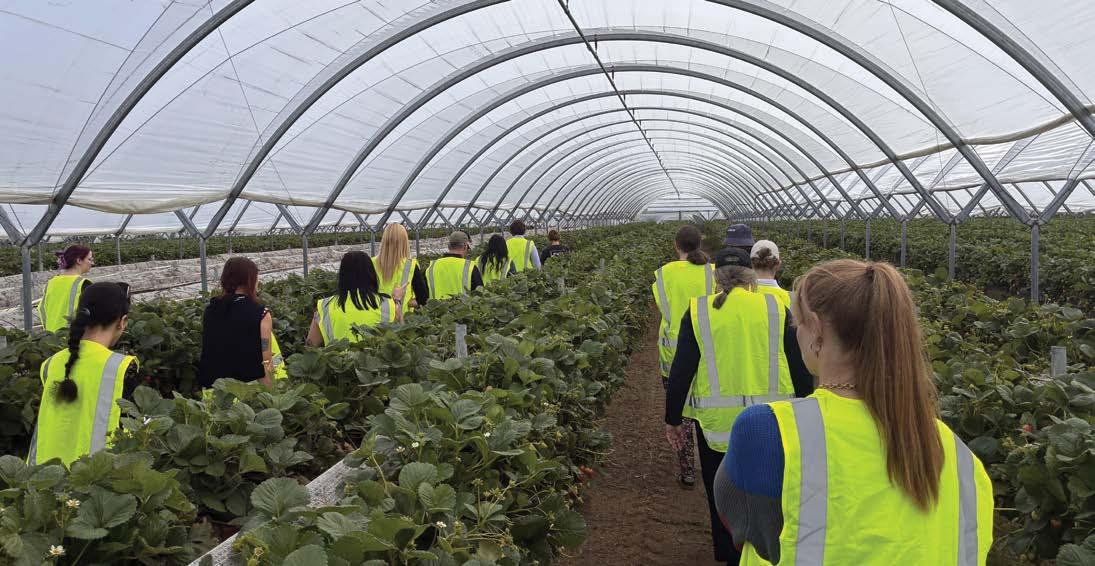
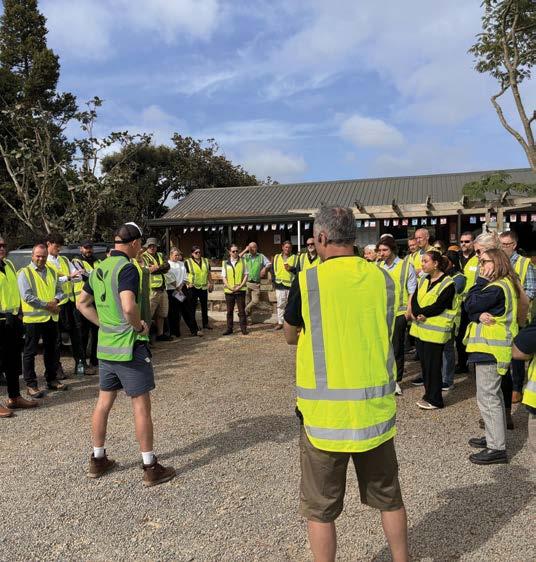
In February, Woodhaven Gardens and Lewis Farms in Horowhenua and the MG Fresh Produce Group, Wellington, hosted 45 officials from six different government agencies.
The field trip, organised as part of the Aotearoa Horticulture Action Plan (AHAP) Cross-pollination Day, aimed to give officials involved in horticulture the opportunity to hear directly from growers about their businesses, concerns and ideas for the future of the sector.
Interest in the annual field day has continued to grow with more than 100 officials taking part since a pilot was held in 2024.
This year, officials from a range of agencies attended, including the Ministry for Primary Industries, Ministry of Business, Innovation and Employment, Environmental Protection Authority, Ministry of Social Development, Ministry for the Environment and the Climate Change Commission.
The staff work on issues that are critical for horticulture businesses such as crop protection, the Recognised Seasonal Employer scheme, environment, Māori agribusiness, immigration and food safety.
MG Fresh Produce Group was a new stop this year, showcasing its vital role in supplying fresh produce nationwide.
Both Woodhaven Gardens and Lewis Farms highlighted that while growers are embracing technology, new systems and improved workforce models, the pressures of storms, regulations and rising costs remain a significant challenge.
Hearing this first-hand gave the officials a better understanding of where support, clarity and smarter policy can make a real difference, reinforcing the value of bringing agency staff and growers together each year.
Participants walk down the rows at Lewis Farms
Jay Clarke from Woodhaven Gardens briefs the group ahead of the tour
There was a great deal of positive feedback about the field trip.
“A big thank you to the organisers,” said one participant.
“You all did a wonderful job delivering a full and well-structured day. Managing to fit in three site visits within the timeframe was impressive and greatly appreciated, it made the experience both engaging and worthwhile.”
IMPLEMENTATION ROADMAP
PHASE ONE (2025-2027)
WHAT IS THE AOTEAROA HORTICULTURE ACTION PLAN?
Launched in 2023, the Aotearoa Horticulture Action Plan (AHAP) was developed collectively, and belongs to everyone involved in the New Zealand horticulture sector.
In her column in last month’s issue of NZGrower & Orchardist, HortNZ chair Bernadine Guilleux stated that this year the AHAP focus has shifted from ambition to delivery.
“AHAP is not a glossy aspiration sitting on a shelf. It is a deliberate attempt to align industry, government, Māori and science behind a single outcome: doubling farmgate value by 2035 while improving prosperity for our people and protecting the environment.”
The Phase One Implementation Roadmap (2025–2027) is now in motion, tackling issues that are critical to growers, including water security, workforce settings, crop protection tools, infrastructure and market access.
“What unites all growers is the need for practical settings that allow growers to plan with confidence, manage risk and invest for the long term.”
Hearing this first-hand gave the officials a better understanding of where support, clarity and smarter policy can make a real difference, reinforcing the value of bringing agency staff and growers together each year
Others reported that learning about the challenges of growers and where regulations are making it more difficult to operate will help with their work.
The field day initiative delivers on one of the key actions in the AHAP, which is to establish a programme that increases knowledge of the horticulture sector and policy between officials and the sector.
HORTICULTURE VULNERABLE TO MAJOR ROAD CLOSURES
When a key road closes on the North Island’s East Coast, the impact on citrus growers is immediate.
Trucks carrying fresh fruit can be forced onto long detours, freight costs rise and carefully planned harvest and packing schedules can quickly unravel.
Dave Hansen, fruit procurement manager at Kaiaponi Farms, says disruptions to transport routes can quickly ripple through the entire supply chain.
“Citrus is a fresh product and timing is critical. When routes are disrupted, fruit packers and distributors are forced to send fruit on much longer journeys just to reach markets.
“That adds freight costs and delays, and it takes a lot more coordination across the supply chain.”
The issue was apparent during Cyclone Gabrielle in 2023 and the heavy rain in summer 2026, when damaged roads and bridges saw growers and transport operators having to find alternative ways to keep fruit moving.
“If fruit can’t get to the packhouse on time, grading lines slow down, staff hours are affected and the whole operation becomes less efficient,” Dave says.
“It shows just how interconnected the system is.”
Those experiences are reflected in new research commissioned as part of the Aotearoa Horticulture Action Plan, which examined the infrastructure supporting horticultural supply chains across New Zealand and found many growing regions depend heavily on limited transport corridors or packaging hubs.
That creates vulnerabilities for perishable crops that must reach domestic and export markets quickly.
HortNZ chief executive Kate Scott says reliable transport networks will be critical if the sector is to achieve its goal of doubling the farmgate value of horticultural production by 2035.
Slips along State Highway 2 next to the Waiōeka River can disrupt movements of perishable fresh produce. Photo courtesy of Toitū Te Whenua Land Information New Zealand
UP TO
$112 MILLION WORTH OF PRODUCE MOVEMENTS OUT OF THE GISBORNE REGION DEPEND ON
THE STATE HIGHWAY 2 TO ŌPŌTIKI
“This study provides an important body of evidence about the regional infrastructure that supports horticulture and the value that production generates,” Kate says.
“It also highlights some clear vulnerabilities. The largest horticultural production regions are Bay of Plenty and Hawke’s Bay.
“Together they generate more than $5 billion worth of produce each year and both are heavily export-focused. Infrastructure disruption in either region would put significant export earnings for New Zealand at risk.”
Fresh produce often moves several times between paddock and consumer – through packhouses, wholesalers, distribution centres and retailers – and disruption at any point in that chain can compromise quality.
“Horticulture production, packing and distribution is concentrated in the ‘golden triangle’ of Auckland, Waikato and Bay of Plenty,” Kate says.
“About half of New Zealand’s inter-regional horticulture produce movements travel over Waikato region roads, highlighting just how important those transport links are.”
The study also highlights the reliance of some regions on transport connections outside their local area.
In Gisborne, only 18 percent of produce packed in the region is also distributed locally, while in Northland the figure is just 4 percent. That means growers depend heavily on reliable transport links to move fruit and vegetables to markets in other parts of the country.
A recent example occurred in February when slips forced the closure of the Waiōeka Gorge section of State Highway 2 between Gisborne and Bay of Plenty. The route supports up to $112 million worth of produce movements out of the Gisborne region.
“Closures like this have significant impacts on growers,” Kate says.
A resilient supply chain is incredibly important for a country like New Zealand with a strong horticulture sector
“Safeguarding critical transport routes and reducing the risk of cascading delays is central to protecting shelf life, meeting market requirements and ensuring the best possible returns for growers and the New Zealand economy.”
For Barton Witters, general manager of Kaiaponi Farms, which operates orchards and post-harvest facilities in the Gisborne region, the findings reinforce what growers already know.
“A resilient supply chain is incredibly important for a country like New Zealand with a strong horticulture sector,” Barton says.
Photo courtesy of Toitū Te Whenua Land Information New Zealand
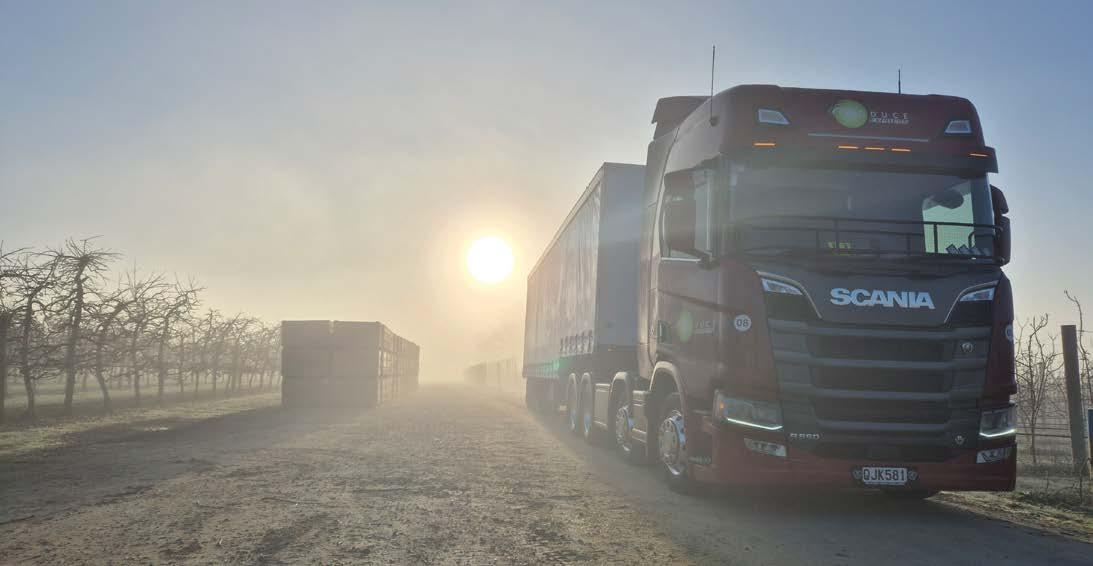
Produce trucks are a vital link in the horticulture supply chain. Photo courtesy of Produce Express Ltd
“If we don’t have that resilience, we risk becoming more dependent on imported fruit and vegetables, which really makes no sense when we have the ability to grow highquality produce here.”
He says extreme weather events have highlighted just how exposed some growing regions are when transport connections are disrupted.
“Events like Cyclone Gabrielle or the heavy rain and flooding earlier this year showed how vulnerable some of our transport links can be when roads and bridges are damaged,” Barton says.
Some investment in alternative logistics options is helping improve resilience
“When that happens growers and post-harvest operators have to find workarounds very quickly to keep fruit moving, and that often comes at significant cost.”
Some investment in alternative logistics options is helping improve resilience. Coastal shipping, for example, would allow produce to move from regions such as Gisborne to larger ports before heading to international markets.
But Dave says those alternatives also bring additional costs.
“Regional port operations can be expensive, so it’s important these costs are fair and transparent, and that growers are not left carrying an unreasonable burden.
“Ultimately New Zealand needs to decide how important domestic production of fruit and vegetables is to us.
“Good availability of locally grown produce is hugely important for New Zealanders. If we want a thriving horticulture sector, we need to prioritise investment in the infrastructure that supports it.”
A large proportion of domestic-bound fresh produce passes through chilled distribution centres in Auckland, Palmerston North, Wellington and Christchurch, concentrating supply through facilities in just four regions.
Kate says the research will provide valuable evidence as decisions are made about future infrastructure investment.
“It ensures that infrastructure critical to the movement of food can be recognised as a vital lifeline,” she says.
“The analysis will help the sector advocate for resilience improvements where infrastructure is most vulnerable, as well as rapid repair when critical connections do fail.”
Dave says ensuring resilient transport links will become even more important as the sector grows.
“Regions like Gisborne are incredibly productive, but that production relies on being able to move fruit quickly and reliably.”
GROCERY CODE AND MANDATED CRATE AND PALLET USE
For many years, suppliers have raised concerns about how power is exercised in New Zealand’s grocery sector. While many supplier-supermarket relationships work well, suppliers (suppliers are growers that supply retailers (supermarkets) directly) have often had limited ability to challenge decisions that directly affect their businesses.
Sarah Cameron : HortNZ senior policy advisor
Those concerns came to a head in 2021, when the Government asked the Commerce Commission to carry out a formal market study into the retail grocery sector. Suppliers reported unexpected cost shifting, last-minute changes to supply arrangements, and pressure to accept new requirements late in the season. A recurring theme was fear of retaliation, with suppliers reluctant to speak up because of concerns about delisting, reduced volumes, or damaged commercial relationships.
In its 2022 final reporti, the Commission concluded the grocery sector was not working well for suppliers or consumers. It found that voluntary codes and commercial norms were not enough to address the imbalance of power
and recommended a mandatory Grocery Supply Code of Conduct. The Government accepted that recommendation, and the Grocery Supply Codeii came into force in September 2023.
Why the Grocery Supply Code exists
The Grocery Supply Code sets mandatory rules for how regulated grocery retailers — Foodstuffs North Island, Foodstuffs South Island and Woolworths New Zealand — deal with their suppliers. Its purpose is to promote fairer, more transparent trading relationships and prevent unfair conduct. It is intended to ensure suppliers can raise concerns and negotiate terms without fear of retaliation.
HortNZ has sought legal advice to confirm that suppliers should be free to use alternate crate and pallet systems. File photo by Tony Benny
Mandated use of crates and pallets
One of the most persistent issues raised by suppliers since the Code came into force is the mandated use of specific crate and pallet providers.
Many suppliers supplying supermarkets are required to use a nominated crate or pallet provider. This removes any real ability to choose alternatives based on price, availability, location or what works best for their business. In practice, suppliers have little choice but to comply, even when the system is expensive, inefficient or unreliable.
Crate shortages routinely result in perfectly good produce being rejected, with retailers choosing to leave shelves empty rather than allow suppliers to use alternative crate options. This rigidity means fresh fruit and vegetables are withheld from consumers, despite being available and ready to supply.
Clause 11iii of the Code deals with transport and logistics services. In simple terms, it prevents supermarkets from requiring suppliers, directly or indirectly, to use a particular transport or logistics provider.
HortNZ sought independent legal advice on the application of Clause 11, which confirmed that retailers cannot require suppliers, directly or indirectly, to use a particular transport or logistics service. HortNZ raised this interpretation with the Commerce Commission, which reached the same conclusion. The Commission has since confirmed to retailers that mandating the use of a particular logistics service breaches Clause 11 of the Code; however, suppliers are yet to see meaningful change on the ground, and the issue remains unresolved.
Another related issue currently being worked through with the Commission is the role of service standards for crate and pallet systems.
Retailers may set reasonable service standards for logistics systems, for example around food safety, handling, or delivery requirements of a crate; however, the Code does not require those standards to be established before a supplier can choose a crate or pallet provider.
HortNZ has again sought legal advice confirming that suppliers should be free to use alternative crate and pallet systems where retailers do not have reasonable requirements in place. If service standards were treated as a prerequisite, retailers could effectively continue mandating particular crate systems while those standards were being developed, which would undermine the intent of Clause 11.
HortNZ is continuing to engage with the Commission to ensure the Code is applied as intended and that service standards are not used to restrict supplier choice.
Why suppliers are still frustrated
Despite legal interpretations, the issues remain unresolved and continue to be a major source of frustration for suppliers. Mandated crate and pallet providers are still being imposed with little change felt on the ground. The situation could have been avoided if Clause 11 had been enforced more clearly when the Code first came into force. Earlier enforcement would likely have provided certainty to retailers and suppliers alike and prevented the use of mandated crate and pallet systems.
HortNZ is continuing to engage with the Commission to ensure the Code is applied as intended and that service standards are not used to restrict supplier choice
The continued use of mandated crates and pallets has real operational consequences for suppliers. Growers frequently report shortages during peak harvest periods, leaving produce ready to be packed but no crates available to move it through the supply chain. At the same time, suppliers must often hire crates based on supermarket forecasts, meaning they can incur hire costs for crates that ultimately go unused if orders change. Different retailers also require different crate systems, forcing growers to manage multiple inventories or repack product depending on where it is being supplied. For businesses operating on tight seasonal margins, these inefficiencies create unnecessary cost, complexity and risk.
The way these requirements are applied also raises wider concerns under the Code. Mandating crate and pallet providers without consultation or flexibility sits uneasily
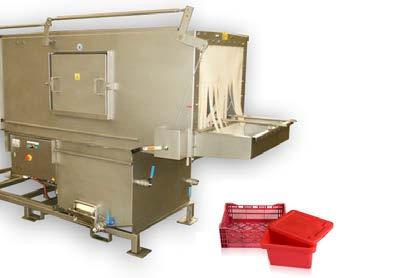
Crates used in the fresh produce supply chain. File photo by Tony Benny
with the obligation to deal in good faith. Imposing nonnegotiable logistics terms that are costly, inefficient or unworkable raises clear fairness issues. Requiring suppliers to pay crate and pallet costs to meet retailer preferences without negotiation, compensation or a clear benefit to the supplier also cuts against the Code’s intent to prevent retailer business costs being passed down the supply chain.
Where to from here
HortNZ continues to engage closely with the Commission on this issue and meets with the Commission regularly to push for progress. Our focus now is on seeing this matter resolved in practice, not just clarified in principle. HortNZ has also sought engagement with Ministers responsible for the grocery sector to ensure the intent of the Code is upheld and that suppliers are able to operate under a fair and workable framework.
i. https://www.comcom.govt.nz/__data/assets/pdf_file/0024/278403/ Market-Study-into-the-retail-grocery-sector-Final-report-8March-2022.pdf
ii. https://www.legislation.govt.nz/regulation/public/2023/0220/latest/ LMS881111.html
iii. https://www.legislation.govt.nz/secondary-legislation/pcodrafted/2023/220/en/latest/#LMS881114
CRATES REJECTED?
Suppliers are encouraged to send any instances where retailers reject alternative crates or pallets directly to sarah.cameron@hortnz.co.nz who will manage engagement with the Commission (on a confidential basis) on enforcement of the Code. Alternatively, suppliers can make a complaint through the Disputes Resolution Scheme or through the Anonymous Reporting Tool.
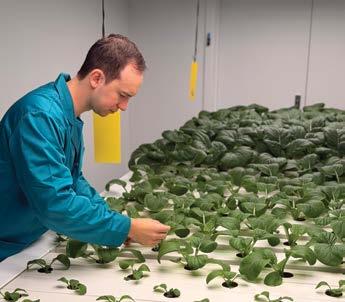
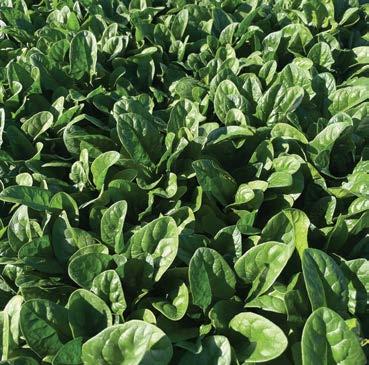
Grow yield with the best spinach: Flintstone: autumn, semi savoy, Pe:1-20, Limestone: autumn, semi savoy, Pe:1-18, 20. Quartz: autumn into winter, smooth, Pe:1-20. Tectonite: winter, Oriental, Pe:1-18,20. PV 1582: winter, Oriental, Pe:1-15,17,19,20.
Luna F1
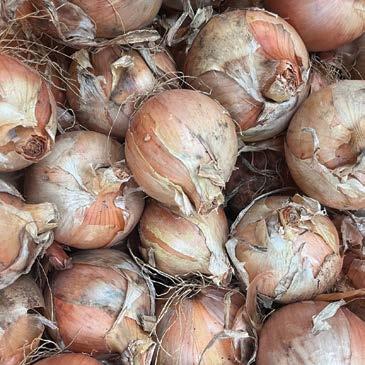
With maturity similar to PLK hybrids, Luna is very uniform with three good skins and excellent skin retention. Good field vigour and plant strength. Excellent yield, shape, strong shipping and long storage capabilities.
Excellent early spring and spring harvest varieties. Suited to late August – mid Dec harvest dependent on region. Dark green well wrapped heads, clean butt and nice internal colour. Flat round in shape. Resistance to BL:1-36 and some Nasonovia.
HORTICULTURE MARKED ABSENT IN SCHOOL CURRICULUM
New Zealand’s Year 1–10 school curriculum is undergoing its first full update in decades, but agriculture and horticulture are unlikely to be explicitly included in science classrooms. In fact, despite being the backbone of New Zealand’s tradeable economy, they never have been. It’s a missed opportunity, says education leader Kerry Allen.
The horticulture industry breathed a sigh of relief in October when the Government backtracked on its plans to drop Agricultural and Horticultural Science and Agribusiness as standalone subjects for Years 12 and 13.
It was a positive decision to protect academic pathways in horticulture, however low uptake was part of the Government’s reasoning.
Sow the Seed and HATA are advocating for schools to do more in Years 0–10
John Gauldie
(ages approximately 5–15) to develop young people’s interest. By including horticulture in the junior curriculum, we should see more uptake of horticulture subjects in both academic and vocational pathways, says Kerry Allen.
“If students come through not knowing very much about agriculture and horticulture, then how do we expect them to move into our industries? I think that’s a pipeline risk.”
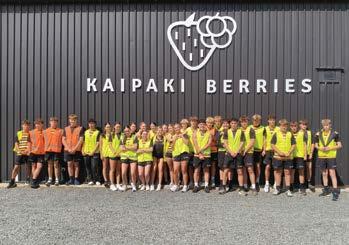
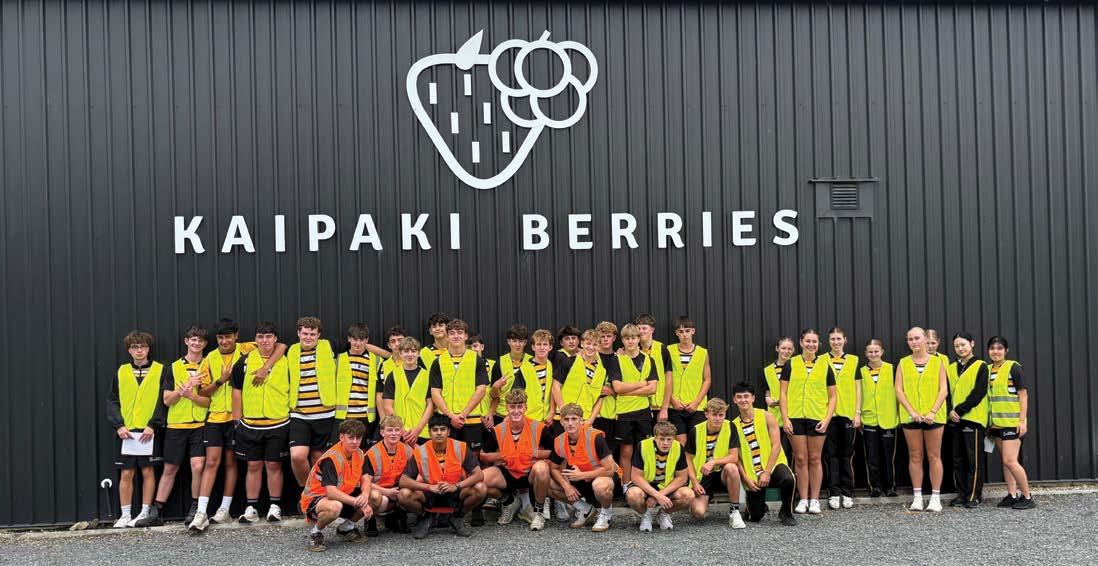
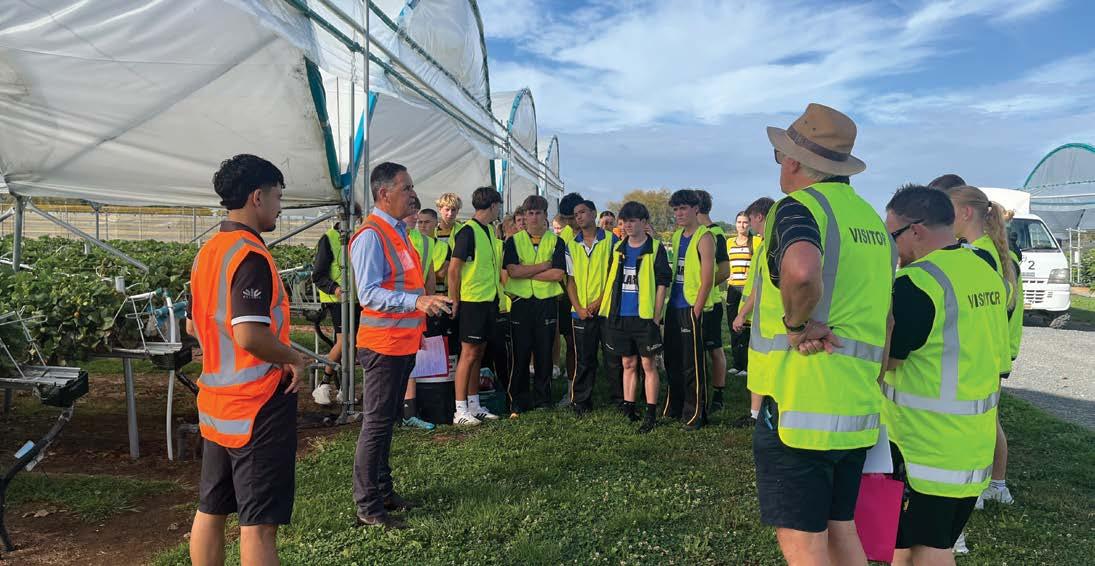
Year 12 students from St Paul’s Collegiate School visiting Kaipaki Berries. The Agribusiness in Schools programme is supported by HortNZ, MG Charitable Trust and NZKGI
Kerry is curriculum director at the Sow the Seed, an agricultural and horticultural science advisory team that supports primary industries in education, working closely with the Horticulture and Agriculture Teachers Association (HATA).
The Ministry of Education released a draft of The New Zealand Curriculum for Years 0–10 late last year, which is open to submissions until 24 April. Once finalised, the curriculum will become required teaching from the start of 2027.
By including horticulture in the junior curriculum, we should see more uptake of horticulture subjects in both academic and vocational pathways
Sow the Seed and HATA have submitted to the Ministry of Education that agriculture and horticulture content be embedded within the existing Science and Social Sciences curriculum frameworks.
Although the curriculum already contains agriculture and horticulture concepts (such as plant biology, ecosystems, geography and economy), it’s not structured in a way that encourages teachers to put it into a horticulture context.
“It’s disjointed and it’s not really about food and fibre, growing crops and sustaining our population. All the contextual stuff is missing. It’s just ‘this is photosynthesis’,”
Kerry says. “My worry with that is that students learn other contexts and they get through to high school with actually a minimal amount of content in ag and hort.”
The invisible thief:
Stopping spoilage in the cool store
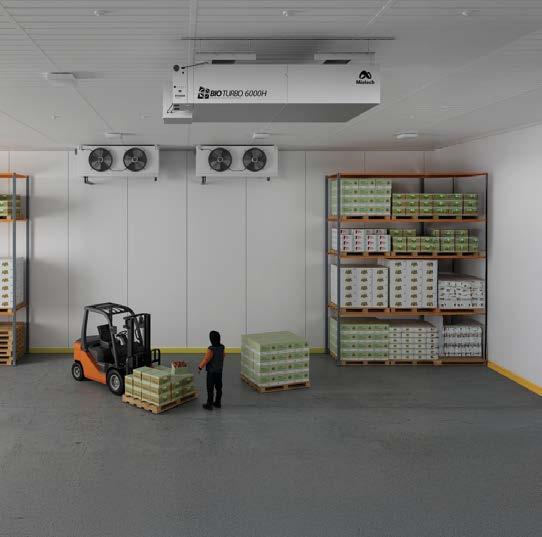
Ethylene from early ripening fruit can easily spoil your produce and your profits. The Bio Turbo unit removes ethylene along with 99.9% or airborne bacteria within the sealed chamber. It’s safer for workers, eliminating residue and removing Ozone via a patented catalyst and returning safe, clean air to the room.
It’s scalable for any size facility – from the Bio Turbo 100i for transport trucks to the Bio Turbo 6000 for large commercial pack houses.
We don’t just sell a box; we provide the engineering support to size the unit correctly for your specific crop and room size.
Stop letting ethylene steal your shelf-life.
Teachers under pressure
Schools have discretion to include contexts relevant to local industries, but it comes down to individual enthusiastic teachers with a background knowledge of the industry.
It’s an ad hoc approach that is not leading to good outcomes. Even in horticulture-intensive areas like Hawke’s Bay and Manawatū, growers regularly remark on school leavers having little understanding of horticulture as a career pathway.
Kerry acknowledges the challenge: curriculum content is already dense, making it difficult to advocate for additions without adding to teacher workload.
“If you look at the draft science curriculum, there is so much mandated content in there that schools potentially won’t have the time to do something else. If you’re only teaching science two hours a week, teachers are just going to be swamped.”
“But I think it’s even harder to teach because if you’re not an expert in a particular area, you don’t know how to join it all together. By putting in the curriculum, it will be supported because people will write resources for it.”
The proposal does not require the creation of a new learning area; rather, it advocates for the embedding of agricultural and horticultural knowledge-rich content within the existing science framework.
“We don’t believe that it is a lot of additional content,” she says.
Contact Indsol Ltd for a free consultation.
Web: www.indsol.co.nz
Phone: Mike on 027 2080 360
Email: info@indsol.co.nz
Better citizens
Kerry says the proposal will not only strengthen the primary industries’ workforce pipeline of students (from both rural and urban backgrounds), it will develop a generation of Kiwis that better understands primary industries.
With almost 90 percent of New Zealanders now living in urban areas, most students have no direct exposure to the sectors that sustain our nation. The proposal will empower students to understand food systems, land use and sustainability on a global scale.
Even
in horticulture-intensive areas like Hawke’s Bay and Manawatū, growers regularly remark on school leavers having little understanding of horticulture as a career pathway
More New Zealanders will understand the real-world context involved in producing crops, the challenges in food security and the economic importance of primary production.
“I constantly hear that we’re important – we’re important, but actually no one writes it in the curriculum. If you value something, you would put it in the curriculum, surely.”
LINCOLN UNIVERSITY RECOGNISES KERRY ALLEN
Kerry Allen has received Lincoln University’s Bledisloe Medal, in recognition of her highly regarded 30-year career developing agri-education in secondary schools. As secretary and treasurer of the Horticulture and Agriculture Teachers Association, Kerry was instrumental in securing funding for Sow the Seed to promote and enhance agricultural and horticultural science education nationwide. Her award will be formally recognised at Lincoln University on 9 May. Kerry graduated from Lincoln University in 1995.
Kerry Wells, the executive director of MG Group, speaking to Year 12 Agribusiness students from St Paul’s Collegiate School at Kaipaki Berries
A SIMPLE SOLUTION TO COMPLIANCE COMPLEXITY
On any given morning during peak season, a commercial orchard might have a dozen contractors rotating between blocks, a cohort of seasonal workers beginning inductions at the packhouse, spray rigs in transit between properties, and an audit that has just been brought forward by a fortnight.
These operations are not short on competence, but are sometimes short on infrastructure. The tools most businesses rely on, a spreadsheet forty-seven tabs deep, a paper sign-in book at the gate, induction forms somewhere between the office and the front seat of a ute – were designed for a simpler era. They are not equal to the complexity they are now expected to govern. The real exposure is not operational, but evidential. The question is not whether the work is being done, but whether the work can be proven.
Regulatory expectations across horticulture have compounded steadily. Workplace health and safety legislation in New Zealand requires persons conducting a business or undertaking (PCBU) to ensure the health and safety of all workers and visitors, so far as is reasonably practicable. Layer on biosecurity regulations, certification schemes and evolving industry standards, and the compliance burden becomes not merely one of action, but of documentation. The distance between what is required and what most operations can demonstrate is where institutional risk concentrates.
Across the sector, a few moments in time tend to determine whether a compliance framework holds or collapses under scrutiny: when people arrive on site, when biosecurity protocols are triggered, when equipment is used, when field work is recorded, and when incidents or near-misses occur.
In many operations, these touchpoints are each governed by a different tool or process. The solution emerging is the integration of digitised forms. This is the premise behind Onside, a rural risk platform now used by more than 9000 agribusinesses across New Zealand.
Visitor logs connect to site safety induction records. Biosecurity declarations are cross-referenced with entry data. Pre-start checklists sit against the assets they cover. When an incident occurs, the report draws from the same safety data that informed the risk register. Every action feeds into one continuous operational record.
Onside in action on orchard with Kiwifruit Vine Health (top) and Bruntwood Farms (bottom). Image source: Itch
For operations managing multiple properties, multiple teams and overlapping PCBU obligations, this connectivity is particularly useful. Take a multi-site horticultural enterprise with dozens of properties, hundreds of contractor relationships and layered compliance requirements; the platform scales without adding administrative overhead, giving operations teams, safety managers and senior leaders a shared, real-time view across every site, contractor and obligation.
When the auditor arrives, the response is not a scramble through filing cabinets and disconnected spreadsheets. It is a report – generated in moments – drawn from a record that was being built continuously, in the background, as the work was done.
For rural operators interested in learning more, reach out to our team at www.getonside.com or call 0800 ONSIDE
FAVOURABLE AUTUMN CONDITIONS BUT RISKS REMAIN
Following a summer characterised by above-average rainfall across most main growing areas, New Zealand’s autumn weather pattern is shaping up as broadly favourable for primary producers – although with meaningful regional variation and ongoing uncertainty driven by a transitioning El Niño-Southern Oscillation (ENSO) cycle.
ENSO transition: The dominant driver
The coupled ocean-atmosphere system moved into ENSOneutral conditions during February, ending the La Niña phase that shaped much of the 2025–26 summer. However, according to Earth Sciences NZ’s Seasonal Climate Outlook, growers should not expect an immediate reset. Residual La Niña-like atmospheric circulations are expected to persist through the coming months, maintaining a tendency for rain-bearing systems to approach from the north. This has direct implications for both the timing and character of autumn rainfall events, particularly across the North Island. Of significance for longer-range planning: the development of El Niño by mid-winter is now considered increasingly likely. Growers who have experienced the drying easterlies and reduced westerly rainfall that typically accompany El Niño over New Zealand should be factoring this into irrigation scheduling and crop sequencing decisions for the latter half of the year.
Tropical incursions: Elevated risk through April
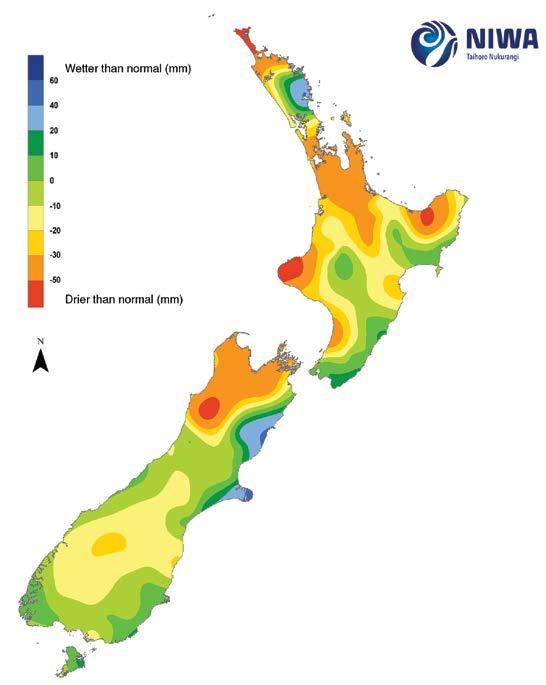
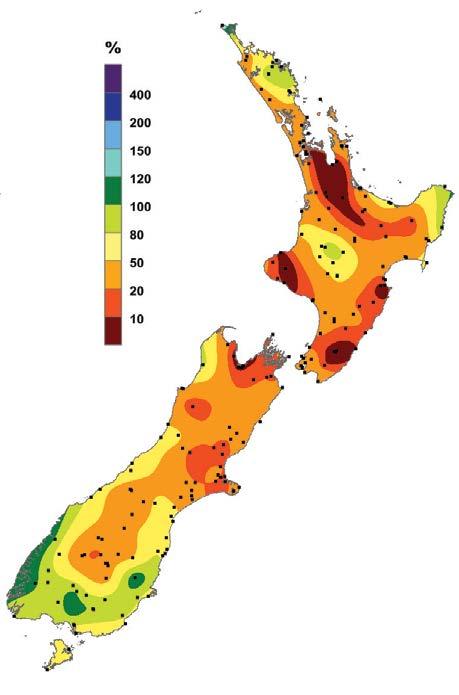
While autumn has opened under anticyclonic dominance, the seasonal window for tropical incursions is not yet closed. After a dry period in March (reflected in the charts pictured up to 23 March), northerly-sourced systems brought the potential for further significant rainmakers near month’s end or into early April. These subtropical or tropical-connected systems were anticipated to deliver concentrated, high-intensity rainfall over short periods, with implications for soil saturation, erosion risk and harvest timing for autumn crops.
The probability of above-normal April – May rainfall is elevated across the northern and eastern North Island specifically because of this tropical exposure, not simply because of a broad wet pattern.
Regional breakdown
Northland, Auckland, Waikato, Bay of Plenty: Abovenormal rainfall carries a 45 percent probability, with tropical-connected heavy rainfall episodes most likely to occur in March and April. Despite this, soil moisture levels are forecast to trend below normal (45 percent probability), and river flows are split evenly between below-normal and near-normal outcomes. This apparent contradiction reflects the episodic, high-intensity nature of the expected rainfall – soil moisture replenishment between events may be limited, particularly on freedraining soils.
Central North Island and Manawatū: Rainfall is roughly equally split between above-normal (40 percent) and near-normal (35 percent) outcomes. Soil moisture and river flows are most likely near normal, though the spread of probabilities signals genuine forecast uncertainty for this period. Growers in this zone should not rely heavily on a single scenario.
Gisborne, Hawke’s Bay, Wairarapa: The most clearly defined outlook in the North Island, with a 50 percent probability of above-normal rainfall. Both soil moisture and river flows are equally likely to be above or near normal (40 percent each), reflecting the increased influence of subtropical systems tracking down the eastern coastline.
Tasman, Nelson, Marlborough: Near-normal rainfall is the central scenario (40 percent), though the probability spread is flat, indicating limited forecast confidence. Soil moisture and river flows lean near-normal to belownormal, suggesting limited surplus for late-autumn irrigation recharge.
SOIL MOISTURE ANOMALY (MM)
AT 9AM ON 23/03/2026
9AM 08/03/2026 TO 9AM 23/03/2026
Coastal Canterbury and East Otago: A broadly neutral outlook, with near-normal soil moisture (45 percent) and river flows (45 percent) most likely, and rainfall split between above and near-normal outcomes. Conditions here are among the most stable of any region for the period.
Central Otago and Southland: Below-normal rainfall holds a 50 percent probability – the highest regional dryness signal in the national outlook. Soil moisture is expected to be near-normal, and river flows are evenly split between near- and below-normal, pointing to limited hydrological surplus heading into winter.
Planning implications
The overarching message for autumn 2026 is that drought risk is low across most of the country, but variability is high. In the North Island, the chief operational challenge will be managing short-duration, high-intensity rainfall events rather than coping with sustained dryness. With El Niño potentially establishing by winter, now is the time to review water storage, drainage infrastructure and crop scheduling with the drier half of the year in mind.
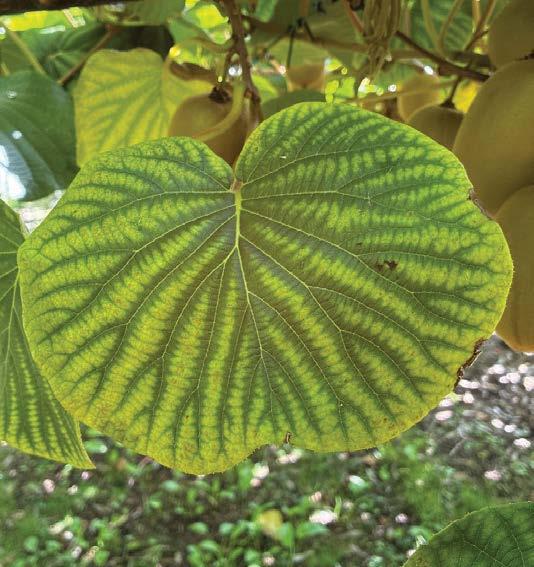
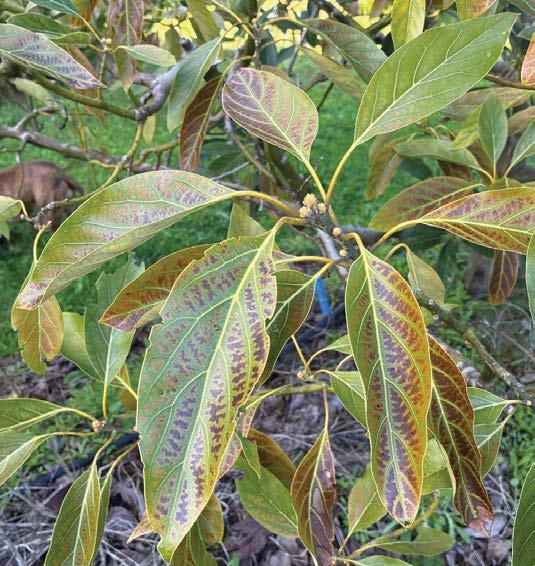
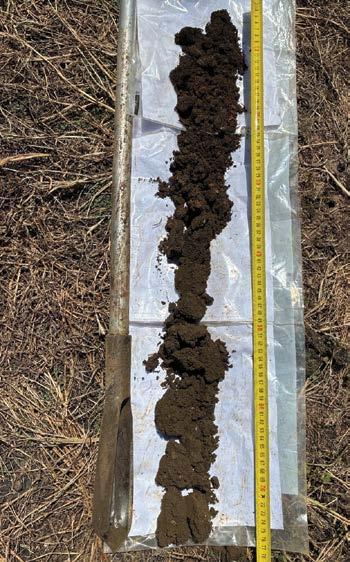
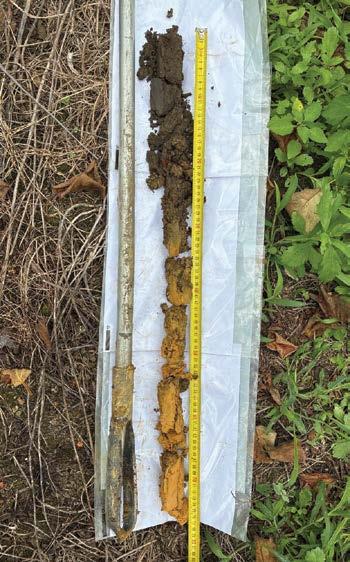
Kiwifruit and avocado leaves displaying nutrient deficiencies. Leaf testing confirms the deficiency, and soil testing helps diagnose the constraint and guide the appropriate correction
SOIL, LEAF AND INPUT DATA –TURNING MEASUREMENTS INTO AGRONOMIC DECISIONS
Autumn is when soil testing begins, and with it comes the shift toward planning next season’s nutrition programme. By this point, fertiliser inputs are largely complete, canopy demand is declining, and soil nutrient levels have stabilised enough to give a reliable indication of underlying fertility. It is also the first opportunity to assess how the past season’s programme has performed and whether nutrient inputs kept pace with plant demand and fruit removal.
Michael French : ION horticultural consultant
Permanent crops such as kiwifruit and avocado operate within a continuous nutrient cycle. Nutrients are taken up to support canopy growth, fruit development and root function, and a significant proportion is removed from the system each season. Maintaining productivity requires these losses to be replaced. However, nutrient supply alone does not determine plant nutrition. Nutrient uptake is governed by soil chemistry, soil structure and root zone health. Understanding how these factors interact requires accurate measurement.
Soil testing, leaf testing, fertiliser application records and crop removal data provide the key datasets required to manage orchard nutrition effectively. Soil tests give an indication of nutrient reserves within the rootzone, leaf tests show what the plant has accessed, and fertiliser and crop removal records provide the context needed to interpret both.
Individually these datasets provide useful information, but when reviewed together they begin to explain how orchard nutrition is functioning and where problems may be developing.
Example soil cores from different soil types. Soil structure and profile characteristics strongly influence root development, drainage and the plant’s ability to access nutrients measured in soil tests
The data that feeds a good nutrition programme
Soil testing – Understanding root zone nutrient supply
Soil testing provides direct insight into nutrient reserves within the root zone. Samples are collected at consistent depths and locations within each block to ensure results are comparable over time. This allows soil fertility trends to be tracked and fertiliser programmes to be evaluated relative to crop removal.
The soil tests we typically use measure a range of nutrient levels and soil chemical properties, including the standard soil nutrient panel, Mehlich-3 extraction results and indicators from the organic soil profile. When tracked over multiple seasons, these results help identify whether soil nutrient reserves are increasing, stable or gradually declining. In productive orchards this trend information is often more useful than a single test result, as it allows fertiliser inputs to be evaluated relative to crop removal and overall orchard performance. Where removal exceeds replacement, soil reserves gradually decline, while inputs that exceed demand can lead to unnecessary nutrient accumulation.
Leaf testing – Measuring what the plant has accessed
While soil testing shows what nutrients are present in the soil environment, leaf testing shows what the plant has been able to access. Leaf samples are collected during defined seasonal windows to ensure consistency and allow meaningful comparison between seasons and orchards.
Leaf testing reflects the recent history of plant nutrient uptake – the combined effect of factors including soil chemistry, soil structure, moisture and oxygen levels, root health, fertiliser inputs, canopy structure and crop load. Where these factors limit nutrient uptake relative to plant demand, leaf nutrient levels decline relative to seasonal norms. Stable leaf nutrient levels indicate nutrient supply is keeping pace with plant requirements and crop removal. To ensure results can be interpreted accurately, soil and leaf samples should be collected from the same positions within blocks so plant nutrient status can be directly related to soil conditions and fertiliser inputs.
Recording fertiliser inputs – Capturing what has actually been applied
Accurate fertiliser application records are essential for understanding orchard nutrition. Recommendations provide a plan, but actual applications often vary due to seasonal conditions, operational timing or product availability. Without a clear record of what has been applied, it becomes difficult to assess whether fertiliser programmes were well suited to the season or require adjustment going forward.
Maintaining accurate records allows fertiliser inputs to be compared directly with soil nutrient levels, plant nutrient status and crop removal. These records must be simple to maintain and easily shared between grower and agronomist. When fertiliser records are scattered across emails, invoices or handwritten notes it becomes difficult to accurately reconstruct what was applied. Maintaining fertiliser input in a single, structured location ensures nutrient history can be reviewed efficiently and used to inform future fertiliser planning.
Crop removal – Understanding nutrient loss
Crop removal represents one of the largest and most consistent nutrient losses within orchard systems and is a key factor that differentiates agricultural systems from natural ecosystems. In natural systems nutrients are largely recycled, whereas in orchard systems nutrients accumulated in fruit are removed permanently with the harvested crop. Over time these nutrients need to be replaced to maintain soil fertility and support ongoing plant performance.
Yield data provides the basis for estimating nutrient removal at a block level. Higher yielding blocks remove greater quantities of nutrients and require correspondingly higher replacement. Tracking crop removal alongside fertiliser inputs helps determine whether fertiliser programmes are keeping pace with orchard demand, while soil and leaf testing confirm how this balance is influencing soil fertility and plant nutrient status over time.
Bringing the data together
The greatest value emerges when these datasets are considered together. Each piece provides part of the picture, but their interaction allows nutrient balance to be understood much more clearly.
Looking at any one dataset in isolation can easily lead to incomplete conclusions. Soil tests may show adequate nutrient levels within the root zone, or your nutrient budget may show above-removal input levels, yet leaf tests remain low. When this occurs the issue is often not nutrient supply, but limitations in root function or soil conditions that are restricting the plant’s ability to access those nutrients. Reviewing fertiliser records alongside soil and leaf test results can then help determine where the problem may lie, and whether factors such as inefficient nutrient placement or timing, poor root activity or nutrient losses through leaching are contributing to the problem.
Another pattern that often emerges is declining soil nutrient levels alongside stable yields. This usually indicates that crop removal is gradually exceeding fertiliser inputs. Under these conditions orchards may continue to perform well for a period of time, but soil nutrient reserves are slowly being drawn down. Where soil nutrient levels remain relatively stable and leaf nutrient results stay within seasonal targets, it is generally a good indication that fertiliser inputs are aligned with orchard demand and crop removal. In these situations, fertiliser programmes are effectively maintaining soil fertility while supporting productive crop and canopy growth.
Table 1: Soil, leaf, crop removal and nutrient data combined into a single table, allowing direct comparison to support better agronomic decisions
Common pattern Soil tests Leaf tests Inputs vs removal What it usually
Nutrients present but not accessed
Adequate or high reserves
Low or below seasonal norms
Often similar to or above removal
means What to check
Nutrients are present in the soil but the plant is not accessing them. This often indicates root zone limitations.
Gradual draw-down of reserves
Declining over time
Often stable initially Inputs lower than removal
Balanced programme Relatively stable Within seasonal targets Inputs broadly aligned with removal
Crop removal is gradually exceeding nutrient replacement. Orchards may continue to perform for a period while soil reserves are drawn down.
Fertiliser inputs are keeping pace with plant demand and crop removal. Soil fertility and plant nutrient status remain stable from season to season.
Check root zone condition, soil structure, pH/ nutrient balance, irrigation management and nutrient placement before increasing fertiliser rates.
Increase nutrient replacement to better match crop removal and monitor soil trends over time.
Nutrient accumulation Increasing over time
Often above targets Inputs consistently above removal
Fertiliser inputs exceed plant demand and crop removal, leading to gradual accumulation in the soil.
Maintain the current approach and review annually. Adjust where required to improve efficiency.
Reduce fertiliser rates for nutrients building up and review application history.
Table 2: Common nutrient patterns identified when soil tests, leaf tests, fertiliser inputs and crop removal are reviewed together
Making this kind of interpretation possible requires data to be kept together in a form that can be reviewed quickly. If block level information cannot be accessed and compared easily, bringing the datasets together becomes time consuming and the value of the information is reduced. There are several ways to manage this, including customised spreadsheets or dedicated software tools. At ION we found spreadsheets increasingly difficult to use once datasets became larger, particularly when trying to compare soil tests, leaf tests, fertiliser inputs and crop removal across multiple orchards and seasons. We were unable to find an existing system that suited what we were trying to do, so developed an internal platform that allows agronomic information to be shared between the agronomist writing the nutrition programme and the grower applying it. Growers record fertiliser applications against programmed recommendations, while soil, leaf and yield data sits alongside for agronomic review.
When the information is organised in one place and linked to orchard, maturity area or block level, nutrient balance becomes much easier to assess and fertiliser programmes can be adjusted accordingly. This integrated approach allows fertiliser programmes to be refined based on measured orchard response.
Conclusion
Autumn soil testing provides the foundation for planning the following season’s fertiliser programme. Reviewing soil fertility, plant nutrient status, fertiliser inputs and crop removal together allows fertiliser programmes to be aligned with actual orchard demand.
This helps maintain soil fertility, support consistent plant nutrition and sustain canopy performance. Over time, this structured approach improves fertiliser efficiency and supports long-term orchard productivity.
NEW TOOL AGAINST DIAMONDBACK MOTH
In a R&D facility in the industrial area of Pōkeno, researchers are hoping to perfect another tool to control the pervasive diamondback moth and other caterpillar pests. HELENA O’NEILL met with Cellora’s chief executive Damian Camp to learn more about their foray into biopesticides.
Cellora operates a new biological R&D facility with capabilities in microbiology, chemistry and bioassays, including insectary, grow and spray rooms for agricultural product development.
Cellora chief executive Damian Camp says the company’s approach is based on the power of biologicals – harnessing nature’s own pest control mechanisms to create solutions that are not only good for crops, but for the environment and our communities.
So what does this mean for our growers?
In advice to growers, Vegetables NZ says biopesticides work best when incorporated into an integrated pest management programme utilising a range of management measures. They are different from biostimulants and biofertilisers because they claim pest/disease/
weed control rather than just promotion of plant growth. Biopesticides are versatile and can be utilised in both organic and conventional crop production.
Damian says Cellora has several Brevibacillus laterosporus bacterium strains isolated in New Zealand that show high insecticidal activity against diamondback moth caterpillars and other horticulture crop pests.
Diamondback moth caterpillars feed mainly on brassica species such as cabbage, cauliflower and broccoli, causing substantial damage to crops and affecting brassica growers throughout the country. Asian greens, which are increasingly featuring on our dinner plates, are also affected by the moths.
Cellora chief executive Damian Camp. Photo Helena O’Neill Bioassay lead Matthew Powell checks diamondback moths in the insectary. Photo Helena O’Neill
• May-June delivery
• Shelterbelt: Cryptomeria japonica and Casuarina cunninghamiana in root trainers, height 30-50cm
• Strawberry seedlings in trays, first-generation tissue culture plants
Please contact Harry Saini: 021 278 2785 | hello@potsofjoy.co.nz www.potsofjoy.co.nz
“Because of New Zealand’s geographic isolation, our Brevibacillus strains have evolved with a unique genetic profile. We believe that means we’ve got the potential to develop a new portfolio of pest control products and possibly stimulants for enhanced crop growth.
“The potential is broad range, but we’re very much focused on pesticidal activity at this stage.”
The
company’s approach is based on the power of biologicals –harnessing nature’s own pest control mechanisms to create solutions that are not only good for crops, but for the environment and our communities
Damian says the company’s science team is using high-throughput bioassays that show the lead strain has a pesticidal effect on diamondback moth. Bioassays are experimental tests that assess the biological activity of compounds in particular environments, in this case, brassica crops (bok choy) in a lab. But the real test is whether they work in a commercial growing environment, and Cellora plans to start outdoor field trials soon.
In 2024, Cellora formed a partnership with Lincoln University. At the time, the university said the agreement would provide a pathway to market for university-derived technologies, providing solutions for food growers that are both effective and sustainable. In particular, the Memorandum of Understanding will enable the commercialisation of the university’s research on novel bioactive compounds sourced from naturally occurring microbes, for the benefit of crop farmers in New Zealand and worldwide.
SKILLED HORTICULTURE STAFF AVAILABLE
Domestic and international students with:
• NZ Certificate level 4 and
• NZ Diploma level 5
• Industry oriented hands-on training and core growing skills in horticulture production
Damian says Lincoln University isolated the strains and carried out initial work, which Cellora is now building on and commercialising.
“Our mission is to generate enough positive data to license our lead product applications to multinational ag-chem companies. It takes years to bring a new biological to market. We may do that ourselves in the future, but for now we are focusing on building a portfolio of products that we can license to commercial partners.”
Our mission is to generate enough positive data to license our lead product applications to multinational ag-chem companies
While it’s still early days, Damian is looking forward to beginning field trials with brassica in Pukekohe.
“It’s not a fully formulated product at this stage, but it’s a very important step to go from the lab, where we’re seeing really encouraging results, into the outdoors. We’re seeing 90 percent mortality in our pest species, diamondback moth. But to translate that out into a field trial setting, although it’s not fully commercial, it certainly puts a lot more rigour into it in terms of how this is going to perform. And not just against diamondback moth, but against another couple of pest caterpillar species.”
The other challenge is to work towards a commercial scale. With only six staff at Cellora, they will be working with Ginkgo Bioworks in California to scale up and optimise the fermentation of the product.
Research will also start soon to determine which active ingredient or ingredients produced by the bacteria are toxic to diamondback moth and how they work.
“Identifying what the active is and how it works is important to know how to produce it cost-effectively and also to determine what second and third-generation pest control products might look like to avoid resistance, which is a major problem in the industry.”
Cellora also produces SlugEm, New Zealand’s only ACVMregistered saponin-based molluscicide (tea saponins from Camellia sinensis) and Dawn bait pellets.
Cellora chemistry leader Dr Terence Christy and biology lead Dr Jenna Gallie. Photo supplied
Diamondback moths in the insectary. Photo Helena O’Neill
DIAMONDBACK MOTH CATERPILLARS FEED ON:
Cabbage Cauliflower
Broccoli
THE SECOND VEGETABLES BIG DAY OUT SHOWCASED 32 PLOTS ACROSS THE 8HA PUKEKOHE RESEARCH AND DEMONSTRATION FARM
HIGHLIGHTS FROM THE SECOND VEGETABLES BIG DAY OUT
More than 400 growers and others involved in the commercial vegetable industry flocked to Te Ahikawariki’s second Vegetables Big Day Out held on a bright, sunny day in early March, at the Pukekohe Research and Demonstration Farm.
Emily Laskin : Te Ahikawariki research and extension lead
The day was opened by mana whenua partner representative Roimata Minhinnick, who noted how the day had ‘doubled’ from last year’s event.
“We have doubled the demonstrations, projects and attendees; however, we do not have double the financial support,” Roimata joked with Government Ministers.
The opening ceremony was attended by Associate Agriculture Ministers Andrew Hoggard and Mark Patterson.
Minister Hoggard applauded the day, saying “nothing excites growers and farmers more than being able to go out into the field and learn.”
He then outlined the Government’s actions to support commercial vegetable growing in New Zealand, across resource management reform, an overhaul of the Food Act, better access to modern agrichemicals and an update of the Biosecurity Act.
“The Government is committed to supporting sustainable growth in the vegetable industry, rather than holding it back,” he said.
Dedicated space for research and extension
The project came about because “big problems require big solutions”, explains Te Ahikawariki project lead Kazi Talaska.
“When we started this journey in 2022, it was clear that there were some difficult, multifaceted research projects ahead, in the areas of sustainability, climate adaptation, the future of crop protection and water quality.
“We thought ‘what if we created a dedicated space for research and extension, and built a bridge between theory and adoption?’ Which is exactly what we have done, working with growers, mana whenua and the wider research community, including A Lighter Touch and the Bioeconomy Science Institute.”
The day was closed by Associate Agriculture (Horticulture) Minister Nicola Grigg.
“This demonstration farm highlights the depth of research and innovation underway, and the contribution this work makes to New Zealand’s economy and reputation as a producer of high-quality food,” she said.
“For our part, we are committed to supporting a productive and resilient vegetable sector that contributes strongly to New Zealand’s rural communities and the wider horticulture sector.”
In-field demonstrations
Attendees had the opportunity to explore the trials growing on farm, with explanations from the experts.
Roimata Minhinnick and Catherine James spoke to the Ngaati Te Ata-led on-site kūmara trial Exploring Kūmara Growth: A Demonstration Trial Informed by Mātauranga Māori and Soil Science
With trial design and scientific rigour provided by Dan Bloomer and mātauranga and historical expertise provided by Roimata, this trial explores how traditional growing techniques can inform contemporary cultivation practices.
The trial is focused on assessing the impact of incorporating black sand into kūmara production in a variety of formats: black sand alone, standard soil alone, soil and black sand mixed, soil with a black sand coating, and soil covered in black plastic.
Catherine James, who is managing the trial on behalf of Te Ahikawariki, is doing regular soil and plant assessments throughout the growing period, which will be complemented by yield and quality assessments post-harvest.
A variety of agtech companies showcased their technology in the Innovation Tent, which was made possible by sponsor Carbon Robotics.
The Ecorobotix ARA AI-driven spot sprayer demonstration during the event
Growers checking out the Drone Dog spray drone
Roimata Minhinnick (speaking) and Catherine James (left) spoke about the Ngaati te Ata-led on-site kūmara trial informed by mātauranga Māori and soil science
ONIONS
CARTIER
32 OF THESE PLOTS WERE SHOWCASED AT THE SECOND VEGETABLES BIG DAY OUT, ACROSS SEVEN DIFFERENT CROPS:
• Productive, uniform variety capable of high yields with an attractive copper skin colour.
• Bulbs tend to be a high-globe shape and very firm with long storability.
• RM 180 days from August through to mid-September sowing.
CONTACT
Imke Blackett
Greenhouse Crops and Northern region 027 2444 611
Imke.blackett@premierseeds.co.nz
Benjamin Carrell
South Island 027 2444 651
Benjamin.carrell@premierseeds.co.nz
www.premierseeds.co.nz
Ken Jeanes
Lower North Island 027 2444 654
ken.jeanes@premierseeds.co.nz
Onions
Potatoes
Lettuce Cabbage
Brassicas
Sweetcorn
Spinach
Massey University’s Pantamit Saekong presented trial findings on the impact of a variety of soil additives on plant growth
Panel sessions
A number of panel sessions occurred throughout the day, offering insights into the key topics the industry is facing.
Andrew Barber (Agrilink) facilitated a panel of growers and industry experts on Greenhouse Gas (GHG) emissions in the vegetable sector: Greenhouse Gases on Farm: Real Issue or Just Hot Air?
The panel discussed whether they are tracking GHG emissions on farm, the relevance for the domestic and export markets, and what regulatory bodies need to understand about the practicalities of emissions reductions in the vegetables space.
Researchers were able to present their findings on a wide range of projects.
Pantamit Saekong, a PhD student from Massey University, presented his findings from this trial, Enhancing Vegetable Production and Nutrient Composition through Soil Amendments, which assessed the impact of a variety of soil additives on plant growth.
The trial used biochar, organic waste compost and Osflo chicken manure alone and in combination, added to Pukekohe soils in a lettuce glasshouse trial. The trial aimed to assess how these soil additives can increase productivity without the need for synthetic fertilisers.
NINE EXTERNAL RESEARCH COMPANIES, LEASING PLOTS AND CONDUCTING THEIR OWN RESEARCH ON SITE
11 AGRITECH COMPANIES ENGAGED FOR EXTENSION AND ADOPTION
If you’re interested in sponsoring or presenting at next year’s Vegetables Big Day Out, reach out to VICE@hesl.co.nz. Subscribe to the Te Ahikawariki newsletter and keep an eye on the Te Ahikawariki website to get updates on trial results.
Vegcentreofexcellence.nz
A MASSIVE THANK YOU TO THE SPONSORS WHO MADE THIS EVENT POSSIBLE
• Gold sponsor: Horticentre Charitable Trust
• Premier Agtech sponsor: Carbon Robotics
• Silver sponsors: Agworld and MG Charitable Trust
• Keynote sponsor: Corteva
• Networking drinks sponsor: Seed & Field
• Event supporters: MPI On Farm Support, A Lighter Touch, Rabobank
• Research partners: Biolchim, UPL, BioScout, Syngenta, Fruitfed Supplies
TRADE WITH AUSTRALIA REACHES HIGH
Last year fruit and vegetable exports to Australia, boosted by kiwifruit, avocados and blueberries, reached above half a billion New Zealand dollars (FOB). This year has brought global uncertainty, inflationary pressures and blows to New Zealand’s process vegetable supply. Will trade with our closest neighbour continue growing in 2026?
John Gauldie
Australia is “our closest, most important and most likeminded partner” as Minister Winston Peters recently described our neighbour across the Tasman. Trade is tariff free under the Australia-New Zealand Closer Economic Relations trade agreement (CER), one of the most comprehensive bilateral free trade agreements in the world. The two countries are increasingly aligned – Food Standards Australia New Zealand (FSANZ) is the standout example of trans-Tasman regulatory integration, but recent agreements such as sharing agrichemical
assessments highlight further potential for efficiency benefiting both countries.
Non-tariff barriers easing
Yet as a horticulture trading partner, Australia’s phytosanitary import regime has been described as the most trade restrictive of all New Zealand’s export markets. There is considerable variability between ports of entry regarding the time taken for inspections and if any detections, fumigations. This has added significant costs and clearance delays.
Exports are up, but so are fruit and vegetable imports from Australia, which rose 17 percent to $214 million (CIF) last year, driven by mandarins and grapes. Photo courtesy of Hort Connections
NEW ZEALAND EXPORTS TO AUSTRALIA (FOB) $524 MILLION
Reports from exporters indicate that 2025 saw relatively fewer issues at Australian ports of entry than previous years, aided by a strong focus on pest management. An easing of non-tariff barriers, combined with the New Zealand dollar recently tumbling to its lowest rate against the Aussie since 2013, makes 2026 a potentially good year for exports, depending on Australian domestic production season yields.
In the last 12 months the Kiwi has slipped from buying over AUD$0.92 to AUD$0.82 at the time of writing. However, the picture could change quickly as global uncertainty and inflationary pressures pick up. The Reserve Bank of New Zealand has so far held the official cash rate steady at 2.25 percent, while this year the Reserve Bank of Australia has increased the cash rate target twice, now up to 4.10 percent.
AUSTRALIA IMPORTS TO NEW ZEALAND (CIF) $214 MILLION
Strong demand for kiwifruit
Sales of kiwifruit into Australia have been a driving force in the increase in export revenue. Sales of Gold had a phenomenal year in 2025, with very strong demand pushing volumes up 20 percent on the prior year, says Neil McLoughlin, executive officer of the NZ Kiwifruit Product Group to Australia (KPG). Green exports also had a good season, with good fruit quality and good values.
Australia has always been carved out of the kiwifruit single desk due to CER, permitting any NZ Horticulture Export
Authority licensed exporter to send kiwifruit to Australia. Kiwifruit exported to Australia is a prescribed product under the New Zealand Horticulture Export Authority Act. Zespri is active in Australia as the leading exporter – and an importer and marketer.
Neil anticipates strong demand and good value to continue through 2026 with Green volumes to be up by around 40 percent on the prior season and a further increase in Gold volumes of around 5 percent. A small volume of approximately 150,000 trays of red kiwifruit is also forecasted to cross the Tasman.
Pears
Grapes
Citrus Melons
While Free on Board (FOB) and Cost, Insurance, and Freight (CIF) are not directly comparable, the CIF value is used here to better indicate landed value on the New Zealand market. Values are for fruit, vegetables and preparations (excluding nuts and seeds for cultivation)
Blueberries
Blueberries are our second largest export earner into Australia, with 1600 tonnes generating over $50 million in 2025. Australia is the largest market for our fresh blueberry exports. While Australia has a large domestic supply, New Zealand’s later harvest window means it can provide a complementary supply through February to March. Under current agreements, Australia can only import blueberries from New Zealand.
Avocados
Avocados were once New Zealand’s largest export crop to Australia, and the largest market for avocados with 80–85 percent of export volume shipped there. However, demand has been driven by Australia’s unpredictable domestic production due to irregular bearing and climatic conditions, which has led industry to focus on diversifying its export markets.
NZ Avocado chief executive Brad Siebert says 2025 showed the benefit of that strategy. Reliance on Australia dropped to 22 percent of all exports (still the largest destination) with several other markets receiving significantly more volume than previous years. Korea saw a 70 percent increase from last year’s volume and China, Hong Kong and India all near doubled the previous year’s volumes.
Even as its share of the total export mix reduces, Australia will likely remain a high-value market for New Zealand’s avocado sector. Favourable logistics make Australia the most commercially efficient outlet for New Zealand fruit.
Consumption in Australia continues to rise, which underpins long-term demand even through seasons with a high domestic supply. This leaves the potential for an import window on Australia’s east coast for New Zealand supply for the foreseeable future.
While Australian production is forecast to grow, with new plantings now in steady production, future production will likely stabilise rather than keep surging.
In summary, Brad says Australia is moving from being New Zealand’s default export destination to a more cyclical, supply-dependent opportunity where timing, quality and market diversification determine how much fruit crosses the Tasman each season.
Process vegetables and fruit imports
New Zealand process potato exports to Australia had a better year in 2025, buoyed by Australia’s potato shortage and interstate movement restrictions following the discovery of potato mop-top virus in Tasmania. The shortage also explains a fall in imports to New Zealand of frozen potatoes from Australia. However, our export volumes are still well down on the highs over the last decade.
Frozen vegetable exports to Australia took a hit in 2025, down to just under 30,000 tonnes after some stability over the last 10 years at around 35,000 tonnes. New Zealand exported far more frozen vegetables to Australia than it imported; nevertheless in 2025 frozen mixed vegetable imports from Australia soared 200 percent to $3.3 million.
Last year imports from across the Tasman jumped 17 percent overall, driven mostly by imports of mandarins (up 40 percent to $22 million (CIF) compared to the previous year), grapes (up 34 percent to $40 million) and strawberries (up 20 percent to $8.5 million).
GET TO KNOW OUR NEIGHBOURS BETTER
Hort Connections 2026
Hort Connections 2026 takes place at the Adelaide Convention Centre this year from 1–4 June.
Co-hosted by the International Fresh Produce Association Australia-New Zealand (IFPA ANZ) and AUSVEG, Hort Connections is the biggest horticulture event in the southern hemisphere and a great place to catch up with technology and join the local field trips. Although largely hosting an Australian crowd, the event is welcoming an increasing number of New Zealanders crossing the ditch.
For more information visit: hortconnections.com.au
VicVID 2026
Some New Zealand vegetable growers are also expected to travel to VicVID 2026 on 7–8 May at Taranto Farms in Tyabb, located on Victoria’s Mornington Peninsula just 60km south of Melbourne.
For more information visit: www.ausvegvic.com.au
IFPSS26
The International Fresh Produce Safety Symposium returns to Sydney 21–22 July, bringing together growers, researchers, regulators and industry leaders to explore the latest insights and practical solutions in fresh produce food safety.
For more information visit: fpsc-anz.com
VEGETABLE SECTOR UNIFIES AS NZVEG
A refined industry structure – set up by Onions NZ, Process Vegetables NZ, TomatoesNZ and Vegetables NZ, with the support of HortNZ – has been established to represent the vegetable industry better. It came into operation on 1 April 2026.
“The New Zealand Vegetable Council (NZVeg) has been set up to focus effort and ensure the levies collected from vegetable growers go further,” says Transition Board chair Kevin Wilcox.
“NZVeg will serve and service vegetable sector product groups while also representing a collective voice.
“We are a $1.1 billion industry but have presented ourselves as four to five smaller sectors, which can be difficult to engage with. By coming together as a unified sector, while maintaining our current boards and levies, we can get the best of both worlds.
“By coming together under the NZVeg umbrella, the vegetable sector can tell its story better and leverage the sector’s scale and importance for the New Zealand economy.”
NZVeg will be an umbrella organisation, repurposing Horticulture Executive Services Limited (HESL), which currently employs some vegetable product group staff. In essence, this means we are not adding an additional organisation but refining and optimising the current structure.
Existing product groups boards and levies will be maintained but they will come together as a unified sector.
“It is being governed by a Transition Board and managed by operations manager James Kuperus while a chief executive officer is recruited.”
Growers who grow crops outdoors are being looked after by Outdoor Crops business manager Kazi Talaska, who was previously Onions NZ general manager.
Growers who grow crops indoors are being looked after by Covered Cropping business manager Dinah Cohen, who was previously TomatoesNZ general manager.
A new Board, comprising the current TomatoesNZ Board and two representatives from the Vegetables NZ Board, will oversee work in the covered cropping area.
Process vegetable growers should continue to talk to Process Vegetables business manager Matt Thorn.
Daniel Sutton is responsible for Research and Development, including the research farm at Pukekohe, while Andrew Bristol will look after communications –both held similar positions at Vegetables NZ.
NZVEGE BENEFITS FOR MEMBERS (GROWERS)
1
NO WRONG DOOR
With staff in one entity, there is no wrong door for members. In the past, there was at times confusion over who to contact for different issues.
2
REDUCED DUPLICATION
One staff member attending meetings in Wellington, representing vegetable growers.
3
TECHNICAL SPECIALISTS
Scale to employ technical leads and specialists, with the initial priority being trade and biosecurity.
4
ACCOUNTABILITY MAINTAINED
With the product group boards and levies maintained, there is the same level of accountability back to members as before.
YOUNG LEADERS BUSTING MYTHS
When young people discover the potato industry, they are often surprised by its incredibly diverse range of challenging and rewarding career pathways. The Potatoes New Zealand Youth Council is doing a great job to land that message and support the next generation to succeed.
Kate Trufitt : Potatoes New Zealand chief executive
Workforce development is a key focus for Potatoes New Zealand. It’s the future of our industry, so I’m really pleased with the important work that the Potatoes New Zealand Youth Council, now in its second year, is doing on behalf of our industry.
The current Youth Council chair is Amber Davy, who is quality and field manager at Eurogrow. The council met in Pukekohe after the Vegetables Big Day Out in March and Amber says they are fully focused on getting more youth into the industry and retaining those already here.
Career Pathways
The Youth Council has mapped a Career Pathways chart, which is a fantastic tool to visualise options and start conversations with young people interested in the industry.
“We want to curb the misconception that you have to be an agronomist or a tractor driver and those are the only two options,” says Amber. “Before I came to the industry, I just thought a potato was a potato. I didn’t realise how in-depth the industry is.”
We all have our individual routes into the industry, and the Career Pathways chart shows that there is something for everyone. We also use Potatoes New Zealand’s social media channels to share stories about the diversity of the industry, what we do in day-to-day jobs and showing real life examples.
Thanks to the Youth Council we’re getting this message out to young people through high schools and events. Vocational learning providers like Primary ITO have been very supportive.
Importantly, the Career Pathways chart highlights future skills required, for example in applied technology and innovation. For new entrants as well as those already in the industry, upskilling and progression in these areas is critical to our workforce development.
It’s great to see the Youth Council building stronger connections with Massey and Lincoln universities. As Amber says, tertiary education has become a big thing in our industry.
We often hear from young people already in the potato industry who wish to further develop their skills and increase their knowledge through university studies. By investing in their professional development, they are helping to meet the rising demand for professional agronomy and business management.
Potatoes New Zealand strongly supports building this capacity, which is why we offer the Potatoes New Zealand Bursary – encouraging education, leadership and advancement in the potato industry.
The Youth Council is not only about upskilling and career development, it is also about increasing connections
The Potatoes New Zealand Bursary is open and available for a maximum of up to $2,000 per applicant. It supports students with their tuition and living costs, reducing financial stress for students and families, therefore allowing students to focus on their studies.
We are also pleased to offer a scholarship for the Potato Business School in Emmeloord in the Netherlands, arguably the heart of worldwide potato research and innovation. The scholarship is an opportunity to ensure New Zealand’s potato industry leaders are on the cutting edge of all aspects of the farming and sale of potatoes and potato products.
Take time to connect
The Youth Council is not only about upskilling and career development, it is also about increasing connections. The council is a sounding board for all young people in the potato industry to support and encourage one another.
That’s not always easy, for example in Canterbury where growing operations are spread widely. To help connect young people, the Youth Council is introducing Next Gen Growers groups, rolling out on Facebook in the coming months.
The idea is to organise social gatherings and get inspired with site visits, factory tours or learn about new technology. Once you’ve discovered how amazing the potato industry is, what could be better than hanging out with your peers around the country who share your interest?
Pride in potatoes
Most people in the potato industry are involved in many other aspects of farming too. These farming practices bring different skillsets and experiences to the table, which we can all benefit from in potato production. For example, potatoes in Pukekohe and surrounds are often grown as part of a market garden operation, whereas in Canterbury we see more mixed cropping and arable production.
However, we are all connected by a sense of pride in our dynamic potato industry. To help share that inspiration, the Youth Council has taken a bit of inspiration from Potatoes USA and produced a set of fun stickers for your phones. It’s a great way to spark conversations about why we chose the potato industry (or did it choose us?)
If you’d like to get a set of stickers and get involved with the Next Gen Growers groups, head to the Youth Council section of the Potatoes New Zealand website or get in touch with the Youth Council.
Members include: Amber Davy, Molly Green, Bridgett James, Catherine James, Harry Maddox, Samuel Pye, Steven Rink and Jamie Wells.
INDUSTRY EVENTS TO ATTEND
Agronomy Summit
Thursday 6 August
Pukekohe Golf Club
Register here: summit.potatoesnz.co.nz
Annual General Meeting
Tuesday 25 August
Ashburton Events Centre
More information here: tinyurl.com/PNZAGM2026
If you have any questions, please contact Potatoes New Zealand. Phone: 0800 399 674
The Youth Council has produced a set of fun stickers for phones to spark conversations about working in the potato industry
PIPELINE FOR INDUSTRY GROWTH
Last month in NZGrower & Orchardist we examined the return to form in apple and pear productivity. In this issue, we look at the development pipeline as the industry targets $2 billion by 2035, up from last year’s $1.4 billion.
Apple and pear production has been spreading around the country over the last few years. In particular, several orchard developments in Tairāwhiti have begun reaching maturity, helping to boost national output in apple production.
“The growth in Tairāwhiti continues to see development where land and growing conditions allow and is estimated to surpass a million Tray Carton Equivalents this season,” says NZ Apples and Pears (NZAPI) acting general manager Danielle Adsett.
However, production in the Tairāwhiti region is still small, home to 6 percent of the country’s approximate 11,000 planted hectares. Likewise, up-and-coming Canterbury has seen steady investment in greenfield projects, including FarmRight’s dairy conversion of 250ha (half Rockit™ and half Joli™).
“It is an exciting time for the sector in Canterbury,” Danielle says. “We will see more of these trees come online over the next couple of years.
“We look at this regional diversity and view it as a strength of industry, spreading both risk and opportunity across the country and bringing value, employment and economic returns to each of our key regions.”
Nevertheless, it is the apple powerhouse Hawke’s Bay where you’ll find 63 percent of planted hectares, followed by Tasman’s 22 percent and another 4 percent in Central Otago.
No significant greenfield expansion
NZAPI tracks planted area closely, but despite some regional variation, it does not expect to see significant expansion in the overall planted area in the near future.
“Nationally, total planted area has remained relatively static and is expected to stay broadly steady in 2026,” Danielle says.
Instead, as she explains, following the focus on recovery post-Cyclone Gabrielle, the emphasis has been redevelopment rather than large-scale expansion.
This has seen growers investing in new plantings on existing orchards of IP (Intellectual Property) varieties, which now account for more than half of all planted varieties. Many of these new premium apple plantings will come on line over the next few years. In addition, innovative planting systems are further improving productivity per hectare.
NZAPI says the industry’s $2 billion ambition by 2035 is driven primarily by this value and productivity growth, without requiring a major increase in total planted hectares.
“We already produce more export cartons per hectare than we did historically, and this trend continues. For the year ending November 2025, apple export values increased 29 percent year-on-year, while volume was up 13 percent during the same period, and planted area remained static.”
6% TAIRĀWHITI
22% TASMAN
63% HAWKE’S BAY
PERCENTAGE OF HECTARES PLANTED
5% CANTERBURY AND OTHER REGIONS
4% CENTRAL OTAGO
Transition to IP varieties
In general the transition from commodity apples to higher value varieties is seeing greater returns back to growers. However, profitability for growers remains under pressure, compounded by increasing production costs.
On the back of several challenging seasons, many growers are cautious about capital investment in new developments.
Capital costs vary depending on region, variety and orchard system, but there is no question that costs have increased significantly over recent years, Danielle says.
In Hawke’s Bay and Tasman, land availability and cost can be constraining factors, meaning most growth comes from redevelopment and productivity improvements instead of new plantings.
These brownfield redevelopments are generally lower cost than greenfield development, but still require substantial capital due to licence fees, infrastructure upgrades and investment in labour-efficient technology.
Greenfield developments require considerably higher upfront investment, particularly once land development, water access and compliance costs are factored in.
Cashflow and grower confidence will influence how and when growers order new plantings of IP varieties, although the clear shift away from lower-return traditional varieties towards higher-value, market-specific apples will continue (noting that Royal Gala remains important for many markets).
“At this stage, we do not expect costs to reduce,” Danielle concludes, “which is why NZAPI continues to advocate for financial settings that are supportive for long-term investment in horticulture.”
Capital costs for greenfield developments have increased significantly over recent years. Photo by Tony Benny
ENERGY SYSTEMS
Energy is again a hot topic – excuse the pun, this is no joking matter. With the announcement by WPC that they would be exiting the market at the end of March and taking their oil supplies out of the system, a lot of growers have been left in the lurch.
Dinah Cohen : TomatoesNZ general manager
Those lucky enough to be with another distributor will continue receiving their usual supply, but at what cost? It’s likely that with demand high, the price of waste oil will increase.
Diesel is often mixed with waste oil but with prices skyrocketing with the Middle East troubles, this is a double whammy hitting many greenhouse growers hard.
Converting boilers to be able to burn biomass and wood chip will feature at our energy event on 14 May. This day of two halves is shaping up well and we hope will be really useful for growers of all sizes ahead of the coldest months of the year – and at a time when it’s not only the price of waste oil hitting growers’ bottom lines.
The Energy Efficiency & Conservation Authority (EECA) is organising a bus tour of three demonstration sites, showcasing greenhouses that have made changes to their energy systems. Growers will be able to see a facility where gas has been replaced with a heat pump and thermal storage; a system that has thermal screens and vertical fans; and a third site that has a brand-new biomass boiler.
Places on the tour are strictly limited and can be reserved by emailing dinah.cohen@tomatoesnz.co.nz. Please also email me if you want to attend from the South Island so we can organise to supplement your flights. We reserve the right to limit places to one person per business if demand necessitates this.
Following the demo site tour, we are hosting the energy supplier event for the third consecutive year. The afternoon provides a unique opportunity to have many fuel suppliers in one room so that growers can have one-on-one conversations to discuss what might work at your property. To make the best use of this chance, come with access to 12+ months of your current fuel supply so you can talk specifics.
ENERGY EVENT DETAILS
Date: 14th May
Time: Bus tour 8.30–2pm (lunch provided)
Energy supplier event 2pm–5pm (ending with drinks and pizza)
Where: Pukekohe (with financial assistance for South Islanders to attend)
The afternoon is open to all growers but please register here: https://shorturl.fm/CGQkM
Mapping ground-stored heat
Another opportunity to better understand an alternative fuel source came at the Vegetables Big Day Out in Pukekohe at the beginning of March when we launched the Geoheat online mapping tool.
A joint project between Earth Sciences NZ (the new organisation that includes GNS Science), Vegetables NZ and TomatoesNZ, with funding from MPI, has seen data on underground heat stored in terms of temperature, depth and where available, flow, gathered into one tool.
While the geothermal areas of New Zealand are well known, what isn’t so well catalogued is that temperatures as low as 20–40°C and right up to 70°C can be harnessed with ground source heat pumps and/or extra heating pipes as a source of greenhouse heating.
The beauty of ground-stored heat is that the temperature is relatively constant and once accessed the payback in terms of low OpEx costs can see the CapEx costs repaid over relatively short time frames.
There are case studies available, data for specific addresses on the tool and explanations of steps to take if you want to explore geoheat further, including examples of potential costs. The data is based on council and GNS Science records.
The main aim of releasing the website now, while continuing to work on it, is that they’re looking for feedback on how this tool could be made more useful. They’re also developing next steps including hopes to expand the map beyond the current Auckland, north Waikato and Bay of Plenty areas.
Visit data.gns.cri.nz/geoheat to see the tool. If you have any feedback, please don’t hesitate to get in touch with me: dinah.cohen@tomatoesnz.co.nz
POSITIVE START EXPECTED FOR SATSUMAS
With the New Zealand citrus season now underway, attention is turning to the upcoming Satsuma mandarin harvest, with early indications pointing to a positive start for growers.
Jo Pentreath : Citrus NZ executive manager
While the lime harvest has already begun, Satsumas mark the first significant wave of the domestic citrus season. Early reports from Northland – which produces roughly 46 percent of New Zealand’s Satsuma mandarins – suggest growers are heading into harvest with strong fruit quality and increased volumes compared with last year.
In Northland, the Satsuma harvest began early April, with growers estimating crop volumes to be 25–30 percent higher than in 2025.
Encouragingly, early maturity testing is already showing promising results.
“Fruit is already passing maturity tests, which suggests the eating quality should be excellent once harvest gets underway,” a Northland industry representative says.
Across the Kerikeri growing region, crop profiles appear relatively consistent across orchards this season, with similar fruit size and development reported. One exception is the Taipa area, where fruit size is trending larger than average.
“Cosmetically the fruit is looking great and fruit size appears to be larger on average,” he says.
Favourable growing conditions
Growing conditions over the summer have been largely supportive for citrus production.
Regular rainfall throughout the season has helped maintain tree health and supported good fruit sizing across orchards.
In Gisborne, where harvest traditionally begins slightly later, growers are also reporting positive early indicators. First Fresh’s Ian Albers says the season appears to be tracking close to normal timing, with the first harvest activity typically beginning around Anzac Day.
“We’re starting to see some colour change in the early blocks and recent cooler nights combined with warm days will help bring the fruit on,” Ian says.
Volumes are expected to be higher than last season, with orchards showing improved tree health following several challenging years.
“The relatively consistent rain we’ve had over summer has meant the trees are healthy and fruit size is good. Overall, it has been a pretty good growing season.”
Gisborne growers report a similar seasonal pattern, with favourable spring and early summer conditions followed by warm temperatures and intermittent rainfall through January and February.
Short, heavy rainfall events followed by dry periods have become more typical in recent seasons but have generally supported good crop development this year.
Higher rainfall has also contributed to increased pest pressure in some orchards, although growers say this has remained manageable and is not expected to significantly affect the crop.
Management practices this season have largely remained focused on delivering the fruit profile preferred by New Zealand consumers.
“In particular, growers continue to thin hard to produce larger mandarins, as this suits the New Zealand market.”
Retail demand strong
Early signals from the domestic market are also encouraging. Retailers are reportedly enthusiastic about the upcoming citrus season, with good communication already underway across the supply chain.
Satsuma mandarins continue to hold strong appeal with consumers due to their convenience and eating quality.
“Easy-peel mandarins are very popular because they’re convenient, especially for lunchboxes. New Zealand consumers also tend to prefer the larger fruit.”
Demand for Satsuma mandarins remains consistently strong, reflecting their short seasonal window and popularity with shoppers.
Recent supply shortages of Northern Hemisphere citrus have also supported strong demand for New Zealand fruit through the
summer months
“The demand for Satsuma mandarins in New Zealand is huge. They’re here and gone quite quickly, and the public really gets behind them.”
Ian says the start of the Satsuma season is always keenly anticipated by retailers.
“Satsumas really herald the beginning of the new citrus season. Consumers love them because they’re sweet, easy to peel and seedless.”
Recent supply shortages of Northern Hemisphere citrus have also supported strong demand for New Zealand fruit through the summer months, a trend growers hope will continue into the domestic harvest.
Focus on quality remains key
While the outlook for the upcoming harvest is positive, growers note the industry continues to face broader challenges, including rising production costs and increasingly variable growing conditions.
“It’s been a tough few years for New Zealand citrus growers with changing environmental conditions and higher costs of production.”
Despite these pressures, the sector remains steadfast that maintaining a focus on quality will help underpin the
Copperfield Nurseries Citrus Tree Specialists
“New Zealand growers produce good quality citrus. As an industry, we need to keep delivering on that quality and the rewards will follow.”
Looking ahead
While the harvest is now underway and will continue over the next 10 months, Citrus NZ is also looking ahead –positioning the industry to remain relevant and resilient in a sector that is largely domestic-focused.
Former HortNZ board director Hugh Ritchie, who stepped into the Citrus NZ chair role in September last year, says ensuring strong grower returns remains a key priority for the organisation.
New Zealand growers produce good quality citrus, and when the domestic harvest begins there is a real opportunity for retailers to highlight that freshness, provenance and quality to consumers
“New Zealand citrus is around 90 percent domestically focused, so grower profitability is heavily influenced by what happens in our local market,” Hugh says.
“That makes the dynamics within the domestic retail environment particularly important for our sector.”
New Zealand citrus growers operate in a category that faces significant levels of imported competition, making the timing and visibility of local fruit in market especially important.
“As an industry, we currently have the second-highest level of imported fruit competing with New Zealand supply across the entire fruit and vegetable category,” Hugh says.
“That means ensuring New Zealand fruit has the opportunity to be front and centre when it’s in season is always high on our agenda in discussions with government and the wider supply chain.”
Hugh says retailers have an important role to play in championing the local crop.
“New Zealand growers produce good quality citrus, and when the domestic harvest begins there is a real opportunity for retailers to highlight that freshness, provenance and quality to consumers.”
He says strong collaboration across the supply chain benefits everyone involved.
“Promoting the New Zealand citrus season through clear in-store positioning and promotional activity helps build momentum for local fruit, ultimately supporting grower confidence and ongoing investment in the industry.”
Looking ahead, Citrus NZ remains focused on ensuring the sector is well positioned to navigate both opportunities and challenges in the domestic market.
“Our growers are producing good fruit. The key for the industry is making sure the market environment allows that quality to be recognised and rewarded.”
Weekly Newsletter
EMPLOYMENT LEAVE BILL WORKING GROUP
The Employment Leave Bill (replacing the Holidays Act) is now open for consultation. Among other things, the Bill proposes changes to how leave is calculated and increases the payment in lieu of leave for casual workers from 8 percent to 12.5 percent to reflect both annual leave and sick leave entitlements.
To work through what these changes mean and how they may affect the sector, a working group will help develop HortNZ’s submission. If you are interested in taking part, please contact sarah.cameron@hortnz.co.nz
IRRIGATION SYSTEM PERFORMANCE TRAINING
Irrigation New Zealand invites growers to participate in an Irrigation System Performance Assessment course. The course focuses on how to improve water use efficiency, boost crop outcomes, and gain the confidence to assess system performance in the field with Irrigation New Zealand’s Irrigation System Performance Assessment (Level 4) course. This nationally recognised qualification combines online learning, classroom sessions and practical field training –giving you the skills to test, measure and improve irrigation performance across a range of horticultural systems. 21–23 April in Hastings. To register, visit www.irrigationnz.co.nz under Learn/Formal Training
IMPLEMENTING SAFETY II IN HORTICULTURE
Join an interactive practical workshop for growers, packhouses, business owners, operation managers, HR managers and safety managers in horticulture organisations. At the end of the Workshop – Implementing Safety II in Horticulture: Evolving Risk Management and Cultural Competency, you’ll be able to:
• Understand the principles and evolution of Safety II
• Recognise the support provided by regulatory bodies like WorkSafe and the Institute of Directors in driving Safety II
• Introduce contemporary critical risk management methods in your organisation
• Introduce a Safety II framework and reporting structure
• Understand and apply cultural competency when working with Recognised Seasonal Employer teams.
Workshop places are limited and there is no cost to attend. Don’t miss this opportunity to lift your team culture and safety practices.
• Tuesday, 15 April, 8.30am–4.30pm – Horowhenua Culture & Community Centre, Levin
• Thursday, 21 April, 8.30am–4.30pm – Dunsandel Community Centre, Canterbury
To register, email chelsea.donnelly@hortnz.co.nz
SIGN UP
Get the latest horticulture policy and risk updates, industry programmes and events in your inbox and have your say with HortNZ’s Weekly Newsletter. Follow the QR code or visit hortnz.co.nz to sign up.