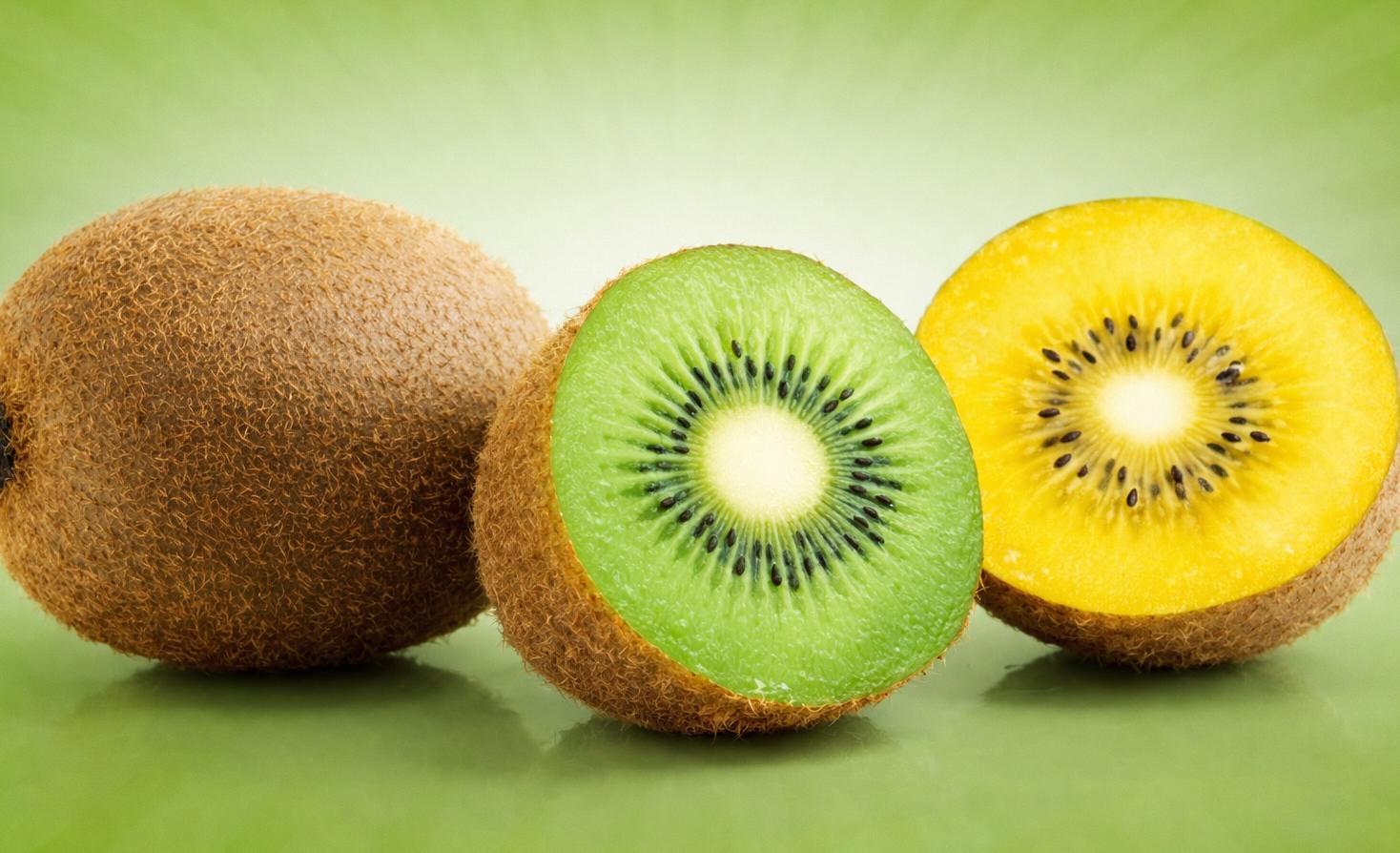
Postharvest Handling of Kiwifruit
Alessio Allegra y Giancarlo Colelli
Università degli Studi di Palermo, Italia





wwww.bibliotecahorticultura.com

Alessio Allegra y Giancarlo Colelli
Università degli Studi di Palermo, Italia
wwww.bibliotecahorticultura.com
Abstract
Effective postharvest management of kiwifruit is essential for its global success. Optimal harvest maturity and preliminary sorting by external and internal quality are of paramount importance in order to store sound fruit. Shelf-life is extended through a controlled cold chain (0°C), Controlled Atmosphere (CA), and strict ethylene management using scrubbers or 1-MCP. These integrated technologies maintain quality, reduce waste, and ensure economic viability in the international market
The kiwifruit (Actinidia spp.), a fruit globally appreciated for its tangy-sweet flavour profile, distinctive colour, and very high nutritional density, represents a modern success story in horticulture. Its journey from a wild vine native to China, known as yang tao, to a staple commodity in markets worldwide is an example of decades of dedicated cultivation, breeding, and, most critically, the advancement of postharvest science.
While its popular association with New Zealand, where it was first commercialized on a global scale, gave it the name now universally recognized, its production has expanded to include temperate zones across both hemispheres.
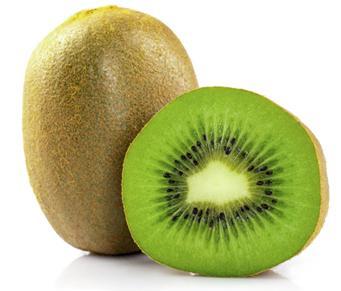
Today, a handful of countries (namely China, Italy, New Zealand, Chile, and Greece) dominate the global supply, accounting for over 80% of total production. Commercial kiwifruit primarily comes from cultivars of Actinidia chinensis: A. chinensis var. chinensis (yellow-fleshed kiwifruit) and A. chinensis var. deliciosa (green flesh kiwifruit) (previously known as A. deliciosa C.F. Liang et A.R. Ferguson).
Green kiwifruit genotypes, namely Hayward, have traditionally led the global market, but yellow ones are gaining popularity due to its colour, milder and less acidic banana-like flavour and rich nutritional profile. However, one of the main challenges in yellow kiwifruit production is their postharvest shelf life.
Kiwifruit are classified as climacteric with a significant role of ethylene in the ripening and softening processes. It is a highly perishable fruit, whose quality rapidly deteriorates after harvest if not managed with meticulous care. Consequently, the development and implementation of a sophisticated, technology-driven approach to postharvest handling has become the indispensable backbone of the international kiwifruit industry, ensuring that quality is maintained, shelf-life is extended, and economic value is maximized across global supply chains.
The commercial value and consumer appeal of kiwifruit are linked to its quality, that can be referred to several key pillars: appearance, texture, taste and flavour, nutritional value, and safety. Botanically classified as a berry, the kiwifruit’s morphology itself contributes to its quality attributes.
2.1. Appearance
Appearance is the first point of contact with the consumer and includes size, shape, uniformity, and skin colour. Crucially, it also means the complete absence of defects such as dehydration (shrivelling), skin blemishes, growth cracks, insect damage, scarring, or any signs of mechanical injury or pathological decay.
2.2. Texture
Texture is arguably the most critical determinant of eating satisfaction. It is defined by flesh firmness, toughness, fibrosity, and juiciness. A kiwifruit that is rock-hard is unpalatable, while one that is overly soft is considered overripe and undesirable. The ideal texture is a delicate balance of yielding firmness and succulence.
2.3. Taste and Flavour
Taste and flavour are governed by a complex interplay of chemical components, primarily the balance between sweetness, derived from soluble solids content (SSC, mainly sugars like fructose, glucose, and sucrose, measured in °Brix), and sourness, from titratable acidity (TA, mainly citric, quinic, and malic acids). This SSC/TA ratio is a fundamental indicator of flavor balance. The characteristic aroma profile is composed of numerous volatile organic compounds (VOCs) that develop during the final stages of ripening, primarily esters, aldehydes, and alcohols, including ethyl butanoate, hexanal, (E)-2-hexenal, (E)-2-hexen-1-ol, and isoamyl alcohol (Lan et al., 2021).
2.4. Nutritional Value
Nutritional value is a very important feature of kiwifruit. It is famously rich in ascorbic acid (Vitamin C), with many cultivars providing more than the daily recommended intake in a single fruit. It is also a good source of dietary fiber, minerals like potassium, and a wide array of phytonutrients, including phenols, flavonoids, and carotenoids, which contribute to its significant antioxidant capacity. These nutritional components vary widely between species and cultivars. For example, the popular, yellow-fleshed A. chinensis ‘Jin Tao’ typically contains almost double ascorbic acid per 100g than the traditional green A. deliciosa ‘Hayward’. Also, cultural practices may affect nutritional value as in organic grown kiwifruit all the major mineral components were more concentrated and showed higher levels of ascorbic acid and total phenol content, resulting in greater antioxidant activity (Amodio et al., 2007).
Traditional destructive methods to measure these attributes remain important benchmarks: penetrometers are used to measure flesh firmness, and refractometers determine SSC. However, the true innovation lies in the adoption of non-destructive techniques (NDT).
Technologies like Near-Infrared Spectroscopy (NIRS) and Hyperspectral Imaging (HSI) are revolutionizing quality assessment. These methods work by irradiating the fruit with light and analysing the returned spectral information. Since different organic molecules (sugars, acids, water) absorb and scatter light at specific wavelengths, the resulting spectrum acts as a unique "digital fingerprint" of the fruit's internal composition. By correlating this spectral data with destructively measured values using advanced chemometric models, it is possible to rapidly and accurately predict internal qualities without damaging the fruit. This capability is very important for commercial packing lines, which can now integrate NDT sensors to sort fruit at high speeds
not just by size and external colour, but by internal attributes like sweetness or dry matter content, enabling the creation of distinct, value-added quality tiers for discerning markets.
Understanding the kiwifruit's ripening physiology is fundamental to its postharvest management. As a classic climacteric fruit, its ripening process is characterized by a distinct surge in respiration rate and the autocatalytic production of the plant hormone ethylene. This hormonal cascade orchestrates the complex biochemical changes that transform a hard, starchy, and acidic fruit into a soft, sweet, and aromatic one. This ripening pattern can be broadly divided into four phases (Schroeder and Atkinsons, 2006):
• Phase 1 (Pre-ripening): At the time of harvest, the fruit is physiologically mature but not yet ripe. Starch content is high, sugars are low, and the flesh is very firm.
• Phase 2 (Softening): Initiated by exposure to ethylene, this phase is dominated by a rapid loss of firmness due to the enzymatic breakdown of cell wall components like pectin. The slow conversion of starch to sugars continues.
• Phase 3 (Eating Window): This is the peak of ripeness, where the climacteric peak in respiration occurs. The fruit reaches optimal softness, the SSC/TA ratio is wellbalanced, and the characteristic aroma and flavour compounds are synthesized.
• Phase 4 (Senescence/Over-ripening): Following the peak, the fruit becomes excessively soft, develops off-flavours, and becomes highly susceptible to decay.
The timing of harvest is therefore a very important decision. A critical distinction must be made between physiological maturity, the stage at which the fruit has developed the capacity to ripen to its full potential even after being detached from the plant, and commercial maturity, the stage at which it possesses the ideal characteristics for a specific use (e.g., immediate consumption vs. long-distance shipping).
To guarantee a long and successful postharvest life, kiwifruit must be harvested at the correct physiological maturity. Several key indices are used to pinpoint this optimal harvest window:
1. Soluble Solids Content (SSC): A minimum of 6.2-6.5% °Brix at harvest is a widely adopted commercial standard, ensuring the fruit has accumulated enough carbohydrates to reach a palatable 12-14% °Brix or higher after ripening.
2. Flesh Firmness: 60-65 N (measured with an 8-mm tip), indicates the kiwifruit is structurally robust enough to withstand the rigors packing and transport, and possesses adequate storage potential.
3. Dry Matter Content (DMC): This has emerged as one of the most reliable predictors of final eating quality. DMC represents the total pool of non-water components, primarily carbohydrates (starch and sugars), that are available for conversion during ripening. A higher DMC at harvest consistently correlates with a higher final SSC and better consumer acceptance.
4. FleshColour: For yellow-fleshed cultivars (A. chinensis), the transition of flesh colour from green to yellow, measured instrumentally as thehue angle, is a critical maturity indicator. A hue angle below 105° is often required to ensure the development of the characteristic golden colour.
Postharvest handling of kiwifruit
Besides conventional instrument for measuring maturity indicators, another popular device capable of distinguishing kiwifruit maturity levels is the DA-Meter®, which measures the DA Index® or DA based on the difference in absorbance at two wavelengths: one corresponding to the maximum absorption of chlorophyll a, and a second reference wavelength chosen for its minimal absorbance variation during ripening. DA value is proportional to chlorophyll content, which steadily decreases during maturation. As a result, DA approaches zero in overripe kiwifruit unsuitable for commercial use.
Optimizing postharvest handling of kiwifruit results in reduced losses and increased commercial value. Careful application of postharvest techniques directly influences quality, price, and market competitiveness. After harvest, kiwifruit undergo pre-sorting with suitable machinery to remove debris, damaged fruit, or pest-infested fruit. This process also helps determine fruit maturity, improving logistics and reducing supply chain losses. Following this, fruit are usually sorted by size according to quality standard regulations and may also be evaluated using NDT sorting for sugar content and, in some cases, for internal defects.
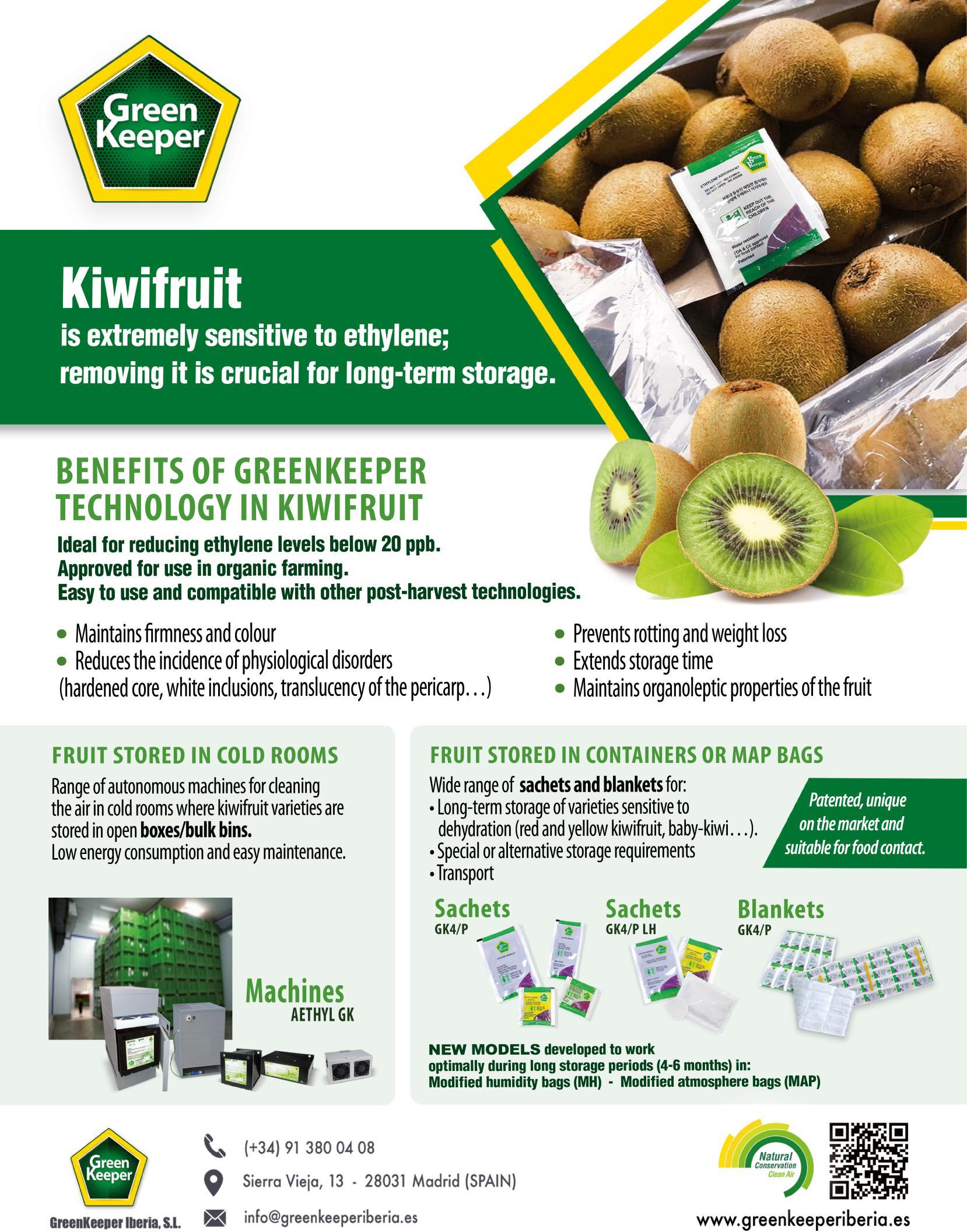
The primary goal of all postharvest handling is to slow down its metabolic rate as quickly and effectively as possible. Given its extreme sensitivity to ethylene, where concentrations as low as 5-10 parts per billion (ppb) can initiate irreversible softening, most of the postharvest strategy can be considered as a comprehensive battle against ethylene. Therefore, the strategies used to reduce the negative effects of ethylene and preserve the quality of kiwifruit rely mainly on solutions that either remove ethylene from the storage atmosphere or inhibit its action. For example, adequate ventilation of storage rooms helps lower ethylene concentration, thereby limiting its detrimental effects on stored products. It is also important to pay attention when multiple products are stored in the same room; in such cases, it is essential to avoid placing kiwifruit together with high ethylene-producing fruits, as the latter would accelerate kiwifruit ripening. However, low temperatures slow down tissue responses to ethylene and inhibit the activity of the enzymes ACC synthase and ACC oxidase, thereby reducing both ethylene production and ethylene action.
The cornerstone of kiwifruit preservation lies in maintaining optimal environmental conditions. The universally accepted standards are:
• Temperature: A constant 0°C is essential. This is just above the fruit's highest freezing point (approximately -1.5°C) and is the single most effective tool for reducing respiration rate, ethylene production, and enzymatic activity.
• Relative Humidity (RH): A high RH of 90-95% is critical to prevent water loss (transpiration), which leads to weight loss, shrivelling, and a decline in textural quality.
• Controlled Atmosphere (CA): For long-term storage (several months), CA is indispensable. This involves maintaining a precisely controlled gaseous environment, typically of 1-2% oxygen and 3-5% carbon dioxide. The low oxygen level directly limits the rate of respiration, while the elevated carbon dioxide level acts as a competitive inhibitor of ethylene action and further slows metabolism.
www.bibliotecahorticultura.com
However, even perfect temperature and atmosphere are rendered ineffective without stringent ethylene control. The multi-pronged strategy to manage ethylene includes:
1. Rapid Pre-cooling: Immediately after harvest, the fruit's field heat must be removed. Methods like forced-air cooling are preferred to rapidly bring the fruit's core temperature down to 0°C.
2. Segregation and Ventilation: Never store kiwifruit with high ethylene-producing commodities like apples, pears, or bananas. Good air circulation within storage facilities is also crucial to prevent ethylene accumulation.
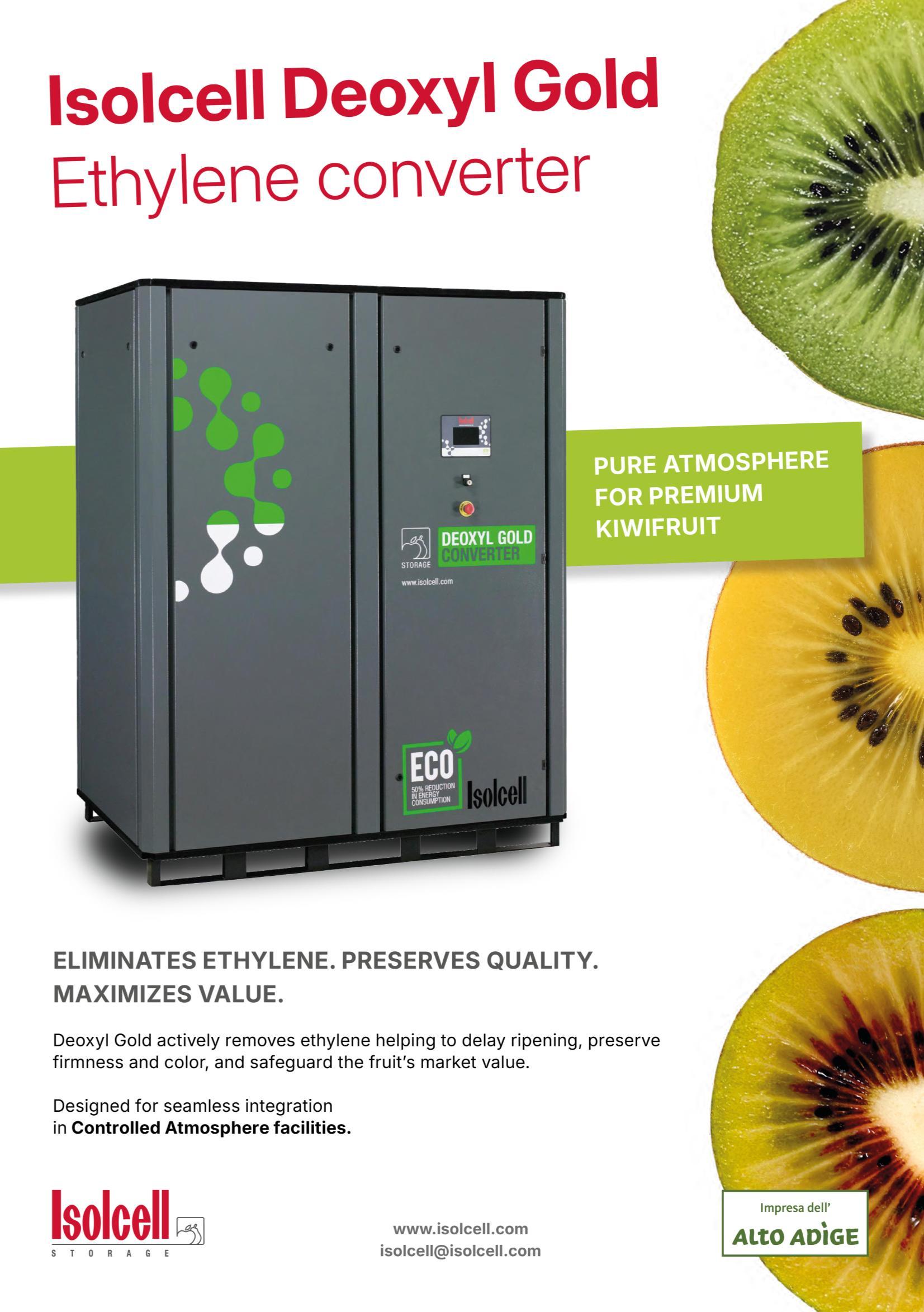
3. Ethylene Scrubbing: This involves actively removing ethylene from the storage atmosphere. Common methods include filters containing potassium permanganate (KMnO₄), an oxidizing agent that breaks down ethylene, or more advanced catalytic scrubbers that convert ethylene to CO₂ and water at high temperatures. Ozone (O₃) is also used as it can effectively oxidize ethylene in the air.
4. 1-Methylcyclopropene (1-MCP): This is a powerful and widely used chemical tool. As a gas, 1-MCP is applied post-harvest in an airtight chamber. Its molecules bind irreversibly to the fruit's ethylene receptors, effectively making the fruit "blind" to the presence of both internal (endogenous) and external (exogenous) ethylene. A single 1-MCP treatment can dramatically delay softening and extend shelf-life, especially when used in conjunction with CA storage (Cornacchia e al. 2008). The efficacy of 1-MCP is, however, highly dependent on factors like cultivar, maturity stage at harvest, and the concentration and duration of treatment.
5. Methyl Jasmonate (MeJA): is a naturally occurring plant hormone derived from jasmonic acid which may play a pivotal role in regulating various physiological processes, including plant defence mechanisms, fruit ripening and senescence, as well as responses to biotic and abiotic stress factors. Recently it demonstrated that different concentrations of MeJA can distinctly influence both fruit ripening and the control of major postharvest diseases, highlighting its potential application in postharvest management strategies and ethylene reduction (Allegra et al., 2025).
Even under the most carefully controlled conditions, kiwifruit remains susceptible to a range of postharvest problems. Chilling injury (CI) is a major physiological disorder that can manifest during prolonged storage at low, non-freezing temperatures. Symptoms include pulp graininess, translucency (water-soaking), and internal browning. These symptoms often develop or become more severe only after the fruit is transferred to warmer, ambient temperatures for ripening, leading to consumer disappointment. Harvest maturity is a key factor, with fruit harvested too early being more susceptible to CI. Other ethylene-related disorders include "White-Core Inclusions" (distinct white patches in the core) and "Hard-Core" (a failure of the core to soften), which are often caused by exposure to ethylene in combination with high CO₂ levels in CA storage.
Pathological decay is the other major threat. The most significant postharvest disease is Gray Mold, caused by the fungus Botrytis cinerea. The fungus typically infects the fruit through the
Postharvest handling of kiwifruit
stem scar or through microscopic wounds sustained during handling. The infection often remains latent in cold storage, with symptoms (soft, watery rot covered in gray sporulation) only developing after 2-4 months. An integrated approach is required for its control, starting with good orchard sanitation to reduce the initial inoculum load. Careful handling is paramount to minimize wounds. A practice known as "curing" a deliberate delay of 48-78 hours at a moderate temperature (12-18°C) and high humidity before cooling allows the stem scar to suberize and heal, creating a physical barrier that significantly reduces the incidence of rot. Classic strategies include the use of approved fungicides in the post-harvest phase,by immersion or spraying, before storage (i.e., Fudoxanil, Fenexamide, Boscalid).
The growing consumer demand for high-convenience, ready-to-eat products has created a market for fresh-cut kiwifruit. However, the acts of peeling and slicing inflict severe wounding stress on the fruit tissue. This triggers a cascade of negative responses, including a dramatic increase in respiration and ethylene production, rapid enzymatic browning, accelerated softening, and a greatly increased susceptibility to microbial contamination and growth. Maintaining the quality of fresh-cut kiwifruit slices is therefore exceptionally challenging. Success depends on a meticulously executed multi-step process. The starting material must be firm enough to withstand mechanical peeling and slicing without disintegrating. After cutting, the slices are often treated with firming agents like calcium chloride (CaCl₂), which helps to stabilize cell walls, and antioxidants like citric or ascorbic acid to inhibit browning. The final and most critical step is packaging under a modified atmosphere, typically with low oxygen (e.g., 4% O₂) and elevated carbon dioxide (e.g., 10% CO₂) and maintaining a strict cold chain at 0-2°C to preserve quality for even a few days.
7. Conclusions
The global success of the kiwifruit industry is a powerful demonstration of applied postharvest science. The journey of this delicate, climacteric fruit from a temperate orchard to a consumer's fruit bowl, often weeks or months later and thousands of miles away, is made possible only by an integrated and precisely controlled system. From determining the exact moment of harvest with non-destructive sensors to implementing a flawless cold chain fortified with advanced atmospheric controls and powerful ethylene management tools, every step is a calculated intervention designed to manage the fruit's complex physiology. As the global market continues to evolve, with ever-increasing demands for higher quality, year-round availability, greater convenience, and demonstrable sustainability, the ongoing innovation in precision postharvest handling will remain the essential key to ensuring the kiwifruit's continued prominence as a world-class fruit.
References
Allegra A., Inglese P., Torta L., Zapata P.J., Gimenez M.J., Sortino G. 2025. Postharvest application of Methyl Jasmonate to extend shelf-life on yellow kiwifruit (Actinidia
www.bibliotecahorticultura.com
chinensis cv. Jinyan). Scientia Horticulturae, 352,114449. https://doi.org/10.1016/j.scienta.2025.114449.
Amodio M.L., Colelli G., Hasey J.K., Kader A.A. 2007. A comparative study of composition and postharvest performances of organically and conventionally grown kiwifruits. J. Sci. Food Agric., 87:1228–1236. https://doi.org/10.1002/jsfa.2820
Cornacchia R., Amodio M.L., Rinaldi R., Colelli G. 2008. Effect of 1-Methylcyclopropene and controlled atmosphere on storage of kiwifruit. Fresh Produce 2(1): 22-25. https://doi.org/10.17660/ActaHortic.2010.876.31
Lan T., Gao C., Yuan Q., Wang J., Zhang H., Sun X., Lei Y., Ma T. 2021. Analysis of the Aroma Chemical Composition of Commonly Planted Kiwifruit Cultivars in China. Foods, 10, 1645. https://doi.org/10.3390/foods10071645
Schroeder R., and Atkinsons R.G. 2006. Kiwifruit cell walls: towards an understanding of softening?. New Zealand Journal of Forestry Science 36(1): 112–129.
Postharvest handling of kiwifruit
www.bibliotecahorticultura.com
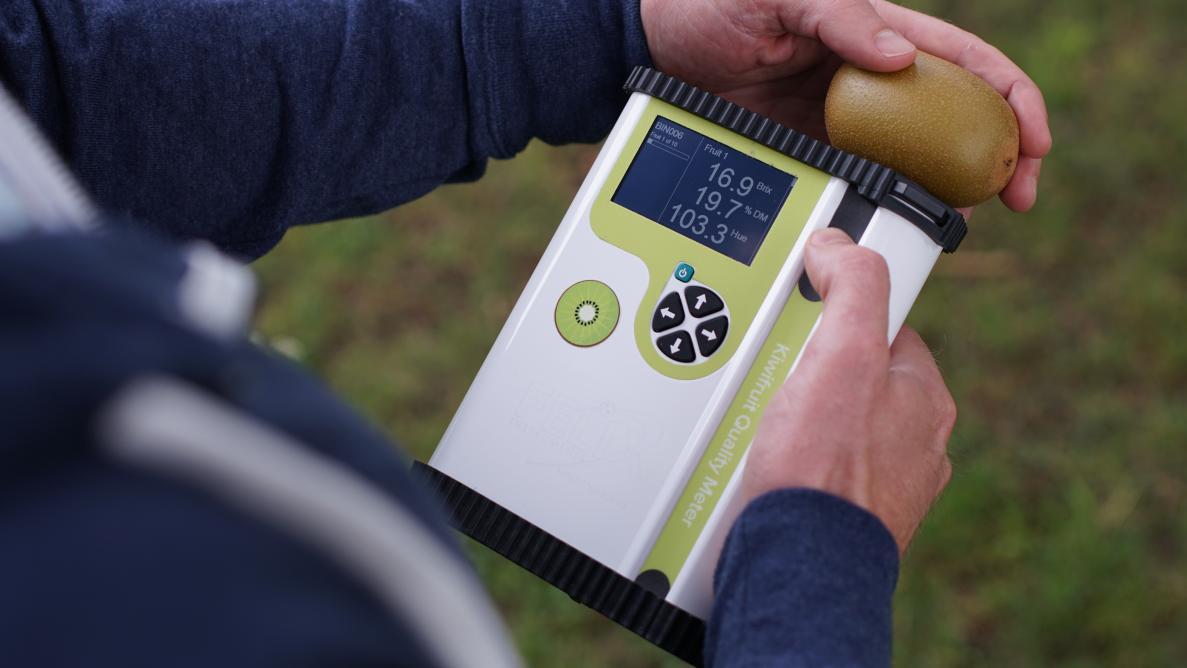
Internal quality in kiwifruit can vary widely between orchards, within the same block and even among fruit from the same lot. Capturing this variability with limited destructive sampling is often slow, costly and provides only partial information. Nondestructive measurement allows growers and packers to collect far more data and convert maturity and internal quality into actionable insights for harvest planning, incoming fruit inspection and postharvest management.
Applicationsinproductionandpostharvest
• Harvest timing and crop management: Measure dry matter (DM), soluble solids content (SSC, °Brix) and hue angle in seconds to support harvest planning, compare orchard blocks and monitor maturity with data-driven insights
• Postharvest monitoring: Assess incoming lots, monitor fruit during cold storage and evaluate quality in ripening rooms. Nondestructive measurements support consistent grading, lot comparison and informed storage management.
The F-751 Kiwifruit Quality Meter uses near-infrared (NIR) technology to measure key internal quality parameters in seconds. The device supports data-driven decisionmaking both in the orchard and in the packing house. Each scan combines spectral information with metadata such as GPS location, date and time, enabling growers and packers to organize measurements and manage quality data across the supply chain.
• Breeding and research: Rapid internal quality data collection for high-throughput phenotyping, model validation and research in breeding programs.
Key features
• Rapid dry matter (DM) and °Brix measurement to obtain objective maturity data without destructive sampling during routine inspections.
• Comprehensive data capture in every scan, including raw spectra, reflectance, absorbance and spectral derivatives, together with GPS coordinates, date and time for sampling traceability.
• Wi-Fi connectivity for transferring measurements directly to a computer and simplifying data management from orchard and postharvest operations.
Data management and visualization (FruitMaps®)
The system integrates with FruitMaps®, an interactive mapping platform that allows users to visualize measurements and organize sampling by orchard block, zone or lot.
This approach helps transform field and postharvest measurements into actionable information, enabling growers and packers to monitor crop development while supporting data-driven decision-making throughout the season.
For more information
• Designed for intensive field use, with more than 500 measurements per charge and removable Li-ion batteries (3400 mAh) suitable for harvest campaigns.
• NIRopticsoperatinginthe640–1050nm range, designed to deliver stable spectral information under operational conditions.
• Robust and portable instrument with a durable aluminum body weighing 1.05 kg, suitable for orchards, packing facilities and laboratories.
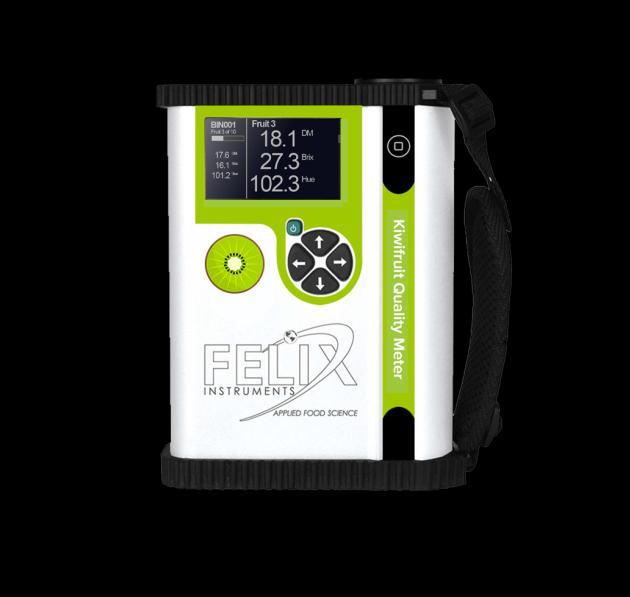
To explore how non-destructive measurement can be integrated into your harvest planning and quality control protocols, contact Felix Instruments to request a live demonstration.
Contact

FELIX INSTRUMENTS
1554 NE 3rd Ave CAMAS, WA 98607 – USA
Tel.: +1 (360) 833-8835
sales@felixinstruments.com https://felixinstruments.com
Postharvest handling of kiwifruit www.bibliotecahorticultura.com

ESPECIALISTES EN SERVEIS PER A LA PRODUCCIÓ EDITORIAL, SL
Doctor Manuel Candela 26, 11ª 46021 VALENCIA – ESPAÑA
Tel.: +34-649 48 56 77 / info@poscosecha.com NIF: B-43458744
www.poscosecha.com www.postharvest.biz www.bibliotecahorticultura.com www.tecnologiahorticola.com www.actualfruveg.com
www.bibliotecahorticultura.com