Alicia Namesny
Postharvest.biz

wwww.bibliotecahorticultura.com

Alicia Namesny
Postharvest.biz
wwww.bibliotecahorticultura.com
Namesny info@poscosecha.com
The garlic market is undergoing a period of significant change, marked by Asian hegemony and the consolidation of Spain as the undisputed leader in Europe, despite the climatic challenges of recent seasons.
The global garlic market is valued at approximately $22.4 billion (2025) and is expected to reach $29.69 billion by 2030.
China accounts for between 75% and 80% of global production. Its provinces of Shandong and Henan are the "breadbasket" of global garlic.
India remains the world's second-largest producer (approximately 10%), driven by strong domestic consumption and specialized varieties.
Egypt, South Korea, and Argentina complete the global "top five."
Spain is the leading producer and exporter in the European Union. In 2025, the sector demonstrated a remarkable capacity for recovery. In December 2025, Spanish garlic exports increased by 9.2%, demonstrating that, despite competition, the world continues to demand the distinctive flavor of Spanish garlic.
The main buyers worldwide are Indonesia (the world's largest importer), Brazil, the United States, and the European Union.
Below are advances in post-harvest handling based on studies published during 2025; the research on processed garlic are predominant.
The review by Bogala Madhu, V. D. Mudgal, and P. S. Champawat explores post-harvest technological interventions in garlic processing, preservation, and value addition to enhance product quality and shelf life.
Various post-harvest operations such as curing, drying, sorting, grading, packaging, and storage are critical in maintaining garlic's quality from farm to consumer.
Traditional processing methods often lead to hygienic concerns, affecting both storage stability and consumer safety.
Innovative technologies, including cryogenic grinding, irradiation, and controlled-atmosphere storage, offer promising alternatives to minimize quality deterioration and maximize nutritional retention.
Research highlights the impact of drying techniques on garlic's bioactive compounds, with freeze-drying and vacuum drying preserving allicin and phenolic compounds effectively.
Additionally, cold storage and gamma irradiation inhibit sprouting, microbial growth, and enzymatic degradation, prolonging shelf life.
Developing garlic-based value-added products, such as powders, pastes, oils, and oleoresins, further enhances its economic potential.
This paper provides a comprehensive review of existing and emerging garlic processing techniques, emphasizing their impact on quality retention and market value. mercado.
Chang-Hyup Lee et al. propose a convolutional neural network (CNN)-integrated approach for automating the basal plate removal process in garlic cloves.
The irregular shapes, sizes, and orientations of garlic cloves pose challenges for mechanized post-harvest processing.
To address this, a CNN-integrated image processing pipeline was developed to identify the basal plate‘s coordinates [x, y] and cutting angles from orthoimages of garlic cloves.
The preprocessing steps involved RGB-to-HSV color space conversion and Otsu‘s thresholding for clove segmentation, followed by principal component analysis (PCA) for horizontal alignment of the garlic images.
A five-layer CNN was designed to classify the basal plate position as left or right, achieving an accuracy of 98.25%. Subsequently, quadratic regression was applied to predict optimal cutting lines.
The proposed algorithm demonstrated a root mean square error (RMSE) of 7.78° and an R2 value of 0.91 in static detection tasks.
The results indicate the method‘s potential for integration into high-speed conveyor systems for real-time processing, reducing manual labor and improving efficiency in garlic post-harvest handling.
The study by Hany S El‐Mesery et al. investigates the influence of storage environments and packaging materials on peeled garlic's physicochemical, phytochemical, and microbiological stability (Allium sativum L.) during a 30‐day storage period.
Four packaging materials, waxed paper (WP.B.), perforated low‐density polyethylene (P‐LDPE), low‐density polyethylene (LDPE), and mesh bags (M.B.), were evaluated under two storage conditions: refrigeration at 4°C and ambient temperature at 25°C.
Results revealed that storage temperature was the dominant factor influencing quality degradation.
Peeled garlic stored at 25°C exhibited rapid declines in firmness, allicin, and pyruvic acid, alongside significant increases in weight loss, color change, and microbial loads.
In contrast, refrigerated storage significantly slowed deterioration, particularly when combined with breathable packaging materials like (WP.B.) and (P‐LDPE), which maintained higher levels of bioactive compounds and reduced microbial proliferation.
Correlation matrix analysis showed strong negative correlations between storage time and key quality parameters such as firmness and allicin.
These findings highlight the need for targeted storage strategies and the development of advanced, intelligent packaging technologies.
The study recommends modeling degradation kinetics, exploring thermodynamic parameters for bioactive stability, and integrating multi‐topic microbial profiling for predictive quality control.
The study by Phuritshabam Vivekanandin Devi and Jaswinder Kaur Brar aims to investigate the comparison of elephant garlic (Allium ampeloprasum) and common garlic (Allium sativum) in terms of physiochemical activity, bioactive compounds and antibacterial properties.
Results revealed that physiochemical properties could notably be detected higher in common garlic than in elephant garlic.
Furthermore, total sugars and reducing sugars exhibited higher but no significant differences were found. The analysis showed that total phenol, flavonoid content and antioxidant activity of elephant garlic were higher than common garlic i.e., 126.8 mg GAE/100g, 69.11 mg rutin/100g and 49.0 percent, respectively.
On the other hand, allicin which is one of the major organosulfur compounds found to be higher in common garlic.
Both Allium species demonstrate strong inhibition activity in gram-negative bacteria and grampositive bacteria.
Elephant garlic showed a higher zone of inhibition in Salmonella typhimurium among the bacterial strains; likewise, common garlic showed similar results.
The authors summarize that the obtained results confirm that elephant garlic and common garlic have significant and noteworthy nutritional components and exhibit distinguish characteristics. Moreover its pharmacological value will be a promising health benefit in our daily needs and can considered as a functional food. funcional.
Tomatoes are a nutritious climacteric fruit, but they have a short shelf life and are susceptible to fungal pathogens such as Alternaria alternata, resulting in significant postharvest losses. Chemical fungicides have been traditionally used to manage these issues, but due to health risks and contamination concerns, alternative strategies are needed.
The research work by Sameer Lal et al. was conducted to assess the potential of Fagonia indica (FI) and Allium sativum (AS) plant extracts on shelf life and Alternaria alternata disease of tomato fruit during storage.
Tomato fruits was treated with 10 and 20% concentrations of these plant extracts kept at ambient conditions (25 ± 2 °C and 70–75% R/H) for 20 days.
The study found that using 20% FI or AS plant extracts significantly inhibited mycelium growth, spore germination, disease incidence, and severity as compared to the control fruit. It also effectively maintained the quality of tomato fruits by reducing weight loss, color changes, soluble solids concentration, and ion leakage.
Additionally, it helps retain higher levels of titratable acidity, firmness, ascorbic acid, total phenolic content, and sensory attributes. This suggests that FI and AS plant extracts could be used as an eco-friendly and cost-effective method to inhibit Alternaria alternate diseases and extend the shelf life of tomato fruits
7. Sensitivity of fungi isolated from spoiled tomato to garlic and clove extracts
The study by Danaski, A.I. et al. investigated the sensitivity of fourteen isolated fungi from spoiled tomato samples collected from six different markets within Maiduguri metropolis to extracts of garlic, and cloves singly and in combination.
The sensitivity of the isolated microbes was tested (using Agar well diffusion method) with aqueous and methanol extracts of garlic, cloves and their combination.
The methanol extracts of cloves and combination with garlic completely inhibited the growth of all the fungi isolated at 1.0 and 2.0 mg/mL concentrations. At 45% concentration, the aqueous garlic and combined extracts showed strong antifungal activity against all the fungi except for Aspergillus terreus, Penicillium spp, Zygosaccharomyces bailii, Candida tropicalis, and Aspergillus ustus.
Penicillium spp and Saccharomyces cerevisiae were shown to be the most sensitive against aqueous extract of garlic with 3.4 mm and 3.2 mm zones of inhibition respectively at 100% concentration, while Aspergillus parasitucus, Aspergillus oryzae, and Saccharomyces cerevisiae are the most sensitive of the combined extract at the same concentration.
However, all the tested fungal isolates resisted the aqueous extract of cloves at all the tested concentrations.
The combined extract, therefore, exhibited the highest level of inhibition against the growth of the tested fungi at all concentrations and may therefore have potential to arrest post-harvest tomato spoilage. cosecha.
8. Garlic peel extract as coating to extend avocado shelf life for 7 days
Avocados are one of the most easily spoiled fruits due to their distinct properties and the influence of microbial activity.
To address this issue, previous studies have shown that garlic peel extract (GPE) can inhibit bacterial and fungal growth due to the presence of antimicrobial compounds such as allicin, thereby reducing spoilage and extending the shelf life of foods. The current study, by Marianne Francesca S. Degal et al. aimed to determine the optimal GPE concentration that will maximize preservation efficacy of avocados.
The preservation effects of GPE with varying concentrations (12.5%, 25%, and 50%) were evaluated over a storage period of 7 days on avocados.
The results have shown that experimental groups treated with GPE had significant differences in results compared to the control group, with avocados treated with 50% GPE yielding the best results, showcasing a reduced and more gradual change in color and weight compared to the other extract concentrations.
Furthermore, statistical analyses (one-way ANOVA and Tukey's HSD test) confirmed that 50% GPE concentration resulted in the least color deviation and lowest weight loss, indicating enhanced preservation. conservación.
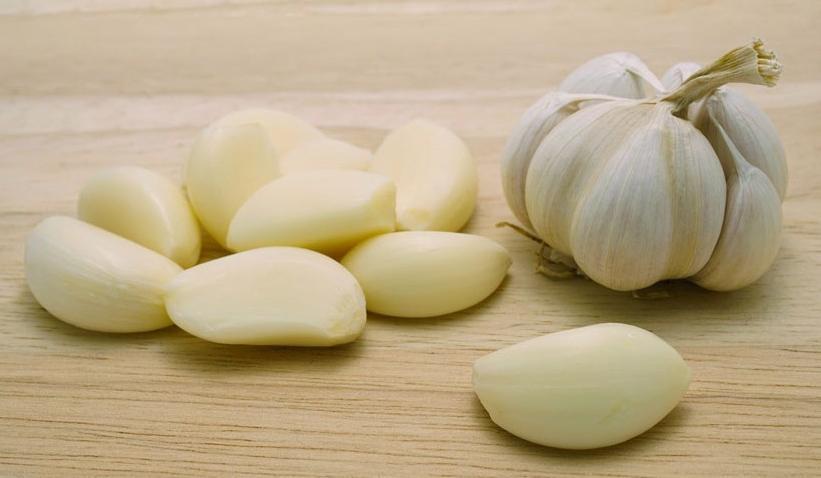
Picture, Imperio Garlic, https://imperiogarlic.com/verdades-mitos-ajo-pelado/
Sources
Anjum, N Bogala Madhu, V. D. Mudgal, P. S. Champawat
Sustainable Garlic Production and Value Chain Development: A Holistic Review of PostHarvest Technological Interventions, Processing, and Product Diversification
Journal of Food Process Engineering, July 2025
https://doi.org/10.1111/jfpe.70205Digital
https://onlinelibrary.wiley.com/doi/abs/10.1111/jfpe.70205
Chang-Hyup Lee, Sang-Yeon Kim, EungChan Kim, Sungjay Kim, Suk-Ju Hong, Ghiseok Kim
Convolutional Neural Network-Integrated Image Processing Method for the PostHarvest Removal Process of Garlic Clove (Allium Sativum)
Applied Engineering in Agriculture. 41(4): 441-451.
Doi: 10.13031/aea.16313
https://elibrary.asabe.org/abstract.asp?aid=55567
Danaski, A.I., 2Shugaba, A., Milala, M.A. and Gidado, A.
The Potency of the Use of Single and Combined Extracts of Allium sativum (Garlic) and Syzygium aromaticum (Cloves) against Fungi Causing Tomato Post-Harvest Spoilage Nig. J. Biotech. Vol. 41(2): 158-170 Dec. 2024)
http://www.ajol.info/index.php/njb/index and https://bsn.org.ng DOI: https://dx.doi.org/10.4314/njb.v41i2.15
Gemini, información general
Hany S El‐Mesery, Mansuur Husein, Zicheng Hu, Mona A Elabd Postharvest Stability of Peeled Garlic Cloves (Allium sativum L.): A Study on Packaging Materials and Shelf‐Life Environmental Interactions
Food Sci Nutr. 2025 Nov 10;13(11):e71170. doi: 10.1002/fsn3.71170
Marianne Francesca S. Degal, Macayle Mary D. Raganit, Justine Nicole O. Sarmiento, Bettriz Frodine D Post-Harvest Shelf-Life Extension of Avocados Using Garlic Peel Extract as Coating https://animorepository.dlsu.edu.ph/conf_shsrescon/2025/poster_fnh/2/
Phuritshabam Vivekanandin Devi, Jaswinder Kaur Brar
Quantification of physiochemical, bioactive compounds and antibacterial activities of elephant garlic (Allium ampeloprasum) and garlic (Allium sativum)
Journal of Postharvest Technology, 13(2): 65-75.
https://www.researchgate.net/profile/PhuritshabamDevi/publication/393335161_Quantification_of_physiochemical_bioactive_compound s_and_antibacterial_activities_of_elephant_garlic_Allium_ampeloprasum_and_garlic_ Allium_sativum/links/68661187e9b6c13c89e651d6/Quantification-of-physiochemicalbioactive-compounds-and-antibacterial-activities-of-elephant-garlic-Alliumampeloprasum-and-garlic-Allium-sativum.pdf
Sameer Lal, Ghulam Khaliq, Abdul Hafeez Mastoi, Asif Irshad, Muhammad Abuzar Jaffar, Lawang Khan & Noor Muhammad
Effect of Fagonia indica and Garlic Extract On Alternaria alternata and Post-harvest
Quality of Tomato Fruit During Storage
Journal of Crop Health 77, 177 (2025).
https://doi.org/10.1007/s10343-025-01230-9
https://link.springer.com/article/10.1007/s10343-025-01230-9#citeas

ESPECIALISTES EN SERVEIS PER A LA PRODUCCIÓ EDITORIAL, SL
Doctor Manuel Candela 26, 11ª 46021 VALENCIA – ESPAÑA
Tel.: +34-649 48 56 77 / info@poscosecha.com NIF: B-43458744
www.poscosecha.com www.postharvest.biz www.bibliotecahorticultura.com www.tecnologiahorticola.com www.actualfruveg.com