FREE
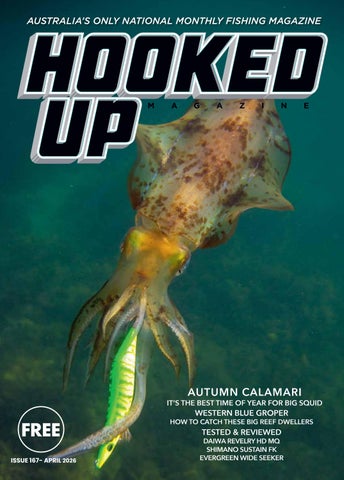
AUTUMN CALAMARI
IT’S THE BEST TIME OF YEAR FOR BIG SQUID WESTERN BLUE GROPER
HOW TO CATCH THESE BIG REEF DWELLERS TESTED & REVIEWED
DAIWA REVELRY HD MQ
SHIMANO SUSTAIN FK
EVERGREEN WIDE SEEKER
FEATURING
IT’S THE BEST TIME OF YEAR FOR BIG SQUID WESTERN BLUE GROPER
HOW TO CATCH THESE BIG REEF DWELLERS TESTED & REVIEWED
DAIWA REVELRY HD MQ
SHIMANO SUSTAIN FK
EVERGREEN WIDE SEEKER
FEATURING

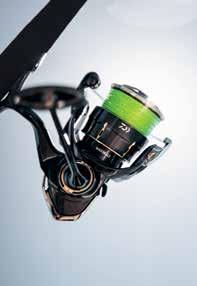
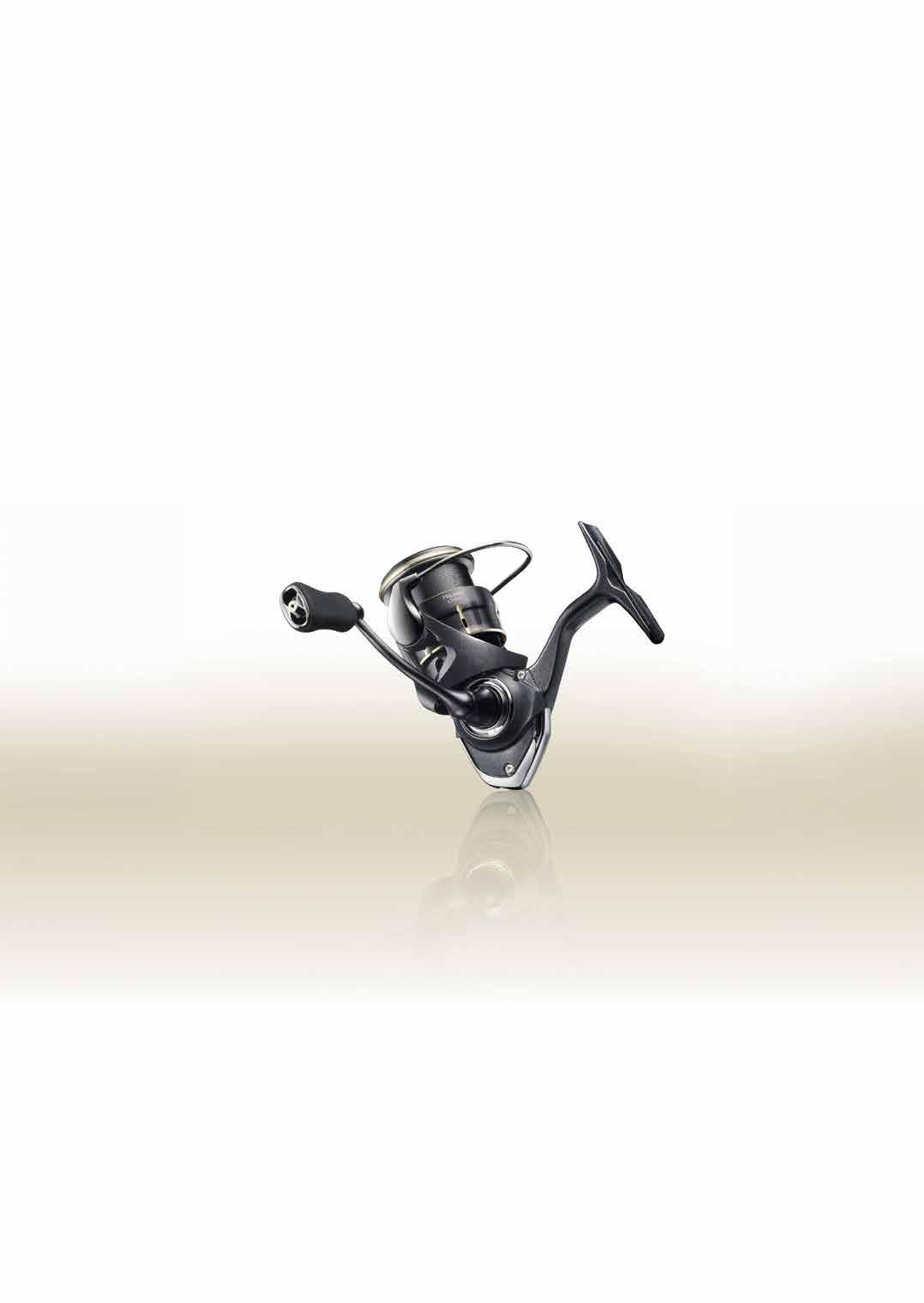
The 26 Freams advances a proven platform with advanced performance upgrades, delivering a reel that is lighter, smoother, and more refined than ever before. At its core is AIRDRIVE DESIGN, engineered to reduce weight and rotational inertia for improved balance, e ortless start-up, and heightened sensitivity throughout the retrieve. Built on Daiwa’s LT (Light & Tough) concept, the 26 Freams achieves exceptional strength in a compact, lightweight body. This design ensures confident power when under load, while maintaining the comfort and control needed for long sessions on the water.
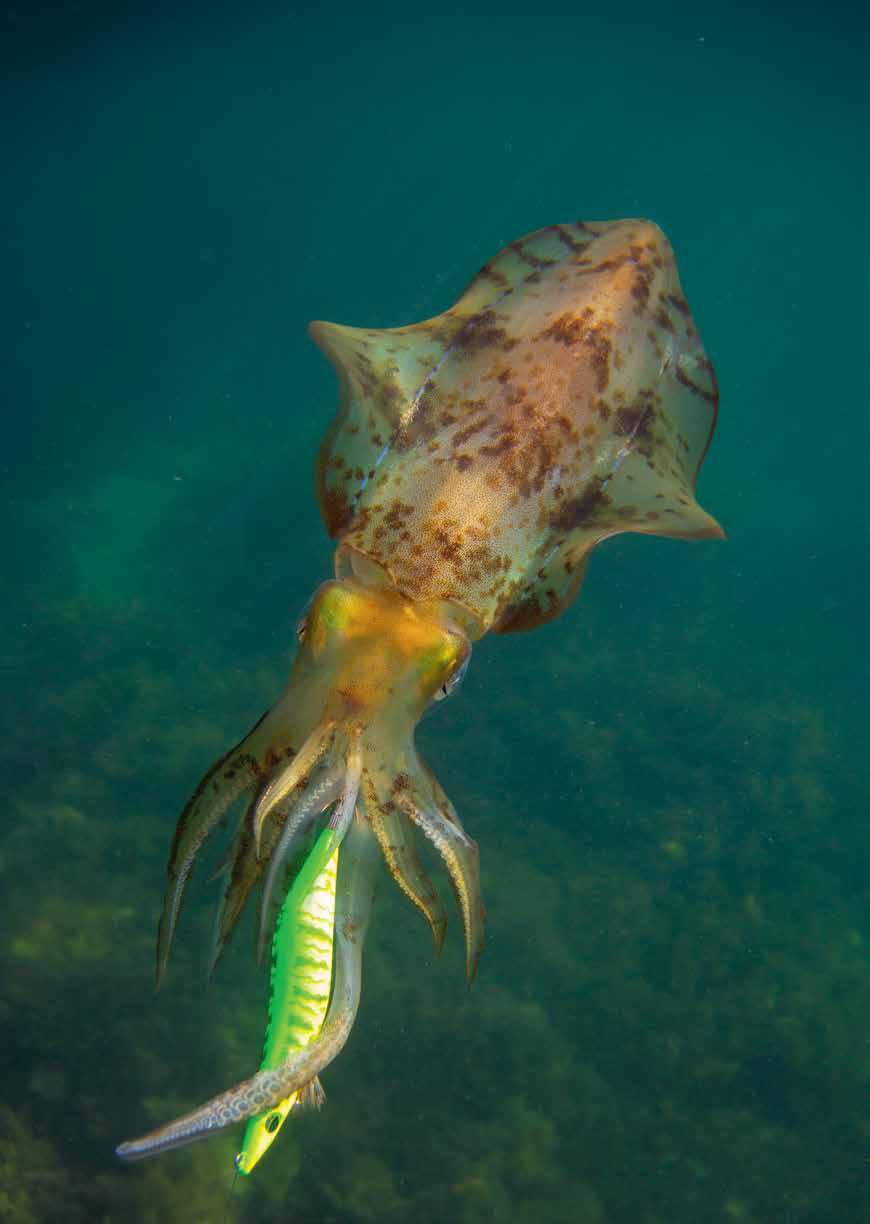
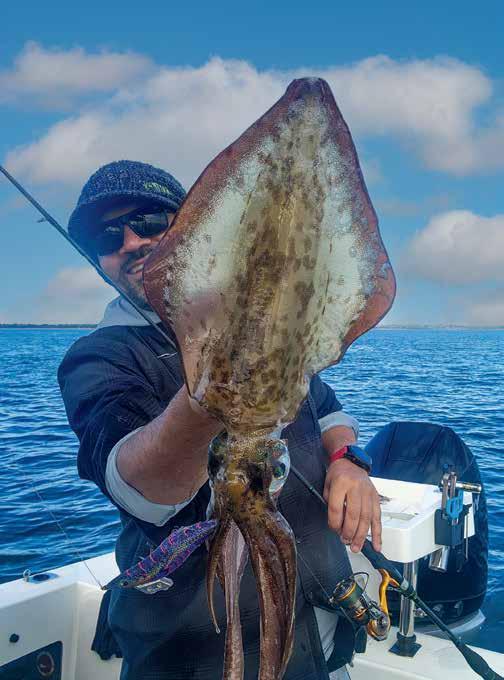
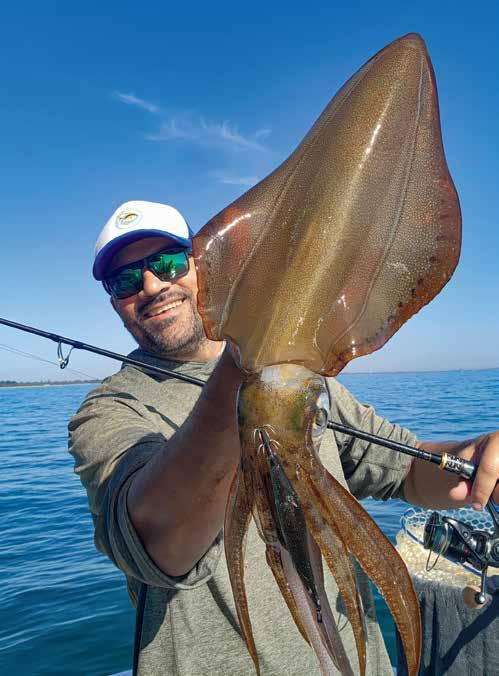
ON THE COVER: An autumn time southern calamari that took a liking to a Daiwa Emeraldas Nude in Mango Shrimp.
Fuel’s suddenly the hottest topic in the country. War, supply issues, prices climbing… it’s enough to make anyone hesitate before heading out.
But let’s be clear — it doesn’t mean you stop fishing. Because not fishing sucks. It just means you fish smarter.
If you’re landbased around metro areas, expect more pressure. That’s unavoidable. But fish don’t just sit under the pier waiting to be caught. Move. Walk. Explore. There’s always water nearby that’s getting overlooked, and that’s usually where the better fishing is.
Still happy to use a bit of fuel in the car? Good. Don’t waste it doing the same thing you always do. Go somewhere different. Find new ground. That’s how you stay ahead when everyone else is piling into the same spots.
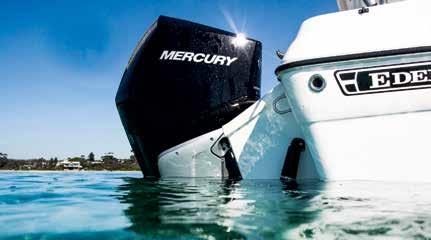
On the boat, efficiency is everything. Modern engines are incredibly economical if you run them right. Find that sweet spot where you’re comfortably on the plane without pushing hard. Watch your fuel flow on your MFD — it’ll tell you exactly what your right hand is costing you. Back it off a touch and you’ll be surprised how much range you gain.
It’s also a good time to rethink how you fish. You might even drop trolling off the menu altogether. I don’t enjoy trolling, so I don’t burn the fuel or stack hours on the engine. Get to where you’re going, then shut it down — drift or anchor. It opens up a heap of options, and more often than not you’re targeting quality table fish, which doesn’t hurt when you’re trying to save a few dollars at the supermarket.
And don’t forget, not everything needs fuel. Kayaks, electric-powered setups, even a simple drift can still get it done.
At the end of the day, it’s about priorities. Spend less on the rubbish — beers, bad bets, impulse buys — and put it into fishing. No matter what’s happening in the world, there’s no better therapy than fishing reatil therapy at your local tackle store.
Kosta Linardos Editor In Chief
CONTRIBUTORS
Jamie Crawford, Mark Gerkovich, Dean Linardos, Sammy Leys
Ben Donogan, Trent Ellis ADVERTISING
info@hookedup.com.au


Shimano’s
The Yamamoto Hinge Minnow delivers a refined action that sets it apart, featuring a jointed tail section that creates a natural rolling motion even on a straight retrieve. This hinged design makes it easy to use while maintaining a consistent fleeing action in the water. Flanges along the body help slow the bait down, while the laminated top and bottom sections with independent weighting produce a balanced and controlled roll. Available in sizes from 3.5 in to 7 in and a range of proven Yamamoto colours, it’s a versatile option suited to a wide range of species and conditions.
ejtodd.com.au
The HMKL Shad 65 is designed to perform in tough, highly pressured conditions, delivering a refined action with improved casting and stability compared to traditional shad plugs. Built to dive deeper while maintaining the same compact profile as the SR model, it reaches depths of up to around 3m on light line, making it ideal for working edges and deeper structure. The balanced design reduces rollouts and improves tracking, even when retrieved slowly or through light weed. It’s a smart option for anglers needing a small-profile crankbait that can reach fish holding deeper in clear or pressured water.
gladiatortackle.com.au
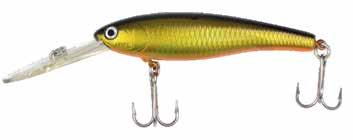
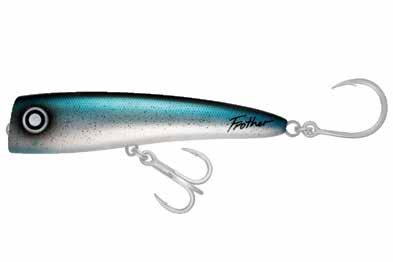
The Saltiga Frother 170F adds a unique edge to Daiwa’s premium lure range, designed to produce fine, dense bubbles when worked subsurface. This distinctive action not only attracts predators but also helps blur the lure’s outline, giving wary fish more confidence to commit. A specially refined cup face has been tuned to maximise bubble production, setting it apart from traditional poppers. Finished with Daiwa’s Laser Impact technology for a highly reflective baitfish profile, it combines visual appeal with serious strength. Built tough with quality hardware, it measures 170mm and weighs 71gm. daiwafishing.com.au
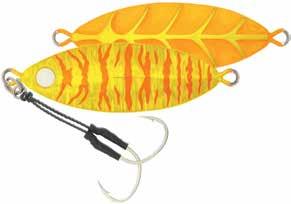
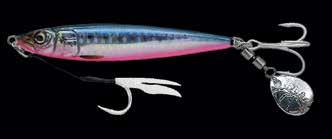
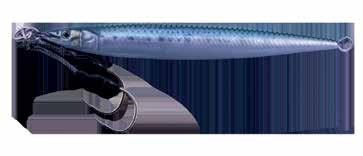
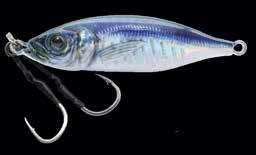
The Samaki Ribcage Slow Fall highlights the continued evolution of slow pitch jigging, delivering a refined action designed to keep the lure in the strike zone longer. Its shorter, wider profile and centre-balanced design create an enticing flutter on the drop, while the zinc construction provides a lighter, more dynamic presentation suited to shallow water and finesse applications. A ribbed rear section produces erratic darting and spiralling movement, enhanced by subtle bubble trails. Finished in UV-enhanced colours and rigged with quality assist hooks, it’s ready to fish straight out of the pack.
$15.95 RRP
ejtodd.com.au


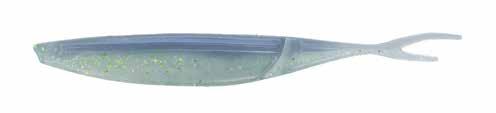
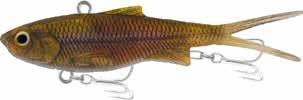
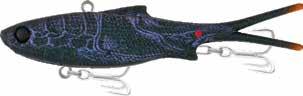
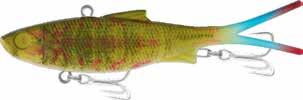
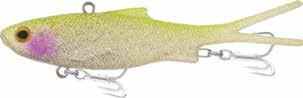
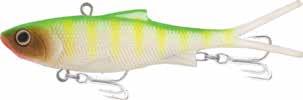
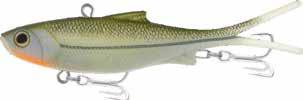
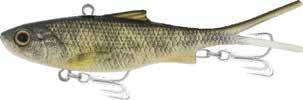
Samaki expands its popular Vibelicious soft vibe range with a fresh lineup of colours designed to suit a wide range of conditions. Blending high-visibility tones with more natural patterns, the new additions give anglers greater versatility whether fishing dirty water for reaction bites or matching the hatch in clear systems. Colours including Murky Minnow, Purple Moon, Whiskey, Redcraw, Baby Barra, Phantom Craw, Splice and Wizz Fizz bring even more options to an already proven lure. A strong update that keeps the Vibelicious range right at the pointy end.
samaki.com.au
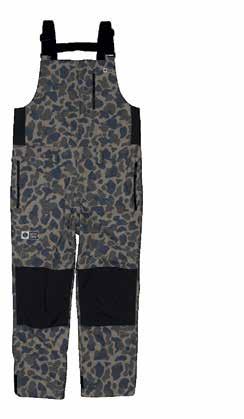
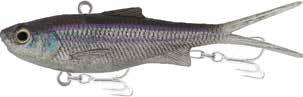
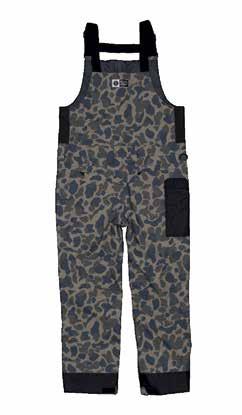
The Long Range Tech Bib in Sand Camo has been field tested and refined with team-driven updates to improve fit, function and durability for serious offshore use. Built from a 2.5-layer fabric with DWR coating, it delivers 20K waterproofing and 20K breathability, backed by fully taped seams to handle tough conditions. A YKK two-way waterproof front zip with storm flap ensures protection, while multiple storage options and side access zips add practicality. Reinforced knees and abrasion-resistant panels enhance longevity, making it a reliable option for long days chasing offshore species. Available in sizes S to XXL.
salty-crew.com.au

The Shimano Ledge Runner brings a smart, adaptable approach to offshore trolling, combining two key technologies to improve performance on the water. HCW (Hydro Control Wing) keeps the lure tracking straight with a consistent swimming action, even at higher speeds or in rough conditions. ADR (Adjustable Depth Range) allows anglers to change the running depth without switching lures, making it easy to adapt to bait, structure or current. Built tough for offshore use, it’s a versatile option suited to targeting species such as mackerel, tuna and mahi mahi across a range of conditions. shimanofish.com.au
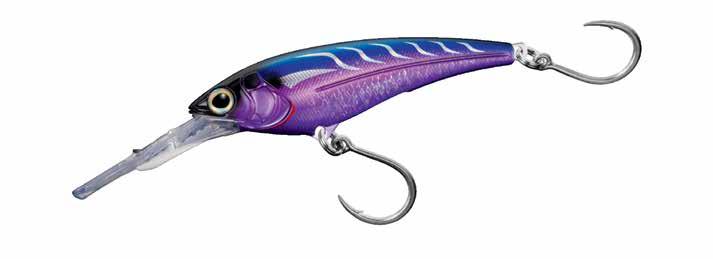
The Salta MagDiver 10in is a high-speed trolling lure designed for targeting wahoo, mackerel and tuna. Featuring a patented design, the lure is built to run straight and below the surface at speeds up to 20 knots, while remaining stable through turns and propwash. A key feature is the HookMag system, which holds the front hook in a stinger position during trolling before releasing on the strike, reducing tangles and improving hook-up rates. Constructed from durable ABS with a through-wire build, the MagDiver is fitted with premium hardware including Mustad 10/0 hooks and heavy-duty swivels. At 360gm, it is available in six colours.
jurofishing.com
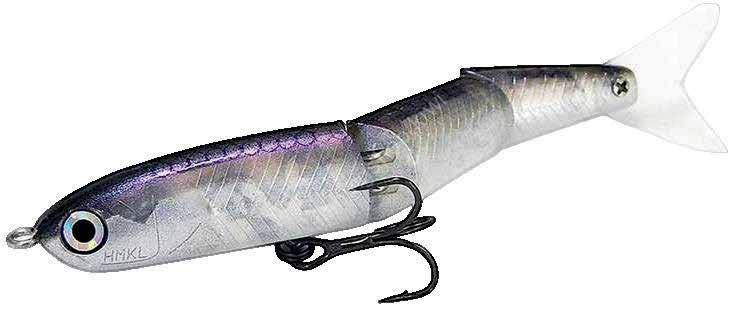
The HMKL Alive Bait 65SP is a compact, three-jointed suspending minnow designed to fool pressured and inactive fish with an ultra-natural presentation. Measuring 6.5cm plus tail and weighing just 3g, it delivers a smooth S-swimming action thanks to its finely tuned jointed body. A lipless design allows precise control with slow retrieves, subtle twitches or sharp jerks, making it ideal for finesse applications in calm estuaries, lakes and rivers. Featuring swivel hook hangers to improve hook-up rates and a replaceable silicone tail, it’s a refined option for targeting bream, bass and trout in clear conditions. gladiatortackle.com.au




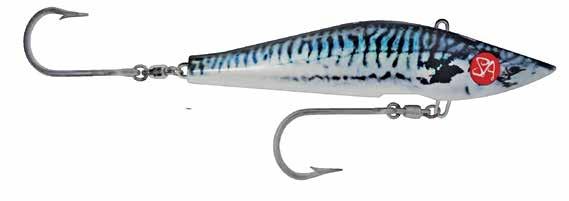
samaki.com.au
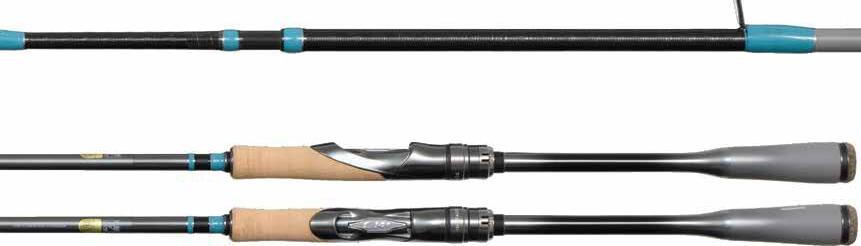
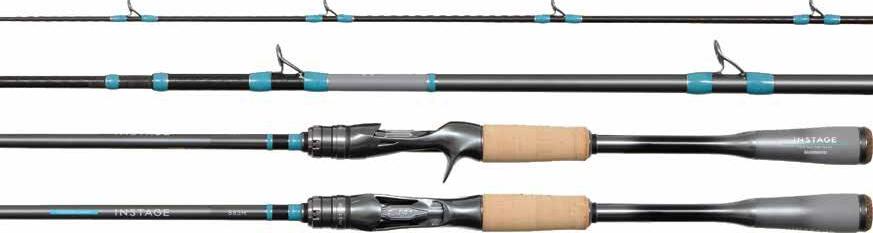
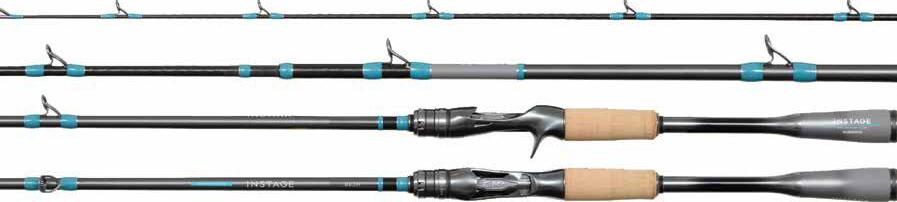
The Shimano Instage range introduces a premium JDM concept built for anglers wanting a refined and versatile rod lineup across both saltwater and freshwater. Covering seven models from medium light through to heavy duty baitcaster options, the range is suited to everything from bass and yellowbelly through to snapper, kingfish, barra and Murray cod. Built on high modulus Spiral X-Core blanks with Carbon Monocoque butts, the rods deliver exceptional balance and sensitivity without sacrificing strength. Finished with quality components including lightweight titanium X Guides and CI4+ reel seats, the Instage series blends performance with a clean, understated design.
shimanofish.com.au
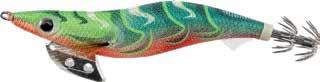
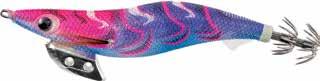
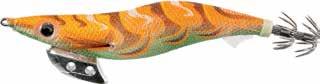
Yamashita expands its Egi Oh K range with new Neon Bright colours designed to perform in specific squid fishing scenarios. Featuring UV-emitting technology, each colour is tuned for different conditions, from low light and deep water through to dirty systems where visibility is reduced. The range includes high-contrast and glowing finishes that enhance both angler visibility and squid attraction, with a reflective structure that creates a strong visual presence in the water. Available in multiple sink rates including basic, shallow and super shallow, these new colours offer greater versatility for targeting squid across changing condition.
ejtodd.com.au
Fishing for king George whiting in Port Phillip and other Victorian bays looks promising, with juvenile numbers recorded as the strongest since 2021. Field surveys conducted by Victorian Fisheries Authority scientists late last year found improved numbers in Port Phillip compared with 2022, 2023 and 2024. According to VFA Senior Manager Recreational Fisheries, Taylor Hunt, the results are encouraging given the species’ popularity as a table fish that can be targeted from both boats and shore using relatively simple tackle. Annual surveys of juvenile whiting in shallow seagrass habitats have been conducted at multiple sites around Port Phillip for more than 25 years.
ejtodd.com.au
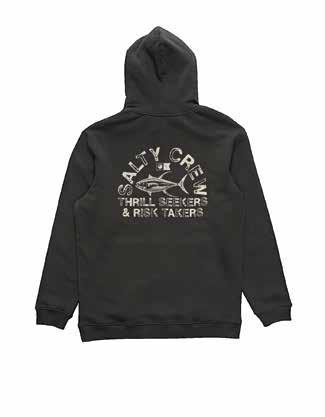
The Stamped MW Hood in Vintage Black is built for comfort and everyday wear, using Salty Crew’s signature mid-weight cotton/polyester brushed fleece at 300gsm. Designed with a two-piece hood featuring an encased drawcord, it offers a clean fit along with rib knit cuffs and hem for added durability. A self-fabric kangaroo pocket provides practicality, while screen printed front and back graphics deliver a classic look. Finished with a Salty Crew clamp label at the hood opening, it’s a reliable option both on and off the water. Available in sizes S to XXXL.
salty-crew.com.au
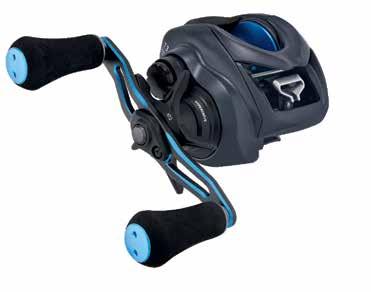
Daiwa expands its baitcaster lineup with the 26 Coastal TW 200, a saltwater-ready reel finished in a striking blue colourway and built for Australian conditions. Featuring Daiwa’s latest Hyperdrive Design, it combines increased winding power, refined smoothness and long-term durability. Key elements including Hyperdrive Digigear, Hyper Armed Housing, an aluminium body, TWS and Magforce deliver strength and casting precision, while the UTD drag system provides 6kg of smooth stopping power. A large 38mm spool offers generous line capacity, matched with a 100mm swept handle for added control. Available in left and right hand models.
daiwafishing.com.au
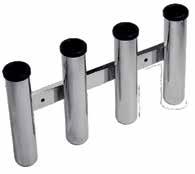
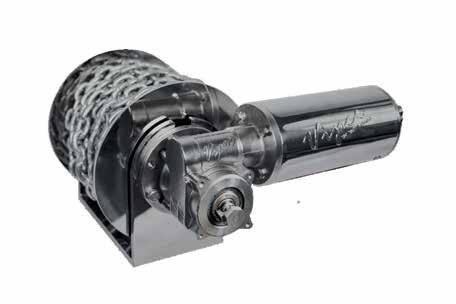
Bell Marine’s Viper Deluxe 4 Way Coambing Rod Rack is a practical solution for keeping the cockpit organised without sacrificing durability or finish. Designed for clean coambing mounting, it secures rods safely out of the way, improving both deck space and onboard efficiency. Constructed from 316 marine-grade stainless steel with a mirror-polished finish, it’s built to handle harsh marine conditions while maintaining a premium look. Features like fully welded gimbal pins, rolledbottom holders and heavy-duty end caps enhance both safety and gear protection, making it a smart, long-lasting addition to any fishing boat.
bellmarine.com.au
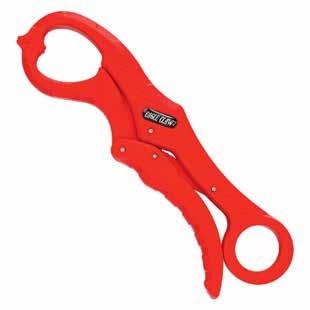
The Eagle Claw floating fish grip is a practical accessory designed to make fish handling safer and easier for both angler and fish. Made from lightweight plastic with corrosion resistant pins, it is suitable for use in both freshwater and saltwater environments and, importantly, it floats if dropped overboard.
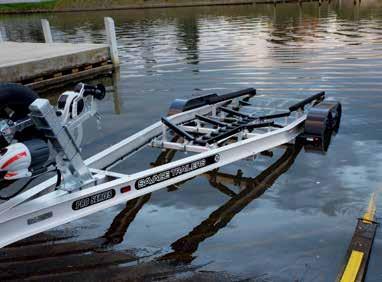
Free trailer reversing clinics are being rolled out across Victoria, giving boaters the chance to build confidence and improve their skills at the ramp. Run by the Victorian Fisheries Authority’s Better Boating division with support from the WIRFAB Network and training providers, the sessions offer hands-on guidance for all experience levels, with expert instruction aimed at making launching safer and more efficient. Upcoming clinics will be held at Limeburners, Geelong on 17 May, Lake Wendouree, Ballarat on 24 May, Altona on 21 June and Lake Eppalock on 9 August. Femaleonly sessions will also run at Queenscliff on 29 March and Mornington on 31 May, with these events also including a free marine licence course. Bookings are essential. vfa.vic.gov.au
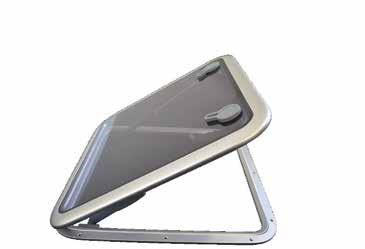
Bell Marine’s Viper Low Profile Hatch blends sleek design with practical performance, making it a strong addition to modern powerboats and yachts. Sitting just 30mm above deck, it delivers a clean, streamlined finish with concealed hinges and a curved frame for a refined look. Built for both ventilation and access, the hatch can be positioned anywhere from 0° to 90°, with dual support struts ensuring smooth operation. The anodised aluminium frame and tinted acrylic lid offer durability and corrosion resistance, while a precision sealing system keeps water out in demanding conditions.
bellmarine.com.au
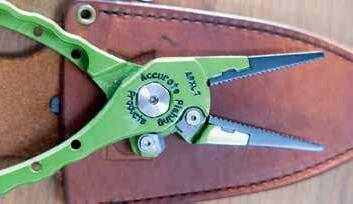
The Salty Crew x Accurate Piranha Pliers are built as a dependable, all-purpose tool for anglers who demand performance on the water. Measuring 7 in in length, they feature a regular tip design that makes it easy to remove hooks, cut line and open split rings with precision. Designed for durability and everyday use, these pliers are suited to a wide range of fishing applications. Each set comes complete with a custom leather sheath and lanyard, keeping them secure and within reach when it matters most.
salty-crew.com.au
The Samaki Vortex series is built for anglers chasing maximum casting distance from the shore, delivering a crisp carbon blank designed for long, accurate casts with minimal effort. Suited to beach and rock fishing, it helps reach fish holding well beyond the wash while maintaining control throughout the cast. Finished in a clean black and blue design, it features Fuji K Alconite guides for improved line flow and a premium Fuji reel seat for strength under load. A reliable, purpose-built option for land-based anglers who demand distance and performance. $219.95 – $229.95 RRP
samaki.com.au


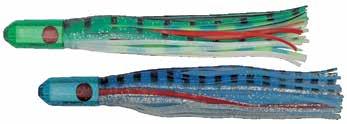
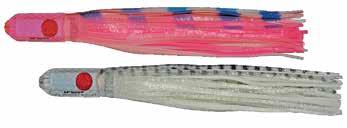
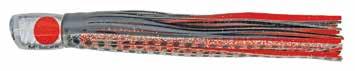
The McLures Sea Monkey Bullet is a high-performance skirted lure designed in Australia for targeting fast-moving pelagics. Featuring a bullet-shaped head with four jet holes, it creates an aggressive bubble trail when trolled at higher speeds, making it ideal for tuna and other speedsters. Built with durable resin heads and finished with Red Crystal 3D eyes, the lure combines strength with visual appeal. A UV over skirt paired with McLures’ Luminite underskirt adds extra attraction, including glow in low light. Measuring 6.75 in overall with a 5.5 in skirt, it’s available in a range of proven colour options.
jurofishing.com
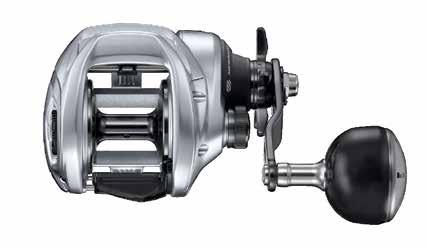
The Shimano Tranx 400B expands the renowned Tranx lineup, delivering a heavy-duty low-profile baitcaster built to handle serious fish in both saltwater and freshwater. Designed for throwing big swimbaits, plastics and jigs, it features a CoreSolid Hagane Body for increased rigidity, along with X-Ship gearing and Cross Carbon Drag to provide the power needed to stop hard-fighting species. SVS Monster Drive Tune cast control with eight brake shoes ensures consistent casting performance, while X-Protect shielding guards against saltwater intrusion. Available in multiple gear ratios with left and right-hand options.
shimanofish.com.au

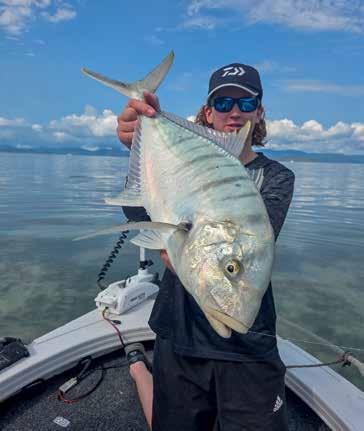
The Inshore Flats Project is a coalition of fishing guides, lodge owners, filmmakers, scientists, biologists and recreational fishing advocates united in protecting Queensland’s inshore flats. The group is opposing the trial of a new tunnel net fishery along the Great Barrier Reef coastline, citing concerns about ecological impact and long-term sustainability.
Tunnel nets, which can extend up to 1.6km in length, are fixed in shallow inshore environments and can trap a wide range of species moving across the flats. The Project argues that this includes iconic flats species such as golden trevally, giant trevally and permit, as well as juvenile fish and non-target species critical to healthy ecosystems. The organisation is calling on both the Queensland and Federal Governments to halt current tunnel net trials and prevent future approvals. It says allowing the fishery to expand could threaten fish stocks, coastal habitats and the economic value of sustainable recreational fishing and tourism. inshoreflatsproject.com.au
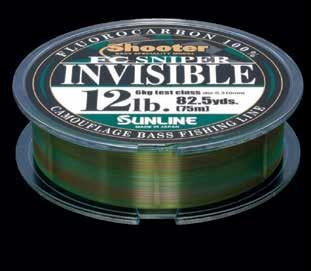
High grade fluorocarbon built for pressured fish.
75m | 2lb -20lb

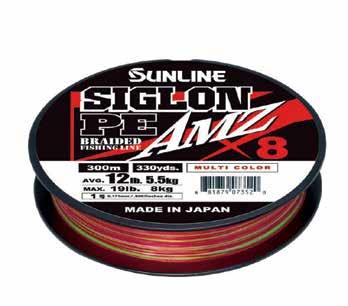
Tighter woven braid for distance, sensitivity and durability. 300m PE0.8 -PE8 |
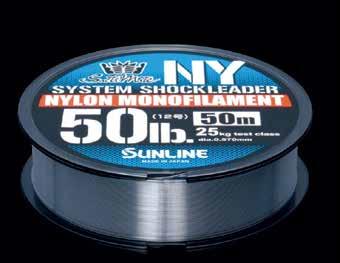
Purpose built shock leader for power and protection.
50m | 4lb - 150lb
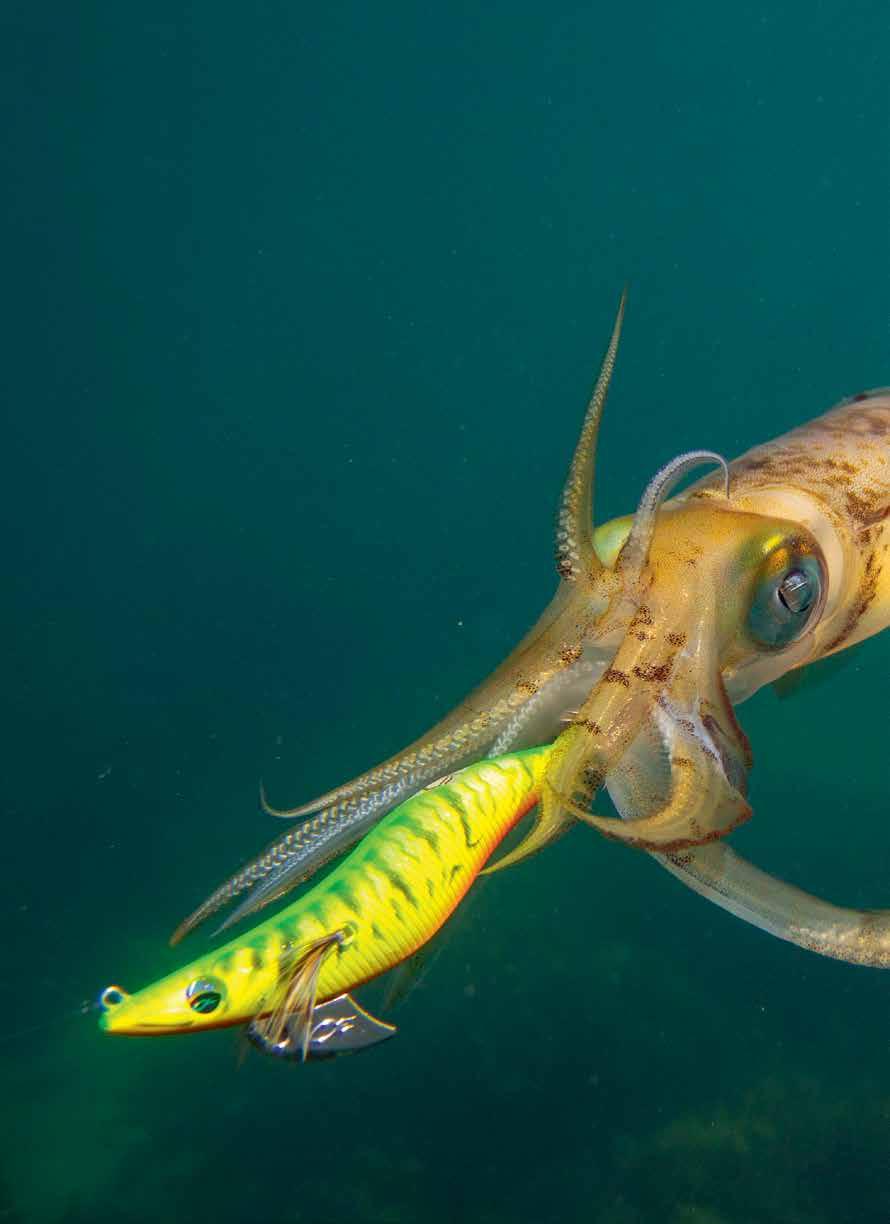
Autumn is one of the most underrated times to target calamari, with stable weather, clear water and aggressive squid combining to create consistent, high-quality fishing close to home.
As the water temperature begins to ease back slightly after summer, autumn quietly delivers some of the most consistent and enjoyable squid fishing of the year. The winds stabilise, the glassout days become more frequent, and the water clarity improves dramatically. It’s a combination that sets conditions up perfectly, and it’s no coincidence that April and May are when we carry out the bulk of our testing for the annual egi special. Simply put, the squid fishing is that good — big squid and lots of them. With water temperature sitting around that 18–19-degree mark and the clarity excellent, the conditions are about as good as you’ll get. Add in the fact that many other species begin to taper off or become less consistent through this period, and it makes perfect sense to shift focus toward calamari. They’re active, aggressive, and more often than not in good numbers. At a time when anglers aren’t wanting to burn a heap of fuel, autumn offers some epic squid fishing where you don’t need to travel far from home.
While spring offers those ultra-big squid down towards the ocean, autumn will see large squid in great numbers through the middle sections of the bay where you have good current flow, clear water, and depths of around 7 metres with rich reefy and weedy bottom.
One of the key drivers behind this autumn consistency is bait. As baitfish begin to congregate and move through the system, squid follow, and they don’t tend to move far once they’ve found a reliable food source.
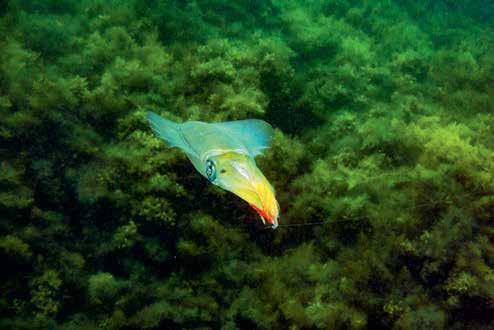
This often results in prolonged periods of quality fishing, with good numbers of squid holding in productive areas rather than being scattered. At the moment in Port Phillip Bay, as an example, there is an abundance of small salmon, whitebait, pilchards and yakkas holding inshore — the squid aren’t far away from them. You’ll also find this time of year you get a lot of welcome cephalopod bycatch in the way of cuttlefish, octopus and arrow squid.
Catching southern calamari isn’t overly complicated, and half the battle is simply being where they are. But when you start targeting better-quality squid, things change slightly. You’re no longer just ripping smaller models into the boat. Larger squid will pull line, make strong runs, and test your gear more than most people expect. It becomes a more refined style of fishing, where small adjustments can make a noticeable difference.
When you strip it back, three factors consistently stand out when targeting quality squid: depth, water clarity, and current.
Clear water is a major advantage. It enables squid to breathe more efficiently and as visual hunters, the better they can see your jig, the more confidently they will commit. Squid can see your jig from considerable distances and will travel a long way to attack what they think is easy prey. Autumn often provides this clarity, particularly after periods of stable weather, and it’s something you should actively look for when choosing where to fish.
Depth also plays a role, but it doesn’t need to be extreme. Productive water can be found anywhere from 4 to 8 metres, particularly when combined with broken weed, patches of reef and grass beds.
What matters more than anything is variation. Dead flat ground tends to be less productive, whereas areas with even minor depth changes or vegetation
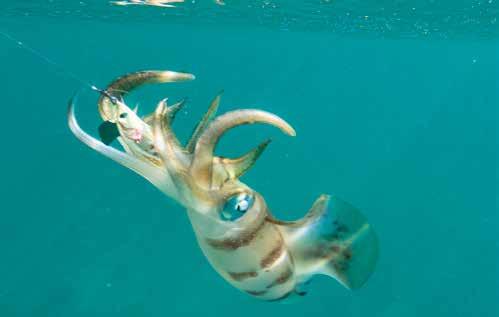
consistently hold better numbers and size. Squid will often sit just off these edges, using them as ambush points. Current is another major factor, and one that many anglers overlook. Fast-moving water can be difficult to fish, but it’s often where the better squid are found. Clear water and current frequently go hand in hand, and while these conditions can be slightly challenging, they can also be incredibly productive.
Unlike other species where anglers obsess over tide changes, squid are often targeted with little consideration of tidal movement. While they can be caught at


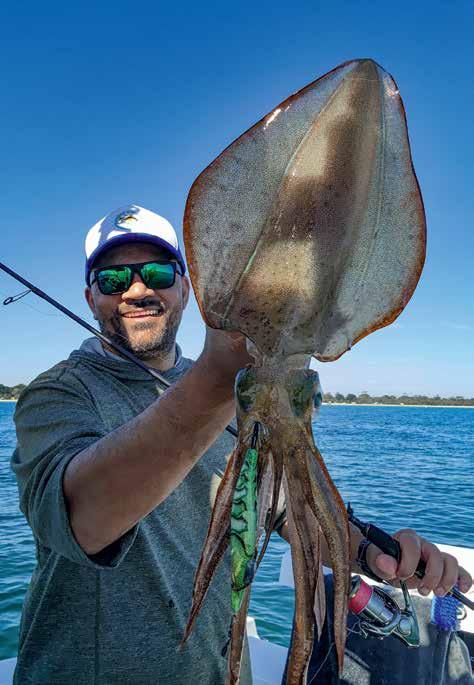
any stage, focusing on the right window can significantly improve your results, particularly when chasing larger models. The most productive period is generally the 90 minutes either side of the high tide when the current kicks in. This window provides increased depth, improved clarity, and often stronger current flow — all factors that work in your favour.
Interestingly, some of the best fishing can occur while the water is running hard. While this goes against what many anglers expect, it’s a consistent pattern. The challenge, of course, is adapting your approach to suit these conditions.
Boat control becomes critical here. Whether it’s a sea anchor, traditional
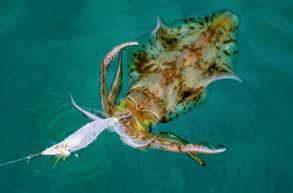
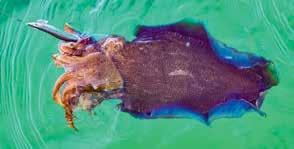
anchor, or ideally an electric motor, staying over productive ground is key. There’s no benefit in drifting too quickly over good structure, especially when you’ve already located squid, so if you’re being pushed by wind or tide a little too fast, try and slow the boat down. Always be ready to re-drift and follow your previous track lines on the GPS, keeping over the same ground. Once you’ve found them, they won’t go far and you’ll get them actively feeding. Once you’ve drifted off productive bottom, drive back and start again. If you can’t visually see the bottom, use your sounder to identify when you’re off the good ground.
Your jig must hit the bottom — if that’s
not happening, you won’t catch a lot. You must also apply action to the jig, doing this with aggressive jerks to get it darting side to side, then open the bail arm and let it slowly and naturally sink with the current. Do not move the jig while it’s sinking — this will turn squid off, as the jig will spin unnaturally against the current and they will back away.
Don’t worry about snags — it’s part of the game. If you do get snagged, don’t pull up. Wind in the slack, tighten the drag, point the rod straight at the snag and draw wide circles with the rod tip. This will break the weed and you’ll often get the jig back. Not many people use this trick, but it works more often than not.
When the current is strong, adapt with
heavier jigs. Casting ahead of the drift is the best way to do it — leave a drifter out against the flow and occasionally open the bail arm to let it sink, giving it a few jigs. This will account for some fish, but your main rod should be cast with the drift. This allows the jig to sink and hit the bottom before you begin working it.
Never anchor or spot lock. This rarely works and is only effective during peak spring spawning periods when calamari are guarding eggs. In all other scenarios, drifting and covering ground is far more productive. Rather than fighting the conditions, it pays to adapt. Use size 3.0 in heavier weights, and move up to 3.5 and 4.0 with a more aggressive technique.
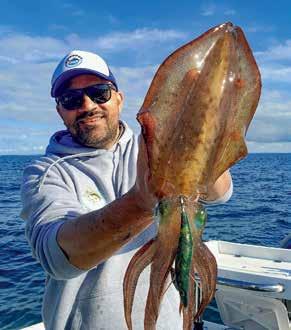
As the current begins to slow, you can transition back into smaller sizes if the bite slows, but I mainly fish 3.5 and 4.0 in autumn with great success. Larger jigs cast further, are more visible, and better suited to covering ground. They also tend to attract larger squid, which are less hesitant when committing to a bigger meal.
Quality also matters. Better jigs offer improved cloth finishes, more effective reflective properties, and superior sink rates and action. The way a jig falls and moves in the water plays a huge role in triggering strikes, and this is where higher-end options stand out.
Brands like Yamashita, Gan Craft, YoZuri and Evergreen continue to produce premium jigs that perform consistently — their sink posture and action do make a difference.
Colour is important, and I have a few favourites in autumn. When the water is clear and over 5 metres, I always tie on a
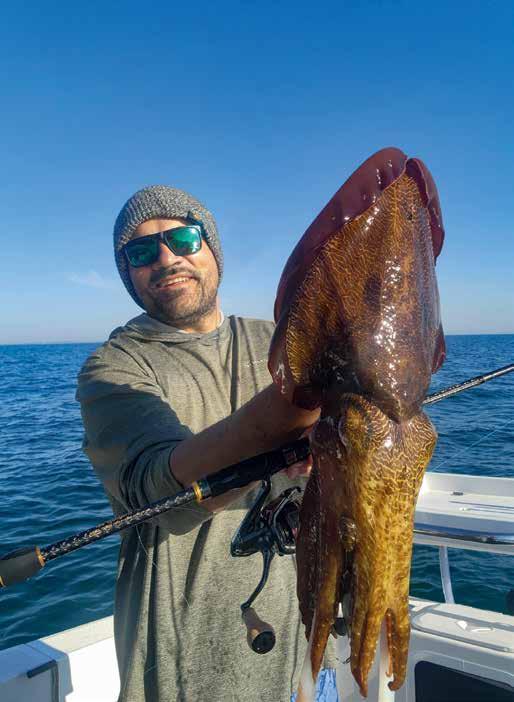
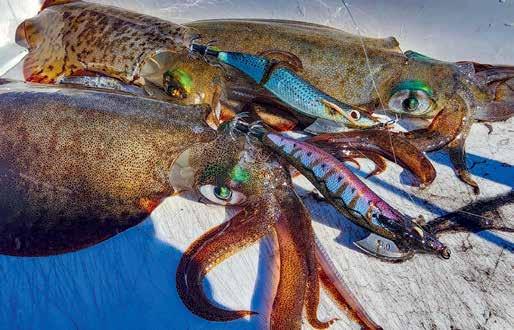
green/chartreuse jig — every brand makes a version of this colour and it’s dynamite. If it’s a little darker or deeper, I opt for darker greens. In shallower water, I mainly use red foils with brown cloths and will happily switch between whites and blacks. Those four colours will cover almost any situation during autumn.
Dedicated egi rods come into their own when targeting larger squid. A rod rated for 3.0–4.5 jigs, around 7’ in length, provides the casting distance and control needed, while also offering a forgiving action during the fight. On the boat, shorter rods are much better — easier to work the jig and land the squid. Land-based, length and casting distance are always an advantage.
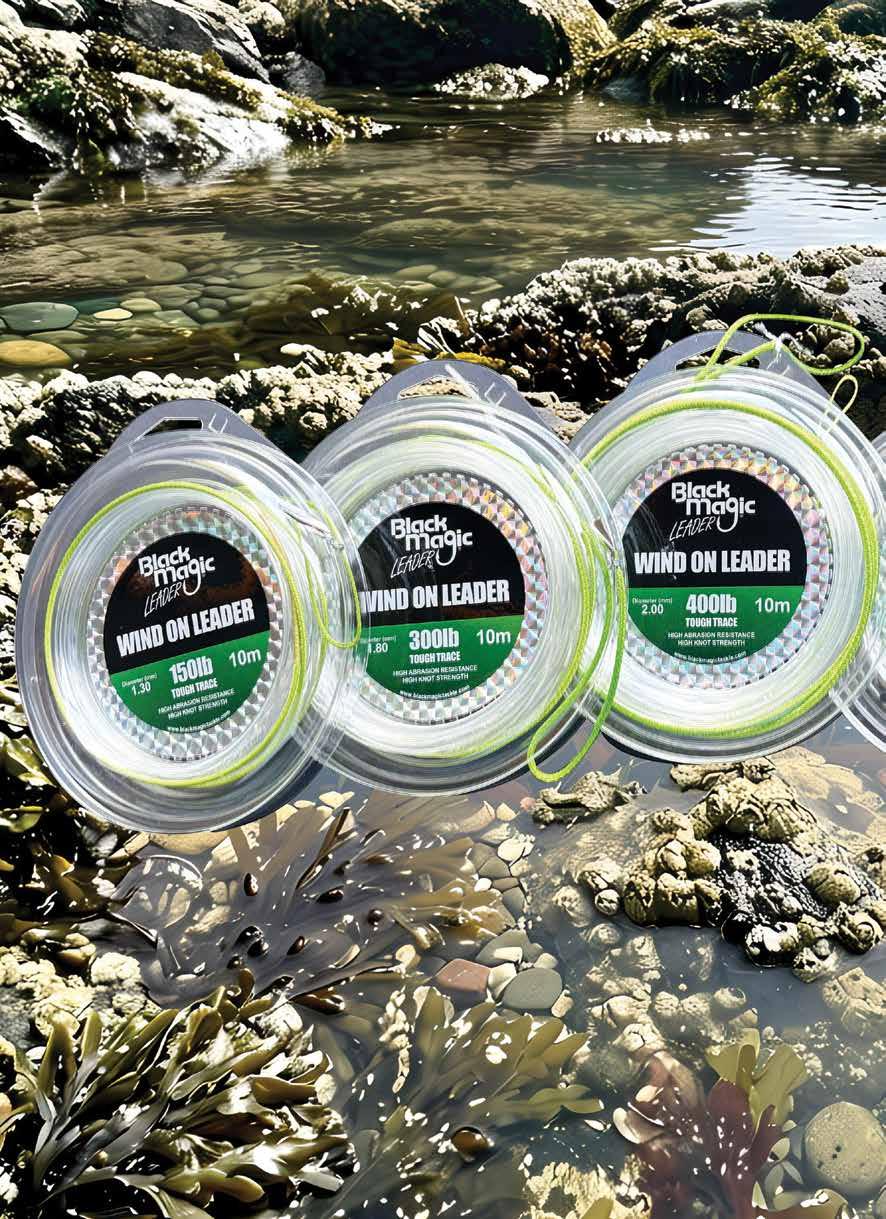
Back up your big game talk with Black Magic’s tough trace wind-on leaders!
This legendary leader is now available in a quality wind-on that can handle the toughest fish. Proven on the water to get big predators landed. Available from 60 to 400lb, in all great tackle stores!

the best by test...
A 3000 size reel is ideal. It provides better casting distance than a 2500 due to the larger spool and balances better on these rods. Some great options reviewed in this issue include the Shimano Sustain FK and Daiwa Revelry HD MQ. If you want to spend a little less, look at the Stradic FM, Ultegra FD and 26 Freams. These are all 3000 size reels with high gear ratios and quality drive gears. The high gear ratio gives you better control over your jig, and the stronger gearing won’t get “grindy” from constant jigging.
Big squid will make strong, pulsing runs, and an egi rod with a more parabolic action helps prevent pulling hooks or tearing free, particularly when they’re hooked in the tentacles. Also keep your drag in check — too tight and you’ll rip legs or pull hooks, too loose and you won’t set properly or maintain control of the jig.
A smooth drag is equally important, as is taking your time during the fight. Squid will often make a final run near the surface, and this is where many are lost. When it comes time to land them, a net is essential. Trying to lift larger squid into the boat or onto the bank will often end in failure. Your goal should be to land squid without a drop of ink hitting the boat. With good net technique — net the squid, turn it away from the boat and give the net a shake — it will expel its ink away from you. A long-handled net or squid gaff for landbased anglers is a must and should never be left behind.
Autumn offers a window where everything aligns — stable weather, clear water, active squid, and less pressure from other fisheries. It’s a time to simplify things, focus on the fundamentals, and make the most of what is, year after year, one of the most productive squid seasons we get. If keeping them for dinner, it’s best to dispatch the squid as quickly as possible and place them in an ice slurry. Try not to expose them directly to ice, ice blocks or fresh water. Calamari actually eat better after being frozen, so I always freeze mine before use — vacuum sealed where possible. Once cleaned, dry them off with a paper towel and cook however you like. I run a 50/50 rule — half for the table, half for bait stocks.
Get out there and enjoy it — you don’t need much fuel, and good ground can be found close to most ramps.



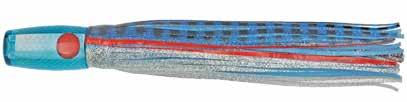
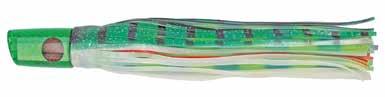
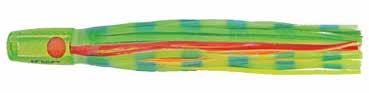
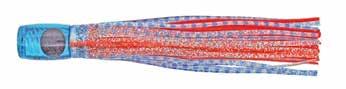


• Selected Skirts are UV ACTIVATED
• Exclusive McLures “LUMINITE” Underskirts (Vibrant Glows in the Dark)
• Exclusive 3D “RED CRYSTAL” Eyes (Light Reflective)
• Keel Balanced for perfect swimming action!
• Near Indestructible Hard Resin Heads

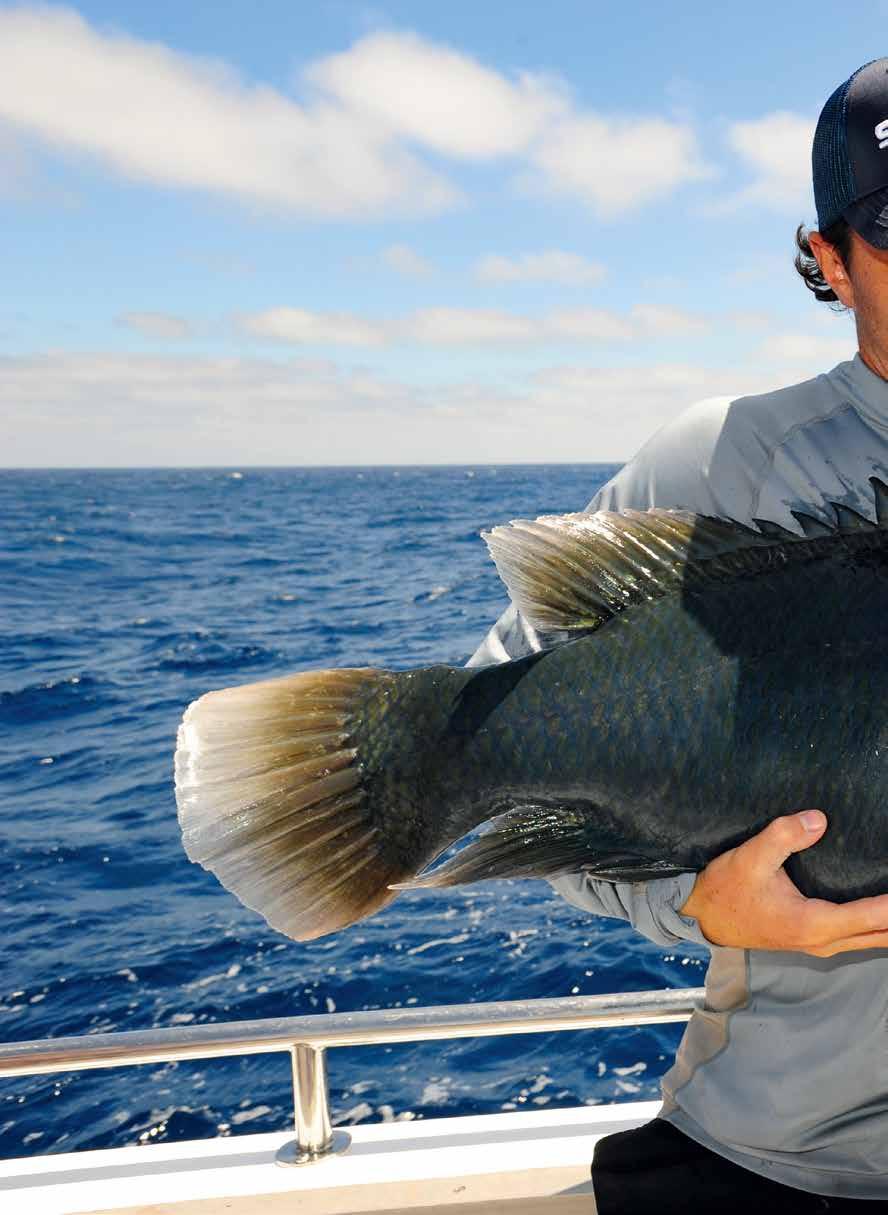
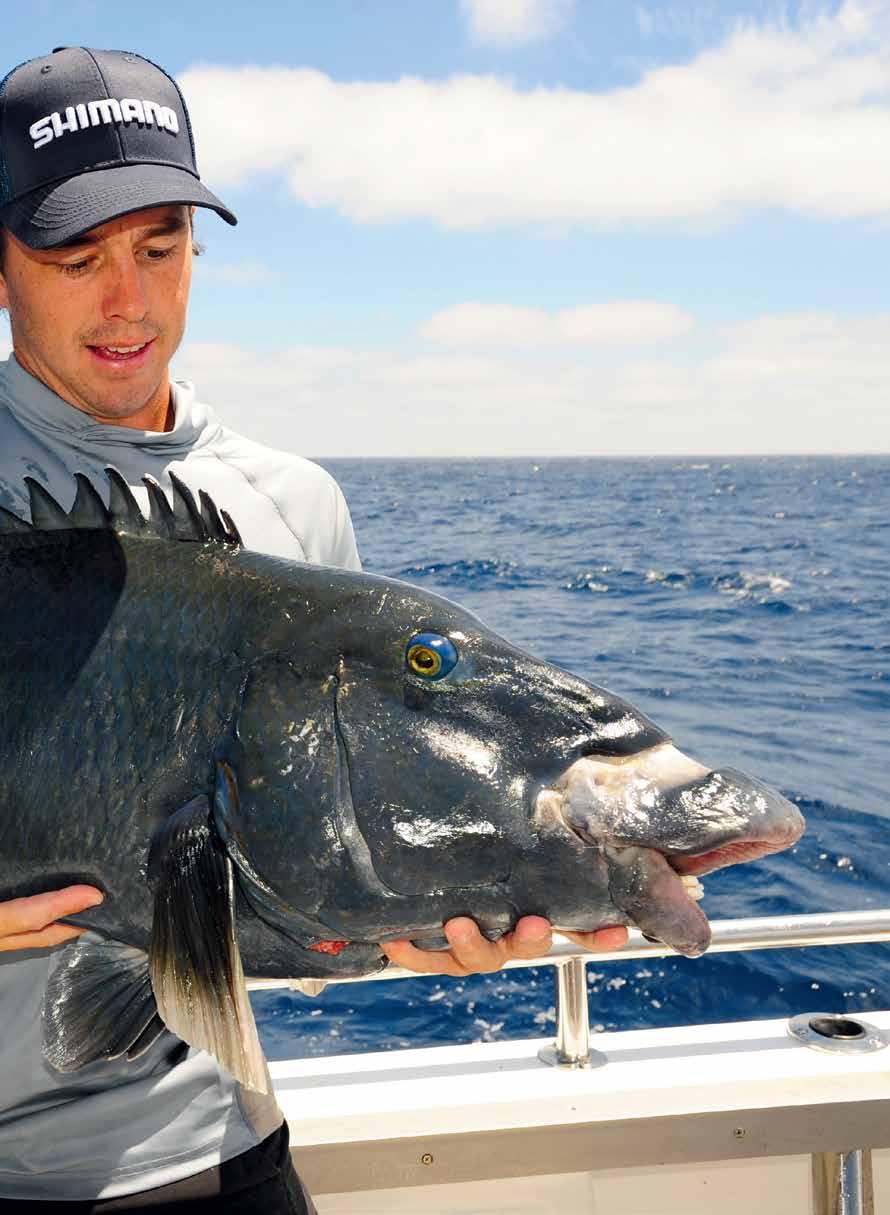
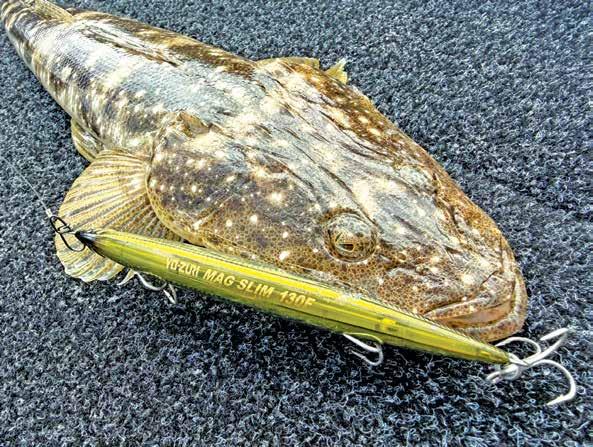
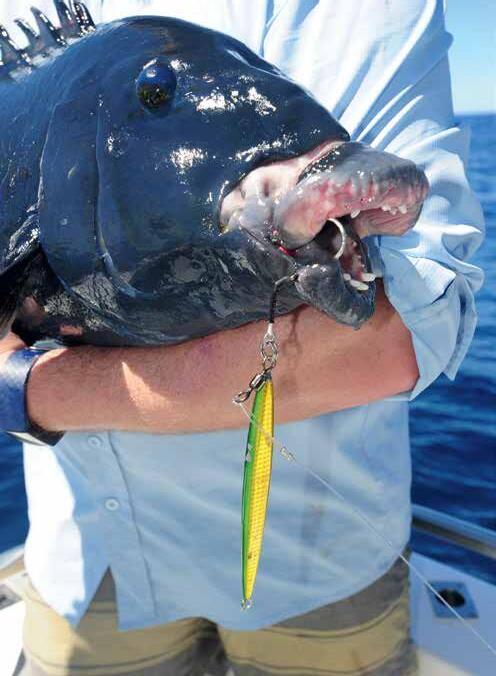
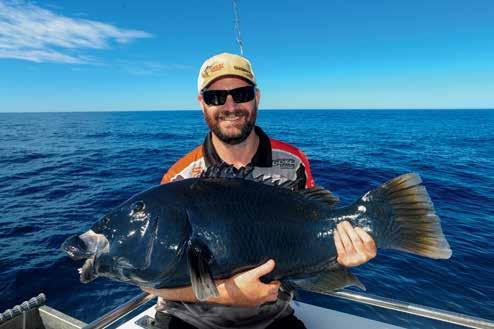
Big, brutal and built for the reef, western blue groper are one of the toughest inshore targets you’ll encounter, combining raw power with fascinating behaviour. Found along Australia’s southern coastline, these iconic fish demand heavy gear, smart tactics and a solid understanding of their environment to consistently come out on top.
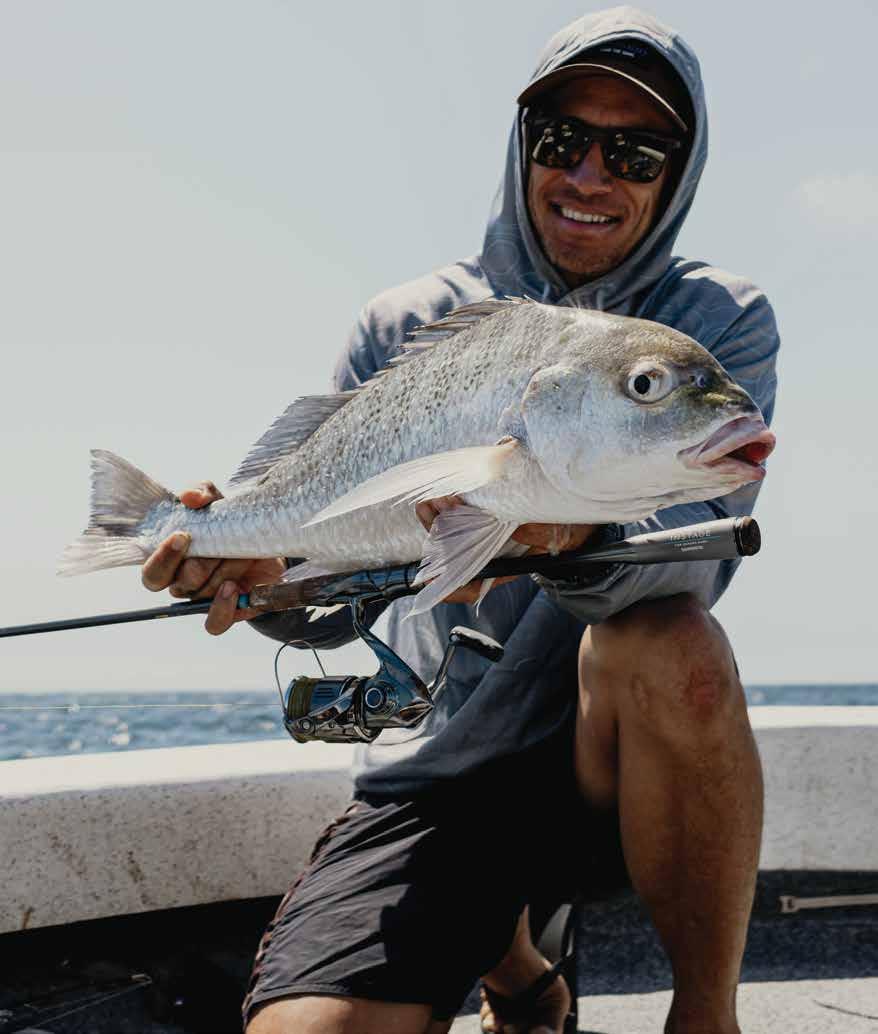
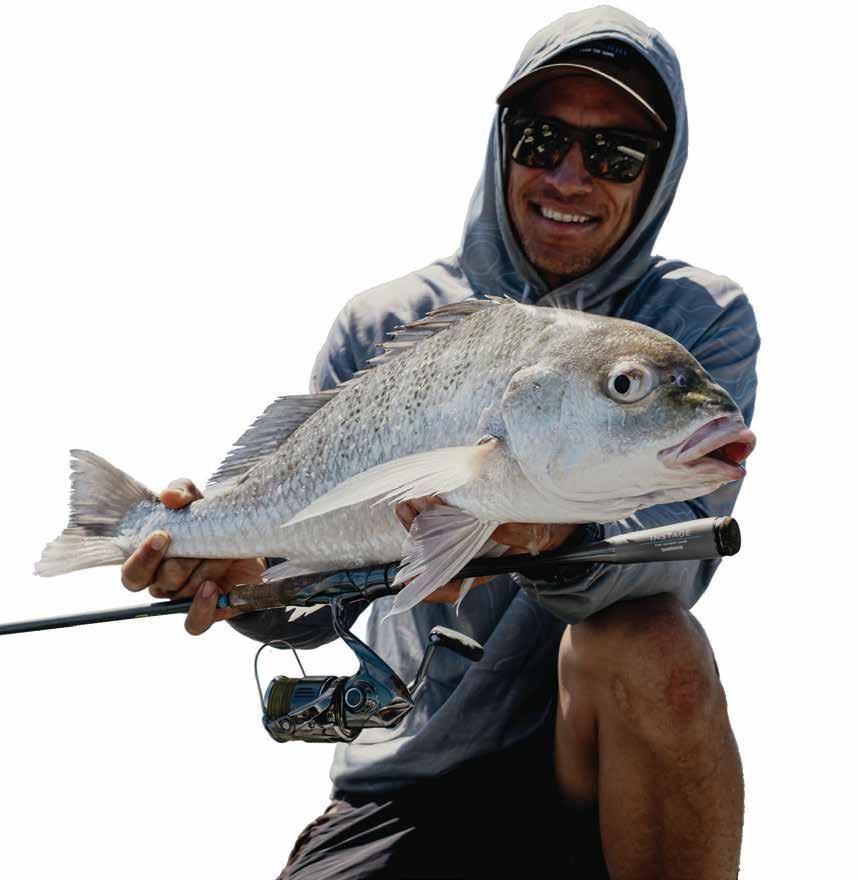
The sight of a big blue groper is something to savor. Whether you’re diving and are visited by an inquisitive blue, or you manage to hook and wheedle one away from their underwater den while fishing; every encounter is memorable. They are a majestic and unique species.
But blue groper aren’t a true groper at all but are in fact part of the wrasse family with two distinct species found here in Australia. The western blue groper extends from the rocky shorelines of Geraldton in WA and through to approximately Melbourne, with the smaller eastern blue groper distributed from eastern Victoria up to approximately the Gold Coast in southern QLD.
In this feature we’ll be focusing on the larger species of the two, the western blue, which can attain a massive 40kg in weight. This is certainly the upper size for the species and rarely seen in these proportions. From personal experience, we mainly encounter them in the 7 to 15kg size range in my local area, with the occasional blue up in the 20 to 25kg bracket. I’m positive we’ve been dusted by plenty of bigger blues in the past. And although western blue groper can be found along a lengthy stretch of Australia’s southern coastline, I would say that the hotspots include the southern coast of WA from Albany to Esperance, along with the west coast of the Eyre Peninsula in SA from Coffin Bay to Streaky Bay, plus the south side of Kangaroo Island.
The biology of blue groper is fascinating, with the species classified as protogynous hermaphrodites, meaning that they all start life as a female, but invert sex to become a male later in life. Blue groper live in small groups called a harem, which is ruled by one dominant male groper, which will take on that classic electric blue colour and will be physically bigger than the green females around him.
When this dominant male dies or is absent from the harem, one of the females assumes dominance, and she will start to invert sex to become the new dominant male. This process takes approximately two weeks to complete. So basically, any blue groper which is
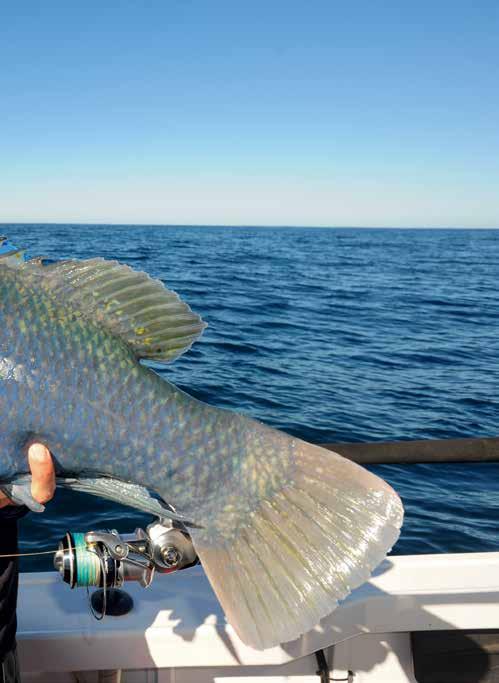
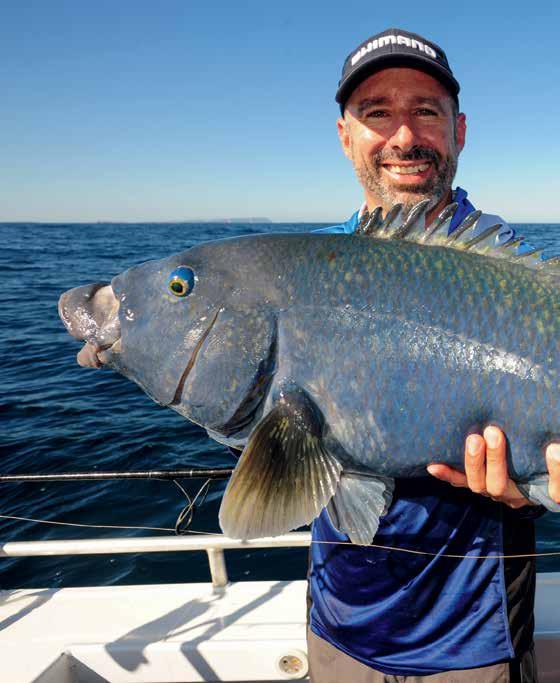
green in colour will be a female, while the big blues are the dominant males of that harem and reef. Fascinating stuff hey. Western blues are typically found around heavy reef systems, headlands and rocky walls of island edges. Any high energy areas of rock and seaweed are potential zones for holding blue groper, with granite country prime real estate for this species. Although not built for endurance, blue groper are strong swimmers and are happy to move and feed through the wash zones of our coastline.
When you hook a blue groper, the fight is brutal at the beginning, but if you can withstand the initial stages of the fight and direct the fish away from their rocky
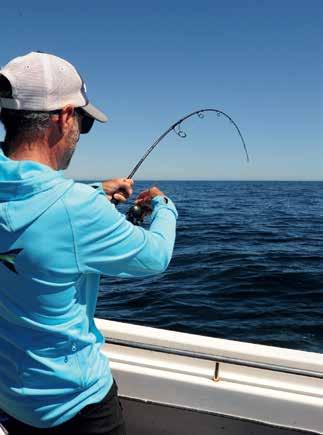

Granite islands and shorelines are perfect environments for groper.
lair, then you should be able to coax them successfully to the surface. It’s the initial 10 seconds which is the make-or-break period. Blue groper can be caught while fishing land based, as well as from a boat, but in this feature, we’ll just focus on boat fishing. Rock hopping for blue groper is a challenging pursuit, and worthy of an article on its own.
Blue groper are a tough and credible target, but they are prone to barotrauma so if you are specifically targeting one, you must be well prepared to take a fish home for the table as many groper will not be successfully released.
If we are planning on catch and release, we only target them in shallow water, say under 15 metres of depth. But it’s still
inevitable to hook the occasional big blue while bottom bouncing baits or jigging for other southern reef fish. In this case, it’s often a matter of slowing the fight to try and lessen the effects of barotrauma, and then using a release weight to return the fish. Even with a release weight it is still questionable whether individuals will survive.
Blue groper are pretty good on the table – I would rate them a seven out of tenbut there are tight regulations for taking this species for the table. Here in South Australia we have a large exclusion zone where blue groper cannot be targeted nor incidental fish retained, and the rest of the state has a slot limit, with any groper over 100cm needing to be released.
When looking for blue groper, I like prospecting around the edges of granite islands, bluewater reefs, shallow water bommies and rocky headlands, but we’ve also seen plenty of groper venture into protected bays, coves and island anchorages over the years.
But typically, the species is found in more exposed open waters away from our bay systems and Gulf waters.
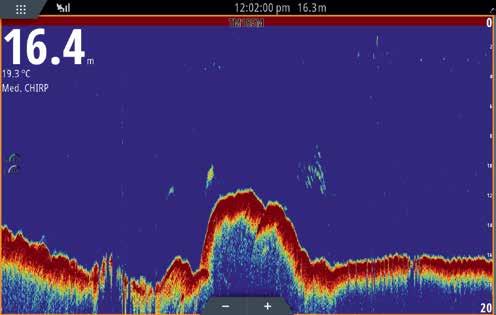
The most common environment we encounter blue groper is around the apex of our bluewater reefs. Most of these reefs rise out of 40 to 50m of water and peak at around 10 to 15m, and it’s around the top of these reefs where we commonly encounter blue groper.
These areas are typically alive with a myriad of species, so expect to see a variety of fish when targeting western blues.
If the swell is low and you can safely drift over the top of your chosen reef, if you throw in some handfuls of berley you will quite often see a big groper swimming up off the reef to eat your berley.
Naturally if the current is too strong this berley will be ineffective, but in slower water movement is an effective means of locating a groper or two.
A big squid head on a single 8/0 Octopus pattern hook and a ball sinker above the trace line is a simple yet effective rig for targeting big blues.
But with the hook trailing on the bottom, make sure your bait doesn’t settle right on the reef for two reasons (a) you’ll inevitably get snagged and (b) close to the reef is where most small undesirable reef species live and they will demolish a squid head quickly.
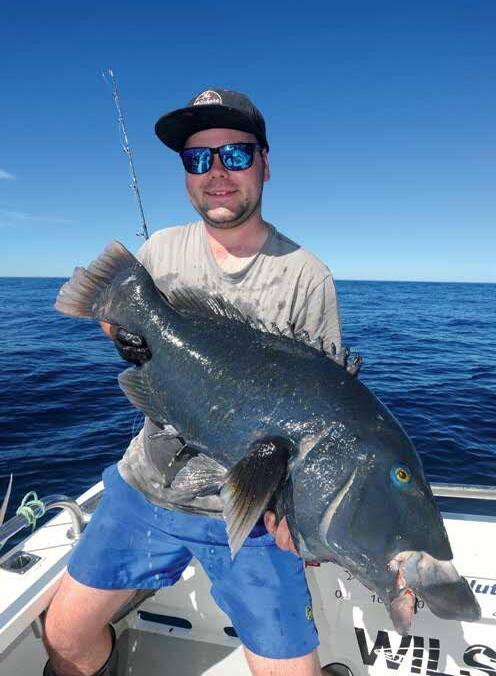
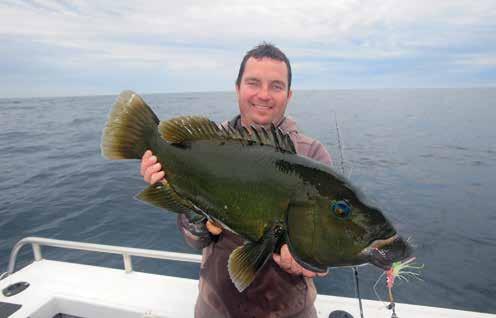
Other good baits include abalone gut, rock crabs and octopus. You want a firm bait that will withstand being picked by smaller species.
These smaller reef species commonly include sea sweep, blue throat wrasse, swallowtail, and leatherjackets. But most of these species have smaller mouths and hence won’t be able to swallow the bigger baits.
Sometimes the commotion caused by these smaller species will help to draw the attention of nearby blues.
This single hook approach is only effective in the shallower regions of say under 20m, with deeper drop-offs and reef edges requiring a different approach.
You can still drop baits into this deeper water, but you will need to increase your sinker size, and it starts to get pretty hitor-miss for groper with the variety of other species increasing down the tapering edge of these reefs. And that’s where slow pitch jigs come into play.
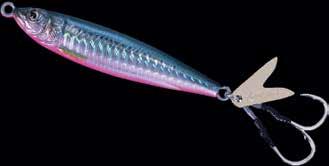
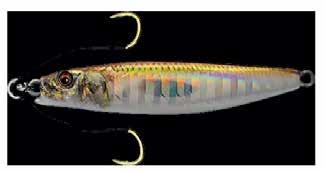
Slow pitch jigs in the 100g to 150g size with trailing skirts are fantastic for blue groper. Effective slow pitch jigs include the Vexed Dhu Drop, SnapBait Proto J, Berserker Jaw Slinger, Shimano Bottom Ships, and the Catch Boss Squid.
These jigs can be dropped to around 5m off the reef and worked with a slow lift and flutter – there’s no need to work them too energetically.
If you work these jigs too high off the reef, you’ll find that groper are less inclined to elevate to attack a jig, but when it’s worked through that bottom 5 to 10m, you’ll be keeping the jig in the regular feeding zone for groper.
Big blues will occasionally hit heavy metal jigs when we are targeting kingfish and samsons on our southern reefs if we work our jigs slowly.
Sometimes these Seriola species will be holding in mid-water, and we’ve found that if we drop our jigs underneath these soundings and adopt a slower retrieve, we’ll hook the odd big groper.
As mentioned before, blue groper are a tough species during the initial stages of the fight, and hence the tackle required to stop a big blue groper around this heavy reef needs to be on the heavy side.
I would recommend a 10k sized spin reel matched with a PE5 rod about the minimum in my opinion. I run 50lb braid on this outfit together with an 80lb leader tied via an FG knot, and it doubles as a jigging outfit too.
A big blue groper is a worthy target to include on your fishing your wish list. They’re a tough species living amongst rugged terrain.
But be sure to check local regulations regarding targeting and retaining western blue groper in your local area, as these rules differ between states.




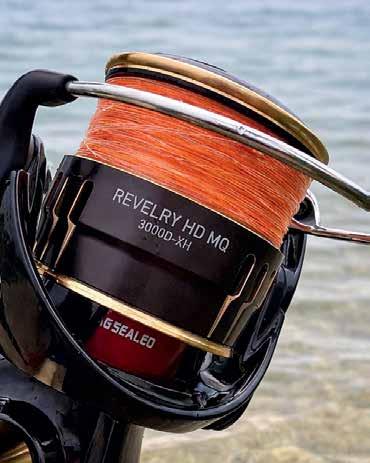
The new Revelry builds on an already proven platform, with updated tech and a clear focus on refined inshore performance. We put the HD model through its paces to see what’s improved.

Size: 3000D-XH - Weight: 235g
Drag: 10kg - Ratio: 6.1 (93cm)
Bearings: 8+1 (5 CRBB)
Price: $499
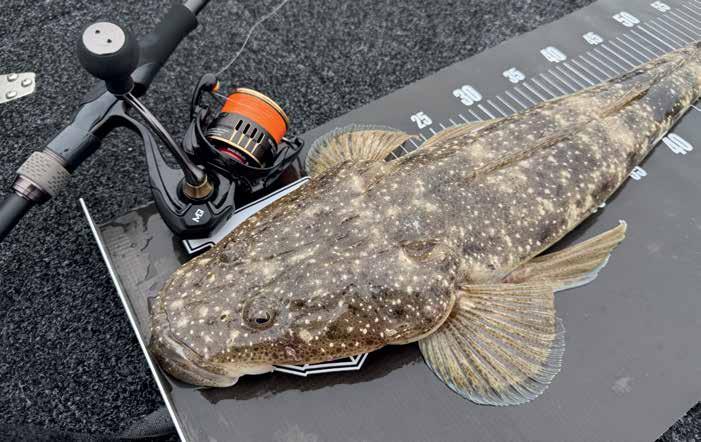
Target Species: Dusky Flathead
Location: Mallacoota Inlet
Rod: Daiwa Black Label 742MXS
Line: Daiwa J Braid Grand PE1.5
Lures: XL jerkbaits, plastics, bent minnows
Words & Images: Kosta Linardos
Distributed By: Daiwa Australia – Web: daiwafishing.com.au
and
when


The Daiwa Luvias, when it was in production, became one of the most popular light tackle reels in the country. I had quite a few of them and they were always a great reel. It was superseded in 2021 by the Revelry. The Luvias was Japanese made and the change came mainly because Daiwa Japan ceased production. Rather than face the backlash of a country of origin change (now Made in China), Daiwa Australia renamed it to Revelry. It also introduced FC (finesse custom) and HD (heavy duty) models, giving anglers a lightweight finesse option and a more robust inshore reel.
We were sent both versions of the original Revlery back in 2021 – a 2000 FC and a 5000 HD. Sammy Leys reviewed the 2000 FC, loved it, and went on to buy two more. He’s still fishing them five years later with zero issues, catching plenty of bream, flathead, bass and estuary perch.
I reviewed the HD 5000 and have caught hundreds of snapper on it using jigs, plastics and bait. It’s been faultless. So I was keen to see what Daiwa had improved with the latest Revelry. I chose the 3000XD-H as it’s a versatile size suited to snapper, mulloway, barra, squid and big dusky flathead. It comfortably handles PE0.8 through to PE2.
As expected, the reel is extremely smooth under load, which is what matters. The EVA handle knob is comfortable across multiple techniques and really shines when working jerkbaits all day, which is how this reel was mainly tested. Sensitivity is excellent, helped by the Zaion rotor and aluminium body. The biggest improvement is the Air Drive system.
Start-up inertia is noticeably lower, and the reel responds instantly to handle movement. This gives you much better control when working lures, especially jerkbaits and topwater lures like bent minnows and slippery dogs, where precise cadence matters.
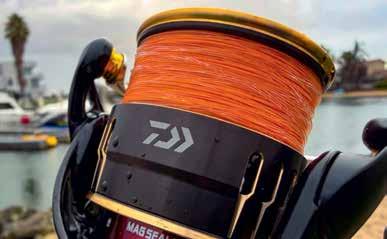
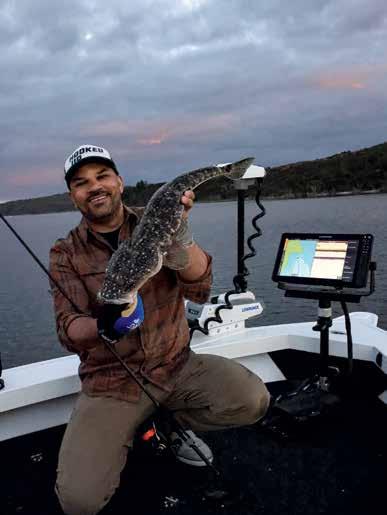
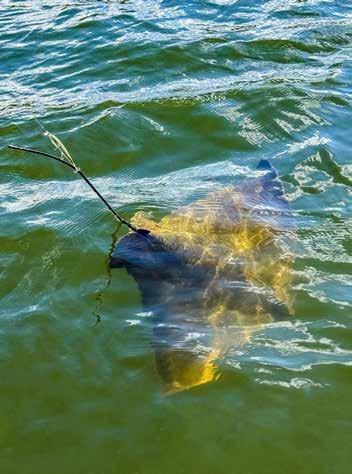
The drag is exceptional. It handled big tailor, flathead to 75cm and even a 20kg eagle ray hooked in the tail without a hint of stutter. Carbon drag systems are dependable but can feel less refined than felt; however, in the Revelry it’s both powerful and very smooth.
The MQ body allows for a larger drive gear, which translates to improved torque and durability. What stood out was how well the reel maintained power despite the higher gear ratio. High-speed reels can sometimes lack torque under load, but that’s not the case here. For anglers targeting snapper, mulloway or barra around structure, that extra cranking power is reassuring and, in our experience with other MQ reels, offers long-term durability.
We paired the Revelry with the Black Label 742XHS, which proved to be an excellent match. It casts accurately with minimal recoil, has a crisp tip ideal for plastics, and still works larger jerkbaits well thanks to its shorter butt. The contoured EVA grip was a standout, preventing the usual blistering you get from aggressive lure work. It’s a true all-rounder for PE1–2 applications, best suited to plastics from 1/4oz to 1oz, but capable across a wide range of inshore techniques.
The 3000 size spin in a high gear ratio is fast becoming one of the most popular sizes and gear ratios for inshore fishing. It’s ideal for for everything from egi and snapper through to barra and mulloway. With the HD series of Revelry they have found a great balance of features to suit a number of fisheries at a price that offers great bang for buck.
If you wanted something more robust and durable, you can spend the extra and move to Certate HD which will be noticably smoother, but the Revelry will get the job done and get it done well for most inshore applications.
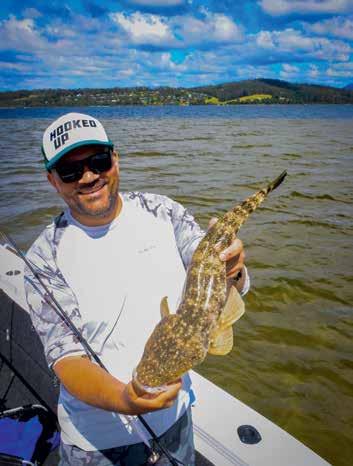
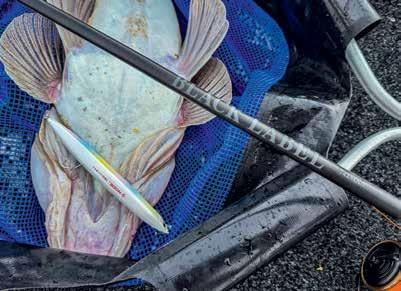
The aluminium body combined with the Zaion rotor and Airdrive system gives you that perfect blend of strength and lure control. It’s lighter than a Certate and offers more than most reels in its price range If you want a finesse size reel that can handle large inshore fish, this is hard to beat.

Aluminium one piece body. Large drive gear. EVA power knob. Extra high gear ratio.

We loved the maroon and gold colour scheme of the first Revelry. While it’s a great looking reel, we miss the bold colours Daiwa was once known for.
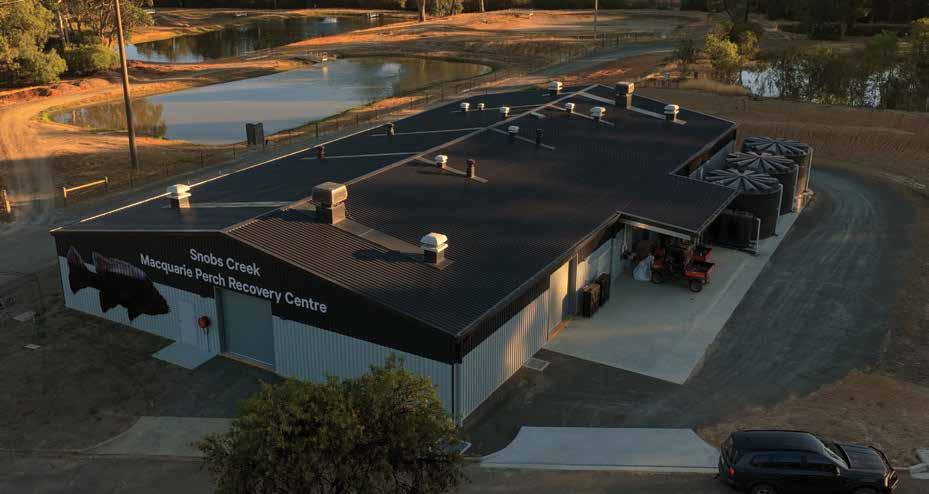

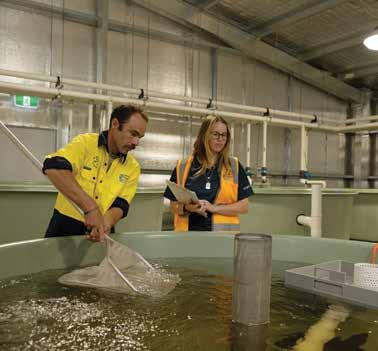
Our brand-new Macquarie Perch Recovery Centre at Snobs Creek is complete and will give the endangered species a massive boost in the wild.
The only one of its kind in Australia, the centre is equipped with world-class technology including recirculating systems that control light, water temperature and dissolved oxygen to optimise breeding conditions.
The Recovery Centre, backed by the State Government’s Go Fishing and Boating Plan, aims to produce up to 500,000 Macquarie perch and 500,000 trout cod annually, representing a nearly four-fold increase in production.
The completion of the centre is a milestone for endangered fish conservation and complements the expansion of our Arcadia Native Fish Hatchery, which will grow up to six million Murray cod and golden perch annually to further improve recreational fisheries.
TESTED & REVIEWED
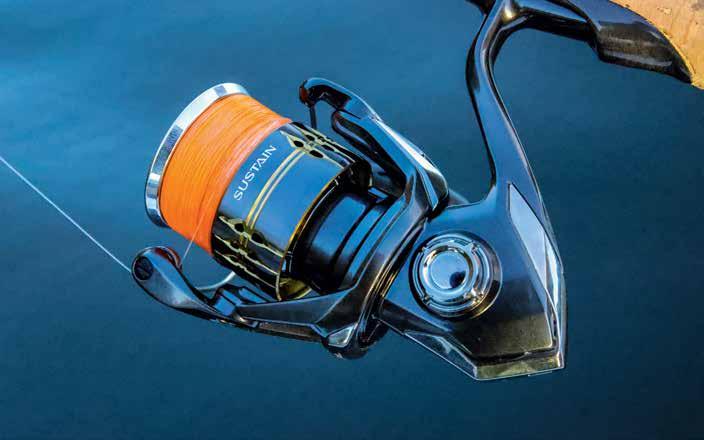
The new Sustain FK continues Shimano’s reputation for reliable inshore reels, now backed by updated technology focused on improved performance and line management.
A
around
Size: C3000HG - Weight: 210g
Drag: 9kg - Ratio: 5.8 (86cm)
Bearings: 8+1
Price: $539
Target Species: Dusky Flathead/Calamari
Location: Mallacoota Inlet/Port Phillip
Rod: Shimano- Instage 70M & Staaten 703
Line: Power Pro Tenacity & Shimano Grappler
Lures: XL jerkbaits, plastics & squid jigs
Words & Images: Kosta Linardos
Distributed By: Shimano Australia – Web: shimanofish.com.au
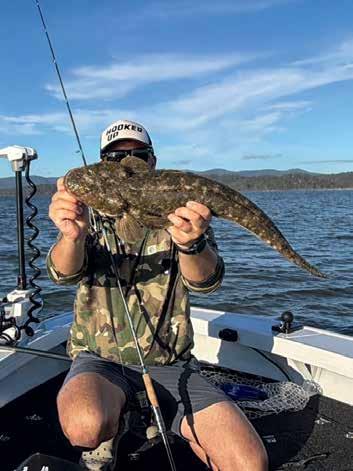
A
The Shimano Sustain has always been a great reel and one I’ve had a lot of experience with across multiple generations. I’ve owned several over the years and still regularly use the previous FJ models. These reels have seen heavy use — the 5000 as a snapper reel and the 3000 primarily as an egi reel — and have handled everything thrown at them, including saltwater, fish slime and squid ink. Both are still going strong with nothing more than basic self-servicing. For this test of the new Sustain FK, I opted for the C3000XD as it’s such a versatile size. It allows you to run a wide range of line classes and target multiple species, making it ideal for proper testing. I focused on dusky flathead but, as expected, encountered a mix of estuary species along the way.
There have been some significant upgrades from the FJ to the new FK, with Infinity Loop being the standout. We first rviewed this in the Twin Power FE and it’s a genuinely impressive system. The spool oscillates slower, resulting in tighter and more even line lay. This improves casting distance and allows line to peel off the spool more cleanly under load, which also benefits drag performance.
Another key feature is the Anti-Twist Fin, which we first saw on the Stradic FM. It’s a small but effective addition that helps control slack line around the line roller, reducing the chance of wind knots. Combined with Infinity Loop, the overall line management is excellent.
From a consumer’s point of view, it can be overwhelming seeing multiple names for different technologies like Infinity Loop and Infinity Drive, but they do deliver real on-water benefits. Across multiple sessions, I didn’t experience a single wind knot, even when casting into the wind and retrieving slack line while working jerkbaits, plastics and topwater lures.
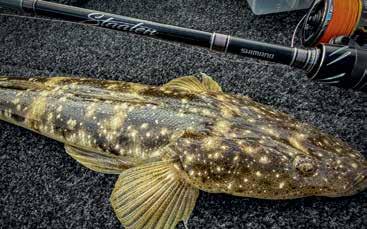
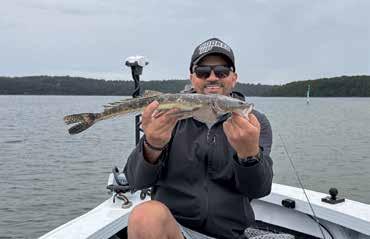
The Sustain handled larger inshore species with ease, offering smooth drag and consistent power under load.
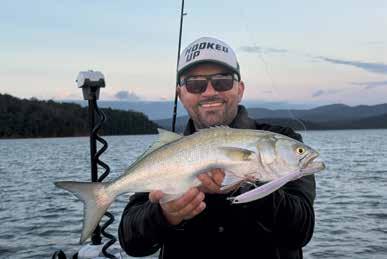
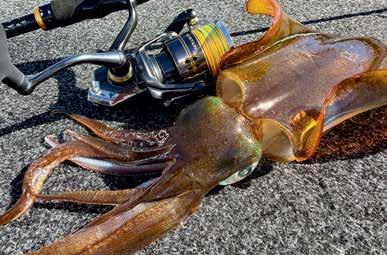
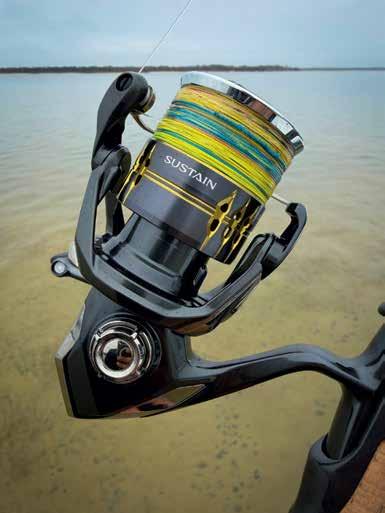
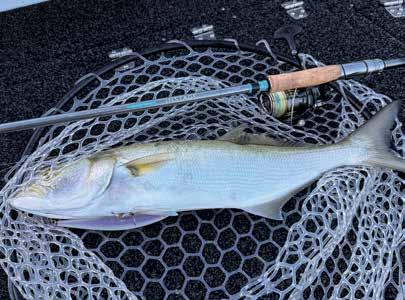
I used the Sustain for flathead and squid, pairing it with Shimano’s new Staaten and Instage rods. It handled everything comfortably, including flathead to 72cm and quality tailor up to 76cm.
The drag has been upgraded, now featuring Shimano’s Dura Cross system, trickled down from the Stella FK. It uses a revised washer construction that improves smoothness under load while maintaining durability. While we haven’t used the Sustain long enough to fully test long-term durability, we’ve run Dura Cross in reels like the Stradic FM and Vanford FA for several years with excellent results.
The drag remained smooth throughout with no stutter, and there was no noticeable flex through the MagnumLite rotor under load. The reel features a CI4+ body with a lightweight yet rigid construction that is more than capable for typical inshore work, and I never felt like I needed more rigidity. Infinity Drive, paired with MicroModule II gearing, provides excellent torque for a high gear ratio reel, maintaining power under load where some fast reels can fall short.
We’ve tested this gearing extensively across multiple models and it consistently delivers — smooth, strong and reliable even under sustained pressure from techniques like egi, micro jigging and jerkbaiting.
The Sustain sits within Shimano’s MagnumLite series, designed for low start-up inertia and precise lure control. Whether working jerkbaits, plastics, bent minnows or small swimbaits, the reel felt ultra responsive and easy to control. Overall, the Sustain FK strikes a strong balance — light, refined and highly responsive, yet still capable when pushed. Unless you’re consistently fishing heavy drag scenarios like big snapper on shallow reefs, barra in timber or large mulloway in heavy structure, there’s little need to step up to something like the Twin Power XD.
The Sustain FK continues to build on what has made the range so popular — reliability, refinement and real-world performance. Features like Infinity Loop and its slow oscillation were once reserved for premium reels like Stella and Twin Power, but are now available in a much more accessible price bracket. It’s a reel you can fish hard without worrying, and one that delivers exactly what most inshore anglers need without overcomplicating things.
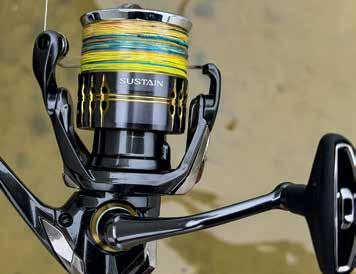
An ergonomic drag knob that’s easy to adjust during a fight.
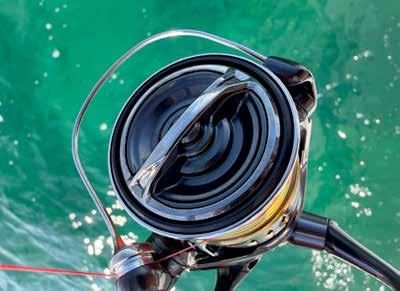
A lightweight CI4+ rotor combined with refined gearing delivers smooth, reliable performance across a wide range of techniques.
A refined and reliable inshore reel that benefits from technology once reserved for Shimano’s premium range. Infinity Loop and improved line management genuinely lift performance, while the MagnumLite rotor provides precise lure control. For the vast majority of inshore applications, it delivers exactly what you need without the premium price tag.
Infinity loop oscillation offers exceptional line managemnt. Anti Twist Fin. Cold forged gearing. Ergonomic drag knob that’s easy to adjust.
Would prefer XG in the 3000 for a faster retrieve. The T-Bar handle doesn’t suit all applications.
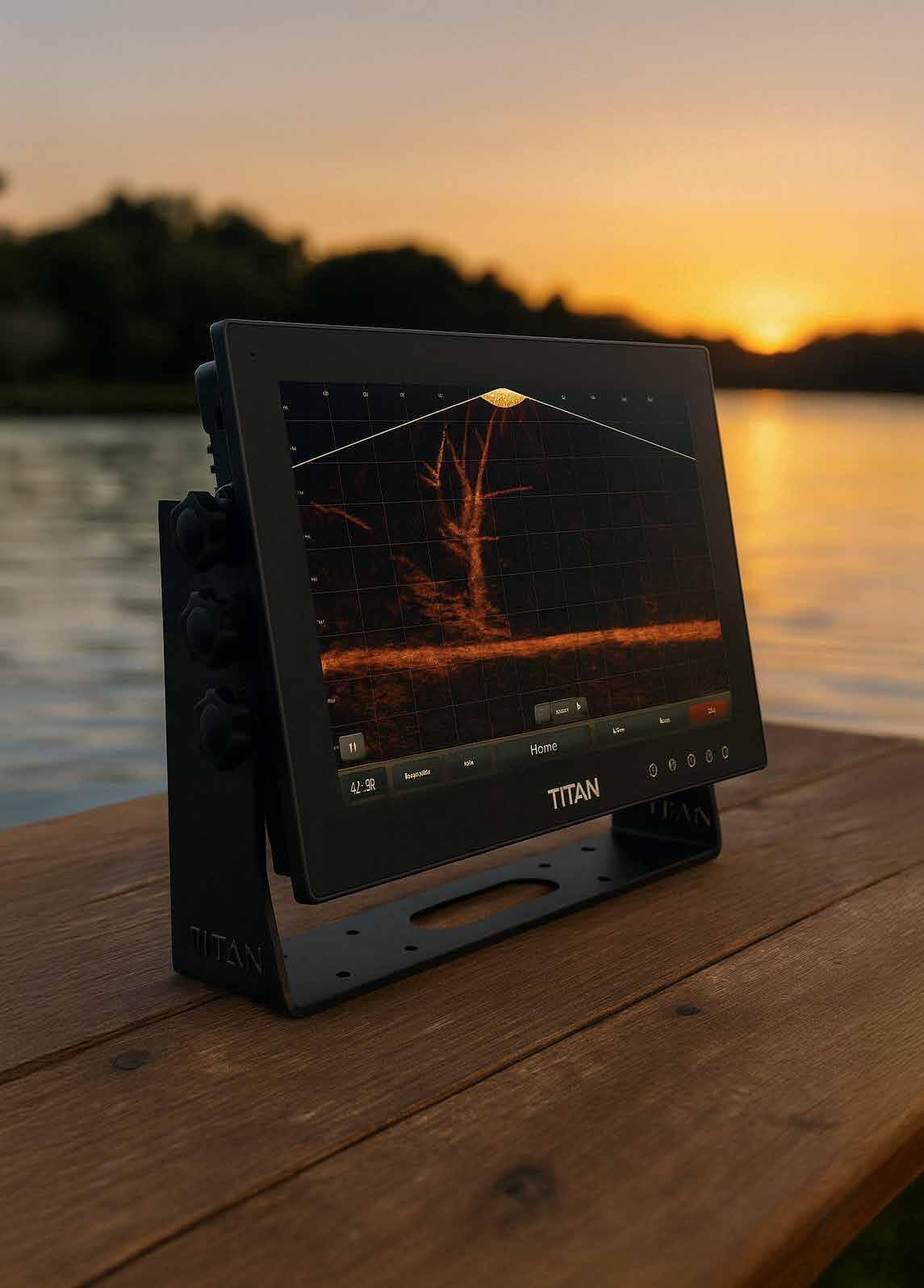


19” & 24”
shown with optional heavy duty mount
TITAN MARINE MONITOR – THE AFFORDABLE WAY TO BIGGER VISION
The next evolution in marine electronics designed to provide fisherman with an affordable solution to enhance their live sonar experience.
The Titan features a durable CNC-machined aluminum body and an IP67 waterproof rating.
With a stunning 1920x1080 FHD display, 1300 nits of brightness, and polarized IPS glass, the Titan ensures superior visibility in all lighting conditions. Its 10-point touchscreen interface provides smooth, responsive operation, making it easy to control and monitor your marine systems while out on the water.
WWW.TITANMARINE.COM.AU - info@moosemarine.com.au
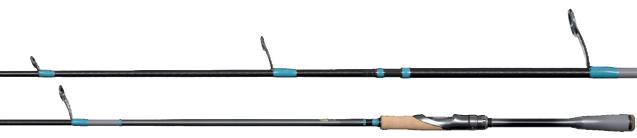
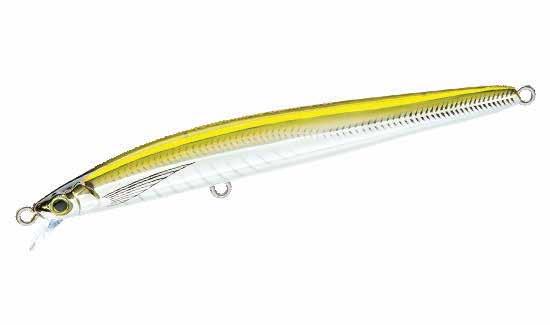
Evergreen’s Wide Seeker blends long-range castability with a dialled-in action, making it a standout option for anglers chasing big flathead on magnum jerkbaits.
It’s an effective colour range designed to
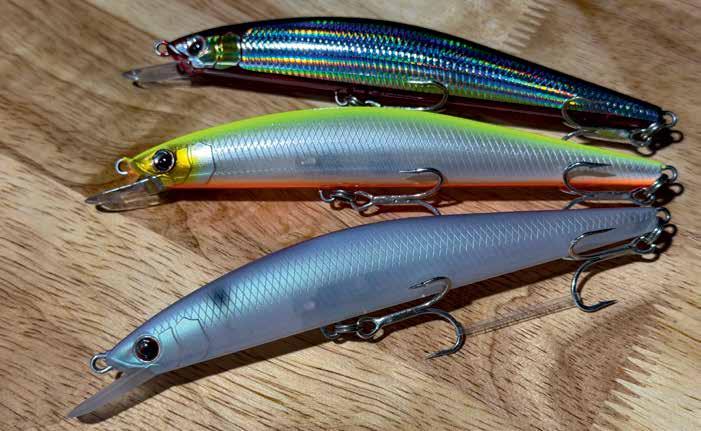
Length: 145mm - Weight: 28.5g
Type: Floating jerkbait
Dive Depth: 70cm-90cm
Split Rings: Size 5 Trebles: Size 2
Price: $49.99

Target Species: Dusky Flathead
Location: Mallacoota Inlet
Best rod to use: 6ft 10in with a stiff tip, medium action and short butt.
Best line: PE 1-3 & 16lb-30lb leader.
Best reel: High gear ratio for full control
Words & Images: Kosta Linardos
By: Gladiator Tackle
The Evergreen company motto is that “form follows function” — that means it has to work and catch fish before they make it look cool. They don’t follow trends, they set them. They don’t play around with gimmicks, and everything is meticulously field tested before release. It’s all killer, no filler, and our time spent using their products has undoubtedly reflected that.
Their rods (if you can get one) are phenomenal. I own two, and I would send myself broke if they were more accessible. They really focus on the “DM” in JDM and remain a small company, so global access is limited. Their lures are much easier to come by, and they are outstanding. Over the years we have tested lures that have become classics such as the ES Flat, ES Drive, Seadrive, Noisy Dachs and the Stream Demon.
A great thing for keen dusky flathead anglers is that they have a huge range of seabass lures, which Australian anglers have recognised as being deadly effective on flathead. We’ve been testing some of their new range and the Wide Seeker has been a standout. Before we go into the review, we can safely say this — Evergreen don’t make bad products. They’re renowned for it. They don’t release product often, so when they do, you know it’s going to be good.
The colour range in the Wide Seeker is exactly what you’d expect from Evergreen. Rather than overloading anglers with options, the focus is on 10 colours that actually catch fish while still looking exceptional. Out of the 10, there is something for almost any species that would eat a lure of this profile in any water conditions.
Many brands have tried to replicate Evergreen finishes, but none quite pull it off. Subtle tones, layered hues and reflective underlays all come together to create something that looks incredibly natural in the water.
We were sent four colours to test, with Matte Mullet and Matte Purple Pearl doing most of the damage in clear, shallow conditions. These colours imitate common prey like mullet, whiting and small tailor exceptionally well — in fact, better than anything else I’ve ever used.
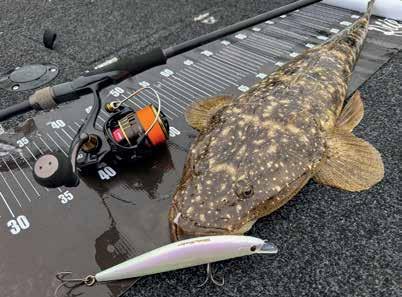
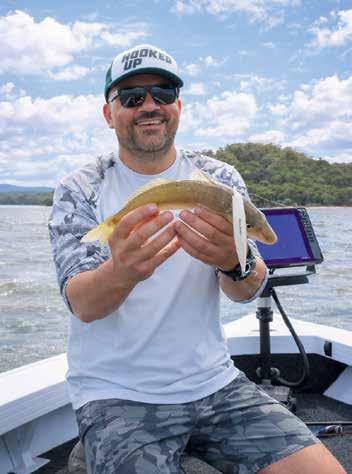
When the wind picked up and the water dirtied slightly, Big Bite Chart came into its own, with a translucent body and strong chartreuse highlights that also made it easier to track during the retrieve. Across the test period I landed over 50 dusky flathead from 45cm through to 77cm, all in gin-clear water averaging around 50cm deep. As you’d expect, I also landed a heap of big tailor and, surprisingly, a large whiting that had no issues having a crack at the 14.5cm Wide Seeker.
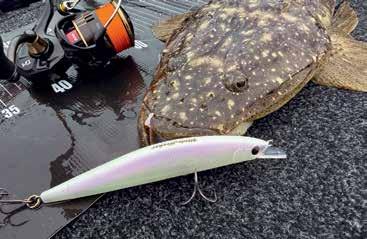
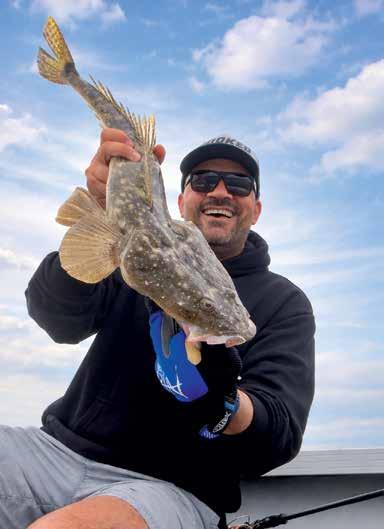
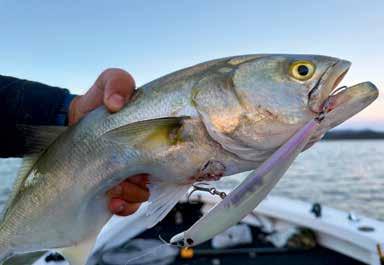
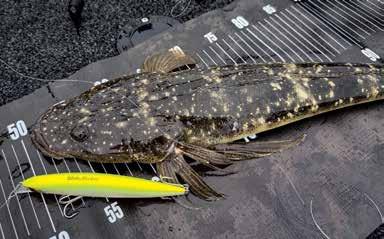
The build quality is outstanding. The lure is constructed from high-quality ABS plastic with a clean, solid finish, and the paintwork holds up extremely well against the teeth of flathead and tailor. It features through-wire construction, size 5 split rings and size 2 trebles, giving you confidence to target much larger species as well. While designed for seabass, it’s more than capable of handling big flathead, and will handle kingfish to 1m and even school tuna thanks to its strong internals and medium-gauge hardware.
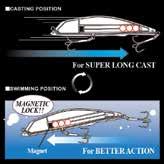
Casting is where the Wide Seeker really shines and where it got its name. An aerodynamic bib and profile, combined with two large tungsten balls that work with a magnetic weight transfer system, allow for serious distance. I was consistently hitting around 70 metres, with longer casts pushing beyond 80 metres when conditions allowed. That extra distance is a huge advantage in shallow water, letting you work well away from the boat, avoid spooking fish and cover a “wide” area.
Through testing, shorter rods proved best for working this style of lure. Around 6’8” to 7’ in PE1.5–2 seems ideal, allowing for aggressive downward jerks without the rod tip hitting the water. It’s an area where the Australian market is still catching up, with most soft plastic rods not quite suited to this technique. Hopefully we see more purpose-built boat seabass-style rods make their way here.
The action is excellent. At a slow retrieve, the lure produces an exceptional and unique roll and wriggle, with the sides flashing naturally as it moves. Increase the speed and you get a much wider tail kick, making it effective for more aggressive species. Where it really excels, though, is under a hard downward jerk. It darts wide, rolls and kicks, then floats back up on the pause.
While this is a lure you could slow roll, give minor twitch work and catch fish, or burn at speed and catch fish, I really love the way it reacts to aggressive downward jerks, and the flathead respond accordingly. However, if I was casting it for tuna, I could burn it back at high speed and it doesn’t blow out — the bib and body design hold it in so it tracks extremely well. No blowouts, no skipping.
It’s a floating lure and in saltwater it really wants to rise. That buoyancy can be a trigger, but I’ve started experimenting with slightly heavier trebles and small stick-on weights to slow the rise when fish are a bit more cautious. It’s not essential, but it does add another layer of versatility.
Hook-up rates were excellent. The two saltwater-ready trebles are sharp and strong, and while I missed a couple of strikes, I didn’t drop a fish once it was connected. That’s not always the case with lures in this category, where upgrading hooks is often needed straight out of the box.
This is one of the best jerkbaits I’ve used, full stop. It’s a standout for big dusky flathead, but it’ll also be right at home chasing mulloway, big trout and even school tuna. Like most Evergreen gear, it sits at the premium end of the market, but in this case you absolutely get what you pay for.
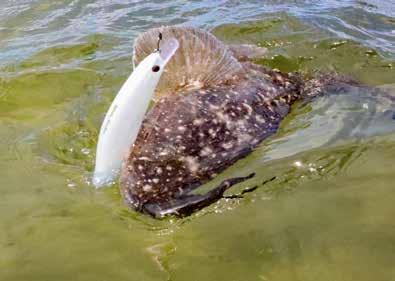
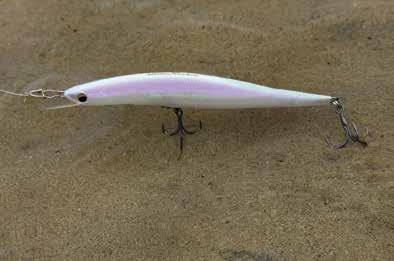
An amazing jerkbait that’s perfect for big dusky flathead. It’ll also be effective in the surf for mulloway and offshore for school tuna and kingfish. This is a high-end jerkbait from one of the best in the business, and while you’ll pay a little more, it’s worth every cent.
Tungsten cast weight system. Paint job and build. Through wire construction. Quality terminal tackle. Outstanding and versatile action. Consistent hook-up and conversion rate.
None. It’s Evergreen, they rarely if ever make a product that’s less than exceptional.
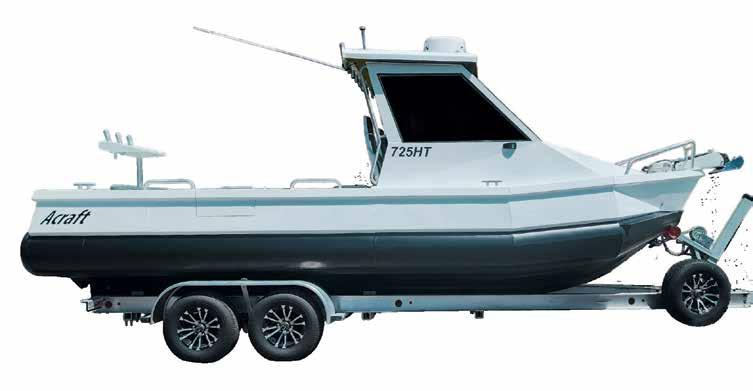


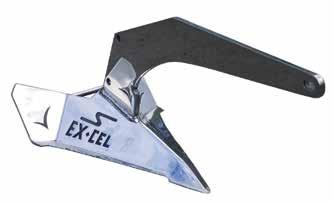
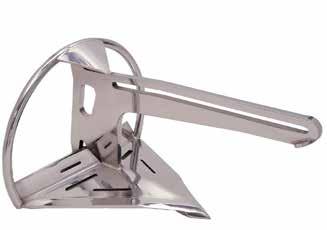
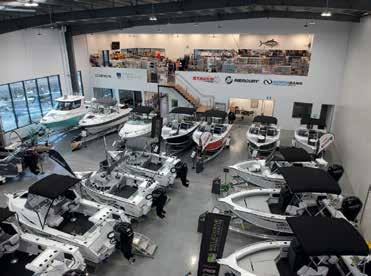
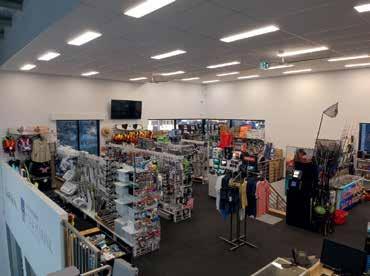
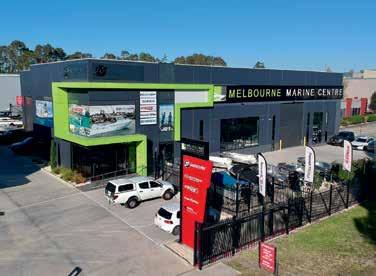
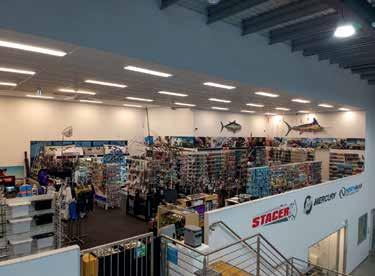
Melbourne Marine Centre is a true one-stop destination for boaters who want quality gear, expert advice and professional service under one roof. As authorised dealers for Stacer and Northbank boats and Mercury outboards, the team can match you with the right package whether you’re upgrading or starting fresh. Inside the full showroom you’ll find leading marine electronics from Garmin, Simrad & Lowrance along with an extensive range of boating parts and accessories to suit every setup. There’s also a well-stocked fishing tackle store, plus a six-bay workshop offering servicing on all makes and models and everything from fitting new electronics through to complete custom boat fit-outs
well-stocked