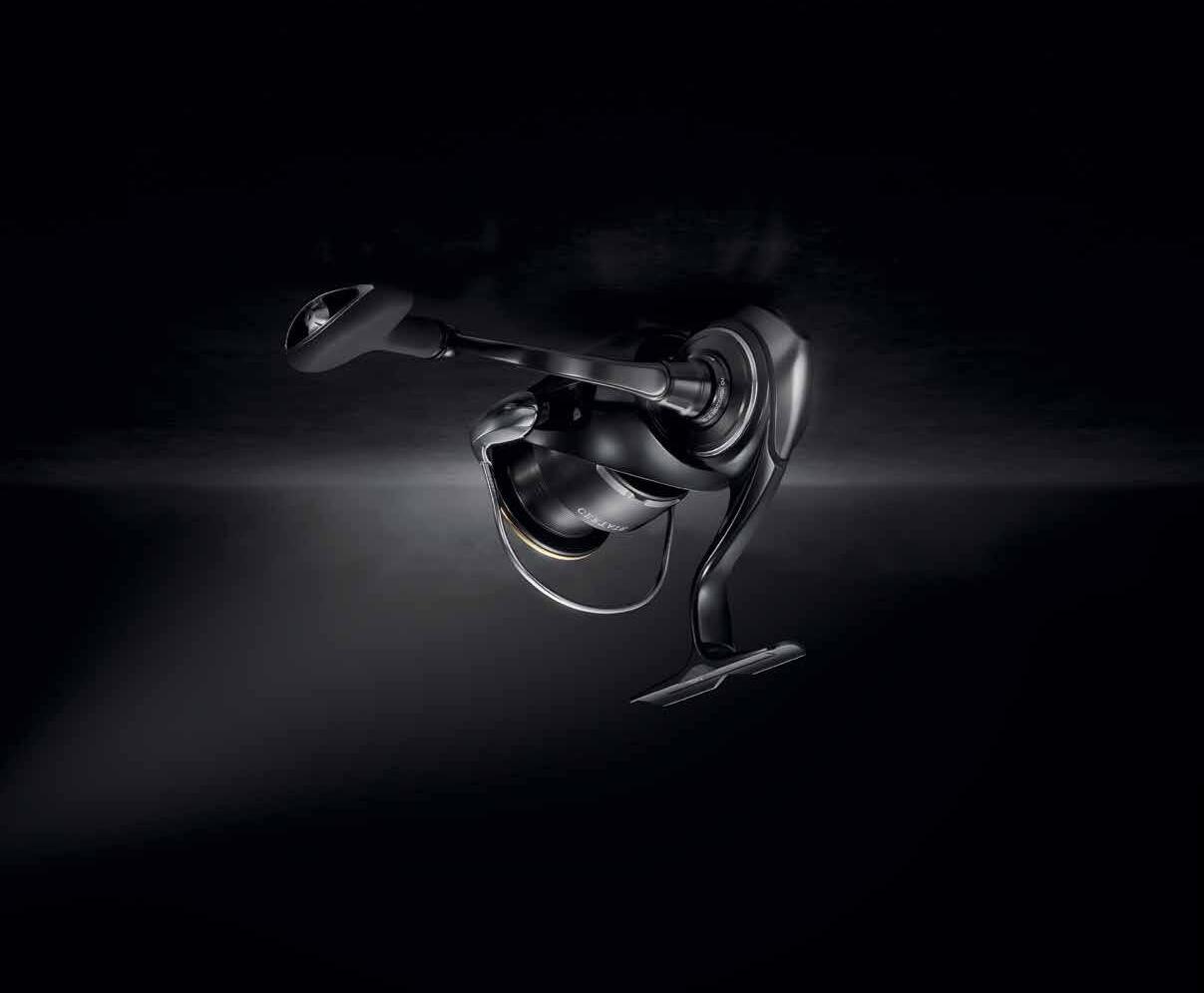
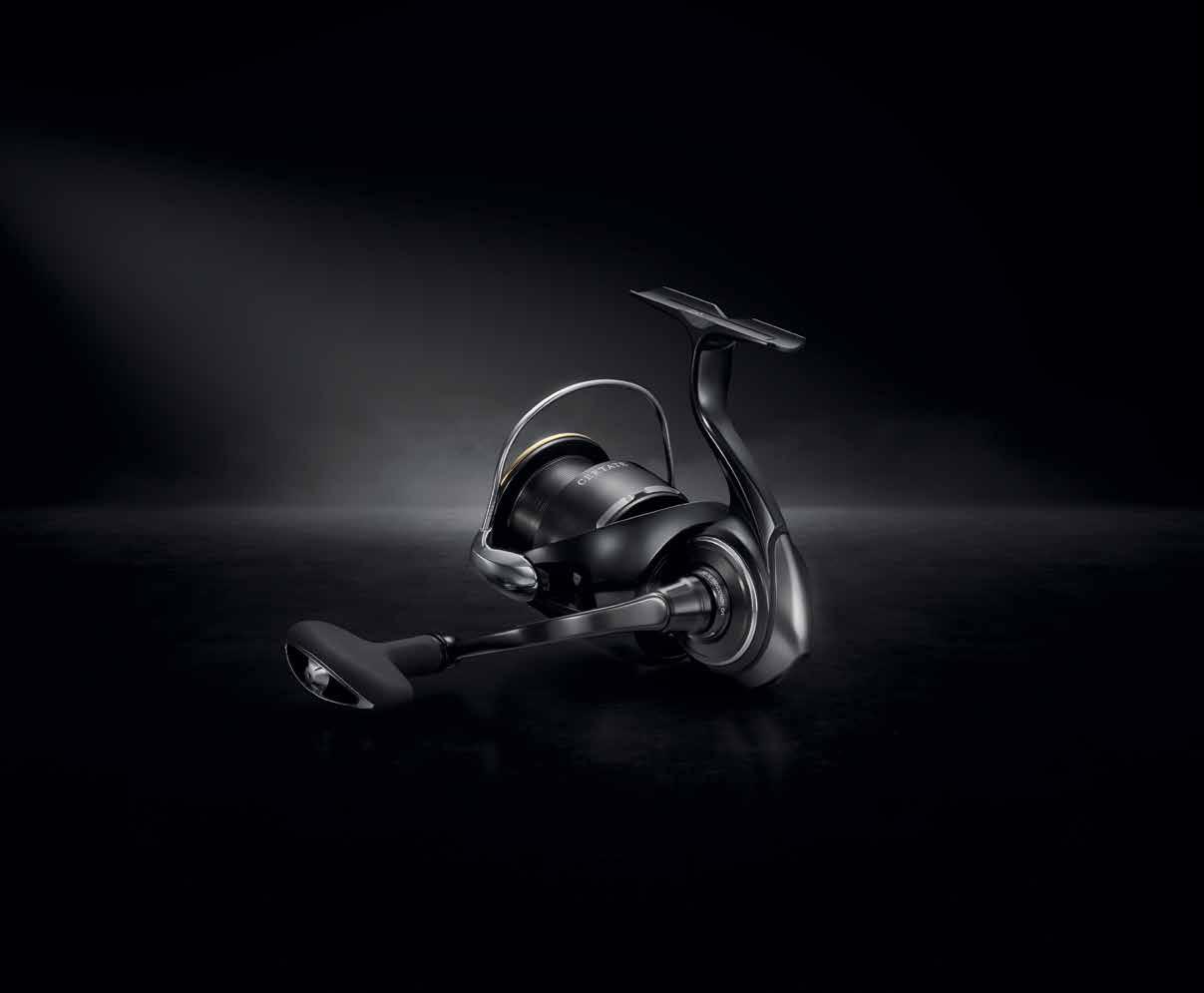
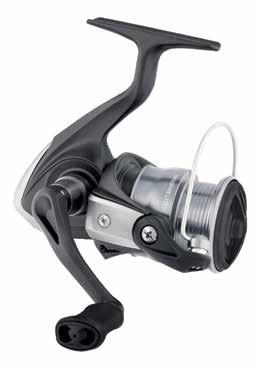
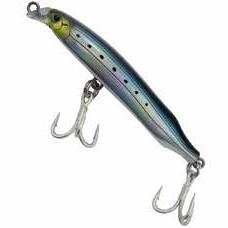
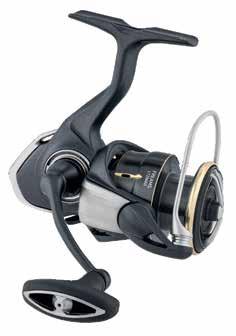
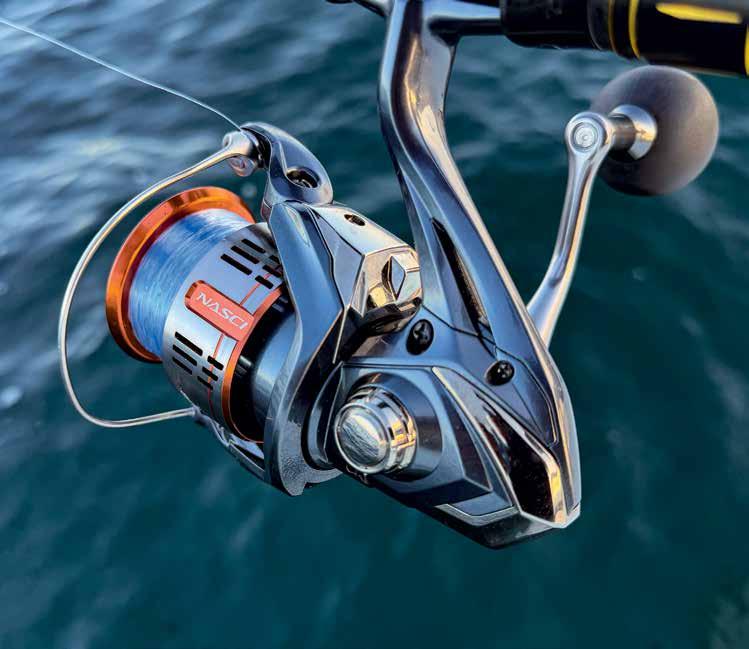
Built upon the formidable foundations of 24 CERTATE LT, the new 24 CERTATE HD features full Aluminium Construction to further strength and durability. AIRDRIVE DESIGN decreases winding resistance whilst maintaining power in the front unit. The new Aluminium AIRDRIVE ROTOR is what sets it apart from 24 CERTATE LT, making the 26 CERTATE HD the ultimate HD light tackle reel to battle against Australia’s harsh conditions.
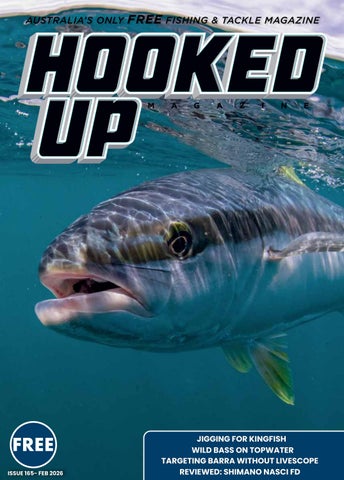
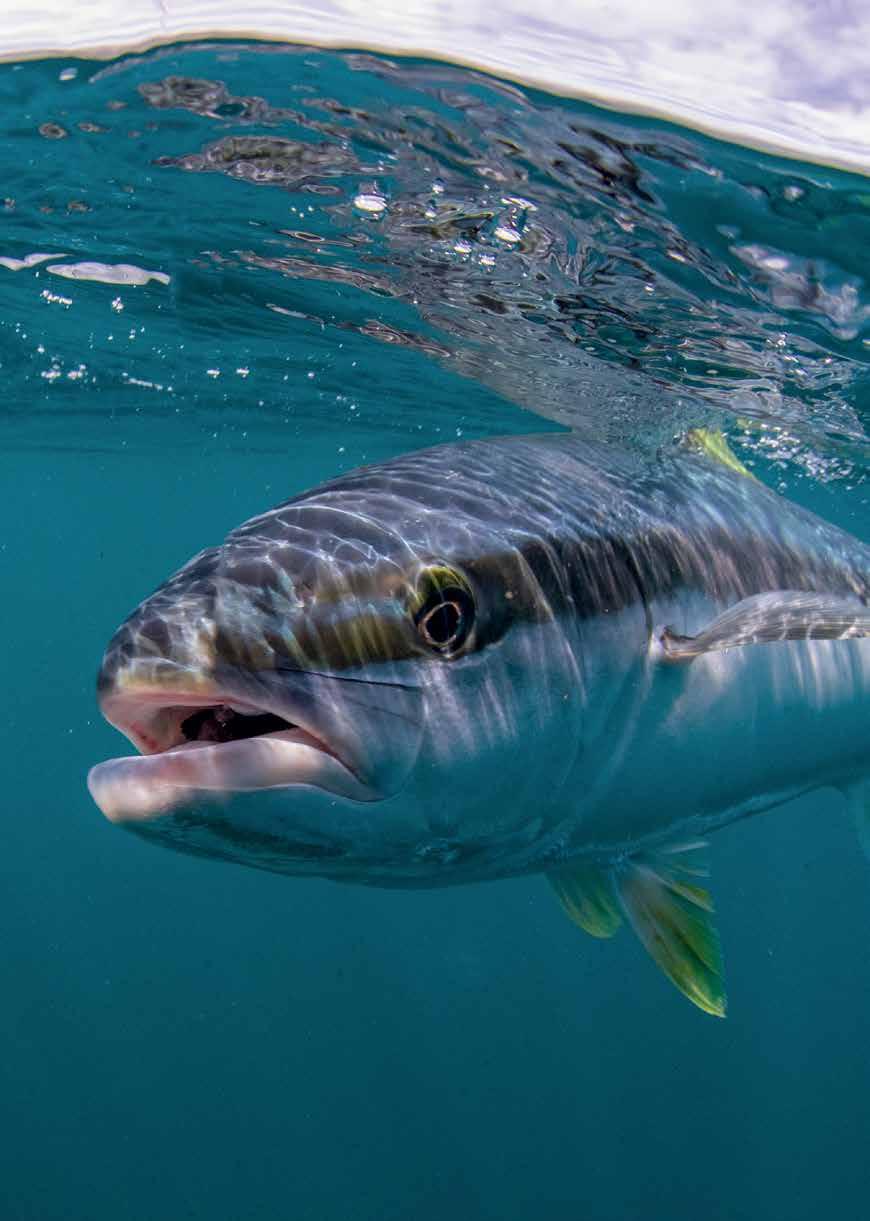
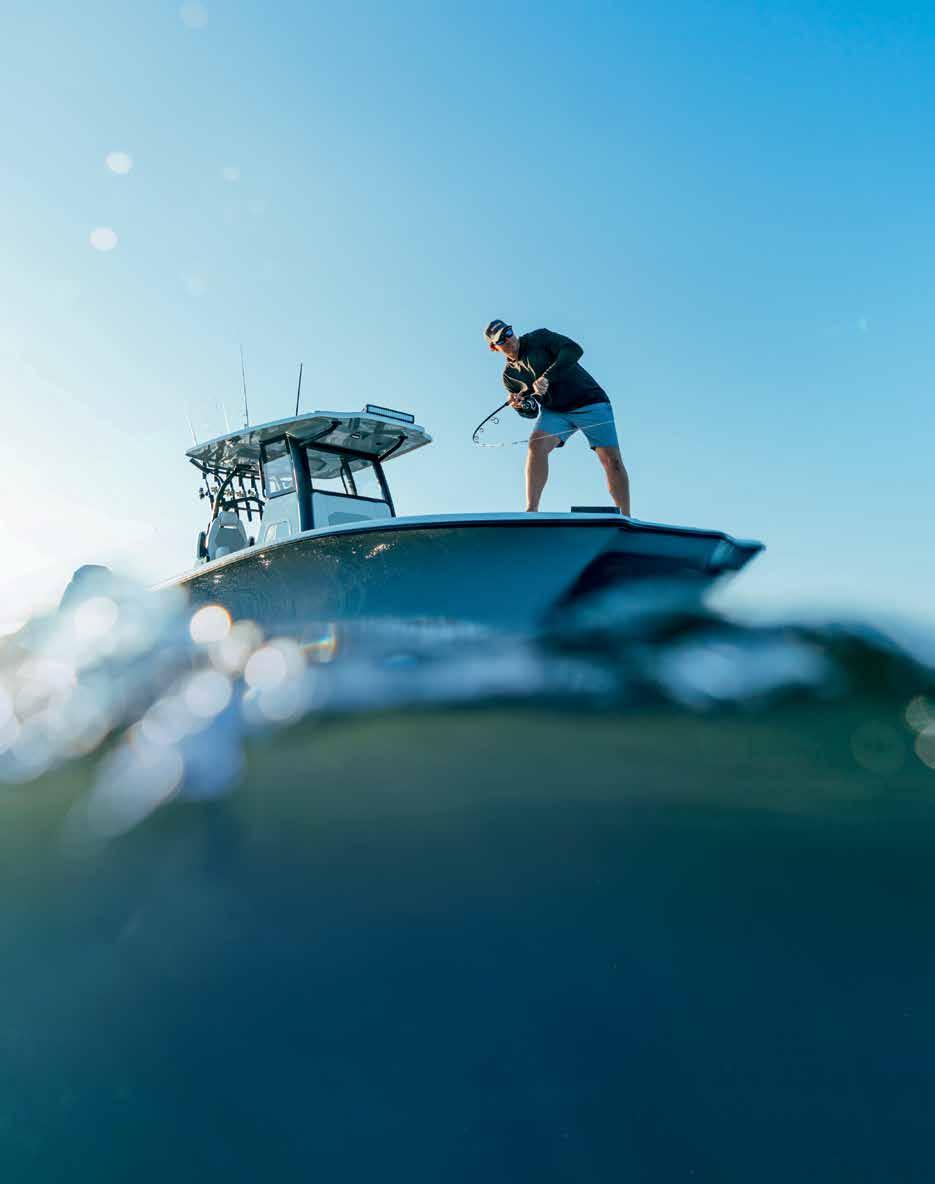
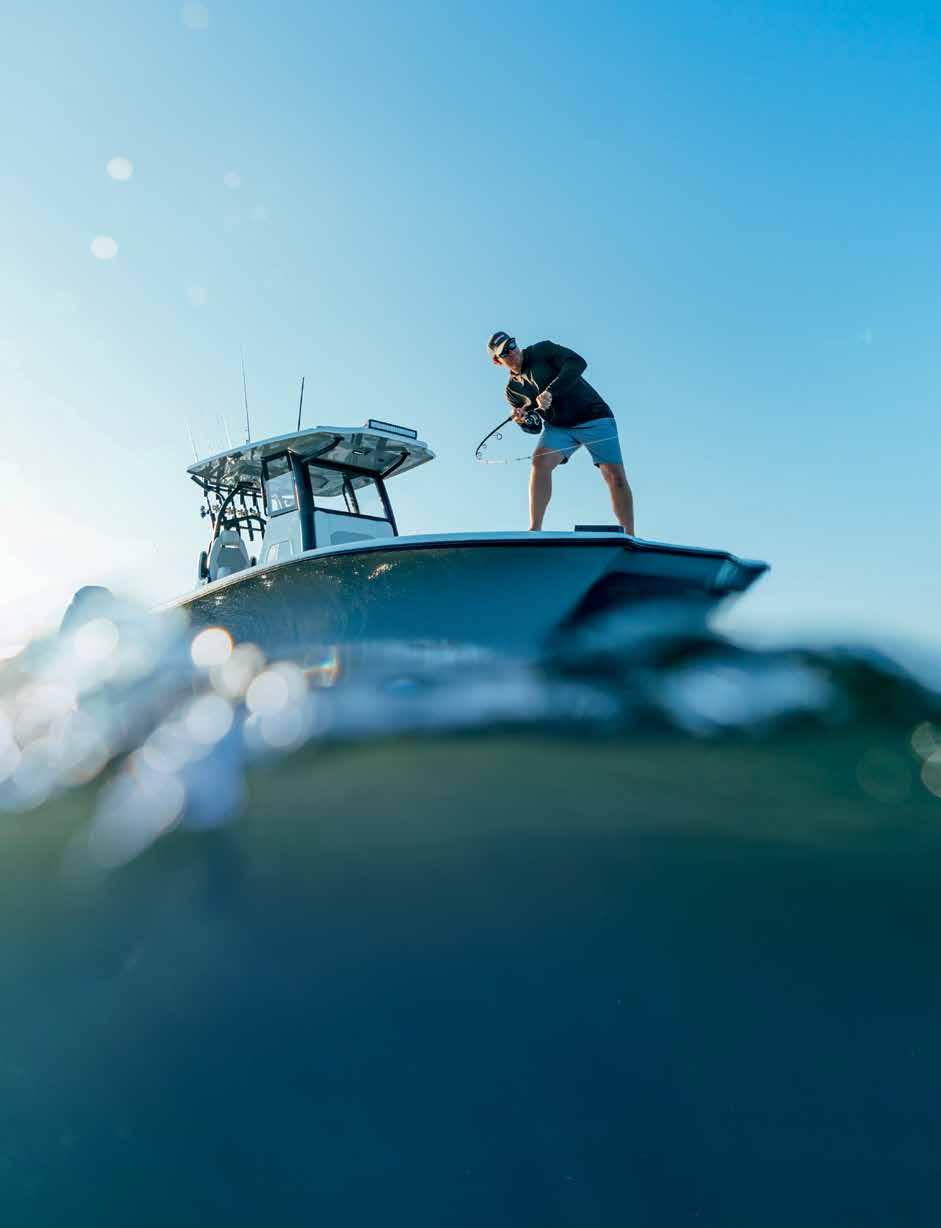
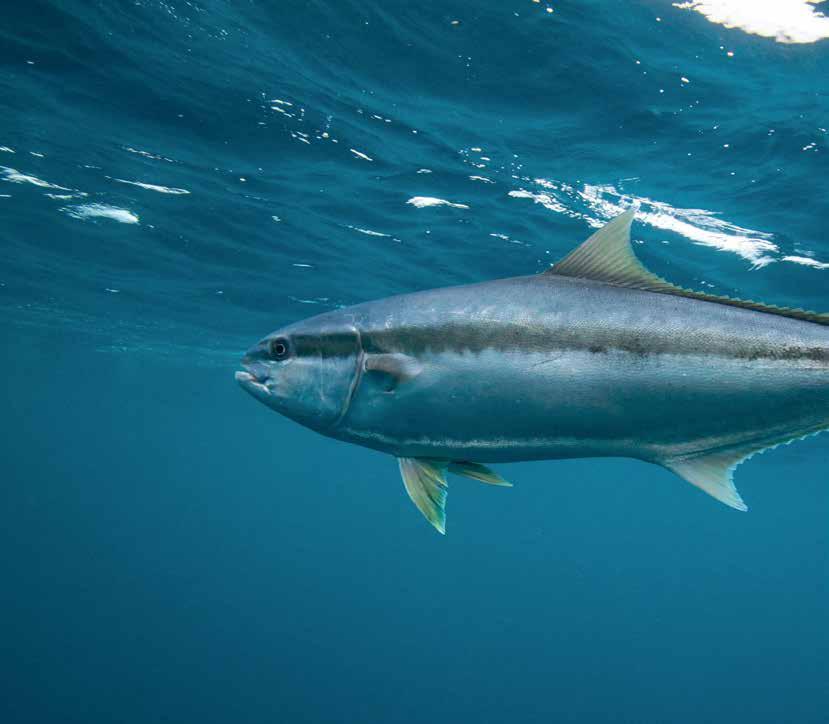
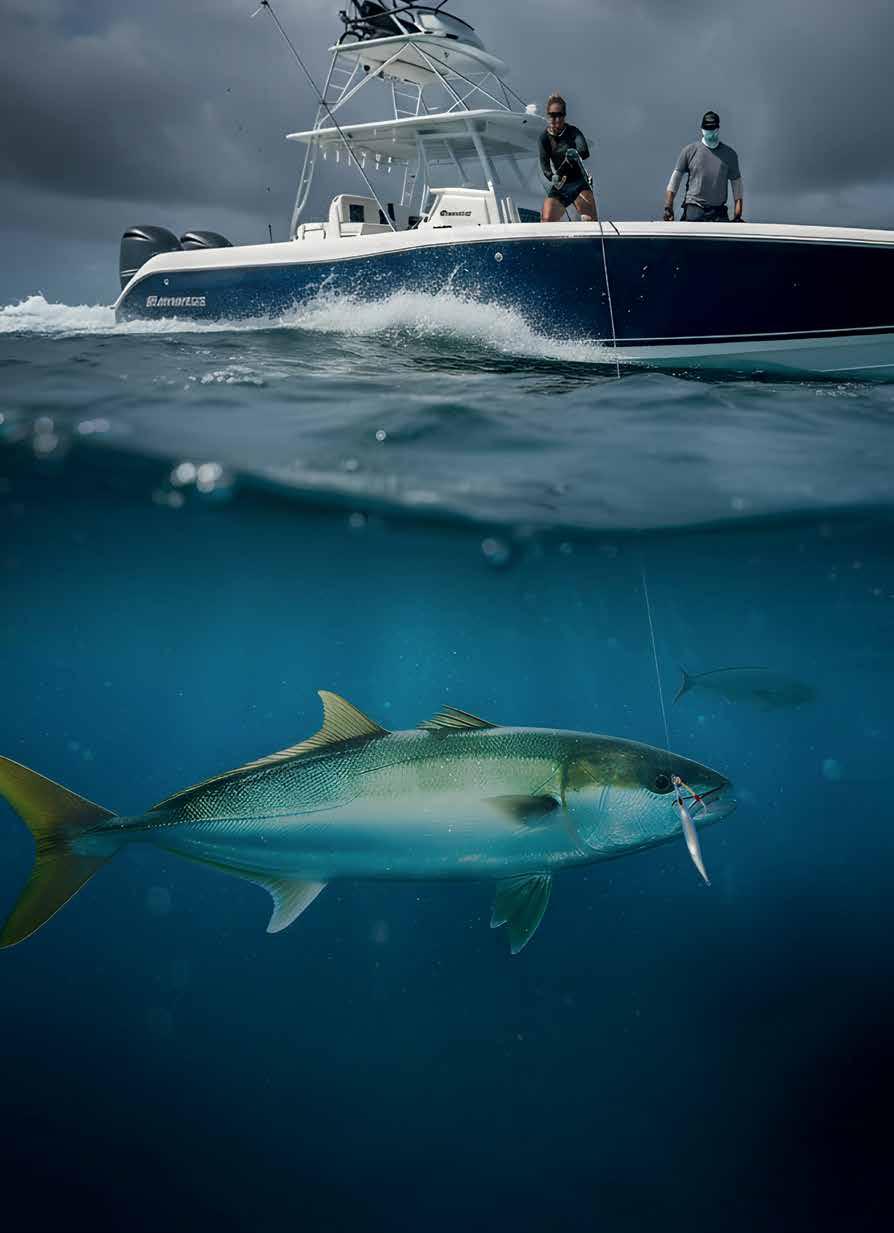
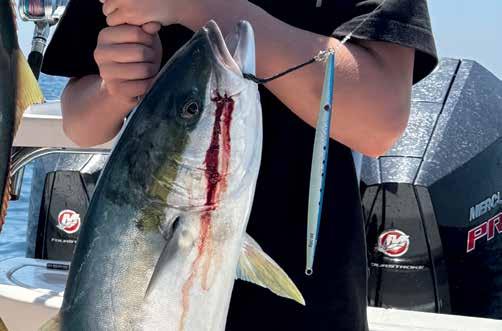
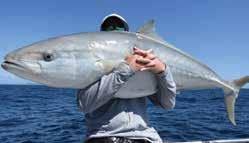
ON THE COVER: A kingfish off to fight another day.
The Angler’s Season
February is always a bit of a turning point. The chaos of summer starts to ease, holidaymakers pack up and head back to work, and suddenly the ramps, bays and headlands feel like they belong to anglers again. The weather is still warm, the water’s alive, and if you’re prepared to put in the time, this is when some of the best fishing of the year really begins.
In this issue, we lean hard into that late-summer sweet spot. We break down jigging for kingfish with a practical, no-nonsense approach, and look at why now is prime time to get serious about it. We also shift gears freshwater-side, with a feature on ditching the cod opening crowds and instead chasing bass on surface, where warm evenings and active fish make for some truly addictive fishing. Up north, we explore barra tactics that don’t rely on live sonar, proving that sound fundamentals, timing and watercraft still catch plenty of fish.
On the gear front, we put the Shimano Nasci FD through its paces, focusing on real-world use rather than spec sheets. There’s also a solid stack of news in this issue, covering the latest in tackle and marine electronics, with plenty to get excited about as brands roll out new gear for the year ahead.
With the busy season behind us and the fish still firing, February is when anglers get their window. Less noise, fewer boats, and more opportunity to fish properly. Enjoy the issue, and we’ll see you on the water.
Kosta Linardos. Editor-in-Chief
Aaron Hill, Dean Norbiato, Mark Gerkovich, Dean Linardps, Adam Hewson
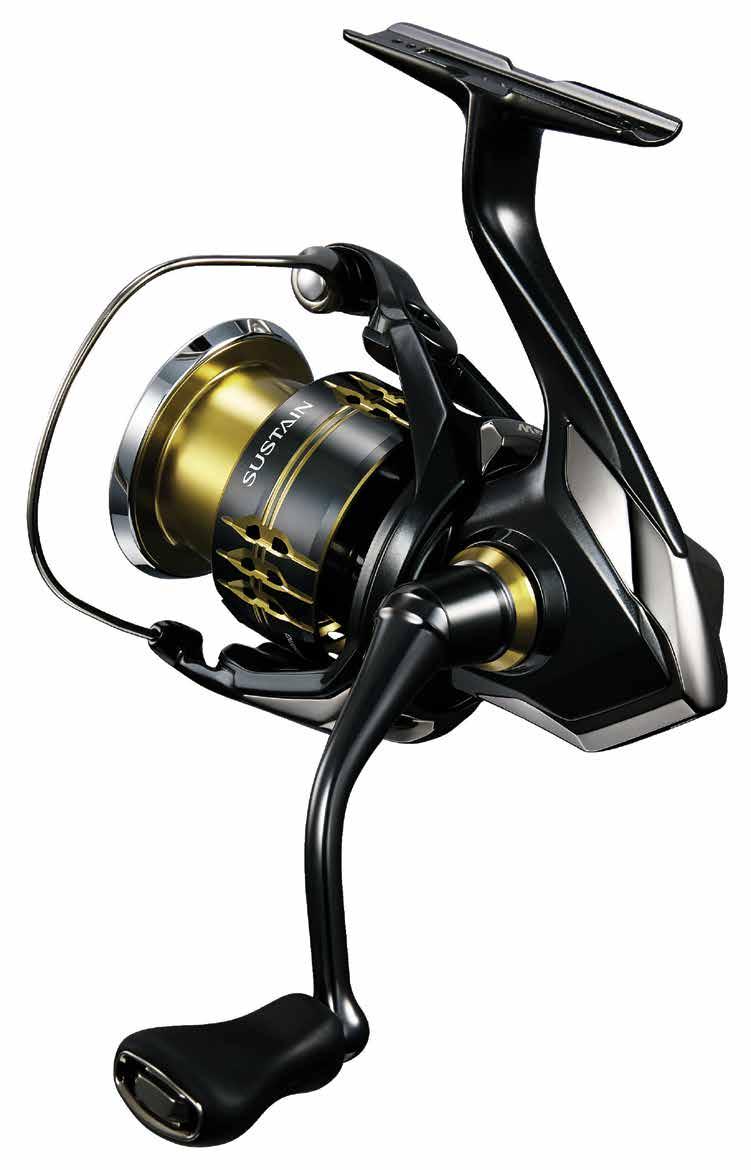
RESPOND WITH POWER
SHIMANO’S LEGENDARY SUSTAIN SPINNING REELS JUST GOT EVEN BETTER.
The new Sustain FK series — featuring four precision-engineered models brings flagship Stella-level technology to serious anglers at a more accessible price. With InfinityDrive, InfinityCross, InfinityLoop, and the revolutionary Anti-Twist Fin, these reels deliver unmatched smoothness, power, and durability across all light to medium tackle applications. Whether you’re chasing trout in the streams or tuna offshore, the Sustain FK is the ultimate companion season after season, cast after cast.
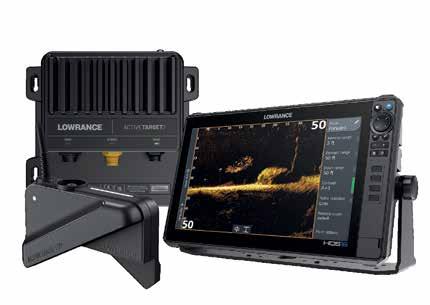
LOWRANCE ACTIVETARGET 2 XL LIVE SONAR
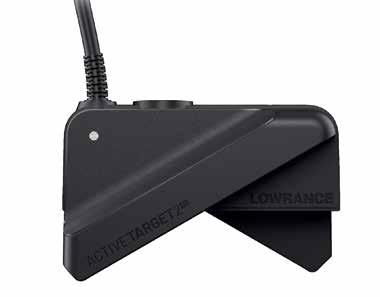
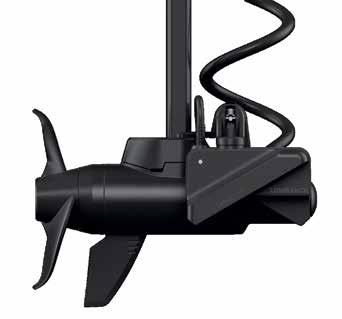
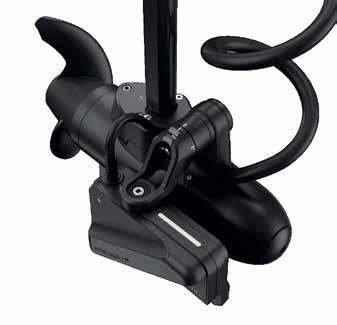
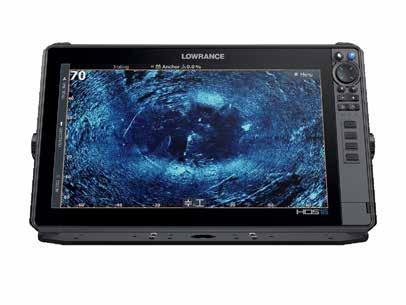
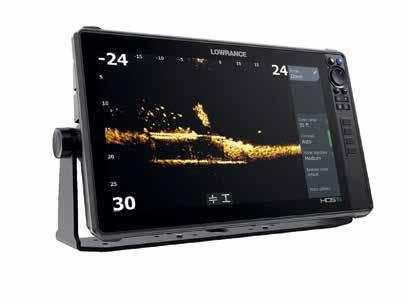
Lowrance has expanded its live sonar range with the release of ActiveTarget 2 XL, a new transducer designed to work within the existing ActiveTarget 2 live sonar system. Rather than a complete system replacement, the XL upgrade introduces a redesigned transducer that delivers wider coverage and increased clarity while continuing to use the current ActiveTarget 2 sonar module.
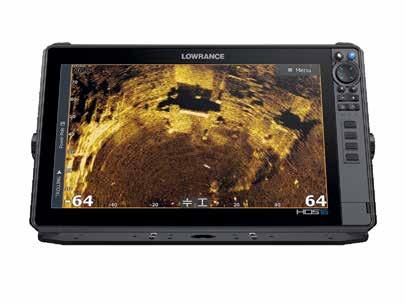
The ActiveTarget 2 XL transducer brings surface-to-surface 180-degree live sonar views, building on the performance of the original ActiveTarget 2 platform. The focus is on expanding what anglers can see in real time, providing a more complete picture of fish, bait and structure around the boat without requiring a full electronics overhaul.
Wider coverage and real-time clarity
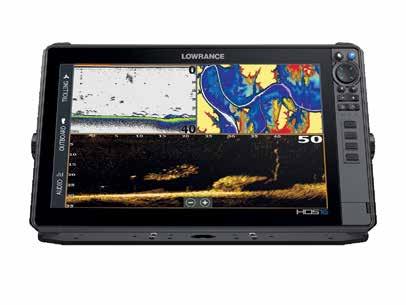
ActiveTarget 2 XL provides Forward, Down and Scout views from a single transducer, with Lowrance describing the system as offering ultra-clear resolution across its full viewing range. The expanded field of view is designed to reduce blind spots and improve situational awareness, allowing anglers to observe fish behaviour from the moment a lure enters the water through to the strike. Full-screen display support captures detail across the water column in real time.
Simplified view switching and mounting options
A key update with the XL system is simplified view management. The redesigned transducer allows anglers to switch between Forward XL and
Down XL views directly from the display, removing the need for manual adjustments. A new mounting bracket supports installation on live sonar poles and electric motors, allowing quick transitions into Scout Mode. When Scout Mode is selected, built-in reference markers assist with setting the correct transducer angle for both shallow and deep water conditions.
Single-transducer upgrade path
ActiveTarget 2 XL is positioned as a onetime transducer upgrade that unlocks all sonar views without requiring additional hardware. Anglers can install the XL transducer and continue using their existing ActiveTarget 2 sonar module, reducing setup complexity while maximising time on the water. For existing ActiveTarget users, this approach avoids the need to replace the entire system, making the upgrade far more accessible than previous generational jumps in live sonar technology.
Expanding to 360-degree live view
For anglers seeking full situational awareness, Lowrance notes that running two ActiveTarget 2 XL systems together enables a 360-degree Scout XL live view around the boat. This dualsystem configuration allows fish and structure to be viewed in all directions without repositioning the vessel. Running multiple transducers also allows simultaneous viewing of Forward XL, Down XL and Scout XL modes, reducing the need to lift or reposition the trolling motor while fishing.
Hooked Up first impressions
Here at Hooked Up, we’ll be running ActiveTarget 2 XL on our own boat and are extremely keen to see what this next step in live sonar technology delivers on the water. The expanded field of view and Scout XL capability represent genuinely new underwater vision for live sonar users, opening up opportunities that haven’t previously existed. Just as importantly, we like that this is a transducer replacement rather than a full system overhaul, allowing existing ActiveTarget owners to step into this first-to-market technology without being forced to replace modules they already own. On paper, it shapes up as a practical and powerful evolution of live sonar, and one we’re confident will prove to be a valuable real-world fishing tool.
Compatibility and availability
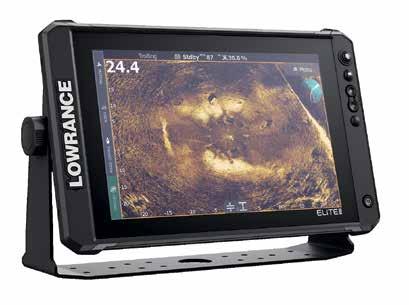
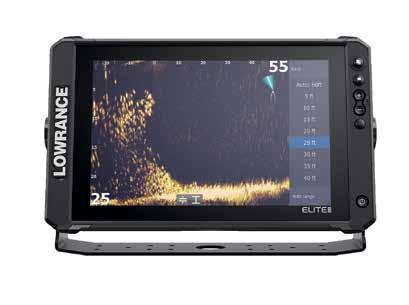
ActiveTarget 2 XL is compatible with HDS PRO, HDS Live, HDS Carbon and Elite FS displays. Australian will stores will start getting stock in March.
Key features at a glance
Surface-to-surface 180-degree live sonar coverage, Forward, Down and Scout XL views from a single transducer, simplified on-screen view switching, improved Scout Mode alignment using reference markers, mounting options for live sonar poles and electric motors, compatibility with existing ActiveTarget 2 modules, and support for 360-degree Scout XL viewing when dual systems are installed.
lowrance.com
CLASSIC LURES 120 CRACKLE SERIES
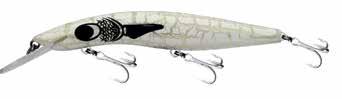
Designed in Australia specifically to target local species, the Classic 120 has earned its reputation as one of the country’s most reliable barra lures while also proving effective on a wide range of freshwater and saltwater predators. The latest update to the range comes in the form of the new Classic 120 Crackle Series, introducing a distinctive cracklestyle paint finish designed to increase visual contrast in the water. The fractured colour patterns help break up the lure’s profile, making it easier for fish to lock onto in dirty water, low-light conditions or heavily fished areas where traditional finishes can be less effective. Available in a selection of crackle colours and offered in both +3 and +10 diving depths, the Classic 120 Crackle Series adds a fresh visual option to a lure that has already proven itself across countless Australian fisheries.
jmgillies.com.au
YO-ZURI 3D INSHORE FINGERLING
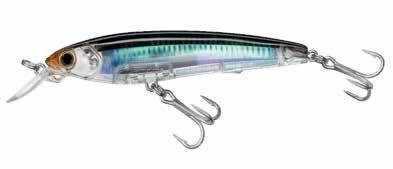
The Yo-Zuri 3D Inshore Fingerling is a suspending crankbait built around the proven body shape and action of the 3DS Minnow, reworked with saltwater colour patterns and premium saltwater terminals. Available in 100mm and 70mm sizes, both models are designed for shallow-water fishing across a wide range of conditions and species. On a straight retrieve the lure produces a tight wobble, while a twitch delivers a sharp, darting action that excels around mangrove edges, rock bars and drop-offs. Both sizes feature quick-starting action for fishing tight to structure, with the smaller model offering an erratic profile thanks to its compact lip and flat sides, while the larger version uses a diamond-shaped lip to stay tracking even when fished from elevated positions. From the tropical north to southern waters, it appeals to species including barra, jacks, tailor, bream, flathead and jew.
DAIWA 26 CROSSFIRE LT
The new 26 Crossfire LT delivers proven Daiwa performance in a lightweight, easy to use spinning reel built for everyday fishing. Designed around Daiwa’s Light and Tough concept, the Crossfire LT features a compact, durable body that is comfortable to handle and well suited to anglers getting started or those after a dependable all-rounder. A smooth Airdrive Rotor reduces winding effort, while the LC ABS spool improves casting distance and line control. Inside, Tough Digigear constructed from zinc provides reliable power transfer and smooth operation under load. The ATD Type L drag offers consistent, controlled pressure during the fight, helping anglers stay in control when it matters. Available in 2000, 2500, 4000 and 5000 sizes, the 26 Crossfire LT covers a wide range of freshwater and saltwater applications. daiwafishing.com.au
MOLIX WTD120 &150
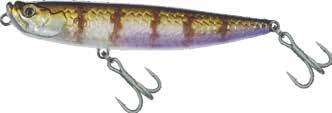
The Molix WTD150 and WTD120 are surface lures designed for explosive topwater strikes, built around the classic walk the dog action that mimics a distressed baitfish zig-zagging across the surface. Crafted from durable ABS with a detailed finish, both models feature wire through construction and an internal weight transfer system that boosts casting distance and accuracy, even in windy conditions. Fitted with strong saltwater trebles, these lures are purpose built for big species such as barra, tuna and giant trevally and hold up when the bite turns brutal. The WTD series delivers reliability, castability and serious presence on the surface for anglers chasing trophy fish.
ejtodd.com.au
SAMAKI OBSIDIAN
The Samaki Obsidian range represents the brand’s most advanced offshore rod series to date, developed for anglers fishing demanding blue-water environments where performance and reliability are critical. Built on all-new blank technology and finished with a clean, modern aesthetic, the Obsidian rods are designed to deliver a strong balance of power, sensitivity and control under load. The 15-model lineup includes both spin and overhead options, covering applications such as jigging deep structure, casting stickbaits to surface-feeding predators and heavy offshore bait fishing. Across the range, ultra-hard grey EVA grips are used for durability and comfort during long sessions, while high-end Fuji components provide confidence when applying serious pressure to hard-fighting fish. With technique-specific models designed for different offshore roles, the Obsidian series is aimed squarely at anglers chasing capable, purpose-built rods for offshore work. RRP ranges from $299.95 to $469.95. samaki.com.au
TACKLE HOUSE BEZEL
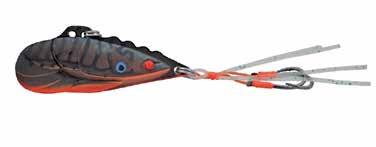
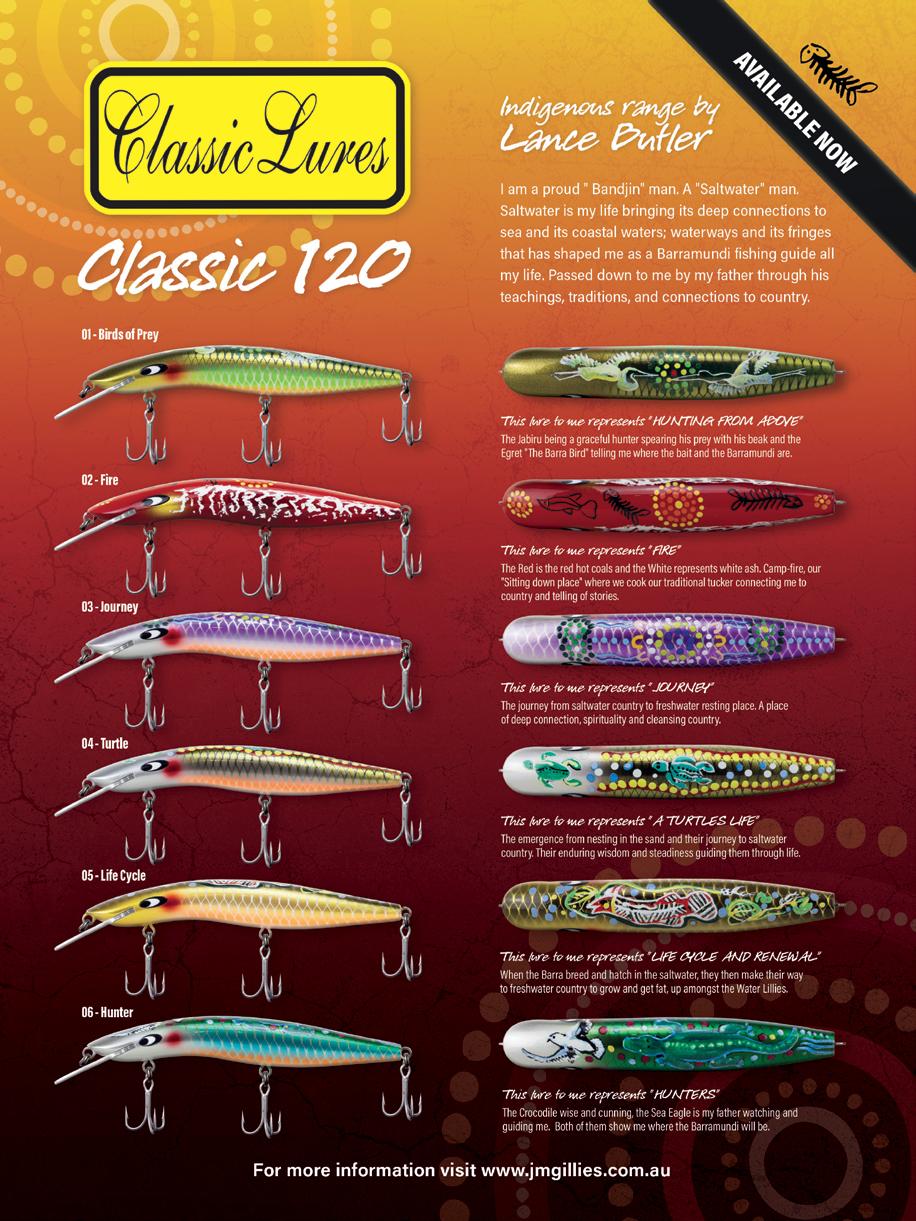
The Tackle House Bezel is designed for situations where pelagic fish are feeding on smaller bait and a subtle, fastmoving presentation is required. This jig minnow needs no fancy rod work, simply cast into the action and wind, making it ideal when fish are busting up and you need to get a lure into the zone quickly. After hitting the water, the Bezel falls with a forward-leaning posture and a slight tremble, then swims with a highly stable wobbling roll even at high retrieve speeds. Strength is built in with a 1.2mm 3D laser-cut through-wire harness, fixed weight construction, and heavy-duty Owner ST66 trebles and split rings. Primarily aimed at school tuna, the Bezel is a reliable option for all pelagic species. Available in 100m/36g and 120mm/48g.
gladiatortackle.com.au
SHIMANO OCEA WING FALL JIGS
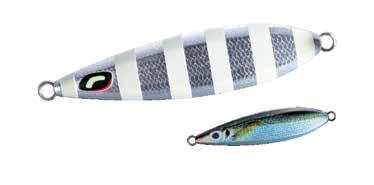
The Shimano Ocea Wing Fall jigs are a slow-fall style jig designed for versatile offshore fishing across a wide range of Australian conditions. Built with SCALEBOOST technology, they produce complex, lifelike reflections that closely resemble the scales of real baitfish, helping to fool wary predators. On the descent, the Wing Fall delivers a controlled, enticing fall that keeps the lure in the strike zone longer, making it effective when fish are reluctant to commit. Available in three sizes and five colour patterns, the Ocea Wing Fall range allows anglers to match conditions and target species with confidence when slow-pitch jigging or working deeper water. shimanofish.com.au
STRIKE PRO ASTRO SHRIMP
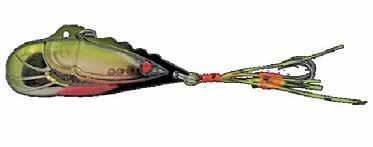
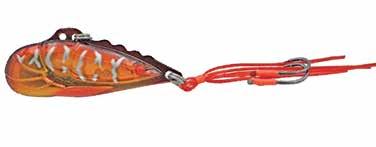
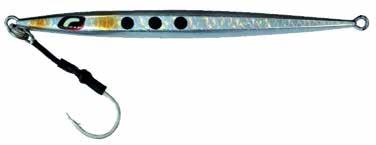
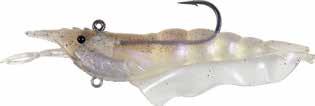
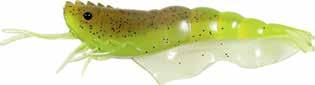
The Strike Pro Astro Shrimp, developed over 2 years in collaboration with Juro Ozpro Tackle, is a finesse vibe with a prawn profile. Featuring a polycarbonate belly with builtin rattles and UV-enhanced assist hooks, it reduces snags while increasing visibility and attraction. The transparent metal blade and UV-activated components further enhance its appeal. At 4cm and 10g, available in 8 vibrant colours, the Astro Vibe is perfect for targeting species like bream, bass, and flathead, offering exceptional performance in various fishing conditions.
jurofishing.com
SALTY CREW PARKIT CHAIR
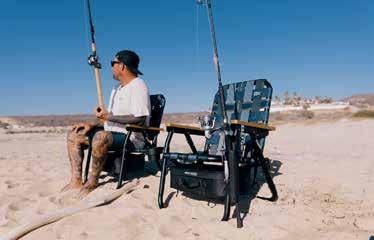
Salty Crew has teamed up with ParkIt to release a limitededition Voyager Chair built for long days on the deck, the dock, or planted deep in the sand. Inspired by classic topo maps once used by mariners to navigate unknown waters, the Salty Crew design blends deep ocean blues with warm coastal tones. The chair features boat-safe non-marking rubber feet, stainless steel hardware, and newly designed Overlander carry straps for comfortable hauling. ParkIt’s patented built-in cooler keeps up to 15 beverages ice-cold, while the ergonomically engineered frame is designed for all-day comfort. Included is the ParkIt x Salty Crew Voyager Accessory Mount, turning the chair into a fully rigged fishing station with rod cradle, tool slots, and even an umbrella mount for shade when the sun is relentless. salty-crew.com.au
DOBYNS XTASY
The Dobyns Xtasy series is built for anglers who demand extreme sensitivity, balance and premium componentry. Constructed from Toray Nano graphite and reinforced with Kevlar wrapping, these rods deliver exceptional feel while maintaining strength under load. Finished with Fuji Torzite Titanium guides, a Fuji graphite reel seat and AAAA grade Portugal cork, each rod is individually serial numbered to guarantee authenticity. New additions include the DRX 610 2C SH cast rod rated 8–14lb and the DRX 754SF spin rod rated 10–20lb, both designed to cover a wide range of techniques with the trademark Xtasy responsiveness. For anglers chasing the highest level of refinement, the Xtasy series sits at the top of the
EAGLE CLAW LAZER L8 EXTREME LIVE BAIT HOOK
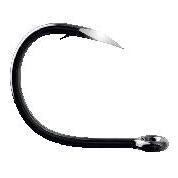
The Eagle Claw Lazer L8 Heavy Wire Extreme Live Bait Hook delivers impressive versatility across a wide range of saltwater live bait applications, allowing anglers to rely on a single, simple hook design for multiple techniques and target species. Its adaptable design means fewer hook styles are needed without sacrificing the ability to adjust to changing conditions. Built from heavy wire for strength and reliability, the L8 is well suited to demanding offshore and inshore scenarios where solid hook-up and holding power matter. Finished in platinum black, the range runs from 1/0 through to 9/0 and is available in pre-pack options as well as boxes of 25 pieces. Made in the USA, the Lazer L8 stands out as a strong value-for-money option for anglers chasing dependable live bait hooks.
tacspo.com.au
POWER PRO TENACITY BRAID
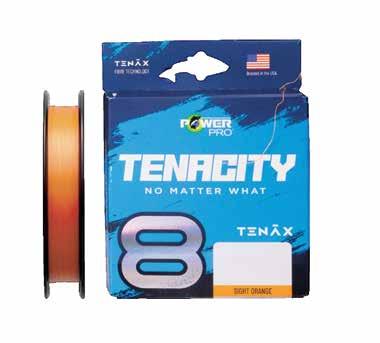
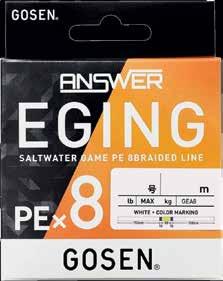
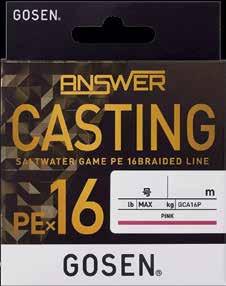
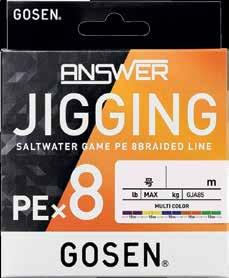
Power Pro Tenacity Braid is crafted using a space-age fibre called “Tenax,” offering superior abrasion resistance and tensile strength compared to previous Power Pro braids. The individual Tenax microfibres in the eight tightly woven strands are thicker and more robust than those found in older three, four, and five-strand variants. This results in a smoother, slicker, and finer braid with enhanced strength. Rated breaking strains on the spools are now much closer to the actual line strength, and lengths are listed in metres. Available in Electric Blue and Sight Orange, Power Pro Tenacity comes in spools of 150, 300, and 500 metres, with rated strengths from 6 to 80 pounds.
shimanofish.com.au
SHIMANO OCEA EASY PEBBLE JIGS
The Shimano Ocea Easy Pebble jigs are designed to fool sharpeyed predators using Scaleboost technology, which creates complex, lifelike reflections that closely mimic the scales of real baitfish. Built specifically with Australian conditions in mind, the range is available in multiple colour patterns to suit different water types and light levels. On the drop, the Easy Pebble delivers a slow flutter action that is highly effective at drawing strikes from predatory fish as it descends through the water column. The balanced body design ensures accurate, controlled drops, while the durable construction is made to withstand heavy-duty jigging pressure offshore. Available in weights of 210, 250, 290 and 350gm, each jig is finished with quality terminal tackle, making the Ocea Easy Pebble a reliable option for targeting tough offshore species.
shimanofish.com.au
DAIWA 26 FREAMS
FISH CRAFT DR PRAWN 2.5”
The Fishcraft DR Prawn is now available in a compact 2.5in size, offering a snack-sized profile ideal for bream, flathead, estuary perch and other prawn-feeding predators. Designed to closely imitate a live prawn, the DR Prawn features a realistic body shape and a natural swimming action that responds to even subtle rod movements. A distinctive underbelly ribbon flutters and pulses on the retrieve, mimicking the kicks and flicks of a prawn in motion. Slow rolling keeps the lure working mid-water, while hopping it along the bottom can trigger strikes on the drop. Available in both rigged and unrigged versions, with RRPs of $17.95 and $13.95 respectively.
fishcraft.com.au
The 26 Freams LT builds on a proven Daiwa platform with meaningful refinements that deliver a lighter, smoother, and more responsive spinning reel. Featuring Airdrive Design, this latest generation reduces weight and rotational inertia to improve balance, start up speed, and sensitivity throughout the retrieve. Built around Daiwa’s Light and Tough concept, the compact body provides impressive strength under load while remaining comfortable for extended sessions. Magsealed construction is retained to help protect internal components from water and debris, maintaining smooth operation and long term reliability in both freshwater and saltwater environments. Available in seven sizes from 1000S to 6000D, the 26 Freams LT is a versatile option for anglers seeking refined performance across a wide range of applications.
daiwafishing.com.au
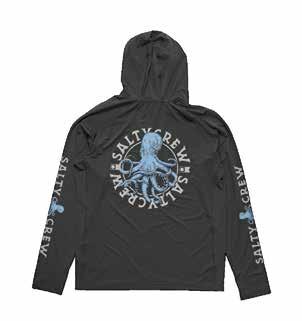
SALTY CREW TENTACLES MASK SUNSHIRT
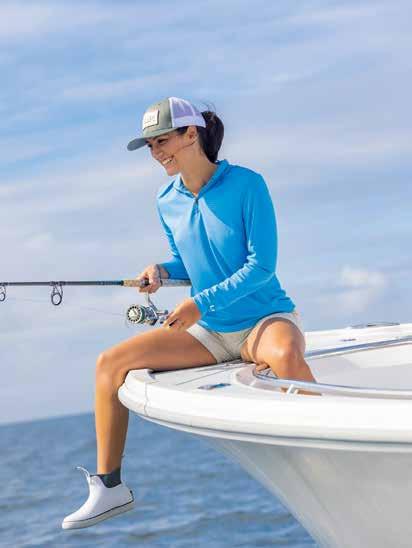
The Tentacles Mask Sunshirt in Vintage Black is a lightweight long-sleeve option designed for long days on the water and in the sun. Made from a perforated polyester and elastane blend, the fabric offers moisture-wicking performance, UPF50+ sun protection and anti-microbial properties to keep you comfortable in warm conditions. A three-piece hood with an integrated internal mask provides added coverage for face and neck, while flatlock seams and underarm gussets allow for unrestricted movement. Raglan sleeves with thumb holes help keep the sleeves in place, whether you’re casting, driving the boat or setting up gear. Finished with screen-printed graphics on the chest, back and sleeves, the Tentacles Mask Sunshirt blends practical on-water performance with Salty Crew’s distinctive styling and is available in sizes from S through to XXXL.
saltycrew.com.au
VIPER PRO SERIES CARBON FIBRE GIMBAL BELT
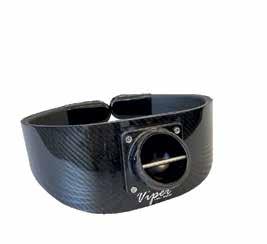
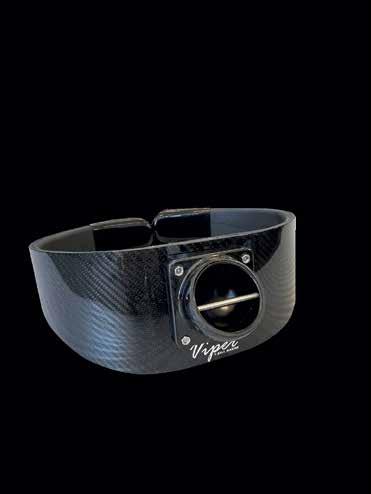
Tested by Viper on light-to-medium game fish, the Viper Pro Series Carbon Fibre Gimbal Belt highlights the advantage of reduced weight without sacrificing control. Weighing just 700 gm, the belt remains barely noticeable until the rod loads up, then delivers solid leverage and stability under pressure. It comfortably handles hard-pulling fish without the groin fatigue often associated with heavier belts. The no-buckle, no-strap design slips on quickly, stays secure throughout the fight and eliminates loose hardware. With an impressive fit across a wide range of body sizes, it offers genuine performance without compromise..
bellmarine.com.au
TACKLE HOUSE BLUE OCEAN K-TEN
The Tackle House Blue Ocean K-Ten Sinking Works is a 140mm, 51g offshore jerkbait designed and built in Japan for hard-fighting pelagic species including tuna, kingfish and spanish mackerel. Each lure is tuned using tungsten weights and a magnetic cast-weight system to maximise casting distance while maintaining a consistent swimming action. Strength is prioritised through a 1.6mm laser-cut, one-piece through-wire harness that eliminates twist under heavy load. Built to cast further, swim cleanly and handle heavy drag pressures, it blends the characteristics of a popper, stickbait and slug into one tough offshore lure.
gladiatortackle.com.au
SAMAKI FORGE
The Forge series is built for reef and inshore anglers who demand maximum power without sacrificing control. This tight, three-model range is hyper-focused on power casting applications, giving anglers the confidence to fish heavy drag, lock up on structure, and turn tough fish. Constructed with high-quality Japanese carbon material and fitted with
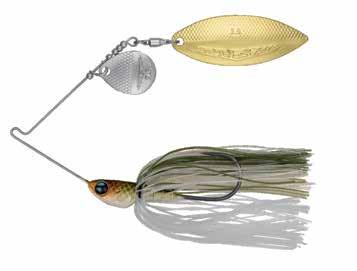
The Daiwa Steez Wire Baits range expands for spring 2025 with precision-engineered lures tailored for Australia’s native species. The Steez Spinnerbait features a compact profile for pinpoint casts into tight cover, with a tapered wire frame delivering strong vibration. It’s available in 1/4 oz, 3/8 oz, and 1/2 oz sizes across eight colours. The Steez ASROC Spinnerbait ups the pulse with a heavier thump and stronger presence in dirty or low-light conditions, offered in 3/8 oz and 1/2 oz sizes. The Steez Cover Chatter runs a thin high-frequency blade and fibre weed guard for snag resistance, with hand-tied skirts and sizes of 1/4 oz and 3/8 oz. Perfect for bass, yellowbelly, and sooty grunter nationwide.
daiwafishing.com.au
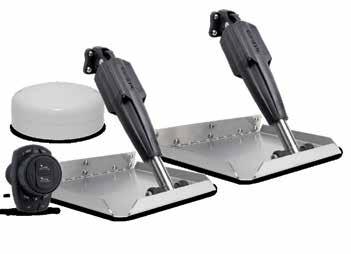
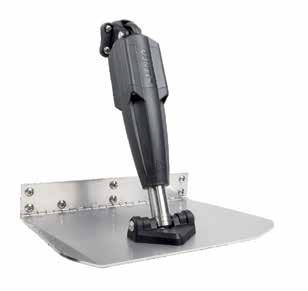
LENCO PRO CONTROL TRIM SYSTEM
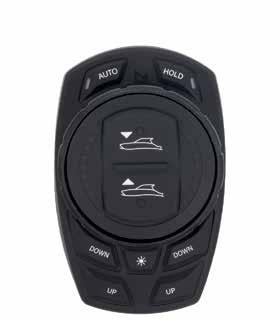
Lenco has released its new Pro Control trim system, introducing an updated approach to automatic and manual trim tab control aimed at improving ride comfort, stability and overall handling across a wide range of boats. The Pro Control range includes two options: Pro Control Auto, an auto-levelling system designed to actively manage running attitude, and Pro Control Assist, a manual control setup focused on delivering a more refined user interface and greater helm control.
According to Lenco, Pro Control Auto uses a newly developed control algorithm to automatically counteract changing conditions such as weight shifts, passenger movement and sea state. The system is designed to make near-instant trim adjustments as conditions change, with the aim of keeping the boat running level and stable at all speeds. Lenco claims significant improvements in auto-levelling performance compared to previous systems, along with faster response times, improved hole-shot performance and reduced re-entry impact when running offshore.
Pro Control Assist provides a manual alternative, featuring a dial-style controller that allows the skipper to fine-tune trim tab position while still benefiting from system features such as hole-shot assist. Both versions connect via NMEA 2000, allowing preferred trim positions to be stored and recalled, and enabling integration with compatible multifunction displays.
Installation has also been simplified, with Pro Control using an all-new CAN-based architecture that does not require an additional control box. The system is designed to integrate with Mercury SmartCraft and supports broader MFD integration for trim and surf systems. Lenco backs Pro Control with a five-year warranty, reflecting its focus on long-term durability.
An advanced setup and service tool is available for boatbuilders and technicians, allowing vessel-specific configuration, diagnostics and sensitivity adjustments to tailor performance to individual hulls. lencomarine.com
VIPER PRO SERIES XTREME OUTRIGGER BUNDLE
bellmarine.com.au
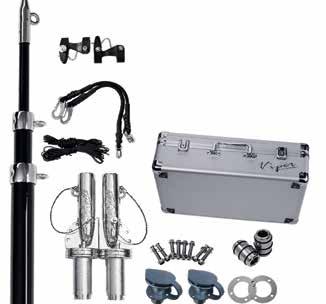
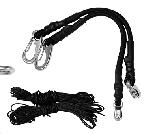
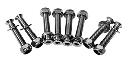
The Viper Pro Series Xtreme Outrigger Bundle is designed for anglers chasing reliability and strength in demanding game-fishing conditions. The three-stage 4.8 m telescopic poles proved strong, smooth to deploy and confidence-inspiring, while the updated removable deck-mount bases feel purpose-built for durability. A major upgrade is the use of heavy-duty commercial stainless bearings, delivering smooth rotation even under load and in rough weather. Adjustment is simple, with 180 degree bow-to-stern rotation and 90 degree vertical adjustment locked in by a heavy-duty springloaded stainless pin. Everything required is included, from line kits and pulleys to mounting hardware and a foam-filled carry case. Rock-solid, easy to use and clearly built for heavy use when the pressure is on.
samaki.com.au
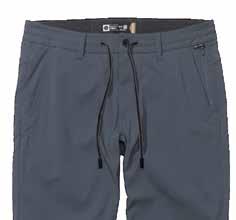
SALTY CREW TRANSOM TECH PANTS
The Transom Tech Pants in Magnet are designed for anglers and boaters who need comfort, durability and freedom of movement on the water. Made from recycled performance fibres, the fabric features four way stretch and quick dry properties, making them well suited to long days spent fishing, travelling or working around the boat. Stain resistant treatment helps keep them looking sharp, even after a hard session. Practical storage is a key focus, with side hand pockets, back patch pockets, a high left zip pocket for securing valuables and a mid right plier pocket for quick access to tools. Cut for all day wear and built to handle demanding conditions, the Transom Tech Pants strike a balance between technical performance and everyday wearability. Available in sizes 28 through to 38. salty-crew.com.au
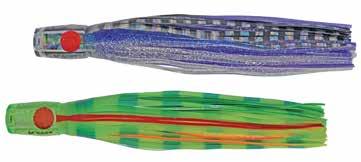
MCLURES RAINMAKER 8
Designed in Australia and built to high standards, the McLures Rainmaker 8 is a deep-running, heavy cup-faced skirted lure developed for blue-water trolling. The cup-faced head features four jet holes to create a strong bubble trail, helping the lure stand out when run in multiple positions behind the boat. Resin heads are built tough and finished with Red Crystal 3D eyes, while skirt options include UV over-skirts and McLures’ exclusive Luminite under-skirts that glow in the dark. Measuring 9.5in overall and weighing 120gm, the Rainmaker 8 is available in 13 colours for marlin and tuna. jurofishing.com
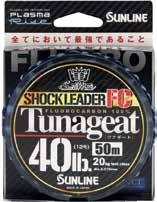
SUNLINE TUNAGEAT
Sunline Tunageat is a 100% fluorocarbon shock leader, enhanced with advanced Plasma Rise processing, creating a rubber-like surface that dramatically improves knot strength and abrasion resistance. With a 37% increase in durability over conventional coated lines, it’s built to withstand brutal fights and harsh structures. Featuring Non-Stress Spooling technology, the line is packed without compression to prevent damage, ensuring peak performance straight off the spool. Available in 16lb to 100lb, Tunageat is the ideal choice for anglers targeting tough species in challenging conditions. Made in Japan, this leader offers unmatched reliability and strength.
ejtodd.com.au
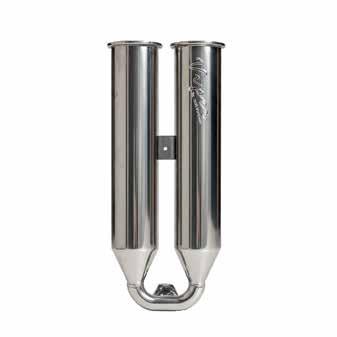
VIPER PRO SERIES LIVE BAIT TWIN SLIMY TUBES
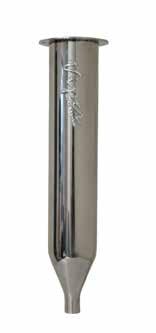
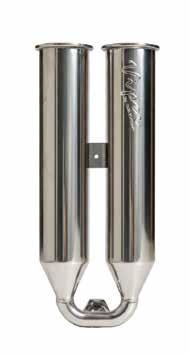
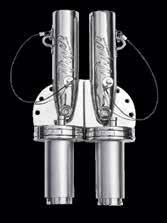
The Viper Pro Series Live Bait Twin Slimy Tube System is designed around clean installation, solid mounting and keeping baits healthy. Tested in a transom-mounted setup, the concealed through-transom inlet immediately stands out, allowing plumbing to run inside the boat for a tidy, factorystyle finish that avoids external clutter and can be connected directly to a deck wash. On the water, a single inlet feeds both 316 stainless steel tubes, delivering consistent flow that keeps slimy mackerel, garfish and similar baits active without excess turbulence. The tube design allows baits to swim naturally while rigged, helping reduce tangles when trolling and turning. A smart, well-engineered system that delivers both performance and a clean look.
bellmarine.com.au
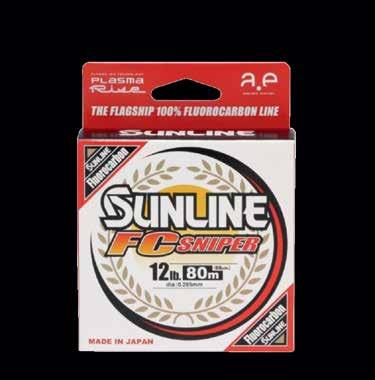
100% Fluorocarbon with virtually zero memory Sniper is designed as a mainline and has been formulated with the stealthiness of a sniper. Thin, strong and highly sensitive, with a high specific gravity (sinking) and low water absorption for minimal weakening over time, it’s ideal for spin reels and baitcasters alike. Manufactured with Plasma Rise.
Made in Japan.
200yd 2lb to 14lb
165yd 16lb to 30lb
Siglon PE AMZ is a new braid in Sunline’s Siglon series, featuring breakthrough Performance Sustainable Processing (PSP) that extends its lifespan. The 4 and 8 strand lines stay smooth, durable, and resistant to fraying, ensuring longer casting distances and consistent performance. Woven 33% tighter than other Siglon PE lines, it offers reliability for any angler.
Made in Japan.
Multi-Colour
300m PE: 0.6 TO PE8. PEx4 150m Orange PE:0.5 to PE3
www.ejtodd.com.au
Sunline V Hard features a glasslike surface created with Plasma Rise technology, using a slippery polymer layer to repel scratches before damage occurs. Only the surface is hardened, retaining flexibility for better bites, strong knots and improved residual strength where it matters most.
Made in Japan. Available in: 50m 2lb to 50lb.
Kingfish
FOR KINGFISH
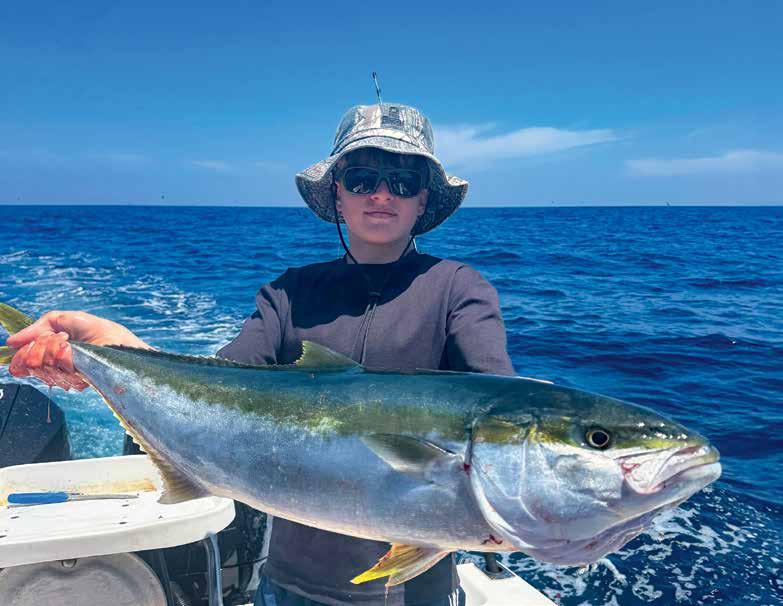
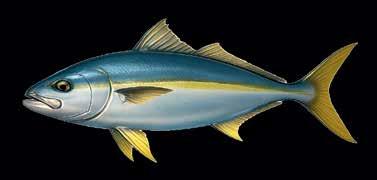
Yellowtail kingfish are one of the most versatile and hard-fighting pelagic species in our waters. They can be caught on dead bait, live bait, trolled lures, stickbaits, poppers and soft plastics, but jigging remains one of the most direct and effective ways to target them. This feature focuses on mechanical jigging—not because it’s the only method, but because it’s one of the most effective. Strip the technique back to its fundamentals and it works anywhere in the world, regardless of depth, structure or location. The gear used here is practical rather than elite, proven rather than fashionable, and importantly, accessible to anglers of all ages and experience levels.
UNDERSTANDING KINGFISH
Yellowtail kingfish are aggressive, curious and highly competitive by
nature. They are built to hunt in open water and thrive in environments where bait is forced to concentrate. While they’ll happily patrol tight structure, they are not bottom fish. More often than not, kings sit off the structure, suspended in the water column, watching and waiting.
They are visual predators that respond strongly to movement. Fast, erratic presentations trigger reaction bites, especially when multiple fish are present. This is why jigging works so well. It doesn’t rely on scent or patience—it relies on provoking a response. While summer is consistently the best season for kingfish, thanks to warmer water and stable bait patterns, they can be encountered through much of autumn when conditions line up.
FINDING KINGFISH
Finding kingfish is about understanding what attracts them beneath the surface. Obviously food, largely in the way of squid and baitfish such as yakkas, slimies, pilchards and white bait but there are other environmental factors that bring kingfish to certain locations. Water temperature plays a major role, with kings really turning on in warmer water over 19 degrees with peak bites often happening in the range of 20-23 degrees. They prefer stable water conditions which is great for anglers, however, you’ll still catch them in the rough. It’s often thought that kingfish prefer clear water but I often catch themm in dirty water as well, especially when bait is present.
Structure is key, but not all structure is equal. Reefs, pinnacles, ledges, wrecks and steep drop-offs all create pressure points where bait can be trapped by current. Kings often hold on the pressure side of structure, sitting just far enough off it to ambush passing baitfish.
Sounders and charts are critical tools. On the sounder, kingfish often show as strong arches or stacked marks mid-water rather than tight to the bottom. They may also appear as isolated marks above bait schools. Good charts help identify sharp contours, high spots and currentfunnelling terrain—prime areas to start a drift.
In Victoria, places like The Rip in Port Phillip Bay, Portland, Port Welshpool and Phillip Island are well-known kingfish grounds, while fish can be found right up the east coast of Victoria and along the south coast of New South Wales. These locations are simply examples. The same principles apply anywhere around the country—find structure, find bait, find current, and you’ll find kingfish.
MECHANICAL JIGGING
Mechanical jigging is the foundation technique for targeting kingfish vertically. The process is simple but demands discipline. Drop the jig to the desired depth, engage the reel, and begin a series of short, sharp rod lifts while winding steadily. Each lift causes the jig to dart upward, while the controlled descent keeps it in the strike zone.
The goal is not speed alone, but rhythm. Consistent lifts and steady winding create a predictable action that fish can track. Kings often eat on the lift, but many strikes occur as the jig stalls briefly or flutters
during a pause. Watching the line is critical—any hesitation, tick or sudden slack should be met with an immediate wind to set the hook.
Overworking the jig is a common mistake. If the jig is being ripped back to the surface too quickly, it simply isn’t spending enough time where the fish are holding. Mechanical jigging rewards anglers who stay focused and methodical rather than frantic.
THE GEAR
The gear used here reflects a practical approach to jigging. Overhead reels are my preference, as they are more comfortable to jig with and offer greater control than spin reels. While spin tackle certainly works, overheads provide better balance, more direct contact with the jig, and easier line management— advantages that become especially apparent during long jigging sessions. The main reels I have been using over the past few summers have been Shimano Speed Masters in size 10, they’re affordable yet quality lever drag overheads that, while not designed
specifically for jigging, are more than capable on kingfish to around 95cm. Smooth drag delivery and solid gearing allow anglers to fish efficiently without needing to over-muscle fish. Once you move into jigging for significantly larger kingfish, heavier, purpose-built gear becomes necessary, but for the majority of situations, this setup performs reliably. They are also set ups that we’ll use to target gummy sharks which we’ll often do on the same day. You can purchase more specialised gear, and while I do have such outfits, when I’m fishing with my kids, I try and keep it simple and effective without having too much gear on the boat that it gets in the way. The reels are spooled with quality 50lb braid with 60lb monofilament leader (about two rod lengths) tied via and FG knot. I match these reels with a mix of Shimano Terez and Black Hole Amped rods. These rods are not overly expensive, yet they have stood the test of time. They offer progressive loading, good recoil for working jigs, and enough forgiveness to suit a wide range of anglers. Importantly, they work exceptionally well for younger anglers. A 12 year old and a 15 year
old were both able to jig comfortably, maintain good technique, and fight fish effectively—proof that jigging doesn’t need to be physically brutal when the gear is balanced.
The primary jigs that have been performing for me the past few seasons are Black Magic Deepwater Sim Jigs. These are affordable, highly effective jigs that do exactly what’s required. They get down quickly, even in current, with a subtle flutter on the drop and a clean, stable action on the retrieve. In many situations, their simplicity is their greatest strength. While there are plenty of expensive jigs on the market, it’s often these straightforward designs that get eaten when fish are holding deep and the priority is reaching them efficiently. The terminal tackle and hooks also hold up well, an essential consideration when targeting powerful fish.
One thing that I do that’s a little different is the connection know I use to the jig. After years of fishing for kings I was having to many uni knots fail on initial strikes. The constant pressure on the knot from the adreessive jigging of the
With the right gear and a solid grasp of the fundamentals, even young teenagers can pick it up quickly.
heavy jigs and then the sudden extreme pressure on the hit was causing them to break so I switched to the TN knot. It’s a far superior and much stronger knot that doesn’t take too long to learn. It features a series of wraps around the tie point followed by a series of half hitches that further strengthen the connection. I’ve never had one fail.
FIGHTING THE FISH
Hooking a kingfish is only half the job. The first few seconds of the fight are critical, as kings instinctively dive hard or angle back toward structure. Smooth, constant pressure is the goal. Short lifts of the rod combined with steady winding on the downstroke keep the fish under control without tearing hooks free or angering the fish to run harder. Overhead reels excel during the fight, allowing for quick drag adjustments and precise pressure control. Keeping the line as vertical as possible reduces the fish’s ability to use structure to its advantage. Calm, controlled movements consistently land more fish than aggressive pumping or locked-up drags.
LANDING KINGFISH
Gaffs remain the best option for landing kingfish intended for the table, providing a quick and secure finish. For anglers planning to release fish, a large, knotless net is a better option, reducing damage to the fish and improving survival rates. Preparation is key—have landing gear ready before the fish reaches the boat to avoid rushed mistakes.
LOOKING AFTER THE CATCH
Kingfish are excellent eating when cared for properly. Once landed, they should be dispatched quickly and placed straight
into an ice slurry. Fish bags are ideal on boats, often more practical than bulky ice boxes, as they allow fish to lie flat and cool evenly.
Properly iced, kingfish produce firm, clean fillets that can be prepared as outstanding sashimi or any number of dishes you can imagine. Jigging for yellowtail kingfish is a technique where you’ll find success focusing on fundamentals. Find the fish, present the jig correctly, use balanced gear, and stay controlled through the fight.
Do that, and the same approach will work whether you’re fishing close to home or halfway around the world. Kings don’t care how expensive your gear is—they care about what moves through their space at the wrong moment. Get that right, and jigging becomes one of the most reliable and rewarding ways
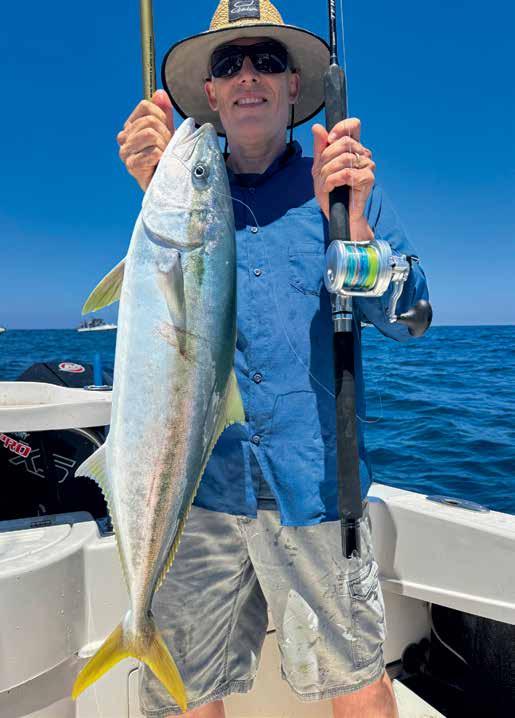
The Shimano Terez and Speedmaster combo is a proven setup for jigging and live baiting.
Black Magic jigs tied with a TN knot get the job done.
THE LURE OF BASS
It takes a lot for Dean Norbiato to miss the opening weekend for Murray cod –but exhilarating topwater bass fishing was the reward. WORDS & IMAGES : DEAN NORBIATO
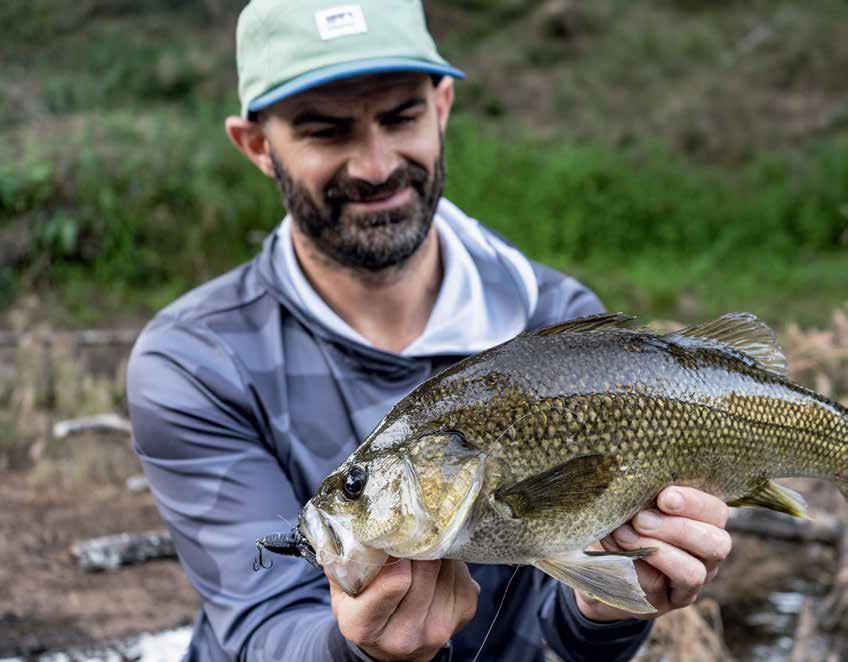
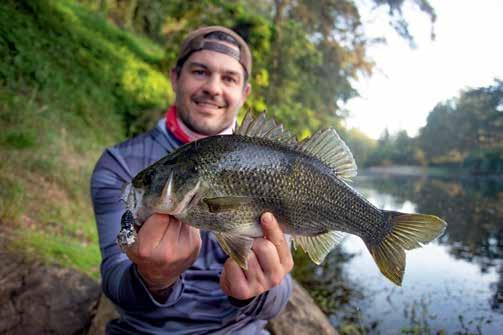
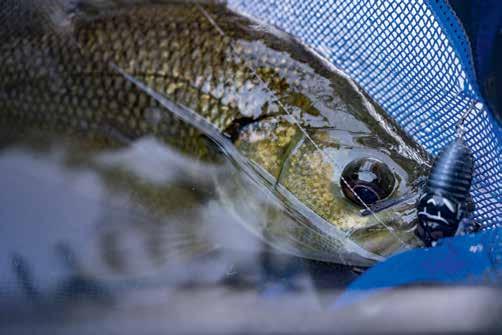
The Tiemco Soft Shell Cicada was the lure of the trip, landing all the bass that came on the surface.
We all have that one fishing friend, or should I say fiend. The one who constantly chips away at existing plans and pushes another angling option. I have been fishing the cod opening weekend in December for so long I can’t remember the last time I didn’t. Murray cod tend to do that to a bloke – infect them so bad, you can’t live long without a hit. This is exacerbated during the three-month closed season hiatus where you surrender your graphite swords to the cod gods. Come December, you are frothing at the mouth to get your cod fix.
However, I have one such mate who has been chipping away at me to extend my Murray cod holiday a little longer and join him on a clearwater bass mission. It just so happens to be that bass, like Murray cod, become quite active during early summer – or so Hilly indoctrinated me into thinking.
As a novice bass fisherman, having flirted with the species for a few years, mainly in impoundments, I finally gave in and agreed to forgo cod opening and go chase some shallow water river bass.
BACKROAD BASS
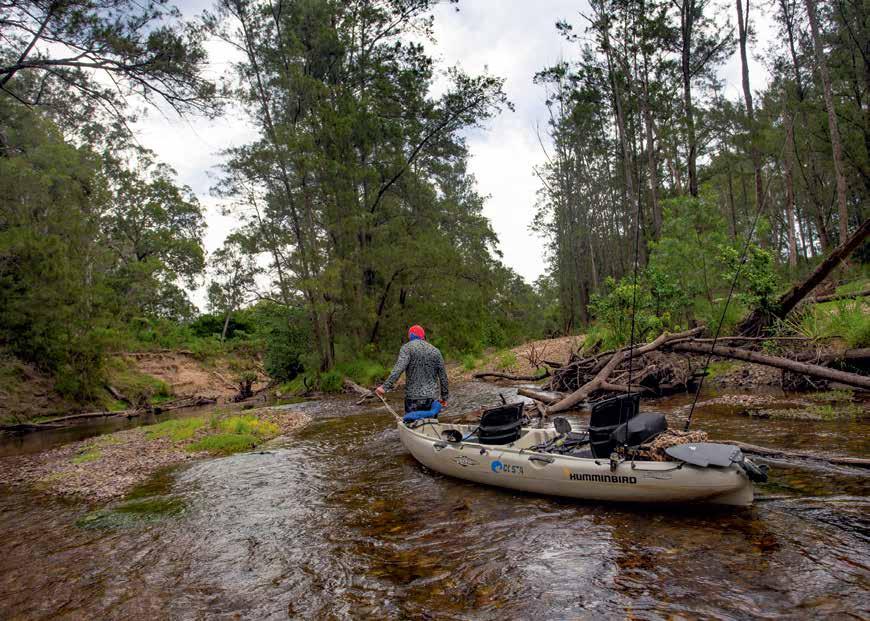
Loading up the ute it felt alien to be packing such thin strands of graphite compared with the crowbar-thick cod sticks I’m accustomed to at this time of year. “Don’t worry, don’t worry,” Hilly kept yapping, “wild bass pull harder than any 80cm cod that swims.”
His words did little to quash my scepticism, but I gave him the benefit of the doubt, at least until we got stuck into some of these silver bruisers and really tested their temperaments. Heading south from his home base in Canberra, we quietly snaked our way to the coast, where we were using Batemans Bay as a base for the trip.
Under the glow of the late afternoon sun we unpacked our gear, extended the awning from the ute and assembled our fishing gear. We were using light to medium 7ft spinning rods and 2000-sized reels with 10lb braid and 12lb main leader.
My first thought was the size of the leader was way too high for such pintsized pocket rockets. With a gentle hand on my shoulder and a reassuring nod, Hilly said 12lb was the lightest he would go in this gnarly country. My ‘smart ass’ sense kicked straight in, and I mocked him that the leader thickness had a direct correlation to all the lures he bought, and him not wanting to be out of pocket.
Funnily enough he didn’t respond to my barb and in a split second we were soon bobbing two inches above this nondescript south coast river loaded to the eyebrows with anticipation.
What finally got me to steer clear from green on cod opening was Hilly’s promise we would predominantly be fishing topwater for bass. Now, nothing makes the hairs stand up on the back of my neck like a topwater bite, no matter what the species.
With two dark-coloured soft shell cicada imitations tied on we started to search for the darker pockets created by the heavy foliage overhanging most stretches of bank. It’s basic topwater science. Find the darker, shady sections of river and they will increase your surface success tenfold.
What I hadn’t factored into this finesse style of fishing was the amount of rust
that had accrued on my casting ability. It’s a far cry from the brute work of thundering out a 150g lure on a swimbait rod, compared with the delicate delivery of a 5g cicada.
For the first half an hour at least, I spent more time out of the kayak exploring the native flora and fauna recovering repeated ‘over-zealous’ casts. The sight of a 6ft-plus red-bellied black snake really sharpened my focus and ensured I started dropping short rather than overshooting the runway.
It’s funny, the first topwater take happened when I landed a near-perfect cast into the dark back alcove of a snag. Before I even had time to gloat at the precision of the cast all hell broke loose, as the line pulled taut and tore off under the snag.
“I think I’m bricked.” “I think your bricked.” That was the short and sharp assessment of the situation. After some handy rod work we quickly realised, indeed, I was bricked and we subsequently lost ‘our’ first $30 lure.
Somewhat sheepishly I dived back into the ‘communal’ tacklebox and tied on another topwater lure. Rather than a fresh one out of the packet, I found a more battle-scarred veteran.
As we continued under pedal power down the river, we missed a series of spirited boofs. Funnily enough it was only the very best and most accurate casts that generated the action. Fall a foot too short or wide and you could have been fishing on the moon.
This would soon change as the sun dipped behind the mountains and sent a blanket of shadows across the river. It was like someone flicked the proverbial switch as almost every cast generated a swirl or a full-blown topwater bust-up. This window would last only 30 minutes before it became too dark to navigate our new surroundings (without pinging lures into the top of trees, that is).
It was a fast and furious test of our angling ability both with the rod in hand and without – the latter a true test of the speed at which Hilly could retie an FG knot after being dusted up by a monster wild bass in the sticks.
With wet, trembling hands, under the fading light he rapidly attempted to marry together two equally thin strands of brand and fluoro leader. Meanwhile I’m getting lit up on the surface like a war zone, all the while giggling uncontrollably like a school kid. I must admit, at that point, cod opening was a distant memory as we milked every last
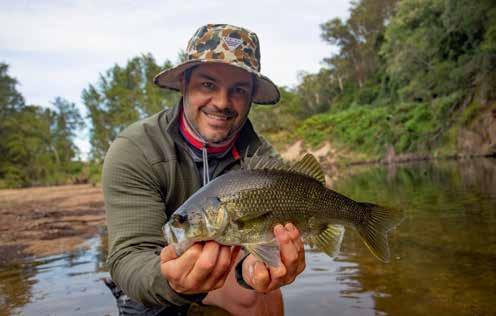
Hilly with another solid bass coming on the Tiemco Soft Shell Cicada.
cast out of the fading light. Back at camp it was a flurry of amber ale and high fives as we loudly regaled the action of the evening. Never had I bore witness to such frenetic surface action that felt like it was a blow-up every cast. The next morning could not come quickly enough as we retreated to our swags, both drunk on topwater strikes.
MORNING GLORY
As the old fishing fable usually plays out, the morning session didn’t live up to the hype of the night before. While we still drove the hooks into some fiery bass in the mid 40s, we had to work a lot harder for the topwater action.
One of the key tactics that we employed, almost by accident, was our unique retrieve style. After delivering a long cast to a darkened pocket of the river, we would wait a handful of seconds before giving the spinning reel five quick cranks of the handle. It would instantly burst the bait back into life and see it dance briskly across the surface. Then, we deadsticked the surface bait and wait for another few beats before repeating the action. Almost every time the bass would smack the bait on the second pause of the retrieve. It became uncanny how the bass would hit only during the second pause phase, to the point three-quarters of the fish landed that morning came during that stage of the retrieve.
This was in contradiction to the night before, where most fish came from the initial drop phase on the water, before
Black was without doubt the most productive colour.
we even had time to retrieve the bait an inch. As the sun reached its apex overhead, we tried a few soft plastic subsurface options before retreating back to camp for a swim and a feed.
With the quintessential sounds of summer ringing in the background, the cricket on ABC radio, we soon heard the sound challenged by the buzzing of cicadas. This distinct sound caught both our attention as we sat bolt upright and shared a glance. This cicada activity should translate into a red-hot surface session come low light. But, like all fishing, nothing is certain.
FINAL FRONTIER
Under the continued chorus of chattering cicadas, we pushed off in the Even the smaller ones fought
The author with a mid 40s bass taken on a battle scarred Soft Shell Cicada.
kayak for our final session of the trip. We collectively reaffirmed our commitment to only throw topwater baits by accidently leaving the sub-surface box back at camp.
Reaching the first snag, Hilly piffed a near-perfect cast. Before it even had time to reach the surface it was obliterated by a bad-ass bass that instantly ran for cover. Much to his chagrin, Hilly had forgotten to tighten his drag after tying a new leader at lunch. As a result, this bass made an absolute mockery of him and buried him so deep in the snags we think it made it all the way to China.
My laughter soon drowned out the cicada chatter, as we paused for a new leader knot and bait to be tied on. While it was an unfortunate occurrence, it did signal that the bass were again ready to rumble on the roof.
With a fresh new bait Hilly then made up for his false start by plundering a brace of high 40s bass on the next two snags. Interestingly, the best fish were coming from the spindliest snags in the river. The big burly root ball snags seem
infested with smaller fish, while the easy to ignore, periscope snags in mid-river seemed to hold better-quality brutes. It was at this point I took stock and appreciated the sheer enjoyment of these fish. Murray cod were the furthest thing from my mind, as I was so engrossed in these silver bullets. Although, I wish I was a little more focused as I had my pants pulled down at the next spot by a bully of a bass.
You literally can’t let your attention lapse for a second if your surface bait is in play, as that’s all it takes for them to steal a $30 bait from your possession. Even a big Murray cod gives you a fighting chance before burying you in the sticks. Well, most of the time, anyway.
As the sun again fell and the moon rose, the fishing returned to its frenetic best. With a better understanding of our surroundings, we fired off more accurate low-light casts and, thankfully, avoided overhanging branches.
Like the night before, it was the initial plop on the water top that generated the most amount of bass action. However,
the burn and kill retrieve also accounted for several quality fish for the evening. No surprises, but darker more naturalcoloured baits, especially black, worked best.
With a cavalry of new surface memories in the grey matter and renewed appreciation for bass fishing, we slowly navigated back to base in complete darkness. As we had to take off early the next morning, we pulled the kayak up the bank and packed away all our fishing paraphernalia. After a few more celebratory ales we hit the hay.
BASS ADDICTION
Taking off the next morning and it hit me like a ton of bricks. Throughout the entire trip I was so engrossed in my new freshwater foe, I had completely forgot about my old nemesis, the mighty Murray cod. Now, I would have never thought I’d ever write that sentence about Murray cod, so, it really speaks volumes about the exhilaration of a topwater bass bite. It’s something that has to be experienced to be believed.
The lure of the next bend.
NO SCOPE? NO WORRIES
You can still successfully target barramundi in dams without live sonar.
WORDS & IMAGES : MARK GERKOVICH
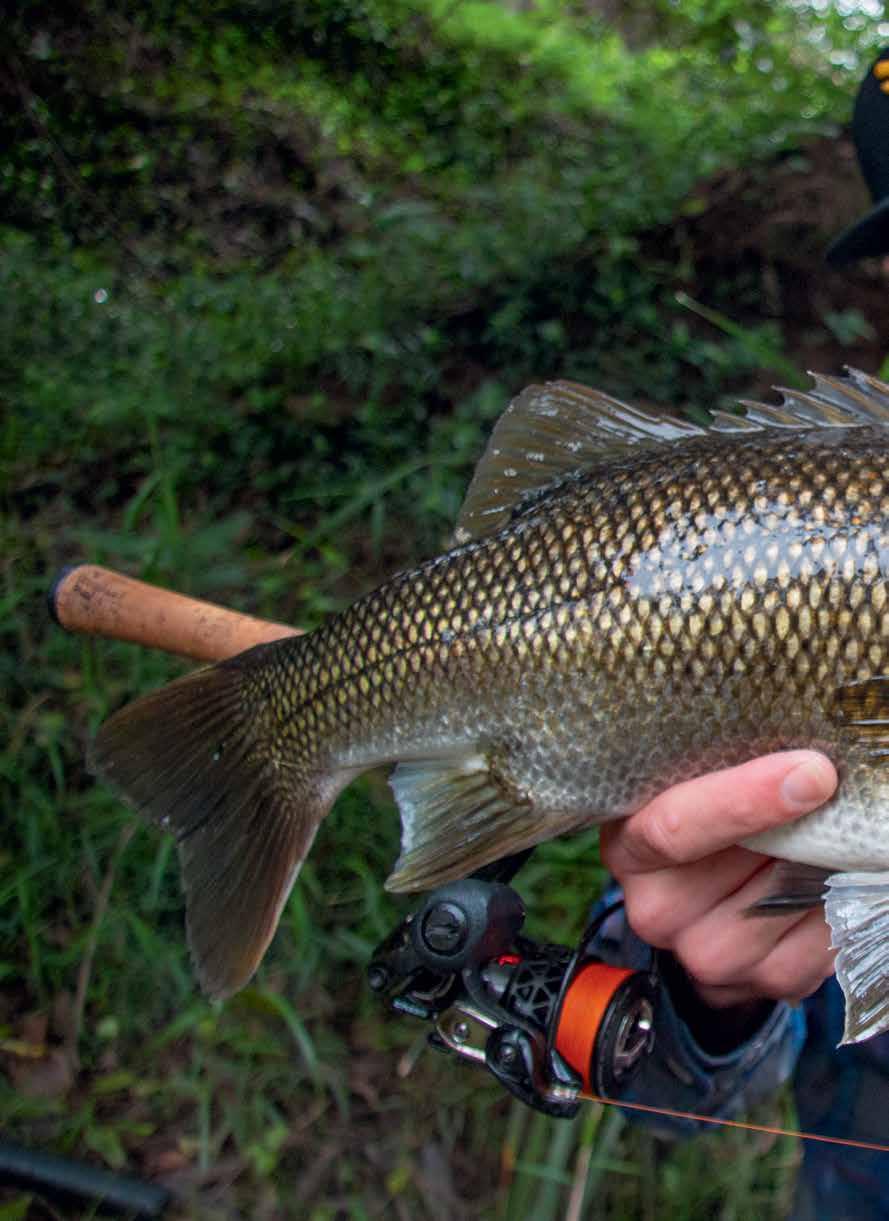
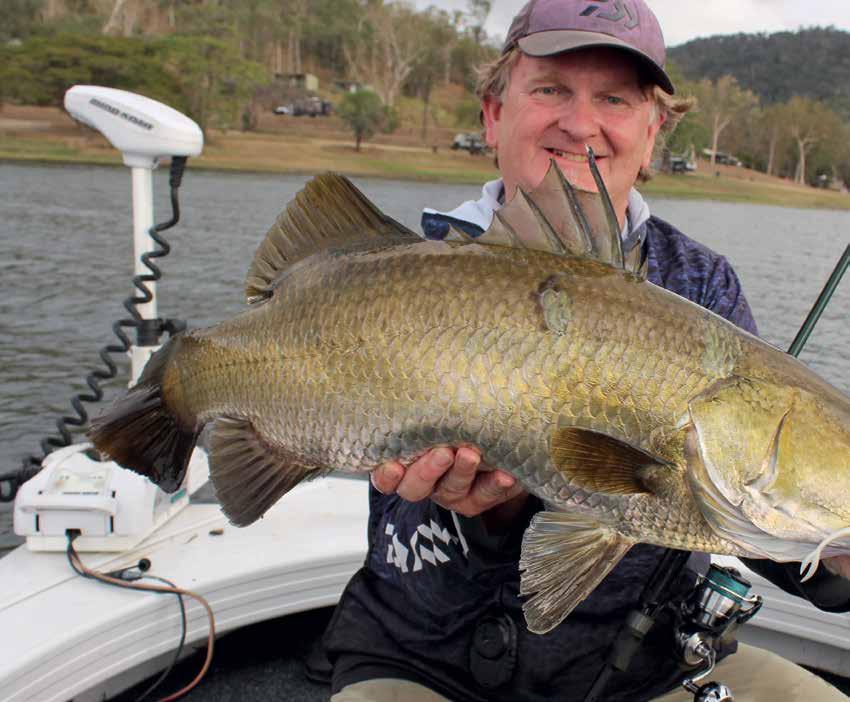
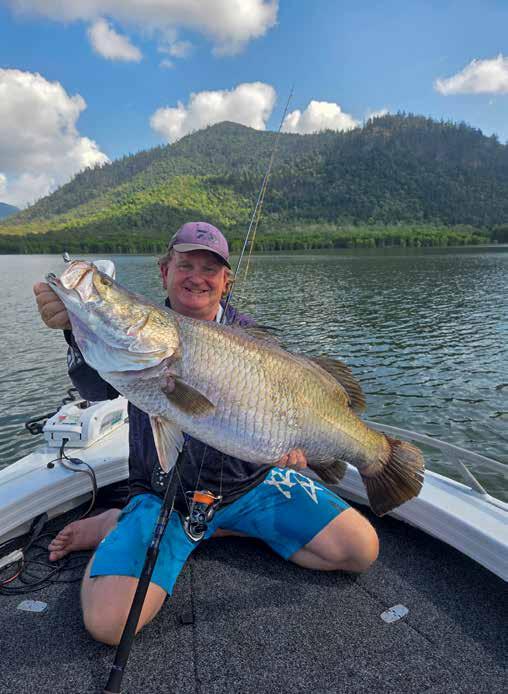
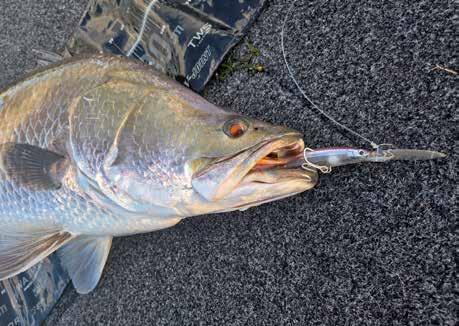
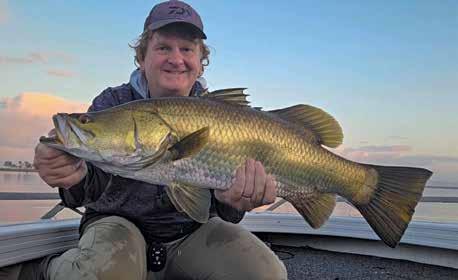
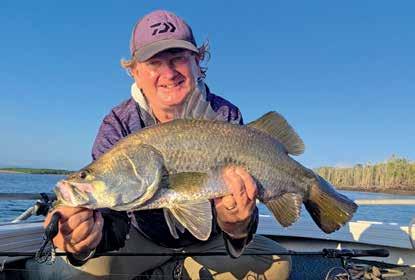
Even without live sonar the author managed some great barra on his trip up north.
I haven’t yet had the need or desire to buy a live sonar set-up – the type of fishing I mainly do locally doesn’t justify the cost or having all the extra paraphernalia hanging off the nose of the boat. However, I was a little concerned this decision may come to bite me on an extended trip north recently, particularly when it came to targeting barramundi, both in dams and in the salt. The angling media imagery, showing how successful live scope techniques are when targeting big barra, is hard to miss and very impressive. How far behind the eight ball was I going to put myself by not having access to this technology?
Let me say now, if I was living up north and my local water was a barra dam, I would 100 per cent go down the live scope road, but more on that later. Fortunately, despite not having live
technology at my fingertips, I was able to put myself in contact with enough barra to keep a touring Victorian more than satisfied. Let’s have a look at a few ways a travelling angler might get themselves onto some barra if they don’t have the scope.
FROGGING
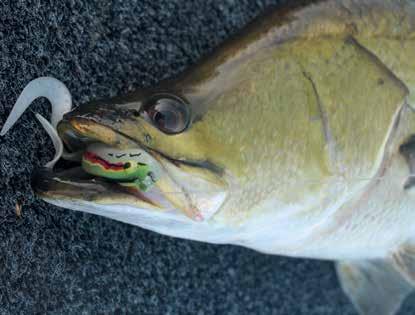
On past trips to the barra dams I’d given up on frogging because I just missed too many fish, particularly when hits could be few and far between. The plastic on the frogs just seemed too solid in consistency to feel confident of a good hookset. At the suggestion of a mate, a switch to big bent minnows did the trick, with more solid hook-ups on the trebles. Interestingly though, this trip I couldn’t buy a hit on the bents, but I fell in love again with frogging, not only in the dams but in the salt. Using the Daiwa Kikker CurIies I felt the Elastomax material (which seemed to be a perfect blend of not too weak that it gets destroyed in one good hit, but supple enough to give enough on strike to help the hook penetrate on the hit) and the grooved structure of the frog gave me more confidence in being able to set a hook more easily than I had in the past. I’ve never been a big weedless hook-set fishing fan, but I was being converted. In the dams it was all about weed beds and lily pads. No scope required for this style of fishing, either just blind flogging and hoping for that big blow up, or better yet, sighting a fish cruising or tailing in the weeds. Now this does look easy on YouTube, but in reality it can take hours or days of cruising along looking for such an occurrence, but damn is it worth it when it happens. I also had a couple of frog sessions at night on unseen boofing fish in the dark. Interestingly this happened in the pitch black, with no moon, which made for very disorientating conditions. Marking weed beds and likely locations in the daylight was a key to at least feeling like I had some idea what I was doing and where I was casting in the dark. Frogging in some smaller, clearer saltwater systems was probably even more fun than doing it in the dam. Most of the bigger systems had quite low visibility, but in some smaller rivers and creeks you could cruise along on the electric and often spot barra sitting tight to the snags. When I first came across this I tried throwing a few different presentations at them with barely any interest from the fish. However, putting a frog in usually triggered a reaction. The more suicidal the cast, the more effective
it would seem. At times it seemed the fish might knock themselves out on the mangrove roots or branches, so close to them would they try and eat the lure. Of course, not only was this effective on the barra but any mangrove jacks encountered loved the frog as well. My favourite method of bream fishing back home is pinging pink grubs tight to structure and this was just like it… but on steroids. So much fun! In the dams the 4.25in (big) frog was the go-to, but in the mangroves the smaller 3.2in did the trick.
TROLLING
Purists may say trolling is as heinous as scoping, but for the travelling angler new to a barra dam or river, it does have some advantages and benefits. If you are a travelling southern angler I’m sure you will find the conditions up north far warmer than you’re usually used to. A casual troll can be far less taxing in the heat and humidity than a big session of casting and retrieving. It also gives you a good way of checking out and getting a feel for a new location while still having a chance of hooking up. All the dams and many of the river systems are quite large. One thing I tried to stick to was not feeling the need to try to explore/ fish too much of a new location. This can be difficult because it’s natural to be always thinking of what might be round the next few bends in the river or across the other side of the dam. I decided I’d be better off focusing on trying to fish a smaller area, keeping my head down and lures in the water rather than jumping all over the place. Choosing said areas can be difficult but there were little elements that helped. Picking banks or weed beds that had prevailing wind blowing on them is a good idea, whether you are in a trout lake in Victoria or a barra dam in Queensland.
Fishing later into the season in the dams meant that targeting the main river courses and near dam walls would hopefully put me near fish heading ‘downstream’ in a futile attempt to spawn. These deeper areas lend themselves to trolling and there is a surprising number of people who fish this way successfully, despite most angling media focusing on cooler things such as top water and scope fishing. There always seem to be some barra that spend their whole time living a pelagic lifestyle and some that spend the whole time in the weeds – so fish can be where you find them despite the time of year. I’d find myself fishing weed beds and shallows early and late, then supplement the session with a leisurely troll.
On our first trip to the barra dams years ago a helpful person had suggested, “Just put out the mackerel divers you’ve been using offshore and troll in the deeper water.” To my shock, 20 minutes into our first attempt at this style of fishing we were hooked up to a metery. Trolling deep-diving lures such as the Daiwa Double Clutch 115 EXDR, Rapala X-Rap 20s and 30 or Duo Fangbaits off the main motor seems simple enough, but does work well on the dam barra that have settled into a pelagic lifestyle of swimming round in the middle of nowhere harassing bait schools. While doing some trolling one day I decided on trying something a little different. Hanging a smaller lure or plastic off the back of the main diving lure is a technique I’ve used successfully in the past on the deep, crater trout lakes in Victoria. Using a deep-diving cod lure to get a smaller hard-body or plastic down to depths they wouldn’t be able to reach on their own works surprisingly well. I tried the barra version of this by using a little swimbait or soft plastic attached to a short leader off the back of a big deep diver and was stoked to have it go off a couple of times. Sometimes they grabbed the big lure at the front, sometimes the little lure at the back. It’s always good to try something a little different if you’re thinking the fish have seen plenty of presentations in their face previously.
Alternatively, you can also cover ground in the shallow areas by trolling a spread of shallow-running lures and swimbaits off electric in close. It may not be as
cool as casting top waters, but there is nothing wrong with kicking back on a beautiful warm evening silently trolling along the shallows in a barra dam waiting for the explosion out the back. While leisurely trolling around and checking out a new area, you can also keep an eye on what’s going on with any other boats on the water. Now, these scoping boats aren’t silly and even if they aren’t catching, they’re definitely looking at something if they are spending time in one area. Combining what you see on your normal sounder with where other boats are hanging can give you some idea of where fish might be concentrated, even if they aren’t biting at that particular stage. If you
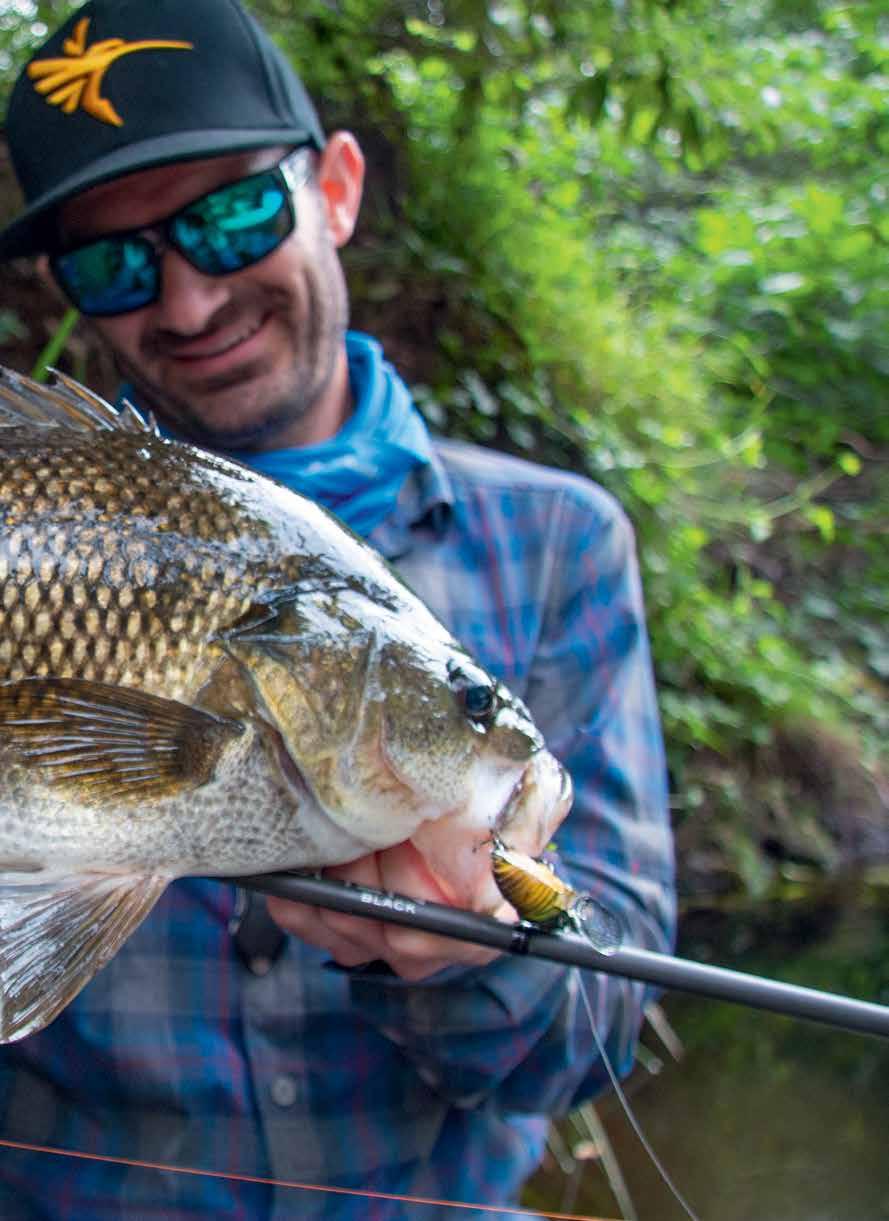
The author with a monster barra on the Bait Junkie 5 inch Jerkshad.
Top water froggin is amazing fun
19” & 24” screensuper-sizeoptions.
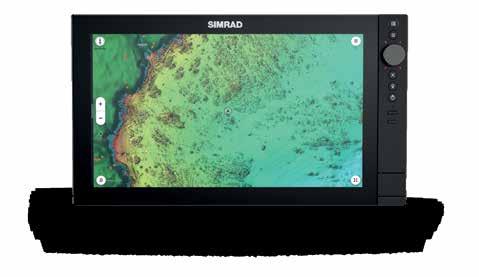
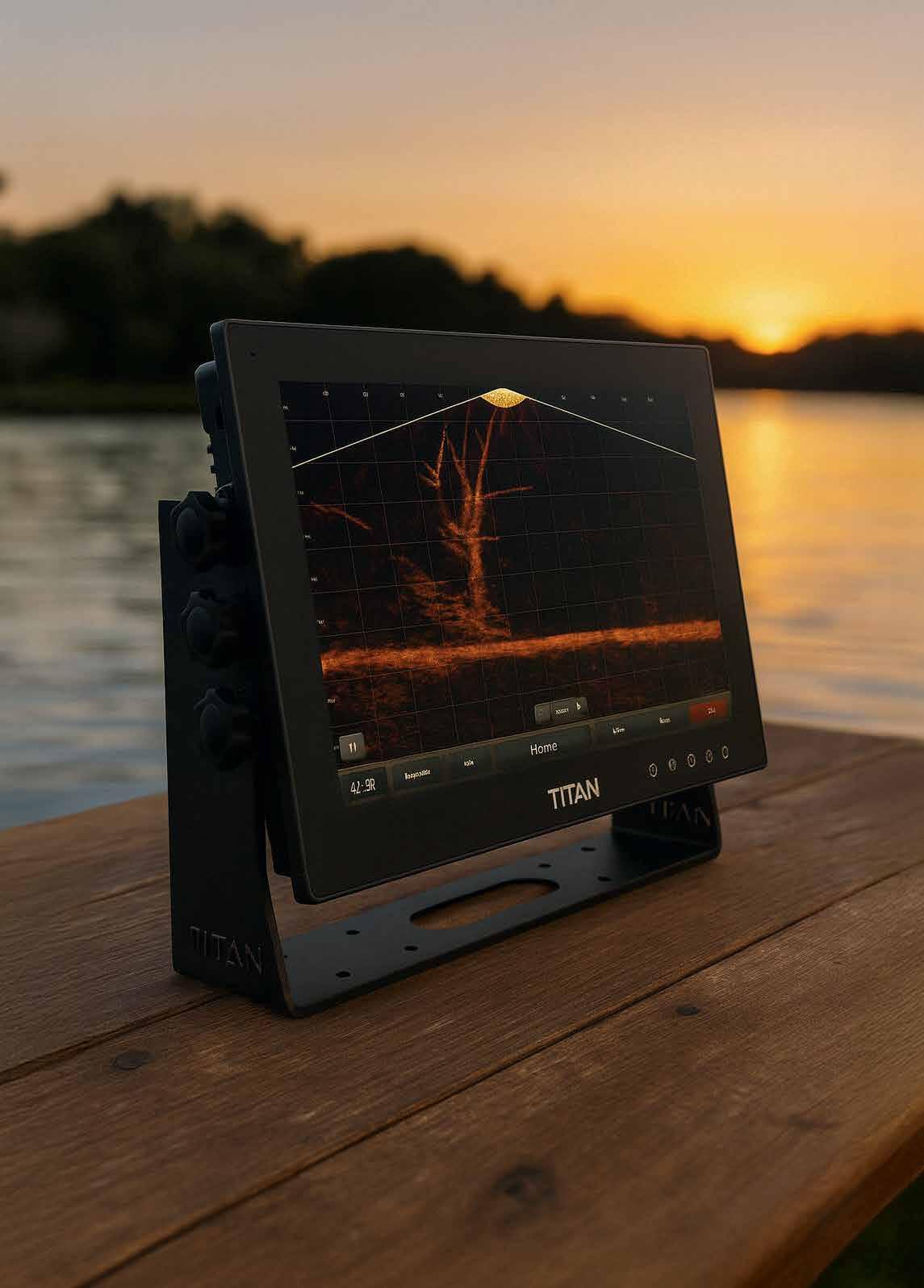
The next evolution in marine electronics designed to provide fisherman with an affordable solution to enhance their live sonar experience. The Titan features a durable CNC-machined aluminum body and an IP67 waterproof rating. With a stunning 1920x1080 FHD display, 1300 nits of brightness, and polarized IPS glass, the Titan ensures superior visibility in all lighting conditions. Its 10-point touchscreen interface provides smooth, responsive operation, making it easy to control and monitor your marine systems while out on the water.
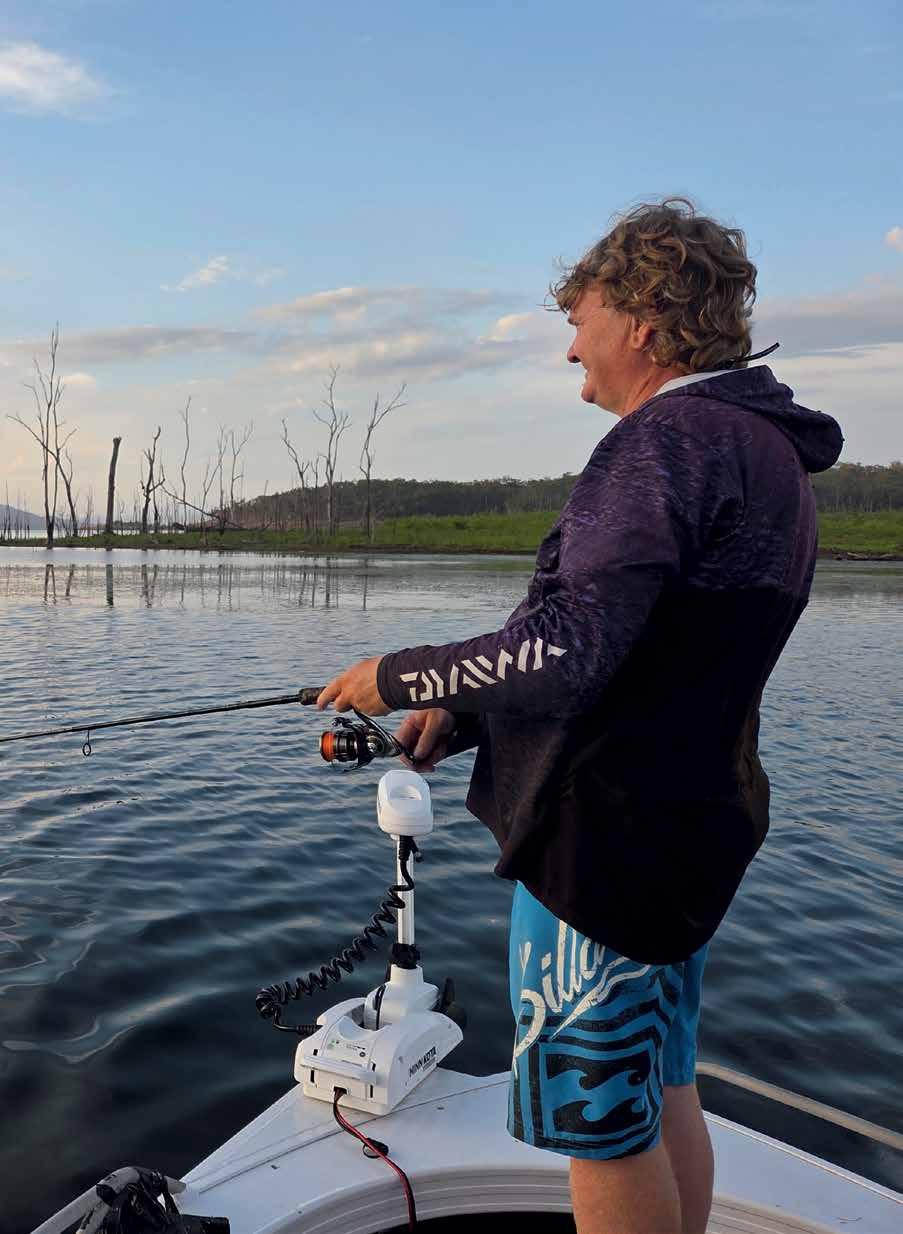
A range of techniques, an electric motor, a simple MFD and a small tinny is all you need.
think you are in a likely spot that might produce fish, keep coming back to it as a change of tide in a river or moon rise or set in a dam can make all the difference later on. A couple of times in both the fresh and the salt I was able to catch fish in areas I’d noticed people fishing heavily, even though they didn’t seem to be catching a few hours previously.
FLATS FLOGGING
At one particular dam, I was searching around the shallows trying to find those cruising/feeding fish so I could try to catch them on top water, or a lightly weighted plastic – but I was struggling. Yes, I was seeing fish in the clear water, but they weren’t hanging around or giving me any opportunity to get a cast in. Any fish I saw I couldn’t catch. At least I knew now there were fish in the area. So instead of trying to hit up fish I could see I just started covering the area with long casts, in much the same way as I would fish for flats bream back home. I changed to a small swimbait in a similar pattern to the forage fish I could see swimming around and began
just hammering out long casts hoping I’d cover the fish I had been seeing. I would line up the boat to use the breeze to take me where I wanted to be and used the electric as little as possible to add to the stealth mode of the presentation. It worked and these sneaky barra were soon erupting out of the water with my lure in their mouths, instead of teasing me and swimming off once spotted, although it was harder work using bigger lures and gear in the heat than constant casting with lighter gear back home. If the water isn’t clear enough to see fish, you can locate them either on normal side scan or down sonar and persist in that area – still without the accuracy of scoping, but you’re still in the game.
So hopefully there’s a couple of ideas that might help a travelling, scope-less angler not feel too hope-less. As I said earlier, I can see the benefits of the outlay for live-scoping if you’re fishing this style all the time. The low visibility of many rivers means spotting fish with your eyes is impossible, so the scope becomes your
eyes. In hot conditions it makes sense to do minimal casting and focus all your efforts directly where you know fish to be. Also, as mentioned previously, these waterways are big. Narrowing things down and finding where fish actually are is a big advantage, even if you aren’t getting them to bite. I was often blind fishing at a productive, but always a short, bite time and wishing I knew whether there were fish there or not.
Queensland barra dams are truly wonderful fisheries, I’m old enough to remember fishing magazine columns where the debate raged about the merits of stocking barra in dams, and there was even a push to use imported Nile perch for this job.
Thankfully they went through with it as it gives the opportunity to target barra if the closed season, the wrong tides or bad weather wipes out saltwater options –very important if you’re only in an area for a short period of time. Yes, a scope is a massive help, but don’t be afraid of giving it a crack without one.
SHIMANO NASCI FD
Words & Images: Kosta Linardos | Distributed by: Shimano Australia | Web: shimanofish.com.au
Shimano has always done a good job of clearly defining where each reel sits in its line-up, and the Nasci now represents the entry point into Shimano’s Core Solid range.
It’s the reel that marks the transition from lighter, more general-purpose designs into a range built around rigidity, durability and continuous winding performance, without forcing anglers to spend premium money.
The previous Nasci FC set a very high benchmark in that regard, and after extensive time on the water with the new Nasci FD, it’s clear Shimano hasn’t tried to reinvent a winning formula, but instead refined it in all the right areas.
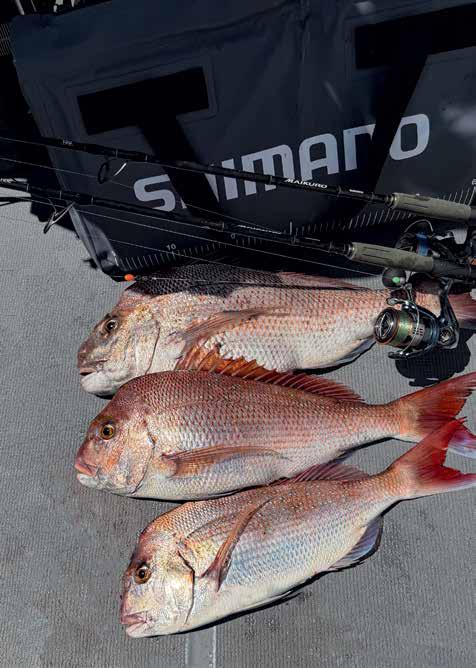
I tested the Nasci FD exclusively in the C5000 size, which in my view remains the ideal size for snapper fishing. It offers excellent line capacity, balances well on longer snapper rods, and the larger EVA power knob is a genuine advantage when fishing under load.
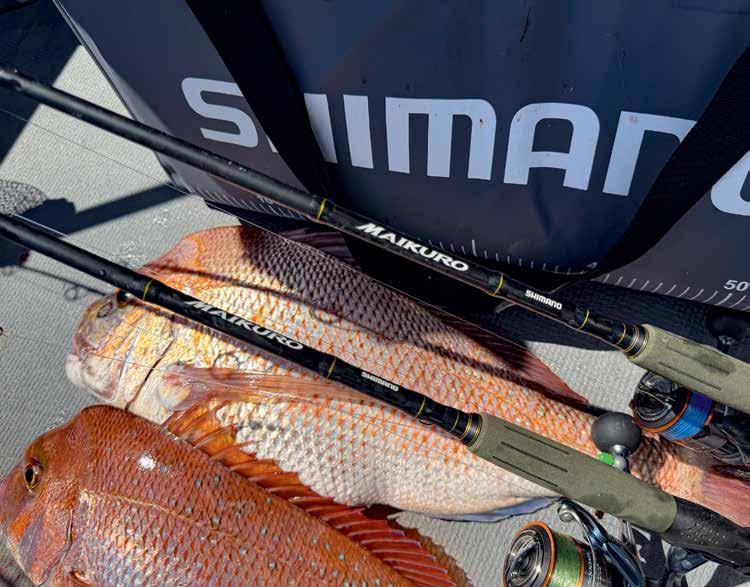
This reel was paired with Shimano’s new Maikuro rods, which proved to be excellent snapper rods, and the combination felt purpose-built for this style of fishing.
All testing was done using mono, not PE braid. While much of Shimano’s technology discussion often centres around PE applications, the refinements in line management are still very noticeable when fishing mono, particularly in the style of snapper fishing I do. I often fish with deliberate slack line out, allowing baits to waft naturally, and in those situations clean line control matters.
The Nasci FD manages slack extremely well, reducing line spill and ensuring consistent winding even when line tension is constantly changing.
Castability is another area where the Nasci FD stood out. While snapper fishing often involves casting heavier baits like silver whiting, it’s just as common to be casting much lighter offerings such as small squid strips. The AR-C spool design allows both heavy and light baits to leave the spool cleanly, delivering predictable, controlled casts regardless of bait size. That consistency matters when you’re repeatedly casting.
Before getting deeper into the FD itself, it’s worth providing some context. I’ve owned and fished multiple Nasci FC reels over the past five years. At one point, there were four FCs permanently in my snapper fleet, with smaller sizes also used as generalpurpose reels for whiting and trout. Those reels caught a lot of fish, lived in a harsh saltwater environment, copped constant spray and deck wash, and never developed any major faults.
By the end of this season, I chose to retire most of them, not because they failed, but because after five hard years they were starting to feel a little tired.
At this price point, that’s exceptional value, not a criticism. The Nasci FD builds directly on that legacy. At its core is Shimano’s cold-forged Hagane Gear,
TESTED & REVIEWED
delivering the same solid, long-lasting gear engagement that made the FC so dependable.
The major step forward is the inclusion of InfinityDrive. On the water, this translates to noticeably reduced resistance under load. When fighting fish near the bottom or applying steady pressure on larger snapper, reeling remains smooth and controlled rather than feeling laboured.
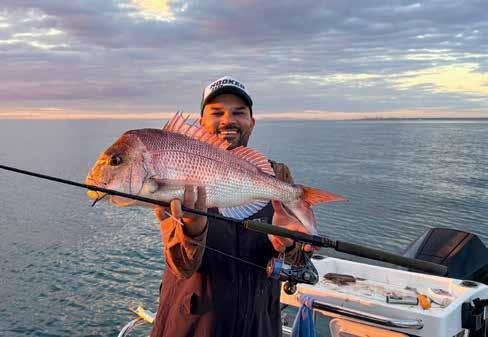
During testing, I landed multiple snapper to 7kg, and the reel handled them without hesitation.
Body rigidity remains a strong point. The high-strength resin body offers excellent stiffness without unnecessary weight, and there’s no detectable flex when the reel is loaded up.
The aluminium handle, combined with the screw-in design, keeps everything feeling tight and connected, while the EVA power knob is comfortable and practical during long fights.
Water resistance has also been addressed sensibly. CoreProtect is a non-contact system, meaning it doesn’t compromise rotational smoothness while still offering protection from water intrusion. After repeated exposure to spray, salt air and general deck use, the reel continues to feel smooth and consistent, which is exactly what snapper anglers expect from a workhorse reel.
Line management refinements such as the one-piece bail and Anti-Twist Fin work effectively even when fishing mono with slack line out. Line feeds cleanly back onto the spool without loops or inconsistencies, contributing to a very trouble-free fishing experience across long sessions.
Aesthetically, the Nasci FD is a standout. In a market where the vast majority of reels are black, silver, chrome or grey, the bronze and gold colourway is
refreshing. It looks premium without being flashy and sets the Nasci apart visually from much of the competition. It’s important to understand where the Nasci sits within Shimano’s range. As the starting point of the Core Solid lineup, it is designed for bait fishing and more robust lure work such as trolling, rolling hardbodies, casting metals or poppers.
It is not intended for high-rod-action finesse techniques, and it’s not meant to compete with Magnumlite reels like the Vanford. If you wanted more refinement or lighter finesse-focused performance, you’d move up the Core Solid range to Ultegra or Stradic.
For snapper fishing, that extra spend simply isn’t necessary.The Nasci FD is a dependable, tough, perfectly priced workhorse. For snapper anglers running multiple outfits, it remains one of the smartest buys on the market.
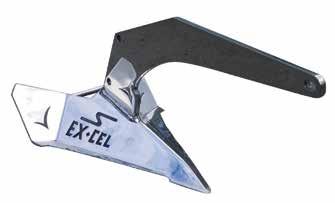
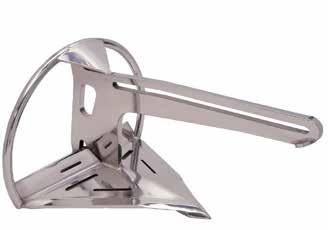
SUPER SARCA
SARCA EXCEL
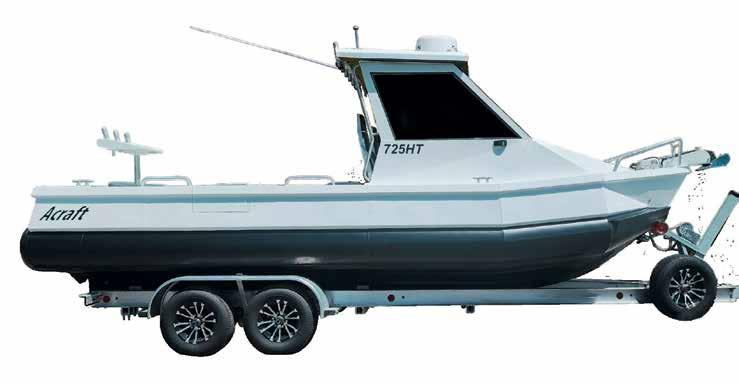
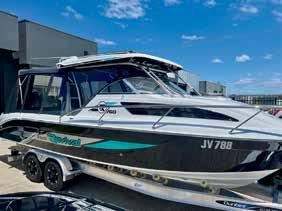
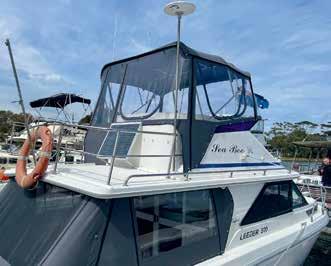
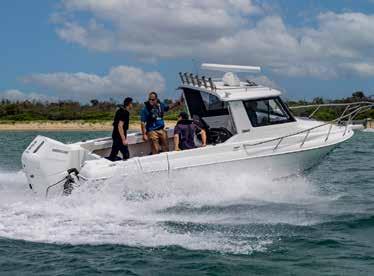
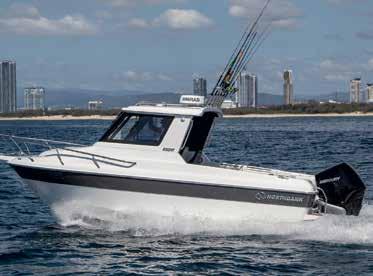
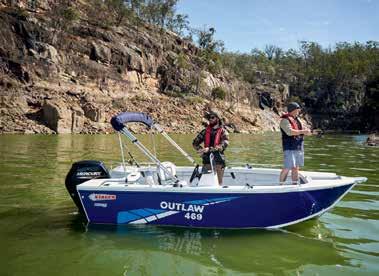
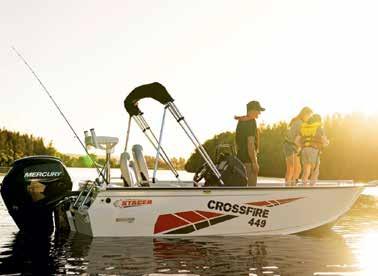
Melbourne Marine Centre is a true one-stop destination for boaters who want quality gear, expert advice and professional service under one roof. As authorised dealers for Stacer and Northbank boats and Mercury outboards, the team can match you with the right package whether you’re upgrading or starting fresh. Inside the full showroom you’ll find leading marine electronics from Garmin, Simrad & Lowrance along with an extensive range of boating parts and accessories to suit every setup. There’s also a well-stocked fishing tackle store, plus a six-bay workshop offering servicing on all makes and models and everything from fitting new electronics through to complete custom boat fit-outs
well-stocked
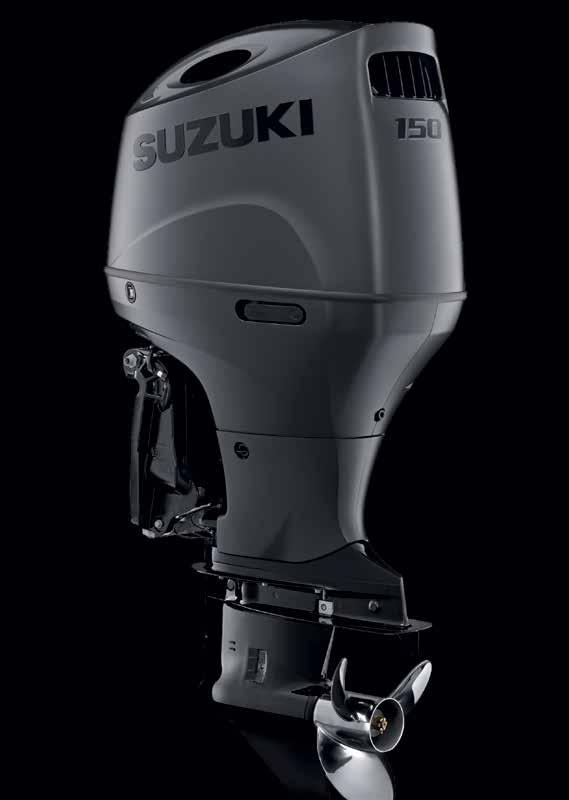
GET MORE PERFORMANCE
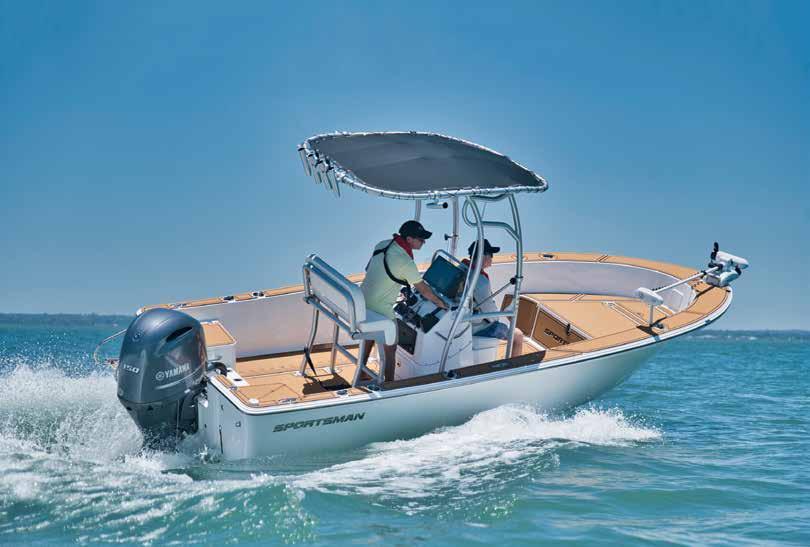
WITH ADVANCED LIGHTWEIGHT DESIGN AND BIG DISPLACEMENT FOR MORE TORQUE, SPEED AND ACCELERATION