Üloop™ Engineering
the Circular Future of Premium Textiles

A unified system o ering two distinct circular —designed to intercept textile waste
circular pathways—mechanical and chemical waste at every stage of its lifecycle.
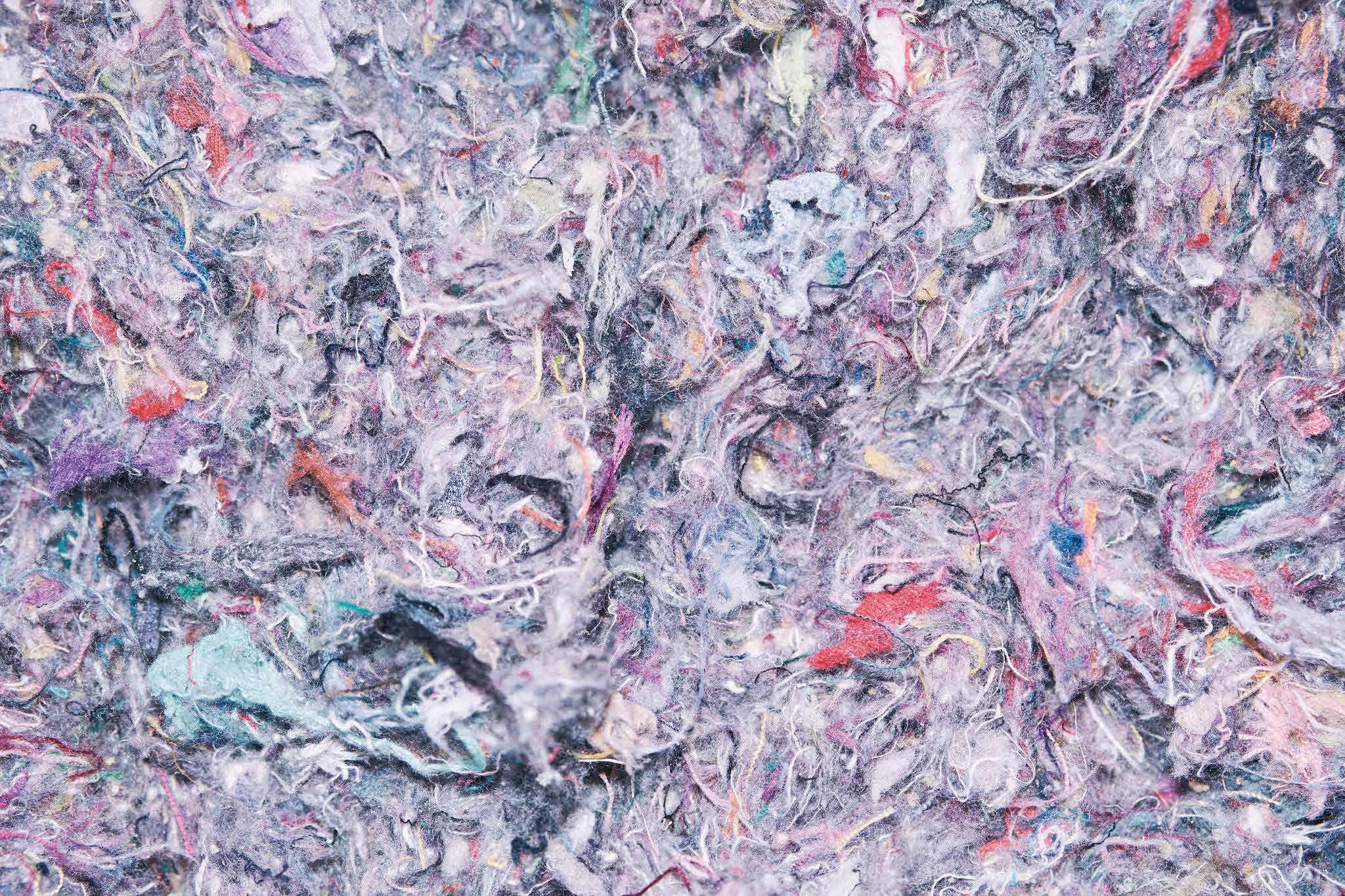
In traditional garment production, 70-85% of fabric is utilized, leaving 15-30% behind as scrap waste.
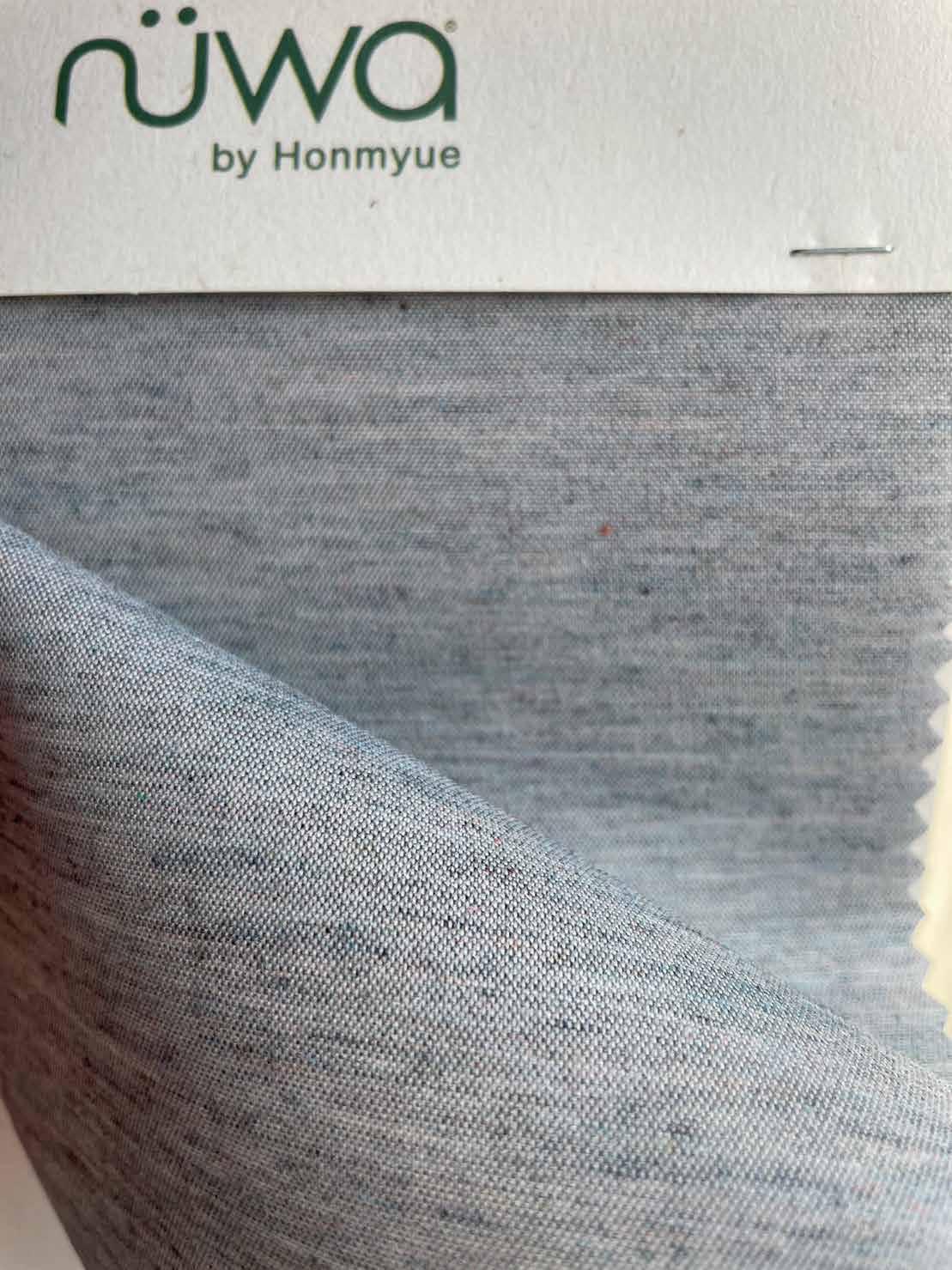
Üloop™RTEX intercepts this post-industrial cutting waste. Made from recovered scraps, this GRS-certified, low-carbon textile supports fiber-to-fiber recycling.

CO2 Emissions REDUCE WASTE
Üloop™ RTEX is our signature fabric, woven from regenerated fibers. Each thread tells a story of waste transformed.
4
Recovered fibers are spun into high-quality yarns—ready to begin again in a new form.
In garment production, 70-85% of fabric is used for the garment, while the remaining 15-30% becomes scrap waste. Collecting 1
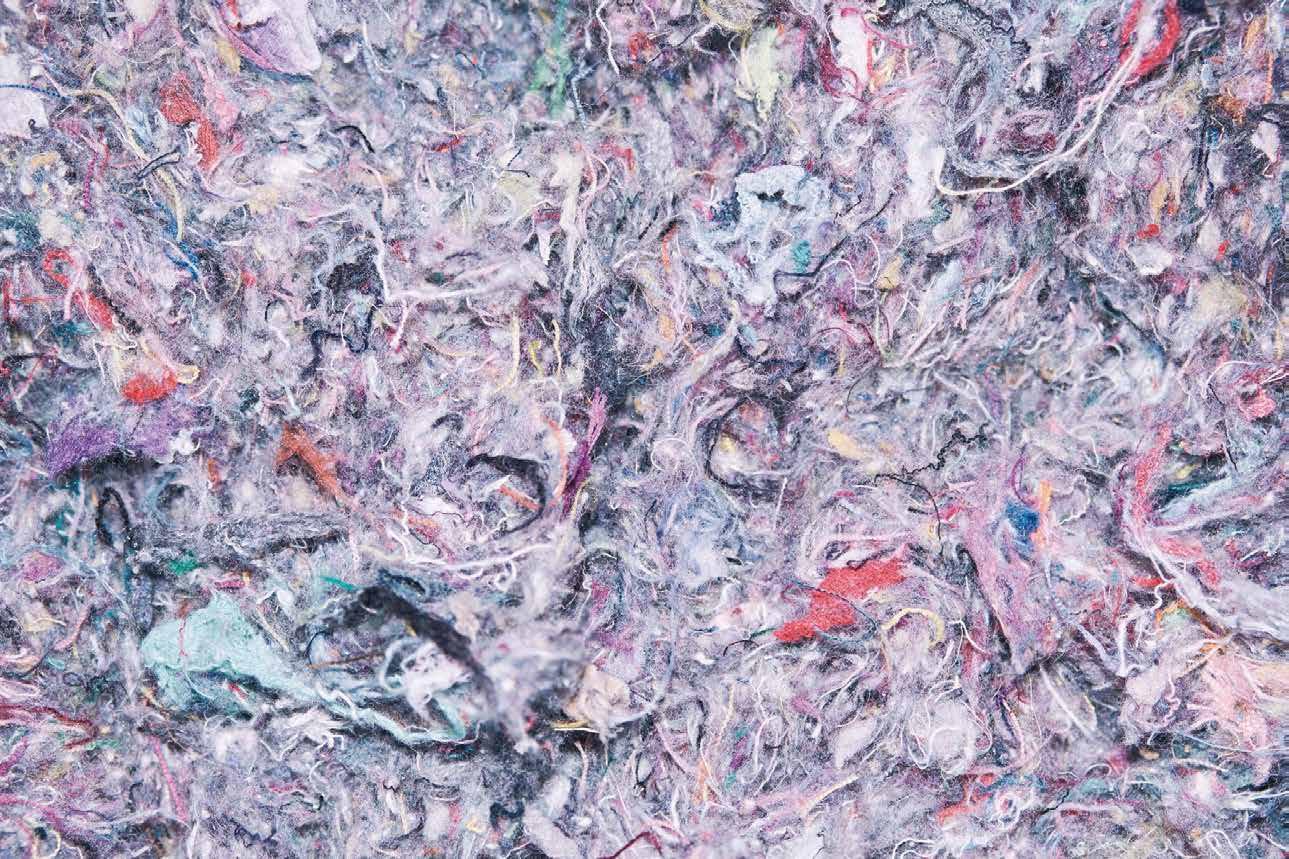
The fabric scraps are sorted by material and color, then shredded into smaller pieces for fiber recovery.
These pieces are shredded into raw fibers, forming the base for yarn with renewed value and purpose.
This carbon reduction figure is based on calculations (T75D Recycled Polyester*RTEX T20"S)
Waste-to-Value Yield
Decarbonization Impact
CO2 Emissions Reduced Calculated compared to Virgin Polyester Fabric -71%
calculations comparing Üloop RTEX-SCBA0-1916 fabric to Virgin Polyester fabric (T75D*T20"S).
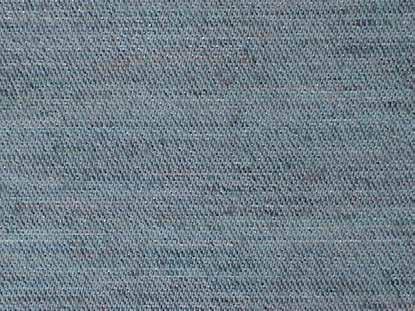
SCBA0-1890-FWR
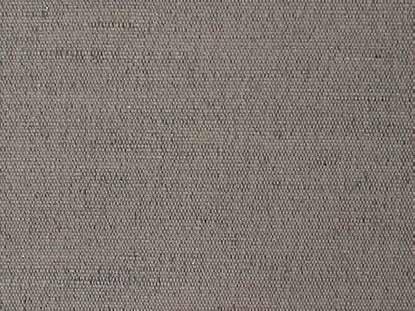
SCBA0-1889-FWR
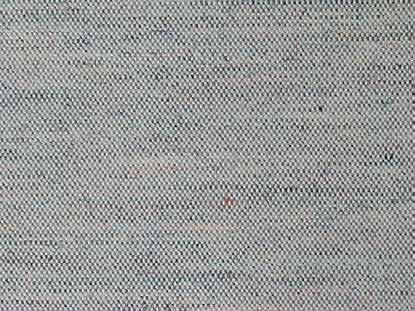
SCBA0-1915-FWR
Material
SCBA0-1915-FWR-NFX 1 5 A0 5
SCBA0-1890-FWR
SCBA0-1889-FWR
SCBA0-1888-FWR
SCBA0-1915-FWR
SCBA0-1916-FWR
SCBA0-1917-FWR
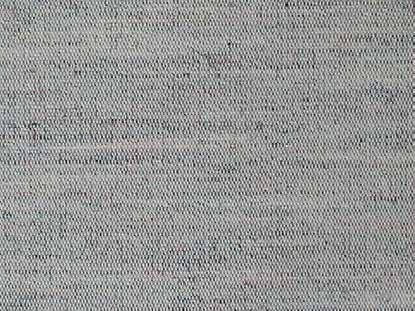
SCBA0-1916-FWR
Composition
Ü SERIES BY HONMYUE 65% RE-POLYESTER(T2T) 35% NYLON
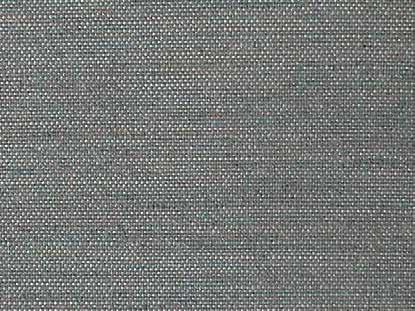
SCBA0-1888-FWR
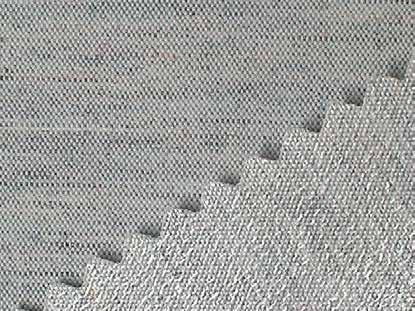
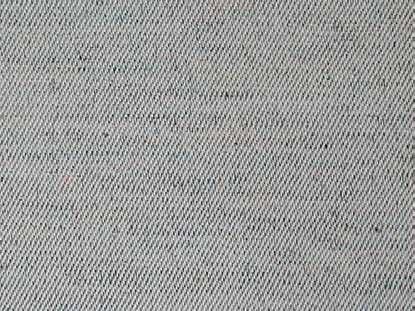
Construction
N140D*T20'S
N70D*T20'S
N70D*T20'S
RE-POLYESTER(PET)
RE-POLYESTER(PET)
RE-POLYESTER(PET)
RE-POLYESTER(PET)
T150D*T20'S
T75D*T20'S
Finishing
C0 WR (80/10)
C0 WR (80/10)
C0 WR (80/10)
C0 WR (80/10)
C0 WR (80/10)
C0 WR (80/10)
C0 WR (80/10)
Ü SERIES BY HONMYUE
Our Üloop™ RENU fabrics are crafted from RENU recycled yarns, utilizing advanced chemical decomposition processes to transform post-consumer garments into high-quality polyester fibers.
Unlike traditional recycled polyester from PET bottles, our process completely removes colors and impurities, delivering performance equivalent to virgin materials while reducing fossil resource dependency.
RCS CERTIFICATION advanced into completely materials
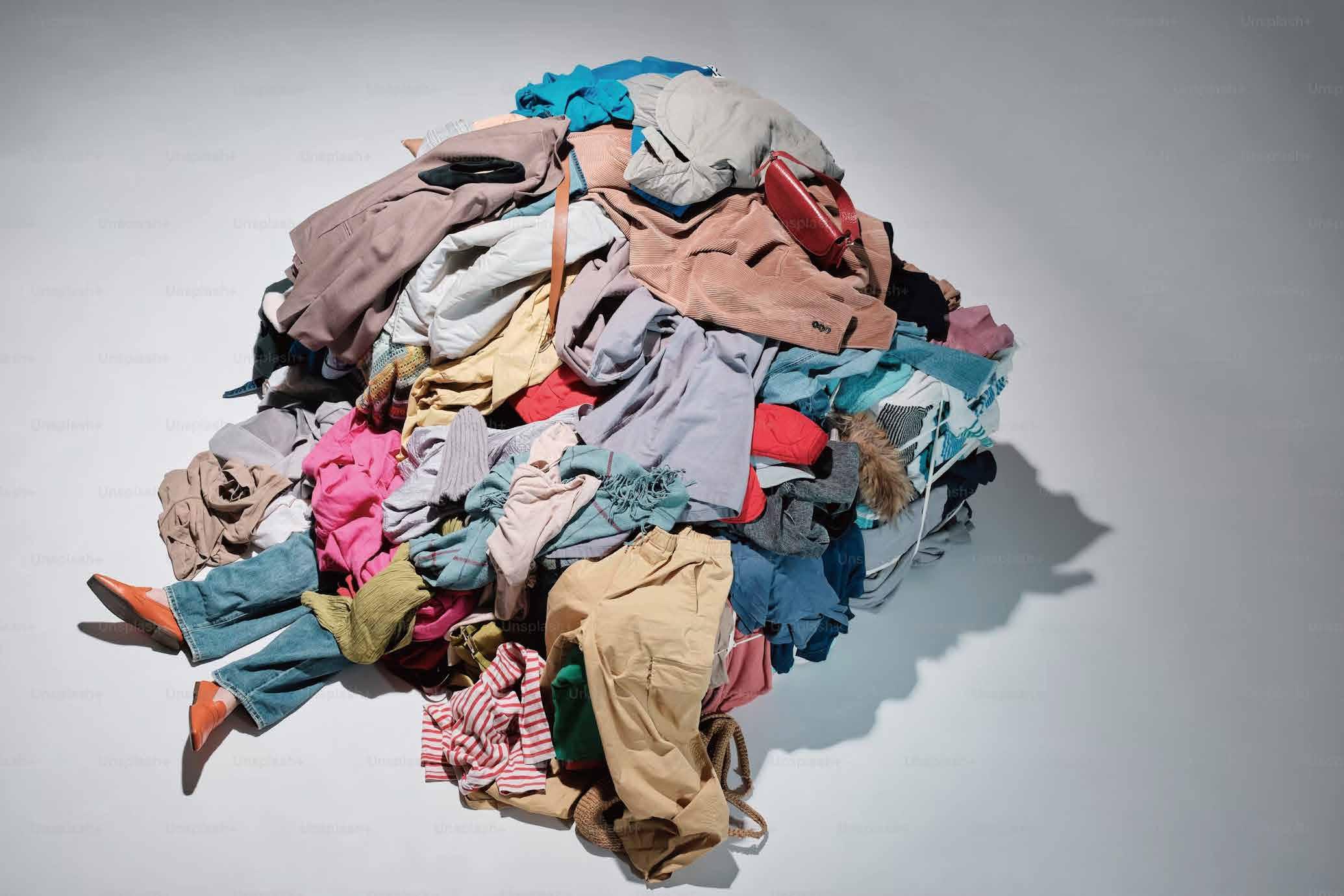
WASTE
Garment-to-garment transformation completes the circular process.
Üloop™ RENU is our signature fabric, woven from regenerated fibers. Each thread tells a story of waste transformed.
Yarn 5
Recycled chips are processed into high-quality polyester
Chips 4
Purified polymer depolymerization.
Retail/Consumers 1
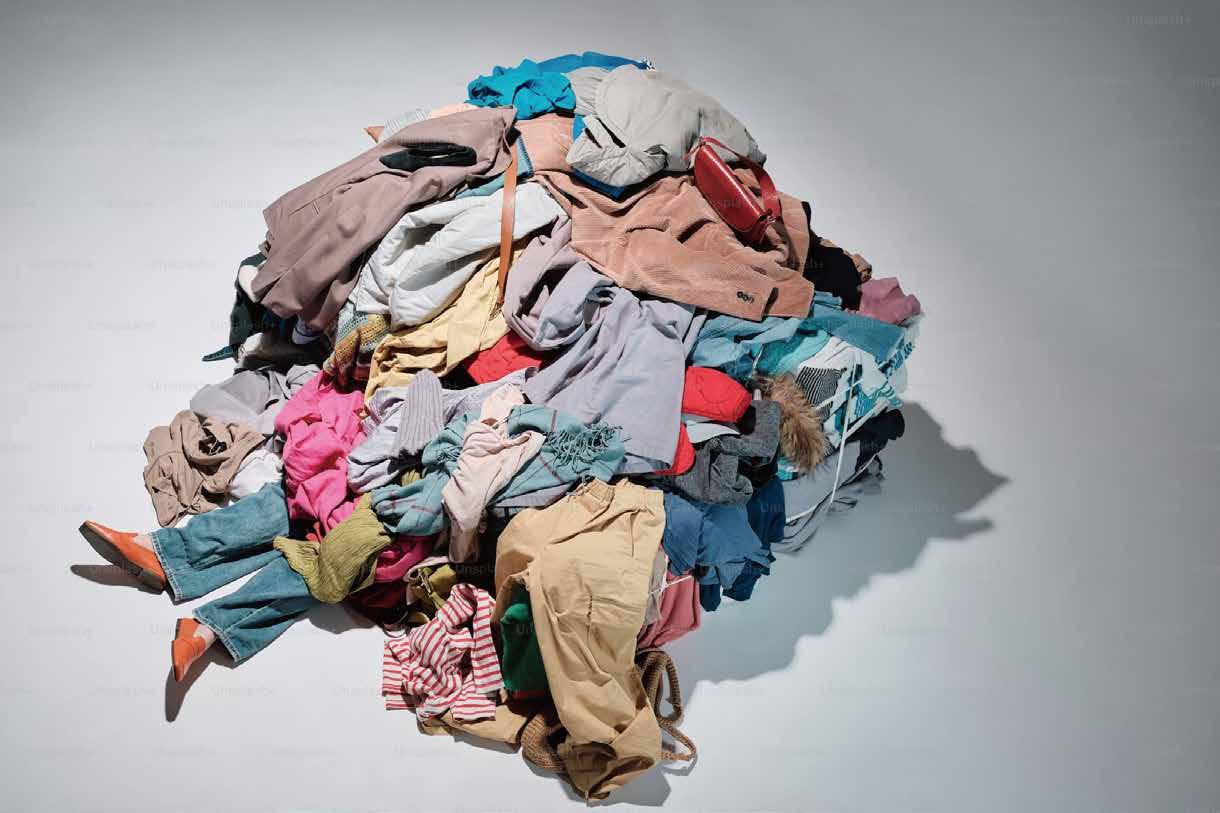
Clothing is purchased, worn, and eventually discarded by consumers.
Discarded textiles are gathered from various sources.
chips are produced through depolymerization.
A chemical process breaks down polyester fibers into raw materials.
5 5 ,000 5 0 ,000 pcs Kilometers
Saves garments equivalent to 50,000 pieces of T-shirts from ending up in landfill
Carbon Avoidance
Prevents CO2 emissions a car running 55,000
Water consumption Compared to Virgin Polyester Fabric -47 %
,000 Kilometers
Avoidance
emissions equivalent to 55,000 kilometers
Environmental Footprint
107,000 bottles
Water Conservation
Saves water consumption equivalent to 107,000 PET bottles - 500 ml each
Carbon emissions Compared to Virgin Polyester Fabric -59 %
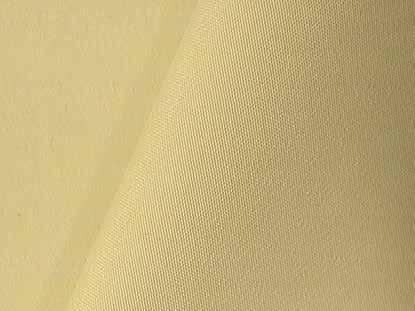
SFPP0-1178-FWR
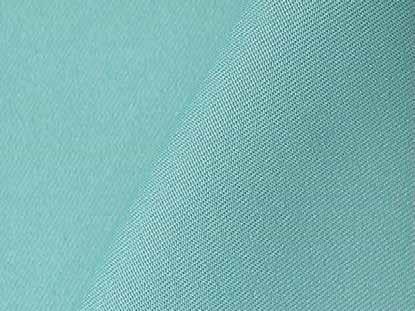
SFPP0-1179-FWR
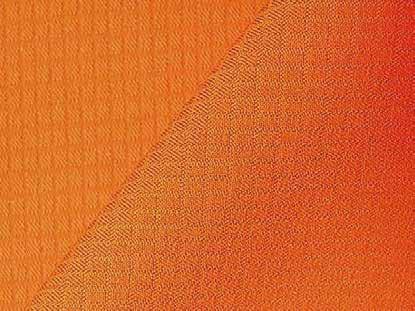
SFPP0-1182-FWR
Material
SFPP0-1178-FWR
SFPP0-1179-FWR
SFPP0-1180-FWR
SFPR0-1181-FWR
SFPP0-1182-FWR 1 4 A0 8
Composition
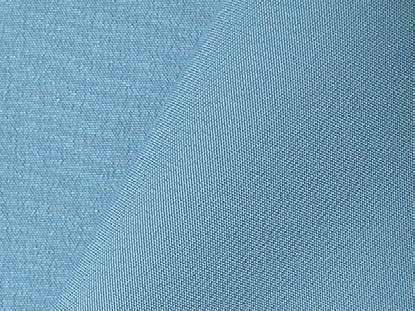
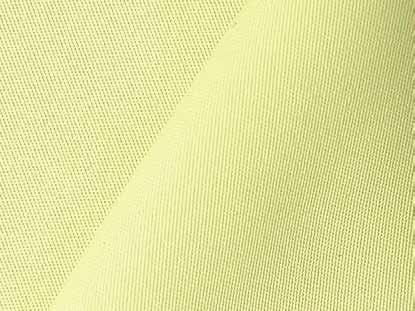
Construction
T75D*T75D
T75D*T75D
T75D*T75D
T75D*T150D
T75D*T75D
C0 WR (80/10) Finishing
C0 WR (80/10)
C0 WR (80/10)
C0 WR (80/10)
C0 WR (80/10)