Every Homeowner in Singapore Should Know
Renovating a Housing and Development Board (HDB) flat is an exciting step for many homeowners in Singapore. It allows you to turn a standard unit into a comfortable space that matches your lifestyle and taste At the same time, HDB flats come with clear rules and requirements to ensure safety, protect building structures, and maintain harmony in the community. Knowing these guidelines before starting work can save you from delays, penalties, and unnecessary stress
This article will guide you through the most important HDB renovation rules, the approval process, and practical tips to make your project smooth and compliant.
Why HDB Renovation Guidelines Matter
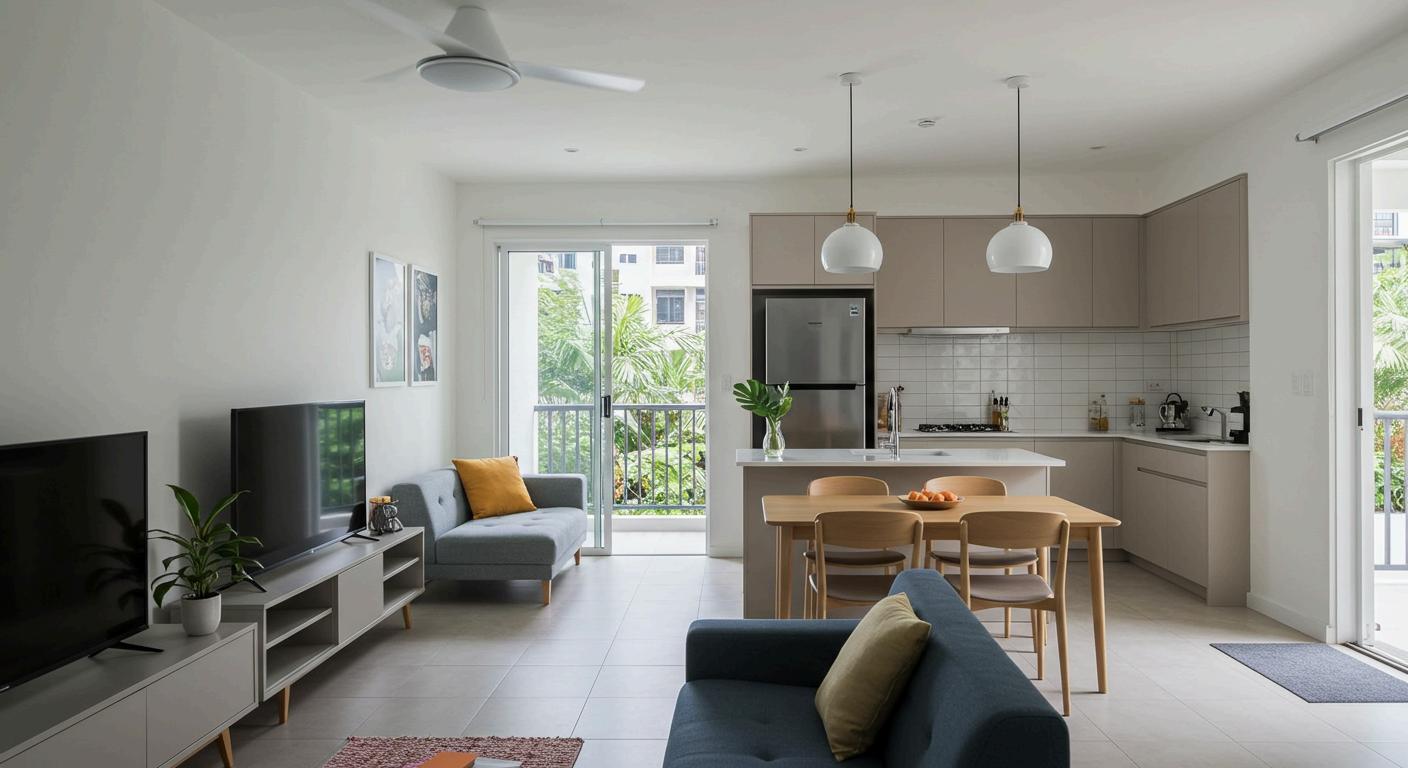
HDB flats are built to house a large community in shared buildings Any changes made to a unit can affect structural safety, surrounding flats, and even the comfort of neighbours. The guidelines are meant to balance personal creativity with public safety. When you follow them, you protect your home, avoid fines, and keep the peace with those living around you
Working with a trusted Renoviction company in Singapore also ensures that all renovation works meet HDB requirements, giving you peace of mind throughout the process.
Renovation Works That Need HDB Approval
Not all renovation works require permission, but some do Before starting, you should check the list of works that need approval Examples include:
● Removing or altering walls that may affect the building’s structure
● Changing floor finishes in bathrooms and kitchens
● Replacing windows or grilles that face the outside
● Installing air-conditioner ledges or brackets
● Relocating toilets or sinks
Getting approval ensures the work meets safety standards and does not damage the flat’s foundation Always use an HDB-licensed contractor when the guidelines require it
Works That Do Not Require Approval
Some changes are minor and can be done without official permission These usually involve cosmetic improvements that don’t affect the building structure Common examples include:
● Painting walls
● Installing built-in furniture
● Replacing floor tiles in living rooms and bedrooms
● Changing doors and internal fittings
Although approval is not needed, you should still make sure the work is done properly and does not disturb neighbours with excessive noise or dust
Using HDB-Approved Contractors
HDB maintains a list of approved contractors under the Registered Renovation Contractors’ Scheme Hiring someone from this list is important for works that involve structural elements or wet areas like bathrooms. Approved contractors are trained to follow the rules, reducing the risk of unsafe practices They also know how to handle the necessary paperwork, making the approval process smoother for homeowners
Noise Control and Working Hours
Renovation noise is one of the biggest concerns for neighbours To minimise inconvenience, HDB sets strict rules on when noisy works can be carried out. Generally, heavy drilling and hacking are only allowed during weekdays and within fixed hours. Noisy works are usually not permitted on weekends, public holidays, or late evenings
Before you start, inform your neighbours of the renovation schedule. A simple update can go a long way in keeping good relations with those around you
Time Limit for Renovation Works
Renovation cannot go on endlessly HDB sets a time limit depending on whether your flat is new or already occupied. For new flats, there is usually a one-month deadline for noisy work and a three-month deadline for the entire project For resale flats, the time frame may be slightly shorter Sticking to the deadline helps reduce disruption in the block and prevents unnecessary delays.
Restrictions on Structural Changes
One of the most important parts of the guidelines deals with structural safety You cannot remove or alter load-bearing walls, columns, or beams, as they support the entire building Making changes to these can create serious risks for the whole block. Always consult the official floor plan before planning major works If in doubt, confirm with HDB before proceeding
Bathroom and Kitchen Renovations
Bathrooms and kitchens require special attention during renovation Any floor replacement in these areas needs approval, as waterproofing must be maintained to prevent leaks into units below HDB has rules on how the waterproofing layer should be reapplied and tested Similarly, moving toilets or sinks is only allowed under certain conditions, and professional contractors must handle the job
Window and Grille Replacements
Windows and grilles facing outside must follow strict standards. This is to prevent accidents from poor installation, which can cause windows to fall Homeowners can only use approved window contractors for such works There are also limits on the design, size, and type of windows that can be installed Following these rules keeps the building’s exterior uniform and safe for residents.
Air-Conditioner Installation Rules
Air-conditioners are common in Singapore homes, but they must be installed safely HDB requires the use of certified installers under the Building and Construction Authority. Installers must also follow the correct methods for fixing brackets and running pipes Poor
installation can damage walls, cause leaks, or even pose safety risks Using certified installers ensures the system is both safe and energy-efficient.
Conclusion
Renovating an HDB flat can completely transform your living space, but it must be done within the rules that protect the building and the community By understanding and following HDB renovation guidelines, you can create your dream home without running into legal or safety issues Always work with approved contractors, get the required permits, and respect the limits on noise and time A well-planned renovation not only improves your lifestyle but also maintains harmony in your neighbourhood.