
Key Stage 4
Curriculum Choices 2026-28
Introduction

Welcome to the exciting journey of exploring Year 9 Curriculum Choices at The Holy Cross School! Now that you have had your initial assemblies on Careers Support and on Curriculum Choices, this booklet provides you with all the information you need to get started on choosing your subjects for Years 10 and 11.
Below are the key dates this term for the Curriculum Choices programme. Highlighted in yellow are the two events to which your Parents / Carers have been invited
Key Stage 4 Curriculum Choices Spring 2026 timeline:
Tuesday 27 January
3.30 - 5.00pm
Curriculum Choices Fair after school for students and parents / carers in the School Hall (NB this is an in-person event)
Tuesday 24 February
3.30 - 6.30pm
Year 9 Parents’/ Carers’ Evening in the School Hall (NB this is an in-person event)
Tuesday 3 March
Curriculum Choices Portal opens (login details to follow)
Tuesday 17 March
Deadline for Curriculum Choices via the Curriculum Choices Portal
What if I change my mind?
After you have selected your preference, the options blocks will be created. Afte this, it can be very difficult to make changes. If you do wish to change after you have made your selection please see Miss Rout.
Frequently Asked Questions
What
are BTEC Technical Awards?
Hospitality, Food and Catering, and Health and Social Care are both offered in Years 10 and 11 at The Holy Cross School Technical Awards are practical, vocationally relevant qualifications that 14 to 16 year olds can take alongside their GCSEs. Each Technical Award is equivalent to one GCSE. Technical Awards are rigorous qualifications that offer a strong foundation of core knowledge and practical skills while making sure that more practically minded learners are able to really shine.
How should I choose my three options?
Choosing your GCSE options is an important decision. Here’s how to make it a bit easier:
Your Strengths: Pick subjects you are good at. If you enjoy and excel in a subject now, that’s a good sign you’ll do well in it at GCSE.
Interest: Make sure you understand what the subjects are about. Read about them in this booklet and talk to your teachers and older students to get a sense of what each subject involves
Information: Gather as much information as you can. Attend the Curriculum Choices Fair, ask questions at Parents’/Carers’ Evening, and read this booklet thoroughly.
Future Plans: Think about what you might want to do in the future. If you have an idea of a career or further education path, choose subjects that will help you get there. Check out the Sixth Form courses on the school website for more guidance
Balance: Make sure you choose a mix of subjects A balanced selection will give you more options later on.
Remember, it's about finding what suits you best and keeps as many doors open for your future as possible. Good luck!

Careers Advice and Guidance at The Holy Cross School
You met Mrs Dewar, our Careers Adviser, at your assembly earlier this month. Now you know about the great career support we offer at The Holy Cross School. In the next few months, you'll have a small group meeting with Mrs Dewar to talk about your interests and career ideas. You'll also start using Unifrog, an online tool to help with career guidance. Unifrog will help you think about what you're good at and what you want to do. It's also really useful for choosing Sixth Form subjects and planning for university, apprenticeships, training and your future careers.
We recognise that you don’t make subject decisions alone and your parents and caregivers are important influencers when it comes to your subject decisions. Unifrog also has dedicated ‘parent accounts’ where they can explore the platform like you do, sign up to events specifically aimed at parents and caregivers and help you decide your next step. These accounts are new so any parents who have existing accounts will be automatically redirected when they next log in. If your parents and caregivers do not have a Unifrog account yet, they can go to https://www.unifrog.org/parent

Core Subjects
All students follow courses in these subjects:
Religious Education
English Literature
English Language
Mathematics
Science (Combined or Separate) - You will be advised by your Science teacher which pathway is most suitable for you.
Religious Education GCSE
Exam Board: AQA
AQA Specification: Religious Education
Assessment: Exam only All exams are taken at the end of Year 11.
Content: Three units
Catholic Christianity – beliefs, teachings, practices, sources of authority and forms of expression 50%
The study of a world religion – beliefs, teachings and practices 25%
Religious, philosophical and ethical studies 25%
The content of the course is very broad and develops many important key skills such as critical thinking, written communication, debate and effective revision techniques. You will be expected to discuss and debate ethical issues of concern in society today, have a detailed understanding of Catholic Christianity, as well as studying the beliefs, teachings and practices of Judaism while dealing with and discussing some of the ultimate questions in life. Religious Studies requires you to demonstrate awareness and appreciation of a variety of points of view and this is essential in the world today.
Catholic Christianity: This will involve a detailed study of the beliefs, practices, teachings, sources of authority and forms of expression in relation to certain topics. These topics will vary from the study of creation to the sources of authority used within the Catholic Church.
The study of a world religion: This will focus on the beliefs, teachings and practices of Judaism. The main topics will look at the key beliefs, sources of authority, how they practice their faith and their duties and festivals.
Religious, philosophical and ethical studies: They will consider different religious, philosophical and ethical arguments and their impact and influence in the modern world.

English Language & Literature GCSE
Exam Board: AQA
AQA Specification: AQA English language, AQA English literature
English Language and English Literature will count as two separate qualifications and will be taught across four one-hour lessons per week.
As part of the students’ English Language qualification, they will study fiction and non-fiction texts which will develop their comprehension and analytical skills. They will also have the chance to be creative and produce descriptive or narrative pieces of writing, as well as the opportunity to present their viewpoint in the written form
For their English Literature qualification, students will study one Shakespeare play, a 19th century novel, a modern prose or drama text and poetry.
English Language
Paper 1: Explorations in Creative Reading and Writing
1 hour 45 minutes written exam worth 80 marks
The paper is worth 50% of GCSE English Language
Paper 2: Writers’ Viewpoints and Perspectives
1 hour 45 minutes written exam worth 80 marks. The paper is worth 50% of GCSE English Language
Texts in both papers will be unseen.
Non-examined assessment: Spoken Language
Students will deliver a prepared presentation that is teacher assessed. They will be awarded Pass/Merit/Distinction and this will not contribute to their final GCSE grade but is a compulsory element of the course.
English Literature
Paper 1: Shakespeare and the 19th century Novel
1 hour 45 minutes written exam worth 64 marks The paper is worth 40% of students’ English Literature qualification
Paper 2: Modern Texts and Poetry
2 hour 15 minutes written exam worth 96 marks. The paper is worth 60% of students’ English Literature qualification.
Mathematics GCSE

Exam board: Pearson Edexcel
Pearson Edexcel Specification: Mathematics
Tiers: Higher and Foundation
Assessment:
Exams are taken in the Summer term of Year 11
These will comprise 3 papers each of 1 hour 30 minutes duration that each contribute one third of the total marks. Each paper will assess understanding across the full syllabus. The first paper in each tier is non-calculator, and the remaining two are calculator papers.
There is no coursework component. Will be taught across four one-hour lessons per week.
All students will study topics in the following areas Number, Algebra, Ratio and Proportion, Geometry, Probability and Statistics They will be expected to be able to apply standard mathematical techniques accurately, be able to communicate and reason mathematically, and be able to apply mathematics to non-mathematical contexts.
Students for Mathematics will either sit the Higher Tier covering grades 4 - 9 or the Foundation Tier covering grades 1 – 5.
Further Maths (Level 2 Certificate) is on offer as an extra-curricular option for students primarily in the top two Maths sets This is an ideal additional qualification for those wishing to take Maths A' Level (although is not a prerequisite for continuing Maths to A' Level study). It is taught after school one or two afternoons a week from Year 11 for students who are comfortably on track to achieve the highest grades at GCSE.
Combined Science GCSE
Qualification: Two GCSEs in Science
Exam Board: Edexcel
Edexcel Specification: Combined Science
Tiers: Foundation and Higher
Assessment:
External assessment (100%) all components of Combined Science in the Summer term of Year 11. There will be 6 exams, 2 each for Biology, Chemistry and Physics Exams will last for 1 hour and 10 minutes
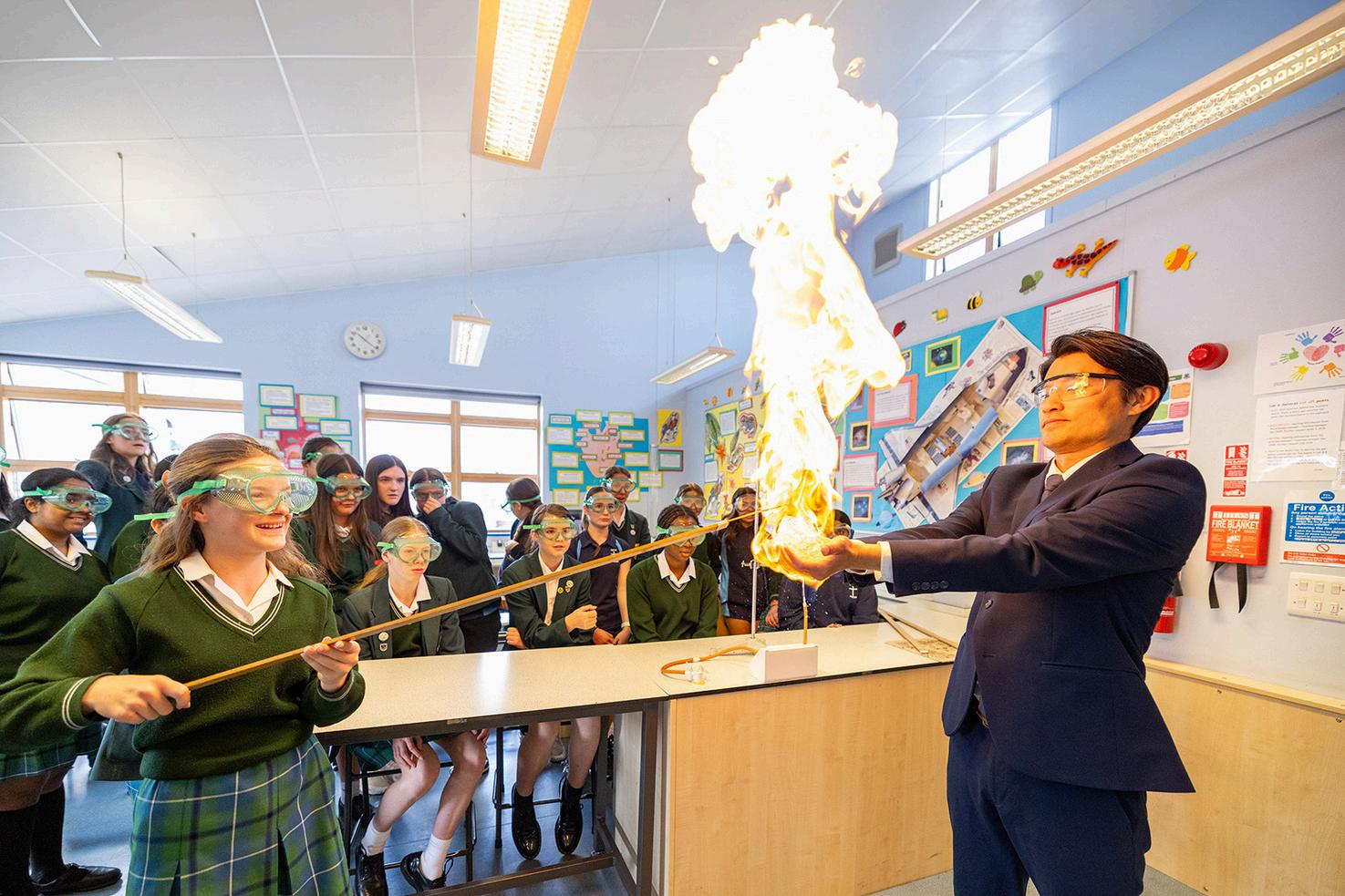
GCSE Combined Science provides knowledge and understanding of Science that is relevant to everyday life. The course aims to develop students’ questioning, analytical and evaluating skills alongside core practical skills.
This course allows progression onto A Level Biology, Chemistry and Physics and into higher education. This course is suitable for students who are interested in studying Science at A Level and who are considering a career in Science, for example as a doctor, vet, researcher or forensic scientist
You will be advised by your Science teacher which pathway is most suitable for you.
The Separate Sciences (Triple Science) GCSE
Qualification: Three GCSEs - Biology, Chemistry and Physics
Exam Board: Edexcel
Edexcel Specification: Biology Separate, Chemistry Separate, Physics Separate
GCSEs in Biology, Chemistry and Physics
This choice is for students who have a genuine passion for Science and are interested in studying Science in greater depth. It leads on to Science A Levels and is a progression route for students choosing degrees in a wide variety of Science based careers such as medicine, veterinary science, forensics, engineering and research.
You will cover all of the material from Combined Science, plus extension topics in each Science subject.
Assessment:
External assessment (100%) examinations for each Separate Science subject, Biology, Chemistry and Physics
There will be 6 exams, 2 each for Biology, Chemistry and Physics in the Summer term of Year 11. Each exam will last 1 hour 45 minutes.
You will be advised by your Science teacher which pathway is most suitable for you.
Options
Students can then choose three further options from the following list:
Art (Fine Art)
Computer Science
Dance
Design & Technology
Drama
French/Spanish
Geography
Health and Social Care
History
Hospitality and Catering
Media Studies
Music
PE
The school will review the viability of offering a subject if fewer than 15 students opt for that choice.

Art (Fine Art) GCSE
Exam Board: AQA
AQA Specification: Fine Art
Exams:
The exam is a project (Unit 2) that is set by the exam board and is worth 40% of the course This involves approximately 10 weeks of preparation time followed by a 10 hour sustained focus examination in which candidates are expected to develop their own unaided work informed by their preparatory studies. The exam takes place in Year 11.
Coursework/Controlled Assessment:
Students produce a portfolio of work (Unit 1) based on two exciting and stimulating project briefs set by the department The coursework is worth 60% of the course and is produced mainly in lesson time under low level Controlled Assessment conditions and for homework
Requirements:
To study this course, students need to have an interest in Art and Design, creativity and commitment.
Fine Art may be defined as work which is produced as an outcome of a student’s personal experiences, rather than that which is created exclusively for a practical function or that which is the outcome of a tightly prescribed brief.
Work produced for this qualification will demonstrate the use of formal elements and creative skills, and give form to individual thoughts, feelings, observations and ideas. Students will show evidence of trying to extend their own and others’ ways of seeing the world. They will use the language of the subject sensitively and thoughtfully to support their intentions.
In the context of this specification, disciplines will include painting and drawing, printmaking, photography, sculpture and alternative media On the course students explore a range of artists, designers and craftspeople from the past and from more recent times in order to gain insight into skills and working practices.
This course prepares students for progression to A Level Art and Design courses and creative career pathways.
Computer Science GCSE
Exam board: Edexcel
Assessment Grading: 9 – 1
Edexcel Specification: GCSE (9-1) - Computer Science
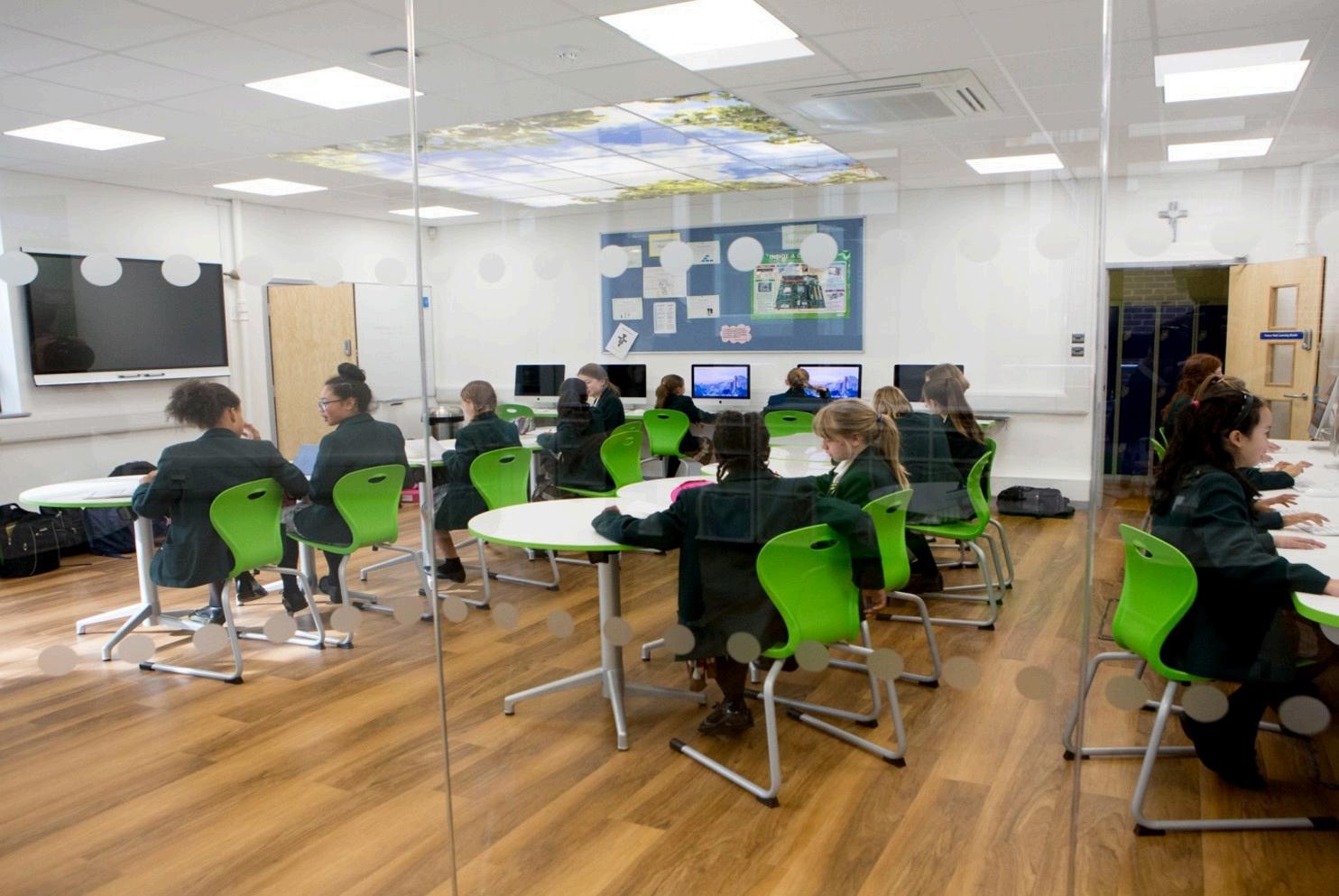
The Computer Science qualification is relevant to the modern and changing world of computer science. Computer Science is a practical subject where learners can apply the knowledge and skills learned in the classroom to realworld problems It is an intensely creative subject that involves invention and excitement The Computer Science qualification values computational thinking, helping learners to develop the skills to solve problems and design systems that do so. These skills will be the best preparation for learners who want to go on to study Computer Science at A Level and beyond. The qualification will also provide a good grounding for other subject areas that require computational thinking and analytical skills.
Subject content
1 Computational thinking - understanding algorithms, how they are used and how they work
2. Data - binary, data representation, storage and compression
3. Computers - hardware, software, systems and characteristics of programming languages
4 Networks - computer networks and network security
5 Issues and impact - on society, individuals, environment, including ethical, legal and ownership issues
6. Problem solving with Programming Assessment
Paper 1 - Principles of Computer Science
Written exam: 1 hour and 30 minutes with questions from 1 - 5 above - 75 marks and 50% of GCSE
Paper 2 - Application of Computational Thinking
Onscreen exam: 2 hours with questions from 6 above - 75 marks and 50% of GCSE
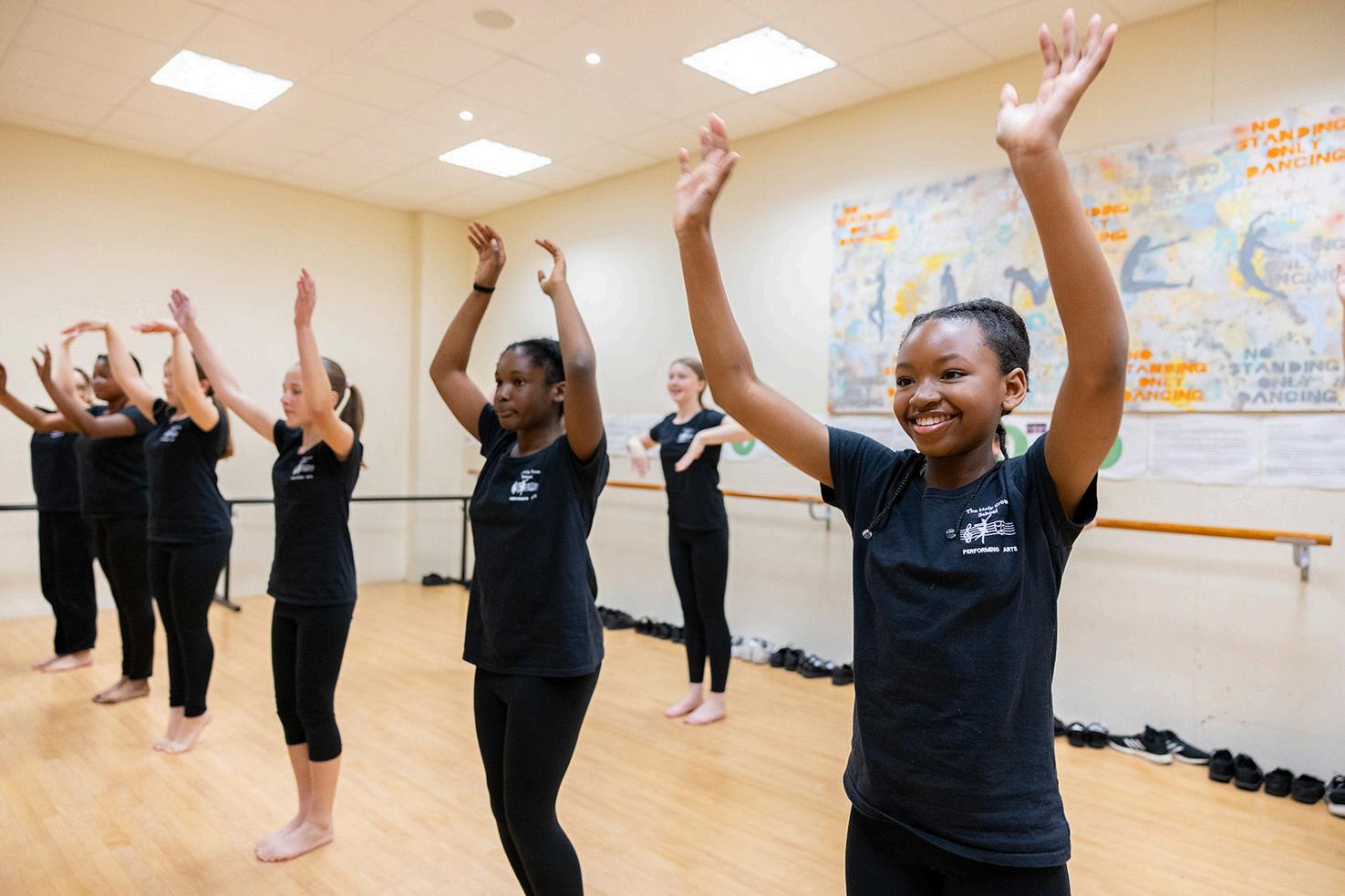
Dance GCSE
Component 2: Dance Appreciation
What is assessed:
Non-exam assessment (NEA) marked by the centre at school and moderate AQA.
• Knowledge and understanding of choreographic processes and performin
• Critical appreciation of own work
• Critical appreciation of professional works - 6 set dance works to study a with essay style questions in the written paper to answer
How it is assessed:
40% of GCSE worth 80 marks
Written exam: 1 hour 30 minutes in the Summer Term of Year 11
Questions in the written paper:
Based on students' own practice in performance and choreography and th Dance anthology.
General information:
Students need a good foundation of dance experience and technique with willingness to learn, work hard and commit to additional rehearsals outside
Students will need to perform a solo piece of choreography to the Dance year 9 prior to starting the course.
Design and Technology GCSE
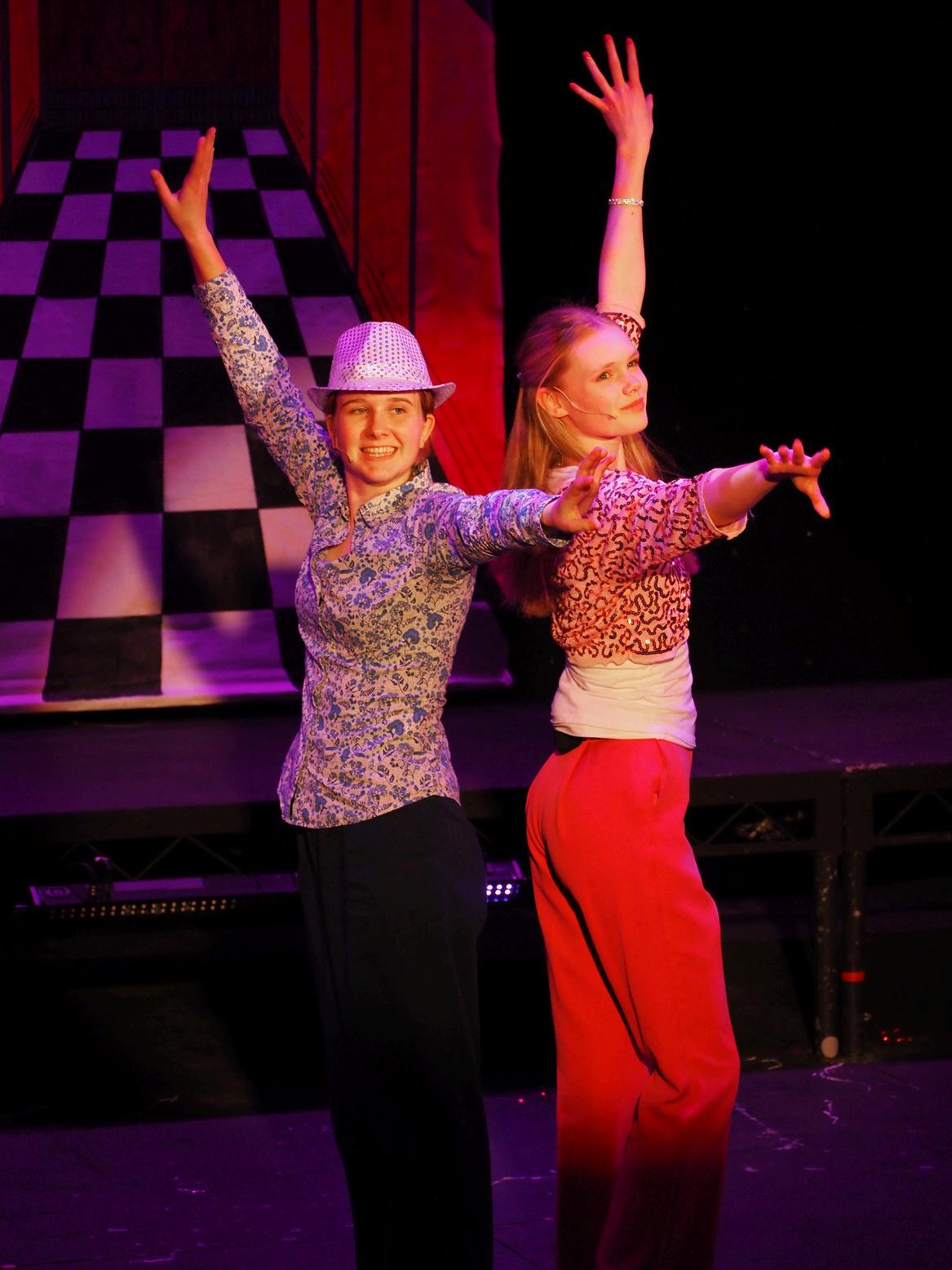
Drama GCSE
Exam Board: Edexcel
Edexcel Specification: Drama
Assessment: Students are assessed through a combination of written and practical work with three exams.
Students are to study one complete and substantial performance text and two key extracts from a second contrasting performance text during the course. The texts must be studied practically to gain further understanding of Drama. Students are to participate in a minimum of two performances as either a performer or a designer, one devised and one from a performance text
Component 1: Practical and Written Coursework 40% of the qualification – 60 marks
Internally assessed and externally moderated.
There are two parts to the assessment: 1. A portfolio covering the creating and developing process and analysis and evaluation of this process (45 marks). Typed evidence 1500-2000 words or verbal evidence 8-10 minute presentation or a combination of both 2 A practical devised performance or a design realisation (costume/set/sound/lighting) (15 marks)
Component 2: Performance 20% of the qualification - 48 marks (24 marks for each extract)
Students will either perform in and / or design for two key extracts from a performance text allowed by the exam board which is contrasting to Component 3.
This is externally assessed by a visiting examiner
Component 3: Theatre Makers in Practice. Written examination: 1 hour 45 minutes 40% of the qualification – 60 marks
Practical exploration and study of one complete performance text and to watch a live theatre performance as students need to write about and evaluate this in the written examination.
Assessment Overview:
Section A: Bringing Texts to Life - 45 marks
This section consists of one question broken into five parts (short and extended responses) based on an unseen extract from the chosen performance text studied.
Performance texts are not allowed in the examination as the extracts will be provided.
Section B: Live Theatre Evaluation - 15 marks
This section consists of two questions requiring students to analyse and evaluate a live theatre performance they have seen. Students are allowed to bring in theatre evaluation notes of up to a maximum of 500 words.
An audition of a 1 minute monologue will be required for students opting to take GCSE Drama.
French GCSE
Exam Board: AQA
AQA Specification: French
Studying a modern language up to GCSE level is an important element of becoming a global citizen.
Subject content:
Students study all of the following themes on which the assessments are based.
Theme 1: Identity and culture
Theme 2: Local, national, international and global areas of interest
Theme 3: Current and future study and employment
Assessments:
Foundation Tier (grades 1–5) Higher Tier (grades 4–9).
Students must take all four question papers at the same tier. All question papers must be taken in the same series
Paper 1: Listening: Understanding and responding to different types of spoken language -
Written exam: 35 minutes (Foundation Tier), 45 minutes (Higher Tier): 25% of GCSE
Paper 2: Speaking: Communicating and interacting effectively in speech for a variety of purposes –
Non-exam assessment: 7–9 minutes (Foundation Tier) + preparation time, 10–12 minutes (Higher Tier) + preparation time: 25% of GCSE
Paper 3: Reading: Understanding and responding to different types of written language -
Written exam: 45 minutes (Foundation Tier), 1 hour (Higher Tier): 25% of GCSE
Paper 4: Writing: Communicating effectively in writing for a variety of purposesWritten exam: 1 hour (Foundation Tier), 1 hour 15 minutes (Higher Tier): 25% of GCSE
Why study GCSE French?
Taking French GCSE opens doors far beyond the classroom. It strengthens communication skills, boosts confidence, and enhances your understanding of different cultures abilities that are highly valued by colleges, universities, and employers. Learning a language also sharpens memory, problem-solving, and resilience, helping you succeed across all your subjects. French is spoken on five continents and is a major language of international business, travel, and global organisations, so developing it now gives you a real advantage for future study and career pathways Above all, studying French broadens your world and equips you with skills that will last a lifetime.
Spanish GCSE
Exam Board: AQA
AQA Specification: Spanish
Studying a modern language up to GCSE level is an important element of becoming a global citizen.
Subject content:
Students study all of the following themes on which the assessments are based.
Theme 1: Identity and culture
Theme 2: Local, national, international and global areas of interest
Theme 3: Current and future study and employment
Assessments:
Foundation Tier (grades 1–5) Higher Tier (grades 4–9)
Paper 1: Listening: Understanding and responding to different types of spoken language -
Written exam: 35 minutes (Foundation Tier), 45 minutes (Higher Tier): 25% of GCSE
Paper 2: Speaking: Communicating and interacting effectively in speech for a variety of purposes –
Non-exam assessment: 7–9 minutes (Foundation Tier) + preparation time, 10–12 minutes (Higher Tier) + preparation time: 25% of GCSE
Paper 3: Reading: Understanding and responding to different types of written language -
Written exam: 45 minutes (Foundation Tier), 1 hour (Higher Tier): 25% of GCSE
Paper 4: Writing: Communicating effectively in writing for a variety of purposesWritten exam: 1 hour (Foundation Tier), 1 hour 15 minutes (Higher Tier): 25% of GCSE
Why study GCSE Spanish?
Spanish is one of the most widely spoken languages in the world with 440 million native speakers (compared to 360 million native English speakers)! Not only can you use your Spanish in Spain, but it will open doors for you in much of Latin America (Mexico, Peru, Chile, Columbia, Venezuela, Argentina to name but a few) and Spanish is integrated into many aspects of American life and institutions. With an ever increasing presence in the global market, emerging economies in the Americas mean that the chance of work and business opportunities from Spanish knowledge (whether working directly for or dealing with such companies) is increasing. The vast range of countries that speak Spanish makes an understanding of the language very useful for those who want to travel and experience such countries. Knowing the local language can greatly enhance one’s experience, allowing a greater understanding and appreciation of culture, history and the physical environment.
Notes:
Pre-release booklet made available 12 weeks before paper 3 - the theme is chosen board and can be selected from any topic within the course
Geography GCSE
Fieldwork and skills: Students must undertake two geographical enquiries over the which must include data collection during fieldwork activities. This fieldwork must outside of the classroom and the school grounds on at least two occasions Field t therefore be a compulsory element of the GCSE Geography course
Why Study GCSE Geography?
Geography is not only interesting but also very relevant to help people make sense of a complex and dynamically changing worl about how the world was formed, how it is changing and how we it Studying this subject will help you to develop a range of impo for example, developing an argument, mapping and numeracy, communication through presentation and interpretation skills. M these are transferable which means the skills you use in your stu make you of potential interest to a wide range of employers. The close link between the subject and the world around us mak long and varied list of related careers for example working with development or aid agencies, environmental work, using Geogra Information Systems, working for the census office and in touris recreation Statistics show that compared with other subjects, g are among the most employable.
Health & Social Care BTEC Technical Award
Exam Board: Pearson (BTEC Level 1/Level 2 Tech Award)
Pearson Specification:Health and social care specification
This course offers a good balance of internalley assessed and externally moderated coursework and one external assessment
Component 1
Human Lifespan Development (Internally assessed assignments; 30% of the total course)
Students explore how individuals develop physically, emotionally, socially and intellectually over time. They investigate how various factors, events and choices impact individuals’ growth and development. This component also focuses on how individuals adapt to life events and cope with making changes
Component 2
Health and Social Care Services and Values (Internally assessed assignments; 30% of the total course)
Students develop their knowledge and understanding of different types of health and social care services and barriers to accessing them. Also, the skills, attributes and values required to give care.
Component 3
Health and Wellbeing (Externally assessed task ; 40% of the total course)
Students will explore the factors that affect health and wellbeing, learning about physiological and lifestyle indicators, and person-centered approaches to make recommendations to improve an individual’s health and wellbeing.This course helps you to understand the different ways individuals grow and develop throughout their lives. You will investigate factors that can affect human growth and development, as well as self-concept. The course explores the importance of relationships during each life stage from birth to later adulthood.
Health and Social Care is one of the fastest growing sectors in the UK Students studying this course will develop a wider understanding of the services and professionals working in the health, social care and early years sectors. The course combines practical activities with theory, as well as visits and guest speakers who will share their knowledge and experiences and give an insight to their role and responsibilities.
If you are interested in any of the following careers, Health and Social Care may be an excellent stepping stone for your future pathway:
Nursing, Speech and Language Therapy, Occupational Therapy, Midwifery, Paramedic Science, Physiotherapy, Social Work or Teaching
If so, Health and Social Care may be for you!
History GCSE
Exam Board: AQA
AQA Specification: History
The GCSE History content comprises the following elements:
Thematic study: Medicine Through Time - Britain: Health and the people: c1000 to the present day
Period Study: The American West - America, 1840–1895
Wider World Depth Study: Conflict and tension, 1894–1918 – the Causes of the First World War British Depth Study: Elizabethan England, c1568–1603
Assessments: 2 x written exams: 2 hours each. Each exam: 84 marks
Why study GCSE History?
Howdy partners, have you got the ‘guts’ to take a look?
We believe in the importance of not just learning history, but learning from history. Understanding past events and people and their significance gives students a better insight into the world around them.
The study of History is a window into the past that provides understanding of the present The GCSE History course builds on the work completed in Years 7, 8 and 9 The topics studied provide an excellent basis for understanding the world in which we live The course covers a wide range of different types of history, some of which you may be surprised to see.
There are also trips and visitors! In previous years we have been to the Old Operating Theatre & Herb Garret to recreate Victorain surgery, the medical exhibits at the Science Museum, to examine skeletons at the Museum of London, to the Globe Theatre, Hampton Court, The American Museum in Bath and to a GCSE revision conference. We have also heard from an inventor of medical devices!
Apart from being interesting, History is very useful
History is not just about the past. Read a newspaper, turn on the TV or go online. History is all around you. History is a well-respected subject. It helps develop a range of important skills such as putting forward a point of view, clear communication, and interpretation, which are useful when applying for college, university and jobs. History GCSE is a useful, and often necessary, subject. Historians gain access to a wide range of degree courses and they are very employable History can help you in many careers Here are just a few : Journalism, Law, Teaching, TV & Radio, Accountancy, Marketing, Medicine, Police, Museum work, Conservation, Tourism….anything and everything, you name it, the list is endless...
Go on, give History a go!
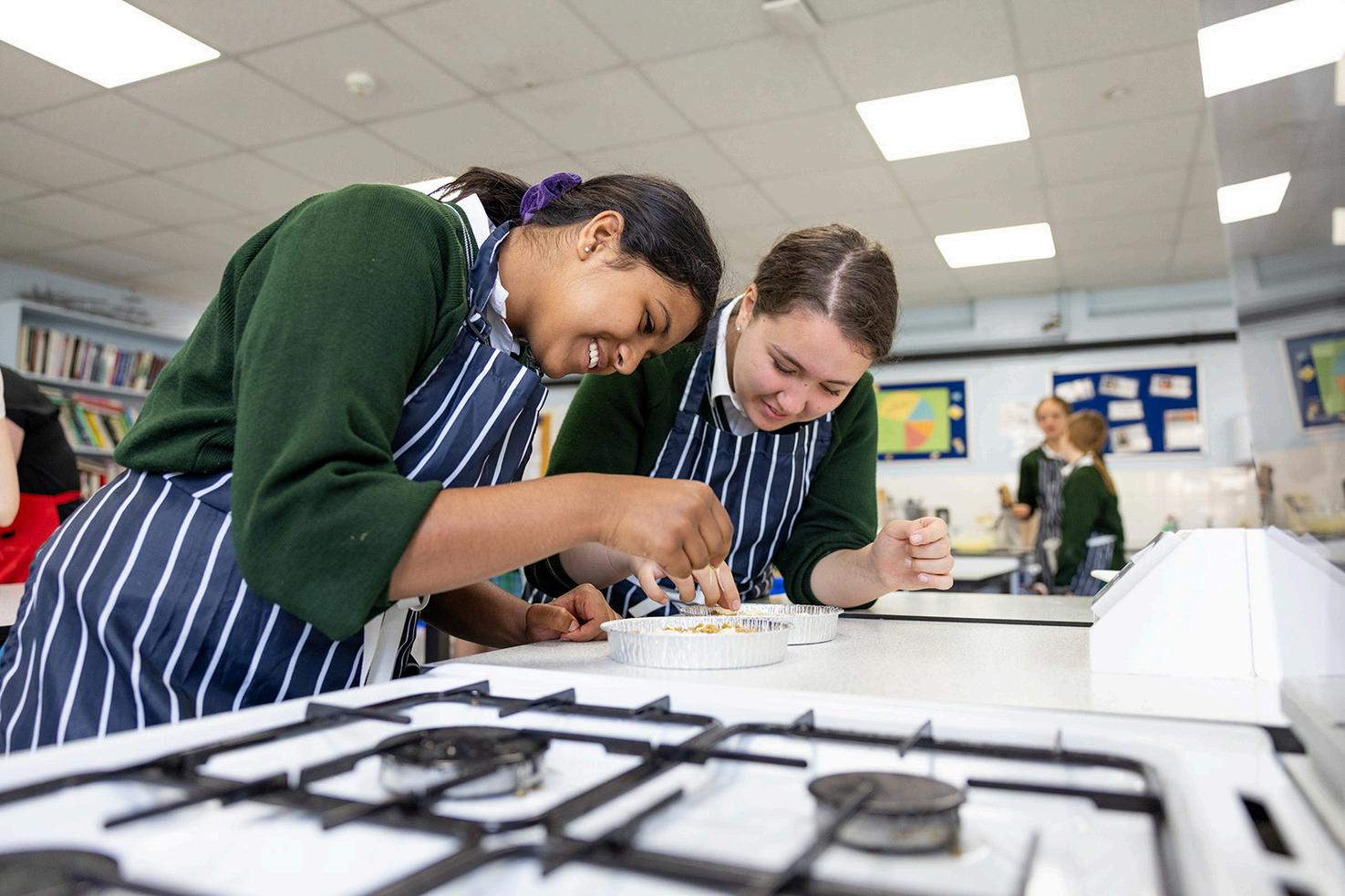
Hospitality & Catering Vocational Award
Qualification: Level 1/2 Vocational Award in Hospitality and Catering (Technical Award)
Specification: Eduqas
Assessment: Level 1/2 award is equivalent to a full GCSE
One practical assessment and coursework chosen from Eduqas set tasks
Internally assessed using Eduqas set criteria and externally moderated. 60% of final grade in medium control conditions.
Hospitality and Catering written paper exam carried out in the May/June of Year 11
The Eduqas Level 1/2 Vocational Award in Hospitality and Catering has been designed to support those who want to learn about this vocational sector and the potential it can offer them for careers or further study Students who wish to study this subject must have a passion for cooking and wish to further their skills learnt from KS3
Employment in hospitality and catering can range from waiting staff, receptionists and catering assistants to chefs, hotel and bar managers and food technologists in food manufacturing.
Our students have been very successful following the previous Hospitality and Catering courses, with all achieving a level 4/C and above. Students will be awarded a Pass, Merit or Distinction grade at the end of the course in line with the new grading structure
Following a course in Hospitality and Catering should encourage learners to:
Be inspired to learn about the catering and hospitality sectors Make informed decisions about further learning opportunities and career choices.
Students will be able to demonstrate knowledge and understanding of:
The industry; accommodation, food and beverage service, front and back of house.
The types of products and services provided. A range of customer groups.
The range of equipment used in the hospitality and catering industry. A large range of practical skills.
Students start the course learning the basics in catering skills, moving onto more complex cooking Skills learnt from this contribute to their practical assessments that are carried out throughout Years 10 and 11 Theory and practical lessons are carried out on a weekly basis Students will need to be prepared to carry out more than one practical lesson in a week.
Media Studies GCSE

Qualification: GCSE Media Studies
Exam Board: AQA
Assessment:
External assessment (70%): Two written examinations taken in the Summer term of Year 11.
Paper 1 (35%): Focuses on Media Language, Representation, Industries, and Audiences across advertising, video games, music video and film.
Paper 2 (35%): Includes a screening task based on Television Drama, alongside an in-depth study of newspapers and online media.
Non-Exam Assessment (30%): A practical production piece where students create a media product (e.g. a music video, magazine or website) based on a brief set by the exam board.
GCSE Media Studies provides students with the tools to make sense of the media-saturated world around them. From social media to big-budget film marketing, students develop critical thinking and analytical skills that are essential for navigating the 21st century.
The course covers a diverse range of set texts, including modern hits like Marvel’s Black Widow and Marcus Rashford’s online campaigns, alongside historic texts like the original 1963 Doctor Who. Students will explore how media industries operate, how audiences are targeted and how different social groups are represented.
This course is ideal for students who enjoy both analytical writing and creative practical work. It provides an excellent foundation for those considering Media Studies in Sixth Form and future careers in marketing, digital communications, journalism or film production
Music GCSE
Exam Board: OCR
OCR Specification: https://www.ocr.org.uk/qualifications/gcse/music-j536from-2016/specification-at-a-glance/
Assessment:
The assessment consists of three mandatory components. Two performance and composition components and a listening and appraisal written exam.
Component 1: Prepare and record One Solo Performance (on any instrument and any genre) and One Solo Composition on chosen Instrument. This is assessed internally and externally moderated (30%).
Component 2: Prepare and record One Ensemble Performance (on any instrument and any genre) and One Board Set Composition This is assessed internally and externally moderated (30%)
Component 3: A Listening exam (1 hour and 30 minutes) assessing listening, appraising and notation skills on the content of the areas of study. This is assessed externally (40%) and tests students’ knowledge and understanding of music and their ability to listen to and appraise music through a written examination.
Areas of
Study:
The Concerto through time
Rhythms of the world
Film music
Conventions of pop
Through investigation and in-depth study of a variety of music in the areas of study, students will further develop their knowledge and understanding. They will develop a technical vocabulary enabling them to discuss musical features with precision and depth.
Requirements:
There are no requirements that a student must have achieved a certain level / standard to be able to undertake this course. However, the recommendations below will benefit the student and provide the opportunity to gain a higher mark.
Be able to sing / play an instrument supported by regular lessons
Have a strong interest in performing and composing
Have a good grasp of music theory (at least Grade 2 standard)
Summary:
The course hopes to encourage students to be inspired, moved and changed by following a broad, coherent and worthwhile course of study and to develop broader life-skills and attributes including critical and creative thinking, aesthetic sensitivity, emotional awareness, cultural understanding, selfdiscipline, self-confidence and self-motivation. An audition of a 1 minute performance will be required for students opting to take GCSE Music.
Physical Education GCSE
Exam Board: AQA
AQA Specification: PE
Assessments
Paper 1: The human body and movement in physical activity and sport
Written exam: 1 hour 15 minutes 30% of GCSE grade
Paper 2: Sociocultural influences and well being in physical activity and sport
Written exam: 1 hour 15 minutes 30% of GCSE grade
Non-exam assessment: Practical performance in physical activity and sport40% of GCSE grade
Practical performance in three different physical activities in the role of player/performer (one in a team activity, one in an individual activity and a third in either a team or in an individual activity).
Analysis and evaluation of performance to bring about improvement in one activity.
Requirements:
Because of the large practical weighting, there needs to be evidence of sports club attendance at least twice per week throughout Year 9 (This can be either in school or through extra-curricular clubs)
Ability to perform to a high level in at least three sports – with at least one being performed regularly at club level outside of school.
The motivation and dedication to improve performance and work hard to achieve good results.
A commitment to working hard on the theory aspect of the course.
A willingness to represent the school in sports fixtures and to be an ambassador for the subject in the school.
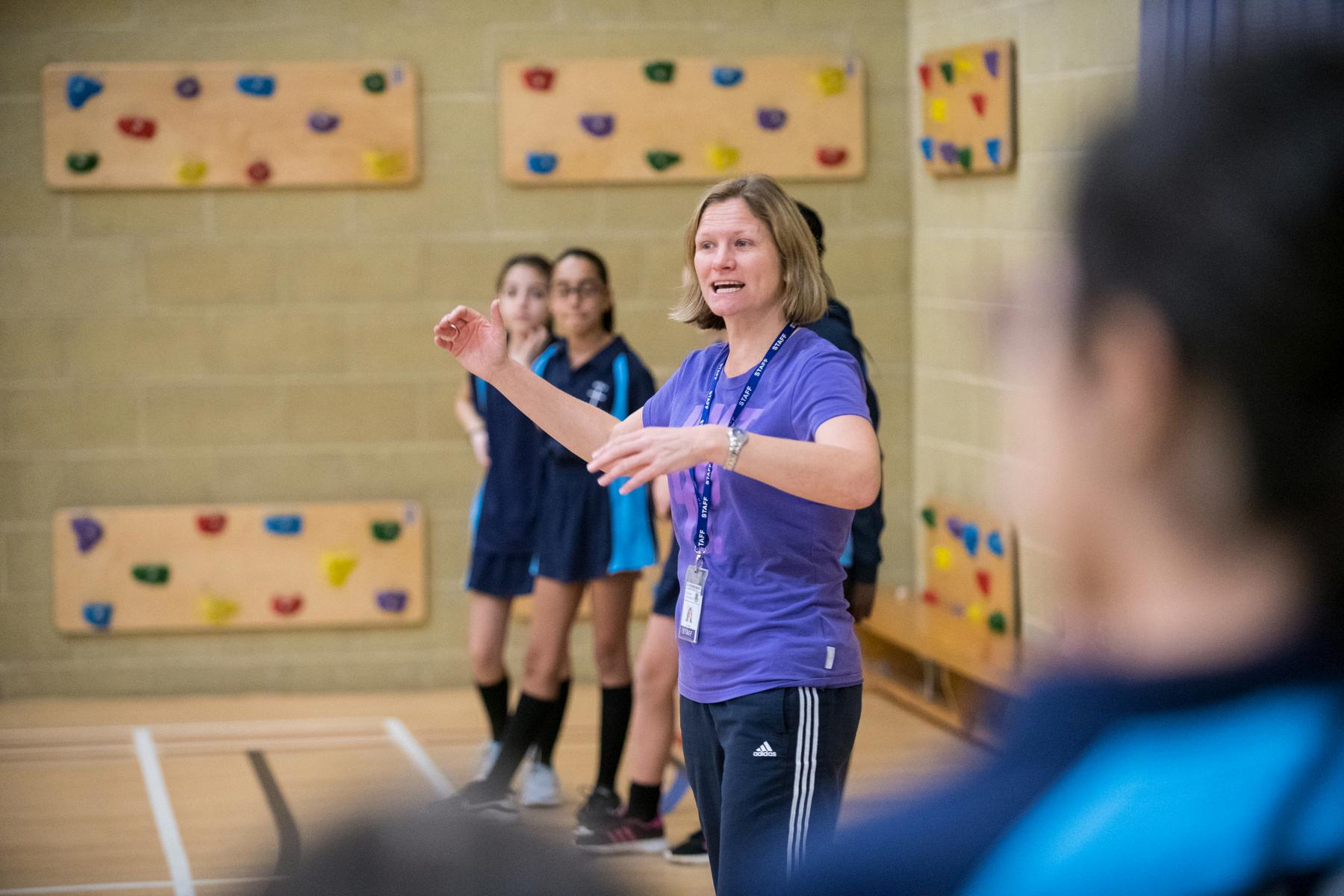
GCSE Physical Education is a demanding subject Students need to recognise the emphasis on the practical side of the course, as well as the theory, which is required throughout the course and for the written elements. Physical Education is a rewarding subject that can lead students on an exciting career path.
“You aspire to great things?
Start with little ones.”
St Augustine