
Exploring the people and stories amplifying the Movement
Exploring the people and stories amplifying the Movement
We are the Holomovement —architects of a new vision, a constellation of changemakers, redesigning antiquated systems and reimagining futures that honor our planet.
In the face of division, we choose unity. Under the weight of crisis, we find resilience. With hearts aligned and love as our driving force, we create ripples that swell into waves of transformation.


We are the Holomovement—because the power of the whole is infinitely greater than the sum of its parts.
Manifesto What’s an immediate next step you can take to amplify a wave of

Editor Jill Robinson
Creative Director Lila Taff
Contributors Susan Belchamber | Zenka Caro | Tareq Eqtedary | Kimberly Self Hundertmark | Emanuel Kuntzelman | Paulette Pipe | Mariko Pitts | Jill Robinson | Lila Taff
Proofreader Joanna Flagler
Cover Photography Lila Taff
It Starts Within Manifesto Mariko Pitts
Website holomovement.net

Email magazine@holomovement.net
The Holomovement Effect digital magazine explores the people, places, and possibilities moving the Holomovement forward.
Holomovement is a social movement that awakens us to our interconnectedness, igniting a critical mass of collaborative action serving the good of the whole. Guided by science and spirituality, this unifying movement is catalyzing a massive shift in human consciousness.
For comments, submissions, collaborations, and advertising, please email: magazine@holomovement.net
What is the Holomovement Effect? Defining the Vibe of Transformation

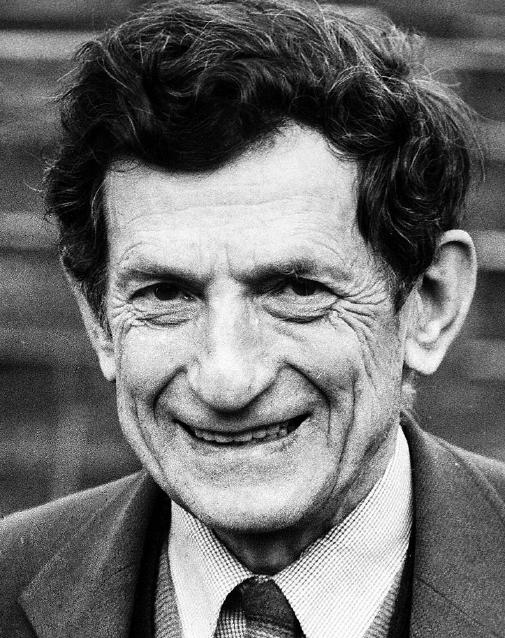
David Bohm—The Physicist Inspiring a Movement
A Meditation for Remembering

Awakening Your Purpose: The Formula for Living Your Passion
It Starts With Us: Holomovement Steward Spotlight on Tareq Eqtedary A Practice for Building Resilience

The Art of Transformation: Helping Asheville Rebuild and Support a Vital Creative Hub
Holomovement Library of Inspiration
Connect with our community at https://www.holomovement.net/calendar .
Welcome! We’re thrilled you’re here for the inaugural issue of The Holomovement Effect!
The vision of this digital magazine is simple: to introduce you to the people and stories at the heart of this movement in a more intimate and human way. In each issue, you’ll meet extraordinary Holomovement stewards, enjoy thought-provoking topics, “overhear” inspiring words of wisdom, and come away with a few recommendations for music, podcasts, or books for your personal collection.
It’s my hope that reading The Holomovement Effect offers a similar feeling to gathering with old and new friends—an experience that is uplifting and insightful and leaves you feeling more connected to this exciting movement in motion.
In this first issue, we explore ways of experiencing the Holomovement effect, the life of David Bohm, the incredible American physicist and seeker who inspired so much within the Holomovement, and the weaving of personal purpose and collective growth. You’ll quickly see that the stewards featured in these pages are truly extraordinary in both their leadership and in their courage. We also have a beautiful guided meditation for you and a practice for building resilience.
So find your seat and join us around this transformative table. Thank you for being here and celebrating the people and this shared sense of possibility propelling the Holomovement. This is just the beginning…
With immense gratitude,
Jill Robinson Editor


We could describe it as the energy we feel and emanate when we connect through love-in-action. It ’s the high-frequency space we co-create when we align in vision and values. But it ’s more than that. The Holomovement Effect is a deeply personal experience elevated by collective coherence.
It’s a vibe, powered by joy as a force for action. It’s the transformative energy rippling outward inspiring a buoyant sense of possibility, creativity, and deep connections.


The Holomovement Effect announces itself in both profound and playful ways:
SYNCHRONICITIES
There might not be a definitive description, but its presence is tangible. Pause and listen deeply to its heartcentered pulse. Feel how this energetic quality weaves each of us into the cocreative fabric of the Holomovement. ✺ What is the
AMPLIFIED JOY
CREATIVE COHERENCE LOVE





What is the feeling you get when you’re in co-creative flow? How does it show up during your experience?
by Emanuel Kuntzelman
Throughout his life, David Bohm, the American physicist and philosopher who coined the term “holomovement,” was a natural-born scientist, driven by a quest to find the meaning of life by deciphering the secrets of nature. During the last decades of his life, however, he was increasingly drawn to explore the nature of consciousness and human relationships, as they related to his theory of quantum physics based on ontological causality. In other words, he was exploring physics as arising from a source of being that unfolds with a purpose.
He didn’t start out his career with such bold explorations. As a child, Bohm was a rather awkward and clumsy boy who suffered from his inability to do well in physical activities. Rather than playing sports, Bohm was more inclined to stay home and ponder why a vortex formed when the bathtub drained or why a gyroscope moved as if it had a life of its own.
Bohm—the
As a boy, while hiking in the woods with a group of friends, they came upon a rushing stream. The other boys began jumping across an imposing series of stones to traverse the water, while Bohm was seized with anxiety. He was at a stage when he thought the scientific mind could understand the universe by studying the behavior of natural forces. If he could only imitate the bodily movements of his peers, how they threw a ball, swung a bat or navigated stones on a stream, he could compensate for his lack of coordination. But, as he watched his friends leaping from stone to stone, he realized that imitation was impossible.
Each person had their own way of making the crossing and their methods varied with the ever-changing splash of the stream. There were clearly too many hidden variables to make a precise calculation about the best way to cross the water.
In a moment of intuitive inspiration, Bohm realized that to reach the other side required moving in flow without over-thinking the task at hand. He decided to simply go for it and safely forded the stream. Bohm often retold this story throughout his life as it symbolized his own leap from a scientist observing nature as a mechanical process to becoming a theoretical physicist who understood the universe as a continuous, undivided flow of wholeness.
Bohm completed his undergraduate studies at Penn State University, near his hometown of Wilkes-Barre, Pennsylvania. He then pursued his graduate work at Cal Tech and the University of California, Berkeley, in the 1940s. It was there he became a student of Robert Oppenheimer, the American theoretical physicist and the director of the Manhattan Project’s Los Alamos Laboratory.
Like many intellectuals and artists of the time, Bohm had joined the Communist party as
a student in hope for a more peaceful and equitable society, in contrast to the horrors committed by Nazi Germany. After World War II, when the tragedies of Stalin’s reign in the Soviet Union became obvious, Bohm abandoned his sympathy for the party. It would prove to be a costly membership.
After he became a professor at Princeton University, the House Committee on UnAmerican Activities subpoenaed him to appear for testimony in 1950, just as he was writing his landmark book “Quantum Theory” (1951). Bohm cited the first and fifth amendments in his refusal to answer most questions regarding his brief, nine-month affiliation as a card-holding member of the Communist party. As a result, Princeton let his contract expire despite strong recommendations from the likes of Albert Einstein, his colleague and friend.
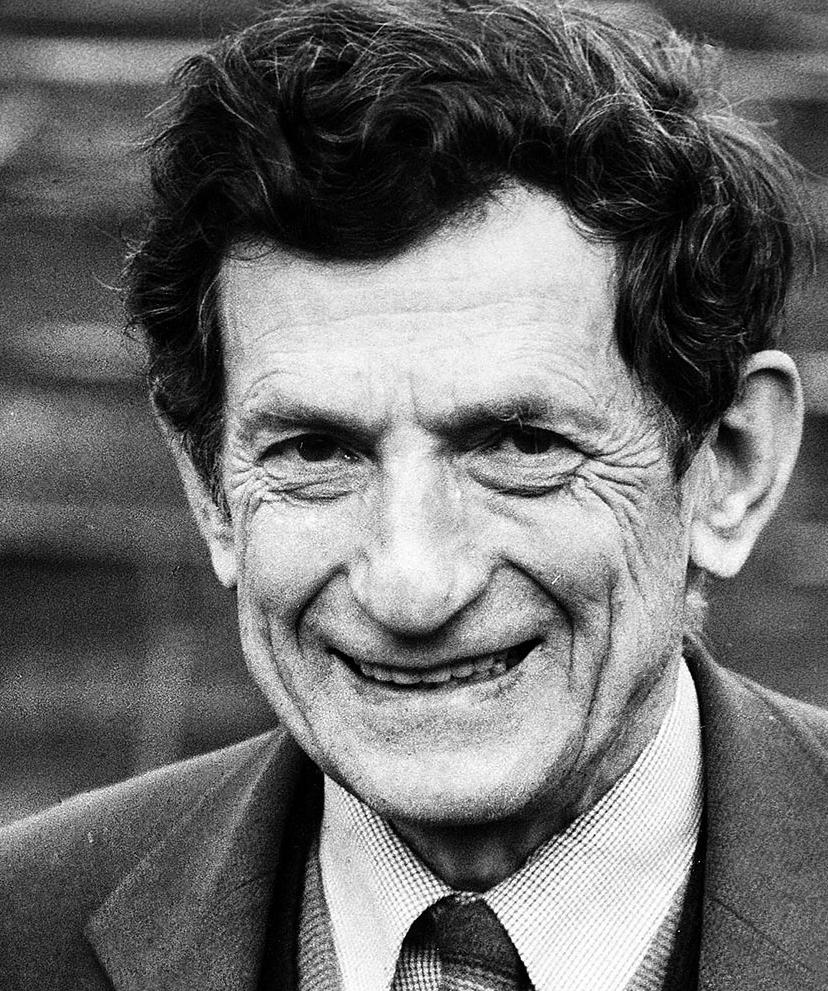
With no work and little support in the U.S., Bohm accepted a teaching position in São Paolo and moved to Brazil where he struggled to culturally adapt, but nevertheless continued with his work. As he anxiously awaited reviews of his new theory of quantum mechanics, which disagreed with some of the commonly accepted concepts of the Copenhagen interpretation, he was dismayed that few physicists had anything to say about his theory.
Oppenheimer tried to mathematically disprove Bohm’s theories, and when he was unable to do so, commented “If we can’t disprove Bohm, then we should just ignore him.” And the physics community did just that.
Einstein was somewhat sympathetic and appreciated Bohm’s vision of a sub-quantum world of hidden variables. However, he was concerned that this field of variables required nonlocality, including signals between entangled particles that could travel faster than
David Bohm—the
the speed of light. What Bohm was proposing, however, was that no signals were needed. Entanglement was an exchange of information as opposed to physical messaging.
In Bohm’s view, the world was an interconnected and unbroken whole. An incredible theory for a man in the midst of personal hardship and extreme isolation from his own scientific community and country. Bohm was largely ignored during the 1950s, despite developing the theory of plasma, hidden variables and nonlocality, all eventually worthy of Nobel Prize consideration.
As a result of his brief exploration of Communism and his testimony in 1950, the U.S. consulate in Brazil confiscated his passport and Bohm was stranded. He was eventually able to obtain his Brazilian citizenship, and with a new passport in hand, Bohm accepted a position at the Technion - Israel Institute of Technology in Haifa, Israel in 1955.
It was in Haifa that Bohm met and married Saral Woolfson, who remained his wife, supporter and psychological caretaker for the remainder of his life. Her role was significant. Bohm suffered from bouts of anxiety and depression, tendencies which were exacerbated by his constant struggle for professional recognition. Indeed, it was no easy task to be a maverick pioneer on a quest for truth in physics. In 1956, Bohm accepted a teaching position in England. He moved first to Bristol College and then to Birkbeck College, University of London, where he remained for the rest of his life.
Although the physics community largely continued to follow Oppenheimer’s suggestion to ignore Bohm, there were some who were intrigued with the ideas that Bohm proposed, particularly nonlocality. Physicist John Bell, who did his own independent research came to the conclusion that nonlocality was valid and
developed what is known as Bell’s Theorem, presented in 1964, which substantiated the concept. Other physicists, including Alain Aspect, John Clauser, and Anton Zeilinger, used increasingly more sophisticated measurement tools over the following decades to corroborate the idea of nonlocality. The latter three were awarded the Nobel Prize in Physics for their combined work in 2022, seventy years after Bohm theorized that nonlocality was necessary for hidden variables to exert their influence.
Personally, I share Bell’s fascination with nonlocality and would venture to say that it is the most convincing demonstration of the interconnected wholeness of our universe. Our physical reality is merely the froth of waves on the surface of the vast ocean of quantum potential that lies beyond space and time. Although Bohm was a self-proclaimed agnostic when it came to spiritual beliefs, to my way of thinking he ended up contributing more to the fusion of science and spirituality than perhaps any other teacher, thinker, or philosopher. That may sound like an exaggeration, but let’s take a deeper look into some possible interpretations of Bohm’s quantum theory.
In his book On Creativity (1996), Bohm says: “metaphysics is an expression of a world view” and is “thus to be regarded as an art form, resembling poetry in some ways and mathematics in others, rather than as an attempt to say something true about reality as a whole.”
“You know, it’s tantalizing,” he said.
“I feel I’m on the edge of something.”
In the 1980s one of my mentors decided I needed an education in the connection between quantum physics and spiritual philosophy. Among the many books he insisted that I read was Bohm’s 1980 publication entitled “Wholeness and the Implicate Order” (which was, ironically enough, banned by the Soviet Union).
Although not necessarily a reader-friendly book to digest, I was stunned by the inherent simplicity of his complex message. Physical reality is what Bohm called the “explicate order.” Everything else lying beneath the subatomic world is the “implicate order.” In other words, the implicate order acts as an infinitely layered field of quantum potential that sort of bubbles up with “active information” to create physical reality or explicate order.
David F. Peat, author of Bohm’s biography titled “Infinite Potential: The Life and Times of David Bohm” states that “The implicate order is a new way of seeing and talking about the world…(and) became Bohm’s best-known idea.” Maybe so. The implicate order certainly avoids all the emotional baggage associated with any term to describe a divine being. But out there beyond theistic notions, there is another word that strikes me as the best idea that Bohm contributed to our understanding of the universe: holomovement.
In all of his work, Bohm spent very few pages discussing the holomovement— probably because, in his own words, “the holomovement is undefinable and immeasurable.” Indeed, just as “the Tao that can be told is not the eternal Tao,” it is impossible to describe a kind of universal flux that connects everything in undivided wholeness. Bohm’s definition of ‘holomovement’ connects the physical and
ethereal into wholeness; it is an “unbroken and undivided totality.” He proposed that there is “active information” in the implicate that unfolds into the explicate order, which ultimately enfolds back into the implicate.
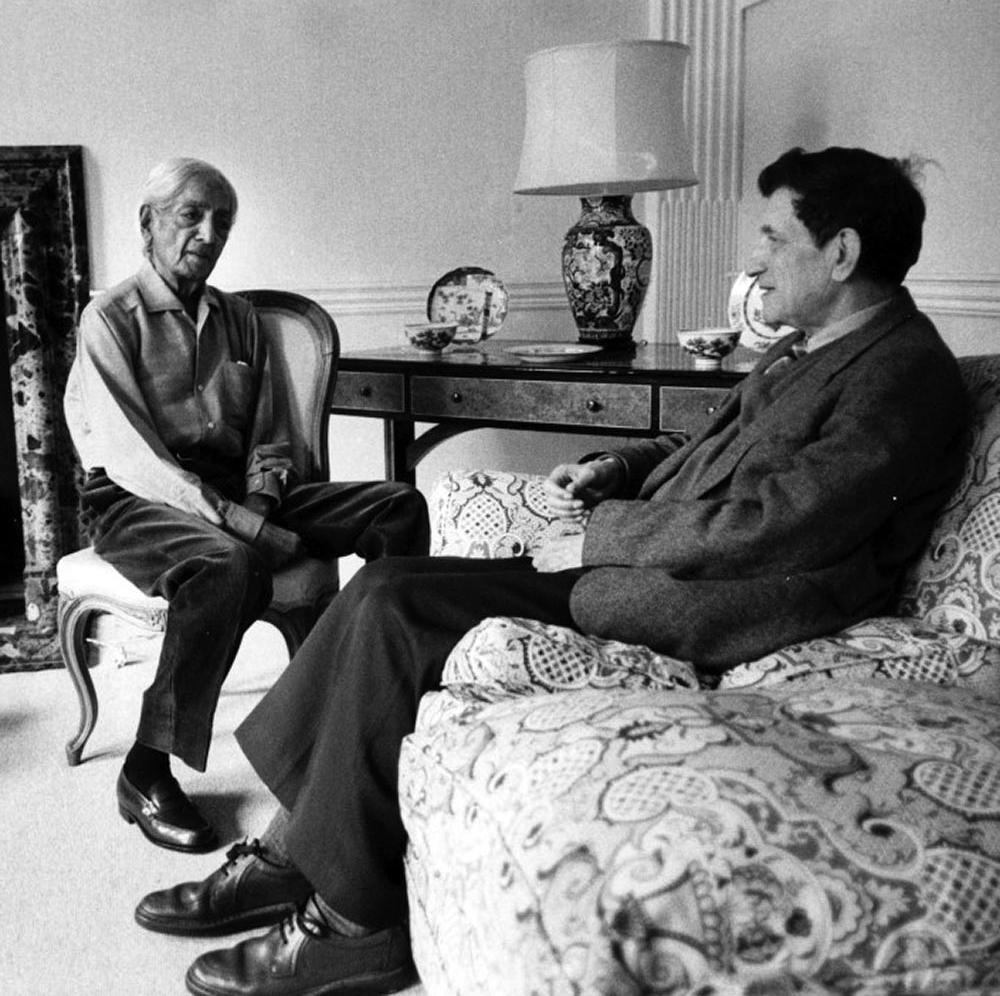
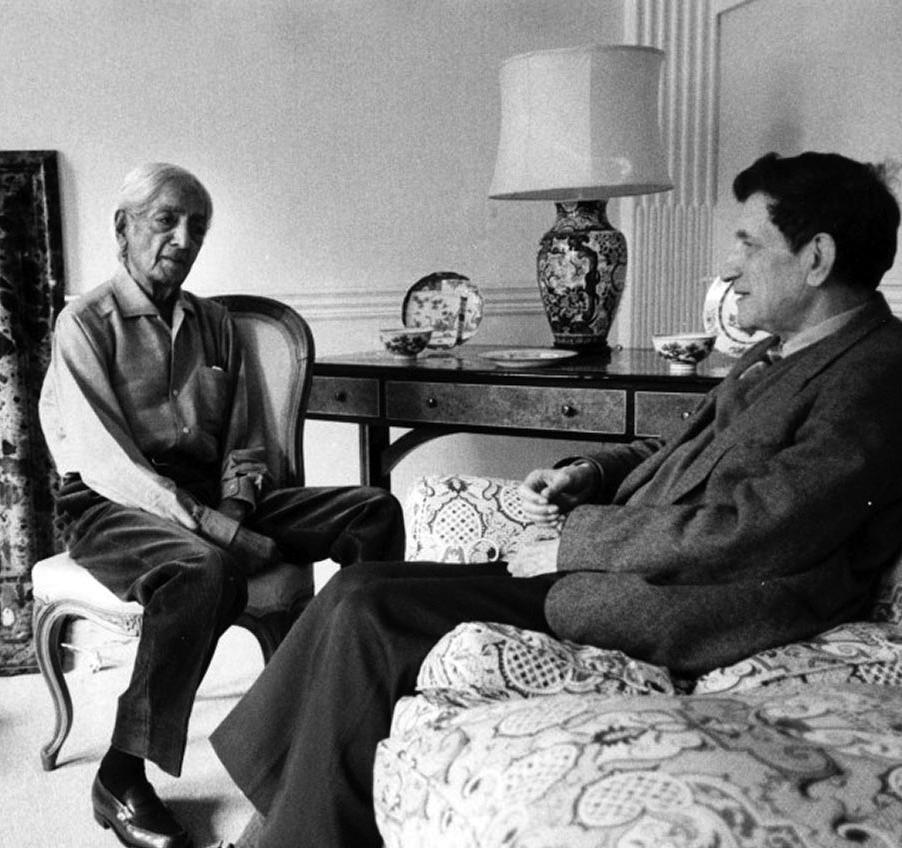
Prior to conceiving the holomovement, Bohm spent a couple of decades developing his ideas that included a new interest in consciousness. In the 1970s, he became a friend of the Indian philosopher Jiddu Krishnamurti, and their famous dialogues were deep incursions into the nature of consciousness. Krishnamurti claimed that the observer is also the observed and the thinker is the thought. Bohm also became friends with the Dalai Lama, who described him as his “science guru.” As Bohm became increasingly absorbed with spiritual philosophy, many of his colleagues in physics felt he had gone off the rails, but he persevered. Beyond physics, Bohm explored and wrote about dialogue, creativity, thought, meaning, and the infinite potential waiting for us in the deepest realms of the implicate order. His biographer Peat says, “It was as if all his energy were reserved for the mental task of pursuing truth, no matter where it took him.”
This pursuit led him to postulate that below the implicate order there lies another level that he referred to as the “superimplicate order”—an infinite field of quantum potential. Bohm never went quite so far as to claim that there was a divine source pulling the levers to create reality. Without falling into interpretations that could be labeled “New Age Nonsense,” let’s simply say that a term like the “superimplicate order” has the potential to bridge beliefs of some kind of divine being, by whatever name it might be assigned.
He said that this causal or semi-deterministic field underlying reality was an “ontological
David Bohm went on to create “Bohmian Dialogue,” a free-flowing group conversation toward common understanding. These dialogues were a meeting without an objective to explore the process of “thinking together” collectively.
interpretation” of quantum physics. Ontology is the science of being and becoming, and near the end of his life Bohm wrote, “That which is truly alive in the living being is this energy of spirit, and this is never born and never dies.”
Despite bringing to life terms such as ‘holomovement’ and ‘superimplicate order,’ Bohm felt that words were primitive tools to explain the unexplainable. Bohm even attempted to develop a language called the rheomode, based on verbs, similar to some Indigenous languages. At least verbs signify motion, which is more akin to the flow of the implicate than the stodgy nouns of the explicate.
Peat tells us that “Bohm noticed that everyone felt as if they were on one side of a gap, trying to reach each other. It would be helpful, he suggested, if they said, ‘There is no gap, we are on the same side.’” He surely would have approved of the legendary 13th century idiotsavant teacher known as the Mullah Nasruddin.
Although Bohm was a self-proclaimed came to spiritual beliefs, he ended to the fusion of science and spirituality other teacher, thinker,
When words and explanations couldn’t convey the truth, sometimes a little tale of the Mullah could bring home the point in a more amusing, koanlike way.
There is a Nasruddin tale about a group of people on a search through a dense forest. Suddenly, they reach the bank of a rushing river. Like the stream that David Bohm confronted as a young boy, they were stymied by the possibility of crossing the great water. How does one traverse the gap without falling in? How do we connect the perils of the explicate with the divine guidance of the implicate? How can the universe be undivided when everything appears separate?
In their quandary, the group of seekers looked across the water and espied the Mullah Nasruddin standing on the other side. Relieved to see their sage, they shouted out over the cascading stream; “Mullah, Mullah, how do we get to the other side?”

self-proclaimed agnostic when it ended up contributing more spirituality than perhaps any thinker, or philosopher.

Nasruddin looked at them quizzically. Scratching his head, he called back, “You are already on the other side!”
David Bohm longed for a world where humanity could replicate the wisdom of the interconnected and infinite implicate order. He envisioned a group mind where we work in community to live together as one. He created dialogue groups to explore collective intelligence which could set the trajectory of our current civilization on a new path of understanding. His was a worldview of the universe as a holistic and organic structure, emerging from a field of undivided wholeness, no matter on which side we think we stand.
Even in his final years, when a serious heart condition made him frail and prone to depression, Bohm continued developing his theories. On October 27, 1992, he telephoned his wife Saral to tell her that he would be on his way home soon and that it had been an
exceptional day at Birkbeck, where he still worked as an emeritus professor. “You know, it’s tantalizing,” he said. “I feel I’m on the edge of something.”
What that something was, we shall never know. An hour later, as his taxi pulled up in front of his home, he died of a massive heart attack. Was he on the edge of a breakthrough in physics, a transcendent mode of consciousness, or maybe a new form of social organization?
We can only speculate that he was on the edge of truth. He wasn’t on either side of the rushing stream of life. He was both part of and the whole of the Holomovement. ✺
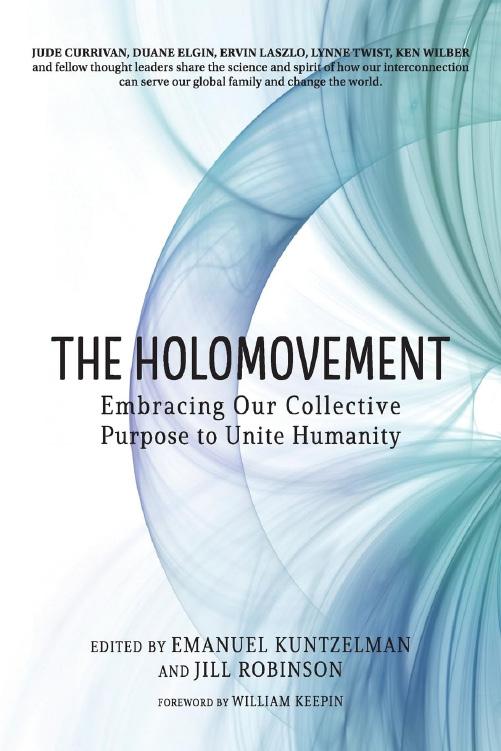
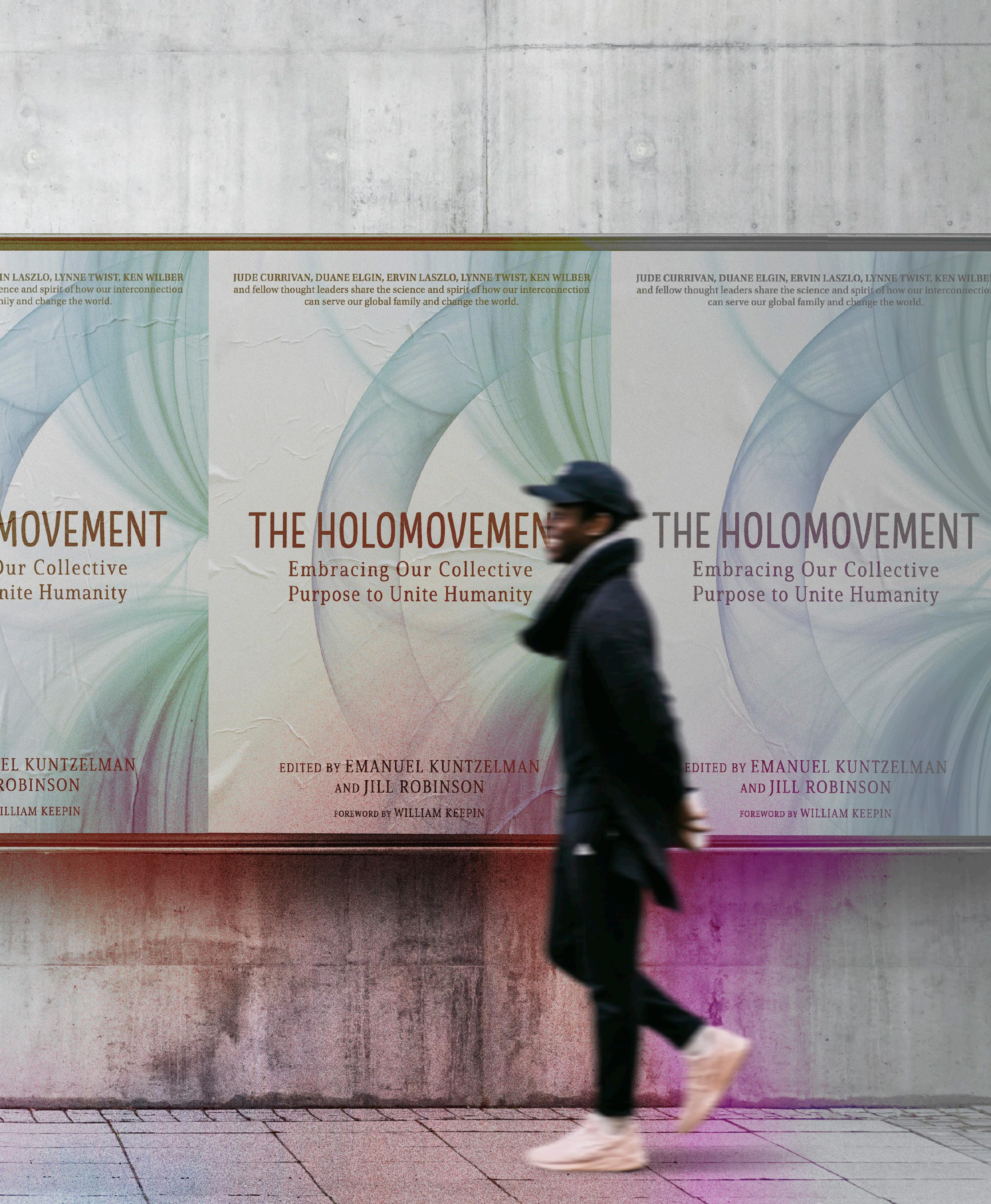
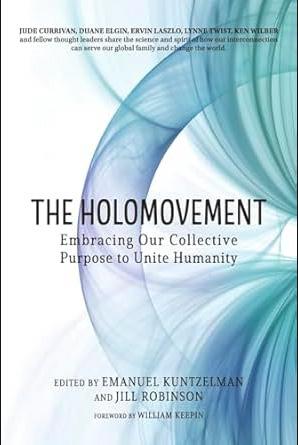
In this exciting anthology, thought the science and spirit of how our can serve our global family and change Buy the book here.
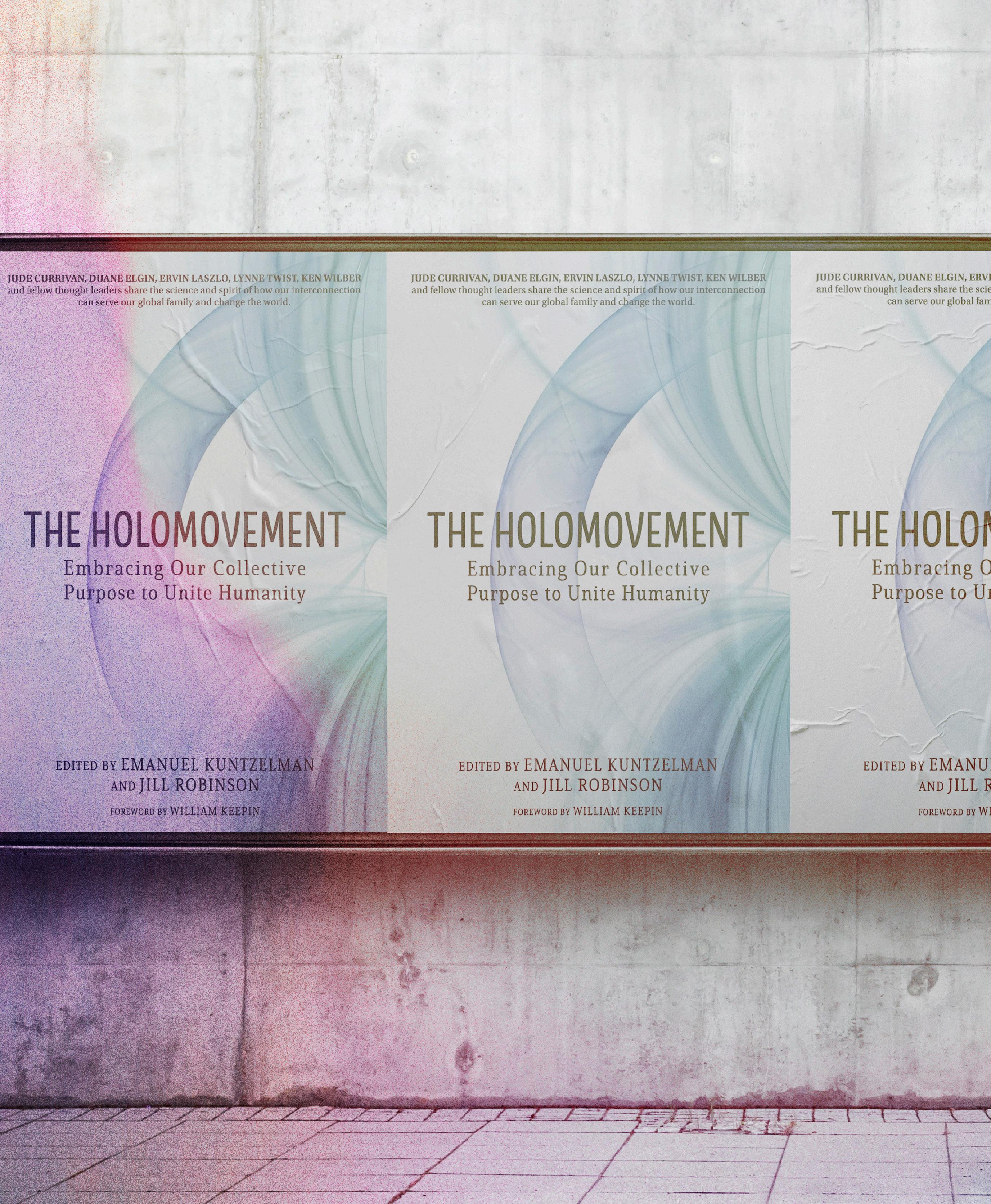
thought leaders share interconnection change the world.
by Reverend Paulette Pipe
This offering, created by Rev. Paulette Pipe, can be used as a prayer during a mindful moment or part of a daily practice. If you prefer to enjoy a guided exp erience, click on this link to listen to Paulette’s beautiful affirmation.

I affirm.
I am breathing in and breathing out the breath of life.
Reawakened by the serenity of stillness, My soul reminds me why I am here.
Each breath gently draws me deeper into the sanctuary of peace that resides at the heart of me.
As I take time to pause in this spirit-infused dimension of peace, Love and beauty,
I am aware of being connected to my higher power.
I rise from beneath a pile of doubt and mounds of mossy fear that camouflage my true spiritual nature.
In this peace-soaked breathing space,
I remember the divine essence of who I am.
I remember that at my core, I am wholeness and vitality.
I remember I am compassionate, Caring and forgiving.
I remember my great capacity to receive a full measure of bountiful prosperity that fulfills the righteous desires of my heart.
I also remember to access the higher levels of consciousness and transformative emotional intelligence that resides within me.
I have come to exude, Express, Feel, Receive and become love.
I am here to extract inner treasures of healing, Restoration, Harmony, Guidance, Comfort and prosperity that become visible now in the light of understanding.
With a grateful heart for the gift of remembering who I am,
I move dauntlessly through the world, Expressing more of my divine magnificence.
And so it is.
Ame n. ✺








THE HOLOMOVEMENT IS POWERED AS A FORCE FOR ACTION.


by Zenka Caro
American inspirational speaker, lawyer, and New Thought spiritual teacher, Iyanla Vanzant, once posed a simple yet profound question:
“Are you living or are you existing?” An astonishing 75% of respondents admitted they were merely existing.
The Holomovement Purpose Lab wants to change this narrative.
When people are living their purpose, people report experiencing and spreading joy.
Personal meaning translates to collective transformation rooted in love. It’s this vision that inspired the collaborative efforts of LightNet and the Holomovement in bringing the Purpose Lab to life.
The belief in the human capacity—to dream big and realize one’s personal power—is at the heart of the LightNet origin story. LightNet
was founded after studying the research of Jack Houke, an aeronautical engineer who was at first a skeptic, but ended up teaching over 16,000 people how to bend spoons with their minds. Their mission was simple: To make what seems impossible—like making a living doing what we love, freeing ourselves from addictions, bending a spoon, or getting out of a wheelchair—possible.
The team at LightNet interviews these “4 minute milers,” those who have realized their dreams, and collects and shares patterns and wisdom with others so they can do the same. Collaborating with stewards of the Holomovement was a natural alignment to amplify a shared vision of our purpose, and then put our sense of meaning into action for the greater good.
The Holomovement Purpose Lab launched in October 2024, welcoming its first cohort of five teams on an eight-week guided exploration
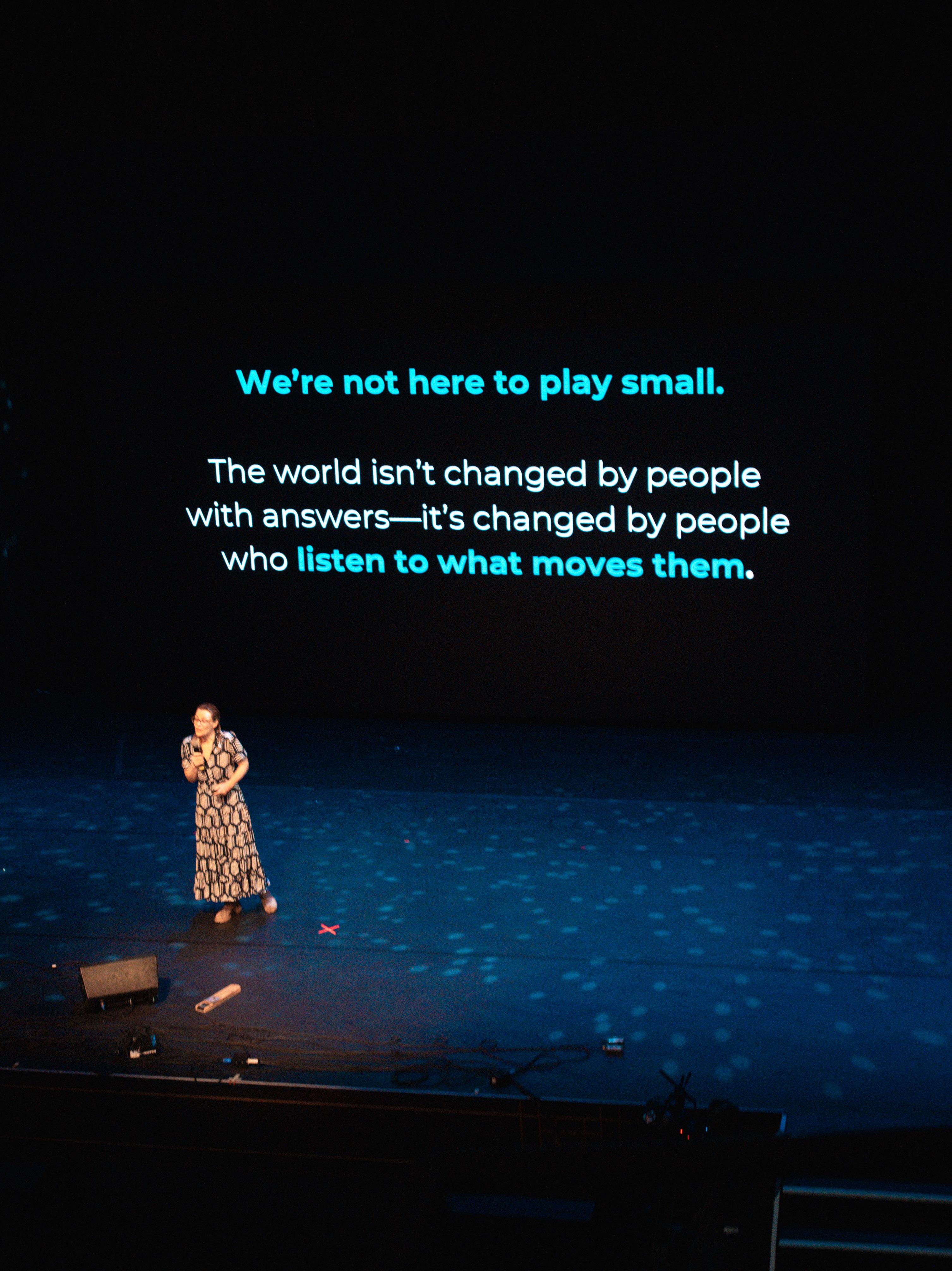
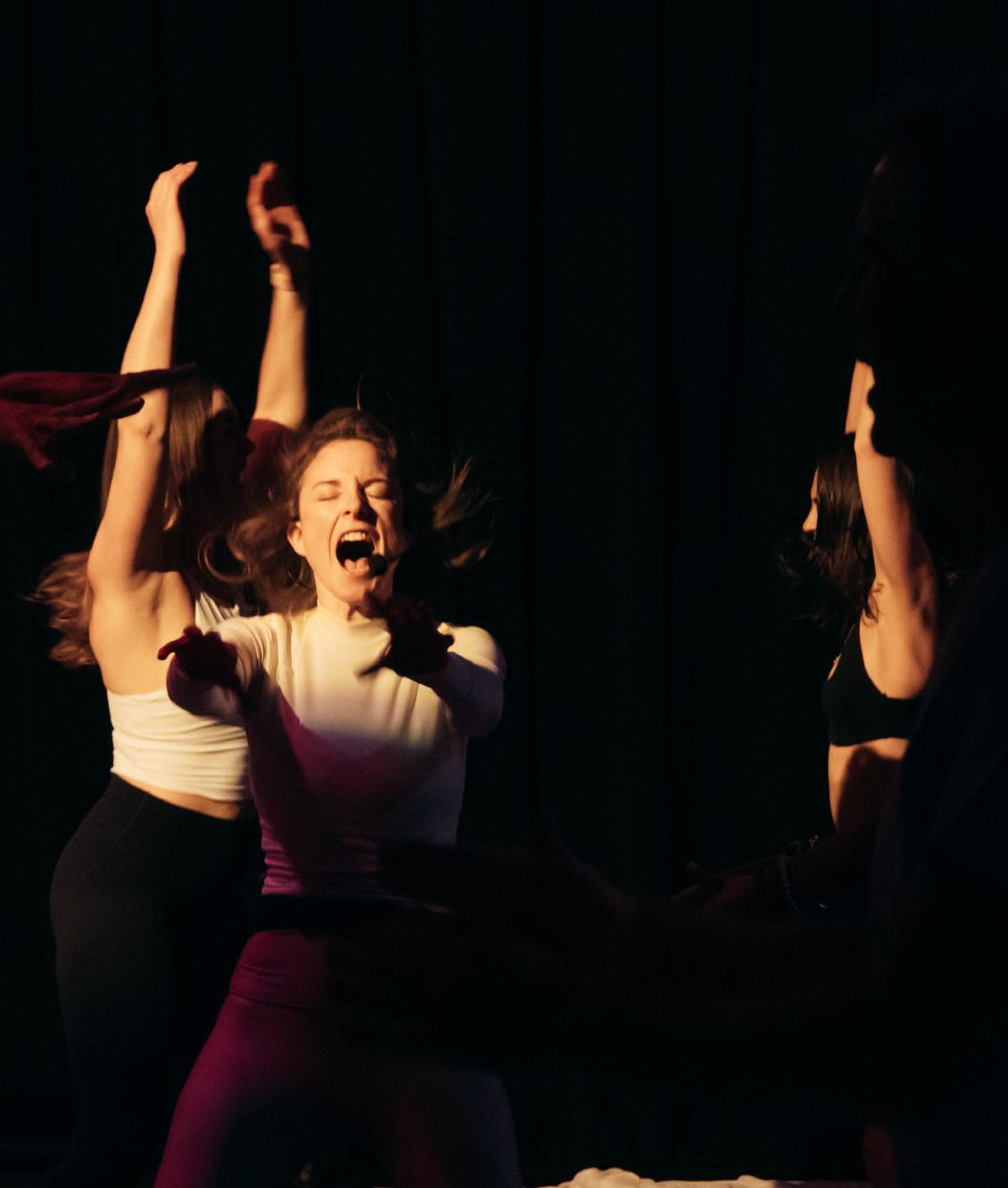
to uncover their authentic self and embody a new chapter of authentic living. These groups of 8-12 people met weekly and at the end of the program, 90% of participants stated that they found their purpose. Even more exciting, the data collected from the program suggests that the participants have been falling in love with their lives.
Team members reported that over the course of the program their love of life and within personal relationships had increased by 62% and their wealth had increased by 88%. But what does a data increase on paper look like in real life? For team member Nekita Reyna, it was literal.
“Well, I literally fell in love during Purpose Lab with my partner. We had known each other for over a year and during Purpose Lab was when I decided to do the devotion, and he came into my realm. I’m also falling in love with my life. There’s a deeper layer of trust when I do notice different patterns or things that I’m healing through. It feels good to allow myself to be excited about the next step forward.”
For others, there’s a new chapter to their story of financial security. “Clients have arrived out of nowhere. I have no idea how they found me. And I also found money that I didn’t expect,” said team member, Rachel Weir. “There's definitely this crystallizing of my alignment with prosperity and however that wants to show up as money, energy, beauty, joy, play, connection.”
And it isn’t just about love and money. For Rachel, friendships have also begun to form between team members.
“The bonds are powerful from that experience, and I really do feel like these are lifelong relationships that I will have. Whether we get
together as a group again or not, I will still be connecting on a one-on-one basis with these women.”
So what’s the secret? Is it really possible to move from uncertainty of meaning to a clear path toward purpose and passion in only eight weeks? The Purpose Lab believes we can. With each new group of Purpose Lab participants they are building a story showcase, resource library, and community to inspire people to find and live their purpose and passion.
By gathering data and insight from the first cohort and interviewing 100 people who have already discovered their purpose, the findings reveal that having courage is the greatest common factor. It’s why having a supportive community or network is so important throughout this journey. Even with the needed courage to follow our purpose, taking the necessary risks and moving beyond the fear of failure and judgment is made a bit easier with a trusted cheering squad ready to boost morale. Purpose Lab guide, Rachel Astarte, witnessed the power of this group’s support.
“The thing is, we often feel like this is our purpose and we have to figure it out on our own. To some extent, that’s true. The true answers come from within. What’s beautiful about the community though is that we take those fresh ideas and we bring them out. Now they are shared with a like-minded group, and even more potential can come about because we can help each other and support each other on that journey.”
The Purpose Lab teams are also finding that the most profound transformations occur when individuals trust in the universe and push beyond their comfort zones. This is a lifelong practice in itself. There are “7 Proven Stages of Purpose Discovery” based on over 100 interviews. Take the quiz to find out where you are on the journey: https://www.ourlightnet.org/purposequiz .
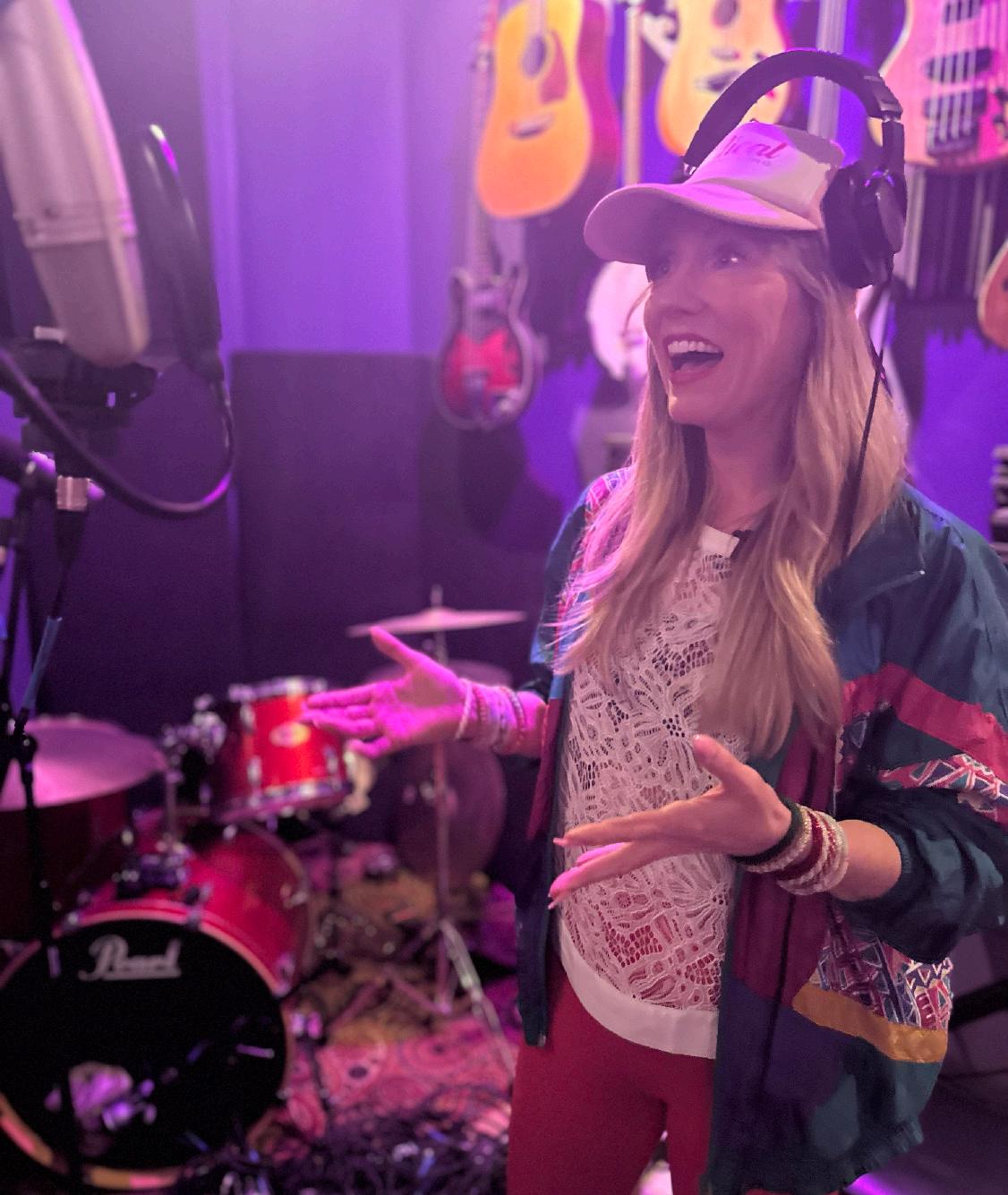
“I feel it’s so important to be lost and be okay with trusting that all the possibilities will appear,” said Purpose Lab guide, Cristiana Rocha. “It was really beautiful to see how the team members were managing these waves of uncertainty.”
The Holomovement Purpose Lab exists to inspire and empower. Through real stories, structured support, and a thriving community, it is rewriting the narrative of what is possible. By making purpose discovery accessible, the Holomovement Purpose Lab is catalyzing a movement toward a world where more people wake up each day knowing why they are here— and joyfully living that truth. ✺
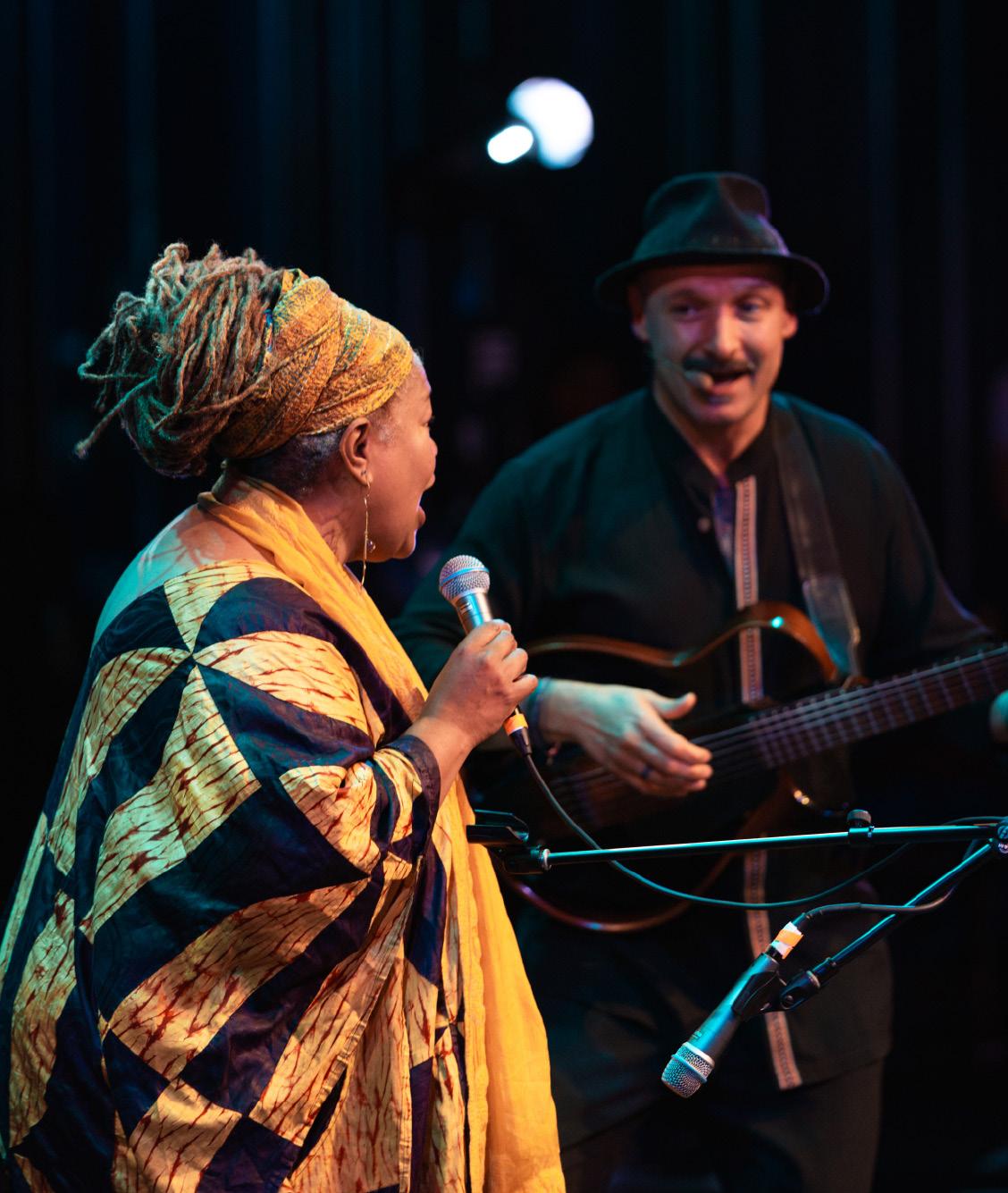
“Falling in love is about accepting, integrating, and celebrating all of your parts and all of yourself.”
— Cristiana roCha, holomovement PurPose lab Guide

title or date even a soft tagline, like ‘Wholeness in Motion’
“Purpose is not a singular destination, it is a lifelong dance of becoming. You are meant to evolve.”


PAUSE FOR A MOMENT AND LISTEN TO THE MOVEMENT’S

HEART-CENTERED PULSE.

by Jill Robinson
Sometimes, the very magnitude of the word “Movement” can start to feel so big, that the word begins to blur the rich tapestry of people and stories that encompass its energy. It is a balance of zooming out in awe at our collective energy and shining a spotlight on the individuals acting as the intricate threads weaving the Holomovement together.
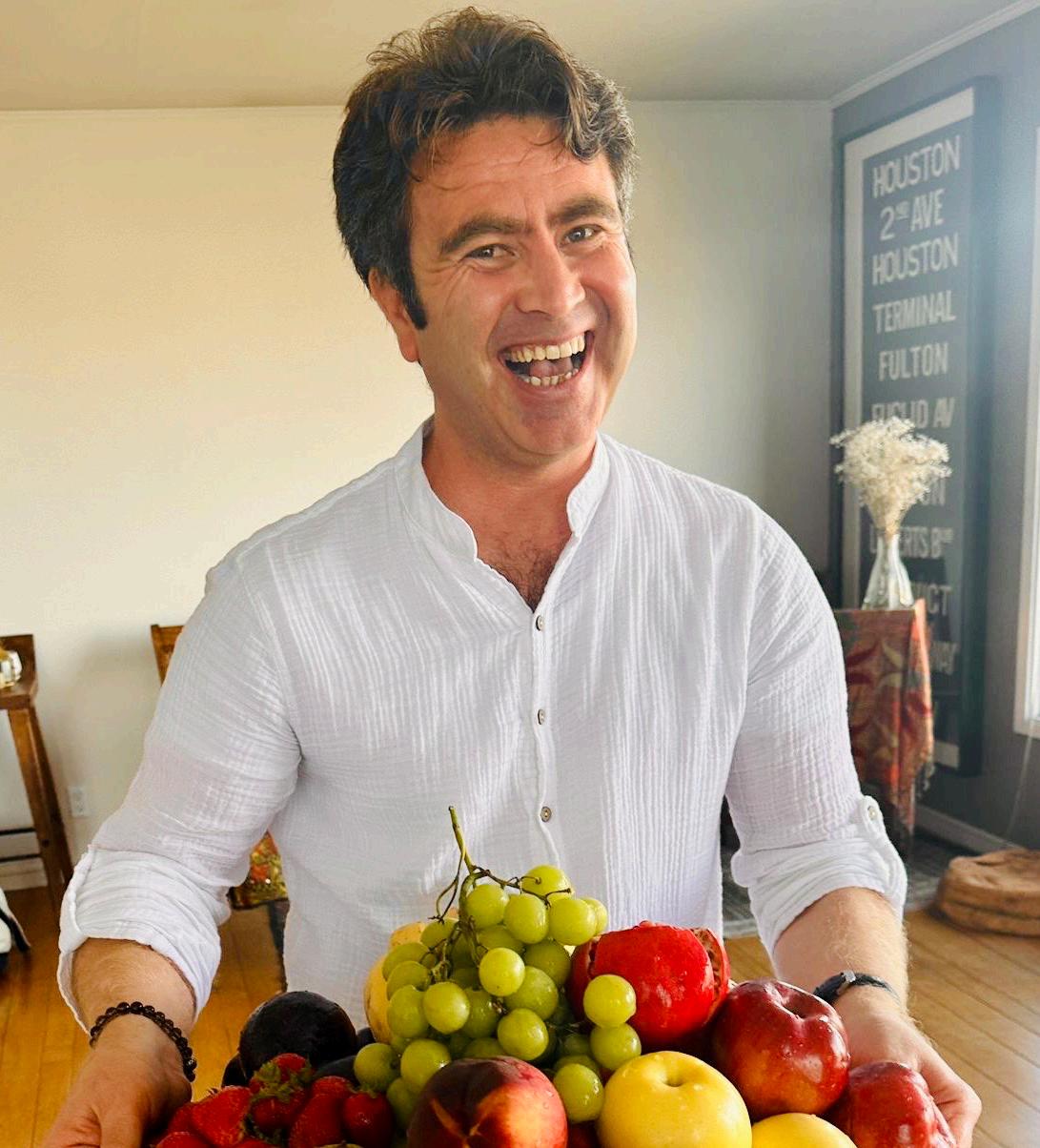
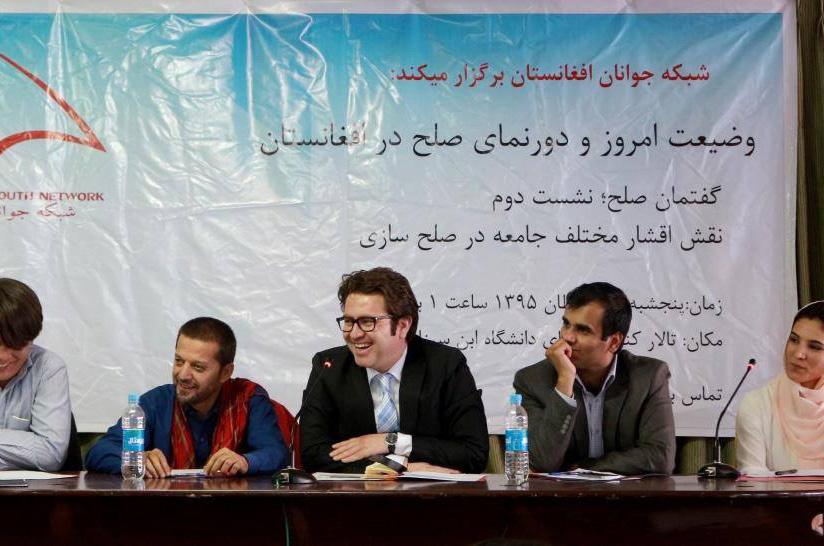
Each steward brings a wealth of wisdom and experience to the Holomovement, and Tareq Eqtedary is no exception. His extraordinary story begins in Balkh, Afghanistan, an ancient city that had been prosperous due to its location on the Silk Road and a thriving hub for philosophy, Sufism and the arts, Buddhism and Zoroastrianism. Born here in August 1985, Tareq arrived as a miracle to his family.
“My mother, she was trying everything: going to the doctor, medications, dua, to pray. I mean, she did whatever to save her son–to give her son to the world safely,” Tareq said. “When the
It Starts With Us: Tareq
time came, within two, three minutes when she gave birth to me and gave me to this world, she passed away. This is how my story starts.”
Raised by his grandmother and aunt, Tareq grew up with a feeling he held two souls: his mother and himself. Carrying a sense of responsibility to go on to do good work in the world, he finished his early education in Balkh, and then onto Kabul in 2003, completing his Bachelors in Economic Science in Kardan University. He also earned his Masters in International Political Economy from the University of Afghanistan, going on to work with national and international organizations and as a human rights defender and civil society activist since 2011.
“To exist in this world is at the price for me to lose my mom. What else could be a motivation source, an inspiration source, an encouragement source that keeps me alive?”
Tareq is an Alumni member of Friedrich-EbertStiftung Young Leaders Forum (FES-YLF) and One Young World Ambassador for Afghanistan.
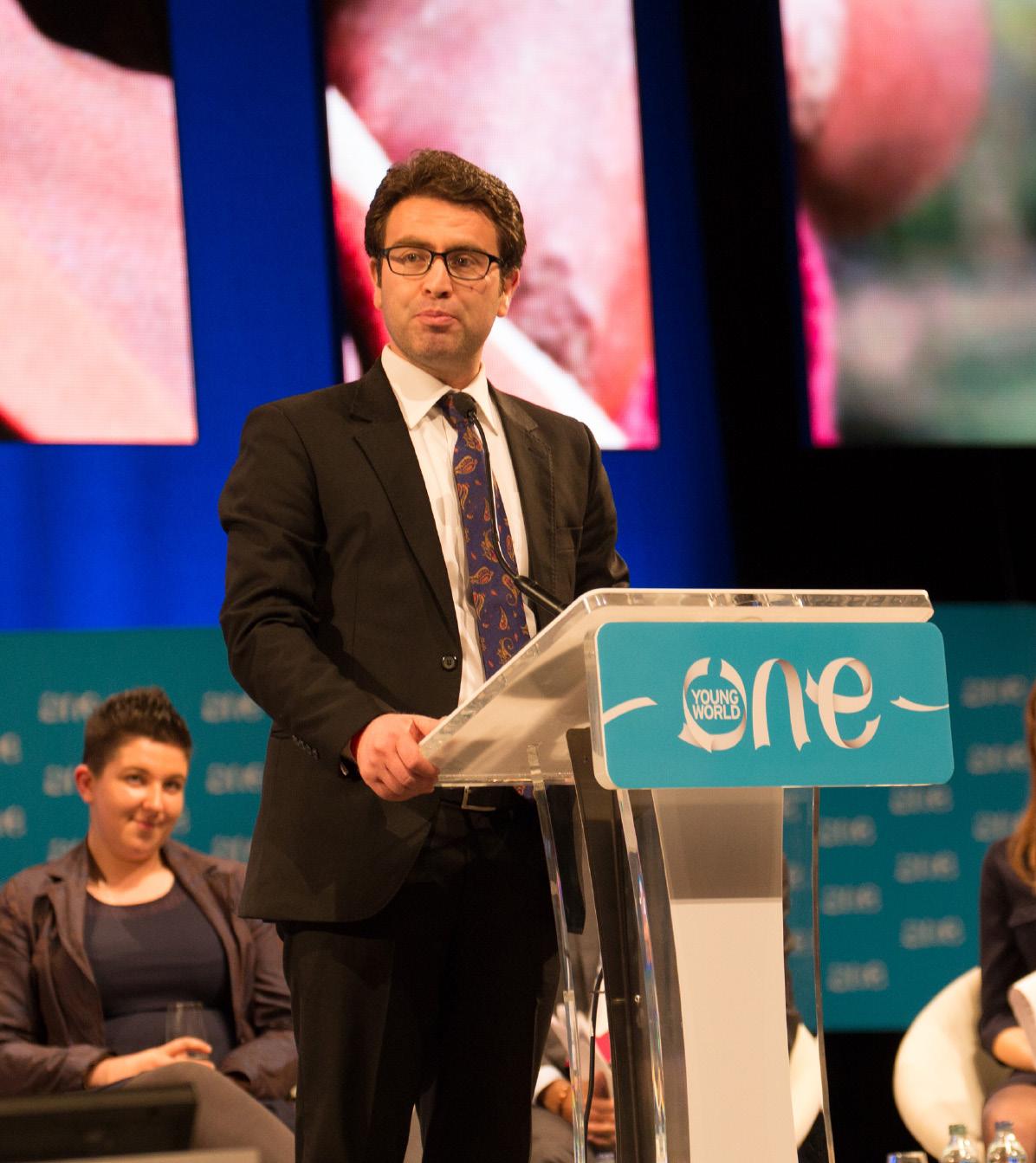
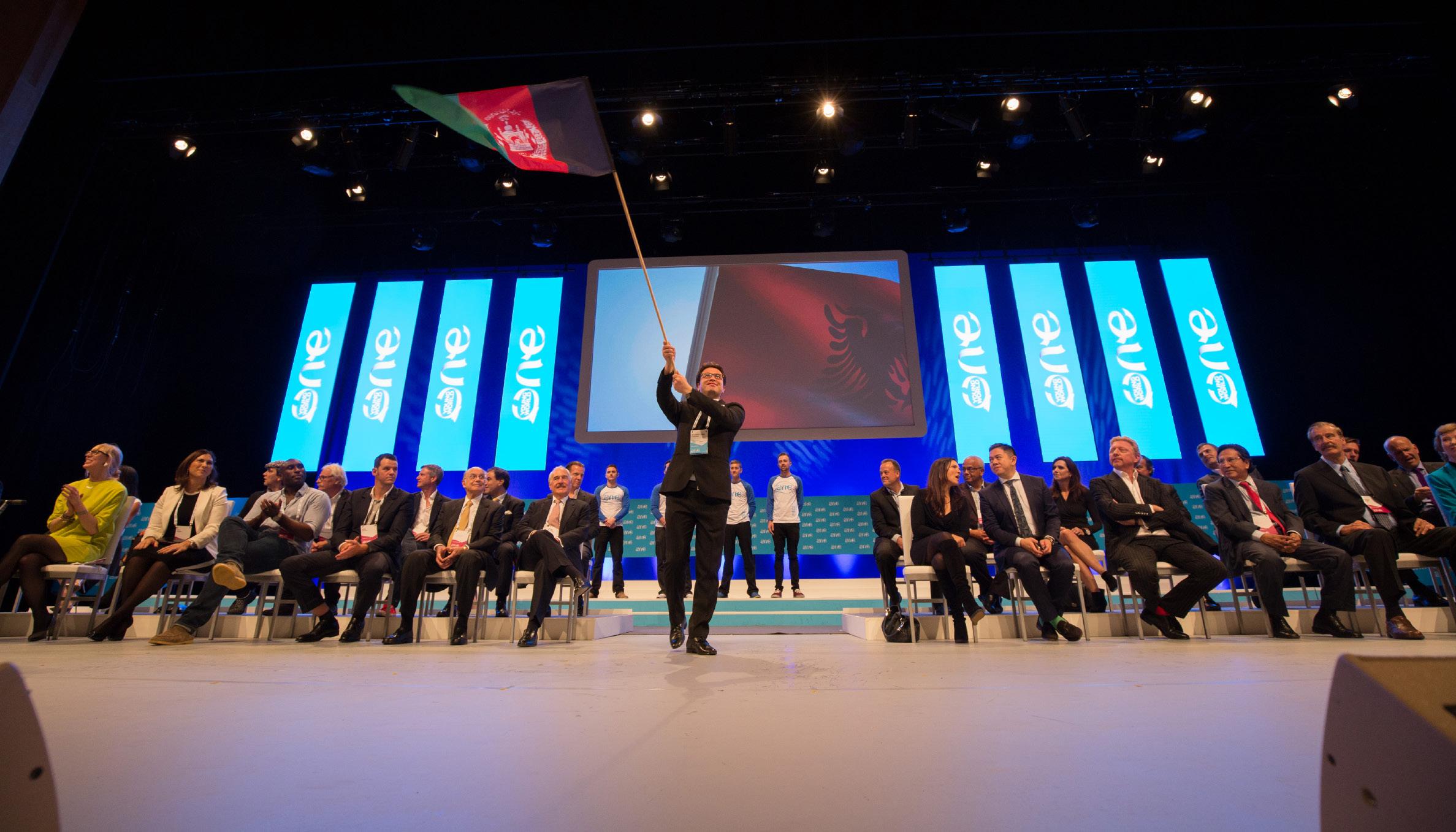
He was invited to the NATO Chicago Summit in 2012, participated in the World Justice Forum IV in the Netherlands in 2013, and was introduced as a speaker at the One Young World Summit in Ireland in 2014 by singer and political activist Bob Geldof (yes, that Bob Geldof, founder of the 1985 Live Aid benefit concert).
“I represented my country, my generation at the One Young World Summit. When I came back with all these motivations, these inspirations I received from people, I started Generation Positive as an organization in the vision to create a new identity for a new generation, and the new Afghanistan.”
As Founder and Executive Director of the nonprofit Generation Positive (G+), Tareq launched the organization to empower and support youth and nurture a new identity for Afghanistan that embodies volunteerism,
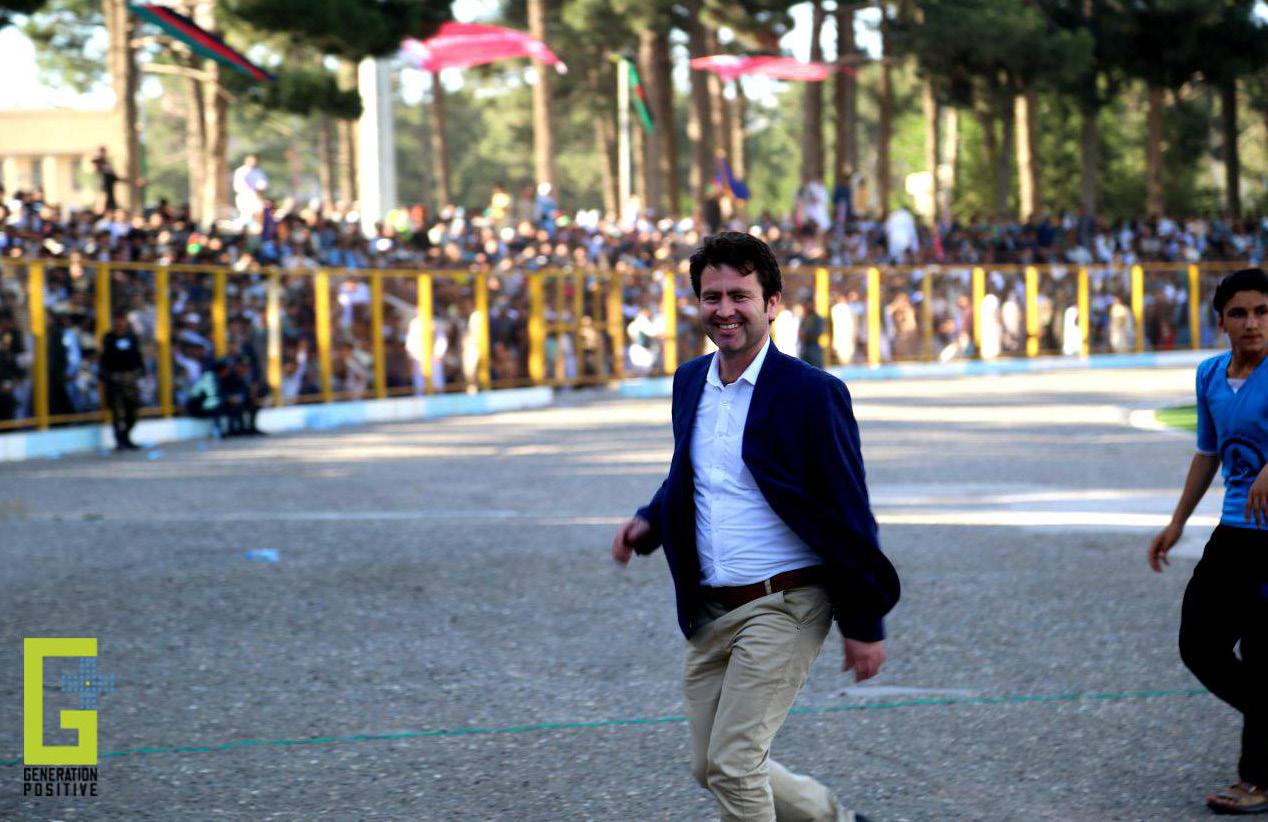
peace, quality education, human rights, democracy, climate action, cultivate positivity, and positive social development.
“I was thinking about how to change the perspective of others about Afghans. I may not change my country, I may not change my whole nation, but I will start changing. I will start being a part of change.”
The G+ was effective in its vision, going on to empower the youth in Afghanistan and recognized by government, national, and international organizations. Since its launch in 2016, G+ has successfully implemented numerous awareness, empowerment and advocacy projects, and events. This ongoing commitment and sense of purpose eventually led Tareq to be one of the youngest independent candidates to run in Afghanistan’s parliamentary election in 2018. Tragically, when the Taliban took control, Tareq was forced to
leave the country and start a new chapter.
After a year of feeling as though he had lost everything—people, relationships, hope, identity, and enduring past traumas—he left his homeland and relocated to Germany. After nearly a year, he then successfully obtained his U.S. visa.
Tareq moved to Castro Valley, California, a small city in the San Francisco Bay Area, at the end of 2023 and it’s where he currently calls home. Despite the many challenges of settling and integrating into a new city and community, Tareq’s sense of hope and possibility is palpable in his laughter when he shares the synchronicity of finding a house and roommate.
“I started a new life after all those losses, trauma and struggles and now I'm here in Castro Valley, feeling calm. I am getting engaged with my neighbors and community gatherings, such as Castro Valley Rotary Club, and also I recently joined Chabot College to
“Being a steward of the Holomovement means understanding that transformation begins within each of us.”
— tareq eqtedary
advance my English and Calbright College to develop my skills.”
It was in California that Tareq first learned about the Holomovement. Invited by an old friend to a small group gathering about the movement in Oakland, he said it felt like coming home to family.
“Everyone was interesting to me and I saw how like-minded people were. That night I told myself to be present, that everything is going well and now you have your family. Later in the evening we were all talking and I told some of my history, and people were just listening. I have not seen that the audience would listen that carefully and consciously to what I was sharing. There was one older man named Philip, I think I remember. He said, ‘Tareq, you landed in the right place.’ And we were just talking and talking that evening. So, yeah, this was the night where I found the Holomovement.”
The focus on unity and creating a ripple effect of positive change resonated deeply with Tareq’s own personal journey and values. What
stood out the most was the idea that even small, intentional actions can lead to global impact.
“I want to be a part of this movement. This is a global family; there are many organizations— they work for many things—but the Holomovement directly touches your heart, your mind, your soul, and your purpose.”
Tareq didn’t hesitate in getting involved and has gifted the Holomovement with his incredible spirit. After receiving a scholarship to participate in the inaugural Purpose Lab teams, an eight-week program to discover and live one’s purpose, he joined a cohort to rediscover his sense of meaning.
“The Purpose Lab has helped me a lot, especially with the situation of wanting to find my purpose, to a rebirth and rebuild. I was thinking to even rewrite my narrative because of the traumas of everything and the recent life I come through. I thought the Purpose Lab would be a kind of seminar or workshop where we come up to talk and write something. But no, it totally touched the right space in my mind
It Starts With Us: Tareq Eqtedary

and in my heart and changed the way I see myself as a human being, creation, and life.”
Tareq believes participation in civil society is essential because “every individual has a role to play in shaping a better world.” While finding purpose is invaluable, he doesn't believe you have to wait until you are able to define this path to do good work.
“For me, action often led to clarity. When I started working with youth and women in Afghanistan, I didn’t have a clear purpose—I just wanted to make a difference. Over time, through engagement and commitment, my purpose became clear. Taking the first step is what matters most.”
Tareq’s participation as a steward of the movement continues to enrich the community. As a regular attendee at the monthly Holomovement Ripple Experiences and
alumni of the Purpose Lab inaugural cohort, he shares a wealth of life experience and wisdom for what is required in transformative work. For now, it is the inner work that Tareq is prioritizing while still holding his vision for a world united in peace and human dignity.
“I have started having spiritual journeys and new thoughts and feelings. For example, before, I wasn’t interested too much in nature, living in this beautiful earth, planetary alignments and the universe and energy, but now I find that I need this. I'm working on myself. I am preparing myself for the next move. I will not sit back or watch—I will go further and further. I'm thinking and believing that anything is possible and I have the passion and courage to do my part.”
Being a steward of the Holomovement means understanding that transformation begins within each of us. It’s about stepping outside our comfort zone, fostering empathy, and taking intentional action. Tareq’s ability to maintain a sense of wonder and possibility in the midst of unimaginable challenges is a refreshing narrative in these historic times. His story is a testament to the healing power of purposeful action, for both ourselves and our global family.
“I’ve learned that resilience is not just an individual trait but a collective strength. By supporting one another and staying committed to shared goals, we can create a ripple effect of positive change that reaches far beyond what we imagine.” ✺

“NEVER DOUBT THAT A SMALL COMMITTED CITIZENS CAN CHANGE IT’S THE ONLY THING THAT EVER
SMALL GROUP OF THOUGHTFUL, CHANGE THE WORLD; INDEED, EVER HAS.” — MARGARET MEAD

by Susan Belchamber
You are not alone if you feel that life seems increasingly hard, both emotionally and physically. So many of us have had our lives changed radically by an accident, by someone’s unexpected emotional or physical departure, or any number of things that have happened beyond our control. Yet, this essential capacity to bounce back from adversity does not come without learning and practice.
My 15-year-old brother was hit by a car and killed right in front of my own home. I was a teenager myself at the time and watched the devastating impact this had on my family, but it also set me on my life-long path of learning about how to recover from trauma. As a therapist trained to work with personal, ancestral, and collective trauma, I’ve learned a number of resilience practices over the years. This training has helped me, and many others, in striving to survive and thrive in this beautiful but troubled world of ours.
The Oxford Dictionary defines ‘resilience’ as “the capacity to withstand or to recover quickly from difficulties; toughness.” It is this ability to return to a balanced and centered state of being that supports our ability to navigate life’s many challenges. The following practice is a simple process to help you realize the space between stimulus and response and to find your footing for intentional response and recovery.
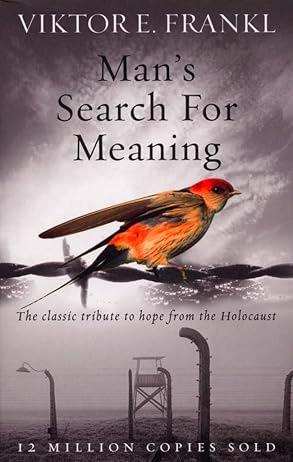
This radically simple, yet rarely easy, practice was first developed in the 1940s by a remarkable man, Dr. Viktor Frankl. In his famous book, “Man’s Search for Meaning,” Frankl wrote about resilience as our human power to endure, assuring us that; “He who has a why to live can bear with almost any how.”
Even after living through a harrowing threeyear period as a prisoner in Nazi concentration camps, he was empowered by his ability to
find this place of personal power. While the practice requires only two simple steps to employ, it can have an extraordinary impact in building resilience. Here’s how “Finding Space in the Midst of Chaos” works:
Step 1: Take a breath.
Take a breath or two following a challenging moment. No actions, simply breathing as an act of expanding the space for intentional response.
Step 2: Respond.
After pausing for a breath, intentionally respond as feels appropriate. The key to this practice is noticing a feeling of freedom of choice in your response and actions. In your awareness of personal power, you detach yourself from being a victim to a person or situation, and are better able to realize the multitude of possibilities toward a solution and personal recovery.
Stop, Drop, and Roll
Building our resilience and ability to act with wisdom comes with practice. But each time we empower ourselves to find the space between stimulus and response, we develop a learned capacity to move from knee-jerk reactions to new abilities to intentionally respond to challenges. Frankl reminds us that, “Between stimulus and response there is a space. In that space is our power to choose our response. In our response lies our growth and freedom.”
Trying this practice again and again over time can lead to a life with far more space available for joy, limits our suffering and empowers us to choose love. And, just maybe, inspire others to explore intentional response as a new norm for our relationships.
Years ago, I remember taking my 6-year-old son to a birthday party at our local firehouse
and having a fireman teach the kids what to do if they catch on fire: “Don’t run! Stop, drop, and roll to put the fire out.”
The kids had a ball practicing this. Even at the time, I remember thinking that this makes sense on multiple levels. Our human tendency is to try and out-race what we fear. The more effective approach is to: stop, drop into awareness, and then roll with whatever is the next best move—which may be to not react at all.
In a time when there are no shortages of challenges and setbacks, can you think of anything more important for your personal wellbeing and the wellbeing of your family, your community, than building resilience? Loss and tragedy happens to us all, but recovery can happen as well. One of the most important things to remember is that you have power over your own response to adversity. ✺
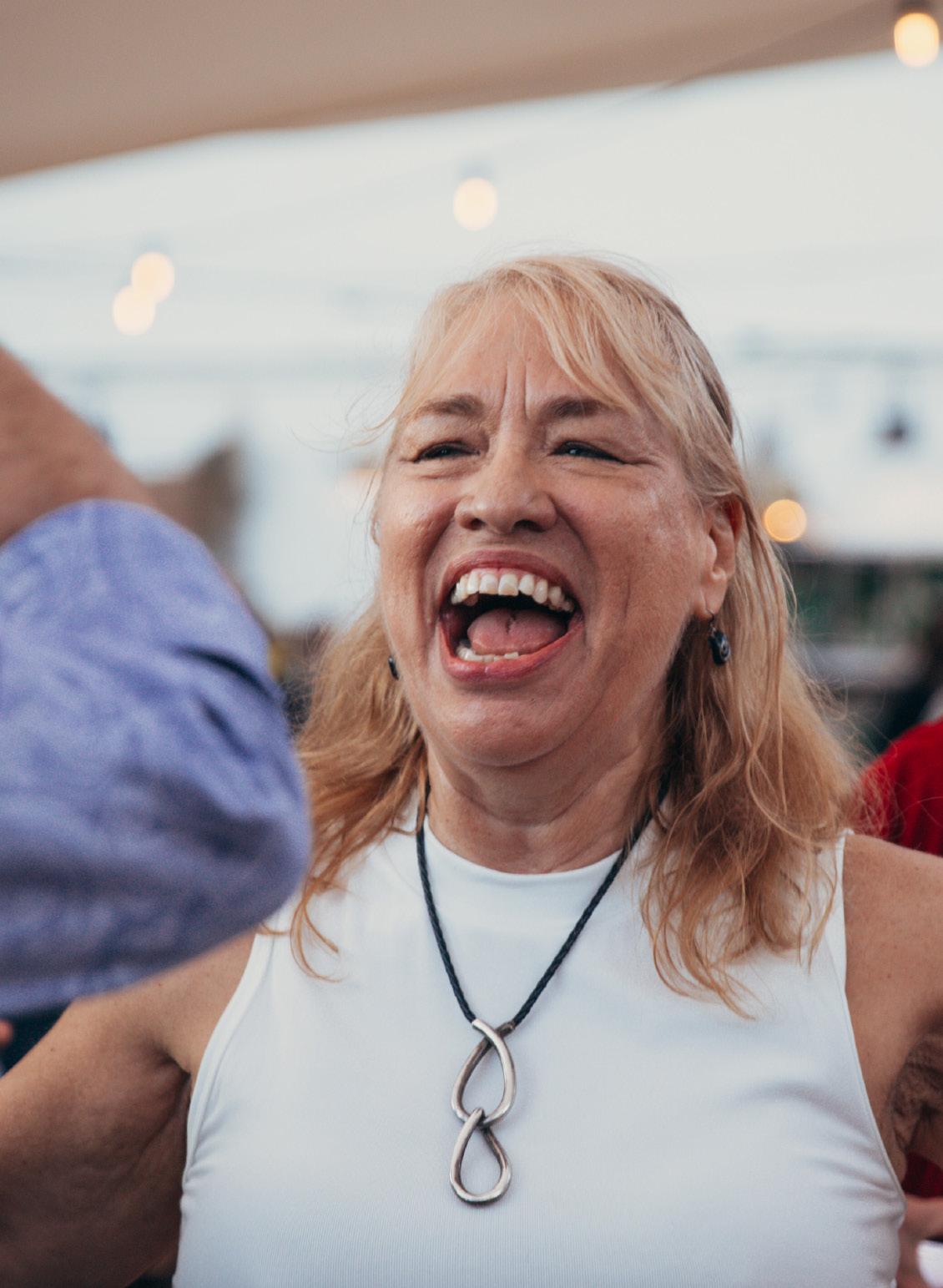
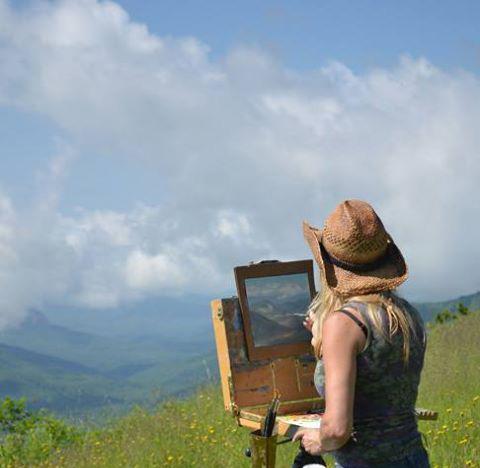
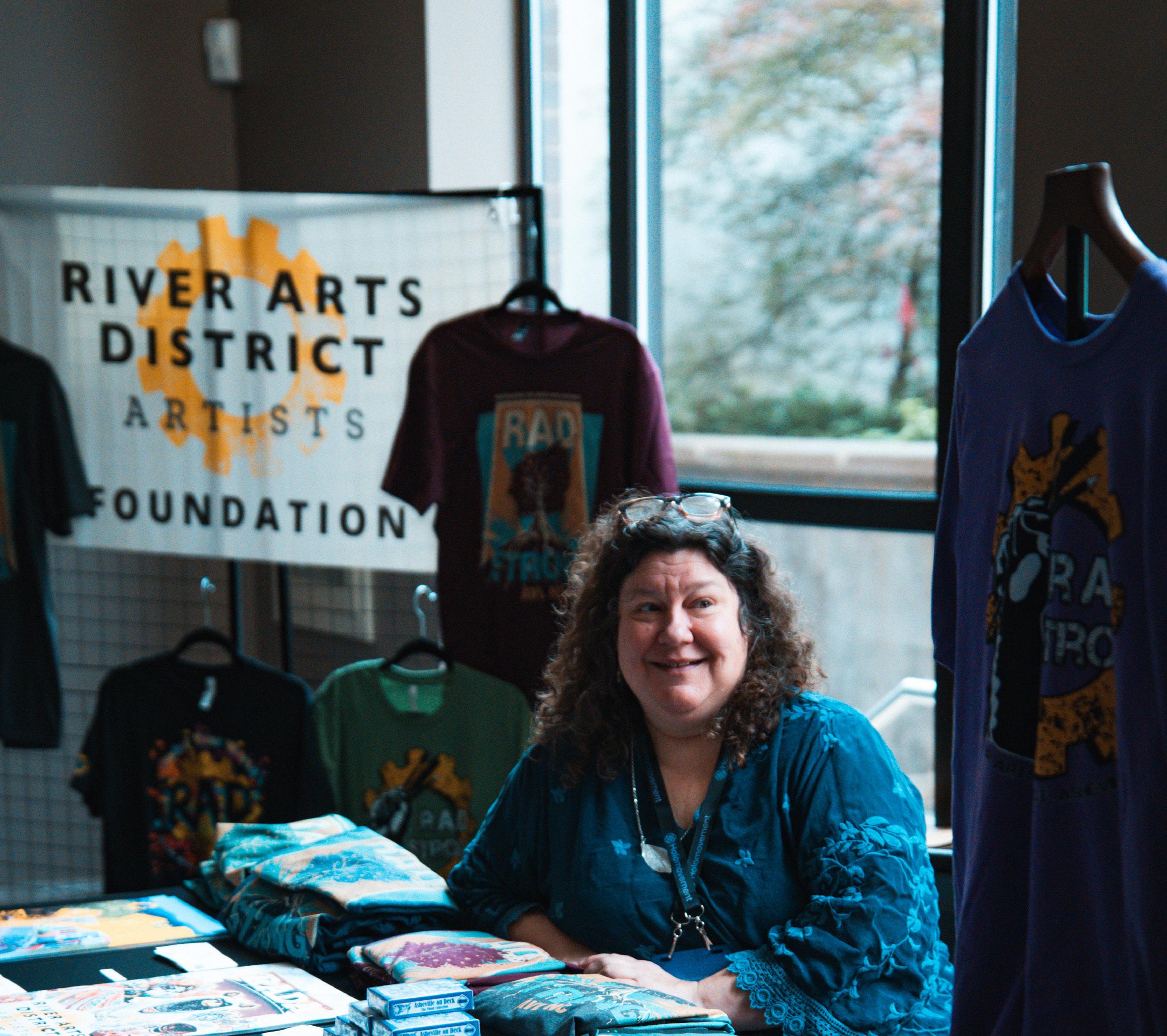
The River Arts District (RAD) in Asheville, North Carolina, is a unique cultural hub for over 750 artists, collectives, and galleries. Located along the eastern bank of the French Broad River and south of downtown Asheville, the area suffered unprecedented damage in the devastation of Hurricane Helene in October 2024.
Work has already begun in rebuilding and reopening this vibrant community, thanks to the resilient spirit of the artists and the River Arts District Artist Foundation (RADA Foundation). Proceeds from ticket sales for the Holomovement Wave 2025 event in Asheville on May 23–27, went toward support in revitalizing this creative center and its artists.
We connected with RADA Foundation’s Executive Director, Kimberly Self Hundertmark, to learn more about the vital role the Foundation plays in supporting local artists and the importance of creativity and the Arts in challenging times.
Q: What role does the River Arts District Artists Foundation play in Asheville to foster and advance the Arts?
The RADA Foundation was created in 2023 to support the River Arts District Artist Membership organization. The membership organization has been around officially since 2013, and in spirit since the late 1990s. Artists have been in the River Arts District for decades. The RADA Foundation is also tasked with protecting spaces in the River Arts District for the artistic community.
As Asheville grows, and new development comes into the River Arts District (RAD), the goal is to make sure that the artists do not lose space to work, sell, and grow. Originally, we were an idea in the mind of Jeffrey Burroughs; when he became president of The River Arts District Membership organization he brought the Foundation into existence. He had three
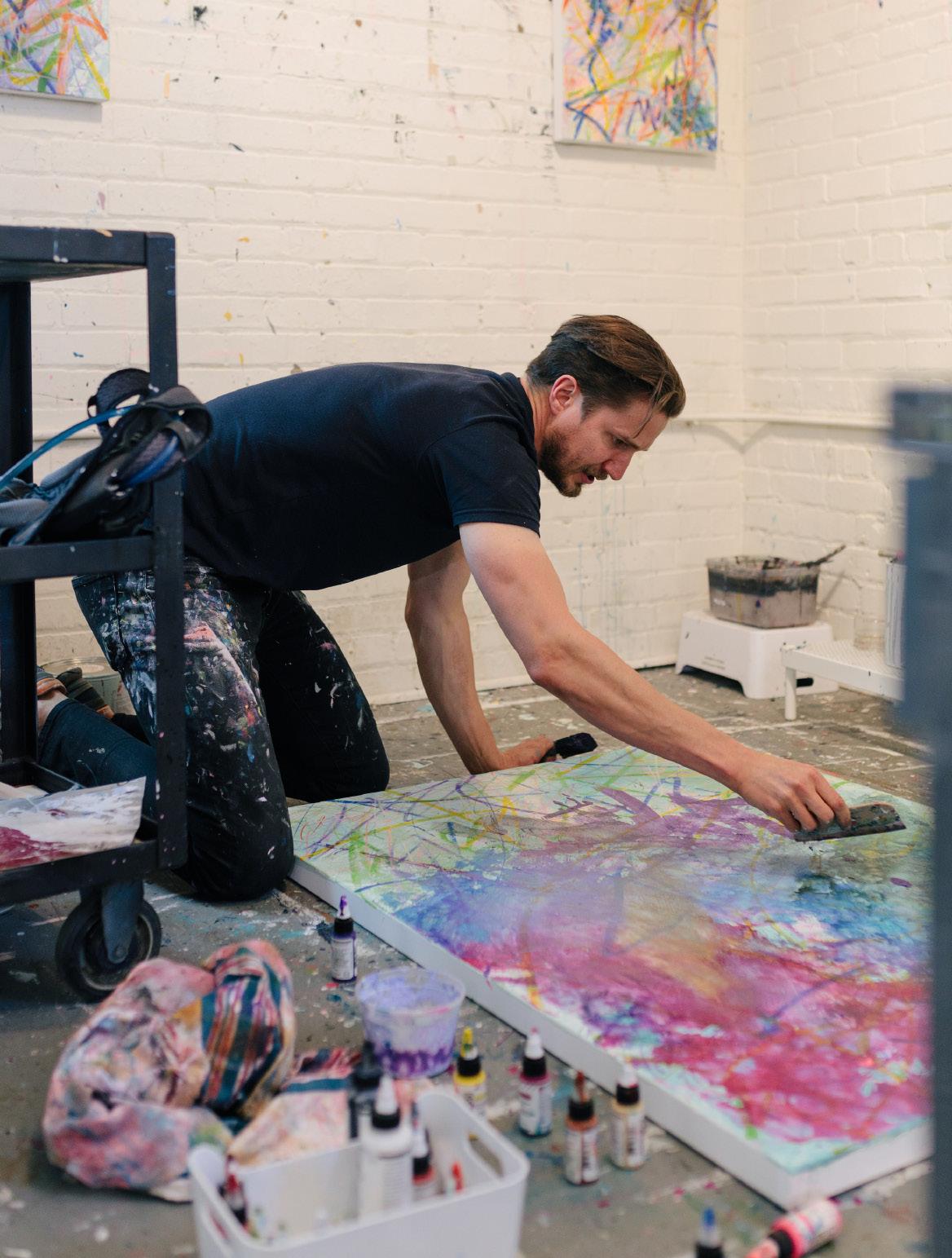
goals as president:
1. Create a 501(c)(3) to protect and raise money for the River Arts District.
2. Hire an Executive Director.
3. Create a space in the RAD for the Foundation that would act as a Welcome Center and used to support emerging artists, host shows and be an incubator for new work and ideas.
Q: After the destruction brought by Hurricane Helene, what have been the greatest challenges in this time of rebuilding?
I started my position as Executive Director a month before the storm. We were working on grants and getting the basic systems in place to raise money, and start a scholarship program. The storm accelerated our fundraising and pivoted our goals to rebuilding the RAD.
Get to know the artists of the River Arts District at https://www.riverartsdistrict.com/artists-by-medium .
Our mission is the same, to protect the River Arts District for the Arts; we just need to rebuild first. This has been a really difficult experience for our community. We had over 750 artists working in the RAD before the storm, and we have less than 350 that have been able to show and work in the Upper RAD since Hurricane Helene.
We hope by the end of the year to have 70% of the artists back in spaces in the River Arts District, but that requires buildings and businesses reopening. In the meantime, we took RAD art to Atlanta to show and sell in December, and we have opened a temporary gallery in downtown Asheville, The Outpost, that will be open through the end of the year. We have had a festival and are planning at least four events in the RAD this year.
Q: Why do you feel Arts and the artists in the community play such a vital role in both times of cultural growth and chapters of upheaval?
The River Arts District is important to Asheville and Western North Carolina for many reasons. First, it is the home to over 750 small businesses. This community is often talked about as a cultural hub of art and community, but it is also important to understand that we are all business owners. For most of the artists in the RAD, they are full-time artists, making a living as working artists. We are one of the most densely populated art communities in the country.
The RAD is also a very important part of Asheville’s cultural experience. Asheville has been a place for visitors to relax and see beautiful natural environments and fabulous art by skilled artisans for over 100 years. We have one of the oldest art guilds in the country, The Southern Highland Handcraft Guild. We have craftsmen in every major medium that have raised craft to high art, including many of the elders of the studio glass movement and some
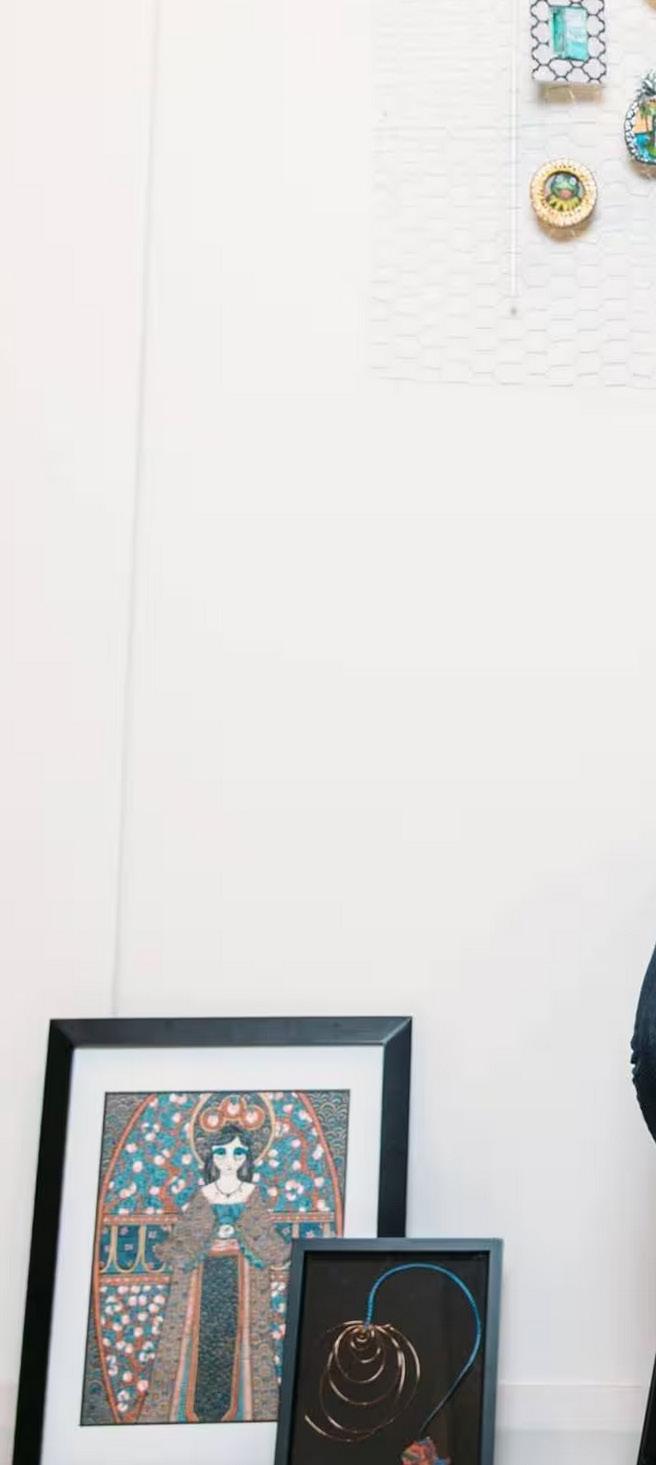

of the best ceramic, wood, and metal artists in the country. The Arts have always been a very important part of the growth of Asheville and the draw of Asheville to both visitors and people moving to our area.
The importance of the Arts in times of upheaval cannot be more obvious than it was during RADfest1.0 in November following the hurricane. It was a weekend of art, resilience, and community to celebrate the soft reopening of Asheville’s River Arts District. We wanted to create an event for artists to sell their work after the storm.
Though we had lost so much, artists wanted to continue to work. We collaborated with the city and businesses to provide tents and space for artists to sell their artwork. By offering a festival, local artists, food trucks, the newly reopened bars, and breweries could do business.
Asheville was still closed to the rest of the world for the most part, so everyone who came to RADfest were locals. We had many artists make more in one day during the festival than they ever had in a regular day pre-Hurricane Helene. All of the food trucks sold out of food and it gave reopened businesses a financial nest to build on. It was beautiful and supported mainly by the local community. I don't think we realized how much this experience was needed by the community and not just the artists. We had over 10,000 people come through the upper RAD and did over $1,000,000 in sales in two days.
Q: How can stewards of the Holomovement help to support artists and these creative spaces in Asheville, and beyond, to thrive despite the challenges of our time?
The most important thing anyone can do to help artists thrive is to see, experience, and purchase their work. Come to art openings, tour galleries and studios, take a class, talk
to artists, share their social media, let others know the importance of art to the experience of community and for a happy, beautiful, knowledgeable lifestyle.
Art is one of the first voices we hear when things are challenging or we are experiencing upheaval. Art is often the canary in the coal mine when things are difficult, and often the voice of hope when rebirth is necessary.
Q: What are a few highlights or your role within the RADA Foundation?
My role as Executive Director is to raise funds for RADA Foundation and make sure those funds go to support our community by helping to rebuild spaces and making sure our community remains intact throughout the process of rebuilding the River Arts District. I started this position a month before the storm as a very part-time position. My goals at the time were to raise funds, give out a few scholarships, and build a foundation for future growth of the artistic community in the RAD.
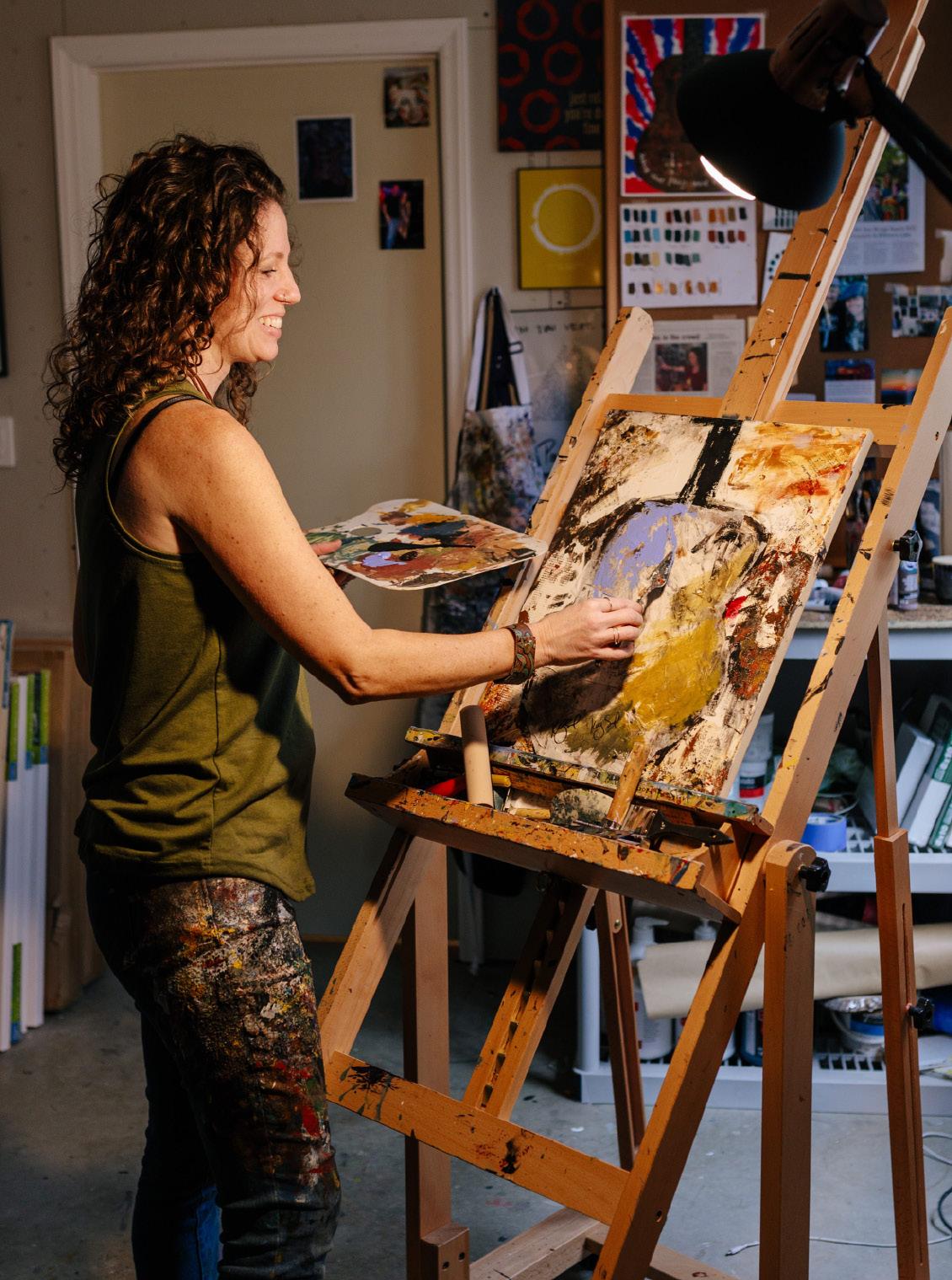
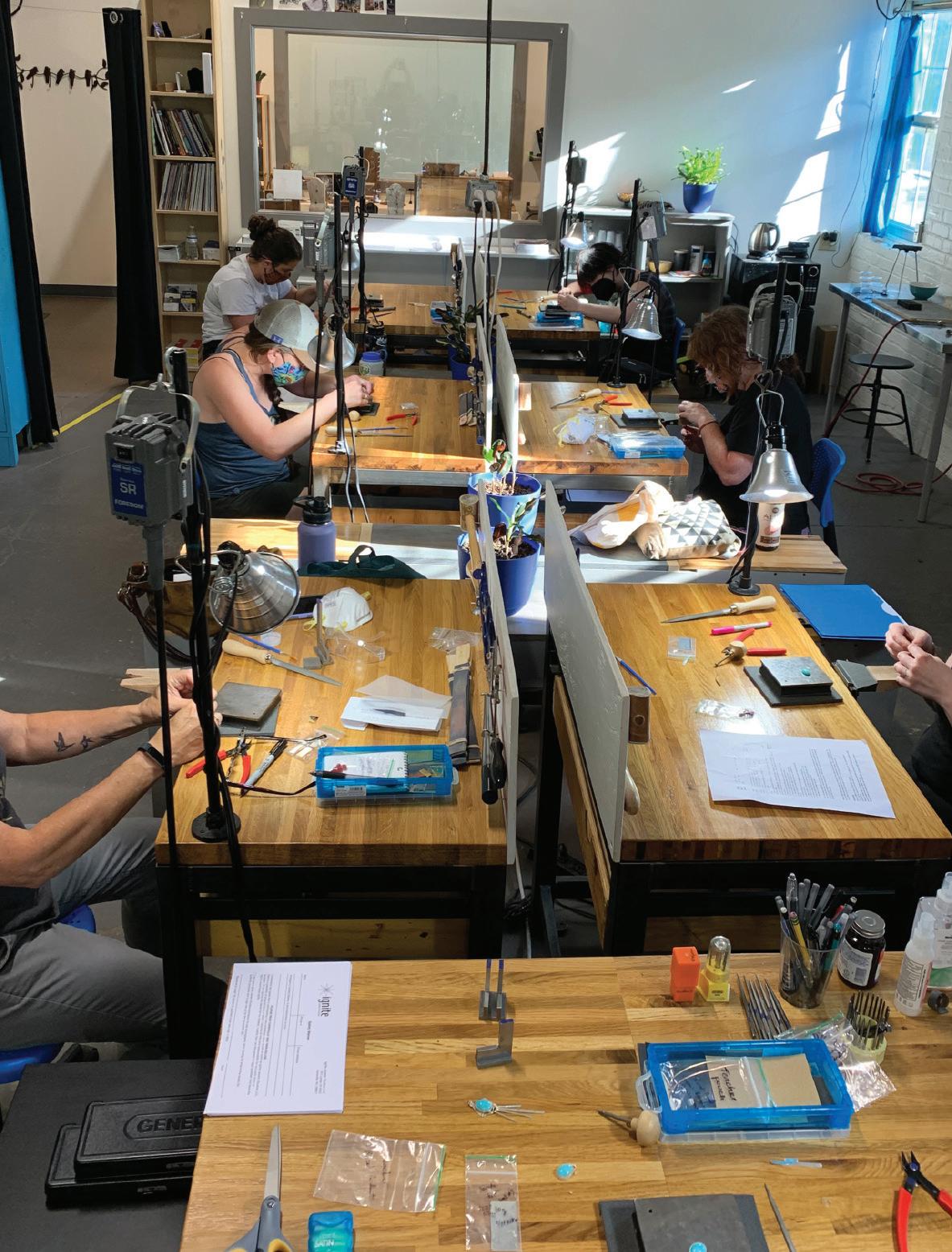
I had a studio in the lower RAD that was lost during the storm. I am a glass artist, and my studio was on the second floor of Riverview Station, one of the largest buildings supporting artists in the RAD. I had almost two feet of water in my studio. I lost all of my original drawings for my glasswork, all my books, some tools and packaging materials.
Now, my studio is currently in my basement or in storage, and my part-time job is now more than full time. It is both an honor to support my community as Executive Director of RADA Foundation, and a way to stay busy since I cannot do my art currently. I love this community! It is unique and powerful in its creative energy, and yearns to be whole again.
“Art is often the canary in the coal mine when things are difficult, and often the voice of hope when rebirth is necessary.”
— Kimberly self hundertmarK
Podcasts
“Awaken Your Purpose” is a weekly podcast, hosted in collaboration with LightNet and the Holomovement, that interviews passionate people and asks them to share the tools, methods, and tips that helped them find their calling. Here are three episodes to get you started.
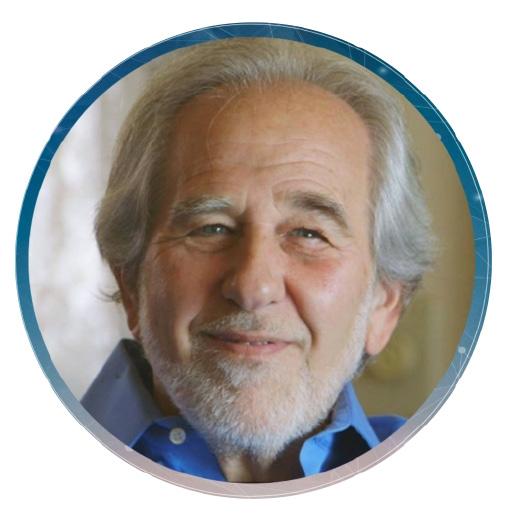
01
Staying True to Your Convictions
Bruce Lipton, Biologist and Author of The Biology of Belief
Listen here .
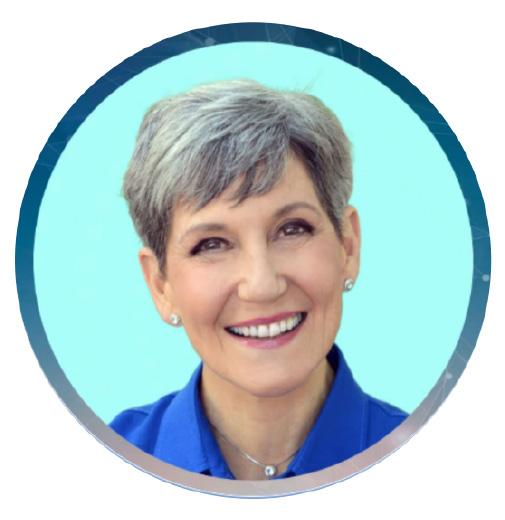
02
Never Ever Play Small, Always Play The Big Game
Lynne McTaggart, Award-Winning Journalist, Author, and Thought Leader
Listen here .
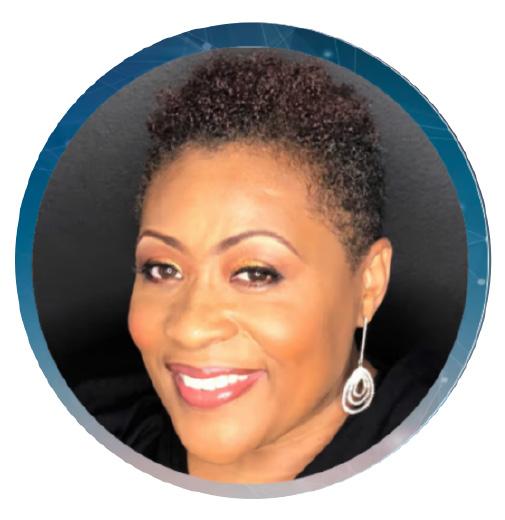
03
Healing and Living with Purpose
Dr. Marty Casey, Founder of UnGun Institute
Listen here .
Music
Feel the vibes of the Holomovement wherever you go. Here’s what fellow stewards are listening to right now.

SOVEREIGN KIN
Book I: The Spark / Ayla Nereo
“A musical portal into our elemental nature, as Sovereign Kin, as warriors, voices and vessels for these times. This first chapter is the initiation of fire.”
Listen here .
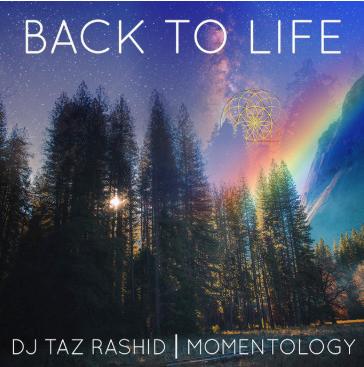
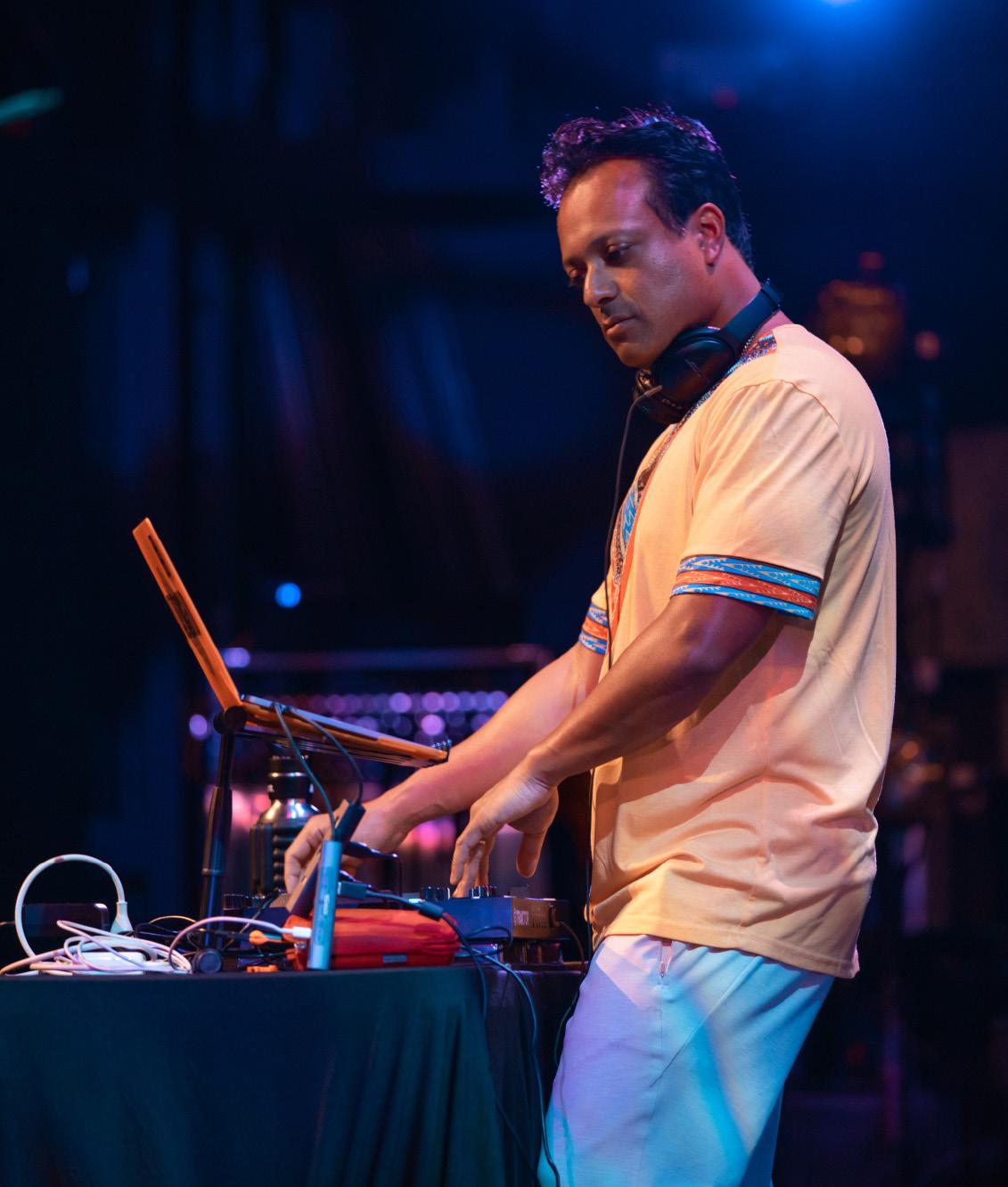
Back to Life / DJ Taz Rashid, Momentology
“High-vibe music blending electronica, world, downtempo, house, and tribal ambient sounds. Designed for movement, yoga, and positive energy.”
Listen here
Listen here 01 02 03
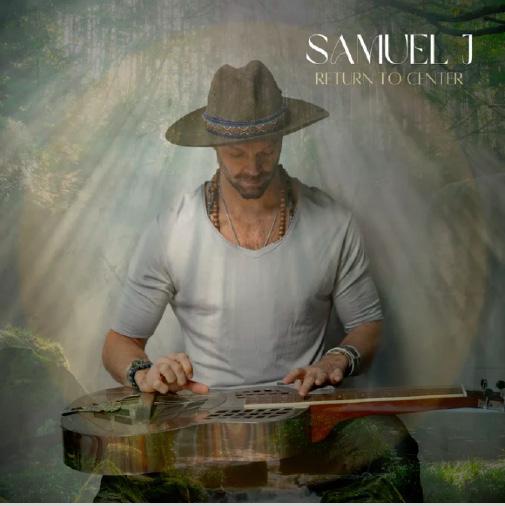
Return to Center / Samuel J “A soulful, conscious musical journey rooted in nature with deeply moving lyrics.”
Books
We asked stewards of the Holomovement what books have deeply inspired them. Here are a few titles to explore.
Man’s Search For Meaning by Viktor E. Frankl
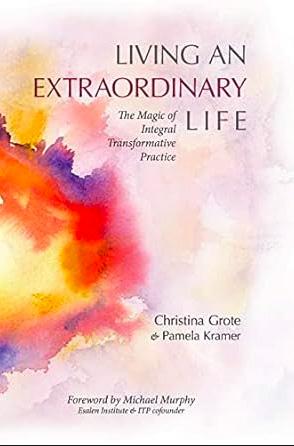
Living An Extraordinary Life: The Magic of Integral Transformative Practice by Christina Grote and Pamela Kramer
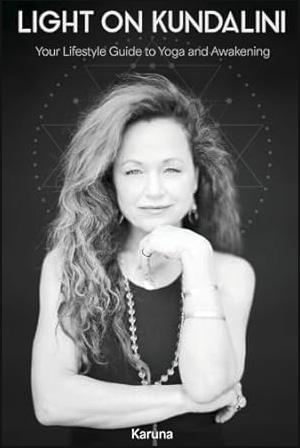
Light on Kundalini: Your Lifestyle Guide to Yoga and Awakening by Karuna 03
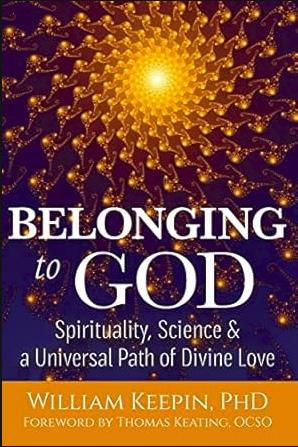
Belonging to God: Spirituality, Science & a Universal Path of Divine Love by William Keepin, PhD
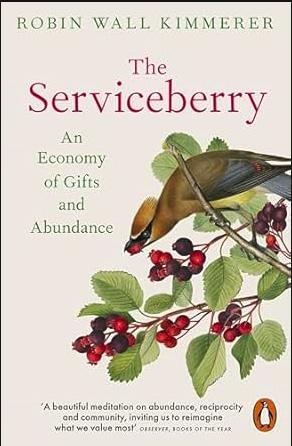
The Serviceberry: An Economy of Gifts and Abundance by Robin Wall Kimmerer
The Holomovement: Embracing Our Collective Purpose to Unite Humanity edited by Emanuel Kuntzelman and Jill Robinson
“Just as ripples spread out when a single pebble is dropped into water, the actions of individuals can have far-reaching effects.”
— dalai l ama