ISI School Inspection Report 2025
Synopsis


Holme Grange School
ISI School Inspection Report
th th
9 to 11 September
We are delighted to share our Independent Schools Inspectorate (ISI) inspection report following the visit to Holme Grange School in September 2025 as part of the regular inspection cycle for independent schools.
The process was thorough, including pupil, parent and staff surveys, confidential interviews and open observations of lessons and school life across the week. Inspectors explored every aspect of provision from Early Years to the Senior School, considering both the academic and pastoral experience of our pupils
As you may be aware, under the new ISI framework schools are no longer given a single-word judgement such as ‘excellent’ or ‘good’ Instead, inspectors provide a detailed commentary on how the school meets the Independent School Standards through a series of evidence-based statements
The inspection considered: leadership, management and governance; the quality of education; training and recreation; pupils’ physical and mental health and emotional wellbeing; pupils’ social and economic education and contribution to society and safeguarding

Throughout the report inspectors recognised the strength of teaching and learning, the quality of relationships across the community and the culture of respect and care that defines Holme Grange They noted pupils’ confidence and enthusiasm for learning, the richness of opportunities available across the curriculum and the ways in which pupils are prepared for life beyond school through our skills-based and global competencies approach
The report captures what so many already know and feel that Holme Grange is a place where pupils are known, supported and inspired to achieve their very best
The full report is available to read on our website:
www.holmegrange.org/inspectionreports/
Headteacher, Mrs Pippa Adams, commented “I am very proud of the whole Holme Grange community. The inspectors saw a safe, aspirational and nurturing school which reflects our vision and values in daily practice. Thank you to our pupils, staff and families for the part they played in the inspection.”
Safeguar
“Robust safeguarding po are in place to protect pu promptly to any concerns with external agencies as understand their respons familiar with safeguardin are appropriate arrangem out and record all the req checks for members of st

“Leaders with responsibility for safeguarding maintain a safeguarding culture within which all staff are aware of their safeguarding responsibilities.“
Culture
“Pupils learn to be part of a local, national and global community. They take part in events with their peers in local schools and build links with partner schools abroad.”
“Leaders maintain a school culture that promotes high levels of mutual respect between all members of the school community. Staff across the school model the school’s positive values in their interactions with pupils. They engage positively with pupils, including during break and lunchtimes. Respectful relationships contribute to pupils’ development of high levels of selfesteem and confidence in talking to adults and their peers.”
“Leaders and staff communicate clear behavioural expectations which are rooted in the school’s values. Teachers and pupils understand the ‘Holme Grange Way’ and this guides their interactions inside and outside of the classroom. Pupils across the school site treat each other with courtesy and behave calmly, developing and demonstrating high levels of mutual respect” “Effective supervision of the pupils by well-deployed staff further promotes pupils’ positive behaviour.”
“Governors and leaders share a clear vision for the school. This is embodied in the ‘Holme Grange Way’.”
“Pupils throughout the school learn to appreciate and care for the natural environment. Staff make effective use of the on-site farm to develop younger pupils’ understanding of the food chain and animal welfare. Older pupils gain an understanding of the impact of their consumption in sustainability classes and work to minimise this, for example by minimising food waste. Regular events such as a sustainability festival enable pupils to explore the environmental impact of their school and local businesses. Similarly, pupils collaborate with peers from neighbouring schools in events to explore the challenge of combating climate change.”
“Pupils gain an understanding of diversity and modern Britain in lessons and assemblies. They learn about the importance of fair treatment and the impact of prejudice and discrimination. Pupils also learn about the impact and contribution of different cultures and countries to different subjects, such as art, literature and mathematics.”
Teaching and Learning
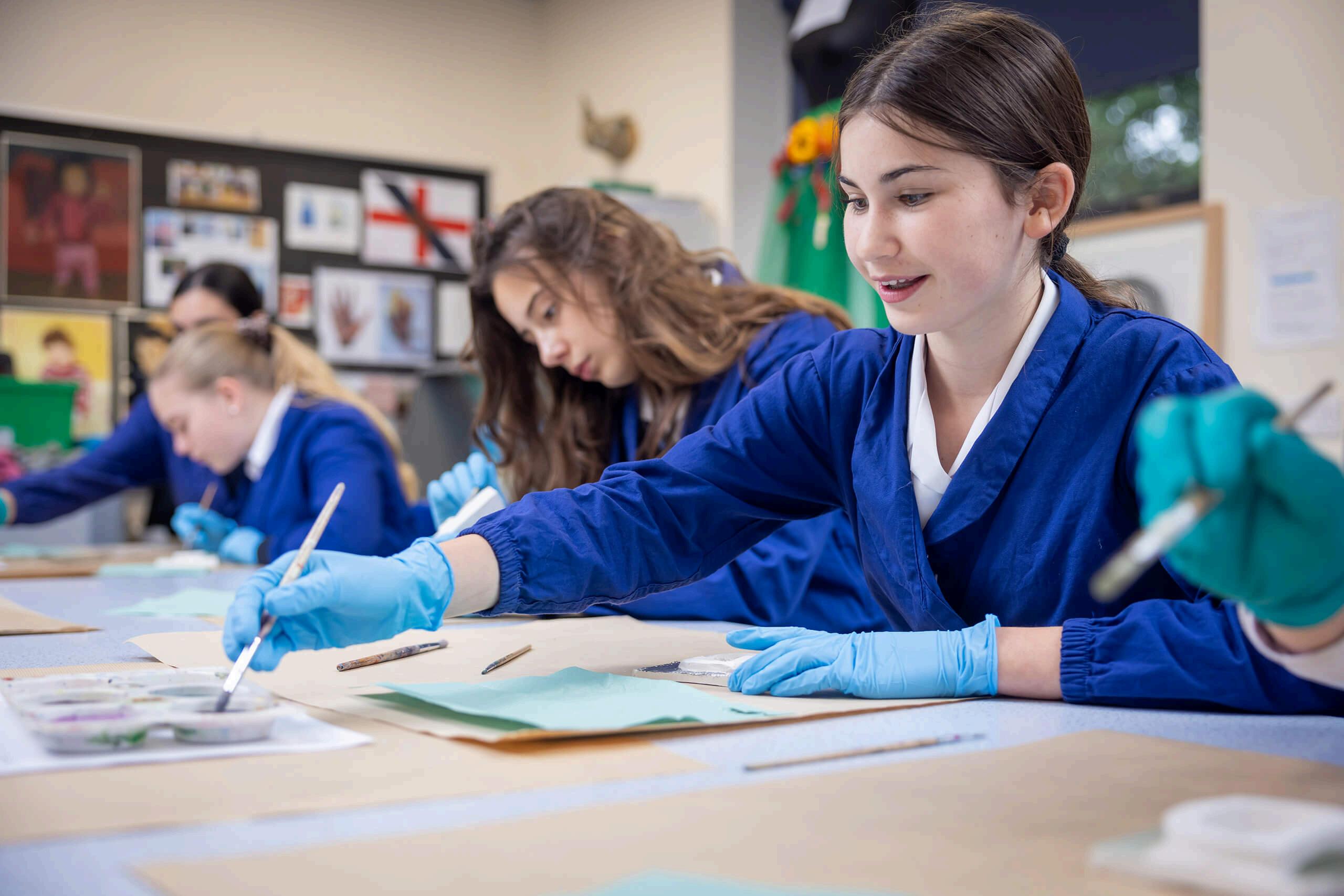
“Leaders utilise teachers’ expertise to inform teaching and the positive relationship between teachers and pupils. Teachers take part in research projects that enable them to develop their practice to better meet the needs of their pupils. Teachers understand the individual needs of their pupils and provide them with effective individual support inside and outside of lessons.“
“Teachers throughout the school use their secure subject knowledge to deliver lessons that develop pupils’ understanding and enable their good progress. Teachers nurture pupils’ ability to express and discuss their ideas. As a result, pupils become confident in sharing their opinions and ideas articulately. Effective teaching typically enables pupils to make good progress from their starting points and achieve above national averages in public examinations.”
“Leaders and staff implement a robust framework for monitoring pupils’ progress ”
“Leaders implement a well-balanced curriculum. The curriculum develops in a coherent sequence from Reception to Year 11 and enables pupils to study towards a suitable range of qualifications. A well-designed outdoor learning and sustainability curriculum develops pupils’ understanding of the natural world and their responsibility towards it.”
“Leaders implement a curriculum that covers all the required areas of learning They plan and sequence the curriculum carefully to provide a coherent development of knowledge and skills from Reception up to the end of Year 11.”
“Teachers plan lessons effectively to meet the needs of all pupils in their classes. They use their knowledge of pupils’ individual needs to adapt their teaching so that pupils make good progress. A range of effective additional support is available to pupils outside of the classroom.”
“Staff in the early years create an environment where children can learn through a mixture of self-directed and adult-directed activities. Teachers set children ambitious individual targets and children often exceed the expected standard at the end of the year. Children are well prepared for the start of Year 1.”
“Leaders utilise the curriculum to develop pupils’ understanding of the natural world. Outdoor learning lessons give younger pupils the opportunity to explore and learn about nature. Older pupils build on this understanding through lessons in sustainability in Years 7 to 9 and have the option to take this further in extended projects or by studying a BTEC in Animal Care in the senior school.”
Co-Curricular
“A comprehensive programme of recreational activities gives pupils opportunities to develop their skills and acquire new interests. For example, pupils develop their musical skills in the orchestra, choir and rock band. Poetry and debating competitions develop pupils’ ability to speak and perform in public. A variety of sports clubs develop pupils’ physical skills beyond the physical education (PE) curriculum.”
“The school provides a suitable PE programme and range of sporting activities… all pupils can find a physical activity they enjoy and can succeed in. Pupils learn about the impact of healthy eating and exercise on physical health.“
“Teachers in the early years provide suitable activities that promote the children’s personal and emotional development. For example, activities and challenges in the adventure playground support children in developing teamwork and physical strength.”
Social and Economic Education
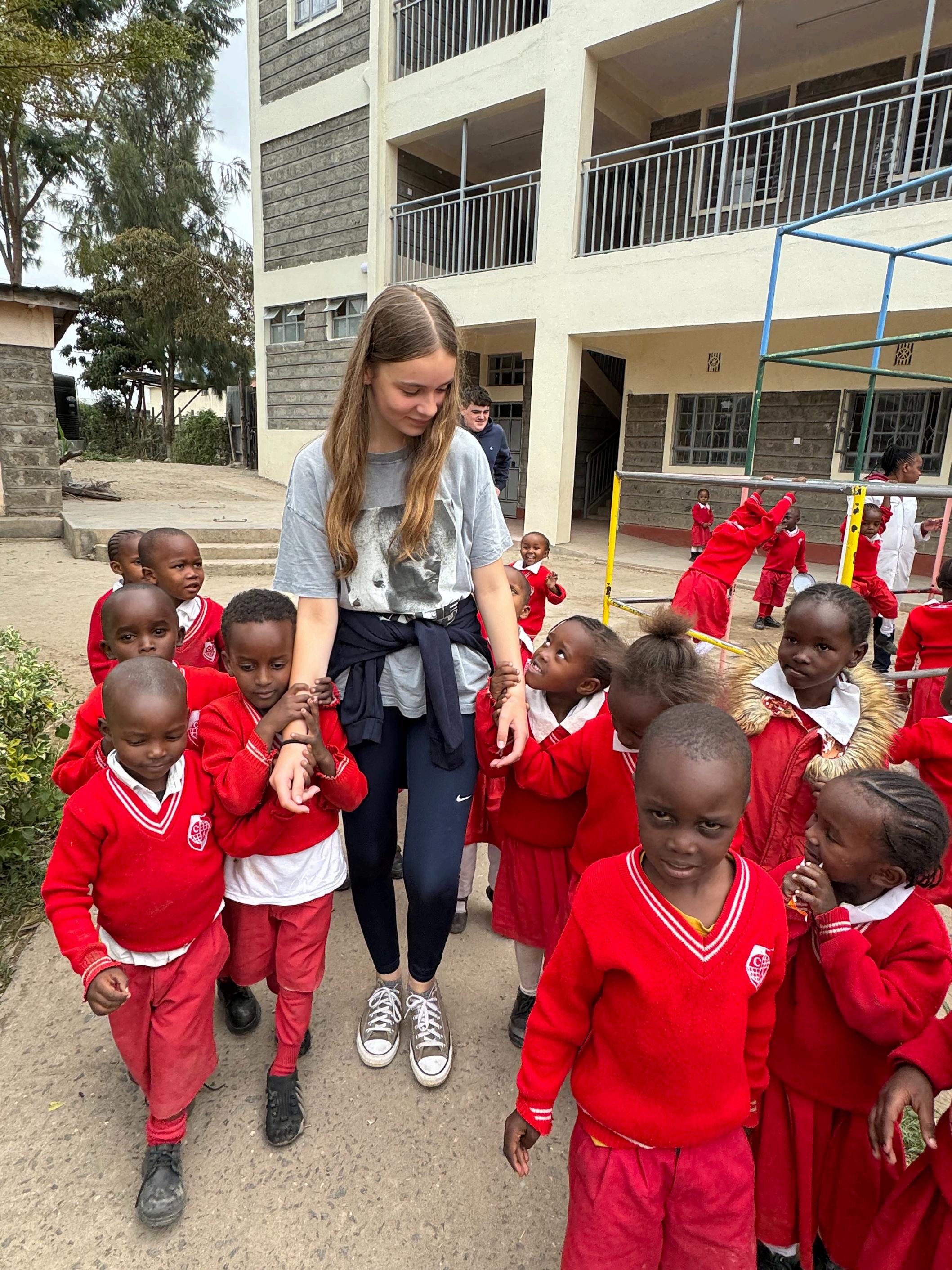
“The school develops pupils’ sense of social responsibility and encourages them to contribute to the local community and beyond... Pupils on the School Council plan events to support the local community, charities and their linked school in Kenya.
school provides pupils with effective economic education.“
“Careers assemblies and a skills programme prepare pupils for the world of work. They gain an understanding of the range of options open to them after school and are supported in developing the skills necessary to succeed.”
“The school provides pupils in Years 7 to 11 with suitable careers guidance. A skills programme for each year group includes learning how to write a curriculum vitae and apply for jobs. Pupils learn about future careers and the world of work. Weekly assemblies also explore different career pathways and link these to the activities in school. Pupils explore these options in more detail using online tools and identify areas they would like to develop. Pupils in the senior school take part in a global competencies programme which prepares them for life beyond school, including critical thinking, communication and research skills.“
“The
While the report is overwhelmingly positive, due to one background suitability check of a Governor not being completed in a timely manner last academic year, the standard for Safeguarding was classed as ‘not met’. This was remedied immediately, but due to the nature of the inspection, it still needed to be included in the report. This is not a reflection of our safeguarding practice or our processes in school, which the inspection found to be robust, effective, and embedded in school culture. Whenever a Safeguarding standard is classed as ‘not met’ during an ISI inspection, the Leadership, Management and Governance standard is also automatically classed as ‘not met’ by default, even though every other aspect was compliant. This will be updated to ‘met’ once the ISI inspection team revisit us later in 2026.
We are delighted with the inspection report overall, and parents can be confident that the inspectors recognised the safe, aspirational, and nurturing environment we continue to foster, which strongly affirms the Holme Grange vision, values, and day-to-day practice.