As your child moves from Year 9 to Year 10, they will select their GCSE Options. The aim of this booklet is to outline the choices available and to explain the content of the courses This, along with informed and detailed discussion with subject teachers will help you and your child make the correct decisions for their future education
INTRODUCTION
Pupils
Moving from Year 9 to Year 10 is an important stage in your educational journey It is now time to make your GCSE subject choices, building on the options you explored over last year It is important that you give careful thought to your choices and that you listen carefully to the advice that you are given. This booklet contains an outline of all the courses you have to take plus the optional ones. These decisions will be taken after discussion and consultation with your parents and teachers If you have any questions, do not hesitate to ask The GCSE Options Day and Parents’ Information and Consultation Evening is on Wednesday 25th February 2026 and all of the staff are here to help you make the right decisions.
So, think carefully, talk to staff and your parents, read this booklet and enjoy choosing your options You will need to make your final choices by Monday 16th March 2026.
GCSE OPTIONS
At Holme Grange School, pupils will usually take 8 or 9 GCSE subjects although every student will be advised on an individual basis. We pride ourselves on how well we know our pupils. Therefore, the number of GCSEs and curriculum studied will be based upon what is considered to be in the student’s best interests in order to prepare them for the next stage of their education and equip them for a successful adult life
Core Subjects
English Language
·English Literature
Mathematics
·Biology
Chemistry
·Physics
Either Trilogy or Separate Sciences
Optional Subjects
Unless Mr Dewar or Mrs Dharurkar has already been in contact, pupils will be expected to take four further subjects chosen from the list below.
We would strongly advise choosing at least one Humanities subject*
History OR Geography OR Religious Studies*
If already studying a language in Year 9, we would strongly advise choosing a Modern Foreign Language**
French OR Spanish OR German
Art and Design
BTEC Animal Care***
Business Studies
Computer Science
Design and Technology
Drama
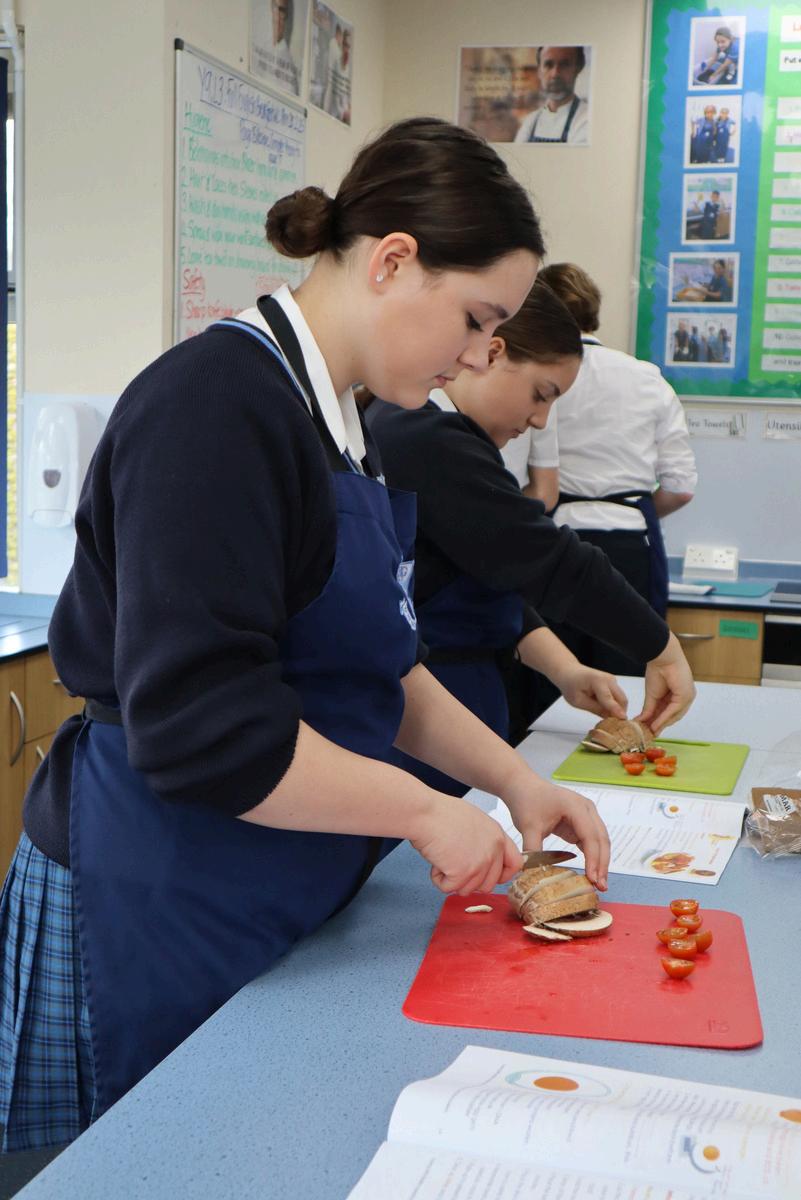
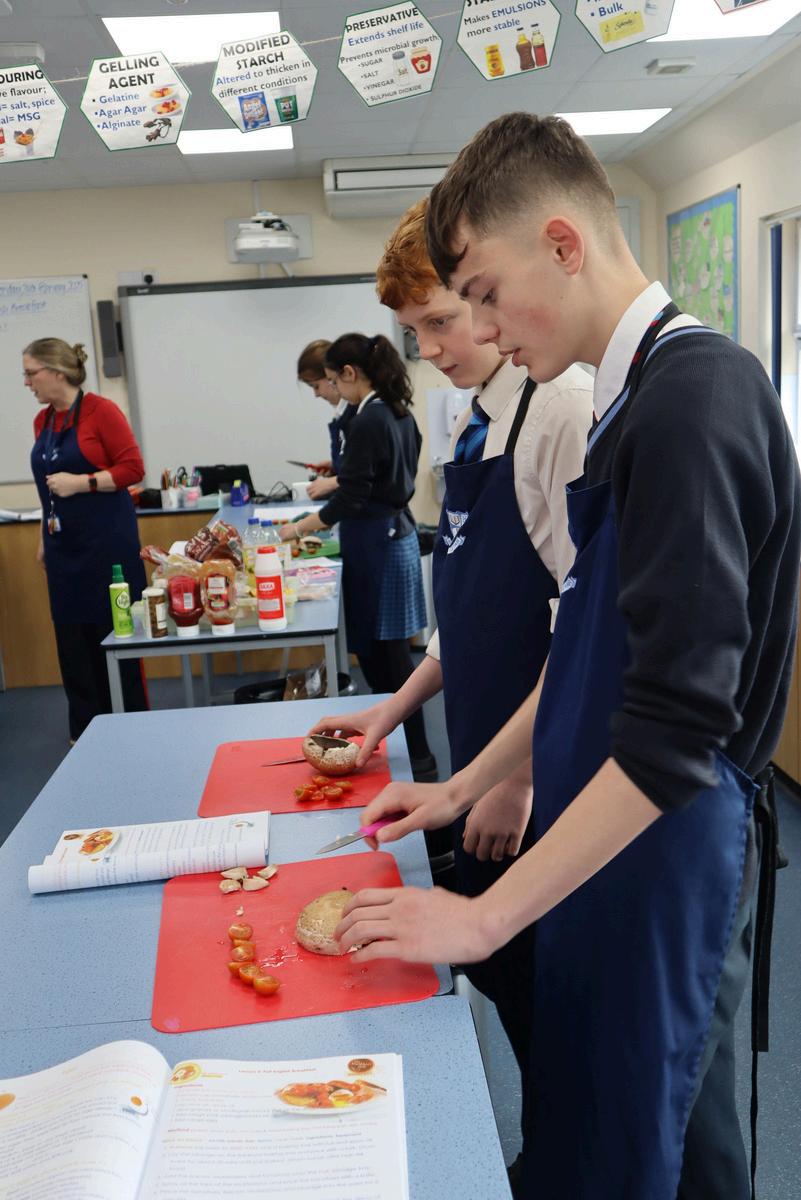
Food Preparation and Nutrition
French **
Geography*
German**
History*
BTEC Music
Physical Education
Psychology
Religious Studies *
Spanish**
Textile Design
*It is possible to study two or even three humanities subjects and it is possible to do two languages.
*** BTEC Animal Care must have been started in Year 9 and can be discontinued at the end of Year 9 if the pupil wishes to choose an alternative option
Entering your choices via MS Form
Following the GCSE Options Evening, an email will be sent to parents at 9.00am on Thursday 26th February containing a link to the MS Form
Pupils must choose an option from each of the four blocks.
*PLEASE ONLY CHOOSE CORE STUDY IF MR DEWAR OR MRS DHARURKAR HAS ALREADY BEEN IN CONTACT WITH YOU
CORE SUBJECTS
English Language
IGCSE English in Years 10 and 11 builds upon the skills developed in earlier years. Studying the International GCSE provides a strong foundation for other GCSEs and future working life It offers the opportunity to engage with and develop the ability to read, understand and respond to a wide range of literary texts from around the world
Throughout Years 10 and 11, pupils continue to refine their communication skills in all forms, write in varied styles and read widely. The course leads to IGCSE examinations at the end of Year 11 in both English Language and English Literature
In English Language, pupils complete two coursework tasks, which account for 40% of the final grade:
One essay question based on any three poetry or prose texts from the anthology
One imaginative writing task
A variety of Speaking and Listening tasks, which are assessed separately.
A single examination at the end of Year 11 contributes 60% of the final mark. This includes:
Short and long-answer questions on an anthology text studied in class
Questions on an unseen prose extract, focusing on the writer’s use of language
A transactional writing section, which may involve writing a magazine article, letter or speech
A creative writing task, with assessment on spelling, punctuation and grammar.
Speaking and Listening Endorsement
This is a separately reported grade that assesses the ability to:
Deliver presentations in a formal setting
Listen and respond effectively to spoken language, including feedback
Use standard English confidently in speeches and presentations.
English Literature
Pupils prepare for an examination at the end of Year 11, which accounts for 60% of the final grade. The exam consists of:
Section A – Unseen Poetry: One 20-mark essay question exploring the meaning and effects created in an unseen poem
Section B – Anthology Poetry: One 30-mark essay question from a choice of two, comparing two poems from Part 3 of the Pearson Edexcel International GCSE English Anthology
Section C – Modern Prose: One 40-mark essay question from a choice of two Pupils will study Whale Rider
Coursework accounts for the remaining 40% of the final grade. This includes:
One essay on a literary heritage text (a Shakespeare play)
One essay on a modern drama, currently An Inspector Calls.
Mathematics – IGCSE Edexcel
Mathematics is used in all aspects of life, and at Holme Grange School, we strive to foster a love of learning while building strong mathematical skills, regardless of a student’s ability We encourage pupils to apply mathematical concepts to real-world problems and develop a growth mindset, emphasising that everyone can succeed in Mathematics
In lessons, pupils will have opportunities to connect Mathematics to everyday life and explore its relevance beyond the classroom. They will learn how to problem-solve, think critically, and approach challenges with mathematical creativity
At Holme Grange, all pupils are placed in ability sets from Year 7 These sets are regularly reviewed, and pupils may move between groups at designated intervals to ensure they receive the appropriate level of support throughout their learning journey
All pupils are prepared for the IGCSE in Mathematics. Like the standard GCSE, the International GCSE covers the main strands of Number, Algebra, Geometry, and Statistics, but it also includes elementary calculus. There is no coursework component, and assessment is based on two 2-hour examinations, both of which allow the use of a calculator
Pupils are entered for either the Higher or Foundation tier, depending on their ability: Higher tier covers content ranging from grades 4-9 Foundation tier covers content ranging from grades 1-5
Additionally, pupils have the opportunity to study the AQA Level 2 Certificate in Further Mathematics. This course is designed for those expected to achieve a grade 7, 8, or 9 in IGCSE Mathematics It builds on knowledge gained in the IGCSE course, deepens understanding of key areas such as Number, Algebra, Calculus and Geometry, and introduces new concepts, including matrices and coordinate geometry
Challenges
More able pupils will be encouraged to participate in the UKMT challenges to showcase their mathematical skills.
Junior Maths Challenge – open to pupils in Years 7 and 8
Intermediate Maths Challenge – open to pupils in Years 9-11
Pupils who demonstrate exceptional mathematical ability in these challenges may be invited by the UKMT to take part in follow-on rounds.
Assessment:
IGCSE Edexcel 9-1 Specification A
2 x 2-hour calculator only papers consisting of 100 marks each. Each paper is equally weighted, and each will contribute to 50% of the qualification.
Each paper will be accompanied by a formula sheet
AQA Level 2 Certificate in Further Mathematics
2 papers of 1 hour and 45 minutes each. Paper 1 will be non-calculator and paper 2 will be a calculator paper Pupils will receive a formula sheet for this exam.
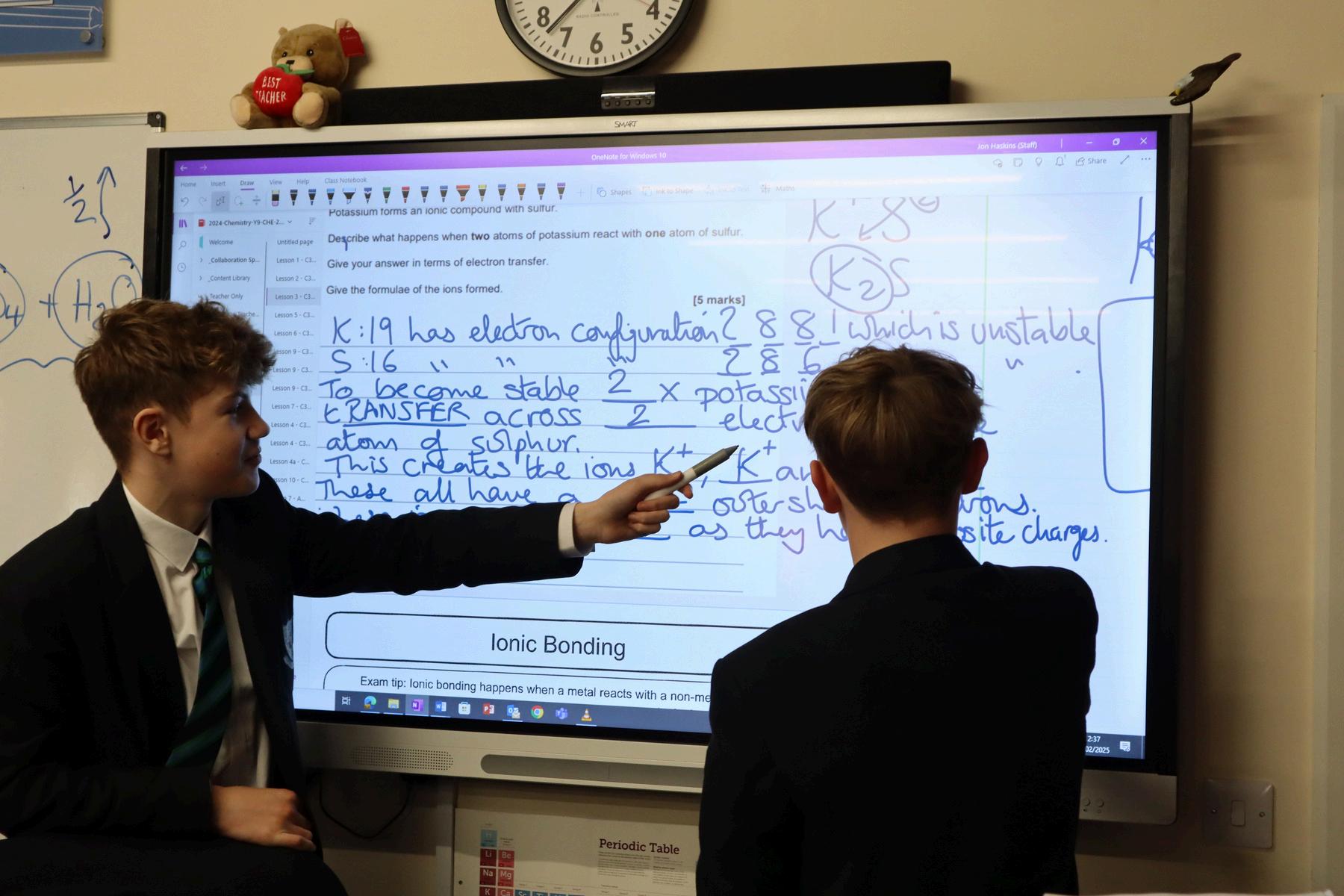
Science – AQA
Science is a compulsory subject for all pupils at GCSE There are two different course options available:
AQA Separate Science GCSEs – Pupils achieve three separate GCSEs in Biology, Chemistry and Physics.
AQA Trilogy Combined Science GCSE – Pupils achieve two GCSEs while studying all three sciences
In both pathways, pupils will study Biology, Chemistry and Physics to develop a broad scientific understanding.
Both the AQA Separate Science and AQA Trilogy Combined Science courses provide a strong foundation for further A-Level study in science subjects. The majority of pupils will follow one of these two pathways
The Separate Science course is a more demanding syllabus and is best suited to pupils who demonstrate a strong aptitude for science and achieve highly in the subject. Pupils will be guided towards the most suitable option to ensure they achieve the highest possible grades at GCSE
Course Assessment Overview
Separate Sciences
Biology
Subject content
B1 - Cell biology
B2 - Organisation
B3 - Infection and response
B4 - Bioenergetics
B5 - Homeostasis and response
B6 - Inheritance, variation and evolution
B7 - Ecology
Chemistry
Subject content
C1 - Atomic structure and the periodic table
Physics
Subject content
P1 - Energy
P2 - Electricity
P3 - Particle model of matter
P4 - Atomic structure
P5 - Forces
P6 - Waves
P7 - Magnetism and electromagnetism
P8 - Space
C2 - Bonding, structure and the properties of matter
C3 - Quantitative chemistry
C4 - Chemical changes
C5 - Energy changes
C6 - The rates and the extent of chemical change
C7 - Organic chemistry
C8 - Chemical analysis
C9 - Chemistry of the atmosphere
C10 - Using resources
Assessment: All three courses have the same exam structure per subject: 2 x 1hr 45 minute written examinations
GCSE lessons will involve a variety of learning and teaching styles, including theory, practical work, fieldwork, ICT, research, discussion, modelling, student-led presentations, and debate activities Additional activities may be offered as appropriate.
The Combined Science and Separate Science courses are co-teachable, as the content for two-thirds of the courses is identical.
GCSE Combined Science Trilogy
All three subjects are studied but there is one-third less content to cover in each. This is known as a double award as two GCSE science grades are awarded from the combined totals of the exams in the three sciences.
Biology
B1 - Cell biology
B2 - Organisation
B3 - Infection and response
B4 - Bioenergetics
B5 - Homeostasis and response
B6 - Inheritance, variation and evolution
B7 - Ecology
Chemistry
C1 - Atomic structure and the periodic tabl
C2 - Bonding, structure and the propertie
C3 - Quantitative chemistry
C4 - Chemical changes
C5 - Energy changes
C6 - The rates and the extent of chemica
C7 - Organic chemistry
C8 - Chemical analysis
C9 - Chemistry of the atmosphere
C10 - Using resources
Physics
P1 - Energy
P2 - Electricity
P3 - Particle model of matter
P4 - Atomic structure
P5 - Forces
P6 - Waves
P7 - Magnetism and electromagnetism
Assessment
There are six papers overall: two Biology, two Chemistry, and two for Physics. Each paper will be 1 hour and 15 minutes long, assessing knowledge and understanding from distinct topic areas.
Optional Subjects
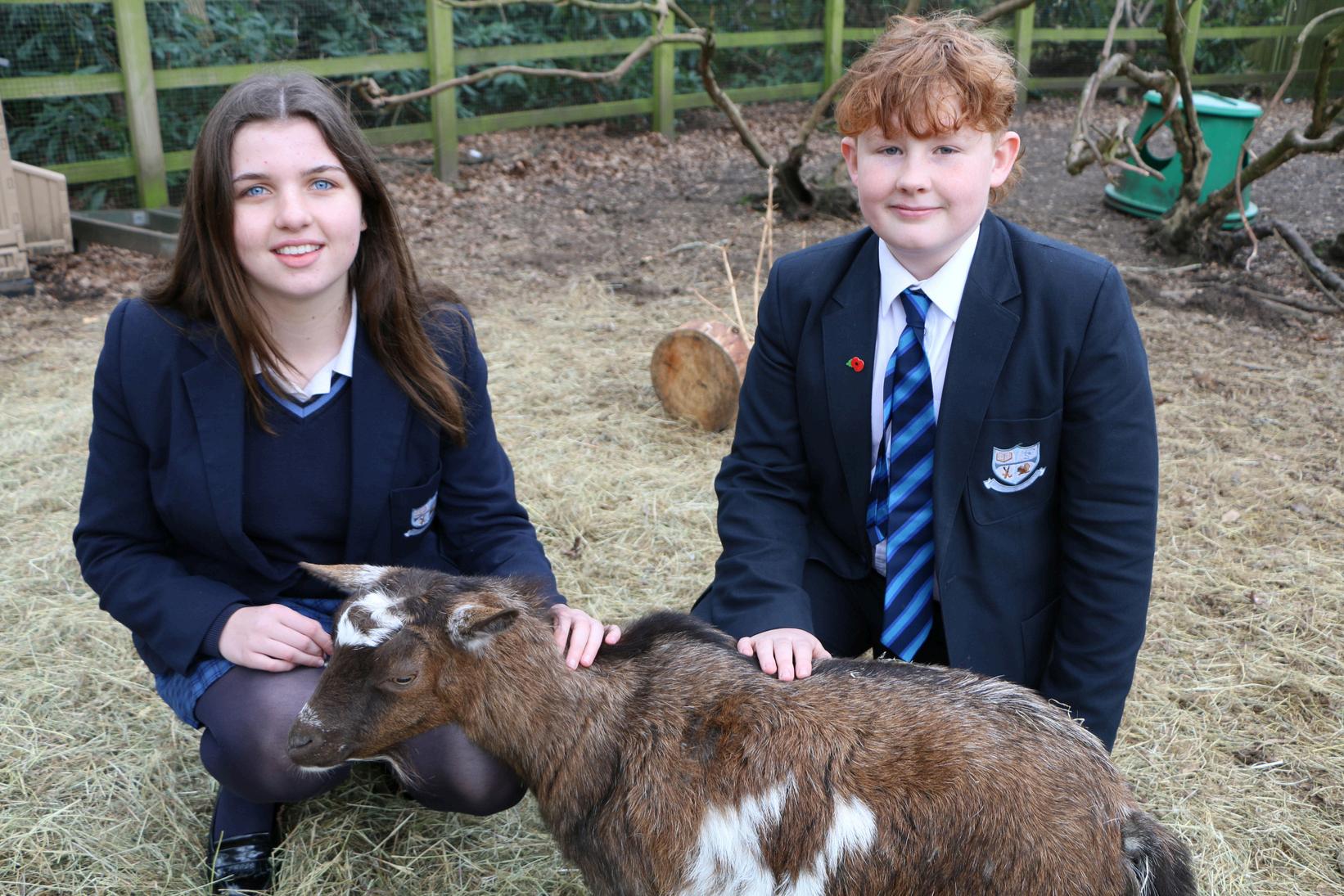
BTEC Level 1/Level 2 Tech Award in Animal Care - Pearson
The BTEC Tech Award suite has been designed to meet the Department for Education (DfE) requirements for qualifications to be offered as technical awards for 14–16 year-olds. This subject must have been started in Year 9 and can be discontinued at the end of Year 9 if the pupil wishes to choose an alternative option.
The animal care sector is evolving rapidly, transitioning from a primarily manual, low-grade industry into a dynamic service sector that meets the diverse needs of animal owners and enthusiasts. In 2019, the sector contributed approximately £1 billion to the UK economy, encompassing 20,000 businesses, 78,000 employees, and numerous volunteers
There are various career paths within animal care, working with animals that are small or large, domesticated or exotic, across sub-sectors such as animal welfare, business, science, and wildlife conservation
Studying this sector at Key Stage 4 complements GCSE study, providing an opportunity for practical application alongside theoretical understanding. Additionally, there are strong opportunities for post-16 progression in this vital and growing field
Components Learners are required to complete and achieve all three components in the qualification
1. Animal Handling
Learners will develop their animal handling skills and gain an understanding of animal behaviour principles, enabling them to handle and restrain animals safely
2. Animal Housing and Accommodation
Learners will explore the housing and accommodation requirements of animals by preparing, checking and cleaning out animal accommodation
3.Animal Health and Welfare
Component 3 covers all aspects of animal health and welfare, providing learners with a solid understanding of the relationship between animal wellbeing and its impact on maintaining strength and vigour. This component also explores how animals are used in society and the legislation in place to protect them
The Pearson BTEC Level 1/Level 2 Tech Award in Animal Care has:
Total Qualification Time: 151 hours
Guided Learning Hours: 120 hours
Art and Design – Edexcel
GCSE Art and Design offers pupils a wide range of creative, exciting, and stimulating opportunities to explore their interests in a way that is both personally relevant and developmental. Art and Design and Textile and Design cannot be chosen togther; pupils may select one or the other
This two-unit specification allows pupils to actively engage in the processes of Art and Design, building creative skills through practical exploration Pupils will develop imaginative and intuitive ways of working, alongside a deeper knowledge and understanding of media, materials, and technologies in both historical and conte cultures
Assessment is by component
Component 1: Personal Portfolio which is worth 60%
Component 2: Externally Set Assignment (ESA) which is worth 40%
It provides a strong foundation for further progression to Art and Design-related courses, such as A-Level Art and Design, as well as enhanced vocational and career pathways in the creative industries.
Art, Craft and Design
This is a broad course that explores practical and critical/contextual work through a range of 2D and/or 3D processes, as well as new media and technologies It is an unendorsed course, allowing pupils to work with a variety of art, craft, and design materials and processes
Pupils are expected to produce both practical and contextual work related to at least two of the following disciplines:
Fine Art (2D & 3D)
Textile Design
Photography
ntent:
1.Business in the real world
The purpose and nature of businesses
Business ownership
Setting business aims and objectives
Stakeholders
Business location
Business planning and expanding a business
2.Influences on business
Technology
Ethical and environmental considerations
The economic climate on businesses
Globalisation and legislation
Competitive environment
3.Business operations
Production processes
The role of procurement and the concept of quality
Good customer service
4.Human resources
Organisational structures
Recruitment and selection of employees
Motivating employees and training
5.Marketing
Identifying and understanding customers
Segmentation
The purpose and methods of market research
The elements of marketing (4Ps)
6.Finance
Sources of finance
Cash flow, financial terms and calculations
Analysing the financial performance of a business
Assessments: 2 Written exams – 1hr 45 minutes each. Each worth 50% of the GCSE. 10% of the questions are maths based. Predicted Grade 4+ in English and Maths recommended
Computer Science - AQA
Computer Science is part of the English Baccalaureate and is increasingly recogn pathway to future economic success. Th balances theoretical knowledge with pra skills, providing pupils with a comprehen understanding of the digital world Pupils will study:
Algorithms
Data structures
Computer systems
Networks and cybersecurity
While developing programming skills, pu gain a deeper insight into how computer how data is processed and transmitted. T fosters logical and creative problem-solv through computational thinking. This qualification is linear, meaning all ex taken at the end of the course, ensuring well-prepared with both theoretical and practical expertise in Computer Science.
Unit 2: Theoretical Knowledge of Computer Science
Unit 1: Computational Thinking and Problem Solving
(Written Exam – Paper 1 | 2 hours | 90 marks | 50% of GCSE)
This unit focuses on computational thinking, the thought process involved in formulating problems and expressing solutions in a way that a computer can execute.
Pupils will be assessed on:
Problem-solving techniques
Code tracing
Applied computing concepts
This paper evaluates pupils' ability to break down problems logically and apply computational principles to real-world scenarios.
(Written Exam – Paper 2 | 1 hour 45 minutes | 90 marks | 50% of GCSE)
This unit assesses pupils' understanding of key theoretical concepts in Computer Science, including:
Data representation
Computer systems
Networks and cybersecurity
Relational database design
Ethical, legal, and environmental impacts of digital technology on society, including privacy concerns This paper evaluates pupils' ability to analyse the broader implications of technology and understand the foundations of modern computing systems.
Computer Science - AQA
Programming Practice
Although there is no formal coursework, pupils will complete mini programming projects in Year 10 and larger projects in Year 11 to apply their programming knowledge Many Unit 1 topics can be explored through coding, helping pupils develop problem-solving skills, plan data structures, use a modular approach, and consider user interface design These projects ensure pupils gain hands-on experience in good programming practices.
Subject Content
Fundamentals of algorithms
Programming
Fundamentals of data representation
Computer systems
Fundamentals of computer networks
Fundamentals of cyber security
Ethical, legal and environmental impacts of digital technology on wider society, including issues of privacy.
Drama - AQA
Why study Drama?
Studying Drama helps pupils develop valuable life skills that extend beyond the stage While it is ideal for those considering a career in the entertainment industry, it also benefits pupils pursuing a wide range of professions
GCSE Drama enhances skills such as voice projection, physical expression, and creative storytelling through playwriting and direction These experiences build confidence in communication, preparing pupils for success in their future careers.
Assessments:
Component 1: Understanding Drama
This written exam assesses pupils on their knowledge and understanding of how drama and theatre are developed and performed (AO3), including the study of a set play. Pupils are also evaluated on their ability to analyse and evaluate live theatre (AO4). This exam constitutes 40% of the GCSE
The exam is divided into three compulsory sections:
Section A – Theatre roles and terminology
Section B – Study of a set text
Section C – Live theatre production analysis and evaluation.
Component 2: Devising Drama
This component assesses pupils on their ability to:
Create and develop ideas to communicate meaning in a theatrical performance (AO1) Apply theatrical skills to realise artistic intentions in live performance (AO2)
Analyse and evaluate their own work (AO4).
Component 2 constitutes 40% of the GCSE and is marked by teachers and moderated by AQA.
For this component, pupils are required to complete two assessment tasks:
Devising Log – an individual written log documenting the devising process (30% of the whole GCSE)
Final Devised Performance – a duologue or group performance (10% of the whole GCSE)
Component 3: Texts in practice
This practical component assesses pupils on their ability to apply theatrical skills to realise artistic intentions in live performance (AO2) It constitutes 20% of the GCSE and is marked by AQA.
For this component, pupils must complete two assessment tasks:
Study and present a key extract from a play (monologue, duologue, or group performance)
Study and present a second key extract from the same play.
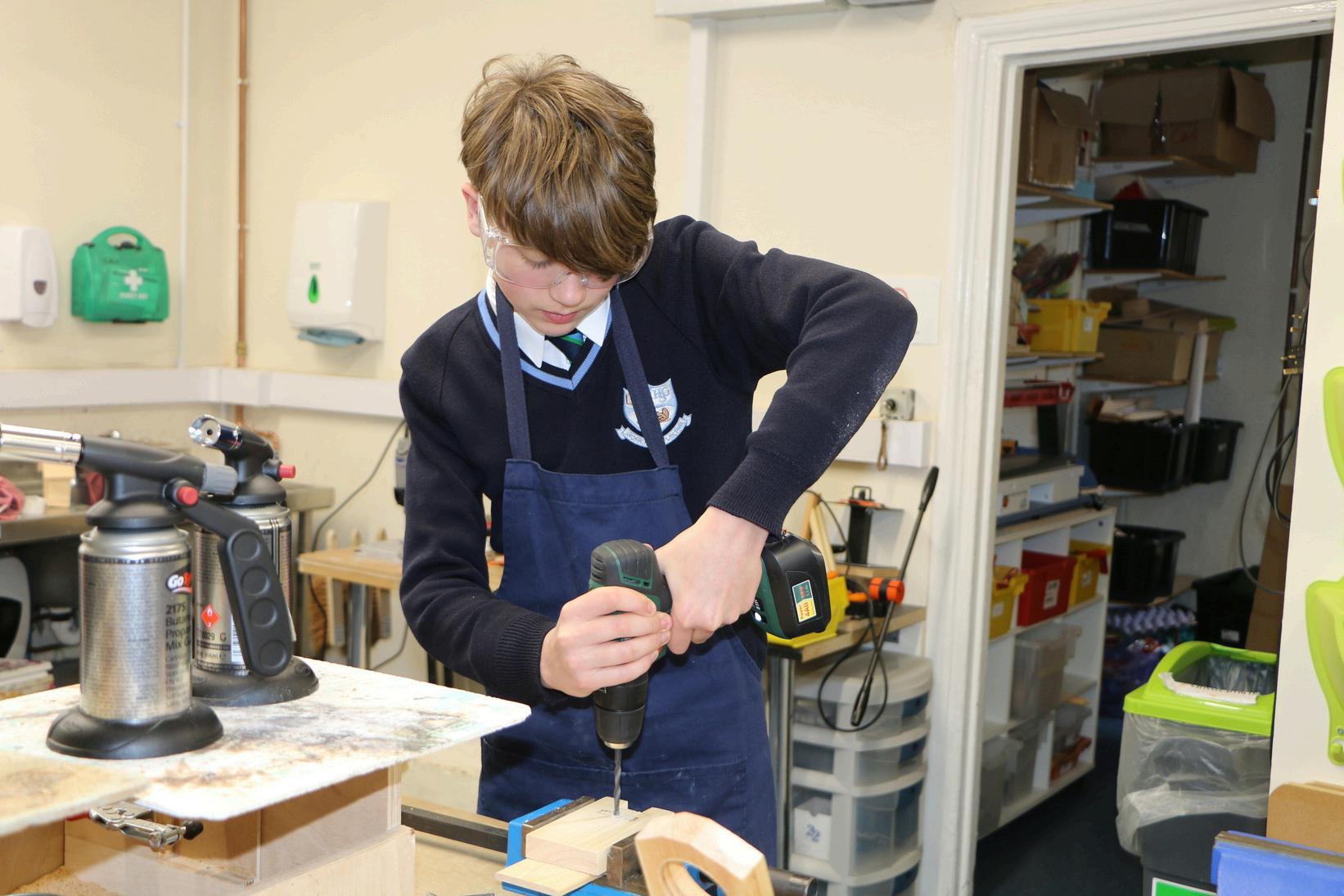
Design and Technology - AQA
Design and Technology is a creative and imaginative subject that encourages pupils to design and make products to solve real and relevant problems in various contexts, considering their own and others’ needs, wants and values
The subject integrates a broad range of knowledge, drawing on disciplines such as mathematics, science, engineering, computing and art. Pupils are encouraged to take risks, becoming resourceful, innovative and enterprising, while critically evaluating the products around them and their impact on daily life and the wider world
Popular careers for people with design and technology qualifications include engineering, fashion, architecture, interior design, product design and carpentry.
In this course, pupils will develop designing, making and evaluating skills, while also exploring industrial methods, environmental issues, sustainability, computer-aided design and manufacture, components and materials.
Design and Technology is a hands-on subject that requires pupils to be proactive both in lessons and at home The best results are achieved by those who go the extra mile, embrace challenges and are willing to learn from mistakes.
Assessment Overview
The course is assessed as follows:
Written Exam: 50%
Non-Exam Assessment (NEA): 50% – a single design and make task
Written Exam (50%) – 2 hours
Section A: Core Technical Principles (20 marks)
A mix of multiple-choice and short-answer questions assessing a broad range of technical knowledge and understanding.
Several short-answer questions (2–5 marks) and one extended response to assess a more in-depth understanding of technical principles
Section C: Designing and Making Principles (50 marks)
Assesses pupils' ability to apply their knowledge of designing and making processes
At least 15% of the qualification will assess mathematical skills, which will be examined in the written paper
The level of mathematical demand is higher than KS3 Maths Science skills are embedded within the Design and Technology content, though there is no prescribed percentage allocation for them
Non-exam assessment (NEA): 50%
Each year, on 1st June, the exam board will provide three contextual challenges, from which pupils must choose one to respond to Pupils will complete a project that includes:
A portfolio (approximately 20 sides of A3 paper or electronic presentation)
A prototype
This should be completed in approxima
Assessment Criteria
Pupils will be assessed on the following
Identifying and investigating design
Producing a design brief and specif
Generating design ideas
Developing design ideas
Realising design ideas
Analysing and evaluating
From the contextual challenge, pupils w identify a problem and a design context then develop a range of potential soluti before manufacturing a prototype
Example of a Past Contextual Challenge: Developing Communities
Pupils were asked to explore solutions to improve community living and sustainability. Possible design challenges included:
How can we share our community spaces better?
How can shipping containers be reused as living accommodation?
How can we encourage communities to be more sustainable?
Pupils identified a problem within the context, developed potential solutions and created a prototype to address the challenge
Food Preparation and Nutrition - AQA
GCSE Food Preparation and Nutrition is a science-based subject that enables pupils to: Demonstrate effective and safe cooking skills by planning, preparing and cooking using a variety of food commodities, techniques and equipment
Develop knowledge and understanding of the functional properties and chemical processes of food, as well as its nutritional content
Understand the relationship between diet, nutrition and health, including the physiological and psychological effects of poor diet
Explore economic, environmental, ethical and socio-cultural influences on food availability, production processes and dietary choices
Apply knowledge of functional and nutritional properties, sensory qualities and microbiological food safety when preparing, processing, storing, cooking and serving food
Understand and explore a range of ingredients and processes from international culinary traditions to inspire new ideas or modify existing recipes.
This is a linear AQA GCSE course, with assessment taking place in Year 11 It consists of a written exam (50%) - 1 hour minutes in June and non-examination assessment (NEA) practical projects (50
The NEA includes:
Food Investigation (15%) – undertake in the Autumn term
Food Preparation Assessment (35%) undertaken in the Spring term.
Beyond the Classroom – Enriching Lea
To enhance their understanding of Foo to:
Engage in discussions about health studied in class
Explore food-related experiences, s restaurants, specialist food markets g g p
Follow food-related topics in the media, developing critical analysis skills and engaging in debates about current food issues. Watching programmes such as MasterChef or The Great British Bake Off can provide further inspiration
Examine and discuss food and nutritional labels, food products, and consumer choices, gaining a deeper understanding of the food industry
Cook regularly at home, experiment with new foods, and seek feedback from willing home taste testers to objectively evaluate prepared dishes.
Pupils can flourish in this subject, creating innovative, tasty and exciting dishes while developing valuable life skills, deeper scientific understanding and high-quality written reports
This qualification provides a strong foundation for further study in food-related fields at university and prepares pupils for careers in the diverse and expanding food industry, the world’s largest employer
Geography - AQA
Course Objectives
This exciting and relevant course provides a balanced framework of physical and human geography, exploring the connections between them Pupils will travel the world from their classroom, examining case studies from the United Kingdom, Nigeria, India, Brazil and beyond. The course covers a diverse range of geographical topics, including:
Physical Geography – natural hazards, tropical rainforests and coasts
Human Geography – rapidly evolving urban environments, developing countries and vital resource management
heir own
ify trends
xploring sustainable solutions to pressing issues
Research and Data Collection – Skills in fieldwork, data gathering and interpretation, enabling pupils to conduct surveys, analyse patterns and present findings.
Communication Skills – The ability to present complex geographical concepts clearly through written reports, presentations and debates, enhancing both verbal and written communication.
Course Content
Pupils will study all aspects of Geography, including Human Geography, Physical Geography and Geographical Skills. The GCSE places a strong emphasis on the geography of the UK, developing pupils' knowledge of its landscapes, environmental challenges, changing economy and society.
Fieldwork Requirement
Pupils must undertake fieldwork in at least two contrasting environments Their skills and understanding of the investigation process will be assessed in the Geographical Applications paper
Exam Structure
The GCSE is assessed through three exam papers: Human Geography, Physical Geography and Geographical Applications There is no tiered entry; instead, the papers are designed to increase in challenge as they progress. Extended writing is also a key aspect of the examinations
The structure is as follows:
Living with the Physical Environment (Paper 1) – 90 minutes 88 marks
Section A: The Challenge of Natural Hazards
Studying: Natural Hazards, Tectonic Hazards, Weather Hazards and Climate Change
Section B: The Living World
Studying: Eco, Tropical Rainforests and Hot Deserts
Section C: Physical Landscapes in the UK
Studying: UK Physical Landscapes, Coastal Landscapes in the UK and River Landscapes in the UK
Challenges in the Human Environment (Paper 2) – 90 minutes 88 marks
Section A: Urban Issues and Challenges
Studying: Changing Urban Patterns, Rio de Janeiro, Southampton
Section B: The Changing Economic World
Studying: Development, Nigeria, Changes in the UK Economy
Section C: The Challenge of Resource Management
Studying: Resource Management of Food, Water and Energy in the UK and Resource Management of Energy on a global scale
Geographical Applications (Paper 3) – 90 minutes 76 marks
Section
A:
Issue Evaluation
Pupils will apply critical thinking and problem-solving to any geographical issue from the syllabus. A resource booklet on a selected issue will be provided 12 weeks before the exam, allowing pupils to familiarise themselves with the resources they will use
Section B: Fieldwork
Two geographical enquiries will be conducted in the field, and pupils will be questioned about them in the exam.
Geographical Skills
Pupils will develop a range of geographical skills, including:
Cartographic skills – Atlas maps, Ordnance Survey maps, maps in association with photographs
Graphical and numerical skills
Statistical skills
Use of qualitative and quantitative data
Formulation of enquiry and argument
Literacy skills.
Progression Post-16
GCSE Geography prepares pupils well for A-Level Geography, Sociology, Politics, Geology, Economics and many other subjects
Geographers stand out in the workplace due to their diverse skill set. Popular careers for geographers include:
Surveying, Town Planning, Environmental Consultancy, Geophysical Engineering, Meteorology, Volcanology, Teaching, Law, Banking, Museum and Arts, and Travel Agency roles.
History - IGCSE Edexcel
Why choose GCSE History?
History is all around us, shaping the world we live in today. By studying IGCSE History, pupils will explore important questions such as: Why do wars happen? Why do we have a welfare system? How has our society become multicultural?
Through learning about key historical events and the people who shaped them, pupils will gain a deeper understanding of how the world has changed - and how it will continue to evolve in the future.
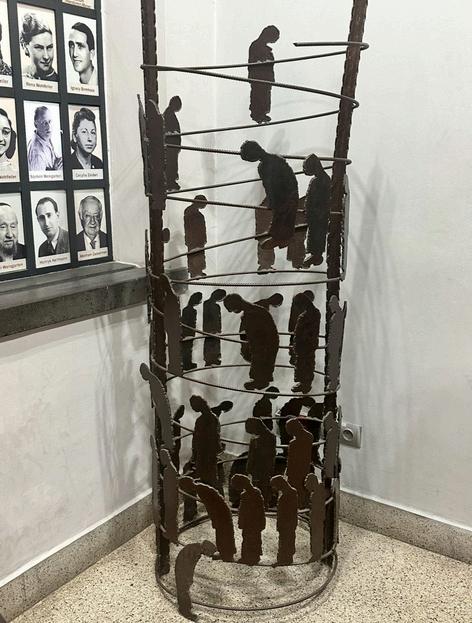
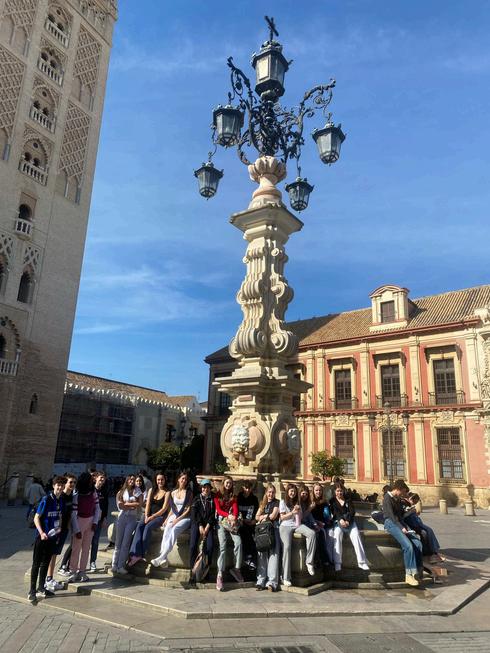
Krakow 2023
Skills and Opportunities in History
Studying History not only allows pupils to explore a wide range of exciting historical periods but also helps develop valuable skills that are beneficial for A-Levels and future careers. These include:
Excellent communication and writing skills
How to construct an argument
Research and investigation skills
Problem-solving skills
Analytical and interpretation skills.
Pupils will also have the opportunity to visit historical sites, with trips to WWI Battlefields, Krakow and Auschwitz, Berlin or Munich
Future Career Pathways
Studying History can lead to exciting career opportunities in fields such as:
Journalism
Law
Business
Politics
Archaeology
Marketing
Teaching
IGCSE History Course Outline
Each unit is worth 25% of the IGCSE, covering key historical events and themes: Development of Dictatorship: Germany (1918–45)
A Divided Union: Civil Rights in the USA (1945–74)
The Vietnam Conflict (1945–75)
Changes in Medicine (1848–1948)
The course begins in the summer term of Year 9, is studied over three years, and is assessed through two 90-minute examination papers
Each exam consists of three questions per topic, assessing:
Source analysis and evaluation
Analytical writing
Understanding of change and continuity over time
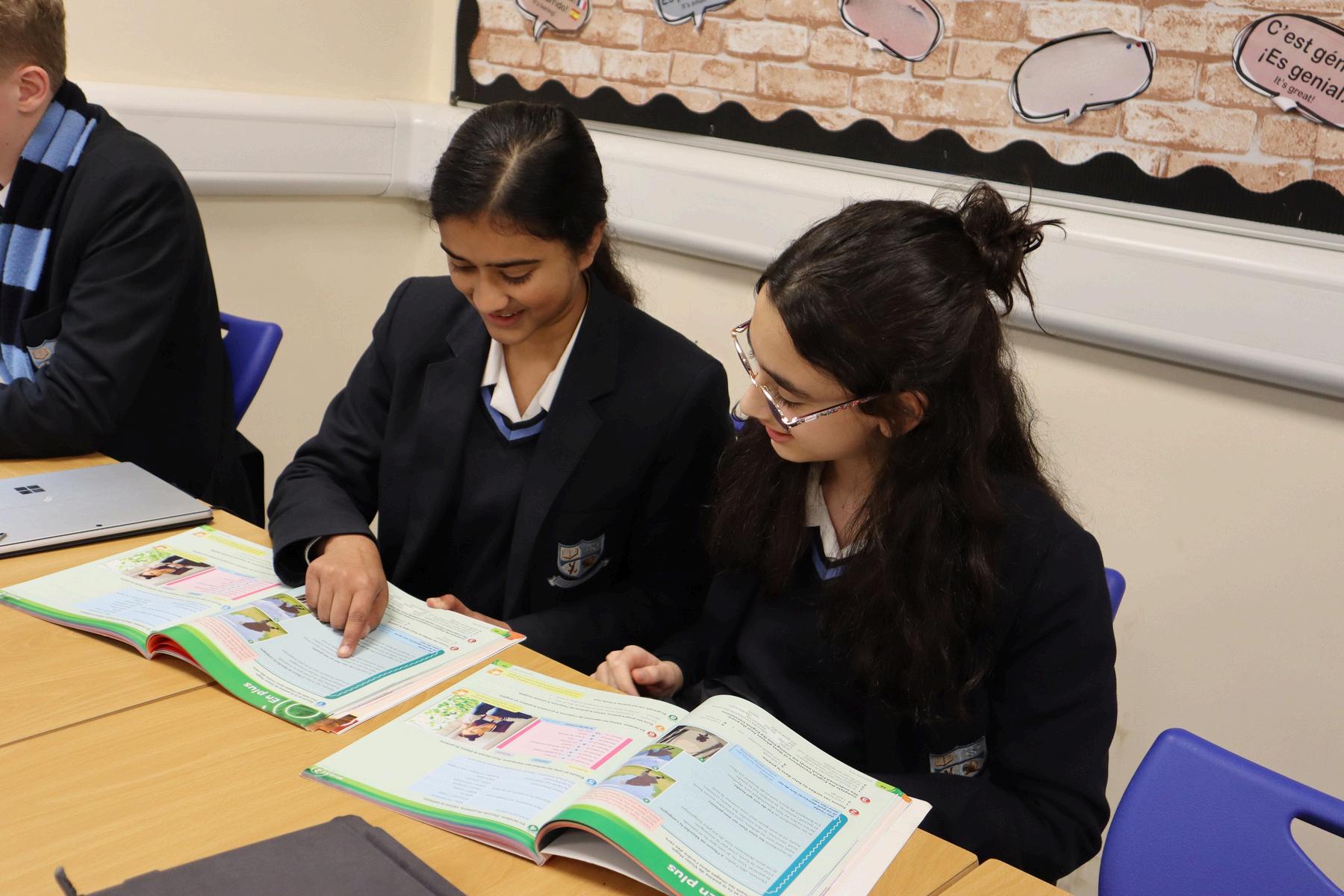
Modern Foreign Languages - Edexcel
It is strongly advised that all pupils take a Modern Foreign Language GCSE Learning a language is a valuable skill, beneficial for both future careers and personal enrichment Communication skills are essential in today’s global community, and proficiency in a foreign language demonstrates adaptability, open-mindedness, and a capacity for learning - all key qualities in the fast-changing world of business.
The aims of a language GCSE are:
Develop an understanding of the language in a variety of contexts
Equip pupils with transferable language learning skills.
Gain awareness and understanding of the countries where the language is spoken
Pupils will practice the four key skills - listening, speaking, reading and writing - through a variety of methods, including pair and group work, reading authentic materials such as news articles and watching films and theatre productions
Course Structure
Pupils will follow the Edexcel GCSE course, exploring key themes that provide a broad understanding of the language in real-world contexts The main themes are:
My Personal World
Lifestyle and Wellbeing
My Neighbourhood
Media and Technology
Studying and My Future
Travel and Tourism
Content and Assessment overview
The Edexcel GCSE consists of four externally examined papers, assessing the following skills: Listening, Speaking, Reading and Writing. The speaking assessment takes place in April/May Each paper is available at Foundation Tier or Higher Tier Pupils must be entered for the same tier across all papers
French
French is the language of our nearest European neighbour and a major international language, widely spoken across the world in business, diplomacy and culture.
Listening:
Pupils are assessed on their understanding of standard spoken French, as presented by one or more speakers in various public and social settings. They will respond to multipleresponse and short-answer open response questions Additionally, pupils must complete a short dictation in French, applying the principles of French spelling.
Speaking:
Pupils are assessed on their ability to communicate and interact effectively in spoken French across different purposes and settings. The speaking assessment consists of three tasks:
Task 1: Read aloud a short passage and answer two short unprepared questions.
Task 2: Role play based on one topic allocated by the exam board.
Task 3: Picture description followed by two short unprepared questions and a follow-on conversation. The assessments are conducted by teachers in a single session within a prescribed assessment window, with recordings submitted for external marking.
Reading:
Pupils are assessed on their understanding of written French across a variety of texts, including advertisements, emails, articles and literary extracts They will also be required to translate from French into English.
Writing:
Pupils are assessed on their ability to communicate effectively in writing in French/Spanish/German for different purposes and audiences They will also be required to translate from English into the target language
German
German is the official language of seven European Union countries and is spoken by over 100 million people Germany has the largest economy in Europe and ranks fourth worldwide Additionally, German is the second most commonly used scientific language, making it highly valuable for academic and professional opportunities
Listening:
Pupils are assessed on their understanding of standard spoken German as presented by one or more speakers in various public and social settings They will respond to multipleresponse and short-answer open response questions based on recordings featuring male and female German speakers
Additionally, pupils must complete a short dictation in German, applying the principles of German spelling
Speaking:
Pupils are assessed on their ability to communicate and interact effectively in German for different purposes and settings. The speaking assessment consists of three tasks:
Task 1: Read aloud a short passage and answer two short unprepared questions
Task 2: Role play based on a topic allocated by the exam board
Task 3: Picture description followed by two short unprepared questions and a followon conversation.
The assessments are conducted by teachers in one session within a prescribed assessment window, and the recordings are then submitted for external marking
Reading:
Pupils are assessed on their understanding of written German across a variety of texts, including advertisements, emails, articles, and literary texts. They will also be required to translate from German into English
Writing:
Pupils are assessed on their ability to write effectively in German for different purposes and audiences. They will also be required to translate from English into German.
Spanish
Spanish ranks as the world’s second-most spoken language by native speakers, with over 460 million people using it as their first language.
Listening:
Pupils are assessed on their understanding of standard spoken Spanish from one or more speakers in various public and social settings They will respond to multipleresponse and short-answer open response questions based on a recording featuring male and female Spanish speakers
Additionally, pupils must complete a short dictation in Spanish, applying the principles of Spanish spelling.
Speaking:
Pupils are assessed on their ability to communicate and interact effectively in Spanish for different purposes and settings. The speaking assessment consists of three tasks:
Task 1: Read aloud a short passage and answer two short unprepared questions
Task 2: Role play based on a topic allocated by the exam board.
Task 3: Picture description followed by two short unprepared questions and a follow-on conversation.
The assessments are conducted by teachers in one session within a prescribed assessment window, and the recordings are then submitted for external marking
Reading:
Pupils are assessed on their understanding of written Spanish across a variety of texts, including advertisements, emails, articles, and literary texts They will also be required to translate from Spanish into English.
Writing:
Pupils are assessed on their ability to write effectively in Spanish for different purposes and audiences. They will also be required to translate from English into Spanish.
BTEC Music - Edexcel
Why study Music?
BTEC Music is a vocational course that allows pupils to explore a variety of musical styles and genres through performance, composition and production It encourages them to focus on their interests, develop their own musical voice and gain key skills to support their growth.
The course is fun and varied, featuring a range of tasks and activities. It helps build confidence and creativity while opening doors to various career paths in the music industry and beyond.
What will pupils learn?
Pupils explore a variety of musical genres and learn to use DAW software to write, record and produce music They develop the practical and technical skills required for careers in the music industry, both on-stage and behind the scenes
How is the course assessed?
Component 1 (30%): Internally assessed coursework
Pupils produce work that demonstrates their understanding of a broad range of musical genres and learn to create different products, such as compositions and audio recordings. They are given the freedom to focus on the styles and products that interest them most.
Component 2 (30%): Internally assessed coursework
Pupils develop a variety of industry-relevant skills and p g their progress They conduct a skills audit to assess their abilities as musicians and implement a development plan, tracking their progress over time as they refine the areas that interest them most or require further improvement
Component 3 (40%): Externally assessed coursework
Pupils apply the skills learned in the previous two units to respond to a brief set by the exam board, choosing to work as a composer, performer or producer
Course requirements
Pupils must learn a musical instrument or take singing lessons and be at least Grade 3 standard by the start of the two-year course They should be able to read music and understand core concepts such as scales and chords. If unsure about meeting these requirements, please speak to Mr Williams
Pupils are also expected to participate regularly in school concerts and attend relevant school ensembles.
Physical Education - Edexcel
This GCSE in Physical Education will equip pupils with the knowledge, understanding, skills and values necessary to develop and maintain their performance in physical activities. Pupils will also gain an understanding of how physical activities benefit health, fitness and well-being
The course comprises 4 components. Components 1 and 2 are written examinations, which make up 60% of the overall mark. Component 3 is a practical performance, contributing 30% to the final mark The remaining 10% comes from a Personal Exercise Programme (PEP).
This component assesses pupils' knowledge and understanding of the factors that underpin physical activity and sport performance. Pupils will develop their theoretical knowledge of applied anatomy and physiology, movement analysis, and physical training, enabling them to analyse and evaluate performance and devise informed strategies for improving and optimising their own practical performance
Component 2:
1: Health and Performance
This component assesses pupils' knowledge and understanding of the factors that underpin participation and performance in physical activity and sport. Pupils will develop their theoretical understanding of the contribution that physical activity and sport make to health, fitness, and well-being, and how these impact their own performance.
Sports psychology will be introduced, focusing on skill development through relevant practice, guidance, and feedback Pupils will also gain knowledge that can be applied to their own learning in practical situations to enhance their performance.
Additionally, key socio-cultural influences that affect people's involvement in physical activity and sport will be explored
Component
Component 3:
Practical Performance
Non-examined assessment which is internally marked and externally moderated 30% of the qualification
105 marks (35 marks per activity)
The purpose of this component is to assess pupils' skills in a range of practical performances Pupils will be required to perform in three different physical activities in the role of player/performer They must demonstrate their skills in isolation/unopposed situations and in formal/competitive situations while performing under pressure
Component 4:
Personal Exercise Programme (PEP)
Non-examined assessment: internally marked and externally moderated 10% of the qualification 20 marks
The purpose of this component is to assess pupils’ skills in analysing and evaluating performance through a personal exercise programme (PEP) in order to improve/optimise performance in a chosen physical activity.
Pupils will develop knowledge and understanding of the principles of training, relevant methods of training and use of data in order to analyse and evaluate their PEP The PEP will cover a six-to-eight-week period, and can relate to any physical activity of their choice from the activities list given in Component 3
The above information was taken from: http://qualifications.pearson.com/en/qualifications/ edexcel-gcses/physical-education-2016.html
Psychology AQA
Why choose to study GSCE Psychology?
Have pupils ever wondered why people behave the way they do? Do pupils want to understand how memory works, why people conform, or what happens in the brain when we experience emotions? If so, GCSE Psychology is the subject for them! Psychology is the scientific study of the mind and behaviour, helping us understand ourselves and others By studying psychology, pupils will develop valuable skills in analytical thinking, problem-solving, and research, which are useful in almost any career.
Key Skills You Will Develop
Studying GCSE Psychology will help pupils build three essential skills:
AO1 (Knowledge and Understanding): Learn psychological concepts, theories and research studies
AO2 (Application): Apply psychological knowledge to real-life situations and case studies.
AO3 (Evaluation): Analyse and critically evaluate psychological research, considering strengths, weaknesses and ethical issues.
GCSE Psychology (AQA) is assessed through two exam papers at the end of Year 11 The questions in the paper are made up of multiple-choice, short-answer and essay questions.
Paper 1: Cognition and Behaviour (100 marks, 1 hour 45 minutes, 50% of the GCSE)
Topics:
Memory
Perception
Development
Research Methods
Paper 2: Social Context and Behaviour (100 marks, 1 hour 45 minutes, 50% of the GCSE)
Topics:
Social Influence
Language, Thought & Communication
Brain & Neuropsychology
Psychological Problems
Course Requirements
Psychology is a science-based subject that involves research methods, data analysis, and biological explanations of behaviour. To succeed in this course, pupils should be comfortable with scientific thinking and numbers
It is recommended that pupils achieve at least a Grade 4 in both Maths and Biology by the end of Year 9 to confidently manage the course content.
Future Career Opportunities
Psychology is a subject that opens doors to many careers, including:
Healthcare & Medicine: Clinical Psychologist, Mental Health Nurse, Neuroscientist
Education & Social Work: Educational Psychologist, Teacher, Social Worker
Business & Technology: Human Resources, Market Researcher, Marketing
Law & Criminology: Forensic Psychologist, Lawyer, Police Officer
Psychology is everywhere, and the skills developed will be useful in almost any field!
Religious Studies - Edexcel
Why study Religious Studies at GCSE?
Religious Studies is about enabling pupils to think for themselves about religious and moral issues, h become responsible citizens of a multi-ethnic a society By studying Religious Studies at GCSE the opportunity to explore Christianity and Islam while considering how to approach moral and pupils enjoy discussion and debate and want to key issues in today’s world, this course is for th What will pupils study?
The Edexcel GCSE (9-1) Religious Studies spec pupils the exciting opportunity to gain a deepe of Christianity and Islam, while exploring philos ethical studies in the modern world Topics inc importance of worship, issues surrounding abo euthanasia, Muslim beliefs on the death penalt on Holy War and pacifism.
Pupils will not only consider how people’s belie lives, but also explore non-religious perspectiv major issues
The Edexcel GCSE (9–1) in Religious Studies B consists of the following two externally examined papers:
Paper 1: Area of Study 1
Religion and Ethics is a written examination based upon the study of Christianity in the following areas:
Religious Belief
Marriage and the Family
Living the Christian Life Matters of Life and Death
Paper 2: Area of Study 2
Religion, Peace and Conflict is a written examination based upon the study of Islam in the following areas:
Religious Belief
Crime and Punishment
Living the Muslim Life Peace and Conflict.
Textile Design - Edexcel
GCSE Textile Design provides pupils with a wide range of creative, exciting and stimulating opportunities to explore their interests in ways that are both personally relevant and developmental Art and Design and Textile and Design cannot be chosen togther; pupils may select one or the other.
This two-unit specification enables pupils to develop their ability to actively engage in the processes of Textile Design Textiles is ideal for pupils who enjoy practical work such as drawing, designing, independent thinking and physically making things. While written, critical and analytical skills are required, the emphasis of the course is on practical work, such as printing, weaving, knitting, mixed media, digital applications, surface design, embroidery and installation
Throughout the course, pupils will work individually, producing drawings and photographs, creating design work, experimenting with samples in a range of media, researching relevant designers and design movements, developing ideas to final pieces, and presenting their work.
Assessment
Component 1: Personal Portfolio which is worth 60%
Component 2: Externally Set Assignment (ESA) which is worth 40%
The course provides a strong foundation for further progression to Art, Textiles, and Fashion Design-related courses such as A-Level Art and Design, along with enhanced vocational and career pathways.
Course Content
GCSE Textile Design teaches pupils about the development of textile-based art and contemporary fashion. Example outcomes might include fabric prints, sculptural clothing designs and jewellery In addition, pupils are encouraged to experiment with unconventional materials. Final outcomes are both 2D and 3D.
Pupils will produce a creative sketchbook filled with textile samples, drawings, and references to the work of influential artists/designers related to their progress The course is ideal for pupils with imagination and curiosity, eager to explore colour, pattern, and design
This is an Art-based course, and pupils will need to draw and paint as part of their Non-Exam Assessment
Access Arrangements at GCSE
An Access Arrangement is support provided in examinations to enable pupils to show what they know and can do, in spite of difficulties which might otherwise prevent them from doing so.
The key point of Access Arrangements is that they are ‘Reasonable Adjustments’ to make the examination system as fair as possible, by alleviating difficulties that can impact on performance but without giving an advantage. They are designed to “level the playing field”.
Access arrangements might include the following:
Word processor
Extra time
Movement breaks
Reading pen
Prompter
Reader
Scribe
Bilingual dictionary.
The use of a specific access arrangement is only granted if it aligns with the support given to the student as their 'normal way of working'.
Access arrangements for GCSEs must be agreed upon starting from Year 9.
Not all candidates will require an access arrangement for every subject, as the need for adjustments depends on the specific requirements of each subject and its methods of assessment The need for access arrangements is therefore considered on a subject-bysubject basis.