backstory ZINE
backstory ZINE
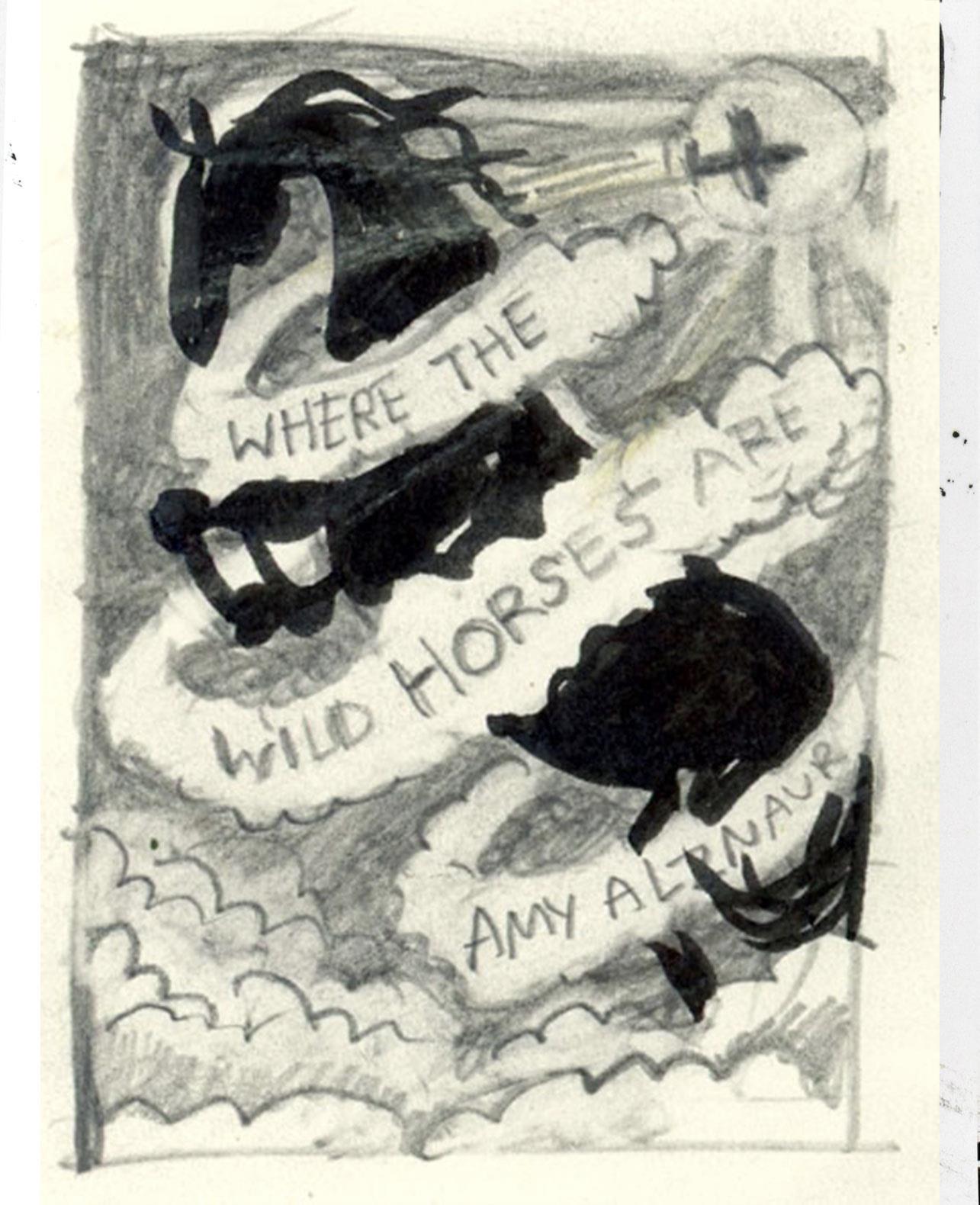
…whenyouareagirlwholoveshorsesisnotagood thingtobe. That’s the line that begins Where theWild HorsesAre , for horse dreams go deep in my family. My great great grandmother rode across the country on horseback with a violin strapped to her back. And my mother spent hours as a child dreaming of vaulting over the rump of a palomino and galloping off into the Sacramento sunset.
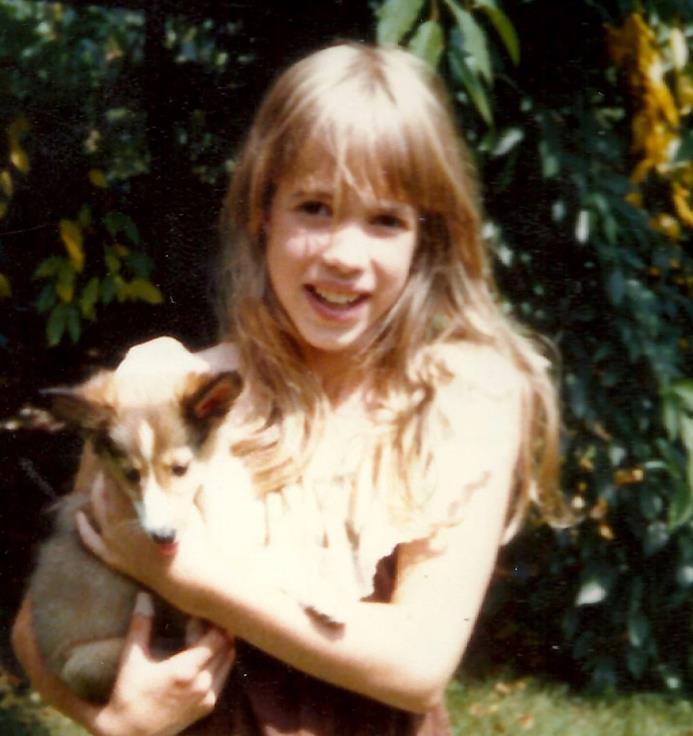
But growing up on a cul-de-sac in Pennsylvania, there were no horses in sight. It was a dog I desired, so deeply and desperately it hurt. Doglessness was a pain just as great as Nash’s horselessness. I scratched “dog” on a rock and buried it beneath my climbing tree.
My rock eventually came through. The summer before I turned ten, we moved from suburbia out to a small farm in the country. I got my long-hoped-for dog, my sister got a cat, and my mother would soon get a horse. To prepare we started riding lessons at a local stable. It was then that my own horse-love began. I’d stand beside this dark bay named Bruno listening to him breathe and think, and I’d believe with all my heart that I could silently talk to him through my hand.
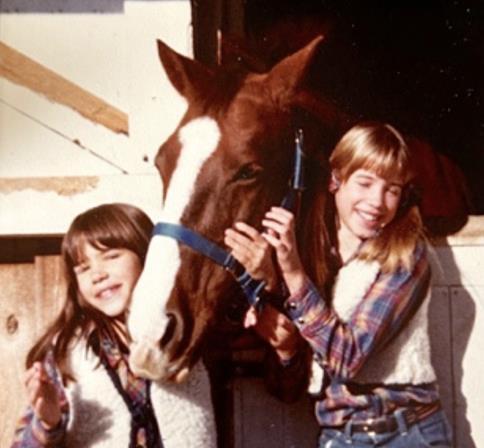
The horse my mother finally got came to us already named - Slam he was called - so we wood-burned a sign for our tiny one-horse barn: Buckingslam Palace. I loved Slam, loved hiding up in the hayloft, reading and looking down on him, smelling his warmth and hay and oats.
It was during these years that I made my first and only childhood attempt at a novel, a story about a wild horse and dog. I never got very far but my outline (which I recently dug out of an old box) lists a twelfth and final chapter, oddly prophetic of Where theWild HorsesAre.
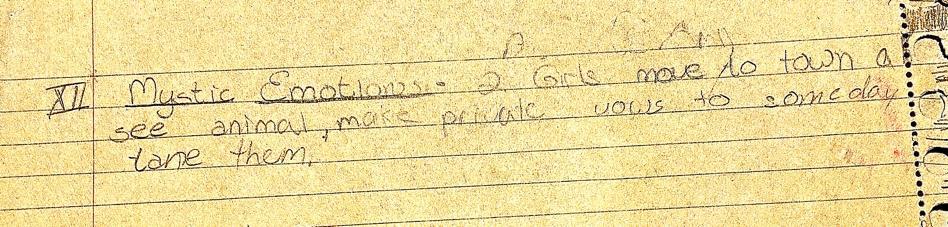
… shares her middle name with two of my other great great grandmothers, Eliza Jane and Eliza Glass, but Nash didn’t really come to life until I witnessed my twelve -year-old daughter, Meg, gentle a wild mustang.
All her life my daughter had pined for a horse. We’d gone through gerbils, a parakeet, and fish, hatched three rounds of chicks, and eventually acquired two dogs but none of this dampened her true quest.
When Meg was eight years old, we came across a round pen at a Pennsylvania county fair with a half-wild mustang inside and a sign announcing a gentling competition for youth. A beam of light might as well have shone down from heaven on that pen.
"You have to be taller first," I told her, picturing calamity and hoping she’d forget about it as she grew.
But at twelve, when Meg had definitively cleared five feet, I gave in. She sent in the paperwork so early, she ended up with first pick of the available mustangs.
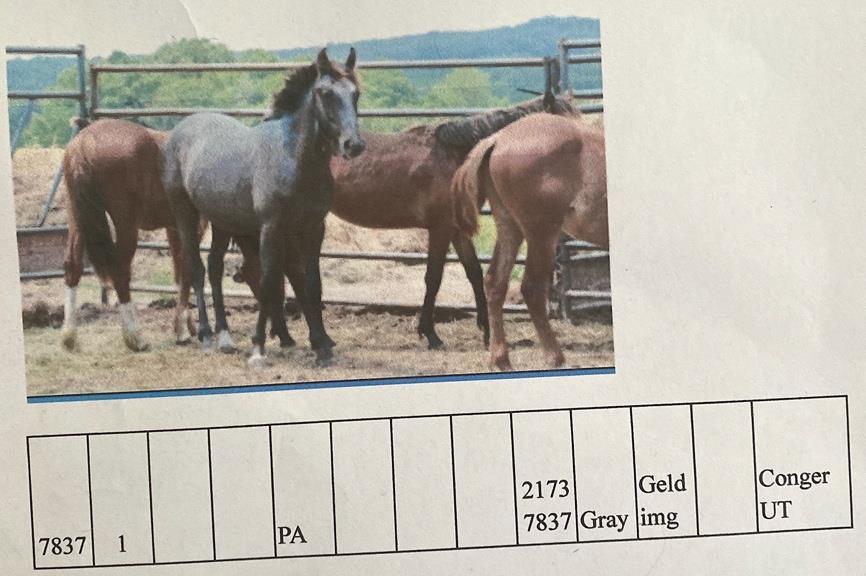
Immediately she fixed on the fiercest horse, number 7837 –the only gray – his ears pricking forward and ending in curved tips like a real dragon. Dragonfly she named him before she ever saw him in the flesh; Dragon for short.
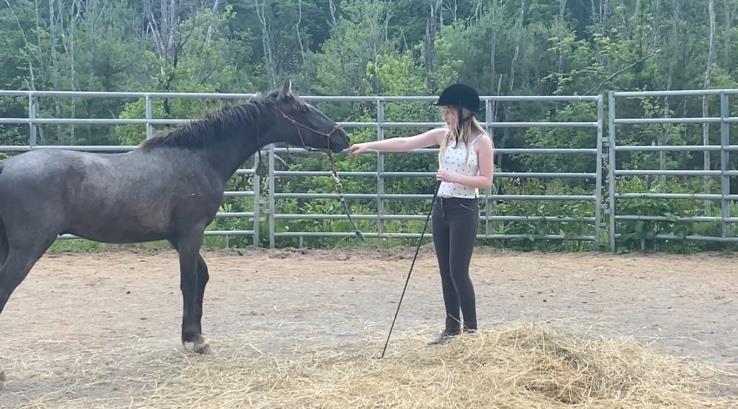
I spent hours that summer immersed in all things mustang. I witnessed Pick Up Day when she first tried to forge a connection with Dragon through the bars of his pen and then him crashing down the metal chute into the trailer; I rejoiced when they got first touch (see above); I watched her train through all the fits and starts of figuring out how to talk to a horse; I met all the burros and other mustangs (some wild, some tame) and dogs and cats that populated that barn.
And somewhere along the way, Nash Eliza West, boots on, book open on her knees, appeared to me, sitting right where she is at the start of the book, staring out her window and trying with all her might to conjure a horse.
Nash draws so much from my daughter that she really wouldn’t be herself, wouldn’t be Nash, if she didn’t live in a family like ours.
My husband, too, is a CODA his first word MILK, fist squeezing and releasing. I always remember, when we were still just dating, the first time he showed me. Sitting in his Hyde Park, Chicago apartment, he began speaking and signing simultaneously. I was stunned by the beauty of this language he’d spoken all his life.
And then I met his wonderful parents – his mother, Cathy, from Ohio, the best storyteller I’ve ever known; his father, Mike, a goldsmith and German immigrant, who learned both ASL and English as a Deaf man, not only out of necessity but out of an irrepressible sense of adventure, which at 80 still lights him up like a boy.
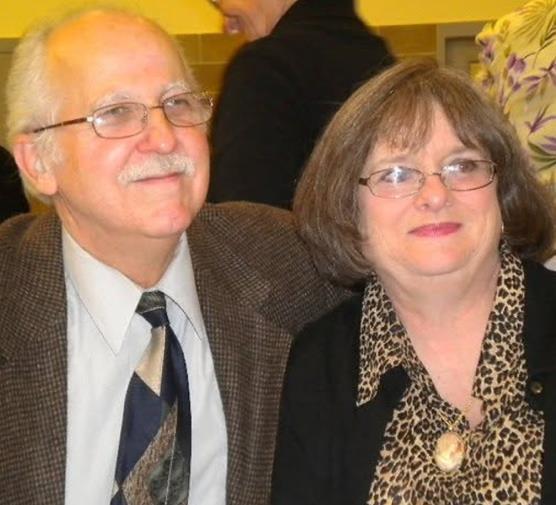
My mother-in-law always recounts how they’d stood together, anxious, waiting to meet me on that first day.
“We tried to look like British people,” she says, laughing, cupping one hand over the other and assuming an overly proper pose. “We tried to look like hearing people.”
Immediately, I began taking ASL classes, reading everything I could get my hands on about Deaf culture, and as soon as they moved from Ohio to Chicago to live on our same block and help us raise our small children, I began signing daily with my family and regularly attending Deaf events: church services, banquets, coffee hours, and theater performances.
But it’s been raising children as GODAS in a closeknit Deaf-hearing family has been the greatest joy. Humor is what I think about most.
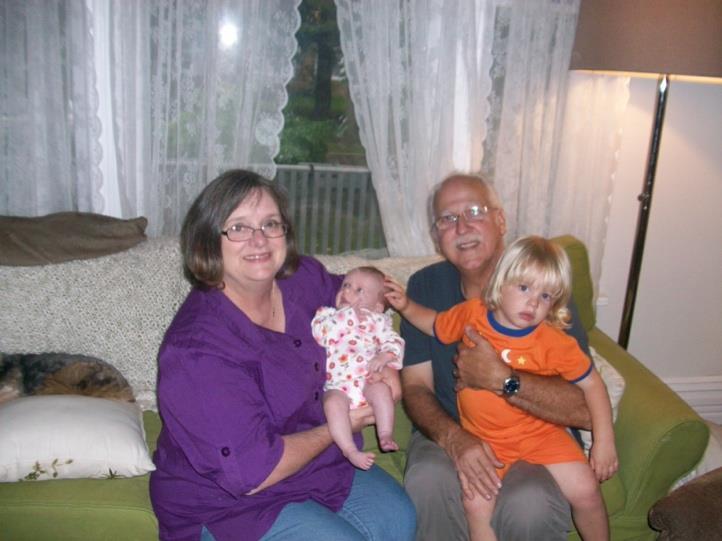
Deaf culture, Cathy tells me, is blunt. She therefore adored my daughter’s four-year-old directness. Once, when they were checking out at Jewel-Osco, the clerk was overly solicitous. Cathy rolled her eyes. “Because I’m Deaf,” she signed to Meg.
“No,” Meg signed back. “Not because you’re Deaf. Because you’re old.” Meg slowly squeezed her fist off her chin for OLD, until Cathy was crying with laughter.
“Life,” my father-in-law always proclaims when he enters our home, when the dogs and kids clamber around him, drawing two flat Ls up the front of his body in a grand gesture. “My heart’s filling up,” Cathy says, making a sign over her heart like its inflating.
For Nash, like for us, signing and talking run together through everything – chatting with Benny through windows at night, working with a wild horse, bearing failure and tragedy, and taking stock of it all at a final, joyous feast.
